Archive for the ‘Military’ Category
ABC NEWS, ALAMO, ALTERNET, AMERICABLOG, ANDREW JACKSON, ANTONIO LOPEZ DE SANTA ANNA, AP, BABY BOOMER RESISTANCE, BBC, BLOOMBERG NEWS, BUZZFEED, CBS NEWS, CHARLES VII, CNN, CROOKS AND LIARS, DAILY KOZ, DAVID CROCKETT, FIVETHIRTYEIGHT, FRANCE, HARPER’S MAGAZINE, HUFFINGTON POST, JAMES BOWIE, JOAN OF ARC, LONE STAR: A HISTORY OF TEXAS AND THE TEXANS (BOOK), MEDIA MATTERS, MOTHER JONES, MOVEON, MSNBC, NBC NEWS, NEW REPUBLIC, NEWSDAY, NEWSWEEK, NPR, PBS NEWSHOUR, POLITICO, POLITICUSUSA, RAW STORY, REUTERS, RUSSIA, SALON, SAM HOUSTON, SEATTLE TIMES, SLATE, T.R. FEHRENBACH, TALKING POINTS MEMO, TEXAS, THE ATLANTIC, THE CHICAGO SUN-TIMES, THE CHICAGO TRIBUNE, THE DAILY BEAST, THE DAILY BLOG, THE GUARDIAN, THE HILL, THE HUFFINGTON POST, THE INTERCEPT, THE LOS ANGELES TIMES, THE NATION, THE NEW REPUBLIC, THE NEW YORK TIMES, THE NEW YORKER, THE VILLAGE VOICE, THE WASHINGTON POST, THINKPROGRESS, TIME, TRUTHDIG, TRUTHOUT, TWO POLITICAL JUNKIES, U.S. NEWS & WORLD REPORT, UKRAINE, UPI, USA TODAY, VLADIMIR PUTIN, VOLODYMYR ZELENSKY, WILLIAM BARRET TRAVIS, WONKETTE, X
In History, Military, Politics, Social commentary on January 1, 2025 at 12:05 am
They seem to come out of nowhere—people who have never had military training nor even any experience with violence. Yet they display an utter fearlessness and eloquence that inspires others to great deeds in the face of overwhelming danger.
For 13 days—from February 23 to March 6, 1836—about 200 frontiersmen defended a ruined mission in San Antonio, Texas, against an army of 2,000 Mexican soldiers.
Few of them had known each other before finding themselves besieged. None of them had had professional military training. Some had served in local militias or as irregulars fighting Indians under the command of frontier officers such as Andrew Jackson.
One of these was David Crockett, recently a Congressman from Tennessee.
Since the vast majority of the garrison were volunteers, they could have deserted the fortress at any time.
Holding them in place was a former lawyer named William Barret Travis. Gifted with an eloquence beyond his 26 years, he gave purpose to their stand.
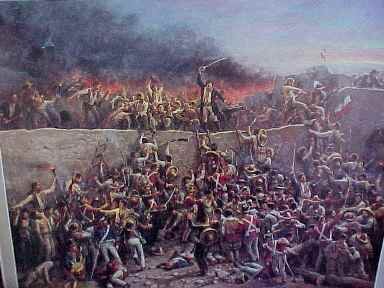
William Barret Travis (with sword) at the Alamo
As historian T.R. Fehrenbach writes in his monumental book, Lone Star: A History of Texas and the Texans:
“From the Alamo, from his first message before the arrival of the Mexicans to his last, his words had the ring of prophecy. The Texas historian who stated publicly that few people would want to have a son serve under William Barret Travis had forgotten, in the comforts of long security, the reasons why men make war.”
When the final assault came before dawn on March 6, 1836, the roughly 200 defenders killed and wounded about 600 of their enemies—inflicting a casualty rate of 33% on the Mexican army.
Travis’ body was found near his cannon on the north wall. He had been shot through the forehead.
The garrison’s sacrifice inspired Sam Houston’s ragtag army to fall on the Mexican army at San Jacinto on April 21. Slaughtering about 800 soldiers, the Texans captured Mexican dictator Antonio Lopez de Santa Anna—and forced him to surrender control of Texas in return for his life.
- Volodymyr Zelensky (January 25, 1978 – ) is a former attorney, actor and comedian who, as the sixth president of Ukraine, now leads his country in a life-or-death struggle against the aggressive Russia of Vladimir Putin.
After earning a law degree from the Kiev National Economic University, he pursued a career in comedy. He created his own production company, Kvartal 95, which produced films, cartoons, and TV shows. His comedy, Servant of the People, starred Zelensky as the president of Ukraine.

Volodymyr Zelensky
In 2019, he announced his candidacy for president of Ukraine. He opposed the corruption that had been rife under the country’s luxury-loving president, Victor Yanukovych.
(In 2014, Ukrainians had rioted in Kiev and evicted Yanukovych. And that didn’t sit well with his “sponsor”—Russian President Vladimir Putin.)
A second feature of Zelensky’s presidential campaign: He promised to resolve the Russia-sponsored separatist movement in Donbas and end Ukraine’s protracted conflict there with Russia.
Zelensky won election by a landslide, with 72% of the vote.
In 2021, his administration came under mounting pressure from Russia. On February 24, 2022, Putin ordered a full-scale invasion of Ukraine.
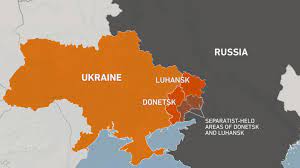
Ukraine vs. Russia
In the early hours of February 24, shortly before the start of the Russian invasion, Zelensky recorded an address to both Ukraine and Russia. As a Jew, he refuted Putin’s claims that there were Neo-Nazis in the Ukrainian government.
And he appealed to Russians—in Russian—to pressure their leadership to prevent war.
During the assault by Russian troops on the capital of Kiev, the Biden administration urged Zelensky to evacuate to a safer location and offered to help him do so. Zelensky refused, saying: “The fight is here [in Kiev]; I need ammunition, not a ride.”
As CBS correspondent Scott Pelley put it: “The moment Zelensky told his people he refused to flee, they refused to fall.”
Russia expected Kiev to fall in three days. But almost three years after the invasion, Kiev still remains defiant—and in the hands of Ukrainians.
When he wasn’t broadcasting defiance at Russia and rousing Ukrainians to heroism, he was often visiting the battlefront.
Interviewed on CBS’ 60 Minutes, Zelensky said: “I don’t want to make myself out to be a hero. I love my family. I want to live many more years, but choosing between running or being with my people, of course I’m ready to give my life for my country.”
Since the start of the invasion, he has reportedly been the target of more than a dozen assassination attempts.
Other world leaders have applauded his courage and leadership. Historian Andrew Roberts compared him to Winston Churchill.
The Harvard Political Review said that Zelensky “has harnessed the power of social media to become history’s first truly online wartime leader, bypassing traditional gatekeepers as he uses the internet to reach out to the people.”
Zelensky sees Ukraine’s struggle as the opening round of Russia’s war against the West.
“Some are….saying, ‘We can’t defend Ukraine because there could be a nuclear war.’ I think that today, no one in this world can predict what Russia will do. If they invade further into our territory, then they will definitely move closer and closer to Europe. They will only become stronger and less predictable.”
ABC NEWS, ALAMO, ALTERNET, AMERICABLOG, ANDREW JACKSON, ANTONIO LOPEZ DE SANTA ANNA, AP, BABY BOOMER RESISTANCE, BBC, BLOOMBERG NEWS, BUZZFEED, CBS NEWS, CHARLES VII, CNN, CROOKS AND LIARS, DAILY KOZ, DAVID CROCKETT, FIVETHIRTYEIGHT, FRANCE, HARPER’S MAGAZINE, HUFFINGTON POST, JAMES BOWIE, JOAN OF ARC, LONE STAR: A HISTORY OF TEXAS AND THE TEXANS (BOOK), MEDIA MATTERS, MOTHER JONES, MOVEON, MSNBC, NBC NEWS, NEW REPUBLIC, NEWSDAY, NEWSWEEK, NPR, PBS NEWSHOUR, POLITICO, POLITICUSUSA, RAW STORY, REUTERS, RUSSIA, SALON, SAM HOUSTON, SEATTLE TIMES, SLATE, T.R. FEHRENBACH, TALKING POINTS MEMO, TEXAS, THE ATLANTIC, THE CHICAGO SUN-TIMES, THE CHICAGO TRIBUNE, THE DAILY BEAST, THE DAILY BLOG, THE GUARDIAN, THE HILL, THE HUFFINGTON POST, THE INTERCEPT, THE LOS ANGELES TIMES, THE NATION, THE NEW REPUBLIC, THE NEW YORK TIMES, THE NEW YORKER, THE VILLAGE VOICE, THE WASHINGTON POST, THINKPROGRESS, TIME, TRUTHDIG, TRUTHOUT, TWO POLITICAL JUNKIES, U.S. NEWS & WORLD REPORT, UKRAINE, UPI, USA TODAY, VLADIMIR PUTIN, VOLODYMYR ZELENSKY, WILLIAM BARRET TRAVIS, WONKETTE, X
In History, Military, Politics, Social commentary on December 31, 2024 at 12:02 am
Joan of Arc. William Barret Travis. Volodymyr Zelensky.
The first two names long ago burned themselves into the pages of history. The third one is now doing the same.
They seem to come out of nowhere—people who have never had military training nor even any experience with violence. Yet they display an utter fearlessness and eloquence that inspires others to great deeds in the face of overwhelming danger.
- Joan of Arc (c. 1412 – 30 May 1431) was an illiterate peasant girl who, in France’s darkest hour, became its greatest hero.
In 1428, when she was about 17, Joan traveled to Vaucouleurs and asked for an armed escort to King Charles V11. She said that she had received visions from the archangel Michael, Saint Margaret and Saint Catherine of Alexandra, instructing her to deliver France from English domination.
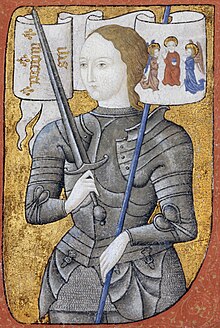
Joan of Arc
Her request was rejected twice, but eventually Robert de Baudricourt, the garrison commander, relented and gave her an escort to meet Charles at Chinon. She had never seen Charles, but even though he disguised himself among his courtiers, she instantly recognized him.
After their interview, Charles sent Joan at the head of a relief army to lift the siege of Orléans.
She had never wielded a lance or sword, or even ridden a war horse. She had never studied military strategy nor even seen a battlefield. Yet nine days after arriving at Orléans, she lifted the siege on May 8, 1429.
On May 4, her army attacked the outlying fortress of Saint Loup. She arrived just as the French soldiers were retreating after a failed attempt. Her sudden appearance roused the soldiers to cheer and launch another assault—which overwhelmed the fortress.
In June, Joan decisively defeated the English at the Battle of Patay. She then advanced on Reims, entering the city on July 16. The next day, Charles was consecrated as the King of France in Reims Cathedral with Joan at his side.
These victories paved the way for the final French victory in the Hundred Years’ War at Castillon in 1453.
Joan never attributed her success to anyone but God. She referred to herself as “Joan the Maid” and demanded that her soldiers refrain from sexual activity. At her orders, prostitutes—the camp followers of both French and British armies—were driven out of her encampments.
She did not expect to live a long life—and warned that the French had only about a year to claim their victories before she died.
On May 23, 1430, while relieving the siege of Compiegne, she was captured by Burgundians troops and exchanged to the English. Tried for heresy, she was declared guilty and burned at the stake on May 30,1431.
Only 19 when she died, she had, through her inspired leadership, restored the kingdom of France.
- William Barret Travis (August 1, 1809 – March 6, 1836) was a South Carolina lawyer whose courage and eloquence inspired 200 Texans to hold back a Mexican army at the Alamo.
An early advocate of Texas’ independence from Mexico, Travis entered the newly-formed Texas army as a regular officer. Although he had no experience in battle, he burned for glory as a cavalryman. But he accepted the order of Governor Henry Smith to go to San Antonio and defend the Alamo from the approaching Mexicans.
William Barret Travis
Arriving there, he found himself overshadowed by the popularity of co-commander James Bowie, the legendary knife fighter. But when Bowie collapsed with pneumonia on February 23, 1836—the first day of the siege—Travis took command.
According to historian T.R. Fehrenbach:
“The true measure of this man, with his soldier’s cap, his sword, his exalted ideas of honor, and his florid rhetoric, was that he captured these violent frontiersmen and bent them to his purpose.
“No competent Texas historian really believes Travis drew his line on the ground with his sword and invited his men to leave or stay. That was not Buck Travis’ style. He intended to keep his command on the walls regardless of what the men wanted. He was consciously guarding the ramparts of Texas.”

The siege of the Alamo
On February 23, 1836, Travis penned one of the most famous letters in early American history. Addressing it “To the People of Texas and All Americans in the World,” he wrote:
“I am besieged with a thousand or more of the Mexicans under Santa Anna [the president and dictator of Mexico]…..
“The enemy has demanded our surrender at discretion, otherwise the garrison is to be put to the sword. I shall never surrender or retreat. Thus, I call on you in the name of Liberty, of patriotism, and everything dear to the American character, to come to my aid with all dispatch…
“If this call is neglected I am determined to sustain myself as long as possible and die like a soldier who never forgets what is due his honor and that of his country. VICTORY OR DEATH.”
On March 3, Travis wrote his last letter, addressing it to the newly-declared Republic of Texas. “I shall have to fight the enemy on his own terms….The victory will cost the enemy so dear it will be worse for him than a defeat.”
On March 6, 1836, his prophecy came true.
2020 PRESIDENTIAL ELECTION, 2024 PRESIDENTIAL ELECTION, ABC NEWS, ABUSE OF POWER, ADOLF HITLER, AILEEN CANNON, ALTERNET, AMERICABLOG, AP, ASSASSINATION, BABY BOOMER RESISTANCE, BBC, BLOOMBERG, BUZZFEED, CBS NEWS, CLASSIFIED DOCUMENTS, CLAUS VON STAUFFENBERG, CNN, COVID-19, CROOKS AND LIARS, DAILY KOS, DEMOCRATIC PARTY, DONALD TRUMP, ELECTORAL COLLEGE, FBI, FEDERAL EMERGENCY MANAGEMENT AGENCY, FIVETHIRTYEIGHT, HARPER’S MAGAZINE, HITLER: ASCENT (BOOK), HUFFINGTON POST, HUNTER BIDEN, IMPEACHMENT, INTERNATIONAL BROTHERHOOD OF TEAMSTERS, JACK SMITH, JAMAL KHASHOOGI, JAMES COMER, JANUARY 6 COUP ATTEMPT, JARED KUSHNER, JIMMY HOFFA, JOSEPH BIDEN, KEVIN MCCARTHY, MAR-A-LAGO, MARJORIE TAYLOR GREENE, MEDIA MATTERS, MEIN KAMPF, MERRICK GARLAND, MOHAMMED BIN SALMAN, MOTHER JONES, MOVEON, MSNBC, NAZI GERMANY, NAZIS, NBC NEWS, NEW REPUBLIC, NEWSDAY, NEWSWEEK, NPR, OBSTRUCTION OF CONGRESS, PBS NEWSHOUR, POLITICO, POLITICUSUSA, RAW STORY, REPUBLICAN PARTY, REUTERS, ROBERT F. KENNEDY, SALON, SEATTLE TIMES, SLATE, TALKING POINTS MEMO, THE ATLANTIC, THE CHICAGO SUN-TIMES, THE CHICAGO TRIBUNE, THE DAILY BEAST, THE DAILY BLOG, THE GUARDIAN, THE HILL, THE HUFFINGTON POST, THE INTERCEPT, THE LOS ANGELES TIMES, THE NATION, THE NEW REPUBLIC, THE NEW YORK TIMES, THE NEW YORKER, THE VILLAGE VOICE, THE WASHINGTON POST, THINKPROGRESS, THOMAS MATTHEW CROOKS, TIME, TRUTHDIG, TRUTHOUT, TWO POLITICAL JUNKIES, U.S. NEWS & WORLD REPORT, UNITED STATES DEPARTMENT OF JUSTICE, UNITED STATES HOUSE OF REPRESENTATIVES, UNITED STATES SECRET SERVICE, UNITED STATES SENATE, UPI, USA TODAY, VOLKER ULLRICH, WEIMAR REPUBLIC, X
In Bureaucracy, History, Law, Law Enforcement, Military, Politics, Social commentary on December 17, 2024 at 12:18 am
On November 9, 1923, Nazi Party Fuhrer Adolf Hitler tried to overthrow the government in Munich, Bavaria.
About 2,000 Nazis marched to the center of Munich, where they confronted heavily-armed police. A shootout erupted, killing 16 Nazis and four policemen.
Hitler was injured during the clash, but managed to escape. Two days later, he was arrested and charged with treason.
Put on trial, he found himself treated as a celebrity by a judge sympathetic to Right-wing groups. He was allowed to brutally cross-examine witnesses and even make inflammatory speeches.
At the end of the trial, he was convicted of treason and sentenced to five years’ imprisonment.
Serving time in Landsberg Prison, in Bavaria. he was given a huge cell, allowed to receive unlimited visitors and gifts, and treated with deference by guards and inmates.
Hitler used his time in prison to write his infamous book, Mein Kampf-–“My Struggle.” Part autobiography, part political treatise, it laid out his future plans—including the extermination of the Jews and the conquest of the Soviet Union.

Adolf Hitler leaving Landsberg Prison, December, 20, 1924
Nine months later, he was released on parole—by authorities loyal to the authoritarian Right instead of the newly-created Weimar Republic.
Hitler immediately began rebuilding the shattered Nazi party—and deciding on a new strategy to gain power. Never again would he resort to armed force. He would win office by election—or intrigue.
Writes historian Volker Ullrich, in his monumental biography, Hitler: Ascent 1889 – 1939: “Historians have perennially tried to answer the question of whether Hitler’s rise to power could have been halted….
“There were repeated opportunities to end Hitler’s run of triumphs. The most obvious one was after the failed Putsch of November 1923. Had the Munich rabble-rouser been forced to serve his full five-year term of imprisonment in Landsberg, it is extremely unlikely that he would have been able to restart his political career.”


Thus, it isn’t just what happens that can influence the course of history. Often, it’s what doesn’t happen that has at least as great a result.
Future historians—if there are any—may one day write that it’s what didn’t happen that played at least as great a role in re-electing Donald Trump President as what actually did.
There were numerous instances where intervention by Federal legislators or law enforcement authorities could have utterly changed the outcome of the 2024 election.
Case #1: On December 18, 2019, the Democratic-controlled House of Representatives adopted two articles of impeachment against Trump: abuse of power and obstruction of Congress. On February 5, 2020, the Republican-dominated Senate voted to acquit Trump on both articles of impeachment.
Their motive: Fear that if they didn’t, they would be “primaried” by even more extreme, Trump-supported Right-wing candidates—and lose their positions and the accompanying power and perks.
Had Republicans agreed to convict him, he could not have run again for President.
Case #2: On January 13, 2021, Trump was impeached for the second time for “incitement of insurrection”—inciting the January 6, 2021 attack on the United States Capitol.
The reason: To stop the counting of Electoral College votes, which he knew would prove that former Vice President Joseph Biden had won the 2020 Presidential election.
The evidence against him was overwhelming—including video of his inciting a mob of his followers to storm the Capitol Building.
But Republican Senators again acquitted Trump on February 13, 2021—choosing ambition over patriotism.
Had they done so, he could not have again been a candidate for President.

Donald Trump
Case #3: Only on November 18, 2022—a year and a half after becoming Attorney General—did Merrick Garland appoint Jack Smith Independent Counsel to investigate Donald Trump’s role for:
- Inciting the January 6 attack on Congress; and
- Illegally seizing and storing highly classified government documents at his Mar-a-Lago estate in Palm Beach Florida.
This gave Trump time to play his “deny and delay” game. Had he been prosecuted and convicted before the November 5 Presidential election, the results might well have been different.
Even hardcore supporters might have proved unwilling to vote for someone found guilty of inciting a riot or stealing highly classified documents.
Case #4: In June, 2023, Trump was indicted for illegally seizing and storing hundreds of highly classified government documents at his Mar-a-Lago estate.
Aileen Cannon, a Trump appointee as Federal Judge of the United States District Court for the Southern District of Florida, presided over the case.
She repeatedly ruled in his favor and finally dismissed the case in July, 2024. claiming that Special Counsel Jack Smith’s appointment was unconstitutional.
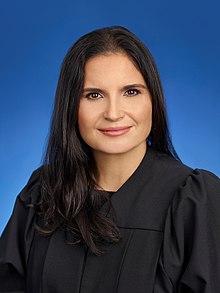
Aileen Cannon
Southern District of Florida, CC BY-SA 4.0 <https://creativecommons.org/licenses/by-sa/4.0>, via Wikimedia Commons
Many legal experts, citing her handling of the civil case against Trump, called for her recusal from the case. Jack Smith could have requested her removal from the case but did not ask a Federal appeals court to do so.
MSNBC analyst Barbara McQuade told Newsweek that Smith likely refused to do so to “return public trust” to the Justice Department, which had been challenged in recent years.
Cannon’s kid-gloves treatment of Trump echoed that of the Right-wing judge who presided over Adolf Hitler’s trial in 1923 for trying to overthrow the government of Bavaria.
2016 PRESIDENTIAL ELECTION, 2024 PRESIDENTIAL ELECTION, ABC NEWS, ADOLF HITLER, ALTERNET, AMERICABLOG, AP, BABY BOOMER RESISTANCE, BBC, BLACKS, BLOOMBERG, BLOOMBERG NEWS, BUZZFEED, CBS NEWS, CNN, COVID-19, CROOKS AND LIARS, DAILY KOS, DEMOCRACY, DONALD J. TRUMP, DONALD TRUMP, DRUDGE RETORT, ECONOMY, EMPLOYMENT, EXTORTION, FACEBOOK, FBI, FIVETHIRTYEIGHT, GESTAPO, GREED, HARPER’S MAGAZINE, HATRED, HISPANICS, HUFFINGTON POST, HUNTER BIDEN, immigration, INDEPENDENT COUNSEL, INFLATION, JAMES COMEY, JANUARY 6 COUP ATTEMPT, JEWS, JOE BIDEN, JOE SCARBOROUGH, JOHN ADAMS, JOSEPH R. BIDEN, Kamala Harris, MEDIA, MEDIA MATTERS, MEXICO, MIKA BRZEZINSKI, MORNING JOE, MOTHER JONES, MOVEON, MSNBC, NAZI ATROCITIES, NBC NEWS, NEW REPUBLIC, NEWSDAY, NEWSWEEK, NPR, PAM BONDI, PBS NEWSHOUR, POLITICO, POLITICUSUSA, PROJECT 2025, RACISM, RAW STORY, REPUBLICANS, REUTERS, ROBERT MUELLER, ROD ROSENSTEIN, SALON, SARAH HUCKABEE SANDERS, SEATTLE TIMES, SLATE, SOVIET UNION, TALKING POINTS MEMO, THE ATLANTIC, THE CHICAGO SUN-TIMES, THE CHICAGO TRIBUNE, THE DAILY BEAST, THE DAILY BLOG, THE GUARDIAN, THE HILL, THE HUFFINGTON POST, THE INTERCEPT, THE LOS ANGELES TIMES, THE NATION, THE NEW REPUBLIC, THE NEW YORK TIMES, THE NEW YORKER, THE VILLAGE VOICE, THE WASHINGTON POST, THINKPROGRESS, TIME, TRUMP UNIVERSITY SCANDAL, TRUTHDIG, TRUTHOUT, TWO POLITICAL JUNKIES, U.S. NEWS & WORLD REPORT, UKRAINE, UNEMPLOYMENT, UNITED STATES DEPARTMENT OF JUSTICE, UNITED STATES HOUSE OF REPRESENTATIVES, UNITED STATES SENATE, UPI, USA TODAY, VLADIMIR PUTIN, VOLODMYR ZELENSKY, WEHRMACHT, WHITE WOMEN, WONKETTE, X
In Bureaucracy, Business, History, Law, Law Enforcement, Military, Politics, Social commentary on December 4, 2024 at 12:11 am
During the 2024 Presidential election, the two most important issues—for voters—were immigration and inflation.
In short: “Get rid of the spics!” and “Give us cheaper eggs!”
Repeatedly, Vice President Kamala Harris warned that Donald Trump’s return to the Presidency would result in a Fascistic dictatorship:
“Donald Trump is increasingly unhinged and unstable, and in a second term, people like John Kelly [Trump’s former chief of staff] would not be there to be the guardrails against his propensities and his actions….
“He wants a military who will be loyal to him, personally, one that will obey his orders, even when he tells them to break the law or abandon their oath to the Constitution of the United States.”
Reputable media warned that he intended to turn the FBI into his private Gestapo and use the Justice Department to attack his political rivals.
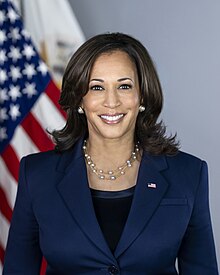
Kamala Harris
But Americans didn’t care.
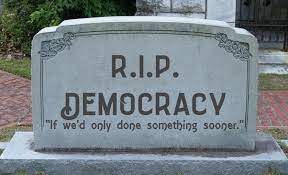
Instead, 76.9 million voters chose to overturn the democratic traditions that had guided American life since 1788, when the United States Constitution was ratified.
Appeals to their hatred, racism and greed proved far more seductive.
Throughout Trump’s Presidency—2017 to 2021—those who opposed his agenda took solace in a series of expected saviors.
- On May 9, 2017, Trump fired FBI Director James Comey for daring to investigate his proven ties to Russian dictator Vladimir Putin. Assistant Attorney General Rod Rosenstein then appointed Robert Meuller as special counsel to investigate that firing—and Trump’s ties to Russia.
Mueller had a sterling reputation for integrity as a former prosecutor and FBI director. But he allowed himself to be intimidated by the Presidential aura—and refused to directly interview Trump.
His subsequent official report contained no impeachment-worthy evidence.
- On July 25, 2019, Trump threatened to withhold almost $400 million in promised military aid for Ukraine—which faced increasing aggression from Russia—unless its president, Volodymyr Zelensky, did him “a favor”: Investigate 2020 Democratic Presidential Candidate Joe Biden and his son, Hunter, who had had business dealings in Ukraine.
The reason for such an investigation: To find embarrassing “dirt” on Biden. Unless Zelensky found this, the promised aid would be withheld.
The House of Representatives tried Trump for abuse of power and obstruction of Congress. The evidence against him was overwhelming—including a transcript of the extortionate phone call.
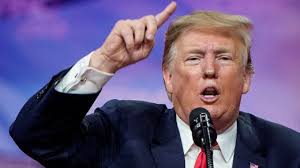
Donald Trump
But the Republican Senate refused to convict.
Had this happened, Trump would have been legally barred from running again for President.
- On January 6, 2021, Trump incited a violent attack on the United States Capitol to stop the counting of Electoral College votes—which would prove that he had lost the 2020 Presidential election to former Vice President Joseph Biden.
As a result, five people died and 174 police officers were injured. The Capitol Building—the symbol of American democracy—suffered about $2.7 billion in damages.
Evidence of Trump’s guilt was overwhelming—including video of his incitement.
But, once again, the Republican-dominated Senate refused to convict.

Stormtrumpers attacking the Capitol Building
Tyler Merbler from USA, CC BY 2.0 <https://creativecommons.org/licenses/by/2.0>, via Wikimedia Commons
Trump’s opponents had placed their hopes in Special Counsel Robert Mueller and (twice) the United States Congress to address the brazen criminality of Donald Trump.
The results: Anger and disappointment.
Yet one last hope remained:
That the 2024 Presidential election would send Joseph Biden, and then, after he dropped out of the race, Vice President Kamala Harris—to the White House.
Harris waged what was widely descripted as “a campaign of joy,” promising to be “the President of all Americans,” including those who voted against her. Repeatedly, she warned that, if re-elected, Trump would pursue a vengeance-fueled agenda against anyone who had dared cross him.
Trump ran a campaign based on hatred—of Hispanics, of liberals, of those who had served in his administration and now disowned him. During his single debate with Harris, he falsely claimed that Haitian immigrants in Ohio were “eating the dogs….they’re eating the cats” of local citizens.
On one occasion, he appeared to emulate performing a ‘sex act’ on a microphone stand during a rally after experiencing technical difficulties.
Most ominously, credible news reports circulated that, if Trump were re-elected, he would implement a radical, Right-wing plan—Project 2025—to completely reshape the federal government.
At its heart: The mass firings of politically neutral civil service officials and their replacement with thousands of political hacks.
This would arm Republicans with the power to establish an absolute dictatorship under the next Republican president.
Yet, in the end, none of this mattered.
His supporters included:
- Hispanics: 54%—despite being repeatedly vilified by Trump and slated for mass deportation;
- White women: 52%—despite his destroying abortion rights and being convicted for raping columnist E. Jean Carroll;
- Blacks: 21%—giving Harris fewer votes than they gave Biden in 2020.
On January 30, 1933, Adolf Hitler rose to dictatorial power through backroom intrigues and appointment as Chancellor by President Paul von Hindenburg.
On November 5, 2024, Trump rose to dictatorial power when Americans voted to ignore his past crimes and the ones he boasted he intended to commit.
John Adams predicted this long ago: “Democracy never lasts long. It soon wastes, exhausts, and murders itself. There never was a democracy yet that did not commit suicide.”
2020 PRESIDENTIAL CAMPAIGN, ABC NEWS, ABORTION, ABRAHAM LINCOLN, ADOLF HITLER, ALTERNET, AMERICABLOG, AP, BABY BOOMER RESISTANCE, BBC, BLOOMBERG NEWS, BUZZFEED, CBS NEWS, CIVIL WAR, CLONING, CNN, CONSERVATION, CROOKS AND LIARS, DAILY KOZ, DONALD TRUMP, FACEBOOK, FIVETHIRTYEIGHT, HARPER’S MAGAZINE, HUFFINGTON POST, HUMOR, JOE BIDEN, MEDIA MATTERS, MEXICANS, MOTHER JONES, MOVEON, MSNBC, NBC NEWS, NEW REPUBLIC, NEWSDAY, NEWSWEEK, NPR, PBS NEWSHOUR, POLITICO, POLITICUSUSA, RAW STORY, REPUBLICANS, REUTERS, Ronald Reagan, SALON, SEATTLE TIMES, SLATE, SLAVERY, TALKING POINTS MEMO, THE ATLANTIC, THE CHICAGO SUN-TIMES, THE CHICAGO TRIBUNE, THE DAILY BEAST, THE DAILY BLOG, THE GUARDIAN, THE HILL, THE HUFFINGTON POST, THE LOS ANGELES TIMES, THE NATION, THE NEW REPUBLIC, THE NEW YORK TIMES, THE NEW YORKER, THE VILLAGE VOICE, THE WASHINGTON POST, THEODORE ROOSEVELT, THINKPROGRESS, TIME, TRUST-BUSTING, TRUTHDIG, TRUTHOUT, TWO POLITICAL JUNKIES, U.S. NEWS & WORLD REPORT, UPI, USA TODAY, WONKETTE, X
In Bureaucracy, Entertainment, History, Humor, Military, Politics, Social commentary on December 2, 2024 at 12:19 am
Many Republican strategists feared that, with the defeat of Donald Trump by Joe Biden in 2020, Democrats would have a lock on the White House in 2024.
And the base of the Republican Party continued to demand candidates who are increasingly Fascistic.
The top officials of the Republican Party decided that science held the answer: They would use cloning to create the perfect, unbeatable Presidential candidate.
They directed scientists from the National Institute of Health to resurrect—via DNA samples—several past, hugely popular Republican leaders.
The first of these was Abraham Lincoln: Destroyer of slavery and defender of the Union.
The scientists then introduced him to a sample of Republican voters to gauge his current popularity.
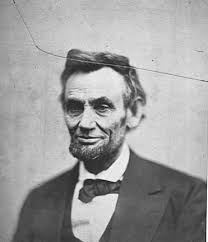
Abraham Lincoln
The test audience erupted—but not in the way party officials expected.
“Race-mixer!”
“He’s the reason we have all these damn civil rights laws.”
“He invaded the South—and destroyed states’ rights!”
To head off a riot, the scientists rushed the startled Lincoln-clone off the stage.
Then they introduced their next resurrected candidate: Theodore Roosevelt, the trust-busting conservationist.
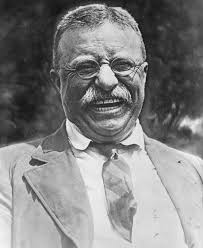
Theodore Roosevelt
Again, the test-audience erupted:
“Tree-hugger! Tree-hugger!”
“He’s the guy who broke up the big corporations—lousy Socialist!”
Startled Republican officials hustled the Roosevelt-clone out of the building.
Finally, they brought out their third choice for victory: A cloned Ronald Reagan.
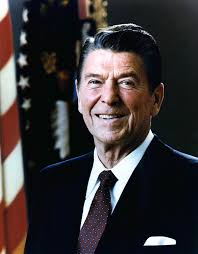
Ronald Reagan
For the test audience, this was simply too much:
“Not him! He legalized abortion in California when he was Governor!”
“He let all those damn Mexicans come into California! We need someone who kicks them out!”
Desperate, Republican leaders went into a huddle.
“What are we going to do?” asked one. “Lincoln, Roosevelt and Reagan were our most popular Presidents.”
“Yeah, but that was in the past, before Donald Trump showed us the way,” said another. “We need a candidate who speaks to our base today.”
“Hey, I’ve got an idea. But there’s just one catch. The guy I have in mind wasn’t actually born in the United States.”
“So what?”
“That would violate the Constitution.”
“Screw the Constitution. You know what Donald Trump always said: Why spoil the beauty of the thing with legality?”
So the Republicans again ordered the scientists to return to work one last time.
When the last resurrected candidate was presented to the test-audience, the crowd rose as one, shouting: “That’s him! That’s him!”
“The one we’ve been waiting for!”
“The one who really speaks for us!”
“He’s totally anti-abortion—and he hates uppity women!”
“He makes even Trump look like a pussy!”
“Yeah—he hates Socialists, gays and nonwhites, and he really believes in a strong military!”
Then the audience suddenly hushed as their cloned savior raised his hand for silence.
“All right, all right, I vill do it,” said the clone-candidate. “But the last time I led people to greatness, they proved unworthy of me.
“So I vill do it again—but only on von condition!”
“Yes, yes!” screamed the test-audience. “Anything you want! What is it?”
“Ziss time….”
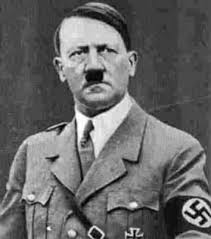
Adolf Trump
….no more Mister Nice Guy!”
9/11 TERROR ATTACKS, ABC NEWS, ADOLF HITLER, AFGHANISTAN, ALBERT SPEER, ALTERNET, AMERICABLOG, AP, BABY BOOMER RESISTANCE, BBC, BLOOMBERG, BUZZFEED, CBS NEWS, CIVIL WAR, CNN, CROOKS AND LIARS, DAILY KOS, FIVETHIRTYEIGHT, GAZA, GEORGIA, HAMAS, HARPER’S MAGAZINE, HUFFINGTON POST, INSIDE THE THIRD REICH (MOVIE), IRAQ, ISRAEL, MEDIA MATTERS, MOTHER JONES, MOVEON, MSNBC, NAZI GERMANY, NBC NEWS, NEW REPUBLIC, NEWSDAY, NEWSWEEK, NPR, OSAMA BIN LADEN, PALESTINIANS, PBS NEWSHOUR, POLITICO, POLITICUSUSA, RAW STORY, REUTERS, RUTGER HAUER, SALON, SEATTLE TIMES, SLATE, SMART BOMBS, TALKING POINTS MEMO, THE ATLANTIC, THE CHICAGO SUN-TIMES, THE CHICAGO TRIBUNE, THE DAILY BEAST, THE DAILY BLOG, THE GUARDIAN, THE HILL, THE HUFFINGTON POST, THE INTERCEPT, THE LOS ANGELES TIMES, THE NATION, THE NEW REPUBLIC, THE NEW YORK TIMES, THE NEW YORKER, THE VILLAGE VOICE, THE WASHINGTON POST, THINKPROGRESS, THIRD REICH, TIME, TRUTHDIG, TRUTHOUT, TWO POLITICAL JUNKIES, U.S. NEWS & WORLD REPORT, UPI, USA TODAY, WILLIAM TECUMSEH SHERMAN, WORLD WAR 11, X
In Bureaucracy, Entertainment, History, Military, Politics, Social commentary on November 25, 2024 at 12:29 am
The 1982 TV-movie, “Inside the Third Reich,” offers a scene that has no doubt echoed throughout Gaza since October 7, 2023.
It’s 1940, and the British—fed up with being repeatedly attacked by German bombers—are retaliating with an air raid on Berlin.
For the first time in its seven-year history, Adolf Hitler’s Third Reich is under attack.
Albert Speer (played by Rutger Hauer), Hitler’s favorite architect, is forced to take cover in an underground bomb shelter. It’s dark and cramped.
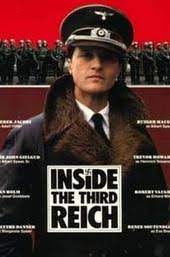
Rutger Hauer as Albert Speer
A woman sits next to him, sobbing repeatedly: “The German people only want peace. Why won’t they make peace? Why won’t they make peace?”
By which she means—intentionally or not: Why won’t the British simply agree to give Germany whatever it wants?
There has been a lot of this sentiment coursing through Gaza—and its allies in the Islamic world and elsewhere. It’s not stated as honestly as it is below, but translates to this anyway:
“Why won’t the Israelis allow Hamas to slaughter them—as it did on October 7, 2023?”
(Under the cover of thousands of rockets fired from Gaza, an estimated 1,200 men, women and children were slaughtered by Hamas terrorists in streets, houses, kibbutz communities and at a rave music festival. About 250 others were kidnapped and taken into Gaza.)
“Why are the Israelis bombing us?”
(Because they don’t like having their men, women and children slaughtered and kidnapped.)
“Why does the United States allow Israel to bomb us?”
(Americans didn’t like it when 3,000 of their own citizens were slaughtered by Islamics on 9/11. Within a month, America began pulverizing Afghanistan—home of 9/11 mastermind Osama bin Laden—and its occupation lasted 20 years.)
“We only slaughtered 1,200 Israelis. But they have killed—by our estimate—43,985 Palestinians. That’s so unfair.”
(Under this logic, Israel should be allowed to kill only 1,200 Palestinians: “I smacked you in the mouth once, so you should be allowed to smack me in the mouth once. Actually, you shouldn’t be allowed to smack me back at all.”)
“Israel is waging war on civilians—not Hamas.”
(Hamas has deliberately embedded itself among a civilian population: “Ha, ha, you’ll have to kill all these innocent people in order to kill us.” For Israel to accept such sanctuary would be to confer immunity on Hamas and guarantee ceaseless future attacks.)

Emblem of Hamas
“Palestinians didn’t attack Israel—Hamas did.”
(Hamas is overwhelmingly supported by Palestinians. A man who shelters a known killer is by definition an accessory to that killer’s crimes. Yet Hamas refuses to allow civilians to take shelter in its tunnels. Nor does it use its underground network to supply much-needed food and resources for Gazans.)
“Israel is fighting a war of genocide against Gaza!”
(The universal rallying cry among Gaza residents—and their Islamic and non-Islamic allies—is: “From the river to the sea, Palestine will be free.” Which means: When Israel is destroyed and its citizens are slaughtered. For Hamas, no “two-state solution” will do.)
According to CNN, several videos are circulating online that “show Israeli soldiers in Gaza behaving in offensive and disrespectful ways toward the civilian population. Other videos show soldiers ransacking private homes, destroying civilian property and using racist and hateful language.”
(Soldiers are universally notorious for showing disrespect for their enemies, whether civilian or military. During the Civil War, Union General William Tecumseh Sherman set out on his legendary “March to the Sea” through Georgia in 1864. His soldiers ravaged the countryside, destroyed all sources of food and forage and left behind hungry and demoralized Southerners.
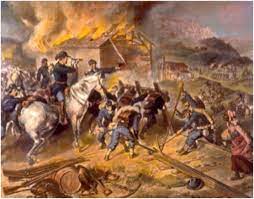
Sherman’s March
(As for Israeli soldiers “using racist and hateful language”: During World War II, GIs referred to Germans as “krauts” and to Japanese as “Japs.” During the Vietnam war, grunts called Vietcong and North Vietnamese soldiers “gooks.” In Afghanistan and Iraq, Americans used “ragheads” and “Hajiis” to describe their enemies.
(War is, by its nature, destructive—of lives, of property, of feelings for humanity.
(William Tecumseh Sherman minced no words in describing its evil: “You cannot qualify war in harsher terms than I will. War is cruelty, and you cannot refine it….You might as well appeal against the thunder-storm as against these terrible hardships of war….
(“They are inevitable, and the only way the people of Atlanta can hope once more to live in peace and quiet at home, is to stop the war….”
(Sherman’s words—which appeared in a September 12, 1864 letter to Atlanta Mayor James M. Calhoun—could be addressed to Hamas and the Gaza residents who support it:
(“Now that war comes home to you, you feel very different. You depreciate its horrors, but did not feel them when you sent car-loads of soldiers and ammunition, and moulded shells and shot, to carry war into Kentucky and Tennessee, to desolate the homes of hundreds of thousands of good people who only asked to live in peace at their old homes, and under the Government of their inheritance.”)
“The Holy Land.”
(There is no “holy land.” There is only desert claimed by two warring religions. Both sides believe “God is on our side.” So there will never be peace, only eternal war—until global warming finally makes the Middle East so hot that no one can live there.)
ABC NEWS, ALTERNET, AMERICABLOG, AP, BABY BOOMER RESISTANCE, BARACK OBAMA, BBC, BLOOMBERG, BLOOMBERG NEWS, BUZZFEED, CBS NEWS, CENTRAL AMERICA, CHIANG KAI-SHEK, CHINA, CNN, COLUMBIA, COMMUNISM, CRIMEA, CROOKS AND LIARS, CUBA, CZECHOSLAVAKIA, DAILY KOS, DAILY KOZ, DEMOCRATS, DONALD TRUMP, FACEBOOK, FIVETHIRTYEIGHT, GUATEMALA, GUNBOAT DIPLOMACY, HARPER’S MAGAZINE, HARRY S. TRUMAN, HUFFINGTON POST, HUNGARY, JOHN F. KENNEDY, JOSEPH MCCARTHY, LATIN AMERICA, LYNDON B. JOHNSON, MAO TSE-TUNG, MEDIA MATTERS, MICK MULVANEY, MITT ROMNEY, MONROE DOCTRINE, MOTHER JONES, MOVEON, MSNBC, NBC NEWS, NEW REPUBLIC, NEWSDAY, NEWSWEEK, NICARAGUA, NPR, PANAMA, PBS NEWSHOUR, POLAND, POLITICO, POLITICUSUSA, RAW STORY, REPUBLICANS, REUTERS, RICHARD M. NIXON, SALON, SEATTLE TIMES, SLATE, SOCHI OLYMPICS, SOVIET UNION, SPHERES OF INFLUENCE, TALKING POINTS MEMO, THE ATLANTIC, THE CHICAGO SUN-TIMES, THE CHICAGO TRIBUNE, THE DAILY BEAST, THE DAILY BLOG, THE GUARDIAN, THE HILL, THE HUFFINGTON POST, THE INTERCEPT, THE LOS ANGELES TIMES, THE NATION, THE NEW REPUBLIC, THE NEW YORK TIMES, THE NEW YORKER, THE VILLAGE VOICE, THE WASHINGTON POST, THINKPROGRESS, TIME, TOM COTTON, TRUTHDIG, TRUTHOUT, TWO POLITICAL JUNKIES, U.S. NEWS & WORLD REPORT, UKRAINE, UPI, USA TODAY, VICTOR YANUKOVYCH, VIETNAM, VLADIMIR PUTIN, VOLODYMYR ZELENSKY, WONKETTE, X
In Bureaucracy, History, Military, Social commentary on November 22, 2024 at 12:11 am
The collapse of the Soviet Union in 1991 plunged the American Right into a depression.
Accusing Democrats of being “terrorist-lovers” just didn’t prove as profitable as accusing them of being “Communists.”
Then fate intervened.
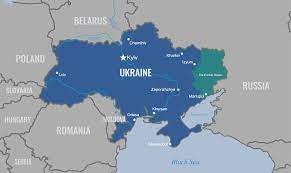
The torch had barely gone out at the 2014 Sochi Winter Olympics when Russian President Vladimir Putin began menacing the Ukraine.
Ukraine vs. Russia
Even while the Olympics played out on television, Ukrainians had rioted in Kiev and evicted their corrupt, luxury-loving president, Victor Yanukovych.
And that didn’t sit well with his “sponsor”—Putin.
Yanukovych had rejected a pending European Union association agreement. He had chosen instead to pursue a Russian loan bailout and closer ties with Russia.
And that had sat well with Putin.
Since the breakup of the Soviet Union in 1991, Putin had yearned for its reestablishment. He had called that breakup “the greatest geopolitical tragedy of the 20th century.”

Vladimir Putin
Kremlin.ru, CC BY 4.0 <https://creativecommons.org/licenses/by/4.0>, via Wikimedia Commons
Russia has long resisted Ukraine’s move towards European institutions—especially NATO.
So it was almost a certainty that Putin would retaliate.
And since late February, 2014, he began moving Russian troops into Ukraine and its autonomous republic, Crimea. Russia annexed Ukraine’s southern Crimean peninsula and backed separatists who captured large swathes of eastern Ukraine.
On December 3, 2021, the Washington Post reported: “The Kremlin is planning a multi-front offensive as soon as early next year involving up to 175,000 troops” against Ukraine.
And where there is activity by Russians, American Rightists are eager to turn such events to their own political advantage.
Right-wingers such as Senator Tom Cotton (R-AR): ”It is a result of a year of Joe Biden’s impotence and incompetence towards Russia in particular and in foreign policy more generally.”
Cotton had vigorously defended President Donald Trump’s attempted extortion of Ukrainian President Volodymyr Zelensky in the face of Russian aggression.
In July, 2019, Trump told his acting chief of staff, Mick Mulvaney, to withhold almost $400 million in promised military aid for Ukraine.
Then, on July 25, Trump telephoned Zelensky to “request” a “favor”: Investigate presumed 2020 Democratic Presidential Candidate Joe Biden and his son, Hunter, who had had business dealings in Ukraine.
Clearly implied in the call: Produce “dirt” on Biden—or you won’t get the military aid.
All of which overlooks a number of brutal political truths.
First, all great powers have spheres of interest—and jealously guard them.
For the United States, it’s Latin and Central America, as established by the Monroe Doctrine.
And just what is the Monroe Doctrine?
It’s a statement made by President James Monroe in his 1823 annual message to Congress, which warned European powers not to interfere in the affairs of the Western Hemisphere.
It has no legitimacy except the willingness of the United States to use armed force to back it up. When the United States no longer has the will or resources to enforce the Doctrine, it will cease to have meaning.
For the Soviet Union, its spheres of influence include the Ukraine. Long known as “the breadbasket of Russia,” in 2011, it was the world’s third-largest grain exporter.
Russia will no more give up access to that breadbasket than the United States would part with the rich farming states of the Midwest.
Second, spheres of influence often prove disastrous to those smaller countries affected.
Throughout Latin and Central America, the United States remains highly unpopular for its brutal use of “gunboat diplomacy” during the 20th century.
Among those countries invaded or controlled by America: Mexico, Cuba, Guatemala, Nicaragua, Columbia, Panama and the Dominican Republic.
The resulting anger has led many Latin and Central Americans to support Communist Cuba, even though its political oppression and economic failure are universally apparent.
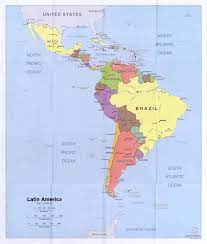
Latin and Central America
Similarly, the Soviet Union forced many nations—such as Poland, Hungary and Czechoslovakia—to submit to the will of Moscow.
The alternative? The threat of Soviet invasion—as occurred in Hungary in 1956 and Czechoslovakia in 1968.
Third, even “great powers” are not all-powerful.
In 1949, after a long civil war, the forces of Mao Tse-tung defeated the Nationalist armies of Chiang Kai-Shek, who withdrew to Taiwan.
China had never been a territory of the United States. Nor could the United States have prevented Mao from defeating the corrupt, ineptly-led Nationalist forces.
Even so, Republican Senators and Representatives such as Richard Nixon and Joseph McCarthy eagerly blamed President Harry S. Truman and the Democrats for “losing China.”
The fear of being accused of “losing” another country led Presidents John F. Kennedy, Lyndon B. Johnson and Richard M. Nixon to tragically commit the United States to “roll back” Communism in Cuba and Vietnam.
Now Republicans—who claim the United States can’t afford to provide healthcare for its poorest citizens—want to turn the national budget over to the Pentagon.
They want the United States to “intervene” in Ukraine—even though this would mean going to war with the only nuclear power capable of turning America into an atomic graveyard.
Before plunging into conflicts that don’t concern us and where there is absolutely nothing to “win,” Americans would do well to remember the above-stated lessons of history. And to learn from them.
ABC NEWS, ADOLF HITLER, ALTERNET, AMERICABLOG, AP, BABY BOOMER RESISTANCE, BBC, BLOOMBERG NEWS, BUZZFEED, CBS NEWS, CNN, CROOKS AND LIARS, DAILY KOS, FIVETHIRTYEIGHT, HARPER’S MAGAZINE, HUFFINGTON POST, JOSEPH STALIN, MEDIA MATTERS, MOTHER JONES, MOVEON, MSNBC, NAZI-SOVIET "NON-AGGRESSION PACT", NBC NEWS, NEW REPUBLIC, NEWSDAY, NEWSWEEK, NPR, NUCLEAR WEAPONS, PBS NEWSHOUR, POLITICO, POLITICUSUSA, RAW STORY, REUTERS, SALON, SEATTLE TIMES, SLATE, TALKING POINTS MEMO, THE ATLANTIC, THE CHICAGO SUN-TIMES, THE CHICAGO TRIBUNE, THE DAILY BEAST, THE DAILY BLOG, THE GUARDIAN, THE HILL, THE HUFFINGTON POST, THE INTERCEPT, THE LOS ANGELES TIMES, THE NATION, THE NEW REPUBLIC, THE NEW YORK TIMES, THE NEW YORKER, THE SS, THE VILLAGE VOICE, THE WASHINGTON POST, THINKPROGRESS, THIRD REICH, TIME, TRUTHDIG, TRUTHOUT, U.S. NEWS & WORLD REPORT, UKRAINE, UPI, USA TODAY, VLADIMIR PUTIN, VOLODYMYR ZELENSKY, WEHRMACHT, WORLD WAR 11, X
In Bureaucracy, History, Military, Politics, Social commentary on November 21, 2024 at 12:11 am
In the United States, World War II—at least, that part of the war fought in Europe—used to be celebrated in movies and TV shows like “Combat!” and “The Rat Patrol.” Today, it’s largely forgotten, except by veterans groups and the conflict’s rapidly aging veterans.
But in the Soviet Union, “the Great Patriotic War” against Nazi Germany is still celebrated as the triumph of Soviet strength and determination against horrific odds and losses.
Russian President Vladimir Putin’s invasion of Ukraine is unlikely to be remembered so fondly.
On April 28, 2006, Putin publicly stated that the 1991 collapse of the Soviet Union was “the greatest geopolitical catastrophe of the century.
“As for the Russian people, it became a genuine tragedy. Tens of millions of our fellow citizens and countrymen found themselves beyond the fringes of Russian territory.”
Putin was sounding a warning: He saw himself as Russia’s savior who would restore its lost empire.

Vladimir Putin
His invasion of Ukraine—officially called a “special military operation”—was intended as an important step toward that restoration.
Begun on February 24, the invasion targeted the Ukrainian capital, Kyiv, in an attempt to overthrow the democratic government of President Volodymyr Zelensky.
Ukrainian troops were outgunned and outnumbered. As in the case of the Soviet Union in 1941, Western military analystss expected the attack to quickly succeed. The Biden administration offered to evacuate Zelensky to safety.
Zelensky refused: “The fight is here; I need ammunition, not a ride.”
But after weeks of combat, Russian forces retreated, stymied by ferocious Ukrainian resistance.
In July, the last city under Ukrainian control in Luhansk fell to Russia after weeks of artillery bombardment and street fighting. But the Russians made little progress as they tried to conquer the remainder of Donbas.
In late August, after weeks of buildup, Ukraine launched a counteroffensive in the southern region of Kherson. Ukraine deployed newly arrived missile systems supplied by the United States and other Western countries to destroy Russian ammunition dumps and a Russian air base in Crimea.
By September, Ukrainian forces launched a rapid offensive, recapturing much of the northeastern Kharkiv region, including the city of Izium. Previously, the Russians had been using this as a key logistics hub.
Volodymyr Zelensky
On September 21, with Russian forces bogged down or retreating, Vladimir Putin announced the partial mobilization of 300,000 military reservists. All male citizens below 60 are now eligible to be drafted.
There are exceptions: Employees in IT and telecommunications, finance, “systemically-important” mass media outlets and interdependent suppliers, including registered media and broadcasters.
Still, the announcement set off a massive exodus of at least 194,000 Russian men (and their wives or girlfriends) to such neighboring countries as Turkey, Georgia, Kazakhstan and Mongolia.
During World War II, this would have been unthinkable: Whether driven by patriotism or a desire for vengeance on their German tormentors, Russians at all levels threw themselves into the conflict.
On the same day Putin announced the mobilization, he threatened to use nuclear weapons to defend not simply Russia but the Ukrainian territory his forces had captured:
“Our country possesses various means of destruction. When the territorial integrity of our nation is threatened, we, of course, will use all the means at our disposal to protect Russia and our people.”
To underscore his threat, he added: “Those who try to blackmail us with nuclear weapons should know that the weathervane can turn and point towards them.”
Putin’s threats have heightened world tensions and triggered speculation as to whether he would use nukes—against Ukraine or NATO countries, including the United States.
Volodymyr Zelensky thinks Putin is not bluffing.
President Joe Biden initially assured Americans there was no cause for concern. But since then the United States has stated that it has warned Putin that any use of nuclear weapons would trigger a catastrophic (non-specific) response against Russia.
Seen against the backdrop of Russia’s titanic victory in “the Great Patriotic War,” Putin’s repeated threats to use nuclear weapons actually underscore Russia’s weakness, not its strength.
Consider:
- “The Great Patriotic War” lasted almost four years—from June 22, 1941, to May 7, 1945.
- Russia’s opponent, Nazi Germany, was the most-feared military power in Europe.
- The war cost the Soviet Union at least 26 million lives before ending with the Red flag flying over Berlin.
- Almost the entire western half of the Soviet Union was devastated—first as the Germans overran territory from the Polish border to the gates of Moscow, and then again as the Soviets slowly pushed them back to Germany itself.
- For Russians, this was truly a “people’s war,” won through massive sacrifice and heroism—and without the use of nuclear weapons, which did not then exist.
Seventy-seven years after the end of World War II:
- Against the smaller and initially ill-equipped Ukrainian army, Russia has enjoyed a huge advantage in manpower and material.
- Yet so low is Russian morale that Putin has been forced to offer huge bribes to foreign mercenaries and even convicted criminals to refill his dispirited legions.
- Ukrainians, fueled by patriotism and a desire for vengeance, are fighting—and winning—their own version of “the Great Patriotic War.”
ABC NEWS, ADOLF HITLER, ALTERNET, AMERICABLOG, AP, BABY BOOMER RESISTANCE, BBC, BLOOMBERG NEWS, BUZZFEED, CBS NEWS, CNN, CROOKS AND LIARS, DAILY KOS, FIVETHIRTYEIGHT, HARPER’S MAGAZINE, HUFFINGTON POST, JOSEPH STALIN, MEDIA MATTERS, MOTHER JONES, MOVEON, MSNBC, NAZI-SOVIET "NON-AGGRESSION PACT", NBC NEWS, NEW REPUBLIC, NEWSDAY, NEWSWEEK, NPR, NUCLEAR WEAPONS, PBS NEWSHOUR, POLITICO, POLITICUSUSA, RAW STORY, REUTERS, SALON, SEATTLE TIMES, SLATE, TALKING POINTS MEMO, THE ATLANTIC, THE CHICAGO SUN-TIMES, THE CHICAGO TRIBUNE, THE DAILY BEAST, THE DAILY BLOG, THE GUARDIAN, THE HILL, THE HUFFINGTON POST, THE INTERCEPT, THE LOS ANGELES TIMES, THE NATION, THE NEW REPUBLIC, THE NEW YORK TIMES, THE NEW YORKER, THE SS, THE VILLAGE VOICE, THE WASHINGTON POST, THINKPROGRESS, THIRD REICH, TIME, TRUTHDIG, TRUTHOUT, U.S. NEWS & WORLD REPORT, UKRAINE, UPI, USA TODAY, VLADIMIR PUTIN, VOLODYMYR ZELENSKY, WEHRMACHT, WORLD WAR 11, X
In Bureaucracy, History, Military, Politics, Social commentary on November 20, 2024 at 12:05 am
On June 22, 1941, with 134 Divisions at full fighting strength and 73 more divisions for deployment behind the front, the German Wehrmacht invaded the Soviet Union.
Joseph Stalin, the longtime Soviet dictator, was stunned. The invasion had come less than two years after Germany had signed a non-aggression pact with the Soviet Union.
On August 23, 1939, Stalin had signed the German-Soviet Nonaggression Pact with German Fuhrer Adolf Hitler.
The reason: Each dictator got what he wanted—for the moment. Hitler was planning to invade Poland in a matter of days—and he wanted to avoid a war with the Soviet Union.
And Stalin got what he wanted: The eastern half of Poland.
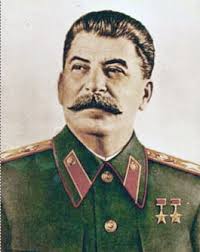
Joseph Stalin
The agreement stunned the world. Since 1919, Nazis and Communists had fought bitter battles against each other in the streets of Germany during the Weimar Republic.
When this was replaced in 1933 by the Third Reich, German Communists were rounded up and imprisoned, if not murdered, by Hitler’s ruthless secret police, the Schutzstaffel (“Protective Squads”).
For the moment, however, all of that was conveniently forgotten.
And, surprising as it might seem, each dictator harbored a secret respect for the other.
After Hitler launched a blood-purge of his own private Stormtroopers army on June 30, 1934, Stalin exclaimed: “Hitler, what a great man! That is the way to deal with your political opponents!”
And Hitler was equally admiring of Stalin’s notorious ruthlessness: “After the victory over Russia,” he told his intimates, “it would be a good idea to get Stalin to run the country, with German oversight, of course. He knows better than anyone how to handle the Russians.”
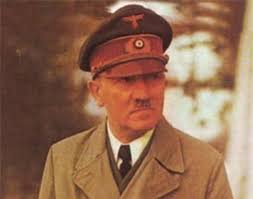
Adolf Hitler
But Hitler hadn’t forgotten his life’s ambition to conquer the Soviet Union and utterly destroy “the scourge of Jewish-Marxism.”
Stalin received numerous warnings from the United States and Great Britain about the coming invasion. But he dismissed them as efforts by the West to trick him into violating the pact and turning Nazi Germany into his mortal enemy.
When informed of the attack, Stalin at first believed it was being made by rogue German forces. He refused to order an immediate counterattack.
Upon being convinced that the Wehrmacht intended to wage all-out war, he went into a funk in his dacha and shut himself off from everyone. To his closest associates he wailed: “Lenin left us a great inheritance and we, his heirs, have fucked it all up!”
Meanwhile, the Red Air Force was destroyed on the ground by the awesome Luftwaffe. And the Wehrmacht was advancing at a rate of 25 miles a day.
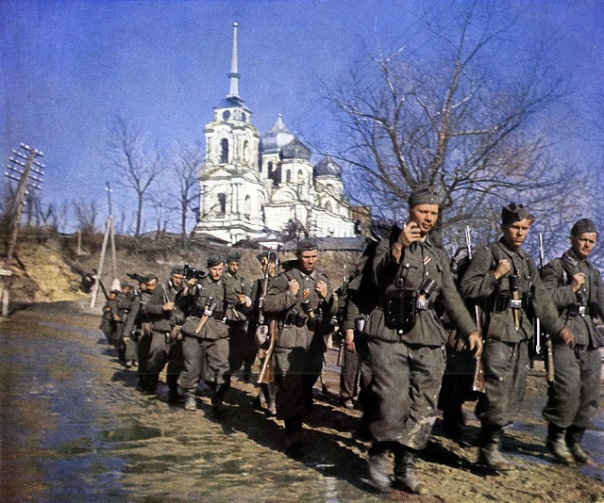
German soldiers marching through Russia
On July 3, after 10 days of brooding (and probably drinking heavily) in his dacha, Stalin finally took to the airways across the Soviet Union.
Never a spellbinding orator, Stalin spoke in slow and faltering tones. Nevertheless, his opening words were startling: “Comrades! Citizens! Brothers and sisters! Men of our army and navy! I am addressing you, my friends!”
Stalin had never addressed an audience this way, and he never would again.
He said the “peace loving” Soviet Union had been attacked by “fiends and cannibals” who wanted to restore the rule of the landlords and Czars. He claimed the non-aggression pact with Germany had given the army much-needed time to rearm and reorganize its forces.
This was accompanied by orders unprecedented in any other army: Those taken prisoner by the Germans were to be considered traitors—and shot or imprisoned. Those suspected of wounding themselves to avoid combat were also subject to summary execution. So were soldiers who had been legitimately wounded in battle but were suspected of inflicting those injuries.
The first two years of the war—1941 to 1943—proved disastrous for the Soviet Union.
During the first six months—June to December, 1941—German armies lured huge Soviet forces into gigantic “cauldron battles,” surrounding and exterminating them. An estimated 5.7 million prisoners of war (POWs) fell into German hands. Of these, at least 3.5 million died in custody.
But then the infamous Russian cold and snows of winter halted the Wehrmacht before Moscow.
In the summer of 1942 German forces once again mounted a ferocious offensive, driving all the way to the Volga—and Stalingrad.
But they became bogged down in bitter house-to-house fighting. With the arrival of winter, Soviet forces surrounded the Wehrmacht’s powerful Sixth Army. The besiegers became the besieged. On February 2, 1943, Field Marshal Friedrich von Paulus surrendered what remained of his army. The battle cost Germany 500,000 men, including 91,000 taken prisoner.
As the Red Army finally began to go over on the offensive, Stalin relaxed the iron controls that had long stifled creativity on the part of his commanders.
The infamous political commissars were removed from control over Russian generals. Gold braid and fancy uniforms were manufactured and rushed to the front as morale boosters.
The war would last another two years—costing the Soviet Union at least 26 million citizens—before it ended with the Red flag flying over Berlin.
Almost the entire western half of the Soviet Union was devastated—first as the Germans overran territory from the Polish border to the gates of Moscow, and then again as the Soviets slowly pushed them back to Berlin—the capital of the Third Reich itself.
9/11 ATTACKS, ABC NEWS, ABRAHAM LINCOLN, AFGHANISTAN, ALTERNET, AMERICABLOG, AP, BABY BOOMER RESISTANCE, BBC, BLOOMBERG, BUZZFEED, CBS NEWS, CIA, CNN, COURT MARTIAL, CROOKS AND LIARS, DAILY KOS, DONALD TRUMP, FIVETHIRTYEIGHT, FOX NEWS, GEORGE W. BUSH, HARPER’S MAGAZINE, HUFFINGTON POST, JOSEPH R. BIDEN, Kamala Harris, MEDIA MATTERS, MOTHER JONES, MOVEON, MSNBC, NBC NEWS, NEW REPUBLIC, NEWSDAY, NEWSWEEK, NPR, OSAMA BIN LADEN, PAKISTAN, PBS NEWSHOUR, PETE HEGSETHM, POLITICO, POLITICUSUSA, RAW STORY, REUTERS, SALON, SEATTLE TIMES, SLATE, TALIBAN, TALKING POINTS MEMO, THE ATLANTIC, THE CHICAGO SUN-TIMES, THE CHICAGO TRIBUNE, THE DAILY BEAST, THE DAILY BLOG, THE GUARDIAN, THE HILL, THE HUFFINGTON POST, THE INTERCEPT, THE LOS ANGELES TIMES, THE NATION, THE NEW REPUBLIC, THE NEW YORK TIMES, THE NEW YORKER, THE VILLAGE VOICE, THE WASHINGTON POST, THINKPROGRESS, TIME, TRUTHDIG, TRUTHOUT, TWO POLITICAL JUNKIES, U.S. NEWS & WORLD REPORT, UPI, USA TODAY, X
In Bureaucracy, History, Law, Law Enforcement, Military, Politics, Social commentary on November 19, 2024 at 12:14 am
“At what point then is the approach of danger to be expected? I answer, if it ever reach us, it must spring up amongst us. It cannot come from abroad. If destruction be our lot, we must ourselves be its author and finisher. As a nation of freemen, we must live through all time, or die by suicide.”
So warned Abraham Lincoln in a speech in January 1838.
On November 5, 2024, Americans chose to die by suicide.
They re-elected Donald Trump President by 76,429,164 votes over 73,736,923 votes for Vice President Kamala Harris.
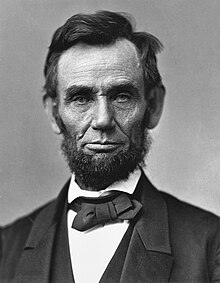
Abraham Lincoln
The two issues securing his victory were hatred of illegal immigrants and inflationary prices.
Harris had repeatedly cited Trump as a threat to democracy. In her “closing argument” to voters on October 29. She warned that Trump was “unstable, obsessed with revenge, consumed with grievance and out for unchecked power.”
Trump “would walk into [the Oval] Office with an enemies list when elected.”
It hasn’t taken long to prove Harris’ warning correct. On November 16, the NBC News website carried the following story:
“The Trump transition team is compiling a list of senior current and former U.S. military officers who were directly involved in the withdrawal from Afghanistan and exploring whether they could be court-martialed for their involvement, according to a U.S. official and a person familiar with the plan.
“Officials working on the transition are considering creating a commission to investigate the 2021 withdrawal from Afghanistan, including gathering information about who was directly involved in the decision-making for the military, how it was carried out, and whether the military leaders could be eligible for charges as serious as treason.”

The Pentagon
The article stated that Trump had condemned the withdrawal as a “humiliation” and “the most embarrassing day in the history of our country.”
Ignored in all of this:
- The military officers were following the lawful orders of President Joe Biden to withdraw all U.S. forces from Afghanistan.
- Trump first reached an agreement with the Taliban in 2020 to withdraw all U.S. forces from Afghanistan, roughly 13,000 troops, and release 5,000 Taliban fighters from prison.
- The Biden administration then completed the withdrawal and badly overestimated the ability of Afghan government forces to fight the Taliban on their own.
Trump’s choice for secretary of defense, Fox News personality Pete Hegseth, has criticized the withdrawal, saying the U.S. lost the war and wasted billions of dollars.
In his 2024 book The War on Warriors, Hegseth wrote, “The next president of the United States needs to radically overhaul Pentagon senior leadership to make us ready to defend our nation and defeat our enemies. Lots of people need to be fired. The debacle in Afghanistan, of course, is the most glaring example.”
This despite the blunt reality that the United States had been fighting in Afghanistan since 2001.
The war began as a “find and destroy” mission against Osama bin Laden, the mastermind of 9/11. He was then living in Afghanistan under the protection of its ruling thugocracy, the Taliban.
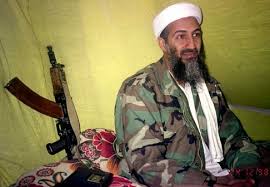
Osama bin Laden
The administration of President George W. Bush demanded his immediate surrender to American justice.
The Taliban refused.
So, on October 7, 2001—less than one month from the 9/11 attacks—American bombers began pounding Taliban positions.
The whole point of the campaign was to pressure the Taliban to surrender Bin Laden.
But the Taliban refused. Bin Laden holed up in the mountains of Tora Bora, and then ultimately escaped into Pakistan.
After December, 2001, American Intelligence completely lost track of Bin Laden. CIA officials repeatedly said he was likely living in the “no-man’s-land” between Afghanistan and Pakistan.
Still, the United States continued to commit forces to Afghanistan—to turn a primitive, warlord-ruled country into a modern-day democracy.
There was, admittedly, a great deal to detest about the Taliban:
- When the Taliban ruled Afghanistan, they turned soccer stadiums into execution plazas for mass beheadings or shootings.
- Taliban “fighters” proved their “courage” by throwing acid into the faces of women who dared to attend school.

Taliban religious police beating a woman
- On August 8, 1989, the Taliban attacked Mazar-i-Sharif. Talibanists began shooting people in the street, then moved on to mass rapes of women. Thousands of people were locked in containers and left to suffocate.
- The Taliban forbade women to leave their homes unless accompanied by a male relative and wearing the burqa—a traditional dress covering the entire body. Those who disobeyed were publicly beaten.
Yet, as horrific as such atrocities were, these did not obligate the United States to spend eternity trying to bring civilization to this barbaric country.
On July 8, 2021, President Joseph Biden said that America would withdraw its armed forces from Afghanistan by August 31, thus ending the nearly 20-year war.
“How many more, how many more thousands of American daughters and sons are you willing to risk?” Biden said to those calling for the United States to extend the military operation.
Biden thus became the first President since 2001 to recognize the futility of sacrificing American lives to turn a hopelessly barbaric pseudo-country into a modern nation.
He gave lawful orders for such a withdrawal.
Now those officers who followed those lawful orders risk being court-martialed and imprisoned—or even executed.


ABC NEWS, ALAMO, ALTERNET, AMERICABLOG, ANDREW JACKSON, ANTONIO LOPEZ DE SANTA ANNA, AP, BABY BOOMER RESISTANCE, BBC, BLOOMBERG NEWS, BUZZFEED, CBS NEWS, CHARLES VII, CNN, CROOKS AND LIARS, DAILY KOZ, DAVID CROCKETT, FIVETHIRTYEIGHT, FRANCE, HARPER’S MAGAZINE, HUFFINGTON POST, JAMES BOWIE, JOAN OF ARC, LONE STAR: A HISTORY OF TEXAS AND THE TEXANS (BOOK), MEDIA MATTERS, MOTHER JONES, MOVEON, MSNBC, NBC NEWS, NEW REPUBLIC, NEWSDAY, NEWSWEEK, NPR, PBS NEWSHOUR, POLITICO, POLITICUSUSA, RAW STORY, REUTERS, RUSSIA, SALON, SAM HOUSTON, SEATTLE TIMES, SLATE, T.R. FEHRENBACH, TALKING POINTS MEMO, TEXAS, THE ATLANTIC, THE CHICAGO SUN-TIMES, THE CHICAGO TRIBUNE, THE DAILY BEAST, THE DAILY BLOG, THE GUARDIAN, THE HILL, THE HUFFINGTON POST, THE INTERCEPT, THE LOS ANGELES TIMES, THE NATION, THE NEW REPUBLIC, THE NEW YORK TIMES, THE NEW YORKER, THE VILLAGE VOICE, THE WASHINGTON POST, THINKPROGRESS, TIME, TRUTHDIG, TRUTHOUT, TWO POLITICAL JUNKIES, U.S. NEWS & WORLD REPORT, UKRAINE, UPI, USA TODAY, VLADIMIR PUTIN, VOLODYMYR ZELENSKY, WILLIAM BARRET TRAVIS, WONKETTE, X
THE MYSTERY OF INSPIRED LEADERSHIP: PART TWO (END)
In History, Military, Politics, Social commentary on January 1, 2025 at 12:05 amThey seem to come out of nowhere—people who have never had military training nor even any experience with violence. Yet they display an utter fearlessness and eloquence that inspires others to great deeds in the face of overwhelming danger.
For 13 days—from February 23 to March 6, 1836—about 200 frontiersmen defended a ruined mission in San Antonio, Texas, against an army of 2,000 Mexican soldiers.
Few of them had known each other before finding themselves besieged. None of them had had professional military training. Some had served in local militias or as irregulars fighting Indians under the command of frontier officers such as Andrew Jackson.
One of these was David Crockett, recently a Congressman from Tennessee.
Since the vast majority of the garrison were volunteers, they could have deserted the fortress at any time.
Holding them in place was a former lawyer named William Barret Travis. Gifted with an eloquence beyond his 26 years, he gave purpose to their stand.
William Barret Travis (with sword) at the Alamo
As historian T.R. Fehrenbach writes in his monumental book, Lone Star: A History of Texas and the Texans:
“From the Alamo, from his first message before the arrival of the Mexicans to his last, his words had the ring of prophecy. The Texas historian who stated publicly that few people would want to have a son serve under William Barret Travis had forgotten, in the comforts of long security, the reasons why men make war.”
When the final assault came before dawn on March 6, 1836, the roughly 200 defenders killed and wounded about 600 of their enemies—inflicting a casualty rate of 33% on the Mexican army.
Travis’ body was found near his cannon on the north wall. He had been shot through the forehead.
The garrison’s sacrifice inspired Sam Houston’s ragtag army to fall on the Mexican army at San Jacinto on April 21. Slaughtering about 800 soldiers, the Texans captured Mexican dictator Antonio Lopez de Santa Anna—and forced him to surrender control of Texas in return for his life.
After earning a law degree from the Kiev National Economic University, he pursued a career in comedy. He created his own production company, Kvartal 95, which produced films, cartoons, and TV shows. His comedy, Servant of the People, starred Zelensky as the president of Ukraine.
Volodymyr Zelensky
In 2019, he announced his candidacy for president of Ukraine. He opposed the corruption that had been rife under the country’s luxury-loving president, Victor Yanukovych.
(In 2014, Ukrainians had rioted in Kiev and evicted Yanukovych. And that didn’t sit well with his “sponsor”—Russian President Vladimir Putin.)
A second feature of Zelensky’s presidential campaign: He promised to resolve the Russia-sponsored separatist movement in Donbas and end Ukraine’s protracted conflict there with Russia.
Zelensky won election by a landslide, with 72% of the vote.
In 2021, his administration came under mounting pressure from Russia. On February 24, 2022, Putin ordered a full-scale invasion of Ukraine.
Ukraine vs. Russia
In the early hours of February 24, shortly before the start of the Russian invasion, Zelensky recorded an address to both Ukraine and Russia. As a Jew, he refuted Putin’s claims that there were Neo-Nazis in the Ukrainian government.
And he appealed to Russians—in Russian—to pressure their leadership to prevent war.
During the assault by Russian troops on the capital of Kiev, the Biden administration urged Zelensky to evacuate to a safer location and offered to help him do so. Zelensky refused, saying: “The fight is here [in Kiev]; I need ammunition, not a ride.”
As CBS correspondent Scott Pelley put it: “The moment Zelensky told his people he refused to flee, they refused to fall.”
Russia expected Kiev to fall in three days. But almost three years after the invasion, Kiev still remains defiant—and in the hands of Ukrainians.
When he wasn’t broadcasting defiance at Russia and rousing Ukrainians to heroism, he was often visiting the battlefront.
Interviewed on CBS’ 60 Minutes, Zelensky said: “I don’t want to make myself out to be a hero. I love my family. I want to live many more years, but choosing between running or being with my people, of course I’m ready to give my life for my country.”
Since the start of the invasion, he has reportedly been the target of more than a dozen assassination attempts.
Other world leaders have applauded his courage and leadership. Historian Andrew Roberts compared him to Winston Churchill.
The Harvard Political Review said that Zelensky “has harnessed the power of social media to become history’s first truly online wartime leader, bypassing traditional gatekeepers as he uses the internet to reach out to the people.”
Zelensky sees Ukraine’s struggle as the opening round of Russia’s war against the West.
“Some are….saying, ‘We can’t defend Ukraine because there could be a nuclear war.’ I think that today, no one in this world can predict what Russia will do. If they invade further into our territory, then they will definitely move closer and closer to Europe. They will only become stronger and less predictable.”
Share this: