Posts Tagged ‘ABC NEWS’
2016 PRESIDENTIAL ELECTION, 2020 PRESIDENTIAL ELECTION, 2024 PRESIDENTIAL ELECTION, ABC NEWS, ABUSE OF POWER, ADOLF HITLER, AILEEN CANNON, AIR TRAFFIC CONTROLLERS, ALTERNET, AMERICABLOG, AP, ARTIFICIAL INTELLIGENCE, ASSASSINATION, AXIOS, BABY BOOMER RESISTANCE, BBC, BIRD FLU, BLACKS, BLOOMBERG, BLUESKY, BUZZFEED, CANADA, CBS NEWS, CHINA, CLASSIFIED DOCUMENTS, CLIMATE CHANGE, CNN, COVID-19, CROOKS AND LIARS, DAILY KOS, DANIEL CASSINO, DEMOCRACY, DEMOCRATIC PARTY, DEMOCRATS, DENMARK, DIVERSITY EQUITY AND INCLUSION (DEI) PROGRAMS, DONALD TRUMP, ELECTORAL COLLEGE, FBI, FEDERAL AVIATION ADMINISTRATION (FAA), FEDERAL EMERGENCY MANAGEMENT AGENCY, FEDERAL GOVERNMENT SHUTDOWN, FIVETHIRTYEIGHT, FUEL PRICES, GALLUP POLL, GAZA, GLOBAL CONFLICT, GREENLAND, GROCERY PRICES, HARPER’S MAGAZINE, HILLARY CLINTON, HISPANICS, HUFFINGTON POST, HUNTER BIDEN, illegal immigration, IMMIGRATION AND CUSTOMS ENVORCEMENT (ICE), IMPEACHMENT, INFLATION, INSPECTORS GENERAL, INTERNATIONAL BROTHERHOOD OF TEAMSTERS, IRAN, ISRAEL, JACK SMITH, JAMAL KHASHOOGI, JAMES COMEY, JANUARY 6 COUP ATTEMPT, JARED KUSHNER, JIMMY HOFFA, JOHN ADAMS, JOHN F. KENNEDY CENTER FOR THE PERFORMING ARTS, JOSEPH BIDEN, JOSEPH STALIN, Kamala Harris, KEVIN MCCARTHY, KIM JONG-UN, LATINOS, LETITIA JAMES, LOW INFORMATION VOTERS, MAR-A-LAGO, MARJORIE TAYLOR GREENE, MASCULINITY, MEDIA MATTERS, MERRICK GARLAND, MINNEAPOLIS MINNESOTA, MOHAMMED BIN SALMAN, MOTHER JONES, MOVEON, MSNBC, MUSLIMS, NATO, NAVAJO COLDE TALKERS, NBC NEWS, NEW REPUBLIC, NEWSDAY, NEWSWEEK, NORTH KORREA, NPR, OBSTRUCTION OF CONGRESS, PARDONS, PBS NEWSHOUR, POLITICO, POLITICUSUSA, RAW STORY, REPUBLICAN PARTY, REPUBLICANS, REUTERS, ROBERT F. KENNEDY, RUSSIA, SALON, SEATTLE TIMES, SLATE, ST. PAUL MINNESOTA, STRAIT OF HORMUZ, SUPERMAN, SUPPLEMENTAL NUTRITION ASSISTANCE PROGRAM (SNAP), TALKING POINTS MEMO, TERRORISM, THE ATLANTIC, THE CHICAGO SUN-TIMES, THE CHICAGO TRIBUNE, THE DAILY BEAST, THE DAILY BLOG, THE GUARDIAN, THE HILL, THE HUFFINGTON POST, THE INTERCEPT, THE LOS ANGELES TIMES, THE NATION, THE NEW REPUBLIC, THE NEW YORK TIMES, THE NEW YORKER, THE VILLAGE VOICE, THE WASHINGTON POST, THINKPROGRESS, THOMAS MATTHEW CROOKS, TIME, TRANSPORTATION COSTS, TRUTHDIG, TRUTHOUT, TUSKEGEE AIRMEN, TWO POLITICAL JUNKIES, U.S. BORDER PATROL, U.S. NEWS & WORLD REPORT, UKRAINE, UNITED STATES DEPARTMENT OF DEFENSE (DOD), UNITED STATES DEPARTMENT OF JUSTICE, UNITED STATES HOUSE OF REPRESENTATIVES, UNITED STATES SECRET SERVICE, UNITED STATES SENATE, UPI, USA TODAY, VLADIMIR PUTIN, VOLODMYR ZELENSKY, VOX, X, XI JINPING
In Bureaucracy, History, Law, Law Enforcement, Politics, Social commentary on October 9, 2026 at 12:10 am
There were numerous instances where intervention by Federal legislators or law enforcement authorities could have utterly changed the outcome of the 2024 Presidential election.
Case #12: Democrats expected to receive support from their traditional allies—such as blacks and Hispanics. But that didn’t happen.
Despite Donald Trump’s overt racism, blacks deserted Vice President Kamala Harris in droves. About three in 10 back men under age 45 went for Trump, roughly double the share he got in 2020.
A clear majority of young black voters described the economy as “not so good” or “poor,” compared with about half of older black voters.
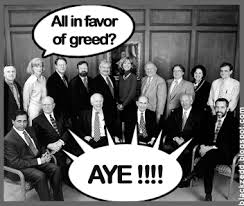
Despite Trump’s demands for “mass deportations,” numerous Hispanics, when interviewed, said they didn’t feel threatened. They felt certain that Trump would deport “only the bad people.”
Young Latinos, particularly young Latino men, were more supportive to Trump than in 2020. Roughly half of young Latino men voted for Harris, compared with about six in 10 who went for Trump.
Majorities of black and Latino voters said the economy was in bad shape. They wanted a bigger paycheck. And they were willing to re-elect a man who despised them in hopes of getting it.
Case #13: Muslims—especially those living in Dearborn, Michigan—played a losing blackmail game with the Biden administration
On October 7, 2023, under the cover of thousands of rockets fired from Gaza, Hamas terrorists slaughtered an estimated 1,139 men, women and children in Israeli streets, houses, kibbutz communities and at a rave music festival.
About 250 others were kidnapped and taken into Gaza.
Israel responded by declaring a state of war—pounding Gaza with bombs, missiles. tanks and soldiers.

Palestinians celebrating the attack on Israel
Terrorism-sympathizing Islamics—especially in Michigan—demanded that the Biden administration stop sending military equipment to Israel—and force Israelis to stop their military campaign to free the hostages. They threatened: “If you don’t do what we want, we won’t vote for Kamala Harris.”
Biden and Harris rejected their demands—and Islamics voted for Trump or didn’t vote at all.
The result: Harris lost—and was replaced with a Right-wing administration so pro-Israel that it made the Biden one seem pro-Palestinian by comparison.
Case 14: Ignorance of and/or contempt for history.
“Low information voters” is a euphemism for people dangerously ignorant of and indifferent to the issues affecting their lives.
After World War II ended in 1945, the United States proved a force for worldwide stability. Its “nuclear umbrella” prevented a Russian takeover of Europe and a Chinese takeover of Asia.
But voters ignored Trump’s “bromance” with Communist dictators Vladimir Putin (Russia), Xi Jinping (China) and Kim Jong-Un (North Korea). They also ignored his proven disdain for the leaders of democratic nations—such as Canada and Great Britain.
As a result, Canada and Mexico, America’s biggest trading partners, are now treated—by Trump—as enemies. Meanwhile, he cozies up to Putin against Ukraine’s legally-elected President, Vododmyr Zelensky.
* * * * *
Countless historians have tried to answer the question: “Was the rise of Adolf Hitler—and the catastrophe he unleashed—inevitable?”
Future historians will ask the same question about Donald Trump—and the almost certain disaster of a second Trump Presidency.
Competent historians will conclude that no one factor was responsible, but a combination of otherwise unrelated ones. Among these:
- Republicans: Who feared that Trump’s Fascistic supporters would deprive them of political office if they didn’t abase themselves to a lifelong criminal and would-be dictator.
- Republican judges: Who bent and/or broke the law to enable Trump to escape justice.
- Justice Department prosecutors: Whose awe of the Presidency allowed Trump to slander and threaten federal prosecutors and judges.
- Attorney General Merrick Garland: Whose cowardice prevented him from appointing Jack Smith Special Counsel until November 18, 2022—giving Trump time to delay justice and again win the Presidency.

- Democrats: Whose cowardice toward Trump encouraged Republicans to ever more extreme measures.
- Blacks: Voted for a racist in hopes of a bigger paycheck.
- Muslims: Refused to vote for Kamala Harris because Biden wouldn’t stop Israel’s military campaign to free Hamas-captured hostages.
- Hispanics: Like the Jews in Hitler’s Germany, who couldn’t believe that Trump would carry out his threats to imprison and/or deport them.
- The Biden administration: Which refused to stem the tide of illegal aliens invading America—and thus enraged millions of law-abiding Americans into supporting Trump.
- Toxic masculinity voters: Whose misogynistic attitudes toward women led them to reject a former local and state prosecutor for a 34-times convicted felon.
- American voters: Whose hatred of Hispanic illegal aliens and inflationary grocery prices led them to ignore overwhelming evidence of Trump’s intent to overturn the democratic process and make himself absolute dictator.
In short: Those opposed to Trump’s evil were too divided and shortsighted to combine against a common danger.
As John Adams, second President of the United States, observed:
Remember, democracy never lasts long. It soon wastes, exhausts and murders itself. There never was a democracy yet that did not commit suicide. It is in vain to say that democracy is less vain, less proud, less selfish, less ambitious, or less avaricious than aristocracy or monarchy. It is not true, and nowhere appears in history. Those passions are the same in all men, under all forms of simple government, and when unchecked, produce the same effects of fraud, violence and cruelty.
2016 PRESIDENTIAL ELECTION, 2020 PRESIDENTIAL ELECTION, 2024 PRESIDENTIAL ELECTION, ABC NEWS, ABUSE OF POWER, ADOLF HITLER, AILEEN CANNON, AIR TRAFFIC CONTROLLERS, ALTERNET, AMERICABLOG, AP, ARTIFICIAL INTELLIGENCE, ASSASSINATION, AXIOS, BABY BOOMER RESISTANCE, BBC, BIRD FLU, BLACKS, BLOOMBERG, BLUESKY, BUZZFEED, CANADA, CBS NEWS, CHINA, CLASSIFIED DOCUMENTS, CLIMATE CHANGE, CNN, COVID-19, CROOKS AND LIARS, DAILY KOS, DANIEL CASSINO, DEMOCRACY, DEMOCRATIC PARTY, DEMOCRATS, DENMARK, DIVERSITY EQUITY AND INCLUSION (DEI) PROGRAMS, DONALD TRUMP, ELECTORAL COLLEGE, FBI, FEDERAL AVIATION ADMINISTRATION (FAA), FEDERAL EMERGENCY MANAGEMENT AGENCY, FEDERAL GOVERNMENT SHUTDOWN, FIVETHIRTYEIGHT, FUEL PRICES, GALLUP POLL, GAZA, GLOBAL CONFLICT, GREENLAND, GROCERY PRICES, HARPER’S MAGAZINE, HILLARY CLINTON, HISPANICS, HUFFINGTON POST, HUNTER BIDEN, illegal immigration, IMMIGRATION AND CUSTOMS ENVORCEMENT (ICE), IMPEACHMENT, INFLATION, INSPECTORS GENERAL, INTERNATIONAL BROTHERHOOD OF TEAMSTERS, IRAN, ISRAEL, JACK SMITH, JAMAL KHASHOOGI, JAMES COMEY, JANUARY 6 COUP ATTEMPT, JARED KUSHNER, JIMMY HOFFA, JOHN ADAMS, JOHN F. KENNEDY CENTER FOR THE PERFORMING ARTS, JOSEPH BIDEN, JOSEPH STALIN, Kamala Harris, KEVIN MCCARTHY, KIM JONG-UN, LATINOS, LETITIA JAMES, LOW INFORMATION VOTERS, MAR-A-LAGO, MARJORIE TAYLOR GREENE, MASCULINITY, MEDIA MATTERS, MERRICK GARLAND, MINNEAPOLIS MINNESOTA, MOHAMMED BIN SALMAN, MOTHER JONES, MOVEON, MSNBC, MUSLIMS, NATO, NAVAJO COLDE TALKERS, NBC NEWS, NEW REPUBLIC, NEWSDAY, NEWSWEEK, NORTH KORREA, NPR, OBSTRUCTION OF CONGRESS, PARDONS, PBS NEWSHOUR, POLITICO, POLITICUSUSA, RAW STORY, REPUBLICAN PARTY, REPUBLICANS, REUTERS, ROBERT F. KENNEDY, RUSSIA, SALON, SEATTLE TIMES, SLATE, ST. PAUL MINNESOTA, STRAIT OF HORMUZ, SUPERMAN, SUPPLEMENTAL NUTRITION ASSISTANCE PROGRAM (SNAP), TALKING POINTS MEMO, TERRORISM, THE ATLANTIC, THE CHICAGO SUN-TIMES, THE CHICAGO TRIBUNE, THE DAILY BEAST, THE DAILY BLOG, THE GUARDIAN, THE HILL, THE HUFFINGTON POST, THE INTERCEPT, THE LOS ANGELES TIMES, THE NATION, THE NEW REPUBLIC, THE NEW YORK TIMES, THE NEW YORKER, THE VILLAGE VOICE, THE WASHINGTON POST, THINKPROGRESS, THOMAS MATTHEW CROOKS, TIME, TRANSPORTATION COSTS, TRUTHDIG, TRUTHOUT, TUSKEGEE AIRMEN, TWO POLITICAL JUNKIES, U.S. BORDER PATROL, U.S. NEWS & WORLD REPORT, UKRAINE, UNITED STATES DEPARTMENT OF DEFENSE (DOD), UNITED STATES DEPARTMENT OF JUSTICE, UNITED STATES HOUSE OF REPRESENTATIVES, UNITED STATES SECRET SERVICE, UNITED STATES SENATE, UPI, USA TODAY, VLADIMIR PUTIN, VOLODMYR ZELENSKY, VOX, X, XI JINPING
In Bureaucracy, History, Law, Law Enforcement, Medical, Social commentary on October 8, 2026 at 12:56 am
There were numerous instances where intervention by Federal legislators or law enforcement authorities could have utterly changed the outcome of the 2024 Presidential election.
Case #9: Americans had become increasingly worried and angry about surging numbers of illegal aliens pouring into the country. But the Biden administration refused—until its closing months—to dramatically address this issue.
A Vox story, dated July 12, 2024, warned: “According to Gallup, 2024 is the first time since 2005 that most of the public have wanted less immigration, and this year marks the largest share of Americans feeling resistant to immigration since 58 percent said so in 2001….”

Illegal aliens climbing over the border fence in Brownsville, Texas
Six months later, on January 17, 2025, another Vox story offered: “What Democrats must learn from Biden’s disastrous immigration record.”
It opened: “One of the main reasons Vice President Kamala Harris lost the election is the Biden administration’s record on immigration and the border — polls show it ranks up close with inflation among the top issues that drove swing voters to Trump….
“During Biden’s first three years in office, the number of arriving migrants skyrocketed, leading to a backlash as even blue states and cities complained they were overwhelmed. The peak came in December 2023, a month when officials reported about 250,000 encounters with migrants at the border, a record.”
Then, starting early in 2024, and continuing throughout the year, border arrivals plummeted—by more than 80%.
The reasons:
- The Biden administration got the Mexican government to launch an extensive crackdown on migrants passing through its territory to the United States.
- Biden decreed that new unauthorized migrants would be ineligible for asylum if too many people were coming to the border. Essentially, this meant shutting down the asylum process.
Unfortunately for Harris, the downturn in illegal immigration came too late.
Donald Trump
In times of economic uncertainty, hostility rises toward immigrants—especially those who are alien to a host country’s language and culture. This has proven true in Europe as well as the United States.
Case #10: Americans blamed President Biden for inflationary price increases—especially for groceries such as eggs.
According to a December 20, 2024 article—“Why are groceries so expensive? What you need to know”—by the Center for Science in the Public Interest:
“Since January 2019, food prices have risen nearly 30 percent in the US, leaving many households struggling to afford groceries.”
Among the issues responsible for this:
- COVID-19: Caused worldwide disruptions in supply chains.
- Transportation costs and fuel prices: Fuel costs are directly tied to how much retailers charge for groceries and other goods.
- Animal diseases, weather events, crop failures: When bird flu (H5N1) first struck the U.S. in 2022, eggs were priced at around $2 per dozen. They peaked at $4.82/dozen in January 2023, and in December 2024—following the infection of over 123 million chickens—prices fell to about $4.15/dozen.
- Global conflict: In February, 2022, Russia invaded Ukraine, which exports wheat, corn and agricultural fertilizer, among other products. Russia has tried to strangle Ukraine’s exports by attacking the nation’s agricultural centers.
No President—including Biden and Trump—can control such events. Unfortunately, every Presidential candidate virtually promises to be Superman. And voters repeatedly fall victim to this absurdity.

So when elected Presidents fail to perform miracles, those voters turn on them—and turn them out of office.
Case #11: Americans don’t want a woman President.
American voters proved that in 2016 when former Secretary of State Hillary Clinton ran for President—and lost to Trump in the Electoral College by a count of 227 to 304.
And Hillary had an advantage that Vice President Kamala Harris lacked: Hillary was white.
England has elected a female Prime Minister: Margaret Thatcher. And Mexico—notorious for the machismo of its men—has elected a woman President: Claudia Sheinbaum Pardo. But in the United States, electing a woman chief executive is unthinkable to most American men.
According to Daniel Cassino, Professor of Government and Politics at Fairleigh Dickinson University, men who support Trump hold to a traditionally masculine identity.
“So, among that group, Trump is up over Harris by about 35 points. Huge gap, Among other men, the half of men who don’t put themselves at the extremes of masculinity, Harris is up by 20. In fact, Harris is also up by 20 among most groups of women. So, really the gap is not between men and women, it’s between this one group of traditional masculine men and everybody else.”
Machismo played a major role in Trump’s popularity among Hispanics. Roughly six in 10 men described Trump as a strong leader, compared with 43% who said that in 2020. About half of Hispanic women said Trump was a strong leader, up from 37%.
Case #12: Democrats expected to receive support from their traditional allies—such as blacks and Hispanics. But that didn’t happen.
During the eight-year tenure of America’s first black President, Donald Trump attacked Barack Obama as a foreign-born citizen who was thus ineligible for that office. He also had a history of supporting—and being supported by—racist white groups like the Proud Boys and the Oath Keepers.
Nevertheless, blacks deserted Vice President Kamala Harris in droves. About three in 10 back men under age 45 went for Trump, roughly double the share he got in 2020.
2016 PRESIDENTIAL ELECTION, 2020 PRESIDENTIAL ELECTION, 2024 PRESIDENTIAL ELECTION, ABC NEWS, ABUSE OF POWER, ADOLF HITLER, AILEEN CANNON, AIR TRAFFIC CONTROLLERS, ALTERNET, AMERICABLOG, AP, ARTIFICIAL INTELLIGENCE, ASSASSINATION, AXIOS, BABY BOOMER RESISTANCE, BBC, BIRD FLU, BLACKS, BLOOMBERG, BLUESKY, BUZZFEED, CANADA, CBS NEWS, CHINA, CLASSIFIED DOCUMENTS, CLIMATE CHANGE, CNN, COVID-19, CROOKS AND LIARS, DAILY KOS, DANIEL CASSINO, DEMOCRACY, DEMOCRATIC PARTY, DEMOCRATS, DENMARK, DIVERSITY EQUITY AND INCLUSION (DEI) PROGRAMS, DONALD TRUMP, ELECTORAL COLLEGE, FBI, FEDERAL AVIATION ADMINISTRATION (FAA), FEDERAL EMERGENCY MANAGEMENT AGENCY, FEDERAL GOVERNMENT SHUTDOWN, FIVETHIRTYEIGHT, FUEL PRICES, GALLUP POLL, GAZA, GLOBAL CONFLICT, GREENLAND, GROCERY PRICES, HARPER’S MAGAZINE, HILLARY CLINTON, HISPANICS, HUFFINGTON POST, HUNTER BIDEN, illegal immigration, IMMIGRATION AND CUSTOMS ENVORCEMENT (ICE), IMPEACHMENT, INFLATION, INSPECTORS GENERAL, INTERNATIONAL BROTHERHOOD OF TEAMSTERS, IRAN, ISRAEL, JACK SMITH, JAMAL KHASHOOGI, JAMES COMEY, JANUARY 6 COUP ATTEMPT, JARED KUSHNER, JIMMY HOFFA, JOHN ADAMS, JOHN F. KENNEDY CENTER FOR THE PERFORMING ARTS, JOSEPH BIDEN, JOSEPH STALIN, Kamala Harris, KEVIN MCCARTHY, KIM JONG-UN, LATINOS, LETITIA JAMES, LOW INFORMATION VOTERS, MAR-A-LAGO, MARJORIE TAYLOR GREENE, MASCULINITY, MEDIA MATTERS, MEIN KAMPF, MERRICK GARLAND, MINNEAPOLIS MINNESOTA, MOHAMMED BIN SALMAN, MOTHER JONES, MOVEON, MSNBC, MUSLIMS, NATO, NAVAJO COLDE TALKERS, NAZIS, NBC NEWS, NEW REPUBLIC, NEWSDAY, NEWSWEEK, NORTH KORREA, NPR, OBSTRUCTION OF CONGRESS, PARDONS, PBS NEWSHOUR, POLITICO, POLITICUSUSA, RAW STORY, REPUBLICAN PARTY, REPUBLICANS, REUTERS, ROBERT F. KENNEDY, RUSSIA, SALON, SEATTLE TIMES, SLATE, ST. PAUL MINNESOTA, STRAIT OF HORMUZ, SUPERMAN, SUPPLEMENTAL NUTRITION ASSISTANCE PROGRAM (SNAP), TALKING POINTS MEMO, TERRORISM, THE ATLANTIC, THE CHICAGO SUN-TIMES, THE CHICAGO TRIBUNE, THE DAILY BEAST, THE DAILY BLOG, THE GUARDIAN, THE HILL, THE HUFFINGTON POST, THE INTERCEPT, THE LOS ANGELES TIMES, THE NATION, THE NEW REPUBLIC, THE NEW YORK TIMES, THE NEW YORKER, THE VILLAGE VOICE, THE WASHINGTON POST, THINKPROGRESS, THOMAS MATTHEW CROOKS, TIME, TRANSPORTATION COSTS, TRUTHDIG, TRUTHOUT, TUSKEGEE AIRMEN, TWO POLITICAL JUNKIES, U.S. BORDER PATROL, U.S. NEWS & WORLD REPORT, UKRAINE, UNITED STATES DEPARTMENT OF DEFENSE (DOD), UNITED STATES DEPARTMENT OF JUSTICE, UNITED STATES HOUSE OF REPRESENTATIVES, UNITED STATES SECRET SERVICE, UNITED STATES SENATE, UPI, USA TODAY, VLADIMIR PUTIN, VOLODMYR ZELENSKY, VOX, X, XI JINPING
In Bureaucracy, History, Law, Law Enforcement, Medical, Politics, Social commentary on October 7, 2026 at 12:11 am
There were numerous instances where intervention by Federal legislators or law enforcement authorities could have utterly changed the outcome of the 2024 Presidential election.
Case #5: Even after Donald Trump left office, the Justice Department treated him with a deference not shown any other criminal defendant.
He was allowed, for example, to hurl insults and threats at Special Counsel Jack Smith and even Smith’s family.
One such post, published on Trump’s website, Truth Social, went: “Deranged Jack Smith, who is a sick puppet for A.G. Garland & Crooked Joe Biden, should be DEFUNDED & put out to rest. Republicans must get tough or the Dems will steal another Election. MAGA!”
By “A.G. Garland” Trump meant Attorney General Merrick Garland. By “put out to rest,” he meant that his followers should assassinate Smith.
Not even Mafia bosses like Charles “Lucky” Luciano and Albert “The Executioner” Anastasia dared issue such a threat.
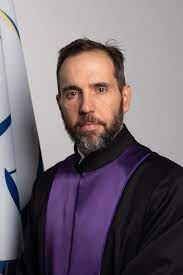
Jack Smith
By contrast: Jimmy Hoffa was president of the International Brotherhood of Teamsters. But that didn’t prevent Robert F. Kennedy’s Justice Department from indicting him for jury tampering—and convicting him on March 4, 1964. He was sentenced to eight years in prison and a $10,000 fine.
No one in the Kennedy Justice Department said: “He’s the elected president of the Teamsters Union—so we can’t touch him.” Yet that is precisely how the Biden Justice Department repeatedly acted—simply because, in 2016, he won a Presidential election.
Case #6: Throughout his struggles to stay out of prison, Trump was aided by the unrelenting support of the Republican party.
Republicans loudly and repeatedly claimed that Donald Trump was the legitimate winner of the 2020 Presidential election—despite overwhelming evidence that he wasn’t.
They also claimed that, by appointing Special Counsel Jack Smith to investigate Trump, the Democrats had weaponized Federal law enforcement.
They also fully supported Trump’s demand for the release of those who attacked the Capitol Building on January 6, 2021.

For example: Rep. Marjorie Taylor Greene (R-GA) has depicted these coup supporters as persecuted martyrs.
On March 24, 2022, members of the Republicans’ House Oversight Committee toured a Washington, D.C. jail where some of these defendants were held.
“Their due process rights are being violated. And they have been mistreated and treated as political prisoners,” Greene told reporters after the tour.
Adolf Hitler similarly portrayed as martyrs the Nazis who tried to violently overthrow the government of Bavaria on November 9, 1923.
A March 2, 2020 Washington Monthly story concluded ominously: “U.S. democracy wasn’t set up to deal with a president openly behaving like a James Bond villain while being protected by a political party behaving more like a mafia than a civic institution.”
Case #7: While Congressional Republicans relentlessly investigated President Joe Biden and his family, Democrats refused to similarly investigate Trump’s family.
The United States House Oversight Committee opened its investigation into the Biden family on January 11, 2023. The investigation included the foreign business activities of Biden’s son, Hunter, and brother, James.
By November 2023, the investigation had not found any evidence of wrongdoing by President Biden.
Democrats, by contrast, never probed why Jared Kushner, Donald Trump’s son-in-law and former White House adviser, received $2 billion from Saudi Arabia’s Crown Prince Mohammed bin Salman. The money came to Kushner’s private equity firm after Kushner left the White House in 2021.

Jared Kushner
Salman has been implicated by U.S. Intelligence reports in the 2018 torture and dismemberment of Washington Post columnist Jamal Khashoggi. When asked if he believed the reports, Kushner said: “Are we really still doing this?”
Democrats also refused to investigate the Trump administration’s illegally seizing vitally-needed medical supplies in at least seven states during the COVID-19 pandemic.
The Federal Emergency Management Agency (FEMA) did not publicly report the thefts, despite the outlay of millions of dollars of taxpayer money. Nor did the administration explain how it decided which supplies to seize and where to reroute them.
The Federal Government did not inform states whose supplies it seized if they would receive the materials they ordered and paid for.
Case #8: On July 13, 2024, Trump was allegedly wounded in his right ear by a gunman while speaking at an open-air Presidential campaign rally near Butler, Pennsylvania.
The would-be assassin, Thomas Matthew Crooks, fired eight rounds from an AR-15 style rifle from the roof of a nearby building. Trump dived for cover behind his lectern, as the shooter killed one audience member and critically injured two others.
Crooks was shot and killed seconds later by the Secret Service’s Counter Sniper Team.
Had Trump not slightly turned his head at the moment Crooks fired, Republicans would have been forced to choose another nominee.
In addition, Trump would not have been alive to win the 2024 Presidential election and openly threaten to imprison the Justice Department prosecutors who sought to hold him accountable for his litany of crimes.
The assassination attempt calls to mind that by Colonel Claus Schenk von Stauffenberg on July 20, 1944, to kill Adolf Hitler with a briefcase bomb. Had he succeeded, the war in Europe would no doubt have ended far earlier, with countless lives being saved.
2016 PRESIDENTIAL ELECTION, 2020 PRESIDENTIAL ELECTION, 2024 PRESIDENTIAL ELECTION, ABC NEWS, ABUSE OF POWER, ADOLF HITLER, AILEEN CANNON, AIR TRAFFIC CONTROLLERS, ALTERNET, AMERICABLOG, AP, ARTIFICIAL INTELLIGENCE, ASSASSINATION, AXIOS, BABY BOOMER RESISTANCE, BBC, BIRD FLU, BLACKS, BLOOMBERG, BLUESKY, BUZZFEED, CANADA, CBS NEWS, CHINA, CLASSIFIED DOCUMENTS, CLIMATE CHANGE, CNN, COVID-19, CROOKS AND LIARS, DAILY KOS, DANIEL CASSINO, DEMOCRACY, DEMOCRATIC PARTY, DEMOCRATS, DENMARK, DIVERSITY EQUITY AND INCLUSION (DEI) PROGRAMS, DONALD TRUMP, ELECTORAL COLLEGE, FBI, FEDERAL AVIATION ADMINISTRATION (FAA), FEDERAL EMERGENCY MANAGEMENT AGENCY, FEDERAL GOVERNMENT SHUTDOWN, FIVETHIRTYEIGHT, FUEL PRICES, GALLUP POLL, GAZA, GLOBAL CONFLICT, GREENLAND, GROCERY PRICES, HARPER’S MAGAZINE, HILLARY CLINTON, HISPANICS, HUFFINGTON POST, HUNTER BIDEN, illegal immigration, IMMIGRATION AND CUSTOMS ENVORCEMENT (ICE), IMPEACHMENT, INFLATION, INSPECTORS GENERAL, INTERNATIONAL BROTHERHOOD OF TEAMSTERS, IRAN, ISRAEL, JACK SMITH, JAMAL KHASHOOGI, JAMES COMEY, JANUARY 6 COUP ATTEMPT, JARED KUSHNER, JIMMY HOFFA, JOHN ADAMS, JOHN F. KENNEDY CENTER FOR THE PERFORMING ARTS, JOSEPH BIDEN, JOSEPH STALIN, Kamala Harris, KEVIN MCCARTHY, KIM JONG-UN, LATINOS, LETITIA JAMES, LOW INFORMATION VOTERS, MAR-A-LAGO, MARJORIE TAYLOR GREENE, MASCULINITY, MEDIA MATTERS, MERRICK GARLAND, MINNEAPOLIS MINNESOTA, MOHAMMED BIN SALMAN, MOTHER JONES, MOVEON, MSNBC, MUSLIMS, NATO, NAVAJO COLDE TALKERS, NBC NEWS, NEW REPUBLIC, NEWSDAY, NEWSWEEK, NORTH KORREA, NPR, OBSTRUCTION OF CONGRESS, PARDONS, PBS NEWSHOUR, POLITICO, POLITICUSUSA, RAW STORY, REPUBLICAN PARTY, REPUBLICANS, REUTERS, ROBERT F. KENNEDY, RUSSIA, SALON, SEATTLE TIMES, SLATE, ST. PAUL MINNESOTA, STRAIT OF HORMUZ, SUPERMAN, SUPPLEMENTAL NUTRITION ASSISTANCE PROGRAM (SNAP), TALKING POINTS MEMO, TERRORISM, THE ATLANTIC, THE CHICAGO SUN-TIMES, THE CHICAGO TRIBUNE, THE DAILY BEAST, THE DAILY BLOG, THE GUARDIAN, THE HILL, THE HUFFINGTON POST, THE INTERCEPT, THE LOS ANGELES TIMES, THE NATION, THE NEW REPUBLIC, THE NEW YORK TIMES, THE NEW YORKER, THE VILLAGE VOICE, THE WASHINGTON POST, THINKPROGRESS, THOMAS MATTHEW CROOKS, TIME, TRANSPORTATION COSTS, TRUTHDIG, TRUTHOUT, TUSKEGEE AIRMEN, TWO POLITICAL JUNKIES, U.S. BORDER PATROL, U.S. NEWS & WORLD REPORT, UKRAINE, UNITED STATES DEPARTMENT OF DEFENSE (DOD), UNITED STATES DEPARTMENT OF JUSTICE, UNITED STATES HOUSE OF REPRESENTATIVES, UNITED STATES SECRET SERVICE, UNITED STATES SENATE, UPI, USA TODAY, VLADIMIR PUTIN, VOLODMYR ZELENSKY, VOX, X, XI JINPING
In Bureaucracy, History, Law, Law Enforcement, Military, Politics, Social commentary on October 6, 2026 at 12:05 am
On January 20, 2025, for the second time, Donald J. Trump took the oath of office as the 47th President of the United States.
Since then, he has aggressively committed a series of outrages against the country he claims to love, including:
- Granting clemency to more than 1,500 people convicted of offenses related to the January 6, 2021 United States Capitol attack.
- Flooding Minneapolis and St. Paul, Minnesota, with 3,000 Immigration and Customs Enforcement (ICE) agents who terrorized (and in two cases murdered) both American citizens and illegal aliens
- Signing executive orders reversing climate change initiatives and eliminating DEI programs.
- Revoking an executive order on Artificial Intelligence safety signed by former President Joseph Biden, to establish safeguards for the rapidly advancing AI technology.
- Threatening Greenland—an autonomous territory within the Kingdom of Denmark—with invasion unless it agreed to acquisition by the United States. Since Denmark is a member of NATO, such an invasion would pit the United States against its own alliance.

Greenland
- Purging about a half-dozen executive assistant directors at the FBI. These were some of the bureau’s top managers overseeing criminal, national security and cyber investigations. Their “crime”: Investigating Trump’s inciting the January 6, 2021 coup attempt and illegally holding highly sensitive national security documents after leaving office.
- Repeatedly threatening to make Canada—a United States ally for over 200 years—America’s “51st state” by military or economic force.
- Firing the board members at the John F. Kennedy Center for the Performing Arts and appointing himself as chairman—just as Joseph Stalin made himself arbiter of what was permissible for artists in the Soviet Union.
- Ordering the Justice Department to indict his critics such as New York Attorney General Letitia James and former FBI Director James Comey.
- Launching an unprovoked attack on Iran on February 28, he believes that in six weeks he can force its Islamic rulers to abandon their plans to develop nuclear weapons. Expecting victory in six weeks, after eight months he finds himself stymied by Iran’s closing the Strait of Hormuz.

Strait of Hormuz
- Shutting down the Federal Government on October 1, when Democrats refused to agree to his gutting Medicaid, Medicare and the Affordable Care Act (ACA), causing 10-15 million Americans to lose health insurance coverage.
- Shutting off the Supplemental Nutrition Assistance Program (SNAP) for the poor to pressure Democrats to support his gutting of healthcare programs.
There were numerous instances where intervention by Federal legislators or law enforcement authorities could have utterly changed the outcome of the 2024 election—and prevented these outrages.
Case #1: On December 18, 2019, the Democratic-controlled House of Representatives adopted two articles of impeachment against Trump: abuse of power and obstruction of Congress. On February 5, 2020, the Republican-dominated Senate voted to acquit Trump on both articles of impeachment.
Their motive: Fear that if they didn’t, they would be “primaried” by even more extreme, Trump-supported Right-wing candidates—and lose their positions and the accompanying power and perks.
Had Republicans agreed to convict him, he could not have run again for President.
Case #2: On January 13, 2021, Trump was impeached for the second time for “incitement of insurrection”—inciting the January 6, 2021 attack on the United States Capitol.
The reason: To stop the counting of Electoral College votes, which he knew would prove that former Vice President Joseph Biden had won the 2020 Presidential election.
The evidence against him was overwhelming—including video of his inciting a mob of his followers to storm the Capitol Building.
But Republican Senators again acquitted Trump on February 13, 2021—choosing ambition over patriotism.
Had they done so, he could not have again been a candidate for President.

Donald Trump
Case #3: Only on November 18, 2022—a year and a half after becoming Attorney General—did Merrick Garland appoint Jack Smith Independent Counsel to investigate Donald Trump’s role for:
- Inciting the January 6 attack on Congress; and
- Illegally seizing and storing highly classified government documents at his Mar-a-Lago estate in Palm Beach Florida.
This gave Trump time to play his “deny and delay” game. Had he been prosecuted and convicted before the November 5 Presidential election, the results might well have been different.
Even hardcore supporters might have proved unwilling to vote for someone found guilty of inciting a riot or stealing highly classified documents.
Case #4: In June, 2023, Trump was indicted for illegally seizing and storing hundreds of highly classified government documents at his Mar-a-Lago estate.
Aileen Cannon, a Trump appointee as Federal Judge of the United States District Court for the Southern District of Florida, presided over the case.
She repeatedly ruled in his favor and finally dismissed the case in July, 2024. claiming that Special Counsel Jack Smith’s appointment was unconstitutional.

Aileen Cannon
Southern District of Florida, CC BY-SA 4.0 <https://creativecommons.org/licenses/by-sa/4.0>, via Wikimedia Commons
Many legal experts, citing her handling of the civil case against Trump, called for her recusal from the case. Jack Smith could have requested her removal from the case but did not ask a Federal appeals court to do so.
MSNBC analyst Barbara McQuade told Newsweek that Smith likely refused to do so to “return public trust” to the Justice Department, which had been challenged in recent years.
Cannon’s kid-gloves treatment of Trump echoed that of the Right-wing judge who presided over Adolf Hitler’s trial in 1923 for trying to overthrow the government of Bavaria.
2020 PRESIDENTIAL ELECTION, ABC NEWS, ABRAHAM LINCOLN, ADAM SCHIFF, ALEXANDER VINDMAN, ALTERNET, AMERICABLOG, AP, BABY BOOMER RESISTANCE, BLOOMBERG, BUZZFEED, CBS NEWS, CNN, CROOKS AND LIARS, DAILY KOZ, DAVID BROOKS, DEMOCRATS, DONALD TRUMP, DRUDGE RETORT, FACEBOOK, FIVETHIRTYEIGHT, FOX NEWS NETWORK, GERRYMANDERING, HARPER’S MAGAZINE, HOUSE INTELLIGENCE COMMITTEE, HOWARD BAKER, HUNTER BIDEN, JOE BIDEN, JOEL MATHIS, LYNDON JOHNSON, MARIA YOVANOVICH, MARK SHIELDS, MEDIA MATTERS, MEDICAID, MICK MULVANEY, MOTHER JONES, MOVEON, MSNBC, NATIONAL SECURITY COUNCIL, NBC NEWS, NEWSWEEK, NPR, PBS NEWSHOUR, POLITICO, POLITICUSUSA, RAW STORY, REPUBLICANS, REUTERS, RICHARD NIXON, RUDI GIULIANI, RUSSIA, SALON, SEATTLE TIMES, SLATE, TALKING POINTS MEMO, THE ATLANTIC, THE CHICAGO SUN-TIMES, THE CHICAGO TRIBUNE, THE DAILY BEAST, THE DAILY BLOG, THE GUARDIAN, THE HILL, THE HUFFINGTON POST, THE LOS ANGELES TIMES, THE NATION, THE NEW REPUBLIC, THE NEW YORK TIMES, THE VILLAGE VOICE, THE WASHINGTON POST, THINKPROGRESS, TIME, TRUTHDIG, TRUTHOUT, TWO POLITICAL JUNKIES, U.S. NEWS & WORLD REPORT, UKRAINE, UPI, USA TODAY, VOLODYMYR ZELENSKY, VOTER ID LAWS, WATERGATE, WONKETTE, X
In Bureaucracy, History, Law, Law Enforcement, Military, Politics, Social commentary on October 5, 2026 at 12:10 am
On November 14, 2019, the CNN website showcased an opinion piece by Jane Carr and Laura Juncadella entitled: “Fractured States of America.”
And it opened:
“Some worry that it’s already too late, that we’ve crossed a threshold of polarization from which there is no return. Others look toward a future where more moderate voices are heeded and heard, and Americans can find better ways to relate to each other. Still others look back to history for a guide—perhaps for what not to do, or at the very least for proof that while it’s been bad before, progress is still possible.”

A series of sub-headlines summed up many of the comments reported.
- “I was starting to hate people that I have loved for years.”
- “Voting for Trump cost me my friends.”
- “I feel like I’m living in hostile territory.”
- “Our children are watching this bloodsport.”
- “A student’s Nazi-style salute reflects the mate.”
- “Our leaders reflect the worst of us.”
- “I truly believe I will be assaulted over a bumper sticker.”
- “It already feels like a cold war.”
It’s natural to regret that the United States has become so self-destructively polarized. And to wish that its citizens could somehow reach across the chasm that divides them and find common cause with one another.
But that is to ignore the brutal truth that America now faces a choice:
- To submit to the tyrannical aggression of a ruthless political party convinced that they are entitled to power to manipulate and undermine the country’s democratic processes; or
- To fiercely resist that aggression and the destruction of those democratic processes.

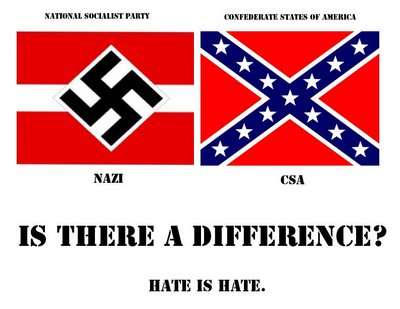
In a November 14, 2019 column, “Republicans Can’t Abandon Trump Now Because They’re All Guilty,” freelance journalist Joel Mathis warned: “Trump’s abuses of power mirror those of the GOP as a whole. Republicans can’t turn on him, because doing so would be to indict their party’s entire approach to politics.”
For example:
- At the state level, GOP legislatures have passed numerous voter ID laws over the last decade. Officially, the reason has been to prevent non-citizens from voting. In reality, the motive is to depress turnout among Democratic constituencies.
- When Democrats have won elections, Republicans have tried to block them from carrying out their policies. In Utah, voters approved Medicaid expansion at the ballot box—but Republicans nullified this.
- In North Carolina, Republican legislators prevented voters from choosing their representatives. Instead, Republican representatives chose voters through partisan sorting. In August, 2018, the state’s Supreme Court ruled the legislative gerrymandered district map unconstitutional.
The upshot of all this: “The president and his party are united in the belief that their entitlement to power allows them to manipulate and undermine the country’s democratic processes….”

At the time of the January 6, 2021 coup attempt, even Republicans admitted Donald Trump’s responsibility for it.
House Minority Leader Kevin McCarthy frantically phoned Trump, insisting that the rioters—who were breaking into his office through the windows—were the President’s supporters. He begged Trump to call them off.
“Well, Kevin, I guess these people are more upset about the election than you are,” Trump said.
But on January 28, 2021, “My Kevin” groveled before Trump at his Mar-a-Lago estate in Palm Beach, Florida, while they discussed how to win a House majority in the 2022 midterm elections.

Kevin McCarthy
And Senate Majority Leader Mitch McConnell said on January 12: “The mob was fed lies. They were provoked by the president and other powerful people.”
But when the Senate met to try Trump for inciting an insurrection, McConnell voted to acquit him—and successfully urged his fellow Republicans to do the same.
* * * * *
The United States has indeed become a polarized country. But it’s not the polarization between Republicans and Democrats, or between conservatives and liberals.
It’s the polarization between
- Those intent on enslaving everyone who doesn’t subscribe to their Fascistic beliefs and agenda—and those who resist being enslaved.
- Those who believe in reason and science—and those who believe in an infallible “strong man” who rejects both.
- Those who cherish education—and those who celebrate ignorance.
- Those who believe in the rule of law—and those who believe in their right to act as a law unto themselves.
- Those who believe in treating others (especially the less fortunate) with decency—and those who believe in the triumph of intimidation and force.
Those who hoped that Republicans would choose patriotism over partisanship got their answer on February 5, 2020. That was when the Republican-dominated Senate—ignoring the overwhelming evidence against him—acquitted Donald Trump on impeachment articles: Obstruction of Congress and Abuse of Power.
And they got their answer again on February 13, 2021, when Senate Republicans voted to acquit him of Incitement of Insurrection.
It’s natural to regret that the United States has become a sharply divided nation. But those who lament this should realize there is only one choice:
Either non-Fascist Americans will destroy the Republican party and its voters that threaten to enslave them—or they will be enslaved by Republicans and their voters who believe they are entitled to manipulate and undermine the country’s democratic processes.
There is no middle ground.
2025 FEDERAL GOVERNMENT SHUTDOWN, ABC NEWS, AFFORDABLE CARE ACT, ALTERNET, AMERICABLOG, AP, BABY BOOMER RESISTANCE, BLOOMBERG, BUZZFEED, CAMILLUS, CBS NEWS, CHRISTOPHER SWANSON, CNN, CROOKS AND LIARS, DAILY KOS, DEREK CHAUVIN, DONALD TRUMP, FIVETHIRTYEIGHT, FLINT TOWNSHIP, GEORGE FLOYD, HARPER’S MAGAZINE, LOS ANGELES, MARCUS FURIUS, MEDIA MATTERS, MEDICARE, MOTHER JONES, MOVEON, MSNBC, NBC NEWS, NEW YORK CITY, NEWSWEEK, NICCOLO MACHIAVELLI, NPR, ONE BIG BEAUTIFUL BILL, PBS NEWSHOUR, POLITICO, POLITICUSUSA, RAW STORY, REPUBLICANS, REUTERS, SALON, SAN FRANCISCO, SEATTLE TIMES, SLATE, ST. JOHN’S CHURCH, TALKING POINTS MEMO, THE ATLANTIC, THE CHICAGO SUN-TIMES, THE CHICAGO TRIBUNE, THE DAILY BEAST, THE DAILY BLOG, THE DISCOURSES, THE GUARDIAN, THE HILL, THE HUFFINGTON POST, THE LOS ANGELES TIMES, THE NATION, THE NEW REPUBLIC, THE NEW YORK TIMES, THE VILLAGE VOICE, THE WASHINGTON POST, THINKPROGRESS, TIME, TRUTHDIG, TRUTHOUT, TWO POLITICAL JUNKIES, U.S. NEWS & WORLD REPORT, UPI, USA TODAY, WONKETTE, X
In Bureaucracy, History, Law Enforcement, Politics, Social commentary on September 25, 2026 at 12:05 am
Throughout his first term as President, “Do what I want—or I’ll destroy you!” proved Donald Trump’s go-to method of “negotiation.” And it has remained so since re-taking office on January 20, 2025.
On February 28, Trump—in concert with Israel—launched a series of devastating, unprovoked airstrikes against Iran.
Asked by a reporter how long the war would last, Trump arrogantly replied: “Any time I want it to end, it will end.”
But then Iran closed the Strait of Hormuz, through which 20% to 30% of the world’s total daily oil supply passes.
Gas prices in the United States immediately rose. Analysts warned that if the disruption continued, gasoline prices could exceed $5 per gallon.
Fearing this posed a direct threat to Repbublicans’ holding control of Congress in the upcoming midterm elections, on Easter Sunday Trump posted on his website, Truth Social:
“Tuesday [April 7] will be Power Plant Day, and Bridge Day, all wrapped in one, in Iran. There will be nothing like it!!! Open the Fuckin’ Strait, you crazy bastards, of you’ll be living in Hell – JUST WATCH! Praise be to Allah.”
Legal experts and international organizations such as Amnesty International warned that attacking civilian infrastructure would constitute war crimes under international law.
In less than 24 hours, American pilots would be forced to decide: “Do we want to become war criminals?”
But there are humane ways to wield power, and these usually leave feelings of lasting gratitude—if not reverence—for those who do.
Two examples follow.

Lesson #!: In Book Three, Chapter 22 of his classic masterwork, The Discourses, Niccolo Machiavelli offers the following: “An Act of Humanity Prevailed More With the Falacians Than All the Power of Rome.”
Marcus Furius Camillus, a Roman general, was besieging the city of the Faliscians, and had surrounded it. A teacher charged with educating the children of some of the city’s noblest families decided to ingratiate himself with Camillus by leading them into the Roman camp.
As Roman hostages, they could be used to compel the city to surrender.
Camillus not only declined the offer but went one step further. He ordered the teacher stripped and his hands tied behind his back. Then Camillus had a rod put into the hands of each of the children and directed them to whip the teacher all the way back to the city.
Upon learning this, the citizens of Faliscia were so much touched by the humanity and integrity of Camillus, that they surrendered the place to him without any further defense.
Summing up the meaning of this, Machiavelli writes: “This example shows that an act of humanity and benevolence will at all times have more influence over the minds of men than violence and ferocity. It also proves that provinces and cities which no armies…could conquer, have yielded to an act of humanity, benevolence, chastity or generosity.
“…History also shows us how much the people desire to find such virtues in great men, and how much they are extolled by historians and biographers of princes….Amongst these, Xenophon takes great pains to show how many victories, how much honor and fame, Cyrus gained by his humanity and affability, and by his not having exhibited a single instance of pride, cruelty or luxuriousness, nor of any of the other vices that are apt to stain the lives of men.”

Niccolo Machiavelli
This lesson—recorded by a master political scientist and practitioner of Realpolitik—remains highly relevant today.
Lesson #2: On May 25, 2020, George Floyd, a black unemployed restaurant security guard, was murdered by Derek Chauvin, a white Minneapolis police officer. While Floyd was handcuffed and lying face down on a city street during an arrest, Chauvin kept his knee on the right side of Floyd’s neck for eight minutes and 46 seconds.
Cities across the United States erupted in mass protests over Floyd’s death—and police killings of black victims generally. Most of these demonstrations proved peaceful.
But cities such as Los Angeles, San Francisco and New York City saw stores looted, vandalized and/or burned.
In response, President Donald Trump called for harsh policing, telling governors in a nationwide conference call that they must “dominate” protesters or be seen as “weak.”
To drive home his point, Trump ordered police and National Guard troops to violently remove peaceful protesters from Lafayette Square, which borders St. John’s Church near the White House.
The purpose of the removal: To allow Trump to have a photo opportunity outside the church.
Contrast that with the example of Sheriff Christopher Swanson of Genesee County, Michigan.

Sheriff Christopher Swanson
Confronting a mass of aroused demonstrators in Flint Township on May 30, Swanson responded: “We want to be with you all for real.”
So Swanson took his helmet off. His deputies laid their batons down.
“I want to make this a parade, not a protest. So, you tell us what you need to do.”
“Walk with us!” the protesters shouted.
“Let’s walk, let’s walk,” said Swanson.
Cheering and applause resounded.
“Let’s go, let’s go,” Swanson said as he and the cheering crowd proceeded. “Where do you want to walk? We’ll walk all night.”
And Swanson and his fellow officers walked in sympathy with the protesters.
No rioting followed.
2016 PRESIDENTIAL ELECTION, 2020 PRESIDENTIAL ELECTION, ABC NEWS, ALTERNET, AMERICABLOG, AP, BABY BOOMER RESISTANCE, BBC, BLOOMBERG NEWS, BUZZFEED, CBS NEWS, CHRIS STIREWALT, CNN, COVID-19, CROOKS AND LIARS, DAILY KOS, DAVID BROOKS, DOMINION VOTING SYSTEMS, DONALD TRUMP, FIVETHIRTYEIGHT, FOX NEWS NETWORK, HARPER’S MAGAZINE, HUFFINGTON POST, JACQUI HEINRICH, JOE BIDEN, JONATHAN CAPEHART, LAURA INGRAHAM, LIBEL, MEDIA MATTERS, MIKE LINDELL, MOTHER JONES, MOVEON, MSNBC, NBC NEWS, NEW REPUBLIC, NEW YORK TIMES V. SULLIVAN, NEWSDAY, NEWSMAX, NEWSWEEK, NPR, PBS NEWSHOUR, POLITICO, POLITICUSUSA, RAW STORY, REPUBLICANS, REUTERS, RUDOLPH GIULIANI, RUPERT MURDOCH, SALON, SEAN HANNITY, SEATTLE TIMES, SIDNEY POWELL, SLANDER, SLATE, STEVE BANNON, TALKING POINTS MEMO, THE ATLANTIC, THE CHICAGO SUN-TIMES, THE CHICAGO TRIBUNE, THE DAILY BEAST, THE DAILY BLOG, THE GUARDIAN, THE HILL, THE HUFFINGTON POST, THE INTERCEPT, THE LOS ANGELES TIMES, THE NATION, THE NEW REPUBLIC, THE NEW YORK TIMES, THE NEW YORKER, THE VILLAGE VOICE, THE WASHINGTON POST, THINKPROGRESS, TIME, TRUTHDIG, TRUTHOUT, TUCKER CARLSON, U.S. NEWS & WORLD REPORT, UPI, USA TODAY, X
In Bureaucracy, Business, History, Law, Politics, Social commentary on September 24, 2026 at 12:10 am
Fox News has spent two years peddling “The Big Lie”—that President Donald J. Trump was cheated of electoral victory in 2020.
But now the truth is coming to light.
On the March 3 edition of The PBS Newshour, political commentators David Brooks and Jonathan Capehart explored the explosive revelations emerging from a lawsuit brought by Dominion Voting Systems against Fox News.
Host Amna Nawaz opened:
And, at CPAC today, [Steve Bannon, former chief strategist for President Trump] went after Fox, saying they’re not pro-Trump enough.
But, just this week, we did see a huge admission in that—the latest filings and the defamation case brought by Dominion Voting Systems, that admission from Fox chairman Rupert Murdoch. He conceded under oath Fox hosts lied about the 2020 election, and he chose not to stop them. What are the implications of that?
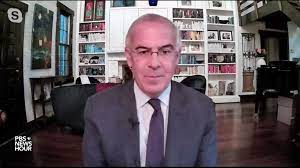
David Brooks
New York Times Columnist David Brooks: Rupert Murdoch started a paper called The Australian a long time ago. He was a journalist, an actual journalist. And now he’s gotten to the point where you can lie on camera if—as long as your ratings are OK.
Those people who lied didn’t lie over little things. They lied about the election results of a presidential election, kind of a major deal. And we now know—as we all suspected—they all knew what was happening.
And Murdoch is sitting there atop this organization sort of blithely pretending it’s not really his problem. And so he can say it, and he has power over the corporation today. He owns it. He could fire Tucker [Carlson]. He could fire all the people—all the people who were in on this and whose journalistic integrity has been exposed as zero.
And yet he’s still trying to blithely rise above it. And so it’s amazing that we have a major news organization that is inaccurate about a presidential election.
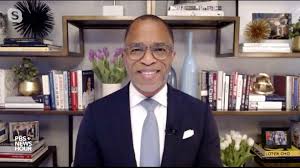

Jonathan Capehart
Washington Post Associated Editor Jonathan Capehart: Oh, it’s huge. And it was confirmation of something that folks on the left and just folks paying attention kind of suspected: That Fox News, the “news” is in quotes, that they’re out there blatantly telling lies.
But then to see in black and white as part of this case that not only…they would say lies on television, but then, behind the scenes, they knew the truth.
And what that says to me is, Rupert Murdoch and his anchors, those people who are peddling in lies, they are insulated from the effect of the lies that they tell. When you see someone saying, “Oh, our ratings are going down, and that’s going to affect the stock price.” So there’s no concern….

Rupert Murdoch
Hudson Institute, CC BY 2.0 <https://creativecommons.org/licenses/by/2.0>, via Wikimedia Commons
So that means you’re more concerned about your bottom line than the corrosive impact on our democracy and political discourse in this country. That, to me, was what’s really disturbing.
And what’s even more disturbing is that Fox News isn’t even really covering this lawsuit, which means that their audience, who should know about what’s being said about them and about the programming for them, they will never—they might not ever know….that what they’re being told is just a big bunch of lies.
Amna Nawaz: I go back to the impact again, though, because their audience, which is in the millions, right……if you’re a loyal Fox watcher prone to distrust any other information source anyway, does any of this make an impact?
Jonathan Capehart: Well, that’s the point I was trying to make. We don’t even know if they will even know about this case, as a result. And even if they do find out, either they might not trust it, or maybe they just don’t care. I don’t know.
David Brooks: Well, they’re losing some viewers to the further right, the Bannons of the world. So they are — they are definitely losing viewers.
But my colleague David French made the core point about Fox. If you’re in red America or in rural America, Fox is not just a news organization. It’s your community center. It’s an organization that—that news organization that pays intense attention, that lots of good news stories about cops and soldiers.
A lot of things that happen in red America that don’t get much coverage in the coastal media get a lot of attention in Fox. And so the loyalty there is not only about politics, and it’s not only about news coverage. It’s just about where people see themselves reflected.
* * * * *
A Twitter user recently asked: “Are critical thinkers being vastly outnumbered in the USA because secondary education is just so damn expensive? It’s no wonder Republican states are among the most poorly educated.”
The answer is: No.
You don’t have to accept propaganda.
You can question the official version of any story.
You can seek out multiple sources.
You don’t have to seek out only those sources that confirm your long-held prejudices.
And you don’t need a college education to do so.
If Right-wingers—who make up the audience for Fox News—are ignorant, it’s because they want to be ignorant.
2016 PRESIDENTIAL ELECTION, 2020 PRESIDENTIAL ELECTION, ABC NEWS, ALTERNET, AMERICABLOG, AP, BABY BOOMER RESISTANCE, BBC, BLOOMBERG NEWS, BUZZFEED, CBS NEWS, CHRIS STIREWALT, CNN, COVID-19, CROOKS AND LIARS, DAILY KOS, DAVID BROOKS, DOMINION VOTING SYSTEMS, DONALD TRUMP, FIVETHIRTYEIGHT, FOX NEWS NETWORK, HARPER’S MAGAZINE, HUFFINGTON POST, JACQUI HEINRICH, JOE BIDEN, JONATHAN CAPEHART, LAURA INGRAHAM, LIBEL, MEDIA MATTERS, MIKE LINDELL, MOTHER JONES, MOVEON, MSNBC, NBC NEWS, NEW REPUBLIC, NEW YORK TIMES V. SULLIVAN, NEWSDAY, NEWSMAX, NEWSWEEK, NPR, PBS NEWSHOUR, POLITICO, POLITICUSUSA, RAW STORY, REPUBLICANS, REUTERS, RUDOLPH GIULIANI, RUPERT MURDOCH, SALON, SEAN HANNITY, SEATTLE TIMES, SIDNEY POWELL, SLANDER, SLATE, STEVE BANNON, TALKING POINTS MEMO, THE ATLANTIC, THE CHICAGO SUN-TIMES, THE CHICAGO TRIBUNE, THE DAILY BEAST, THE DAILY BLOG, THE GUARDIAN, THE HILL, THE HUFFINGTON POST, THE INTERCEPT, THE LOS ANGELES TIMES, THE NATION, THE NEW REPUBLIC, THE NEW YORK TIMES, THE NEW YORKER, THE VILLAGE VOICE, THE WASHINGTON POST, THINKPROGRESS, TIME, TRUTHDIG, TRUTHOUT, TUCKER CARLSON, U.S. NEWS & WORLD REPORT, UPI, USA TODAY, X
In Bureaucracy, Business, History, Law, Politics, Social commentary on September 23, 2026 at 12:13 am
Reputable news organizations believe they’re hurt when a reporter gets his facts wrong—or, worse, invents a story for sensationalistic attention.
For Fox News Network, getting hurt means that some of its own reporters have told the truth. And, as a result, many of its viewers are turning to other Right-wing propaganda outlets.
In a series of email exchanges, Fox Network executives revealed they were not simply loyal to President Donald Trump but mortally afraid of him.
Star Host Tucker Carlson said that Trump was good at “destroying things. He’s the undisputed world champion of that. He could easily destroy us if we play it wrong.”
Nor was Carlson the only one. The fear started at the very top—with Fox CEO Rupert Murdoch: “Nobody wants Trump as an enemy. We all know that Trump has a big following. If he says, ‘Don’t watch Fox News, maybe some don’t.”
Up to January 26, 2021, Murdoch allowed Fox advertiser Mike “My Pillow” Lindell to appear on the Tucker Carlson Tonight Show to lie that Trump had been cheated of victory by massive voter fraud.
Questioned as to why he allowed it, Murdoch agreed with the statement, “It is not red or blue, it is green.”

Rupert Murdoch
In short: Lust for money, not ideology, motivated Fox’s slant on politics.
And, as with all Fox News commentary, truth played no role in the decision to air it.
With unapologetic hypocrisy, Fox stars Tucker Carlson, Sean Hannity and Laura Ingraham brutally mocked the lies being peddled by Trump—and their own network.
In a text to Ingraham, Carlson said that Sidney Powell, an attorney who was representing the Trump campaign, was “lying” and that he had “caught her” doing so.
Ingraham: “Sidney is a complete nut. No one will work with her. Ditto with Rudy [Giuliani].”
Hannity said Giuliani was “acting like an insane person” and Ingraham described him as “an idiot.”
And Hannity said: “That whole narrative that Sidney was pushing, I did not believe it for one second.”

Sean Hannity
How do we know all this? Certainly not because some outraged Fox whistleblower made these exchanges public.
It’s because Fox’s chief victim, Dominion Voting Systems, decided to strike back.
The Denver-based company produces and sells electronic voting hardware and software, including voting machines and tabulators, in Canada and the United States.
Dominion, claimed Fox, had criminally enabled Democrats to steal the election for Joe Biden by programming its machines to throw out votes meant for Trump.
Its reputation unfairly tarnished, its employees threatened with violence by Trump’s Fascistic supporters, Dominion filed a $1.6 billion defamation lawsuit against Fox News in March, 2021.
Dominion charged Fox News with pushing false conspiracy theories about the company to win back dissatisfied viewers upset with its coverage of Trump’s defeat.
Libel lawsuits are typically centered around one falsehood. But Dominion cites a lengthy list of Fox hosts making false claims even though they were known to be untrue.
According to an almost 200–page document Dominion filed in the lawsuit:
“From the top down, Fox knew ‘the Dominion stuff’ was ‘total BS.’ Yet despite knowing the truth—or at minimum, recklessly disregarding that truth—Fox spread and endorsed these ‘outlandish voter fraud claims’ about Dominion even as it internally recognized the lies as ‘crazy,’ ‘absurd,’ and ‘shockingly reckless.’
“As a result of the false accusations broadcast by Fox into millions of American homes, Dominion has suffered unprecedented harm and its employees’ lives have been put in danger,” Dominion’s attorneys wrote in the lawsuit.

Backing up its assertions: A treasury of emails, texts, testimony, and other private communications from Fox News personnel contradicting the network’s claims that Dominion’s voting machines had rigged the presidential election in Joe Biden’s favor.
These had all been obtained through the discovery process.
While Fox was echoing Trump’s claims of “massive voter fraud,” its executives and commentators knew that he—and they themselves—were lying.
In mid-November 2020, Carlson texted one of his producers that “there wasn’t enough fraud to change the outcome” of the election.
Later, Carlson said that Sidney Powell, one of Trump’s attorneys and a prominent accuser of election fraud, “is lying.”
Dana Perino, an anchor, called allegations of voter fraud against Dominion “total bs,” “insane,” and “nonsense.”
Murdoch told an executive on November 6, 2020 that “if Trump becomes a sore loser we should watch Sean [Hannity] especially and others don’t sound the same.”
And on January 5, 2021, Murdoch wrote to Fox News CEO Suzanne Scott:
“It’s been suggested our prime time three [Tucker Carlson, Sean Hannity, Laura Ingraham] should independently or together say something like, ‘the election is over and Joe Biden won.’ It would “go a long way to stop the Trump myth that the election [was] stolen.”
But Fox never aired such a statement.
Fox has repeatedly tried to get the case dismissed, but Superior Court Judge Eric Davis has refused to do so. A trial is slated to begin on April 17.
There is a difference between journalism and Fascistic propaganda. And Fox News Network routinely provides examples of the latter.
2016 PRESIDENTIAL ELECTION, 2020 PRESIDENTIAL ELECTION, ABC NEWS, ALTERNET, AMERICABLOG, AP, BABY BOOMER RESISTANCE, BBC, BLOOMBERG NEWS, BUZZFEED, CBS NEWS, CHRIS STIREWALT, CNN, COVID-19, CROOKS AND LIARS, DAILY KOS, DAVID BROOKS, DOMINION VOTING SYSTEMS, DONALD TRUMP, FIVETHIRTYEIGHT, FOX NEWS NETWORK, HARPER’S MAGAZINE, HUFFINGTON POST, JACQUI HEINRICH, JOE BIDEN, JONATHAN CAPEHART, LAURA INGRAHAM, LIBEL, MEDIA MATTERS, MIKE LINDELL, MOTHER JONES, MOVEON, MSNBC, NBC NEWS, NEW REPUBLIC, NEW YORK TIMES V. SULLIVAN, NEWSDAY, NEWSMAX, NEWSWEEK, NPR, PBS NEWSHOUR, POLITICO, POLITICUSUSA, RAW STORY, REPUBLICANS, REUTERS, RUDOLPH GIULIANI, RUPERT MURDOCH, SALON, SEAN HANNITY, SEATTLE TIMES, SIDNEY POWELL, SLANDER, SLATE, STEVE BANNON, TALKING POINTS MEMO, THE ATLANTIC, THE CHICAGO SUN-TIMES, THE CHICAGO TRIBUNE, THE DAILY BEAST, THE DAILY BLOG, THE GUARDIAN, THE HILL, THE HUFFINGTON POST, THE INTERCEPT, THE LOS ANGELES TIMES, THE NATION, THE NEW REPUBLIC, THE NEW YORK TIMES, THE NEW YORKER, THE VILLAGE VOICE, THE WASHINGTON POST, THINKPROGRESS, TIME, TRUTHDIG, TRUTHOUT, TUCKER CARLSON, U.S. NEWS & WORLD REPORT, UPI, USA TODAY, X
In Bureaucracy, Business, History, Law, Politics, Social commentary on September 22, 2026 at 12:05 am
In the beginning was the audience. And the audience was filled with Fascistic hate and prejudice, and sought always to have its beliefs confirmed.
And then came Fox News Network, which sought to capture that audience—and, with it, huge ratings and profits.
At the center of both Fox and its audience stood Donald Trump—first as a Presidential candidate, then as President.
In him, Right-wingers found their ideal representative: He promised to destroy all those groups they hated.
Among these: Blacks, Asians, “uppity” women, Muslims, liberals, Hispanics, Democrats.
Donald Trump
So when Trump lost the 2020 Presidential election—by 81,284,666 votes for former Vice President Joe Biden versus 74,224,319 for Trump-–the Right was devastated. And furious.
Unlike its defeats in past Presidential elections, this time the Right refused to accept the will of the electorate.
Trump had often “joked” about how wonderful it would be for the United States to have a “President-for-Life”—as was the case in China.
This time the Right intended to make that a reality.
Central to making that happen was the Fox News Network.
In 2022, for its seventh consecutive year, Fox News stood as the top-rated cable news network in the United States. Fox averaged 1.4 million total day viewers.
By contrast, 733,000 watched MSNBC and 568,000 watched CNN.
In prime time, Fox came in first with an average of 2.3 million viewers in 2022.
MSNBC came in second with 1.2 million and CNN ranked third with an average of 730,000.
As for profits: Fox’s net income for the twelve months ending December 31, 2022 was $1.507B, a 4.94% increase year-over-year.

In 2015, Trump launched his campaign for President. His chances for success seemed impossible at the time—even to many mainstream Republicans.
But as he won victory after victory in Republican primaries, Fox News stuck with him. And stayed with him through the four years of his Presidency.
Fox was Trump’s favorite network. It gave him unstinting praise and sought to put a favorable spin on everything he did. As a result, Trump rarely gave interviews to CBS, NBC or ABC News.
In turn, Fox profited hugely as its audience—and advertisers—eagerly tuned in.
So when Trump lost the 2020 Presidential election, he and Fox decided they must get him back into the Oval Office.
Trump did his best—or worst—by filing about 60 lawsuits to overturn the results of the election. But none of his attorneys could prove their claims that widespread fraud had robbed him of victory. The suits were dismissed by judges or withdrawn by Trump’s own attorneys.
Fox News couldn’t file fraudulent cases on Trump’s behalf. But it could poison the public mind by claiming—endlessly and falsely—that Trump had been cheated by massive voter fraud.
Fox didn’t even wait for the final results of the 2020 election to be called before it intervened on the side of what would soon be dubbed “The Big Lie.”
On Election Night, Chris Stirewalt, the political editor of Fox News Channel. was the first to project Biden’s victory in Arizona. This turned out to be right—and brought a furious attack upon Stirewalt.
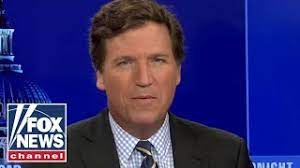
Tucker Carlson
“We worked really hard to build what we have,” Fox host Tucker Carlson texted his producer, Alex Pfeiffer. “Those fuckers are destroying our credibility. It enrages me.”
For Carlson, credibility didn’t mean ensuring integrity in news reporting. It meant telling Fox’s Right-wing audience what it wanted to hear—whether the “news” was true or not.
Carlson added that he had spoken with fellow primetime commentators Laura Ingraham and Sean Hannity minutes earlier and that they were “highly upset.”
In a January 26 Op-Ed for the Los Angeles Times, Stirewalt wrote: “Having been cosseted by self-validating coverage for so long, many Americans now consider any news that might suggest that they are in error or that their side has been defeated as an attack on them personally.
“The lie that Trump won the 2020 election wasn’t nearly as much aimed at the opposing party as it was at the news outlets that stated the obvious, incontrovertible fact.”
Stirewalt was fired from Fox News in January, 2021.
Trump was furious about the Arizona call. After the election, he attacked Fox News and encouraged his followers to switch to Newsmax.
Which many of them did, costing Fox a big chunk of its audience.
For Fox, this was the ultimate catastrophe. The company began cracking down on its employees who had dared tell the truth on Election Night.
One case involved White House correspondent Jacqui Heinrich. Her sin was fact-checking a Trump tweet accusing Dominion Voting Systems of election fraud.
Heinrich wrote that top election officials had determined “there is no evidence that any voting system deleted or lost votes, changed votes, or was in any way compromised.”
“Please get her fired,” Star host Tucker Carlson texted his fellow told host Sean Hannity: “Seriously….what the fuck? I’m actually shocked….It needs to stop immediately, like tonight. It’s measurably hurting the company. The stock price is down. Not a joke.”
Hannity replied that he had already spoken to Suzanne Scott, the network’s chief executive. The next morning, Heinrich’s tweet had been deleted.
2016 PRESIDENTIAL ELECTION, 2020 PRESIDENTIAL ELECTION, ABBY ROAD (ALBUM), ABC NEWS, ABORTION, ALTERNET, AMERICABLOG, ANTHONY FAUCI, AP, ASIANS, ATHIESTS, BABY BOOMER RESISTANCE, BBC, BLACKS, BLOOMBERG, BLUESKY, BUZZFEED, CBS NEWS, CNN, CORONAVIRUS, COVID-19, CROOKS AND LIARS, DAILY KOS, DEMOCRATS, DONALD TRUMP, FIVETHIRTYEIGHT, GEORGIA, HARPER’S MAGAZINE, HISPANICS, HUFFINGTON POST, LIBERALS, MARJORIE TAYLOR GREENE, MEDIA MATTERS, MOTHER JONES, MOVEON, MSNBC, MUSLIMS, NAZIS, NBC NEWS, NEWSDAY, NEWSWEEK, NON-CHRISTIANS, NPR, PBS NEWSHOUR, PEW RESEARCH CENTER, POLITICO, POLITICUSUSA, RAW STORY, REPUBLICANS, REUTERS, SALON, SEATTLE TIMES, SLATE, TALKING POINTS MEMO, THE ATLANTIC, THE BEATLES, THE CHICAGO SUN-TIMES, THE CHICAGO TRIBUNE, THE DAILY BEAST, THE DAILY BLOG, THE GUARDIAN, THE HILL, THE HUFFINGTON POST, THE INTERCEPT, THE LOS ANGELES TIMES, THE NATION, THE NEW REPUBLIC, THE NEW YORK TIMES, THE NEW YORKER, THE VILLAGE VOICE, THE WASHINGTON POST, THINKPROGRESS, TIME, TOLUSE OLORUNNIPA, TRANSGENDERS, TRUTHDIG, TRUTHOUT, TWO POLITICAL JUNKIES, U.S. NEWS & WORLD REPORT, UNITED STATES HOUSE OF REPRESENTATIVES, UNITED STATES SUPREME COURT, UPI, USA TODAY, WASHINGTON WEEK IN REVIEW, WOMEN, WONKETTE, X
In Bureaucracy, History, Politics, Social commentary on September 21, 2026 at 12:08 am
Every four years, Republican voters search for a Presidential candidate who promises to humiliate and destroy those they hate among their fellow Americans. These include:
- Blacks
- Hispanics
- “Uppity” women
- Liberals
- Atheists
- Non-Christians
- The highly educated
- Asians
- Muslims
- The legitimate news media
In 2016, Donald Trump was unquestionably the candidate who got—and kept—their blood-lust running. His campaign took off early in the polls and never lost momentum—or high ratings.
This was especially true among rural, evangelical voters—for whom sex-drenched issues such as abortion and birth control are an obsession.
And they have continued to enthusiastically support him during his second term in office.
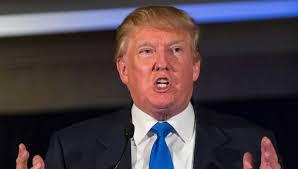
Donald Trump
On August 30, 2017, an article in Salon examined why Donald Trump’s base supports him so fanatically: “Most Americans Strongly Dislike Trump, But the Angry Minority That Adores Him Controls Our Politics.”
From the article:
“They like Trump’s coarse personality, and approve of the fact that he treats women like his personal playthings. They enjoy it when he expresses sympathy for neo-Nazis and neo-Confederate white supremacists.
“They cheer when he declares his love for torture, tells the police to rough up suspects and vows to mandate the death penalty for certain crimes. (Which of course the president cannot do.)
“…This cohort of the Republican party didn’t vote for Trump because of his supposed policies on trade or his threat to withdraw from NATO. They voted for him because he said out loud what they were thinking. A petty, sophomoric, crude bully is apparently what they want as a leader.”

Supporters giving the Nazi “Sieg Heil” salute to Trump
Georgia’s 14th district offers a vivid example of the mentality of hardcore Trump supporters. From 2021 until her resignation in 2026, it was represented by Marjorie Taylor Greene.
Among the highlights of her career:
- Slandering Democrats as Nazis.
- Attacking masking and social distancing—then the only safety measures against COVID-19—to the persecution of Jews in Nazi Germany.
- Attacking Anthony Fauci, director of the National Institute of Allergy and Infectious Disease, for daring to contradict Trump’s ignorance- and lie-riddled statements.
- Supporting Trump’s efforts to illegally overturn the 2020 Presidential election, claiming it had been “stolen” from him.
The residents of that district feel left behind by years of change. As the U.S. becomes more urban, secular, and diverse, they feel “culturally oppressed.”
“They see themselves as great Americans, proud Americans, Christian Americans, and that doesn’t fit the American model anymore as they see it,” said Jan Pourquoi, owner of Global Works LLC.
Their top priority: Stick it to those who are urban, secular and non-white.

Georgia’s Congressional districts
Lisa Adams, a fervent supporter of Greene, called her: “Our stand-up person. Look at her stance on transgenderism. That’s a big one.”
Suppressing the rights of others has long been a hallmark of Republican politics. Republicans have accused transgender men of posing a menace to women. But according to a new study by the Williams Institute at UCLA School of Law:
- Transgender people are over four times more likely than cisgender people to experience violent victimization, including rape, sexual assault, and aggravated or simple assault.
- Transgender women and men had higher rates of violent victimization (86.1 and 107.5 per 1,000 people, respectively) than cisgender women and men (23.7 and 19.8 per 1,000 people, respectively).
In late 2025, the U.S. House of Representatives passed legislation aimed at criminalizing gender-affirming care for minors.
And then there’s abortion. To quote Lisa Adams: “That’s a big one.”
Republicans sought to re-criminalize abortion since the Supreme Court legalized it in 1973. On June 24, 2022, the Supreme Court eliminated the federal constitutional right to abortion and returned regulatory authority to individual states.
This has led Right-wing states to prosecute women who obtain abortions even in cases of rape, incest or when their lives are endangered by pregnancy. Thirteen states have a total abortion ban; 28 states have abortion bans based on gestational duration.
Thus, so long as Greene supported attacking those groups her constituents hated—such as transgenders and abortion-seekers—her constituents loved her.
“The biggest thing that Marjorie contributed wasn’t even in legislation,” said Gavin Swafford, who worked on Greene’s initial campaign. He didn’t care that she had failed to cut bipartisan deals and bring federal money back home.
“She was unwavering in ‘America First,'” said Swafford, referring to cultural issues she championed.
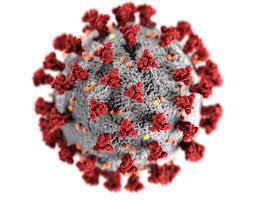
Nor did her supporters care that her lies about COVID-19 had led untold numbers of men and women to forego wearing masks and social distancing in 2020 when no vaccines were available. Or to forego getting vaccinated once vaccines became available in 2021.
Those lies—along with those told by Donald Trump—cost the lives of 400,000 Americans during 2020, his last year in office.
COVID-19
Like Greene, her base is equally motivated by hatred—of the same persons and organizations whom Trump regularly attacks. During the 2016 campaign, countless such voters told interviewers: “He says what I’ve long been thinking!”
Which speaks volumes about the mentality of Stormtrumpers.
The Beatles’ 1969 album, Abby Road, ends with: “And in the end, the love you take is equal to the love you make.”
For the vast majority of Republican voters, that lyric could be rewritten: “The hate you live is equal to the votes you give.”


2016 PRESIDENTIAL ELECTION, 2020 PRESIDENTIAL ELECTION, 2024 PRESIDENTIAL ELECTION, ABC NEWS, ABUSE OF POWER, ADOLF HITLER, AILEEN CANNON, AIR TRAFFIC CONTROLLERS, ALTERNET, AMERICABLOG, AP, ARTIFICIAL INTELLIGENCE, ASSASSINATION, AXIOS, BABY BOOMER RESISTANCE, BBC, BIRD FLU, BLACKS, BLOOMBERG, BLUESKY, BUZZFEED, CANADA, CBS NEWS, CHINA, CLASSIFIED DOCUMENTS, CLIMATE CHANGE, CNN, COVID-19, CROOKS AND LIARS, DAILY KOS, DANIEL CASSINO, DEMOCRACY, DEMOCRATIC PARTY, DEMOCRATS, DENMARK, DIVERSITY EQUITY AND INCLUSION (DEI) PROGRAMS, DONALD TRUMP, ELECTORAL COLLEGE, FBI, FEDERAL AVIATION ADMINISTRATION (FAA), FEDERAL EMERGENCY MANAGEMENT AGENCY, FEDERAL GOVERNMENT SHUTDOWN, FIVETHIRTYEIGHT, FUEL PRICES, GALLUP POLL, GAZA, GLOBAL CONFLICT, GREENLAND, GROCERY PRICES, HARPER’S MAGAZINE, HILLARY CLINTON, HISPANICS, HUFFINGTON POST, HUNTER BIDEN, illegal immigration, IMMIGRATION AND CUSTOMS ENVORCEMENT (ICE), IMPEACHMENT, INFLATION, INSPECTORS GENERAL, INTERNATIONAL BROTHERHOOD OF TEAMSTERS, IRAN, ISRAEL, JACK SMITH, JAMAL KHASHOOGI, JAMES COMEY, JANUARY 6 COUP ATTEMPT, JARED KUSHNER, JIMMY HOFFA, JOHN ADAMS, JOHN F. KENNEDY CENTER FOR THE PERFORMING ARTS, JOSEPH BIDEN, JOSEPH STALIN, Kamala Harris, KEVIN MCCARTHY, KIM JONG-UN, LATINOS, LETITIA JAMES, LOW INFORMATION VOTERS, MAR-A-LAGO, MARJORIE TAYLOR GREENE, MASCULINITY, MEDIA MATTERS, MERRICK GARLAND, MINNEAPOLIS MINNESOTA, MOHAMMED BIN SALMAN, MOTHER JONES, MOVEON, MSNBC, MUSLIMS, NATO, NAVAJO COLDE TALKERS, NBC NEWS, NEW REPUBLIC, NEWSDAY, NEWSWEEK, NORTH KORREA, NPR, OBSTRUCTION OF CONGRESS, PARDONS, PBS NEWSHOUR, POLITICO, POLITICUSUSA, RAW STORY, REPUBLICAN PARTY, REPUBLICANS, REUTERS, ROBERT F. KENNEDY, RUSSIA, SALON, SEATTLE TIMES, SLATE, ST. PAUL MINNESOTA, STRAIT OF HORMUZ, SUPERMAN, SUPPLEMENTAL NUTRITION ASSISTANCE PROGRAM (SNAP), TALKING POINTS MEMO, TERRORISM, THE ATLANTIC, THE CHICAGO SUN-TIMES, THE CHICAGO TRIBUNE, THE DAILY BEAST, THE DAILY BLOG, THE GUARDIAN, THE HILL, THE HUFFINGTON POST, THE INTERCEPT, THE LOS ANGELES TIMES, THE NATION, THE NEW REPUBLIC, THE NEW YORK TIMES, THE NEW YORKER, THE VILLAGE VOICE, THE WASHINGTON POST, THINKPROGRESS, THOMAS MATTHEW CROOKS, TIME, TRANSPORTATION COSTS, TRUTHDIG, TRUTHOUT, TUSKEGEE AIRMEN, TWO POLITICAL JUNKIES, U.S. BORDER PATROL, U.S. NEWS & WORLD REPORT, UKRAINE, UNITED STATES DEPARTMENT OF DEFENSE (DOD), UNITED STATES DEPARTMENT OF JUSTICE, UNITED STATES HOUSE OF REPRESENTATIVES, UNITED STATES SECRET SERVICE, UNITED STATES SENATE, UPI, USA TODAY, VLADIMIR PUTIN, VOLODMYR ZELENSKY, VOX, X, XI JINPING
BIRTHING FASCISM–AND TRUMP’S EVIL: PART FOUR (END)
In Bureaucracy, History, Law, Law Enforcement, Politics, Social commentary on October 9, 2026 at 12:10 amThere were numerous instances where intervention by Federal legislators or law enforcement authorities could have utterly changed the outcome of the 2024 Presidential election.
Case #12: Democrats expected to receive support from their traditional allies—such as blacks and Hispanics. But that didn’t happen.
Despite Donald Trump’s overt racism, blacks deserted Vice President Kamala Harris in droves. About three in 10 back men under age 45 went for Trump, roughly double the share he got in 2020.
A clear majority of young black voters described the economy as “not so good” or “poor,” compared with about half of older black voters.
Despite Trump’s demands for “mass deportations,” numerous Hispanics, when interviewed, said they didn’t feel threatened. They felt certain that Trump would deport “only the bad people.”
Young Latinos, particularly young Latino men, were more supportive to Trump than in 2020. Roughly half of young Latino men voted for Harris, compared with about six in 10 who went for Trump.
Majorities of black and Latino voters said the economy was in bad shape. They wanted a bigger paycheck. And they were willing to re-elect a man who despised them in hopes of getting it.
Case #13: Muslims—especially those living in Dearborn, Michigan—played a losing blackmail game with the Biden administration
On October 7, 2023, under the cover of thousands of rockets fired from Gaza, Hamas terrorists slaughtered an estimated 1,139 men, women and children in Israeli streets, houses, kibbutz communities and at a rave music festival.
About 250 others were kidnapped and taken into Gaza.
Israel responded by declaring a state of war—pounding Gaza with bombs, missiles. tanks and soldiers.
Palestinians celebrating the attack on Israel
Terrorism-sympathizing Islamics—especially in Michigan—demanded that the Biden administration stop sending military equipment to Israel—and force Israelis to stop their military campaign to free the hostages. They threatened: “If you don’t do what we want, we won’t vote for Kamala Harris.”
Biden and Harris rejected their demands—and Islamics voted for Trump or didn’t vote at all.
The result: Harris lost—and was replaced with a Right-wing administration so pro-Israel that it made the Biden one seem pro-Palestinian by comparison.
Case 14: Ignorance of and/or contempt for history.
“Low information voters” is a euphemism for people dangerously ignorant of and indifferent to the issues affecting their lives.
After World War II ended in 1945, the United States proved a force for worldwide stability. Its “nuclear umbrella” prevented a Russian takeover of Europe and a Chinese takeover of Asia.
But voters ignored Trump’s “bromance” with Communist dictators Vladimir Putin (Russia), Xi Jinping (China) and Kim Jong-Un (North Korea). They also ignored his proven disdain for the leaders of democratic nations—such as Canada and Great Britain.
As a result, Canada and Mexico, America’s biggest trading partners, are now treated—by Trump—as enemies. Meanwhile, he cozies up to Putin against Ukraine’s legally-elected President, Vododmyr Zelensky.
* * * * *
Countless historians have tried to answer the question: “Was the rise of Adolf Hitler—and the catastrophe he unleashed—inevitable?”
Future historians will ask the same question about Donald Trump—and the almost certain disaster of a second Trump Presidency.
Competent historians will conclude that no one factor was responsible, but a combination of otherwise unrelated ones. Among these:
In short: Those opposed to Trump’s evil were too divided and shortsighted to combine against a common danger.
As John Adams, second President of the United States, observed:
Remember, democracy never lasts long. It soon wastes, exhausts and murders itself. There never was a democracy yet that did not commit suicide. It is in vain to say that democracy is less vain, less proud, less selfish, less ambitious, or less avaricious than aristocracy or monarchy. It is not true, and nowhere appears in history. Those passions are the same in all men, under all forms of simple government, and when unchecked, produce the same effects of fraud, violence and cruelty.
Share this: