Posts Tagged ‘FBI’
2016 PRESIDENTIAL ELECTION, 2020 PRESIDENTIAL ELECTION, 2024 PRESIDENTIAL ELECTION, ABC NEWS, ABUSE OF POWER, ADOLF HITLER, AILEEN CANNON, AIR TRAFFIC CONTROLLERS, ALTERNET, AMERICABLOG, AP, ARTIFICIAL INTELLIGENCE, ASSASSINATION, AXIOS, BABY BOOMER RESISTANCE, BBC, BIRD FLU, BLACKS, BLOOMBERG, BLUESKY, BUZZFEED, CANADA, CBS NEWS, CHINA, CLASSIFIED DOCUMENTS, CLIMATE CHANGE, CNN, COVID-19, CROOKS AND LIARS, DAILY KOS, DANIEL CASSINO, DEMOCRACY, DEMOCRATIC PARTY, DEMOCRATS, DENMARK, DIVERSITY EQUITY AND INCLUSION (DEI) PROGRAMS, DONALD TRUMP, ELECTORAL COLLEGE, FBI, FEDERAL AVIATION ADMINISTRATION (FAA), FEDERAL EMERGENCY MANAGEMENT AGENCY, FEDERAL GOVERNMENT SHUTDOWN, FIVETHIRTYEIGHT, FUEL PRICES, GALLUP POLL, GAZA, GLOBAL CONFLICT, GREENLAND, GROCERY PRICES, HARPER’S MAGAZINE, HILLARY CLINTON, HISPANICS, HUFFINGTON POST, HUNTER BIDEN, illegal immigration, IMMIGRATION AND CUSTOMS ENVORCEMENT (ICE), IMPEACHMENT, INFLATION, INSPECTORS GENERAL, INTERNATIONAL BROTHERHOOD OF TEAMSTERS, IRAN, ISRAEL, JACK SMITH, JAMAL KHASHOOGI, JAMES COMEY, JANUARY 6 COUP ATTEMPT, JARED KUSHNER, JIMMY HOFFA, JOHN ADAMS, JOHN F. KENNEDY CENTER FOR THE PERFORMING ARTS, JOSEPH BIDEN, JOSEPH STALIN, Kamala Harris, KEVIN MCCARTHY, KIM JONG-UN, LATINOS, LETITIA JAMES, LOW INFORMATION VOTERS, MAR-A-LAGO, MARJORIE TAYLOR GREENE, MASCULINITY, MEDIA MATTERS, MERRICK GARLAND, MINNEAPOLIS MINNESOTA, MOHAMMED BIN SALMAN, MOTHER JONES, MOVEON, MSNBC, MUSLIMS, NATO, NAVAJO COLDE TALKERS, NBC NEWS, NEW REPUBLIC, NEWSDAY, NEWSWEEK, NORTH KORREA, NPR, OBSTRUCTION OF CONGRESS, PARDONS, PBS NEWSHOUR, POLITICO, POLITICUSUSA, RAW STORY, REPUBLICAN PARTY, REPUBLICANS, REUTERS, ROBERT F. KENNEDY, RUSSIA, SALON, SEATTLE TIMES, SLATE, ST. PAUL MINNESOTA, STRAIT OF HORMUZ, SUPERMAN, SUPPLEMENTAL NUTRITION ASSISTANCE PROGRAM (SNAP), TALKING POINTS MEMO, TERRORISM, THE ATLANTIC, THE CHICAGO SUN-TIMES, THE CHICAGO TRIBUNE, THE DAILY BEAST, THE DAILY BLOG, THE GUARDIAN, THE HILL, THE HUFFINGTON POST, THE INTERCEPT, THE LOS ANGELES TIMES, THE NATION, THE NEW REPUBLIC, THE NEW YORK TIMES, THE NEW YORKER, THE VILLAGE VOICE, THE WASHINGTON POST, THINKPROGRESS, THOMAS MATTHEW CROOKS, TIME, TRANSPORTATION COSTS, TRUTHDIG, TRUTHOUT, TUSKEGEE AIRMEN, TWO POLITICAL JUNKIES, U.S. BORDER PATROL, U.S. NEWS & WORLD REPORT, UKRAINE, UNITED STATES DEPARTMENT OF DEFENSE (DOD), UNITED STATES DEPARTMENT OF JUSTICE, UNITED STATES HOUSE OF REPRESENTATIVES, UNITED STATES SECRET SERVICE, UNITED STATES SENATE, UPI, USA TODAY, VLADIMIR PUTIN, VOLODMYR ZELENSKY, VOX, X, XI JINPING
In Bureaucracy, History, Law, Law Enforcement, Politics, Social commentary on October 9, 2026 at 12:10 am
There were numerous instances where intervention by Federal legislators or law enforcement authorities could have utterly changed the outcome of the 2024 Presidential election.
Case #12: Democrats expected to receive support from their traditional allies—such as blacks and Hispanics. But that didn’t happen.
Despite Donald Trump’s overt racism, blacks deserted Vice President Kamala Harris in droves. About three in 10 back men under age 45 went for Trump, roughly double the share he got in 2020.
A clear majority of young black voters described the economy as “not so good” or “poor,” compared with about half of older black voters.
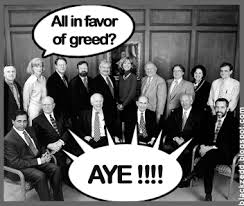
Despite Trump’s demands for “mass deportations,” numerous Hispanics, when interviewed, said they didn’t feel threatened. They felt certain that Trump would deport “only the bad people.”
Young Latinos, particularly young Latino men, were more supportive to Trump than in 2020. Roughly half of young Latino men voted for Harris, compared with about six in 10 who went for Trump.
Majorities of black and Latino voters said the economy was in bad shape. They wanted a bigger paycheck. And they were willing to re-elect a man who despised them in hopes of getting it.
Case #13: Muslims—especially those living in Dearborn, Michigan—played a losing blackmail game with the Biden administration
On October 7, 2023, under the cover of thousands of rockets fired from Gaza, Hamas terrorists slaughtered an estimated 1,139 men, women and children in Israeli streets, houses, kibbutz communities and at a rave music festival.
About 250 others were kidnapped and taken into Gaza.
Israel responded by declaring a state of war—pounding Gaza with bombs, missiles. tanks and soldiers.

Palestinians celebrating the attack on Israel
Terrorism-sympathizing Islamics—especially in Michigan—demanded that the Biden administration stop sending military equipment to Israel—and force Israelis to stop their military campaign to free the hostages. They threatened: “If you don’t do what we want, we won’t vote for Kamala Harris.”
Biden and Harris rejected their demands—and Islamics voted for Trump or didn’t vote at all.
The result: Harris lost—and was replaced with a Right-wing administration so pro-Israel that it made the Biden one seem pro-Palestinian by comparison.
Case 14: Ignorance of and/or contempt for history.
“Low information voters” is a euphemism for people dangerously ignorant of and indifferent to the issues affecting their lives.
After World War II ended in 1945, the United States proved a force for worldwide stability. Its “nuclear umbrella” prevented a Russian takeover of Europe and a Chinese takeover of Asia.
But voters ignored Trump’s “bromance” with Communist dictators Vladimir Putin (Russia), Xi Jinping (China) and Kim Jong-Un (North Korea). They also ignored his proven disdain for the leaders of democratic nations—such as Canada and Great Britain.
As a result, Canada and Mexico, America’s biggest trading partners, are now treated—by Trump—as enemies. Meanwhile, he cozies up to Putin against Ukraine’s legally-elected President, Vododmyr Zelensky.
* * * * *
Countless historians have tried to answer the question: “Was the rise of Adolf Hitler—and the catastrophe he unleashed—inevitable?”
Future historians will ask the same question about Donald Trump—and the almost certain disaster of a second Trump Presidency.
Competent historians will conclude that no one factor was responsible, but a combination of otherwise unrelated ones. Among these:
- Republicans: Who feared that Trump’s Fascistic supporters would deprive them of political office if they didn’t abase themselves to a lifelong criminal and would-be dictator.
- Republican judges: Who bent and/or broke the law to enable Trump to escape justice.
- Justice Department prosecutors: Whose awe of the Presidency allowed Trump to slander and threaten federal prosecutors and judges.
- Attorney General Merrick Garland: Whose cowardice prevented him from appointing Jack Smith Special Counsel until November 18, 2022—giving Trump time to delay justice and again win the Presidency.

- Democrats: Whose cowardice toward Trump encouraged Republicans to ever more extreme measures.
- Blacks: Voted for a racist in hopes of a bigger paycheck.
- Muslims: Refused to vote for Kamala Harris because Biden wouldn’t stop Israel’s military campaign to free Hamas-captured hostages.
- Hispanics: Like the Jews in Hitler’s Germany, who couldn’t believe that Trump would carry out his threats to imprison and/or deport them.
- The Biden administration: Which refused to stem the tide of illegal aliens invading America—and thus enraged millions of law-abiding Americans into supporting Trump.
- Toxic masculinity voters: Whose misogynistic attitudes toward women led them to reject a former local and state prosecutor for a 34-times convicted felon.
- American voters: Whose hatred of Hispanic illegal aliens and inflationary grocery prices led them to ignore overwhelming evidence of Trump’s intent to overturn the democratic process and make himself absolute dictator.
In short: Those opposed to Trump’s evil were too divided and shortsighted to combine against a common danger.
As John Adams, second President of the United States, observed:
Remember, democracy never lasts long. It soon wastes, exhausts and murders itself. There never was a democracy yet that did not commit suicide. It is in vain to say that democracy is less vain, less proud, less selfish, less ambitious, or less avaricious than aristocracy or monarchy. It is not true, and nowhere appears in history. Those passions are the same in all men, under all forms of simple government, and when unchecked, produce the same effects of fraud, violence and cruelty.
2016 PRESIDENTIAL ELECTION, 2020 PRESIDENTIAL ELECTION, 2024 PRESIDENTIAL ELECTION, ABC NEWS, ABUSE OF POWER, ADOLF HITLER, AILEEN CANNON, AIR TRAFFIC CONTROLLERS, ALTERNET, AMERICABLOG, AP, ARTIFICIAL INTELLIGENCE, ASSASSINATION, AXIOS, BABY BOOMER RESISTANCE, BBC, BIRD FLU, BLACKS, BLOOMBERG, BLUESKY, BUZZFEED, CANADA, CBS NEWS, CHINA, CLASSIFIED DOCUMENTS, CLIMATE CHANGE, CNN, COVID-19, CROOKS AND LIARS, DAILY KOS, DANIEL CASSINO, DEMOCRACY, DEMOCRATIC PARTY, DEMOCRATS, DENMARK, DIVERSITY EQUITY AND INCLUSION (DEI) PROGRAMS, DONALD TRUMP, ELECTORAL COLLEGE, FBI, FEDERAL AVIATION ADMINISTRATION (FAA), FEDERAL EMERGENCY MANAGEMENT AGENCY, FEDERAL GOVERNMENT SHUTDOWN, FIVETHIRTYEIGHT, FUEL PRICES, GALLUP POLL, GAZA, GLOBAL CONFLICT, GREENLAND, GROCERY PRICES, HARPER’S MAGAZINE, HILLARY CLINTON, HISPANICS, HUFFINGTON POST, HUNTER BIDEN, illegal immigration, IMMIGRATION AND CUSTOMS ENVORCEMENT (ICE), IMPEACHMENT, INFLATION, INSPECTORS GENERAL, INTERNATIONAL BROTHERHOOD OF TEAMSTERS, IRAN, ISRAEL, JACK SMITH, JAMAL KHASHOOGI, JAMES COMEY, JANUARY 6 COUP ATTEMPT, JARED KUSHNER, JIMMY HOFFA, JOHN ADAMS, JOHN F. KENNEDY CENTER FOR THE PERFORMING ARTS, JOSEPH BIDEN, JOSEPH STALIN, Kamala Harris, KEVIN MCCARTHY, KIM JONG-UN, LATINOS, LETITIA JAMES, LOW INFORMATION VOTERS, MAR-A-LAGO, MARJORIE TAYLOR GREENE, MASCULINITY, MEDIA MATTERS, MERRICK GARLAND, MINNEAPOLIS MINNESOTA, MOHAMMED BIN SALMAN, MOTHER JONES, MOVEON, MSNBC, MUSLIMS, NATO, NAVAJO COLDE TALKERS, NBC NEWS, NEW REPUBLIC, NEWSDAY, NEWSWEEK, NORTH KORREA, NPR, OBSTRUCTION OF CONGRESS, PARDONS, PBS NEWSHOUR, POLITICO, POLITICUSUSA, RAW STORY, REPUBLICAN PARTY, REPUBLICANS, REUTERS, ROBERT F. KENNEDY, RUSSIA, SALON, SEATTLE TIMES, SLATE, ST. PAUL MINNESOTA, STRAIT OF HORMUZ, SUPERMAN, SUPPLEMENTAL NUTRITION ASSISTANCE PROGRAM (SNAP), TALKING POINTS MEMO, TERRORISM, THE ATLANTIC, THE CHICAGO SUN-TIMES, THE CHICAGO TRIBUNE, THE DAILY BEAST, THE DAILY BLOG, THE GUARDIAN, THE HILL, THE HUFFINGTON POST, THE INTERCEPT, THE LOS ANGELES TIMES, THE NATION, THE NEW REPUBLIC, THE NEW YORK TIMES, THE NEW YORKER, THE VILLAGE VOICE, THE WASHINGTON POST, THINKPROGRESS, THOMAS MATTHEW CROOKS, TIME, TRANSPORTATION COSTS, TRUTHDIG, TRUTHOUT, TUSKEGEE AIRMEN, TWO POLITICAL JUNKIES, U.S. BORDER PATROL, U.S. NEWS & WORLD REPORT, UKRAINE, UNITED STATES DEPARTMENT OF DEFENSE (DOD), UNITED STATES DEPARTMENT OF JUSTICE, UNITED STATES HOUSE OF REPRESENTATIVES, UNITED STATES SECRET SERVICE, UNITED STATES SENATE, UPI, USA TODAY, VLADIMIR PUTIN, VOLODMYR ZELENSKY, VOX, X, XI JINPING
In Bureaucracy, History, Law, Law Enforcement, Medical, Social commentary on October 8, 2026 at 12:56 am
There were numerous instances where intervention by Federal legislators or law enforcement authorities could have utterly changed the outcome of the 2024 Presidential election.
Case #9: Americans had become increasingly worried and angry about surging numbers of illegal aliens pouring into the country. But the Biden administration refused—until its closing months—to dramatically address this issue.
A Vox story, dated July 12, 2024, warned: “According to Gallup, 2024 is the first time since 2005 that most of the public have wanted less immigration, and this year marks the largest share of Americans feeling resistant to immigration since 58 percent said so in 2001….”

Illegal aliens climbing over the border fence in Brownsville, Texas
Six months later, on January 17, 2025, another Vox story offered: “What Democrats must learn from Biden’s disastrous immigration record.”
It opened: “One of the main reasons Vice President Kamala Harris lost the election is the Biden administration’s record on immigration and the border — polls show it ranks up close with inflation among the top issues that drove swing voters to Trump….
“During Biden’s first three years in office, the number of arriving migrants skyrocketed, leading to a backlash as even blue states and cities complained they were overwhelmed. The peak came in December 2023, a month when officials reported about 250,000 encounters with migrants at the border, a record.”
Then, starting early in 2024, and continuing throughout the year, border arrivals plummeted—by more than 80%.
The reasons:
- The Biden administration got the Mexican government to launch an extensive crackdown on migrants passing through its territory to the United States.
- Biden decreed that new unauthorized migrants would be ineligible for asylum if too many people were coming to the border. Essentially, this meant shutting down the asylum process.
Unfortunately for Harris, the downturn in illegal immigration came too late.
Donald Trump
In times of economic uncertainty, hostility rises toward immigrants—especially those who are alien to a host country’s language and culture. This has proven true in Europe as well as the United States.
Case #10: Americans blamed President Biden for inflationary price increases—especially for groceries such as eggs.
According to a December 20, 2024 article—“Why are groceries so expensive? What you need to know”—by the Center for Science in the Public Interest:
“Since January 2019, food prices have risen nearly 30 percent in the US, leaving many households struggling to afford groceries.”
Among the issues responsible for this:
- COVID-19: Caused worldwide disruptions in supply chains.
- Transportation costs and fuel prices: Fuel costs are directly tied to how much retailers charge for groceries and other goods.
- Animal diseases, weather events, crop failures: When bird flu (H5N1) first struck the U.S. in 2022, eggs were priced at around $2 per dozen. They peaked at $4.82/dozen in January 2023, and in December 2024—following the infection of over 123 million chickens—prices fell to about $4.15/dozen.
- Global conflict: In February, 2022, Russia invaded Ukraine, which exports wheat, corn and agricultural fertilizer, among other products. Russia has tried to strangle Ukraine’s exports by attacking the nation’s agricultural centers.
No President—including Biden and Trump—can control such events. Unfortunately, every Presidential candidate virtually promises to be Superman. And voters repeatedly fall victim to this absurdity.

So when elected Presidents fail to perform miracles, those voters turn on them—and turn them out of office.
Case #11: Americans don’t want a woman President.
American voters proved that in 2016 when former Secretary of State Hillary Clinton ran for President—and lost to Trump in the Electoral College by a count of 227 to 304.
And Hillary had an advantage that Vice President Kamala Harris lacked: Hillary was white.
England has elected a female Prime Minister: Margaret Thatcher. And Mexico—notorious for the machismo of its men—has elected a woman President: Claudia Sheinbaum Pardo. But in the United States, electing a woman chief executive is unthinkable to most American men.
According to Daniel Cassino, Professor of Government and Politics at Fairleigh Dickinson University, men who support Trump hold to a traditionally masculine identity.
“So, among that group, Trump is up over Harris by about 35 points. Huge gap, Among other men, the half of men who don’t put themselves at the extremes of masculinity, Harris is up by 20. In fact, Harris is also up by 20 among most groups of women. So, really the gap is not between men and women, it’s between this one group of traditional masculine men and everybody else.”
Machismo played a major role in Trump’s popularity among Hispanics. Roughly six in 10 men described Trump as a strong leader, compared with 43% who said that in 2020. About half of Hispanic women said Trump was a strong leader, up from 37%.
Case #12: Democrats expected to receive support from their traditional allies—such as blacks and Hispanics. But that didn’t happen.
During the eight-year tenure of America’s first black President, Donald Trump attacked Barack Obama as a foreign-born citizen who was thus ineligible for that office. He also had a history of supporting—and being supported by—racist white groups like the Proud Boys and the Oath Keepers.
Nevertheless, blacks deserted Vice President Kamala Harris in droves. About three in 10 back men under age 45 went for Trump, roughly double the share he got in 2020.
2016 PRESIDENTIAL ELECTION, 2020 PRESIDENTIAL ELECTION, 2024 PRESIDENTIAL ELECTION, ABC NEWS, ABUSE OF POWER, ADOLF HITLER, AILEEN CANNON, AIR TRAFFIC CONTROLLERS, ALTERNET, AMERICABLOG, AP, ARTIFICIAL INTELLIGENCE, ASSASSINATION, AXIOS, BABY BOOMER RESISTANCE, BBC, BIRD FLU, BLACKS, BLOOMBERG, BLUESKY, BUZZFEED, CANADA, CBS NEWS, CHINA, CLASSIFIED DOCUMENTS, CLIMATE CHANGE, CNN, COVID-19, CROOKS AND LIARS, DAILY KOS, DANIEL CASSINO, DEMOCRACY, DEMOCRATIC PARTY, DEMOCRATS, DENMARK, DIVERSITY EQUITY AND INCLUSION (DEI) PROGRAMS, DONALD TRUMP, ELECTORAL COLLEGE, FBI, FEDERAL AVIATION ADMINISTRATION (FAA), FEDERAL EMERGENCY MANAGEMENT AGENCY, FEDERAL GOVERNMENT SHUTDOWN, FIVETHIRTYEIGHT, FUEL PRICES, GALLUP POLL, GAZA, GLOBAL CONFLICT, GREENLAND, GROCERY PRICES, HARPER’S MAGAZINE, HILLARY CLINTON, HISPANICS, HUFFINGTON POST, HUNTER BIDEN, illegal immigration, IMMIGRATION AND CUSTOMS ENVORCEMENT (ICE), IMPEACHMENT, INFLATION, INSPECTORS GENERAL, INTERNATIONAL BROTHERHOOD OF TEAMSTERS, IRAN, ISRAEL, JACK SMITH, JAMAL KHASHOOGI, JAMES COMEY, JANUARY 6 COUP ATTEMPT, JARED KUSHNER, JIMMY HOFFA, JOHN ADAMS, JOHN F. KENNEDY CENTER FOR THE PERFORMING ARTS, JOSEPH BIDEN, JOSEPH STALIN, Kamala Harris, KEVIN MCCARTHY, KIM JONG-UN, LATINOS, LETITIA JAMES, LOW INFORMATION VOTERS, MAR-A-LAGO, MARJORIE TAYLOR GREENE, MASCULINITY, MEDIA MATTERS, MEIN KAMPF, MERRICK GARLAND, MINNEAPOLIS MINNESOTA, MOHAMMED BIN SALMAN, MOTHER JONES, MOVEON, MSNBC, MUSLIMS, NATO, NAVAJO COLDE TALKERS, NAZIS, NBC NEWS, NEW REPUBLIC, NEWSDAY, NEWSWEEK, NORTH KORREA, NPR, OBSTRUCTION OF CONGRESS, PARDONS, PBS NEWSHOUR, POLITICO, POLITICUSUSA, RAW STORY, REPUBLICAN PARTY, REPUBLICANS, REUTERS, ROBERT F. KENNEDY, RUSSIA, SALON, SEATTLE TIMES, SLATE, ST. PAUL MINNESOTA, STRAIT OF HORMUZ, SUPERMAN, SUPPLEMENTAL NUTRITION ASSISTANCE PROGRAM (SNAP), TALKING POINTS MEMO, TERRORISM, THE ATLANTIC, THE CHICAGO SUN-TIMES, THE CHICAGO TRIBUNE, THE DAILY BEAST, THE DAILY BLOG, THE GUARDIAN, THE HILL, THE HUFFINGTON POST, THE INTERCEPT, THE LOS ANGELES TIMES, THE NATION, THE NEW REPUBLIC, THE NEW YORK TIMES, THE NEW YORKER, THE VILLAGE VOICE, THE WASHINGTON POST, THINKPROGRESS, THOMAS MATTHEW CROOKS, TIME, TRANSPORTATION COSTS, TRUTHDIG, TRUTHOUT, TUSKEGEE AIRMEN, TWO POLITICAL JUNKIES, U.S. BORDER PATROL, U.S. NEWS & WORLD REPORT, UKRAINE, UNITED STATES DEPARTMENT OF DEFENSE (DOD), UNITED STATES DEPARTMENT OF JUSTICE, UNITED STATES HOUSE OF REPRESENTATIVES, UNITED STATES SECRET SERVICE, UNITED STATES SENATE, UPI, USA TODAY, VLADIMIR PUTIN, VOLODMYR ZELENSKY, VOX, X, XI JINPING
In Bureaucracy, History, Law, Law Enforcement, Medical, Politics, Social commentary on October 7, 2026 at 12:11 am
There were numerous instances where intervention by Federal legislators or law enforcement authorities could have utterly changed the outcome of the 2024 Presidential election.
Case #5: Even after Donald Trump left office, the Justice Department treated him with a deference not shown any other criminal defendant.
He was allowed, for example, to hurl insults and threats at Special Counsel Jack Smith and even Smith’s family.
One such post, published on Trump’s website, Truth Social, went: “Deranged Jack Smith, who is a sick puppet for A.G. Garland & Crooked Joe Biden, should be DEFUNDED & put out to rest. Republicans must get tough or the Dems will steal another Election. MAGA!”
By “A.G. Garland” Trump meant Attorney General Merrick Garland. By “put out to rest,” he meant that his followers should assassinate Smith.
Not even Mafia bosses like Charles “Lucky” Luciano and Albert “The Executioner” Anastasia dared issue such a threat.
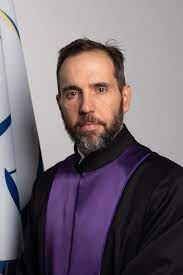
Jack Smith
By contrast: Jimmy Hoffa was president of the International Brotherhood of Teamsters. But that didn’t prevent Robert F. Kennedy’s Justice Department from indicting him for jury tampering—and convicting him on March 4, 1964. He was sentenced to eight years in prison and a $10,000 fine.
No one in the Kennedy Justice Department said: “He’s the elected president of the Teamsters Union—so we can’t touch him.” Yet that is precisely how the Biden Justice Department repeatedly acted—simply because, in 2016, he won a Presidential election.
Case #6: Throughout his struggles to stay out of prison, Trump was aided by the unrelenting support of the Republican party.
Republicans loudly and repeatedly claimed that Donald Trump was the legitimate winner of the 2020 Presidential election—despite overwhelming evidence that he wasn’t.
They also claimed that, by appointing Special Counsel Jack Smith to investigate Trump, the Democrats had weaponized Federal law enforcement.
They also fully supported Trump’s demand for the release of those who attacked the Capitol Building on January 6, 2021.

For example: Rep. Marjorie Taylor Greene (R-GA) has depicted these coup supporters as persecuted martyrs.
On March 24, 2022, members of the Republicans’ House Oversight Committee toured a Washington, D.C. jail where some of these defendants were held.
“Their due process rights are being violated. And they have been mistreated and treated as political prisoners,” Greene told reporters after the tour.
Adolf Hitler similarly portrayed as martyrs the Nazis who tried to violently overthrow the government of Bavaria on November 9, 1923.
A March 2, 2020 Washington Monthly story concluded ominously: “U.S. democracy wasn’t set up to deal with a president openly behaving like a James Bond villain while being protected by a political party behaving more like a mafia than a civic institution.”
Case #7: While Congressional Republicans relentlessly investigated President Joe Biden and his family, Democrats refused to similarly investigate Trump’s family.
The United States House Oversight Committee opened its investigation into the Biden family on January 11, 2023. The investigation included the foreign business activities of Biden’s son, Hunter, and brother, James.
By November 2023, the investigation had not found any evidence of wrongdoing by President Biden.
Democrats, by contrast, never probed why Jared Kushner, Donald Trump’s son-in-law and former White House adviser, received $2 billion from Saudi Arabia’s Crown Prince Mohammed bin Salman. The money came to Kushner’s private equity firm after Kushner left the White House in 2021.

Jared Kushner
Salman has been implicated by U.S. Intelligence reports in the 2018 torture and dismemberment of Washington Post columnist Jamal Khashoggi. When asked if he believed the reports, Kushner said: “Are we really still doing this?”
Democrats also refused to investigate the Trump administration’s illegally seizing vitally-needed medical supplies in at least seven states during the COVID-19 pandemic.
The Federal Emergency Management Agency (FEMA) did not publicly report the thefts, despite the outlay of millions of dollars of taxpayer money. Nor did the administration explain how it decided which supplies to seize and where to reroute them.
The Federal Government did not inform states whose supplies it seized if they would receive the materials they ordered and paid for.
Case #8: On July 13, 2024, Trump was allegedly wounded in his right ear by a gunman while speaking at an open-air Presidential campaign rally near Butler, Pennsylvania.
The would-be assassin, Thomas Matthew Crooks, fired eight rounds from an AR-15 style rifle from the roof of a nearby building. Trump dived for cover behind his lectern, as the shooter killed one audience member and critically injured two others.
Crooks was shot and killed seconds later by the Secret Service’s Counter Sniper Team.
Had Trump not slightly turned his head at the moment Crooks fired, Republicans would have been forced to choose another nominee.
In addition, Trump would not have been alive to win the 2024 Presidential election and openly threaten to imprison the Justice Department prosecutors who sought to hold him accountable for his litany of crimes.
The assassination attempt calls to mind that by Colonel Claus Schenk von Stauffenberg on July 20, 1944, to kill Adolf Hitler with a briefcase bomb. Had he succeeded, the war in Europe would no doubt have ended far earlier, with countless lives being saved.
2016 PRESIDENTIAL ELECTION, 2020 PRESIDENTIAL ELECTION, 2024 PRESIDENTIAL ELECTION, ABC NEWS, ABUSE OF POWER, ADOLF HITLER, AILEEN CANNON, AIR TRAFFIC CONTROLLERS, ALTERNET, AMERICABLOG, AP, ARTIFICIAL INTELLIGENCE, ASSASSINATION, AXIOS, BABY BOOMER RESISTANCE, BBC, BIRD FLU, BLACKS, BLOOMBERG, BLUESKY, BUZZFEED, CANADA, CBS NEWS, CHINA, CLASSIFIED DOCUMENTS, CLIMATE CHANGE, CNN, COVID-19, CROOKS AND LIARS, DAILY KOS, DANIEL CASSINO, DEMOCRACY, DEMOCRATIC PARTY, DEMOCRATS, DENMARK, DIVERSITY EQUITY AND INCLUSION (DEI) PROGRAMS, DONALD TRUMP, ELECTORAL COLLEGE, FBI, FEDERAL AVIATION ADMINISTRATION (FAA), FEDERAL EMERGENCY MANAGEMENT AGENCY, FEDERAL GOVERNMENT SHUTDOWN, FIVETHIRTYEIGHT, FUEL PRICES, GALLUP POLL, GAZA, GLOBAL CONFLICT, GREENLAND, GROCERY PRICES, HARPER’S MAGAZINE, HILLARY CLINTON, HISPANICS, HUFFINGTON POST, HUNTER BIDEN, illegal immigration, IMMIGRATION AND CUSTOMS ENVORCEMENT (ICE), IMPEACHMENT, INFLATION, INSPECTORS GENERAL, INTERNATIONAL BROTHERHOOD OF TEAMSTERS, IRAN, ISRAEL, JACK SMITH, JAMAL KHASHOOGI, JAMES COMEY, JANUARY 6 COUP ATTEMPT, JARED KUSHNER, JIMMY HOFFA, JOHN ADAMS, JOHN F. KENNEDY CENTER FOR THE PERFORMING ARTS, JOSEPH BIDEN, JOSEPH STALIN, Kamala Harris, KEVIN MCCARTHY, KIM JONG-UN, LATINOS, LETITIA JAMES, LOW INFORMATION VOTERS, MAR-A-LAGO, MARJORIE TAYLOR GREENE, MASCULINITY, MEDIA MATTERS, MERRICK GARLAND, MINNEAPOLIS MINNESOTA, MOHAMMED BIN SALMAN, MOTHER JONES, MOVEON, MSNBC, MUSLIMS, NATO, NAVAJO COLDE TALKERS, NBC NEWS, NEW REPUBLIC, NEWSDAY, NEWSWEEK, NORTH KORREA, NPR, OBSTRUCTION OF CONGRESS, PARDONS, PBS NEWSHOUR, POLITICO, POLITICUSUSA, RAW STORY, REPUBLICAN PARTY, REPUBLICANS, REUTERS, ROBERT F. KENNEDY, RUSSIA, SALON, SEATTLE TIMES, SLATE, ST. PAUL MINNESOTA, STRAIT OF HORMUZ, SUPERMAN, SUPPLEMENTAL NUTRITION ASSISTANCE PROGRAM (SNAP), TALKING POINTS MEMO, TERRORISM, THE ATLANTIC, THE CHICAGO SUN-TIMES, THE CHICAGO TRIBUNE, THE DAILY BEAST, THE DAILY BLOG, THE GUARDIAN, THE HILL, THE HUFFINGTON POST, THE INTERCEPT, THE LOS ANGELES TIMES, THE NATION, THE NEW REPUBLIC, THE NEW YORK TIMES, THE NEW YORKER, THE VILLAGE VOICE, THE WASHINGTON POST, THINKPROGRESS, THOMAS MATTHEW CROOKS, TIME, TRANSPORTATION COSTS, TRUTHDIG, TRUTHOUT, TUSKEGEE AIRMEN, TWO POLITICAL JUNKIES, U.S. BORDER PATROL, U.S. NEWS & WORLD REPORT, UKRAINE, UNITED STATES DEPARTMENT OF DEFENSE (DOD), UNITED STATES DEPARTMENT OF JUSTICE, UNITED STATES HOUSE OF REPRESENTATIVES, UNITED STATES SECRET SERVICE, UNITED STATES SENATE, UPI, USA TODAY, VLADIMIR PUTIN, VOLODMYR ZELENSKY, VOX, X, XI JINPING
In Bureaucracy, History, Law, Law Enforcement, Military, Politics, Social commentary on October 6, 2026 at 12:05 am
On January 20, 2025, for the second time, Donald J. Trump took the oath of office as the 47th President of the United States.
Since then, he has aggressively committed a series of outrages against the country he claims to love, including:
- Granting clemency to more than 1,500 people convicted of offenses related to the January 6, 2021 United States Capitol attack.
- Flooding Minneapolis and St. Paul, Minnesota, with 3,000 Immigration and Customs Enforcement (ICE) agents who terrorized (and in two cases murdered) both American citizens and illegal aliens
- Signing executive orders reversing climate change initiatives and eliminating DEI programs.
- Revoking an executive order on Artificial Intelligence safety signed by former President Joseph Biden, to establish safeguards for the rapidly advancing AI technology.
- Threatening Greenland—an autonomous territory within the Kingdom of Denmark—with invasion unless it agreed to acquisition by the United States. Since Denmark is a member of NATO, such an invasion would pit the United States against its own alliance.

Greenland
- Purging about a half-dozen executive assistant directors at the FBI. These were some of the bureau’s top managers overseeing criminal, national security and cyber investigations. Their “crime”: Investigating Trump’s inciting the January 6, 2021 coup attempt and illegally holding highly sensitive national security documents after leaving office.
- Repeatedly threatening to make Canada—a United States ally for over 200 years—America’s “51st state” by military or economic force.
- Firing the board members at the John F. Kennedy Center for the Performing Arts and appointing himself as chairman—just as Joseph Stalin made himself arbiter of what was permissible for artists in the Soviet Union.
- Ordering the Justice Department to indict his critics such as New York Attorney General Letitia James and former FBI Director James Comey.
- Launching an unprovoked attack on Iran on February 28, he believes that in six weeks he can force its Islamic rulers to abandon their plans to develop nuclear weapons. Expecting victory in six weeks, after eight months he finds himself stymied by Iran’s closing the Strait of Hormuz.

Strait of Hormuz
- Shutting down the Federal Government on October 1, when Democrats refused to agree to his gutting Medicaid, Medicare and the Affordable Care Act (ACA), causing 10-15 million Americans to lose health insurance coverage.
- Shutting off the Supplemental Nutrition Assistance Program (SNAP) for the poor to pressure Democrats to support his gutting of healthcare programs.
There were numerous instances where intervention by Federal legislators or law enforcement authorities could have utterly changed the outcome of the 2024 election—and prevented these outrages.
Case #1: On December 18, 2019, the Democratic-controlled House of Representatives adopted two articles of impeachment against Trump: abuse of power and obstruction of Congress. On February 5, 2020, the Republican-dominated Senate voted to acquit Trump on both articles of impeachment.
Their motive: Fear that if they didn’t, they would be “primaried” by even more extreme, Trump-supported Right-wing candidates—and lose their positions and the accompanying power and perks.
Had Republicans agreed to convict him, he could not have run again for President.
Case #2: On January 13, 2021, Trump was impeached for the second time for “incitement of insurrection”—inciting the January 6, 2021 attack on the United States Capitol.
The reason: To stop the counting of Electoral College votes, which he knew would prove that former Vice President Joseph Biden had won the 2020 Presidential election.
The evidence against him was overwhelming—including video of his inciting a mob of his followers to storm the Capitol Building.
But Republican Senators again acquitted Trump on February 13, 2021—choosing ambition over patriotism.
Had they done so, he could not have again been a candidate for President.
Donald Trump
Case #3: Only on November 18, 2022—a year and a half after becoming Attorney General—did Merrick Garland appoint Jack Smith Independent Counsel to investigate Donald Trump’s role for:
- Inciting the January 6 attack on Congress; and
- Illegally seizing and storing highly classified government documents at his Mar-a-Lago estate in Palm Beach Florida.
This gave Trump time to play his “deny and delay” game. Had he been prosecuted and convicted before the November 5 Presidential election, the results might well have been different.
Even hardcore supporters might have proved unwilling to vote for someone found guilty of inciting a riot or stealing highly classified documents.
Case #4: In June, 2023, Trump was indicted for illegally seizing and storing hundreds of highly classified government documents at his Mar-a-Lago estate.
Aileen Cannon, a Trump appointee as Federal Judge of the United States District Court for the Southern District of Florida, presided over the case.
She repeatedly ruled in his favor and finally dismissed the case in July, 2024. claiming that Special Counsel Jack Smith’s appointment was unconstitutional.

Aileen Cannon
Southern District of Florida, CC BY-SA 4.0 <https://creativecommons.org/licenses/by-sa/4.0>, via Wikimedia Commons
Many legal experts, citing her handling of the civil case against Trump, called for her recusal from the case. Jack Smith could have requested her removal from the case but did not ask a Federal appeals court to do so.
MSNBC analyst Barbara McQuade told Newsweek that Smith likely refused to do so to “return public trust” to the Justice Department, which had been challenged in recent years.
Cannon’s kid-gloves treatment of Trump echoed that of the Right-wing judge who presided over Adolf Hitler’s trial in 1923 for trying to overthrow the government of Bavaria.
2020 PRESIDENTIAL ELECTION, ADOLF HITLER, AFFORDABLE CARE ACT (ACA), ALTERNET, AMERICABLOG, AP, ARLINGTON CEMETERY, AUSTRIA, BABY BOOMER RESISTANCE, BARCK OBAMA, BBC, BENJAMIN NETANYAHU, BIRTHRIGHT CITIZENSHIP, BLOOMBERG, BLUESKY, BRENDEN CARR, BUCHENWALD, BUREAU OF LABOR STATISTICS, BUZZFEED, CANADA, CBS NEWS, CHARLIE KIRK, CHRIS KREBS, CLIMATE CHANGE, CNN, CONSUMER FINANCIAL PROTECTION BUREAU, CROOKS AND LIARS, CZECHOSLOVAKIA, DAILY KOS, DEATH’S HEAD REVISITEDD (TV SHOW), DENMARK, DIVERSITY EQUITY AND INCLUSION (DEI), DONALD TRUMP, ENGLAND, FBI, FEDERAL AVIATION ADMINISTRATION (FAA), FIVETHIRTYEIGHT, FRANCE, GAZA, GOVERNMENT SHUTDOWN, GREAT DEPRESSION, GREENLAND, GULF OF AMERICA, GULF OF MEXICO, HARPER’S MAGAZINE, HARVARD UNIVERSITY, HERITIAGE FOUNDATION, HILLARY CLINTON, HUFFINGTON POST, illegal immigration, IMMIGRATION AND CUSTOMS ENFORCEMENT (ICE), IRAN, ISRAEL, J.D. VANCE, JAMES COMEY, JANUARY 6 COUP ATTEMPT, JEWS, JIMMY KIMMEL, JIMMY KIMMEL LIVE!, JOHN F. KENNEDY CENTER FOR THE PERFORMING ARTS, JOSEPH BIDEN, JOSEPH STALIN, Kamala Harris, KATJA HOYER, LATE NIGHT WITH STEPHEN COLBERT, LETITIA JAMES, LOS ANGELES, MARK MEADOWS, MEDIA MATTERS, MEDICAID, MEDICARE, MINNEAPOLIS, MOTHER JONES, MOVEON, MSNBC, NATIONAL GUARD, NAZI GERMANY, NAZI PARTY, NBC NEWS, NEWSDAY, NEWSWEEK, NORTH ATLANTIC TREATY ORGANIZATION (NATO), NPR, Oil, PAUL VON HINDENBURG, PBS NEWSHOUR, POLITICO, POLITICUSUSA, PROJECT 2025, RAW STORY, REUTERS, ROD SERLING, RUDY GIULIANI, S.A., SALON, SEATTLE TIMES, SLATE, SOVIET UNION, SS, STEPHEN COLBERT, STRAIT OF HORMUZ, SUPPLEMENTAL NUTRITION ASSISTANCE PROGRAM (SNAP), TALKING POINTS MEMO, TARIFFS, THE ATLANTIC, THE CHICAGO SUN-TIMES, THE CHICAGO TRIBUNE, THE DAILY BEAST, THE DAILY BLOG, THE GUARDIAN, THE HILL, THE HOLOCAUST, THE HUFFINGTON POST, THE INTERCEPT, THE LOS ANGELES TIMES, THE NATION, THE NEW REPUBLIC, THE NEW YORK TIMES, THE NEW YORKER, THE SS, THE VILLAGE VOICE, THE WASHINGTON POST, THINKPROGRESS, THIRD REICH, TIME, TREATY OF VERSAILLES, TRUTHDIG, TRUTHOUT, TWILIGHT ZONE (SERIES), TWO POLITICAL JUNKIES, U.S. NEWS & WORLD REPORT, UNITED STATES CONSTITUTION, UNITED STATES DEPARTMENT OF JUSTICE, UPI, USA TODAY, WASHIINGTON D.C., WEIMAR, WEIMAR REPUBLIC, WEIMAR: LIFE ON THE EDGE OF CATASTROPHE (BOOK), WHITE HOUSE BALLROOM, WHITE SUPREMACISTS, WORLD HEALTH ORGANIZATION (WHO), X
In Bureaucracy, Business, History, Law, Law Enforcement, Medical, Military, Politics, Social commentary on October 2, 2026 at 12:06 am
In 1938, using threats of overwhelming force, Adolf Hitler successfully annexed Austria and Czechoslovakia.
Since resuming the Presidency on January 20, 2025, Donald Trump has moved aggressively against Canada, Mexico and Greenland.
Greenland is strategically significant to the United States. It sits between Russia and the eastern coast of the United States, and is the fastest way from Europe to New York.
Trump declared that the United States must own and control Greenland “for purposes of National Security and Freedom throughout the World.” He has not ruled out a military takeover of the island.
Greenland
This even though the Kingdom of Denmark—a member of NATO and an American ally—holds control of the semiautonomous island.
On June 22, 1941, Adolf Hitler launched his powerful Wehrmacht against the Soviet Union.
Less than two years earlier, on August 23, 1939, he had signed a “non-aggression” pact with his longtime arch-enemy, Joseph Stalin, dictator of the Soviet Union.
Since then, his army had conquered Poland, Norway, Denmark, Holland, Belgium, France, Greece and Yugoslavia. Hitler believed it would conquer Russia in about six weeks.
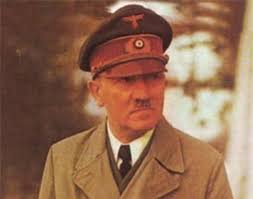
Adolf Hitler
Four years later, Hitler was dead and Nazi Germany lay in ruins.
Similarly, on February 28, 2026, Donald Trump conspired with Israeli Prime Minister Benjamin Netanyahu to attack Israel’s mortal enemy and America’s longtime antagonist: Iran.
Trump predicted that the war would be over in four to six weeks—the same timetable Adolf Hitler gave for the completion of his victory over the Soviet Union in 1941.
And just as “Operation Barbarossa” proved a fatal mistake for Hitler, so Trump’s latest stab at playing Generalissimo has proven a total disaster. Seven months into his war, he still has no plan for winning it or withdrawing from it without losing face.
Meanwhile, Iran continues to control the Strait of Hormuz, through which about 20 million barrels of oil used to pass each day. That flow has been reduced to between two million and six million barrels each day.
Strait of Hormuz
This has created a worldwide spiral in oil prices—and fueled inflation in the United States and other nations. But as prices for housing, energy and food soar in the United States, Trump claims that “affordability” is a “Democratic hoax.”
Like Adolf Hitler contemplating architectural models while Nazi Germany neared destruction, Trump focuses on vanity projects like a 90,000 square foot White House ballroom and a towering “Victory Arch” literally overshadowing Arlington Cemetery.
In Nazi Germany, freedom of the press was non-existent.
- Propaganda Minister Joseph Goebbels forbade editors to publish any content that insulted the Third Reich.
- The regime closed down anti-Nazi newspapers and used the SA and SS to storm offices and destroy printing presses.
- Journalists who resisted were arrested, sent to concentration camps, or forced out of the profession, particularly if they were Jewish.
- Opposition and multi-party newspapers were banned, and their printing equipment and plants were confiscated by the Nazi Party.

Joseph Goebbels
During his second administration, Donald Trump has waged an even more relentless war on the free press than during his first one. This has included:
- Routinely denouncing critical journalists and mainstream outlets as “fake news,” “enemies of the American people” and national security threats.
- Revoking press credentials and barring reporters from outlets like CNN, Politico and MS NOW from entering the White House.
- Banning Associated Press reporters for refusing to use the term “Gulf of America” instead of “Gulf of Mexico.”
- Filing multi-billion dollar defamation lawsuits against major news organizations such as CBS and the Wall Street Journal.

Donald Trump
* * * * * * * * * *
Those who voted for Donald Trump in 2024 knew:
- He was a man driven by greed, racism, egotism and hatred.
- He was a 34-times convicted felon for falsifying business records to conceal hush money payments to a porn “star” before the 2016 Presidential election.
- His lies about the dangers of COVID had killed at least 400,000 Americans.
- He had incited a treasonous attack on Congress to illegally remain in office as President.
None of this mattered to those who voted for him.
In “Death’s Head Revisited,” a 1961 episode of “The Twilight Zone,” Rod Serling offered a haunting story of otherworldly revenge:
A former SS captain visits the ruins of the Dachau concentration camp to relive his past sadistic pleasures—and is put on trial by the ghosts of the inmates he tortured.
As usual, Serling, as narrator, gets the final word:
“All the Dachaus must remain standing. The Dachaus, the Belsens, the Buchenwalds, the Auschwitzes; all of them.
“They must remain standing because they are a monument to a moment in time when some men decided to turn the Earth into a graveyard.
“Into it they shoveled all of their reason, their logic, their knowledge, but worst of all, their conscience.
“And the moment we forget this, the moment we cease to be haunted by its remembrance, then we become the gravediggers. Something to dwell on and to remember, not only in the Twilight Zone but wherever men walk God’s Earth.”
In 2016, 2020 and 2024, millions of Americans—fueled by greed, ignorance and/or hatred—cast aside Rod Serling’s timeless warning.
And voted for a man who intended to turn the Earth into a graveyard.
2020 PRESIDENTIAL ELECTION, ADOLF HITLER, AFFORDABLE CARE ACT (ACA), ALTERNET, AMERICABLOG, AP, ARLINGTON CEMETERY, AUSTRIA, BABY BOOMER RESISTANCE, BARCK OBAMA, BBC, BENJAMIN NETANYAHU, BIRTHRIGHT CITIZENSHIP, BLOOMBERG, BLUESKY, BRENDEN CARR, BUCHENWALD, BUREAU OF LABOR STATISTICS, BUZZFEED, CANADA, CBS NEWS, CHARLIE KIRK, CHRIS KREBS, CLIMATE CHANGE, CNN, CONSUMER FINANCIAL PROTECTION BUREAU, CROOKS AND LIARS, CZECHOSLOVAKIA, DAILY KOS, DEATH’S HEAD REVISITEDD (TV SHOW), DENMARK, DIVERSITY EQUITY AND INCLUSION (DEI), DONALD TRUMP, ENGLAND, FBI, FEDERAL AVIATION ADMINISTRATION (FAA), FIVETHIRTYEIGHT, FRANCE, GAZA, GOVERNMENT SHUTDOWN, GREAT DEPRESSION, GREENLAND, GULF OF AMERICA, GULF OF MEXICO, HARPER’S MAGAZINE, HARVARD UNIVERSITY, HERITIAGE FOUNDATION, HILLARY CLINTON, HUFFINGTON POST, illegal immigration, IMMIGRATION AND CUSTOMS ENFORCEMENT (ICE), IRAN, ISRAEL, J.D. VANCE, JAMES COMEY, JANUARY 6 COUP ATTEMPT, JEWS, JIMMY KIMMEL, JIMMY KIMMEL LIVE!, JOHN F. KENNEDY CENTER FOR THE PERFORMING ARTS, JOSEPH BIDEN, JOSEPH STALIN, Kamala Harris, KATJA HOYER, LATE NIGHT WITH STEPHEN COLBERT, LETITIA JAMES, LOS ANGELES, MARK MEADOWS, MEDIA MATTERS, MEDICAID, MEDICARE, MINNEAPOLIS, MOTHER JONES, MOVEON, MSNBC, NATIONAL GUARD, NAZI GERMANY, NAZI PARTY, NBC NEWS, NEWSDAY, NEWSWEEK, NORTH ATLANTIC TREATY ORGANIZATION (NATO), NPR, Oil, PAUL VON HINDENBURG, PBS NEWSHOUR, POLITICO, POLITICUSUSA, PROJECT 2025, RAW STORY, REUTERS, ROD SERLING, RUDY GIULIANI, SALON, SEATTLE TIMES, SLATE, SOVIET UNION, STEPHEN COLBERT, STRAIT OF HORMUZ, SUPPLEMENTAL NUTRITION ASSISTANCE PROGRAM (SNAP), TALKING POINTS MEMO, TARIFFS, THE ATLANTIC, THE CHICAGO SUN-TIMES, THE CHICAGO TRIBUNE, THE DAILY BEAST, THE DAILY BLOG, THE GUARDIAN, THE HILL, THE HOLOCAUST, THE HUFFINGTON POST, THE INTERCEPT, THE LOS ANGELES TIMES, THE NATION, THE NEW REPUBLIC, THE NEW YORK TIMES, THE NEW YORKER, THE SS, THE VILLAGE VOICE, THE WASHINGTON POST, THINKPROGRESS, THIRD REICH, TIME, TREATY OF VERSAILLES, TRUTHDIG, TRUTHOUT, TWILIGHT ZONE (SERIES), TWO POLITICAL JUNKIES, U.S. NEWS & WORLD REPORT, UNITED STATES CONSTITUTION, UNITED STATES DEPARTMENT OF JUSTICE, UPI, USA TODAY, WASHIINGTON D.C., WEIMAR, WEIMAR REPUBLIC, WEIMAR: LIFE ON THE EDGE OF CATASTROPHE (BOOK), WHITE HOUSE BALLROOM, WHITE SUPREMACISTS, WORLD HEALTH ORGANIZATION (WHO), X
In Bureaucracy, Business, History, Law, Law Enforcement, Medical, Military, Politics, Social commentary on September 30, 2026 at 12:05 am
During the 2016, 2020 and 2024 Presidential elections, white supremacists comprised the overwhelming majority of the audiences at Donald Trump’s rallies.
Many of them sported signs that read: “MAKE AMERICA WHITE AGAIN.”
They knew that demographics were steadily working against them. Birthrates among nonwhites were rising. By 2045, whites would make up less than 50% of the American population.
The 2008 election of Barack Obama, the first black President, had shocked Fascistic whites. His 2012 re-election had deprived them of the hope that 2008 had been an accident.

Then came 2016—and the possibility that a black President might be followed by a woman: Former Secretary of State Hillary Clinton. And the idea of a woman dictating to men was strictly too much for them to bear.
So, on November 8, 2016, Donald Trump—lacking any government experience and best known as the host of a reality TV show—was elected President of the United States.
Eight years later, in 2024, President Joseph Biden turned 80—six years younger than German President Paul von Hindenburg when he died—and was capable of dying literally any day.
His Vice President, Kamala Harris—a black woman—was widely perceived as unprepared for the Presidency.
Meanwhile, Donald Trump—defeated in 2020—was, like Adolf Hitler, waging an all-out campaign to make himself dictator.
Hitler had a list of priorities—such as exterminating the Jews and conquering France, England and the Soviet Union—that he intended to carry out.
Similarly, Trump had his own list of priorities. Most of these had been supplied by the Right-wing Heritage Foundation under the title “Project 2025,” or “The Presidential Transition Project.”
Established in 2022, the project aims to recruit tens of thousands of radical Right-wingers to the District of Columbia to replace existing federal civil servants.

The Heritage Foundation
ajay_suresh, CC BY 4.0 <https://creativecommons.org/licenses/by/4.0>, via Wikimedia Commons
Their goal: To fundamentally reshape the U.S. federal government toward a Fascistic agenda.
Among these proposals:
- An all-out assault on immigration–both legal and illegal;
- Attacking America’s long-term allies, such as Canada and England;
- Catering to America’s longtime enemies, such as Russia and China;
- Waging an all-out war on the press;
- Replacing tenured civil servants with thousands of political hacks who owe their loyalty to Trump;
- Making the director of the FBI personally accountable to the President—just as the head of the KGB is personally accountable to Russian dictator Vladimir Putin;
- Stripping the Environmental Protection Agency of its authority to protect the air, soil and water;
- Favoring fossil fuels—the leading cause of global warming—and abolishing regulations to combat climate change;
- Placing traditionally independent federal agencies such as the Department of Justice, Federal Communications Commission and the Federal Trade Commission under Presidential control;
- Providing massive tax cuts to the wealthiest 1% at the expense of the poor and middle class;
- Designating contraception as the point where life begins;
- Outlawing abortion;
- Sharply restricting—if not banning—access to birth control;
- Designating Christianity as the official religion of the United States;
- Reviving and expanding the use of capital punishment, while sharply restricting the right of appeals.
Once Trump assumed the Presidency again on January 20, 2025, he began to vigorously implement as many of these goals as time and circumstances allowed.
Reading Katja Hoyer’s 2026 book Weimar: Life on the Edge of Catastrophe, the parallels between Hitler’s Third Reich and Trump’s second term become frighteningly clear.
For the administration of Adolf Hitler, the Number One enemy was the Jews.
And so, on September 15, 1935, the Reich pushed the “Nuremberg Laws” through its rubber-stamp parliament. These stripped Jews of their citizenship and laid the legal foundation for their systematic persecution.
“The Reich Citizenship Law” restricted citizenship solely to people of “German or related blood.” It reduced German Jews to second-class subjects. And it defined who was Jewish by having three or four Jewish grandparents, rather than religious practice or belief.
“The Law for the Protection of German Blood and German Honour” banned marriages and sexual relations between Jews and German citizens (“race defilement”). It also forbade Jewish households from employing German female domestic workers under the age of 45.
Enforcement of these laws was entrusted to the local police and Hitler’s paramilitary police forces, the S.A. (“Brownshirts”) and SS (“Schutzstaffel”).
For the administration of Donald Trump, the Number One enemy is Hispanics. Trump made attacking illegal immigration the centerpiece of his 2024 campaign.
At the 2024 Republican convention, which nominated him, delegates cheered and waved “Mass Deportation Now” signs, excited at the thought of seeing tens of thousands of brown-skinned men, women and children being forced to leave the country.

And since taking office, Trump has turned Immigration and Customs Enforcement (ICE) into his private army. Its size and budget dwarf those of every other federal law enforcement agency.
ICE employs more than 22,000 agents. Its annual budget usually stood at about $10 billion. But Trump’s “One Big Beautiful Bill,” passed by a Republican-dominated Congress in 2025, provided it with $75 billion in extra funding.
By July 21, 2026, according to ABC News, “The total number of deportations so far this fiscal year is 356,389, according to the numbers posted by ICE. ICE currently has 65,765 individuals in detention facilities, 60% of whom have a criminal record, according to the agency.”
2020 PRESIDENTIAL ELECTION, ADOLF HITLER, AFFORDABLE CARE ACT (ACA), ALTERNET, AMERICABLOG, AP, ARLINGTON CEMETERY, AUSTRIA, BABY BOOMER RESISTANCE, BARCK OBAMA, BBC, BENJAMIN NETANYAHU, BIRTHRIGHT CITIZENSHIP, BLOOMBERG, BLUESKY, BRENDEN CARR, BUCHENWALD, BUREAU OF LABOR STATISTICS, BUZZFEED, CANADA, CBS NEWS, CHARLIE KIRK, CHRIS KREBS, CLIMATE CHANGE, CNN, CONSUMER FINANCIAL PROTECTION BUREAU, CROOKS AND LIARS, CZECHOSLOVAKIA, DAILY KOS, DEATH’S HEAD REVISITEDD (TV SHOW), DENMARK, DIVERSITY EQUITY AND INCLUSION (DEI), DONALD TRUMP, ENGLAND, FBI, FEDERAL AVIATION ADMINISTRATION (FAA), FIVETHIRTYEIGHT, FRANCE, GAZA, GOVERNMENT SHUTDOWN, GREAT DEPRESSION, GREENLAND, GULF OF AMERICA, GULF OF MEXICO, HARPER’S MAGAZINE, HARVARD UNIVERSITY, HERITIAGE FOUNDATION, HILLARY CLINTON, HUFFINGTON POST, illegal immigration, IMMIGRATION AND CUSTOMS ENFORCEMENT (ICE), IRAN, ISRAEL, J.D. VANCE, JAMES COMEY, JANUARY 6 COUP ATTEMPT, JEWS, JIMMY KIMMEL, JIMMY KIMMEL LIVE!, JOHN F. KENNEDY CENTER FOR THE PERFORMING ARTS, JOSEPH BIDEN, JOSEPH STALIN, Kamala Harris, KATJA HOYER, LATE NIGHT WITH STEPHEN COLBERT, LETITIA JAMES, LOS ANGELES, MARK MEADOWS, MEDIA MATTERS, MEDICAID, MEDICARE, MINNEAPOLIS, MOTHER JONES, MOVEON, MSNBC, NATIONAL GUARD, NAZI GERMANY, NAZI PARTY, NBC NEWS, NEWSDAY, NEWSWEEK, NORTH ATLANTIC TREATY ORGANIZATION (NATO), NPR, Oil, PAUL VON HINDENBURG, PBS NEWSHOUR, POLITICO, POLITICUSUSA, PROJECT 2025, RAW STORY, REUTERS, ROD SERLING, RUDY GIULIANI, SALON, SEATTLE TIMES, SLATE, SOVIET UNION, STEPHEN COLBERT, STRAIT OF HORMUZ, SUPPLEMENTAL NUTRITION ASSISTANCE PROGRAM (SNAP), TALKING POINTS MEMO, TARIFFS, THE ATLANTIC, THE CHICAGO SUN-TIMES, THE CHICAGO TRIBUNE, THE DAILY BEAST, THE DAILY BLOG, THE GUARDIAN, THE HILL, THE HOLOCAUST, THE HUFFINGTON POST, THE INTERCEPT, THE LOS ANGELES TIMES, THE NATION, THE NEW REPUBLIC, THE NEW YORK TIMES, THE NEW YORKER, THE SS, THE VILLAGE VOICE, THE WASHINGTON POST, THINKPROGRESS, THIRD REICH, TIME, TREATY OF VERSAILLES, TRUTHDIG, TRUTHOUT, TWILIGHT ZONE (SERIES), TWO POLITICAL JUNKIES, U.S. NEWS & WORLD REPORT, UNITED STATES CONSTITUTION, UNITED STATES DEPARTMENT OF JUSTICE, UPI, USA TODAY, WASHIINGTON D.C., WEIMAR, WEIMAR REPUBLIC, WEIMAR: LIFE ON THE EDGE OF CATASTROPHE (BOOK), WHITE HOUSE BALLROOM, WHITE SUPREMACISTS, WORLD HEALTH ORGANIZATION (WHO), X
In Bureaucracy, Business, History, Law, Law Enforcement, Medical, Military, Politics, Social commentary on September 29, 2026 at 12:13 am
If Nuremberg-style justice comes to the United States, those citizens who have lustily supported Donald Trump’s legacy of hatred, tyranny and corruption will be forced to answer for the horrors their support enabled Trump to commit.
Among these:
- Issuing executive orders revoking the security clearance of Chris Krebs, former director of the Cybersecurity and Infrastructure Security Agency. Krebs’ “crime”: Preventing lies spread by Russians—and Americans—on social media platforms from swaying the 2020 Presidential election to Trump.
- Flooding the streets of Los Angeles, Washington, D.C. and Chicago with federalized National Guard troops against state governors’ wishes during immigration crackdowns and civil unrest.
- Flooding Minneapolis and St. Paul, Minnesota, with 3,000 Immigration and Customs Enforcement (ICE) agents who terrorized (and in two cases murdered) both American citizens and illegal aliens.
- Threatening Harvard University with the loss of billions of dollars in federal funding, claiming that 2023 student protests about Gaza violated the civil rights of Jewish students.
- Threatening Greenland—an autonomous territory within the Kingdom of Denmark—with invasion unless it agreed to acquisition by the United States. Since Denmark is a member of NATO, such an invasion would pit the United States against its own alliance.
Donald Trump
- Launching an unprovoked attack on Iran on February 28, believing that in six weeks he can force its Islamic rulers to abandon their plans to develop nuclear weapons.
- Iran immediately closes the Strait of Hormuz—through which about 20 million barrels of oil used to pass each day. That flow has been reduced to between two million and six million barrels each day.
- This has created a worldwide spiral in oil prices—and fueled inflation in the United States and other nations. But as prices for housing, energy and food soar in the United States, Trump claims that “affordability” is a “Democratic hoax.”
- Like Adolf Hitler contemplating architectural models while Nazi Germany neared destruction, Trump focuses on vanity projects like a 90,000 square foot White House ballroom and a towering “Victory Arch” overlooking Arlington Cemetery.
- Seven months later—by September—the war continues and Iran still controls the Strait of Hormuz. Trump’s on-again, off-again bombing campaign has dangerously strained and depleted American military stockpiles.
Reading Weimar: Life on the Edge of Catastrophe, by Katja Hoyer, catapults the reader into the doomed Weimar Republic, which lasted from November 9, 1919, to March 23,1933.
Its parallels—whether intentional or unintentional, between that era and the one the United States is now living through—are uncanny and frightening.
During its 14-year existence, the Republic granted Germans rights they had never enjoyed—and which would be ruthlessly suppressed during the 12-year Third Reich that replaced it.
Among those rights:
- Freedom of speech
- Freedom of assembly
- Privacy of mail, telegraph, and telephone
- Free and secret elections
- All citizens were eligible for public office
But the Republic had dangerous enemies—Communists on the Left, and Nazis on the Right. And it was plagued by charges of illegitimacy and even treason—for its members’ having signed the Treaty of Versailles ending World War 1.
Another motivating factor: Right-wing antisemitism, shared by millions of Germans. The fact that the Republic held many Jews within its topmost ranks only increased the hatred aimed at it.
Germans refused to admit they had lost World War 1 on the battlefield. They demanded scapegoats—Jews, Communists, traitors—who had “stabbed us in the back.”
Adolf Hitler joined the National Socialist German Workers (Nazi) Party in 1919—the year after World War 1 ended.
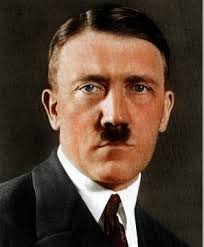

Adolf Hitler
In 1923, he staged a coup attempt in Bavaria—which was quickly and brutally put down by police. He was arrested and sentenced to less than a year in prison.
After that, Hitler decided that winning power through violence was no longer an option. He must win it through election—or appointment.
He repeatedly ran for the highest office in Germany—President—but never got a clear majority in a free election.
When the 1929 Depression struck Germany, the fortunes of Hitler’s Nazi party rose as the life savings of ordinary Germans fell. Streets echoed with bloody clashes between members of Hitler’s Nazi Stormtroopers and those of the German Communist Party.
Germany seemed on the verge of collapsing.
Germans desperately looked for a leader—a Fuhrer—who could somehow deliver them from the threat of financial ruin and Communist takeover.
In early 1933, members of his own cabinet persuaded aging German president, Paul von Hindenburg, that only Hitler’s appointment as Chancellor could do this.
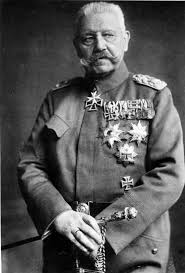
Paul von Hindenburg
Hindenburg considered Hitler a dangerous radical. But he allowed himself to be convinced that, by putting Hitler in the Cabinet, he could be “boxed in” and thus controlled.
So, on January 30, 1933, he reluctantly appointed Adolf Hitler Chancellor—the equivalent of Attorney General.
On August 2, 1934, Hindenburg died, and Hitler immediately assumed the titles—and duties—of the offices of Chancellor and President.
His rise to total power was now complete.
Eighty-four years after Adolf Hitler became Chancellor of Germany, Donald Trump became President of the United States.
The parallels between these two administrations have since become alarmingly clear.
2020 PRESIDENTIAL ELECTION, ADOLF HITLER, AFFORDABLE CARE ACT (ACA), ALTERNET, AMERICABLOG, AP, ARLINGTON CEMETERY, AUSTRIA, BABY BOOMER RESISTANCE, BARCK OBAMA, BBC, BENJAMIN NETANYAHU, BIRTHRIGHT CITIZENSHIP, BLOOMBERG, BLUESKY, BRENDEN CARR, BUCHENWALD, BUREAU OF LABOR STATISTICS, BUZZFEED, CANADA, CBS NEWS, CHARLIE KIRK, CHRIS KREBS, CLIMATE CHANGE, CNN, CONSUMER FINANCIAL PROTECTION BUREAU, CROOKS AND LIARS, CZECHOSLOVAKIA, DAILY KOS, DEATH’S HEAD REVISITEDD (TV SHOW), DENMARK, DIVERSITY EQUITY AND INCLUSION (DEI), DONALD TRUMP, ENGLAND, FBI, FEDERAL AVIATION ADMINISTRATION (FAA), FIVETHIRTYEIGHT, FRANCE, GAZA, GOVERNMENT SHUTDOWN, GREAT DEPRESSION, GREENLAND, GULF OF AMERICA, GULF OF MEXICO, HARPER’S MAGAZINE, HARVARD UNIVERSITY, HERITIAGE FOUNDATION, HILLARY CLINTON, HUFFINGTON POST, illegal immigration, IMMIGRATION AND CUSTOMS ENFORCEMENT (ICE), IRAN, ISRAEL, J.D. VANCE, JAMES COMEY, JANUARY 6 COUP ATTEMPT, JEWS, JIMMY KIMMEL, JIMMY KIMMEL LIVE!, JOHN F. KENNEDY CENTER FOR THE PERFORMING ARTS, JOSEPH BIDEN, JOSEPH STALIN, Kamala Harris, KATJA HOYER, LATE NIGHT WITH STEPHEN COLBERT, LETITIA JAMES, LOS ANGELES, MARK MEADOWS, MEDIA MATTERS, MEDICAID, MEDICARE, MINNEAPOLIS, MOTHER JONES, MOVEON, MS NOW, MSNBC, NATIONAL GUARD, NAZI GERMANY, NAZI PARTY, NBC NEWS, NEWSDAY, NEWSWEEK, NORTH ATLANTIC TREATY ORGANIZATION (NATO), NPR, Oil, PAUL VON HINDENBURG, PBS NEWSHOUR, POLITICO, POLITICUSUSA, PROJECT 2025, RAW STORY, REUTERS, ROD SERLING, RUDY GIULIANI, S.A., SALON, SEATTLE TIMES, SLATE, SOVIET UNION, SS, STEPHEN COLBERT, STRAIT OF HORMUZ, SUPPLEMENTAL NUTRITION ASSISTANCE PROGRAM (SNAP), TALKING POINTS MEMO, TARIFFS, THE ATLANTIC, THE CHICAGO SUN-TIMES, THE CHICAGO TRIBUNE, THE DAILY BEAST, THE DAILY BLOG, THE GUARDIAN, THE HILL, THE HOLOCAUST, THE HUFFINGTON POST, THE INTERCEPT, THE LOS ANGELES TIMES, THE NATION, THE NEW REPUBLIC, THE NEW YORK TIMES, THE NEW YORKER, THE SS, THE VILLAGE VOICE, THE WASHINGTON POST, THINKPROGRESS, THIRD REICH, TIME, TREATY OF VERSAILLES, TRUTHDIG, TRUTHOUT, TWILIGHT ZONE (SERIES), TWO POLITICAL JUNKIES, U.S. NEWS & WORLD REPORT, UNITED STATES CONSTITUTION, UNITED STATES DEPARTMENT OF JUSTICE, UPI, USA TODAY, WASHIINGTON D.C., WEIMAR, WEIMAR REPUBLIC, WEIMAR: LIFE ON THE EDGE OF CATASTROPHE (BOOK), WHITE HOUSE BALLROOM, WHITE SUPREMACISTS, WORLD HEALTH ORGANIZATION (WHO), X
In Bureaucracy, Business, History, Law, Law Enforcement, Medical, Military, Politics, Social commentary on September 28, 2026 at 12:18 am
“For it is the doom of men that they forget.”
—Merlin, “Excalibur”
It’s April 16, 1945, and more than 1,000 residents of the town of Weimar, Germany, are being forced to view horrors they have never before seen and perhaps never imagined could exist.
Adolf Hitler, Fuhrer of the Third Reich since 1933, won’t commit suicide until April 30, but Germany’s fate is already sealed. The war it had so arrogantly started is ending in humiliating defeat for its “master race.”
American army units have been appalled at what they found in Buchenwald concentration camp, which lies only about four miles northwest of Weimar. They are determined to make Weimar’s citizens see, up-close, the true legacy of the Hitler regime.
Among the nightmarish scenes the citizens view:
- Corpses piled on carts.
- Recently dug up mass graves, revealing countless bodies.
- Crematorium ovens filled with human bones and ashes of prisoners who had been murdered.
- An all-pervading stench of death, stemming from the tens of thousands of men and women who had been murdered there.
- A gallows where inmates had been executed.
- A wooden block over which they had been bent to be flogged.
- A table displaying samples of human skin that had been collected by the former camp commandant and his wife.
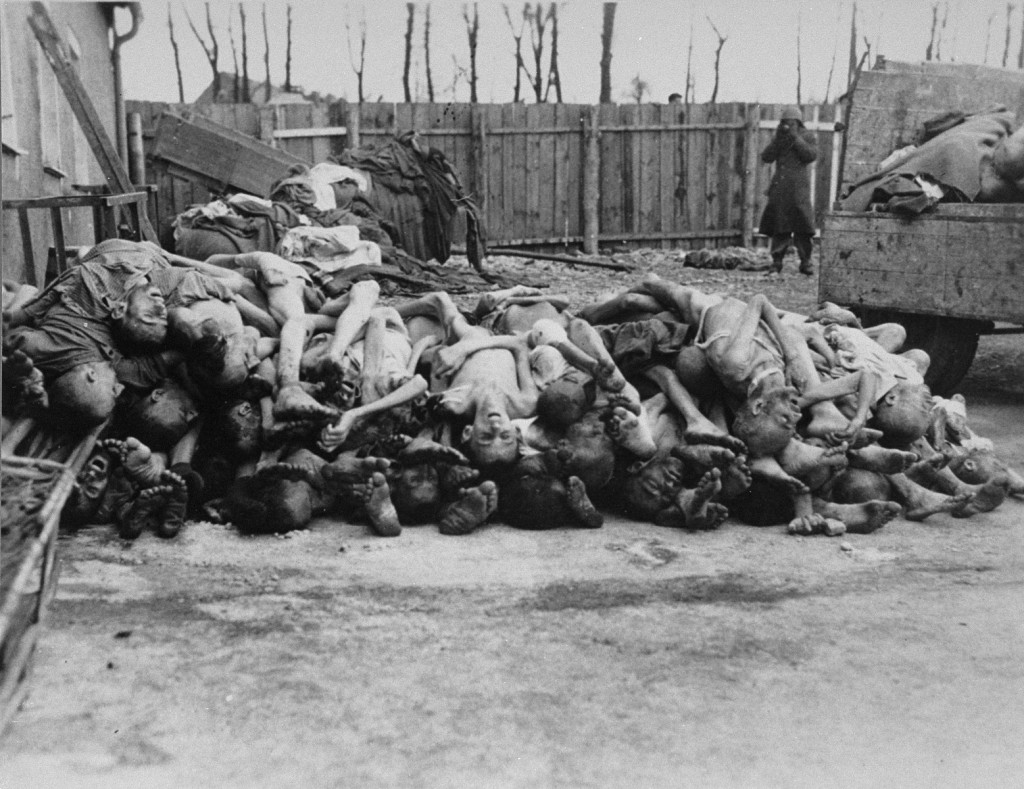
Corpses found in Buchenwald after its liberation
The United States Army films the Weimar residents as they are confronted with the horrors of Buchenwald. Out of this comes a documentary: “Death Mills,” which puts the blame for Nazi atrocities on the shoulders of ordinary Germans.
“These Germans, the ones who said they didn’t know,” intones a narrator, “were responsible, too. They had put themselves gladly into the hands of criminals and lunatics.
“They tell you now they meant no evil, that they knew nothing of what was going on or could do nothing even if they knew….
“Today, these Germans who cheered the destruction of humanity in their own land, who cheered the attack on helpless neighbors, who cheered the enslavement of Europe, plead for your sympathy.”
If similar justice comes to the United States, those citizens who have lustily supported Donald Trump’s crimes at all levels will be forced to answer for the atrocities their support made possible.
Among these:
- Pardoning about 1,500 of his followers who violently tried to overturn the outcome of the 2020 Presidential election in the January 6, 2021 attack on Congress. More than 250 of those pardoned had been convicted of assaulting police.
- Banning CNN, Politico and MS NOW correspondents from the White House because he didn’t like their “unfair” reporting about him.
- Signing 26 executive orders reversing climate change initiatives, eliminating DEI programs, and initiating a federal hiring freeze.
- Firing the inspectors general—who are charged with protecting the government from waste and corruption—from more than a dozen federal agencies.
- Firing Rohit Chopra, the director of the Consumer Financial Protection Bureau, which protects consumers from unfair, deceptive and fraudulent business practices.
- Withdrawing the United States from the World Health Organization (WHO).
- Withdrawing the United States from the Paris climate agreement.
- Firing the non-partisan board members at the John F. Kennedy Center for the Performing Arts. His toadies illegally renamed it the Trump-Kennedy Center and appointed him as its chairman—just as Joseph Stalin made himself arbiter of what was permissible for artists in the Soviet Union.
Donald Trump
- When artists and audiences—outraged by the takeover—boycott the Center, an embarrassed Trump orders its closure, claiming a two-year repair renovation is necessary
- Purging about a half-dozen executive assistant directors at the FBI. These were some of the bureau’s top managers overseeing criminal, national security and cyber investigations. Their “crime”: Investigating Trump’s inciting the January 6, 2021 coup attempt and illegally holding highly sensitive national security documents after leaving office.
- Ordering the Justice Department to indict his critics such as New York Attorney General Letitia James and former FBI Director James Comey.
- Declaring “a national emergency” targeting migrants—legal and illegal.
- Trying to cancel birthright citizenship—enshrined within the United States Constitution—for U.S.-born children.
- Demanding a military parade for his 79th birthday, poorly disguised as a salute to the 250th anniversary of the United States Army.
- Pardoning favored political allies and loyalists. Among these: Seventy-seven people associated with the Trump fake electors plot to overturn the results of the 2020 U.S. presidential election, including Trump’s personal attorney Rudy Giuliani and former chief of staff Mark Meadows.
- Demanding that the media refer to the Gulf of Mexico as “the Gulf of America” and banning the Associated Press from the White House for refusing to do so.
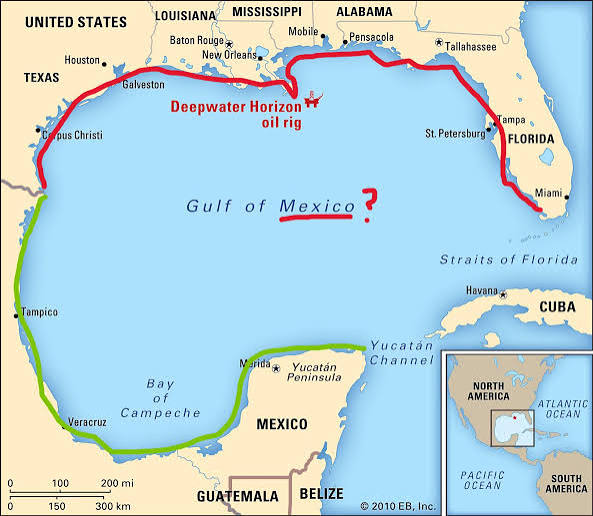
Gulf of Mexico
- Demanding that Canada become the 51st state and aggressively raising tariffs on Canadian goods.
- Shutting down the Federal Government on October 1, 2025, when Democrats refuse to agree to his gutting Medicaid, Medicare and the Affordable Care Act (ACA), causing 10-15 million Americans to lose health insurance coverage.
- Among those not getting paid: Air traffic controllers for the Federal Aviation Administration (FAA). Owing to many controllers’ refusing to work, the FAA reduces air traffic by 10% at many airports.
- Shutting off the Supplemental Nutrition Assistance Program (SNAP) for the poor to pressure Democrats to support his gutting of healthcare programs.
2020 PRESIDENTIAL ELECTION, ADOLF HITLER, AFFORDABLE CARE ACT (ACA), ALTERNET, AMERICABLOG, AP, ARLINGTON CEMETERY, AUSTRIA, BABY BOOMER RESISTANCE, BARCK OBAMA, BBC, BENJAMIN NETANYAHU, BIRTHRIGHT CITIZENSHIP, BLOOMBERG, BLUESKY, BRENDEN CARR, BUCHENWALD, BUREAU OF LABOR STATISTICS, BUZZFEED, CANADA, CBS NEWS, CHARLIE KIRK, CHRIS KREBS, CLIMATE CHANGE, CNN, CONSUMER FINANCIAL PROTECTION BUREAU, CROOKS AND LIARS, CZECHOSLOVAKIA, DAILY KOS, DEATH’S HEAD REVISITEDD (TV SHOW), DENMARK, DIVERSITY EQUITY AND INCLUSION (DEI), DONALD TRUMP, ENGLAND, FBI, FEDERAL AVIATION ADMINISTRATION (FAA), FIVETHIRTYEIGHT, FRANCE, GAZA, GOVERNMENT SHUTDOWN, GREAT DEPRESSION, GREENLAND, GULF OF AMERICA, GULF OF MEXICO, HARPER’S MAGAZINE, HARVARD UNIVERSITY, HERITIAGE FOUNDATION, HILLARY CLINTON, HUFFINGTON POST, illegal immigration, IMMIGRATION AND CUSTOMS ENFORCEMENT (ICE), IRAN, ISRAEL, J.D. VANCE, JAMES COMEY, JANUARY 6 COUP ATTEMPT, JEWS, JIMMY KIMMEL, JIMMY KIMMEL LIVE!, JOHN F. KENNEDY CENTER FOR THE PERFORMING ARTS, JOSEPH BIDEN, JOSEPH STALIN, Kamala Harris, KATJA HOYER, LATE NIGHT WITH STEPHEN COLBERT, LETITIA JAMES, LOS ANGELES, MARK MEADOWS, MEDIA MATTERS, MEDICAID, MEDICARE, MINNEAPOLIS, MOTHER JONES, MOVEON, MSNBC, NATIONAL GUARD, NAZI GERMANY, NAZI PARTY, NBC NEWS, NEWSDAY, NEWSWEEK, NORTH ATLANTIC TREATY ORGANIZATION (NATO), NPR, Oil, PAUL VON HINDENBURG, PBS NEWSHOUR, POLITICO, POLITICUSUSA, PROJECT 2025, RAW STORY, REUTERS, ROD SERLING, RUDY GIULIANI, S.A., SALON, SEATTLE TIMES, SLATE, SOVIET UNION, SS, STEPHEN COLBERT, STRAIT OF HORMUZ, SUPPLEMENTAL NUTRITION ASSISTANCE PROGRAM (SNAP), TALKING POINTS MEMO, TARIFFS, THE ATLANTIC, THE CHICAGO SUN-TIMES, THE CHICAGO TRIBUNE, THE DAILY BEAST, THE DAILY BLOG, THE GUARDIAN, THE HILL, THE HOLOCAUST, THE HUFFINGTON POST, THE INTERCEPT, THE LOS ANGELES TIMES, THE NATION, THE NEW REPUBLIC, THE NEW YORK TIMES, THE NEW YORKER, THE SS, THE VILLAGE VOICE, THE WASHINGTON POST, THINKPROGRESS, THIRD REICH, TIME, TREATY OF VERSAILLES, TRUTHDIG, TRUTHOUT, TWILIGHT ZONE (SERIES), TWO POLITICAL JUNKIES, U.S. NEWS & WORLD REPORT, UNITED STATES CONSTITUTION, UNITED STATES DEPARTMENT OF JUSTICE, UPI, USA TODAY, WASHIINGTON D.C., WEIMAR, WEIMAR REPUBLIC, WEIMAR: LIFE ON THE EDGE OF CATASTROPHE (BOOK), WHITE HOUSE BALLROOM, WHITE SUPREMACISTS, WORLD HEALTH ORGANIZATION (WHO), X
In Bureaucracy, Business, History, Law, Law Enforcement, Medical, Military, Politics, Social commentary on September 22, 2026 at 12:49 am
For the administration of Adolf Hitler, the Number One enemy was the Jews. Enforcement of antisemitic laws was entrusted to the local police and Hitler’s paramilitary police forces, the S.A. (“Brownshirts”) and SS (“Schutzstaffel”).
To facilitate this all-out war on Jewry, the Reich operated 23 main concentration camps with over 1,000 satellite camps, along with a massive network of at least 44,000 total sites, including forced-labor camps, transit camps, ghettos, and extermination camps.
The result: An estimated slaughter of six million Jews, mostly throughout Eastern Europe and Russia.

For the administration of Donald Trump, the Number One enemy is Hispanics. Trump made attacking illegal immigration the centerpiece of his 2024 campaign.
And since taking office a second time, Trump has turned Immigration and Customs Enforcement (ICE) into his private army. Its size and budget dwarf those of every other federal law enforcement agency.
By July 21, 2026, according to ICE:
- The total number of deportations this fiscal year is 356,389.
- ICE currently holds 65,765 people in detention facilities.
- By June, ICE and U.S. Customs and Border Protection (CBP) had arrested just over 43,000 people.
- That amounts to 1,438 arrests per day in June.
ICE operates roughly 212 to 225 active primary detention centers in the United States. Immigrants’ rights groups estimate a network of over 270 to 400 total facilities.
The United States has deported more than 25,000 people under secretive agreements with 35 countries to take migrants whose nation of origin refuse to take them.

In Nazi Germany, joking about Hitler or other high-ranking Nazis could result in arrest and imprisonment.
A merchant named Erich Kaiser found himself in “protective custody” for telling a joke: “Back in the day we used to have a Kaiser sent from heaven above. Today we have some arsehole from Berchtesgaden [Hitler’s mountain retreat].”
In Trump’s America, comedians who displease the President find themselves viciously attacked, even fired.
Brendan Carr, Trump’s chairman of the Federal Communications Commission (FCC), pressured ABC to fire late-night comedian Jimmy Kimmel. This followed on-air comments Kimmel had made after the September 10, 2025 shooting of Right-wing propagandist Charlie Kirk.
Carr accused Kimmel of speaking disparagingly about Kirk. In fact, Kimmel had criticized Trump for showing more concern about building a White House ballroom than the loss of his alleged friend, Kirk.

Jimmy Kimmel
Kimmel’s show was briefly suspended, but a mass protest by viewers led the network to quickly reinstate him.
After Kirk’s death, Trump and his Republican allies threatened retribution (“consequences”) for people who spoke unflatteringly about him.
On September 15—five days after Kirk’s death—Vice President J.D. Vance hosted Kirk’s podcast: “So, when you see someone celebrating Charlie’s murder, call them out and, hell, call their employer. We don’t believe in political violence, but we do believe in civility.”
White House Deputy Chief of Staff Stephen Miller vowed to use law enforcement to target Americans who mocked Kirk’s death, calling that domestic terrorism:
“We will not live in fear, but you will live in exile, because the power of law enforcement under President Trump’s leadership will be used to find you, will be used to take away your money, take away your power, and if you have broken the law to take away your freedom.”
Stephen Colbert had hosted CBS’ The Late Show With Stephen Colbert since 2015. Since then, he had humorously mocked Trump’s outlandish and often illegal behavior.
On July 14, 2025, he made this joke:
“While I was on vacation, my parent corporation, Paramount, paid Donald Trump a $16 million settlement over his ‘60 Minutes’ lawsuit.
“I believe this kind of complicated financial settlement with a sitting government official has a technical name in legal circles—it’s big fat bribe.”
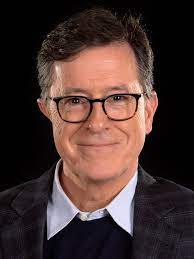
Stephen Colbert
Meanwhile, Paramount, the owner of CBS, was in the midst of an $8 billion sale to the Hollywood studio Skydance Media. For this, it needed the regulatory permission of the FCC of the Trump administration.
Trump had long made clear his desire to see Colbert removed from the airways. After CBS cancelled The Late Show, the merger between Paramount Global and Skydance Media was quickly approved by the FCC.
In 1938, using threats of overwhelming force, Adolf Hitler successfully annexed Austria and Czechoslovakia.
Similarly, Donald Trump began making threats against Canada, Mexico and Greenland even before his second inauguration.
He threatened to impose a 25% tax on all products entering the United States from Canada and Mexico unless they stopped the flow of drugs (which Americans crave) and illegal aliens (which employers crave).
And he continued to assault Canada with a seemingly endless series of tariffs. To which Canadians retaliated with counter-tariffs of 15% to 50% on $27.6 billion worth of U.S. goods.

Flag of Canada
Worse, he began insulting Canada’s leaders and making threats of using military force to make Canada—a staunch American ally for over 200 years—America’s “51st state.”
Next, he targeted Greenland—which is strategically significant to the United States for two reasons:
- It’s home to America’s Pituffik Space Base. This “detects and reports attack assessments of sea-launched and intercontinental ballistic missile threats in support of strategic missile warning and missile defense,” according to the base’s website; and
- It sits between Russia and the eastern coast of the United States, and is the fastest way from Europe to New York.
ABC NEWS, ADOLF HITLER, ALTERNET, AMERICABLOG, AP, BABY BOOMER RESISTANCE, BBC, BLOOMBERG NEWS, BLUESKY, BUZZFEED, CANADA, CBS NEWS, CLAUDIA SHEINBAUM PARDO, CNN, CNN'S "STARTING POINT", CROOKS AND LIARS, DAILY KOS, DEPARTMENT OF HOMELAND SECURITY, DEPARTMENT OF JUSTICE, EXTORTION, FBI, FIVETHIRTYEIGHT, HARPER’S MAGAZINE, HUFFINGTON POST, INSIDER, JUDICIARY, MARK CARNEY, MASTADON, MEDIA MATTERS, MEXICO, MOTHER JONES, MOVEON, MSNBC, MSNBC'S "HARDBALL", NAZI GERMANY, NBC NEWS, NEGOTIATING, NEW REPUBLIC, NEWSDAY, NEWSWEEK, NPR, PBS NEWSHOUR, POLAND, POLITICO, POLITICUSUSA, PRESS, RAW STORY, REPUBLICAN PARTY, REPUBLICANS, REUTERS, SALON, SEATTLE TIMES, SLATE, TALKING POINTS MEMO, THE ATLANTIC, THE CHICAGO SUN-TIMES, THE CHICAGO TRIBUNE, THE DAILY BEAST, THE DAILY BLOG, THE GUARDIAN, THE HILL, THE HUFFINGTON POST, THE LOS ANGELES TIMES, THE NATION, THE NEW REPUBLIC, THE NEW YORK TIMES, THE NEW YORKER, THE PENTAGON, THE VILLAGE VOICE, THE WASHINGTON POST, THINKPROGRESS, TIME, TRUTHDIG, TRUTHOUT, TWO POLITICAL JUNKIES, U.S. NEWS & WORLD REPORT, UPI, USA TODAY, WONKETTE, WORLD WAR 11, X
In Bureaucracy, History, Law, Law Enforcement, Politics, Social commentary on September 16, 2026 at 12:26 am
On January 20, 2026, in a speech at the World Economic Forum in Davos, Switzerland, Canadian Prime Minister Mark Carney called for greater cooperation among the world’s middle-sized nations.
The reason: To protect themselves from great powers using tariffs to extort control over them.
An example of this: Ottawa and Beijing now have a limited tariff agreement that swaps reduced Chinese duties on Canadian canola seeds for lower Canadian tariffs on a capped volume of Chinese electric vehicles.
On January 26, Canada announced a plan to significantly expand trade with non‑U.S. countries, strengthen internal Canadian trade, and increase domestic investment by up to one trillion dollars over the next five years.

Canadian provinces and territories
On February 20, 2026, the United States Supreme Court ruled against emergency tariffs imposed under the International Emergency Economic Powers Act.
This had been the basis—and excuse—for Trump’s slapping tariffs on more than 180 countries.
Ignoring the Supreme Court ruling Trump imposed a short term 10% global tariff.
On July 1, after a virtual meeting with U.S. Trade Representative Jamieson Greer with his Canadian and Mexican counterparts, Greer announced that the U.S. would not extend the Canada-United States-Mexico Agreement (CUSMA).
Its goals had been to boost economic growth, reduce trade barriers, and secure preferential market access across North America.
On July 17, in a Truth Social post, Trump threatened to put new tariffs on Canada after hundreds of wildfires left much of the northern U.S. covered by smoke.
He could have offered to send American firefighters and firefighting equipment to Canada. But acting in a humane way has never been a part of Trump’s character.
On July 20, Trump alleged that Canada discriminated against American companies supplying alcohol, dairy and cars. He signed three proclamations under the 1930 Smoot-Hawley Tariff Act, imposing 50% tariffs on Canadian dairy, alcohol, cars and other products.
On August 22, Trump’s 50% tariffs took effect on about $20 billion worth of Canadian goods—dairy products, alcoholic beverages, cement and hockey equipment.
Trade negotiations had collapsed shortly before a midnight deadline the previous night.
Canadian Prime Minister Mark Carney said that “last-minute changes in the U.S. proposed terms” had caused the collapse.

Mark Carney
“….The general attitude….is that the core Canadian industries either would be subsidiaries effectively of the United States industries or would put in place terms where those industries would be, gradually wound down in Canada and we’re not going to of course….accept those terms.”
And he warned that Canada would match the tariffs “dollar for dollar” starting on September 8.
After Canada suspended trade talks on August 21, Trump signed an executive order “changing” the name of Lake Ontario, which borders New York and Canada’s Ontario province, to Lake America.
Google and Apple, cravenly seeking to win Trump’s favor, immediately displayed maps offering the Trumpian version of geography.
“When the Americans stop doing memes, stop throwing shade, stop trying to be tough and start being serious about having those discussions, we can have those discussions,” said Carney at a press conference.
There is no American precedent for such extortionate behavior—but there is a German one. That of Nazi Germany from t938 to 1939 under Adolf Hitler—first against Austria, then Czechoslovakia, and finally Poland.
It was his aggression against Poland that ignited World War II.
But Trump can be beaten—if his enemies are willing to go all the way.
Democratic nations like Canada and Mexico dare not attack the United States militarily. America’s military is so powerful the country is threatened only by China and Russia.
But they can target with ruthless tariffs those Red states whose Fascistic voting blocs fanatically support Trump—and the House and Senate members who support him.
They can:
- Deprive Red state populations of the fruits, vegetables, meats, cars, computers, oil, gas—and especially beer and alcohol—they take for granted.
- Refuse to stock goods from Red states in their stores.
- Appeal to the patriotism of Canadians and Mexicans to maintain the boycott despite the suffering this will impose on their own countries.
Canada, in particular, has a deadly weapon it can unleash at any time:
Provincial authorities and grid operators (such as Ontario’s Independent Electricity System Operator) can reduce or halt power flowing through cross-border transmission lines to states like New York, Michigan and Minnesota.
The U.S. imports electricity from Canada because it is cheaper than generating more supply domestically. Losing Canadian electricity would force affected states to rely on rapacious energy companies, driving up electricity costs for consumers.
This, in turn, would trigger voters’ anger against Trump-supporting Republican candidates for the House and Senate.
Americans are used to seeking simple, painless solutions to major problems. Thus, in 2024, Trump won 77 million votes by promising to drastically reduce the price of eggs.
Instead, he gave voters an unprovoked and endless war on Iran. This has created a worldwide spiral in oil prices—and fueled inflation in the United States and other nations.
As prices soar for food, energy and housing, Trump focuses on vanity projects like a 90,000 square-foot White House ballroom and a towering “Victory Arch” overlooking Arlington Cemetery.
When Red states are forced to suffer staggering losses for months on end, they will elect anti-Fascist Senators and Representatives to nullify the evils of Trump’s administration.


2016 PRESIDENTIAL ELECTION, 2020 PRESIDENTIAL ELECTION, 2024 PRESIDENTIAL ELECTION, ABC NEWS, ABUSE OF POWER, ADOLF HITLER, AILEEN CANNON, AIR TRAFFIC CONTROLLERS, ALTERNET, AMERICABLOG, AP, ARTIFICIAL INTELLIGENCE, ASSASSINATION, AXIOS, BABY BOOMER RESISTANCE, BBC, BIRD FLU, BLACKS, BLOOMBERG, BLUESKY, BUZZFEED, CANADA, CBS NEWS, CHINA, CLASSIFIED DOCUMENTS, CLIMATE CHANGE, CNN, COVID-19, CROOKS AND LIARS, DAILY KOS, DANIEL CASSINO, DEMOCRACY, DEMOCRATIC PARTY, DEMOCRATS, DENMARK, DIVERSITY EQUITY AND INCLUSION (DEI) PROGRAMS, DONALD TRUMP, ELECTORAL COLLEGE, FBI, FEDERAL AVIATION ADMINISTRATION (FAA), FEDERAL EMERGENCY MANAGEMENT AGENCY, FEDERAL GOVERNMENT SHUTDOWN, FIVETHIRTYEIGHT, FUEL PRICES, GALLUP POLL, GAZA, GLOBAL CONFLICT, GREENLAND, GROCERY PRICES, HARPER’S MAGAZINE, HILLARY CLINTON, HISPANICS, HUFFINGTON POST, HUNTER BIDEN, illegal immigration, IMMIGRATION AND CUSTOMS ENVORCEMENT (ICE), IMPEACHMENT, INFLATION, INSPECTORS GENERAL, INTERNATIONAL BROTHERHOOD OF TEAMSTERS, IRAN, ISRAEL, JACK SMITH, JAMAL KHASHOOGI, JAMES COMEY, JANUARY 6 COUP ATTEMPT, JARED KUSHNER, JIMMY HOFFA, JOHN ADAMS, JOHN F. KENNEDY CENTER FOR THE PERFORMING ARTS, JOSEPH BIDEN, JOSEPH STALIN, Kamala Harris, KEVIN MCCARTHY, KIM JONG-UN, LATINOS, LETITIA JAMES, LOW INFORMATION VOTERS, MAR-A-LAGO, MARJORIE TAYLOR GREENE, MASCULINITY, MEDIA MATTERS, MERRICK GARLAND, MINNEAPOLIS MINNESOTA, MOHAMMED BIN SALMAN, MOTHER JONES, MOVEON, MSNBC, MUSLIMS, NATO, NAVAJO COLDE TALKERS, NBC NEWS, NEW REPUBLIC, NEWSDAY, NEWSWEEK, NORTH KORREA, NPR, OBSTRUCTION OF CONGRESS, PARDONS, PBS NEWSHOUR, POLITICO, POLITICUSUSA, RAW STORY, REPUBLICAN PARTY, REPUBLICANS, REUTERS, ROBERT F. KENNEDY, RUSSIA, SALON, SEATTLE TIMES, SLATE, ST. PAUL MINNESOTA, STRAIT OF HORMUZ, SUPERMAN, SUPPLEMENTAL NUTRITION ASSISTANCE PROGRAM (SNAP), TALKING POINTS MEMO, TERRORISM, THE ATLANTIC, THE CHICAGO SUN-TIMES, THE CHICAGO TRIBUNE, THE DAILY BEAST, THE DAILY BLOG, THE GUARDIAN, THE HILL, THE HUFFINGTON POST, THE INTERCEPT, THE LOS ANGELES TIMES, THE NATION, THE NEW REPUBLIC, THE NEW YORK TIMES, THE NEW YORKER, THE VILLAGE VOICE, THE WASHINGTON POST, THINKPROGRESS, THOMAS MATTHEW CROOKS, TIME, TRANSPORTATION COSTS, TRUTHDIG, TRUTHOUT, TUSKEGEE AIRMEN, TWO POLITICAL JUNKIES, U.S. BORDER PATROL, U.S. NEWS & WORLD REPORT, UKRAINE, UNITED STATES DEPARTMENT OF DEFENSE (DOD), UNITED STATES DEPARTMENT OF JUSTICE, UNITED STATES HOUSE OF REPRESENTATIVES, UNITED STATES SECRET SERVICE, UNITED STATES SENATE, UPI, USA TODAY, VLADIMIR PUTIN, VOLODMYR ZELENSKY, VOX, X, XI JINPING
BIRTHING FASCISM–AND TRUMP’S EVIL: PART FOUR (END)
In Bureaucracy, History, Law, Law Enforcement, Politics, Social commentary on October 9, 2026 at 12:10 amThere were numerous instances where intervention by Federal legislators or law enforcement authorities could have utterly changed the outcome of the 2024 Presidential election.
Case #12: Democrats expected to receive support from their traditional allies—such as blacks and Hispanics. But that didn’t happen.
Despite Donald Trump’s overt racism, blacks deserted Vice President Kamala Harris in droves. About three in 10 back men under age 45 went for Trump, roughly double the share he got in 2020.
A clear majority of young black voters described the economy as “not so good” or “poor,” compared with about half of older black voters.
Despite Trump’s demands for “mass deportations,” numerous Hispanics, when interviewed, said they didn’t feel threatened. They felt certain that Trump would deport “only the bad people.”
Young Latinos, particularly young Latino men, were more supportive to Trump than in 2020. Roughly half of young Latino men voted for Harris, compared with about six in 10 who went for Trump.
Majorities of black and Latino voters said the economy was in bad shape. They wanted a bigger paycheck. And they were willing to re-elect a man who despised them in hopes of getting it.
Case #13: Muslims—especially those living in Dearborn, Michigan—played a losing blackmail game with the Biden administration
On October 7, 2023, under the cover of thousands of rockets fired from Gaza, Hamas terrorists slaughtered an estimated 1,139 men, women and children in Israeli streets, houses, kibbutz communities and at a rave music festival.
About 250 others were kidnapped and taken into Gaza.
Israel responded by declaring a state of war—pounding Gaza with bombs, missiles. tanks and soldiers.
Palestinians celebrating the attack on Israel
Terrorism-sympathizing Islamics—especially in Michigan—demanded that the Biden administration stop sending military equipment to Israel—and force Israelis to stop their military campaign to free the hostages. They threatened: “If you don’t do what we want, we won’t vote for Kamala Harris.”
Biden and Harris rejected their demands—and Islamics voted for Trump or didn’t vote at all.
The result: Harris lost—and was replaced with a Right-wing administration so pro-Israel that it made the Biden one seem pro-Palestinian by comparison.
Case 14: Ignorance of and/or contempt for history.
“Low information voters” is a euphemism for people dangerously ignorant of and indifferent to the issues affecting their lives.
After World War II ended in 1945, the United States proved a force for worldwide stability. Its “nuclear umbrella” prevented a Russian takeover of Europe and a Chinese takeover of Asia.
But voters ignored Trump’s “bromance” with Communist dictators Vladimir Putin (Russia), Xi Jinping (China) and Kim Jong-Un (North Korea). They also ignored his proven disdain for the leaders of democratic nations—such as Canada and Great Britain.
As a result, Canada and Mexico, America’s biggest trading partners, are now treated—by Trump—as enemies. Meanwhile, he cozies up to Putin against Ukraine’s legally-elected President, Vododmyr Zelensky.
* * * * *
Countless historians have tried to answer the question: “Was the rise of Adolf Hitler—and the catastrophe he unleashed—inevitable?”
Future historians will ask the same question about Donald Trump—and the almost certain disaster of a second Trump Presidency.
Competent historians will conclude that no one factor was responsible, but a combination of otherwise unrelated ones. Among these:
In short: Those opposed to Trump’s evil were too divided and shortsighted to combine against a common danger.
As John Adams, second President of the United States, observed:
Remember, democracy never lasts long. It soon wastes, exhausts and murders itself. There never was a democracy yet that did not commit suicide. It is in vain to say that democracy is less vain, less proud, less selfish, less ambitious, or less avaricious than aristocracy or monarchy. It is not true, and nowhere appears in history. Those passions are the same in all men, under all forms of simple government, and when unchecked, produce the same effects of fraud, violence and cruelty.
Share this: