Posts Tagged ‘JOHN F. KENNEDY’
"MISSION: IMPOSSIBLE", 2016 PRESIDENTIAL ELECTION, ABC NEWS, ALTERNET, AMERICABLOG, AP, AUGUSTO PINOCHET, AUGUSTO SANDINO, AYATOLLAH RUHOLLAH KHOMEINI, ” 9/11, BABY BOOMER RESISTANCE, BAY OF PIGS, BBC, BLOOMBERG NEWS, BUZZFEED, CBS NEWS, CHIANG KAI-SHEK, CHILE, CIA, CNN, CROOKS AND LIARS, CUBA, DAILY KOS, DAILY KOZ, DONALD TRUMP, DWIGHT D. EISENHOWER, FIDEL CASTRO, FIVETHIRTYEIGHT, FULGENCIO BATISTA, GEORGE W. BUSH, GUATEMALA, HAITI, HARPER’S MAGAZINE, HONODURAS, HUFFINGTON POST, IRAQ, JACOBO ARBENZ, JOHN F. KENNEDY, MAFIA, MAO TSE-TUNG, MEDIA MATTERS, MOHAMMAD MOSADDEGH, MOHAMMAD-REZA SHAH PHLAVI, MOTHER JONES, MOVEON, MSNBC, NATIONAL SECURITY AGENCY, NBC NEWS, NEW REPUBLIC, NEWSDAY, NEWSWEEK, NICARAGUA, NPR, OSAMA BIN LADEN, PBS NEWSHOUR, POLITICO, POLITICUSUSA, RAW STORY, REUTERS, RICHARD M. NIXON, ROBERT MUELLER, RUSSIA, SADDAM HUSSEIN, SALON, SALVADOR ALLENDE, SEATTLE TIMES, SLATE, SOVIET UNION, TALKING POINTS MEMO, THE ATLANTIC, THE CHICAGO SUN-TIMES, THE CHICAGO TRIBUNE, THE DAILY BEAST, THE DAILY BLOG, THE GUARDIAN, THE HILL, THE HUFFINGTON POST, THE INTERCEPT, THE LOS ANGELES TIMES, THE NATION, THE NEW REPUBLIC, THE NEW YORK TIMES, THE NEW YORKER, THE VILLAGE VOICE, THE WASHINGTON POST, THINKPROGRESS, TIME, TRUTHDIG, TRUTHOUT, U.S. NEWS & WORLD REPORT, UNITED FRUIT COMPANY, UPI, USA TODAY, X
In Bureaucracy, History, Military, Politics, Social commentary on September 7, 2026 at 12:10 am
The CIA, FBI and National Security Agency (which cracks codes and listens to the telephone conversation of foreign leaders) unanimously agree: Russian trolls and Intelligence agents played a major role in subverting the 2016 Presidential election.
Special Counsel Robert Mueller III, assigned in May, 2017, to investigate charges of Russian interference, believed there was collusion. He indicted or obtained guilty pleas from 34 people and three companies.

Robert Mueller
And about 58% of Americans believe that President Donald Trump tried to obstruct the investigation.
Apparently, most Americans don’t like having their elections subverted by enemy nations.
Subverting the governments of other countries is a right that Americans have long reserved for themselves. Among those regimes that have been toppled:
- Between 1898 and 1934, the United States repeatedly intervened with military force in Central America and the Caribbean.
- Americans staged invasions of Honduras in 1903, 1907, 1911, 1912, 1919, 1924 and 1925 to defend U.S. interests. These were defined as Standard Oil and the United Fruit Company.
- The United States occupied Nicaragua almost continuously from 1912 to 1933. Its legacy was the imposition of the tyrannical Somoza family, which ruled from 1936 to 1979.
- The United States occupied Haiti from 1915 to 1934. American banks had lent money to Haiti and requested American government intervention.
- In 1918, 13,000 American soldiers joined armies from Europe and Japan to overthrow the new Soviet government and restore the previous Czarist regime. By 1920, the invading forces proved unsuccessful and withdrew.
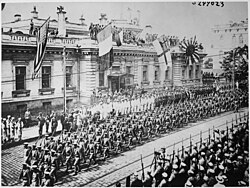
Allied troops parading in Vladivostok, 1918
- From 1946 to 1949, the United States provided military, logistical and other aid to the Right-wing Chinese Nationalist Party of Chiang Kai-shek. Its opponent: Communist forces led by Mao Tse-Tung, who ultimately proved victorious.
- In 1953, the Eisenhower administration ordered the CIA to overthrew the democratically-elected government of of Iranian Prime Minister Mohammad Mosaddegh. His crime: Nationalizing the Iranian oil industry, which had been under British control since 1913. He was succeeded by Mohammad-Reza Shah Phlavi.
- Whereas Mossadeddgh had ruled as a constitutional monarch, Phlavi was a dictator who depended on United States government support to retain power until he was overthrown in 1979 by the Ayatollah Ruhollah Khomeini.
- In 1954, the CIA overthrew the democratically-elected government of Guatemalan President Jacobo Arbenz. His crime: Installing a series of reforms that expanded the right to vote, allowed workers to organize, legitimized political parties and allowed public debate. Most infuriating to American Right-wingers: His agrarian reform law, which expropriated parts of large land-holdings and redistributed them to agricultural laborers.
- The United Fruit Company lobbied the United States government to overthrow him—and the CIA went into action. Arbenz was replaced by the first of a series of brutal Right-wing dictators.
- From 1959 until 1963, the United States government was obsessed with overthrowing the revolutionary Cuban government of Fidel Castro. Although not democratically elected, Castro was wildly popular in Cuba for overthrowing the dictatorial Fulgencio Batista.
- On April 17, 1961, over 1,400 CIA-trained Cuban exiles invaded Cuba at the Bay of Pigs. Cuban military forces crushed the invasion in three days.
- Infuriated with the failure of the Bay of Pigs invasion, President John F. Kennedy authorized “Operation Mongoose” to remove Castro through sabotage and assassination. The CIA, wanting to please Kennedy, teamed up with the Mafia, which wanted to resurrect its casinos on the island.
- Among the tactics used: Hiring Cuban gangsters to murder police officials and Soviet technicians; sabotaging mines; using biological and chemical warfare against the Cuban sugar industry. None of these proved successful in assassinating Castro nor overturning his regime.

Ernesto “Che” Guevera
- In 1970, President Richard M. Nixon ordered the CIA to prevent Marxist Salvador Allende from being democratically elected as president of Chile. When that failed, he ordered the CIA to overthrow Allende. Allende’s crime: A series of liberal reforms, including nationalizing large-scale industries (notably copper mining and banking).
- In 1973, he was overthrown by Chilean army units and national police. He committed suicide rather than be captured. He was followed by Right-wing dictator Augusto Pinochet, who slaughtered 3,200 political dissidents, imprisoned 30,000 and forced another 200,000 Chileans into exile.
And how did Americans react to all these attempts—successful and unsuccessful—at regime change?
Through indifference or outright support.
The popular 1960s TV series, “Mission: Impossible,” regularly depicted a CIA-type agency supporting regimes “we” liked or toppling those “we” didn’t.
Americans generally assume their Presidents and Congress know best who is a “friend” and who is an “enemy.” America’s friends usually turn out to be Right-wing dictators like Chiang Kai-Shek, Fulgencio Batista, Augusto Pinochet and Mohammad-Reza Shah Phlavi.
And its enemies often turn out to be liberal reformers like Augusto Sandino, Mohammad Mosaddegh and Salvador Allende.
Americans tend to favor intervention for the flimsiest of reasons. In 2003, President George W. Bush claimed Iraq’s dictator, Saddam Hussein, had plotted 9/11 with Osama bin Laden. There was absolutely no proof to substantiate this, yet Americans overwhelmingly supported Bush’s unprovoked invasion of Iraq.
But now the shoe is on the other foot.
Except for President Donald Trump and his fanatical supporters, Americans became furious that a foreign power dared to install “regime change” on them.
ADOLF HITLER, ALTERNET, AMERICABLOG, AP, BABY BOOMER RESISTANCE, BARACK OBAMA, BARBARA TUCHMAN, BBC, BLOOMBERG, BLUESKY, BUZZFEED, CANADA, CBS NEWS, CNN, CROOKS AND LIARS, DAILY KOS, DAN SCAVINO, DARLINE GRAHAM, DAVID AXELROD, DAVIS INGLE, DEMOCRATS, DOGE, DONALD TRUMP, ENGLAND, EPSTEIN FILES, FIVETHIRTYEIGHT, FREDERICK WELLMAN, GREENLAND, HARPER’S MAGAZINE, HEINZ GUDERIAN, HUFFINGTON POST, IMMIGRATION AND CUSTOMS ENFORCEMENT (ICE), IMPEACHMENT, IRAN, JAMES COMEY, JAMES TALARICO, JOHN F. KENNEDY, JON OSSOFF, Kamala Harris, KIM JONG-UN, LEE HARVEY OSWALD, LETITIA JAMES, LINIDSEY GRAM, MAGGIE HABERMAN, MARCO RUBIO, MEDIA MATTERS, MICHAEL WOLFF, MICHELLE OBAMA, MIKE JOHNSON, MOTHER JONES, MOVEON, MSNBC, NATALIE HARP, NBC NEWS, NEWSDAY, NEWSWEEK, NICCOLO MACHIAVELLI, NPR, PBS NEWSHOUR, POLITICO, POLITICUSUSA, RAFAEL "TED" CRUZ, RAW STORY, REGIME CHANGE (BOOK), REPUBLICANS, REUTERS, SALON, SCOTT BESSENT, SCOTT JENNINGS, SEATTLE TIMES, SLATE, STEPHEN MILLER, STEVEN CHEUNG, STRAIT OF HORMUZ, TALKING POINTS MEMO, THE ATLANTIC, THE CHICAGO SUN-TIMES, THE CHICAGO TRIBUNE, THE DAILY BEAST, THE DAILY BLOG, THE GUARDIAN, THE HILL, THE HUFFINGTON POST, THE INTERCEPT, THE LOS ANGELES TIMES, THE NATION, THE NEW REPUBLIC, THE NEW YORK TIMES, THE NEW YORKER, THE VILLAGE VOICE, THE WASHINGTON POST, THINKPROGRESS, TIME, TRUTHDIG, TRUTHOUT, TWO POLITICAL JUNKIES, U.S. NEWS & WORLD REPORT, UNITED STATES DEPARTMENT OF JUSTICE, UPI, USA TODAY, VICTORY ARCH, VLADIMIR PUTIN, WHITE HOUSE BALLROOM, X, XI JINPING
In Bureaucracy, Business, History, Medical, Military, Politics, Social commentary on September 2, 2026 at 12:10 am
President Donald Trump is haunted by the fear of a third impeachment action against him if Democrats retake the House of Representatives in the fast-approaching midterm elections scheduled for November 3.
Speaking at a rally in Myrtle Beach, South Carolina, to support Senate candidate Darline Graham, sister of the late Senator Lindsey Graham, Trump warned: “If we lose the midterms, I am going to be impeached. They are going to impeach me. They have no idea why!”
On the contrary: Democrats know well why they want to remove him from office. Among their reasons:
- Starting an unprovoked war with Iran.
- Attacking longtime American allies like Canada, England and Greenland.
- Cozying up to Communist dictators such as Vladimir Putin, Xi Jinping and Kim Jong-Un.
- Ordering the Justice Department to indict his critics such as New York Attorney General Letitia James and former FBI Director James Comey.
- Flooding Minneapolis and St. Paul, Minnesota, with 3,000 Immigration and Customs Enforcement (ICE) agents who terrorized (and murdered) both American citizens and illegal aliens.
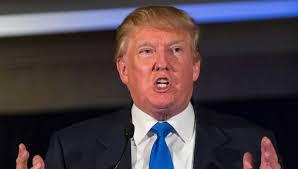
Donald Trump
Trump’s Republican accomplices in Congress fully understand the threat he faces—and what it poses for them. Thanks to his unprovoked war on Iran, oil shipments have been constrained worldwide—and Americans are furious at soaring prices for gas, food and housing.
Meanwhile, Trump arrogantly claims that “affordability” is a “Democratic hoax.” And, like Adolf Hitler contemplating architectural models while Nazi Germany neared destruction, he focuses on vanity projects like a 90,000 square foot White House ballroom and a towering “Victory Arch” overlooking Arlington Cemetery.
As a result, Trump’s current national approval rating hovers between 33% and 38%. And Republicans fear that his unpopularity will spell doom for their own re-election prospects.
On June 26, Mike Johnson (R-LA), Speaker of the House of Representatives, warned his colleagues:
“If we were to lose the midterms, heaven forbid, these Democrats, y’all, impeachment’s not even the biggest concern. They will turn every committee of Congress into an investigative body, and they’ll go after the president’s family, the Cabinet, his donors and friends—half of you in this room will be targeted.”

Mike Johnson
Frederick Wellman, the Democratic congressional candidate for Missouri’s 2nd District, was quick to agree:
“You’re damn right we will investigate crimes and corruption. Who moved $180 million in oil futures 15 minutes before Iran announcements? Who has gotten sole source contracts because of their connections to the Trump family?
“Where did our Social Security data go when DOGE downloaded it into portable hard drives? Where are the rest of the Epstein files? On and on this Congress has chosen covering up crimes instead of stopping them. That ends in November.”
Donald Trump is notorious for being thin-skinned. He has never displayed a sense of humor—nor an ability to laugh at himself. And he cannot abide listening to news that contradicts whatever he wants to do or believe.
The role that Natalie Harp plays in his life cannot be fully understood unless one accepts this fundamental truth: Trump, like Adolf Hitler, believes that if he just thinks positively, reality will bend to meet his wishes.
For this, he needs—and devours—a constant supply of “happy news” that confirms what he wants to believe. “News” that Harp is thrilled to constantly supply.
Thus, six months after launching a war he expected to be over in four to six weeks, Trump could say: “Right now, the situation is so good.”
Trump said this after leading reporters on a tour of the White House’s South Lawn to show off his latest renovations.
Presidents—and tyrants—who substitute “happy news” for hard truth usually come to a bad end. Hitler fired generals like Heinz Guderian—the architect of his sweeping victory over France in 1940—when they told him an offensive could not be continued or that their soldiers were needlessly dying for lack of supplies.
It did not win Hitler his war.
As Donald Trump lurches from one self-manufactured crisis to another, two warnings from Niccolo Machiavelli, the Florentine statesman and father of modern political science, take on special meaning:
“I must not omit an important subject, and mention of a mistake which princes can with difficulty avoid, if they are not very prudent, or if they do not make a good choice. And this is with regard to flatterers, of which courts are full, because men take pleasure in their own things and deceive themselves about them that they can with difficulty guard against this plague.”
And:
“It is an infallible rule that a prince who is not wise himself cannot be well advised, unless by chance he leaves himself entirely in the hands of one man who rules him in everything, and happens to be a very prudent man. In this case, he may doubtless be well governed, but it would not last long, for the governor would in a short time deprive him of the state.”
Noted historian Barbara Tuchman put it even more directly: “A great empire and little minds go ill together.”
ADOLF HITLER, ALTERNET, AMERICABLOG, AP, BABY BOOMER RESISTANCE, BARACK OBAMA, BARBARA TUCHMAN, BBC, BLOOMBERG, BLUESKY, BUZZFEED, CANADA, CBS NEWS, CNN, CROOKS AND LIARS, DAILY KOS, DAN SCAVINO, DARLINE GRAHAM, DAVID AXELROD, DAVIS INGLE, DEMOCRATS, DOGE, DONALD TRUMP, ENGLAND, EPSTEIN FILES, FIVETHIRTYEIGHT, FREDERICK WELLMAN, GREENLAND, HARPER’S MAGAZINE, HEINZ GUDERIAN, HUFFINGTON POST, IMMIGRATION AND CUSTOMS ENFORCEMENT (ICE), IMPEACHMENT, IRAN, JAMES COMEY, JAMES TALARICO, JOHN F. KENNEDY, JON OSSOFF, Kamala Harris, KIM JONG-UN, LEE HARVEY OSWALD, LETITIA JAMES, LINIDSEY GRAM, MAGGIE HABERMAN, MARCO RUBIO, MEDIA MATTERS, MICHAEL WOLFF, MICHELLE OBAMA, MIKE JOHNSON, MOTHER JONES, MOVEON, MSNBC, NATALIE HARP, NBC NEWS, NEWSDAY, NEWSWEEK, NICCOLO MACHIAVELLI, NPR, PBS NEWSHOUR, POLITICO, POLITICUSUSA, RAFAEL "TED" CRUZ, RAW STORY, REGIME CHANGE (BOOK), REPUBLICANS, REUTERS, SALON, SCOTT BESSENT, SCOTT JENNINGS, SEATTLE TIMES, SLATE, STEPHEN MILLER, STEVEN CHEUNG, STRAIT OF HORMUZ, TALKING POINTS MEMO, THE ATLANTIC, THE CHICAGO SUN-TIMES, THE CHICAGO TRIBUNE, THE DAILY BEAST, THE DAILY BLOG, THE GUARDIAN, THE HILL, THE HUFFINGTON POST, THE INTERCEPT, THE LOS ANGELES TIMES, THE NATION, THE NEW REPUBLIC, THE NEW YORK TIMES, THE NEW YORKER, THE VILLAGE VOICE, THE WASHINGTON POST, THINKPROGRESS, TIME, TRUTHDIG, TRUTHOUT, TWO POLITICAL JUNKIES, U.S. NEWS & WORLD REPORT, UNITED STATES DEPARTMENT OF JUSTICE, UPI, USA TODAY, VICTORY ARCH, VLADIMIR PUTIN, WHITE HOUSE BALLROOM, X, XI JINPING
In Bureaucracy, Business, History, Military, Politics, Social commentary on September 1, 2026 at 12:10 am
Michael Wolff, a longtime biographer of Donald Trump, recently published letters from White House aide Natalie Harp to the President in The Daily Beast.
Among their revelations:
“If there is anything else I have done to cause you trouble, please forgive me. I want things to always be right between us. I also know I’ve been distracted all week (forgetting to eat throughout the days, and even forgetting to sleep, and only catching a couple hours at a time).”
And
“I never want to bring you anything but joy. I’m sorry I lost my focus. You are all that matters to me. I don’t want to ever let you down. Thank you for being my Guardian and Protector in this life.”
On August 16, Georgia’s Democratic United States Senator, Jon Ossoff, said at a campaign rally in Atlanta:
“He golfs and trades stocks. See, he doesn’t want to do the job. He wants to build his ballroom and travel with Natalie on their apparently defenseless flying palace gifted by the Emir of Qatar.”
A clip of this remark was widely shared on social media.

Jon Ossoff
Ossoff didn’t accuse Trump and Harp of tripping the light fantastic, but the White House immediately and viciously reacted as if he had:
- White House Communications Director Steven Cheung: “Jon Jackoff has to be the biggest cuck loser in politics. Instead of denigrating hard working people serving their country, Jon should look deep into his soul and ask himself why he’s a miserable person who hates this country. It’s because he’s a radical, extremist Dumocrat.” [“Denigrating” actually means “insulting.” The word Cheung meant was “praising.”]
- Trump spokesman Davis Ingle: “A cringeworthy, feminine theatre kid cosplaying as Barack Obama.”
- Right-wing CNN pundit Scott Jennings: “A garbage human.”
- When a CNN reporter asked Trump about Ossoff’s remarks, a White House-run X account attacked her as “a disgraceful, humiliating embarrassment to her alleged profession.”
Even some Democrats feel that Ossoff went too far. One of these was David Axelrod, former advisor to President Barack Obama.
“No one has been more consistently eloquent or incisive in exposing @realDonaldTrump than @Ossoff. The paragraph from his weekend speech that has gotten so much attention was a brutal takedown. But two words in it, ‘with Natalie’ seemed gratuitous and unnecessary,” Axelrod wrote on X.

David Axelrod
This despite the fact that Trump has built his political career on countless brutal insults to both Republicans and Democrats.
The attacks on him haven’t fazed Ossoff: “It’s been amazing to watch this White House melt down over this all week,” he told MS NOW. “These White House staffers are adults, public officials paid by the taxpayer with immense power in positions of public trust.”
Even if there is no affair between the President and his adoring aide, their relationship underscores a fundamental Trumpian dilemma:
On one hand, he craves not simply loyalty but constant adoration. He must be repeatedly told he’s the most handsome, brilliant, powerful, beloved man on the planet.
On the other hand, his flagrant greed, egotism and constant attacks on a seemingly endless number of people—politicians, journalists, celebrities, ordinary Americans—ensure that the hatred he spews is returned in kind. And this makes him all the more desperate to feel adored.
Thus, enter Natalie Harp.
Ossoff’s comment has clearly touched a White House nerve. And it couldn’t have happened at a worse time for Trump.
He’s an 80-year-old, easily distracted man who repeatedly falls asleep in public events—such as during White House meetings or a World Cup game. He launched a losing war on Iran, predicted it would be over in four to six weeks, and has seen it spiral into six months with no end in sight.
Meanwhile, Iran continues to control the Strait of Hormuz, through which about 20 million barrels of oil used to pass each day. That flow has been reduced to between two million and six million barrels each day.

Strait of Hormuz
This has created a worldwide spiral in oil prices—and fueled inflation in the United States and other nations. But as prices for housing, energy and food soar in the United States, Trump claims that “affordability” is a “Democratic hoax.”
Like Adolf Hitler contemplating architectural models while Nazi Germany neared destruction, Trump focuses on vanity projects like a 90,000 square foot White House ballroom and a towering “Victory Arch” overlooking Arlington Cemetery.
Trump is haunted by the fear of a third impeachment action against him if Democrats retake the House of Representatives in the fast-approaching midterm elections scheduled for November 3.
Speaking at a rally in Myrtle Beach, South Carolina, to support Senate candidate Darline Graham, sister of the late Senator Lindsey Graham, Trump warned: “If we lose the midterms, I am going to be impeached. They are going to impeach me. They have no idea why!”
His Republican accomplices in Congress fully understand this as well. Most of them now hold their positions to his support—or by not daring to cross him in any way.
And they fear that his current unpopularity—at 33% to 39%—will upend their own chances for re-election.
ADOLF HITLER, ALTERNET, AMERICABLOG, AP, BABY BOOMER RESISTANCE, BARACK OBAMA, BARBARA TUCHMAN, BBC, BLOOMBERG, BLUESKY, BUZZFEED, CANADA, CBS NEWS, CNN, CROOKS AND LIARS, DAILY KOS, DAN SCAVINO, DARLINE GRAHAM, DAVID AXELROD, DAVIS INGLE, DEMOCRATS, DOGE, DONALD TRUMP, ENGLAND, EPSTEIN FILES, FIVETHIRTYEIGHT, FREDERICK WELLMAN, GREENLAND, HARPER’S MAGAZINE, HEINZ GUDERIAN, HUFFINGTON POST, IMMIGRATION AND CUSTOMS ENFORCEMENT (ICE), IMPEACHMENT, IRAN, JAMES COMEY, JAMES TALARICO, JOHN F. KENNEDY, JON OSSOFF, Kamala Harris, KIM JONG-UN, LEE HARVEY OSWALD, LETITIA JAMES, LINIDSEY GRAM, MAGGIE HABERMAN, MARCO RUBIO, MEDIA MATTERS, MICHAEL WOLFF, MICHELLE OBAMA, MIKE JOHNSON, MOTHER JONES, MOVEON, MSNBC, NATALIE HARP, NBC NEWS, NEWSDAY, NEWSWEEK, NICCOLO MACHIAVELLI, NPR, PBS NEWSHOUR, POLITICO, POLITICUSUSA, RAFAEL "TED" CRUZ, RAW STORY, REGIME CHANGE (BOOK), REPUBLICANS, REUTERS, SALON, SCOTT BESSENT, SCOTT JENNINGS, SEATTLE TIMES, SLATE, STEPHEN MILLER, STEVEN CHEUNG, STRAIT OF HORMUZ, TALKING POINTS MEMO, THE ATLANTIC, THE CHICAGO SUN-TIMES, THE CHICAGO TRIBUNE, THE DAILY BEAST, THE DAILY BLOG, THE GUARDIAN, THE HILL, THE HUFFINGTON POST, THE INTERCEPT, THE LOS ANGELES TIMES, THE NATION, THE NEW REPUBLIC, THE NEW YORK TIMES, THE NEW YORKER, THE VILLAGE VOICE, THE WASHINGTON POST, THINKPROGRESS, TIME, TRUTHDIG, TRUTHOUT, TWO POLITICAL JUNKIES, U.S. NEWS & WORLD REPORT, UNITED STATES DEPARTMENT OF JUSTICE, UPI, USA TODAY, VICTORY ARCH, VLADIMIR PUTIN, WHITE HOUSE BALLROOM, X, XI JINPING
In Bureaucracy, Business, History, Medical, Military, Politics, Social commentary on August 31, 2026 at 12:10 am
Letter #1: “I never want to bring you anything but joy. I’m sorry I lost my focus. You are all that matters to me. I don’t want to ever let you down. Thank you for being my Guardian and Protector in this Life.”
Letter #2: “I miss the days when you used to call, during my talkshow days, and we’d talk about everything and nothing. I want to get back to that synergy. We shouldn’t have to talk about work all the time! !
“And please, when I fail, will you tell me? You have the absolute right to cuss me out, if need be, when I deserve it, because no one knows or cares about me more.”
These weren’t the gushings of a starry-eyed high school girl toward a beloved object of affection.
They were the gushings of 35-year-old Natalie Harp, special assistant and executive assistant to the President of the United States since 2025. And the object of her affection is an 80-year-old married man with a notorious history of adultery.
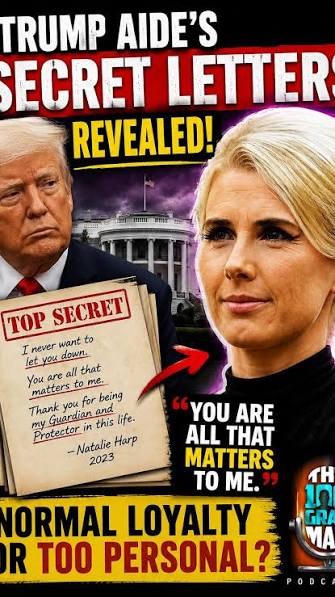
Natalie Harp was born in 1991 and raised in California. She graduated from Point Loma Nazarene University in 2012, and from Liberty University in 2015 with an MBA.
By 2017, Harp began suffering from chronic pain and complications incurred by a medical error involving intravenous therapy for stage II bone cancer.
In 2019, Harp praised then-President Trump for signing a federal right-to-try law which allowed her to access experimental treatments which she credited with saving her life.
Trump invited Harp to speak at the 2020 Republican National Convention She compared Trump to the sympathetic character, George Bailey, of It’s a Wonderful Life.
Trump also asked her to serve as a member of the advisory board for his 2020 Presidential campaign. Harp worked for the Right-wing television channel One America News Network from 2020 to 2022.
She later became an aide to Trump for his 2024 Presidential campaign as a key figure in his communications efforts.
In January 2025, Trump appointed Harp to the position of special assistant to the President and executive assistant to the President, with a government salary of $150,000.

Natalie Harp
She worked intimately with Trump and other national security figures for more than one year minus a security clearance. One national security official warned that this position gave her access to more sensitive information than any other Trump associate.
One White House staff member said that she “plays into the less productive and more troublesome parts of his nature, putting things in front of him that aren’t vetted.”
Dan Scavino, a political advisor and former golf club manager who had handled Trump’s social media accounts, largely gave control of Trump’s Truth Social account to Harp.
She used it to post a racist video depicting former President Barack Obama and First Lady Michelle Obama as apes. She also posted an AI-generated image of Trump as Jesus.
Among her duties: Posting remarks Trump dictates to Truth Social, texting on his behalf, and sporting a portable printer to feed him documents, praise and upbeat news articles. This last task has earned her the nickname: “The human printer.”
No doubt to Trump’s humiliation, Harp has also been dubbed as his “diaper nurse.” Some former associates and critics have claimed or joked that he uses adult diapers due to age or health. But there is no evidence that Harp serves in any nursing, medical or caregiving role.
Still, the rumors persist.

Donald Trump
And Trump appears flattered by her devotion. He calls her “sweetie” and “my Natalie.” And he’s told other aides that “Harp is the only one who loves him as much as his wife and children,” the New York Times reports.
Only recently has her role as Trump’s groupie-turned-government employee become widely known. And the man responsible is Georgia United States Senator Jon Ossoff.
At a campaign rally in Atlanta on August 16, Ossoff, a Democrat, said of Trump: “While the sailors on the [USS Abraham] Lincoln fight his war, while he fruitlessly drains our munitions and oil reserves, the president sleeps through his meetings.
“He golfs and trades stocks. See, he doesn’t want to do the job. He wants to build his ballroom and travel with Natalie on their apparently defenseless flying palace gifted by the Emir of Qatar.”
A clip of this remark was widely shared on social media.
Jon Ossoff
The week before the rally, Harp was among a small group of aides who joined Trump when he switched airplanes in Turkey to thwart a possible Iranian missile attack.
Those who were not allowed to board the decoy plane included:
- Secretary of State Marco Rubio;
- Treasury Secretary Scott Bessent;
- White House Deputy Chief of Staff for Policy Stephen Miller;
- White House Communications Director Steven Cheung.
Ossoff’s comment immediately brought Harp—and Trump—a burst of thoroughly unwelcome publicity.
Maggie Haberman, a New York Times reporter and the author of Regime Change, a scathing profile of the Trump administration, called her Trump’s “binky…a comfort blanket.”
Natalie’s estranged brother, Preston, laughed on CNN when he learned that his sister had jumped into the trunk of a Trump motorcade SUV when there wasn’t room for her to sit during a trip to court in 2023.
9/11, ABC NEWS, AFGHANISTAN, AL QAEDA, ALTERNET, AMERICABLOG, AMERICAN CAESARS: THE LIVES OF THE PRESIDENTS FROM FRANKLIN D. ROOSEVELT TO GEORGE W. BUSH, AMERICAN CAESARS: THE LIVES OF THE PRESIDENTS FROM FRANKLIN D. ROOSEVELT TO GEORGE W. BUSH (BOOK), AMERICAN EMPIRE, AP, ASSASSINATION, BABY BOOMER RESISTANCE, BASHAR AL-ASSAD, BILL CLINTON, BLOOMBERG, BUREAUCRACY, BUZZFEED, CBS NEWS, CHRIS MATHEWS, CNN, CONDOLEEZA RICE, CROOKS AND LIARS, DAIL Y KOS, DAILY KOZ, DRUDGE REPORT, DWIGHT EISENHOWER, FACEBOOK, FBI, FIVETHIRTYEIGHT, FOOD DELIVERY SERVICES, FRANKLIN D. ROOSEVELT, GAIUS SUETONIUS TRANQUILLIUS, GEORGE H.W. BUSH, GEORGE W. BUSH, GERALD R. FORD, HARPER’S MAGAZINE, HARRY S. TRUMAN, HUFFINGTON POST, JIMMY CARTER, JOHN F. KENNEDY, JOSEPH BIDEN, LYNDON B. JOHNSON, MEDIA MATTERS, MOTHER JONES, MOVEON, MSNBC, NBC NEWS, NEWSWEEK, NIGEL HAMILTON, NPR, OSAMA BIN LADEN, PATRIOT ACT, PBS NEWSHOUR, POLITICO, POLITICUSUSA, RAW STORY, REPUBLICAN PARTY, REUTERS, RICHARD CLARKE, RICHARD NIXON, ROMAN EMPIRE, SALON, SEATTLE TIMES, SEPTEMBER 11, SLATE, SYRIA, TALKING POINTS MEMO, TERRORISM, THE ATLANTIC, THE CHICAGO SUN-TIMES, THE CHICAGO TRIBUNE, THE DAILY BEAST, THE DAILY BLOG, THE GUARDIAN, THE HILL, THE HUFFINGTON POST, THE LOS ANGELES TIMES, THE NATION, THE NEW REPUBLIC, THE NEW YORK TIMES, THE TWELVE CAESARS, THE VILLAGE VOICE, THE WASHINGTON POST, THINKPROGRESS, TIME, TRANSPORTATION SAFEY ADMINISTRATION, TRUTHDIG, TRUTHOUT, TWO POLITICAL JUNKIES, U.S. NEWS & WORLD REPORT, UPI, USA TODAY, VCR RENTALS, X
In Bureaucracy, History, Law, Law Enforcement, Military, Politics, Social commentary on August 7, 2026 at 12:05 am
Colonel Brandt: “I wonder what we’ll do after we lose the war.”
Captain Kiesel: “Prepare for the next one.”
–-“The Cross of Iron,” film by Sam Peckinpah
On September 12, 2001, President George W. Bush attended a meeting of the National Security Council.
“Why shouldn’t we go against Iraq, not just Al-Qaeda?” demanded Donald Rumsfeld, the Secretary of Defense.
Vice President Dick Cheney enthusiastically agreed.
Secretary of State Colin Powell then pointed out there was absolutely no evidence that Iraq had had anything to do with 9/11 or Al-Qaeda. And he added: “The American people want us to do something about Al-Qaeda”—not Iraq.
On November 21, 2001, only 10 weeks after 9/11, Bush told Rumsfeld: It’s time to turn to Iraq.
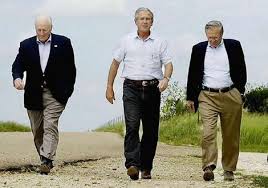
Liars Club: Dick Cheney, George Bush, Donald Rumsfeld
Bush and his war-hungry Cabinet officials knew that Americans demanded vengeance on Al-Qaeda’s mastermind, Osama bin Laden, and not Iraqi dictator Saddam Hussein. So they repeatedly fabricated “links” between the two:
- Saddam had worked hand-in-glove with Bin Laden to plan 9/11.
- Saddam was harboring and supporting Al-Qaeda throughout Iraq.
- Saddam, with help from Al-Qaeda, was scheming to build a nuclear bomb.
Yet as early as September 22, 2001, Bush had received a classified President’s Daily Brief intelligence report, which stated that there was no evidence linking Saddam Hussein to 9/11.
The report added that there was scant credible evidence that Iraq had any significant collaborative ties with Al-Qaeda.

Saddam Hussein
Even more important: Saddam had tried to monitor Al Qaeda through his intelligence service—because he saw Al-Qaeda and other theocratic radical Islamist organizations as a potential threat to his secular regime.
Bush administration officials repeatedly claimed that Iraq possessed huge quantities of chemical and biological weapons, in violation of UN resolutions. And they further claimed that US intelligence agencies had determined:
- the precise locations where these weapons were stored;
- the identities of those involved in their production; and
- the military orders issued by Saddam Hussein for their use in the event of war.
Among other lies stated as fact by members of the Bush administration:
- Iraq had sought uranium from Niger, in west Africa.
- Thousands of aluminum tubes imported by Iraq could be used in centrifuges to create enriched uranium.
- Iraq had up to 20 long-range Scud missiles, prohibited under UN sanctions.
- Iraq had massive stockpiles of chemical and biological agents, including nerve gas, anthrax and botulinum toxin.
- Saddam Hussein had issued chemical weapons to front-line troops who would use them when US forces crossed into Iraq.
Consider the following:
August 26, 2002: Cheney told the Veterans of Foreign Wars, “There is no doubt that Saddam Hussein now has weapons of mass destruction. There is no doubt he is amassing them to use against our friends, against our allies and against us.”
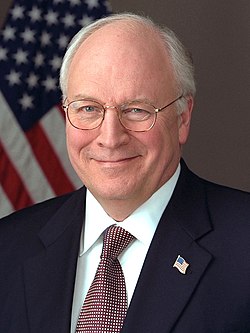
Vice President Dick Cheney
September 8, 2002: National Security Advisor Condoleeza Rice said on CNN: ”There is certainly evidence that Al-Qaeda people have been in Iraq. There is certainly evidence that Saddam Hussein cavorts with terrorists.”
September 18, 2002: Rumsfeld told the House Armed Services Committee, “We do know that the Iraqi regime has chemical and biological weapons. His regime has amassed large, clandestine stockpiles of chemical weapons—including VX, sarin, cyclosarin and mustard gas.”
October 7, 2002: Bush declared in a nationally televised speech in Cincinnati that Iraq “possesses and produces chemical and biological weapons. It is seeking nuclear weapons.”
March 16, 2003: Cheney declared on NBC’s “Meet the Press”: “We believe [Saddam Hussein] has, in fact, reconstituted nuclear weapons.”
March 30, 2003: On ABC’s “This Week” program, 10 days into the war, Rumsfeld said: “We know where they [weapons of mass destruction] are.”
Bush never regretted his decision to invade Iraq, which occurred on March 20, 2003.
Even as American occupying forces repeatedly failed to turn up any evidence of “weapons of mass destruction” (WMDs), Bush and his minions claimed the invasion a good thing.
In fact, Bush—who hid out the Vietnam war in the Texas Air National Guard—even joked publicly about the absence of WMDs.
He did so at a White House Correspondents dinner on March 24, 2004—one year after he had started the war.
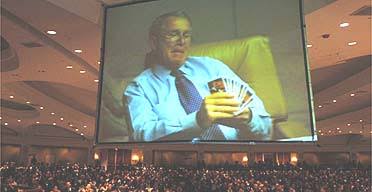
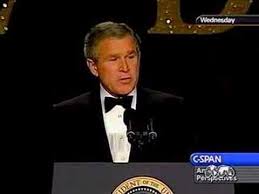
George W. Bush at the 2004 White House Correspondents’ dinner
To Bush, the non-existent WMDs were nothing more than the butt of a joke that night. While an overhead projector displayed photos of a puzzled-looking Bush searching around the Oval Office, Bush recited a comedy routine.
“Those weapons of mass destruction have gotta be somewhere,” Bush laughed, while a photo showed him poking around the corners in the Oval Office.
“Nope–no weapons over there! Maybe they’re under here,” he said, as a photo showed him looking under a desk.
Meanwhile, an assembly of wealthy, pampered men and women—the elite of America’s media and political classes—laughed heartily during Bush’s performance. It was a scene worthy of the court of the ancient Caesars, complete with royal flunkies.
Ultimately, the war that Bush had deliberately provoked
- Took the lives of 4,484 Americans.
- Cost the United States Treasury at least $2 trillion.
- Created a Middle East power vacumn.
- Allowed Iran–Iraq’s arch enemy–to eagerly fill it.
- Killed at least 655,000 Iraqis.
- Bush retired from office with a lavish pension and full Secret Service protection.
- He wrote his memoirs and was paid $7 for the first 1.5 million copies.
- Cheney, Rumsfeld, Rice retired to private business, wrote their own memoirs, and lived in comfort as respected elder statesmen.
9/11, ABC NEWS, AFGHANISTAN, AL QAEDA, ALTERNET, AMERICABLOG, AMERICAN CAESARS: THE LIVES OF THE PRESIDENTS FROM FRANKLIN D. ROOSEVELT TO GEORGE W. BUSH, AMERICAN CAESARS: THE LIVES OF THE PRESIDENTS FROM FRANKLIN D. ROOSEVELT TO GEORGE W. BUSH (BOOK), AMERICAN EMPIRE, AP, ASSASSINATION, BABY BOOMER RESISTANCE, BASHAR AL-ASSAD, BILL CLINTON, BLOOMBERG, BUREAUCRACY, BUZZFEED, CBS NEWS, CHRIS MATHEWS, CNN, CONDOLEEZA RICE, CROOKS AND LIARS, DAILY KOS, DRUDGE REPORT, DWIGHT EISENHOWER, FBI, FIVETHIRTYEIGHT, FOOD DELIVERY SERVICES, FRANKLIN D. ROOSEVELT, GAIUS SUETONIUS TRANQUILLIUS, GEORGE H.W. BUSH, GEORGE W. BUSH, GERALD R. FORD, HARPER’S MAGAZINE, HARRY S. TRUMAN, HUFFINGTON POST, JIMMY CARTER, JOHN F. KENNEDY, JOSEPH BIDEN, LYNDON B. JOHNSON, MEDIA MATTERS, MOTHER JONES, MOVEON, MSNBC, NBC NEWS, NEWSWEEK, NIGEL HAMILTON, NPR, OSAMA BIN LADEN, PATRIOT ACT, PBS NEWSHOUR, POLITICO, POLITICUSUSA, RAW STORY, REPUBLICAN PARTY, REUTERS, RICHARD CLARKE, RICHARD NIXON, ROMAN EMPIRE, SALON, SEATTLE TIMES, SEPTEMBER 11, SLATE, SYRIA, TALKING POINTS MEMO, TERRORISM, THE ATLANTIC, THE CHICAGO SUN-TIMES, THE CHICAGO TRIBUNE, THE DAILY BEAST, THE DAILY BLOG, THE GUARDIAN, THE HILL, THE HUFFINGTON POST, THE LOS ANGELES TIMES, THE NATION, THE NEW REPUBLIC, THE NEW YORK TIMES, THE TWELVE CAESARS, THE VILLAGE VOICE, THE WASHINGTON POST, THINKPROGRESS, TIME, TRANSPORTATION SAFEY ADMINISTRATION, TRUTHDIG, TRUTHOUT, TWO POLITICAL JUNKIES, U.S. NEWS & WORLD REPORT, UPI, USA TODAY, VCR RENTALS, X
In Bureaucracy, History, Law, Law Enforcement, Military, Politics, Social commentary on August 6, 2026 at 12:05 am
September 11, 2026 marks the 25th anniversary of the worst terrorist attack on United States soil. Inevitably, this is a time to remember all those whose lives were so cruelly snuffed out.
But it should also be a time to remember those who made this atrocity inevitable—by refusing to acknowledge and address the impending threat from Al-Qaeda.
British historian Nigel Hamilton has chronicled their arrogance and indifference in his 2010 biography: American Caesars: Lives of the Presidents from Franklin D. Roosevelt to George W. Bush.
Hamilton noted that Richard Clarke, the national security advisor on terrorism, was certain that Osama bin Laden had arranged the [USS.] Cole bombing in Aden on October 12, 2000.
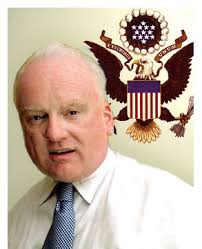
Richard Clarke
For months, Clarke tried to convince others in the Bush Administration that Bin Laden was plotting another attack against the United States—either abroad or at home.
But Clarke could not prevail against the know-it-all arrogance of such higher-ranking Bush officials as Vice President Dick Cheney; Secretary of Defense Donald Rumsfeld; Rumsfeld’s deputy, Paul Wolfowitz; and National Security Advisor Condoleeza Rice.
Rice initially refused to hold a cabinet-level meeting on the subject. Then she “insisted the matter be handled only by a more junior Deputy Principals meeting” in April, 2001, writes Hamilton.
Wolfowitz, the number-two man at the Department of Defense, said: “I don’t understand why we are beginning by talking about this one man, bin Laden.”
Even after Clarke outlined the threat posed by Al-Qaeda, Wolfowitz—whose real target was Saddam Hussein—said: “You give bin Laden too much credit.”
Wolfowitz insisted that bin Laden couldn’t carry out his terrorist acts without the aid of a state sponsor—namely, Iraq.
Wolfowitz, in fact, blamed Iraq for the 1993 bombing of the World Trade Center. Clarke was stunned, since there was absolutely no evidence of Iraqi involvement in this.
“Al-Qaeda plans major acts of terrorism against the United States,” Clarke warned his colleagues. He pointed out that, like Adolf Hitler, bin Laden had actually published his plans for future destruction.
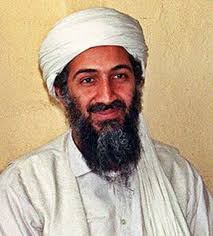
Osama bin Laden
And he added: “Sometimes, as with Hitler in Mein Kampf, you have to believe that these people will actually do what they say they will do.”
Wolfowitz heatedly traded on his Jewish heritage to bring Clarke’s unwelcome arguments to a halt: “I resent any comparison between the Holocaust and this little terrorist in Afghanistan.”
Writing in outraged fury, Hamilton sums up Clarke’s agonizing frustrations:
- Bush’s senior advisors treated their colleagues who had served in the Clinton administration with contempt.
- President Bush, Vice President Dick Cheney, National Security Advisor Condoleeza Rice, Secretary of Defense Donald Rumsfeld and Deputy Defense Secretary Paul Wolfowitz seemed content to ignore the danger signals of an impending Al-Qaeda attack.
- This left only Secretary of State Colin Powell, his deputy Richard Armitage, Richard Clarke and a skeptical Treasury Secretary, Paul O’Neill, to wage “a lonely battle to waken a seemingly deranged new administration.”
Clarke alerted Federal Intelligence agencies that “Al-Qaeda is planning a major attack on us.” He asked the FBI and CIA to report to his office all they could learn about suspicious persons or activities at home and abroad.
Finally, at a meeting with Rice on September 4, 2001, Clarke challenged her to “picture yourself at a moment when in the very near future Al-Qaeda has killed hundreds of Americans, and imagine asking yourself what you wish then that you had already done.”
Seven days later, Al-Qaeda struck, and 3,000 Americans died horrifically—and needlessly.
Neither Bush, Cheney, Rice, Rumsfeld nor Wolfowitz ever admitted their negligence. Nor would any of them be brought to account.
Disgustingly, these were the same officials who, afterward, posed as the Nation’s saviors—and branded anyone who disagreed with them as a traitor, practices the Right continues to exploit to this day.
Only Richard Clarke—who had vainly argued for stepped-up security precautions and taking the fight to Al-Qaeda—gave that apology.
On March 24, 2004, Clarke testified at the public 9/11 Commission hearings. Addressing relatives of victims in the audience, he said: “Your government failed you, those entrusted with protecting you failed you, and I failed you.”
Yet even worse was to come.
On the evening after the September 11 attacks, Bush took Clarke aside during a meeting in the White House Situation Room:
“I want you, as soon as you can, to go back over everything, everything. See if Saddam [Hussein, the dictator of Iraq] did this. See if he’s linked in any way.”
Clarke was stunned: “But, Mr. President, Al-Qaeda did this.”
“I know, I know,” said Bush. “But see if Saddam was involved. I want to know.”
Hussein had not plotted the attack—and there was no evidence proving that he did. But the attack gave “W” the excuse he wanted to remove the man he blamed for the 1992 defeat of his father, President George H.W. Bush.
Bush believed that his father would have been re-elected if he had “gone all the way” into Baghdad during the 1991 Gulf War.
He would finish the job that his father had started but failed to compete.
On September 12, 2001, Bush attended a meeting of the National Security Council.
“Why shouldn’t we go against Iraq, not just Al-Qaeda?” demanded Donald Rumsfeld, the Secretary of Defense.
Vice President Dick Cheney enthusiastically agreed.
9/11, ABC NEWS, AFGHANISTAN, AL QAEDA, ALTERNET, AMERICABLOG, AMERICAN CAESARS: THE LIVES OF THE PRESIDENTS FROM FRANKLIN D. ROOSEVELT TO GEORGE W. BUSH, AMERICAN EMPIRE, AP, ASSASSINATION, BABY BOOMER RESISTANCE, BASHAR AL-ASSAD, BILL CLINTON, BLOOMBERG, BUREAUCRACY, BUZZFEED, CBS NEWS, CHRIS MATHEWS, CNN, CONDOLEEZA RICE, CROOKS AND LIARS, DAILY KOS, DRUDGE REPORT, DWIGHT EISENHOWER, FBI, FIVETHIRTYEIGHT, FOOD DELIVERY SERVICES, FRANKLIN D. ROOSEVELT, GAIUS SUETONIUS TRANQUILLIUS, GEORGE H.W. BUSH, GEORGE W. BUSH, GERALD R. FORD, HARPER’S MAGAZINE, HARRY S. TRUMAN, HUFFINGTON POST, JIMMY CARTER, JOHN F. KENNEDY, JOSEPH BIDEN, Kamala Harris, LYNDON B. JOHNSON, MEDIA MATTERS, MOTHER JONES, MOVEON, MSNBC, NBC NEWS, NEWSWEEK, NIGEL HAMILTON, NPR, OSAMA BIN LADEN, PATRIOT ACT, PBS NEWSHOUR, POLITICO, POLITICUSUSA, RAW STORY, REPUBLICAN PARTY, REUTERS, RICHARD CLARKE, RICHARD NIXON, ROMAN EMPIRE, SALON, SEATTLE TIMES, SEPTEMBER 11, SLATE, SYRIA, TALKING POINTS MEMO, TERRORISM, THE ATLANTIC, THE CHICAGO SUN-TIMES, THE CHICAGO TRIBUNE, THE DAILY BEAST, THE DAILY BLOG, THE GUARDIAN, THE HILL, THE HUFFINGTON POST, THE LOS ANGELES TIMES, THE NATION, THE NEW REPUBLIC, THE NEW YORK TIMES, THE TWELVE CAESARS, THE VILLAGE VOICE, THE WASHINGTON POST, THINKPROGRESS, TIME, TRANSPORTATION SAFEY ADMINISTRATION, TRUTHDIG, TRUTHOUT, TWO POLITICAL JUNKIES, U.S. NEWS & WORLD REPORT, UPI, USA TODAY, VCR RENTALS, X
In Bureaucracy, History, Law, Military, Politics, Social commentary on August 5, 2026 at 12:14 am
This September 11th will mark 25 years—a quarter of a century—-since Islamic terrorists slammed two jetliners into the World Trade Center and a third into the Pentagon.
They would have crashed a fourth jetliner into the White House or Capitol Building except for the heroic resistance of passengers aboard United Airlines Flight 93.
Americans born since then can’t truly understand the horror this ignited in 281.4 million Americans. No one knew if this would be a single cataclysmic act—or if it was only the beginning?
Was the United States destined to become like Beirut, with bombs exploding and buildings collapsing in a seemingly endless spiral of destruction?
In the months directly after 9/11, Americans stopped going out at night. Home seemed to be the safest place to be—which is why food delivery services did a thriving business. So did stores offering VCR rentals.
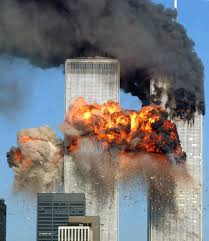
World Trade Center on September 11, 2001
The September 11 attacks drastically transformed the United States by:
- Vastly expanding federal surveillance powers through the newly-passed Patriot Act;
- Thrusting the United States into a nine-year war in Iraq and a 19-year war in Afghanistan;
- Eliminating the longstanding U.S. ban on assassinating foreign leaders;
- Instituting new mandatory ID checks, full-body scans and restrictions on carry-on items at airports through the newly-created Transportation Safety Administration (TSA).
- Sparking a momentary wave of patriotism, which dimmed owing to prolonged wars and controversial domestic policies.
As on past commemorations of 9/11, on this 25th anniversary, those who died will be remembered by friends and relatives who knew and loved them.
It is in fact appropriate to remember the innocents who died on that day—and the heroism of the police and firefighters who died trying to save them.
But it’s equally important to remember those who made 9/11 not simply possible but inevitable.
And that does not mean only the 19 highjackers who turned those planes into fuel-bombs. It means the officials at the highest levels of the administration of President George W. Bush.
Officials who, to this day, have never been held accountable in any way for the resulting death and destruction.
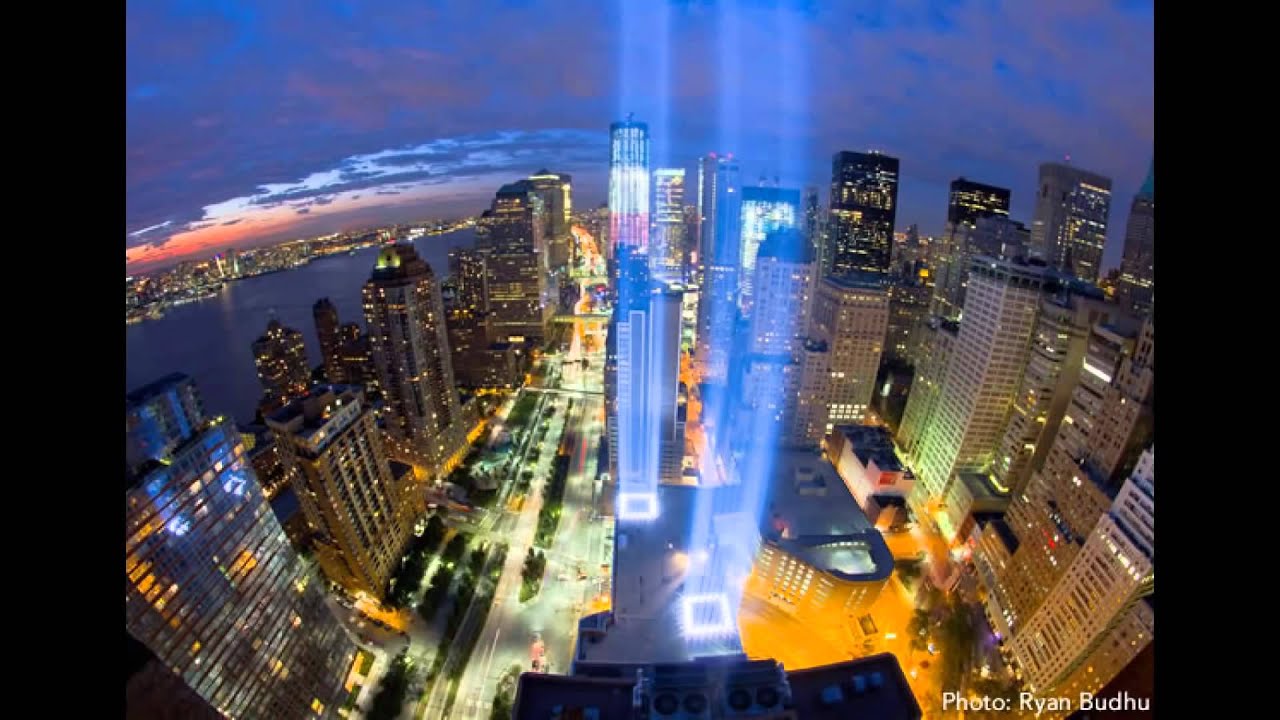
Tribute to 9/11 World Trade Center Victims
And who have been allowed to blatantly lie that they “kept us safe” from terrorism.
Obviously, such an indictment is not going to be presented by TV commentators today—not even on such liberal networks as CNN and MSNBC. And most definitely not on the right-wing Fox network.
Fortunately, British historian Nigel Hamilton has dared to lay bare the facts of this disgrace. Hamilton is the author of several acclaimed political biographies, including JFK: Reckless Youth and Bill Clinton: Mastering the Presidency.
In 2007, he began research on his latest book: American Caesars: The Lives of the Presidents From Franklin D. Roosevelt to George W. Bush.


Nigel Hamilton
The inspiration for this came from a classic work of ancient biography: The Twelve Caesars, by Gaius Suetonius Tranquillus–-known as Suetonius.
Suetonius, a Roman citizen and historian, had chronicled the lives of the first twelve Caesars of imperial Rome: Julius Caesar, Augustus, Tiberius, Caligula, Claudius, Nero, Galba, Otho, Vitellius, Vespasian, Titus and Domitian.
Hamilton wanted to examine post-World War II United States history as Suetonius had examined that of ancient Rome: Through the lives of the 12 “emperors” who had held the power of life and death over their fellow citizens—and those of other nations.
For Hamilton, the “greatest of American emperors, the Caesar Augustus of his time,” was Franklin D. Roosevelt, who led his country through the Great Depression and World War II.
His “”great successors” were Harry S. Truman, Dwight D. Eisenhower and John F. Kennedy—who, in turn, contained the Soviet Union abroad and presided over sustained economic prosperity at home.
By contrast, “arguably the worst of all the American Caesars” was “George W. Bush, and his deputy, Dick Cheney, who willfully and recklessly destroyed so much of the moral basis of American leadership in the modern world.”
Among the most lethal of Bush’s offenses: The appointing of officials who refused to take seriously the threat posed by Al-Qaeda.
![American Caesars: Lives of the Presidents from Franklin D. Roosevelt to George W. Bush Hamilton, Nigel [Used - Good] [Hardcover]](https://encrypted-tbn1.gstatic.com/shopping?q=tbn:ANd9GcQ3XD6eLs1xH-Ysmi1auGx3mKIdsQ74Bv4T8szI3xQLAxjLn2Y-xkQY8EIHF42Pfnxx8OQC0hAKc4l8nT2a3LiCKPSuZvHEVv7SdyE6ixW_5IOqYoKXhqf4&usqp=CAc)
And this arrogance and indifference continued–right up to September 11, 2001, when the World Trade Center and Pentagon became targets for destruction.
Among the few administration officials who did take Al-Qaeda seriously was Richard Clarke, the chief counter-terrorism adviser on the National Security Council.
Clarke had been thus appointed in 1998 by President Bill Clinton. He continued in the same role under President Bush—but the position was no longer given cabinet-level access.
This put him at a severe disadvantage when dealing with other, higher-ranking Bush officials—such as Vice President Dick Cheney, Secretary of Defense Donald Rumsfeld, Rumsfeld’s deputy, Paul Wolfowitz and National Security Advisor Condoleeza Rice.
These turned out to be the very officials who refused to believe that Al-Qaeda posed a lethal threat to the United States.
“Indeed,” writes Hamilton, “in the entire first eight months of the Bush Presidency, Clarke was not permitted to brief President Bush a single time, despite mounting evidence of plans for a new al-Qaeda outrage.” [Italics added]
Nor did it help that, during his first eight months in office before September 11, Bush was on vacation, according to the Washington Post, 42% of the time.
2016 PRESIDENTIAL ELECTION, ABC NEWS, ALTERNET, AMERICABLOG, AP, “MR. PRESIDENT” TITLE, BABY BOOMER RESISTANCE, BBC, BLOOMBERG, BUZZFEED, CBS NEWS, CNN, CROOKS AND LIARS, DAILY KOS, DAVID PECKER, DONALD TRUMP, FBI, FIVETHIRTYEIGHT, HARPER’S MAGAZINE, HUFFINGTON POST, JIMMY CARTER, JOHN F. KENNEDY, JOSEPH BIDEN, KAREN MCDOUGAL, KONSTANTIN CHERNENKO, LEONID BREZHNEV, MEDIA MATTERS, MIKHAIL GORBACHEV, MOTHER JONES, MOVEON, MSNBC, NATIONAL ENQUIRER, NBC NEWS, NEW REPUBLIC, NEWSDAY, NEWSWEEK, NPR, PBS NEWSHOUR, POLITICO, POLITICUSUSA, RAW STORY, REUTERS, Ronald Reagan, SALON, SEATTLE TIMES, Secret Service, SLATE, SOVIET UNION, STOLEN VALOR ACT, STORMY DANIELS, TALKING POINTS MEMO, THE ATLANTIC, THE CHICAGO SUN-TIMES, THE CHICAGO TRIBUNE, THE DAILY BEAST, THE DAILY BLOG, THE GUARDIAN, THE HILL, THE HUFFINGTON POST, THE INTERCEPT, THE LOS ANGELES TIMES, THE NATION, THE NEW REPUBLIC, THE NEW YORK TIMES, THE NEW YORKER, THE VILLAGE VOICE, THE WASHINGTON POST, THINKPROGRESS, TIME, TRUTHDIG, TRUTHOUT, TWO POLITICAL JUNKIES, U.S. NEWS & WORLD REPORT, UNITED STATES SECRET SERVICE, UPI, USA TODAY, X, YURI ANDROPOV
In Bureaucracy, History, Law, Law Enforcement, Medical, Politics, Social commentary on July 10, 2026 at 12:22 am
The 2024 Presidential election has raised serious issues about the office which demand addressing.
And there’s still time for such remedies to be in place by the time the 2028 election occurs.
Reform #1: Institute mandatory FBI background investigations on all declared Presidential candidates.
Donald Trump’s trial for hush money payments to porn “star” Stormy Daniels has highlighted an issue that should have been addressed long ago: Americans don’t know as much about their candidates for President as they think they do.
- As the trial testimony of former National Enquirer publisher David Pecker revealed: In August, 2015, he met with Trump at Trump Tower and offered to use the Enquirer to catch and kill any allegations of extramarital affairs against Trump.
- Later he personally facilitated a $150,000 payment to former Playboy Playmate Karen McDougal to keep her affair with Trump hushed up.
- This came in addition to Trump’s paying $130,000 in hush money to Daniels to ensure his 2006 tryst with her didn’t emerge during the campaign.
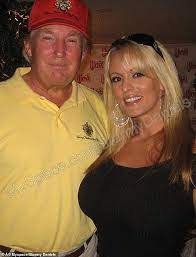
Donald Trump and Stormy Daniels
- Similarly, in 1960, Senator John F. Kennedy successfully ran for President while concealing his affliction with Addison’s Disease—an insufficiency of the Adrenal glands that can prove fatal.
Thus, all future candidates for President should be required to submit to full FBI background investigations at least one year before election time—with the results released before the election. Any candidate refusing to participate should be barred from competing.
You’re not allowed to become an FBI agent or Cabinet Secretary without passing a background investigation. You shouldn’t be allowed to become President without one, either.
Reform #2: No Presidential candidate can be over 70 at the time s/he leaves office.
The Federal Aviation Administration mandates that commercial airlines cannot employ pilots after they reach the age of 65.
FBI agents have a mandatory retirement age of 57.
Commissioned officers of the Army, Navy, Air Force and Marine Corps must retire by 64.
Yet Donald Trump was 78 when he was elected to his second term in 2024. Six months after he was inaugurated on January 20, 2025, he was 79.
Trump will be 82 in 2028, his last year in office (assuming he doesn’t stage another—and successful—coup attempt).
The Presidency is notorious for prematurely ageing its occupants: “The typical president ages two years for every year they are in office,” said Dr. Michael Roizen. He used presidential medical records from the 1920s through today to reach this conclusion.
The United States Presidency is becoming a mirror-image of the geriatric former Soviet Union:
- In 1982, General Secretary Leonid Brezhnev died at age 75.
- He was succeeded by Yuri Andropov—who died, in 1984, at age 69.
- He, in turn, was followed by Konstantin Chernenko—who died in 1985 at age 73.
Finally, the Politburo—tired of replacing the General Secretary every two years—elected 54-year-old Mikhail Gorbachev, who lived to leave office six years later at age 60.
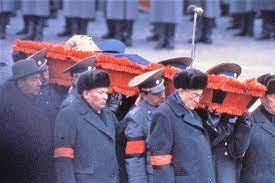
Funeral for Soviet dictator Leonid Brezhnev – 1982
In 2024, having two geriatric candidates for President—Trump and Joseph Biden—become comic fodder for late-night TV hosts. Yet voters feared that neither candidate could handle the strains of another four years as President—or even survive a full term.
Reform #3: Abolish the honorific title of “Mr. President” for ex-Presidents.
This used to be offered as a tribute to a former President for having won the support of the majority of Americans.
But Donald Trump corrupted this phrase, as he has so much else in American life. After losing the 2020 Presidential election, he continued to insist that he was the legitimate President of the United States, and Biden was a usurper.
When his fanatical followers referred to him as “President Trump,” that was what they meant—thus trying to de-legitimize Biden’s Presidency and elevate Trump as the rightful victor.
The 2005 Stolen Valor Act makes it a federal misdemeanor for anyone to falsely claim to have received any U.S. military decoration or medal—such as the Medal of Honor or Purple Heart. Violating the law can lead to fines, up to a year in prison, or both.
Thus, Congress should mandate that only the current holder of the Presidency has the legal right to call himself “Mr. President”—and that right ends when he no longer occupies the White House.
Reform #4: Require millionaire ex-Presidents to pay for their Secret Service protection.
Every ex-President since Dwight D. Eisenhower—even Jimmy Carter—has been a multi-millionaire.
Assigning a platoon of elite Secret Service agents to watch over every ex-President 24/7 is a huge expense.
The case of Ronald Reagan is instructive: At a cost to the government of $10 million annually, Reagan—while living in a 7,200 square-foot mansion overlooking Beverly Hills—received lifetime Secret Service protection from 40 fulltime agents.
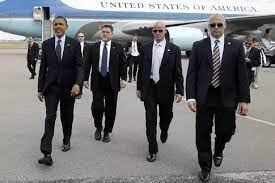

United States Secret Service
It’s also an unnecessary expense. There has never been an attack on an ex-President in all of American history.
Still, if the powers-that-be consider this essential, then millionaire ex-Presidents should be required to pay for their protection—just as moguls and Hollywood celebrities do.
As the situation now exists, the government is simply providing welfare for the rich. Whereas the poor face strict limits on how high their income can be and still receive welfare.
1968 PRESIDENTIAL CAMPAIGN, 2003 IRAQ WAR, ABC NEWS, ALTERNET, AMERICABLOG, AP, BABY BOOMER RESISTANCE, BBC, BLACKS, BLOOMBERG NEWS, BUZZFEED, CBS NEWS, CIVIL RIGHTS, CNN, COMING APART: AMERICA IN THE 1960S (BOOK), CROOKS AND LIARS, DAILY KOS, DAILY KOZ, DONALD TRUMP, FIVETHIRTYEIGHT, GEORGE C. WALLACE, GEORGE W. BUSH, HARPER’S MAGAZINE, HILLARY CLINTON, HUFFINGTON POST, JAMES MEREDITH, JOHN F. KENNEDY, MAFIA, MEDIA MATTERS, MOTHER JONES, MOVEON, MSNBC, NBC NEWS, NEW REPUBLIC, NEWSDAY, NEWSWEEK, NPR, PBS NEWSHOUR, POLITICO, POLITICUSUSA, RAW STORY, REUTERS, ROBERT F. KENNEDY, SALON, SEATTLE TIMES, SLATE, TALKING POINTS MEMO, THE ATLANTIC, THE CHICAGO SUN-TIMES, THE CHICAGO TRIBUNE, THE DAILY BEAST, THE DAILY BLOG, THE GUARDIAN, THE HILL, THE HUFFINGTON POST, THE INTERCEPT, THE LOS ANGELES TIMES, THE NATION, THE NEW REPUBLIC, THE NEW YORK TIMES, THE NEW YORKER, THE VILLAGE VOICE, THE WALL STREET JOURNAL, THE WASHINGTON POST, THINKPROGRESS, TIME, TRUTHDIG, TRUTHOUT, U.S. NEWS & WORLD REPORT, UPI, USA TODAY, WILLIAM L. O'NEIL, WOMEN, X
In Bureaucracy, History, Law Enforcement, Military, Politics, Social commentary on June 5, 2026 at 12:10 am
Fifty-eight years ago, Robert Francis Kennedy aroused passions of an altogether different sort from those aroused by Donald Trump.
Kennedy had been a United States Attorney General (1961-1964) and Senator from New York (1964-1968). But it was his connection to his beloved and assassinated brother, President John F. Kennedy, for which he was best known.
Kennedy himself remained haunted by the assassination for the rest of his life. He had spent most of his adult life in service to his brother’s ambitions—first as Congressman (1946), then as Senator (1952) and finally as President (1960).
For the last five years of his life (1963-1968) Robert Kennedy had to chart his own course and find his own voice.
As Attorney General, he had waged an unrelenting war against the Mafia. But he also championed civil rights and guaranteed protection for James Meredith, the first black student to enter the all-white University of Mississippi (1963).
During the Cuban Missile Crisis, in October, 1962, his wise counsel had helped steer America from the brink of nuclear war with the Soviet Union.
As a U.S Senator he continued to support civil rights and urge greater Federal efforts to fight poverty. Like his dead brother, he called on Americans to improve their own lives while aiding the less fortunate.

Robert F. Kennedy campaigning for President
Millions saw RFK as the only candidate who could make life better for America’s impoverished—while standing firmly against those who threatened the Nation’s safety.
As television correspondent Charles Quinn observed: “I talked to a girl in Hawaii who was for [George] Wallace [the segregationist governor of Alabama]. And I said ‘Really?’ [She said] ‘Yeah, but my real candidate is dead.’
“You know what I think it was? All these whites, all these blue collar people who supported Kennedy…all of these people felt that Kennedy would really do what he thought best for the black people, but, at the same time, would not tolerate lawlessness and violence.
“They were willing to gamble…because they knew in their hearts that the country was not right. They were willing to gamble on this man who would try to keep things within reasonable order; and at the same time do some of the things they knew really should be done.”
Campaigning for the Presidency in 1968, RFK had just won the crucial California primary on June 4—when he was shot in the back of the head.
His killer: Sirhan Sirhan, a young Palestinian furious at Kennedy’s support for Israel.
Kennedy died at 1:44 a.m. on June 6, 1968. He was 42.
On June 8, 1,200 men and women boarded a specially-reserved passenger train at New York’s Pennsylvania Station. They were accompanying Kennedy’s body to its final resting place at Arlington National Cemetery.
As the train slowly moved along 225 miles of track, throngs of men, women and children lined the rails to pay their final respects to a man they considered a genuine hero.
Little Leaguers clutched baseball caps across their chests. Uniformed firemen and policemen saluted. Burly men in shirtsleeves held hardhats over their hearts. Black men in overalls waved small American flags. Women from all levels of society stood and cried.

A nation says goodbye to Robert Kennedy
Commenting on RFK’s legacy, historian William L. O’Neil wrote in Coming Apart: An Informal History of America in the 1960′s:
“…He aimed so high that he must be judged for what he meant to do, and, through error and tragic accident, failed at….He will also be remembered as an extraordinary human being who, though hated by some, was perhaps more deeply loved by his countrymen than any man of his time.
“That too must be entered into the final account, and it is no small thing. With his death something precious disappeared from public life.”
America has never again seen a Presidential candidate who combined toughness on crime and compassion for the poor.
Republican candidates appeal to negative emotions—hatred, greed, fear. They constantly seek new “enemies” to frighten their voters: Asians, Hispanics, blacks, “uppity” women, liberals, “socialists.”
They constantly attack the Federal Government as a source of repression—especially when it reins in predatory businesses or levies taxes on the rich. And they try to convince their voters that if only “government gets out of the way” of these businesses and doesn’t tax billionaires, wonderful riches will “trickle down” to those far below.
They champion “law and order” when they control law enforcement—as governors or Presidents. But when the Biden Justice Department started investigating former President Donald Trump for illegally withholding classified documents, Republicans demanded the defunding of the FBI.
And Democratic candidates try to appease the Right by supporting its foreign and domestic agendas. In 2003, liberal Democrats—such as then-Senator Hillary Clinton—supported President George W. Bush’s unprovoked attack on Iraq.
Democrats have aided Republicans in opposing anti-poverty programs and efforts to combat pollution and climate change.
RFK had the courage to fight the Mafia—and the compassion to fight poverty. He called on Americans to act on their best qualities, not their worst.
At a time when Americans long for candidates to give them positive reasons for voting, his kind of politics are sorely missed.
ACADEMY OF FINE ARTS FIENNA, ADOLF HITLER, ALBERT SPEER, ALTERNET, AMERICABLOG, AP, BABY BOOMER RESISTANCE, BBC, BLOOMBERG, BLUESKY, BUZZFEED, CBS NEWS, CNN, CROOKS AND LIARS, DAILY KOS, DONALD TRUMP, DWIGHT D. EISENHOWER, FIVETHIRTYEIGHT, HARPER’S MAGAZINE, HITLER AND THE POWER OF AESTHETICS (BOOK), HUFFINGTON POST, JOHN F. KENNEDY, JOHN F. KENNEDY MEMORIAL CENTER FOR THE PERFORMING ARTS, JOSEPH STALIN, KAROLINE LEAVITT, MEDIA MATTERS, MOTHER JONES, MOVEON, MSNBC, NBC NEWS, NEWSDAY, NEWSWEEK, NPR, PBS NEWSHOUR, POLITICO, POLITICUSUSA, RAW STORY, REUTERS, SALON, SEATTLE TIMES, SLATE, TALKING POINTS MEMO, THE ATLANTIC, THE CHICAGO SUN-TIMES, THE CHICAGO TRIBUNE, THE DAILY BEAST, THE DAILY BLOG, THE GUARDIAN, THE HILL, THE HUFFINGTON POST, THE INTERCEPT, THE LOS ANGELES TIMES, THE NATION, THE NEW REPUBLIC, THE NEW YORK TIMES, THE NEW YORKER, THE VILLAGE VOICE, THE WASHINGTON POST, THINKPROGRESS, THIRD REICH, TIME, TRUTHDIG, TRUTHOUT, TWO POLITICAL JUNKIES, U.S. NEWS & WORLD REPORT, UPI, USA TODAY, WHITE HOUSE, WHITE HOUSE BALLROOM, X
In Bureaucracy, Entertainment, History, Politics, Social commentary on June 2, 2026 at 12:05 am
On December 18, 2025, The John F. Kennedy Memorial Center for the Performing Arts became The Donald Trump and John F. Kennedy Memorial Center for the Performing Arts.
This happened in three steps. In 2025, Trump:
- Purged most of the board that governs the institution;
- Replaced its members with Right-wing ideologues and sycophants; and
- Installed himself as the new chairman.
Specifically, White House Press Secretary Karoline Leavitt announced on X: “I have just been informed that the highly respected Board of the Kennedy Center, some of the most successful people from all parts of the world, have just voted unanimously to rename the Kennedy Center to the Trump-Kennedy Center, because of the unbelievable work President Trump has done over the last year in saving the building.”
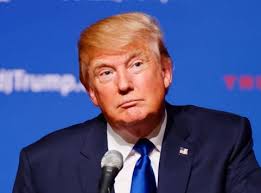
Donald Trump
This totally ignored three vital truths:
First, in 1955, President Dwight D. Eisenhower established a commission for a new public auditorium to showcase the performing arts in the nation’s capital. It was to be called The National Cultural Center.
Second, in January, 1964, two months after the assassination of President John F. Kennedy, Congress passed and President Lyndon B. Johnson signed into law legislation renaming the Center as a “living memorial” in his honor: The John F. Kennedy Memorial Center for the Performing Arts.
Third, adding Trump’s name to the Center legally would require a similar act of Congress—which has not occurred. Without that, putting Trump’s name on the building is the equivalent of a graffiti vandal spray-painting his name on the Center.

On May 29, 2026, U.S. District Judge Christopher Cooper in Washington, D.C., ruled that Trump’s name was illegally added to the Center: “The Kennedy Center’s organic statute makes crystal clear that the Center is to be named for President Kennedy, and it cannot bear any other formal name or public memorial based on the Board’s unilateral say-so.
“Congress gave the Kennedy Center its name, and only Congress can change it.”
And he ordered that Trump’s name be removed from the building within two weeks—by June 12, two days before Trump’s 80th birthday.
When artists and audiences—outraged by the takeover—had boycotted the Center, an embarrassed Trump ordered its closure, claiming a two-year repair renovation was necessary.
The judge addressed that as well in his ruling: The Kennedy Center board’s March 16 vote to close the facility was “ill-informed and seemingly preordained” without regard for its legal obligations.
Trump’s response on X: “Unless I am free to do what I do better than anyone else, bring this Institution back, physically, financially, and artistically, I have no interest in continuing what could only be a hopeless journey into ‘NEVER NEVER LAND.”
He claimed he was backing away from his proposed renovation and returning control of the arts institution to Congress.
In seeking to remake the arts in his own image, Trump is following in the footsteps of propaganda-obsessed tyrants like Joseph Stalin and Adolf Hitler.
Adolf Hitler, for example, installed himself as the arbiter of culture in Nazi Germany.
In Hitler and the Power of Aesthetics, Frederic Spotts argues that Hitler saw the world corrupted by “evils” he must first destroy so he could re-create it to conform to his artistic ideals.

Hitler considered himself an unappreciated artist. At 18, he had applied for admission to the Academy of Fine Arts Vienna, but was rejected twice.
If he had a friend, it was the architect Albert Speer, with whom he felt an artistic kinship.
Even as the Third Reich collapsed, Hitler found time to pore over architectural models he intended to turn into gigantic buildings.
This did not prevent him, however, from issuing his “Nero Order” for the destruction of all German agriculture, industry, ships, communications, roads, food stuffs, mines, bridges, stores and utility plants.
Only Speer’s courageous intervention prevented this from happening.
In Hitler’s Germany, culture was not only the end to power but the means of achieving it. His artistry—expressed in spectacles, festivities, parades, rallies and political dramas, as well as in architecture, painting and music—destroyed any sense of individuality and linked the German people with his own drives.
Like Hitler, Trump sees himself as an unrecognized artist. Of the 515 entities he owns, 268 of them—52%—bear his last name. He often refers to his properties as “the swankiest,” “the most beautiful.”
Upon his return to the Presidency in 2025, he turned his “artistic” gifts on the White House. On June 9, contractors began paving over the grass of the White House Rose Garden with stone tiles to create a patio.
Again like Hitler, Trump believes that “bigger is better” in architecture.
On July 31, 2025, the Trump administration announced that a 90,000 square feet addition would be made to the White House to incorporate a 650-person capacity ballroom. In October, Trump ordered the demolition of the White House’s historic East Wing to clear space for it.
The estimated cost has ballooned from $200 million to $400 million.
Trump has repeatedly pushed to enlarge the ballroom—from a 90,000-square-feet addition capable of seating 650 guests to one that can seat, first, 999 guests and then to 1,000 guests at formal dinners.
Tyrants always hail such projects as “gifts for the nation.” In reality, they are self-glorifying monuments to the dictator’s own ego.


 Bureaucracybuster's Blog
"MISSION: IMPOSSIBLE", 2016 PRESIDENTIAL ELECTION, ABC NEWS, ALTERNET, AMERICABLOG, AP, AUGUSTO PINOCHET, AUGUSTO SANDINO, AYATOLLAH RUHOLLAH KHOMEINI, ” 9/11, BABY BOOMER RESISTANCE, BAY OF PIGS, BBC, BLOOMBERG NEWS, BUZZFEED, CBS NEWS, CHIANG KAI-SHEK, CHILE, CIA, CNN, CROOKS AND LIARS, CUBA, DAILY KOS, DAILY KOZ, DONALD TRUMP, DWIGHT D. EISENHOWER, FIDEL CASTRO, FIVETHIRTYEIGHT, FULGENCIO BATISTA, GEORGE W. BUSH, GUATEMALA, HAITI, HARPER’S MAGAZINE, HONODURAS, HUFFINGTON POST, IRAQ, JACOBO ARBENZ, JOHN F. KENNEDY, MAFIA, MAO TSE-TUNG, MEDIA MATTERS, MOHAMMAD MOSADDEGH, MOHAMMAD-REZA SHAH PHLAVI, MOTHER JONES, MOVEON, MSNBC, NATIONAL SECURITY AGENCY, NBC NEWS, NEW REPUBLIC, NEWSDAY, NEWSWEEK, NICARAGUA, NPR, OSAMA BIN LADEN, PBS NEWSHOUR, POLITICO, POLITICUSUSA, RAW STORY, REUTERS, RICHARD M. NIXON, ROBERT MUELLER, RUSSIA, SADDAM HUSSEIN, SALON, SALVADOR ALLENDE, SEATTLE TIMES, SLATE, SOVIET UNION, TALKING POINTS MEMO, THE ATLANTIC, THE CHICAGO SUN-TIMES, THE CHICAGO TRIBUNE, THE DAILY BEAST, THE DAILY BLOG, THE GUARDIAN, THE HILL, THE HUFFINGTON POST, THE INTERCEPT, THE LOS ANGELES TIMES, THE NATION, THE NEW REPUBLIC, THE NEW YORK TIMES, THE NEW YORKER, THE VILLAGE VOICE, THE WASHINGTON POST, THINKPROGRESS, TIME, TRUTHDIG, TRUTHOUT, U.S. NEWS & WORLD REPORT, UNITED FRUIT COMPANY, UPI, USA TODAY, X
WHEN AMERICA IS THE TARGET FOR “REGIME CHANGE”
In Bureaucracy, History, Military, Politics, Social commentary on September 7, 2026 at 12:10 amThe CIA, FBI and National Security Agency (which cracks codes and listens to the telephone conversation of foreign leaders) unanimously agree: Russian trolls and Intelligence agents played a major role in subverting the 2016 Presidential election.
Special Counsel Robert Mueller III, assigned in May, 2017, to investigate charges of Russian interference, believed there was collusion. He indicted or obtained guilty pleas from 34 people and three companies.
Robert Mueller
And about 58% of Americans believe that President Donald Trump tried to obstruct the investigation.
Apparently, most Americans don’t like having their elections subverted by enemy nations.
Subverting the governments of other countries is a right that Americans have long reserved for themselves. Among those regimes that have been toppled:
Allied troops parading in Vladivostok, 1918
Ernesto “Che” Guevera
And how did Americans react to all these attempts—successful and unsuccessful—at regime change?
Through indifference or outright support.
The popular 1960s TV series, “Mission: Impossible,” regularly depicted a CIA-type agency supporting regimes “we” liked or toppling those “we” didn’t.
Americans generally assume their Presidents and Congress know best who is a “friend” and who is an “enemy.” America’s friends usually turn out to be Right-wing dictators like Chiang Kai-Shek, Fulgencio Batista, Augusto Pinochet and Mohammad-Reza Shah Phlavi.
And its enemies often turn out to be liberal reformers like Augusto Sandino, Mohammad Mosaddegh and Salvador Allende.
Americans tend to favor intervention for the flimsiest of reasons. In 2003, President George W. Bush claimed Iraq’s dictator, Saddam Hussein, had plotted 9/11 with Osama bin Laden. There was absolutely no proof to substantiate this, yet Americans overwhelmingly supported Bush’s unprovoked invasion of Iraq.
But now the shoe is on the other foot.
Except for President Donald Trump and his fanatical supporters, Americans became furious that a foreign power dared to install “regime change” on them.
Share this: