Posts Tagged ‘MONROE DOCTRINE’
ADOLF HITLER, ALTERNET, AMERICABLOG, AP, BABY BOOMER RESISTANCE, BBC, BENITO MUSSOLINI, BLOOMBERG, BLUESKY, BUZZFEED, CBS NEWS, CHRISTOPHER HALE, CHRISTOPHER PIERRE, CNN, CROOKS AND LIARS, DAILY KOS, DONALD TRUMP, ELBRIDGE COLBY, FIVETHIRTYEIGHT, GAS, HARPER’S MAGAZINE, HUFFINGTON POST, IRAN, IRAN WAR, ISRAEL, JD VANCE, KARL WOLFF, KING VICTOR EMMANUEL 111, LETTERS FROM LEO NEWSLETTER, MEDIA MATTERS, MIKE JOHNSON, MONROE DOCTRINE, MOTHER JONES, MOVEON, MSNBC, NAZI GERMANY, NAZIS, NBC NEWS, NEWSDAY, NEWSWEEK, NPR, Oil, PBS NEWSHOUR, POLITICO, POLITICUSUSA, POPE LEO XV1, POPE PIUS X11, RAW STORY, REPUBLICANS, REUTERS, SALON, SEATTLE TIMES, SLATE, STORMY DANIELS, STRAIT OF HORMUZ, TALKING POINTS MEMO, THE ATLANTIC, THE CHICAGO SUN-TIMES, THE CHICAGO TRIBUNE, THE DAILY BEAST, THE DAILY BLOG, THE ECONOMIST, THE GUARDIAN, THE HILL, THE HUFFINGTON POST, THE INTERCEPT, THE LOS ANGELES TIMES, THE NATION, THE NEW REPUBLIC, THE NEW YORK TIMES, THE NEW YORKER, THE PENTAGON, THE SS, THE VILLAGE VOICE, THE WASHINGTON POST, THINKPROGRESS, TIME, TRUTHDIG, TRUTHOUT, TWO POLITICAL JUNKIES, U.S. NEWS & WORLD REPORT, UPI, USA TODAY, VATICAN, WAFFEN-SS, X, YOUGOV
In Bureaucracy, History, Military, Politics, RELIGION, Social commentary on April 22, 2026 at 12:10 am
On April 12, President Donald Trump wrote on X: “Pope Leo is WEAK on Crime, and terrible for Foreign Policy. I don’t want a Pope who thinks it’s OK for Iran to have a Nuclear Weapon. We don’t like a pope who says it’s OK to have a Nuclear Weapon.”
Despite his escalating attacks on Pope Leo XIV over the pontiff’s opposition to the Iran war, Trump’s approval rating among Republicans has climbed to 86%. The poll was conducted by The Economist and YouGov on April 15.
This includes high-ranking Republican leaders like Speaker of the House Mike Johnson: “A pontiff or any religious leader can say anything they want, but obviously, if you wade into political waters, I think you should expect some political response, and I think the pope’s received some of that.”

Mike Johnson
And not to be outdone, Vice President JD Vance-–a Catholic convert who often calls himself deeply religious—said: “I think it’s very, very important for the Pope to be careful when he talks about matters of theology.”
So much for the current actions of a Right-wing dictator. Now for those of a past one.
In 2005, Avvenire (“Future”), a daily newspaper which is affiliated with the Catholic Church and based in Milan, Italy, carried a story about Adolf Hitler’s plots to kidnap Pope Pius XII in 1943 and 1944.
The plots were part of a wider plan to “abolish” Christianity and replace it with a religion in which Hitler would be worshipped as the savior of humankind.
But instead of kidnapping the Pope, SS General Karl Wolff, in charge of the SS in Italy, went to the Vatican to warn Pope Pius XII of the danger he faced.
Wolff, who survived World War II, revealed the affair in a March 24, 1972 written statement to Vatican officials weighing the case for setting Pope Pius on the road to sainthood.

Karl Wolff
Jmac66999, CC BY-SA 4.0 <https://creativecommons.org/licenses/by-sa/4.0>, via Wikimedia Commons
Previously, Wolff testified at the Nuremberg trials that Hitler had talked of seizing the Pope in 1943. With Italy in ruins from Allied bombings and Italian armies defeated or in retreat everywhere, Italians were desperate for peace.
On July 25, Hitler’s fellow Fascist, Italian Prime Minister Benito Mussolini—who had held power since 1922—was overthrown. Summoned to the royal palace by King Victor Emmanuel III of Italy, he was arrested and taken to a police station in an ambulance.
He was eventually transferred to the Hotel Campo Imperatore, in Italy’s Gran Sasso mountain range.
On September 12, 1943, he was rescued through a daring German airborne operation. German paratroopers and Waffen-SS special forces landed to free him from his imprisonment.
Although he was officially restored to power, he remained strictly a puppet of Hitler. His symbolic reign came to an end on April 28, 1945, when he was executed by Italian partisans.
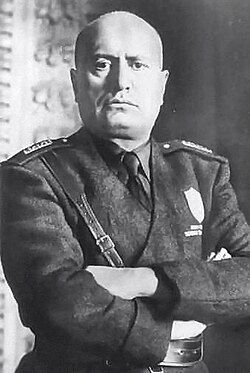
Benito Mussolini
Hitler exploded in rage at the news of Mussolini’s arrest—and ordered German troops in Italy to take over the country: “Drive into Rome and arrest the whole Italian government! Get the King and the whole bunch right away! Arrest the Crown Prince and the whole gang! Pack them into a plane and off with them!”
Several generals asked what should be done with the Vatican.
Hitler replied: “I’ll go right into the Vatican! Do you think the Vatican embarrasses me? We’ll take that over right away. The entire diplomatic corps are in there. That rabble! We’ll get that bunch of swine out of there! Later we can make apologies!”
In September, 1943, Hitler decided to occupy the Vatican, “secure the archives and the art treasures, which have a unique value, and transfer the pope, together with the curia [the papal bureaucracy], for their protection, so that they cannot fall into the hands of the allies and exert a political influence.”
Hitler feared the Pope would speak out against the Nazis’ deportation of Jews, and wanted to eliminate the Church as a political force in Italy.

Pope Pius XII
The plan allegedly involved 2,000 SS troops blocking all Vatican exits to seize the Pope and cardinals. Proposed destinations for the kidnapped Pope included Liechtenstein or Lichtenstein Castle in Württemberg, Germany.
Wolff talked the Fuhrer out of the scheme, warning that it would prove an international political disaster. But in 1944, Hitler returned to the subject.
By May, 1944, American forces were advancing northwards through Italy, so Wolff had to shed his SS uniform when appearing in public.
On May 10, Wolff, wearing civilian clothes, met with Pope Pius XII in secret and warned him that he was in danger. He also assured the pontiff that he would not carry out the order.
Pius asked Wolf to save the lives of two condemned prisoners, and this was arranged.
Nevertheless, fearing abduction, Pope Pius XII prepared a resignation letter to take effect immediately upon his arrest. The College of Cardinals would flee to neutral Portugal to elect a successor.
The Germans evacuated Rome on the night of June 4-5, 1944.
Eighty-two years after Pope Pius XII faced the threat of terror by Adolf Hitler, an American-born Pope—Leo XIV—faces the threat of terror by Donald Trump.
ADOLF HITLER, ALTERNET, AMERICABLOG, AP, BABY BOOMER RESISTANCE, BBC, BENITO MUSSOLINI, BLOOMBERG, BLUESKY, BUZZFEED, CBS NEWS, CHRISTOPHER HALE, CHRISTOPHER PIERRE, CNN, CROOKS AND LIARS, DAILY KOS, DONALD TRUMP, ELBRIDGE COLBY, FIVETHIRTYEIGHT, GAS, HARPER’S MAGAZINE, HUFFINGTON POST, IRAN, IRAN WAR, ISRAEL, JD VANCE, KARL WOLFF, KING VICTOR EMMANUEL 111, LETTERS FROM LEO NEWSLETTER, MEDIA MATTERS, MIKE JOHNSON, MONROE DOCTRINE, MOTHER JONES, MOVEON, MSNBC, NAZI GERMANY, NAZIS, NBC NEWS, NEWSDAY, NEWSWEEK, NPR, Oil, PBS NEWSHOUR, POLITICO, POLITICUSUSA, POPE LEO XV1, POPE PIUS X11, RAW STORY, REPUBLICANS, REUTERS, SALON, SEATTLE TIMES, SLATE, STORMY DANIELS, STRAIT OF HORMUZ, TALKING POINTS MEMO, THE ATLANTIC, THE CHICAGO SUN-TIMES, THE CHICAGO TRIBUNE, THE DAILY BEAST, THE DAILY BLOG, THE ECONOMIST, THE GUARDIAN, THE HILL, THE HUFFINGTON POST, THE INTERCEPT, THE LOS ANGELES TIMES, THE NATION, THE NEW REPUBLIC, THE NEW YORK TIMES, THE NEW YORKER, THE PENTAGON, THE SS, THE VILLAGE VOICE, THE WASHINGTON POST, THINKPROGRESS, TIME, TRUTHDIG, TRUTHOUT, TWO POLITICAL JUNKIES, U.S. NEWS & WORLD REPORT, UPI, USA TODAY, VATICAN, WAFFEN-SS, X, YOUGOV
In Bureaucracy, History, Military, Politics, RELIGION, Social commentary on April 21, 2026 at 12:10 am
It’s become commonplace for liberals to attack President Donald Trump as a reincarnated Adolf Hitler—and Republicans as Nazis.
And Republicans furiously deny this, even as they embrace many of the same tactics—if not the goals—of Nazi Germany’s onetime rulers.
Throughout his first term as President, Trump adopted Hitler’s method of “negotiation” “Do what I want—or I’ll destroy you!” And it has remained so since his re-taking office on January 20, 2025.

On February 28, Trump—in concert with Israel—launched a series of devastating, unprovoked airstrikes against Iran.
Asked by a reporter how long the war would last, Trump arrogantly replied: “Any time I want it to end, it will end.”
But then Iran closed the Strait of Hormuz, through which 20% to 30% of the world’s total daily oil supply passes.
Gas prices in the United States immediately rose. Analysts warned that if the disruption continued, gasoline prices could exceed $5 per gallon.

Strait of Hormuz
Facing an apparently unwinnable war that he had started, Trump found himself facing an unexpected opponent: Pope Leo X1V.
According to Christopher Hale, a political consultant and the editor of the popular Letters from Leo newsletter: Trump’s Pentagon has threatened to declare war on the Vatican.
“In January [2026], behind closed doors at the Pentagon, Under Secretary of War for Policy Elbridge Colby summoned Cardinal Christophe Pierre—-Pope Leo XIV’s then-ambassador to the United States—and delivered a lecture,” said Hale in an interview.
“America has the military power to do whatever it wants in the world,” Colby and his associates told the cardinal. “The Catholic Church had better take its side.”
One American official “reached for a fourteenth-century weapon and invoked the Avignon Papacy, the period when the French Crown used military force to bend the bishop of Rome to its will.”
Two weeks after the confrontation, the Vatican declined Trump’s invitation to host Pope Leo for the celebration of America’s 250th anniversary in July, 2026.

The Vatican obelisk in St. Paul’s Square
Livioandronico2013, CC BY-SA 4.0 <https://creativecommons.org/licenses/by-sa/4.0>, via Wikimedia Commons
According to sources in the Vatican and Americans briefed on the Pentagon meeting: Colby’s team studied the Pope’s January state-of-the-world address. They decided it was an attack on Trump.
What “enraged them most” was Leo’s line: “A diplomacy that promotes dialogue and seeks consensus among all parties is being replaced by a diplomacy based on force.”
“The Pentagon read that sentence as a frontal challenge to the so-called ‘Donroe Doctrine’”— Trump’s self-named update of the Monroe Doctrine.
Issued by President James Monroe on December 2, 1823, it officially prohibited European colonization and interference in the Western Hemisphere. And it was backed by the threat of an armed response to any such attempt.
On April 12, 2026, Pope Leo said that praying for peace was a way to “break the demonic cycle of evil” to build instead the Kingdom of God where there are no swords, drones or “unjust profit.

Pope Leo XIV
“It is here that we find a bulwark against that delusion of omnipotence that surrounds us and is becoming increasingly unpredictable and aggressive,” he said. “Even the holy Name of God, the God of life, is being dragged into discourses of death.”
On April 12, in talking to reporters, Trump furiously attacked the Pope: “I’m not a fan of Pope Leo.” He charged that the Pope was not “doing a very good job” and that “he’s a very liberal person.” He suggested that the pontiff should “stop catering to the Radical Left.”
On X, Trump wrote: “Pope Leo is WEAK on Crime, and terrible for Foreign Policy. I don’t want a Pope who thinks it’s OK for Iran to have a Nuclear Weapon. We don’t like a pope who says it’s OK to have a Nuclear Weapon.”
This from a man who was convicted of 34 felonies on May 30, 2024. A New York jury found him guilty of falsifying business records in the first degree to conceal hush-money payments made to porn “star” Stormy Daniels before the 2016 election.
And he continued:
“Leo should get his act together as Pope, use Common Sense, stop catering to the Radical Left, and focus on being a Great Pope, not a Politician. It’s hurting him very badly and, more importantly, it’s hurting the Catholic Church!
“I don’t want a Pope who thinks it’s terrible that America attacked Venezuela, a Country that was sending massive amounts of Drugs into the United States.

Donald Trump
“I don’t want a Pope who criticizes the President of the United States because I’m doing exactly what I was elected, IN A LANDSLIDE, to do.
“Leo should be thankful because, as everyone knows, he was a shocking surprise. He wasn’t on any list to be Pope, and was only put there by the Church because he was an American, and they thought that would be the best way to deal with President Donald J. Trump. If I wasn’t in the White House, Leo wouldn’t be in the Vatican.”
Just as the majority of Nazis rallied around Adolf Hitler, so have Republicans rallied around Donald Trump.
Despite his escalating attacks on Pope Leo X1V over the pontiff’s opposition to the Iran war, Trump’s approval rating among Republicans climbed to 86%. The poll was conducted by The Economist and YouGov on April 15.
ABC NEWS, AFGHANISTAN, ALTERNET, AMERICABLOG, AP, BABY BOOMER RESISTANCE, BARACK OBAMA, BBC, BLOOMBERG, BLOOMBERG NEWS, BUZZFEED, CANADA, CBS NEWS, CENTRAL AMERICA, CHIANG KAI-SHEK, CHINA, CNN, COLUMBIA, COMMUNISM, CRIMEA, CROOKS AND LIARS, CUBA, CZECHOSLAVAKIA, DAILY KOS, DAILY KOZ, DEMOCRATS, DONALD TRUMP, DWIGHT D. EISENHOWER, FACEBOOK, FIVETHIRTYEIGHT, GUATEMALA, GUNBOAT DIPLOMACY, HARPER’S MAGAZINE, HARRY S. TRUMAN, HUFFINGTON POST, HUNGARY, IRAQ, JOHN F. KENNEDY, JOSEPH MCCARTHY, LATIN AMERICA, LYNDON B. JOHNSON, MAO TSE-TUNG, MEDIA MATTERS, MICK MULVANEY, MITT ROMNEY, MONROE DOCTRINE, MOTHER JONES, MOVEON, MSNBC, NBC NEWS, NEW REPUBLIC, NEWSDAY, NEWSWEEK, NICARAGUA, NPR, PANAMA, PBS NEWSHOUR, POLAND, POLITICO, POLITICUSUSA, RAW STORY, REPUBLICANS, REUTERS, RICHARD M. NIXON, SALON, SEATTLE TIMES, SLATE, SOCHI OLYMPICS, SOVIET UNION, SPHERES OF INFLUENCE, SYRIA, TALKING POINTS MEMO, TARIFFS, THE ATLANTIC, THE CHICAGO SUN-TIMES, THE CHICAGO TRIBUNE, THE DAILY BEAST, THE DAILY BLOG, THE GUARDIAN, THE HILL, THE HUFFINGTON POST, THE INTERCEPT, THE LOS ANGELES TIMES, THE NATION, THE NEW REPUBLIC, THE NEW YORK TIMES, THE NEW YORKER, THE VILLAGE VOICE, THE WASHINGTON POST, THINKPROGRESS, TIME, TOM COTTON, TRUTHDIG, TRUTHOUT, TWO POLITICAL JUNKIES, U.S. NEWS & WORLD REPORT, UKRAINE, UPI, USA TODAY, VICTOR YANUKOVYCH, VIETNAM, VLADIMIR PUTIN, VOLODYMYR ZELENSKY, WONKETTE, X
In Bureaucracy, History, Military, Social commentary on August 14, 2025 at 12:14 am
Since February 24, 2022, Ukraine has been under Russian assault. For more than two years, President Joseph R. Biden supplied Ukrainians with arms and Intelligence.
Then voters elected Donald Trump President in 2024.
Suddenly, the future of Ukraine—and those countries making up the 75-year-old North Atlantic Treaty Organization (NATO)—looked very different.
Numerous commentators have noted that Trump is a “transactional President.” Meaning that he doesn’t enter any enterprise unless he believes there’s something in it for him.
Thus, defending a nation simply because it’s a democracy is a waste of time—unless he can gain something from it.
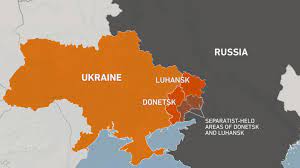
Ukraine vs. Russia
Trump wants access to Ukraine’s rare earth minerals, which are key to manufacturing high-tech products like computer chips and military equipment.
The reason: In April, 2025, China announced export restrictions on some of these minerals in retaliation for Trump’s placing tariffs on Chinese goods.
In asserting the United States’ sphere of influence, Trump sees himself as the leader of a country that’s expansive and claims new territory,
As a result, he has attacked America’s longtime ally and neighbor, Canada with tariffs. He’s even threatened it with possible military invasion.
Vladimir Putin is another politician who believes in spheres of influence.
Since the breakup of the Soviet Union in 1991, Putin has yearned for its reestablishment. He has called that breakup “the greatest geopolitical tragedy of the 20th century.”

Vladimir Putin
Kremlin.ru, CC BY 4.0 <https://creativecommons.org/licenses/by/4.0>, via Wikimedia Commons
Russia has long resisted Ukraine’s move towards European institutions—especially entry into NATO.
Since late February, 2014, he began moving Russian troops into Ukraine and its autonomous Republic, Crimea. Russia annexed Ukraine’s southern Crimean peninsula and backed separatists who captured large swathes of eastern Ukraine.
On December 3, 2021, the Washington Post reported: “The Kremlin was planning a multi-front offensive as soon as early next year involving up to 175,000 troops” against Ukraine.
And where there is activity by Russians, American Rightists are eager to turn such events to their own political advantage.
All of which overlooks a number of brutal political truths.
First, all great powers have spheres of interest—and jealously guard them.
For the United States, it’s Latin and Central America, as established by the Monroe Doctrine.
And just what is the Monroe Doctrine?
It’s a statement made by President James Monroe in his 1823 annual message to Congress, which warned European powers not to interfere in the affairs of the Western Hemisphere.
The Monroe Doctrine has no legitimacy except the willingness of the United States to use armed force to back it up. When the United States no longer has the will or resources to enforce the Doctrine, it will cease to have meaning.
In 1962, President John F. Kennedy threatened Russian premier Nikita Khrushchev with nuclear oblivion unless Soviet nuclear missiles were withdrawn from Cuba.
For the Soviet Union, its spheres of influence include the Ukraine. Long known as “the breadbasket of Russia,” in 2011, it was the world’s third-largest grain exporter.
Russia will no more give up access to that breadbasket than the United States would part with the rich farming states of the Midwest.
Second, spheres of influence often prove disastrous to those smaller countries affected.
Throughout Latin and Central America, the United States remains highly unpopular for its brutal use of “gunboat diplomacy” during the 20th century.
Among those countries invaded or controlled by America: Mexico, Cuba, Guatemala, Nicaragua, Columbia, Panama and the Dominican Republic.
The resulting anger has led many Latin and Central Americans to support Communist Cuba, even though its political oppression and economic failure are universally apparent.
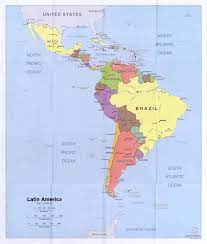
Latin and Central America
Similarly, the Soviet Union forced many nations—such as Poland, Hungary and Czechoslovakia—to submit to the will of Moscow.
The alternative? The threat of Soviet invasion—as occurred in Hungary in 1956 and Czechoslovakia in 1968.
Third, even “great powers” are not all-powerful.
In 1949, after a long civil war, the forces of Mao Zedong defeated the Nationalist armies of Chiang Kai-Shek, who withdrew to Taiwan.
China had never been a territory of the United States. Nor could the United States have prevented Mao from defeating the corrupt, ineptly-led Nationalist forces.
Even so, Republican Senators and Representatives such as Richard Nixon and Joseph McCarthy eagerly blamed President Harry S. Truman and the Democrats for “losing China.”
The fear of being accused of “losing” another country led Presidents Dwight D. Eisenhower, John F. Kennedy, Lyndon B. Johnson and Richard M. Nixon to tragically commit the United States to “roll back” Communism in Cuba and Vietnam.
Now Republicans—who claim the United States can’t afford to provide healthcare for its poorest citizens—want to turn the national budget over to the Pentagon.
They want the United States to “intervene” in Syria following the overthrow of Bashar al-Assad’s government in late 2024
This would insert the United States into yet another war in yet another Islamic country—after our disastrous forays in Iraq and Afghanistan.
Before plunging into conflicts that don’t concern us and where there is absolutely nothing to “win,” Americans would do well to remember the above-stated lessons of history. And to learn from them.
ABC NEWS, ALTERNET, AMERICABLOG, AP, BABY BOOMER RESISTANCE, BARACK OBAMA, BBC, BLOOMBERG, BLOOMBERG NEWS, BUZZFEED, CBS NEWS, CENTRAL AMERICA, CHIANG KAI-SHEK, CHINA, CNN, COLUMBIA, COMMUNISM, CRIMEA, CROOKS AND LIARS, CUBA, CZECHOSLAVAKIA, DAILY KOS, DAILY KOZ, DEMOCRATS, DONALD TRUMP, FACEBOOK, FIVETHIRTYEIGHT, GUATEMALA, GUNBOAT DIPLOMACY, HARPER’S MAGAZINE, HARRY S. TRUMAN, HUFFINGTON POST, HUNGARY, JOHN F. KENNEDY, JOSEPH MCCARTHY, LATIN AMERICA, LYNDON B. JOHNSON, MAO TSE-TUNG, MEDIA MATTERS, MICK MULVANEY, MITT ROMNEY, MONROE DOCTRINE, MOTHER JONES, MOVEON, MSNBC, NBC NEWS, NEW REPUBLIC, NEWSDAY, NEWSWEEK, NICARAGUA, NPR, PANAMA, PBS NEWSHOUR, POLAND, POLITICO, POLITICUSUSA, RAW STORY, REPUBLICANS, REUTERS, RICHARD M. NIXON, SALON, SEATTLE TIMES, SLATE, SOCHI OLYMPICS, SOVIET UNION, SPHERES OF INFLUENCE, TALKING POINTS MEMO, THE ATLANTIC, THE CHICAGO SUN-TIMES, THE CHICAGO TRIBUNE, THE DAILY BEAST, THE DAILY BLOG, THE GUARDIAN, THE HILL, THE HUFFINGTON POST, THE INTERCEPT, THE LOS ANGELES TIMES, THE NATION, THE NEW REPUBLIC, THE NEW YORK TIMES, THE NEW YORKER, THE VILLAGE VOICE, THE WASHINGTON POST, THINKPROGRESS, TIME, TOM COTTON, TRUTHDIG, TRUTHOUT, TWO POLITICAL JUNKIES, U.S. NEWS & WORLD REPORT, UKRAINE, UPI, USA TODAY, VICTOR YANUKOVYCH, VIETNAM, VLADIMIR PUTIN, VOLODYMYR ZELENSKY, WONKETTE, X
In Bureaucracy, History, Military, Social commentary on November 22, 2024 at 12:11 am
The collapse of the Soviet Union in 1991 plunged the American Right into a depression.
Accusing Democrats of being “terrorist-lovers” just didn’t prove as profitable as accusing them of being “Communists.”
Then fate intervened.
The torch had barely gone out at the 2014 Sochi Winter Olympics when Russian President Vladimir Putin began menacing the Ukraine.
Ukraine vs. Russia
Even while the Olympics played out on television, Ukrainians had rioted in Kiev and evicted their corrupt, luxury-loving president, Victor Yanukovych.
And that didn’t sit well with his “sponsor”—Putin.
Yanukovych had rejected a pending European Union association agreement. He had chosen instead to pursue a Russian loan bailout and closer ties with Russia.
And that had sat well with Putin.
Since the breakup of the Soviet Union in 1991, Putin had yearned for its reestablishment. He had called that breakup “the greatest geopolitical tragedy of the 20th century.”
Vladimir Putin
Kremlin.ru, CC BY 4.0 <https://creativecommons.org/licenses/by/4.0>, via Wikimedia Commons
Russia has long resisted Ukraine’s move towards European institutions—especially NATO.
So it was almost a certainty that Putin would retaliate.
And since late February, 2014, he began moving Russian troops into Ukraine and its autonomous republic, Crimea. Russia annexed Ukraine’s southern Crimean peninsula and backed separatists who captured large swathes of eastern Ukraine.
On December 3, 2021, the Washington Post reported: “The Kremlin is planning a multi-front offensive as soon as early next year involving up to 175,000 troops” against Ukraine.
And where there is activity by Russians, American Rightists are eager to turn such events to their own political advantage.
Right-wingers such as Senator Tom Cotton (R-AR): ”It is a result of a year of Joe Biden’s impotence and incompetence towards Russia in particular and in foreign policy more generally.”
Cotton had vigorously defended President Donald Trump’s attempted extortion of Ukrainian President Volodymyr Zelensky in the face of Russian aggression.
In July, 2019, Trump told his acting chief of staff, Mick Mulvaney, to withhold almost $400 million in promised military aid for Ukraine.
Then, on July 25, Trump telephoned Zelensky to “request” a “favor”: Investigate presumed 2020 Democratic Presidential Candidate Joe Biden and his son, Hunter, who had had business dealings in Ukraine.
Clearly implied in the call: Produce “dirt” on Biden—or you won’t get the military aid.
All of which overlooks a number of brutal political truths.
First, all great powers have spheres of interest—and jealously guard them.
For the United States, it’s Latin and Central America, as established by the Monroe Doctrine.
And just what is the Monroe Doctrine?
It’s a statement made by President James Monroe in his 1823 annual message to Congress, which warned European powers not to interfere in the affairs of the Western Hemisphere.
It has no legitimacy except the willingness of the United States to use armed force to back it up. When the United States no longer has the will or resources to enforce the Doctrine, it will cease to have meaning.
For the Soviet Union, its spheres of influence include the Ukraine. Long known as “the breadbasket of Russia,” in 2011, it was the world’s third-largest grain exporter.
Russia will no more give up access to that breadbasket than the United States would part with the rich farming states of the Midwest.
Second, spheres of influence often prove disastrous to those smaller countries affected.
Throughout Latin and Central America, the United States remains highly unpopular for its brutal use of “gunboat diplomacy” during the 20th century.
Among those countries invaded or controlled by America: Mexico, Cuba, Guatemala, Nicaragua, Columbia, Panama and the Dominican Republic.
The resulting anger has led many Latin and Central Americans to support Communist Cuba, even though its political oppression and economic failure are universally apparent.
Latin and Central America
Similarly, the Soviet Union forced many nations—such as Poland, Hungary and Czechoslovakia—to submit to the will of Moscow.
The alternative? The threat of Soviet invasion—as occurred in Hungary in 1956 and Czechoslovakia in 1968.
Third, even “great powers” are not all-powerful.
In 1949, after a long civil war, the forces of Mao Tse-tung defeated the Nationalist armies of Chiang Kai-Shek, who withdrew to Taiwan.
China had never been a territory of the United States. Nor could the United States have prevented Mao from defeating the corrupt, ineptly-led Nationalist forces.
Even so, Republican Senators and Representatives such as Richard Nixon and Joseph McCarthy eagerly blamed President Harry S. Truman and the Democrats for “losing China.”
The fear of being accused of “losing” another country led Presidents John F. Kennedy, Lyndon B. Johnson and Richard M. Nixon to tragically commit the United States to “roll back” Communism in Cuba and Vietnam.
Now Republicans—who claim the United States can’t afford to provide healthcare for its poorest citizens—want to turn the national budget over to the Pentagon.
They want the United States to “intervene” in Ukraine—even though this would mean going to war with the only nuclear power capable of turning America into an atomic graveyard.
Before plunging into conflicts that don’t concern us and where there is absolutely nothing to “win,” Americans would do well to remember the above-stated lessons of history. And to learn from them.
ABC NEWS, ALTERNET, AMERICABLOG, AP, BABY BOOMER RESISTANCE, BARACK OBAMA, BBC, BLOOMBERG NEWS, BUZZFEED, CBS NEWS, CENTRAL AMERICA, CHIANG KAI-SHEK, CHINA, CNN, COLUMBIA, COMMUNISM, CRIMEA, CROOKS AND LIARS, CUBA, CZECHOSLAVAKIA, DAILY KOZ, DEMOCRATS, DONALD TRUMP, FACEBOOK, FIVETHIRTYEIGHT, GUATEMALA, GUNBOAT DIPLOMACY, HARPER’S MAGAZINE, HARRY S. TRUMAN, HUFFINGTON POST, HUNGARY, JOHN F. KENNEDY, JOSEPH MCCARTHY, LATIN AMERICA, LYNDON B. JOHNSON, MAO TSE-TUNG, MEDIA MATTERS, MICK MULVANEY, MITT ROMNEY, MONROE DOCTRINE, MOTHER JONES, MOVEON, MSNBC, NBC NEWS, NEW REPUBLIC, NEWSDAY, NEWSWEEK, NICARAGUA, NPR, PANAMA, PBS NEWSHOUR, POLAND, POLITICO, POLITICUSUSA, RAW STORY, REPUBLICANS, REUTERS, RICHARD M. NIXON, SALON, SEATTLE TIMES, SLATE, SOCHI OLYMPICS, SOVIET UNION, SPHERES OF INFLUENCE, TALKING POINTS MEMO, THE ATLANTIC, THE CHICAGO SUN-TIMES, THE CHICAGO TRIBUNE, THE DAILY BEAST, THE DAILY BLOG, THE GUARDIAN, THE HILL, THE HUFFINGTON POST, THE LOS ANGELES TIMES, THE NATION, THE NEW REPUBLIC, THE NEW YORK TIMES, THE NEW YORKER, THE VILLAGE VOICE, THE WASHINGTON POST, THINKPROGRESS, TIME, TOM COTTON, TRUTHDIG, TRUTHOUT, TWITTER, TWO POLITICAL JUNKIES, U.S. NEWS & WORLD REPORT, UKRAINE, UPI, USA TODAY, VICTOR YANUKOVYCH, VIETNAM, VLADIMIR PUTIN, VOLODYMYR ZELENSKY, WONKETTE
In Bureaucracy, History, Military, Politics, Social commentary, Uncategorized on January 24, 2022 at 12:35 am
Ever since the collapse of the Soviet Union in 1991, the American Right felt dejected.
Accusing Democrats of being “terrorist-lovers” just hasn’t been as profitable as accusing them of being “Communists.”
Then fate intervened.
The torch had barely gone out at the 2014 Sochi Winter Olympics when Russian President Vladimir Putin began menacing the Ukraine.
Ukraine vs. Russia
Even while the Olympics played out on television, Ukrainians had rioted in Kiev and evicted their corrupt, luxury-loving president, Victor Yanukovych.
And that didn’t sit well with his “sponsor”—Putin.
Yanukovych had rejected a pending European Union association agreement. He had chosen instead to pursue a Russian loan bailout and closer ties with Russia.
And that had sat well with Putin.
Since the breakup of the Soviet Union in 1991, Putin had yearned for its reestablishment. He had called that breakup “the greatest geopolitical tragedy of the 20th century.”
Vladimir Putin
Kremlin.ru, CC BY 4.0 <https://creativecommons.org/licenses/by/4.0>, via Wikimedia Commons
Russia has long resisted Ukraine’s move towards European institutions—especially NATO.
So it was almost a certainty that Putin would retaliate.
And since late February, 2014, he began moving Russian troops into Ukraine and its autonomous republic, Crimea. Russia annexed Ukraine’s southern Crimean peninsula and backed separatists who captured large swathes of eastern Ukraine.
On December 3, 2021, the Washington Post reported: “The Kremlin is planning a multi-front offensive as soon as early next year involving up to 175,000 troops” against Ukraine.
And where there is activity by Russians, American Rightists are eager to turn such events to their own political advantage.
Right-wingers such as Senator Tom Cotton (R-AR): ”It is a result of a year of Joe Biden’s impotence and incompetence towards Russia in particular and in foreign policy more generally.”
Cotton had vigorously defended President Donald Trump’s attempted extortion of Ukrainian President Volodymyr Zelensky in the face of Russian aggression.
In July, 2019, Trump told his acting chief of staff, Mick Mulvaney, to withhold almost $400 million in promised military aid for Ukraine.
Then, on July 25, Trump telephoned Zelensky to “request” a “favor”: Investigate presumed 2020 Democratic Presidential Candidate Joe Biden and his son, Hunter, who had had business dealings in Ukraine.
Clearly implied in the call: Produce “dirt” on Biden—or you won’t get the military aid.
All of which overlooks a number of brutal political truths.
First, all great powers have spheres of interest—and jealously guard them.
For the United States, it’s Latin and Central America, as established by the Monroe Doctrine.
And just what is the Monroe Doctrine?
It’s a statement made by President James Monroe in his 1823 annual message to Congress, which warned European powers not to interfere in the affairs of the Western Hemisphere.
It has no legitimacy except the willingness of the United States to use armed force to back it up. When the United States no longer has the will or resources to enforce the Doctrine, it will cease to have meaning.
For the Soviet Union, its spheres of influence include the Ukraine. Long known as “the breadbasket of Russia,” in 2011, it was the world’s third-largest grain exporter.
Russia will no more give up access to that breadbasket than the United States would part with the rich farming states of the Midwest.
Second, spheres of influence often prove disastrous to those smaller countries affected.
Throughout Latin and Central America, the United States remains highly unpopular for its brutal use of “gunboat diplomacy” during the 20th century.
Among those countries invaded or controlled by America: Mexico, Cuba, Guatemala, Nicaragua, Columbia, Panama and the Dominican Republic.
The resulting anger has led many Latin and Central Americans to support Communist Cuba, even though its political oppression and economic failure are universally apparent.
Latin and Central America
Similarly, the Soviet Union forced many nations—such as Poland, Hungary and Czechoslovakia—to submit to the will of Moscow.
The alternative? The threat of Soviet invasion—as occurred in Hungary in 1956 and Czechoslovakia in 1968.
Third, even “great powers” are not all-powerful.
In 1949, after a long civil war, the forces of Mao Tse-tung defeated the Nationalist armies of Chiang Kai-Shek, who withdrew to Taiwan.
China had never been a territory of the United States. Nor could the United States have prevented Mao from defeating the corrupt, ineptly-led Nationalist forces.
Even so, Republican Senators and Representatives such as Richard Nixon and Joseph McCarthy eagerly blamed President Harry S. Truman and the Democrats for “losing China.”
The fear of being accused of “losing” another country led Presidents John F. Kennedy, Lyndon B. Johnson and Richard M. Nixon to tragically commit the United States to “roll back” Communism in Cuba and Vietnam.
Now Republicans—who claim the United States can’t afford to provide healthcare for its poorest citizens—want to turn the national budget over to the Pentagon.
They want the United States to “intervene” in Ukraine—even though this would mean going to war with the only nuclear power capable of turning America into an atomic graveyard.
Before plunging into conflicts that don’t concern us and where there is absolutely nothing to “win,” Americans would do well to remember the above-stated lessons of history. And to learn from them.
ABC NEWS, AL QAEDA, BARACK OBAMA, CBS NEWS, CENTRAL AMERICA, CHAING KAI-SHEK, CHINA, CNN, COLUMBIA, COMMUNISM, CRIMEA, CUBA, CZECHOSLAVAKIA, DEMOCRATS, FACEBOOK, GUATEMALA, GUNBOAT DIPLOMACY, HARRY S. TRUMAN, HEZBOLLAH, HUNGARY, JOHN F. KENNEDY, JOSEPH MCCARTHY, LATIN AMERICA, LYNDON B. JOHNSON, MAO TSE-TUNG, MITT ROMNEY, MONROE DOCTRINE, NBC NEWS, NICARAGUA, PANAMA, POLAND, REPUBLICANS, RICHARD M. NIXON, SOCHI OLYMPICS, SOVIET UNION, SPHERES OF INFLUENCE, SYRIA, THE CHICAGO SUN-TIMES, THE CHICAGO TRIBUNE, THE LOS ANGELES TIMES, THE NEW YORK TIMES, THE WASHINGTON POST, TWITTER, UKRAINE, VIETNAM, VLADIMIR PUTIN
In Bureaucracy, History, Politics, Social commentary on September 27, 2016 at 12:05 am
It didn’t take much for American Right-wingers to start salivating–and celebrating.
All it took was for Russia to move troops into its neighboring territories of Ukraine and Crimea.
Ever since the collapse of the Soviet Union in 1991, the American Right felt dejected. Accusing Democrats of being “terrorist-lovers” just hadn’t been as profitable as accusing them of being “Communists.”
The torch had barely gone out at the much-ballyhooed 2014 Sochi Olympics when Russian President Vladimir Putin began menacing the Ukraine.
Even while the Olympics played out on television, Ukrainians had rioted in Kiev and evicted their corrupt, luxury-loving president, Victor Yanukovych.
And this, of course, didn’t sit well with his “sponsor”–Putin.
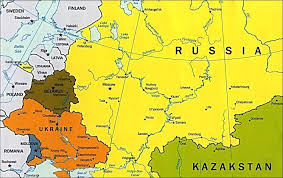
Yanukovych had rejected a pending European Union association agreement. He had chosen instead to pursue a Russian loan bailout and closer ties with Russia.
And that had sat well with Putin.
Since the breakup of the Soviet Union in 1991, Putin had yearned for a reestablishment of the same. He had called that breakup “the greatest geopolitical tragedy of the 20th century.”
So it was almost a certainty that, when his chosen puppet, Yanukovych, was sent packing, Putin would find some way to retaliate.
And since late February, 2014, he has done so, gradually moving Russian troops into Ukraine and its autonomous republic, Crimea.
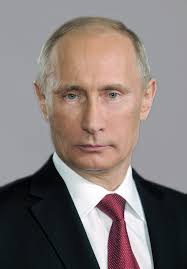
Vladimir Putin
By late March, it was clear that Russia had sufficient forces in both Ukraine and Crimea to wreak any amount of destruction Putin may wish to inflict.
And where there is activity by Russians, there are American Rightists eager–in Shakespeare’s word–to “cry havoc and let slip the dogs of war.”
Or at least to use such events to their own political advantage.
Right-wingers such as Mitt Romney, the former governor of Massachussetts who lost the 2012 Presidential election by a wide margin to Barack Obama.
“There’s no question but that the president’s naiveté with regards to Russia,” said Romney on March 23, 2014.
“And unfortunately, not having anticipated Russia’s intentions, the president wasn’t able to shape the kinds of events that may have been able to prevent the kinds of circumstances that you’re seeing in the Ukraine, as well as the things that you’re seeing in Syria.”
All of which overlooks a number of brutal political truths.
First, all great powers have spheres of interest–and jealously guard them.
For the United States, it’s Latin and Central America, as established by the Monroe Doctrine.
And just what is the Monroe Doctrine?
It’s a statement made by President James Monroe in his 1823 annual message to Congress, which warned European powers not to interfere in the affairs of the Western Hemisphere.
It has no other legitimacy than the willingness of the United States to use armed force to back it up. When the United States no longer has the will or resources to enforce the Doctrine, it will cease to have meaning.

For the Soviet Union, its spheres of influence include the Ukraine. Long known as “the breadbasket of Russia,” in 2011, it was the world’s third-largest grain exporter.
Russia will no more give up access to that breadbasket than the United States would part with the rich farming states of the Midwest.
Second, spheres of influence often prove disastrous to those smaller countries affected.
Throughout Latin and Central America, the United States remains highly unpopular for its brutal use of “gunboat diplomacy” during the 20th century.
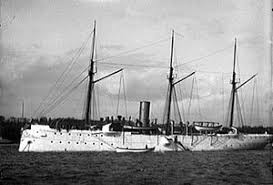
American gunboat
Among those countries invaded or controlled by America: Mexico, Cuba, Guatemala, Nicaragua, Columbia, Panama and the Dominican Republic.
The resulting anger has led many Latin and Central Americans to support Communist Cuba, even though its political oppression and economic failure are universally apparent.
Similarly, the Union of Soviet Socialist Republics (U.S.S.R.) forced many nations–such as Poland, Hungary and Czechoslavakia–to submit to the will of Moscow.
The alternative? The threat of Soviet invasion–as occurred in Hungary in 1956 and Czechoslovakia in 1968.
Third, even “great powers” are not all-powerful.
In 1949, after a long civil war, the forces of Mao Tse-tung defeated the Nationalist armies of Chaing Kai-Shek, who withdrew to Taiwan.
China had never been a territory of the United States. Nor could the United States have prevented Mao from defeating the corrupt, ineptly-led Nationalist forces.
Even so, Republican Senators and Representatives such as Richard Nixon and Joseph McCarthy eagerly blamed President Harry S. Truman and the Democrats for “losing China.”
The fear of being accused of “losing” another country led Presidents John F. Kennedy, Lyndon B. Johnson and Richard M. Nixon to tragically commit the United States to “roll back” Communism in Cuba and Vietnam.
Now Republicans–who claim the United States can’t afford to provide healthcare for its poorest citizens–want to turn the national budget over to the Pentagon.
They want the United States to “intervene” in Syria–even though this civil war pits Al Qaeda and Hezbollah, two of America’s greatest enemies, against each other.
They want the United States to “intervene” in Ukraine–even though this would mean going to war with the only nuclear power capable of turning America into an atomic graveyard.
Before plunging into conflicts that don’t concern us and where there is absolutely nothing to “win,” Americans would do well to remember the above-stated lessons of history. And to learn from them.
ABC NEWS, AL QAEDA, BARACK OBAMA, CBS NEWS, CENTRAL AMERICA, CHAING KAI-SHEK, CHINA, CNN, COLUMBIA, COMMUNISM, CRIMEA, CUBA, CZECHOSLAVAKIA, DEMOCRATS, FACEBOOK, GUATEMALA, GUNBOAT DIPLOMACY, HARRY S. TRUMAN, HEZBOLLAH, HUNGARY, JOHN F. KENNEDY, JOSEPH MCCARTHY, LATIN AMERICA, LYNDON B. JOHNSON, MAO TSE-TUNG, MITT ROMNEY, MONROE DOCTRINE, NBC NEWS, NICARAGUA, PANAMA, POLAND, REPUBLICANS, RICHARD M. NIXON, SOCHI OLYMPICS, SOVIET UNION, SPHERES OF INFLUENCE, SYRIA, THE LOS ANGELES TIMES, THE NEW YORK TIMES, THE WASHINGTON POST, TWITTER, UKRAINE, VIETNAM, VLADIMIR PUTIN
In History, Law, Military, Politics on January 2, 2015 at 12:43 am
Ever since the collapse of the Soviet Union in 1991, the American Right has felt dejected.
Accusing Democrats of being “terrorist-lovers” just hasn’t been as profitable as accusing them of being “Communists.”
The torch had barely gone out at the much-ballyhooed Sochi Olympics, in February, 2014, when Russian President Vladimir Putin began menacing the Ukraine.
Even while the Olympics played out on television, Ukrainians had rioted in Kiev and evicted their corrupt, luxury-loving president, Victor Yanukovych.
And this, of course, didn’t sit well with his “sponsor”–Putin.
Yanukovych had rejected a pending European Union association agreement. He had chosen instead to pursue a Russian loan bailout and closer ties with Russia.
And that had sat well with Putin.
Since the breakup of the Soviet Union in 1991, Putin had yearned for a reestablishment of the same. He had called that breakup “the greatest geopolitical tragedy of the 20th century.”
So it was almost a certainty that, when his chosen puppet, Yanukovych, was sent packing, Putin would find some way to retaliate.
And since late February, he has done so, gradually moving Russian troops into Ukraine and its autonomous republic, Crimea.
By late March, it was clear that Russia had sufficient forces in both Ukraine and Crimea to wreak any amount of destruction Putin may wish to inflict.
And where there is activity by Russians, there are American Rightists eager–in Shakespeare’s words–to “cry havoc and let slip the dogs of war.”
Rightists such as Mitt Romney, the former Massachussetts governor who lost the 2012 Presidential election by a wide margin to Barack Obama.
“There’s no question but that the president’s naiveté with regards to Russia,” said Romney on March 23.
“And unfortunately, not having anticipated Russia’s intentions, the president wasn’t able to shape the kinds of events that may have been able to prevent the kinds of circumstances that you’re seeing in the Ukraine, as well as the things that you’re seeing in Syria.”
All of which overlooks a number of brutal political truths.
First, all great powers have spheres of interest–and jealously guard them.
For the United States, it’s Latin and Central America, as established by the Monroe Doctrine.
And just what is the Monroe Doctrine?
It’s a statement made by President James Monroe in his 1823 annual message to Congress, which warned European powers not to interfere in the affairs of the Western Hemisphere.
It has no other legitimacy than the willingness of the United States to use armed force to back it up. When the United States no longer has the will or resources to enforce the Doctrine, it will cease to have meaning.
For the Soviet Union, its spheres of influence include the Ukraine. Long known as “the breadbasket of Russia,” in 2011, it was the world’s third-largest grain exporter.
Russia will no more give up access to that breadbasket than the United States would part with the rich farming states of the Midwest.
Second, spheres of influence often prove disastrous to those smaller countries affected.
Throughout Latin and Central America, the United States remains highly unpopular for its brutal use of “gunboat diplomacy” during the 20th century.
Among those countries invaded or controlled by America: Mexico, Cuba, Guatemala, Nicaragua, Columbia, Panama and the Dominican Republic.
The resulting anger has led many Latin and Central Americans to support Communist Cuba, even though its political oppression and economic failure are universally apparent.
Similarly, the Union of Soviet Socialist Republics (U.S.S.R.) forced many nations–such as Poland, Hungary and Czechoslavakia–to submit to the will of Moscow.
The alternative? The threat of Soviet invasion–as occurred in Hungary in 1956 and Czechoslavakia in 1968.
Third, even “great powers” are not all-powerful.
In 1949, after a long civil war, the forces of Mao Tse-tung defeated the Nationalist armies of Chaing Kai-Shek, who withdrew to Taiwan.
China had never been a territory of the United States. Nor could the United States have prevented Mao from defeating the corrupt, ineptly-led Nationalist forces.
Even so, Republican Senators and Representatives such as Richard Nixon and Joseph McCarthy eagerly blamed President Harry S. Truman and the Democrats for “losing China.”
The fear of being accused of “losing” another country led Presidents John F. Kennedy, Lyndon B. Johnson and Richard M. Nixon to tragically commit the United States to “roll back” Communism in Cuba and Vietnam.
Now Republicans–who claim the United States can’t afford to provide healthcare for its poorest citizens–want to turn the national budget over to the Pentagon.
They want the United States to “intervene” in Syria–even though this civil war pits Al Qaeda and Hezbollah, two of America’s greatest enemies, against each other.
They want the United States to “intervene” in Ukraine–even though this would mean going to war with the only nuclear power capable of turning America into an atomic graveyard.
Before plunging into conflicts that don’t concern us and where there is absolutely nothing to “win,” Americans would do well to remember the above-stated lessons of history.
And to learn from them.
ABC NEWS, AL QAEDA, BARACK OBAMA, CBS NEWS, CENTRAL AMERICA, CHAING KAI-SHEK, CHINA, CNN, COLUMBIA, COMMUNISM, CRIMEA, CUBA, CZECHOSLAVAKIA, DEMOCRATS, FACEBOOK, GUATEMALA, GUNBOAT DIPLOMACY, HARRY S. TRUMAN, HEZBOLLAH, HUNGARY, JOHN F. KENNEDY, JOSEPH MCCARTHY, LATIN AMERICA, LYNDON B. JOHNSON, MAO TSE-TUNG, MITT ROMNEY, MONROE DOCTRINE, NBC NEWS, NICARAGUA, PANAMA, POLAND, REPUBLICANS, RICHARD M. NIXON, SOCHI OLYMPICS, SOVIET UNION, SPHERES OF INFLUENCE, SYRIA, THE LOS ANGELES TIMES, THE NEW YORK TIMES, THE WASHINGTON POST, TWITTER, UKRAINE, VIETNAM, VLADIMIR PUTIN
In Bureaucracy, History, Military, Politics on August 21, 2014 at 10:27 pm
It didn’t take much for American Right-wingers to start salivating–and celebrating.
All it took was for Russia to move troops into its neighboring territories of Ukraine and Crimea.
Ever since the collapse of the Soviet Union in 1991, the American Right has felt dejected. Accusing Democrats of being “terrorist-lovers” just hasn’t been as profitable as accusing them of being “Communists.”
The torch had barely gone out at the much-ballyhooed Sochi Olympics when Russian President Vladimir Putin began menacing the Ukraine.
Even while the Olympics played out on television, Ukrainians had rioted in Kiev and evicted their corrupt, luxury-loving president, Victor Yanukovych.
And this, of course, didn’t sit well with his “sponsor”–Putin.
Yanukovych had rejected a pending European Union association agreement. He had chosen instead to pursue a Russian loan bailout and closer ties with Russia.
And that had sat well with Putin.
Since the breakup of the Soviet Union in 1991, Putin had yearned for a reestablishment of the same. He had called that breakup “the greatest geopolitical tragedy of the 20th century.”
So it was almost a certainty that, when his chosen puppet, Yanukovych, was sent packing, Putin would find some way to retaliate.
And since late February, he has done so, gradually moving Russian troops into Ukraine and its autonomous republic, Crimea.
By late March, it was clear that Russia had sufficient forces in both Ukraine and Crimea to wreak any amount of destruction Putin may wish to inflict.
And where there is activity by Russians, there are American Rightists eager–in Shakespeare’s words–to “cry havoc and let slip the dogs of war.”
Or at least to use such events to their own political advantage.
Right-wingers such as Mitt Romney, the former governor of Massachussetts who lost the 2012 Presidential election by a wide margin to Barack Obama.
“There’s no question but that the president’s naiveté with regards to Russia,” said Romney on March 23.
“And unfortunately, not having anticipated Russia’s intentions, the president wasn’t able to shape the kinds of events that may have been able to prevent the kinds of circumstances that you’re seeing in the Ukraine, as well as the things that you’re seeing in Syria.”
All of which overlooks a number of brutal political truths.
First, all great powers have spheres of interest–and jealously guard them.
For the United States, it’s Latin and Central America, as established by the Monroe Doctrine.
And just what is the Monroe Doctrine?
It’s a statement made by President James Monroe in his 1823 annual message to Congress, which warned European powers not to interfere in the affairs of the Western Hemisphere.
It has no other legitimacy than the willingness of the United States to use armed force to back it up. When the United States no longer has the will or resources to enforce the Doctrine, it will cease to have meaning.
For the Soviet Union, its spheres of influence include the Ukraine. Long known as “the breadbasket of Russia,” in 2011, it was the world’s third-largest grain exporter.
Russia will no more give up access to that breadbasket than the United States would part with the rich farming states of the Midwest.
Second, spheres of influence often prove disastrous to those smaller countries affected.
Throughout Latin and Central America, the United States remains highly unpopular for its brutal use of “gunboat diplomacy” during the 20th century.
Among those countries invaded or controlled by America: Cuba, Guatemala, Nicaragua, Columbia, Panama, the Dominican Republic.
The resulting anger has led many Latin and Central Americans to support Communist Cuba, even though its political oppression and economic failure are universally apparent.
Similarly, the Union of Soviet Socialist Republics (U.S.S.R.) forced many nations–such as Poland, Hungary and Czechoslavakia–to submit to the will of Moscow.
The alternative? The threat of Soviet invasion–as occurred in Hungary in 1956 and Czechoslavakia in 1968.
Third, even “great powers” are not all-powerful.
In 1949, after a long civil war, the forces of Mao Tse-tung defeated the Nationalist armies of Chaing Kai-Shek, who withdrew to Taiwan.
China had never been a territory of the United States. Nor could the United States have prevented Mao from defeating the corrupt, ineptly-led Nationalist forces.
Even so, Republican Senators and Representatives such as Richard Nixon and Joseph McCarthy eagerly blamed President Harry S. Truman and the Democrats for “losing China.”
The fear of being accused of “losing” another country led Presidents John F. Kennedy, Lyndon B. Johnson and Richard M. Nixon to tragically commit the United States to “roll back” Communism in Cuba and Vietnam.
Now Republicans–who claim the United States can’t afford to provide healthcare for its poorest citizens–want to turn the national budget over to the Pentagon.
They want the United States to “intervene” in Syria–even though this civil war pits Al Qaeda and Hezbollah, two of America’s greatest enemies, against each other.
They want the United States to “intervene” in Ukraine–even though this would mean going to war with the only nuclear power capable of turning America into an atomic graveyard.
Before plunging into conflicts that don’t concern us and where there is absolutely nothing to “win,” Americans would do well to remember the above-stated lessons of history. And to learn from them.
ABC NEWS, AL QAEDA, BARACK OBAMA, CBS NEWS, CENTRAL AMERICA, CHAING KAI-SHEK, CHINA, CNN, COLUMBIA, COMMUNISM, CRIMEA, CUBA, CZECHOSLAVAKIA, DEMOCRATS, FACEBOOK, GUATEMALA, GUNBOAT DIPLOMACY, HARRY S. TRUMAN, HEZBOLLAH, HUNGARY, JOHN F. KENNEDY, JOSEPH MCCARTHY, LATIN AMERICA, LYNDON B. JOHNSON, MAO TSE-TUNG, MITT ROMNEY, MONROE DOCTRINE, NBC NEWS, NICARAGUA, PANAMA, POLAND, REPUBLICANS, RICHARD M. NIXON, SOCHI OLYMPICS, SOVIET UNION, SPHERES OF INFLUENCE, SYRIA, THE LOS ANGELES TIMES, THE NEW YORK TIMES, THE WASHINGTON POST, TWITTER, UKRAINE, VIETNAM, VLADIMIR PUTIN
In History, Military, Politics on March 25, 2014 at 1:04 am
It didn’t take much for American Right-wingers to start salivating–and celebrating.
All it took was for Russia to move troops into its neighboring territories of Ukraine and Crimea.
Ever since the collapse of the Soviet Union in 1991, the American Right has felt dejected. Accusing Democrats of being “terrorist-lovers” just hasn’t been as profitable as accusing them of being “Communists.”
The torch had barely gone out at the much-ballyhooed Sochi Olympics when Russian President Vladimir Putin began menacing the Ukraine.
Even while the Olympics played out on television, Ukrainians had rioted in Kiev and evicted their corrupt, luxury-loving president, Victor Yanukovych.
And this, of course, didn’t sit well with his “sponsor”–Putin.
Yanukovych had rejected a pending European Union association agreement. He had chosen instead to pursue a Russian loan bailout and closer ties with Russia.
And that had sat well with Putin.
Since the breakup of the Soviet Union in 1991, Putin had yearned for a reestablishment of the same. He had called that breakup “the greatest geopolitical tragedy of the 20th century.”
So it was almost a certainty that, when his chosen puppet, Yanukovych, was sent packing, Putin would find some way to retaliate.
And since late February, he has done so, gradually moving Russian troops into Ukraine and its autonomous republic, Crimea.
By late March, it was clear that Russia had sufficient forces in both Ukraine and Crimea to wreak any amount of destruction Putin may wish to inflict.
And where there is activity by Russians, there are American Rightists eager–in Shakespeare’s words–to “cry havoc and let slip the dogs of war.”
Or at least to use such events to their own political advantage.
Right-wingers such as Mitt Romney, the former governor of Massachussetts who lost the 2012 Presidential election by a wide margin to Barack Obama.
“There’s no question but that the president’s naiveté with regards to Russia,” said Romney on March 23.
“And unfortunately, not having anticipated Russia’s intentions, the president wasn’t able to shape the kinds of events that may have been able to prevent the kinds of circumstances that you’re seeing in the Ukraine, as well as the things that you’re seeing in Syria.”
All of which overlooks a number of brutal political truths.
First, all great powers have spheres of interest–and jealously guard them.
For the United States, it’s Latin and Central America, as established by the Monroe Doctrine.
And just what is the Monroe Doctrine?
It’s a statement made by President James Monroe in his 1823 annual message to Congress, which warned European powers not to interfere in the affairs of the Western Hemisphere.
It has no other legitimacy than the willingness of the United States to use armed force to back it up. When the United States no longer has the will or resources to enforce the Doctrine, it will cease to have meaning.
For the Soviet Union, its spheres of influence include the Ukraine. Long known as “the breadbasket of Russia,” in 2011, it was the world’s third-largest grain exporter.
Russia will no more give up access to that breadbasket than the United States would part with the rich farming states of the Midwest.
Second, spheres of influence often prove disastrous to those smaller countries affected.
Throughout Latin and Central America, the United States remains highly unpopular for its brutal use of “gunboat diplomacy” during the 20th century.
Among those countries invaded or controlled by America: Mexico, Cuba, Guatemala, Nicaragua, Columbia, Panama and the Dominican Republic.
The resulting anger has led many Latin and Central Americans to support Communist Cuba, even though its political oppression and economic failure are universally apparent.
Similarly, the Union of Soviet Socialist Republics (U.S.S.R.) forced many nations–such as Poland, Hungary and Czechoslavakia–to submit to the will of Moscow.
The alternative? The threat of Soviet invasion–as occurred in Hungary in 1956 and Czechoslavakia in 1968.
Third, even “great powers” are not all-powerful.
In 1949, after a long civil war, the forces of Mao Tse-tung defeated the Nationalist armies of Chaing Kai-Shek, who withdrew to Taiwan.
China had never been a territory of the United States. Nor could the United States have prevented Mao from defeating the corrupt, ineptly-led Nationalist forces.
Even so, Republican Senators and Representatives such as Richard Nixon and Joseph McCarthy eagerly blamed President Harry S. Truman and the Democrats for “losing China.”
The fear of being accused of “losing” another country led Presidents John F. Kennedy, Lyndon B. Johnson and Richard M. Nixon to tragically commit the United States to “roll back” Communism in Cuba and Vietnam.
Now Republicans–who claim the United States can’t afford to provide healthcare for its poorest citizens–want to turn the national budget over to the Pentagon.
They want the United States to “intervene” in Syria–even though this civil war pits Al Qaeda and Hezbollah, two of America’s greatest enemies, against each other.
They want the United States to “intervene” in Ukraine–even though this would mean going to war with the only nuclear power capable of turning America into an atomic graveyard.
Before plunging into conflicts that don’t concern us and where there is absolutely nothing to “win,” Americans would do well to remember the above-stated lessons of history. And to learn from them.

%2C_side_view_1.jpg%2F300px-USS_Yorktown_(PG-1)%2C_side_view_1.jpg&imgrefurl=https%3A%2F%2Fen.wikipedia.org%2Fwiki%2FYorktown-class_gunboat&docid=IJnJQf9Gjk6Z0M&tbnid=MjZ187QW-8UJFM%3A&w=300&h=203&bih=469&biw=819&ved=0ahUKEwjK2LSlkKzPAhVLw2MKHcmIApsQxiAIAg&iact=c&ictx=1)
ADOLF HITLER, ALTERNET, AMERICABLOG, AP, BABY BOOMER RESISTANCE, BBC, BENITO MUSSOLINI, BLOOMBERG, BLUESKY, BUZZFEED, CBS NEWS, CHRISTOPHER HALE, CHRISTOPHER PIERRE, CNN, CROOKS AND LIARS, DAILY KOS, DONALD TRUMP, ELBRIDGE COLBY, FIVETHIRTYEIGHT, GAS, HARPER’S MAGAZINE, HUFFINGTON POST, IRAN, IRAN WAR, ISRAEL, JD VANCE, KARL WOLFF, KING VICTOR EMMANUEL 111, LETTERS FROM LEO NEWSLETTER, MEDIA MATTERS, MIKE JOHNSON, MONROE DOCTRINE, MOTHER JONES, MOVEON, MSNBC, NAZI GERMANY, NAZIS, NBC NEWS, NEWSDAY, NEWSWEEK, NPR, Oil, PBS NEWSHOUR, POLITICO, POLITICUSUSA, POPE LEO XV1, POPE PIUS X11, RAW STORY, REPUBLICANS, REUTERS, SALON, SEATTLE TIMES, SLATE, STORMY DANIELS, STRAIT OF HORMUZ, TALKING POINTS MEMO, THE ATLANTIC, THE CHICAGO SUN-TIMES, THE CHICAGO TRIBUNE, THE DAILY BEAST, THE DAILY BLOG, THE ECONOMIST, THE GUARDIAN, THE HILL, THE HUFFINGTON POST, THE INTERCEPT, THE LOS ANGELES TIMES, THE NATION, THE NEW REPUBLIC, THE NEW YORK TIMES, THE NEW YORKER, THE PENTAGON, THE SS, THE VILLAGE VOICE, THE WASHINGTON POST, THINKPROGRESS, TIME, TRUTHDIG, TRUTHOUT, TWO POLITICAL JUNKIES, U.S. NEWS & WORLD REPORT, UPI, USA TODAY, VATICAN, WAFFEN-SS, X, YOUGOV
POPES AND TYRANTS: PART TWO (END)
In Bureaucracy, History, Military, Politics, RELIGION, Social commentary on April 22, 2026 at 12:10 amOn April 12, President Donald Trump wrote on X: “Pope Leo is WEAK on Crime, and terrible for Foreign Policy. I don’t want a Pope who thinks it’s OK for Iran to have a Nuclear Weapon. We don’t like a pope who says it’s OK to have a Nuclear Weapon.”
Despite his escalating attacks on Pope Leo XIV over the pontiff’s opposition to the Iran war, Trump’s approval rating among Republicans has climbed to 86%. The poll was conducted by The Economist and YouGov on April 15.
This includes high-ranking Republican leaders like Speaker of the House Mike Johnson: “A pontiff or any religious leader can say anything they want, but obviously, if you wade into political waters, I think you should expect some political response, and I think the pope’s received some of that.”
Mike Johnson
And not to be outdone, Vice President JD Vance-–a Catholic convert who often calls himself deeply religious—said: “I think it’s very, very important for the Pope to be careful when he talks about matters of theology.”
So much for the current actions of a Right-wing dictator. Now for those of a past one.
In 2005, Avvenire (“Future”), a daily newspaper which is affiliated with the Catholic Church and based in Milan, Italy, carried a story about Adolf Hitler’s plots to kidnap Pope Pius XII in 1943 and 1944.
The plots were part of a wider plan to “abolish” Christianity and replace it with a religion in which Hitler would be worshipped as the savior of humankind.
But instead of kidnapping the Pope, SS General Karl Wolff, in charge of the SS in Italy, went to the Vatican to warn Pope Pius XII of the danger he faced.
Wolff, who survived World War II, revealed the affair in a March 24, 1972 written statement to Vatican officials weighing the case for setting Pope Pius on the road to sainthood.
Karl Wolff
Jmac66999, CC BY-SA 4.0 <https://creativecommons.org/licenses/by-sa/4.0>, via Wikimedia Commons
Previously, Wolff testified at the Nuremberg trials that Hitler had talked of seizing the Pope in 1943. With Italy in ruins from Allied bombings and Italian armies defeated or in retreat everywhere, Italians were desperate for peace.
On July 25, Hitler’s fellow Fascist, Italian Prime Minister Benito Mussolini—who had held power since 1922—was overthrown. Summoned to the royal palace by King Victor Emmanuel III of Italy, he was arrested and taken to a police station in an ambulance.
He was eventually transferred to the Hotel Campo Imperatore, in Italy’s Gran Sasso mountain range.
On September 12, 1943, he was rescued through a daring German airborne operation. German paratroopers and Waffen-SS special forces landed to free him from his imprisonment.
Although he was officially restored to power, he remained strictly a puppet of Hitler. His symbolic reign came to an end on April 28, 1945, when he was executed by Italian partisans.
Benito Mussolini
Hitler exploded in rage at the news of Mussolini’s arrest—and ordered German troops in Italy to take over the country: “Drive into Rome and arrest the whole Italian government! Get the King and the whole bunch right away! Arrest the Crown Prince and the whole gang! Pack them into a plane and off with them!”
Several generals asked what should be done with the Vatican.
Hitler replied: “I’ll go right into the Vatican! Do you think the Vatican embarrasses me? We’ll take that over right away. The entire diplomatic corps are in there. That rabble! We’ll get that bunch of swine out of there! Later we can make apologies!”
In September, 1943, Hitler decided to occupy the Vatican, “secure the archives and the art treasures, which have a unique value, and transfer the pope, together with the curia [the papal bureaucracy], for their protection, so that they cannot fall into the hands of the allies and exert a political influence.”
Hitler feared the Pope would speak out against the Nazis’ deportation of Jews, and wanted to eliminate the Church as a political force in Italy.
Pope Pius XII
The plan allegedly involved 2,000 SS troops blocking all Vatican exits to seize the Pope and cardinals. Proposed destinations for the kidnapped Pope included Liechtenstein or Lichtenstein Castle in Württemberg, Germany.
Wolff talked the Fuhrer out of the scheme, warning that it would prove an international political disaster. But in 1944, Hitler returned to the subject.
By May, 1944, American forces were advancing northwards through Italy, so Wolff had to shed his SS uniform when appearing in public.
On May 10, Wolff, wearing civilian clothes, met with Pope Pius XII in secret and warned him that he was in danger. He also assured the pontiff that he would not carry out the order.
Pius asked Wolf to save the lives of two condemned prisoners, and this was arranged.
Nevertheless, fearing abduction, Pope Pius XII prepared a resignation letter to take effect immediately upon his arrest. The College of Cardinals would flee to neutral Portugal to elect a successor.
The Germans evacuated Rome on the night of June 4-5, 1944.
Eighty-two years after Pope Pius XII faced the threat of terror by Adolf Hitler, an American-born Pope—Leo XIV—faces the threat of terror by Donald Trump.
Share this:
Like this: