Posts Tagged ‘WEHRMACHT’
ABC NEWS, ADOLF HITLER, ALTERNET, AMERICABLOG, AP, BABY BOOMER RESISTANCE, BBC, BLOOMBERG NEWS, BUZZFEED, CBS NEWS, CNN, CRIME, CROOKS AND LIARS, DAILY KOS, DAILY KOZ, FIVETHIRTYEIGHT, GUN CONTROL, HARPER’S MAGAZINE, HUFFINGTON POST, JOSEPH STALIN, MARTIN LUTHER KING, MEDIA MATTERS, MOTHER JONES, MOVEON, MSNBC, NATIONAL RIFLE ASSOCIATION, NAZI-SOVIET "NON-AGGRESSION PACT", NBC NEWS, NEW REPUBLIC, NEWSDAY, NEWSWEEK, NPR, PBS NEWSHOUR, POLITICO, POLITICUSUSA, RAW STORY, REUTERS, ROBERT F. KENNEDY, SALON, SEATTLE TIMES, SECOND AMENDMENT, SELF-DEFENSE, SLATE, STAND-YOUR-GROUND LAWS, TALKING POINTS MEMO, THE ATLANTIC, THE CHICAGO SUN-TIMES, THE CHICAGO TRIBUNE, THE DAILY BEAST, THE DAILY BLOG, THE GUARDIAN, THE HILL, THE HUFFINGTON POST, THE INTERCEPT, THE LOS ANGELES TIMES, THE NATION, THE NEW REPUBLIC, THE NEW YORK TIMES, THE NEW YORKER, THE SS, THE VILLAGE VOICE, THE WASHINGTON POST, THINKPROGRESS, THIRD REICH, TIME, TRUTHDIG, TRUTHOUT, TWITTER, U.S. CONSTITUTION, U.S. NAVY SEALS, U.S. NEWS & WORLD REPORT, UKRAINE, UPI, USA TODAY, VIRGINIA TECH SHOOTINGS, VLADIMIR PUTIN, VOLODYMYR ZELENSKY, WEHRMACHT, WORLD WAR 11, WRONGFUL-DEATH
In Bureaucracy, Business, History, Law, Law Enforcement, Politics, Social commentary on July 31, 2023 at 12:35 am
The victims of the violence are black and white, rich and poor, young and old, famous and unknown. They are, most important of all, human beings whom other human beings loved and needed. No one—no matter where he lives or what he does—can be certain who will suffer from some senseless act of bloodshed. And yet it goes on and on.
–Robert F. Kennedy, April 4, 1968
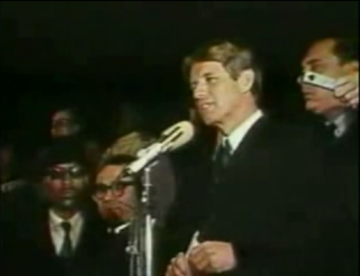
Senator Robert F. Kennedy announcing the murder of Dr. Martin Luther King, Jr.
By https://www.youtube.com/watch?v=jPYNb4ex6Ko, Fair use, https://en.wikipedia.org/w/index.php?curid=14289385
What should the surviving victims of gun massacres do to seek redress?
And how can the relatives and friends of those who didn’t survive seek justice for those they loved?
Two things:
First, don’t count on politicians to support a ban on assault weapons.
Politicians—with rare exceptions—have only two goals:
- Get elected to office, and
- Stay in office.
And too many of them fear the economic and voting clout of the NRA to risk its wrath.
Consider Mitt Romney and President Barack Obama.
Both rushed to offer condolences to the surviving victims of the massacre at the Century 16 Theater in Aurora, Colorado, on July 20, 2012.
And both steadfastly refused to even discuss gun control—let alone support a ban on the type of assault weapons used by James Holmes, leaving 12 dead and 58 wounded.
Second, those who survived the massacre—and the relatives and friends of those who didn’t—should file wrongful death, class-action lawsuits against the NRA.
There is sound, legal precedent for this.
- For decades, the American tobacco industry peddled death and disability to millions and reaped billions of dollars in profits.
- The industry vigorously claimed there was no evidence that smoking caused cancer, heart disease, emphysema or any other ailment.
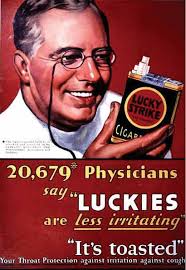
- Tobacco companies spent billions on slick advertising campaigns to win new smokers and attack medical warnings about the dangers of smoking.
- Tobacco companies spent millions to elect compliant politicians and block anti-smoking legislation.
- From 1954 to 1994, over 800 private lawsuits were filed against tobacco companies in state courts. But only two plaintiffs prevailed, and both of those decisions were reversed on appeal.
- In 1994, amidst great pessimism, Mississippi Attorney General Mike Moore filed a lawsuit against the tobacco industry. But other states soon followed, ultimately growing to 46.
- Their goal: To seek monetary, equitable and injunctive relief under various consumer-protection and anti-trust laws.
- The theory underlying these lawsuits was: Cigarettes produced by the tobacco industry created health problems among the population, which badly strained the states’ public healthcare systems.
- In 1998, the states settled their Medicaid lawsuits against the tobacco industry for recovery of their tobacco-related, health-care costs. In return, they exempted the companies from private lawsuits for tobacco-related injuries.
- The companies agreed to curtail or cease certain marketing practices. They also agreed to pay, forever, annual payments to the states to compensate some of the medical costs for patients with smoking-related illnesses.
The parallels with the NRA are obvious:
- For decades, the NRA has peddled deadly weapons to millions, reaped billions of dollars in profits and refused to admit the carnage those weapons have produced: “Guns don’t kill people. People kill people.” With guns.

- The NRA has bitterly fought background checks on gun-buyers, in effect granting even criminals and the mentally ill the right to own arsenals of death-dealing weaponry.
- The NRA has spent millions on slick advertising campaigns to win new members and frighten them into buying guns.
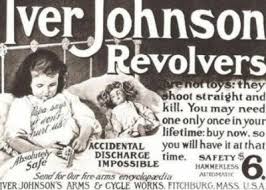
- The NRA has spent millions on political contributions to block gun-control legislation.
- The NRA has spent millions attacking political candidates and elected officials who warned about the dangers of unrestricted access to assault and/or concealed weapons.

- The NRA has spent millions pushing “Stand Your Ground” laws in more than half the states, which potentially give every citizen a “license to kill.”
- The NRA receives millions of dollars from online sales of ammunition, high-capacity ammunition magazines, and other accessories through its point-of-sale Round-Up Program—thus directly profiting by selling a product that kills about 30,288 people a year.
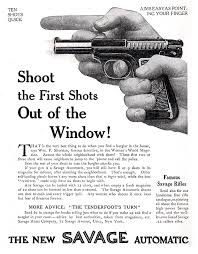
- Firearms made indiscriminately available through NRA lobbying have filled hospitals with casualties, and have thus badly strained the states’ public healthcare systems.
It will take a series of highly expensive and well-publicized lawsuits to significantly weaken the NRA, financially and politically.
The first ones will have to be brought by the surviving victims of gun violence—and by the friends and families of those who did not survive it. Only they will have the courage and motivation to take such a risk.
As with the cases first brought against tobacco companies, there will be losses. And the NRA will rejoice with each one.
But, in time, state Attorneys General will see the clear parallels between lawsuits filed against those who peddle death by cigarette and those who peddle death by armor-piercing bullet.
And then the NRA—like the tobacco industry—will face an adversary wealthy enough to stand up for the rights of the gun industry’s own victims.
Only then will those politicians supporting reasonable gun controls dare to stand up for the victims of these needless tragedies.
ABC NEWS, ADOLF HITLER, ALTERNET, AMERICABLOG, AMERICAN REVOLUTION, ANDREW JACKSON, AP, BABY BOOMER RESISTANCE, BBC, BLOOMBERG NEWS, BUZZFEED, CBS NEWS, CHECHENS, CNN, CROOKS AND LIARS, DAILY KOS, FIVETHIRTYEIGHT, FORT MIMS MASSACRE, GREAT BRITAIN, HARPER’S MAGAZINE, HUFFINGTON POST, MEDIA MATTERS, MERCENARIES, MOTHER JONES, MOVEON, MSNBC, NAZI-SOVIET "NON-AGGRESSION PACT", NBC NEWS, NEW REPUBLIC, NEWSDAY, NEWSWEEK, NICCOLO MACHIAVELLI, NPR, NUCLEAR WEAPONS, PBS NEWSHOUR, POLITICO, POLITICUSUSA, RAW STORY, REUTERS, SALON, SEATTLE TIMES, SLATE, TALKING POINTS MEMO, THE ATLANTIC, THE BLITZ, THE CHICAGO SUN-TIMES, THE CHICAGO TRIBUNE, THE DAILY BEAST, THE DAILY BLOG, THE DISCOURSES, THE GUARDIAN, THE HILL, THE HUFFINGTON POST, THE INTERCEPT, THE LOS ANGELES TIMES, THE NATION, THE NEW REPUBLIC, THE NEW YORK TIMES, THE NEW YORKER, THE PRINCE, THE SS, THE VILLAGE VOICE, THE WASHINGTON POST, THINKPROGRESS, THIRD REICH, TIME, TRUTHDIG, TRUTHOUT, TWITTER, U.S. NEWS & WORLD REPORT, UKRAINE, UPI, USA TODAY, VLADIMIR PUTIN, VOLODYMYR ZELENSKY, WAR OF 1812, WEHRMACHT, WORLD WAR 11
In Bureaucracy, History, Military, Politics, Social commentary on June 28, 2023 at 12:12 am
Vladimir Putin believes himself to be a serious student of history. But he has drawn the wrong lessons from the past.
During the American Revolution (1775-1783) and the War of 1812 (1812-1815) Great Britain encouraged Indian attacks on American settlers.
One of the worst of these attacks occurred on August 30, 1813, when over 700 Creek Indians destroyed Fort Mims, near Mobile, Alabama. About 500 militiamen, settlers, slaves and Creeks loyal to the Americans were slaughtered or captured.

Fort Mims massacre
Inflaming the Indians against settlers didn’t help the British on the battlefield—in the American Revolution or the War of 1812. But it did incite long-lasting hatred by the vast majority of Americans against the British—and even greater hatred of the Indians.
To cite one example: The Fort Mims massacre inspired General Andrew Jackson to take the field, eventually destroying the Creeks as a nation and wresting Florida from Spain for the United States.
The British lost their American colony. And the Indians were gradually driven from their dominance of the continent.
Similarly, Vladimir Putin has turned to Chechen mercenaries for help in conquering Ukraine. They are known as “Kadyrovtsy” or “Kadyrovites” after their leader, Ramzan Kadyrov, Chechnya’s pro-Kremlin strongman.
Human rights groups, witnesses and survivors have for decades accused them of murders, kidnappings and the torture of Kadyrov’s rivals and critics.
Just as the Indians hoped to use their alliance with the British to defeat their Anglo-American enemies, so, too, do Chechen mercenaries hope to ingratiate themselves with the Kremlin.

Vladimir Putin
Kremlin.ru, CC BY 4.0 <https://creativecommons.org/licenses/by/4.0>, via Wikimedia Commons
Yet that alliance has not advanced Russia’s fortunes on the battlefield, just as the British-Indian alliance did not gain victory for the British.
As Niccolo Machiavelli, writing more than 500 years ago in The Prince, warned: “[Mercenaries] have neither the fear of God nor fidelity to man, and destruction is deferred only as the attack is. For in peace one is robbed by them, and in war by the enemy.”
Moreover, the atrocities committed by Indians and Chechens only inflamed their enemies to seek revenge.
In his masterwork, The Discourses, Machiavelli offered a lesson on the power of mercy even in the midst of war.
“Marcus Furius Camillus, a Roman general, was besieging the city of the Faliscians, and had surrounded it. A teacher charged with the education of the children of some of the noblest families of that city decided to ingratiate himself with Camillus by leading those children into the Roman camp.
“Presenting them to Camillus the teacher said to him, ‘By means of these children as hostages, you will be able to compel the city to surrender.’
“Camillus not only declined the offer but had the teacher stripped and his hands tied behind his back. Then he had a rod put into the hands of each of the children and directed them to whip the teacher all the way back to the city.
“Upon learning this, the citizens of Faliscia were so much touched by the humanity and integrity of Camillus, that they surrendered the place to him without any further defense.”
Summing up the meaning of this, Machiavelli writes: “This example shows that an act of humanity and benevolence will at all times have more influence over the minds of men than violence and ferocity. It also proves that provinces and cities which no armies…could conquer, have yielded to an act of humanity, benevolence, chastity or generosity.
“…History also shows us how much the people desire to find such virtues in great men, and how much they are extolled by historians and biographers of princes….Amongst these, Xenophon takes great pains to show how many victories, how much honor and fame, Cyrus gained by his humanity and affability, and by his not having exhibited a single instance of pride, cruelty or luxuriousness, nor of any of the other vices that are apt to stain the lives of men.”

Niccolo Machiavelli
Then there has been Putin’s use of terror-attacks on Ukrainian cities.
Using bombers and long-range artillery, Putin has tried to compensate for losses on the battlefield by terrorizing Ukrainians into surrender.
Adolf Hitler applied the same tactic against an equally stubborn Great Britain during the Second World War. in 1940-41.
Unable to invade England because the British Navy controlled the sea, Hitler turned to terror-bombing.
He believed he could terrorize Britons into demanding that their government yield to German surrender demands.
From September 7, 1940 to May 21, 1941, the Luftwaffe subjected England—and especially London—to a ruthless bombing campaign that became known as The Blitz.
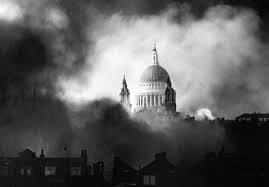
The undamaged St. Paul’s Cathredal, December, 1940
During 267 days—almost 37 weeks—between 40,000 and 43,000 British civilians were killed. About 139,000 others were wounded.
But the terror-bombing only inflamed Britons to fight Germany even more stubbornly.
Vladimir Putin has learned nothing from these historical lessons.
He has employed mercenaries and terror-bombing against patriotic Ukrainians—who continue to sweep Russian forces from their country.
If he employs even “small” tactical weapons, he risks triggering a fullscale NATO response—thus destroying the Russian empire he hopes to re-create.
Finally: Even if he conquers Ukraine, he will inherit a hate-filled population thirsting for revenge at every opportunity.
2016 PRESIDENTIAL ELECTION, 2020 PRESIDENTIAL ELECTION, ABC NEWS, ADAM SCHIFF, ADOLF HITLER, AFGHANISTAN, ALBERT SPEER, ALTERNET, AMERICABLOG, ANTIFA, AP, BABY BOOMER RESISTANCE, BARACK OBAMA, BLOOMBERG, BUZZFEED, CBS NEWS, CHRIS CILLIZZA, CHRIS KREBS, CHRISTOPHER WRAY, CIA, CNN, CORONAVIRUS, COVID-19, CROOKS AND LIARS, CYBERSECURITY AND INFRASTRUCTURE SECURITY AGENCY, DAILY KOS, DAILY KOZ, DENMARK, DEPARTMENT OF HOMELAND SECURITY, DISOBEYING HITLER: GERMAN RESISTANCE AFTER VALKYRIE (BOOK), DONALD TRUMP, DONALDL TRUMP JR., DRUDGE REPORT, FASCISM, FBI, FIVETHIRTYEIGHT, FRANCE, HARPER’S MAGAZINE, HERMANN GORING, HILLARY CLINTON, HUFFINGTON POST, IMPEACHMENT, IRAQ, JAKE TAPPER, JAMES B. COMEY, JARED KUSHNER, JOE BIDEN, MAIL-IN BALLOTS, MARK ESPER, MEDIA MATTERS, MIKE PENCE, MITCH MCCONNELL, MOTHER JONES, MOVEON, MSNBC, NAZI GERMANY, NBC NEWS, NEWSWEEK, NORWAY, NPR, PAUL MANAFORT, PBS NEWSHOUR, PLANNED PARENTHOOD, POLAND, POLITICO, POLITICUSUSA, RANDALL HANSEN, RAW STORY, REPUBLICAN PARTY, REPUBLICANS, REUTERS, RUSSIA, SALON, SEATTLE TIMES, SLATE, SOVIET UNION, SS, STALINGRAD, TALKING POINTS MEMO, THE ATLANTIC, THE CHICAGO SUN-TIMES, THE CHICAGO TRIBUNE, THE DAILY BEAST, THE DAILY BLOG, THE GUARDIAN, THE HILL, THE HUFFINGTON POST, THE LOS ANGELES TIMES, THE NATION, THE NEW REPUBLIC, THE NEW YORK TIMES, THE PENTAGON, THE VILLAGE VOICE, THE WALL STREET JOURNAL, THE WASHINGTON POST, THINKPROGRESS, TIME, TRUMP TOWER MEETING, TRUTHDIG, TRUTHOUT, TWITTER, TWO POLITICAL JUNKIES, U.S. NEWS & WORLD REPORT, UPI, USA TODAY, VLADIMIR PUTIN, VOTER FRAUD, WEHRMACHT, WERNER VON BLOMBERG, WERNER VON FRITCH, WONKETTE, WORLD WAR 11
In Bureaucracy, History, Law, Law Enforcement, Military, Politics, Social commentary on June 2, 2023 at 12:12 am
On March 19, 1945, facing certain defeat, Nazi Fuhrer Adolf Hitler ordered a massive “scorched-earth” campaign throughout Germany:
“Destroy all German agriculture, industry, ships, communications, roads, food stuffs, mines, bridges, stores and utility plants!”
If implemented, it would deprive surviving Germans of even the barest necessities after the war.
Opposing him was Albert Speer, his favorite architect and Minister of Armaments.
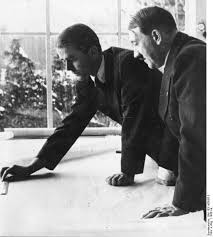
Albert Speer and Adolf Hitler pouring over architectural plans
But Hitler refused to back down. He gave Speer 24 hours to reconsider his opposition to the order.
The next day, Speer told Hitler: “My Fuhrer, I stand unconditionally behind you!”
“Then all is well,” said Hitler, suddenly with tears in his eyes.
“If I stand unreservedly behind you,” said Speer, “then you must entrust me rather than the Gauleiters [district Party leaders serving as provincial governors] with the implementation of your decree.”
Filled with gratitude, Hitler signed the decree Speer had thoughtfully prepared before their fateful meeting.
By doing so, Hitler unintentionally gave Speer the power to thwart his “scorched earth” order.
Trained as an architect, Speer had joined the Nazi Party in 1931. He met Hitler in 1933, when he presented the Fuhrer with architectural designs for the Nuremberg Rally scheduled for that year.
From then on, Speer became Hitler’s “genius architect” assigned to create buildings meant to last for a thousand years. “If Hitler had been capable of friendship,” Speer said after the war, “I would have been that friend.”
In 1943, Hitler appointed him Minister of Armaments, charged with revitalizing the German war effort.
Nevertheless, Speer now crisscrossed Germany, persuading military leaders and district governors to not destroy the vital facilities that would be needed after the war.
“No other senior National Socialist could have done the job,” writes Randall Hanson, author of Disobeying Hitler: German Resistance After Valkyrie.
“Speer was one of the very few people in the Reich—-perhaps even the only one—with such power to influence actors’ willingness/unwillingness to destroy.”
Despite his later conviction for war crimes at Nuremberg, Speer never regretted his efforts to save Germany from total destruction at the hands of Adolf Hitler.
* * * * *
As the Third Reich came to its fiery end, Adolf Hitler blamed the German people for being “unworthy” of his “genius” and losing the war he had started.
His attitude was: “If I can’t rule Germany, then there won’t be a Germany.”
Fortunately for Germany, one man—Albert Speer—finally broke ranks with his Fuhrer.

Albert Speer
Risking death, he refused to carry out Hitler’s “scorched earth” order. Even more important, he successfully blocked such destruction and persuaded influential military and civilian leaders to disobey the order as well.
As a result, those targets slated for destruction were spared.
* * * * *
Fast forward 75 years: Facing the end of his Presidency, Donald Trump desperately sought to remain in power. Having “joked” about being “President-for-Life,” he now fought to make that a reality.
Unlike his 44 predecessors, he rejected the will of the voters and for almost three weeks denied his successor access to the resources he needed to launch a smooth transition.
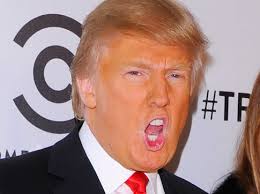
Donald Trump
Even worse: Instead of showing concern for the country he claimed to love, Trump sought to relentlessly destroy those institutions that guarantee American freedom and safety:
- The Pentagon
- The CIA
- The FBI
- The Cybersecurity and Infrastructure Security Agency
His attitude clearly was: “If I can’t rule America, there won’t be an America.”
Meanwhile, House and Senate Republicans embraced his most outrageous lies—or refused to openly refute them—as the COVID-19 pandemic slaughtered about 1,000 Americans a day.
Even Republicans who privately admitted the Trump era was ending realized that 70 million hate-filled Americans voted for him in 2020. And eagerly awaited the coming of the next would-be Fuhrer.
They would also eagerly vote out of office any Republican who dared break with the man they worshiped like a cult leader.
For Congressional Republicans, staying in office—and keeping their power and perks—was their top priority.
On November 25, 2019, CNN political correspondent Jake Tapper interviewed Representative Adam Schiff on Donald Trump’s upcoming impeachment trial for abuse of power and obstruction of Congress.
What would it mean if Republicans uniformly oppose any articles of impeachment against Trump? asked Tapper.
“It will have very long-term consequences, if that’s where we end up,” replied Schiff.
“And if not today, I think Republican members in the future, to their children and their grandchildren, will have to explain why they did nothing in the face of this deeply unethical man who did such damage to the country.”
In the end, only one of 53 Republican Senators—Mitt Romney—dared to vote for impeachment. And he became an instant pariah for it.
On March 18, 1945, Albert Speer, opposing Hitler’s plans to destroy Germany’s infrastructure, addressed a memo to his Fuhrer, in which he wrote: “No one has the right to take the viewpoint that the fate of the German people is tied to his personal fate.”
The country is still waiting for a Republican Albert Speer to step forward and save America from the self-destructive intentions of its own would-be Fuhrer.
2016 PRESIDENTIAL ELECTION, 2020 PRESIDENTIAL ELECTION, ABC NEWS, ADAM SCHIFF, ADOLF HITLER, AFGHANISTAN, ALBERT SPEER, ALTERNET, AMERICABLOG, ANTIFA, AP, BABY BOOMER RESISTANCE, BARACK OBAMA, BLOOMBERG, BUZZFEED, CBS NEWS, CHRIS CILLIZZA, CHRIS KREBS, CHRISTOPHER WRAY, CIA, CNN, CORONAVIRUS, COVID-19, CROOKS AND LIARS, CYBERSECURITY AND INFRASTRUCTURE SECURITY AGENCY, DAILY KOS, DAILY KOZ, DENMARK, DEPARTMENT OF HOMELAND SECURITY, DISOBEYING HITLER: GERMAN RESISTANCE AFTER VALKYRIE (BOOK), DONALD TRUMP, DONALDL TRUMP JR., DRUDGE REPORT, FASCISM, FBI, FIVETHIRTYEIGHT, FRANCE, HARPER’S MAGAZINE, HERMANN GORING, HILLARY CLINTON, HUFFINGTON POST, IMPEACHMENT, IRAQ, JAKE TAPPER, JAMES B. COMEY, JARED KUSHNER, JOE BIDEN, MAIL-IN BALLOTS, MARK ESPER, MEDIA MATTERS, MIKE PENCE, MITCH MCCONNELL, MOTHER JONES, MOVEON, MSNBC, NAZI GERMANY, NBC NEWS, NEWSWEEK, NORWAY, NPR, PAUL MANAFORT, PBS NEWSHOUR, PLANNED PARENTHOOD, POLAND, POLITICO, POLITICUSUSA, RANDALL HANSEN, RAW STORY, REPUBLICAN PARTY, REPUBLICANS, REUTERS, RUSSIA, SALON, SEATTLE TIMES, SLATE, SOVIET UNION, SS, STALINGRAD, TALKING POINTS MEMO, THE ATLANTIC, THE CHICAGO SUN-TIMES, THE CHICAGO TRIBUNE, THE DAILY BEAST, THE DAILY BLOG, THE GUARDIAN, THE HILL, THE HUFFINGTON POST, THE LOS ANGELES TIMES, THE NATION, THE NEW REPUBLIC, THE NEW YORK TIMES, THE PENTAGON, THE VILLAGE VOICE, THE WALL STREET JOURNAL, THE WASHINGTON POST, THINKPROGRESS, TIME, TRUMP TOWER MEETING, TRUTHDIG, TRUTHOUT, TWITTER, TWO POLITICAL JUNKIES, U.S. NEWS & WORLD REPORT, UPI, USA TODAY, VLADIMIR PUTIN, VOTER FRAUD, WEHRMACHT, WERNER VON BLOMBERG, WERNER VON FRITCH, WONKETTE, WORLD WAR 11
In Bureaucracy, History, Law, Law Enforcement, Military, Politics, Social commentary on June 1, 2023 at 12:32 am
President Donald Trump seemed poised to fire his handpicked CIA director.
He believed that Gina Haspel had stonewalled the release of documents supposedly exposing “deep state” plots against his 2016 campaign during the Obama administration.
[In fact, the Obama administration had acted entirely within the law during the 2016 Presidential campaign. The FBI has a legal mandate to keep track of subversive activities—especially when they involve members of a Presidential candidate’s campaign.
[On July 9, 2016, high-ranking representatives of the Trump campaign met at Trump Tower with at least two lobbyists with ties to Russian dictator Vladimir Putin.

Gina Haspel
[The participants included:
- Trump’s son, Donald Trump Jr.;
- His son-in-law, Jared Kushner;
- His then-campaign manager, Paul Manafort;
- Natalia Veselnitskaya, a Russian lawyer with ties to Putin; and
- Rinat Akhmetshin, a former Soviet counterintelligence officer suspected of “having ongoing ties to Russian Intelligence.”
[The reason for the meeting: To dig up “dirt” the Russians might have on Hillary Clinton, Trump’s opponent for the White House.]
Trump was also angry at FBI Director Christopher Wray—who replaced James B. Comey in May, 2017. Trump had fired Comey for daring to investigate ties between his 2016 campaign and Russian Intelligence agents.

Christopher Wray
The reason for his anger at Wray: Wray had dared to contradict Trump’s false claims that
- “Rampant voter fraud” was a widespread problem; and
- Antifa posed a greater terrorism danger than white supremacist groups.
During the 2016 Presidential race, Russian propaganda played a major role in convincing millions of Americans to vote for Donald Trump. Social media platforms—especially Facebook and Twitter—were flooded with genuinely fake news to sow discord among Americans and create a pathway for Trump’s election.
Russian President Vladimir Putin, a former KGB officer, had quickly assessed Trump as an egotistical narcissist. By appealing to Trump’s vanity, Putin expected to sharply reduce the military and political threat the United States represented to a resurgent Russia.
So notorious was the role played by Russian Intelligence in misleading American voters in 2016 that the Department of Homeland Security (DHS) was determined to prevent a repetition in 2020.
The man ultimately tasked with this mission was Chris Krebs, the director of the Cybersecurity and Infrastructure Security Agency run by DHS.
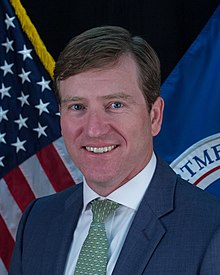
Chris Krebs
Krebs launched a massive effort to counter lies spread by Russians—and Americans—on social media platforms. Among his duties:
- Sharing Intelligence from agencies such as the CIA and National Security Agency with local officials about foreign efforts at election interference.
- Ensuring that domestic voting equipment was secure.
- Attacking domestic misinformation head-on.
As a result, Krebs was widely praised for revamping the department’s cybersecurity efforts and increasing coordination with state and local governments.
By all accounts—except Trump’s—the 2020 election went very smoothly.
On November 17, 2020, Trump fired Chris Krebs.
The reason: Krebs had not only countered Russian propaganda lies—he had dared to counter Trump’s as well. For example: He rejected Trump’s claims of widespread voter fraud: There “is no evidence that any voting system deleted or lost votes, changed votes, or was in any way compromised.”
Trump fired Krebs by tweet—and accompanied the outrage with yet another lie:
“The recent statement by Chris Krebs on the security of the 2020 election was highly inaccurate, in that there were massive improprieties and fraud, including dead people voting, poll watchers not allowed into polling locations, glitches in the voting machines which changed votes from Trump to Biden, late voting, and many more. Therefore, effective immediately, Chris Krebs has been terminated as director of the Cybersecurity and Infrastructure Security Agency.”
In a November 17 story on the CNN website, CNN reporters Kaitlan Collins and Paul LeBlanc bluntly concluded:
“[Krebs’] dismissal underscores the lengths Trump is willing to go to punish those who don’t adopt his conspiratorial view of the election.
“Since CNN and other outlets called the race for President-elect Joe Biden, Trump has refused to accept the results, instead pushing baseless conspiracies that his second term is being stolen.
“This includes falsely claiming during an election night address that he had already won reelection, that he had won states that were actually still up in the air at the time and that his opponents were perpetrating a fraud.”
* * * * *
Seventy-five years earlier, on March 19, 1945, facing certain defeat, Adolf Hitler ordered a massive “scorched-earth” campaign throughout Germany.
All German agriculture, industry, ships, communications, roads, food stuffs, mines, bridges, stores and utility plants were to be destroyed.
If implemented, it would deprive the entire German population of even the barest necessities after the war.
Opposing him—at first openly, and later secretly—was Albert Speer, his former architect and now Minister of Armaments.
Speer argued that there must be a future for the German people: “If our enemies wish to destroy us, why help them? We must leave the people something.”
But Hitler refused to back down: “I don’t want to hear any more.”
He gave Speer 24 hours to reconsider his opposition to the order.
Speer could not directly promise to carry out Hitler’s “scorched earth” order. So he gave Hitler a vague answer that essentially committed him to nothing: “My Fuhrer, I stand unconditionally behind you!”
2016 PRESIDENTIAL ELECTION, 2020 PRESIDENTIAL ELECTION, ABC NEWS, ADAM SCHIFF, ADOLF HITLER, AFGHANISTAN, ALBERT SPEER, ALTERNET, AMERICABLOG, ANTIFA, AP, BABY BOOMER RESISTANCE, BARACK OBAMA, BLOOMBERG, BUZZFEED, CBS NEWS, CHRIS CILLIZZA, CHRIS KREBS, CHRISTOPHER WRAY, CIA, CNN, CORONAVIRUS, COVID-19, CROOKS AND LIARS, CYBERSECURITY AND INFRASTRUCTURE SECURITY AGENCY, DAILY KOS, DAILY KOZ, DENMARK, DEPARTMENT OF HOMELAND SECURITY, DISOBEYING HITLER: GERMAN RESISTANCE AFTER VALKYRIE (BOOK), DONALD TRUMP, DONALDL TRUMP JR., DRUDGE REPORT, FASCISM, FBI, FIVETHIRTYEIGHT, FRANCE, HARPER’S MAGAZINE, HERMANN GORING, HILLARY CLINTON, HUFFINGTON POST, IMPEACHMENT, IRAQ, JAKE TAPPER, JAMES B. COMEY, JARED KUSHNER, JOE BIDEN, MAIL-IN BALLOTS, MARK ESPER, MEDIA MATTERS, MIKE PENCE, MITCH MCCONNELL, MOTHER JONES, MOVEON, MSNBC, NAZI GERMANY, NBC NEWS, NEWSWEEK, NORWAY, NPR, PAUL MANAFORT, PBS NEWSHOUR, PLANNED PARENTHOOD, POLAND, POLITICO, POLITICUSUSA, RANDALL HANSEN, RAW STORY, REPUBLICAN PARTY, REPUBLICANS, REUTERS, RUSSIA, SALON, SEATTLE TIMES, SLATE, SOVIET UNION, SS, STALINGRAD, TALKING POINTS MEMO, THE ATLANTIC, THE CHICAGO SUN-TIMES, THE CHICAGO TRIBUNE, THE DAILY BEAST, THE DAILY BLOG, THE GUARDIAN, THE HILL, THE HUFFINGTON POST, THE LOS ANGELES TIMES, THE NATION, THE NEW REPUBLIC, THE NEW YORK TIMES, THE PENTAGON, THE VILLAGE VOICE, THE WALL STREET JOURNAL, THE WASHINGTON POST, THINKPROGRESS, TIME, TRUMP TOWER MEETING, TRUTHDIG, TRUTHOUT, TWITTER, TWO POLITICAL JUNKIES, U.S. NEWS & WORLD REPORT, UPI, USA TODAY, VLADIMIR PUTIN, VOTER FRAUD, WEHRMACHT, WERNER VON BLOMBERG, WERNER VON FRITCH, WONKETTE, WORLD WAR 11
In Bureaucracy, History, Law, Law Enforcement, Military, Politics, Social commentary on May 31, 2023 at 12:25 am
On November 3, 2020, Joe Biden became President-elect of the United States by winning 79,658,000 votes, or 51% of the vote, compared to 73,886,400 votes, or 47.2% of the vote cast for President Donald Trump.
In the Electoral College—which actually determines the winner—the results were even more stunning: 306 votes for Biden, compared with 232 for Trump. It takes 270 votes to be declared the victor.
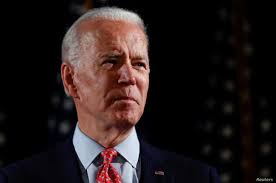
Joe Biden
Despite this, Trump steadfastly refused to concede. He made a series of baseless claims that he was cheated of victory by
- Illegal aliens being allowed to vote.
- A sinister computer program that turned Trump votes into Biden ones.
He repeatedly filed legal challenges to the vote, claiming himself the victim of massive fraud. This despite the utter lack of evidence of it.
On November 13, nine cases meant to attack President-elect Joe Biden’s win in key states were denied or dropped. A law firm challenging the vote count in Pennsylvania withdrew from the effort.
In Michigan, Trump’s attorneys dropped their federal suit to block the certification of Detroit-area ballots.
By November 21, Trump had lost in 30 cases dismissed by judges or withdrawn by his own attorneys.
Meanwhile, top Republicans—such as Vice President Mike Pence and Senate Majority Leader Mitch McConnell—refused to congratulate Biden as the winner.

Mitch McConnell
In a November 17, 2020 analysis, entitled “Donald Trump Doesn’t Seem to Want to Do His Job Anymore,” CNN Editor-at-Large Chris Cillizza wrote:
While Trump relentlessly asserted that he won the 2020 election, “he’s done next to nothing—at least publicly—to suggest he plans to continue doing the job in any serious manner through January 20.”
According to Cillizza, since losing the election, Trump had filled his days with:
- Golfing
- Tweeting
- Making controversial military decisions
- Firing people
Specifically:
Golfing: He played golf at his club in Virginia twice on the weekend of November 14-15. He was golfing the previous weekend, when Joe Biden was declared the winner of the 2020 race by CNN and other media outlets.
Tweeting: He tweeted numerous lies and conspiracy theories, claiming he won a second term but was cheated by the counting of fraudulent votes. This led Twitter to flag a large number of his tweets as “inaccurate.”
Making controversial military decisions: The Pentagon signaled it was planning—on Trump’s orders—to withdraw troops from Afghanistan and Iraq. [American forces had been warring with the Taliban in Afghanistan since 2001; they had been warring against Iraqi insurgents since 2003.]
And in a move that was truly frightening: The New York Times reported that Trump asked his top advisers for options to strike at Iran’s nuclear capabilities before he left office. This would embroil the United States in a war that could easily turn nuclear.
Firing people: On November 9, Trump fired Secretary of Defense Mark Esper. Four senior civilian officials were subsequently fired or resigned—Esper’s chief of staff and the top officials overseeing policy and intelligence.
They were replaced with flunkies loyal to Trump personally.
[This was in fact how Adolf Hitler took control of the Wehrmacht.
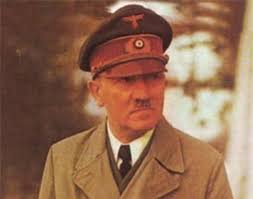
Adolf Hitler
[Since taking command of Germany in the summer of 1934, Hitler wanted to replace two high-ranking military officials: General Werner von Fritsch and Colonel General Werner von Blomberg. Both were convinced that Hitler’s increasingly aggressive foreign policy was putting Germany on a collision course with war—a war the Fatherland could not win.
[Hitler, in fact, meant to go to war—and despised Fritsch’s and Blomberg’s hesitation to do so. He decided to rid himself of both men.
[On January 12, 1938, Blomberg married Erna Gruhn, with Hitler and Reichsmarshall Hermann Goring attending as witnesses. Soon afterward, Berlin police discovered that Gruhn had a criminal record as a prostitute and had posed for pornographic photographs.
[Marrying a woman with such a background violated the standard of conduct expected of German officers. Hitler saw the scandal as an opportunity to dispose of Blomberg—who was forced to resign.
[Shortly after Blomberg was forced out in disgrace, the SS—Hitler’s private police force—presented Hitler with a file that falsely accused Werner von Fritsch of homosexuality. Fritsch angrily denied the accusation but resigned on February 4, 1938.
[From that point on, Hitler was in de facto command of the German Armed Services.]
Eighty-two years later, on November 3, 2020, President Donald Trump lost the 2020 Presidential election to former Vice President Joe Biden.
But Trump seemed determine to inflict as much damage as possible on the agencies responsible for protecting the security of the nation.
Besides wreaking havoc on the Pentagon, Trump was reportedly preparing to fire CIA Director Gina Haspel and FBI Director Christopher Wray.
Trump had accused Haspel of stonewalling the release of documents that would supposedly expose “deep state” plots against Trump’s campaign and transition during the Obama administration.
In fact, the Obama administration had acted entirely within the law during the 2016 Presidential campaign. The FBI has a legal mandate to keep track of subversive activities—especially when they involve members of a Presidential campaign such as Trumps.
And he was furious that Wray had dared to contradict Trump’s false claims that:
- “Rampant voter fraud” was a widespread problem; and
- Antifa posed a greater terrorism danger than white supremacist groups.
For Trump, contradiction was the same as treason.
2016 PRESIDENTIAL ELECTION, 2020 PRESIDENTIAL ELECTION, ABC NEWS, ADAM SCHIFF, ADOLF HITLER, AFGHANISTAN, ALBERT SPEER, ALTERNET, AMERICABLOG, ANTIFA, AP, BABY BOOMER RESISTANCE, BARACK OBAMA, BLOOMBERG, BUZZFEED, CBS NEWS, CHRIS CILLIZZA, CHRIS KREBS, CHRISTOPHER WRAY, CIA, CNN, CORONAVIRUS, COVID-19, CROOKS AND LIARS, CYBERSECURITY AND INFRASTRUCTURE SECURITY AGENCY, DAILY KOS, DAILY KOZ, DENMARK, DEPARTMENT OF HOMELAND SECURITY, DISOBEYING HITLER: GERMAN RESISTANCE AFTER VALKYRIE (BOOK), DONALD TRUMP, DONALDL TRUMP JR., DRUDGE REPORT, FASCISM, FBI, FIVETHIRTYEIGHT, FRANCE, HARPER’S MAGAZINE, HERMANN GORING, HILLARY CLINTON, HUFFINGTON POST, IMPEACHMENT, IRAQ, JAKE TAPPER, JAMES B. COMEY, JARED KUSHNER, JOE BIDEN, MAIL-IN BALLOTS, MARK ESPER, MEDIA MATTERS, MIKE PENCE, MITCH MCCONNELL, MOTHER JONES, MOVEON, MSNBC, NAZI GERMANY, NBC NEWS, NEWSWEEK, NORWAY, NPR, PAUL MANAFORT, PBS NEWSHOUR, PLANNED PARENTHOOD, POLAND, POLITICO, POLITICUSUSA, RANDALL HANSEN, RAW STORY, REPUBLICAN PARTY, REPUBLICANS, REUTERS, RUSSIA, SALON, SEATTLE TIMES, SLATE, SOVIET UNION, SS, STALINGRAD, TALKING POINTS MEMO, THE ATLANTIC, THE CHICAGO SUN-TIMES, THE CHICAGO TRIBUNE, THE DAILY BEAST, THE DAILY BLOG, THE GUARDIAN, THE HILL, THE HUFFINGTON POST, THE LOS ANGELES TIMES, THE NATION, THE NEW REPUBLIC, THE NEW YORK TIMES, THE PENTAGON, THE VILLAGE VOICE, THE WALL STREET JOURNAL, THE WASHINGTON POST, THINKPROGRESS, TIME, TRUMP TOWER MEETING, TRUTHDIG, TRUTHOUT, TWITTER, TWO POLITICAL JUNKIES, U.S. NEWS & WORLD REPORT, UPI, USA TODAY, VLADIMIR PUTIN, VOTER FRAUD, WEHRMACHT, WERNER VON BLOMBERG, WERNER VON FRITCH, WONKETTE, WORLD WAR 11
In Bureaucracy, History, Law, Law Enforcement, Military, Politics, Social commentary on May 30, 2023 at 12:10 am
Albert Speer, Minister of Armaments for the Third Reich, was appalled.
His Fuhrer, Adolf Hitler—the man he had idolized for 14 years—had just passed a death sentence on Germany, the nation he claimed to love above all others.
On September 1, 1939, Hitler had triggered World War II with the invasion of Poland. This led to a series of quick, spectacular victories—over Poland, Norway, Denmark and France.
Then, on June 22, 1941, Hitler turned on his ally, the Soviet Union, with which he had signed a non-aggression pact in August, 1939.
It had taken the Wehrmacht six weeks to conquer France. Hitler believed that was how long it would take to defeat the Soviet Union.
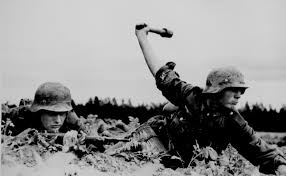
German soldiers invading the Soviet Union
Again, a series of spectacular battlefield victories followed—before the Wehrmacht was halted at the gates of Moscow. A year later, still enmeshed in Russia, the turning point came at Stalingrad, with the loss of the elite Sixth Army and 800,000 soldiers.
Starting in 1943, the Red Army slowly but steadily regained ground it had lost—the western half of Russia—and began pushing back the Germans. By March, 1945, it was fighting inside Germany—and heading straight for its capital: Berlin.
On March 19, 1945, facing certain defeat, Hitler ordered a massive “scorched-earth” campaign throughout Germany.
All German agriculture, industry, ships, communications, roads, food stuffs, mines, bridges, stores and utility plants were to be destroyed.
If implemented, it would deprive the entire German population of even the barest necessities after the war. And he entrusted the campaign to Albert Speer, his favorite architect-turned-Minister-of-Armaments.
Click here: Hitler’s “Scorched Earth” Decree and Albert Speer’s Response
Now living in a bunker 50 feet below bomb-shattered Berlin, Hitler gave full vent to his most destructive impulses.
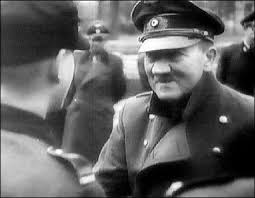
Adolf Hitler addressing boy soldiers as the Third Reich crumbles
“If the war is lost,” Hitler told Speer, “the nation will also perish. This fate is inevitable. There is no necessity to take into consideration the basis which the people will need to continue even a most primitive existence.
“On the contrary, it will be better to destroy these things ourselves, because this nation will have proved to be the weaker one and the future will belong solely to the stronger eastern nation.
“Besides, those who will remain after the battle are only the inferior ones, for the good ones have all been killed.”
Seventy-five years after Adolf Hitler planned the destruction of Germany, Donald Trump planned the same fate for the United States.
On November 3, 2020, Trump lost his bid to win another four years as President of the United States. In the early hours of November 4, 2020, he poured out his fury and self-pity in a televised address from the White House:
“Millions and millions of people voted for us tonight, and a very sad group of people is trying to disenfranchise that group of people and we won’t stand for it, we will not stand for it.”
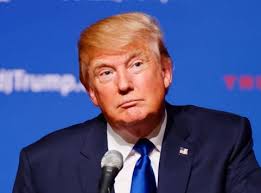
Donald Trump
For a man who had tried—often successfully—to deprive millions of their right to vote, Trump made it clear that he didn’t know what disenfranchisement means.
Sounding like a petulant child whose party has been called off, Trump continued:
“We were getting ready for a big celebration, we were winning everything and all of a sudden it was just called off. The results tonight have been phenomenal…I mean literally we were just all set to get outside and just celebrate something that was so beautiful, so good, such a vote, such a success.”
It was Trump—not his challenger, former Vice President Joe Biden—who was demanding that the electoral process be halted. And that those votes that had not yet been counted be, in effect, flushed down the toilet.
“The citizens of this country have come out in record numbers, this a record, there’s never been anything like it to support our incredible movement….Most importantly, we’re winning Pennsylvania by a tremendous amount of votes. We’re up 690,000 votes.”
Owing to the Coronavirus pandemic—which Trump had refused to aggressively address from its outset in January—millions of Americans had voted by mail. This was especially true of Democrats, who didn’t want to stand in Coronavirus-infected lines.
But Trump had convinced millions of Republican voters that voting by mail was subversive. So they showed up at the polls or stayed away out of a secret fear of COVID-19.
Meanwhile, at the White House on Election Night, Trump continued to rant:
“These aren’t even close, this is not like, Oh, it’s close. With 64% of the vote in, it’s going to be almost impossible and we’re coming into good Pennsylvania areas where they happen to like your president. We’re winning Michigan…I said ‘Wow, that’s a lot’…
“And we’re winning Wisconsin…so when you take those three states in particular and you take all of the others…and all of a sudden it’s not like we’re up 12 votes and we have 60% left, we won states and all of a sudden, I said, ‘What happened to the election? It’s off.’ And we have all these announcers saying, ‘What’s happened’ and then they said, ‘Ohhh.’”
But this did not alter the reality that Joe Biden became President-elect of the United States by winning 79,106,010 votes, or 51% of the vote.
ABC NEWS, ADOLF HITLER, ALTERNET, AMERICABLOG, AP, BABY BOOMER RESISTANCE, BBC, BLOOMBERG, BLOOMBERG NEWS, BUZZFEED, CBS NEWS, CNN, COVID-19, CROOKS AND LIARS, DAILY KOZ, DONALD J. TRUMP, DRUDGE RETORT, ECONOMY, EMPLOYMENT, FACEBOOK, FBI, FIVETHIRTYEIGHT, GESTAPO, HARPER’S MAGAZINE, HUFFINGTON POST, INDEPENDENT COUNSEL, JEWS, JOE BIDEN, JOE SCARBOROUGH, MEDIA, MEDIA MATTERS, MEXICO, MIKA BRZEZINSKI, MORNING JOE, MOTHER JONES, MOVEON, MSNBC, NAZI ATROCITIES, NBC NEWS, NEW REPUBLIC, NEWSDAY, NEWSWEEK, NPR, PAM BONDI, PBS NEWSHOUR, POLITICO, POLITICUSUSA, RAW STORY, REPUBLICANS, REUTERS, SALON, SARAH HUCKABEE SANDERS, SEATTLE TIMES, SLATE, SOVIET UNION, TALKING POINTS MEMO, THE ATLANTIC, THE CHICAGO SUN-TIMES, THE CHICAGO TRIBUNE, THE DAILY BEAST, THE DAILY BLOG, THE GUARDIAN, THE HILL, THE HUFFINGTON POST, THE LOS ANGELES TIMES, THE NATION, THE NEW REPUBLIC, THE NEW YORK TIMES, THE NEW YORKER, THE VILLAGE VOICE, THE WASHINGTON POST, THINKPROGRESS, TIME, TRUMP UNIVERSITY SCANDAL, TRUTHDIG, TRUTHOUT, TWITTER, TWO POLITICAL JUNKIES, U.S. NEWS & WORLD REPORT, UNEMPLOYMENT, UPI, USA TODAY, WEHRMACHT, WONKETTE
In Bureaucracy, History, Politics, Social commentary on February 13, 2023 at 12:25 am
On April 27, 2020, Joe Scarborough offered an important insight about why most Americans ignored President Donald Trump’s crimes and outrages for so long:
“Back in January Joe Biden wrote an Op-Ed that the President was not prepared for this coming pandemic, and things were going to get worse. And he said ‘Let your doctors talk. Let your scientists talk. Follow their lead.’
“…And it’s been one scam idea after another, that people then promoted on other networks, scam doctors promoting these scam solutions, claiming that everybody who had taken this malaria drug had been cured in certain hospitals. This is just the sort of thing that catches up to Donald Trump.
“I’ve said from the very beginning: You can lie about independent counsels, people won’t listen. You can lie about former FBI directors—“
MIKA BRZEZINSKI: “It doesn’t impact their lives.”
JOE SCARBOROUGH: “They’re still going to work, the kids are doing fine, they’ve got enough money to pay their rent, to pay their mortgage, You can even lie about the Ukraine call—they don’t really care.
“But all of these lies, all of these [COVID-19] scams that he’s been pushing…have been revealed as lies—not by the people on cable news, but by their doctors. By nurses they know. If you’ve got a doctor who’s been treating your family for 20-25 years, you’re going to believe that person more than a scam artist that’s pushing propaganda for Donald Trump on talk radio.”
On August 23, 2018, Trump appearing on “Fox and Friends,” said: “I tell you what, if I ever got impeached, I think the market would crash, I think everybody would be very poor.”
Donald Trump
Thus, he appealed to the greed and fear of his voting base—and no doubt hoped to reach beyond it: “Keep me in power or you’ll all suffer for it.”
Then-White House Press Secretary Sarah Huckabee Sanders had bragged, on June 4, 2018:
“Since taking office, the President has strengthened American leadership, security, prosperity, and accountability. And as we saw from Friday’s jobs report, our economy is stronger, Americans are optimistic, and business is booming.”
Many Congressional Republicans echoed this: The American people care only about the economy—and how well-off they are.
For eight years, Nazi Germany underwent such an epoch. Germans called it “The Happy Time.”
It began on January 30, 1933, when Adolf Hitler became Chancellor—and lasted until June 22, 1941, when Hitler invaded the Soviet Union.
Germans knew about the Nazis’ cruelty to the Jews, the conquests of Austria and Czechoslovakia, the mass arrests and concentration camps.
They didn’t care.
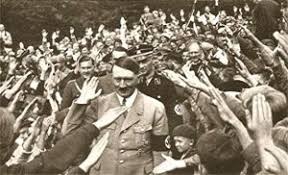
Frenzied Germans greet Adolf Hitler
The Gestapo didn’t have to watch everyone: German “patriots” gladly reported their fellow citizens—especially Jews—to the secret police.
As far as everyday Germans were concerned:
- The streets were clean and peaceful.
- Employment was high.
- The trouble-making unions were gone.
- Germany was once again “taking its rightful place” among ruling nations, after its catastrophic defeat in World War 1.
The height of “The Happy Time” came in June, 1940. In just six weeks, the Wehrmacht accomplished what the German army hadn’t in four years during World War 1: The total defeat of its longtime enemy, France.
Suddenly, French clothes, perfumes, delicacies, paintings and other “fortunes of war” came pouring into the Fatherland.
Most Germans believed der Krieg—“the war”—was over, and only good times lay ahead.
Then, on June 22, 1941, three million Wehrmacht soldiers slashed their way into the Soviet Union. The Third Reich was now locked in a death-struggle with a nation even more powerful than itself.

German soldiers in the Soviet Union
And then, on December 11, 1941—four days after Germany’s ally, Japan, attacked Pearl Harbor—Hitler declared war on the United States.
“The Happy Time” for Germans was over. Only prolonged disaster lay ahead.
Donald Trump has spent his life appealing to the greed or fear of those around him. For example:
- Florida Attorney General Pam Bondi personally solicited a political contribution from Trump around the same time her office deliberated joining an investigation of alleged fraud at Trump University and its affiliates.
- After Bondi dropped the Trump University case against Trump, he wrote her a $25,000 check for her re-election campaign.
- According to an April 14, 2019 story by ABC News, a nationwide review uncovered at least 36 criminal cases where Trump was invoked in direct connection with violent acts, threats of violence or allegations of assault.
- In nine cases, attackers hailed Trump in the midst or immediate aftermath of physically assaulting victims. In 10 more cases, perpetrators cheered or defended Trump while taunting or threatening others. And in another 10 cases, Trump and his rhetoric were cited in court to explain a defendant’s violent or threatening behavior.
But starting in January, 2020, Trump faced an enemy—to his re-election—that he couldn’t bribe or intimidate.
A deadly virus like COVID-19 doesn’t accept bribe-monies or grovel before a raging tyrant.
Millions of Germans made a devil’s-bargain with Adolf Hitler as Germany’s avenger.
Millions of greedy Americans made a devil’s-bargain with Donald Trump as America’s economic savior.
By May 8, 1945, Germany lay in ruins and about 5.3 million Germans had died. By January 20, 2021, about 400,000 Americans were dead.
ABC NEWS, ADOLF HITLER, ALTERNET, AMERICABLOG, AP, BABY BOOMER RESISTANCE, BBC, BLOOMBERG NEWS, BORIS YELTSIN, BUZZFEED, CBS NEWS, CNN, CROOKS AND LIARS, DAILY KOS, DONALD TRUMP, FACEBOOK, FIVETHIRTYEIGHT, HARPER’S MAGAZINE, HUFFINGTON POST, JOE SCARBOROUGH, JOSEPH GOEBBELS, JOSEPH STALIN, KGB, MEDIA MATTERS, MISS TEEN USA, MISS UNIVERSE, MISS USA, MORNING JOE, MOTHER JONES, MOVEON, MSNBC, NAZI GERMANY, NAZI PARTY, NBC NEWS, NEW REPUBLIC, NEWSDAY, NEWSWEEK, NPR, PBS NEWSHOUR, POLITICO, POLITICUSUSA, RAW STORY, RED ARMY, REPUBLICAN PARTY, REUTERS, SALON, SEATTLE TIMES, SLATE, SOVIET UNION, TALKING POINTS MEMO, THE ATLANTIC, THE CHICAGO SUN-TIMES, THE CHICAGO TRIBUNE, THE DAILY BEAST, THE DAILY BLOG, THE GUARDIAN, THE HILL, THE HUFFINGTON POST, THE INTERCEPT, THE LOS ANGELES TIMES, THE NATION, THE NEW REPUBLIC, THE NEW YORK TIMES, THE NEW YORKER, THE VILLAGE VOICE, THE WASHINGTON POST, THINKPROGRESS, TIME, TRUTHDIG, TRUTHOUT, TWITTER, U.S. NEWS & WORLD REPORT, UPI, USA TODAY, VLADIMIR PUTIN, WEHRMACHT, WORLD WAR 11
In Bureaucracy, Business, History, Military, Politics, Social commentary on January 20, 2023 at 12:17 am
Donald Trump and Vladimir Putin have rightly gotten a lot of publicity—for how much they admire each other.
On the surface, this might seem surprising. Putin spent most of his adult life as a fervent member of the Communist Party, which swore eternal warfare against capitalism.
After joining the KGB in 1975, he served as one of its officers for 16 years, eventually rising to the level of Lieutenant Colonel. In 1991, he retired to enter politics in his native St. Petersburg (formerly Leningrad).
Vladimir Putin
Kremlin.ru, CC BY 4.0 <https://creativecommons.org/licenses/by/4.0>, via Wikimedia Commons
This, in turn, brought him to the attention of Russian President Boris Yeltsin, who groomed Putin as his successor. When Yeltsin unexpectedly resigned on December 31, 1999, Putin became Acting President.
In 2000, he was elected President in his own right, despite widespread accusations of vote-rigging. He won re-election in 2004, but could not run for a third term in 2008 because of constitutionally-mandated term limits.
So Putin ran his handpicked successor, Dimitry Medvedev, as president. When Medvedev won, he appointed Putin as prime minister.
Of course, the man who actually called the shots in Russia was not Medvedev but Putin.
In 2012, Putin again ran for president and won.
Trump, on the other hand, is the personification of capitalistic excess. He has been an investor, real estate mogul, television personality as former host of NBC’s “The Apprentice,” and alleged author.
The Trump Organization sponsored the Miss Universe, Miss USA and Miss Teen USA pageants.
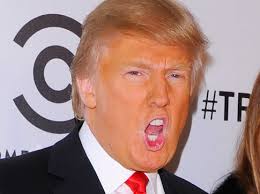
Donald Trump
He is notorious for stamping “Trump” on everything he acquires, most notably Trump Tower, a 58-story skyscraper at 725 Fifth Avenue in New York City.
On June 16, 2015, he declared himself a candidate for the Presidency in the 2016 election. Since July, he was consistently the front-runner for the Republican Party’s presidential nomination.
So it came as a surprise to many in the United States when, on December 17, 2015, Putin described Trump as “a bright and talented person without any doubt,” and “an outstanding and talented personality.”
He summed up Trump as “the absolute leader of the presidential race.”
Trump, in turn, was quick to respond: “It is always a great honor to be so nicely complimented by a man so highly respected within his own country and beyond.”
Two months earlier, in October, Trump had said of Putin: “I think that I would probably get along with him very well.”
Appearing on MSNBC’s “Morning Joe,” Trump said: “Sure, when people call you ‘brilliant’ it’s always good. Especially when the person heads up Russia.”
The conservative host, Joe Scarborough, took exception to Trump’s praise for Putin: “Well, I mean, he’s also a person who kills journalists, political opponents, and invades countries. Obviously that would be a concern, would it not?”
TRUMP: “He’s running his country, and at least he’s a leader. Unlike what we have in this country.”
SCARBOROUGH: “But again: He kills journalists that don’t agree with him.”
TRUMP: “Well, I think our country does plenty of killing also, Joe. You know. there’s a lot of stuff going on in the world right now, Joe. A lot of killing going on and a lot of stupidity…”
Absolute dictators like Vladimir Putin and would-be dictators like Donald Trump often gravitate toward each other. At least temporarily.
Adolf Hitler
On January 30, 1933, anti-Communist Adolf Hitler became Chancellor of Germany. For the next six years, the Nazi press hurled insults at its arch-enemy, the Soviet Union.
And the Soviet press hurled insults at Nazi Germany.
Then, on August 23, 1939, Hitler’s foreign minister, Joachim von Ribbentrop, signed the Treaty of Non-aggression between Nazi Germany and the Union of Soviet Socialist Republics (U.S.S.R).
Signing for the Soviet Union was its own foreign minister, Vyachelsav Molotov.
The reason: Hitler planned to invade Poland on September 1. He needed to neutralize the military might of the U.S.S.R. And only Soviet dictator Joseph Stalin could do that.
Democratic nations like France, Great Britain and the United States were stunned.
But there had long been a grudging respect between the two brutal dictators.
On June 30, 1934, Hitler had ordered a bloody purge throughout Germany. Privately, Stalin offered praise: “Hitler, what a great man! This is the way to deal with your political opponents.”
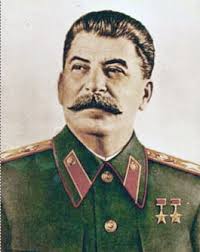
Joseph Stalin
Hitler was—privately—equally admiring of the series of purges Stalin inflicted on the Soviet Union. Even after he broke the non-aggression pact by invading the U.S.S.R. on June 22, 1941, he said:
“After the victory over Russia, it would be a good idea to get Stalin to run the country—with German oversight, of course. He knows better than anyone how to handle the Russians.”
In April, 1945, as he waited for victorious Russian armies to reach his underground bunker, Hitler confided to Joseph Goebbels, his propaganda minister, his major regret:
He should have brutally purged the officer corps of the Wehrmacht, as Stalin had that of the Red Army. Stalin’s purges had cleaned “deadwood” from the Russian ranks, and a purge of the German army would have done the same.
For Adolf Hitler, the lesson was clear: “Afterward, you rue the fact that you’ve been so kind.”
It’s the sort of sentiment that dictators like Vladimir Putin and Donald Trump can appreciate.
2016 PRESIDENTIAL CAMPAIGN, ABC NEWS, ADOLF HITLER, AL CAPONE, ALTERNET, AMERICABLOG, AP, BABY BOOMER RESISTANCE, BARACK OBAMA, BBC, BLOOMBERG NEWS, BUZZFEED, CBS NEWS, CNN, COVID-19, CROOKS AND LIARS, DAILY KOS, DONALD TRUMP, FBI, FIFTH AMENDMENT, FIVETHIRTYEIGHT, HARPER’S MAGAZINE, HILLARY CLINTON, HUFFINGTON POST, JAMES COMEY, JOSEPH STALIN, LETITIA JAMES, LIBEL, MEDIA MATTERS, MOTHER JONES, MOVEON, MSNBC, NAZI GERMANY, NAZI-SOVIET NON-AGGRESSION PACT, NBC NEWS, NEW REPUBLIC, NEW YORK ATTORNEY GENERAL'S OFFICE, NEW YORK TIMES V. SULLIVAN, NEWSDAY, NEWSWEEK, NPR, NUCLEAR WEAPONS, PBS NEWSHOUR, POLITICO, POLITICUSUSA, RAW STORY, REUTERS, RUSSIA, SALON, SEATTLE TIMES, SLATE, TALKING POINTS MEMO, THE ATLANTIC, THE CHICAGO SUN-TIMES, THE CHICAGO TRIBUNE, THE DAILY BEAST, THE DAILY BLOG, THE GUARDIAN, THE HILL, THE HUFFINGTON POST, THE INTERCEPT, THE LOS ANGELES TIMES, THE NATION, THE NEW REPUBLIC, THE NEW YORK TIMES, THE NEW YORKER, THE SS, THE VILLAGE VOICE, THE WASHINGTON POST, THINKPROGRESS, THIRD REICH, TIME, TREASON, TRUMP FOUNDATION, TRUMP TOWER MEETING, TRUMP UNIVERSITY, TRUTHDIG, TRUTHOUT, TWITTER, U.S. NEWS & WORLD REPORT, UKRAINE, UNITED STATES SUPREME COURT, UPI, USA TODAY, VLADIMIR PUTIN, VOLODYMYR ZELENSKY, WEHRMACHT, WORLD WAR 11
In Business, History, Law, Medical, Politics, Social commentary on November 2, 2022 at 12:14 am
On October 3, former President Donald Trump filed a lawsuit against CNN for defamation.
Seeking $475 million in punitive damages, he charged the network with conducting a “campaign of libel and slander” against him.
Trump is claiming that CNN had used its influence to defeat him politically.
“As a part of its concerted effort to tilt the political balance to the left, CNN has tried to taint the Plaintiff with a series of ever-more scandalous, false, and defamatory labels of ‘racist,’ ‘Russian lackey,’ ‘insurrectionist,’ and ultimately ‘Hitler,'” the lawsuit claims.
The lawsuit focuses largely on CNN’s use of the term, “The Big Lie,” to describe Trump’s false claims that widespread voter fraud cost him the 2020 Presidential election.
The phrase dates from Adolf Hitler’s use of it in his autobiography, Mein Kampf: People “more readily fall victims to the big lie than the small lie, since they themselves often tell small lies in little matters but would be ashamed to resort to large-scale falsehoods.”
Trump’s lawsuit claims “The Big Lie” has been used in referring to him more than 7,700 times on CNN since January, 2021.
In addition, the lawsuit cites instances where CNN compared Trump to Hitler. In a January, 2022 report, Fareed Zakaria provided footage of Germany’s dictator.

So what are his odds of winning? Far less than your own of finding loose change in sofa cushions.
First: Donald Trump is a public figure—arguably the most public figure in the world. Plaintiffs who are public figures or government officials must prove themselves victims of actual malice to collect damages.
In the landmark case, New York Times v. Sullivan (1964) the Supreme Court declared that actual malice occurs when a statement is made “with knowledge that it was false or with reckless disregard of whether it was false or not.”
This is a more stringent standard than private citizens have to meet, which is negligence.
Second: Truth is an absolute defense against libel (unless the plaintiff is suing for invasion of privacy). And Trump’s history as a liar, criminal and traitor has been thoroughly established.
Liar:
- He created the lie that Barack Obama—whose birth certificate states unequivocally that he was born in Hawaii—was not an American citizen. The reason: To de-legitimize Obama as a Presidential candidate and President.
- Throughout 2020, he repeatedly lied about the dangers of COVID-19—attacking medical experts who urged citizens to mask up and social distance. As a result, by the time he left office, 400,000 Americans had died of COVID.
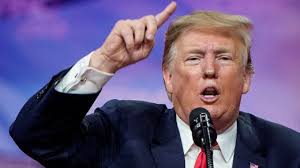
Donald Trump
Criminal:
- He has been forced to shut down his Trump Foundation and forced to pay more than $2 million in court-ordered damages to eight different charities for illegally misusing charitable funds at the Foundation for political purposes.
- He was also forced to close his unaccredited Trump University for scamming its students. He had promised to teach them “the secrets of success” in the real estate industry—then delivered nothing. In 2016, a federal court approved a $25 million settlement with many of those students.
Traitor:
- On July 9, 2016, high-ranking members of his Presidential campaign met at Trump Tower with at least two lobbyists who had ties to Russian dictator Vladimir Putin. The reason: To obtain “dirt” on Democratic candidate Hillary Clinton.
- On July 27, 2016, Trump said at a press conference in Doral, Florida: “Russia, if you’re listening, I hope you are able to find the 30,000 emails that are missing [from Democratic Presidential candidate Hillary Clinton’s computer]. I think you will probably be rewarded mightily by our press.”
These incidents were nothing less than treason—inviting a foreign power, hostile to the United States, to interfere in its Presidential election.
Third—and perhaps the most important of all: In a libel suit, the plaintiff must answer—under oath—all questions put to him by the defendant’s attorneys.
Trump, better than anyone, knows the depths of his own criminality. Just as Al Capone knew his notoriety for evil would make it impossible for him to win a libel suit, so does Trump.
On August 10, he invoked his Fifth Amendment privilege against self-incrimination nearly 450 times during a deposition at the office of New York Attorney General Letitia James, in its probe into the Trump Organization’s business practices.
He would not be allowed to do so as a litigant in a libel suit.
Moreover, he has a history of threatening to file lawsuits—and then failing to do so.
During the 2016 Presidential campaign, at least 12 women publicly accused him of sexually inappropriate behavior—if not assault.
Trump’s reaction: “All of these liars will be sued after the election is over.”
Six years later, he has not filed a single lawsuit for defamation.
So why has he filed a defamation suit against CNN?
Money—not by winning an impossible lawsuit, but by raising it from his gullible and Fascistic followers.
He will claim—once again—that he’s being persecuted and that “they’re not coming after me, they’re coming after you.”
And his millions of media-hating followers will gladly pony up money they will never see again.
If he loses the lawsuit—or pulls out of it—he will claim he’s the victim of “the deep-state establishment.”
And ask his followers for even more money—which they’ll cough up.
ABC NEWS, ADOLF HITLER, ADVICE, ALTERNET, AMERICABLOG, AP, BABY BOOMER RESISTANCE, BAY OF PIGS, BBC, BENITO MUSSOLINI, BLOOMBERG NEWS, BUZZFEED, CAESARE BORGIA, CBS NEWS, CNN, CORPORATIONS, CROOKS AND LIARS, CUBA, DAILY KOS, DAILY KOZ, FACEBOOK, FIDEL CASTRO, FIVETHIRTYEIGHT, FLORENCE, HARPER’S MAGAZINE, HUFFINGTON POST, JOHN F. KENNEDY, JOSEPH STALIN, KING PERSEUS OF MACEDON, MEDIA MATTERS, MOTHER JONES, MOVEON, MSNBC, NAZI-SOVIET "NON-AGGRESSION PACT", NBC NEWS, NEW REPUBLIC, NEWSDAY, NEWSWEEK, NICCOLO MACHIAVELLI, NPR, PBS NEWSHOUR, POLITICO, POLITICS, POLITICUSUSA, POPE JULIUS 11, RAW STORY, REUTERS, SALON, SEATTLE TIMES, SLATE, TALKING POINTS MEMO, THE ATLANTIC, THE CHICAGO SUN-TIMES, THE CHICAGO TRIBUNE, THE DAILY BEAST, THE DAILY BLOG, THE DISCOURSES, THE GUARDIAN, THE HILL, THE HUFFINGTON POST, THE INTERCEPT, THE LOS ANGELES TIMES, THE NATION, THE NEW REPUBLIC, THE NEW YORK TIMES, THE NEW YORKER, THE PRINCE, THE SS, THE VILLAGE VOICE, THE WASHINGTON POST, THINKPROGRESS, THIRD REICH, TIME, TRUTHDIG, TRUTHOUT, TWITTER, U.S. NEWS & WORLD REPORT, UKRAINE, UPI, USA TODAY, VLADIMIR PUTIN, VOLODYMYR ZELENSKY, WEHRMACHT, WORLD WAR 11
In Bureaucracy, Business, History, Military, Politics, Social commentary on October 28, 2022 at 12:11 am
Ask the average person, “What do you think of Niccolo Machiavelli?” and he’s likely to say: “The devil.”
In fact, “The Old Nick” became an English term used to describe Satan and slander Machiavelli at the same time.

Niccolo Machiavelli
The truth, however, is more complex. Machiavelli was a passionate Republican, who spent most of his adult life in the service of his beloved city-state, Florence.
The years he spent as a diplomat were tumultuous ones for Italy—with men like Pope Julius II and Caesare Borgia vying for power and plunging Italy into one bloodbath after another.
Florence, for all its wealth, lacked a strong army, and thus lay at the mercy of powerful enemies, such as Borgia. Machiavelli often had to use his wits to keep them at bay.
Machiavelli is best-known for his writing of The Prince, a pamphlet on the arts of gaining and holding power. Its admirers have included Benito Mussolini and Joseph Stalin.
But his longer and more thoughtful work is The Discourses, in which he offers advice on how to maintain liberty within a republic. Among its admirers were many of the men who framed the Constitution of the United States.
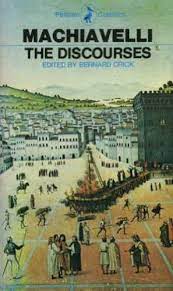

Most people believe that Machiavelli advocated evil for its own sake.
Not so. Rather, he recognized that sometimes there is no perfect—or perfectly good—solution to a problem.
Sometimes it’s necessary to take stern—even brutal—action to stop an evil (such as a riot) before it becomes widespread:
“A man who wishes to make a profession of goodness in everything must inevitably come to grief among so many who are not good. And therefore it is necessary for a prince, who wishes to maintain himself, to learn how not to be good, and to use this knowledge and not use it, according to the necessity of the case.”
His counsel remains as relevant today as it did during his lifetime (1469 – 1527). This is especially true for politicians—and students of political science.
But plenty of ordinary citizens can also benefit from the advice he has to offer—such as those in business who are asked to give advice to more powerful superiors.
Machiavelli warns there is danger in urging rulers to take a particular course of action: “For men only judge of matters by the result, all the blame of failure is charged upon him who first advised it, while in case of success he receives commendations. But the reward never equals the punishment.”
This puts would-be counselors in a difficult position: “If they do not advise what seems to them for the good of the republic or the prince, regardless of the consequences to themselves, then they fail to do their duty.
“And if they do advise it, then it is at the risk of their position and their lives, for all men are blind in thus, that they judge of good or evil counsels only by the results.”
Thus, Machiavelli warns that an adviser should “take things moderately, and not to undertake to advocate any enterprise with too much zeal, but to give one’s advice calmly and modestly.”
The person who asked for the advice may follow it, or not, as of his own choice, and not because he was led or forced into it by the adviser.
Above all, the adviser must avoid the danger of urging a course of action that runs “contrary to the wishes of the many.
“For the danger arises when your advice has caused the many to be contravened. In that case, when the result is unfortunate, they all concur in your destruction.”
Or, as President John F. Kennedy famously said after the disastrous invasion of Cuba at the Bay of Pigs in April, 1961: “Victory has a hundred fathers and defeat is an orphan.”
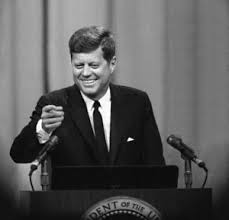
John F. Kennedy
By “not advocating any enterprise with too much zeal,” the adviser gains two advantages:
“The first is, you avoid all danger.
“And the second consists in the great credit which you will have if, after having modestly advised a certain course, your counsel is rejected, and the adoption of a different course results unfortunately.”
Finally, the time to give advice is before a catastrophe occurs, not after. Machiavelli gives a vivid example of what can happen if this rule is ignored.
King Perseus of Macedon had gone to war with Paulus Aemilius—and suffered a humiliating defeat. Fleeing the battlefield with a handful of his men, he later bewailed the disaster that had overtaken him.
Suddenly, one of his lieutenants began to lecture Perseus on the many errors he had committed, which had led to his ruin.
“Traitor,” raged the king, turning upon him, “you have waited until now to tell me all this, when there is no longer any time to remedy it—” And Perseus slew him with his own hands.
Niccolo Machiavelli sums up the lesson as this:
“Thus was this man punished for having been silent when he should have spoken, and for having spoken when he should have been silent.”
Be careful that you don’t make the same mistake.


 Bureaucracybuster's Blog
ABC NEWS, ADOLF HITLER, ALTERNET, AMERICABLOG, AP, BABY BOOMER RESISTANCE, BBC, BLOOMBERG NEWS, BUZZFEED, CBS NEWS, CNN, CRIME, CROOKS AND LIARS, DAILY KOS, DAILY KOZ, FIVETHIRTYEIGHT, GUN CONTROL, HARPER’S MAGAZINE, HUFFINGTON POST, JOSEPH STALIN, MARTIN LUTHER KING, MEDIA MATTERS, MOTHER JONES, MOVEON, MSNBC, NATIONAL RIFLE ASSOCIATION, NAZI-SOVIET "NON-AGGRESSION PACT", NBC NEWS, NEW REPUBLIC, NEWSDAY, NEWSWEEK, NPR, PBS NEWSHOUR, POLITICO, POLITICUSUSA, RAW STORY, REUTERS, ROBERT F. KENNEDY, SALON, SEATTLE TIMES, SECOND AMENDMENT, SELF-DEFENSE, SLATE, STAND-YOUR-GROUND LAWS, TALKING POINTS MEMO, THE ATLANTIC, THE CHICAGO SUN-TIMES, THE CHICAGO TRIBUNE, THE DAILY BEAST, THE DAILY BLOG, THE GUARDIAN, THE HILL, THE HUFFINGTON POST, THE INTERCEPT, THE LOS ANGELES TIMES, THE NATION, THE NEW REPUBLIC, THE NEW YORK TIMES, THE NEW YORKER, THE SS, THE VILLAGE VOICE, THE WASHINGTON POST, THINKPROGRESS, THIRD REICH, TIME, TRUTHDIG, TRUTHOUT, TWITTER, U.S. CONSTITUTION, U.S. NAVY SEALS, U.S. NEWS & WORLD REPORT, UKRAINE, UPI, USA TODAY, VIRGINIA TECH SHOOTINGS, VLADIMIR PUTIN, VOLODYMYR ZELENSKY, WEHRMACHT, WORLD WAR 11, WRONGFUL-DEATH
READY TO END GUN MASSACRES? HERE’S HOW.
In Bureaucracy, Business, History, Law, Law Enforcement, Politics, Social commentary on July 31, 2023 at 12:35 amThe victims of the violence are black and white, rich and poor, young and old, famous and unknown. They are, most important of all, human beings whom other human beings loved and needed. No one—no matter where he lives or what he does—can be certain who will suffer from some senseless act of bloodshed. And yet it goes on and on.
–Robert F. Kennedy, April 4, 1968
Senator Robert F. Kennedy announcing the murder of Dr. Martin Luther King, Jr.
By https://www.youtube.com/watch?v=jPYNb4ex6Ko, Fair use, https://en.wikipedia.org/w/index.php?curid=14289385
What should the surviving victims of gun massacres do to seek redress?
And how can the relatives and friends of those who didn’t survive seek justice for those they loved?
Two things:
First, don’t count on politicians to support a ban on assault weapons.
Politicians—with rare exceptions—have only two goals:
And too many of them fear the economic and voting clout of the NRA to risk its wrath.
Consider Mitt Romney and President Barack Obama.
Both rushed to offer condolences to the surviving victims of the massacre at the Century 16 Theater in Aurora, Colorado, on July 20, 2012.
And both steadfastly refused to even discuss gun control—let alone support a ban on the type of assault weapons used by James Holmes, leaving 12 dead and 58 wounded.
Second, those who survived the massacre—and the relatives and friends of those who didn’t—should file wrongful death, class-action lawsuits against the NRA.
There is sound, legal precedent for this.
The parallels with the NRA are obvious:
It will take a series of highly expensive and well-publicized lawsuits to significantly weaken the NRA, financially and politically.
The first ones will have to be brought by the surviving victims of gun violence—and by the friends and families of those who did not survive it. Only they will have the courage and motivation to take such a risk.
As with the cases first brought against tobacco companies, there will be losses. And the NRA will rejoice with each one.
But, in time, state Attorneys General will see the clear parallels between lawsuits filed against those who peddle death by cigarette and those who peddle death by armor-piercing bullet.
And then the NRA—like the tobacco industry—will face an adversary wealthy enough to stand up for the rights of the gun industry’s own victims.
Only then will those politicians supporting reasonable gun controls dare to stand up for the victims of these needless tragedies.
Share this: