Posts Tagged ‘DEPARTMENT OF HOMELAND SECURITY’
ABC NEWS, ADOLF HITLER, ALTERNET, AMERICABLOG, AP, BABY BOOMER RESISTANCE, BBC, BLOOMBERG NEWS, BLUESKY, BUZZFEED, CANADA, CBS NEWS, CLAUDIA SHEINBAUM PARDO, CNN, CNN'S "STARTING POINT", CROOKS AND LIARS, DAILY KOS, DEPARTMENT OF HOMELAND SECURITY, DEPARTMENT OF JUSTICE, EXTORTION, FBI, FIVETHIRTYEIGHT, HARPER’S MAGAZINE, HUFFINGTON POST, INSIDER, JUDICIARY, MARK CARNEY, MASTADON, MEDIA MATTERS, MEXICO, MOTHER JONES, MOVEON, MSNBC, MSNBC'S "HARDBALL", NAZI GERMANY, NBC NEWS, NEGOTIATING, NEW REPUBLIC, NEWSDAY, NEWSWEEK, NPR, PBS NEWSHOUR, POLAND, POLITICO, POLITICUSUSA, PRESS, RAW STORY, REPUBLICAN PARTY, REPUBLICANS, REUTERS, SALON, SEATTLE TIMES, SLATE, TALKING POINTS MEMO, THE ATLANTIC, THE CHICAGO SUN-TIMES, THE CHICAGO TRIBUNE, THE DAILY BEAST, THE DAILY BLOG, THE GUARDIAN, THE HILL, THE HUFFINGTON POST, THE LOS ANGELES TIMES, THE NATION, THE NEW REPUBLIC, THE NEW YORK TIMES, THE NEW YORKER, THE PENTAGON, THE VILLAGE VOICE, THE WASHINGTON POST, THINKPROGRESS, TIME, TRUTHDIG, TRUTHOUT, TWO POLITICAL JUNKIES, U.S. NEWS & WORLD REPORT, UPI, USA TODAY, WONKETTE, WORLD WAR 11, X
In Bureaucracy, History, Law, Law Enforcement, Politics, Social commentary on September 16, 2026 at 12:26 am
On January 20, 2026, in a speech at the World Economic Forum in Davos, Switzerland, Canadian Prime Minister Mark Carney called for greater cooperation among the world’s middle-sized nations.
The reason: To protect themselves from great powers using tariffs to extort control over them.
An example of this: Ottawa and Beijing now have a limited tariff agreement that swaps reduced Chinese duties on Canadian canola seeds for lower Canadian tariffs on a capped volume of Chinese electric vehicles.
On January 26, Canada announced a plan to significantly expand trade with non‑U.S. countries, strengthen internal Canadian trade, and increase domestic investment by up to one trillion dollars over the next five years.

Canadian provinces and territories
On February 20, 2026, the United States Supreme Court ruled against emergency tariffs imposed under the International Emergency Economic Powers Act.
This had been the basis—and excuse—for Trump’s slapping tariffs on more than 180 countries.
Ignoring the Supreme Court ruling Trump imposed a short term 10% global tariff.
On July 1, after a virtual meeting with U.S. Trade Representative Jamieson Greer with his Canadian and Mexican counterparts, Greer announced that the U.S. would not extend the Canada-United States-Mexico Agreement (CUSMA).
Its goals had been to boost economic growth, reduce trade barriers, and secure preferential market access across North America.
On July 17, in a Truth Social post, Trump threatened to put new tariffs on Canada after hundreds of wildfires left much of the northern U.S. covered by smoke.
He could have offered to send American firefighters and firefighting equipment to Canada. But acting in a humane way has never been a part of Trump’s character.
On July 20, Trump alleged that Canada discriminated against American companies supplying alcohol, dairy and cars. He signed three proclamations under the 1930 Smoot-Hawley Tariff Act, imposing 50% tariffs on Canadian dairy, alcohol, cars and other products.
On August 22, Trump’s 50% tariffs took effect on about $20 billion worth of Canadian goods—dairy products, alcoholic beverages, cement and hockey equipment.
Trade negotiations had collapsed shortly before a midnight deadline the previous night.
Canadian Prime Minister Mark Carney said that “last-minute changes in the U.S. proposed terms” had caused the collapse.

Mark Carney
“….The general attitude….is that the core Canadian industries either would be subsidiaries effectively of the United States industries or would put in place terms where those industries would be, gradually wound down in Canada and we’re not going to of course….accept those terms.”
And he warned that Canada would match the tariffs “dollar for dollar” starting on September 8.
After Canada suspended trade talks on August 21, Trump signed an executive order “changing” the name of Lake Ontario, which borders New York and Canada’s Ontario province, to Lake America.
Google and Apple, cravenly seeking to win Trump’s favor, immediately displayed maps offering the Trumpian version of geography.
“When the Americans stop doing memes, stop throwing shade, stop trying to be tough and start being serious about having those discussions, we can have those discussions,” said Carney at a press conference.
There is no American precedent for such extortionate behavior—but there is a German one. That of Nazi Germany from t938 to 1939 under Adolf Hitler—first against Austria, then Czechoslovakia, and finally Poland.
It was his aggression against Poland that ignited World War II.

But Trump can be beaten—if his enemies are willing to go all the way.
Democratic nations like Canada and Mexico dare not attack the United States militarily. America’s military is so powerful the country is threatened only by China and Russia.
But they can target with ruthless tariffs those Red states whose Fascistic voting blocs fanatically support Trump—and the House and Senate members who support him.
They can:
- Deprive Red state populations of the fruits, vegetables, meats, cars, computers, oil, gas—and especially beer and alcohol—they take for granted.
- Refuse to stock goods from Red states in their stores.
- Appeal to the patriotism of Canadians and Mexicans to maintain the boycott despite the suffering this will impose on their own countries.
Canada, in particular, has a deadly weapon it can unleash at any time:
Provincial authorities and grid operators (such as Ontario’s Independent Electricity System Operator) can reduce or halt power flowing through cross-border transmission lines to states like New York, Michigan and Minnesota.
The U.S. imports electricity from Canada because it is cheaper than generating more supply domestically. Losing Canadian electricity would force affected states to rely on rapacious energy companies, driving up electricity costs for consumers.
This, in turn, would trigger voters’ anger against Trump-supporting Republican candidates for the House and Senate.
Americans are used to seeking simple, painless solutions to major problems. Thus, in 2024, Trump won 77 million votes by promising to drastically reduce the price of eggs.
Instead, he gave voters an unprovoked and endless war on Iran. This has created a worldwide spiral in oil prices—and fueled inflation in the United States and other nations.
As prices soar for food, energy and housing, Trump focuses on vanity projects like a 90,000 square-foot White House ballroom and a towering “Victory Arch” overlooking Arlington Cemetery.
When Red states are forced to suffer staggering losses for months on end, they will elect anti-Fascist Senators and Representatives to nullify the evils of Trump’s administration.
ABC NEWS, ADOLF HITLER, ALTERNET, AMERICABLOG, AP, BABY BOOMER RESISTANCE, BBC, BLOOMBERG NEWS, BLUESKY, BUZZFEED, CANADA, CBS NEWS, CLAUDIA SHEINBAUM PARDO, CNN, CNN'S "STARTING POINT", CROOKS AND LIARS, DAILY KOS, DEPARTMENT OF HOMELAND SECURITY, DEPARTMENT OF JUSTICE, EXTORTION, FBI, FIVETHIRTYEIGHT, HARPER’S MAGAZINE, HUFFINGTON POST, INSIDER, JUDICIARY, MARK CARNEY, MASTADON, MEDIA MATTERS, MEXICO, MOTHER JONES, MOVEON, MSNBC, MSNBC'S "HARDBALL", NAZI GERMANY, NBC NEWS, NEGOTIATING, NEW REPUBLIC, NEWSDAY, NEWSWEEK, NPR, PBS NEWSHOUR, POLAND, POLITICO, POLITICUSUSA, PRESS, RAW STORY, REPUBLICAN PARTY, REPUBLICANS, REUTERS, SALON, SEATTLE TIMES, SLATE, TALKING POINTS MEMO, THE ATLANTIC, THE CHICAGO SUN-TIMES, THE CHICAGO TRIBUNE, THE DAILY BEAST, THE DAILY BLOG, THE GUARDIAN, THE HILL, THE HUFFINGTON POST, THE LOS ANGELES TIMES, THE NATION, THE NEW REPUBLIC, THE NEW YORK TIMES, THE NEW YORKER, THE PENTAGON, THE VILLAGE VOICE, THE WASHINGTON POST, THINKPROGRESS, TIME, TRUTHDIG, TRUTHOUT, TWO POLITICAL JUNKIES, U.S. NEWS & WORLD REPORT, UPI, USA TODAY, WONKETTE, WORLD WAR 11, X
In Bureaucracy, History, Law, Politics, Social commentary on September 15, 2026 at 12:10 am
For all his slim grasp of history, Donald Trump knows that presidents and kings (of which he thinks himself the latter) are remembered for the wars they’ve won.
Easily won wars, of course, are the best. And, for Trump, Canada—no match for the United States militarily—seems a sure bet.
On December 2, 2024 Trump, recently re-elected as President of the United States, threatened to impose a 25% tax on all products entering the United States from Canada and Mexico unless they stopped the flow of drugs and illegal aliens.

Canadian flag
“Less than one percent of migrants coming into the United States irregularly come from Canada and 0.2 percent of the fentanyl coming into the United States comes from Canada,” then-Canadian Prime Minister Justin Trudeau told Parliament.
During 2023-2024, American customs agents seized 43 pounds of fentanyl at the Canadian border, compared with 21,100 pounds at the Mexican border.
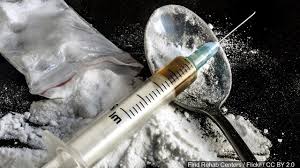
Heroin syringe
Unmentioned—if not deliberately ignored by Trump: Canada plays a substantial role as a U.S. trading partner. About 60% of U.S. crude oil imports are from Canada, and 85% of U.S. electricity imports as well.
Canada is also the largest foreign supplier of steel, aluminum and uranium to the U.S. and has 34 critical minerals and metals that the Pentagon eagerly desires. About 77% of Canada’s exports go to the U.S.
Trudeau pleaded with Trump not to impose the tariff because because it would “kill” Canada’s economy.
Trump responded: “So your country can’t survive unless it’s ripping off the US to the tune of $100 billion?”
His comments referred to the American trade deficit with Canada.
The U.S. had a $75 billion trade deficit with Canada in 2023 but a third of what Canada sells into the U.S. is energy exports and prices have been high.
Trudeau left the meeting without reassurance that Trump would not impose a 25% tariff on products from Canada.
Trump’s trade conflict with Canada began immediately upon his return to office in 2025, driven by disputes over border security, immigration and tariffs.
On January 20, 2025, his first day back in office, Trump announced plans for a 25% tariff on all Canadian imports, citing illegal immigration and drug trafficking.
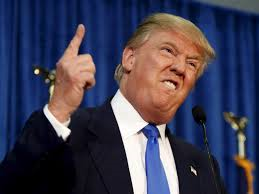
Donald Trump
In early February, 2025, Trump signed an executive order imposing a 25% blanket tariff on Canadian and Mexican goods (and 10% on energy) starting February 4, invoking a national emergency.
Then-Canadian Prime Minister Justin Trudeau vowed immediate retaliatory tariffs
In mid-February, Trump agreed to a 30-day pause to cool tensions and signed a separate plan for 25% tariffs on global steel and aluminum.
On March 4, 2025, Trump’s 25% tariffs on Canadian goods took effect (with energy capped at 10%). Canada fired back with massive retaliatory counter-tariffs.
American automakers, fearing their sales to Canada would be jeopardized, pressured Trump to delay auto tariffs. Trump agreed to do so, and temporarily paused levies on goods complying with the United States-Mexico-Canada Agreement.
But on March 5, 2025, Trump slapped 25% tariffs on Canada. Six days later, Trump announced that he would impose an additional 25% tariff on all Canadian steel and aluminum imports effective March 12.
Just as Adolf Hitler’s continuing aggression toward England promoted Winston Churchill’s appointment as its Prime Minister, Trump’s continuing aggression toward Canada did the same for Mark Carney.
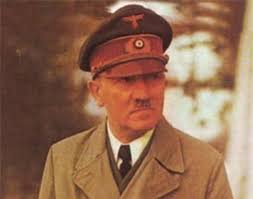
Adolf Hitler
Carney, a member of the Liberal Party, was elected as Canada’s Prime Minister-elect on March 9. He owed his victory to Trump’s insults toward Canada and threats to make it the 51st state of the United States.
He described the tariff conflict the “greatest crisis of our lifetimes.” And he vowed to defend Canada from American aggression.
On March 12, Trump slammed Canada with 25% duties on steel and aluminum. This, in turn, led Canada to impose further rounds of retaliatory levies on American manufactured goods.
On October 14, Trump issued an executive order that imposed a 10% tariff on softwood lumber and 25% on certain wooden furniture and cabinets from Canada, with scheduled increases.
But by September, Canada’s trade balance returned to surplus as exports recovered, particularly to markets outside the United States, while the impact of U.S. tariffs eased in some sectors.
American lumber and cabinet tariffs escalated further on January 1, 2026: A 50% tariff on specific kitchen vanities and cabinets—affecting Canadian exporters without exemptions.
On January 20, 2026, in a speech at the World Economic Forum in Davos, Switzerland, Carney urged greater cooperation among the world’s middle-sized nations to protect themselves from great powers using tariffs to extort control.
On January 24, Trump, responding to a faulty report, threatened to impose tariffs of up to 100% on all Canadian goods in response to a planned trade agreement between Canada and China.
The arrangement between Ottawa and Beijing is a limited, issue-specific tariff agreement that swaps reduced Chinese duties on Canadian canola seeds for lower Canadian tariffs on a capped volume of Chinese electric vehicles.
It is not a comprehensive Canada-China free trade agreement covering most goods and services, as Trump believed.
On January 26, Canada announced a plan to significantly expand trade with non‑U.S. countries, strengthen internal Canadian trade, and increase domestic investment by up to one trillion dollars over the next five years.
Thus, through threats, insults and extortionate tariffs, Trump has singularly ended a friendly U.S.-Canada relationship that had lasted more than 200 years.
ABC NEWS, ADOLF HITLER, ALTERNET, AMERICABLOG, AP, BABY BOOMER RESISTANCE, BBC, BLOOMBERG NEWS, BLUESKY, BUZZFEED, CANADA, CBS NEWS, CLAUDIA SHEINBAUM PARDO, CNN, CNN'S "STARTING POINT", CROOKS AND LIARS, DAILY KOS, DEPARTMENT OF HOMELAND SECURITY, DEPARTMENT OF JUSTICE, EXTORTION, FBI, FIVETHIRTYEIGHT, HARPER’S MAGAZINE, HUFFINGTON POST, INSIDER, JUDICIARY, MARK CARNEY, MASTADON, MEDIA MATTERS, MEXICO, MOTHER JONES, MOVEON, MSNBC, MSNBC'S "HARDBALL", NAZI GERMANY, NBC NEWS, NEGOTIATING, NEW REPUBLIC, NEWSDAY, NEWSWEEK, NPR, PBS NEWSHOUR, POLAND, POLITICO, POLITICUSUSA, PRESS, RAW STORY, REPUBLICAN PARTY, REPUBLICANS, REUTERS, SALON, SEATTLE TIMES, SLATE, TALKING POINTS MEMO, THE ATLANTIC, THE CHICAGO SUN-TIMES, THE CHICAGO TRIBUNE, THE DAILY BEAST, THE DAILY BLOG, THE GUARDIAN, THE HILL, THE HUFFINGTON POST, THE LOS ANGELES TIMES, THE NATION, THE NEW REPUBLIC, THE NEW YORK TIMES, THE NEW YORKER, THE PENTAGON, THE VILLAGE VOICE, THE WASHINGTON POST, THINKPROGRESS, TIME, TRUTHDIG, TRUTHOUT, TWO POLITICAL JUNKIES, U.S. NEWS & WORLD REPORT, UPI, USA TODAY, WONKETTE, WORLD WAR 11, X
In Bureaucracy, Business, History, Law, Military, Politics, Social commentary on September 14, 2026 at 12:11 am
The history book on the shelf
Is always repeating itself.
–“Waterloo,” by Abba
To understand what is happening in the United States today, it’s necessary to realize this:
- Its decent, democracy-cherishing citizens find themselves in the same position as decent, democracy-cherishing citizens of Nazi Germany from 1933 to 1945.
- And just as Germany’s government became a ruthless dictatorship, so has that of the United States.
- And just as ordinary, peace-loving Germans hoped for a powerful, democratic outsider to remove the menace of Adolf Hitler, so do ordinary, peace-loving Americans hope the same will happen to Donald Trump.
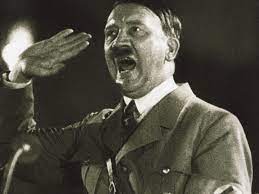
Adolf Hitler
From 1939 to 1945, those democracy-cherishing outsiders consisted of Canada, England and the United States. (The Soviet Union reluctantly joined this alliance only after it became yet another victim of Adolf Hitler’s aggression.)
In the case of the United States, that solution can only be achieved economically—by pressuring Right-wing Republican members of Congress in Red states to end their support for Trump’s dictatorial agenda.
And the only democratic countries with the power to do this are Mexico and Canada, America’s foremost trading partners.
The 2024 elections gave Republicans not only the White House but control of the House and Senate.

Donald Trump
Republicans don’t care that Trump has trashed the institutions that Americans have cherished for more than 200 years. Institutions like an independent judiciary, a free press, and an incorruptible Justice Department.
He has viciously attacked all of these—and Republicans have either said nothing or rushed to his defense.
What Republicans truly fear about Donald Trump is that if they dare to hold him accountable for his lifetime of criminality, his Fascistic base will turn on them—and turn them out of Congress.
If they are conflicted—whether to continue supporting Trump or desert him—the reason is the same: How can I hold onto my power and all the privileges that go with it?

Claudia Sheinbaum Pardo, President of Mexico

Mark Carney, Prime Minister of Canada
Lea-Kim, CC BY-SA 4.0 <https://creativecommons.org/licenses/by-sa/4.0>, via Wikimedia Commons
Republicans—with Trump as their Fuhrer—are utilizing the same my-way-or-else “negotiating” strategy as Nazi Germany’s Fuhrer, Adolf Hitler.
And Democrats—out of cowardice and/or ignorance of history—are, as usual, refusing to publicly make this comparison.
Thus, America’s rescue from Trump can only come from outside the United States.
Donald Trump has proven his affinity for dictators and dictatorships—lavishing praise on Russia’s Vladimir Putin, China’s Xi Jinping and North Korea’s Kim Jong-Un.
There are two reasons for this—and his hostile behavior toward democratic leaders:
- Trump admires dictators, desires to become one himself, and is now stocking essential federal agencies—such as the Pentagon, FBI and Department of Homeland Security—with his political hacks to make this a reality.
- He knows that compared to the dictatorships of Russia and China, democracies such as those of Canada, Mexico and Ukraine are comparatively weak militarily.
At a November 30, 2024 dinner at Mar-a-Lago, Trump’s estate in Palm Beach, Florida, he told then-Canadian Prime Minister Justin Trudeau that Canada could become the 51st state of the United States.
Canada’s Public Safety Minister Dominic LeBlanc, who attended the dinner, insisted that Trump was joking.
But on December 2, Trump threatened to impose a 25% tax on all products entering the United States from Canada and Mexico unless they stopped the flow of drugs and illegal aliens.
And on December 3, Trump posted on his Truth Social platform an AI-generated image of himself standing on a mountain with a Canadian flag beside him. Its caption: “Oh Canada!”
Trudeau had requested the Mar-a-Lago meeting to convince Trump that the northern border is completely different from the southern one with Mexico.
Canadian flag
“Less than one percent of migrants coming into the United States irregularly come from Canada and 0.2 percent of the fentanyl coming into the United States comes from Canada,” Trudeau said in Parliament.
During 2023-2024, American customs agents seized 43 pounds of fentanyl at the Canadian border, compared with 21,100 pounds at the Mexican border.
Most of the fentanyl reaching the U.S. is made by Mexican drug cartels using precursor chemicals smuggled from Asia.
As with Adolf Hitler, attempting to reason with Trump will prove fruitless. He respects only superior force.
But he has blinked when confronted with serious opposition.
Thus, on February 1, 2025, he threatened to hit Mexico and Canada with 25% tariffs, accusing them of injecting huge amounts of fentanyl and huge numbers of illegal aliens into the United States. This allowed him to look tough to his legions of uneducated, Fascistic voters.
But then Mexican President Claudia Sheinbaum Pardo and Canadian Prime Minister Mark Carney threatened to retaliate with their own 25% tariffs on American goods.
And the financially conservative Wall Street Journal-–whose target audience includes business leaders, investors, and affluent consumers—called Trump’s threat “the dumbest trade war in history.”
Suddenly, Trump found a way to declare victory, claiming that Mexico and Canada would vastly increase border security to stop the flow of fentanyl and illegal aliens.
And dropping his threat of a trade war.
ABC NEWS, ADOLF HITLER, ALTERNET, AMERICABLOG, AP, BABY BOOMER RESISTANCE, BBC, BLOOMBERG NEWS, BLUESKY, BUZZFEED, CANADA, CBS NEWS, CLAUDIA SHEINBAUM PARDO, CNN, CNN'S "STARTING POINT", CROOKS AND LIARS, CZECHOSLAVAKIA, DAILY KOS, DAVID BROOKS, DEPARTMENT OF HOMELAND SECURITY, DEPARTMENT OF JUSTICE, DONALD TRUMP, EXTORTION, FBI, FIVETHIRTYEIGHT, GREENLAND, HARPER’S MAGAZINE, HUFFINGTON POST, INSIDER, IRAN, IRAN WAR, JACK SMITH, JIMMY CARTER, JUSTIN TRUDEAU, MASTADON, MEDIA MATTERS, MEXICO, MOTHER JONES, MOVEON, MSNBC, MSNBC'S "HARDBALL", NAZI GERMANY, NBC NEWS, NEGOTIATING, NEVILLE CHAMBERLAIN, NEW REPUBLIC, NEWSDAY, NEWSWEEK, NEWT GINGRICH, NICCOLO MACHIAVELLI, NPR, PANAMA, PBS NEWSHOUR, POLAND, POLITICO, POLITICUSUSA, R.I.CO. ACT, RAW STORY, REPUBLICAN PARTY, REPUBLICANS, REUTERS, ROBERT MEULLER, SALON, SEATTLE TIMES, SLATE, STRAIT OF HORMUZ, TALKING POINTS MEMO, THE ATLANTIC, THE CHICAGO SUN-TIMES, THE CHICAGO TRIBUNE, THE DAILY BEAST, THE DAILY BLOG, THE GUARDIAN, THE HAMILTON PROJECT, THE HILL, THE HUFFINGTON POST, THE LOS ANGELES TIMES, THE NATION, THE NEW REPUBLIC, THE NEW YORK TIMES, THE NEW YORKER, THE PENTAGON, THE PRINCE, THE VILLAGE VOICE, THE WASHINGTON POST, THINKPROGRESS, TIME, TRUTHDIG, TRUTHOUT, TWO POLITICAL JUNKIES, U.S. NEWS & WORLD REPORT, UKRAINE, UPI, USA TODAY, VLADIMIR PUTIN, VOLODMYR ZELENSKY, WONKETTE, WORLD WAR 11, X
In Bureaucracy, Business, History, Military, Politics, Social commentary on September 4, 2026 at 12:10 am
The “negotiating” methods of German Fuhrer Adolf Hitler serve as a useful guide to what domestic and world leaders can expect from trying to reach an agreement with President Donald Trump.
In September, 1938, seven months after seizing Austria, Hitler gave another exhibition of his “negotiating” methods.
This time, the target of his aggression was Czechoslovakia. Once again, he opened “negotiations” with a lie: The Czechoslovak government was trying to exterminate 3.5 million Germans living in the “Sudetenland.”
Then he threatened war: Germany would protect its citizens and halt such “oppression.”
For British Prime Minister Neville Chamberlain, the thought of another European war erupting less than 20 years after the end of World War I was simply unthinkable.
He quickly sent Hitler a telegram, offering to help resolve the crisis: “I could come to you by air and am ready to leave tomorrow. Please inform me of earliest time you can receive me, and tell me the place of the meeting. I should be grateful for a very early reply.”
[Mistake #1: Showing his willingness to placate a brutal dictator. Such men see any concessions as weakness—leading to only greater demands. Trump, like Hitler, relishes attacking those weaker than himself.]
The two European leaders met in Berchtesgaden, Germany, on September 15, 1938.
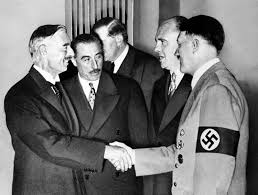
Neville Chamberlain and Adolf Hitler
Hitler denied that he had threatened war: “Force? Who speaks of force?“
Then, suddenly, he accused the Czechs of having mobilized their army in May. They had mobilized—in response to the mobilization of the German army.
“I shall not put up with this any longer,” shouted Hitler. “I shall settle this question in one way or another. I shall take matters in my own hands!”
Suddenly, Chamberlain seemed alarmed: “If I understood you right, you are determined to proceed against Czechoslovakia in any case. In the circumstances, it is best for me to return at once. Anything else now seems pointless.”
Hitler, taken aback, softened his tone and said they should consider the Sudetenland according to the principle of self-determination.
Chamberlain agreed to the cession of the Sudetenland. Three days later, French Prime Minister Edouard Daladier did the same. No Czechoslovak representative was invited to these discussions.
[Mistake #2: Instead of conceding to Hitler, which emboldened the dictator, Chamberlain should have pressed his advantage. When Hitler faced an opponent he couldn’t bribe or cow—such as British Prime Minister Winston Churchill or Soviet Premier Joseph Stalin—he raged and sulked.
[When Trump faces an opponent he can’t buy or intimidate—such as Special Counsel Jack Smith or Ayatollah Mojtaba Khamenei—he does the same.]
Chamberlain met Hitler again in Godesberg, Germany, on September 22 to confirm the agreements. But Hitler aimed to use the crisis as a pretext for war.
He now demanded not only the annexation of the Sudetenland but the immediate military occupation of the territories. This would give the Czechoslovak army no time to adapt their defense measures to the new borders.
To achieve a solution, Italian dictator Benito Mussolini suggested a conference of the major powers in Munich.
On September 29, Hitler, Daladier and Chamberlain met and agreed to Mussolini’s proposal. They signed the Munich Agreement, which accepted the immediate occupation of the Sudetenland.
The Czechoslovak government had not been a party to the talks. Nevertheless, it promised to abide by the agreement on September 30.
It actually had no choice. It faced the threat of an immediate German invasion after being deserted by its pledged allies: Britain, France and the Soviet Union.
[Mistake #3: Selling out an ally and making a concession to an insatiable dictator—and believing that Hitler could be trusted to keep his word.
[Just as Chamberlain sold out Czechoslovakia, Trump plans on selling out Ukraine to Russian dictator Vladimir Putin. He’s blamed Ukraine for starting the 2022 war—even though Russia invaded Ukraine.
He’s long wanted a Trump Tower in Moscow. Ukraine President Volodymyr Zelensky can’t give him that. Putin can.]
Chamberlain returned to England a hero. Holding aloft a copy of the worthless agreement he had signed with Hitler, he told cheering crowds in London: “I believe it is peace for our time.”

Neville Chamberlain
Hitler—still planning more conquests—knew better. In March, 1939, the German army occupied the rest of Czechoslovakia.
Chamberlain would soon be seen as a naive weakling—even before bombs started falling on London.
Believing himself invincible, Hitler turned his attention—and demands—to Poland.
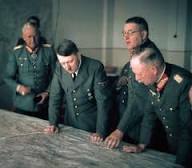
Adolf Hitler and his generals
Believing himself invincible, Trump now threatens violence against Canada, Greenland and Cuba.
Hitler ordered the invasion of Poland on September 1, 1939. To his surprise, France and England honored their pledges to support Poland—triggering World War II. Six years and 50-56 million deaths followed.
On February 28, 2026, Trump—in concert with Israel–attacked Iran without warning. To his surprise, the Iranians closed the Strait of Hormuz, through which 20-30% of the world’s oil total daily oil supply passes. This has triggered a global oil crisis and severely tightened international energy supplies.
Hitler couldn’t “turn off” the war he had started. He could only lash out as his enemies multiplied.
The same has proven true for Trump.
ABC NEWS, ADOLF HITLER, ALTERNET, AMERICABLOG, AP, AUSTRIA, BABY BOOMER RESISTANCE, BBC, BLOOMBERG NEWS, BLUESKY, BUZZFEED, CANADA, CBS NEWS, CLAUDIA SHEINBAUM PARDO, CNN, CNN'S "STARTING POINT", CROOKS AND LIARS, CZECHOSLAVAKIA, CZECHOSLOVAKIA, DAILY KOS, DAVID BROOKS, DEPARTMENT OF HOMELAND SECURITY, DEPARTMENT OF JUSTICE, DONALD TRUMP, EXTORTION, FBI, FIVETHIRTYEIGHT, FRANCE, GELI rAUBAL, GREECE, GREENLAND, HARPER’S MAGAZINE, HUFFINGTON POST, INSIDER, IRAN, IRAN WAR, JACK SMITH, JIMMY CARTER, JUSTIN TRUDEAU, MASTADON, MEDIA MATTERS, MEXICO, MOTHER JONES, MOVEON, MSNBC, MSNBC'S "HARDBALL", NAZI GERMANY, NBC NEWS, NEGOTIATING, NEVILLE CHAMBERLAIN, NEW REPUBLIC, NEWSDAY, NEWSWEEK, NEWT GINGRICH, NICCOLO MACHIAVELLI, NPR, PANAMA, PBS NEWSHOUR, POLAND, POLITICO, POLITICUSUSA, R.I.CO. ACT, RAW STORY, REPUBLICAN PARTY, REPUBLICANS, REUTERS, ROBERT MEULLER, SALON, SEATTLE TIMES, SLATE, STRAIT OF HORMUZ, TALKING POINTS MEMO, TARIFFS, THE ATLANTIC, THE CHICAGO SUN-TIMES, THE CHICAGO TRIBUNE, THE DAILY BEAST, THE DAILY BLOG, THE GUARDIAN, THE HAMILTON PROJECT, THE HILL, THE HUFFINGTON POST, THE LOS ANGELES TIMES, THE NATION, THE NEW REPUBLIC, THE NEW YORK TIMES, THE NEW YORKER, THE PENTAGON, THE PRINCE, THE VILLAGE VOICE, THE WASHINGTON POST, THINKPROGRESS, TIME, TRADE WARS, TRUTHDIG, TRUTHOUT, TWO POLITICAL JUNKIES, U.S. NEWS & WORLD REPORT, UKRAINE, UPI, USA TODAY, VLADIMIR PUTIN, VOLODMYR ZELENSKY, WONKETTE, WORLD WAR 11, X, YUGOSLAVIA
In Bureaucracy, Business, History, Military, Politics, Social commentary on September 3, 2026 at 12:10 am
To understand the “negotiating” style of Donald Trump, it’s essential to study that of Adolf Hitler.
Both men, dictatorial by nature, did/do not believe in compromise. Their idea of “compromise” was/is: “You do what I want—or I’ll destroy you.”
In Hitler’s case, his mania for absolute control began with the Nazi party and eventually extended to Germany. Then it reached to Austria, Czechoslovakia, Poland, Norway, Denmark, France, Greece, Yugoslavia and Russia. At least 50 million men, women and children perished in the wars he unleashed from 1939 to 1945.
Adolf Hitler
Similarly, Trump’s mania for control started with building a real estate empire. Then it encompassed his “reality TV” show, The Apprentice—and finally politics.
He began dominating the Republican party by winning a series of Presidential primaries—and then the White House. Then came asserting control over the Justice Department and the judiciary—up to the Supreme Court.
Re-elected in 2024, he now seeks to dominate Americans, has asserted but failed to control Iran, attacks Mexico and Canada with trade wars, and threatened Greenland and Panama with invasion.
Much can be learned about Trump’s “negotiating” methods—and what it takes to counter them—by studying those of Germany’s Fuhrer.
Robert Payne, author of the bestselling biography, The Life and Death of Adolf Hitler (1973), described Hitler’s “negotiating” style thus:
“Although Hitler prized his own talents as a negotiator, a man always capable of striking a good bargain, he was totally lacking in finesse.
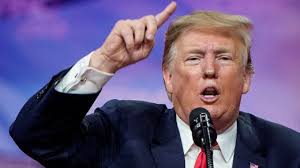
Donald Trump
“He was incapable of bargaining. He was like a man who goes up to a fruit peddler and threatens to blow his brains out if he does not sell his applies at the lowest possible price.”
What Payne writes about Hitler applies equally well to Trump.
Hitler revealed his “bargaining style” in 1938, when he invited Austrian Chancellor Kurt von Schuschnigg to his mountaintop retreat in Obersalzberg, Germany.
Hitler, an Austrian by birth, intended to annex his native land to Germany. Schuschnigg was aware of this, but felt secure in accepting the invitation. He had been assured that the question of Austrian sovereignty would not arise.
The meeting occurred on February 12, 1938.
Shuschnigg opened the discussion with a friendly compliment. Walking over to a large window, he admired the breathtaking view of the mountains.
HITLER: We haven’t come here to talk about the lovely view or the weather!
Austria has anyway never done anything which was of help to the German Reich….I am resolutely determined to make an end to all this business. The German Reich is a great power. Nobody can and nobody will interfere if it restores order on its frontiers.
[Like Hitler, Trump relies on insults and anger to put his victims on the defense.]
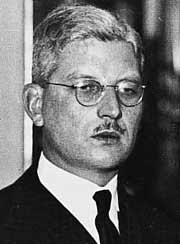
Kurt von Schuschnigg
SCHUSCHNIGG: We simply have to go on living alongside one another, the little state next to the big one. We have no other choice.
And that is why I ask you to tell me what your concrete complaints are. We will do all in our power to sort things out and establish a friendly relationship, as far as it is possible to do so.
HITLER: That’s what you say, Herr Schuschnigg. And I am telling you that I intend to clear up the whole of the so-called Austrian question—one way or another. Do you think I don’t know that you are fortifying Austria’s border with the Reich?
SCHUSCHNIGG: There can be no suggestion at all of that—
HITLER: Ridiculous explosive chambers are being built under bridges and roads—
This was a lie, and Hitler knew it was a lie. But it gave him an excuse to threaten to destroy Austria.
[For Trump, winning—not truth—is all that matters. During his first term as President, he told a documented 30,573 lies.]
HITLER: I have only to give one command and all this comic stuff on the border will be blown to pieces overnight. You don’t seriously think you could hold me up, even for half an hour, do you?
The S.A. [Hitler’s private army of Stormtroopers] and the [Condor] lLegion [which had bombed much of Spain into rubble during the Spanish Civil War] would come in after the troops and nobody—not even I—could stop them from wreaking vengeance.
Schnuschigg made a cardinal mistake in dealing with Hitler: He showed fear. And this was precisely what the Nazi dictator looked for in an opponent.
[Like Hitler, Trump relies on fear: “Real power is—I don’t even want to use the word—fear,” he said in March 2016 when still only a candidate for President.]
Contrary to popular belief, Hitler did not constantly rage at everyone. He used rage as a weapon, knowing that most people feel intimidated by it.
In the case of Schuschnigg, Hitler opened with insults and threats at the outset of their discussion. Then there was a period of calm, to convince the Austrian chancellor the worst was over.
Finally, he once again attacked—this time with so much fury that Schuschnigg was terrified into submission.
With one stroke of a pen, Austria became a vassal-state to Nazi Germany.
[Like Hitler, Trump threatens only those he feels are weak—thus his threats to use military force against Canada, Greenland and Panama.]
ADAM KINZINGER, ADOLF HITLER, AL CAPONE, ALTERNET, AMERICABLOG, ANTHONY FAUCI, AP, BABY BOOMER RESISTANCE, BBC, BERNIE MORENO, BLACK DEATH, BLOOMBERG, BLUESKY, BUZZFEED, CBS NEWS, CENTERS FOR DISEASE CONTROL AND PREVENTION (CDC), CHINA, CNN, CORONAVIRUS, COVID-19, CROOKS AND LIARS, DAILY KOS, DAVID SCHERTLER, DEMOCRATS, DEPARTMENT OF HEALTH AND HUMAN SERVICES, DEPARTMENT OF HOMELAND SECURITY, DEPARTMENT OF JUSTICE, DONALD TRUMP, ELLIOT NESS, FIFTH AMENDMENT, FINAL SOLUTION, FIVETHIRTYEIGHT, FOX BUSINESS NETWORK, FOX BUSINESS THURSDAY, GARY PETERS, HARPER’S MAGAZINE, HUFFINGTON POST, IVANKA TRUMP, JOACHIM VON RIBBENTROP, JOSEPH BIDEN, JULIUS STREICHER, MAFIA, MARIA BARTIROMO, MASKS, MEDIA MATTERS, MEIN KAMPF (BOOK), MOTHER JONES, MOVEON, MSNBC, NATIONAL INSTITUTE OF ALLERGY AND INFECTIOUS DISEASES (NIAID), NAZI PARTY, NBC NEWS, NEWSDAY, NEWSWEEK, NPR, NUREMBERG WR CRIMES TRIALS, PARDONS, PBS NEWSHOUR, PERJURY, POLITICO, POLITICUSUSA, PROPAGANDA, RAND PAUL, RAW STORY, REPUBLICANS, REUTERS, RICHARD BLUMENTHAL, RICHRD 111 (PLAY), ROBERT F. KENNEDY JR., ROBERT H. JACKSON, Ronald Reagan, SALON, SEATTLE TIMES, SLATE, SOCIAL DISTANCING, SOVIET UNION, SUSAN GLASSER, TALKING POINTS MEMO, THE ATLANTIC, THE CHICAGO SUN-TIMES, THE CHICAGO TRIBUNE, THE DAILY BEAST, THE DAILY BLOG, THE GUARDIAN, THE HILL, THE HUFFINGTON POST, THE INTERCEPT, THE LOS ANGELES TIMES, THE NATION, THE NEW REPUBLIC, THE NEW YORK TIMES, THE NEW YORKER, THE UNTOUCHABLES, THE VILLAGE VOICE, THE WASHINGTON POST, THINKPROGRESS, TIME, TRUTHDIG, TRUTHOUT, TWO POLITICAL JUNKIES, U.S. NEWS & WORLD REPORT, UNITED STATES SENATE, UPI, USA TODAY, WASHINGTON WEEK, WILLIAM SHKESPEARE, WORLD HEALTH ORGANIZATION, X
In Bureaucracy, History, Law, Law Enforcement, Medical, Politics, Social commentary on August 28, 2026 at 12:07 am
During 2020—the last year of the first Trump administration and the worst year of COVID—President Donald Trump offered 11 different steps for defeating COVID-19.
Nine of those steps have been revealed. Here are the last two:
11. Learn to Live With It: According to a July 3 story by NBC News: “Eager to move forward and reopen the economy amid a recession and a looming presidential election, the White House is now pushing acceptance. ‘The virus is with us, but we need to live with it.’”
12. Victory Over Coronavirus:“ “Advisor to the President” and First Daughter Ivanka Trump wrote: “Over the past four years, President Trump’s policies and investments in science and technology ensure that America stands ready to solve America’s most pressing problems and that our workforce is prepared for tomorrow’s innovations.”
Ivanka Trump has absolutely no scientific or technology background.
And Trump’s fellow Republicans proved just as anti-science and anti-education as himself.
Donald Trump
In March, 2020, as COVID-19 raged unchecked throughout the country, an NBC News poll found that that only 30% of Republicans said they would actually listen to the advice of doctors to stay away from large, crowded areas to avoid Coronavirus.
By 2026, 23% of Republicans expressed confidence in higher education, while 50% of Democrats did.
Peter Baker. the chief White House correspondent for the New York Times, appeared on the July 31 episode of Washington Week. Offering his own commentary on Republicans’ attempt to shame and destroy Anthony Fauci, he said:
“I think they’re making an awful lot out of, you know, what would be pretty normal in those early days when we did not know a lot, right? Scientists were of multiple opinions about the origin of it, they were of multiple opinions about how it was transmitted, and there were multiple opinions about what the best course of action was….

Anthony Fauci speaking to the White House press corps
“It’s not just that he was wrong, it’s that he is evil, and that he….should go to jail. I mean, he’s literally compared to Hitler and Mengele. This isn’t a scientist who just got things wrong, and maybe he did get something wrong. This, in this case, in Rand Paul’s world, it’s good and evil.”
* * * * * * * * * *
On July 26, 1946, Chief United States Counsel Robert H. Jackson delivered his closing remarks against the major Nazi defendants for war crimes at Nuremberg. He might as well have been speaking about Donald Trump and his cheerleading—and misleading—chorus on Coronavirus:
“Lying has always been a highly approved Nazi technique. [Adolf] Hitler, in Mein Kampf, advocated mendacity as a policy. {Foreign Minister Joachim] Von Ribbentrop admits the use of the ‘diplomatic lie.’
“….Nor is the lie direct the only means of falsehood. They all speak with a Nazi double talk with which to deceive the unwary….’Final solution’ of the Jewish problem was a phrase which meant extermination. ‘Special treatment’ of prisoners of war meant killing. ‘Protective custody’ meant concentration camp.

Robert H. Jackson
“Besides outright false statements and double talk, there are also other circumventions of truth in the nature of fantastic explanations and absurd professions.
“[Rabid anti-Semite Julius] Streicher has solemnly maintained that…his reason for destroying synagogues…was only because they were architecturally offensive….
“This was the philosophy of the National Socialists. When for years they have deceived the world, and masked falsehood with plausibilities, can anyone be surprised that they continue their habits of a lifetime in this dock?
“It is against such a background that these defendants now ask this Tribunal to say that they are not guilty of planning, executing, or conspiring to commit this long list of crimes and wrongs.”
Citing William Shakespeare’s play about the murderous Richard 111, Jackson concluded:
“They stand before the record of this trial as bloodstained Gloucester stood by the body of his slain king. He begged of the widow, as they beg of you: ‘Say I slew them not.’ And the Queen replied, ‘Then say they were not slain. But dead they are…’
“If you were to say of these men that they are not guilty, it would be as true to say that there has been no war, there are no slain, there has been no crime.”
If Americans find Donald Trump blameless for refusing to take decisive action against the Coronavirus threat, they might as well say there was no plague, there were no thousands of dead Americans, there was no dereliction of Presidential responsibility.
It remains the mission of Right-wing Republicans like Senator Rand Paul to ignore Donald Trump’s unforgivable responsibility for the deaths of more than 400,000 Americans. Even worse, they seek to blame heroes like Anthony Fauci, who, fighting an unprecedented enemy, sought to save lives.
The advent of COVID-19 was the 21st century’s version of the Black Death. No one could agree on its origins, how it was transmitted, or the best ways to prevent or cure it. But at least there were doctors who desperately tried to find answers to these questions.
ADAM KINZINGER, ADOLF HITLER, AL CAPONE, ALTERNET, AMERICABLOG, ANTHONY FAUCI, AP, BABY BOOMER RESISTANCE, BBC, BERNIE MORENO, BLACK DEATH, BLOOMBERG, BLUESKY, BUZZFEED, CBS NEWS, CENTERS FOR DISEASE CONTROL AND PREVENTION (CDC), CHINA, CNN, CORONAVIRUS, COVID-19, CROOKS AND LIARS, DAILY KOS, DAVID SCHERTLER, DEMOCRATS, DEPARTMENT OF HEALTH AND HUMAN SERVICES, DEPARTMENT OF HOMELAND SECURITY, DEPARTMENT OF JUSTICE, DONALD TRUMP, ELLIOT NESS, FIFTH AMENDMENT, FINAL SOLUTION, FIVETHIRTYEIGHT, FOX BUSINESS NETWORK, FOX BUSINESS THURSDAY, GARY PETERS, HARPER’S MAGAZINE, HUFFINGTON POST, IVANKA TRUMP, JOACHIM VON RIBBENTROP, JOSEPH BIDEN, JULIUS STREICHER, MAFIA, MARIA BARTIROMO, MASKS, MEDIA MATTERS, MEIN KAMPF (BOOK), MOTHER JONES, MOVEON, MSNBC, NATIONAL INSTITUTE OF ALLERGY AND INFECTIOUS DISEASES (NIAID), NAZI PARTY, NBC NEWS, NEWSDAY, NEWSWEEK, NPR, NUREMBERG WR CRIMES TRIALS, PARDONS, PBS NEWSHOUR, PERJURY, POLITICO, POLITICUSUSA, PROPAGANDA, RAND PAUL, RAW STORY, REPUBLICANS, REUTERS, RICHARD BLUMENTHAL, RICHRD 111 (PLAY), ROBERT F. KENNEDY JR., ROBERT H. JACKSON, Ronald Reagan, SALON, SEATTLE TIMES, SLATE, SOCIAL DISTANCING, SOVIET UNION, SUSAN GLASSER, TALKING POINTS MEMO, THE ATLANTIC, THE CHICAGO SUN-TIMES, THE CHICAGO TRIBUNE, THE DAILY BEAST, THE DAILY BLOG, THE GUARDIAN, THE HILL, THE HUFFINGTON POST, THE INTERCEPT, THE LOS ANGELES TIMES, THE NATION, THE NEW REPUBLIC, THE NEW YORK TIMES, THE NEW YORKER, THE UNTOUCHABLES, THE VILLAGE VOICE, THE WASHINGTON POST, THINKPROGRESS, TIME, TRUTHDIG, TRUTHOUT, TWO POLITICAL JUNKIES, U.S. NEWS & WORLD REPORT, UNITED STATES SENATE, UPI, USA TODAY, WASHINGTON WEEK, WILLIAM SHKESPEARE, WORLD HEALTH ORGANIZATION, X
In Bureaucracy, History, Law, Law Enforcement, Medical, Politics, Social commentary on August 27, 2026 at 12:12 am
Imagine this:
For two and a half years—1929 to late 1931—Elliot Ness and his special unit known as “The Untouchables” conduct Intensive operations, surveillance and brewery raids against the criminal empire of Al “Scarface” Capone.
Six years later, a Senate subcommittee subpoenas Ness and brutally grills him on how his unit carried out those raids:
“Why did you target Al Capone—did you have something personal against him?”
“You never did convict him, did you? That was done by the IRS for tax evasion.”
“Capone was just a businessman. He never hurt anybody.”
“Your unit is famous for not taking bribes. Wasn’t Capone offering enough?”
“There’s no such thing as a Mafia.”
Imagine, also, how such a brutal attack on a celebrated lawman would have damaged the morale of countless other lawmen—and would-be lawmen.
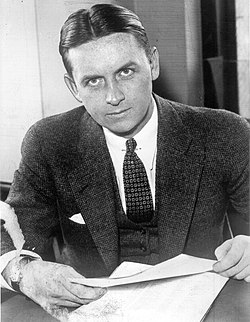
Elliot Ness
So it’s easy to imagine how Republicans’ brutal attack on Anthony Fauci affects current members of the medical profession—and would-be members of it.
Fauci is an American physician-scientist and immunologist who served as the director of the National Institute of Allergy and Infections Diseases (NIAID) from 1984 to 2022 and as Chief Medical Advisor to the President–—Joseph Biden––from 2021 to 2022.
So what did this man—who has dedicated his entire adult life to protecting Americans against infectious diseases—do to ignite such hatred?
He had merely spoken the hard medical truth about Coronavirus. In doing so, he had at times contradicted then-President Donald Trump’s ignorance- and lie-riddled statements.
For example: Trump had loudly touted hydroxychloroquine, used for treating malaria, as a miracle cure for the Coronavirus.
Yet Fauci dared to point out there had been no scientific trials of the drug for its effectiveness against Coronavirus. Moreover, given the medical condition of some patients, it could even prove fatal.
Statements like this infuriated Trump’s base of—at best—half-educated fans.
Donald Trump
On July 31, Susan Glasser, a journalist who writes a column for The New Yorker, appeared on Washington Week, a PBS public affairs television program.
Commenting on the “death match” between Fauci and Senator Rand Paul (R-KY), Glasser said: “Yes. I mean, look, the historical analogy that leaps to mind is not a reasonable bipartisan commission to look at lessons learned from a national tragedy. It’s a witch hunt. It’s McCarthyism.
“You know, we do, unfortunately, have a long history of that as well. And to see an 85-year-old public servant who spent 50 years of his life combating terrible diseases in this country and around the world, you know, it was a painful sight.
“You know, especially to see a bunch of senators accuse Fauci of the best they could come up with, you know, was a diary in which he was dazzled, you know, to meet celebrities and, you know, admitted that he butt-dialed Barbra Streisand….
“The person who was accountable ultimately for America’s failed initial handling of the pandemic in 2020 was someone named Donald Trump.”

Susan Glasser
During 2020—the last year of the first Trump administration and the worst year of COVID—Trump offered 11 different steps for defeating COVID-19:
- Denial: COVID entered the United States on January 19. By January 27, Trump didn’t think the virus had spread widely throughout the United States.
- Lies: On January 22, Trump said “We have it totally under control. It’s one person coming in from China.” By March 10, he was saying: “It will go away. Just stay calm. It will go away.”
- Republican subservience to Trump’s denial and lies: During the vital months of January and February, Republicans refused to challenge Trump’s unwillingness to take the virus seriously—before it gained a foothold in the United States.
- Chaos: Like Adolf Hitler, Trump likes to pit individuals and organizations against each other. This creates needless duplication of efforts and wastes resources. But it ensures that Trump—like Hitler—remains the final voice of authority, since so many others are competing for his favor and direction.
- Extortion: Trump and Republicans used a deadly plague as a weapon against those Americans they hate. This included seizing medical supplies slated for Democratic states and sending them to Republican ones.
- Propaganda Disguised as News: Since Easter weekend, President Donald Trump held almost 50 daily press briefings at the White House. Their purpose: To serve as a substitute for Trump’s hate-filled political rallies, which had been canceled and have been likened to those staged by Germany’s Fuhrer, Adolf Hitler, at Nuremberg.
- Quackery as Medicine: On April 23, Trump raised the possibility of preventing or curing the Coronavirus by use of ultraviolet light—or even injection of disinfectant.
- “Reopen the Country”: The Centers for Disease Control and Prevention (CDC) urged Americans to wear masks and keep at least six feet from their fellows. And most of the nation’s governors issued stay-at-home orders that banned large gatherings—including visits to parks and beaches. Yet Trump openly encouraged defiance of those orders.
- Ignore the Danger: Although health experts expressed fears about large gatherings during the Coronavirus pandemic, Trump and his Republican allies—such as South Dakota Governor Kristi Noem—held tightly-packed, mask-free political rallies.
ADAM KINZINGER, ADOLF HITLER, AL CAPONE, ALTERNET, AMERICABLOG, ANTHONY FAUCI, AP, BABY BOOMER RESISTANCE, BBC, BERNIE MORENO, BLACK DEATH, BLOOMBERG, BLUESKY, BUZZFEED, CBS NEWS, CENTERS FOR DISEASE CONTROL AND PREVENTION (CDC), CHINA, CNN, CORONAVIRUS, COVID-19, CROOKS AND LIARS, DAILY KOS, DAVID SCHERTLER, DEMOCRATS, DEPARTMENT OF HEALTH AND HUMAN SERVICES, DEPARTMENT OF HOMELAND SECURITY, DEPARTMENT OF JUSTICE, DONALD TRUMP, ELLIOT NESS, FIFTH AMENDMENT, FINAL SOLUTION, FIVETHIRTYEIGHT, FOX BUSINESS NETWORK, FOX BUSINESS THURSDAY, GARY PETERS, HARPER’S MAGAZINE, HUFFINGTON POST, IVANKA TRUMP, JOACHIM VON RIBBENTROP, JOSEPH BIDEN, JULIUS STREICHER, MAFIA, MARIA BARTIROMO, MASKS, MEDIA MATTERS, MEIN KAMPF (BOOK), MOTHER JONES, MOVEON, MSNBC, NATIONAL INSTITUTE OF ALLERGY AND INFECTIOUS DISEASES (NIAID), NAZI PARTY, NBC NEWS, NEWSDAY, NEWSWEEK, NPR, NUREMBERG WR CRIMES TRIALS, PARDONS, PBS NEWSHOUR, PERJURY, POLITICO, POLITICUSUSA, PROPAGANDA, RAND PAUL, RAW STORY, REPUBLICANS, REUTERS, RICHARD BLUMENTHAL, RICHRD 111 (PLAY), ROBERT F. KENNEDY JR., ROBERT H. JACKSON, Ronald Reagan, SALON, SEATTLE TIMES, SLATE, SOCIAL DISTANCING, SOVIET UNION, SUSAN GLASSER, TALKING POINTS MEMO, THE ATLANTIC, THE CHICAGO SUN-TIMES, THE CHICAGO TRIBUNE, THE DAILY BEAST, THE DAILY BLOG, THE GUARDIAN, THE HILL, THE HUFFINGTON POST, THE INTERCEPT, THE LOS ANGELES TIMES, THE NATION, THE NEW REPUBLIC, THE NEW YORK TIMES, THE NEW YORKER, THE UNTOUCHABLES, THE VILLAGE VOICE, THE WASHINGTON POST, THINKPROGRESS, TIME, TRUTHDIG, TRUTHOUT, TWO POLITICAL JUNKIES, U.S. NEWS & WORLD REPORT, UNITED STATES SENATE, UPI, USA TODAY, WASHINGTON WEEK, WILLIAM SHKESPEARE, WORLD HEALTH ORGANIZATION, X
In Bureaucracy, History, Law, Law Enforcement, Medical, Politics, Social commentary on August 26, 2026 at 12:05 am
Days before grilling Anthony Fauci at a Senate hearing, Senator Rand Paul (R-KY) released more than a thousand pages of Fauci’s personal diary entries and work records.
These had been made available to him by Secretary of Health and Human Services Robert F. Kennedy, Jr.—a notorious foe of vaccines.
Fauci blasted the move by the senator as an attempt at “embarrassing and intimidating” him.
As a result, Fauci did not answer a single question from any lawmakers during the entire three-hour hearing, invoking the Fifth Amendment 111 times: “On the advice of counsel, I respectfully decline to answer based upon my rights under the Fifth Amendment to the Constitution.”
Republican senators, in turn, attacked Fauci over COVID-19 pandemic guidance—and his refusal to testify.
Senator Bernie Moreno (R-OH) gave voice to that antagonism:
“It was about six years ago today that I decided I’m going to give up my businesses, sell them all, run for office, run for United States Senate. And here I am sitting in front of you six years later, saying who the fuck do you think you were for doing that? It is a total disgrace what you did to this country.”
Moreno called Fauci a criminal and said he was more concerned about being a celebrity than helping the American people: “There is no defense of what you did. You may have had a 50+ year legacy of public service, but it ends in total and complete disgrace.”

Bernie Moreno
Moreno asked Fauci to apologize to people, business owners and military members the Senator said were harmed by COVID restrictions.
As if inconveniencing business owners was a far greater sin than taking steps to save lives.
Others blasted Moreno for his questioning, with several pointing out how he had largely remained silent when his daughter accused her ex-husband, Rep. Max Miller (R-OH), of physically abusing her. Moreno had called it a “private, personal matter.”
“Did Senator Bernie Moreno call out his son in law who beat his daughter with any of the same vigor as he did fauci?” former Republican Rep. Adam Kinzinger wrote in a social media post.
Senator Gary Peters, (D-MI) the top Democrat on the committee, looked beyond the hearing to its impact on history and science:
“It’s tempting to turn one person into the scapegoat for a crisis that hundreds of officials across both the Trump and the Biden administration were responsible for handling.
“This is only going to, unfortunately, deter other scientific experts from public service to understand that this is what they would have to go through as they provide their advice to us.”

Gary Peters
Senator Richard Blumenthal (D-CT) said that the hearing was an effort “to rewrite this history” of the pandemic: [“it is] shameful that in a country like ours, a dedicated public servant like Doctor Fauci has experienced persistent threats to his life since the pandemic because of the lies that are told about him.”
And he called the proceeding “an insult to the memory of more than one million Americans who died from COVID-19.”
Paul challenged Fauci over his Fifth Amendment right, warning him: “It’s against the law to obstruct an investigation of Congress. There will be repercussions for your refusal to testify.”
Fauci’s attorney David Schertler called the hearing part of Paul’s “public crusade” against the scientist. And he repeatedly tried to speak up after Paul threatened Fauci but was silenced by Paul.
PAUL: “You will respect these proceedings. You were told not to sit at the table. You insist on sitting at the table and we told you you would not be recognized. You are not invited here for testimony, sir. You are being disruptive.”
Schertler continued to speak with Paul, and Senator Gary Peters asked for the attorney to be given an opportunity—but was denied.
PAUL: “There’s a row behind you, sir. That’s where you were told to sit … and now you’re disrupting the proceedings.
“That’s the way you want to be remembered, and that’s what you’re going to do. You are not recognized, sir. Security, please remove him from the room.”
Upon exiting the hearing room, Schertler told reporters that Fauci “has a valid Fifth Amendment privilege and he has the right to assert it and that’s what I was trying to tell the committee.”
After the hearing, Paul told NBC News that the committee would vote next week on holding Fauci in contempt of Congress.
“We will schedule a vote. It’s already been scheduled for next week, for a vote on contempt of Congress, referral of contempt of Congress. If the vote is affirmative, it will be sent to the Department of Justice, and they will have to make a decision whether to pursue this.
“We believe that with his liability, his immunity from criminal liability, that he didn’t need to hide behind the Fifth Amendment, and that maybe the Fifth Amendment doesn’t attach when you have a pardon in place.”
The vote was expected to occur at a Department of Homeland Security business meeting scheduled for 10:00 a.m. on August 5.
ADAM KINZINGER, ADOLF HITLER, AL CAPONE, ALTERNET, AMERICABLOG, ANTHONY FAUCI, AP, BABY BOOMER RESISTANCE, BBC, BERNIE MORENO, BLACK DEATH, BLOOMBERG, BLUESKY, BUZZFEED, CBS NEWS, CENTERS FOR DISEASE CONTROL AND PREVENTION (CDC), CHINA, CNN, CORONAVIRUS, COVID-19, CROOKS AND LIARS, DAILY KOS, DAVID SCHERTLER, DEMOCRATS, DEPARTMENT OF HEALTH AND HUMAN SERVICES, DEPARTMENT OF HOMELAND SECURITY, DEPARTMENT OF JUSTICE, DONALD TRUMP, ELLIOT NESS, FIFTH AMENDMENT, FINAL SOLUTION, FIVETHIRTYEIGHT, FOX BUSINESS NETWORK, FOX BUSINESS THURSDAY, GARY PETERS, HARPER’S MAGAZINE, HUFFINGTON POST, IVANKA TRUMP, JOACHIM VON RIBBENTROP, JOSEPH BIDEN, JULIUS STREICHER, MAFIA, MARIA BARTIROMO, MASKS, MEDIA MATTERS, MEIN KAMPF (BOOK), MOTHER JONES, MOVEON, MSNBC, NATIONAL INSTITUTE OF ALLERGY AND INFECTIOUS DISEASES (NIAID), NAZI PARTY, NBC NEWS, NEWSDAY, NEWSWEEK, NPR, NUREMBERG WR CRIMES TRIALS, PARDONS, PBS NEWSHOUR, PERJURY, POLITICO, POLITICUSUSA, PROPAGANDA, RAND PAUL, RAW STORY, REPUBLICANS, REUTERS, RICHARD BLUMENTHAL, RICHRD 111 (PLAY), ROBERT F. KENNEDY JR., ROBERT H. JACKSON, Ronald Reagan, SALON, SEATTLE TIMES, SLATE, SOCIAL DISTANCING, SOVIET UNION, SUSAN GLASSER, TALKING POINTS MEMO, THE ATLANTIC, THE CHICAGO SUN-TIMES, THE CHICAGO TRIBUNE, THE DAILY BEAST, THE DAILY BLOG, THE GUARDIAN, THE HILL, THE HUFFINGTON POST, THE INTERCEPT, THE LOS ANGELES TIMES, THE NATION, THE NEW REPUBLIC, THE NEW YORK TIMES, THE NEW YORKER, THE UNTOUCHABLES, THE VILLAGE VOICE, THE WASHINGTON POST, THINKPROGRESS, TIME, TRUTHDIG, TRUTHOUT, TWO POLITICAL JUNKIES, U.S. NEWS & WORLD REPORT, UNITED STATES SENATE, UPI, USA TODAY, WASHINGTON WEEK, WILLIAM SHKESPEARE, WORLD HEALTH ORGANIZATION, X
In Bureaucracy, History, Law, Law Enforcement, Medical, Politics, Social commentary on August 25, 2026 at 12:10 am
In contrast to Anthony Fauci, Senator Rand Paul (R-KY) has repeatedly attacked efforts to lessen the spread of COVID and spread factually incorrect information about the virus.
In August 2021, Paul stated in a video that “most of the masks you get over the counter don’t work” and that “cloth masks don’t work” to prevent infection.
YouTube suspended Paul for seven days following these remarks, stating the content violated their COVID-19 medical misinformation policies.
in November, 2021, Paul claimed that: “Most of the masks you get over the counter don’t work. They don’t prevent infection. Trying to shape human behavior isn’t the same as following the actual science, which tells us that cloth masks don’t work.”
This contradicted the results of a scientific study from Denmark, which showed that mask usage helped to mitigate the spread of the virus.
On December 17, Paul said on Fox Business Thursday: “There’s no science to keeping schools closed, and there’s actually no good science to keeping restaurants closed, in fact there’s no good science that anything we’ve done has changed the trajectory” of the pandemic.
“Every one of the mandates—and you look in country after country, state after state—you look at when the mask mandates went in—the incidents went up exponentially after the mandates. Restaurants, nobody can eat in a restaurant, there’s no science behind any of that,” Paul told Breitbart News at the Turning Point USA convention.

Anti-lockdown demonstration at the Ohio Statehouse
Becker1999 from Grove City, OH, CC BY 2.0 https://creativecommons.org/licenses/by/2.0>, via Wikimedia Commons
Paul claimed that high school graduation ceremonies and possibly wedding anniversaries even a decade later would be banned by the government if “we’re not careful” to protect our individual freedoms.
Mocking masks as “face diapers,” Paul said: “It’s like wearing your underwear. You might as well cut your underwear up and wear your underwear as protection. It doesn’t work.
“None of it really makes any sense, and there’s no epidemiological evidence. You know, it’s like, ‘Wash your hands, stand six feet apart.’ There’s no evidence that that slowed down the [spread]. The trajectory of the virus hasn’t been altered at all by any of these things.”
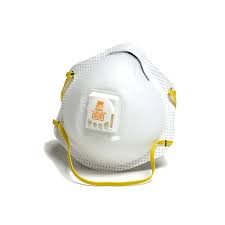
N95 mask
Republicans contend that because President Joe Biden gave Fauci a pardon, he cannot claim fear of prosecution for questions about the time the pardon covers.
But Fauci could theoretically face state or local prosecution, as well as federal prosecution for making any false statements to the panel. And Fauci said he was convinced Paul’s goal was to trip him up and trigger a perjury allegation.
Fauci said in his opening remarks that he welcomed congressional oversight, pointing to the more than 200 times he appeared before Congress over his more than five-decade career with the federal government.
But he stated his belief that this hearing was being held in bad faith:
“Given Senator Paul’s obvious obsession with calling for my prosecution, his repeated slanderous comments about me and recently his publicly releasing my unredacted personal diary aimed at embarrassing and intimidating me, the only conclusion I can reach is that the sole reason he is calling me before this committee is to get me to say something, anything, that could vindicate his repeated public pledges that I end up, in his words, ‘behind bars.’
“Any reasonable person who has followed his unhinged obsession with me would readily come to the same conclusion.
“Therefore, although it pains me to do so because of the respect I have for the legislative branch of government and my decades-long record of cooperating with Congress, under the advice of my attorneys, I will invoke my right under the 5th Amendment of the Constitution to refrain from answering your questions.”

Anthony Fauci and President George W. Bush
In the days before the hearing, Paul had released more than a thousand pages of Fauci’s personal diary entries and work records. These had been made available to him by Secretary of Health and Human Services Robert F. Kennedy, Jr.—a notorious foe of vaccines.
Among the diary entries, released by Paul in an attempt to damage Fauci, were those showing Fauci’s growing disillusionment with President Donald Trump in the first year of the Covid-19 pandemic.
These described Trump as “rambling”, “crazy”, “desperate”, “bumbling”, “incompetent”, “an idiot”, “a true embarrassment”, “totally nuts” and “truly an obnoxious adolescent.”
Trump’s lies about the dangers of COVID and his fake cures for it—such as drinking bleach and shining UV light up a patient’s anus—ultimately resulted in tens of thousands of American deaths.
Fauci’s disillusionment with Trump clearly rested on a firm foundation. But Paul obviously believed that Fauci’s disgust with Trump reflected badly on him, not the President.
Fauci blasted the move by Paul as an attempt at “embarrassing and intimidating” him.
As a result, Fauci did not answer a single question from any lawmakers during the entire three-hour hearing, invoking the Fifth Amendment 111 times: “On the advice of counsel, I respectfully decline to answer based upon my rights under the Fifth Amendment to the Constitution.”
ADAM KINZINGER, ADOLF HITLER, AL CAPONE, ALTERNET, AMERICABLOG, ANTHONY FAUCI, AP, BABY BOOMER RESISTANCE, BBC, BERNIE MORENO, BLACK DEATH, BLOOMBERG, BLUESKY, BUZZFEED, CBS NEWS, CENTERS FOR DISEASE CONTROL AND PREVENTION (CDC), CHINA, CNN, CORONAVIRUS, COVID-19, CROOKS AND LIARS, DAILY KOS, DAVID SCHERTLER, DEMOCRATS, DEPARTMENT OF HEALTH AND HUMAN SERVICES, DEPARTMENT OF HOMELAND SECURITY, DEPARTMENT OF JUSTICE, DONALD TRUMP, ELLIOT NESS, FIFTH AMENDMENT, FINAL SOLUTION, FIVETHIRTYEIGHT, FOX BUSINESS NETWORK, FOX BUSINESS THURSDAY, GARY PETERS, HARPER’S MAGAZINE, HUFFINGTON POST, IVANKA TRUMP, JOACHIM VON RIBBENTROP, JOSEPH BIDEN, JULIUS STREICHER, MAFIA, MARIA BARTIROMO, MASKS, MEDIA MATTERS, MEIN KAMPF (BOOK), MOTHER JONES, MOVEON, MSNBC, NATIONAL INSTITUTE OF ALLERGY AND INFECTIOUS DISEASES (NIAID), NAZI PARTY, NBC NEWS, NEWSDAY, NEWSWEEK, NPR, NUREMBERG WR CRIMES TRIALS, PARDONS, PBS NEWSHOUR, PERJURY, POLITICO, POLITICUSUSA, PROPAGANDA, RAND PAUL, RAW STORY, REPUBLICANS, REUTERS, RICHARD BLUMENTHAL, RICHRD 111 (PLAY), ROBERT F. KENNEDY JR., ROBERT H. JACKSON, Ronald Reagan, SALON, SEATTLE TIMES, SLATE, SOCIAL DISTANCING, SOVIET UNION, SUSAN GLASSER, TALKING POINTS MEMO, THE ATLANTIC, THE CHICAGO SUN-TIMES, THE CHICAGO TRIBUNE, THE DAILY BEAST, THE DAILY BLOG, THE GUARDIAN, THE HILL, THE HUFFINGTON POST, THE INTERCEPT, THE LOS ANGELES TIMES, THE NATION, THE NEW REPUBLIC, THE NEW YORK TIMES, THE NEW YORKER, THE UNTOUCHABLES, THE VILLAGE VOICE, THE WASHINGTON POST, THINKPROGRESS, TIME, TRUTHDIG, TRUTHOUT, TWO POLITICAL JUNKIES, U.S. NEWS & WORLD REPORT, UNITED STATES SENATE, UPI, USA TODAY, WASHINGTON WEEK, WILLIAM SHKESPEARE, WORLD HEALTH ORGANIZATION, X
In Bureaucracy, History, Law, Law Enforcement, Medical, Politics, Social commentary on August 24, 2026 at 12:05 am
“The only morality they recognize is what will further their cause, meaning they reserve unto themselves the right to commit any crime, to lie, to cheat.”
—Ronald Reagan, speaking about the leaders of the Soviet Union
On July 29, Anthony Fauci, the former director of the National Institute of Allergy and Infectious Diseases (NIAID), appeared before the Senate Committee on Homeland Security and Governmental Affairs.
He did so under subpoena issued on the orders of Senator Rand Paul (R-KY), a longtime foe of Fauci.
The hearing was allegedly intended to probe the origins of the COVID-19 pandemic and whether Fauci misled Congress and the public.
Witnesses before Senate committees are always asked: “Do you solemnly swear that the testimony you will give before this Committee will be the truth, the whole truth, and nothing but the truth, so help you God?”
But Senators are never asked to do the same.
Had Senator Rand Paul been required to answer that question—and had he done so honestly—he would have admitted: “The reason for this hearing is to prove that Fauci covered up COVID’s origins. I believe it emerged from a lab in Wuhan, China, that had received American research funding.
“I also believe—and intend to prove—that he needlessly closed schools and churches. And I will be looking for any statement I can interpret as perjury so he can be prosecuted and sent to prison—as I have long said he should be.”

Rand Paul
Fauci had helped lead the White House response for Presidents Donald Trump and Joseph Biden and is now retired from government service. He is 85.
At the opening of the hearing, Fauci read from a prepared statement: “I have appeared multiple times for hearings in the Senate and the House, usually under oath, and sat for several days—long transcribed sworn interviews answering questions about the very issues that are now the subject of this hearing.
“Although it pains me to do so because of the respect I have for the legislative branch of government and my decades-long record of cooperating with Congress, under the advice of my attorneys, I will invoke my right under the Fifth Amendment of the Constitution.”
Fauci invoked his Fifth Amendment privilege against self-incrimination. He then repeatedly refused to answer questions from the Committee—especially from its Republican members.
The reason: President Biden gave him a pardon for all of his official conduct from 2014 to 2025. Fauci hadn’t committed any crimes. Biden intended to protect him from any future malicious prosecution by incoming President Donald Trump, whose hostility toward Fauci was well-known.
The pardon prevents Fauci from being federally prosecuted for any of his actions as director of the National Institute of Allergy and Infectious Diseases. That includes many of the pandemic-related decisions and actions Paul sought to grill him about.

Anthony Fauci
But Fauci could face state or local prosecution, as well as federal prosecution for making any false statements to the panel. And Fauci said he was convinced Paul’s goal was to trip him up and trigger a perjury allegation.
Paul has, in fact, called for Fauci’s imprisonment.
On December 2, 2021, he told Maria Bartiromo on Fox Business Network: “Fauci should go to prison for five years for lying to Congress. They’ve prosecuted other people, they’ve selectively gone after Republicans, but in no way will they do anything about him lying.”
Paul and Bartiromo both claimed that Fauci lied to Congress when he said that the National Institutes of Health did not fund “gain of function” research at the Wuhan Institute of Virology.
Gain of function research is a common scientific practice in which researchers trigger mutations and study how they affect a specific subject. In recent years, scientists have become increasingly less willing to conduct the research in some circumstances due to associated risks.
“He should be prosecuted for lying, but at the very least he should be taken out of his position because I think he cost people’s lives through misinformation,” Paul told Bartiromo.
On the contrary, Paul himself has repeatedly attacked efforts to lessen the spread of COVID and spread factually incorrect information about the virus.
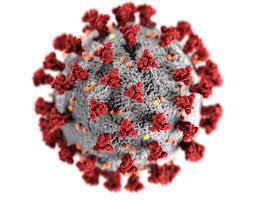
COVID-19 virus
On May 5, 2020, the NBC News website reported: “Rand Paul, the only senator known to have contracted COVID-19, defended his decision not to wear a mask on Capitol Hill on Tuesday, citing his ‘immunity’ to a disease that top scientists are still trying to understand.
“I have immunity. I’ve already had the virus, so I can’t get it again and I can’t give it to anybody,” Paul told reporters, referring to his March diagnosis. ‘I can’t get it again, nor can I transmit. So of all the people you’ll meet here, I’m about the only safe person in Washington.'”
According to Dr. Vin Gupta, a pulmonologist and global health policy expert and NBC News contributor, Paul’s claim “flies in the face of expert guidance from organizations like the WHO [World Health Organization] and CDC [Centers for Disease Control and Prevention], who both very clearly said we don’t know, It’s the pinnacle of misinformation. It’s not true. We have no evidence.”


ABC NEWS, ADOLF HITLER, ALTERNET, AMERICABLOG, AP, BABY BOOMER RESISTANCE, BBC, BLOOMBERG NEWS, BLUESKY, BUZZFEED, CANADA, CBS NEWS, CLAUDIA SHEINBAUM PARDO, CNN, CNN'S "STARTING POINT", CROOKS AND LIARS, DAILY KOS, DEPARTMENT OF HOMELAND SECURITY, DEPARTMENT OF JUSTICE, EXTORTION, FBI, FIVETHIRTYEIGHT, HARPER’S MAGAZINE, HUFFINGTON POST, INSIDER, JUDICIARY, MARK CARNEY, MASTADON, MEDIA MATTERS, MEXICO, MOTHER JONES, MOVEON, MSNBC, MSNBC'S "HARDBALL", NAZI GERMANY, NBC NEWS, NEGOTIATING, NEW REPUBLIC, NEWSDAY, NEWSWEEK, NPR, PBS NEWSHOUR, POLAND, POLITICO, POLITICUSUSA, PRESS, RAW STORY, REPUBLICAN PARTY, REPUBLICANS, REUTERS, SALON, SEATTLE TIMES, SLATE, TALKING POINTS MEMO, THE ATLANTIC, THE CHICAGO SUN-TIMES, THE CHICAGO TRIBUNE, THE DAILY BEAST, THE DAILY BLOG, THE GUARDIAN, THE HILL, THE HUFFINGTON POST, THE LOS ANGELES TIMES, THE NATION, THE NEW REPUBLIC, THE NEW YORK TIMES, THE NEW YORKER, THE PENTAGON, THE VILLAGE VOICE, THE WASHINGTON POST, THINKPROGRESS, TIME, TRUTHDIG, TRUTHOUT, TWO POLITICAL JUNKIES, U.S. NEWS & WORLD REPORT, UPI, USA TODAY, WONKETTE, WORLD WAR 11, X
FAILING AT IRAN, NOW HE WANTS CANADA: PART THREE (END)
In Bureaucracy, History, Law, Law Enforcement, Politics, Social commentary on September 16, 2026 at 12:26 amOn January 20, 2026, in a speech at the World Economic Forum in Davos, Switzerland, Canadian Prime Minister Mark Carney called for greater cooperation among the world’s middle-sized nations.
The reason: To protect themselves from great powers using tariffs to extort control over them.
An example of this: Ottawa and Beijing now have a limited tariff agreement that swaps reduced Chinese duties on Canadian canola seeds for lower Canadian tariffs on a capped volume of Chinese electric vehicles.
On January 26, Canada announced a plan to significantly expand trade with non‑U.S. countries, strengthen internal Canadian trade, and increase domestic investment by up to one trillion dollars over the next five years.
Canadian provinces and territories
On February 20, 2026, the United States Supreme Court ruled against emergency tariffs imposed under the International Emergency Economic Powers Act.
This had been the basis—and excuse—for Trump’s slapping tariffs on more than 180 countries.
Ignoring the Supreme Court ruling Trump imposed a short term 10% global tariff.
On July 1, after a virtual meeting with U.S. Trade Representative Jamieson Greer with his Canadian and Mexican counterparts, Greer announced that the U.S. would not extend the Canada-United States-Mexico Agreement (CUSMA).
Its goals had been to boost economic growth, reduce trade barriers, and secure preferential market access across North America.
On July 17, in a Truth Social post, Trump threatened to put new tariffs on Canada after hundreds of wildfires left much of the northern U.S. covered by smoke.
He could have offered to send American firefighters and firefighting equipment to Canada. But acting in a humane way has never been a part of Trump’s character.
On July 20, Trump alleged that Canada discriminated against American companies supplying alcohol, dairy and cars. He signed three proclamations under the 1930 Smoot-Hawley Tariff Act, imposing 50% tariffs on Canadian dairy, alcohol, cars and other products.
On August 22, Trump’s 50% tariffs took effect on about $20 billion worth of Canadian goods—dairy products, alcoholic beverages, cement and hockey equipment.
Trade negotiations had collapsed shortly before a midnight deadline the previous night.
Canadian Prime Minister Mark Carney said that “last-minute changes in the U.S. proposed terms” had caused the collapse.
Mark Carney
“….The general attitude….is that the core Canadian industries either would be subsidiaries effectively of the United States industries or would put in place terms where those industries would be, gradually wound down in Canada and we’re not going to of course….accept those terms.”
And he warned that Canada would match the tariffs “dollar for dollar” starting on September 8.
After Canada suspended trade talks on August 21, Trump signed an executive order “changing” the name of Lake Ontario, which borders New York and Canada’s Ontario province, to Lake America.
Google and Apple, cravenly seeking to win Trump’s favor, immediately displayed maps offering the Trumpian version of geography.
“When the Americans stop doing memes, stop throwing shade, stop trying to be tough and start being serious about having those discussions, we can have those discussions,” said Carney at a press conference.
There is no American precedent for such extortionate behavior—but there is a German one. That of Nazi Germany from t938 to 1939 under Adolf Hitler—first against Austria, then Czechoslovakia, and finally Poland.
It was his aggression against Poland that ignited World War II.
But Trump can be beaten—if his enemies are willing to go all the way.
Democratic nations like Canada and Mexico dare not attack the United States militarily. America’s military is so powerful the country is threatened only by China and Russia.
But they can target with ruthless tariffs those Red states whose Fascistic voting blocs fanatically support Trump—and the House and Senate members who support him.
They can:
Canada, in particular, has a deadly weapon it can unleash at any time:
Provincial authorities and grid operators (such as Ontario’s Independent Electricity System Operator) can reduce or halt power flowing through cross-border transmission lines to states like New York, Michigan and Minnesota.
The U.S. imports electricity from Canada because it is cheaper than generating more supply domestically. Losing Canadian electricity would force affected states to rely on rapacious energy companies, driving up electricity costs for consumers.
This, in turn, would trigger voters’ anger against Trump-supporting Republican candidates for the House and Senate.
Americans are used to seeking simple, painless solutions to major problems. Thus, in 2024, Trump won 77 million votes by promising to drastically reduce the price of eggs.
Instead, he gave voters an unprovoked and endless war on Iran. This has created a worldwide spiral in oil prices—and fueled inflation in the United States and other nations.
As prices soar for food, energy and housing, Trump focuses on vanity projects like a 90,000 square-foot White House ballroom and a towering “Victory Arch” overlooking Arlington Cemetery.
When Red states are forced to suffer staggering losses for months on end, they will elect anti-Fascist Senators and Representatives to nullify the evils of Trump’s administration.
Share this: