Posts Tagged ‘SS’
2020 PRESIDENTIAL ELECTION, ADOLF HITLER, AFFORDABLE CARE ACT (ACA), ALTERNET, AMERICABLOG, AP, ARLINGTON CEMETERY, AUSTRIA, BABY BOOMER RESISTANCE, BARCK OBAMA, BBC, BENJAMIN NETANYAHU, BIRTHRIGHT CITIZENSHIP, BLOOMBERG, BLUESKY, BRENDEN CARR, BUCHENWALD, BUREAU OF LABOR STATISTICS, BUZZFEED, CANADA, CBS NEWS, CHARLIE KIRK, CHRIS KREBS, CLIMATE CHANGE, CNN, CONSUMER FINANCIAL PROTECTION BUREAU, CROOKS AND LIARS, CZECHOSLOVAKIA, DAILY KOS, DEATH’S HEAD REVISITEDD (TV SHOW), DENMARK, DIVERSITY EQUITY AND INCLUSION (DEI), DONALD TRUMP, ENGLAND, FBI, FEDERAL AVIATION ADMINISTRATION (FAA), FIVETHIRTYEIGHT, FRANCE, GAZA, GOVERNMENT SHUTDOWN, GREAT DEPRESSION, GREENLAND, GULF OF AMERICA, GULF OF MEXICO, HARPER’S MAGAZINE, HARVARD UNIVERSITY, HERITIAGE FOUNDATION, HILLARY CLINTON, HUFFINGTON POST, illegal immigration, IMMIGRATION AND CUSTOMS ENFORCEMENT (ICE), IRAN, ISRAEL, J.D. VANCE, JAMES COMEY, JANUARY 6 COUP ATTEMPT, JEWS, JIMMY KIMMEL, JIMMY KIMMEL LIVE!, JOHN F. KENNEDY CENTER FOR THE PERFORMING ARTS, JOSEPH BIDEN, JOSEPH STALIN, Kamala Harris, KATJA HOYER, LATE NIGHT WITH STEPHEN COLBERT, LETITIA JAMES, LOS ANGELES, MARK MEADOWS, MEDIA MATTERS, MEDICAID, MEDICARE, MINNEAPOLIS, MOTHER JONES, MOVEON, MSNBC, NATIONAL GUARD, NAZI GERMANY, NAZI PARTY, NBC NEWS, NEWSDAY, NEWSWEEK, NORTH ATLANTIC TREATY ORGANIZATION (NATO), NPR, Oil, PAUL VON HINDENBURG, PBS NEWSHOUR, POLITICO, POLITICUSUSA, PROJECT 2025, RAW STORY, REUTERS, ROD SERLING, RUDY GIULIANI, S.A., SALON, SEATTLE TIMES, SLATE, SOVIET UNION, SS, STEPHEN COLBERT, STRAIT OF HORMUZ, SUPPLEMENTAL NUTRITION ASSISTANCE PROGRAM (SNAP), TALKING POINTS MEMO, TARIFFS, THE ATLANTIC, THE CHICAGO SUN-TIMES, THE CHICAGO TRIBUNE, THE DAILY BEAST, THE DAILY BLOG, THE GUARDIAN, THE HILL, THE HOLOCAUST, THE HUFFINGTON POST, THE INTERCEPT, THE LOS ANGELES TIMES, THE NATION, THE NEW REPUBLIC, THE NEW YORK TIMES, THE NEW YORKER, THE SS, THE VILLAGE VOICE, THE WASHINGTON POST, THINKPROGRESS, THIRD REICH, TIME, TREATY OF VERSAILLES, TRUTHDIG, TRUTHOUT, TWILIGHT ZONE (SERIES), TWO POLITICAL JUNKIES, U.S. NEWS & WORLD REPORT, UNITED STATES CONSTITUTION, UNITED STATES DEPARTMENT OF JUSTICE, UPI, USA TODAY, WASHIINGTON D.C., WEIMAR, WEIMAR REPUBLIC, WEIMAR: LIFE ON THE EDGE OF CATASTROPHE (BOOK), WHITE HOUSE BALLROOM, WHITE SUPREMACISTS, WORLD HEALTH ORGANIZATION (WHO), X
In Bureaucracy, Business, History, Law, Law Enforcement, Medical, Military, Politics, Social commentary on October 2, 2026 at 12:06 am
In 1938, using threats of overwhelming force, Adolf Hitler successfully annexed Austria and Czechoslovakia.
Since resuming the Presidency on January 20, 2025, Donald Trump has moved aggressively against Canada, Mexico and Greenland.
Greenland is strategically significant to the United States. It sits between Russia and the eastern coast of the United States, and is the fastest way from Europe to New York.
Trump declared that the United States must own and control Greenland “for purposes of National Security and Freedom throughout the World.” He has not ruled out a military takeover of the island.

Greenland
This even though the Kingdom of Denmark—a member of NATO and an American ally—holds control of the semiautonomous island.
On June 22, 1941, Adolf Hitler launched his powerful Wehrmacht against the Soviet Union.
Less than two years earlier, on August 23, 1939, he had signed a “non-aggression” pact with his longtime arch-enemy, Joseph Stalin, dictator of the Soviet Union.
Since then, his army had conquered Poland, Norway, Denmark, Holland, Belgium, France, Greece and Yugoslavia. Hitler believed it would conquer Russia in about six weeks.
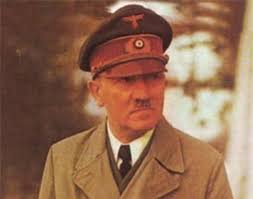
Adolf Hitler
Four years later, Hitler was dead and Nazi Germany lay in ruins.
Similarly, on February 28, 2026, Donald Trump conspired with Israeli Prime Minister Benjamin Netanyahu to attack Israel’s mortal enemy and America’s longtime antagonist: Iran.
Trump predicted that the war would be over in four to six weeks—the same timetable Adolf Hitler gave for the completion of his victory over the Soviet Union in 1941.
And just as “Operation Barbarossa” proved a fatal mistake for Hitler, so Trump’s latest stab at playing Generalissimo has proven a total disaster. Seven months into his war, he still has no plan for winning it or withdrawing from it without losing face.
Meanwhile, Iran continues to control the Strait of Hormuz, through which about 20 million barrels of oil used to pass each day. That flow has been reduced to between two million and six million barrels each day.

Strait of Hormuz
This has created a worldwide spiral in oil prices—and fueled inflation in the United States and other nations. But as prices for housing, energy and food soar in the United States, Trump claims that “affordability” is a “Democratic hoax.”
Like Adolf Hitler contemplating architectural models while Nazi Germany neared destruction, Trump focuses on vanity projects like a 90,000 square foot White House ballroom and a towering “Victory Arch” literally overshadowing Arlington Cemetery.
In Nazi Germany, freedom of the press was non-existent.
- Propaganda Minister Joseph Goebbels forbade editors to publish any content that insulted the Third Reich.
- The regime closed down anti-Nazi newspapers and used the SA and SS to storm offices and destroy printing presses.
- Journalists who resisted were arrested, sent to concentration camps, or forced out of the profession, particularly if they were Jewish.
- Opposition and multi-party newspapers were banned, and their printing equipment and plants were confiscated by the Nazi Party.

Joseph Goebbels
During his second administration, Donald Trump has waged an even more relentless war on the free press than during his first one. This has included:
- Routinely denouncing critical journalists and mainstream outlets as “fake news,” “enemies of the American people” and national security threats.
- Revoking press credentials and barring reporters from outlets like CNN, Politico and MS NOW from entering the White House.
- Banning Associated Press reporters for refusing to use the term “Gulf of America” instead of “Gulf of Mexico.”
- Filing multi-billion dollar defamation lawsuits against major news organizations such as CBS and the Wall Street Journal.

Donald Trump
* * * * * * * * * *
Those who voted for Donald Trump in 2024 knew:
- He was a man driven by greed, racism, egotism and hatred.
- He was a 34-times convicted felon for falsifying business records to conceal hush money payments to a porn “star” before the 2016 Presidential election.
- His lies about the dangers of COVID had killed at least 400,000 Americans.
- He had incited a treasonous attack on Congress to illegally remain in office as President.
None of this mattered to those who voted for him.
In “Death’s Head Revisited,” a 1961 episode of “The Twilight Zone,” Rod Serling offered a haunting story of otherworldly revenge:
A former SS captain visits the ruins of the Dachau concentration camp to relive his past sadistic pleasures—and is put on trial by the ghosts of the inmates he tortured.
As usual, Serling, as narrator, gets the final word:
“All the Dachaus must remain standing. The Dachaus, the Belsens, the Buchenwalds, the Auschwitzes; all of them.
“They must remain standing because they are a monument to a moment in time when some men decided to turn the Earth into a graveyard.
“Into it they shoveled all of their reason, their logic, their knowledge, but worst of all, their conscience.
“And the moment we forget this, the moment we cease to be haunted by its remembrance, then we become the gravediggers. Something to dwell on and to remember, not only in the Twilight Zone but wherever men walk God’s Earth.”
In 2016, 2020 and 2024, millions of Americans—fueled by greed, ignorance and/or hatred—cast aside Rod Serling’s timeless warning.
And voted for a man who intended to turn the Earth into a graveyard.
2020 PRESIDENTIAL ELECTION, ADOLF HITLER, AFFORDABLE CARE ACT (ACA), ALTERNET, AMERICABLOG, AP, ARLINGTON CEMETERY, AUSTRIA, BABY BOOMER RESISTANCE, BARCK OBAMA, BBC, BENJAMIN NETANYAHU, BIRTHRIGHT CITIZENSHIP, BLOOMBERG, BLUESKY, BRENDEN CARR, BUCHENWALD, BUREAU OF LABOR STATISTICS, BUZZFEED, CANADA, CBS NEWS, CHARLIE KIRK, CHRIS KREBS, CLIMATE CHANGE, CNN, CONSUMER FINANCIAL PROTECTION BUREAU, CROOKS AND LIARS, CZECHOSLOVAKIA, DAILY KOS, DEATH’S HEAD REVISITEDD (TV SHOW), DENMARK, DIVERSITY EQUITY AND INCLUSION (DEI), DONALD TRUMP, ENGLAND, FBI, FEDERAL AVIATION ADMINISTRATION (FAA), FIVETHIRTYEIGHT, FRANCE, GAZA, GOVERNMENT SHUTDOWN, GREAT DEPRESSION, GREENLAND, GULF OF AMERICA, GULF OF MEXICO, HARPER’S MAGAZINE, HARVARD UNIVERSITY, HERITIAGE FOUNDATION, HILLARY CLINTON, HUFFINGTON POST, illegal immigration, IMMIGRATION AND CUSTOMS ENFORCEMENT (ICE), IRAN, ISRAEL, J.D. VANCE, JAMES COMEY, JANUARY 6 COUP ATTEMPT, JEWS, JIMMY KIMMEL, JIMMY KIMMEL LIVE!, JOHN F. KENNEDY CENTER FOR THE PERFORMING ARTS, JOSEPH BIDEN, JOSEPH STALIN, Kamala Harris, KATJA HOYER, LATE NIGHT WITH STEPHEN COLBERT, LETITIA JAMES, LOS ANGELES, MARK MEADOWS, MEDIA MATTERS, MEDICAID, MEDICARE, MINNEAPOLIS, MOTHER JONES, MOVEON, MS NOW, MSNBC, NATIONAL GUARD, NAZI GERMANY, NAZI PARTY, NBC NEWS, NEWSDAY, NEWSWEEK, NORTH ATLANTIC TREATY ORGANIZATION (NATO), NPR, Oil, PAUL VON HINDENBURG, PBS NEWSHOUR, POLITICO, POLITICUSUSA, PROJECT 2025, RAW STORY, REUTERS, ROD SERLING, RUDY GIULIANI, S.A., SALON, SEATTLE TIMES, SLATE, SOVIET UNION, SS, STEPHEN COLBERT, STRAIT OF HORMUZ, SUPPLEMENTAL NUTRITION ASSISTANCE PROGRAM (SNAP), TALKING POINTS MEMO, TARIFFS, THE ATLANTIC, THE CHICAGO SUN-TIMES, THE CHICAGO TRIBUNE, THE DAILY BEAST, THE DAILY BLOG, THE GUARDIAN, THE HILL, THE HOLOCAUST, THE HUFFINGTON POST, THE INTERCEPT, THE LOS ANGELES TIMES, THE NATION, THE NEW REPUBLIC, THE NEW YORK TIMES, THE NEW YORKER, THE SS, THE VILLAGE VOICE, THE WASHINGTON POST, THINKPROGRESS, THIRD REICH, TIME, TREATY OF VERSAILLES, TRUTHDIG, TRUTHOUT, TWILIGHT ZONE (SERIES), TWO POLITICAL JUNKIES, U.S. NEWS & WORLD REPORT, UNITED STATES CONSTITUTION, UNITED STATES DEPARTMENT OF JUSTICE, UPI, USA TODAY, WASHIINGTON D.C., WEIMAR, WEIMAR REPUBLIC, WEIMAR: LIFE ON THE EDGE OF CATASTROPHE (BOOK), WHITE HOUSE BALLROOM, WHITE SUPREMACISTS, WORLD HEALTH ORGANIZATION (WHO), X
In Bureaucracy, Business, History, Law, Law Enforcement, Medical, Military, Politics, Social commentary on September 28, 2026 at 12:18 am
“For it is the doom of men that they forget.”
—Merlin, “Excalibur”
It’s April 16, 1945, and more than 1,000 residents of the town of Weimar, Germany, are being forced to view horrors they have never before seen and perhaps never imagined could exist.
Adolf Hitler, Fuhrer of the Third Reich since 1933, won’t commit suicide until April 30, but Germany’s fate is already sealed. The war it had so arrogantly started is ending in humiliating defeat for its “master race.”
American army units have been appalled at what they found in Buchenwald concentration camp, which lies only about four miles northwest of Weimar. They are determined to make Weimar’s citizens see, up-close, the true legacy of the Hitler regime.
Among the nightmarish scenes the citizens view:
- Corpses piled on carts.
- Recently dug up mass graves, revealing countless bodies.
- Crematorium ovens filled with human bones and ashes of prisoners who had been murdered.
- An all-pervading stench of death, stemming from the tens of thousands of men and women who had been murdered there.
- A gallows where inmates had been executed.
- A wooden block over which they had been bent to be flogged.
- A table displaying samples of human skin that had been collected by the former camp commandant and his wife.
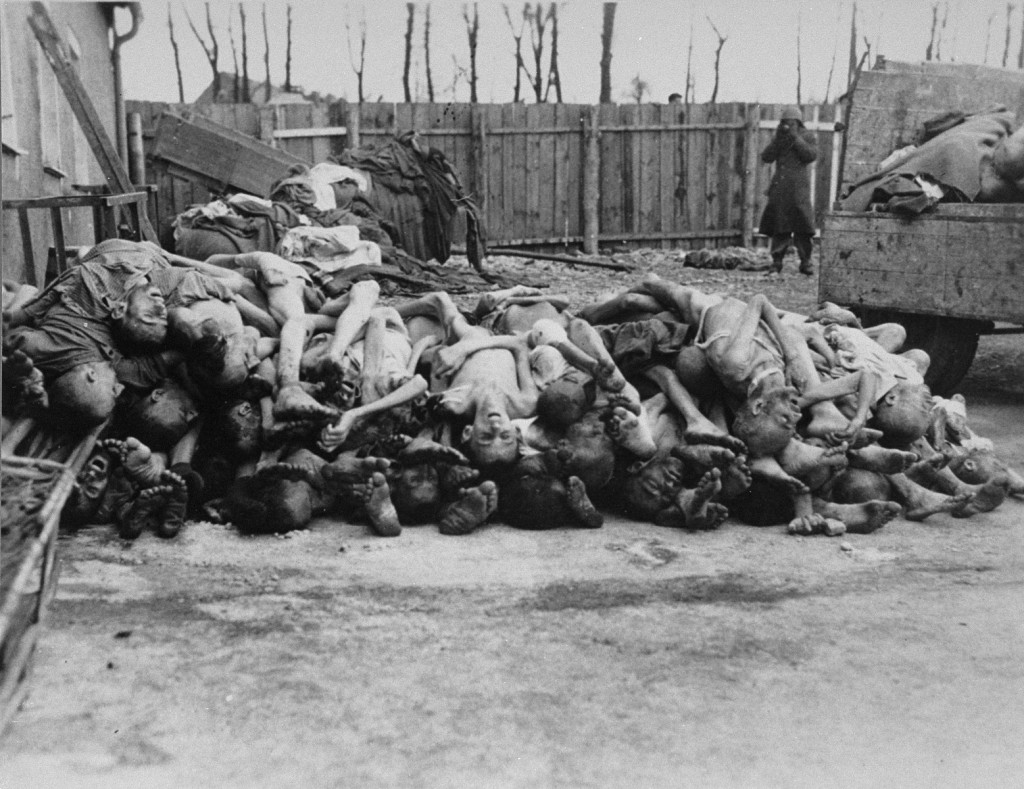
Corpses found in Buchenwald after its liberation
The United States Army films the Weimar residents as they are confronted with the horrors of Buchenwald. Out of this comes a documentary: “Death Mills,” which puts the blame for Nazi atrocities on the shoulders of ordinary Germans.
“These Germans, the ones who said they didn’t know,” intones a narrator, “were responsible, too. They had put themselves gladly into the hands of criminals and lunatics.
“They tell you now they meant no evil, that they knew nothing of what was going on or could do nothing even if they knew….
“Today, these Germans who cheered the destruction of humanity in their own land, who cheered the attack on helpless neighbors, who cheered the enslavement of Europe, plead for your sympathy.”
If similar justice comes to the United States, those citizens who have lustily supported Donald Trump’s crimes at all levels will be forced to answer for the atrocities their support made possible.
Among these:
- Pardoning about 1,500 of his followers who violently tried to overturn the outcome of the 2020 Presidential election in the January 6, 2021 attack on Congress. More than 250 of those pardoned had been convicted of assaulting police.
- Banning CNN, Politico and MS NOW correspondents from the White House because he didn’t like their “unfair” reporting about him.
- Signing 26 executive orders reversing climate change initiatives, eliminating DEI programs, and initiating a federal hiring freeze.
- Firing the inspectors general—who are charged with protecting the government from waste and corruption—from more than a dozen federal agencies.
- Firing Rohit Chopra, the director of the Consumer Financial Protection Bureau, which protects consumers from unfair, deceptive and fraudulent business practices.
- Withdrawing the United States from the World Health Organization (WHO).
- Withdrawing the United States from the Paris climate agreement.
- Firing the non-partisan board members at the John F. Kennedy Center for the Performing Arts. His toadies illegally renamed it the Trump-Kennedy Center and appointed him as its chairman—just as Joseph Stalin made himself arbiter of what was permissible for artists in the Soviet Union.
Donald Trump
- When artists and audiences—outraged by the takeover—boycott the Center, an embarrassed Trump orders its closure, claiming a two-year repair renovation is necessary
- Purging about a half-dozen executive assistant directors at the FBI. These were some of the bureau’s top managers overseeing criminal, national security and cyber investigations. Their “crime”: Investigating Trump’s inciting the January 6, 2021 coup attempt and illegally holding highly sensitive national security documents after leaving office.
- Ordering the Justice Department to indict his critics such as New York Attorney General Letitia James and former FBI Director James Comey.
- Declaring “a national emergency” targeting migrants—legal and illegal.
- Trying to cancel birthright citizenship—enshrined within the United States Constitution—for U.S.-born children.
- Demanding a military parade for his 79th birthday, poorly disguised as a salute to the 250th anniversary of the United States Army.
- Pardoning favored political allies and loyalists. Among these: Seventy-seven people associated with the Trump fake electors plot to overturn the results of the 2020 U.S. presidential election, including Trump’s personal attorney Rudy Giuliani and former chief of staff Mark Meadows.
- Demanding that the media refer to the Gulf of Mexico as “the Gulf of America” and banning the Associated Press from the White House for refusing to do so.
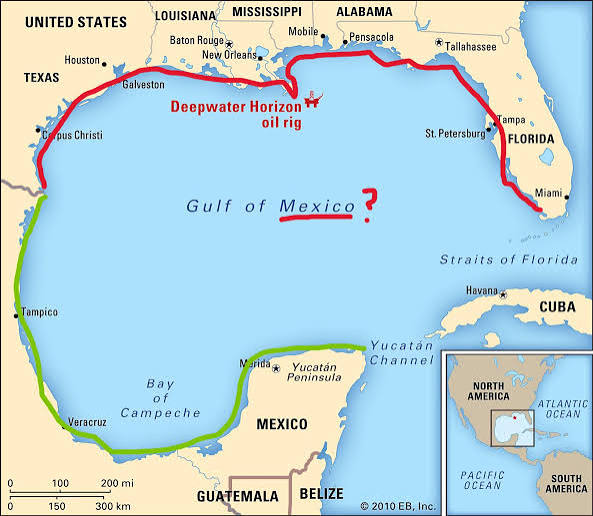
Gulf of Mexico
- Demanding that Canada become the 51st state and aggressively raising tariffs on Canadian goods.
- Shutting down the Federal Government on October 1, 2025, when Democrats refuse to agree to his gutting Medicaid, Medicare and the Affordable Care Act (ACA), causing 10-15 million Americans to lose health insurance coverage.
- Among those not getting paid: Air traffic controllers for the Federal Aviation Administration (FAA). Owing to many controllers’ refusing to work, the FAA reduces air traffic by 10% at many airports.
- Shutting off the Supplemental Nutrition Assistance Program (SNAP) for the poor to pressure Democrats to support his gutting of healthcare programs.
2020 PRESIDENTIAL ELECTION, ADOLF HITLER, AFFORDABLE CARE ACT (ACA), ALTERNET, AMERICABLOG, AP, ARLINGTON CEMETERY, AUSTRIA, BABY BOOMER RESISTANCE, BARCK OBAMA, BBC, BENJAMIN NETANYAHU, BIRTHRIGHT CITIZENSHIP, BLOOMBERG, BLUESKY, BRENDEN CARR, BUCHENWALD, BUREAU OF LABOR STATISTICS, BUZZFEED, CANADA, CBS NEWS, CHARLIE KIRK, CHRIS KREBS, CLIMATE CHANGE, CNN, CONSUMER FINANCIAL PROTECTION BUREAU, CROOKS AND LIARS, CZECHOSLOVAKIA, DAILY KOS, DEATH’S HEAD REVISITEDD (TV SHOW), DENMARK, DIVERSITY EQUITY AND INCLUSION (DEI), DONALD TRUMP, ENGLAND, FBI, FEDERAL AVIATION ADMINISTRATION (FAA), FIVETHIRTYEIGHT, FRANCE, GAZA, GOVERNMENT SHUTDOWN, GREAT DEPRESSION, GREENLAND, GULF OF AMERICA, GULF OF MEXICO, HARPER’S MAGAZINE, HARVARD UNIVERSITY, HERITIAGE FOUNDATION, HILLARY CLINTON, HUFFINGTON POST, illegal immigration, IMMIGRATION AND CUSTOMS ENFORCEMENT (ICE), IRAN, ISRAEL, J.D. VANCE, JAMES COMEY, JANUARY 6 COUP ATTEMPT, JEWS, JIMMY KIMMEL, JIMMY KIMMEL LIVE!, JOHN F. KENNEDY CENTER FOR THE PERFORMING ARTS, JOSEPH BIDEN, JOSEPH STALIN, Kamala Harris, KATJA HOYER, LATE NIGHT WITH STEPHEN COLBERT, LETITIA JAMES, LOS ANGELES, MARK MEADOWS, MEDIA MATTERS, MEDICAID, MEDICARE, MINNEAPOLIS, MOTHER JONES, MOVEON, MSNBC, NATIONAL GUARD, NAZI GERMANY, NAZI PARTY, NBC NEWS, NEWSDAY, NEWSWEEK, NORTH ATLANTIC TREATY ORGANIZATION (NATO), NPR, Oil, PAUL VON HINDENBURG, PBS NEWSHOUR, POLITICO, POLITICUSUSA, PROJECT 2025, RAW STORY, REUTERS, ROD SERLING, RUDY GIULIANI, S.A., SALON, SEATTLE TIMES, SLATE, SOVIET UNION, SS, STEPHEN COLBERT, STRAIT OF HORMUZ, SUPPLEMENTAL NUTRITION ASSISTANCE PROGRAM (SNAP), TALKING POINTS MEMO, TARIFFS, THE ATLANTIC, THE CHICAGO SUN-TIMES, THE CHICAGO TRIBUNE, THE DAILY BEAST, THE DAILY BLOG, THE GUARDIAN, THE HILL, THE HOLOCAUST, THE HUFFINGTON POST, THE INTERCEPT, THE LOS ANGELES TIMES, THE NATION, THE NEW REPUBLIC, THE NEW YORK TIMES, THE NEW YORKER, THE SS, THE VILLAGE VOICE, THE WASHINGTON POST, THINKPROGRESS, THIRD REICH, TIME, TREATY OF VERSAILLES, TRUTHDIG, TRUTHOUT, TWILIGHT ZONE (SERIES), TWO POLITICAL JUNKIES, U.S. NEWS & WORLD REPORT, UNITED STATES CONSTITUTION, UNITED STATES DEPARTMENT OF JUSTICE, UPI, USA TODAY, WASHIINGTON D.C., WEIMAR, WEIMAR REPUBLIC, WEIMAR: LIFE ON THE EDGE OF CATASTROPHE (BOOK), WHITE HOUSE BALLROOM, WHITE SUPREMACISTS, WORLD HEALTH ORGANIZATION (WHO), X
In Bureaucracy, Business, History, Law, Law Enforcement, Medical, Military, Politics, Social commentary on September 22, 2026 at 12:49 am
For the administration of Adolf Hitler, the Number One enemy was the Jews. Enforcement of antisemitic laws was entrusted to the local police and Hitler’s paramilitary police forces, the S.A. (“Brownshirts”) and SS (“Schutzstaffel”).
To facilitate this all-out war on Jewry, the Reich operated 23 main concentration camps with over 1,000 satellite camps, along with a massive network of at least 44,000 total sites, including forced-labor camps, transit camps, ghettos, and extermination camps.
The result: An estimated slaughter of six million Jews, mostly throughout Eastern Europe and Russia.

For the administration of Donald Trump, the Number One enemy is Hispanics. Trump made attacking illegal immigration the centerpiece of his 2024 campaign.
And since taking office a second time, Trump has turned Immigration and Customs Enforcement (ICE) into his private army. Its size and budget dwarf those of every other federal law enforcement agency.
By July 21, 2026, according to ICE:
- The total number of deportations this fiscal year is 356,389.
- ICE currently holds 65,765 people in detention facilities.
- By June, ICE and U.S. Customs and Border Protection (CBP) had arrested just over 43,000 people.
- That amounts to 1,438 arrests per day in June.
ICE operates roughly 212 to 225 active primary detention centers in the United States. Immigrants’ rights groups estimate a network of over 270 to 400 total facilities.
The United States has deported more than 25,000 people under secretive agreements with 35 countries to take migrants whose nation of origin refuse to take them.

In Nazi Germany, joking about Hitler or other high-ranking Nazis could result in arrest and imprisonment.
A merchant named Erich Kaiser found himself in “protective custody” for telling a joke: “Back in the day we used to have a Kaiser sent from heaven above. Today we have some arsehole from Berchtesgaden [Hitler’s mountain retreat].”
In Trump’s America, comedians who displease the President find themselves viciously attacked, even fired.
Brendan Carr, Trump’s chairman of the Federal Communications Commission (FCC), pressured ABC to fire late-night comedian Jimmy Kimmel. This followed on-air comments Kimmel had made after the September 10, 2025 shooting of Right-wing propagandist Charlie Kirk.
Carr accused Kimmel of speaking disparagingly about Kirk. In fact, Kimmel had criticized Trump for showing more concern about building a White House ballroom than the loss of his alleged friend, Kirk.

Jimmy Kimmel
Kimmel’s show was briefly suspended, but a mass protest by viewers led the network to quickly reinstate him.
After Kirk’s death, Trump and his Republican allies threatened retribution (“consequences”) for people who spoke unflatteringly about him.
On September 15—five days after Kirk’s death—Vice President J.D. Vance hosted Kirk’s podcast: “So, when you see someone celebrating Charlie’s murder, call them out and, hell, call their employer. We don’t believe in political violence, but we do believe in civility.”
White House Deputy Chief of Staff Stephen Miller vowed to use law enforcement to target Americans who mocked Kirk’s death, calling that domestic terrorism:
“We will not live in fear, but you will live in exile, because the power of law enforcement under President Trump’s leadership will be used to find you, will be used to take away your money, take away your power, and if you have broken the law to take away your freedom.”
Stephen Colbert had hosted CBS’ The Late Show With Stephen Colbert since 2015. Since then, he had humorously mocked Trump’s outlandish and often illegal behavior.
On July 14, 2025, he made this joke:
“While I was on vacation, my parent corporation, Paramount, paid Donald Trump a $16 million settlement over his ‘60 Minutes’ lawsuit.
“I believe this kind of complicated financial settlement with a sitting government official has a technical name in legal circles—it’s big fat bribe.”
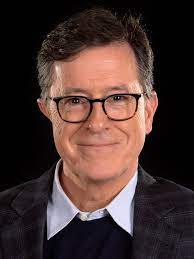
Stephen Colbert
Meanwhile, Paramount, the owner of CBS, was in the midst of an $8 billion sale to the Hollywood studio Skydance Media. For this, it needed the regulatory permission of the FCC of the Trump administration.
Trump had long made clear his desire to see Colbert removed from the airways. After CBS cancelled The Late Show, the merger between Paramount Global and Skydance Media was quickly approved by the FCC.
In 1938, using threats of overwhelming force, Adolf Hitler successfully annexed Austria and Czechoslovakia.
Similarly, Donald Trump began making threats against Canada, Mexico and Greenland even before his second inauguration.
He threatened to impose a 25% tax on all products entering the United States from Canada and Mexico unless they stopped the flow of drugs (which Americans crave) and illegal aliens (which employers crave).
And he continued to assault Canada with a seemingly endless series of tariffs. To which Canadians retaliated with counter-tariffs of 15% to 50% on $27.6 billion worth of U.S. goods.

Flag of Canada
Worse, he began insulting Canada’s leaders and making threats of using military force to make Canada—a staunch American ally for over 200 years—America’s “51st state.”
Next, he targeted Greenland—which is strategically significant to the United States for two reasons:
- It’s home to America’s Pituffik Space Base. This “detects and reports attack assessments of sea-launched and intercontinental ballistic missile threats in support of strategic missile warning and missile defense,” according to the base’s website; and
- It sits between Russia and the eastern coast of the United States, and is the fastest way from Europe to New York.
ABC NEWS, ADOLF HITLER, ALI HOSSEINI KHAMENEI, ALTERNET, AMERICABLOG, AP, AYATOLLAH ALI KHAMENEI, BABY BOOMER RESISTANCE, BAHRAIN, BBC, BERLIN, BLOOMBERG, BLOOMBERG NEWS, BLUESKY, BUZZFEED, CBS NEWS, CNN, CROOKS AND LIARS, DAILY KOS, DONALD TRUMP, DRONES, FINLAND, FIVETHIRTYEIGHT, FRANCE, GREAT BRITAIN, HARPER’S MAGAZINE, HUFFINGTON POST, IRAN, ISRAEL, ITALY, JAPAN, JOACHIM VON RIBBENTROP, JOSEPH STALIN, KIEV, KUWAIT, LENINGRAD, LUFTWAFFE, MEDIA MATTERS, MOJTABA KHAMENEI, MOSCOW, MOTHER JONES, MOVEON, MSNBC, NAZI GERMANY, NBC NEWS, NEW REPUBLIC, NEWSDAY, NEWSWEEK, NEWT GINGRICH, NPR, NUCLEAR WEAPONS, OIL FIELDS, OMAN, OPERATION BARBAROSSA, PBS NEWSHOUR, PETE HEGSETH, POLAND, POLITICO, POLITICUSUSA, QATAR, QATER, RAW STORY, REUTERS, SALON, SAUDI ARABIA, SEATTLE TIMES, SLATE, SOVIET UNION, SS, TALKING POINTS MEMO, THE ATLANTIC, THE CHICAGO SUN-TIMES, THE CHICAGO TRIBUNE, THE DAILY BEAST, THE DAILY BLOG, THE GUARDIAN, THE HILL, THE HUFFINGTON POST, THE INTERCEPT, THE LONGEST DAY (MOVIE, THE LOS ANGELES TIMES, THE NATION, THE NEW REPUBLIC, THE NEW YORK TIMES, THE NEW YORKER, THE PENTAGON, THE UNITED ARAB EMIRATES, THE VILLAGE VOICE, THE WASHINGTON POST, THINKPROGRESS, THIRD REICH, TIME, TRUTHDIG, TRUTHOUT, TWO POLITICAL JUNKIES, U.S. NEWS & WORLD REPORT, UKRAINE, UNIFORMS, UPI, USA TODAY, VYACHESLAV MOLOTOV, WEHRMACHT, WONKETTE, WORLD WAR 11, X
In Bureaucracy, History, Military, Politics, Social commentary on August 4, 2026 at 12:10 am
Now, fast-forward 85 years—from 1941 to 2026. Substitute President Donald Trump for Fuhrer Adolf Hitler and Mojtaba Khamenei for Joseph Stalin—and Iran for the Soviet Union.
Just as Hitler launched his attack on the Soviet Union without warning, so did Trump launch his on Iran—on February 28.
Hitler—and numerous members of the Wehrmacht—believed that Germany’s mechanized panzers would quickly subdue Soviet armies.
“We were fast,” recalled Panzer Lieutenant Hans-Erdmann Schonbeck. “And our tank forces could cover huge distances. And once we broke through the enemy’s defenses, our orders were not to worry about threats to our right or left but to keep going, deep into Russian territory.”
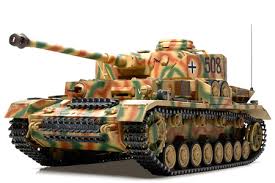
Panzer tank
But the tanks soon faced unexpected difficulties. Most roads in Russia were unpaved, so the tanks raised huge dust clouds almost everywhere they went. The dust clogged their engines and brought many tanks to a halt. Repair crews worked themselves to exhaustion so that the lightning-fast advance could continue.
Another drawback not evident at the outset of the invasion: Summer uniforms. For a war that began on June 22, 1941, these were entirely appropriate. But as the months quickly passed, the notorious Russian winter season loomed ever closer.

Germans in summer uniforms
The German command underestimated the campaign’s duration, expecting a victory by autumn 1941, and prioritized ammunition and fuel over winter equipment. Although winter gear existed, it was stuck in supply depots in the West, and transport lines were too strained by the Soviets’ “scorched earth” tactics to move it to the front.
Without proper greatcoats or insulated boots, soldiers suffered from extreme cold, with temperatures dropping far below zero. Many resorted to stealing blankets from civilians or using blankets as makeshift clothing.
In its war with Iran, American’s air force completely dominated the skies. But then both American planes and ground forces faced an unexpected enemy: Mass-produced drones.
The same weapons—some of them supplied by Iran to Russia—have been used since 2022 in Ukraine. Unmanned and remotely-controlled, Ukrainian and Russian drones have transformed the battlefield. They’re estimated to inflict around 80% of combat casualties on both sides.
The technology—like that forged in Germany’s Blitzkrieg tactics—is revolutionizing warfare and evolving rapidly. To adapt to the new era, the U.S. military is learning lessons from Ukraine.

Iranian drone
Student News Agency, Attribution, via Wikimedia Commons
Not only are American military forces being targeted, so are those Gulf nations that have allied themselves with the United States: The United Arab Emirates, Saudi Arabia, Kuwait, Bahrain, Qatar and Oman.
Primarily targeted: Energy infrastructure, airports and sites hosting American military personnel.
For Iran, the drones are relatively cheap. For the United States, the costs of countering this threat are steadily mounting. A typical Shahed-136 costs Tehran roughly $20,000 to $50,000, while interceptor missiles, such as the Patriot and Terminal High Altitude Area Defense (THAAD), cost the United States millions.
On August 22, 1939—the eve of his invasion of Poland, which would ignite World War II—Adolf Hitler delivered a secret address to his supreme commanders and generals. Its climax:
“Close your hearts to pity. Act brutally. Eighty million people must obtain what is their right. Their existence must be made secure. The stronger man is right. The greatest harshness.”
Hitler urged his generals to act similarly toward the Russians, whom he regarded as subhumans.
The results of this policy soon became obvious when the Wehrmacht invaded Ukraine. Ukrainians, long suffering under the yoke of Stalin, greeted the invaders with bread and salt, the traditional greeting of comrades.
Within a month, they realized that the tyranny of Stalin had been replaced by an all-out extermination campaign of Hitler. For every Ukrainian the Germans killed, 10 more emerged to seek revenge.
Eighty-five years later, Donald Trump and officials of his administration are celebrating the indiscriminate slaughter of Iranians, whether civilian or military.
“We totally demolished Kharg Island, but we may hit it a few more times just for fun,” Trump said on NBC News.
On March 22, Secretary of Defense Pete Hegseth, hosting his monthly Christian worship service at the Pentagon, prayed: “Let every round find its mark against the enemies of righteousness and our great nation.
“Give them wisdom in every decision, endurance for the trial ahead, unbreakable unity, and overwhelming violence of action against those who deserve no mercy.”

Pete Hegseth
“I pursued my enemies and overtook them, and did not turn back till they were consumed,” he read from Psalms 18:37. “Those who hated me I destroyed. They cried to the Lord, but He did not answer them.”
Former House speaker and Trump advisor Newt Gingrich posted on X: “Instead of fighting over a 21-mile-wide bottleneck [Strait of Hormuz] forever, we [could] cut a new channel through friendly territory. A dozen thermonuclear detonations and you’ve got a waterway wider than the Panama Canal, deeper than the Suez, and safe from Iranian attacks.”
This would produce countless numbers of casualties and cover the Middle East with radioactive fallout.
It remains to be seen if such exhortations will lead American soldiers to act as barbarically as those of the Wehrmacht and SS—and inspire similar barbarism in return.
ABC NEWS, ADOLF HITLER, ALI HOSSEINI KHAMENEI, ALTERNET, AMERICABLOG, AP, AYATOLLAH ALI KHAMENEI, BABY BOOMER RESISTANCE, BAHRAIN, BBC, BERLIN, BLOOMBERG, BLOOMBERG NEWS, BLUESKY, BUZZFEED, CBS NEWS, CNN, CROOKS AND LIARS, DAILY KOS, DONALD TRUMP, DRONES, FINLAND, FIVETHIRTYEIGHT, FRANCE, GREAT BRITAIN, HARPER’S MAGAZINE, HUFFINGTON POST, IRAN, ISRAEL, ITALY, JAPAN, JOACHIM VON RIBBENTROP, JOSEPH STALIN, KIEV, KUWAIT, LENINGRAD, LUFTWAFFE, MEDIA MATTERS, MOJTABA KHAMENEI, MOSCOW, MOTHER JONES, MOVEON, MSNBC, NAZI GERMANY, NBC NEWS, NEW REPUBLIC, NEWSDAY, NEWSWEEK, NEWT GINGRICH, NPR, NUCLEAR WEAPONS, OIL FIELDS, OMAN, OPERATION BARBAROSSA, PBS NEWSHOUR, PETE HEGSETH, POLAND, POLITICO, POLITICUSUSA, QATAR, QATER, RAW STORY, REUTERS, SALON, SAUDI ARABIA, SEATTLE TIMES, SLATE, SOVIET UNION, SS, TALKING POINTS MEMO, THE ATLANTIC, THE CHICAGO SUN-TIMES, THE CHICAGO TRIBUNE, THE DAILY BEAST, THE DAILY BLOG, THE GUARDIAN, THE HILL, THE HUFFINGTON POST, THE INTERCEPT, THE LONGEST DAY (MOVIE, THE LOS ANGELES TIMES, THE NATION, THE NEW REPUBLIC, THE NEW YORK TIMES, THE NEW YORKER, THE PENTAGON, THE UNITED ARAB EMIRATES, THE VILLAGE VOICE, THE WASHINGTON POST, THINKPROGRESS, THIRD REICH, TIME, TRUTHDIG, TRUTHOUT, TWO POLITICAL JUNKIES, U.S. NEWS & WORLD REPORT, UKRAINE, UNIFORMS, UPI, USA TODAY, VYACHESLAV MOLOTOV, WEHRMACHT, WONKETTE, WORLD WAR 11, X
In Bureaucracy, History, Military, Politics, Social commentary on August 3, 2026 at 12:05 am
The city: Berlin.
The date: November 12–13, 1940.
The event: A meeting between German Fuhrer Adolf Hitler and Soviet Foreign Minister Vyacheslav Molotov.
The purposes: To discuss:
- Soviet expansion and control over Finland, Bulgaria, and the Turkish Straits; and
- Germany’s desire for the USSR to attack British interests in India and Iran.
Hitler wanted the USSR to join the Axis (Germany, Italy, and Japan) and expand “southward” toward the Indian Ocean to avoid conflict in Europe.
Adolf Hitler
Molotov ignored the talk of India and instead demanded control over Finland, Bulgaria, and the Turkish Straits.
Hitler adamantly opposed Soviet control over Finland, which he considered a strategic ally. He feared a Soviet expansion into Scandinavia would threaten German iron ore supplies from Sweden and northern interests.
And he deeply feared that the Soviet Union would cut off Germany’s vital Romanian oil supplies. Romania provided roughly 75% of German oil in 1941. A late 1940 Soviet attack on the Ploiești oil fields would render Germany helpless and force an end to the war.
On a personal level, Molotov and Hitler grated on each other’s nerves. Molotov was blunt in his remarks and didn’t spare Hitler at all. He seldom smiled and refused to compromises on Russia’s demands for control of Finland, Bulgaria, and the Turkish Straits.
At one point, Molotov asked: “Is last year’s agreement [between Germany and Russia] still valid?”
Hitler replied that it was.
“I asked this question,” said Molotov, “because of the Finns. You are on very friendly relations with the Finns. You invite people from Finland to Germany and you send missions there. And the Finns are very dangerous people. They undermine our security and we’ll have to do something about that and we are going to do something about that.”

Vyacheslav Molotov
“I understand you very well,” exploded Hitler. “You want to wage war against Finland and that is quite out of the question. Do you hear me? It’s impossible because my supplies of iron, nickel and other important raw materials would be cut.”
During the talks, British Royal Air Force (RAF) bombers appeared overhead, forcing the leaders to move to an air raid shelter.
German Foreign Minister Joachim von Ribbentrop had been trying to convince Molotov that Great Britain was “beaten” and that the British Empire was a “gigantic world-wide estate in bankruptcy” ready for partition.
Molotov sarcastically replied: “If England is beaten, why are we in this shelter and whose are the bombs that are falling?”
Even while Molotov was still in Berlin, Hitler ordered his generals to attack the Soviet Union on May 15, 1941.
Within a month they responded with a detailed plan code-named “Operation Barbarossa.”
Less than one year later—on June 22, 1941—with 134 divisions at full fighting strength and 73 more divisions for deployment behind the front, the German Wehrmacht invaded the Soviet Union.
Now the two most ruthless dictators on earth—Adolf Hitler and Joseph Stalin—were locked in a fight to the death.
At the outset, the odds clearly favored the Germans.
The invasion caught the Soviet Union by surprise. Joseph Stalin had received Intelligence reports from Great Britain that Germany was preparing to attack. But Stalin, who believed the British were trying to drive a wedge between him and Hitler, put his faith in Hitler, whose guarantees had long proved worthless.

German army units
From June to September, the Wehrmacht captured vast territories and encircled hundreds of thousands of Red Army troops. German forces quickly advanced toward Leningrad, Moscow, and Kiev, inflicting massive casualties.
The Luftwaffe destroyed much of the Soviet air force on the ground.
In June and July, German panzers quickly advanced, capturing over 300,000 Soviet prisoners in the Minsk-Bialystok pocket. By late September, Army Group South captured Kiev, resulting in the largest encirclement in history, with roughly 600,000 Soviet soldiers trapped.
By the end of 1941, more than three million Soviet soldiers were captured or killed. Still, the Soviet Union did not collapse and continued to commit new field armies to the conflict.
By December, the Wehrmacht, besieging Moscow, were literally freezing to death in their summer uniforms. Then, on December 5-6, the Soviets launched their decisive counter-offensive before Moscow, forcing German forces into a retreat.
It marked the first major land defeat for the Wehrmacht since its September 1, 1939 invasion of Poland, which ignited World War II.
Now, fast-forward 85 years. Substitute President Donald Trump for Fuhrer Adolf Hitler and Mojtaba Khamenei for Joseph Stalin—and Iran for the Soviet Union.
Donald Trump and Adolf Hitler
Just as Hitler launched his attack on the Soviet Union without warning, so did Trump launch his on Iran—on February 28.
Hitler’s attack didn’t kill Joseph Stalin, the all-powerful dictator of the Soviet Union. But Trump’s airstrikes killed Ali Hosseini Khamenei, who had ruled Iran as its supreme leader from 1989.

Ayatollah Ali Khamenei
Still, the Iranians quickly elevated his son, Mojtaba Khamenei, to the same position—and went on fighting.
Hitler––and numerous members of the Wehrmacht—believed that Germany’s mechanized panzers would succeed where Napoleon Bonaparte had failed in 1812. And that they could conquer the Soviet Union in only three months.
They were wrong.
ADOLF HITLER, ALTERNET, AMERICABLOG, AP, BABY BOOMER RESISTANCE, BBC, BLOOMBERG, BLUESKY, BUZZFEED, CBS NEWS, CNN, CROOKS AND LIARS, DAILY KOS, DEMOCRATS, DONALD TRUMP, FIVETHIRTYEIGHT, HARPER’S MAGAZINE, HUFFINGTON POST, IRAN WAR, JOHN GARAMENDI, LYNDON JOHNSON, MEDIA MATTERS, MOTHER JONES, MOVEON, MSNBC, NAZI GERMANY, NBC NEWS, NEWSDAY, NEWSWEEK, NPR, Oil, PBS NEWSHOUR, PETE HEGSETH, POLITICO, POLITICUSUSA, RAW STORY, REPUBLICANS, REUTERS, RICHARD NIXON, RO KHANNA, SALON, SEATTLE TIMES, SLATE, SS, STRAIT OF HORMUZ, TALKING POINTS MEMO, THE ATLANTIC, THE CHICAGO SUN-TIMES, THE CHICAGO TRIBUNE, THE DAILY BEAST, THE DAILY BLOG, THE GUARDIAN, THE HILL, THE HUFFINGTON POST, THE INTERCEPT, THE LOS ANGELES TIMES, THE NATION, THE NEW REPUBLIC, THE NEW YORK TIMES, THE NEW YORKER, THE PENTAGON, THE VILLAGE VOICE, THE WASHINGTON POST, THINKPROGRESS, THIRD REICH, TIME, TRUTHDIG, TRUTHOUT, TWO POLITICAL JUNKIES, U.S. NEWS & WORLD REPORT, UPI, USA TODAY, VIETNAM WAR, WAR CRIMES, WEHRMACHT, WORLD WAR 11, X
In Bureaucracy, Business, History, Law, Military, Politics, Social commentary on May 19, 2026 at 12:10 am
On April 29, Secretary of Defense Pete Hegseth appeared before Congress for the first time since President Donald Trump-–in concert with Israel—launched a series of devastating airstrikes against Iran.
During the hearing, the Pentagon revealed that the war so far had cost $25 billion. The fighting is on hold, but the military maintains its blockade of the Strait of Hormuz.
Early on in his testimony, Hegseth said the threat of Iran paled in comparison to one posed by Democrats: “The biggest challenge, the biggest adversary we face at this point are the reckless, feckless and defeatist words of congressional Democrats and some Republicans.”
Pete Hegseth
Forget that:
- Iran had effectively closed the Strait of Hormuz—through which 20% to 25% of the world’s oil consumption (about 20–21 million barrels per day) flows.
- As a result, gas prices rose overnight. By late April, the national average for a gallon of regular gas reached $4.02 to $4.04, compared to roughly $2.98 before military operations began.
- On April 5—Easter Sunday, no less—Trump posted on his website, Truth Social: “Tuesday will be Power Plant Day, and Bridge Day, all wrapped up in one, in Iran. There will be nothing like it!!! Open up the Fuckin’ Strait, you crazy bastards, or you’ll be living in Hell – JUST WATCH! Praise be to Allah. President DONALD J. TRUMP”
- When this threat failed to impress the Iranians, Trump posted on April 7: “A whole civilization will die tonight, never to be brought back again. I don’t want that to happen, but it probably will.”
- This implied threat of a nuclear holocaust led legal experts and international organizations such as Amnesty International to warn that attacking civilian infrastructure would constitute war crimes under international law.

Donald Trump
Implicit in Hegseth’s charge—and attitude—was the message: “It’s Democrats’ fault that we’re not winning the war that we—and Israel—started on February 28. And that a war that was supposed to last six weeks at most has now dragged on for two months—with no end in sight.”
It’s possible that the highly combative Hegseth had a specific remedy in mind for such criticism—one that had been applied by Nazi Germany to those who who doubted the “final victory” of the war that Adolf Hitler had started.
Those who did so—or openly criticized the need for the war or the genocidal way it was being fought—faced two ways of dying: Beheading or hanging.
So long as the Third Reich was winning—or at least in possession of actual German territory—the punishment of beheading was carried out upon conviction by kangaroo courts.
But when the Reich was immediately facing invasion—from the West by American and British forces, and from the East by Russian ones—there often wasn’t time for pseudo-legal folderol. Roving bands of Schutzstaffel (SS) or Wehrmacht troops openly shot or literally strung up such “traitors” from lamp posts.
Certainly Hegseth’s attitude reflected that mentality, as this exchange with Rep. John Garamendi (D-CA) revealed:
GARAMENDI: The president has got himself and America stuck in a quagmire of another war in the Middle East. He’s desperately trying to extricate himself from his own mistakes.
HEGSETH: You call it a quagmire, handing propaganda to our enemies? Shame on you for that statement. And statements like that are reckless to our troops.
During the Vietnam war (1965 – 1975) the administrations of Lyndon Johnson and Richard Nixon lied repeatedly about the “progress” being achieved. The polite term used to describe this was “credibility gap.”
As a result, “grunts” often sported buttons reading: “Ambushed at Credibility Gap.”
When a nation’s armed forces are winning easy—or even hard-won—victories over an enemy, word quickly spreads through their ranks. When facing defeat—or stalemate—soldiers are equally quick to sense the truth of this.
So Hegseth’s accusation that Garamendi’s accurately calling the war “a quagmire”—at least so far—could not prove a morale-buster for the soldiers fighting it.
Throughout his testimony, Hegseth acted like a man in charge of an inquisition, rather than a public official called on by Congress to answer questions.
A typical exchange between him and Rep. Ro Khanna (D-CA):
KHANNA (D-CA): Do you know how much it will cost Americans in terms of their increased cost in gas and food over the next year because of the Iran war?
HEGSETH: I would simply ask you what the cost is of an Iranian nuclear bomb.
KHANNA: I’m going to give you that opportunity.
HEGSETH: I would simply ask you what the — you’re playing gotcha questions about domestic things.
KHANNA: No, it’s not. You’re asking — you’re saying it’s a gotcha question to ask what it’s going to be in terms of the increased cost of gas?
HEGSETH: Why won’t you answer what it costs to prevent Iran from getting a nuclear bomb?
KHANNA: I give you that, sir. You don’t know what we’re paying in terms of gas. You don’t know what we’re paying in terms of food. Your $25 billion number is totally off. It’s the incompetence. It’s the incompetence.
What she should have said was: “You’re here to answer questions, not ask them.”
ADOLF HITLER, ALI HOSSEINI KHAMENEI, ALTERNET, AMERICABLOG, AP, BABY BOOMER RESISTANCE, BAHRAIN, BATTLE OF BRITAIN, BBC, BLOOMBERG, BLUESKY, BUZZFEED, CBS NEWS, CNN, CROOKS AND LIARS, DAILY KOS, DONALD TRUMP, DRONES, ENGLAND, FIVETHIRTYEIGHT, FRANCE, GREAT BRITAIN, HARPER’S MAGAZINE, HUFFINGTON POST, IRAN, ISRAELI DEFENSE FORCES, JOSEPH STALIN, KIEV, KUWAIT, LUFTWAFFE, MEDIA MATTERS, MOJTABA KHAMENEI, MOSCOW, MOTHER JONES, MOVEON, MSNBC, NAZI GERMANY, NBC NEWS, NEWSDAY, NEWSWEEK, NPR, NUCLEAR WEAPONS, OMAN, OPERATION BARBAROSSA, OPERATION EPIC FURY, PBS NEWSHOUR, PETE HEGSETH, POLAND, POLITICO, POLITICUSUSA, QATER, RAW STORY, REUTERS, RUSSIA, SALON, SAUDI ARABIA, SEATTLE TIMES, SLATE, SOVIET UNION, SS, STRAIT OF HORMUZ, TALKING POINTS MEMO, TERHAN, THE ATLANTIC, THE BLITZ, THE CHICAGO SUN-TIMES, THE CHICAGO TRIBUNE, THE DAILY BEAST, THE DAILY BLOG, THE GUARDIAN, THE HILL, THE HUFFINGTON POST, THE INTERCEPT, THE LOS ANGELES TIMES, THE NATION, THE NEW REPUBLIC, THE NEW YORK TIMES, THE NEW YORKER, THE PENTAGON, THE UNITED ARAB EMIRATES, THE VILLAGE VOICE, THE WASHINGTON POST, THINKPROGRESS, TIME, TRUTHDIG, TRUTHOUT, TWO POLITICAL JUNKIES, U.S. NEWS & WORLD REPORT, UKRAINE, UPI, USA TODAY, WEHRMACHT, WORLD WAR 11, X
In Bureaucracy, History, Military, Politics, Social commentary on April 9, 2026 at 12:14 am
There are major similarities between Adolf Hitler’s 1941 invasion and intended conquest of the Soviet Union and Donald Trump’s 2026 attack and intended conquest of Iran.
Even as late as January 30, 1945, Hitler claimed that God firmly stood on the side of the Third Reich—and thus would guarantee its eventual victory.
PAST – HITLER: God the Almighty has made our nation. By defending its existence we are defending His work…Therefore, it is all the more necessary on this twelfth anniversary of the rise to power to strengthen the heart more than ever before and to steel ourselves in the holy determination to wield the sword, no matter where and under what circumstances, until final victory crowns our efforts.
Similarly, on March 22, 2026, Secretary of Defense Pete Hegseth, hosting his monthly Christian worship service at the Pentagon, prayed:
PRESENT – HEGSETH: Let every round find its mark against the enemies of righteousness and our great nation. Give them wisdom in every decision, endurance for the trial ahead, unbreakable unity, and overwhelming violence of action against those who deserve no mercy.
“I pursued my enemies and overtook them, and did not turn back till they were consumed,” he read from Psalms 18:37. “Those who hated me I destroyed. They cried to the Lord, but He did not answer them.”

On December 31, 1939—more than three months into World War 11—Hitler made clear his ultimate war aims:
PAST – HITLER: We shall only talk of peace when we have won the war. The Jewish capitalist world will not survive the twentieth century.
PRESENT – PETE HEGSETH: Iran cannot outlast us. We are going to ensure through violence of action and our offensive capabilities and our defensive capabilities, as I said, that we set the tone and the tempo of this fight.
Hitler believed that German airpower could force Great Britain to submit to his will. The Battle of Britain and The Blitz proved him wrong.
He also believed that his mechanized Panzers—which had defeated French and British armies in May-June,1940—would succeed where Napoleon’s horse-driven Grand Army had failed in 1812. The final proof of his mistake appeared on April 30, 1945, as Russian forces were almost literally knocking at his Fuhrerbunker door.
PAST – HITLER: We have only to kick in the front door and the whole rotten structure will come crashing down.
Hegseth believes that American airpower can force Iran to submit to his will. But the Strait of Hormuz remains closed to world shipping (except for those nations that Iran regards as friendly or neutral). So long as this continues, Americans’ gas prices will continue to rise with no end in sight—and pose a threat to Republicans’ continued control of the House and Senate.
About 20% of the world’s total oil consumption—roughly 20-21 million barrels per day—passes through this, making it the world’s most crucial oil chokepoint.
PRESENT – HEGSETH: Iran will never possess a nuclear bomb, not on our watch, not ever. And this is why President Trump’s moral clarity on Iran today is so vital. Unlike the past, where vague red lines and endless negotiations let Iran fund terror and inch ever so slightly toward a bomb, this president sees the threat plainly and acts decisively, no more half measures, especially when Iran is at its weakest. No more letting Tehran play for time while our people pay the price.
PAST – HITLER: Russia is already broken and will never rise again.
PRESENT – HEGSETH: Iran’s senior leaders are dead, the so-called governing council that might have selected a successor, dead, missing or cowering in bunkers, too terrified to even occupy the same room. Senior generals, mid-level officers, enlisted ranks, they can’t talk or communicate, let alone mount a coordinated and sustained offensive. That’s not great for morale.
PAST – HITLER: Moscow must disappear from the earth’s surface as soon as its riches have been brought to shelter.
PRESENT – HEGSETH: The enemy can no longer shoot the volume of missiles they once did, not even close, and the chairman will lay out some of those percentages. So, our air defenses and that of our allies have plenty of runway. We can sustain this fight easily for as long as we need to. And as I said yesterday, we set the terms.
PAST – HITLER: Today I am at the head of the strongest Army in the world, the most gigantic Air Force and of a proud Navy. Behind and around me stands the Party with which I became great and which has become great through me. Our enemies must not deceive themselves—in the 2,000 years of German history known to us, our people have never been more united than today.
PRESENT – HEGSETH: And we know their ability to shoot versus our ability to defend. That difference gets wider and wider every day. Our defense gets better. Their offense capabilities diminish as we are going into ammunitions that we, as we said, have tens of thousands of and can drop unlimited supplies on, with even more effects than the stand-off munitions we have now, which is why, when we say the throttle’s going up, the throttle’s going up. And it’s going to stay on high.
ADOLF HITLER, ALI HOSSEINI KHAMENEI, ALTERNET, AMERICABLOG, AP, BABY BOOMER RESISTANCE, BAHRAIN, BATTLE OF BRITAIN, BBC, BLOOMBERG, BLUESKY, BUZZFEED, CBS NEWS, CNN, CROOKS AND LIARS, DAILY KOS, DONALD TRUMP, DRONES, ENGLAND, FIVETHIRTYEIGHT, FRANCE, GREAT BRITAIN, HARPER’S MAGAZINE, HUFFINGTON POST, IRAN, ISRAELI DEFENSE FORCES, JOSEPH STALIN, KIEV, KUWAIT, LUFTWAFFE, MEDIA MATTERS, MOJTABA KHAMENEI, MOSCOW, MOTHER JONES, MOVEON, MSNBC, NAZI GERMANY, NBC NEWS, NEWSDAY, NEWSWEEK, NPR, NUCLEAR WEAPONS, OMAN, OPERATION BARBAROSSA, OPERATION EPIC FURY, PBS NEWSHOUR, PETE HEGSETH, POLAND, POLITICO, POLITICUSUSA, QATER, RAW STORY, REUTERS, RUSSIA, SALON, SAUDI ARABIA, SEATTLE TIMES, SLATE, SOVIET UNION, SS, STRAIT OF HORMUZ, TALKING POINTS MEMO, TERHAN, THE ATLANTIC, THE BLITZ, THE CHICAGO SUN-TIMES, THE CHICAGO TRIBUNE, THE DAILY BEAST, THE DAILY BLOG, THE GUARDIAN, THE HILL, THE HUFFINGTON POST, THE INTERCEPT, THE LOS ANGELES TIMES, THE NATION, THE NEW REPUBLIC, THE NEW YORK TIMES, THE NEW YORKER, THE PENTAGON, THE UNITED ARAB EMIRATES, THE VILLAGE VOICE, THE WASHINGTON POST, THINKPROGRESS, TIME, TRUTHDIG, TRUTHOUT, TWO POLITICAL JUNKIES, U.S. NEWS & WORLD REPORT, UKRAINE, UPI, USA TODAY, WEHRMACHT, WORLD WAR 11, X
In Bureaucracy, History, Military, Politics, Social commentary on April 8, 2026 at 12:10 am
There are major similarities between Adolf Hitler’s 1941 invasion and intended conquest of the Soviet Union and Donald Trump’s 2026 attack and intended conquest of Iran.
But, for lack of courage and/or historical perspective, those similarities have not been featured during political and/or military commentaries on the ongoing conflict.
A good starting point: A comparison of the address given by German Fuhrer Adolf Hitler on the first day of “Operation Barbarossa” (June 22, 1941) and the one given by Secretary of Defense Pete Hegseth (on May 4) four days after the start of “Operation Epic Fury.”
PAST – HITLER: German people! At this moment a march is taking place that, as regards extent, compares with the greatest the world hitherto has seen. United with their Finnish comrades, the fighters of the victory of Narvik are standing in the Northern Arctic. German divisions commanded by the conqueror of Norway, in cooperation with the heroes of Finnish freedom, under their marshal, are protecting Finnish soil.
PRESENT – HEGSETH: I stand before you today with one unmistakable message about Operation Epic Fury: America is winning decisively, devastatingly and without mercy. Under the direct command of President Trump, the War Department unleashed this operation early Saturday morning, just four days ago, which means we need to remember two things.
Second, we are only four days into this, and the results have been incredible, historic really. Only the United States of America could lead this, only us. But when you add the Israeli Defense Forces, a devastatingly capable force, the combination is sheer destruction for our radical Islamist Iranian adversaries. They are toast and they know it, or at least soon enough they will know it. And we have only just begun to hunt, dismantle, demoralize, destroy and defeat their capabilities just four days in.
PAST – HITLER: Formations of the German Eastern Front extend from East Prussia to the Carpathians. German and Rumanian soldiers are united under Chief of State Antonescu from the banks of the Pruth along the lower reaches of the Danube to the shores of the Black Sea. The task of this front, therefore, no longer is the protection of single countries, but the safeguarding of Europe and thereby the salvation of all.
PRESENT – HEGSETH: Starting last night and to be completed in a few days, in under a week, the two most powerful Air Forces in the world will have complete control of Iranian skies, uncontested airspace. I hope all the folks watching understand what uncontested airspace and complete control means.
It means we will fly all day, all night, day and night finding, fixing and finishing the missiles and defense industrial base of the Iranian military, finding and fixing their leaders and their military leaders, flying over Tehran, flying over Iran, flying over their capital, flying over the IRGC [Islamic Revolutionary Guard Corps], Iranian leaders looking up and seeing only US and Israeli air power every minute of every day until we decide it’s over.
PAST – HITLER: I therefore decided today again to lay the fate and future of the German Reich and our people in the hands of our soldiers.
PRESENT – HEGSETH: And Iran will be able to do nothing about it. B-2s, B-52s, B-1s, Predator drones, fighters controlling the skies, picking targets, death and destruction from the sky all day long. We’re playing for keeps. Our warfighters have maximum authorities granted personally by the president and yours truly.
On August 22, 1939—nine days before he launched an unprovoked attack on Poland on September 1—Hitler summoned his top generals to Berchtesgaden. There he lectured:
PAST – HITLER: I shall give a propagandist reason for starting the war. Never mind whether it is plausible or not. The victor will not be asked afterward whether he told the truth or not. In starting and waging a war it is not right that matters but victory.
Close your hearts to pity! Act brutally! Eighty million people must obtain what is their right…The stronger man is right…Be harsh and remorseless! Be steeled against all signs of compassion!
The instructions Hitler issued for the conduct of war on Poland applied just as fervently when the Wehrmacht invaded the Soviet Union on June 22, 1941. And the Russians quickly responded with a campaign of vengeance.
As General Gotthard Heinrici noted: “The Russian soldiers are told by their commanders that they will be executed by us, so they are reluctant to surrender—and sometimes fire on our soldiers from the rear. This, of course, demands countermeasures on our side, which are harsh. So both sides step things up, and as a result there are masses of casualties.”
PRESENT – HEGSETH: Our rules of engagement are bold, precise and designed to unleash American power, not shackle it. This was never meant to be a fair fight, and it is not a fair fight. We are punching them while they’re down, which is exactly how it should be. Thus far, Operation Epic Fury has delivered twice the air power of shock and awe of Iraq in 2003, minus Paul Bremer and the Nation Building.
The campaign has seven times the intensity of Israel’s previous operations against Iran during the 12-day war, seven times. And as President Trump said, more and larger waves are coming; we are just getting started. We are accelerating, not decelerating. Iran’s capabilities are evaporating by the hour. While American strength grows, fiercer smarter and utterly dominant.
ABC NEWS, ADOLF HITLER, ALI HOSSEINI KHAMENEI, ALTERNET, AMERICABLOG, AP, AYATOLLAH ALI KHAMENEI, BABY BOOMER RESISTANCE, BAHRAIN, BBC, BERLIN, BLOOMBERG, BLOOMBERG NEWS, BLUESKY, BUZZFEED, CBS NEWS, CNN, CROOKS AND LIARS, DAILY KOS, DONALD TRUMP, DRONES, FINLAND, FIVETHIRTYEIGHT, FRANCE, GREAT BRITAIN, HARPER’S MAGAZINE, HUFFINGTON POST, IRAN, ISRAEL, ITALY, JAPAN, JOACHIM VON RIBBENTROP, JOSEPH STALIN, KIEV, KUWAIT, LENINGRAD, LUFTWAFFE, MEDIA MATTERS, MOJTABA KHAMENEI, MOSCOW, MOTHER JONES, MOVEON, MSNBC, NAZI GERMANY, NBC NEWS, NEW REPUBLIC, NEWSDAY, NEWSWEEK, NEWT GINGRICH, NPR, NUCLEAR WEAPONS, OIL FIELDS, OMAN, OPERATION BARBAROSSA, PBS NEWSHOUR, PETE HEGSETH, POLAND, POLITICO, POLITICUSUSA, QATAR, QATER, RAW STORY, REUTERS, SALON, SAUDI ARABIA, SEATTLE TIMES, SLATE, SOVIET UNION, SS, TALKING POINTS MEMO, THE ATLANTIC, THE CHICAGO SUN-TIMES, THE CHICAGO TRIBUNE, THE DAILY BEAST, THE DAILY BLOG, THE GUARDIAN, THE HILL, THE HUFFINGTON POST, THE INTERCEPT, THE LONGEST DAY (MOVIE, THE LOS ANGELES TIMES, THE NATION, THE NEW REPUBLIC, THE NEW YORK TIMES, THE NEW YORKER, THE PENTAGON, THE UNITED ARAB EMIRATES, THE VILLAGE VOICE, THE WASHINGTON POST, THINKPROGRESS, THIRD REICH, TIME, TRUTHDIG, TRUTHOUT, TWO POLITICAL JUNKIES, U.S. NEWS & WORLD REPORT, UKRAINE, UNIFORMS, UPI, USA TODAY, VYACHESLAV MOLOTOV, WEHRMACHT, WONKETTE, WORLD WAR 11, X
In Bureaucracy, History, Military, Politics, Social commentary on April 1, 2026 at 12:17 am
Now, fast-forward 85 years—from 1941 to 2026. Substitute President Donald Trump for Fuhrer Adolf Hitler and Mojtaba Khamenei for Joseph Stalin—and Iran for the Soviet Union.
Just as Hitler launched his attack on the Soviet Union without warning, so did Trump launch his on Iran—on February 28.
Hitler—and numerous members of the Wehrmacht—believed that Germany’s mechanized panzers would quickly subdue Soviet armies.
“We were fast,” recalled Panzer Lieutenant Hans-Erdmann Schonbeck. “And our tank forces could cover huge distances. And once we broke through the enemy’s defenses, our orders were not to worry about threats to our right or left but to keep going, deep into Russian territory.”
Panzer tank
But the tanks soon faced unexpected difficulties. Most roads in Russia were unpaved, so the tanks raised huge dust clouds almost everywhere they went. The dust clogged their engines and brought many tanks to a halt. Repair crews worked themselves to exhaustion so that the lightning-fast advance could continue.
Another drawback not evident at the outset of the invasion: Summer uniforms. For a war that began on June 22, 1941, these were entirely appropriate. But as the months quickly passed, the notorious Russian winter season loomed ever closer.
Germans in summer uniforms
The German command underestimated the campaign’s duration, expecting a victory by autumn 1941, and prioritized ammunition and fuel over winter equipment. Although winter gear existed, it was stuck in supply depots in the West, and transport lines were too strained by the Soviets’ “scorched earth” tactics to move it to the front.
Without proper greatcoats or insulated boots, soldiers suffered from extreme cold, with temperatures dropping far below zero. Many resorted to stealing blankets from civilians or using blankets as makeshift clothing.
In its war with Iran, American’s air force completely dominated the skies. But then both American planes and ground forces faced an unexpected enemy: Mass-produced drones.
The same weapons—some of them supplied by Iran to Russia—have been used since 2022 in Ukraine. Unmanned and remotely-controlled, Ukrainian and Russian drones have transformed the battlefield. They’re estimated to inflict around 80% of combat casualties on both sides.
The technology—like that forged in Germany’s Blitzkrieg tactics—is revolutionizing warfare and evolving rapidly. To adapt to the new era, the U.S. military is learning lessons from Ukraine.
Iranian drone
Student News Agency, Attribution, via Wikimedia Commons
Not only are American military forces being targeted, so are those Gulf nations that have allied themselves with the United States: The United Arab Emirates, Saudi Arabia, Kuwait, Bahrain, Qatar and Oman.
Primarily targeted: Energy infrastructure, airports and sites hosting American military personnel.
For Iran, the drones are relatively cheap. For the United States, the costs of countering this threat are steadily mounting. A typical Shahed-136 costs Tehran roughly $20,000 to $50,000, while interceptor missiles, such as the Patriot and Terminal High Altitude Area Defense (THAAD), cost millions.
On August 22, 1939—the eve of his invasion of Poland, which would ignite World War II—Adolf Hitler delivered a secret address to his supreme commanders and generals. Its climax:
“Close your hearts to pity. Act brutally. Eighty million people must obtain what is their right. Their existence must be made secure. The stronger man is right. The greatest harshness.”
Hitler urged his generals to act similarly toward the Russians, whom he regarded as subhumans.
The results of this policy soon became obvious when the Wehrmacht invaded Ukraine. Ukrainians, long suffering under the yoke of Stalin, greeted the invaders with bread and salt, the traditional greeting of comrades.
Within a month, they realized that the tyranny of Stalin had been replaced by an all-out extermination campaign of Hitler. For every Ukrainian the Germans killed, 10 more emerged to seek revenge.
Eighty-five years later, Donald Trump and officials of his administration are celebrating the indiscriminate slaughter of Iranians, whether civilian or military.
“We totally demolished Kharg Island, but we may hit it a few more times just for fun,” Trump said on NBC News.
On March 22, Secretary of Defense Pete Hegseth, hosting his monthly Christian worship service at the Pentagon, prayed: “Let every round find its mark against the enemies of righteousness and our great nation.
“Give them wisdom in every decision, endurance for the trial ahead, unbreakable unity, and overwhelming violence of action against those who deserve no mercy.”
Pete Hegseth
“I pursued my enemies and overtook them, and did not turn back till they were consumed,” he read from Psalms 18:37. “Those who hated me I destroyed. They cried to the Lord, but He did not answer them.”
Former House speaker and Trump advisor Newt Gingrich posted on X: “Instead of fighting over a 21-mile-wide bottleneck [Strait of Hormuz] forever, we [could] cut a new channel through friendly territory. A dozen thermonuclear detonations and you’ve got a waterway wider than the Panama Canal, deeper than the Suez, and safe from Iranian attacks.”
This would produce countless numbers of casualties and cover the Middle East with radioactive fallout.
It remains to be seen if such exhortations will lead American soldiers to act as barbarically as those of the Wehrmacht and SS—and inspire similar barbarism in return.
ABC NEWS, ADOLF HITLER, ALI HOSSEINI KHAMENEI, ALTERNET, AMERICABLOG, AP, AYATOLLAH ALI KHAMENEI, BABY BOOMER RESISTANCE, BAHRAIN, BBC, BERLIN, BLOOMBERG, BLOOMBERG NEWS, BLUESKY, BUZZFEED, CBS NEWS, CNN, CROOKS AND LIARS, DAILY KOS, DONALD TRUMP, DRONES, FINLAND, FIVETHIRTYEIGHT, FRANCE, GREAT BRITAIN, HARPER’S MAGAZINE, HUFFINGTON POST, IRAN, ISRAEL, ITALY, JAPAN, JOACHIM VON RIBBENTROP, JOSEPH STALIN, KIEV, KUWAIT, LENINGRAD, LUFTWAFFE, MEDIA MATTERS, MOJTABA KHAMENEI, MOSCOW, MOTHER JONES, MOVEON, MSNBC, NAZI GERMANY, NBC NEWS, NEW REPUBLIC, NEWSDAY, NEWSWEEK, NEWT GINGRICH, NPR, NUCLEAR WEAPONS, OIL FIELDS, OMAN, OPERATION BARBAROSSA, PBS NEWSHOUR, PETE HEGSETH, POLAND, POLITICO, POLITICUSUSA, QATAR, QATER, RAW STORY, REUTERS, SALON, SAUDI ARABIA, SEATTLE TIMES, SLATE, SOVIET UNION, SS, TALKING POINTS MEMO, THE ATLANTIC, THE CHICAGO SUN-TIMES, THE CHICAGO TRIBUNE, THE DAILY BEAST, THE DAILY BLOG, THE GUARDIAN, THE HILL, THE HUFFINGTON POST, THE INTERCEPT, THE LONGEST DAY (MOVIE, THE LOS ANGELES TIMES, THE NATION, THE NEW REPUBLIC, THE NEW YORK TIMES, THE NEW YORKER, THE PENTAGON, THE UNITED ARAB EMIRATES, THE VILLAGE VOICE, THE WASHINGTON POST, THINKPROGRESS, THIRD REICH, TIME, TRUTHDIG, TRUTHOUT, TWO POLITICAL JUNKIES, U.S. NEWS & WORLD REPORT, UKRAINE, UNIFORMS, UPI, USA TODAY, VYACHESLAV MOLOTOV, WEHRMACHT, WONKETTE, WORLD WAR 11, X
In Bureaucracy, History, Military, Politics, Social commentary on March 31, 2026 at 12:48 am
The city: Berlin.
The date: November 12–13, 1940.
The event: A meeting between German Fuhrer Adolf Hitler and Soviet Foreign Minister Vyacheslav Molotov.
The purposes: To discuss:
- Soviet expansion and control over Finland, Bulgaria, and the Turkish Straits; and
- Germany’s desire for the USSR to attack British interests in India and Iran.
Hitler wanted the USSR to join the Axis (Germany, Italy, and Japan) and expand “southward” toward the Indian Ocean to avoid conflict in Europe.
Adolf Hitler
Molotov ignored the talk of India and instead demanded control over Finland, Bulgaria, and the Turkish Straits.
Hitler adamantly opposed Soviet control over Finland, which he considered a strategic ally. He feared a Soviet expansion into Scandinavia would threaten German iron ore supplies from Sweden and northern interests.
And he deeply feared that the Soviet Union would cut off Germany’s vital Romanian oil supplies. Romania provided roughly 75% of German oil in 1941. A late 1940 Soviet attack on the Ploiești oil fields would render Germany helpless and force an end to the war.
On a personal level, Molotov and Hitler grated on each other’s nerves. Molotov was blunt in his remarks and didn’t spare Hitler at all. He seldom smiled and refused to compromises on Russia’s demands for control of Finland, Bulgaria, and the Turkish Straits.
At one point, Molotov asked: “Is last year’s agreement [between Germany and Russia] still valid?”
Hitler replied that it was.
“I asked this question,” said Molotov, “because of the Finns. You are on very friendly relations with the Finns. You invite people from Finland to Germany and you send missions there. And the Finns are very dangerous people. They undermine our security and we’ll have to do something about that and we are going to do something about that.”
Vyacheslav Molotov
“I understand you very well,” exploded Hitler. “You want to wage war against Finland and that is quite out of the question. Do you hear me? It’s impossible because my supplies of iron, nickel and other important raw materials would be cut.”
During the talks, British Royal Air Force (RAF) bombers appeared overhead, forcing the leaders to move to an air raid shelter.
German Foreign Minister Joachim von Ribbentrop had been trying to convince Molotov that Great Britain was “beaten” and that the British Empire was a “gigantic world-wide estate in bankruptcy” ready for partition.
Molotov sarcastically replied: “If England is beaten, why are we in this shelter and whose are the bombs that are falling?”
Even while Molotov was still in Berlin, Hitler ordered his generals to attack the Soviet Union on May 15, 1941.
Within a month they responded with a detailed plan code-named “Operation Barbarossa.”
Less than one year later—on June 22, 1941—with 134 divisions at full fighting strength and 73 more divisions for deployment behind the front, the German Wehrmacht invaded the Soviet Union.
Now the two most ruthless dictators on earth—Adolf Hitler and Joseph Stalin—were locked in a fight to the death.
At the outset, the odds clearly favored the Germans.
The invasion caught the Soviet Union by surprise. Joseph Stalin had received Intelligence reports from Great Britain that Germany was preparing to attack. But Stalin, who believed the British were trying to drive a wedge between him and Hitler, put his faith in Hitler, whose guarantees had long proved worthless.
German army units
From June to September, the Wehrmacht captured vast territories and encircled hundreds of thousands of Red Army troops. German forces quickly advanced toward Leningrad, Moscow, and Kiev, inflicting massive casualties.
The Luftwaffe destroyed much of the Soviet air force on the ground.
In June and July, German panzers quickly advanced, capturing over 300,000 Soviet prisoners in the Minsk-Bialystok pocket. By late September, Army Group South captured Kiev, resulting in the largest encirclement in history, with roughly 600,000 Soviet soldiers trapped.
By the end of 1941, more than three million Soviet soldiers were captured or killed. Still, the Soviet Union did not collapse and continued to commit new field armies to the conflict.
By December, the Wehrmacht, besieging Moscow, were literally freezing to death in their summer uniforms. Then, on December 5-6, the Soviets launched their decisive counter-offensive before Moscow, forcing German forces into a retreat.
It marked the first major land defeat for the Wehrmacht since its September 1, 1939 invasion of Poland, which ignited World War II.
Now, fast-forward 85 years. Substitute President Donald Trump for Fuhrer Adolf Hitler and Mojtaba Khamenei for Joseph Stalin—and Iran for the Soviet Union.
Donald Trump and Adolf Hitler
Just as Hitler launched his attack on the Soviet Union without warning, so did Trump launch his on Iran—on February 28.
Hitler’s attack didn’t kill Joseph Stalin, the all-powerful dictator of the Soviet Union. But Trump’s airstrikes killed Ali Hosseini Khamenei, who had ruled Iran as its supreme leader from 1989.
Ayatollah Ali Khamenei
Still, the Iranians quickly elevated his son, Mojtaba Khamenei, to the same position—and went on fighting.
Hitler—and numerous members of the Wehrmacht—believed that Germany’s mechanized panzers would succeed where Napoleon Bonaparte had failed in 1812. And that they could conquer the Soviet Union in only three months.
They were wrong.


2020 PRESIDENTIAL ELECTION, ADOLF HITLER, AFFORDABLE CARE ACT (ACA), ALTERNET, AMERICABLOG, AP, ARLINGTON CEMETERY, AUSTRIA, BABY BOOMER RESISTANCE, BARCK OBAMA, BBC, BENJAMIN NETANYAHU, BIRTHRIGHT CITIZENSHIP, BLOOMBERG, BLUESKY, BRENDEN CARR, BUCHENWALD, BUREAU OF LABOR STATISTICS, BUZZFEED, CANADA, CBS NEWS, CHARLIE KIRK, CHRIS KREBS, CLIMATE CHANGE, CNN, CONSUMER FINANCIAL PROTECTION BUREAU, CROOKS AND LIARS, CZECHOSLOVAKIA, DAILY KOS, DEATH’S HEAD REVISITEDD (TV SHOW), DENMARK, DIVERSITY EQUITY AND INCLUSION (DEI), DONALD TRUMP, ENGLAND, FBI, FEDERAL AVIATION ADMINISTRATION (FAA), FIVETHIRTYEIGHT, FRANCE, GAZA, GOVERNMENT SHUTDOWN, GREAT DEPRESSION, GREENLAND, GULF OF AMERICA, GULF OF MEXICO, HARPER’S MAGAZINE, HARVARD UNIVERSITY, HERITIAGE FOUNDATION, HILLARY CLINTON, HUFFINGTON POST, illegal immigration, IMMIGRATION AND CUSTOMS ENFORCEMENT (ICE), IRAN, ISRAEL, J.D. VANCE, JAMES COMEY, JANUARY 6 COUP ATTEMPT, JEWS, JIMMY KIMMEL, JIMMY KIMMEL LIVE!, JOHN F. KENNEDY CENTER FOR THE PERFORMING ARTS, JOSEPH BIDEN, JOSEPH STALIN, Kamala Harris, KATJA HOYER, LATE NIGHT WITH STEPHEN COLBERT, LETITIA JAMES, LOS ANGELES, MARK MEADOWS, MEDIA MATTERS, MEDICAID, MEDICARE, MINNEAPOLIS, MOTHER JONES, MOVEON, MSNBC, NATIONAL GUARD, NAZI GERMANY, NAZI PARTY, NBC NEWS, NEWSDAY, NEWSWEEK, NORTH ATLANTIC TREATY ORGANIZATION (NATO), NPR, Oil, PAUL VON HINDENBURG, PBS NEWSHOUR, POLITICO, POLITICUSUSA, PROJECT 2025, RAW STORY, REUTERS, ROD SERLING, RUDY GIULIANI, S.A., SALON, SEATTLE TIMES, SLATE, SOVIET UNION, SS, STEPHEN COLBERT, STRAIT OF HORMUZ, SUPPLEMENTAL NUTRITION ASSISTANCE PROGRAM (SNAP), TALKING POINTS MEMO, TARIFFS, THE ATLANTIC, THE CHICAGO SUN-TIMES, THE CHICAGO TRIBUNE, THE DAILY BEAST, THE DAILY BLOG, THE GUARDIAN, THE HILL, THE HOLOCAUST, THE HUFFINGTON POST, THE INTERCEPT, THE LOS ANGELES TIMES, THE NATION, THE NEW REPUBLIC, THE NEW YORK TIMES, THE NEW YORKER, THE SS, THE VILLAGE VOICE, THE WASHINGTON POST, THINKPROGRESS, THIRD REICH, TIME, TREATY OF VERSAILLES, TRUTHDIG, TRUTHOUT, TWILIGHT ZONE (SERIES), TWO POLITICAL JUNKIES, U.S. NEWS & WORLD REPORT, UNITED STATES CONSTITUTION, UNITED STATES DEPARTMENT OF JUSTICE, UPI, USA TODAY, WASHIINGTON D.C., WEIMAR, WEIMAR REPUBLIC, WEIMAR: LIFE ON THE EDGE OF CATASTROPHE (BOOK), WHITE HOUSE BALLROOM, WHITE SUPREMACISTS, WORLD HEALTH ORGANIZATION (WHO), X
NAZI PAST IS AMERICA’S PRESENT: PART FIVE (END)
In Bureaucracy, Business, History, Law, Law Enforcement, Medical, Military, Politics, Social commentary on October 2, 2026 at 12:06 amIn 1938, using threats of overwhelming force, Adolf Hitler successfully annexed Austria and Czechoslovakia.
Since resuming the Presidency on January 20, 2025, Donald Trump has moved aggressively against Canada, Mexico and Greenland.
Greenland is strategically significant to the United States. It sits between Russia and the eastern coast of the United States, and is the fastest way from Europe to New York.
Trump declared that the United States must own and control Greenland “for purposes of National Security and Freedom throughout the World.” He has not ruled out a military takeover of the island.
Greenland
This even though the Kingdom of Denmark—a member of NATO and an American ally—holds control of the semiautonomous island.
On June 22, 1941, Adolf Hitler launched his powerful Wehrmacht against the Soviet Union.
Less than two years earlier, on August 23, 1939, he had signed a “non-aggression” pact with his longtime arch-enemy, Joseph Stalin, dictator of the Soviet Union.
Since then, his army had conquered Poland, Norway, Denmark, Holland, Belgium, France, Greece and Yugoslavia. Hitler believed it would conquer Russia in about six weeks.
Adolf Hitler
Four years later, Hitler was dead and Nazi Germany lay in ruins.
Similarly, on February 28, 2026, Donald Trump conspired with Israeli Prime Minister Benjamin Netanyahu to attack Israel’s mortal enemy and America’s longtime antagonist: Iran.
Trump predicted that the war would be over in four to six weeks—the same timetable Adolf Hitler gave for the completion of his victory over the Soviet Union in 1941.
And just as “Operation Barbarossa” proved a fatal mistake for Hitler, so Trump’s latest stab at playing Generalissimo has proven a total disaster. Seven months into his war, he still has no plan for winning it or withdrawing from it without losing face.
Meanwhile, Iran continues to control the Strait of Hormuz, through which about 20 million barrels of oil used to pass each day. That flow has been reduced to between two million and six million barrels each day.
Strait of Hormuz
This has created a worldwide spiral in oil prices—and fueled inflation in the United States and other nations. But as prices for housing, energy and food soar in the United States, Trump claims that “affordability” is a “Democratic hoax.”
Like Adolf Hitler contemplating architectural models while Nazi Germany neared destruction, Trump focuses on vanity projects like a 90,000 square foot White House ballroom and a towering “Victory Arch” literally overshadowing Arlington Cemetery.
In Nazi Germany, freedom of the press was non-existent.
Joseph Goebbels
During his second administration, Donald Trump has waged an even more relentless war on the free press than during his first one. This has included:
Donald Trump
* * * * * * * * * *
Those who voted for Donald Trump in 2024 knew:
None of this mattered to those who voted for him.
In “Death’s Head Revisited,” a 1961 episode of “The Twilight Zone,” Rod Serling offered a haunting story of otherworldly revenge:
A former SS captain visits the ruins of the Dachau concentration camp to relive his past sadistic pleasures—and is put on trial by the ghosts of the inmates he tortured.
As usual, Serling, as narrator, gets the final word:
“All the Dachaus must remain standing. The Dachaus, the Belsens, the Buchenwalds, the Auschwitzes; all of them.
“They must remain standing because they are a monument to a moment in time when some men decided to turn the Earth into a graveyard.
“Into it they shoveled all of their reason, their logic, their knowledge, but worst of all, their conscience.
“And the moment we forget this, the moment we cease to be haunted by its remembrance, then we become the gravediggers. Something to dwell on and to remember, not only in the Twilight Zone but wherever men walk God’s Earth.”
In 2016, 2020 and 2024, millions of Americans—fueled by greed, ignorance and/or hatred—cast aside Rod Serling’s timeless warning.
And voted for a man who intended to turn the Earth into a graveyard.
Share this: