Posts Tagged ‘HOWARD STERN’
2016 PRESIDENTIAL CAMPAIGN, ABC NEWS, AFGHANISTAN, ALTERNET, AMERICABLOG, AP, BABY BOOMER RESISTANCE, BARACK OBAMA, BLOOMBERG, BOB WOODWARD, BUZZFEED, CBS NEWS, CENTER FOR AMERICAN PROGRESS ACTION FUND, CIA, CLINTON WATTS, CNN, COVID-19, CRAIG UNGER, CROOKS AND LIARS, DAILY KOS, DAVID ROTHKOPF, DEPARTMENT OF HOMELAND SECURITY, DIRECTOR OF NATIONAL INTELLIGENCE, DONALD TRUMP, DONALD TRUMP JR., DRUDGE RETORT, ERIC TRUMP, FBI, FBI’S COUNTERTERRORISM DIVISION, FEAR: TRUMP IN THE WHITE HOUSE (BOOK), FIVETHIRTYEIGHT, FOX NEWS, G7, GEORGE PAPADOPOULOS, GREG MILLER, HARPER’S MAGAZINE, HILLARY CLINTON, HOUSE INTELLIGENCE COMMITTEE, HOUSE OF TRUMP HOUSE OF PUTIN (BOOK), HOWARD STERN, ISLAMIC STATE OF IRAQ AND SYRIA (ISIS), ISRAELI INTELLIGENCE, JAMES CARLOS BLAKE, JAMES COMEY, JARED KUSHNER, JEFF SESSIONS, JOE SCARBOROUGH, JOINT TERRORISM TASK FORCE, JOSEPH BIDEN, Kamala Harris, KAYLEIGH MCENANY, KIM JONG-UN, MAIN INTELLIGENCE DIRECTORATE, MALCOM W. NANCE, MEDIA MATTERS, MICHAEL FLYNN, MICHAEL ISIKOFF, MOSCOW PROJECT, MOTHER JONES, MOVEON, MSNBC, NATALIA VESELNITSKAYA, NATIONAL SECURITY AGENCY, NBC NEWS, NEWSWEEK, NPR, OFFICE OF THE DIRECTOR OF NATIONAL INTELLIGENCE, PAUL MANAFORT, PBS NEWSHOUR, PERIL (BOOK), POLITICO, POLITICUSUSA, PRESIDENT’S DAILY BRIEFING, PRINCETON UNIVERSITY, RAGE (BOOK), RAW STORY, REPUBLICAN PARTY, REPUBLICANS, REUTERS, REX TILLERSON, RICHARD M. NIXON, RINAT AKHMETSHIN, ROBERT S. MUELLER 111, ROD ROSENSTEIN, RUSSIA, RUSSIAN ROULETTE (BOOK), SALLY YATES, SALON, SEAL TEAM SIX, SEATTLE TIMES, SENATE INTELLIGENCE COMMITTEE, SERGEY KISLYAK, SERGEY LAVROV, SLATE, TALIBAN, TALKING POINTS MEMO, THE APPRENTICE (BOOK), THE ATLANTIC, THE CHICAGO SUN-TIMES, THE CHICAGO TRIBUNE, THE DAILY BEAST, THE DAILY BLOG, THE FRIENDS OFPANCHO VILLA (BOOK(), THE GUARDIAN, THE HILL, THE HUFFINGTON POST, THE LOS ANGELES TIMES, THE NATION, THE NEW REPUBLIC, THE NEW YORK TIMES, THE PLOT TO DESTROY DEMOCRACY (BOOK), THE VILLAGE VOICE, THE WASHINGTON POST, THINKPROGRESS, TIME, TREASON, TRUMP TOWER MEETING, TRUTHDIG, TRUTHOUT, TWO POLITICAL JUNKIES, U.S. NAVY SEALS, U.S. NEWS & WORLD REPORT, UNITED STATES DEPARTMENT OF JUSTICE, UNITED STATES DEPARTMENT OF STATE, UPI, USA TODAY, VANIT FAIR, VICTOR YANUKOVYCH, VLADIMIR PUTIN, WIKILEAKS, WILLIAM BARR, WONKETTE, X
In Bureaucracy, History, Law, Law Enforcement, Military, Politics, Social commentary on October 23, 2026 at 12:05 am
Donald Trump won the 2016 Presidential race by promising to “Make America Great Again.”
Yet if any country emerged as the chief beneficiary of Trump’s tenure in the White House, it was Russia.
Among Trump’s many acts that placed the United States at a disadvantage in dealing with its mortal adversary:
TREASON EXAMPLE #3: Many of those Trump appointed to office had strong ties to the government of Russian President Vladimir Putin.
One of these was Secretary of State Rex Tillerson. In 2013, as the chief executive of ExxonMobil, he was presented with Russia’s Order of Friendship award. He had just signed deals with the state-owned Russian oil company Rosneft. Its chief, Igor Sechin, was a loyal Putin lieutenant.

Rex Tillerson
Another was Attorney General Jeff Sessions. During the 2016 campaign, Sessions—then serving as a surrogate for Trump’s campaign—twice spoke with Russian Ambassador Sergey Kislyak. But during his Senate nomination hearings, Sessions denied that he had had “communications with the Russians” during the campaign.
It was the discovery of those contacts by the news media that forced Sessions to recuse himself from any Justice Department cases involving Trump and Russia. All of these—including the appointment of Special Counsel Robert Mueller III—would be handled by Deputy Attorney General Rod Rosenstein.
This led Trump to rage at Sessions-–in person, in press conferences and on Twitter: “If I had known he would do this, I would have never appointed him.”
It wasn’t Sessions’ perjury that troubled Trump—it was its discovery.
On November 7, 2018, the day after the Democrats won a majority in the House of Representatives, Trump fired him.

Jeff Sessions
The Moscow Project is an initiative of the Center for the American Progress Action Fund. Its objective: “Analyzing the facts behind Trump’s collusion with Russia and communicating the findings to the public.”
According to its March 21, 2018 report (updated on July 10): “In total, we have learned of 80 contacts between Trump’s team and Russia linked operatives, including at least 23 meetings.
“And we know that at least 24 high-ranking campaign officials and Trump advisors were aware of contacts with Russia-linked operatives during the campaign and transition. None of these contacts were ever reported to the proper authorities. Instead, the Trump team tried to cover up every single one of them….
“The Trump campaign issued at least 15 blanket denials of contacts with Russia, all of which have been proven false.”
Members of the Trump team who had contacts with Russians during the campaign or transition included:
- Michael Cohen
- Roger Stone
- Donald Trump Jr.
- Jeff Sessions
- Paul Manafort
- Jared Kushner
- Carter Page
- Michael Flynn
- Erik Prince
- George Papadopoulos
- Anthony Scaramucci
- Rick Gates
George Papadopoulos, a member of the foreign policy advisory panel to Trump’s 2016 Presidential campaign, pleaded guilty to making false statements about his contacts with Russians to the FBI. So did Flynn.
Paul Manafort was convicted for money-laundering relating to his work for the government of the Putin-supported president of Ukraine, Victor Yanukovych.
The discovery of numerous contacts between Trump campaign officials and Russian Intelligence agents led the FBI to investigate Russia’s efforts to subvert the 2016 Presidential election.
In July, 2018, Special Counsel Robert S. Mueller charged 12 officers of the GRU, Russia’s military intelligence agency, with crimes committed to the high-profile hacking and leaking emails from the Democratic National Committee during the 2016 campaign.

Robert S. Mueller III
On numerous occasions, Donald Trump has fiercely denied any Russian connections. For example:
July 27, 2016: “I mean I have nothing to do with Russia. I don’t have any jobs in Russia. I’m all over the world but we’re not involved in Russia.”
October 24, 2016: “I have nothing to do with Russia, folks, I’ll give you a written statement.”
January 11, 2017: “Russia has never tried to use leverage over me. I HAVE NOTHING TO DO WITH RUSSIA – NO DEALS, NO LOANS, NO NOTHING!”
February 7, 2017: “I don’t know [Russian President Vladimir] Putin, have no deals in Russia, and the haters are going crazy.”
In fact, Trump had a highly profitable relationship with Russia—as his two sons, Donald, Jr., and Eric, unintentionally revealed.
In 2008, Donald Trump, Jr. said at a New York real estate conference: “In terms of high-end product influx into the US, Russians make up a pretty disproportionate cross-section of a lot of our assets. Say, in Dubai, and certainly with our project in SoHo, and anywhere in New York. We see a lot of money pouring in from Russia.”

Donald Trump, Jr.
And Trump’s son, Eric, has been quoted as saying in 2014: “Well, we don’t rely on American banks. We have all the funding we need out of Russia. We’ve got some guys that really, really love golf, and they’re really invested in our programs. We just go there all the time.”
In 2005, the Trump Organization signed a one-year contract for a construction project in Moscow to erect a Trump skyscraper. It was stipulated any spas or fitness areas be branded “The Spa by Ivanka Trump.”
The project fell through—because news reports emerged then about the Russian hacking of the Democratic National Committee, making a Russian business connection a political liability.
2016 PRESIDENTIAL CAMPAIGN, ABC NEWS, AFGHANISTAN, ALTERNET, AMERICABLOG, AP, BABY BOOMER RESISTANCE, BARACK OBAMA, BLOOMBERG, BOB WOODWARD, BUZZFEED, CBS NEWS, CENTER FOR AMERICAN PROGRESS ACTION FUND, CIA, CLINTON WATTS, CNN, COVID-19, CRAIG UNGER, CROOKS AND LIARS, DAILY KOS, DAVID ROTHKOPF, DEPARTMENT OF HOMELAND SECURITY, DIRECTOR OF NATIONAL INTELLIGENCE, DONALD TRUMP, DONALD TRUMP JR., DRUDGE RETORT, ERIC TRUMP, FBI, FBI’S COUNTERTERRORISM DIVISION, FEAR: TRUMP IN THE WHITE HOUSE (BOOK), FIVETHIRTYEIGHT, FOX NEWS, G7, GEORGE PAPADOPOULOS, GREG MILLER, HARPER’S MAGAZINE, HILLARY CLINTON, HOUSE INTELLIGENCE COMMITTEE, HOUSE OF TRUMP HOUSE OF PUTIN (BOOK), HOWARD STERN, ISLAMIC STATE OF IRAQ AND SYRIA (ISIS), ISRAELI INTELLIGENCE, JAMES CARLOS BLAKE, JAMES COMEY, JARED KUSHNER, JEFF SESSIONS, JOE SCARBOROUGH, JOINT TERRORISM TASK FORCE, JOSEPH BIDEN, Kamala Harris, MAIN INTELLIGENCE DIRECTORATE, MALCOM W. NANCE, MEDIA MATTERS, MICHAEL FLYNN, MICHAEL ISIKOFF, MOSCOW PROJECT, MOTHER JONES, MOVEON, MSNBC, NATALIA VESELNITSKAYA, NATIONAL SECURITY AGENCY, NBC NEWS, NEWSWEEK, NPR, OFFICE OF THE DIRECTOR OF NATIONAL INTELLIGENCE, PAUL MANAFORT, PBS NEWSHOUR, PERIL (BOOK), POLITICO, POLITICUSUSA, PRESIDENT’S DAILY BRIEFING, PRINCETON UNIVERSITY, RAGE (BOOK), RAW STORY, REPUBLICAN PARTY, REPUBLICANS, REUTERS, REX TILLERSON, RICHARD M. NIXON, RINAT AKHMETSHIN, ROBERT S. MUELLER 111, ROD ROSENSTEIN, RUSSIA, RUSSIAN ROULETTE (BOOK), SALLY YATES, SALON, SEAL TEAM SIX, SEATTLE TIMES, SENATE INTELLIGENCE COMMITTEE, SERGEY KISLYAK, SERGEY LAVROV, SLATE, TALIBAN, TALKING POINTS MEMO, THE APPRENTICE (BOOK), THE ATLANTIC, THE CHICAGO SUN-TIMES, THE CHICAGO TRIBUNE, THE DAILY BEAST, THE DAILY BLOG, THE FRIENDS OFPANCHO VILLA (BOOK(), THE GUARDIAN, THE HILL, THE HUFFINGTON POST, THE LOS ANGELES TIMES, THE NATION, THE NEW REPUBLIC, THE NEW YORK TIMES, THE PLOT TO DESTROY DEMOCRACY (BOOK), THE VILLAGE VOICE, THE WASHINGTON POST, THINKPROGRESS, TIME, TREASON, TRUMP TOWER MEETING, TRUTHDIG, TRUTHOUT, TWO POLITICAL JUNKIES, U.S. NAVY SEALS, U.S. NEWS & WORLD REPORT, UNITED STATES DEPARTMENT OF JUSTICE, UNITED STATES DEPARTMENT OF STATE, UPI, USA TODAY, VANIT FAIR, VICTOR YANUKOVYCH, VLADIMIR PUTIN, WIKILEAKS, WILLIAM BARR, WONKETTE, X
In Bureaucracy, History, Law, Law Enforcement, Military, Politics, Social commentary on October 22, 2026 at 12:10 am
“Who has not known men who discovered the truth about themselves only to be tortured by it for the rest of their lives? Is a man worse off when he doesn’t know who he is or when he learns he is truly a coward? When he is ignorant of his true nature or when he knows he is a traitor at heart? Not that I pity either cowards or traitors. To the contrary: In a just world, they would all be made to face the hard truth about themselves before they died.”
—James Carlos Blake, The Friends of Pancho Villa
On June 28, 2019, President Donald Trump demonstrated how seriously he took American election security.
It came during a meeting with Russian President Vladimir Putin in Osaka, Japan—their first since the March 22, 2019 release of the Mueller Report, which documented Russia’s subversion of the 2016 Presidential election.
An NBC News reporter asked: Would you tell Putin not to meddle in the 2020 Presidential election?
“Yes, of course I will,” replied Trump, grinning. “Don’t meddle in the election, please.”
And he jokingly wagged his finger at Putin: “Don’t meddle in the election.”
Putin grinned back.
Trump has repeatedly claimed that there was “no collusion” between him and members of Russia’s Intelligence community. But from the outset, he has acted like a guilty man desperate to stop an investigation before it uncovers the full extent of his criminality and treason.
TREASON EXAMPLE #1: On July 9, 2016, high-ranking members of his Presidential campaign met at Trump Tower with at least two lobbyists who had ties to Russian dictator Vladimir Putin. The participants included:
- Trump’s son, Donald Trump Jr.;
- His son-in-law, Jared Kushner;
- His then-campaign manager, Paul Manafort;
- Natalia Veselnitskaya, a Russian lawyer with ties to Putin; and
- Rinat Akhmetshin, a former Soviet counterintelligence officer suspected of having ongoing ties to Russian Intelligence.
The purpose of that meeting: To gain access to any “dirt” Russian Intelligence could supply on Democratic Presidential nominee Hillary Clinton.
Trump originally claimed that the meeting was “about the adoption of Russian children.” Eventually he admitted that it had been “a meeting to get information on an opponent.”
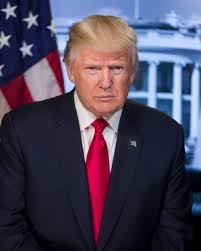
Donald Trump
TREASON EXAMPLE #2: On July 22, 2016, Wikileaks released 19,252 emails and 8,034 attachments hacked from computers of the highest-ranking officials of the Democratic National Committee (DNC). Early reports traced the leak to Russian hackers.
On July 27, 2016, during his campaign for President, Trump said at a press conference in Doral, Florida: “Russia, if you are listening, I hope you are able to find the 33,000 emails that are missing [from Democratic Presidential candidate Hillary Clinton’s computer]. I think you will probably be rewarded mightily by our press.”
This was nothing less than treason—calling upon a foreign power, hostile to the United States, to interfere in its Presidential election.
Hours later, the Main Intelligence Directorate in Moscow targeted Clinton’s personal office and hit more than 70 other Clinton campaign accounts.
Clinton Watts is a consultant and researcher on cyberwarfare. He has served as:
- An FBI Special Agent on a Joint Terrorism Task Force (JTTF);
- The Executive Officer of the Combating Terrorism Center at West Point (CTC); and
- A consultant to the FBI’s Counter Terrorism Division (CTD) and National Security Branch (NSB).
In a statement he prepared for the U.S. Senate Select Committee on Intelligence, Watts outlined cyberwarfare measures that Russia used to subvert the 2016 Presidential campaign.
He delivered this on March 30. 2017. Part of this reads as follows:
Through the end of 2015 and start of 2016, the Russian influence system….began pushing themes and messages seeking to influence the outcome of the U.S. Presidential election.
Russia’s overt media outlets and covert trolls sought to sideline opponents on both sides of the political spectrum with adversarial views toward the Kremlin. The final months leading up to the election have been the predominate focus of Russian influence discussions to date.

Clinton Watts
However, Russian Active Measures were in full swing during both the Republican and Democratic primary season and may have helped sink the hopes of candidates more hostile to Russian interests long before the field narrowed.
The final piece of Russia’s modern Active Measures surfaced in the summer of 2016 as hacked materials from previous months were strategically leaked.
On 22 July 2016, Wikileaks released troves of stolen communications from the Democratic National Committee and later batches of campaign emails. Guccifer 2.0 and DC Leaks revealed hacked information from a host of former U.S. government officials throughout July and August 2016.
For the remainder of the campaign season, this compromising material powered the influence system Russia successfully constructed in the previous two years.
TREASON EXAMPLE #3: Many of those Trump appointed to office had strong ties to the government of Russian President Vladimir Putin.
One of these was Secretary of State Rex Tillerson. In 2013, as the chief executive of ExxonMobil, he was presented with Russia’s Order of Friendship award. He had just signed deals with the state-owned Russian oil company Rosneft. Its chief, Igor Sechin, was a loyal Putin lieutenant.
ADOLF HITLER, AFFORDABILITY, ALBERT SPEER, ALEXANDER THE GREAT, ALTERNET, AMERICABLOG, AP, BABY BOOMER RESISTANCE, BBC, BENJAMIN NETANYAHU, BLOOMBERG, BLUESKY, BUZZFEED, CBS NEWS, CNN, CROOKS AND LIARS, DAILY KOS, DE-STALINIZATION, DEMOCRATS, DONALD TRUMP, FIVETHIRTYEIGHT, FREDERIC SPOTTS, HARPER’S MAGAZINE, HITLER AND THE POWER OF AESTHETICS (BOOK), HOWARD STERN, HUFFINGTON POST, IRAN, ISRAEL, JAQUELINE KENNEDY, JOHN F. KENNEDY MEMORIAL CENTER FOR THE PERFORMING ARTS, JOSEPH STALIN, LEON TROTSKY, LYNDON B. JOHNSON, MEDIA MATTERS, MENELAUS, MIDTERM ELECTIONS, MONUMENTS, MOTHER JONES, MOVEON, MSNBC, NBC NEWS, NEWSDAY, NEWSWEEK, NICOLAS MADURO, NIKITA KHRUSHCHEV, NPR, OPERATION BARBAROSSA, PBS NEWSHOUR, PERCY BYSSHE SHELLEY, PETE HEGSETH, POLITICO, POLITICUSUSA, PRINCESS DIANA, RAW STORY, REUTERS, SALON, SEATTLE TIMES, SLATE, SOVIET UNION, STRAIT OF HORMUZ, T.E. LAWRENCE, TALKING POINTS MEMO, THE ATLANTIC, THE CHICAGO SUN-TIMES, THE CHICAGO TRIBUNE, THE DAILY BEAST, THE DAILY BLOG, THE GUARDIAN, THE HILL, THE HUFFINGTON POST, THE INTERCEPT, THE LOS ANGELES TIMES, THE NATION, THE NEW REPUBLIC, THE NEW YORK TIMES, THE NEW YORKER, THE ODYSSEY (POEM), THE VILLAGE VOICE, THE WASHINGTON POST, THINKPROGRESS, THIRD REICH, TIME, TROJAN WAR, TROY, TRUTH SOCIAL, TRUTHDIG, TRUTHOUT, TWO POLITICAL JUNKIES, U.S. NEWS & WORLD REPORT, UPI, USA TODAY, VENEZUELA, VICTORY ARCH, WHITE HOUSE BALLROOM, WHITE HOUSE ROSE GARDEN, X
In Bureaucracy, History, Law, Military, Politics, Social commentary on September 10, 2026 at 1:37 am
Upon his return to the Presidency in 2025, Donald Trump turned his “artistic” gifts on the White House.
On June 9, 2025, contractors began paving over the grass of the White House Rose Garden with stone tiles to create a patio.
This had been a special project of then-First Lady Jacqueline Kennedy. In 1962 she and designer Rachel Lambert “Bunny” Mellon created a classic, symmetrical space for official state functions and press events.
They installed a central open lawn surrounded by formal flower beds, seasonal plantings, and flowering crabapple trees.
The destruction of the rose garden ignited a firestorm of criticism. But Trump insisted that the paving go on anyway.
Like Adolf Hitler, Trump believes that “bigger is better” in architecture.
On July 31, 2025, the Trump administration announced that a 90,000 square feet addition would be made to the White House to incorporate a 650-person capacity ballroom.
In October, 2025, Trump ordered the demolition of the White House’s historic East Wing to clear space for it. It’s the most expensive project in Trump’s roster, with an $800 million estimated price tag, according to New York.
American taxpayers are expected to foot more than half the bill, despite Trump’s repeated denials of this. In March, 2026, he told reporters that construction on the ballroom “is taxpayer-free. We have no taxpayer putting up 10 cents.”
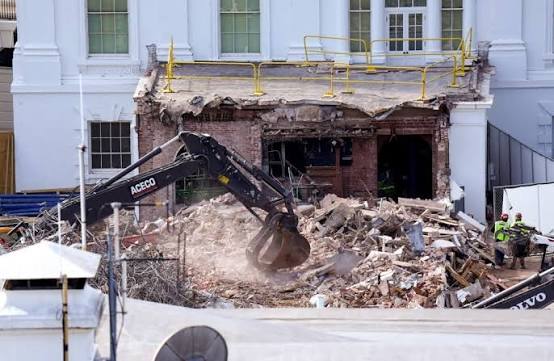
Demolition of the East Wing of the White House
Trump intends this to be a monument to himself: By October, 2025, senior officials within the Trump administration were using the title, “The President Donald J. Trump Ballroom.”
On August 31, the Supreme Court—packed with six Right-wing Justices—granted Trump approval to continue construction on his ballroom. This had been halted after a lower court issued a temporary block on the project earlier that month.
After the ruling, Trump wrote on Truth Social: “We are living in the Golden Age of America, and this Building will be one of the Greatest ever constructed in Washington, D.C. When completed in the Summer of 2028, the magnificent Ballroom and Military Complex will be something that the entire Country is very proud of.”
In a rare burst of candor, Trump told New York Magazine that his construction projects are essentially monuments to himself: “Nobody will do it once I’m gone. When I leave here, nobody will.”
For Trump, there can’t be too many monuments to his memory. Among these:
- Like a Roman emperor, Trump has put his face on a new commemorative gold-finished $1 coin issued by the U.S. Mint—allegedly to celebrate America’s 250th anniversary.
- He has mused about changing the name of the Strait of Hormuz to “Trump Strait.” How he would get the Iranians to accept that name remains unclear.
- In May, 2005, the US Department of Agriculture was decorated with a banner featuring Trump’s face. Since then, the Department of Justice, the Department of the Interior, and the Department of Labor have sported similar banners.
Achieving immortality—at least in how people remember them long after they’ve passed on—has long been a desire of tyrants. But once they’re dead, they no longer have control over the lives of their once-subject peoples.
So the way they’re remembered can prove vastly different from how they wanted to be regarded.
Alexander the Great thirsted be remembered as the world’s greatest conqueror, bringing Greek civilization to the nations he ravished.

Alexander the Great
Modern historians view him as a brilliant military leader—but also as a ruthless and megalomanic tyrant who slaughtered whole peoples and caused widespread destruction. Moreover, his empire collapsed quickly after his death.
Leon Trotsky—the Russian revolutionary and bitter foe of Joseph Stalin—wrote: “Nero, too, was a product of his epoch. Yet after he perished his statues were smashed and his name was scraped off everything.
“The vengeance of history is more terrible than the vengeance of the most powerful General Secretary. I venture to think that this is consoling.”
By the time he died in 1953, Soviet dictator Joseph Stalin had an estimated 6,000 statues of himself erected across the Soviet Union and Eastern Europe, holding the world record for the most statues raised to a living person.
After his death and the start of de-Stalinization under Nikita Khrushchev, the vast majority of these statues were quietly removed, demolished, or melted down.
Finally, there is this classic poetic commentary on the uncertainty of immortality, courtesy of Percy Bysshe Shelley:
I met a traveller from an antique land
Who said: Two vast and trunkless legs of stone
Stand in the desert. Near them, on the sand,
Half sunk, a shattered visage lies, whose frown,
And wrinkled lip, and sneer of cold command,
Tell that its sculptor well those passions read
Which yet survive, stamped on these lifeless things,
The hand that mocked them and the heart that fed:
And on the pedestal these words appear:
“My name is Ozymandias, king of kings:
Look on my works, ye Mighty, and despair!”
Nothing beside remains. Round the decay
Of that colossal wreck, boundless and bare
The lone and level sands stretch far away.
ADOLF HITLER, AFFORDABILITY, ALBERT SPEER, ALEXANDER THE GREAT, ALTERNET, AMERICABLOG, AP, BABY BOOMER RESISTANCE, BBC, BENJAMIN NETANYAHU, BLOOMBERG, BLUESKY, BUZZFEED, CBS NEWS, CNN, CROOKS AND LIARS, DAILY KOS, DE-STALINIZATION, DEMOCRATS, DONALD TRUMP, FIVETHIRTYEIGHT, FREDERIC SPOTTS, HARPER’S MAGAZINE, HITLER AND THE POWER OF AESTHETICS (BOOK), HOWARD STERN, HUFFINGTON POST, IRAN, ISRAEL, JAQUELINE KENNEDY, JOHN F. KENNEDY MEMORIAL CENTER FOR THE PERFORMING ARTS, JOSEPH STALIN, LEON TROTSKY, LYNDON B. JOHNSON, MEDIA MATTERS, MENELAUS, MIDTERM ELECTIONS, MONUMENTS, MOTHER JONES, MOVEON, MSNBC, NBC NEWS, NEWSDAY, NEWSWEEK, NICOLAS MADURO, NIKITA KHRUSHCHEV, NPR, OPERATION BARBAROSSA, PBS NEWSHOUR, PERCY BYSSHE SHELLEY, PETE HEGSETH, POLITICO, POLITICUSUSA, PRINCESS DIANA, RAW STORY, REUTERS, SALON, SEATTLE TIMES, SLATE, SOVIET UNION, STRAIT OF HORMUZ, T.E. LAWRENCE, TALKING POINTS MEMO, THE ATLANTIC, THE CHICAGO SUN-TIMES, THE CHICAGO TRIBUNE, THE DAILY BEAST, THE DAILY BLOG, THE GUARDIAN, THE HILL, THE HUFFINGTON POST, THE INTERCEPT, THE LOS ANGELES TIMES, THE NATION, THE NEW REPUBLIC, THE NEW YORK TIMES, THE NEW YORKER, THE ODYSSEY (POEM), THE VILLAGE VOICE, THE WASHINGTON POST, THINKPROGRESS, THIRD REICH, TIME, TROJAN WAR, TROY, TRUTH SOCIAL, TRUTHDIG, TRUTHOUT, TWO POLITICAL JUNKIES, U.S. NEWS & WORLD REPORT, UPI, USA TODAY, VENEZUELA, VICTORY ARCH, WHITE HOUSE BALLROOM, WHITE HOUSE ROSE GARDEN, X
In Bureaucracy, History, Law, Military, Politics, Social commentary on September 9, 2026 at 12:10 am
With his popularity rating hovering at 33% to 39%, President Donald Trump desperately fears a third impeachment action against him if Democrats retake the House of Representatives in the fast-approaching midterm elections scheduled for November 3.
Thus, his almost crazed lust to be remembered forever. And for all his slim grasp of history, he knows that presidents and kings (of which he thinks himself the latter) are remembered for the wars they’ve won and the monuments they’ve left behind.
Easily won wars, of course, are the best. And on January 3, 2026, Trump got just that.
American forces bombed military facilities and infrastructure in the capital city of Caracas and across northern Venezuela. And they captured Venezuelan President Nicolás Maduro and his wife, Cilia Flores. Both were flown to New York City to face federal drug trafficking and narco-terrorism charges.

Flag of Venezuela
Savoring that triumph, Trump conspired with Israeli Prime Minister Benjamin Netanyahu to overturn the leadership of Israel’s mortal enemy and America’s longtime antagonist: Iran.
Trump predicted several times that the war would be over in four to six weeks—the same timetable Adolf Hitler gave for the completion of his victory over the Soviet Union in 1941.
And just as “Operation Barbarossa” proved a fatal mistake, so Trump’s latest stab at playing Generalissimo has proven a total disaster. Six months into his war, he still has no plan for winning it or withdrawing from it without losing face.
Then there is his mania for monuments.
Upon his return to the Presidency in 2025, he turned his “artistic” gifts on the White House. On June 9, 2025, contractors began paving over the grass of the White House Rose Garden to create a patio.
This had been a special project of then-First Lady Jacqueline Kennedy. In 1962 she and designer Rachel Lambert “Bunny” Mellon created a classic, symmetrical space for official state functions and press events.
They installed a central open lawn surrounded by formal flower beds, seasonal plantings, and flowering crabapple trees.
By September, 2026 his administration had altered over 100 structures in Washington, D.C., alone, according to New York, which reported that the projects have collectively cost over a billion dollars.
On December 18, 2025, The John F. Kennedy Memorial Center for the Performing Arts became The Donald J. Trump and John F. Kennedy Memorial Center for the Performing Arts.
Not, of course, by an act of Congress. That happened in January, 1964, two months after the assassination of President John F. Kennedy.

John F. Kennedy Memorial Center for the Performing Arts.
Congress passed and President Lyndon B. Johnson signed into law legislation renaming the Center as a “living memorial” in his honor: The John F. Kennedy Memorial Center for the Performing Arts.
In Trump’s case, getting his name added to the Center was much simpler. First, he fired the longstanding board that had overseen the Center, and put his own handpicked board members on it.
Then his chosen thralls declared: “We’re adding Trump’s name to this building.”
No doubt to his amazement, there were serious objections to this—and lawsuits backing up those objections.
On May 29, 2026, U.S. District Judge Christopher Cooper in Washington, D.C., ruled that Trump’s name was illegally added to the Center:
“The Kennedy Center’s organic statute makes crystal clear that the Center is to be named for President Kennedy, and it cannot bear any other formal name or public memorial based on the Board’s unilateral say-so. Congress gave the Kennedy Center its name, and only Congress can change it.”
And he ordered that Trump’s name be removed from the building within two weeks—by June 12, two days before Trump’s 80th birthday.
Trump has, predictably, appealed the ruling to the Supreme Court.
He thus joined the ranks of arts-obsessed tyrants like Joseph Stalin and Adolf Hitler. For 12 years, Hitler served as the arbiter of culture in Nazi Germany. Stalin held that role for almost 30.
Hitler considered himself an unappreciated artist. At 18, he had applied for admission to the Academy of Fine Arts Vienna, but was rejected twice. If he had a friend, it was the architect Albert Speer, with whom he felt an artistic kinship.
Even as the Third Reich collapsed, he found time to pore over architectural models he intended to turn into gigantic buildings.
In Hitler and the Power of Aesthetics, author Frederic Spotts argues that Hitler saw the world corrupted by “evils” he must first destroy so he could re-create it to conform to his artistic ideals.
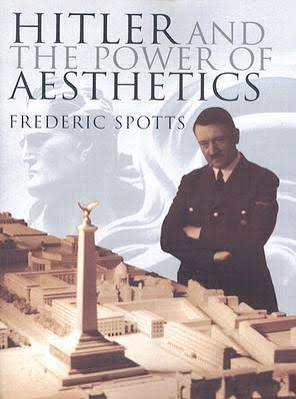
Like Hitler, Trump sees himself as an unrecognized artist through his erection of buildings. And, again like Hitler, he believes that he has a mission to replace ugliness with beauty.
But he’s clearly more focused on the demolition process than on the creation of beauty.
On October 20, 2025, demolitions crews—on his orders—gutted the East Wing of the White House to create a massive, 90,000 square feet, 650-person capacity ballroom.
And he has threatened to demolish the John F. Kennedy Center for the Performing Arts if his name is not added to it.
Meanwhile, he intends to close the Center for two years, to hide the embarrassing truth that artists and audiences no longer want to go there while he runs it.
ADOLF HITLER, AFFORDABILITY, ALBERT SPEER, ALEXANDER THE GREAT, ALTERNET, AMERICABLOG, AP, BABY BOOMER RESISTANCE, BBC, BENJAMIN NETANYAHU, BLOOMBERG, BLUESKY, BUZZFEED, CBS NEWS, CNN, CROOKS AND LIARS, DAILY KOS, DE-STALINIZATION, DEMOCRATS, DONALD TRUMP, FIVETHIRTYEIGHT, FREDERIC SPOTTS, HARPER’S MAGAZINE, HITLER AND THE POWER OF AESTHETICS (BOOK), HOWARD STERN, HUFFINGTON POST, IRAN, ISRAEL, JAQUELINE KENNEDY, JOHN F. KENNEDY MEMORIAL CENTER FOR THE PERFORMING ARTS, JOSEPH STALIN, LEON TROTSKY, LYNDON B. JOHNSON, MEDIA MATTERS, MIDTERM ELECTIONS, MONUMENTS, MOTHER JONES, MOVEON, MSNBC, NBC NEWS, NEWSDAY, NEWSWEEK, NICOLAS MADURO, NIKITA KHRUSHCHEV, NPR, OPERATION BARBAROSSA, PBS NEWSHOUR, PERCY BYSSHE SHELLEY, POLITICO, POLITICUSUSA, PRINCESS DIANA, RAW STORY, REUTERS, SALON, SEATTLE TIMES, SLATE, SOVIET UNION, STRAIT OF HORMUZ, T.E. LAWRENCE, TALKING POINTS MEMO, THE ATLANTIC, THE CHICAGO SUN-TIMES, THE CHICAGO TRIBUNE, THE DAILY BEAST, THE DAILY BLOG, THE GUARDIAN, THE HILL, THE HUFFINGTON POST, THE INTERCEPT, THE LOS ANGELES TIMES, THE NATION, THE NEW REPUBLIC, THE NEW YORK TIMES, THE NEW YORKER, THE VILLAGE VOICE, THE WASHINGTON POST, THINKPROGRESS, THIRD REICH, TIME, TRUTH SOCIAL, TRUTHDIG, TRUTHOUT, TWO POLITICAL JUNKIES, U.S. NEWS & WORLD REPORT, UPI, USA TODAY, VENEZUELA, VICTORY ARCH, WHITE HOUSE BALLROOM, WHITE HOUSE ROSE GARDEN, X
In Bureaucracy, History, Law, Military, Politics, Social commentary on September 8, 2026 at 12:10 am
All men dream: but not equally. Those who dream by night in the dusty recesses of their minds wake in the day to find that it was vanity: but the dreamers of the day are dangerous men, for they may act their dream with open eyes, to make it possible.
–T.E. Lawrence
Donald Trump’s first love has always been himself. And for all of his adult life he’s tried to promote himself as the smartest, the handsomest, the richest, the most popular man in the United States—if not the world.
Trump’s egomania is literally stamped on his properties. Of the estimated 515 entities he owns, 268 of them—52%—bear his last name. He often refers to his properties as “the swankiest,” “the most beautiful.”
Among the references he’s made to himself:
- “My fingers are long and beautiful, as, it has been well documented, are various other parts of my body.”
- “I think the only difference between me and the other candidates is that I’m more honest and my women are more beautiful.”
- “My IQ is one of the highest––and you all know it.”
- “I did a lot of great deals and I did them early and young, and now I’m building all over the world….”
- “So I have a total net worth, and now with the increase, it’ll be well-over $10 billion.”
On October 7, 2016, Trump unknowingly—on a hot mike—outlined his approach to women he found attractive:
“You know I’m automatically attracted to beautiful—I just start kissing them. It’s like a magnet. Just kiss. I don’t even wait. And when you’re a star they let you do it. You can do anything. Grab them by the pussy. You can do anything.”
Even when he did not score with a woman of his desires, he left no doubt that—at least in his own mind—he could have. Just months after Princess Diana’s death in August 1997, radio host Howard Stern asked Trump if he could have “nailed” her.
Trump replied, “I think I could have.”

Donald Trump
But now Trump is an 80-year-old, easily distracted man who repeatedly falls asleep in public events—such as during White House meetings or a World Cup game. During press conferences and on his website, Truth Social, he often explodes in angry, insulting tirades against a legion of perceived enemies—particularly female journalists.
He avoids exercise—except for golf—believing that a human is born with only a finite amount of energy, which is depleted by physical activity. His diet is famously heavy on fast food, sweets and Diet Coke.
A well-known order from McDonald’s includes two Big Macs, two Filet-O-Fish sandwiches, and a chocolate shake or malted.
As a result, his diet poses several medical risks. Meals centered on cheeseburgers, well-done steaks, and French fries are dense in saturated fats and sodium.
Over time, excessive sodium and trans fats elevate “bad” LDL cholesterol, damage blood vessels, and spike blood pressure, significantly accelerating the risk of heart attacks, stroke, and chronic hypertension.
Moving from the personal to the political: He’s launched a losing war on Iran, repeatedly predicted it would be over in four to six weeks, and has seen it spiral into six months with no end in sight.
Instead of taking responsibility for his decision to provoke a needless war, he repeatedly blames others for his failure to win it. On September 4, he posted on Truth Social:
“The Radical Left Lunatics, Dumocrats, and Communists would rather have us LOSE the War in Iran, than have President Donald J. Trump WIN the War for America, In other words, they’d rather have us LOSE than have us WIN!”
Meanwhile, Iran continues to control the Strait of Hormuz, through which about 20 million barrels of oil used to pass each day. That flow has been reduced to between two million and six million barrels each day.

Strait of Hormuz
This has created a worldwide spiral in oil prices—and fueled inflation in the United States and other nations. But as prices for housing, energy and food soar in the United States, Trump claims that “affordability” is a “Democratic hoax.”
Like Adolf Hitler contemplating architectural models while Nazi Germany neared destruction, Trump focuses on vanity projects like a 90,000 square foot White House ballroom and a towering “Victory Arch” literally overshadowing Arlington Cemetery.
When Trump—a five-time Vietnam war draft dodger—was asked in 2025 who the 250-foot arch was for, he replied, “Me.”
As much as he fears and loathes to admit it, he has to realize he can’t live forever—and that he’ll be lucky to live another 10 years, if not a far shorter span.
And with his popularity rating hovering at 33% to 39%, he desperately fears a third impeachment action against him if Democrats retake the House of Representatives in the fast-approaching midterm elections scheduled for November 3.
Thus, his almost crazed lust to be remembered forever. And for all his slim grasp of history, he knows that presidents and kings (of which he thinks himself the latter) are remembered for the wars they’ve won and the monuments they’ve left behind.
2016 PRESIDENTIAL CAMPAIGN, ABC NEWS, AFGHANISTAN, ALTERNET, AMERICABLOG, AP, BABY BOOMER RESISTANCE, BARACK OBAMA, BLOOMBERG, BOB WOODWARD, BUZZFEED, CBS NEWS, CENTER FOR AMERICAN PROGRESS ACTION FUND, CIA, CLINTON WATTS, CNN, COVID-19, CRAIG UNGER, CROOKS AND LIARS, DAILY KOS, DAVID ROTHKOPF, DEPARTMENT OF HOMELAND SECURITY, DIRECTOR OF NATIONAL INTELLIGENCE, DONALD TRUMP, DONALD TRUMP JR., DRUDGE RETORT, ERIC TRUMP, FBI, FBI’S COUNTERTERRORISM DIVISION, FEAR: TRUMP IN THE WHITE HOUSE (BOOK), FIVETHIRTYEIGHT, FOX NEWS, G7, GEORGE PAPADOPOULOS, GREG MILLER, HARPER’S MAGAZINE, HILLARY CLINTON, HOUSE INTELLIGENCE COMMITTEE, HOUSE OF TRUMP HOUSE OF PUTIN (BOOK), HOWARD STERN, ISLAMIC STATE OF IRAQ AND SYRIA (ISIS), ISRAELI INTELLIGENCE, JAMES CARLOS BLAKE, JAMES COMEY, JARED KUSHNER, JEFF SESSIONS, JOE SCARBOROUGH, JOINT TERRORISM TASK FORCE, JOSEPH BIDEN, Kamala Harris, KAYLEIGH MCENANY, KIM JONG-UN, MAIN INTELLIGENCE DIRECTORATE, MALCOM W. NANCE, MEDIA MATTERS, MICHAEL FLYNN, MICHAEL ISIKOFF, MOSCOW PROJECT, MOTHER JONES, MOVEON, MSNBC, NATALIA VESELNITSKAYA, NATIONAL SECURITY AGENCY, NBC NEWS, NEWSWEEK, NPR, OFFICE OF THE DIRECTOR OF NATIONAL INTELLIGENCE, PAUL MANAFORT, PBS NEWSHOUR, PERIL (BOOK), POLITICO, POLITICUSUSA, PRESIDENT’S DAILY BRIEFING, PRINCETON UNIVERSITY, RAGE (BOOK), RAW STORY, REPUBLICAN PARTY, REPUBLICANS, REUTERS, REX TILLERSON, RICHARD M. NIXON, RINAT AKHMETSHIN, ROBERT S. MUELLER 111, ROD ROSENSTEIN, RUSSIA, RUSSIAN ROULETTE (BOOK), SALLY YATES, SALON, SEAL TEAM SIX, SEATTLE TIMES, SENATE INTELLIGENCE COMMITTEE, SERGEY KISLYAK, SERGEY LAVROV, SLATE, TALIBAN, TALKING POINTS MEMO, THE APPRENTICE (BOOK), THE ATLANTIC, THE CHICAGO SUN-TIMES, THE CHICAGO TRIBUNE, THE DAILY BEAST, THE DAILY BLOG, THE FRIENDS OFPANCHO VILLA (BOOK(), THE GUARDIAN, THE HILL, THE HUFFINGTON POST, THE LOS ANGELES TIMES, THE NATION, THE NEW REPUBLIC, THE NEW YORK TIMES, THE PLOT TO DESTROY DEMOCRACY (BOOK), THE VILLAGE VOICE, THE WASHINGTON POST, THINKPROGRESS, TIME, TREASON, TRUMP TOWER MEETING, TRUTHDIG, TRUTHOUT, TWO POLITICAL JUNKIES, U.S. NAVY SEALS, U.S. NEWS & WORLD REPORT, UNITED STATES DEPARTMENT OF JUSTICE, UNITED STATES DEPARTMENT OF STATE, UPI, USA TODAY, VANIT FAIR, VICTOR YANUKOVYCH, VLADIMIR PUTIN, WIKILEAKS, WILLIAM BARR, WONKETTE, X, XI JINPING
In Bureaucracy, History, Law, Law Enforcement, Military, Politics, Social commentary on May 15, 2026 at 12:08 am
The appointment of Robert S. Mueller as Special Counsel on May 17, 2017, aroused President Donald Trump’s greatest fears.
But in the end, Mueller did not dare force Trump to testify under oath. Nor did he issue a subpoena to compel Trump’s in-person testimony. The reason: To avoid a “protracted legal fight” that would have delayed the conclusion of the 22-month investigation.
Trump’s supporters claimed that he had been exonerated. In fact, the report did not exonerate him.
Yet even before the release of the long-awaited Mueller report, several deeply-researched and well-written books outlined Russia’s efforts to subvert the 2016 Presidential race. And they cast devastating light on Trump’s loyalty to the United States.
Among these:
- The Apprentice: Trump, Russia and the Subversion of Democracy, by Greg Miller
- House of Trump, House of Putin: The Untold Story of Donald Trump and the Russian Mafia, by Craig Unger
- Russian Roulette: The Inside Story of Putin’s War on America and the Election of Donald Trump, by Michael Isikoff
- The Plot to Destroy Democracy: How Putin and His Spies Are Undermining America and Dismantling the West, by Malcom W. Nance
According to its blurb on Amazon.com, The Apprentice is “based on interviews with hundreds of people in Trump’s inner circle, current and former government officials, individuals with close ties to the White House, members of the law enforcement and intelligence communities, foreign officials, and confidential documents.”
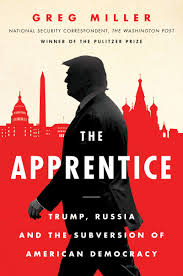
Among the subjects it covers:
- The Trump Tower meeting, where the Trump campaign sought “dirt” on Hillary Clinton from Russian Intelligence agents;
- The penetration by Russian Intelligence of computer systems used by Democrats;
- How Jared Kushner, Trump’s son-in-law, tried to set up a secret back channel to Moscow via Russian diplomatic facilities;
- Trump’s giving Russian officials highly classified secrets supplied by Israeli Intelligence;
- Trump’s clashes with the FBI and CIA.
Miller is a veteran investigative journalist and twice winner of the Pulitzer Prize. Among his stories: National security adviser Michael Flynn’s discussing ending U.S. sanctions on Russia with Russian officials prior to Trump’s inauguration. The story contributed to Flynn’s ouster.
House of Trump, House of Putin, whose jacket blurb describes Trump’s inauguration as “the culmination of Vladimir Putin’s long mission to undermine Western democracy, a mission that he and his hand-selected group of oligarchs and Mafia kingpins had ensnared Trump in, starting more than twenty years ago with the massive bailout of a string of sensational Trump hotel and casino failures in Atlantic City.

“…Craig Unger methodically traces the deep-rooted alliance between the highest echelons of American political operatives and the biggest players in the frightening underworld of the Russian Mafia. He traces Donald Trump’s sordid ascent from foundering real estate tycoon to leader of the free world….
“Without Trump, Russia would have lacked a key component in its attempts to return to imperial greatness. Without Russia, Trump would not be president.”
As an appendix to the book, Unger writes: “Donald Trump has repeatedly said he has nothing to do with Russia. Below are fifty-nine Trump connections to Russia.”
Russian Roulette, according to its dust jacket, “is a story of political skullduggery unprecedented in American history. It weaves together tales of international intrigue, cyber espionage, and superpower rivalry.
“After U.S.-Russia relations soured, as Vladimir Putin moved to reassert Russian strength on the global stage, Moscow trained its best hackers and trolls on U.S. political targets and exploited WikiLeaks to disseminate information that could affect the 2016 election.
“The Russians were wildly successful and the great break-in of 2016 was no ‘third-rate burglary.’ It was far more sophisticated and sinister—a brazen act of political espionage designed to interfere with American democracy. At the end of the day, Trump, the candidate who pursued business deals in Russia, won….
“This story of high-tech spying and multiple political feuds is told against the backdrop of Trump’s strange relationship with Putin and the curious ties between members of his inner circle—including Paul Manafort and Michael Flynn—and Russia.”
Malcom Nance, the author of The Plot to Destroy Democracy, is an Intelligence and foreign policy analyst and media commentator on terrorism, Intelligence, insurgency and torture.
In his book, he outlines how “Donald Trump was made President of the United States with the assistance of a foreign power.

“[It is] the dramatic story of how blackmail, espionage, assassination, and psychological warfare were used by Vladimir Putin and his spy agencies to steal the 2016 U.S. election—and attempted to bring about the fall of NATO, the European Union, and western democracy….
“Nance has utilized top secret Russian-sourced political and hybrid warfare strategy documents to demonstrate the master plan to undermine American institutions that has been in effect from the Cold War to the present day.
“Based on original research and countless interviews with espionage experts, Nance examines how Putin’s recent hacking accomplished a crucial first step for destabilizing the West for Russia, and why Putin is just the man to do it.”
These books—combined with the findings of the Mueller report—clearly establish the damning conclusion: The man who sat in the Oval Office from 2017 to 2021 and who sits in it now—was an illegitimate usurper, installed by an unholy alliance of American Fascists and Russian Communists.
1776 (PLAY), ABC NEWS, ALTERNET, AMERICABLOG, AP, “SOUTHERN STRAGEGY”, BABY BOOMER RESISTANCE, BARACK OBAMA, BLOOMBERG, BUZZFEED, CBS NEWS, CEOS, CHRIS MATHEWS, CIVIL RIGHTS ACT OF 1964, CIVIL WAR, CNN, CROOKS AND LIARS, DAILY KOZ, DECLARATION OF INDEPENDENCE, DONALD TRUMP, DRUDGE REPORT, FACEBOOK, FIVETHIRTYEIGHT, FOOD STAMPS, FRED TRUMP, HARPER’S MAGAZINE, HOWARD STERN, HUFFINGTON POST, JOHN DICKINSON, JOHN HANCOCK, MEDIA MATTERS, MEDICARE, MOTHER JONES, MOVEON, MSNBC, NBC NEWS, NEWSWEEK, NPR, PBS NEWSHOUR, PEW FOUNDATION, POLITICO, POLITICUSUSA, PROPAGANDA, RAW STORY, REPUBLICAN PARTY, REPUBLICANS, REUTERS, Ronald Reagan, SALON, SEATTLE TIMES, SLATE, SLAVERY, SOCIAL SECURITY, TALKING POINTS MEMO, THE ATLANTIC, THE CHICAGO SUN-TIMES, THE CHICAGO TRIBUNE, THE DAILY BEAST, THE DAILY BLOG, THE GUARDIAN, THE HILL, THE HUFFINGTON POST, THE LOS ANGELES TIMES, THE NATION, THE NEW REPUBLIC, THE NEW YORK TIMES, THE SOUL OF BATTLE (BOOK), THE VILLAGE VOICE, THE WALL STREET JOURNAL, THE WASHINGTON POST, THINKPROGRESS, TIME, TIME MAGAZINE, TRUTHDIG, TRUTHOUT, TWO POLITICAL JUNKIES, U.S. NEWS & WORLD REPORT, UPI, USA TODAY, VICTOR DAVIS HANSON, VIETNAM WAR, VOTING RIGHTS ACT OF 1965, WILLIAM TECUMSEH SHERMAN, WONKETTE, X
In Bureaucracy, Business, History, Politics, Social commentary on May 23, 2025 at 12:13 am
Republicans have long tried to prevent or eliminate programs that aid the poor and middle-class, including:
- Social Security (since it began in 1935)
- Medicare (started 1965)
- Medicaid (started 1985)
- Food stamps (started 1939)
- WIC (Women, Infants, Children–started 1972).
So why are so many poor Americans flocking to this party’s banner?
Two reasons: Racism and greed. There are historical parallels for both.
First, race:
In 1999, historian Victor Davis Hanson noted the huge gap in wealth between the aristocratic, slave-owning minority of the pre-Civil War South and the vast majority of poor white Southerners.
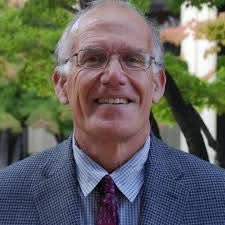
Victor Davis Hanson
“Before the war in the counties [Union General William Tecumseh] Sherman would later ruin, the top 10% of the landowners controlled 40% of the assessed wealth.”
In contrast, “more than half of those who were lucky enough to own any property at all still possessed less than 15% of the area’s valuation.”
So Hanson asked: “Why did the millions of poor whites of the Confederacy fight at all?”
He supplied the answer in his brilliant work on military history, The Soul of Battle: From Ancient Times to the Present Day, How Three Great Liberators Vanquished Tyranny.
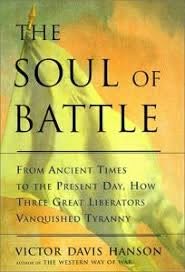
One of those liberators was General William Tecumseh Sherman, who led 62,000 Union troops in a victorious “March to the Sea” through the Confederacy in 1864.
So why did so many poor Southern whites literally lay down their lives for the wealthy planter class, which despised them?
According to Hanson: “Behind the entire social fabric of the South lay slavery.
“If slavery eroded the economic position of the poor free citizens, if slavery encouraged a society of haves and have-nots…then it alone offered one promise to the free white man—poor, ignorant and dispirited—that he was at least not black and not a slave.”
And the planter class and its allies in government easily fobbed off their poor white countrymen with cheap flattery. Said Georgia Governor Joseph Brown:
“Among us the poor white laborer is respected as an equal. His family is treated with kindness, consideration, and respect. He does not belong to the menial class. The negro is in no sense his equal. He belongs to the only true aristocracy, the race of white men.”
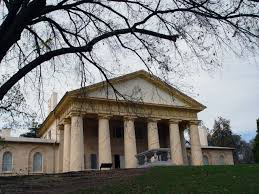
Arlington House and plantation, former home of Robert E. Lee
Similarly, poor whites now flock to the Republican Party—which holds them in equal contempt—in large part to protest the 2008 election of the first black President of the United States.
According to a Pew Research Center study released on July 22, 2011: “Notably, the GOP gains have occurred only among white voters; a 2-point Republican edge among whites in 2008 (46% to 44%) has widened to a 13-point lead today (52% to 39%).”
Since the 1960s, Republicans have pursued a campaign policy of “divide and rule”—divide the nation along racial lines and reap the benefits at election time.
- Republicans opposed the Civil Rights Act of 1964.
- Republicans opposed the Voting Rights Act of 1965.
- Republicans, with Richard Nixon as their Presidential candidate in 1968 and 1972, pursued what they called a “Southern strategy”: Use “code language” to stoke fear and hatred of blacks among whites.
- Republicans have falsely identified welfare programs exclusively with nonwhites. (Of the six million Americans receiving food stamps, about 42% are white, 32% are black, and 22% are Latino—with the growth fastest among whites during the recession.)
Thus, in voting Republican, many of these poor whites believe they are “striking a blow for the white race.”
And they can do so in a more socially acceptable way than joining a certified hate group such as the American Nazi Party or Ku Klux Klan.
Since 2015, openly racist groups such as the Klan and the American Nazi Party have flocked to the banner of Presidential candidate and President Donald Trump. By enthusiastically courting their support, the real estate mogul has made it possible for Republican candidates to openly display their own racism.
Now greed:
In the hit play, 1776, on the creation and signing of the Declaration of Independence, there is a telling exchange between John Dickinson and John Hancock. It comes during the song, “Cool, Cool, Considerate Men.”
Dickinson, the delegate from Pennsylvania, urges Hancock, president of the Second Continental Congress, “to join us in our minuet.” By “us” he means his fellow conservatives who fear losing their property and exalted status by supporting American independence from Great Britain.
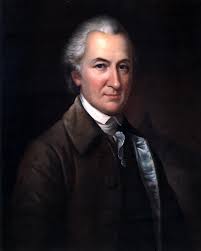
John Dickinson
Hancock declines, saying: “Fortunately, there are not enough men of property in America to dictate policy.”
To which Dickinson replies: “Perhaps not. But don’t forget that most men with nothing would rather protect the possibility of becoming rich than face the reality of being poor. And that is why they will follow us.”
Today, poor whites generally identify with the CEOs of powerful corporations. They believe the Republican gospel that they can attain such wealth—if only the government will “get out of my way.”
They forget—or ignore—the truth that government, for all its imperfections, is sometimes all that stands between them and a wide range of predators.
In return, the CEOs despise them as the privileged have always despised their social and economic “inferiors.”
Unless the Democratic Party can find ways to directly address these bitter, Politically Incorrect truths, it will continue its decline into insignificance.
1776 (PLAY), ABC NEWS, ALTERNET, AMERICABLOG, AP, “SOUTHERN STRAGEGY”, BABY BOOMER RESISTANCE, BARACK OBAMA, BLOOMBERG, BUZZFEED, CBS NEWS, CEOS, CHRIS MATHEWS, CIVIL RIGHTS ACT OF 1964, CIVIL WAR, CNN, CROOKS AND LIARS, DAILY KOZ, DECLARATION OF INDEPENDENCE, DONALD TRUMP, DRUDGE REPORT, FACEBOOK, FIVETHIRTYEIGHT, FOOD STAMPS, FRED TRUMP, HARPER’S MAGAZINE, HOWARD STERN, HUFFINGTON POST, JOHN DICKINSON, JOHN HANCOCK, MEDIA MATTERS, MEDICARE, MOTHER JONES, MOVEON, MSNBC, NBC NEWS, NEWSWEEK, NPR, PBS NEWSHOUR, PEW FOUNDATION, POLITICO, POLITICUSUSA, PROPAGANDA, RAW STORY, REPUBLICAN PARTY, REPUBLICANS, REUTERS, Ronald Reagan, SALON, SEATTLE TIMES, SLATE, SLAVERY, SOCIAL SECURITY, TALKING POINTS MEMO, THE ATLANTIC, THE CHICAGO SUN-TIMES, THE CHICAGO TRIBUNE, THE DAILY BEAST, THE DAILY BLOG, THE GUARDIAN, THE HILL, THE HUFFINGTON POST, THE LOS ANGELES TIMES, THE NATION, THE NEW REPUBLIC, THE NEW YORK TIMES, THE SOUL OF BATTLE (BOOK), THE VILLAGE VOICE, THE WALL STREET JOURNAL, THE WASHINGTON POST, THINKPROGRESS, TIME, TIME MAGAZINE, TRUTHDIG, TRUTHOUT, TWO POLITICAL JUNKIES, U.S. NEWS & WORLD REPORT, UPI, USA TODAY, VICTOR DAVIS HANSON, VIETNAM WAR, VOTING RIGHTS ACT OF 1965, WILLIAM TECUMSEH SHERMAN, WONKETTE, X
In Bureaucracy, Business, History, Politics, Social commentary on May 22, 2025 at 12:20 am
On July 22, 2011, ABC News carried the following story:
The Pew Foundation, analyzing voter identification, found “the electorate’s partisan affiliations have shifted significantly” since Barack Obama won office in 2008.
The GOP had gained strength among white voters, most specifically “the young and poor.”

A seven-point Democratic advantage among whites under age 30 three years earlier had turned into an 11-point GOP advantage. And a 15-point Democratic advantage among whites earning less than $30,000 annually had swung to a slim four-point Republican edge by 2011.
In addition:
- The GOP gains had occurred only among white voters.
- Republicans had made sizable gains among white voters since 2008. Fifty-two percent of white voters called themselves Republicans or leaned to the GOP, compared with 39% who affiliated with the Democratic Party or leaned Democratic.
- Democrats had lost their edge among lower income white voters.
- In 2008, Democrats had a 15 point lead among white voters with family incomes less than $30,000. By 2011, Republicans had a four-point edge among this group.
- The GOP’s lead among middle income white voters had grown since 2008, and Republicans held a substantial advantage with higher income white voters.
- Republicans made gains among whites with a high school education or less. The GOP’s advantage over Democrats had grown from one point in 2008 to 17 points in 2011 among less educated whites.
- Republicans had made smaller gains among white voters who had college degrees.
Five years later, in 2016, these masses of disaffected white men would overwhelmingly vote for Donald Trump, a real estate mogul-turned-celebrity-TV-host of “The Apprentice.”
Trump had been born into a life of luxury. He began his real estate career at his father’s real estate and construction company. He rose to wealth and fame after his father, Fred, gave him control of the business in 1971.
Similarly, soon after acquiring the family business, Trump set out to build his own empire—hotels, golf courses, casinos and skyscrapers across North and South America, Europe and Asia. Of the 515 entities he owns, 268 of them—52%—bear his last name. He often refers to his properties as “the swankiest,” “the most beautiful.”
During the Vietnam war, his father reportedly paid a doctor to claim that Trump suffered from “bone spurs” in his foot—thus enabling him to escape the draft.
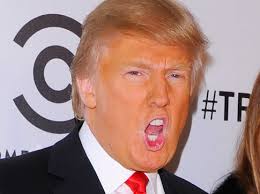
Donald Trump
In short, Trump has literally nothing in common with the masses of poor whites who worship him.
Howard Stern, the notorious radio host, has known Trump many years. Commenting on the appeal Trump has for his followers, Stern says: “The oddity of all this is the people Trump despises most, love him the most.
“The people who are voting for Trump for the most part …he wouldn’t even let them in his fucking hotel. He’d be disgusted by them. Go to Mar-a-Lago. See if there’s any people who look like you. I’m talking to you in the audience.”
Yet, while the poor worship Trump and Republicans generally, there is a disconnect between them: Since 1980, Republicans have pursued a policy of gutting programs aimed at helping the poor—while repeatedly creating tax-breaks for the wealthiest 1% of the population.
For Republicans, the patron saint of this “love-the-rich-screw-the-poor” ideology remains Ronald Reagan—two-time governor of California and twice-elected President of the United States (1981-1989)
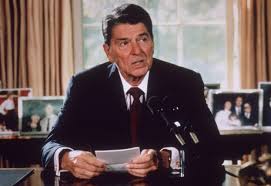
Ronald Reagan, who taught Americans to worship the wealthy
Among those charting Reagan’s legacy as President was former CBS Correspondent David Shoenbrum.
In his bestselling autobiography, America Inside Out: At Home and Abroad from Roosevelt to Reagan, he noted:
- On January 28, 1981, keeping a pledge to his financial backers in the oil industry, Reagan abolished Federal controls on the price of oil.
- Within a week, Exxon, Texaco and Shell raised gasoline prices and prices of home heating oil.
- Reagan saw it as his duty to put a floor under prices, not a ceiling above them.
- Reagan believed that when government helped business it wasn’t interfering. Loaning money to bail out a financially incompetent Chrysler was “supporting the free enterprise system.”
- But putting a high-profits tax on price-gouging corporations or filing anti-trust suits against them was “Communistic” and therefore intolerable.
- Tax-breaks for wealthy businesses meant helping America become stronger.
- But welfare for the poor or the victims of a predatory marketplace economy weakened America by sapping its morale.
“In short, welfare for the rich is good for America. But welfare for the poor is bad for America, even for the poor themselves, for it encourages them to be shiftless and lazy.
“Somehow, loans to the inefficient management of American corporations would not similarly encourage them in their inefficient methods,” wrote Shoenbrun.
Republicans have sought to dismantle Social Security ever since that program began in 1935. And Republicans have furiously opposed other programs aiding the poor and middle-class—such as Medicare, food stamps and WIC (Women, Infants, Children).
In short, this is not a political party with a history of rushing to the defense of those most in need.
So the question remains: Why are so many poor Americans flocking to its banner?
The answer lies in the history of the American South—and slavery.
2016 PRESIDENTIAL CAMPAIGN, ABC NEWS, AFGHANISTAN, ALTERNET, AMERICABLOG, AP, BABY BOOMER RESISTANCE, BARACK OBAMA, BLOOMBERG, BOB WOODWARD, BUZZFEED, CBS NEWS, CENTER FOR AMERICAN PROGRESS ACTION FUND, CIA, CLINTON WATTS, CNN, COVID-19, CRAIG UNGER, CROOKS AND LIARS, DAILY KOS, DAVID ROTHKOPF, DEPARTMENT OF HOMELAND SECURITY, DIRECTOR OF NATIONAL INTELLIGENCE, DONALD TRUMP, DONALD TRUMP JR., DRUDGE RETORT, ERIC TRUMP, FBI, FBI’S COUNTERTERRORISM DIVISION, FEAR: TRUMP IN THE WHITE HOUSE (BOOK), FIVETHIRTYEIGHT, FOX NEWS, G7, GEORGE PAPADOPOULOS, GREG MILLER, HARPER’S MAGAZINE, HILLARY CLINTON, HOUSE INTELLIGENCE COMMITTEE, HOUSE OF TRUMP HOUSE OF PUTIN (BOOK), HOWARD STERN, ISLAMIC STATE OF IRAQ AND SYRIA (ISIS), ISRAELI INTELLIGENCE, JAMES CARLOS BLAKE, JAMES COMEY, JARED KUSHNER, JEFF SESSIONS, JOE SCARBOROUGH, JOINT TERRORISM TASK FORCE, JOSEPH BIDEN, Kamala Harris, KAYLEIGH MCENANY, KIM JONG-UN, MAIN INTELLIGENCE DIRECTORATE, MALCOM W. NANCE, MEDIA MATTERS, MICHAEL FLYNN, MICHAEL ISIKOFF, MOSCOW PROJECT, MOTHER JONES, MOVEON, MSNBC, NATALIA VESELNITSKAYA, NATIONAL SECURITY AGENCY, NBC NEWS, NEWSWEEK, NPR, OFFICE OF THE DIRECTOR OF NATIONAL INTELLIGENCE, PAUL MANAFORT, PBS NEWSHOUR, PERIL (BOOK), POLITICO, POLITICUSUSA, PRESIDENT’S DAILY BRIEFING, PRINCETON UNIVERSITY, RAGE (BOOK), RAW STORY, REPUBLICAN PARTY, REPUBLICANS, REUTERS, REX TILLERSON, RICHARD M. NIXON, RINAT AKHMETSHIN, ROBERT S. MUELLER 111, ROD ROSENSTEIN, RUSSIA, RUSSIAN ROULETTE (BOOK), SALLY YATES, SALON, SEAL TEAM SIX, SEATTLE TIMES, SENATE INTELLIGENCE COMMITTEE, SERGEY KISLYAK, SERGEY LAVROV, SLATE, TALIBAN, TALKING POINTS MEMO, THE APPRENTICE (BOOK), THE ATLANTIC, THE CHICAGO SUN-TIMES, THE CHICAGO TRIBUNE, THE DAILY BEAST, THE DAILY BLOG, THE FRIENDS OFPANCHO VILLA (BOOK(), THE GUARDIAN, THE HILL, THE HUFFINGTON POST, THE LOS ANGELES TIMES, THE NATION, THE NEW REPUBLIC, THE NEW YORK TIMES, THE PLOT TO DESTROY DEMOCRACY (BOOK), THE VILLAGE VOICE, THE WASHINGTON POST, THINKPROGRESS, TIME, TREASON, TRUMP TOWER MEETING, TRUTHDIG, TRUTHOUT, TWO POLITICAL JUNKIES, U.S. NAVY SEALS, U.S. NEWS & WORLD REPORT, UNITED STATES DEPARTMENT OF JUSTICE, UNITED STATES DEPARTMENT OF STATE, UPI, USA TODAY, VANIT FAIR, VICTOR YANUKOVYCH, VLADIMIR PUTIN, WIKILEAKS, WILLIAM BARR, WONKETTE, X, XI JINPING
In Bureaucracy, History, Law, Law Enforcement, Military, Politics, Social commentary on January 27, 2025 at 12:05 am
The appointment of Robert S. Mueller as Special Counsel on May 17, 2017, aroused unprecedented hopes and fears.
Foes of President Donald Trump hoped that Mueller would unearth evidence of criminality—if not treason—blatant enough to guarantee his impeachment.
Supporters of Trump—starting with the President—feared that this would be the case. When Attorney General Jeff Sessions told Trump that a Special Counsel had been appointed, the President exclaimed, “Oh my God. This is terrible. This is the end of my Presidency. I’m fucked.”
Yet even before the release of the long-awaited Mueller report, several deeply-researched and well-written books outlined Russia’s efforts to subvert the 2016 Presidential race. And they cast devastating light on Trump’s loyalty to the United States.
Among these:
- The Apprentice: Trump, Russia and the Subversion of Democracy, by Greg Miller
- House of Trump, House of Putin: The Untold Story of Donald Trump and the Russian Mafia, by Craig Unger
- Russian Roulette: The Inside Story of Putin’s War on America and the Election of Donald Trump, by Michael Isikoff
- The Plot to Destroy Democracy: How Putin and His Spies Are Undermining America and Dismantling the West, by Malcom W. Nance
According to its blurb on Amazon.com, The Apprentice is “based on interviews with hundreds of people in Trump’s inner circle, current and former government officials, individuals with close ties to the White House, members of the law enforcement and intelligence communities, foreign officials, and confidential documents.”
Among the subjects it covers:
- The Trump Tower meeting, where the Trump campaign sought “dirt” on Hillary Clinton from Russian Intelligence agents;
- The penetration by Russian Intelligence of computer systems used by Democrats;
- How Jared Kushner, Trump’s son-in-law, tried to set up a secret back channel to Moscow via Russian diplomatic facilities;
- Trump’s giving Russian officials highly classified secrets supplied by Israeli Intelligence;
- Trump’s clashes with the FBI and CIA.
Miller is a veteran investigative journalist and twice winner of the Pulitzer Prize. Among his stories: National security adviser Michael Flynn’s discussing ending U.S. sanctions on Russia with Russian officials prior to Trump’s inauguration. The story contributed to Flynn’s ouster.
House of Trump, House of Putin, whose jacket blurb describes Trump’s inauguration as “the culmination of Vladimir Putin’s long mission to undermine Western democracy, a mission that he and his hand-selected group of oligarchs and Mafia kingpins had ensnared Trump in, starting more than twenty years ago with the massive bailout of a string of sensational Trump hotel and casino failures in Atlantic City.
“…Craig Unger methodically traces the deep-rooted alliance between the highest echelons of American political operatives and the biggest players in the frightening underworld of the Russian Mafia. He traces Donald Trump’s sordid ascent from foundering real estate tycoon to leader of the free world….
“Without Trump, Russia would have lacked a key component in its attempts to return to imperial greatness. Without Russia, Trump would not be president.”
As an appendix to the book, Unger writes: “Donald Trump has repeatedly said he has nothing to do with Russia. Below are fifty-nine Trump connections to Russia.”
Russian Roulette, according to its dust jacket, “is a story of political skullduggery unprecedented in American history. It weaves together tales of international intrigue, cyber espionage, and superpower rivalry.
“After U.S.-Russia relations soured, as Vladimir Putin moved to reassert Russian strength on the global stage, Moscow trained its best hackers and trolls on U.S. political targets and exploited WikiLeaks to disseminate information that could affect the 2016 election.
“The Russians were wildly successful and the great break-in of 2016 was no ‘third-rate burglary.’ It was far more sophisticated and sinister—a brazen act of political espionage designed to interfere with American democracy. At the end of the day, Trump, the candidate who pursued business deals in Russia, won….
“This story of high-tech spying and multiple political feuds is told against the backdrop of Trump’s strange relationship with Putin and the curious ties between members of his inner circle—including Paul Manafort and Michael Flynn—and Russia.”
Malcom Nance, the author of The Plot to Destroy Democracy, is an Intelligence and foreign policy analyst and media commentator on terrorism, Intelligence, insurgency and torture.
In his book, he outlines how “Donald Trump was made President of the United States with the assistance of a foreign power.
“[It is] the dramatic story of how blackmail, espionage, assassination, and psychological warfare were used by Vladimir Putin and his spy agencies to steal the 2016 U.S. election—and attempted to bring about the fall of NATO, the European Union, and western democracy….
“Nance has utilized top secret Russian-sourced political and hybrid warfare strategy documents to demonstrate the master plan to undermine American institutions that has been in effect from the Cold War to the present day.
“Based on original research and countless interviews with espionage experts, Nance examines how Putin’s recent hacking accomplished a crucial first step for destabilizing the West for Russia, and why Putin is just the man to do it.”
These books—combined with the findings of the Mueller report—clearly establish the damning conclusion: The man who sat in the Oval Office was an illegitimate usurper, installed by an unholy alliance of American Fascists and Russian Communists.
2016 PRESIDENTIAL CAMPAIGN, ABC NEWS, AFGHANISTAN, ALTERNET, AMERICABLOG, AP, BABY BOOMER RESISTANCE, BARACK OBAMA, BLOOMBERG, BOB WOODWARD, BUZZFEED, CBS NEWS, CENTER FOR AMERICAN PROGRESS ACTION FUND, CIA, CLINTON WATTS, CNN, COVID-19, CRAIG UNGER, CROOKS AND LIARS, DAILY KOS, DAVID ROTHKOPF, DEPARTMENT OF HOMELAND SECURITY, DIRECTOR OF NATIONAL INTELLIGENCE, DONALD TRUMP, DONALD TRUMP JR., DRUDGE RETORT, ERIC TRUMP, FBI, FBI’S COUNTERTERRORISM DIVISION, FEAR: TRUMP IN THE WHITE HOUSE (BOOK), FIVETHIRTYEIGHT, FOX NEWS, G7, GEORGE PAPADOPOULOS, GREG MILLER, HARPER’S MAGAZINE, HILLARY CLINTON, HOUSE INTELLIGENCE COMMITTEE, HOUSE OF TRUMP HOUSE OF PUTIN (BOOK), HOWARD STERN, ISLAMIC STATE OF IRAQ AND SYRIA (ISIS), ISRAELI INTELLIGENCE, JAMES CARLOS BLAKE, JAMES COMEY, JARED KUSHNER, JEFF SESSIONS, JOE SCARBOROUGH, JOINT TERRORISM TASK FORCE, JOSEPH BIDEN, Kamala Harris, MAIN INTELLIGENCE DIRECTORATE, MALCOM W. NANCE, MEDIA MATTERS, MICHAEL FLYNN, MICHAEL ISIKOFF, MOSCOW PROJECT, MOTHER JONES, MOVEON, MSNBC, NATALIA VESELNITSKAYA, NATIONAL SECURITY AGENCY, NBC NEWS, NEWSWEEK, NPR, OFFICE OF THE DIRECTOR OF NATIONAL INTELLIGENCE, PAUL MANAFORT, PBS NEWSHOUR, PERIL (BOOK), POLITICO, POLITICUSUSA, PRESIDENT’S DAILY BRIEFING, PRINCETON UNIVERSITY, RAGE (BOOK), RAW STORY, REPUBLICAN PARTY, REPUBLICANS, REUTERS, REX TILLERSON, RICHARD M. NIXON, RINAT AKHMETSHIN, ROBERT S. MUELLER 111, ROD ROSENSTEIN, RUSSIA, RUSSIAN ROULETTE (BOOK), SALLY YATES, SALON, SEAL TEAM SIX, SEATTLE TIMES, SENATE INTELLIGENCE COMMITTEE, SERGEY KISLYAK, SERGEY LAVROV, SLATE, TALIBAN, TALKING POINTS MEMO, THE APPRENTICE (BOOK), THE ATLANTIC, THE CHICAGO SUN-TIMES, THE CHICAGO TRIBUNE, THE DAILY BEAST, THE DAILY BLOG, THE FRIENDS OFPANCHO VILLA (BOOK(), THE GUARDIAN, THE HILL, THE HUFFINGTON POST, THE LOS ANGELES TIMES, THE NATION, THE NEW REPUBLIC, THE NEW YORK TIMES, THE PLOT TO DESTROY DEMOCRACY (BOOK), THE VILLAGE VOICE, THE WASHINGTON POST, THINKPROGRESS, TIME, TREASON, TRUMP TOWER MEETING, TRUTHDIG, TRUTHOUT, TWO POLITICAL JUNKIES, U.S. NAVY SEALS, U.S. NEWS & WORLD REPORT, UNITED STATES DEPARTMENT OF JUSTICE, UNITED STATES DEPARTMENT OF STATE, UPI, USA TODAY, VANIT FAIR, VICTOR YANUKOVYCH, VLADIMIR PUTIN, WIKILEAKS, WILLIAM BARR, WONKETTE, X
In Bureaucracy, Business, History, Law, Law Enforcement, Military, Politics, Social commentary on January 24, 2025 at 12:10 am
Imagine: It’s the height of World War II—and news breaks that President Franklin D. Roosevelt has secretly sent rare medicines to an ailing Adolf Hitler.
TREASON EXAMPLE #11: Only then can you can understand the sheer treachery of President Donald Trump in sending COVID test machines to Russian dictator Vladimir Putin.
That revelation was first reported on October 3, 2024, by CNN and The Washington Post in reviews of War, a forthcoming book by legendary Watergate journalist Bob Woodward. The book appeared in bookstores on October 15.

Bob Woodward
The machines were sent to Putin for his personal use, since he was reportedly anxious about falling ill with the virus, according to Woodward’s book.
This has led Vanity Fair to raise a disturbing question: “Did Trump send Putin COVID tests from his Presidential stash while Americans got defective imports?”
According to the magazine’s October 8 edition: “At a time when desperate Americans waited in miles-long lines to get COVID tests in perilously short supply, and public health experts were sounding the alarm that the critical shortage was tanking America’s pandemic response, Donald Trump claimed the US had a bountiful supply: “Anybody who wants a test gets a test.”
Trump instantly denied that he had sent COVID tests to Putin, calling Woodward “a total sleazebag,” “an angry, little man,” “a truly demented and deranged man,” and “a boring person with no personality.”
“President Trump gave him absolutely no access for this trash book that either belongs in the bargain bin of the fiction section of a discount bookstore or used as toilet tissue,” said Steven Cheung, the Trump campaign’s communications director, in a statement.
This despite the fact that Trump had given Woodward total access for three other books: Fear: Trump in the White House; Rage; and Peril.
In fact, it was to Woodward that Trump had confided, on February 7, 2020, that COVID-19 was far more deadly than he would soon begin telling Americans generally:
“It goes through air, Bob. That’s always tougher than the touch. The touch, you don’t have to touch things, right? But the air, you just breathe the air and that’s how it’s passed….It’s also more deadly than even your strenuous flues.”
One person who did confirm the book’s accuracy was—Vladimir Putin.
“As for the tests, when the pandemic began, countries did not have enough equipment. And many countries then exchanged such gestures of support and sent each other shipments of various equipment they had,” Kremlin spokesman Dmitry Peskov told Reuters.
“There was a shortage of various medical equipment. And of course in the beginning all the countries tried to swap some aid.” Peskov told NBC News.
“We sent [artificial lung ventilators] to the States, the Americans sent us several samples of those testing systems as at that time there were very few of them. Many countries did this.”
Vice President Kamala Harris attacked Trump’s decision: “That is just the most recent, stark example of who Donald Trump is,” she told talk show host Howard Stern.
People were “scrambling to get these [COVID-19 test] kits,” Harris said. “And this guy who is president of the United States is sending them to Russia, to a murderous dictator, for his personal use?”
President Joe Biden showed similar outrage: “Those tests to tell you whether you had COVID were in short supply, so he called his good friend, Putin, not a joke, to make sure he had the tests. What’s wrong with this guy?”
According to the book, Trump sent the secret shipment of testing equipment to Putin at the height of the pandemic in 2020. Meanwhile, the United States faced a crippling shortage of testing kits.
“I don’t want you to tell anybody because people will get mad at you, not me. They don’t care about me,” Putin warned Trump, according to the book.
“I don’t care. Fine,” Trump responded.
On the Howard Stern show, Harris offered her own take on Trump’s motivation: “He admires strong men, and he gets played by them because he thinks that they’re his friends, and they are manipulating him full time and manipulating him by flattery and with favor.
“Remember, people were dying by the hundreds, everybody was scrambling to get these kits….and this guy, who was President of the United States, is sending them to Russia to a murderous dictator for his personal use.”
Trump has defended his stance toward Putin, maintaining that had he still been in office Russia would not have invaded Ukraine in 2022.
And the relationship appears to have continued even after Trump left the White House. Woodward, reports that the former president may have spoken with Putin as many as seven times since 2021.
If true, this could constitute a violation of the Logan Act, which prohibits private citizens from conducting negotiations with foreign leaders.
Kremlin spokesman Dimitry Peskov denied that Trump and Putin had spoken by phone several times since Trump left office: “No, that’s not true,” he told Russian outlet RBC.
Woodward rose to fame for his role in uncovering the Watergate scandal that brought down Richard Nixon’s presidency in 1974. He has since written several best-selling books based on access to high-level sources.


2016 PRESIDENTIAL CAMPAIGN, ABC NEWS, AFGHANISTAN, ALTERNET, AMERICABLOG, AP, BABY BOOMER RESISTANCE, BARACK OBAMA, BLOOMBERG, BOB WOODWARD, BUZZFEED, CBS NEWS, CENTER FOR AMERICAN PROGRESS ACTION FUND, CIA, CLINTON WATTS, CNN, COVID-19, CRAIG UNGER, CROOKS AND LIARS, DAILY KOS, DAVID ROTHKOPF, DEPARTMENT OF HOMELAND SECURITY, DIRECTOR OF NATIONAL INTELLIGENCE, DONALD TRUMP, DONALD TRUMP JR., DRUDGE RETORT, ERIC TRUMP, FBI, FBI’S COUNTERTERRORISM DIVISION, FEAR: TRUMP IN THE WHITE HOUSE (BOOK), FIVETHIRTYEIGHT, FOX NEWS, G7, GEORGE PAPADOPOULOS, GREG MILLER, HARPER’S MAGAZINE, HILLARY CLINTON, HOUSE INTELLIGENCE COMMITTEE, HOUSE OF TRUMP HOUSE OF PUTIN (BOOK), HOWARD STERN, ISLAMIC STATE OF IRAQ AND SYRIA (ISIS), ISRAELI INTELLIGENCE, JAMES CARLOS BLAKE, JAMES COMEY, JARED KUSHNER, JEFF SESSIONS, JOE SCARBOROUGH, JOINT TERRORISM TASK FORCE, JOSEPH BIDEN, Kamala Harris, KAYLEIGH MCENANY, KIM JONG-UN, MAIN INTELLIGENCE DIRECTORATE, MALCOM W. NANCE, MEDIA MATTERS, MICHAEL FLYNN, MICHAEL ISIKOFF, MOSCOW PROJECT, MOTHER JONES, MOVEON, MSNBC, NATALIA VESELNITSKAYA, NATIONAL SECURITY AGENCY, NBC NEWS, NEWSWEEK, NPR, OFFICE OF THE DIRECTOR OF NATIONAL INTELLIGENCE, PAUL MANAFORT, PBS NEWSHOUR, PERIL (BOOK), POLITICO, POLITICUSUSA, PRESIDENT’S DAILY BRIEFING, PRINCETON UNIVERSITY, RAGE (BOOK), RAW STORY, REPUBLICAN PARTY, REPUBLICANS, REUTERS, REX TILLERSON, RICHARD M. NIXON, RINAT AKHMETSHIN, ROBERT S. MUELLER 111, ROD ROSENSTEIN, RUSSIA, RUSSIAN ROULETTE (BOOK), SALLY YATES, SALON, SEAL TEAM SIX, SEATTLE TIMES, SENATE INTELLIGENCE COMMITTEE, SERGEY KISLYAK, SERGEY LAVROV, SLATE, TALIBAN, TALKING POINTS MEMO, THE APPRENTICE (BOOK), THE ATLANTIC, THE CHICAGO SUN-TIMES, THE CHICAGO TRIBUNE, THE DAILY BEAST, THE DAILY BLOG, THE FRIENDS OFPANCHO VILLA (BOOK(), THE GUARDIAN, THE HILL, THE HUFFINGTON POST, THE LOS ANGELES TIMES, THE NATION, THE NEW REPUBLIC, THE NEW YORK TIMES, THE PLOT TO DESTROY DEMOCRACY (BOOK), THE VILLAGE VOICE, THE WASHINGTON POST, THINKPROGRESS, TIME, TREASON, TRUMP TOWER MEETING, TRUTHDIG, TRUTHOUT, TWO POLITICAL JUNKIES, U.S. NAVY SEALS, U.S. NEWS & WORLD REPORT, UNITED STATES DEPARTMENT OF JUSTICE, UNITED STATES DEPARTMENT OF STATE, UPI, USA TODAY, VANIT FAIR, VICTOR YANUKOVYCH, VLADIMIR PUTIN, WIKILEAKS, WILLIAM BARR, WONKETTE, X
TREASON IS A TRUMP’S BEST FRIEND: PART TWO (OF SIX)
In Bureaucracy, History, Law, Law Enforcement, Military, Politics, Social commentary on October 23, 2026 at 12:05 amDonald Trump won the 2016 Presidential race by promising to “Make America Great Again.”
Yet if any country emerged as the chief beneficiary of Trump’s tenure in the White House, it was Russia.
Among Trump’s many acts that placed the United States at a disadvantage in dealing with its mortal adversary:
TREASON EXAMPLE #3: Many of those Trump appointed to office had strong ties to the government of Russian President Vladimir Putin.
One of these was Secretary of State Rex Tillerson. In 2013, as the chief executive of ExxonMobil, he was presented with Russia’s Order of Friendship award. He had just signed deals with the state-owned Russian oil company Rosneft. Its chief, Igor Sechin, was a loyal Putin lieutenant.
Rex Tillerson
Another was Attorney General Jeff Sessions. During the 2016 campaign, Sessions—then serving as a surrogate for Trump’s campaign—twice spoke with Russian Ambassador Sergey Kislyak. But during his Senate nomination hearings, Sessions denied that he had had “communications with the Russians” during the campaign.
It was the discovery of those contacts by the news media that forced Sessions to recuse himself from any Justice Department cases involving Trump and Russia. All of these—including the appointment of Special Counsel Robert Mueller III—would be handled by Deputy Attorney General Rod Rosenstein.
This led Trump to rage at Sessions-–in person, in press conferences and on Twitter: “If I had known he would do this, I would have never appointed him.”
It wasn’t Sessions’ perjury that troubled Trump—it was its discovery.
On November 7, 2018, the day after the Democrats won a majority in the House of Representatives, Trump fired him.
Jeff Sessions
The Moscow Project is an initiative of the Center for the American Progress Action Fund. Its objective: “Analyzing the facts behind Trump’s collusion with Russia and communicating the findings to the public.”
According to its March 21, 2018 report (updated on July 10): “In total, we have learned of 80 contacts between Trump’s team and Russia linked operatives, including at least 23 meetings.
“And we know that at least 24 high-ranking campaign officials and Trump advisors were aware of contacts with Russia-linked operatives during the campaign and transition. None of these contacts were ever reported to the proper authorities. Instead, the Trump team tried to cover up every single one of them….
“The Trump campaign issued at least 15 blanket denials of contacts with Russia, all of which have been proven false.”
Members of the Trump team who had contacts with Russians during the campaign or transition included:
George Papadopoulos, a member of the foreign policy advisory panel to Trump’s 2016 Presidential campaign, pleaded guilty to making false statements about his contacts with Russians to the FBI. So did Flynn.
Paul Manafort was convicted for money-laundering relating to his work for the government of the Putin-supported president of Ukraine, Victor Yanukovych.
The discovery of numerous contacts between Trump campaign officials and Russian Intelligence agents led the FBI to investigate Russia’s efforts to subvert the 2016 Presidential election.
In July, 2018, Special Counsel Robert S. Mueller charged 12 officers of the GRU, Russia’s military intelligence agency, with crimes committed to the high-profile hacking and leaking emails from the Democratic National Committee during the 2016 campaign.
Robert S. Mueller III
On numerous occasions, Donald Trump has fiercely denied any Russian connections. For example:
July 27, 2016: “I mean I have nothing to do with Russia. I don’t have any jobs in Russia. I’m all over the world but we’re not involved in Russia.”
October 24, 2016: “I have nothing to do with Russia, folks, I’ll give you a written statement.”
January 11, 2017: “Russia has never tried to use leverage over me. I HAVE NOTHING TO DO WITH RUSSIA – NO DEALS, NO LOANS, NO NOTHING!”
February 7, 2017: “I don’t know [Russian President Vladimir] Putin, have no deals in Russia, and the haters are going crazy.”
In fact, Trump had a highly profitable relationship with Russia—as his two sons, Donald, Jr., and Eric, unintentionally revealed.
In 2008, Donald Trump, Jr. said at a New York real estate conference: “In terms of high-end product influx into the US, Russians make up a pretty disproportionate cross-section of a lot of our assets. Say, in Dubai, and certainly with our project in SoHo, and anywhere in New York. We see a lot of money pouring in from Russia.”
Donald Trump, Jr.
And Trump’s son, Eric, has been quoted as saying in 2014: “Well, we don’t rely on American banks. We have all the funding we need out of Russia. We’ve got some guys that really, really love golf, and they’re really invested in our programs. We just go there all the time.”
In 2005, the Trump Organization signed a one-year contract for a construction project in Moscow to erect a Trump skyscraper. It was stipulated any spas or fitness areas be branded “The Spa by Ivanka Trump.”
The project fell through—because news reports emerged then about the Russian hacking of the Democratic National Committee, making a Russian business connection a political liability.
Share this:
Like this: