Posts Tagged ‘JAMES CARLOS BLAKE’
2016 PRESIDENTIAL CAMPAIGN, ABC NEWS, AFGHANISTAN, ALTERNET, AMERICABLOG, AP, BABY BOOMER RESISTANCE, BARACK OBAMA, BLOOMBERG, BOB WOODWARD, BUZZFEED, CBS NEWS, CENTER FOR AMERICAN PROGRESS ACTION FUND, CIA, CLINTON WATTS, CNN, COVID-19, CRAIG UNGER, CROOKS AND LIARS, DAILY KOS, DAVID ROTHKOPF, DEPARTMENT OF HOMELAND SECURITY, DIRECTOR OF NATIONAL INTELLIGENCE, DONALD TRUMP, DONALD TRUMP JR., DRUDGE RETORT, ERIC TRUMP, FBI, FBI’S COUNTERTERRORISM DIVISION, FEAR: TRUMP IN THE WHITE HOUSE (BOOK), FIVETHIRTYEIGHT, FOX NEWS, G7, GEORGE PAPADOPOULOS, GREG MILLER, HARPER’S MAGAZINE, HILLARY CLINTON, HOUSE INTELLIGENCE COMMITTEE, HOUSE OF TRUMP HOUSE OF PUTIN (BOOK), HOWARD STERN, ISLAMIC STATE OF IRAQ AND SYRIA (ISIS), ISRAELI INTELLIGENCE, JAMES CARLOS BLAKE, JAMES COMEY, JARED KUSHNER, JEFF SESSIONS, JOE SCARBOROUGH, JOINT TERRORISM TASK FORCE, JOSEPH BIDEN, Kamala Harris, KAYLEIGH MCENANY, KIM JONG-UN, MAIN INTELLIGENCE DIRECTORATE, MALCOM W. NANCE, MEDIA MATTERS, MICHAEL FLYNN, MICHAEL ISIKOFF, MOSCOW PROJECT, MOTHER JONES, MOVEON, MSNBC, NATALIA VESELNITSKAYA, NATIONAL SECURITY AGENCY, NBC NEWS, NEWSWEEK, NPR, OFFICE OF THE DIRECTOR OF NATIONAL INTELLIGENCE, PAUL MANAFORT, PBS NEWSHOUR, PERIL (BOOK), POLITICO, POLITICUSUSA, PRESIDENT’S DAILY BRIEFING, PRINCETON UNIVERSITY, RAGE (BOOK), RAW STORY, REPUBLICAN PARTY, REPUBLICANS, REUTERS, REX TILLERSON, RICHARD M. NIXON, RINAT AKHMETSHIN, ROBERT S. MUELLER 111, ROD ROSENSTEIN, RUSSIA, RUSSIAN ROULETTE (BOOK), SALLY YATES, SALON, SEAL TEAM SIX, SEATTLE TIMES, SENATE INTELLIGENCE COMMITTEE, SERGEY KISLYAK, SERGEY LAVROV, SLATE, TALIBAN, TALKING POINTS MEMO, THE APPRENTICE (BOOK), THE ATLANTIC, THE CHICAGO SUN-TIMES, THE CHICAGO TRIBUNE, THE DAILY BEAST, THE DAILY BLOG, THE FRIENDS OFPANCHO VILLA (BOOK(), THE GUARDIAN, THE HILL, THE HUFFINGTON POST, THE LOS ANGELES TIMES, THE NATION, THE NEW REPUBLIC, THE NEW YORK TIMES, THE PLOT TO DESTROY DEMOCRACY (BOOK), THE VILLAGE VOICE, THE WASHINGTON POST, THINKPROGRESS, TIME, TREASON, TRUMP TOWER MEETING, TRUTHDIG, TRUTHOUT, TWO POLITICAL JUNKIES, U.S. NAVY SEALS, U.S. NEWS & WORLD REPORT, UNITED STATES DEPARTMENT OF JUSTICE, UNITED STATES DEPARTMENT OF STATE, UPI, USA TODAY, VANIT FAIR, VICTOR YANUKOVYCH, VLADIMIR PUTIN, WIKILEAKS, WILLIAM BARR, WONKETTE, X
In Bureaucracy, History, Law, Law Enforcement, Military, Politics, Social commentary on October 23, 2026 at 12:05 am
Donald Trump won the 2016 Presidential race by promising to “Make America Great Again.”
Yet if any country emerged as the chief beneficiary of Trump’s tenure in the White House, it was Russia.
Among Trump’s many acts that placed the United States at a disadvantage in dealing with its mortal adversary:
TREASON EXAMPLE #3: Many of those Trump appointed to office had strong ties to the government of Russian President Vladimir Putin.
One of these was Secretary of State Rex Tillerson. In 2013, as the chief executive of ExxonMobil, he was presented with Russia’s Order of Friendship award. He had just signed deals with the state-owned Russian oil company Rosneft. Its chief, Igor Sechin, was a loyal Putin lieutenant.

Rex Tillerson
Another was Attorney General Jeff Sessions. During the 2016 campaign, Sessions—then serving as a surrogate for Trump’s campaign—twice spoke with Russian Ambassador Sergey Kislyak. But during his Senate nomination hearings, Sessions denied that he had had “communications with the Russians” during the campaign.
It was the discovery of those contacts by the news media that forced Sessions to recuse himself from any Justice Department cases involving Trump and Russia. All of these—including the appointment of Special Counsel Robert Mueller III—would be handled by Deputy Attorney General Rod Rosenstein.
This led Trump to rage at Sessions-–in person, in press conferences and on Twitter: “If I had known he would do this, I would have never appointed him.”
It wasn’t Sessions’ perjury that troubled Trump—it was its discovery.
On November 7, 2018, the day after the Democrats won a majority in the House of Representatives, Trump fired him.

Jeff Sessions
The Moscow Project is an initiative of the Center for the American Progress Action Fund. Its objective: “Analyzing the facts behind Trump’s collusion with Russia and communicating the findings to the public.”
According to its March 21, 2018 report (updated on July 10): “In total, we have learned of 80 contacts between Trump’s team and Russia linked operatives, including at least 23 meetings.
“And we know that at least 24 high-ranking campaign officials and Trump advisors were aware of contacts with Russia-linked operatives during the campaign and transition. None of these contacts were ever reported to the proper authorities. Instead, the Trump team tried to cover up every single one of them….
“The Trump campaign issued at least 15 blanket denials of contacts with Russia, all of which have been proven false.”
Members of the Trump team who had contacts with Russians during the campaign or transition included:
- Michael Cohen
- Roger Stone
- Donald Trump Jr.
- Jeff Sessions
- Paul Manafort
- Jared Kushner
- Carter Page
- Michael Flynn
- Erik Prince
- George Papadopoulos
- Anthony Scaramucci
- Rick Gates
George Papadopoulos, a member of the foreign policy advisory panel to Trump’s 2016 Presidential campaign, pleaded guilty to making false statements about his contacts with Russians to the FBI. So did Flynn.
Paul Manafort was convicted for money-laundering relating to his work for the government of the Putin-supported president of Ukraine, Victor Yanukovych.
The discovery of numerous contacts between Trump campaign officials and Russian Intelligence agents led the FBI to investigate Russia’s efforts to subvert the 2016 Presidential election.
In July, 2018, Special Counsel Robert S. Mueller charged 12 officers of the GRU, Russia’s military intelligence agency, with crimes committed to the high-profile hacking and leaking emails from the Democratic National Committee during the 2016 campaign.

Robert S. Mueller III
On numerous occasions, Donald Trump has fiercely denied any Russian connections. For example:
July 27, 2016: “I mean I have nothing to do with Russia. I don’t have any jobs in Russia. I’m all over the world but we’re not involved in Russia.”
October 24, 2016: “I have nothing to do with Russia, folks, I’ll give you a written statement.”
January 11, 2017: “Russia has never tried to use leverage over me. I HAVE NOTHING TO DO WITH RUSSIA – NO DEALS, NO LOANS, NO NOTHING!”
February 7, 2017: “I don’t know [Russian President Vladimir] Putin, have no deals in Russia, and the haters are going crazy.”
In fact, Trump had a highly profitable relationship with Russia—as his two sons, Donald, Jr., and Eric, unintentionally revealed.
In 2008, Donald Trump, Jr. said at a New York real estate conference: “In terms of high-end product influx into the US, Russians make up a pretty disproportionate cross-section of a lot of our assets. Say, in Dubai, and certainly with our project in SoHo, and anywhere in New York. We see a lot of money pouring in from Russia.”

Donald Trump, Jr.
And Trump’s son, Eric, has been quoted as saying in 2014: “Well, we don’t rely on American banks. We have all the funding we need out of Russia. We’ve got some guys that really, really love golf, and they’re really invested in our programs. We just go there all the time.”
In 2005, the Trump Organization signed a one-year contract for a construction project in Moscow to erect a Trump skyscraper. It was stipulated any spas or fitness areas be branded “The Spa by Ivanka Trump.”
The project fell through—because news reports emerged then about the Russian hacking of the Democratic National Committee, making a Russian business connection a political liability.
2016 PRESIDENTIAL CAMPAIGN, ABC NEWS, AFGHANISTAN, ALTERNET, AMERICABLOG, AP, BABY BOOMER RESISTANCE, BARACK OBAMA, BLOOMBERG, BOB WOODWARD, BUZZFEED, CBS NEWS, CENTER FOR AMERICAN PROGRESS ACTION FUND, CIA, CLINTON WATTS, CNN, COVID-19, CRAIG UNGER, CROOKS AND LIARS, DAILY KOS, DAVID ROTHKOPF, DEPARTMENT OF HOMELAND SECURITY, DIRECTOR OF NATIONAL INTELLIGENCE, DONALD TRUMP, DONALD TRUMP JR., DRUDGE RETORT, ERIC TRUMP, FBI, FBI’S COUNTERTERRORISM DIVISION, FEAR: TRUMP IN THE WHITE HOUSE (BOOK), FIVETHIRTYEIGHT, FOX NEWS, G7, GEORGE PAPADOPOULOS, GREG MILLER, HARPER’S MAGAZINE, HILLARY CLINTON, HOUSE INTELLIGENCE COMMITTEE, HOUSE OF TRUMP HOUSE OF PUTIN (BOOK), HOWARD STERN, ISLAMIC STATE OF IRAQ AND SYRIA (ISIS), ISRAELI INTELLIGENCE, JAMES CARLOS BLAKE, JAMES COMEY, JARED KUSHNER, JEFF SESSIONS, JOE SCARBOROUGH, JOINT TERRORISM TASK FORCE, JOSEPH BIDEN, Kamala Harris, MAIN INTELLIGENCE DIRECTORATE, MALCOM W. NANCE, MEDIA MATTERS, MICHAEL FLYNN, MICHAEL ISIKOFF, MOSCOW PROJECT, MOTHER JONES, MOVEON, MSNBC, NATALIA VESELNITSKAYA, NATIONAL SECURITY AGENCY, NBC NEWS, NEWSWEEK, NPR, OFFICE OF THE DIRECTOR OF NATIONAL INTELLIGENCE, PAUL MANAFORT, PBS NEWSHOUR, PERIL (BOOK), POLITICO, POLITICUSUSA, PRESIDENT’S DAILY BRIEFING, PRINCETON UNIVERSITY, RAGE (BOOK), RAW STORY, REPUBLICAN PARTY, REPUBLICANS, REUTERS, REX TILLERSON, RICHARD M. NIXON, RINAT AKHMETSHIN, ROBERT S. MUELLER 111, ROD ROSENSTEIN, RUSSIA, RUSSIAN ROULETTE (BOOK), SALLY YATES, SALON, SEAL TEAM SIX, SEATTLE TIMES, SENATE INTELLIGENCE COMMITTEE, SERGEY KISLYAK, SERGEY LAVROV, SLATE, TALIBAN, TALKING POINTS MEMO, THE APPRENTICE (BOOK), THE ATLANTIC, THE CHICAGO SUN-TIMES, THE CHICAGO TRIBUNE, THE DAILY BEAST, THE DAILY BLOG, THE FRIENDS OFPANCHO VILLA (BOOK(), THE GUARDIAN, THE HILL, THE HUFFINGTON POST, THE LOS ANGELES TIMES, THE NATION, THE NEW REPUBLIC, THE NEW YORK TIMES, THE PLOT TO DESTROY DEMOCRACY (BOOK), THE VILLAGE VOICE, THE WASHINGTON POST, THINKPROGRESS, TIME, TREASON, TRUMP TOWER MEETING, TRUTHDIG, TRUTHOUT, TWO POLITICAL JUNKIES, U.S. NAVY SEALS, U.S. NEWS & WORLD REPORT, UNITED STATES DEPARTMENT OF JUSTICE, UNITED STATES DEPARTMENT OF STATE, UPI, USA TODAY, VANIT FAIR, VICTOR YANUKOVYCH, VLADIMIR PUTIN, WIKILEAKS, WILLIAM BARR, WONKETTE, X
In Bureaucracy, History, Law, Law Enforcement, Military, Politics, Social commentary on October 22, 2026 at 12:10 am
“Who has not known men who discovered the truth about themselves only to be tortured by it for the rest of their lives? Is a man worse off when he doesn’t know who he is or when he learns he is truly a coward? When he is ignorant of his true nature or when he knows he is a traitor at heart? Not that I pity either cowards or traitors. To the contrary: In a just world, they would all be made to face the hard truth about themselves before they died.”
—James Carlos Blake, The Friends of Pancho Villa
On June 28, 2019, President Donald Trump demonstrated how seriously he took American election security.
It came during a meeting with Russian President Vladimir Putin in Osaka, Japan—their first since the March 22, 2019 release of the Mueller Report, which documented Russia’s subversion of the 2016 Presidential election.
An NBC News reporter asked: Would you tell Putin not to meddle in the 2020 Presidential election?
“Yes, of course I will,” replied Trump, grinning. “Don’t meddle in the election, please.”
And he jokingly wagged his finger at Putin: “Don’t meddle in the election.”
Putin grinned back.
Trump has repeatedly claimed that there was “no collusion” between him and members of Russia’s Intelligence community. But from the outset, he has acted like a guilty man desperate to stop an investigation before it uncovers the full extent of his criminality and treason.
TREASON EXAMPLE #1: On July 9, 2016, high-ranking members of his Presidential campaign met at Trump Tower with at least two lobbyists who had ties to Russian dictator Vladimir Putin. The participants included:
- Trump’s son, Donald Trump Jr.;
- His son-in-law, Jared Kushner;
- His then-campaign manager, Paul Manafort;
- Natalia Veselnitskaya, a Russian lawyer with ties to Putin; and
- Rinat Akhmetshin, a former Soviet counterintelligence officer suspected of having ongoing ties to Russian Intelligence.
The purpose of that meeting: To gain access to any “dirt” Russian Intelligence could supply on Democratic Presidential nominee Hillary Clinton.
Trump originally claimed that the meeting was “about the adoption of Russian children.” Eventually he admitted that it had been “a meeting to get information on an opponent.”
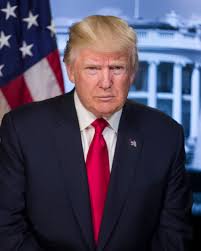
Donald Trump
TREASON EXAMPLE #2: On July 22, 2016, Wikileaks released 19,252 emails and 8,034 attachments hacked from computers of the highest-ranking officials of the Democratic National Committee (DNC). Early reports traced the leak to Russian hackers.
On July 27, 2016, during his campaign for President, Trump said at a press conference in Doral, Florida: “Russia, if you are listening, I hope you are able to find the 33,000 emails that are missing [from Democratic Presidential candidate Hillary Clinton’s computer]. I think you will probably be rewarded mightily by our press.”
This was nothing less than treason—calling upon a foreign power, hostile to the United States, to interfere in its Presidential election.
Hours later, the Main Intelligence Directorate in Moscow targeted Clinton’s personal office and hit more than 70 other Clinton campaign accounts.
Clinton Watts is a consultant and researcher on cyberwarfare. He has served as:
- An FBI Special Agent on a Joint Terrorism Task Force (JTTF);
- The Executive Officer of the Combating Terrorism Center at West Point (CTC); and
- A consultant to the FBI’s Counter Terrorism Division (CTD) and National Security Branch (NSB).
In a statement he prepared for the U.S. Senate Select Committee on Intelligence, Watts outlined cyberwarfare measures that Russia used to subvert the 2016 Presidential campaign.
He delivered this on March 30. 2017. Part of this reads as follows:
Through the end of 2015 and start of 2016, the Russian influence system….began pushing themes and messages seeking to influence the outcome of the U.S. Presidential election.
Russia’s overt media outlets and covert trolls sought to sideline opponents on both sides of the political spectrum with adversarial views toward the Kremlin. The final months leading up to the election have been the predominate focus of Russian influence discussions to date.

Clinton Watts
However, Russian Active Measures were in full swing during both the Republican and Democratic primary season and may have helped sink the hopes of candidates more hostile to Russian interests long before the field narrowed.
The final piece of Russia’s modern Active Measures surfaced in the summer of 2016 as hacked materials from previous months were strategically leaked.
On 22 July 2016, Wikileaks released troves of stolen communications from the Democratic National Committee and later batches of campaign emails. Guccifer 2.0 and DC Leaks revealed hacked information from a host of former U.S. government officials throughout July and August 2016.
For the remainder of the campaign season, this compromising material powered the influence system Russia successfully constructed in the previous two years.
TREASON EXAMPLE #3: Many of those Trump appointed to office had strong ties to the government of Russian President Vladimir Putin.
One of these was Secretary of State Rex Tillerson. In 2013, as the chief executive of ExxonMobil, he was presented with Russia’s Order of Friendship award. He had just signed deals with the state-owned Russian oil company Rosneft. Its chief, Igor Sechin, was a loyal Putin lieutenant.
2016 PRESIDENTIAL CAMPAIGN, ABC NEWS, AFGHANISTAN, ALTERNET, AMERICABLOG, AP, BABY BOOMER RESISTANCE, BARACK OBAMA, BLOOMBERG, BOB WOODWARD, BUZZFEED, CBS NEWS, CENTER FOR AMERICAN PROGRESS ACTION FUND, CIA, CLINTON WATTS, CNN, COVID-19, CRAIG UNGER, CROOKS AND LIARS, DAILY KOS, DAVID ROTHKOPF, DEPARTMENT OF HOMELAND SECURITY, DIRECTOR OF NATIONAL INTELLIGENCE, DONALD TRUMP, DONALD TRUMP JR., DRUDGE RETORT, ERIC TRUMP, FBI, FBI’S COUNTERTERRORISM DIVISION, FEAR: TRUMP IN THE WHITE HOUSE (BOOK), FIVETHIRTYEIGHT, FOX NEWS, G7, GEORGE PAPADOPOULOS, GREG MILLER, HARPER’S MAGAZINE, HILLARY CLINTON, HOUSE INTELLIGENCE COMMITTEE, HOUSE OF TRUMP HOUSE OF PUTIN (BOOK), HOWARD STERN, ISLAMIC STATE OF IRAQ AND SYRIA (ISIS), ISRAELI INTELLIGENCE, JAMES CARLOS BLAKE, JAMES COMEY, JARED KUSHNER, JEFF SESSIONS, JOE SCARBOROUGH, JOINT TERRORISM TASK FORCE, JOSEPH BIDEN, Kamala Harris, KAYLEIGH MCENANY, KIM JONG-UN, MAIN INTELLIGENCE DIRECTORATE, MALCOM W. NANCE, MEDIA MATTERS, MICHAEL FLYNN, MICHAEL ISIKOFF, MOSCOW PROJECT, MOTHER JONES, MOVEON, MSNBC, NATALIA VESELNITSKAYA, NATIONAL SECURITY AGENCY, NBC NEWS, NEWSWEEK, NPR, OFFICE OF THE DIRECTOR OF NATIONAL INTELLIGENCE, PAUL MANAFORT, PBS NEWSHOUR, PERIL (BOOK), POLITICO, POLITICUSUSA, PRESIDENT’S DAILY BRIEFING, PRINCETON UNIVERSITY, RAGE (BOOK), RAW STORY, REPUBLICAN PARTY, REPUBLICANS, REUTERS, REX TILLERSON, RICHARD M. NIXON, RINAT AKHMETSHIN, ROBERT S. MUELLER 111, ROD ROSENSTEIN, RUSSIA, RUSSIAN ROULETTE (BOOK), SALLY YATES, SALON, SEAL TEAM SIX, SEATTLE TIMES, SENATE INTELLIGENCE COMMITTEE, SERGEY KISLYAK, SERGEY LAVROV, SLATE, TALIBAN, TALKING POINTS MEMO, THE APPRENTICE (BOOK), THE ATLANTIC, THE CHICAGO SUN-TIMES, THE CHICAGO TRIBUNE, THE DAILY BEAST, THE DAILY BLOG, THE FRIENDS OFPANCHO VILLA (BOOK(), THE GUARDIAN, THE HILL, THE HUFFINGTON POST, THE LOS ANGELES TIMES, THE NATION, THE NEW REPUBLIC, THE NEW YORK TIMES, THE PLOT TO DESTROY DEMOCRACY (BOOK), THE VILLAGE VOICE, THE WASHINGTON POST, THINKPROGRESS, TIME, TREASON, TRUMP TOWER MEETING, TRUTHDIG, TRUTHOUT, TWO POLITICAL JUNKIES, U.S. NAVY SEALS, U.S. NEWS & WORLD REPORT, UNITED STATES DEPARTMENT OF JUSTICE, UNITED STATES DEPARTMENT OF STATE, UPI, USA TODAY, VANIT FAIR, VICTOR YANUKOVYCH, VLADIMIR PUTIN, WIKILEAKS, WILLIAM BARR, WONKETTE, X, XI JINPING
In Bureaucracy, History, Law, Law Enforcement, Military, Politics, Social commentary on May 15, 2026 at 12:08 am
The appointment of Robert S. Mueller as Special Counsel on May 17, 2017, aroused President Donald Trump’s greatest fears.
But in the end, Mueller did not dare force Trump to testify under oath. Nor did he issue a subpoena to compel Trump’s in-person testimony. The reason: To avoid a “protracted legal fight” that would have delayed the conclusion of the 22-month investigation.
Trump’s supporters claimed that he had been exonerated. In fact, the report did not exonerate him.
Yet even before the release of the long-awaited Mueller report, several deeply-researched and well-written books outlined Russia’s efforts to subvert the 2016 Presidential race. And they cast devastating light on Trump’s loyalty to the United States.
Among these:
- The Apprentice: Trump, Russia and the Subversion of Democracy, by Greg Miller
- House of Trump, House of Putin: The Untold Story of Donald Trump and the Russian Mafia, by Craig Unger
- Russian Roulette: The Inside Story of Putin’s War on America and the Election of Donald Trump, by Michael Isikoff
- The Plot to Destroy Democracy: How Putin and His Spies Are Undermining America and Dismantling the West, by Malcom W. Nance
According to its blurb on Amazon.com, The Apprentice is “based on interviews with hundreds of people in Trump’s inner circle, current and former government officials, individuals with close ties to the White House, members of the law enforcement and intelligence communities, foreign officials, and confidential documents.”
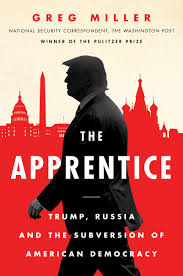
Among the subjects it covers:
- The Trump Tower meeting, where the Trump campaign sought “dirt” on Hillary Clinton from Russian Intelligence agents;
- The penetration by Russian Intelligence of computer systems used by Democrats;
- How Jared Kushner, Trump’s son-in-law, tried to set up a secret back channel to Moscow via Russian diplomatic facilities;
- Trump’s giving Russian officials highly classified secrets supplied by Israeli Intelligence;
- Trump’s clashes with the FBI and CIA.
Miller is a veteran investigative journalist and twice winner of the Pulitzer Prize. Among his stories: National security adviser Michael Flynn’s discussing ending U.S. sanctions on Russia with Russian officials prior to Trump’s inauguration. The story contributed to Flynn’s ouster.
House of Trump, House of Putin, whose jacket blurb describes Trump’s inauguration as “the culmination of Vladimir Putin’s long mission to undermine Western democracy, a mission that he and his hand-selected group of oligarchs and Mafia kingpins had ensnared Trump in, starting more than twenty years ago with the massive bailout of a string of sensational Trump hotel and casino failures in Atlantic City.

“…Craig Unger methodically traces the deep-rooted alliance between the highest echelons of American political operatives and the biggest players in the frightening underworld of the Russian Mafia. He traces Donald Trump’s sordid ascent from foundering real estate tycoon to leader of the free world….
“Without Trump, Russia would have lacked a key component in its attempts to return to imperial greatness. Without Russia, Trump would not be president.”
As an appendix to the book, Unger writes: “Donald Trump has repeatedly said he has nothing to do with Russia. Below are fifty-nine Trump connections to Russia.”
Russian Roulette, according to its dust jacket, “is a story of political skullduggery unprecedented in American history. It weaves together tales of international intrigue, cyber espionage, and superpower rivalry.
“After U.S.-Russia relations soured, as Vladimir Putin moved to reassert Russian strength on the global stage, Moscow trained its best hackers and trolls on U.S. political targets and exploited WikiLeaks to disseminate information that could affect the 2016 election.
“The Russians were wildly successful and the great break-in of 2016 was no ‘third-rate burglary.’ It was far more sophisticated and sinister—a brazen act of political espionage designed to interfere with American democracy. At the end of the day, Trump, the candidate who pursued business deals in Russia, won….
“This story of high-tech spying and multiple political feuds is told against the backdrop of Trump’s strange relationship with Putin and the curious ties between members of his inner circle—including Paul Manafort and Michael Flynn—and Russia.”
Malcom Nance, the author of The Plot to Destroy Democracy, is an Intelligence and foreign policy analyst and media commentator on terrorism, Intelligence, insurgency and torture.
In his book, he outlines how “Donald Trump was made President of the United States with the assistance of a foreign power.

“[It is] the dramatic story of how blackmail, espionage, assassination, and psychological warfare were used by Vladimir Putin and his spy agencies to steal the 2016 U.S. election—and attempted to bring about the fall of NATO, the European Union, and western democracy….
“Nance has utilized top secret Russian-sourced political and hybrid warfare strategy documents to demonstrate the master plan to undermine American institutions that has been in effect from the Cold War to the present day.
“Based on original research and countless interviews with espionage experts, Nance examines how Putin’s recent hacking accomplished a crucial first step for destabilizing the West for Russia, and why Putin is just the man to do it.”
These books—combined with the findings of the Mueller report—clearly establish the damning conclusion: The man who sat in the Oval Office from 2017 to 2021 and who sits in it now—was an illegitimate usurper, installed by an unholy alliance of American Fascists and Russian Communists.
2016 PRESIDENTIAL RACE, ABC NEWS, ALEXANDRIA OCASIO-CORTEZ, ALTERNET, AP, AYANNA PRESSLEY, BRIBERY, BUZZFEED, CBS NEWS, CNN, CROOKS AND LIARS, DAILY KOS, DAVID BERLANGA, DONALD TRUMP, ERIC SCHNEIDERMAN, FRANCISCO "PANCHO" VILLA, GREG ABBOTT, ILHAN OMAR, INTIMIDATION, IRAN, IRAN WAR, JAMES CARLOS BLAKE, JEFF SESSIONS, JOHN OWENS, KEN PAXTON, MEXICAN REVOLUTION, MOTHER JONES, MOVEON, MSNBC, NBC NEWS, NEWSWEEK, NON-DISCLOSURE AGREEMENTS, NPR, PAM BONDI, PBS NEWSHOUR, POLITICO, RASHIDA TLAIB, RAW STORY, REPUBLICAN CONVENTION, REUTERS, ROBERT MUELLER, ROD ROSENSTEIN, RODOLFO FIERRO, SALON, SEATTLE TIMES, SLATE, STRAIT OF HORMUZ, THE ATLANTIC, THE CHICAGO SUN-TIMES, THE CHICAGO TRIBUNE, THE DAILY BEAST, THE FRIENDS OF PANCHO VILLA (BOOK), THE GUARDIAN, THE HILL, THE HUFFINGTON POST, THE LOS ANGELES TIMES, THE NATION, THE NEW YORK TIMES, THE WASHINGTON POST, TIME, TRUMP UNIVERSITY, U.S. NEWS & WORLD REPORT, UPI, USA TODAY, X
In Bureaucracy, History, Law, Law Enforcement, Politics, Social commentary on May 4, 2026 at 12:43 am
When Donald Trump—as a businessman and President—has been confronted by men and women who can’t be bribed or intimidated, he has reacted with rage and frustration.
- Trump boasted that he “never” settled cases out of court. But New York Attorney General Eric Schneiderman pressed fraud claims against the real estate mogul’s counterfeit Trump University in 2013—and in 2016 Trump settled the case out of court rather than take the stand.
- “Today’s $25 million settlement agreement is a stunning reversal by Donald Trump,” said Schneiderman on November 18, 2016, “and a major victory for the over 6,000 victims of his fraudulent university.”

Donald Trump
- On May 17, 2017, Deputy Attorney General Rod Rosenstein appointed former FBI Director Robert S. Mueller to investigate links between Russian Intelligence agents and the 2016 Trump Presidential campaign.
- At the news, Trump wailed: “Oh my God. This is terrible. This is the end of my Presidency. I’m fucked.” He threatened to fire Mueller, but aides talked him out of it by warning it could lead to his impeachment.
- On February 28, 2026, Trump—and Israel—launched devastating airstrikes against Iran. Asked by a reporter how long the war would last, Trump arrogantly replied: “Any time I want it to end, it will end.”
- But then—to Trump’s surprise—Iran closed the Strait of Hormuz, through which 20% to 30% of the world’s total daily oil supply passes.
- By May 1, the national average for a gallon of regular gas in the United States reached $4.30, compared to $2.98 before the war.

Strait of Hormuz
- On April 7, Trump threatened: “A whole civilization will die tonight, never to be brought back again. I don’t want that to happen, but it probably will.”
- When the Iranians stood firm and world leaders condemned him for threatening genocide, Trump backed off.
- On April 8, Trump and Iranian leaders agreed to a two-week ceasefire—less than two hours before Trump’s deadline.
- But then Trump ordered the United States Navy to blockade Iran’s ports—even after Iran officially declared the Strait of Hormuz again open.
- In response, Iran declared the Strait closed as long as the U.S. blockade of Iranian ports remained in place.
- This left Trump with two unpalatable choices: Expand his unpopular war and watch gas prices continue to rise, or remove the naval blockade and appear weak.
* * * * * * * * * *
Perhaps the key to Trump’s innermost fear can be found in a work of fiction—in this case, the 1996 historical novel, The Friends of Pancho Villa, by James Carlos Blake.

The book depicts the Mexican Revolution (1910 – 1920) and its most famous revolutionary, Francisco “Pancho” Villa. it’s told from the viewpoint of Rodolfo Fierro, Villa’s most feared executioner. In one day, for example, Fierro—using two revolvers—executed 300 captured Federale soldiers.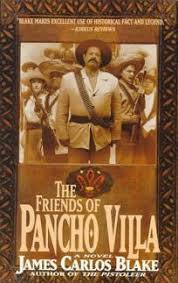
As in history, Blake’s Fierro presides over the execution of David Berlanga, a journalist who had dared criticize the often loutish behavior of Villa’s men.
On Villa’s command, Fierro approaches Berlanga in a Mexico City restaurant and orders: “Come with me.”
Standing against a barracks wall, Berlanga lights a cigar and requests permission to finish it. He then proceeds to smoke it with such a steady hand that its unbroken ash extends almost four inches.
The cigar finished, the ash still unbroken, Berlanga drops the butt to the ground and says calmly: “I’m ready.”
Then the assembled firing squad does its work.
Later, Fierro is so shaken by Berlanga’s sheer fearlessness that he seeks an explanation for it. Sitting in a cantina, he lights a cigar and tries to duplicate Berlanga’s four-inch length.
But the best he can do is less than three inches. He concludes that Berlanga used a trick—but he can’t figure it out.

Rodolfo Fierro
It had to be a trick, Fierro insists, because, if it wasn’t, there were only two other explanations for such a calm demeanor in the face of impending death.
The first was insanity. But Fierro rules this out: He had studied Berlanga’s eyes and found no madness there.
That leaves only one other explanation (other than a trick): Sheer courage.
And Fierro can’t accept this, either—because it’s disturbing.
“The power of men like me does not come solely from our ability to kill….No, the true source of our power is so obvious it sometimes goes unnoticed for what it is: Our power comes from other men’s lack of courage.
“There is even less courage in this world than there is talent for killing. Men like me rule because most men are faint of heart in the shadow of death.
“But a man brave enough to control his fear of being killed, control it so well that no tremor reaches his fingers and no sign shows in his eyes…well. Such a man cannot be ruled, he can only be killed.”
* * * * *
Throughout his life, Trump has relied on bribery and intimidation. He well understands the power of greed and fear over most people.
But what he doesn’t understand—and truly fears—is that some people cannot be bought or frightened.
People like Eric Schneiderman. Like Robert Mueller. And like Alexandria Ocasio-Cortez.
2016 PRESIDENTIAL RACE, ABC NEWS, ALEXANDRIA OCASIO-CORTEZ, ALTERNET, AP, AYANNA PRESSLEY, BOB WOODWARD, BRIBERY, BUZZFEED, CBS NEWS, CNN, CROOKS AND LIARS, DAILY KOZ, DAVID BERLANGA, ERIC SCHNEIDERMAN, FACEBOOK, FRANCISCO "PANCHO" VILLA, GREG ABBOTT, ILHAN OMAR, INTIMIDATION, IRAN, IRAN WAR, JAMES CARLOS BLAKE, JEFF SESSIONS, JOHN OWENS, KEN PAXTON, MEXICAN REVOLUTION, MOTHER JONES, MOVEON, MSNBC, NBC NEWS, NEWSWEEK, NON-DISCLOSURE AGREEMENTS, NPR, PAM BONDI, PBS NEWSHOUR, POLITICO, RASHIDA TLAIB, RAW STORY, REPUBLICAN CONVENTION, REUTERS, ROBERT MUELLER, ROD ROSENSTEIN, RODOLFO FIERRO, SALON, SEATTLE TIMES, SLATE, STRAIT OF HORMUZ, THE ATLANTIC, THE CHICAGO SUN-TIMES, THE CHICAGO TRIBUNE, THE DAILY BEAST, THE FRIENDS OF PANCHO VILLA (BOOK), THE GUARDIAN, THE HILL, THE HUFFINGTON POST, THE LOS ANGELES TIMES, THE NATION, THE NEW YORK TIMES, THE WASHINGTON POST, TIME, TRUMP UNIVERSITY, U.S. NEWS & WORLD REPORT, UPI, USA TODAY, USA TODAY DONALD TRUMP, X
In Bureaucracy, History, Law, Law Enforcement, Politics, Social commentary on May 1, 2026 at 12:11 am
On July 14, 2019, President Donald Trump unleashed a brutal Twitter attack on four Democratic members of the House of Representatives who had harshly criticized his anti-immigration policies:
“So interesting to see “Progressive” Democrat Congresswomen, who originally came from countries whose governments are a complete and total catastrophe, the worst, most corrupt and inept anywhere in the world (if they even have a functioning government at all), now loudly……
“….and viciously telling the people of the United States, the greatest and most powerful Nation on earth, how our government is to be run. Why don’t they go back and help fix the totally broken and crime infested places from which they came. Then come back and show us how….
“….it is done. These places need your help badly, you can’t leave fast enough. I’m sure that Nancy Pelosi would be very happy to quickly work out free travel arrangements!”
Donald Trump
The Democrats—all female, and all non-white—were:
- Alexandria Ocasio-Cortez of New York;
- Rashida Tlaib of Michigan;
- Ilhan Omar of Minnesota and
- Ayanna Pressley of Massachusetts.
Of the Congresswomen that Trump singled out:
- Cortez was born in New York City.
- Tlaib was born in Detroit, Michigan.
- Pressley was born in Cincinnati, Ohio.
Only Omar was born outside the United States—in Somalia. And she became an American citizen in 2000 when she was 17 years old.
Critics have assailed Trump as racist for implying that these women were not United States citizens.
Moreover, as members of Congress, they had a legal right to declare “how our government is to be run.” Republicans in the House and Senate vigorously—and often viciously—asserted that right during the Presidency of Barack Obama.
Ocasio-Cortez quickly struck back on Twitter on the same day:
“You are angry because you don’t believe in an America where I represent New York 14, where the good people of Minnesota elected , where fights for Michigan families, where fi champions little girls in Boston.
“You are angry because you can’t conceive of an America that includes us. You rely on a frightened America for your plunder.
“You won’t accept a nation that sees healthcare as a right or education as a #1 priority, especially where we’re the ones fighting for it. Yet here we are.”
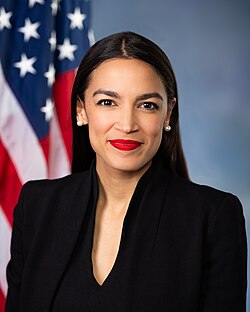
Alexandria Ocasio-Cortez
But then followed the most significant part of Cortez’ reply:
“But you know what’s the rub of it all, Mr. President? On top of not accepting an America that elected us, you cannot accept that we don’t fear you, either.
“You can’t accept that we will call your bluff & offer a positive vision for this country. And that’s what makes you seethe.”
“You cannot accept that we don’t fear you, either.”
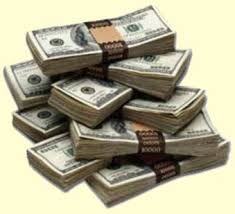
For all his adult life, Donald Trump—as a businessman, Presidential candidate and now President—has trafficked in bribery and coercion. First bribery:
- Florida Attorney General Pam Bondi (later United States Attorney General) personally solicited a political contribution from Trump at the same time her office deliberated joining an investigation of alleged fraud at Trump University and its affiliates.
- After Bondi dropped the Trump University case, he wrote her a $25,000 check for her re-election campaign. The money came from the Donald J. Trump Foundation.
- Republican Texas Attorney General Ken Paxton moved to muzzle a former state regulator who said he was ordered in 2010 to drop a fraud investigation into Trump University for political reasons.
- Paxton’s office issued a cease and desist letter to former Deputy Chief of Consumer Protection John Owens after he made public copies of a 14-page internal summary of the state’s case against Trump for scamming millions from students of his now-defunct real estate seminar.
- After the Texas case was dropped, Trump cut a $35,000 check to the gubernatorial campaign of then-attorney general and now Texas Governor Greg Abbott.
Now coercion:
- Throughout his career as a businessman, Trump forced his employees to sign Non-Disclosure Agreements, threatening them with lawsuits if they revealed secrets of his greed and/or criminality.
- In 1981, Trump bought a 14-story building on prime real estate facing New York City’s Central Park. He planned to tear it down and replace it with luxury condos. But first he needed to evict a small band of rent-stabilized tenants.
- Among his tactics: Threatening evictions, ignoring a rat infestation, and shutting off the heat and hot water. Trump ultimately paid out over $500,000 to the tenants and agreed to government monitoring,
- n 2016, USA Today found that Trump was involved in over 3,500 lawsuits during the previous 30 years: “At least 60 lawsuits, along with hundreds of liens, judgments, and other government filings” were from contractors claiming they got stiffed.
- During his second Presidential campaign debate with Hillary Clinton in 2016, he stalked her around the stage as she spoke.
- On April 1, 2026, Trump attended oral arguments at the Supreme Court regarding his executive order seeking to end birthright citizenship. His purpose: To stare down any Justices who might dare oppose him. When it became clear to him the Justices were not intimidated, he left.
But when he has confronted men and women who can’t be bribed or intimidated, Trump has reacted with rage and desperation.
ABC NEWS, ALTERNET, AMERICABLOG, AP, BABY BOOMER RESISTANCE, BBC, BECCA GOOD, BLOOMBERG, BLUESKY, BUZZFEED, CBS NEWS, CNN, CROOKS AND LIARS, DAILY KOS, DAVID BERLANGA, DEPARTMENT OF HOMELAND SECURITY (DHS), FIVETHIRTYEIGHT, FRANCISCO "PANCHO" VILLA, HARPER’S MAGAZINE, HUFFINGTON POST, ILHAN OMAR, IMMIGRATION AND CUSTOMS ENFORCEMENT (ICE), INTIMIDATION, JAMES CARLOS BLAKE, JONATHAN ROSS, KEITH ELLISON, MEDIA MATTERS, MEXICAN REVOLUTION, MINNEAPOLIS, MINNESOTA, MOTHER JONES, MOVEON, MSNBC, NBC NEWS, NEWSDAY, NEWSWEEK, NPR, PBS NEWSHOUR, POLITICO, POLITICUSUSA, RAW STORY, RENEE GOOD, REUTERS, RODOLFO FIERRO, SALON, SEATTLE TIMES, SLATE, TALKING POINTS MEMO, THE ATLANTIC, THE CHICAGO SUN-TIMES, THE CHICAGO TRIBUNE, THE DAILY BEAST, THE DAILY BLOG, THE FRIENDS OF PANCHO VILLA (BOOK), THE GUARDIAN, THE HILL, THE HUFFINGTON POST, THE INTERCEPT, THE LOS ANGELES TIMES, THE NATION, THE NEW REPUBLIC, THE NEW YORK TIMES, THE NEW YORKER, THE VILLAGE VOICE, THE WASHINGTON POST, THINKPROGRESS, TIME, TRUTHDIG, TRUTHOUT, TWO POLITICAL JUNKIES, U.S. NEWS & WORLD REPORT, UPI, USA TODAY, X
In Bureaucracy, History, Law, Law Enforcement, Politics, Social commentary on January 20, 2026 at 12:11 am
On January 7, Renee Nicole Good, a 37-year-old writer and poet, was fatally shot three times by Immigration and Customs Enforcement (ICE) agent Jonathan Ross in Minneapolis, Minnesota.
A day earlier, the Department of Homeland Security (DHS) had announced what it called the largest immigration enforcement operation ever carried out, sending 2,000 agents to the Minneapolis-Saint Paul metropolitan area.
According to Minnesota Attorney General Keith Ellison and United States Representative Ilhan Omar, Good was acting as a legal observer of ICE’s activities at the time of her encounter with Ross. But Good’s ex-husband said that she had dropped her son off at school and was on her way home with her partner “when they came upon a group of ICE agents.”
Good was in her SUV, stopped sideways in the street when Ross drove his SUV around her car. He stopped ahead of her, began recording video, and stepped out with his face covered. Ross recorded Good’s face and rear license plate. Good stated: “That’s fine, dude. I’m not mad at you.”
Good’s partner, Becca Good, standing behind their SUV, told the agent: “Hey, show your face, Big Boy. Show your face. That’s OK. We don’t change our plates every morning, just so you know. This will be the same plate when you come talk to us later. That’s fine. US citizen, former fucking veteran, disabled veteran.”
Other agents approached, and one repeatedly yelled, “Get out of the fucking car!” as he reached through her open window.

Renee Good
Ross moved to the front-left of the vehicle as Good briefly reversed, then began driving into the direction of traffic while turning away from Ross. While remaining upright, Ross fired three shots, killing her: one through the windshield, then two through the open driver’s side window from the side of her vehicle as it passed him.
He later drove away from the scene.
The SUV continued down the street until crashing into a parked car and light pole. An agent’s voice captured on Ross’ body camera shouted, “Fucking bitch!”
Some have speculated that Good died because she and her partner had refused to show fear or even anger toward Ross, and this may have enraged him.
Those who lust for power over others demand deference, if not subservience. And when it’s not forthcoming, they can only respond with violence.
This is best illustrated in a work of fiction: The 1996 historical novel, The Friends of Pancho Villa, by James Carlos Blake.

The book depicts the Mexican Revolution (1910 – 1920) and its most famous revolutionary, Francisco “Pancho” Villa. It’s told from the viewpoint of Rodolfo Fierro, Villa’s most feared executioner. In one day, for example, Fierro—using two revolvers—executed 300 captured Federale soldiers.
As in history, Blake’s Fierro presides over the execution of David Berlanga, a journalist who had dared criticize the often loutish behavior of Villa’s men.
On Villa’s command, Fierro approaches Berlanga in a Mexico City restaurant and orders: “Come with me.”
Standing against a barracks wall, Berlanga lights a cigar and requests permission to finish it. He then proceeds to smoke it with such a steady hand that its unbroken ash extends almost four inches.
The cigar finished, the ash still unbroken, Berlanga drops the butt to the ground and says calmly: “I’m ready.”
Then the assembled firing squad does its work.
Later, Fierro is so shaken by Berlanga’s sheer fearlessness that he seeks an explanation for it. Sitting in a cantina, he lights a cigar and tries to duplicate Berlanga’s four-inch length.
But the best he can do is less than three inches. He concludes that Berlanga used a trick—but he can’t figure it out.

Rodolfo Fierro
It had to be a trick, Fierro insists, because, if it wasn’t, there were only two other explanations for such a calm demeanor in the face of impending death.
The first was insanity. But Fierro rules this out: He had studied Berlanga’s eyes and found no madness there.
That leaves only one other explanation (other than a trick): Sheer courage.
And Fierro can’t accept this, either—because it’s disturbing.
“The power of men like me does not come solely from our ability to kill….No, the true source of our power is so obvious it sometimes goes unnoticed for what it is: Our power comes from other men’s lack of courage.
“There is even less courage in this world than there is talent for killing. Men like me rule because most men are faint of heart in the shadow of death.
“But a man brave enough to control his fear of being killed, control it so well that no tremor reaches his fingers and no sign shows in his eyes…well. Such a man cannot be ruled, he can only be killed.”
* * * * *
Throughout his life, Donald Trump has relied on intimidation to gain his ends. And his private police-army, ICE, well understands the power of fear it holds over most people.
What he, and they, cannot understand—and truly fear—is that some people cannot be frightened. They can only be killed.
People like Renee Good.
2016 PRESIDENTIAL RACE, ABC NEWS, ADOLF HITLER, ALEXANDRIA OCASIO-CORTEZ, ALTERNET, AMERICABLOG, AP, AYANNA PRESSLEY, BABY BOOMER RESISTANCE, BARACK OBAMA, BBC, BC NEWS, BLOOMBERG, BLUESKY, BOB WOODWARD, BRIBERY, BUZZFEED, CANADA, CBS NEWS, CNN, CROOKS AND LIARS, DAILY KOS, DAVID BERLANGA, DONALD TRUMP, ERIC SCHNEIDERMAN, FIVETHIRTYEIGHT, FRANCISCO "PANCHO" VILLA, GREG ABBOTT, HARPER’S MAGAZINE, HUFFINGTON POST, ILHAN OMAR, INTIMIDATION, JAMES CARLOS BLAKE, JEFF SESSIONS, JOHN OWENS, KEN PAXTON, MEDIA MATTERS, MEXICAN REVOLUTION, MEXICO, MOTHER JONES, MOVEON, MSNBC, NBC NEWS, NEWSDAY, NEWSWEEK, NICCOLO MACHIAVELLI, NON-DISCLOSURE AGREEMENTS, NPR, PAM BONDI, PBS NEWSHOUR, POLITICO, POLITICUSUSA, RASHIDA TLAIB, RAW STORY, REPUBLICAN CONVENTION, REPUBLICANS, REUTERS, ROBERT MUELLER, ROBERT PAYNE, ROD ROSENSTEIN, RODOLFO FIERRO, SALON, SEATTLE TIMES, SLATE, TALKING POINTS MEMO, TARIFFS, THE ATLANTIC, THE CHICAGO SUN-TIMES, THE CHICAGO TRIBUNE, THE DAILY BEAST, THE DAILY BLOG, THE DISCOURSES, THE DISCOURSES (BOOK), THE FRIENDS OF PANCHO VILLA (BOOK), THE GUARDIAN, THE HILL, THE HUFFINGTON POST, THE INTERCEPT, THE LIFE AND DEATH OF ADOLF HITLER (BOOK), THE LOS ANGELES TIMES, THE NATION, THE NEW REPUBLIC, THE NEW YORK TIMES, THE NEW YORKER, THE VILLAGE VOICE, THE WASHINGTON POST, THINKPROGRESS, TIME, TRUMP UNIVERSITY, TRUTHDIG, TRUTHOUT, TWO POLITICAL JUNKIES, U.S. NEWS & WORLD REPORT, UPI, USA TODAY, X, ZOHRAN MAMDANI
In Bureaucracy, History, Law, Law Enforcement, Politics, Social commentary on November 18, 2025 at 12:10 am
…A truly great man is ever the same under all circumstances. And if his fortune varies, exalting him at one moment and oppressing him at another, he himself never varies, but always preserves a firm courage, which is so closely interwoven with his character that everyone can readily see that the fickleness of fortune has no power over him.
The conduct of weak men is very different. Made vain and intoxicated by good fortune, they attribute their success to merits which they do not possess. And this makes them odious and insupportable to all around them. And when they have afterwards to meet a reverse of fortune, they quickly fall into the other extreme, and become abject and vile.
—Niccolo Machiavelli, The Discourses
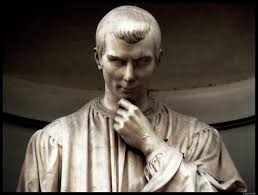
Niccolo Machiavelli
When Donald Trump—as a businessman and President—has been confronted by men and women who can’t be bribed or intimidated, he has reacted with rage and frustration.
- Trump boasted that he “never” settled cases out of court. But New York Attorney General Eric Schneiderman pressed fraud claims against the real estate mogul’s counterfeit Trump University—and Trump settled the case out of court rather than take the stand.
- On May 17, 2017, Deputy Attorney General Rod Rosenstein appointed former FBI Director Robert S. Mueller to investigate links between Russian Intelligence agents and the 2016 Trump Presidential campaign.
- Upon learning of his appointment, Trump wailed: “Oh my God. This is terrible. This is the end of my Presidency. I’m fucked.”
- Throughout Mueller’s probe, Trump hurled repeated insults at him via Twitter and press conferences. His shills within Fox News and the Republican party attacked Mueller’s integrity and investigative methods. But Trump didn’t risk firing him, fearing impeachment.

Robert Mueller
- When “democratic socialist” Zohran Mamdani declared his candidacy for New York City mayor on October 23, 2024, Trump viciously and repeatedly attacked him as a “communist.” He even threatened to cut off Federal aid to New York City.
- Mamdami’s “communist” goals included support for universal child care and constructing 200,000 new affordable housing units.
- When Mamdani overwhelmingly won election on November 4, he sannounced “If anyone can show a nation betrayed by Donald Trump how to defeat him, it is the city that gave rise to him.”
- Trump responded the next day: “I hope it works out for New York. We’ll help him a little bit, maybe.”
Perhaps the key to Trump’s innermost fear can be found in a work of fiction—in this case, the 1996 historical novel, The Friends of Pancho Villa, by James Carlos Blake.
The book depicts the Mexican Revolution (1910 – 1920) and its most famous revolutionary, Francisco “Pancho” Villa. it’s told from the viewpoint of Rodolfo Fierro, Villa’s most feared executioner. In one day, for example, Fierro—using two revolvers—executed 300 captured Federale soldiers.
As in history, Blake’s Fierro presides over the execution of David Berlanga, a journalist who had dared criticize the often loutish behavior of Villa’s men.
On Villa’s command, Fierro approaches Berlanga in a Mexico City restaurant and orders: “Come with me.”
Standing against a barracks wall, Berlanga lights a cigar and requests permission to finish it. He then proceeds to smoke it with such a steady hand that its unbroken ash extends almost four inches.
The cigar finished, the ash still unbroken, Berlanga drops the butt to the ground and says calmly: “I’m ready.”
Then the assembled firing squad does its work.
Later, Fierro is so shaken by Berlanga’s sheer fearlessness that he seeks an explanation for it. Sitting in a cantina, he lights a cigar and tries to duplicate Berlanga’s four-inch length.
But the best he can do is less than three inches. He concludes that Berlanga used a trick—but he can’t figure it out.

Rodolfo Fierro
It had to be a trick, Fierro insists, because, if it wasn’t, there were only two other explanations for such a calm demeanor in the face of impending death.
The first was insanity. But Fierro rules this out: He had studied Berlanga’s eyes and found no madness there.
That leaves only one other explanation (other than a trick): Sheer courage.
And Fierro can’t accept this, either—because it’s disturbing.
“The power of men like me does not come solely from our ability to kill….No, the true source of our power is so obvious it sometimes goes unnoticed for what it is: our power comes from other men’s lack of courage.
“There is even less courage in this world than there is talent for killing. Men like me rule because most men are faint of heart in the shadow of death.
“But a man brave enough to control his fear of being killed, control it so well that no tremor reaches his fingers and no sign shows in his eyes…well. Such a man cannot be ruled, he can only be killed.”
Throughout his life, Trump has relied on bribery and intimidation. He well understands the power of greed and fear over most people.
What he doesn’t understand—and truly fears—is that some people cannot be bought or frightened.
Like Alexandria Ocasio-Cortez. Like Robert Mueller. And like Zohran Mamdani.
2016 PRESIDENTIAL RACE, ABC NEWS, ADOLF HITLER, ALEXANDRIA OCASIO-CORTEZ, ALTERNET, AMERICABLOG, AP, AYANNA PRESSLEY, BABY BOOMER RESISTANCE, BARACK OBAMA, BBC, BC NEWS, BLOOMBERG, BLUESKY, BOB WOODWARD, BRIBERY, BUZZFEED, CANADA, CBS NEWS, CNN, CROOKS AND LIARS, DAILY KOS, DAVID BERLANGA, DONALD TRUMP, ERIC SCHNEIDERMAN, FIVETHIRTYEIGHT, FRANCISCO "PANCHO" VILLA, GREG ABBOTT, HARPER’S MAGAZINE, HUFFINGTON POST, ILHAN OMAR, INTIMIDATION, JAMES CARLOS BLAKE, JEFF SESSIONS, JOHN OWENS, KEN PAXTON, MEDIA MATTERS, MEXICAN REVOLUTION, MEXICO, MOTHER JONES, MOVEON, MSNBC, NBC NEWS, NEWSDAY, NEWSWEEK, NICCOLO MACHIAVELLI, NON-DISCLOSURE AGREEMENTS, NPR, PAM BONDI, PBS NEWSHOUR, POLITICO, POLITICUSUSA, RASHIDA TLAIB, RAW STORY, REPUBLICAN CONVENTION, REPUBLICANS, REUTERS, ROBERT MUELLER, ROBERT PAYNE, ROD ROSENSTEIN, RODOLFO FIERRO, SALON, SEATTLE TIMES, SLATE, TALKING POINTS MEMO, TARIFFS, THE ATLANTIC, THE CHICAGO SUN-TIMES, THE CHICAGO TRIBUNE, THE DAILY BEAST, THE DAILY BLOG, THE DISCOURSES, THE DISCOURSES (BOOK), THE FRIENDS OF PANCHO VILLA (BOOK), THE GUARDIAN, THE HILL, THE HUFFINGTON POST, THE INTERCEPT, THE LIFE AND DEATH OF ADOLF HITLER (BOOK), THE LOS ANGELES TIMES, THE NATION, THE NEW REPUBLIC, THE NEW YORK TIMES, THE NEW YORKER, THE VILLAGE VOICE, THE WASHINGTON POST, THINKPROGRESS, TIME, TRUMP UNIVERSITY, TRUTHDIG, TRUTHOUT, TWO POLITICAL JUNKIES, U.S. NEWS & WORLD REPORT, UPI, USA TODAY, X, ZOHRAN MAMDANI
In Bureaucracy, History, Law, Law Enforcement, Politics, Social commentary on November 17, 2025 at 12:10 am
There’s a reason why Donald Trump loves tariffs—and it has nothing to do with economics.
It has everything to do with fear.
On January 20, 2025, his first day in office, he announced that he would impose 25% tariffs on Canada and Mexico starting February 1.
He could have opened well-intentioned negotiations with Canada and Mexico over what he considered an unfair trade imbalance. But he sees conciliation as a sign of weakness.
Exactly as Adolf Hitler did.
Robert Payne, author of the bestselling biography, The Life and Death of Adolf Hitler (1973), described Hitler’s—and Trump’s—“negotiating” style thus:
“He was incapable of bargaining. He was like a man who goes up to a fruit peddler and threatens to blow his brains out if he does not sell his applies at the lowest possible price.”
A similar example of his aggressiveness occurred during his first administration.
On July 14, 2019, Trump unleashed a brutal Twitter attack on four Democratic members of the House of Representatives who had harshly criticized his anti-immigration policies:
The Democrats—all female, and all non-white—were:
- Alexandria Ocasio-Cortez of New York;
- Rashida Tlaib of Michigan;
- Ilhan Omar of Minnesota and
- Ayanna Pressley of Massachusetts.
Of the Congresswomen that Trump singled out:
- Cortez was born in New York City.
- Tlaib was born in Detroit, Michigan.
- Pressley was born in Cincinnati, Ohio.
Only Omar was born outside the United States—in Somalia. And she became an American citizen in 2000 when she was 17 years old.
Critics assailed Trump as racist for implying that these women were not United States citizens.
Moreover, as members of Congress, they had a legal right to declare “how our government is to be run.” House and Senate Republicans had vigorously—and often viciously—asserted that right during the Presidency of Barack Obama.
Donald Trump
Ocasio-Cortez quickly struck back on Twitter on the same day: “You are angry because you don’t believe in an America where I represent New York 14, where the good people of Minnesota elected , where fights for Michigan families, where champions little girls in Boston.
“You are angry because you can’t conceive of an America that includes us. You rely on a frightened America for your plunder.
“You won’t accept a nation that sees healthcare as a right or education as a #1 priority, especially where we’re the ones fighting for it. Yet here we are.”
Alexandria Ocasio-Cortez
But then followed the most significant part of Cortez’ reply:
“But you know what’s the rub of it all, Mr. President? On top of not accepting an America that elected us, you cannot accept that we don’t fear you, either.
“You can’t accept that we will call your bluff & offer a positive vision for this country. And that’s what makes you seethe.”
For all his adult life, Donald Trump—as a businessman, Presidential candidate and twice-elected President—has trafficked in bribery and coercion. First bribery:
- Florida Attorney General Pam Bondi (now United States Attorney General) personally solicited a political contribution from Donald Trump around the same time her office deliberated joining an investigation of alleged fraud at Trump University and its affiliates.
- After Bondi dropped the Trump University case, he wrote her a $25,000 check for her re-election campaign. The money came from the Donald J. Trump Foundation.
- Republican Texas Attorney General Ken Paxton moved to muzzle a former state regulator who says he was ordered in 2010 to drop a fraud investigation into Trump University for political reasons.
- Paxton’s office issued a cease and desist letter to former Deputy Chief of Consumer Protection John Owens after he made public copies of a 14-page internal summary of the state’s case against Donald Trump for scamming millions from students of his now-defunct real estate seminar.
- After the Texas case was dropped, Trump cut a $35,000 check to the gubernatorial campaign of then-attorney general and now Texas Governor Greg Abbott.
Now coercion:
- Throughout his career as a businessman, Trump forced his employees to sign Non-Disclosure Agreements, threatening them with lawsuits if they revealed secrets of his greed and/or criminality.
- In 2016. USA Today found that Trump was involved in over 3,500 lawsuits during the previous 30 years: “At least 60 lawsuits, along with hundreds of liens, judgments, and other government filings” were from contractors claiming they got stiffed.
- On March 16, 2016, as a Republican Presidential candidate, Trump warned Republicans that if he didn’t win the GOP nomination in July, his supporters would literally riot: “I think you’d have riots. I think you would see problems like you’ve never seen before. I think bad things would happen, I really do. I wouldn’t lead it, but I think bad things would happen.”
- An NBC reporter summed it up as: “The message to Republicans was clear: ‘Nice convention you got there. Shame if something happened to it.'”
- Speaking with Bob Woodward, the legendary Washington Post investigative reporter, Trump confessed: “Real power is—I don’t even want to use the word—fear.”
- During his Presidential campaign he encouraged Right-wing thugs to attack dissenters at his rallies, even claiming he would pay their legal expenses (which he didn’t).
But when he has confronted men and women who can’t be bribed or intimidated, Trump has reacted with rage and desperation.
2016 PRESIDENTIAL RACE, ABC NEWS, ALEXANDRIA OCASIO-CORTEZ, ALTERNET, AP, AYANNA PRESSLEY, BOB WOODWARD, BRIBERY, BUZZFEED, CBS NEWS, CNN, CROOKS AND LIARS, DAILY KOZ, DAVID BERLANGA, DONALD TRUMP, ELLIOT NESS, ERIC SCHNEIDERMAN, FACEBOOK, FRANCISCO "PANCHO" VILLA, GREG ABBOTT, ILHAN OMAR, INTIMIDATION, JAMES CARLOS BLAKE, JEFF SESSIONS, JOHN OWENS, KEN PAXTON, MEXICAN REVOLUTION, MOTHER JONES, MOVEON, MSNBC, NBC NEWS, NEWSWEEK, NICCOLO MACHIAVELLI, NON-DISCLOSURE AGREEMENTS, NPR, PAM BONDI, PBS NEWSHOUR, POLITICO, RASHIDA TLAIB, RAW STORY, REPUBLICAN CONVENTION, REUTERS, ROBERT MUELLER, ROD ROSENSTEIN, RODOLFO FIERRO, SALON, SEATTLE TIMES, SLATE, THE ATLANTIC, THE CHICAGO SUN-TIMES, THE CHICAGO TRIBUNE, THE DAILY BEAST, THE DISCOURSES, THE FRIENDS OF PANCHO VILLA (BOOK), THE GUARDIAN, THE HILL, THE HUFFINGTON POST, THE LOS ANGELES TIMES, THE NATION, THE NEW YORK TIMES, THE WASHINGTON POST, TIME, TRUMP UNIVERSITY, U.S. NEWS & WORLD REPORT, UPI, USA TODAY, X
In Bureaucracy, History, Law, Law Enforcement, Politics, Social commentary on April 1, 2025 at 12:10 am
…A truly great man is ever the same under all circumstances. And if his fortune varies, exalting him at one moment and oppressing him at another, he himself never varies, but always preserves a firm courage, which is so closely interwoven with his character that everyone can readily see that the fickleness of fortune has no power over him.
The conduct of weak men is very different. Made vain and intoxicated by good fortune, they attribute their success to merits which they do not possess. And this makes them odious and insupportable to all around them. And when they have afterwards to meet a reverse of fortune, they quickly fall into the other extreme, and become abject and vile.
—Niccolo Machiavelli, The Discourses
Niccolo Machiavelli
When Donald Trump—as a businessman and President—has been confronted by men and women who can’t be bribed or intimidated, he has reacted with rage and frustration.
- Trump boasted that he “never” settled cases out of court. But New York Attorney General Eric Schneiderman pressed fraud claims against the real estate mogul’s counterfeit Trump University—and Trump settled the case out of court rather than take the stand.
- “Today’s $25 million settlement agreement is a stunning reversal by Donald Trump,” said Schneiderman on November 18, 2016, “and a major victory for the over 6,000 victims of his fraudulent university.”
- On May 17, 2017, Deputy Attorney General Rod Rosenstein appointed former FBI Director Robert S. Mueller to investigate links between Russian Intelligence agents and the 2016 Trump Presidential campaign.
- Upon learning of his appointment, Trump wailed: “Oh my God. This is terrible. This is the end of my Presidency. I’m fucked.”
- “How could you let this happen, Jeff?” Trump demanded of Jeff Sessions, his Attorney General. “You were supposed to protect me. Everyone tells me if you get one of these independent counsels, it ruins your presidency. It takes years and years and I won’t be able to do anything. This is the worst thing that ever happened to me.”
- Throughout Mueller’s probe, Trump hurled repeated insults at him via Twitter and press conferences. He also called on his shills within Fox News and the Republican party to attack Mueller’s integrity and investigative methods.
- But aides convinced him that firing Mueller would be rightly seen as obstruction of justice—and thus grounds for impeachment. So he never dared go that far.
Robert Mueller
Perhaps the key to Trump’s innermost fear can be found in a work of fiction—in this case, the 1996 historical novel, The Friends of Pancho Villa, by James Carlos Blake.
The book depicts the Mexican Revolution (1910 – 1920) and its most famous revolutionary, Francisco “Pancho” Villa. it’s told from the viewpoint of Rodolfo Fierro, Villa’s most feared executioner. In one day, for example, Fierro—using two revolvers—executed 300 captured Federale soldiers.
As in history, Blake’s Fierro presides over the execution of David Berlanga, a journalist who had dared criticize the often loutish behavior of Villa’s men.
On Villa’s command, Fierro approaches Berlanga in a Mexico City restaurant and orders: “Come with me.”
Standing against a barracks wall, Berlanga lights a cigar and requests permission to finish it. He then proceeds to smoke it with such a steady hand that its unbroken ash extends almost four inches.
The cigar finished, the ash still unbroken, Berlanga drops the butt to the ground and says calmly: “I’m ready.”
Then the assembled firing squad does its work.
Later, Fierro is so shaken by Berlanga’s sheer fearlessness that he seeks an explanation for it. Sitting in a cantina, he lights a cigar and tries to duplicate Berlanga’s four-inch length.
But the best he can do is less than three inches. He concludes that Berlanga used a trick—but he can’t figure it out.
Rodolfo Fierro
It had to be a trick, Fierro insists, because, if it wasn’t, there were only two other explanations for such a calm demeanor in the face of impending death.
The first was insanity. But Fierro rules this out: He had studied Berlanga’s eyes and found no madness there.
That leaves only one other explanation (other than a trick): Sheer courage.
And Fierro can’t accept this, either—because it’s disturbing.
“The power of men like me does not come solely from our ability to kill….No, the true source of our power is so obvious it sometimes goes unnoticed for what it is: Our power comes from other men’s lack of courage.
“There is even less courage in this world than there is talent for killing. Men like me rule because most men are faint of heart in the shadow of death.
“But a man brave enough to control his fear of being killed, control it so well that no tremor reaches his fingers and no sign shows in his eyes…well. Such a man cannot be ruled, he can only be killed.”
* * * * *
Throughout his life, Trump has relied on bribery and intimidation. He well understands the power of greed and fear over most people.
What he doesn’t understand—and truly fears—is that some people cannot be bought or frightened.
People like Elliot Ness. Like Robert Mueller. And like Alexandria Ocasio-Cortez.
2016 PRESIDENTIAL RACE, ABC NEWS, ALEXANDRIA OCASIO-CORTEZ, ALTERNET, AP, AYANNA PRESSLEY, BOB WOODWARD, BRIBERY, BUZZFEED, CBS NEWS, CNN, CROOKS AND LIARS, DAILY KOZ, DAVID BERLANGA, ELLIOT NESS, ERIC SCHNEIDERMAN, FACEBOOK, FRANCISCO "PANCHO" VILLA, GREG ABBOTT, ILHAN OMAR, INTIMIDATION, JAMES CARLOS BLAKE, JEFF SESSIONS, JOHN OWENS, KEN PAXTON, MEXICAN REVOLUTION, MOTHER JONES, MOVEON, MSNBC, NBC NEWS, NEWSWEEK, NICCOLO MACHIAVELLI, NON-DISCLOSURE AGREEMENTS, NPR, PAM BONDI, PBS NEWSHOUR, POLITICO, RASHIDA TLAIB, RAW STORY, REPUBLICAN CONVENTION, REUTERS, ROBERT MUELLER, ROD ROSENSTEIN, RODOLFO FIERRO, SALON, SEATTLE TIMES, SLATE, THE ATLANTIC, THE CHICAGO SUN-TIMES, THE CHICAGO TRIBUNE, THE DAILY BEAST, THE DISCOURSES, THE FRIENDS OF PANCHO VILLA (BOOK), THE GUARDIAN, THE HILL, THE HUFFINGTON POST, THE LOS ANGELES TIMES, THE NATION, THE NEW YORK TIMES, THE WASHINGTON POST, TIME, TRUMP UNIVERSITY, U.S. NEWS & WORLD REPORT, UPI, USA TODAY, USA TODAY DONALD TRUMP, X
In Bureaucracy, History, Law, Law Enforcement, Politics, Social commentary on March 31, 2025 at 12:12 am
On July 14, 2019, President Donald Trump unleashed a brutal Twitter attack on four Democratic members of the House of Representatives who had harshly criticized his anti-immigration policies:
“So interesting to see “Progressive” Democrat Congresswomen, who originally came from countries whose governments are a complete and total catastrophe, the worst, most corrupt and inept anywhere in the world (if they even have a functioning government at all), now loudly……
“….and viciously telling the people of the United States, the greatest and most powerful Nation on earth, how our government is to be run. Why don’t they go back and help fix the totally broken and crime infested places from which they came. Then come back and show us how….
“….it is done. These places need your help badly, you can’t leave fast enough. I’m sure that Nancy Pelosi would be very happy to quickly work out free travel arrangements!”
Donald Trump
The Democrats—all female, and all non-white—were:
- Alexandria Ocasio-Cortez of New York;
- Rashida Tlaib of Michigan;
- Ilhan Omar of Minnesota and
- Ayanna Pressley of Massachusetts.
Of the Congresswomen that Trump singled out:
- Cortez was born in New York City.
- Tlaib was born in Detroit, Michigan.
- Pressley was born in Cincinnati, Ohio.
Only Omar was born outside the United States—in Somalia. And she became an American citizen in 2000 when she was 17 years old.
Critics have assailed Trump as racist for implying that these women were not United States citizens.
Moreover, as members of Congress, they had a legal right to declare “how our government is to be run.” Republicans in the House and Senate vigorously—and often viciously—asserted that right during the Presidency of Barack Obama.
Ocasio-Cortez quickly struck back on Twitter on the same day: “You are angry because you don’t believe in an America where I represent New York 14, where the good people of Minnesota elected , where fights for Michigan families, where fi champions little girls in Boston.
“You are angry because you can’t conceive of an America that includes us. You rely on a frightened America for your plunder.
“You won’t accept a nation that sees healthcare as a right or education as a #1 priority, especially where we’re the ones fighting for it. Yet here we are.”
Alexandria Ocasio-Cortez
But then followed the most significant part of Cortez’ reply:
“But you know what’s the rub of it all, Mr. President? On top of not accepting an America that elected us, you cannot accept that we don’t fear you, either.
“You can’t accept that we will call your bluff & offer a positive vision for this country. And that’s what makes you seethe.”
“You cannot accept that we don’t fear you, either.”
For all his adult life, Donald Trump—as a businessman, Presidential candidate and now President—has trafficked in bribery and coercion. First bribery:
- Florida Attorney General Pam Bondi (now United States Attorney General) personally solicited a political contribution from Donald Trump at the same time her office deliberated joining an investigation of alleged fraud at Trump University and its affiliates.
- After Bondi dropped the Trump University case, he wrote her a $25,000 check for her re-election campaign. The money came from the Donald J. Trump Foundation.
- Republican Texas Attorney General Ken Paxton moved to muzzle a former state regulator who said he was ordered in 2010 to drop a fraud investigation into Trump University for political reasons.
- Paxton’s office issued a cease and desist letter to former Deputy Chief of Consumer Protection John Owens after he made public copies of a 14-page internal summary of the state’s case against Donald Trump for scamming millions from students of his now-defunct real estate seminar.
- After the Texas case was dropped, Trump cut a $35,000 check to the gubernatorial campaign of then-attorney general and now Texas Governor Greg Abbott.
Now coercion:
- Throughout his career as a businessman, Trump forced his employees to sign Non-Disclosure Agreements, threatening them with lawsuits if they revealed secrets of his greed and/or criminality.
- In 2016. USA Today found that Trump was involved in over 3,500 lawsuits during the previous 30 years: “At least 60 lawsuits, along with hundreds of liens, judgments, and other government filings” were from contractors claiming they got stiffed.
- On March 16, 2016, as a Republican Presidential candidate, Trump warned Republicans that if he didn’t win the GOP nomination in July, his supporters would literally riot: “I think you’d have riots. I think you would see problems like you’ve never seen before. I think bad things would happen, I really do. I wouldn’t lead it, but I think bad things would happen.”
- An NBC reporter summed it up as: “The message to Republicans was clear: ‘Nice convention you got there. Shame if something happened to it.'”
- Speaking with Bob Woodward, the legendary Washington Post investigative reporter, Trump confessed: “Real power is—I don’t even want to use the word—fear.”
- During his Presidential campaign he encouraged Right-wing thugs to attack dissenters at his rallies, even claiming he would pay their legal expenses.
But when he has confronted men and women who can’t be bribed or intimidated, Trump has reacted with rage and desperation.


2016 PRESIDENTIAL CAMPAIGN, ABC NEWS, AFGHANISTAN, ALTERNET, AMERICABLOG, AP, BABY BOOMER RESISTANCE, BARACK OBAMA, BLOOMBERG, BOB WOODWARD, BUZZFEED, CBS NEWS, CENTER FOR AMERICAN PROGRESS ACTION FUND, CIA, CLINTON WATTS, CNN, COVID-19, CRAIG UNGER, CROOKS AND LIARS, DAILY KOS, DAVID ROTHKOPF, DEPARTMENT OF HOMELAND SECURITY, DIRECTOR OF NATIONAL INTELLIGENCE, DONALD TRUMP, DONALD TRUMP JR., DRUDGE RETORT, ERIC TRUMP, FBI, FBI’S COUNTERTERRORISM DIVISION, FEAR: TRUMP IN THE WHITE HOUSE (BOOK), FIVETHIRTYEIGHT, FOX NEWS, G7, GEORGE PAPADOPOULOS, GREG MILLER, HARPER’S MAGAZINE, HILLARY CLINTON, HOUSE INTELLIGENCE COMMITTEE, HOUSE OF TRUMP HOUSE OF PUTIN (BOOK), HOWARD STERN, ISLAMIC STATE OF IRAQ AND SYRIA (ISIS), ISRAELI INTELLIGENCE, JAMES CARLOS BLAKE, JAMES COMEY, JARED KUSHNER, JEFF SESSIONS, JOE SCARBOROUGH, JOINT TERRORISM TASK FORCE, JOSEPH BIDEN, Kamala Harris, KAYLEIGH MCENANY, KIM JONG-UN, MAIN INTELLIGENCE DIRECTORATE, MALCOM W. NANCE, MEDIA MATTERS, MICHAEL FLYNN, MICHAEL ISIKOFF, MOSCOW PROJECT, MOTHER JONES, MOVEON, MSNBC, NATALIA VESELNITSKAYA, NATIONAL SECURITY AGENCY, NBC NEWS, NEWSWEEK, NPR, OFFICE OF THE DIRECTOR OF NATIONAL INTELLIGENCE, PAUL MANAFORT, PBS NEWSHOUR, PERIL (BOOK), POLITICO, POLITICUSUSA, PRESIDENT’S DAILY BRIEFING, PRINCETON UNIVERSITY, RAGE (BOOK), RAW STORY, REPUBLICAN PARTY, REPUBLICANS, REUTERS, REX TILLERSON, RICHARD M. NIXON, RINAT AKHMETSHIN, ROBERT S. MUELLER 111, ROD ROSENSTEIN, RUSSIA, RUSSIAN ROULETTE (BOOK), SALLY YATES, SALON, SEAL TEAM SIX, SEATTLE TIMES, SENATE INTELLIGENCE COMMITTEE, SERGEY KISLYAK, SERGEY LAVROV, SLATE, TALIBAN, TALKING POINTS MEMO, THE APPRENTICE (BOOK), THE ATLANTIC, THE CHICAGO SUN-TIMES, THE CHICAGO TRIBUNE, THE DAILY BEAST, THE DAILY BLOG, THE FRIENDS OFPANCHO VILLA (BOOK(), THE GUARDIAN, THE HILL, THE HUFFINGTON POST, THE LOS ANGELES TIMES, THE NATION, THE NEW REPUBLIC, THE NEW YORK TIMES, THE PLOT TO DESTROY DEMOCRACY (BOOK), THE VILLAGE VOICE, THE WASHINGTON POST, THINKPROGRESS, TIME, TREASON, TRUMP TOWER MEETING, TRUTHDIG, TRUTHOUT, TWO POLITICAL JUNKIES, U.S. NAVY SEALS, U.S. NEWS & WORLD REPORT, UNITED STATES DEPARTMENT OF JUSTICE, UNITED STATES DEPARTMENT OF STATE, UPI, USA TODAY, VANIT FAIR, VICTOR YANUKOVYCH, VLADIMIR PUTIN, WIKILEAKS, WILLIAM BARR, WONKETTE, X
TREASON IS A TRUMP’S BEST FRIEND: PART TWO (OF SIX)
In Bureaucracy, History, Law, Law Enforcement, Military, Politics, Social commentary on October 23, 2026 at 12:05 amDonald Trump won the 2016 Presidential race by promising to “Make America Great Again.”
Yet if any country emerged as the chief beneficiary of Trump’s tenure in the White House, it was Russia.
Among Trump’s many acts that placed the United States at a disadvantage in dealing with its mortal adversary:
TREASON EXAMPLE #3: Many of those Trump appointed to office had strong ties to the government of Russian President Vladimir Putin.
One of these was Secretary of State Rex Tillerson. In 2013, as the chief executive of ExxonMobil, he was presented with Russia’s Order of Friendship award. He had just signed deals with the state-owned Russian oil company Rosneft. Its chief, Igor Sechin, was a loyal Putin lieutenant.
Rex Tillerson
Another was Attorney General Jeff Sessions. During the 2016 campaign, Sessions—then serving as a surrogate for Trump’s campaign—twice spoke with Russian Ambassador Sergey Kislyak. But during his Senate nomination hearings, Sessions denied that he had had “communications with the Russians” during the campaign.
It was the discovery of those contacts by the news media that forced Sessions to recuse himself from any Justice Department cases involving Trump and Russia. All of these—including the appointment of Special Counsel Robert Mueller III—would be handled by Deputy Attorney General Rod Rosenstein.
This led Trump to rage at Sessions-–in person, in press conferences and on Twitter: “If I had known he would do this, I would have never appointed him.”
It wasn’t Sessions’ perjury that troubled Trump—it was its discovery.
On November 7, 2018, the day after the Democrats won a majority in the House of Representatives, Trump fired him.
Jeff Sessions
The Moscow Project is an initiative of the Center for the American Progress Action Fund. Its objective: “Analyzing the facts behind Trump’s collusion with Russia and communicating the findings to the public.”
According to its March 21, 2018 report (updated on July 10): “In total, we have learned of 80 contacts between Trump’s team and Russia linked operatives, including at least 23 meetings.
“And we know that at least 24 high-ranking campaign officials and Trump advisors were aware of contacts with Russia-linked operatives during the campaign and transition. None of these contacts were ever reported to the proper authorities. Instead, the Trump team tried to cover up every single one of them….
“The Trump campaign issued at least 15 blanket denials of contacts with Russia, all of which have been proven false.”
Members of the Trump team who had contacts with Russians during the campaign or transition included:
George Papadopoulos, a member of the foreign policy advisory panel to Trump’s 2016 Presidential campaign, pleaded guilty to making false statements about his contacts with Russians to the FBI. So did Flynn.
Paul Manafort was convicted for money-laundering relating to his work for the government of the Putin-supported president of Ukraine, Victor Yanukovych.
The discovery of numerous contacts between Trump campaign officials and Russian Intelligence agents led the FBI to investigate Russia’s efforts to subvert the 2016 Presidential election.
In July, 2018, Special Counsel Robert S. Mueller charged 12 officers of the GRU, Russia’s military intelligence agency, with crimes committed to the high-profile hacking and leaking emails from the Democratic National Committee during the 2016 campaign.
Robert S. Mueller III
On numerous occasions, Donald Trump has fiercely denied any Russian connections. For example:
July 27, 2016: “I mean I have nothing to do with Russia. I don’t have any jobs in Russia. I’m all over the world but we’re not involved in Russia.”
October 24, 2016: “I have nothing to do with Russia, folks, I’ll give you a written statement.”
January 11, 2017: “Russia has never tried to use leverage over me. I HAVE NOTHING TO DO WITH RUSSIA – NO DEALS, NO LOANS, NO NOTHING!”
February 7, 2017: “I don’t know [Russian President Vladimir] Putin, have no deals in Russia, and the haters are going crazy.”
In fact, Trump had a highly profitable relationship with Russia—as his two sons, Donald, Jr., and Eric, unintentionally revealed.
In 2008, Donald Trump, Jr. said at a New York real estate conference: “In terms of high-end product influx into the US, Russians make up a pretty disproportionate cross-section of a lot of our assets. Say, in Dubai, and certainly with our project in SoHo, and anywhere in New York. We see a lot of money pouring in from Russia.”
Donald Trump, Jr.
And Trump’s son, Eric, has been quoted as saying in 2014: “Well, we don’t rely on American banks. We have all the funding we need out of Russia. We’ve got some guys that really, really love golf, and they’re really invested in our programs. We just go there all the time.”
In 2005, the Trump Organization signed a one-year contract for a construction project in Moscow to erect a Trump skyscraper. It was stipulated any spas or fitness areas be branded “The Spa by Ivanka Trump.”
The project fell through—because news reports emerged then about the Russian hacking of the Democratic National Committee, making a Russian business connection a political liability.
Share this:
Like this: