Posts Tagged ‘VLADIMIR PUTIN’
2020 PRESIDENTIAL ELECTION, 2024 PRESIDENTIAL ELECTION, ABC NEWS, ABORTION, ADAM SCHIFF, ALTERNET, AMERICABLOG, ANNE APPLEBAUM, AP, ASSASSINATION, AUTOCRACY INC. (BOOK), “PRESIDENT-FOR-LIFE”, BABY BOOMER RESISTANCE, BARACK OBAMA, BBC, BILL O'REILLY, BIRTH CONTROL, BLOOMBERG, BUZZFEED, CAPITOL PUNISHMENT, CBS NEWS, CHINA, CHRISTIANITY, CHRISTIANS, CIA, CNN, CONSERVATIVE POLITICAL ACTION CONFERENCE (C-PAC), CROOKS AND LIARS, DAILY KOS, DEPARTMENT OF HOMELAND SECURITY, DICTATORSHIP, DONALD TRUMP, ENVIRONMENTAL PROTECTION AGENCY, FBI, FEDERAL COMMUNICATIONS COMMISSION (FCC), FEDERAL TRADE COMMISSION (FTC), FIVETHIRTYEIGHT, FOX NEWS SUNDAY, FRANKLIN D. ROOSEVELT, HARPER’S MAGAZINE, HERITAGE FOUNDATION, HUFFINGTON POST, INTELLIGENCE AGENCIES, JACK SMITH, JAMES MATTIS, JANUARY 6 COUP ATTEMPT, JEFF SESSIONS, JOE BIDEN, JUDICIARY, Kamala Harris, KIM JONG-UN, MARK MILLEY, MEDIA MATTERS, MILITARY AGENCIES, MORNING JOE (SHOW), MOTHER JONES, MOVEON, MSNBC, NATIONAL ASSOCIATION OF BLACK JOURNALISTS, NATIONAL OCEANIC AND ATMOSPHERIC ASSOCIATION (NOAA), NATIONAL RIFLE ASSOCIATION, NATIONAL SECURITY AGENCY, NBC NEWS, NEW REPUBLIC, NEWSDAY, NEWSWEEK, NORTH KOREA, NPR, PBS NEWSHOUR, POLITICO, POLITICUSUSA, PRESIDENTIAL TRANSITION PROJECT, PROJECT 2025, PUBLIC TRANSIT SYSTEMS, RAW STORY, REUTERS, ROBERT MUELLER, ROD J. ROSENSTEIN, RUSSIA, SALON, SCARFACE (MOVIE), SEATTLE TIMES, SLATE, TALKING POINTS MEMO, TAX CUTS, THE ATLANTIC, THE CHICAGO SUN-TIMES, THE CHICAGO TRIBUNE, THE DAILY BEAST, THE DAILY BLOG, THE GUARDIAN, THE HILL, THE HUFFINGTON POST, THE INTERCEPT, THE LOS ANGELES TIMES, THE NATION, THE NEW REPUBLIC, THE NEW YORK TIMES, THE NEW YORKER, THE PRESS, THE VILLAGE VOICE, THE WASHINGTON POST, THINKPROGRESS, THOMAS MATTHEW CROOKS, TIME, TRUTHDIG, TRUTHOUT, TURNING POINT BELIEVERS’ SUMMIT, TWO POLITICAL JUNKIES, U.S. NEWS & WORLD REPORT, UNITED STATES DEPARTMENT OF JUSTICE, UPI, USA TODAY, VLADIMIR PUTIN, VOTER FRAUD, X, XI JINPING
In Bureaucracy, History, Law, Law Enforcement, Military, Politics, Social commentary, Uncategorized on January 15, 2025 at 12:10 am
On August 1, Pulitzer Prize winning historian Anne Applebaum warned about Donald Trump’s dictatorial ambitions on the PBS Newshour. As the author of Autocracy, Inc.: The Dictators Who Want to Run the World, she brings a specialist’s perspective to this subject.
She defines an “autocrat” as someone “who seeks to rule with no checks and balances, with no checks on his authority, with no judges, no media, no intermediary figures or institutions, who wants to control everything that happens in the state and to make all of the decisions.”
Asked if Trump wants to be an autocrat, she replied:
“Sometimes, he says so in the language he uses about—whether it’s about President Xi, who he admires, or President Putin, who he admires, or even the dictator of North Korea, who’s driven his country into poverty and isolation, who he also admires….
“And he has very few kind words for American allies or for fellow democracies. It’s really the absolute—people with absolute power that he wants to be like.
“And you can also hear in the language he uses, whether it’s about judges, or whether it’s about the media, or whether it’s about American institutions of other kind, about the electoral system, that he has great disdain for the institutions of democracy and the rules that were set up to make sure that power is checked in our country and that the executive isn’t a king.
“And those are disturbing traits. And they would be disturbing at any time in history, but they’re particularly disturbing now, when we have the rise of so many leaders with absolute power around the world who would love to have a transactional American president to do deals with.”
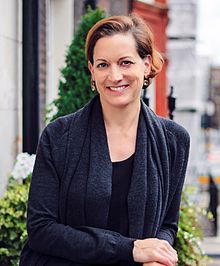
Anne Applebaum
Hb19821970, CC BY-SA 3.0 <https://creativecommons.org/licenses/by-sa/3.0>, via Wikimedia Commons
Upon taking office as the Nation’s 45th President, Donald Trump deliberately set out to attack or undermine one long-cherished public or private institution after another.
Among these:
- American Intelligence agencies: Even before taking office, Trump refused to accept the findings of the FBI, CIA and NSA that Russian Intelligence agents had intervened in the 2016 election to ensure his victory.
- “I think it’s ridiculous,” he told “Fox News Sunday.” “I think it’s just another excuse. I don’t believe it….No, I don’t believe it at all.”
- American military agencies: In 2020, Trump declined to visit an American military cemetery near Paris, and referred to U.S. Marines buried there as “losers” and “suckers.”
- While President, Trump regularly abused military officials, calling Chairman of the Joint Chief of Staff Mark Milley a “dumbass” and his former Secretary of Defense James Mattis “the world’s most overrated general.”

Mark Milley
- The press: On February 17, 2017, Trump tweeted: “The FAKE NEWS media (failing @nytimes, @NBCNews, @ABC, @CBS, @CNN) is not my enemy, it is the enemy of the American People!”
- At the Conservative Political Action Conference (C-PAC) on February 24, 2017, Trump said: “I want you all to know that we are fighting the fake news. It’s fake, phony, fake….I’m against the people that make up stories and make up sources. They shouldn’t be allowed to use sources unless they use somebody’s name. Let their name be put out there.”
- The judiciary: Trump repeatedly attacked Seattle US District Judge James Robart, who halted Trump’s first Muslim travel ban.
- In one tweet, Trump claimed: “Just cannot believe a judge would put our country in such peril. If something happens blame him and court system. People pouring in. Bad!”
- Barack Obama: For five years, Trump popularized the slander that Obama was born in Kenya—and not an American citizen or a legitimate President.
- Trump was later forced to admit he had no evidence to back up his slanderous claims.
* * * * *
Since leaving the White House, Donald Trump has continued to undermine one American institution after another.
- Facing 91 criminal counts in four cases, he has attacked judges, prosecutors, witnesses—and even their family members.
- He has attacked Independent Counsel Jack Smith as “deranged” and accused him of trying to invalidate his candidacy for President in 2024.
- He claims voter fraud where none exists, casting doubt on the integrity of the electoral system.
- He has attacked retired U.S. Army General Mark Milley for calling him “a wannabe dictator,” and said that Milley deserved execution as a traitor.
- He claims himself to be the victim of “the deep state” inside the federal bureaucracy.
- He attacks the integrity of the FBI—causing previously “law and order” Republicans to demand its defunding.
Donald Trump isn’t crazy, as many of his critics charge. He knows exactly what he’s doing—and why.
He intends to strip every potential challenger to his authority—or his version of reality—of legitimacy with the public.
If he succeeds, there will be:
- No independent press to reveal his failures and crimes.
- No independent law enforcement agencies to investigate his abuses of office.
- No independent judiciary to hold him accountable.
- No independent military to dissent as he recklessly hurtles toward a nuclear disaster.
- No candidate—Democrat or Republican—to challenge him for re-election in 2028—or any other year..
- No candidate—Democrat or Republican—to challenge his remaining in office as “President-for-Life.”
2020 PRESIDENTIAL ELECTION, 2024 PRESIDENTIAL ELECTION, ABC NEWS, ABORTION, ADAM SCHIFF, ALTERNET, AMERICABLOG, ANNE APPLEBAUM, AP, ASSASSINATION, AUTOCRACY INC. (BOOK), “PRESIDENT-FOR-LIFE”, BABY BOOMER RESISTANCE, BARACK OBAMA, BBC, BILL O'REILLY, BIRTH CONTROL, BLOOMBERG, BUZZFEED, CAPITOL PUNISHMENT, CBS NEWS, CHINA, CHRISTIANITY, CHRISTIANS, CIA, CNN, CONSERVATIVE POLITICAL ACTION CONFERENCE (C-PAC), CROOKS AND LIARS, DAILY KOS, DEPARTMENT OF HOMELAND SECURITY, DICTATORSHIP, DONALD TRUMP, ENVIRONMENTAL PROTECTION AGENCY, FBI, FEDERAL COMMUNICATIONS COMMISSION (FCC), FEDERAL TRADE COMMISSION (FTC), FIVETHIRTYEIGHT, FOX NEWS SUNDAY, FRANKLIN D. ROOSEVELT, HARPER’S MAGAZINE, HERITAGE FOUNDATION, HUFFINGTON POST, INTELLIGENCE AGENCIES, JACK SMITH, JAMES MATTIS, JANUARY 6 COUP ATTEMPT, JEFF SESSIONS, JOE BIDEN, JUDICIARY, Kamala Harris, KIM JONG-UN, MARK MILLEY, MEDIA MATTERS, MILITARY AGENCIES, MORNING JOE (SHOW), MOTHER JONES, MOVEON, MSNBC, NATIONAL ASSOCIATION OF BLACK JOURNALISTS, NATIONAL OCEANIC AND ATMOSPHERIC ASSOCIATION (NOAA), NATIONAL RIFLE ASSOCIATION, NATIONAL SECURITY AGENCY, NBC NEWS, NEW REPUBLIC, NEWSDAY, NEWSWEEK, NORTH KOREA, NPR, PBS NEWSHOUR, POLITICO, POLITICUSUSA, PRESIDENTIAL TRANSITION PROJECT, PROJECT 2025, PUBLIC TRANSIT SYSTEMS, RAW STORY, REUTERS, ROBERT MUELLER, ROD J. ROSENSTEIN, RUSSIA, SALON, SCARFACE (MOVIE), SEATTLE TIMES, SLATE, TALKING POINTS MEMO, TAX CUTS, THE ATLANTIC, THE CHICAGO SUN-TIMES, THE CHICAGO TRIBUNE, THE DAILY BEAST, THE DAILY BLOG, THE GUARDIAN, THE HILL, THE HUFFINGTON POST, THE INTERCEPT, THE LOS ANGELES TIMES, THE NATION, THE NEW REPUBLIC, THE NEW YORK TIMES, THE NEW YORKER, THE PRESS, THE VILLAGE VOICE, THE WASHINGTON POST, THINKPROGRESS, THOMAS MATTHEW CROOKS, TIME, TRUTHDIG, TRUTHOUT, TURNING POINT BELIEVERS’ SUMMIT, TWO POLITICAL JUNKIES, U.S. NEWS & WORLD REPORT, UNITED STATES DEPARTMENT OF JUSTICE, UPI, USA TODAY, VLADIMIR PUTIN, VOTER FRAUD, X, XI JINPING
In Bureaucracy, History, Law, Law Enforcement, Military, Politics, Social commentary on January 14, 2025 at 12:10 am
Donald Trump’s ambition to become absolute dictator fits brilliantly into the goals of Project 2025, also known as the Presidential Transition Project.
This is a collection of policy proposals to fundamentally reshape the U.S. federal government in the event of a Republican victory in the 2024 Presidential election.
Established in 2022 by the Right-wing Heritage Foundation, the project aims to recruit tens of thousands of radical Right-wingers to the District of Columbia to replace existing federal civil servants.
Under Project 2025:
- Republicans consider federal employees to be subversives who comprise the “deep state.”
- Replacing tenured civil servants with thousands of political hacks will arm Republicans with the power to establish an absolute dictatorship under the next Republican president.
- Republicans believe the Department of Justice has “forfeited the trust” of the American people by investigating Donald Trump’s proven collaboration with Russia to win the 2016 Presidential election.
- As a result, the DOJ must be thoroughly “reformed” and tightly overseen by the White House.
- The director of the FBI must be personally accountable to the President—just as the head of the KGB is personally accountable to Vladimir Putin.

Seal of the Justice Department
- Federal employees could be instantly fired for not obeying illegal orders, or on mere whim—including the whim of the President.
- The Department of Homeland Security would be abolished.
- The Environmental Protection Agency would be stripped of its authority to protect the air, water and soil.
- States would be prevented from adopting stricter regulations on vehicular emissions, like California has done.
- The National Oceanic and Atmospheric Administration (NOAA) which the project calls “one of the main drivers of the climate change alarm industry,” would be abolished.
- Fossil fuels—the leading cause of global warming—would be favored and environmental regulations to combat climate change abolished.
- Federal funding for all public transit systems across the country would be eliminated.
- Traditionally independent federal agencies such as the Department of Justice, Federal Communications Commission and the Federal Trade Commission would be placed under Presidential control.
- The wealthiest 1% would receive massive tax cuts at the expense of the poor and middle class.
- Conception would be designated as the point where life begins.
- Abortion would be outlawed.
- Access to birth control would be sharply restricted, if not banned.
- Christianity would be designated as the official religion of the United States—the way Islam is designated as the official religion of Saudi Arabia.
- The use of capital punishment would be revived and expanded—and the right of appeals sharply restricted.

Trump has prospered by slandering Democrats as “Marxists,” “Socialists” and “Communists.” And other Republicans have also deployed the terms. Yet he has repeatedly expressed admiration for such brutal Communist dictators as Russia’s Vladimir Putin, North Korea’s Kim Jong-Un and China’s Xi Jinping.
In a closed-door speech to Republican donors on March 3, 2018, then-President Trump had revealed his ultimate intention: To overthrow America’s constitutional government.
He praised China’s President, Xi Jinping, for recently assuming full dictatorial powers: “He’s now president for life. President for life. No, he’s great. And look, he was able to do that. I think it’s great. Maybe we’ll have to give that a shot some day.”
The statement was greeted with cheers and laughter by Republican donors.
He has lavishly praised Russian dictator Vladimir Putin, such as during his appearance on the December 18, 2015 edition of MSNBC’s “Morning Joe”:
“He’s running his country, and at least he’s a leader, unlike what we have in this country”—-a reference to then-President Barack Obama.
During a February, 2017 interview with Fox News host Bill O’Reilly, Trump defended Putin’s killing of political opponents.
O’Reilly: “But he’s a killer.”
Trump: “There are a lot of killers. You think our country’s so innocent?”
Another Communist dictator he has lavishly praised is North Korea’s Kim Jong-Un. Asked by a Fox News reporter why he did so, he replied:
“He’s a tough guy. Hey, when you take over a country, tough country, tough people, and you take it over from your father…If you could do that at 27 years old, I mean, that’s one in 10,000 that could do that.”
in short: Kim must be doing something right, because he’s in power. And it doesn’t matter how he came to power—or the price his country is paying for it.
Asked about his relationship with Kim, Trump infamously said: “[Kim] wrote me beautiful letters and they’re great letters. We fell in love.”
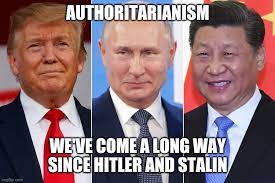
Upon taking office as the Nation’s 45th President, Donald Trump attacked or undermined one public or private institution after another.
Among these:
- American law enforcement agencies: Trump repeatedly attacked his own Attorney General, Jeff Sessions, for not “protecting” him from agents pursuing the Russia investigation.
- On November 8, 2018, Trump abruptly fired him, following Democrats’ winning control of the House in the 2018 midterm elections.
- He intended to fire Special Counsel Robert Mueller for investigating Russia’s subversion of the 2016 election during the summer of 2017, but was talked out of it by aides fearful that it would set off calls for his impeachment.
- When FBI Director James Comey dared to pursue a probe into “the Russia thing,” Trump fired him without warning.
2020 PRESIDENTIAL ELECTION, 2024 PRESIDENTIAL ELECTION, ABC NEWS, ABORTION, ADAM SCHIFF, ALTERNET, AMERICABLOG, ANNE APPLEBAUM, AP, ASSASSINATION, AUTOCRACY INC. (BOOK), “PRESIDENT-FOR-LIFE”, BABY BOOMER RESISTANCE, BARACK OBAMA, BBC, BILL O'REILLY, BIRTH CONTROL, BLOOMBERG, BUZZFEED, CAPITOL PUNISHMENT, CBS NEWS, CHINA, CHRISTIANITY, CHRISTIANS, CIA, CNN, CONSERVATIVE POLITICAL ACTION CONFERENCE (C-PAC), CROOKS AND LIARS, DAILY KOS, DEPARTMENT OF HOMELAND SECURITY, DICTATORSHIP, DONALD TRUMP, ENVIRONMENTAL PROTECTION AGENCY, FBI, FEDERAL COMMUNICATIONS COMMISSION (FCC), FEDERAL TRADE COMMISSION (FTC), FIVETHIRTYEIGHT, FOX NEWS SUNDAY, FRANKLIN D. ROOSEVELT, HARPER’S MAGAZINE, HERITAGE FOUNDATION, HUFFINGTON POST, INTELLIGENCE AGENCIES, JACK SMITH, JAMES MATTIS, JANUARY 6 COUP ATTEMPT, JEFF SESSIONS, JOE BIDEN, JUDICIARY, Kamala Harris, KIM JONG-UN, MARK MILLEY, MEDIA MATTERS, MILITARY AGENCIES, MORNING JOE (SHOW), MOTHER JONES, MOVEON, MSNBC, NATIONAL ASSOCIATION OF BLACK JOURNALISTS, NATIONAL OCEANIC AND ATMOSPHERIC ASSOCIATION (NOAA), NATIONAL RIFLE ASSOCIATION, NATIONAL SECURITY AGENCY, NBC NEWS, NEW REPUBLIC, NEWSDAY, NEWSWEEK, NORTH KOREA, NPR, PBS NEWSHOUR, POLITICO, POLITICUSUSA, PRESIDENTIAL TRANSITION PROJECT, PROJECT 2025, PUBLIC TRANSIT SYSTEMS, RAW STORY, REUTERS, ROBERT MUELLER, ROD J. ROSENSTEIN, RUSSIA, SALON, SCARFACE (MOVIE), SEATTLE TIMES, SLATE, TALKING POINTS MEMO, TAX CUTS, THE ATLANTIC, THE CHICAGO SUN-TIMES, THE CHICAGO TRIBUNE, THE DAILY BEAST, THE DAILY BLOG, THE GUARDIAN, THE HILL, THE HUFFINGTON POST, THE INTERCEPT, THE LOS ANGELES TIMES, THE NATION, THE NEW REPUBLIC, THE NEW YORK TIMES, THE NEW YORKER, THE PRESS, THE VILLAGE VOICE, THE WASHINGTON POST, THINKPROGRESS, THOMAS MATTHEW CROOKS, TIME, TRUTHDIG, TRUTHOUT, TURNING POINT BELIEVERS’ SUMMIT, TWO POLITICAL JUNKIES, U.S. NEWS & WORLD REPORT, UNITED STATES DEPARTMENT OF JUSTICE, UPI, USA TODAY, VLADIMIR PUTIN, VOTER FRAUD, X, XI JINPING
In Bureaucracy, History, Law, Law Enforcement, Military, Politics, Social commentary on January 13, 2025 at 12:10 am
“I always tell the truth. Even when I lie.”
—Tony Montana, “Scarface”
“Four more years, it’ll be fixed, it’ll be fine, you won’t have to vote anymore.”
On July 26, former President and Presidential candidate Donald Trump confirmed—intentionally or unintentionally—that the fears of his enemies were correct. If he won office for a second time, he would act as the all-powerful dictator he has long lusted to be.
And which he nearly became in 2020, after refusing to accept the outcome of a legitimate Presidential election where former Vice President Joe Biden got more votes than he did.
The site of his confession was the Turning Point Believers’ Summit in West Palm Beach, Florida. To his audience of evangelical Christians, Trump announced:

“You gotta get out and vote. Just this time. In four years you don’t have to vote, OK? In four years don’t vote, I don’t care. But we’ll have it all straightened out, so it’ll be much different.
“Christians, get out and vote! Just this time. You won’t have to do it anymore, you know what? Four more years. You know what? It’ll be fixed! It’ll be fine! You won’t have to vote anymore, my beautiful Christians. I love you, Christians! I’m a Christian.
“I love you, you got to get out and vote. In four years, you don’t have to vote again. We’ll have it fixed so good, you’re not going to have to vote.”
Why would they not have to vote again? Because Trump would be President until he died.
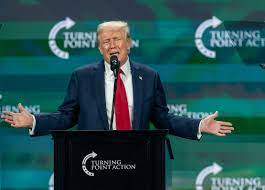
Donald Trump at Turning Point Believers’ Summit
From the moment Trump declared his candidacy for the Presidency on June 15, 2015, throughout his four years in office and the Presidential campaign of 2024, much of the mainstream media repeatedly ignored the threats he posed.
But Trump’s comments at the Turning Point Believers’ Summit grabbed attention from the nation’s most important news media. Among these:
- MSN Metro
- Reuters
- CBS News
- The New York Times
- Mother Jones
- News Nation
- USA Today
- Newsweek
- The Hill
- CNN
- National Public Radio
- The Washington Post
Democrats pounced on Trump’s statements. Vice President Kamala Harris released a statement of her own: “When Vice President Harris says this election is about freedom she means it.”
Rep. Adam Schiff (D-Calif.) who had presided over Trump’s first impeachment trial, wrote: “This year democracy is on the ballot, and if we are to save it, we must vote against authoritarianism.”
Naturally Trump’s campaign disagreed: “President Trump was talking about the importance of faith, uniting this country and bringing prosperity to every American, as opposed to the divisive political environment that has sowed so much division and even resulted in an assassination attempt.”
In fact, it was Donald Trump who had created “the divisive political environment.” On July 31 he appeared at the National Association of Black Journalists—to falsely accuse Kamala Harris of misleading voters about her race:
“I didn’t know she was Black until a number of years ago when she happened to turn Black and now she wants to be known as Black. So, I don’t know, is she Indian or is she Black?”
As for the motives for Thomas Matthew Crooks’ July 13 assassination attempt on Trump: A vigorous FBI investigation has revealed him as an intelligent loner with few friends, a thin social media presence and no strong political beliefs offering a motive for his action.
Officially, now that Trump has won a second term in the White House, he can—by law—serve only four years. But Trump has spent his entire life defying the law—including when he was President.
His most egregious offense came after he lost the 2020 Presidential election: He refused to accept his defeat, refused to leave office, tried to pressure states to “find” non-existent Electoral College votes for him, and finally incited a violent riot against Congress to stop the Electoral Vote count.

Stormtrumpers attacking the Capitol Building
Tyler Merbler from USA, CC BY 2.0 <https://creativecommons.org/licenses/by/2.0>, via Wikimedia Commons
In May, 2024, speaking at a National Rifle Association gathering, Trump “joked” about serving more than two terms as president.
He referred to the four-term, 12-year Presidency of Democrat Franklin D. Roosevelt. Roosevelt was the only president to serve more than two terms. The two-term limit was added after Roosevelt’s death.
“You know, FDR, 16 years—almost 16 years—he was four terms. I don’t know, are we going to be considered three-term? Or two-term?”
By raising the question of “three terms,” Trump was resurrecting The Big Lie: That he won the 2020 Presidential campaign but was cheated of victory by massive voter fraud.
In fact, Trump’s ambition to become absolute dictator fits brilliantly into the goals of Project 2025, also known as the Presidential Transition Project.
This is a collection of policy proposals to fundamentally reshape the U.S. federal government in the event of a Republican victory in the 2024 Presidential election.
Established in 2022 by the Right-wing Heritage Foundation, the project aims to recruit tens of thousands of radical Right-wingers to the District of Columbia to replace heretofore protected federal civil servants.
ABC NEWS, ALAMO, ALTERNET, AMERICABLOG, ANDREW JACKSON, ANTONIO LOPEZ DE SANTA ANNA, AP, BABY BOOMER RESISTANCE, BBC, BLOOMBERG NEWS, BUZZFEED, CBS NEWS, CHARLES VII, CNN, CROOKS AND LIARS, DAILY KOZ, DAVID CROCKETT, FIVETHIRTYEIGHT, FRANCE, HARPER’S MAGAZINE, HUFFINGTON POST, JAMES BOWIE, JOAN OF ARC, LONE STAR: A HISTORY OF TEXAS AND THE TEXANS (BOOK), MEDIA MATTERS, MOTHER JONES, MOVEON, MSNBC, NBC NEWS, NEW REPUBLIC, NEWSDAY, NEWSWEEK, NPR, PBS NEWSHOUR, POLITICO, POLITICUSUSA, RAW STORY, REUTERS, RUSSIA, SALON, SAM HOUSTON, SEATTLE TIMES, SLATE, T.R. FEHRENBACH, TALKING POINTS MEMO, TEXAS, THE ATLANTIC, THE CHICAGO SUN-TIMES, THE CHICAGO TRIBUNE, THE DAILY BEAST, THE DAILY BLOG, THE GUARDIAN, THE HILL, THE HUFFINGTON POST, THE INTERCEPT, THE LOS ANGELES TIMES, THE NATION, THE NEW REPUBLIC, THE NEW YORK TIMES, THE NEW YORKER, THE VILLAGE VOICE, THE WASHINGTON POST, THINKPROGRESS, TIME, TRUTHDIG, TRUTHOUT, TWO POLITICAL JUNKIES, U.S. NEWS & WORLD REPORT, UKRAINE, UPI, USA TODAY, VLADIMIR PUTIN, VOLODYMYR ZELENSKY, WILLIAM BARRET TRAVIS, WONKETTE, X
In History, Military, Politics, Social commentary on January 1, 2025 at 12:05 am
They seem to come out of nowhere—people who have never had military training nor even any experience with violence. Yet they display an utter fearlessness and eloquence that inspires others to great deeds in the face of overwhelming danger.
For 13 days—from February 23 to March 6, 1836—about 200 frontiersmen defended a ruined mission in San Antonio, Texas, against an army of 2,000 Mexican soldiers.
Few of them had known each other before finding themselves besieged. None of them had had professional military training. Some had served in local militias or as irregulars fighting Indians under the command of frontier officers such as Andrew Jackson.
One of these was David Crockett, recently a Congressman from Tennessee.
Since the vast majority of the garrison were volunteers, they could have deserted the fortress at any time.
Holding them in place was a former lawyer named William Barret Travis. Gifted with an eloquence beyond his 26 years, he gave purpose to their stand.
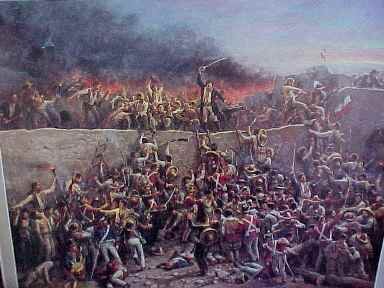
William Barret Travis (with sword) at the Alamo
As historian T.R. Fehrenbach writes in his monumental book, Lone Star: A History of Texas and the Texans:
“From the Alamo, from his first message before the arrival of the Mexicans to his last, his words had the ring of prophecy. The Texas historian who stated publicly that few people would want to have a son serve under William Barret Travis had forgotten, in the comforts of long security, the reasons why men make war.”
When the final assault came before dawn on March 6, 1836, the roughly 200 defenders killed and wounded about 600 of their enemies—inflicting a casualty rate of 33% on the Mexican army.
Travis’ body was found near his cannon on the north wall. He had been shot through the forehead.
The garrison’s sacrifice inspired Sam Houston’s ragtag army to fall on the Mexican army at San Jacinto on April 21. Slaughtering about 800 soldiers, the Texans captured Mexican dictator Antonio Lopez de Santa Anna—and forced him to surrender control of Texas in return for his life.
- Volodymyr Zelensky (January 25, 1978 – ) is a former attorney, actor and comedian who, as the sixth president of Ukraine, now leads his country in a life-or-death struggle against the aggressive Russia of Vladimir Putin.
After earning a law degree from the Kiev National Economic University, he pursued a career in comedy. He created his own production company, Kvartal 95, which produced films, cartoons, and TV shows. His comedy, Servant of the People, starred Zelensky as the president of Ukraine.

Volodymyr Zelensky
In 2019, he announced his candidacy for president of Ukraine. He opposed the corruption that had been rife under the country’s luxury-loving president, Victor Yanukovych.
(In 2014, Ukrainians had rioted in Kiev and evicted Yanukovych. And that didn’t sit well with his “sponsor”—Russian President Vladimir Putin.)
A second feature of Zelensky’s presidential campaign: He promised to resolve the Russia-sponsored separatist movement in Donbas and end Ukraine’s protracted conflict there with Russia.
Zelensky won election by a landslide, with 72% of the vote.
In 2021, his administration came under mounting pressure from Russia. On February 24, 2022, Putin ordered a full-scale invasion of Ukraine.
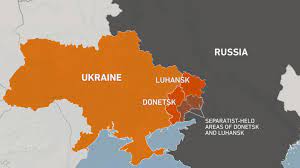
Ukraine vs. Russia
In the early hours of February 24, shortly before the start of the Russian invasion, Zelensky recorded an address to both Ukraine and Russia. As a Jew, he refuted Putin’s claims that there were Neo-Nazis in the Ukrainian government.
And he appealed to Russians—in Russian—to pressure their leadership to prevent war.
During the assault by Russian troops on the capital of Kiev, the Biden administration urged Zelensky to evacuate to a safer location and offered to help him do so. Zelensky refused, saying: “The fight is here [in Kiev]; I need ammunition, not a ride.”
As CBS correspondent Scott Pelley put it: “The moment Zelensky told his people he refused to flee, they refused to fall.”
Russia expected Kiev to fall in three days. But almost three years after the invasion, Kiev still remains defiant—and in the hands of Ukrainians.
When he wasn’t broadcasting defiance at Russia and rousing Ukrainians to heroism, he was often visiting the battlefront.
Interviewed on CBS’ 60 Minutes, Zelensky said: “I don’t want to make myself out to be a hero. I love my family. I want to live many more years, but choosing between running or being with my people, of course I’m ready to give my life for my country.”
Since the start of the invasion, he has reportedly been the target of more than a dozen assassination attempts.
Other world leaders have applauded his courage and leadership. Historian Andrew Roberts compared him to Winston Churchill.
The Harvard Political Review said that Zelensky “has harnessed the power of social media to become history’s first truly online wartime leader, bypassing traditional gatekeepers as he uses the internet to reach out to the people.”
Zelensky sees Ukraine’s struggle as the opening round of Russia’s war against the West.
“Some are….saying, ‘We can’t defend Ukraine because there could be a nuclear war.’ I think that today, no one in this world can predict what Russia will do. If they invade further into our territory, then they will definitely move closer and closer to Europe. They will only become stronger and less predictable.”
ABC NEWS, ALAMO, ALTERNET, AMERICABLOG, ANDREW JACKSON, ANTONIO LOPEZ DE SANTA ANNA, AP, BABY BOOMER RESISTANCE, BBC, BLOOMBERG NEWS, BUZZFEED, CBS NEWS, CHARLES VII, CNN, CROOKS AND LIARS, DAILY KOZ, DAVID CROCKETT, FIVETHIRTYEIGHT, FRANCE, HARPER’S MAGAZINE, HUFFINGTON POST, JAMES BOWIE, JOAN OF ARC, LONE STAR: A HISTORY OF TEXAS AND THE TEXANS (BOOK), MEDIA MATTERS, MOTHER JONES, MOVEON, MSNBC, NBC NEWS, NEW REPUBLIC, NEWSDAY, NEWSWEEK, NPR, PBS NEWSHOUR, POLITICO, POLITICUSUSA, RAW STORY, REUTERS, RUSSIA, SALON, SAM HOUSTON, SEATTLE TIMES, SLATE, T.R. FEHRENBACH, TALKING POINTS MEMO, TEXAS, THE ATLANTIC, THE CHICAGO SUN-TIMES, THE CHICAGO TRIBUNE, THE DAILY BEAST, THE DAILY BLOG, THE GUARDIAN, THE HILL, THE HUFFINGTON POST, THE INTERCEPT, THE LOS ANGELES TIMES, THE NATION, THE NEW REPUBLIC, THE NEW YORK TIMES, THE NEW YORKER, THE VILLAGE VOICE, THE WASHINGTON POST, THINKPROGRESS, TIME, TRUTHDIG, TRUTHOUT, TWO POLITICAL JUNKIES, U.S. NEWS & WORLD REPORT, UKRAINE, UPI, USA TODAY, VLADIMIR PUTIN, VOLODYMYR ZELENSKY, WILLIAM BARRET TRAVIS, WONKETTE, X
In History, Military, Politics, Social commentary on December 31, 2024 at 12:02 am
Joan of Arc. William Barret Travis. Volodymyr Zelensky.
The first two names long ago burned themselves into the pages of history. The third one is now doing the same.
They seem to come out of nowhere—people who have never had military training nor even any experience with violence. Yet they display an utter fearlessness and eloquence that inspires others to great deeds in the face of overwhelming danger.
- Joan of Arc (c. 1412 – 30 May 1431) was an illiterate peasant girl who, in France’s darkest hour, became its greatest hero.
In 1428, when she was about 17, Joan traveled to Vaucouleurs and asked for an armed escort to King Charles V11. She said that she had received visions from the archangel Michael, Saint Margaret and Saint Catherine of Alexandra, instructing her to deliver France from English domination.
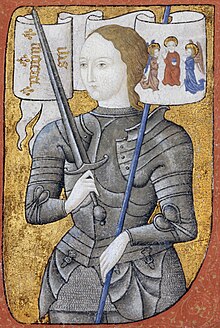
Joan of Arc
Her request was rejected twice, but eventually Robert de Baudricourt, the garrison commander, relented and gave her an escort to meet Charles at Chinon. She had never seen Charles, but even though he disguised himself among his courtiers, she instantly recognized him.
After their interview, Charles sent Joan at the head of a relief army to lift the siege of Orléans.
She had never wielded a lance or sword, or even ridden a war horse. She had never studied military strategy nor even seen a battlefield. Yet nine days after arriving at Orléans, she lifted the siege on May 8, 1429.
On May 4, her army attacked the outlying fortress of Saint Loup. She arrived just as the French soldiers were retreating after a failed attempt. Her sudden appearance roused the soldiers to cheer and launch another assault—which overwhelmed the fortress.
In June, Joan decisively defeated the English at the Battle of Patay. She then advanced on Reims, entering the city on July 16. The next day, Charles was consecrated as the King of France in Reims Cathedral with Joan at his side.
These victories paved the way for the final French victory in the Hundred Years’ War at Castillon in 1453.
Joan never attributed her success to anyone but God. She referred to herself as “Joan the Maid” and demanded that her soldiers refrain from sexual activity. At her orders, prostitutes—the camp followers of both French and British armies—were driven out of her encampments.
She did not expect to live a long life—and warned that the French had only about a year to claim their victories before she died.
On May 23, 1430, while relieving the siege of Compiegne, she was captured by Burgundians troops and exchanged to the English. Tried for heresy, she was declared guilty and burned at the stake on May 30,1431.
Only 19 when she died, she had, through her inspired leadership, restored the kingdom of France.
- William Barret Travis (August 1, 1809 – March 6, 1836) was a South Carolina lawyer whose courage and eloquence inspired 200 Texans to hold back a Mexican army at the Alamo.
An early advocate of Texas’ independence from Mexico, Travis entered the newly-formed Texas army as a regular officer. Although he had no experience in battle, he burned for glory as a cavalryman. But he accepted the order of Governor Henry Smith to go to San Antonio and defend the Alamo from the approaching Mexicans.
William Barret Travis
Arriving there, he found himself overshadowed by the popularity of co-commander James Bowie, the legendary knife fighter. But when Bowie collapsed with pneumonia on February 23, 1836—the first day of the siege—Travis took command.
According to historian T.R. Fehrenbach:
“The true measure of this man, with his soldier’s cap, his sword, his exalted ideas of honor, and his florid rhetoric, was that he captured these violent frontiersmen and bent them to his purpose.
“No competent Texas historian really believes Travis drew his line on the ground with his sword and invited his men to leave or stay. That was not Buck Travis’ style. He intended to keep his command on the walls regardless of what the men wanted. He was consciously guarding the ramparts of Texas.”

The siege of the Alamo
On February 23, 1836, Travis penned one of the most famous letters in early American history. Addressing it “To the People of Texas and All Americans in the World,” he wrote:
“I am besieged with a thousand or more of the Mexicans under Santa Anna [the president and dictator of Mexico]…..
“The enemy has demanded our surrender at discretion, otherwise the garrison is to be put to the sword. I shall never surrender or retreat. Thus, I call on you in the name of Liberty, of patriotism, and everything dear to the American character, to come to my aid with all dispatch…
“If this call is neglected I am determined to sustain myself as long as possible and die like a soldier who never forgets what is due his honor and that of his country. VICTORY OR DEATH.”
On March 3, Travis wrote his last letter, addressing it to the newly-declared Republic of Texas. “I shall have to fight the enemy on his own terms….The victory will cost the enemy so dear it will be worse for him than a defeat.”
On March 6, 1836, his prophecy came true.
2016 PRESIDENTIAL ELECTION, 2024 PRESIDENTIAL ELECTION, ABC NEWS, ADOLF HITLER, ALTERNET, AMERICABLOG, AP, BABY BOOMER RESISTANCE, BBC, BLACKS, BLOOMBERG, BLOOMBERG NEWS, BUZZFEED, CBS NEWS, CNN, COVID-19, CROOKS AND LIARS, DAILY KOS, DEMOCRACY, DONALD J. TRUMP, DONALD TRUMP, DRUDGE RETORT, ECONOMY, EMPLOYMENT, EXTORTION, FACEBOOK, FBI, FIVETHIRTYEIGHT, GESTAPO, GREED, HARPER’S MAGAZINE, HATRED, HISPANICS, HUFFINGTON POST, HUNTER BIDEN, immigration, INDEPENDENT COUNSEL, INFLATION, JAMES COMEY, JANUARY 6 COUP ATTEMPT, JEWS, JOE BIDEN, JOE SCARBOROUGH, JOHN ADAMS, JOSEPH R. BIDEN, Kamala Harris, MEDIA, MEDIA MATTERS, MEXICO, MIKA BRZEZINSKI, MORNING JOE, MOTHER JONES, MOVEON, MSNBC, NAZI ATROCITIES, NBC NEWS, NEW REPUBLIC, NEWSDAY, NEWSWEEK, NPR, PAM BONDI, PBS NEWSHOUR, POLITICO, POLITICUSUSA, PROJECT 2025, RACISM, RAW STORY, REPUBLICANS, REUTERS, ROBERT MUELLER, ROD ROSENSTEIN, SALON, SARAH HUCKABEE SANDERS, SEATTLE TIMES, SLATE, SOVIET UNION, TALKING POINTS MEMO, THE ATLANTIC, THE CHICAGO SUN-TIMES, THE CHICAGO TRIBUNE, THE DAILY BEAST, THE DAILY BLOG, THE GUARDIAN, THE HILL, THE HUFFINGTON POST, THE INTERCEPT, THE LOS ANGELES TIMES, THE NATION, THE NEW REPUBLIC, THE NEW YORK TIMES, THE NEW YORKER, THE VILLAGE VOICE, THE WASHINGTON POST, THINKPROGRESS, TIME, TRUMP UNIVERSITY SCANDAL, TRUTHDIG, TRUTHOUT, TWO POLITICAL JUNKIES, U.S. NEWS & WORLD REPORT, UKRAINE, UNEMPLOYMENT, UNITED STATES DEPARTMENT OF JUSTICE, UNITED STATES HOUSE OF REPRESENTATIVES, UNITED STATES SENATE, UPI, USA TODAY, VLADIMIR PUTIN, VOLODMYR ZELENSKY, WEHRMACHT, WHITE WOMEN, WONKETTE, X
In Bureaucracy, Business, History, Law, Law Enforcement, Military, Politics, Social commentary on December 4, 2024 at 12:11 am
During the 2024 Presidential election, the two most important issues—for voters—were immigration and inflation.
In short: “Get rid of the spics!” and “Give us cheaper eggs!”
Repeatedly, Vice President Kamala Harris warned that Donald Trump’s return to the Presidency would result in a Fascistic dictatorship:
“Donald Trump is increasingly unhinged and unstable, and in a second term, people like John Kelly [Trump’s former chief of staff] would not be there to be the guardrails against his propensities and his actions….
“He wants a military who will be loyal to him, personally, one that will obey his orders, even when he tells them to break the law or abandon their oath to the Constitution of the United States.”
Reputable media warned that he intended to turn the FBI into his private Gestapo and use the Justice Department to attack his political rivals.
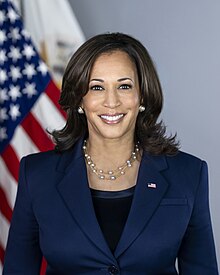
Kamala Harris
But Americans didn’t care.
Instead, 76.9 million voters chose to overturn the democratic traditions that had guided American life since 1788, when the United States Constitution was ratified.
Appeals to their hatred, racism and greed proved far more seductive.
Throughout Trump’s Presidency—2017 to 2021—those who opposed his agenda took solace in a series of expected saviors.
- On May 9, 2017, Trump fired FBI Director James Comey for daring to investigate his proven ties to Russian dictator Vladimir Putin. Assistant Attorney General Rod Rosenstein then appointed Robert Meuller as special counsel to investigate that firing—and Trump’s ties to Russia.
Mueller had a sterling reputation for integrity as a former prosecutor and FBI director. But he allowed himself to be intimidated by the Presidential aura—and refused to directly interview Trump.
His subsequent official report contained no impeachment-worthy evidence.
- On July 25, 2019, Trump threatened to withhold almost $400 million in promised military aid for Ukraine—which faced increasing aggression from Russia—unless its president, Volodymyr Zelensky, did him “a favor”: Investigate 2020 Democratic Presidential Candidate Joe Biden and his son, Hunter, who had had business dealings in Ukraine.
The reason for such an investigation: To find embarrassing “dirt” on Biden. Unless Zelensky found this, the promised aid would be withheld.
The House of Representatives tried Trump for abuse of power and obstruction of Congress. The evidence against him was overwhelming—including a transcript of the extortionate phone call.
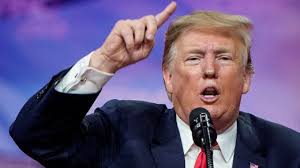
Donald Trump
But the Republican Senate refused to convict.
Had this happened, Trump would have been legally barred from running again for President.
- On January 6, 2021, Trump incited a violent attack on the United States Capitol to stop the counting of Electoral College votes—which would prove that he had lost the 2020 Presidential election to former Vice President Joseph Biden.
As a result, five people died and 174 police officers were injured. The Capitol Building—the symbol of American democracy—suffered about $2.7 billion in damages.
Evidence of Trump’s guilt was overwhelming—including video of his incitement.
But, once again, the Republican-dominated Senate refused to convict.
Stormtrumpers attacking the Capitol Building
Tyler Merbler from USA, CC BY 2.0 <https://creativecommons.org/licenses/by/2.0>, via Wikimedia Commons
Trump’s opponents had placed their hopes in Special Counsel Robert Mueller and (twice) the United States Congress to address the brazen criminality of Donald Trump.
The results: Anger and disappointment.
Yet one last hope remained:
That the 2024 Presidential election would send Joseph Biden, and then, after he dropped out of the race, Vice President Kamala Harris—to the White House.
Harris waged what was widely descripted as “a campaign of joy,” promising to be “the President of all Americans,” including those who voted against her. Repeatedly, she warned that, if re-elected, Trump would pursue a vengeance-fueled agenda against anyone who had dared cross him.
Trump ran a campaign based on hatred—of Hispanics, of liberals, of those who had served in his administration and now disowned him. During his single debate with Harris, he falsely claimed that Haitian immigrants in Ohio were “eating the dogs….they’re eating the cats” of local citizens.
On one occasion, he appeared to emulate performing a ‘sex act’ on a microphone stand during a rally after experiencing technical difficulties.
Most ominously, credible news reports circulated that, if Trump were re-elected, he would implement a radical, Right-wing plan—Project 2025—to completely reshape the federal government.
At its heart: The mass firings of politically neutral civil service officials and their replacement with thousands of political hacks.
This would arm Republicans with the power to establish an absolute dictatorship under the next Republican president.
Yet, in the end, none of this mattered.
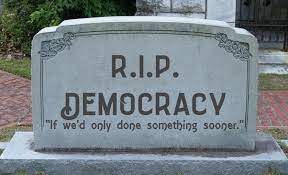
His supporters included:
- Hispanics: 54%—despite being repeatedly vilified by Trump and slated for mass deportation;
- White women: 52%—despite his destroying abortion rights and being convicted for raping columnist E. Jean Carroll;
- Blacks: 21%—giving Harris fewer votes than they gave Biden in 2020.
On January 30, 1933, Adolf Hitler rose to dictatorial power through backroom intrigues and appointment as Chancellor by President Paul von Hindenburg.
On November 5, 2024, Trump rose to dictatorial power when Americans voted to ignore his past crimes and the ones he boasted he intended to commit.
John Adams predicted this long ago: “Democracy never lasts long. It soon wastes, exhausts, and murders itself. There never was a democracy yet that did not commit suicide.”
2016 PRESIDENTIAL ELECTION, 2024 PRESIDENTIAL ELECTION, ABC NEWS, ADOLF HITLER, ALTERNET, AMERICABLOG, AP, BABY BOOMER RESISTANCE, BBC, BLACKS, BLOOMBERG, BLOOMBERG NEWS, BUZZFEED, CBS NEWS, CNN, COVID-19, CROOKS AND LIARS, DAILY KOS, DEMOCRACY, DONALD J. TRUMP, DONALD TRUMP, DRUDGE RETORT, ECONOMY, EMPLOYMENT, EXTORTION, FACEBOOK, FBI, FIVETHIRTYEIGHT, GESTAPO, GREED, HARPER’S MAGAZINE, HATRED, HISPANICS, HUFFINGTON POST, HUNTER BIDEN, immigration, INDEPENDENT COUNSEL, INFLATION, JAMES COMEY, JANUARY 6 COUP ATTEMPT, JEWS, JOE BIDEN, JOE SCARBOROUGH, JOHN ADAMS, JOSEPH R. BIDEN, Kamala Harris, MEDIA, MEDIA MATTERS, MEXICO, MIKA BRZEZINSKI, MORNING JOE, MOTHER JONES, MOVEON, MSNBC, NAZI ATROCITIES, NBC NEWS, NEW REPUBLIC, NEWSDAY, NEWSWEEK, NPR, PAM BONDI, PBS NEWSHOUR, POLITICO, POLITICUSUSA, PROJECT 2025, RACISM, RAW STORY, REPUBLICANS, REUTERS, ROBERT MUELLER, ROD ROSENSTEIN, SALON, SARAH HUCKABEE SANDERS, SEATTLE TIMES, SLATE, SOVIET UNION, TALKING POINTS MEMO, THE ATLANTIC, THE CHICAGO SUN-TIMES, THE CHICAGO TRIBUNE, THE DAILY BEAST, THE DAILY BLOG, THE GUARDIAN, THE HILL, THE HUFFINGTON POST, THE INTERCEPT, THE LOS ANGELES TIMES, THE NATION, THE NEW REPUBLIC, THE NEW YORK TIMES, THE NEW YORKER, THE VILLAGE VOICE, THE WASHINGTON POST, THINKPROGRESS, TIME, TRUMP UNIVERSITY SCANDAL, TRUTHDIG, TRUTHOUT, TWO POLITICAL JUNKIES, U.S. NEWS & WORLD REPORT, UKRAINE, UNEMPLOYMENT, UNITED STATES HOUSE OF REPRESENTATIVES, UNITED STATES SENATE, UPI, USA TODAY, VLADIMIR PUTIN, VOLODMYR ZELENSKY, WEHRMACHT, WHITE WOMEN, WONKETTE, X
In Bureaucracy, History, Politics, Social commentary on December 3, 2024 at 12:13 am
On April 27, 2020, Joe Scarborough offered an important insight about why most Americans ignored President Donald Trump’s crimes and outrages for so long:
“Back in January Joe Biden wrote an Op-Ed that the President was not prepared for this coming pandemic, and things were going to get worse. And he said ‘Let your doctors talk. Let your scientists talk. Follow their lead.’
“…And it’s been one scam idea after another, that people then promoted on other networks, scam doctors promoting these scam solutions, claiming that everybody who had taken this malaria drug had been cured in certain hospitals. This is just the sort of thing that catches up to Donald Trump.
“I’ve said from the very beginning: You can lie about independent counsels, people won’t listen. You can lie about former FBI directors—“
MIKA BRZEZINSKI: “It doesn’t impact their lives.”
JOE SCARBOROUGH: “They’re still going to work, the kids are doing fine, they’ve got enough money to pay their rent, to pay their mortgage, You can even lie about the Ukraine call—they don’t really care.
“But all of these lies, all of these [COVID-19] scams that he’s been pushing…have been revealed as lies—not by the people on cable news, but by their doctors. By nurses they know. If you’ve got a doctor who’s been treating your family for 20-25 years, you’re going to believe that person more than a scam artist that’s pushing propaganda for Donald Trump on talk radio.“
On August 23, 2018, Trump, appearing on “Fox and Friends,” said: “I tell you what, if I ever got impeached, I think the market would crash, I think everybody would be very poor.”
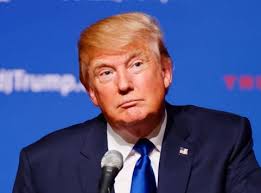
Donald Trump
Thus, he appealed to the greed and fear of his voting base—and no doubt hoped to reach beyond it: “Keep me in power or you’ll all suffer for it.”
Then-White House Press Secretary Sarah Huckabee Sanders bragged, on June 4, 2018:
“Since taking office, the President has strengthened American leadership, security, prosperity, and accountability. And as we saw from Friday’s jobs report, our economy is stronger, Americans are optimistic, and business is booming.”
Many Congressional Republicans echoed this: The American people care only about the economy—and how well-off they are.
For eight years, Nazi Germany underwent such an epoch. Germans called it “The Happy Time.”
It began on January 30, 1933, when Adolf Hitler became Chancellor—and lasted until June 22, 1941, when Hitler invaded the Soviet Union.
Germans knew about the Nazis’ cruelty to the Jews, the conquests of Austria, Czechoslovakia and Poland, the mass arrests and concentration camps.
They didn’t care.
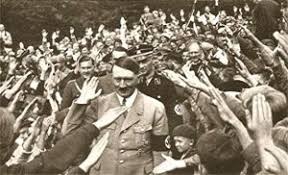
Frenzied Germans greet Adolf Hitler
The Gestapo didn’t have to watch everyone: German “patriots” gladly reported their fellow citizens—especially Jews—to the secret police.
As far as everyday Germans were concerned:
- The streets were clean and peaceful.
- Employment was high.
- The trouble-making unions were gone.
- Germany was once again “taking its rightful place” among ruling nations, after its catastrophic defeat in World War 1.
The height of “The Happy Time” came in June, 1940. In just six weeks, the Wehrmacht accomplished what the German army hadn’t in four years during World War 1: The total defeat of its longtime enemy, France.
Suddenly, French clothes, perfumes, delicacies, paintings and other “fortunes of war” came pouring into the Fatherland.
Most Germans believed der Krieg—“the war”—was over, and only good times lay ahead.
Then, on June 22, 1941, three million Wehrmacht soldiers slashed their way into the Soviet Union. The Third Reich was now locked in a death-struggle with a nation even more powerful than itself.

German soldiers in the Soviet Union
And then, on December 11, 1941—four days after Germany’s ally, Japan, attacked Pearl Harbor—Hitler declared war on the United States.
“The Happy Time” for Germans was over. Only prolonged disaster lay ahead.
Donald Trump has spent his life appealing to the greed or fear of those around him. For example:
- Florida Attorney General Pam Bondi personally solicited a political contribution from Trump around the same time her office deliberated joining an investigation of alleged fraud at Trump University and its affiliates.
- After Bondi dropped the Trump University case against Trump, he wrote her a $25,000 check for her re-election campaign.
- According to an April 14, 2019 story by ABC News, a nationwide review uncovered at least 36 criminal cases where Trump was invoked in direct connection with violent acts, threats of violence or allegations of assault.
- In nine cases, attackers hailed Trump in the midst or immediate aftermath of physically assaulting victims.
- In 10 more cases, perpetrators cheered or defended Trump while taunting or threatening others.
- And in another 10 cases, Trump and his rhetoric were cited in court to explain a defendant’s violent or threatening behavior.
But starting in January, 2020, Trump faced an enemy—to his re-election—that he couldn’t bribe or intimidate.
The deadly COVID-19 virus didn’t accept bribe-monies or grovel before a raging tyrant. As a result, 400,000 Americans died by the time Trump left office.
The Germans made a devil’s-bargain with Adolf Hitler—and paid dearly for it.
Millions of greedy Americans made a similar bargain with Donald Trump—and paid almost as dearly.
ABC NEWS, ALTERNET, AMERICABLOG, AP, BABY BOOMER RESISTANCE, BARACK OBAMA, BBC, BLOOMBERG, BLOOMBERG NEWS, BUZZFEED, CBS NEWS, CENTRAL AMERICA, CHIANG KAI-SHEK, CHINA, CNN, COLUMBIA, COMMUNISM, CRIMEA, CROOKS AND LIARS, CUBA, CZECHOSLAVAKIA, DAILY KOS, DAILY KOZ, DEMOCRATS, DONALD TRUMP, FACEBOOK, FIVETHIRTYEIGHT, GUATEMALA, GUNBOAT DIPLOMACY, HARPER’S MAGAZINE, HARRY S. TRUMAN, HUFFINGTON POST, HUNGARY, JOHN F. KENNEDY, JOSEPH MCCARTHY, LATIN AMERICA, LYNDON B. JOHNSON, MAO TSE-TUNG, MEDIA MATTERS, MICK MULVANEY, MITT ROMNEY, MONROE DOCTRINE, MOTHER JONES, MOVEON, MSNBC, NBC NEWS, NEW REPUBLIC, NEWSDAY, NEWSWEEK, NICARAGUA, NPR, PANAMA, PBS NEWSHOUR, POLAND, POLITICO, POLITICUSUSA, RAW STORY, REPUBLICANS, REUTERS, RICHARD M. NIXON, SALON, SEATTLE TIMES, SLATE, SOCHI OLYMPICS, SOVIET UNION, SPHERES OF INFLUENCE, TALKING POINTS MEMO, THE ATLANTIC, THE CHICAGO SUN-TIMES, THE CHICAGO TRIBUNE, THE DAILY BEAST, THE DAILY BLOG, THE GUARDIAN, THE HILL, THE HUFFINGTON POST, THE INTERCEPT, THE LOS ANGELES TIMES, THE NATION, THE NEW REPUBLIC, THE NEW YORK TIMES, THE NEW YORKER, THE VILLAGE VOICE, THE WASHINGTON POST, THINKPROGRESS, TIME, TOM COTTON, TRUTHDIG, TRUTHOUT, TWO POLITICAL JUNKIES, U.S. NEWS & WORLD REPORT, UKRAINE, UPI, USA TODAY, VICTOR YANUKOVYCH, VIETNAM, VLADIMIR PUTIN, VOLODYMYR ZELENSKY, WONKETTE, X
In Bureaucracy, History, Military, Social commentary on November 22, 2024 at 12:11 am
The collapse of the Soviet Union in 1991 plunged the American Right into a depression.
Accusing Democrats of being “terrorist-lovers” just didn’t prove as profitable as accusing them of being “Communists.”
Then fate intervened.
The torch had barely gone out at the 2014 Sochi Winter Olympics when Russian President Vladimir Putin began menacing the Ukraine.
Ukraine vs. Russia
Even while the Olympics played out on television, Ukrainians had rioted in Kiev and evicted their corrupt, luxury-loving president, Victor Yanukovych.
And that didn’t sit well with his “sponsor”—Putin.
Yanukovych had rejected a pending European Union association agreement. He had chosen instead to pursue a Russian loan bailout and closer ties with Russia.
And that had sat well with Putin.
Since the breakup of the Soviet Union in 1991, Putin had yearned for its reestablishment. He had called that breakup “the greatest geopolitical tragedy of the 20th century.”

Vladimir Putin
Kremlin.ru, CC BY 4.0 <https://creativecommons.org/licenses/by/4.0>, via Wikimedia Commons
Russia has long resisted Ukraine’s move towards European institutions—especially NATO.
So it was almost a certainty that Putin would retaliate.
And since late February, 2014, he began moving Russian troops into Ukraine and its autonomous republic, Crimea. Russia annexed Ukraine’s southern Crimean peninsula and backed separatists who captured large swathes of eastern Ukraine.
On December 3, 2021, the Washington Post reported: “The Kremlin is planning a multi-front offensive as soon as early next year involving up to 175,000 troops” against Ukraine.
And where there is activity by Russians, American Rightists are eager to turn such events to their own political advantage.
Right-wingers such as Senator Tom Cotton (R-AR): ”It is a result of a year of Joe Biden’s impotence and incompetence towards Russia in particular and in foreign policy more generally.”
Cotton had vigorously defended President Donald Trump’s attempted extortion of Ukrainian President Volodymyr Zelensky in the face of Russian aggression.
In July, 2019, Trump told his acting chief of staff, Mick Mulvaney, to withhold almost $400 million in promised military aid for Ukraine.
Then, on July 25, Trump telephoned Zelensky to “request” a “favor”: Investigate presumed 2020 Democratic Presidential Candidate Joe Biden and his son, Hunter, who had had business dealings in Ukraine.
Clearly implied in the call: Produce “dirt” on Biden—or you won’t get the military aid.
All of which overlooks a number of brutal political truths.
First, all great powers have spheres of interest—and jealously guard them.
For the United States, it’s Latin and Central America, as established by the Monroe Doctrine.
And just what is the Monroe Doctrine?
It’s a statement made by President James Monroe in his 1823 annual message to Congress, which warned European powers not to interfere in the affairs of the Western Hemisphere.
It has no legitimacy except the willingness of the United States to use armed force to back it up. When the United States no longer has the will or resources to enforce the Doctrine, it will cease to have meaning.
For the Soviet Union, its spheres of influence include the Ukraine. Long known as “the breadbasket of Russia,” in 2011, it was the world’s third-largest grain exporter.
Russia will no more give up access to that breadbasket than the United States would part with the rich farming states of the Midwest.
Second, spheres of influence often prove disastrous to those smaller countries affected.
Throughout Latin and Central America, the United States remains highly unpopular for its brutal use of “gunboat diplomacy” during the 20th century.
Among those countries invaded or controlled by America: Mexico, Cuba, Guatemala, Nicaragua, Columbia, Panama and the Dominican Republic.
The resulting anger has led many Latin and Central Americans to support Communist Cuba, even though its political oppression and economic failure are universally apparent.
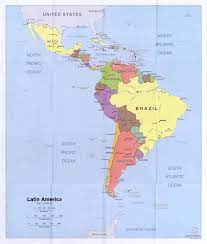
Latin and Central America
Similarly, the Soviet Union forced many nations—such as Poland, Hungary and Czechoslovakia—to submit to the will of Moscow.
The alternative? The threat of Soviet invasion—as occurred in Hungary in 1956 and Czechoslovakia in 1968.
Third, even “great powers” are not all-powerful.
In 1949, after a long civil war, the forces of Mao Tse-tung defeated the Nationalist armies of Chiang Kai-Shek, who withdrew to Taiwan.
China had never been a territory of the United States. Nor could the United States have prevented Mao from defeating the corrupt, ineptly-led Nationalist forces.
Even so, Republican Senators and Representatives such as Richard Nixon and Joseph McCarthy eagerly blamed President Harry S. Truman and the Democrats for “losing China.”
The fear of being accused of “losing” another country led Presidents John F. Kennedy, Lyndon B. Johnson and Richard M. Nixon to tragically commit the United States to “roll back” Communism in Cuba and Vietnam.
Now Republicans—who claim the United States can’t afford to provide healthcare for its poorest citizens—want to turn the national budget over to the Pentagon.
They want the United States to “intervene” in Ukraine—even though this would mean going to war with the only nuclear power capable of turning America into an atomic graveyard.
Before plunging into conflicts that don’t concern us and where there is absolutely nothing to “win,” Americans would do well to remember the above-stated lessons of history. And to learn from them.
ABC NEWS, ADOLF HITLER, ALTERNET, AMERICABLOG, AP, BABY BOOMER RESISTANCE, BBC, BLOOMBERG NEWS, BUZZFEED, CBS NEWS, CNN, CROOKS AND LIARS, DAILY KOS, FIVETHIRTYEIGHT, HARPER’S MAGAZINE, HUFFINGTON POST, JOSEPH STALIN, MEDIA MATTERS, MOTHER JONES, MOVEON, MSNBC, NAZI-SOVIET "NON-AGGRESSION PACT", NBC NEWS, NEW REPUBLIC, NEWSDAY, NEWSWEEK, NPR, NUCLEAR WEAPONS, PBS NEWSHOUR, POLITICO, POLITICUSUSA, RAW STORY, REUTERS, SALON, SEATTLE TIMES, SLATE, TALKING POINTS MEMO, THE ATLANTIC, THE CHICAGO SUN-TIMES, THE CHICAGO TRIBUNE, THE DAILY BEAST, THE DAILY BLOG, THE GUARDIAN, THE HILL, THE HUFFINGTON POST, THE INTERCEPT, THE LOS ANGELES TIMES, THE NATION, THE NEW REPUBLIC, THE NEW YORK TIMES, THE NEW YORKER, THE SS, THE VILLAGE VOICE, THE WASHINGTON POST, THINKPROGRESS, THIRD REICH, TIME, TRUTHDIG, TRUTHOUT, U.S. NEWS & WORLD REPORT, UKRAINE, UPI, USA TODAY, VLADIMIR PUTIN, VOLODYMYR ZELENSKY, WEHRMACHT, WORLD WAR 11, X
In Bureaucracy, History, Military, Politics, Social commentary on November 21, 2024 at 12:11 am
In the United States, World War II—at least, that part of the war fought in Europe—used to be celebrated in movies and TV shows like “Combat!” and “The Rat Patrol.” Today, it’s largely forgotten, except by veterans groups and the conflict’s rapidly aging veterans.
But in the Soviet Union, “the Great Patriotic War” against Nazi Germany is still celebrated as the triumph of Soviet strength and determination against horrific odds and losses.
Russian President Vladimir Putin’s invasion of Ukraine is unlikely to be remembered so fondly.
On April 28, 2006, Putin publicly stated that the 1991 collapse of the Soviet Union was “the greatest geopolitical catastrophe of the century.
“As for the Russian people, it became a genuine tragedy. Tens of millions of our fellow citizens and countrymen found themselves beyond the fringes of Russian territory.”
Putin was sounding a warning: He saw himself as Russia’s savior who would restore its lost empire.

Vladimir Putin
His invasion of Ukraine—officially called a “special military operation”—was intended as an important step toward that restoration.
Begun on February 24, the invasion targeted the Ukrainian capital, Kyiv, in an attempt to overthrow the democratic government of President Volodymyr Zelensky.
Ukrainian troops were outgunned and outnumbered. As in the case of the Soviet Union in 1941, Western military analystss expected the attack to quickly succeed. The Biden administration offered to evacuate Zelensky to safety.
Zelensky refused: “The fight is here; I need ammunition, not a ride.”
But after weeks of combat, Russian forces retreated, stymied by ferocious Ukrainian resistance.
In July, the last city under Ukrainian control in Luhansk fell to Russia after weeks of artillery bombardment and street fighting. But the Russians made little progress as they tried to conquer the remainder of Donbas.
In late August, after weeks of buildup, Ukraine launched a counteroffensive in the southern region of Kherson. Ukraine deployed newly arrived missile systems supplied by the United States and other Western countries to destroy Russian ammunition dumps and a Russian air base in Crimea.
By September, Ukrainian forces launched a rapid offensive, recapturing much of the northeastern Kharkiv region, including the city of Izium. Previously, the Russians had been using this as a key logistics hub.
Volodymyr Zelensky
On September 21, with Russian forces bogged down or retreating, Vladimir Putin announced the partial mobilization of 300,000 military reservists. All male citizens below 60 are now eligible to be drafted.
There are exceptions: Employees in IT and telecommunications, finance, “systemically-important” mass media outlets and interdependent suppliers, including registered media and broadcasters.
Still, the announcement set off a massive exodus of at least 194,000 Russian men (and their wives or girlfriends) to such neighboring countries as Turkey, Georgia, Kazakhstan and Mongolia.
During World War II, this would have been unthinkable: Whether driven by patriotism or a desire for vengeance on their German tormentors, Russians at all levels threw themselves into the conflict.
On the same day Putin announced the mobilization, he threatened to use nuclear weapons to defend not simply Russia but the Ukrainian territory his forces had captured:
“Our country possesses various means of destruction. When the territorial integrity of our nation is threatened, we, of course, will use all the means at our disposal to protect Russia and our people.”
To underscore his threat, he added: “Those who try to blackmail us with nuclear weapons should know that the weathervane can turn and point towards them.”
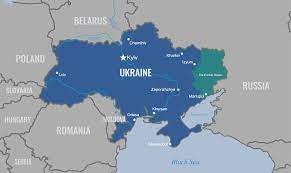
Putin’s threats have heightened world tensions and triggered speculation as to whether he would use nukes—against Ukraine or NATO countries, including the United States.
Volodymyr Zelensky thinks Putin is not bluffing.
President Joe Biden initially assured Americans there was no cause for concern. But since then the United States has stated that it has warned Putin that any use of nuclear weapons would trigger a catastrophic (non-specific) response against Russia.
Seen against the backdrop of Russia’s titanic victory in “the Great Patriotic War,” Putin’s repeated threats to use nuclear weapons actually underscore Russia’s weakness, not its strength.
Consider:
- “The Great Patriotic War” lasted almost four years—from June 22, 1941, to May 7, 1945.
- Russia’s opponent, Nazi Germany, was the most-feared military power in Europe.
- The war cost the Soviet Union at least 26 million lives before ending with the Red flag flying over Berlin.
- Almost the entire western half of the Soviet Union was devastated—first as the Germans overran territory from the Polish border to the gates of Moscow, and then again as the Soviets slowly pushed them back to Germany itself.
- For Russians, this was truly a “people’s war,” won through massive sacrifice and heroism—and without the use of nuclear weapons, which did not then exist.
Seventy-seven years after the end of World War II:
- Against the smaller and initially ill-equipped Ukrainian army, Russia has enjoyed a huge advantage in manpower and material.
- Yet so low is Russian morale that Putin has been forced to offer huge bribes to foreign mercenaries and even convicted criminals to refill his dispirited legions.
- Ukrainians, fueled by patriotism and a desire for vengeance, are fighting—and winning—their own version of “the Great Patriotic War.”
ABC NEWS, ADOLF HITLER, ALTERNET, AMERICABLOG, AP, BABY BOOMER RESISTANCE, BBC, BLOOMBERG NEWS, BUZZFEED, CBS NEWS, CNN, CROOKS AND LIARS, DAILY KOS, FIVETHIRTYEIGHT, HARPER’S MAGAZINE, HUFFINGTON POST, JOSEPH STALIN, MEDIA MATTERS, MOTHER JONES, MOVEON, MSNBC, NAZI-SOVIET "NON-AGGRESSION PACT", NBC NEWS, NEW REPUBLIC, NEWSDAY, NEWSWEEK, NPR, NUCLEAR WEAPONS, PBS NEWSHOUR, POLITICO, POLITICUSUSA, RAW STORY, REUTERS, SALON, SEATTLE TIMES, SLATE, TALKING POINTS MEMO, THE ATLANTIC, THE CHICAGO SUN-TIMES, THE CHICAGO TRIBUNE, THE DAILY BEAST, THE DAILY BLOG, THE GUARDIAN, THE HILL, THE HUFFINGTON POST, THE INTERCEPT, THE LOS ANGELES TIMES, THE NATION, THE NEW REPUBLIC, THE NEW YORK TIMES, THE NEW YORKER, THE SS, THE VILLAGE VOICE, THE WASHINGTON POST, THINKPROGRESS, THIRD REICH, TIME, TRUTHDIG, TRUTHOUT, U.S. NEWS & WORLD REPORT, UKRAINE, UPI, USA TODAY, VLADIMIR PUTIN, VOLODYMYR ZELENSKY, WEHRMACHT, WORLD WAR 11, X
In Bureaucracy, History, Military, Politics, Social commentary on November 20, 2024 at 12:05 am
On June 22, 1941, with 134 Divisions at full fighting strength and 73 more divisions for deployment behind the front, the German Wehrmacht invaded the Soviet Union.
Joseph Stalin, the longtime Soviet dictator, was stunned. The invasion had come less than two years after Germany had signed a non-aggression pact with the Soviet Union.
On August 23, 1939, Stalin had signed the German-Soviet Nonaggression Pact with German Fuhrer Adolf Hitler.
The reason: Each dictator got what he wanted—for the moment. Hitler was planning to invade Poland in a matter of days—and he wanted to avoid a war with the Soviet Union.
And Stalin got what he wanted: The eastern half of Poland.
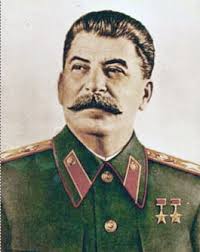
Joseph Stalin
The agreement stunned the world. Since 1919, Nazis and Communists had fought bitter battles against each other in the streets of Germany during the Weimar Republic.
When this was replaced in 1933 by the Third Reich, German Communists were rounded up and imprisoned, if not murdered, by Hitler’s ruthless secret police, the Schutzstaffel (“Protective Squads”).
For the moment, however, all of that was conveniently forgotten.
And, surprising as it might seem, each dictator harbored a secret respect for the other.
After Hitler launched a blood-purge of his own private Stormtroopers army on June 30, 1934, Stalin exclaimed: “Hitler, what a great man! That is the way to deal with your political opponents!”
And Hitler was equally admiring of Stalin’s notorious ruthlessness: “After the victory over Russia,” he told his intimates, “it would be a good idea to get Stalin to run the country, with German oversight, of course. He knows better than anyone how to handle the Russians.”
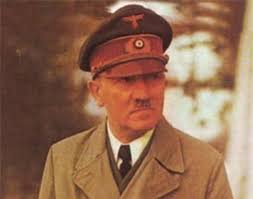
Adolf Hitler
But Hitler hadn’t forgotten his life’s ambition to conquer the Soviet Union and utterly destroy “the scourge of Jewish-Marxism.”
Stalin received numerous warnings from the United States and Great Britain about the coming invasion. But he dismissed them as efforts by the West to trick him into violating the pact and turning Nazi Germany into his mortal enemy.
When informed of the attack, Stalin at first believed it was being made by rogue German forces. He refused to order an immediate counterattack.
Upon being convinced that the Wehrmacht intended to wage all-out war, he went into a funk in his dacha and shut himself off from everyone. To his closest associates he wailed: “Lenin left us a great inheritance and we, his heirs, have fucked it all up!”
Meanwhile, the Red Air Force was destroyed on the ground by the awesome Luftwaffe. And the Wehrmacht was advancing at a rate of 25 miles a day.
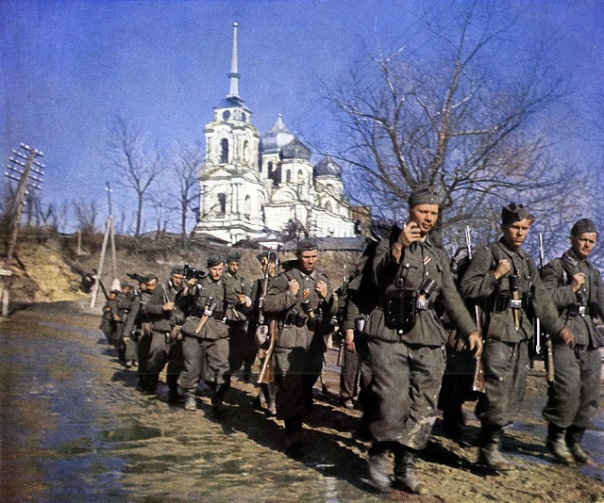
German soldiers marching through Russia
On July 3, after 10 days of brooding (and probably drinking heavily) in his dacha, Stalin finally took to the airways across the Soviet Union.
Never a spellbinding orator, Stalin spoke in slow and faltering tones. Nevertheless, his opening words were startling: “Comrades! Citizens! Brothers and sisters! Men of our army and navy! I am addressing you, my friends!”
Stalin had never addressed an audience this way, and he never would again.
He said the “peace loving” Soviet Union had been attacked by “fiends and cannibals” who wanted to restore the rule of the landlords and Czars. He claimed the non-aggression pact with Germany had given the army much-needed time to rearm and reorganize its forces.
This was accompanied by orders unprecedented in any other army: Those taken prisoner by the Germans were to be considered traitors—and shot or imprisoned. Those suspected of wounding themselves to avoid combat were also subject to summary execution. So were soldiers who had been legitimately wounded in battle but were suspected of inflicting those injuries.
The first two years of the war—1941 to 1943—proved disastrous for the Soviet Union.
During the first six months—June to December, 1941—German armies lured huge Soviet forces into gigantic “cauldron battles,” surrounding and exterminating them. An estimated 5.7 million prisoners of war (POWs) fell into German hands. Of these, at least 3.5 million died in custody.
But then the infamous Russian cold and snows of winter halted the Wehrmacht before Moscow.
In the summer of 1942 German forces once again mounted a ferocious offensive, driving all the way to the Volga—and Stalingrad.
But they became bogged down in bitter house-to-house fighting. With the arrival of winter, Soviet forces surrounded the Wehrmacht’s powerful Sixth Army. The besiegers became the besieged. On February 2, 1943, Field Marshal Friedrich von Paulus surrendered what remained of his army. The battle cost Germany 500,000 men, including 91,000 taken prisoner.
As the Red Army finally began to go over on the offensive, Stalin relaxed the iron controls that had long stifled creativity on the part of his commanders.
The infamous political commissars were removed from control over Russian generals. Gold braid and fancy uniforms were manufactured and rushed to the front as morale boosters.
The war would last another two years—costing the Soviet Union at least 26 million citizens—before it ended with the Red flag flying over Berlin.
Almost the entire western half of the Soviet Union was devastated—first as the Germans overran territory from the Polish border to the gates of Moscow, and then again as the Soviets slowly pushed them back to Berlin—the capital of the Third Reich itself.
 Bureaucracybuster's Blog
2020 PRESIDENTIAL ELECTION, 2024 PRESIDENTIAL ELECTION, ABC NEWS, ABORTION, ADAM SCHIFF, ALTERNET, AMERICABLOG, ANNE APPLEBAUM, AP, ASSASSINATION, AUTOCRACY INC. (BOOK), “PRESIDENT-FOR-LIFE”, BABY BOOMER RESISTANCE, BARACK OBAMA, BBC, BILL O'REILLY, BIRTH CONTROL, BLOOMBERG, BUZZFEED, CAPITOL PUNISHMENT, CBS NEWS, CHINA, CHRISTIANITY, CHRISTIANS, CIA, CNN, CONSERVATIVE POLITICAL ACTION CONFERENCE (C-PAC), CROOKS AND LIARS, DAILY KOS, DEPARTMENT OF HOMELAND SECURITY, DICTATORSHIP, DONALD TRUMP, ENVIRONMENTAL PROTECTION AGENCY, FBI, FEDERAL COMMUNICATIONS COMMISSION (FCC), FEDERAL TRADE COMMISSION (FTC), FIVETHIRTYEIGHT, FOX NEWS SUNDAY, FRANKLIN D. ROOSEVELT, HARPER’S MAGAZINE, HERITAGE FOUNDATION, HUFFINGTON POST, INTELLIGENCE AGENCIES, JACK SMITH, JAMES MATTIS, JANUARY 6 COUP ATTEMPT, JEFF SESSIONS, JOE BIDEN, JUDICIARY, Kamala Harris, KIM JONG-UN, MARK MILLEY, MEDIA MATTERS, MILITARY AGENCIES, MORNING JOE (SHOW), MOTHER JONES, MOVEON, MSNBC, NATIONAL ASSOCIATION OF BLACK JOURNALISTS, NATIONAL OCEANIC AND ATMOSPHERIC ASSOCIATION (NOAA), NATIONAL RIFLE ASSOCIATION, NATIONAL SECURITY AGENCY, NBC NEWS, NEW REPUBLIC, NEWSDAY, NEWSWEEK, NORTH KOREA, NPR, PBS NEWSHOUR, POLITICO, POLITICUSUSA, PRESIDENTIAL TRANSITION PROJECT, PROJECT 2025, PUBLIC TRANSIT SYSTEMS, RAW STORY, REUTERS, ROBERT MUELLER, ROD J. ROSENSTEIN, RUSSIA, SALON, SCARFACE (MOVIE), SEATTLE TIMES, SLATE, TALKING POINTS MEMO, TAX CUTS, THE ATLANTIC, THE CHICAGO SUN-TIMES, THE CHICAGO TRIBUNE, THE DAILY BEAST, THE DAILY BLOG, THE GUARDIAN, THE HILL, THE HUFFINGTON POST, THE INTERCEPT, THE LOS ANGELES TIMES, THE NATION, THE NEW REPUBLIC, THE NEW YORK TIMES, THE NEW YORKER, THE PRESS, THE VILLAGE VOICE, THE WASHINGTON POST, THINKPROGRESS, THOMAS MATTHEW CROOKS, TIME, TRUTHDIG, TRUTHOUT, TURNING POINT BELIEVERS’ SUMMIT, TWO POLITICAL JUNKIES, U.S. NEWS & WORLD REPORT, UNITED STATES DEPARTMENT OF JUSTICE, UPI, USA TODAY, VLADIMIR PUTIN, VOTER FRAUD, X, XI JINPING
THE COMING DICTATORSHIP–AND ITS AGENDA: PART THREE (END)
In Bureaucracy, History, Law, Law Enforcement, Military, Politics, Social commentary, Uncategorized on January 15, 2025 at 12:10 amOn August 1, Pulitzer Prize winning historian Anne Applebaum warned about Donald Trump’s dictatorial ambitions on the PBS Newshour. As the author of Autocracy, Inc.: The Dictators Who Want to Run the World, she brings a specialist’s perspective to this subject.
She defines an “autocrat” as someone “who seeks to rule with no checks and balances, with no checks on his authority, with no judges, no media, no intermediary figures or institutions, who wants to control everything that happens in the state and to make all of the decisions.”
Asked if Trump wants to be an autocrat, she replied:
“Sometimes, he says so in the language he uses about—whether it’s about President Xi, who he admires, or President Putin, who he admires, or even the dictator of North Korea, who’s driven his country into poverty and isolation, who he also admires….
“And he has very few kind words for American allies or for fellow democracies. It’s really the absolute—people with absolute power that he wants to be like.
“And you can also hear in the language he uses, whether it’s about judges, or whether it’s about the media, or whether it’s about American institutions of other kind, about the electoral system, that he has great disdain for the institutions of democracy and the rules that were set up to make sure that power is checked in our country and that the executive isn’t a king.
“And those are disturbing traits. And they would be disturbing at any time in history, but they’re particularly disturbing now, when we have the rise of so many leaders with absolute power around the world who would love to have a transactional American president to do deals with.”
Anne Applebaum
Hb19821970, CC BY-SA 3.0 <https://creativecommons.org/licenses/by-sa/3.0>, via Wikimedia Commons
Upon taking office as the Nation’s 45th President, Donald Trump deliberately set out to attack or undermine one long-cherished public or private institution after another.
Among these:
Mark Milley
* * * * *
Since leaving the White House, Donald Trump has continued to undermine one American institution after another.
Donald Trump isn’t crazy, as many of his critics charge. He knows exactly what he’s doing—and why.
He intends to strip every potential challenger to his authority—or his version of reality—of legitimacy with the public.
If he succeeds, there will be:
Share this: