Archive for the ‘Politics’ Category
ABC NEWS, ADOLF HITLER, ALTERNET, AMERICABLOG, AP, BABY BOOMER RESISTANCE, BBC, BLOOMBERG, BLOOMBERG NEWS, BLUESKY, BURT LANCASTER, BUZZFEED, CANADA, CBS NEWS, CLIMATE CHANGE, CNN, CONCENTRATION CAMPS, CROOKS AND LIARS, DAILY KOS, DAVID BROOKS, DEMOCRATS, DIVERSITY EQUTY AND INCLUSION (DEI), DONALD TRUMP, ERIC SWALWELL, FBI, FEDERAL GOVERNMENT SHUTDOWN, FIVETHIRTYEIGHT, FREEDOM OF THE PRESS, HARPER’S MAGAZINE, HUFFINGTON POST, IRAN, ISRAEL, JAMES COMEY, JANUARY 6 COUP ATTEMPT, JOHN F. KENNEDY CENTER FOR THE PERFORMING ARTS, JUDGMENT AT NUREMBERG, JUSTICE DEPARTMENT, LETIA JAMES, MEDIA MATTERS, MOTHER JONES, MOVEON, MSNBC, NAZI GERMANY, NBC NEWS, NEW REPUBLIC, NEWSDAY, NEWSWEEK, NPR, NUREMBERG TRIALS, PBS NEWSHOUR, POLITICO, POLITICUSUSA, RAW STORY, REPUBLICANS, REUTERS, ROBERT PAYNE, SALON, SEATTLE TIMES, SLATE, SOVIET UNION, SPENCER TRACY, SUPPLEMENTAL NUTITION ASSISTANCE PROGRAM (SNAP), TALKING POINTS MEMO, THE ATLANTIC, THE CHICAGO SUN-TIMES, THE CHICAGO TRIBUNE, THE DAILY BEAST, THE DAILY BLOG, THE GUARDIAN, THE HILL, THE HUFFINGTON POST, THE INTERCEPT, THE LIFE AND DEATH OF ADOLF HITLER (BOOK), THE LOS ANGELES TIMES, THE NATION, THE NEW REPUBLIC, THE NEW YORK TIMES, THE NEW YORKER, THE VILLAGE VOICE, THE WASHINGTON POST, THINKPROGRESS, TIME, TRUTHDIG, TRUTHOUT, TWO POLITICAL JUNKIES, U.S. NEWS & WORLD REPORT, UPI, USA TODAY, WONKETTE, X
In Bureaucracy, History, Law, Law Enforcement, Military, Politics, Social commentary on March 27, 2026 at 12:11 am
Those who have seen the classic 1961 movie, “Judgment at Nuremberg,” will remember its pivotal moment.
That’s when Burt Lancaster, as Ernst Janning, the once distinguished German judge, confesses his guilt and that of Nazi Germany in a controlled, yet emotional, outburst.
Addressing the court—presided over by Chief Judge Dan Haywood (Spencer Tracy)—Janning explains the forces that led to the triumph of evil:
“My counsel would have you believe we were not aware of the concentration camps. Not aware? Where were we?
“Where were we when Hitler began shrieking his hate in the Reichstag? When our neighbors were dragged out in the middle of the night to Dachau?
“Where were we when every village in Germany had a railroad terminal where cattle cars were filled with children being carried off to their extermination? Where were we when they cried out in the night to us? Were we deaf? Dumb? Blind?
“My counsel says we were not aware of the extermination of the millions. He would give you the excuse we were only aware of the extermination of the hundreds. Does that make us any the less guilty?
“Maybe we didn’t know the details, but if we didn’t know, it was because we didn’t want to know.”

On August 14, 2020, Representative Eric Swalwell (D-CA) offered this proposal: “I don’t say this lightly: When we escape this Trump hell, America needs a Presidential Crimes Commission. It should be made up of independent prosecutors who look at those who enabled a corrupt president.”
On November 3, 2020, Joseph Biden was elected President. But during the next four years, Democrats refused to act on this proposal. Had they done so, the United States might now be a far different nation.
If such a commission is empaneled by a future President or Congress, an equally conscience-stricken former member of the Donald Trump administration might well make a statement similar to the one given above:
“My counsel would have you believe we were not aware of the ICE concentration camps. Not aware? Where were we?
“Where were we when Trump began shrieking his hate across the country? When Trump called our free press ‘the enemy of the people’?
“Where were we when Trump started an unprovoked war against Iran and openly boasted that he would destroy its civilian infrastructure—a clear war crime?
“Where were we when Trump turned the Justice Department into his personal SS to illegally prosecute those who had legitimately investigated him?
“My counsel says we were not aware of Trump’s creating a private army of ICE goons who shot innocent American citizens.
“Does that make us any the less guilty? Maybe we didn’t know the details of all these atrocities. But if we didn’t know, it was because we didn’t want to know.”
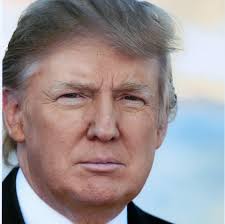
Donald Trump
In his bestselling 1973 biography, The Life and Death of Adolf Hitler, British historian Robert Payne harshly condemned the German people for the rise of the Nazi dictator:
“Ultimately, the responsibility for the rise of Hitler lies with the German people, who allowed themselves to be seduced by him and came to enjoy the experience….
“They followed him with joy and enthusiasm because he gave them license to pillage and murder to their hearts’ content. They were his servile accomplices, his willing victims….
“If he answered their suppressed desires, it was not because he shared them, but because he could make use of them. He despised the German people, for they were merely the instruments of his will.”
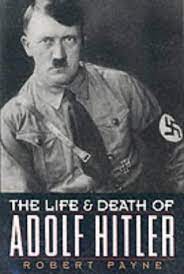
On November 5, 2024, 77,302,580 ignorant, hate-filled, Right-wing Americans catapulted Donald Trump—a man, charged conservative New York Times columnist David Brooks, with an “odd psychology unleavened by kindness and charity”—once again into the Presidency.
Upon re-taking office on January 20, 2025, Trump began attacking the vital foundations of democracy
- Granting clemency to more than 1,500 people convicted of offenses related to the January 6, 2021 United States Capitol attack.
- Reversing climate change initiatives, eliminating DEI programs and initiating a federal hiring freeze.
- Taking an increasingly aggressive stance toward Canada, imposing steep tariffs and even threatening military intervention to make it the 51st state.
- Purging a half-dozen assistant directors of the FBI who oversee criminal, national security and cyber investigations. Their “crime: Investigating Trump’s inciting the January 6, 2021 coup attempt and his illegally hoarding sensitive national security documents after leaving office.
- Ordering the Justice Department to indict his critics such as New York Attorney General Letitia James and former FBI Director James Comey.
- Shutting off the Supplemental Nutrition Assistance Program (SNAP) for the poor to pressure Democrats to support his gutting of healthcare programs.
- Igniting an unprovoked war with Israel against Iran.
**********
Democracies that allow such crimes to go unpunished soon cease being democracies.
It’s natural to regret that the United States has need of such a drastic remedy as a Presidential Crimes Commission. But those who lament this should realize there is only one choice:
Either non-Fascist Americans will destroy the Republican party and its voters that threaten to enslave them—or they will be enslaved by Republicans and their voters who believe they are entitled to manipulate and undermine the country’s democratic processes.
There is no middle ground.
ABC NEWS, ADOLF HITLER, ALFRED JODL, ALTERNET, AMERICABLOG, AP, AYATOLLAH ALI KHAMENEI, BABY BOOMER RESISTANCE, BBC, BELGIUM, BLOOMBERG, BLOOMBERG NEWS, BLUESKY, BUZZFEED, CBS NEWS, CNN, CROOKS AND LIARS, DAILY KOS, FIVETHIRTYEIGHT, FRANCE, GREECE, HARPER’S MAGAZINE, HEINZ GUDERIAN, HOLLAND, HUFFINGTON POST, ISRAEL, JORDAN, JOSEPH STALIN, KUWAIT, LENINGRAD, MEDIA MATTERS, MOSCOW, MOTHER JONES, MOVEON, MSNBC, NAPOLEON BONAPARTE, NAZI GERMANY, NBC NEWS, NEW REPUBLIC, NEWSDAY, NEWSWEEK, NORTH ATLANTIC TREATY ORGANIZATION (NATO), NORWAY DENMARK, NPR, NUCLEAR WEAPONS, OIL FIELDS, PBS NEWSHOUR, PETE HEGSETH, POLAND, POLITICO, POLITICUSUSA, QATAR, RAW STORY, REPUBLICAN PARTY, REUTERS, SALON, SAUDI ARABIA, SAVING PRIVATE RYAN (MOVIE), SEATTLE TIMES, SLATE, SOVIET UNION, TALKING POINTS MEMO, TERRORISM, THE ATLANTIC, THE CHICAGO SUN-TIMES, THE CHICAGO TRIBUNE, THE DAILY BEAST, THE DAILY BLOG, THE GUARDIAN, THE HILL, THE HUFFINGTON POST, THE INTERCEPT, THE LONGEST DAY (MOVIE, THE LOS ANGELES TIMES, THE NATION, THE NEW REPUBLIC, THE NEW YORK TIMES, THE NEW YORKER, THE PENTAGON, THE UNITED ARAB EMIRATES, THE VILLAGE VOICE, THE WASHINGTON POST, THINKPROGRESS, THIRD REICH, TIME, TRUTHDIG, TRUTHOUT, TWO POLITICAL JUNKIES, U.S. NEWS & WORLD REPORT, UPI, USA TODAY, WEHRMACHT, WONKETTE, X, YUGOSLAVIA
In Bureaucracy, History, Law, Politics, Social commentary on March 26, 2026 at 12:17 am
Donald Trump’s unprovoked attack on Iran is separated from Adolf Hitler’s attack on the Soviet Union by a span of 84 years. Yet despite differences in geography and history, eerie similarities exist between the two.
Hitler launched his assault on the Soviet Union on June 22, 1941—after a series of quick military conquests: Poland (1939); Norway, Denmark, Holland, Belgium, France (1940); Greece and Yugoslavia (1941).
Similarly, before launching his assault on Iran on February 28, Trump had scored a number of triumphs–albeit of a non-military nature. A March 19, 2026 article in The New Republic offers a partial summary:

Donald Trump and Adolf Hitler
“In the first year since returning to power, Trump and his subordinates have pushed the country toward fascism and oligarchy. He has turned Washington into an orgy of corruption and self-dealing beyond even the most cynical observer’s imagination.
“He has transformed Immigration and Customs Enforcement and Border Patrol into a lawless paramilitary force that has besieged American cities and killed at least five U.S. citizens and 22 foreign nationals. He has abused Americans and their immigrant neighbors alike simply because he can.”
In his attempt to conquer the Soviet Union, Hitler made the fatal mistake of trying to conquer too much territory all at once.
In August 1941, Hitler diverted forces from the central push on Moscow to surround Leningrad and industrial regions in the South, which delayed the attack on Moscow. By the time Hitler decided to capture Moscow, the weather had turned cold and the Germans were exhausted and freezing.
As in the case of Hitler, Trump assumed that Iran could be forced to quickly surrender. But that effort has been handicapped by a series of shifting and contradictory goals:
- Preventing Iran from developing nuclear weapons.
- Destroying Iran’s missile capabilities.
- Annihilating the Iranian navy.
- Ensuring that Iran quit arming, funding and/or directing “terrorist armies” outside its borders.
In the opening day of the war, American and Israeli airstrikes killed Iran’s Supreme Leader, Ayatollah Ali Khamenei. By March 17, Israel announced that it had killed two more top Iranian leaders in airstrikes. Still, Iranians chose new leaders to succeed dead ones and went on fighting.

Ayatollah Ali Khamenei
On March 19, Israeli airstrikes hit Iran’s largest gas field—South Pars, which is part of the world’s largest natural gas reserves. In retaliation, Iran launched drone and missile attacks against energy infrastructure in Saudi Arabia, the United Arab Emirates (UAE), Qatar, and Kuwait.
Iran also targeted Israel and attacked U.S. military bases in the region, including in Bahrain and Jordan.
Trump said there would be no further attacks on South Pars unless Iran attacked Qatar again. In that case the U.S. “will massively blow up the entirety” of the gas field.
Hitler expected the Soviet Union to collapse in a matter of weeks. France, which supposedly had the strongest army in Europe, had collapsed in six weeks in 1940. He believed that General Winter, which had defeated Napoleon in 1812, would not be a problem for the mechanized Wehrmacht.
Yet the Wehrmacht was far less mechanized than portrayed by German propagandists. It relied heavily on horses for approximately 80% of its transport needs throughout World War II. During the winter of 1941 – 1942, the Wehrmacht lost over 179,000 horses. In the Army Group Center sector, losses reached roughly 1,000 per day.
In movies like “The Longest Day” and “Saving Private Ryan,” Americans celebrate the D-Day landings on France, on June 6, 1944. But for Nazi Germany, “the real war” was in the East. There the Wehrmacht concentrated the largest proportion of its forces—and suffered 85% of its casualties.
By March 19, the United States had spent $12 to over $12.7 billion on military operations against Iran, which began on February 28.
And by March 19, the Pentagon was asking for an additional $200 billion for the war. Secretary of Defense Pete Hegseth said “that number could move.” When asked why so much more funding was needed, he replied: “It takes money to kill bad guys.”
It also takes money—lots of it—to keep Pentagon brass well-supplied with luxuries denied to Americans forced to live on Food Stamps.
In September 2025, the Pentagon spent a record-breaking $93.4 billion in a single month. While most of this was for military grants and contracts, a significant portion was used for high-end furniture, luxury food and musical instruments.
This spending surge, often called a “use-it-or-lose-it” spree, occurs at the end of the fiscal year as agencies rush to exhaust their budgets to avoid future cuts. Examples:
- Luxury Food: Lobster tail, $15 million on ribeye steak, $9 million on Alaskan King Crab, $25 million+ on salmon
- Furniture: High-end office furniture: $225.6 million, including $60,000 for Herman Miller recliners
- Instruments: $1.8 million: Steinway & Sons grand piano ($98,329), a $21,750 custom handmade flute and a $26,000 violin
- IT/Devices: High-Spec Apple iPad Air M3s and Samsung 98-inch monitors – $5.3 million
- Goodies: Ice cream machines, doughnuts, fruit basket stands – $275,000+
Meanwhile, Trump has called for huge increases to the Pentagon’s budget. In January, he posted that the 2027 fiscal year budget should be $1.5 trillion—a 50% increase.
“This will allow us to build the ‘Dream Military’ that we have long been entitled to and, more importantly, that will keep us SAFE and SECURE, regardless of foe.”
Fasten your seatbelts. It’s going to be a bumpy—and expensive—nightmare.
ABC NEWS, ADOLF HITLER, ALFRED JODL, ALTERNET, AMERICABLOG, AP, AYATOLLAH ALI KHAMENEI, BABY BOOMER RESISTANCE, BBC, BELGIUM, BLOOMBERG, BLOOMBERG NEWS, BLUESKY, BUZZFEED, CBS NEWS, CNN, CROOKS AND LIARS, DAILY KOS, FIVETHIRTYEIGHT, FRANCE, GREECE, HARPER’S MAGAZINE, HEINZ GUDERIAN, HOLLAND, HUFFINGTON POST, ISRAEL, JORDAN, JOSEPH STALIN, KUWAIT, LENINGRAD, MEDIA MATTERS, MOSCOW, MOTHER JONES, MOVEON, MSNBC, NAPOLEON BONAPARTE, NAZI GERMANY, NBC NEWS, NEW REPUBLIC, NEWSDAY, NEWSWEEK, NORTH ATLANTIC TREATY ORGANIZATION (NATO), NORWAY DENMARK, NPR, NUCLEAR WEAPONS, OIL FIELDS, PBS NEWSHOUR, PETE HEGSETH, POLAND, POLITICO, POLITICUSUSA, QATAR, RAW STORY, REPUBLICAN PARTY, REUTERS, SALON, SAUDI ARABIA, SAVING PRIVATE RYAN (MOVIE), SEATTLE TIMES, SLATE, SOVIET UNION, TALKING POINTS MEMO, TERRORISM, THE ATLANTIC, THE CHICAGO SUN-TIMES, THE CHICAGO TRIBUNE, THE DAILY BEAST, THE DAILY BLOG, THE GUARDIAN, THE HILL, THE HUFFINGTON POST, THE INTERCEPT, THE LONGEST DAY (MOVIE, THE LOS ANGELES TIMES, THE NATION, THE NEW REPUBLIC, THE NEW YORK TIMES, THE NEW YORKER, THE PENTAGON, THE UNITED ARAB EMIRATES, THE VILLAGE VOICE, THE WASHINGTON POST, THINKPROGRESS, THIRD REICH, TIME, TRUTHDIG, TRUTHOUT, TWO POLITICAL JUNKIES, U.S. NEWS & WORLD REPORT, UPI, USA TODAY, WEHRMACHT, WONKETTE, X, YUGOSLAVIA
In Bureaucracy, History, Military, Politics, Social commentary on March 25, 2026 at 12:02 am
Adolf Hitler had a warning for Donald Trump on the eve of his launching airstrikes against Iran.
A warning Trump should have heeded—but didn’t.
It all started on June 22, 1941.
On that date, Hitler ordered his powerful Wehrmacht o invade the Soviet Union.
Less than two years earlier, on August 23, 1939, he had signed a “non-aggression” pact with his longtime arch-enemy, Joseph Stalin, dictator of the Soviet Union.
Since then, his army had conquered Poland, Norway, Denmark, Holland, Belgium and France.
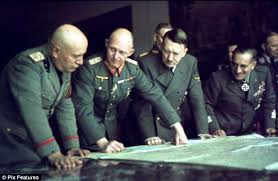
Adolf Hitler with his generals
Now, he believed, it was time to “settle accounts” with the Soviet Union.
Only there could Germany obtain the “living space” it “needed” for its expanding population.
So at 3 a.m. on June 22, 1941, Hitler once again launched an invasion.
At first, Hitler felt giddy with excitement.
Turning to Alfred Jodl, his chief of operations for the Wehrmacht, he said: “We have only to kick in the door and the whole rotten structure will come crashing down.”
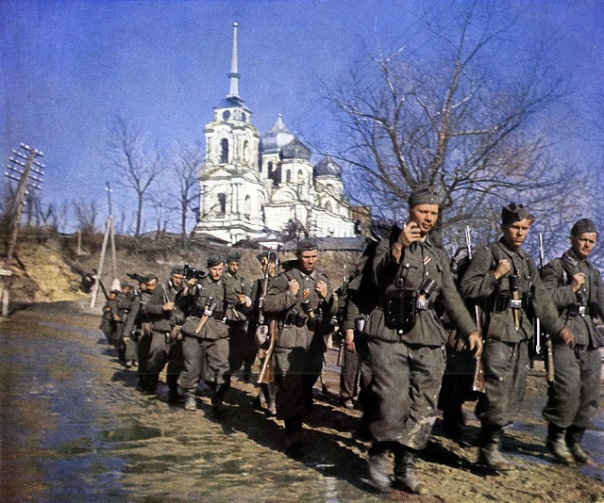
German soldiers marching through Russia
But soon afterward—almost as if he had just looked into the future and seen that he had none—he told an aide: “At the beginning of each campaign, one pushes a door into a dark, unseen room. One can never know what is hiding inside.”
That certainly proved true for Hitler.
Within four years, he was dead and the Red Army occupied Berlin.
And now the law of unintended consequences may be coming true for President Donald Trump and the United States.
On February 28, Trump—in concert with Israel—launched a series of devastating, unprovoked airstrikes against Iran. Since then, Trump and his Secretary of Defense, Pete Hegseth, have been all over the map with rosy predictions.

Donald Trump
- February 28: Trump posted on Truth Social that the bombing would continue “throughout the week or as long as necessary to achieve our objective of PEACE THROUGHOUT THE MIDDLE EAST AND, INDEED, THE WORLD!”
- March 1: In a video Trump declared that the war would continue “until all of our objectives are achieved.”
- March 2: Trump: “Right from the beginning, we projected four to five weeks, but we have capability to go far longer than that.”
- March 5: Hegseth to Pentagon reporters: “You can say four weeks [how long the war might last] but it could be six, it could be eight, it could be three. Ultimately, we set the pace and the tempo.”
- March 6: Trump: “There will be no deal with Iran except UNCONDITIONAL SURRENDER.”
- March 8: Hegseth: “We’re willing to go as far as we need to in order to be successful.”
- March 9: Trump: “No, but soon. I think so. Very soon” when asked by a reporter if the war would be over that week.
- March 11: “You know, you never like to say too early you won. We won. We won the, in the first hour, it was over.”
Hitler had been similarly optimistic about how long it would take to conquer the Soviet Union: Six to eight weeks, at the longest. And during the first three months of the war—July through September, 1941—that optimism seemed well-placed.
The Wehrmacht repeatedly lured Soviet armies into huge “cauldron battles,” then surrounded them, killing thousands and taking thousands of prisoners. By the end of September, German forces had captured or killed over 650,000 Russian troops in the Battle of Kiev alone, with total Soviet casualties reaching millions.
But then Hitler—and the Wehrmacht—paid a fatal price for their misplaced optimism.
The best—and most lethal—example of this hubris: The Wehrmacht went to war in summer uniforms on June 22—and were still wearing them in December.
Hitler placed infinite faith in the power of will to overcome all obstacles. When his soldiers were literally freezing to death before the gates of Moscow, Hitler believed that with “just one more push” the Soviet capital would fall.
When Heinz Guderian, his foremost expert on tank warfare, informed Hitler that German soldiers had no defense against the bitter cold, Hitler replied: They should dig foxholes.
Guderian replied that the icy ground was too solid to be punctured with spades.
Hitler’s reply: They should fire artillery shells into the ground to build foxholes.
This totally ignored the reality that, by December, 1941, the German army was dangerously short on munitions of all kinds.
Like Hitler, Trump seemed to consider himself omnipotent. Asked by a reporter how long the war would last, the President replied: “Any time I want it to end, it will end.”
Yet by the third week of the war, he began demanding—not asking—the assistance of NATO countries: We’ve had your back, now it’s our turn.
This totally ignored the fact that NATO exists to aid any of its members if it is attacked. After 9/11, NATO air force planes screened American airspace to prevent a repeat of similar carnage.
But NATO members are not obligated to join any nation in igniting a war. And that was precisely what Trump did on February 28—without consulting or even informing NATO of his plans to attack.
The only country that knew his intentions was Israel.
2016 PRESIDENTIAL CAMPAIGN, 2020 PRESIDENTIAL CAMPAIGN, ABC NEWS, ADOLF HITLER, ALTERNET, AMERICABLOG, ANCIENT GREECE, ANCIENT ROME, AP, BABY BOOMER RESISTANCE, BERNIE SANDERS, BUZZFEED, CATASTROPHE, CBS NEWS, CHINA, CNN, CONSUMER PROTECTION, CORPORATE TAXES, CORRUPTION, CROOKS AND LIARS, DAILY KOS, DEMOCRATIC PARTY, DONALD TRUMP, DRUDGE RETORT, EXECUTIVE PAYWATCH, FACEBOOK, FIVETHIRTYEIGHT, FORBES, FUNDRAISING, HARPER’S MAGAZINE, HILLARY CLINTON, INCOME INEQUALITY, IVAN THE TERRIBLE, JOE BIDEN, JOSEPH STALIN, LEON TROTSKY, MEDIA MATTERS, MOTHER JONES, MOVEON, MSNBC, NAZI GERMANY, NBC NEWS, NEWSWEEK, NICCOLO MACHIAVELLI, NPR, PBS NEWSHOUR, POLITICO, POLITICUSUSA, RAW STORY, REUTERS, ROBERT PAYNE, ROBERT REICH, SALON, SEATTLE TIMES, SLATE, SPARTACUS, TALKING POINTS MEMO, THE ATLANTIC, THE CHICAGO SUN-TIMES, THE CHICAGO TRIBUNE, THE CORRUPT SOCIETY (BOOK), THE DAILY BEAST, THE DAILY BLOG, THE DISCOURSES, THE FRENCH REVOLUTION, THE GREAT LEVELER (BOOK), THE GUARDIAN, THE HILL, THE HUFFINGTON POST, THE LOS ANGELES TIMES, THE NATION, THE NEW REPUBLIC, THE NEW YORK TIMES, THE RUSSIAN REVOLUTION, THE VILLAGE VOICE, THE WASHINGTON POST, THINKPROGRESS, TIME, TRUTHDIG, TRUTHOUT, TWO POLITICAL JUNKIES, U.S. NEWS & WORLD REPORT, UPI, USA TODAY, VIOLENCE, Vladimir Lenin, WALL STREET, WALTER SCHEIDEL, WATERGATE, WEALTH GAP, WILLIAM SHAKESPEARE, WINSTON CHURCHILL, WONKETTE, X
In Bureaucracy, Business, History, Law, Politics, Social commentary on March 24, 2026 at 12:22 am
The gap between rich and poor in the United States has never been greater.
According to former Labor Secretary Robert Reich:
“The richest Americans saw their net worth soar 120% from 2017 to 2025. The top 1% now control $55.8 trillion in assets—more than the G.D.P. of the United States and China combined. Meanwhile, millions of Americans live paycheck to paycheck.”
Average CEO pay has exploded, rising over 1,000% since the late 1970s while typical worker pay has only grown modestly. As of 2024, top CEOs make nearly 300 times more than their average employee, a trend driven by stock buybacks and corporate greed rather than merit.
Since 1978, CEO pay increased by 1,085%, while typical worker pay rose only 24%. In 2023, CEOs at the top 350 U.S. firms earned 290 times more than the average worker.
This would not have been news to Niccolo Machiavelli, the father of modern political science. In his masterwork, The Discourses, he observed the human condition as that of constant struggle:

Niccolo Machiavelli
“It was a saying of ancient writers, that men afflict themselves in evil, and become weary of the good, and that both these dispositions produce the same effects.
“For when men are no longer obliged to fight from necessity, they fight from ambition, which passion is so powerful in the hearts of men that it never leaves them, no matter to what height they may rise.
“The reason for this is that nature has created men so that they desire everything, but are unable to attain it. Desire being thus always greater than the faculty of acquiring, discontent with what they have and dissatisfaction with themselves result from it.
“This causes the changes in their fortunes—for as some men desire to have more, while others fear to lose what they have, enmities and war are the consequences. And this brings about the ruin of one province and the elevation of another.”
Author Walter Scheidel, Dickason Professor in the Humanities, Professor of Classics and History at Stanford University, has also given this subject a great deal of thought. And, like Machiavelli, he has reached some highly disturbing conclusions.

Walter Scheidel
World Economic Forum [CC BY-SA 2.0 (https://creativecommons.org/licenses/by-sa/2.0)%5D
Scheidel gave voice to these in his 2017 book, The Great Leveler: Violence and the History of Inequality from the Stone Age to the Twenty-First Century. His thesis: Only violence and catastrophes have consistently reduced inequality throughout history.
According to the book’s jacket blurb: “Are mass violence and catastrophes the only forces that can seriously decrease economic inequality? To judge by thousands of years of history, the answer is yes.
“Tracing the global history of inequality from the Stone Age to today, Walter Scheidel shows that inequality never dies peacefully. Inequality declines when carnage and disaster strike and increases when peace and stability return.
“The Great Leveler is the first book to chart the crucial role of violent shocks in reducing inequality over the full sweep of human history around the world.
“Ever since humans began to farm, herd livestock, and pass on their assets to future generations, economic inequality has been a defining feature of civilization. Over thousands of years, only violent events have significantly lessened inequality.
“The ‘Four Horsemen’ of leveling—mass-mobilization warfare, transformative revolutions, state collapse, and catastrophic plagues—have repeatedly destroyed the fortunes of the rich….
“Today, the violence that reduced inequality in the past seems to have diminished, and that is a good thing. But it casts serious doubt on the prospects for a more equal future.”
Revolutionaries have known the truth of Scheidel’s findings from the gladiators’ revolt of Spartacus (73 – 71 B.C.) to the French Revolution (1789 – 1799) to the overthrow of the Czarist Romanov dynasty (1917).
But American politicians serenely ignore that truth. They depend on the mega-rich for millions of dollars in “campaign contributions”—which pay for self-glorifying ads on TV.
Thus, in 2016, American voters had a “choice” between two “love-the-rich” Presidential candidates: Donald Trump and Hillary Clinton. The result was that millions stayed home or voted in protest for third-party candidates who had no chance of winning.
In his 1975 book, The Corrupt Society: From Ancient Greece to Modern-day America, British historian Robert Payne warned that the predatory rich would not change their behavior: “Nor is there any likelihood that the rich will plow back their money into services to ensure the general good.
“They have rarely demonstrated social responsibility, and they are much more likely to hold on to their wealth at all costs than to renounce any part of it.
“Like the tyrant who lives in a world wholly remote from the world of the people, shielded and protected from all possible influences, the rich are usually the last to observe the social pressures rising from below, and when these social pressures reach flashpoint, it is too late to call in the police or the army.
“The tyrant dies; the police and the army go over to the revolutionaries; and the new government dispossesses the rich by decree. A single authoritative sentence suffices to expunge all private wealth and restore it to the service of the nation.”
For millions of struggling, impoverished Americans, that day cannot come soon enough.
2016 PRESIDENTIAL CAMPAIGN, 2020 PRESIDENTIAL CAMPAIGN, ABC NEWS, ADOLF HITLER, ALTERNET, AMERICABLOG, ANCIENT GREECE, ANCIENT ROME, AP, BABY BOOMER RESISTANCE, BERNIE SANDERS, BUZZFEED, CATASTROPHE, CBS NEWS, CHINA, CNN, CONSUMER PROTECTION, CORPORATE TAXES, CORRUPTION, CROOKS AND LIARS, DAILY KOZ, DEMOCRATIC PARTY, DONALD TRUMP, DRUDGE RETORT, EXECUTIVE PAYWATCH, FACEBOOK, FIVETHIRTYEIGHT, FORBES, FUNDRAISING, HARPER’S MAGAZINE, HILLARY CLINTON, INCOME INEQUALITY, IVAN THE TERRIBLE, JOE BIDEN, JOSEPH STALIN, LEON TROTSKY, MEDIA MATTERS, MOTHER JONES, MOVEON, MSNBC, NAZI GERMANY, NBC NEWS, NEWSWEEK, NICCOLO MACHIAVELLI, NPR, PBS NEWSHOUR, POLITICO, POLITICUSUSA, RAW STORY, REUTERS, ROBERT PAYNE, ROBERT REICH, SALON, SEATTLE TIMES, SLATE, SPARTACUS, TALKING POINTS MEMO, THE ATLANTIC, THE CHICAGO SUN-TIMES, THE CHICAGO TRIBUNE, THE CORRUPT SOCIETY (BOOK), THE DAILY BEAST, THE DAILY BLOG, THE DISCOURSES, THE FRENCH REVOLUTION, THE GREAT LEVELER (BOOK), THE GUARDIAN, THE HILL, THE HUFFINGTON POST, THE LOS ANGELES TIMES, THE NATION, THE NEW REPUBLIC, THE NEW YORK TIMES, THE RUSSIAN REVOLUTION, THE VILLAGE VOICE, THE WASHINGTON POST, THINKPROGRESS, TIME, TRUTHDIG, TRUTHOUT, TWO POLITICAL JUNKIES, U.S. NEWS & WORLD REPORT, UPI, USA TODAY, VIOLENCE, Vladimir Lenin, WALL STREET, WALTER SCHEIDEL, WATERGATE, WEALTH GAP, WILLIAM SHAKESPEARE, WINSTON CHURCHILL, WONKETTE, X
In Bureaucracy, Business, History, Politics, Social commentary on March 23, 2026 at 12:26 am
Americans are used to Presidential candidates telling lies (euphemistically known as “campaign promises”) to get elected.
But when a candidate actually (and usually accidentally) tells the truth, the results can be electrifying.
On June 18, 2019, Democratic Presidential candidate (and future President Joseph Biden addressed a roomful of donors in New York.
The former Vice President believed that his message would comfort his well-heeled audience of billionaires: Don’t worry, if I’m elected, your standard of living won’t change.
Addressing the 100 or so guests at a fundraiser at the Carlyle Hotel in New York City, Biden said that he had taken heat from “some of the people on my team, on the Democratic side” because he had said that rich people were “just as patriotic as poor people.
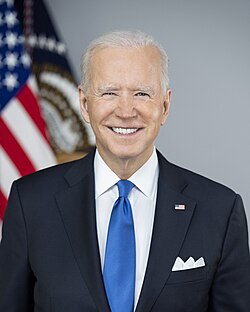
Joe Biden
“The truth of the matter is, you all, you all know, you all know in your gut what has to be done. We can disagree in the margins but the truth of the matter is it’s all within our wheelhouse and nobody has to be punished. No one’s standard of living will change, nothing would fundamentally change,” he said.
And he added: “I mean, we may not want to demonize anybody who has made money.
“When we have income inequality as large as we have in the United States today, it brews and ferments political discord and basic revolution. Not a joke. Not a joke … It allows demagogues to step in and say the reason where we are is because of the ‘other’….
“You’re not the other. I need you very badly. I hope if I win this nomination, I won’t let you down. I promise you. I have a bad reputation, I always say what I mean. The problem is I sometimes say all that I mean.”
Biden had talked about decreasing income inequality and promoting workers’ rights. But he took a carefully moderate stance when it came to taxation.
United States Senator Bernie Sanders (D-VT), on the other hand, has attacked the ultra-rich as responsible for the ever-widening gap between themselves and the poor.
“I love Bernie, but I’m not Bernie Sanders. I don’t think 500 billionaires are the reason why we’re in trouble,” Biden said in March, 2019.
Instead, he proposed expanding tax credits for the poor and middle class, and making the tax code less friendly to rich investors.
Robert Payne, the distinguished British historian, took a different—and darker—view of the rich.

Robert Payne
Payne authored more than 110 books. Among his subjects were Adolf Hitler, Ivan the Terrible, Winston Churchill, Joseph Stalin, Vladimir Lenin, William Shakespeare and Leon Trotsky.
In 1975, he published The Corrupt Society: From Ancient Greece to Present-Day America. It proved a summary of many of his previous works.
Among the epochs it covered: The civilizations of ancient Greece, Rome and China; Nazi Germany; the Soviet Union; and Watergate-era America. And the massive corruption each of those epochs had spawned.

In his chapter, “A View of the Uncorrupted Society,” Payne warned: Power and wealth are the main sources of corruption.
“The rich, simply by being rich, are infected with corruption. Their overwhelming desire is to grow richer, but they can do this only at the expense of those who are poorer than themselves.
”Their interests conflict with those of the overall society. They live sheltered from the constant anxieties of the poor, and thus cannot understand them. Nor do they try to.”
They see the poor as alien from themselves, and thus come to fear and despise them. And their wealth and influence enables them to buy politicians—who, in turn, write legislation that protects the rich from the poor.
But Payne foresaw an even greater danger from the rich and powerful than their mere isolation from the rest of society: “The mere presence of the rich is corrupting. Their habits, their moral codes, their delight in conspicuous consumption are permanent affronts to the rest of humanity. Vast inequalities of wealth are intolerable in any decent society.”
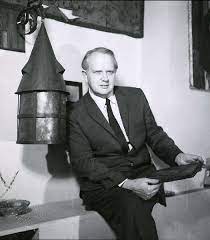
Robert Payne
Writing in 1975, Payne noted that a third of the private wealth was possessed by less than five percent of the population—while about a fifth of the populace lived at the poverty level. By 2000, he predicted, about five percent of the population would possess two-thirds of America’s wealth. And more than half the population would be near or below the starvation level.
The result could only be catastrophe. The only way to halt this this increasing concentration of wealth by fewer people would be through law or violent revolution.
Payne has proven to be an uncanny prophet.
According to Fortune, by 2024: “Over the past 30 years, the U.S.’s top 1% got richer, and now hold nearly a third of the nation’s wealth.”
And the January 30, 2026 edition of Forbes carries this assessment: “The net worth of the top 1% in the U.S. has been above a share of 30% almost consistently since 2014, while the top 10% currently own just over 68% of the country’s wealth.
“This is in stark contrast to just 2.5% of U.S. net worth in the hands of the 50% at the bottom of the wealth ladder.”
But this situation need not remain permanent.
ABC NEWS, ALTERNET, AMERICABLOG, AP, BABY BOOMER RESISTANCE, BBC, BLOOMBERG, BLUESKY, BUZZFEED, CALVIN COOLIDGE, CBS NEWS, CHERYL BEHYMER, CNN, CROOKS AND LIARS, DAILY KOS, EMPLOYERS, FISHER & PHILLIPS LAW FIRM, FIVETHIRTYEIGHT, GLASSDOOR, HARPER’S MAGAZINE, HUFFINGTON POST, JERRY BROWN, JOB-SEEKERS, MEDIA MATTERS, MOTHER JONES, MOVEON, MSNBC, NBC NEWS, NEW REPUBLIC, NEWSDAY, NEWSWEEK, NPR, PBS NEWSHOUR, POLITICO, POLITICUSUSA, RAW STORY, REUTERS, SALARY HISTORY, SALON, SEATTLE TIMES, SLATE, SUSAN EGGMAN, TALKING POINTS MEMO, THE ATLANTIC, THE CHICAGO SUN-TIMES, THE CHICAGO TRIBUNE, THE DAILY BEAST, THE DAILY BLOG, THE GUARDIAN, THE HILL, THE HUFFINGTON POST, THE INTERCEPT, THE LOS ANGELES TIMES, THE NATION, THE NEW REPUBLIC, THE NEW YORK TIMES, THE NEW YORKER, THE VILLAGE VOICE, THE WASHINGTON POST, THINKPROGRESS, TIME, TRUTHDIG, TRUTHOUT, TWO POLITICAL JUNKIES, U.S. NEWS & WORLD REPORT, UNEMPLOYMENT, UPI, USA TODAY, USA TODAY NICCOLO MACHIAVELLI, WAGE GAP, X
In Bureaucracy, Business, History, Law, Law Enforcement, Politics, Social commentary on March 20, 2026 at 12:11 am
“All those who have written upon civil institutions demonstrate…that whoever desires to found a state and give it laws, must start with assuming that all men are bad and ever ready to display their vicious nature, whenever they may find occasion for it.
“If their evil disposition remains concealed for a time, it must be attributed to some unknown reason; and we must assume that it lacked occasion to show itself. But time, which has been said to be the father of all truth, does not fail to bring it to light.”
So wrote Niccolo Machiavelli in his masterpiece on political theory, The Discourses.
Niccolo Machiavelli
And now, California legislators have wisely—if belatedly—acted on that warning by reigning in the greed-based nature of corporate employers.
As of January 1, 2018, it is now illegal for California employers to ask job applicants about their former salaries and benefits.
Then-Governor Jerry Brown signed a new state privacy bill into law during the last week of December, 2017.
This is good news for applicants who believe they shouldn’t be judged on how much—or little—money they earned in the past.
For decades, employers have used “salary histories” to discriminate against applicants who earned large—or small—salaries in their previous jobs.
If an applicant had been paid a miserly wage even though he had performed major tasks for an employer, the new potential employer would use that low salary as a weapon against him: “Well, it says here you earned $—– in your most recent job. Why should we pay you more than that?”
And if an applicant had earned a high salary, an employer would often use that against him: “We can’t afford to match that, let alone give you more than that.” In many cases, employers simply refused to give a reason for refusing to hire the applicant.
In either case, it was clearly an “I win/You lose” situation.
And when employers whined about how expensive it was to pay a living wage to those who made their profits a reality, they never mentioned the exorbitant salary paid to their own Corrupt Egotistical Oligarch (CEO).
According to Glassdoor: As of February, 2026, the medium total pay for a CEO is $282,000 per year. 
One job-seeking applicant tried to finesse the salary history demand by filling out the job application form except for the salary history part. He then attached a cover-letter, which read:
“I am interested in speaking with you or one of your representatives about the above-named position. I have filled out the required application—-with the exception of the box inquiring into my Current/last Income.
“I have in the past responded to ‘Salary History’ inquires and have found these have only one purpose: To elicit the lowest salary received, so that the salary to be offered can be adjusted to that level.
“I have been paid on a per-hour basis, a per-assignment basis, and on a bi-weekly basis. Each of these salaries was for a different job, and each job required a specific set of skills and efforts on my part.
“I am prepared to discuss in detail how my skills and experiences can prove of use to your company. But I do not discuss past salaries earned with anyone but the Internal Revenue Service.
“If you are prepared to hire on the basis of what I can do for your company, and not on the basis of what other employers have paid me in the past for assignments that had nothing to do with your company, please contact me at your earliest convenience.”
California job-seekers no longer need to worry about that part of the application.
Supporters of the law believe it will help reduce the notorious wage-gap between male and female employees.
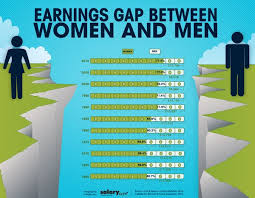
“Women negotiating a salary shouldn’t have to wrestle an entire history of wage disparity,” said the bill’s principal author, California Assemblywoman Susan Talamantes Eggman.
California’s new law also requires potential employers to disclose a salary range for the job in question, should an applicant ask about it.
This arms job seekers with valuable information because they can now discover how much a company is willing to offer for that position.
In the past, employers held that information close to the vest as one more way of gaining control over their potential employee.
Although California has long been a trailblazer in employee/employer relations, it was not the first state to pass such a law. Oregon, Delaware and Massachusetts had already passed laws forbidding employers from asking about salary history.
Many employers and their paid shills believe that President Calvin Coolidge was right when he said: “The man who builds a factory builds a temple, and the man who works there worships there.”
Cheryl Behymer, an attorney for the law firm Fisher & Phillips, which represents employers, said: “Here’s another point where the government is dictating to an employer how to conduct its business and employers resent that.”
As do all tyrants forced to relinquish any part of their tyranny.
ALEX PRETTI, ALTERNET, AMERICABLOG, AP, AUSCHWITZ, BABY BOOMER RESISTANCE, BBC, BLOOMBERG, BLUESKY, BUZZFEED, CBS NEWS, CNN, COAST GUARD, CROOKS AND LIARS, CUSTOMS AND BORDER PATROL (CBP), DAILY KOS, DEPARTMENT OF HOMELAND SECURITY (DHS), DONALD TRUMP, FEDERAL EMERGENCY MANAGEMENT AGENCY (FEMA), FIVETHIRTYEIGHT, HARPER’S MAGAZINE, HUFFINGTON POST, ILLEGAL ALIENS, IMMIGRATION AND CUSTOMS ENFORCEMENT (ICE), KRISTI NOEM, MEDIA MATTERS, MOTHER JONES, MOVEON, MSNBC, NBC NEWS, NEWSDAY, NEWSWEEK, NPR, OFFICE OF INTELLIGENCE AND ANALYSIS (I&A), ONE BIG BEUTIFUL BILL, PBS NEWSHOUR, POLITICO, POLITICUSUSA, RAW STORY, RENEE GOOD, REUTERS, SALON, SAVING PRIVATE RYAN (MOVIE), SEATTLE TIMES, Secret Service, SLATE, TALKING POINTS MEMO, THE ATLANTIC, THE CHICAGO SUN-TIMES, THE CHICAGO TRIBUNE, THE DAILY BEAST, THE DAILY BLOG, THE GODFATHER PART 11 (MOVIE), THE GUARDIAN, THE HILL, THE HOLOCAUST, THE HUFFINGTON POST, THE INTERCEPT, THE LOS ANGELES TIMES, THE NATION, THE NEW REPUBLIC, THE NEW YORK TIMES, THE NEW YORKER, THE VILLAGE VOICE, THE WASHINGTON POST, THINKPROGRESS, TIME, TRANSPORTATION SAFETY ADMINISTRATION (TSA), TRUTHDIG, TRUTHOUT, TWO POLITICAL JUNKIES, U.S. NEWS & WORLD REPORT, UPI, USA TODAY, X
In Bureaucracy, History, Law, Law Enforcement, Politics, Social commentary on March 19, 2026 at 12:10 am
It’s one of the most moving scenes in the 1974 classic, “The Godfather: Part 11”: Nine-year-old Vito Corleone and a cargo ship crammed with Italian refugees arrive at Ellis Island. They’re sitting or squatting on the deck when, suddenly, the Statue of Liberty looms over them.
And, just as suddenly, they rise as one and look up with expectant faces at the symbol of the new country in which they will soon live.

Statue of Liberty
Today, 125 years after Vito’s cinematic arrival in New York Harbor, the United States is seen as a far less welcoming place for would-be immigrants.
A far better description of its policies toward immigration can be found in the 1989 spectacular, “Saving Private Ryan.”
It’s 1944, shortly after the D-Day landings to liberate France from Nazi rule. As a squad of American soldiers prepare to assault a building held by Germans, a loudspeaker from the enemy side blares: “The Statue of Liberty is kaput.”
In 2025, the Department of Homeland Security (DHS) reported that more than 2.5 million illegal aliens left the United States, including about 1.9 million self-deportations and over 622,000 formal deportations.
Most of the deported came from Mexico, Guatemala, Honduras, Cuba and Venezuela.
Since taking office as President on January 20, 2025, Donald Trump has made deporting illegal aliens—and even holders of green cards—the top priority of his administration.

Donald Trump
Immigration and Customs Enforcement (ICE) has reported hiring over 12,000 new officers and agents. This surge, largely occurring in late 2025, more than doubled the agency’s operational workforce from approximately 10,000 to over 22,000 personnel.
The “One Big Beautiful Bill Act,” signed on July 4, 2025, tripled ICE’s annual budget and provided $75 billion for massive increases in detention capacity and hiring new agents.
ICE’s aggressive arrests of migrants and even American citizens—capped by the murders of Renee Good and Alex Pretti in Minneapolis, Minnesota—have sparked national protests.
They also led to Democratic Senators’ demanding major reforms in how ICE operates. Among these:
- Require DHS officers to have a judicial warrant to enter private property.
- Ban ICE and immigration enforcement agents from wearing masks and other face coverings.
- Require DHS officers to display their agency, unique ID number and last name.
- Require ICE officers to wear body-cameras when interacting with the public.
- Prohibit DHS officers from stopping, questioning and searching people based on their presence at certain locations, job, spoken language and accent, or their race or ethnicity.

Trump—through his former DHS Secretary Kristi Noem—has absolutely refused.
As a result, Democratic Senators refused to fund DHS. A House-passed bill to do so failed in the Senate.
Since February 14, DHS has faced a partial government shutdown, forcing roughly 90% of DHS’s 260,000 employees to work without pay. On March 13, about 50,000 TSA workers officially missed their first full paychecks
The consequences of this include:
- Airports are experiencing massive security line backups—some reaching three hours—due to a shortage of Transportation Security Administration (TSA) screeners.
- Disaster relief efforts through the Federal Emergency Management Agency (FEMA) have stalled, affecting states recently hit by severe weather.
Ironically, ICE itself has not been affected by the shutoff of funds to DHS. Its funding comes separately from the “One Big Beautiful Bill Act.”
Those agencies which are affected include:
- Federal Emergency Management Agency (FEMA) – Coordinates disaster response.
- U.S. Customs and Border Patrol (CBP) – Manages border security and customs.
- U.S. Coast Guard – Maritime safety, security and stewardship.
- Transportation Safety Administration (TSA) – Secures airports, railways, and other transportation systems.
- Countering Weapons of Mass Destruction Office (CWMDO) – Works to prevent attacks using WMDs.
- U.S. Secret Service – Protects the President, various national officials and investigates financial crimes.
- Office of Intelligence and Analysis (I&A) – Provides intelligence to identify and mitigate threats.
All of these agencies perform tasks vital to the security of American citizens. But for Trump, the single most important of these agencies is the Secret Service.
Being forced to worry about meeting your most essential needs can easily decrease a bodyguard’s attentiveness to potential dangers.

Secret Service agent
This is not the first time that Trump has forced his bodyguards to work for free.
Secret Service agents had to work without pay through two major government shutdowns—for 35 days in 2018-19 and 43 days in 2025. Many of them had to stand in line at food banks to feed their families.
And there’s a less-personal danger facing Trump: More than 300 TSA agents have quit during the ongoing partial government shutdown as of March, 2026. Many more have called out sick, causing long lines at airports
If a terrorism incident occurs at an airport or aboard a plane—highly likely now since Trump attacked Iran on February 28—he will face the blame for it.
And with Republicans desperate to retain seats in Congress in the upcoming midterm elections, this could prove politically fatal.
During World War 11, Adolf Hitler prioritized the transportation of Jews and other prisoners to extermination camps like Auschwitz-Birkenau, often diverting munitions-carrying trains from the war effort to feeding victims into the Holocaust.
In the name of his racist effort to “cleanse” the United States of nonwhites, Donald Trump is putting his regime—and the lives of Americans—at deadly risk.
9/11 ATTACKS, ABC NEWS, AL QAEDA, ALTERNET, AMERICABLOG, AMERICAN CAESARS: THE LIVES OF THE PRESIDENTS FROM FRANKLIN D. ROOSEVELT TO GEORGE W. BUSH (BOOK), AMERICAN EMPIRE, AP, BABY BOOMER RESISTANCE, BARACK OBAMA, BASHAR AL-ASSAD, BBC, BILL CLINTON, BLOOMBERG NEWS, BUREAUCRACY, BUZZFEED, CBS NEWS, CHRIS MATHEWS, CNN, COLIN POWELL, CONDOLEEZA RICE, CROOKS AND LIARS, DAILY KOS, DICK CHENEY, DONALD RUMSFELD, DONALD TRUMP, DWIGHT EISENHOWER, FBI, FIVETHIRTYEIGHT, FRANKLIN D. ROOSEVELT, GAIUS SUETONIUS TRANQUILLIUS, GEORGE H.W. BUSH, GEORGE W. BUSH, GERALD R. FORD, HARPER’S MAGAZINE, HARRY S. TRUMAN, HOLOCAUST, HUFFINGTON POST, IRAN, IRAQ, ISRAEL, JEFFREY EPSTEIN, JFK: RECKLESS YOUTH (BOOK), JIMMY CARTER, JOHN F. KENNEDY, LYNDON B. JOHNSON, MEDIA MATTERS, MEIN KAMPF, MOTHER JONES, MOVEON, MSNBC, NATIONAL SECURITY COUNCIL, NBC NEWS, NEW REPUBLIC, NEWSDAY, NEWSWEEK, NIGEL HAMILTON, NPR, OSAMA BIN LADEN, PAUL O’NEIL, PAUL WOLFOWITZ, PBS NEWSHOUR, POLITICO, POLITICUSUSA, RAW STORY, REPUBLICAN PARTY, REUTERS, RICHARD CLARKE, RICHARD NIXON, ROMAN EMPIRE, SADDAM HUSSEIN, SALON, SEATTLE TIMES, SEPTEMBER 11, SLATE, SOVIET UNION, SUETONIUS, SYRIA, TALKING POINTS MEMO, TERRORISM, THE ATLANTIC, THE CHICAGO SUN-TIMES, THE CHICAGO TRIBUNE, THE DAILY BEAST, THE DAILY BLOG, THE GUARDIAN, THE HILL, THE HUFFINGTON POST, THE INTERCEPT, THE LOS ANGELES TIMES, THE NATION, THE NEW REPUBLIC, THE NEW YORK TIMES, THE NEW YORKER, THE PENTAGON, THE TWELVE CAESARS (BOOK), THE VILLAGE VOICE, THE WASHINGTON POST, THINKPROGRESS, TIME, TRUTHDIG, TRUTHOUT, U.S. NEWS & WORLD REPORT, UPI, USA TODAY, WEAPONS OF MASS DESTRUCTION, WHITE HOUSE CORRESPONDENTS DINNER, WORLD TRADE CENTER, WORLD WAR 11, X
In Bureaucracy, History, Military, Politics, Social commentary on March 18, 2026 at 12:40 am
On September 12, 2001, President George W. Bush attended a meeting of the National Security Council.
“Why shouldn’t we go against Iraq, not just Al-Qaeda?” demanded Donald Rumsfeld, the Secretary of Defense.
Vice President Dick Cheney enthusiastically agreed.
Secretary of State Colin Powell then pointed out there was absolutely no evidence that Iraq had had anything to do with 9/11 or Al-Qaeda. And he added: “The American people want us to do something about Al-Qaeda”—not Iraq.
On November 21, 2001, only 10 weeks after 9/11, Bush told Rumsfeld: It’s time to turn to Iraq.


Condoleeza Rice
Bush and his war-hungry Cabinet officials knew that Americans demanded vengeance on Al Qaeda’s mastermind, Osama bin Laden, and not Iraqi dictator Saddam Hussein. So they repeatedly fabricated “links” between the two:
- Saddam had worked hand-in-glove with Bin Laden to plan 9/11.
- Saddam was harboring and supporting Al-Qaeda throughout Iraq.
- Saddam, with help from Al-Qaeda, was scheming to build a nuclear bomb.
Yet as early as September 22, 2001, Bush had received a classified President’s Daily Brief intelligence report, which stated that there was no evidence linking Saddam Hussein to 9/11.
The report added that there was scant credible evidence that Iraq had any significant collaborative ties with Al-Qaeda.
Even more important: Saddam had tried to monitor Al Qaeda through his intelligence service—because he saw Al-Qaeda and other theocratic radical Islamist organizations as a potential threat to his secular regime.

Dick Cheney
Bush administration officials repeatedly claimed that Iraq possessed huge quantities of chemical and biological weapons, in violation of UN resolutions. And they further lied that US intelligence agencies had determined:
- The precise locations where these weapons were stored;
- The identities of those involved in their production; and
- The military orders issued by Saddam Hussein for their use in the event of war.
Among other lies stated as fact by members of the Bush administration:
- Iraq had sought uranium from Niger, in west Africa.
- Thousands of aluminum tubes imported by Iraq could be used in centrifuges to create enriched uranium.
- Iraq had up to 20 long-range Scud missiles, prohibited under UN sanctions.
- Iraq had massive stockpiles of chemical and biological agents, including nerve gas, anthrax and botulinum toxin.
- Saddam Hussein had issued chemical weapons to front-line troops who would use them when U.S. forces crossed into Iraq.
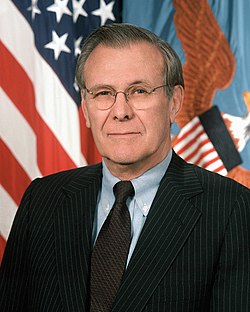
Donald Rumsfeld
Consider the following:
August 26, 2002: Cheney told the Veterans of Foreign Wars, “There is no doubt that Saddam Hussein now has weapons of mass destruction. There is no doubt he is amassing them to use against our friends, against our allies and against us.”
September 8, 2002: National Security Advisor Condoleeza Rice said on CNN: ”There is certainly evidence that Al-Qaeda people have been in Iraq. There is certainly evidence that Saddam Hussein cavorts with terrorists.”
September 18, 2002: Rumsfeld told the House Armed Services Committee, “We do know that the Iraqi regime has chemical and biological weapons. His regime has amassed large, clandestine stockpiles of chemical weapons—including VX, sarin, cyclosarin and mustard gas.”
October 7, 2002: Bush declared in a nationally televised speech in Cincinnati that Iraq “possesses and produces chemical and biological weapons. It is seeking nuclear weapons.”
March 16, 2003: Cheney declared on NBC’s “Meet the Press”: “We believe [Saddam Hussein] has, in fact, reconstituted nuclear weapons.”
Bush never regretted his decision to attack Iraq—on March 19, 2003.
Even as American occupying forces repeatedly failed to turn up any evidence of “weapons of mass destruction” (WMDs), Bush and his minions claimed the invasion a good thing.
In fact, Bush—who hid out the Vietnam war in the Texas Air National Guard—even joked publicly about the absence of WMDs.
He did so at a White House Correspondents dinner on March 24, 2004—one year after he had started the war.

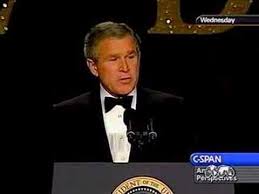
George W. Bush at the 2004 White House Correspondents’ dinner
To Bush, the non-existent WMDs were nothing more than the butt of a joke that night. While an overhead projector displayed photos of a puzzled-looking Bush searching around the Oval Office, Bush recited a comedy routine.
“Those weapons of mass destruction have gotta be somewhere,” Bush laughed, while a photo showed him poking around the corners in the Oval Office.
“Nope—no weapons over there! Maybe they’re under here,” he said, as a photo showed him looking under a desk.
Meanwhile, an assembly of wealthy, pampered men and women—-the elite of America’s media and political classes—laughed heartily during Bush’s performance.
It was a scene worthy of the court of the ancient Caesars, complete with royal flunkies: “Hey! That country we just destroyed wasn’t a threat to us after all! Isn’t that a gas?”
The results of the war that Bush had deliberately provoked:
- Cost the lives of 4,484 Americans.
- Depleted the United States Treasury of at least $2 trillion.
- Created a Middle East power vacuum.
- Allowed Iran—Iraq’s arch enemy—to eagerly fill it.
- Frightened and repelled even America’s closest allies.
- Killed at least 655,000 Iraqis.
- Bush retired from office with a lavish pension and full Secret Service protection.
- He wrote his memoirs and was paid $7 million for the first 1.5 million copies.
- Cheney, Rumsfeld and Rice retired to private business, wrote their memoirs, and lived in comfort as respected elder statesmen.
9/11 ATTACKS, ABC NEWS, AL QAEDA, ALTERNET, AMERICABLOG, AMERICAN CAESARS: THE LIVES OF THE PRESIDENTS FROM FRANKLIN D. ROOSEVELT TO GEORGE W. BUSH (BOOK), AMERICAN EMPIRE, AP, BABY BOOMER RESISTANCE, BASHAR AL-ASSAD, BBC, BILL CLINTON, BLOOMBERG NEWS, BUREAUCRACY, BUZZFEED, CBS NEWS, CHRIS MATHEWS, CNN, COLIN POWELL, CONDOLEEZA RICE, CROOKS AND LIARS, DAILY KOS, DICK CHENEY, DONALD RUMSFELD, DONALD TRUMP, DWIGHT EISENHOWER, FBI, FIVETHIRTYEIGHT, FRANKLIN D. ROOSEVELT, GAIUS SUETONIUS TRANQUILLIUS, GEORGE H.W. BUSH, GEORGE W. BUSH, GERALD R. FORD, HARPER’S MAGAZINE, HARRY S. TRUMAN, HOLOCAUST, HUFFINGTON POST, IRAN, IRAQ, ISRAEL, JEFFREY EPSTEIJN, JFK: RECKLESS YOUTH (BOOK), JIMMY CARTER, JOHN F. KENNEDY, LYNDON B. JOHNSON, MEDIA MATTERS, MEIN KAMPF, MOTHER JONES, MOVEON, MSNBC, NATIONAL SECURITY COUNCIL, NBC NEWS, NEW REPUBLIC, NEWSDAY, NEWSWEEK, NIGEL HAMILTON, NPR, OSAMA BIN LADEN, PAUL O’NEIL, PAUL WOLFOWITZ, PBS NEWSHOUR, POLITICO, POLITICUSUSA, RAW STORY, REPUBLICAN PARTY, REUTERS, RICHARD CLARKE, RICHARD NIXON, ROMAN EMPIRE, SADDAM HUSSEIN, SALON, SEATTLE TIMES, SEPTEMBER 11, SLATE, SOVIET UNION, SUETONIUS, SYRIA, TALKING POINTS MEMO, TERRORISM, THE ATLANTIC, THE CHICAGO SUN-TIMES, THE CHICAGO TRIBUNE, THE DAILY BEAST, THE DAILY BLOG, THE GUARDIAN, THE HILL, THE HUFFINGTON POST, THE INTERCEPT, THE LOS ANGELES TIMES, THE NATION, THE NEW REPUBLIC, THE NEW YORK TIMES, THE NEW YORKER, THE PENTAGON, THE TWELVE CAESARS (BOOK), THE VILLAGE VOICE, THE WASHINGTON POST, THINKPROGRESS, TIME, TRUTHDIG, TRUTHOUT, U.S. NEWS & WORLD REPORT, UPI, USA TODAY, WEAPONS OF MASS DESTRUCTION, WHITE HOUSE CORRESPONDENTS DINNER, WORLD TRADE CENTER, WORLD WAR 11, X
In Bureaucracy, History, Military, Politics, Social commentary on March 17, 2026 at 12:10 am
As President Donald Trump rains bombs and missiles on Iran, it’s vital to remember how American hubris led to a nine-year war in Iraq—from the “shock and awe” bombardment of March 20, 2003, until combat forces were finally withdrawn on December 18, 2011.
But this should also be a time to remember those Americans who made the 9/11 atrocity—and the disastrous Iraq war that followed—inevitable.
British historian Nigel Hamilton has chronicled their arrogance and indifference in his 2010 biography: American Caesars: Lives of the Presidents from Franklin D. Roosevelt to George W. Bush.
Hamilton noted that Richard Clarke, the national security advisor on terrorism, was certain that Osama bin Laden had arranged the USS Cole bombing in Aden on October 12, 2000.
For months, Clarke tried to convince others in the Bush Administration that Bin Laden was plotting another attack against the United States—either abroad or at home.
But Clarke could not prevail against the know-it-all arrogance of such higher-ranking Bush officials as Vice President Dick Cheney; Secretary of Defense Donald Rumsfeld; Rumsfeld’s deputy, Paul Wolfowitz; and National Security Advisor Condoleeza Rice.
Rice initially refused to hold a cabinet-level meeting on the subject. Then she “insisted the matter be handled only by a more junior Deputy Principals meeting” in April, 2001, writes Hamilton.
Even after Clarke outlined the threat posed by Al-Qaeda, Wolfowitz—the number-two man at the Department of Defense—said: “You give bin Laden too much credit.”
Wolfowitz—whose real target was Saddam Hussein—insisted that bin Laden couldn’t carry out his terrorist acts without the aid of a state sponsor—namely, Iraq.
In fact, Wolfowitz blamed Iraq for the 1993 bombing of the World Trade Center. Clarke was stunned, since there was absolutely no evidence of Iraqi involvement in this.
“Al-Qaeda plans major acts of terrorism against the United States,” Clarke warned his colleagues. He pointed out that, like Adolf Hitler, bin Laden had actually published his plans for future destruction.
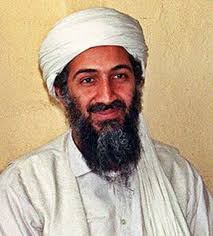
Osama bin Laden
And he added: “Sometimes, as with Hitler in Mein Kampf, you have to believe that these people will actually do what they say they will do.”
Wolfowitz heatedly traded on his Jewish heritage to bring Clarke’s unwelcome arguments to a halt: “I resent any comparison between the Holocaust and this little terrorist in Afghanistan.”
Writing in outraged fury, Hamilton sums up Clarke’s agonizing frustrations:
- Bush’s senior advisors treated their colleagues who had served in the Clinton administration with contempt.
- Bush, Dick Cheney, Rice, Rumsfeld and Wolfowitz seemed content to ignore the danger signals of an impending al-Qaeda attack.
- This left only Secretary of State Colin Powell, his deputy Richard Armitage, Richard Clarke and a skeptical Treasury Secretary, Paul O’Neill, to wage “a lonely battle to waken a seemingly deranged new administration.”
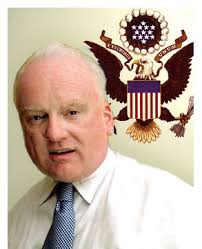
Richard Clarke
Clarke alerted Federal Intelligence agencies that “Al-Qaeda is planning a major attack on us.” He asked the FBI and CIA to report to his office all they could learn about suspicious persons or activities at home and abroad.
Finally, at a meeting with Rice on September 4, 2001, Clarke challenged her to “picture yourself at a moment when in the very near future Al-Qaeda has killed hundreds of Americans, and imagine asking yourself what you wish then that you had already done.”
Seven days later, Al-Qaeda struck, and 3,000 Americans died horrifically—and needlessly.
Neither Bush, Cheney, Rice, Rumsfeld nor Wolfowitz ever admitted their negligence. Nor would any of them be brought to account.

Condoleeza Rice, Dick Cheney, George W. Bush and Donald Rumsfeld
Disgustingly, these were the same officials who, afterward, posed as the Nation’s saviors—and branded anyone who disagreed with them as a traitor, practices the Right continues to exploit to this day.
Only Richard Clarke—who had vainly argued for stepped-up security precautions and taking the fight to Al-Qaeda—gave that apology.
On March 24, 2004, Clarke testified at the public 9/11 Commission hearings. Addressing relatives of victims in the audience, he said: “Your government failed you, those entrusted with protecting you failed you, and I failed you.”
Yet even worse was to come.
On the evening after the September 11 attacks, Bush took Clarke aside during a meeting in the White House Situation Room:
“I want you, as soon as you can, to go back over everything, everything. See if Saddam [Hussein, the dictator of Iraq] did this. See if he’s linked in any way.”
Clarke was stunned: “But, Mr. President, Al-Qaeda did this.”
“I know, I know,” said Bush. “But see if Saddam was involved. I want to know.”
Hussein had not plotted the attack—and there was no evidence proving that he did.
But the attack gave “W” the excuse he wanted to remove the man he blamed for the 1992 defeat of his father, President George H.W. Bush.
Bush believed that his father would have been re-elected if he had “gone all the way” into Baghdad during the 1991 Gulf War.
He would finish the job that his father had started but failed to compete.
It was Hamlet Revisited—with missiles.
On September 12, 2001, Bush attended a meeting of the National Security Council.
“Why shouldn’t we go against Iraq, not just Al-Qaeda?” demanded Donald Rumsfeld, the Secretary of Defense.
Vice President Dick Cheney enthusiastically agreed.
9/11 ATTACKS, ABC NEWS, AL QAEDA, ALTERNET, AMERICABLOG, AMERICAN CAESARS: THE LIVES OF THE PRESIDENTS FROM FRANKLIN D. ROOSEVELT TO GEORGE W. BUSH (BOOK), AMERICAN EMPIRE, AP, BABY BOOMER RESISTANCE, BASHAR AL-ASSAD, BBC, BILL CLINTON, BLOOMBERG NEWS, BUREAUCRACY, BUZZFEED, CBS NEWS, CHRIS MATHEWS, CNN, COLIN POWELL, CONDOLEEZA RICE, CROOKS AND LIARS, DAILY KOS, DICK CHENEY, DONALD RUMSFELD, DONALD TRUMP, DWIGHT EISENHOWER, FBI, FIVETHIRTYEIGHT, FRANKLIN D. ROOSEVELT, GAIUS SUETONIUS TRANQUILLIUS, GEORGE H.W. BUSH, GEORGE W. BUSH, GERALD R. FORD, HARPER’S MAGAZINE, HARRY S. TRUMAN, HOLOCAUST, HUFFINGTON POST, IRAN, IRAQ, ISRAEL, JEFFREY EPSTEIN, JFK: RECKLESS YOUTH (BOOK), JIMMY CARTER, JOHN F. KENNEDY, LYNDON B. JOHNSON, MEDIA MATTERS, MEIN KAMPF, MOTHER JONES, MOVEON, MSNBC, NATIONAL SECURITY COUNCIL, NBC NEWS, NEW REPUBLIC, NEWSDAY, NEWSWEEK, NIGEL HAMILTON, NPR, OSAMA BIN LADEN, PAUL O’NEIL, PAUL WOLFOWITZ, PBS NEWSHOUR, POLITICO, POLITICUSUSA, RAW STORY, REPUBLICAN PARTY, REUTERS, RICHARD CLARKE, RICHARD NIXON, ROMAN EMPIRE, SADDAM HUSSEIN, SALON, SEATTLE TIMES, SLATE, SOVIET UNION, SYRIA, TALKING POINTS MEMO, TERRORISM, THE ATLANTIC, THE CHICAGO SUN-TIMES, THE CHICAGO TRIBUNE, THE DAILY BEAST, THE DAILY BLOG, THE GUARDIAN, THE HILL, THE HUFFINGTON POST, THE INTERCEPT, THE LOS ANGELES TIMES, THE NATION, THE NEW REPUBLIC, THE NEW YORK TIMES, THE NEW YORKER, THE PENTAGON, THE TWELVE CAESARS (BOOK), THE VILLAGE VOICE, THE WASHINGTON POST, THINKPROGRESS, TIME, TRUTHDIG, TRUTHOUT, U.S. NEWS & WORLD REPORT, UPI, USA TODAY, WEAPONS OF MASS DESTRUCTION, WHITE HOUSE CORRESPONDENTS DINNER, WORLD TRADE CENTER, WORLD WAR 11, X
In Bureaucracy, History, Military, Politics, Social commentary on March 16, 2026 at 12:55 am
On February 28, 2026, President Donald J. Trump—in collusion with Israel—launched massive airstrikes against Iran.
Since then, he—and other members of his administration—have issued a series of shifting and contradictory reasons for starting the war. Among them:
- Preventing Iran from developing nuclear weapons.
- Destroying Iran’s missile capabilities.
- Annihilating the Iranian navy.
- Ensuring that Iran quit arming, funding and/or directing “terrorist armies” outside its borders.
- Pre-empting an Iranian attack on American military bases in the Middle East.
One reason not given: Driving the Epstein files—which document Trump’s salacious relationship with pedophile Jeffrey Epstein—off the airways and Internet.
Equally worrisome has been Trump’s shifting estimates about how long the conflict will rage:
- March 9: “It’s going to be ended soon.”
- March 11: “Any time I want it to end, it will end.”
- March 13: “It’ll be as long as it’s necessary.”
- March 13: “When I feel it in my bones” when asked “When are you going to know when it’s over?”
Trump’s comments are eerily similar to those made by President George W. Bush on May 1, 2003.
Standing under a “Mission Accomplished” banner on the deck of the aircraft carrier USS Abraham Lincoln, Bush announced: “Major combat operations in Iraq have ended. In the battle of Iraq, the United States and our allies have prevailed.”
Only on December 18, 2011, were American forces withdrawn from Iraq.
But Americans, refusing to learn from history or even read it, are now being forced to repeat it.
To begin at the beginning:
Even as the rubble was being cleared at the Pentagon and World Trade Center from 9/11, President George W. Bush was preparing to use the attack as an excuse to topple Iraqi dictator Saddam Hussein.
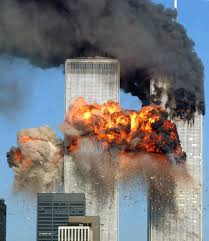
World Trade Center on September 11, 2001
Hussein had not plotted 9/11, and there was no evidence that he did. But that didn’t matter to Bush and those planning the invasion and conquest of Iraq.
British historian Nigel Hamilton has dared to lay bare the facts of this disgrace. Hamilton is the author of several acclaimed political biographies, including JFK: Reckless Youth and Bill Clinton: Mastering the Presidency.
In 2007, he began research on his latest book: American Caesars: The Lives of the Presidents From Franklin D. Roosevelt to George W. Bush.

Nigel Hamilton
Nigel Hamilton, CC BY-SA 3.0 <http://creativecommons.org/licenses/by-sa/3.0/>, via Wikimedia Commons
The inspiration for this came from a classic work of ancient biography: The Twelve Caesars, by Gaius Suetonius Tranquillus—known as Suetonius.
Suetonius, a Roman citizen and historian, had chronicled the lives of the first twelve Caesars of imperial Rome: Julius Caesar, Augustus, Tiberius, Caligula, Claudius, Nero, Galba, Otho, Vitellius, Vespasian, Titus and Domitian.
Hamilton wanted to examine post-World War II United States history as Suetonius had examined that of ancient Rome: Through the lives of the 12 “emperors” who had held the power of life and death over their fellow citizens—and those of other nations.
For Hamilton, the “greatest of American emperors, the Caesar Augustus of his time,” was Franklin D. Roosevelt, who led his country through the Great Depression and World War II.

Franklin D. Roosevelt
His “”great successors” were Harry S. Truman, Dwight D. Eisenhower and John F. Kennedy—who, in turn, contained the Soviet Union abroad and presided over sustained economic prosperity at home.
By contrast, “arguably the worst of all the American Caesars” was “George W. Bush, and his deputy, Dick Cheney, who willfully and recklessly destroyed so much of the moral basis of American leadership in the modern world.”
Among the most lethal of Bush’s offenses: The appointing of officials who refused to take seriously the threat posed by Al-Qaeda.
And this arrogance and indifference continued—right up to September 11, 2001, when the World Trade Center and Pentagon became targets for destruction.
Among the few administration officials who did take Al-Qaeda seriously was Richard Clarke, the chief counter-terrorism adviser on the National Security Council.
Clarke had been thus appointed in 1998 by President Bill Clinton. He continued in the same role under President Bush—but the position was no longer given cabinet-level access.
This put him at a severe disadvantage when dealing with other, higher-ranking Bush officials—such as Vice President Dick Cheney, Secretary of Defense Donald Rumsfeld, Rumsfeld’s deputy, Paul Wolfowitz and National Security Advisor Condoleeza Rice.
These turned out to be the very officials who refused to believe that Al-Qaeda posed a lethal threat to the United States.
“Indeed,” writes Hamilton, “in the entire first eight months of the Bush Presidency, Clarke was not permitted to brief President Bush a single time, despite mounting evidence of plans for a new al-Qaeda outrage.” [Italics added]
Nor did it help that, during his first eight months in office before September 11, Bush was on vacation, according to the Washington Post, 42% of the time.
For months, Clarke tried to convince others in the Bush Administration that Bin Laden was plotting another attack against the United States–either abroad or at home.
But Clarke could not prevail against the know-it-all arrogance of such higher-ranking Bush officials as Cheney, Rumsfeld, Wolfowitz and Rice.


 Bureaucracybuster's Blog
ABC NEWS, ADOLF HITLER, ALTERNET, AMERICABLOG, AP, BABY BOOMER RESISTANCE, BBC, BLOOMBERG, BLOOMBERG NEWS, BLUESKY, BURT LANCASTER, BUZZFEED, CANADA, CBS NEWS, CLIMATE CHANGE, CNN, CONCENTRATION CAMPS, CROOKS AND LIARS, DAILY KOS, DAVID BROOKS, DEMOCRATS, DIVERSITY EQUTY AND INCLUSION (DEI), DONALD TRUMP, ERIC SWALWELL, FBI, FEDERAL GOVERNMENT SHUTDOWN, FIVETHIRTYEIGHT, FREEDOM OF THE PRESS, HARPER’S MAGAZINE, HUFFINGTON POST, IRAN, ISRAEL, JAMES COMEY, JANUARY 6 COUP ATTEMPT, JOHN F. KENNEDY CENTER FOR THE PERFORMING ARTS, JUDGMENT AT NUREMBERG, JUSTICE DEPARTMENT, LETIA JAMES, MEDIA MATTERS, MOTHER JONES, MOVEON, MSNBC, NAZI GERMANY, NBC NEWS, NEW REPUBLIC, NEWSDAY, NEWSWEEK, NPR, NUREMBERG TRIALS, PBS NEWSHOUR, POLITICO, POLITICUSUSA, RAW STORY, REPUBLICANS, REUTERS, ROBERT PAYNE, SALON, SEATTLE TIMES, SLATE, SOVIET UNION, SPENCER TRACY, SUPPLEMENTAL NUTITION ASSISTANCE PROGRAM (SNAP), TALKING POINTS MEMO, THE ATLANTIC, THE CHICAGO SUN-TIMES, THE CHICAGO TRIBUNE, THE DAILY BEAST, THE DAILY BLOG, THE GUARDIAN, THE HILL, THE HUFFINGTON POST, THE INTERCEPT, THE LIFE AND DEATH OF ADOLF HITLER (BOOK), THE LOS ANGELES TIMES, THE NATION, THE NEW REPUBLIC, THE NEW YORK TIMES, THE NEW YORKER, THE VILLAGE VOICE, THE WASHINGTON POST, THINKPROGRESS, TIME, TRUTHDIG, TRUTHOUT, TWO POLITICAL JUNKIES, U.S. NEWS & WORLD REPORT, UPI, USA TODAY, WONKETTE, X
NUREMBERG TRIALS–PAST AND FUTURE
In Bureaucracy, History, Law, Law Enforcement, Military, Politics, Social commentary on March 27, 2026 at 12:11 amThose who have seen the classic 1961 movie, “Judgment at Nuremberg,” will remember its pivotal moment.
That’s when Burt Lancaster, as Ernst Janning, the once distinguished German judge, confesses his guilt and that of Nazi Germany in a controlled, yet emotional, outburst.
Addressing the court—presided over by Chief Judge Dan Haywood (Spencer Tracy)—Janning explains the forces that led to the triumph of evil:
“My counsel would have you believe we were not aware of the concentration camps. Not aware? Where were we?
“Where were we when Hitler began shrieking his hate in the Reichstag? When our neighbors were dragged out in the middle of the night to Dachau?
“Where were we when every village in Germany had a railroad terminal where cattle cars were filled with children being carried off to their extermination? Where were we when they cried out in the night to us? Were we deaf? Dumb? Blind?
“My counsel says we were not aware of the extermination of the millions. He would give you the excuse we were only aware of the extermination of the hundreds. Does that make us any the less guilty?
“Maybe we didn’t know the details, but if we didn’t know, it was because we didn’t want to know.”
On August 14, 2020, Representative Eric Swalwell (D-CA) offered this proposal: “I don’t say this lightly: When we escape this Trump hell, America needs a Presidential Crimes Commission. It should be made up of independent prosecutors who look at those who enabled a corrupt president.”
On November 3, 2020, Joseph Biden was elected President. But during the next four years, Democrats refused to act on this proposal. Had they done so, the United States might now be a far different nation.
If such a commission is empaneled by a future President or Congress, an equally conscience-stricken former member of the Donald Trump administration might well make a statement similar to the one given above:
“My counsel would have you believe we were not aware of the ICE concentration camps. Not aware? Where were we?
“Where were we when Trump began shrieking his hate across the country? When Trump called our free press ‘the enemy of the people’?
“Where were we when Trump started an unprovoked war against Iran and openly boasted that he would destroy its civilian infrastructure—a clear war crime?
“Where were we when Trump turned the Justice Department into his personal SS to illegally prosecute those who had legitimately investigated him?
“My counsel says we were not aware of Trump’s creating a private army of ICE goons who shot innocent American citizens.
“Does that make us any the less guilty? Maybe we didn’t know the details of all these atrocities. But if we didn’t know, it was because we didn’t want to know.”
Donald Trump
In his bestselling 1973 biography, The Life and Death of Adolf Hitler, British historian Robert Payne harshly condemned the German people for the rise of the Nazi dictator:
“Ultimately, the responsibility for the rise of Hitler lies with the German people, who allowed themselves to be seduced by him and came to enjoy the experience….
“They followed him with joy and enthusiasm because he gave them license to pillage and murder to their hearts’ content. They were his servile accomplices, his willing victims….
“If he answered their suppressed desires, it was not because he shared them, but because he could make use of them. He despised the German people, for they were merely the instruments of his will.”
On November 5, 2024, 77,302,580 ignorant, hate-filled, Right-wing Americans catapulted Donald Trump—a man, charged conservative New York Times columnist David Brooks, with an “odd psychology unleavened by kindness and charity”—once again into the Presidency.
Upon re-taking office on January 20, 2025, Trump began attacking the vital foundations of democracy
**********
Democracies that allow such crimes to go unpunished soon cease being democracies.
It’s natural to regret that the United States has need of such a drastic remedy as a Presidential Crimes Commission. But those who lament this should realize there is only one choice:
Either non-Fascist Americans will destroy the Republican party and its voters that threaten to enslave them—or they will be enslaved by Republicans and their voters who believe they are entitled to manipulate and undermine the country’s democratic processes.
There is no middle ground.
Share this: