Posts Tagged ‘QATAR’
ABC NEWS, ADOLF HITLER, ALI HOSSEINI KHAMENEI, ALTERNET, AMERICABLOG, AP, AYATOLLAH ALI KHAMENEI, BABY BOOMER RESISTANCE, BAHRAIN, BBC, BERLIN, BLOOMBERG, BLOOMBERG NEWS, BLUESKY, BUZZFEED, CBS NEWS, CNN, CROOKS AND LIARS, DAILY KOS, DONALD TRUMP, DRONES, FINLAND, FIVETHIRTYEIGHT, FRANCE, GREAT BRITAIN, HARPER’S MAGAZINE, HUFFINGTON POST, IRAN, ISRAEL, ITALY, JAPAN, JOACHIM VON RIBBENTROP, JOSEPH STALIN, KIEV, KUWAIT, LENINGRAD, LUFTWAFFE, MEDIA MATTERS, MOJTABA KHAMENEI, MOSCOW, MOTHER JONES, MOVEON, MSNBC, NAZI GERMANY, NBC NEWS, NEW REPUBLIC, NEWSDAY, NEWSWEEK, NEWT GINGRICH, NPR, NUCLEAR WEAPONS, OIL FIELDS, OMAN, OPERATION BARBAROSSA, PBS NEWSHOUR, PETE HEGSETH, POLAND, POLITICO, POLITICUSUSA, QATAR, QATER, RAW STORY, REUTERS, SALON, SAUDI ARABIA, SEATTLE TIMES, SLATE, SOVIET UNION, SS, TALKING POINTS MEMO, THE ATLANTIC, THE CHICAGO SUN-TIMES, THE CHICAGO TRIBUNE, THE DAILY BEAST, THE DAILY BLOG, THE GUARDIAN, THE HILL, THE HUFFINGTON POST, THE INTERCEPT, THE LONGEST DAY (MOVIE, THE LOS ANGELES TIMES, THE NATION, THE NEW REPUBLIC, THE NEW YORK TIMES, THE NEW YORKER, THE PENTAGON, THE UNITED ARAB EMIRATES, THE VILLAGE VOICE, THE WASHINGTON POST, THINKPROGRESS, THIRD REICH, TIME, TRUTHDIG, TRUTHOUT, TWO POLITICAL JUNKIES, U.S. NEWS & WORLD REPORT, UKRAINE, UNIFORMS, UPI, USA TODAY, VYACHESLAV MOLOTOV, WEHRMACHT, WONKETTE, WORLD WAR 11, X
In Bureaucracy, History, Military, Politics, Social commentary on August 4, 2026 at 12:10 am
Now, fast-forward 85 years—from 1941 to 2026. Substitute President Donald Trump for Fuhrer Adolf Hitler and Mojtaba Khamenei for Joseph Stalin—and Iran for the Soviet Union.

Just as Hitler launched his attack on the Soviet Union without warning, so did Trump launch his on Iran—on February 28.
Hitler—and numerous members of the Wehrmacht—believed that Germany’s mechanized panzers would quickly subdue Soviet armies.
“We were fast,” recalled Panzer Lieutenant Hans-Erdmann Schonbeck. “And our tank forces could cover huge distances. And once we broke through the enemy’s defenses, our orders were not to worry about threats to our right or left but to keep going, deep into Russian territory.”
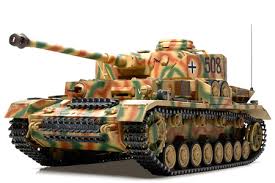
Panzer tank
But the tanks soon faced unexpected difficulties. Most roads in Russia were unpaved, so the tanks raised huge dust clouds almost everywhere they went. The dust clogged their engines and brought many tanks to a halt. Repair crews worked themselves to exhaustion so that the lightning-fast advance could continue.
Another drawback not evident at the outset of the invasion: Summer uniforms. For a war that began on June 22, 1941, these were entirely appropriate. But as the months quickly passed, the notorious Russian winter season loomed ever closer.

Germans in summer uniforms
The German command underestimated the campaign’s duration, expecting a victory by autumn 1941, and prioritized ammunition and fuel over winter equipment. Although winter gear existed, it was stuck in supply depots in the West, and transport lines were too strained by the Soviets’ “scorched earth” tactics to move it to the front.
Without proper greatcoats or insulated boots, soldiers suffered from extreme cold, with temperatures dropping far below zero. Many resorted to stealing blankets from civilians or using blankets as makeshift clothing.
In its war with Iran, American’s air force completely dominated the skies. But then both American planes and ground forces faced an unexpected enemy: Mass-produced drones.
The same weapons—some of them supplied by Iran to Russia—have been used since 2022 in Ukraine. Unmanned and remotely-controlled, Ukrainian and Russian drones have transformed the battlefield. They’re estimated to inflict around 80% of combat casualties on both sides.
The technology—like that forged in Germany’s Blitzkrieg tactics—is revolutionizing warfare and evolving rapidly. To adapt to the new era, the U.S. military is learning lessons from Ukraine.

Iranian drone
Student News Agency, Attribution, via Wikimedia Commons
Not only are American military forces being targeted, so are those Gulf nations that have allied themselves with the United States: The United Arab Emirates, Saudi Arabia, Kuwait, Bahrain, Qatar and Oman.
Primarily targeted: Energy infrastructure, airports and sites hosting American military personnel.
For Iran, the drones are relatively cheap. For the United States, the costs of countering this threat are steadily mounting. A typical Shahed-136 costs Tehran roughly $20,000 to $50,000, while interceptor missiles, such as the Patriot and Terminal High Altitude Area Defense (THAAD), cost the United States millions.
On August 22, 1939—the eve of his invasion of Poland, which would ignite World War II—Adolf Hitler delivered a secret address to his supreme commanders and generals. Its climax:
“Close your hearts to pity. Act brutally. Eighty million people must obtain what is their right. Their existence must be made secure. The stronger man is right. The greatest harshness.”
Hitler urged his generals to act similarly toward the Russians, whom he regarded as subhumans.
The results of this policy soon became obvious when the Wehrmacht invaded Ukraine. Ukrainians, long suffering under the yoke of Stalin, greeted the invaders with bread and salt, the traditional greeting of comrades.
Within a month, they realized that the tyranny of Stalin had been replaced by an all-out extermination campaign of Hitler. For every Ukrainian the Germans killed, 10 more emerged to seek revenge.
Eighty-five years later, Donald Trump and officials of his administration are celebrating the indiscriminate slaughter of Iranians, whether civilian or military.
“We totally demolished Kharg Island, but we may hit it a few more times just for fun,” Trump said on NBC News.
On March 22, Secretary of Defense Pete Hegseth, hosting his monthly Christian worship service at the Pentagon, prayed: “Let every round find its mark against the enemies of righteousness and our great nation.
“Give them wisdom in every decision, endurance for the trial ahead, unbreakable unity, and overwhelming violence of action against those who deserve no mercy.”

Pete Hegseth
“I pursued my enemies and overtook them, and did not turn back till they were consumed,” he read from Psalms 18:37. “Those who hated me I destroyed. They cried to the Lord, but He did not answer them.”
Former House speaker and Trump advisor Newt Gingrich posted on X: “Instead of fighting over a 21-mile-wide bottleneck [Strait of Hormuz] forever, we [could] cut a new channel through friendly territory. A dozen thermonuclear detonations and you’ve got a waterway wider than the Panama Canal, deeper than the Suez, and safe from Iranian attacks.”
This would produce countless numbers of casualties and cover the Middle East with radioactive fallout.
It remains to be seen if such exhortations will lead American soldiers to act as barbarically as those of the Wehrmacht and SS—and inspire similar barbarism in return.
ABC NEWS, ADOLF HITLER, ALI HOSSEINI KHAMENEI, ALTERNET, AMERICABLOG, AP, AYATOLLAH ALI KHAMENEI, BABY BOOMER RESISTANCE, BAHRAIN, BBC, BERLIN, BLOOMBERG, BLOOMBERG NEWS, BLUESKY, BUZZFEED, CBS NEWS, CNN, CROOKS AND LIARS, DAILY KOS, DONALD TRUMP, DRONES, FINLAND, FIVETHIRTYEIGHT, FRANCE, GREAT BRITAIN, HARPER’S MAGAZINE, HUFFINGTON POST, IRAN, ISRAEL, ITALY, JAPAN, JOACHIM VON RIBBENTROP, JOSEPH STALIN, KIEV, KUWAIT, LENINGRAD, LUFTWAFFE, MEDIA MATTERS, MOJTABA KHAMENEI, MOSCOW, MOTHER JONES, MOVEON, MSNBC, NAZI GERMANY, NBC NEWS, NEW REPUBLIC, NEWSDAY, NEWSWEEK, NEWT GINGRICH, NPR, NUCLEAR WEAPONS, OIL FIELDS, OMAN, OPERATION BARBAROSSA, PBS NEWSHOUR, PETE HEGSETH, POLAND, POLITICO, POLITICUSUSA, QATAR, QATER, RAW STORY, REUTERS, SALON, SAUDI ARABIA, SEATTLE TIMES, SLATE, SOVIET UNION, SS, TALKING POINTS MEMO, THE ATLANTIC, THE CHICAGO SUN-TIMES, THE CHICAGO TRIBUNE, THE DAILY BEAST, THE DAILY BLOG, THE GUARDIAN, THE HILL, THE HUFFINGTON POST, THE INTERCEPT, THE LONGEST DAY (MOVIE, THE LOS ANGELES TIMES, THE NATION, THE NEW REPUBLIC, THE NEW YORK TIMES, THE NEW YORKER, THE PENTAGON, THE UNITED ARAB EMIRATES, THE VILLAGE VOICE, THE WASHINGTON POST, THINKPROGRESS, THIRD REICH, TIME, TRUTHDIG, TRUTHOUT, TWO POLITICAL JUNKIES, U.S. NEWS & WORLD REPORT, UKRAINE, UNIFORMS, UPI, USA TODAY, VYACHESLAV MOLOTOV, WEHRMACHT, WONKETTE, WORLD WAR 11, X
In Bureaucracy, History, Military, Politics, Social commentary on August 3, 2026 at 12:05 am
The city: Berlin.
The date: November 12–13, 1940.
The event: A meeting between German Fuhrer Adolf Hitler and Soviet Foreign Minister Vyacheslav Molotov.
The purposes: To discuss:
- Soviet expansion and control over Finland, Bulgaria, and the Turkish Straits; and
- Germany’s desire for the USSR to attack British interests in India and Iran.
Hitler wanted the USSR to join the Axis (Germany, Italy, and Japan) and expand “southward” toward the Indian Ocean to avoid conflict in Europe.
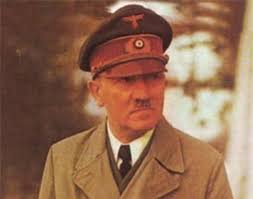
Adolf Hitler
Molotov ignored the talk of India and instead demanded control over Finland, Bulgaria, and the Turkish Straits.
Hitler adamantly opposed Soviet control over Finland, which he considered a strategic ally. He feared a Soviet expansion into Scandinavia would threaten German iron ore supplies from Sweden and northern interests.
And he deeply feared that the Soviet Union would cut off Germany’s vital Romanian oil supplies. Romania provided roughly 75% of German oil in 1941. A late 1940 Soviet attack on the Ploiești oil fields would render Germany helpless and force an end to the war.
On a personal level, Molotov and Hitler grated on each other’s nerves. Molotov was blunt in his remarks and didn’t spare Hitler at all. He seldom smiled and refused to compromises on Russia’s demands for control of Finland, Bulgaria, and the Turkish Straits.
At one point, Molotov asked: “Is last year’s agreement [between Germany and Russia] still valid?”
Hitler replied that it was.
“I asked this question,” said Molotov, “because of the Finns. You are on very friendly relations with the Finns. You invite people from Finland to Germany and you send missions there. And the Finns are very dangerous people. They undermine our security and we’ll have to do something about that and we are going to do something about that.”

Vyacheslav Molotov
“I understand you very well,” exploded Hitler. “You want to wage war against Finland and that is quite out of the question. Do you hear me? It’s impossible because my supplies of iron, nickel and other important raw materials would be cut.”
During the talks, British Royal Air Force (RAF) bombers appeared overhead, forcing the leaders to move to an air raid shelter.
German Foreign Minister Joachim von Ribbentrop had been trying to convince Molotov that Great Britain was “beaten” and that the British Empire was a “gigantic world-wide estate in bankruptcy” ready for partition.
Molotov sarcastically replied: “If England is beaten, why are we in this shelter and whose are the bombs that are falling?”
Even while Molotov was still in Berlin, Hitler ordered his generals to attack the Soviet Union on May 15, 1941.
Within a month they responded with a detailed plan code-named “Operation Barbarossa.”
Less than one year later—on June 22, 1941—with 134 divisions at full fighting strength and 73 more divisions for deployment behind the front, the German Wehrmacht invaded the Soviet Union.
Now the two most ruthless dictators on earth—Adolf Hitler and Joseph Stalin—were locked in a fight to the death.
At the outset, the odds clearly favored the Germans.
The invasion caught the Soviet Union by surprise. Joseph Stalin had received Intelligence reports from Great Britain that Germany was preparing to attack. But Stalin, who believed the British were trying to drive a wedge between him and Hitler, put his faith in Hitler, whose guarantees had long proved worthless.

German army units
From June to September, the Wehrmacht captured vast territories and encircled hundreds of thousands of Red Army troops. German forces quickly advanced toward Leningrad, Moscow, and Kiev, inflicting massive casualties.
The Luftwaffe destroyed much of the Soviet air force on the ground.
In June and July, German panzers quickly advanced, capturing over 300,000 Soviet prisoners in the Minsk-Bialystok pocket. By late September, Army Group South captured Kiev, resulting in the largest encirclement in history, with roughly 600,000 Soviet soldiers trapped.
By the end of 1941, more than three million Soviet soldiers were captured or killed. Still, the Soviet Union did not collapse and continued to commit new field armies to the conflict.
By December, the Wehrmacht, besieging Moscow, were literally freezing to death in their summer uniforms. Then, on December 5-6, the Soviets launched their decisive counter-offensive before Moscow, forcing German forces into a retreat.
It marked the first major land defeat for the Wehrmacht since its September 1, 1939 invasion of Poland, which ignited World War II.
Now, fast-forward 85 years. Substitute President Donald Trump for Fuhrer Adolf Hitler and Mojtaba Khamenei for Joseph Stalin—and Iran for the Soviet Union.
Donald Trump and Adolf Hitler
Just as Hitler launched his attack on the Soviet Union without warning, so did Trump launch his on Iran—on February 28.
Hitler’s attack didn’t kill Joseph Stalin, the all-powerful dictator of the Soviet Union. But Trump’s airstrikes killed Ali Hosseini Khamenei, who had ruled Iran as its supreme leader from 1989.

Ayatollah Ali Khamenei
Still, the Iranians quickly elevated his son, Mojtaba Khamenei, to the same position—and went on fighting.
Hitler––and numerous members of the Wehrmacht—believed that Germany’s mechanized panzers would succeed where Napoleon Bonaparte had failed in 1812. And that they could conquer the Soviet Union in only three months.
They were wrong.
ABC NEWS, ADOLF HITLER, ALFRED JODL, ALTERNET, AMERICABLOG, AP, AYATOLLAH ALI KHAMENEI, BABY BOOMER RESISTANCE, BBC, BELGIUM, BLOOMBERG, BLOOMBERG NEWS, BLUESKY, BUZZFEED, CBS NEWS, CNN, CROOKS AND LIARS, DAILY KOS, FIVETHIRTYEIGHT, FRANCE, GREECE, HARPER’S MAGAZINE, HEINZ GUDERIAN, HOLLAND, HUFFINGTON POST, ISRAEL, JORDAN, JOSEPH STALIN, KUWAIT, LENINGRAD, MEDIA MATTERS, MOSCOW, MOTHER JONES, MOVEON, MSNBC, NAPOLEON BONAPARTE, NAZI GERMANY, NBC NEWS, NEW REPUBLIC, NEWSDAY, NEWSWEEK, NORTH ATLANTIC TREATY ORGANIZATION (NATO), NORWAY DENMARK, NPR, NUCLEAR WEAPONS, OIL FIELDS, PBS NEWSHOUR, PETE HEGSETH, POLAND, POLITICO, POLITICUSUSA, QATAR, RAW STORY, REPUBLICAN PARTY, REUTERS, SALON, SAUDI ARABIA, SAVING PRIVATE RYAN (MOVIE), SEATTLE TIMES, SLATE, SOVIET UNION, TALKING POINTS MEMO, TERRORISM, THE ATLANTIC, THE CHICAGO SUN-TIMES, THE CHICAGO TRIBUNE, THE DAILY BEAST, THE DAILY BLOG, THE GUARDIAN, THE HILL, THE HUFFINGTON POST, THE INTERCEPT, THE LONGEST DAY (MOVIE, THE LOS ANGELES TIMES, THE NATION, THE NEW REPUBLIC, THE NEW YORK TIMES, THE NEW YORKER, THE PENTAGON, THE UNITED ARAB EMIRATES, THE VILLAGE VOICE, THE WASHINGTON POST, THINKPROGRESS, THIRD REICH, TIME, TRUTHDIG, TRUTHOUT, TWO POLITICAL JUNKIES, U.S. NEWS & WORLD REPORT, UPI, USA TODAY, WEHRMACHT, WONKETTE, X, YUGOSLAVIA
In Bureaucracy, History, Law, Politics, Social commentary on July 31, 2026 at 12:05 am
Donald Trump’s unprovoked attack on Iran is separated from Adolf Hitler’s attack on the Soviet Union by a span of 84 years. Yet despite differences in geography and history, eerie similarities exist between the two.
Hitler launched his assault on the Soviet Union on June 22, 1941—after a series of quick military conquests: Poland (1939); Norway, Denmark, Holland, Belgium, France (1940); Greece and Yugoslavia (1941).
Similarly, before launching his assault on Iran on February 28, Trump had scored a number of triumphs–albeit of a non-military nature. A March 19, 2026 article in The New Republic offers a partial summary:
Donald Trump and Adolf Hitler
“In the first year since returning to power, Trump and his subordinates have pushed the country toward fascism and oligarchy. He has turned Washington into an orgy of corruption and self-dealing beyond even the most cynical observer’s imagination.
“He has transformed Immigration and Customs Enforcement and Border Patrol into a lawless paramilitary force that has besieged American cities and killed at least five U.S. citizens and 22 foreign nationals. He has abused Americans and their immigrant neighbors alike simply because he can.”
In his attempt to conquer the Soviet Union, Hitler made the fatal mistake of trying to conquer too much territory all at once.
In August 1941, Hitler diverted forces from the central push on Moscow to surround Leningrad and industrial regions in the South, which delayed the attack on Moscow. By the time Hitler decided to capture Moscow, the weather had turned cold and the Germans were exhausted and freezing.
As in the case of Hitler, Trump assumed that Iran could be forced to quickly surrender. But that effort has been handicapped by a series of shifting and contradictory goals:
- Preventing Iran from developing nuclear weapons.
- Destroying Iran’s missile capabilities.
- Annihilating the Iranian navy.
- Ensuring that Iran quit arming, funding and/or directing “terrorist armies” outside its borders.
In the opening day of the war, American and Israeli airstrikes killed Iran’s Supreme Leader, Ayatollah Ali Khamenei. By March 17, Israel announced that it had killed two more top Iranian leaders in airstrikes. Still, Iranians chose new leaders to succeed dead ones and went on fighting.
Ayatollah Ali Khamenei
On March 19, Israeli airstrikes hit Iran’s largest gas field—South Pars, which is part of the world’s largest natural gas reserves. In retaliation, Iran launched drone and missile attacks against energy infrastructure in Saudi Arabia, the United Arab Emirates (UAE), Qatar, and Kuwait.
Iran also targeted Israel and attacked U.S. military bases in the region, including in Bahrain and Jordan.
Hitler expected the Soviet Union to collapse in a matter of weeks. France, which supposedly had the strongest army in Europe, had collapsed in six weeks in 1940. Hitler believed that General Winter, which had defeated Napoleon in 1812, would not be a problem for the mechanized Wehrmacht.
Yet the Wehrmacht was far less mechanized than portrayed by German propagandists. It relied heavily on horses for approximately 80% of its transport needs throughout World War II. During the winter of 1941 – 1942, the Wehrmacht lost over 179,000 horses. In the Army Group Center sector, losses reached roughly 1,000 horses per day.
In movies like “The Longest Day” and “Saving Private Ryan,” Americans celebrate the D-Day landings in France, on June 6, 1944. But for Nazi Germany, “the real war” was in the East. There the Wehrmacht concentrated the largest proportion of its forces—and suffered 85% of its casualties.
By March 19, the United States had spent $12 to over $12.7 billion on military operations against Iran. And the Pentagon was asking for an additional $200 billion for the war. Secretary of Defense Pete Hegseth warned “that number could move.”
On July 22, it moved—House Republicans passed a $1.5 trillion defense budget for 2027.
On April 7 the United States, Israel, and Iran agreed to a two-week ceasefire, under which Iran would re-open the Strait of Hormuz. On April 11, Trump said that American ships had started “clearing” the Strait of Hormuz.
The Iranian government threatened to attack the ships, accusing the United States of a ceasefire violation.
On July 8, Iran struck more targets in the Strait of Hormuz. Trump declared the Memorandum Of Understanding between the two countries was “over,” and that he didn’t want to deal any further with Iran’s leadership
Following an attack by Iranian forces on oil tankers in the Strait of Hormuz, on July 13, the United States began 13 consecutive nights of airstrikes on Iran, ending on July 24.
On July 27 Trump said he was ready for “strong military action” if talks with Iran failed, saying there’s “not much time” left for diplomacy
Bombing, however, has never by itself ended a war. Hitler’s terror-bombing of England only stiffened British resolve to fight on.
Trump could launch a ground troop invasion—but Iran is more than twice the size of Texas, covering about 636,000 square miles. That would require tens of thousands of troops—and almost certainly lead to a highly unpopular draft.
Aside from that, his only other choice is the use of nuclear weapons.
Both would be highly unpopular—especially in a midterms election year.
Like Hitler’s war against the Soviet Union, by July 28, Trump’s “two week” war with Iran had lasted five months—with no end in sight.
ABC NEWS, ADOLF HITLER, ALFRED JODL, ALTERNET, AMERICABLOG, AP, AYATOLLAH ALI KHAMENEI, BABY BOOMER RESISTANCE, BBC, BELGIUM, BLOOMBERG, BLOOMBERG NEWS, BLUESKY, BUZZFEED, CBS NEWS, CNN, CROOKS AND LIARS, DAILY KOS, FIVETHIRTYEIGHT, FRANCE, GREECE, HARPER’S MAGAZINE, HEINZ GUDERIAN, HOLLAND, HUFFINGTON POST, ISRAEL, JORDAN, JOSEPH STALIN, KUWAIT, LENINGRAD, MEDIA MATTERS, MOSCOW, MOTHER JONES, MOVEON, MSNBC, NAPOLEON BONAPARTE, NAZI GERMANY, NBC NEWS, NEW REPUBLIC, NEWSDAY, NEWSWEEK, NORTH ATLANTIC TREATY ORGANIZATION (NATO), NORWAY DENMARK, NPR, NUCLEAR WEAPONS, OIL FIELDS, PBS NEWSHOUR, PETE HEGSETH, POLAND, POLITICO, POLITICUSUSA, QATAR, RAW STORY, REPUBLICAN PARTY, REUTERS, SALON, SAUDI ARABIA, SAVING PRIVATE RYAN (MOVIE), SEATTLE TIMES, SLATE, SOVIET UNION, TALKING POINTS MEMO, TERRORISM, THE ATLANTIC, THE CHICAGO SUN-TIMES, THE CHICAGO TRIBUNE, THE DAILY BEAST, THE DAILY BLOG, THE GUARDIAN, THE HILL, THE HUFFINGTON POST, THE INTERCEPT, THE LONGEST DAY (MOVIE, THE LOS ANGELES TIMES, THE NATION, THE NEW REPUBLIC, THE NEW YORK TIMES, THE NEW YORKER, THE PENTAGON, THE UNITED ARAB EMIRATES, THE VILLAGE VOICE, THE WASHINGTON POST, THINKPROGRESS, THIRD REICH, TIME, TRUTHDIG, TRUTHOUT, TWO POLITICAL JUNKIES, U.S. NEWS & WORLD REPORT, UPI, USA TODAY, WEHRMACHT, WONKETTE, X, YUGOSLAVIA
In Bureaucracy, History, Military, Politics, Social commentary on July 30, 2026 at 12:13 am
Adolf Hitler had a warning for Donald Trump on the eve of his launching airstrikes against Iran.
A warning Trump should have heeded—but didn’t.
It all started on June 22, 1941.
On that date, Hitler ordered his powerful Wehrmacht o invade the Soviet Union.
Less than two years earlier, on August 23, 1939, he had signed a “non-aggression” pact with his longtime arch-enemy, Joseph Stalin, dictator of the Soviet Union.
Since then, his army had conquered Poland, Norway, Denmark, Holland, Belgium and France.
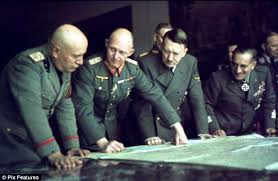
Adolf Hitler with his generals
Now, he believed, it was time to “settle accounts” with the Soviet Union.
Only there could Germany obtain the “living space” it “needed” for its expanding population.
So at 3 a.m. on June 22, 1941, Hitler once again launched an invasion.
At first, Hitler felt giddy with excitement.
Turning to Alfred Jodl, his chief of operations for the Wehrmacht, he said: “We have only to kick in the door and the whole rotten structure will come crashing down.”
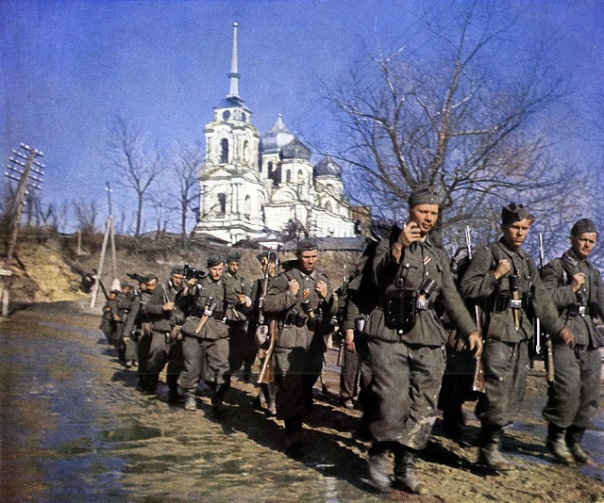
German soldiers marching through Russia
But soon afterward—almost as if he had just looked into the future and seen that he had none—he told an aide: “At the beginning of each campaign, one pushes a door into a dark, unseen room. One can never know what is hiding inside.”
That certainly proved true for Hitler.
Within four years, he was dead and the Red Army occupied Berlin.
And now the law of unintended consequences may be coming true for President Donald Trump and the United States.
On February 28, Trump—in concert with Israel—launched a series of devastating, unprovoked airstrikes against Iran. Since then, Trump and his Secretary of Defense, Pete Hegseth, have been all over the map with rosy predictions.

Donald Trump
- February 28: Trump posted on Truth Social that the bombing would continue “throughout the week or as long as necessary to achieve our objective of PEACE THROUGHOUT THE MIDDLE EAST AND, INDEED, THE WORLD!”
- March 1: In a video Trump declared that the war would continue “until all of our objectives are achieved.”
- March 2: Trump: “Right from the beginning, we projected four to five weeks, but we have capability to go far longer than that.”
- March 5: Hegseth to Pentagon reporters: “You can say four weeks [how long the war might last] but it could be six, it could be eight, it could be three. Ultimately, we set the pace and the tempo.”
- March 6: Trump: “There will be no deal with Iran except UNCONDITIONAL SURRENDER.”
- March 8: Hegseth: “We’re willing to go as far as we need to in order to be successful.”
- March 9: Trump: “No, but soon. I think so. Very soon” when asked by a reporter if the war would be over that week.
- March 11: “You know, you never like to say too early you won. We won. We won the, in the first hour, it was over.”
Hitler had been similarly optimistic about how long it would take to conquer the Soviet Union: Six to eight weeks, at the longest. And during the first three months of the war—July through September, 1941—that optimism seemed well-placed.
The Wehrmacht repeatedly lured Soviet armies into huge “cauldron battles,” then surrounded them, killing thousands and taking thousands of prisoners. By the end of September, German forces had captured or killed over 650,000 Russian troops in the Battle of Kiev alone, with total Soviet casualties reaching millions.
But then Hitler—and the Wehrmacht—paid a fatal price for their misplaced optimism.
The best—and most lethal—example of this hubris: The Wehrmacht went to war in summer uniforms on June 22—and were still wearing them in December.
Hitler placed infinite faith in the power of will to overcome all obstacles. When his soldiers were literally freezing to death before the gates of Moscow, Hitler believed that with “just one more push” the Soviet capital would fall.
When Heinz Guderian, his foremost expert on tank warfare, informed Hitler that German soldiers had no defense against the bitter cold, Hitler replied: They should dig foxholes.
Guderian replied that the icy ground was too solid to be punctured with spades.
Hitler’s reply: They should fire artillery shells into the ground to build foxholes.
This totally ignored the reality that, by December, 1941, the German army was dangerously short on munitions of all kinds.
Like Hitler, Trump seemed to consider himself omnipotent. Asked by a reporter how long the war would last, the President replied: “Any time I want it to end, it will end.”
Yet by the third week of the war, he began demanding—not asking—the assistance of NATO countries: We’ve had your back, now it’s our turn.
This totally ignored the fact that NATO exists to aid any of its members if it is attacked. After 9/11, NATO air force planes screened American airspace to prevent a repeat of similar carnage.
But NATO members are not obligated to join any nation in igniting a war. And that was precisely what Trump did on February 28—without consulting or even informing NATO of his plans to attack.
The only country that had known his intentions was Israel.
2020 PRESIDENTIAL ELECTION, AFFORDABLE CARE ACT (ACA), ALEC BALDWIN, ALTERNET, AMERICABLOG, AMNESTY INTERNATIONAL, AP, ARTICLE 1, BABY BOOMER RESISTANCE, BANDY X. LEE, BBC, BILL CLINTON, BIRTHRIGHT CITIZENSHIP, BLOOMBERG, BLUESKY, BUREAU OF LABOR STATISTICS (BLS), BUZZFEED, CANADA, CBS NEWS, CHICAGO, CHRIS KREBS, CNN, CONSUMER PROTECTION FINANCIAL BUREAU, CROOKS AND LIARS, CYBERSECURITY AND INFRASTRUCTURE SECURITY AGENCY (CISA), DAILY KOS, DAVID BROOKS, DEMOCRATS, DEPARTMENT OF JUSTICE (DOJ), DIVERSITY EQUITY AND INCLUSION (DEI), DONALD TRUMP, ELON MUSK, FBI, FEDERAL AVIATION ADMINISTRATION (FAA), FIVETHIRTYEIGHT, FLETCHER KNEBEL, GAIUS CALIGULA, GAZA, GEOFF BENNETT, GEORGE STEPHANOPOULOS, GORE VIDAL, GREENLAND, GULF OF AMERICA, GULF OF MEXICO, HARD UNIVERSITY, HARPER’S MAGAZINE, HARVARD MEDICAL SCHOOL, HUFFINGTON POST, illegal immigration, IMMIGRATION AND CUSTOMS ENFORCEMENT (ICE), INSPECTORS GENERAL, IRAN WAR, JANUARY 6 COUP ATTEMPT, JEFFREY EPSTEIN, JOHN ADAMS, JOHN D. GARTNER, JOHN F. KENNEDY CENTER FOR THE PERFORMING ARTS, JOHNS HOPKINS UNIVERSITY MEDICAL SCHOOL, JONATHAN CAPEHART, JOSEPH BIDEN, KEVIN SPACEY, LANCE DODES, LOS ANGELES, MARK MEADOWS, MEDAL OF HONOR WINNERS, MEDIA MATTERS, MEDICAID, MEDICARE, MICHAEL JACKSON, MICK JAGGER, MINNEAPOLIS, MOTHER JONES, MOVEON, MS NOW, MSNBC, NARCISSISM, NBC NEWS, NEWSDAY, NEWSWEEK, NIGHT AT CAMP DAVID (BOOK), NORTH ATLANTIC TREATY ORGANIZATION (NATO), NPR, Oil, PARIS CLIMATE AGREEMENT, PBS NEWSHOUR, POLITICO, POLITICUSUSA, PRINCE ANDREW, QATAR, RAW STORY, REPUBLICANS, REUTERS, RICHARD BRANSON, ROMAN EMPERORS, ROMAN EMPIRE, RUDY GIULIANI, SALLUST, SALON, SEATTLE TIMES, SLATE, ST. PAUL, STRAIT OF HORMUZ, SUPPLEMENTAL NUTRITION ASSISTANCE PROGRAM (SNAP), TACITUS, TALKING POINTS MEMO, THE ATLANTIC, THE CHICAGO SUN-TIMES, THE CHICAGO TRIBUNE, THE DAILY BEAST, THE DAILY BLOG, THE DANGEROUS CASE OF DONALD TRUMP (BOOK), THE GUARDIAN, THE HILL, THE HUFFINGTON POST, THE INTERCEPT, THE LOS ANGELES TIMES, THE NATION, THE NEW REPUBLIC, THE NEW YORK TIMES, THE NEW YORKER, THE PENTAGON, THE TWELVE CAESARS (ESSAY), THE VILLAGE VOICE, THE WASHINGTON POST, THINKPROGRESS, TIME, TRUTHDIG, TRUTHOUT, TWO POLITICAL JUNKIES, U.S. NEWS & WORLD REPORT, UNITED STATES CONSTITUTION, UPI, USA TODAY, VLADIMIR PUTIN, WAR CRIMES, WASHINGTON D.C., WOODY ALLEN, WORLD HEALTH ORGANIZATION, X, YALE SCHOOL OF MEDICINE
In Bureaucracy, History, Law, Law Enforcement, Military, Politics, Social commentary, Uncategorized on May 14, 2026 at 12:05 am
Among the outrages President Donald Trump has committed since returning to power on January 20:
- Launched an unprovoked attack on Iran on February 28, believing that in six weeks he could force its Islamic rulers to abandon their plans to develop nuclear weapons.
- When Iran closed the Strait of Hormuz—through which about 20%-25% of the world’s oil flows—Trump threatened: “A whole civilization will die tonight, never to be brought back again. I don’t want that to happen, but it probably will.”
- He backed off—at least temporarily—only after legal experts and organizations such as Amnesty International warned that attacking civilian infrastructure would constitute war crimes under international law.
Trump’s vindictiveness, his narcissism, his compulsive aggression, his complaints that his “enemies” in government and the press are trying to destroy him, have caused many to ask: Could the President of the United States be suffering from mental illness?
One who has dared to answer this question is John D. Gartner, a practicing psychotherapist.
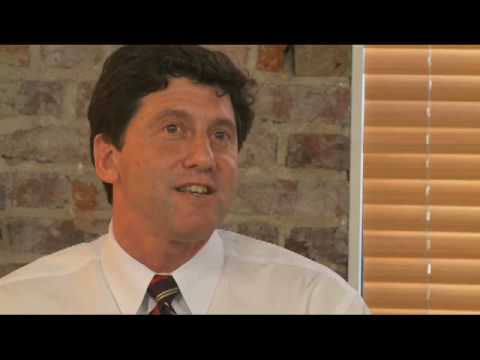
John D. Gartner
Gartner graduated magna cum laude from Princeton University, received his Ph.D in clinical psychology from the University of Massachusetts, and served as a part-time assistant professor of psychiatry at Johns Hopkins University Medical School for 28 years.
During an interview by U.S. News & World Report (published on January 27, 2017), Gartner said: “Donald Trump is dangerously mentally ill and temperamentally incapable of being president.”
Gartner said that Trump suffers from “malignant narcissism,” whose symptoms include:
- anti-social behavior
- sadism
- aggressiveness
- paranoia
- grandiosity.
“We’ve seen enough public behavior by Donald Trump now that we can make this diagnosis indisputably,” says Gartner, who admits he has not personally examined Trump.
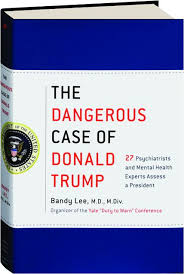
Another psychiatrist who’s determined that Trump is “mentally compromised” is Bandy X. Lee, an assistant clinical psychiatry professor at the Yale School of Medicine.
And she offered her reasons for doing so as the editor of The Dangerous Case of Donald Trump: 27 Psychiatrists and Mental Health Experts Assess a President.
“It doesn’t take a psychiatrist to notice that our president is mentally compromised,” she and colleague Judith Lewis Herman asserted in the book’s prologue.
According to Dr. Craig Malkin, a Lecturer in Psychology for Harvard Medical School and a licensed psychologist, Trump is a pathological narcissist:
“Pathological narcissism begins,” Malkin writes, “when people become so addicted to feeling special that, just like with any drug, they’ll do anything to get their ‘high,’ including lie, steal, cheat, betray and even hurt those closest to them.
“When they can’t let go of their need to be admired or recognized, they have to bend or invent a reality in which they remain special despite all messages to the contrary. In point of fact, they become dangerously psychotic. It’s just not always obvious until it’s too late.”
Lance Dodes, a retired psychiatry professor at Harvard Medical School, believes that Trump is a sociopath:
“The failure of normal empathy is central to sociopathy, which is marked by an absence of guilt, intentional manipulation and controlling or even sadistically harming others for personal power or gratification.”
* * * * * * * * * *
Americans have long believed that they—and especially their leaders—are an “exceptional” people. As a result, they consider themselves immune from the threats of corruption and dictatorship that have plagued other nations.
Millions of Americans—including many Trump supporters—have been shaken by the revelations of the Epstein Files, which chronicle the sexual depravities of convicted pedophile Jeffrey Epstein. Even more disturbing has been the knowledge that he and Donald Trump maintained a friendship for 15 to 17 years.
The Files so far released are replete with names of celebrities such as Michael Jackson, Mick Jagger, Kevin Spacey, Alec Baldwin, Woody Allen, George Stephanopoulos, Elon Musk, Richard Branson, former President Bill Clinton and Prince Andrew.
This has added to the shock and revulsion felt by millions of Americans. Yet they might have been less shocked had they read Gore Vidal’s 1959 essay, “The Twelve Caesars.”

Gore Vidal
Mark Coggins from San Francisco, CC BY 2.0 <https://creativecommons.org/licenses/by/2.0>, via Wikimedia Commons
Vidal’s essay is an ode to The Twelve Caesars, a classic work of ancient biography by Gaius Suetonius Tranquillus—known as Suetonius.
Suetonius, a Roman citizen and historian, chronicled the lives of the first twelve Caesars of imperial Rome: Julius Caesar, Augustus, Tiberius, Caligula, Claudius, Nero, Galba, Otho, Vitellius, Vespasian, Titus and Domitian.
Vidal sought to show the relevance of Suetonius’ work to present-day America: “It would be wrong, however, to dismiss, as so many commentators have, the wide variety of Caesarean sensuality as simply the viciousness of twelve abnormal men. They were, after all, a fairly representative lot.
“They differed from us – and their contemporaries – only in the fact of power, which made it possible for each to act out his most recondite sexual fantasies. This is the psychological fascination of Suetonius. What will men so placed do? The answer, apparently, is anything and everything.”
Thus the lesson taught by the celebrities—including Trump—who glommed onto Jeffrey Epstein: They differed from ordinary citizens only in the power they held over themselves—and others. And, reveling in that power, they felt free to indulge the most depraved fantasies, sexual and otherwise.
2020 PRESIDENTIAL ELECTION, AFFORDABLE CARE ACT (ACA), ALEC BALDWIN, ALTERNET, AMERICABLOG, AMNESTY INTERNATIONAL, AP, ARTICLE 1, BABY BOOMER RESISTANCE, BANDY X. LEE, BBC, BILL CLINTON, BIRTHRIGHT CITIZENSHIP, BLOOMBERG, BLUESKY, BUREAU OF LABOR STATISTICS (BLS), BUZZFEED, CANADA, CBS NEWS, CHICAGO, CHRIS KREBS, CNN, CONSUMER PROTECTION FINANCIAL BUREAU, CROOKS AND LIARS, CYBERSECURITY AND INFRASTRUCTURE SECURITY AGENCY (CISA), DAILY KOS, DAVID BROOKS, DEMOCRATS, DEPARTMENT OF JUSTICE (DOJ), DIVERSITY EQUITY AND INCLUSION (DEI), DONALD TRUMP, ELON MUSK, FBI, FEDERAL AVIATION ADMINISTRATION (FAA), FIVETHIRTYEIGHT, FLETCHER KNEBEL, GAIUS CALIGULA, GAZA, GEOFF BENNETT, GEORGE STEPHANOPOULOS, GORE VIDAL, GREENLAND, GULF OF AMERICA, GULF OF MEXICO, HARD UNIVERSITY, HARPER’S MAGAZINE, HARVARD MEDICAL SCHOOL, HUFFINGTON POST, illegal immigration, IMMIGRATION AND CUSTOMS ENFORCEMENT (ICE), INSPECTORS GENERAL, IRAN WAR, JANUARY 6 COUP ATTEMPT, JEFFREY EPSTEIN, JOHN ADAMS, JOHN D. GARTNER, JOHN F. KENNEDY CENTER FOR THE PERFORMING ARTS, JOHNS HOPKINS UNIVERSITY MEDICAL SCHOOL, JONATHAN CAPEHART, JOSEPH BIDEN, KEVIN SPACEY, LANCE DODES, LOS ANGELES, MARK MEADOWS, MEDAL OF HONOR WINNERS, MEDIA MATTERS, MEDICAID, MEDICARE, MICHAEL JACKSON, MICK JAGGER, MINNEAPOLIS, MOTHER JONES, MOVEON, MS NOW, MSNBC, NARCISSISM, NBC NEWS, NEWSDAY, NEWSWEEK, NIGHT AT CAMP DAVID (BOOK), NORTH ATLANTIC TREATY ORGANIZATION (NATO), NPR, Oil, PARIS CLIMATE AGREEMENT, PBS NEWSHOUR, POLITICO, POLITICUSUSA, PRINCE ANDREW, QATAR, RAW STORY, REPUBLICANS, REUTERS, RICHARD BRANSON, ROMAN EMPERORS, ROMAN EMPIRE, RUDY GIULIANI, SALLUST, SALON, SEATTLE TIMES, SLATE, ST. PAUL, STRAIT OF HORMUZ, SUPPLEMENTAL NUTRITION ASSISTANCE PROGRAM (SNAP), TACITUS, TALKING POINTS MEMO, THE ATLANTIC, THE CHICAGO SUN-TIMES, THE CHICAGO TRIBUNE, THE DAILY BEAST, THE DAILY BLOG, THE DANGEROUS CASE OF DONALD TRUMP (BOOK), THE GUARDIAN, THE HILL, THE HUFFINGTON POST, THE INTERCEPT, THE LOS ANGELES TIMES, THE NATION, THE NEW REPUBLIC, THE NEW YORK TIMES, THE NEW YORKER, THE PENTAGON, THE TWELVE CAESARS (ESSAY), THE VILLAGE VOICE, THE WASHINGTON POST, THINKPROGRESS, TIME, TRUTHDIG, TRUTHOUT, TWO POLITICAL JUNKIES, U.S. NEWS & WORLD REPORT, UNITED STATES CONSTITUTION, UPI, USA TODAY, VLADIMIR PUTIN, WAR CRIMES, WASHINGTON D.C., WOODY ALLEN, WORLD HEALTH ORGANIZATION, X, YALE SCHOOL OF MEDICINE
In Bureaucracy, History, Law, Law Enforcement, Military, Politics, Social commentary, Uncategorized on May 13, 2026 at 12:33 am
Night at Camp David is a 1965 novel about the danger of a President of the United States going insane.
In a November 30, 2018 review of the book, Tom McCarthy, national affairs correspondent for the British newspaper, The Guardian, wrote of President Donald Trump:
“The current president has seen crowds where none exist, deployed troops to answer no threat, attacked national institutions – the military, the justice department, the judiciary, the vote, the rule of law, the press – tried to prosecute his political enemies, elevated bigots, oppressed minorities, praised despots while insulting global allies and wreaked diplomatic havoc from North Korea to Canada.
“He stays up half the night watching TV and tweeting about it, then wakes up early to tweet some more, in what must be the most remarkable public diary of insecurity, petty vindictiveness, duplicity and scattershot focus by a major head of state in history.”
And the nightmare isn’t over.
Among the outrages Trump has committed since returning to power on January 20:
- Pardoned about 1,500 of his followers who violently tried to overturn the outcome of the 2020 Presidential election in the January 6, 2021 attack on Congress. Move than 250 of those pardoned had been convicted of assaulting police.
- Signed 26 executive orders reversing climate change initiatives, eliminating DEI programs, changing the federal designation for the Gulf of Mexico to the “Gulf of America” and initiating a federal hiring freeze.
- Fired the inspectors general—who are charged with protecting the government from waste and corruption—from more than a dozen federal agencies.
- Following Trump’s anti-DEI executive order, the Department of Defense deleted content that included the achievements of nonwhites—such as Navajo code talkers, black Tuskegee Airmen, Medal of Honor winners and women veterans.
- Fired Rohit Chopra, the director of the Consumer Financial Protection Bureau, which protects consumers from unfair, deceptive and fraudulent business practices.
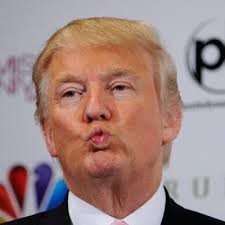
Donald Trump
- Withdrew the United States from the World Health Organization (WHO).
- Withdrew the United States from the Paris climate agreement.
- Fired the non-partisan board members at the John F. Kennedy Center for the Performing Arts. His toadies illegally renamed it the Trump-Kennedy Center and appointed him as its chairman—just as Joseph Stalin made himself arbiter of what was permissible for artists in the Soviet Union.
- When artists and audiences—outraged by the takeover—boycotted the Center, an embarrassed Trump ordered its closure, claiming a two-year repair renovation was necessary
- Purged about a half-dozen executive assistant directors at the FBI. These were some of the bureau’s top managers overseeing criminal, national security and cyber investigations. Their “crime”: Investigating Trump’s inciting the January 6, 2021 coup attempt and illegally holding highly sensitive national security documents after leaving office.
- Ordered the Justice Department to indict his critics such as New York Attorney General Letitia James and former FBI Director James Comey.

- Declared “a national emergency” targeting migrants—legal and illegal.
- Tried to cancel birthright citizenship—enshrined within the United States Constitution— for U.S.-born children.
- Demanded a military parade for his 79th birthday, poorly disguised as a salute to the 250th anniversary of the United States Army.
- Pardoned favored political allies and loyalists. Among these: Seventy-seven people associated with the Trump fake electors plot to overturn the results of the 2020 U.S. presidential election, including Trump’s personal attorney Rudy Giuliani and former chief of staff Mark Meadows.
- Angrily fired the Commissioner of the Bureau of Labor Statistics following a weak jobs report, triggering fears about his extortionate tariff policy.
- Demanded that the media refer to the Gulf of Mexico as “the Gulf of America” and banned the Associated Press from the White House for refusing to do so.
- Ordered the closure of all Federal Diversity, Equity, Inclusion and Accessibility offices.
- Demanded that Canada become the 51st state and aggressively raised tariffs on Canadian goods.
- Shut down the Federal Government on October 1, when Democrats refused to agree to his gutting Medicaid, Medicare and the Affordable Care Act (ACA), causing 10-15 million Americans to lose health insurance coverage.
- Among those not getting paid: Air traffic controllers for the Federal Aviation Administration (FAA). Owing to many controllers’ refusing to work, the FAA reduced air traffic by 10% at many airports.
- Shut off the Supplemental Nutrition Assistance Program (SNAP) for the poor to pressure Democrats to support his gutting of healthcare programs.

- Issued executive orders revoking the security clearance of Chris Krebs, former director of the Cybersecurity and Infrastructure Security Agency. Krebs’ “crime”: Preventing lies spread by Russians—and Americans—on social media platforms from swaying the 2020 Presidential election to Trump.
- Flooded the streets of Los Angeles, Washington, D.C., Chicago with federalized National Guard troops against state governors’ wishes during immigration crackdowns and civil unrest.
- Flooded Minneapolis and St. Paul, Minnesota, with 3,000 Immigration and Customs Enforcement (ICE) agents who terrorized (and in two cases murdered) both American citizens and illegal aliens.
- Threatened Harvard University with the loss of billions of dollars in federal funding, claiming that 2023 student protests about Gaza violated the civil rights of Jewish students.
- Threatened Greenland—an autonomous territory within the Kingdom of Denmark—with invasion unless it agreed to acquisition by the United States. Since Denmark is a member of NATO, such an invasion would pit the United States against its own alliance.
2020 PRESIDENTIAL ELECTION, AFFORDABLE CARE ACT (ACA), ALEC BALDWIN, ALTERNET, AMERICABLOG, AMNESTY INTERNATIONAL, AP, ARTICLE 1, BABY BOOMER RESISTANCE, BANDY X. LEE, BBC, BILL CLINTON, BIRTHRIGHT CITIZENSHIP, BLOOMBERG, BLUESKY, BUREAU OF LABOR STATISTICS (BLS), BUZZFEED, CANADA, CBS NEWS, CHICAGO, CHRIS KREBS, CNN, CONSUMER PROTECTION FINANCIAL BUREAU, CROOKS AND LIARS, CYBERSECURITY AND INFRASTRUCTURE SECURITY AGENCY (CISA), DAILY KOS, DAVID BROOKS, DEMOCRATS, DEPARTMENT OF JUSTICE (DOJ), DIVERSITY EQUITY AND INCLUSION (DEI), DONALD TRUMP, ELON MUSK, FBI, FEDERAL AVIATION ADMINISTRATION (FAA), FIVETHIRTYEIGHT, FLETCHER KNEBEL, GAIUS CALIGULA, GAZA, GEOFF BENNETT, GEORGE STEPHANOPOULOS, GORE VIDAL, GREENLAND, GULF OF AMERICA, GULF OF MEXICO, HARD UNIVERSITY, HARPER’S MAGAZINE, HARVARD MEDICAL SCHOOL, HUFFINGTON POST, illegal immigration, IMMIGRATION AND CUSTOMS ENFORCEMENT (ICE), INSPECTORS GENERAL, IRAN WAR, JANUARY 6 COUP ATTEMPT, JEFFREY EPSTEIN, JOHN ADAMS, JOHN D. GARTNER, JOHN F. KENNEDY CENTER FOR THE PERFORMING ARTS, JOHNS HOPKINS UNIVERSITY MEDICAL SCHOOL, JONATHAN CAPEHART, JOSEPH BIDEN, KEVIN SPACEY, LANCE DODES, LOS ANGELES, MARK MEADOWS, MEDAL OF HONOR WINNERS, MEDIA MATTERS, MEDICAID, MEDICARE, MICHAEL JACKSON, MICK JAGGER, MINNEAPOLIS, MOTHER JONES, MOVEON, MS NOW, MSNBC, NARCISSISM, NBC NEWS, NEWSDAY, NEWSWEEK, NIGHT AT CAMP DAVID (BOOK), NORTH ATLANTIC TREATY ORGANIZATION (NATO), NPR, Oil, PARIS CLIMATE AGREEMENT, PBS NEWSHOUR, POLITICO, POLITICUSUSA, PRINCE ANDREW, QATAR, RAW STORY, REPUBLICANS, REUTERS, RICHARD BRANSON, ROMAN EMPERORS, ROMAN EMPIRE, RUDY GIULIANI, SALLUST, SALON, SEATTLE TIMES, SLATE, ST. PAUL, STRAIT OF HORMUZ, SUPPLEMENTAL NUTRITION ASSISTANCE PROGRAM (SNAP), TACITUS, TALKING POINTS MEMO, THE ATLANTIC, THE CHICAGO SUN-TIMES, THE CHICAGO TRIBUNE, THE DAILY BEAST, THE DAILY BLOG, THE DANGEROUS CASE OF DONALD TRUMP (BOOK), THE GUARDIAN, THE HILL, THE HUFFINGTON POST, THE INTERCEPT, THE LOS ANGELES TIMES, THE NATION, THE NEW REPUBLIC, THE NEW YORK TIMES, THE NEW YORKER, THE PENTAGON, THE TWELVE CAESARS (ESSAY), THE VILLAGE VOICE, THE WASHINGTON POST, THINKPROGRESS, TIME, TRUTHDIG, TRUTHOUT, TWO POLITICAL JUNKIES, U.S. NEWS & WORLD REPORT, UNITED STATES CONSTITUTION, UPI, USA TODAY, VLADIMIR PUTIN, WAR CRIMES, WASHINGTON D.C., WOODY ALLEN, WORLD HEALTH ORGANIZATION, X, YALE SCHOOL OF MEDICINE
In Bureaucracy, History, Law, Law Enforcement, Military, Politics, Social commentary on May 12, 2026 at 12:05 am
On the April 10 edition of The PBS Newshour, David Brooks of The Atlantic and Jonathan Capehart of MS NOW—exchanged opinions on the mental health of President Donald Trump.
Although Brooks, a conservative, and Capehart, a liberal, usually find themselves on opposite sides of a subject, this time they reached a consensus: Trump is dangerously ill.
David Brooks: Last January, as we watched this spiral psychologically….I read Roman histories. And so you get Tacitus and Sallust and those old guys, because they had a front-row seat to tyranny. And they watched authoritarians, one after another, Caligula, all these guys. And the one thing they all said was that they deteriorate.
They create a situation around them, when the sycophants have to get more sycophant. Anybody who’s reasonable is either dead or gone. And then the urge to dominate, the lust for power becomes drunk. They become drunk on that. And they get more and more daring, more and more out of control, and then you get this spiral.
And our founding fathers, they understood this so well. They read Tacitus. They loved these guys. And John Adams said, if we get a leader like that, he will run through our Congress, our Constitution the way a whale goes through a net. And so they completely understood. And their worst nightmare is now happening.
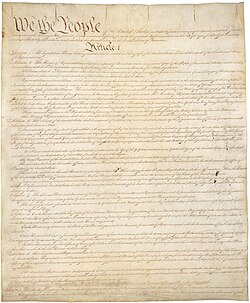
The Constitution of the United States
Moderator Geoff Bennett: And, Jonathan, 61 percent of Americans, including 30 percent of Republicans, now say that President Trump has become erratic with age. That’s according to a recent Reuters-Ipsos poll.
The press corps — I guess we should hold up a mirror to ourselves. The press corps spent two years making President Biden’s mental fitness, his acuity the story. Why isn’t that same scrutiny now being applied to President Trump broadly?
Jonathan Capehart: Yes, exactly. That has been my question since January 20 of last year. We, the press, spent a lot of time talking about President Biden and his age because he looked old. He moved slowly. He wasn’t as vigorous and agile, supposedly, as the guy he pushed out of office and then the guy who was running against him.
And even little slips of the tongue were used to show, see, aha, he’s not all there. He’s losing his mind. How does that compare to what we’re going through right now? I wish people who have written books — people who have gone on air talking about President Biden nonstop, where are they now?
Where are those books now that we have a president who has given ample evidence, ample evidence that something is not right? Where are the people who are standing up and saying, you know what, something needs to be done?
And that goes back to some — you were talking about the founders. They were prepared for something like this. What they weren’t prepared for was the Article I branch just ceding all authority. What they weren’t prepared for were people from the president’s own party willing to either turn a blind eye or enable him to run roughshod over the Constitution.

Donald Trump
Even when you have got him out there threatening annihilation of a civilization, even when he’s started a war for no reason and the enemy is in a stronger position now than it was before he started this war of his own choosing?
At some point, Republicans writ large and those on Capitol Hill have to start standing up for the Article I prerogatives, but also start standing up for the country. I don’t know how much longer we as a nation can withstand this. And I know the world is beyond done with us, but I think they’re also frightened of us.
* * * * * * * * * *
This is not the first time the subject of Donald Trump’s mental instability has been raised. In 2018, during Trump’s first term as President, a 53-year-old novel was re-released: Night at Camp David, by Fletcher Knebel.
At the time of its 1965, release, its plot was considered so over-the-top as to be worthy of science fiction:
Iowa Democratic Senator Jim MacVeagh is summoned to Camp David, the Presidential retreat, by President Mark Hollenbach. MacVeagh is expected to become Hollenbach’s next Vice President. But he becomes alarmed that Hollenbach is clearly suffering from intense paranoia.
Hollenbach wants to develop a closer relationship between the United States and Russia—while cutting ties with American allies in Europe. Moreover, he believes the American news media are conspiring against him with his political enemies.
Its paperback edition offered a sentence that went straight for the jugular: “What would happen if the President of the United States went stark-raving mad?”
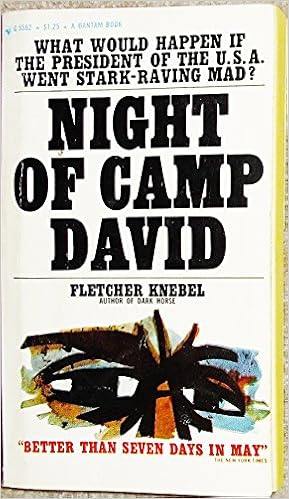
In a November 30, 2018 review of Night at Camp David, Tom McCarthy, national affairs correspondent for the British newspaper, The Guardian, wrote:
“The current president has seen crowds where none exist, deployed troops to answer no threat, attacked national institutions – the military, the justice department, the judiciary, the vote, the rule of law, the press – tried to prosecute his political enemies, elevated bigots, oppressed minorities, praised despots while insulting global allies and wreaked diplomatic havoc from North Korea to Canada.”
2020 PRESIDENTIAL ELECTION, AFFORDABLE CARE ACT (ACA), ALEC BALDWIN, ALTERNET, AMERICABLOG, AMNESTY INTERNATIONAL, AP, ARTICLE 1, BABY BOOMER RESISTANCE, BANDY X. LEE, BBC, BILL CLINTON, BIRTHRIGHT CITIZENSHIP, BLOOMBERG, BLUESKY, BUREAU OF LABOR STATISTICS (BLS), BUZZFEED, CANADA, CBS NEWS, CHICAGO, CHRIS KREBS, CNN, CONSUMER PROTECTION FINANCIAL BUREAU, CROOKS AND LIARS, CYBERSECURITY AND INFRASTRUCTURE SECURITY AGENCY (CISA), DAILY KOS, DAVID BROOKS, DEMOCRATS, DEPARTMENT OF JUSTICE (DOJ), DIVERSITY EQUITY AND INCLUSION (DEI), DONALD TRUMP, ELON MUSK, FBI, FEDERAL AVIATION ADMINISTRATION (FAA), FIVETHIRTYEIGHT, FLETCHER KNEBEL, GAIUS CALIGULA, GAZA, GEOFF BENNETT, GEORGE STEPHANOPOULOS, GORE VIDAL, GREENLAND, GULF OF AMERICA, GULF OF MEXICO, HARD UNIVERSITY, HARPER’S MAGAZINE, HARVARD MEDICAL SCHOOL, HUFFINGTON POST, illegal immigration, IMMIGRATION AND CUSTOMS ENFORCEMENT (ICE), INSPECTORS GENERAL, IRAN WAR, JANUARY 6 COUP ATTEMPT, JEFFREY EPSTEIN, JOHN ADAMS, JOHN D. GARTNER, JOHN F. KENNEDY CENTER FOR THE PERFORMING ARTS, JOHNS HOPKINS UNIVERSITY MEDICAL SCHOOL, JONATHAN CAPEHART, JOSEPH BIDEN, KEVIN SPACEY, LANCE DODES, LOS ANGELES, MARK MEADOWS, MEDAL OF HONOR WINNERS, MEDIA MATTERS, MEDICAID, MEDICARE, MICHAEL JACKSON, MICK JAGGER, MINNEAPOLIS, MOTHER JONES, MOVEON, MS NOW, MSNBC, NARCISSISM, NBC NEWS, NEWSDAY, NEWSWEEK, NIGHT AT CAMP DAVID (BOOK), NORTH ATLANTIC TREATY ORGANIZATION (NATO), NPR, Oil, PARIS CLIMATE AGREEMENT, PBS NEWSHOUR, POLITICO, POLITICUSUSA, PRINCE ANDREW, QATAR, RAW STORY, REPUBLICANS, REUTERS, RICHARD BRANSON, ROMAN EMPERORS, ROMAN EMPIRE, RUDY GIULIANI, SALLUST, SALON, SEATTLE TIMES, SLATE, ST. PAUL, STRAIT OF HORMUZ, SUPPLEMENTAL NUTRITION ASSISTANCE PROGRAM (SNAP), TACITUS, TALKING POINTS MEMO, THE ATLANTIC, THE CHICAGO SUN-TIMES, THE CHICAGO TRIBUNE, THE DAILY BEAST, THE DAILY BLOG, THE DANGEROUS CASE OF DONALD TRUMP (BOOK), THE GUARDIAN, THE HILL, THE HUFFINGTON POST, THE INTERCEPT, THE LOS ANGELES TIMES, THE NATION, THE NEW REPUBLIC, THE NEW YORK TIMES, THE NEW YORKER, THE PENTAGON, THE TWELVE CAESARS (ESSAY), THE VILLAGE VOICE, THE WASHINGTON POST, THINKPROGRESS, TIME, TRUTHDIG, TRUTHOUT, TWO POLITICAL JUNKIES, U.S. NEWS & WORLD REPORT, UNITED STATES CONSTITUTION, UPI, USA TODAY, VLADIMIR PUTIN, WAR CRIMES, WASHINGTON D.C., WOODY ALLEN, WORLD HEALTH ORGANIZATION, X, YALE SCHOOL OF MEDICINE
In Bureaucracy, History, Law, Law Enforcement, Military, Politics, Social commentary on May 11, 2026 at 12:10 am
On April 10, David Brooks of The Atlantic and Jonathan Capehart of MS NOW appeared—as they do every Friday—on the PBS Newshour to discuss the week’s political events.
Brooks is a conservative, Capehart, a liberal, but they exchange their often differing views in a calm, civil manner. But on this date, there was unanimity between them on the subject of President Donald Trump’s deteriorating mental state.
Moderator Geoff Bennett kicked off the exchange with this:
So, David, the president this week threatened to wipe out an entire civilization, and then he took a cease-fire deal 88 minutes before his own deadline. Is this maximum pressure or maximum chaos?
David Brooks: Maximum malevolence. We shouldn’t let that comment about the wiping out of civilization go by without saying what an antithesis it is of American history….We have always prided ourselves, whether — whatever stupid stuff we do, on not being a rapacious European-style imperial dominating power.
After World War II, we didn’t try to take over Germany and Japan. We gave them money so they could recover. Even George W. Bush, whatever you think of the war, the intentions were OK. But to threaten to wipe out a civilization is pure malevolence.

David Brooks
It’s an assertion of true evil. And it didn’t work. And so, if you want to know how the war is going, look at who’s moving. The U.S. used to have regime change. Now, today, Trump said just so we can stop the nuclear program. And the nuclear material have been unaffected by this war, by the way. So we’re pulling back our goals.
The Iranians, when they put forth their negotiating position, they’re sticking with the goals they had and then they’re adding more. We want to control the Straits of Hormuz. We want reparations. We want you to release all our money.
So they’re clearly on the offensive. And so if you…think America’s winning, why are we going backwards and why are we retreating?
Bennett: And, Jonathan, what does it mean for American foreign policy when the distance between the president saying on social media a whole civilization will die tonight and a cease-fire announcement is roughly eight hours?
Jonathan Capehart: It speaks to the chaos that….that characterizes the president himself, that characterizes how he is running his administration. I was on air Sunday morning….where he was demanding explicitly to open the Strait of Hormuz, you crazy bastards, from a president of the United States on Easter Sunday. To your point, this is not the America that we know.
The American president is supposed to be a statesman, supposed to be someone who is a reflection of our better selves or who we hope to be, who we project our image to be. And, right now, our image is so bad that we not only have the French leader calling out the American president, but the British prime minister called out the American president, basically lumping him with Vladimir Putin of Russia in terms of malevolent force on the world stage.

Jonathan Capehart
….This gets to the bigger question for me about….is the president all right? Because no American president ever has written the things, said the things, threatened the things that he did in the span of, what, 72 hours.
Bennett: Let’s talk more about that, because, last night, President Trump shared this graphic video of a woman being beaten to death. We’re not going to show that video, but you can see the screenshot of the social media message there on the screen.
And he used this video to attack former President Biden, Democrats, federal judges. A sitting president posting footage of a murder as political content, is there no line left?
Brooks: Apparently not. I think he is spiraling out of control. And I say that in part, and a little psychologically, narcissists tend to disinhibit as they age. And so they….just get more of themselves, which is not a good thing.
Donald Trump
But last January, as we watched this spiral psychologically….I read Roman histories. And so you get Tacitus and Sallust and those old guys, because they had a front-row seat to tyranny. And they watched authoritarians, one after another, Caligula, all these guys. And the one thing they all said was that they deteriorate.
They create a situation around them, when the sycophants have to get more sycophant. Anybody who’s reasonable is either dead or gone. And then the urge to dominate, the lust for power becomes drunk. They become drunk on that. And they get more and more daring, more and more out of control, and then you get this spiral.
And our founding fathers, they understood this so well. They read Tacitus. They loved these guys. And John Adams said, if we get a leader like that, he will run through our Congress, our Constitution the way a whale goes through a net. And so they completely understood. And their worst nightmare is now happening.
60 MIINUTES, ABORTION, ADOLF HITLER, ALBERT SPEER, ALTERNET, AMERICABLOG, AP, BABY BOOMER RESISTANCE, BBC, BERLIN, BIRTH CONTROL, BLOOMBERG, BLUESKY, BUZZFEED, CANADA, CBS NEWS, CENSUS BUREAU, CENTERS FOR DISEASE CONTROL AND PREVENTION (CDC), CNN, CONSUMER FINANCIAL PROTECTION BUREAU, CONTRACEPTION, CONVERSATION WITH AN AMERICAN WRITER (POEM), COVID-19, CROOKS AND LIARS, DAILY KOS, DEMOCRATS, DENMARK, DEPARTMENT OF DEFENSE (DOD), DEPARTMENT OF GOVERNMENT EFFICIENCY (DOGE), DEPARTMENT OF JUSTICE (DOJ), DIVERSITY EQUITY AND INCLUSION (DEI), DONALD TRUMP, ELON MUSK, ENVIRONMENTAL PROTECTION AGENCY, FASCISM, FBI, FEDERAL COMMUNICATIONS COMMISSION (FCC), FEDERAL TRADE COMMISSION (FTC), FIVETHIRTYEIGHT, FOSSIL FUELS, FRANCE, GAS, GEORGE STEPHANOPOULOS, HARPER’S MAGAZINE, HERITAGE FOUNDATION, HUFFINGTON POST, HUNTER BIDEN, INSPECTORS GENERAL, INTELLIGENCE OFFICERS, IRAN, ISRAEL, JANUARY 6 COUP ATTEMPT, JOE BIDEN, JOHN F. KENNEDY CENTER FOR THE PERFORMING ARTS, JOSEPH STALIN, LUXURY JET, MEDAL OF HONOR, MEDIA MATTERS, MOTHER JONES, MOVEON, MSNBC, NATIONAL OCEANIC AND ATMOSPHERIC AGENCY (NOAA), NAZI GERMANY, NBC NEWS, NEWSDAY, NEWSWEEK, NORWAY, NPR, Oil, PARDONS, PBS NEWSHOUR, POLAND, POLITICO, POLITICUSUSA, PROJECT 2025, PUBLIC TRANSIT SYSTEMS, QATAR, RAPE, RAW STORY, REPUBLICAN PARTY, REPUBLICANS, REUTERS, ROBERT PAYNE, SALON, SEATTLE TIMES, SECURITY CLEARANCES, SLATE, SOVIET UNION, STALINGRAD, STRAIT OF HORMUZ, TALKING POINTS MEMO, TAX CUTS, THE ATLANTIC, THE CHICAGO SUN-TIMES, THE CHICAGO TRIBUNE, THE DAILY BEAST, THE DAILY BLOG, THE GUARDIAN, THE HILL, THE HUFFINGTON POST, THE INTERCEPT, THE LIFE AND DEATH OF ADOLF HITLER (BOOK), THE LOS ANGELES TIMES, THE NATION, THE NEW REPUBLIC, THE NEW YORK TIMES, THE NEW YORKER, THE PENTAGON, THE VILLAGE VOICE, THE WASHINGTON POST, THINKPROGRESS, TIME, TRUTHDIG, TRUTHOUT, TWO POLITICAL JUNKIES, U.S. NEWS & WORLD REPORT, UKRAINE, UPI, USA TODAY, VLADIMIR PUTIN, VOLODYMYR ZELENSKY, WAR CRIMES, WEHRMACHT, WORLD WAR 11, X, YEVGENEY YEVTUSHENKO
In Bureaucracy, Business, History, Law, Law Enforcement, Military, Politics, Social commentary on April 30, 2026 at 12:18 am
Eighty-one years ago, on March 19, 1945, facing certain defeat, Adolf Hitler ordered a massive “scorched-earth” campaign throughout Germany.
All German agriculture, industry, ships, communications, roads, food stuffs, mines, bridges, stores and utility plants were to be destroyed.
If implemented, it would deprive the entire German population of even the barest necessities after the war.
Opposing him—at first openly, and later secretly—was Albert Speer, his former architect and now Minister of Armaments.

Albert Speer
Speer argued that there must be a future for the German people: “If our enemies wish to destroy us, why help them? We must leave the people something.”
But Hitler refused to back down: “I don’t want to hear any more.”
He gave Speer 24 hours to reconsider his opposition to the order.
Speer could not directly promise to carry out Hitler’s “scorched earth” order. So he gave Hitler a vague answer that essentially committed him to nothing: “My Fuhrer, I stand unconditionally behind you!”
“Then all is well,” said Hitler, suddenly with tears in his eyes.
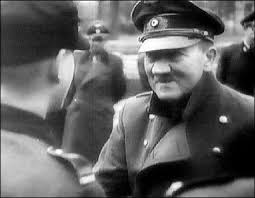
Adolf Hitler addressing boy soldiers as the Third Reich crumbles
“If I stand unreservedly behind you,” said Speer, “then you must entrust me rather than the Gauleiters [district Party leaders serving as provincial governors] with the implementation of your decree.”
Filled with gratitude, Hitler signed the decree Speer had thoughtfully prepared before their fateful meeting.
By doing so, Hitler unintentionally gave Speer the power to thwart his “scorched earth” order.
Trained as an architect, Speer had joined the Nazi Party in 1931. He met Hitler in 1933, when he presented the Fuhrer with architectural designs for the Nuremberg rally scheduled for that year.
From then on, Speer became Hitler’s “genius architect” assigned to create buildings meant to last for a thousand years. “If Hitler had been capable of friendship,” Speer said after the war, “I would have been that friend.”
In 1943, Hitler appointed him Minister of Armaments, charged with revitalizing the German war effort.
Nevertheless, Speer now crisscrossed Germany, persuading military leaders and district governors to not destroy the vital facilities that would be needed after the war.
“No other senior National Socialist could have done the job,” writes Randall Hanson, author of Disobeying Hitler: German Resistance After Valkyrie.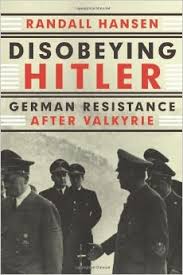
“Speer was one of the very few people in the Reich—-perhaps even the only one—with such power to influence actors’ willingness/unwillingness to destroy.”
Despite his later conviction for war crimes at Nuremberg, Speer never regretted his efforts to save Germany from total destruction at the hands of Adolf Hitler.
* * * * * * * * * *
Why have Republicans almost unanimously stood by Donald Trump despite the wreckage he has made of American foreign and domestic policy?
Fear—that they will lose their privileged positions in Congress if they don’t.
This could happen by:
- Their being voted out of Congress by Trump’s fanatical base; or
- Their being voted out of Congress by anti-Trump voters fed up with Trump’s appalling behavior.
House and Senate Republicans’ support for Trump hinges on one question: “Can I hold onto my power and all the privileges that accompany it by sticking—or breaking—with him?”
The Original Nazis were guided by Hitler’s belief that the world was polluted by corruption and ugliness—and their mission was to remove that ugliness and corruption.
This meant removing those peoples they deemed inferior—Jews, Slavs (Poles, Serbs, Russians), Communists, liberals, gypsies, the physically and mentally handicapped.
Today’s Fascistic Republicans believe themselves to be the only legitimate political party. And so do their supporters.
No sin—or even crime—is intolerable if it’s committed by a Republican.
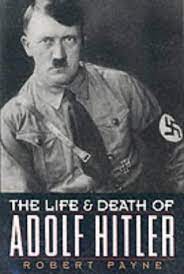
In his bestselling 1973 biography, The Life and Death of Adolf Hitler, British historian Robert Payne harshly condemned the German people for the rise of the Nazi dictator:
“[They] allowed themselves to be seduced by him and came to enjoy the experience….[They] followed him with joy and enthusiasm because he gave them license to pillage and murder to their hearts’ content. They were his servile accomplices, his willing victims.”
Like Hitler, Trump offered his Republican voters and Congressional allies intoxicating dreams: “I will enrich all of you. And I will humiliate and destroy those Americans you most hate.”
For his white, Fascistic, largely elderly audience, those enemies included blacks, atheists, Hispanics, non-Christians, Muslims, liberals, “uppity” women, Asians.
For most of the first three years of his first term, he faced little opposition. What cost Trump the White House wasn’t Democratic or Republican courage but a deadly disease—COVID-19—which Trump refused to take seriously.
Democrats cowered before Trump’s slanders—thereby ensuring more assaults.
Most of the press quailed before Trump. Only a few media outlets—notably The New York Times, CNN and The Washington Post––dared investigate his crimes and blunders.
In 1960, the Russian poet, Yevgeney Yevtushenko, published “Conversation With an American Writer”—a stinging indictment of the cowardly opportunists who had supported the brutal tyranny of Joseph Stalin:
“You have courage,” they tell me.
It’s not true. I was never courageous.
I simply felt it unbecoming
to stoop to the cowardice of my colleagues.
Too many Republicans know all-too-well how it feels to stoop to the cowardice of their colleagues.
60 MIINUTES, ABORTION, ADOLF HITLER, ALBERT SPEER, ALTERNET, AMERICABLOG, AP, BABY BOOMER RESISTANCE, BBC, BERLIN, BIRTH CONTROL, BLOOMBERG, BLUESKY, BUZZFEED, CANADA, CBS NEWS, CENSUS BUREAU, CENTERS FOR DISEASE CONTROL AND PREVENTION (CDC), CNN, CONSUMER FINANCIAL PROTECTION BUREAU, CONTRACEPTION, CONVERSATION WITH AN AMERICAN WRITER (POEM), COVID-19, CROOKS AND LIARS, DAILY KOS, DEMOCRATS, DENMARK, DEPARTMENT OF DEFENSE (DOD), DEPARTMENT OF GOVERNMENT EFFICIENCY (DOGE), DEPARTMENT OF JUSTICE (DOJ), DIVERSITY EQUITY AND INCLUSION (DEI), DONALD TRUMP, ELON MUSK, ENVIRONMENTAL PROTECTION AGENCY, FASCISM, FBI, FEDERAL COMMUNICATIONS COMMISSION (FCC), FEDERAL TRADE COMMISSION (FTC), FIVETHIRTYEIGHT, FOSSIL FUELS, FRANCE, GAS, GEORGE STEPHANOPOULOS, HARPER’S MAGAZINE, HERITAGE FOUNDATION, HUFFINGTON POST, HUNTER BIDEN, INSPECTORS GENERAL, INTELLIGENCE OFFICERS, IRAN, ISRAEL, JANUARY 6 COUP ATTEMPT, JOE BIDEN, JOHN F. KENNEDY CENTER FOR THE PERFORMING ARTS, JOSEPH STALIN, LUXURY JET, MEDAL OF HONOR, MEDIA MATTERS, MOTHER JONES, MOVEON, MSNBC, NATIONAL OCEANIC AND ATMOSPHERIC AGENCY (NOAA), NAZI GERMANY, NBC NEWS, NEWSDAY, NEWSWEEK, NORWAY, NPR, Oil, PARDONS, PBS NEWSHOUR, POLAND, POLITICO, POLITICUSUSA, PROJECT 2025, PUBLIC TRANSIT SYSTEMS, QATAR, RAPE, RAW STORY, REPUBLICAN PARTY, REPUBLICANS, REUTERS, ROBERT PAYNE, SALON, SEATTLE TIMES, SECURITY CLEARANCES, SLATE, SOVIET UNION, STALINGRAD, STRAIT OF HORMUZ, TALKING POINTS MEMO, TAX CUTS, THE ATLANTIC, THE CHICAGO SUN-TIMES, THE CHICAGO TRIBUNE, THE DAILY BEAST, THE DAILY BLOG, THE GUARDIAN, THE HILL, THE HUFFINGTON POST, THE INTERCEPT, THE LIFE AND DEATH OF ADOLF HITLER (BOOK), THE LOS ANGELES TIMES, THE NATION, THE NEW REPUBLIC, THE NEW YORK TIMES, THE NEW YORKER, THE PENTAGON, THE VILLAGE VOICE, THE WASHINGTON POST, THINKPROGRESS, TIME, TRUTHDIG, TRUTHOUT, TWO POLITICAL JUNKIES, U.S. NEWS & WORLD REPORT, UKRAINE, UPI, USA TODAY, VLADIMIR PUTIN, VOLODYMYR ZELENSKY, WAR CRIMES, WEHRMACHT, WORLD WAR 11, X, YEVGENEY YEVTUSHENKO
In Bureaucracy, Business, History, Law, Law Enforcement, Military, Politics, Social commentary on April 29, 2026 at 12:10 am
Since Donald Trump retook the office of President on January 20, 2025, Republicans have lustily supported or remained silent about his litany of criminal, if not treasonous, actions:
- Trump fired the inspectors general—who are charged with protecting the government from waste and corruption—from more than a dozen federal agencies.
- Several career lawyers who worked on the criminal investigations into Trump during the Biden administration were fired by Acting Attorney General James McHenry because he “do[es] not believe that the leadership of the Department can trust you to assist in implementing the President’s agenda faithfully.”
- Trump ordered a purge of about a half-dozen executive assistant directors at the FBI. These were some of the bureau’s top managers overseeing criminal, national security and cyber investigations.
- Their “crime”: Trump blamed them for investigating his inciting the January 6, 2021 coup attempt and his illegal holding of highly sensitive national security documents after leaving office.

- Without explanation, Trump fired Rohit Chopra, the director of the Consumer Financial Protection Bureau, which protects consumers from unfair, deceptive and fraudulent business practices.
- Following Trump’s executive orders, federal agencies deleted multiple federal web pages and data. Among the agencies: The Pentagon, the Centers for Disease Control and Prevention and the Census Bureau. The changes affected content related to diversity, equity and inclusion (DEI), gender identity, public health research, environmental policy and social programs.
- Following Trump’s anti-DEI executive order, the United States Department of Defense (DOD) deleted content that included the achievements of nonwhite groups, such as Navajo code talkers, black Tuskegee Airmen, Medal of Honor winners and women veterans. As in Joseph Stalin’s Soviet Union, those that Trump hates are made to disappear from history.

- Trump fired the board members at the John F. Kennedy Center for the Performing Arts and appointed himself as chairman—just as Joseph Stalin made himself arbiter of what was permissible for artists in the Soviet Union.
- Trump held what amounted to an ambush meeting with Ukrainian President Volodymyr Zelensky at the White House. Siding with Russian dictator Vladimir Putin, Trump blamed Zelensky for Russia’s 2022 invasion of Ukraine.
- Trump demanded that Zelensky sign over mineral rights to the United States without America’s providing a security guarantee for Ukraine. Zelensky left without signing such an agreement.
- The Trump-authorized and illegitimate Department of Government Efficiency (DOGE) led by billionaire Elon Musk, dismantled multiple agencies, invaded the privacy of untold millions by accessing sensitive data systems and fired tens of thousands of federal workers.
- Trump filed frivolous and extortionate lawsuits against major news networks CBS and ABC.
- Against CBS: Trump claimed that its news magazine, “60 Minutes” deceptively edited an interview with Kamala Harris to damage his presidential campaign and influence the election. He initially sought $10 billion in damages, then increased it to $20 billion. Paramount, the owner of CBS, agreed to pay $16 million in legal fees and a contribution to the future Trump Library.

- Against ABC: He claimed that its commentator, George Stephanopoulos, falsely stated he was found liable for “rape” in the case brought by columnist E. Jean Carroll. The jury found Trump liable for sexual abuse and defamation, but not rape. The judge later clarified that what the jury found Trump did was in fact rape, as commonly understood.
- Nevertheless, in December 2024, ABC News agreed to pay $15 million to a foundation for Trump’s presidential library and $1 million in legal fees to settle the lawsuit.
- Trump solicited and received a $400 million luxury jet from Qatar for use as Air Force One, in direct violation of the Emoluments Clause of the United States Constitution, which prohibits federal officials from accepting gifts from foreign countries.
- The jet will cost taxpayers hundreds of millions of dollars to bring it up to presidential standards, including a security sweep of the entire aircraft and costly upgrades to ensure classified communications. After Trump leaves office, it will be transferred to his Presidential library.
Qatar’s donated plane
John Taggart from Claydon Banbury, Oxfordshire, CC BY-SA 2.0 <https://creativecommons.org/licenses/by-sa/2.0>, via Wikimedia Commons
- On February 28, 2026, Trump—in concert with Israel—launched an unprovoked series of devastating airstrikes against Iran.
- On March 11, Trump told a reporter: “You know, you never like to say too early you won. We won. We won the, in the first hour, it was over.”
- But then—to Trump’s surprise and fury—Iran closed the narrow Strait of Hormuz, through which about 20%-25% of the world’s total liquid petroleum consumption (about 20–21 million barrels per day) flows.
- Overnight, gas prices rose. By late April, the national average for a gallon of regular gas reached $4.02 to $4.04, compared to roughly $2.98 before military operations began.
- On April 5—Easter Sunday, no less—Trump posted on his website, Truth Social: “Tuesday will be Power Plant Day, and Bridge Day, all wrapped up in one, in Iran. There will be nothing like it!!! Open up the Fuckin’ Strait, you crazy bastards, or you’ll be living in Hell – JUST WATCH! Praise be to Allah. President DONALD J. TRUMP”
- This was followed on April 7 by another post: “A whole civilization will die tonight, never to be brought back again. I don’t want that to happen, but it probably will.”
- Legal experts and international organizations such as Amnesty International warned that attacking civilian infrastructure would constitute war crimes under international law.


ABC NEWS, ADOLF HITLER, ALI HOSSEINI KHAMENEI, ALTERNET, AMERICABLOG, AP, AYATOLLAH ALI KHAMENEI, BABY BOOMER RESISTANCE, BAHRAIN, BBC, BERLIN, BLOOMBERG, BLOOMBERG NEWS, BLUESKY, BUZZFEED, CBS NEWS, CNN, CROOKS AND LIARS, DAILY KOS, DONALD TRUMP, DRONES, FINLAND, FIVETHIRTYEIGHT, FRANCE, GREAT BRITAIN, HARPER’S MAGAZINE, HUFFINGTON POST, IRAN, ISRAEL, ITALY, JAPAN, JOACHIM VON RIBBENTROP, JOSEPH STALIN, KIEV, KUWAIT, LENINGRAD, LUFTWAFFE, MEDIA MATTERS, MOJTABA KHAMENEI, MOSCOW, MOTHER JONES, MOVEON, MSNBC, NAZI GERMANY, NBC NEWS, NEW REPUBLIC, NEWSDAY, NEWSWEEK, NEWT GINGRICH, NPR, NUCLEAR WEAPONS, OIL FIELDS, OMAN, OPERATION BARBAROSSA, PBS NEWSHOUR, PETE HEGSETH, POLAND, POLITICO, POLITICUSUSA, QATAR, QATER, RAW STORY, REUTERS, SALON, SAUDI ARABIA, SEATTLE TIMES, SLATE, SOVIET UNION, SS, TALKING POINTS MEMO, THE ATLANTIC, THE CHICAGO SUN-TIMES, THE CHICAGO TRIBUNE, THE DAILY BEAST, THE DAILY BLOG, THE GUARDIAN, THE HILL, THE HUFFINGTON POST, THE INTERCEPT, THE LONGEST DAY (MOVIE, THE LOS ANGELES TIMES, THE NATION, THE NEW REPUBLIC, THE NEW YORK TIMES, THE NEW YORKER, THE PENTAGON, THE UNITED ARAB EMIRATES, THE VILLAGE VOICE, THE WASHINGTON POST, THINKPROGRESS, THIRD REICH, TIME, TRUTHDIG, TRUTHOUT, TWO POLITICAL JUNKIES, U.S. NEWS & WORLD REPORT, UKRAINE, UNIFORMS, UPI, USA TODAY, VYACHESLAV MOLOTOV, WEHRMACHT, WONKETTE, WORLD WAR 11, X
THE DICTATORS’ DANCE–PAST AND PRESENT: PART TWO (END)
In Bureaucracy, History, Military, Politics, Social commentary on August 4, 2026 at 12:10 amNow, fast-forward 85 years—from 1941 to 2026. Substitute President Donald Trump for Fuhrer Adolf Hitler and Mojtaba Khamenei for Joseph Stalin—and Iran for the Soviet Union.
Just as Hitler launched his attack on the Soviet Union without warning, so did Trump launch his on Iran—on February 28.
Hitler—and numerous members of the Wehrmacht—believed that Germany’s mechanized panzers would quickly subdue Soviet armies.
“We were fast,” recalled Panzer Lieutenant Hans-Erdmann Schonbeck. “And our tank forces could cover huge distances. And once we broke through the enemy’s defenses, our orders were not to worry about threats to our right or left but to keep going, deep into Russian territory.”
Panzer tank
But the tanks soon faced unexpected difficulties. Most roads in Russia were unpaved, so the tanks raised huge dust clouds almost everywhere they went. The dust clogged their engines and brought many tanks to a halt. Repair crews worked themselves to exhaustion so that the lightning-fast advance could continue.
Another drawback not evident at the outset of the invasion: Summer uniforms. For a war that began on June 22, 1941, these were entirely appropriate. But as the months quickly passed, the notorious Russian winter season loomed ever closer.
Germans in summer uniforms
The German command underestimated the campaign’s duration, expecting a victory by autumn 1941, and prioritized ammunition and fuel over winter equipment. Although winter gear existed, it was stuck in supply depots in the West, and transport lines were too strained by the Soviets’ “scorched earth” tactics to move it to the front.
Without proper greatcoats or insulated boots, soldiers suffered from extreme cold, with temperatures dropping far below zero. Many resorted to stealing blankets from civilians or using blankets as makeshift clothing.
In its war with Iran, American’s air force completely dominated the skies. But then both American planes and ground forces faced an unexpected enemy: Mass-produced drones.
The same weapons—some of them supplied by Iran to Russia—have been used since 2022 in Ukraine. Unmanned and remotely-controlled, Ukrainian and Russian drones have transformed the battlefield. They’re estimated to inflict around 80% of combat casualties on both sides.
The technology—like that forged in Germany’s Blitzkrieg tactics—is revolutionizing warfare and evolving rapidly. To adapt to the new era, the U.S. military is learning lessons from Ukraine.
Iranian drone
Student News Agency, Attribution, via Wikimedia Commons
Not only are American military forces being targeted, so are those Gulf nations that have allied themselves with the United States: The United Arab Emirates, Saudi Arabia, Kuwait, Bahrain, Qatar and Oman.
Primarily targeted: Energy infrastructure, airports and sites hosting American military personnel.
For Iran, the drones are relatively cheap. For the United States, the costs of countering this threat are steadily mounting. A typical Shahed-136 costs Tehran roughly $20,000 to $50,000, while interceptor missiles, such as the Patriot and Terminal High Altitude Area Defense (THAAD), cost the United States millions.
On August 22, 1939—the eve of his invasion of Poland, which would ignite World War II—Adolf Hitler delivered a secret address to his supreme commanders and generals. Its climax:
“Close your hearts to pity. Act brutally. Eighty million people must obtain what is their right. Their existence must be made secure. The stronger man is right. The greatest harshness.”
Hitler urged his generals to act similarly toward the Russians, whom he regarded as subhumans.
The results of this policy soon became obvious when the Wehrmacht invaded Ukraine. Ukrainians, long suffering under the yoke of Stalin, greeted the invaders with bread and salt, the traditional greeting of comrades.
Within a month, they realized that the tyranny of Stalin had been replaced by an all-out extermination campaign of Hitler. For every Ukrainian the Germans killed, 10 more emerged to seek revenge.
Eighty-five years later, Donald Trump and officials of his administration are celebrating the indiscriminate slaughter of Iranians, whether civilian or military.
“We totally demolished Kharg Island, but we may hit it a few more times just for fun,” Trump said on NBC News.
On March 22, Secretary of Defense Pete Hegseth, hosting his monthly Christian worship service at the Pentagon, prayed: “Let every round find its mark against the enemies of righteousness and our great nation.
“Give them wisdom in every decision, endurance for the trial ahead, unbreakable unity, and overwhelming violence of action against those who deserve no mercy.”
Pete Hegseth
“I pursued my enemies and overtook them, and did not turn back till they were consumed,” he read from Psalms 18:37. “Those who hated me I destroyed. They cried to the Lord, but He did not answer them.”
Former House speaker and Trump advisor Newt Gingrich posted on X: “Instead of fighting over a 21-mile-wide bottleneck [Strait of Hormuz] forever, we [could] cut a new channel through friendly territory. A dozen thermonuclear detonations and you’ve got a waterway wider than the Panama Canal, deeper than the Suez, and safe from Iranian attacks.”
This would produce countless numbers of casualties and cover the Middle East with radioactive fallout.
It remains to be seen if such exhortations will lead American soldiers to act as barbarically as those of the Wehrmacht and SS—and inspire similar barbarism in return.
Share this: