Posts Tagged ‘ALFRED JODL’
ABC NEWS, ADOLF HITLER, ALFRED JODL, ALTERNET, AMERICABLOG, AP, AYATOLLAH ALI KHAMENEI, BABY BOOMER RESISTANCE, BBC, BELGIUM, BLOOMBERG, BLOOMBERG NEWS, BLUESKY, BUZZFEED, CBS NEWS, CNN, CROOKS AND LIARS, DAILY KOS, FIVETHIRTYEIGHT, FRANCE, GREECE, HARPER’S MAGAZINE, HEINZ GUDERIAN, HOLLAND, HUFFINGTON POST, ISRAEL, JORDAN, JOSEPH STALIN, KUWAIT, LENINGRAD, MEDIA MATTERS, MOSCOW, MOTHER JONES, MOVEON, MSNBC, NAPOLEON BONAPARTE, NAZI GERMANY, NBC NEWS, NEW REPUBLIC, NEWSDAY, NEWSWEEK, NORTH ATLANTIC TREATY ORGANIZATION (NATO), NORWAY DENMARK, NPR, NUCLEAR WEAPONS, OIL FIELDS, PBS NEWSHOUR, PETE HEGSETH, POLAND, POLITICO, POLITICUSUSA, QATAR, RAW STORY, REPUBLICAN PARTY, REUTERS, SALON, SAUDI ARABIA, SAVING PRIVATE RYAN (MOVIE), SEATTLE TIMES, SLATE, SOVIET UNION, TALKING POINTS MEMO, TERRORISM, THE ATLANTIC, THE CHICAGO SUN-TIMES, THE CHICAGO TRIBUNE, THE DAILY BEAST, THE DAILY BLOG, THE GUARDIAN, THE HILL, THE HUFFINGTON POST, THE INTERCEPT, THE LONGEST DAY (MOVIE, THE LOS ANGELES TIMES, THE NATION, THE NEW REPUBLIC, THE NEW YORK TIMES, THE NEW YORKER, THE PENTAGON, THE UNITED ARAB EMIRATES, THE VILLAGE VOICE, THE WASHINGTON POST, THINKPROGRESS, THIRD REICH, TIME, TRUTHDIG, TRUTHOUT, TWO POLITICAL JUNKIES, U.S. NEWS & WORLD REPORT, UPI, USA TODAY, WEHRMACHT, WONKETTE, X, YUGOSLAVIA
In Bureaucracy, History, Law, Politics, Social commentary on July 31, 2026 at 12:05 am
Donald Trump’s unprovoked attack on Iran is separated from Adolf Hitler’s attack on the Soviet Union by a span of 84 years. Yet despite differences in geography and history, eerie similarities exist between the two.
Hitler launched his assault on the Soviet Union on June 22, 1941—after a series of quick military conquests: Poland (1939); Norway, Denmark, Holland, Belgium, France (1940); Greece and Yugoslavia (1941).
Similarly, before launching his assault on Iran on February 28, Trump had scored a number of triumphs–albeit of a non-military nature. A March 19, 2026 article in The New Republic offers a partial summary:

Donald Trump and Adolf Hitler
“In the first year since returning to power, Trump and his subordinates have pushed the country toward fascism and oligarchy. He has turned Washington into an orgy of corruption and self-dealing beyond even the most cynical observer’s imagination.
“He has transformed Immigration and Customs Enforcement and Border Patrol into a lawless paramilitary force that has besieged American cities and killed at least five U.S. citizens and 22 foreign nationals. He has abused Americans and their immigrant neighbors alike simply because he can.”
In his attempt to conquer the Soviet Union, Hitler made the fatal mistake of trying to conquer too much territory all at once.
In August 1941, Hitler diverted forces from the central push on Moscow to surround Leningrad and industrial regions in the South, which delayed the attack on Moscow. By the time Hitler decided to capture Moscow, the weather had turned cold and the Germans were exhausted and freezing.
As in the case of Hitler, Trump assumed that Iran could be forced to quickly surrender. But that effort has been handicapped by a series of shifting and contradictory goals:
- Preventing Iran from developing nuclear weapons.
- Destroying Iran’s missile capabilities.
- Annihilating the Iranian navy.
- Ensuring that Iran quit arming, funding and/or directing “terrorist armies” outside its borders.
In the opening day of the war, American and Israeli airstrikes killed Iran’s Supreme Leader, Ayatollah Ali Khamenei. By March 17, Israel announced that it had killed two more top Iranian leaders in airstrikes. Still, Iranians chose new leaders to succeed dead ones and went on fighting.

Ayatollah Ali Khamenei
On March 19, Israeli airstrikes hit Iran’s largest gas field—South Pars, which is part of the world’s largest natural gas reserves. In retaliation, Iran launched drone and missile attacks against energy infrastructure in Saudi Arabia, the United Arab Emirates (UAE), Qatar, and Kuwait.
Iran also targeted Israel and attacked U.S. military bases in the region, including in Bahrain and Jordan.
Hitler expected the Soviet Union to collapse in a matter of weeks. France, which supposedly had the strongest army in Europe, had collapsed in six weeks in 1940. Hitler believed that General Winter, which had defeated Napoleon in 1812, would not be a problem for the mechanized Wehrmacht.
Yet the Wehrmacht was far less mechanized than portrayed by German propagandists. It relied heavily on horses for approximately 80% of its transport needs throughout World War II. During the winter of 1941 – 1942, the Wehrmacht lost over 179,000 horses. In the Army Group Center sector, losses reached roughly 1,000 horses per day.
In movies like “The Longest Day” and “Saving Private Ryan,” Americans celebrate the D-Day landings in France, on June 6, 1944. But for Nazi Germany, “the real war” was in the East. There the Wehrmacht concentrated the largest proportion of its forces—and suffered 85% of its casualties.
By March 19, the United States had spent $12 to over $12.7 billion on military operations against Iran. And the Pentagon was asking for an additional $200 billion for the war. Secretary of Defense Pete Hegseth warned “that number could move.”
On July 22, it moved—House Republicans passed a $1.5 trillion defense budget for 2027.
On April 7 the United States, Israel, and Iran agreed to a two-week ceasefire, under which Iran would re-open the Strait of Hormuz. On April 11, Trump said that American ships had started “clearing” the Strait of Hormuz.
The Iranian government threatened to attack the ships, accusing the United States of a ceasefire violation.
On July 8, Iran struck more targets in the Strait of Hormuz. Trump declared the Memorandum Of Understanding between the two countries was “over,” and that he didn’t want to deal any further with Iran’s leadership
Following an attack by Iranian forces on oil tankers in the Strait of Hormuz, on July 13, the United States began 13 consecutive nights of airstrikes on Iran, ending on July 24.
On July 27 Trump said he was ready for “strong military action” if talks with Iran failed, saying there’s “not much time” left for diplomacy
Bombing, however, has never by itself ended a war. Hitler’s terror-bombing of England only stiffened British resolve to fight on.
Trump could launch a ground troop invasion—but Iran is more than twice the size of Texas, covering about 636,000 square miles. That would require tens of thousands of troops—and almost certainly lead to a highly unpopular draft.
Aside from that, his only other choice is the use of nuclear weapons.
Both would be highly unpopular—especially in a midterms election year.
Like Hitler’s war against the Soviet Union, by July 28, Trump’s “two week” war with Iran had lasted five months—with no end in sight.
ABC NEWS, ADOLF HITLER, ALFRED JODL, ALTERNET, AMERICABLOG, AP, AYATOLLAH ALI KHAMENEI, BABY BOOMER RESISTANCE, BBC, BELGIUM, BLOOMBERG, BLOOMBERG NEWS, BLUESKY, BUZZFEED, CBS NEWS, CNN, CROOKS AND LIARS, DAILY KOS, FIVETHIRTYEIGHT, FRANCE, GREECE, HARPER’S MAGAZINE, HEINZ GUDERIAN, HOLLAND, HUFFINGTON POST, ISRAEL, JORDAN, JOSEPH STALIN, KUWAIT, LENINGRAD, MEDIA MATTERS, MOSCOW, MOTHER JONES, MOVEON, MSNBC, NAPOLEON BONAPARTE, NAZI GERMANY, NBC NEWS, NEW REPUBLIC, NEWSDAY, NEWSWEEK, NORTH ATLANTIC TREATY ORGANIZATION (NATO), NORWAY DENMARK, NPR, NUCLEAR WEAPONS, OIL FIELDS, PBS NEWSHOUR, PETE HEGSETH, POLAND, POLITICO, POLITICUSUSA, QATAR, RAW STORY, REPUBLICAN PARTY, REUTERS, SALON, SAUDI ARABIA, SAVING PRIVATE RYAN (MOVIE), SEATTLE TIMES, SLATE, SOVIET UNION, TALKING POINTS MEMO, TERRORISM, THE ATLANTIC, THE CHICAGO SUN-TIMES, THE CHICAGO TRIBUNE, THE DAILY BEAST, THE DAILY BLOG, THE GUARDIAN, THE HILL, THE HUFFINGTON POST, THE INTERCEPT, THE LONGEST DAY (MOVIE, THE LOS ANGELES TIMES, THE NATION, THE NEW REPUBLIC, THE NEW YORK TIMES, THE NEW YORKER, THE PENTAGON, THE UNITED ARAB EMIRATES, THE VILLAGE VOICE, THE WASHINGTON POST, THINKPROGRESS, THIRD REICH, TIME, TRUTHDIG, TRUTHOUT, TWO POLITICAL JUNKIES, U.S. NEWS & WORLD REPORT, UPI, USA TODAY, WEHRMACHT, WONKETTE, X, YUGOSLAVIA
In Bureaucracy, History, Military, Politics, Social commentary on July 30, 2026 at 12:13 am
Adolf Hitler had a warning for Donald Trump on the eve of his launching airstrikes against Iran.
A warning Trump should have heeded—but didn’t.
It all started on June 22, 1941.
On that date, Hitler ordered his powerful Wehrmacht o invade the Soviet Union.
Less than two years earlier, on August 23, 1939, he had signed a “non-aggression” pact with his longtime arch-enemy, Joseph Stalin, dictator of the Soviet Union.
Since then, his army had conquered Poland, Norway, Denmark, Holland, Belgium and France.
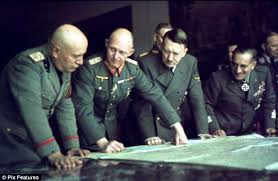
Adolf Hitler with his generals
Now, he believed, it was time to “settle accounts” with the Soviet Union.
Only there could Germany obtain the “living space” it “needed” for its expanding population.
So at 3 a.m. on June 22, 1941, Hitler once again launched an invasion.
At first, Hitler felt giddy with excitement.
Turning to Alfred Jodl, his chief of operations for the Wehrmacht, he said: “We have only to kick in the door and the whole rotten structure will come crashing down.”
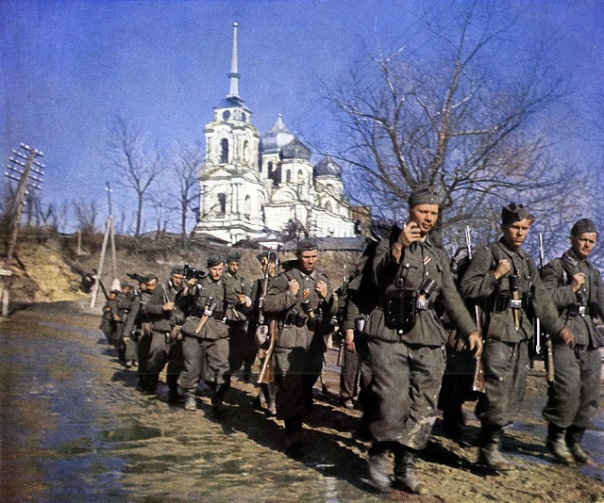
German soldiers marching through Russia
But soon afterward—almost as if he had just looked into the future and seen that he had none—he told an aide: “At the beginning of each campaign, one pushes a door into a dark, unseen room. One can never know what is hiding inside.”
That certainly proved true for Hitler.
Within four years, he was dead and the Red Army occupied Berlin.
And now the law of unintended consequences may be coming true for President Donald Trump and the United States.
On February 28, Trump—in concert with Israel—launched a series of devastating, unprovoked airstrikes against Iran. Since then, Trump and his Secretary of Defense, Pete Hegseth, have been all over the map with rosy predictions.

Donald Trump
- February 28: Trump posted on Truth Social that the bombing would continue “throughout the week or as long as necessary to achieve our objective of PEACE THROUGHOUT THE MIDDLE EAST AND, INDEED, THE WORLD!”
- March 1: In a video Trump declared that the war would continue “until all of our objectives are achieved.”
- March 2: Trump: “Right from the beginning, we projected four to five weeks, but we have capability to go far longer than that.”
- March 5: Hegseth to Pentagon reporters: “You can say four weeks [how long the war might last] but it could be six, it could be eight, it could be three. Ultimately, we set the pace and the tempo.”
- March 6: Trump: “There will be no deal with Iran except UNCONDITIONAL SURRENDER.”
- March 8: Hegseth: “We’re willing to go as far as we need to in order to be successful.”
- March 9: Trump: “No, but soon. I think so. Very soon” when asked by a reporter if the war would be over that week.
- March 11: “You know, you never like to say too early you won. We won. We won the, in the first hour, it was over.”
Hitler had been similarly optimistic about how long it would take to conquer the Soviet Union: Six to eight weeks, at the longest. And during the first three months of the war—July through September, 1941—that optimism seemed well-placed.
The Wehrmacht repeatedly lured Soviet armies into huge “cauldron battles,” then surrounded them, killing thousands and taking thousands of prisoners. By the end of September, German forces had captured or killed over 650,000 Russian troops in the Battle of Kiev alone, with total Soviet casualties reaching millions.
But then Hitler—and the Wehrmacht—paid a fatal price for their misplaced optimism.
The best—and most lethal—example of this hubris: The Wehrmacht went to war in summer uniforms on June 22—and were still wearing them in December.
Hitler placed infinite faith in the power of will to overcome all obstacles. When his soldiers were literally freezing to death before the gates of Moscow, Hitler believed that with “just one more push” the Soviet capital would fall.
When Heinz Guderian, his foremost expert on tank warfare, informed Hitler that German soldiers had no defense against the bitter cold, Hitler replied: They should dig foxholes.
Guderian replied that the icy ground was too solid to be punctured with spades.
Hitler’s reply: They should fire artillery shells into the ground to build foxholes.
This totally ignored the reality that, by December, 1941, the German army was dangerously short on munitions of all kinds.
Like Hitler, Trump seemed to consider himself omnipotent. Asked by a reporter how long the war would last, the President replied: “Any time I want it to end, it will end.”
Yet by the third week of the war, he began demanding—not asking—the assistance of NATO countries: We’ve had your back, now it’s our turn.
This totally ignored the fact that NATO exists to aid any of its members if it is attacked. After 9/11, NATO air force planes screened American airspace to prevent a repeat of similar carnage.
But NATO members are not obligated to join any nation in igniting a war. And that was precisely what Trump did on February 28—without consulting or even informing NATO of his plans to attack.
The only country that had known his intentions was Israel.
ADOLF HITLER, ALFRED JODL, ALTERNET, AMERICABLOG, AMNESTY INTERNATIONAL, AP, BABY BOOMER RESISTANCE, BBC, BELARUS, BLOOMBERG, BLUESKY, BOLSHEVIKS, BREST-LITOVSK, BROWN UNIVERSITY, BUZZFEED, CANADA, CBS NEWS, CNN, COLUMBIA UNIVERSITY, CORNELL UNIVERSITY, CROOKS AND LIARS, DAILY KOS, DIVERSITY EQUITY AND INCLUSION (DEI), DONALD TRUMP, ESTONIA, FIVETHIRTYEIGHT, GREENLAND, HARPER’S MAGAZINE, HUFFINGTON POST, IRAN, JD VANCE, JONATHAN TRIGG, JOSEPH STALIN, KAISER WILHELM 11, LATVIA, LEON TROTSKY, LITUANIA, MEDIA MATTERS, MOTHER JONES, MOVEON, MSNBC, NAVAL BLOCKADE, NAZI GERMANY, NBC NEWS, NEWSDAY, NEWSWEEK, NICHOLAS 11, NICHOLAS MADURO, NPR, NUCLEAR WAR, OPERATION BARBAROSSA, PBS NEWSHOUR, POLAND, POLITICO, POLITICUSUSA, RAW STORY, REUTERS, REVOLUTIONARY GUARD, RUSSIA, RUSSIAN REVOLUTION, SALON, SEATTLE TIMES, SLATE, SOVIET UNION, STRAIT OF HORMUZ, TALKING POINTS MEMO, THE ATLANTIC, THE BATTLE OF STALINGRAD THROUGH GERMAN EYES (EYE), THE CHICAGO SUN-TIMES, THE CHICAGO TRIBUNE, THE DAILY BEAST, THE DAILY BLOG, THE GUARDIAN, THE HILL, THE HUFFINGTON POST, THE INTERCEPT, THE LOS ANGELES TIMES, THE NATION, THE NEW REPUBLIC, THE NEW YORK TIMES, THE NEW YORKER, THE VILLAGE VOICE, THE WASHINGTON POST, THINKPROGRESS, TIME, TRUTHDIG, TRUTHOUT, TWO POLITICAL JUNKIES, U.S. NEWS & WORLD REPORT, UKRAINE, UPI, USA TODAY, VENEZUELA, Vladimir Lenin, WORLD WAR 1, WORLD WAR 11, X
In Bureaucracy, History, Military, Politics, Social commentary on July 2, 2026 at 12:05 am
“Neither peace nor war—nor a policy” accurately describes the current state of relations between the United States and Iran.
On February 28, 2026, President Donald Trump—in concert with Israel—launched an unprovoked series of devastating airstrikes against Iran. Suddenly he faced an enemy he could neither bribe nor intimidate.
And, by late May, definite parallels had formed between Adolf Hitler’s disastrous attack on the Soviet Union and Donald Trump’s attack on Iran.
Operation Barbarossa erupted on June 22, 1941, swallowing at least two million dead and wounded Soviet soldiers and another three million POWs (most of whom died in captivity under barbarous conditions).
The Wehrmacht occupied the western half of the Soviet Union. But then the seemingly unstoppable Blitzkrieg ground to a halt—owing to unexpected and increasingly fierce resistance by Russians and the advent of the infamous Russian winter.
Adolf Hitler
Jonathan Trigg, in his vividly-written nonfiction book, The Battle of Stalingrad Through German Eyes, observes that when Hitler’s prediction of a six-week victory turned sour, he didn’t have a fallback strategy to win the war.
Nor did the General Staff have a solution. Every country they had invaded—Poland, Denmark, Norway, Belgium, France, Greece, Yugoslavia—-had capitulated. Its government had sued for peace or gone into exile. When Great Britain refused to surrender, Hitler had no answer, and he had none for the Soviet Union.
Panzer commander Ewald von Kleist admitted: “There were no plans for a prolonged struggle. Everything was based on the idea of a decisive result before the end of autumn 1941.”

Like Hitler, Trump had believed that:
- He could force Iran’s leaders to submit to his demands: Surrender their uranium stockpiles and promise to never build a nuclear bomb.
- His war would end successfully in four to six weeks at most.
Finally, like Hitler, Trump had no alternative plan for a prolonged struggle.
True, he could turn Iran into a radioactive pile of rubble by using nuclear weapons. Or he could order an all-out invasion of Iran—a country 2.4 to 2.5 times larger than Texas—requiring tens of thousands of troops.
But both options would be hugely unpopular among Americans—especially in an election year when Republicans were threatened with the loss of the House of Representatives and/or the Senate.
As a result, Trump could only threaten or deliver more impotent airstrikes.

Donald Trump
After a two-week ceasefire was announced on April 8, the following diplomatic activities occurred:
- April 11–12: Vice President JD Vance met with Iranian delegates in Islamabad for the highest-level diplomatic engagement between the two nations since 1979. The talks stalled over Iran’s nuclear enrichment capabilities.
- April 13: The United States launched a naval blockade on Iranian ports, suspending oil shipments.
- April 20–21: Trump warned that a lack of an extended deal would result in the resumption of bombing. The deadline was extended indefinitely while waiting for a unified Iranian proposal.
- June 17: Trump and Iranian President Pezeshkian signed a 14-point interim Memo of Understanding (MoU). The agreement established a 60-day negotiation window regarding Iran’s nuclear program and lifted the U.S. port blockade in exchange for the safe passage of commercial vessels.
- June 26: Trump announced that Iran violated the newly signed ceasefire after launching four one-way attack drones at cargo ships in the Strait of Hormuz.
- June 26–27: The U.S. military executed strikes against Iranian sites in response to the drone attacks, placing the future of the diplomatic agreement in jeopardy.
On June 28, Iran’s Islamic Revolutionary Guard Corps (IRGC) said it launched missiles and drones at United States bases in Kuwait and Bahrain.
Following the exchange of fire, the United States and Iran accused each other of violating the ceasefire agreement.
The IRGC said that the Memorandum of Understanding (MoU) signed gave Iran the right to control passage and navigation in the Strait of Hormuz, and from now on, violating ships would be dealt with more forcefully than in the past.

Strait of Hormuz
The Strait of Hormuz had operated freely as an international waterway before the 2026 war. An estimated 110 to 160 commercial and oil vessels had safely transited the 21-mile passageway on an average day.
The Trump administration is demanding that it remain freely open to all ships. Iran, having discovered that controlling the Strait gives it leverage over the world’s oil-based economy, is determined to exact tolls from ships that pass through it.
After the latest American strikes on Iran were announced, Trump wrote on Truth Social: “There may come a point when we are no longer able to be reasonable, and will be forced to militarily complete the job that we very successfully started. If that happens, the Islamic Republic of Iran will no longer exist!”
Given the conditions cited above, that is highly unlikely.
So long as Iran continues to exert its will against the world’s greatest superpower, German Chancellor Friedrich Merz’ unguarded statement will prove highly accurate:
“The Iranians are obviously very skilled at negotiating, or rather, very skillful at not negotiating, letting the Americans travel to Islamabad and then leave again without any result.
“An entire nation is being humiliated by the Iranian leadership, especially by these so-called Revolutionary Guards. And so, I hope that this ends as quickly as possible.”
ADOLF HITLER, ALFRED JODL, ALTERNET, AMERICABLOG, AMNESTY INTERNATIONAL, AP, BABY BOOMER RESISTANCE, BBC, BELARUS, BLOOMBERG, BLUESKY, BOLSHEVIKS, BREST-LITOVSK, BROWN UNIVERSITY, BUZZFEED, CANADA, CBS NEWS, CNN, COLUMBIA UNIVERSITY, CORNELL UNIVERSITY, CROOKS AND LIARS, DAILY KOS, DIVERSITY EQUITY AND INCLUSION (DEI), DONALD TRUMP, ESTONIA, FIVETHIRTYEIGHT, GREENLAND, HARPER’S MAGAZINE, HUFFINGTON POST, IRAN, JD VANCE, JONATHAN TRIGG, JOSEPH STALIN, KAISER WILHELM 11, LATVIA, LEON TROTSKY, LITUANIA, MEDIA MATTERS, MOTHER JONES, MOVEON, MSNBC, NAVAL BLOCKADE, NAZI GERMANY, NBC NEWS, NEWSDAY, NEWSWEEK, NICHOLAS 11, NICHOLAS MADURO, NPR, NUCLEAR WAR, OPERATION BARBAROSSA, PBS NEWSHOUR, POLAND, POLITICO, POLITICUSUSA, RAW STORY, REUTERS, REVOLUTIONARY GUARD, RUSSIA, RUSSIAN REVOLUTION, SALON, SEATTLE TIMES, SLATE, SOVIET UNION, STRAIT OF HORMUZ, TALKING POINTS MEMO, THE ATLANTIC, THE BATTLE OF STALINGRAD THROUGH GERMAN EYES (EYE), THE CHICAGO SUN-TIMES, THE CHICAGO TRIBUNE, THE DAILY BEAST, THE DAILY BLOG, THE GUARDIAN, THE HILL, THE HUFFINGTON POST, THE INTERCEPT, THE LOS ANGELES TIMES, THE NATION, THE NEW REPUBLIC, THE NEW YORK TIMES, THE NEW YORKER, THE VILLAGE VOICE, THE WASHINGTON POST, THINKPROGRESS, TIME, TRUTHDIG, TRUTHOUT, TWO POLITICAL JUNKIES, U.S. NEWS & WORLD REPORT, UKRAINE, UPI, USA TODAY, VENEZUELA, Vladimir Lenin, WORLD WAR 1, WORLD WAR 11, X
In Bureaucracy, History, Military, Politics, Social commentary, Uncategorized on July 1, 2026 at 12:10 am
On August 1, 1914, Germany declared war on Russia. It did so after Russia mobilized its military to protect Serbia after Austria-Hungary declared war on the Serbian nation.
Four years later, Russia was devastated. After suffering massive casualties, its armies were in full retreat. Czar Nicholas II capitulated on March 15, 1917, after bread riots broke out in St. Petersburg, then the nation’s capital.
And the newly-installed Bolshevik government was faring no better in repelling the German invaders. Moreover, Vladimir Lenin, leader of the Bolsheviks, had made pulling Russia out of a disastrous war a major selling point of their propaganda campaign to win support.

Vladimir Lenin
Fortunately for them, the government of Kaiser Wilhelm II was equally anxious to end to its war with Russia. Doing so would allow it to transfer huge numbers of soldiers to the Western Front—hopefully before the United States could intervene on behalf of France and England.
On March 3, 1918, Russia and Germany signed the Treaty of Brest-Litovsk, withdrawing Russia from World War 1.
Under the terms of the treaty, Russia lost control of Ukraine, Poland, Belarus, Lithuania, Latvia, Estonia, and its Caucasian provinces of Kars and Batum. The lands comprised 34% of the former empire’s population, 54% of its industrial land, 89% of its coalfields, and 26% of its railways.
(The treaty was annulled when Germany signed the Armistice of November 11, 1918 when surrendering to the victorious Allies.)
The treaty was a humiliation for the new Soviet government. Leon Trotsky, leading the Russian delegation, at first refused to sign the agreement. But he also offered an end to hostilities, hoping to spark a proletarian revolution in Germany. He referred to this tactic as “neither peace nor war.”
The Germans were having none of it. Neither was Joseph Stalin, then a rising figure in the Communist government. Stalin’s scathing description of Trotsky’s phrase: “Neither peace nor war—nor a policy.”

Joseph Stalin in 1917
“Neither peace nor war—nor a policy” also describes the current state of relations between the United States and Iran.
Resuming the Presidency on January 20, 2025, Donald Trump threatened military invasions of Canada and Greenland and attacked Venezuela to snatch its dictator/president Nicolás Maduro. He ordered military strikes on suspected drug smuggling boats and cartel operations in the Caribbean, the Pacific and Ecuador.
Domestically he attacked such major universities as Columbia, Brown and Cornell for their Diversity, Equity and Inclusion (DEI) polices and/or alleged antisemitism. To restore their frozen federal funding, Columbia agreed to pay $200 million; Brown paid $50 million and Cornell paid $30 million.
But on February 28, 2026, Trump—in concert with Israel—launched an unprovoked series of devastating airstrikes against Iran. Suddenly he faced an enemy he could neither bribe nor intimidate.

Bombing of Tehran
To Trump’s surprise and dismay, Iran closed the Strait of Hormuz—through which about 20%-25% of the world’s total liquid petroleum consumption (about 20–21 million barrels per day) flows.
Overnight, gas prices surged. By late May, the national average for a gallon of regular gas reached $4.56, compared to roughly $2.98 before military operations began.
On March 11, Trump had told a reporter: “You know, you never like to say too early you won. We won. We won the, in the first hour, it was over.”
On April 5—Easter Sunday, no less—Trump posted on his website, Truth Social: “Tuesday will be Power Plant Day, and Bridge Day, all wrapped up in one, in Iran. There will be nothing like it!!! Open up the Fuckin’ Strait, you crazy bastards, or you’ll be living in Hell – JUST WATCH! Praise be to Allah. President DONALD J. TRUMP”
This was followed on April 7 by another post: “A whole civilization will die tonight, never to be brought back again. I don’t want that to happen, but it probably will.”
Donald Trump
But then Trump backed down after experts and international organizations such as Amnesty International warned that attacking civilian infrastructure would constitute war crimes under international law.
On April 8, Trump and Iranian leaders agreed to a two-week ceasefire—less than two hours before Trump’s deadline.
But then Trump ordered the United States Navy to blockade Iran’s ports—even after Iran officially declared the Strait of Hormuz open again.
In response, Iran declared the Strait closed as long as the U.S. blockade of Iranian ports remained in place.
This left Trump with two unpalatable choices: Expand his unpopular war and watch gas prices continue to rise, or remove the naval blockade and appear weak.
By late May, the Strait of Hormuz remained closed and crude oil prices continued to rise throughout the world. And so did the prices of all goods transported to market.
And, by late May, definite parallels had formed between Adolf Hitler’s disastrous attack on the Soviet Union and Donald Trump’s attack on Iran.
Hitler, confident in a swift victory over the Soviet Union in 1941, told his Chief of Staff, General Alfred Jodl, “We have only to kick in the door and the whole rotten structure will come crashing down.”
Adolf Hitler
Operation Barbarossa erupted on June 22, 1941, swallowing at least two million dead and wounded Soviet soldiers and another three million POWs (most of whom died in captivity under barbarous conditions). The Wehrmacht occupied the western half of the Soviet Union.
ABC NEWS, ADOLF HITLER, ALFRED JODL, ALTERNET, AMERICABLOG, AP, AYATOLLAH ALI KHAMENEI, BABY BOOMER RESISTANCE, BBC, BELGIUM, BLOOMBERG, BLOOMBERG NEWS, BLUESKY, BUZZFEED, CBS NEWS, CNN, CROOKS AND LIARS, DAILY KOS, FIVETHIRTYEIGHT, FRANCE, GREECE, HARPER’S MAGAZINE, HEINZ GUDERIAN, HOLLAND, HUFFINGTON POST, ISRAEL, JORDAN, JOSEPH STALIN, KUWAIT, LENINGRAD, MEDIA MATTERS, MOSCOW, MOTHER JONES, MOVEON, MSNBC, NAPOLEON BONAPARTE, NAZI GERMANY, NBC NEWS, NEW REPUBLIC, NEWSDAY, NEWSWEEK, NORTH ATLANTIC TREATY ORGANIZATION (NATO), NORWAY DENMARK, NPR, NUCLEAR WEAPONS, OIL FIELDS, PBS NEWSHOUR, PETE HEGSETH, POLAND, POLITICO, POLITICUSUSA, QATAR, RAW STORY, REPUBLICAN PARTY, REUTERS, SALON, SAUDI ARABIA, SAVING PRIVATE RYAN (MOVIE), SEATTLE TIMES, SLATE, SOVIET UNION, TALKING POINTS MEMO, TERRORISM, THE ATLANTIC, THE CHICAGO SUN-TIMES, THE CHICAGO TRIBUNE, THE DAILY BEAST, THE DAILY BLOG, THE GUARDIAN, THE HILL, THE HUFFINGTON POST, THE INTERCEPT, THE LONGEST DAY (MOVIE, THE LOS ANGELES TIMES, THE NATION, THE NEW REPUBLIC, THE NEW YORK TIMES, THE NEW YORKER, THE PENTAGON, THE UNITED ARAB EMIRATES, THE VILLAGE VOICE, THE WASHINGTON POST, THINKPROGRESS, THIRD REICH, TIME, TRUTHDIG, TRUTHOUT, TWO POLITICAL JUNKIES, U.S. NEWS & WORLD REPORT, UPI, USA TODAY, WEHRMACHT, WONKETTE, X, YUGOSLAVIA
In Bureaucracy, History, Law, Politics, Social commentary on March 26, 2026 at 12:17 am
Donald Trump’s unprovoked attack on Iran is separated from Adolf Hitler’s attack on the Soviet Union by a span of 84 years. Yet despite differences in geography and history, eerie similarities exist between the two.
Hitler launched his assault on the Soviet Union on June 22, 1941—after a series of quick military conquests: Poland (1939); Norway, Denmark, Holland, Belgium, France (1940); Greece and Yugoslavia (1941).
Similarly, before launching his assault on Iran on February 28, Trump had scored a number of triumphs–albeit of a non-military nature. A March 19, 2026 article in The New Republic offers a partial summary:
Donald Trump and Adolf Hitler
“In the first year since returning to power, Trump and his subordinates have pushed the country toward fascism and oligarchy. He has turned Washington into an orgy of corruption and self-dealing beyond even the most cynical observer’s imagination.
“He has transformed Immigration and Customs Enforcement and Border Patrol into a lawless paramilitary force that has besieged American cities and killed at least five U.S. citizens and 22 foreign nationals. He has abused Americans and their immigrant neighbors alike simply because he can.”
In his attempt to conquer the Soviet Union, Hitler made the fatal mistake of trying to conquer too much territory all at once.
In August 1941, Hitler diverted forces from the central push on Moscow to surround Leningrad and industrial regions in the South, which delayed the attack on Moscow. By the time Hitler decided to capture Moscow, the weather had turned cold and the Germans were exhausted and freezing.
As in the case of Hitler, Trump assumed that Iran could be forced to quickly surrender. But that effort has been handicapped by a series of shifting and contradictory goals:
- Preventing Iran from developing nuclear weapons.
- Destroying Iran’s missile capabilities.
- Annihilating the Iranian navy.
- Ensuring that Iran quit arming, funding and/or directing “terrorist armies” outside its borders.
In the opening day of the war, American and Israeli airstrikes killed Iran’s Supreme Leader, Ayatollah Ali Khamenei. By March 17, Israel announced that it had killed two more top Iranian leaders in airstrikes. Still, Iranians chose new leaders to succeed dead ones and went on fighting.
Ayatollah Ali Khamenei
On March 19, Israeli airstrikes hit Iran’s largest gas field—South Pars, which is part of the world’s largest natural gas reserves. In retaliation, Iran launched drone and missile attacks against energy infrastructure in Saudi Arabia, the United Arab Emirates (UAE), Qatar, and Kuwait.
Iran also targeted Israel and attacked U.S. military bases in the region, including in Bahrain and Jordan.
Trump said there would be no further attacks on South Pars unless Iran attacked Qatar again. In that case the U.S. “will massively blow up the entirety” of the gas field.
Hitler expected the Soviet Union to collapse in a matter of weeks. France, which supposedly had the strongest army in Europe, had collapsed in six weeks in 1940. He believed that General Winter, which had defeated Napoleon in 1812, would not be a problem for the mechanized Wehrmacht.
Yet the Wehrmacht was far less mechanized than portrayed by German propagandists. It relied heavily on horses for approximately 80% of its transport needs throughout World War II. During the winter of 1941 – 1942, the Wehrmacht lost over 179,000 horses. In the Army Group Center sector, losses reached roughly 1,000 per day.
In movies like “The Longest Day” and “Saving Private Ryan,” Americans celebrate the D-Day landings on France, on June 6, 1944. But for Nazi Germany, “the real war” was in the East. There the Wehrmacht concentrated the largest proportion of its forces—and suffered 85% of its casualties.
By March 19, the United States had spent $12 to over $12.7 billion on military operations against Iran, which began on February 28.
And by March 19, the Pentagon was asking for an additional $200 billion for the war. Secretary of Defense Pete Hegseth said “that number could move.” When asked why so much more funding was needed, he replied: “It takes money to kill bad guys.”
It also takes money—lots of it—to keep Pentagon brass well-supplied with luxuries denied to Americans forced to live on Food Stamps.
In September 2025, the Pentagon spent a record-breaking $93.4 billion in a single month. While most of this was for military grants and contracts, a significant portion was used for high-end furniture, luxury food and musical instruments.
This spending surge, often called a “use-it-or-lose-it” spree, occurs at the end of the fiscal year as agencies rush to exhaust their budgets to avoid future cuts. Examples:
- Luxury Food: Lobster tail, $15 million on ribeye steak, $9 million on Alaskan King Crab, $25 million+ on salmon
- Furniture: High-end office furniture: $225.6 million, including $60,000 for Herman Miller recliners
- Instruments: $1.8 million: Steinway & Sons grand piano ($98,329), a $21,750 custom handmade flute and a $26,000 violin
- IT/Devices: High-Spec Apple iPad Air M3s and Samsung 98-inch monitors – $5.3 million
- Goodies: Ice cream machines, doughnuts, fruit basket stands – $275,000+
Meanwhile, Trump has called for huge increases to the Pentagon’s budget. In January, he posted that the 2027 fiscal year budget should be $1.5 trillion—a 50% increase.
“This will allow us to build the ‘Dream Military’ that we have long been entitled to and, more importantly, that will keep us SAFE and SECURE, regardless of foe.”
Fasten your seatbelts. It’s going to be a bumpy—and expensive—nightmare.
ABC NEWS, ADOLF HITLER, ALFRED JODL, ALTERNET, AMERICABLOG, AP, AYATOLLAH ALI KHAMENEI, BABY BOOMER RESISTANCE, BBC, BELGIUM, BLOOMBERG, BLOOMBERG NEWS, BLUESKY, BUZZFEED, CBS NEWS, CNN, CROOKS AND LIARS, DAILY KOS, FIVETHIRTYEIGHT, FRANCE, GREECE, HARPER’S MAGAZINE, HEINZ GUDERIAN, HOLLAND, HUFFINGTON POST, ISRAEL, JORDAN, JOSEPH STALIN, KUWAIT, LENINGRAD, MEDIA MATTERS, MOSCOW, MOTHER JONES, MOVEON, MSNBC, NAPOLEON BONAPARTE, NAZI GERMANY, NBC NEWS, NEW REPUBLIC, NEWSDAY, NEWSWEEK, NORTH ATLANTIC TREATY ORGANIZATION (NATO), NORWAY DENMARK, NPR, NUCLEAR WEAPONS, OIL FIELDS, PBS NEWSHOUR, PETE HEGSETH, POLAND, POLITICO, POLITICUSUSA, QATAR, RAW STORY, REPUBLICAN PARTY, REUTERS, SALON, SAUDI ARABIA, SAVING PRIVATE RYAN (MOVIE), SEATTLE TIMES, SLATE, SOVIET UNION, TALKING POINTS MEMO, TERRORISM, THE ATLANTIC, THE CHICAGO SUN-TIMES, THE CHICAGO TRIBUNE, THE DAILY BEAST, THE DAILY BLOG, THE GUARDIAN, THE HILL, THE HUFFINGTON POST, THE INTERCEPT, THE LONGEST DAY (MOVIE, THE LOS ANGELES TIMES, THE NATION, THE NEW REPUBLIC, THE NEW YORK TIMES, THE NEW YORKER, THE PENTAGON, THE UNITED ARAB EMIRATES, THE VILLAGE VOICE, THE WASHINGTON POST, THINKPROGRESS, THIRD REICH, TIME, TRUTHDIG, TRUTHOUT, TWO POLITICAL JUNKIES, U.S. NEWS & WORLD REPORT, UPI, USA TODAY, WEHRMACHT, WONKETTE, X, YUGOSLAVIA
In Bureaucracy, History, Military, Politics, Social commentary on March 25, 2026 at 12:02 am
Adolf Hitler had a warning for Donald Trump on the eve of his launching airstrikes against Iran.
A warning Trump should have heeded—but didn’t.
It all started on June 22, 1941.
On that date, Hitler ordered his powerful Wehrmacht o invade the Soviet Union.
Less than two years earlier, on August 23, 1939, he had signed a “non-aggression” pact with his longtime arch-enemy, Joseph Stalin, dictator of the Soviet Union.
Since then, his army had conquered Poland, Norway, Denmark, Holland, Belgium and France.
Adolf Hitler with his generals
Now, he believed, it was time to “settle accounts” with the Soviet Union.
Only there could Germany obtain the “living space” it “needed” for its expanding population.
So at 3 a.m. on June 22, 1941, Hitler once again launched an invasion.
At first, Hitler felt giddy with excitement.
Turning to Alfred Jodl, his chief of operations for the Wehrmacht, he said: “We have only to kick in the door and the whole rotten structure will come crashing down.”
German soldiers marching through Russia
But soon afterward—almost as if he had just looked into the future and seen that he had none—he told an aide: “At the beginning of each campaign, one pushes a door into a dark, unseen room. One can never know what is hiding inside.”
That certainly proved true for Hitler.
Within four years, he was dead and the Red Army occupied Berlin.
And now the law of unintended consequences may be coming true for President Donald Trump and the United States.
On February 28, Trump—in concert with Israel—launched a series of devastating, unprovoked airstrikes against Iran. Since then, Trump and his Secretary of Defense, Pete Hegseth, have been all over the map with rosy predictions.
Donald Trump
- February 28: Trump posted on Truth Social that the bombing would continue “throughout the week or as long as necessary to achieve our objective of PEACE THROUGHOUT THE MIDDLE EAST AND, INDEED, THE WORLD!”
- March 1: In a video Trump declared that the war would continue “until all of our objectives are achieved.”
- March 2: Trump: “Right from the beginning, we projected four to five weeks, but we have capability to go far longer than that.”
- March 5: Hegseth to Pentagon reporters: “You can say four weeks [how long the war might last] but it could be six, it could be eight, it could be three. Ultimately, we set the pace and the tempo.”
- March 6: Trump: “There will be no deal with Iran except UNCONDITIONAL SURRENDER.”
- March 8: Hegseth: “We’re willing to go as far as we need to in order to be successful.”
- March 9: Trump: “No, but soon. I think so. Very soon” when asked by a reporter if the war would be over that week.
- March 11: “You know, you never like to say too early you won. We won. We won the, in the first hour, it was over.”
Hitler had been similarly optimistic about how long it would take to conquer the Soviet Union: Six to eight weeks, at the longest. And during the first three months of the war—July through September, 1941—that optimism seemed well-placed.
The Wehrmacht repeatedly lured Soviet armies into huge “cauldron battles,” then surrounded them, killing thousands and taking thousands of prisoners. By the end of September, German forces had captured or killed over 650,000 Russian troops in the Battle of Kiev alone, with total Soviet casualties reaching millions.
But then Hitler—and the Wehrmacht—paid a fatal price for their misplaced optimism.
The best—and most lethal—example of this hubris: The Wehrmacht went to war in summer uniforms on June 22—and were still wearing them in December.
Hitler placed infinite faith in the power of will to overcome all obstacles. When his soldiers were literally freezing to death before the gates of Moscow, Hitler believed that with “just one more push” the Soviet capital would fall.
When Heinz Guderian, his foremost expert on tank warfare, informed Hitler that German soldiers had no defense against the bitter cold, Hitler replied: They should dig foxholes.
Guderian replied that the icy ground was too solid to be punctured with spades.
Hitler’s reply: They should fire artillery shells into the ground to build foxholes.
This totally ignored the reality that, by December, 1941, the German army was dangerously short on munitions of all kinds.
Like Hitler, Trump seemed to consider himself omnipotent. Asked by a reporter how long the war would last, the President replied: “Any time I want it to end, it will end.”
Yet by the third week of the war, he began demanding—not asking—the assistance of NATO countries: We’ve had your back, now it’s our turn.
This totally ignored the fact that NATO exists to aid any of its members if it is attacked. After 9/11, NATO air force planes screened American airspace to prevent a repeat of similar carnage.
But NATO members are not obligated to join any nation in igniting a war. And that was precisely what Trump did on February 28—without consulting or even informing NATO of his plans to attack.
The only country that knew his intentions was Israel.
2016 PRESIDENTIAL ELECTION, 2020 PRESIDENTIAL ELECTION, 2024 PRESIDENTIAL ELECTION, ABC NEWS, ABORTION, ADOLF HITLER, AFFORDABLE CARE ACT, AILEEN CANNON, AIR TRAFFICK CONTROLLERS, ALFRED JODL, ALTERNET, AMERICABLOG, AP, ARTIFICIAL INTELLIGENCE, ATTORNEYS GENERAL, BABY BOOMER RESISTANCE, BARACK OBAMA, BAVARIA, BBC, BEER HALL PUTSCH, BEN SASSE, BLOOMBERG, BLUESKY, BRAD RAFFENSPERGER, BRIAN KEMP, BUZZFEED, CAPITAL PUNISHMENT, CBS NEWS, CHRISTIANITY, CLASSIFIED DOCUMENTS, CLASSIFIED DOCUMENTS TRIAL, CNN, CONTRACEPTION, COVID-19, CROOKS AND LIARS, D-DAY, DAILY KOS, DEMOCRATIC PARTY, DEMOCRATS, DONALD TRUMP, ELECTORAL COLLEGE, ENVIRONMENTAL PROTECTION AGENCY, EQUITY DIVERSITY AND INCLUSION (DEI) PROGRAMS, FASCISM, FEDERAL AVIATION ADMINISTRATION (FAA), FEDERAL COMMUNICATIOS COMMISSION, FEDERAL TRADE COMMISSION, FIVETHIRTYEIGHT, FOSSIL FUELS, GEORGE W. BUSH, GERD VON RUNDSTEDT, GULF OF MEXICO, GUNTHER BLUMENTRITT, HARPER’S MAGAZINE, HERITAGE FOUNDATION, HILLARY CLINTON, HITLER: ASCENT (BOOK), HUFFINGTON POST, IMMIGRATION AND CUSTOMS ENFORCEMENT (ICE), INSIDER, INSPECTORS GENERAL, JANUARY 6 COUP ATTEMPT, JOHN F. KENNEDY CENTER FOR THE PERFORMING ARTS, JOSEPH BIDEN, JOSEPH STALIN, jOSH HAWLEY, JUSTICE DEPARTMENT, Kamala Harris, KEN PAXTON, KGB, MEDAL OF HONOR WINNERS, MEDIA MATTERS, MEDICAID, MEDICARE, MEIN KAMPF, MIKE PENCE, MOTHER JONES, MOVEON, MSNBC, MUNICH, NATIONAL OCEANIC AND ATMOSPHERIC ADMINISTRATION (NOAA), NAZI GERMANY, NAZI PARTY, NBC NEWS, NEW REPUBLIC, NEWSDAY, NEWSWEEK, NORMANDY, NPR, PAT A. CIPOLLONE, PAUL VON HINDENBURG, PBS NEWSHOUR, POLITICO, POLITICUSUSA, RAW STORY, REPUBLICAN PARTY, REPUBLICANS, REUTERS, Ronald Reagan, RUTH BEN-GHIAT, SALON, SEATTLE TIMES, SLATE, STEPHEN COLLINSON, STRONGMEN (BOOK), SUPPLEMENTAL NUTRITION ASSISTANCE PROGRAM (SNAP), SUPREME COURT, TALKING POINTS MEMO, THE ATLANTIC, THE CHICAGO SUN-TIMES, THE CHICAGO TRIBUNE, THE DAILY BEAST, THE DAILY BLOG, THE GUARDIAN, THE HILL, THE HUFFINGTON POST, THE INTERCEPT, THE LOS ANGELES TIMES, THE NATION, THE NEW REPUBLIC, THE NEW YORK TIMES, THE NEW YORKER, THE VILLAGE VOICE, THE WASHINGTON POST, THINKPROGRESS, THREATS, TIME, TREATY OF VERSALLIES, TRUTHDIG, TRUTHOUT, TUSKEGEE AIRMEN, TWO POLITICAL JUNKIES, U.S. NEWS & WORLD REPORT, UNITED STATES DEPARTMENT OF DEFENSE (DOD), UNITED STATES DEPARTMENT OF HOMELAND SECURITY, UNITED STATES HOUSE OF REPRESENTATIVES, UNITED STATES SENATE, UPI, USA TODAY, VLADIMIR PUTIN, VOLKER ULLRICH, VOTER FRAUD, WEIMAR REPUBLIC, WILLIAM L. SHIRER, WOMEN VETERANS, WONKETTE, WORLD WAR 1, WORLD WAR 11, X
In Bureaucracy, History, Law, Law Enforcement, Politics, Social commentary on December 12, 2025 at 12:57 am
Most Americans believe the United States is immune from the same fates of democracies that have become dictatorships.
Not so New York University historian Ruth Ben-Ghiat. Appearing on the November 13, 2023 edition of The PBS Newshour, she warned:
“Since 2015, [Donald Trump] started….using his rallies and campaign events for radicalizing people. And he started saying, oh, in the old days, you used to hurt people. The problem is, Americans don’t hurt each other anymore.

Ruth Ben-Ghiat
Humblewarrior, CC BY-SA 4.0 <https://creativecommons.org/licenses/by-sa/4.0>, via Wikimedia Commons
“So now he’s going into a new phase of openly dehumanizing his targets so that will lessen the taboos in the future. And we see that, in 2025, he’s got plans for mass deportations, mass imprisonments and giant camps.
“So you need people to be less sensitive about violence, either committing it themselves or tolerating it. And I see that as….the reason he’s using this dehumanizing rhetoric now, to prepare people.”
A historical example: The Weimar Republic, the constitutional federal republic in Germany which lasted from November 9, 1918 to March 23, 1933.
During its 14-year existence, the Republic granted Germans rights they had never enjoyed—and which would be ruthlessly suppressed during the 12-year Third Reich that replaced it.
Among those rights:
- Freedom of speech
- Freedom of assembly
- Privacy of mail, telegraph, and telephone
- Free and secret elections
- All citizens were eligible for public office
But the Republic had dangerous enemies—Communists on the Left, and Nazis on the Right. And it was plagued by charges of illegitimacy and even treason—for its members’ having signed the Treaty of Versailles ending World War 1.
Adolf Hitler joined the National Socialist German Workers (Nazi) Party in 1919—the year after World War 1 ended.

Adolf Hitler
In 1923, he staged a coup attempt in Bavaria—which was quickly and brutally put down by police. He was arrested and sentenced to less than a year in prison.
After that, Hitler decided that winning power through violence was no longer an option. He must win it through election—or appointment.
He repeatedly ran for the highest office in Germany—President—but never got a clear majority in a free election.
When the 1929 Depression struck Germany, the fortunes of Hitler’s Nazi party rose as the life savings of ordinary Germans fell. Streets echoed with bloody clashes between members of Hitler’s Nazi Stormtroopers and those of the German Communist Party.
Germany seemed on the verge of collapsing.
Germans desperately looked for a leader—a Fuhrer—who could somehow deliver them from the threat of financial ruin and Communist takeover.
In early 1933, members of his own cabinet persuaded aging German president, Paul von Hindenburg, that only Hitler’s appointment as Chancellor could do this.
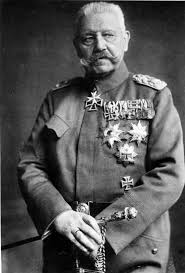
Paul von Hindenburg
Hindenburg considered Hitler a dangerous radical. But he allowed himself to be convinced that, by putting Hitler in the Cabinet, he could be “boxed in” and thus controlled.
So, on January 30, 1933, he reluctantly appointed Adolf Hitler Chancellor—the equivalent of Attorney General.
On August 2, 1934, Hindenburg died, and Hitler immediately assumed the titles—and duties—of the offices of Chancellor and President.
His rise to total power was now complete.
In 2015, Donald Trump declared his candidacy for President.
At that time:
- The country was technically at war in the Middle East—but the fate of the United States was never threatened, as it had been during the Cold War.
- There was no draft; if you didn’t know someone in the military, you didn’t care about the casualties taking place.
- Thanks to government loans from Barack Obama, American capitalism had been saved from its own excesses during the George W. Bush administration.
- In contrast to the scandals of the Ronald Reagan Presidency, the Obama administration had been scandal-free.
- Nor had there been any major terrorist attacks on the country—as had occurred on 9/11 under President George W. Bush.
Yet—16 months after announcing his candidacy for President—enough Americans fervently embraced Donald Trump to give him the most powerful position in the country and the world.
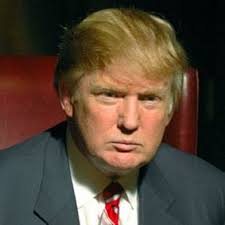
Donald Trump
The message of Barack Obama’s 2008 campaign had been one of hope—“Yes, We Can!”
That of Donald Trump’s campaign was one of hatred toward everyone who was not an avid Trump supporter: “No, You Can’t!”
White supremacists comprised the overwhelming majority of the audiences at Trump rallies. They knew that demographics were steadily working against them. Birthrates among nonwhites were rising. By 2045, whites would make up less than 50 percent of the American population.
The 2008 election of the first black President had shocked Fascistic whites. His 2012 re-election had deprived them of the hope that 2008 had been an accident.
Then came 2016—and the possibility that a black President might be followed by a woman: Former Secretary of State Hillary Clinton.
And the idea of a woman dictating to men was strictly too much for them to bear.
So, on November 8, 2016, Donald Trump—lacking any government experience and best known as the host of a reality TV show—was elected President of the United States.
2016 PRESIDENTIAL ELECTION, 2020 PRESIDENTIAL ELECTION, 2024 PRESIDENTIAL ELECTION, ABC NEWS, ABORTION, ADOLF HITLER, AFFORDABLE CARE ACT, AILEEN CANNON, AIR TRAFFICK CONTROLLERS, ALFRED JODL, ALTERNET, AMERICABLOG, AP, ARTIFICIAL INTELLIGENCE, ATTORNEYS GENERAL, BABY BOOMER RESISTANCE, BARACK OBAMA, BAVARIA, BBC, BEER HALL PUTSCH, BEN SASSE, BLOOMBERG, BLUESKY, BRAD RAFFENSPERGER, BRIAN KEMP, BUZZFEED, CAPITAL PUNISHMENT, CBS NEWS, CHRISTIANITY, CLASSIFIED DOCUMENTS, CLASSIFIED DOCUMENTS TRIAL, CNN, CONTRACEPTION, COVID-19, CROOKS AND LIARS, D-DAY, DAILY KOS, DEMOCRATIC PARTY, DEMOCRATS, DONALD TRUMP, ELECTORAL COLLEGE, ENVIRONMENTAL PROTECTION AGENCY, EQUITY DIVERSITY AND INCLUSION (DEI) PROGRAMS, FASCISM, FEDERAL AVIATION ADMINISTRATION (FAA), FEDERAL COMMUNICATIOS COMMISSION, FEDERAL TRADE COMMISSION, FIVETHIRTYEIGHT, FOSSIL FUELS, GEORGE W. BUSH, GERD VON RUNDSTEDT, GULF OF MEXICO, GUNTHER BLUMENTRITT, HARPER’S MAGAZINE, HERITAGE FOUNDATION, HILLARY CLINTON, HITLER: ASCENT (BOOK), HUFFINGTON POST, IMMIGRATION AND CUSTOMS ENFORCEMENT (ICE), INSIDER, INSPECTORS GENERAL, JANUARY 6 COUP ATTEMPT, JOHN F. KENNEDY CENTER FOR THE PERFORMING ARTS, JOSEPH BIDEN, JOSEPH STALIN, jOSH HAWLEY, JUSTICE DEPARTMENT, Kamala Harris, KEN PAXTON, KGB, MEDAL OF HONOR WINNERS, MEDIA MATTERS, MEDICAID, MEDICARE, MEIN KAMPF, MIKE PENCE, MOTHER JONES, MOVEON, MSNBC, MUNICH, NATIONAL OCEANIC AND ATMOSPHERIC ADMINISTRATION (NOAA), NAZI GERMANY, NAZI PARTY, NBC NEWS, NEW REPUBLIC, NEWSDAY, NEWSWEEK, NORMANDY, NPR, PAT A. CIPOLLONE, PAUL VON HINDENBURG, PBS NEWSHOUR, POLITICO, POLITICUSUSA, RAW STORY, REPUBLICAN PARTY, REPUBLICANS, REUTERS, Ronald Reagan, RUTH BEN-GHIAT, SALON, SEATTLE TIMES, SLATE, STEPHEN COLLINSON, STRONGMEN (BOOK), SUPPLEMENTAL NUTRITION ASSISTANCE PROGRAM (SNAP), SUPREME COURT, TALKING POINTS MEMO, THE ATLANTIC, THE CHICAGO SUN-TIMES, THE CHICAGO TRIBUNE, THE DAILY BEAST, THE DAILY BLOG, THE GUARDIAN, THE HILL, THE HUFFINGTON POST, THE INTERCEPT, THE LOS ANGELES TIMES, THE NATION, THE NEW REPUBLIC, THE NEW YORK TIMES, THE NEW YORKER, THE VILLAGE VOICE, THE WASHINGTON POST, THINKPROGRESS, THREATS, TIME, TREATY OF VERSALLIES, TRUTHDIG, TRUTHOUT, TUSKEGEE AIRMEN, TWO POLITICAL JUNKIES, U.S. NEWS & WORLD REPORT, UNITED STATES DEPARTMENT OF DEFENSE (DOD), UNITED STATES DEPARTMENT OF HOMELAND SECURITY, UNITED STATES HOUSE OF REPRESENTATIVES, UNITED STATES SENATE, UPI, USA TODAY, VLADIMIR PUTIN, VOLKER ULLRICH, VOTER FRAUD, WEIMAR REPUBLIC, WILLIAM L. SHIRER, WOMEN VETERANS, WONKETTE, WORLD WAR 1, WORLD WAR 11, X
In Bureaucracy, History, Law, Law Enforcement, Politics, Social commentary on December 11, 2025 at 12:10 am
More than two years after he tried to establish himself as a dictator, Donald Trump remained free.
And he was still repeating “The Big Lie”: That he won the 2020 Presidential election but was cheated of victory by widespread voter fraud.
This was on a par with “The Big Lie” that had gripped Nazi Germany after World War 1: That the nation had been “stabbed in the back” by civilian Communists and Jews.
The result: Two-thirds of Republicans still rejected the legitimacy of the 2020 election of Joe Biden.
Facing 91 criminal charges in four criminal cases, Trump—unlike any other criminal defendant—was not even required to post bond.
In Florida, he faced 40 felony counts for illegally withholding highly classified government documents. Yet a judge he had appointed—Aileen Cannon—repeatedly delayed the start of his trial.
According to former United States Attorney Joyce Vance, her goal was clearly to delay the trial past the November, 2024, Presidential election.

Aileen Cannon
Trump repeatedly slandered—and even threatened—prosecutors, witnesses, judges and jurors in the four cases he faced. He claimed he was simply exercising his right to “freedom of speech” as a Presidential candidate.
U.S. District Judge Tanya Chutkan, who was overseeing Trump’s election interference case, imposed a limited gag order on Trump in October, 2023. But this was lifted by the U.S. Court of Appeals while it heard appeals from Trump’s lawyers, who wanted it removed completely.
Most ominously, an August 29, 2023 story by the Associated Press reported: Right-wing “think tanks”—led by the long-established Heritage Foundation—were plotting to remake the federal government into a Fascist dictatorship:
“With more than a year to go before the 2024 election, a constellation of conservative organizations is preparing for a possible second White House term for Donald Trump, recruiting thousands of Americans to come to Washington on a mission to dismantle the federal government and replace it with a vision closer to his own….
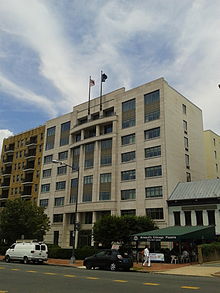
Heritage Foundation
Ser Amantio di Nicolao, CC BY-SA 3.0 <https://creativecommons.org/licenses/by-sa/3.0>, via Wikimedia Commons
“Trump-era conservatives want to gut the ‘administrative state’ from within, by ousting federal employees they believe are standing in the way of the president’s agenda and replacing them with like-minded officials more eager to fulfill a new executive’s approach to governing.
“Much of the new president’s agenda would be accomplished by reinstating what’s called Schedule F — a Trump-era executive order that would reclassify tens of thousands of the 2 million federal employees as essentially at-will workers who could more easily be fired.”
Meanwhile, Trump openly called for ending Constitutionally-granted freedoms:
On December 3, 2022, he wrote in a Truth Social post:
“Do you throw the Presidential Election Results of 2020 OUT and declare the RIGHTFUL WINNER, or do you have a NEW ELECTION? A Massive Fraud of this type and magnitude allows for the termination of all rules, regulations, and articles, even those found in the Constitution.”
A November 14, 2023 analysis by CNN’s Stephen Collinson warned:
“The former and possibly future commander in chief aspires to strongman power if he wins back the White House next year. He believes his authority would be absolute. He wants vengeance against his political enemies. He’d pose the greatest challenge to the rule of law and the Constitution in modern times, seek to crush press freedoms and gut the machinery of government.
“None of this is speculation. Trump is saying and showing exactly what he would do in his rallies, social media posts, interviews, lawyers’ filings and even appearances in court that he uses to stigmatize the legal system. And Trump’s ambitions should be taken seriously because one year from the election, President Joe Biden’s reelection hopes are far from secure.”
As an example of Trump’s rhetoric, Ruth Ben-Ghiat professor of history at New York University and author of the bestselling book, Strongmen, cites the former President’s address on Veterans Day, 2023: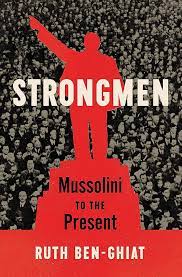
“We will root out the communists, Marxists, fascists, and the radical left thugs that live like vermin within the confines of our country, that lie and steal and cheat on elections, and will do anything possible, they will do anything, whether legally or illegally, to destroy America and to destroy the American dream.”
Speaking on the November 13, 2023 edition of The PBS Newshour, Ben-Ghiat said:
“Since the fascists, authoritarians always want to do two things—they want to change the way that people see violence, making it into something necessary and patriotic and even morally righteous, and they want to change the way people see their targets. And so they use dehumanizing language. And former President Trump is doing both.
“He’s been using his rallies since 2015 to shift the idea of violence into something positive. And now he’s starting to use dehumanizing rhetoric, all these groups who live like vermin. And this is what the original fascists did.
“Hitler started talking about Jews as parasites in 1920. So by the time he got in 1933, Germans had been exposed to this dehumanizing rhetoric for 13 years.
“And Mussolini literally talked about rats. After he had become dictator in 1927, he said, we need to kill rats who are bringing infectious diseases and Bolshevism from the east. And so this matches up with Trump talking about immigrants bringing disease and other such things.
“So this is very dangerous rhetoric with a very precise fascist history.”
2016 PRESIDENTIAL ELECTION, 2020 PRESIDENTIAL ELECTION, 2024 PRESIDENTIAL ELECTION, ABC NEWS, ABORTION, ADOLF HITLER, AFFORDABLE CARE ACT, AILEEN CANNON, AIR TRAFFICK CONTROLLERS, ALFRED JODL, ALTERNET, AMERICABLOG, AP, ARTIFICIAL INTELLIGENCE, ATTORNEYS GENERAL, BABY BOOMER RESISTANCE, BARACK OBAMA, BAVARIA, BBC, BEER HALL PUTSCH, BEN SASSE, BLOOMBERG, BLUESKY, BRAD RAFFENSPERGER, BRIAN KEMP, BUZZFEED, CAPITAL PUNISHMENT, CBS NEWS, CHRISTIANITY, CLASSIFIED DOCUMENTS, CLASSIFIED DOCUMENTS TRIAL, CNN, CONTRACEPTION, COVID-19, CROOKS AND LIARS, D-DAY, DAILY KOS, DEMOCRATIC PARTY, DEMOCRATS, DONALD TRUMP, ELECTORAL COLLEGE, ENVIRONMENTAL PROTECTION AGENCY, EQUITY DIVERSITY AND INCLUSION (DEI) PROGRAMS, FASCISM, FEDERAL AVIATION ADMINISTRATION (FAA), FEDERAL COMMUNICATIOS COMMISSION, FEDERAL TRADE COMMISSION, FIVETHIRTYEIGHT, FOSSIL FUELS, GEORGE W. BUSH, GERD VON RUNDSTEDT, GULF OF MEXICO, GUNTHER BLUMENTRITT, HARPER’S MAGAZINE, HERITAGE FOUNDATION, HILLARY CLINTON, HITLER: ASCENT (BOOK), HUFFINGTON POST, IMMIGRATION AND CUSTOMS ENFORCEMENT (ICE), INSIDER, INSPECTORS GENERAL, JANUARY 6 COUP ATTEMPT, JOHN F. KENNEDY CENTER FOR THE PERFORMING ARTS, JOSEPH BIDEN, JOSEPH STALIN, jOSH HAWLEY, JUSTICE DEPARTMENT, Kamala Harris, KEN PAXTON, KGB, MEDAL OF HONOR WINNERS, MEDIA MATTERS, MEDICAID, MEDICARE, MEIN KAMPF, MIKE PENCE, MOTHER JONES, MOVEON, MSNBC, MUNICH, NATIONAL OCEANIC AND ATMOSPHERIC ADMINISTRATION (NOAA), NAZI GERMANY, NAZI PARTY, NBC NEWS, NEW REPUBLIC, NEWSDAY, NEWSWEEK, NORMANDY, NPR, PAT A. CIPOLLONE, PAUL VON HINDENBURG, PBS NEWSHOUR, POLITICO, POLITICUSUSA, RAW STORY, REPUBLICAN PARTY, REPUBLICANS, REUTERS, Ronald Reagan, RUTH BEN-GHIAT, SALON, SEATTLE TIMES, SLATE, STEPHEN COLLINSON, STRONGMEN (BOOK), SUPPLEMENTAL NUTRITION ASSISTANCE PROGRAM (SNAP), SUPREME COURT, TALKING POINTS MEMO, THE ATLANTIC, THE CHICAGO SUN-TIMES, THE CHICAGO TRIBUNE, THE DAILY BEAST, THE DAILY BLOG, THE GUARDIAN, THE HILL, THE HUFFINGTON POST, THE INTERCEPT, THE LOS ANGELES TIMES, THE NATION, THE NEW REPUBLIC, THE NEW YORK TIMES, THE NEW YORKER, THE VILLAGE VOICE, THE WASHINGTON POST, THINKPROGRESS, THREATS, TIME, TREATY OF VERSALLIES, TRUTHDIG, TRUTHOUT, TUSKEGEE AIRMEN, TWO POLITICAL JUNKIES, U.S. NEWS & WORLD REPORT, UNITED STATES DEPARTMENT OF DEFENSE (DOD), UNITED STATES DEPARTMENT OF HOMELAND SECURITY, UNITED STATES HOUSE OF REPRESENTATIVES, UNITED STATES SENATE, UPI, USA TODAY, VLADIMIR PUTIN, VOLKER ULLRICH, VOTER FRAUD, WEIMAR REPUBLIC, WILLIAM L. SHIRER, WOMEN VETERANS, WONKETTE, WORLD WAR 1, WORLD WAR 11, X
In Bureaucracy, History, Law, Law Enforcement, Politics, Social commentary on December 10, 2025 at 3:26 am
On January 6, 2021, President Donald Trump appeared at the Ellipse, a 52-acre park south of the White House fence and north of Constitution Avenue and the National Mall in Washington, D.C.
A stage had been set up for him to address tens of thousands of his supporters, who eagerly awaited him.
Trump ordered them to march on the Capitol building to express their anger at the voting process and to intimidate their elected officials to reject the results of the 2020 Presidential election.
The Stormtrumpers marched to the United States Capitol—and quickly brushed aside Capitol Police, who made little effort to arrest or shoot them.
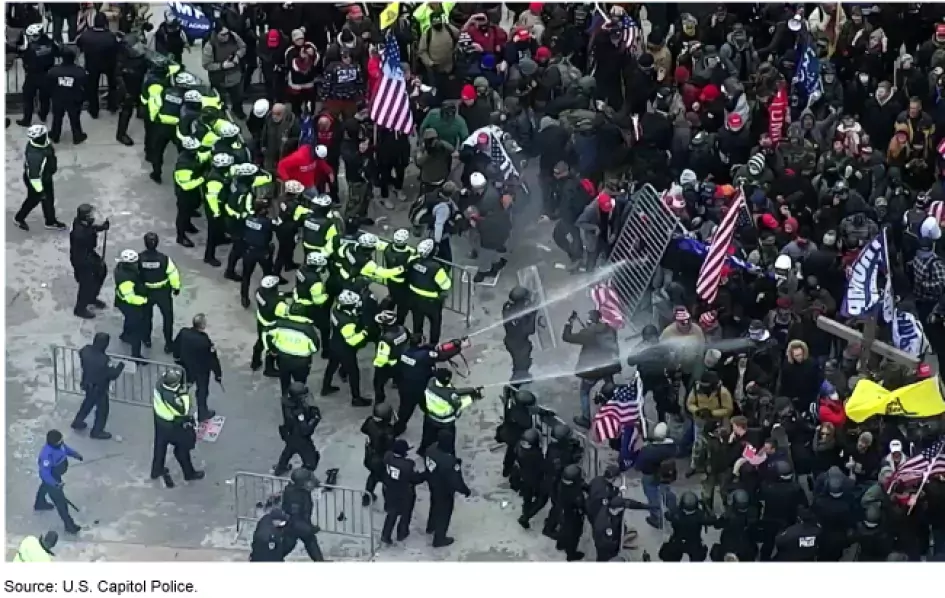

Capitol Police facing off with Stormtrumpers
- One attacker was shot as protesters forced their way toward the House Chamber where members of Congress were sheltering in place.
- Members of the mob attacked police with chemical agents or lead pipes.
- A Capitol Hill police officer was knocked off his feet, dragged into the mob surging toward the building, and beaten with the pole of an American flag.
- Several rioters carried plastic handcuffs, possibly intending to take hostages.
- Others carried treasonous Confederate flags.
- Shouts of “Hang Pence!” often rang out.
- Improvised explosive devices were found in several locations in Washington, D.C.
- Many of the lawmakers’ office buildings were occupied and vandalized—including that of House Speaker Nancy Pelosi, a favorite Right-wing target.
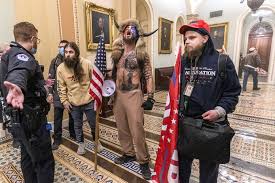
Stormtrumpers inside the Capitol Building
More than three hours passed before police—using riot gear, shields and batons—retook control of the Capitol.
And Trump?
- After giving his inflammatory speech, he returned to the White House—to watch his handiwork on television and rage-tweet against Vice President Mike Pence.
- He was “delighted” at the attack—and surprised that others weren’t, as angry Republican Nebraska Senator Ben Sasse said later.
- He initially denied requests to mobilize the National Guard.
- Six hours after the rioting began, Pat A. Cipollone, the White House Counsel and other officials intervened and deployed the National Guard.
- While the rioting was still erupting, Trump posted a video on Twitter: “I know you’re hurt. We had an election that was stolen from us….But you have to go home now. We have to have peace. We have to have law and order….So go home. We love you. You’re very special.”
His administration was closing with the same contempt for law and democracy that had characterized it from its outset.
Joseph R. Biden legitimately assumed the Presidency on January 20, 2021.
Yet it was only on November 22, 2022, that his handpicked Attorney General, Merrick Garland, appointed Jack Smith as independent special counsel.
Smith had served in the Justice Department as an assistant U.S. attorney, acting U.S. attorney and head of the agency’s Public Integrity Section.
From 2008 to 2010, Smith worked as investigation coordinator for the Office of the Prosecutor of the International Criminal Court in The Hague, Netherlands. He thus oversaw cases against government officials and militia members accused of war crimes and genocide.

Jack Smith
He now became responsible for overseeing two preexisting Justice Department criminal investigations into Trump.
On June 8, 2023, a grand jury indicted Trump on seven federal criminal charges related to his handling of classified documents. This marked the first time in American history that a serving or former president had been indicted on a federal criminal charge.
On August 1, a second grand jury indicted Trump on four more federal felony counts for attempting to overturn the 2020 Presidential election and inciting a riot against Congress on January 6, 2021.
Meanwhile, Trump publicly attacked Smith as even notorious Mafia bosses like John Gotti never dared attack their prosecutors.
Trump attacked Smith as “deranged” and a “Trump-hating prosecutor,” adding that “his wife and family despise me much more than he does.”
A typical Trump post on his website, Truth Social, exploded on August 28, 2023:
“It has just been reported that aides to TRUMP prosecutor, Deranged Jack Smith, met with high officials at the White House just prior to these political SleazeBags Indicating me OVER NOTHING.
“If this is so, which it is, that means that Biden and his Fascist Thugs knew and APPROVED of this Country dividing Form of Election Interference, despite their insisting that they ‘knew nothing.”
Such attacks led the Justice Department to increase the security detail for Smith from two to at least four deputy U.S. marshals on a 24-hour basis.
Many of Trump’s supporters believed that Smith was acting on behalf of President Biden to deprive Trump of the chance to run for the White House a third time.
The January 6 coup attempt proved beyond doubt his followers’ capacity for violence.
On November 14, 2023, the Justice Department urged a Washington, DC, appeals court to uphold the gag order against Trump in his federal election subversion criminal case. Prosecutors charged that Trump’s attacks on Smith and his family demonstrated why restrictions on Trump’s speech were necessary.
“There has never been a criminal case in which a court has granted a defendant an unfettered right to try his case in the media, malign the prosecutor and his family, and …target specific witnesses with attacks on their character and credibility,” Smith’s team told the US DC Circuit Court of Appeals in a filing.
2016 PRESIDENTIAL ELECTION, 2020 PRESIDENTIAL ELECTION, 2024 PRESIDENTIAL ELECTION, ABC NEWS, ABORTION, ADOLF HITLER, AFFORDABLE CARE ACT, AILEEN CANNON, AIR TRAFFICK CONTROLLERS, ALFRED JODL, ALTERNET, AMERICABLOG, AP, ARTIFICIAL INTELLIGENCE, ATTORNEYS GENERAL, BABY BOOMER RESISTANCE, BARACK OBAMA, BAVARIA, BBC, BEER HALL PUTSCH, BEN SASSE, BLOOMBERG, BLUESKY, BRAD RAFFENSPERGER, BRIAN KEMP, BUZZFEED, CAPITAL PUNISHMENT, CBS NEWS, CHRISTIANITY, CLASSIFIED DOCUMENTS, CLASSIFIED DOCUMENTS TRIAL, CNN, CONTRACEPTION, COVID-19, CROOKS AND LIARS, D-DAY, DAILY KOS, DEMOCRATIC PARTY, DEMOCRATS, DONALD TRUMP, ELECTORAL COLLEGE, ENVIRONMENTAL PROTECTION AGENCY, EQUITY DIVERSITY AND INCLUSION (DEI) PROGRAMS, FASCISM, FEDERAL AVIATION ADMINISTRATION (FAA), FEDERAL COMMUNICATIOS COMMISSION, FEDERAL TRADE COMMISSION, FIVETHIRTYEIGHT, FOSSIL FUELS, GEORGE W. BUSH, GERD VON RUNDSTEDT, GULF OF MEXICO, GUNTHER BLUMENTRITT, HARPER’S MAGAZINE, HERITAGE FOUNDATION, HILLARY CLINTON, HITLER: ASCENT, HITLER: ASCENT (BOOK), HUFFINGTON POST, IMMIGRATION AND CUSTOMS ENFORCEMENT (ICE), INSIDER, INSPECTORS GENERAL, JANUARY 6 COUP ATTEMPT, JOHN F. KENNEDY CENTER FOR THE PERFORMING ARTS, JOSEPH BIDEN, JOSEPH STALIN, jOSH HAWLEY, JUSTICE DEPARTMENT, Kamala Harris, KEN PAXTON, KGB, MEDAL OF HONOR WINNERS, MEDIA MATTERS, MEDICAID, MEDICARE, MEIN KAMPF, MIKE PENCE, MOTHER JONES, MOVEON, MSNBC, MUNICH, NATIONAL OCEANIC AND ATMOSPHERIC ADMINISTRATION (NOAA), NAZI GERMANY, NAZI PARTY, NBC NEWS, NEW REPUBLIC, NEWSDAY, NEWSWEEK, NORMANDY, NPR, PAT A. CIPOLLONE, PAUL VON HINDENBURG, PBS NEWSHOUR, POLITICO, POLITICUSUSA, RAW STORY, REPUBLICAN PARTY, REPUBLICANS, REUTERS, Ronald Reagan, RUTH BEN-GHIAT, SALON, SEATTLE TIMES, SLATE, STEPHEN COLLINSON, STRONGMEN (BOOK), SUPPLEMENTAL NUTRITION ASSISTANCE PROGRAM (SNAP), SUPREME COURT, TALKING POINTS MEMO, THE ATLANTIC, THE CHICAGO SUN-TIMES, THE CHICAGO TRIBUNE, THE DAILY BEAST, THE DAILY BLOG, THE GUARDIAN, THE HILL, THE HUFFINGTON POST, THE INTERCEPT, THE LONGEST DAY (MOVIE, THE LOS ANGELES TIMES, THE NATION, THE NEW REPUBLIC, THE NEW YORK TIMES, THE NEW YORKER, THE VILLAGE VOICE, THE WASHINGTON EXAMINER, THE WASHINGTON POST, THINKPROGRESS, THREATS, TIME, TREASON, TREATY OF VERSALLIES, TRUTHDIG, TRUTHOUT, TUSKEGEE AIRMEN, TWO POLITICAL JUNKIES, U.S. NEWS & WORLD REPORT, UNITED STATES DEPARTMENT OF DEFENSE (DOD), UNITED STATES DEPARTMENT OF HOMELAND SECURITY, UNITED STATES HOUSE OF REPRESENTATIVES, UNITED STATES SENATE, UPI, USA TODAY, VLADIMIR PUTIN, VOLKER ULLRICH, VOTER FRAUD, VOTERFRAUD, WEIMAR REPUBLIC, WILLIAM L. SHIRER, WOMEN VETERANS, WONKETTE, WORLD WAR 1, WORLD WAR 11, X
In Bureaucracy, History, Law, Law Enforcement, Politics, Social commentary on December 9, 2025 at 12:10 am
From November 3 to December 14, 2020, President Donald J. Trump and his allies lost 59 times in court to overturn the 2020 Presidential election.
They either withdrew their cases or found them dismissed by Federal and state judges.
On November 19, Trump invited two Republican legislative leaders from Michigan to the White House—to persuade them to stop their state from certifying the vote.
The Michigan legislators said they would follow the law.
.jpg/220px-Donald_Trump_August_19,_2015_(cropped).jpg)
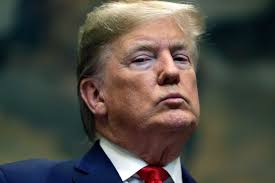
Donald Trump
On December 5, Trump called Georgia Governor Brian Kemp and asked him to call a special legislative session and convince state legislators to select their own electors that would support him, thus overturning Biden’s win.
Kemp refused, saying he lacked the authority to do so.
On December 8, the Supreme Court refused to hear Trump’s bid to reverse Pennsylvania’s certification of Biden’s victory. Representative Mike Kelly (R-PA), a Trump ally, argued that the state’s 2.5 million mail-in votes were unconstitutional.
Although Trump had appointed three of the Court’s Justices, not one of them dissented.
On December 10, the Supreme Court refused to let a Texas lawsuit overturn the results in four battleground states: Georgia, Michigan, Pennsylvania and Wisconsin. The majority of their votes had been cast for Biden.

The Supreme Court
With the Senate due to certify states’ Electoral College results on January 6, 2021, Trump pressed Vice President Mike Pence to flip the results of the election to give him a win. This despite the fact that the Electoral Count Act of 1887 limits the Vice President to a largely ceremonial role.
Then, on December 30, Missouri Republican Senator Josh Hawley announced that, on January 6, 2021, he would object to the certification of some states’ Electoral College results.
A total of 147 Republican Congressional members voted to invalidate the Electoral College vote count of the 2020 presidential election: 139 in the House of Representatives, and eight in the Senate.
Having lost in 59 court cases to overturn the election results, Trump opted for some old-fashioned arm-twisting.
On January 2, 2021, he called the office of Georgia Secretary of State Brad Raffensperger. The reason: To pressure him to “find” enough votes to overturn former Vice President Joe Biden’s win in the state’s presidential election.
“All I want to do is this. I just want to find 11,780 votes, which is one more than we have, because we won the state,” Trump lied.
He even threatened Raffensperger with criminal prosecution if he did not change the vote count in Trump’s favor: “That’s a criminal offense. And you can’t let that happen.”
Raffensperger insisted there hadn’t been any voter fraud—and refused to change the official results.
By January 6, 2021, Trump had almost run out of options for illegally staying in power for the next four years.
On January 6, the United States Senate, with Vice President Mike Pence presiding, would certify states’ Electoral College results of that election.
That morning, Trump urged Pence to flip the results of the election to give him a win. Pence replied that he lacked the power to overturn those results.
But as Pence went off to the Capitol Building housing the Senate and House of Representatives, Trump had one last card to play.
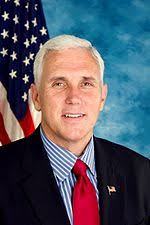
Mike Pence
For weeks Trump had ordered his legions of Right-wing Stormtrumpers to descend on Washington, D.C. on January 6.
On December 20, he had tweeted: “Statistically impossible to have lost the 2020 Election. Big protest in DC on January 6th. Be there, will be wild!”
In tweets, he promoted the rally again on December 27 and 30, and January 1.
On January 6, Trump appeared at the Ellipse, a 52-acre park south of the White House fence and north of Constitution Avenue and the National Mall in Washington, D.C.
A stage had been set up for him to address tens of thousands of his supporters, who eagerly awaited him.
Trump ordered them to march on the Capitol building to express their anger at the voting process and to intimidate their elected officials to reject the results.

Donald Trump addresses his Stormtrumpers
“All of us here today do not want to see our election victory stolen by a bold and radical left Democrats which is what they are doing and stolen by the fake news media.
“Our country has had enough. We will not take it anymore, and that is what this is all about. And to use a favorite term that all of you people really came up with, we will stop the steal….
“Republicans are constantly fighting like a boxer with his hands tied behind his back….And we’re going to have to fight much harder….
“And after this, we’re going to walk down and I’ll be there with you. We’re going to walk down to the Capitol. And we’re going to cheer on our brave Senators and Congressmen and women and we’re probably not going to be cheering so much for some of them.
“Because you’ll never take back our country with weakness. You have to show strength and you have to be strong. We have come to demand that Congress do the right thing and only count the electors who have been lawfully slated.”
The Stormtrumpers marched to the United States Capitol—and quickly brushed aside Capitol Police, who made little effort to arrest or shoot them.


ABC NEWS, ADOLF HITLER, ALFRED JODL, ALTERNET, AMERICABLOG, AP, AYATOLLAH ALI KHAMENEI, BABY BOOMER RESISTANCE, BBC, BELGIUM, BLOOMBERG, BLOOMBERG NEWS, BLUESKY, BUZZFEED, CBS NEWS, CNN, CROOKS AND LIARS, DAILY KOS, FIVETHIRTYEIGHT, FRANCE, GREECE, HARPER’S MAGAZINE, HEINZ GUDERIAN, HOLLAND, HUFFINGTON POST, ISRAEL, JORDAN, JOSEPH STALIN, KUWAIT, LENINGRAD, MEDIA MATTERS, MOSCOW, MOTHER JONES, MOVEON, MSNBC, NAPOLEON BONAPARTE, NAZI GERMANY, NBC NEWS, NEW REPUBLIC, NEWSDAY, NEWSWEEK, NORTH ATLANTIC TREATY ORGANIZATION (NATO), NORWAY DENMARK, NPR, NUCLEAR WEAPONS, OIL FIELDS, PBS NEWSHOUR, PETE HEGSETH, POLAND, POLITICO, POLITICUSUSA, QATAR, RAW STORY, REPUBLICAN PARTY, REUTERS, SALON, SAUDI ARABIA, SAVING PRIVATE RYAN (MOVIE), SEATTLE TIMES, SLATE, SOVIET UNION, TALKING POINTS MEMO, TERRORISM, THE ATLANTIC, THE CHICAGO SUN-TIMES, THE CHICAGO TRIBUNE, THE DAILY BEAST, THE DAILY BLOG, THE GUARDIAN, THE HILL, THE HUFFINGTON POST, THE INTERCEPT, THE LONGEST DAY (MOVIE, THE LOS ANGELES TIMES, THE NATION, THE NEW REPUBLIC, THE NEW YORK TIMES, THE NEW YORKER, THE PENTAGON, THE UNITED ARAB EMIRATES, THE VILLAGE VOICE, THE WASHINGTON POST, THINKPROGRESS, THIRD REICH, TIME, TRUTHDIG, TRUTHOUT, TWO POLITICAL JUNKIES, U.S. NEWS & WORLD REPORT, UPI, USA TODAY, WEHRMACHT, WONKETTE, X, YUGOSLAVIA
ONCE MORE, INTO A DARK, UNSEEN ROOM: PART TWO (END)
In Bureaucracy, History, Law, Politics, Social commentary on July 31, 2026 at 12:05 amDonald Trump’s unprovoked attack on Iran is separated from Adolf Hitler’s attack on the Soviet Union by a span of 84 years. Yet despite differences in geography and history, eerie similarities exist between the two.
Hitler launched his assault on the Soviet Union on June 22, 1941—after a series of quick military conquests: Poland (1939); Norway, Denmark, Holland, Belgium, France (1940); Greece and Yugoslavia (1941).
Similarly, before launching his assault on Iran on February 28, Trump had scored a number of triumphs–albeit of a non-military nature. A March 19, 2026 article in The New Republic offers a partial summary:
Donald Trump and Adolf Hitler
“In the first year since returning to power, Trump and his subordinates have pushed the country toward fascism and oligarchy. He has turned Washington into an orgy of corruption and self-dealing beyond even the most cynical observer’s imagination.
“He has transformed Immigration and Customs Enforcement and Border Patrol into a lawless paramilitary force that has besieged American cities and killed at least five U.S. citizens and 22 foreign nationals. He has abused Americans and their immigrant neighbors alike simply because he can.”
In his attempt to conquer the Soviet Union, Hitler made the fatal mistake of trying to conquer too much territory all at once.
In August 1941, Hitler diverted forces from the central push on Moscow to surround Leningrad and industrial regions in the South, which delayed the attack on Moscow. By the time Hitler decided to capture Moscow, the weather had turned cold and the Germans were exhausted and freezing.
As in the case of Hitler, Trump assumed that Iran could be forced to quickly surrender. But that effort has been handicapped by a series of shifting and contradictory goals:
In the opening day of the war, American and Israeli airstrikes killed Iran’s Supreme Leader, Ayatollah Ali Khamenei. By March 17, Israel announced that it had killed two more top Iranian leaders in airstrikes. Still, Iranians chose new leaders to succeed dead ones and went on fighting.
Ayatollah Ali Khamenei
On March 19, Israeli airstrikes hit Iran’s largest gas field—South Pars, which is part of the world’s largest natural gas reserves. In retaliation, Iran launched drone and missile attacks against energy infrastructure in Saudi Arabia, the United Arab Emirates (UAE), Qatar, and Kuwait.
Iran also targeted Israel and attacked U.S. military bases in the region, including in Bahrain and Jordan.
Hitler expected the Soviet Union to collapse in a matter of weeks. France, which supposedly had the strongest army in Europe, had collapsed in six weeks in 1940. Hitler believed that General Winter, which had defeated Napoleon in 1812, would not be a problem for the mechanized Wehrmacht.
Yet the Wehrmacht was far less mechanized than portrayed by German propagandists. It relied heavily on horses for approximately 80% of its transport needs throughout World War II. During the winter of 1941 – 1942, the Wehrmacht lost over 179,000 horses. In the Army Group Center sector, losses reached roughly 1,000 horses per day.
Panzer tank
In movies like “The Longest Day” and “Saving Private Ryan,” Americans celebrate the D-Day landings in France, on June 6, 1944. But for Nazi Germany, “the real war” was in the East. There the Wehrmacht concentrated the largest proportion of its forces—and suffered 85% of its casualties.
By March 19, the United States had spent $12 to over $12.7 billion on military operations against Iran. And the Pentagon was asking for an additional $200 billion for the war. Secretary of Defense Pete Hegseth warned “that number could move.”
On July 22, it moved—House Republicans passed a $1.5 trillion defense budget for 2027.
On April 7 the United States, Israel, and Iran agreed to a two-week ceasefire, under which Iran would re-open the Strait of Hormuz. On April 11, Trump said that American ships had started “clearing” the Strait of Hormuz.
The Iranian government threatened to attack the ships, accusing the United States of a ceasefire violation.
On July 8, Iran struck more targets in the Strait of Hormuz. Trump declared the Memorandum Of Understanding between the two countries was “over,” and that he didn’t want to deal any further with Iran’s leadership
Following an attack by Iranian forces on oil tankers in the Strait of Hormuz, on July 13, the United States began 13 consecutive nights of airstrikes on Iran, ending on July 24.
On July 27 Trump said he was ready for “strong military action” if talks with Iran failed, saying there’s “not much time” left for diplomacy
Bombing, however, has never by itself ended a war. Hitler’s terror-bombing of England only stiffened British resolve to fight on.
Trump could launch a ground troop invasion—but Iran is more than twice the size of Texas, covering about 636,000 square miles. That would require tens of thousands of troops—and almost certainly lead to a highly unpopular draft.
Aside from that, his only other choice is the use of nuclear weapons.
Both would be highly unpopular—especially in a midterms election year.
Like Hitler’s war against the Soviet Union, by July 28, Trump’s “two week” war with Iran had lasted five months—with no end in sight.
Share this: