Posts Tagged ‘WEHRMACHT’
2016 PRESIDENTIAL ELECTION, 2020 PRESIDENTIAL ELECTION, ABC NEWS, ACAM SCHIFF, ADOLF HITLER, ALTERNET, AMERICABLOG, AP, BABY BOOMER RESISTANCE, BBC, BLOOMBERG NEWS, BRETT CROZIER, BUZZFEED, CBS NEWS, CHARLES PIERCE, CHRIS KREBS, CNN, CONVERSATION WITH AN AMERICAN WRITER (POEM), CORONAVIRUS, CROOKS AND LIARS, CYBERSECURITY AND INFRASTRUCTURE SECURITY AGENCY, DAILY KOS, DEPARTMENT OF HOMELAND SECURITY, DEPARTMENT OF STATE, DIMITRI SHOSTAKOVICH, DONALD TRUMP, DRUDGE REPORT, ESQUIRE MAGAZINE, FBI, FIVETHIRTYEIGHT, FOX NEWS NETWORK, GREAT TERROR, HARPER’S MAGAZINE, HOUSE INTELLIGENCE COMMITTEE, HOUSE OF REPRESENTATIVES, HUFFINGTON POST, JOSEPH BIDEN, JOSEPH STALIN, MARIA YOVANOVICH, MEDIA MATTERS, MICROSOFT, MIKHAIL TUKHACHEVESKY, MOTHER JONES, MOVEON, MSNBC, NAZI GERMANY, NBC NEWS, NEW REPUBLIC, NEWSDAY, NEWSWEEK, NICCOLO MACHIAVELLI, NIKITA KHRUSHCHEV, NIKOLAI ZHILAYEV, NPR, PBS NEWSHOUR, POLITICO, POLITICUSUSA, RAW STORY, REUTERS, RUDY GIULIANI, SALON, SEATTLE TIMES, SLATE, SOVIET UNION, TALKING POINTS MEMO, THE ATLANTIC, THE CHICAGO SUN-TIMES, THE CHICAGO TRIBUNE, THE DAILY BEAST, THE DAILY BLOG, THE DISCOURSES, THE GUARDIAN, THE HILL, THE HUFFINGTON POST, THE LOS ANGELES TIMES, THE NATION, THE NEW REPUBLIC, THE NEW YORK TIMES, THE NEW YORKER, THE VILLAGE VOICE, THE WALL STREET JOURNAL, THE WASHINGTON POST, THINKPROGRESS, THOMAS MODLY, TIME, TRUTHDIG, TRUTHOUT, TWO POLITICAL JUNKIES, U.S. NEWS & WORLD REPORT, UKRAINE, UPI, USA TODAY, WEHRMACHT, WONKETTE, WORLD WAR 11, X, YEVGENEY YEVTUSHENKO
In Bureaucracy, History, Law, Law Enforcement, Military, Politics, Social commentary on January 31, 2025 at 12:26 am
Next hero: Marie Yovanovitch, the former United States ambassador to Ukraine (2016 – 2019). She had joined the Foreign Service in 1986, and served as ambassador to Kyrgyzstan (2005 – 2008) and Armenia (2008 – 2011).
In May 2019, on President Donald Trump’s orders, the State Department recalled Yovanovitch as ambassador to Ukraine. She had earned respect from the national security community for her efforts to encourage Ukraine to tackle corruption.
But she had been criticized by Right-wing media outlets—notably Fox News Network––and by Trump’s personal attorney, Rudy Giuliani.

Marie Yovanovitch
CNN reported that Yovanovitch stopped Giuliani from interviewing witnesses in his search for politically damaging information against former Vice President Joe Biden, whose son, Hunter, had had business dealings in Ukraine.
On October 11, 2019, she appeared before the House Intelligence Committee, chaired by Representative Adam Schiff (D-CA). She did so in defiance of orders by the White House and State Department to not attend.
“She was a hero even before she hit the hearing room,” wrote Charles Pierce for Esquire magazine.
“She told them to stuff their directives, she would answer a congressional subpoena like a citizen is supposed to do. And she didn’t sneak in through the basement. She walked into the Capitol through the front doors, and she didn’t do so to fck around.”
Testifying for nearly 10 hours, Yovanovitch said that Trump had removed her from her post owing to “unfounded and false claims” and “a concerted campaign against me.”
She believed that associates of Trump’s personal lawyer, Giuliani, might have thought “that their personal financial ambitions were stymied by our anti-corruption policy in Ukraine.”
And she warned that the State Department was being “attacked and hollowed out from within. State Department leadership, with Congress, needs to take action now to defend this great institution, and its thousands of loyal and effective employees.”
Another victim on Trump’s hate-list was Chis Krebs.
During the 2016 Presidential race, Russian propaganda had played a major role in convincing millions of Americans to vote for Donald Trump. Social media platforms—especially Facebook and Twitter—were flooded with genuinely fake news to sow discord among Americans and create a pathway for Trump’s election.
And where Internet trolls left off, Russian computer hackers took over.
Trump didn’t win a majority of the popular vote. But he got enough help from Russian President Vladimir Putin to triumph in the Electoral College.
So notorious was the role played by Russian trolls and hackers in winning Trump the 2016 election that the Department of Homeland Security (DHS) was determined to prevent a repetition in 2020.
And point man for this was Chris Krebs.
Born in Atlanta, Georgia, in 1977, Krebs had received a B.A. in environmental sciences from the University of Virginia in 1999, and a J.D. from the George Mason University School of Law in 2007.
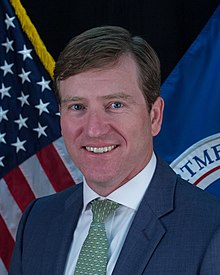
Chris Krebs
Krebs had served as Senior Advisor to the Assistant Secretary of Homeland Security for Infrastructure Protection, and later worked in the private sector as Director for Cybersecurity Policy for Microsoft.
Now he was director of the Cybersecurity and Infrastructure Security Agency at DHS.
In preparation for the 2020 Presidential election, Krebs launched a massive effort to counter lies spread by Russians—and Americans—on social media platforms. Among his duties:
- Sharing Intelligence from agencies such as the CIA and National Security Agency with local officials about foreign efforts at election interference.
- Ensuring that domestic voting equipment was secure.
- Attacking domestic misinformation head-on.
As a result, Krebs was widely praised for revamping the department’s cybersecurity efforts and increasing coordination with state and local governments.
By all accounts—except Trump’s—the November 3, 2020 election went very smoothly.
As a result of the vast increase in election security, Trump not only failed to win the popular vote again but couldn’t get the help he expected from Putin.
On November 17, Trump fired Chris Krebs.
The reason: Krebs had not only countered Russian propaganda lies—he had dared to counter Trump’s as well. For example: He rejected Trump’s claims of widespread voter fraud: There “is no evidence that any voting system deleted or lost votes, changed votes, or was in any way compromised.”
In a November 17 story on the CNN website, CNN reporters Kaitlan Collins and Paul LeBlanc bluntly concluded:
“[Krebs’] dismissal underscores the lengths Trump is willing to go to punish those who don’t adopt his conspiratorial view of the election.
“Since CNN and other outlets called the race for President-elect Joe Biden, Trump has refused to accept the results, instead pushing baseless conspiracies that his second term is being stolen.”
Yet, by depriving Trump of Russian help, Krebs ensured a victory for democracy.
On January 6, the House and Senate counted the Electoral Votes—and pronounced Joseph Biden the winner—bringing an end to Trump’s reign of criminality and treason.
In his 1960 poem, “Conversation With an American Writer,” the Russian poet, Yevgeney Yevtushenko spoke for those Russians who had maintained their integrity in the face of Stalinist terror:
“You have courage,” they tell me.
It’s not true. I was never courageous.
I simply felt it unbecoming
to stoop to the cowardice of my colleagues.
Unfortunately, the same cannot be said of Republicans in the United States Senate and House of Representatives in the face of Trump terror.
2016 PRESIDENTIAL ELECTION, 2020 PRESIDENTIAL ELECTION, ABC NEWS, ACAM SCHIFF, ADOLF HITLER, ALTERNET, AMERICABLOG, AP, BABY BOOMER RESISTANCE, BBC, BLOOMBERG NEWS, BRETT CROZIER, BUZZFEED, CBS NEWS, CHARLES PIERCE, CHRIS KREBS, CNN, CONVERSATION WITH AN AMERICAN WRITER (POEM), CORONAVIRUS, CROOKS AND LIARS, CYBERSECURITY AND INFRASTRUCTURE SECURITY AGENCY, DAILY KOS, DEPARTMENT OF HOMELAND SECURITY, DEPARTMENT OF STATE, DIMITRI SHOSTAKOVICH, DONALD TRUMP, DRUDGE REPORT, ESQUIRE MAGAZINE, FBI, FIVETHIRTYEIGHT, FOX NEWS NETWORK, GREAT TERROR, HARPER’S MAGAZINE, HOUSE INTELLIGENCE COMMITTEE, HOUSE OF REPRESENTATIVES, HUFFINGTON POST, JOSEPH BIDEN, JOSEPH STALIN, MARIA YOVANOVICH, MEDIA MATTERS, MICROSOFT, MIKHAIL TUKHACHEVESKY, MOTHER JONES, MOVEON, MSNBC, NAZI GERMANY, NBC NEWS, NEW REPUBLIC, NEWSDAY, NEWSWEEK, NICCOLO MACHIAVELLI, NIKITA KHRUSHCHEV, NIKOLAI ZHILAYEV, NPR, PBS NEWSHOUR, POLITICO, POLITICUSUSA, RAW STORY, REUTERS, RUDY GIULIANI, SALON, SEATTLE TIMES, SLATE, SOVIET UNION, TALKING POINTS MEMO, THE ATLANTIC, THE CHICAGO SUN-TIMES, THE CHICAGO TRIBUNE, THE DAILY BEAST, THE DAILY BLOG, THE DISCOURSES, THE GUARDIAN, THE HILL, THE HUFFINGTON POST, THE LOS ANGELES TIMES, THE NATION, THE NEW REPUBLIC, THE NEW YORK TIMES, THE NEW YORKER, THE VILLAGE VOICE, THE WALL STREET JOURNAL, THE WASHINGTON POST, THINKPROGRESS, THOMAS MODLY, TIME, TRUTHDIG, TRUTHOUT, TWO POLITICAL JUNKIES, U.S. NEWS & WORLD REPORT, UKRAINE, UPI, USA TODAY, WEHRMACHT, WONKETTE, WORLD WAR 11, X, YEVGENEY YEVTUSHENKO
In Bureaucracy, History, Law, Law Enforcement, Military, Politics, Social commentary on January 30, 2025 at 12:11 am
Next up: Nikolai Sergeyvich Zhilayev (pronounced Zill-lay-ev) was a Russian musicologist and the teacher of several 20th-century Russian composers.
Among these: Dimitri Shostakovich (September 25, 1906 – August 9, 1975)
Among his friends—to his ultimate misfortune—was Mikhail Nikolayevich Tukhachevsky, the former military hero now falsely condemned and executed as a traitor by Soviet dictator Joseph Stalin.
In 1938, Zhilayev (November 18, 1881 – January 20, 1938) also became a casualty of what has become known as The Great Terror.
In his posthumously-published memoirs, Testimony, Shostakovich, his pupil and friend, described how Zhilayev faced his end with a calmness that awed even the NKVD (the predecessor to the KGB) secret police sent to arrest him.
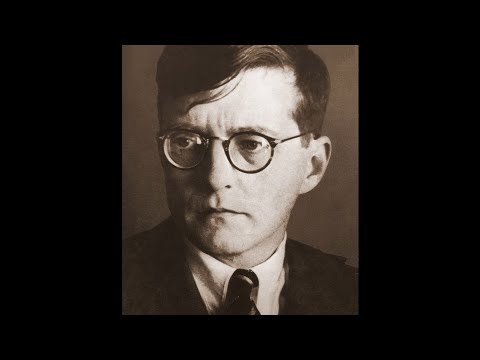
Dimitri Shostakovich
“He had a large picture of Tukhachevsky in his room, and after the announcement that Tukhachevsky had been shot as a traitor to the homeland, Zhilayev did not take the picture down.
“I don’t know if I can explain how heroic a deed that was….As soon as the next poor soul was declared an enemy of the people, everyone destroyed in a panic everything connected with that person….
“And naturally, photographs flew into the fire first, because if someone informed on you, reported that you had a picture of an enemy of the people, it meant certain death.
“Zhilayev wasn’t afraid. When they came for him, Tukhachevsky’s prominently hung portrait amazed even the executioners.”
“What, it’s still up?” one of the secret police asked.
“The time will come,” Zhilayev replied, “when they’ll erect a monument to him.”
As, in fact, has happened.
Meanwhile, Stalin has been universally condemned as one of history’s greatest tyrants.
Third hero: Brett Crozier, the former commanding officer of the aircraft carrier USS Theodore Roosevelt.
Graduating from the United States Naval Academy at Annapolis in 1992, he received his Master’s Degree in National Security and Strategic Studies from the Naval War College in 2007.
From 2017 to 2018 he commanded the USS Blue Ridge. In November, 2019, he was given command of the nuclear aircraft carrier USS Theodore Roosevelt.
On March 24, 2020, reports circulated that three members of the crew had tested positive for COVID-19. The next day the number of stricken sailors increased to eight. A few days later, it was “dozens.” The sailors reportedly became ill at sea, two weeks after a port call at Danang, Vietnam.
The initial cases were airlifted to a military hospital. The Roosevelt was ordered to Guam. After the ship docked on March 27, 2020, all 5,000 aboard were ordered to be tested for the virus. But only about 100 stricken sailors were allowed to leave the ship. The rest remained on board.
On March 30, Crozier emailed a four-page internal letter to multiple Naval officials, pleading to have the majority of the crew evacuated and quarantined on shore. Given the crowded sleeping quarters and narrow passageways of the vessel, Crozier wrote that it was impossible to follow social distancing and quarantine procedures:
“This will require a political solution but it is the right thing to do. We are not at war. Sailors do not need to die. If we do not act now, we are failing to properly take care of our most trusted asset—our Sailors….
“This is a necessary risk. Keeping over 4,000 young men and women on board the TR is an unnecessary risk and breaks faith with those Sailors entrusted to our care.”
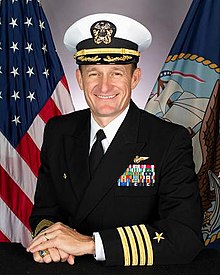
Brett Crozier
Crozier sent his letter via a non-secure, unclassified email to 20-30 recipients, as well as the captain’s immediate chain of command. He reportedly believed that his immediate supervisor would not allow him to send it.
And his superior later confirmed that he would not have allowed Crozier to send it.
On March 31, someone leaked the letter to the San Francisco Chronicle, which published it.
On April 1, the Navy ordered the aircraft carrier evacuated. A skeleton crew of 400 remained aboard to maintain the nuclear reactor, the fire-fighting equipment, and the ship’s galley.
On April 2, Crozier was relieved of command by acting United States Secretary of the Navy Thomas Modly.
By that time, about 114 crew members—out of a total of around 4,000—reportedly tested positive for COVID-19.
As Crozier disembarked, sailors loudly saluted him with a standing ovation: “Cap-tain Cro-zier!”
Crozier was reassigned to a shore position and retired in 2022.
Modly claimed that Crozier’s letter “raised alarm bells unnecessarily. It undermines our efforts and the chain of command’s efforts to address this problem, and creates a panic and this perception that the Navy’s not on the job, that the government’s not on the job, and it’s just not true.”
It was true.
Actually, the Trump administration had frittered away January and February, with President Donald Trump giving multiple—and misleading—press conferences. In these, he played down the dangers of COVID-19, saying that “we’re on top of it”—even as the virus spread across the country.
“It was a betrayal. And I can tell you one other thing: because he did that he put it in the public’s forum and it is now a big controversy in Washington, DC,“ continued Modly. [Italics added]
This was the United States Navy under Donald Trump—who threw “betrayal” and “treason” at anyone who dared reveal the truth about institutional crimes and failures.
2016 PRESIDENTIAL ELECTION, 2020 PRESIDENTIAL ELECTION, ABC NEWS, ACAM SCHIFF, ADOLF HITLER, ALTERNET, AMERICABLOG, AP, BABY BOOMER RESISTANCE, BBC, BLOOMBERG NEWS, BRETT CROZIER, BUZZFEED, CBS NEWS, CHARLES PIERCE, CHRIS KREBS, CNN, CONVERSATION WITH AN AMERICAN WRITER (POEM), CORONAVIRUS, CROOKS AND LIARS, CYBERSECURITY AND INFRASTRUCTURE SECURITY AGENCY, DAILY KOS, DEPARTMENT OF HOMELAND SECURITY, DEPARTMENT OF STATE, DIMITRI SHOSTAKOVICH, DONALD TRUMP, DRUDGE REPORT, ESQUIRE MAGAZINE, FBI, FIVETHIRTYEIGHT, FOX NEWS NETWORK, GREAT TERROR, HARPER’S MAGAZINE, HOUSE INTELLIGENCE COMMITTEE, HOUSE OF REPRESENTATIVES, HUFFINGTON POST, JOSEPH BIDEN, JOSEPH STALIN, MARIA YOVANOVICH, MEDIA MATTERS, MICROSOFT, MIKHAIL TUKHACHEVESKY, MOTHER JONES, MOVEON, MSNBC, NAZI GERMANY, NBC NEWS, NEW REPUBLIC, NEWSDAY, NEWSWEEK, NICCOLO MACHIAVELLI, NIKITA KHRUSHCHEV, NIKOLAI ZHILAYEV, NPR, PBS NEWSHOUR, POLITICO, POLITICUSUSA, RAW STORY, REUTERS, RUDY GIULIANI, SALON, SEATTLE TIMES, SLATE, SOVIET UNION, TALKING POINTS MEMO, THE ATLANTIC, THE CHICAGO SUN-TIMES, THE CHICAGO TRIBUNE, THE DAILY BEAST, THE DAILY BLOG, THE DISCOURSES, THE GUARDIAN, THE HILL, THE HUFFINGTON POST, THE LOS ANGELES TIMES, THE NATION, THE NEW REPUBLIC, THE NEW YORK TIMES, THE NEW YORKER, THE VILLAGE VOICE, THE WALL STREET JOURNAL, THE WASHINGTON POST, THINKPROGRESS, THOMAS MODLY, TIME, TRUTHDIG, TRUTHOUT, TWO POLITICAL JUNKIES, U.S. NEWS & WORLD REPORT, UKRAINE, UPI, USA TODAY, WEHRMACHT, WONKETTE, WORLD WAR 11, X, YEVGENEY YEVTUSHENKO
In Bureaucracy, History, Military, Politics, Social commentary on January 29, 2025 at 12:10 am
…A truly great man is ever the same under all circumstances. And if his fortune varies, exalting him at one moment and oppressing him at another, he himself never varies, but always preserves a firm courage, which is so closely interwoven with his character that everyone can readily see that the fickleness of fortune has no power over him.
The conduct of weak men is very different. Made vain and intoxicated by good fortune, they attribute their success to merits which they do not possess. And this makes them odious and insupportable to all around them. And when they have afterwards to meet a reverse of fortune, they quickly fall into the other extreme, and become abject and vile.
—Niccolo Machiavelli, The Discourses
Four heroes, three villains.
Two of the heroes are Russians; three are Americans.
The villains: One Russian (actually, Georgian); two American.
First up—in order of disappearance: Mikhail Nikolayevich Tukhachevsky (pronounced too-ka-chev-sky).
Tukhachevsky (February 4, 1893 – June 12, 1937) was a major Soviet military leader and theoretician from 1918 to 1937.
He commanded the Soviet Western Front during the Russian-Polish War (1920-21) and served as Chief of Staff of the Red Army (1925-1928).
He fought to modernize Soviet armament, as well as develop airborne, aviation and mechanized forces. Almost singlehandedly, he created the theory of deep operations for Soviet forces.

Mikhail Tukhachevsky
All of these innovations would reap huge dividends when the Soviet Union faced the lethal fury of Adolf Hitler’s Wehrmacht.
In 1936, Tukhachevsky warned Soviet dictator Joseph Stalin that Nazi Germany might attack without warning—and ignite a long and murderous war.
Stalin—the son of a Georgian cobbler—resented Tukhachevsky’s coming from a noble family. A monumental egomaniac, he also hated that Tukhachevesky’s fame rivaled his own.
Warned of the approaching German danger, Stalin shouted: “What are you trying to do—frighten Soviet authority?”
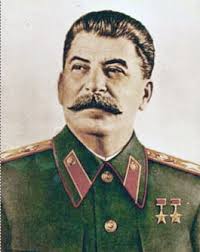
Joseph Stalin
The attack that Tukhachevsky warned against came five years later—on June 22, 1941, leaving at least 26 million Russians dead.
But Tukhachevsky wasn’t alive to command a defense.
The 1930s were a frightening and dangerous time to be alive in the Soviet Union. In 1934, Stalin, seeing imaginary enemies everywhere, ordered a series of purges that lasted right up to the German invasion.
An example of Stalin’s paranoia occurred one day while the dictator walked through the Kremlin corridors with Admiral Ivan Isakov. Officers of the NKVD (the predecessor to the KGB) stood guard at every corner.
“Every time I walk down the corridors,” said Stalin, “I think: Which one of them is it? If it’s this one, he will shoot me in the back. But if I turn the corner, the next one can shoot me in the face.”
In 1937-38, the Red Army fell prey to Stalin’s paranoia.
Its victims included:
- Three of five marshals (five-star generals);
- Thirteen of 15 army commanders (three- and four-star generals);
- Fifty of 57 army corps commanders; and
- One hundred fifty-four out of 186 division commanders.
And heading the list of those marked for death was Marshal Mikhail Tukhachevsky.
Arrested on May 22, 1937, he was interrogated and tortured. As a result, he “confessed” to being a German agent plotting to overthrow Stalin and seize power.
On his confession, which survives in the archives, his bloodstains can clearly be seen.
On June 11, 1937, the Soviet Supreme Court convened a special military tribunal to try Tukhachevsky and eight generals for treason.
It was a sham: The accused were denied defense attorneys, and could not appeal the verdict—-which was foregone: Death.
Within hours of the verdict, Tukhachevsky was summoned from his cell and shot once in the back of the head.
In a Russian version of poetic justice, five of the eight generals who served as Tukhachevsky’s judges were themselves later condemned and executed as traitors.
From 1937 until 1956, Tukhachevsky was officially declared a traitor and fifth-columnist.
Then, on February 25, 1957, Soviet Premier Nikita Khrushchev delivered his bombshell “Secret Speech” to the 20th Congress of the Communist Party of the Soviet Union.
In this, he denounced Stalin (who had died in 1953) as a ruthless tyrant responsible for the slaughter of millions of innocent men, women and children. He condemned Stalin for creating a “personality cult” around himself, and for so weakening the Red Army that Nazi Germany was able to easily overrun half of the Soviet Union from 1941 to 1943.
On January 31, 1957, Tukhachevsky and his co-defendants were declared innocent of all charges and were “rehabilitated.”
Today, he is once again—rightly—considered a Russian hero and military genius. And Stalin is universally—and rightly—seen as a blood-stained tyrant.

Postage stamp honoring Mikhail Tukhachevsky
Next hero: Nikolai Sergeyvich Zhilayev (pronounced Zill-lay-ev)
Zhilayev (November 18, 1881 – January 20, 1938) was a Russian musicologist and the teacher of several 20th-century Russian composers. Among these: Dimitri Shostakovich.
Zhilayev, a member of the Russian Academy of Art-Sciences, taught at the Moscow Conservatory. Among his friends—to his ultimate misfortune—was Mikhail Tukhachevsky.
In 1938, he, too, became a casualty of what has become known as The Great Terror.
In his posthumously-published memoirs, Testimony, Shostakovich, his pupil and friend, described how Zhilayev faced his end with a calmness that awed even the NKVD secret police sent to arrest him.
2016 PRESIDENTIAL ELECTION, 2024 PRESIDENTIAL ELECTION, ABC NEWS, ADOLF HITLER, ALTERNET, AMERICABLOG, AP, BABY BOOMER RESISTANCE, BBC, BLACKS, BLOOMBERG, BLOOMBERG NEWS, BUZZFEED, CBS NEWS, CNN, COVID-19, CROOKS AND LIARS, DAILY KOS, DEMOCRACY, DONALD J. TRUMP, DONALD TRUMP, DRUDGE RETORT, ECONOMY, EMPLOYMENT, EXTORTION, FACEBOOK, FBI, FIVETHIRTYEIGHT, GESTAPO, GREED, HARPER’S MAGAZINE, HATRED, HISPANICS, HUFFINGTON POST, HUNTER BIDEN, immigration, INDEPENDENT COUNSEL, INFLATION, JAMES COMEY, JANUARY 6 COUP ATTEMPT, JEWS, JOE BIDEN, JOE SCARBOROUGH, JOHN ADAMS, JOSEPH R. BIDEN, Kamala Harris, MEDIA, MEDIA MATTERS, MEXICO, MIKA BRZEZINSKI, MORNING JOE, MOTHER JONES, MOVEON, MSNBC, NAZI ATROCITIES, NBC NEWS, NEW REPUBLIC, NEWSDAY, NEWSWEEK, NPR, PAM BONDI, PBS NEWSHOUR, POLITICO, POLITICUSUSA, PROJECT 2025, RACISM, RAW STORY, REPUBLICANS, REUTERS, ROBERT MUELLER, ROD ROSENSTEIN, SALON, SARAH HUCKABEE SANDERS, SEATTLE TIMES, SLATE, SOVIET UNION, TALKING POINTS MEMO, THE ATLANTIC, THE CHICAGO SUN-TIMES, THE CHICAGO TRIBUNE, THE DAILY BEAST, THE DAILY BLOG, THE GUARDIAN, THE HILL, THE HUFFINGTON POST, THE INTERCEPT, THE LOS ANGELES TIMES, THE NATION, THE NEW REPUBLIC, THE NEW YORK TIMES, THE NEW YORKER, THE VILLAGE VOICE, THE WASHINGTON POST, THINKPROGRESS, TIME, TRUMP UNIVERSITY SCANDAL, TRUTHDIG, TRUTHOUT, TWO POLITICAL JUNKIES, U.S. NEWS & WORLD REPORT, UKRAINE, UNEMPLOYMENT, UNITED STATES DEPARTMENT OF JUSTICE, UNITED STATES HOUSE OF REPRESENTATIVES, UNITED STATES SENATE, UPI, USA TODAY, VLADIMIR PUTIN, VOLODMYR ZELENSKY, WEHRMACHT, WHITE WOMEN, WONKETTE, X
In Bureaucracy, Business, History, Law, Law Enforcement, Military, Politics, Social commentary on December 4, 2024 at 12:11 am
During the 2024 Presidential election, the two most important issues—for voters—were immigration and inflation.
In short: “Get rid of the spics!” and “Give us cheaper eggs!”
Repeatedly, Vice President Kamala Harris warned that Donald Trump’s return to the Presidency would result in a Fascistic dictatorship:
“Donald Trump is increasingly unhinged and unstable, and in a second term, people like John Kelly [Trump’s former chief of staff] would not be there to be the guardrails against his propensities and his actions….
“He wants a military who will be loyal to him, personally, one that will obey his orders, even when he tells them to break the law or abandon their oath to the Constitution of the United States.”
Reputable media warned that he intended to turn the FBI into his private Gestapo and use the Justice Department to attack his political rivals.
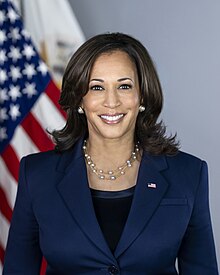
Kamala Harris
But Americans didn’t care.
Instead, 76.9 million voters chose to overturn the democratic traditions that had guided American life since 1788, when the United States Constitution was ratified.
Appeals to their hatred, racism and greed proved far more seductive.
Throughout Trump’s Presidency—2017 to 2021—those who opposed his agenda took solace in a series of expected saviors.
- On May 9, 2017, Trump fired FBI Director James Comey for daring to investigate his proven ties to Russian dictator Vladimir Putin. Assistant Attorney General Rod Rosenstein then appointed Robert Meuller as special counsel to investigate that firing—and Trump’s ties to Russia.
Mueller had a sterling reputation for integrity as a former prosecutor and FBI director. But he allowed himself to be intimidated by the Presidential aura—and refused to directly interview Trump.
His subsequent official report contained no impeachment-worthy evidence.
- On July 25, 2019, Trump threatened to withhold almost $400 million in promised military aid for Ukraine—which faced increasing aggression from Russia—unless its president, Volodymyr Zelensky, did him “a favor”: Investigate 2020 Democratic Presidential Candidate Joe Biden and his son, Hunter, who had had business dealings in Ukraine.
The reason for such an investigation: To find embarrassing “dirt” on Biden. Unless Zelensky found this, the promised aid would be withheld.
The House of Representatives tried Trump for abuse of power and obstruction of Congress. The evidence against him was overwhelming—including a transcript of the extortionate phone call.
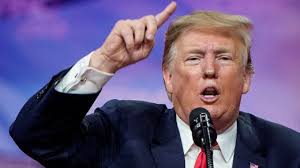
Donald Trump
But the Republican Senate refused to convict.
Had this happened, Trump would have been legally barred from running again for President.
- On January 6, 2021, Trump incited a violent attack on the United States Capitol to stop the counting of Electoral College votes—which would prove that he had lost the 2020 Presidential election to former Vice President Joseph Biden.
As a result, five people died and 174 police officers were injured. The Capitol Building—the symbol of American democracy—suffered about $2.7 billion in damages.
Evidence of Trump’s guilt was overwhelming—including video of his incitement.
But, once again, the Republican-dominated Senate refused to convict.

Stormtrumpers attacking the Capitol Building
Tyler Merbler from USA, CC BY 2.0 <https://creativecommons.org/licenses/by/2.0>, via Wikimedia Commons
Trump’s opponents had placed their hopes in Special Counsel Robert Mueller and (twice) the United States Congress to address the brazen criminality of Donald Trump.
The results: Anger and disappointment.
Yet one last hope remained:
That the 2024 Presidential election would send Joseph Biden, and then, after he dropped out of the race, Vice President Kamala Harris—to the White House.
Harris waged what was widely descripted as “a campaign of joy,” promising to be “the President of all Americans,” including those who voted against her. Repeatedly, she warned that, if re-elected, Trump would pursue a vengeance-fueled agenda against anyone who had dared cross him.
Trump ran a campaign based on hatred—of Hispanics, of liberals, of those who had served in his administration and now disowned him. During his single debate with Harris, he falsely claimed that Haitian immigrants in Ohio were “eating the dogs….they’re eating the cats” of local citizens.
On one occasion, he appeared to emulate performing a ‘sex act’ on a microphone stand during a rally after experiencing technical difficulties.
Most ominously, credible news reports circulated that, if Trump were re-elected, he would implement a radical, Right-wing plan—Project 2025—to completely reshape the federal government.
At its heart: The mass firings of politically neutral civil service officials and their replacement with thousands of political hacks.
This would arm Republicans with the power to establish an absolute dictatorship under the next Republican president.
Yet, in the end, none of this mattered.
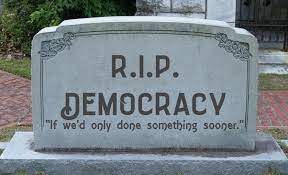
His supporters included:
- Hispanics: 54%—despite being repeatedly vilified by Trump and slated for mass deportation;
- White women: 52%—despite his destroying abortion rights and being convicted for raping columnist E. Jean Carroll;
- Blacks: 21%—giving Harris fewer votes than they gave Biden in 2020.
On January 30, 1933, Adolf Hitler rose to dictatorial power through backroom intrigues and appointment as Chancellor by President Paul von Hindenburg.
On November 5, 2024, Trump rose to dictatorial power when Americans voted to ignore his past crimes and the ones he boasted he intended to commit.
John Adams predicted this long ago: “Democracy never lasts long. It soon wastes, exhausts, and murders itself. There never was a democracy yet that did not commit suicide.”
2016 PRESIDENTIAL ELECTION, 2024 PRESIDENTIAL ELECTION, ABC NEWS, ADOLF HITLER, ALTERNET, AMERICABLOG, AP, BABY BOOMER RESISTANCE, BBC, BLACKS, BLOOMBERG, BLOOMBERG NEWS, BUZZFEED, CBS NEWS, CNN, COVID-19, CROOKS AND LIARS, DAILY KOS, DEMOCRACY, DONALD J. TRUMP, DONALD TRUMP, DRUDGE RETORT, ECONOMY, EMPLOYMENT, EXTORTION, FACEBOOK, FBI, FIVETHIRTYEIGHT, GESTAPO, GREED, HARPER’S MAGAZINE, HATRED, HISPANICS, HUFFINGTON POST, HUNTER BIDEN, immigration, INDEPENDENT COUNSEL, INFLATION, JAMES COMEY, JANUARY 6 COUP ATTEMPT, JEWS, JOE BIDEN, JOE SCARBOROUGH, JOHN ADAMS, JOSEPH R. BIDEN, Kamala Harris, MEDIA, MEDIA MATTERS, MEXICO, MIKA BRZEZINSKI, MORNING JOE, MOTHER JONES, MOVEON, MSNBC, NAZI ATROCITIES, NBC NEWS, NEW REPUBLIC, NEWSDAY, NEWSWEEK, NPR, PAM BONDI, PBS NEWSHOUR, POLITICO, POLITICUSUSA, PROJECT 2025, RACISM, RAW STORY, REPUBLICANS, REUTERS, ROBERT MUELLER, ROD ROSENSTEIN, SALON, SARAH HUCKABEE SANDERS, SEATTLE TIMES, SLATE, SOVIET UNION, TALKING POINTS MEMO, THE ATLANTIC, THE CHICAGO SUN-TIMES, THE CHICAGO TRIBUNE, THE DAILY BEAST, THE DAILY BLOG, THE GUARDIAN, THE HILL, THE HUFFINGTON POST, THE INTERCEPT, THE LOS ANGELES TIMES, THE NATION, THE NEW REPUBLIC, THE NEW YORK TIMES, THE NEW YORKER, THE VILLAGE VOICE, THE WASHINGTON POST, THINKPROGRESS, TIME, TRUMP UNIVERSITY SCANDAL, TRUTHDIG, TRUTHOUT, TWO POLITICAL JUNKIES, U.S. NEWS & WORLD REPORT, UKRAINE, UNEMPLOYMENT, UNITED STATES HOUSE OF REPRESENTATIVES, UNITED STATES SENATE, UPI, USA TODAY, VLADIMIR PUTIN, VOLODMYR ZELENSKY, WEHRMACHT, WHITE WOMEN, WONKETTE, X
In Bureaucracy, History, Politics, Social commentary on December 3, 2024 at 12:13 am
On April 27, 2020, Joe Scarborough offered an important insight about why most Americans ignored President Donald Trump’s crimes and outrages for so long:
“Back in January Joe Biden wrote an Op-Ed that the President was not prepared for this coming pandemic, and things were going to get worse. And he said ‘Let your doctors talk. Let your scientists talk. Follow their lead.’
“…And it’s been one scam idea after another, that people then promoted on other networks, scam doctors promoting these scam solutions, claiming that everybody who had taken this malaria drug had been cured in certain hospitals. This is just the sort of thing that catches up to Donald Trump.
“I’ve said from the very beginning: You can lie about independent counsels, people won’t listen. You can lie about former FBI directors—“
MIKA BRZEZINSKI: “It doesn’t impact their lives.”
JOE SCARBOROUGH: “They’re still going to work, the kids are doing fine, they’ve got enough money to pay their rent, to pay their mortgage, You can even lie about the Ukraine call—they don’t really care.
“But all of these lies, all of these [COVID-19] scams that he’s been pushing…have been revealed as lies—not by the people on cable news, but by their doctors. By nurses they know. If you’ve got a doctor who’s been treating your family for 20-25 years, you’re going to believe that person more than a scam artist that’s pushing propaganda for Donald Trump on talk radio.“
On August 23, 2018, Trump, appearing on “Fox and Friends,” said: “I tell you what, if I ever got impeached, I think the market would crash, I think everybody would be very poor.”
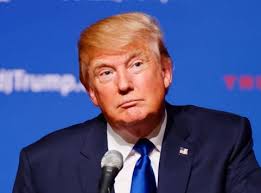
Donald Trump
Thus, he appealed to the greed and fear of his voting base—and no doubt hoped to reach beyond it: “Keep me in power or you’ll all suffer for it.”
Then-White House Press Secretary Sarah Huckabee Sanders bragged, on June 4, 2018:
“Since taking office, the President has strengthened American leadership, security, prosperity, and accountability. And as we saw from Friday’s jobs report, our economy is stronger, Americans are optimistic, and business is booming.”
Many Congressional Republicans echoed this: The American people care only about the economy—and how well-off they are.
For eight years, Nazi Germany underwent such an epoch. Germans called it “The Happy Time.”
It began on January 30, 1933, when Adolf Hitler became Chancellor—and lasted until June 22, 1941, when Hitler invaded the Soviet Union.
Germans knew about the Nazis’ cruelty to the Jews, the conquests of Austria, Czechoslovakia and Poland, the mass arrests and concentration camps.
They didn’t care.
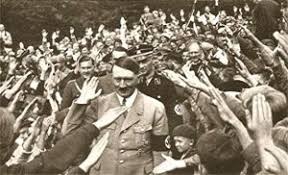
Frenzied Germans greet Adolf Hitler
The Gestapo didn’t have to watch everyone: German “patriots” gladly reported their fellow citizens—especially Jews—to the secret police.
As far as everyday Germans were concerned:
- The streets were clean and peaceful.
- Employment was high.
- The trouble-making unions were gone.
- Germany was once again “taking its rightful place” among ruling nations, after its catastrophic defeat in World War 1.
The height of “The Happy Time” came in June, 1940. In just six weeks, the Wehrmacht accomplished what the German army hadn’t in four years during World War 1: The total defeat of its longtime enemy, France.
Suddenly, French clothes, perfumes, delicacies, paintings and other “fortunes of war” came pouring into the Fatherland.
Most Germans believed der Krieg—“the war”—was over, and only good times lay ahead.
Then, on June 22, 1941, three million Wehrmacht soldiers slashed their way into the Soviet Union. The Third Reich was now locked in a death-struggle with a nation even more powerful than itself.

German soldiers in the Soviet Union
And then, on December 11, 1941—four days after Germany’s ally, Japan, attacked Pearl Harbor—Hitler declared war on the United States.
“The Happy Time” for Germans was over. Only prolonged disaster lay ahead.
Donald Trump has spent his life appealing to the greed or fear of those around him. For example:
- Florida Attorney General Pam Bondi personally solicited a political contribution from Trump around the same time her office deliberated joining an investigation of alleged fraud at Trump University and its affiliates.
- After Bondi dropped the Trump University case against Trump, he wrote her a $25,000 check for her re-election campaign.
- According to an April 14, 2019 story by ABC News, a nationwide review uncovered at least 36 criminal cases where Trump was invoked in direct connection with violent acts, threats of violence or allegations of assault.
- In nine cases, attackers hailed Trump in the midst or immediate aftermath of physically assaulting victims.
- In 10 more cases, perpetrators cheered or defended Trump while taunting or threatening others.
- And in another 10 cases, Trump and his rhetoric were cited in court to explain a defendant’s violent or threatening behavior.
But starting in January, 2020, Trump faced an enemy—to his re-election—that he couldn’t bribe or intimidate.
The deadly COVID-19 virus didn’t accept bribe-monies or grovel before a raging tyrant. As a result, 400,000 Americans died by the time Trump left office.
The Germans made a devil’s-bargain with Adolf Hitler—and paid dearly for it.
Millions of greedy Americans made a similar bargain with Donald Trump—and paid almost as dearly.
ABC NEWS, ADOLF HITLER, ALTERNET, AMERICABLOG, AP, BABY BOOMER RESISTANCE, BBC, BLOOMBERG NEWS, BUZZFEED, CBS NEWS, CNN, CROOKS AND LIARS, DAILY KOS, FIVETHIRTYEIGHT, HARPER’S MAGAZINE, HUFFINGTON POST, JOSEPH STALIN, MEDIA MATTERS, MOTHER JONES, MOVEON, MSNBC, NAZI-SOVIET "NON-AGGRESSION PACT", NBC NEWS, NEW REPUBLIC, NEWSDAY, NEWSWEEK, NPR, NUCLEAR WEAPONS, PBS NEWSHOUR, POLITICO, POLITICUSUSA, RAW STORY, REUTERS, SALON, SEATTLE TIMES, SLATE, TALKING POINTS MEMO, THE ATLANTIC, THE CHICAGO SUN-TIMES, THE CHICAGO TRIBUNE, THE DAILY BEAST, THE DAILY BLOG, THE GUARDIAN, THE HILL, THE HUFFINGTON POST, THE INTERCEPT, THE LOS ANGELES TIMES, THE NATION, THE NEW REPUBLIC, THE NEW YORK TIMES, THE NEW YORKER, THE SS, THE VILLAGE VOICE, THE WASHINGTON POST, THINKPROGRESS, THIRD REICH, TIME, TRUTHDIG, TRUTHOUT, U.S. NEWS & WORLD REPORT, UKRAINE, UPI, USA TODAY, VLADIMIR PUTIN, VOLODYMYR ZELENSKY, WEHRMACHT, WORLD WAR 11, X
In Bureaucracy, History, Military, Politics, Social commentary on November 21, 2024 at 12:11 am
In the United States, World War II—at least, that part of the war fought in Europe—used to be celebrated in movies and TV shows like “Combat!” and “The Rat Patrol.” Today, it’s largely forgotten, except by veterans groups and the conflict’s rapidly aging veterans.
But in the Soviet Union, “the Great Patriotic War” against Nazi Germany is still celebrated as the triumph of Soviet strength and determination against horrific odds and losses.
Russian President Vladimir Putin’s invasion of Ukraine is unlikely to be remembered so fondly.
On April 28, 2006, Putin publicly stated that the 1991 collapse of the Soviet Union was “the greatest geopolitical catastrophe of the century.
“As for the Russian people, it became a genuine tragedy. Tens of millions of our fellow citizens and countrymen found themselves beyond the fringes of Russian territory.”
Putin was sounding a warning: He saw himself as Russia’s savior who would restore its lost empire.

Vladimir Putin
His invasion of Ukraine—officially called a “special military operation”—was intended as an important step toward that restoration.
Begun on February 24, the invasion targeted the Ukrainian capital, Kyiv, in an attempt to overthrow the democratic government of President Volodymyr Zelensky.
Ukrainian troops were outgunned and outnumbered. As in the case of the Soviet Union in 1941, Western military analystss expected the attack to quickly succeed. The Biden administration offered to evacuate Zelensky to safety.
Zelensky refused: “The fight is here; I need ammunition, not a ride.”
But after weeks of combat, Russian forces retreated, stymied by ferocious Ukrainian resistance.
In July, the last city under Ukrainian control in Luhansk fell to Russia after weeks of artillery bombardment and street fighting. But the Russians made little progress as they tried to conquer the remainder of Donbas.
In late August, after weeks of buildup, Ukraine launched a counteroffensive in the southern region of Kherson. Ukraine deployed newly arrived missile systems supplied by the United States and other Western countries to destroy Russian ammunition dumps and a Russian air base in Crimea.
By September, Ukrainian forces launched a rapid offensive, recapturing much of the northeastern Kharkiv region, including the city of Izium. Previously, the Russians had been using this as a key logistics hub.

Volodymyr Zelensky
On September 21, with Russian forces bogged down or retreating, Vladimir Putin announced the partial mobilization of 300,000 military reservists. All male citizens below 60 are now eligible to be drafted.
There are exceptions: Employees in IT and telecommunications, finance, “systemically-important” mass media outlets and interdependent suppliers, including registered media and broadcasters.
Still, the announcement set off a massive exodus of at least 194,000 Russian men (and their wives or girlfriends) to such neighboring countries as Turkey, Georgia, Kazakhstan and Mongolia.
During World War II, this would have been unthinkable: Whether driven by patriotism or a desire for vengeance on their German tormentors, Russians at all levels threw themselves into the conflict.
On the same day Putin announced the mobilization, he threatened to use nuclear weapons to defend not simply Russia but the Ukrainian territory his forces had captured:
“Our country possesses various means of destruction. When the territorial integrity of our nation is threatened, we, of course, will use all the means at our disposal to protect Russia and our people.”
To underscore his threat, he added: “Those who try to blackmail us with nuclear weapons should know that the weathervane can turn and point towards them.”
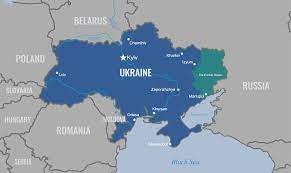
Putin’s threats have heightened world tensions and triggered speculation as to whether he would use nukes—against Ukraine or NATO countries, including the United States.
Volodymyr Zelensky thinks Putin is not bluffing.
President Joe Biden initially assured Americans there was no cause for concern. But since then the United States has stated that it has warned Putin that any use of nuclear weapons would trigger a catastrophic (non-specific) response against Russia.
Seen against the backdrop of Russia’s titanic victory in “the Great Patriotic War,” Putin’s repeated threats to use nuclear weapons actually underscore Russia’s weakness, not its strength.
Consider:
- “The Great Patriotic War” lasted almost four years—from June 22, 1941, to May 7, 1945.
- Russia’s opponent, Nazi Germany, was the most-feared military power in Europe.
- The war cost the Soviet Union at least 26 million lives before ending with the Red flag flying over Berlin.
- Almost the entire western half of the Soviet Union was devastated—first as the Germans overran territory from the Polish border to the gates of Moscow, and then again as the Soviets slowly pushed them back to Germany itself.
- For Russians, this was truly a “people’s war,” won through massive sacrifice and heroism—and without the use of nuclear weapons, which did not then exist.
Seventy-seven years after the end of World War II:
- Against the smaller and initially ill-equipped Ukrainian army, Russia has enjoyed a huge advantage in manpower and material.
- Yet so low is Russian morale that Putin has been forced to offer huge bribes to foreign mercenaries and even convicted criminals to refill his dispirited legions.
- Ukrainians, fueled by patriotism and a desire for vengeance, are fighting—and winning—their own version of “the Great Patriotic War.”
ABC NEWS, ADOLF HITLER, ALTERNET, AMERICABLOG, AP, BABY BOOMER RESISTANCE, BBC, BLOOMBERG NEWS, BUZZFEED, CBS NEWS, CNN, CROOKS AND LIARS, DAILY KOS, FIVETHIRTYEIGHT, HARPER’S MAGAZINE, HUFFINGTON POST, JOSEPH STALIN, MEDIA MATTERS, MOTHER JONES, MOVEON, MSNBC, NAZI-SOVIET "NON-AGGRESSION PACT", NBC NEWS, NEW REPUBLIC, NEWSDAY, NEWSWEEK, NPR, NUCLEAR WEAPONS, PBS NEWSHOUR, POLITICO, POLITICUSUSA, RAW STORY, REUTERS, SALON, SEATTLE TIMES, SLATE, TALKING POINTS MEMO, THE ATLANTIC, THE CHICAGO SUN-TIMES, THE CHICAGO TRIBUNE, THE DAILY BEAST, THE DAILY BLOG, THE GUARDIAN, THE HILL, THE HUFFINGTON POST, THE INTERCEPT, THE LOS ANGELES TIMES, THE NATION, THE NEW REPUBLIC, THE NEW YORK TIMES, THE NEW YORKER, THE SS, THE VILLAGE VOICE, THE WASHINGTON POST, THINKPROGRESS, THIRD REICH, TIME, TRUTHDIG, TRUTHOUT, U.S. NEWS & WORLD REPORT, UKRAINE, UPI, USA TODAY, VLADIMIR PUTIN, VOLODYMYR ZELENSKY, WEHRMACHT, WORLD WAR 11, X
In Bureaucracy, History, Military, Politics, Social commentary on November 20, 2024 at 12:05 am
On June 22, 1941, with 134 Divisions at full fighting strength and 73 more divisions for deployment behind the front, the German Wehrmacht invaded the Soviet Union.
Joseph Stalin, the longtime Soviet dictator, was stunned. The invasion had come less than two years after Germany had signed a non-aggression pact with the Soviet Union.
On August 23, 1939, Stalin had signed the German-Soviet Nonaggression Pact with German Fuhrer Adolf Hitler.
The reason: Each dictator got what he wanted—for the moment. Hitler was planning to invade Poland in a matter of days—and he wanted to avoid a war with the Soviet Union.
And Stalin got what he wanted: The eastern half of Poland.
Joseph Stalin
The agreement stunned the world. Since 1919, Nazis and Communists had fought bitter battles against each other in the streets of Germany during the Weimar Republic.
When this was replaced in 1933 by the Third Reich, German Communists were rounded up and imprisoned, if not murdered, by Hitler’s ruthless secret police, the Schutzstaffel (“Protective Squads”).
For the moment, however, all of that was conveniently forgotten.
And, surprising as it might seem, each dictator harbored a secret respect for the other.
After Hitler launched a blood-purge of his own private Stormtroopers army on June 30, 1934, Stalin exclaimed: “Hitler, what a great man! That is the way to deal with your political opponents!”
And Hitler was equally admiring of Stalin’s notorious ruthlessness: “After the victory over Russia,” he told his intimates, “it would be a good idea to get Stalin to run the country, with German oversight, of course. He knows better than anyone how to handle the Russians.”
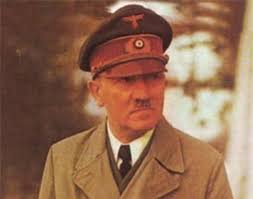
Adolf Hitler
But Hitler hadn’t forgotten his life’s ambition to conquer the Soviet Union and utterly destroy “the scourge of Jewish-Marxism.”
Stalin received numerous warnings from the United States and Great Britain about the coming invasion. But he dismissed them as efforts by the West to trick him into violating the pact and turning Nazi Germany into his mortal enemy.
When informed of the attack, Stalin at first believed it was being made by rogue German forces. He refused to order an immediate counterattack.
Upon being convinced that the Wehrmacht intended to wage all-out war, he went into a funk in his dacha and shut himself off from everyone. To his closest associates he wailed: “Lenin left us a great inheritance and we, his heirs, have fucked it all up!”
Meanwhile, the Red Air Force was destroyed on the ground by the awesome Luftwaffe. And the Wehrmacht was advancing at a rate of 25 miles a day.
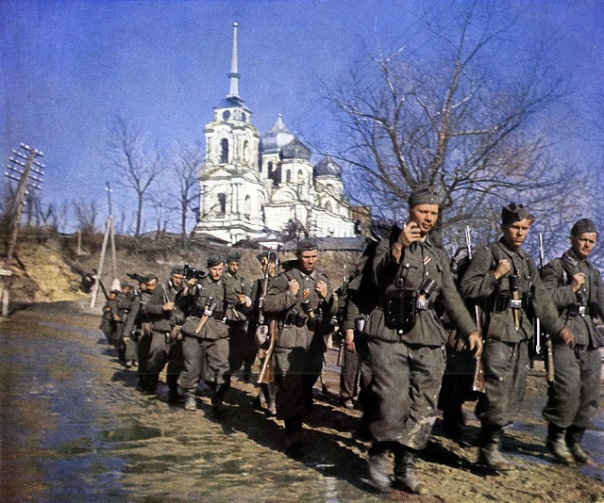
German soldiers marching through Russia
On July 3, after 10 days of brooding (and probably drinking heavily) in his dacha, Stalin finally took to the airways across the Soviet Union.
Never a spellbinding orator, Stalin spoke in slow and faltering tones. Nevertheless, his opening words were startling: “Comrades! Citizens! Brothers and sisters! Men of our army and navy! I am addressing you, my friends!”
Stalin had never addressed an audience this way, and he never would again.
He said the “peace loving” Soviet Union had been attacked by “fiends and cannibals” who wanted to restore the rule of the landlords and Czars. He claimed the non-aggression pact with Germany had given the army much-needed time to rearm and reorganize its forces.
This was accompanied by orders unprecedented in any other army: Those taken prisoner by the Germans were to be considered traitors—and shot or imprisoned. Those suspected of wounding themselves to avoid combat were also subject to summary execution. So were soldiers who had been legitimately wounded in battle but were suspected of inflicting those injuries.
The first two years of the war—1941 to 1943—proved disastrous for the Soviet Union.
During the first six months—June to December, 1941—German armies lured huge Soviet forces into gigantic “cauldron battles,” surrounding and exterminating them. An estimated 5.7 million prisoners of war (POWs) fell into German hands. Of these, at least 3.5 million died in custody.
But then the infamous Russian cold and snows of winter halted the Wehrmacht before Moscow.
In the summer of 1942 German forces once again mounted a ferocious offensive, driving all the way to the Volga—and Stalingrad.
But they became bogged down in bitter house-to-house fighting. With the arrival of winter, Soviet forces surrounded the Wehrmacht’s powerful Sixth Army. The besiegers became the besieged. On February 2, 1943, Field Marshal Friedrich von Paulus surrendered what remained of his army. The battle cost Germany 500,000 men, including 91,000 taken prisoner.
As the Red Army finally began to go over on the offensive, Stalin relaxed the iron controls that had long stifled creativity on the part of his commanders.
The infamous political commissars were removed from control over Russian generals. Gold braid and fancy uniforms were manufactured and rushed to the front as morale boosters.
The war would last another two years—costing the Soviet Union at least 26 million citizens—before it ended with the Red flag flying over Berlin.
Almost the entire western half of the Soviet Union was devastated—first as the Germans overran territory from the Polish border to the gates of Moscow, and then again as the Soviets slowly pushed them back to Berlin—the capital of the Third Reich itself.
ABC NEWS, ADOLF HITLER, ADVICE, ALTERNET, AMERICABLOG, AP, BABY BOOMER RESISTANCE, BAY OF PIGS, BBC, BENITO MUSSOLINI, BLOOMBERG NEWS, BUZZFEED, CAESARE BORGIA, CBS NEWS, CNN, CORPORATIONS, CROOKS AND LIARS, CUBA, DAILY KOS, DAILY KOZ, FIDEL CASTRO, FIVETHIRTYEIGHT, FLORENCE, HARPER’S MAGAZINE, HUFFINGTON POST, JOHN F. KENNEDY, JOSEPH STALIN, KING PERSEUS OF MACEDON, MEDIA MATTERS, MOTHER JONES, MOVEON, MSNBC, NAZI-SOVIET "NON-AGGRESSION PACT", NBC NEWS, NEW REPUBLIC, NEWSDAY, NEWSWEEK, NICCOLO MACHIAVELLI, NPR, PBS NEWSHOUR, POLITICO, POLITICS, POLITICUSUSA, POPE JULIUS 11, RAW STORY, REUTERS, SALON, SEATTLE TIMES, SLATE, TALKING POINTS MEMO, THE ATLANTIC, THE CHICAGO SUN-TIMES, THE CHICAGO TRIBUNE, THE DAILY BEAST, THE DAILY BLOG, THE DISCOURSES, THE GUARDIAN, THE HILL, THE HUFFINGTON POST, THE INTERCEPT, THE LOS ANGELES TIMES, THE NATION, THE NEW REPUBLIC, THE NEW YORK TIMES, THE NEW YORKER, THE PRINCE, THE SS, THE VILLAGE VOICE, THE WASHINGTON POST, THINKPROGRESS, THIRD REICH, TIME, TRUTHDIG, TRUTHOUT, TWITTER, U.S. NEWS & WORLD REPORT, UKRAINE, UPI, USA TODAY, VLADIMIR PUTIN, VOLODYMYR ZELENSKY, WEHRMACHT, WORLD WAR 11
In Bureaucracy, Business, History, Military, Politics, Social commentary on May 24, 2024 at 12:10 am
Ask the average person, “What do you think of Niccolo Machiavelli?” and he’s likely to say: “The devil.”
In fact, “The Old Nick” became an English term used to describe Satan and slander Machiavelli at the same time.

Niccolo Machiavelli
The truth, however, is more complex. Machiavelli was a passionate Republican, who spent most of his adult life in the service of his beloved city-state, Florence.
The years he spent as a diplomat were tumultuous ones for Italy—with men like Pope Julius II and Caesare Borgia vying for power and plunging Italy into one bloodbath after another.
Florence, for all its wealth, lacked a strong army, and thus lay at the mercy of powerful enemies, such as Borgia. Machiavelli often had to use his wits to keep them at bay.
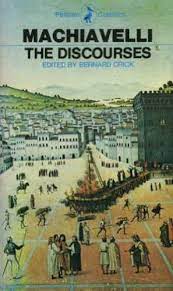
Machiavelli is best-known for his writing of The Prince, a pamphlet on the arts of gaining and holding power. Its admirers have included Benito Mussolini and Joseph Stalin.
But his longer and more thoughtful work is The Discourses, in which he offers advice on how to maintain liberty within a republic. Among its admirers were many of the men who framed the Constitution of the United States.

Most people believe that Machiavelli advocated evil for its own sake.
Not so. Rather, he recognized that sometimes there is no perfect—or perfectly good—solution to a problem.
Sometimes it’s necessary to take stern—even brutal—action to stop an evil (such as a riot) before it becomes widespread:
“A man who wishes to make a profession of goodness in everything must inevitably come to grief among so many who are not good. And therefore it is necessary for a prince, who wishes to maintain himself, to learn how not to be good, and to use this knowledge and not use it, according to the necessity of the case.”
His counsel remains as relevant today as it did during his lifetime (1469 – 1527). This is especially true for politicians—and students of political science.
But plenty of ordinary citizens can also benefit from the advice he has to offer—such as those in business who are asked to give advice to more powerful superiors.
Machiavelli warns there is danger in urging rulers to take a particular course of action: “For men only judge of matters by the result, all the blame of failure is charged upon him who first advised it, while in case of success he receives commendations. But the reward never equals the punishment.”
This puts would-be counselors in a difficult position: “If they do not advise what seems to them for the good of the republic or the prince, regardless of the consequences to themselves, then they fail to do their duty.
“And if they do advise it, then it is at the risk of their position and their lives, for all men are blind in thus, that they judge of good or evil counsels only by the results.”
Thus, Machiavelli warns that an adviser should “take things moderately, and not to undertake to advocate any enterprise with too much zeal, but to give one’s advice calmly and modestly.”
The person who asked for the advice may follow it, or not, as of his own choice, and not because he was led or forced into it by the adviser.
Above all, the adviser must avoid the danger of urging a course of action that runs “contrary to the wishes of the many.
“For the danger arises when your advice has caused the many to be contravened. In that case, when the result is unfortunate, they all concur in your destruction.”
Or, as President John F. Kennedy famously said after the disastrous invasion of Cuba at the Bay of Pigs in April, 1961: “Victory has a hundred fathers and defeat is an orphan.”
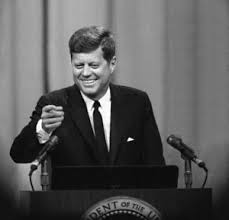
John F. Kennedy
By “not advocating any enterprise with too much zeal,” the adviser gains two advantages:
“The first is, you avoid all danger.
“And the second consists in the great credit which you will have if, after having modestly advised a certain course, your counsel is rejected, and the adoption of a different course results unfortunately.”
Finally, the time to give advice is before a catastrophe occurs, not after. Machiavelli gives a vivid example of what can happen if this rule is ignored.
King Perseus of Macedon had gone to war with Paulus Aemilius—and suffered a humiliating defeat. Fleeing the battlefield with a handful of his men, he later bewailed the disaster that had overtaken him.
Suddenly, one of his lieutenants began to lecture Perseus on the many errors he had committed, which had led to his ruin.
“Traitor,” raged the king, turning upon him, “you have waited until now to tell me all this, when there is no longer any time to remedy it—” And Perseus slew him with his own hands.
Niccolo Machiavelli sums up the lesson as this:
“Thus was this man punished for having been silent when he should have spoken, and for having spoken when he should have been silent.”
Be careful that you don’t make the same mistake.
2016 PRESIDENTIAL ELECTION, 2020 PRESIDENTIAL ELECTION, ABC NEWS, ACAM SCHIFF, ADOLF HITLER, ALTERNET, AMERICABLOG, AP, BABY BOOMER RESISTANCE, BBC, BLOOMBERG NEWS, BRETT CROZIER, BUZZFEED, CBS NEWS, CHARLES PIERCE, CHRIS KREBS, CNN, CONVERSATION WITH AN AMERICAN WRITER (POEM), CORONAVIRUS, CROOKS AND LIARS, CYBERSECURITY AND INFRASTRUCTURE SECURITY AGENCY, DAILY KOS, DEPARTMENT OF HOMELAND SECURITY, DEPARTMENT OF STATE, DIMITRI SHOSTAKOVICH, DONALD TRUMP, DRUDGE REPORT, ESQUIRE MAGAZINE, FBI, FIVETHIRTYEIGHT, FOX NEWS NETWORK, GREAT TERROR, HARPER’S MAGAZINE, HOUSE INTELLIGENCE COMMITTEE, HOUSE OF REPRESENTATIVES, HUFFINGTON POST, JOSEPH BIDEN, JOSEPH STALIN, MARIA YOVANOVICH, MEDIA MATTERS, MICROSOFT, MIKHAIL TUKHACHEVESKY, MOTHER JONES, MOVEON, MSNBC, NAZI GERMANY, NBC NEWS, NEW REPUBLIC, NEWSDAY, NEWSWEEK, NICCOLO MACHIAVELLI, NIKITA KHRUSHCHEV, NIKOLAI ZHILAYEV, NPR, PBS NEWSHOUR, POLITICO, POLITICUSUSA, RAW STORY, REUTERS, RUDY GIULIANI, SALON, SEATTLE TIMES, SLATE, SOVIET UNION, TALKING POINTS MEMO, THE ATLANTIC, THE CHICAGO SUN-TIMES, THE CHICAGO TRIBUNE, THE DAILY BEAST, THE DAILY BLOG, THE DISCOURSES, THE GUARDIAN, THE HILL, THE HUFFINGTON POST, THE LOS ANGELES TIMES, THE NATION, THE NEW REPUBLIC, THE NEW YORK TIMES, THE NEW YORKER, THE VILLAGE VOICE, THE WALL STREET JOURNAL, THE WASHINGTON POST, THINKPROGRESS, THOMAS MODLY, TIME, TRUTHDIG, TRUTHOUT, TWITTER, TWO POLITICAL JUNKIES, U.S. NEWS & WORLD REPORT, UKRAINE, UPI, USA TODAY, WEHRMACHT, WONKETTE, WORLD WAR ii, YEVGENEY YEVTUSHENKO
In Bureaucracy, History, Law, Law Enforcement, Military, Politics, Social commentary on March 21, 2024 at 12:10 am
Next hero: Marie Yovanovitch, the former United States ambassador to Ukraine (2016 – 2019). She had joined the Foreign Service in 1986, and served as ambassador to Kyrgyzstan (2005 – 2008) and Armenia (2008 – 2011).
In May 2019, on President Donald Trump’s orders, the State Department recalled Yovanovitch as ambassador to Ukraine. She had earned respect from the national security community for her efforts to encourage Ukraine to tackle corruption.
But she had been criticized by Right-wing media outlets—notably Fox News Network-–and by Trump’s personal attorney, Rudy Giuliani.
Marie Yovanovitch
CNN reported that Yovanovitch stopped Giuliani from interviewing witnesses in his search for politically damaging information against former Vice President Joe Biden, whose son, Hunter, had had business dealings in Ukraine.
On October 11, 2019, she appeared before the House Intelligence Committee, chaired by Representative Adam Schiff (D-CA). She did so in defiance of orders by the White House and State Department to not attend.
“She was a hero even before she hit the hearing room,” wrote Charles Pierce for Esquire magazine.
“She told them to stuff their directives, she would answer a congressional subpoena like a citizen is supposed to do. And she didn’t sneak in through the basement. She walked into the Capitol through the front doors, and she didn’t do so to fck around.”
Testifying for nearly 10 hours, Yovanovitch said that Trump had removed her from her post owing to “unfounded and false claims” and “a concerted campaign against me.”
She believed that associates of Trump’s personal lawyer, Giuliani, might have thought “that their personal financial ambitions were stymied by our anti-corruption policy in Ukraine.”
And she warned that the State Department was being “attacked and hollowed out from within. State Department leadership, with Congress, needs to take action now to defend this great institution, and its thousands of loyal and effective employees.”
Another victim on Trump’s hate-list was Chis Krebs.
During the 2016 Presidential race, Russian propaganda had played a major role in convincing millions of Americans to vote for Donald Trump. Social media platforms—especially Facebook and Twitter—were flooded with genuinely fake news to sow discord among Americans and create a pathway for Trump’s election.
And where Internet trolls left off, Russian computer hackers took over.
Trump didn’t win a majority of the popular vote. But he got enough help from Russian President Vladimir Putin to triumph in the Electoral College.
So notorious was the role played by Russian trolls and hackers in winning Trump the 2016 election that the Department of Homeland Security (DHS) was determined to prevent a repetition in 2020.
And point man for this was Chris Krebs.
Born in Atlanta, Georgia, in 1977, Krebs had received a B.A. in environmental sciences from the University of Virginia in 1999, and a J.D. from the George Mason University School of Law in 2007.
Chris Krebs
Krebs had served as Senior Advisor to the Assistant Secretary of Homeland Security for Infrastructure Protection, and later worked in the private sector as Director for Cybersecurity Policy for Microsoft.
Now he was director of the Cybersecurity and Infrastructure Security Agency at DHS.
In preparation for the 2020 Presidential election, Krebs launched a massive effort to counter lies spread by Russians—and Americans—on social media platforms. Among his duties:
- Sharing Intelligence from agencies such as the CIA and National Security Agency with local officials about foreign efforts at election interference.
- Ensuring that domestic voting equipment was secure.
- Attacking domestic misinformation head-on.
As a result, Krebs was widely praised for revamping the department’s cybersecurity efforts and increasing coordination with state and local governments.
By all accounts—except Trump’s—the November 3, 2020 election went very smoothly.
As a result of the vast increase in election security, Trump not only failed to win the popular vote again but couldn’t get the help he expected from Putin.
On November 17, Trump fired Chris Krebs.
The reason: Krebs had not only countered Russian propaganda lies—he had dared to counter Trump’s as well. For example: He rejected Trump’s claims of widespread voter fraud: There “is no evidence that any voting system deleted or lost votes, changed votes, or was in any way compromised.”
In a November 17 story on the CNN website, CNN reporters Kaitlan Collins and Paul LeBlanc bluntly concluded:
“[Krebs’] dismissal underscores the lengths Trump is willing to go to punish those who don’t adopt his conspiratorial view of the election.
“Since CNN and other outlets called the race for President-elect Joe Biden, Trump has refused to accept the results, instead pushing baseless conspiracies that his second term is being stolen.”
Yet, by depriving Trump of Russian help, Krebs ensured a victory for democracy.
On January 6, the House and Senate counted the Electoral Votes—and pronounced Joseph Biden the winner—bringing an end to Trump’s reign of criminality and treason.
In his 1960 poem, “Conversation With an American Writer,” the Russian poet, Yevgeney Yevtushenko spoke for those Russians who had maintained their integrity in the face of Stalinist terror:
“You have courage,” they tell me.
It’s not true. I was never courageous.
I simply felt it unbecoming
to stoop to the cowardice of my colleagues.
Unfortunately, the same cannot be said of Republicans in the United States Senate and House of Representatives in the face of Trump terror.
2016 PRESIDENTIAL ELECTION, 2020 PRESIDENTIAL ELECTION, ABC NEWS, ACAM SCHIFF, ADOLF HITLER, ALTERNET, AMERICABLOG, AP, BABY BOOMER RESISTANCE, BBC, BLOOMBERG NEWS, BRETT CROZIER, BUZZFEED, CBS NEWS, CHARLES PIERCE, CHRIS KREBS, CNN, CONVERSATION WITH AN AMERICAN WRITER (POEM), CORONAVIRUS, CROOKS AND LIARS, CYBERSECURITY AND INFRASTRUCTURE SECURITY AGENCY, DAILY KOS, DEPARTMENT OF HOMELAND SECURITY, DEPARTMENT OF STATE, DIMITRI SHOSTAKOVICH, DONALD TRUMP, DRUDGE REPORT, ESQUIRE MAGAZINE, FBI, FIVETHIRTYEIGHT, FOX NEWS NETWORK, GREAT TERROR, HARPER’S MAGAZINE, HOUSE INTELLIGENCE COMMITTEE, HOUSE OF REPRESENTATIVES, HUFFINGTON POST, JOSEPH BIDEN, JOSEPH STALIN, MARIA YOVANOVICH, MEDIA MATTERS, MICROSOFT, MIKHAIL TUKHACHEVESKY, MOTHER JONES, MOVEON, MSNBC, NAZI GERMANY, NBC NEWS, NEW REPUBLIC, NEWSDAY, NEWSWEEK, NICCOLO MACHIAVELLI, NIKITA KHRUSHCHEV, NIKOLAI ZHILAYEV, NPR, PBS NEWSHOUR, POLITICO, POLITICUSUSA, RAW STORY, REUTERS, RUDY GIULIANI, SALON, SEATTLE TIMES, SLATE, SOVIET UNION, TALKING POINTS MEMO, THE ATLANTIC, THE CHICAGO SUN-TIMES, THE CHICAGO TRIBUNE, THE DAILY BEAST, THE DAILY BLOG, THE DISCOURSES, THE GUARDIAN, THE HILL, THE HUFFINGTON POST, THE LOS ANGELES TIMES, THE NATION, THE NEW REPUBLIC, THE NEW YORK TIMES, THE NEW YORKER, THE VILLAGE VOICE, THE WALL STREET JOURNAL, THE WASHINGTON POST, THINKPROGRESS, THOMAS MODLY, TIME, TRUTHDIG, TRUTHOUT, TWITTER, TWO POLITICAL JUNKIES, U.S. NEWS & WORLD REPORT, UKRAINE, UPI, USA TODAY, WEHRMACHT, WONKETTE, WORLD WAR ii, YEVGENEY YEVTUSHENKO
In Bureaucracy, History, Law, Law Enforcement, Military, Politics, Social commentary on March 20, 2024 at 12:16 am
Next up: Nikolai Sergeyvich Zhilayev (pronounced Zill-lay-ev) was a Russian musicologist and the teacher of several 20th-century Russian composers.
Among these: Dimitri Shostakovich (September 25, 1906 – August 9, 1975)
Among his friends—to his ultimate misfortune—was Mikhail Nikolayevich Tukhachevsky, the former military hero now falsely condemned and executed as a traitor by Soviet dictator Joseph Stalin.
In 1938, Zhilayev (November 18, 1881 – January 20, 1938) also became a casualty of what has become known as The Great Terror.
In his posthumously-published memoirs, Testimony, Shostakovich, his pupil and friend, described how Zhilayev faced his end with a calmness that awed even the NKVD (the predecessor to the KGB) secret police sent to arrest him.
Dimitri Shostakovich
“He had a large picture of Tukhachevsky in his room, and after the announcement that Tukhachevsky had been shot as a traitor to the homeland, Zhilayev did not take the picture down.
“I don’t know if I can explain how heroic a deed that was….As soon as the next poor soul was declared an enemy of the people, everyone destroyed in a panic everything connected with that person….
“And naturally, photographs flew into the fire first, because if someone informed on you, reported that you had a picture of an enemy of the people, it meant certain death.
“Zhilayev wasn’t afraid. When they came for him, Tukhachevsky’s prominently hung portrait amazed even the executioners.”
“What, it’s still up?” one of the secret police asked.
“The time will come,” Zhilayev replied, “when they’ll erect a monument to him.”
As, in fact, has happened.
Meanwhile, Stalin has been universally condemned as one of history’s greatest tyrants.
Third hero: Brett Crozier, the former commanding officer of the aircraft carrier USS Theodore Roosevelt.
Graduating from the United States Naval Academy at Annapolis in 1992, he received his Master’s Degree in National Security and Strategic Studies from the Naval War College in 2007.
From 2017 to 2018 he commanded the USS Blue Ridge. In November, 2019, he was given command of the nuclear aircraft carrier USS Theodore Roosevelt.
On March 24, 2020, reports circulated that three members of the crew had tested positive for COVID-19. The next day the number of stricken sailors increased to eight. A few days later, it was “dozens.” The sailors reportedly became ill at sea, two weeks after a port call at Danang, Vietnam.
The initial cases were airlifted to a military hospital. The Roosevelt was ordered to Guam. After the ship docked on March 27, 2020, all 5,000 aboard were ordered to be tested for the virus. But only about 100 stricken sailors were allowed to leave the ship. The rest remained on board.
On March 30, Crozier emailed a four-page internal letter to multiple Naval officials, pleading to have the majority of the crew evacuated and quarantined on shore. Given the crowded sleeping quarters and narrow passageways of the vessel, Crozier wrote that it was impossible to follow social distancing and quarantine procedures:
“This will require a political solution but it is the right thing to do. We are not at war. Sailors do not need to die. If we do not act now, we are failing to properly take care of our most trusted asset—our Sailors….
“This is a necessary risk. Keeping over 4,000 young men and women on board the TR is an unnecessary risk and breaks faith with those Sailors entrusted to our care.”
Brett Crozier
Crozier sent his letter via a non-secure, unclassified email to 20 to 30 recipients, as well as the captain’s immediate chain of command. He reportedly believed that his immediate supervisor would not allow him to send it.
And his superior later confirmed that he would not have allowed Crozier to send it.
On March 31, someone leaked the letter to the San Francisco Chronicle, which published it.
On April 1, the Navy ordered the aircraft carrier evacuated. A skeleton crew of 400 remained aboard to maintain the nuclear reactor, the fire-fighting equipment, and the ship’s galley.
On April 2, Crozier was relieved of command by acting United States Secretary of the Navy Thomas Modly.
By that time, about 114 crew members—out of a total of around 4,000—reportedly tested positive for COVID-19.
As Crozier disembarked, sailors loudly saluted him with a standing ovation: “Cap-tain Cro-zier!”
Modly claimed that Crozier’s letter “raised alarm bells unnecessarily. It undermines our efforts and the chain of command’s efforts to address this problem, and creates a panic and this perception that the Navy’s not on the job, that the government’s not on the job, and it’s just not true.”
Actually, the Trump administration had frittered away January and February, with President Donald Trump giving multiple—and misleading—press conferences. In these, he played down the dangers of COVID-19, saying that “we’re on top of it”—even as the virus spread across the country.
“It was a betrayal. And I can tell you one other thing: because he did that he put it in the public’s forum and it is now a big controversy in Washington, DC,” continued Modly. [Italics added]
This was the United States Navy under Donald Trump—who threw “betrayal” and “treason” at anyone who dared reveal the truth about institutional crimes and failures.
 Bureaucracybuster's Blog
2016 PRESIDENTIAL ELECTION, 2020 PRESIDENTIAL ELECTION, ABC NEWS, ACAM SCHIFF, ADOLF HITLER, ALTERNET, AMERICABLOG, AP, BABY BOOMER RESISTANCE, BBC, BLOOMBERG NEWS, BRETT CROZIER, BUZZFEED, CBS NEWS, CHARLES PIERCE, CHRIS KREBS, CNN, CONVERSATION WITH AN AMERICAN WRITER (POEM), CORONAVIRUS, CROOKS AND LIARS, CYBERSECURITY AND INFRASTRUCTURE SECURITY AGENCY, DAILY KOS, DEPARTMENT OF HOMELAND SECURITY, DEPARTMENT OF STATE, DIMITRI SHOSTAKOVICH, DONALD TRUMP, DRUDGE REPORT, ESQUIRE MAGAZINE, FBI, FIVETHIRTYEIGHT, FOX NEWS NETWORK, GREAT TERROR, HARPER’S MAGAZINE, HOUSE INTELLIGENCE COMMITTEE, HOUSE OF REPRESENTATIVES, HUFFINGTON POST, JOSEPH BIDEN, JOSEPH STALIN, MARIA YOVANOVICH, MEDIA MATTERS, MICROSOFT, MIKHAIL TUKHACHEVESKY, MOTHER JONES, MOVEON, MSNBC, NAZI GERMANY, NBC NEWS, NEW REPUBLIC, NEWSDAY, NEWSWEEK, NICCOLO MACHIAVELLI, NIKITA KHRUSHCHEV, NIKOLAI ZHILAYEV, NPR, PBS NEWSHOUR, POLITICO, POLITICUSUSA, RAW STORY, REUTERS, RUDY GIULIANI, SALON, SEATTLE TIMES, SLATE, SOVIET UNION, TALKING POINTS MEMO, THE ATLANTIC, THE CHICAGO SUN-TIMES, THE CHICAGO TRIBUNE, THE DAILY BEAST, THE DAILY BLOG, THE DISCOURSES, THE GUARDIAN, THE HILL, THE HUFFINGTON POST, THE LOS ANGELES TIMES, THE NATION, THE NEW REPUBLIC, THE NEW YORK TIMES, THE NEW YORKER, THE VILLAGE VOICE, THE WALL STREET JOURNAL, THE WASHINGTON POST, THINKPROGRESS, THOMAS MODLY, TIME, TRUTHDIG, TRUTHOUT, TWO POLITICAL JUNKIES, U.S. NEWS & WORLD REPORT, UKRAINE, UPI, USA TODAY, WEHRMACHT, WONKETTE, WORLD WAR 11, X, YEVGENEY YEVTUSHENKO
TYRANTS AND MARTYRS–YESTERDAY AND TODAY: PART THREE (END)
In Bureaucracy, History, Law, Law Enforcement, Military, Politics, Social commentary on January 31, 2025 at 12:26 amNext hero: Marie Yovanovitch, the former United States ambassador to Ukraine (2016 – 2019). She had joined the Foreign Service in 1986, and served as ambassador to Kyrgyzstan (2005 – 2008) and Armenia (2008 – 2011).
In May 2019, on President Donald Trump’s orders, the State Department recalled Yovanovitch as ambassador to Ukraine. She had earned respect from the national security community for her efforts to encourage Ukraine to tackle corruption.
But she had been criticized by Right-wing media outlets—notably Fox News Network––and by Trump’s personal attorney, Rudy Giuliani.
Marie Yovanovitch
CNN reported that Yovanovitch stopped Giuliani from interviewing witnesses in his search for politically damaging information against former Vice President Joe Biden, whose son, Hunter, had had business dealings in Ukraine.
On October 11, 2019, she appeared before the House Intelligence Committee, chaired by Representative Adam Schiff (D-CA). She did so in defiance of orders by the White House and State Department to not attend.
“She was a hero even before she hit the hearing room,” wrote Charles Pierce for Esquire magazine.
“She told them to stuff their directives, she would answer a congressional subpoena like a citizen is supposed to do. And she didn’t sneak in through the basement. She walked into the Capitol through the front doors, and she didn’t do so to fck around.”
Testifying for nearly 10 hours, Yovanovitch said that Trump had removed her from her post owing to “unfounded and false claims” and “a concerted campaign against me.”
She believed that associates of Trump’s personal lawyer, Giuliani, might have thought “that their personal financial ambitions were stymied by our anti-corruption policy in Ukraine.”
And she warned that the State Department was being “attacked and hollowed out from within. State Department leadership, with Congress, needs to take action now to defend this great institution, and its thousands of loyal and effective employees.”
Another victim on Trump’s hate-list was Chis Krebs.
During the 2016 Presidential race, Russian propaganda had played a major role in convincing millions of Americans to vote for Donald Trump. Social media platforms—especially Facebook and Twitter—were flooded with genuinely fake news to sow discord among Americans and create a pathway for Trump’s election.
And where Internet trolls left off, Russian computer hackers took over.
Trump didn’t win a majority of the popular vote. But he got enough help from Russian President Vladimir Putin to triumph in the Electoral College.
So notorious was the role played by Russian trolls and hackers in winning Trump the 2016 election that the Department of Homeland Security (DHS) was determined to prevent a repetition in 2020.
And point man for this was Chris Krebs.
Born in Atlanta, Georgia, in 1977, Krebs had received a B.A. in environmental sciences from the University of Virginia in 1999, and a J.D. from the George Mason University School of Law in 2007.
Chris Krebs
Krebs had served as Senior Advisor to the Assistant Secretary of Homeland Security for Infrastructure Protection, and later worked in the private sector as Director for Cybersecurity Policy for Microsoft.
Now he was director of the Cybersecurity and Infrastructure Security Agency at DHS.
In preparation for the 2020 Presidential election, Krebs launched a massive effort to counter lies spread by Russians—and Americans—on social media platforms. Among his duties:
As a result, Krebs was widely praised for revamping the department’s cybersecurity efforts and increasing coordination with state and local governments.
By all accounts—except Trump’s—the November 3, 2020 election went very smoothly.
As a result of the vast increase in election security, Trump not only failed to win the popular vote again but couldn’t get the help he expected from Putin.
On November 17, Trump fired Chris Krebs.
The reason: Krebs had not only countered Russian propaganda lies—he had dared to counter Trump’s as well. For example: He rejected Trump’s claims of widespread voter fraud: There “is no evidence that any voting system deleted or lost votes, changed votes, or was in any way compromised.”
In a November 17 story on the CNN website, CNN reporters Kaitlan Collins and Paul LeBlanc bluntly concluded:
“[Krebs’] dismissal underscores the lengths Trump is willing to go to punish those who don’t adopt his conspiratorial view of the election.
“Since CNN and other outlets called the race for President-elect Joe Biden, Trump has refused to accept the results, instead pushing baseless conspiracies that his second term is being stolen.”
Yet, by depriving Trump of Russian help, Krebs ensured a victory for democracy.
On January 6, the House and Senate counted the Electoral Votes—and pronounced Joseph Biden the winner—bringing an end to Trump’s reign of criminality and treason.
In his 1960 poem, “Conversation With an American Writer,” the Russian poet, Yevgeney Yevtushenko spoke for those Russians who had maintained their integrity in the face of Stalinist terror:
“You have courage,” they tell me.
It’s not true. I was never courageous.
I simply felt it unbecoming
to stoop to the cowardice of my colleagues.
Unfortunately, the same cannot be said of Republicans in the United States Senate and House of Representatives in the face of Trump terror.
Share this: