Posts Tagged ‘BLOOMBERG’
2016 PRESIDENTIAL RACE, 2024 PRESIDENTIAL ELECTION, ABC NEWS, ADRIANNE ZUCKER, ALTERNET, AMERICABLOG, ANTHONY FAUCI, AP, BABY BOOMER RESISTANCE, BBC, BILL CLINTON, BILLY BUSH, BLOOMBERG, BLOOMBERG NEWS, BLUESKY, BUZZFEED, CBS NEWS, CENTERS FOR DISEASE CONTROL AND PREVENTION, CNN, CROOKS AND LIARS, DAILY KOS, DAILY KOZ, DAYS OF OUR LIVES, DEPARTMENT OF HEALTH AND HUMAN SERVICES, DEPARTMENT OF VETERANS AFFAIRS, DONALD TRUMP, DRUDGE REPORT, ENVIRONMENTAL PROTECTION AGENCY, FACEBOOK, FEDERAL AVIATION ADMINISTRATION, FIVETHIRTYEIGHT, FOOD AND DRUG ADMINISTRATION, GAIUS CALIGULA, GAIUS SUETONIUS TRANQUILLUS, HARPER’S MAGAZINE, HUFFINGTON POST, IVANKA TRUMP, JANUARY 6 COMMITTEE, JANUARY 6 COUP ATTEMPT, Kamala Harris, LIZ CHENEY, MARK MILLEY, MEDIA MATTERS, MICHELE BACHMANN, MOTHER JONES, MOVEON, MSNBC, NBC NEWS, NEW REPUBLIC, NEWSDAY, NEWSWEEK, NPR, PBS NEWSHOUR, POLITICO, POLITICUSUSA, RAW STORY, REPUBLICAN PARTY, REUTERS, ROMAN EMPIRE, SALON, SEATTLE TIMES, Secret Service, SEXUAL HARASSMENT, SLATE, TALKING POINTS MEMO, THE ATLANTIC, THE CHICAGO SUN-TIMES, THE CHICAGO TRIBUNE, THE DAILY BEAST, THE DAILY BLOG, THE GUARDIAN, THE HILL, THE HUFFINGTON POST, THE INTERCEPT, THE LOS ANGELES TIMES, THE NATION, THE NEW REPUBLIC, THE NEW YORK TIMES, THE NEW YORKER, THE TWELVE CAESARS, THE VILLAGE VOICE, THE WALL STREET JOURNAL, THE WASHINGTON POST, THINKPROGRESS, TIME, TODAY, TRUTHDIG, TRUTHOUT, TWO POLITICAL JUNKIES, U.S. NEWS & WORLD REPORT, UPI, USA TODAY, VETERANS, X
In Bureaucracy, History, Law, Politics, Social commentary on April 27, 2026 at 12:10 am
The first six months of Gaius Caligula’s reign as Emperor of Rome were successful and popular.
After that, wrote his biographer, Gaius Suetonius Tranquillus: “So much for Caligula as emperor; we must now tell of his career as a monster.”
The same could now be written about Donald Trump.

Gaius Caligula
Among his litany of crimes, according to Suetonius:
“He forced parents to attend the executions of their sons, sending a litter for one man who pleaded ill health, and inviting another to dinner immediately after witnessing the death, and trying to rouse him to gaiety and jesting by a great show of affability.
“He had the manager of his gladiatorial shows beaten with chains in his presence for several successive days, and would not kill him until he was disgusted at the stench of his putrefied brain.”
Donald Trump has never been charged with murder. But among his first acts as reelected President was to issue pardons to his 1,500-plus supporters charged in the January 6, 2021 insurrection that shook the foundations of American democracy.
Dozens of them had prior convictions or pending charges for rape, child sexual abuse, domestic violence, manslaughter, production of child pornography and drug trafficking.
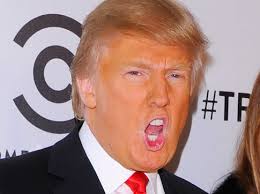
Donald Trump
During the 2024 presidential campaign, Trump made more than 100 threats to investigate, prosecute, imprison or otherwise punish his perceived enemies, including political opponents and private citizens.
To prevent this, President Joe Biden issued pre-pardons to, among others:
- Former Wyoming Representative Liz Cheney;
- Former Chairman of the Joint Chiefs of Staff Mark Milley;
- Members of the Biden family;
- Dr. Anthony Fauci, former director of the National Institute of Allergy and Infections Diseases;
- Members of Congress who served on the House Select Committee to investigate the January 6 attack on the United States Capitol.
Issuing pardons to those who had not committed crimes to protect them from a vengeance-seeking President was an act unprecedented in American history.
Caligula’s egomania soon reached psychotic heights.
- He gave himself several surnames: “Pious,” “Child of the Camp,” “Father of the Armies,” and “Greatest and Best of Caesars.”
- Flattered that he had risen higher than princes and kings, he began to believe himself a god.
- He appeared at the temple of Castor and Pollux to be worshiped as Jupiter Latiaris.
Trump’s egomania is literally stamped on his properties. Of the 515 entities he owns, 268 of them—52%–bear his last name. He often refers to his properties as “the swankiest,” “the most beautiful.”
Among the references he’s made to himself:
- “My fingers are long and beautiful, as, it has been well documented, are various other parts of my body.”
- “I think the only difference between me and the other candidates is that I’m more honest and my women are more beautiful.”
- “My IQ is one of the highest––and you all know it.”
When Caligula wasn’t ordering wholesale Stalin-like purges—ranging from Roman aristocrats to slaves—he was setting new records for debauchery.
According to the Roman historian Gaius Suetonius Tranquillus: “[Caligula] lived in habitual incest with all his [three] sisters, and at a large banquet he placed each of them in turn below him, while his wife reclined above. Of these he is believed to have violated Drusilla when he was still a minor.”
Trump has never been charged with incest, but he’s repeatedly made sexually inappropriate comments about his daughter, Ivanka:
- “Yeah, she’s really something, and what a beauty, that one. If I weren’t happily married and, ya know, her father …”
- When asked how he would react if Ivanka, a former teen model, posed for Playboy, Trump replied: “I don’t think Ivanka would do that, although she does have a very nice figure. I’ve said if Ivanka weren’t my daughter, perhaps I’d be dating her.”
I
Ivanka Trump
For all his cruelty and egomania, the trait that finally destroyed Caligula was his joy in humiliating others.
His fatal mistake was to taunt Cassius Chaerea, a member of his own bodyguard. Caligula considered Chaerea effeminate because of a weak voice and mocked him with names like “Priapus” and “Venus.”
On January 22 41 A.D. Chaerea and several other bodyguards hacked Caligula to death with swords before other guards could save him.
Since returning to the White House on January 20, Trump has ordered a massive and continuing purge of federal employees. By April 1, 2025, about 60,000 workers had been laid off or fired.
Among the purged agencies:
- Federal Aviation Administration
- Centers for Disease Control and Prevention
- Food and Drug Administration
- Department of Veterans Affairs
- Environmental Protection Agency
- Department of Health and Human Services
These firings were not related to poor job performance. And those fired were not given advance notice of their coming termination.
Veterans—who comprise about 30% of the federal workforce–have been particularly hard-hit.
Even those responsible for protecting Trump have been or will be affected: Many Secret Service agents have friends or family members whose lives have been shattered by these purges.
Some of those victims have lost their livelihood. Still others may die of illnesses owing to Trump’s attacks on the Centers for Disease Control and Prevention.
It remains to be seen if Trump suffers the final fate as Caligula.
2024 PRESIDENTIAL ELECTION, ABC NEWS, ADRIANNE ZUCKER, ALTERNET, AMERICABLOG, ANTHONY FAUCI, AP, BABY BOOMER RESISTANCE, BBC, BILL CLINTON, BILLY BUSH, BLOOMBERG, BLOOMBERG NEWS, BLUESKY, BUZZFEED, CBS NEWS, CENTERS FOR DISEASE CONTROL AND PREVENTION, CNN, CROOKS AND LIARS, DAILY KOS, DAILY KOZ, DAYS OF OUR LIVES, DEPARTMENT OF HEALTH AND HUMAN SERVICES, DEPARTMENT OF VETERANS AFFAIRS, DONALD TRUMP, DRUDGE REPORT, ENVIRONMENTAL PROTECTION AGENCY, FACEBOOK, FEDERAL AVIATION ADMINISTRATION, FIVETHIRTYEIGHT, FOOD AND DRUG ADMINISTRATION, GAIUS CALIGULA, GAIUS SUETONIUS TRANQUILLUS, HARPER’S MAGAZINE, HUFFINGTON POST, IVANKA TRUMP, JANUARY 6 COMMITTEE, JANUARY 6 COUP ATTEMPT, Kamala Harris, LIZ CHENEY, MARK MILLEY, MEDIA MATTERS, MICHELE BACHMANN, MOTHER JONES, MOVEON, MSNBC, NBC NEWS, NEW REPUBLIC, NEWSDAY, NEWSWEEK, NPR, PBS NEWSHOUR, POLITICO, POLITICUSUSA, RAW STORY, REPUBLICAN PARTY, REUTERS, ROMAN EMPIRE, SALON, SEATTLE TIMES, Secret Service, SEXUAL HARASSMENT, SLATE, TALKING POINTS MEMO, THE ATLANTIC, THE CHICAGO SUN-TIMES, THE CHICAGO TRIBUNE, THE DAILY BEAST, THE DAILY BLOG, THE GUARDIAN, THE HILL, THE HUFFINGTON POST, THE INTERCEPT, THE LOS ANGELES TIMES, THE NATION, THE NEW REPUBLIC, THE NEW YORK TIMES, THE NEW YORKER, THE TWELVE CAESARS, THE VILLAGE VOICE, THE WALL STREET JOURNAL, THE WASHINGTON POST, THINKPROGRESS, TIME, TODAY, TRUTHDIG, TRUTHOUT, TWO POLITICAL JUNKIES, U.S. NEWS & WORLD REPORT, UPI, USA TODAY, VETERANS, X
In Bureaucracy, History, Politics, Social commentary on April 24, 2026 at 12:10 am
Even many Republicans secretly believe that Donald Trump is better-suited for the role of Gaius Caligula than President of the United States.
It was Caligula who, as the mad emperor of Rome, once said: “Bear in mind that I can treat anyone exactly as I please.”

Gaius Caligula
Sergey Sosnovskiy from Saint-Petersburg, Russia, CC BY-SA 2.0 <https://creativecommons.org/licenses/by-sa/2.0>, via Wikimedia Commons
On October 7, 2016, The Washington Post leaked a video of Donald Trump making sexually predatory comments about women.
The remarks came during a 2005 exchange with Billy Bush, then the host of Access Hollywood and later host of Today. He was fired shortly after the following exchange became public.
The two were traveling in an Access Hollywood bus to the set of the soap opera Days of Our Lives, where Trump was to make a cameo appearance.
Neither Trump nor Bush could be seen during the exchange—the video focused entirely on the bus. But the audio came in clearly—and, for Trump, damningly:
DONALD TRUMP: You know I moved on her actually. You know she was down on Palm Beach. I moved on her and I failed. I’ll admit it. I did try and fuck her. She was married.
UNKNOWN: That’s huge news.
TRUMP: No, no, Nancy. No this was—and I moved on her very heavily, in fact, I took her out furniture shopping. She wanted to get some furniture. I said I’ll show you where they have some nice furniture.
I moved on her like a bitch, but I couldn’t get there, and she was married. Then all of a sudden I see her, she’s now got the big phony tits and everything. She’s totally changed her look.
[At that point, they spot Adrianne Zucker, the starring actress in Days in Our Lives.]
Donald Trump
BUSH: Sheesh, your girl’s hot as shit. In the purple. Yes! The Donald has scored. Whoa, my man!
TRUMP: Look at you. You are a pussy. Maybe it’s a different one.
BUSH: It better not be the publicist. No, it’s her. It’s—
TRUMP: Yeah, that’s her. With the gold. I better use some Tic Tacs just in case I start kissing her. You know I’m automatically attracted to beautiful—I just start kissing them. It’s like a magnet. Just kiss. I don’t even wait. And when you’re a star they let you do it. You can do anything. Grab them by the pussy. You can do anything.
When the Washington Post broke the story on October 7, the reaction was immediate—and explosive.
This was not a testosterone-fueled teenager fantasizing about making love with a girl he adored. This was a 70-year-old man bragging about having used deceit to try to lure a married woman into bed.
And about having used his celebrity status to force himself on women: “I moved on her very heavily. Just kiss. I don’t even wait. Grab them by the pussy. You can do anything.”
Gaius Caligula himself couldn’t have said it better. He lived 29 years and ruled Rome three years, 10 months and eight days. When he died, his reign of depravity and terror died with him.
Today, millions of Americans fear a similar fate has swept their country now that Donald Trump has again become President.
Caligula’s life spanned August 31, 12 A.D. to January 24, 41 A.D. His chief biographer was Gaius Suetonius Tranquillus.

Gaius Suetonius Tranquillus
Trump was born on June 14, 1946.
Caligula became Emperor in 37 A.D. after succeeding the Emperor Tiberius, his uncle who had adopted him as a son after his father died.
Trump was reelected President on November 5, 2024, after winning 312 electoral votes to 226 for his Democratic opponent, Vice President Kamala Harris.
Trump began his real estate career at his father’s real estate and construction company. He rose to wealth and fame after his father, Fred, gave him control of the business in 1971.
Caligula’s reign began well—and popularly. He gave Tiberius a magnificent funeral—then recalled to Rome all those whom Tiberius had banished, and ignored all charges that Tiberius had leveled against them.
He gave bonuses to the military and destroyed lists of those Tiberius had declared traitors. He allowed the magistrates unrestricted jurisdiction, without appeal to himself.
Similarly, soon after acquiring the family business, Trump set out to build his own empire—hotels, golf courses, casinos, skyscrapers across North and South America, Europe and Asia. He named many of them after himself.
He appeared at the Miss USA pageants, which he owned from 1996 to 2015. He hosted and co-produced The Apprentice, an NBC reality television series from 2004 to 2015.
The ancient historians describe Caligula as a noble and enlightened ruler during the first six months of his reign. But in October 37 A.D. he fell seriously ill or perhaps was poisoned.
Caligula soon recovered but emerged a changed man. He began laying claim to divine majesty, and killing or exiling anyone he saw as a threat. He ordered a tribune to murder his brother Tiberius, and drove his father-in‑law Silanus to cut his own throat with a razor.
He favorite method of execution was to have a victim tortured with many slight wounds. His infamous order for this: “Strike so that he may feel that he is dying.”
ABC NEWS, ALTERNET, AMERICABLOG, AP, BABY BOOMER RESISTANCE, BBC, BILL MAULDIN, BLOOMBERG, BLUESKY, BUZZFEED, CBS NEWS, CIA, CNN, COVID-19, CROOKS AND LIARS, DAILY KOS, DONALD TRUMP, FBI, FIVETHIRTYEIGHT, HARPER’S MAGAZINE, HUFFINGTON POST, JANUARY 6 COUP ATTEMPT, LUCIAN K. TRUSCOTT JR., MEDIA MATTERS, MOTHER JONES, MOVEON, MSNBC, NAZI GERMANY, NBC NEWS, NEW REPUBLIC, NEWSDAY, NEWSWEEK, NPR, PBS NEWSHOUR, POLITICO, POLITICUSUSA, RAW STORY, REUTERS, RUSSIA, SALON, SAVING PRIVATE RYAN (MOVIE), SEATTLE TIMES, SLATE, STEVEN SPIELBERG, TALKING POINTS MEMO, THE ATLANTIC, THE CHICAGO SUN-TIMES, THE CHICAGO TRIBUNE, THE DAILY BEAST, THE DAILY BLOG, THE GUARDIAN, THE HILL, THE HUFFINGTON POST, THE INTERCEPT, THE LOS ANGELES TIMES, THE NATION, THE NEW REPUBLIC, THE NEW YORK TIMES, THE NEW YORKER, THE VILLAGE VOICE, THE WASHINGTON POST, THINKPROGRESS, TIME, TRUTHDIG, TRUTHOUT, TWO POLITICAL JUNKIES, U.S. NEWS & WORLD REPORT, UNITED STATES ARMY, UPI, USA TODAY, VETERANS’ DAY, VIETNAM WAR, VLADIMIR PUTIN, WORLD WAR 11, X
In Bureaucracy, History, Military, Politics, Social commentary on April 23, 2026 at 12:10 am
There are literally no limits to which Donald Trump’s fanatical supporters will go to convince others he’s a heroic champion worthy of their reverence.
One such meme depicted Trump as a military hero, clad in full Army gear, leading his men into combat. 
The problem: Trump—a notorious draft-dodger—received five deferments to escape the Vietnam war, including one for bone spurs.
Now, as re-elected President of the United States, he’s plunged the country into a needless war against Iran.
On February 28, Trump—in concert with Israel—launched a series of devastating, unprovoked airstrikes against Iran.
Trump seemed to consider himself omnipotent. Asked by a reporter how long the war would last, the President replied: “Any time I want it to end, it will end.”
But then—to Trump’s surprise and fury—Iran closed the narrow Strait of Hormuz, through which about 20%-25% of the world’s total liquid petroleum consumption (about 20–21 million barrels per day) flows.
Overnight, gas prices rose. By April 5, the national average for a gallon of regular gas reached $4.11, compared to roughly $2.98 before military operations began.
With midterm elections eight months away, the war looked like a losing issue for Republicans.
On April 5—Easter Sunday, no less—Trump posted on his website, Truth Social: “Tuesday will be Power Plant Day, and Bridge Day, all wrapped up in one, in Iran. There will be nothing like it!!! Open up the Fuckin’ Strait, you crazy bastards, or you’ll be living in Hell – JUST WATCH! Praise be to Allah. President DONALD J. TRUMP”
This was followed on April 7 by another post: “A whole civilization will die tonight, never to be brought back again. I don’t want that to happen, but it probably will.”
Legal experts and international organizations such as Amnesty International warned that attacking civilian infrastructure would constitute war crimes under international law.
As the hours ticked off April 6. American pilots were forced to decide: “Do we want to become war criminals?”
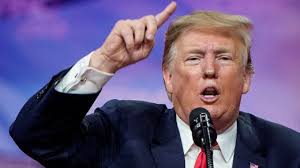
Donald Trump
There is no better way to trace the decline of the United States than to compare Trump’s threat to wipe out an entire civilization with the 1946 Memorial Day ceremony at the Sicily-Rome American Cemetery, near the town of Nettuno.
The cemetery held about 20,000 American graves, mostly of soldiers who had died in Sicily or at Anzio, fighting Nazi Germany.
Presiding over that event was Lt. General Lucian K. Truscott, Jr., the U.S. Fifth Army Commander.
Unlike many other generals, Truscott had shared in the dangers of combat, pouring over maps on the hood of his jeep with company commanders as bullets or shells whizzed about him.
When it came his turn to speak, Truscott moved to the podium. Then he turned his back on the assembled visitors—which included several Congressmen.
The audience he now faced were the graves of his fellow soldiers.
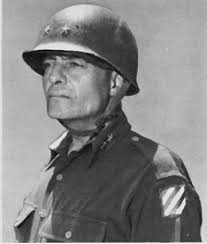
Lt. General Lucian K. Truscott, Jr.
Among those who heard Truscott’s speech was Bill Mauldin, the famous cartoonist for the Army newspaper, Stars and Stripes. Mauldin had created Willie and Joe, the unshaved, slovenly-looking “dogfaces” who came to symbolize the GI.
It’s from Mauldin that we have the fullest account of Truscott’s speech that day.
“He apologized to the dead men for their presence there. He said that everybody tells leaders that it is not their fault that men get killed in war, but that every leader knows in his heart that this is not altogether true.
“He said he hoped anybody here through any mistake of his would forgive him, but he realized that he was asking a hell of a lot under the circumstances….
“Truscott said he would not speak of the ‘glorious’ dead because he didn’t see much glory in getting killed in your teens or early twenties.
“He promised that if in the future he ran into anybody, especially old men, who thought death in battle was glorious, he would straighten them out. He said he thought it was the least he could do.”
Then Truscott walked away, without acknowledging his audience of celebrities.
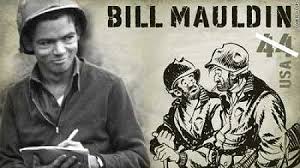
Bill Mauldin and “Willie and Joe,” the characters he made famous
Contrast the character of Lucian Truscott with that of the man who holds the office of President of the United States.
Donald Trump has:
- Equated his reckless sex life during the 1970s with the risks American soldiers faced in Vietnam.
- Relentlessly defended Russian dictator Vladimir Putin against all criticism, even as he’s slandered literally hundreds of his fellow citizens on his website, Truth Social.
- Attacked the FBI and CIA for concluding that Russia intervened in the 2016 election to help him win the White House.
- Allowed the deadly COVID-19 virus to ravage the country, killing 400,000 Americans by the time he left office in 2021.
- Incited his followers to attack the Capitol Building on January 6, 2021, to stop the Electoral Vote count, which he knew would prove Joe Biden the winner of the 2020 Presidential election.
Saving Private Ryan, Steven Spielberg’s 1998 World War II epic, opens with a scene of an American flag snapping in the wind.
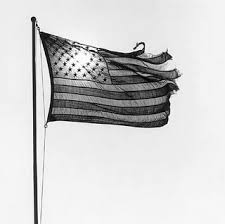
Except that the brilliant colors of Old Glory have been washed out, leaving only black-and-white stripes and black stars.
Small wonder that, for many Americans, Old Glory has taken on a darker, washed-out appearance—in real-life as in film.
ADOLF HITLER, ALTERNET, AMERICABLOG, AP, BABY BOOMER RESISTANCE, BBC, BENITO MUSSOLINI, BLOOMBERG, BLUESKY, BUZZFEED, CBS NEWS, CHRISTOPHER HALE, CHRISTOPHER PIERRE, CNN, CROOKS AND LIARS, DAILY KOS, DONALD TRUMP, ELBRIDGE COLBY, FIVETHIRTYEIGHT, GAS, HARPER’S MAGAZINE, HUFFINGTON POST, IRAN, IRAN WAR, ISRAEL, JD VANCE, KARL WOLFF, KING VICTOR EMMANUEL 111, LETTERS FROM LEO NEWSLETTER, MEDIA MATTERS, MIKE JOHNSON, MONROE DOCTRINE, MOTHER JONES, MOVEON, MSNBC, NAZI GERMANY, NAZIS, NBC NEWS, NEWSDAY, NEWSWEEK, NPR, Oil, PBS NEWSHOUR, POLITICO, POLITICUSUSA, POPE LEO XV1, POPE PIUS X11, RAW STORY, REPUBLICANS, REUTERS, SALON, SEATTLE TIMES, SLATE, STORMY DANIELS, STRAIT OF HORMUZ, TALKING POINTS MEMO, THE ATLANTIC, THE CHICAGO SUN-TIMES, THE CHICAGO TRIBUNE, THE DAILY BEAST, THE DAILY BLOG, THE ECONOMIST, THE GUARDIAN, THE HILL, THE HUFFINGTON POST, THE INTERCEPT, THE LOS ANGELES TIMES, THE NATION, THE NEW REPUBLIC, THE NEW YORK TIMES, THE NEW YORKER, THE PENTAGON, THE SS, THE VILLAGE VOICE, THE WASHINGTON POST, THINKPROGRESS, TIME, TRUTHDIG, TRUTHOUT, TWO POLITICAL JUNKIES, U.S. NEWS & WORLD REPORT, UPI, USA TODAY, VATICAN, WAFFEN-SS, X, YOUGOV
In Bureaucracy, History, Military, Politics, RELIGION, Social commentary on April 22, 2026 at 12:10 am
On April 12, President Donald Trump wrote on X: “Pope Leo is WEAK on Crime, and terrible for Foreign Policy. I don’t want a Pope who thinks it’s OK for Iran to have a Nuclear Weapon. We don’t like a pope who says it’s OK to have a Nuclear Weapon.”
Despite his escalating attacks on Pope Leo XIV over the pontiff’s opposition to the Iran war, Trump’s approval rating among Republicans has climbed to 86%. The poll was conducted by The Economist and YouGov on April 15.
This includes high-ranking Republican leaders like Speaker of the House Mike Johnson: “A pontiff or any religious leader can say anything they want, but obviously, if you wade into political waters, I think you should expect some political response, and I think the pope’s received some of that.”

Mike Johnson
And not to be outdone, Vice President JD Vance-–a Catholic convert who often calls himself deeply religious—said: “I think it’s very, very important for the Pope to be careful when he talks about matters of theology.”
So much for the current actions of a Right-wing dictator. Now for those of a past one.
In 2005, Avvenire (“Future”), a daily newspaper which is affiliated with the Catholic Church and based in Milan, Italy, carried a story about Adolf Hitler’s plots to kidnap Pope Pius XII in 1943 and 1944.
The plots were part of a wider plan to “abolish” Christianity and replace it with a religion in which Hitler would be worshipped as the savior of humankind.
But instead of kidnapping the Pope, SS General Karl Wolff, in charge of the SS in Italy, went to the Vatican to warn Pope Pius XII of the danger he faced.
Wolff, who survived World War II, revealed the affair in a March 24, 1972 written statement to Vatican officials weighing the case for setting Pope Pius on the road to sainthood.

Karl Wolff
Jmac66999, CC BY-SA 4.0 <https://creativecommons.org/licenses/by-sa/4.0>, via Wikimedia Commons
Previously, Wolff testified at the Nuremberg trials that Hitler had talked of seizing the Pope in 1943. With Italy in ruins from Allied bombings and Italian armies defeated or in retreat everywhere, Italians were desperate for peace.
On July 25, Hitler’s fellow Fascist, Italian Prime Minister Benito Mussolini—who had held power since 1922—was overthrown. Summoned to the royal palace by King Victor Emmanuel III of Italy, he was arrested and taken to a police station in an ambulance.
He was eventually transferred to the Hotel Campo Imperatore, in Italy’s Gran Sasso mountain range.
On September 12, 1943, he was rescued through a daring German airborne operation. German paratroopers and Waffen-SS special forces landed to free him from his imprisonment.
Although he was officially restored to power, he remained strictly a puppet of Hitler. His symbolic reign came to an end on April 28, 1945, when he was executed by Italian partisans.
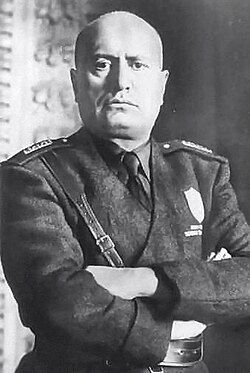
Benito Mussolini
Hitler exploded in rage at the news of Mussolini’s arrest—and ordered German troops in Italy to take over the country: “Drive into Rome and arrest the whole Italian government! Get the King and the whole bunch right away! Arrest the Crown Prince and the whole gang! Pack them into a plane and off with them!”
Several generals asked what should be done with the Vatican.
Hitler replied: “I’ll go right into the Vatican! Do you think the Vatican embarrasses me? We’ll take that over right away. The entire diplomatic corps are in there. That rabble! We’ll get that bunch of swine out of there! Later we can make apologies!”
In September, 1943, Hitler decided to occupy the Vatican, “secure the archives and the art treasures, which have a unique value, and transfer the pope, together with the curia [the papal bureaucracy], for their protection, so that they cannot fall into the hands of the allies and exert a political influence.”
Hitler feared the Pope would speak out against the Nazis’ deportation of Jews, and wanted to eliminate the Church as a political force in Italy.

Pope Pius XII
The plan allegedly involved 2,000 SS troops blocking all Vatican exits to seize the Pope and cardinals. Proposed destinations for the kidnapped Pope included Liechtenstein or Lichtenstein Castle in Württemberg, Germany.
Wolff talked the Fuhrer out of the scheme, warning that it would prove an international political disaster. But in 1944, Hitler returned to the subject.
By May, 1944, American forces were advancing northwards through Italy, so Wolff had to shed his SS uniform when appearing in public.
On May 10, Wolff, wearing civilian clothes, met with Pope Pius XII in secret and warned him that he was in danger. He also assured the pontiff that he would not carry out the order.
Pius asked Wolf to save the lives of two condemned prisoners, and this was arranged.
Nevertheless, fearing abduction, Pope Pius XII prepared a resignation letter to take effect immediately upon his arrest. The College of Cardinals would flee to neutral Portugal to elect a successor.
The Germans evacuated Rome on the night of June 4-5, 1944.
Eighty-two years after Pope Pius XII faced the threat of terror by Adolf Hitler, an American-born Pope—Leo XIV—faces the threat of terror by Donald Trump.
ADOLF HITLER, ALTERNET, AMERICABLOG, AP, BABY BOOMER RESISTANCE, BBC, BENITO MUSSOLINI, BLOOMBERG, BLUESKY, BUZZFEED, CBS NEWS, CHRISTOPHER HALE, CHRISTOPHER PIERRE, CNN, CROOKS AND LIARS, DAILY KOS, DONALD TRUMP, ELBRIDGE COLBY, FIVETHIRTYEIGHT, GAS, HARPER’S MAGAZINE, HUFFINGTON POST, IRAN, IRAN WAR, ISRAEL, JD VANCE, KARL WOLFF, KING VICTOR EMMANUEL 111, LETTERS FROM LEO NEWSLETTER, MEDIA MATTERS, MIKE JOHNSON, MONROE DOCTRINE, MOTHER JONES, MOVEON, MSNBC, NAZI GERMANY, NAZIS, NBC NEWS, NEWSDAY, NEWSWEEK, NPR, Oil, PBS NEWSHOUR, POLITICO, POLITICUSUSA, POPE LEO XV1, POPE PIUS X11, RAW STORY, REPUBLICANS, REUTERS, SALON, SEATTLE TIMES, SLATE, STORMY DANIELS, STRAIT OF HORMUZ, TALKING POINTS MEMO, THE ATLANTIC, THE CHICAGO SUN-TIMES, THE CHICAGO TRIBUNE, THE DAILY BEAST, THE DAILY BLOG, THE ECONOMIST, THE GUARDIAN, THE HILL, THE HUFFINGTON POST, THE INTERCEPT, THE LOS ANGELES TIMES, THE NATION, THE NEW REPUBLIC, THE NEW YORK TIMES, THE NEW YORKER, THE PENTAGON, THE SS, THE VILLAGE VOICE, THE WASHINGTON POST, THINKPROGRESS, TIME, TRUTHDIG, TRUTHOUT, TWO POLITICAL JUNKIES, U.S. NEWS & WORLD REPORT, UPI, USA TODAY, VATICAN, WAFFEN-SS, X, YOUGOV
In Bureaucracy, History, Military, Politics, RELIGION, Social commentary on April 21, 2026 at 12:10 am
It’s become commonplace for liberals to attack President Donald Trump as a reincarnated Adolf Hitler—and Republicans as Nazis.
And Republicans furiously deny this, even as they embrace many of the same tactics—if not the goals—of Nazi Germany’s onetime rulers.
Throughout his first term as President, Trump adopted Hitler’s method of “negotiation” “Do what I want—or I’ll destroy you!” And it has remained so since his re-taking office on January 20, 2025.

On February 28, Trump—in concert with Israel—launched a series of devastating, unprovoked airstrikes against Iran.
Asked by a reporter how long the war would last, Trump arrogantly replied: “Any time I want it to end, it will end.”
But then Iran closed the Strait of Hormuz, through which 20% to 30% of the world’s total daily oil supply passes.
Gas prices in the United States immediately rose. Analysts warned that if the disruption continued, gasoline prices could exceed $5 per gallon.

Strait of Hormuz
Facing an apparently unwinnable war that he had started, Trump found himself facing an unexpected opponent: Pope Leo X1V.
According to Christopher Hale, a political consultant and the editor of the popular Letters from Leo newsletter: Trump’s Pentagon has threatened to declare war on the Vatican.
“In January [2026], behind closed doors at the Pentagon, Under Secretary of War for Policy Elbridge Colby summoned Cardinal Christophe Pierre—-Pope Leo XIV’s then-ambassador to the United States—and delivered a lecture,” said Hale in an interview.
“America has the military power to do whatever it wants in the world,” Colby and his associates told the cardinal. “The Catholic Church had better take its side.”
One American official “reached for a fourteenth-century weapon and invoked the Avignon Papacy, the period when the French Crown used military force to bend the bishop of Rome to its will.”
Two weeks after the confrontation, the Vatican declined Trump’s invitation to host Pope Leo for the celebration of America’s 250th anniversary in July, 2026.

The Vatican obelisk in St. Paul’s Square
Livioandronico2013, CC BY-SA 4.0 <https://creativecommons.org/licenses/by-sa/4.0>, via Wikimedia Commons
According to sources in the Vatican and Americans briefed on the Pentagon meeting: Colby’s team studied the Pope’s January state-of-the-world address. They decided it was an attack on Trump.
What “enraged them most” was Leo’s line: “A diplomacy that promotes dialogue and seeks consensus among all parties is being replaced by a diplomacy based on force.”
“The Pentagon read that sentence as a frontal challenge to the so-called ‘Donroe Doctrine’”— Trump’s self-named update of the Monroe Doctrine.
Issued by President James Monroe on December 2, 1823, it officially prohibited European colonization and interference in the Western Hemisphere. And it was backed by the threat of an armed response to any such attempt.
On April 12, 2026, Pope Leo said that praying for peace was a way to “break the demonic cycle of evil” to build instead the Kingdom of God where there are no swords, drones or “unjust profit.

Pope Leo XIV
“It is here that we find a bulwark against that delusion of omnipotence that surrounds us and is becoming increasingly unpredictable and aggressive,” he said. “Even the holy Name of God, the God of life, is being dragged into discourses of death.”
On April 12, in talking to reporters, Trump furiously attacked the Pope: “I’m not a fan of Pope Leo.” He charged that the Pope was not “doing a very good job” and that “he’s a very liberal person.” He suggested that the pontiff should “stop catering to the Radical Left.”
On X, Trump wrote: “Pope Leo is WEAK on Crime, and terrible for Foreign Policy. I don’t want a Pope who thinks it’s OK for Iran to have a Nuclear Weapon. We don’t like a pope who says it’s OK to have a Nuclear Weapon.”
This from a man who was convicted of 34 felonies on May 30, 2024. A New York jury found him guilty of falsifying business records in the first degree to conceal hush-money payments made to porn “star” Stormy Daniels before the 2016 election.
And he continued:
“Leo should get his act together as Pope, use Common Sense, stop catering to the Radical Left, and focus on being a Great Pope, not a Politician. It’s hurting him very badly and, more importantly, it’s hurting the Catholic Church!
“I don’t want a Pope who thinks it’s terrible that America attacked Venezuela, a Country that was sending massive amounts of Drugs into the United States.

Donald Trump
“I don’t want a Pope who criticizes the President of the United States because I’m doing exactly what I was elected, IN A LANDSLIDE, to do.
“Leo should be thankful because, as everyone knows, he was a shocking surprise. He wasn’t on any list to be Pope, and was only put there by the Church because he was an American, and they thought that would be the best way to deal with President Donald J. Trump. If I wasn’t in the White House, Leo wouldn’t be in the Vatican.”
Just as the majority of Nazis rallied around Adolf Hitler, so have Republicans rallied around Donald Trump.
Despite his escalating attacks on Pope Leo X1V over the pontiff’s opposition to the Iran war, Trump’s approval rating among Republicans climbed to 86%. The poll was conducted by The Economist and YouGov on April 15.
2025 FEDERAL GOVERNMENT SHUTDOWN, ABC NEWS, AFFORDABLE CARE ACT, ALTERNET, AMERICABLOG, AP, BABY BOOMER RESISTANCE, BLOOMBERG, BUZZFEED, CAMILLUS, CBS NEWS, CHRISTOPHER SWANSON, CNN, CROOKS AND LIARS, DAILY KOS, DEREK CHAUVIN, DONALD TRUMP, FIVETHIRTYEIGHT, FLINT TOWNSHIP, GEORGE FLOYD, HARPER’S MAGAZINE, LOS ANGELES, MARCUS FURIUS, MEDIA MATTERS, MEDICARE, MOTHER JONES, MOVEON, MSNBC, NBC NEWS, NEW YORK CITY, NEWSWEEK, NICCOLO MACHIAVELLI, NPR, ONE BIG BEAUTIFUL BILL, PBS NEWSHOUR, POLITICO, POLITICUSUSA, RAW STORY, REPUBLICANS, REUTERS, SALON, SAN FRANCISCO, SEATTLE TIMES, SLATE, ST. JOHN’S CHURCH, TALKING POINTS MEMO, THE ATLANTIC, THE CHICAGO SUN-TIMES, THE CHICAGO TRIBUNE, THE DAILY BEAST, THE DAILY BLOG, THE DISCOURSES, THE GUARDIAN, THE HILL, THE HUFFINGTON POST, THE LOS ANGELES TIMES, THE NATION, THE NEW REPUBLIC, THE NEW YORK TIMES, THE VILLAGE VOICE, THE WASHINGTON POST, THINKPROGRESS, TIME, TRUTHDIG, TRUTHOUT, TWO POLITICAL JUNKIES, U.S. NEWS & WORLD REPORT, UPI, USA TODAY, WONKETTE, X
In Bureaucracy, History, Law Enforcement, Politics, Social commentary on April 16, 2026 at 12:17 am
Throughout his first term as President, “Do what I want—or I’ll destroy you!” proved Donald Trump’s go-to method of “negotiation.” And it has remained so since re-taking office on January 20, 2025.
On February 28, Trump—in concert with Israel—launched a series of devastating, unprovoked airstrikes against Iran.
Asked by a reporter how long the war would last, Trump arrogantly replied: “Any time I want it to end, it will end.”
But then Iran closed the Strait of Hormuz, through which 20% to 30% of the world’s total daily oil supply passes.
Gas prices in the United States immediately rose. Analysts warned that if the disruption continued, gasoline prices could exceed $5 per gallon.
Fearing this posed a direct threat to Repbublicans’ holding control of Congress in the upcoming midterm elections, on Easter Sunday Trump posted on his website, Truth Social:
“Tuesday [April 7] will be Power Plant Day, and Bridge Day, all wrapped in one, in Iran. There will be nothing like it!!! Open the Fuckin’ Strait, you crazy bastards, of you’ll be living in Hell – JUST WATCH! Praise be to Allah.”
Legal experts and international organizations such as Amnesty International warned that attacking civilian infrastructure would constitute war crimes under international law.
In less than 24 hours, American pilots would be forced to decide: “Do we want to become war criminals?”
But there are humane ways to wield power, and these usually leave feelings of lasting gratitude—if not reverence—for those who do.
Two examples follow.

Lesson #!: In Book Three, Chapter 22 of his classic masterwork, The Discourses, Niccolo Machiavelli offers the following: “An Act of Humanity Prevailed More With the Falacians Than All the Power of Rome.”
Marcus Furius Camillus, a Roman general, was besieging the city of the Faliscians, and had surrounded it. A teacher charged with educating the children of some of the city’s noblest families decided to ingratiate himself with Camillus by leading them into the Roman camp.
As Roman hostages, they could be used to compel the city to surrender.
Camillus not only declined the offer but went one step further. He ordered the teacher stripped and his hands tied behind his back. Then Camillus had a rod put into the hands of each of the children and directed them to whip the teacher all the way back to the city.
Upon learning this, the citizens of Faliscia were so much touched by the humanity and integrity of Camillus, that they surrendered the place to him without any further defense.
Summing up the meaning of this, Machiavelli writes: “This example shows that an act of humanity and benevolence will at all times have more influence over the minds of men than violence and ferocity. It also proves that provinces and cities which no armies…could conquer, have yielded to an act of humanity, benevolence, chastity or generosity.
“…History also shows us how much the people desire to find such virtues in great men, and how much they are extolled by historians and biographers of princes….Amongst these, Xenophon takes great pains to show how many victories, how much honor and fame, Cyrus gained by his humanity and affability, and by his not having exhibited a single instance of pride, cruelty or luxuriousness, nor of any of the other vices that are apt to stain the lives of men.”

Niccolo Machiavelli
This lesson—recorded by a master political scientist and practitioner of Realpolitik—remains highly relevant today.
Lesson #2: On May 25, 2020, George Floyd, a black unemployed restaurant security guard, was murdered by Derek Chauvin, a white Minneapolis police officer. While Floyd was handcuffed and lying face down on a city street during an arrest, Chauvin kept his knee on the right side of Floyd’s neck for eight minutes and 46 seconds.
Cities across the United States erupted in mass protests over Floyd’s death—and police killings of black victims generally. Most of these demonstrations proved peaceful.
But cities such as Los Angeles, San Francisco and New York City saw stores looted, vandalized and/or burned.
In response, President Donald Trump called for harsh policing, telling governors in a nationwide conference call that they must “dominate” protesters or be seen as “weak.”
To drive home his point, Trump ordered police and National Guard troops to violently remove peaceful protesters from Lafayette Square, which borders St. John’s Church near the White House.
The purpose of the removal: To allow Trump to have a photo opportunity outside the church.
Contrast that with the example of Sheriff Christopher Swanson of Genesee County, Michigan.

Sheriff Christopher Swanson
Confronting a mass of aroused demonstrators in Flint Township on May 30, Swanson responded: “We want to be with you all for real.”
So Swanson took his helmet off. His deputies laid their batons down.
“I want to make this a parade, not a protest. So, you tell us what you need to do.”
“Walk with us!” the protesters shouted.
“Let’s walk, let’s walk,” said Swanson.
Cheering and applause resounded.
“Let’s go, let’s go,” Swanson said as he and the cheering crowd proceeded. “Where do you want to walk? We’ll walk all night.”
And Swanson and his fellow officers walked in sympathy with the protesters.
No rioting followed.
ALEXANDER THE GREAT, ALTERNET, AMERICABLOG, AP, BABY BOOMER RESISTANCE, BBC, BLOOMBERG, BLUESKY, BUZZFEED, CBS NEWS, CLAUDIUS, CNN, CROOKS AND LIARS, CUBA, DAILY KOS, DAILY WIRE, DEMETRIUS AND THE GLADIATORS (FILM), DONALD TRUMP, FIVETHIRTYEIGHT, GAIUS CALIGULA, GAIUS SUETONIUS TRANQUILLUS, HARPER’S MAGAZINE, HUFFINGTON POST, IRAN, ISRAEL, JAY ROBINSON, LEBANON, MEDIA MATTERS, MOTHER JONES, MOVEON, MSNBC, NBC NEWS, NEWSDAY, NEWSWEEK, NPR, PBS NEWSHOUR, PLUTARCH, POLITICO, POLITICUSUSA, POPE LEO X1V, RAW STORY, REPUBLICANS, REUTERS, SALON, SEATTLE TIMES, SLATE, STORMY DANIELS, STRAIT OF HORMUZ, TALKING POINTS MEMO, THE ATLANTIC, THE CHICAGO SUN-TIMES, THE CHICAGO TRIBUNE, THE DAILY BEAST, THE DAILY BLOG, THE GUARDIAN, THE HILL, THE HUFFINGTON POST, THE INTERCEPT, THE LOS ANGELES TIMES, THE NATION, THE NEW REPUBLIC, THE NEW YORK TIMES, THE NEW YORKER, THE ROBE (FILM), THE VILLAGE VOICE, THE WASHINGTON POST, THINKPROGRESS, TIME, TRUTHDIG, TRUTHOUT, TWO POLITICAL JUNKIES, U.S. NEWS & WORLD REPORT, UNITED STATES HOUSE OF REPRESENTATIVES, UNITED STATES SENATE, UPI, USA TODAY, WAR CRIMES, X
In Business, Entertainment, History, Law, Military, Politics, Social commentary on April 15, 2026 at 12:11 am
Facing an apparently unwinnable war with Iran that he had started, President Donald Trump found himself facing an unexpected opponent: Pope Leo X1V.
“Come back to the table,” said Leo. “Let’s talk, let’s look for solutions in a peaceful way and let’s remember especially the innocent children, the elderly, sick, so many people who have already become or will become victims of this continued warfare.”
On April 12 Trump posted on Truth Social: “Pope Leo is WEAK on Crime, and terrible for Foreign Policy. I don’t want a Pope who thinks it’s OK for Iran to have a Nuclear Weapon.”
“I’m not afraid of the Trump administration or speaking out loudly of the message of the gospel, which is what I believe I am here to do, what the church is here to do,” replied the Pope.
American bishops rallied behind him, describing Leo not as a political opponent but as a “vicar of Christ who speaks from the truth of the Gospel.”
So, with the world holding its breath at what disaster might follow, Trump clearly felt that the time had come to remind people of his divine presence—and mission.
On April 13 he posted an AI-generated image of himself as Jesus healing a stricken man in a hospital bed.

If he assumed that his Religious Right followers would gaze at it in awe, Trump quickly learned otherwise: They were outraged by what they saw as his blasphemous comparison of himself to Jesus.
“Is he looking for a response? Does he actually think this? Either way, two things are true. 1) a little humility would serve him well 2) God shall not be mocked,” Riley Gaines, a Fox News host and conservative commentator, wrote on X.
“OUTRAGEOUS blasphemy,” Megan Basham, a writer at the conservative Daily Wire, said of the post.
“Nothing matters more than Jesus,” wrote Isabel Brown, a host on the same outlet. “This post is, frankly, disgusting and unacceptable, but also a profound misreading of the American people experiencing a true and beautiful revival of faith in Christ.”
Reporters asked Trump whether he posted a picture depicting himself as Jesus Christ. Trump replied with typical lack of humility: “It wasn’t a depiction, it was me, It’s supposed to be me as a doctor making people better. And I do make people better. I make people a lot better,”
Aside from the religious reasons for being outraged at Trump’s self-depiction, there are genuine secular ones. Such as: Is it wise to entrust a nuclear arsenal to a man so unstable as to believe himself divine?
Trump has often worn a red MAGA hat bearing the inscription: “TRUMP WAS RIGHT ABOUT EVERYTHING.”
No one is ever right about everything. And those who believed they were usually discovered they weren’t.
A classic example of this was the Roman emperor Gaius Caligula (August 31, 12 A.D. to January 24, 41 A.D).
Gaius Caligula
Carole Raddato from FRANKFURT, Germany, CC BY-SA 2.0 <https://creativecommons.org/licenses/by-sa/2.0>, via Wikimedia Commons
It was Caligula who, as “the Mad Emperor” of Rome, once said: “Bear in mind that I can treat anyone exactly as I please.”
And he did. He began laying claim to divine majesty, and killing or exiling anyone he saw as a threat. He ordered a tribune to murder his brother Tiberius, and drove his father-in‑law Silanus to cut his throat with a razor.
Caligula’s favorite method of execution was to have a victim tortured with many slight wounds. His infamous order for this: “Strike so that he may feel that he is dying.”
According to his biographer, Gaius Suetonius Tranquillus: “He forced parents to attend the executions of their sons, sending a litter for one man who pleaded ill health, and inviting another to dinner immediately after witnessing the death, and trying to rouse him to gaiety and jesting by a great show of affability.”
Anyone who has ever seen the Biblical epics “The Robe” (1953) and “Demetrius and the Gladiators” (1954) remembers Jay Robinson’s chilling performance as Caligula. His face a perpetual sneer, he revels in wanton cruelty and megalomania. Ultimately, he comes to believe he’s a god.

Jay Robinson as Gaius Caligula in “The Robe”
In one scene, Caligula confronts his paternal uncle, Claudius, and asks: “Do you see her Claudius? The Goddess Diana. Every night she comes to me. My arms. There….there she goes. Now do you see her?”
Claudius replies: “No, sire.”
“Why not?” demands Caligula.
“Only you gods are privileged to see each other,” says Claudius—which instantly satisfies Caligula.
In “Demetrius”—as in history—Caligula, to his surprise, finds there are people willing to end his reign of evil.
In “Demetrius” it comes with a single spear thrown by one of his guards in a gladiatorial arena. In reality, it happened in an underground corridor where he was stabbed to death by officers of the Praetorian Guard.
Trump, like Caligula, revels in the destruction he wields. And, as with Caligula, there are clearly no limits to his megalomania.
The only question that remains to be answered: Will Trump’s reign—like Caligula’s-–end before he can destroy everyone within reach?
ALEXANDER THE GREAT, ALTERNET, AMERICABLOG, AP, BABY BOOMER RESISTANCE, BBC, BLOOMBERG, BLUESKY, BUZZFEED, CBS NEWS, CLAUDIUS, CNN, CROOKS AND LIARS, CUBA, DAILY KOS, DAILY WIRE, DEMETRIUS AND THE GLADIATORS (FILM), DONALD TRUMP, FIVETHIRTYEIGHT, GAIUS CALIGULA, GAIUS SUETONIUS TRANQUILLUS, HARPER’S MAGAZINE, HUFFINGTON POST, IRAN, ISRAEL, JAY ROBINSON, LEBANON, MEDIA MATTERS, MOTHER JONES, MOVEON, MSNBC, NBC NEWS, NEWSDAY, NEWSWEEK, NPR, PBS NEWSHOUR, PLUTARCH, POLITICO, POLITICUSUSA, POPE LEO X1V, RAW STORY, REPUBLICANS, REUTERS, SALON, SEATTLE TIMES, SLATE, STORMY DANIELS, STRAIT OF HORMUZ, TALKING POINTS MEMO, THE ATLANTIC, THE CHICAGO SUN-TIMES, THE CHICAGO TRIBUNE, THE DAILY BEAST, THE DAILY BLOG, THE GUARDIAN, THE HILL, THE HUFFINGTON POST, THE INTERCEPT, THE LOS ANGELES TIMES, THE NATION, THE NEW REPUBLIC, THE NEW YORK TIMES, THE NEW YORKER, THE ROBE (FILM), THE VILLAGE VOICE, THE WASHINGTON POST, THINKPROGRESS, TIME, TRUTHDIG, TRUTHOUT, TWO POLITICAL JUNKIES, U.S. NEWS & WORLD REPORT, UNITED STATES HOUSE OF REPRESENTATIVES, UNITED STATES SENATE, UPI, USA TODAY, WAR CRIMES, X
In Business, History, Law, Military, Politics, Social commentary on April 14, 2026 at 12:10 am
And the most glorious exploits do not always furnish us with the clearest discoveries of virtue or vice in men. Sometimes a matter of less moment, an expression or a jest, informs us better of their characters and inclinations, than the most famous sieges, the greatest armaments, or the bloodiest battles whatsoever.
—Plutarch, “Life of Alexander”
“A matter of less moment, an expression or a jest” occurred on the morning of April 13: A President of the United States informed the public that he was divine.
In 2025, Donald Trump signed legislation that will strip medical coverage of nearly 12 million Americans by gutting Medicaid. The goal: To provide his wealthy donors with huge tax breaks.
On April 13, he posted an AI-generated image of himself to Truth Social depicting himself as Jesus, healing a man in a hospital bed. Light shines from his hands while a demon flies away in the background.
On Easter Sunday—along with Christmas, the holiest day of the year for Christians—he posted: “Tuesday will be Power Plant Day, and Bridge Day, all wrapped up in one, in Iran. There will be nothing like it!!! Open up the Fuckin’ Strait, you crazy bastards, or you’ll be living in Hell – JUST WATCH! Praise be to Allah. President DONALD J. TRUMP”
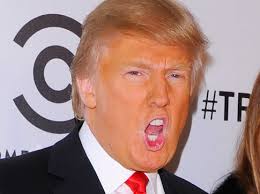
Donald Trump
Over a month earlier—on February 28–-Trump had, along with Israel, launched a series of brutal, unprovoked airstrikes against Iran. Tactically, the strikes were a success, leaving countless dead Iranians and destroyed buildings in their wake.
But then—to Trump’s surprise and fury—Iran closed the narrow Strait of Hormuz, through which about 20% of the world’s total liquid petroleum consumption (about 20–21 million barrels per day) flows.
Overnight, gas prices rose. By April 5, the national average for a gallon of regular gas in the United States reached $4.11, compared to roughly $2.98 before military operations began.
For more than a year, a majority of Americans had tolerated—if not supported—Trump’s ceaseless attacks on their Constitutional liberties. But now his brutal and reckless actions threatened to come between them and their gas-guzzling cars.
And for most Americans, this was the one sin they could not forgive.
With midterm elections eight months away, Republicans might well lose their control over the Senate and House of Representatives. And with a Democratic majority in both houses, a third impeachment trial for Trump would be a certainty.
With the Iranians apparently not intimidated by his April 5 post, Trump followed with another on April 7: “A whole civilization will die tonight, never to be brought back again. I don’t want that to happen, but it probably will.”
Legal experts and international organizations such as Amnesty International, warned that attacking civilian infrastructure would constitute war crimes under international law.
As the hours ticked off April 6. American pilots were forced to decide: “Do we want to become war criminals?”

B-52 bomber
Then, on April 8, the United States and Iran agreed to a two-week ceasefire—less than two hours before Trump’s deadline.
But then Iran cited Israel’s bombing of Lebanon as a violation of the truce, and once again began restricting shipping through the Strait of Hormuz.
In response, Trump ordered the United States Navy to blockade Iran’s ports—just as he has imposed a naval blockade of Cuba. “We can’t let a country blackmail or extort the world because that’s what they’re doing,” he said.
Iran responded with threats on all ports in the Persian Gulf and the Gulf of Oman, taking aim at U.S.-allied countries.
Meanwhile, Trump was at war with not only Iranian religious figures but the chief Christian one: Pope Leo XIV, the first US-born pope in Catholic history.
Leo had aroused Trump’s ire by daring to say: “Today as we all know there was this threat against all the people of Iran. This is truly unacceptable.”
And he added: “We have a worldwide economic crisis, an energy crisis, (a) situation in the Middle East of great instability, which is only provoking more hatred throughout the world.
“Come back to the table, let’s talk, let’s look for solutions in a peaceful way and let’s remember especially the innocent children, the elderly, sick, so many people who have already become or will become victims of this continued warfare.”
Pope Leo X1V
Edgar Beltrán, The Pillar, CC BY-SA 4.0 <https://creativecommons.org/licenses/by-sa/4.0>, via Wikimedia Commons
On April 12 Trump posted on Truth Social: “Pope Leo is WEAK on Crime, and terrible for Foreign Policy. I don’t want a Pope who thinks it’s OK for Iran to have a Nuclear Weapon.”
This from a man who was convicted of 34 felonies on May 30, 2024. A New York jury found him guilty of falsifying business records in the first degree to conceal hush-money payments made to porn “star” Stormy Daniels before the 2016 election.
And he continued:
“Leo should get his act together as Pope, use Common Sense, stop catering to the Radical Left, and focus on being a Great Pope, not a Politician. It’s hurting him very badly and, more importantly, it’s hurting the Catholic Church!”
So, with the world holding its breath at what disaster might follow, Trump clearly felt that the time had come to remind people of his divine presence—and mission.
ABC NEWS, ADOLF HITLER, AFFORDABLE CARE ACT (ACA), ALTERNET, AMERICABLOG, AP, AUSTRIA, BABY BOOMER RESISTANCE, BBC, BELGIUM, BLOOMBERG, BLUESKY, BOB WOODWARD, BUZZFEED, CARL BERNSTEIN, CBS NEWS, CHINA, CIA, CNN, CONSPIRACIES, CROOKS AND LIARS, CUBA, CZECHOSLOVAKIA, DAILY KOS, DONALD TRUMP, FBI, FEDERAL GOVERNMENT SHUTDOWN, FIDEL CASTRO, FIVETHIRTYEIGHT, FRANCE, FRANCISCO FRANCO, GAIUS CALIGULA, GAIUS SUETONIUS TRANQUILLUS, GREECE, HARPER’S MAGAZINE, HOLOCAUST, HUFFINGTON POST, IMMIGRATION AND CUSTOMS ENFORCEMENT (ICE), JANUARY 6 COUP ATTEMPT, JIMMY KIMMEL, JOSEPH STALIN, KFC, LAVRENTI BERIA, LEON TROTSKY, LETITIA JAMES, MACDONALD’S, MAO ZEDONG, MEDIA MATTERS, MOTHER JONES, MOVEON, MSNBC, NAZI GERMANY, NBC NEWS, NEWSDAY, NEWSWEEK, NICCOLO MACHIAVELLI, NIKITA KHRUSHCHEV, NORWAY, NPR, PAUL VON HINDENBURG, PBS NEWSHOUR, POLITBURO, POLITICO, POLITICUSUSA, RAW STORY, REPUBLICANS, REUTERS, ROBERT PAYNE, SALON, SEATTLE TIMES, SLATE, SOVIET UNION, SPAIN, TALKING POINTS MEMO, THE ATLANTIC, THE CHICAGO SUN-TIMES, THE CHICAGO TRIBUNE, THE DAILY BEAST, THE DAILY BLOG, THE DAILY KOS, THE DISCOURSES ON LIVY (BOOK), THE GUARDIAN, THE HILL, THE HUFFINGTON POST, THE INTERCEPT, THE LOS ANGELES TIMES, THE NATION, THE NEW REPUBLIC, THE NEW YORK TIMES, THE NEW YORKER, THE RISE AND FALL OF STALIN (BOOK), THE VILLAGE VOICE, THE WASHINGTON POST, THINKPROGRESS, TIME, TRUTHDIG, TRUTHOUT, TWO POLITICAL JUNKIES, U.S. NEWS & WORLD REPORT, UNITED STATES, UNITED STATES DEPARTMENT OF JUSTICE, UPI, USA TODAY, Vladimir Lenin, VYACHESLAV MOLOTOV, WATERGATE, WORLD WAR 1, WORLD WAR 11, X, YUGOSLAVIA
In Bureaucracy, History, Law, Law Enforcement, Military, Politics, Social commentary on April 13, 2026 at 12:07 am
A dictator can die of illness or old age.
But there are other ways a tyrant can be forced to give up power—such as Gaius Caligula, Adolf Hitler and—possibly—Joseph Stalin.
Death by Fellow Bureaucrat
Joseph Stalin ruled as absolute dictator of the Soviet Union from January 21, 1924, to March 5, 1953—29 years.
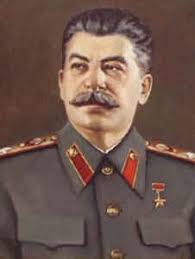
Joseph Stalin
Throughout his nearly 30-year reign over the Soviet Union, at least 20 million men, women and children died—from executions, deportations, imprisonment in Gulag camps, and a man-made famine through the forced collection of harvests.
Robert Payne, the acclaimed British historian, vividly portrayed the crimes of this murderous tyrant in his brilliant 1965 biography, The Rise and Fall of Stalin.
According to Payne, Stalin was planning yet another purge during the last weeks of his life. This would be “a holocaust greater than any he had planned before.
“This time there would be a chistka [purge] to end all chistkas, a purging of the entire body of the state from top to bottom. No one, not even the highest officials, was to be spared.”
Then, on March 5, 1953, Stalin died—officially from a cerebral hemorrhage.
He was 73 and in poor health from a lifetime of smoking, drinking and little exercise. But he could have died of unnatural causes.
In the 2004 book, Stalin’s Last Crime, Vladimir P. Naumov, a Russian historian, and Jonathan Brent, a Yale University Soviet scholar, assert that he might have been poisoned.
If this happened, the occasion was during a final dinner with four members of the Politburo. Two of these were Lavrenti P. Beria, chief of the secret police, and Nikita S. Khrushchev, who eventually succeeded Stalin.
The authors believe that, if Stalin was poisoned, the most likely suspect was Beria. The method: Slipping warfarin, a tasteless and colorless blood thinner also used as a rat killer, into his glass of wine.
In Nikita Khrushchev’s 1970 memoirs, he quotes Beria as telling Vyacheslav M. Molotov, another Politburo member, two months after Stalin’s death: “I did him in! I saved all of you.”
It’s entirely possible that Donald Trump’s “Presidency-for-Life” may end by natural causes.
He’s 79, and despite his repeated boastings that he’s the healthiest President in United States history, clearly he isn’t.
He is grotesquely overweight, doesn’t exercise, falls asleep in public appearances and slurs his words. Much of his diet consists of greasy, artery-clogging fast food—such as from McDonald’s and KFC.
He stays up late at night, pouring out his hatred for countless real and imagined enemies on his website, Truth Social.
But that is not the only way his reign could disappear in other ways:
- The Vice President and a majority of the Cabinet could invoke the Twenty-Fifth Amendment to the United States Constitution. This allows the removal of the President when he is “unable to discharge the powers and duties of his office.” The Vice President then becomes President.
- Within the Senate and House of Representatives, Republicans could stop backing his every infamy and secure his impeachment and conviction.
- Generals could protest publicly Trump’s attacks on their intelligence and even patriotism—or his racist and sexist firings of professional military officers.
- FBI agents could initiate their own unofficial investigations of Trump’s crimes and leak those results to the press. It was through such leaks that Bob Woodward and Carl Bernstein brought down Richard Nixon.
* * * * * * * * * *
More than 500 years ago, Niccolo Machiavelli, the Florentine statesman, authored The Discourses on Livy, a work of political history and philosophy. In it, he outlined how citizens of a republic can maintain their freedoms.
One of the longest chapters—Book Three, Chapter Six—covers “Of Conspiracies.” In it, those who wish to conspire against a ruler will find highly useful advice. And so will those who wish to foil such a conspiracy.
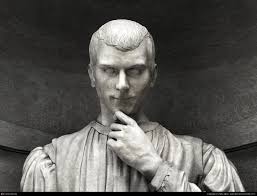
Niccolo Machiavelli
Above all, he notes how important it is for rulers to make themselves loved—or at least respected—by their fellow citizens:
“Note how much more praise those Emperors merited who, after Rome became an empire, conformed to her laws like good princes, than those who took the opposite course.
“Titus, Nerva, Trajan, Hadrian, Antoninus and Marcus Auelius did not require the Praetorians nor the multitudinous legions to defend them, because they were protected by their own good conduct, the good will of the people, and by the love of the Senate.
“On the other hand, neither the Eastern nor the Western armies saved Caligula, Nero, Vitellius and so many other wicked Emperors from the enemies which their bad conduct and evil lives had raised up against them.”
In his better-known work, The Prince, Machiavelli warns rulers who—like Donald Trump–are inclined to rule by fear:
“A prince should make himself feared in such a way that if he does not gain love, he at any rate avoids hatred: for fear and the absence of hatred may well go together.”
By Machiavelli’s standards, Trump has made himself the perfect target for a conspiracy:
“When a prince becomes universally hated, it is likely that he’s harmed some individuals—who thus seek revenge. This desire is increased by seeing that the prince is widely loathed.”
ABC NEWS, ADOLF HITLER, AFFORDABLE CARE ACT (ACA), ALTERNET, AMERICABLOG, AP, AUSTRIA, BABY BOOMER RESISTANCE, BBC, BELGIUM, BLOOMBERG, BLUESKY, BOB WOODWARD, BUZZFEED, CARL BERNSTEIN, CBS NEWS, CHINA, CNN, CONSPIRACIES, CROOKS AND LIARS, CUBA, CZECHOSLOVAKIA, DAILY KOS, DONALD TRUMP, FBI, FEDERAL GOVERNMENT SHUTDOWN, FIDEL CASTRO, FIVETHIRTYEIGHT, FRANCE, FRANCISCO FRANCO, GAIUS CALIGULA, GAIUS SUETONIUS TRANQUILLUS, GREECE, HARPER’S MAGAZINE, HOLLAND, HOLOCAUST, HUFFINGTON POST, IMMIGRATION AND CUSTOMS ENFORCEMENT (ICE), JANUARY 6 COUP ATTEMPT, JIMMY KIMMEL, JOSEPH STALIN, KFC, LAVRENTI BERIA, LEON TROTSKY, LETITIA JAMES, MACDONALD’S, MAO ZEDONG, MEDIA MATTERS, MOTHER JONES, MOVEON, MSNBC, NAZI GERMANY, NBC NEWS, NEWSDAY, NEWSWEEK, NICCOLO MACHIAVELLI, NIKITA KHRUSHCHEV, NORWAY, NPR, NSA, PAUL VON HINDENBURG, PBS NEWSHOUR, POLITBURO, POLITICO, POLITICUSUSA, RAW STORY, REPUBLICANS, REUTERS, ROBERT PAYNE, SALON, SEATTLE TIMES, SLATE, SOVIET UNION, SPAIN, TALKING POINTS MEMO, THE ATLANTIC, THE CHICAGO SUN-TIMES, THE CHICAGO TRIBUNE, THE DAILY BEAST, THE DAILY BLOG, THE DAILY KOS, THE DISCOURSES ON LIVY (BOOK), THE GUARDIAN, THE HILL, THE HUFFINGTON POST, THE INTERCEPT, THE LOS ANGELES TIMES, THE NATION, THE NEW REPUBLIC, THE NEW YORK TIMES, THE NEW YORKER, THE RISE AND FALL OF STALIN (BOOK), THE VILLAGE VOICE, THE WASHINGTON POST, THINKPROGRESS, TIME, TRUTHDIG, TRUTHOUT, TWO POLITICAL JUNKIES, U.S. NEWS & WORLD REPORT, UNITED STATES, UNITED STATES DEPARTMENT OF JUSTICE, UPI, USA TODAY, Vladimir Lenin, VYACHESLAV MOLOTOV, WATERGATE, WORLD WAR 1, WORLD WAR 11, X, YUGOSLAVIA
In Bureaucracy, History, Law, Law Enforcement, Military, Politics, Social commentary on April 10, 2026 at 12:16 am
A dictator can die of illness or old age. That’s what happened to Francisco Franco (Spain), Mao Zedong (China) and Fidel Castro (Cuba).
But there are other ways a tyrant can be forced to give up power—such as the following three.
Death by Bodyguards
First up: Gaius Caligula, the “Mad Emperor” of Imperial Rome.
Caligula’s reign spanned March 18, 37 A.D. to January 24, 41 A.D.—four years.
Gaius Caligula
Carole Raddato from FRANKFURT, Germany, CC BY-SA 2.0 <https://creativecommons.org/licenses/by-sa/2.0>, via Wikimedia Commons
He became Emperor in 37 A.D. after succeeding the Emperor Tiberius, his uncle who had adopted him as a son after his father died.
Caligula’s reign began well—and popularly. He gave Tiberius a magnificent funeral—then recalled to Rome all those whom Tiberius had banished, and ignored all charges that Tiberius had leveled against them.
He gave bonuses to the military and allowed the magistrates unrestricted jurisdiction, without appeal to himself.
But in October 37 A.D. he fell seriously ill or perhaps was poisoned.
Caligula soon recovered but emerged a changed man. He began claiming to be a god, and killing or exiling anyone he saw as a threat. He ordered his victims tortured to death with many slight wounds: “Strike so that he may feel that he is dying.”
Among his litany of crimes, according to his biographer, Gaius Suetonius Tranquillus:
“He forced parents to attend the executions of their sons, sending a litter for one man who pleaded ill health, and inviting another to dinner immediately after witnessing the death, and trying to rouse him to gaiety and jesting by a great show of affability.”
For all his cruelty and egomania, the trait that finally destroyed Caligula was his joy in humiliating others.
His fatal mistake was to taunt Cassius Chaerea, a member of his own bodyguard. Caligula considered Chaerea effeminate because of a weak voice and mocked him with names like “Priapus” and “Venus.”
On January 22 41 A.D. Chaerea and several other bodyguards hacked Caligula to death with swords before other guards could save him.
Death by Suicide
Next up: Adolf Hitler, dictator of Nazi Germany from January 30, 1933, to April 30, 1945—12 years.
He was born on April 20, 1889, in Braunau am Inn in Austria-Hungary.
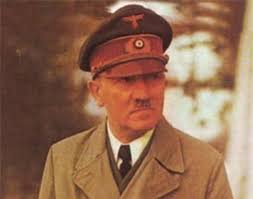
Adolf Hitler
He was appointed Chancellor—chief law enforcement officer—of Germany on January 30, 1933, by President Paul von Hindenburg. Upon Hindenburg’s death in 1934, Hitler assumed the Presidency and established himself as absolute dictator.
From 1933 to 1939 he presided over Germany’s rapid economic recovery from the Great Depression, the defiance of restrictions imposed on Germany after World War 1, and the annexation of Austria and Czechoslovakia, where millions of ethnic Germans lived.
These accomplishments won him widespread popular support.
But after absorbing Czechoslovakia in 1938, Hitler felt himself invincible. On September 1, 1939, his armies attacked Poland—and unintentionally ignited World War II.
After conquering Norway, Denmark, Holland, Belgium, France, Greece and Yugoslavia, he made his two greatest mistakes of the war: He invaded the far more powerful Soviet Union on June 22, 1941, and declared war on the equally more powerful United States on December 11.
Parallel to unleashing a war that slaughtered 50 million people, Hitler orchestrated the extermination of at least six million Jews during the Holocaust.
By April, 1945, Germany faced destruction from the advancing Russians on the East, and from the advancing Americans on the West.
On April 30, with Russian forces only blocks from his underground bunker, Hitler lifted a heavy 7.65mm Walther PPK pistol to his right temple, bit on a cyanide capsule, and pulled the trigger.
Just as Caligula’s mangled remains were hastily burned and buried in the Horti Lamiani gardens, Hitler’s body was hastily cremated in the Reich Chancellery garden.
Last up: Joseph Stalin, dictator of the Soviet Union from January 21, 1924, to March 5, 1953—29 years.
Born on December 18, 1878, in Georgia, Russia, he hated Czarist rule and in 1903 joined the Communist Bolsheviks party, led by Vladimir Lenin, to overthrow it.
Joseph Stalin
On November 7, 1917, Lenin overthrew the Provisional Government, which had taken power in February, after Czarist rule collapsed.
Stalin became a member of the new Soviet government, gradually working his way to the position of General Secretary. When Lenin died on January 21, 1924, Stalin outmaneuvered Leon Trotsky, his major rival for the succession, and became absolute dictator.
Starting in 1934, a series of massive purges followed—most notably between August, 1936, and March, 1938.
Throughout his nearly 30-year reign over the Soviet Union, at least 20 million men, women and children died—from executions, deportations, imprisonment in Gulag camps, and a man-made famine through the forced collection of harvests.
Robert Payne, the acclaimed British historian, vividly portrayed the crimes of this murderous tyrant in his brilliant 1965 biography, The Rise and Fall of Stalin.
According to Payne, Stalin was planning yet another purge during the last weeks of his life. This would be “a holocaust greater than any he had planned before.
“This time there would be a chistka [purge] to end all chistkas, a purging of the entire body of the state from top to bottom. No one, not even the highest officials, was to be spared.”
Yet Stalin did nothing to calm their fears. He often summoned his “comrades” to the Kremlin for late-night drinking bouts, where he freely humiliated them.


2016 PRESIDENTIAL RACE, 2024 PRESIDENTIAL ELECTION, ABC NEWS, ADRIANNE ZUCKER, ALTERNET, AMERICABLOG, ANTHONY FAUCI, AP, BABY BOOMER RESISTANCE, BBC, BILL CLINTON, BILLY BUSH, BLOOMBERG, BLOOMBERG NEWS, BLUESKY, BUZZFEED, CBS NEWS, CENTERS FOR DISEASE CONTROL AND PREVENTION, CNN, CROOKS AND LIARS, DAILY KOS, DAILY KOZ, DAYS OF OUR LIVES, DEPARTMENT OF HEALTH AND HUMAN SERVICES, DEPARTMENT OF VETERANS AFFAIRS, DONALD TRUMP, DRUDGE REPORT, ENVIRONMENTAL PROTECTION AGENCY, FACEBOOK, FEDERAL AVIATION ADMINISTRATION, FIVETHIRTYEIGHT, FOOD AND DRUG ADMINISTRATION, GAIUS CALIGULA, GAIUS SUETONIUS TRANQUILLUS, HARPER’S MAGAZINE, HUFFINGTON POST, IVANKA TRUMP, JANUARY 6 COMMITTEE, JANUARY 6 COUP ATTEMPT, Kamala Harris, LIZ CHENEY, MARK MILLEY, MEDIA MATTERS, MICHELE BACHMANN, MOTHER JONES, MOVEON, MSNBC, NBC NEWS, NEW REPUBLIC, NEWSDAY, NEWSWEEK, NPR, PBS NEWSHOUR, POLITICO, POLITICUSUSA, RAW STORY, REPUBLICAN PARTY, REUTERS, ROMAN EMPIRE, SALON, SEATTLE TIMES, Secret Service, SEXUAL HARASSMENT, SLATE, TALKING POINTS MEMO, THE ATLANTIC, THE CHICAGO SUN-TIMES, THE CHICAGO TRIBUNE, THE DAILY BEAST, THE DAILY BLOG, THE GUARDIAN, THE HILL, THE HUFFINGTON POST, THE INTERCEPT, THE LOS ANGELES TIMES, THE NATION, THE NEW REPUBLIC, THE NEW YORK TIMES, THE NEW YORKER, THE TWELVE CAESARS, THE VILLAGE VOICE, THE WALL STREET JOURNAL, THE WASHINGTON POST, THINKPROGRESS, TIME, TODAY, TRUTHDIG, TRUTHOUT, TWO POLITICAL JUNKIES, U.S. NEWS & WORLD REPORT, UPI, USA TODAY, VETERANS, X
CALIGULA-IN-CHIEF: PART TWO (END)
In Bureaucracy, History, Law, Politics, Social commentary on April 27, 2026 at 12:10 amThe first six months of Gaius Caligula’s reign as Emperor of Rome were successful and popular.
After that, wrote his biographer, Gaius Suetonius Tranquillus: “So much for Caligula as emperor; we must now tell of his career as a monster.”
The same could now be written about Donald Trump.
Gaius Caligula
Among his litany of crimes, according to Suetonius:
“He forced parents to attend the executions of their sons, sending a litter for one man who pleaded ill health, and inviting another to dinner immediately after witnessing the death, and trying to rouse him to gaiety and jesting by a great show of affability.
“He had the manager of his gladiatorial shows beaten with chains in his presence for several successive days, and would not kill him until he was disgusted at the stench of his putrefied brain.”
Donald Trump has never been charged with murder. But among his first acts as reelected President was to issue pardons to his 1,500-plus supporters charged in the January 6, 2021 insurrection that shook the foundations of American democracy.
Dozens of them had prior convictions or pending charges for rape, child sexual abuse, domestic violence, manslaughter, production of child pornography and drug trafficking.
Donald Trump
During the 2024 presidential campaign, Trump made more than 100 threats to investigate, prosecute, imprison or otherwise punish his perceived enemies, including political opponents and private citizens.
To prevent this, President Joe Biden issued pre-pardons to, among others:
Issuing pardons to those who had not committed crimes to protect them from a vengeance-seeking President was an act unprecedented in American history.
Caligula’s egomania soon reached psychotic heights.
Trump’s egomania is literally stamped on his properties. Of the 515 entities he owns, 268 of them—52%–bear his last name. He often refers to his properties as “the swankiest,” “the most beautiful.”
Among the references he’s made to himself:
When Caligula wasn’t ordering wholesale Stalin-like purges—ranging from Roman aristocrats to slaves—he was setting new records for debauchery.
According to the Roman historian Gaius Suetonius Tranquillus: “[Caligula] lived in habitual incest with all his [three] sisters, and at a large banquet he placed each of them in turn below him, while his wife reclined above. Of these he is believed to have violated Drusilla when he was still a minor.”
Trump has never been charged with incest, but he’s repeatedly made sexually inappropriate comments about his daughter, Ivanka:
I
Ivanka Trump
For all his cruelty and egomania, the trait that finally destroyed Caligula was his joy in humiliating others.
His fatal mistake was to taunt Cassius Chaerea, a member of his own bodyguard. Caligula considered Chaerea effeminate because of a weak voice and mocked him with names like “Priapus” and “Venus.”
On January 22 41 A.D. Chaerea and several other bodyguards hacked Caligula to death with swords before other guards could save him.
Since returning to the White House on January 20, Trump has ordered a massive and continuing purge of federal employees. By April 1, 2025, about 60,000 workers had been laid off or fired.
Among the purged agencies:
These firings were not related to poor job performance. And those fired were not given advance notice of their coming termination.
Veterans—who comprise about 30% of the federal workforce–have been particularly hard-hit.
Even those responsible for protecting Trump have been or will be affected: Many Secret Service agents have friends or family members whose lives have been shattered by these purges.
Some of those victims have lost their livelihood. Still others may die of illnesses owing to Trump’s attacks on the Centers for Disease Control and Prevention.
It remains to be seen if Trump suffers the final fate as Caligula.
Share this: