Posts Tagged ‘BAY OF PIGS’
AFFORDABLE CARE ACT (ACA), AFGHANISTAN, ALEX PRETTI, ALLEN DULLES, ALTERNET, AMAZON, AMERICABLOG, ANTI-CASTRO CUBANS, AP, APPLE, ARTIFICIAL INTELLIGENCE, ASSASSINATION, BABY BOOMER RESISTANCE, BARACK OBAMA, BARI WEISS, BAY OF PIGS, BBC, BIG TECH, BLACKS, BLOOMBERG, BLUESKY, BUZZFEED, CANADA, CANADIANS, CARLOS MARCELLO, CBS NEWS, CIA, CITIENSHIP TESTS, CIVIL RIGHTS, CLEAR AND PRESENT DANGER (FILM), CNN, COLUMBIAN/MEXICAN DRUG CARTELS, CONSPIRACIES, CROOKS AND LIARS, CUBA, CUBAN MISSILE CRISIS, CUSTOMS AND BORDER PATROL (CBP), DAILY KOS, DONALD TRUMP, FBI, FBI AGENTS, FEDERAL EMERGENCY MANAGEMENT AGENCY, FEDERAL RESERVE, FEDERAL TRADE COMMISSION, FIDEL CASTRO, FIVETHIRTYEIGHT, GAIUS CALIGULA, GAZA, GOOGLE, GREENLAND, GREENLANDERS, GUN RIGHTS ENTHUSIASTS, HARPER’S MAGAZINE, HARRISON FORD, HISPANICS, HUFFINGTON POST, IMMIGRANTS, IMMIGRATION AND CUSTOMS ENFORCEMENT (ICE), INSPECTORS GENERAL, INTERNATIONAL BROTHERHOOD OF TEAMSTERS, IRAN, IRANIANS, ISLAM, ISRAEL, ISREAL, J. EDGAR HOOVER, JAIME DIMON, JAMES COMEY, JANUARY 6 COUP ATTEMPT, JEFF BEZOS, JEFFREY, JEFFREY EPSTEIN, JEROME POWELL, JIMMY HOFFA, JOE BIDEN, JOHN F. KENNEDY, JOHN KELLY, JOURNALISTS, JP MORGAN CHASE, JUSTICE DEPARTMENT PROSECUTORS, Kamala Harris, KGB, LAWYERS, LEBANON, LETITIA JAMES, MAFIA, MARCUS AURELIUS, MARINE BARRACKS BOMBING, MARK ESPER, MARK MILLEY, MEDAL OF HONOR WINNERS, MEDIA MATTERS, MEDICARE, MELANIA TRUMP, META, MICHELLE OBAMA, Military, MINNESOTA, MOTHER JONES, MOVEON, MSNBC, MUSLIMS, NATIONAL RIFLE ASSOCIATION (NRA), NATO, NAVAJO CODE TALKERS, NBC NEWS, NERO, NEWSDAY, NEWSWEEK, NPR, NUCLEAR REACTOR SITES, NUCLEAR TEST BAN TREATY, NUCLELAR TEST BAN TREATY, OIL MILLIONAIRES, PAKISTAN, PAM BONDI, PARIS CLIMATE AGREEMENT, PBS NEWSHOUR, PETE HEGSETH, POLICE, POLITICO, POLITICUSUSA, RARE EARTH MIINERALS, RAW STORY, REUTERS, ROBERT F. KENNEDY, Ronald Reagan, RUDY GIULIANI, SALON, SAM GIANCANA, SEATTLE TIMES, SLATE, SOMALIS, SOUTHERN RACISTS, SOVIET UNION, SUICIDE BOMBINGS, TALKING POINTS MEMO, TARIFFS, THE ATLANTIC, THE CHICAGO SUN-TIMES, THE CHICAGO TRIBUNE, THE DAILY BEAST, THE DAILY BLOG, THE GUARDIAN, THE HILL, THE HUFFINGTON POST, THE INTERCEPT, THE KENNEDY HALF-CENTURY (BOOK), THE LOS ANGELES TIMES, THE MILITARY, THE NATION, THE NEW REPUBLIC, THE NEW YORK TIMES, THE NEW YORKER, THE PRESS, THE PRINCE (BOOK), THE VILLAGE VOICE, THE WASHINGTON POST, THINKPROGRESS, TIM COOK, TIME, TRAJAN, TRUTHDIG, TRUTHOUT, TUSKEGEE AIRMEN, TWO POLITICAL JUNKIES, U.S. NEWS & WORLD REPORT, UNITED STATES DEPARTMENT OF DEFENSE, UNITED STATES DEPARTMENT OF JUSTICE, UNITED STATES SECRET SERVICE, UPI, USA TODAY, WATERGATE, X
In Bureaucracy, Business, History, Law, Law Enforcement, Medical, Military, Politics, Social commentary on February 19, 2026 at 12:13 am
Just as President John F. Kennedy was passionately loved and hated, so, too, is Donald J. Trump. And Trump, at 79, has already been the target of two assassination attempts.
Among the potential consequences of that hatred:

Donald Trump
- Barons of Columbian/Mexican drug cartels – Trump has often threatened to invade Mexico and/or Columbia to attack the cartels. No international drug kingpin has ever launched an attack on an American President or member of Congress. But this could change if the cartels believe a pre-emptive strike is necessary.
- Their assassins have wrought substantial carnage on Columbian and Mexican law enforcers and politicians. In 2025, cartels assassinated Miguel Uribe Turbay, a Columbian senator and presidential candidate. Since the 2016 peace accord, at least 1,372 social leaders have been murdered, with 173 killed in 2024 and 67 more in early 2025. These attacks frequently target local officials and advocates for land reform or environmental protection.

- In Mexico, ahead of the 2024 elections, around 30 local candidates were murdered, and hundreds more abandoned their campaigns due to threats. At least 29 candidates or potential candidates were killed in the lead-up to the 2024 elections. Police chiefs have been targeted, such as the 2020 assassination attempt on Mexico City’s police chief.
- Wealthy as Big Tech companies, these cartels command the finest assassins and intelligence networks available. Unlike Trump, they strike without warning.
- Big tech executives and Wall Street executives – Like Renaissance princes, they command empires of wealth and security. They live apart from the masses of people who do not enjoy their privileged status. And their major ambition is to grow ever more wealthy. They use their money to buy members of Congress who then pass legislation favorable to their interests.
- Trump’s tariffs have led to enormous sell-offs of tech stocks and the Department of Justice and Federal Trade Commission have continued or intensified antitrust cases launched by the Biden administration against companies like Google and Meta, targeting monopolistic behavior.
- As a result, tech executives could use their purchased Congressional members to block Trump-sponsored legislation or their billions to defeat Congressional candidates sponsored by Trump.

The New York Stock Exchange
- Journalists – Reporters are uniquely armed to counterattack their would-be censors. They know how to unearth highly embarrassing information and turn it into spectacle. The unearthing of Watergate-related abuses brought down President Richard Nixon in 1974.
- And journalists’ willingness to expose the sex trafficking crimes of Jeffrey Epstein has proven a huge liability for Trump. And as he openly moves to abolish or manipulate the 2026 midterm elections, the press can keep the spotlight of public attention tightly focused on him.
- The military – In November 2025, six Democratic Senators and Representatives released a video reminding military service members that they can refuse “illegal orders.” Donald Trump called the lawmakers traitors and shared a social media post calling for them to be hanged.
- Soldiers, serving and retired, have a huge constituency—which extends to Congress. If soldiers start charging that they have received illegal orders, this will put an unwanted spotlight on the Pentagon—and Trump.
- So will taking their complaints to the media about Trump’s racist and sexist firings of professional military officers—such as Joint Chiefs Chair General CQ Brown, Navy Chief of Naval Operations Admiral Lisa Franchetti and Coast Guard Commandant Admiral Linda Fagan.
* * * * *
More than 500 years ago, Niccolo Machiavelli, the Florentine statesman, authored The Discourses on Livy, a work of political history and philosophy. In it, he outlined how citizens of a republic can maintain their freedoms.
One of the longest chapters—Book Three, Chapter Six—covers “Of Conspiracies.” In it, those who wish to conspire against a ruler will find highly useful advice. And so will those who wish to foil such a conspiracy.

Niccolo Machiavelli
Lorenzo Bartolini, CC0, via Wikimedia Commons
Above all, he notes how important it is for rulers to make themselves loved—or at least respected—by their fellow citizens:
“Note how much more praise those Emperors merited who, after Rome became an empire, conformed to her laws like good princes, than those who took the opposite course.
“Titus, Nerva, Trajan, Hadrian, Antoninus and Marcus Auelius did not require the Praetorians nor the multitudinous legions to defend them, because they were protected by their own good conduct, the good will of the people, and by the love of the Senate.
“On the other hand, neither the Eastern nor the Western armies saved Caligula, Nero, Vitellius and so many other wicked Emperors from the enemies which their bad conduct and evil lives had raised up against them.”
In his better-known work, The Prince, he warns rulers who—like Donald Trump–are inclined to rule by fear:
“A prince should make himself feared in such a way that if he does not gain love, he at any rate avoids hatred: for fear and the absence of hatred may well go together.”
By Machiavelli’s standards, Trump has made himself the perfect target for a conspiracy:
“When a prince becomes universally hated, it is likely that he’s harmed some individuals—who thus seek revenge. This desire is increased by seeing that the prince is widely loathed.”
AFFORDABLE CARE ACT (ACA), AFGHANISTAN, ALEX PRETTI, ALLEN DULLES, ALTERNET, AMAZON, AMERICABLOG, ANTI-CASTRO CUBANS, AP, APPLE, ARTIFICIAL INTELLIGENCE, ASSASSINATION, BABY BOOMER RESISTANCE, BARACK OBAMA, BARI WEISS, BAY OF PIGS, BBC, BIG TECH, BLACKS, BLOOMBERG, BLUESKY, BUZZFEED, CANADA, CANADIANS, CARLOS MARCELLO, CBS NEWS, CIA, CITIENSHIP TESTS, CIVIL RIGHTS, CLEAR AND PRESENT DANGER (FILM), CNN, COLUMBIAN/MEXICAN DRUG CARTELS, CONSPIRACIES, CROOKS AND LIARS, CUBA, CUBAN MISSILE CRISIS, CUSTOMS AND BORDER PATROL (CBP), DAILY KOS, DONALD TRUMP, FBI, FBI AGENTS, FEDERAL EMERGENCY MANAGEMENT AGENCY, FEDERAL RESERVE, FEDERAL TRADE COMMISSION, FIDEL CASTRO, FIVETHIRTYEIGHT, GAIUS CALIGULA, GAZA, GOOGLE, GREENLAND, GREENLANDERS, GUN RIGHTS ENTHUSIASTS, HARPER’S MAGAZINE, HARRISON FORD, HISPANICS, HUFFINGTON POST, IMMIGRANTS, IMMIGRATION AND CUSTOMS ENFORCEMENT (ICE), INSPECTORS GENERAL, INTERNATIONAL BROTHERHOOD OF TEAMSTERS, IRAN, IRANIANS, ISLAM, ISRAEL, ISREAL, J. EDGAR HOOVER, JAIME DIMON, JAMES COMEY, JANUARY 6 COUP ATTEMPT, JEFF BEZOS, JEFFREY, JEFFREY EPSTEIN, JEROME POWELL, JIMMY HOFFA, JOE BIDEN, JOHN F. KENNEDY, JOHN KELLY, JOURNALISTS, JP MORGAN CHASE, JUSTICE DEPARTMENT PROSECUTORS, Kamala Harris, KGB, LAWYERS, LEBANON, LETITIA JAMES, MAFIA, MARCUS AURELIUS, MARINE BARRACKS BOMBING, MARK ESPER, MARK MILLEY, MEDAL OF HONOR WINNERS, MEDIA MATTERS, MEDICARE, MELANIA TRUMP, META, MICHELLE OBAMA, Military, MINNESOTA, MOTHER JONES, MOVEON, MSNBC, MUSLIMS, NATIONAL RIFLE ASSOCIATION (NRA), NATO, NAVAJO CODE TALKERS, NBC NEWS, NERO, NEWSDAY, NEWSWEEK, NPR, NUCLEAR REACTOR SITES, NUCLEAR TEST BAN TREATY, NUCLELAR TEST BAN TREATY, OIL MILLIONAIRES, PAKISTAN, PAM BONDI, PARIS CLIMATE AGREEMENT, PBS NEWSHOUR, PETE HEGSETH, POLICE, POLITICO, POLITICUSUSA, RARE EARTH MIINERALS, RAW STORY, REUTERS, ROBERT F. KENNEDY, Ronald Reagan, RUDY GIULIANI, SALON, SAM GIANCANA, SEATTLE TIMES, SLATE, SOMALIS, SOUTHERN RACISTS, SOVIET UNION, SUICIDE BOMBINGS, TALKING POINTS MEMO, TARIFFS, THE ATLANTIC, THE CHICAGO SUN-TIMES, THE CHICAGO TRIBUNE, THE DAILY BEAST, THE DAILY BLOG, THE GUARDIAN, THE HILL, THE HUFFINGTON POST, THE INTERCEPT, THE KENNEDY HALF-CENTURY (BOOK), THE LOS ANGELES TIMES, THE MILITARY, THE NATION, THE NEW REPUBLIC, THE NEW YORK TIMES, THE NEW YORKER, THE PRESS, THE PRINCE (BOOK), THE VILLAGE VOICE, THE WASHINGTON POST, THINKPROGRESS, TIM COOK, TIME, TRAJAN, TRUTHDIG, TRUTHOUT, TUSKEGEE AIRMEN, TWO POLITICAL JUNKIES, U.S. NEWS & WORLD REPORT, UNITED STATES DEPARTMENT OF DEFENSE, UNITED STATES DEPARTMENT OF JUSTICE, UNITED STATES SECRET SERVICE, UPI, USA TODAY, WATERGATE, X
In Bureaucracy, Business, History, Law, Law Enforcement, Medical, Military, Politics, Social commentary on February 18, 2026 at 12:10 am
Just as President John F. Kennedy was passionately loved and hated, so, too, is Donald J. Trump. And, at 79, Trump has already been the target of two assassination attempts.
Among the reasons why Trump is so widely hated:
Donald Trump
- Lawyers – Trump has targeted law firms and attorneys that had previously represented clients opposed to him—by limiting the ability of attorneys to obtain access to government buildings, stopping any consideration for future employment with the government, canceling government contracts, and preventing any company that uses such a firm from obtaining federal contracts.
- Justice Department prosecutors – For tarnishing the once-incorruptible reputation of their agency.
- Trump has fired more than a dozen prosecutors and staff who investigated him for election interference and stealing classified documents.
- He has ordered the DOJ to indict his critics such as New York Attorney General Letitia James and former FBI Director James Comey.
- Prosecutors are being told to drop cases for political reasons, pursue weak investigations, and take positions in court they believe have no merit.
- Federal judges have criticized the DOJ for violating orders in cases related to deportation policies and for a lack of transparency.

Seal of the Justice Department
- FBI agents – For his purging about a half-dozen executive assistant directors at the FBI. These were some of the bureau’s top managers overseeing criminal, national security and cyber investigations. Their “crime”: Investigating Trump’s inciting the January 6, 2021 coup attempt and illegally holding highly sensitive national security documents after leaving office.
- Big tech executives – Initially they sought favor through donations and private meetings to secure a “deregulatory paradise.” (Amazon CEO Jeff Bezos infamously lavished $75 million on a “documentary” glorifying Melania Trump.)
- But now many are furious at facing a harsher business climate, intense regulatory pressure and employee backlash.
- Tech executives have complained that they are “giving him everything, and he promises nothing.”
- The killing of intensive care nurse Alex Pretti by Customs and Border Patrol (CPB) agents in Minneapolis has been condemned by several Big Tech CEOs, including Apple CEO Tim Cook.
Not all of these potential enemies present the same danger to Trump. Some of those dangers are political; others personal.
Among the potential consequences of that hatred:
- Blacks and Hispanics – Are most likely to express their anger at the polls—or demonstrations. Any public appearance by Trump is certain to be heavily policed by the Secret Service.
- Muslims could pose a significant political threat. In 2024, Muslims voted for Trump or refused to vote for Vice President Kamala Harris. The reason: President Joe Biden refused to force Israel to end its military attacks on Gaza to retrieve hostages seized by Hamas. Muslim voters could throw their voting weight against Republican Congressional candidates sponsored by Trump.
- They could also pose a serious personal threat. Armed with the belief that dying for Islam will grant them Paradise in Heaven, Muslims have a history of doing exactly that. Suicide bombings are virtually unknown in the United States. But in Afghanistan, Iran and Pakistan, they have taken a deadly toll on civilian and political life.
- Justice Department prosecutors could leak plans for illegal and/or embarrassing decisions by Attorney General Pam Bondi and her topmost deputies to the press. Some prosecutors could continue to resign their positions, thus embarrassing Trump and weakening the clout of the agency.
- Police officers, FBI agents and Secret Service agents are among the few people allowed to approach Trump armed. Many of them are likely to have friends or family members facing imprisonment and deportation under Trump’s all-out war on immigrants, legal and illegal. And Trump’s wholesale attacks on Medicare and the Affordable Care act could lead to similar casualties among family and friends, which could be cause for desired revenge.
- Canadians and Greenlanders – It’s highly unlikely that Canada or Greenland would send a hit team to the United States. But individual Canadians or Greenlanders living in the United States could pose a genuine threat to Trump. This could occur during political rallies or if they have access to him through positions in law enforcement or government.
- He has repeatedly threatened the sovereignty of their homelands—both longtime allies of the United States—and recently seemed on the verge of using military force against both. Had he attacked Greenland, a part of NATO, this would have pitted the United States against its longtime allies in Europe.
- Lawyers – Trump’s Justice Department has declared war on his critics. The resulting court losses have proven embarrassing for Trump—and highly profitable for attorneys. A judge dismissed indictments against former FBI Director James Comey and New York Attorney General Letitia James. A grand jury refused to indict six Democratic lawmakers who had made a video urging troops to refuse illegal orders. Attorneys who successfully oppose Trump gain wealth and stature—and a steady stream of new clients.
- Gun rights enthusiasts – For decades, Republicans have conditioned them to expect a Democratic President to seize their guns. But Trump’s recent anti-gun comments (“You can’t have guns, you can’t walk in with guns”) have sent a chill through this community.
- These people are the epitome of “single issue” voters. Many law enforcement officers—at all levels of government—are fervent members of the NRA, and some almost certainly have access to Trump.

AFFORDABLE CARE ACT (ACA), AFGHANISTAN, ALEX PRETTI, ALLEN DULLES, ALTERNET, AMAZON, AMERICABLOG, ANTI-CASTRO CUBANS, AP, APPLE, ARTIFICIAL INTELLIGENCE, ASSASSINATION, BABY BOOMER RESISTANCE, BARACK OBAMA, BARI WEISS, BAY OF PIGS, BBC, BIG TECH, BLACKS, BLOOMBERG, BLUESKY, BUZZFEED, CANADA, CANADIANS, CARLOS MARCELLO, CBS NEWS, CIA, CITIENSHIP TESTS, CIVIL RIGHTS, CLEAR AND PRESENT DANGER (FILM), CNN, COLUMBIAN/MEXICAN DRUG CARTELS, CONSPIRACIES, CROOKS AND LIARS, CUBA, CUBAN MISSILE CRISIS, CUSTOMS AND BORDER PATROL (CBP), DAILY KOS, DONALD TRUMP, FBI, FBI AGENTS, FEDERAL EMERGENCY MANAGEMENT AGENCY, FEDERAL RESERVE, FEDERAL TRADE COMMISSION, FIDEL CASTRO, FIVETHIRTYEIGHT, GAIUS CALIGULA, GAZA, GOOGLE, GREENLAND, GREENLANDERS, GUN RIGHTS ENTHUSIASTS, HARPER’S MAGAZINE, HARRISON FORD, HISPANICS, HUFFINGTON POST, IMMIGRANTS, IMMIGRATION AND CUSTOMS ENFORCEMENT (ICE), INSPECTORS GENERAL, INTERNATIONAL BROTHERHOOD OF TEAMSTERS, IRAN, IRANIANS, ISLAM, ISRAEL, ISREAL, J. EDGAR HOOVER, JAIME DIMON, JAMES COMEY, JANUARY 6 COUP ATTEMPT, JEFF BEZOS, JEFFREY, JEFFREY EPSTEIN, JEROME POWELL, JIMMY HOFFA, JOE BIDEN, JOHN F. KENNEDY, JOHN KELLY, JOURNALISTS, JP MORGAN CHASE, JUSTICE DEPARTMENT PROSECUTORS, Kamala Harris, KGB, LAWYERS, LEBANON, LETITIA JAMES, MAFIA, MARCUS AURELIUS, MARINE BARRACKS BOMBING, MARK ESPER, MARK MILLEY, MEDAL OF HONOR WINNERS, MEDIA MATTERS, MEDICARE, MELANIA TRUMP, META, MICHELLE OBAMA, Military, MINNESOTA, MOTHER JONES, MOVEON, MSNBC, MUSLIMS, NATIONAL RIFLE ASSOCIATION (NRA), NATO, NAVAJO CODE TALKERS, NBC NEWS, NERO, NEWSDAY, NEWSWEEK, NPR, NUCLEAR REACTOR SITES, NUCLEAR TEST BAN TREATY, NUCLELAR TEST BAN TREATY, OIL MILLIONAIRES, PAKISTAN, PAM BONDI, PARIS CLIMATE AGREEMENT, PBS NEWSHOUR, PETE HEGSETH, POLICE, POLITICO, POLITICUSUSA, RARE EARTH MIINERALS, RAW STORY, REUTERS, ROBERT F. KENNEDY, Ronald Reagan, RUDY GIULIANI, SALON, SAM GIANCANA, SEATTLE TIMES, SLATE, SOMALIS, SOUTHERN RACISTS, SOVIET UNION, SUICIDE BOMBINGS, TALKING POINTS MEMO, TARIFFS, THE ATLANTIC, THE CHICAGO SUN-TIMES, THE CHICAGO TRIBUNE, THE DAILY BEAST, THE DAILY BLOG, THE GUARDIAN, THE HILL, THE HUFFINGTON POST, THE INTERCEPT, THE KENNEDY HALF-CENTURY (BOOK), THE LOS ANGELES TIMES, THE MILITARY, THE NATION, THE NEW REPUBLIC, THE NEW YORK TIMES, THE NEW YORKER, THE PRESS, THE PRINCE (BOOK), THE VILLAGE VOICE, THE WASHINGTON POST, THINKPROGRESS, TIM COOK, TIME, TRAJAN, TRUTHDIG, TRUTHOUT, TUSKEGEE AIRMEN, TWO POLITICAL JUNKIES, U.S. NEWS & WORLD REPORT, UNITED STATES DEPARTMENT OF DEFENSE, UNITED STATES DEPARTMENT OF JUSTICE, UNITED STATES SECRET SERVICE, UPI, USA TODAY, WATERGATE, X
In Bureaucracy, Business, History, Law, Law Enforcement, Medical, Military, Politics, Social commentary on February 17, 2026 at 12:12 am
Just as President John F. Kennedy was passionately loved and hated, so, too, is Donald J. Trump. And Trump, at 79, has already been the target of two assassination attempts.

Donald Trump
Among the reasons why Trump is so widely hated:
- Gun rights enthusiasts – After Customs and Border Patrol (CBP) agents shot intensive care nurse Alex Pretti on January 24, Trump criticized Pretti for carrying a licensed, concealed pistol: “You can’t have guns, you can’t walk in with guns. I don’t like that he had a gun. I don’t like that he had two fully loaded magazines. That’s a lot of bad stuff.”
- The National Rifle Association (NRA) called Trump’s comments “dangerous and wrong.” And the National Association for Gun Rights (NAGR) stated: “Carrying an extra magazine implies nothing. Claiming otherwise sets a dangerous precedent for Second Amendment rights and creates an easy backdoor argument for magazine bans and similar legislation.”

Alex Pretti
- The military – Following his anti-DEI executive order, the Department of Defense deleted content that included the achievements of nonwhite servicemen and women—such as Navajo code talkers, black Tuskegee Airmen, Medal of Honor winners and women veterans. High-ranking militar y leaders fear retribution and the politicization of the armed forces.
- Former high-profile military leaders, including former Chiefs of Staff John Kelly and Mark Milley and former Defense Secretary Mark Esper, have criticized Trump, with some describing him as a ‘fascist to the core” and a threat to democracy.
- Trump has deployed the National Guard to Democratic cities against the wishes of their states’ governors.
- In September, 2025, Trump and Defense Secretary Pete Hegseth aired grievances to a silent, uncomfortable audience of top military leaders.
- Canadians – Trump has imposed 25% tariffs on Canadian goods, covering major sectors like steel, aluminum, and autos.
- And he has threatened to impose 100% tariffs due to trade disputes. These have caused significant anxiety regarding the Canadian economy, which relies heavily on trade with the United States.
- He has also repeatedly threatened to militarily invade Canada and make it the 51st state. Many Canadians feel betrayed by the treatment of a longstanding, peaceful ally, with 59% of Canadians now viewing the United States as their top threat.
- Greenlanders – Trump has grown increasingly bellicose about acquiring Greenland—by purchase or conquest. The official reason given: The dangers of Chinese or Russian conquest of the island, where the United States has an active military base for missile warning, defense and space surveillance.
- The real reason: To gain total access to Greenland’s rare earth minerals. This despite Greenland’s being a self-governing, autonomous part of the Kingdom of Denmark. The united States has recognized Denmark’s ties to Greenland since 1917 and signed a joint defense agreement in 1951.

Greenland
- Secret Service agents – There has never been a case of a Secret Service agent assassinating a President. But there are historical precedents for bodyguards turning on those they are supposed to protect. On January 22, 41 A.D. Cassius Chaerea and several other bodyguards hacked Roman Emperor Gaius Caligula to death with swords before other guards could save him.
- Caligula had often taunted Chaerea for having a weak voice. Similarly, Trump has forced Secret Service agents to work without pay through two major government shutdowns—for 35 days in 2018-19 and 43 days in 2025. Secret Service agents had to worry about meeting their bills and the needs of their families.
- Many agents could have friends or family members whose lives have been shattered by Trump’s massive layoffs of government employees and/or his assaults on the American medical establishment.
- Wall Street executives – For Trump’s attacks on Federal Reserve Chairman Jerome Powell and public criticism of the Fed, which threaten the independence of the institution and the stability of the economy.
- And for suing JP Morgan Chase and its CEO Jamie Dimon for $5 billion, alleging the bank “debanked” him after the January 6, 2021 Capitol attack.
- Major investors and CEOs fear that Trump’s tariff policies will ignite a global crash—as happened in April ,2025.
- Iranians – For his scrapping the Joint Comprehensive Plan of Action (JCPOA), commonly known as the Iran nuclear deal.
- And for re-imposing “highest-level” economic sanctions on Iran, targeting critical sectors such as oil, finance and shipping.
- Nor will Iranians forgive him for ordering the June 21, 2025, bombing of three key Iranian nuclear sites: Fordow, Natanz, and Isfahan.
- Barons of Columbian/Mexican drug cartels – For threatening to invade Columbia and Mexico and directly attack the drug lords who feed America’s demand for cocaine.
- This scenario forms the plot of the 1994 thriller, “Clear and Present Danger,” starring Harrison Ford. The movie ends with the American force almost wiped out by a drug lord’s army and being forced to evacuate Columbia.

Columbian drug lords
- Journalists – For his repeatedly attacking the nation’s free press as “the enemy of the people” for reporting his growing list of crimes and disasters.
- And barring the Associated Press from the White House for refusing to call the Gulf of Mexico “the Gulf of the United States.”
- Jeff Bezos, the CEO of Amazon, bought the Washington Post—which played a pivotal role in uncovering Watergate—-in 2013 and has turned that once-respected newspaper into a Right-wing cheerleader.
- And CBS News is now being rigorously censored by Editor-in-Chief Bari Weiss, a notorious Trump ally.
AFFORDABLE CARE ACT (ACA), AFGHANISTAN, ALEX PRETTI, ALLEN DULLES, ALTERNET, AMAZON, AMERICABLOG, ANTI-CASTRO CUBANS, AP, APPLE, ARTIFICIAL INTELLIGENCE, ASSASSINATION, BABY BOOMER RESISTANCE, BARACK OBAMA, BARI WEISS, BAY OF PIGS, BBC, BIG TECH, BLACKS, BLOOMBERG, BLUESKY, BUZZFEED, CANADA, CANADIANS, CARLOS MARCELLO, CBS NEWS, CIA, CITIENSHIP TESTS, CIVIL RIGHTS, CLEAR AND PRESENT DANGER (FILM), CNN, COLUMBIAN/MEXICAN DRUG CARTELS, CONSPIRACIES, CROOKS AND LIARS, CUBA, CUBAN MISSILE CRISIS, CUSTOMS AND BORDER PATROL (CBP), DAILY KOS, DONALD TRUMP, FBI, FBI AGENTS, FEDERAL EMERGENCY MANAGEMENT AGENCY, FEDERAL RESERVE, FEDERAL TRADE COMMISSION, FIDEL CASTRO, FIVETHIRTYEIGHT, GAIUS CALIGULA, GAZA, GOOGLE, GREENLAND, GREENLANDERS, GUN RIGHTS ENTHUSIASTS, HARPER’S MAGAZINE, HARRISON FORD, HISPANICS, HUFFINGTON POST, IMMIGRANTS, IMMIGRATION AND CUSTOMS ENFORCEMENT (ICE), INSPECTORS GENERAL, INTERNATIONAL BROTHERHOOD OF TEAMSTERS, IRAN, IRANIANS, ISLAM, ISRAEL, ISREAL, J. EDGAR HOOVER, JAIME DIMON, JAMES COMEY, JANUARY 6 COUP ATTEMPT, JEFF BEZOS, JEFFREY, JEFFREY EPSTEIN, JEROME POWELL, JIMMY HOFFA, JOE BIDEN, JOHN F. KENNEDY, JOHN KELLY, JOURNALISTS, JP MORGAN CHASE, JUSTICE DEPARTMENT PROSECUTORS, Kamala Harris, KGB, LAWYERS, LEBANON, LETITIA JAMES, MAFIA, MARCUS AURELIUS, MARINE BARRACKS BOMBING, MARK ESPER, MARK MILLEY, MEDAL OF HONOR WINNERS, MEDIA MATTERS, MEDICARE, MELANIA TRUMP, META, MICHELLE OBAMA, Military, MINNESOTA, MOTHER JONES, MOVEON, MSNBC, MUSLIMS, NATIONAL RIFLE ASSOCIATION (NRA), NATO, NAVAJO CODE TALKERS, NBC NEWS, NERO, NEWSDAY, NEWSWEEK, NPR, NUCLEAR REACTOR SITES, NUCLEAR TEST BAN TREATY, NUCLELAR TEST BAN TREATY, OIL MILLIONAIRES, PAKISTAN, PAM BONDI, PARIS CLIMATE AGREEMENT, PBS NEWSHOUR, PETE HEGSETH, POLICE, POLITICO, POLITICUSUSA, RARE EARTH MIINERALS, RAW STORY, REUTERS, ROBERT F. KENNEDY, Ronald Reagan, RUDY GIULIANI, SALON, SAM GIANCANA, SEATTLE TIMES, SLATE, SOMALIS, SOUTHERN RACISTS, SOVIET UNION, SUCIDE BOMBINGS, TALKING POINTS MEMO, TARIFFS, THE ATLANTIC, THE CHICAGO SUN-TIMES, THE CHICAGO TRIBUNE, THE DAILY BEAST, THE DAILY BLOG, THE GUARDIAN, THE HILL, THE HUFFINGTON POST, THE INTERCEPT, THE KENNEDY HALF-CENTURY (BOOK), THE LOS ANGELES TIMES, THE MILITARY, THE NATION, THE NEW REPUBLIC, THE NEW YORK TIMES, THE NEW YORKER, THE PRESS, THE PRINCE (BOOK), THE VILLAGE VOICE, THE WASHINGTON POST, THINKPROGRESS, TIM COOK, TIME, TRAJAN, TRUTHDIG, TRUTHOUT, TUSKEGEE AIRMEN, TWO POLITICAL JUNKIES, U.S. NEWS & WORLD REPORT, UNITED STATES DEPARTMENT OF DEFENSE, UNITED STATES DEPARTMENT OF JUSTICE, UNITED STATES SECRET SERVICE, UPI, USA TODAY, WATERGATE, X
In Bureaucracy, Business, History, Law, Law Enforcement, Medical, Military, Politics, Social commentary on February 16, 2026 at 12:55 am
The 2013 book, The Kennedy Half-Century: The Presidency, Assassination and Lasting Legacy of John F. Kennedy, offers a truly astounding chapter.
Its early chapters provide an overview of the major events of the brief Kennedy administration: “The Torch Is Passed,” “Steel at Home and Abroad,” “Europe, Space and Southeast Asia.”
The next chapters concentrate on the assassination: “Echoes From Dealey Plaza,” “Questions, Answers, Mysteries,” “Rounding Up the Usual Suspects,” “Examining the Physical Evidence.”
For anyone who’s previously delved into the thousand days of the Kennedy administration, much of these subjects will be at least generally familiar. But Chapter 11 zooms into an area that might seem right out of The Twilight Zone: “Inevitability: The Assassination That Had to Happen.”

The chapter opens: “It has taken fifty years to see part of the truth clearly: John F. Kennedy’s assassination might have been almost inevitable. It didn’t have to happen on November 22, 1963, but given a host of factors, one could reasonably argue that JFK was unlikely to make it out of his Presidency alive.”
Among the “host of factors” who had reason to hate Kennedy:
- New Orleans Mafia boss Carlos Marcello – Furious over the crackdown on organized crime by JFK’s brother, Attorney General Robert F. Kennedy, he spoke of having the President assassinated to render RFK impotent.
- Anti-Castro Cubans – Enraged at Kennedy’s failure to overthrow Cuban dictator Fidel Castro after landing 1,700 armed Cuban exiles at the Bay of Pigs.
- James R. Hoffa – Pursued relentlessly by Robert Kennedy, the president of the International Brotherhood of Teamsters Union talked privately of having the Attorney General assassinated.
- The KGB – For Kennedy’s humiliating the Soviet Union during the Cuban Missile Crisis.
- Chicago Mafia boss Sam Giancana – Expecting to win immunity from federal prosecution, he fixed the 1960 Illinois election for John F. Kennedy. Instead, he found himself under intense investigation by RFK’s Justice Department—and raged that the Kennedys had “welshed” on their part of the deal.
- FBI Director J. Edgar Hoover – Fearing dismissal by the Kennedys, he withheld lethal threats his agents overheard when bugged Mafiosi railed against the President and Attorney General.

J. Edgar Hoover
- Southern racists – Who believed that JFK was a “nigger lover” for supporting civil rights for blacks. Especially after he sent deputy U.S. marshals and National Guardsmen to desegregate the University of Mississippi and, later, the University of Alabama.
- The CIA – Blamed by Kennedy for failing to overthrow Castro at the Bay of Pigs, its legendary director, Allen Dulles, was forced to resign. Many of its agents blamed JFK for refusing to commit American military forces during that attack—and laying the seeds for the Cuban Missile Crisis.
- Military and defense establishment – Appalled by Kennedy’s “weak” response to the Cuban Missile Crisis and support of the Nuclear Test Ban Treaty with the Soviet Union.
- Fidel Castro – Enraged by a series of CIA-Mafia attempts on his life, he publicly warned: “U.S. leaders should think if they are aiding terrorist plans to eliminate Cuban leaders they themselves will not be safe.”

Fidel Castro
Just as President Kennedy was passionately loved and hated, so, too, is Donald J. Trump. And Trump, at 79, has already been the target of two assassination attempts.
Donald Trump
Among the “host of factors” who have reason to hate Trump:
- Blacks – For his racist attacks on Barack and Michelle Obama and on black journalists, politicians and celebrities.
- His issuing executive orders to eliminate diversity, equity and inclusion (DEI) programs—and remove references to black historical figures from government websites.
- A major reason for his flooding Minnesota with 3,000 ICE agents: Its large Somali population, which he publicly labeled “garbage.”
- Hispanics – For turning them into the #1 target of Immigration and Customs Enforcement (ICE). Throughout 2025, ICE arrested nearly 300,000 to 328,000 people, the vast majority of them Hispanics. These included not only illegal aliens but those with green cards awaiting their processing as citizens.
- More than 70,000 migrants are now held in detention centers. ICE vows to detain an additional 80,000 people in them. Some centers will reportedly hold up to 10,000 detainees apiece. This will allow Trump to imprison and then deport vastly more people much more quickly.
- Muslims – He’s said “I think Islam hates us” and called for a “total and complete shutdown of Muslims entering the United States.”
- And he’s imposed a travel ban on 11 Islamic countries in the Middle East, North Africa and sub-Saharan Africa.
- He’s proposed a registry for American Muslims and expressed support for surveillance of mosques.
- And he’s sided with Israel in its military attacks on Gaza and Iran.
- Police officers – Despite his claiming to be a “law and order” President, Trump pardoned more than 1,500 of his supporters who had attacked Capitol Police on January 6, 2021. More than 140 police officers were injured.
- In November 2025, he issued preemptive pardons for 77 people involved in the plot to overturn the 2020 election results, including Rudy Giuliani and Mark Meadows.
- Among the convicted drug kingpins serving life sentences he has pardoned: Andre Donnell Routt, Zechariah Benjamin, Joe Angelo Sotelo, Edward Ruben Sotelo and Larry Hoover.
ABC NEWS, ABRAHAM LINCOLN, ALTERNET, AMERICABLOG, AP, BABY BOOMER RESISTANCE, BAY OF PIGS, BBC, BERLIN CRISIS, BLOOMBERG NEWS, BUZZFEED, CBS NEWS, CHARLES ROYSTER, CIA, CIVIL WAR, CNN, CROOKS AND LIARS, CUBAN MISSILE CRISIS, DAILY KOZ, EGO, FACEBOOK, FIVETHIRTYEIGHT, HARPER’S MAGAZINE, HUFFINGTON POST, JOHN F. KENNEDY, MEDIA MATTERS, MOTHER JONES, MOVEON, MSNBC, NBC NEWS, NEW REPUBLIC, NEWSDAY, NEWSWEEK, NIKITA KHRUSHCHEV, NPR, NUCLEAR WAR, PBS NEWSHOUR, POLITICO, POLITICUSUSA, RAW STORY, REUTERS, ROBERT E. LEE, SALON, SAM HOUSTON, SEATTLE TIMES, SLATE, SLAVERY, TALKING POINTS MEMO, THE ATLANTIC, THE CHICAGO SUN-TIMES, THE CHICAGO TRIBUNE, THE DAILY BEAST, THE DAILY BLOG, THE DESTRUCTIVE WAR (BOOK), THE GUARDIAN, THE HILL, THE HUFFINGTON POST, THE LOS ANGELES TIMES, THE NATION, THE NEW REPUBLIC, THE NEW YORK TIMES, THE NEW YORKER, THE VILLAGE VOICE, THE WASHINGTON POST, THINKPROGRESS, TIME, TRUTHDIG, TRUTHOUT, TWO POLITICAL JUNKIES, U.S. NEWS & WORLD REPORT, ULYSSES S. GRANT, UPI, USA TODAY, WONKETTE, X
In Bureaucracy, History, Military, Politics, Social commentary on September 3, 2025 at 12:09 am
It’s commonplace to read about the role sex plays in motivating behavior. But the power of ego to determine history is often ignored.
Consider the role that ego played in igniting the American Civil War (1861 – 1865).
According to The Destructive War, by Charles Royster, it wasn’t the cause of “states’ rights” that led 11 Southern states to withdraw from the Union in 1860-61. It was their demand for “respect,” which, in reality, translates into “e-g-o.”
“The respect Southerners demanded did not consist simply of the states’ sovereignty or of the equal rights of Northern and Southern citizens, including slaveholders’ right to take their chattels into Northern territory.
“It entailed, too, respect for their assertion of the moral superiority of slaveholding society over free society,” writes Royster.
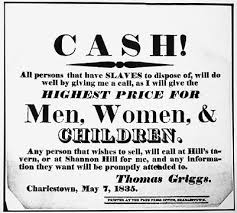
It was not enough for Southerners to claim equal standing with Northerners; Northerners must acknowledge it. But this was something that the North was less and less willing to do.
Finally, its citizens dared to elect Abraham Lincoln as President in 1860.
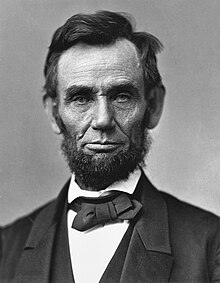
Abraham Lincoln
Lincoln and his new Republican party damned slavery—and slaveholders—as morally evil, obsolete and ultimately doomed. And they were determined to prevent slavery from spreading any further throughout the country.
Southerners found all of this intolerable.
The British author, Anthony Trollope, explained to his readers: “It is no light thing to be told daily, by our fellow citizens…that you are guilty of the one damning sin that cannot be forgiven.
“All this [Southerners] could partly moderate, partly rebuke and partly bear as long as political power remained in their hands. But they have gradually felt that this was going, and were prepared to cut the rope and run as soon as it was gone.”
Only 10% of Southerners owned slaves. The other 90% of the population “had no dog in this fight,” as Southerners liked to say.
Yet they so admired and aspired to be like their “gentleman betters” that they threw in their lot with them.
There were some Southerners who could see what was coming—and vainly warned their fellow citizens against it.
One of these was Sam Houston, the man who had won Texas independence at the 1836 battle of San Jacinto and later served as that state’s governor.

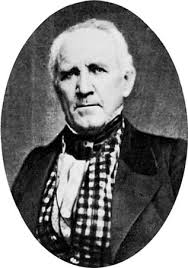
Sam Houston
On April 19, 1860, addressing a crowd in Galveston, he said: “Let me tell you what is coming. After the sacrifice of countless millions of treasure and hundreds of thousands of lives, you may win Southern independence if God be not against you.
“But I doubt it. I tell you that, while I believe with you in the doctrine of states’ rights, the North is determined to preserve this Union. They are not a fiery, impulsive people as you are, for they live in colder climates.
“But when they begin to move in a given direction, they move with the steady momentum and perseverance of a mighty avalanche; and what I fear is, they will overwhelm the South.”
Four years later, on April 9, 1865, Houston’s warning became history.
Confederate General Robert E. Lee surrendered the Army of Northern Virginia to Union General Ulysses S. Grant at Appomattox Courthouse.
Huge sections of the South had been laid waste by Union troops and more than 258,000 Southerners had been killed.
And slavery, the mainstay of Southern plantation life, had been ended forever.
The South had paid an expensive price for its fixation on ego.
Even more proved at risk a century later, when President John F. Kennedy faced off with Soviet Premier Nikita Khrushchev.
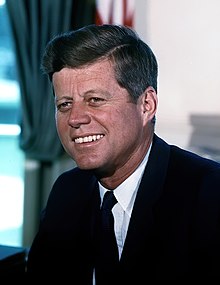
John F. Kennedy
In August, 1961, faced with the embarrassment of East Berliners fleeing by the thousands into West Germany, the Soviet leader erected the infamous Berlin Wall, sealing off East and West Berlin.
Khrushchev pressed his advantage, threatening Kennedy with nuclear war unless the Americans abandoned their protection of West Berlin.
In April, Kennedy had been humiliated at the Bay of Pigs when a CIA-sponsored invasion failed to overthrow the Cuba’s Fidel Castro. So he was already on the defensive when he and Khrushchev met in Vienna.
Kennedy’s reaction: “If Khrushchev wants to rub my nose in the dirt, it’s all over.”
In short: Kennedy was prepared to incinerate the planet if he felt his almighty ego was about to get smacked.
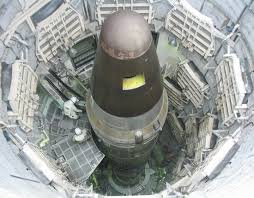
Nuclear missile in silo
What has proved true for states and nations proves equally true for those leading every other type of institution.
Although most people like to believe they are guided by rationality and morality, all-too-often, what truly decides the course of events is their ego.
For pre-Civil War Southerners, it meant demanding that “Yankees” show respect for slave-owning society. Otherwise, they would leave the Union.
For Kennedy, it meant playing a game of “chicken,” backed up with nuclear missiles, to show Khrushchev who Numero Uno really was.
And during the Cuban Missile Crisis, in October, 1962, humankind almost disappeared as Kennedy set out to make Khrushchev “blink.”
It is well to keep these lessons from history in mind when choosing political leaders—and when making our own major decisions.
ABC NEWS, ADOLF HITLER, ADVICE, ALTERNET, AMERICABLOG, AP, BABY BOOMER RESISTANCE, BAY OF PIGS, BBC, BENITO MUSSOLINI, BLOOMBERG NEWS, BUZZFEED, CAESARE BORGIA, CBS NEWS, CNN, CORPORATIONS, CROOKS AND LIARS, CUBA, DAILY KOS, DAILY KOZ, FIDEL CASTRO, FIVETHIRTYEIGHT, FLORENCE, HARPER’S MAGAZINE, HUFFINGTON POST, JOHN F. KENNEDY, JOSEPH STALIN, KING PERSEUS OF MACEDON, MEDIA MATTERS, MOTHER JONES, MOVEON, MSNBC, NAZI-SOVIET "NON-AGGRESSION PACT", NBC NEWS, NEW REPUBLIC, NEWSDAY, NEWSWEEK, NICCOLO MACHIAVELLI, NPR, PBS NEWSHOUR, POLITICO, POLITICS, POLITICUSUSA, POPE JULIUS 11, RAW STORY, REUTERS, SALON, SEATTLE TIMES, SLATE, TALKING POINTS MEMO, THE ATLANTIC, THE CHICAGO SUN-TIMES, THE CHICAGO TRIBUNE, THE DAILY BEAST, THE DAILY BLOG, THE DISCOURSES, THE GUARDIAN, THE HILL, THE HUFFINGTON POST, THE INTERCEPT, THE LOS ANGELES TIMES, THE NATION, THE NEW REPUBLIC, THE NEW YORK TIMES, THE NEW YORKER, THE PRINCE, THE SS, THE VILLAGE VOICE, THE WASHINGTON POST, THINKPROGRESS, THIRD REICH, TIME, TRUTHDIG, TRUTHOUT, TWITTER, U.S. NEWS & WORLD REPORT, UKRAINE, UPI, USA TODAY, VLADIMIR PUTIN, VOLODYMYR ZELENSKY, WEHRMACHT, WORLD WAR 11
In Bureaucracy, Business, History, Military, Politics, Social commentary on May 24, 2024 at 12:10 am
Ask the average person, “What do you think of Niccolo Machiavelli?” and he’s likely to say: “The devil.”
In fact, “The Old Nick” became an English term used to describe Satan and slander Machiavelli at the same time.

Niccolo Machiavelli
The truth, however, is more complex. Machiavelli was a passionate Republican, who spent most of his adult life in the service of his beloved city-state, Florence.
The years he spent as a diplomat were tumultuous ones for Italy—with men like Pope Julius II and Caesare Borgia vying for power and plunging Italy into one bloodbath after another.
Florence, for all its wealth, lacked a strong army, and thus lay at the mercy of powerful enemies, such as Borgia. Machiavelli often had to use his wits to keep them at bay.
Machiavelli is best-known for his writing of The Prince, a pamphlet on the arts of gaining and holding power. Its admirers have included Benito Mussolini and Joseph Stalin.
But his longer and more thoughtful work is The Discourses, in which he offers advice on how to maintain liberty within a republic. Among its admirers were many of the men who framed the Constitution of the United States.
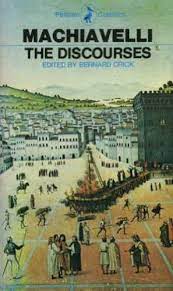

Most people believe that Machiavelli advocated evil for its own sake.
Not so. Rather, he recognized that sometimes there is no perfect—or perfectly good—solution to a problem.
Sometimes it’s necessary to take stern—even brutal—action to stop an evil (such as a riot) before it becomes widespread:
“A man who wishes to make a profession of goodness in everything must inevitably come to grief among so many who are not good. And therefore it is necessary for a prince, who wishes to maintain himself, to learn how not to be good, and to use this knowledge and not use it, according to the necessity of the case.”
His counsel remains as relevant today as it did during his lifetime (1469 – 1527). This is especially true for politicians—and students of political science.
But plenty of ordinary citizens can also benefit from the advice he has to offer—such as those in business who are asked to give advice to more powerful superiors.
Machiavelli warns there is danger in urging rulers to take a particular course of action: “For men only judge of matters by the result, all the blame of failure is charged upon him who first advised it, while in case of success he receives commendations. But the reward never equals the punishment.”
This puts would-be counselors in a difficult position: “If they do not advise what seems to them for the good of the republic or the prince, regardless of the consequences to themselves, then they fail to do their duty.
“And if they do advise it, then it is at the risk of their position and their lives, for all men are blind in thus, that they judge of good or evil counsels only by the results.”
Thus, Machiavelli warns that an adviser should “take things moderately, and not to undertake to advocate any enterprise with too much zeal, but to give one’s advice calmly and modestly.”
The person who asked for the advice may follow it, or not, as of his own choice, and not because he was led or forced into it by the adviser.
Above all, the adviser must avoid the danger of urging a course of action that runs “contrary to the wishes of the many.
“For the danger arises when your advice has caused the many to be contravened. In that case, when the result is unfortunate, they all concur in your destruction.”
Or, as President John F. Kennedy famously said after the disastrous invasion of Cuba at the Bay of Pigs in April, 1961: “Victory has a hundred fathers and defeat is an orphan.”
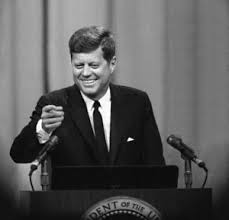
John F. Kennedy
By “not advocating any enterprise with too much zeal,” the adviser gains two advantages:
“The first is, you avoid all danger.
“And the second consists in the great credit which you will have if, after having modestly advised a certain course, your counsel is rejected, and the adoption of a different course results unfortunately.”
Finally, the time to give advice is before a catastrophe occurs, not after. Machiavelli gives a vivid example of what can happen if this rule is ignored.
King Perseus of Macedon had gone to war with Paulus Aemilius—and suffered a humiliating defeat. Fleeing the battlefield with a handful of his men, he later bewailed the disaster that had overtaken him.
Suddenly, one of his lieutenants began to lecture Perseus on the many errors he had committed, which had led to his ruin.
“Traitor,” raged the king, turning upon him, “you have waited until now to tell me all this, when there is no longer any time to remedy it—” And Perseus slew him with his own hands.
Niccolo Machiavelli sums up the lesson as this:
“Thus was this man punished for having been silent when he should have spoken, and for having spoken when he should have been silent.”
Be careful that you don’t make the same mistake.
2012 PRESIDENTIAL RACE, ALTERNET, AP, BARACK OBAMA, BAY OF PIGS, BBC, BERLIN WALL, BILL CLINTON, BRUCE GREENWOOD, BUZZFEED, CARLOS MARCELLO, CBS NEWS, CIA, CIVIL RIGHTS, CLIFF ROBERTSON, CNN, CUBAN MISSILE CRISIS, DAILY KOS, DAVID HALBERSTAM, DONALD J. TRUMP, FBI, FIDEL CASTRO, FRANK SINATRA, HERMAN CAIN, ICH BEN EIN BERLINNER SPEECH, INTERNET MOVIE DATABASE, J. EDGAR HOOVER, JAMES MARSDEN, JOHN F. KENNEDY, JOSEPH MCCARTHY, JOSEPH P. KENNEDY, LYNDON B. JOHNSON, MAFIA, MALCOM X, MARTIN LUTHER KING, MARTIN SHEEN, MOTHER JONES, MOVEON, MOVIES, NBC NEWS, NEWSWEEK, NEWT GINGRICH, NIKITA KHRUSHCHEV, NPR, NUCLEAR TEST BAN TREATY, POLITICO, PT-109, RAW STORY, REUTERS, RICK PERRY, ROBERT F. KENNEDY, ROBERT S. MCNAMARA, SALON, SAM GIANCANA, SANTOS TRAFFICANTE, Sarah Palin, SATURDAY NIGHT LIVE, SEATTLE TIMES, SLATE, SOVIET UNION, THE ATLANTIC, THE BEST AND THE BRIGHTEST, THE BUTLER, THE CHICAGO SUN-TIMES, THE CHICAGO TRIBUNE, THE DAILY BEAST, THE GUARDIAN, THE HILL, THE HUFFINGTON POST, THE LOS ANGELES TIMES, THE MISSILES OF OCTOBER, THE NEW YORK TIMES, THE RAT PACK, THE WALL STREET JOURNAL, THE WASHINGTON POST, THIRTEEN DAYS, TIME, TWILIGHT ZONE, TWITTER, U.S. NEWS & WORLD REPORT, UPI, USA TODAY, VIETNAM WAR, WILLIAM DEVANE, WILLIAM PETERSON
In Bureaucracy, Business, History, Law, Law Enforcement, Military, Politics, Social commentary on November 22, 2023 at 12:10 am
Sixty years ago, on November 22, 1963, two bullets slammed into the neck and head of President John Fitzgerald Kennedy.
It has been said that he left his country with three great legacies:
- The Nuclear Test Ban Treaty;
- The Apollo moon landing; and
- The Vietnam war.
Of these, the following can be said with certainty:
- The Test Ban Treaty has prevented atmospheric testing—and poisoning—by almost all the world’s nuclear powers.
- After reaching the moon—in 1969—Americans quickly lost interest in space and have today largely abandoned plans for manned exploration. For America, as for JFK, beating the Russians to the moon was the end-goal.
- Under Presidents Lyndon Johnson and Richard Nixon, 58,000 Americans died in Vietnam; 153,303 were wounded; and billions of dollars were squandered in a hopeless effort to intervene in what was essentially a Vietnamese civil war. From 1965 to 1972, the war angrily divided Americas as had no event since the Civil War.
But there was a fourth legacy—and perhaps the most important of all: The belief that mankind could overcome its greatest challenges through rationality and perseverance.
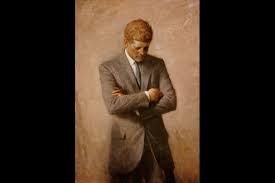
White House painting of JFK
At American University on June 10, 1963, Kennedy called upon his fellow Americans to re-examine the events and attitudes that had led to the Cold War. And he declared that the search for peace was by no means absurd:
“Our problems are man-made; therefore, they can be solved by man. And man can be as big as he wants. No problem of human destiny is beyond human beings.
“Man’s reason and spirit have often solved the seemingly unsolvable, and we believe they can do it again.”
Today, politicians from both parties cannot agree on solutions to even the most vital national problems.
For example: Republicans cannot agree with Democrats that the violent January 6, 2021 attempt by Donald Trump’s supporters to overturn the results of the 2020 Presidential election qualified as treason.
President Kennedy insisted on being well-informed. He speed-read several newspapers every morning and nourished personal relationships with the press—and not for altruistic reasons. These journalistic contacts gave Kennedy additional sources of information and perspectives on national and international issues.
During the 2012 Presidential campaign, Republican Presidential candidates celebrated their ignorance of both.
Former Godfather’s Pizza CEO Herman Cain famously said, “We need a leader, not a reader.” Thus he excused his ignorance for why President Barack Obama had intervened in Libya.
Former Texas Governor Rick Perry and Secretary of Energy showed similar pride in not knowing there are nine judges on the United States Supreme Court:
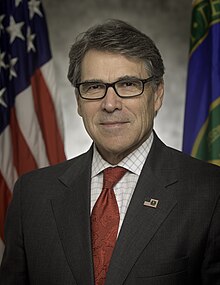
Rick Perry
“Well, obviously, I know there are nine Supreme Court judges. I don’t know how eight came out my mouth. But the, uh, the fact is, I can tell you—I don’t have memorized all of those Supreme Court judges. And, uh, ah—
“Here’s what I do know. That when I put an individual on the Supreme Court, just like I done in Texas, ah, we got nine Supreme Court justices in Texas, ah, they will be strict constructionists….”
In short, it’s the media’s fault if they ask you a question and your answer reveals your own ignorance, stupidity or criminality.
Sarah Palin rewrote history via “The Midnight Ride of Paul Revere”: “He warned the British that they weren’t going to be taking away our arms by ringing those bells and, um, making sure as he’s riding his horse through town to send those warning shots and bells that, uh, we were going to be secure and we were going to be free.”
In fact, Revere wasn’t warning the British about anything. Instead, he was warning his fellow Americans about an impending British attack—as his celebrated catchphrase “The British are coming!” made clear.
During the height of the Cuban Missile Crisis, Kennedy spoke with aides about a book he had just finished: Barbara Tuchman’s The Guns of August, about the events leading to World War 1.
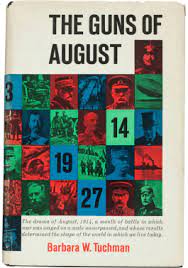
He said that the book’s most important revelation was how European leaders had blindly rushed into war, without thought to the possible consequences. Kennedy told his aides he did not intend to make the same mistake—that, having read his history, he was determined to learn from it.
Republicans attacked President Obama for his Harvard education and articulate use of language. Among their taunts: “Hitler also gave good speeches.”
And they resented his having earned most of his income as a writer of two books: Dreams From My Father and The Audacity of Hope. As if being a writer is somehow subversive.
When knowledge and literacy are attacked as “highfalutin’” arrogance, and ignorance and incoherence are embraced as sincerity, national decline lies just around the corner.
Many Americans believe that decline arrived with the 2016 election of Donald Trump. In fact, they believe it was Trump who announced it after winning the Nevada Republican primary: “We won with poorly educated. I love the poorly educated.”
In retrospect, the funeral for President Kennedy marked the death of more than a rational and optimistic human being.
It marked the death of Americans’ pride in choosing reasoning and educated citizens for their leaders.
2012 PRESIDENTIAL RACE, ABC NEWS, ALTERNET, AP, BARACK OBAMA, BAY OF PIGS, BBC, BERLIN WALL, BILL CLINTON, BRUCE GREENWOOD, BUZZFEED, CARLOS MARCELLO, CBS NEWS, CIA, CIVIL RIGHTS, CLIFF ROBERTSON, CNN, CUBAN MISSILE CRISIS, DAILY KOS, DAVID HALBERSTAM, DONALD J. TRUMP, FBI, FIDEL CASTRO, FRANK SINATRA, HERMAN CAIN, ICH BEN EIN BERLINNER SPEECH, INTERNET MOVIE DATABASE, J. EDGAR HOOVER, JAMES MARSDEN, JOHN F. KENNEDY, JOSEPH MCCARTHY, JOSEPH P. KENNEDY, LYNDON B. JOHNSON, MAFIA, MALCOM X, MARTIN LUTHER KING, MARTIN SHEEN, MOTHER JONES, MOVEON, MOVIES, NBC NEWS, NEWSWEEK, NEWT GINGRICH, NIKITA KHRUSHCHEV, NPR, NUCLEAR TEST BAN TREATY, POLITICO, PT-109, RAW STORY, REUTERS, RICK PERRY, ROBERT F. KENNEDY, ROBERT S. MCNAMARA, SALON, SAM GIANCANA, SANTOS TRAFFICANTE, Sarah Palin, SATURDAY NIGHT LIVE, SEATTLE TIMES, SLATE, SOVIET UNION, THE ATLANTIC, THE BEST AND THE BRIGHTEST, THE BUTLER, THE CHICAGO SUN-TIMES, THE CHICAGO TRIBUNE, THE DAILY BEAST, THE GUARDIAN, THE HILL, THE HUFFINGTON POST, THE LOS ANGELES TIMES, THE MISSILES OF OCTOBER, THE NEW YORK TIMES, THE RAT PACK, THE WALL STREET JOURNAL, THE WASHINGTON POST, THIRTEEN DAYS, TIME, TWILIGHT ZONE, TWITTER, U.S. NEWS & WORLD REPORT, UPI, USA TODAY, VIETNAM WAR, WILLIAM DEVANE, WILLIAM PETERSON
In Bureaucracy, Business, History, Law, Law Enforcement, Military, Politics, Social commentary, Uncategorized on November 21, 2023 at 12:10 am
Elected to the House of Representatives in 1946, John F. Kennedy served six undistinguished years before being elected U.S. Senator from Massachusetts in 1952.
In 1956, his eloquence and political skill almost won him the Vice Presidential nomination at the Democratic National Convention. But the nominee, Adlai Stevenson, chose Tennessee Senator Estes Kefauver as his running mate–fortunately for Kennedy.
President Dwight D. Eisenhower, running for re-election, easily beat Stevenson.
Had Kennedy been on the ticket, his Catholicism would have been blamed for the loss. And this would have likely prevented his getting the Presidential nomination in 1960.
In 1957, his book, Profiles in Courage, won the Pulitzer Prize for history.
From 1957 to 1960, Kennedy laid plans for a successful Presidential race.
Many voters thought him too young and inexperienced for such high office. But he used his TV debates with then-Vice President Richard Nixon to calm such fears, transforming himself overnight into a serious contender.
Many Americans identified with Kennedy as they had with film stars. Compared with normally drab politicians, he seemed exciting and glamorous.
Since 1960, for millions of Americans, mere competence in a President isn’t enough; he should be charming and movie-star handsome as well.
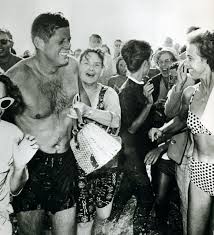
John F. Kennedy after taking a swim at Santa Monica Beach, 1960
But charismatic politicians face the danger of waning enthusiasm.
Many people were growing disillusioned with Kennedy before he died. He had raised hopes that couldn’t be met—especially among blacks.
And many whites bitterly opposed his support of integration, believing that Kennedy was “moving too fast” in changing race relations.
Still, for millions of Americans, Kennedy represented a time of change.
“Let’s get this country moving again” had been his campaign slogan in 1960. He had demanded an end to the non-existent “missile gap” between the United States and Soviet Union.
And he had said that America should create full employment and re-evaluate its policies toward Africa, Latin America and Asia.
His youth, the grace and beauty of his wife and the often-reported antics of his two young children—Caroline and John—added to the atmosphere that change was under way.
But Kennedy was not so committed to reform as many believed:
- As a Senator he had strongly opposed abolishing the Electoral College.
- He never protested the Red-baiting tactics of Senator Joseph R. McCarthy, a frequent dinner guest at the home of his father.
- As President, Kennedy never forgot that he had been elected by a margin of 112,881 votes. He often rationalized his refusal to tackle controversial issues by saying: “We’ll do it after I’m re-elected. So we’d better make damn sure I am re-elected.”
- He thought the United States should recognize “Red” China, but didn’t try to change American foreign policy toward that nation.
Nevertheless, many historians believe that. by vocally supporting civil rights and healthcare for the elderly, Kennedy laid the groundwork for Lyndon Johnson’s legislative victories.
Perhaps no aspect of Kennedy’s Presidency has received closer study than his assassination.
Hundreds of books and thousands of articles have hotly debated whether he was murdered by a lone “nut” or a deadly conspiracy of powerful men.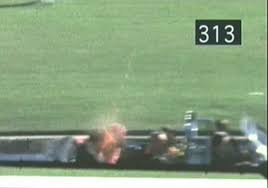

JFK’s assassination: The moment of impact
The murder has been the subject of two government investigations. The first, by the Warren Commission in 1964, concluded that an embittered ex-Marine and Marxist, Lee Harvey Oswald, acted alone in killing Kennedy.
Similarly, the Commission determined that nightclub owner Jack Ruby had killed Oswald on impulse, and not as the result of a conspiracy.
Millions of disbelieving Americans rejected the Warren Report—and named their own villains:
- The KGB;
- The Mob;
- Anti-Castro Cubans;
- Vice President Lyndon B. Johnson;
- Right-wing businessmen and/or military leaders;
- Fidel Castro.
Each of these groups or persons had reason to hate Kennedy:
- The KGB—for Kennedy’s humiliating the Soviet Union during the Cuban Missile Crisis.
- The Mob—in retaliation for the administration’s crackdown on organized crime.
- Anti-Castro Cubans—for JFK’s refusal to commit American military forces to overthrowing Castro at the Bay of Pigs invasion.
- Lyndon Johnson—lusting for power, he stood to gain the most from Kennedy’s elimination.
- Right-wing businessmen and/or military leaders—for believing that Kennedy had “sold out” the country to the Soviet Union.
- Fidel Castro—knowing the CIA was trying to assassinate or overthrow him, he had reason to respond in kind.
The second investigation, conducted in 1977-79 by the House Assassinations Committee, determined that Oswald and a second, unknown sniper had fired at Kennedy. (Oswald was deemed the assassin; the other man’s shot had missed.)
The Chief Counsel for the Committee, G. Robert Blakey, believed New Orleans Mafia boss Carlos Marcello organized the assassination, owing to his hatred of Robert Kennedy for his war on the crime syndicates.
Still, 60 years after JFK’s assassination, no court-admissible evidence has appeared to convict anyone other than Oswald for the murder.
The impact of Kennedy’s death on popular culture remains great. Millions saw him as a brilliant, courageous hero who had worked his way to the top.
But his sudden and violent end shocked those who believed there was always a happy ending.
If so gifted—and protected—a man as John F. Kennedy could be so suddenly and brutally destroyed, no one else could depend on a secure future.
2012 PRESIDENTIAL RACE, ABC NEWS, ALTERNET, AP, BARACK OBAMA, BAY OF PIGS, BBC, BERLIN WALL, BILL CLINTON, BRUCE GREENWOOD, BUZZFEED, CARLOS MARCELLO, CBS NEWS, CIA, CIVIL RIGHTS, CLIFF ROBERTSON, CNN, CUBAN MISSILE CRISIS, DAILY KOS, DAVID HALBERSTAM, DONALD J. TRUMP, FBI, FIDEL CASTRO, FRANK SINATRA, HERMAN CAIN, ICH BEN EIN BERLINNER SPEECH, INTERNET MOVIE DATABASE, J. EDGAR HOOVER, JAMES MARSDEN, JOHN F. KENNEDY, JOSEPH MCCARTHY, JOSEPH P. KENNEDY, LYNDON B. JOHNSON, MAFIA, MALCOM X, MARTIN LUTHER KING, MARTIN SHEEN, MOTHER JONES, MOVEON, MOVIES, NBC NEWS, NEWSWEEK, NEWT GINGRICH, NIKITA KHRUSHCHEV, NPR, NUCLEAR TEST BAN TREATY, POLITICO, PT-109, RAW STORY, REUTERS, RICK PERRY, ROBERT F. KENNEDY, ROBERT S. MCNAMARA, SALON, SAM GIANCANA, SANTOS TRAFFICANTE, Sarah Palin, SATURDAY NIGHT LIVE, SEATTLE TIMES, SLATE, SOVIET UNION, THE ATLANTIC, THE BEST AND THE BRIGHTEST, THE BUTLER, THE CHICAGO SUN-TIMES, THE CHICAGO TRIBUNE, THE DAILY BEAST, THE GUARDIAN, THE HILL, THE HUFFINGTON POST, THE LOS ANGELES TIMES, THE MISSILES OF OCTOBER, THE NEW YORK TIMES, THE RAT PACK, THE WALL STREET JOURNAL, THE WASHINGTON POST, THIRTEEN DAYS, TIME, TWILIGHT ZONE, TWITTER, U.S. NEWS & WORLD REPORT, UPI, USA TODAY, VIETNAM WAR, WILLIAM DEVANE, WILLIAM PETERSON
In Bureaucracy, Business, History, Law, Law Enforcement, Military, Politics, Social commentary on November 20, 2023 at 12:45 am
Throughout his life, John F. Kennedy was lucky—both personally and politically.
Part of the secret lay in his physical presence. He was young and handsome, charming and articulate.
He appeared zestful and athletic despite a series of ailments, including Addison’s disease (a malfunction of the adrenal glands) and an injured back that required the use of a brace.
His wit was sophisticated and often self-deprecating. Addressing an assembly of Nobel Prize winners at the White House, he said: “I think this is the most extraordinary collection of talent, of human knowledge, that has ever been gathered at the White House—with the possible exception of when Thomas Jefferson dined alone.”


JFK making a joke at a press conference
And his sense of humor often defused otherwise ticklish problems. During the 1960 Presidential race, he was sharply criticized for relying on his millionaire father for much of his funding. At a campaign rally, he deflected the charge with humor:
“I just received a telegram from my generous Daddy. It says: ‘Dear Jack: Don’t buy one more vote than necessary. I’ll be damned if I’m going to pay for a landslide.’”
Another controversy emerged when he named his brother, Robert, Attorney General. Critics charged that the appointment smacked of nepotism—and that Robert didn’t have enough legal gravitas to be the nation’s chief law enforcement offer.
“I see nothing wrong in giving Robert a little experience before he goes out to practice law,” he said at a press conference.
His highly-polished rhetoric—produced by wordsmiths such as Theodore Sorensen—dazzled audiences. His Inaugural Address was acclaimed by Democrats and even most Republicans.
Its signature line, “Ask not what your country can do for you, ask what you can do for your country” has become as famous as Abraham Lincoln’s “government of the people, by the people, for the people.”
His speeches often urged Americans to seek a higher cause than mere self-interest. Speaking of the role of the arts in a nation’s life, he said:
“It may be different elsewhere, but [in] democratic society…the highest duty of the writer, the composer, the artist is to remain true to himself and to let the chips fall where they may.”
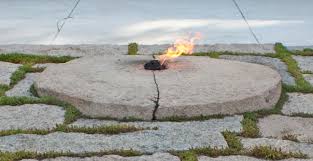
Memorial at the Arlington gravesite for John F. Kennedy
But he could be blunt and profane in private.
“My father always told me all businessmen were sonsofbitches, but I never believed it till now,” he said in private when the steel companies made an inflationary price increase in 1962.
Like Richard Nixon, Kennedy installed a secret taping system in the White House. And, as with Nixon, this picked up many of his profanities. Unlike Nixon, however, Kennedy died before his secret taping system was discovered.
Kennedy impressed many journalists with his capacity for detail.
“He swallows and digests whole books in minutes. His eye seizes instantly on the crucial point of a long memorandum. He confounds experts with superior knowledge of their field,” wrote Games McGregor Burns in 1961.
Having briefly worked as a journalist (covering the opening of the United Nations Assembly in 1945) JFK understood and catered to the sensitivities of the Washington press corps.
Using charm, wit, candor and selective accessibility, he cultivated his own favored group of reporters. Critics charged that he was manipulating the media—and they were right.
Sometimes the manipulation was heavy-handed. He pressured The New York Times to censor its coverage of actions he intended to take—such as during the Bay of Pigs and the Cuban Missile Crisis.
But he failed to coerce the Times to remove David Halberstam, its Vietnam correspondent, whose highly critical articles cast doubt on the effectiveness of the American military commitment to Vietnam.
A major part of Kennedy’s appeal lay in his glamorous background. He was born—on May 29, 1917—into a large, robust family headed by wealthy and powerful financier Joseph P. Kennedy.
He attended Princeton and Harvard, graduating from the latter with top honors.
During World War II he became a Naval hero in 1943 after a Japanese destroyer sliced his PT boat in half—by towing an injured shipmate to safety on a South Pacific island. From there, Kennedy persuaded a native to summon rescue help from the U.S. Navy.
Kennedy had no plans for a postwar political career. That had been assigned to his elder brother, Joseph P. Kennedy, Jr., by their ambitious father, who was determined to seat the first Irish Catholic President.
After learning of his younger brother’s heroism, Joseph volunteered for a dangerous Naval bombing mission. On August 12, 1944, he and a co-pilot flew an explosives-laden plane from England toward France.
While over the English Channel, they were supposed to parachute from the aircraft—after activating a remote control system to send the plane crashing into a German command center.
But the plane mysteriously exploded before the pilots could eject—and before the plane reached its target.
The death of his elder brother ended John F. Kennedy’s plans for a career as a writer. Joseph Kennedy, Sr., insisted that “Jack” assume the political career that the Kennedy patriarch had assigned for his dead brother.
2012 PRESIDENTIAL RACE, ALTERNET, AP, BARACK OBAMA, BAY OF PIGS, BBC, BERLIN WALL, BILL CLINTON, BRUCE GREENWOOD, BUZZFEED, CARLOS MARCELLO, CBS NEWS, CIA, CIVIL RIGHTS, CLIFF ROBERTSON, CNN, CUBAN MISSILE CRISIS, DAILY KOS, DAVID HALBERSTAM, DONALD J. TRUMP, FBI, FIDEL CASTRO, FRANK SINATRA, HERMAN CAIN, ICH BEN EIN BERLINNER SPEECH, INTERNET MOVIE DATABASE, J. EDGAR HOOVER, JAMES MARSDEN, JOHN F. KENNEDY, JOSEPH MCCARTHY, JOSEPH P. KENNEDY, LYNDON B. JOHNSON, MAFIA, MALCOM X, MARTIN LUTHER KING, MARTIN SHEEN, MOTHER JONES, MOVEON, MOVIES, NBC NEWS, NEWSWEEK, NEWT GINGRICH, NIKITA KHRUSHCHEV, NPR, NUCLEAR TEST BAN TREATY, POLITICO, PT-109, RAW STORY, REUTERS, RICK PERRY, ROBERT F. KENNEDY, ROBERT S. MCNAMARA, SALON, SAM GIANCANA, SANTOS TRAFFICANTE, Sarah Palin, SATURDAY NIGHT LIVE, SEATTLE TIMES, SLATE, SOVIET UNION, THE ATLANTIC, THE BEST AND THE BRIGHTEST, THE BUTLER, THE CHICAGO SUN-TIMES, THE CHICAGO TRIBUNE, THE DAILY BEAST, THE GUARDIAN, THE HILL, THE HUFFINGTON POST, THE LOS ANGELES TIMES, THE MISSILES OF OCTOBER, THE NEW YORK TIMES, THE RAT PACK, THE WALL STREET JOURNAL, THE WASHINGTON POST, THIRTEEN DAYS, TIME, TWILIGHT ZONE, TWITTER, U.S. NEWS & WORLD REPORT, UPI, USA TODAY, VIETNAM WAR, WILLIAM DEVANE, WILLIAM PETERSON
In Bureaucracy, Business, History, Law, Law Enforcement, Military, Politics, Social commentary on November 17, 2023 at 12:10 am
John F. Kennedy fired the imaginations and captured the hearts of Americans and foreign citizens as no President since the days of Franklin D. Roosevelt.
Millions who voted for him—or against him or didn’t vote at all—still believe that, if only he had lived to be re-elected, America would have entered a truly Golden Age.
Kennedy certainly encouraged such belief. Asked for his definition of happiness, he quoted the ancient Greeks: “The full use of your powers along lines of excellence.”
More than 53 years after his death on November 22, 1963, he remains frozen in time. Assassinated at age 46, he remains forever young, vigorous and charming.
But even if he had not been assassinated, his Presidency could have ended in disaster.
After his 1953 marriage to Jacqueline Bouvier, he continued to pursue both a married and a bachelor life. Rumors of Kennedy’s extramarital affairs swirled throughout his Senatorial career and followed him into the White House.
His conquests included secretaries, wives of friends, strippers, movie stars (such as Marilyn Monroe and Marlene Dietrich) prostitutes and even a mobster’s mistress.
Various theories have been advanced for his taking such dangerous risks with his political career:
- As a victim of Addison’s Disease (insufficiency of the adrenal glands) he had been told by doctors he might not live beyond 35.
- As a result of the cortisone he took to control his Addison’s, his libido was greatly enhanced.
- After escaping death with the sinking of PT-109, he decided to cram as much excitement into his life as possible.
- His father, Joseph P. Kennedy, Sr., a notorious womanizer, had encouraged him and his three other sons to sleep with as many women as possible.
During the 1960 Presidential campaign, Frank Sinatra—who had become smitten with Kennedy and was determined to see him elected—introduced him to a “good time girl” named Judith Campbell (later Exner).
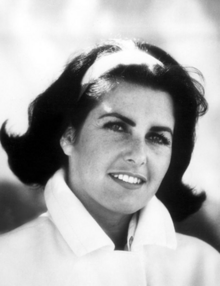

Judith Campbell in 1976
Whether Kennedy knew it or not, Campbell was also sleeping with Sam Giancana—the most-feared Mafia boss in Chicago. And it wasn’t long before Giancana learned about her trysts with Kennedy.
As a favor to Sinatra, Giancana and his fellow mobsters used their powerful influence to ensure that JFK carried Illinois in 1960.
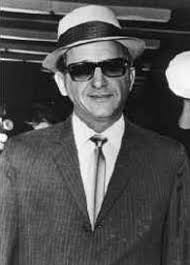
Sam Giancana
In turn, JFK’s father, Joseph P. Kennedy had promised Giancana that the Mob would get a free ride under a Kennedy Presidency.
When JFK appointed his brother, Robert, Attorney General, the latter declared war on organized crime. Giancana and his fellow hoods felt betrayed.
Giancana often raged to Campbell: “If it wasn’t for me, your boyfriend wouldn’t be President.” And having knowledge of her scandalous relationship with JFK, Giancana could have exposed Kennedy to a shocked public.
And if Giancana hadn’t done it, FBI Director J. Edgar Hoover might have.
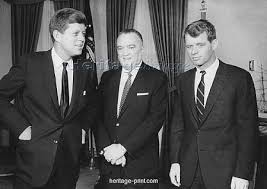
John F. Kennedy, J. Edgar Hoover and Robert F. Kennedy
Hoover, under relentless pressure from Robert Kennedy to crack down on the Mob, had, through illegal electronic surveillance, discovered the Giancana-Campbell-Kennedy connection.
Always fearful that he might be replaced as FBI director, Hoover had quickly alerted the Attorney General to his latest discovery in February, 1962. Neither RFK nor JFK could dare fire Hoover now.
White House telephone logs reveal that, from January, 1961 until February, 1962, Campbell phoned the White House 70 times.
After Hoover informed Robert Kennedy of Campbell’s status with the President, she made only one more call to Kennedy. It was then that the President said the affair was over.
Similarly, the President’s on-and-off affair with Marilyn Monroe put him in an equally dangerous position. Monroe’s behavior, fueled by emotional instability, alcohol and pills, became increasingly erratic. And she grew convinced that Kennedy should divorce Jackie and make her the new First Lady.
Rumors still circulate that the President sent Robert Kennedy—who was by now an old hand at cleaning up JFK’s messes—to tell Monroe their relationship was over.
Whatever secrets Monroe may have been able to reveal about her relationship with Kennedy, she took them to the grave in an overdose of alcohol and sleeping pills on August 5, 1962.
In his 1995 bestseller, The Dark Side of Camelot, investigative reporter Seymour Hersh got several former members of Kennedy’s Secret Service detail to speak about JFK’s extramarital sex life.
They revealed that they had not been allowed to search any of the women Kennedy cavorted with.
Any of these women could have injected the President with a poisonous hypodermic. Or secretly tape recorded their trysts with Kennedy for blackmail purposes.
Kennedy believed he would be re-elected in 1964—especially if his opponent was Barry Goldwater, the Republican Senator from Arizona.
And he almost certainly would have been re-elected; Lyndon Johnson scored a smashing victory over Goldwater that year.
But it’s also possible that Kennedy could have been forced to resign in disgrace over his affairs with Campbell, Monroe or any number of other women.
Such a fate overtook British Secretary of State for War John Profumo in 1962. In 1961, he had begun an affair with Christine Keeler, an attractive model. But Keeler was also bedding Yevgeney Ivanov, the senior naval attaché at the Soviet Embassy in Britain.
When the press learned about the threesome, Profumo was forced to resign, his 22-year political career destroyed.


 Bureaucracybuster's Blog
AFFORDABLE CARE ACT (ACA), AFGHANISTAN, ALEX PRETTI, ALLEN DULLES, ALTERNET, AMAZON, AMERICABLOG, ANTI-CASTRO CUBANS, AP, APPLE, ARTIFICIAL INTELLIGENCE, ASSASSINATION, BABY BOOMER RESISTANCE, BARACK OBAMA, BARI WEISS, BAY OF PIGS, BBC, BIG TECH, BLACKS, BLOOMBERG, BLUESKY, BUZZFEED, CANADA, CANADIANS, CARLOS MARCELLO, CBS NEWS, CIA, CITIENSHIP TESTS, CIVIL RIGHTS, CLEAR AND PRESENT DANGER (FILM), CNN, COLUMBIAN/MEXICAN DRUG CARTELS, CONSPIRACIES, CROOKS AND LIARS, CUBA, CUBAN MISSILE CRISIS, CUSTOMS AND BORDER PATROL (CBP), DAILY KOS, DONALD TRUMP, FBI, FBI AGENTS, FEDERAL EMERGENCY MANAGEMENT AGENCY, FEDERAL RESERVE, FEDERAL TRADE COMMISSION, FIDEL CASTRO, FIVETHIRTYEIGHT, GAIUS CALIGULA, GAZA, GOOGLE, GREENLAND, GREENLANDERS, GUN RIGHTS ENTHUSIASTS, HARPER’S MAGAZINE, HARRISON FORD, HISPANICS, HUFFINGTON POST, IMMIGRANTS, IMMIGRATION AND CUSTOMS ENFORCEMENT (ICE), INSPECTORS GENERAL, INTERNATIONAL BROTHERHOOD OF TEAMSTERS, IRAN, IRANIANS, ISLAM, ISRAEL, ISREAL, J. EDGAR HOOVER, JAIME DIMON, JAMES COMEY, JANUARY 6 COUP ATTEMPT, JEFF BEZOS, JEFFREY, JEFFREY EPSTEIN, JEROME POWELL, JIMMY HOFFA, JOE BIDEN, JOHN F. KENNEDY, JOHN KELLY, JOURNALISTS, JP MORGAN CHASE, JUSTICE DEPARTMENT PROSECUTORS, Kamala Harris, KGB, LAWYERS, LEBANON, LETITIA JAMES, MAFIA, MARCUS AURELIUS, MARINE BARRACKS BOMBING, MARK ESPER, MARK MILLEY, MEDAL OF HONOR WINNERS, MEDIA MATTERS, MEDICARE, MELANIA TRUMP, META, MICHELLE OBAMA, Military, MINNESOTA, MOTHER JONES, MOVEON, MSNBC, MUSLIMS, NATIONAL RIFLE ASSOCIATION (NRA), NATO, NAVAJO CODE TALKERS, NBC NEWS, NERO, NEWSDAY, NEWSWEEK, NPR, NUCLEAR REACTOR SITES, NUCLEAR TEST BAN TREATY, NUCLELAR TEST BAN TREATY, OIL MILLIONAIRES, PAKISTAN, PAM BONDI, PARIS CLIMATE AGREEMENT, PBS NEWSHOUR, PETE HEGSETH, POLICE, POLITICO, POLITICUSUSA, RARE EARTH MIINERALS, RAW STORY, REUTERS, ROBERT F. KENNEDY, Ronald Reagan, RUDY GIULIANI, SALON, SAM GIANCANA, SEATTLE TIMES, SLATE, SOMALIS, SOUTHERN RACISTS, SOVIET UNION, SUICIDE BOMBINGS, TALKING POINTS MEMO, TARIFFS, THE ATLANTIC, THE CHICAGO SUN-TIMES, THE CHICAGO TRIBUNE, THE DAILY BEAST, THE DAILY BLOG, THE GUARDIAN, THE HILL, THE HUFFINGTON POST, THE INTERCEPT, THE KENNEDY HALF-CENTURY (BOOK), THE LOS ANGELES TIMES, THE MILITARY, THE NATION, THE NEW REPUBLIC, THE NEW YORK TIMES, THE NEW YORKER, THE PRESS, THE PRINCE (BOOK), THE VILLAGE VOICE, THE WASHINGTON POST, THINKPROGRESS, TIM COOK, TIME, TRAJAN, TRUTHDIG, TRUTHOUT, TUSKEGEE AIRMEN, TWO POLITICAL JUNKIES, U.S. NEWS & WORLD REPORT, UNITED STATES DEPARTMENT OF DEFENSE, UNITED STATES DEPARTMENT OF JUSTICE, UNITED STATES SECRET SERVICE, UPI, USA TODAY, WATERGATE, X
JFK HAD POWERFUL ENEMIES. SO DOES DJT: PART FOUR (END)
In Bureaucracy, Business, History, Law, Law Enforcement, Medical, Military, Politics, Social commentary on February 19, 2026 at 12:13 amJust as President John F. Kennedy was passionately loved and hated, so, too, is Donald J. Trump. And Trump, at 79, has already been the target of two assassination attempts.
Among the potential consequences of that hatred:
Donald Trump
The New York Stock Exchange
* * * * *
More than 500 years ago, Niccolo Machiavelli, the Florentine statesman, authored The Discourses on Livy, a work of political history and philosophy. In it, he outlined how citizens of a republic can maintain their freedoms.
One of the longest chapters—Book Three, Chapter Six—covers “Of Conspiracies.” In it, those who wish to conspire against a ruler will find highly useful advice. And so will those who wish to foil such a conspiracy.
Niccolo Machiavelli
Lorenzo Bartolini, CC0, via Wikimedia Commons
Above all, he notes how important it is for rulers to make themselves loved—or at least respected—by their fellow citizens:
“Note how much more praise those Emperors merited who, after Rome became an empire, conformed to her laws like good princes, than those who took the opposite course.
“Titus, Nerva, Trajan, Hadrian, Antoninus and Marcus Auelius did not require the Praetorians nor the multitudinous legions to defend them, because they were protected by their own good conduct, the good will of the people, and by the love of the Senate.
“On the other hand, neither the Eastern nor the Western armies saved Caligula, Nero, Vitellius and so many other wicked Emperors from the enemies which their bad conduct and evil lives had raised up against them.”
In his better-known work, The Prince, he warns rulers who—like Donald Trump–are inclined to rule by fear:
“A prince should make himself feared in such a way that if he does not gain love, he at any rate avoids hatred: for fear and the absence of hatred may well go together.”
By Machiavelli’s standards, Trump has made himself the perfect target for a conspiracy:
“When a prince becomes universally hated, it is likely that he’s harmed some individuals—who thus seek revenge. This desire is increased by seeing that the prince is widely loathed.”
Share this: