Posts Tagged ‘ADOLF HITLER’
2016 PRESIDENTIAL CAMPAIGN, ABC NEWS, ABRAHAM LINCOLN, ADOLF HITLER, ALEC BALDWIN, ALTERNET, ANDREW JACKSON, AP, BARACK OBAMA, BILL O'REILLY, BUZZFEED, CBS NEWS, CHEKA, CNN, CONCENTRATION CAMPS, CROOKS AND LIARS, DAILY KOZ, ELECTRONIC SURVEILLANCE, EXECUTIONS, FACEBOOK, FIRST AMENDMENT, FOX NEWS, FRED TRUMP, FREEDOM OF SPEECH, FREEDOM OF THE PRESS, FSB, HILLARY CLINTON, HUMOR, HUSTLER MAGAZINE, IT'S A WONDERFUL LIFE, JERRY FALWELL, JOE SCARBOROUGH, JOHN F. KENNEDY, JOHN MCCAIN, JOSEPH STALIN, KELLY SADLER, KGB, KIM JONG-II, KIM JONG-UN, LARRY FLYNT, MGB, MORNING JOE, MOTHER JONES, MOVEON, MSNBC, NAZI GERMANY, NBC NEWS, NEWSWEEK, NKVD, NORTH KOREA, NPR, PARODY, POLITICO, RAW STORY, REUTERS, RICHARD NIXON, RUSSIA, SALON, SARAH HUCKABEE SANDERS, SATURDAY NIGHT LIVE, SEATTLE TIMES, SLATE, SOVIET UNION, STORMY DANIELS, THE ATLANTIC, THE CHICAGO SUN-TIMES, THE CHICAGO TRIBUNE, THE DAILY BEAST, THE GUARDIAN, THE HILL, THE HUFFINGTON POST, THE LOS ANGELES TIMES, THE NATION, THE NEW YORK TIMES, THE WASHINGTON POST, THEODORE ROOSEVELT, TIME, TWITTER, U.S. NEWS & WORLD REPORT, UNITED STATES SUPREME COURT, UPI, USA TODAY, VLADIMIR PUTIN, WILLIAM REHNQUIST
In Bureaucracy, History, Law, Military, Politics, Social commentary on February 19, 2019 at 12:43 am
“Nothing funny about tired Saturday Night Live on Fake news NBC! Question is, how do the Networks get away with these total Republican hit jobs without retribution? Likewise for many other shows? Very unfair and should be looked into. This is the real Collusion!
So tweeted President Donald J. Trump on February 17.
Less than nine hours earlier, “SNL” had once again opened with actor Alec Baldwin mocking the 45th President. In this skit, Baldwin/Trump gave a rambling press conference declaring: “We need wall. We have a tremendous amount of drugs flowing into this country from the southern border—or The Brown Line, as many people have asked me not to call it.”
Right-wingers denounce their critics as “snowflakes”—that is, emotional, easily offended and unable to tolerate opposing views.
Yet here was Donald Trump, who prides himself on his toughness, whining like a child bully who has just been told that other people have rights, too.
The answer is simple: Trump is a tyrant—and a longtime admirer of tyrants.
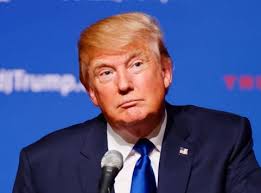
Donald Trump
He has lavishly praised Russian dictator Vladimir Putin, such as during his appearance on the December 18, 2015 edition of MSNBC’s “Morning Joe”:
“He’s running his country, and at least he’s a leader, unlike what we have in this country”—a reference to then-President Barack Obama.
During a February, 2017 interview with Fox News host Bill O’Reilly, Trump defended Putin’s killing of political opponents.
O’Reilly: “But he’s a killer.”
Trump: “There are a lot of killers. You think our country’s so innocent?”
Asked by a Fox News reporter why he praised murderous North Korean dictator Kim Jong-Un, he replied: “He’s a tough guy. Hey, when you take over a country, tough country, tough people, and you take it over from your father …If you could do that at 27 years old, I mean, that’s one in 10,000 that could do that.”
In short: Kim must be doing something right because he’s in power. And it doesn’t matter how he came to power—or the price his country is paying for it.
Actually, for all their differences in appearance and nationality, Trump shares at least two similarities with Kim.
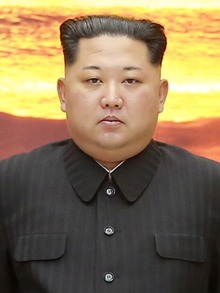
Kim Jong-Un
Blue House (Republic of Korea) [KOGL (http://www.kogl.or.kr/open/info/license_info/by.do)%5D, via Wikimedia Commons
First, both of them got a big boost into wealth and power from their fathers.
- Trump’s father, Fred Trump, a real estate mogul, reportedly gave Donald $200 million to enter the real estate business. It was this sum that formed the basis for Trump’s eventual rise to wealth and fame—and the Presidency.
- Kim’s father was Kim Jong-Il, who ruled North Korea as dictator from 1994 to 2011. When his father died in 2011, Kim Jong-Un immediately succeeded him, having been groomed for years to do so.
Second, both Trump and Kim have brutally tried to stamp out any voices that contradict their own.
- Trump has constantly attacked freedom of the press, even labeling it “the enemy of the American people.” He has also slandered his critics on Twitter—which has refused to enforce its “Terms of Service” and revoke his account.
- Kim has attacked his critics with firing squads and prison camps. Amnesty International estimates that more than 200,000 North Koreans are now suffering in labor camps throughout the country.
Thus, Trump—-elected to lead the “free world”—believes, like all dictators:
- People are evil everywhere—so who am I to judge who’s better or worse? All that counts is gaining and holding onto power.
- And if you can do that, it doesn’t matter how you do so.
Actually, it’s not uncommon for dictators to admire one another—as the case of Joseph Stalin and Adolf Hitler nicely illustrates.
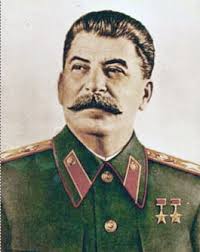
Joseph Stalin
After Hitler launched a blood-purge of his own private Stormtroopers army on June 30, 1934, Stalin exclaimed: “Hitler, what a great man! That is the way to deal with your political opponents!”
And Hitler was equally admiring of Stalin’s notorious ruthlessness: “After the victory over Russia,” he told his intimates, “it would be a good idea to get Stalin to run the country, with German oversight, of course. He knows better than anyone how to handle the Russians.”
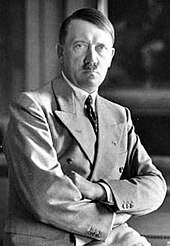
Adolf Hitler
Bundesarchiv, Bild 146-1990-048-29A / CC-BY-SA 3.0 [CC BY-SA 3.0 de (https://creativecommons.org/licenses/by-sa/3.0/de/deed.en)%5D
One characteristic shared by all dictators is intolerance toward those whose opinions differ with their own. Especially those who dare to actually criticize or make fun of them.
All Presidents have thin skins. John F. Kennedy often phoned reporters and called them “sonofbitches” when he didn’t like stories they had written on him.
Richard Nixon went further, waging all-out war against the Washington Post for its stories about his criminality.
But Donald Trump has taken his hatred of dissidents to an entirely new—and dangerous—level.
On May 10, 2018, The Hill reported that White House Special Assistant Kelly Sadler had joked derisively about dying Arizona United States Senator John McCain.
Trump was outraged—not that one of his aides had joked about a man stricken with brain cancer, but that someone in the White House had leaked it.
2016 PRESIDENTIAL CAMPAIGN, ABC NEWS, ADOLF HITLER, ALTERNET, AP, BARACK OBAMA, BORDER WALL, BUZZFEED, CBS NEWS, CIA, CNN, CROOKS AND LIARS, CZECHOSLOVAKIA, DAILY KOZ, DEMOCRATS, DEPARTMENT OF HOMELAND SECURITY, DONALD TRUMP, ENGLAND, FACEBOOK, FBI, FEDERAL AVIATION ADMINISTRATION (FAA), FRANCE, GAIUS CALIGULA, GOVERNMENT SHUTDOWN, HOUSE OF REPRESENTATIVES, JAMES COMEY, JAMES ROBART, JEFF SESSIONS, MARIE ANTOINETTE, MOTHER JONES, MOVEON, MSNBC, MUNICH CONFERENCE, NANCY PELOSI, NATIONAL SECURITY AGENCY, NAZI GERMANY, NBC NEWS, NEWSWEEK, NICCOLO MACHIAVELLI, NPR, POLITICO, RAW STORY, REPUBLICANS, REUTERS, ROME, RUSSIA, SALON, SEATTLE TIMES, Secret Service, SLATE, SOUP KITCHENS, THE ATLANTIC, THE CHICAGO SUN-TIMES, THE CHICAGO TRIBUNE, THE DAILY BEAST, THE DISCOURSES, THE GUARDIAN, THE HILL, THE HUFFINGTON POST, THE LOS ANGELES TIMES, THE NATION, THE NEW YORK TIMES, THE PRESS, THE WALL STREET JOURNAL, THE WASHINGTON POST, TIME, TRANSPORTATION SAFETY ADMINISTRATION (TSA), TWENTY-FIFTH AMENDMENT, TWITTER, U.S. NEWS & WORLD REPORT, UBER, UNITED STATES HOUSE OF REPRESENTATIVES, UNITED STATES SENATE, UPI, USA TODAY, VLADIMIR PUTIN
In Bureaucracy, History, Law, Law Enforcement, Military, Politics, Social commentary on February 13, 2019 at 12:10 am
On December 22, 2018, President Donald Trump shut down the Federal Government. The reason: Democrats refused to fund his “border wall” between Mexico and the United States.
Like Adolf Hitler, who ordered the complete destruction of Germany when he realized his dreams of conquest were over, Trump’s attitude was: “If I can’t rule America, there won’t be an America.”
An estimated 380,000 government employees were furloughed and another 420,000 were ordered to work without pay. Trump told Congressional leaders the shutdown could last months or even years.
Thirty-five days passed, with each one bringing increasing stress and fear to the lives of those 800,000 Federal employees.
Meanwhile, House and Senate Democrats held firm. House Speaker Nancy Pelosi even cancelled Trump’s scheduled State of the Union address at the House of Representatives until the shutdown ended.
Finally, on January 25, 2019, Trump walked into the White House Rose Garden and said he would sign a bill to re-open the government for three weeks:
- Lawmakers would have until February 15 to negotiate a compromise on border security.
- Otherwise, the government would shut down again.
As the February deadline loomed ever closer, on February 11, 2019, CNN published a story under the headline: “Washington on the brink as new shutdown looms”:
The story bluntly laid out the stakes involved: “If no deal is reached and no stop-gap spending measure emerges, a new government shutdown could be triggered, again subjecting 800,000 federal workers who could be furloughed or asked to work without pay.”
Just as Germans did nothing to stop Adolf Hitler’s inexorable march toward war—and the destruction of millions of lives and Germany itself—so, too, do Americans seem paralyzed to put an end to the equally self-destructive reign of the man often dubbed “Carrot Caligula.”

Gaius Caligula was “the mad emperor” of ancient Rome. Like Trump, he lived by a philosophy of “Let them hate me, so long as they fear me.”
He ruled as the most powerful man of his time—three years, ten months and eight days. And all but the first six months of his reign were drenched in slaughter and debauchery.
The nickname “Carrot Caligula” was stuck on Trump owing to his strange orange skin color.
So how can America’s continued slide into tyranny and destruction be stopped?
There are basically three ways:
First, Congressional Republicans could revolt against Trump’s authority and/or agenda. They could, for example, make clear they will not accept another disastrous government shutdown.
In December, the Republican-dominated Senate unanimously passed bills to keep the government open and temporarily provide funding without Trump’s wall money.
Then Trump said he would not sign the bills.
Republican Senate Majority Leader Mitch McConnell could have reopened the government by re-introducing the same funding bill that the Senate had already passed. He refused.
The odds of Republicans revolting against Trump are nearly impossible. They fear that if he is removed or rendered impotent, voters will turn on them in 2020—and end their comfortable reign of power and privileges.
Second, invoking the Twenty-Fifth Amendment to the United States Constitution. This allows the Vice President and a majority of the Cabinet to recommend the removal of the President in cases where he is “unable to discharge the powers and duties of his office.” It also allows the House and Senate to confirm the recommendation over the President’s objection by two-thirds vote.
The Vice President then takes over as President.
There are ample grounds for this—such as the continuing revelations that Trump has decades-long secret ties to Russian oligarchs linked to Russian dictator Vladimir Putin.
This solution is also extremely unlikely. Most of Trump’s cabinet rightly fears him. He fired FBI Director James Comey in 2017 and publicly humiliated his Attorney General, Jeff Sessions, for more than a year until firing him in 2018.
Third, the “Caligula solution.” Like Trump, Caligula delighted in humiliating others. His fatal mistake was taunting Cassius Chaerea, a member of his own bodyguard. Caligula considered Chaerea effeminate because of a weak voice and mocked him with names like “Priapus” and “Venus.”
On January 22 41 A.D. Chaerea and several other bodyguards hacked Caligula to death with swords before other guards could save him.

Gaius Caligula
Among the potential enemies Trump has enraged are members of the United States Secret Service.
Among the agencies directly affected by the Trump-ordered government shutdown: The Department of Homeland Security (DHS). Its employees include the Secret Service agents who protect Trump.
In short: The men and women guarding Trump—along with their families—faced economic ruin because Trump didn’t get his way on “The Wall.”
And now they may face those dangers once again—for the same reason.
Besides the Secret Service, a great many Federal employees—such as FBI agents and members of the military—are armed and in close proximity of the President.
Even more ominous for Trump: By the end of the shutdown, his popularity had fallen to a historic low of 37%.
As Niccolo Machiavelli warns in The Discourses: “When a prince becomes universally hated, it is likely that he’s harmed some individuals—who thus seek revenge. This desire is increased by seeing that the prince is widely loathed.”
2016 PRESIDENTIAL CAMPAIGN, ABC NEWS, ADOLF HITLER, ALTERNET, AP, BARACK OBAMA, BORDER WALL, BUZZFEED, CBS NEWS, CIA, CNN, CROOKS AND LIARS, CZECHOSLOVAKIA, DAILY KOZ, DEMOCRATS, DEPARTMENT OF HOMELAND SECURITY, DONALD TRUMP, ENGLAND, FACEBOOK, FBI, FEDERAL AVIATION ADMINISTRATION (FAA), FRANCE, GAIUS CALIGULA, GOVERNMENT SHUTDOWN, HOUSE OF REPRESENTATIVES, JAMES COMEY, JAMES ROBART, JEFF SESSIONS, MARIE ANTOINETTE, MOTHER JONES, MOVEON, MSNBC, MUNICH CONFERENCE, NANCY PELOSI, NATIONAL SECURITY AGENCY, NAZI GERMANY, NBC NEWS, NEWSWEEK, NICCOLO MACHIAVELLI, NPR, POLITICO, RAW STORY, REPUBLICANS, REUTERS, ROME, RUSSIA, SALON, SEATTLE TIMES, Secret Service, SLATE, SOUP KITCHENS, THE ATLANTIC, THE CHICAGO SUN-TIMES, THE CHICAGO TRIBUNE, THE DAILY BEAST, THE DISCOURSES, THE GUARDIAN, THE HILL, THE HUFFINGTON POST, THE LOS ANGELES TIMES, THE NATION, THE NEW YORK TIMES, THE PRESS, THE WALL STREET JOURNAL, THE WASHINGTON POST, TIME, TRANSPORTATION SAFETY ADMINISTRATION (TSA), TWENTY-FIFTH AMENDMENT, TWITTER, U.S. NEWS & WORLD REPORT, UBER, UNITED STATES HOUSE OF REPRESENTATIVES, UNITED STATES SENATE, UPI, USA TODAY, VLADIMIR PUTIN
In Bureaucracy, History, Law, Law Enforcement, Military, Politics, Social commentary, Uncategorized on February 12, 2019 at 12:15 am
“Why are we letting one man systematically destroy our nation before our eyes?”
It’s a question millions of Americans have no doubt been asking themselves since Donald Trump took office as President of the United States.
And no doubt it’s the question that millions of Germans asked themselves throughout the six years of World War II.
In September, 1938, as Adolf Hitler threatened to go to war against France and England over Czechoslovakia, most Germans feared he would. They knew that Germany was not ready for war, despite all of their Fuhrer’s boasts about how invincible the Third Reich was.
A group of high-ranking German army officers was prepared to overthrow Hitler—provided that England and France held firm and handed him a major diplomatic reverse.
But then the unexpected happened: England and France—though more powerful than Germany—flinched at the thought of war.
They surrendered to Hitler’s demands that he be given the “Sudetenland”—the northern, southwest and western regions of Czechoslovakia, inhabited mostly by ethnic Germans.
Hitler’s popularity among Germans soared. He had expanded the territories of the Reich by absorbing Austria and Czechoslovakia—without a shot being fired!
The plotters in the German high command, realizing that public opinion stood overwhelmingly against them, abandoned their plans for a coup. They decided to wait for a more favorable time.
It never came.
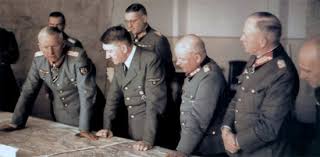
Adolf Hitler and his generals
Less than one year after the infamous “Munich conference,” England and France were at war—and fighting for the lives of their peoples.
France would fall to Hitler’s legions in June, 1940. England would fight on alone—until, in December, 1941, the United States finally declared war on Nazi Germany.
As for the Germans: Most of them blindly followed their Fuhrer right to the end—believing his lies (or at least wanting to believe them), serving in his legions, defending his rampant criminality.
And then, in April, 1945, with Russian armies pouring into Berlin, it was too late for conspiracies against the man who had led them to total destruction.
Berliners paid the price for their loyalty to a murderous dictator—through countless rapes, murders and the wholesale destruction of their city. And from 1945 to 1989, Germans living in the eastern part of their country paid the price as slaves to the Soviet Union.
Have Americans learned anything from this this warning from history about subservience to a madman?
Apparently not.
In 2016, almost 63 million Americans elected Donald Trump—a racist, serial adulterer and longtime fraudster—as President.
Whereas Barack Obama, in 2008, had run for President on the slogan, “Yes, We Can!” Trump ran on the themes of fear and vindictiveness. He threatened violence not only against Democrats but even his fellow Republicans.
Upon taking office in January, 2017, Trump began undermining one public or private institution after another.
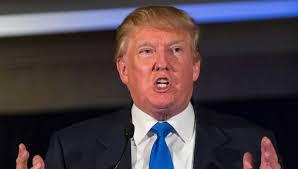
Donald Trump
- He repeatedly and viciously attacked the nation’s free press for daring to report his growing list of crimes and disasters, calling it “the enemy of the American people.”
- When American Intelligence agencies—such as the FBI, CIA and National Security Agency—unanimously agreed that Russia had interfered with the 2016 Presidential election, Trump disagreed. Then he publicly sided with Russian dictator Vladimir Putin against those men and women charged with protecting the security of the United States.
- When FBI Director James Comey refused to pledge his personal loyalty to Trump—and when he continued to investigate Russian subversion of the 2016 election—Trump fired him.
- Trump repeatedly attacked his own Attorney General, Jeff Sessions, for not “protecting” him from agents pursuing the Russia investigation. On November 7, 2018, the day after Democrats won a majority of House seats, Trump fired him.
- Trump has repeatedly attacked Seattle U.S. District Judge James Robart, who halted Trump’s first anti-Muslim travel ban.
And on December 22, 2018, Trump shut down the Federal Government because Democrats refused to fund his “border wall” between the United States and Mexico. An estimated 380,000 government employees were furloughed and another 420,000 were ordered to work without pay.
As a result:
- For weeks, hundreds of thousands of government workers missed paychecks.
- Smithsonian museums closed their doors.
- Trash piled up in national parks.
- Increasing numbers of employees of the Transportation Safety Administration (TSA)—which provides security against airline terrorism—began refusing to come to work, claiming to be sick.
- At the Federal Aviation Administration (FAA) many air traffic controllers called in “sick.” Those who showed up to work without pay grew increasingly frazzled as they feared being evicted for being unable to make rent or house payments.
- Due to the shortage of air traffic controllers, many planes weren’t able to land safely at places like New York’s LaGuardia Airport.
- Many Federal employees—such as FBI agents—were forced to rely on soup kitchens to feed their families.
- Many workers tried to bring in money by babysitting or driving for Uber,
Nancy Pelosi, the newly-elected Speaker of the House of Representatives, summed up Trump thus: “The impression you get from the President is he would like to not only close government, build a wall, but also abolish Congress, so the only voice that mattered was his own.”
2016 PRESIDENTIAL CAMPAIGN, ABC NEWS, ADOLF HITLER, ALTERNET, ANN COULTER, AP, AUSTRIA, BARACK OBAMA, BILL CLINTON, BORDER WALL, BUZZFEED, CBS NEWS, CHARLES SCHUMER, CHRIS CILLIZZA, CNN, CONTRACTORS, COUNCIL OF ECONOMIC ADVISERS, CROOKS AND LIARS, CZECHOSLOVAKIA, DAILY KOZ, DAVID BROOKS, DEMOCRATS, DEPARTMENT OF COMMERCE, DEPARTMENT OF HOMELAND SECURITY, DICK CHENEY, DONALD TRUMP, EDOUARD DELADIER, FACEBOOK, FBI, FEDERAL AVIATION ADMINISTRATION (FAA), FOX NEWS, FRANCE, GEORGE W. BUSH, GOVERNMENT SHUTDOWN, HOUSE OF REPRESENTATIVES, JAPAN, JEDEDIAH BILA, JOSE ANDRES, JULIAN ZELITZER, KEVIN HASSETT, KURT VON SCHUSCHNIGG, MARIE ANTOINETTE, MARK SHIELDS, MIKE PENCE, MITCH MECONNELL, MOTHER JONES, MOVEON, MSNBC, MUNICH CONFERENCE, NANCY PELOSI, NAZI GERMANY, NBC NEWS, NEVILLE CHAMBERLAIN, NEWSWEEK, NICCOLO MACHIAVELLI, NPR, PBS NEWSHOUR, POLAND, POLITICO, RAW STORY, REPUBLICANS, REUTERS, ROBERT PAYNE, RUSH LIMBAUGH, SALON, SEATTLE TIMES, SLATE, SOUP KITCHENS, STATE OF THE UNION ADDRESS, SUPER BOWL, THE ATLANTIC, THE CHICAGO SUN-TIMES, THE CHICAGO TRIBUNE, THE DAILY BEAST, THE GUARDIAN, THE HILL, THE HUFFINGTON POST, THE LIFE AND DEATH OF ADOLF HITLER, THE LOS ANGELES TIMES, THE NATION, THE NEW YORK TIMES, THE PRINCE, THE WALL STREET JOURNAL, THE WASHINGTON POST, TIME, TRANSPORTATION SAFETY ADMINISTRATION (TSA), TWITTER, U.S. NEWS & WORLD REPORT, UBER, UNITED STATES HOUSE OF REPRESENTATIVES, UNITED STATES SECRET SERVICE, UNITED STATES SENATE, UPI, USA TODAY, WILBUR ROSS, WINSTON CHURCHILL, WORLD WAR 11
In Bureaucracy, History, Military, Politics, Social commentary on February 1, 2019 at 12:05 am
On January 25, 2019—the 35th day of the Federal Government shutdown—President Donald Trump did what no one expected. He caved.
In a White House press conference, he said:
- Lawmakers would have until February 15 to negotiate a compromise on border security.
- Otherwise, the government would shut down again.
- If Democrats did not give in to his demands to fund a border wall, he might use his executive authority to command the military to build the wall instead.
Essentially, he agreed to the same deal he was offered in December, 2018—before he allowed himself to be bullied by Ann Coulter and Rush Limbaugh into shutting down the government.
For all of Trump’s defiant words, his action was universally seen as a serious defeat—by both his opponents and supporters.
Among the latter was Right-wing provocateur Ann Coulter. Summing up the reaction of his Hispanic-hating supporters, she tweeted: “Good news for George Herbert Walker Bush: As of today, he is no longer the biggest wimp ever to serve as president of the United States.”
On the PBS Newshour, liberal political analyst Mark Shields said: “it was a total defeat for him. And, believe me…there will not be the will among Republicans in three weeks to go back and do this again. Once it’s open, it’s going to be opened.”
His counterpart, conservative analyst David Brooks, agreed: “It is a total—a total victory for the Democrats….If Donald Trump wants bring this on again, [Democrats will be] happy.
“The Republicans are miserable. They never want to come back to where they are right now. And so the odds that we will have another shutdown strike me as low. And it would be—for Trump, it would be suicidally low to—just to try this again.”
* * * * *
During his years as President, Bill Clinton tried to win over Republicans by supporting measures they liked—such as making it harder for the poor to get welfare via the Federal government.
In the end, his efforts to win over Republicans convinced them that he was weak. So they tried to impeach him for getting oral sex from a White House intern.
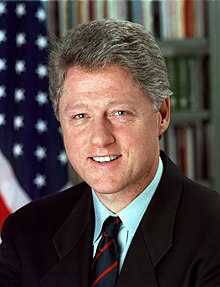
Bill Clinton
Similarly, Barack Obama spent the first two years of his Presidency hopelessly trying to gain Republican support. This only led to Senate Majority Leader Mitch McConnell’s saying that his goal was to make Obama “a one-term President.”
At least for the moment, Democrats seem to have learned that cowering before bullies only wins you their contempt. As Niccolo Machiavelli warned in The Prince, his classic work on politics:
“From this arises the question whether it is better to be loved than feared, or feared more than loved. The reply is, that one ought to be both feared and loved, but as it is difficult for the two to go together, it is much safer to be feared than loved.
“For it may be said of men in general that they are ungrateful, voluble, dissemblers, anxious to avoid danger and covetous of gain. As long as you benefit them, they are entirely yours: they offer you their blood, their goods, their life and their children, when the necessity is remote, but when it approaches, they revolt.
“And the prince who has relied solely on their words, without making other preparations, is ruined. For the friendship which is gained by purchase and not through grandeur and nobility of spirit is bought but not secured, and at a pinch is not to be expended in your service.
“And men have less scruple in offending one who makes himself loved than one who makes himself feared. For love is held by a chain of obligations which, men being selfish, is broken whenever it serves their purpose. But fear is maintained by a dread of punishment which never fails.”
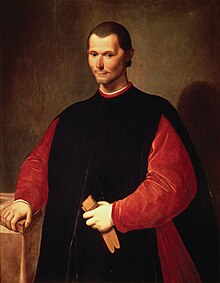
Niccolo Machiavelli
At the time of the 1938 Munich conference, a group of highly-placed German army officers were preparing to overthrow Adolf Hitler in a military coup. They counted on France and England to stand firm against the Fuhrer, handing him a major foreign policy defeat.
The officers intended to use that as an excuse to remove him from power—before he could plunge Germany into a disastrous war it could not win.
But when Britain and France surrendered Czechoslovakia to Hitler, his prestige in Germany shot to unprecedented heights. Knowing that overthrowing such a popular leader would be suicidal, the army officers abandoned their plans for a coup.
Convinced of his own invincibility, Hitler recklessly plunged ahead, demanding that Britain and France agree to cede Danzig, a city in northern Poland, to him.
This time the Allies held firm. The result was World War II.
At least for now, Nancy Pelosi and House Democrats fully understand the lesson of Munich. You must stand up to tyrants—or there will be no end to their evil demands.
The only question is: Will they continue to make use of that lesson—or once again allow themselves to be cowed by a ruthless tyrant?
2016 PRESIDENTIAL CAMPAIGN, ABC NEWS, ADOLF HITLER, ALTERNET, ANN COULTER, AP, AUSTRIA, BARACK OBAMA, BILL CLINTON, BORDER WALL, BUZZFEED, CBS NEWS, CHARLES SCHUMER, CHRIS CILLIZZA, CNN, CONTRACTORS, COUNCIL OF ECONOMIC ADVISERS, CROOKS AND LIARS, CZECHOSLOVAKIA, DAILY KOZ, DAVID BROOKS, DEMOCRATS, DEPARTMENT OF COMMERCE, DEPARTMENT OF HOMELAND SECURITY, DICK CHENEY, DONALD TRUMP, EDOUARD DELADIER, FACEBOOK, FBI, FEDERAL AVIATION ADMINISTRATION (FAA), FOX NEWS, FRANCE, GEORGE W. BUSH, GOVERNMENT SHUTDOWN, HOUSE OF REPRESENTATIVES, JAPAN, JEDEDIAH BILA, JOSE ANDRES, JULIAN ZELITZER, KEVIN HASSETT, KURT VON SCHUSCHNIGG, MARIE ANTOINETTE, MARK SHIELDS, MIKE PENCE, MITCH MECONNELL, MOTHER JONES, MOVEON, MSNBC, MUNICH CONFERENCE, NANCY PELOSI, NAZI GERMANY, NBC NEWS, NEVILLE CHAMBERLAIN, NEWSWEEK, NICCOLO MACHIAVELLI, NPR, PBS NEWSHOUR, POLAND, POLITICO, RAW STORY, REPUBLICANS, REUTERS, ROBERT PAYNE, RUSH LIMBAUGH, SALON, SEATTLE TIMES, SLATE, SOUP KITCHENS, STATE OF THE UNION ADDRESS, SUPER BOWL, THE ATLANTIC, THE CHICAGO SUN-TIMES, THE CHICAGO TRIBUNE, THE DAILY BEAST, THE GUARDIAN, THE HILL, THE HUFFINGTON POST, THE LIFE AND DEATH OF ADOLF HITLER, THE LOS ANGELES TIMES, THE NATION, THE NEW YORK TIMES, THE PRINCE, THE WALL STREET JOURNAL, THE WASHINGTON POST, TIME, TRANSPORTATION SAFETY ADMINISTRATION (TSA), TWITTER, U.S. NEWS & WORLD REPORT, UBER, UNITED STATES HOUSE OF REPRESENTATIVES, UNITED STATES SECRET SERVICE, UNITED STATES SENATE, UPI, USA TODAY, WILBUR ROSS, WINSTON CHURCHILL, WORLD WAR 11
In Bureaucracy, History, Military, Politics, Social commentary on January 31, 2019 at 12:07 am
Billionaire Wilbur Ross—the Trump administration’s Secretary of Commerce—had a suggestion for the 800,000 Federal employees made destitute by the government shutdown: Take out a loan.
“So the 30 days of pay that some people will be out, there’s no real reason why they shouldn’t be able to get a loan against it, and we’ve seen a number of ads of financial institutions doing that.
“True, the people might have to pay a little bit of interest. But the idea that it’s ‘paycheck or zero’ is not a really valid idea.”
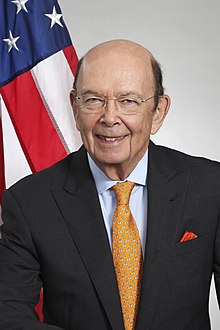
Wilbur Ross
It was a remark worthy of Marie Antoinette’s reported (but inaccurate) dismissal of the miseries of impoverished French citizens: “Let them eat cake.”
Meanwhile, the House of Representatives had undergone a massive sea-change in membership. Ending two years of Republican rule, Democrats had won 27 seats in that body during the November, 2018, elections.
And Nancy Pelosi had gone from being House Minority Leader to wielding the Speaker’s gavel as House Majority Leader on January 3.
Now she blasted Ross’ attitude during a press briefing:
“Is this the ‘Let them eat cake,’ kind of attitude? Or ‘Call your father for money?’ Or ’This is character-building for you; it’s all going to end up very well—just as long as you don’t get your paychecks?’”
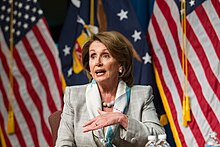
Nancy Pelosi
Thirty-five days passed, with each one bringing increasing stress and fear to the lives of 800,000 Federal employees—those forced to not work and those forced to work for no pay.
Pelosi, meanwhile, did what many of her Democratic colleagues had long refused to do: She dared to stand up against Republicans’ “my-way-or-else” demands.
“The impression you get from the president is he would like to not only close government, build a wall, but also abolish Congress, so the only voice that mattered was his own,” Pelosi said in an interview on “CBS Sunday Morning.”
Pelosi, unlike many Democrats, realized this was America’s version of the Munich Conference: Democrats must hold firm against a tyrant’s extortionate demands. Otherwise, every time Trump didn’t get his way, there would be no end to such shutdowns in the future.
From the start, Pelosi insisted that Democrats would not cooperate with threats to shut down the government if Trump didn’t get the $5.6 billion he wanted for a border wall. And Democrats held firm, refusing to make concessions on the wall.
Second, Pelosi publicly stated that she would not let Trump make his annual State of the Union speech in the House of Representatives until the government was re-opened.
Since both the House and Senate must jointly issue an invitation to the President to make such an address, Pelosi’s veto effectively scotched Trump’s appearance.
For the publicity-addicted Trump, who revels in pontificating to adoring crowds, this was a major blow.
Trump refused to take “No” for an answer and dared Pelosi to deny him access.
She took him up on his dare and issued a statement saying that the speech was off—until the government re-opened.
Soon afterward, Trump agreed that the State of the Union address would have to be postponed.
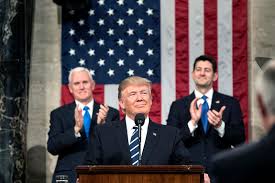
Donald Trump giving State of the Union address in 2018
As CNN political analyst Chris Cillizza saw it: “What Pelosi seems to understand better than past Trump political opponents is that giving ANY ground is a mistake. You have to not only stand firm, but be willing to go beyond all political norms—like canceling the SOTU—to win.”
And Julian Zelitzer, another CNN political analyst, agreed: “Pelosi did not hesitate to use her political power aggressively. From the start of this process, she has remained steadfast in her insistence that closing the government was not a legitimate way to make demands for new forms of spending.
“While sometimes Democrats become leery about seeming too partisan and not being civil enough, Pelosi and the Democrats stood their ground. She drew a line in the sand and stuck by it.”
As Pelosi and the Democrats held firm, Republicans began getting desperate.
- They were being depicted in the news as extortionists while 800,000 of their fellow Americans suffered.
- Those businesses that served Federal employees—such as grocery stores and auto repair shops—were being starved of revenue.
- There was legitimate fear that the entire airline industry might have to shut down for lack of enough air traffic controllers to regulate air traffic.
- Worst of all for Republicans, chaos at airports threatened the travel plans of hundreds of thousands of people traveling to and from the upcoming Super Bowl. Most Americans might not know the name of their Senator, but they take their sports fetish seriously.
By January 25, the 35th day of the shutdown, an ABC News/Washington Post poll showed that 53% of Americans blamed Trump for the shutdown. His popularity had fallen to a historic low of 37%. And 60% disapproved of how he was handling negotiations to re-open the government.
So, on that same date, Trump did what his Hispanic-hating base thought was impossible: He caved.
He walked into the White House Rose Garden and said he would sign a bill to re-open the government for three weeks.
2016 PRESIDENTIAL CAMPAIGN, ABC NEWS, ADOLF HITLER, ALTERNET, ANN COULTER, AP, AUSTRIA, BARACK OBAMA, BILL CLINTON, BORDER WALL, BUZZFEED, CBS NEWS, CHARLES SCHUMER, CHRIS CILLIZZA, CNN, CONTRACTORS, COUNCIL OF ECONOMIC ADVISERS, CROOKS AND LIARS, CZECHOSLOVAKIA, DAILY KOZ, DAVID BROOKS, DEMOCRATS, DEPARTMENT OF COMMERCE, DEPARTMENT OF HOMELAND SECURITY, DICK CHENEY, DONALD TRUMP, EDOUARD DELADIER, FACEBOOK, FBI, FEDERAL AVIATION ADMINISTRATION (FAA), FOX NEWS, FRANCE, GEORGE W. BUSH, GOVERNMENT SHUTDOWN, HOUSE OF REPRESENTATIVES, JAPAN, JEDEDIAH BILA, JOSE ANDRES, JULIAN ZELITZER, KEVIN HASSETT, KURT VON SCHUSCHNIGG, MARIE ANTOINETTE, MARK SHIELDS, MIKE PENCE, MITCH MECONNELL, MOTHER JONES, MOVEON, MSNBC, MUNICH CONFERENCE, NANCY PELOSI, NAZI GERMANY, NBC NEWS, NEVILLE CHAMBERLAIN, NEWSWEEK, NICCOLO MACHIAVELLI, NPR, PBS NEWSHOUR, POLAND, POLITICO, RAW STORY, REPUBLICANS, REUTERS, ROBERT PAYNE, RUSH LIMBAUGH, SALON, SEATTLE TIMES, SLATE, SOUP KITCHENS, STATE OF THE UNION ADDRESS, SUPER BOWL, THE ATLANTIC, THE CHICAGO SUN-TIMES, THE CHICAGO TRIBUNE, THE DAILY BEAST, THE GUARDIAN, THE HILL, THE HUFFINGTON POST, THE LIFE AND DEATH OF ADOLF HITLER, THE LOS ANGELES TIMES, THE NATION, THE NEW YORK TIMES, THE PRINCE, THE WALL STREET JOURNAL, THE WASHINGTON POST, TIME, TRANSPORTATION SAFETY ADMINISTRATION (TSA), TWITTER, U.S. NEWS & WORLD REPORT, UBER, UNITED STATES HOUSE OF REPRESENTATIVES, UNITED STATES SECRET SERVICE, UNITED STATES SENATE, UPI, USA TODAY, WILBUR ROSS, WINSTON CHURCHILL, WORLD WAR 11
In Bureaucracy, History, Military, Politics, Social commentary on January 30, 2019 at 12:08 am
“If we do not have these negotiations over border security with an open government, this president will continue to use this tool. And if we give in, if we pay the ransom now, what will happen the next time there’s a disagreement with this president and Congress?”
—Rep. Katherine Clark, D-Mass.
Republican leaders in Congress didn’t want to be blamed for shutting down the government. They seemed to persuade President Donald Trump to back away from his threat to do so if he didn’t get funding for his border wall.
The Senate passed a short-term funding measure without his wall money.
Vice President Mike Pence told lawmakers that Trump was open to approving it
Then the Fox News Network stepped in

“I think a lot of people who voted for President Trump counted on him on this particular issue,” Fox & Friends host Jedediah Bila said.
“I think their feet were to the fire. And you see a lot of people around the country saying: ‘Hold on a second. You told us that you weren’t afraid to shut down the government, that’s why we like you. What happened? You just gave in right away?’”
And Right-wing columnist Ann Coulter said: “Trump will just have been a joke presidency who scammed the American people, amused the populists for a while, but he’ll have no legacy whatsoever.
“Trump will very likely not finish his term and definitely not be elected to a second term.”
For a man who had “joked” that having a “President-for-Life” would be “great,” Coulter’s words were a nightmare.
On December 22, 2018, Trump shut down the government.
An estimated 380,000 government employees were furloughed and another 420,000 were ordered to work without pay.
And Trump told Congressional leaders the shutdown could last months or even years.
Donald Trump
For Trump, “the wall” was absolutely necessary—but not to keep illegal aliens out. They would go over, under or around it.
The real intent of the wall was to keep Trump in—the White House.
Trump’s fanatical base believed that a wall across the U.S.-Mexico border would stop all illegal immigration. And he knew that if he didn’t build it, they wouldn’t re-elect him.
Like Adolf Hitler, who ordered the complete destruction of Germany when he realized his dreams of conquest were over, Trump’s attitude was: “If I can’t rule America, there won’t be an America.”
Among the agencies directly affected by the shutdown: The Department of Homeland Security (DHS)—whose employees included Secret Service agents.
In short: The men and women guarding Trump were facing financial ruin—along with their families—because Trump didn’t get his way.
The effects of the shutdown quickly became evident:
- For weeks, hundreds of thousands of government workers missed paychecks.
- Smithsonian museums closed their doors.
- Trash piled up in national parks.
- Increasing numbers of employees of the Transportation Safety Administration (TSA)—which provides security against airline terrorism—began refusing to come to work, claiming to be sick.
- At the Federal Aviation Administration (FAA) many air traffic controllers called in “sick.” Those who showed up to work without pay grew increasingly frazzled as they feared being evicted for being unable to make rent or house payments.
- Due to the shortage of air traffic controllers, many planes weren’t able to land safely at places like New York’s LaGuardia Airport.
- Many Federal employees—such as FBI agents—were forced to rely on soup kitchens to feed their families.
- Celebrity chef Jose Andres launched ChefsForFeds, which offered free hot meals for government employees and their families at restaurants across the country.
- Many workers tried to bring in money by babysitting or driving for Uber,
Those employed by the government could at least expect to receive reimbursement for missed pay once the shutdown ended.
The question was: Would they be evicted, need medical care or be unable to pay for food before that happened?
For Federal contractors, the situation was far worse.
During the George W. Bush administration, Vice President Dick Cheney pushed to “outsource” many federal responsibilities to private contractors. This was hugely supported by Republicans and even many Democrats.
Now, in the wake of the shutdown, these employees faced a cruel reality: Since they were not Federal employees, they would not be reimbursed for the time they were forced to not work.
Adding insult to injury were the callous remarks of two Trump administration officials.
“A huge share of government workers were going to take vacation days, say, between Christmas and New Year’s,” said Kevin Hassett, chairman of the Council of Economic Advisers.

Kevin Hassett
“And then we have a shutdown, and so they can’t go to work, and so then they have the vacation, but they don’t have to use their vacation days. And then they come back, and then they get their back pay. Then they’re—in some sense, they’re better off.”
Another equally contemptuous remark was offered by Commerce Secretary Wilbur Ross—a billionaire. Asked on CNBC if he knew that many Federal employees had been reduced to going to food banks, Ross said yes, but he didn’t understand why.
His suggestion: They could just take out a loan.
2016 PRESIDENTIAL CAMPAIGN, ABC NEWS, ADOLF HITLER, ALTERNET, ANN COULTER, AP, AUSTRIA, BARACK OBAMA, BILL CLINTON, BORDER WALL, BUZZFEED, CBS NEWS, CHARLES SCHUMER, CHRIS CILLIZZA, CNN, CONTRACTORS, COUNCIL OF ECONOMIC ADVISERS, CROOKS AND LIARS, CZECHOSLOVAKIA, DAILY KOZ, DAVID BROOKS, DEMOCRATS, DEPARTMENT OF COMMERCE, DEPARTMENT OF HOMELAND SECURITY, DICK CHENEY, DONALD TRUMP, EDOUARD DELADIER, FACEBOOK, FBI, FEDERAL AVIATION ADMINISTRATION (FAA), FOX NEWS, FRANCE, GEORGE W. BUSH, GOVERNMENT SHUTDOWN, HOUSE OF REPRESENTATIVES, JAPAN, JEDEDIAH BILA, JOSE ANDRES, JULIAN ZELITZER, KEVIN HASSETT, KURT VON SCHUSCHNIGG, MARIE ANTOINETTE, MARK SHIELDS, MIKE PENCE, MITCH MECONNELL, MOTHER JONES, MOVEON, MSNBC, MUNICH CONFERENCE, NANCY PELOSI, NAZI GERMANY, NBC NEWS, NEVILLE CHAMBERLAIN, NEWSWEEK, NICCOLO MACHIAVELLI, NPR, PBS NEWSHOUR, POLAND, POLITICO, RAW STORY, REPUBLICANS, REUTERS, ROBERT PAYNE, RUSH LIMBAUGH, SALON, SEATTLE TIMES, SLATE, SOUP KITCHENS, STATE OF THE UNION ADDRESS, SUPER BOWL, THE ATLANTIC, THE CHICAGO SUN-TIMES, THE CHICAGO TRIBUNE, THE DAILY BEAST, THE GUARDIAN, THE HILL, THE HUFFINGTON POST, THE LIFE AND DEATH OF ADOLF HITLER, THE LOS ANGELES TIMES, THE NATION, THE NEW YORK TIMES, THE PRINCE, THE WALL STREET JOURNAL, THE WASHINGTON POST, TIME, TRANSPORTATION SAFETY ADMINISTRATION (TSA), TWITTER, U.S. NEWS & WORLD REPORT, UBER, UNITED STATES HOUSE OF REPRESENTATIVES, UNITED STATES SECRET SERVICE, UNITED STATES SENATE, UPI, USA TODAY, WILBUR ROSS, WINSTON CHURCHILL, WORLD WAR 11
In Bureaucracy, History, Military, Politics, Social commentary on January 29, 2019 at 12:51 am
After selling out Czechoslovakia, Prime Minister Neville Chamberlain returned to England a hero. Holding aloft a copy of the worthless agreement he had signed with Germany’s dictator, Adolf Hitler, he told cheering crowds in London: “I believe it is peace for our time.”
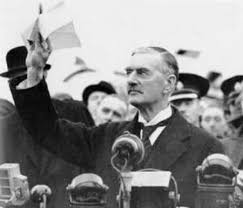
Neville Chamberlain
Winston Churchill knew better, predicting: “Britain and France had to choose between war and dishonor. They chose dishonor. They will have war.”
Hitler—still planning more conquests—also knew better. Speaking of the British and French leaders he had intimidated at Munich, he later asserted: “Our enemies are little worms. I saw them at Munich.”
In March, 1939, the German army occupied the rest of Czechoslovakia.
Chamberlain would soon be seen as a naive weakling—even before bombs started falling on London.
Hitler next turned his attention—and demands—to Poland. But, this time, France and Britain refused to be intimidated—and pledged to go to war if Hitler invaded Poland.
Adolf Hitler and his generals
Hitler ordered the invasion of Poland on September 1, 1939—unintentionally triggering World War II.
In time, historians and statesmen would regard Munich as an object lesson in the futility—and danger—in appeasing evil and aggression.
But for the postwar Republican party, Hitler’s my-way-or-else “negotiating” methods would become standard operating procedure.
President Donald J. Trump used precisely the same “negotiating” style during his December 11, 2018 Oval Office meeting with then-House Minority Leader Nancy Pelosi (D-CA) and Senate Minority Leader Charles Schumer (D-NY).
And, true to his love of publicity, Trump made sure the meeting was televised live.

Nancy Pelosi
Trump opened with on a positive note: “We’ve actually worked very hard on a couple of things that are happening. Criminal justice reform…[Republican Kentucky U.S. Senator] Mitch McConnell and the group, we’re going to be putting it up for a vote. We have great Democrat support, great Republican support.”
But he soon moved to the matter he truly cared about: Demanding $5.6 billion to create a wall along the U.S.-Mexican border: “And one way or the other, it’s going to get built. I’d like not to see a government closing, a shutdown. We will see what happens over the next short period of time.”
“One way or the other”—“so doer so”—was a favorite phrase of Adolf Hitler’s, meaning: If he couldn’t bully his opponents into surrendering, he would use violence.
PELOSI: “I think the American people recognize that we must keep government open, that a shutdown is not worth anything, and that you should not have a Trump shutdown. You have the Senate. You have the House of Representatives. You have the votes. You should pass it right now.”
Trump claimed he could get “Wall” legislation passed in the House but admitted he didn’t have the 60 votes he needed in the Senate.
PELOSI: “Well, the fact is you can get it started that way.”
Trump then contradicted himself: “The House we can get passed very easily, and we do.”
PELOSI: “Okay, then do it.”
Trump kept insisting that “the House would give me the vote if I wanted it.”
PELOSI: “Well, let’s take the vote and we’ll find out.”
SCHUMER: “We do not want to shut down the government. You have called 20 times to shut down the government….We want to come to an agreement. If we can’t come to an agreement, we have solutions that will pass the House and Senate right now, and will not shut down the government. And that’s what we’re urging you to do. Not threaten to shut down the government because you can’t get your way.”

Charles Schumer
TRUMP: “We need border security. And I think we all agree that we need border security.”
SCHUMER: “Yes, we do.”
TRUMP: “The wall is a part of border security. You can’t have very good border security without the wall.”
PELOSI: “That’s simply not true. That is a political promise. Border security is a way to effectively honor our responsibilities.”
By “political promise,” Pelosi meant this is was an appeal Trump had made to his hardcore base. which he expected to re-elect him.
SCHUMER: “And the experts say you can do border security without a wall, which is wasteful and doesn’t solve the problem.”
TRUMP: “It totally solves the problem.”
Schumer then goaded Trump into taking responsibility for closing down the government if he didn’t get funding for his border wall.
TRUMP: “I’ll take it. You know what I’ll say: Yes, if we don’t get what we want, one way or the other…I will shut down the government. Absolutely.”
Thus, Schumer guaranteed that any government shutdown during the Christmas season would be blamed on Trump.
But Republican leaders in Congress didn’t want to be blamed for shutting down the government. They seemed to persuade him to back away from his threat. The Senate passed a short-term funding measure without Trump’s wall money.
Vice President Mike Pence told lawmakers that Trump was open to approving it
Then the Fox News Network stepped in.
2016 PRESIDENTIAL CAMPAIGN, ABC NEWS, ADOLF HITLER, ALTERNET, ANN COULTER, AP, AUSTRIA, BARACK OBAMA, BILL CLINTON, BORDER WALL, BUZZFEED, CBS NEWS, CHARLES SCHUMER, CHRIS CILLIZZA, CNN, CONTRACTORS, COUNCIL OF ECONOMIC ADVISERS, CROOKS AND LIARS, CZECHOSLOVAKIA, DAILY KOZ, DAVID BROOKS, DEMOCRATS, DEPARTMENT OF COMMERCE, DEPARTMENT OF HOMELAND SECURITY, DICK CHENEY, DONALD TRUMP, EDOUARD DELADIER, FACEBOOK, FBI, FEDERAL AVIATION ADMINISTRATION (FAA), FOX NEWS, FRANCE, GEORGE W. BUSH, GOVERNMENT SHUTDOWN, HOUSE OF REPRESENTATIVES, JAPAN, JEDEDIAH BILA, JOSE ANDRES, JULIAN ZELITZER, KEVIN HASSETT, KURT VON SCHUSCHNIGG, MARIE ANTOINETTE, MARK SHIELDS, MIKE PENCE, MITCH MECONNELL, MOTHER JONES, MOVEON, MSNBC, MUNICH CONFERENCE, NANCY PELOSI, NAZI GERMANY, NBC NEWS, NEVILLE CHAMBERLAIN, NEWSWEEK, NICCOLO MACHIAVELLI, NPR, PBS NEWSHOUR, POLAND, POLITICO, RAW STORY, REPUBLICANS, REUTERS, ROBERT PAYNE, RUSH LIMBAUGH, SALON, SEATTLE TIMES, SLATE, SOUP KITCHENS, STATE OF THE UNION ADDRESS, SUPER BOWL, THE ATLANTIC, THE CHICAGO SUN-TIMES, THE CHICAGO TRIBUNE, THE DAILY BEAST, THE GUARDIAN, THE HILL, THE HUFFINGTON POST, THE LIFE AND DEATH OF ADOLF HITLER, THE LOS ANGELES TIMES, THE NATION, THE NEW YORK TIMES, THE PRINCE, THE WALL STREET JOURNAL, THE WASHINGTON POST, TIME, TRANSPORTATION SAFETY ADMINISTRATION (TSA), TWITTER, U.S. NEWS & WORLD REPORT, UBER, UNITED STATES HOUSE OF REPRESENTATIVES, UNITED STATES SECRET SERVICE, UNITED STATES SENATE, UPI, USA TODAY, WILBUR ROSS, WINSTON CHURCHILL, WORLD WAR 11
In Bureaucracy, History, Military, Politics, Social commentary on January 28, 2019 at 1:03 am
Robert Payne, author of the bestselling biography, The Life and Death of Adolf Hitler (1973), described Hitler’s “negotiating” style thus:
“Although Hitler prized his own talents as a negotiator, a man always capable of striking a good bargain, he was totally lacking in finesse.
“He was incapable of bargaining. He was like a man who goes up to a fruit peddler and threatens to blow his brains out if he does not sell his applies at the lowest possible price.”
By studying Hitler’s mindset and “negotiating” methods, we can learn much about the mindset and “negotiating” style of today’s Republican party.
A classic example of Hitler’s “negotiating style” came in September, 1938, when he focused his rage and aggression on Czechoslovakia.
Seven months earlier, he had absorbed Austria. He had done so by inviting its Chancellor, Kurt Shuschnigg, to Berlin. Then Hitler threatened Austria with invasion if Shuschnigg did not immediately agree to make his country a vassal-state of Germany.
This time, his threats were aimed at Neville Chamberlain, the prime minister of Great Britain, and Eduoard Deladier, the prime minister of France. Both countries had pledged to support Czechoslovakia against Hitler’s aggression.
Once again, he opened “negotiations” with a lie: The Czechoslovak government was trying to exterminate 3.5 million Germans living in the “Sudetenland.”
This consisted of the northern, southwest and western regions of Czechoslovakia, inhabited mostly by ethnic Germans.
Then he followed this up with the threat of war: Germany would protect its citizens and halt such “oppression.”
For British Prime Minister Neville Chamberlain, the thought of another European war erupting less than 20 years after the end of World War I was simply unthinkable.

The Cenotaph, in London, honoring the unknown British dead of World War 1
Something had to be done to prevent it. And he believed himself to be just the man to do it.
He quickly sent Hitler a telegram, offering to help resolve the crisis: “I could come to you by air and am ready to leave tomorrow. Please inform me of earliest time you can receive me, and tell me the place of the meeting. I should be grateful for a very early reply.”
Once again, another head-of-state was prepared to meet Hitler on his home ground. Again, Hitler took this concession as a sign of weakness. And Chamberlain’s use of such words as “please” and “grateful” only further convinced Hitler of another impending triumph.
Chamberlain was determined to grant his every demand—so long as this meant avoiding a second world war.
The two European leaders met in Berchtesgaden, Germany, on September 15, 1938.
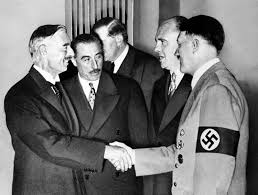
Neville Chamberlain and Adolf Hitler
During their talks, Chamberlain said he had come to discuss German grievances. But, he added, it was necessary in all circumstances to exclude the use of force.
Hitler appeared to be shocked that he could be accused of such intentions: “Force? Who speaks of force?“
Then, without warning, he switched to an aggressive mode. He accused the Czechs of having mobilized their army in May. They had mobilized—in response to the mobilization of the German army.
“I shall not put up with this any longer,” shouted Hitler. “I shall settle this question in one way or another. I shall take matters in my own hands!”
Suddenly, Chamberlain seemed alarmed—and possibly angry: “If I understood you right, you are determined to proceed against Czechoslovakia in any case. If this is so, why did you let me come to Berchtesgaden?
“In the circumstances, it is best for me to return at once. Anything else now seems pointless.”
Hitler was taken aback by the unexpected show of defiance. He realized he was about to lose his chance to bully the British into accepting his latest demands.
So he softened his tone and said they should consider the Sudetenland according to the principle of self-determination.
Chamberlain said he must immediately return to England to consult with his colleagues.
Hitler appeared uneasy. But then the German translator finished the sentence: “…and then meet you again.”
Hitler realized he still had a chance to attain victory without going to war.
Chamberlain agreed to the cession of the Sudetenland. Three days later, French Prime Minister Edouard Daladier did the same. No Czechoslovak representative was invited to these discussions.
Chamberlain met Hitler again in Godesberg, Germany, on September 22 to confirm the agreements. But Hitler aimed to use the crisis as a pretext for war.
He now demanded not only the annexation of the Sudetenland but the immediate military occupation of the territories. This would give the Czechoslovak army no time to adapt their defense measures to the new borders.
To achieve a solution, Italian dictator Benito Mussolini suggested a conference of the major powers in Munich.
On September 29, Hitler, Daladier and Chamberlain met and agreed to Mussolini’s proposal. They signed the Munich Agreement, which accepted the immediate occupation of the Sudetenland.
The Czechoslovak government had not been a party to the talks. Nevertheless, it promised to abide by the agreement on September 30.
It actually had no choice. It faced the threat of an immediate German invasion after being deserted by its pledged allies: Britain, France and the Soviet Union.
2016 PRESIDENTIAL ELECTION, ABC NEWS, ADOLF HITLER, ALTERNET, AP, BUZZFEED, CBS NEWS, CNN, CROOKS AND LIARS, DAILY KOZ, DICTATORSHIPS, DONALD TRUMP, FACEBOOK, FBI, HANS BERND GISEVIUS, HERMAN GORING, INEFFICIENCY, MARTIN NIEMOELLER, Military, MOTHER JONES, MOVEON, MSNBC, NAZI GERMANY, NBC NEWS, NEWSWEEK, NPR, NUREMBERG TRIALS, OFFICE OF STRATEGIC SERVICES, PBS NEWSHOUR, POLITICO, RAW STORY, REICHSTAG BUILDING, REICHSTAG FIRE, RELIGION, REUTERS, SALON, SEATTLE TIMES, SLATE, STORMTROOPERS, THE ATLANTIC, THE CHICAGO SUN-TIMES, THE CHICAGO TRIBUNE, THE DAILY BEAST, THE GUARDIAN, THE HILL, THE HUFFINGTON POST, THE LOS ANGELES TIMES, THE NATION, THE NEW YORK TIMES, THE WASHINGTON POST, THE WILD BUNCH, THIRD REICH, TIME, TO THE BITTER END (BOOK), TWITTER, U.S. NEWS & WORLD REPORT, UPI, USA TODAY
In Bureaucracy, History, Law, Military, Politics, Social commentary on January 25, 2019 at 12:08 am
“We must not make the error of thinking that all those who eat the bread of dictatorship are evil from the first, but they must necessarily become evil….One of the vital lessons we must learn from the German disaster is the ease with which a people can be sucked down into the morass of inaction.”
Thus warns Hans Bernd Gisevius—one of the few survivors of the July 20, 1944 bomb attempt on Adolf Hitler.
A covert opponent of the Nazi regime, he served as a liaison in Zurich between the American Office of Strategic Services (OSS) and German resistance forces in Germany.
In 1946, he published his autobiography, To the Bitter End, sharply indicting the Reich and its leaders—many of whom Gisevius had known personally. He also condemned the German people, charging that they pretended ignorance of the atrocities being committed.

Hans Bernd Gisevius at Nuremberg
In his introduction, Gisevius notes: “This book is not intended as a history of the Third Reich. The author has selected a few prominent incidents out of the confusion of contemporaneous events and has attempted to use these as points through which to trace the broad curves of the historical process.”
Almost 75 years after the fall of the Third Reich, Gisevius offers invaluable insights into America’s own foray into Fascistic government under President Donald J. Trump.
Donald Trump
Even more important, he offers concrete suggestions for successfully resisting a Fascist regime.
Ability to Retain Support: “We have learned that in the political realm abuses are all ultimately punished. But it takes extraordinarily long for the breach to become apparent. As long as dictatorships can produce ‘successes’ and conceal abuses they remain armored against opposition. The masses will not desert them.”
Attractiveness of Simplicity: “A favorite name for Hitler was ‘the great simplifier.’ This was apt; in spite of the verbosity and clumsiness of his language, he really possessed an astonishing flair for summarizing complicated matters into brief formulas.”
Corruption of Spirituality: “The Nazis wanted to lock Christianity into a ghetto, and many Christians believed it was their duty to accept this isolation gladly. [Pastor Martin] Niemoeller knew that it must not be accepted.”
Inefficiency a Hallmark of Dictatorships: “Incredible as it sounds, even the chief of the Wehrmacht was not aware of all the contracts that had been let. He obtained virtually no information from the air force or the navy, and the army provided him with only fragmentary information….
“Hitler approved of this procedure. He did not want any coordinating authority to be able to survey the total situation. He preferred conflicts and rivalries because he thought they would speed the tempo of rearmament.”
Responsibility of the Military: “Undoubtedly a small group of generals were at heart earnestly troubled. These men were conscious of a tremendous responsibility: they felt that no command from above, however unequivocal, could erase their responsibility. In fact there was only a minute group of army officers who were, ‘in principle,’ co-conspirators to the Nazi Terror. Most of the officer corps remained ‘neutral,’ both inwardly and outwardly.
“They were part of that irresponsible group of human beings who always seek a secure life without cares and are allured by the prospect of a career. By their excess of passivity our generals, willy-nilly, consciously or unconsciously, became profiteering participants in the Nazi Revolution.”

Soldiers saluting Adolf Hitler
The Danger of Accommodating Evil: “Let…individuals fall prey to over-cleverness, opportunism or cowardice and they are irrevokably lost. Passive acceptance, intellectual subservience, or, in religious terms, failure to pray against the evil, may constitute a kind of silent support for authoritarian rule.”
Corruptions of Power: “Within a few weeks, the Party leaders and sub-leaders found themselves in positions of power beyond their wildest dreams….They had no professional training. They knew nothing about law. They did not trust the professional officialdom who worked under them. What could they do but extemporize? They simply dictated, in the firm conviction that their subjects would obey.”
Collective Responsibility: “Once that system [of authoritarian rule] has been installed….there is only one course remaining to each individual and to all individuals collectively: To fight the terrorists with the same courage and tenacity, with the same willingness to take risks, that they employ in wartime under ‘orders’ when they fight the ‘enemy.'”
* * * * *
In the classic 1969 Western, The Wild Bunch, there’s a scene where Pike Bishop, the leader of the outlaw gang, and his close friend, Dutch Engstrom, face off.
They’re being chased by a posse led by Deke Thornton, a former gang member—who’s threatened with prison if he doesn’t kill them all.
“Damn that Deke Thornton to Hell!” shouts Engstrom.
“What would you do in his place?” replies Bishop. “He gave his word!”
“He gave his word to a railroad!”
“It’s his word!”
“That ain’t what counts,” says Engstrom. “It’s who you give it to!”
“It’s who you give it to.” Those words must constantly be remembered when making a commitment. The person/cause you serve must be worthy of that service.
Otherwise, such virtues as loyalty and courage become meaningless perversions in service to evil.
ABC NEWS, ADOLF HITLER, ALEXANDRIA OCASIO-CORTEZ, ALTERNET, AP, BORDER WALL, BUZZFEED, CANADA, CBS NEWS, CNN, CROOKS AND LIARS, DAILY KOZ, DONALD J. TRUMP, ECONOMY, EMPLOYMENT, FACEBOOK, FBI, FEDERAL GOVERNMENT SHUTDOWN, FRED TRUMP, GESTAPO, ILLEGAL ALIENS, JEWS, MEDIA, MEXICO, MOTHER JONES, MOVEON, MSNBC, NAZI ATROCITIES, NBC NEWS, NEWSWEEK, NPR, PAM BONDI, POLITICO, RAW STORY, REPUBLICANS, REUTERS, SALON, SARAH HUCKABEE SANDERS, SEATTLE TIMES, SLATE, SOVIET UNION, THE ATLANTIC, THE CHICAGO SUN-TIMES, THE CHICAGO TRIBUNE, THE DAILY BEAST, THE GUARDIAN, THE HILL, THE HUFFINGTON POST, THE LOS ANGELES TIMES, THE NATION, THE NEW YORK TIMES, THE WASHINGTON POST, TIME, TRUMP UNIVERSITY SCANDAL, TWITTER, U.S. NEWS & WORLD REPORT, UNEMPLOYMENT, UPI, USA TODAY, WEHRMACHT
In Bureaucracy, History, Law, Law Enforcement, Military, Politics, Social commentary on January 24, 2019 at 12:17 am
On January 16, newly-elected Rep. Alexandria Ocasio-Cortez (N.Y.) gave her maiden speech on the floor of the House of Representatives.
“It is not normal to hold 800,000 workers’ paychecks hostage. It is not normal to shut down the government when we don’t get what we want,” said Ocasio-Cortez. “And it is certainly not normal to starve the people we serve for a proposal that is wildly unpopular among the American people.”
She was referring to the partial shutdown of the Federal Government ordered by President Donald Trump. Since December 22, an estimated 380,000 government employees have been furloughed and another 420,000 ordered to work without pay.
The reason: Trump is demanding $5.6 billion to erect a wall along the U.S.-Mexico border. And the newly-elected Democratic House of Representatives is refusing to provide it.
And Ocasio-Cortez is right: It isn’t normal behavior for a President to behave like a Mafia extortionist.
Until, that is, Donald Trump assumed the office.
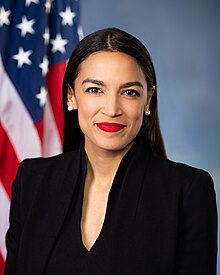
Alexandria Ocasio-Cortez
But, then, Donald Trump warned, during the 2016 Presidential campaign, that “I’m not like other people.”
Once again attacking the nation’s free press, he vowed that, as President, he would “open up those libel laws” so that when the New York Times or the Washington Post “write a hit piece, we can sue them and win money instead of having no chance of winning because they’re totally protected.
“With me, they’re not protected, because I’m not like other people, but I’m not taking money, I’m not taking their money.”
On August 23, 2018, Trump, as President, offered additional evidence that he’s “not like other people.” He did so by giving an unprecedented reason why he shouldn’t be impeached.
Appearing on “Fox and Friends,” he said: “I tell you what, if I ever got impeached, I think the market would crash, I think everybody would be very poor.”
He didn’t say: “I shouldn’t be impeached because I’m innocent. I didn’t collude with Russian Intelligence to subvert the 2016 Presidential election.”
Donald Trump
Instead, he appealed to the greed and fear of his voting base—and no doubt hoped to reach beyond it: “Keep me in power or you’ll all suffer for it.”
White House Press Secretary Sarah Huckabee Sanders doubtless spoke for millions of Trump supporters when she said, on June 4, 2018:
“Since taking office, the President has strengthened American leadership, security, prosperity, and accountability. And as we saw from Friday’s jobs report, our economy is stronger, Americans are optimistic, and business is booming.”
Many Congressional Republicans have echoed this: The American people care only about the economy—and how well-off they are.
For eight years, Nazi Germany underwent such an epoch. Germans called it “The Happy Time.”
It began on January 30, 1933, when Adolf Hitler became Chancellor—and lasted until June 22, 1941. Germans knew about the Nazis’ cruelty to the Jews, the mass arrests and concentration camps. They didn’t care.
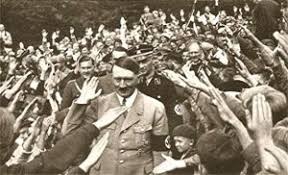
Frenzied Germans greet Adolf Hitler
The Gestapo didn’t have to watch everyone: German “patriots” gladly reported their fellow citizens—especially Jews—to the secret police.
As far as everyday Germans were concerned:
- The streets were clean and peaceful.
- Employment was high.
- The trouble-making unions were gone.
- Germany was once again “taking its rightful place” among ruling nations, after its catastrophic defeat in World War 1.
The height of “The Happy Time” came in June, 1940. In just six weeks, the Wehrmacht accomplished what the German army hadn’t in four years during World War 1: The total defeat of its longtime enemy, France.
Suddenly, French clothes, perfumes, delicacies, paintings and other “fortunes of war” came pouring into the Fatherland.
Most Germans believed der Krieg—“the war”—was over, and only good times lay ahead.
Then, on June 22, 1941, three million Wehrmacht soldiers slashed their way into the Soviet Union. The Third Reich was now locked in a death-struggle with a nation even more powerful than itself.

German soldiers in the Soviet Union
And then, on December 11, 1941—four days after Germany’s ally, Japan, attacked Pearl Harbor—Hitler declared war on the United States.
“The Happy Time” for Germans was over. Only prolonged disaster lay ahead.
Donald Trump has spent his life appealing to the greed or fear of those around him. For example:
- Florida Attorney General Pam Bondi personally solicited a political contribution from Donald Trump around the same time her office deliberated joining an investigation of alleged fraud at Trump University and its affiliates.
- After Bondi dropped the Trump University case against Trump, he wrote her a $25,000 check for her re-election campaign.
- In 1999, Fred Trump, Donald’s father died. His deceased brother’s family sued Donald, arguing they were originally in the will, but Donald took advantage of his father’s dementia to cut them out of it. He withdrew medical benefits critical to his nephew’s infant son: “I was angry because they sued,” Trump later said in an interview.
The Germans made a devil’s-bargain with Adolf Hitler—and paid dearly for it.
Millions of greedy Americans have embraced Donald Trump, another would-be tyrant, as America’s economic savior.
By supporting Trump—or at least not opposing him—they have also made a devil’s-bargain.
And such bargains always end with the devil winning.


2016 PRESIDENTIAL CAMPAIGN, ABC NEWS, ABRAHAM LINCOLN, ADOLF HITLER, ALEC BALDWIN, ALTERNET, ANDREW JACKSON, AP, BARACK OBAMA, BILL O'REILLY, BUZZFEED, CBS NEWS, CHEKA, CNN, CONCENTRATION CAMPS, CROOKS AND LIARS, DAILY KOZ, ELECTRONIC SURVEILLANCE, EXECUTIONS, FACEBOOK, FIRST AMENDMENT, FOX NEWS, FRED TRUMP, FREEDOM OF SPEECH, FREEDOM OF THE PRESS, FSB, HILLARY CLINTON, HUMOR, HUSTLER MAGAZINE, IT'S A WONDERFUL LIFE, JERRY FALWELL, JOE SCARBOROUGH, JOHN F. KENNEDY, JOHN MCCAIN, JOSEPH STALIN, KELLY SADLER, KGB, KIM JONG-II, KIM JONG-UN, LARRY FLYNT, MGB, MORNING JOE, MOTHER JONES, MOVEON, MSNBC, NAZI GERMANY, NBC NEWS, NEWSWEEK, NKVD, NORTH KOREA, NPR, PARODY, POLITICO, RAW STORY, REUTERS, RICHARD NIXON, RUSSIA, SALON, SARAH HUCKABEE SANDERS, SATURDAY NIGHT LIVE, SEATTLE TIMES, SLATE, SOVIET UNION, STORMY DANIELS, THE ATLANTIC, THE CHICAGO SUN-TIMES, THE CHICAGO TRIBUNE, THE DAILY BEAST, THE GUARDIAN, THE HILL, THE HUFFINGTON POST, THE LOS ANGELES TIMES, THE NATION, THE NEW YORK TIMES, THE WASHINGTON POST, THEODORE ROOSEVELT, TIME, TWITTER, U.S. NEWS & WORLD REPORT, UNITED STATES SUPREME COURT, UPI, USA TODAY, VLADIMIR PUTIN, WILLIAM REHNQUIST
TRUMP VS. THE FIRST AMENDMENT: PART ONE (OF THREE)
In Bureaucracy, History, Law, Military, Politics, Social commentary on February 19, 2019 at 12:43 am“Nothing funny about tired Saturday Night Live on Fake news NBC! Question is, how do the Networks get away with these total Republican hit jobs without retribution? Likewise for many other shows? Very unfair and should be looked into. This is the real Collusion!
So tweeted President Donald J. Trump on February 17.
Less than nine hours earlier, “SNL” had once again opened with actor Alec Baldwin mocking the 45th President. In this skit, Baldwin/Trump gave a rambling press conference declaring: “We need wall. We have a tremendous amount of drugs flowing into this country from the southern border—or The Brown Line, as many people have asked me not to call it.”
Right-wingers denounce their critics as “snowflakes”—that is, emotional, easily offended and unable to tolerate opposing views.
Yet here was Donald Trump, who prides himself on his toughness, whining like a child bully who has just been told that other people have rights, too.
The answer is simple: Trump is a tyrant—and a longtime admirer of tyrants.
Donald Trump
He has lavishly praised Russian dictator Vladimir Putin, such as during his appearance on the December 18, 2015 edition of MSNBC’s “Morning Joe”:
“He’s running his country, and at least he’s a leader, unlike what we have in this country”—a reference to then-President Barack Obama.
During a February, 2017 interview with Fox News host Bill O’Reilly, Trump defended Putin’s killing of political opponents.
O’Reilly: “But he’s a killer.”
Trump: “There are a lot of killers. You think our country’s so innocent?”
Asked by a Fox News reporter why he praised murderous North Korean dictator Kim Jong-Un, he replied: “He’s a tough guy. Hey, when you take over a country, tough country, tough people, and you take it over from your father …If you could do that at 27 years old, I mean, that’s one in 10,000 that could do that.”
In short: Kim must be doing something right because he’s in power. And it doesn’t matter how he came to power—or the price his country is paying for it.
Actually, for all their differences in appearance and nationality, Trump shares at least two similarities with Kim.
Kim Jong-Un
Blue House (Republic of Korea) [KOGL (http://www.kogl.or.kr/open/info/license_info/by.do)%5D, via Wikimedia Commons
First, both of them got a big boost into wealth and power from their fathers.
Second, both Trump and Kim have brutally tried to stamp out any voices that contradict their own.
Thus, Trump—-elected to lead the “free world”—believes, like all dictators:
Actually, it’s not uncommon for dictators to admire one another—as the case of Joseph Stalin and Adolf Hitler nicely illustrates.
Joseph Stalin
After Hitler launched a blood-purge of his own private Stormtroopers army on June 30, 1934, Stalin exclaimed: “Hitler, what a great man! That is the way to deal with your political opponents!”
And Hitler was equally admiring of Stalin’s notorious ruthlessness: “After the victory over Russia,” he told his intimates, “it would be a good idea to get Stalin to run the country, with German oversight, of course. He knows better than anyone how to handle the Russians.”
Adolf Hitler
Bundesarchiv, Bild 146-1990-048-29A / CC-BY-SA 3.0 [CC BY-SA 3.0 de (https://creativecommons.org/licenses/by-sa/3.0/de/deed.en)%5D
One characteristic shared by all dictators is intolerance toward those whose opinions differ with their own. Especially those who dare to actually criticize or make fun of them.
All Presidents have thin skins. John F. Kennedy often phoned reporters and called them “sonofbitches” when he didn’t like stories they had written on him.
Richard Nixon went further, waging all-out war against the Washington Post for its stories about his criminality.
But Donald Trump has taken his hatred of dissidents to an entirely new—and dangerous—level.
On May 10, 2018, The Hill reported that White House Special Assistant Kelly Sadler had joked derisively about dying Arizona United States Senator John McCain.
Trump was outraged—not that one of his aides had joked about a man stricken with brain cancer, but that someone in the White House had leaked it.
Share this: