Archive for the ‘Business’ Category
2016 PRESIDENTIAL CAMPAIGN, 2020 PRESIDENTIAL CAMPAIGN, ABC NEWS, ADOLF HITLER, ALTERNET, AMERICABLOG, ANCIENT GREECE, ANCIENT ROME, AP, BABY BOOMER RESISTANCE, BERNIE SANDERS, BUZZFEED, CATASTROPHE, CBS NEWS, CHINA, CNN, CONSUMER PROTECTION, CORPORATE TAXES, CORRUPTION, CROOKS AND LIARS, DAILY KOZ, DEMOCRATIC PARTY, DONALD TRUMP, DRUDGE RETORT, EXECUTIVE PAYWATCH, FACEBOOK, FIVETHIRTYEIGHT, FORBES, FUNDRAISING, HARPER’S MAGAZINE, HILLARY CLINTON, INCOME INEQUALITY, IVAN THE TERRIBLE, JOE BIDEN, JOSEPH STALIN, LEON TROTSKY, MEDIA MATTERS, MOTHER JONES, MOVEON, MSNBC, NAZI GERMANY, NBC NEWS, NEWSWEEK, NICCOLO MACHIAVELLI, NPR, PBS NEWSHOUR, POLITICO, POLITICUSUSA, RAW STORY, REUTERS, ROBERT PAYNE, ROBERT REICH, SALON, SEATTLE TIMES, SLATE, SPARTACUS, TALKING POINTS MEMO, THE ATLANTIC, THE CHICAGO SUN-TIMES, THE CHICAGO TRIBUNE, THE CORRUPT SOCIETY (BOOK), THE DAILY BEAST, THE DAILY BLOG, THE DISCOURSES, THE FRENCH REVOLUTION, THE GREAT LEVELER (BOOK), THE GUARDIAN, THE HILL, THE HUFFINGTON POST, THE LOS ANGELES TIMES, THE NATION, THE NEW REPUBLIC, THE NEW YORK TIMES, THE RUSSIAN REVOLUTION, THE VILLAGE VOICE, THE WASHINGTON POST, THINKPROGRESS, TIME, TRUTHDIG, TRUTHOUT, TWO POLITICAL JUNKIES, U.S. NEWS & WORLD REPORT, UPI, USA TODAY, VIOLENCE, Vladimir Lenin, WALL STREET, WALTER SCHEIDEL, WATERGATE, WEALTH GAP, WILLIAM SHAKESPEARE, WINSTON CHURCHILL, WONKETTE, X
In Bureaucracy, Business, History, Politics, Social commentary on March 23, 2026 at 12:26 am
Americans are used to Presidential candidates telling lies (euphemistically known as “campaign promises”) to get elected.
But when a candidate actually (and usually accidentally) tells the truth, the results can be electrifying.
On June 18, 2019, Democratic Presidential candidate (and future President Joseph Biden addressed a roomful of donors in New York.
The former Vice President believed that his message would comfort his well-heeled audience of billionaires: Don’t worry, if I’m elected, your standard of living won’t change.
Addressing the 100 or so guests at a fundraiser at the Carlyle Hotel in New York City, Biden said that he had taken heat from “some of the people on my team, on the Democratic side” because he had said that rich people were “just as patriotic as poor people.
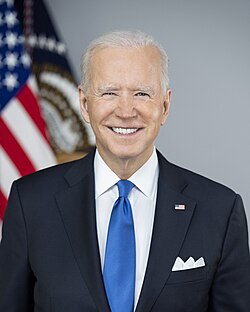
Joe Biden
“The truth of the matter is, you all, you all know, you all know in your gut what has to be done. We can disagree in the margins but the truth of the matter is it’s all within our wheelhouse and nobody has to be punished. No one’s standard of living will change, nothing would fundamentally change,” he said.
And he added: “I mean, we may not want to demonize anybody who has made money.
“When we have income inequality as large as we have in the United States today, it brews and ferments political discord and basic revolution. Not a joke. Not a joke … It allows demagogues to step in and say the reason where we are is because of the ‘other’….
“You’re not the other. I need you very badly. I hope if I win this nomination, I won’t let you down. I promise you. I have a bad reputation, I always say what I mean. The problem is I sometimes say all that I mean.”
Biden had talked about decreasing income inequality and promoting workers’ rights. But he took a carefully moderate stance when it came to taxation.
United States Senator Bernie Sanders (D-VT), on the other hand, has attacked the ultra-rich as responsible for the ever-widening gap between themselves and the poor.
“I love Bernie, but I’m not Bernie Sanders. I don’t think 500 billionaires are the reason why we’re in trouble,” Biden said in March, 2019.
Instead, he proposed expanding tax credits for the poor and middle class, and making the tax code less friendly to rich investors.
Robert Payne, the distinguished British historian, took a different—and darker—view of the rich.

Robert Payne
Payne authored more than 110 books. Among his subjects were Adolf Hitler, Ivan the Terrible, Winston Churchill, Joseph Stalin, Vladimir Lenin, William Shakespeare and Leon Trotsky.
In 1975, he published The Corrupt Society: From Ancient Greece to Present-Day America. It proved a summary of many of his previous works.
Among the epochs it covered: The civilizations of ancient Greece, Rome and China; Nazi Germany; the Soviet Union; and Watergate-era America. And the massive corruption each of those epochs had spawned.

In his chapter, “A View of the Uncorrupted Society,” Payne warned: Power and wealth are the main sources of corruption.
“The rich, simply by being rich, are infected with corruption. Their overwhelming desire is to grow richer, but they can do this only at the expense of those who are poorer than themselves.
”Their interests conflict with those of the overall society. They live sheltered from the constant anxieties of the poor, and thus cannot understand them. Nor do they try to.”
They see the poor as alien from themselves, and thus come to fear and despise them. And their wealth and influence enables them to buy politicians—who, in turn, write legislation that protects the rich from the poor.
But Payne foresaw an even greater danger from the rich and powerful than their mere isolation from the rest of society: “The mere presence of the rich is corrupting. Their habits, their moral codes, their delight in conspicuous consumption are permanent affronts to the rest of humanity. Vast inequalities of wealth are intolerable in any decent society.”
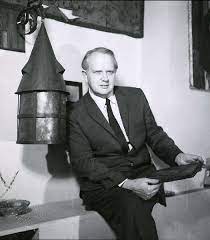
Robert Payne
Writing in 1975, Payne noted that a third of the private wealth was possessed by less than five percent of the population—while about a fifth of the populace lived at the poverty level. By 2000, he predicted, about five percent of the population would possess two-thirds of America’s wealth. And more than half the population would be near or below the starvation level.
The result could only be catastrophe. The only way to halt this this increasing concentration of wealth by fewer people would be through law or violent revolution.
Payne has proven to be an uncanny prophet.
According to Fortune, by 2024: “Over the past 30 years, the U.S.’s top 1% got richer, and now hold nearly a third of the nation’s wealth.”
And the January 30, 2026 edition of Forbes carries this assessment: “The net worth of the top 1% in the U.S. has been above a share of 30% almost consistently since 2014, while the top 10% currently own just over 68% of the country’s wealth.
“This is in stark contrast to just 2.5% of U.S. net worth in the hands of the 50% at the bottom of the wealth ladder.”
But this situation need not remain permanent.
ABC NEWS, ALTERNET, AMERICABLOG, AP, BABY BOOMER RESISTANCE, BBC, BLOOMBERG, BLUESKY, BUZZFEED, CALVIN COOLIDGE, CBS NEWS, CHERYL BEHYMER, CNN, CROOKS AND LIARS, DAILY KOS, EMPLOYERS, FISHER & PHILLIPS LAW FIRM, FIVETHIRTYEIGHT, GLASSDOOR, HARPER’S MAGAZINE, HUFFINGTON POST, JERRY BROWN, JOB-SEEKERS, MEDIA MATTERS, MOTHER JONES, MOVEON, MSNBC, NBC NEWS, NEW REPUBLIC, NEWSDAY, NEWSWEEK, NPR, PBS NEWSHOUR, POLITICO, POLITICUSUSA, RAW STORY, REUTERS, SALARY HISTORY, SALON, SEATTLE TIMES, SLATE, SUSAN EGGMAN, TALKING POINTS MEMO, THE ATLANTIC, THE CHICAGO SUN-TIMES, THE CHICAGO TRIBUNE, THE DAILY BEAST, THE DAILY BLOG, THE GUARDIAN, THE HILL, THE HUFFINGTON POST, THE INTERCEPT, THE LOS ANGELES TIMES, THE NATION, THE NEW REPUBLIC, THE NEW YORK TIMES, THE NEW YORKER, THE VILLAGE VOICE, THE WASHINGTON POST, THINKPROGRESS, TIME, TRUTHDIG, TRUTHOUT, TWO POLITICAL JUNKIES, U.S. NEWS & WORLD REPORT, UNEMPLOYMENT, UPI, USA TODAY, USA TODAY NICCOLO MACHIAVELLI, WAGE GAP, X
In Bureaucracy, Business, History, Law, Law Enforcement, Politics, Social commentary on March 20, 2026 at 12:11 am
“All those who have written upon civil institutions demonstrate…that whoever desires to found a state and give it laws, must start with assuming that all men are bad and ever ready to display their vicious nature, whenever they may find occasion for it.
“If their evil disposition remains concealed for a time, it must be attributed to some unknown reason; and we must assume that it lacked occasion to show itself. But time, which has been said to be the father of all truth, does not fail to bring it to light.”
So wrote Niccolo Machiavelli in his masterpiece on political theory, The Discourses.

Niccolo Machiavelli
And now, California legislators have wisely—if belatedly—acted on that warning by reigning in the greed-based nature of corporate employers.
As of January 1, 2018, it is now illegal for California employers to ask job applicants about their former salaries and benefits.
Then-Governor Jerry Brown signed a new state privacy bill into law during the last week of December, 2017.
This is good news for applicants who believe they shouldn’t be judged on how much—or little—money they earned in the past.
For decades, employers have used “salary histories” to discriminate against applicants who earned large—or small—salaries in their previous jobs.
If an applicant had been paid a miserly wage even though he had performed major tasks for an employer, the new potential employer would use that low salary as a weapon against him: “Well, it says here you earned $—– in your most recent job. Why should we pay you more than that?”
And if an applicant had earned a high salary, an employer would often use that against him: “We can’t afford to match that, let alone give you more than that.” In many cases, employers simply refused to give a reason for refusing to hire the applicant.
In either case, it was clearly an “I win/You lose” situation.
And when employers whined about how expensive it was to pay a living wage to those who made their profits a reality, they never mentioned the exorbitant salary paid to their own Corrupt Egotistical Oligarch (CEO).
According to Glassdoor: As of February, 2026, the medium total pay for a CEO is $282,000 per year. 
One job-seeking applicant tried to finesse the salary history demand by filling out the job application form except for the salary history part. He then attached a cover-letter, which read:
“I am interested in speaking with you or one of your representatives about the above-named position. I have filled out the required application—-with the exception of the box inquiring into my Current/last Income.
“I have in the past responded to ‘Salary History’ inquires and have found these have only one purpose: To elicit the lowest salary received, so that the salary to be offered can be adjusted to that level.
“I have been paid on a per-hour basis, a per-assignment basis, and on a bi-weekly basis. Each of these salaries was for a different job, and each job required a specific set of skills and efforts on my part.
“I am prepared to discuss in detail how my skills and experiences can prove of use to your company. But I do not discuss past salaries earned with anyone but the Internal Revenue Service.
“If you are prepared to hire on the basis of what I can do for your company, and not on the basis of what other employers have paid me in the past for assignments that had nothing to do with your company, please contact me at your earliest convenience.”
California job-seekers no longer need to worry about that part of the application.
Supporters of the law believe it will help reduce the notorious wage-gap between male and female employees.
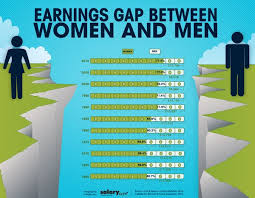
“Women negotiating a salary shouldn’t have to wrestle an entire history of wage disparity,” said the bill’s principal author, California Assemblywoman Susan Talamantes Eggman.
California’s new law also requires potential employers to disclose a salary range for the job in question, should an applicant ask about it.
This arms job seekers with valuable information because they can now discover how much a company is willing to offer for that position.
In the past, employers held that information close to the vest as one more way of gaining control over their potential employee.
Although California has long been a trailblazer in employee/employer relations, it was not the first state to pass such a law. Oregon, Delaware and Massachusetts had already passed laws forbidding employers from asking about salary history.
Many employers and their paid shills believe that President Calvin Coolidge was right when he said: “The man who builds a factory builds a temple, and the man who works there worships there.”
Cheryl Behymer, an attorney for the law firm Fisher & Phillips, which represents employers, said: “Here’s another point where the government is dictating to an employer how to conduct its business and employers resent that.”
As do all tyrants forced to relinquish any part of their tyranny.
2003 IRAQ WAR, ABC NEWS, ADOLF HITLER, ALTERNET, AMERICABLOG, AP, BABY BOOMER RESISTANCE, BBC, BLOOMBERG NEWS, BUZZFEED, CBS NEWS, CHINA, CNN, CRIMEAN PENINSULA, CROOKS AND LIARS, DAILY KOS, DONALD TRUMP, ECONOMIC SANCTIONS, EDOUARD DELADIER, ENGLAND, FIVETHIRTYEIGHT, FRANCE, GEORGE W. BUSH, HARPER’S MAGAZINE, HUFFINGTON POST, IRAN, JOACHIM VON RIBBENTROP, KIEV, MEDIA MATTERS, MOSKOVA (SHIP), MOTHER JONES, MOVEON, MSNBC, MUNICH CONFERENCE, NATO, NBC NEWS, NEVILLE CHAMBERLAIN, NEW REPUBLIC, NEWSDAY, NEWSWEEK, NPR, PBS NEWSHOUR, POLAND, POLITICO, POLITICUSUSA, RAW STORY, REPUBLIC OF GEORGIA, REUTERS, RUBLES, RUSSIA, SADDAM HUSSEIN, SALON, SEATTLE TIMES, SECOND CHECHEN WAR, SLATE, SOVIET UNION, TALKING POINTS MEMO, THE ATLANTIC, THE CHICAGO SUN-TIMES, THE CHICAGO TRIBUNE, THE DAILY BEAST, THE DAILY BLOG, THE GUARDIAN, THE HILL, THE HUFFINGTON POST, THE INTERCEPT, THE LOS ANGELES TIMES, THE NATION, THE NEW REPUBLIC, THE NEW YORK TIMES, THE NEW YORKER, THE VILLAGE VOICE, THE WASHINGTON POST, THINKPROGRESS, TIME, TRUTHDIG, TRUTHOUT, TWO POLITICAL JUNKIES, U.S. NEWS & WORLD REPORT, UKRAINE, UNITED STATES, UPI, USA TODAY, VLADIMIR PUTIN, WONKETTE, X
In Bureaucracy, Business, History, Military, Politics, Social commentary on March 12, 2026 at 12:39 am
On February 28, 2022, CNN’s website published the following headline: RUSSIA FACES FINANCIAL MELTDOWN AS SANCTIONS SLAM ITS ECONOMY.
The story opened:
“Russia was scrambling to prevent financial meltdown Monday as its economy was slammed by a broadside of crushing Western sanctions imposed over the weekend in response to the invasion of Ukraine.”
That unprovoked attack had opened on February 24, with missile and artillery attacks, striking major Ukrainian cities, including Kiev.
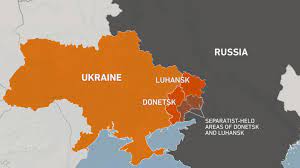
Ukraine vs. Russia
Russian President Vladimir Putin believed that the conquest of Ukraine would be a cakewalk. Intent on restoring the borders of the former Soviet Union, he had swept from one successful war to the next:
- In 1999-2000, he waged the Second Chechen War, restoring federal control of Chechnya.
- In 2008, he invaded the Republic of Georgia, which had declared its independence as the Soviet Union began to crumble. By war’s end, Russia occupied 20% of Georgia’s territory.
- In 2014, Putin invaded and annexed the Crimean Peninsula from Ukraine.
Meanwhile, the North Atlantic Treaty Organization (NATO) launched only verbal condemnations.
The reasons:
- Fear of igniting a nuclear war;
- Belief that Russia was simply acting within its own sphere of influence; and/or
- Then-President Donald Trump’s repeated attacks on NATO and displays of subservience to Putin.
NATO emblem
Russia had began massing troops on the Ukrainian border in 2021.
When the invasion came, the United States and its Western European allies retaliated with unprecedented economic sanctions.
Among the resulting casualties:
- The ruble crashed.
- Russia’s central bank more than doubled interest rates to 20%.
- Economists predicted the Russian economy could decline by five percent.
- The West—especially the United States—froze at least half of the $630 billion in international reserves that Putin had amassed to stave off tough sanctions.
Then the war bogged down for Russia. By 2026:
- Russia occupied approximately 20% of Ukraine.
- Russia made slow expansions in the east, but Ukraine regained about 400 square kilometers of territory.
- The war has become a conflict fought with drones, Vehicle movement near the front has become impossible.
- Russian drones and missiles target civilian infrastructure and residential areas.
- Ukraine has launched deep-strike operations against Russian military production and energy facilities.
- Russian casualties are estimated between 1.1 million and 1.3 million.
- Ukrainian casualties are estimated between 500,000 and 600,000.
- In short: The war is not going the way Putin assumed it would.

Vladimir Putin
Пресс-служба Президента РФ, CC BY 4.0 <https://creativecommons.org/licenses/by/4.0>, via Wikimedia Commons
Putin attacked Ukraine to prevent it from joining NATO. But:
- It has frightened Sweden and Finland into joining NATO.
- Russia has suffered a series of humiliating battlefield defeats and its draft has enraged millions of Russians.
- Putin has refused to withdraw from Ukraine and become bogged down in a seemingly endless war.
- As a result, Putin has locked himself into a no-win position.
- And NATO is now fully revitalized to meet future Russian threats.
This is not the first time a dictator has guessed wrong about the results of his actions.
On September 1, 1939, German Fuhrer Adolf Hitler ordered his armies to invade Poland.
Almost a year earlier—on September 29, 1938—he had bullied British Prime Minister Neville Chamberlain and French Prime Minister Edouard Daladier into surrendering the northern, southwest and western regions of Czechoslovakia, inhabited mostly by ethnic Germans.
The Munich Agreement whetted Hitler’s appetite for greater conquests—and fueled his contempt for England and France: “Our enemies are little worms,” he said in a conference with his generals. “I saw them at Munich.”
He believed he could conquer Poland, and Chamberlain and Daladier would meekly ratify his latest acquisition.
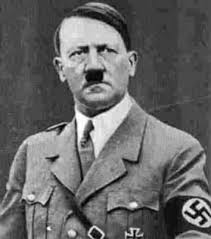
Adolf Hitler
So he was stunned when, on September 3, 1939, Britain and France—however reluctantly—honored their pledged word to Poland and declared war on Germany.
“What now?” Hitler furiously asked his Foreign Minister, Joachim von Ribbentrop.
Ribbentrop had no answer.
Knowing that Germany lacked the resources for a long war, Hitler had intended to fight a series of quick, small wars, gobbling up one country at a time. Now he found himself locked in an endless war with heavyweights France and England—and eventually the Soviet Union and the United States.
He stayed locked into that war until he committed suicide on April 30, 1945, and the Third Reich officially collapsed on May 7.
Fifty-eight years later, on March 21, 2003, President George W. Bush’s attacked Saddam Hussein’s Iraq.
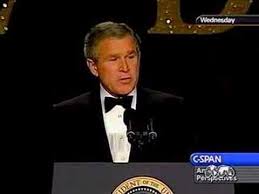

George W. Bush
The war started impressively, with 1,700 air sorties and 504 Cruise missiles.
Within two weeks, American ground forces entered Baghdad. After four days of intense fighting, the Iraqi regime fell. By April 14, the Pentagon reported that major military operations had ended.
On May 1, 2003, Bush declared that the war was won.
But then American forces became embroiled in an endless, nationwide guerrilla war. Eighteen years later, the United States was still fighting in Iraq.
The war that Bush had deliberately provoked:
- Took the lives of 4,484 Americans.
- Cost the United States Treasury at least $2 trillion.
- Allowed Iran—Iraq’s arch enemy—to eagerly fill it the vacuum.
- Killed at least 655,000 Iraqis.
- Frightened China and Russia into expanding the size of their militaries.
On February 28, 2026, President Donald J. Trump—in collusion with Israel—launched massive airstrikes against Iran, predicting, on March 9: “It’s going to be ended soon….”
Thus do the worst intentions of hubristic dictators often come undone.
ABC NEWS, ALTERNET, AP, BARACK OBAMA, BBC, BP, BUZZFEED, CBS NEWS, CHILDREN'S BOOKS, CLEAN POWER PLAN, CNN, COAL, DAILY KOS, DEMOCRATIC PARTY, DONALD TRUMP, DR. SEUSS, ENERGY POLICY, ENVIRONMENTAL PROTECTION, ENVIRONMENTAL PROTECTION AGENCY, FACEBOOK, GLOBAL WARMING, LOUISIANA, MOTHER JONES, MOVEON, MSNBC, NBC NEWS, NEWSWEEK, NPR, OIL SPILL, POLITICO, POLLUTION, RAW STORY, REUTERS, SALON, Sarah Palin, SEATTLE TIMES, SLATE, SOLAR POWER, THE ATLANTIC, THE CHICAGO SUN-TIMES, THE CHICAGO TRIBUNE, THE DAILY BEAST, THE GUARDIAN, THE HILL, THE HUFFINGTON POST, THE LOS ANGELES TIMES, THE NEW YORK TIMES, THE WALL STREET JOURNAL, THE WASHINGTON POST, TIME, TWITTER, U.S. NEWS & WORLD REPORT, UPI, USA TODAY, WIND POWER, X
In Bureaucracy, Business, History, Politics, Social commentary on March 3, 2026 at 12:13 am
Dr. Seuss (Theodor Geisel) published over 60 children’s books, which were often filled with imaginative characters and rhyme.
Among his most famous books were Green Eggs and Ham, The Cat in the Hat, and One Fish Two Fish Red Fish Blue Fish.
Honored in his lifetime (1904-1991) for the joy he brought to countless children, Dr. Seuss may well prove one of the unsung prophets of our environmentally-threatened age.
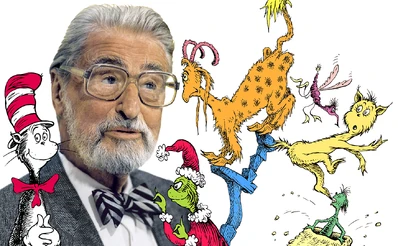
Dr. Seuss
In 1949, he penned Bartholomew and the Oobleck, the story of a young page who must rescue his kingdom from a terrifying, man-made substance called Oobleck.
The story is quickly told:
Derwin, the King of Didd, announces he’s bored with sunshine, rain, fog and snow. So he calls in his black magicians and orders them to create a new kind of weather.
The magicians assure him they can create it.
“What will you call it?” asks the king.
“We’ll call it Oobleck,” says one of the magicians.

“What will it be like?” asks King Didd.
“We don’t know, Sire,” the magician replies. “We’ve never created Oobleck before.”
The next morning, Oobleck—a greenish, glue-like substance—starts raining.
The king orders Bartholomew, the royal page, to tell the Bell Ringer that today will be a holiday. But the bell doesn’t ring—because it’s filled with Oobleck.
The Oobleck rain intensifies.
The falling blobs—now as big as buckets full of broccoli—break into the palace, immobilizing the servants and guards.
Bartholomew warns the Royal Trumpeter about the Oobleck, but the trumpet gets stopped up with the goo.
The Captain of the Guards thinks the Oobleck is pretty and sees no danger in it—until he eats some. Instantly, his mouth is glued shut.

At the climax of the story, Bartholomew confronts King Derwin for giving such a rash order: “If you can’t do anything else,” says Bartholomew, “at least you can say you’re sorry.”
King Derwin refuses, and Bartholomew says, “If you can look at all the horror you’ve caused and not say you’re sorry, you’re no sort of king at all.”
In real-life, such a king would have instantly ordered Bartholomew’s execution. But this is a children’s story.
So, overcome with guilt, King Derwin utters the magic words: “You’re right, this is all my fault, and I am sorry.”
Suddenly the Oobleck stops raining and the sun melts away the rest.
With life returning to normal, King Derwin mounts the bell tower and rings the bell. He proclaims a holiday dedicated not to Oobleck, but to rain, sun, fog, and snow, the four elements of Nature—of which Man is but a part.
* * * * *
Flash forward to the following Donald Trump tweets:
November 6, 2012: “The concept of global warming was created by and for the Chinese in order to make U.S. manufacturing non-competitive.”
December 6, 2013: “Ice storm rolls from Texas to Tennessee – I’m in Los Angeles and it’s freezing. Global warming is a total, and very expensive, hoax!”
January 1, 2014: “This very expensive GLOBAL WARMING bullshit has got to stop. Our planet is freezing, record low temps, and our GW scientists are stuck in ice.”

Donald Trump
Upon taking office in 2017, Trump
- Released a budget proposal to eliminate $100 million in funding for the Environmental Protection Agency’s climate work, including scientific research;
- Ordered his administration to rewrite the Clean Power Plan. His objective: To gut former President Barack Obama’s landmark restrictions on power plant emissions;
- Announced that he would withdraw the United States from the Paris climate-change agreement deal.
Upon taking office again in 2025, Trump:
- Repealed the EPA’s 2009 Endangerment Finding, which officially determines that greenhouse gases threaten public health;
- Increased oil and gas exploration on federal land, rolled back methane emission requirements for oil and gas companies, and directed the Department of Defense to buy coal-fired electricity;
- Halted, paused, or cut funding for offshore/onshore wind and solar projects, and ended federal tax incentives for electric vehicles (EVs);
- Reduced the authority of the EPA to regulate pollutants from power plants, cut climate-preparedness grants, and remoed or altered climate data from federal websites.
There are forces in Nature far more powerful than anything Man and his puny strength can defy—or harness. And we invoke the wrath of those forces at our own peril.
In the world of children’s stories, it’s possible for a king to undo the terrible damage he’s unleashed by finding the courage to say: “I’m sorry.”
In real-life, tyrants almost never say “I’m sorry,” no matter how enormous their mistakes and/or crimes.
From 1936 to 1938, Soviet dictator Joseph Stalin slaughtered the cream of his own Army and Air Force. When Nazi Germany invaded the Soviet Union in 1941, Stalin blamed his remaining generals for the massive defeats inflicted by the Wehrmacht.
And as Soviet forces finally closed on Berlin in April, 1945, and Adolf Hitler prepared to commit suicide in his underground bunker, he blamed the German people for losing the war he had started.
Saying “I’m sorry” cannot reverse decades of rampant environmental abuse. To believe that it can is as ridiculous as believing that self-righteous tyrants will ever take responsibility for their own crimes and follies.
AFFORDABLE CARE ACT (ACA), AFGHANISTAN, ALEX PRETTI, ALLEN DULLES, ALTERNET, AMAZON, AMERICABLOG, ANTI-CASTRO CUBANS, AP, APPLE, ARTIFICIAL INTELLIGENCE, ASSASSINATION, BABY BOOMER RESISTANCE, BARACK OBAMA, BARI WEISS, BAY OF PIGS, BBC, BIG TECH, BLACKS, BLOOMBERG, BLUESKY, BUZZFEED, CANADA, CANADIANS, CARLOS MARCELLO, CBS NEWS, CIA, CITIENSHIP TESTS, CIVIL RIGHTS, CLEAR AND PRESENT DANGER (FILM), CNN, COLUMBIAN/MEXICAN DRUG CARTELS, CONSPIRACIES, CROOKS AND LIARS, CUBA, CUBAN MISSILE CRISIS, CUSTOMS AND BORDER PATROL (CBP), DAILY KOS, DONALD TRUMP, FBI, FBI AGENTS, FEDERAL EMERGENCY MANAGEMENT AGENCY, FEDERAL RESERVE, FEDERAL TRADE COMMISSION, FIDEL CASTRO, FIVETHIRTYEIGHT, GAIUS CALIGULA, GAZA, GOOGLE, GREENLAND, GREENLANDERS, GUN RIGHTS ENTHUSIASTS, HARPER’S MAGAZINE, HARRISON FORD, HISPANICS, HUFFINGTON POST, IMMIGRANTS, IMMIGRATION AND CUSTOMS ENFORCEMENT (ICE), INSPECTORS GENERAL, INTERNATIONAL BROTHERHOOD OF TEAMSTERS, IRAN, IRANIANS, ISLAM, ISRAEL, ISREAL, J. EDGAR HOOVER, JAIME DIMON, JAMES COMEY, JANUARY 6 COUP ATTEMPT, JEFF BEZOS, JEFFREY, JEFFREY EPSTEIN, JEROME POWELL, JIMMY HOFFA, JOE BIDEN, JOHN F. KENNEDY, JOHN KELLY, JOURNALISTS, JP MORGAN CHASE, JUSTICE DEPARTMENT PROSECUTORS, Kamala Harris, KGB, LAWYERS, LEBANON, LETITIA JAMES, MAFIA, MARCUS AURELIUS, MARINE BARRACKS BOMBING, MARK ESPER, MARK MILLEY, MEDAL OF HONOR WINNERS, MEDIA MATTERS, MEDICARE, MELANIA TRUMP, META, MICHELLE OBAMA, Military, MINNESOTA, MOTHER JONES, MOVEON, MSNBC, MUSLIMS, NATIONAL RIFLE ASSOCIATION (NRA), NATO, NAVAJO CODE TALKERS, NBC NEWS, NERO, NEWSDAY, NEWSWEEK, NPR, NUCLEAR REACTOR SITES, NUCLEAR TEST BAN TREATY, NUCLELAR TEST BAN TREATY, OIL MILLIONAIRES, PAKISTAN, PAM BONDI, PARIS CLIMATE AGREEMENT, PBS NEWSHOUR, PETE HEGSETH, POLICE, POLITICO, POLITICUSUSA, RARE EARTH MIINERALS, RAW STORY, REUTERS, ROBERT F. KENNEDY, Ronald Reagan, RUDY GIULIANI, SALON, SAM GIANCANA, SEATTLE TIMES, SLATE, SOMALIS, SOUTHERN RACISTS, SOVIET UNION, SUICIDE BOMBINGS, TALKING POINTS MEMO, TARIFFS, THE ATLANTIC, THE CHICAGO SUN-TIMES, THE CHICAGO TRIBUNE, THE DAILY BEAST, THE DAILY BLOG, THE GUARDIAN, THE HILL, THE HUFFINGTON POST, THE INTERCEPT, THE KENNEDY HALF-CENTURY (BOOK), THE LOS ANGELES TIMES, THE MILITARY, THE NATION, THE NEW REPUBLIC, THE NEW YORK TIMES, THE NEW YORKER, THE PRESS, THE PRINCE (BOOK), THE VILLAGE VOICE, THE WASHINGTON POST, THINKPROGRESS, TIM COOK, TIME, TRAJAN, TRUTHDIG, TRUTHOUT, TUSKEGEE AIRMEN, TWO POLITICAL JUNKIES, U.S. NEWS & WORLD REPORT, UNITED STATES DEPARTMENT OF DEFENSE, UNITED STATES DEPARTMENT OF JUSTICE, UNITED STATES SECRET SERVICE, UPI, USA TODAY, WATERGATE, X
In Bureaucracy, Business, History, Law, Law Enforcement, Medical, Military, Politics, Social commentary on February 19, 2026 at 12:13 am
Just as President John F. Kennedy was passionately loved and hated, so, too, is Donald J. Trump. And Trump, at 79, has already been the target of two assassination attempts.
Among the potential consequences of that hatred:

Donald Trump
- Barons of Columbian/Mexican drug cartels – Trump has often threatened to invade Mexico and/or Columbia to attack the cartels. No international drug kingpin has ever launched an attack on an American President or member of Congress. But this could change if the cartels believe a pre-emptive strike is necessary.
- Their assassins have wrought substantial carnage on Columbian and Mexican law enforcers and politicians. In 2025, cartels assassinated Miguel Uribe Turbay, a Columbian senator and presidential candidate. Since the 2016 peace accord, at least 1,372 social leaders have been murdered, with 173 killed in 2024 and 67 more in early 2025. These attacks frequently target local officials and advocates for land reform or environmental protection.

- In Mexico, ahead of the 2024 elections, around 30 local candidates were murdered, and hundreds more abandoned their campaigns due to threats. At least 29 candidates or potential candidates were killed in the lead-up to the 2024 elections. Police chiefs have been targeted, such as the 2020 assassination attempt on Mexico City’s police chief.
- Wealthy as Big Tech companies, these cartels command the finest assassins and intelligence networks available. Unlike Trump, they strike without warning.
- Big tech executives and Wall Street executives – Like Renaissance princes, they command empires of wealth and security. They live apart from the masses of people who do not enjoy their privileged status. And their major ambition is to grow ever more wealthy. They use their money to buy members of Congress who then pass legislation favorable to their interests.
- Trump’s tariffs have led to enormous sell-offs of tech stocks and the Department of Justice and Federal Trade Commission have continued or intensified antitrust cases launched by the Biden administration against companies like Google and Meta, targeting monopolistic behavior.
- As a result, tech executives could use their purchased Congressional members to block Trump-sponsored legislation or their billions to defeat Congressional candidates sponsored by Trump.

The New York Stock Exchange
- Journalists – Reporters are uniquely armed to counterattack their would-be censors. They know how to unearth highly embarrassing information and turn it into spectacle. The unearthing of Watergate-related abuses brought down President Richard Nixon in 1974.
- And journalists’ willingness to expose the sex trafficking crimes of Jeffrey Epstein has proven a huge liability for Trump. And as he openly moves to abolish or manipulate the 2026 midterm elections, the press can keep the spotlight of public attention tightly focused on him.
- The military – In November 2025, six Democratic Senators and Representatives released a video reminding military service members that they can refuse “illegal orders.” Donald Trump called the lawmakers traitors and shared a social media post calling for them to be hanged.
- Soldiers, serving and retired, have a huge constituency—which extends to Congress. If soldiers start charging that they have received illegal orders, this will put an unwanted spotlight on the Pentagon—and Trump.
- So will taking their complaints to the media about Trump’s racist and sexist firings of professional military officers—such as Joint Chiefs Chair General CQ Brown, Navy Chief of Naval Operations Admiral Lisa Franchetti and Coast Guard Commandant Admiral Linda Fagan.
* * * * *
More than 500 years ago, Niccolo Machiavelli, the Florentine statesman, authored The Discourses on Livy, a work of political history and philosophy. In it, he outlined how citizens of a republic can maintain their freedoms.
One of the longest chapters—Book Three, Chapter Six—covers “Of Conspiracies.” In it, those who wish to conspire against a ruler will find highly useful advice. And so will those who wish to foil such a conspiracy.

Niccolo Machiavelli
Lorenzo Bartolini, CC0, via Wikimedia Commons
Above all, he notes how important it is for rulers to make themselves loved—or at least respected—by their fellow citizens:
“Note how much more praise those Emperors merited who, after Rome became an empire, conformed to her laws like good princes, than those who took the opposite course.
“Titus, Nerva, Trajan, Hadrian, Antoninus and Marcus Auelius did not require the Praetorians nor the multitudinous legions to defend them, because they were protected by their own good conduct, the good will of the people, and by the love of the Senate.
“On the other hand, neither the Eastern nor the Western armies saved Caligula, Nero, Vitellius and so many other wicked Emperors from the enemies which their bad conduct and evil lives had raised up against them.”
In his better-known work, The Prince, he warns rulers who—like Donald Trump–are inclined to rule by fear:
“A prince should make himself feared in such a way that if he does not gain love, he at any rate avoids hatred: for fear and the absence of hatred may well go together.”
By Machiavelli’s standards, Trump has made himself the perfect target for a conspiracy:
“When a prince becomes universally hated, it is likely that he’s harmed some individuals—who thus seek revenge. This desire is increased by seeing that the prince is widely loathed.”
AFFORDABLE CARE ACT (ACA), AFGHANISTAN, ALEX PRETTI, ALLEN DULLES, ALTERNET, AMAZON, AMERICABLOG, ANTI-CASTRO CUBANS, AP, APPLE, ARTIFICIAL INTELLIGENCE, ASSASSINATION, BABY BOOMER RESISTANCE, BARACK OBAMA, BARI WEISS, BAY OF PIGS, BBC, BIG TECH, BLACKS, BLOOMBERG, BLUESKY, BUZZFEED, CANADA, CANADIANS, CARLOS MARCELLO, CBS NEWS, CIA, CITIENSHIP TESTS, CIVIL RIGHTS, CLEAR AND PRESENT DANGER (FILM), CNN, COLUMBIAN/MEXICAN DRUG CARTELS, CONSPIRACIES, CROOKS AND LIARS, CUBA, CUBAN MISSILE CRISIS, CUSTOMS AND BORDER PATROL (CBP), DAILY KOS, DONALD TRUMP, FBI, FBI AGENTS, FEDERAL EMERGENCY MANAGEMENT AGENCY, FEDERAL RESERVE, FEDERAL TRADE COMMISSION, FIDEL CASTRO, FIVETHIRTYEIGHT, GAIUS CALIGULA, GAZA, GOOGLE, GREENLAND, GREENLANDERS, GUN RIGHTS ENTHUSIASTS, HARPER’S MAGAZINE, HARRISON FORD, HISPANICS, HUFFINGTON POST, IMMIGRANTS, IMMIGRATION AND CUSTOMS ENFORCEMENT (ICE), INSPECTORS GENERAL, INTERNATIONAL BROTHERHOOD OF TEAMSTERS, IRAN, IRANIANS, ISLAM, ISRAEL, ISREAL, J. EDGAR HOOVER, JAIME DIMON, JAMES COMEY, JANUARY 6 COUP ATTEMPT, JEFF BEZOS, JEFFREY, JEFFREY EPSTEIN, JEROME POWELL, JIMMY HOFFA, JOE BIDEN, JOHN F. KENNEDY, JOHN KELLY, JOURNALISTS, JP MORGAN CHASE, JUSTICE DEPARTMENT PROSECUTORS, Kamala Harris, KGB, LAWYERS, LEBANON, LETITIA JAMES, MAFIA, MARCUS AURELIUS, MARINE BARRACKS BOMBING, MARK ESPER, MARK MILLEY, MEDAL OF HONOR WINNERS, MEDIA MATTERS, MEDICARE, MELANIA TRUMP, META, MICHELLE OBAMA, Military, MINNESOTA, MOTHER JONES, MOVEON, MSNBC, MUSLIMS, NATIONAL RIFLE ASSOCIATION (NRA), NATO, NAVAJO CODE TALKERS, NBC NEWS, NERO, NEWSDAY, NEWSWEEK, NPR, NUCLEAR REACTOR SITES, NUCLEAR TEST BAN TREATY, NUCLELAR TEST BAN TREATY, OIL MILLIONAIRES, PAKISTAN, PAM BONDI, PARIS CLIMATE AGREEMENT, PBS NEWSHOUR, PETE HEGSETH, POLICE, POLITICO, POLITICUSUSA, RARE EARTH MIINERALS, RAW STORY, REUTERS, ROBERT F. KENNEDY, Ronald Reagan, RUDY GIULIANI, SALON, SAM GIANCANA, SEATTLE TIMES, SLATE, SOMALIS, SOUTHERN RACISTS, SOVIET UNION, SUICIDE BOMBINGS, TALKING POINTS MEMO, TARIFFS, THE ATLANTIC, THE CHICAGO SUN-TIMES, THE CHICAGO TRIBUNE, THE DAILY BEAST, THE DAILY BLOG, THE GUARDIAN, THE HILL, THE HUFFINGTON POST, THE INTERCEPT, THE KENNEDY HALF-CENTURY (BOOK), THE LOS ANGELES TIMES, THE MILITARY, THE NATION, THE NEW REPUBLIC, THE NEW YORK TIMES, THE NEW YORKER, THE PRESS, THE PRINCE (BOOK), THE VILLAGE VOICE, THE WASHINGTON POST, THINKPROGRESS, TIM COOK, TIME, TRAJAN, TRUTHDIG, TRUTHOUT, TUSKEGEE AIRMEN, TWO POLITICAL JUNKIES, U.S. NEWS & WORLD REPORT, UNITED STATES DEPARTMENT OF DEFENSE, UNITED STATES DEPARTMENT OF JUSTICE, UNITED STATES SECRET SERVICE, UPI, USA TODAY, WATERGATE, X
In Bureaucracy, Business, History, Law, Law Enforcement, Medical, Military, Politics, Social commentary on February 18, 2026 at 12:10 am
Just as President John F. Kennedy was passionately loved and hated, so, too, is Donald J. Trump. And, at 79, Trump has already been the target of two assassination attempts.
Among the reasons why Trump is so widely hated:
Donald Trump
- Lawyers – Trump has targeted law firms and attorneys that had previously represented clients opposed to him—by limiting the ability of attorneys to obtain access to government buildings, stopping any consideration for future employment with the government, canceling government contracts, and preventing any company that uses such a firm from obtaining federal contracts.
- Justice Department prosecutors – For tarnishing the once-incorruptible reputation of their agency.
- Trump has fired more than a dozen prosecutors and staff who investigated him for election interference and stealing classified documents.
- He has ordered the DOJ to indict his critics such as New York Attorney General Letitia James and former FBI Director James Comey.
- Prosecutors are being told to drop cases for political reasons, pursue weak investigations, and take positions in court they believe have no merit.
- Federal judges have criticized the DOJ for violating orders in cases related to deportation policies and for a lack of transparency.

Seal of the Justice Department
- FBI agents – For his purging about a half-dozen executive assistant directors at the FBI. These were some of the bureau’s top managers overseeing criminal, national security and cyber investigations. Their “crime”: Investigating Trump’s inciting the January 6, 2021 coup attempt and illegally holding highly sensitive national security documents after leaving office.
- Big tech executives – Initially they sought favor through donations and private meetings to secure a “deregulatory paradise.” (Amazon CEO Jeff Bezos infamously lavished $75 million on a “documentary” glorifying Melania Trump.)
- But now many are furious at facing a harsher business climate, intense regulatory pressure and employee backlash.
- Tech executives have complained that they are “giving him everything, and he promises nothing.”
- The killing of intensive care nurse Alex Pretti by Customs and Border Patrol (CPB) agents in Minneapolis has been condemned by several Big Tech CEOs, including Apple CEO Tim Cook.
Not all of these potential enemies present the same danger to Trump. Some of those dangers are political; others personal.
Among the potential consequences of that hatred:
- Blacks and Hispanics – Are most likely to express their anger at the polls—or demonstrations. Any public appearance by Trump is certain to be heavily policed by the Secret Service.
- Muslims could pose a significant political threat. In 2024, Muslims voted for Trump or refused to vote for Vice President Kamala Harris. The reason: President Joe Biden refused to force Israel to end its military attacks on Gaza to retrieve hostages seized by Hamas. Muslim voters could throw their voting weight against Republican Congressional candidates sponsored by Trump.
- They could also pose a serious personal threat. Armed with the belief that dying for Islam will grant them Paradise in Heaven, Muslims have a history of doing exactly that. Suicide bombings are virtually unknown in the United States. But in Afghanistan, Iran and Pakistan, they have taken a deadly toll on civilian and political life.
- Justice Department prosecutors could leak plans for illegal and/or embarrassing decisions by Attorney General Pam Bondi and her topmost deputies to the press. Some prosecutors could continue to resign their positions, thus embarrassing Trump and weakening the clout of the agency.
- Police officers, FBI agents and Secret Service agents are among the few people allowed to approach Trump armed. Many of them are likely to have friends or family members facing imprisonment and deportation under Trump’s all-out war on immigrants, legal and illegal. And Trump’s wholesale attacks on Medicare and the Affordable Care act could lead to similar casualties among family and friends, which could be cause for desired revenge.
- Canadians and Greenlanders – It’s highly unlikely that Canada or Greenland would send a hit team to the United States. But individual Canadians or Greenlanders living in the United States could pose a genuine threat to Trump. This could occur during political rallies or if they have access to him through positions in law enforcement or government.
- He has repeatedly threatened the sovereignty of their homelands—both longtime allies of the United States—and recently seemed on the verge of using military force against both. Had he attacked Greenland, a part of NATO, this would have pitted the United States against its longtime allies in Europe.
- Lawyers – Trump’s Justice Department has declared war on his critics. The resulting court losses have proven embarrassing for Trump—and highly profitable for attorneys. A judge dismissed indictments against former FBI Director James Comey and New York Attorney General Letitia James. A grand jury refused to indict six Democratic lawmakers who had made a video urging troops to refuse illegal orders. Attorneys who successfully oppose Trump gain wealth and stature—and a steady stream of new clients.
- Gun rights enthusiasts – For decades, Republicans have conditioned them to expect a Democratic President to seize their guns. But Trump’s recent anti-gun comments (“You can’t have guns, you can’t walk in with guns”) have sent a chill through this community.
- These people are the epitome of “single issue” voters. Many law enforcement officers—at all levels of government—are fervent members of the NRA, and some almost certainly have access to Trump.

AFFORDABLE CARE ACT (ACA), AFGHANISTAN, ALEX PRETTI, ALLEN DULLES, ALTERNET, AMAZON, AMERICABLOG, ANTI-CASTRO CUBANS, AP, APPLE, ARTIFICIAL INTELLIGENCE, ASSASSINATION, BABY BOOMER RESISTANCE, BARACK OBAMA, BARI WEISS, BAY OF PIGS, BBC, BIG TECH, BLACKS, BLOOMBERG, BLUESKY, BUZZFEED, CANADA, CANADIANS, CARLOS MARCELLO, CBS NEWS, CIA, CITIENSHIP TESTS, CIVIL RIGHTS, CLEAR AND PRESENT DANGER (FILM), CNN, COLUMBIAN/MEXICAN DRUG CARTELS, CONSPIRACIES, CROOKS AND LIARS, CUBA, CUBAN MISSILE CRISIS, CUSTOMS AND BORDER PATROL (CBP), DAILY KOS, DONALD TRUMP, FBI, FBI AGENTS, FEDERAL EMERGENCY MANAGEMENT AGENCY, FEDERAL RESERVE, FEDERAL TRADE COMMISSION, FIDEL CASTRO, FIVETHIRTYEIGHT, GAIUS CALIGULA, GAZA, GOOGLE, GREENLAND, GREENLANDERS, GUN RIGHTS ENTHUSIASTS, HARPER’S MAGAZINE, HARRISON FORD, HISPANICS, HUFFINGTON POST, IMMIGRANTS, IMMIGRATION AND CUSTOMS ENFORCEMENT (ICE), INSPECTORS GENERAL, INTERNATIONAL BROTHERHOOD OF TEAMSTERS, IRAN, IRANIANS, ISLAM, ISRAEL, ISREAL, J. EDGAR HOOVER, JAIME DIMON, JAMES COMEY, JANUARY 6 COUP ATTEMPT, JEFF BEZOS, JEFFREY, JEFFREY EPSTEIN, JEROME POWELL, JIMMY HOFFA, JOE BIDEN, JOHN F. KENNEDY, JOHN KELLY, JOURNALISTS, JP MORGAN CHASE, JUSTICE DEPARTMENT PROSECUTORS, Kamala Harris, KGB, LAWYERS, LEBANON, LETITIA JAMES, MAFIA, MARCUS AURELIUS, MARINE BARRACKS BOMBING, MARK ESPER, MARK MILLEY, MEDAL OF HONOR WINNERS, MEDIA MATTERS, MEDICARE, MELANIA TRUMP, META, MICHELLE OBAMA, Military, MINNESOTA, MOTHER JONES, MOVEON, MSNBC, MUSLIMS, NATIONAL RIFLE ASSOCIATION (NRA), NATO, NAVAJO CODE TALKERS, NBC NEWS, NERO, NEWSDAY, NEWSWEEK, NPR, NUCLEAR REACTOR SITES, NUCLEAR TEST BAN TREATY, NUCLELAR TEST BAN TREATY, OIL MILLIONAIRES, PAKISTAN, PAM BONDI, PARIS CLIMATE AGREEMENT, PBS NEWSHOUR, PETE HEGSETH, POLICE, POLITICO, POLITICUSUSA, RARE EARTH MIINERALS, RAW STORY, REUTERS, ROBERT F. KENNEDY, Ronald Reagan, RUDY GIULIANI, SALON, SAM GIANCANA, SEATTLE TIMES, SLATE, SOMALIS, SOUTHERN RACISTS, SOVIET UNION, SUICIDE BOMBINGS, TALKING POINTS MEMO, TARIFFS, THE ATLANTIC, THE CHICAGO SUN-TIMES, THE CHICAGO TRIBUNE, THE DAILY BEAST, THE DAILY BLOG, THE GUARDIAN, THE HILL, THE HUFFINGTON POST, THE INTERCEPT, THE KENNEDY HALF-CENTURY (BOOK), THE LOS ANGELES TIMES, THE MILITARY, THE NATION, THE NEW REPUBLIC, THE NEW YORK TIMES, THE NEW YORKER, THE PRESS, THE PRINCE (BOOK), THE VILLAGE VOICE, THE WASHINGTON POST, THINKPROGRESS, TIM COOK, TIME, TRAJAN, TRUTHDIG, TRUTHOUT, TUSKEGEE AIRMEN, TWO POLITICAL JUNKIES, U.S. NEWS & WORLD REPORT, UNITED STATES DEPARTMENT OF DEFENSE, UNITED STATES DEPARTMENT OF JUSTICE, UNITED STATES SECRET SERVICE, UPI, USA TODAY, WATERGATE, X
In Bureaucracy, Business, History, Law, Law Enforcement, Medical, Military, Politics, Social commentary on February 17, 2026 at 12:12 am
Just as President John F. Kennedy was passionately loved and hated, so, too, is Donald J. Trump. And Trump, at 79, has already been the target of two assassination attempts.

Donald Trump
Among the reasons why Trump is so widely hated:
- Gun rights enthusiasts – After Customs and Border Patrol (CBP) agents shot intensive care nurse Alex Pretti on January 24, Trump criticized Pretti for carrying a licensed, concealed pistol: “You can’t have guns, you can’t walk in with guns. I don’t like that he had a gun. I don’t like that he had two fully loaded magazines. That’s a lot of bad stuff.”
- The National Rifle Association (NRA) called Trump’s comments “dangerous and wrong.” And the National Association for Gun Rights (NAGR) stated: “Carrying an extra magazine implies nothing. Claiming otherwise sets a dangerous precedent for Second Amendment rights and creates an easy backdoor argument for magazine bans and similar legislation.”

Alex Pretti
- The military – Following his anti-DEI executive order, the Department of Defense deleted content that included the achievements of nonwhite servicemen and women—such as Navajo code talkers, black Tuskegee Airmen, Medal of Honor winners and women veterans. High-ranking militar y leaders fear retribution and the politicization of the armed forces.
- Former high-profile military leaders, including former Chiefs of Staff John Kelly and Mark Milley and former Defense Secretary Mark Esper, have criticized Trump, with some describing him as a ‘fascist to the core” and a threat to democracy.
- Trump has deployed the National Guard to Democratic cities against the wishes of their states’ governors.
- In September, 2025, Trump and Defense Secretary Pete Hegseth aired grievances to a silent, uncomfortable audience of top military leaders.
- Canadians – Trump has imposed 25% tariffs on Canadian goods, covering major sectors like steel, aluminum, and autos.
- And he has threatened to impose 100% tariffs due to trade disputes. These have caused significant anxiety regarding the Canadian economy, which relies heavily on trade with the United States.
- He has also repeatedly threatened to militarily invade Canada and make it the 51st state. Many Canadians feel betrayed by the treatment of a longstanding, peaceful ally, with 59% of Canadians now viewing the United States as their top threat.
- Greenlanders – Trump has grown increasingly bellicose about acquiring Greenland—by purchase or conquest. The official reason given: The dangers of Chinese or Russian conquest of the island, where the United States has an active military base for missile warning, defense and space surveillance.
- The real reason: To gain total access to Greenland’s rare earth minerals. This despite Greenland’s being a self-governing, autonomous part of the Kingdom of Denmark. The united States has recognized Denmark’s ties to Greenland since 1917 and signed a joint defense agreement in 1951.

Greenland
- Secret Service agents – There has never been a case of a Secret Service agent assassinating a President. But there are historical precedents for bodyguards turning on those they are supposed to protect. On January 22, 41 A.D. Cassius Chaerea and several other bodyguards hacked Roman Emperor Gaius Caligula to death with swords before other guards could save him.
- Caligula had often taunted Chaerea for having a weak voice. Similarly, Trump has forced Secret Service agents to work without pay through two major government shutdowns—for 35 days in 2018-19 and 43 days in 2025. Secret Service agents had to worry about meeting their bills and the needs of their families.
- Many agents could have friends or family members whose lives have been shattered by Trump’s massive layoffs of government employees and/or his assaults on the American medical establishment.
- Wall Street executives – For Trump’s attacks on Federal Reserve Chairman Jerome Powell and public criticism of the Fed, which threaten the independence of the institution and the stability of the economy.
- And for suing JP Morgan Chase and its CEO Jamie Dimon for $5 billion, alleging the bank “debanked” him after the January 6, 2021 Capitol attack.
- Major investors and CEOs fear that Trump’s tariff policies will ignite a global crash—as happened in April ,2025.
- Iranians – For his scrapping the Joint Comprehensive Plan of Action (JCPOA), commonly known as the Iran nuclear deal.
- And for re-imposing “highest-level” economic sanctions on Iran, targeting critical sectors such as oil, finance and shipping.
- Nor will Iranians forgive him for ordering the June 21, 2025, bombing of three key Iranian nuclear sites: Fordow, Natanz, and Isfahan.
- Barons of Columbian/Mexican drug cartels – For threatening to invade Columbia and Mexico and directly attack the drug lords who feed America’s demand for cocaine.
- This scenario forms the plot of the 1994 thriller, “Clear and Present Danger,” starring Harrison Ford. The movie ends with the American force almost wiped out by a drug lord’s army and being forced to evacuate Columbia.

Columbian drug lords
- Journalists – For his repeatedly attacking the nation’s free press as “the enemy of the people” for reporting his growing list of crimes and disasters.
- And barring the Associated Press from the White House for refusing to call the Gulf of Mexico “the Gulf of the United States.”
- Jeff Bezos, the CEO of Amazon, bought the Washington Post—which played a pivotal role in uncovering Watergate—-in 2013 and has turned that once-respected newspaper into a Right-wing cheerleader.
- And CBS News is now being rigorously censored by Editor-in-Chief Bari Weiss, a notorious Trump ally.
AFFORDABLE CARE ACT (ACA), AFGHANISTAN, ALEX PRETTI, ALLEN DULLES, ALTERNET, AMAZON, AMERICABLOG, ANTI-CASTRO CUBANS, AP, APPLE, ARTIFICIAL INTELLIGENCE, ASSASSINATION, BABY BOOMER RESISTANCE, BARACK OBAMA, BARI WEISS, BAY OF PIGS, BBC, BIG TECH, BLACKS, BLOOMBERG, BLUESKY, BUZZFEED, CANADA, CANADIANS, CARLOS MARCELLO, CBS NEWS, CIA, CITIENSHIP TESTS, CIVIL RIGHTS, CLEAR AND PRESENT DANGER (FILM), CNN, COLUMBIAN/MEXICAN DRUG CARTELS, CONSPIRACIES, CROOKS AND LIARS, CUBA, CUBAN MISSILE CRISIS, CUSTOMS AND BORDER PATROL (CBP), DAILY KOS, DONALD TRUMP, FBI, FBI AGENTS, FEDERAL EMERGENCY MANAGEMENT AGENCY, FEDERAL RESERVE, FEDERAL TRADE COMMISSION, FIDEL CASTRO, FIVETHIRTYEIGHT, GAIUS CALIGULA, GAZA, GOOGLE, GREENLAND, GREENLANDERS, GUN RIGHTS ENTHUSIASTS, HARPER’S MAGAZINE, HARRISON FORD, HISPANICS, HUFFINGTON POST, IMMIGRANTS, IMMIGRATION AND CUSTOMS ENFORCEMENT (ICE), INSPECTORS GENERAL, INTERNATIONAL BROTHERHOOD OF TEAMSTERS, IRAN, IRANIANS, ISLAM, ISRAEL, ISREAL, J. EDGAR HOOVER, JAIME DIMON, JAMES COMEY, JANUARY 6 COUP ATTEMPT, JEFF BEZOS, JEFFREY, JEFFREY EPSTEIN, JEROME POWELL, JIMMY HOFFA, JOE BIDEN, JOHN F. KENNEDY, JOHN KELLY, JOURNALISTS, JP MORGAN CHASE, JUSTICE DEPARTMENT PROSECUTORS, Kamala Harris, KGB, LAWYERS, LEBANON, LETITIA JAMES, MAFIA, MARCUS AURELIUS, MARINE BARRACKS BOMBING, MARK ESPER, MARK MILLEY, MEDAL OF HONOR WINNERS, MEDIA MATTERS, MEDICARE, MELANIA TRUMP, META, MICHELLE OBAMA, Military, MINNESOTA, MOTHER JONES, MOVEON, MSNBC, MUSLIMS, NATIONAL RIFLE ASSOCIATION (NRA), NATO, NAVAJO CODE TALKERS, NBC NEWS, NERO, NEWSDAY, NEWSWEEK, NPR, NUCLEAR REACTOR SITES, NUCLEAR TEST BAN TREATY, NUCLELAR TEST BAN TREATY, OIL MILLIONAIRES, PAKISTAN, PAM BONDI, PARIS CLIMATE AGREEMENT, PBS NEWSHOUR, PETE HEGSETH, POLICE, POLITICO, POLITICUSUSA, RARE EARTH MIINERALS, RAW STORY, REUTERS, ROBERT F. KENNEDY, Ronald Reagan, RUDY GIULIANI, SALON, SAM GIANCANA, SEATTLE TIMES, SLATE, SOMALIS, SOUTHERN RACISTS, SOVIET UNION, SUCIDE BOMBINGS, TALKING POINTS MEMO, TARIFFS, THE ATLANTIC, THE CHICAGO SUN-TIMES, THE CHICAGO TRIBUNE, THE DAILY BEAST, THE DAILY BLOG, THE GUARDIAN, THE HILL, THE HUFFINGTON POST, THE INTERCEPT, THE KENNEDY HALF-CENTURY (BOOK), THE LOS ANGELES TIMES, THE MILITARY, THE NATION, THE NEW REPUBLIC, THE NEW YORK TIMES, THE NEW YORKER, THE PRESS, THE PRINCE (BOOK), THE VILLAGE VOICE, THE WASHINGTON POST, THINKPROGRESS, TIM COOK, TIME, TRAJAN, TRUTHDIG, TRUTHOUT, TUSKEGEE AIRMEN, TWO POLITICAL JUNKIES, U.S. NEWS & WORLD REPORT, UNITED STATES DEPARTMENT OF DEFENSE, UNITED STATES DEPARTMENT OF JUSTICE, UNITED STATES SECRET SERVICE, UPI, USA TODAY, WATERGATE, X
In Bureaucracy, Business, History, Law, Law Enforcement, Medical, Military, Politics, Social commentary on February 16, 2026 at 12:55 am
The 2013 book, The Kennedy Half-Century: The Presidency, Assassination and Lasting Legacy of John F. Kennedy, offers a truly astounding chapter.
Its early chapters provide an overview of the major events of the brief Kennedy administration: “The Torch Is Passed,” “Steel at Home and Abroad,” “Europe, Space and Southeast Asia.”
The next chapters concentrate on the assassination: “Echoes From Dealey Plaza,” “Questions, Answers, Mysteries,” “Rounding Up the Usual Suspects,” “Examining the Physical Evidence.”
For anyone who’s previously delved into the thousand days of the Kennedy administration, much of these subjects will be at least generally familiar. But Chapter 11 zooms into an area that might seem right out of The Twilight Zone: “Inevitability: The Assassination That Had to Happen.”

The chapter opens: “It has taken fifty years to see part of the truth clearly: John F. Kennedy’s assassination might have been almost inevitable. It didn’t have to happen on November 22, 1963, but given a host of factors, one could reasonably argue that JFK was unlikely to make it out of his Presidency alive.”
Among the “host of factors” who had reason to hate Kennedy:
- New Orleans Mafia boss Carlos Marcello – Furious over the crackdown on organized crime by JFK’s brother, Attorney General Robert F. Kennedy, he spoke of having the President assassinated to render RFK impotent.
- Anti-Castro Cubans – Enraged at Kennedy’s failure to overthrow Cuban dictator Fidel Castro after landing 1,700 armed Cuban exiles at the Bay of Pigs.
- James R. Hoffa – Pursued relentlessly by Robert Kennedy, the president of the International Brotherhood of Teamsters Union talked privately of having the Attorney General assassinated.
- The KGB – For Kennedy’s humiliating the Soviet Union during the Cuban Missile Crisis.
- Chicago Mafia boss Sam Giancana – Expecting to win immunity from federal prosecution, he fixed the 1960 Illinois election for John F. Kennedy. Instead, he found himself under intense investigation by RFK’s Justice Department—and raged that the Kennedys had “welshed” on their part of the deal.
- FBI Director J. Edgar Hoover – Fearing dismissal by the Kennedys, he withheld lethal threats his agents overheard when bugged Mafiosi railed against the President and Attorney General.

J. Edgar Hoover
- Southern racists – Who believed that JFK was a “nigger lover” for supporting civil rights for blacks. Especially after he sent deputy U.S. marshals and National Guardsmen to desegregate the University of Mississippi and, later, the University of Alabama.
- The CIA – Blamed by Kennedy for failing to overthrow Castro at the Bay of Pigs, its legendary director, Allen Dulles, was forced to resign. Many of its agents blamed JFK for refusing to commit American military forces during that attack—and laying the seeds for the Cuban Missile Crisis.
- Military and defense establishment – Appalled by Kennedy’s “weak” response to the Cuban Missile Crisis and support of the Nuclear Test Ban Treaty with the Soviet Union.
- Fidel Castro – Enraged by a series of CIA-Mafia attempts on his life, he publicly warned: “U.S. leaders should think if they are aiding terrorist plans to eliminate Cuban leaders they themselves will not be safe.”

Fidel Castro
Just as President Kennedy was passionately loved and hated, so, too, is Donald J. Trump. And Trump, at 79, has already been the target of two assassination attempts.
Donald Trump
Among the “host of factors” who have reason to hate Trump:
- Blacks – For his racist attacks on Barack and Michelle Obama and on black journalists, politicians and celebrities.
- His issuing executive orders to eliminate diversity, equity and inclusion (DEI) programs—and remove references to black historical figures from government websites.
- A major reason for his flooding Minnesota with 3,000 ICE agents: Its large Somali population, which he publicly labeled “garbage.”
- Hispanics – For turning them into the #1 target of Immigration and Customs Enforcement (ICE). Throughout 2025, ICE arrested nearly 300,000 to 328,000 people, the vast majority of them Hispanics. These included not only illegal aliens but those with green cards awaiting their processing as citizens.
- More than 70,000 migrants are now held in detention centers. ICE vows to detain an additional 80,000 people in them. Some centers will reportedly hold up to 10,000 detainees apiece. This will allow Trump to imprison and then deport vastly more people much more quickly.
- Muslims – He’s said “I think Islam hates us” and called for a “total and complete shutdown of Muslims entering the United States.”
- And he’s imposed a travel ban on 11 Islamic countries in the Middle East, North Africa and sub-Saharan Africa.
- He’s proposed a registry for American Muslims and expressed support for surveillance of mosques.
- And he’s sided with Israel in its military attacks on Gaza and Iran.
- Police officers – Despite his claiming to be a “law and order” President, Trump pardoned more than 1,500 of his supporters who had attacked Capitol Police on January 6, 2021. More than 140 police officers were injured.
- In November 2025, he issued preemptive pardons for 77 people involved in the plot to overturn the 2020 election results, including Rudy Giuliani and Mark Meadows.
- Among the convicted drug kingpins serving life sentences he has pardoned: Andre Donnell Routt, Zechariah Benjamin, Joe Angelo Sotelo, Edward Ruben Sotelo and Larry Hoover.
ABC NEWS, ALAMO, ALTERNET, AMERICABLOG, ANDREW JACKSON, AP, BABY BOOMER RESISTANCE, BUZZFEED, CAMERON JUDD, CBS NEWS, CNN, CROCKETT OF TENNESSEE, CROOKS AND LIARS, DAILY KOS, DAVID CROCKETT, DAVY CROCKETT: KING OF THE WILD FRONTIER, DONALD TRUMP, FIVETHIRTYEIGHT, INDIAN WARS, JAMES BOWIE, MITT ROMNEY, MOTHER JONES, MOVEON, MSNBC, NBC NEWS, NBCNEWS, NEWSWEEK, NPR, PBS NEWSHOUR, POLITICO, POLITICUSUSA, RAW STORY, REUTERS, SALON, SEATTLE TIMES, SLATE, TALKING POINTS MEMO, TEXAS REVOLUTION, THE ATLANTIC, THE CHICAGO SUN-TIMES, THE CHICAGO TRIBUNE, THE DAILY BEAST, THE DAILY BLOG, THE GUARDIAN, THE HILL, THE HUFFINGTON POST, THE LOS ANGELES TIMES, THE NATION, THE NEW YORK TIMES, THE WASHINGTON POST, THINKPROGRESS, TIME, TRUTHDIG, U.S. NEWS & WORLD REPORT, UPI, USA TODAY, WALT DISNEY, WILLIAM BARRETT TRAVIS, X
In Bureaucracy, Business, History, Military, Politics, Social commentary on January 16, 2026 at 12:10 am
March 6, 2026, will mark the 190th anniversary of the fall of the Alamo, a crumbling former Spanish mission in the heart of San Antonio, Texas.
It’s been the subject of novels, movies, biographies, histories and TV dramas (most famously Walt Disney’s 1955 “Davy Crockett: King of the Wild Frontier” series).
Perhaps the most extraordinary scene of any Alamo movie or book occurs in the 1993 novel, Crockett of Tennessee, by Cameron Judd.
And it is no less affecting for its being—so far as we know—entirely fictional.
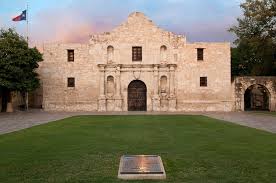
The Alamo
It’s March 5, 1836—the last night of life for the Alamo garrison. The next morning, 2,000 men of the Mexican Army will hurl themselves at the former mission and slaughter its 200 “Texian” defenders.
The fort’s commander, William Barrett Travis, has drawn his “line in the sand” and invited the garrison to choose: To surrender, to try to escape, or to stay and fight to the death.
And the garrison—except for one man—chooses to stay and fight.

An hour after deciding to stand and die in the Alamo, wrapped in the gloom of night, David Crockett is seized with paralyzing fear.
“We’re going to die here,” he chokes out to his longtime friend, Persius Tarr. “You understand that, Persius? We’re going to die!” 
“I know, Davy. But there ain’t no news in that,” says Tarr. “We’re born to die. Every one of us. Only difference between us and most everybody else is we know when and where it’s going to be.”
“But I can’t be afraid—not me. I’m Crockett. I’m Canebrake Davy. I’m half-horse, half-alligator.”
“I know you are, Davy,” says Tarr. “So do all these men here. That’s why you’re going to get past this.
“You’re going to put that fear behind you and walk back out there and fight like the man you are. The fear’s come and now it’s gone. This is our time, Davy.”
And then Tarr delivers a sentiment wholly alien to money-obsessed men like Donald Trump—who comprise the richest and most privileged 1% of today’s Americans.
“There’s men out there with their eyes on you. You’re the only thing keeping the fear away from them. You’re joking and grinning and fiddling—it gives them courage they wouldn’t have had without you.
“Maybe that’s why you’re here, Davy—to make the little men and the scared men into big and brave men. You’ve always cared about the little men, Davy. Remember who you are.
“You’re Crockett of Tennessee, and your glory-time has come. Don’t you miss a bit of it.”
The next morning, the Mexicans assault the Alamo. Crockett embraces his glory-time—and becomes a legend for all-time.

David Crockett (center) at the fall of the Alamo
David Crockett (1786-1836) lived—and died—a poor man. But this did not prevent him from trying to better the lives of his family and fellow citizens—and even his former enemies.
During the war of 1812, he served as a scout under Andrew Jackson. His foes were the Creek Indians, who had massacred 500 settlers at Fort Mims, Alabama—and threatened to do the same to Crockett’s family and neighbors in Tennessee.
But as a Congressman from Tennessee, he opposed then-President Jackson’s efforts to force the same defeated Indians to depart the lands guaranteed them by treaty.
To Crockett, a promise was sacred—whether given by a single man or the United States Government.

David Crockett
And his presence during the 13-day siege of the Alamo did cheer the spirits of the vastly outnumbered defenders.
Crockett, with his fiddle—and a Scotsman named MacGregor, with his bagpipes—often staged musical “duels” to see who could make the most noise.
Contrast this devotion of Crockett to the rights of “the little men,” with the boasts of Donald Trump, the billionaire President of the United States:

Donald Trump
- “The first thing they [doctors] is say: ‘Take off your shirt, sir, and show us that gorgeous chest. We’ve never seen a chest quite like it.’”
- “My fingers are long and beautiful, as, it has been well documented, are various other parts of my body.”
- “Actually, throughout my life, my two greatest assets have been mental stability and being, like, really smart.”
- “My IQ is one of the highest—and you all know it.”
- “My Twitter has become so powerful that I can actually make my enemies tell the truth.”
- “I think the only difference between me and the other candidates is that I’m more honest and my women are more beautiful.”
Unlike Crockett, who defended the weak, Trump boasted of his power:
- “You know I’m automatically attracted to beautiful—I just start kissing them. It’s like a magnet. Just kiss. I don’t even wait. And when you’re a star they let you do it. You can do anything.”
- “The Monroe Doctrine is a big deal, but we’ve superseded it by a lot, by a real lot. They now call it the ‘Donroe Doctrine.'”
- “I have the right to do anything I want to do.”
Those who give their lives for others are rightly loved and remembered as heroes. Those who dedicate their lives solely to their wallets and egos are rightly despised and then forgotten.
ABC NEWS, ALTERNET, AMERICABLOG, AP, BABY BOOMER RESISTANCE, BBC, BLOOMBERG, BLUESKY, BUZZFEED, CBS NEWS, CNN, COMPUTER FRAUD, CROOKS AND LIARS, CYBERCRIME, DAILY KOS, EMAIL, EMAILS, FBI, FIVETHIRTYEIGHT, HARPER’S MAGAZINE, HUFFINGTON POST, INTERNET, MEDIA MATTERS, MOTHER JONES, MOVEON, MSNBC, NBC NEWS, NEWSDAY, NEWSWEEK, NIGERIA, NIGERIAN SCAMS, NPR, PASSWORDS, PBS NEWSHOUR, POLITICO, POLITICUSUSA, RAW STORY, REUTERS, SALON, SCAMS, SEATTLE TIMES, SLATE, TALKING POINTS MEMO, THE ATLANTIC, THE CHICAGO SUN-TIMES, THE CHICAGO TRIBUNE, THE DAILY BEAST, THE DAILY BLOG, THE GUARDIAN, THE HILL, THE HUFFINGTON POST, THE INTERCEPT, THE LOS ANGELES TIMES, THE NATION, THE NEW REPUBLIC, THE NEW YORK TIMES, THE NEW YORKER, THE VILLAGE VOICE, THE WALL STREET JOURNAL, THE WASHINGTON POST, THE WASHINGTONPOST, THINKPROGRESS, TIME, TRUTHDIG, TRUTHOUT, TWO POLITICAL JUNKIES, U.S. NEWS & WORLD REPORT, UPI, USA TODAY, VIRUSES, X
In Business, History, Law Enforcement, Self-Help, Social commentary on January 12, 2026 at 12:12 am
Receiving unsolicited, get-rich-quick emails has become a regular headache for millions of Internet users.
All too often, the result is fraud for their recipients. The Federal Trade Commission reported losses of $12.5 billion from online get-rich Ponzi schemes in 2024..
Here’s how to spot the warning signs of fraud:
- Addressed Generally: “Attention!” “Dear Friend,” “Attention the owner of this email,” “Hello, Dear.” Your name is not mentioned, because this email has been mass-mailed to thousands of intended victims.
- Unsolicited: You’re told that you’ve won a lottery you never entered, or have inherited a fortune from someone you never knew existed.
- Appeals to Religion: “Hello Beloved in the Lord” or “Yours in Christ” seeks to create a bond with those who deeply believe in God.
- Misuse of English: Mis-spellings and faulty grammar usually denote someone—probably a foreigner—using English as a second language. Examples: Run-on sentences; “you’re” for “your”; “except” instead of “accept”; “Dear Beneficial” instead of “Dear Beneficiary.”
- Appeals to Sympathy: “My husband just died” or “I am dying of cancer.” This is to make you feel sorry for the sender and lower your guard as an intended victim.

- Use of Important Titles/Organizations: “Director,” ‘Barrister,” “Secretary General of the United Nations,” “Police Inspector.” This is to impress recipients and convince them that the email comes from a trusted and legitimate organization.
- Request for Personal Information: This includes some combination of: Name / Address / Telephone Number / Bank Name / Bank Account Number / Fax Number / Driver’s License Number / Occupation / Sex / Beneficiary / Passport Number
- Claims of Deposit: “We have deposited the check of your fund to your account” is a typical line to instantly grab your attention. Someone you’ve never heard of claims he has just put a huge amount of money into an account you know nothing about. Nor can you access it unless you first pay a “contact fee.”
- The “Bank” is in Africa: Unless you know you have relatives there, this should be a dead giveaway to a scam. Africa is a continent kept alive by the charity of other nations. It’s not in the business of doling out large sums of money to Westerners.
- Overseas Phone Numbers: If you call these, you’ll have a huge bill. So many people skip calling and just send the money “required” to receive their “cash prize.”

- Highly Personal Requests: Asking you—someone they’ve never met—to assume the burden of acting as the executor of their “Last Will and Testament.”
- Love Scams: The scammer poses as a man or woman—usually outside the United States—seeking love. After days/weeks, the scammer says s/he will fly to the United States to be yours. All you have to do is put up the money for the flight cost.
- “Make Money From Home”: “Work from home” scams promise a way to support yourself and your family. You’re required to provide bank information or pay an up-front “registration fee.” Then you wait for job orders—that never come.
- Debt Relief: Scammers promise to relieve most or all of your debt—for a large up-front fee. You pay the fee—and are not only out of that money but still in debt.
- Home Repair Schemes: Huge down payments are required for home repairs that never happen.
- “Free” Trial Offers: The service or product is free for awhile, but you must opt out later to avoid monthly billings.
- The Email Claims to Be From the FBI: Often the “address” includes “Anti-Terrorist and Monetary Crime Division.” One such email was addressed: “Dear Beneficiary” and offered help in obtaining a “fund.” The FBI is an investigative agency responsible to the U.S. Department of Justice. It does not resolve financial disputes or secure monies for “deserving” recipients. If the FBI wants to contact you, it will do so by letter or by sending agents to your address. The FBI’s own website states: “At this time we do not have a national e-mail address for sending or forwarding investigative information.”
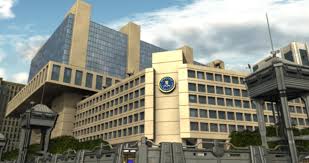
FBI Headquarters: Where stopping cybercrime is now a top priority.
- “I Need Help”: You get an email claiming to be from someone you know—who’s “in jail here in Mexico” or some other foreign country. S/he begs you to send money for bail or bribes to win his/her freedom. If you get such an email, call the person to make certain. Don’t rush to send money—chances are it will go directly to a scammer.
There are several commonsense rules to follow in protecting yourself from online scammers:
- Don’t trust people you’ve never met to want to give you money.
- Shop online only with well-known merchants who have a good reputation.
- Don’t click on unknown links—especially those in emails from unknown senders.
- If you’re required to pay an advance fee—“on faith”—to receive a big amount of money, the odds are it’s a scam.
- If you can’t find any solid information on a company, chances are it doesn’t exist.
- For additional information on how to protect yourself from cybercrime, check out the FBI’s page at http://www.fbi.gov/about-us/investigate/cyber.
- If it sounds too good to be true, the odds are: It is untrue.


 Bureaucracybuster's Blog
2016 PRESIDENTIAL CAMPAIGN, 2020 PRESIDENTIAL CAMPAIGN, ABC NEWS, ADOLF HITLER, ALTERNET, AMERICABLOG, ANCIENT GREECE, ANCIENT ROME, AP, BABY BOOMER RESISTANCE, BERNIE SANDERS, BUZZFEED, CATASTROPHE, CBS NEWS, CHINA, CNN, CONSUMER PROTECTION, CORPORATE TAXES, CORRUPTION, CROOKS AND LIARS, DAILY KOZ, DEMOCRATIC PARTY, DONALD TRUMP, DRUDGE RETORT, EXECUTIVE PAYWATCH, FACEBOOK, FIVETHIRTYEIGHT, FORBES, FUNDRAISING, HARPER’S MAGAZINE, HILLARY CLINTON, INCOME INEQUALITY, IVAN THE TERRIBLE, JOE BIDEN, JOSEPH STALIN, LEON TROTSKY, MEDIA MATTERS, MOTHER JONES, MOVEON, MSNBC, NAZI GERMANY, NBC NEWS, NEWSWEEK, NICCOLO MACHIAVELLI, NPR, PBS NEWSHOUR, POLITICO, POLITICUSUSA, RAW STORY, REUTERS, ROBERT PAYNE, ROBERT REICH, SALON, SEATTLE TIMES, SLATE, SPARTACUS, TALKING POINTS MEMO, THE ATLANTIC, THE CHICAGO SUN-TIMES, THE CHICAGO TRIBUNE, THE CORRUPT SOCIETY (BOOK), THE DAILY BEAST, THE DAILY BLOG, THE DISCOURSES, THE FRENCH REVOLUTION, THE GREAT LEVELER (BOOK), THE GUARDIAN, THE HILL, THE HUFFINGTON POST, THE LOS ANGELES TIMES, THE NATION, THE NEW REPUBLIC, THE NEW YORK TIMES, THE RUSSIAN REVOLUTION, THE VILLAGE VOICE, THE WASHINGTON POST, THINKPROGRESS, TIME, TRUTHDIG, TRUTHOUT, TWO POLITICAL JUNKIES, U.S. NEWS & WORLD REPORT, UPI, USA TODAY, VIOLENCE, Vladimir Lenin, WALL STREET, WALTER SCHEIDEL, WATERGATE, WEALTH GAP, WILLIAM SHAKESPEARE, WINSTON CHURCHILL, WONKETTE, X
THE RICH (LIKE THE PLAGUE) ARE WITH YOU ALWAYS: PART ONE (OF TWO)
In Bureaucracy, Business, History, Politics, Social commentary on March 23, 2026 at 12:26 amAmericans are used to Presidential candidates telling lies (euphemistically known as “campaign promises”) to get elected.
But when a candidate actually (and usually accidentally) tells the truth, the results can be electrifying.
On June 18, 2019, Democratic Presidential candidate (and future President Joseph Biden addressed a roomful of donors in New York.
The former Vice President believed that his message would comfort his well-heeled audience of billionaires: Don’t worry, if I’m elected, your standard of living won’t change.
Addressing the 100 or so guests at a fundraiser at the Carlyle Hotel in New York City, Biden said that he had taken heat from “some of the people on my team, on the Democratic side” because he had said that rich people were “just as patriotic as poor people.
Joe Biden
“The truth of the matter is, you all, you all know, you all know in your gut what has to be done. We can disagree in the margins but the truth of the matter is it’s all within our wheelhouse and nobody has to be punished. No one’s standard of living will change, nothing would fundamentally change,” he said.
And he added: “I mean, we may not want to demonize anybody who has made money.
“When we have income inequality as large as we have in the United States today, it brews and ferments political discord and basic revolution. Not a joke. Not a joke … It allows demagogues to step in and say the reason where we are is because of the ‘other’….
“You’re not the other. I need you very badly. I hope if I win this nomination, I won’t let you down. I promise you. I have a bad reputation, I always say what I mean. The problem is I sometimes say all that I mean.”
Biden had talked about decreasing income inequality and promoting workers’ rights. But he took a carefully moderate stance when it came to taxation.
United States Senator Bernie Sanders (D-VT), on the other hand, has attacked the ultra-rich as responsible for the ever-widening gap between themselves and the poor.
“I love Bernie, but I’m not Bernie Sanders. I don’t think 500 billionaires are the reason why we’re in trouble,” Biden said in March, 2019.
Instead, he proposed expanding tax credits for the poor and middle class, and making the tax code less friendly to rich investors.
Robert Payne, the distinguished British historian, took a different—and darker—view of the rich.
Robert Payne
Payne authored more than 110 books. Among his subjects were Adolf Hitler, Ivan the Terrible, Winston Churchill, Joseph Stalin, Vladimir Lenin, William Shakespeare and Leon Trotsky.
In 1975, he published The Corrupt Society: From Ancient Greece to Present-Day America. It proved a summary of many of his previous works.
Among the epochs it covered: The civilizations of ancient Greece, Rome and China; Nazi Germany; the Soviet Union; and Watergate-era America. And the massive corruption each of those epochs had spawned.
In his chapter, “A View of the Uncorrupted Society,” Payne warned: Power and wealth are the main sources of corruption.
“The rich, simply by being rich, are infected with corruption. Their overwhelming desire is to grow richer, but they can do this only at the expense of those who are poorer than themselves.
”Their interests conflict with those of the overall society. They live sheltered from the constant anxieties of the poor, and thus cannot understand them. Nor do they try to.”
They see the poor as alien from themselves, and thus come to fear and despise them. And their wealth and influence enables them to buy politicians—who, in turn, write legislation that protects the rich from the poor.
But Payne foresaw an even greater danger from the rich and powerful than their mere isolation from the rest of society: “The mere presence of the rich is corrupting. Their habits, their moral codes, their delight in conspicuous consumption are permanent affronts to the rest of humanity. Vast inequalities of wealth are intolerable in any decent society.”
Robert Payne
Writing in 1975, Payne noted that a third of the private wealth was possessed by less than five percent of the population—while about a fifth of the populace lived at the poverty level. By 2000, he predicted, about five percent of the population would possess two-thirds of America’s wealth. And more than half the population would be near or below the starvation level.
The result could only be catastrophe. The only way to halt this this increasing concentration of wealth by fewer people would be through law or violent revolution.
Payne has proven to be an uncanny prophet.
According to Fortune, by 2024: “Over the past 30 years, the U.S.’s top 1% got richer, and now hold nearly a third of the nation’s wealth.”
And the January 30, 2026 edition of Forbes carries this assessment: “The net worth of the top 1% in the U.S. has been above a share of 30% almost consistently since 2014, while the top 10% currently own just over 68% of the country’s wealth.
“This is in stark contrast to just 2.5% of U.S. net worth in the hands of the 50% at the bottom of the wealth ladder.”
But this situation need not remain permanent.
Share this: