Posts Tagged ‘WEHRMACHT’
2016 PRESIDENTIAL ELECTION, 2020 PRESIDENTIAL ELECTION, ABC NEWS, ADAM SCHIFF, ADOLF HITLER, ALTERNET, AMERICABLOG, AP, ARMENIA, BABY BOOMER RESISTANCE, BBC, BUZZFEED, CBS NEWS, CHARLES PIERCE, CNN, CONVERSATION WITH AN AMERICAN WRITER (POEM), CORY GARDNER, CROOKS AND LIARS, DAILY KOS, DAILY KOZ, DIMITRI SHOSTAKOVICH, DONALD TRUMP, ESQUIRE MAGAZINE, FACEBOOK, FBI, FIVETHIRTYEIGHT, FOREIGN SERVICE, GREAT TERROR, HOUSE INTELLIGENCE COMMITTEE, HOUSE OF REPRESENTATIVES, HUNTER BIDEN, JAMES COMEY, JEFF SESSIONS, JOE BIDEN, JONI ERNST, JOSEPH STALIN, KEITH SCHILLER, KYRGYZSTAN, MARIA YOVANOVITCH, MARIE YOVANOVICH, MARTHA MCSALLY, MICHAEL ATKINSON, MIKE FLYNN, MIKHAIL TUKHACHEVESKY, MOTHER JONES, MOVEON, MSNBC, NAZI GERMANY, NBC NEWS, NEWSWEEK, NICCOLO MACHIAVELLI, NIKITA KHRUSHCHEV, NIKOLAI ZHILAYEV, NPR, PBS NEWSHOUR, POLITICO, POLITICUSUSA, RAW STORY, REUTERS, ROBERT MUELLER III, ROD ROSENSTEIN, RUDOLPH GIULIANI, RUDY GIULIANI, RUSSIAN ESPIONAGEky, SALON, SEATTLE TIMES, SENATE INTELLIGENCE COMMITTEE, SERGEY KISLYAK, SERGEY LAVOV, SLATE, SOVIET UNION, STATE DEPARTMENT, TALKING POINTS MEMO, THE ATLANTIC, THE CHICAGO SUN-TIMES, THE CHICAGO TRIBUNE, THE DAILY BEAST, THE DAILY BLOG, THE DISCOURSES, THE GUARDIAN, THE HILL, THE HUFFINGTON POST, THE LOS ANGELES TIMES, THE NATION, THE NEW YORK TIMES, THE WALL STREET JOURNAL, THE WASHINGTON POST, THINKPROGRESS, THOM TILLIS, TIME, TRUTHDIG, TWITTER, U.S. NEWS & WORLD REPORT, UKRAINE, UPI, USA TODAY, WEHRMACHT, WORLD WAR 11, YEVGENEY YEVTUSHENKO
In Bureaucracy, History, Military, Politics, Social commentary on October 14, 2019 at 12:09 am
…A truly great man is ever the same under all circumstances. And if his fortune varies, exalting him at one moment and oppressing him at another, he himself never varies, but always preserves a firm courage, which is so closely interwoven with his character that everyone can readily see that the fickleness of fortune has no power over him.
The conduct of weak men is very different. Made vain and intoxicated by good fortune, they attribute their success to merits which they do not possess. And this makes them odious and insupportable to all around them. And when they have afterwards to meet a reverse of fortune, they quickly fall into the other extreme, and become abject and vile.
—Niccolo Machiavelli, The Discourses
Four heroes, two villains.
Two of the heroes are Russians; two are Americans.
The villains: One Russian (actually, Georgian); one American.
First up—in order of disappearance: Mikhail Nikolayevich Tukhachevsky (pronounced too-ka-chev-sky)
Tukhachevsky (February 4, 1893 – June 12, 1937) was a leading Soviet military leader and theoretician from 1918 to 1937.
He commanded the Soviet Western Front during the Russian-Polish War (1920-21) and served as Chief of Staff of the Red Army (1925-1928).
He fought to modernize Soviet armament, as well as develop airborne, aviation and mechanized forces. Almost singlehandedly, he created the theory of deep operations for Soviet forces.

Mikhail Tukhachevsky
All of these innovations would reap huge dividends when the Soviet Union faced the lethal fury of Adolf Hitler’s Wehrmacht.
In 1936, Tukhachevsky warned Soviet dictator Joseph Stalin that Nazi Germany might attack without warning—and ignite a long and murderous war.
Stalin—the son of a Georgian cobbler—resented Tukhachevsky’s coming from a noble family. A monumental egomaniac, he also hated that Tukhachevesky’s fame rivaled his own.
Warned of the approaching German danger, Stalin shouted: “What are you trying to do—frighten Soviet authority?”
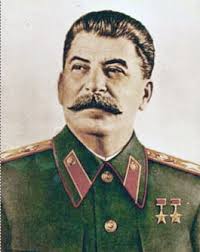
Joseph Stalin
The attack that Tukhachevsky warned against came five years later—on June 22, 1941, leaving at least 20 million Russians dead.
But Tukhachevsky wasn’t alive to command a defense.
The 1930s were a frightening and dangerous time to be alive in the Soviet Union. In 1934, Stalin, seeing imaginary enemies everywhere, ordered a series of purges that lasted right up to the German invasion.
An example of Stalin’s paranoia occurred one day while the dictator walked through the Kremlin corridors with Admiral Ivan Isakov. Officers of the NKVD (the predecessor to the KGB) stood guard at every corner.
“Every time I walk down the corridors,” said Stalin, “I think: Which one of them is it? If it’s this one, he will shoot me in the back. But if I turn the corner, the next one can shoot me in the face.”
In 1937-38, the Red Army fell prey to Stalin’s paranoia.
Its victims included:
- Three of five marshals (five-star generals);
- Thirteen of 15 army commanders (three- and four-star generals);
- Fifty of 57 army corps commanders; and
- One hundred fifty-four out of 186 division commanders.
And heading the list of those marked for death was Marshal Mikhail Tukhachevsky.
Arrested on May 22, 1937, he was interrogated and tortured. As a result, he “confessed” to being a German agent plotting to overthrow Stalin and seize power.
On his confession, which survives in the archives, his bloodstains can clearly be seen.
On June 11, the Soviet Supreme Court convened a special military tribunal to try Tukhachevsky and eight generals for treason.
It was a sham: The accused were denied defense attorneys, and could not appeal the verdict—-which was foregone: Death.
In a Russian version of poetic justice, five of the eight generals who served as Tukhachevsky’s judges were themselves later condemned and executed as traitors.
Within hours of the verdict, Tukhachevsky was summoned from his cell and shot once in the back of the head.
From 1937 until 1956, Tukhachevsky was officially declared a traitor and fifth-columnist.
Then, on February 25, 1956, Soviet Premier Nikita Khrushchev delivered his bombshell “Secret Speech” to the 20th Congress of the Communist Party of the Soviet Union.
In this, he denounced Stalin (who had died in 1953) as a ruthless tyrant responsible for the slaughter of millions of innocent men, women and children. He condemned Stalin for creating a “personality cult” around himself, and for so weakening the Red Army that Nazi Germany was able to easily overrun half of the Soviet Union from 1941 to 1943.
On January 31, 1957, Tukhachevsky and his co-defendants were declared innocent of all charges and were “rehabilitated.”
Today, he is once again—rightly—considered a Russian hero and military genius. And Stalin is universally—and rightly—seen as a blood-stained tyrant.
Next hero: Nikolai Sergeyvich Zhilayev (pronounced Zill-lay-ev)
Zhilayev (November 18, 1881 – January 20, 1938) was a Russian musicologist and the teacher of several 20th-century Russian composers. Among these: Dimitri Shostakovich.
Zhilayev, a member of the Russian Academy of Art-Sciences, taught at the Moscow Conservatory. Among his friends—to his ultimate misfortune—was Mikhail Tukhachevsky.
In 1938, he, too, became a casualty of what has become known as The Great Terror.
In his posthumously-published memoirs, Testimony, Shostakovich, his pupil and friend, described how Zhilayev faced his end with a calmness that awed even the NKVD (the predecessor to the KGB) secret police sent to arrest him.
ABC NEWS, ADOLF HITLER, ALTERNET, AMERICABLOG, AP, BABY BOOMER RESISTANCE, BBC, BLOOMBERG, BLUESKY, BUZZFEED, CBS NEWS, CIA, CNN, CROOKS AND LIARS, DAILY KOS, DAILY KOZ, DONALD TRUMP, FACEBOOK, FBI, FIVETHIRTYEIGHT, GEORGE C. SCOTT, GEORGE S. PATTON, GESTAPO, HARPER’S MAGAZINE, HOGAN’S HEROES, HUFFINGTON POST, MEDIA MATTERS, MEL BROOKS, MOTHER JONES, MOVEON, MSNBC, NAZI GERMANY, NBC NEWS, NEW REPUBLIC, NEWSDAY, NEWSWEEK, NPR, PBS NEWSHOUR, POLITICO, POLITICUSUSA, RAW STORY, REPUBLICAN PARTY, REPUBLICANS, REUTERS, RICHARD GRUNBERGER, RICHARD NIXON, RUSSIA, SALON, SEATTLE TIMES, SIMON KUKES, SLATE, TALKING POINTS MEMO, THE 12-YEAR REICH, THE ATLANTIC, THE CHICAGO SUN-TIMES, THE CHICAGO TRIBUNE, THE DAILY BEAST, THE DAILY BLOG, THE GUARDIAN, THE HILL, THE HUFFINGTON POST, THE INTERCEPT, THE LOS ANGELES TIMES, THE NATION, THE NEW REPUBLIC, THE NEW YORK TIMES, THE NEW YORKER, THE VILLAGE VOICE, THE WALL STREET JOURNAL, THE WASHINGTON POST, THINKPROGRESS, TIME, TRUTHDIG, TRUTHOUT, TWO POLITICAL JUNKIES, U.S. NEWS & WORLD REPORT, UPI, USA TODAY, VLADIMIR PUTIN, WEHRMACHT, X
In Bureaucracy, History, Politics, Social commentary on September 27, 2019 at 12:08 am
On August 30, 2017, an article in Salon examined why Donald Trump’s base supports him so fanatically: “Most Americans Strongly Dislike Trump, But the Angry Minority That Adores Him Controls Our Politics.”
It described these voters as representing about one-third of the Republican party:
“These are older and more conservative white people, for the most part, who believe he should not listen to other Republicans and should follow his own instincts….
“They like Trump’s coarse personality, and approve of the fact that he treats women like his personal playthings. They enjoy it when he expresses sympathy for neo-Nazis and neo-Confederate white supremacists.
“They cheer when he declares his love for torture, tells the police to rough up suspects and vows to mandate the death penalty for certain crimes. (Which of course the president cannot do.)
“…This cohort of the Republican party didn’t vote for Trump because of his supposed policies on trade or his threat to withdraw from NATO. They voted for him because he said out loud what they were thinking. A petty, sophomoric, crude bully is apparently what they want as a leader.”
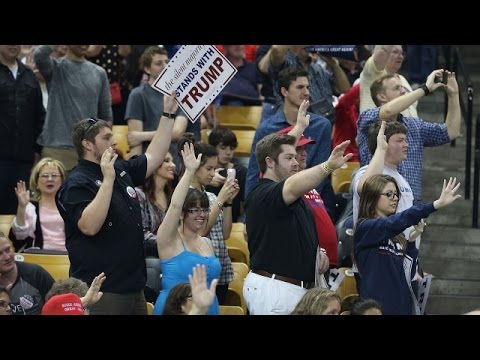
Supporters giving the Nazi “Sieg Heil” salute to Trump
According to an August 29, 2017 survey by the Pew Research Center, they only comprise 16% of the population. That leaves 65% of Republicans who are revolted by Trump’s personality and behavior. But they are being advised by GOP political consultants to vigorously support him.
“Your heart tells you that he’s bad for the country,” one anonymous consultant told the Salon reporter. “Your head looks at polling data among Republican primary voters and sees how popular he is.”
It’s precisely these hard-core Fascists who come out in mid-term elections—and they’re scaring the remaining 65% who make up the GOP establishment.
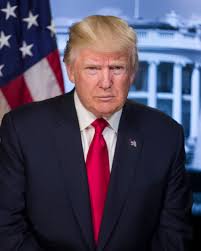
Donald Trump
That’s one reason why the vast majority of Republicans continue to fanatically support Trump: They fear he will turn his hate-filled base on them.
But there’s a second reason why Republicans back Trump. And it has a historical basis.
While the Nazi Party ruled Germany from 1933 to 1945, its influence over all aspects of Germans’ lives was suffocating.
“Censorship prevailed, education was undermined, family life was idealized, but children were encouraged to turn in disloyal parents,” reads the back cover of Richard Grunberger’s classic 1971 book, The 12-Year Reich.
“‘Volk’ festivals, party rallies, awards, uniforms, pageantry all played a part in the massive effort to shape the mind of a nation.”
And yet, after the Reich surrendered unconditionally to the Allies on May 8, 1945, a strange thing happened: Virtually no German admitted to having been a Nazi—or having even known one.
In short: Adolf Hitler had lost the war he started—making him a loser nobody wanted to be identified with.
In the decades since, the “loser” tag has continued to stick with those who once served the Third Reich. Mel Brooks has repeatedly turned German soldiers—once the pride of the battlefield—into idiotic comic foils.
Even the fearsome Gestapo was spoofed for laughs on the long-running TV comedy, “Hogan’s Heroes.”

“Hogan’s Heroes”
“Americans love a winner,” George C. Scott as George S. Patton says at the outset of the classic 1970 movie. “And will not tolerate a loser.”
And that is why Republicans have stuck so closely with President Donald J. Trump.
Republicans don’t fear that Trump will destroy the institutions that Americans have long cherished—such as:
- An independent judiciary
- A free press
- An incorruptible Justice Department
- Intelligence agencies (such as the FBI and CIA) charged with protecting the country against subversion.
Trump has furiously attacked all of these—and Republicans have either said nothing or rushed to his defense.
- Republicans don’t care that he has all but destroyed decades of solid relations between the United States and longtime allies, such as Canada and Great Britain.
- Republicans don’t care that he will sell out the Nation to Russian president Vladimir Putin—whom he has never criticized and has defended against the FBI and CIA.
- Republicans don’t even care that he tried to pressure the president of Ukraine to slander former Vice President Joe Biden, his rival in the upcoming 2020 election—and then tried to cover it up.
What Republicans fear is that if Democrats can impeach Trump, they will lose their own hold on nearly absolute power in Congress and the White House.
If Trump is impeached and possibly indicted, he will become a man no one any longer fears. He will be a figure held up to ridicule and condemnation.
Like Adolf Hitler. Like Richard M. Nixon.
And his Congressional supporters will be branded as losers along with him.
Republicans vividly remember what happened after Nixon was forced to resign in disgrace on August 9, 1974: Democrats, riding a wave of reform fever, swept Republicans out of the House and Senate—and Jimmy Carter into the White House.
If Republicans are conflicted about supporting Trump, their dilemma boils down to this:
- Can I hold onto my power—and all the privileges that go with it—by supporting Trump? Or:
- Can I hold onto my power—and privileges—by deserting him?
This is how Republicans define morality today.
ABC NEWS, AFFORDABLE CARE ACT, ALTERNET, AMERICABLOG, AMERICAN NAZI PARTY, AP, BABY BOOMER RESISTANCE, BARACK OBAMA, BUZZFEED, CBS NEWS, CNN, CROOKS AND LIARS, DAILY KOZ, FACEBOOK, FIVETHIRTYEIGHT, FOX NEWS, FRANCE, GEORGE W. BUSH, GREAT BRITAIN, IRAQ, JEAN SCHMIDT, KU KLUX KLAN, MEDICARE, MOTHER JONES, MOVEON, MSNBC, NBC NEWS, NEWSWEEK, NPR, OBAMACARE, OSAMA BIN LADEN, PBS NEWSHOUR, POLITICO, POLITICUSUSA, RAW STORY, REPUBLICANS, REUTERS, Ronald Reagan, SADDAM HUSSEIN, SALON, SEATTLE TIMES, SLATE, SOCIAL SECURITY, SOVIET UNION, SUPREME COURT, TALKING POINTS MEMO, THE ATLANTIC, THE CHICAGO SUN-TIMES, THE CHICAGO TRIBUNE, THE DAILY BEAST, THE DAILY BLOG, THE GUARDIAN, THE HILL, THE HUFFINGTON POST, THE LOS ANGELES TIMES, THE NATION, THE NEW YORK TIMES, THE WASHINGTON POST, THINKPROGRESS, TIME, TRUTHDIG, TWITTER, U.S. NEWS & WORLD REPORT, UNITED STATES CONSTITUTION, UPI, USA TODAY, WALL STREET "MELTDOWN, WAR CRIMES, WEAPONS OF MASS DESTRUCTION, WEHRMACHT, WORLD WAR ii
In Bureaucracy, History, Law, Politics, Social commentary on September 24, 2019 at 12:10 am
Seven years after Congress passed the Affordable Care Act (ACA) Republicans remained determined to deny giving all Americans access to healthcare.
A July 29, 2017 Newsweek article, “GOP Aims to Kill Obamacare Yet Again After Failing 70 Times,” states: “Newsweek has found at least 70 Republican-led attempts to repeal, modify or otherwise curb the Affordable Care Act [ACA] since its inception as law on March 23, 2010.”
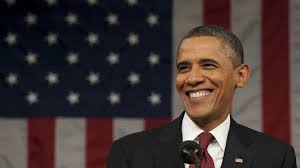
Barack Obama
The previous President, George W. Bush, had lied the nation into a needless and destructive war with Iraq by repeatedly claiming that:
- Saddam Hussein and Osama bin Laden had teamed up to bring on 9/11;
- Saddam was going to get a nuclear weapon; or
- Saddam already had a nuclear weapon and intended to use it against the United States.
That war cost the lives of 4,486 Americans and well over $1 trillion.
And Republicans had fully supported those expenditures—of lives and money.
And Bush—taking a “hands-off-business” attitude—had presided over the 2008 Wall Street “meltdown.” By the time Obama took office in 2009, the unchecked greed and stupidity of wealthy businessmen threatened to bankrupt the country.
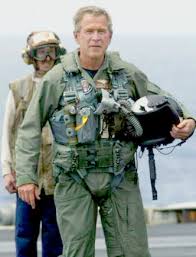
George W. Bush
But for the American Right, these weren’t crimes. They were simply incidents to be ignored or arrogantly explained away.
And there was always the predictable rants about the dangers of “socialized medicine.” (The fact that countries like France and Britain have had “socialized medicine” for decades and are still solvent and powerful has no meaning for these ideologues.)
But then President Obama sought to provide full medical coverage for all Americans, regardless of wealth.
And that—for the American Right—was a crime beyond forgiveness.
As President Obama’s best-known achievement, its destruction by the Supreme Court would discredit the reputation of its creator. And this would arm Republicans with a potent election-time weapon for making Obama a one-term President.
On June 28, 2012, the United States Supreme Court upheld the constitutionality of the Act, otherwise known as Obamacare.
Republicans expected this to be their day. The day when the Court struck down the ACA. It would be a day to celebrate—and to revel in the sheer ecstasy of their hatred for the country’s first black President.
Among those Right-wingers poised to celebrate on the morning of June 28 was Ohio Congresswoman Jean Schmidt.

Jean Schmidt
Wearing a white dress, she stood in front of the Supreme Court waiting to hear about the healthcare ruling—when the joyful news came: The Court had ruled the Act was not enforceable under the interstate commerce clause of the Constitution!
This was in fact true—and reported on CNN and Fox News. But it was not the whole story.
“Yes! Yes!” Schmidt screamed. “Oh, what else? Thank God! No, they struck down the individual mandate! They took it away! Yes!”
Her fascistic joy manifested itself in ear-splitting screeches and air punches. Her entire body rocked up and down, shuddering with the ecstasy of passion. She resembled, more than anything else, a woman caught up in the frenzy of an orgasm.
In this case, an orgasm of pure, undisguised hatred—
- for the Affordable Healthcare Act;
- for those millions of uninsured Americans needing healthcare coverage; and,
- above all, for the President himself.
It was a lust so demonic, so characteristic of the all-out, lethal hatred that Republicans aimed at Obama, that it had to be seen for its full, revolting quality to be felt.
Click here: Rep “Mean Jean” Schmidt Wigs Out Thinking Supreme Court Struck Down Health Care Reform – YouTube
But then came the bad news.
The Court had ruled that the Act was Constitutional under the power of the Congress to levy taxes. Thus, the hated individual mandate—requiring the wealthy to buy insurance—was legal after all.
There are three major reasons for Republicans’ vicious opposition to the Affordable Care Act:
- It was backed by and implemented under a black President;
- Republicans want to placate their “campaign contributors” (i.e., bribers) in the insurance and medical industries; and
- By making healthcare unavailable to poor and middle-class Americans, they expect to kill off, by illness and disability, millions of people they despise and consider disposable.
This last goal dovetails nicely with Republicans’ all-out assault on Social Security, Medicare and social services programs. By eliminating these social safety nets, Republicans intend to deprive their recipients of access to food, clothing and shelter.
If this seems outrageous, consider this:
When Nazi Germany invaded the Soviet Union in 1941, the Wehrmacht slaughtered at least 2.6 million captured Russians without firing a shot. They were deliberately fenced out in the cold without medical care or food.
And while Republicans attack their critics as Nazis, they have reached into the depths of Nazi history for many of their goals.
What Ronald Reagan once said about the leadership of the Soviet Union now applies to the leadership of his own party: “The only morality they recognize is what will further their cause, meaning they reserve unto themselves the right to commit any crime, to lie, to cheat.”
ABC NEWS, ADOLF HITLER, ALTERNET, AMERICABLOG, AP, BABY BOOMER RESISTANCE, BBC, BLOOMBERG NEWS, BUZZFEED, CBS NEWS, CNN, CRIME, CROOKS AND LIARS, DAILY KOS, DAILY KOZ, FACEBOOK, FIVETHIRTYEIGHT, GUN CONTROL, HARPER’S MAGAZINE, HUFFINGTON POST, JOSEPH STALIN, MARTIN LUTHER KING, MEDIA MATTERS, MOTHER JONES, MOVEON, MSNBC, NATIONAL RIFLE ASSOCIATION, NAZI-SOVIET NON-AGGRESSION PACT, NBC NEWS, NEW REPUBLIC, NEWSDAY, NEWSWEEK, NPR, PBS NEWSHOUR, POLITICO, POLITICUSUSA, RAW STORY, REUTERS, ROBERT F. KENNEDY, SALON, SEATTLE TIMES, SECOND AMENDMENT, SELF-DEFENSE, SLATE, STAND-YOUR-GROUND LAWS, TALKING POINTS MEMO, THE ATLANTIC, THE CHICAGO SUN-TIMES, THE CHICAGO TRIBUNE, THE DAILY BEAST, THE DAILY BLOG, THE GUARDIAN, THE HILL, THE HUFFINGTON POST, THE INTERCEPT, THE LOS ANGELES TIMES, THE NATION, THE NEW REPUBLIC, THE NEW YORK TIMES, THE NEW YORKER, THE SS, THE VILLAGE VOICE, THE WASHINGTON POST, THINKPROGRESS, THIRD REICH, TIME, TRUTHDIG, TRUTHOUT, TWITTER, U.S. CONSTITUTION, U.S. NAVY SEALS, U.S. NEWS & WORLD REPORT, UKRAINE, UPI, USA TODAY, VIRGINIA TECH SHOOTINGS, VLADIMIR PUTIN, VOLODYMYR ZELENSKY, WEHRMACHT, WORLD WAR 11, WRONGFUL-DEATH
In Bureaucracy, Business, History, Law, Law Enforcement, Politics, Social commentary on August 6, 2019 at 12:05 am
The victims of the violence are black and white, rich and poor, young and old, famous and unknown. They are, most important of all, human beings whom other human beings loved and needed. No one—no matter where he lives or what he does—can be certain who will suffer from some senseless act of bloodshed. And yet it goes on and on.
–Robert F. Kennedy, April 4, 1968
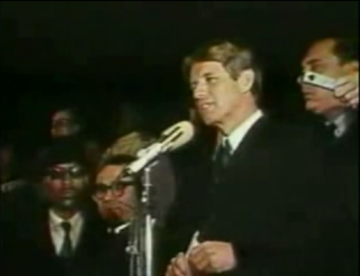
Senator Robert F. Kennedy announcing the murder of Dr. Martin Luther King, Jr.
What should the surviving victims of gun massacres do to seek redress?
And how can the relatives and friends of those who didn’t survive seek justice for those they loved?
Two things:
First, don’t count on politicians to support a ban on assault weapons.
Politicians—with rare exceptions—have only two goals:
- Get elected to office, and
- Stay in office.
And too many of them fear the economic and voting clout of the NRA to risk its wrath.
Consider Mitt Romney and President Barack Obama.
Both rushed to offer condolences to the surviving victims of the massacre at the Century 16 Theater in Aurora, Colorado, on July 20, 2012.
And both steadfastly refused to even discuss gun control—let alone support a ban on the type of assault weapons used by James Holmes, leaving 12 dead and 58 wounded.
Second, those who survived the massacre–and the relatives and friends of those who didn’t–should file wrongful death, class-action lawsuits against the NRA.
There is sound, legal precedent for this.
- For decades, the American tobacco industry peddled death and disability to millions and reaped billions of dollars in profits.
- The industry vigorously claimed there was no evidence that smoking caused cancer, heart disease, emphysema or any other ailment.
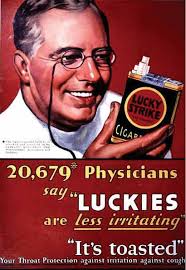
- Tobacco companies spent billions on slick advertising campaigns to win new smokers and attack medical warnings about the dangers of smoking.
- Tobacco companies spent millions to elect compliant politicians and block anti-smoking legislation.
- From 1954 to 1994, over 800 private lawsuits were filed against tobacco companies in state courts. But only two plaintiffs prevailed, and both of those decisions were reversed on appeal.
- In 1994, amidst great pessimism, Mississippi Attorney General Mike Moore filed a lawsuit against the tobacco industry. But other states soon followed, ultimately growing to 46.
- Their goal: To seek monetary, equitable and injunctive relief under various consumer-protection and anti-trust laws.
- The theory underlying these lawsuits was: Cigarettes produced by the tobacco industry created health problems among the population, which badly strained the states’ public healthcare systems.
- In 1998, the states settled their Medicaid lawsuits against the tobacco industry for recovery of their tobacco-related, health-care costs. In return, they exempted the companies from private lawsuits for tobacco-related injuries.
- The companies agreed to curtail or cease certain marketing practices. They also agreed to pay, forever, annual payments to the states to compensate some of the medical costs for patients with smoking-related illnesses.
The parallels with the NRA are obvious:
- For decades, the NRA has peddled deadly weapons to millions, reaped billions of dollars in profits and refused to admit the carnage those weapons have produced: “Guns don’t kill people. People kill people.” With guns.
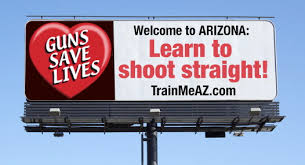
- The NRA has bitterly fought background checks on gun-buyers, in effect granting even criminals and the mentally ill the right to own arsenals of death-dealing weaponry.
- The NRA has spent millions on slick advertising campaigns to win new members and frighten them into buying guns.
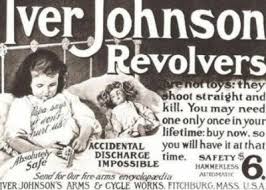
- The NRA has spent millions on political contributions to block gun-control legislation.
- The NRA has spent millions attacking political candidates and elected officials who warned about the dangers of unrestricted access to assault and/or concealed weapons.
- The NRA has spent millions pushing “Stand Your Ground” laws in more than half the states, which potentially give every citizen a “license to kill.”
- The NRA receives millions of dollars from online sales of ammunition, high-capacity ammunition magazines, and other accessories through its point-of-sale Round-Up Program—thus directly profiting by selling a product that kills about 30,288 people a year.
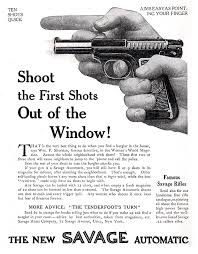
- Firearms made indiscriminately available through NRA lobbying have filled hospitals with casualties, and have thus badly strained the states’ public healthcare systems.
It will take a series of highly expensive and well-publicized lawsuits to significantly weaken the NRA, financially and politically.
The first ones will have to be brought by the surviving victims of gun violence—and by the friends and families of those who did not survive it. Only they will have the courage and motivation to take such a risk.
As with the cases first brought against tobacco companies, there will be losses. And the NRA will rejoice with each one.
But, in time, state Attorneys General will see the clear parallels between lawsuits filed against those who peddle death by cigarette and those who peddle death by armor-piercing bullet.
And then the NRA—like the tobacco industry—will face an adversary wealthy enough to stand up for the rights of the gun industry’s own victims.
Only then will those politicians supporting reasonable gun controls dare to stand up for the victims of these needless tragedies.
ABC NEWS, ADOLF HITLER, ALTERNET, AP, BACKING HITLER: CONSENT AND COERCION IN NAZI GERMANY, BUZZFEED, CANADA, CBS NEWS, CNN, COMMUNISTS, CROOKS AND LIARS, DAILY KOZ, DAVID BROOKS, DONALD J. TRUMP, ECONOMY, EMPLOYMENT, EUROPEAN UNION, FACEBOOK, FBI, FOD SERLING, GESTAPO, JAMES COMEY, JOHANN WOLFGANG GOETHE, MARK SHIELDS, MEDIA, MEXICO, MOTHER JONES, MOVEON, MSNBC, NAZI ATROCITIES, NBC NEWS, NEWSWEEK, NPR, PARDON, PBS NEWSHOUR, POLITICO, RAW STORY, REPUBLICANS, REUTERS, ROBERT GELLATELY, RUDOLPH GIULIANI, SALON, SEATTLE TIMES, SLATE, SOVIET UNION, TARIFFS, THE ATLANTIC, THE CHICAGO SUN-TIMES, THE CHICAGO TRIBUNE, THE DAILY BEAST, THE GUARDIAN, THE HILL, THE HUFFINGTON POST, THE LOS ANGELES TIMES, THE NATION, THE NEW YORK TIMES, THE WASHINGTON POST, TIME, TRADE WAR, TWITTER, U.S. NEWS & WORLD REPORT, UNEMPLOYMENT, UPI, USA TODAY, WEHRMACHT
In Bureaucracy, History, Law, Law Enforcement, Military, Politics, Social commentary on July 22, 2019 at 12:08 am
On the July 19 edition of The PBS Newshour, conservative New York Times columnist David Brooks laid out two theories on how Donald Trump could win re-election as President in 2020:
“The one theory is, he drives the Democratic Party so far left that people think they have no choice but to vote for Donald Trump…..
“The second theory is, ‘I don’t like Donald Trump, but I like this economy.’ And that theory is, you lay low and just let the economy do your speaking for you.”
Brooks’ liberal counterpart, Mark Shields, echoed this sentiment: “Donald Trump is presiding over the greatest economy, in employment terms, in the history of any American under the age of 68. You could say, 50 years ago, it was, you know, almost as good. We were at war then. This is a peacetime economy. It’s a remarkable thing.”
And the Trump administration couldn’t agree more.
A typical White House statement on the economy, entitled “American Greatness,” appeared on June 4, 2018:
Donald Trump
“Nearly three million jobs have been created since President Trump took office. The unemployment rate has dropped to 3.8, the lowest rate since April 2000, and job openings have reached 6.6 million, the highest level recorded. President Trump has restored confidence in the American economy, with confidence among both consumers and businesses reaching historic highs.”
Many Congressional Republicans have echoed this: The American people care only about the economy—and how well-off they are.
But all might not be well—with the economy, as well as so much else.
Only five days earlier—on May 31, 2018—the Trump administration had announced it would put steel and aluminum tariffs on longtime American allies Canada, Mexico and the European Union (EU).
Mexico, Canada and the EU immediately vowed to retaliate. For Americans, this will mean higher prices on such items as beer, baseball bats and cars. The EU has threatened to impose tariffs on motorcycles, bourbon whiskey, Levi’s jeans, peanut butter and cranberries.
A disastrous global trade war could be the ultimate result.
On June 4, 2018, Trump claimed, in a tweet: “As has been stated by numerous legal scholars, I have the absolute right to PARDON myself….”
And, making clear how far above the law he thinks Trump is, his attorney, Rudolph Giuliani, told the Huffington Post on June 3, 2018: “In no case can he be subpoenaed or indicted. I don’t know how you can indict while he’s in office. No matter what it is.
“If he shot [former FBI director] James Comey, he’d be impeached the next day. Impeach him, and then you can do whatever you want to do to him.”
For 12 years, the Germans made a similar devil’s-bargain with Adolf Hitler—and paid dearly for it.
This period began on January 30, 1933, when Hitler became Chancellor—and lasted until June 22, 1941.
For most Germans, those years—and especially the year between June, 1940, and June, 1941–were a time of prosperity and joy.
According to Robert Gellately’s 2002 landmark study, Backing Hitler: Consent and Coercion in Nazi Germany, the Nazis operated a highly popular dictatorship. They didn’t try to cow people into submission. Instead, they set out to win converts by building on popular images, cherished ideals and long-held phobias.
And their efforts succeeded. The Gestapo owed its fearsome success to ordinary German citizens who voluntarily reported on “enemies” within their midst. These citizens saw themselves as patriots.
Nor, as has long been believed, were Nazi atrocities carried out in secret. From the media, Germans learned about the Nazis’ brutal campaign against the Jews, the concentration camps, and the Nazis’ radical approaches to “law and order.”
But as far as everyday Germans were concerned:
- The streets were clean and peaceful.
- Employment was high.
- The Communists and Jews were being locked up.
- The trouble-making unions were gone.
- Germany was once again “taking its rightful place” among ruling nations, after its catastrophic defeat in World War 1.
The height of “The Happy Time” came in June, 1940. In just six weeks, the Wehrmacht accomplished what the German army hadn’t in four years during World War 1: The total defeat of its longtime enemy, France.
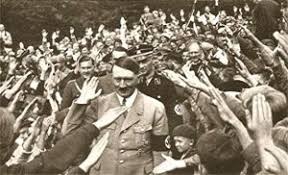
Frenzied Germans greet Adolf Hitler
Suddenly, French clothes, perfumes, delicacies, paintings and other “fortunes of war” came pouring into the Fatherland. (Reichsmarshall Herman Goring, head of the Luftwaffe—air force—amassed his own private air collection from French museums.)
Most Germans believed der Krieg—“the war”—was over, and only good times lay ahead.
But Adolf Hitler had other plans.
On June 22, 1941, three million Wehrmacht soldiers slashed their way into the Soviet Union. The Third Reich was now locked in a death-struggle with a nation even more powerful than itself.

German soldiers in the Soviet Union
And then, on December 11, 1941—four days after Germany’s ally, Japan, attacked Pearl Harbor—Hitler declared war on the United States.
“The Happy Time” for Germans was over. Only prolonged disaster lay ahead.
Americans, by supporting Trump—or at least not opposing him—have made a similar devil’s-bargain.
And great writers—from Johann Wolfgang Goethe to Rod Serling—have repeatedly warned us: When you make a deal with Satan, the outcome is always the same: Satan ends up winning.
ABC NEWS, ADOLF HITLER, ALTERNET, AP, BACKING HITLER: CONSENT AND COERCION IN NAZI GERMANY, BUZZFEED, CANADA, CBS NEWS, CNN, COMMUNISTS, CROOKS AND LIARS, DAILY KOZ, DONALD J. TRUMP, EAST GERMANY, ECONOMY, EMPLOYMENT, EUROPEAN UNION, FACEBOOK, FBI, GESTAPO, JAMES COMEY, MEDIA, MEXICO, MOTHER JONES, MOVEON, MSNBC, NAZI ATROCITIES, NBC NEWS, NEWSWEEK, NPR, PARDON, POLITICO, RAW STORY, REPUBLICANS, REUTERS, ROBERT GELLATELY, RUDOLPH GIULIANI, SALON, SARAH HUCKABEE SANDERS, SEATTLE TIMES, SLATE, SOVIET UNION, TARIFFS, THE ATLANTIC, THE CHICAGO SUN-TIMES, THE CHICAGO TRIBUNE, THE DAILY BEAST, THE GUARDIAN, THE HILL, THE HUFFINGTON POST, THE LOS ANGELES TIMES, THE NATION, THE NEW YORK TIMES, THE WASHINGTON POST, TIME, TRADE WAR, TWITTER, U.S. NEWS & WORLD REPORT, UNEMPLOYMENT, UPI, USA TODAY, WEHRMACHT, WEST GERMANY
In Bureaucracy, History, Law, Law Enforcement, Politics, Social commentary on May 3, 2019 at 12:22 am
Everyone knows how World War II ended for Nazi Germany: With its Fuhrer, Adolf Hitler, dead, and its capital city of Berlin in ruins.
Casualty figures range from 4.3 to 5.3 million dead Germans.
And for 44 years—from May 7, 1945, until November 9, 1989—Berlin was a divided city and Germany a divided nation. The Soviet Union ruled the eastern half. Germans—backed up by American military forces—ruled the western half.
Yet before all this unhappiness descended on the Fatherland, the vast majority of Germans enjoyed what they called “The Happy Time.”
This period began on January 30, 1933, when Adolf Hitler became Chancellor—and lasted until June 22, 1941.
For most Germans, those years—and especially the year between June, 1940, and June, 1941–were a time of prosperity and joy.
According to Robert Gellately’s 2002 landmark study, Backing Hitler: Consent and Coercion in Nazi Germany, the Nazis operated a highly popular dictatorship. They didn’t try to cow people into submission. Instead, they set out to win converts by building on popular images, cherished ideals and long-held phobias.
And their efforts succeeded. The Gestapo owed its fearsome success to ordinary German citizens who voluntarily reported on “enemies” within their midst. These citizens saw themselves as patriots.
Nor, as has long been believed, were Nazi atrocities carried out in secret. From the media, Germans learned about the Nazis’ brutal campaign against the Jews, the concentration camps, and the Nazis’ radical approaches to “law and order.”
But as far as everyday Germans were concerned:
- The streets were clean and peaceful.
- Employment was high.
- The Communists and Jews were being locked up.
- The trouble-making unions were gone.
- Germany was once again “taking its rightful place” among ruling nations, after its catastrophic defeat in World War 1.
The height of “The Happy Time” came in June, 1940. In just six weeks, the Wehrmacht accomplished what the German army hadn’t in four years during World War 1: The total defeat of its longtime enemy, France.
Frenzied Germans greet Adolf Hitler
Suddenly, French clothes, perfumes, delicacies, paintings and other “fortunes of war” came pouring into the Fatherland. (Reichsmarshall Herman Goring, head of the Luftwaffe—air force—amassed his own private air collection from French museums.)
Most Germans believed der Krieg—“the war”—was over, and only good times lay ahead.
But Adolf Hitler had other plans.
On June 22, 1941, three million Wehrmacht soldiers slashed their way into the Soviet Union. The Third Reich was now locked in a death-struggle with a nation even more powerful than itself.
German soldiers in the Soviet Union
And then, on December 11, 1941—four days after Germany’s ally, Japan, attacked Pearl Harbor—Hitler declared war on the United States.
“The Happy Time” for Germans was over. Only prolonged disaster lay ahead.
Now, fast forward 77 years to the America of President Donald J. Trump. According to an official White House statement entitled “American Greatness,” issued on June 4, 2018:
Donald Trump
“Nearly 3 million jobs have been created since President Trump took office. The unemployment rate has dropped to 3.8, the lowest rate since April 2000, and job openings have reached 6.6 million, the highest level recorded. President Trump has restored confidence in the American economy, with confidence among both consumers and businesses reaching historic highs.”
Much of this jobs growth, however, was already underway during the closing years of the Obama administration. But that hasn’t stopped Trump from taking credit for it.
White House Press Secretary Sarah Huckabee Sanders doubtless spoke for millions of Trump supporters when she said, on June 4, 2018: “Since taking office, the President has strengthened American leadership, security, prosperity, and accountability. And as we saw from Friday’s jobs report, our economy is stronger, Americans are optimistic, and business is booming.
“The American people do not believe this strong economy is fantasy or unrealistic.”
Many Congressional Republicans have echoed this: The American people care only about the economy—and how well-off they are.
Only five days earlier—on May 31, 2018—the Trump administration had announced it would put steel and aluminum tariffs on longtime American allies Canada, Mexico and the European Union (EU).
Mexico, Canada and the EU immediately vowed to retaliate. For Americans, this will mean higher prices on such items as beer, baseball bats and cars. The EU has threatened to impose tariffs on motorcycles, bourbon whiskey, Levi’s jeans, peanut butter and cranberries.
A disastrous global trade war could be the ultimate result.
On June 4, Trump claimed, in a tweet: “As has been stated by numerous legal scholars, I have the absolute right to PARDON myself….”
And, making clear how far above the law he thinks Trump is, his attorney, Rudolph Giuliani, told the Huffington Post on June 3: “In no case can he be subpoenaed or indicted. I don’t know how you can indict while he’s in office. No matter what it is.
“If he shot [former FBI director] James Comey, he’d be impeached the next day. Impeach him, and then you can do whatever you want to do to him.”
The Germans made a similar devil’s-bargain with Hitler—and paid dearly for it. Americans, by supporting Trump—or at least not opposing him—have made a similar devil’s-bargain.
And such bargains always end with the devil winning.
ABC NEWS, ADOLF HITLER, ALEXANDRIA OCASIO-CORTEZ, ALTERNET, AP, BORDER WALL, BUZZFEED, CANADA, CBS NEWS, CNN, CROOKS AND LIARS, DAILY KOZ, DONALD J. TRUMP, ECONOMY, EMPLOYMENT, FACEBOOK, FBI, FEDERAL GOVERNMENT SHUTDOWN, FRED TRUMP, GESTAPO, ILLEGAL ALIENS, JEWS, MEDIA, MEXICO, MOTHER JONES, MOVEON, MSNBC, NAZI ATROCITIES, NBC NEWS, NEWSWEEK, NPR, PAM BONDI, POLITICO, RAW STORY, REPUBLICANS, REUTERS, SALON, SARAH HUCKABEE SANDERS, SEATTLE TIMES, SLATE, SOVIET UNION, THE ATLANTIC, THE CHICAGO SUN-TIMES, THE CHICAGO TRIBUNE, THE DAILY BEAST, THE GUARDIAN, THE HILL, THE HUFFINGTON POST, THE LOS ANGELES TIMES, THE NATION, THE NEW YORK TIMES, THE WASHINGTON POST, TIME, TRUMP UNIVERSITY SCANDAL, TWITTER, U.S. NEWS & WORLD REPORT, UNEMPLOYMENT, UPI, USA TODAY, WEHRMACHT
In Bureaucracy, History, Law, Law Enforcement, Military, Politics, Social commentary on January 24, 2019 at 12:17 am
On January 16, newly-elected Rep. Alexandria Ocasio-Cortez (N.Y.) gave her maiden speech on the floor of the House of Representatives.
“It is not normal to hold 800,000 workers’ paychecks hostage. It is not normal to shut down the government when we don’t get what we want,” said Ocasio-Cortez. “And it is certainly not normal to starve the people we serve for a proposal that is wildly unpopular among the American people.”
She was referring to the partial shutdown of the Federal Government ordered by President Donald Trump. Since December 22, an estimated 380,000 government employees have been furloughed and another 420,000 ordered to work without pay.
The reason: Trump is demanding $5.6 billion to erect a wall along the U.S.-Mexico border. And the newly-elected Democratic House of Representatives is refusing to provide it.
And Ocasio-Cortez is right: It isn’t normal behavior for a President to behave like a Mafia extortionist.
Until, that is, Donald Trump assumed the office.
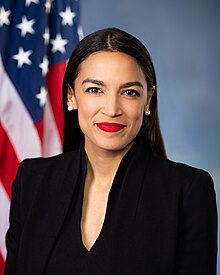
Alexandria Ocasio-Cortez
But, then, Donald Trump warned, during the 2016 Presidential campaign, that “I’m not like other people.”
Once again attacking the nation’s free press, he vowed that, as President, he would “open up those libel laws” so that when the New York Times or the Washington Post “write a hit piece, we can sue them and win money instead of having no chance of winning because they’re totally protected.
“With me, they’re not protected, because I’m not like other people, but I’m not taking money, I’m not taking their money.”
On August 23, 2018, Trump, as President, offered additional evidence that he’s “not like other people.” He did so by giving an unprecedented reason why he shouldn’t be impeached.
Appearing on “Fox and Friends,” he said: “I tell you what, if I ever got impeached, I think the market would crash, I think everybody would be very poor.”
He didn’t say: “I shouldn’t be impeached because I’m innocent. I didn’t collude with Russian Intelligence to subvert the 2016 Presidential election.”
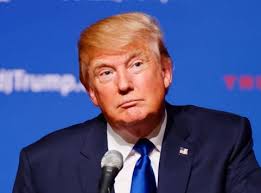
Donald Trump
Instead, he appealed to the greed and fear of his voting base—and no doubt hoped to reach beyond it: “Keep me in power or you’ll all suffer for it.”
White House Press Secretary Sarah Huckabee Sanders doubtless spoke for millions of Trump supporters when she said, on June 4, 2018:
“Since taking office, the President has strengthened American leadership, security, prosperity, and accountability. And as we saw from Friday’s jobs report, our economy is stronger, Americans are optimistic, and business is booming.”
Many Congressional Republicans have echoed this: The American people care only about the economy—and how well-off they are.
For eight years, Nazi Germany underwent such an epoch. Germans called it “The Happy Time.”
It began on January 30, 1933, when Adolf Hitler became Chancellor—and lasted until June 22, 1941. Germans knew about the Nazis’ cruelty to the Jews, the mass arrests and concentration camps. They didn’t care.
Frenzied Germans greet Adolf Hitler
The Gestapo didn’t have to watch everyone: German “patriots” gladly reported their fellow citizens—especially Jews—to the secret police.
As far as everyday Germans were concerned:
- The streets were clean and peaceful.
- Employment was high.
- The trouble-making unions were gone.
- Germany was once again “taking its rightful place” among ruling nations, after its catastrophic defeat in World War 1.
The height of “The Happy Time” came in June, 1940. In just six weeks, the Wehrmacht accomplished what the German army hadn’t in four years during World War 1: The total defeat of its longtime enemy, France.
Suddenly, French clothes, perfumes, delicacies, paintings and other “fortunes of war” came pouring into the Fatherland.
Most Germans believed der Krieg—“the war”—was over, and only good times lay ahead.
Then, on June 22, 1941, three million Wehrmacht soldiers slashed their way into the Soviet Union. The Third Reich was now locked in a death-struggle with a nation even more powerful than itself.
German soldiers in the Soviet Union
And then, on December 11, 1941—four days after Germany’s ally, Japan, attacked Pearl Harbor—Hitler declared war on the United States.
“The Happy Time” for Germans was over. Only prolonged disaster lay ahead.
Donald Trump has spent his life appealing to the greed or fear of those around him. For example:
- Florida Attorney General Pam Bondi personally solicited a political contribution from Donald Trump around the same time her office deliberated joining an investigation of alleged fraud at Trump University and its affiliates.
- After Bondi dropped the Trump University case against Trump, he wrote her a $25,000 check for her re-election campaign.
- In 1999, Fred Trump, Donald’s father died. His deceased brother’s family sued Donald, arguing they were originally in the will, but Donald took advantage of his father’s dementia to cut them out of it. He withdrew medical benefits critical to his nephew’s infant son: “I was angry because they sued,” Trump later said in an interview.
The Germans made a devil’s-bargain with Adolf Hitler—and paid dearly for it.
Millions of greedy Americans have embraced Donald Trump, another would-be tyrant, as America’s economic savior.
By supporting Trump—or at least not opposing him—they have also made a devil’s-bargain.
And such bargains always end with the devil winning.
2016 PRESIDENTIAL RACE, ABC NEWS, ABORTION, ADOLF HITLER, ALTERNET, AMERICABLOG, ANDREW CUOMO, AP, BABY BOOMER RESISTANCE, BBC, BIRTH CONTROL, BLOOMBERG NEWS, BUZZFEED, CAPITAL PUNISHMENT, CBS NEWS, CHARLES SCHULTZ, CNN, CONSERVATIVE VICTORY (BOOK), CONTRACEPTION, CROOKS AND LIARS, DAILY KOS, DAILY KOZ, DONALD TRUMP, FACEBOOK, FIVETHIRTYEIGHT, HARPER’S MAGAZINE, HUFFINGTON POST, JOSEPH STALIN, MEDIA MATTERS, MOTHER JONES, MOVEON, MSNBC, NAZI-SOVIET NON-AGGRESSION PACT, NBC NEWS, NEW REPUBLIC, NEWSDAY, NEWSWEEK, NPR, NUCLEAR WAR, PBS NEWSHOUR, PEANUTS CARTOON SERIES, POLITICO, POLITICUSUSA, RAW STORY, REPUBLICAN PARTY, REPUBLICANS, REUTERS, ROE V. WADE, Ronald Reagan, RUSH LIMBAUGH, SALON, SANDRA FLUKE, SCOTT DESJARLIS, SEAN HANNITY, SEATTLE TIMES, SLATE, TALIBAN, TALKING POINTS MEMO, THE ATLANTIC, THE CHICAGO SUN-TIMES, THE CHICAGO TRIBUNE, THE DAILY BEAST, THE DAILY BLOG, THE GUARDIAN, THE HILL, THE HUFFINGTON POST, THE INTERCEPT, THE LOS ANGELES TIMES, THE NATION, THE NEW REPUBLIC, THE NEW YORK TIMES, THE NEW YORKER, THE SS, THE VILLAGE VOICE, THE WASHINGTON POST, THINKPROGRESS, THIRD REICH, TIME, TRUTHDIG, TRUTHOUT, TWITTER, U.S. NEWS & WORLD REPORT, UKRAINE, UPI, USA TODAY, VLADIMIR PUTIN, VOLODYMYR ZELENSKY, WAR, WEHRMACHT, WORLD WAR 11
In Bureaucracy, History, Law, Law Enforcement, Politics, Social commentary on January 23, 2019 at 12:56 am
Forty-nine years ago—on January 22, 1973—the United States Supreme Court struck down most of America’s laws banning abortion.
Its decision in Roe v. Wade marked the first time American law recognized the right of a woman to choose whether she wanted to become a mother.
Fittingly, on this date in 2019, New York Governor Andrew Cuomo signed into law the Reproductive Health Act that had just passed the Senate and Assembly.
The law
- Allows abortions after the 24-week mark to protect the mother’s health or in cases where the fetus won’t survive.
- Protects doctors from prosecution by shifting abortion law from the state’s penal code to its health code.
- Allows physician assistants, nurse practitioners and midwives to provide non-surgical abortion care.
The bill had been introduced to the Assembly in 2007 by Democratic Governor Eliot Spitzer. But it had been blocked for 11 years in the Republican-controlled State Senate.
Then, in November, 2018, Democrats overwhelmingly gained control of the Senate.
But since 1980, starting with Ronald Reagan, every “small government” Republican President has tried to force the government into the vagina of every abortion-seeking woman.
Several factors are responsible for all this fetus fanaticism.
First, there is an energized constituency for politicians willing to wave this red flag. Almost every major Republican Presidential candidate since Ronald Reagan has tapped into this voting bloc. And each has found plenty of votes to be gotten from it.
Second, many fetus fanatics simply dislike women. They fear and resent the women’s movement, which has given women the right to enter the workforce and compete directly with men.
And what they hate most is the legal right of a woman to avoid becoming pregnant via birth control—or to abort the result of a male’s sperm if they do. They see this as a personal rejection.
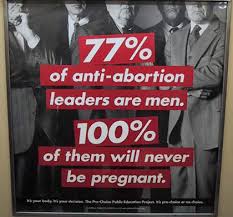
The Right is made up overwhelmingly of white males. And many of these men would feel entirely at home with a Christianized version of the Taliban. They long for a world where women meekly cater to their every demand and believe only what their male masters approve for them to believe.
Third, many fetus fanatics are not truly “pro-life.” They totally oppose abortion under most—-if not all—circumstances. But they also fully support:
- making military-style assault weapons available to nutcases;
- capital punishment;
- going to war for almost any reason;
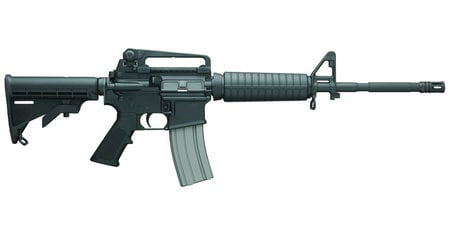
Remington AR-15 Bushmaster
- wholesale massacres of wildlife;
- despoiling of the environment; and
- even nuclear war.
And many of those who fanatically defend the right of a fetus to emerge from the womb just as fanatically oppose welfare for those who can’t support that newborn.
Fourth, many fetus fanatics are “family values” hypocrites. For example: Representative Scott DesJarlais (R-TN), an anti-abortion, “family values” doctor, had an affair with a patient and later pressured her to get an abortion. He also agreed that his wife should have two abortions.
Fifth, many fetus fanatics feel guilty about their own past sexual transgressions—especially if these resulted in pregnancy. And they want to prevent others from living the same life they did.
Some of these people are well-intentioned. Even so, they usurp unto themselves a God-like right to intrude on the most intimate decisions for others—regardless of what those people may need or want.
Sixth, many fetus fanatics embrace their own pas. On one hand, most of them claim they want to “get government off the backs of the people.” That usually means allowing corporations to pollute, sell dangerous products and treat their employees as slaves.
On the other hand, they want to empower State and Federal authorities to prevent women from getting an abortion—even in cases of rape, incest, or to save the life of the mother.
Seventh, many leaders of the fetus fanatics movement are independently wealthy. This means that even if abortion could be outlawed for the vast majority, they could always bribe a willing doctor—-here or abroad—–to perform such an operation on their wife, daughter and/or mistress. For them, there is always an escape clause.
Eighth, many fetus fanatics are “pro-life” when it comes to fetuses, but hypocritically refuse to support the needs of children from low-income families.
Ninth, many fetus fanatics believe that since their religion teaches that abortion is wrong, they have a moral duty to enforce that belief on others.
Evangelical Christians harshly condemn Muslims—such as those in Afghanistan—for segregating women, forbidding them to drive and forcing them to wear burqas—black robes covering them from head to foot.
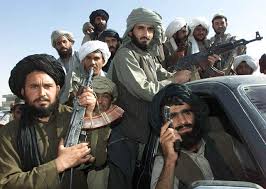
Taliban: Islam’s version of the “Right-to-Life” movement
But while they condemn Islamics for their general intolerance of others’ religious beliefs, they lust to impose their own upon those who belong to other churches. Or who belong to no church at all.
Tenth, many fetus fanatics are just as opposed to birth control as they are to abortion. Thus, when Georgia University law student Sandra Fluke asked Congress to require insurance companies to cover birth control, Rush Limbaugh branded her a “slut” and a “prostitute.”
* * * * *
It’s time to face the blunt truth: A “Conservative Victory,” as the title of Sean Hannity’s book puts it, would impose an anti-women Taliban on America.
ABC NEWS, ADOLF HITLER, ALTERNET, AP, BBC, BUZZFEED, CBS NEWS, CNN, DAILY KOS, DIMITRI SHOSTAKOVICH, DONALD TRUMP, FACEBOOK, FBI, GREAT TERROR, JAMES COMEY, JEFF SESSIONS, JOSEPH STALIN, KEITH SCHILLER, MIKE FLYNN, MIKHAIL TUKHACHEVESKY, MOTHER JONES, MOVEON, NAZI GERMANY, NBC NEWS, NEWSWEEK, NICCOLO MACHIAVELLI, NIKITA KHRUSHCHEV, NIKOLAI ZHILAYEV, NPR, POLITICO, RAW STORY, REUTERS, ROBERT MUELLER 111, ROD ROSENSTEIN, RUSSIAN ESPIONAGEky, SALON, SEATTLE TIMES, SENATE INTELLIGENCE COMMITTEE, SERGEY KISLYAK, SERGEY LAVOV, SLATE, SOVIET UNION, THE ATLANTIC, THE CHICAGO SUN-TIMES, THE CHICAGO TRIBUNE, THE DAILY BEAST, THE DISCOURSES, THE GUARDIAN, THE HILL, THE HUFFINGTON POST, THE LOS ANGELES TIMES, THE NEW YORK TIMES, THE WALL STREET JOURNAL, THE WASHINGTON POST, TIME, TWITTER, U.S. NEWS & WORLD REPORT, UPI, USA TODAY, WEHRMACHT, WORLD WAR 11
In Bureaucracy, History, Law, Law Enforcement, Military, Politics, Social commentary on December 26, 2018 at 12:16 am
Nikolai Sergeyvich Zhilayev (pronounced Zill-lay-ev) was a Russian musicologist and the teacher of several 20th-century Russian composers.
He was also an icon of courage in a country infested with cowards and stool pigeons.
Among his friends—to his ultimate misfortune—was Mikhail Tukhachevsky, the former military hero now falsely condemned and executed as a traitor by Soviet dictator Joseph Stalin.
In 1938, Zhilayev (November 18, 1881 – January 20, 1938) also became a casualty of what has become known as The Great Terror.
In his posthumously-published memoirs, Testimony, Dimitri Shostakovich, his pupil and friend, described how Zhilayev faced his end with a calmness that awed even the NKVD (the predecessor to the KGB) secret police sent to arrest him.
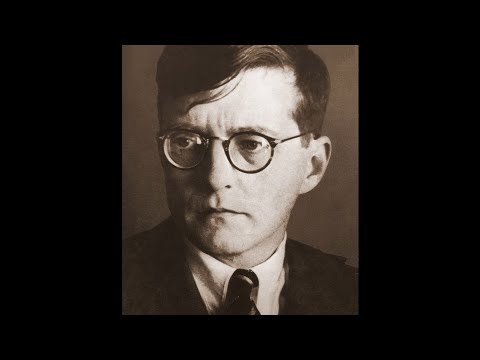
Dimitri Shostakovich
“He had a large picture of Tukhachevsky in his room, and after the announcement that Tukhachevsky had been shot as a traitor to the homeland, Zhilayev did not take the picture down.
“I don’t know if I can explain how heroic a deed that was….As soon as the next poor soul was declared an enemy of the people, everyone destroyed in a panic everything connected with that person….
“And naturally, photographs flew into the fire first, because if someone informed on you, reported that you had a picture of an enemy of the people, it meant certain death.
“Zhilayev wasn’t afraid. When they came for him, Tukhachevsky’s prominently hung portrait amazed even the executioners.”
“What, it’s still up?” one of the secret police asked.
“The time will come,” Zhilayev replied, “when they’ll erect a monument to him.”
As, in fact, has happened.
Meanwhile, Stalin has been universally condemned as one of history’s greatest tyrants.

Mikhail Tukhachevsky appears on a 1963 Soviet Union postage stamp
Third hero—James Brien Comey (December 14, 1960)
Comey served as United States Attorney (federal prosecutor) for the Southern District of New York (2002-2003).
As United States Deputy Attorney General (2003-2005), he opposed the warrantless wiretapping program of the George W. Bush administration. He also argued against the use of water boarding as an interrogation method.
In 2005, he entered the private sector as General Counsel and Senior Vice President for Lockheed Martin, the biggest contractor for the Department of Defense.
On July 29, 2013, the United States Senate voted 93 -1 to confirm Comey as director of the FBI, the seventh in its history.

James B. Comey
He directed the FBI from his appointment in 2013 by President Barack Obama until his firing on May 9 by President Donald Trump.
In a move that Joseph Stalin would have admired, Trump gave no warning of his intentions. Instead, he sent Keith Schiller, his longtime bodyguard, to the FBI with a letter announcing Comey’s dismissal.
Trump had three reasons for firing Comey:
- Comey had refused to pledge his personal loyalty to Trump. Trump had made this “request” during a private dinner at the White House in January. After refusing to make that pledge, Comey told Trump that he would always be honest with him. But that didn’t satisfy Trump’s demand that the head of the FBI act as his personal secret police chief.
- Trump had tried to coerce him into dropping the FBI’s investigation into former National Security Adviser Mike Flynn, for his secret ties to Russia and Turkey. Comey had similarly resisted that demand.
- Comey had recently asked the Justice Department to fund an expanded FBI investigation into contacts between Trump’s 2016 Presidential campaign and Russian Intelligence agents.
As a Presidential candidate and President, Trump:
- Steadfastly denied those revelations;
- Repeatedly attacked the “fake news” media reporting these revelations. Chief among his targets: CNN, The New York Times and The Washington Post; and
- Attacked the Intelligence agencies responsible for America’s security.
On May 10—the day after firing Comey—Trump met in the Oval Office with Russian Foreign Minister Sergey Lavov and Russian Ambassador Sergey Kislyak.
Kislyak is reportedly a top recruiter for Russia’s SVR foreign intelligence agency. He has been closely linked with Jeff Sessions, now Attorney General, and fired National Security Adviser Mike Flynn.
“I just fired the head of the FBI,” Trump told the two dignitaries. “He was crazy, a real nut job. I faced great pressure because of Russia. That’s taken off.”
During that meeting he gave the Russians sensitive Intelligence on ISIS that had been supplied by Israel.
Two days later, on May 12, Trump tweeted a threat to the fired FBI director: “James Comey better hope that there are no ‘tapes’ of our conversations before he starts leaking to the press.”
But shortly afterward, reports surfaced that Comey had written memos to himself immediately after his private meetings with Trump.
He had also told close aides that Trump was trying to pressure him into dropping the investigation into close ties between Russian Intelligence agents and Trump campaign staffers.
As for Trump’s threat of having secret tapes: Like Trump’s claim that he could prove that Barack Obama wasn’t an American citizen, this, too, proved to be a lie.
And Comey’s firing led directly to a result Trump did not anticipate: Acting Attorney General Rod Rosenstein yielded to demands from Democrats and appointed former FBI Director Robert Mueller III as a special prosecutor to investigate those ties.
ABC NEWS, ADOLF HITLER, ALTERNET, AP, BBC, BUZZFEED, CBS NEWS, CNN, DAILY KOS, DIMITRI SHOSTAKOVICH, DONALD TRUMP, FACEBOOK, FBI, GREAT TERROR, JAMES COMEY, JEFF SESSIONS, JOSEPH STALIN, KEITH SCHILLER, MIKE FLYNN, MIKHAIL TUKHACHEVESKY, MOTHER JONES, MOVEON, NAZI GERMANY, NBC NEWS, NEWSWEEK, NICCOLO MACHIAVELLI, NIKITA KHRUSHCHEV, NIKOLAI ZHILAYEV, NPR, POLITICO, RAW STORY, REUTERS, ROBERT MUELLER III, ROD ROSENSTEIN, RUSSIAN ESPIONAGEky, SALON, SEATTLE TIMES, SENATE INTELLIGENCE COMMITTEE, SERGEY KISLYAK, SERGEY LAVOV, SLATE, SOVIET UNION, THE ATLANTIC, THE CHICAGO SUN-TIMES, THE CHICAGO TRIBUNE, THE DAILY BEAST, THE DISCOURSES, THE GUARDIAN, THE HILL, THE HUFFINGTON POST, THE LOS ANGELES TIMES, THE NEW YORK TIMES, THE WALL STREET JOURNAL, THE WASHINGTON POST, TIME, TWITTER, U.S. NEWS & WORLD REPORT, UPI, USA TODAY, WEHRMACHT, WORLD WAR 11
In Bureaucracy, History, Law, Law Enforcement, Military, Politics, Social commentary on December 25, 2018 at 2:02 am
…A truly great man is ever the same under all circumstances. And if his fortune varies, exalting him at one moment and oppressing him at another, he himself never varies, but always preserves a firm courage, which is so closely interwoven with his character that everyone can readily see that the fickleness of fortune has no power over him.
The conduct of weak men is very different. Made vain and intoxicated by good fortune, they attribute their success to merits which they do not possess. And this makes them odious and insupportable to all around them. And when they have afterwards to meet a reverse of fortune, they quickly fall into the other extreme, and become abject and vile.
—Niccolo Machiavelli, The Discourses
Three heroes, two villains.
Two of the heroes are Russian; the third is an American.
The villains: One Russian (actually, Georgian); one American.
First up—in order of disappearance: Mikhail Nikolayevich Tukhachevsky (pronounced too-ka-chev-sky)
Tukhachevsky (February 4, 1893 – June 12, 1937) was a leading Soviet military leader and theoretician from 1918 to 1937.
He commanded the Soviet Western Front during the Russian-Polish War (1920-21) and served as Chief of Staff of the Red Army (1925-1928).
He fought to modernize Soviet armament, as well as develop airborne, aviation and mechanized forces. Almost singlehandedly, he created the theory of deep operations for Soviet forces.
Mikhail Tukhachevsky
All of these innovations would reap huge dividends when the Soviet Union faced the lethal fury of Adolf Hitler’s Wehrmacht.
In 1936, Tukhachevsky warned Soviet dictator Joseph Stalin that Nazi Germany might attack without warning—and ignite a long and murderous war.
Stalin—the son of a Georgian cobbler—resented Tukhachevsky’s coming from a noble family. A monumental egomaniac, he also hated that Tukhachevesky’s fame rivaled his own.
Warned of the approaching German danger, Stalin shouted: “What are you trying to do—frighten Soviet authority?”
Joseph Stalin
The attack that Tukhachevsky warned against came five years later—on June 22, 1941, leaving at least 20 million Russians dead.
But Tukhachevsky wasn’t alive to command a defense.
The 1930s were a frightening and dangerous time to be alive in the Soviet Union. In 1934, Stalin, seeing imaginary enemies everywhere, ordered a series of purges that lasted right up to the German invasion.
An example of Stalin’s paranoia occurred one day while the dictator walked through the Kremlin corridors with Admiral Ivan Isakov. Officers of the NKVD (the predecessor to the KGB) stood guard at every corner.
“Every time I walk down the corridors,” said Stalin, “I think: Which one of them is it? If it’s this one, he will shoot me in the back. But if I turn the corner, the next one can shoot me in the face.”
In 1937-38, the Red Army fell prey to Stalin’s paranoia.
Its victims included:
- Three of five marshals (five-star generals);
- Thirteen of 15 army commanders (three- and four-star generals);
- Fifty of 57 army corps commanders; and
- One hundred fifty-four out of 186 division commanders.
And heading the list of those marked for death was Marshal Mikhail Tukhachevsky.
Arrested on May 22, 1937, he was interrogated and tortured. As a result, he “confessed” to being a German agent plotting to overthrow Stalin and seize power.
On his confession, which survives in the archives, his bloodstains can clearly be seen.
On June 11, the Soviet Supreme Court convened a special military tribunal to try Tukhachevsky and eight generals for treason.
It was a sham: The accused were denied defense attorneys, and could not appeal the verdict—-which was foregone: Death.
In a Russian version of poetic justice, five of the eight generals who served as Tukhachevsky’s judges were themselves later condemned and executed as traitors.
Within hours of the verdict, Tukhachevsky was summoned from his cell and shot once in the back of the head.
From 1937 until 1956, Tukhachevsky was officially declared a traitor and fifth-columnist.
Then, on February 25, 1957, Soviet Premier Nikita Khrushchev delivered his bombshell “Secret Speech” to the 20th Congress of the Communist Party of the Soviet Union.
In this, he denounced Stalin (who had died in 1953) as a ruthless tyrant responsible for the slaughter of millions of innocent men, women and children. He condemned Stalin for creating a “personality cult” around himself, and for so weakening the Red Army that Nazi Germany was able to easily overrun half of the Soviet Union from 1941 to 1943.
On January 31, 1957, Tukhachevsky and his co-defendants were declared innocent of all charges and were “rehabilitated.”
Today, he is once again—rightly—considered a Russian hero and military genius. And Stalin is universally—and rightly—seen as a blood-stained tyrant.
Next hero: Nikolai Sergeyvich Zhilayev (pronounced Zill-lay-ev)
Zhilayev (November 18, 1881 – January 20, 1938) was a Russian musicologist and the teacher of several 20th-century Russian composers. Among these: Dimitri Shostakovich.
Zhilayev, a member of the Russian Academy of Art-Sciences, taught at the Moscow Conservatory. Among his friends–to his ultimate misfortune–was Mikhail Tukhachevsky.
In 1938, he, too, became a casualty of what has become known as The Great Terror.
In his posthumously-published memoirs, Testimony, Shostakovich, his pupil and friend, described how Zhilayev faced his end with a calmness that awed even the NKVD (the predecessor to the KGB) secret police sent to arrest him.
 Bureaucracybuster's Blog
2016 PRESIDENTIAL ELECTION, 2020 PRESIDENTIAL ELECTION, ABC NEWS, ADAM SCHIFF, ADOLF HITLER, ALTERNET, AMERICABLOG, AP, ARMENIA, BABY BOOMER RESISTANCE, BBC, BUZZFEED, CBS NEWS, CHARLES PIERCE, CNN, CONVERSATION WITH AN AMERICAN WRITER (POEM), CORY GARDNER, CROOKS AND LIARS, DAILY KOS, DAILY KOZ, DIMITRI SHOSTAKOVICH, DONALD TRUMP, ESQUIRE MAGAZINE, FACEBOOK, FBI, FIVETHIRTYEIGHT, FOREIGN SERVICE, GREAT TERROR, HOUSE INTELLIGENCE COMMITTEE, HOUSE OF REPRESENTATIVES, HUNTER BIDEN, JAMES COMEY, JEFF SESSIONS, JOE BIDEN, JONI ERNST, JOSEPH STALIN, KEITH SCHILLER, KYRGYZSTAN, MARIA YOVANOVITCH, MARIE YOVANOVICH, MARTHA MCSALLY, MICHAEL ATKINSON, MIKE FLYNN, MIKHAIL TUKHACHEVESKY, MOTHER JONES, MOVEON, MSNBC, NAZI GERMANY, NBC NEWS, NEWSWEEK, NICCOLO MACHIAVELLI, NIKITA KHRUSHCHEV, NIKOLAI ZHILAYEV, NPR, PBS NEWSHOUR, POLITICO, POLITICUSUSA, RAW STORY, REUTERS, ROBERT MUELLER III, ROD ROSENSTEIN, RUDOLPH GIULIANI, RUDY GIULIANI, RUSSIAN ESPIONAGEky, SALON, SEATTLE TIMES, SENATE INTELLIGENCE COMMITTEE, SERGEY KISLYAK, SERGEY LAVOV, SLATE, SOVIET UNION, STATE DEPARTMENT, TALKING POINTS MEMO, THE ATLANTIC, THE CHICAGO SUN-TIMES, THE CHICAGO TRIBUNE, THE DAILY BEAST, THE DAILY BLOG, THE DISCOURSES, THE GUARDIAN, THE HILL, THE HUFFINGTON POST, THE LOS ANGELES TIMES, THE NATION, THE NEW YORK TIMES, THE WALL STREET JOURNAL, THE WASHINGTON POST, THINKPROGRESS, THOM TILLIS, TIME, TRUTHDIG, TWITTER, U.S. NEWS & WORLD REPORT, UKRAINE, UPI, USA TODAY, WEHRMACHT, WORLD WAR 11, YEVGENEY YEVTUSHENKO
FOUR HEROES, TWO VILLAINS: PART ONE (OF THREE)
In Bureaucracy, History, Military, Politics, Social commentary on October 14, 2019 at 12:09 am…A truly great man is ever the same under all circumstances. And if his fortune varies, exalting him at one moment and oppressing him at another, he himself never varies, but always preserves a firm courage, which is so closely interwoven with his character that everyone can readily see that the fickleness of fortune has no power over him.
The conduct of weak men is very different. Made vain and intoxicated by good fortune, they attribute their success to merits which they do not possess. And this makes them odious and insupportable to all around them. And when they have afterwards to meet a reverse of fortune, they quickly fall into the other extreme, and become abject and vile.
—Niccolo Machiavelli, The Discourses
Four heroes, two villains.
Two of the heroes are Russians; two are Americans.
The villains: One Russian (actually, Georgian); one American.
First up—in order of disappearance: Mikhail Nikolayevich Tukhachevsky (pronounced too-ka-chev-sky)
Tukhachevsky (February 4, 1893 – June 12, 1937) was a leading Soviet military leader and theoretician from 1918 to 1937.
He commanded the Soviet Western Front during the Russian-Polish War (1920-21) and served as Chief of Staff of the Red Army (1925-1928).
He fought to modernize Soviet armament, as well as develop airborne, aviation and mechanized forces. Almost singlehandedly, he created the theory of deep operations for Soviet forces.
Mikhail Tukhachevsky
All of these innovations would reap huge dividends when the Soviet Union faced the lethal fury of Adolf Hitler’s Wehrmacht.
In 1936, Tukhachevsky warned Soviet dictator Joseph Stalin that Nazi Germany might attack without warning—and ignite a long and murderous war.
Stalin—the son of a Georgian cobbler—resented Tukhachevsky’s coming from a noble family. A monumental egomaniac, he also hated that Tukhachevesky’s fame rivaled his own.
Warned of the approaching German danger, Stalin shouted: “What are you trying to do—frighten Soviet authority?”
Joseph Stalin
The attack that Tukhachevsky warned against came five years later—on June 22, 1941, leaving at least 20 million Russians dead.
But Tukhachevsky wasn’t alive to command a defense.
The 1930s were a frightening and dangerous time to be alive in the Soviet Union. In 1934, Stalin, seeing imaginary enemies everywhere, ordered a series of purges that lasted right up to the German invasion.
An example of Stalin’s paranoia occurred one day while the dictator walked through the Kremlin corridors with Admiral Ivan Isakov. Officers of the NKVD (the predecessor to the KGB) stood guard at every corner.
“Every time I walk down the corridors,” said Stalin, “I think: Which one of them is it? If it’s this one, he will shoot me in the back. But if I turn the corner, the next one can shoot me in the face.”
In 1937-38, the Red Army fell prey to Stalin’s paranoia.
Its victims included:
And heading the list of those marked for death was Marshal Mikhail Tukhachevsky.
Arrested on May 22, 1937, he was interrogated and tortured. As a result, he “confessed” to being a German agent plotting to overthrow Stalin and seize power.
On his confession, which survives in the archives, his bloodstains can clearly be seen.
On June 11, the Soviet Supreme Court convened a special military tribunal to try Tukhachevsky and eight generals for treason.
It was a sham: The accused were denied defense attorneys, and could not appeal the verdict—-which was foregone: Death.
In a Russian version of poetic justice, five of the eight generals who served as Tukhachevsky’s judges were themselves later condemned and executed as traitors.
Within hours of the verdict, Tukhachevsky was summoned from his cell and shot once in the back of the head.
From 1937 until 1956, Tukhachevsky was officially declared a traitor and fifth-columnist.
Then, on February 25, 1956, Soviet Premier Nikita Khrushchev delivered his bombshell “Secret Speech” to the 20th Congress of the Communist Party of the Soviet Union.
In this, he denounced Stalin (who had died in 1953) as a ruthless tyrant responsible for the slaughter of millions of innocent men, women and children. He condemned Stalin for creating a “personality cult” around himself, and for so weakening the Red Army that Nazi Germany was able to easily overrun half of the Soviet Union from 1941 to 1943.
On January 31, 1957, Tukhachevsky and his co-defendants were declared innocent of all charges and were “rehabilitated.”
Today, he is once again—rightly—considered a Russian hero and military genius. And Stalin is universally—and rightly—seen as a blood-stained tyrant.
Next hero: Nikolai Sergeyvich Zhilayev (pronounced Zill-lay-ev)
Zhilayev (November 18, 1881 – January 20, 1938) was a Russian musicologist and the teacher of several 20th-century Russian composers. Among these: Dimitri Shostakovich.
Zhilayev, a member of the Russian Academy of Art-Sciences, taught at the Moscow Conservatory. Among his friends—to his ultimate misfortune—was Mikhail Tukhachevsky.
In 1938, he, too, became a casualty of what has become known as The Great Terror.
In his posthumously-published memoirs, Testimony, Shostakovich, his pupil and friend, described how Zhilayev faced his end with a calmness that awed even the NKVD (the predecessor to the KGB) secret police sent to arrest him.
Share this: