Posts Tagged ‘VIETNAM WAR’
2016 PRESIDENTIAL CAMPAIGN, ABC NEWS, ALTERNET, AMERICABLOG, AP, BABY BOOMER RESISTANCE, BBC, BLOOMBERG, BUZZFEED, CBS NEWS, CIA, CNN, CROOKS AND LIARS, DAILY KOS, DONALD TRUMP, FBI, FIVETHIRTYEIGHT, FOX NEWS, HARPER’S MAGAZINE, HOUSE INTELLIGENCE COMMITTEE, HOUSE JUDICIARY COMMITTEE, HUFFINGTON POST, MEDIA MATTERS, MICHAEL FLYNN, MOTHER JONES, MOVEON, MSNBC, NBC NEWS, NEW REPUBLIC, NEWSDAY, NEWSWEEK, NPR, PBS NEWSHOUR, POLITICO, POLITICUSUSA, PRINCETON UNIVERSITY, RAW STORY, REPUBLICAN PARTY, REPUBLICANS, REUTERS, ROBERT MUELLER III, ROD ROSENSTEIN, RUSSIA, SALON, SEATTLE TIMES, SENATE INTELLIGENCE COMMITTEE, SERGEY KISLYAK, SERGEY LAVROV, SLATE, TALKING POINTS MEMO, THE ATLANTIC, THE CHICAGO SUN-TIMES, THE CHICAGO TRIBUNE, THE DAILY BEAST, THE DAILY BLOG, THE GUARDIAN, THE HILL, THE HUFFINGTON POST, THE INTERCEPT, THE LOS ANGELES TIMES, THE NATION, THE NEW REPUBLIC, THE NEW YORK TIMES, THE NEW YORKER, THE VILLAGE VOICE, THE WASHINGTON POST, THINKPROGRESS, TIME, TRUTHDIG, TRUTHOUT, TWO POLITICAL JUNKIES, U.S. NEWS & WORLD REPORT, UNITED STATES DEPARTMENT OF JUSTICE, UNITED STATES HOUSE OF REPRESENTATIVES, UNITED STATES MARINE CORPS, UNITED STATES SENATE, UNIVERSITY OF VIRGINIA LAW SCHOOL, UPI, USA TODAY, VIETNAM WAR, VLADIMIR PUTIN, WILLIAM BARR, WONKETTE, X
In Bureaucracy, History, Law, Law Enforcement, Military, Politics, Social commentary on August 8, 2024 at 12:10 am
In May 17, 2017, Former FBI director Robert Mueller III, was appointed Special Counsel of the Department of Justice.
As such, he was charged with investigating Russia’s subversion of the 2016 Presidential election. On March 22, 2019, he submitted his findings to Attorney General William Barr.
By that date, Mueller had:
- Indicted 34 people—including four former Trump campaign advisers.
- Indicted three Russian companies.
- Obtained eight guilty pleas to felonies or convictions—including five Trump associates and campaign officials.
- Unveiled Russians’ determination to elect Trump over Hillary Clinton.
- Revealed that former National Security Adviser Michael Flynn discussed removing sanctions against Russia with then-Russian ambassador, Sergey Kislyak, during the transition period.
- Discovered that Trump associates knew about Russian outreach efforts during the campaign.
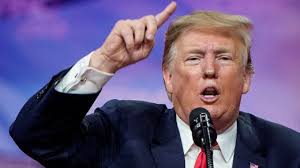
Donald Trump
On July 24, 2019, Mueller testified before the House Judiciary Committee. There he revealed that Donald Trump, the President of the United States, had:
- Sought Russian interference during the 2016 Presidential campaign.
- Benefited from that intervention.
- Concealed his close personal economic ties to Vladimir Putin by lying to the public about his hidden attempts to secure a construction project in Moscow.
- Lied to the special prosecutor.
- Directed subordinates to falsify records.
- Tried to exert “undue influence” on law enforcement in order to protect himself and his allies.
While appearing before Congress, Mueller was forced to:
- Testify for seven hours before the House Judiciary Committee and the House Intelligence Committee.
- Endure powerful, hot klieg lights needed by television cameras.
- Patiently take questions that were at times self-serving
- Respectfully answer questions meant to attack his personal and professional integrity.
- Simplify complex legal scenarios for men and women who have the attention span of a gnat.
Although Mueller was joined by former deputy special counsel Aaron Zebley, Zebley was forbidden to give testimony. He could only serve as Mueller’s counsel, giving quiet advice.
So the entire seven hours of public testimony fell on the shoulders of a 74-year-old man. No wonder he appeared tired by the end of the day.
And what was his reward?
A July 26, 2019 article in The Atlantic—entitled “The Press Has Adopted Trump’s Reality-Show Standards”—sums up the general reaction of the nation’s press to these bombshell revelations:
“In any other administration, in any other time, a special prosecutor, former FBI director, and decorated Marine testifying that the president of the United States was an unprosecuted felon who encouraged and then benefited from an attack on American democracy in pursuit of personal and political gain would bring the country to a grinding halt.
“But the American political press found Mueller insufficiently dazzling.”
Among those media:
- The New York Times: “Mueller’s Performance Was a Departure From His Much-Fabled Stamina.”
- The Washington Post: “On Mueller’s Final Day on the National Stage, a Halting, Faltering Performance.” And another reporter dubbed him a “weary old man.”
- The Hill: “Muller’s ‘Blockbuster’ Appearance Turned into ‘Bomb’ of Performance.”
- Politico: “Bob Mueller Is Struggling.”
- Right-wing media openly questioned Mueller’s health. These same media never mentioned that Trump is grotesquely overweight, never walks when he can ride, and eats a diet high in fats and calories.
In short: The nation’s most influential news media—on which citizens depend for their understanding of national and international personalities and events—has adopted the standards of teenagers.
* * * * *
Americans like their heroes young and powerful—preferably invincible. They want their heroes to be handsome and their villains to be ugly. They want to see lots of explosions and collapsing buildings.
And if a superhero can deliver a zinger of a line while throwing a KO punch, so much the better.
Lacking a sense of history—or concern for it—most Americans remain ignorant of the men, women and events that have shaped the era in which they live.
Most of those who watched Robert Mueller testify before Congress knew nothing of the sacrifices he had made for his country:
- As a Marine Vietnam veteran decorated for heroism (1968-1971);
- As a United States Attorney (1986-1987 and 1998-2001);
- As a United States Assistant Attorney General (1990-1993 and 2001); and
- As director of the FBI (2001-2013).
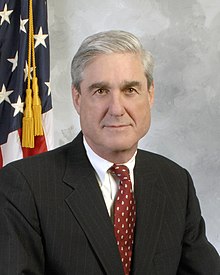
Robert Mueller
A news media that prizes glitz over substance has abdicated the role intended for it by the Founding Fathers: To act as a watchdog over the nation’s leaders.
That does not, however, diminish the legacy of Robert Mueller’s achievements—as Special Counsel and every other position he has held.
Revered within the law enforcement community, he will forever rank among the giants who personify courage and integrity
As a soldier, prosecutor, FBI director and Special Counsel, Robert Mueller took an oath to “support and defend the Constitution of the United States against all enemies, foreign and domestic.”
So did Donald Trump when he was inaugurated the nation’s 45th President. And so did every Republican member of the House of Representatives and the Senate.
The difference between Robert Mueller and Trump—and the overwhelming majority of Republican Congressional members—is this: Mueller, like a compass pointing True North, has always stayed faithful to that oath.
In doing so, he carried on his shoulders the burdens created when millions of racist, hate-filled Americans deliberately sent a corrupt, Russian-backed egomaniac and would-be dictator to the White House.
2016 PRESIDENTIAL CAMPAIGN, ABC NEWS, ALTERNET, AMERICABLOG, AP, BABY BOOMER RESISTANCE, BILL MAULDIN, BUZZFEED, CBS NEWS, CHINA, CIA, CNN, CROOKS AND LIARS, DAILY KOZ, DONALD TRUMP, EXTORTION, FBI, FIVETHIRTYEIGHT, HILLARY CLINTON, JOE BIDEN, LUCIAN K. TRUSCOTT JR., MOTHER JONES, MOVEON, MSNBC, NAZI GERMANY, NBC NEWS, NEWSWEEK, NPR, PBS NEWSHOUR, POLITICO, POLITICUSUSA, RAW STORY, REUTERS, RUSSIA, SALON, SAVING PRIVATE RYAN, SEATTLE TIMES, SLATE, STEVEN SPIELBERG, TALKING POINTS MEMO, THE ATLANTIC, THE CHICAGO SUN-TIMES, THE CHICAGO TRIBUNE, THE DAILY BEAST, THE DAILY BLOG, THE GUARDIAN, THE HILL, THE HUFFINGTON POST, THE LOS ANGELES TIMES, THE NATION, THE NEW YORK TIMES, THE WASHINGTON POST, THINKPROGRESS, TIME, TRUMP FOUNDATION, TRUTHDIG, U.S. NEWS & WORLD REPORT, UKRAINE, UPI, USA TODAY, VETERANS’ DAY, VIETNAM WAR, VLADIMIR PUTIN, WORLD WAR 11, X
In Bureaucracy, History, Military, Politics, Social commentary on August 2, 2024 at 12:05 am
If President Donald Trump expected a warm welcome when he attended the 100th Veterans Day Parade in Manhattan, he was rudely disappointed.
“Lock him up!” yelled many protesters, echoing chants at his own rallies against Hillary Clinton, his 2016 rival for President.
Other New Yorkers plastered their windows with large anti-Trump signs: “DUMP TRUMP!” “IMPEACH!” “CONVICT!”
One demonstrator held up a sign: “Draft Dodger,” a reference to Trump’s avoiding military service in Vietnam through five draft deferments, including one for bone spurs.
“My grandfather fought in World War II, he was a colonel and an immigrant from Russia,” said a 52-year-old woman who only identified herself as Liz.
“He would be horrified at the corruption and hate in the White House right now. He was a Republican, but he was not a racist. He was completely committed to this country.”
Another woman, Janet Gonzelez, 85, attacked Trump’s “upside down” foreign policy in the Middle East. Asked what she would tell Trump if she met him, she replied: “Fuck you.”
Speaking behind bulletproof plexiglass, Trump tried to drown out a throng of protesters shouting and blowing whistles outside the west entrance of Madison Square Park.
Donald Trump
“Our veterans risked everything for us. Now it is our duty to serve and protect them every single day of our lives,” Trump said, as a chorus of boos echoed in the distance.
What Trump did not mention was that, only four days earlier, a New York judge had ordered him to pay $2 million in damages owing to misuse of funds by the Trump Foundation.
In January, 2016, Trump had held a televised fundraiser for veterans. He claimed that the funds would be distributed to charities serving the needs of veterans.
But the Trump Foundation improperly used $2.82 million it received from that fundraiser to fuel his campaign for President.
Thus, the man who had ripped off American veterans was now presiding over a day created to honor them.
There is no better way to trace the decline of the United States than to compare the 2019 Manhattan Veterans’ Day celebration with the 1946 one at the Sicily-Rome American Cemetery, near the town of Nettuno.
The cemetery held about 20,000 American graves, mostly of soldiers who had died in Sicily or at Anzio, fighting Nazi Germany.
Presiding over that event was Lt. General Lucian K. Truscott, Jr., the U.S. Fifth Army Commander.
Unlike many other generals, Truscott had shared in the dangers of combat, pouring over maps on the hood of his jeep with company commanders as bullets or shells whizzed about him.
When it came his turn to speak, Truscott moved to the podium. Then he turned his back on the assembled visitors—which included several Congressmen.
The audience he now faced were the graves of his fellow soldiers.
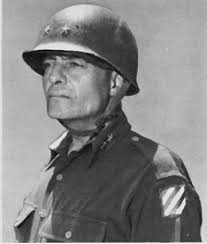
Lt. General Lucian K. Truscott, Jr.
Among those who heard Truscott’s speech was Bill Mauldin, the famous cartoonist for the Army newspaper, Stars and Stripes. Mauldin had created Willie and Joe, the unshaved, slovenly-looking “dogfaces” who came to symbolize the GI.
It’s from Mauldin that we have the fullest account of Truscott’s speech that day.
“He apologized to the dead men for their presence there. He said that everybody tells leaders that it is not their fault that men get killed in war, but that every leader knows in his heart that this is not altogether true.
“He said he hoped anybody here through any mistake of his would forgive him, but he realized that he was asking a hell of a lot under the circumstances….
“Truscott said he would not speak of the ‘glorious’ dead because he didn’t see much glory in getting killed in your teens or early twenties.
“He promised that if in the future he ran into anybody, especially old men, who thought death in battle was glorious, he would straighten them out. He said he thought it was the least he could do.”
Then Truscott walked away, without acknowledging his audience of celebrities.
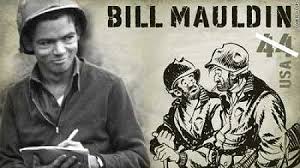
Bill Mauldin and “Willie and Joe,” the characters he made famous
Contrast the character of Lucian Truscott with that of the man who held the office of President of the United States.
Donald Trump has:
- Equated his reckless sex life during the 1970s with the risks American soldiers faced in Vietnam.
- Relentlessly defended Russian dictator Vladimir Putin against all criticism, even as he’s slandered literally hundreds of his fellow citizens on Twitter.
- Attacked the FBI and CIA for concluding that Russia intervened in the 2016 election to help him win the White House.
- Tried to extort the president of Ukraine to slander former Vice President Joe Biden, his possible rival for the White House in 2020.
- “Joked” that it would be “great” if the United States had a “President-for-Life”—like China.
Saving Private Ryan, Steven Spielberg’s 1998 World War II epic, opens with a scene of an American flag snapping in the wind.
Except that the brilliant colors of Old Glory have been washed out, leaving only black-and-white stripes and black stars.
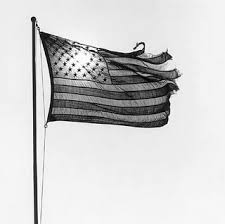
Small wonder that, for many Americans, Old Glory has taken on a darker, washed-out appearance—in real-life as in film.
ABC NEWS, AL QAEDA, ALTERNET, AMERICABLOG, AMERICAN EXCEPTIONALISM, AMERICAN RECKONING: THE VIETNAM WAR AND OUR NATIONAL IDENTITY (BOOK), AP, BABY BOOMER RESISTANCE, BARACK OBAMA, BASHIR AL-ASSAD, BBC, BLOOMBERG NEWS, BUZZFEED, CANADA, CBS NEWS, CHINA, CHRISTIAN G. APPY, CNN, CROOKS AND LIARS, DAILY KOZ, DEMOCRATS, FIVETHIRTYEIGHT, HARPER’S MAGAZINE, HOUSE UN-AMERICAN ACTIVITIES COMMITTEE, HUFFINGTON POST, HUMAN RIGHTS, MEDIA MATTERS, MOTHER JONES, MOVEON, MSNBC, NBC NEWS, NEW REPUBLIC, NEWSDAY, NEWSWEEK, NPR, PBS NEWSHOUR, POLITICO, POLITICUSUSA, RAW STORY, REPUBLICANS, REUTERS, RUSSIA, SALLY YATES, SALON, SEATTLE TIMES, SLATE, SYRIA, TALKING POINTS MEMO, THE ATLANTIC, THE CHICAGO SUN-TIMES, THE CHICAGO TRIBUNE, THE DAILY BEAST, THE DAILY BLOG, THE GUARDIAN, THE HILL, THE HUFFINGTON POST, THE LOS ANGELES TIMES, THE NATION, THE NEW REPUBLIC, THE NEW YORK TIMES, THE NEW YORKER, THE VILLAGE VOICE, THE WASHINGTON POST, THINKPROGRESS, TIME, TRUTHDIG, TRUTHOUT, TWO POLITICAL JUNKIES, TYRANNY, U.S. NEWS & WORLD REPORT, UNITED STATES CONSTITUTION, UPI, USA TODAY, VIETNAM WAR, VLADIMIR PUTIN, WONKETTE, X
In Bureaucracy, History, Military, Politics, Social commentary on July 12, 2024 at 12:15 am
“Who are we?” asks Christian G. Appy in the opening of his 2015 book, American Reckoning: The Vietnam War and Our National Identity.
For Appy, it’s impossible to understand the enormous impact of the Vietnam war on the United States without first understanding the image that Americans had of themselves before that conflict. And he describes that image as:
“The broad faith that the United States [was] a unique force for good in the world, superior not only in its military and economic power but in the quality of its government and institutions, the character and morality of its people, and its way of life…..
“It was still unimaginable to most Americans that their own nation would wage aggressive war and justify it with unfounded claims, that it would support undemocratic governments reviled by their own people, and that American troops would be sent to fight in countries where they were widely regarded not as liberators but as imperialist invaders.”
Appy contends that, for millions of Americans, the Vietnam war dealt a mortal blow to that tremendously appealing self-image.
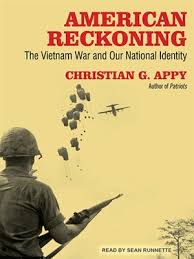
Yet for millions more, the United States remains an exemplary nation with a divine mission to lead other nations—willingly or unwillingly—to follow its example. And those Americans become furious when anyone—especially a foreigner—dares question that belief.
On September 11, 2013, the New York Times published an Op-Ed (guest editorial) from Russian President Vladimir Putin, entitled: “A Plea for Caution from Russia: What Putin Has to Say to Americans About Syria.”
To no one’s surprise, Putin strongly opposed an American air strike on Syria. Its “President” (i.e., dictator) Bashir al-Assad, is a close ally of Russia. Just as his late father and dictator, Hafez al-Assad, was a close ally of the Soviet Union.
And Putin is a former member of the KGB, the infamous secret police which ruled the Soviet Union from its birth in 1917 to its collapse in 1991.In his September 11 guest editorial in the New York Times, Putin offered the expected Russian take on Syria:
- Poison gas was used in Syria.
- It wasn’t used by the Syrian Army.
- “Opposition forces [used it] to provoke intervention by their powerful foreign patrons.”
- “There are few champions of democracy in Syria. But there are more than enough [al] Qaeda fighters and extremists of all stripes battling the government.”
But it’s the concluding paragraph that enraged American politicians the most—especially Right-wing ones. In it, Putin took exception with American “exceptionalism.”
Referring to then-President Barack Obama, Putin wrote:
“And I would rather disagree with a case he made on American exceptionalism, stating that the United States’ policy is ‘what makes America different. It’s what makes us exceptional.’
“It is extremely dangerous to encourage people to see themselves as exceptional, whatever the motivation. There are big countries and small countries, rich and poor, those with long democratic traditions and those still finding their way to democracy. Their policies differ, too.
“We are all different, but when we ask for the Lord’s blessings, we must not forget that God created us equal.”
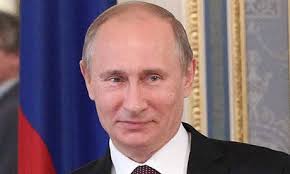
Vladimir Putin
Putin has never publicly shown any interest in religion. But by invoking “the Lord,” he was able to turn the Christian beliefs of his Western audience into a useful weapon.
Americans’ outrage quickly erupted.
“I was insulted,” then-House Speaker John Boehner (R-Ohio) told reporters when asked for his blunt reaction to the editorial.
“I have to be honest with you, I was at dinner, and I almost wanted to vomit,” said U.S. Senator Bob Menendez (D-New Jersey).
Putin had dared to question the self-righteousness of American foreign policy—and those who make it.
Making his case for war with Syria, Obama had said: “America is not the world’s policeman….But when, with modest effort and risk, we can stop children from being gassed to death, and thereby make our own children safer over the long run, I believe we should act.
“That’s what makes America different. That’s what makes us exceptional. With humility, but with resolve, let us never lose sight of that essential truth.”

Barack Obama
In short: Because we consider ourselves “exceptional,” we have the divine right to do whatever we want.
It’s not necessary to see Putin as a champion of democracy (he isn’t) to see the truth in this part of his editorial:
“It is extremely dangerous to encourage people to see themselves as exceptional, whatever the motivation.”
From 1938 to 1969, the House Un-American Activities Committee sought to define what was “American” and what was “Un-American.”
As if “American” stood for all things virtuous.
Whoever heard of an “Un-French Activities Committee”? Or an “Un-German” or “Un-British” one?
The late S.I. Hayakawa was a professor of semantics (the study of the relationship between words and what they stand for).In his bestselling book, Language in Thought and Action, he observed that a person has four ways of responding to a message:
- Accept the speaker and his message.
- Accept the speaker but reject the message.
- Accept the message but reject the speaker.
- Reject the message and the speaker.
In this case, Americans might want to consider #3 where “American exceptionalism” is concerned.
1968 PRESIDENTIAL CAMPAIGN, 2020 PRESIDENTIAL CAMPAIGN, ABC NEWS, ALTERNET, AMERICABLOG, AMERICAN INDIANS, AP, BABY BOOMER RESISTANCE, BARBARA GARSON, BBC, BLACK LIVES MATTER, BLOOMBERG, BUZZFEED, CBS NEWS, CIVIL RIGHTS, CNN, COMING APART: AMERICA IN THE 1960S (BOOK), CROOKS AND LIARS, DAILY KOS, DAILY KOZ, DEMOCRATS, DRUDGE REPORT, EUGENE MCCARTHY, FIVETHIRTYEIGHT, GEORGE BERNARD SHAW, GROSS NATIONAL PRODUCT, HARPER’S MAGAZINE, HUFFINGTON POST, JIM SLATTERY, JOHN F. KENNEDY, Kamala Harris, KANSAS STATE UNIVERSITY, LOOK MAGAZINE, LYNDON B. JOHNSON, MCBIRD!, MEDIA MATTERS, MISSISSIPPI, MOTHER JONES, MOVEON, MSNBC, NBC NEWS, NEW REPUBLIC, NEWSDAY, NEWSWEEK, NPR, PBS NEWSHOUR, POLITICO, POLITICUSUSA, RAW STORY, REPUBLICANS, REUTERS, ROBERT F. KENNEDY, SALON, SEATTLE TIMES, SIRHAN SIRHAN, SLATE, SOPHOCLES, STANLEY TRETICK, TALKING POINTS MEMO, TET OFFENSIVE, THE ATLANTIC, THE CHICAGO SUN-TIMES, THE CHICAGO TRIBUNE, THE DAILY BEAST, THE DAILY BLOG, THE GUARDIAN, THE HILL, THE HUFFINGTON POST, THE INTERCEPT, THE LOS ANGELES TIMES, THE NATION, THE NEW REPUBLIC, THE NEW YORK TIMES, THE NEW YORKER, THE VILLAGE VOICE, THE WASHINGTON POST, THINKPROGRESS, TIME, TIME MAGAZINE, TRUTHDIG, TRUTHOUT, TWO POLITICAL JUNKIES, U.S. NEWS & WORLD REPORT, UNIVERSITY OF KANSAS, UPI, USA TODAY, VIETNAM WAR, WILLIAM L. O'NEIL, WONKETTE, X
In Bureaucracy, History, Law, Law Enforcement, Military, Politics, Social commentary on July 5, 2024 at 12:10 am
On March 18, 1968, Presidential candidate Robert F. Kennedy, speaking at the University of Kansas, called on his fellow citizens to show compassion for those less fortunate and in need of relief through the Federal Government.
“If we believe that we, as Americans, are bound together by a common concern for each other, then an urgent national priority is upon us. We must begin to end the disgrace of this other America.”
Finally, Kennedy did something almost no other politician—in his time or since—has ever done: He dared to attack that holy-of-holies, the Gross Domestic Product (then called the Gross National Product).
“If we believe that we, as Americans, are bound together by a common concern for each other, then an urgent national priority is upon us. We must begin to end the disgrace of this other America.
“Too much and for too long, we seemed to have surrendered personal excellence and community values in the mere accumulation of material things. Our Gross National Product, now, is over $800 billion dollars a year, but that Gross National Product….counts air pollution and cigarette advertising, and ambulances to clear our highways of carnage.
“It counts special locks for our doors and the jails for the people who break them. It counts the destruction of the redwood and the loss of our natural wonder in chaotic sprawl. It counts napalm and counts nuclear warheads and armored cars for the police to fight the riots in our cities. It counts Whitman’s rifle and Speck’s knife, and the television programs which glorify violence in order to sell toys to our children.
“Yet the Gross National Product does not allow for the health of our children, the quality of their education or the joy of their play. It does not include the beauty of our poetry or the strength of our marriages, the intelligence of our public debate or the integrity of our public officials.
“It measures neither our wit nor our courage, neither our wisdom nor our learning, neither our compassion nor our devotion to our country. It measures everything in short, except that which makes life worthwhile. And it can tell us everything about America except why we are proud that we are Americans….

Senator Robert F. Kennedy campaigning for President
“George Bernard Shaw once wrote, ‘Some people see things as they are and say why? I dream things that never were and say, why not?’
“So I come here to Kansas to ask for your help. In the difficult five months ahead, before the convention in Chicago. I ask for your help and for your assistance.
“If you believe that the United States can do better. If you believe that we should change our course of action. If you believe that the United States stands for something here internally as well as elsewhere around the globe, I ask for your help and your assistance and your hand over the period of the next five months.
“And when we win in November….and we begin a new period of time for the United States of America, I want the next generation of Americans to look back upon this period and say as they said of Plato: ‘Joy was in those days, but to live.’ Thank you very much.”
At the end of Kennedy’s wildly popular speech at Kansas State University, photographer Stanley Tretick, of Look magazine, shouted, “This is Kansas, fucking Kansas! He’s going all the fucking way!”
But he didn’t go all the way. On June 5, 1968—82 days after announcing his Presidential candidacy—an assassin’s bullet suddenly halted his short-lived campaign—and his life.

Robert Kennedy’s funeral train
Historian William L. O’Neil delivered a poignant summary of Robert Kennedy’s legacy in his 1971 book, Coming Apart: An Informal History of America in the 1960′s:
“He aimed so high that he must be judged for what he meant to do, and through error and tragic accident, failed at…..He will also be remembered as an extraordinary human being who, though hated by some, was perhaps more deeply loved by his countrymen than any man of his time.
“That, too, must be entered into the final account, and it is no small thing. With his death, something precious vanished from public life.”
As United States Attorney General (1961-1964) Robert F. Kennedy had the courage to wage all-out war on the Mafia. As a United States Senator (1964-1968) he had the compassion to champion aid to impoverished Americans.
Even in his own era—a half-century ago—Robert Kennedy stood out as the only major Presidential candidate who could legitimately make both claims.
Today, most Democrats—battered by decades of Republican charges that they’re “big spenders”—fear supporting big-ticket items to help the poor.
And the Black Lives Matter movement has made any connection to law enforcement a disqualification for higher office—as former California Attorney General Kamala Harris found out as a 2020 Presidential candidate.
America may never again see a Presidential candidate who can combine a strong stand against crime with an equally strong commitment to helping the poor and disadvantaged.
1968 PRESIDENTIAL CAMPAIGN, 2020 PRESIDENTIAL CAMPAIGN, ABC NEWS, ALTERNET, AMERICABLOG, AMERICAN INDIANS, AP, BABY BOOMER RESISTANCE, BARBARA GARSON, BBC, BLACK LIVES MATTER, BLOOMBERG, BUZZFEED, CBS NEWS, CIVIL RIGHTS, CNN, COMING APART: AMERICA IN THE 1960S (BOOK), CROOKS AND LIARS, DAILY KOS, DAILY KOZ, DEMOCRATS, DRUDGE REPORT, EUGENE MCCARTHY, FIVETHIRTYEIGHT, GEORGE BERNARD SHAW, GROSS NATIONAL PRODUCT, HARPER’S MAGAZINE, HUFFINGTON POST, JIM SLATTERY, JOHN F. KENNEDY, Kamala Harris, KANSAS STATE UNIVERSITY, LOOK MAGAZINE, LYNDON B. JOHNSON, MCBIRD!, MEDIA MATTERS, MISSISSIPPI, MOTHER JONES, MOVEON, MSNBC, NBC NEWS, NEW REPUBLIC, NEWSDAY, NEWSWEEK, NPR, PBS NEWSHOUR, POLITICO, POLITICUSUSA, RAW STORY, REPUBLICANS, REUTERS, ROBERT F. KENNEDY, SALON, SEATTLE TIMES, SIRHAN SIRHAN, SLATE, SOPHOCLES, STANLEY TRETICK, TALKING POINTS MEMO, TET OFFENSIVE, THE ATLANTIC, THE CHICAGO SUN-TIMES, THE CHICAGO TRIBUNE, THE DAILY BEAST, THE DAILY BLOG, THE GUARDIAN, THE HILL, THE HUFFINGTON POST, THE INTERCEPT, THE LOS ANGELES TIMES, THE NATION, THE NEW REPUBLIC, THE NEW YORK TIMES, THE NEW YORKER, THE VILLAGE VOICE, THE WASHINGTON POST, THINKPROGRESS, TIME, TIME MAGAZINE, TRUTHDIG, TRUTHOUT, TWO POLITICAL JUNKIES, U.S. NEWS & WORLD REPORT, UNIVERSITY OF KANSAS, UPI, USA TODAY, VIETNAM WAR, WILLIAM L. O'NEIL, WONKETTE, X
In Bureaucracy, History, Law, Law Enforcement, Military, Politics, Social commentary on July 4, 2024 at 12:10 am
On March 18, 1968, Presidential candidate Robert F. Kennedy did what few politicians have ever done: He accepted public responsibility for a war that had since become a national disaster—the Vietnam war.
Addressing a packed audience of students and faculty at Kansas State University, he said:
“Let me begin this discussion with a note both personal and public. I was involved in many of the early decisions on Vietnam, decisions that helped set us on our present path.
“It may be that the effort was doomed from the start; that it was never really possible to bring all the people of South Vietnam under the rule of the successive governments we supported—governments, one after another, riddled with corruption, inefficiency, and greed; governments which did not and could not successfully capture and energize the national feeling of their people.
“If that is the case, as it well may be, then I am willing to bear my share of the responsibility, before history and before my fellow citizens. But past error is no excuse for its own perpetuation. Tragedy is a tool for the living to gain wisdom, not a guide by which to live.
“Now as ever, we do ourselves best justice when we measure ourselves against ancient tests, as in the Antigone of Sophocles: ‘All men make mistakes, but a good man yields when he knows his course is wrong, and repairs the evil. The only sin is pride.’
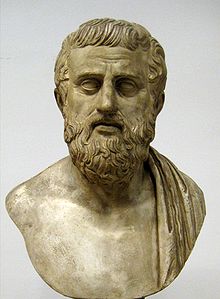
Sophocles
And he dared to attack the war as more than a military and political disaster: He saw it as a stain on America’s moral fiber:
“Can we ordain to ourselves the awful majesty of God—to decide what cities and villages are to be destroyed, who will live and who will die, and who will join the refugees wandering in a desert of our own creation?
“If it is true that we have a commitment to the South Vietnamese people, we must ask, are they being consulted—in Hue, or Ben Tre, or in the villages from which the three million refugees have fled?
“If they believe all the death and destruction are a lesser evil than the Wet Cong, why did they not warn us when the Viet Cong came into Hue, and the dozens of other cities, before the Tet Offensive? Why did they not join the fight?
“Will it be said of us, as Tacitus said of Rome: ‘They made a desert and called it peace?'”
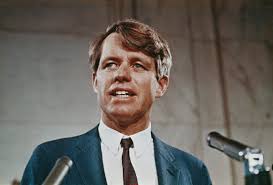
Robert F. Kennedy
The students gave him an ovation worthy of a rock star.
Time correspondent Hays Gorey said the electricity between Kennedy and the K.S.U. students was “real and rare.” “A good part of it is John F. Kennedy’s, of course, but John Kennedy…himself couldn’t be so passionate, and couldn’t set off such sparks.”
Jim Slattery, who would later be elected to Congress from Kansas, reread the K.S.U. speech during the second Iraq war and decided it was so powerful “because Kennedy was talking about what was right!”
As Kennedy started to leave, students rushed the platform where he stood, knocking over chairs and grabbing at him. They stroked his hair and ripped his shirtsleeves.
Later that day, Kennedy addressed another wildly enthusiastic audience—at the University of Kansas, in Lawrence, Kansas.
Then he addressed the glaring disparities between rich and poor Americans—a topic now generally ignored by Democrats and turned into an attack line by Republicans:
“All around us, all around us….men have lost confidence in themselves, in each other. It is confidence which has sustained us so much in the past. Rather than answer the cries of deprivation and despair….hundreds of communities and millions of citizens are looking for their answers, to force and repression and private gun stocks— so that we confront our fellow citizen across impossible barriers of hostility and mistrust.
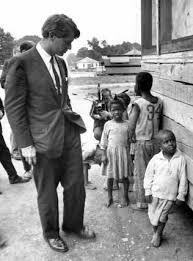
Robert F. Kennedy talking with black children
“And again, I don’t believe that we have to accept that. I don’t believe that it’s necessary in the United States of America. I think that we can work together. I don’t think that we have to shoot at each other, to beat each other, to curse each other and criticize each other, I think that we can do better in this country. And that is why I run for President of the United States….
“I have seen children in Mississippi starving, their bodies so crippled from hunger and their minds have been so destroyed for their whole life that they will have no future. I have seen children in Mississippi—here in the United States—with a gross national product of $800 billion dollars.
“I have seen children in the Delta area of Mississippi with distended stomachs, whose faces are covered with sores from starvation, and we haven’t developed a policy so we can get enough food so that they can live, so that their children, so that their lives are not destroyed, I don’t think that’s acceptable in the United States of America and I think we need a change.”
1968 PRESIDENTIAL CAMPAIGN, 2020 PRESIDENTIAL CAMPAIGN, ABC NEWS, ALTERNET, AMERICABLOG, AMERICAN INDIANS, AP, BABY BOOMER RESISTANCE, BARBARA GARSON, BBC, BLACK LIVES MATTER, BLOOMBERG, BUZZFEED, CBS NEWS, CIVIL RIGHTS, CNN, COMING APART: AMERICA IN THE 1960S (BOOK), CROOKS AND LIARS, DAILY KOS, DAILY KOZ, DEMOCRATS, DRUDGE REPORT, EUGENE MCCARTHY, FIVETHIRTYEIGHT, GEORGE BERNARD SHAW, GROSS NATIONAL PRODUCT, HARPER’S MAGAZINE, HUFFINGTON POST, JIM SLATTERY, JOHN F. KENNEDY, Kamala Harris, KANSAS STATE UNIVERSITY, LOOK MAGAZINE, LYNDON B. JOHNSON, MCBIRD!, MEDIA MATTERS, MISSISSIPPI, MOTHER JONES, MOVEON, MSNBC, NBC NEWS, NEW REPUBLIC, NEWSDAY, NEWSWEEK, NPR, PBS NEWSHOUR, POLITICO, POLITICUSUSA, RAW STORY, REPUBLICANS, REUTERS, ROBERT F. KENNEDY, SALON, SEATTLE TIMES, SIRHAN SIRHAN, SLATE, SOPHOCLES, STANLEY TRETICK, TALKING POINTS MEMO, TET OFFENSIVE, THE ATLANTIC, THE CHICAGO SUN-TIMES, THE CHICAGO TRIBUNE, THE DAILY BEAST, THE DAILY BLOG, THE GUARDIAN, THE HILL, THE HUFFINGTON POST, THE INTERCEPT, THE LOS ANGELES TIMES, THE NATION, THE NEW REPUBLIC, THE NEW YORK TIMES, THE NEW YORKER, THE VILLAGE VOICE, THE WASHINGTON POST, THINKPROGRESS, TIME, TIME MAGAZINE, TRUTHDIG, TRUTHOUT, TWO POLITICAL JUNKIES, U.S. NEWS & WORLD REPORT, UNIVERSITY OF KANSAS, UPI, USA TODAY, VIETNAM WAR, WILLIAM L. O'NEIL, WONKETTE, X
In Bureaucracy, History, Law, Law Enforcement, Military, Politics, Social commentary, Uncategorized on July 3, 2024 at 12:43 am
He remains forever frozen in time—young, vigorous, with tousled hair and a high-pitched voice calling on Americans to do better for those less fortunate.
And he exuded an idealism which seems totally out of place with today’s “I’ve-got-mine-so-screw-you” politics.
It’s been 56 years since his life was brutally cut short—yet he remains forever the age at which he died: 42. Born in 1925, he would turn 99 on November 20 if he were alive today.
On March 16, 1968, from the Caucus Room of the Old Senate Office building, New York Senator Robert F. Kennedy declared his candidacy for President of the United States.
Eight years earlier, on January 2, 1960, his brother, Massachusetts Senator John F. Kennedy had announced his own candidacy for the Democratic presidential nomination from the same place.
Ten months later, on November 8, that campaign had ended in victory with his election. And that victory, in turn, ended in bitter sorrow with his assassination two years, 10 months and two days later on November 22, 1963.
Robert F. Kennedy’s presidential campaign would not last as long as his late brother’s. Nor would it end in the victory he and his supporters yearned for.
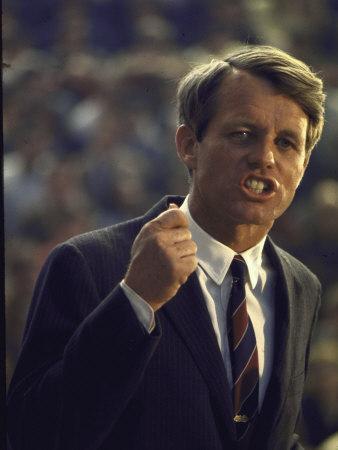
Robert F. Kennedy
Eighty-two days later, he was dead—shot in the back of the head by Sirhan Sirhan, a Palestinian Arab furious at Kennedy’s avowed support for Israel.
For Kennedy, making up his mind to run for the Presidency was no easy task.
Since the assassination of his brother, millions of Americans had assumed—as his admirers or detractors—that he would one day become President.
For his admirers, there was an element of “the once and future king” about this young, intense man with tousled hair and a high-pitched voice. He—they believed—was the man who would somehow avenge his martyred brother by restoring “Camelot” and returning youth, energy and idealism to the White House.
A playwright—Barbara Garson—had even written a 1967 satire depicting then-President Lyndon B. Johnson as the MacBeth-like murderer of John Ken O-Dunc. In the end, he was confronted and killed by Robert Ken O’Dunc.
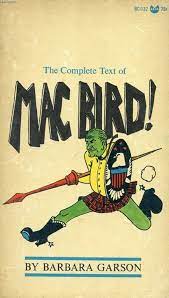

His detractors saw him as a ruthless upstart who wanted to foist too-liberal policies on the United States. They distrusted his sympathy for the downtrodden—especially blacks and Hispanics. Worse, they saw the Kennedy family as trying to found a dynasty of Presidents that could last until the mid-1980s.
But the real Robert Kennedy was long torn between running against Johnson—whom he had long personally loathed—and letting someone else do so.
Kennedy’s hatred of Johnson—and his irrational belief that LBJ was somehow responsible for his brother’s death—was well-known. And Kennedy feared that if he ran against Johnson, his many enemies would charge he was doing so out of personal animosity.
And there was another reason: Johnson, who had won the Presidency in a landslide in 1964, was certain to seek re-election in 1968. If Kennedy challenged him for the nomination, it might well split the party and result in the election of a Republican that November. And he—Kennedy—would be blamed for it.
Throughout 1966-7, Kennedy was urged to run against Johnson. Still, he dithered.
Then, on March 12, Minnesota United States Senator Eugene McCarthy entered the New Hampshire Democratic primary against Johnson—and won a surprising 42.2% of the vote to Johnson’s 49.4%.
Four days later, Robert Kennedy announced his own candidacy.
McCarthy’s supporters were outraged: Their candidate had dared to do what Kennedy had not—directly take on Johnson. And now that he had shown it could be done, the opportunistic Kennedy had jumped in.
On March 18—two days after announcing his candidacy—Kennedy gave his first campaign speech at Kansas State University in Manhattan, Kansas. This was the heart of conservative country, and Kennedy didn’t know how his audience would accept many of his decidedly liberal proposals.
“Do you think they’ll boo him?” his wife, Ethel, asked a friend before the speech. “Will they hate him?”
Arriving at the university, Kennedy ate breakfast at the student union—and told a group of university officials and student leaders: “Some of you may not like what you’re going to hear in a few minutes, but it’s what I believe; and if I’m elected President, it’s what I’m going to do.”

Kansas State University
As events unfolded, he—and Ethel—had no reason to worry.
Kennedy had served as United States Attorney General from 1961 to 1964. Yet he had not limited himself to simply fighting organized crime and enforcing civil rights. He had aggressively urged his brother, the President, to take a hard line on fighting the Communist forces in Vietnam.
But now he did something almost no other politician had—or has—ever done: He publicly accepted responsibly for the disaster the war had become since 1965:
“Let me begin this discussion with a note both personal and public. I was involved in many of the early decisions on Vietnam, decisions that helped set us on our present path.
“It may be that the effort was doomed from the start; that it was never really possible to bring all the people of South Vietnam under the rule of the successive governments we supported.”
9/11, ABC NEWS, ALTERNET, AMERICABLOG, ANDREW JACKSON, AP, BABY BOOMER RESISTANCE, BARNARD COLLEGE, BATTLE OF NEW ORLEANS, BATTLE OF THE BULGE, BBC, BERLIN, BLOOMBERG, BOOT CAMP, BUZZFEED, CBS NEWS, CIVIL WAR, CNN, COLUMBIA UNIVERSITY, CROOKS AND LIARS, DAILY KOS, FIVETHIRTYEIGHT, GAZA, GEORGE S. PATTON, HAMAS, HARPER’S MAGAZINE, HARVARD, HUFFINGTON POST, IRELAND, ISRAEL, JOSEPH BIDEN, MEDIA MATTERS, MEXICAN WAR, MOTHER JONES, MOVEON, MSNBC, MUSLIMS, NAZI GERMANY, NBC NEWS, NEW REPUBLIC, NEWSDAY, NEWSWEEK, NORWAY, NPR, PBS NEWSHOUR, POLITICO, POLITICUSUSA, RAFAH, RAW STORY, REUTERS, SALON, SEATTLE TIMES, SLATE, SPAIN, TALIBAN, TALKING POINTS MEMO, TEXAS RANGERS, THE ATLANTIC, THE CHICAGO SUN-TIMES, THE CHICAGO TRIBUNE, THE DAILY BEAST, THE DAILY BLOG, THE GUARDIAN, THE HILL, THE HUFFINGTON POST, THE INTERCEPT, THE LOS ANGELES TIMES, THE NATION, THE NEW REPUBLIC, THE NEW YORK TIMES, THE NEW YORKER, THE VILLAGE VOICE, THE WASHINGTON POST, THINKPROGRESS, TIME, TRUTHDIG, TRUTHOUT, TWO POLITICAL JUNKIES, U.S. NEWS & WORLD REPORT, UNIVERSITY OF SOUTHERN CALIFORNIA, UPI, USA TODAY, VIETNAM WAR, WAFFEN-SS, WAR OF 1812, WILLIAM “BUFFALO BILL”CODY, WILLIAM TECUMSEH SHERMAN, WORLD COURT, WORLD WAR 11, X, YALE
In Bureaucracy, History, Military, Politics on June 24, 2024 at 12:10 am
On October 7, 2023, about 2,500 Hamas terrorists launched coordinated attacks on Israeli outposts and settlements, firing over 5,000 rockets and burning houses.
They killed over 1,139 people, of which 695 were civilians—including women, children and the elderly. They also kidnapped over 250 others—including 30 children—to Gaza.
Most of those hostages have since been murdered.
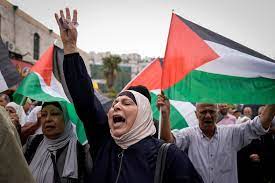
Palestinians celebrating the attack on Israel
Israel responded by declaring a state of war—pounding Gaza with bombs, missiles. tanks and soldiers. Palestinian health authorities claim that Israel’s ground and air campaign has killed more than 35,000 people,
Liberal Democrats have demanded that President Joseph Biden stop shipping military equipment to Israel.
The World Court has ordered Israel to immediately halt its military offensive in the southern Gaza city of Rafah.
Three European countries—Spain, Ireland, and Norway—announced that they would recognize a Palestinian state.
Across the United States, scores of university students have protested Israel’s retaliation against Gaza.
Among the universities targeted: Columbia, Harvard, Yale, the University of Texas at Austin, the University of Southern California, Emory University in Atlanta, Boston’s Emerson College.
Columbia University, Barnard College and the University of Southern California (USC) canceled their graduation ceremonies owing to fears of violent protests by terrorism-sympathizing students.
Such holier-than-thou attitudes ignore three important truths:
First: Soldiering is by its nature a brutal business.
- The purpose of boot camp is to “break down” the restraints of pacifism and individuality and turn “boys” into “fighting men.” This must be done in weeks, so the process is shockingly brutal.
- Recruits are repeatedly taught such maxims as: “Ambushes are murder—and murder is fun.”
- Denigrating the enemy is a time-worn habit in all armies—including the American army. During the Indian wars, soldiers referred to Indians as “Red niggers.”
- In World War II—the “Good War”—America’s servicemen fought “Japs” and “Krauts.” During the Vietnam war, Vietnamese became “dinks” and “gooks.”
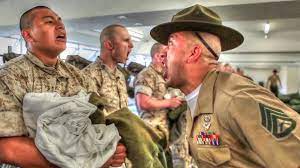
Marine drill instructor
- Today’s servicemen and women routinely (but unofficially) refer to their Islamic enemies as “ragheads” or “sand niggers.”
- Soldiers who aren’t toughened by boot camp are by the battlefield. As General George S. Patton often warned: “When you put your hand into a bunch of goo, that a moment before was your best friend’s face, you’ll know what to do.”
- Those who are demanding that Israel “pause” its offensive against Gaza ignore that when Allied armies were closing in on Berlin, the capitol of Nazi Germany, Americans did not demand that Nazis be given a chance to reorganize and counterattack.
Second: Atrocities in wartime are nothing new—including for U.S. forces.
- During the Mexican War, Texas Rangers accompanying the U.S. Army acted as commandos—and exacted reprisals against Mexicans engaging in terrorist acts.
- During the army’s wars against the Indians, soldiers and scouts—such as William F. “Buffalo Bill” Cody—routinely took scalps as trophies.
- During World War II, Marines posted in the Pacific rarely took prisoners. The reason: Japanese soldiers often pretended to surrender––and thus lured American troops into ambushes.
- GIs fighting in the European theater generally shot fanatical Waffen-SS soldiers—including those who tried to surrender. This was especially true during the Battle of the Bulge, when Germans dressed in American uniforms stirred panic among Allied forces.
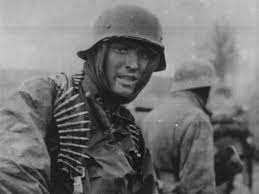
Waffen-SS soldier
- During the Vietnam war, some “grunts” made necklaces of ears taken from dead Vietcong. Vietnam Correspondent Michael Herr, in his book Dispatches, relates the story of a grunt who was “building his own gook” from actual body parts.
Third: Those who provoke war do not have a right to dictate how their opponents should defend themselves.
- In 1815, just before the Battle of New Orleans, General Andrew Jackson ordered American snipers to harass invading British forces—and especially to take out officers. The British commander angrily protested this “barbarism.” Jackson sent back a message of his own: “You have invaded our country and we will defend ourselves as we see fit.”
- William Tecumseh Sherman, defending the conduct of his men during their legendary “March to the Sea” through Georgia, said: “Those people made war on us, defied and dared us to come south to their country, where they boasted they would kill us and do all manner of horrible things. We accepted their challenge, and now for them to whine and complain of the natural and necessary results is beneath contempt.”
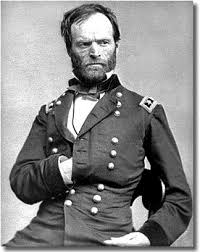
William Tecumseh Sherman
- Israelis have learned to deter Palestinian suicide-bombers by the use of police dogs. Muslims protest because they consider dogs defiled—and defiling—creatures. Islamic terrorists fear that blowing up themselves near a dog risks mingling their blood with that of the dead or wounded animal—thus forfeiting their opportunity to enter Paradise and claim those 72 willing virgins.
- In early November, 2001—two months after 9/11—Muslims throughout the Islamic world demanded that the United States halt its attacks on Taliban forces in Afghanistan out of “respect” for Ramadan, the Islamic month of fasting.
- In short: Islamic “holy warriors” could launch attacks that murdered thousands of innocent men, women and children. But “infidels” were supposed to defend themselves according to Islamic rules.
- The United States wisely refused to bow to this Islamic version of “political correctness.”
1968 PRESIDENTIAL RACE, ABC NEWS, ADOLF HITLER, ALTERNET, AMERICABLOG, AP, BABY BOOMER RESISTANCE, BBC, BERNARD LAW MONTGOMERY, BLOOMBERG, BUZZFEED, CBS NEWS, CNN, COMING APART: AMERICA IN THE 1960S (BOOK), CROOKS AND LIARS, D-DAY, DAILY KOS, DAILY KOZ, DWIGHT D. EISENHOWER, ERWIN ROMMEL, EUGENE MCCARTHY, FACEBOOK, FIVETHIRTYEIGHT, HARPER’S MAGAZINE, HUBERT HUMPHERY, HUFFINGTON POST, JOHN F. KENNEDY, LYNDON B. JOHNSON, MEDIA MATTERS, MOTHER JONES, MOVEON, MSNBC, NAZI GERMANY, NBC NEWS, NEW REPUBLIC, NEWSDAY, NEWSWEEK, NORMAN COTA, NPR, PBS NEWSHOUR, POLITICO, POLITICUSUSA, RAW STORY, REUTERS, ROBERT F. KENNEDY, SALON, SEATTLE TIMES, SIRHAN SIRHAN, SLATE, TALKING POINTS MEMO, THE ATLANTIC, THE CHICAGO SUN-TIMES, THE CHICAGO TRIBUNE, THE DAILY BEAST, THE DAILY BLOG, THE GUARDIAN, THE HILL, THE HUFFINGTON POST, THE INTERCEPT, THE LOS ANGELES TIMES, THE NATION, THE NEW REPUBLIC, THE NEW YORK TIMES, THE NEW YORKER, THE VILLAGE VOICE, THE WASHINGTON POST, THINKPROGRESS, THIRD REICH, TIME, TRUTHDIG, TRUTHOUT, TWITTER, TWO POLITICAL JUNKIES, U.S. ARMY RANGERS, U.S. NEWS & WORLD REPORT, UPI, USA TODAY, VIETNAM WAR, WILLIAM L. O'NEILL, WORLD WAR 11, X
In Bureaucracy, History, Military, Politics, Social commentary on June 6, 2024 at 12:10 am
“For it is the doom of men that they forget.”
—Merlin, in “Excalibur”
June 6—a day of glory and tragedy.
The glory came 80 years ago—on Tuesday, June 6, 1944.
On that morning, Americans awoke to learn—from radio and newspapers—that their soldiers had landed on the French coast of Normandy.
In Supreme Command of the Allied Expeditionary Force: American General Dwight D. Eisenhower. Overall command of ground forces rested with British General Bernard Law Montgomery.
Operation Overlord, the Allied invasion to liberate France from Nazi Germany, proved one of the pivotal actions of World War II.
Shortly after midnight, 24,000 American, British, Canadian and Free French troops launched an airborne assault. This was followed at 6:30 a.m. by an amphibious landing of Allied infantry and armored divisions on the French coast.
Field Marshal Erwin Rommel—the legendary “Desert Fox”—commanded the German forces. For him, the first 24 hours of the battle would be decisive.
“For the Allies as well as the Germans,” he warned his staff, “it will be the longest day.”
The operation was the largest amphibious invasion in history. More than 160,000 troops landed—73,000 Americans, 61,715 British and 21,400 Canadians.

Omaha Beach – June 6, 1944
Initially, the Allied assault seemed likely to be stopped at the water’s edge—where Rommel had insisted it must be. He had warned that if the Allies established a beachhead, their overwhelming numbers and airpower would eventually prove irresistible.
German machine-gunners and mortarmen wreaked a fearful toll on Allied soldiers. But commanders like U.S. General Norman Cota led their men to victory through a storm of bullets and shells.
Coming upon a group of U.S. Army Rangers taking cover behind sand dunes, Cota demanded: “What outfit is this?”
“Rangers!” yelled one of the soldiers.
“Well, Goddamnit, then, Rangers, lead the way!” shouted Cota, inspiring the soldiers to rise and charge into the enemy.
The command also gave the Rangers the motto they carry to this day.
The Allied casualty figures for D-Day have been estimated at 10,000, including 4,414 dead. By nationality, the D-Day casualty figures are about
- 2,700 British
- 946 Canadians
- and 6,603 Americans.
The total number of German casualties on D-Day isn’t known, but is estimated at 4,000 to 9,000.
Allied and German armies continued to clash throughout France, Belgium and Germany until May 7, 1945, when Germany finally surrendered.
But Americans who had taken part in D-Day could be proud of having dealt a fatal blow to the evil ambitions of Adolf Hitler’s Third Reich.
So much for the glory of June 6. Now for the tragedy—which occurred 56 years ago, on Thursday, June 6, 1968.
Twenty-four years after D-Day, Americans awoke to learn—mostly from TV—that New York Senator Robert F. Kennedy had died at 1:44 a.m. of an assassin’s bullet.
He had been campaigning for the Democratic Presidential nomination, and had just won the California primary on June 4.
This had been a make-or-break event for Kennedy, a fierce critic of the seemingly endless Vietnam war.
He had won the Democratic primaries in Indiana and Nebraska, but had lost the Oregon primary to Minnesota Senator Eugene McCarthy.
If he defeated McCarthy in California, Kennedy could force his rival to quit the race. That would lead to a showdown between him and Vice President Hubert Humphrey for the nomination.
(President Lyndon B. Johnson had withdrawn from the race on March 31—just 15 days after Kennedy announced his candidacy on March 16.)
After winning the California and South Dakota primaries, Kennedy gave a magnanimous victory speech in the ballroom of the Ambassador Hotel in Los Angeles:

Robert F. Kennedy, only moments from death
“I think we can end the divisions within the United States….We are a great country, an unselfish country, and a compassionate country. And I intend to make that my basis for running over the period of the next few months.”
Then he entered the hotel kitchen—where Sirhan Sirhan, a 24-year-old Palestinian from Jordan, opened fire with a .22 revolver.
Kennedy was hit three times—once fatally in the back of the head. Five other people were also wounded.
Kennedy’s last-known words were: “Is everybody all right?” and “Jack, Jack”—the latter clearly a reference to his beloved older brother, John Fitzgerald Kennedy.
Almost five years earlier, that brother—then President of the United States—had been assassinated in Dallas on November 22, 1963.
Then Robert Kennedy lost consciousness—forever, dying in a hospital bed 24 hours later.
Kennedy had been a U.S. Attorney General (1961-1964) and Senator (1964-1968). But it was his connection to President Kennedy for which he was best-known.
His assassination—coming so soon after that of JFK—convinced many Americans there was something “sick” about the nation’s culture.
Historian William L. O’Neil delivered a poignant summary of Robert Kennedy’s legacy in Coming Apart: An Informal History of America in the 1960′s.

“He aimed so high that he must be judged for what he meant to do, and through error and tragic accident, failed at…..He will also be remembered as an extraordinary human being who, though hated by some, was perhaps more deeply loved by his countrymen than any man of his time.
“That, too, must be entered into the final account, and it is no small thing. With his death, something precious vanished from public life.”
ABC NEWS, ADOLF HITLER, ALTERNET, AMERICABLOG, AP, ASSASSINATION, BABY BOOMER RESISTANCE, BUZZFEED, CBS NEWS, CNN, CONSPIRACIES, CROOKS AND LIARS, DAILY KOS, DAILY KOZ, DAY OF THE JACKAL, DONALD TRUMP, DRUDGE RETORT, FIVETHIRTYEIGHT, FREDERICK FORSYTHE, GAIUS CASSIUS, HARPER’S MAGAZINE, JULIUS CAESAR, LINCOLN MEMORIAL, MAR-A-LAGO, MARCUS BRUTUS, MARK ANTHONY, MEDIA MATTERS, MOTHER JONES, MOVEON, MSNBC, NBC NEWS, NEWSWEEK, NICCOLO MACHIAVELLI, NPR, PBS NEWSHOUR, PLOTS, POLITICO, POLITICUSUSA, RAW STORY, REUTERS, RICHARD M. NIXON, SALON, SEATTLE TIMES, Secret Service, SLATE, TALKING POINTS MEMO, THE ATLANTIC, THE CHICAGO SUN-TIMES, THE CHICAGO TRIBUNE, THE DAILY BEAST, THE DAILY BLOG, THE DISCOURSES, THE GUARDIAN, THE HILL, THE HUFFINGTON POST, THE LOS ANGELES TIMES, THE NATION, THE NEW REPUBLIC, THE NEW YORK TIMES, THE VILLAGE VOICE, THE WALL STREET JOURNAL, THE WASHINGTON POST, THINKPROGRESS, TIME, TRUTHDIG, TRUTHOUT, TWO POLITICAL JUNKIES, U.S. NEWS & WORLD REPORT, UPI, USA TODAY, VIETNAM WAR, WHITE HOUSE STAFFER, WONKETTE, X
In Bureaucracy, History, Law Enforcement, Military, Politics, Social commentary on May 30, 2024 at 12:12 am
More than 500 years ago, Niccolo Machiavelli, the Florentine statesman, authored The Discourses on Livy, a work of political history and philosophy. In it, he outlined how citizens of a republic can maintain their freedoms.
One of the longest chapters—Book Three, Chapter Six—covers “Of Conspiracies.” In it, those who wish to conspire against a ruler will find highly useful advice.
And so will those who wish to foil such a conspiracy.
For conspirators, there are three ways their efforts can be foiled.
- Discovery through denunciation;
- Discovery through incautiousness;
- Discovery through writings.
The first has already been covered. Now for the second and third.
Discovery through Writings: You may talk freely with anyone man about everything, for unless you have committed yourself in writing, the “Yes” of one man is worth as much as the “No” of another.
Thus, you should guard most carefully against writing, as against a dangerous rock, for nothing will convict you quicker than your own handwriting.
You may escape, then, from the accusation of a single individual, unless you are convicted by some writing or other pledge, which you should be careful never to give.
If you are denounced, there are means of escaping punishment:
- By denying the accusation and claiming that the person making it hates you; or
- Claiming that your accuser was tortured or coerced into giving false testimony against you.
But the most prudent course is to not tell your intentions to anyone, and to carry out the attempt yourself.
Even if you’re not discovered before you carry out your attack, there are still two dangers facing a conspirator:
Dangers in Execution: These result from:
- An unexpected change in the routine of the intended target;
- The lack of courage among the conspirators; or
- An error on their part, such as leaving some of those alive whom the conspirators intended to kill.
Adolf Hitler, who claimed to have a sixth-sense for danger, was famous for changing his routine at the last minute.
On November 9, 1939, this instinct saved his life. He had been scheduled to give a long speech at a Munich beer hall before the “Old Fighters” of his storm troopers.
But that evening he cut short his speech and left the beer hall. Forty-five minutes later, a bomb exploded inside a pillar—before which Hitler had been speaking.
Conspirators can also be doomed by their good intentions.
In 44 B.C., Gaius Cassius, Marcus Brutus and other Roman senators decided to assassinate Julius Caesar, whose dictatorial ambitions they feared.
Cassius also intended to murder Mark Anthony, Caesar’s strongest ally. But Brutus objected, fearing the plotters would look like butchers, not saviors. Even worse, he allowed Anthony to deliver a eulogy at Caesar’s funeral.
This proved so inflammatory that the mourners rioted, driving the conspirators out of Rome. Soon afterward, they were defeated in a battle with the legions of Anthony and Octavian Caesar—and forced to commit suicide to avoid capture and execution.
Machiavelli closes his chapter “Of Conspiracies” with advice to rulers on how they should act when they find a conspiracy has been formed against them.
If they discover that a conspiracy exists against them, they must, before punishing its authors, strive to learn its nature and extent. And they must measure the danger posed by the conspirators against their own strength.
And if they find it powerful and alarming, they must not expose it until they have amassed sufficient force to crush it. Otherwise, they will only speed their own destruction. They should try to pretend ignorance of it. If the conspirators find themselves discovered, they will be forced by necessity to act without consideration.
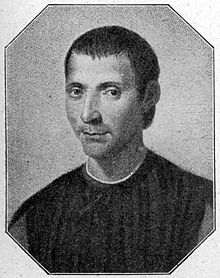
Niccolo Machiavelli
The foregoing was taken from Book Three, Chapter Six, of Machiavelli’s masterwork, The Discourses on Livy, which was published posthumously in 1531. But elsewhere in this volume, he notes how important it is for rulers to make themselves loved—or at least respected—by their fellow citizens:
Note how much more praise those Emperors merited who, after Rome became an empire, conformed to her laws like good princes, than those who took the opposite course.
Titus, Nerva, Trajan, Hadrian, Antoninus and Marcus Auelius did not require the Praetorians nor the multitudinous legions to defend them, because they were protected by their own good conduct, the good will of the people, and by the love of the Senate.
On the other hand, neither the Eastern nor the Western armies saved Caligula, Nero, Vitellius and so many other wicked Emperors from the enemies which their bad conduct and evil lives had raised up against them.
In his better-known work, The Prince, he warns rulers who—like Donald Trump–are inclined to rule by fear:
A prince should make himself feared in such a way that if he does not gain love, he at any rate avoids hatred: for fear and the absence of hatred may well go together.
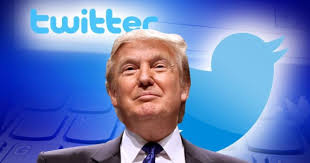
Donald Trump
By Machiavelli’s standards, Trump has made himself the perfect target for a conspiracy.
“When a prince becomes universally hated, it is likely that he’s harmed some individuals—who thus seek revenge. This desire is increased by seeing that the prince is widely loathed.”
ABC NEWS, ADOLF HITLER, ALTERNET, AMERICABLOG, AP, ASSASSINATION, BABY BOOMER RESISTANCE, BUZZFEED, CBS NEWS, CNN, CONSPIRACIES, CROOKS AND LIARS, DAILY KOS, DAILY KOZ, DAY OF THE JACKAL, DONALD TRUMP, FIVETHIRTYEIGHT, FREDERICK FORSYTHE, GAIUS CASSIUS, HARPER’S MAGAZINE, JULIUS CAESAR, LINCOLN MEMORIAL, MAR-A-LAGO, MARCUS BRUTUS, MARK ANTHONY, MEDIA MATTERS, MOTHER JONES, MOVEON, MSNBC, NBC NEWS, NEWSWEEK, NICCOLO MACHIAVELLI, NPR, PBS NEWSHOUR, PLOTS, POLITICO, POLITICUSUSA, RAW STORY, REUTERS, RICHARD M. NIXON, SALON, SEATTLE TIMES, Secret Service, SLATE, TALKING POINTS MEMO, THE ATLANTIC, THE CHICAGO SUN-TIMES, THE CHICAGO TRIBUNE, THE DAILY BEAST, THE DAILY BLOG, THE DISCOURSES, THE GUARDIAN, THE HILL, THE HUFFINGTON POST, THE LOS ANGELES TIMES, THE NATION, THE NEW REPUBLIC, THE NEW YORK TIMES, THE VILLAGE VOICE, THE WALL STREET JOURNAL, THE WASHINGTON POST, THINKPROGRESS, TIME, TRUTHDIG, TRUTHOUT, TWO POLITICAL JUNKIES, U.S. NEWS & WORLD REPORT, UPI, USA TODAY, VIETNAM WAR, WONKETTE, X
In Bureaucracy, History, Law Enforcement, Military, Politics, Social commentary on May 29, 2024 at 12:10 am
More than 500 years ago, Niccolo Machiavelli, the father of modern political science, offered sound advice for would-be conspirators—and for rulers seeking to thwart conspiracies.
He did so in The Discourses on Livy, a work of political history and philosophy. In it, he outlined how citizens of a republic can maintain their freedoms.
One of the longest chapters—Book Three, Chapter Six—covers “Of Conspiracies.” In it, those who wish to conspire against a ruler will find highly useful advice. And so will those who might well become the targets of conspiracies—such as President Donald J. Trump.
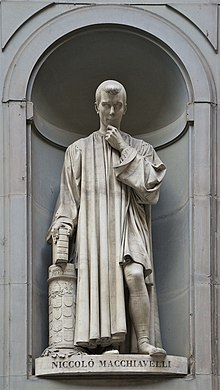
Niccolo Machiavellil
The most dangerous time for a ruler comes when he is universally hated.
Niccolo Machiavelli: When a prince becomes universally hated, it is likely that he’s harmed some individuals—who thus seek revenge. This desire is increased by seeing the prince is widely loathed.
A prince, then, should avoid incurring such universal hatred….
By doing this, he protects himself from such vengeance-seekers. There are two reasons for this:
(1) Men rarely risk danger to avenge a wrong; and
(2) Even if they want to avenge a wrong, they know they will face almost universal condemnation because the prince is held in such high esteem.
Machiavelli draws a distinction between plots and conspiracies.
A plot may be formed by a single individual or by many. The first isn’t a conspiracy, since that would involve at least two participants.
A single plotter avoids the danger faced by two or more conspirators:
Since no one knows his intention, he can’t be betrayed by an accomplice.
Anyone may form a plot, whether he is prominent or insignificant, because everyone is at some time allowed to speak to the prince. And he can use this opportunity to satisfy his desire for revenge.
On the other hand, says Machiavelli, the dangers of assassination by a trusted intimate are slight.
Few people dare to assault a prince. Of those who do, few or none escapes being killed in the attempt, or immediately afterward. As a result, only a small number of people are willing to incur such certain death.
Those who take part in a conspiracy against a ruler are “the great men of the state, or those on terms of familiar intercourse with the prince.”
These are men who have access to him. Julius Caesar, for example, was stabbed to death by members of the Roman Senate, who feared his assuming dictatorial powers.
And Adolf Hitler was conspired against by colonels and generals of the German Army. He was in fact holding a war conference when a briefcase bomb exploded, killing three officers and a stenographer, but leaving Hitler only slightly injured.
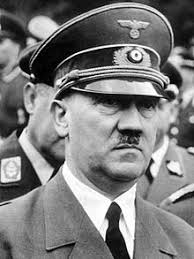

Adolf Hitler
There are three ways a conspiracy can be foiled:
- Discovery through denunciation;
- Discovery through incautiousness;
- Discovery through writings.
Discovery through Denunciation: This occurs through treachery or lack of prudence among one or more conspirators.
Treachery is so common that you can safely tell your plans to only your most trusted friends who are willing to risk their lives for your sake. You may find that you have only one or two of these.
But as you are bring more people into the conspiracy, the chances of discovery greatly increase. It’s impossible to find many who can be completely trusted: For their devotion to you must be greater than their sense of danger and fear of punishment.
Discovery through Carelessness: This happens when one of the conspirators speaks incautiously, so that a third person overhears it Or it may occur from thoughtlessness, when a conspirator tells the secret to his wife or child, or to some other indiscreet person.
When a conspiracy has more than three or four members, its discovery is almost certain, either through treason, imprudence or carelessness.
If more than one conspirator is arrested, the whole plot is discovered, for it will be impossible for any two to agree perfectly as to all their statements.
If only one is arrested, he may—through courage and stubbornness—be able to conceal the names of his accomplices. But then the others, to remain safe, must not panic and flee, since this is certain to be discovered.
If one of them becomes fearful—whether it’s the one who was arrested or is still at liberty—discovery of the conspiracy is certain.
The best way to avoid such detection is to confide your project to your intended fellow conspirators at the moment of execution—and not sooner.
A classic example of this occurred in ancient Persia. According to the Greek historian Herodotus: A group of nobles assembled to discuss overthrowing a usurper to the throne. The last one to arrive was Darius.
When one of the conspirators asked, “When should we strike?” Darius replied: “We must either go now at this very moment and carry it into execution, or I shall go and denounce you all. For I will not give any of you time to denounce me.”
At that, they went directly to the palace, assassinated the usurper and proclaimed Darius their new king.


 Bureaucracybuster's Blog
2016 PRESIDENTIAL CAMPAIGN, ABC NEWS, ALTERNET, AMERICABLOG, AP, BABY BOOMER RESISTANCE, BBC, BLOOMBERG, BUZZFEED, CBS NEWS, CIA, CNN, CROOKS AND LIARS, DAILY KOS, DONALD TRUMP, FBI, FIVETHIRTYEIGHT, FOX NEWS, HARPER’S MAGAZINE, HOUSE INTELLIGENCE COMMITTEE, HOUSE JUDICIARY COMMITTEE, HUFFINGTON POST, MEDIA MATTERS, MICHAEL FLYNN, MOTHER JONES, MOVEON, MSNBC, NBC NEWS, NEW REPUBLIC, NEWSDAY, NEWSWEEK, NPR, PBS NEWSHOUR, POLITICO, POLITICUSUSA, PRINCETON UNIVERSITY, RAW STORY, REPUBLICAN PARTY, REPUBLICANS, REUTERS, ROBERT MUELLER III, ROD ROSENSTEIN, RUSSIA, SALON, SEATTLE TIMES, SENATE INTELLIGENCE COMMITTEE, SERGEY KISLYAK, SERGEY LAVROV, SLATE, TALKING POINTS MEMO, THE ATLANTIC, THE CHICAGO SUN-TIMES, THE CHICAGO TRIBUNE, THE DAILY BEAST, THE DAILY BLOG, THE GUARDIAN, THE HILL, THE HUFFINGTON POST, THE INTERCEPT, THE LOS ANGELES TIMES, THE NATION, THE NEW REPUBLIC, THE NEW YORK TIMES, THE NEW YORKER, THE VILLAGE VOICE, THE WASHINGTON POST, THINKPROGRESS, TIME, TRUTHDIG, TRUTHOUT, TWO POLITICAL JUNKIES, U.S. NEWS & WORLD REPORT, UNITED STATES DEPARTMENT OF JUSTICE, UNITED STATES HOUSE OF REPRESENTATIVES, UNITED STATES MARINE CORPS, UNITED STATES SENATE, UNIVERSITY OF VIRGINIA LAW SCHOOL, UPI, USA TODAY, VIETNAM WAR, VLADIMIR PUTIN, WILLIAM BARR, WONKETTE, X
A SHAMEFUL “REWARD” FOR AN AMERICAN HERO
In Bureaucracy, History, Law, Law Enforcement, Military, Politics, Social commentary on August 8, 2024 at 12:10 amIn May 17, 2017, Former FBI director Robert Mueller III, was appointed Special Counsel of the Department of Justice.
As such, he was charged with investigating Russia’s subversion of the 2016 Presidential election. On March 22, 2019, he submitted his findings to Attorney General William Barr.
By that date, Mueller had:
Donald Trump
On July 24, 2019, Mueller testified before the House Judiciary Committee. There he revealed that Donald Trump, the President of the United States, had:
While appearing before Congress, Mueller was forced to:
Although Mueller was joined by former deputy special counsel Aaron Zebley, Zebley was forbidden to give testimony. He could only serve as Mueller’s counsel, giving quiet advice.
So the entire seven hours of public testimony fell on the shoulders of a 74-year-old man. No wonder he appeared tired by the end of the day.
And what was his reward?
A July 26, 2019 article in The Atlantic—entitled “The Press Has Adopted Trump’s Reality-Show Standards”—sums up the general reaction of the nation’s press to these bombshell revelations:
“In any other administration, in any other time, a special prosecutor, former FBI director, and decorated Marine testifying that the president of the United States was an unprosecuted felon who encouraged and then benefited from an attack on American democracy in pursuit of personal and political gain would bring the country to a grinding halt.
“But the American political press found Mueller insufficiently dazzling.”
Among those media:
In short: The nation’s most influential news media—on which citizens depend for their understanding of national and international personalities and events—has adopted the standards of teenagers.
* * * * *
Americans like their heroes young and powerful—preferably invincible. They want their heroes to be handsome and their villains to be ugly. They want to see lots of explosions and collapsing buildings.
And if a superhero can deliver a zinger of a line while throwing a KO punch, so much the better.
Lacking a sense of history—or concern for it—most Americans remain ignorant of the men, women and events that have shaped the era in which they live.
Most of those who watched Robert Mueller testify before Congress knew nothing of the sacrifices he had made for his country:
Robert Mueller
A news media that prizes glitz over substance has abdicated the role intended for it by the Founding Fathers: To act as a watchdog over the nation’s leaders.
That does not, however, diminish the legacy of Robert Mueller’s achievements—as Special Counsel and every other position he has held.
Revered within the law enforcement community, he will forever rank among the giants who personify courage and integrity
As a soldier, prosecutor, FBI director and Special Counsel, Robert Mueller took an oath to “support and defend the Constitution of the United States against all enemies, foreign and domestic.”
So did Donald Trump when he was inaugurated the nation’s 45th President. And so did every Republican member of the House of Representatives and the Senate.
The difference between Robert Mueller and Trump—and the overwhelming majority of Republican Congressional members—is this: Mueller, like a compass pointing True North, has always stayed faithful to that oath.
In doing so, he carried on his shoulders the burdens created when millions of racist, hate-filled Americans deliberately sent a corrupt, Russian-backed egomaniac and would-be dictator to the White House.
Share this: