Posts Tagged ‘UKRAINE’
2016 PRESIDENTIAL ELECTION, 2020 PRESIDENTIAL ELECTION, ABC NEWS, ACAM SCHIFF, ADOLF HITLER, ALTERNET, AMERICABLOG, AP, BABY BOOMER RESISTANCE, BBC, BLOOMBERG NEWS, BRETT CROZIER, BUZZFEED, CBS NEWS, CHARLES PIERCE, CHRIS KREBS, CNN, CONVERSATION WITH AN AMERICAN WRITER (POEM), CORONAVIRUS, CROOKS AND LIARS, CYBERSECURITY AND INFRASTRUCTURE SECURITY AGENCY, DAILY KOS, DEPARTMENT OF HOMELAND SECURITY, DEPARTMENT OF STATE, DIMITRI SHOSTAKOVICH, DONALD TRUMP, DRUDGE REPORT, ESQUIRE MAGAZINE, FBI, FIVETHIRTYEIGHT, FOX NEWS NETWORK, GREAT TERROR, HARPER’S MAGAZINE, HOUSE INTELLIGENCE COMMITTEE, HOUSE OF REPRESENTATIVES, HUFFINGTON POST, JOSEPH BIDEN, JOSEPH STALIN, MARIA YOVANOVICH, MEDIA MATTERS, MICROSOFT, MIKHAIL TUKHACHEVESKY, MOTHER JONES, MOVEON, MSNBC, NAZI GERMANY, NBC NEWS, NEW REPUBLIC, NEWSDAY, NEWSWEEK, NICCOLO MACHIAVELLI, NIKITA KHRUSHCHEV, NIKOLAI ZHILAYEV, NPR, PBS NEWSHOUR, POLITICO, POLITICUSUSA, RAW STORY, REUTERS, RUDY GIULIANI, SALON, SEATTLE TIMES, SLATE, SOVIET UNION, TALKING POINTS MEMO, THE ATLANTIC, THE CHICAGO SUN-TIMES, THE CHICAGO TRIBUNE, THE DAILY BEAST, THE DAILY BLOG, THE DISCOURSES, THE GUARDIAN, THE HILL, THE HUFFINGTON POST, THE LOS ANGELES TIMES, THE NATION, THE NEW REPUBLIC, THE NEW YORK TIMES, THE NEW YORKER, THE VILLAGE VOICE, THE WALL STREET JOURNAL, THE WASHINGTON POST, THINKPROGRESS, THOMAS MODLY, TIME, TRUTHDIG, TRUTHOUT, TWITTER, TWO POLITICAL JUNKIES, U.S. NEWS & WORLD REPORT, UKRAINE, UPI, USA TODAY, WEHRMACHT, WONKETTE, WORLD WAR ii, YEVGENEY YEVTUSHENKO
In Bureaucracy, History, Military, Politics, Social commentary on March 19, 2024 at 12:23 am
…A truly great man is ever the same under all circumstances. And if his fortune varies, exalting him at one moment and oppressing him at another, he himself never varies, but always preserves a firm courage, which is so closely interwoven with his character that everyone can readily see that the fickleness of fortune has no power over him.
The conduct of weak men is very different. Made vain and intoxicated by good fortune, they attribute their success to merits which they do not possess. And this makes them odious and insupportable to all around them. And when they have afterwards to meet a reverse of fortune, they quickly fall into the other extreme, and become abject and vile.
—Niccolo Machiavelli, The Discourses
Four heroes, three villains.
Two of the heroes are Russians; three are Americans.
The villains: One Russian (actually, Georgian); two American.
First up—in order of disappearance: Mikhail Nikolayevich Tukhachevsky (pronounced too-ka-chev-sky).
Tukhachevsky (February 4, 1893 – June 12, 1937) was a major Soviet military leader and theoretician from 1918 to 1937.
He commanded the Soviet Western Front during the Russian-Polish War (1920-21) and served as Chief of Staff of the Red Army (1925-1928).
He fought to modernize Soviet armament, as well as develop airborne, aviation and mechanized forces. Almost singlehandedly, he created the theory of deep operations for Soviet forces.

Mikhail Tukhachevsky
All of these innovations would reap huge dividends when the Soviet Union faced the lethal fury of Adolf Hitler’s Wehrmacht.
In 1936, Tukhachevsky warned Soviet dictator Joseph Stalin that Nazi Germany might attack without warning—and ignite a long and murderous war.
Stalin—the son of a Georgian cobbler—resented Tukhachevsky’s coming from a noble family. A monumental egomaniac, he also hated that Tukhachevesky’s fame rivaled his own.
Warned of the approaching German danger, Stalin shouted: “What are you trying to do—frighten Soviet authority?”
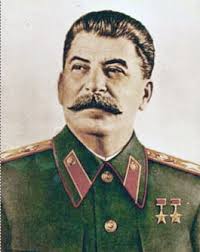
Joseph Stalin
The attack that Tukhachevsky warned against came five years later—on June 22, 1941, leaving at least 26 million Russians dead.
But Tukhachevsky wasn’t alive to command a defense.
The 1930s were a frightening and dangerous time to be alive in the Soviet Union. In 1934, Stalin, seeing imaginary enemies everywhere, ordered a series of purges that lasted right up to the German invasion.
An example of Stalin’s paranoia occurred one day while the dictator walked through the Kremlin corridors with Admiral Ivan Isakov. Officers of the NKVD (the predecessor to the KGB) stood guard at every corner.
“Every time I walk down the corridors,” said Stalin, “I think: Which one of them is it? If it’s this one, he will shoot me in the back. But if I turn the corner, the next one can shoot me in the face.”
In 1937-38, the Red Army fell prey to Stalin’s paranoia.
Its victims included:
- Three of five marshals (five-star generals);
- Thirteen of 15 army commanders (three- and four-star generals);
- Fifty of 57 army corps commanders; and
- One hundred fifty-four out of 186 division commanders.
And heading the list of those marked for death was Marshal Mikhail Tukhachevsky.
Arrested on May 22, 1937, he was interrogated and tortured. As a result, he “confessed” to being a German agent plotting to overthrow Stalin and seize power.
On his confession, which survives in the archives, his bloodstains can clearly be seen.
On June 11, 1937, the Soviet Supreme Court convened a special military tribunal to try Tukhachevsky and eight generals for treason.
It was a sham: The accused were denied defense attorneys, and could not appeal the verdict—-which was foregone: Death.
Within hours of the verdict, Tukhachevsky was summoned from his cell and shot once in the back of the head.
In a Russian version of poetic justice, five of the eight generals who served as Tukhachevsky’s judges were themselves later condemned and executed as traitors.
From 1937 until 1956, Tukhachevsky was officially declared a traitor and fifth-columnist.
Then, on February 25, 1957, Soviet Premier Nikita Khrushchev delivered his bombshell “Secret Speech” to the 20th Congress of the Communist Party of the Soviet Union.
In this, he denounced Stalin (who had died in 1953) as a ruthless tyrant responsible for the slaughter of millions of innocent men, women and children. He condemned Stalin for creating a “personality cult” around himself, and for so weakening the Red Army that Nazi Germany was able to easily overrun half of the Soviet Union from 1941 to 1943.
On January 31, 1957, Tukhachevsky and his co-defendants were declared innocent of all charges and were “rehabilitated.”
Today, he is once again—rightly—considered a Russian hero and military genius. And Stalin is universally—and rightly—seen as a blood-stained tyrant.

Postage stamp honoring Mikhail Tukhachevsky
Next hero: Nikolai Sergeyvich Zhilayev (pronounced Zill-lay-ev)
Zhilayev (November 18, 1881 – January 20, 1938) was a Russian musicologist and the teacher of several 20th-century Russian composers. Among these: Dimitri Shostakovich.
Zhilayev, a member of the Russian Academy of Art-Sciences, taught at the Moscow Conservatory. Among his friends—to his ultimate misfortune—was Mikhail Tukhachevsky.
In 1938, he, too, became a casualty of what has become known as The Great Terror.
In his posthumously-published memoirs, Testimony, Shostakovich, his pupil and friend, described how Zhilayev faced his end with a calmness that awed even the NKVD secret police sent to arrest him.
2020 PRESIDENTIAL ELECTION, ABC NEWS, ABRAHAM LINCOLN, ADAM SCHIFF, ALEXANDER VINDMAN, ALTERNET, AMERICABLOG, AP, BABY BOOMER RESISTANCE, BLOOMBERG, BUZZFEED, CBS NEWS, CNN, CROOKS AND LIARS, DAILY KOZ, DAVID BROOKS, DEMOCRATS, DONALD TRUMP, DRUDGE RETORT, FACEBOOK, FIVETHIRTYEIGHT, FOX NEWS NETWORK, GERRYMANDERING, HARPER’S MAGAZINE, HOUSE INTELLIGENCE COMMITTEE, HOWARD BAKER, HUNTER BIDEN, IMPEACHMENT, JOE BIDEN, JOEL MATHIS, LYNDON JOHNSON, MARIA YOVANOVICH, MARK SHIELDS, MEDIA MATTERS, MEDICAID, MICK MULVANEY, MOTHER JONES, MOVEON, MSNBC, NATIONAL SECURITY COUNCIL, NBC NEWS, NEWSWEEK, NPR, PBS NEWSHOUR, POLITICO, POLITICUSUSA, RAW STORY, REPUBLICANS, REUTERS, RICHARD NIXON, RUDI GIULIANI, RUSSIA, SALON, SEATTLE TIMES, SLATE, TALKING POINTS MEMO, THE ATLANTIC, THE CHICAGO SUN-TIMES, THE CHICAGO TRIBUNE, THE DAILY BEAST, THE DAILY BLOG, THE GUARDIAN, THE HILL, THE HUFFINGTON POST, THE LOS ANGELES TIMES, THE NATION, THE NEW REPUBLIC, THE NEW YORK TIMES, THE VILLAGE VOICE, THE WASHINGTON POST, THINKPROGRESS, TIME, TRUTHDIG, TRUTHOUT, TWITTER, TWO POLITICAL JUNKIES, U.S. NEWS & WORLD REPORT, UKRAINE, UPI, USA TODAY, VOLODYMYR ZELENSKY, VOTER ID LAWS, WATERGATE, WONKETTE
In Bureaucracy, History, Law, Law Enforcement, Military, Politics, Social commentary on March 15, 2024 at 12:12 am
On November 22, 2019, Mark Shields—a liberal syndicated columnist—and David Brooks—a conservative one for The New York Times—reached disturbingly similar conclusions about President Donald Trump’s efforts to extort a “favor” from Ukrainian President Volodymyr Zelensky.
DAVID BROOKS: “What strikes me [is] that everyone was in the loop, that this was not something they tried to hide.
“This was just something they thought was the way politics gets done or foreign policy gets done, that there’s no division between personal gain and public service.”
MARK SHIELDS: “What I have underestimated….is the fear that Donald Trump exercises over Republicans. I mean, people talked about Lyndon Johnson being a fearsome political leader. They don’t even approach. I mean, he strikes fear into the hearts of Republicans up and down the line. And I think that….has been eye-opening in its dimensions.”
Nor did the GOP try to reign Trump in.
In a November 14, 2019 column, “Republicans Can’t Abandon Trump Now Because They’re All Guilty,” freelance journalist Joel Mathis warned: “Trump’s abuses of power mirror those of the GOP as a whole. Republicans can’t turn on him, because doing so would be to indict their party’s entire approach to politics.”
For example:
- At the state level, GOP legislatures have passed numerous voter ID laws over the last decade. Officially, the reason has been to prevent non-citizens from voting. In reality, the motive is to depress turnout among Democratic constituencies.
- When Democrats have won elections, Republicans have tried to block them from carrying out their policies. In Utah, voters approved Medicaid expansion at the ballot box—but Republicans nullified this.
- In North Carolina, Republican legislators prevented voters from choosing their representatives. Instead, Republican representatives chose voters through partisan sorting. In September, the state’s Supreme Court ruled the legislative gerrymandered district map unconstitutional.
The upshot of all this: “The president and his party are united in the belief that their entitlement to power allows them to manipulate and undermine the country’s democratic processes….”


On November 21, 2019, Representative Adam Schiff (D-CA), chairman of the House Intelligence Committee, attacked Republicans’ total rejection of the overwhelming evidence linking Trump with extortion:

Adam Schiff
“But apparently, it’s all hearsay. Even when you actually hear the President….that’s hearsay. We can’t rely on people saying what the President said. Apparently, we can only rely on what the President says, and there, we shouldn’t even rely on that either….
“We should imagine he said something about actually fighting corruption, instead of what he actually said, which was, ‘I want you to do us a favor, though. I want you to look into this 2016 CrowdStrike conspiracy theory, and I want you to look into the Bidens.’
“I guess we’re not even supposed to rely on that because that’s hearsay….That would be like saying you can’t rely on the testimony of the burglars during Watergate because it’s only hearsay, or you can’t consider the fact that they tried to break in because they got caught. They actually didn’t get what they came for, so, you know, kind of no harm, no foul. That’s absurd.
“The difference between [Watergate and Trump’s attempted extortion of Ukraine] is not the difference between [Richard] Nixon and [Donald] Trump. It’s the difference between that Congress and this one. And so, we are asking, where is Howard Baker? Where are the people who are willing to go beyond their party to look to their duty?
“But the other defense besides ‘It failed, the scheme failed, they got caught,’ the other defense is ‘The President denies it.’ Well, I guess that’s case closed, right?
“….This President believes he is above the law, beyond accountability. And in my view, there is nothing more dangerous than an unethical President who believes they are above the law.”
* * * * *
The United States has indeed become a polarized country. But it’s not the polarization between Republicans and Democrats, or between conservatives and liberals.
It’s the polarization between
- Those intent on enslaving everyone who doesn’t subscribe to their Fascistic beliefs and agenda—and those who resist being enslaved.
- Those who believe in reason and science—and those who believe in an infallible “strong man” who rejects both.
- Those who cherish education—and those who celebrate ignorance.
- Those who believe in the rule of law—and those who believe in their right to act as a law unto themselves.
- Those who believe in treating others (especially the less fortunate) with decency—and those who believe in the triumph of intimidation and force.
Those who hoped that Republicans would choose patriotism over partisanship got their answer on February 5, 2020. That was when the Republican-dominated Senate—ignoring the overwhelming evidence against him—acquitted Donald Trump on both impeachment articles: Obstruction of Congress and Abuse of Power.
It’s natural to regret that the United States has become a sharply divided nation. But those who lament this should realize there is only one choice:
Either non-Fascist Americans will destroy the Republican party and its voters that threaten to enslave them—or they will be enslaved by Republicans and their voters who believe they are entitled to manipulate and undermine the country’s democratic processes.
There is no middle ground.
2020 PRESIDENTIAL ELECTION, ABC NEWS, ABRAHAM LINCOLN, ADAM SCHIFF, ALEXANDER VINDMAN, ALTERNET, AMERICABLOG, AP, BABY BOOMER RESISTANCE, BLOOMBERG, BUZZFEED, CBS NEWS, CNN, CROOKS AND LIARS, DAILY KOZ, DAVID BROOKS, DEMOCRATS, DONALD TRUMP, DRUDGE RETORT, FACEBOOK, FIVETHIRTYEIGHT, FOX NEWS NETWORK, GERRYMANDERING, HARPER’S MAGAZINE, HOUSE INTELLIGENCE COMMITTEE, HOWARD BAKER, HUNTER BIDEN, JOE BIDEN, JOEL MATHIS, LYNDON JOHNSON, MARIA YOVANOVICH, MARK SHIELDS, MEDIA MATTERS, MEDICAID, MICK MULVANEY, MOTHER JONES, MOVEON, MSNBC, NATIONAL SECURITY COUNCIL, NBC NEWS, NEWSWEEK, NPR, PBS NEWSHOUR, POLITICO, POLITICUSUSA, RAW STORY, REPUBLICANS, REUTERS, RICHARD NIXON, RUDI GIULIANI, RUSSIA, SALON, SEATTLE TIMES, SLATE, TALKING POINTS MEMO, THE ATLANTIC, THE CHICAGO SUN-TIMES, THE CHICAGO TRIBUNE, THE DAILY BEAST, THE DAILY BLOG, THE GUARDIAN, THE HILL, THE HUFFINGTON POST, THE LOS ANGELES TIMES, THE NATION, THE NEW REPUBLIC, THE NEW YORK TIMES, THE VILLAGE VOICE, THE WASHINGTON POST, THINKPROGRESS, TIME, TRUTHDIG, TRUTHOUT, TWITTER, TWO POLITICAL JUNKIES, U.S. NEWS & WORLD REPORT, UKRAINE, UPI, USA TODAY, VOLODYMYR ZELENSKY, VOTER ID LAWS, WATERGATE, WONKETTE
In Bureaucracy, History, Law, Law Enforcement, Military, Politics, Social commentary on March 14, 2024 at 12:23 am
On November 14, 2019, the CNN website showcased an opinion piece by Jane Carr and Laura Juncadella entitled: “Fractured States of America.”
And it opened:
“Some worry that it’s already too late, that we’ve crossed a threshold of polarization from which there is no return. Others look toward a future where more moderate voices are heeded and heard, and Americans can find better ways to relate to each other. Still others look back to history for a guide—perhaps for what not to do, or at the very least for proof that while it’s been bad before, progress is still possible.”
A series of sub-headlines summed up many of the comments reported.
- “I was starting to hate people that I have loved for years.”
- “Voting for Trump cost me my friends.”
- “I feel like I’m living in hostile territory.”
- “Our children are watching this bloodsport.”
- “A student’s Nazi-style salute reflects the mate.”
- “Our leaders reflect the worst of us.”
- “I truly believe I will be assaulted over a bumper sticker.”
- “It already feels like a cold war.”
It’s natural to regret that the United States has become so self-destructively polarized. And to wish that its citizens could somehow reach across the chasm that divides them and find common cause with one another.
But that is to ignore the brutal truth that America now faces a choice:
- To submit to the tyrannical aggression of a ruthless political party convinced that they are entitled to power to manipulate and undermine the country’s democratic processes; or
- To fiercely resist that aggression and the destruction of those democratic processes.
Consider the face-off between President Donald J. Trump and Army Lt. Colonel Alexander Vindman.
Vindman is a retired United States Army officer who served as the Director for European Affairs for the United States National Security Council. He was also a witness to Trump’s efforts to extort “a favor” from the president of Ukraine.
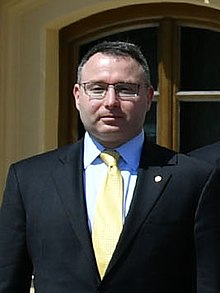
Lt. Colonel Alexander Vindman
Адміністрація Президента України [CC BY 4.0 (https://creativecommons.org/licenses/by/4.0)%5D
In July, 2019, Trump told his acting chief of staff, Mick Mulvaney, to withhold almost $400 million in promised military aid for Ukraine, which faced increasing aggression from Russia.
On July 25, Trump telephoned Ukrainian President Volodymyr Zelensky to “request” a “favor”: Investigate 2020 Democratic Presidential Candidate Joe Biden and his son, Hunter, who had had business dealings in Ukraine.
The reason for such an investigation: To find embarrassing “dirt” on Biden.
It was clear that unless Zelensky found “dirt” on Biden, the promised aid would not be forthcoming.
“I was concerned by the call,” Vindman, who had heard Trump’s phone call, testified before the House Intelligence Committee. “I did not think it was proper to demand that a foreign government investigate a U.S. citizen, and I was worried about the implications for the U.S. Government’s support of Ukraine.
“I realized that if Ukraine pursued an investigation into the Bidens and Burisma, it would likely be interpreted as a partisan play which would undoubtedly result in Ukraine losing the bipartisan support it has thus far maintained. This would all undermine U.S. national security.”
Trump denounced Vindman as a “Never Trumper”—as if opposing his extortion attempt constituted a blasphemy. Republicans and their shills on the Fox News Network attacked him as well. As a result, he sought physical protection by the Army for himself and his family.
(On February 7, 2020, he was reassigned from the National Security Council at Trump’s order.)
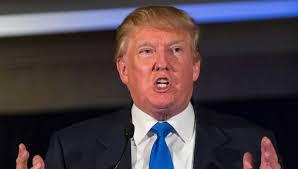
Donald Trump
On November 15, 2019, conservative New York Times columnist David Brooks and liberal syndicated columnist Mark Shields appeared on The PBS Newshour to offer their reactions by Republicans and Democrats to Trump’s extortion attempt.
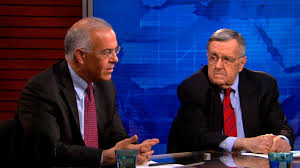
David Brooks and Mark Shields on “The PBS Newshour”
DAVID BROOKS: “The case is very solid and airtight that there was the quid pro quo. All the testimony points to that. And, mostly, you see a contrast. The first two gentlemen that testified on the first day, they were just upstanding, solid public servants.
“I felt like I was looking back in time, because I was looking at two people who are not self-centered. They cared about the country. They were serving. They had no partisan ax to grind. They were just honest men of integrity.
“And I thought we saw that again today with [former Ambassador to Ukraine] Marie Yovanovitch. And in her case, the day was more emotional, because you got to see a case of bullying against a strong, upstanding woman.
“And so I thought she expressed—like, the heavy moments of today where when she expressed her reaction to how badly she was treated. And so that introduces an element of emotion and pathos into what shouldn’t be just a legal proceeding. It should be something where people see the contrast between good people and bad people.”
MARK SHIELDS: “This is a story of corruption—corruption not in Ukraine, corruption in the United States.
“I mean, why? Why did they go to such lengths to denigrate, to attack, to try and destroy and sabotage the career of a dedicated public servant [United States Ambassador to Ukraine Marie Yovanovich], a person who had put her life on the line? Why did they do it? What was it, money? Was it power?”
2016 PRESIDENTIAL ELECTION, ABC NEWS, AFFORDABLE CARE ACT, ALAN LADD, ALTERNET, AMERICABLOG, AP, BABY BOOMER RESISTANCE, BBC, BLOOMBERG NEWS, BORDER WALL, BUZZFEED, CALVERA (CHARACTER), CANADA, CAPITOL INSURRECTION, CBS NEWS, CHARLES GEORGE GORDON, CHRIS (CHARACTER), CHYE-CHING HUANG, CIA, CNN, COVID-19, CROOKS AND LIARS, DAILY KOZ, DONALD TRUMP, DONALD TRUMP: TRAGIC HERO (ARTICLE), ELECTORAL COLLEGE, ELI WALLACH, FBI, FEDERAL FISCAL POLICY, FEDERAL GOVERNMENT SHUTDOWN, FIVETHIRTYEIGHT, HAMLET, HARPER’S MAGAZINE, HOOVER INSTITUTE, HUFFINGTON POST, ISLAMIC STATE, JACK PALANCE, JAMES COMEY, JEFF SESSONS, JOHN FORD, JOHN WAYNE, JOSEPH BIDEN, KHARTOUM, KIM JONG ON, LEE MARVIN, MEDIA MATTERS, MOTHER JONES, MOVEON, MSNBC, NATIONAL SECURITY AGENCY, NBC NEWS, NEW REPUBLIC, NEWSDAY, NEWSWEEK, NORTH KOREA, NPR, PBS NEWSHOUR, POLITICO, POLITICUSUSA, RAW STORY, REUTERS, ROBERT S. MUELLER III, RUFUS RYKER (CHARACTER), RUSSIA, SALON, SEATTLE TIMES, SERGEY KISLYAK, SERGEY LAVROV, SHANE (MOVIE), SLATE, STEVE MCQUEEN, TALKING POINTS MEMO, TAX CUTS AND JOBS ACT OF 2017, THE ATLANTIC, THE CASE FOR TRUMP (BOOK), THE CHICAGO SUN-TIMES, THE CHICAGO TRIBUNE, THE DAILY BEAST, THE DAILY BLOG, THE GUARDIAN, THE HILL, THE HUFFINGTON POST, THE LOS ANGELES TIMES, THE MAGNIFICENT SEVEN (MOVIE), THE MAN WHO SHOT LIBERTY VALANCE (MOVIE), THE NATION, THE NEW REPUBLIC, THE NEW YORK TIMES, THE NEW YORKER, THE PRESS, THE VILLAGE VOICE, THE WASHINGTON POST, THINKPROGRESS, TIME, TRAGEDY, TRUMP FOUNDATION, TRUMP UNIVERSITY, TRUTHDIG, TRUTHOUT, TWITTER, TWO POLITICAL JUNKIES, U.S. NEWS & WORLD REPORT, UKRAINE, UPI, USA TODAY, VICTOR DAVIS HANSON, VLADIMIR PUTIN, VOLODYMYR ZELENSKY, WILLIAM SHAKESPEARE, WILSON (CHARACTER), WONKETTE, YUL BRYNNER
In Bureaucracy, Entertainment, History, Law, Law Enforcement, Medical, Politics, Social commentary on February 2, 2024 at 12:10 am
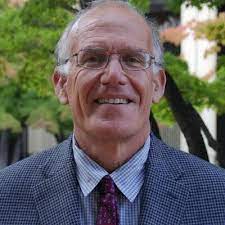
For historian and classicist Victor Davis Hanson, Donald Trump possesses an unappreciated self-awareness and sense of what it means to be a tragic hero.
Trump was into the first year of his Presidency when Hanson penned his article, “Donald Trump, Tragic Hero,” published on April 12, 2018.
To make his case, Hanson cites a series of popular Western movies featuring lethal men who risk—and sometimes sacrifice—their lives on behalf of others too weak to vanquish evil on their own.
Victor Davis Hanson
Thus in the classic 1960 film, The Magnificent Seven, the Seven slaughter the outlaw Calvera and his banditos—and then ride into the sunset. As they do, Chris (Yul Brynner) tells Vin (Steve McQueen): “The old man was right. Only the farmers won. We lost. We always lose.”
Writes Hanson: “He knows that few appreciate that the tragic heroes in their midst are either tragic or heroic — until they are safely gone and what they have done in time can be attributed to someone else. Worse, he knows that the tragic hero’s existence is solitary and without the nourishing networks and affirmation of the peasant’s agrarian life.”
Chris may know this, but there is absolutely no evidence that Trump does. He has never shown even an awareness of sensitivity and self-knowledge, let alone the possession of either. Trump is at best semi-literate. The concept of tragedy—as expressed in the Greek tragedies to which Hanson refers throughout his article—means nothing to Trump.
Moreover, the Seven have risked their lives—and four of them have died doing so—on behalf of villagers who can pay them almost nothing.
It is inconceivable that Trump would risk anything—especially his life—for people he regarded as poor and thus unworthy of his concern.

Copyright © 1960 – United Artists Corporation.”, Public domain, via Wikimedia Commons
In their first encounter with Calvera (Eli Wallach) the bandit chief offers to make the Seven partners in his ravaging of the village. Of his intended victims, Calvera sneers: “If God had not wanted them sheared, he would not have made them sheep.”
If Trump had heard Calvera’s offer, he would have instantly accepted it.
In June 2016, USA Today published an analysis of litigation involving Trump. Over the previous 30 years, Trump and his businesses had been involved in 3,500 legal cases in U.S. Federal and state courts.
Of the 3,500 suits, Trump or one of his companies were plaintiffs in 1,900; defendants in 1,450; and bankruptcy, third party, or other in 150. Trump was named in at least 169 suits in federal court.
Many of those cases centered around his refusal to pay contractors for their finished work on his properties. Most of the contractors didn’t have the financial resources—as Trump had—to spend years in court trying to obtain the monies they were owed. As a result, they never received payment—or, at best, only a small portion of what they were owed.
When he ran for President in 2015-16, Trump repeatedly promised poor and middle-class Americans a far better plan for medical care than the Affordable Care Act.
He spent the next four years thuggishly trying to dismantle “Obanacare,” the signature achievement of Barack Obama, America’s first black President. But never did he offer even a general outline of his own alleged plan to “replace” it.
Hanson tries to draw a further parallel between Trump and the fictional Tom Doniphon, the unsung hero of John Ford’s 1962 movie, The Man Who Shot Liberty Valance.

Copyright © 1962 Paramount Pictures Corporation and John Ford Productions, Inc.”, Public domain, via Wikimedia Commons
Hanson sums up the movie thus:
“Tom Doniphon (John Wayne)…unheroically kills the thuggish Liberty Valance [Lee Marvin], births the [political] career of Ranse Stoddard [James Stewart] and his marriage to Doniphon’s girlfriend [Vera Miles] and thereby ensures civilization is Shinbone’s frontier future. His service done, he burns down his house and degenerates from feared rancher to alcoholic outcast.”
It is inconceivable that Trump would take the risk of committing a crime on behalf of someone else—or being able to resist bragging about it if he did. It is equally inconceivable that he would give up a woman he wanted for the happiness of another man.
Most unbelievable of all is the suggestion that Trump would imitate Doniphon by quietly riding off into the sunset.
Trump has often “joked” about becoming “President-for-Life.” After losing the November 3, 2020 Presidential election to former Vice President Joe Biden, he filed 60 lawsuits to overturn the will of 80 million voters. Those failing, he tried some old-fashioned but unsuccessful arm-twisting of several state lawmakers to “find” non-existent votes for him.
Finally, on January 6, 2021, he incited a mob of his fanatical followers to attack the United States Capitol Building. Their mission: Stop the counting of Electoral College ballots certain to give Biden the victory.
Victor Davis Hanson is a brilliant scholar and colorful writer. But his effort on Trump’s behalf is embarrassing and appalling.
In a series of bestselling books, he has eloquently chronicled the heroism of the ancient Greeks in defending their budding democracy.
It is depressing—and frightening—to discover that this same man can blatantly ignore the criminalities and even treason of the greatest and most destructive tyrant to ever attain the Presidency.
2016 PRESIDENTIAL ELECTION, ABC NEWS, AFFORDABLE CARE ACT, ALAN LADD, ALTERNET, AMERICABLOG, AP, BABY BOOMER RESISTANCE, BBC, BLOOMBERG NEWS, BORDER WALL, BRANDON DE WILDE, BUZZFEED, CALVERA (CHARACTER), CANADA, CAPITOL INSURRECTION, CBS NEWS, CHARLES GEORGE GORDON, CHRIS (CHARACTER), CHYE-CHING HUANG, CIA, CNN, COVID-19, CROOKS AND LIARS, DAILY KOZ, DONALD TRUMP, DONALD TRUMP: TRAGIC HERO (ARTICLE), ELECTORAL COLLEGE, FBI, FEDERAL FISCAL POLICY, FEDERAL GOVERNMENT SHUTDOWN, FIVETHIRTYEIGHT, HAMLET, HARPER’S MAGAZINE, HOOVER INSTITUTE, HUFFINGTON POST, ISLAMIC STATE, JACK PALANCE, JAMES COMEY, JEFF SESSONS, JOHN FORD, JOHN WAYNE, JOSEPH BIDEN, KHARTOUM, KIM JONG ON, LEE MARVIN, MEDIA MATTERS, MOTHER JONES, MOVEON, MSNBC, NATIONAL SECURITY AGENCY, NBC NEWS, NEW REPUBLIC, NEWSDAY, NEWSWEEK, NORTH KOREA, NPR, PBS NEWSHOUR, POLITICO, POLITICUSUSA, RAW STORY, REUTERS, ROBERT S. MUELLER III, RUFUS RYKER (CHARACTER), RUSSIA, SALON, SEATTLE TIMES, SERGEY KISLYAK, SERGEY LAVROV, SHANE (MOVIE), SLATE, STEVE MCQUEEN, TALKING POINTS MEMO, TAX CUTS AND JOBS ACT OF 2017, THE ATLANTIC, THE CASE FOR TRUMP (BOOK), THE CHICAGO SUN-TIMES, THE CHICAGO TRIBUNE, THE DAILY BEAST, THE DAILY BLOG, THE GUARDIAN, THE HILL, THE HUFFINGTON POST, THE LOS ANGELES TIMES, THE MAGNIFICENT SEVEN (MOVIE), THE MAN WHO SHOT LIBERTY VALANCE (MOVIE), THE NATION, THE NEW REPUBLIC, THE NEW YORK TIMES, THE NEW YORKER, THE PRESS, THE VILLAGE VOICE, THE WASHINGTON POST, THINKPROGRESS, TIME, TRAGEDY, TRUMP FOUNDATION, TRUMP UNIVERSITY, TRUTHDIG, TRUTHOUT, TWITTER, TWO POLITICAL JUNKIES, U.S. NEWS & WORLD REPORT, UKRAINE, UPI, USA TODAY, VICTOR DAVIS HANSON, VLADIMIR PUTIN, VOLODYMYR ZELENSKY, WILLIAM SHAKESPEARE, WILSON (CHARACTER), WONKETTE, YUL BRYNNER
In Bureaucracy, Entertainment, History, Law, Law Enforcement, Medical, Politics, Social commentary on February 1, 2024 at 12:13 am
Victor Davis Hanson has long been a distinguished historian and classicist at the Hoover Institution at Stanford University in Palo Alto, California.
On April 12, 2018, the year before the publication of The Case for Trump, Hanson offered a preview of its upcoming contents in an article published in the well-known conservative magazine, National Review.
Its title: “Donald Trump, Tragic Hero.”
“The very idea that Donald Trump could, even in a perverse way, be heroic may appall half the country,” begins his first paragraph.
“Nonetheless, one way of understanding both Trump’s personal excesses and his accomplishments is that his not being traditionally presidential may have been valuable in bringing long-overdue changes in foreign and domestic policy.”
Donald Trump
Having laid out his thesis, Hanson writes: “Tragic heroes, as they have been portrayed from Sophocles’ plays (e.g., Ajax, Antigone, Oedipus Rex, Philoctetes) to the modern western film, are not intrinsically noble.”
On the contrary: A true tragic figure is a noble character with a fatal flaw, which ultimately destroys him.
To cite one from literature: Shakespeare’s Hamlet. Hamlet believes that his father, the king of Denmark, has been murdered. He believes the murderer may be his uncle, Claudius, who has seized the throne. Hamlet is brilliant, athletic, supremely eloquent and conscientious. But he’s not completely certain that Claudius is guilty, and in his hesitation to strike he lays the seeds for his own destruction.
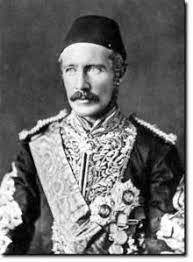
To cite one from history: British General Charles George Gordon, sent by the British government in 1884 to evacuate the Sudanese city of Khartoum. But instead of evacuating its citizens, he chose to stay and fight the oncoming army of Mohammed Achmed, an Islamic religious fanatic who called himself The Madhi (“The Expected One”).
Although Gordon’s dynamic leadership enabled the city to hold out for almost a year, the British relief force arrived too late. The city was overwhelmed and Gordon himself killed.
Various theories have emerged to explain his motive: He was a religious fanatic; he had a death wish; he was arrogant to believe he could hold off an entire army. Any one or more of these theories could be correct.
Charles George Gordon
But the fact remains that for almost an entire year he kept alive about 30,000 men, women and children. It was only the failure of the British to send a relief army in time that allowed the city—and Gordon—to perish.
Tragic heroes always have a cause that is bigger than life—something that makes giving up life worthwhile. They always recognize this, and they have the ability to put into perspective the ultimate sacrifice—giving up life—for the good of something bigger.
Which brings us back to Trump. Apart from being a five-times draft-dodger during the Vietnam war, he has never made an act of professional or personal sacrifice for anyone.
On the contrary: he has been forced to shut down both his Trump Foundation and unaccredited Trump University.
Trump was forced to pay more than $2 million in court-ordered damages to eight different charities for illegally misusing charitable funds at the Foundation for political purposes.
And his university scammed its students, promising to teach them “the secrets of success” in the real estate industry—then delivering nothing. In 2016, a federal court approved a $25 million settlement with many of those students.
This is hardly the stuff of which tragic heroes are made.

Hanson cites several examples from famous Western movies to make his case that Trump deserves the status of a tragic hero.
One of these is the classic 1953 “Shane,” starring Alan Ladd as the soft-spoken gunfighter who intervenes decisively in a range war.
Writes Hanson:
“He alone possesses the violent skills necessary to free the homesteaders from the insidious threats of hired guns and murderous cattle barons. Yet by the time of his final resort to lethal violence, Shane has sacrificed all prior chances of reform and claims on reentering the civilized world of the stable ‘sodbuster’ community.”
Comparing Trump to Shane is unbelievably ludicrous. Shane doesn’t boast about his past—in fact, this remains a mystery throughout the movie. Trump constantly brags—about the money he’s made, the buildings he’s put up, the women he’s bedded, the enemies he’s crushed (or plans to).
Moreover, Shane takes the side of poor homesteaders at the mercy of a rich cattle baron, Rufus Ryker. Ryker tries to bully the homesteaders into leaving. When that fails, he hires a ruthless gunman named Jack Wilson (Jack Palance).
In the film’s climax, Shane kills Wilson, and then Ryker, in a barroom showdown. Then he rides off—much to the sadness of Joey (Brandon de Wilde), the homesteaders’ son he has befriended.
“There’s no living with a killing,” says Shane. “There’s no going back from one. Right or wrong, it’s a brand. And a brand sticks.”
And so he rides on, knowing that his gunfighter’s skills make him an outcast among those very homesteaders whose lives he’s saved.
If Trump appeared in the movie, it would be as Ryker, not Shane.
Shane empathizes with the plight of others. Ryker–like Trump–hires others to do his dirty work.
2016 PRESIDENTIAL ELECTION, ABC NEWS, AFFORDABLE CARE ACT, ALAN LADD, ALTERNET, AMERICABLOG, AP, BABY BOOMER RESISTANCE, BBC, BLOOMBERG NEWS, BORDER WALL, BRANDON DE WILDE, BUZZFEED, CALVERA (CHARACTER), CANADA, CAPITOL INSURRECTION, CBS NEWS, CHARLES GEORGE GORDON, CHRIS (CHARACTER), CHYE-CHING HUANG, CIA, CNN, COVID-19, CROOKS AND LIARS, DAILY KOZ, DONALD TRUMP, DONALD TRUMP: TRAGIC HERO (ARTICLE), ELECTORAL COLLEGE, ELI WALLACH, FBI, FEDERAL FISCAL POLICY, FEDERAL GOVERNMENT SHUTDOWN, FIVETHIRTYEIGHT, HAMLET, HARPER’S MAGAZINE, HOOVER INSTITUTION, HUFFINGTON POST, ISLAMIC STATE, JACK PALANCE, JAMES COMEY, JEFF SESSONS, JOHN FORD, JOHN WAYNE, JOSEPH BIDEN, KHARTOUM, KIM JONG ON, LEE MARVIN, MEDIA MATTERS, MOTHER JONES, MOVEON, MSNBC, NATIONAL SECURITY AGENCY, NBC NEWS, NEW REPUBLIC, NEWSDAY, NEWSWEEK, NORTH KOREA, NPR, PBS NEWSHOUR, POLITICO, POLITICUSUSA, RAW STORY, REUTERS, ROBERT S. MUELLER III, RUFUS RYKER (CHARACTER), RUSSIA, SALON, SEATTLE TIMES, SERGEY KISLYAK, SERGEY LAVROV, SHANE (MOVIE), SLATE, STEVE MCQUEEN, TALKING POINTS MEMO, TAX CUTS AND JOBS ACT OF 2017, THE ATLANTIC, THE CASE FOR TRUMP (BOOK), THE CHICAGO SUN-TIMES, THE CHICAGO TRIBUNE, THE DAILY BEAST, THE DAILY BLOG, THE GUARDIAN, THE HILL, THE HUFFINGTON POST, THE LOS ANGELES TIMES, THE MAGNIFICENT SEVEN (MOVIE), THE MAN WHO SHOT LIBERTY VALANCE (MOVIE), THE NATION, THE NEW REPUBLIC, THE NEW YORK TIMES, THE NEW YORKER, THE PRESS, THE VILLAGE VOICE, THE WASHINGTON POST, THINKPROGRESS, TIME, TRAGEDY, TRUMP FOUNDATION, TRUMP UNIVERSITY, TRUTHDIG, TRUTHOUT, TWITTER, TWO POLITICAL JUNKIES, U.S. NEWS & WORLD REPORT, UKRAINE, UPI, USA TODAY, VICTOR DAVIS HANSON, VLADIMIR PUTIN, VOLODYMYR ZELENSKY, WILLIAM SHAKESPEARE, WILSON (CHARACTER), WONKETTE, YUL BRYNNER
In Bureaucracy, Business, Entertainment, History, Law, Law Enforcement, Medical, Military, Politics, Social commentary on January 31, 2024 at 12:10 am
“America needs the outsider Trump to do what normal politicians would not and could not do.”
That was the assertion made by Victor Davis Hanson, a classicist and historian at the Hoover Institution, Stanford University, in Palo Alto, California.
Among his bestsellers on military history:
- The Second World Wars
- Carnage and Culture
- Wars of the Ancient Greeks
- The Western Way of War
- The Soul of Battle: How Three Great Liberators Vanquished Tyranny

Victor Davis Hanson
In 2019, Hanson turned his attention to politics—specifically, The Case for Trump.
Its dust-jacket provides a useful summary of its contents:
“This New York Times bestselling Trump biography from a major American intellectual explains how a renegade businessman became one of the most successful—and necessary—presidents of all time.
“In The Case for Trump, award-winning historian and political commentator Victor Davis Hanson explains how a celebrity businessman with no political or military experience triumphed over sixteen well-qualified Republican rivals, a Democrat with a quarter-billion-dollar war chest, and a hostile media and Washington establishment to become president of the United States — and an extremely successful president.
“Trump alone saw a political opportunity in defending the working people of America’s interior whom the coastal elite of both parties had come to scorn, Hanson argues. And Trump alone had the instincts and energy to pursue this opening to victory, dismantle a corrupt old order, and bring long-overdue policy changes at home and abroad.”
Hanson’s book appeared before Trump:
- Tried to coerce Ukrainian President Volodymyr Zelensky to smear former Vice President Joseph Biden, who was likely to be his Democratic opponent in the 2020 Presidential election.
- Allowed the deadly COVID-19 virus to ravage the country, killing more than 400,000 Americans by the time he left office.
- Attacked medical experts and governors who urged Americans to wear masks and socially distance to protect themselves from COVID-19.
- Ordered his Right-wing followers to defy states’ orders to citizens to stay-at-home and wear masks in public to halt surging COVID-19 rates.
- Became the first President in American history to refuse to accept the results of a Presidential election.
- Tried to overturn the November 3, 2020 election of Joe Biden through 60 lawsuits and the arm-twisting of several state lawmakers.
- Sent a mob of his fanatical followers to attack the United States Capitol Building. Their mission: Stop the counting of Electoral College ballots certain to give Biden the victory.
- Was twice impeached during his four years in office—the only President to be impeached twice (and acquitted by a Republican Senate which ignored his litany of crimes).
But his book appeared after Trump had:
- Fired FBI Director James Comey for pursuing ties between Trump’s 2016 Presidential campaign and Russian Intelligence agents.
- Tried to fire Independent Counsel Robert S. Mueller III, who was assigned to investigate those ties after Trump fired Comey.
- Attacked Attorney General Jeff Sessions for refusing to fire Mueller.
- Attacked the integrity of Federal judges whose rulings he disagreed with.
- Given Russian Foreign Minister Sergey Lavrov and Russian Ambassador Sergey Kislyak highly classified CIA Intelligence about an Islamic State plot to turn laptops into concealable bombs.
- Amassed an infamous record as a serial liar, in both personal and Presidential matters.
- Attacked the integrity of the American Intelligence community.
- Sided with Russian dictator Vladimir Putin against the FBI, CIA and National Security Agency which unanimously agreed that Russia had subverted the 2016 Presidential election.
- Repeatedly attacked the nation’s free press for daring to report his growing list of crimes and disasters, calling it “the enemy of the American people.”
- Branded America’s longtime ally, Canada, as “a national security threat.”
- Praised brutal Communist dictators Putin and North Korea’s Kim Jong Un.
- Shut down the Federal Government for 35 days because Democrats refused to fund his ineffective “border wall” between the United States and Mexico. An estimated 380,000 government employees were furloughed and another 420,000 were ordered to work without pay. The shutdown ended due to public outrage—without Trump getting the funding amount he had demanded.
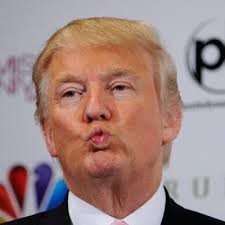
So much for Hanson’s claims that Trump had been “one of the most successful—and necessary—presidents of all time.”
Donald Trump
Then there’s Hanson’s claim that “Trump alone saw a political opportunity in defending the working people of America’s interior whom the coastal elite of both parties had come to scorn.”
In November, 2017, Trump and a Republican-dominated House and Senate rammed the Tax Cuts and Jobs Act of 2017 through Congress. It became law on December 22, 2017.
According to Chye-Ching Huang, Director of Federal Fiscal Policy, the law did nothing to help ordinary Americans.
Testifying before the House Budget Committee on February 27, 2019, Huang stated that the law:
- Ignored the stagnation of working-class wages and exacerbated inequality;
- Weakened revenues when the nation needed to raise more;
- Encouraged rampant tax avoidance and gaming that will undermine the integrity of the tax code;
- Left behind low- and moderate-income Americans—and in many ways hurt them.
For American corporations, however, the law was a godsend:
- Cutting the corporate tax rate from 35 to 21 percent;
- Shifting toward a territorial tax system, where multinational corporations’ foreign profits go largely untaxed;
- Benefitting overwhelmingly wealthy shareholders and highly paid executives.
This was hardly an attempt at “defending the working people of America’s interior.”
Trump never made another attempt to “reform” the tax laws.
2016 PRESIDENTIAL CAMPAIGN, 2020 PRESIDENTIAL CAMPAIGN, ABC NEWS, ADAM SCHIFF, ADOLF HITLER, ALTERNET, AMERICABLOG, AP, ARTICLES OF IMPEACHMENT, BABY BOOMER RESISTANCE, BORDER WALL, BUZZFEED, CBS NEWS, CHARLES DE GAULLE, CHINA, CHRIS CHRISTIE, CHRISTI GRIMM, CHRISTOPHER S. MURPHY, CIA, CNN, CONSERVATIVE POLITICAL ACTION CONFERENCE, CONVERSATION WITH AN AMERICAN WRITER (POEM), CORONAVIRUS RELIEF MONIES, COVID-19, CROOKS AND LIARS, CUBAN MISSILE CRISIS, DAILY KOS, DAN BOWMAN, DAN SULLIVAN, DAVID BROOKS, DEMOCRATS, DEPARTMENT OF HEALTH AND HUMAN SERVICES, DONALD TRUMP, DONALD TRUMP JUNIOR, DRUDGE RETORT, EXTORTION, FBI, FIRST AMENDMENT, FIVETHIRTYEIGHT, GEORGE FLOYD, GEORGE W. BUSH, GLENN FINE, GOVERNMENT ACCOUNTABILITY OFFICE, GOVERNMENT SHUTDOWN, HARPER’S MAGAZINE, HILLARY CLINTON, HOUSE FOREIGN AFFAIRS COMMITTEE, HOUSE INTELLIGENCE COMMITTEE, HOUSE OVERSIGHT AND REFORM COMMITTEE, HUNTER BIDEN, IMMIGRANTS, IMPEACHMENT, IMPOUNDMENT CONTROL ACT, INSPECTORS GENERAL, INTELLIGENCE COMMUNITY, JAKE SULLIVAN, JAKE TAPPER, JAMAL KHASHOGGI, JAMES COMEY, JAMES ROBART, JARED KUSHNER, JEFF SESSIONS, JOHN CORNYN, JOHN F. KENNEDY, JOHN ROBERTS, JON S. TIGAR, JOSEPH BIDEN, KELLY LOEFFER, KEVIN CRAMER, LAFAYETTE SQUARE, LAMAR ALEXANDER, LEON PANETTA, LINDSEY GRAHAM, MARCO RUBIO, MARTIN GUGINO, MEDIA MATTERS, MEIN KAMPF, MEXICO, MICHAEL FLYNN, MICHAEL HAYDEN, MICHAEL K. ATKINSON, MICK MULVANEY, MIKE PENCE, MITCH MCCONNELL, MOHAMMED BIN SALMAN, MOTHER JONES, MOVEON, MSNBC, NANCY PELOSI, NATALIA VESELNITSKAYA, NATIONAL SECURITY AGENCY, NBC NEWS, NEWSWEEK, NIKKI HALEY, NPR, PAUL MANAFORT, PBS NEWSHOUR, POLITICO, POLITICUSUSA, RAW STORY, REPUBLICANS, REUTERS, RINAT AKHMETSHIN, ROBERT MUELLER, ROBERT PAYNE, ROD ROSENSTEIN, ROGER STONE, RON DESANTIS, RON JOHNSON, RUSSIA, SALON, SEATTLE TIMES, SERGEY KISLYAK, SERGEY LAVROV, SLATE, ST. JOHN’S CHURCH, STEVE DAINES, TALKING POINTS MEMO, TED CRUZ, THE ATLANTIC, THE CHICAGO SUN-TIMES, THE CHICAGO TRIBUNE, THE DAILY BEAST, THE DAILY BLOG, THE GUARDIAN, THE HILL, THE HUFFINGTON POST, THE JUDICIARY, THE LIFE AND DEATH OF ADOLF HITLER (BOOI), THE LIFE AND DEATH OF ADOLF HITLER (BOOK), THE LOS ANGELES TIMES, THE NATION, THE NEW REPUBLIC, THE NEW YORK TIMES, THE PRESS, THE VILLAGE VOICE, THE WASHINGTON POST, THINKPROGRESS, TIME, TREASON, TRUMP TOWER MEETING, TRUTHDIG, TRUTHOUT, TWITTER, TWO POLITICAL JUNKIES, U.S. NEWS & WORLD REPORT, UKRAINE, UNITED STATES HOUSE OF REPRESENTATIVES, UNITED STATES SENATE, UPI, USA TODAY, VLADIMIR PUTIN, VOLODYMYR ZELENSKY, WHISTLEBLOWER, WHITE HOUSE BUDGET OFFICE, WONKETTE, YEVGENEY YEVTUSHENKO
In Bureaucracy, History, Law, Law Enforcement, Military, Politics, Social commentary on January 19, 2024 at 12:11 am
Throughout his Presidency, Republicans have continued to support Donald Trump despite a series of actions that would have normally resulted in impeachment.
Forgiven Crime #19: After being acquitted of impeachable offenses by the Senate, Trump fired the Inspectors General (IG) of five cabinet departments in six weeks. Among these:
- Michael K. Atkinson – The IG of the Intelligence Community. The reason: Atkinson had forwarded the whistleblower complaint which led to Trump’s impeachment.
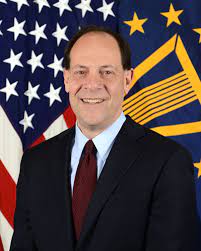
- Glenn Fine – Appointed to oversee funds voted by Congress to deal with the COVID-19 pandemic ravaging the United States. His dismissal ensured that Trump–who had admitted to defrauding students at his notorious “Trump University”–could spend the $2 trillion in relief monies any way he wished.
Glenn Fine
- Christi Grimm – As IG at the Department of Health and Human Services, she outraged Trump by contradicting him by agreeing—accurately—that the nation’s hospitals were suffering from severe shortages of personal protective equipment and testing supplies for COVID-19.
Forgiven Crime #20: After losing the Presidential election on November 3, 2020, Trump became the first American President to refuse to accept the verdict.
Forgiven Crime #21: From November 3 to December 14, 2020, Trump and his allies challenged the election results, filing—and losing—59 cases in court, either withdrawing cases or having them dismissed by Federal and state judges.
Forgiven Crime #22: On December 5, 2021, Trump called Georgia Governor Brian Kemp and asked him to call a special legislative session and convince state legislators to select their own electors that would support him, thus overturning Biden’s win.
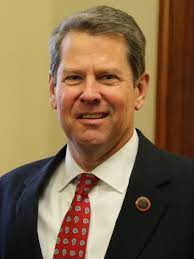
Brian Kemp
Forgiven Crime 23: On January 6, 2021, Trump ordered his assembled followers to attack the Capitol Building where House and Senate members were counting Electoral Votes—that were certain to certify Joseph R. Biden as the legitimate winner of the 2020 Presidential election.
Their goal: To stop the counting of those votes—and enable Trump to serve as “President-for-Life.”
Many of the lawmakers’ offices were occupied and vandalized. One Capitol police officer was killed and 114 others were injured.
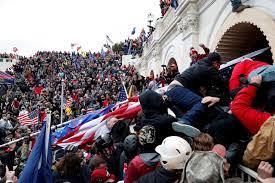
This was, in effect, a treasonous coup attempt.
On February 13, 2021, the Republican-dominated Senate once again acquitted Trump—of “incitement of insurrection” against the United States government.
Forgiven Crime 24: In 2022, Trump became the first ex-President to be indicted for crimes committed during his four-year administration: 2017-2021. He faces 91 criminal charges across four jurisdictions: Georgia, Florida, New York and the District of Columbia.
Yet even as he viciously attacks his rivals for the 2024 Republican Presidential nomination, all but one—former New Jersey Governor Chris Christie—refuse to condemn him as an indicted criminal.
Florida Governor Ron DeSantis and former South Carolina Governor Nikki Haley have promised to pardon Trump if he is convicted and either one of them is elected President.
Forgiven Crime 25: Trump has echoed Adolf Hitler in attacking immigrants: “They’re poisoning the blood of our country. They’ve poisoned mental institutions and prisons all over the world, not just in South America, not just the three or four countries that we think about, but all over the world.”
Republicans have refused to condemn those remarks—or the original source—Mein Kampf-–of those remarks.
* * * * *
Why have Republicans almost unanimously stood by Donald Trump despite the wreckage he made of American foreign and domestic policy?
Fear—that they will lose their privileged positions in Congress if they don’t.
This could happen by:
- Their being voted out of Congress by Trump’s fanatical base; or
- Their being voted out of Congress by anti-Trump voters fed up with Trump’s appalling behavior.
House and Senate Republicans’ support for Trump hinges on one question: “Can I hold onto my power and all the privileges that accompany it by sticking—or breaking—with him?”
In his bestselling 1973 biography, The Life and Death of Adolf Hitler, British historian Robert Payne harshly condemned the German people for the rise of the Nazi dictator:
“[They] allowed themselves to be seduced by him and came to enjoy the experience….[They] followed him with joy and enthusiasm because he gave them license to pillage and murder to their hearts’ content. They were his servile accomplices, his willing victims.”
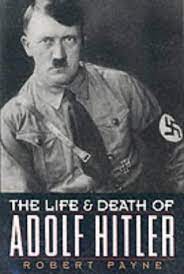
Like Hitler, Trump offered his Republican voters and Congressional allies intoxicating dreams: “I will enrich all of you. And I will humiliate and destroy those Americans you most hate.”
For his white, Fascistic, largely elderly audience, those enemies included blacks, atheists, Hispanics, non-Christians, Muslims, liberals, “uppity” women, Asians.
For most of the first three years of his Presidency, he faced little opposition. What cost Trump the White House wasn’t Democratic or Republican courage but a deadly disease—COVID-19—which Trump refused to take seriously.
Democrats cowered before Trump’s slanders—thereby ensuring more assaults.
Most of the press quailed before Trump. Only a few media outlets—notably the New York Times, CNN and the Washington Post-–dared investigate his crimes and blunders.
In 1960, the Russian poet, Yevgeney Yevtushenko, published “Conversation With an American Writer”—a stinging indictment of the cowardly opportunists who had supported the brutal tyranny of Joseph Stalin:
“You have courage,” they tell me.
It’s not true. I was never courageous.
I simply felt it unbecoming
to stoop to the cowardice of my colleagues.
Too many Republicans know all-too-well how it feels to stoop to the cowardice of their colleagues for a transitory hold on power and privilege.
2016 PRESIDENTIAL CAMPAIGN, 2020 PRESIDENTIAL CAMPAIGN, ABC NEWS, ADAM SCHIFF, ADOLF HITLER, ALTERNET, AMERICABLOG, AP, ARTICLES OF IMPEACHMENT, BABY BOOMER RESISTANCE, BORDER WALL, BUZZFEED, CBS NEWS, CHARLES DE GAULLE, CHINA, CHRIS CHRISTIE, CHRISTI GRIMM, CHRISTOPHER S. MURPHY, CIA, CNN, CONSERVATIVE POLITICAL ACTION CONFERENCE, CONVERSATION WITH AN AMERICAN WRITER (POEM), CORONAVIRUS RELIEF MONIES, COVID-19, CROOKS AND LIARS, CUBAN MISSILE CRISIS, DAILY KOS, DAN BOWMAN, DAN SULLIVAN, DAVID BROOKS, DEMOCRATS, DEPARTMENT OF HEALTH AND HUMAN SERVICES, DONALD TRUMP, DONALD TRUMP JUNIOR, DRUDGE RETORT, EXTORTION, FBI, FIRST AMENDMENT, FIVETHIRTYEIGHT, GENN FINE, GEORGE FLOYD, GEORGE W. BUSH, GOVERNMENT ACCOUNTABILITY OFFICE, GOVERNMENT SHUTDOWN, HARPER’S MAGAZINE, HILLARY CLINTON, HOUSE FOREIGN AFFAIRS COMMITTEE, HOUSE INTELLIGENCE COMMITTEE, HOUSE OVERSIGHT AND REFORM COMMITTEE, HUNTER BIDEN, IMMIGRANTS, IMPEACHMENT, IMPOUNDMENT CONTROL ACT, INSPECTORS GENERAL, INTELLIGENCE COMMUNITY, JAKE SULLIVAN, JAKE TAPPER, JAMAL KHASHOGGI, JAMES COMEY, JAMES ROBART, JARED KUSHNER, JEFF SESSIONS, JOHN CORNYN, JOHN F. KENNEDY, JOHN ROBERTS, JON S. TIGAR, JOSEPH BIDEN, KELLY LOEFFER, KEVIN CRAMER, LAFAYETTE SQUARE, LAMAR ALEXANDER, LEON PANETTA, LINDSEY GRAHAM, MARCO RUBIO, MARTIN GUGINO, MEDIA MATTERS, MEIN KAMPF, MEXICO, MICHAEL FLYNN, MICHAEL HAYDEN, MICHAEL K. ATKINSON, MICK MULVANEY, MIKE PENCE, MITCH MCCONNELL, MOHAMMED BIN SALMAN, MOTHER JONES, MOVEON, MSNBC, NANCY PELOSI, NATALIA VESELNITSKAYA, NATIONAL SECURITY AGENCY, NBC NEWS, NEWSWEEK, NIKKI HALEY, NPR, PAUL MANAFORT, PBS NEWSHOUR, POLITICO, POLITICUSUSA, RAW STORY, REPUBLICANS, REUTERS, RINAT AKHMETSHIN, ROBERT MUELLER, ROBERT PAYNE, ROD ROSENSTEIN, ROGER STONE, RON DESANTIS, RON JOHNSON, RUSSIA, SALON, SEATTLE TIMES, SERGEY KISLYAK, SERGEY LAVROV, SLATE, ST. JOHN’S CHURCH, STEVE DAINES, TALKING POINTS MEMO, TED CRUZ, THE ATLANTIC, THE CHICAGO SUN-TIMES, THE CHICAGO TRIBUNE, THE DAILY BEAST, THE DAILY BLOG, THE GUARDIAN, THE HILL, THE HUFFINGTON POST, THE JUDICIARY, THE LIFE AND DEATH OF ADOLF HITLER (BOOI), THE LIFE AND DEATH OF ADOLF HITLER (BOOK), THE LOS ANGELES TIMES, THE NATION, THE NEW REPUBLIC, THE NEW YORK TIMES, THE PRESS, THE VILLAGE VOICE, THE WASHINGTON POST, THINKPROGRESS, TIME, TREASON, TRUMP TOWER MEETING, TRUTHDIG, TRUTHOUT, TWITTER, TWO POLITICAL JUNKIES, U.S. NEWS & WORLD REPORT, UKRAINE, UNITED STATES HOUSE OF REPRESENTATIVES, UNITED STATES SENATE, UPI, USA TODAY, VLADIMIR PUTIN, VOLODYMYR ZELENSKY, WHISTLEBLOWER, WHITE HOUSE BUDGET OFFICE, WONKETTE, YEVGENEY YEVTUSHENKO
In Bureaucracy, History, Law, Law Enforcement, Military, Politics, Social commentary on January 18, 2024 at 12:37 am
Throughout his Presidency, Republicans continued to support Donald Trump despite a series of actions that would have normally resulted in impeachment.
Forgiven Crime #12: On July 16, 2018, Trump attended a press conference in Helsinki, Finland, with Russian President Vladimir Putin. There he blamed American Intelligence agencies—such as the FBI, CIA and National Security Agency—instead of Putin for Russia’s subversion of the 2016 Presidential election.
“I have President Putin,” said Trump. “He just said it’s not Russia. I will say this: I don’t see any reason why it would be.”

Donald Trump and Vladimir Putin in Helsinki
Forgiven Crime #13: Waging all-out war on the First Amendment, which guarantees freedom of the press.
On February 17, 2017, Trump tweeted: “The FAKE NEWS media (failing @nytimes, @NBCNews, @ABC, @CBS, @CNN) is not my enemy, it is the enemy of the American People!”
Seven days later, appearing before the Conservative Political Action Conference on February 24, Trump said: “I want you all to know that we are fighting the fake news. It’s fake, phony, fake….I’m against the people that make up stories and make up sources. They shouldn’t be allowed to use sources unless they use somebody’s name. Let their name be put out there.”
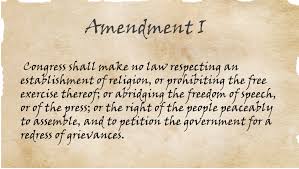
Forgiven Crime #14: Waging all-out war on the independent judiciary
Trump repeatedly attacked Seattle U.S. District Judge James Robart, who halted Trump’s first anti-Islamic travel ban: “Just cannot believe a judge would put our country in such peril. If something happens blame him and court system. People pouring in. Bad!”
On October 20, 2018, Trump attacked U.S. District Judge Jon S. Tigar as an “Obama judge.” Tigar had ruled that the administration must consider asylum claims no matter where migrants cross the U.S. border.
The next day, Supreme Court Chief Justice John Roberts told the Associated Press: “We do not have Obama judges or Trump judges, Bush judges or Clinton judges. What we have is an extraordinary group of dedicated judges doing their level best to do equal right to those appearing before them.”
On Thanksgiving Day, 2018, Trump attacked Roberts—appointed by Republican President George W. Bush—on Twitter: “Sorry Chief Justice John Roberts, but you do indeed have ‘Obama judges,’ and they have a much different point of view than the people who are charged with the safety of our country.”
Forgiven Crime #15: Threatening members of Congress with treason charges for daring to challenge him.
Furious that Rep. Adam Schiff (D-CA) mocked him during a session of the House Intelligence Committee, Trump tweeted: “I want Schiff questioned at the highest level for Fraud & Treason…..”
“Rep. Adam Schiff illegally made up a FAKE & terrible statement, pretended it to be mine as the most important part of my call to the Ukrainian President, and read it aloud to Congress and the American people. It bore NO relationship to what I said on the call. Arrest for Treason?”
Adam Schiff
He judged House Speaker Nancy Pelosi “every bit as guilty as Liddle’ Adam Schiff for High Crimes and Misdemeanors, and even Treason. I guess that means that they, along with all of those that evilly ‘Colluded’ with them, must all be immediately Impeached!”
Forgiven Crime #16: He has lied so often—30,573 times by the end of his term, according to the Washington Post—that he’s universally distrusted, at home and abroad.
During the Cuban Missile Crisis, French President Charles de Gaulle was offered photographs taken by American spy planes of Russian missile emplacements in Cuba. De Gaulle waved them away, saying that, for him, the word of the President of the United States was enough.

Charles de Gaulle and John F. Kennedy
Today, no free world leader would take Trump’s word for anything.
Forgiven Crime #17: On December 22, 2018, Trump shut down the Federal government—because Democrats refused to fund his “border wall” between the United States and Mexico.
An estimated 380,000 government employees were furloughed and another 420,000 were ordered to work without pay.
- For weeks, hundreds of thousands of government workers missed paychecks.
- Increasing numbers of employees of the Transportation Safety Administration (TSA)—which provides security against airline terrorism—began refusing to come to work, claiming to be sick.
- At the Federal Aviation Administration (FAA) many air traffic controllers called in “sick.”
- Due to the shortage of air traffic controllers, many planes weren’t able to land safely at places like New York’s LaGuardia Airport.
- Many Federal employees—such as FBI agents—were forced to rely on soup kitchens to feed their families.
This lasted until January 25, 2019, when Trump caved to public pressure.
Forgiven Crime #18: Even while being investigated by Congress for trying to extort Ukraine to investigate his 2020 Presidential rival, Joseph Biden, Trump publicly urged China to investigate Biden and his son, Hunter.
Trump repeatedly denied he had strong-armed Ukrainian President Volodymyr Zelensky to smear former Vice President Joseph Biden. But on October 3, 2019, on the White House lawn, with TV cameras whirring, Trump said: “China should start an investigation into the Bidens.”
And to drive home the message, Trump warned: “I have a lot of options on China, but if they don’t do what we want, we have tremendous power.”
2016 PRESIDENTIAL CAMPAIGN, 2020 PRESIDENTIAL CAMPAIGN, ABC NEWS, ADAM SCHIFF, ADOLF HITLER, ALTERNET, AMERICABLOG, AP, ARTICLES OF IMPEACHMENT, BABY BOOMER RESISTANCE, BORDER WALL, BUZZFEED, CBS NEWS, CHARLES DE GAULLE, CHINA, CHRIS CHRISTIE, CHRISTI GRIMM, CHRISTOPHER S. MURPHY, CIA, CNN, CONSERVATIVE POLITICAL ACTION CONFERENCE, CONVERSATION WITH AN AMERICAN WRITER (POEM), CORONAVIRUS RELIEF MONIES, COVID-19, CROOKS AND LIARS, CUBAN MISSILE CRISIS, DAILY KOS, DAN BOWMAN, DAN SULLIVAN, DAVID BROOKS, DEMOCRATS, DEPARTMENT OF HEALTH AND HUMAN SERVICES, DONALD TRUMP, DONALD TRUMP JUNIOR, DRUDGE RETORT, EXTORTION, FBI, FIRST AMENDMENT, FIVETHIRTYEIGHT, GENN FINE, GEORGE FLOYD, GEORGE W. BUSH, GOVERNMENT ACCOUNTABILITY OFFICE, GOVERNMENT SHUTDOWN, HARPER’S MAGAZINE, HILLARY CLINTON, HOUSE FOREIGN AFFAIRS COMMITTEE, HOUSE INTELLIGENCE COMMITTEE, HOUSE OVERSIGHT AND REFORM COMMITTEE, HUNTER BIDEN, IMMIGRANTS, IMPEACHMENT, IMPOUNDMENT CONTROL ACT, INSPECTORS GENERAL, INTELLIGENCE COMMUNITY, JAKE SULLIVAN, JAKE TAPPER, JAMAL KHASHOGGI, JAMES COMEY, JAMES ROBART, JARED KUSHNER, JEFF SESSIONS, JOHN CORNYN, JOHN F. KENNEDY, JOHN ROBERTS, JON S. TIGAR, JOSEPH BIDEN, KELLY LOEFFER, KEVIN CRAMER, LAFAYETTE SQUARE, LAMAR ALEXANDER, LEON PANETTA, LINDSEY GRAHAM, MARCO RUBIO, MARTIN GUGINO, MEDIA MATTERS, MEIN KAMPF, MEXICO, MICHAEL FLYNN, MICHAEL HAYDEN, MICHAEL K. ATKINSON, MICK MULVANEY, MIKE PENCE, MITCH MCCONNELL, MOHAMMED BIN SALMAN, MOTHER JONES, MOVEON, MSNBC, NANCY PELOSI, NATALIA VESELNITSKAYA, NATIONAL SECURITY AGENCY, NBC NEWS, NEWSWEEK, NIKKI HALEY, NPR, PAUL MANAFORT, PBS NEWSHOUR, POLITICO, POLITICUSUSA, RAW STORY, REPUBLICANS, REUTERS, RINAT AKHMETSHIN, ROBERT MUELLER, ROBERT PAYNE, ROD ROSENSTEIN, ROGER STONE, RON DESANTIS, RON JOHNSON, RUSSIA, SALON, SEATTLE TIMES, SERGEY KISLYAK, SERGEY LAVROV, SLATE, ST. JOHN’S CHURCH, STEVE DAINES, TALKING POINTS MEMO, TED CRUZ, THE ATLANTIC, THE CHICAGO SUN-TIMES, THE CHICAGO TRIBUNE, THE DAILY BEAST, THE DAILY BLOG, THE GUARDIAN, THE HILL, THE HUFFINGTON POST, THE JUDICIARY, THE LIFE AND DEATH OF ADOLF HITLER (BOOI), THE LIFE AND DEATH OF ADOLF HITLER (BOOK), THE LOS ANGELES TIMES, THE NATION, THE NEW REPUBLIC, THE NEW YORK TIMES, THE PRESS, THE VILLAGE VOICE, THE WASHINGTON POST, THINKPROGRESS, TIME, TREASON, TRUMP TOWER MEETING, TRUTHDIG, TRUTHOUT, TWITTER, TWO POLITICAL JUNKIES, U.S. NEWS & WORLD REPORT, UKRAINE, UNITED STATES HOUSE OF REPRESENTATIVES, UNITED STATES SENATE, UPI, USA TODAY, VLADIMIR PUTIN, VOLODYMYR ZELENSKY, WHISTLEBLOWER, WHITE HOUSE BUDGET OFFICE, WONKETTE, YEVGENEY YEVTUSHENKO
In Bureaucracy, History, Law, Law Enforcement, Military, Politics, Social commentary on January 17, 2024 at 12:12 am
Republicans have a long and shameful history of excusing Donald Trump’s vicious slanders and law-breaking.
Forgiven Crime #6: Republicans refused to condemn Trump’s blatant “bromance” with Russian dictator Vladimir Putin.
Since the end of World War II, no Republican Presidential candidate had repeatedly exchanged fulsome praise with a foreign leader hostile to the United States. Yet that is precisely what happened between Donald Trump and Vladimir Putin.
Thus Putin on Trump: “He is a bright personality, a talented person, no doubt about it. It is not up to us to appraise his positive sides, it is up to the U.S. voters. but, as we can see, he is an absolute leader in the presidential race.”
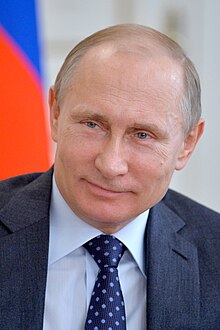
Vladimir Putin
And Trump on Putin: “It is always a great honor to be so nicely complimented by a man so highly respected within his own country and beyond. He’s running his country, and at least he’s a leader. Unlike what we have in this country”—a clear attack on then-President Barack Obama.
Donald Trump
Forgiven Crime #7: Republicans supported the treasonous meeting between Trump’s campaign managers and Russian Intelligence agents.
On July 9, 2016, high-ranking members of Trump’s Presidential campaign met with lobbyists tied to Putin. The meeting took place at Trump tower and the participants included:
- Trump’s son, Donald Trump Jr.;
- His son-in-law, Jared Kushner;
- His then-campaign manager, Paul Manafort;
- Natalia Veselnitskaya, a Russian lawyer with ties to Putin; and
- Rinat Akhmetshin, a former Soviet counterintelligence officer suspected of having ongoing ties to Russian Intelligence.
The purpose of that meeting: To gain access to any “dirt” Russian Intelligence could supply on Democratic Presidential Nominee Hillary Clinton.
Forgiven Crime #8: Republicans supported Trump’s open—and treasonous—solicitation of Russian interference in the 2016 Presidential election.
On July 22, 2016, at a press conference in Doral, Florida, Trump said: “Russia, if you are listening, I hope you are able to find the 33,000 emails that are missing [from Democratic Presidential candidate Hillary Clinton’s computer]. I think you will probably be rewarded mightily by our press.”
“This has to be the first time that a major presidential candidate has actively encouraged a foreign power to conduct espionage against his political opponent,” Hillary for America policy adviser Jake Sullivan said in a statement. “That’s not hyperbole, those are just the facts. This has gone from being a matter of curiosity, and a matter of politics, to being a national security issue.”
“I find those kinds of statements to be totally outrageous because you’ve got now a presidential candidate who is, in fact, asking the Russians to engage in American politics,” said former CIA Director Leon Panetta, a Clinton surrogate. “I just think that’s beyond the pale.”
Hours later, the Main Intelligence Directorate in Moscow targeted Clinton’s personal office and hit more than 70 other Clinton campaign accounts.
Forgiven Crime #9: On May 9, 2017, Trump fired FBI Director James Comey for investigating Russia’s subversion of the 2016 Presidential race.
There were four reasons for this:
- Comey had refused to pledge his personal loyalty to Trump. Trump had made the “request” during a private dinner at the White House in January.
- Comey told Trump that he would always be honest with him. But that didn’t satisfy Trump’s demand that the head of the FBI act as his personal secret police chief—as was the case in the former Soviet Union.
- Trump had tried to coerce Comey into dropping the FBI’s investigation into former National Security Adviser Michael Flynn, for his secret ties to Russia and Turkey. Comey had similarly resisted that demand.
- Comey had recently asked the Justice Department to fund an expanded FBI investigation into well-documented contacts between Trump’s 2016 Presidential campaign and Russian Intelligence agents. The goal of that collaboration: To elect Trump over Hillary Clinton, a longtime foe of Russian President Putin.

James Comey
Forgiven Crime #10: On May 10, 2017. Trump met with Russian Foreign Minister Sergey Lavrov and Russian Ambassador Sergey Kislyak in the Oval Office—and gave them highly classified Israeli Intelligence about an Islamic State plot to turn laptops into concealable bombs.
Kislyak is reportedly a top recruiter for Russia’s SVR foreign intelligence agency. He has been closely linked with Jeff Sessions, then Attorney General, and fired National Security Adviser Mike Flynn.
“I just fired the head of the FBI,” Trump told the two dignitaries. “He was crazy, a real nut job. I faced great pressure because of Russia. That’s taken off.”
Then, on May 11, Trump gave away his real reason for firing Comey:
Interviewed on NBC News by reporter Lester Holt, Trump said: “And in fact when I decided to just do it, I said to myself, I said ‘you know, this Russia thing with Trump and Russia is a made-up story, it’s an excuse by the Democrats for having lost an election that they should have won.'”
Forgiven Crime #11: Blatantly lying about the CIA’s findings in the brutal murder of Washington Post journalist Jamal Khashoggi.
On Thanksgiving Day, 2018, Trump said that the CIA hadn’t concluded that Saudi Crown Prince Mohammed bin Salman had ordered it.
This was a lie—the agency had reached such a conclusion, based on a recording provided by the Turkish government and American Intelligence.
2016 PRESIDENTIAL CAMPAIGN, 2020 PRESIDENTIAL CAMPAIGN, ABC NEWS, ADAM SCHIFF, ADOLF HITLER, ALTERNET, AMERICABLOG, AP, ARTICLES OF IMPEACHMENT, BABY BOOMER RESISTANCE, BORDER WALL, BUZZFEED, CBS NEWS, CHARLES DE GAULLE, CHINA, CHRIS CHRISTIE, CHRISTI GRIMM, CHRISTOPHER S. MURPHY, CIA, CNN, CONSERVATIVE POLITICAL ACTION CONFERENCE, CONVERSATION WITH AN AMERICAN WRITER (POEM), CORONAVIRUS RELIEF MONIES, COVID-19, CROOKS AND LIARS, CUBAN MISSILE CRISIS, DAILY KOS, DAN BOWMAN, DAN SULLIVAN, DAVID BROOKS, DEMOCRATS, DEPARTMENT OF HEALTH AND HUMAN SERVICES, DONALD TRUMP, DONALD TRUMP JUNIOR, DRUDGE RETORT, EXTORTION, FBI, FIRST AMENDMENT, FIVETHIRTYEIGHT, GENN FINE, GEORGE FLOYD, GEORGE W. BUSH, GOVERNMENT ACCOUNTABILITY OFFICE, GOVERNMENT SHUTDOWN, HARPER’S MAGAZINE, HILLARY CLINTON, HOUSE FOREIGN AFFAIRS COMMITTEE, HOUSE INTELLIGENCE COMMITTEE, HOUSE OVERSIGHT AND REFORM COMMITTEE, HUNTER BIDEN, IMMIGRANTS, IMPEACHMENT, IMPOUNDMENT CONTROL ACT, INSPECTORS GENERAL, INTELLIGENCE COMMUNITY, JAKE SULLIVAN, JAKE TAPPER, JAMAL KHASHOGGI, JAMES COMEY, JAMES ROBART, JARED KUSHNER, JEFF SESSIONS, JOHN CORNYN, JOHN F. KENNEDY, JOHN ROBERTS, JON S. TIGAR, JOSEPH BIDEN, KELLY LOEFFER, KEVIN CRAMER, LAFAYETTE SQUARE, LAMAR ALEXANDER, LEON PANETTA, LINDSEY GRAHAM, MARCO RUBIO, MARTIN GUGINO, MEDIA MATTERS, MEIN KAMPF, MEXICO, MICHAEL FLYNN, MICHAEL HAYDEN, MICHAEL K. ATKINSON, MICK MULVANEY, MIKE PENCE, MITCH MCCONNELL, MOHAMMED BIN SALMAN, MOTHER JONES, MOVEON, MSNBC, NANCY PELOSI, NATALIA VESELNITSKAYA, NATIONAL SECURITY AGENCY, NBC NEWS, NEWSWEEK, NIKKI HALEY, NPR, PAUL MANAFORT, PBS NEWSHOUR, POLITICO, POLITICUSUSA, RAW STORY, REPUBLICANS, REUTERS, RINAT AKHMETSHIN, ROBERT MUELLER, ROBERT PAYNE, ROD ROSENSTEIN, ROGER STONE, RON DESANTIS, RON JOHNSON, RUSSIA, SALON, SEATTLE TIMES, SERGEY KISLYAK, SERGEY LAVROV, SLATE, ST. JOHN’S CHURCH, STEVE DAINES, TALKING POINTS MEMO, TED CRUZ, THE ATLANTIC, THE CHICAGO SUN-TIMES, THE CHICAGO TRIBUNE, THE DAILY BEAST, THE DAILY BLOG, THE GUARDIAN, THE HILL, THE HUFFINGTON POST, THE JUDICIARY, THE LIFE AND DEATH OF ADOLF HITLER (BOOI), THE LIFE AND DEATH OF ADOLF HITLER (BOOK), THE LOS ANGELES TIMES, THE NATION, THE NEW REPUBLIC, THE NEW YORK TIMES, THE PRESS, THE VILLAGE VOICE, THE WASHINGTON POST, THINKPROGRESS, TIME, TREASON, TRUMP TOWER MEETING, TRUTHDIG, TRUTHOUT, TWITTER, TWO POLITICAL JUNKIES, U.S. NEWS & WORLD REPORT, UKRAINE, UNITED STATES HOUSE OF REPRESENTATIVES, UNITED STATES SENATE, UPI, USA TODAY, VLADIMIR PUTIN, VOLODYMYR ZELENSKY, WHISTLEBLOWER, WHITE HOUSE BUDGET OFFICE, WONKETTE, YEVGENEY YEVTUSHENKO
In Bureaucracy, History, Law, Law Enforcement, Politics, Social commentary on January 16, 2024 at 12:11 am
On February 5, 2020, the Republican-dominated Senate—as expected—absolved President Donald Trump from trying to extort Ukraine into smearing a possible rival for the White House.
Only one Republican—Utah Senator Mitt Romney—had the moral courage to vote for conviction.
But this was not the first time Republicans sought to excuse Trump’s litany of crimes. Those efforts go back to the 2016 Presidential election.
Forgiven Crime #1: Not demanding that Trump quit the 2016 Presidential race—or demanding that he be indicted—for making a terrorist threat against his own party.
On March 16, 2016, Trump, the front-runner for the Republican Presidential nomination, issued a warning to his fellow Right-wingers: If he didn’t win the GOP nomination at the convention in July, his supporters would literally riot.
“I think we’ll win before getting to the convention. But I can tell you if we didn’t, if we’re 20 votes short or if we’re 100 short and we’re at 1,100 and somebody else is at 500 or 400…I don’t think you can say that we don’t get it automatically. I think you’d have riots.
“I think you would see problems like you’ve never seen before. I think bad things would happen. I really do. I wouldn’t lead it, but I think bad things would happen.”
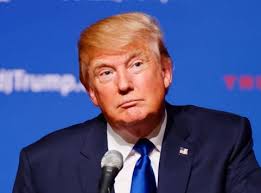
Donald Trump
An NBC reporter summed it up as follows: “As Trump indicated, there is a very real possibility he might lose the nomination if he wins only a plurality of delegates thanks to party rules that allow delegates to support different candidates after the initial ballot.
“In that context, the message to Republicans was clear on [March 16]: ‘Nice convention you got there, shame if something happened to it.’”
Threatening his Republican and Democratic opponents with violence played a major role in Donald Trump’s campaign for President.
Forgiven Crime #2: Supporting his “dog-whistle” call for the assassination of Democratic Nominee Hillary Clinton.
On August 9, 2016, at a rally in Wilmington, North Carolina, Trump said: “Hillary [Clinton] wants to abolish, essentially abolish, the Second Amendment. If she gets to pick her [Supreme Court] judges, nothing you can do folks. Although the Second Amendment people, maybe there is, I don’t know.”
Democrats—and responsible news media—immediately saw this for the “dog-whistle” signal it was.
“Don’t treat this as a political misstep,” Senator Christopher S. Murphy of Connecticut, who has called for stiffer gun laws, wrote on Twitter. “It’s an assassination threat, seriously upping the possibility of a national tragedy & crisis.”
“Well, let me say if someone else said that outside of the hall, he’d be in the back of a police wagon now, with the Secret Service questioning him,” said Michael Hayden, former head of the CIA and National Security Agency (NSA).
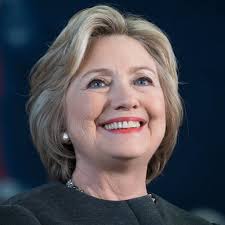
Hillary Clinton
Threats of violence continued to be made by Trump supporters right up to the day of the election.
- On July 29, Roger Stone, a notorious Right-wing political consultant acting as a Trump strategist, told Breitbart News: “The first thing Trump needs to do is begin talking about [voter fraud] constantly. If there’s voter fraud, this election will be illegitimate, the election of the winner will be illegitimate, we will have a constitutional crisis, widespread civil disobedience, and the government will no longer be the government.”
- At a town hall meeting where Trump’s Vice Presidential nominee Mike Pence appeared, a woman named Rhonda said: “For me personally, if Hillary Clinton gets in, I myself am ready for a revolution.”
- In Cincinnati, a Trump supporter threatened to forcibly remove Clinton from the White House if she won the race: “If she’s in office, I hope we can start a coup. She should be in prison or shot. That’s how I feel about it,”
- Dan Bowman, a 50-year-old contractor, said of Hillary Clinton, the Democratic nominee. “We’re going to have a revolution and take them out of office if that’s what it takes. There’s going to be a lot of bloodshed. But that’s what it’s going to take….I would do whatever I can for my country.”
Forgiven Crime #3: Republicans supported Trump’s call for his followers to intimidate Democratic voters at election time.
Trump encouraged his mostly white supporters to sign up online to be “election observers” to stop “Crooked Hillary from rigging this election.” He urged them to act as poll watchers in “other” [non-white] communities to ensure that things are “on the up and up.”
Many of his supporters promised to do so.
“Trump said to watch your precincts. I’m going to go, for sure,” said Steve Webb, a 61-year-old carpenter from Fairfield, Ohio.
“I’ll look for…well, it’s called racial profiling. Mexicans. Syrians. People who can’t speak American,” he said. “I’m going to go right up behind them. I’ll do everything legally. I want to see if they are accountable. I’m not going to do anything illegal. I’m going to make them a little bit nervous.”
Forgiven Crime #4 Threatening to fire Rod J. Rosenstein, the deputy attorney general, who oversaw Special Counsel Robert Mueller’s investigation into Russian subversion of the 2016 election.
Forgiven Crime #5: Threatening to fire Independent Counsel Robert Mueller during the summer of 2017, but was talked out of it by aides fearful that it would set off calls for his impeachment.


 Bureaucracybuster's Blog
2016 PRESIDENTIAL ELECTION, 2020 PRESIDENTIAL ELECTION, ABC NEWS, ACAM SCHIFF, ADOLF HITLER, ALTERNET, AMERICABLOG, AP, BABY BOOMER RESISTANCE, BBC, BLOOMBERG NEWS, BRETT CROZIER, BUZZFEED, CBS NEWS, CHARLES PIERCE, CHRIS KREBS, CNN, CONVERSATION WITH AN AMERICAN WRITER (POEM), CORONAVIRUS, CROOKS AND LIARS, CYBERSECURITY AND INFRASTRUCTURE SECURITY AGENCY, DAILY KOS, DEPARTMENT OF HOMELAND SECURITY, DEPARTMENT OF STATE, DIMITRI SHOSTAKOVICH, DONALD TRUMP, DRUDGE REPORT, ESQUIRE MAGAZINE, FBI, FIVETHIRTYEIGHT, FOX NEWS NETWORK, GREAT TERROR, HARPER’S MAGAZINE, HOUSE INTELLIGENCE COMMITTEE, HOUSE OF REPRESENTATIVES, HUFFINGTON POST, JOSEPH BIDEN, JOSEPH STALIN, MARIA YOVANOVICH, MEDIA MATTERS, MICROSOFT, MIKHAIL TUKHACHEVESKY, MOTHER JONES, MOVEON, MSNBC, NAZI GERMANY, NBC NEWS, NEW REPUBLIC, NEWSDAY, NEWSWEEK, NICCOLO MACHIAVELLI, NIKITA KHRUSHCHEV, NIKOLAI ZHILAYEV, NPR, PBS NEWSHOUR, POLITICO, POLITICUSUSA, RAW STORY, REUTERS, RUDY GIULIANI, SALON, SEATTLE TIMES, SLATE, SOVIET UNION, TALKING POINTS MEMO, THE ATLANTIC, THE CHICAGO SUN-TIMES, THE CHICAGO TRIBUNE, THE DAILY BEAST, THE DAILY BLOG, THE DISCOURSES, THE GUARDIAN, THE HILL, THE HUFFINGTON POST, THE LOS ANGELES TIMES, THE NATION, THE NEW REPUBLIC, THE NEW YORK TIMES, THE NEW YORKER, THE VILLAGE VOICE, THE WALL STREET JOURNAL, THE WASHINGTON POST, THINKPROGRESS, THOMAS MODLY, TIME, TRUTHDIG, TRUTHOUT, TWITTER, TWO POLITICAL JUNKIES, U.S. NEWS & WORLD REPORT, UKRAINE, UPI, USA TODAY, WEHRMACHT, WONKETTE, WORLD WAR ii, YEVGENEY YEVTUSHENKO
TYRANTS AND MARTYRS–YESTERDAY AND TODAY: PART ONE (OF THREE)
In Bureaucracy, History, Military, Politics, Social commentary on March 19, 2024 at 12:23 am…A truly great man is ever the same under all circumstances. And if his fortune varies, exalting him at one moment and oppressing him at another, he himself never varies, but always preserves a firm courage, which is so closely interwoven with his character that everyone can readily see that the fickleness of fortune has no power over him.
The conduct of weak men is very different. Made vain and intoxicated by good fortune, they attribute their success to merits which they do not possess. And this makes them odious and insupportable to all around them. And when they have afterwards to meet a reverse of fortune, they quickly fall into the other extreme, and become abject and vile.
—Niccolo Machiavelli, The Discourses
Four heroes, three villains.
Two of the heroes are Russians; three are Americans.
The villains: One Russian (actually, Georgian); two American.
First up—in order of disappearance: Mikhail Nikolayevich Tukhachevsky (pronounced too-ka-chev-sky).
Tukhachevsky (February 4, 1893 – June 12, 1937) was a major Soviet military leader and theoretician from 1918 to 1937.
He commanded the Soviet Western Front during the Russian-Polish War (1920-21) and served as Chief of Staff of the Red Army (1925-1928).
He fought to modernize Soviet armament, as well as develop airborne, aviation and mechanized forces. Almost singlehandedly, he created the theory of deep operations for Soviet forces.
Mikhail Tukhachevsky
All of these innovations would reap huge dividends when the Soviet Union faced the lethal fury of Adolf Hitler’s Wehrmacht.
In 1936, Tukhachevsky warned Soviet dictator Joseph Stalin that Nazi Germany might attack without warning—and ignite a long and murderous war.
Stalin—the son of a Georgian cobbler—resented Tukhachevsky’s coming from a noble family. A monumental egomaniac, he also hated that Tukhachevesky’s fame rivaled his own.
Warned of the approaching German danger, Stalin shouted: “What are you trying to do—frighten Soviet authority?”
Joseph Stalin
The attack that Tukhachevsky warned against came five years later—on June 22, 1941, leaving at least 26 million Russians dead.
But Tukhachevsky wasn’t alive to command a defense.
The 1930s were a frightening and dangerous time to be alive in the Soviet Union. In 1934, Stalin, seeing imaginary enemies everywhere, ordered a series of purges that lasted right up to the German invasion.
An example of Stalin’s paranoia occurred one day while the dictator walked through the Kremlin corridors with Admiral Ivan Isakov. Officers of the NKVD (the predecessor to the KGB) stood guard at every corner.
“Every time I walk down the corridors,” said Stalin, “I think: Which one of them is it? If it’s this one, he will shoot me in the back. But if I turn the corner, the next one can shoot me in the face.”
In 1937-38, the Red Army fell prey to Stalin’s paranoia.
Its victims included:
And heading the list of those marked for death was Marshal Mikhail Tukhachevsky.
Arrested on May 22, 1937, he was interrogated and tortured. As a result, he “confessed” to being a German agent plotting to overthrow Stalin and seize power.
On his confession, which survives in the archives, his bloodstains can clearly be seen.
On June 11, 1937, the Soviet Supreme Court convened a special military tribunal to try Tukhachevsky and eight generals for treason.
It was a sham: The accused were denied defense attorneys, and could not appeal the verdict—-which was foregone: Death.
Within hours of the verdict, Tukhachevsky was summoned from his cell and shot once in the back of the head.
In a Russian version of poetic justice, five of the eight generals who served as Tukhachevsky’s judges were themselves later condemned and executed as traitors.
From 1937 until 1956, Tukhachevsky was officially declared a traitor and fifth-columnist.
Then, on February 25, 1957, Soviet Premier Nikita Khrushchev delivered his bombshell “Secret Speech” to the 20th Congress of the Communist Party of the Soviet Union.
In this, he denounced Stalin (who had died in 1953) as a ruthless tyrant responsible for the slaughter of millions of innocent men, women and children. He condemned Stalin for creating a “personality cult” around himself, and for so weakening the Red Army that Nazi Germany was able to easily overrun half of the Soviet Union from 1941 to 1943.
On January 31, 1957, Tukhachevsky and his co-defendants were declared innocent of all charges and were “rehabilitated.”
Today, he is once again—rightly—considered a Russian hero and military genius. And Stalin is universally—and rightly—seen as a blood-stained tyrant.
Postage stamp honoring Mikhail Tukhachevsky
Next hero: Nikolai Sergeyvich Zhilayev (pronounced Zill-lay-ev)
Zhilayev (November 18, 1881 – January 20, 1938) was a Russian musicologist and the teacher of several 20th-century Russian composers. Among these: Dimitri Shostakovich.
Zhilayev, a member of the Russian Academy of Art-Sciences, taught at the Moscow Conservatory. Among his friends—to his ultimate misfortune—was Mikhail Tukhachevsky.
In 1938, he, too, became a casualty of what has become known as The Great Terror.
In his posthumously-published memoirs, Testimony, Shostakovich, his pupil and friend, described how Zhilayev faced his end with a calmness that awed even the NKVD secret police sent to arrest him.
Share this: