Posts Tagged ‘TRUTHDIG’
ABC NEWS, ALTERNET, AMERICABLOG, AP, ASSAULT, BABY BOOMER RESISTANCE, BBC, BLOOMBERG NEWS, BUZZFEED, CBS NEWS, CNN, CRIME, CROOKS AND LIARS, DAILY KOZ, DEPARTMENT OF POLICE ACCOUNTABILITY, FACEBOOK, FIVETHIRTYEIGHT, HARPER’S MAGAZINE, HUFFINGTON POST, LAW ENFORCEMENT, MEDIA MATTERS, MOTHER JONES, MOVEON, MSNBC, NBC NEWS, NEW REPUBLIC, NEWSDAY, NEWSWEEK, NPR, PBS NEWSHOUR, POLITICO, POLITICUSUSA, RAW STORY, REUTERS, SALON, SAN FRANCISCO, SAN FRANCISCO CHRONICLE, SAN FRANCISCO POLICE DEPARTMENT, SEATTLE TIMES, SLATE, TALKING POINTS MEMO, THE ATLANTIC, THE CHICAGO SUN-TIMES, THE CHICAGO TRIBUNE, THE DAILY BEAST, THE DAILY BLOG, THE GUARDIAN, THE HILL, THE HUFFINGTON POST, THE INTERCEPT, THE LOS ANGELES TIMES, THE NATION, THE NEW REPUBLIC, THE NEW YORK TIMES, THE NEW YORKER, THE VILLAGE VOICE, THE WASHINGTON POST, THINKPROGRESS, TIME, TRUTHDIG, TRUTHOUT, TWITTER, TWO POLITICAL JUNKIES, U.S. NEWS & WORLD REPORT, UPI, USA TODAY
In Bureaucracy, History, Law Enforcement, Politics, Social commentary on February 5, 2019 at 12:09 am
“On August 7, 2017, I witnessed a brutal assault on a friend of mine named Hal [not his real name]. I was a passenger in his car as he waited for a parking space to open in front of the apartment building where we both live.”
So opened a letter from a man named Dave [not his real name] to the San Francisco Police Department (SFPD).
Summarizing his experience as a witness and assault victim, Dave wrote:
- A man commits assault and battery on another without the slightest provocation.
- He then uses his Jeep Cherokee to twice ram his victim’s car.
- These violations of criminal law are reported to the SFPD by two eyewitnesses/victims within an hour of their occurrence.
- One eyewitness gives the SFPD a photo of the license plate of the car used in the vehicular assaults.
- The SFPD doesn’t contact either witness/victim in this incident.
- Despite being provided with all this evidence, the SFPD does NOTHING.

Dave subsequently received a Complainant Satisfaction Survey from the SFPD’s Department of Police Accountability (DPA). After bluntly stating his disgust at the complete indifference of the SFPD to the assault, he got a letter from DPA on December 13, 2018, which stated:
“Your Request for an Investigative Hearing in the above-captioned case has been received. We have reviewed the investigative file and have determined that the facts and circumstances supported the DPA’s findings.”
And: “We understand that you may not agree with our finding(s), but it may be of some use to contact the investigator for better clarity and understanding in this matter.”
In short: We aren’t going to arrest the man who assaulted you, but we’ll try to convince you that it’s all for the best.
Determined to not let the SFPD have the last word, Dave sent back a letter to David Henderson, executive director of DPA.
He noted that he had never requested an investigative hearing. Nor had he written a December 5, 2018 letter to the SFPD, as the letter claimed.
He also noted that, 16 years earlier, on May 19, 2002, the San Francisco Chronicle had published a series of devastating reports on the SFPD. Among the newspaper’s findings:
- Violent criminals in San Francisco’s had a better chance of getting away with their crimes than predators in any other large American city.
- The San Francisco Police Department solved, on average, just 28% of the city’s murders, rapes, robberies, shootings, stabbings and other serious assaults between 1996 and 2000.
- Among the nation’s 20 largest cities, that was the lowest violent crime ‘clearance rate.
- The large-city average clearance rate was 42 percent.
“Judging from the results of my own experience with your agency, little—if anything—has changed within the SFPD during the last 16 years,” Dave wrote.

Referring to the DPA’s false claim that he had requested an investigative hearing, he ended his letter in cold fury:
“It’s a misdemeanor to file a false report with the police. It should be a felony for a police agency to write and send a letter filled with demonstrably false information.
“It is also the height of arrogance and stupidity to believe you can convince the victim of an assault that the criminal negligence he experienced at the hands of the police department didn’t happen.
“Undoubtedly this letter was written for placement in the official files of your department, as a way to cover itself against any possible legal action. No doubt this is common practice within your agency.
“It is precisely such conduct—as well as the refusal of your agency to aggressively investigate crimes of violence against San Francisco residents—that is guaranteed to produce widespread contempt for and refusal to cooperate with your police department.”
Dave didn’t receive another letter from the SFPD.
* * * * *
Unfortunately, real-life police departments do not operate like the ones depicted in movies and on TV. Among the realities of those departments:
Unless you’re wealthy, a politician or—best of all—a cop, don’t expect the police to protect you if your life is threatened. You’ll simply be told: “We don’t have the resources to protect everybody.”
Above everyone else, police look out for each other. If a citizen murders his lover, he’ll be tracked by two detectives. But whoever kills a cop is sought by the entire department.
Police departments are plagued by the same problems that haunt all major bureaucracies, such as:
- Often lacking state-of-the-art crime labs to analyze evidence.
- Often losing or accidentally destroying important files.
- Staffed by those who are lazy, indifferent, incompetent or even corrupt.
- Often refusing to share information with other police agencies, thus making it easier for criminals to run amok.
The result of all this can only be increased disrespect for law enforcement from a deservedly—and increasingly—cynical public.
When citizens believe police lack the ability-–or even the will-–to protect them or avenge their victimization, that is a deadly blow to law enforcement.
When public support vanishes, so does much of that public funding for hiring more cops and buying necessary equipment.
The result can only be a return to the days of the lawless West, where citizens—as individuals or members of vigilante committees—look only to themselves for protection.
ABC NEWS, ALTERNET, AMERICABLOG, AP, ASSAULT, BABY BOOMER RESISTANCE, BBC, BLOOMBERG NEWS, BUZZFEED, CBS NEWS, CNN, CRIME, CROOKS AND LIARS, DAILY KOZ, DEPARTMENT OF POLICE ACCOUNTABILITY, FACEBOOK, FIVETHIRTYEIGHT, HARPER’S MAGAZINE, HUFFINGTON POST, LAW ENFORCEMENT, MEDIA MATTERS, MOTHER JONES, MOVEON, MSNBC, NBC NEWS, NEW REPUBLIC, NEWSDAY, NEWSWEEK, NPR, PBS NEWSHOUR, POLITICO, POLITICUSUSA, RAW STORY, REUTERS, SALON, SAN FRANCISCO, SAN FRANCISCO CHRONICLE, SAN FRANCISCO POLICE DEPARTMENT, SEATTLE TIMES, SLATE, TALKING POINTS MEMO, THE ATLANTIC, THE CHICAGO SUN-TIMES, THE CHICAGO TRIBUNE, THE DAILY BEAST, THE DAILY BLOG, THE GUARDIAN, THE HILL, THE HUFFINGTON POST, THE INTERCEPT, THE LOS ANGELES TIMES, THE NATION, THE NEW REPUBLIC, THE NEW YORK TIMES, THE NEW YORKER, THE VILLAGE VOICE, THE WASHINGTON POST, THINKPROGRESS, TIME, TRUTHDIG, TRUTHOUT, TWITTER, TWO POLITICAL JUNKIES, U.S. NEWS & WORLD REPORT, UPI, USA TODAY
In Bureaucracy, History, Law, Law Enforcement, Politics, Social commentary on February 4, 2019 at 12:09 am
Officers of the San Francisco Police Department (SFPD) wear a shoulder patch bearing the motto, “Oro en Paz, Fierro en Guerra”—“Gold in peace, Iron in war.”
But for many San Franciscans, the true motto of the SFPD should be “You’re on your own.”

A friend of mine named Dave [not his real name] who lives in San Francisco, offers the following case:
“On August 7, 2017, I witnessed a brutal assault on a friend of mine named Hal [not his real name]. I was a passenger in his car as he waited for a parking space to open in front of the apartment building where we both live.
“A man—clearly in an agitated state—approached the driver’s side and accused Hal of using the wrong signal. After hearing him out, Hal asked him to back away. Instead, the man quickly began striking Hal in the face at least a half dozen times.”
Dave got out on the passenger’s side and threatened to call police. The assailant returned to his Jeep Cherokee truck, which was parked right behind Hal’s car. Dave re-entered Hal’s car and thought that the worst was over.
Suddenly the Jeep Cherokee slammed into the rear of Hal ‘s car. Then the driver pulled out.
“Hal started his car and followed the Jeep Cherokee to get a photo of its license plate. Using his iPhone, he did. The truck continued a short distance forward, then suddenly reversed and slammed into the front of Hal’s car. The driver then roared off.
“Hal and I then drove to the SFPD’s Central Station, where we both filled out statements and spoke individually with an officer. In addition, Hal provided a photo of the license plate of the vehicle that had rammed him.
“After that, Hal and I waited for a response from the SFPD. We never received one.
In early November, 2017—after waiting three months for a police response—Dave called the SFPD and arranged an appointment with a sergeant at Central Station.
“She showed me a series of photos that seemed to resemble the man who had assaulted Hal. Frankly, I had caught only a brief glimpse of the man when I exited Hal’s car and saw him heading for his Jeep. It certainly didn’t help that, three months later, I was now being asked to give an accurate description of him.
Later, Dave learned that the SFPD had chosen to not pursue criminal charges against the assailant. No reason was given for this decision.
In January, 2018, Dave filed a complaint with the SFPD’s Department of Police Accountability (DPA), formerly known as its Internal Affairs Division.
The investigator he met with was friendly and concerned. Even so, his complaint didn’t lead the SFPD to pursue criminal charges against the assailant. Again, no reason was offered by the agency.
“In November, 2018, I received a Complainant Satisfaction Survey from the SFPD’s Department of Police Accountability. But its Q&A format didn’t let me address the issues I thought important.”
To do so, on November 26, he sent back a memo, offering the following summation:
- A man commits assault and battery on another without the slightest provocation.
- He then uses his Jeep Cherokee to ram the rear of his victim’s car.
- He then uses his Jeep Cherokee to ram the front of his victim’s car.
- These violations of criminal law are reported to the SFPD within an hour of their occurrence.They are reported by not one but two eyewitnesses/victims.
- One of those eyewitnesses provides the SFPD with a photo of the license plate of the car used in the vehicular assaults.
- The SFPD makes no effort to contact either witness/victim in this incident.
- Despite being provided with all this evidence, the SFPD does NOTHING.
And he concluded his indictment:
“I have nothing but contempt for [the SFPD’s] refusal to take even a cursory interest in this case.
“If a friend of mine became the victim of a crime, I would advise him: ‘Don’t waste your time contacting the SFPD. There is simply no reason to set yourself up for a double injury—the first one inflicted by the criminal, and the second one inflicted by the criminally negligent SFPD.'”
San Francisco Hall of Justice
Dllu [CC BY-SA 4.0 (https://creativecommons.org/licenses/by-sa/4.0)%5D, from Wikimedia Commons
To his surprise, Dave received a letter from the DPA, dated December 13, 2018:
“Your Request for an Investigative Hearing in the above-captioned case has been received. We have reviewed the investigative file and have determined that the facts and circumstances supported the DPA’s findings.
“More specifically, we reviewed your letter dated December 5, 2018. The DPA strongly recommends that you call and make an appointment with your investigator in your case at (415) ###-#### to discuss our finding(s).
“We understand that you may not agree with our finding(s), but it may be of some use to contact the investigator for better clarity and understanding in this matter.
“Your Request for Investigative Hearing is therefore denied. Thank you for the time you took to ensure that the DPA understood your concerns. We view this as a positive step in keeping with the goals of the DPA.”
And it was signed by Paul David Henderson, the agency’s executive director.
2016 PRESIDENTIAL RACE, ABC NEWS, ABORTION, ADOLF HITLER, ALTERNET, AMERICABLOG, ANDREW CUOMO, AP, BABY BOOMER RESISTANCE, BBC, BIRTH CONTROL, BLOOMBERG NEWS, BUZZFEED, CAPITAL PUNISHMENT, CBS NEWS, CHARLES SCHULTZ, CNN, CONSERVATIVE VICTORY (BOOK), CONTRACEPTION, CROOKS AND LIARS, DAILY KOS, DAILY KOZ, DONALD TRUMP, FACEBOOK, FIVETHIRTYEIGHT, HARPER’S MAGAZINE, HUFFINGTON POST, JOSEPH STALIN, MEDIA MATTERS, MOTHER JONES, MOVEON, MSNBC, NAZI-SOVIET NON-AGGRESSION PACT, NBC NEWS, NEW REPUBLIC, NEWSDAY, NEWSWEEK, NPR, NUCLEAR WAR, PBS NEWSHOUR, PEANUTS CARTOON SERIES, POLITICO, POLITICUSUSA, RAW STORY, REPUBLICAN PARTY, REPUBLICANS, REUTERS, ROE V. WADE, Ronald Reagan, RUSH LIMBAUGH, SALON, SANDRA FLUKE, SCOTT DESJARLIS, SEAN HANNITY, SEATTLE TIMES, SLATE, TALIBAN, TALKING POINTS MEMO, THE ATLANTIC, THE CHICAGO SUN-TIMES, THE CHICAGO TRIBUNE, THE DAILY BEAST, THE DAILY BLOG, THE GUARDIAN, THE HILL, THE HUFFINGTON POST, THE INTERCEPT, THE LOS ANGELES TIMES, THE NATION, THE NEW REPUBLIC, THE NEW YORK TIMES, THE NEW YORKER, THE SS, THE VILLAGE VOICE, THE WASHINGTON POST, THINKPROGRESS, THIRD REICH, TIME, TRUTHDIG, TRUTHOUT, TWITTER, U.S. NEWS & WORLD REPORT, UKRAINE, UPI, USA TODAY, VLADIMIR PUTIN, VOLODYMYR ZELENSKY, WAR, WEHRMACHT, WORLD WAR 11
In Bureaucracy, History, Law, Law Enforcement, Politics, Social commentary on January 23, 2019 at 12:56 am
Forty-nine years ago—on January 22, 1973—the United States Supreme Court struck down most of America’s laws banning abortion.
Its decision in Roe v. Wade marked the first time American law recognized the right of a woman to choose whether she wanted to become a mother.
Fittingly, on this date in 2019, New York Governor Andrew Cuomo signed into law the Reproductive Health Act that had just passed the Senate and Assembly.
The law
- Allows abortions after the 24-week mark to protect the mother’s health or in cases where the fetus won’t survive.
- Protects doctors from prosecution by shifting abortion law from the state’s penal code to its health code.
- Allows physician assistants, nurse practitioners and midwives to provide non-surgical abortion care.
The bill had been introduced to the Assembly in 2007 by Democratic Governor Eliot Spitzer. But it had been blocked for 11 years in the Republican-controlled State Senate.
Then, in November, 2018, Democrats overwhelmingly gained control of the Senate.
But since 1980, starting with Ronald Reagan, every “small government” Republican President has tried to force the government into the vagina of every abortion-seeking woman.
Several factors are responsible for all this fetus fanaticism.
First, there is an energized constituency for politicians willing to wave this red flag. Almost every major Republican Presidential candidate since Ronald Reagan has tapped into this voting bloc. And each has found plenty of votes to be gotten from it.
Second, many fetus fanatics simply dislike women. They fear and resent the women’s movement, which has given women the right to enter the workforce and compete directly with men.
And what they hate most is the legal right of a woman to avoid becoming pregnant via birth control—or to abort the result of a male’s sperm if they do. They see this as a personal rejection.
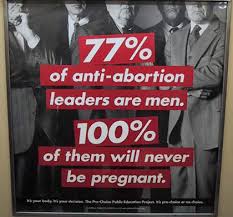
The Right is made up overwhelmingly of white males. And many of these men would feel entirely at home with a Christianized version of the Taliban. They long for a world where women meekly cater to their every demand and believe only what their male masters approve for them to believe.
Third, many fetus fanatics are not truly “pro-life.” They totally oppose abortion under most—-if not all—circumstances. But they also fully support:
- making military-style assault weapons available to nutcases;
- capital punishment;
- going to war for almost any reason;

Remington AR-15 Bushmaster
- wholesale massacres of wildlife;
- despoiling of the environment; and
- even nuclear war.
And many of those who fanatically defend the right of a fetus to emerge from the womb just as fanatically oppose welfare for those who can’t support that newborn.
Fourth, many fetus fanatics are “family values” hypocrites. For example: Representative Scott DesJarlais (R-TN), an anti-abortion, “family values” doctor, had an affair with a patient and later pressured her to get an abortion. He also agreed that his wife should have two abortions.
Fifth, many fetus fanatics feel guilty about their own past sexual transgressions—especially if these resulted in pregnancy. And they want to prevent others from living the same life they did.
Some of these people are well-intentioned. Even so, they usurp unto themselves a God-like right to intrude on the most intimate decisions for others—regardless of what those people may need or want.
Sixth, many fetus fanatics embrace their own pas. On one hand, most of them claim they want to “get government off the backs of the people.” That usually means allowing corporations to pollute, sell dangerous products and treat their employees as slaves.
On the other hand, they want to empower State and Federal authorities to prevent women from getting an abortion—even in cases of rape, incest, or to save the life of the mother.
Seventh, many leaders of the fetus fanatics movement are independently wealthy. This means that even if abortion could be outlawed for the vast majority, they could always bribe a willing doctor—-here or abroad—–to perform such an operation on their wife, daughter and/or mistress. For them, there is always an escape clause.
Eighth, many fetus fanatics are “pro-life” when it comes to fetuses, but hypocritically refuse to support the needs of children from low-income families.
Ninth, many fetus fanatics believe that since their religion teaches that abortion is wrong, they have a moral duty to enforce that belief on others.
Evangelical Christians harshly condemn Muslims—such as those in Afghanistan—for segregating women, forbidding them to drive and forcing them to wear burqas—black robes covering them from head to foot.
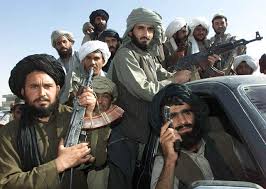
Taliban: Islam’s version of the “Right-to-Life” movement
But while they condemn Islamics for their general intolerance of others’ religious beliefs, they lust to impose their own upon those who belong to other churches. Or who belong to no church at all.
Tenth, many fetus fanatics are just as opposed to birth control as they are to abortion. Thus, when Georgia University law student Sandra Fluke asked Congress to require insurance companies to cover birth control, Rush Limbaugh branded her a “slut” and a “prostitute.”
* * * * *
It’s time to face the blunt truth: A “Conservative Victory,” as the title of Sean Hannity’s book puts it, would impose an anti-women Taliban on America.
2016 PRESIDENTIAL ELECTION, 9/11, ABC NEWS, ADOLF HITLER, AFGHANISTAN, ALTERNET, AMERICABLOG, AP, ASIANS, BABY BOOMER RESISTANCE, BARACK OBAMA, BLACKS, BULLYING, BUZZFEED, CBS NEWS, CNN, COMMUNISM, CROOKS AND LIARS, DAILY KOZ, DONALD TRUMP, DRUDGE RETORT, FACEBOOK, FASCISM, FIVETHIRTYEIGHT, GEORGE W. BUSH, GREAT DEPRESSION, HARPER’S MAGAZINE, HILLARY CLINTON, HISPANICS, IRAQ, JEWS, MEDIA MATTERS, MOTHER JONES, MOVEON, MSNBC, MUSLIMS, NAZI GERMANY, NAZI PARTY, NBC NEWS, NEWSWEEK, NPR, PAUL VON HINDENBURG, PBS NEWSHOUR, POLITICO, POLITICUSUSA, RACISM, RAW STORY, REPUBLICANS, REUTERS, ROBERT PAYNE, SALON, SEATTLE TIMES, SLATE, TALKING POINTS MEMO, THE ATLANTIC, THE CHICAGO SUN-TIMES, THE CHICAGO TRIBUNE, THE DAILY BEAST, THE DAILY BLOG, THE GUARDIAN, THE HILL, THE HUFFINGTON POST, THE LIFE AND DEATH OF ADOLF HITLER, THE LOS ANGELES TIMES, THE LOS ANGELS TIMES, THE NATION, THE NEW REPUBLIC, THE NEW YORK TIMES, THE VILLAGE VOICE, THE WASHINGTON POST, THINKPROGRESS, TIME, TRUTHDIG, TRUTHOUT, TWITTER, TWO POLITICAL JUNKIES, U.S. NEWS & WORLD REPORT, UPI, USA TODAY, WONKETTE, WORLD WAR 11
In Bureaucracy, History, Politics, Social commentary on January 22, 2019 at 12:04 am
In his bestselling 1973 biography, The Life and Death of Adolf Hitler, British historian Robert Payne harshly condemned the German people for the rise of the Nazi dictator.
“[They] allowed themselves to be seduced by him and came to enjoy the experience….[They] followed him with joy and enthusiasm because he gave them license to pillage and murder to their hearts’ content. They were his servile accomplices, his willing victims….
“If he answered their suppressed desires, it was not because he shared them, but because he could make use of them. He despised the German people, for they were merely the instruments of his will.”
On November 8, 2016, millions of ignorant, hate-filled, Right-wing Americans elected Donald Trump—a man reflecting their own hate and ignorance—to the Presidency.
Yet, in some ways, Americans had fewer excuses for turning to a Fascistic style of government than the Germans did.
Adolf Hitler, joined the National Socialist German Workers (Nazi) Party in 1919—the year after World War 1 ended.
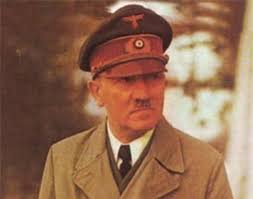
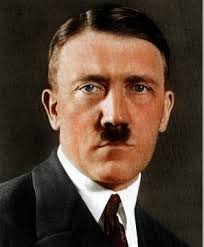
Adolf Hitler
In 1923, he staged a coup attempt in Bavaria—which was quickly and brutally put down by police. He was arrested and sentenced to less than a year in prison.
After that, Hitler decided that winning power through violence was no longer an option. He must win it through election—or appointment.
When the 1929 Depression struck Germany, the fortunes of Hitler’s Nazi party rose as the life savings of ordinary Germans fell. Streets echoed with bloody clashes between members of Hitler’s Nazi Stormtroopers and those of the German Communist Party.
Germans desperately looked for a leader—a Fuhrer—who could somehow deliver them from the threat of financial ruin and Communist takeover.
In early 1933, members of his own cabinet persuaded aging German president, Paul von Hindenburg, that only Hitler’s appointment as Chancellor could do this.
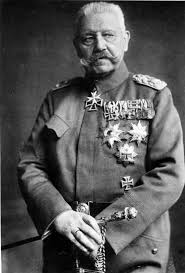
Paul von Hindenburg
Hindenburg was reluctant to do so. He considered Hitler a dangerous radical. But he let himself be convinced that he could “box in” and control Hitler by putting him in the Cabinet.
So, on January 30, 1933, Hindenburg appointed Adolf Hitler Chancellor (the equivalent of Attorney General) of Germany.
On August 2, 1934, Hindenburg died. Hitler immediately assumed the titles—and duties—of the offices of Chancellor and President. His rise to total power was complete.
It had taken him 14 years to do so.
In 2015, Donald Trump declared his candidacy for President.
Now, consider this:
- The country was technically at war in the Middle East—but the fate of the United States was not truly threatened, as it had been during the Civil War.
- There was no draft; if you didn’t know someone in the military, you didn’t care about the casualties taking place.
- Nor were these conflicts—in Iraq and Afghanistan—imposing domestic shortages on Americans, as World War II had.
- Thanks to government loans from President Barack Obama, American capitalism had been saved from its own excesses during the George W. Bush administration.
- Employment was up. CEOs were doing extremely well.
- In contrast to the corruption that had plagued the administration of Ronald Reagan, whom Republicans idolize, there had been no such scandals during the Obama Presidency.
- Nor had there been any large-scale terrorist attacks on American soil—as there had on 9/11 under President George W. Bush.
Yet—not 17 months after announcing his candidacy for President—enough Americans fervently embraced Donald Trump to give him the most powerful position in the country and the world.
.jpg/220px-Donald_Trump_August_19,_2015_(cropped).jpg)
Donald Trump
The message of Barack Obama’s 2008 campaign had been one of hope: “Yes, We Can!”
That of Donald Trump’s campaign was one of hatred toward everyone who was not an avid Trump supporter: “No, You Can’t!”
Whites comprised the overwhelming majority of the audiences at Trump rallies. Not all were racists, but many of those who were advertised it on T-shirts: “MAKE AMERICA WHITE AGAIN.”
Birthrates among non-whites were rising. By 2045, whites would make up less than 50 percent of the American population.
The 2008 election of the first black President had shocked whites. His 2012 re-election had deprived them of the hope that 2008 had been an accident.
Then came 2016—and the possibility that a black President might actually be followed by a woman: Hillary Clinton.
Since Trump became President, he has:
- Fired FBI Director James Comey for investigating Russia’s subversion of the 2016 Presidential election.
- Attacked Federal judges whose rulings displeased him.
- Repeatedly and enthusiastically defended Vladimir Putin, the dictator of Russia, America’s mortal enemy.
- Attacked and alienated America’s oldest allies, such as Canada and Great Britain.
- Shut down the United States Government, imperiling the lives of 800,000 Federal employees, to extort money from Congress for a worthless wall on the U.S.-Mexico border.
- Attacked the free press as “the enemy of the people.”
- Refused to accept his loss in the 2020 Presidential election and spread “The Big Lie” that he had been cheated of victory by massive voter fraud.
- Incited a deadly attack on Congress to stop the counting of Electoral College votes—proving that Joe Biden had won the 2020 Presidential election—so he could remain in office as “President-for-Life.”
And millions of ignorant, hate-filled, Right-wing Americans eagerly plan to once again install him as their Fuhrer.
All of this should be remembered the next time an American blames Germans for their embrace of Adolf Hitler.
ABC NEWS, ADOLF HITLER, ALTERNET, AMERICABLOG, AP, ASSASSINATION, BABY BOOMER RESISTANCE, BBC, BLOOMBERG, BUZZFEED, CBS NEWS, CNN, CONSPIRACIES, CROOKS AND LIARS, DAILY KOS, DAY OF THE JACKAL, DONALD TRUMP, FACEBOOK, FIVETHIRTYEIGHT, FREDERICK FORSYTHE, GAIUS CASSIUS, HARPER’S MAGAZINE, HUFFINGTON POST, JULIUS CAESAR, LINCOLN MEMORIAL, MAR-A-LAGO, MARCUS BRUTUS, MARK ANTHONY, MEDIA MATTERS, MOTHER JONES, MOVEON, MSNBC, NBC NEWS, NEW REPUBLIC, NEWSDAY, NEWSWEEK, NICCOLO MACHIAVELLI, NPR, PBS NEWSHOUR, PLOTS, POLITICO, POLITICUSUSA, RAW STORY, REUTERS, RICHARD M. NIXON, SALON, SEATTLE TIMES, Secret Service, SLATE, TALKING POINTS MEMO, THE ATLANTIC, THE CHICAGO SUN-TIMES, THE CHICAGO TRIBUNE, THE DAILY BEAST, THE DAILY BLOG, THE DISCOURSES, THE GUARDIAN, THE HILL, THE HUFFINGTON POST, THE INTERCEPT, THE LOS ANGELES TIMES, THE NATION, THE NEW REPUBLIC, THE NEW YORK TIMES, THE NEW YORKER, THE VILLAGE VOICE, THE WALL STREET JOURNAL, THE WASHINGTON POST, THINKPROGRESS, TIME, TRUTHDIG, TRUTHOUT, TWO POLITICAL JUNKIES, U.S. NEWS & WORLD REPORT, UPI, USA TODAY, VIETNAM WAR, WHITE HOUSE STAFFER, X
In Bureaucracy, History, Law Enforcement, Politics, Social commentary on October 12, 2018 at 1:06 am
Niccolo Machiavelli, the father of modern political science, wrote that there are three periods of danger in a conspiracy:
- Dangers in organizing the plot
- Dangers in executing the conspiracy
- Dangers following the execution of the plot.
The first two were covered in Part Two of this series. Now, as to the third:
Dangers following the Execution of the Conspiracy: There is really but one—someone is left who will avenge the murdered prince. These can be brothers, sons or other relatives, who have been spared by negligence or for other reasons.
But of all the perils that follow the execution of a conspiracy, the most certain and fearful is the attachment of the people to the murdered prince. There is no remedy against this, for the conspirators can never secure themselves against a whole people.
An example of this occurred in the case of Julius Caesar, who, being beloved by the people, was avenged by them.
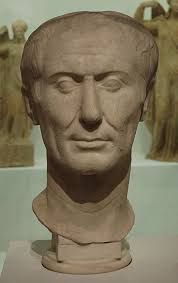
Julius Caesar
Machiavelli closes his chapter “Of Conspiracies” with advice to rulers on how they should act when they find a conspiracy has been formed against them.
If they discover that a conspiracy exists against them, they must, before punishing its authors, strive to learn its nature and extent. And they must measure the danger posed by the conspirators against their own strength.
And if they find it powerful and alarming, they must not expose it until they have amassed sufficient force to crush it. Otherwise, they will only speed their own destruction. They should try to pretend ignorance of it. If the conspirators find themselves discovered, they will be forced by necessity to act without consideration.
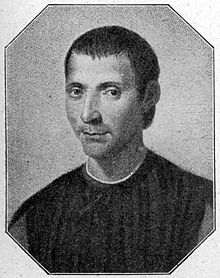
Niccolo Machiavelli
The foregoing was taken from Book Three, Chapter Six, of Machiavelli’s masterwork, The Discourses on Livy, which was published posthumously in 1531. But elsewhere in this volume, he notes how important it is for rulers to make themselves loved—or at least respected—by their fellow citizens:
Note how much more praise those Emperors merited who, after Rome became an empire, conformed to her laws like good princes, than those who took the opposite course.
Titus, Nerva, Trajan, Hadrian, Antoninus and Marcus Auelius did not require the Praetorians nor the multitudinous legions to defend them, because they were protected by their own good conduct, the good will of the people, and by the love of the Senate.
On the other hand, neither the Eastern nor the Western armies saved Caligula, Nero, Vitellius and so many other wicked Emperors from the enemies which their bad conduct and evil lives had raised up against them.
In his better-known work, The Prince, he warns rulers who—like Donald Trump–are inclined to rule by fear:
A prince should make himself feared in such a way that if he does not gain love, he at any rate avoids hatred: for fear and the absence of hatred may well go together.
Donald Trump
* * * * *
If Trump is aware of Machiavelli’s warnings, he has shown no signs of it.
Most Presidents have sought to make themselves seem friendly and caring toward their fellow Americans.
This held true even for Richard M. Nixon, when he made an impromptu visit to the Lincoln Memorial and engaged in a rambling dialogue with Vietnam war protesters.
The encounter happened around 4 a.m. on May 9, 1970, shortly after the invasion of Cambodia. Nationwide outrage had exploded on college campuses, climaxing in the killing of four students at Kent State University on May 4.
So young Vietnam antiwar protesters who had descended on Washington, D.C. were startled when Nixon suddenly appeared in their midst.
Even more startling: He had come with only a small number of Secret Service agents and his devoted White House valet, Manolo Sanchez.
Nixon, in his awkward way of trying to establish rapport, asked some of the students where they were from. When they said they attended Syracuse University, Nixon replied that it had a great football team.
But Nixon and the protesters were separated by too many differences–in their views on sexuality, civil rights, dissent and war—to find common cause.
Still, Nixon at least made an effort to understand and reach an accommodation with his critics.
Since taking office on January 20, Donald Trump has made none.
Instead, he has:
- Held a series of “victory rallies” with his Right-wing followers—which comedian Bill Mahrer calls “hillbilly Nurembergs.”
- Attacked the integrity of Federal judges who struck down his travel ban on Muslims.
- Called the nation’s most prestigious news media “the enemy of the American people.”
- Slandered truthful stories about his staffers’ ties to Russian Intelligence agents as “fake news.”
- Falsely accused his predecessor, President Barack Obama, of wiretapping him.
These and other infamous actions have led to only 45% of Americans approving of his performance—while 52% disapprove.
By Machiavelli’s standards, Trump has made himself the perfect target for a conspiracy: “When a prince becomes universally hated, it is likely that he’s harmed some individuals—who thus seek revenge. This desire is increased by seeing that the prince is widely loathed.”
ABC NEWS, ADOLF HITLER, ALTERNET, AMERICABLOG, AP, ASSASSINATION, BABY BOOMER RESISTANCE, BBC, BLOOMBERG, BUZZFEED, CBS NEWS, CNN, CONSPIRACIES, CROOKS AND LIARS, DAILY KOS, DAY OF THE JACKAL, DONALD TRUMP, FACEBOOK, FIVETHIRTYEIGHT, FREDERICK FORSYTHE, GAIUS CASSIUS, HARPER’S MAGAZINE, HUFFINGTON POST, JULIUS CAESAR, LINCOLN MEMORIAL, MAR-A-LAGO, MARCUS BRUTUS, MARK ANTHONY, MEDIA MATTERS, MOTHER JONES, MOVEON, MSNBC, NBC NEWS, NEW REPUBLIC, NEWSDAY, NEWSWEEK, NICCOLO MACHIAVELLI, NPR, PBS NEWSHOUR, PLOTS, POLITICO, POLITICUSUSA, RAW STORY, REUTERS, RICHARD M. NIXON, SALON, SEATTLE TIMES, Secret Service, SLATE, TALKING POINTS MEMO, THE ATLANTIC, THE CHICAGO SUN-TIMES, THE CHICAGO TRIBUNE, THE DAILY BEAST, THE DAILY BLOG, THE DISCOURSES, THE GUARDIAN, THE HILL, THE HUFFINGTON POST, THE INTERCEPT, THE LOS ANGELES TIMES, THE NATION, THE NEW REPUBLIC, THE NEW YORK TIMES, THE NEW YORKER, THE VILLAGE VOICE, THE WALL STREET JOURNAL, THE WASHINGTON POST, THINKPROGRESS, TIME, TRUTHDIG, TRUTHOUT, TWO POLITICAL JUNKIES, U.S. NEWS & WORLD REPORT, UPI, USA TODAY, VIETNAM WAR, WHITE HOUSE STAFFER, X
In Bureaucracy, History, Law Enforcement, Military, Politics, Social commentary on October 11, 2018 at 12:19 am
More than 500 years ago, Niccolo Machiavelli, the Florentine statesman, authored The Discourses on Livy, a work of political history and philosophy. In it, he outlined how citizens of a republic can maintain their freedoms.
One of the longest chapters—Book Three, Chapter Six—covers “Of Conspiracies.” In it, those who wish to conspire against a ruler will find highly useful advice.
And so will those who wish to foil such a conspiracy.
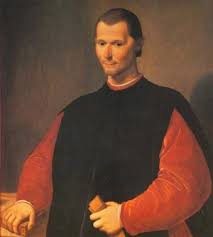

Niccolo Machiavelli
Writes Machiavelli:
For conspirators, there are three ways their efforts can be foiled:
- Discovery through denunciation;
- Discovery through incautiousness;
- Discovery through writings.
Discovery through Denunciation: This occurs through treachery or lack of prudence among one or more conspirators.
Treachery is so common that you can safely tell your plans to only your most trusted friends who are willing to risk their lives for your sake. You may find that you have only one or two of these.
But as you are bring more people into the conspiracy, the chances of discovery greatly increase. It’s impossible to find many who can be completely trusted: For their devotion to you must be greater than their sense of danger and fear of punishment.
Discovery through Carelessness: This happens when one of the conspirators speaks incautiously, so that a third person overhears it Or it may occur from thoughtlessness, when a conspirator tells the secret to his wife or child, or to some other indiscreet person.
When a conspiracy has more than three or four members, its discovery is almost certain, either through treason, imprudence or carelessness.
If more than one conspirator is arrested, the whole plot is discovered, for it will be impossible for any two to agree perfectly as to all their statements.
If only one is arrested, he may—through courage and stubbornness—be able to conceal the names of his accomplices. But then the others, to remain safe, must not panic and flee, since this is certain to be discovered.
If one of them becomes fearful—whether it’s the one who was arrested or is still at liberty—discovery of the conspiracy is certain.
The best way to avoid such detection is to confide your project to your intended fellow conspirators at the moment of execution—and not sooner.
A classic example of this occurred in ancient Persia: A group of nobles assembled to discuss overthrowing a usurper to the throne. The last one to arrive was Darius.
When one of the conspirators asked, “When should we strike?” Darius replied: “We must either go now at this very moment and carry it into execution, or I shall go and denounce you all. For I will not give any of you time to denounce me.”
At that, they went directly to the palace, assassinated the usurper and proclaimed Darius their new king.
Discovery through Writings: You may talk freely with anyone man about everything, for unless you have committed yourself in writing, the “Yes” of one man is worth as much as the “No” of another.
Thus, you should guard most carefully against writing, as against a dangerous rock, for nothing will convict you quicker than your own handwriting.
You may escape, then, from the accusation of a single individual, unless you are convicted by some writing or other pledge, which you should be careful never to give.
If you are denounced, there are means of escaping punishment:
- By denying the accusation and claiming that the person making it hates you; or
- Claiming that your accuser was tortured or coerced into giving false testimony against you.
But the most prudent course is to not tell your intentions to anyone, and to carry out the attempt yourself.
Even if you’re not discovered before you carry out your attack, there are still two dangers facing a conspirator:
Dangers in Execution: These result from:
- An unexpected change in the routine of the intended target;
- The lack of courage among the conspirators; or
- An error on their part, such as leaving some of those alive whom the conspirators intended to kill.
Adolf Hitler, who claimed to have a sixth-sense for danger, was famous for changing his routine at the last minute.
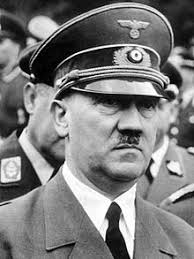

Adolf Hitler
On November 9, 1939, this instinct saved his life. He had been scheduled to give a long speech at a Munich beer hall before the “Old Fighters” of his storm troopers.
But that evening he cut short his speech and left the beer hall. Forty-five minutes later, a bomb exploded inside a pillar—before which Hitler had been speaking.
Conspirators can also be doomed by their good intentions.
In 44 B.C., Gaius Cassius, Marcus Brutus and other Roman senators decided to assassinate Julius Caesar, whose dictatorial ambitions they feared.
Cassius also intended to murder Mark Anthony, Caesar’s strongest ally. But Brutus objected, fearing the plotters would look like butchers, not saviors. Even worse, he allowed Anthony to deliver a eulogy at Caesar’s funeral.
This proved so inflammatory that the mourners rioted, driving the conspirators out of Rome. Soon afterward, they were defeated in a battle with the legions of Anthony and Octavian Caesar—and forced to commit suicide to avoid capture and execution.
ABC NEWS, ADOLF HITLER, ALTERNET, AMERICABLOG, AP, ASSASSINATION, BABY BOOMER RESISTANCE, BBC, BLOOMBERG, BUZZFEED, CBS NEWS, CNN, CONSPIRACIES, CROOKS AND LIARS, DAILY KOS, DAY OF THE JACKAL, DONALD TRUMP, FACEBOOK, FIVETHIRTYEIGHT, FREDERICK FORSYTHE, GAIUS CASSIUS, HARPER’S MAGAZINE, HUFFINGTON POST, JULIUS CAESAR, LINCOLN MEMORIAL, MAR-A-LAGO, MARCUS BRUTUS, MARK ANTHONY, MEDIA MATTERS, MOTHER JONES, MOVEON, MSNBC, NBC NEWS, NEW REPUBLIC, NEWSDAY, NEWSWEEK, NICCOLO MACHIAVELLI, NPR, PBS NEWSHOUR, PLOTS, POLITICO, POLITICUSUSA, RAW STORY, REUTERS, RICHARD M. NIXON, SALON, SEATTLE TIMES, Secret Service, SLATE, TALKING POINTS MEMO, THE ATLANTIC, THE CHICAGO SUN-TIMES, THE CHICAGO TRIBUNE, THE DAILY BEAST, THE DAILY BLOG, THE DISCOURSES, THE GUARDIAN, THE HILL, THE HUFFINGTON POST, THE INTERCEPT, THE LOS ANGELES TIMES, THE NATION, THE NEW REPUBLIC, THE NEW YORK TIMES, THE NEW YORKER, THE VILLAGE VOICE, THE WALL STREET JOURNAL, THE WASHINGTON POST, THINKPROGRESS, TIME, TRUTHDIG, TRUTHOUT, TWO POLITICAL JUNKIES, U.S. NEWS & WORLD REPORT, UPI, USA TODAY, VIETNAM WAR, WHITE HOUSE STAFFER, X
In Bureaucracy, History, Law Enforcement, Military, Politics, Social commentary on October 10, 2018 at 12:01 am
In the 1973 movie, The Day of the Jackal, a methodical assassin devises an ingenious plan to kill French President Charles de Gaulle.
Despite the best efforts of French security forces to entrap him, he eludes them time and again—and comes within an ace of assassinating de Gaulle.

The Day of the Jackal is fiction, based on a 1971 novel by Frederick Forsythe. In real life, most would-be political assassins lack the skills and sophistication of Forsythe’s anti-hero.
Take the case of the man who, on March 18, 2017, jumped over a bicycle rack outside the security perimeter of the White House. Within two minutes, agents of the U.S. Secret Service had tackled and arrested him.
Then, hours later, a motorist drove up to a White House checkpoint and claimed to have a bomb. Secret Service agents immediately arrested him and seized the stolen 2017 Chevrolet Impala. After a careful search, no explosives were found.
Both men will face criminal prosecution—and probably years in prison.
Even if they had been armed, President Donald J. Trump would not have faced any danger.
For the fifth time since taking office on January 20, he was in Florida, vacationing at his Mar-a-Lago resort.
That does not mean, of course, that future assassins will prove so inept.
More than 500 years ago, Niccolo Machiavelli, the father of modern political science, offered sound advice for would-be conspirators—and for rulers seeking to thwart conspiracies.
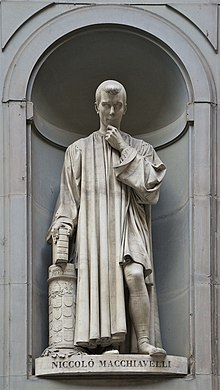
Niccolo Machiavellil
Niccolo Machiavelli: When a prince becomes universally hated, it is likely that he’s harmed some individuals—who thus seek revenge. This desire is increased by seeing the prince is widely loathed.
A prince, then, should avoid incurring such universal hatred….
By doing this, he protects himself from such vengeance-seekers. There are two reasons for this:
(1) Men rarely risk danger to avenge a wrong; and
(2) Even if they want to avenge a wrong, they know they will face almost universal condemnation because the prince is held in such high esteem.
So much for Machiavelli.
Now consider some of the tweets of “White House Staffer,” a self-proclaimed member of the Trump administration who claims 160,000 Twitter followers.
Since January 27, 2017, he has blasted a series of short, information-crammed tweets about daily life in the Executive Mansion.
[NOTE: Although I can’t confirm the legitimacy of his status or his tweets, I believe they are real. They contain too many small, intimate secrets of life in a paranoia-laced White House to not be genuine.]
March 1, 2017: Well the good times didn’t last long here. POTUS is back to flipping out on us.
March 13: POTUS [President of the United States] is thinking about suspending daily press briefings until the media “learn to be nice.” [Steve] Bannon [a top Trump adviser] is pushing for it.
March 16: Sean Hannity was asked to be Press Secretary last week. He turned it down because he didn’t want to take the pay cut. [Sean] Spicer survives.

Donald Trump
Niccolo Machiavelli: He who is threatened, and decides to avenge himself on the prince, becomes a truly dangerous man.
Anger is most likely aroused by injury to a a man’s property or honor. A prince should carefully avoid injuring either, for such a victim will always desire vengeance.
White House Staffer – February 25, 2017: The President keeps saying we’re a finely tuned machine. If that’s true why has he been fricking screaming at us all week? He’s losing it.
February 27: [Steve] Bannon is the scariest person here. He’s broken so much White House stuff by throwing it in anger. Plates, phones, chairs, etc.
February 27: It’s one thing to swear but [Steve] Bannon does it in front of the women here. C**t this, c**t that. He can’t finish a sentence without it.
Machiavelli draws a distinction between plots and conspiracies. A plot may be formed by a single individual or by many. The first isn’t a conspiracy, since that would involve at least two participants.
A single plotter avoids the danger faced by two or more conspirators: Since no one knows his intention, he can’t be betrayed by an accomplice.
Anyone may form a plot, whether he is prominent or insignificant, because everyone is at some time allowed to speak to the prince. And he can use this opportunity to satisfy his desire for revenge.
On the other hand, says Machiavelli, the dangers of assassination by a trusted intimate are slight: Few people dare to assault a prince. Of those who do, few or none escapes being killed in the attempt, or immediately afterward. As a result, only a small number of people are willing to incur such certain death.
Those who take part in a conspiracy against a ruler are “the great men of the state, or those on terms of familiar intercourse with the prince.”
These are men who have access to him. Julius Caesar, for example, was stabbed to death by members of the Roman Senate, who feared his assuming dictatorial powers.
And Adolf Hitler was conspired against by colonels and generals of the German Army. He was in fact holding a war conference when a briefcase bomb exploded, killing three officers and a stenographer, but leaving Hitler only slightly injured.
ABC NEWS, ADOLF HITLER, ADVICE, ALTERNET, AMERICABLOG, AP, BABY BOOMER RESISTANCE, BAY OF PIGS, BBC, BENITO MUSSOLINI, BLOOMBERG NEWS, BUZZFEED, CAESARE BORGIA, CBS NEWS, CNN, CORPORATIONS, CROOKS AND LIARS, CUBA, DAILY KOS, DAILY KOZ, FACEBOOK, FIDEL CASTRO, FIVETHIRTYEIGHT, FLORENCE, HARPER’S MAGAZINE, HUFFINGTON POST, JOHN F. KENNEDY, JOSEPH STALIN, KING PERSEUS OF MACEDON, MEDIA MATTERS, MOTHER JONES, MOVEON, MSNBC, NAZI-SOVIET NON-AGGRESSION PACT, NBC NEWS, NEW REPUBLIC, NEWSDAY, NEWSWEEK, NICCOLO MACHIAVELLI, NPR, PBS NEWSHOUR, POLITICO, POLITICS, POLITICUSUSA, POPE JULIUS 11, RAW STORY, REUTERS, SALON, SEATTLE TIMES, SLATE, TALKING POINTS MEMO, THE ATLANTIC, THE CHICAGO SUN-TIMES, THE CHICAGO TRIBUNE, THE DAILY BEAST, THE DAILY BLOG, THE DISCOURSES, THE GUARDIAN, THE HILL, THE HUFFINGTON POST, THE INTERCEPT, THE LOS ANGELES TIMES, THE NATION, THE NEW REPUBLIC, THE NEW YORK TIMES, THE NEW YORKER, THE PRINCE, THE SS, THE VILLAGE VOICE, THE WASHINGTON POST, THINKPROGRESS, THIRD REICH, TIME, TRUTHDIG, TRUTHOUT, TWITTER, U.S. NEWS & WORLD REPORT, UKRAINE, UPI, USA TODAY, VLADIMIR PUTIN, VOLODYMYR ZELENSKY, WEHRMACHT, WORLD WAR 11
In Bureaucracy, Business, History, Military, Politics, Social commentary on August 17, 2018 at 12:15 am
Ask the average person, “What do you think of Niccolo Machiavelli?” and he’s likely to say: “The devil.”
In fact, “The Old Nick” became an English term used to describe Satan and slander Machiavelli at the same time.

Niccolo Machiavelli
The truth, however, is more complex. Machiavelli was a passionate Republican, who spent most of his adult life in the service of his beloved city-state, Florence.
The years he spent as a diplomat were tumultuous ones for Italy—with men like Pope Julius II and Caesare Borgia vying for power and plunging Italy into one bloodbath after another.
Florence, for all its wealth, lacked a strong army, and thus lay at the mercy of powerful enemies, such as Borgia. Machiavelli often had to use his wits to keep them at bay.
Machiavelli is best-known for his writing of The Prince, a pamphlet on the arts of gaining and holding power. Its admirers have included Benito Mussolini and Joseph Stalin.
But his longer and more thoughtful work is The Discourses, in which he offers advice on how to maintain liberty within a republic. Among its admirers were many of the men who framed the Constitution of the United States.
Most people believe that Machiavelli advocated evil for its own sake.
Not so. Rather, he recognized that sometimes there is no perfect—or perfectly good—solution to a problem.
Sometimes it’s necessary to take stern—even brutal—action to stop an evil (such as a riot) before it becomes widespread:
“A man who wishes to make a profession of goodness in everything must inevitably come to grief among so many who are not good. And therefore it is necessary for a prince, who wishes to maintain himself, to learn how not to be good, and to use this knowledge and not use it, according to the necessity of the case.”
His counsel remains as relevant today as it did during his lifetime (1469 – 1527). This is especially true for politicians—and students of political science.
But plenty of ordinary citizens can also benefit from the advice he has to offer—such as those in business who are asked to give advice to more powerful superiors.
Machiavelli warns there is danger in urging rulers to take a particular course of action: “For men only judge of matters by the result, all the blame of failure is charged upon him who first advised it, while in case of success he receives commendations. But the reward never equals the punishment.”
This puts would-be counselors in a difficult position: “If they do not advise what seems to them for the good of the republic or the prince, regardless of the consequences to themselves, then they fail to do their duty.
“And if they do advise it, then it is at the risk of their position and their lives, for all men are blind in thus, that they judge of good or evil counsels only by the results.”
Thus, Machiavelli warns that an adviser should “take things moderately, and not to undertake to advocate any enterprise with too much zeal, but to give one’s advice calmly and modestly.”
The person who asked for the advice may follow it, or not, as of his own choice, and not because he was led or forced into it by the adviser.
Above all, the adviser must avoid the danger of urging a course of action that runs “contrary to the wishes of the many.
“For the danger arises when your advice has caused the many to be contravened. In that case, when the result is unfortunate, they all concur in your destruction.”
Or, as President John F. Kennedy famously said after the disastrous invasion of Cuba at the Bay of Pigs in April, 1961: “Victory has a hundred fathers and defeat is an orphan.”
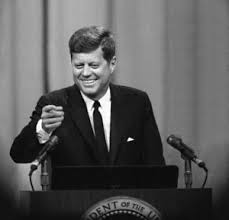
John F. Kennedy
By “not advocating any enterprise with too much zeal,” the adviser gains two advantages:
“The first is, you avoid all danger.
“And the second consists in the great credit which you will have if, after having modestly advised a certain course, your counsel is rejected, and the adoption of a different course results unfortunately.”
Finally, the time to give advice is before a catastrophe occurs, not after. Machiavelli gives a vivid example of what can happen if this rule is ignored.
King Perseus of Macedon had gone to war with Paulus Aemilius—and suffered a humiliating defeat. Fleeing the battlefield with a handful of his men, he later bewailed the disaster that had overtaken him.
Suddenly, one of his lieutenants began to lecture Perseus on the many errors he had committed, which had led to his ruin.
“Traitor,” raged the king, turning upon him, “you have waited until now to tell me all this, when there is no longer any time to remedy it—” And Perseus slew him with his own hands.
Niccolo Machiavelli sums up the lesson as this:
“Thus was this man punished for having been silent when he should have spoken, and for having spoken when he should have been silent.”
Be careful that you don’t make the same mistake.
2016 PRESIDENTIAL RACE, ABC NEWS, ABORTION, ABRAHAM LINCOLN, ADOLF HITLER, ALTERNET, AMERICABLOG, AP, BABY BOOMER RESISTANCE, BARACK OBAMA, BBC, BLOOMBERG NEWS, BUZZFEED, CBS NEWS, CLONING, CNN, CROOKS AND LIARS, DAILY KOS, DAILY KOZ, FACEBOOK, FIVETHIRTYEIGHT, HARPER’S MAGAZINE, HILLARY CLINTON, HUFFINGTON POST, HUMOR, MEDIA MATTERS, MOTHER JONES, MOVEON, MSNBC, NBC NEWS, NEW REPUBLIC, NEWSDAY, NEWSWEEK, NPR, PBS NEWSHOUR, POLITICO, POLITICUSUSA, RAW STORY, REPUBLICANS, REUTERS, Ronald Reagan, SALON, SEATTLE TIMES, SLATE, TALKING POINTS MEMO, THE ATLANTIC, THE CHICAGO SUN-TIMES, THE CHICAGO TRIBUNE, THE DAILY BEAST, THE DAILY BLOG, THE GUARDIAN, THE HILL, THE HUFFINGTON POST, THE INTERCEPT, THE LOS ANGELES TIMES, THE NATION, THE NEW REPUBLIC, THE NEW YORK TIMES, THE NEW YORKER, THE VILLAGE VOICE, THE WASHINGTON POST, THEODORE ROOSEVELT, THINKPROGRESS, TIME, TRUTHDIG, TRUTHOUT, TWITTER, U.S. NEWS & WORLD REPORT, UPI, USA TODAY
In Bureaucracy, Entertainment, History, Humor, Military, Politics, Social commentary on June 15, 2018 at 12:24 am
Many Republican strategists feared that, after Barack Obama, Hillary Clinton had a lock on the White House for 2016.
And the base of the Republican Party continued to demand candidates who were increasingly Fascistic.
The top officials of the Republican Party decided that science held the answer: They would use cloning to create the perfect, unbeatable Presidential candidate.
They directed scientists from the National Institute of Health to resurrect—via DNA samples—several past, hugely popular Republican leaders.
The first of these was Abraham Lincoln: Destroyer of slavery and defender of the Union. The scientists then introduced him to a sample of Republican voters to gauge his current popularity.
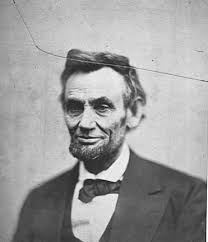
The test audience erupted—but not in the way party officials expected.
“Race-mixer!”
“He’s the reason we have all these damn civil rights laws.”
“He destroyed states’ rights!”
To head off a riot, the scientists rushed the startled Lincoln-clone off the stage.
Then they introduced their next resurrected candidate: Theodore Roosevelt, the trust-busting conservationist.
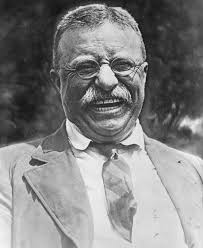
Again, the test-audience erupted:
“Tree-hugger! Tree-hugger!”
“He’s the guy who broke up the big corporations—lousy Socialist!”
Startled Republican officials hustled the Roosevelt-clone out of the building.
Finally, they brought out their third choice for victory: A cloned Ronald Reagan.
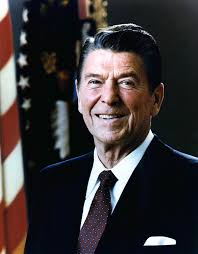
“Not him! He legalized abortion in California when he was Governor!”
“Yeah, and his first wife, Jane Wyman, divorced him. We can’t have a divorced guy in the White House!”
Desperate, Republican leaders went into a huddle.
“What are we going to do?” asked one. “Lincoln, Roosevelt and Reagan were our most popular Presidents.”
“Yeah, but that was in the past,” said another. “We need a candidate who speaks to our base today.”
“Hey, I’ve got an idea. But it’s a bit radical. The guy I have in mind wasn’t actually born in the United States.”
“So what?”
“That would violate the Constitution.”
“Screw the Constitution. You know what our friends in the oil industry say: Why spoil the beauty of the thing with legality?”
So the Republicans again ordered the scientists to return to work one last time.
When the last resurrected candidate was presented to the test-audience, the crowd rose as one, shouting: “That’s him! That’s him!”
“The one we’ve been waiting for!”
“The one who really speaks for us!”
“He’s totally anti-abortion and he hates upity women!”
“Yeah—he hates Socialists, gays and nonwhites, and he really believes in a strong military!”
“All right, all right, I vill do it,” said the clone-candidate. “But the last time I led people to greatness, they proved unworthy of me.
“So I vill do it again—but only under von condition!”
“Yes, yes!” screamed the test-audience. “Anything you want! What is it?”
“Ziss time….”
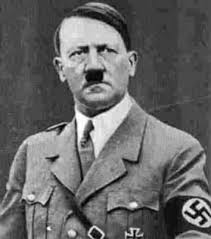
….no more Mr. Nice Guy!”
ABC NEWS, ALTERNET, AMERICABLOG, AP, ARMED ROBBERY, BABY BOOMER RESISTANCE, BBC, BLACK LIVES MATTER, BLOOMBERG NEWS, BUZZFEED, CBS NEWS, CNN, CRIME, CROOKS AND LIARS, DAILY KOZ, DAVID CAMPOS, ED LEE, FACEBOOK, FIVETHIRTYEIGHT, GANG ACTIVITY, GEORGE GASCON, GREG SUHR, HARPER’S MAGAZINE, HEROISM, HUFFINGTON POST, MARIO WOODS, MEDIA MATTERS, MOTHER JONES, MOVEON, MSNBC, NBC NEWS, NEW REPUBLIC, NEWSDAY, NEWSWEEK, NPR, OAKDALE MOB, PBS NEWSHOUR, POLITICO, POLITICUSUSA, RAW STORY, REUTERS, SALON, SAN FRANCISCO BOARD OF SUPERVISORS, SAN FRANCISCO MAYOR ED LEE, SAN FRANCISCO POLICE DEPARTMENT, SEATTLE TIMES, SLATE, TALKING POINTS MEMO, THE ATLANTIC, THE CHICAGO SUN-TIMES, THE CHICAGO TRIBUNE, THE DAILY BEAST, THE DAILY BLOG, THE GUARDIAN, THE HILL, THE HUFFINGTON POST, THE INTERCEPT, THE LOS ANGELES TIMES, THE NATION, THE NEW REPUBLIC, THE NEW YORK TIMES, THE NEW YORKER, THE VILLAGE VOICE, THE WASHINGTON POST, THINKPROGRESS, TIME, TRUTHDIG, TRUTHOUT, TWITTER, TWO POLITICAL JUNKIES, U.S. NEWS & WORLD REPORT, UPI, USA TODAY, WONKETTE
In Bureaucracy, History, Law Enforcement, Politics, Social commentary on May 29, 2018 at 12:03 am
“I am extremely disturbed by the state of the law today, and yet I am duty bound to adhere to the law. Under current law, police officers do not have to retreat, police officers don’t have to use the minimum force necessary.”
So said San Francisco District Attorney George Gascón, almost in tears, on May 24, 2018.
The reason: He could not file charges against the San Francisco Police Department (SFPD) officers who shot a drugged-up, knife-slashing assailant to death on December 2, 2015.
The dead slasher: Mario Woods, a known gang member, armed robber and car thief.
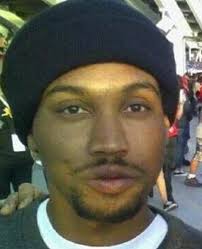
Mario Woods
At 26, Woods—born on July 22, 1989—had a well-documented history of criminality:
- He was an active member of the notorious Oakdale Mob infesting the predominantly black Bayview-Hunters Point area of San Francisco.
- His gang-related activities included armed robbery; attempted armed robbery; shooting incidents; being a felon in illegal possession of a firearm; car theft; driving a stolen car; and being involved in an automobile injury accident while fleeing from police.
- In 2008, he pleaded guilty to possession of a firearm by a felon.
- In 2009, he was one of six gang members added to the provisions of a 2007 gang injunction against the Oakdale Mob.
- Under the terms of this injunction, Oakdale Mob members are forbidden to engage in gang-related conduct within a four-block safety zone.
- Among those prohibited activities: Possessing guns or dangerous weapons; possessing illegal drugs; loitering with intent to sell drugs; intimidating witnesses or victims; using threats to recruit or retain gang members; defacing property with graffiti.
- In 2012, he was sentenced to seven years in state prison for armed robbery. (He had already spent almost three years in County Jail.) He was released in 2014.
On December 2, 2015, San Francisco police officers took a report from a 26-year-old Bayview man who had been slashed in the left shoulder.
He and a female friend had been eating in a car parked in front of an apartment building. They saw a man “walking back and forth on the sidewalk talking” to himself, according to the police report.
The man—wielding a knife—reached into the passenger’s side of the car. The passenger opened the door to push the assailant away.
When he got out of the car, the man slashed him across the left shoulder. Bleeding heavily, the passenger fled to San Francisco General Hospital.
Two officers responded to the crime scene. Police radioed in a description of the attacker, and more officers joined in the search.
Minutes later, officers spotted Mario Woods, who matched the suspect’s description. When he saw the officers get out of their car, he pulled a knife from his jeans pocket and said: “You’re not taking me today.”
The two officers drew their pistols and ordered Woods to drop the knife.
“You better squeeze that motherfucker and kill me,” said Woods.
Still refusing to drop the knife, Woods was hit with three nonlethal beanbag rounds fired from a 12-gauge weapon.

12-gauge Beanbag shotgun rounds
A woman repeatedly yelled to Woods: “Oh, my God, drop it! Drop it!”
A fourth beanbag from a 40mm gun hit Woods. Although he crouched on one knee, he still held the knife. Then he quickly regained his balance and stood up.
A dose of pepper spray had no apparent effect on him.
A crowd gathered—and an officer moved toward them to warn: “Back up!”
Suddenly, Woods moved toward the crowd.
The officer stepped into Woods’ path, to keep him from reaching the bystanders.
As Woods kept advancing, the officer fired his pistol. So did four other officers, riddling Woods with bullets.
The autopsy revealed that Woods had methamphetamine, marijuana, anti-depressants, cough syrup, nicotine and caffeine in his system.
Two of the officers were black—as was Woods. But in Uber-liberal San Francisco, police are widely regarded with suspicion, if not outright hostility. Especially when a black suspect is involved.
Predictably, Black Lives Matter called for a protest and vigil on December 3, 2015.

On January 25, 2016, San Francisco Mayor Ed Lee requested a federal investigation into Woods’ death.
And San Francisco Supervisor David Campos introduced a resolution to name July 22—Woods’ birthday—as “Mario Woods Day.”
On January 26, 2016, the Board of Supervisors unanimously passed Campos’ resolution.
The effort sparked outrage from the San Francisco Police Officers Association (POA) which represents rank-and-file officers.
In a letter addressed to the Board of Supervisors, POA President Martin Halloran wrote:
“It will be a hurtful day to [the families of SFPD officers killed in the line of duty] if this city’s elected officials decide to recognize and honor an individual that preyed upon our most vulnerable citizens.”
Woods’ mother, Gwen, was elated by the vote: “Sometimes you have to stand up and look life in the eye. Everyone can’t be bullied.”
Except those her son victimized.
Since December 2—the date of Woods’ shooting—blacks had demanded the firing of Greg Suhr, chief of the San Francisco Police Department and a 35-year veteran of the force.
On May 20, 2016, Shur was forced to resign at the request of then-Mayor Ed Lee.
Thus do criminals become heroes and sworn law enforcement officers villains in San Francisco.


.jpg&imgrefurl=https%3A%2F%2Fen.wikipedia.org%2Fwiki%2FJulius_Caesar&docid=i5zp8D4W-fCkiM&tbnid=pa1aoGEpET-OGM%3A&vet=1&w=1117&h=1769&bih=414&biw=745&ved=0ahUKEwjsvNnh8-rSAhULe7wKHWZBDxoQMwhQKBUwFQ&iact=c&ictx=1)


 Bureaucracybuster's Blog
ABC NEWS, ALTERNET, AMERICABLOG, AP, ASSAULT, BABY BOOMER RESISTANCE, BBC, BLOOMBERG NEWS, BUZZFEED, CBS NEWS, CNN, CRIME, CROOKS AND LIARS, DAILY KOZ, DEPARTMENT OF POLICE ACCOUNTABILITY, FACEBOOK, FIVETHIRTYEIGHT, HARPER’S MAGAZINE, HUFFINGTON POST, LAW ENFORCEMENT, MEDIA MATTERS, MOTHER JONES, MOVEON, MSNBC, NBC NEWS, NEW REPUBLIC, NEWSDAY, NEWSWEEK, NPR, PBS NEWSHOUR, POLITICO, POLITICUSUSA, RAW STORY, REUTERS, SALON, SAN FRANCISCO, SAN FRANCISCO CHRONICLE, SAN FRANCISCO POLICE DEPARTMENT, SEATTLE TIMES, SLATE, TALKING POINTS MEMO, THE ATLANTIC, THE CHICAGO SUN-TIMES, THE CHICAGO TRIBUNE, THE DAILY BEAST, THE DAILY BLOG, THE GUARDIAN, THE HILL, THE HUFFINGTON POST, THE INTERCEPT, THE LOS ANGELES TIMES, THE NATION, THE NEW REPUBLIC, THE NEW YORK TIMES, THE NEW YORKER, THE VILLAGE VOICE, THE WASHINGTON POST, THINKPROGRESS, TIME, TRUTHDIG, TRUTHOUT, TWITTER, TWO POLITICAL JUNKIES, U.S. NEWS & WORLD REPORT, UPI, USA TODAY
THE WORST POLICE DEPARTMENT IN THE NATION: PART TWO (END)
In Bureaucracy, History, Law Enforcement, Politics, Social commentary on February 5, 2019 at 12:09 am“On August 7, 2017, I witnessed a brutal assault on a friend of mine named Hal [not his real name]. I was a passenger in his car as he waited for a parking space to open in front of the apartment building where we both live.”
So opened a letter from a man named Dave [not his real name] to the San Francisco Police Department (SFPD).
Summarizing his experience as a witness and assault victim, Dave wrote:
Dave subsequently received a Complainant Satisfaction Survey from the SFPD’s Department of Police Accountability (DPA). After bluntly stating his disgust at the complete indifference of the SFPD to the assault, he got a letter from DPA on December 13, 2018, which stated:
“Your Request for an Investigative Hearing in the above-captioned case has been received. We have reviewed the investigative file and have determined that the facts and circumstances supported the DPA’s findings.”
And: “We understand that you may not agree with our finding(s), but it may be of some use to contact the investigator for better clarity and understanding in this matter.”
In short: We aren’t going to arrest the man who assaulted you, but we’ll try to convince you that it’s all for the best.
Determined to not let the SFPD have the last word, Dave sent back a letter to David Henderson, executive director of DPA.
He noted that he had never requested an investigative hearing. Nor had he written a December 5, 2018 letter to the SFPD, as the letter claimed.
He also noted that, 16 years earlier, on May 19, 2002, the San Francisco Chronicle had published a series of devastating reports on the SFPD. Among the newspaper’s findings:
“Judging from the results of my own experience with your agency, little—if anything—has changed within the SFPD during the last 16 years,” Dave wrote.
Referring to the DPA’s false claim that he had requested an investigative hearing, he ended his letter in cold fury:
“It’s a misdemeanor to file a false report with the police. It should be a felony for a police agency to write and send a letter filled with demonstrably false information.
“It is also the height of arrogance and stupidity to believe you can convince the victim of an assault that the criminal negligence he experienced at the hands of the police department didn’t happen.
“Undoubtedly this letter was written for placement in the official files of your department, as a way to cover itself against any possible legal action. No doubt this is common practice within your agency.
“It is precisely such conduct—as well as the refusal of your agency to aggressively investigate crimes of violence against San Francisco residents—that is guaranteed to produce widespread contempt for and refusal to cooperate with your police department.”
Dave didn’t receive another letter from the SFPD.
* * * * *
Unfortunately, real-life police departments do not operate like the ones depicted in movies and on TV. Among the realities of those departments:
Unless you’re wealthy, a politician or—best of all—a cop, don’t expect the police to protect you if your life is threatened. You’ll simply be told: “We don’t have the resources to protect everybody.”
Above everyone else, police look out for each other. If a citizen murders his lover, he’ll be tracked by two detectives. But whoever kills a cop is sought by the entire department.
Police departments are plagued by the same problems that haunt all major bureaucracies, such as:
The result of all this can only be increased disrespect for law enforcement from a deservedly—and increasingly—cynical public.
When citizens believe police lack the ability-–or even the will-–to protect them or avenge their victimization, that is a deadly blow to law enforcement.
When public support vanishes, so does much of that public funding for hiring more cops and buying necessary equipment.
The result can only be a return to the days of the lawless West, where citizens—as individuals or members of vigilante committees—look only to themselves for protection.
Share this: