Posts Tagged ‘PBS NEWSHOUR’
ABC NEWS, ADOLF HITLER, ALTERNET, AP, BUZZFEED, CBS NEWS, CNN, CROOKS AND LIARS, DAILY KOZ, DAVID BROOKS, DEMOCRATS, DONALD TRUMP, FACEBOOK, HOUSE OF REPRESENTATIVES, HOUSE OVERSIGHT COMMITTEE, JACKIE SPEIER, JIM JORDAN, JIMMY CARTER, MARK SHIELDS, MICHAEL COHEN, MOTHER JONES, MOVEON, MSNBC, NBC NEWS, NEWSWEEK, NPR, PBS NEWSHOUR, POLITICO, RAW STORY, REPUBLICANS, REUTERS, RICHARD NIXON, ROBERT MUELLER, SALON, SEATTLE TIMES, SLATE, STORMY DANIELS, THE ATLANTIC, THE CHICAGO SUN-TIMES, THE CHICAGO TRIBUNE, THE DAILY BEAST, THE GUARDIAN, THE HILL, THE HUFFINGTON POST, THE LOS ANGELES TIMES, THE NATION, THE NEW YORK TIMES, THE PBS NEWSHOUR, THE WASHINGTON POST, TIME, TWITTER, U.S. NEWS & WORLD REPORT, UNITED STATES SENATE, UPI, USA TODAY
In Bureaucracy, Business, History, Politics, Social commentary on March 5, 2019 at 12:16 am
“Just another week in Caligula’s Rome.”
That was how conservative New York Times columnist David Brooks summed up President Donald Trump’s Washington, D.C. for the week of February 24 to March 1, 2019.
Every Friday Books faces off with liberal syndicated columnist Mark Shields on The PBS Newshour. And on the program for March 1, the two men found common cause in sizing up the appearance of Michael Cohen before the House Oversight Committee two days earlier.
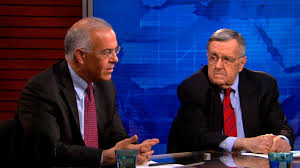
David Brooks and Mark Shields on “The PBS Newshour”
During that hearing, Cohen, Trump’s longtime attorney and fixer:
- Condemned his former boss as “a racist, a conman [and] a cheat.”
- Confirmed that Trump had instructed him to pay $130,000 in hush money to porn “star” Stormy Daniels, to buy her silence during the 2016 Presidential campaign.
- Provided the committee with a copy of a check Trump wrote from his personal bank account—after he became President—“to reimburse me for the hush money payments I made.”
- Produced “copies of letters I wrote at Mr. Trump’s direction that threatened his high school, colleges, and the College Board not to release his grades or SAT scores.”
But for Brooks, far more was at stake than the individual accusations:
“To me, it was more of a moral occasion, more than anything else. What it illustrates is a President and, frankly, Michael Cohen who long ago decided that celebrity and wealth is more important than being a good person. And they have dragged us all down there with us.
“And the people they have dragged most effectively are the House Republicans, a lot of them on that committee, who decided that they were completely incurious about whether Donald Trump was a good guy or a bad guy or a really awful guy, that—their own leader, they didn’t seem to care about that, but they were going to rip the skin off Michael Cohen.
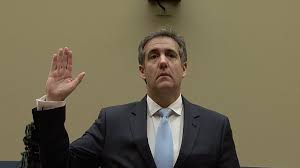
Michael Cohen testifying before Congress
“And so they attacked him. And what struck me is how moral corrosion happens, that you decide you’re going to defend or ignore Trump. And then to do that, you have to morally distance yourself from him. And then you have to morally distance yourself from him every day.
“And, eventually, you just get numb to everything. And so [Ohio Republican Representative] Jim Jordan and other people on the committee were saying, oh, we all knew this, like, it’s all unremarkable. And so that’s—that’s how moral corrosion happens.”
During the hearing, California Representative Jackie Speier asked Cohen: How many times did Trump ask you to intimidate creditors?
Cohen estimated the number at 500.
For Shields, this counted as especially despicable behavior: “And—but the thing about it is, when he stiffed those small business—the plumbers and the electricians who did the work in the Trump projects, and he came back, and Donald Trump loved to hear about it, I mean, reveled in it.
“Now, I mean, at what point do you say that there’s no honor here? I mean, there’s nothing to admire.”
Shields was equally appalled by the refusal of Trump’s Republican committee defenders to condemn his moral depravity—as a businessman or President.
“If you can’t deal with the message, you shoot the messenger. And that’s what their whole strategy was.
“The very fact that not a single member of the Republican committee defended Donald Trump or what he was charged or alleged to have done, to me, was revealing. They just decided to go after Michael Cohen.”
So why have Republicans aligned themselves with such a man?
Republicans don’t fear that Trump will trash the institutions that Americans have cherished for more than 200 years. Institutions like an independent judiciary, a free press, and an incorruptible Justice Department.
He has already attacked all of these—and Republicans have either said nothing or rushed to his defense.
What Republicans truly fear about Donald Trump is that he will finally cross one line too many—like firing Special Counsel Robert Mueller. And that the national outrage following this will force them to launch impeachment proceedings against him.
But it isn’t even Trump they fear will be destroyed.
What they most fear losing is their own hold on nearly absolute power in Congress and the White House. And the riches that go with it.
If Trump is impeached and possibly indicted, he will become a man no one any longer fears. He will be a figure held up to ridicule and condemnation.
Like Adolf Hitler.
Like Richard Nixon.
And his supporters will be branded as losers along with him.
Republicans vividly remember what happened after Nixon was forced to resign on August 9, 1974: Democrats, riding a wave of reform fever, swept Republicans out of the House and Senate—and Jimmy Carter into the White House.
House and Senate Republicans can imagine a future without Trump—but not one where they disappear.
If they are conflicted—whether to continue supporting Trump or desert him—the reason is the same: How can I hold onto my power and all the privileges that go with it?
2016 PRESIDENTIAL RACE, ABC NEWS, ALTERNET, AMERICABLOG, AP, BABY BOOMER RESISTANCE, BBC, BLOOMBERG NEWS, BUZZFEED, CBS NEWS, CNN, CROOKS AND LIARS, DAILY KOZ, DONALD TRUMP, FACEBOOK, FIVETHIRTYEIGHT, GARY SCHULTZ, HARPER’S MAGAZINE, HOUSE COMMITTEE ON OVERSIGHT, HUFFINGTON POST, JIM JORDAN, MARK COLEMAN, MEDIA MATTERS, MICHAEL COHEN, MIKE DISABATO, MOTHER JONES, MOVEON, MSNBC, NBC NEWS, NEW REPUBLIC, NEWSDAY, NEWSWEEK, NPR, OHIO STATE UNIVERSITY, PBS NEWSHOUR, POLITICO, POLITICUSUSA, RAW STORY, REUTERS, RICHARD STRAUSS, ROBERT S. MUELLER, ROD ROSENSTEIN, RUSSIAN SUBVERSION, SALON, SEATTLE TIMES, SEXUAL ABUSE, SLATE, SPECIAL COUNSEL, SPORTS, TALKING POINTS MEMO, THE ATLANTIC, THE CHICAGO SUN-TIMES, THE CHICAGO TRIBUNE, THE DAILY BEAST, THE DAILY BLOG, THE GUARDIAN, THE HILL, THE HUFFINGTON POST, THE INTERCEPT, THE LOS ANGELES TIMES, THE NATION, THE NEW REPUBLIC, THE NEW YORK TIMES, THE NEW YORKER, THE VILLAGE VOICE, THE WASHINGTON POST, THINKPROGRESS, TIME, TRUTHDIG, TRUTHOUT, TWITTER, TWO POLITICAL JUNKIES, U.S. NEWS & WORLD REPORT, ULTIMATE FIGHTING CHAMPIONSHIP, UPI, USA TODAY, WRESTLING
In Bureaucracy, History, Law Enforcement, Politics, Social commentary on March 4, 2019 at 11:58 am
Donald Trump has a unique menagerie of friends.
Some of them are Communist dictators—such as North Korea’s Kim Jong Un and Russia’s Vladimir Putin.
Some of them are accused pedophiles—such as billionaire Jeffrey Epstein, who, in 2008, was convicted of soliciting an underage girl for prostitution.
And some of them apparently knew that others were being sexually abused, but did nothing to stop the assaults—like Rep. Jim Jordan (R-OH).
Jordan has long defended Trump’s litany of demonstrated lies and documented criminality. Appearing on CNN’s “Anderson Cooper 360,” on April 16, 2018, Jordan accused Andrew McCabe, the former deputy director of the FBI, of being a liar. He accused the Washington Post of lying. He asked Cooper if he had ever lied.
But, pressed by Cooper on whether he had ever heard Trump lie, Jordan replied: “I have not. I don’t know of it. Nothing comes to mind.”

Rep. Jim Jordan
Jordan pushed to impeach Deputy Attorney General Rod Rosenstein, who oversees Special Counsel Robert Mueller’s investigation of Russia’s subversion of the 2016 Presidential election.
Jordan, a member of the House’s Right-wing Freedom Caucus, fanatically supports President Donald Trump, whose campaign received documented support from Russian Intelligence agents.
Jordan believes there should not be any investigation into this unholy alliance.
And on February 27, Jordan appeared at the House or Representatives’ Committee on Oversight and Reform to attack the credibility of Michael Cohen.
Trump’s former attorney and fixer
- Accused the President of being a racist, a conman and a cheat.
- Testified that “Donald Trump is a man who ran for office to make his brand great, not to make our country great. He had no desire or intention to lead this nation—only to market himself and to build his wealth and power.”
- Produced a copy of a check Trump “wrote from his personal bank account—after he became president—to reimburse me for the hush money payments I made to cover up his affair with an adult film star and prevent damage to his campaign.”
- Testified that “Mr. Trump knew of and directed the Trump Moscow negotiations throughout the campaign and lied about it. He also lied about it because he stood to make hundreds of millions of dollars on the Moscow real estate project.”

Michael Cohen
IowaPolitics.com [CC BY-SA 2.0 (https://creativecommons.org/licenses/by-sa/2.0)%5D
As a result of his work for Trump, on August 21, 2018, Cohen pleaded guilty to tax fraud, bank fraud and campaign finance violations. He was sentenced in December, 2018, to three years in federal prison and ordered to pay a $50,000 fine.
Like every other Republican at the hearing, Jordan ignored Cohen’s damning allegations. He didn’t try to defend Trump. He simply indulged in character assassination.
After Jordan claimed that Cohen showed “non-existent” remorse, Cohen counterattacked: “I am remorseful. I am going to prison. I will be away from my wife and children for years.”
Meanwhile, Jordan is being haunted by a scandal of his own.
Jordan served as an assistant coach at Ohio State University (OSU) from 1987 to 1995. Several former OSU wrestlers claim Jordan ignored sexual abuse of students by the team’s doctor.
In April, 2018, OSU announced it was investigating charges that Richard Strauss had abused team wrestlers while he served as the team doctor from the mid-1970s to the late 1990s. Strauss died in 2005.
Jordan claims he didn’t know about the abuse.
Yet several former wrestlers assert that they told Jordan about the abuse or remember Jordan being a part of conversations about the abuse.
“I considered Jim Jordan a friend,” Mike DiSabato, a former wrestler, told NBC. It was DiSabato’s allegations against Strauss that led OSU to open the investigation. “But at the end of the day, he is absolutely lying if he says he doesn’t know what was going on.”
In an email to Ohio State’s legal counsel, DiSabato wrote: “Strauss sexually assaulted male athletes in at least fifteen varsity sports during his employment at OSU from 1978 through 1998.”
“There’s no way unless he’s got dementia or something that he’s got no recollection of what was going on at Ohio State,” former Ultimate Fighting Championship world champion Mark Coleman told the Wall Street Journal. “I have nothing but respect for this man, I love this man, but he knew as far as I’m concerned.”
Which immediately raises the question: How can you respect and love a man who knew that students were being sexually abused—and did nothing to stop it?
Speaking with reporters in Ohio, Jordan offered a Sergeant Schultz “I know nothing” defense:
“We knew of no abuse, never heard of abuse. If we had, we would have reported it. If, in fact, there’s problems, we want justice for the people who were victims, obviously, and as I said, we are happy to talk with the folks who are doing the investigation. But the things they said about me just were flat-out not true.”
Trump says he believes his ally Jordan “100 percent”: “I don’t believe them at all,” Trump told reporters, referring to the wrestlers who have come forward.
Thus, a President accused of moral depravity finds himself defended by a man accused of ignoring the sexual abuse of young men.
ABC NEWS, ACADEMY AWARDS, ALL THINGS CONSIDERED, ALTERNET, AP, ARI SHAPIRO, AV FILM, “BROKEN ARROW”, “GREEN BOOK”, BUZZFEED, CBS NEWS, CIVIL RIGHTS, CLASSICAL PIANO, CNN, CROOKS AND LIARS, DAILY KOZ, DON SHIRLEY, FACEBOOK, FREEDOM RIDERS, HOMOSEXUALITY, JAMES MEREDITH, JAMES STEWART, JAZZ PIANO, JEFF CHANCLER, KU KLUX KLAN, MAHERSHALA ALI, MISSISSIPPI, MOTHER JONES, MOVEON, MSNBC, NBC NEWS, NEWSWEEK, NPR, PBS NEWSHOUR, POLITICO, RACISM, RAW STORY, REBECCA THEODORE-VACHON, REUTERS, ROBERT F. KENNEDY, ROSS BARNETT, SALON, SEATTLE TIMES, SEGREGATION, SLATE, SPIKE LEE, THE ATLANTIC, THE CHICAGO SUN-TIMES, THE CHICAGO TRIBUNE, THE DAILY BEAST, THE GUARDIAN, THE HILL, THE HUFFINGTON POST, THE LOS ANGELES TIMES, THE NATION, THE NEW YORK TIMES, THE WASHINGTON POST, TIME, TONY VALLELONGA, TRUMP ADMINISTRATION, TWITTER, U.S. NEWS & WORLD REPORT, UNIVERSITY OF MISSISSIPPI, UPI, USA TODAY, VIGGO MORTENSEN
In History, Law, Law Enforcement, Politics, Social commentary on February 26, 2019 at 12:07 am
“The [Oscar] winners included Regina King, Rami Malek, Alfonso Cuaron, Spike Lee—a group of people from very different backgrounds representing films that tell nuanced stories about diverse experiences.
“And then the top honor is given to a film that many people have criticized for being an overly simplistic story about race told from the perspective of a white savior.”
So argued Ari Shapiro, a co-host of All Things Considered, NPR’s award-winning news magazine. He made his comments the day after Green Book won the Oscar for Best Picture at the 91st annual Academy Awards.
Green Book is a 2018 biographical drama set in the Deep South of 1962. It’s based on the true story of a concert tour by a black classical and jazz pianist, Don Shirley, and his driver and bodyguard, Tony Vallelonga. Mahershala Ali plays Shirley and Viggo Mortensen plays Vallelonga.
The two men are polar opposites: Shirley is cultured and eloquent; Vallelonga is streetwise and volatile. Shirley is used to dealing with the cream of New York society. Vallelonga is used to dealing with its dregs—as a nightclub bouncer.
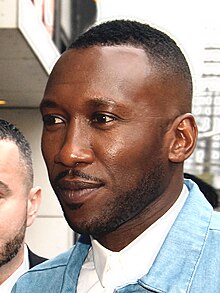
Mahershala Ali as Don Shirley
Gordon Correll [CC BY-SA 2.0 (https://creativecommons.org/licenses/by-sa/2.0)%5D
When his nightclub closes for renovations, he responds to an ad by Shirley for a driver for his eight-week concert tour through the Midwest and Deep South.
This is 1962, a time when a black Air Force veteran, James Meredith, must be given protection by deputy U.S. marshals when he enters the segregated University of Mississippi. White and black “Freedom Riders” are canvassing the South, sitting at segregated lunch counters and often being attacked by members of the Ku Klux Klan and equally racist Southern police.
In fact, the title of the movie—Green Book—is derived from a travel guide written for blacks venturing into the Deep South: The Negro Motorist Green Book. Written by Victor Hugo Green, its purpose is to help blacks find motels and restaurants that will accept them.
And as Shirley and Vallelonga make their odyssey through the South, they find themselves staying at separate hotels—and sometimes together, after Vallelonga slips Shirley into his own room.

An AV Film review called Green Book “a kind of comforting liberal fantasy, a #NotAllRacists trifle that suggests that our deep, festering divisions can be sutured through some quality time on the open road, resolving differences over a bucket of KFC.”
At the start of the movie, Vallelonga throws away a glass after a black construction worker drinks from it. But during his tour of the South, he becomes increasingly sympathetic to the plight suffered by Shirley—and other blacks forced to daily endure a series of humiliations.
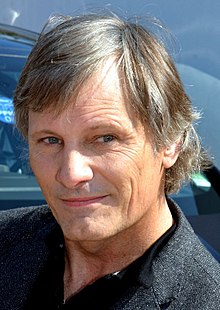
Viggo Mortensen as Tony Vallelonga
Georges Biard [CC BY-SA 3.0 (https://creativecommons.org/licenses/by-sa/3.0)%5D
According to television critic Rebecca Theodore-Vachon: “Green Book is a feel-good movie. It doesn’t really require a lot of critical thinking or self-analysis. You know, people walk out t of the movie feeling that, oh, well, racism is over, we’re good. So I think those are the things that are going on.”
Actually, the film makes clear that some people will always be racists. Thus, Shirley finds himself repeatedly forced to eat in the segregated rooms of the hotels where he’s to play concerts. And he’s almost murdered by a group of racists when he makes the mistake of going into a whites’ only bar. He survives only because Vallelonga arrives in time to rescue him.
And Shirley proves just as great a friend to Vallelonga. He introduces the semi-literate bouncer to the power of the written word by helping him craft articulate, heartfelt letters to his wife.
Toward the end of the movie, Vallelonga and Shirley are pulled over by a Mississippi police officer. Shirley’s “crime”: Being black—and out at night. When the officer insults Vallelonga, Tony punches him—and he and Shirley wind up in jail.
Shirley asks for permission to call his “lawyer”—and the man he dials is Attorney General Robert F. Kennedy.
Kennedy, in turn, calls Mississippi Governor Ross Barnett. Barnett is already having his share of troubles with the Kennedys, and he orders the police: Let those men go—now!
This scene underscores the importance of electing people who will stand against injustice. Watching the release of Vallelonga and Shirley, it’s impossible to imagine the Trump administration intervening in such a manner.
At the end of the movie, Shirley visits Vallelonga’s home—where he’s warmly received by Tony and his family. The film’s end credits reveal that the two men remained friends until they died, within months of each other, in 2013.
In 1950, a Western called Broken Arrow-–starring James Stewart as Tom Jeffords and Jeff Chandler as Cochise—told the true story of a friendship between a white man and an Apache. For many Americans, this came as a revelation.
After decades of seeing Indians depicted as bloodthirsty savages, audiences saw that there were those—among red men and white men—who could rise above prejudice and see each other as worthy of respect.
The lesson of Green Book is exactly the same. And it’s needed now more than ever.
2016 PRESIDENTIAL CAMPAIGN, ABC NEWS, ALTERNET, ANDERSON COOPER, ANDERSOON COOPER 360, ANDREW MCCABE, AP, BUZZFEED, CBS NEWS, CNN, CROOKS AND LIARS, DAILY KOZ, DONALD TRUMP, DONALD TRUMP JR., FACEBOOK, FBI, IVANKA TRUMP, KGB, MOTHER JONES, MOVEON, MSNBC, NBC NEWS, NEWSWEEK, NPR, PARODY, PBS NEWSHOUR, POLITICO, RAW STORY, REUTERS, ROBERT S. MUELLER, RUSSIA, SALON, SEATTLE TIMES, SLATE, THE ATLANTIC, THE CHICAGO SUN-TIMES, THE CHICAGO TRIBUNE, THE DAILY BEAST, THE GUARDIAN, THE HILL, THE HUFFINGTON POST, THE LOS ANGELES TIMES, THE NATION, THE NEW YORK TIMES, THE WASHINGTON POST, TIME, TREASON, TWITTER, U.S. NEWS & WORLD REPORT, UPI, USA TODAY, VLADIMIR PUTIN
In History, Law, Law Enforcement, Politics, Social commentary on February 22, 2019 at 2:31 pm
Appearing on CNN’s Anderson Cooper 360 on February 19, former FBI Acting Director Andrew McCabe said it is possible that President Donald Trump is a Russian asset.

Andrew McCabe
“This President is undermining the role of law enforcement, undermining the role of our intelligence infrastructure and negatively impacting the men and women of the FBI, and across the intelligence agencies, (and their) ability to protect this country on a daily basis,” McCabe said.
With this in mind, it’s time for a musical salute to the country’s would-be Commissar-in-Chief—and those treason-supporting Republicans who keep him in power.
* * * * *
ACT ONE: THE 2016 PRESIDENTIAL CAMPAIGN
WITH A LITTLE HELP FROM MY VLAD
(To be sung to the tune, “With a Little Help From My Friends”)
What would you think if I ripped off some kids?
Would you walk out and not vote for me?
Lend me your ears and I’ll feed you a line
And I’ll try not to laugh cynically.
Oh, I get by with a little help from my Vlad.
Mm, I can lie with a little help from my Vlad.
Mm, you’re gonna fry with a little help from my Vlad.
What do I do when the bank calls me in?
(Does it worry you to be in debt?)
How do I feel when I need rubles fast?
(Do you worry Vlad might say “Nyet”?)
No, I get by with a little help from my Vlad.
Mm, I can lie with a little help from my Vlad.
Mm, you’re gonna fry with a little help from my Vlad.
I just need someone named me.
As long as it’s me–me–me–me!
(Would you believe in a love at first sight?)
Yes, it happens with a mirror all the time.
(What do you see when you turn out the light?)
It stays on so that my face can shine.
Oh, I get by with a little help from my Vlad.
Mm, I can lie with a little help from my Vlad.
Mm, you’re gonna die with a little help from my Vlad.
I need a Gestapo that kills.
As long as it kills I get thrills.
Oh, I get by with a little help from my Vlad.
With a little help from my Vlad.
* * * * *
ACT TWO: THE DONALD TRUMP PRESIDENCY
THE TRUMPY SKUNKY
(To be sung to the tune of “The Hokey Pokey”)
Trump lets the Russians in,
He kicks the press corps out.
He slips Vlad secret stuff
And he gives a “Treason!” shout.
He does the Trumpy Skunky
As he sells the U.S. out.
That’s what he’s all about.
He dares not tell the truth
‘Cause his whole life’s just a lie.
He does the Trumpy Skunky
As he sells the U.S. out.
That’s what he’s all about.
Trump tells interpreters:
“Don’t let on what I do.”
He lives to spread his hate
Just like all good Fascists do.
He does the Trumpy Skunky
That’s what he’s all about.
Trump lets the Russians in
He kicks his lawyers out.
He screams “I’m innocent!
And he gives a “Treason!” shout.
He does the Trumpy Skunky
That’s what he’s all about.
* * * * *
ACT THREE: RETRIBUTION FOR TREASON
TRUMPY TRAITOR
(To be sung to the tune, “Rockin’ Robin”)
He Tweets in the White House all the day long
Screamin’ and a-schemin’ and a-doin’ what’s wrong.
All the Special Agents in the FBI
Hope he goes to prison till the day he’ll die.
Trumpy Traitor (tweet tweet)
Trumpy Traitor (tweet tweet)
Go Trumpy Traitor
‘Cause they’re gonna bust your ass tonight.
Every act of treason, every act of crime—
America has never seen a bigger slime.
Bob Mueller’s ready, the cops are closin’ in
To put a grand finale to your reign of sin.
Trumpy Traitor (tweet tweet)
Trumpy Traitor (tweet tweet)
Go Trumpy Traitor
‘Cause they’re gonna bust your ass tonight.
Well, Eric’s getting ready for his next big steal
While Daddy hugs Ivanka—who lets out a squeal.
Don Junior’s got the Russians coming once again—
It’s party-time for traitors and their lives of sin.
He Tweets in the White House all the day long
Screamin’ and a-schemin’ and a-doin’ what’s wrong.
Handing out secrets to the KGB
The biggest Right-wing traitor that you’ll ever see.
Trumpy Traitor (tweet tweet)
Trumpy Traitor (tweet tweet)
Go Trumpy Traitor
‘Cause they’re gonna bust your ass tonight.
Well, Eric’s getting ready for his next big steal
While Daddy hugs Ivanka—who lets out a squeal.
Don Junior’s got the Russians coming once again—
It’s party-time for traitors and their lives of sin.
He Tweets in the White House all the day long
Screamin’ and a-schemin’ and a-doin’ what’s wrong.
Handing out secrets to the KGB
The biggest Right-wing traitor that you’ll ever see.
Trumpy Traitor (tweet tweet)
Trumpy Traitor (tweet tweet)
Go Trumpy Traitor
‘Cause they’re gonna bust your ass tonight.
ABC NEWS, ALTERNET, AP, BORDER WALL, BUZZFEED, CBS NEWS, CHARLES SCHUMER, CHRIS CILLIZZA, CNN, CROOKS AND LIARS, DAILY KOZ, FACEBOOK, FBI, FEDERAL AVIATION ADMINISTRATION, FEDERAL GOVERNMENT SHUTDOWN, JOSE ANDRES, JULIAN ZELITZER, MARIE ANTOINETTE, MOTHER JONES, MOVEON, MSNBC, NANCY PELOSI DONALD TRUMP, NBC NEWS, NEWSWEEK, NICCOLO MACHIAVELLI, NPR, PBS NEWSHOUR, POLITICO, RAFEAL “TED” CRUZ, RAW STORY, REUTERS, SALON, SEATTLE TIMES, SLATE, STATE OF THE UNION ADDRESS, SUPER BOWL, THE ATLANTIC, THE CHICAGO SUN-TIMES, THE CHICAGO TRIBUNE, THE DAILY BEAST, THE GUARDIAN, THE HILL, THE HUFFINGTON POST, THE LOS ANGELES TIMES, THE NATION, THE NEW YORK TIMES, THE PRINCE, THE WASHINGTON POST, TIME, TRANSPORTATION SAFETY ADMINISTRATION (TSA), TWITTER, U.S. NEWS & WORLD REPORT, UNITED STATES HOUSE OF REPRESENTATIVES, UNITED STATES SENATE, UPI, USA TODAY, WILBUR ROSS
In Bureaucracy, History, Politics, Social commentary on February 7, 2019 at 12:07 am
Donald Trump couldn’t believe that Nancy Pelosi meant it when she politely refused to let him give his State of the Union address in the House of Representatives until he reopened the Federal Government.
He dared her to say plainly that she would deny him access.
THE LION
So she did—issuing a statement saying that the speech was off—until the government reopened.
Soon afterward, Trump agreed that the State of the Union address would have to be postponed.
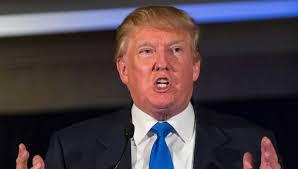
Donald Trump
THE FOX:
Pelosi didn’t let herself be drawn into any Twitter slugfests with a semi-literate dictator. She could well afford to sit out the shutdown, since only the Fascistic Right truly believed she was responsible for it.
And she capitalized on the unexpected help she received from one of Trump’s highest-ranking officials: Commerce Secretary Wilbur Ross.
Asked on CNBC if he knew that many Federal employees had been reduced to going to food banks, Ross—a billionaire—said yes, but he didn’t understand why.
His suggestion: They could just take out a loan.
“So the 30 days of pay that some people will be out, there’s no real reason why they shouldn’t be able to get a loan against it, and we’ve seen a number of ads of financial institutions doing that.
“True, the people might have to pay a little bit of interest. But the idea that it’s ‘paycheck or zero’ is not a really valid idea.”
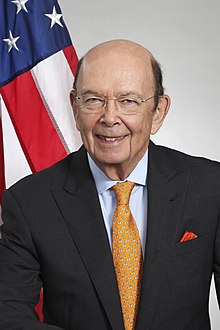
Wilbur Ross
It was a remark worthy of Marie Antoinette’s reported (but inaccurate) dismissal of the miseries of impoverished French citizens: “Let them eat cake.”
And Pelosi didn’t hesitate to point it out:
“Is this the ‘Let them eat cake,’ kind of attitude? Or ‘Call your father for money?’ Or ’This is character-building for you; it’s all going to end up very well—just as long as you don’t get your paychecks?’”
As CNN political analyst Chris Cillizza saw it: “What Pelosi seems to understand better than past Trump political opponents is that giving ANY ground is a mistake. You have to not only stand firm, but be willing to go beyond all political norms—like canceling the SOTU—to win.”
And Julian Zelitzer, another CNN political analyst, agreed: “Pelosi did not hesitate to use her political power aggressively. From the start of this process, she has remained steadfast in her insistence that closing the government was not a legitimate way to make demands for new forms of spending.
“While sometimes Democrats become leery about seeming too partisan and not being civil enough, Pelosi and the Democrats stood their ground. She drew a line in the sand and stuck by it.”
When Republicans claim that Democrats aren’t being “civil,” they mean: “They’re not doing exactly as we tell them to do.”
And of course Republicans tried to convince voters that Trump had not threatened to shut down the government—and then had done so. Republicans like Texas United States Senator Rafael “Ted” Cruz repeatedly railed against the “Pelosi-Schumer shutdown.”
But the vast majority of voters weren’t having it. They had seen the original broadcast where Trump made his threat. And if they had missed the original, there were plenty of re-broadcasts of that moment on news networks to alert them.
As Pelosi and Democrats held firm, Republicans began getting desperate.
- They were being depicted in the news as extortionists while 800,000 of their fellow Americans suffered.
- Those businesses that served them—such as grocery stores and auto repair shops—were being starved of revenue.
- There was legitimate fear that the entire airline industry might have to shut down for lack of enough air traffic controllers to regulate air traffic.
- Worst of all for Republicans, chaos at airports threatened the travel plans of hundreds of thousands of people traveling to and from the upcoming Super Bowl. Most Americans might not know the name of their Senator, but they take their sports fetish seriously.
By January 25, the 35th day of the shutdown, an ABC News/Washington Post poll showed that 53% of Americans blamed Trump for the shutdown. His popularity had fallen to a historic low of 37%. And 60% disapproved of how he was handling negotiations to reopen the government.
So, on that same date, Trump did what his Hispanic-hating base thought was impossible: He caved.
He walked into the White House Rose Garden and said he would sign a bill to reopen the government for three weeks.
And, for Pelosi, the sweetest moment was yet to come.
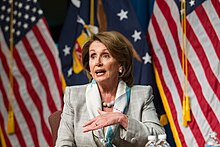
Nancy Pelosi
True, Trump had said he would not give the State of the Union address on his originally scheduled date of January 29th. But eventually he would.
And when this happened, Pelosi would be sitting directly behind him—along with Vice President Mike Pence—the whole time!
Unlike Trump, who revels in bragging about how powerful and brilliant he is, she wouldn’t have to.
Simply sitting behind him, no doubt trying hard to suppress a smile of glee, she would nevertheless remind the audience that she was the one who taught this failed businessman “the art of the deal.”
ABC NEWS, ALTERNET, AP, BORDER WALL, BUZZFEED, CBS NEWS, CHARLES SCHUMER, CHRIS CILLIZZA, CNN, CROOKS AND LIARS, DAILY KOZ, FACEBOOK, FBI, FEDERAL AVIATION ADMINISTRATION, FEDERAL GOVERNMENT SHUTDOWN, JOSE ANDRES, JULIAN ZELITZER, MARIE ANTOINETTE, MOTHER JONES, MOVEON, MSNBC, NANCY PELOSI DONALD TRUMP, NBC NEWS, NEWSWEEK, NICCOLO MACHIAVELLI, NPR, PBS NEWSHOUR, POLITICO, RAFEAL “TED” CRUZ, RAW STORY, REUTERS, SALON, SEATTLE TIMES, SLATE, STATE OF THE UNION ADDRESS, SUPER BOWL, THE ATLANTIC, THE CHICAGO SUN-TIMES, THE CHICAGO TRIBUNE, THE DAILY BEAST, THE GUARDIAN, THE HILL, THE HUFFINGTON POST, THE LOS ANGELES TIMES, THE NATION, THE NEW YORK TIMES, THE PRINCE, THE WASHINGTON POST, TIME, TRANSPORTATION SAFETY ADMINISTRATION (TSA), TWITTER, U.S. NEWS & WORLD REPORT, UNITED STATES HOUSE OF REPRESENTATIVES, UNITED STATES SENATE, UPI, USA TODAY, WILBUR ROSS
In Bureaucracy, History, Politics, Social commentary on February 6, 2019 at 12:12 am
It’s one of the most famous passages in The Prince, Niccolo Machiavelli’s classic work on Realpolitik.
“A prince…must imitate the fox and the lion, for the lion cannot protect himself from traps, and the fox cannot defend himself from wolves. One must therefore be a fox to avoid traps, and a lion to frighten wolves. Those who wish to be only lions do not realize this.”
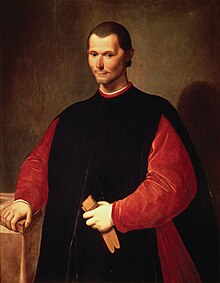
Niccolo Machiavelli
As House Minority Leader and then Speaker of the House, Nancy Pelosi proved she was both.
THE FOX:
On December 11, 2018, Pelosi—then House Minority Leader—and Senate Minority Leader Charles Schumer, met with President Donald Trump in the Oval Office.
And, true to his love of publicity, Trump made sure the meeting was televised live on TV.

Nancy Pelosi
Trump soon moved to the matter he truly cared about: Demanding $5.6 billion to create a wall along the U.S.-Mexican border: “And one way or the other, it’s going to get built. I’d like not to see a government closing, a shutdown. We will see what happens over the next short period of time.”
“One way or the other”—“so doer so”—was a favorite phrase of Adolf Hitler’s, meaning: If he couldn’t bully his opponents into surrendering, he would use violence.
PELOSI: I think the American people recognize that we must keep government open, that a shutdown is not worth anything, and that you should not have a Trump shutdown. You have the White House—
TRUMP: Did you say Trump—
PELOSI: A Trump shutdown. You have the White House—
TRUMP: I was going to call it a Pelosi shutdown.

Charles Schumer
TRUMP: The wall is a part of border security. You can’t have very good border security without the wall.
PELOSI: That’s simply not true. That is a political promise.
[By “political promise,” Pelosi meant this was an appeal Trump made to his hardcore base. which he expected to re-elect him.]
SCHUMER: Twenty times you have called for, “I will shut down the government if I don’t get my wall.” None of us have said—you’ve said it.
TRUMP: Okay, you want to put that on my—I’ll take it. You know what I’ll say: “Yes, if we don’t get what we want, one way or the other…I will shut down the government. Absolutely.”
Trump, determined to bully Pelosi and Schumer into bending to his will, didn’t realize he had just set himself up for disaster.
Trump shut down the government on December 22. About 380,000 government employees were furloughed and another 420,000 were ordered to work without pay.
And Trump told Congressional leaders the shutdown could last months or even years.
For Trump, “the wall” was absolutely necessary—but not to keep illegal aliens out. They would go over, under or around it.
The real intent of the wall was to keep Trump in—the White House.
Trump’s fanatical base believed that a wall across the U.S.-Mexico border would stop all illegal immigration. And he knew that if he didn’t build it, they wouldn’t re-elect him.
The effects of the shutdown quickly became evident:
- For weeks, hundreds of thousands of government workers missed paychecks.
- Smithsonian museums closed their doors.
- Trash piled up in national parks.
- Increasing numbers of employees of the Transportation Safety Administration (TSA)—which provides security against airline terrorism—began refusing to come to work, claiming to be sick.
- At the Federal Aviation Administration (FAA) many air traffic controllers called in “sick.” Those who showed up to work without pay grew increasingly frazzled as they feared being evicted for being unable to make rent or house payments.
- Due to the shortage of air traffic controllers, many planes weren’t able to land safely at places like New York’s LaGuardia Airport.
- Many Federal employees—such as FBI agents—were forced to rely on soup kitchens to feed their families.
- Celebrity chef Jose Andres launched ChefsForFeds, which offered free hot meals for government employees and their families at restaurants across the country.
- Many workers tried to bring in money by babysitting or driving for Uber,
THE LION:
Pelosi, unlike many Democrats, realized this was America’s version of the Munich Conference: Democrats must hold firm against a tyrant’s extortionate demands. Otherwise, every time Trump didn’t get his way, there would be no end to such shutdowns in the future.
From the start, Pelosi insisted that Democrats would not surrender to threats of a government shutdown. And Democrats held firm, refusing to make concessions on the wall.
Second, Pelosi publicly stated that Trump could not make his annual State of the Union speech in the House of Representatives until the government was re-opened.
She politely cited as her reason that the building would not be “secure” owing to the shutdown and the nonpayment of the men and women who would be charged with its protection.
Since both the House and Senate must jointly issue an invitation to the President to make such an address, Pelosi’s veto effectively scotched Trump’s appearance.
For the publicity-addicted Trump, who revels in pontificating to adoring crowds, this was a major blow.
ABC NEWS, ALTERNET, AMERICABLOG, AP, ASSAULT, BABY BOOMER RESISTANCE, BBC, BLOOMBERG NEWS, BUZZFEED, CBS NEWS, CNN, CRIME, CROOKS AND LIARS, DAILY KOZ, DEPARTMENT OF POLICE ACCOUNTABILITY, FACEBOOK, FIVETHIRTYEIGHT, HARPER’S MAGAZINE, HUFFINGTON POST, LAW ENFORCEMENT, MEDIA MATTERS, MOTHER JONES, MOVEON, MSNBC, NBC NEWS, NEW REPUBLIC, NEWSDAY, NEWSWEEK, NPR, PBS NEWSHOUR, POLITICO, POLITICUSUSA, RAW STORY, REUTERS, SALON, SAN FRANCISCO, SAN FRANCISCO CHRONICLE, SAN FRANCISCO POLICE DEPARTMENT, SEATTLE TIMES, SLATE, TALKING POINTS MEMO, THE ATLANTIC, THE CHICAGO SUN-TIMES, THE CHICAGO TRIBUNE, THE DAILY BEAST, THE DAILY BLOG, THE GUARDIAN, THE HILL, THE HUFFINGTON POST, THE INTERCEPT, THE LOS ANGELES TIMES, THE NATION, THE NEW REPUBLIC, THE NEW YORK TIMES, THE NEW YORKER, THE VILLAGE VOICE, THE WASHINGTON POST, THINKPROGRESS, TIME, TRUTHDIG, TRUTHOUT, TWITTER, TWO POLITICAL JUNKIES, U.S. NEWS & WORLD REPORT, UPI, USA TODAY
In Bureaucracy, History, Law Enforcement, Politics, Social commentary on February 5, 2019 at 12:09 am
“On August 7, 2017, I witnessed a brutal assault on a friend of mine named Hal [not his real name]. I was a passenger in his car as he waited for a parking space to open in front of the apartment building where we both live.”
So opened a letter from a man named Dave [not his real name] to the San Francisco Police Department (SFPD).
Summarizing his experience as a witness and assault victim, Dave wrote:
- A man commits assault and battery on another without the slightest provocation.
- He then uses his Jeep Cherokee to twice ram his victim’s car.
- These violations of criminal law are reported to the SFPD by two eyewitnesses/victims within an hour of their occurrence.
- One eyewitness gives the SFPD a photo of the license plate of the car used in the vehicular assaults.
- The SFPD doesn’t contact either witness/victim in this incident.
- Despite being provided with all this evidence, the SFPD does NOTHING.

Dave subsequently received a Complainant Satisfaction Survey from the SFPD’s Department of Police Accountability (DPA). After bluntly stating his disgust at the complete indifference of the SFPD to the assault, he got a letter from DPA on December 13, 2018, which stated:
“Your Request for an Investigative Hearing in the above-captioned case has been received. We have reviewed the investigative file and have determined that the facts and circumstances supported the DPA’s findings.”
And: “We understand that you may not agree with our finding(s), but it may be of some use to contact the investigator for better clarity and understanding in this matter.”
In short: We aren’t going to arrest the man who assaulted you, but we’ll try to convince you that it’s all for the best.
Determined to not let the SFPD have the last word, Dave sent back a letter to David Henderson, executive director of DPA.
He noted that he had never requested an investigative hearing. Nor had he written a December 5, 2018 letter to the SFPD, as the letter claimed.
He also noted that, 16 years earlier, on May 19, 2002, the San Francisco Chronicle had published a series of devastating reports on the SFPD. Among the newspaper’s findings:
- Violent criminals in San Francisco’s had a better chance of getting away with their crimes than predators in any other large American city.
- The San Francisco Police Department solved, on average, just 28% of the city’s murders, rapes, robberies, shootings, stabbings and other serious assaults between 1996 and 2000.
- Among the nation’s 20 largest cities, that was the lowest violent crime ‘clearance rate.
- The large-city average clearance rate was 42 percent.
“Judging from the results of my own experience with your agency, little—if anything—has changed within the SFPD during the last 16 years,” Dave wrote.

Referring to the DPA’s false claim that he had requested an investigative hearing, he ended his letter in cold fury:
“It’s a misdemeanor to file a false report with the police. It should be a felony for a police agency to write and send a letter filled with demonstrably false information.
“It is also the height of arrogance and stupidity to believe you can convince the victim of an assault that the criminal negligence he experienced at the hands of the police department didn’t happen.
“Undoubtedly this letter was written for placement in the official files of your department, as a way to cover itself against any possible legal action. No doubt this is common practice within your agency.
“It is precisely such conduct—as well as the refusal of your agency to aggressively investigate crimes of violence against San Francisco residents—that is guaranteed to produce widespread contempt for and refusal to cooperate with your police department.”
Dave didn’t receive another letter from the SFPD.
* * * * *
Unfortunately, real-life police departments do not operate like the ones depicted in movies and on TV. Among the realities of those departments:
Unless you’re wealthy, a politician or—best of all—a cop, don’t expect the police to protect you if your life is threatened. You’ll simply be told: “We don’t have the resources to protect everybody.”
Above everyone else, police look out for each other. If a citizen murders his lover, he’ll be tracked by two detectives. But whoever kills a cop is sought by the entire department.
Police departments are plagued by the same problems that haunt all major bureaucracies, such as:
- Often lacking state-of-the-art crime labs to analyze evidence.
- Often losing or accidentally destroying important files.
- Staffed by those who are lazy, indifferent, incompetent or even corrupt.
- Often refusing to share information with other police agencies, thus making it easier for criminals to run amok.
The result of all this can only be increased disrespect for law enforcement from a deservedly—and increasingly—cynical public.
When citizens believe police lack the ability-–or even the will-–to protect them or avenge their victimization, that is a deadly blow to law enforcement.
When public support vanishes, so does much of that public funding for hiring more cops and buying necessary equipment.
The result can only be a return to the days of the lawless West, where citizens—as individuals or members of vigilante committees—look only to themselves for protection.
ABC NEWS, ALTERNET, AMERICABLOG, AP, ASSAULT, BABY BOOMER RESISTANCE, BBC, BLOOMBERG NEWS, BUZZFEED, CBS NEWS, CNN, CRIME, CROOKS AND LIARS, DAILY KOZ, DEPARTMENT OF POLICE ACCOUNTABILITY, FACEBOOK, FIVETHIRTYEIGHT, HARPER’S MAGAZINE, HUFFINGTON POST, LAW ENFORCEMENT, MEDIA MATTERS, MOTHER JONES, MOVEON, MSNBC, NBC NEWS, NEW REPUBLIC, NEWSDAY, NEWSWEEK, NPR, PBS NEWSHOUR, POLITICO, POLITICUSUSA, RAW STORY, REUTERS, SALON, SAN FRANCISCO, SAN FRANCISCO CHRONICLE, SAN FRANCISCO POLICE DEPARTMENT, SEATTLE TIMES, SLATE, TALKING POINTS MEMO, THE ATLANTIC, THE CHICAGO SUN-TIMES, THE CHICAGO TRIBUNE, THE DAILY BEAST, THE DAILY BLOG, THE GUARDIAN, THE HILL, THE HUFFINGTON POST, THE INTERCEPT, THE LOS ANGELES TIMES, THE NATION, THE NEW REPUBLIC, THE NEW YORK TIMES, THE NEW YORKER, THE VILLAGE VOICE, THE WASHINGTON POST, THINKPROGRESS, TIME, TRUTHDIG, TRUTHOUT, TWITTER, TWO POLITICAL JUNKIES, U.S. NEWS & WORLD REPORT, UPI, USA TODAY
In Bureaucracy, History, Law, Law Enforcement, Politics, Social commentary on February 4, 2019 at 12:09 am
Officers of the San Francisco Police Department (SFPD) wear a shoulder patch bearing the motto, “Oro en Paz, Fierro en Guerra”—“Gold in peace, Iron in war.”
But for many San Franciscans, the true motto of the SFPD should be “You’re on your own.”

A friend of mine named Dave [not his real name] who lives in San Francisco, offers the following case:
“On August 7, 2017, I witnessed a brutal assault on a friend of mine named Hal [not his real name]. I was a passenger in his car as he waited for a parking space to open in front of the apartment building where we both live.
“A man—clearly in an agitated state—approached the driver’s side and accused Hal of using the wrong signal. After hearing him out, Hal asked him to back away. Instead, the man quickly began striking Hal in the face at least a half dozen times.”
Dave got out on the passenger’s side and threatened to call police. The assailant returned to his Jeep Cherokee truck, which was parked right behind Hal’s car. Dave re-entered Hal’s car and thought that the worst was over.
Suddenly the Jeep Cherokee slammed into the rear of Hal ‘s car. Then the driver pulled out.
“Hal started his car and followed the Jeep Cherokee to get a photo of its license plate. Using his iPhone, he did. The truck continued a short distance forward, then suddenly reversed and slammed into the front of Hal’s car. The driver then roared off.
“Hal and I then drove to the SFPD’s Central Station, where we both filled out statements and spoke individually with an officer. In addition, Hal provided a photo of the license plate of the vehicle that had rammed him.
“After that, Hal and I waited for a response from the SFPD. We never received one.
In early November, 2017—after waiting three months for a police response—Dave called the SFPD and arranged an appointment with a sergeant at Central Station.
“She showed me a series of photos that seemed to resemble the man who had assaulted Hal. Frankly, I had caught only a brief glimpse of the man when I exited Hal’s car and saw him heading for his Jeep. It certainly didn’t help that, three months later, I was now being asked to give an accurate description of him.
Later, Dave learned that the SFPD had chosen to not pursue criminal charges against the assailant. No reason was given for this decision.
In January, 2018, Dave filed a complaint with the SFPD’s Department of Police Accountability (DPA), formerly known as its Internal Affairs Division.
The investigator he met with was friendly and concerned. Even so, his complaint didn’t lead the SFPD to pursue criminal charges against the assailant. Again, no reason was offered by the agency.
“In November, 2018, I received a Complainant Satisfaction Survey from the SFPD’s Department of Police Accountability. But its Q&A format didn’t let me address the issues I thought important.”
To do so, on November 26, he sent back a memo, offering the following summation:
- A man commits assault and battery on another without the slightest provocation.
- He then uses his Jeep Cherokee to ram the rear of his victim’s car.
- He then uses his Jeep Cherokee to ram the front of his victim’s car.
- These violations of criminal law are reported to the SFPD within an hour of their occurrence.They are reported by not one but two eyewitnesses/victims.
- One of those eyewitnesses provides the SFPD with a photo of the license plate of the car used in the vehicular assaults.
- The SFPD makes no effort to contact either witness/victim in this incident.
- Despite being provided with all this evidence, the SFPD does NOTHING.
And he concluded his indictment:
“I have nothing but contempt for [the SFPD’s] refusal to take even a cursory interest in this case.
“If a friend of mine became the victim of a crime, I would advise him: ‘Don’t waste your time contacting the SFPD. There is simply no reason to set yourself up for a double injury—the first one inflicted by the criminal, and the second one inflicted by the criminally negligent SFPD.'”
San Francisco Hall of Justice
Dllu [CC BY-SA 4.0 (https://creativecommons.org/licenses/by-sa/4.0)%5D, from Wikimedia Commons
To his surprise, Dave received a letter from the DPA, dated December 13, 2018:
“Your Request for an Investigative Hearing in the above-captioned case has been received. We have reviewed the investigative file and have determined that the facts and circumstances supported the DPA’s findings.
“More specifically, we reviewed your letter dated December 5, 2018. The DPA strongly recommends that you call and make an appointment with your investigator in your case at (415) ###-#### to discuss our finding(s).
“We understand that you may not agree with our finding(s), but it may be of some use to contact the investigator for better clarity and understanding in this matter.
“Your Request for Investigative Hearing is therefore denied. Thank you for the time you took to ensure that the DPA understood your concerns. We view this as a positive step in keeping with the goals of the DPA.”
And it was signed by Paul David Henderson, the agency’s executive director.
2016 PRESIDENTIAL CAMPAIGN, ABC NEWS, ADOLF HITLER, ALTERNET, ANN COULTER, AP, AUSTRIA, BARACK OBAMA, BILL CLINTON, BORDER WALL, BUZZFEED, CBS NEWS, CHARLES SCHUMER, CHRIS CILLIZZA, CNN, CONTRACTORS, COUNCIL OF ECONOMIC ADVISERS, CROOKS AND LIARS, CZECHOSLOVAKIA, DAILY KOZ, DAVID BROOKS, DEMOCRATS, DEPARTMENT OF COMMERCE, DEPARTMENT OF HOMELAND SECURITY, DICK CHENEY, DONALD TRUMP, EDOUARD DELADIER, FACEBOOK, FBI, FEDERAL AVIATION ADMINISTRATION (FAA), FOX NEWS, FRANCE, GEORGE W. BUSH, GOVERNMENT SHUTDOWN, HOUSE OF REPRESENTATIVES, JAPAN, JEDEDIAH BILA, JOSE ANDRES, JULIAN ZELITZER, KEVIN HASSETT, KURT VON SCHUSCHNIGG, MARIE ANTOINETTE, MARK SHIELDS, MIKE PENCE, MITCH MECONNELL, MOTHER JONES, MOVEON, MSNBC, MUNICH CONFERENCE, NANCY PELOSI, NAZI GERMANY, NBC NEWS, NEVILLE CHAMBERLAIN, NEWSWEEK, NICCOLO MACHIAVELLI, NPR, PBS NEWSHOUR, POLAND, POLITICO, RAW STORY, REPUBLICANS, REUTERS, ROBERT PAYNE, RUSH LIMBAUGH, SALON, SEATTLE TIMES, SLATE, SOUP KITCHENS, STATE OF THE UNION ADDRESS, SUPER BOWL, THE ATLANTIC, THE CHICAGO SUN-TIMES, THE CHICAGO TRIBUNE, THE DAILY BEAST, THE GUARDIAN, THE HILL, THE HUFFINGTON POST, THE LIFE AND DEATH OF ADOLF HITLER, THE LOS ANGELES TIMES, THE NATION, THE NEW YORK TIMES, THE PRINCE, THE WALL STREET JOURNAL, THE WASHINGTON POST, TIME, TRANSPORTATION SAFETY ADMINISTRATION (TSA), TWITTER, U.S. NEWS & WORLD REPORT, UBER, UNITED STATES HOUSE OF REPRESENTATIVES, UNITED STATES SECRET SERVICE, UNITED STATES SENATE, UPI, USA TODAY, WILBUR ROSS, WINSTON CHURCHILL, WORLD WAR 11
In Bureaucracy, History, Military, Politics, Social commentary on February 1, 2019 at 12:05 am
On January 25, 2019—the 35th day of the Federal Government shutdown—President Donald Trump did what no one expected. He caved.
In a White House press conference, he said:
- Lawmakers would have until February 15 to negotiate a compromise on border security.
- Otherwise, the government would shut down again.
- If Democrats did not give in to his demands to fund a border wall, he might use his executive authority to command the military to build the wall instead.
Essentially, he agreed to the same deal he was offered in December, 2018—before he allowed himself to be bullied by Ann Coulter and Rush Limbaugh into shutting down the government.
For all of Trump’s defiant words, his action was universally seen as a serious defeat—by both his opponents and supporters.
Among the latter was Right-wing provocateur Ann Coulter. Summing up the reaction of his Hispanic-hating supporters, she tweeted: “Good news for George Herbert Walker Bush: As of today, he is no longer the biggest wimp ever to serve as president of the United States.”
On the PBS Newshour, liberal political analyst Mark Shields said: “it was a total defeat for him. And, believe me…there will not be the will among Republicans in three weeks to go back and do this again. Once it’s open, it’s going to be opened.”
His counterpart, conservative analyst David Brooks, agreed: “It is a total—a total victory for the Democrats….If Donald Trump wants bring this on again, [Democrats will be] happy.
“The Republicans are miserable. They never want to come back to where they are right now. And so the odds that we will have another shutdown strike me as low. And it would be—for Trump, it would be suicidally low to—just to try this again.”
* * * * *
During his years as President, Bill Clinton tried to win over Republicans by supporting measures they liked—such as making it harder for the poor to get welfare via the Federal government.
In the end, his efforts to win over Republicans convinced them that he was weak. So they tried to impeach him for getting oral sex from a White House intern.
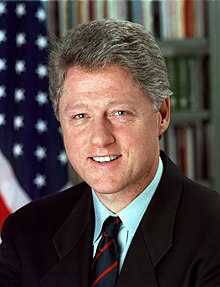
Bill Clinton
Similarly, Barack Obama spent the first two years of his Presidency hopelessly trying to gain Republican support. This only led to Senate Majority Leader Mitch McConnell’s saying that his goal was to make Obama “a one-term President.”
At least for the moment, Democrats seem to have learned that cowering before bullies only wins you their contempt. As Niccolo Machiavelli warned in The Prince, his classic work on politics:
“From this arises the question whether it is better to be loved than feared, or feared more than loved. The reply is, that one ought to be both feared and loved, but as it is difficult for the two to go together, it is much safer to be feared than loved.
“For it may be said of men in general that they are ungrateful, voluble, dissemblers, anxious to avoid danger and covetous of gain. As long as you benefit them, they are entirely yours: they offer you their blood, their goods, their life and their children, when the necessity is remote, but when it approaches, they revolt.
“And the prince who has relied solely on their words, without making other preparations, is ruined. For the friendship which is gained by purchase and not through grandeur and nobility of spirit is bought but not secured, and at a pinch is not to be expended in your service.
“And men have less scruple in offending one who makes himself loved than one who makes himself feared. For love is held by a chain of obligations which, men being selfish, is broken whenever it serves their purpose. But fear is maintained by a dread of punishment which never fails.”
Niccolo Machiavelli
At the time of the 1938 Munich conference, a group of highly-placed German army officers were preparing to overthrow Adolf Hitler in a military coup. They counted on France and England to stand firm against the Fuhrer, handing him a major foreign policy defeat.
The officers intended to use that as an excuse to remove him from power—before he could plunge Germany into a disastrous war it could not win.
But when Britain and France surrendered Czechoslovakia to Hitler, his prestige in Germany shot to unprecedented heights. Knowing that overthrowing such a popular leader would be suicidal, the army officers abandoned their plans for a coup.
Convinced of his own invincibility, Hitler recklessly plunged ahead, demanding that Britain and France agree to cede Danzig, a city in northern Poland, to him.
This time the Allies held firm. The result was World War II.
At least for now, Nancy Pelosi and House Democrats fully understand the lesson of Munich. You must stand up to tyrants—or there will be no end to their evil demands.
The only question is: Will they continue to make use of that lesson—or once again allow themselves to be cowed by a ruthless tyrant?
2016 PRESIDENTIAL CAMPAIGN, ABC NEWS, ADOLF HITLER, ALTERNET, ANN COULTER, AP, AUSTRIA, BARACK OBAMA, BILL CLINTON, BORDER WALL, BUZZFEED, CBS NEWS, CHARLES SCHUMER, CHRIS CILLIZZA, CNN, CONTRACTORS, COUNCIL OF ECONOMIC ADVISERS, CROOKS AND LIARS, CZECHOSLOVAKIA, DAILY KOZ, DAVID BROOKS, DEMOCRATS, DEPARTMENT OF COMMERCE, DEPARTMENT OF HOMELAND SECURITY, DICK CHENEY, DONALD TRUMP, EDOUARD DELADIER, FACEBOOK, FBI, FEDERAL AVIATION ADMINISTRATION (FAA), FOX NEWS, FRANCE, GEORGE W. BUSH, GOVERNMENT SHUTDOWN, HOUSE OF REPRESENTATIVES, JAPAN, JEDEDIAH BILA, JOSE ANDRES, JULIAN ZELITZER, KEVIN HASSETT, KURT VON SCHUSCHNIGG, MARIE ANTOINETTE, MARK SHIELDS, MIKE PENCE, MITCH MECONNELL, MOTHER JONES, MOVEON, MSNBC, MUNICH CONFERENCE, NANCY PELOSI, NAZI GERMANY, NBC NEWS, NEVILLE CHAMBERLAIN, NEWSWEEK, NICCOLO MACHIAVELLI, NPR, PBS NEWSHOUR, POLAND, POLITICO, RAW STORY, REPUBLICANS, REUTERS, ROBERT PAYNE, RUSH LIMBAUGH, SALON, SEATTLE TIMES, SLATE, SOUP KITCHENS, STATE OF THE UNION ADDRESS, SUPER BOWL, THE ATLANTIC, THE CHICAGO SUN-TIMES, THE CHICAGO TRIBUNE, THE DAILY BEAST, THE GUARDIAN, THE HILL, THE HUFFINGTON POST, THE LIFE AND DEATH OF ADOLF HITLER, THE LOS ANGELES TIMES, THE NATION, THE NEW YORK TIMES, THE PRINCE, THE WALL STREET JOURNAL, THE WASHINGTON POST, TIME, TRANSPORTATION SAFETY ADMINISTRATION (TSA), TWITTER, U.S. NEWS & WORLD REPORT, UBER, UNITED STATES HOUSE OF REPRESENTATIVES, UNITED STATES SECRET SERVICE, UNITED STATES SENATE, UPI, USA TODAY, WILBUR ROSS, WINSTON CHURCHILL, WORLD WAR 11
In Bureaucracy, History, Military, Politics, Social commentary on January 31, 2019 at 12:07 am
Billionaire Wilbur Ross—the Trump administration’s Secretary of Commerce—had a suggestion for the 800,000 Federal employees made destitute by the government shutdown: Take out a loan.
“So the 30 days of pay that some people will be out, there’s no real reason why they shouldn’t be able to get a loan against it, and we’ve seen a number of ads of financial institutions doing that.
“True, the people might have to pay a little bit of interest. But the idea that it’s ‘paycheck or zero’ is not a really valid idea.”
Wilbur Ross
It was a remark worthy of Marie Antoinette’s reported (but inaccurate) dismissal of the miseries of impoverished French citizens: “Let them eat cake.”
Meanwhile, the House of Representatives had undergone a massive sea-change in membership. Ending two years of Republican rule, Democrats had won 27 seats in that body during the November, 2018, elections.
And Nancy Pelosi had gone from being House Minority Leader to wielding the Speaker’s gavel as House Majority Leader on January 3.
Now she blasted Ross’ attitude during a press briefing:
“Is this the ‘Let them eat cake,’ kind of attitude? Or ‘Call your father for money?’ Or ’This is character-building for you; it’s all going to end up very well—just as long as you don’t get your paychecks?’”
Nancy Pelosi
Thirty-five days passed, with each one bringing increasing stress and fear to the lives of 800,000 Federal employees—those forced to not work and those forced to work for no pay.
Pelosi, meanwhile, did what many of her Democratic colleagues had long refused to do: She dared to stand up against Republicans’ “my-way-or-else” demands.
“The impression you get from the president is he would like to not only close government, build a wall, but also abolish Congress, so the only voice that mattered was his own,” Pelosi said in an interview on “CBS Sunday Morning.”
Pelosi, unlike many Democrats, realized this was America’s version of the Munich Conference: Democrats must hold firm against a tyrant’s extortionate demands. Otherwise, every time Trump didn’t get his way, there would be no end to such shutdowns in the future.
From the start, Pelosi insisted that Democrats would not cooperate with threats to shut down the government if Trump didn’t get the $5.6 billion he wanted for a border wall. And Democrats held firm, refusing to make concessions on the wall.
Second, Pelosi publicly stated that she would not let Trump make his annual State of the Union speech in the House of Representatives until the government was re-opened.
Since both the House and Senate must jointly issue an invitation to the President to make such an address, Pelosi’s veto effectively scotched Trump’s appearance.
For the publicity-addicted Trump, who revels in pontificating to adoring crowds, this was a major blow.
Trump refused to take “No” for an answer and dared Pelosi to deny him access.
She took him up on his dare and issued a statement saying that the speech was off—until the government re-opened.
Soon afterward, Trump agreed that the State of the Union address would have to be postponed.
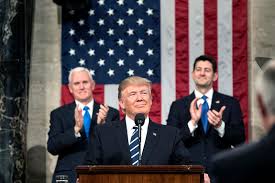
Donald Trump giving State of the Union address in 2018
As CNN political analyst Chris Cillizza saw it: “What Pelosi seems to understand better than past Trump political opponents is that giving ANY ground is a mistake. You have to not only stand firm, but be willing to go beyond all political norms—like canceling the SOTU—to win.”
And Julian Zelitzer, another CNN political analyst, agreed: “Pelosi did not hesitate to use her political power aggressively. From the start of this process, she has remained steadfast in her insistence that closing the government was not a legitimate way to make demands for new forms of spending.
“While sometimes Democrats become leery about seeming too partisan and not being civil enough, Pelosi and the Democrats stood their ground. She drew a line in the sand and stuck by it.”
As Pelosi and the Democrats held firm, Republicans began getting desperate.
- They were being depicted in the news as extortionists while 800,000 of their fellow Americans suffered.
- Those businesses that served Federal employees—such as grocery stores and auto repair shops—were being starved of revenue.
- There was legitimate fear that the entire airline industry might have to shut down for lack of enough air traffic controllers to regulate air traffic.
- Worst of all for Republicans, chaos at airports threatened the travel plans of hundreds of thousands of people traveling to and from the upcoming Super Bowl. Most Americans might not know the name of their Senator, but they take their sports fetish seriously.
By January 25, the 35th day of the shutdown, an ABC News/Washington Post poll showed that 53% of Americans blamed Trump for the shutdown. His popularity had fallen to a historic low of 37%. And 60% disapproved of how he was handling negotiations to re-open the government.
So, on that same date, Trump did what his Hispanic-hating base thought was impossible: He caved.
He walked into the White House Rose Garden and said he would sign a bill to re-open the government for three weeks.


ABC NEWS, ADOLF HITLER, ALTERNET, AP, BUZZFEED, CBS NEWS, CNN, CROOKS AND LIARS, DAILY KOZ, DAVID BROOKS, DEMOCRATS, DONALD TRUMP, FACEBOOK, HOUSE OF REPRESENTATIVES, HOUSE OVERSIGHT COMMITTEE, JACKIE SPEIER, JIM JORDAN, JIMMY CARTER, MARK SHIELDS, MICHAEL COHEN, MOTHER JONES, MOVEON, MSNBC, NBC NEWS, NEWSWEEK, NPR, PBS NEWSHOUR, POLITICO, RAW STORY, REPUBLICANS, REUTERS, RICHARD NIXON, ROBERT MUELLER, SALON, SEATTLE TIMES, SLATE, STORMY DANIELS, THE ATLANTIC, THE CHICAGO SUN-TIMES, THE CHICAGO TRIBUNE, THE DAILY BEAST, THE GUARDIAN, THE HILL, THE HUFFINGTON POST, THE LOS ANGELES TIMES, THE NATION, THE NEW YORK TIMES, THE PBS NEWSHOUR, THE WASHINGTON POST, TIME, TWITTER, U.S. NEWS & WORLD REPORT, UNITED STATES SENATE, UPI, USA TODAY
“JUST ANOTHER WEEK IN CALIGULA’S ROME”—AND TRUMP’S WASHINGTON
In Bureaucracy, Business, History, Politics, Social commentary on March 5, 2019 at 12:16 am“Just another week in Caligula’s Rome.”
That was how conservative New York Times columnist David Brooks summed up President Donald Trump’s Washington, D.C. for the week of February 24 to March 1, 2019.
Every Friday Books faces off with liberal syndicated columnist Mark Shields on The PBS Newshour. And on the program for March 1, the two men found common cause in sizing up the appearance of Michael Cohen before the House Oversight Committee two days earlier.
David Brooks and Mark Shields on “The PBS Newshour”
During that hearing, Cohen, Trump’s longtime attorney and fixer:
But for Brooks, far more was at stake than the individual accusations:
“To me, it was more of a moral occasion, more than anything else. What it illustrates is a President and, frankly, Michael Cohen who long ago decided that celebrity and wealth is more important than being a good person. And they have dragged us all down there with us.
“And the people they have dragged most effectively are the House Republicans, a lot of them on that committee, who decided that they were completely incurious about whether Donald Trump was a good guy or a bad guy or a really awful guy, that—their own leader, they didn’t seem to care about that, but they were going to rip the skin off Michael Cohen.
Michael Cohen testifying before Congress
“And so they attacked him. And what struck me is how moral corrosion happens, that you decide you’re going to defend or ignore Trump. And then to do that, you have to morally distance yourself from him. And then you have to morally distance yourself from him every day.
“And, eventually, you just get numb to everything. And so [Ohio Republican Representative] Jim Jordan and other people on the committee were saying, oh, we all knew this, like, it’s all unremarkable. And so that’s—that’s how moral corrosion happens.”
During the hearing, California Representative Jackie Speier asked Cohen: How many times did Trump ask you to intimidate creditors?
Cohen estimated the number at 500.
For Shields, this counted as especially despicable behavior: “And—but the thing about it is, when he stiffed those small business—the plumbers and the electricians who did the work in the Trump projects, and he came back, and Donald Trump loved to hear about it, I mean, reveled in it.
“Now, I mean, at what point do you say that there’s no honor here? I mean, there’s nothing to admire.”
Shields was equally appalled by the refusal of Trump’s Republican committee defenders to condemn his moral depravity—as a businessman or President.
“If you can’t deal with the message, you shoot the messenger. And that’s what their whole strategy was.
“The very fact that not a single member of the Republican committee defended Donald Trump or what he was charged or alleged to have done, to me, was revealing. They just decided to go after Michael Cohen.”
So why have Republicans aligned themselves with such a man?
Republicans don’t fear that Trump will trash the institutions that Americans have cherished for more than 200 years. Institutions like an independent judiciary, a free press, and an incorruptible Justice Department.
He has already attacked all of these—and Republicans have either said nothing or rushed to his defense.
What Republicans truly fear about Donald Trump is that he will finally cross one line too many—like firing Special Counsel Robert Mueller. And that the national outrage following this will force them to launch impeachment proceedings against him.
But it isn’t even Trump they fear will be destroyed.
What they most fear losing is their own hold on nearly absolute power in Congress and the White House. And the riches that go with it.
If Trump is impeached and possibly indicted, he will become a man no one any longer fears. He will be a figure held up to ridicule and condemnation.
Like Adolf Hitler.
Like Richard Nixon.
And his supporters will be branded as losers along with him.
Republicans vividly remember what happened after Nixon was forced to resign on August 9, 1974: Democrats, riding a wave of reform fever, swept Republicans out of the House and Senate—and Jimmy Carter into the White House.
House and Senate Republicans can imagine a future without Trump—but not one where they disappear.
If they are conflicted—whether to continue supporting Trump or desert him—the reason is the same: How can I hold onto my power and all the privileges that go with it?
Share this: