Posts Tagged ‘FEDERAL GOVERNMENT SHUTDOWN’
2016 PRESIDENTIAL ELECTION, 2020 PRESIDENTIAL ELECTION, ABC NEWS, ABORTION, ADOLF HITLER, ALTERNET, ALVIN BRAGG, AMERICABLOG, AP, “DEEP STATE, ” EMPLOYEE PROTECTIONS, BABY BOOMER RESISTANCE, BBC, BILL CLINTON, BIRTH CONTROL, BLOOMBERG, BORDER WALL, BUZZFEED, CAPITOL PUNISHMENT, CBS NEWS, CHRISTIANITY, CIA, CLIMATE CHANGE, CNN, COVID-19, CROOKS AND LIARS, DAILY KOS, DAVID BROOKS, DEPARTMENT OF HOMELAND SECURITY, DONALD TRUMP, ENVIRONMENTAL PROTECTION AGENCY, FBI, FEDERAL COMMUNICATIONS COMMISSION, FEDERAL GOVERNMENT SHUTDOWN, FEDERAL TRADE COMMISSION, FIVETHIRTYEIGHT, FOSSIL FUELS, FRANKLIN GRAHAM, GLOBAL WARMING, HARPER’S MAGAZINE, HERITAGE FOUNDATION, HUFFINGTON POST, JAMES COMEY, JANUARY 6 COUP ATTEMPT, JEFFREY GOLDBERG, JOSEPH BIDEN, KGB, MANHATTAN DISTRICT ATTORNEY'S OFFICE, MCKAY COPPINS, MEDIA MATTERS, MEXICO, MONICA LEWINSKY, MOTHER JONES, MOVEON, MSNBC, NATIONAL OCEANIC AND ATMOSPHERIC ADMINISTRATION (NOAA), NATIONAL SECURITY AGENCY, NAZI GERMANY, NBC NEWS, NEW REPUBLIC, NEWSDAY, NEWSWEEK, NPR, PBS NEWSHOUR, POLITICO, POLITICUSUSA, PRESIDENTIAL TRANSITION PROJECT, PROJECT 2025, PUBLIC TRANSIT, RAW STORY, RELIGION, REPUBLICAN PARTY, REUTERS, ROBERT PAYNE, Ronald Reagan, RUSSIA, SALON, SEATTLE TIMES, SLATE, STORMY DANIELS, TALKING POINTS MEMO, THE ATLANTIC, THE CHICAGO SUN-TIMES, THE CHICAGO TRIBUNE, THE DAILY BEAST, THE DAILY BLOG, THE GUARDIAN, THE HILL, THE HUFFINGTON POST, THE INTERCEPT, THE LIFE AND DEATH OF ADOLF HITLER (BOOK), THE LOS ANGELES TIMES, THE NATION, THE NEW REPUBLIC, THE NEW YORK TIMES, THE NEW YORKER, THE VILLAGE VOICE, THE WASHINGTON POST, THINKPROGRESS, TIME, TRUTHDIG, TRUTHOUT, TWO POLITICAL JUNKIES, U.S. NEWS & WORLD REPORT, UNITED STATES DEPARTMENT OF JUSTICE, UPI, USA TODAY, VLADIMIR PUTIN, WASHINGTON WEEK, X
In Bureaucracy, Business, History, Law, Law Enforcement, Medical, Politics, RELIGION, Social commentary on July 2, 2024 at 12:10 am
Why aren’t Republicans—allegedly the party of “family values”—morally outraged at Donald Trump for his adulterous tryst with a porn “star” and his hush money payment to conceal it during the 2016 Presidential campaign?
Why are they instead outraged at Manhattan District Attorney Alvin Bragg, at President Joseph Biden, at the criminal justice system itself?

Republican party logo
Simple: They see Trump as their best chance to not only reclaim the White House but establish a permanent Right-wing dictatorship.
Under this, the Republican party will become—in fact, if not officially—the only recognized political party in the nation.
Democratic candidates—for the House, Senate and Presidency—will be prevented from taking office by gerrymandering or false claims that they committed election fraud.
These—and other goals—have been enshrined in Project 2025, also known as the Presidential Transition Project. This is a collection of policy proposals to fundamentally reshape the U.S. federal government in the event of a Republican victory in the 2024 Presidential election.
Established in 2022 by the Right-wing Heritage Foundation, the project aims to recruit tens of thousands of radical Right-wingers to the District of Columbia to replace existing federal civil servants.

Under Project 2025:
- Republicans consider federal employees to be subversives who comprise the “deep state.”
- Replacing tenured civil servants with thousands of political hacks will arm Republicans with the power to establish an absolute dictatorship under the next Republican president.
- The Department of Justice has “forfeited the trust” of the American people by investigating Donald Trump’s proven collaboration with Russia to win the 2016 Presidential election.
- As a result, the DOJ must be thoroughly “reformed” and tightly overseen by the White House. The director of the FBI must be personally accountable to the President—just as the head of the KGB is personally accountable to Vladimir Putin.

Seal of the Justice Department
- Federal employees could be instantly fired for not obeying illegal orders, or on mere whim—including the whim of the President.
- Funding for the Department of Justice would be slashed.
- The FBI would be dismantled.
- The Department of Homeland Security would be abolished.
- The Environmental Protection Agency would be stripped of its authority to protect the air, water and soil.

- States would be prevented from adopting stricter regulations on vehicular emissions, like California has done.
- The National Oceanic and Atmospheric Administration (NOAA), which the project calls “one of the main drivers of the climate change alarm industry,” would be abolished.
- Fossil fuels—the leading cause of global warming—would be favored and environmental regulations to combat climate change abolished.
- Federal funding for all public transit systems across the country would be eliminated.

- Traditionally independent federal agencies such as the Department of Justice, Federal Communications Commission and the Federal Trade Commission would be placed under Presidential control.
- The wealthiest 1% would receive massive tax cuts at the expense of the poor and middle class.
- Conception would be designated as the point where life begins.
- Abortion would be outlawed.
- Access to birth control would be sharply restricted, if not banned.
- Christianity would be designated as the official religion of the United States.
- The use of capital punishment would be revived and expanded—and the right of appeals sharply restricted.
* * * * *
In his bestselling 1973 biography, The Life and Death of Adolf Hitler, British historian Robert Payne harshly condemned the German people for the rise of the Nazi dictator:
“Ultimately, the responsibility for the rise of Hitler lies with the German people, who allowed themselves to be seduced by him and came to enjoy the experience….
“[They] followed him with joy and enthusiasm because he gave them license to pillage and murder to their hearts’ content. They were his servile accomplices, his willing victims.”
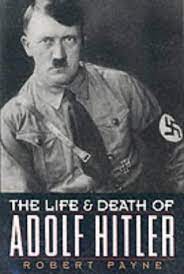
On November 8, 2016, 62,984,828 ignorant, hate-filled, Right-wing Americans catapulted Donald Trump—a man, charged conservative New York Times columnist David Brooks, with an “odd psychology unleavened by kindness and charity”—into the Presidency.
And on November 3, 2020, 74,223,975 of those same Americans again voted for him. This despite Trump’s legacy of:
- Brutally attacking American Intelligence agencies—such as the FBI, CIA and National Security Agency—which unanimously agreed that Russia had interfered with the 2016 Presidential election.
- Firing FBI Director James Comey for refusing to pledge his personal loyalty to Trump—and continuing to investigate Russian subversion of the 2016 election.
- Lying about the dangers of the deadly COVID-19 virus, thus allowing it to ravage the country and kill 400,000 Americans.
- Refusing to accept the outcome of a legitimate Presidential election in 2020 and falsely claiming himself the victim of massive voter fraud.
- Inciting thousands of his followers to storm the United States Capitol Building to prevent the winner, Joe Biden, from being declared President-elect.
So why have millions of Americans stood by Trump despite the wreckage he has made of American foreign and domestic policy?
Their #1 reason: Hatred—of most of their fellow Americans.
Fortunately, 80 million Americans braved the COVID-19 pandemic and efforts by Republicans to overturn their voting rights—and elected Joseph Biden President of the United States.
Only time will tell if the country proves so lucky in 2024.
2016 PRESIDENTIAL ELECTION, 2020 PRESIDENTIAL ELECTION, ABC NEWS, ABORTION, ADOLF HITLER, ALTERNET, ALVIN BRAGG, AMERICABLOG, AP, “DEEP STATE, ” EMPLOYEE PROTECTIONS, BABY BOOMER RESISTANCE, BBC, BILL CLINTON, BIRTH CONTROL, BLOOMBERG, BORDER WALL, BUZZFEED, CAPITOL PUNISHMENT, CBS NEWS, CHRISTIANITY, CIA, CLIMATE CHANGE, CNN, COVID-19, CROOKS AND LIARS, DAILY KOS, DAVID BROOKS, DEPARTMENT OF HOMELAND SECURITY, DONALD TRUMP, ENVIRONMENTAL PROTECTION AGENCY, FBI, FEDERAL COMMUNICATIONS COMMISSION, FEDERAL GOVERNMENT SHUTDOWN, FEDERAL TRADE COMMISSION, FIVETHIRTYEIGHT, FOSSIL FUELS, FRANKLIN GRAHAM, GLOBAL WARMING, HARPER’S MAGAZINE, HERITAGE FOUNDATION, HUFFINGTON POST, JAMES COMEY, JANUARY 6 COUP ATTEMPT, JEFFREY GOLDBERG, JOSEPH BIDEN, KGB, MANHATTAN DISTRICT ATTORNEY'S OFFICE, MCKAY COPPINS, MEDIA MATTERS, MEXICO, MONICA LEWINSKY, MOTHER JONES, MOVEON, MSNBC, NATIONAL SECURITY AGENCY, NAZI GERMANY, NBC NEWS, NEW REPUBLIC, NEWSDAY, NEWSWEEK, NPR, PBS NEWSHOUR, POLITICO, POLITICUSUSA, PRESIDENTIAL TRANSITION PROJECT, PROJECT 2025, RAW STORY, RELIGION, REPUBLICAN PARTY, REUTERS, ROBERT PAYNE, Ronald Reagan, RUSSIA, SALON, SEATTLE TIMES, SLATE, STORMY DANIELS, TALKING POINTS MEMO, THE ATLANTIC, THE CHICAGO SUN-TIMES, THE CHICAGO TRIBUNE, THE DAILY BEAST, THE DAILY BLOG, THE GUARDIAN, THE HILL, THE HUFFINGTON POST, THE INTERCEPT, THE LIFE AND DEATH OF ADOLF HITLER (BOOK), THE LOS ANGELES TIMES, THE NATION, THE NEW REPUBLIC, THE NEW YORK TIMES, THE NEW YORKER, THE VILLAGE VOICE, THE WASHINGTON POST, THINKPROGRESS, TIME, TRUTHDIG, TRUTHOUT, TWO POLITICAL JUNKIES, U.S. NEWS & WORLD REPORT, UNITED STATES DEPARTMENT OF JUSTICE, UPI, USA TODAY, VLADIMIR PUTIN, WASHINGTON WEEK, X
In Bureaucracy, Business, History, Law, Law Enforcement, Medical, Military, Politics, RELIGION, Social commentary on July 1, 2024 at 12:10 am
The May 31, 2024 episode of Washington Week With the Atlantic raised the question: Why were Republicans so obsessed with Bill Clinton’s adulterous affair with Monica Lewinsky but are furiously supporting Donald Trump’s tryst with Stormy Daniels?
Moderator Jeffrey Goldberg opened with: “Donald Trump isn’t a convicted felon yet. Sorry to be pedantic here, but he technically acquires that status only at sentencing come July 11th.
“But a New York jury has spoken, finding him guilty of engaging in a financial scheme to keep the porn star, Stormy Daniels, quiet about their sexual encounter, one that occurred shortly after Trump’s wife gave birth to their son.
“Trump, in addition to this guilty verdict, was recently found liable for sexual abuse in a civil case. In total, more than 25 women have accused him of sexual assault and sexual harassment.
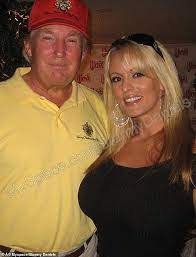
Donald Trump and Stormy Daniels
“The reaction of the Republican Party leaders to the verdict was to rally around Trump. Evangelical leaders, including Franklin Graham, also doubled down on their support. Graham, writing on X, said, ‘What we saw today has never happened before, and I think for the majority of Americans, it raises questions about whether our legal system can be trusted….’
“[In] the 1990s…. when Bill Clinton was president and Republicans were outraged and many other people were legitimately outraged that the president of the United States was having sexual relations with a White House intern. Explain to us, if you can, the different dynamics here, the party of family values.”
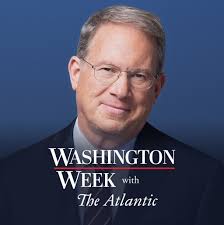
McKay Coppins, staff writer at the Atlantic: “Well, Donald Trump has fundamentally changed the way the Republican party, the conservative movement, think about morality and public leadership.
“Something that I always think about when issues like this come up is that before Donald Trump came on the scene, I can’t remember, it was 2013, 2014, if you surveyed Republican voters and asked them how important is public — it is personal morality in an elected leader to you.
“Something like two-thirds of them would say it’s very important, that I would rather have somebody of high moral character than somebody with policies I agree with.
“A couple years into the Trump presidency, that had flipped and it was only a third of voters said that that was the case, if you were a Republican.
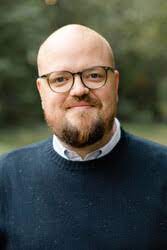
McKay Coppins
“And it just shows kind of the sea change in evangelical ethics and social conservative ethics. I think a lot of conservatives now, because of negative partisanship and polarization….they want to, you know, line up with their team right?
“They want to be with their guy, and then they kind of create a moral architecture around being able to do that.
“But, you know, [he] cheated on his wife with a porn star, and then….is now been convicted of committing fraud to cover it up.
“[It’s] almost a cliché to say if a Democrat had done that, we know what we would be hearing from social conservatives and evangelicals, but they want Donald Trump to be elected.
“And so they are pivoting away from the specifics of the case and the underlying facts of the case to [say] this is a rigged system, this is a legal persecution, Donald Trump is a victim, and we need to back him because they’re going to come after us next.”
There is unquestionably a great deal of truth in the foregoing. But there is also a great deal of truth in a statement that was not made:
Republicans’ professed outrage at Bill Clinton’s infidelities and their furious defense of those by Donald Trump actually share a common link.
In 1981, President Ronald Reagan, once the poster boy for Republican values, best described the current mindset of the Republican party. Ironically enough, at the time, he was assailing the leaders of the Soviet Union:
“The only morality they recognize is what will further their cause, meaning they reserve unto themselves the right to commit any crime, to lie, to cheat.”
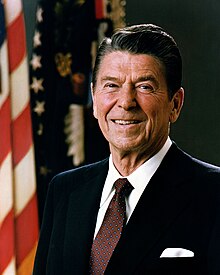
Ronald Reagan
In January, 1998, when the public learned of President Bill Clinton’s affair with White House intern Monica Lewinsky, Republicans gushed moral outrage.
They portrayed Lewinsky—who had had a seven-year extramarital affair with her former high school drama instructor and flashed her thong at Clinton, signaling her readiness for an affair—as a Vestal Virgin, and Clinton as Grigori Rasputin incarnate.
By 1992, Republicans had come to regard the White House as theirs by Divine Right. Anyone who ran against them automatically became—for them—a traitor. And anyone who won against them became—for them—an usurper.
Thus, Clinton’s true “crime” had been defeating, first, President George H.W. Bush, in 1992, and then Kansas Senator Bob Dole, in 1996.
Fast-forward to the May 30 conviction of Donald Trump on 34 counts of falsifying business records to conceal a sexual tryst with porn “star” Stormy Daniels.
Suddenly, Republicans aim their cries of moral outrage not at Trump but at Manhattan District Attorney Alvin Bragg, at President Joseph Biden, at the criminal justice system itself.
The reason: They see Trump as their best chance for not simply reclaiming the White House but for establishing a permanent Right-wing dictatorship.
2016 PRESIDENTIAL ELECTION, 2020 PRESIDENTIAL ELECTION, ABC NEWS, ADOLF HITLER, ALTERNET, AMERICABLOG, AP, BABY BOOMER RESISTANCE, BBC, BLOOMBERG, BUZZFEED, CASSIUS CHAEREA, CBS NEWS, CIA, CLAUSS VON STAUFFENBERG, CNN, COVID-19, CROOKS AND LIARS, DAILY KOS, DONALD TRUMP, EAST GERMANY, FBI, FEDERAL GOVERNMENT SHUTDOWN, FIVETHIRTYEIGHT, GAIUS CALIGULA, GAIUS SUETONIUS TRANQUILLUS, GERMAN GENERAL STAFF, HARPER’S MAGAZINE, HITLER LOYALTY OATH, HOLOCAUST, HUFFINGTON POST, JANUARY 6 COUP ATTEMPT, JOSEPH BIDEN, JOSEPHUS, JULIUS CAESAR, KERRY O’GRADY, MEDIA MATTERS, MEXICO, MOTHER JONES, MOVEON, MSNBC, NATIONAL SECURITY AGENCY, NAZI GERMANY, NBC NEWS, NEW REPUBLIC, NEWSDAY, NEWSWEEK, NPR, OPERATION VALKYRIE, PBS NEWSHOUR, POLITICO, POLITICUSUSA, PRINCE OF THE CITY (MOVIE), RAW STORY, REUTERS, SALON, SEATTLE TIMES, SLATE, SOVIET UNION, SS, TALKING POINTS MEMO, THE ATLANTIC, THE CHICAGO SUN-TIMES, THE CHICAGO TRIBUNE, THE DAILY BEAST, THE DAILY BLOG, THE GUARDIAN, THE HILL, THE HUFFINGTON POST, THE INTERCEPT, THE LOS ANGELES TIMES, THE NATION, THE NEW REPUBLIC, THE NEW YORK TIMES, THE NEW YORKER, THE VILLAGE VOICE, THE WASHINGTON POST, THINKPROGRESS, TIME, TRUTHDIG, TRUTHOUT, TWO POLITICAL JUNKIES, U.S. NEWS & WORLD REPORT, UNITED STATES CONSTITUTION, UNITED STATES SECRET SERVICE, UPI, USA TODAY, VLADIMIR PUTIN, WEST BERLIN, WORLD WAR 11, X
In Bureaucracy, History, Law Enforcement, Military, Politics, Social commentary on June 13, 2024 at 12:12 am
On July 20, 1944, Colonel Claus Schenk von Stuaffenberg tried to assassinate Nazi Germany’s Fuhrer, Adolf Hitler, with a time bomb.
Stauffenberg appeared at Hitler’s well-guarded military headquarters in East Prussia. Like all his other outposts, Hitler had named it—appropriately enough—“Wolf’s Lair.”
While a war conference was in session, he placed his yellow briefcase next to Hitler—who was standing with his generals at a heavy oaken table. Then he excused himself to take an “urgent” phone call.

“Wolf’s Lair”
But after Stauffenberg left the room, Colonel Heinz Brandt, who stood next to Hitler, found the briefcase blocking his legs. So he moved it—to the other side of the heavy oaken support, thus unknowingly shielding Hitler from the full blast.
At 12:42 p.m. on July 20, 1944, Stauffenberg’s briefcase bomb erupted.
Brandt died, as did two other officers and a stenographer. Hitler not only survived, but the plotters failed to seize the key broadcast facilities of the Reich.
This allowed Hitler to make a late-night speech to the nation, revealing the failed plot and assuring Germans that he was still alive. And he swore to flush out the “traitorous swine” who had tried to kill him.
Mass arrests quickly followed. Among the first victims discovered and executed was the conspiracy’s leader, Colonel Claus von Stauffenberg. Standing before a makeshift firing squad at midnight, he cried: “Long live our sacred Germany!”
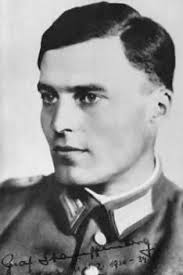
Claus von Stauffenberg
At least 7,000 persons were arrested by the Gestapo. Of these, 4,980 were executed.
If the conspiracy had succeeded and Germany had surrendered in July or August, 1944, World War II would have ended eight to nine months earlier. This would have meant:
- The Russians—who didn’t reach Germany until April, 1945—could not have occupied the Eastern part of the country.
- Millions of East Germans would have been spared the misery of living under Communist rule for 44 years.
- Many of the future conflicts between the United States and the Soviet Union over access to West Berlin and/or West Germany would have been prevented.
- Untold numbers of Holocaust victims would have survived because the concentration camps would have been shut down far earlier.
Yet history notes other tyrants whose evil reigns ended prematurely—such as that of Gaius Caligula.
Caligula became Emperor of Rome in 37 A.D. after succeeding the Emperor Tiberius, his uncle.
For three years, he held—and exercised—life-or-death power over the citizens of Italy and beyond. His attitude toward humanity was best summed up by his remark: “Bear in mind that I can treat anyone exactly as I please.”

Gaius Caligula
Carole Raddato from FRANKFURT, Germany, CC BY-SA 2.0 <https://creativecommons.org/licenses/by-sa/2.0>, via Wikimedia Commons
Among his litany of crimes, according to his biographer, Gaius Suetonius Tranquillus:
- He forced parents to attend the executions of their sons, sending a litter for one man who pleaded ill health. He invited another to dinner immediately after witnessing the execution, and trying to rouse him to gaiety by a great show of affability.
- He watched for several successive days as the manager of his gladiatorial shows was beaten with chains, and ordered him killed only when he was disgusted at the stench of his putrefied brain.
- He appeared at the temple of Castor and Pollux to be worshiped as Jupiter Latiaris.
- He lived in incest with all his three sisters. At a large banquet he placed each of them in turn below him, while his wife reclined above.
- He intended to promote his favorite racehorse, Incitatus (“Swift”), to consul.
Like all Roman emperors, Caligula was constantly protected by the Praetorian Guard, an elite unit of the Roman army comprised of tough legionnaires—especially German ones.
There had not been an assassination of a Roman emperor since the death of Julius Caesar almost 100 years earlier.
The assassins in that case had been motivated by a mixture of
- Personal animosity toward Caesar’s increasing arrogance and
- Genuine fears that he intended to abolish the Roman Republic and set himself up as a dictator.
And Caligula intended to keep a similar fate from overtaking him.
For all his cruelty and egomania, the trait that finally destroyed Caligula was his joy in humiliating others.
Among those he taunted was Cassius Chaerea, a member of his own bodyguard.
Two different historians give two different motives for his decision to assassinate Caligula.
The Jewish historian Josephus claimed that Chaerea was a “noble idealist” deeply committed to “Republican liberties.”
But Suetonius wrote that Caligula considered Chaerea effeminate because of a weak voice and gave him such mocking watchwords as “Priapus” and “Venus.” Whenever Caligula had Chaerea kiss his ring, the emperor would “hold out his hand to kiss, forming and moving it in an obscene fashion.”
On January 22 41 A.D. Chaerea and several other bodyguards hacked Caligula to death with swords before other guards could save him.
The assassination attempts on Adolf Hitler and the successful assassination of Gaius Caligula demonstrate that the greatest danger facing a tyrant is people who:
- Are in frequent and highly personal contact with him; and
- Keep their animosity toward him a secret—until the moment they wish to strike.
Had Secret Service agent Kerry O’Grady kept her revulsion toward Donald Trump to herself, she might now be hailed as an American traitor—or as democracy’s savior.
2016 PRESIDENTIAL ELECTION, 2020 PRESIDENTIAL ELECTION, ABC NEWS, ADOLF HITLER, ALTERNET, AMERICABLOG, AP, BABY BOOMER RESISTANCE, BBC, BLOOMBERG, BUZZFEED, CASSIUS CHAEREA, CBS NEWS, CIA, CLAUSS VON STAUFFENBERG, CNN, COVID-19, CROOKS AND LIARS, DAILY KOS, DONALD TRUMP, EAST GERMANY, FBI, FEDERAL GOVERNMENT SHUTDOWN, FIVETHIRTYEIGHT, GAIUS CALIGULA, GAIUS SUETONIUS TRANQUILLUS, GERMAN GENERAL STAFF, HARPER’S MAGAZINE, HITLER LOYALTY OATH, HOLOCAUST, HUFFINGTON POST, JANUARY 6 COUP ATTEMPT, JOSEPH BIDEN, JOSEPHUS, JULIUS CAESAR, KERRY O’GRADY, MEDIA MATTERS, MEXICO, MOTHER JONES, MOVEON, MSNBC, NATIONAL SECURITY AGENCY, NAZI GERMANY, NBC NEWS, NEW REPUBLIC, NEWSDAY, NEWSWEEK, NPR, OPERATION VALKYRIE, PBS NEWSHOUR, POLITICO, POLITICUSUSA, PRINCE OF THE CITY (MOVIE), RAW STORY, REUTERS, SALON, SEATTLE TIMES, SLATE, SOVIET UNION, SS, TALKING POINTS MEMO, THE ATLANTIC, THE CHICAGO SUN-TIMES, THE CHICAGO TRIBUNE, THE DAILY BEAST, THE DAILY BLOG, THE GUARDIAN, THE HILL, THE HUFFINGTON POST, THE INTERCEPT, THE LOS ANGELES TIMES, THE NATION, THE NEW REPUBLIC, THE NEW YORK TIMES, THE NEW YORKER, THE VILLAGE VOICE, THE WASHINGTON POST, THINKPROGRESS, TIME, TRUTHDIG, TRUTHOUT, TWO POLITICAL JUNKIES, U.S. NEWS & WORLD REPORT, UNITED STATES CONSTITUTION, UNITED STATES SECRET SERVICE, UPI, USA TODAY, VLADIMIR PUTIN, WEST BERLIN, WORLD WAR 11, X
In Bureaucracy, History, Law Enforcement, Military, Politics, Social commentary on June 12, 2024 at 12:08 am
Where does loyalty leave off and conscience begin?
Specifically: If you’re a bodyguard for a man you know represents a genuine threat to democracy, what are your obligations to defend him? Should you be as willing to “take a bullet” for him as for someone you truly admire?
Members of Adolf Hitler’s bodyguard faced no such qualms. Right up to the bitter end, with Russian forces only blocks from the Fuhrerbunker, they manned their posts, ready to die for the man who had led them—and Germany—into the ultimate catastrophe.
They made Hitler a closely-guarded target.
He was surrounded by fanatical bodyguards who were expert marksmen. He often wore a bulletproof vest and a cap lined with three pounds of laminated steel.
But his single greatest protection—he claimed—was an instinct for danger. He would suddenly change his schedule—to drop in where he was least expected. Or suddenly depart an event where he was expected to stay a long time.
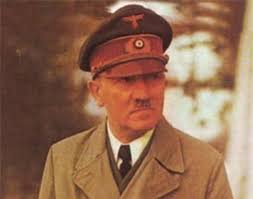
Adolf Hitler
It wasn’t Hitler’s bodyguards who posed a threat to his life. It was the colonels and generals of the German General Staff.
On August 20, 1934, members of the German army, navy and air force were required to swear the “Law On The Allegiance of Civil Servants and Soldiers of the Armed Forces.”
Whereas members of the armed forces had previously sworn loyalty to Germany, the new law required them to swear an oath of loyalty to Hitler personally.
In coming years, this would prove a deadly trap for many German officers—forcing them to choose between betraying a sacred oath and remaining loyal to a man who was clearly driving Germany to ruin.
For those officers who could not abide Germany’s coming destruction, the choice was simple: Hitler had to go.
A series of assassination attempts were made against Hitler. All of them involved time-bombs. And all of the would-be assassins were members of the German General Staff.
In one case, a bomb secretly stashed aboard Hitler’s plane failed to explode. In another, an officer who had a bomb strapped to himself unexpectedly found his scheduled meeting with Hitler called off. He had to rush into a bathroom to defuse the bomb before it exploded.
Hitler came closest to death on July 20, 1944.
Colonel Claus Schenk von Stuaffenberg was the driving force in a plot to assassinate Hitler with a time bomb.

Claus von Stauffenberg
He had served with the Wehrmacht in Poland (1939), France (1940) and the Soviet Union (1941). While serving in Tunisa, he was seriously wounded on April 7, 1943, when Allied fighters strafed his vehicle. He lost his left eye, right hand and two fingers of his left hand after surgery.
For most of his fellow officers, the motive was craven: The “happy time” of German victories was over. Germany was losing the war it had unleashed on the world in 1939—and now they feared the worst.
This was especially true now that the numerically superior forces of the Soviet Union had gone onto the offensive.
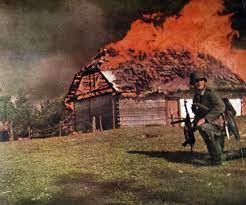
The Wehrmacht in Russia
The Wehrmacht and Schutzstaffel (SS) had killed millions of Russians. Many had died in combat. Others had been murdered as captives. Still more had been allowed to die by starvation and exposure to the notorious Russian winter.
For Stauffenberg, there was another reason: His disgust at the horrors he had seen committed by his fellow Wehrmacht soldiers upon defenseless POW’s and civilians in Russia.
Thus, Stauffenberg—more than many Germans—knew firsthand the vengeance his country could expect if the “Thousand-Year Reich” fell. Something must be done, he believed, to prove to the world that not all Germans—even members of the Wehrmacht—were criminals.
Most of the conspirators wanted to arrest Hitler and surrender to British and American forces—well before the much-feared Russians gained a toehold in Germany. Stauffenberg didn’t want to arrest Hitler; he wanted to kill him. A live Hitler might eventually be rescued by his Nazi colleagues.
Stauffenberg intended to carry his bomb—hidden in a briefcase—into a “Hitler conference” room packed with military officers. Rigged with a time-fuse, it would be left there while he found an excuse to leave. After the explosion, he would phone one of his fellow conspirators with the news.
Stauffenberg intended to direct the new government that would replace that of the Nazis—and open peace talks with the British and Americans. With Hitler dead, the coup—“Operation Valkyrie”—would be on.
Anti-Nazi conspirators would seize control of key posts of the government. They would inform the British and Americans of Germany’s willingness to surrender. Provided, of course, that the vengeance-seeking Russians did not have a say in its postwar future.
On July 20, 1944, Stauffenberg appeared at Hitler’s well-guarded military headquarters in East Prussia. Like all his other outposts, Hitler had named it—appropriately enough—“Wolf’s Lair.”
Stauffenberg entered the large, concrete building while the conference was in session. He placed his yellow briefcase next to Hitler—who was standing with his generals at a heavy oaken table. Then he excused himself to take an “urgent” phone call.
At 12:42 p.m. on July 20, 1944, Stauffenberg’s briefcase bomb erupted.
2016 PRESIDENTIAL ELECTION, 2020 PRESIDENTIAL ELECTION, ABC NEWS, ADOLF HITLER, ALTERNET, AMERICABLOG, AP, BABY BOOMER RESISTANCE, BBC, BLOOMBERG, BUZZFEED, CASSIUS CHAEREA, CBS NEWS, CIA, CLAUSS VON STAUFFENBERG, CNN, COVID-19, CROOKS AND LIARS, DAILY KOS, DONALD TRUMP, EAST GERMANY, FBI, FEDERAL GOVERNMENT SHUTDOWN, FIVETHIRTYEIGHT, GAIUS CALIGULA, GAIUS SUETONIUS TRANQUILLUS, GERMAN GENERAL STAFF, HARPER’S MAGAZINE, HITLER LOYALTY OATH, HOLOCAUST, HUFFINGTON POST, JANUARY 6 COUP ATTEMPT, JOSEPH BIDEN, JOSEPHUS, JULIUS CAESAR, KERRY O’GRADY, MEDIA MATTERS, MEXICO, MOTHER JONES, MOVEON, MSNBC, NATIONAL SECURITY AGENCY, NAZI GERMANY, NBC NEWS, NEW REPUBLIC, NEWSDAY, NEWSWEEK, NPR, OPERATION VALKYRIE, PBS NEWSHOUR, POLITICO, POLITICUSUSA, PRINCE OF THE CITY (MOVIE), RAW STORY, REUTERS, SALON, SEATTLE TIMES, SLATE, SOVIET UNION, SS, TALKING POINTS MEMO, THE ATLANTIC, THE CHICAGO SUN-TIMES, THE CHICAGO TRIBUNE, THE DAILY BEAST, THE DAILY BLOG, THE GUARDIAN, THE HILL, THE HUFFINGTON POST, THE INTERCEPT, THE LOS ANGELES TIMES, THE NATION, THE NEW REPUBLIC, THE NEW YORK TIMES, THE NEW YORKER, THE VILLAGE VOICE, THE WASHINGTON POST, THE WILD BUNCH (MOVIE), THINKPROGRESS, TIME, TRUTHDIG, TRUTHOUT, TWO POLITICAL JUNKIES, U.S. NEWS & WORLD REPORT, UNITED STATES CONSTITUTION, UNITED STATES SECRET SERVICE, UPI, USA TODAY, VLADIMIR PUTIN, WEST BERLIN, WORLD WAR 11, X
In Bureaucracy, History, Law Enforcement, Military, Politics, Social commentary on June 11, 2024 at 12:22 am
In the classic 1969 Western, The Wild Bunch, the outlaw gang is pursued by a posse led by Deke Thornton, one of its own former members.
This triggers a furious exchange between the gang’s two leaders:
DUTCH ENGSTROM: Damn that Deke Thornton to hell!
PIKE BISHOP: What would you do in his place? He gave his word.
DUTCH ENGSTROM: He gave his word to a railroad!
PIKE BISHOP: It’s his word!
DUTCH ENGSTROM: That’s not what counts! It’s who you give it to!
Where does loyalty leave off and conscience begin?
Specifically: If you’re a bodyguard for a man you know represents a genuine threat to democracy, what are your obligations to defend him? Should you be as willing to “take a bullet” for him as for someone you truly admire?
In October, 2016, Kerry O’Grady, a senior agent in the Denver field office of the United States Secret Service, found herself facing such a quandary.
She had made a series of now-deleted postings on Facebook during the 2016 Presidential campaign saying that she supported Democrat Hillary Clinton and that she would not honor a federal law that prevents agents like her from publicly airing their political beliefs.

Kerry O’Grady
“As a public servant for nearly 23 years, I struggle not to violate the Hatch Act. So I keep quiet and skirt the median,” she wrote in one Facebook post. “To do otherwise can be a criminal offense for those in my position. Despite the fact that I am expected to take a bullet for both sides.”
She had also suggested on Facebook that she would not defend President Donald Trump should someone try to shoot him.
“But this world has changed and I have changed. And I would take jail time over a bullet or an endorsement for what I believe to be disaster to this country and the strong and amazing women and minorities who reside here. Hatch Act be damned. I am with Her [Hillary Clinton],” she wrote.
The Secret Service said in a statement that it could not comment on a specific personnel matter but that it was “aware of the postings and the agency is taking quick and appropriate action.
“All Secret Service agents and employees are held to the highest standards of professional and ethical conduct. Any allegations of misconduct are taken seriously and swiftly investigated.”
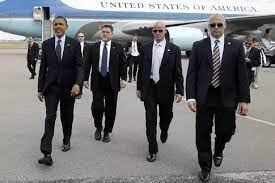
Secret Service agents
O’Grady was placed on administrative leave on January 28, 2017 and suspended with pay in February. The disciplinary action took months because of her high rank.
In March, 2019, she retired from the Secret Service.
During the next four years—2017 to 2021—Donald Trump came perilously close to becoming an absolute dictator.
Among his infamies and crimes:
- Repeatedly attacking the nation’s free press as “the enemy of the American people” for daring to report his growing list of crimes and disasters.
- Publicly siding with Russian dictator Vladimir Putin against American Intelligence agencies—such as the FBI, CIA and National Security Agency—which unanimously agreed that Russia had interfered with the 2016 Presidential election.
- Attacking and alienating America’s oldest allies, such as Canada and Great Britain.
- Firing FBI Director James Comey for refusing to pledge his personal loyalty to Trump—and continuing to investigate Russian subversion of the 2016 election.
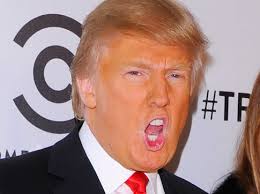
Donald Trump
- Shutting down the Federal Government on December 22, 2018, because Democrats refused to fund his useless “border wall” between the United States and Mexico. An estimated 380,000 government employees were furloughed and another 420,000 were ordered to work without pay for 35 days.
- Allowing the deadly COVID-19 virus to ravage the country, killing 400,000 Americans by the time he left office.
- Repeatedly lying—while still in office and afterward—that the 2020 election had been “stolen” from him by massive voter fraud.
- Illegally trying to pressure state legislatures and governors to stop the certification of the vote that had made Joe Biden the president-elect.
- Inciting his followers to attack the Capitol Building where Senators and Representatives were meeting to count the Electoral Votes won by himself and Joseph Biden. His objective: Stop the count, which he knew would prove him the loser.
In the classic 1981 crime drama, Prince of the City, Danny Ciello (Treat Williams) turns federal witness against his fellow crime-committing police officers.
His mobbed-up cousin, Nick, warns him that the Mafia wants him dead—but that his greatest danger might come from the bodyguards now surrounding him: “Anyone can be hit. You know that. All a guard has to do is look the wrong way for a second.”
Had that happened while Trump occupied the White House, American democracy would not now be imperiled by a second Trump administration.
Bodyguards for Adolf Hitler faced no such qualms. Right up to the bitter end, with Russian forces only blocks from the Fuhrerbunker, they manned their posts, ready to die for the man who had led them, Germany and the world into the ultimate catastrophe.
Within six years, Hitler had:
- Ignited World War II in 1939 through his invasion of Poland.
- Directly or indirectly caused the deaths of 50 million people worldwide.
- Exterminated six million Jews throughout Eastern Europe and Russia through mass shootings or gassings in a vast system of concentration camps.
2016 PRESIDENTIAL ELECTION, 2020 PRESIDENTIAL ELECTION, ABC NEWS, ABUSE OF POWER, ADOLF HITLER, ALTERNET, AMANDA CHASE, AMERICABLOG, AP, ARMED SERVICES, BABY BOOMER RESISTANCE, BARACK OBAMA, BLOOMBERG, BUZZFEED, CBS NEWS, CHILE, CIA, CLAUS VON STAUFFENBERG, CNN, COVID-19, CROOKS AND LIARS, DAILY KOZ, DONALD TRUMP, DRUDGE RETORT, FBI, FEDERAL GOVERNMENT SHUTDOWN, FIVETHIRTYEIGHT, GENERAL SERVICES ADMINISTRATION, GESTAPO, HARPER’S MAGAZINE, HILLARY CLINTON, IMPEACHMENT ARTICLES, JAMES B. COMEY, JAMES MATTIS, JOHN KASICH, JOHN MCCAIN, JOSEPH BIDEN, KIM JONG-UN, MARK ESPER, MARTIAL LAW, MARTIN NIEMOELLER, MEDIA MATTERS, MICHAEL FLYNN, MOTHER JONES, MOVEON, MSNBC, MUSLIMS, NATIONAL SECURITY AGENCY, NAZI GERMANY, NBC NEWS, NEWSWEEK, NPR, OBSTRUCTION OF CONGRESS, PBS NEWSHOUR, POLITICO, POLITICUSUSA, RAW STORY, REPUBLICANS, REUTERS, SALON, SEATTLE TIMES, SERGEY KISLYAK, SERGEY LAVROV, SLATE, TALKING POINTS MEMO, THE ATLANTIC, THE CHICAGO SUN-TIMES, THE CHICAGO TRIBUNE, THE DAILY BEAST, THE DAILY BLOG, THE GUARDIAN, THE HILL, THE HUFFINGTON POST, THE LOS ANGELES TIMES, THE NATION, THE NEW REPUBLIC, THE NEW YORK TIMES, THE PENTAGON, THE TWILIGHT ZONE, THE VILLAGE VOICE, THE WASHINGTON POST, THINKPROGRESS, THIRD REICH, TIME, TRUTHDIG, TRUTHOUT, TWENTY-FIFTH AMENDMENT, TWITTER, TWO POLITICAL JUNKIES, U.S. NEWS & WORLD REPORT, UNITED STATES CONSTITUTION, UNITED STATES SECRET SERVICE, UPI, USA TODAY, VLADIMIR PUTIN, VOTER FRAUD, WONKETTE, WORLD WAR 11
In Bureaucracy, History, Law, Law Enforcement, Military, Politics, Social commentary on April 12, 2024 at 12:13 am
During his 12-year reign, Adolf Hitler was the target of at least 42 assassination plots. The most famous of these was the one of July 20, 1944.
- So far as is known, Donald Trump has not been the target of even one.
In Hitler’s case, the plotters were officers of the German general staff—who believed the Fuhrer was leading Germany into a war it could not hope to win.
After the war’s outbreak (on September 1, 1939) most of the plotters were motivated by a desire to end the war before Allied—and especially Russian—soldiers reached Germany. But many plotters were motivated by sheer horror at the wholesale slaughters taking place in Poland and Russia.
Adolf Hitler
- In Trump’s case, a non-violent method for removal existed in the Twenty-Fifth Amendment to the United States Constitution. This allows the Vice President and a majority of the Cabinet to recommend the removal of the President when he is “unable to discharge the powers and duties of his office.” The Vice President then becomes President.
- No Cabinet members had the courage to invoke this.
- Within the Senate and House of Representatives, Republicans acted as a rubber stamp for his every infamy. When he praised North Korea’s dictator Kim Jong-On or attacked Vietnam POW John McCain, they stayed silent. When he falsely charged massive voter fraud, Republicans stayed silent or loudly parroted his lies.
- Their most notorious example of ambition-fueled cowardice occurred on February 5, 2020. That was when the Republican-dominated Senate—ignoring the overwhelming evidence against him—acquitted Trump on both impeachment articles: Obstruction of Congress and abuse of power.
- At the Pentagon, American generals stood mute as Trump repeatedly sided with Russian dictator Vladimir Putin against the FBI, CIA and National Security Agency—and even gave classified CIA Intelligence to Russian Foreign Minister Sergey Lavrov and Ambassador Sergey Kislyak.
- And just as high-ranking field marshals in Hitler’s Wehrmacht held their tongues when he insulted them, so, too, did American generals when Trump belittled their intelligence and even patriotism.
- When Trump arbitrarily decided to remove American forces from Syria and Afghanistan, Secretary of Defense James Mattis resigned in protest in 2018. But then he was simply replaced by Mark Esper.
- Despite the fact that many of these men regularly came into contact with Trump, not one of them apparently plotted his removal.
- Similarly, Trump repeatedly attacked the integrity of the men and women of the FBI—even firing its director, James Comey, for daring to investigate Russia’s subversion of the 2016 election. If its agents—steeped in Federal criminal law—built a case for Trump’s indictment and prosecution, it has never come to light.
- Neither did any of his Secret Service agents register the slightest protest, despite his arrogant behavior toward them. He forced them to work without pay during his 35-day government shutdown in 2018. And he forced them to accompany him to COVID-infected states—both during the Presidential campaign and afterward. Many of them became stricken with this often fatal disease as a result.
Donald Trump
On November 3, 2020, 81,255,933 Democratic voters elected former Vice President Joseph Biden the 46th President of the United States. Trump, running for a second term, got 74,196,153 votes.
Yet almost two months after the election, Trump refused to concede, insisting that he won—and repeatedly claiming falsely that he is the victim of massive vote fraud.
This toxic lie was feverishly embraced by millions of Right-wingers, and cast a shadow of illegitimacy over the Biden administration.
This refusal to acknowledge the outcome initially denied Biden access to the money, information-sharing and machinery traditionally accorded the President-elect. Trump himself was the beneficiary of such assistance in 2016, after his win over Democratic nominee Hillary Clinton.
Only on November 23, 2020 was Biden acknowledged as the winner by the General Services Administration, as the Trump administration finally began the formal transition process.
Meanwhile, the COVID-19 pandemic raged across the country. More than 400,000 Americans died, by the time Trump left office. Hospitals were filled to capacity, and millions faced starvation and/or eviction.
Yet Trump remained obsessed with his loss, and did nothing to coordinate the Federal response to the pandemic.
Trump’s refusal to accept reality posed an unprecedented danger to democracy: No presidential candidate had ever refused to concede defeat once all the votes were counted and legal challenges resolved.
By refusing to commit to a peaceful transfer of power, Trump took on the classic mantle of of a dictator.
Right-wing Virginia State Senator Amanda Chase urged Trump to declare martial law and allow the military to “oversee” another election. So did disgraced ex-National Security Advisor Michael Flynn, whom Trump pardoned for lying to the FBI about private talks he had with a Russian official.
Reports have surfaced that Trump considered doing so.
History has recorded an active German resistance movement against Adolf Hitler—including no fewer than at least 42 assassination attempts. And posterity has honored its members, many of whom died heroically for standing firm against a brutal tyrant.
To its eternal shame, the same cannot be said of America during the reign of Donald Trump.
2016 PRESIDENTIAL ELECTION, 2020 PRESIDENTIAL ELECTION, ABC NEWS, ABUSE OF POWER, ADOLF HITLER, ALTERNET, AMANDA CHASE, AMERICABLOG, AP, ARMED SERVICES, BABY BOOMER RESISTANCE, BARACK OBAMA, BLOOMBERG, BUZZFEED, CBS NEWS, CIA, CLAUS VON STAUFFENBERG, CNN, COVID-19, CROOKS AND LIARS, DAILY KOZ, DONALD TRUMP, DRUDGE RETORT, FBI, FEDERAL GOVERNMENT SHUTDOWN, FIVETHIRTYEIGHT, GENERAL SERVICES ADMINISTRATION, GESTAPO, HARPER’S MAGAZINE, HILLARY CLINTON, IMPEACHMENT ARTICLES, JAMES B. COMEY, JAMES MATTIS, JOHN KASICH, JOHN MCCAIN, JOSEPH BIDEN, KIM JONG-UN, MARK ESPER, MARTIAL LAW, MARTIN NIEMOELLER, MEDIA MATTERS, MICHAEL FLYNN, MOTHER JONES, MOVEON, MSNBC, MUSLIMS, NATIONAL SECURITY AGENCY, NAZI GERMANY, NBC NEWS, NEWSWEEK, NPR, OBSTRUCTION OF CONGRESS, PBS NEWSHOUR, POLITICO, POLITICUSUSA, RAW STORY, REPUBLICANS, REUTERS, SALON, SEATTLE TIMES, SERGEY KISLYAK, SERGEY LAVROV, SLATE, TALKING POINTS MEMO, THE ATLANTIC, THE CHICAGO SUN-TIMES, THE CHICAGO TRIBUNE, THE DAILY BEAST, THE DAILY BLOG, THE GUARDIAN, THE HILL, THE HUFFINGTON POST, THE LOS ANGELES TIMES, THE NATION, THE NEW REPUBLIC, THE NEW YORK TIMES, THE PENTAGON, THE TWILIGHT ZONE, THE VILLAGE VOICE, THE WASHINGTON POST, THINKPROGRESS, THIRD REICH, TIME, TRUTHDIG, TRUTHOUT, TWENTY-FIFTH AMENDMENT, TWITTER, TWO POLITICAL JUNKIES, U.S. NEWS & WORLD REPORT, UNITED STATES CONSTITUTION, UNITED STATES SECRET SERVICE, UPI, USA TODAY, VLADIMIR PUTIN, VOTER FRAUD, WONKETTE, WORLD WAR 11
In Bureaucracy, History, Law, Law Enforcement, Military, Politics, Social commentary on April 11, 2024 at 12:16 am
On July 20, 1944, Colonel Claus Schenk von Stuaffenberg tried to assassinate Adolf Hitler.
He had served with the Wehrmacht in Poland (1939), France (1940) and the Soviet Union (1941).
While serving in Tunisa, he was seriously wounded on April 7, 1943, when Allied fighters strafed his vehicle. He lost his left eye, right hand and two fingers of his left hand after surgery.
Colonel Claus Schenk von Stuaffenberg
Nevertheless, he now acted as the prime mover for the conspiracy among a growing number of German high command officers to arrest or assassinate Germany’s Fuehrer.
For most of these officers, the motive was craven: The “happy time” of German victories was over. Germany was losing the war it had unleashed on the world in 1939—and now they feared the worst.
This was especially true now that the numerically superior forces of the Soviet Union had gone onto the offensive.
For Stauffenberg, there was another reason: His disgust at the horrors he had seen committed by his fellow Wehrmacht soldiers upon defenseless POW’s and civilians in Russia.
Thus, Stauffenberg—more than many Germans–knew firsthand the vengeance his country could expect if the “Thousand-Year Reich” fell.
Something must be done, he believed, to prove to the world that not all Germans—even members of the Wehrmacht—were criminals.
Most of the conspirators wanted to arrest Hitler and surrender to British and American forces—well before the much-feared Russians gained a toehold in Germany.
Stauffenberg didn’t want to arrest Hitler; he wanted to kill him. A live Hitler might eventually be rescued by his Nazi colleagues.
But Hitler was a closely-guarded target. He was surrounded by fanatical bodyguards who were expert marksmen. He often wore a bulletproof vest and a cap lined with three pounds of laminated steel.
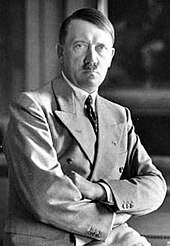
Adolf Hitler
Bundesarchiv, Bild 146-1990-048-29A / CC-BY-SA 3.0 [CC BY-SA 3.0 de (https://creativecommons.org/licenses/by-sa/3.0/de/deed.en)%5D
But his single greatest protection—he claimed—was an instinct for danger. He would suddenly change his schedule—to drop in where he was least expected. Or suddenly depart an event where he was expected to stay a long time.
That instinct had repeatedly saved his life.
A series of assassination attempts had been made against Hitler. All of them involved time-bombs. And all of the would-be assassins were members of the German General Staff.
In one case, a bomb secretly stashed aboard Hitler’s plane failed to explode. In another, an officer who had a bomb strapped to himself unexpectedly found his scheduled meeting with Hitler called off. He had to rush into a bathroom to defuse the bomb before it exploded.
Stauffenberg intended to carry his bomb—hidden in a briefcase—into a “Hitler conference” room packed with military officers. Rigged with a time-fuse, it would be left there while he found an excuse to leave.
After the explosion, he would phone one of his fellow conspirators with the news.
Stauffenberg intended to direct the new government that would replace that of the Nazis—and open peace talks with the British and Americans.
With Hitler dead, the coup—“Operation Valkyrie”—would be on.
Anti-Nazi conspirators would seize control of key posts of the government. The British and Americans would then be informed of Germany’s willingness to surrender. Provided, of course, that the vengeance-seeking Russians did not have a say in its postwar future.
The Wehrmacht and Schutzstaffel (SS) had killed millions of Russians. Many had died in combat. Others had been murdered as captives. Still more had been allowed to die by starvation and exposure to the notorious Russian winter.
So the Germans—both Nazi and anti-Nazi—knew what they could expect if soldiers of the Soviet Union reached German soil.
On July 20, 1944, Stauffenberg appeared at Hitler’s well-guarded military headquarters in East Prussia. Like all his other outposts, Hitler had named it—appropriately enough—“Wolf’s Lair.”
“Wolf’s Lair”
Stauffenberg entered the large, concrete building while the conference was in session. He placed his yellow briefcase next to Hitler—who was standing with his generals at a heavy oaken table. Then he excused himself to take an “urgent” phone call.
After Stauffenberg left the room, Colonel Heinz Brandt, standing next to Hitler, found the briefcase blocking his legs. So he moved it—to the other side of the heavy oaken support, partially shielding Hitler from the blast..
At 12:42 p.m. on July 20, 1944, Stauffenberg’s briefcase bomb erupted.
Brandt died, as did two other officers and a stenographer.
Hitler not only survived, but the plotters failed to seize the key broadcast facilities of the Reich.
This allowed Hitler to make a late-night speech to the nation, revealing the failed plot and assuring Germans that he was still alive. And he swore to flush out the “traitorous swine” who had tried to kill him.
Mass arrests quickly followed.
Among the first victims discovered and executed was the conspiracy’s leader, Colonel Claus von Stauffenberg. Standing before a makeshift firing squad at midnight, he cried: “Long live our sacred Germany!”
At least 7,000 persons were arrested by the Gestapo. Of these, 4,980 were executed.
2016 PRESIDENTIAL ELECTION, 2020 PRESIDENTIAL ELECTION, ABC NEWS, ABUSE OF POWER, ADOLF HITLER, ALTERNET, AMANDA CHASE, AMERICABLOG, AP, ARMED SERVICES, BABY BOOMER RESISTANCE, BARACK OBAMA, BLOOMBERG, BUZZFEED, CBS NEWS, CIA, CLAUS VON STAUFFENBERG, CNN, COVID-19, CROOKS AND LIARS, DAILY KOZ, DANA ANDREWS, DONALD TRUMP, DRUDGE RETORT, FBI, FEDERAL GOVERNMENT SHUTDOWN, FIVETHIRTYEIGHT, GENERAL SERVICES ADMINISTRATION, GESTAPO, HARPER’S MAGAZINE, HILLARY CLINTON, IMPEACHMENT ARTICLES, JAMES B. COMEY, JAMES MATTIS, JOHN KASICH, JOHN MCCAIN, JOSEPH BIDEN, KIM JONG-UN, MARK ESPER, MARTIAL LAW, MARTIN NIEMOELLER, MEDIA MATTERS, MICHAEL FLYNN, MOTHER JONES, MOVEON, MSNBC, MUSLIMS, NATIONAL SECURITY AGENCY, NAZI GERMANY, NBC NEWS, NEWSWEEK, NPR, OBSTRUCTION OF CONGRESS, PBS NEWSHOUR, POLITICO, POLITICUSUSA, RAW STORY, REPUBLICANS, REUTERS, SALON, SEATTLE TIMES, SERGEY KISLYAK, SERGEY LAVROV, SLATE, TALKING POINTS MEMO, THE ATLANTIC, THE CHICAGO SUN-TIMES, THE CHICAGO TRIBUNE, THE DAILY BEAST, THE DAILY BLOG, THE GUARDIAN, THE HILL, THE HUFFINGTON POST, THE LOS ANGELES TIMES, THE NATION, THE NEW REPUBLIC, THE NEW YORK TIMES, THE PENTAGON, THE TWILIGHT ZONE, THE VILLAGE VOICE, THE WASHINGTON POST, THINKPROGRESS, THIRD REICH, TIME, TRUTHDIG, TRUTHOUT, TWENTY-FIFTH AMENDMENT, TWITTER, TWO POLITICAL JUNKIES, U.S. NEWS & WORLD REPORT, UNITED STATES CONSTITUTION, UNITED STATES SECRET SERVICE, UPI, USA TODAY, VLADIMIR PUTIN, VOTER FRAUD, WONKETTE, WORLD WAR 11
In Bureaucracy, History, Law, Law Enforcement, Military, Politics, Social commentary, Uncategorized on April 10, 2024 at 12:13 am
“When Fascism comes to America, it will be called anti-Fascism.”
–Huey Long, Louisiana Governor/Senator
In the Twilight Zone episode, “No Time Like the Past,” Paul Driscoll (Dana Andrews), a scientist in early 1960s America, uses a time machine to visit Nazi Germany on the eve of World War II.
He’s rented a motel room overlooking the balcony from where the Fuhrer, Adolf Hitler will soon make a speech. And he’s eager to watch that speech—through the lens of a telescopic-sighted rifle.
Just as he’s about to pull the trigger, there’s a knock at his door–by the maid. Driscoll hustles her out as soon as possible, then once again picks up his rifle. He—and viewers—can once again see Hitler through the cross-hairs of his weapon.
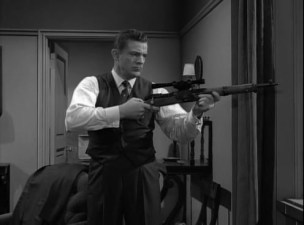
Paul Driscoll prepares to shoot Adolf Hitler
But instead of the anticipated shot, there’s another knock at his door—his time by the black-uniformed secret police, the SS. Driscoll knows the game is up, and disappears into the present just as the thugs break down his door.
And the audience is left to ponder how different the world would have been if Driscoll—or someone in Nazi Germany—had succeeded in assassinating the man whose wars would wipe out the lives of 50 million men, women and children around the globe.
One 2016 Republican candidate for President dared to invoke the menace of Nazi Germany in warning of the dangers of a Donald Trump Presidency. And to argue that Americans could prevent that past from returning.
In November, 2015, John Kasich, the governor of Ohio, was peddling a message of creating jobs, balancing the Federal budget and disdain for Washington, D.C.
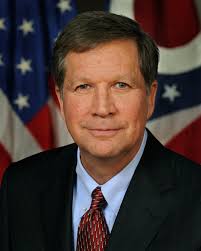
John Kasich
But he remained far behind in the polls, dropping 50% in support in just one month—from September to October. Meanwhile, Trump, the New York billionaire developer, was being backed by 25% of Republican primary voters.
So, with nothing to lose, Kasich decided to take off the gloves. He invoked the “N” word for Republicans: Nazi.
He authorized the creation of a TV ad that opened with ominous music—and the face of a snarling Donald Trump.
“I would like anyone who is listening to consider some thoughts that I’ve paraphrased from the words of German pastor Martin Niemoeller.”
The voice belonged to Tom Moe, a retired colonel in the U.S. Air Force—and a former Vietnam prisoner-of-war.
“You might not care if Donald Trump says Muslims must register with the government, because you’re not one,” continued Moe.
“And you might not care if Donald Trump says he’s going to round up all the Hispanic immigrants, because you’re not one.
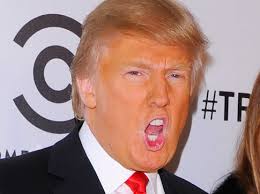
Donald Trump
“And you might not care if Donald Trump says it’s OK to rough up black protesters, because you’re not one.
“And you might not care if Donald Trump wants to suppress journalists, because you’re not one.
“But think about this:
“If he keeps going, and he actually becomes President, he might just get around to you. And you’d better hope that there’s someone left to help you.”
Martin Niemoeller (1892–1984) was a prominent Protestant pastor who had commanded a U-boat during World War 1. He became a bitter public foe of Adolf Hitler.
A staunch anti-Communist, he had initially supported the Nazis as Germany’s only hope of salvation against the Soviet Union.
But when the Nazis made the church subordinate to State authority, Niemoeller created the Pastors’ Emergency League to defend religious freedom.
For his opposition to the Third Reich, Niemoeller spent seven years in concentration camps.
With the collapse of the Reich in 1945, he was freed—and elected President of the Protestant church in Hesse and Nassau in 1947. During the 1960s, he was a president of the World Council of Churches.
He is best remembered for his powerful condemnation of the failure of Germans to protest the increasing oppression of the Nazis:
First they came for the Communists, but I was not a Communist, so I did not speak out.
Then they came for the Socialists, but I was not a Socialist, so I did not speak out.
Then they came for the trade unionists, but I was not a trade unionist, so I did not speak out.
Then they came for the Jews, but I was not a Jew, so I did not speak out.
And when they came for me, there was no one left to speak out for me.
Neither “Adolf Hitler” nor “Nazi Party” was mentioned during the one-minute Kassich video. But a furious Trump threatened to sue Kasich if he could find anything “not truthful” within the ad.
Apparently he couldn’t find anything “not truthful,” because he never sued.
So threatened the man who had called Mexican immigrants “rapists” and accused President Barack Obama of being a Muslim and an illegal alien.
The Kasich ad was the darkest attack made against Trump by any candidate—Republican or Democrat. And it raised a disturbing question:
If Donald Trump proved to be America’s Adolf Hitler, would there be an American Claus von Stauffenberg?
Colonel Claus Schenk von Stuaffenberg was the German army officer who, on July 20, 1944, tried to assassinate Adolf Hitler.
ABC NEWS, ADOLF HITLER, ALTERNET, AMERICABLOG, AP, BABY BOOMER RESISTANCE, BBC, BLOOMBERG, BUZZFEED, CBS NEWS, CHRIS KREBS, CIA, CNN, COVID-19, CROOKS AND LIARS, DAILY KOS, DONALD TRUMP, EMOLUMENTS CLAUSE, FBI, FEDERAL GOVERNMENT SHUTDOWN, FIVETHIRTYEIGHT, HARPER’S MAGAZINE, HUFFINGTON POST, IMPEACHMENT, JAMES COMEY, JANUARY 6 COUP ATTEMPT, JEFF SESSIONS, JOSEPH BIDEN, JOSEPH STALIN, KIM JONG-UN, MEDIA MATTERS, MEXICO, MITCH MCCONNELL, MOTHER JONES, MOVEON, MSNBC, NATIONAL SECURITY AGENCY, NBC NEWS, NEW REPUBLIC, NEWSDAY, NEWSWEEK, NPR, PBS NEWSHOUR, POLITICO, POLITICUSUSA, RAW STORY, REUTERS, ROBERT MUELLER, SALON, SEATTLE TIMES, SERGEY KISLYAK, SERGEY LAVROV, SLATE, TALKING POINTS MEMO, THE ATLANTIC, THE CHICAGO SUN-TIMES, THE CHICAGO TRIBUNE, THE DAILY BEAST, THE DAILY BLOG, THE GUARDIAN, THE HILL, THE HUFFINGTON POST, THE INTERCEPT, THE LOS ANGELES TIMES, THE NATION, THE NEW REPUBLIC, THE NEW YORK TIMES, THE NEW YORKER, THE PRESS, THE VILLAGE VOICE, THE WASHINGTON POST, THINKPROGRESS, THIRD REICH, TIME, TRUTHDIG, TRUTHOUT, TWO POLITICAL JUNKIES, U.S. NEWS & WORLD REPORT, UNITED STATES CONSTITUTION, UNITED STATES SECRET SERVICE, UPI, USA TODAY, VLADIMIR PUTIN, WEIMAR REPUBLIC, WORLD WAR 11, X, XI JINPING
In History, Law, Law Enforcement, Politics, Social commentary on April 9, 2024 at 12:12 am
To understand Donald Trump’s hold on American hopes—and fears—imagine the following:
German dictator Adolf Hitler loses the war he had started. But instead of committing suicide, he succumbs to pressure to resign as Fuhrer.
Despite overwhelming evidence against him, he is never brought to trial for:
- Conspiring to seize power during the Weimar Republic.
- Suppressing opposition political parties, freedom of speech, press and basic civil rights.
- Starting World War II.
- Waging aggressive war.
- Ordering the German Army to commit systematic and premeditated acts of brutality against the civilian populations of Europe.
- Being responsible for the deaths of 50 million men, women and children (including those slaughtered by his allies Italy and Japan).
- Having ordered the annihilation of the Jews, resulting in six million deaths by murder or starvation.
Adolf Hitler
Instead of facing prosecution for his crimes, he is:
- Given a lavish pension.
- Round-the-clock protection by elite bodyguards.
- Allowed to once again become a candidate for the highest elected office in the country.
- Allowed, in campaigning for that office, to slander and/or threaten everyone he believes poses the slightest threat to his candidacy.
Now, consider the case of Donald J. Trump. During his four-year Presidency, he:
- Repeatedly and viciously attacked the nation’s free press for daring to report his growing list of crimes and disasters, calling it “the enemy of the American people”—a phrase popularized by Soviet dictator Joseph Stalin.
- Publicly sided with Russian dictator Vladimir Putin against American Intelligence agencies—such as the FBI, CIA and National Security Agency—which unanimously agreed that Russia had interfered with the 2016 Presidential election.
- Used his position as President to further enrich himself, in violation of the Emoluments Clause of the Constitution.
- Attacked and alienated America’s oldest allies, such as Canada and Great Britain.
- Fired FBI Director James Comey for refusing to pledge his personal loyalty to Trump—and turn the FBI into Trump’s personal Gestapo.

James Comey
- Repeatedly attacked his own Attorney General, Jeff Sessions, for not “protecting” him from agents pursuing the Russia investigation—and fired him on November 7, 2018, the day after Democrats won a majority of House seats.
- Shut down the Federal Government on December 22, 2018, because Democrats refused to fund his “border wall” between the United States and Mexico. An estimated 380,000 government employees were furloughed and another 420,000 were ordered to work without pay.
- Gave highly classified CIA Intelligence to Russian Foreign Minister Sergey Lavrov and Russian Ambassador Sergey Kislyak. Specifically: How Islamic State terrorists planned to turn laptops into concealable bombs.
Donald Trump
- Identified with and coddled such ruthless dictators as China’s Xi Jinping, North Korea’s Kim Jong-Un and Turkey’s Recep Tayyip Erdoğan.
- Repeatedly attacked Michigan Democratic Governor Gretchen Whitmer—after she had been targeted for kidnapping and execution by Trump’s Right-wing followers.
- Allowed the deadly COVID-19 virus to ravage the country, infecting and killing more than 400,000 Americans.
- Attacked the medical experts and governors who urged Americans to wear masks and socially distance to protect themselves from COVID-19.
- Urged his followers to illegally vote twice for him in the 2020 Presidential election.
- Fired Chris Krebs, the director of the Cybersecurity and Infrastructure Security Agency, for rejecting Trump’s false claims of widespread voter fraud in the 2020 Presidential election.
- Refused to accept the will of 80,117,438 voters who had made former Vice President Joe Biden President-elect of the United States.
- Illegally tried to pressure state legislatures and governors to stop the certification of the vote that had made Biden the President-elect.
- Incited his followers to violently attack the Capitol Building where Senators and Representatives were meeting on January 6, 2021, to count the Electoral Votes won by himself and Biden. His objective: Stop the count, which he knew would prove him the loser.
After the Third Reich collapsed in May, 1945, Germans didn’t allow surviving Nazis to try to revive it. Yet that is precisely the situation the United States now faces.
Donald Trump was twice impeached. In 2019, he faced two charges:
- Abuse of power and obstruction of Congress.
And in 2021, he was charged with:
- Incitement of insurrection.
In both cases, the evidence against him was overwhelming. And, in both cases, Right-wing Republicans ignored it and acquitted him.
Had he been convicted in either case, he would have lost:
- His Presidential pension
- His Secret Service protection
- His legal right to hold office again
But Republican Senators—out of lust for power and/or fear of opposing Trump—unleashed on the United States a man dedicated only to his own greed, egomania and vindictiveness.
Senator Mitch McConnell (R-KY) typified their desire to appear “law and order” tough. Immediately after Trump incited his followers to attack Congress on January 6, 2021, he said: “If this isn’t impeachable, I don’t know what is.”
Then he voted for acquittal.
And, on March 6, 2024, after Trump won a series of Republican Presidential primaries, McConnell said: “It is abundantly clear that former President Trump has earned the requisite support of Republican voters to be our nominee for President of the United States. It should come as no surprise that as nominee, he will have my support.”
The democratic Weimar Republic of Germany (1919 – 1933) found itself menaced by ruthless Fascists, betrayed by its supposed allies, and defended by liberals unwilling to forcefully defeat its enemies.
The same combination of forces are now on full display in the United States.
2016 PRESIDENTIAL ELECTION, ABC NEWS, AFFORDABLE CARE ACT, ALAN LADD, ALTERNET, AMERICABLOG, AP, BABY BOOMER RESISTANCE, BBC, BLOOMBERG NEWS, BORDER WALL, BUZZFEED, CALVERA (CHARACTER), CANADA, CAPITOL INSURRECTION, CBS NEWS, CHARLES GEORGE GORDON, CHRIS (CHARACTER), CHYE-CHING HUANG, CIA, CNN, COVID-19, CROOKS AND LIARS, DAILY KOZ, DONALD TRUMP, DONALD TRUMP: TRAGIC HERO (ARTICLE), ELECTORAL COLLEGE, ELI WALLACH, FBI, FEDERAL FISCAL POLICY, FEDERAL GOVERNMENT SHUTDOWN, FIVETHIRTYEIGHT, HAMLET, HARPER’S MAGAZINE, HOOVER INSTITUTE, HUFFINGTON POST, ISLAMIC STATE, JACK PALANCE, JAMES COMEY, JEFF SESSONS, JOHN FORD, JOHN WAYNE, JOSEPH BIDEN, KHARTOUM, KIM JONG ON, LEE MARVIN, MEDIA MATTERS, MOTHER JONES, MOVEON, MSNBC, NATIONAL SECURITY AGENCY, NBC NEWS, NEW REPUBLIC, NEWSDAY, NEWSWEEK, NORTH KOREA, NPR, PBS NEWSHOUR, POLITICO, POLITICUSUSA, RAW STORY, REUTERS, ROBERT S. MUELLER III, RUFUS RYKER (CHARACTER), RUSSIA, SALON, SEATTLE TIMES, SERGEY KISLYAK, SERGEY LAVROV, SHANE (MOVIE), SLATE, STEVE MCQUEEN, TALKING POINTS MEMO, TAX CUTS AND JOBS ACT OF 2017, THE ATLANTIC, THE CASE FOR TRUMP (BOOK), THE CHICAGO SUN-TIMES, THE CHICAGO TRIBUNE, THE DAILY BEAST, THE DAILY BLOG, THE GUARDIAN, THE HILL, THE HUFFINGTON POST, THE LOS ANGELES TIMES, THE MAGNIFICENT SEVEN (MOVIE), THE MAN WHO SHOT LIBERTY VALANCE (MOVIE), THE NATION, THE NEW REPUBLIC, THE NEW YORK TIMES, THE NEW YORKER, THE PRESS, THE VILLAGE VOICE, THE WASHINGTON POST, THINKPROGRESS, TIME, TRAGEDY, TRUMP FOUNDATION, TRUMP UNIVERSITY, TRUTHDIG, TRUTHOUT, TWITTER, TWO POLITICAL JUNKIES, U.S. NEWS & WORLD REPORT, UKRAINE, UPI, USA TODAY, VICTOR DAVIS HANSON, VLADIMIR PUTIN, VOLODYMYR ZELENSKY, WILLIAM SHAKESPEARE, WILSON (CHARACTER), WONKETTE, YUL BRYNNER
In Bureaucracy, Entertainment, History, Law, Law Enforcement, Medical, Politics, Social commentary on February 2, 2024 at 12:10 am
For historian and classicist Victor Davis Hanson, Donald Trump possesses an unappreciated self-awareness and sense of what it means to be a tragic hero.
Trump was into the first year of his Presidency when Hanson penned his article, “Donald Trump, Tragic Hero,” published on April 12, 2018.
To make his case, Hanson cites a series of popular Western movies featuring lethal men who risk—and sometimes sacrifice—their lives on behalf of others too weak to vanquish evil on their own.
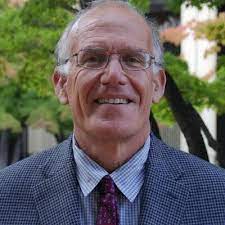
Victor Davis Hanson
Thus in the classic 1960 film, The Magnificent Seven, the Seven slaughter the outlaw Calvera and his banditos—and then ride into the sunset. As they do, Chris (Yul Brynner) tells Vin (Steve McQueen): “The old man was right. Only the farmers won. We lost. We always lose.”
Writes Hanson: “He knows that few appreciate that the tragic heroes in their midst are either tragic or heroic — until they are safely gone and what they have done in time can be attributed to someone else. Worse, he knows that the tragic hero’s existence is solitary and without the nourishing networks and affirmation of the peasant’s agrarian life.”
Chris may know this, but there is absolutely no evidence that Trump does. He has never shown even an awareness of sensitivity and self-knowledge, let alone the possession of either. Trump is at best semi-literate. The concept of tragedy—as expressed in the Greek tragedies to which Hanson refers throughout his article—means nothing to Trump.
Moreover, the Seven have risked their lives—and four of them have died doing so—on behalf of villagers who can pay them almost nothing.
It is inconceivable that Trump would risk anything—especially his life—for people he regarded as poor and thus unworthy of his concern.

Copyright © 1960 – United Artists Corporation.”, Public domain, via Wikimedia Commons
In their first encounter with Calvera (Eli Wallach) the bandit chief offers to make the Seven partners in his ravaging of the village. Of his intended victims, Calvera sneers: “If God had not wanted them sheared, he would not have made them sheep.”
If Trump had heard Calvera’s offer, he would have instantly accepted it.
In June 2016, USA Today published an analysis of litigation involving Trump. Over the previous 30 years, Trump and his businesses had been involved in 3,500 legal cases in U.S. Federal and state courts.
Of the 3,500 suits, Trump or one of his companies were plaintiffs in 1,900; defendants in 1,450; and bankruptcy, third party, or other in 150. Trump was named in at least 169 suits in federal court.
Many of those cases centered around his refusal to pay contractors for their finished work on his properties. Most of the contractors didn’t have the financial resources—as Trump had—to spend years in court trying to obtain the monies they were owed. As a result, they never received payment—or, at best, only a small portion of what they were owed.
When he ran for President in 2015-16, Trump repeatedly promised poor and middle-class Americans a far better plan for medical care than the Affordable Care Act.
He spent the next four years thuggishly trying to dismantle “Obanacare,” the signature achievement of Barack Obama, America’s first black President. But never did he offer even a general outline of his own alleged plan to “replace” it.
Hanson tries to draw a further parallel between Trump and the fictional Tom Doniphon, the unsung hero of John Ford’s 1962 movie, The Man Who Shot Liberty Valance.

Copyright © 1962 Paramount Pictures Corporation and John Ford Productions, Inc.”, Public domain, via Wikimedia Commons
Hanson sums up the movie thus:
“Tom Doniphon (John Wayne)…unheroically kills the thuggish Liberty Valance [Lee Marvin], births the [political] career of Ranse Stoddard [James Stewart] and his marriage to Doniphon’s girlfriend [Vera Miles] and thereby ensures civilization is Shinbone’s frontier future. His service done, he burns down his house and degenerates from feared rancher to alcoholic outcast.”
It is inconceivable that Trump would take the risk of committing a crime on behalf of someone else—or being able to resist bragging about it if he did. It is equally inconceivable that he would give up a woman he wanted for the happiness of another man.
Most unbelievable of all is the suggestion that Trump would imitate Doniphon by quietly riding off into the sunset.
Trump has often “joked” about becoming “President-for-Life.” After losing the November 3, 2020 Presidential election to former Vice President Joe Biden, he filed 60 lawsuits to overturn the will of 80 million voters. Those failing, he tried some old-fashioned but unsuccessful arm-twisting of several state lawmakers to “find” non-existent votes for him.
Finally, on January 6, 2021, he incited a mob of his fanatical followers to attack the United States Capitol Building. Their mission: Stop the counting of Electoral College ballots certain to give Biden the victory.
Victor Davis Hanson is a brilliant scholar and colorful writer. But his effort on Trump’s behalf is embarrassing and appalling.
In a series of bestselling books, he has eloquently chronicled the heroism of the ancient Greeks in defending their budding democracy.
It is depressing—and frightening—to discover that this same man can blatantly ignore the criminalities and even treason of the greatest and most destructive tyrant to ever attain the Presidency.


 Bureaucracybuster's Blog
2016 PRESIDENTIAL ELECTION, 2020 PRESIDENTIAL ELECTION, ABC NEWS, ABORTION, ADOLF HITLER, ALTERNET, ALVIN BRAGG, AMERICABLOG, AP, “DEEP STATE, ” EMPLOYEE PROTECTIONS, BABY BOOMER RESISTANCE, BBC, BILL CLINTON, BIRTH CONTROL, BLOOMBERG, BORDER WALL, BUZZFEED, CAPITOL PUNISHMENT, CBS NEWS, CHRISTIANITY, CIA, CLIMATE CHANGE, CNN, COVID-19, CROOKS AND LIARS, DAILY KOS, DAVID BROOKS, DEPARTMENT OF HOMELAND SECURITY, DONALD TRUMP, ENVIRONMENTAL PROTECTION AGENCY, FBI, FEDERAL COMMUNICATIONS COMMISSION, FEDERAL GOVERNMENT SHUTDOWN, FEDERAL TRADE COMMISSION, FIVETHIRTYEIGHT, FOSSIL FUELS, FRANKLIN GRAHAM, GLOBAL WARMING, HARPER’S MAGAZINE, HERITAGE FOUNDATION, HUFFINGTON POST, JAMES COMEY, JANUARY 6 COUP ATTEMPT, JEFFREY GOLDBERG, JOSEPH BIDEN, KGB, MANHATTAN DISTRICT ATTORNEY'S OFFICE, MCKAY COPPINS, MEDIA MATTERS, MEXICO, MONICA LEWINSKY, MOTHER JONES, MOVEON, MSNBC, NATIONAL OCEANIC AND ATMOSPHERIC ADMINISTRATION (NOAA), NATIONAL SECURITY AGENCY, NAZI GERMANY, NBC NEWS, NEW REPUBLIC, NEWSDAY, NEWSWEEK, NPR, PBS NEWSHOUR, POLITICO, POLITICUSUSA, PRESIDENTIAL TRANSITION PROJECT, PROJECT 2025, PUBLIC TRANSIT, RAW STORY, RELIGION, REPUBLICAN PARTY, REUTERS, ROBERT PAYNE, Ronald Reagan, RUSSIA, SALON, SEATTLE TIMES, SLATE, STORMY DANIELS, TALKING POINTS MEMO, THE ATLANTIC, THE CHICAGO SUN-TIMES, THE CHICAGO TRIBUNE, THE DAILY BEAST, THE DAILY BLOG, THE GUARDIAN, THE HILL, THE HUFFINGTON POST, THE INTERCEPT, THE LIFE AND DEATH OF ADOLF HITLER (BOOK), THE LOS ANGELES TIMES, THE NATION, THE NEW REPUBLIC, THE NEW YORK TIMES, THE NEW YORKER, THE VILLAGE VOICE, THE WASHINGTON POST, THINKPROGRESS, TIME, TRUTHDIG, TRUTHOUT, TWO POLITICAL JUNKIES, U.S. NEWS & WORLD REPORT, UNITED STATES DEPARTMENT OF JUSTICE, UPI, USA TODAY, VLADIMIR PUTIN, WASHINGTON WEEK, X
RONALD REAGAN’S WARNING COMES HOME: PART TWO (END)
In Bureaucracy, Business, History, Law, Law Enforcement, Medical, Politics, RELIGION, Social commentary on July 2, 2024 at 12:10 amWhy aren’t Republicans—allegedly the party of “family values”—morally outraged at Donald Trump for his adulterous tryst with a porn “star” and his hush money payment to conceal it during the 2016 Presidential campaign?
Why are they instead outraged at Manhattan District Attorney Alvin Bragg, at President Joseph Biden, at the criminal justice system itself?
Republican party logo
Simple: They see Trump as their best chance to not only reclaim the White House but establish a permanent Right-wing dictatorship.
Under this, the Republican party will become—in fact, if not officially—the only recognized political party in the nation.
Democratic candidates—for the House, Senate and Presidency—will be prevented from taking office by gerrymandering or false claims that they committed election fraud.
These—and other goals—have been enshrined in Project 2025, also known as the Presidential Transition Project. This is a collection of policy proposals to fundamentally reshape the U.S. federal government in the event of a Republican victory in the 2024 Presidential election.
Established in 2022 by the Right-wing Heritage Foundation, the project aims to recruit tens of thousands of radical Right-wingers to the District of Columbia to replace existing federal civil servants.
Under Project 2025:
Seal of the Justice Department
* * * * *
In his bestselling 1973 biography, The Life and Death of Adolf Hitler, British historian Robert Payne harshly condemned the German people for the rise of the Nazi dictator:
“Ultimately, the responsibility for the rise of Hitler lies with the German people, who allowed themselves to be seduced by him and came to enjoy the experience….
“[They] followed him with joy and enthusiasm because he gave them license to pillage and murder to their hearts’ content. They were his servile accomplices, his willing victims.”
On November 8, 2016, 62,984,828 ignorant, hate-filled, Right-wing Americans catapulted Donald Trump—a man, charged conservative New York Times columnist David Brooks, with an “odd psychology unleavened by kindness and charity”—into the Presidency.
And on November 3, 2020, 74,223,975 of those same Americans again voted for him. This despite Trump’s legacy of:
So why have millions of Americans stood by Trump despite the wreckage he has made of American foreign and domestic policy?
Their #1 reason: Hatred—of most of their fellow Americans.
Fortunately, 80 million Americans braved the COVID-19 pandemic and efforts by Republicans to overturn their voting rights—and elected Joseph Biden President of the United States.
Only time will tell if the country proves so lucky in 2024.
Share this: