Posts Tagged ‘CIA’
2016 PRESIDENTIAL ELECTION, 2020 PRESIDENTIAL ELECTION, ABC NEWS, ADOLF HITLER, ALTERNET, AMERICABLOG, AP, BABY BOOMER RESISTANCE, BBC, BLOOMBERG, BUZZFEED, CASSIUS CHAEREA, CBS NEWS, CIA, CLAUSS VON STAUFFENBERG, CNN, COVID-19, CROOKS AND LIARS, DAILY KOS, DONALD TRUMP, EAST GERMANY, FBI, FEDERAL GOVERNMENT SHUTDOWN, FIVETHIRTYEIGHT, GAIUS CALIGULA, GAIUS SUETONIUS TRANQUILLUS, GERMAN GENERAL STAFF, HARPER’S MAGAZINE, HITLER LOYALTY OATH, HOLOCAUST, HUFFINGTON POST, JANUARY 6 COUP ATTEMPT, JOSEPH BIDEN, JOSEPHUS, JULIUS CAESAR, KERRY O’GRADY, MEDIA MATTERS, MEXICO, MOTHER JONES, MOVEON, MSNBC, NATIONAL SECURITY AGENCY, NAZI GERMANY, NBC NEWS, NEW REPUBLIC, NEWSDAY, NEWSWEEK, NPR, OPERATION VALKYRIE, PBS NEWSHOUR, POLITICO, POLITICUSUSA, PRINCE OF THE CITY (MOVIE), RAW STORY, REUTERS, SALON, SEATTLE TIMES, SLATE, SOVIET UNION, SS, TALKING POINTS MEMO, THE ATLANTIC, THE CHICAGO SUN-TIMES, THE CHICAGO TRIBUNE, THE DAILY BEAST, THE DAILY BLOG, THE GUARDIAN, THE HILL, THE HUFFINGTON POST, THE INTERCEPT, THE LOS ANGELES TIMES, THE NATION, THE NEW REPUBLIC, THE NEW YORK TIMES, THE NEW YORKER, THE VILLAGE VOICE, THE WASHINGTON POST, THINKPROGRESS, TIME, TRUTHDIG, TRUTHOUT, TWO POLITICAL JUNKIES, U.S. NEWS & WORLD REPORT, UNITED STATES CONSTITUTION, UNITED STATES SECRET SERVICE, UPI, USA TODAY, VLADIMIR PUTIN, WEST BERLIN, WORLD WAR 11, X
In Bureaucracy, History, Law Enforcement, Military, Politics, Social commentary on June 12, 2024 at 12:08 am
Where does loyalty leave off and conscience begin?
Specifically: If you’re a bodyguard for a man you know represents a genuine threat to democracy, what are your obligations to defend him? Should you be as willing to “take a bullet” for him as for someone you truly admire?
Members of Adolf Hitler’s bodyguard faced no such qualms. Right up to the bitter end, with Russian forces only blocks from the Fuhrerbunker, they manned their posts, ready to die for the man who had led them—and Germany—into the ultimate catastrophe.
They made Hitler a closely-guarded target.
He was surrounded by fanatical bodyguards who were expert marksmen. He often wore a bulletproof vest and a cap lined with three pounds of laminated steel.
But his single greatest protection—he claimed—was an instinct for danger. He would suddenly change his schedule—to drop in where he was least expected. Or suddenly depart an event where he was expected to stay a long time.
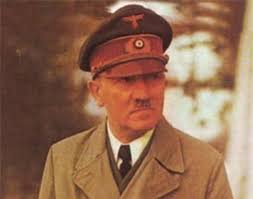
Adolf Hitler
It wasn’t Hitler’s bodyguards who posed a threat to his life. It was the colonels and generals of the German General Staff.
On August 20, 1934, members of the German army, navy and air force were required to swear the “Law On The Allegiance of Civil Servants and Soldiers of the Armed Forces.”
Whereas members of the armed forces had previously sworn loyalty to Germany, the new law required them to swear an oath of loyalty to Hitler personally.
In coming years, this would prove a deadly trap for many German officers—forcing them to choose between betraying a sacred oath and remaining loyal to a man who was clearly driving Germany to ruin.
For those officers who could not abide Germany’s coming destruction, the choice was simple: Hitler had to go.
A series of assassination attempts were made against Hitler. All of them involved time-bombs. And all of the would-be assassins were members of the German General Staff.
In one case, a bomb secretly stashed aboard Hitler’s plane failed to explode. In another, an officer who had a bomb strapped to himself unexpectedly found his scheduled meeting with Hitler called off. He had to rush into a bathroom to defuse the bomb before it exploded.
Hitler came closest to death on July 20, 1944.
Colonel Claus Schenk von Stuaffenberg was the driving force in a plot to assassinate Hitler with a time bomb.

Claus von Stauffenberg
He had served with the Wehrmacht in Poland (1939), France (1940) and the Soviet Union (1941). While serving in Tunisa, he was seriously wounded on April 7, 1943, when Allied fighters strafed his vehicle. He lost his left eye, right hand and two fingers of his left hand after surgery.
For most of his fellow officers, the motive was craven: The “happy time” of German victories was over. Germany was losing the war it had unleashed on the world in 1939—and now they feared the worst.
This was especially true now that the numerically superior forces of the Soviet Union had gone onto the offensive.
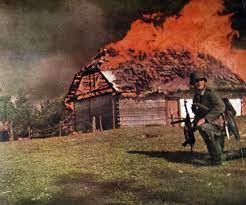
The Wehrmacht in Russia
The Wehrmacht and Schutzstaffel (SS) had killed millions of Russians. Many had died in combat. Others had been murdered as captives. Still more had been allowed to die by starvation and exposure to the notorious Russian winter.
For Stauffenberg, there was another reason: His disgust at the horrors he had seen committed by his fellow Wehrmacht soldiers upon defenseless POW’s and civilians in Russia.
Thus, Stauffenberg—more than many Germans—knew firsthand the vengeance his country could expect if the “Thousand-Year Reich” fell. Something must be done, he believed, to prove to the world that not all Germans—even members of the Wehrmacht—were criminals.
Most of the conspirators wanted to arrest Hitler and surrender to British and American forces—well before the much-feared Russians gained a toehold in Germany. Stauffenberg didn’t want to arrest Hitler; he wanted to kill him. A live Hitler might eventually be rescued by his Nazi colleagues.
Stauffenberg intended to carry his bomb—hidden in a briefcase—into a “Hitler conference” room packed with military officers. Rigged with a time-fuse, it would be left there while he found an excuse to leave. After the explosion, he would phone one of his fellow conspirators with the news.
Stauffenberg intended to direct the new government that would replace that of the Nazis—and open peace talks with the British and Americans. With Hitler dead, the coup—“Operation Valkyrie”—would be on.
Anti-Nazi conspirators would seize control of key posts of the government. They would inform the British and Americans of Germany’s willingness to surrender. Provided, of course, that the vengeance-seeking Russians did not have a say in its postwar future.
On July 20, 1944, Stauffenberg appeared at Hitler’s well-guarded military headquarters in East Prussia. Like all his other outposts, Hitler had named it—appropriately enough—“Wolf’s Lair.”
Stauffenberg entered the large, concrete building while the conference was in session. He placed his yellow briefcase next to Hitler—who was standing with his generals at a heavy oaken table. Then he excused himself to take an “urgent” phone call.
At 12:42 p.m. on July 20, 1944, Stauffenberg’s briefcase bomb erupted.
2016 PRESIDENTIAL ELECTION, 2020 PRESIDENTIAL ELECTION, ABC NEWS, ADOLF HITLER, ALTERNET, AMERICABLOG, AP, BABY BOOMER RESISTANCE, BBC, BLOOMBERG, BUZZFEED, CASSIUS CHAEREA, CBS NEWS, CIA, CLAUSS VON STAUFFENBERG, CNN, COVID-19, CROOKS AND LIARS, DAILY KOS, DONALD TRUMP, EAST GERMANY, FBI, FEDERAL GOVERNMENT SHUTDOWN, FIVETHIRTYEIGHT, GAIUS CALIGULA, GAIUS SUETONIUS TRANQUILLUS, GERMAN GENERAL STAFF, HARPER’S MAGAZINE, HITLER LOYALTY OATH, HOLOCAUST, HUFFINGTON POST, JANUARY 6 COUP ATTEMPT, JOSEPH BIDEN, JOSEPHUS, JULIUS CAESAR, KERRY O’GRADY, MEDIA MATTERS, MEXICO, MOTHER JONES, MOVEON, MSNBC, NATIONAL SECURITY AGENCY, NAZI GERMANY, NBC NEWS, NEW REPUBLIC, NEWSDAY, NEWSWEEK, NPR, OPERATION VALKYRIE, PBS NEWSHOUR, POLITICO, POLITICUSUSA, PRINCE OF THE CITY (MOVIE), RAW STORY, REUTERS, SALON, SEATTLE TIMES, SLATE, SOVIET UNION, SS, TALKING POINTS MEMO, THE ATLANTIC, THE CHICAGO SUN-TIMES, THE CHICAGO TRIBUNE, THE DAILY BEAST, THE DAILY BLOG, THE GUARDIAN, THE HILL, THE HUFFINGTON POST, THE INTERCEPT, THE LOS ANGELES TIMES, THE NATION, THE NEW REPUBLIC, THE NEW YORK TIMES, THE NEW YORKER, THE VILLAGE VOICE, THE WASHINGTON POST, THE WILD BUNCH (MOVIE), THINKPROGRESS, TIME, TRUTHDIG, TRUTHOUT, TWO POLITICAL JUNKIES, U.S. NEWS & WORLD REPORT, UNITED STATES CONSTITUTION, UNITED STATES SECRET SERVICE, UPI, USA TODAY, VLADIMIR PUTIN, WEST BERLIN, WORLD WAR 11, X
In Bureaucracy, History, Law Enforcement, Military, Politics, Social commentary on June 11, 2024 at 12:22 am
In the classic 1969 Western, The Wild Bunch, the outlaw gang is pursued by a posse led by Deke Thornton, one of its own former members.
This triggers a furious exchange between the gang’s two leaders:
DUTCH ENGSTROM: Damn that Deke Thornton to hell!
PIKE BISHOP: What would you do in his place? He gave his word.
DUTCH ENGSTROM: He gave his word to a railroad!
PIKE BISHOP: It’s his word!
DUTCH ENGSTROM: That’s not what counts! It’s who you give it to!
Where does loyalty leave off and conscience begin?
Specifically: If you’re a bodyguard for a man you know represents a genuine threat to democracy, what are your obligations to defend him? Should you be as willing to “take a bullet” for him as for someone you truly admire?
In October, 2016, Kerry O’Grady, a senior agent in the Denver field office of the United States Secret Service, found herself facing such a quandary.
She had made a series of now-deleted postings on Facebook during the 2016 Presidential campaign saying that she supported Democrat Hillary Clinton and that she would not honor a federal law that prevents agents like her from publicly airing their political beliefs.

Kerry O’Grady
“As a public servant for nearly 23 years, I struggle not to violate the Hatch Act. So I keep quiet and skirt the median,” she wrote in one Facebook post. “To do otherwise can be a criminal offense for those in my position. Despite the fact that I am expected to take a bullet for both sides.”
She had also suggested on Facebook that she would not defend President Donald Trump should someone try to shoot him.
“But this world has changed and I have changed. And I would take jail time over a bullet or an endorsement for what I believe to be disaster to this country and the strong and amazing women and minorities who reside here. Hatch Act be damned. I am with Her [Hillary Clinton],” she wrote.
The Secret Service said in a statement that it could not comment on a specific personnel matter but that it was “aware of the postings and the agency is taking quick and appropriate action.
“All Secret Service agents and employees are held to the highest standards of professional and ethical conduct. Any allegations of misconduct are taken seriously and swiftly investigated.”
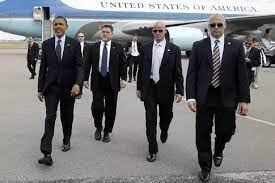
Secret Service agents
O’Grady was placed on administrative leave on January 28, 2017 and suspended with pay in February. The disciplinary action took months because of her high rank.
In March, 2019, she retired from the Secret Service.
During the next four years—2017 to 2021—Donald Trump came perilously close to becoming an absolute dictator.
Among his infamies and crimes:
- Repeatedly attacking the nation’s free press as “the enemy of the American people” for daring to report his growing list of crimes and disasters.
- Publicly siding with Russian dictator Vladimir Putin against American Intelligence agencies—such as the FBI, CIA and National Security Agency—which unanimously agreed that Russia had interfered with the 2016 Presidential election.
- Attacking and alienating America’s oldest allies, such as Canada and Great Britain.
- Firing FBI Director James Comey for refusing to pledge his personal loyalty to Trump—and continuing to investigate Russian subversion of the 2016 election.
Donald Trump
- Shutting down the Federal Government on December 22, 2018, because Democrats refused to fund his useless “border wall” between the United States and Mexico. An estimated 380,000 government employees were furloughed and another 420,000 were ordered to work without pay for 35 days.
- Allowing the deadly COVID-19 virus to ravage the country, killing 400,000 Americans by the time he left office.
- Repeatedly lying—while still in office and afterward—that the 2020 election had been “stolen” from him by massive voter fraud.
- Illegally trying to pressure state legislatures and governors to stop the certification of the vote that had made Joe Biden the president-elect.
- Inciting his followers to attack the Capitol Building where Senators and Representatives were meeting to count the Electoral Votes won by himself and Joseph Biden. His objective: Stop the count, which he knew would prove him the loser.
In the classic 1981 crime drama, Prince of the City, Danny Ciello (Treat Williams) turns federal witness against his fellow crime-committing police officers.
His mobbed-up cousin, Nick, warns him that the Mafia wants him dead—but that his greatest danger might come from the bodyguards now surrounding him: “Anyone can be hit. You know that. All a guard has to do is look the wrong way for a second.”
Had that happened while Trump occupied the White House, American democracy would not now be imperiled by a second Trump administration.
Bodyguards for Adolf Hitler faced no such qualms. Right up to the bitter end, with Russian forces only blocks from the Fuhrerbunker, they manned their posts, ready to die for the man who had led them, Germany and the world into the ultimate catastrophe.
Within six years, Hitler had:
- Ignited World War II in 1939 through his invasion of Poland.
- Directly or indirectly caused the deaths of 50 million people worldwide.
- Exterminated six million Jews throughout Eastern Europe and Russia through mass shootings or gassings in a vast system of concentration camps.
2020 PRESIDENTIAL ELECTION, ABC NEWS, ABORTION, AGUSTO PINOCHET, ALTERNET, AMERICABLOG, AMERICAN EXCEPTIONALISM, AMERICAN RECKONING: THE VIETNAM WAR AND OUR NATIONAL IDENTITY (BOOK), AP, AYATOLLAH RUHOLLAH KHOMEINI, BABY BOOMER RESISTANCE, BBC, BENJAMIN FRANKLIN, BIBLE BELT, BLOOMBERG NEWS, BUZZFEED, CBS NEWS, CHILE, CHINA, CHRISTIAN G. APPY, CIA, CIVIL RIGHTS ACT, CIVIL WAR, CNN, COAL MINING, CROOKS AND LIARS, DAILY KOS, DEMOCRATS, DONALD TRUMP, DRUG OVERDOSES, DWIGHT EISENHOWER, EDUCATION, FIVETHIRTYEIGHT, FUNDAMENTALIST CHRISTIANS, GERMANY, GUATEMALA, HARPER’S MAGAZINE, HISTORY, HUFFINGTON POST, INDIA, IRAN, ITALY, JACOBO ARBENZ, JAPAN, JOHN F. KENNEDY, JOSEPH R. BIDEN, LYNDON B. JOHNSON, MEDIA MATTERS, MOHAMMED MOSADDEGH, MOHAMMED-REZA SHAH PHLAVI, MOTHER JONES, MOVEON, MSNBC, MYTHS, NARENDRA MODI, NBC NEWS, NEW REPUBLIC, NEWSDAY, NEWSWEEK, NICARAGUA, NPR, OPIOD ADDICTION, PBS NEWSHOUR, POLITICO, POLITICS, POLITICUSUSA, PORNOGRAPHY, POVERTY, RAW STORY, RELIGIOUS CONSERVATIVES, REPUBLICANS, REUTERS, RICHARD NIXON, ROE V. WADE, RURAL AMERICA, SALON, SALVADORE ALLENDE, SEATTLE TIMES, SLATE, SMOKING, STEEL INDUSTRY, TALKING POINTS MEMO, THE ATLANTIC, THE CHICAGO SUN-TIMES, THE CHICAGO TRIBUNE, THE DAILY BEAST, THE DAILY BLOG, THE GUARDIAN, THE HILL, THE HUFFINGTON POST, THE INTERCEPT, THE LOS ANGELES TIMES, THE NATION, THE NEW REPUBLIC, THE NEW YORK TIMES, THE NEW YORKER, THE VILLAGE VOICE, THE WASHINGTON POST, THINKPROGRESS, THOMAS EDISON, TIME, TRUTHDIG, TRUTHOUT, TWITTER, U.S. NEWS & WORLD REPORT, UNITED STATES, UNITED STATES SUPREME COURT, UPI, USA TODAY, VIETNAM WAR, VOTER IGNORANCE, WORLD WAR 11
In Bureaucracy, History, Law, Law Enforcement, Politics, Social commentary on May 17, 2024 at 12:10 am
Americans live by a series of myths—myths they would be the wiser to abandon. Some are embraced by liberals, others by conservatives, and still others by both.
Myth 4: Americans are knowledgeable about their own history—and that of other nations.
Americans’ ignorance of history—their own and that of other nations—has long been a scandal.
- A 2018 national survey by the Institute for Citizens & Scholars found that only one in three Americans (36%) can actually pass a multiple choice test consisting of items taken from the U.S. Citizenship Test.
- More than half of respondents (60%) didn’t know which countries the United States fought in World War II (Germany, Italy and Japan).
- Only 24% correctly identified one thing Benjamin Franklin was famous for; 37% believed he invented the lightbulb (that inventor was Thomas Edison).
- Twelve percent incorrectly thought WWII General Dwight Eisenhower led troops in the Civil War; six percent thought he was a Vietnam War general.

if Americans are flagrantly ignorant of their own history, they are even worse at the history of other countries.
A major reason for this lies in Americans’ belief that other nations aren’t worth bothering about except when they threaten us. During the Vietnam war, soldiers referred to the United States as “The World”—as if the rest of the planet didn’t exist.
Americans, protected from Europe by the Atlantic Ocean and the Far East by the Pacific Ocean, allowed geography to isolate themselves from the messiness of the rest of the world.
Donald Trump, as President, gave a frightening example of this during a conversation with Indian Prime Minister Narendra Modi: “It’s not like you’ve got China on your border.” In fact, India does share a border with China.
Myth 5: The “Bible Belt” (the Deep South) is the spiritual capitol of America.
You won’t find these truths on “Green Acres” or “The Andy Griffith Show” but they form a stain on rural America that can’t be ignored:
- A 2015 study published in the Archives of Sexual Behavior found that religious conservatives search more for online pornography on Google than anyone else.
- Educational attainment and college graduation rates in the Bible Belt are among the lowest in the nation.
- Smoking rates are high in West Virginia, Kentucky, Arkansas, Tennessee, Louisiana, and Mississippi—and so are rates for smoking-related diseases and deaths.
- Heart disease, obesity, homicide and teenage pregnancies are among the highest in the nation.
Myth 6: Americans are health-conscious.
The United States is experiencing an epidemic of drug overdose deaths. In 2020, the age-adjusted rate of drug overdose deaths increased 31% compared to 2019.
Adults aged 35-44 experienced the highest rates of drug overdose deaths while young people aged 15-24 experienced the greatest percentage increase in deaths.

In 2019:
- 12 million Americans 12 or older used marijuana
- 9.1 million Americans used tobacco
- 14.5 million Americans aged 12 or older used alcohol
- 9.7 million people misused pain relievers
- 6 million people misused hallucinogens
- 5.9 million people misused depressants
- 5.5 million people misused cocaine
- 4.9 million people misused prescription stimulants
- 2.1 million people misused inhalants
- 2 million people used meth
- 745,000 Americans used heroin
Myth 7: Americans only support democratic regimes.
The United States has long supported foreign dictators—so long as they’re reliably Right-wing.
- Between 1898 and 1934, the United States repeatedly intervened with military force in Central America and the Caribbean.
- The United States occupied Nicaragua almost continuously from 1912 to 1933. Its legacy was the imposition of the tyrannical Somoza family, which ruled from 1936 to 1979.
- In 1953, the Eisenhower administration ordered the CIA to overthrew the democratically-elected government of of Iranian Prime Minister Mohammad Mosaddegh. His crime: Nationalizing the Iranian oil industry, which had been under British control since 1913.
- He was succeeded by Mohammad-Reza Shah Phlavi, a dictator who depended on United States government support to retain power until he was overthrown in 1979 by the Ayatollah Ruhollah Khomeini.
- In 1954, the CIA overthrew the democratically-elected government of Guatemalan President Jacobo Arbenz. His crime: Installing a series of reforms that expanded the right to vote, allowed workers to organize, legitimized political parties and allowed public debate.
- In 1970, President Richard M. Nixon ordered the CIA to prevent Marxist Salvador Allende from being democratically elected as president of Chile. When that failed, he ordered the CIA to overthrow Allende.
- His crime: A series of liberal reforms, including nationalizing large-scale industries (notably copper mining and banking).
- in 1973, he was overthrown by Chilean army units and national police. He was followed by Right-wing dictator Augusto Pinochet, who slaughtered 3,200 political dissidents, imprisoned 30,000 and forced another 200,000 Chileans into exile.
* * * * * * * * * *
Behind these myths: The belief in “American exceptionalism”—that the United States is unlike other nations in its innocence and steadfast dedication to human rights above all else.
Wrote Christian G. Appy, in his 2015 book, American Reckoning: The Vietnam War and Our National Identity:
“It was still unimaginable to most Americans that their own nation would wage aggressive war and justify it with unfounded claims, that it would support undemocratic governments reviled by their own people, and that American troops would be sent to fight in countries where they were widely regarded not as liberators but as imperialist invaders.”
For millions, that belief died a horrific death during the Vietnam war. Yet so long as millions remain convinced that America is guided by God and that its people are His faithful servants, these myths will remain vividly alive.
2020 PRESIDENTIAL ELECTION, ABC NEWS, ABORTION, AGUSTO PINOCHET, ALTERNET, AMERICABLOG, AMERICAN EXCEPTIONALISM, AMERICAN RECKONING: THE VIETNAM WAR AND OUR NATIONAL IDENTITY (BOOK), AP, AYATOLLAH RUHOLLAH KHOMEINI, BABY BOOMER RESISTANCE, BBC, BENJAMIN FRANKLIN, BIBLE BELT, BLOOMBERG NEWS, BUZZFEED, CBS NEWS, CHILE, CHINA, CHRISTIAN G. APPY, CIA, CIVIL RIGHTS ACT, CIVIL WAR, CNN, COAL MINING, CROOKS AND LIARS, DAILY KOS, DEMOCRATS, DONALD TRUMP, DRUG OVERDOSES, DWIGHT EISENHOWER, EDUCATION, FIVETHIRTYEIGHT, FUNDAMENTALIST CHRISTIANS, GERMANY, GUATEMALA, HARPER’S MAGAZINE, HISTORY, HUFFINGTON POST, INDIA, IRAN, ITALY, JACOBO ARBENZ, JAPAN, JOHN F. KENNEDY, JOSEPH R. BIDEN, LYNDON B. JOHNSON, MEDIA MATTERS, MOHAMMED MOSADDEGH, MOHAMMED-REZA SHAH PHLAVI, MOTHER JONES, MOVEON, MSNBC, MYTHS, NARENDRA MODI, NBC NEWS, NEW REPUBLIC, NEWSDAY, NEWSWEEK, NICARAGUA, NPR, OPIOD ADDICTION, PBS NEWSHOUR, POLITICO, POLITICS, POLITICUSUSA, PORNOGRAPHY, POVERTY, RAW STORY, RELIGIOUS CONSERVATIVES, REPUBLICANS, REUTERS, RICHARD NIXON, ROE V. WADE, RURAL AMERICA, SALON, SALVADORE ALLENDE, SEATTLE TIMES, SLATE, SMOKING, STEEL INDUSTRY, TALKING POINTS MEMO, THE ATLANTIC, THE CHICAGO SUN-TIMES, THE CHICAGO TRIBUNE, THE DAILY BEAST, THE DAILY BLOG, THE GUARDIAN, THE HILL, THE HUFFINGTON POST, THE INTERCEPT, THE LOS ANGELES TIMES, THE NATION, THE NEW REPUBLIC, THE NEW YORK TIMES, THE NEW YORKER, THE VILLAGE VOICE, THE WASHINGTON POST, THINKPROGRESS, THOMAS EDISON, TIME, TRUTHDIG, TRUTHOUT, TWITTER, U.S. NEWS & WORLD REPORT, UNITED STATES, UNITED STATES SUPREME COURT, UPI, USA TODAY, VIETNAM WAR, VOTER IGNORANCE, WORLD WAR 11
In Bureaucracy, History, Law, Law Enforcement, Politics, Social commentary on May 16, 2024 at 1:33 am
“The great enemy of truth is very often not the lie—deliberate, contrived and dishonest—but the myth, persistent, persuasive and unrealistic. Too often we hold fast to the clichés of our forebears. We subject all facts to a prefabricated set of interpretations. We enjoy the comfort of opinion without the discomfort of thought.”
—John F. Kennedy
Americans live by a series of myths—myths they would be the wiser to abandon. Some are embraced by liberals, others by conservatives, and still others by both.
Myth 1: Americans are highly educated.
According to the 2020 U.S. Census:
- In 2022, the highest level of education of the population age 25 and older in the United States ranged from less than high school to advanced degrees beyond a bachelor’s degree.
- 9% had less than a high school diploma or equivalent;
- 28% had high school as their highest level of school completed;
- 15% had completed some college but didn’t have a degree;
- 10% had an associate degree;
- 23% had a bachelor’s degree;
- 14% had completed advanced education such as a master’s degree, professional degree or doctorate.
Myth 2: Rural America is the repository of old-fashioned virtues.
Years of “hayseed” comedies such as “The Beverly Hillbillies,” “The Real McCoys,” “Green Acres” and “Petticoat Junction” convinced millions of Americans: If you want to find the “real” America, move to rural America.
If rural America is where you’ll find the “real” Americans, the future of the United States lies in peril.

Marshall County, Indiana
Derek Jensen (Tysto), CC BY 2.0 <https://creativecommons.org/licenses/by/2.0>, via Wikimedia Commons
- Rural Americans overwhelmingly support Donald Trump—who refused to accept defeat in a legitimate Presidential election, schemed to overturn the voters’ decision, and finally incited an attack on Congress to illegally remain in office.
- Rural America is home to fundamentalist Christians, who demand an end to legalized abortion and birth control—and thus hope to gain dictatorial control over women’s lives. They brand pro-choice Democrats as “baby killers.”
- During the 2020 Presidential election, Joe Biden won 91 of the nation’s 100 largest counties, but hardly anywhere else.
- Trump won about five times as many counties. Democrats are thriving in major metropolitan areas, but tanking elsewhere.
- Rather than being a Garden of Eden, rural America shares many big-city ills, such as crime, opioid addiction and a decline in life expectancy.
- Nearly all of the economic growth that occurred between the Great Recession and the start of the pandemic happened in a small number of metropolitan areas, making rural residents feel that the recession had never ended.
- Rural Americans refuse to abandon industries that are now dying out—such as in coal mining and steel.
- Trump promised—falsely—to bring those jobs back. Rural voters have forgiven him for this because he delivered on cultural issues—such as appointing anti-abortion Justices to the Supreme Court who overturned Roe v. Wade.
- Nearly half (46.7 percent) of all people living in rural areas are in the South. For a century following the Civil War (1861-1865) the South was accurately known as a Democratic stronghold. But that changed after Democratic President Lyndon B. Johnson signed the 1964 Civil Rights Act into law.
- In short: When Democrats went from suppressing black rights to protecting them, the great mass of white, racist rural Southerners moved to the Republican party.
Myth 3: Most Americans take a vital interest in politics.
Most Americans are dismayingly ignorant of politics at all levels—local, state and federal.
- The attempted coup of January 6, 2021, was largely fueled by ignorance. The rioters believed that Donald Trump was the real winner of the 2020 election, and that Joe Biden had “stolen” it through fraud.
- They clung to this belief, despite overwhelming evidence to the contrary, including numerous court decisions rejecting GOP claims of fraud, many of them authored by conservative, Republican-appointed judges.
- And this ignorance continues: A large majority of rural Republicans still believe that Biden is an illegitimate President—just 21% say that he “probably” or “definitely” won.
Donald Trump
- Most Americans don’t know the names of their state and federal representatives or even the names of the three branches of government.
- Only one third of Americans can name the three branches of our federal government: executive, legislative, judicial.
- Most voters overestimate the percentage of the federal budget spends on foreign aid (actually, about 1%). Yet they underestimate the amount going to entitlement programs, such as Medicare and Social Security. As a result, they believe we can solve our fiscal problems without either cutting entitlements or raising taxes on the vast majority of Americans.
- Voters also often reward or punish elected officials for events they did not cause, such as short-term economic trends or droughts.
Such ignorance makes people more susceptible to lies and conspiracy theories, including those about the 2020 election.
Myth 4: Americans take pride in their history.
Americans’ ignorance of history—their own and that of other nations—has long been a scandal.
- A 2018 national survey by the Institute for Citizens & Scholars found that only one in three Americans (36%) can actually pass a multiple choice test consisting of items taken from the U.S. Citizenship Test.
- More than half of respondents (60%) didn’t know which countries the United States fought in World War II (Germany, Italy and Japan).
2018 FEDERAL GOVERNMENT SHUTDOWN, 2020 PRESIDENTIAL ELECTION, ABC NEWS, ADOLF HITLER, ALBERT SPEER, ALEXANDER THE GREAT, ALTERNET, AMERICABLOG, AP, ATTACK ON THE UNITED STATES CAPITOL BUILDING, BABY BOOMER RESISTANCE, BBC, BLOOMBERG NEWS, BORDER WALL, BUZZFEED, CANADA, CBS NEWS, CIA, CNN, COVID-19, CROOKS AND LIARS, DAILY KOS, DONALD TRUMP, EMOLUMENTS CLAUSE OF THE CONSTITUTION, FBI, FIVETHIRTYEIGHT, GREAT BRITAIN, HARPER’S MAGAZINE, HOLOCAUST, HOPE HICKS, HUFFINGTON POST, IVANKA TRUMP, JAMES COMEY, JOSEPH BIDEN, JULIE RADFORD, KIM LONG-UN, MEDIA MATTERS, MEXICO, MOTHER JONES, MOVEON, MSNBC, NATIONAL SECURITY AGENCY, NAZI GERMANY, NBC NEWS, NEW REPUBLIC, NEWSDAY, NEWSWEEK, NPR, NUREMBERG WAR CRIMES TRIALS, PBS NEWSHOUR, PLUTARCH, POLITICO, POLITICUSUSA, RAW STORY, RECEP TAYYIP ERDOGAN, REUTERS, ROBERT H. JACKSON, SALON, SEATTLE TIMES, SERGEY KISLYAK, SERGEY LAVROV, SLATE, TALKING POINTS MEMO, THE ATLANTIC, THE CHICAGO SUN-TIMES, THE CHICAGO TRIBUNE, THE DAILY BEAST, THE DAILY BLOG, THE GUARDIAN, THE HILL, THE HUFFINGTON POST, THE INTERCEPT, THE LOS ANGELES TIMES, THE NATION, THE NEW REPUBLIC, THE NEW YORK TIMES, THE NEW YORKER, THE VILLAGE VOICE, THE WASHINGTON POST, THINKPROGRESS, THIRD REICH, TIME, TRUTHDIG, TRUTHOUT, TWITTER, U.S. NEWS & WORLD REPORT, UPI, USA TODAY, VLADIMIR PUTIN, WAR CRIMES
In Bureaucracy, Business, History, Law, Law Enforcement, Medical, Politics, Social commentary on May 9, 2024 at 12:05 am
And the most glorious exploits do not always furnish us with the clearest discoveries of virtue or vice in men. Sometimes a matter of less moment, an expression or a jest, informs us better of their characters and inclinations, than the most famous sieges, the greatest armaments, or the bloodiest battles whatsoever.
—Plutarch, “Life of Alexander”
Hope Hicks served in President Donald Trump’s administration as White House Director of Strategic Communication from January to September, 2017.
Today she’s a prominent witness at his trial for concealing hush money payments in 2016 to porn “actress” Stormy Daniels.
On January 6, 2021, Hicks had a problem: She feared she might never work again.
From 2017 to 2018 she served as White House Communications Director. After leaving the White House, she returned to serve as Counselor to the President from 2020 to 2021.

Hope Hicks
And then came the Trump-inspired attack on Congress on January 6.
Among the infamies and crimes Trump committed—and Hicks witnessed—during his four years as President:
- Repeatedly attacking the nation’s free press as “the enemy of the American people” for daring to report his growing list of crimes and disasters.
- Publicly siding with Russian dictator Vladimir Putin against American Intelligence agencies—such as the FBI, CIA and National Security Agency—which unanimously agreed that Russia had interfered with the 2016 Presidential election.
- Giving highly classified CIA Intelligence to Russian Foreign Minister Sergey Lavrov and Russian Ambassador Sergey Kislyak.
- Using his position as President to further enrich himself, in violation of the Emoluments Clause of the Constitution.
- Firing FBI Director James Comey for refusing to pledge his personal loyalty to Trump—and continuing to investigate Russian subversion of the 2016 election.
- Shutting down the Federal Government on December 22, 2018, because Democrats refused to fund his useless “border wall” between the United States and Mexico. An estimated 380,000 government employees were furloughed and another 420,000 were ordered to work without pay for 35 days.
- Allowing the deadly COVID-19 virus to ravage the country, killing 400,000 Americans by the time he left office.
- Attacking medical experts and governors who urged Americans to wear masks and socially distance to protect themselves against the deadly COVID-19 virus.
- Repeatedly lying—while still in office and afterward—that the 2020 election had been “stolen” from him by massive voter fraud.
- Illegally trying to pressure state legislatures and governors to stop the certification of the vote that had made Joe Biden the president-elect.
- Inciting his followers to attack the Capitol Building where Senators and Representatives were meeting to count the Electoral Votes won by himself and Joe Biden. His objective: Stop the count, which he knew would prove him the loser.
So Hope had plenty to feel tormented about.
Yet it wasn’t any of these offenses that upset her.
It was something far more personal: She feared that the public’s association of her with Trump’s attack on Congress would doom her, at age 32, to permanent unemployment.
On January 6, 2021, she exchanged a series of texts with Julie Radford, First Daughter Ivanka Trump’s chief of staff.
HICKS: “In one day he [Trump] ended every future opportunity that doesn’t include speaking engagements at the local proud boys [sic] chapter
“And all of us that didn’t have jobs lined up will be perpetually unemployed
“I’m so mad and upset
“We all look like domestic terrorists now”
RADFORD: “Oh yes I’ve been crying for an hour”
HICKS: “This made us all unemployable
“Like untouchable
“God I’m so fucking mad”
RADFORD: “I know there isn’t a chance of finding a job
“Visa also sent me a blow off email today
“Already”
HICKS: “Nope. Not being dramatic, but we are all fucked.
[Referring to Trump]: “Attacking the VP [Vice President Mike Pence]?
“Wtf is wrong with him”
Albert Speer, former architect and Minister of Armaments for his late Fuhrer, Adolf Hitler, would have fully empathized.
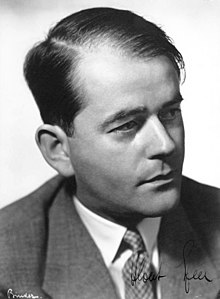
Albert Speer
Bundesarchiv, Bild 146II-277 / Binder / CC-BY-SA 3.0, CC BY-SA 3.0 DE <https://creativecommons.org/licenses/by-sa/3.0/de/deed.en>, via Wikimedia Commons
With the collapse of the Third Reich, he found himself hurled from power and facing trial as a war criminal at Nuremberg.
His prosecutor, Robert H. Jackson, said: “Speer joined in planning and executing the program to dragoon prisoners of war and foreign workers into German war industries, which waxed in output while the workers waned in starvation.”
Yet Speer falsely claimed he had simply been an apolitical architect who had been drafted into serving as Minister of Armaments—and hadn’t known about the Holocaust.
The prosecution couldn’t prove he had. So he escaped a death sentence—and was sentenced to 20 years’ imprisonment.
Emerging from prison in 1966, Speer lamented that no architectural firm in postwar Germany would hire “Hitler’s architect.”
So he spent the rest of his life writing—at great profit—about his 12 years as a high-ranking official in the Third Reich. As “The Good Nazi,” he portrayed himself as a political innocent deceived into hell by a Mephistopheles-like Hitler.
Like Speer, Hope Hicks has repudiated her own former Fuhrer—after serving him during his worst infamies.
And, like Speer, she isn’t facing the dangers of poverty. Her net worth is estimated at $1 million, owing to her past work as a model and public relations agent.
2020 PRESIDENTIAL ELECTION, 2022 MIDTERM ELECTIONS, ABC NEWS, ADAM LAXALT, ALEXANDER SHUSTOROVICH, ALTERNET, AMERICABLOG, AP, AUDREY MURAVIEV, BABY BOOMER RESISTANCE, BBC, BLOOMBERG NEWS, BUZZFEED, CARL VON CLAUSEWITZ, CBS NEWS, CHRIS CILLIZZA, CIA, CNN, CROOKS AND LIARS, DAILY KOS, DEBT CEILING, DEFENSE INTELLIGENCE AGENCY, DONALD TRUMP, DONALD TRUMP JR., EMOLUMENTS CLAUSE, ERIC TRUMP, FASCISM, FBI, FEDERAL ELECTIONS COMMISSION, FIVETHIRTYEIGHT, FOX NETWORK, FRANKLIN GRAHAM, GEORGE W. BUSH, HARPER’S MAGAZINE, HUFFINGTON POST, HUNTER BIDEN, INTERNATIONAL BROTHERHOOD OF TEAMSTERS UNION, JAMES KIRCHICK, JANUARY 6 COUP ATTEMPT, JESSE BENTON, JOE BIDEN, JOHN KASICH, JOHN MCCAIN, JOSEPH MCCARTHY, KEVIN MCCARTHY, LEN BLAVATNIK, LIBERALISM, LINDSEY GRAHAM, MAFIA, MARCO RUBIO, MEDIA MATTERS, MICHELLE OBAMA, MOTHER JONES, MOVEON, MSNBC, NANCY PELOSI, NBC NEWS, NEW REPUBLIC, NEWSDAY, NEWSWEEK, NICCOLO MACHIAVELLI, NPR, OLIGARCHS, PBS NEWSHOUR, POLITICO, POLITICUSUSA, RAW STORY, REPUBLICANS, REUTERS, RICHARD NIXON, ROBERT F. KENNEDY, Ronald Reagan, RUSSIA, RUSSIA TODAY, SALON, SCOTT WALKER, SEATTLE TIMES, SLATE, SPIRO AGNEW, TALKING POINTS MEMO, THE ATLANTIC, THE CHICAGO SUN-TIMES, THE CHICAGO TRIBUNE, THE DAILY BEAST, THE DAILY BLOG, THE GUARDIAN, THE HILL, THE HUFFINGTON POST, THE INTERCEPT, THE LOS ANGELES TIMES, THE NATION, THE NEW REPUBLIC, THE NEW YORK TIMES, THE NEW YORKER, THE PRINCE, THE VILLAGE VOICE, THE WASHINGTON POST, THINKPROGRESS, TIME, TRUTHDIG, TRUTHOUT, TWITTER, U.S. NEWS & WORLD REPORT, UKRAINE, UNITED STATES CAPITOL BUILDING, UNITED STATES CONSTITUTION, UNITED STATES HOUSE OF REPRESENTATIVES, UNITED STATES JUSTICE DEPARTMENT, UNITED STATES SENATE, UPI, USA TODAY, VLADIMIR PUTIN, VOLODYMYR ZELENSKY, WORLD WAR 11
In Bureaucracy, History, Law, Law Enforcement, Politics, Social commentary on April 23, 2024 at 12:10 am
….A man who wishes to make a profession of goodness in everything must inevitably come to grief among so many who are not good. And therefore it is necessary, for a prince who wishes to maintain himself, to learn how not to be good, and to use this knowledge and not use it, according to the necessity of the case.
—Niccolo Machiavelli’s advice to President Joseph Biden in “The Prince”

Niccolo Machiavelli
Republicans, having won control of the House of Representatives, are eagerly seeking to destroy whatever legacy President Joseph R. Biden hopes to leave.
Intending to abuse their new-found powers to the utmost, their topmost goals include:
- Bringing false impeachment charges against Biden;
- Investigating FBI officials who rightly investigated evidence of Donald Trump’s collaboration with Russia;
- Investigating the President’s son, Hunter, for unspecified offenses, to damage his father’s credibility; and
- Holding America’s economy hostage by refusing to raise the debt ceiling unless Biden makes cuts in taxes and aid programs for the poor and middle class.
Yet their dictatorial ambitions—lavishly funded by Russian “campaign contributions” (i.e., bribes)—can be thwarted.
Two methods for achieving this have already been discussed in Part one of this series:
- Attack Republicans as traitors selling out the country to Vladimir Putin, and
- Concede NOTHING to Republicans
Here are two more:
Counterattack Strategy #3: Open Senate Investigations on the Trumps
House Republicans have ruthlessly attacked Biden’s son, Hunter, to damage the President’s credibility.
“What’s on Hunter’s laptop?” has become their latest version of “Who promoted Peress?”
Irving Peress was a New York City dentist who became a primary target for Red-baiting Republican Senator Joseph McCarthy during the 1954 Army-McCarthy hearings.
Democrats can effectively blunt this attack: Senatorial Democrats can hold similar investigative hearings on the actions of Donald Trump, Jr., and Eric Trump during their father’s White House tenure.
Both were highly involved with President Trump’s finances during his four years in office. And Trump never hesitated to violate the Emoluments Clause of the United States Constitution.

United States Constitution
Article I, Section 9, Paragraph 8 prohibits federal office holders from receiving gifts, payments, or anything of value from a foreign state or its rulers, officers, or representatives.
The Founders wanted to ensure that the country’s leaders would not be corrupted, even unconsciously, through bribes. At that time, bribery was a common practice among European rulers and diplomats.
Trump encouraged diplomats, lobbyists and insiders to stay at his Washington, D.C. hotel—which lay only a short walk from the White House on Pennsylvania Avenue.
And the prices charged there weren’t cheap:
- Cocktails ran from $23 for a gin and tonic to $100 for a vodka concoction with raw oysters and caviar.
- A seafood pyramid called “the Trump Tower” cost $120.
- A salt-aged Kansas City strip steak cost $59.
It’s a certainty that Trump’s sons, Eric and Donald, Jr., oversaw the profits sheet for this hotel—and other Trump properties across the country visited by members of foreign governments.
Thus, there are legitimate avenues for investigation open to Senatorial subcommittees—just as Robert F. Kennedy once probed financial ties between the Mafia and the International Brother of Teamsters Union.
The Justice Department might even be persuaded to launch its own investigation—not only into possible financial corruption during the Trump administration but into widespread reports of cocaine use by Donald, Jr.

Donald Trump, Jr.
Gage Skidmore from Surprise, AZ, United States of America, CC BY-SA 2.0 <https://creativecommons.org/licenses/by-sa/2.0>, via Wikimedia Commons
The House cannot bring criminal penalties against anyone. But the Justice Department can.
Counterattack Strategy #4: Open Justice Department Investigations on Congress members who supported Trump’s 2020 Coup Attempt
After Donald Trump refused to concede the 2020 Presidential election, 17 Republican state Attorney Generals—and 126 Republican members from both houses of Congress—supported a Texas lawsuit to overturn the results in four battleground states: Georgia, Michigan, Pennsylvania and Wisconsin.
This was nothing less than a Right-wing coup attempt to overturn the results of a legitimate election. As a result, every one of these men and women can be legitimately indicted for treason—provided the Biden Justice Department has has the courage to do so.
Had the Justice Department brought such indictments in 2021 or 2022, the Republican party would now be facing legal and financial ruin. There is still time to do this.
Even if some of its members escape conviction, they will be forced to spend tens of thousands of dollars to stay out of prison.
And those who are convicted and sent to prison will serve notice on to the Right of the dangers of treason and abuse of power.
For decades, Republicans have turned Carl von Clausewitz’ famous dictum—“War is the continuation of politics by other means”—on its head: “Politics is a continuation of war by other means.”
That strategy has given the United States Richard Nixon, Spiro Agnew, George W. Bush, Donald Trump—and a Republican Congress willing to destroy the country it claims to love.
By contrast, Democrats have too often adhered to the Michelle Obama mantra: “When they go low, we go high.”
That strategy has allowed Republicans to give the United States needless wars, an exploding national debt and the near destruction of democracy.
2020 PRESIDENTIAL ELECTION, 2022 MIDTERM ELECTIONS, ABC NEWS, ADAM LAXALT, ALEXANDER SHUSTOROVICH, ALTERNET, AMERICABLOG, AP, AUDREY MURAVIEV, BABY BOOMER RESISTANCE, BBC, BLOOMBERG NEWS, BUZZFEED, CARL VON CLAUSEWITZ, CBS NEWS, CHRIS CILLIZZA, CIA, CNN, CROOKS AND LIARS, DAILY KOS, DEBT CEILING, DEFENSE INTELLIGENCE AGENCY, DONALD TRUMP, DONALD TRUMP JR., EMOLUMENTS CLAUSE, ERIC TRUMP, FASCISM, FBI, FEDERAL ELECTIONS COMMISSION, FIVETHIRTYEIGHT, FOX NETWORK, FRANKLIN GRAHAM, GEORGE W. BUSH, HARPER’S MAGAZINE, HUFFINGTON POST, HUNTER BIDEN, INTERNATIONAL BROTHERHOOD OF TEAMSTERS UNION, JAMES KIRCHICK, JANUARY 6 COUP ATTEMPT, JESSE BENTON, JOE BIDEN, JOHN KASICH, JOHN MCCAIN, JOSEPH MCCARTHY, KEVIN MCCARTHY, LEN BLAVATNIK, LIBERALISM, LINDSEY GRAHAM, MAFIA, MARCO RUBIO, MEDIA MATTERS, MICHELLE OBAMA, MOTHER JONES, MOVEON, MSNBC, NANCY PELOSI, NBC NEWS, NEW REPUBLIC, NEWSDAY, NEWSWEEK, NICCOLO MACHIAVELLI, NPR, OLIGARCHS, PBS NEWSHOUR, POLITICO, POLITICUSUSA, RAW STORY, REPUBLICANS, REUTERS, RICHARD NIXON, ROBERT F. KENNEDY, Ronald Reagan, RUSSIA, RUSSIA TODAY, SALON, SCOTT WALKER, SEATTLE TIMES, SLATE, SPIRO AGNEW, TALKING POINTS MEMO, THE ATLANTIC, THE CHICAGO SUN-TIMES, THE CHICAGO TRIBUNE, THE DAILY BEAST, THE DAILY BLOG, THE GUARDIAN, THE HILL, THE HUFFINGTON POST, THE INTERCEPT, THE LOS ANGELES TIMES, THE NATION, THE NEW REPUBLIC, THE NEW YORK TIMES, THE NEW YORKER, THE PRINCE, THE VILLAGE VOICE, THE WASHINGTON POST, THINKPROGRESS, TIME, TRUTHDIG, TRUTHOUT, TWITTER, U.S. NEWS & WORLD REPORT, UKRAINE, UNITED STATES CAPITOL BUILDING, UNITED STATES CONSTITUTION, UNITED STATES HOUSE OF REPRESENTATIVES, UNITED STATES JUSTICE DEPARTMENT, UNITED STATES SENATE, UPI, USA TODAY, VLADIMIR PUTIN, VOLODYMYR ZELENSKY, WORLD WAR 11
In Bureaucracy, Business, History, Law, Law Enforcement, Politics, Social commentary on April 22, 2024 at 12:17 am
It took 15 voting tries—and a series of humiliating concessions—for Kevin McCarthy (R-CA) to become Speaker of the House of Representatives.
All of the concessions he made were to the most Right-wing members of the House. And all of those members are fanatically dedicated to destroying whatever legacy President Joseph R. Biden hopes to leave.
At the top of their list: Impeaching Biden.
Republicans refused to impeach and convict Donald Trump after he incited a deadly riot against the United States Capitol Building. But they’re eager to remove Biden for what they consider the most impeachable offense of all.
He defeated a Republican candidate for President.

President Joseph Biden
And not just any Republican candidate: The candidate who had made no secret of his desire to be “President-for-Life.”
During the 2022 mid-term elections, Republicans had expected to sweep both the House and Senate. This would have given them virtual control of the government.
The House is the body that initiates revenue bills and impeaches federal officials. And the Senate holds the power to confirm Presidential appointments that require consent, and to provide advice and consent to ratify treaties.
But Democrats went on a rare offensive and rightly attacked Republicans as trying to gain absolute control over the lives of their fellow Americans. And voters rejected the candidates favored by Trump for local and federal offices.
Thus, Republicans had to settle for controlling the House.
Even so, they intended to abuse their new-found powers to the utmost. Among their topmost goals:
- Bringing false impeachment charges against President Biden;
- Investigating FBI officials who rightly investigated evidence of Donald Trump’s collaboration with Russia;
- Investigating the President’s son, Hunter, for unspecified offenses, to damage his father’s credibility; and
- Holding America’s economy hostage by refusing to raise the debt ceiling unless Biden makes cuts in taxes and aid programs for the poor and middle class.
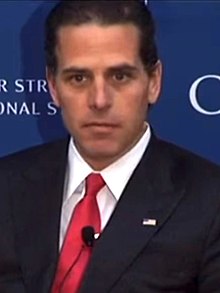
Hunter Biden
Center for Strategic & International Studies, CC BY 3.0 <https://creativecommons.org/licenses/by/3.0>, via Wikimedia Commons
If Democrats follow their usual mantra of “When they go low, we go high,” they will cower before Republican aggression and sacrifice their legislative agenda.
Yet they can snatch victory from the jaws of impending defeat—providing they are willing to follow the advice Robert F. Kennedy offered for combating the Mafia: “If we do not attack organized criminals with weapons and techniques as effective as their own, they will destroy us.”
Counterattack Strategy #1: Attack Republicans as traitors selling out the country to Vladimir Putin
Numerous Republicans have taken “campaign contributions”—i.e., bribes—from Russian oligarchs linked to Putin.
One Russian oligarch—Len Blavatnik—has given millions of dollars to top Republican leaders—such as Senators Mitch McConnell (Kentucky), Marco Rubio (Florida) and Lindsey Graham (South Carolina).

In just 2017, Blavatnik contributed the following to GOP Political Action Committees (PACs):
- $1.5 million to PACs associated with Rubio.
- $1 million to Trump’s Inaugural Committee.
- $1 million to McConnell’s Senate Leadership Fund.
- $3.5 million to a PAC associated with McConnell.
- $1.1 million to Unintimidated PAC, associated with Wisconsin Governor Scott Walker.
- $250,000 to New Day for America PAC, associated with Ohio Governor John Kasich.
- $800,000 to the Security is Strength PAC, associated with Senator Lindsey Graham.
The Biden administration need not ask the CIA or FBI to unearth these contributions. They can be easily found within the files of the Federal Election Commission (FEC).
Putin’s monies have been well-spent: About 90 House Republicans—out of a total of 213—attended Volodymyr Zelensky’s address to Congress on December 21, 2022, according to CQ Roll Call. Some who did spent much of the speech on their phones.
Many Republicans—such as former House Speaker Kevin McCarthy, who in 2021 received about $255,000 from Blavatnik—have openly threatened to end all funding for Ukraine’s heroic struggle against Russian aggression.
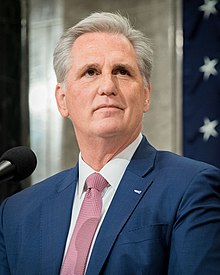
Kevin McCarthy
Attacking Republicans as Communist traitors would prove an effective technique. From the end of World War II to the collapse of the Soviet Union in 1991, Republicans successfully attacked Democrats as at least potential sellouts, if not actual traitors.
The advantage of attacking Russian-bribed Republicans today is that even some “Reagan Republicans”—such as James Kirchick, a conservative reporter, foreign correspondent, author, and columnist—have openly denounced this treason.
Thus, the White House could ignite an internal conflict within the Right by pitting Republicans against each other.
Counterattack Strategy #2: Concede NOTHING to Republicans
Donald Trump shut down the Federal Government on December 22, 2018, because Democrats refused to finance his useless border wall against Mexico.
So Speaker of the House Nancy Pelosi shut down his State of the Union appearance.
As CNN political analyst Chris Cillizza noted: “What Pelosi seems to understand better than past Trump political opponents is that giving ANY ground is a mistake. You have to not only stand firm, but be willing to go beyond all political norms—like canceling the SOTU—to win.”
His ego strung, Trump reopened the government.
And with Republicans threatening to not raise the debt ceiling unless their extortionate demands are met, the White House can effectively counter this danger:
Deduct from the budget every dollar directed toward Republican states. This would vastly reduce the size of the Federal budget, since subsidizing these failed economies accounts for a substantial portion of the budget.
2016 PRESIDENTIAL ELECTION, 2020 PRESIDENTIAL ELECTION, ABC NEWS, ABUSE OF POWER, ADOLF HITLER, ALTERNET, AMANDA CHASE, AMERICABLOG, AP, ARMED SERVICES, BABY BOOMER RESISTANCE, BARACK OBAMA, BLOOMBERG, BUZZFEED, CBS NEWS, CHILE, CIA, CLAUS VON STAUFFENBERG, CNN, COVID-19, CROOKS AND LIARS, DAILY KOZ, DONALD TRUMP, DRUDGE RETORT, FBI, FEDERAL GOVERNMENT SHUTDOWN, FIVETHIRTYEIGHT, GENERAL SERVICES ADMINISTRATION, GESTAPO, HARPER’S MAGAZINE, HILLARY CLINTON, IMPEACHMENT ARTICLES, JAMES B. COMEY, JAMES MATTIS, JOHN KASICH, JOHN MCCAIN, JOSEPH BIDEN, KIM JONG-UN, MARK ESPER, MARTIAL LAW, MARTIN NIEMOELLER, MEDIA MATTERS, MICHAEL FLYNN, MOTHER JONES, MOVEON, MSNBC, MUSLIMS, NATIONAL SECURITY AGENCY, NAZI GERMANY, NBC NEWS, NEWSWEEK, NPR, OBSTRUCTION OF CONGRESS, PBS NEWSHOUR, POLITICO, POLITICUSUSA, RAW STORY, REPUBLICANS, REUTERS, SALON, SEATTLE TIMES, SERGEY KISLYAK, SERGEY LAVROV, SLATE, TALKING POINTS MEMO, THE ATLANTIC, THE CHICAGO SUN-TIMES, THE CHICAGO TRIBUNE, THE DAILY BEAST, THE DAILY BLOG, THE GUARDIAN, THE HILL, THE HUFFINGTON POST, THE LOS ANGELES TIMES, THE NATION, THE NEW REPUBLIC, THE NEW YORK TIMES, THE PENTAGON, THE TWILIGHT ZONE, THE VILLAGE VOICE, THE WASHINGTON POST, THINKPROGRESS, THIRD REICH, TIME, TRUTHDIG, TRUTHOUT, TWENTY-FIFTH AMENDMENT, TWITTER, TWO POLITICAL JUNKIES, U.S. NEWS & WORLD REPORT, UNITED STATES CONSTITUTION, UNITED STATES SECRET SERVICE, UPI, USA TODAY, VLADIMIR PUTIN, VOTER FRAUD, WONKETTE, WORLD WAR 11
In Bureaucracy, History, Law, Law Enforcement, Military, Politics, Social commentary on April 12, 2024 at 12:13 am
During his 12-year reign, Adolf Hitler was the target of at least 42 assassination plots. The most famous of these was the one of July 20, 1944.
- So far as is known, Donald Trump has not been the target of even one.
In Hitler’s case, the plotters were officers of the German general staff—who believed the Fuhrer was leading Germany into a war it could not hope to win.
After the war’s outbreak (on September 1, 1939) most of the plotters were motivated by a desire to end the war before Allied—and especially Russian—soldiers reached Germany. But many plotters were motivated by sheer horror at the wholesale slaughters taking place in Poland and Russia.
Adolf Hitler
- In Trump’s case, a non-violent method for removal existed in the Twenty-Fifth Amendment to the United States Constitution. This allows the Vice President and a majority of the Cabinet to recommend the removal of the President when he is “unable to discharge the powers and duties of his office.” The Vice President then becomes President.
- No Cabinet members had the courage to invoke this.
- Within the Senate and House of Representatives, Republicans acted as a rubber stamp for his every infamy. When he praised North Korea’s dictator Kim Jong-On or attacked Vietnam POW John McCain, they stayed silent. When he falsely charged massive voter fraud, Republicans stayed silent or loudly parroted his lies.
- Their most notorious example of ambition-fueled cowardice occurred on February 5, 2020. That was when the Republican-dominated Senate—ignoring the overwhelming evidence against him—acquitted Trump on both impeachment articles: Obstruction of Congress and abuse of power.
- At the Pentagon, American generals stood mute as Trump repeatedly sided with Russian dictator Vladimir Putin against the FBI, CIA and National Security Agency—and even gave classified CIA Intelligence to Russian Foreign Minister Sergey Lavrov and Ambassador Sergey Kislyak.
- And just as high-ranking field marshals in Hitler’s Wehrmacht held their tongues when he insulted them, so, too, did American generals when Trump belittled their intelligence and even patriotism.
- When Trump arbitrarily decided to remove American forces from Syria and Afghanistan, Secretary of Defense James Mattis resigned in protest in 2018. But then he was simply replaced by Mark Esper.
- Despite the fact that many of these men regularly came into contact with Trump, not one of them apparently plotted his removal.
- Similarly, Trump repeatedly attacked the integrity of the men and women of the FBI—even firing its director, James Comey, for daring to investigate Russia’s subversion of the 2016 election. If its agents—steeped in Federal criminal law—built a case for Trump’s indictment and prosecution, it has never come to light.
- Neither did any of his Secret Service agents register the slightest protest, despite his arrogant behavior toward them. He forced them to work without pay during his 35-day government shutdown in 2018. And he forced them to accompany him to COVID-infected states—both during the Presidential campaign and afterward. Many of them became stricken with this often fatal disease as a result.
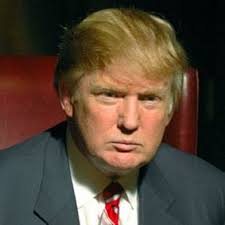
Donald Trump
On November 3, 2020, 81,255,933 Democratic voters elected former Vice President Joseph Biden the 46th President of the United States. Trump, running for a second term, got 74,196,153 votes.
Yet almost two months after the election, Trump refused to concede, insisting that he won—and repeatedly claiming falsely that he is the victim of massive vote fraud.
This toxic lie was feverishly embraced by millions of Right-wingers, and cast a shadow of illegitimacy over the Biden administration.
This refusal to acknowledge the outcome initially denied Biden access to the money, information-sharing and machinery traditionally accorded the President-elect. Trump himself was the beneficiary of such assistance in 2016, after his win over Democratic nominee Hillary Clinton.
Only on November 23, 2020 was Biden acknowledged as the winner by the General Services Administration, as the Trump administration finally began the formal transition process.
Meanwhile, the COVID-19 pandemic raged across the country. More than 400,000 Americans died, by the time Trump left office. Hospitals were filled to capacity, and millions faced starvation and/or eviction.
Yet Trump remained obsessed with his loss, and did nothing to coordinate the Federal response to the pandemic.
Trump’s refusal to accept reality posed an unprecedented danger to democracy: No presidential candidate had ever refused to concede defeat once all the votes were counted and legal challenges resolved.
By refusing to commit to a peaceful transfer of power, Trump took on the classic mantle of of a dictator.
Right-wing Virginia State Senator Amanda Chase urged Trump to declare martial law and allow the military to “oversee” another election. So did disgraced ex-National Security Advisor Michael Flynn, whom Trump pardoned for lying to the FBI about private talks he had with a Russian official.
Reports have surfaced that Trump considered doing so.
History has recorded an active German resistance movement against Adolf Hitler—including no fewer than at least 42 assassination attempts. And posterity has honored its members, many of whom died heroically for standing firm against a brutal tyrant.
To its eternal shame, the same cannot be said of America during the reign of Donald Trump.
2016 PRESIDENTIAL ELECTION, 2020 PRESIDENTIAL ELECTION, ABC NEWS, ABUSE OF POWER, ADOLF HITLER, ALTERNET, AMANDA CHASE, AMERICABLOG, AP, ARMED SERVICES, BABY BOOMER RESISTANCE, BARACK OBAMA, BLOOMBERG, BUZZFEED, CBS NEWS, CIA, CLAUS VON STAUFFENBERG, CNN, COVID-19, CROOKS AND LIARS, DAILY KOZ, DONALD TRUMP, DRUDGE RETORT, FBI, FEDERAL GOVERNMENT SHUTDOWN, FIVETHIRTYEIGHT, GENERAL SERVICES ADMINISTRATION, GESTAPO, HARPER’S MAGAZINE, HILLARY CLINTON, IMPEACHMENT ARTICLES, JAMES B. COMEY, JAMES MATTIS, JOHN KASICH, JOHN MCCAIN, JOSEPH BIDEN, KIM JONG-UN, MARK ESPER, MARTIAL LAW, MARTIN NIEMOELLER, MEDIA MATTERS, MICHAEL FLYNN, MOTHER JONES, MOVEON, MSNBC, MUSLIMS, NATIONAL SECURITY AGENCY, NAZI GERMANY, NBC NEWS, NEWSWEEK, NPR, OBSTRUCTION OF CONGRESS, PBS NEWSHOUR, POLITICO, POLITICUSUSA, RAW STORY, REPUBLICANS, REUTERS, SALON, SEATTLE TIMES, SERGEY KISLYAK, SERGEY LAVROV, SLATE, TALKING POINTS MEMO, THE ATLANTIC, THE CHICAGO SUN-TIMES, THE CHICAGO TRIBUNE, THE DAILY BEAST, THE DAILY BLOG, THE GUARDIAN, THE HILL, THE HUFFINGTON POST, THE LOS ANGELES TIMES, THE NATION, THE NEW REPUBLIC, THE NEW YORK TIMES, THE PENTAGON, THE TWILIGHT ZONE, THE VILLAGE VOICE, THE WASHINGTON POST, THINKPROGRESS, THIRD REICH, TIME, TRUTHDIG, TRUTHOUT, TWENTY-FIFTH AMENDMENT, TWITTER, TWO POLITICAL JUNKIES, U.S. NEWS & WORLD REPORT, UNITED STATES CONSTITUTION, UNITED STATES SECRET SERVICE, UPI, USA TODAY, VLADIMIR PUTIN, VOTER FRAUD, WONKETTE, WORLD WAR 11
In Bureaucracy, History, Law, Law Enforcement, Military, Politics, Social commentary on April 11, 2024 at 12:16 am
On July 20, 1944, Colonel Claus Schenk von Stuaffenberg tried to assassinate Adolf Hitler.
He had served with the Wehrmacht in Poland (1939), France (1940) and the Soviet Union (1941).
While serving in Tunisa, he was seriously wounded on April 7, 1943, when Allied fighters strafed his vehicle. He lost his left eye, right hand and two fingers of his left hand after surgery.
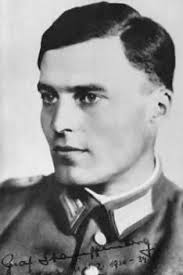
Colonel Claus Schenk von Stuaffenberg
Nevertheless, he now acted as the prime mover for the conspiracy among a growing number of German high command officers to arrest or assassinate Germany’s Fuehrer.
For most of these officers, the motive was craven: The “happy time” of German victories was over. Germany was losing the war it had unleashed on the world in 1939—and now they feared the worst.
This was especially true now that the numerically superior forces of the Soviet Union had gone onto the offensive.
For Stauffenberg, there was another reason: His disgust at the horrors he had seen committed by his fellow Wehrmacht soldiers upon defenseless POW’s and civilians in Russia.
Thus, Stauffenberg—more than many Germans–knew firsthand the vengeance his country could expect if the “Thousand-Year Reich” fell.
Something must be done, he believed, to prove to the world that not all Germans—even members of the Wehrmacht—were criminals.
Most of the conspirators wanted to arrest Hitler and surrender to British and American forces—well before the much-feared Russians gained a toehold in Germany.
Stauffenberg didn’t want to arrest Hitler; he wanted to kill him. A live Hitler might eventually be rescued by his Nazi colleagues.
But Hitler was a closely-guarded target. He was surrounded by fanatical bodyguards who were expert marksmen. He often wore a bulletproof vest and a cap lined with three pounds of laminated steel.
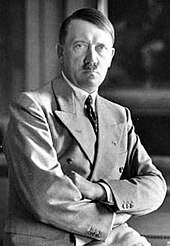
Adolf Hitler
Bundesarchiv, Bild 146-1990-048-29A / CC-BY-SA 3.0 [CC BY-SA 3.0 de (https://creativecommons.org/licenses/by-sa/3.0/de/deed.en)%5D
But his single greatest protection—he claimed—was an instinct for danger. He would suddenly change his schedule—to drop in where he was least expected. Or suddenly depart an event where he was expected to stay a long time.
That instinct had repeatedly saved his life.
A series of assassination attempts had been made against Hitler. All of them involved time-bombs. And all of the would-be assassins were members of the German General Staff.
In one case, a bomb secretly stashed aboard Hitler’s plane failed to explode. In another, an officer who had a bomb strapped to himself unexpectedly found his scheduled meeting with Hitler called off. He had to rush into a bathroom to defuse the bomb before it exploded.
Stauffenberg intended to carry his bomb—hidden in a briefcase—into a “Hitler conference” room packed with military officers. Rigged with a time-fuse, it would be left there while he found an excuse to leave.
After the explosion, he would phone one of his fellow conspirators with the news.
Stauffenberg intended to direct the new government that would replace that of the Nazis—and open peace talks with the British and Americans.
With Hitler dead, the coup—“Operation Valkyrie”—would be on.
Anti-Nazi conspirators would seize control of key posts of the government. The British and Americans would then be informed of Germany’s willingness to surrender. Provided, of course, that the vengeance-seeking Russians did not have a say in its postwar future.
The Wehrmacht and Schutzstaffel (SS) had killed millions of Russians. Many had died in combat. Others had been murdered as captives. Still more had been allowed to die by starvation and exposure to the notorious Russian winter.
So the Germans—both Nazi and anti-Nazi—knew what they could expect if soldiers of the Soviet Union reached German soil.
On July 20, 1944, Stauffenberg appeared at Hitler’s well-guarded military headquarters in East Prussia. Like all his other outposts, Hitler had named it—appropriately enough—“Wolf’s Lair.”

“Wolf’s Lair”
Stauffenberg entered the large, concrete building while the conference was in session. He placed his yellow briefcase next to Hitler—who was standing with his generals at a heavy oaken table. Then he excused himself to take an “urgent” phone call.
After Stauffenberg left the room, Colonel Heinz Brandt, standing next to Hitler, found the briefcase blocking his legs. So he moved it—to the other side of the heavy oaken support, partially shielding Hitler from the blast..
At 12:42 p.m. on July 20, 1944, Stauffenberg’s briefcase bomb erupted.
Brandt died, as did two other officers and a stenographer.
Hitler not only survived, but the plotters failed to seize the key broadcast facilities of the Reich.
This allowed Hitler to make a late-night speech to the nation, revealing the failed plot and assuring Germans that he was still alive. And he swore to flush out the “traitorous swine” who had tried to kill him.
Mass arrests quickly followed.
Among the first victims discovered and executed was the conspiracy’s leader, Colonel Claus von Stauffenberg. Standing before a makeshift firing squad at midnight, he cried: “Long live our sacred Germany!”
At least 7,000 persons were arrested by the Gestapo. Of these, 4,980 were executed.
2016 PRESIDENTIAL ELECTION, 2020 PRESIDENTIAL ELECTION, ABC NEWS, ABUSE OF POWER, ADOLF HITLER, ALTERNET, AMANDA CHASE, AMERICABLOG, AP, ARMED SERVICES, BABY BOOMER RESISTANCE, BARACK OBAMA, BLOOMBERG, BUZZFEED, CBS NEWS, CIA, CLAUS VON STAUFFENBERG, CNN, COVID-19, CROOKS AND LIARS, DAILY KOZ, DANA ANDREWS, DONALD TRUMP, DRUDGE RETORT, FBI, FEDERAL GOVERNMENT SHUTDOWN, FIVETHIRTYEIGHT, GENERAL SERVICES ADMINISTRATION, GESTAPO, HARPER’S MAGAZINE, HILLARY CLINTON, IMPEACHMENT ARTICLES, JAMES B. COMEY, JAMES MATTIS, JOHN KASICH, JOHN MCCAIN, JOSEPH BIDEN, KIM JONG-UN, MARK ESPER, MARTIAL LAW, MARTIN NIEMOELLER, MEDIA MATTERS, MICHAEL FLYNN, MOTHER JONES, MOVEON, MSNBC, MUSLIMS, NATIONAL SECURITY AGENCY, NAZI GERMANY, NBC NEWS, NEWSWEEK, NPR, OBSTRUCTION OF CONGRESS, PBS NEWSHOUR, POLITICO, POLITICUSUSA, RAW STORY, REPUBLICANS, REUTERS, SALON, SEATTLE TIMES, SERGEY KISLYAK, SERGEY LAVROV, SLATE, TALKING POINTS MEMO, THE ATLANTIC, THE CHICAGO SUN-TIMES, THE CHICAGO TRIBUNE, THE DAILY BEAST, THE DAILY BLOG, THE GUARDIAN, THE HILL, THE HUFFINGTON POST, THE LOS ANGELES TIMES, THE NATION, THE NEW REPUBLIC, THE NEW YORK TIMES, THE PENTAGON, THE TWILIGHT ZONE, THE VILLAGE VOICE, THE WASHINGTON POST, THINKPROGRESS, THIRD REICH, TIME, TRUTHDIG, TRUTHOUT, TWENTY-FIFTH AMENDMENT, TWITTER, TWO POLITICAL JUNKIES, U.S. NEWS & WORLD REPORT, UNITED STATES CONSTITUTION, UNITED STATES SECRET SERVICE, UPI, USA TODAY, VLADIMIR PUTIN, VOTER FRAUD, WONKETTE, WORLD WAR 11
In Bureaucracy, History, Law, Law Enforcement, Military, Politics, Social commentary, Uncategorized on April 10, 2024 at 12:13 am
“When Fascism comes to America, it will be called anti-Fascism.”
–Huey Long, Louisiana Governor/Senator
In the Twilight Zone episode, “No Time Like the Past,” Paul Driscoll (Dana Andrews), a scientist in early 1960s America, uses a time machine to visit Nazi Germany on the eve of World War II.
He’s rented a motel room overlooking the balcony from where the Fuhrer, Adolf Hitler will soon make a speech. And he’s eager to watch that speech—through the lens of a telescopic-sighted rifle.
Just as he’s about to pull the trigger, there’s a knock at his door–by the maid. Driscoll hustles her out as soon as possible, then once again picks up his rifle. He—and viewers—can once again see Hitler through the cross-hairs of his weapon.

Paul Driscoll prepares to shoot Adolf Hitler
But instead of the anticipated shot, there’s another knock at his door—his time by the black-uniformed secret police, the SS. Driscoll knows the game is up, and disappears into the present just as the thugs break down his door.
And the audience is left to ponder how different the world would have been if Driscoll—or someone in Nazi Germany—had succeeded in assassinating the man whose wars would wipe out the lives of 50 million men, women and children around the globe.
One 2016 Republican candidate for President dared to invoke the menace of Nazi Germany in warning of the dangers of a Donald Trump Presidency. And to argue that Americans could prevent that past from returning.
In November, 2015, John Kasich, the governor of Ohio, was peddling a message of creating jobs, balancing the Federal budget and disdain for Washington, D.C.
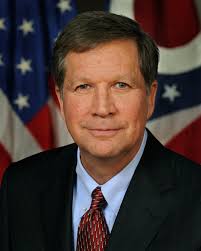
John Kasich
But he remained far behind in the polls, dropping 50% in support in just one month—from September to October. Meanwhile, Trump, the New York billionaire developer, was being backed by 25% of Republican primary voters.
So, with nothing to lose, Kasich decided to take off the gloves. He invoked the “N” word for Republicans: Nazi.
He authorized the creation of a TV ad that opened with ominous music—and the face of a snarling Donald Trump.
“I would like anyone who is listening to consider some thoughts that I’ve paraphrased from the words of German pastor Martin Niemoeller.”
The voice belonged to Tom Moe, a retired colonel in the U.S. Air Force—and a former Vietnam prisoner-of-war.
“You might not care if Donald Trump says Muslims must register with the government, because you’re not one,” continued Moe.
“And you might not care if Donald Trump says he’s going to round up all the Hispanic immigrants, because you’re not one.
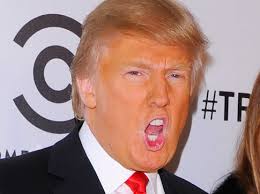
Donald Trump
“And you might not care if Donald Trump says it’s OK to rough up black protesters, because you’re not one.
“And you might not care if Donald Trump wants to suppress journalists, because you’re not one.
“But think about this:
“If he keeps going, and he actually becomes President, he might just get around to you. And you’d better hope that there’s someone left to help you.”
Martin Niemoeller (1892–1984) was a prominent Protestant pastor who had commanded a U-boat during World War 1. He became a bitter public foe of Adolf Hitler.
A staunch anti-Communist, he had initially supported the Nazis as Germany’s only hope of salvation against the Soviet Union.
But when the Nazis made the church subordinate to State authority, Niemoeller created the Pastors’ Emergency League to defend religious freedom.
For his opposition to the Third Reich, Niemoeller spent seven years in concentration camps.
With the collapse of the Reich in 1945, he was freed—and elected President of the Protestant church in Hesse and Nassau in 1947. During the 1960s, he was a president of the World Council of Churches.
He is best remembered for his powerful condemnation of the failure of Germans to protest the increasing oppression of the Nazis:
First they came for the Communists, but I was not a Communist, so I did not speak out.
Then they came for the Socialists, but I was not a Socialist, so I did not speak out.
Then they came for the trade unionists, but I was not a trade unionist, so I did not speak out.
Then they came for the Jews, but I was not a Jew, so I did not speak out.
And when they came for me, there was no one left to speak out for me.
Neither “Adolf Hitler” nor “Nazi Party” was mentioned during the one-minute Kassich video. But a furious Trump threatened to sue Kasich if he could find anything “not truthful” within the ad.
Apparently he couldn’t find anything “not truthful,” because he never sued.
So threatened the man who had called Mexican immigrants “rapists” and accused President Barack Obama of being a Muslim and an illegal alien.
The Kasich ad was the darkest attack made against Trump by any candidate—Republican or Democrat. And it raised a disturbing question:
If Donald Trump proved to be America’s Adolf Hitler, would there be an American Claus von Stauffenberg?
Colonel Claus Schenk von Stuaffenberg was the German army officer who, on July 20, 1944, tried to assassinate Adolf Hitler.


 Bureaucracybuster's Blog
2016 PRESIDENTIAL ELECTION, 2020 PRESIDENTIAL ELECTION, ABC NEWS, ADOLF HITLER, ALTERNET, AMERICABLOG, AP, BABY BOOMER RESISTANCE, BBC, BLOOMBERG, BUZZFEED, CASSIUS CHAEREA, CBS NEWS, CIA, CLAUSS VON STAUFFENBERG, CNN, COVID-19, CROOKS AND LIARS, DAILY KOS, DONALD TRUMP, EAST GERMANY, FBI, FEDERAL GOVERNMENT SHUTDOWN, FIVETHIRTYEIGHT, GAIUS CALIGULA, GAIUS SUETONIUS TRANQUILLUS, GERMAN GENERAL STAFF, HARPER’S MAGAZINE, HITLER LOYALTY OATH, HOLOCAUST, HUFFINGTON POST, JANUARY 6 COUP ATTEMPT, JOSEPH BIDEN, JOSEPHUS, JULIUS CAESAR, KERRY O’GRADY, MEDIA MATTERS, MEXICO, MOTHER JONES, MOVEON, MSNBC, NATIONAL SECURITY AGENCY, NAZI GERMANY, NBC NEWS, NEW REPUBLIC, NEWSDAY, NEWSWEEK, NPR, OPERATION VALKYRIE, PBS NEWSHOUR, POLITICO, POLITICUSUSA, PRINCE OF THE CITY (MOVIE), RAW STORY, REUTERS, SALON, SEATTLE TIMES, SLATE, SOVIET UNION, SS, TALKING POINTS MEMO, THE ATLANTIC, THE CHICAGO SUN-TIMES, THE CHICAGO TRIBUNE, THE DAILY BEAST, THE DAILY BLOG, THE GUARDIAN, THE HILL, THE HUFFINGTON POST, THE INTERCEPT, THE LOS ANGELES TIMES, THE NATION, THE NEW REPUBLIC, THE NEW YORK TIMES, THE NEW YORKER, THE VILLAGE VOICE, THE WASHINGTON POST, THINKPROGRESS, TIME, TRUTHDIG, TRUTHOUT, TWO POLITICAL JUNKIES, U.S. NEWS & WORLD REPORT, UNITED STATES CONSTITUTION, UNITED STATES SECRET SERVICE, UPI, USA TODAY, VLADIMIR PUTIN, WEST BERLIN, WORLD WAR 11, X
LOYALTY VS. CONSCIENCE: PART TWO (OF THREE)
In Bureaucracy, History, Law Enforcement, Military, Politics, Social commentary on June 12, 2024 at 12:08 amWhere does loyalty leave off and conscience begin?
Specifically: If you’re a bodyguard for a man you know represents a genuine threat to democracy, what are your obligations to defend him? Should you be as willing to “take a bullet” for him as for someone you truly admire?
Members of Adolf Hitler’s bodyguard faced no such qualms. Right up to the bitter end, with Russian forces only blocks from the Fuhrerbunker, they manned their posts, ready to die for the man who had led them—and Germany—into the ultimate catastrophe.
They made Hitler a closely-guarded target.
He was surrounded by fanatical bodyguards who were expert marksmen. He often wore a bulletproof vest and a cap lined with three pounds of laminated steel.
But his single greatest protection—he claimed—was an instinct for danger. He would suddenly change his schedule—to drop in where he was least expected. Or suddenly depart an event where he was expected to stay a long time.
Adolf Hitler
It wasn’t Hitler’s bodyguards who posed a threat to his life. It was the colonels and generals of the German General Staff.
On August 20, 1934, members of the German army, navy and air force were required to swear the “Law On The Allegiance of Civil Servants and Soldiers of the Armed Forces.”
Whereas members of the armed forces had previously sworn loyalty to Germany, the new law required them to swear an oath of loyalty to Hitler personally.
In coming years, this would prove a deadly trap for many German officers—forcing them to choose between betraying a sacred oath and remaining loyal to a man who was clearly driving Germany to ruin.
For those officers who could not abide Germany’s coming destruction, the choice was simple: Hitler had to go.
A series of assassination attempts were made against Hitler. All of them involved time-bombs. And all of the would-be assassins were members of the German General Staff.
In one case, a bomb secretly stashed aboard Hitler’s plane failed to explode. In another, an officer who had a bomb strapped to himself unexpectedly found his scheduled meeting with Hitler called off. He had to rush into a bathroom to defuse the bomb before it exploded.
Hitler came closest to death on July 20, 1944.
Colonel Claus Schenk von Stuaffenberg was the driving force in a plot to assassinate Hitler with a time bomb.
Claus von Stauffenberg
He had served with the Wehrmacht in Poland (1939), France (1940) and the Soviet Union (1941). While serving in Tunisa, he was seriously wounded on April 7, 1943, when Allied fighters strafed his vehicle. He lost his left eye, right hand and two fingers of his left hand after surgery.
For most of his fellow officers, the motive was craven: The “happy time” of German victories was over. Germany was losing the war it had unleashed on the world in 1939—and now they feared the worst.
This was especially true now that the numerically superior forces of the Soviet Union had gone onto the offensive.
The Wehrmacht in Russia
The Wehrmacht and Schutzstaffel (SS) had killed millions of Russians. Many had died in combat. Others had been murdered as captives. Still more had been allowed to die by starvation and exposure to the notorious Russian winter.
For Stauffenberg, there was another reason: His disgust at the horrors he had seen committed by his fellow Wehrmacht soldiers upon defenseless POW’s and civilians in Russia.
Thus, Stauffenberg—more than many Germans—knew firsthand the vengeance his country could expect if the “Thousand-Year Reich” fell. Something must be done, he believed, to prove to the world that not all Germans—even members of the Wehrmacht—were criminals.
Most of the conspirators wanted to arrest Hitler and surrender to British and American forces—well before the much-feared Russians gained a toehold in Germany. Stauffenberg didn’t want to arrest Hitler; he wanted to kill him. A live Hitler might eventually be rescued by his Nazi colleagues.
Stauffenberg intended to carry his bomb—hidden in a briefcase—into a “Hitler conference” room packed with military officers. Rigged with a time-fuse, it would be left there while he found an excuse to leave. After the explosion, he would phone one of his fellow conspirators with the news.
Stauffenberg intended to direct the new government that would replace that of the Nazis—and open peace talks with the British and Americans. With Hitler dead, the coup—“Operation Valkyrie”—would be on.
Anti-Nazi conspirators would seize control of key posts of the government. They would inform the British and Americans of Germany’s willingness to surrender. Provided, of course, that the vengeance-seeking Russians did not have a say in its postwar future.
On July 20, 1944, Stauffenberg appeared at Hitler’s well-guarded military headquarters in East Prussia. Like all his other outposts, Hitler had named it—appropriately enough—“Wolf’s Lair.”
Stauffenberg entered the large, concrete building while the conference was in session. He placed his yellow briefcase next to Hitler—who was standing with his generals at a heavy oaken table. Then he excused himself to take an “urgent” phone call.
At 12:42 p.m. on July 20, 1944, Stauffenberg’s briefcase bomb erupted.
Share this: