Posts Tagged ‘ABRAHAM LINCOLN’
ABC NEWS, ABRAHAM LINCOLN, ADOLF HITLER, ALTERNET, AMERICABLOG, AP, BABY BOOMER RESISTANCE, BBC, BLOOMBERG, BLUESKY, BUZZFEED, CBS NEWS, CIVIL WAR, CLARK GABLE, CNN, CONFEDERATE FLAG, CROOKS AND LIARS, DAILY KOS, DANIEL DAY-LEWIS, DRUDGE REPORT, FACEBOOK, FIVETHIRTYEIGHT, GONE WITH THE WIND, HARPER’S MAGAZINE, HATTIE MCDANIEL, HUFFINGTON POST, MARGARET MITCHELL, MEDIA MATTERS, MOTHER JONES, MOVEON, MSNBC, NAZI GERMANY, NBC NEWS, NEWSDAY, NEWSWEEK, NPR, PBS NEWSHOUR, POLITICO, POLITICUSUSA, RACISM, RAW STORY, REUTERS, SALON, SEATTLE TIMES, SLATE, SLAVERY, STEVEN SPIELBERG, TALKING POINTS MEMO, THE ATLANTIC, THE CHICAGO SUN-TIMES, THE CHICAGO TRIBUNE, THE DAILY BEAST, THE DAILY BLOG, THE GUARDIAN, THE HILL, THE HUFFINGTON POST, THE INTERCEPT, THE LOS ANGELES TIMES, THE NATION, THE NEW REPUBLIC, THE NEW YORK TIMES, THE NEW YORKER, THE VILLAGE VOICE, THE WASHINGTON POST, THINKPROGRESS, THIRTEENTH AMENDMENT, TIME, TRUTHDIG, TRUTHOUT, TWO POLITICAL JUNKIES, U.S. NEWS & WORLD REPORT, UPI, USA TODAY, WONKETTE, X
In Entertainment, History, Military, Politics, Social commentary, Uncategorized on December 5, 2025 at 12:11 am
Southerners have long claimed—falsely—that the Civil War was not about slavery.
Steven Spielberg’s Lincoln proves that, from first to last, the cause of the Civil War was slavery.
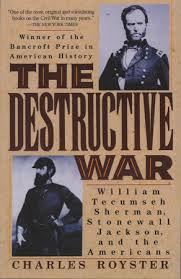
According to The Destructive War, by Charles Royster, arguments over “states’ rights” or economic conflict between North and South didn’t lead 13 Southern states to withdraw from the Union in 1860-61. It was their demand for “respect” of their “peculiar institution”—i.e., slavery.
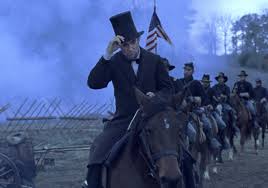
Daniel Day-Lewis as “Lincoln”
“The respect Southerners demanded did not consist simply of the states’ sovereignty or of the equal rights of Northern and Southern citizens, including slaveholders’ right to take their chattels into Northern territory.
“It entailed, too, respect for their assertion of the moral superiority of slaveholding society over free society,” writes Royster.
“It was not enough for Southerners to claim equal standing with Northerners; Northerners must acknowledge it. But this was something that the North was increasingly unwilling to do.”
Finally, its citizens dared to elect Abraham Lincoln as President in 1860. Lincoln and his new Republican party damned slavery—and slaveholders—as morally evil, obsolete and ultimately doomed. And they were determined to prevent slavery from spreading any further throughout the country.
Southerners found all of this intolerable.
The British author, Anthony Trollope, explained to his readers:
“It is no light thing to be told daily, by our fellow citizens…that you are guilty of the one damning sin that cannot be forgiven. All this [Southerners] could partly moderate, partly rebuke and partly bear as long as political power remained in their hands.”
It is to Spielberg’s credit that he forces his audience to look directly at the real cause of the bloodiest conflict on the North American continent.
At the heart of Spielberg’s film: Abraham Lincoln (Daniel Day-Lewis) wants to win ratification of what will be the Thirteenth Amendment to the United States Constitution. An amendment that will forever ban slavery.
But, almost four years into the war, slavery still has powerful friends—in both the North and South.
Many of those friends belong to the House of Representatives, which must ratify the amendment for it to become law. Some are hostile to Lincoln personally. One of them dubs him a dictator: “Abraham Africanus.” Another accuses him of shifting his positions for the sake of expediency.
Other members—white men all—are hostile to the idea of equality between the races.
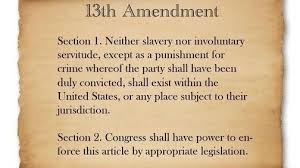
To them, ending slavery means opening the door to interracial marriage—especially marriage between black men and white women. Perhaps even worse, it means possibly giving blacks—or women—the right to vote.
Members of Lincoln’s own Cabinet—such as Secretary of State William Seward—warn him: You can negotiate the end of the war immediately—if you’ll just let Southerners keep their slaves.
After the amendment wins ratification, Lincoln agrees to meet with a “peace delegation” from the Confederate States of America.
At the top of their list of concerns: If they persuade the seceded states to return to the Union, will those states be allowed to nullify the amendment?
No, says Lincoln. He’s willing to make peace with the South, and on highly generous terms. But not at the cost of allowing slavery to live on.
Too many men—North and South—have died in a conflict whose root cause is slavery. Those lives must count for more than simply reuniting the Union.
The South has lost thousands of men (260,000 is the generally accepted figure for its total casualties) and the war is clearly lost. But for its die-hard leaders, parting with slavery is simply unthinkable.
Like Nazi Germany 80 years into the future, the high command of the South won’t surrender until their armies are too beaten down to fight any more.
The major difference between the defeated South of 1865 and the defeated Germany of 1945, is this: The South was allowed to build a beautiful myth of a glorious “Lost Cause,” epitomized by the Margaret Mitchell novel, Gone With the Wind.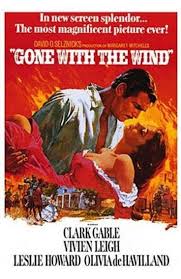
In that telling, dutiful slaves were well-treated by kindly masters. Southern aristocrats wore white suits and their slender-waisted ladies wore long dresses, carried parasols and said “fiddle-dee-dee” to young, handsome suitors.
One million people attended the premier of the movie version in Atlanta on December 15, 1939. The celebration featured stars from the film, receptions, thousands of Confederate flags, false antebellum fronts on stores and homes, and a costume ball.
In keeping with Southern racial tradition, Hattie McDaniel and the other black actors from the film were barred from attending the premiere. Upon learning this, Clark Gable threatened to boycott the event. McDaniel convinced him to attend.
When today’s Southerners fly Confederate flags and speak of “preserving our traditions,” they are actually celebrating their long-banned “peculiar institution.”
By contrast, post-World War II Germany outlawed symbols from the Nazi-era, such as the swastika and the “Heil Hitler” salute, and made Holocaust denial punishable by imprisonment.
America has refused to confront its own shameful past so directly. But Americans can be grateful that Steven Spielberg has had the courage to serve up a long-overdue and much needed lesson in past–and still current—history.
2016 PRESIDENTIAL RACE, ABC NEWS, ABRAHAM LINCOLN, ALTERNET, AMERICABLOG, AP, BABY BOOMER RESISTANCE, BARACK OBAMA, BBC, BLOOMBERG, BLOOMBERG NEWS, BLUESKY, BUZZFEED, CBS NEWS, CIVIL RIGHTS ACT OF 1964, CIVIL WAR, CNN, CROOKS AND LIARS, DAILY KOS, DANIEL DAY-LEWIS, EMANCIPATION PROCLAMATION, FACEBOOK, FIVETHIRTYEIGHT, HARPER’S MAGAZINE, HUFFINGTON POST, LYNDON B. JOHNSON, MEDIA MATTERS, MITT ROMNEY, MOTHER JONES, MOVEON, MOVIES, MSNBC, NBC NEWS, NEW REPUBLIC, NEWSDAY, NEWSWEEK, NPR, PBS NEWSHOUR, POLITICO, POLITICUSUSA, RAW STORY, REUTERS, SALON, SEATTLE TIMES, SLATE, SLAVERY, STEVEN SPIELBERG, TALKING POINTS MEMO, THE ATLANTIC, THE CHICAGO SUN-TIMES, THE CHICAGO TRIBUNE, THE DAILY BEAST, THE DAILY BLOG, THE GUARDIAN, THE HILL, THE HUFFINGTON POST, THE INTERCEPT, THE LOS ANGELES TIMES, THE NATION, THE NEW REPUBLIC, THE NEW YORK TIMES, THE NEW YORKER, THE VILLAGE VOICE, THE WASHINGTON POST, THINKPROGRESS, THIRTEENTH AMENDMENT, TIME, TRUTHDIG, TRUTHOUT, TWITTER, TWO POLITICAL JUNKIES, U.S. NEWS & WORLD REPORT, UPI, USA TODAY, VOTER ID LAWS, VOTING RIGHTS ACT OF 1965, X
In Uncategorized on December 4, 2025 at 12:13 am
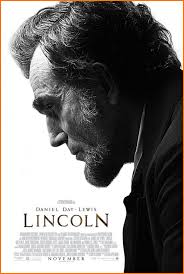
Steven Spielberg’s 2012 film Lincoln is more than a mesmerizing history lesson.
It’s a timely reminder that racism and repression are not confined to any one period or political party.
At the heart of the film: Abraham Lincoln (Daniel Day-Lewis) wants to win ratification of what will be the Thirteenth Amendment to the United States Constitution. An amendment that will forever ban slavery.
True, Lincoln, in 1862, had issued the Emancipation Proclamation. This—in theory—freed slaves held in the Confederate states that had seceded from the Union in 1860-61.
But Lincoln regards this as a temporary wartime measure. He fears that once the war ends, the Supreme Court may rule the Proclamation unconstitutional. This might allow Southerners to continue practicing slavery, even after losing the war.
To prevent this, Congress must pass an anti-slavery amendment.
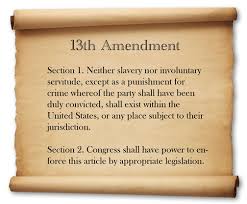
But winning Congressional passage of such an amendment won’t be easy.
The Senate had ratified its passage in 1864. But the amendment must secure approval from the House of Representatives to become law.
And the House is filled with men–there are no women members during the 19th century–who seethe with hostility.
Some are hostile to Lincoln personally. One of them dubs him a dictator—Abraham Africanus.” Another accuses him of shifting his positions for the sake of expediency.
Other members–white men all–are hostile to the idea of equality between the races. To them, ending slavery means opening the door to interracial marriage—especially marriage between black men and white women.
Perhaps even worse, it means possibly giving blacks—or women—the the right to vote.
In fact, the possibility that blacks might win voting rights arises early in the movie. Lincoln is speaking to a couple of black Union soldiers, and one of them is unafraid to voice his discontent. He’s upset that black soldiers are paid less than white ones—and that they’re led only by white officers.
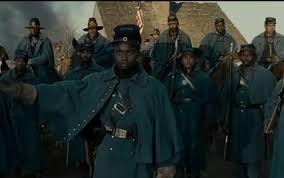
Lincoln says that, in time, maybe this will change. Maybe, in 100 years, he guesses, blacks will get the right to vote.
(To the shame of all Americans, that’s how long it will eventually take. Not until the passage of the Voting Rights Act of 1965 will blacks be guaranteed legal protection against discriminatory voting practices.)
To understand the Congressional debate over the Thirteenth Amendment, it’s necessary to remember this: In Lincoln’s time, the Republicans were the party of progressives.
The party was founded on an anti-slavery platform. Its members were thus reviled as “Black Republicans.” And until the 1960s, the South was solidly Democratic.
Republicans today boast that their party freed blacks—and Democrats were the ones defending the status quo—slavery.
This is true—but misses the point: When a Democratic President—Lyndon B. Johnson—rammed the Civil Rights Act of 1964 through Congress, the South sided with Republicans, who opposed civil rights.
So it’s a matter of mentality, not party. If Republicans became pro-civil rights, most Southerners would turn to a different party.
Watching this re-enactment of the 1865 debate in Lincoln is like watching a 21st-century Presidential campaign. The same mentalities are at work:
-
Those (in this case, slave-owners) who already have a great deal want to gain even more at the expense of others.
-
Those (slaves and freed blacks) who have little strive to gain more or at least hang onto what they have.
-
Those who defend the privileged wealthy refuse to allow their “social inferiors” to enjoy similar privileges (such as the right to vote).
During the 2012 Presidential race, Republicans tried to bar those likely to vote for President Barack Obama from getting into the voting booth. But their bogus “voter ID” restrictions were struck down in courts across the nation.
Listening to those opposing the amendment, one is reminded of Mitt Romney’s infamous comments about the “47%”:
“Well, there are 47% of the people who will vote for the president no matter what….
“Who are dependent upon government, who believe that—that they are victims, who believe that government has a responsibility to care for them, who believe that they’re entitled to healthcare, to food, to housing, to you name it. But that’s—it’s an entitlement. And the government should give it to them.”
Put another way: “Who says people have a right to obtain medical care, food and housing? If they can’t inherit unearned wealth the way I did, screw them.”
In the end, it’s Abraham Lincoln who has the final word—and leaves his nation the better for it. Through diplomacy and backroom dealings (trading political offices for votes) he wins passage of the anti-slavery amendment.
The ownership of human chattel is finally an ugly memory of the American past.
The movie closes with a historically-correct tribute to Lincoln’s generosity toward those who opposed him—in Congress and on the battlefield. It occurs during Lincoln’s Second Inaugural Address:
“With malice toward none, with charity for all….To bind up the nation’s wounds. To care for him who shall have bourne the battle, and for his widow and his orphan….”
Watching Lincoln, you realize how incredibly lucky America was as a nation to have had such leadership when it was most urgently needed.
2016 PRESIDENTIAL CAMPAIGN, ABC NEWS, ABRAHAM LINCOLN, ADOLF HITLER, ALEC BALDWIN, ALTERNET, ANDREW JACKSON, AP, BARACK OBAMA, BILL O'REILLY, BUZZFEED, CBS NEWS, CHEKA, CNN, CONCENTRATION CAMPS, CROOKS AND LIARS, DAILY KOZ, ELECTRONIC SURVEILLANCE, EXECUTIONS, FIRST AMENDMENT, FOX NEWS, FRED TRUMP, FREEDOM OF SPEECH, FREEDOM OF THE PRESS, FSB, HILLARY CLINTON, HUMOR, HUSTLER MAGAZINE, IT'S A WONDERFUL LIFE, JERRY FALWELL, JOE SCARBOROUGH, JOHN F. KENNEDY, JOHN MCCAIN, JOSEPH STALIN, KELLY SADLER, KGB, KIM JONG-II, KIM JONG-UN, LARRY FLYNT, MGB, MORNING JOE, MOTHER JONES, MOVEON, MSNBC, NAZI GERMANY, NBC NEWS, NEWSWEEK, NKVD, NORTH KOREA, NPR, ONE DAY WE WILL LIVE WITHOUT FEAR (BOOK), PARODY, POLITICO, RAW STORY, REUTERS, RICHARD NIXON, RUSSIA, SALON, SARAH HUCKABEE SANDERS, SATURDAY NIGHT LIVE, SEATTLE TIMES, SLATE, SOVIET UNION, STORMY DANIELS, THE ATLANTIC, THE CHICAGO SUN-TIMES, THE CHICAGO TRIBUNE, THE DAILY BEAST, THE GUARDIAN, THE HILL, THE HUFFINGTON POST, THE LOS ANGELES TIMES, THE NATION, THE NEW YORK TIMES, THE WASHINGTON POST, THEODORE ROOSEVELT, TIME, U.S. NEWS & WORLD REPORT, UNITED STATES SUPREME COURT, UPI, USA TODAY, VLADIMIR PUTIN, WILLIAM REHNQUIST, X
In Bureaucracy, History, Law, Law Enforcement, Military, Politics, Social commentary on November 10, 2025 at 12:10 am
In January, 2018, the White House of President Donald Trump banned the use of personal cell phones in the West Wing.
The official reason: National security.
The real reason: To stop staffers from leaking to reporters.
According to an anonymous White House source: “The cellphone ban is for when people are inside the West Wing, so it really doesn’t do all that much to prevent leaks. If they banned all personal cellphones from the entire [White House] grounds, all that would do is make reporters stay up later because they couldn’t talk to their sources until after 6:30 pm.”

Other sources believed that leaks wouldn’t end unless Trump started firing staffers. But that risked firing the wrong people. To protect themselves, those who leaked might well accuse tight-lipped co-workers.
Within the Soviet Union (especially during the reign of Joseph Stalin) fear of secret police surveillance was widespread—and absolutely justified.
According to the 2016 book, One Day We Will Live Without Fear: Everyday Lives Under the Soviet Police State, by Mark Harrison, the methods used to keep conversations secret included:
- Turning on the TV or radio to full volume.
- Turning on a water faucet at full blast.
- Turning the dial of a rotary phone to the end—and sticking a pencil in one of the small holes for numbers.
- Standing six to nine feet away from the hung-up receiver.
- Going for “a walk in the woods.”
- Saying nothing sensitive on the phone.
The secret police (known as the Cheka, the NKVD, the MGB, the KGB, and now the FSB) operated on seven working principles:
- Your enemy is hiding.
- Start from the usual suspects.
- Study the young.
- Stop the laughing.
- Rebellion spreads like wildfire.
- Stamp out every spark.
- Order is created by appearance.
Trump has always ruled through bribery and fear. He’s bought off (or tried to) those who might cause him trouble—like porn actress Stormy Daniels.
He’s never been able to poke fun at himself—and he grows livid when anybody else does.
At Christmastime, 2018, “Saturday Night Live” aired a parody of the classic movie, “It’s a Wonderful Life.” Its title: “It’s a Wonderful Trump.”
In it, Trump (portrayed by actor Alec Baldwin) discovers what the United States would be like if he had never become President: A great deal better-off.
As usual, Trump expressed his resentment through Twitter: The Justice Department should stop investigating his administration and go after the real enemy: “SNL.”
“A REAL scandal is the one sided coverage, hour by hour, of networks like NBC & Democrat spin machines like Saturday Night Live. It is all nothing less than unfair news coverage and Dem commercials. Should be tested in courts, can’t be legal? Only defame & belittle! Collusion?”
By saying that, Trump showed his contempt for the role of the First Amendment in American history.
Cartoonists portrayed President Andrew Jackson (1829 -1837) wearing a king’s robes and crown, and holding a scepter. This thoroughly enraged Jackson—who had repulsed a British invasion in 1815 at the Battle of New Orleans. To call a man a monarchist in 1800s America was the same as calling him a Communist in the 1950s.
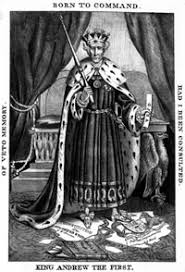
During the Civil War, President Abraham Lincoln was lampooned as an ape and a blood-stained tyrant. And Theodore Roosevelt proved a cartoonist’s delight, with attention given to his bushy mustache and thick-lensed glasses.
Thus, the odds are slight that an American court would even hear a case brought by Trump against “SNL.”
Such a case made its way through the courts in the late 1980s when the Reverend Jerry Falwell sued pornographer Larry Flyint over a satirical interview in Hustler magazine. In this, “Falwell” admitted that his first sexual encounter had been with his own mother.
In 1988, the United States Supreme Court, voting 8-0, ruled in Flynt’s favor, saying that the media had a First Amendment right to parody a celebrity.
“Despite their sometimes caustic nature, from the early cartoon portraying George Washington as an ass down to the present day, graphic depictions and satirical cartoons have played a prominent role in public and political debate,” Chief Justice William Rehnquist—an appointee of President Richard Nixon—wrote in his majority decision in the case.
Moreover, Trump would have been forced to take the stand in such a case. The attorneys for NBC and “SNL” would have insisted on it.
The results would have been:
- Unprecedented legal exposure for Trump—who would have been forced to answer virtually any questions asked or drop his lawsuit; and
- Unprecedented humiliation for a man who lives as much for his ego as his pocketbook. Tabloids and late-night comedians would have had a field-day with such a lawsuit.
And while Trump loves to sue those he hates, he does not relish taking the stand himself.
On October 12, 2016, The Palm Beach Post, The New York Times and People all published stories of women claiming to have been sexually assaulted by Trump.
He accused the Times of inventing accusations to hurt his Presidential candidacy. And he threatened to sue for libel if the Times reported the women’s stories. He also said he would sue the women making the accusations.
He never sued the Times, The Post, People—or the women.
2016 PRESIDENTIAL CAMPAIGN, ABC NEWS, ABRAHAM LINCOLN, ADOLF HITLER, ALEC BALDWIN, ALTERNET, ANDREW JACKSON, AP, BARACK OBAMA, BILL O'REILLY, BUZZFEED, CBS NEWS, CHEKA, CNN, CONCENTRATION CAMPS, CROOKS AND LIARS, DAILY KOS, ELECTRONIC SURVEILLANCE, EXECUTIONS, FIRST AMENDMENT, FOX NEWS, FRED TRUMP, FREEDOM OF SPEECH, FREEDOM OF THE PRESS, FSB, HILLARY CLINTON, HUMOR, HUSTLER MAGAZINE, IT'S A WONDERFUL LIFE, JERRY FALWELL, JOE SCARBOROUGH, JOHN F. KENNEDY, JOHN MCCAIN, JOSEPH STALIN, KELLY SADLER, KGB, KIM JONG-II, KIM JONG-UN, LARRY FLYNT, MGB, MORNING JOE, MOTHER JONES, MOVEON, MSNBC, NAZI GERMANY, NBC NEWS, NEWSWEEK, NKVD, NORTH KOREA, NPR, ONE DAY WE WILL LIVE WITHOUT FEAR (BOOK), PARODY, POLITICO, RAW STORY, REUTERS, RICHARD NIXON, RUSSIA, SALON, SARAH HUCKABEE SANDERS, SATURDAY NIGHT LIVE, SEATTLE TIMES, SLATE, SOVIET UNION, STORMY DANIELS, THE ATLANTIC, THE CHICAGO SUN-TIMES, THE CHICAGO TRIBUNE, THE DAILY BEAST, THE GUARDIAN, THE HILL, THE HUFFINGTON POST, THE LOS ANGELES TIMES, THE NATION, THE NEW YORK TIMES, THE WASHINGTON POST, THEODORE ROOSEVELT, TIME, U.S. NEWS & WORLD REPORT, UNITED STATES SUPREME COURT, UPI, USA TODAY, VLADIMIR PUTIN, WILLIAM REHNQUIST, X
In Bureaucracy, History, Law, Law Enforcement, Military, Politics, Social commentary on November 7, 2025 at 12:10 am
On May 10, 2018, The Hill reported that White House Special Assistant Kelly Sadler had joked derisively about dying Arizona United States Senator John McCain.
McCain, a Navy pilot during the Vietnam war, was shot down over Hanoi on October 26, 1967, and captured. He spent five and a half years as a POW in North Vietnam—and was often brutally tortured. He wasn’t released until March 14, 1973.
Recently, he had opposed the nomination of Gina Haspel as director of the CIA.
The reason: In 2002, Haspel had operated a “black” CIA site in Thailand where Islamic terrorists were often waterboarded to make them talk.
For John McCain, waterboarding was torture, even if it didn’t leave its victims permanently scarred and disabled.
Aware that the 81-year-old McCain was dying of brain cancer, Sadler joked to intimates about the Senator’s opposition to Haspel: “It doesn’t matter. He’s dying anyway.”
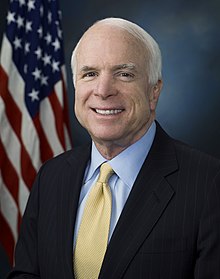
John McCain
Leaked to CNN by an anonymous White House official, Sadler’s remark sparked fierce criticism—and demands for her firing.
South Carolina Republican Senator Lindsey Graham, a close friend of McCain, said: “Ms. Sadler, may I remind you that John McCain has a lot of friends in the United States Senate on both sides of the aisle. Nobody is laughing in the Senate.”
“People have wondered when decency would hit rock bottom with this administration. It happened yesterday,” said then-former Vice President Joe Biden.
“John McCain makes America great. Father, grandfather, Navy pilot, POW hero bound by honor, an incomparable and irrepressible statesman. Those who mock such greatness only humiliate themselves and their silent accomplices,” tweeted former Massachusetts governor and 2012 Republican Presidential candidate Mitt Romney.
Officially, White House Press Secretary Sarah Huckabee Sanders refused to confirm or deny Sadler’s joke: “I’m not going to get into a back and forth because people want to create issues of leaked staff meetings.”
Unofficially, Sanders was furious—not at the joke about a dying man, but that someone had leaked it. After assailing the White House communications team, she pouted: “I am sure this conversation is going to leak, too. And that’s just disgusting.”

Sarah Huckabee Sanders
No apology was offered by any official at the White House—including President Donald Trump.
In fact, Senior White House communications adviser Mercedes Schlapp reportedly expressed her support for Sadler: “I stand with Kelly Sadler.”
On May 11—the day after Sadler’s comment was reported—reporters asked Sanders if the tone set by Trump had caused Sadler to feel comfortable in telling such a joke.
“Certainly not!” predictably replied Sanders, adding: “We have a respect for all Americans, and that is what we try to put forward in everything we do, but in word and in action, focusing on doing things that help every American in this country every single day.”
On May 14, 2018, Trump revealed his “respect” for “all Americans”—especially those working in the White House.
“The so-called leaks coming out of the White House are a massive over exaggeration put out by the Fake News Media in order to make us look as bad as possible,” Trump tweeted.
“With that being said, leakers are traitors and cowards, and we will find out who they are!”
This from the man who, during the 2016 Presidential campaign, shouted: “WikiLeaks, I love WikiLeaks!”
Of course, that was when Russian Intelligence agents were exposing the secrets of Hillary Clinton, his Presidential opponent.
And, in a move that Joseph Stalin would have admired, Trump ordered an all-out investigation to find the person who leaked Sadler’s “joke.”
In January, 2018, the White House had banned the use of personal cell phones in the West Wing.
The official reason: National security.
The real reason: To stop staffers from leaking to reporters.
Officials now had two choices:
- Leave their cell phones in their cars, or,
- When they arrive for work, deposit them in lockers installed at West Wing entrances. They can reclaim their phones when they leave.
Several staffers huddled around the lockers throughout the day, checking messages they had missed. The lockers buzzed and chirped constantly from 6 a.m. to 8 p.m. Monday through Friday.
More ominously, well-suited men roamed the halls of the West Wing, carrying devices that pick up signals from phones that aren’t government-issued. “Did someone forget to put their phone away?” one of the men would ask if such a device was detected.
If no one said they have a phone, the detection team started searching the room.

Phone detector
The devices can tell which type of phone is in the room.
This is the sort of behavior Americans have traditionally—and correctly—associated with dictatorships
In his memo outlining the policy, former Chief of Staff John Kelly warned that anyone who violated the phone ban could be punished, including “being indefinitely prohibited from entering the White House complex.”
Yet even these draconian methods did not end White House leaks.
White House officials still spoke with reporters throughout the day and often aired their grievances, whether about annoying colleagues or competing policy priorities.
Aides with private offices sometimes called reporters on their desk phones. Others used their cell phones to call or text reporters during lunch breaks.
2016 PRESIDENTIAL CAMPAIGN, ABC NEWS, ABRAHAM LINCOLN, ADOLF HITLER, ALEC BALDWIN, ALTERNET, ANDREW JACKSON, AP, BARACK OBAMA, BILL O'REILLY, BUZZFEED, CBS NEWS, CHEKA, CNN, CONCENTRATION CAMPS, CROOKS AND LIARS, DAILY KOS, ELECTRONIC SURVEILLANCE, EXECUTIONS, FIRST AMENDMENT, FOX NEWS, FRED TRUMP, FREEDOM OF SPEECH, FREEDOM OF THE PRESS, FSB, HILLARY CLINTON, HUMOR, HUSTLER MAGAZINE, IT'S A WONDERFUL LIFE, JERRY FALWELL, JOE SCARBOROUGH, JOHN F. KENNEDY, JOHN MCCAIN, JOSEPH STALIN, KELLY SADLER, KGB, KIM JONG-II, KIM JONG-UN, LARRY FLYNT, MGB, MORNING JOE, MOTHER JONES, MOVEON, MSNBC, NAZI GERMANY, NBC NEWS, NEWSWEEK, NKVD, NORTH KOREA, NPR, ONE DAY WE WILL LIVE WITHOUT FEAR (BOOK), PARODY, POLITICO, RAW STORY, REUTERS, RICHARD NIXON, RUSSIA, SALON, SARAH HUCKABEE SANDERS, SATURDAY NIGHT LIVE, SEATTLE TIMES, SLATE, SOVIET UNION, STORMY DANIELS, THE ATLANTIC, THE CHICAGO SUN-TIMES, THE CHICAGO TRIBUNE, THE DAILY BEAST, THE GUARDIAN, THE HILL, THE HUFFINGTON POST, THE LOS ANGELES TIMES, THE NATION, THE NEW YORK TIMES, THE WASHINGTON POST, THEODORE ROOSEVELT, TIME, U.S. NEWS & WORLD REPORT, UNITED STATES SUPREME COURT, UPI, USA TODAY, VLADIMIR PUTIN, WILLIAM REHNQUIST, X
In Bureaucracy, History, Law, Law Enforcement, Military, Politics, Social commentary on November 6, 2025 at 12:10 am
“Nothing funny about tired Saturday Night Live on Fake news NBC! Question is, how do the Networks get away with these total Republican hit jobs without retribution? Likewise for many other shows? Very unfair and should be looked into. This is the real Collusion!”
So tweeted President Donald J. Trump on February 17, 2019.
Less than nine hours earlier, “SNL” had once again opened with actor Alec Baldwin mocking the 45th President. In this skit, Baldwin/Trump gave a rambling press conference declaring: “We need wall. We have a tremendous amount of drugs flowing into this country from the southern border—or The Brown Line, as many people have asked me not to call it.”
Right-wingers denounce their critics as “snowflakes”—that is, emotional, easily offended and unable to tolerate opposing views.
Yet here was Donald Trump, who prides himself on his toughness, whining like a child bully who has just been told that other people have rights, too.
The answer is simple: Trump is a tyrant—and a longtime admirer of tyrants—including Communist ones.
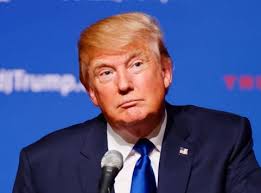
Donald Trump
He has lavishly praised Russian dictator Vladimir Putin, such as during his appearance on the December 18, 2015 edition of MSNBC’s “Morning Joe”:
“He’s running his country, and at least he’s a leader, unlike what we have in this country”—-a reference to then-President Barack Obama.
During a February, 2017 interview with Fox News host Bill O’Reilly, Trump defended Putin’s killing of political opponents.
O’Reilly: “But he’s a killer.”
Trump: “There are a lot of killers. You think our country’s so innocent?”
Asked by a Fox News reporter why he praised murderous North Korean dictator Kim Jong-Un, he replied: “He’s a tough guy. Hey, when you take over a country, tough country, tough people, and you take it over from your father…If you could do that at 27 years old, I mean, that’s one in 10,000 that could do that.”
In short: Kim must be doing something right because he’s in power. And it doesn’t matter how he came to power—or the price his country is paying for it.
Actually, for all their differences in appearance and nationality, Trump shares at least two similarities with Kim.
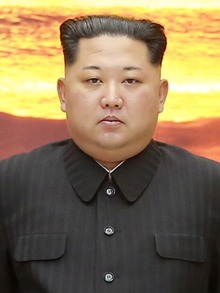
Kim Jong-Un
Blue House (Republic of Korea) [KOGL (http://www.kogl.or.kr/open/info/license_info/by.do)%5D, via Wikimedia Commons
First, both of them got a big boost into wealth and power from their fathers.
- Trump’s father, Fred Trump, a real estate mogul, reportedly gave Donald $200 million to enter the real estate business. It was this sum that formed the basis for Trump’s eventual rise to wealth and fame—and the Presidency.
- Kim’s father was Kim Jong-Il, who ruled North Korea as dictator from 1994 to 2011. When his father died in 2011, Kim Jong-Un immediately succeeded him, having been groomed for years to do so.
Second, both Trump and Kim have brutally tried to stamp out any voices that contradict their own.
- Trump has constantly attacked freedom of the press, even labeling it “the enemy of the American people.”
- He also slandered his critics on Twitter—which refused to enforce its “Terms of Service” and revoke his account until he incited the January 6 attack on Congress.
- Kim has attacked his critics with firing squads and prison camps. Amnesty International estimates that more than 200,000 North Koreans are now suffering in labor camps throughout the country.
Thus, Trump—-elected to lead the “free world”—believes, like all dictators:
- People are evil everywhere—so who am I to judge who’s better or worse? All that counts is gaining and holding onto power.
- And if you can do that, it doesn’t matter how you do so.
Actually, it’s not uncommon for dictators to admire one another—as the case of Joseph Stalin and Adolf Hitler nicely illustrates.
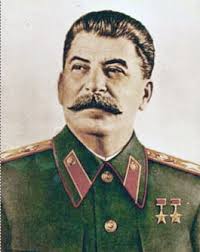
Joseph Stalin
After Hitler launched a blood-purge of his own private Stormtroopers army on June 30, 1934, Stalin exclaimed: “Hitler, what a great man! That is the way to deal with your political opponents!”
And Hitler was equally admiring of Stalin’s notorious ruthlessness: “After the victory over Russia,” he told his intimates, “it would be a good idea to get Stalin to run the country, with German oversight, of course. He knows better than anyone how to handle the Russians.”
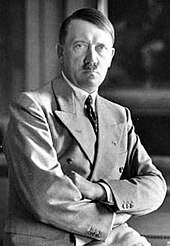
Adolf Hitler
Bundesarchiv, Bild 146-1990-048-29A / CC-BY-SA 3.0 [CC BY-SA 3.0 de (https://creativecommons.org/licenses/by-sa/3.0/de/deed.en)%5D
One characteristic shared by all dictators is intolerance toward those whose opinions differ with their own. Especially those who dare to actually criticize or make fun of them.
All Presidents have thin skins. John F. Kennedy often phoned reporters and called them “sonofbitches” when he didn’t like stories they had written on him.
Richard Nixon went further, waging all-out war against the Washington Post for its stories about his criminality.
But Donald Trump took his hatred of dissidents to an entirely new—and dangerous—level.
On May 10, 2018, The Hill reported that White House Special Assistant Kelly Sadler had joked derisively about dying Arizona United States Senator John McCain.
Trump was outraged—not that one of his aides had joked about a man stricken with brain cancer, but that someone in the White House had leaked it.
2018 FEDERAL GOVERNMENT SHUTDOWN, 9/11 TERROR ATTACKS, ABC NEWS, ABRAHAM LINCOLN, ADOLF HITLER, AL QAEDA, ALTERNET, AMERICABLOG, AP, BABY BOOMER RESISTANCE, BARACK OBAMA, BBC, BLOOMBERG, BLUESKY, BUZZFEED, CBS NEWS, CNN, CROOKS AND LIARS, CUBAN MISSILE CRISIS, DAILY KOS, DONALD TRUMP, EMANCIPATION PROCLAMATION, FBI, FIVETHIRTYEIGHT, FORD'S THEATER, FRANKLIN D. ROOSEVELT, FURLOUGHS, HARPER’S MAGAZINE, HUFFINGTON POST, JOHN F. KENNEDY, MEDIA MATTERS, MOTHER JONES, MOVEON, MSNBC, MSNBC'S "HARDBALL", NATIONAL PARK SERVICE, NBC NEWS, NEWSDAY, NEWSWEEK, NPR, PBS NEWSHOUR, POLITICO, POLITICUSUSA, RAW STORY, REPUBLICAN PARTY, REPUBLICANS, REUTERS, RICHARD NIXON, SALON, SEATTLE TIMES, SLATE, SOVIET UNION, STEPHEN TYRONE JONES, TALKING POINTS MEMO, TERRORISM, THE ATLANTIC, THE CHICAGO SUN-TIMES, THE CHICAGO TRIBUNE, THE DAILY BEAST, THE DAILY BLOG, THE GUARDIAN, THE HILL, THE HUFFINGTON POST, THE INTERCEPT, THE LOS ANGELES TIMES, THE NATION, THE NEW REPUBLIC, THE NEW YORK TIMES, THE NEW YORKER, THE VILLAGE VOICE, THE WASHINGTON POST, THINKPROGRESS, TIME, TRUTHDIG, TRUTHOUT, TWO POLITICAL JUNKIES, U.S. NEWS & WORLD REPORT, UNITED STATES HOLOCAUST MEMORIAL, UNITED STATES SECRET SERVICE, UPI, USA TODAY, VIETNAM WAR, VIETNAM WAR MEMORIAL, WHITE HOUSE, WONKETTE, WORLD WAR 11, X
In Bureaucracy, History, Law Enforcement, Politics, Social commentary on October 9, 2025 at 12:12 am
Republicans constantly revile the very government they lust to control.
But there are others—living or working in Washington, D.C.—who perform their jobs with quiet dedication.
One of these unsung heroes was Stephen Tyrone Johns, a security guard at the United States Holocaust Memorial Museum.
On June 10, 2009, Johns, 39, was shot and killed by James Wenneker von Brunn, a white supremist and Holocaust denier. Brunn was himself shot and wounded by two other security guards who returned fire.
United States Holocaust Museum
At 88, von Brunn died in jail awaiting trial.
Washington, D.C. ranks—with New York City—at the top of Al Qaeda’s list of targets.
Prior to 9/11, Americans assumed that visiting the White House was their birthright.
Today, if you want to tour the Executive Mansion, you quickly learn there are only two ways to get in:
- Through a special pass provided by your Congressman; or
- By someone connected with the incumbent administration.
Congressmen, however, have a limited number of passes to give out. And most of these go to people who have put serious money into the Congressman’s re-election campaigns.
And the odds that you’ll know someone who works in the White House—and who’s willing to offer you an invitation—are even smaller than those of knowing a Congressman.
But even then you’ll have to undergo a Secret Service background check. And that means submitting the following information in advance of your visit:
- Name
- Date of birth
- Birthplace
- Social Security Number


Secret Service agents protecting President Barack Obama and First Lady Michelle Obma
You’ll have to leave many items at home. Among these:
- Cameras or video recorders
- Handbags, book bags, backpacks or purses
- Food or beverages
- Tobacco products
- Strollers
- Cell phones
- Knives
- Electric stun guns
- Mace
After showing a government-issued ID—such as a driver’s license—visitors enter the White House from the south side of East Executive Avenue.
After passing through the security screening room, they walk upstairs to the first door and through the East, Green, Blue, Red and State Dining rooms.
Secret Service agents quietly stand post in every room—unless they’re tasked with explaining the illustrious history of each section of the White House.
Like everyone else who lives/works there, the Secret Service fully appreciates the incredible sense of history that radiates throughout the building.
This is where
- Abraham Lincoln signed the Emancipation Proclamation;
- Franklin Roosevelt directed the United States to victory in World War II;
- John F. Kennedy stared down the Soviets during the Cuban Missile Crisis.
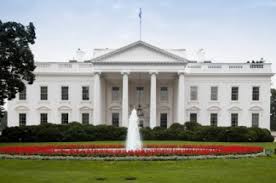
The White House
But even the generally unsmiling Secret Service agents have their human side.
While touring the East Wing of the White House, I asked an agent: “Is the East Room where President Nixon gave his farewell speech?” on August 9, 1974.
“I haven’t been programmed for that information,” the agent joked, inviting me to ask a question he could answer.
Another guest asked the same agent if he enjoyed being a Secret Serviceman. The agent replied that this was simply what he did for a living. His real passion, he said, was counseling youths.
“If you love something,” he advised, “get a job where you can do it. And if you can’t get a job you’re passionate about, get a job so you can pursue your passion.”
A third visitor noted that none of the agents he saw were wearing their trademark sunglasses. An agent pulled out a pair and said, “That’s because we’re indoors.”
On December 22, 2018, President Donald J. Trump shut down the government. The reason: A Democratic House refused to fund his “border wall” between the United States and Mexico.
An estimated 380,000 government employees were furloughed and another 420,000 were ordered to work without pay.
Trump’s fanatical base believed that a wall across the U.S.-Mexico border would stop all illegal immigration. Trump knew it wouldn’t. But he also knew that if he didn’t build it, they wouldn’t re-elect him.
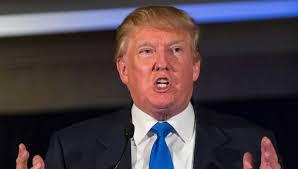
Donald Trump
The effects of the shutdown quickly became evident:
- For weeks, hundreds of thousands of government workers missed paychecks.
- Increasing numbers of employees of the Transportation Safety Administration (TSA)—which provides security against airline terrorism—began refusing to come to work, claiming to be sick.
- At the Federal Aviation Administration (FAA) many air traffic controllers called in “sick.” Those who showed up to work without pay grew increasingly frazzled as they feared being evicted for being unable to make rent or house payments.
- Many Federal employees—such as FBI agents—were forced to rely on soup kitchens to feed their families.
- Many workers tried to bring in money by babysitting or driving for Uber,
Trump told Congressional leaders the shutdown could last months or even years.
But by January 25, 2019, the 35th day of the shutdown, he caved and re-opened the government. The reason: Democratic Speaker of the House Nancy refused to open the House for his annual State of the Union message.
The men and women who work in Washington, D.C., aren’t faceless “bureaucrats,” as Right-wingers falsely claim.
They are husbands and wives, fathers and mothers. They have deadlines to meet and bills to pay, just like everyone else.
Many of them, such as agents of the FBI and Secret Service, have taken an oath to defend the United States Constitution—with their lives if necessary.
They deserve a better break—and the respect of their fellow Americans.
2018 FEDERAL GOVERNMENT SHUTDOWN, 9/11 TERROR ATTACKS, ABC NEWS, ABRAHAM LINCOLN, ADOLF HITLER, AL QAEDA, ALTERNET, AMERICABLOG, AP, BABY BOOMER RESISTANCE, BARACK OBAMA, BBC, BLOOMBERG, BLUESKY, BUZZFEED, CBS NEWS, CNN, CROOKS AND LIARS, CUBAN MISSILE CRISIS, DAILY KOS, DONALD TRUMP, EMANCIPATION PROCLAMATION, FBI, FIVETHIRTYEIGHT, FORD'S THEATER, FRANKLIN D. ROOSEVELT, FURLOUGHS, HARPER’S MAGAZINE, HUFFINGTON POST, JOHN F. KENNEDY, MEDIA MATTERS, MOTHER JONES, MOVEON, MSNBC, MSNBC'S "HARDBALL", NATIONAL PARK SERVICE, NBC NEWS, NEWSDAY, NEWSWEEK, NPR, PBS NEWSHOUR, POLITICO, POLITICUSUSA, RAW STORY, REPUBLICAN PARTY, REPUBLICANS, REUTERS, RICHARD NIXON, SALON, SEATTLE TIMES, SLATE, SOVIET UNION, STEPHEN TYRONE JONES, TALKING POINTS MEMO, TERRORISM, THE ATLANTIC, THE CHICAGO SUN-TIMES, THE CHICAGO TRIBUNE, THE DAILY BEAST, THE DAILY BLOG, THE GUARDIAN, THE HILL, THE HUFFINGTON POST, THE INTERCEPT, THE LOS ANGELES TIMES, THE NATION, THE NEW REPUBLIC, THE NEW YORK TIMES, THE NEW YORKER, THE VILLAGE VOICE, THE WASHINGTON POST, THINKPROGRESS, TIME, TRUTHDIG, TRUTHOUT, TWO POLITICAL JUNKIES, U.S. NEWS & WORLD REPORT, UNITED STATES HOLOCAUST MEMORIAL, UNITED STATES SECRET SERVICE, UPI, USA TODAY, VIETNAM WAR, VIETNAM WAR MEMORIAL, WHITE HOUSE, WONKETTE, WORLD WAR 11, X
In Uncategorized on October 8, 2025 at 12:13 am
To hear Right-wingers tell it, you might believe that Washington, D.C. is:
- The capitol of an enemy nation;
- A cesspool of corrupt, power-hungry men and women slavering to gain dictatorial control over the life of every American;
- A center of lethal contagion which, like ancient Carthage, should be burned to the ground and its inhabitants destroyed or scattered.
According to Republicans, they are all that prevents “Washington” from gaining absolute power over a defenseless citizenry.
This does not stop Republicans from lusting to rule it—and enable a Constitution-violating Donald Trump to serve as “President-for-Life.”
But others who live or work in Washington, D.C. take a far different view of their city and the duties they perform.
These men and women will never call a press conference or rake in millions in “political contributions” (i.e., legalized bribes) for promising special privileges to special interests.
Many of them work for the National Park Service. Every national monument—and Washington is speckled with monuments—has several of these employees assigned to it. Their duties are to protect the monuments and offer historical commentary to the public.
One such employee regularly addresses visitors to Ford’s Theater—known worldwide as the scene of President Abraham Lincoln’s assassination.
George (a pseudonym) opens his lecture by raising the question every member of the audience wants answered: How much of Ford’s Theater remains intact from the night of Lincoln’s murder—April 14, 1865?
And the answer is: Only the exterior of the building.
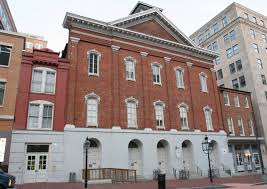
Ford’s Theater
After Lincoln’s assassination, enraged Union soldiers converted the interior of the building into a military command center. That meant ripping out all the seats for spectators and the stage for actors.
The stage and seats—even the “Presidential Box” where Lincoln sat—have all been reproduced for a modern audience.
As George talks, you can tell that, for him, this is no typical day job. He realizes that, renovated or not, Ford’s Theater remains saturated with history. And he clearly feels privileged to share that history with others.
George explains that Presidential assassin John Wilkes Booth did not sneak into the theater. He didn’t have to—as a celebrity actor, he received the sort of favored treatment now accorded Brad Pitt.
Another monument where you will find Park Ranger guides is the Vietnam Veterans Memorial.
Completed in 1982, it receives about three million visitors a year. Adorning the Wall, in columns that seem to reach endlessly to the sky, are the names of the 58,195 soldiers who gave their lives during the Vietnam War.
That struggle—from 1961 to 1975—proved the most divisive American conflict since the Civil War.
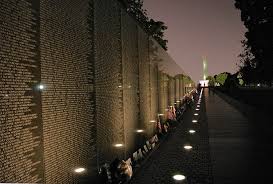
Vietnam Veterans Memorial Wall
On the day I visited the memorial, groups of elementary schoolchildren passed by. They were jabbering loudly, seemingly oblivious to the terrible sacrifice the Wall was meant to commemorate.
But their adult chaperones realized its significance, and ordered the children to quiet down. I asked a nearby Park Ranger: “Do you feel people now respond differently to the Wall, as we get further away from the Vietnam war?”
“No,” he answered. He felt that today’s visitors showed the same reverence for the monument and for the losses it had been created to honor as those who had first come in the early 1980s.
And it may well be true: I saw many tiny American flags and wreaths of flowers left at various points along the Wall, which stretches across 250 feet of land on the Mall.
When thinking about “Washington,” it’s essential to remember that this city—along with New York City—remains at the top of Al Qaeda’s target list. Those who choose to live and/or work here do so in the potential shadow of violent death.
Anytime you enter a Federal building, be prepared to undergo a security check.
In most agencies—such as the Department of Agriculture—you simply place your bags or purses into an X-ray machine similar to those found at airports, and walk through a magnetometer. If no alarms sound, you collect your valuables and pass on through.
Such machines are, of course, manned by armed security guards. And they stand sentinel at every conceivable Federal building—such as the Supreme Court, the Department of Justice, the Smithsonian Museum, the Pentagon and the U.S. Holocaust Memorial Museum.
These men and women must daily inspect the bodies and handbags of the 15 million people who visit Washington, D.C. annually, generating $5.24 billion dollars in revenues.
This means repeating the same screening gestures countless times—looking through X-ray machines at bags or coats, and running an electronic “wand” up and down those people whose clothing gives off signs of metallic objects.
It also means knowing that any one of these ordinary-looking visitors could be the next terrorist intent on killing as many people as possible.
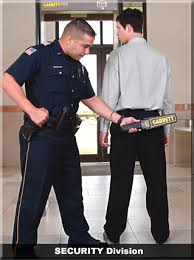
It also means projecting a smiling, friendly demeanor towards those same people—many of whom are in a rush and/or resent being electronically sniffed over.
And every security guard knows this: It’s only a matter of time before the next terrorist shows up.
On June 10, 2009, just that happened at the United States Holocaust Memorial.
ABC NEWS, ABRAHAM LINCOLN, ALTERNET, AMERICABLOG, AP, BABY BOOMER RESISTANCE, BAY OF PIGS, BBC, BERLIN CRISIS, BLOOMBERG NEWS, BUZZFEED, CBS NEWS, CHARLES ROYSTER, CIA, CIVIL WAR, CNN, CROOKS AND LIARS, CUBAN MISSILE CRISIS, DAILY KOZ, EGO, FACEBOOK, FIVETHIRTYEIGHT, HARPER’S MAGAZINE, HUFFINGTON POST, JOHN F. KENNEDY, MEDIA MATTERS, MOTHER JONES, MOVEON, MSNBC, NBC NEWS, NEW REPUBLIC, NEWSDAY, NEWSWEEK, NIKITA KHRUSHCHEV, NPR, NUCLEAR WAR, PBS NEWSHOUR, POLITICO, POLITICUSUSA, RAW STORY, REUTERS, ROBERT E. LEE, SALON, SAM HOUSTON, SEATTLE TIMES, SLATE, SLAVERY, TALKING POINTS MEMO, THE ATLANTIC, THE CHICAGO SUN-TIMES, THE CHICAGO TRIBUNE, THE DAILY BEAST, THE DAILY BLOG, THE DESTRUCTIVE WAR (BOOK), THE GUARDIAN, THE HILL, THE HUFFINGTON POST, THE LOS ANGELES TIMES, THE NATION, THE NEW REPUBLIC, THE NEW YORK TIMES, THE NEW YORKER, THE VILLAGE VOICE, THE WASHINGTON POST, THINKPROGRESS, TIME, TRUTHDIG, TRUTHOUT, TWO POLITICAL JUNKIES, U.S. NEWS & WORLD REPORT, ULYSSES S. GRANT, UPI, USA TODAY, WONKETTE, X
In Bureaucracy, History, Military, Politics, Social commentary on September 3, 2025 at 12:09 am
It’s commonplace to read about the role sex plays in motivating behavior. But the power of ego to determine history is often ignored.
Consider the role that ego played in igniting the American Civil War (1861 – 1865).
According to The Destructive War, by Charles Royster, it wasn’t the cause of “states’ rights” that led 11 Southern states to withdraw from the Union in 1860-61. It was their demand for “respect,” which, in reality, translates into “e-g-o.”
“The respect Southerners demanded did not consist simply of the states’ sovereignty or of the equal rights of Northern and Southern citizens, including slaveholders’ right to take their chattels into Northern territory.
“It entailed, too, respect for their assertion of the moral superiority of slaveholding society over free society,” writes Royster.
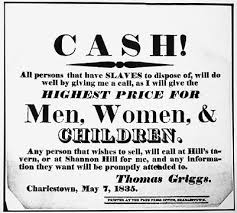
It was not enough for Southerners to claim equal standing with Northerners; Northerners must acknowledge it. But this was something that the North was less and less willing to do.
Finally, its citizens dared to elect Abraham Lincoln as President in 1860.
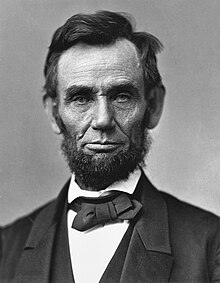
Abraham Lincoln
Lincoln and his new Republican party damned slavery—and slaveholders—as morally evil, obsolete and ultimately doomed. And they were determined to prevent slavery from spreading any further throughout the country.
Southerners found all of this intolerable.
The British author, Anthony Trollope, explained to his readers: “It is no light thing to be told daily, by our fellow citizens…that you are guilty of the one damning sin that cannot be forgiven.
“All this [Southerners] could partly moderate, partly rebuke and partly bear as long as political power remained in their hands. But they have gradually felt that this was going, and were prepared to cut the rope and run as soon as it was gone.”
Only 10% of Southerners owned slaves. The other 90% of the population “had no dog in this fight,” as Southerners liked to say.
Yet they so admired and aspired to be like their “gentleman betters” that they threw in their lot with them.
There were some Southerners who could see what was coming—and vainly warned their fellow citizens against it.
One of these was Sam Houston, the man who had won Texas independence at the 1836 battle of San Jacinto and later served as that state’s governor.

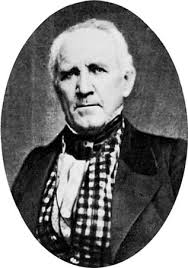
Sam Houston
On April 19, 1860, addressing a crowd in Galveston, he said: “Let me tell you what is coming. After the sacrifice of countless millions of treasure and hundreds of thousands of lives, you may win Southern independence if God be not against you.
“But I doubt it. I tell you that, while I believe with you in the doctrine of states’ rights, the North is determined to preserve this Union. They are not a fiery, impulsive people as you are, for they live in colder climates.
“But when they begin to move in a given direction, they move with the steady momentum and perseverance of a mighty avalanche; and what I fear is, they will overwhelm the South.”
Four years later, on April 9, 1865, Houston’s warning became history.
Confederate General Robert E. Lee surrendered the Army of Northern Virginia to Union General Ulysses S. Grant at Appomattox Courthouse.
Huge sections of the South had been laid waste by Union troops and more than 258,000 Southerners had been killed.
And slavery, the mainstay of Southern plantation life, had been ended forever.
The South had paid an expensive price for its fixation on ego.
Even more proved at risk a century later, when President John F. Kennedy faced off with Soviet Premier Nikita Khrushchev.
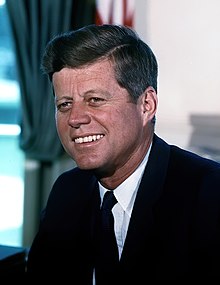
John F. Kennedy
In August, 1961, faced with the embarrassment of East Berliners fleeing by the thousands into West Germany, the Soviet leader erected the infamous Berlin Wall, sealing off East and West Berlin.
Khrushchev pressed his advantage, threatening Kennedy with nuclear war unless the Americans abandoned their protection of West Berlin.
In April, Kennedy had been humiliated at the Bay of Pigs when a CIA-sponsored invasion failed to overthrow the Cuba’s Fidel Castro. So he was already on the defensive when he and Khrushchev met in Vienna.
Kennedy’s reaction: “If Khrushchev wants to rub my nose in the dirt, it’s all over.”
In short: Kennedy was prepared to incinerate the planet if he felt his almighty ego was about to get smacked.
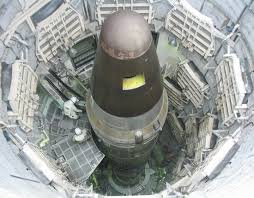
Nuclear missile in silo
What has proved true for states and nations proves equally true for those leading every other type of institution.
Although most people like to believe they are guided by rationality and morality, all-too-often, what truly decides the course of events is their ego.
For pre-Civil War Southerners, it meant demanding that “Yankees” show respect for slave-owning society. Otherwise, they would leave the Union.
For Kennedy, it meant playing a game of “chicken,” backed up with nuclear missiles, to show Khrushchev who Numero Uno really was.
And during the Cuban Missile Crisis, in October, 1962, humankind almost disappeared as Kennedy set out to make Khrushchev “blink.”
It is well to keep these lessons from history in mind when choosing political leaders—and when making our own major decisions.
ABC NEWS, ABORTION, ABRAHAM LINCOLN, ALTERNET, AMERICABLOG, AP, BABY BOOMER RESISTANCE, BBC, BENITO MUSSOLINI, BLOOMBERG NEWS, BLUE STATES, BUZZFEED, CBS NEWS, CHARLES ROYSTER, CIVIL WAR, CNN, CONTRACEPTION, CROOKS AND LIARS, DAILY KOZ, DEMOCRATS, DONALD KETTL, DONALD TRUMP, DWIGHT D. EISENHOWER, FACEBOOK, FIVETHIRTYEIGHT, GAY RIGHTS, HARPER’S MAGAZINE, HUFFINGTON POST, JOHN WILKES BOOTH, JOHNS HOPKINS UNIVERSITY, LILLIANA MASON, MEDIA MATTERS, MOTHER JONES, MOVEON, MSNBC, NATHAN P. KALMOE, NBC NEWS, NEW REPUBLIC, NEWSDAY, NEWSWEEK, NPR, PBS NEWSHOUR, POLITICO, POLITICUSUSA, RAW STORY, RDICAL AMERICANPARTISANSHIP (BOOK), RED STATES, REPUBLICANS, REUTERS, ROBERT E. LEE, RONALD BROWNSTEIN, SALON, SEATTLE TIMES, SLATE, SOUTH, TALKING POINTS MEMO, THE ATLANTIC, THE CHICAGO SUN-TIMES, THE CHICAGO TRIBUNE, THE DAILY BEAST, THE DAILY BLOG, THE DESTRUCTIVE WAR (BOOK), THE GUARDIAN, THE HILL, THE HUFFINGTON POST, THE INTERCEPT, THE LOS ANGELES TIMES, THE NATION, THE NEW REPUBLIC, THE NEW YORK TIMES, THE NEW YORKER, THE VILLAGE VOICE, THE WASHINGTON POST, THEODORE ROOSEVELT, THINKPROGRESS, TIME, TRUTHDIG, TRUTHOUT, TWO POLITICAL JUNKIES, U.S. NEWS & WORLD REPORT, UPI, USA TODAY, USLYSSES S. GRANT, WONKETTE, X
In Bureaucracy, History, Law, Law Enforcement, Medical, Politics, Social commentary on August 22, 2025 at 12:08 am
It’s the racism and sexism, stupid!
That’s how Lilliana Mason, an associate professor of political science at Johns Hopkins University’s SNF Agora Institute, sees the reason for the animosity between Republicans and Democrats.
“Part of the reason that partisan animosity between Democrats and Republicans is so terrible right now is because what the parties are fighting over are really matters of racial and gender equality—the traditional social hierarchy—and whether we’re going to go back to being a country where White Christian men were always at the top of that hierarchy or become a more egalitarian, multiethnic democracy.”


Lilliana Mason
Referring to the book she co-wrote with fellow political scientist Nathan P. Kalmoe, Radical American Partisanship: Mapping Violent Hostility, Its Causes, and the Consequences for Democracy, she said:
“What we found in our data was that, particularly on the right, Republicans who really hated Democrats the most were also the highest in racial resentment and sexism.
“And those who hated Democrats the least were those who were lowest in racial resentment and sexism. Actually, in our data, racial resentment is one of the most powerful predictors of Republicans hating Democrats.”
Once again—as in the years leading to the Civil War—it’s the South trying to impose a slavocracy mentality and control over the rest of the nation.
From 1860 to 1865, the South—Texas, Arkansas, Louisiana, Tennessee, Mississippi, Alabama, Georgia, Florida, South Carolina, North Carolina and Virginia-–produced the greatest case of mass treason in America’s history.
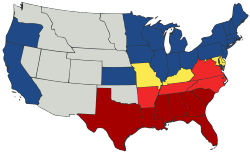
Union (blue) and Confederate (red) states: 1860 – 1865
According to The Destructive War, by Charles Royster, it wasn’t the cause of “states’ rights” that led 11 Southern states to withdraw from the Union in 1860-61. It was their demand for “respect.”
“The respect Southerners demanded did not consist simply of the states’ sovereignty or of the equal rights of Northern and Southern citizens, including slaveholders’ right to take their chattels into Northern territory.
“It entailed, too, respect for their assertion of the moral superiority of slaveholding society over free society,” writes Royster.
It was not enough for Southerners to claim equal standing with Northerners; Northerners must acknowledge it. But this was something that the North increasingly refused to do.
Finally, its citizens dared to elect Abraham Lincoln President in 1860.
Abraham Lincoln
Lincoln and his new Republican party damned slavery—and slaveholders—as morally evil, obsolete and ultimately doomed. And they were determined to prevent slavery from spreading any further throughout the country.
Southerners found all of this intolerable.
On April 12, 1861—just over a month since Lincoln’s inauguration on March 4—Southern batteries opened fire on Union Fort Sumter in Charleston Harbor, South Carolina, triggering the Civil War.
More than 750,000.Americans died—when the population of the United States stood at 31,443,321.
Four years later, on April 9, 1865, Confederate General Robert E. Lee surrendered the Army of Northern Virginia to Union General Ulysses S. Grant at Appomattox Courthouse.
Now Southerners are trying to win through political manipulation what they couldn’t by open treason.
Red states are adopting Fascistic social policies on such issues as abortion, gay rights and classroom censorship. And they are trying to prevent the federal government or their own largest metro areas to resist those policies.
In the case of abortion, Red states are not only outlawing it within their own borders but trying to prevent states where abortion is legal from providing that service.
Thus Republicans, who began as the party of freedom, have mutated into the party now trying to end it.
According to Donald Kettl, the former dean of the public policy school at the University of Maryland:
“The only time I can recall in American history even remotely like this [divergence] was after the Civil War when the separate but equal doctrine began to emerge” across the South as a backlash against the attempts of the 13th, 14th and 15th Constitutional amendments to ensure equality for the freed slaves.”
CNN Correspondent Ronald Brownstein warns of this development:
“The real threat in the red state effort to set their own course may be less an advantage for one side or another than a challenge to the nation’s underlying cohesion.
“As red states grow more aggressive about going their own way, while working to preempt challenges from above (the federal government) or below (blue local governments), they are testing how much divergence the nation’s fundamental cohesion can take before it begins to unravel.”
Thirty-one states voted for Donald Trump in 2024. Of these:
- Twenty-four rank in the bottom 25 for the percentage of adults holding at least a four-year college degree;
- Twenty-seven fall into the top half when ranked by the share of their population that are White Christians of who own guns;
- Twenty-one rank in the top 26 states for total energy-related CO₂ emissions;
- These states have long sought to reverse the “rights revolution” of the last 60 years—on such issues as abortion, same-sex marriage and contraception.
Today’s Republican party is no longer the party of Abraham Lincoln, Theodore Roosevelt and Dwight D. Eisenhower.
It has become the party of John Wilkes Booth, Benito Mussolini and Donald Trump.
2020 PRESIDENTIAL ELECTION, ABC NEWS, ABRAHAM LINCOLN, ADAM SCHIFF, ALEXANDER VINDMAN, ALTERNET, AMERICABLOG, AP, BABY BOOMER RESISTANCE, BLOOMBERG, BUZZFEED, CBS NEWS, CNN, CROOKS AND LIARS, DAILY KOZ, DAVID BROOKS, DEMOCRATS, DONALD TRUMP, DRUDGE RETORT, FACEBOOK, FIVETHIRTYEIGHT, FOX NEWS NETWORK, GERRYMANDERING, HARPER’S MAGAZINE, HOUSE INTELLIGENCE COMMITTEE, HOWARD BAKER, HUNTER BIDEN, JOE BIDEN, JOEL MATHIS, LYNDON JOHNSON, MARIA YOVANOVICH, MARK SHIELDS, MEDIA MATTERS, MEDICAID, MICK MULVANEY, MOTHER JONES, MOVEON, MSNBC, NATIONAL SECURITY COUNCIL, NBC NEWS, NEWSWEEK, NPR, PBS NEWSHOUR, POLITICO, POLITICUSUSA, RAW STORY, REPUBLICANS, REUTERS, RICHARD NIXON, RUDI GIULIANI, RUSSIA, SALON, SEATTLE TIMES, SLATE, TALKING POINTS MEMO, THE ATLANTIC, THE CHICAGO SUN-TIMES, THE CHICAGO TRIBUNE, THE DAILY BEAST, THE DAILY BLOG, THE GUARDIAN, THE HILL, THE HUFFINGTON POST, THE LOS ANGELES TIMES, THE NATION, THE NEW REPUBLIC, THE NEW YORK TIMES, THE VILLAGE VOICE, THE WASHINGTON POST, THINKPROGRESS, TIME, TRUTHDIG, TRUTHOUT, TWO POLITICAL JUNKIES, U.S. NEWS & WORLD REPORT, UKRAINE, UPI, USA TODAY, VOLODYMYR ZELENSKY, VOTER ID LAWS, WATERGATE, WONKETTE, X
In Bureaucracy, History, Law, Law Enforcement, Military, Politics, Social commentary on June 24, 2025 at 12:16 am
On November 14, 2019, the CNN website showcased an opinion piece by Jane Carr and Laura Juncadella entitled: “Fractured States of America.”
And it opened:
“Some worry that it’s already too late, that we’ve crossed a threshold of polarization from which there is no return. Others look toward a future where more moderate voices are heeded and heard, and Americans can find better ways to relate to each other. Still others look back to history for a guide—perhaps for what not to do, or at the very least for proof that while it’s been bad before, progress is still possible.”
A series of sub-headlines summed up many of the comments reported.
- “I was starting to hate people that I have loved for years.”
- “Voting for Trump cost me my friends.”
- “I feel like I’m living in hostile territory.”
- “Our children are watching this bloodsport.”
- “A student’s Nazi-style salute reflects the mate.”
- “Our leaders reflect the worst of us.”
- “I truly believe I will be assaulted over a bumper sticker.”
- “It already feels like a cold war.”
It’s natural to regret that the United States has become so self-destructively polarized. And to wish that its citizens could somehow reach across the chasm that divides them and find common cause with one another.
But that is to ignore the brutal truth that America now faces a choice:
- To submit to the tyrannical aggression of a ruthless political party convinced that they are entitled to power to manipulate and undermine the country’s democratic processes; or
- To fiercely resist that aggression and the destruction of those democratic processes.

In a November 14, 2019 column, “Republicans Can’t Abandon Trump Now Because They’re All Guilty,” freelance journalist Joel Mathis warned: “Trump’s abuses of power mirror those of the GOP as a whole. Republicans can’t turn on him, because doing so would be to indict their party’s entire approach to politics.”
For example:
- At the state level, GOP legislatures have passed numerous voter ID laws over the last decade. Officially, the reason has been to prevent non-citizens from voting. In reality, the motive is to depress turnout among Democratic constituencies.
- When Democrats have won elections, Republicans have tried to block them from carrying out their policies. In Utah, voters approved Medicaid expansion at the ballot box—but Republicans nullified this.
- In North Carolina, Republican legislators prevented voters from choosing their representatives. Instead, Republican representatives chose voters through partisan sorting. In August, 2018, the state’s Supreme Court ruled the legislative gerrymandered district map unconstitutional.
The upshot of all this: “The president and his party are united in the belief that their entitlement to power allows them to manipulate and undermine the country’s democratic processes….”


At the time of the January 6, 2021 coup attempt, even Republicans admitted Donald Trump’s responsibility for it.
House Minority Leader Kevin McCarthy frantically phoned Trump, insisting that the rioters—who were breaking into his office through the windows—were the President’s supporters. He begged Trump to call them off.
“Well, Kevin, I guess these people are more upset about the election than you are,” Trump said.
But on January 28, 2021, “My Kevin” groveled before Trump at his Mar-a-Lago estate in Palm Beach, Florida, while they discussed how to win a House majority in the 2022 midterm elections
And Senate Majority Leader Mitch McConnell said on January 12: “The mob was fed lies. They were provoked by the president and other powerful people.”
But when the Senate met to try Trump for inciting an insurrection, McConnell voted to acquit him—and successfully urged his fellow Republicans to do the same.
* * * * *
The United States has indeed become a polarized country. But it’s not the polarization between Republicans and Democrats, or between conservatives and liberals.
It’s the polarization between
- Those intent on enslaving everyone who doesn’t subscribe to their Fascistic beliefs and agenda—and those who resist being enslaved.
- Those who believe in reason and science—and those who believe in an infallible “strong man” who rejects both.
- Those who cherish education—and those who celebrate ignorance.
- Those who believe in the rule of law—and those who believe in their right to act as a law unto themselves.
- Those who believe in treating others (especially the less fortunate) with decency—and those who believe in the triumph of intimidation and force.
Those who hoped that Republicans would choose patriotism over partisanship got their answer on February 5, 2020. That was when the Republican-dominated Senate—ignoring the overwhelming evidence against him—acquitted Donald Trump on impeachment articles: Obstruction of Congress and Abuse of Power.
And they got their answer again on February 13, 2021, when Senate Republicans voted to acquit him of Incitement of Insurrection.
It’s natural to regret that the United States has become a sharply divided nation. But those who lament this should realize there is only one choice:
Either non-Fascist Americans will destroy the Republican party and its voters that threaten to enslave them—or they will be enslaved by Republicans and their voters who believe they are entitled to manipulate and undermine the country’s democratic processes.
There is no middle ground.

 Bureaucracybuster's Blog
ABC NEWS, ABRAHAM LINCOLN, ADOLF HITLER, ALTERNET, AMERICABLOG, AP, BABY BOOMER RESISTANCE, BBC, BLOOMBERG, BLUESKY, BUZZFEED, CBS NEWS, CIVIL WAR, CLARK GABLE, CNN, CONFEDERATE FLAG, CROOKS AND LIARS, DAILY KOS, DANIEL DAY-LEWIS, DRUDGE REPORT, FACEBOOK, FIVETHIRTYEIGHT, GONE WITH THE WIND, HARPER’S MAGAZINE, HATTIE MCDANIEL, HUFFINGTON POST, MARGARET MITCHELL, MEDIA MATTERS, MOTHER JONES, MOVEON, MSNBC, NAZI GERMANY, NBC NEWS, NEWSDAY, NEWSWEEK, NPR, PBS NEWSHOUR, POLITICO, POLITICUSUSA, RACISM, RAW STORY, REUTERS, SALON, SEATTLE TIMES, SLATE, SLAVERY, STEVEN SPIELBERG, TALKING POINTS MEMO, THE ATLANTIC, THE CHICAGO SUN-TIMES, THE CHICAGO TRIBUNE, THE DAILY BEAST, THE DAILY BLOG, THE GUARDIAN, THE HILL, THE HUFFINGTON POST, THE INTERCEPT, THE LOS ANGELES TIMES, THE NATION, THE NEW REPUBLIC, THE NEW YORK TIMES, THE NEW YORKER, THE VILLAGE VOICE, THE WASHINGTON POST, THINKPROGRESS, THIRTEENTH AMENDMENT, TIME, TRUTHDIG, TRUTHOUT, TWO POLITICAL JUNKIES, U.S. NEWS & WORLD REPORT, UPI, USA TODAY, WONKETTE, X
MORE LESSONS FROM “LINCOLN”
In Entertainment, History, Military, Politics, Social commentary, Uncategorized on December 5, 2025 at 12:11 amSoutherners have long claimed—falsely—that the Civil War was not about slavery.
Steven Spielberg’s Lincoln proves that, from first to last, the cause of the Civil War was slavery.
According to The Destructive War, by Charles Royster, arguments over “states’ rights” or economic conflict between North and South didn’t lead 13 Southern states to withdraw from the Union in 1860-61. It was their demand for “respect” of their “peculiar institution”—i.e., slavery.
Daniel Day-Lewis as “Lincoln”
“The respect Southerners demanded did not consist simply of the states’ sovereignty or of the equal rights of Northern and Southern citizens, including slaveholders’ right to take their chattels into Northern territory.
“It entailed, too, respect for their assertion of the moral superiority of slaveholding society over free society,” writes Royster.
“It was not enough for Southerners to claim equal standing with Northerners; Northerners must acknowledge it. But this was something that the North was increasingly unwilling to do.”
Finally, its citizens dared to elect Abraham Lincoln as President in 1860. Lincoln and his new Republican party damned slavery—and slaveholders—as morally evil, obsolete and ultimately doomed. And they were determined to prevent slavery from spreading any further throughout the country.
Southerners found all of this intolerable.
The British author, Anthony Trollope, explained to his readers:
“It is no light thing to be told daily, by our fellow citizens…that you are guilty of the one damning sin that cannot be forgiven. All this [Southerners] could partly moderate, partly rebuke and partly bear as long as political power remained in their hands.”
It is to Spielberg’s credit that he forces his audience to look directly at the real cause of the bloodiest conflict on the North American continent.
At the heart of Spielberg’s film: Abraham Lincoln (Daniel Day-Lewis) wants to win ratification of what will be the Thirteenth Amendment to the United States Constitution. An amendment that will forever ban slavery.
But, almost four years into the war, slavery still has powerful friends—in both the North and South.
Many of those friends belong to the House of Representatives, which must ratify the amendment for it to become law. Some are hostile to Lincoln personally. One of them dubs him a dictator: “Abraham Africanus.” Another accuses him of shifting his positions for the sake of expediency.
Other members—white men all—are hostile to the idea of equality between the races.
To them, ending slavery means opening the door to interracial marriage—especially marriage between black men and white women. Perhaps even worse, it means possibly giving blacks—or women—the right to vote.
Members of Lincoln’s own Cabinet—such as Secretary of State William Seward—warn him: You can negotiate the end of the war immediately—if you’ll just let Southerners keep their slaves.
After the amendment wins ratification, Lincoln agrees to meet with a “peace delegation” from the Confederate States of America.
At the top of their list of concerns: If they persuade the seceded states to return to the Union, will those states be allowed to nullify the amendment?
No, says Lincoln. He’s willing to make peace with the South, and on highly generous terms. But not at the cost of allowing slavery to live on.
Too many men—North and South—have died in a conflict whose root cause is slavery. Those lives must count for more than simply reuniting the Union.
The South has lost thousands of men (260,000 is the generally accepted figure for its total casualties) and the war is clearly lost. But for its die-hard leaders, parting with slavery is simply unthinkable.
Like Nazi Germany 80 years into the future, the high command of the South won’t surrender until their armies are too beaten down to fight any more.
The major difference between the defeated South of 1865 and the defeated Germany of 1945, is this: The South was allowed to build a beautiful myth of a glorious “Lost Cause,” epitomized by the Margaret Mitchell novel, Gone With the Wind.
In that telling, dutiful slaves were well-treated by kindly masters. Southern aristocrats wore white suits and their slender-waisted ladies wore long dresses, carried parasols and said “fiddle-dee-dee” to young, handsome suitors.
One million people attended the premier of the movie version in Atlanta on December 15, 1939. The celebration featured stars from the film, receptions, thousands of Confederate flags, false antebellum fronts on stores and homes, and a costume ball.
In keeping with Southern racial tradition, Hattie McDaniel and the other black actors from the film were barred from attending the premiere. Upon learning this, Clark Gable threatened to boycott the event. McDaniel convinced him to attend.
When today’s Southerners fly Confederate flags and speak of “preserving our traditions,” they are actually celebrating their long-banned “peculiar institution.”
By contrast, post-World War II Germany outlawed symbols from the Nazi-era, such as the swastika and the “Heil Hitler” salute, and made Holocaust denial punishable by imprisonment.
America has refused to confront its own shameful past so directly. But Americans can be grateful that Steven Spielberg has had the courage to serve up a long-overdue and much needed lesson in past–and still current—history.
Share this: