Archive for the ‘Military’ Category
2016 PRESIDENTIAL ELECTION, ABC NEWS, AFFORDABLE CARE ACT, ALAN LADD, ALTERNET, AMERICABLOG, AP, BABY BOOMER RESISTANCE, BBC, BLOOMBERG NEWS, BORDER WALL, BRANDON DE WILDE, BUZZFEED, CALVERA (CHARACTER), CANADA, CAPITOL INSURRECTION, CBS NEWS, CHARLES GEORGE GORDON, CHRIS (CHARACTER), CHYE-CHING HUANG, CIA, CNN, COVID-19, CROOKS AND LIARS, DAILY KOZ, DONALD TRUMP, DONALD TRUMP: TRAGIC HERO (ARTICLE), ELECTORAL COLLEGE, ELI WALLACH, FACEBOOK, FBI, FEDERAL FISCAL POLICY, FEDERAL GOVERNMENT SHUTDOWN, FIVETHIRTYEIGHT, HAMLET, HARPER’S MAGAZINE, HOOVER INSTITUTION, HUFFINGTON POST, ISLAMIC STATE, JACK PALANCE, JAMES COMEY, JEFF SESSONS, JOHN FORD, JOHN WAYNE, JOSEPH BIDEN, KHARTOUM, KIM JONG ON, LEE MARVIN, MEDIA MATTERS, MOTHER JONES, MOVEON, MSNBC, NATIONAL SECURITY AGENCY, NBC NEWS, NEW REPUBLIC, NEWSDAY, NEWSWEEK, NORTH KOREA, NPR, PBS NEWSHOUR, POLITICO, POLITICUSUSA, RAW STORY, REUTERS, ROBERT S. MUELLER III, RUFUS RYKER (CHARACTER), RUSSIA, SALON, SEATTLE TIMES, SERGEY KISLYAK, SERGEY LAVROV, SHANE (MOVIE), SLATE, STEVE MCQUEEN, TALKING POINTS MEMO, TAX CUTS AND JOBS ACT OF 2017, THE ATLANTIC, THE CASE FOR TRUMP (BOOK), THE CHICAGO SUN-TIMES, THE CHICAGO TRIBUNE, THE DAILY BEAST, THE DAILY BLOG, THE GUARDIAN, THE HILL, THE HUFFINGTON POST, THE LOS ANGELES TIMES, THE MAGNIFICENT SEVEN (MOVIE), THE MAN WHO SHOT LIBERTY VALANCE (MOVIE), THE NATION, THE NEW REPUBLIC, THE NEW YORK TIMES, THE NEW YORKER, THE PRESS, THE VILLAGE VOICE, THE WASHINGTON POST, THINKPROGRESS, TIME, TRAGEDY, TRUMP FOUNDATION, TRUMP UNIVERSITY, TRUTHDIG, TRUTHOUT, TWITTER, TWO POLITICAL JUNKIES, U.S. NEWS & WORLD REPORT, UKRAINE, UPI, USA TODAY, VICTOR DAVIS HANSON, VLADIMIR PUTIN, VOLODYMYR ZELENSKY, WILLIAM SHAKESPEARE, WILSON (CHARACTER), WONKETTE, YUL BRYNNER
In Bureaucracy, Business, Entertainment, History, Law, Law Enforcement, Medical, Military, Politics, Social commentary on May 2, 2022 at 12:10 am
“America needs the outsider Trump to do what normal politicians would not and could not do.”
That was the assertion made by Victor Davis Hanson, a classicist and historian at the Hoover Institution, Stanford University, in Palo Alto, California.
Among his bestsellers on military history:
- The Second World Wars
- Carnage and Culture
- Wars of the Ancient Greeks
- The Western Way of War
- The Soul of Battle: How Three Great Liberators Vanquished Tyranny

Victor Davis Hanson
In 2019, Hanson turned his attention to politics—specifically, The Case for Trump.
Its dust-jacket provides a useful summary of its contents:
“This New York Times bestselling Trump biography from a major American intellectual explains how a renegade businessman became one of the most successful—and necessary—presidents of all time.
“In The Case for Trump, award-winning historian and political commentator Victor Davis Hanson explains how a celebrity businessman with no political or military experience triumphed over sixteen well-qualified Republican rivals, a Democrat with a quarter-billion-dollar war chest, and a hostile media and Washington establishment to become president of the United States — and an extremely successful president.
“Trump alone saw a political opportunity in defending the working people of America’s interior whom the coastal elite of both parties had come to scorn, Hanson argues. And Trump alone had the instincts and energy to pursue this opening to victory, dismantle a corrupt old order, and bring long-overdue policy changes at home and abroad.”

Hanson’s book appeared before Trump:
- Tried to coerce Ukrainian President Volodymyr Zelensky to smear former Vice President Joseph Biden, who was likely to be his Democratic opponent in the 2020 Presidential election.
- Allowed the deadly COVID-19 virus to ravage the country, killing more than 400,000 Americans by the time he left office.
- Attacked medical experts and governors who urged Americans to wear masks and socially distance to protect themselves from COVID-19.
- Ordered his Right-wing followers to defy states’ orders to citizens to stay-at-home and wear masks in public to halt surging COVID-19 rates.
- Became the first President in American history to refuse to accept the results of a Presidential election.
- Tried to overturn the November 3, 2020 election of Joe Biden through 60 lawsuits and the arm-twisting of several state lawmakers.
- Sent a mob of his fanatical followers to attack the United States Capitol Building. Their mission: Stop the counting of Electoral College ballots certain to give Biden the victory.
- Was twice impeached during his four years in office—the only President to be impeached twice (and acquitted by a Republican Senate which ignored his litany of crimes).
But his book appeared after Trump had:
- Fired FBI Director James Comey for pursuing ties between Trump’s 2016 Presidential campaign and Russian Intelligence agents.
- Tried to fire Independent Counsel Robert S. Mueller III, who was assigned to investigate those ties after Trump fired Comey.
- Attacked Attorney General Jeff Sessions for refusing to fire Mueller.
- Attacked the integrity of Federal judges whose rulings he disagreed with.
- Given Russian Foreign Minister Sergey Lavrov and Russian Ambassador Sergey Kislyak highly classified CIA Intelligence about an Islamic State plot to turn laptops into concealable bombs.
- Amassed an infamous record as a serial liar, in both personal and Presidential matters.
- Attacked the integrity of the American Intelligence community.
- Sided with Russian dictator Vladimir Putin against the FBI, CIA and National Security Agency which unanimously agreed that Russia had subverted the 2016 Presidential election.
- Repeatedly attacked the nation’s free press for daring to report his growing list of crimes and disasters, calling it “the enemy of the American people.”
- Branded America’s longtime ally, Canada, as “a national security threat.”
- Praised brutal Communist dictators Putin and North Korea’s Kim Jong Un.
- Shut down the Federal Government for 35 days because Democrats refused to fund his ineffective “border wall” between the United States and Mexico. An estimated 380,000 government employees were furloughed and another 420,000 were ordered to work without pay. The shutdown ended due to public outrage—without Trump getting the funding amount he had demanded.
So much for Hanson’s claims that Trump had been “one of the most successful—and necessary—presidents of all time.”
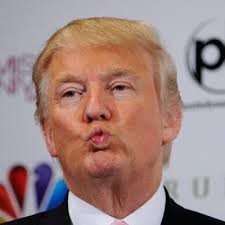
Donald Trump
Then there’s Hanson’s claim that “Trump alone saw a political opportunity in defending the working people of America’s interior whom the coastal elite of both parties had come to scorn.”
In November, 2017, Trump and a Republican-dominated House and Senate rammed the Tax Cuts and Jobs Act of 2017 through Congress. It became law on December 22, 2017.
According to Chye-Ching Huang, Director of Federal Fiscal Policy, the law did nothing to help ordinary Americans.
Testifying before the House Budget Committee on February 27, 2019, Huang stated that the law:
- Ignored the stagnation of working-class wages and exacerbated inequality;
- Weakened revenues when the nation needed to raise more;
- Encouraged rampant tax avoidance and gaming that will undermine the integrity of the tax code;
- Left behind low- and moderate-income Americans—and in many ways hurt them.
For American corporations, however, the law was a godsend:
- Cutting the corporate tax rate from 35 to 21 percent;
- Shifting toward a territorial tax system, where multinational corporations’ foreign profits go largely untaxed;
- Benefitting overwhelmingly wealthy shareholders and highly paid executives.
This was hardly an attempt at “defending the working people of America’s interior.”
Trump never made another attempt to “reform” the tax laws.
ABC NEWS, ALAMO, ALTERNET, AMERICABLOG, ANDREW JACKSON, ANTONIO LOPEZ DE SANTA ANNA, AP, BABY BOOMER RESISTANCE, BBC, BLOOMBERG NEWS, BUZZFEED, CBS NEWS, CHARLES VII, CNN, CROOKS AND LIARS, DAILY KOZ, DAVID CROCKETT, FACEBOOK, FIVETHIRTYEIGHT, FRANCE, HARPER’S MAGAZINE, HUFFINGTON POST, JAMES BOWIE, JOAN OF ARC, LONE STAR: A HISTORY OF TEXAS AND THE TEXANS (BOOK), MEDIA MATTERS, MOTHER JONES, MOVEON, MSNBC, NBC NEWS, NEW REPUBLIC, NEWSDAY, NEWSWEEK, NPR, PBS NEWSHOUR, POLITICO, POLITICUSUSA, RAW STORY, REUTERS, RUSSIA, SALON, SAM HOUSTON, SEATTLE TIMES, SLATE, T.R. FEHRENBACH, TALKING POINTS MEMO, TEXAS, THE ATLANTIC, THE CHICAGO SUN-TIMES, THE CHICAGO TRIBUNE, THE DAILY BEAST, THE DAILY BLOG, THE GUARDIAN, THE HILL, THE HUFFINGTON POST, THE INTERCEPT, THE LOS ANGELES TIMES, THE NATION, THE NEW REPUBLIC, THE NEW YORK TIMES, THE NEW YORKER, THE VILLAGE VOICE, THE WASHINGTON POST, THINKPROGRESS, TIME, TRUTHDIG, TRUTHOUT, TWITTER, TWO POLITICAL JUNKIES, U.S. NEWS & WORLD REPORT, UKRAINE, UPI, USA TODAY, VLADIMIR PUTIN, VOLODYMYR ZELENSKY, WILLIAM BARRET TRAVIS, WONKETTE
In History, Military, Politics, Social commentary on April 27, 2022 at 12:12 am
They seem to come out of nowhere—people who have never had military training nor even any experience with violence. Yet they display an utter fearlessness and eloquence that inspires others to great deeds in the face of overwhelming danger.
For 13 days—from February 23 to March 6, 1836—about 200 frontiersmen defended a ruined mission in San Antonio, Texas, against an army of 2,000 Mexican soldiers.
Few of them had known each other before finding themselves besieged. None of them had had professional military training. Some had served in local militias or as irregulars fighting Indians under the command of frontier officers such as Andrew Jackson.
One of these was David Crockett, recently a Congressman from Tennessee.
Since the vast majority of the garrison were volunteers, they could have deserted the fortress at any time.
Holding them in place was a former lawyer named William Barret Travis. Gifted with an eloquence beyond his 26 years, he gave purpose to their stand.
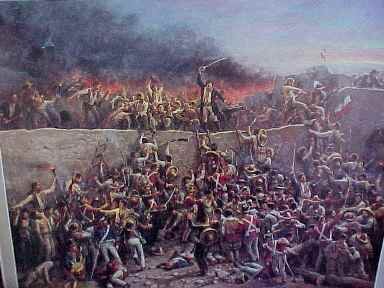
William Barret Travis (with sword) at the Alamo
As historian T.R. Fehrenbach writes in his monumental book, Lone Star: A History of Texas and the Texans:
“From the Alamo, from his first message before the arrival of the Mexicans to his last, his words had the ring of prophecy. The Texas historian who stated publicly that few people would want to have a son serve under William Barret Travis had forgotten, in the comforts of long security, the reasons why men make war.”
When the final assault came before dawn on March 6, 1836, the roughly 200 defenders killed and wounded about 600 of their enemies—inflicting a casualty rate of 33% on the Mexican army.
Travis’ body was found near his cannon on the north wall. He had been shot in the forehead.
The garrison’s sacrifice inspired Sam Houston’s ragtag army to fall on the Mexican army at San Jacinto on April 21. Slaughtering about 800 soldiers, the Texans captured Mexican dictator Antonio Lopez de Santa Anna—and forced him to surrender control of Texas in return for his life.
- Volodymyr Zelensky (January 25, 1978 – ) is a former attorney, actor and comedian who, as the sixth president of Ukraine, now leads his country in a life-or-death struggle against the aggressive Russia of Vladimir Putin.
After earning a law degree from the Kiev National Economic University, he pursued a career in comedy. He created his own production company, Kvartal 95, which produced films, cartoons, and TV shows. His comedy, Servant of the People, starred Zelensky as the president of Ukraine.

Volodymyr Zelensky
In 2019, he announced his candidacy for president of Ukraine. He opposed the corruption that had been rife under the country’s luxury-loving president, Victor Yanukovych.
(In 2014, Ukrainians had rioted in Kiev and evicted Yanukovych. And that didn’t sit well with his “sponsor”—Russian President Vladimir Putin.)
A second feature of Zelensky’s presidential campaign: He promised to resolve the Russia-sponsored separatist movement in Donbas and end Ukraine’s protracted conflict there with Russia.
Zelensky won election by a landslide, with 72% of the vote.
In 2021, his administration came under mounting pressure from Russia. On February 24, Putin ordered a full-scale invasion of Ukraine.
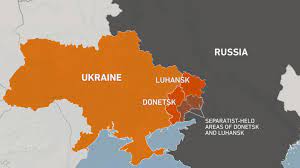
Ukraine vs. Russia
In the early hours of February 24, shortly before the start of the Russian invasion, Zelensky recorded an address to both Ukraine and Russia. As a Jew, he refuted Putin’s claims that there were Neo-Nazis in the Ukrainian government.
And he appealed to Russians—in Russian—to pressure their leadership to prevent war.
During the assault by Russian troops on the capital of Kiev, the Biden administration urged Zelensky to evacuate to a safer location and offered to help him do so. Zelensky refused, saying: “The fight is here [in Kiev]; I need ammunition, not a ride.”
As CBS correspondent Scott Pelley put it: “The moment Zelensky told his people he refused to flee, they refused to fall.”
Russia expected Kiev to fall in three days. But 61 days after the invasion, Kiev still remains defiant—and in the hands of Ukrainians.
When he wasn’t broadcasting defiance at Russia and rousing Ukrainians to heroism, he was often visiting the battlefront.
Interviewed on CBS’ 60 Minutes, Zelensky said: “I don’t want to make myself out to be a hero. I love my family. I want to live many more years, but choosing between running or being with my people, of course I’m ready to give my life for my country.”
Since the start of the invasion, he has reportedly been the target of more than a dozen assassination attempts.
Other world leaders have applauded his courage and leadership. Historian Andrew Roberts compared him to Winston Churchill.
The Harvard Political Review said that Zelensky “has harnessed the power of social media to become history’s first truly online wartime leader, bypassing traditional gatekeepers as he uses the internet to reach out to the people.”
Zelensky sees Ukraine’s struggle as the opening round of Russia’s war against the West.
“Some are….saying, ‘We can’t defend Ukraine because there could be a nuclear war.’ I think that today, no one in this world can predict what Russia will do. If they invade further into our territory, then they will definitely move closer and closer to Europe. They will only become stronger and less predictable.”
ABC NEWS, ALAMO, ALTERNET, AMERICABLOG, ANDREW JACKSON, ANTONIO LOPEZ DE SANTA ANNA, AP, BABY BOOMER RESISTANCE, BBC, BLOOMBERG NEWS, BUZZFEED, CBS NEWS, CHARLES VII, CNN, CROOKS AND LIARS, DAILY KOZ, DAVID CROCKETT, FACEBOOK, FIVETHIRTYEIGHT, FRANCE, HARPER’S MAGAZINE, HUFFINGTON POST, JAMES BOWIE, JOAN OF ARC, LONE STAR: A HISTORY OF TEXAS AND THE TEXANS (BOOK), MEDIA MATTERS, MOTHER JONES, MOVEON, MSNBC, NBC NEWS, NEW REPUBLIC, NEWSDAY, NEWSWEEK, NPR, PBS NEWSHOUR, POLITICO, POLITICUSUSA, RAW STORY, REUTERS, RUSSIA, SALON, SAM HOUSTON, SEATTLE TIMES, SLATE, T.R. FEHRENBACH, TALKING POINTS MEMO, TEXAS, THE ATLANTIC, THE CHICAGO SUN-TIMES, THE CHICAGO TRIBUNE, THE DAILY BEAST, THE DAILY BLOG, THE GUARDIAN, THE HILL, THE HUFFINGTON POST, THE INTERCEPT, THE LOS ANGELES TIMES, THE NATION, THE NEW REPUBLIC, THE NEW YORK TIMES, THE NEW YORKER, THE VILLAGE VOICE, THE WASHINGTON POST, THINKPROGRESS, TIME, TRUTHDIG, TRUTHOUT, TWITTER, TWO POLITICAL JUNKIES, U.S. NEWS & WORLD REPORT, UKRAINE, UPI, USA TODAY, VLADIMIR PUTIN, VOLODYMYR ZELENSKY, WILLIAM BARRET TRAVIS, WONKETTE
In History, Military, Politics, Social commentary on April 26, 2022 at 12:10 am
Joan of Arc. William Barret Travis. Volodymyr Zelensky.
The first two names long ago burned themselves into the pages of history. The third one is now doing the same.
They seem to come out of nowhere—people who have never had military training nor even any experience with violence. Yet they display an utter fearlessness and eloquence that inspires others to great deeds in the face of overwhelming danger.
- Joan of Arc (c. 1412 – 30 May 1431) was an illiterate peasant girl who, in France’s darkest hour, became its greatest hero.
In 1428, when she was about 17, Joan traveled to Vaucouleurs and asked for an armed escort to King Charles V11. She said that she had received visions from the archangel Michael, Saint Margaret and Saint Catherine of Alexandra, instructing her to deliver France from English domination.
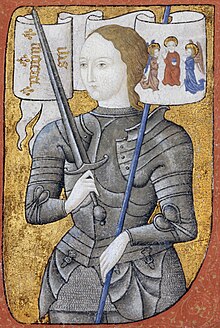
Joan of Arc
Her request was rejected twice, but eventually Robert de Baudricourt, the garrison commander, relented and gave her an escort to meet Charles at Chinon. She had never seen Charles, but even though he disguised himself among his courtiers, she instantly recognized him.
After their interview, Charles sent Joan at the head of a relief army to lift the siege of Orléans.
She had never wielded a lance or sword, or even ridden a war horse. She had never studied military strategy nor even seen a battlefield. Yet nine days after arriving at Orléans, she lifted the siege on May 8.
On May 4, her army attacked the outlying fortress of Saint Loup. She arrived just as the French soldiers were retreating after a failed attempt. Her sudden appearance roused the soldiers to cheer and launch another assault—which overwhelmed the fortress.
In June, Joan decisively defeated the English at the Battle of Patay. She then advanced on Reims, entering the city on July 16. The next day, Charles was consecrated as the King of France in Reims Cathedral with Joan at his side.
These victories paved the way for the final French victory in the Hundred Years’ War at Castillon in 1453.
Joan never attributed her success to anyone but God. She referred to herself as “Joan the Maid” and demanded that her soldiers refrain from sexual activity. At her orders, prostitutes—the camp followers of both French and British armies—were driven out of her encampments.
She did not expect to live a long life—and warned that the French had only about a year to claim their victories before she died.
On May 23, 1430, while relieving the siege of Compiegne, she was captured by Burgundians troops and exchanged to the English. Tried for heresy, she was declared guilty and burned at the stake on May 30,1431.
Only 19 when she died, she had, through her inspired leadership, restored the kingdom of France.
- William Barret Travis (August 1, 1809 – March 6, 1836) was a South Carolina lawyer whose courage and eloquence inspired 200 Texans to hold back a Mexican army at the Alamo.
An early advocate of Texas’ independence from Mexico, Travis entered the newly-formed Texas army as a regular officer. Although he had no experience in battle, he burned for glory as a cavalryman. But he accepted the order of Governor Henry Smith to go to San Antonio and defend the Alamo from the approaching Mexicans.
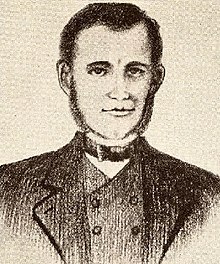
William Barret Travis
Arriving there, he found himself overshadowed by the popularity of co-commander James Bowie, the legendary knife fighter. But when Bowie collapsed with pneumonia on February 23, 1836—the first day of the siege—Travis took command.
According to historian T.R. Fehrenbach:
“The true measure of this man, with his soldier’s cap, his sword, his exalted ideas of honor, and his florid rhetoric, was that he captured these violent frontiersmen and bent them to his purpose.
“No competent Texas historian really believes Travis drew his line on the ground with his sword and invited his men to leave or stay. That was not Buck Travis’ style. He intended to keep his command on the walls regardless of what the men wanted. He was consciously guarding the ramparts of Texas.”

The siege of the Alamo
On February 23, 1836, Travis penned one of the most famous letters in early American history. Addressing it “To the People of Texas and All Americans in the World,” he wrote:
“I am besieged with a thousand or more of the Mexicans under Santa Anna [the president and dictator of Mexico]….
“The enemy has demanded our surrender at discretion, otherwise the garrison is to be put to the sword. I shall never surrender or retreat. Thus, I call on you in the name of Liberty, of patriotism, and everything dear to the American character, to come to my aid with all dispatch…
“If this call is neglected I am determined to sustain myself as long as possible and die like a soldier who never forgets what is due his honor and that of his country. VICTORY OR DEATH.”
On March 3, Travis wrote his last letter, addressing it to the newly-declared Republic of Texas. “I shall have to fight the enemy on his own terms….The victory will cost the enemy so dear it will be worse for him than a defeat.”
On March 6, 1836, his prophecy came true.
2016 PRESIDENTIAL CAMPAIGN, ABC NEWS, ALTERNET, AMERICABLOG, AMERICAN UNIVERSITY, AP, APOLLO MOON LANDING, BABY BOOMER RESISTANCE, BARACK OBAMA, BARBARA TUCHMAN, BBC, BLOOMBERG NEWS, BRIAN KILMEADE, BUZZFEED, CBS NEWS, CNN, COLD WAR, CORONAVIRUS, CROOKS AND LIARS, CUBAN MISSILE CRISIS, DAILY KOZ, DEMOCRATS, DONALD TRUMP, DREAMS FROM MY FATHER (BOOK), FACEBOOK, FIVETHIRTYEIGHT, FOX NEWS, GODFATHER'S PIZZA, HARPER’S MAGAZINE, HERMAN CAIN, HUFFINGTON POST, IGNORANCE, JOHN F. KENNEDY, KELLEYANNE CONWAY, LIBYA, LILTERACY, LITERACY, LYNDON B. JOHNSON, MEDIA MATTERS, MOTHER JONES, MOVEON, MSNBC, NBC NEWS, NEW REPUBLIC, NEWSDAY, NEWSWEEK, NPR, NUCLEAR TEST BAN TREATY, PBS NEWSHOUR, POLITICO, POLITICUSUSA, RATIONALITY, RAW STORY, REPUBLICANS, REUTERS, RICHARD M. NIXON, ROBERT FRANCIS “BETO” O’ROURKE, SALON, SEAN SPICER, SEATTLE TIMES, SLATE, SUPER COMMITTEE OF CONGRESS, TALKING POINTS MEMO, THE ATLANTIC, THE AUDACITY OF HOPE (BOOK), THE CHICAGO SUN-TIMES, THE CHICAGO TRIBUNE, THE DAILY BEAST, THE DAILY BLOG, THE GUARDIAN, THE GUNS OF AUGUST (BOOK), THE HILL, THE HUFFINGTON POST, THE INTERCEPT, THE LOS ANGELES TIMES, THE NATION, THE NEW REPUBLIC, THE NEW YORK TIMES, THE NEW YORKER, THE VILLAGE VOICE, THE WASHINGTON POST, THINKPROGRESS, TIME, TRUTHDIG, TRUTHOUT, TUCKER CARLSON, TWITTER, TWO POLITICAL JUNKIES, U.S. NEWS & WORLD REPORT, UPI, USA TODAY, VIETNAM WAR, WONKETTE, WORLD WAR 1
In Bureaucracy, History, Military, Politics, Social commentary on April 22, 2022 at 12:14 am
Fifty-eight years ago, on November 22, 1963, two bullets slammed into the neck and head of President John Fitzgerald Kennedy.
It has been said that JFK left his country with three great legacies:
- The Nuclear Test Ban Treaty;
- The Apollo moon landing; and
- The Vietnam war.
Of these, the following can be said with certainty:
- The Test Ban Treaty has prevented atmospheric testing—and poisoning—by almost all the world’s nuclear powers.
- After reaching the moon—in 1969—Americans quickly lost interest in space and have today largely abandoned plans for manned exploration. For America, as for JFK, beating the Russians to the moon was the end-goal.
- Under Presidents Lyndon Johnson and Richard Nixon, 58,000 Americans died in Vietnam; 153,303 were wounded; and billions of dollars were squandered in a hopeless effort to intervene in what was essentially a Vietnamese civil war. From 1965 to 1973, the war angrily divided Americas as had no event since the Civil War.
But there was a fourth legacy—and perhaps the most important of all: The belief that mankind could overcome its greatest challenges through rationality and perseverance.
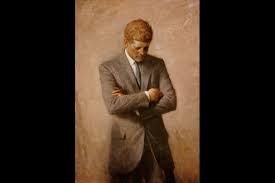
White House painting of JFK
At American University on June 10, 1963, Kennedy called upon his fellow Americans to re-examine the events and attitudes that had led to the Cold War. And he declared that the search for peace was by no means absurd:
“Our problems are man-made; therefore, they can be solved by man. And man can be as big as he wants. No problem of human destiny is beyond human beings.
“Man’s reason and spirit have often solved the seemingly unsolvable, and we believe they can do it again.”
Today, Republicans and Democrats cannot agree on solutions to even the most vital national problems.
On November 21, 2011, the 12 members of the “Super-Committee” of Congress, tasked with finding $1.2 trillion in cuts in government spending, threw up their hands in defeat.
President Kennedy insisted on being well-informed. He speed-read several newspapers every morning and nourished personal relationships with the press-–and not for altruistic reasons. These journalistic contacts gave Kennedy additional sources of information and perspectives on national and international issues.
During the 2012 Presidential campaign, Republican Presidential candidates celebrated their ignorance of both.
Former Godfather’s Pizza CEO Herman Cain famously said, “We need a leader, not a reader.” Thus he excused his ignorance for why President Barack Obama had intervened in Libya.
An August 20, 2019 story in Forbes noted that a Pew Research survey, conducted in July, had found that “the percentage of Republicans attributing a positive effect to higher education has steadily eroded from 58% (2010), 53% (2012), 54% (2015), 43% (2016), and 36% (2017).
“Among Republicans, 59% now say higher education has a negative effect on the U.S., compared to just 18% of Democrats.”
When Robert Francis “Beto” O’Rourke announced his candidacy for President in 2020, Fox News host Brian Kilmeade attacked him for having a “huge library.”
“As if it’s a big plus that he reads books,” scoffed Kilmeade.
In March, 2020, an NBC News poll found that only 30% of Republicans said that they would actually listen to the advice of doctors to stay away from large, crowded areas to avoid Coronavirus.
During the 2016 Presidential campaign, Donald Trump infamously chortled after winning the Nevada Republican primary: “We won with poorly educated. I love the poorly educated.”
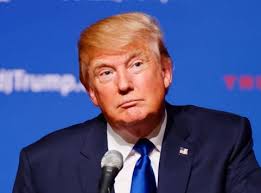
Donald Trump
And, that November, “the poorly educated” elected him President.
As President, he attacked the free press as “the enemy of America” for exposing his lies and criminality. He scorned legitimate mainstream news media while seeking guidance from ego-stroking Right-wing shills at Fox News—who often proved as ignorant as he was.
His senior adviser, Kelleyanne Conway, set the tone of his administration right at the outset. Asked why then-White House press secretary Sean Spicer had lied about the size of the crowd at Trump’s inauguration, Conway replied:
“You’re saying it’s a falsehood. And they’re giving—Sean Spicer, our press secretary—gave alternative facts.”

Kelleyanne Conway
“Alternative facts aren’t facts, they are falsehoods,” Chuck Todd, the moderator on NBC’s “Meet the Press,” properly responded.
During the height of the Cuban Missile Crisis, Kennedy spoke with aides about a book he had just finished: Barbara Tuchman’s The Guns of August, about the events leading to World War 1.
He said that the book’s most important revelation was how European leaders had blindly rushed into war, without thought to the possible consequences. Kennedy told his aides he did not intend to make the same mistake–that, having read his history, he was determined to learn from it.
Republicans attacked President Obama for his Harvard education and articulate use of language. Among their taunts: “Hitler also gave good speeches.”
And they resented his having earned most of his income as a writer of two books: Dreams From My Father and The Audacity of Hope. As if being a writer is somehow subversive.
When knowledge and literacy are attacked as “highfalutin’” arrogance, and ignorance and incoherence are embraced as sincerity, national decline lies just around the corner.
In retrospect, the funeral for President Kennedy marked the death of more than a rational and optimistic human being.
It marked the death of Americans’ pride in choosing reasoning and educated citizens for their leaders.

The Eternal Flame at the grave of President John F. Kennedy
2016 PRESIDENTIAL ELECTION, 2020 PRESIDENTIAL ELECTION, ABC NEWS, ACAM SCHIFF, ADOLF HITLER, ALTERNET, AMERICABLOG, AP, BABY BOOMER RESISTANCE, BBC, BLOOMBERG NEWS, BRETT CROZIER, BUZZFEED, CBS NEWS, CHARLES PIERCE, CHRIS KREBS, CNN, CONVERSATION WITH AN AMERICAN WRITER (POEM), CORONAVIRUS, CROOKS AND LIARS, CYBERSECURITY AND INFRASTRUCTURE SECURITY AGENCY, DAILY KOS, DAILY KOZ, DEPARTMENT OF HOMELAND SECURITY, DEPARTMENT OF STATE, DIMITRI SHOSTAKOVICH, DONALD TRUMP, DRUDGE REPORT, ESQUIRE MAGAZINE, FACEBOOK, FBI, FIVETHIRTYEIGHT, FOX NEWS NETWORK, GREAT TERROR, HARPER’S MAGAZINE, HOUSE INTELLIGENCE COMMITTEE, HOUSE OF REPRESENTATIVES, HUFFINGTON POST, JOSEPH BIDEN, JOSEPH STALIN, MARIA YOVANOVICH, MEDIA MATTERS, MICROSOFT, MIKHAIL TUKHACHEVESKY, MOTHER JONES, MOVEON, MSNBC, NAZI GERMANY, NBC NEWS, NEW REPUBLIC, NEWSDAY, NEWSWEEK, NICCOLO MACHIAVELLI, NIKOLAI ZHILAYEV, NPR, PBS NEWSHOUR, POLITICO, POLITICUSUSA, RAW STORY, REUTERS, RUDY GIULIANI, SALON, SEATTLE TIMES, SLATE, SOVIET UNION, TALKING POINTS MEMO, THE ATLANTIC, THE CHICAGO SUN-TIMES, THE CHICAGO TRIBUNE, THE DAILY BEAST, THE DAILY BLOG, THE DISCOURSES, THE GUARDIAN, THE HILL, THE HUFFINGTON POST, THE LOS ANGELES TIMES, THE NATION, THE NEW REPUBLIC, THE NEW YORK TIMES, THE NEW YORKER, THE VILLAGE VOICE, THE WALL STREET JOURNAL, THE WASHINGTON POST, THINKPROGRESS, THOMAS MODLY, TIME, TRUTHDIG, TRUTHOUT, TWITTER, TWO POLITICAL JUNKIES, U.S. NEWS & WORLD REPORT, UKRAINE, UPI, USA TODAY, WEHRMACHT, WONKETTE, WORLD WAR ii, YEVGENEY YEVTUSHENKO
In Bureaucracy, History, Law, Law Enforcement, Military, Politics, Social commentary on April 21, 2022 at 12:10 am
Next hero: Marie Yovanovitch, the former United States ambassador to Ukraine (2016 – 2019). She had joined the Foreign Service in 1986, and served as ambassador to Kyrgyzstan (2005 – 2008) and Armenia (2008 – 2011).
In May 2019, on President Donald Trump’s orders, the State Department recalled Yovanovitch as ambassador to Ukraine. She had earned respect from the national security community for her efforts to encourage Ukraine to tackle corruption.
But she had been criticized by Right-wing media outlets—notably Fox News Network-–and by Trump’s personal attorney, Rudy Giuliani.

Marie Yovanovitch
CNN reported that Yovanovitch stopped Giuliani from interviewing witnesses in his search for politically damaging information against former Vice President Joe Biden, whose son, Hunter, had had business dealings in Ukraine.
On October 11, 2019, she appeared before the House Intelligence Committee, chaired by Representative Adam Schiff (D-CA). She did so in defiance of orders by the White House and State Department to not attend.
“She was a hero even before she hit the hearing room,” wrote Charles Pierce for Esquire magazine.
“She told them to stuff their directives, she would answer a congressional subpoena like a citizen is supposed to do. And she didn’t sneak in through the basement. She walked into the Capitol through the front doors, and she didn’t do so to fck around.”
Testifying for nearly 10 hours, Yovanovitch said that Trump had removed her from her post owing to “unfounded and false claims” and “a concerted campaign against me.”
She believed that associates of Trump’s personal lawyer, Giuliani, might have thought “that their personal financial ambitions were stymied by our anti-corruption policy in Ukraine.”
And she warned that the State Department was being “attacked and hollowed out from within. State Department leadership, with Congress, needs to take action now to defend this great institution, and its thousands of loyal and effective employees.”
Another victim on Trump’s hate-list was Chis Krebs.
During the 2016 Presidential race, Russian propaganda had played a major role in convincing millions of Americans to vote for Donald Trump. Social media platforms—especially Facebook and Twitter—were flooded with genuinely fake news to sow discord among Americans and create a pathway for Trump’s election.
And where Internet trolls left off, Russian computer hackers took over.
Trump didn’t win a majority of the popular vote. But he got enough help from Russian President Vladimir Putin to triumph in the Electoral College.
So notorious was the role played by Russian trolls and hackers in winning Trump the 2016 election that the Department of Homeland Security (DHS) was determined to prevent a repetition in 2020.
And point man for this was Chris Krebs.
Born in Atlanta, Georgia, in 1977, Krebs had received a B.A. in environmental sciences from the University of Virginia in 1999, and a J.D. from the George Mason University School of Law in 2007.
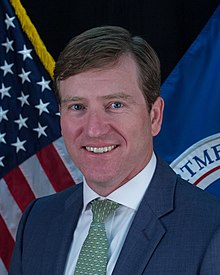
Chris Krebs
Krebs had served as Senior Advisor to the Assistant Secretary of Homeland Security for Infrastructure Protection, and later worked in the private sector as Director for Cybersecurity Policy for Microsoft.
Now he was director of the Cybersecurity and Infrastructure Security Agency at DHS.
In preparation for the 2020 Presidential election, Krebs launched a massive effort to counter lies spread by Russians—and Americans—on social media platforms. Among his duties:
- Sharing Intelligence from agencies such as the CIA and National Security Agency with local officials about foreign efforts at election interference.
- Ensuring that domestic voting equipment was secure.
- Attacking domestic misinformation head-on.
As a result, Krebs was widely praised for revamping the department’s cybersecurity efforts and increasing coordination with state and local governments.
By all accounts—except Trump’s—the November 3, 2020 election went very smoothly.
As a result of the vast increase in election security, Trump not only failed to win the popular vote again but couldn’t get the help he expected from Putin.
On November 17, Trump fired Chris Krebs.
The reason: Krebs had not only countered Russian propaganda lies—he had dared to counter Trump’s as well. For example: He rejected Trump’s claims of widespread voter fraud: There “is no evidence that any voting system deleted or lost votes, changed votes, or was in any way compromised.”
In a November 17 story on the CNN website, CNN reporters Kaitlan Collins and Paul LeBlanc bluntly concluded:
“[Krebs’] dismissal underscores the lengths Trump is willing to go to punish those who don’t adopt his conspiratorial view of the election.
“Since CNN and other outlets called the race for President-elect Joe Biden, Trump has refused to accept the results, instead pushing baseless conspiracies that his second term is being stolen.”
Yet, by depriving Trump of Russian help, Krebs ensured a victory for democracy.
On January 6, the House and Senate counted the Electoral Votes—and pronounced Joseph Biden the winner—bringing an end to Trump’s reign of criminality and treason.
In his 1960 poem, “Conversation With an American Writer,” the Russian poet, Yevgeney Yevtushenko spoke for those Russians who had maintained their integrity in the face of Stalinist terror:
“You have courage,” they tell me.
It’s not true. I was never courageous.
I simply felt it unbecoming
to stoop to the cowardice of my colleagues.
Unfortunately, the same cannot be said of Republicans in the United States Senate and House of Representatives in the face of Trump terror.
2016 PRESIDENTIAL ELECTION, 2020 PRESIDENTIAL ELECTION, ABC NEWS, ACAM SCHIFF, ADOLF HITLER, ALTERNET, AMERICABLOG, AP, BABY BOOMER RESISTANCE, BBC, BLOOMBERG NEWS, BRETT CROZIER, BUZZFEED, CBS NEWS, CHARLES PIERCE, CHRIS KREBS, CNN, CONVERSATION WITH AN AMERICAN WRITER (POEM), CORONAVIRUS, CROOKS AND LIARS, CYBERSECURITY AND INFRASTRUCTURE SECURITY AGENCY, DAILY KOS, DAILY KOZ, DEPARTMENT OF HOMELAND SECURITY, DEPARTMENT OF STATE, DIMITRI SHOSTAKOVICH, DONALD TRUMP, DRUDGE REPORT, ESQUIRE MAGAZINE, FACEBOOK, FBI, FIVETHIRTYEIGHT, FOX NEWS NETWORK, GREAT TERROR, HARPER’S MAGAZINE, HOUSE INTELLIGENCE COMMITTEE, HOUSE OF REPRESENTATIVES, HUFFINGTON POST, JOSEPH BIDEN, JOSEPH STALIN, MARIA YOVANOVICH, MEDIA MATTERS, MICROSOFT, MIKHAIL TUKHACHEVESKY, MOTHER JONES, MOVEON, MSNBC, NAZI GERMANY, NBC NEWS, NEW REPUBLIC, NEWSDAY, NEWSWEEK, NICCOLO MACHIAVELLI, NIKOLAI ZHILAYEV, NPR, PBS NEWSHOUR, POLITICO, POLITICUSUSA, RAW STORY, REUTERS, RUDY GIULIANI, SALON, SEATTLE TIMES, SLATE, SOVIET UNION, TALKING POINTS MEMO, THE ATLANTIC, THE CHICAGO SUN-TIMES, THE CHICAGO TRIBUNE, THE DAILY BEAST, THE DAILY BLOG, THE DISCOURSES, THE GUARDIAN, THE HILL, THE HUFFINGTON POST, THE LOS ANGELES TIMES, THE NATION, THE NEW REPUBLIC, THE NEW YORK TIMES, THE NEW YORKER, THE VILLAGE VOICE, THE WALL STREET JOURNAL, THE WASHINGTON POST, THINKPROGRESS, THOMAS MODLY, TIME, TRUTHDIG, TRUTHOUT, TWITTER, TWO POLITICAL JUNKIES, U.S. NEWS & WORLD REPORT, UKRAINE, UPI, USA TODAY, WEHRMACHT, WONKETTE, WORLD WAR ii, YEVGENEY YEVTUSHENKO
In Bureaucracy, History, Law, Law Enforcement, Military, Politics, Social commentary on April 20, 2022 at 12:10 am
Next up: Nikolai Sergeyvich Zhilayev (pronounced Zill-lay-ev) was a Russian musicologist and the teacher of several 20th-century Russian composers.
Among these: Dimitri Shostakovich (September 25, 1906 – August 9, 1975)
Among his friends—to his ultimate misfortune—was Mikhail Nikolayevich Tukhachevsky, the former military hero now falsely condemned and executed as a traitor by Soviet dictator Joseph Stalin.
In 1938, Zhilayev (November 18, 1881 – January 20, 1938) also became a casualty of what has become known as The Great Terror.
In his posthumously-published memoirs, Testimony, Shostakovich, his pupil and friend, described how Zhilayev faced his end with a calmness that awed even the NKVD (the predecessor to the KGB) secret police sent to arrest him.
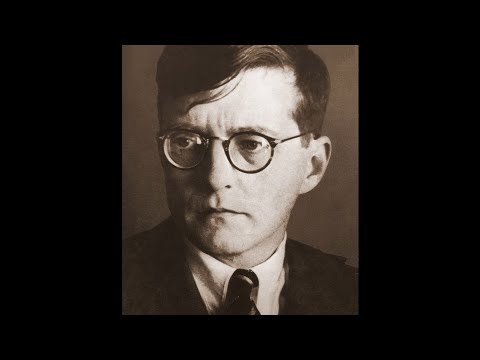
Dimitri Shostakovich
“He had a large picture of Tukhachevsky in his room, and after the announcement that Tukhachevsky had been shot as a traitor to the homeland, Zhilayev did not take the picture down.
“I don’t know if I can explain how heroic a deed that was….As soon as the next poor soul was declared an enemy of the people, everyone destroyed in a panic everything connected with that person….
“And naturally, photographs flew into the fire first, because if someone informed on you, reported that you had a picture of an enemy of the people, it meant certain death.
“Zhilayev wasn’t afraid. When they came for him, Tukhachevsky’s prominently hung portrait amazed even the executioners.”
“What, it’s still up?” one of the secret police asked.
“The time will come,” Zhilayev replied, “when they’ll erect a monument to him.”
As, in fact, has happened.
Meanwhile, Stalin has been universally condemned as one of history’s greatest tyrants.
Third hero—Brett Crozier, the former commanding officer of the aircraft carrier USS Theodore Roosevelt.
Graduating from the United States Naval Academy at Annapolis in 1992, he received his Master’s Degree in National Security and Strategic Studies from the Naval War College in 2007.
From 2017 to 2018 he commanded the USS Blue Ridge. In November, 2019, he was given command of the nuclear aircraft carrier USS Theodore Roosevelt.
On March 24, 2020, reports circulated that three members of the crew had tested positive for COVID-19. The next day the number of stricken sailors increased to eight. A few days later, it was “dozens.” The sailors reportedly became ill at sea, two weeks after a port call at Danang, Vietnam.
The initial cases were airlifted to a military hospital. The Roosevelt was ordered to Guam. After the ship docked on March 27, 2020, all 5,000 aboard were ordered to be tested for the virus. But only about 100 stricken sailors were allowed to leave the ship. The rest remained on board.
On March 30, Crozier emailed a four-page internal letter to multiple Naval officials, pleading to have the majority of the crew evacuated and quarantined on shore. Given the crowded sleeping quarters and narrow passageways of the vessel, Crozier wrote that it was impossible to follow social distancing and quarantine procedures:
“This will require a political solution but it is the right thing to do. We are not at war. Sailors do not need to die. If we do not act now, we are failing to properly take care of our most trusted asset—our Sailors….
“This is a necessary risk. Keeping over 4,000 young men and women on board the TR is an unnecessary risk and breaks faith with those Sailors entrusted to our care.”
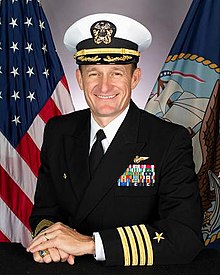
Brett Crozier
Crozier sent his letter via a non-secure, unclassified email to 20 to 30 recipients, as well as the captain’s immediate chain of command. He reportedly believed that his immediate supervisor would not allow him to send it.
And his superior later confirmed that he would not have allowed Crozier to send it.
On March 31, someone leaked the letter to the San Francisco Chronicle, which published it.
On April 1, the Navy ordered the aircraft carrier evacuated. A skeleton crew of 400 remained aboard to maintain the nuclear reactor, the fire-fighting equipment, and the ship’s galley.
On April 2, Crozier was relieved of command by acting United States Secretary of the Navy Thomas Modly.
By that time, about 114 crew members—out of a total of around 4,000—reportedly tested positive for COVID-19.
As Crozier disembarked, sailors loudly saluted him with a standing ovation: “Cap-tain Cro-zier!”
Modly claimed that Crozier’s letter “raised alarm bells unnecessarily. It undermines our efforts and the chain of command’s efforts to address this problem, and creates a panic and this perception that the Navy’s not on the job, that the government’s not on the job, and it’s just not true.”
Actually, the Trump administration had frittered away January and February, with President Donald Trump giving multiple—and misleading—press conferences. In these, he played down the dangers of COVID-19, saying that “we’re on top of it”—even as the virus spread across the country.
“It was a betrayal. And I can tell you one other thing: because he did that he put it in the public’s forum and it is now a big controversy in Washington, DC,” continued Modly. [Italics added]
This was the United States Navy under Donald Trump—who threw “betrayal” and “treason” at anyone who dared reveal the truth about institutional crimes and failures.
2016 PRESIDENTIAL ELECTION, 2020 PRESIDENTIAL ELECTION, ABC NEWS, ACAM SCHIFF, ADOLF HITLER, ALTERNET, AMERICABLOG, AP, BABY BOOMER RESISTANCE, BBC, BLOOMBERG NEWS, BRETT CROZIER, BUZZFEED, CBS NEWS, CHARLES PIERCE, CHRIS KREBS, CNN, CONVERSATION WITH AN AMERICAN WRITER (POEM), CORONAVIRUS, CROOKS AND LIARS, CYBERSECURITY AND INFRASTRUCTURE SECURITY AGENCY, DAILY KOS, DAILY KOZ, DEPARTMENT OF HOMELAND SECURITY, DEPARTMENT OF STATE, DIMITRI SHOSTAKOVICH, DONALD TRUMP, DRUDGE REPORT, ESQUIRE MAGAZINE, FACEBOOK, FBI, FIVETHIRTYEIGHT, FOX NEWS NETWORK, GREAT TERROR, HARPER’S MAGAZINE, HOUSE INTELLIGENCE COMMITTEE, HOUSE OF REPRESENTATIVES, HUFFINGTON POST, JOSEPH BIDEN, JOSEPH STALIN, MARIA YOVANOVICH, MEDIA MATTERS, MICROSOFT, MIKHAIL TUKHACHEVESKY, MOTHER JONES, MOVEON, MSNBC, NAZI GERMANY, NBC NEWS, NEW REPUBLIC, NEWSDAY, NEWSWEEK, NICCOLO MACHIAVELLI, NIKOLAI ZHILAYEV, NPR, PBS NEWSHOUR, POLITICO, POLITICUSUSA, RAW STORY, REUTERS, RUDY GIULIANI, SALON, SEATTLE TIMES, SLATE, SOVIET UNION, TALKING POINTS MEMO, THE ATLANTIC, THE CHICAGO SUN-TIMES, THE CHICAGO TRIBUNE, THE DAILY BEAST, THE DAILY BLOG, THE DISCOURSES, THE GUARDIAN, THE HILL, THE HUFFINGTON POST, THE LOS ANGELES TIMES, THE NATION, THE NEW REPUBLIC, THE NEW YORK TIMES, THE NEW YORKER, THE VILLAGE VOICE, THE WALL STREET JOURNAL, THE WASHINGTON POST, THINKPROGRESS, THOMAS MODLY, TIME, TRUTHDIG, TRUTHOUT, TWITTER, TWO POLITICAL JUNKIES, U.S. NEWS & WORLD REPORT, UKRAINE, UPI, USA TODAY, WEHRMACHT, WONKETTE, WORLD WAR ii, YEVGENEY YEVTUSHENKO
In Bureaucracy, History, Military, Politics, Social commentary on April 19, 2022 at 12:17 am
…A truly great man is ever the same under all circumstances. And if his fortune varies, exalting him at one moment and oppressing him at another, he himself never varies, but always preserves a firm courage, which is so closely interwoven with his character that everyone can readily see that the fickleness of fortune has no power over him.
The conduct of weak men is very different. Made vain and intoxicated by good fortune, they attribute their success to merits which they do not possess. And this makes them odious and insupportable to all around them. And when they have afterwards to meet a reverse of fortune, they quickly fall into the other extreme, and become abject and vile.
—Niccolo Machiavelli, The Discourses
Four heroes, three villains.
Two of the heroes are Russians; three are Americans.
The villains: One Russian (actually, Georgian); two American.
First up—in order of disappearance: Mikhail Nikolayevich Tukhachevsky (pronounced too-ka-chev-sky).
Tukhachevsky (February 4, 1893 – June 12, 1937) was a major Soviet military leader and theoretician from 1918 to 1937.
He commanded the Soviet Western Front during the Russian-Polish War (1920-21) and served as Chief of Staff of the Red Army (1925-1928).
He fought to modernize Soviet armament, as well as develop airborne, aviation and mechanized forces. Almost singlehandedly, he created the theory of deep operations for Soviet forces.

Mikhail Tukhachevsky
All of these innovations would reap huge dividends when the Soviet Union faced the lethal fury of Adolf Hitler’s Wehrmacht.
In 1936, Tukhachevsky warned Soviet dictator Joseph Stalin that Nazi Germany might attack without warning—and ignite a long and murderous war.
Stalin—the son of a Georgian cobbler—resented Tukhachevsky’s coming from a noble family. A monumental egomaniac, he also hated that Tukhachevesky’s fame rivaled his own.
Warned of the approaching German danger, Stalin shouted: “What are you trying to do—frighten Soviet authority?”
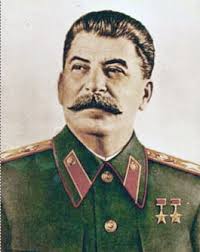
Joseph Stalin
The attack that Tukhachevsky warned against came five years later—on June 22, 1941, leaving at least 26 million Russians dead.
But Tukhachevsky wasn’t alive to command a defense.
The 1930s were a frightening and dangerous time to be alive in the Soviet Union. In 1934, Stalin, seeing imaginary enemies everywhere, ordered a series of purges that lasted right up to the German invasion.
An example of Stalin’s paranoia occurred one day while the dictator walked through the Kremlin corridors with Admiral Ivan Isakov. Officers of the NKVD (the predecessor to the KGB) stood guard at every corner.
“Every time I walk down the corridors,” said Stalin, “I think: Which one of them is it? If it’s this one, he will shoot me in the back. But if I turn the corner, the next one can shoot me in the face.”
In 1937-38, the Red Army fell prey to Stalin’s paranoia.
Its victims included:
- Three of five marshals (five-star generals);
- Thirteen of 15 army commanders (three- and four-star generals);
- Fifty of 57 army corps commanders; and
- One hundred fifty-four out of 186 division commanders.
And heading the list of those marked for death was Marshal Mikhail Tukhachevsky.
Arrested on May 22, 1937, he was interrogated and tortured. As a result, he “confessed” to being a German agent plotting to overthrow Stalin and seize power.
On his confession, which survives in the archives, his bloodstains can clearly be seen.
On June 11, 1937, the Soviet Supreme Court convened a special military tribunal to try Tukhachevsky and eight generals for treason.
It was a sham: The accused were denied defense attorneys, and could not appeal the verdict—-which was foregone: Death.
In a Russian version of poetic justice, five of the eight generals who served as Tukhachevsky’s judges were themselves later condemned and executed as traitors.
Within hours of the verdict, Tukhachevsky was summoned from his cell and shot once in the back of the head.
From 1937 until 1956, Tukhachevsky was officially declared a traitor and fifth-columnist.
Then, on February 25, 1957, Soviet Premier Nikita Khrushchev delivered his bombshell “Secret Speech” to the 20th Congress of the Communist Party of the Soviet Union.
In this, he denounced Stalin (who had died in 1953) as a ruthless tyrant responsible for the slaughter of millions of innocent men, women and children. He condemned Stalin for creating a “personality cult” around himself, and for so weakening the Red Army that Nazi Germany was able to easily overrun half of the Soviet Union from 1941 to 1943.
On January 31, 1957, Tukhachevsky and his co-defendants were declared innocent of all charges and were “rehabilitated.”
Today, he is once again—rightly—considered a Russian hero and military genius. And Stalin is universally—and rightly—seen as a blood-stained tyrant.

Postage stamp honoring Mikhail Tukhachevsky
Next hero: Nikolai Sergeyvich Zhilayev (pronounced Zill-lay-ev)
Zhilayev (November 18, 1881 – January 20, 1938) was a Russian musicologist and the teacher of several 20th-century Russian composers. Among these: Dimitri Shostakovich.
Zhilayev, a member of the Russian Academy of Art-Sciences, taught at the Moscow Conservatory. Among his friends—to his ultimate misfortune—was Mikhail Tukhachevsky.
In 1938, he, too, became a casualty of what has become known as The Great Terror.
In his posthumously-published memoirs, Testimony, Shostakovich, his pupil and friend, described how Zhilayev faced his end with a calmness that awed even the NKVD secret police sent to arrest him.
2020 PRESIDENTIAL ELECTION, ABC NEWS, ALEX VINDMAN, ALTERNET, AMERICABLOG, AP, BABY BOOMER RESISTANCE, BBC, BLOOMBERG NEWS, BUZZFEED, CBS NEWS, CNN, CROOKS AND LIARS, DAILY KOZ, DAVID PRESSMAN, DEMOCRATS, DONALD TRUMP, DRUDGE RETORT, FACEBOOK, FIVETHIRTYEIGHT, GORDON SONDLAND, HARPER’S MAGAZINE, HUFFINGTON POST, JOHN ROOD, JOSEPH BIDEN, MARK ESPER, MEDIA MATTERS, MORNING JOE, MOTHER JONES, MOVEON, MSNBC, NBC NEWS, NEW REPUBLIC, NEWSDAY, NEWSWEEK, NICCOLO MACHIAVELLI, NPR, PBS NEWSHOUR, POLITICO, POLITICUSUSA, RAW STORY, REPUBLICANS, REUTERS, SALON, SEATTLE TIMES, SLATE, TALKING POINTS MEMO, THE ATLANTIC, THE CHICAGO SUN-TIMES, THE CHICAGO TRIBUNE, THE DAILY BEAST, THE DAILY BLOG, THE GUARDIAN, THE HILL, THE HUFFINGTON POST, THE INTERCEPT, THE LOS ANGELES TIMES, THE NATION, THE NEW REPUBLIC, THE NEW YORK TIMES, THE NEW YORKER, THE PENTAGON, THE PRINCE, THE VILLAGE VOICE, THE WASHINGTON POST, THINKPROGRESS, TIME, TRUTHDIG, TRUTHOUT, TWITTER, TWO POLITICAL JUNKIES, U.S. NEWS & WORLD REPORT, UKRAINE, UPI, USA TODAY, VOLODMYR ZELENSKY, WONKETTE, YEVGENEY VINDMAN
In Bureaucracy, History, Law, Military, Politics, Social commentary on April 15, 2022 at 12:13 am
“There is no other way of guarding oneself against flattery than by letting men understand that they will not offend you by speaking the truth. But when every one can tell you the truth, you lose their respect.
“A prudent prince must therefore take a third course, by choosing for his counsel wise men, and giving them alone full liberty to speak the truth to him, but only of those things that he asks and of nothing else.”
So wrote the Italian statesman Niccolo Machiavelli more than 500 years ago in his famous treatise on politics, The Prince. And he added:
“But he must be a great asker about everything and hear their opinions, and afterwards deliberate by himself in his own way, and in these counsels and with each of these men comport himself so that every one may see that the more freely he speaks, the more he will be acceptable.
“Beyond these he should listen to no one, go about the matter deliberately, and be determined in his decisions.”
Machiavelli’s words remain as true in our day as they were in his.
Especially for “a very stable genius,” as ex-President Donald J. Trump once referred to himself.
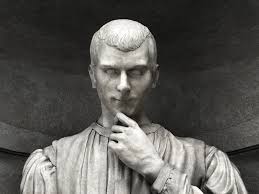
Niccolo Machiavelli
Asked on MSNBC’s “Morning Joe” who he consults about foreign policy, Trump replied; “I’m speaking with myself, number one, because I have a very good brain and I’ve said a lot of things.”
Machiavelli offers a related warning that especially applies to Trump: Unwise princes cannot be wisely advised:
“It is an infallible rule that a prince who is not wise himself cannot be well advised, unless by chance he leaves himself entirely in the hands of one man who rules him in everything, and happens to be a very prudent man. In this case, he may doubtless be well governed, but it would not last long, for the governor would in a short time deprive him of the state.”
Competent executives surround themselves with experts in diverse fields and pay attention to their expertise. They don’t feel threatened by it but rely on it to implement their agenda. Advisers whose counsel proves correct are to be retained and rewarded.
Machiavelli offers practical advice on this:
“The prince, in order to retain his fidelity, ought to think of his minister, honoring and enriching him, doing him kindnesses and conferring on him favors and responsible tasks, so that the great favors and riches bestowed on him cause him not to desire other honors and riches, and the offices he holds make him fearful of changes.”
But rewarding those who try to head off ruinous decision-making is not Trump’s way.
Consider the case of John Rood, the Pentagon’s top policy official until February 19. That was when he resigned, saying he was leaving at Trump’s request.
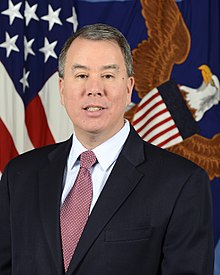
John Rood
Rood had certified last year that Ukraine had made enough anti-corruption progress to justify the release of Congressionally-authorized aid for its efforts to thwart Russian aggression.
And that totally conflicted with Trump’s attempt to extort a “favor” from Ukrainian President Volodymyr Zelensky.
In July, 2019, Trump told his acting chief of staff, Mick Mulvaney, to withhold almost $400 million in promised military aid for Ukraine.
On July 25, Trump telephoned Zelensky to “request” a “favor”: Investigate Democratic Presidential Candidate Joseph Biden and his son, Hunter, who has had business dealings in Ukraine.
The reason for such an investigation: To find embarrassing “dirt” on Biden.

Joe Biden
But then a CIA whistleblower filed a complaint about the extortion attempt—and this led directly to impeachment proceedings by the Democratically-controlled House for abuse of power and obstruction of Congress.
But the Republican-dominated Senate voted to acquit him.
Afterwards, Trump purged several officials he considers disloyal for cooperating with the impeachment hearings:
- Army Lt. Col. Alex Vindman, from the National Security Council.
- White House Attorney Lt. Col. Yevgeny Vindman, Vindman’s twin brother.
- Gordon Sondland, Trump’s ambassador to the European Union.
“The truth has cost Lt. Col. Alexander Vindman his job, his career, and his privacy,” his attorney David Pressman, said in a statement.
For Trump, Rood had been “disloyal” on two occasions:
- He stated in a May 23, 2019 letter to Congress that the Pentagon had thoroughly assessed Ukraine’s anti-corruption actions. And he said that those reforms justified the authorized $400 million in aid.
- He told reporters last year: “In the weeks after signing the certification I did become aware that the aid had been held. I never received a very clear explanation other than there were concerns about corruption in Ukraine.”
Asked about Rood’s resignation, chief Pentagon spokesman Jonathan Hoffman declined to speculate on the reason for Trump’s decision.
According to Secretary of Defense Mark Esper, Rood played “a critical role” on issues such as nuclear deterrence, NATO, missile defense and the National Defense Strategy.
That did not protect him, however, from Trump’s vendetta against those who dared to reveal his crimes to Democratic impeachment committees.
All of which would lead Niccolo Machiavelli to warn, if he could witness American politics today: “This bodes ill for your Republic.”
2003 IRAQ WAR, ABC NEWS, ALTERNET, AMERICABLOG, AP, ASIANS, BABY BOOMER RESISTANCE, BARACK OBAMA, BBC, BIRTH CONTROL, BLACKS, BLOOMBERG NEWS, BUZZFEED, CBS NEWS, CNN, CROOKS AND LIARS, DAILY KOS, DAILY KOZ, DISABLED, DONALD TRUMP, ED MARTIN, FACEBOOK, FIVETHIRTYEIGHT, HARPER’S MAGAZINE, HILLARY CLINTON, HUFFINGTON POST, HUMAYUN KHAN, KATRINA PIERSON, LATINOS, MARCO GUTIERREZ, MEDIA MATTERS, MEDICAID, MEDICARE, MOTHER JONES, MOVEON, MSNBC, MUSLIMS, NBC NEWS, NEW REPUBLIC, NEWSDAY, NEWSWEEK, NICCOLO MACHIAVELLI, NPR, OBAMACARE, PBS NEWSHOUR, POLITICO, POLITICUSUSA, PRISONERS OF WAR, RAW STORY, REUTERS, SALON, SEATTLE TIMES, SLATE, SOCIAL SECURITY, TALKING POINTS MEMO, TEA PARTY, THE ATLANTIC, THE CHICAGO SUN-TIMES, THE CHICAGO TRIBUNE, THE DAILY BEAST, THE DAILY BLOG, THE DISCOURSES, THE GUARDIAN, THE HILL, THE HUFFINGTON POST, THE INTERCEPT, THE LOS ANGELES TIMES, THE NATION, THE NEW REPUBLIC, THE NEW YORK TIMES, THE NEW YORKER, THE PRINCE, THE VILLAGE VOICE, THE WALL STREET JOURNAL, THE WASHINGTON POST, THINKPROGRESS, TIME, TRUTHDIG, TRUTHOUT, TWITTER, TWO POLITICAL JUNKIES, U.S. NEWS & WORLD REPORT, UPI, USA TODAY, WAYNE ROOT, WOMEN, WONKETTE
In Bureaucracy, History, Military, Politics, Social commentary on April 11, 2022 at 12:10 am
No shortage of pundits have sized up Donald Trump—-first as a Presidential candidate, then as the nation’s 45th President, and now as a potential Presidential candidate in 2024.
But how does Trump measure up in the estimate of Niccolo Machiavelli, the 16th-century Florentine statesman?
It is Machiavelli whose two great works on politics—The Prince and The Discourses—remain textbooks for successful politicians more than 500 years later.
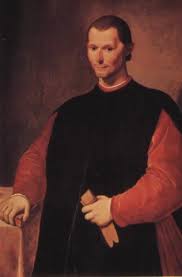

Niccolo Machiavelli
Let’s start with Trump’s notoriety for hurling insults at virtually everyone, including:
- Latinos
- Asians
- Muslims
- Blacks
- The Disabled
- Women
- Prisoners-of-War
These insults delight his white, under-educated followers. But they have alienated millions of other Americans who might have voted for him.
Here’s Machiavelli’s advice on issuing threats and insults:
-
“I hold it to be a proof of great prudence for men to abstain from threats and insulting words towards any one.
-
“For neither the one nor the other in any way diminishes the strength of the enemy–but the one makes him more cautious, and the other increases his hatred of you, and makes him more persevering in his efforts to injure you.”
For those who expected Trump to shed his propensity for constantly picking fights once he became President, Machiavelli warned:
-
“…If it happens that time and circumstances are favorable to one who acts with caution and prudence he will be successful. But if time and circumstances change he will be ruined, because he does not change the mode of his procedure.
-
“No man can be found so prudent as to be able to adopt himself to this, either because he cannot deviate from that to which his nature disposes him, or else because, having always prospered by walking in one path, he cannot persuade himself that it is well to leave it…
-
“For if one could change one’s nature with time and circumstances, fortune would never change.”
Then there is Trump’s approach to consulting advisers:
Asked on MSNBC’s “Morning Joe” who he consults about foreign policy, Trump replied; “I’m speaking with myself, number one, because I have a very good brain and I’ve said a lot of things.”
Donald Trump
Machiavelli advised:
-
“A prudent prince must [choose] for his counsel wise men, and [give] them alone full liberty to speak the truth to him, but only of those things that he asks and of nothing else.
-
“But he must be a great asker about everything and hear their opinions, and afterwards deliberate by himself in his own way, and in these counsels…comport himself so that every one may see that the more freely he speaks, the more he will be acceptable.”
On selecting good advisers, Machiavelli taught:
- “The first impression that one gets of a ruler and his brains is from seeing the men that he has about him.
- “When they are competent and loyal one can always consider him wise, as he has been able to recognize their ability and keep them faithful.
- “But when they are the reverse, one can always form an unfavorable opinion of him, because the first mistake that he makes is in making this choice.”
Among the advisers Trump relied on in his 2016 Presidential campaign:
- Founder of Latinos for Trump Marco Gutierrez told MSNBC’s Joy Reid: “My culture is a very dominant culture. And it’s imposing, and it’s causing problems. If you don’t do something about it, you’re gonna have taco trucks every corner.”
- At a Tea Party for Trump rally at a Harley-Davidson dealership in Festus, Missouri, former Missouri Republican Party director Ed Martin reassured the crowd that they weren’t racist for hating Mexicans.
From the outset of his Presidential campaign, Trump polled extremely poorly among Hispanic voters. Comments like these didn’t increase his popularity.
- Wayne Root, opening speaker and master of ceremonies at many Trump campaign events, told Virginia radio host Rob Schilling: People on public assistance and women getting birth control through Obamacare should not be allowed to vote.
Comments like this are a big turn-off among the 70% of women who have an unfavorable opinion of him–and anyone who receives Medicaid, Medicare or Social Security.
- Trump’s spokeswoman, Katrina Pierson, claimed that Barack Obama and Hillary Clinton were responsible for the death of Captain Humayun Khan—who was killed by a truck-bomb in Iraq in 2004.
Obama became President in 2009—almost five years after Khan’s death. And Clinton became Secretary of State the same year.
When your spokeswoman becomes a nationwide laughingstock, your own credibility goes down the toilet as well.
Finally, Machiavelli offered a warning that especially applies to Trump: Unwise princes cannot be wisely advised.
-
“It is an infallible rule that a prince who is not wise himself cannot be well advised, unless by chance he leaves himself entirely in the hands of one man who rules him in everything, and happens to be a very prudent man. In this case, he may doubtless be well governed, but it would not last long, for the governor would in a short time deprive him of the state.”
All of which would lead Niccolo Machiavelli to warn, if he could witness American politics today: “This bodes ill for your Republic.”
ABC NEWS, ALTERNET, AMERICABLOG, AP, ATOMIC BOMB, BABY BOOMER RESISTANCE, BARACK OBAMA, BBC, BEIRUT BOMBING, BILL CLINTON, BLOOMBERG NEWS, BUZZFEED, CBS NEWS, CHRIS MATTHEWS, CNN, COMMUNISM, CROOKS AND LIARS, CULTS, DAILY KOZ, ECONOMICS, FACEBOOK, FIVETHIRTYEIGHT, GEORGE H.W. BUSH, HARDBALL, HARPER’S MAGAZINE, HUFFINGTON POST, IRAN, IRAN-CONTRA AFFAIR, JOHN F. KENNEDY, JOSEPH STALIN, MEDIA MATTERS, MEET THE PRESS, MOTHER JONES, MOVEON, MSNBC, NBC NEWS, NEW REPUBLIC, NEWSDAY, NEWSWEEK, NPR, PBS NEWSHOUR, POLITICO, POLITICUSUSA, POLLUTION, RAW STORY, REPUBLICAN PARTY, REUTERS, Ronald Reagan, SALON, SEATTLE TIMES, Secret Service, SLATE, SOVIET NUCLEAR PHYSICS, SOVIET UNION, TALKING POINTS MEMO, TAX CUTS, TERRORISM, THE ATLANTIC, THE CHICAGO SUN-TIMES, THE CHICAGO TRIBUNE, THE DAILY BEAST, THE DAILY BLOG, THE GUARDIAN, THE HILL, THE HUFFINGTON POST, THE INTERCEPT, THE LOS ANGELES TIMES, THE NATION, THE NEW REPUBLIC, THE NEW YORK TIMES, THE NEW YORKER, THE VILLAGE VOICE, THE WASHINGTON POST, THINKPROGRESS, THIS WEEK, TIME, TRUTHDIG, TRUTHOUT, TWITTER, TWO POLITICAL JUNKIES, U.S. NEWS & WORLD REPORT, UPI, USA TODAY, Vladimir Lenin
In Bureaucracy, Business, History, Military, Politics, Social commentary on April 7, 2022 at 12:13 am
On February 6, 2011, Ronald Reagan, if he had been alive, would have been 100 years old.
Publishers rushed to put out worshipful tributes to his eight years as President. Network political programs such as “This Week” and “Meet the Press” assembled surviving members of his administration to re-live the “glory days” of Reagan’s—and their—time in power.
Actually, it was during the Reagan administration that America entered its decline—a Right-wing legacy of huge Federal deficits, tax-cuts for the rich, bloated military budgets and cutbacks in government programs to aid the poor and middle-class.
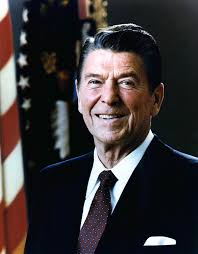
Ronald Reagan
No two men could have been more different than Vladimir Lenin and Ronald Reagan. Lenin created the Soviet Union in 1917 and became its first in a series of absolute dictators. Reagan spent his life fighting Communism, most notably as President.
So it’s ironic that both men, in death, got essentially the same funeral—and for the same reason: To sanctify and legitimize their respective organizations—and the authority of their potential successors.
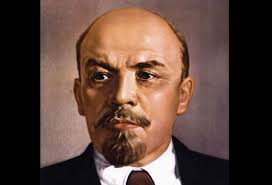
Vladimir Lenin
Lenin died in 1924 and was immediately succeeded by Joseph Stalin. Stalin knew that, despite Communism’s official atheistic stance, most Russians remained loyal to the Russian Orthodox Church.
So in giving Lenin’s funeral oration, Stalin used the language of religion to confer sainthood upon a militant atheist—and upon his successor, Stalin himself: “We vow to thee, Comrade Lenin, that we will fulfill this, thy commandment….”
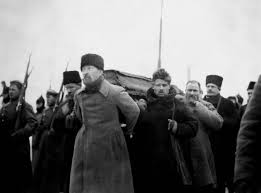
Funeral for Vladimir Lenin
Stalin and his fellow Communists immediately launched the “cult of Lenin,” depicting him as a fatherly, all-wise leader whose genius could only be bestowed upon his closest disciples.
Lenin’s extensive political writings were treated as divine writ, and were used to justify everything Stalin and his own successors wanted to do.
A classic example: Although he died 20 years before the American creation of the atomic bomb, Lenin was hailed by the Soviets as the “father” of “Soviet nuclear physics.”
Similarly, Republicans quickly turned Reagan into a modern-day saint of mythical proportions.
They did so for the same reason that Stalin deliberately forged a cult around the dead Lenin—to create a “holy” figure of whom other Republicans can claim to be true disciples.
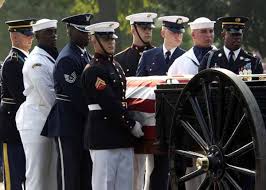
Funeral for Ronald Reagan
These deliberate fictions conveniently ignore a series of ugly truths:
- Reagan was only one of a series of Presidents who held the line against the Soviet Union.
- His budgets were just as stained with red ink as those of all previous Presidents.
- Far from standing up to Iranian terrorists, Reagan sold them our most sophisticated missiles in a weak-kneed exchange for American hostages. Then he went on television and brazenly lied that any such “arms for hostages” deal had ever happened.
- By the end of his term, 138 Reagan administration officials had been investigated, indicted or convicted for official misconduct and/or criminal violations.
- His “trickle-down” Reganomics brought prosperity to only the wealthiest 1% of Americans, proving that “a rising tide lifts some yachts.”
- By drastically shrinking the tax-base, bloating the defense budget and destroying programs to benefit the poor and middle-class, Reagan produced a $1 trillion deficit—which only the Clinton Administration eliminated.
- Reagan believed that government should not help the impoverished. Those who lacked wealth to buy such necessities as housing and medical insurance were written off as unimportant.
- John F. Kennedy had praised government service as an honor. Reagan repeatedly said that “the best and the brightest” could be found only in business.
- This denigration of government service continues among Republicans to this day—defaming the very institutions they lust to control.
- Although he often berated the poor for their “laziness,” Reagan adhered to a “banker’s hours” schedule: During his working hours in the Oval Office, he often had blocks of free time—two to three hours. He would call for his fan mail and answer it.
- Reagan saw no need to protect America’s fragile environment against corporate polluters, eager to enrich themselves at its expense: “Approximately 80% of our air pollution stems from hydrocarbons released by vegetation, so let’s not go overboard in setting and enforcing tough emission standards from man-made sources.”
Reagan famously attacked “welfare queens” and sought to deny government benefits for the poor. But he didn’t hesitate to enrich himself at public expense.
- Before his Presidency ended, 18 wealthy Californians contributed $156,000 apiece to buy him a 7,200 square-foot mansion overlooking Beverly Hills.
- Reagan signed a multi-million dollar deal to write his Presidential memoirs and publish a collection of his speeches.
- He signed an exclusive contract with a Washington lecture bureau, which paid him $50,000 per speech given in the United States and $100,000 overseas. This made him the highest-paid speaker in the country.
- These monies came in addition to his Presidential pension of $99,500 a year for life and his $30,000 annual pension as a former governor of California.
- At a cost to the government of $10 million annually, Reagan—a millionaire who could afford private security—continued to receive lifetime Secret Service protection from 40 fulltime agents.
The “cult of Lenin” died when the Soviet Union collapsed in 1991. The “cult of Reagan” died only when it was superseded by that of Donald Trump.


 Bureaucracybuster's Blog
2016 PRESIDENTIAL ELECTION, ABC NEWS, AFFORDABLE CARE ACT, ALAN LADD, ALTERNET, AMERICABLOG, AP, BABY BOOMER RESISTANCE, BBC, BLOOMBERG NEWS, BORDER WALL, BRANDON DE WILDE, BUZZFEED, CALVERA (CHARACTER), CANADA, CAPITOL INSURRECTION, CBS NEWS, CHARLES GEORGE GORDON, CHRIS (CHARACTER), CHYE-CHING HUANG, CIA, CNN, COVID-19, CROOKS AND LIARS, DAILY KOZ, DONALD TRUMP, DONALD TRUMP: TRAGIC HERO (ARTICLE), ELECTORAL COLLEGE, ELI WALLACH, FACEBOOK, FBI, FEDERAL FISCAL POLICY, FEDERAL GOVERNMENT SHUTDOWN, FIVETHIRTYEIGHT, HAMLET, HARPER’S MAGAZINE, HOOVER INSTITUTION, HUFFINGTON POST, ISLAMIC STATE, JACK PALANCE, JAMES COMEY, JEFF SESSONS, JOHN FORD, JOHN WAYNE, JOSEPH BIDEN, KHARTOUM, KIM JONG ON, LEE MARVIN, MEDIA MATTERS, MOTHER JONES, MOVEON, MSNBC, NATIONAL SECURITY AGENCY, NBC NEWS, NEW REPUBLIC, NEWSDAY, NEWSWEEK, NORTH KOREA, NPR, PBS NEWSHOUR, POLITICO, POLITICUSUSA, RAW STORY, REUTERS, ROBERT S. MUELLER III, RUFUS RYKER (CHARACTER), RUSSIA, SALON, SEATTLE TIMES, SERGEY KISLYAK, SERGEY LAVROV, SHANE (MOVIE), SLATE, STEVE MCQUEEN, TALKING POINTS MEMO, TAX CUTS AND JOBS ACT OF 2017, THE ATLANTIC, THE CASE FOR TRUMP (BOOK), THE CHICAGO SUN-TIMES, THE CHICAGO TRIBUNE, THE DAILY BEAST, THE DAILY BLOG, THE GUARDIAN, THE HILL, THE HUFFINGTON POST, THE LOS ANGELES TIMES, THE MAGNIFICENT SEVEN (MOVIE), THE MAN WHO SHOT LIBERTY VALANCE (MOVIE), THE NATION, THE NEW REPUBLIC, THE NEW YORK TIMES, THE NEW YORKER, THE PRESS, THE VILLAGE VOICE, THE WASHINGTON POST, THINKPROGRESS, TIME, TRAGEDY, TRUMP FOUNDATION, TRUMP UNIVERSITY, TRUTHDIG, TRUTHOUT, TWITTER, TWO POLITICAL JUNKIES, U.S. NEWS & WORLD REPORT, UKRAINE, UPI, USA TODAY, VICTOR DAVIS HANSON, VLADIMIR PUTIN, VOLODYMYR ZELENSKY, WILLIAM SHAKESPEARE, WILSON (CHARACTER), WONKETTE, YUL BRYNNER
TRUMP AND TRAGEDY: PART ONE (OF THREE)
In Bureaucracy, Business, Entertainment, History, Law, Law Enforcement, Medical, Military, Politics, Social commentary on May 2, 2022 at 12:10 am“America needs the outsider Trump to do what normal politicians would not and could not do.”
That was the assertion made by Victor Davis Hanson, a classicist and historian at the Hoover Institution, Stanford University, in Palo Alto, California.
Among his bestsellers on military history:
Victor Davis Hanson
In 2019, Hanson turned his attention to politics—specifically, The Case for Trump.
Its dust-jacket provides a useful summary of its contents:
“This New York Times bestselling Trump biography from a major American intellectual explains how a renegade businessman became one of the most successful—and necessary—presidents of all time.
“In The Case for Trump, award-winning historian and political commentator Victor Davis Hanson explains how a celebrity businessman with no political or military experience triumphed over sixteen well-qualified Republican rivals, a Democrat with a quarter-billion-dollar war chest, and a hostile media and Washington establishment to become president of the United States — and an extremely successful president.
“Trump alone saw a political opportunity in defending the working people of America’s interior whom the coastal elite of both parties had come to scorn, Hanson argues. And Trump alone had the instincts and energy to pursue this opening to victory, dismantle a corrupt old order, and bring long-overdue policy changes at home and abroad.”
Hanson’s book appeared before Trump:
But his book appeared after Trump had:
So much for Hanson’s claims that Trump had been “one of the most successful—and necessary—presidents of all time.”
Donald Trump
Then there’s Hanson’s claim that “Trump alone saw a political opportunity in defending the working people of America’s interior whom the coastal elite of both parties had come to scorn.”
In November, 2017, Trump and a Republican-dominated House and Senate rammed the Tax Cuts and Jobs Act of 2017 through Congress. It became law on December 22, 2017.
According to Chye-Ching Huang, Director of Federal Fiscal Policy, the law did nothing to help ordinary Americans.
Testifying before the House Budget Committee on February 27, 2019, Huang stated that the law:
For American corporations, however, the law was a godsend:
This was hardly an attempt at “defending the working people of America’s interior.”
Trump never made another attempt to “reform” the tax laws.
Share this: