Archive for the ‘Law’ Category
ABC NEWS, ADOLF HITLER, ALTERNET, AMERICABLOG, AP, BABY BOOMER RESISTANCE, BBC, BLOOMBERG, BLOOMBERG NEWS, BLUESKY, BURT LANCASTER, BUZZFEED, CANADA, CBS NEWS, CLIMATE CHANGE, CNN, CONCENTRATION CAMPS, CROOKS AND LIARS, DAILY KOS, DAVID BROOKS, DEMOCRATS, DIVERSITY EQUTY AND INCLUSION (DEI), DONALD TRUMP, ERIC SWALWELL, FBI, FEDERAL GOVERNMENT SHUTDOWN, FIVETHIRTYEIGHT, FREEDOM OF THE PRESS, HARPER’S MAGAZINE, HUFFINGTON POST, IRAN, ISRAEL, JAMES COMEY, JANUARY 6 COUP ATTEMPT, JOHN F. KENNEDY CENTER FOR THE PERFORMING ARTS, JUDGMENT AT NUREMBERG, LETIA JAMES, MEDIA MATTERS, MOTHER JONES, MOVEON, MSNBC, NAZI GERMANY, NBC NEWS, NEW REPUBLIC, NEWSDAY, NEWSWEEK, NPR, NUREMBERG TRIALS, PBS NEWSHOUR, POLITICO, POLITICUSUSA, RAW STORY, REPUBLICANS, REUTERS, ROBERT PAYNE, SALON, SEATTLE TIMES, SLATE, SOVIET UNION, SPENCER TRACY, SUPPLEMENTAL NUTITION ASSISTANCE PROGRAM (SNAP), TALKING POINTS MEMO, THE ATLANTIC, THE CHICAGO SUN-TIMES, THE CHICAGO TRIBUNE, THE DAILY BEAST, THE DAILY BLOG, THE GUARDIAN, THE HILL, THE HUFFINGTON POST, THE INTERCEPT, THE LIFE AND DEATH OF ADOLF HITLER (BOOK), THE LOS ANGELES TIMES, THE NATION, THE NEW REPUBLIC, THE NEW YORK TIMES, THE NEW YORKER, THE VILLAGE VOICE, THE WASHINGTON POST, THINKPROGRESS, TIME, TRUTHDIG, TRUTHOUT, TWO POLITICAL JUNKIES, U.S. NEWS & WORLD REPORT, UPI, USA TODAY, WONKETTE, X
In Bureaucracy, History, Law, Law Enforcement, Military, Politics, Social commentary on March 27, 2026 at 12:11 am
Those who have seen the classic 1961 movie, “Judgment at Nuremberg,” will remember its pivotal moment.
That’s when Burt Lancaster, as Ernst Janning, the once distinguished German judge, confesses his guilt and that of Nazi Germany in a controlled, yet emotional, outburst.
Addressing the court—presided over by Chief Judge Dan Haywood (Spencer Tracy)—Janning explains the forces that led to the triumph of evil:
“My counsel would have you believe we were not aware of the concentration camps. Not aware? Where were we?
“Where were we when Hitler began shrieking his hate in the Reichstag? When our neighbors were dragged out in the middle of the night to Dachau?
“Where were we when every village in Germany had a railroad terminal where cattle cars were filled with children being carried off to their extermination? Where were we when they cried out in the night to us? Were we deaf? Dumb? Blind?
“My counsel says we were not aware of the extermination of the millions. He would give you the excuse we were only aware of the extermination of the hundreds. Does that make us any the less guilty?
“Maybe we didn’t know the details, but if we didn’t know, it was because we didn’t want to know.”

On August 14, 2020, Representative Eric Swalwell (D-CA) offered this proposal: “I don’t say this lightly: When we escape this Trump hell, America needs a Presidential Crimes Commission. It should be made up of independent prosecutors who look at those who enabled a corrupt president.”
On November 3, 2020, Joseph Biden was elected President. But during the next four years, Democrats refused to act on this proposal. Had they done so, the United States might now be a far different nation.
If such a commission is empaneled by a future President or Congress, an equally conscience-stricken former member of the Donald Trump administration might well make a statement similar to the one given above:
“My counsel would have you believe we were not aware of the ICE concentration camps. Not aware? Where were we?
“Where were we when Trump began shrieking his hate across the country? When Trump called our free press ‘the enemy of the people’?
“Where were we when Trump openly praised Vladimir Putin and attacked those in the FBI, CIA and other Intelligence agencies sworn to protect us?
“Where were we when the victims of Trump’s hatred cried out in the night to us? Were we deaf? Dumb? Blind?
“My counsel says we were not aware of Trump’s creating a private army of ICE goons who shot innocent American citizens.
“Does that make us any the less guilty? Maybe we didn’t know the details—but if we didn’t know, it was because we didn’t want to know.”
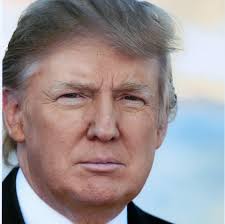
Donald Trump
In his bestselling 1973 biography, The Life and Death of Adolf Hitler, British historian Robert Payne harshly condemned the German people for the rise of the Nazi dictator:
“Ultimately, the responsibility for the rise of Hitler lies with the German people, who allowed themselves to be seduced by him and came to enjoy the experience….
“They followed him with joy and enthusiasm because he gave them license to pillage and murder to their hearts’ content. They were his servile accomplices, his willing victims….
“If he answered their suppressed desires, it was not because he shared them, but because he could make use of them. He despised the German people, for they were merely the instruments of his will.”
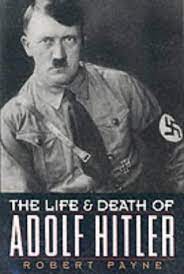
On November 5, 2024, 77,302,580 ignorant, hate-filled, Right-wing Americans catapulted Donald Trump—a man, charged conservative New York Times columnist David Brooks, with an “odd psychology unleavened by kindness and charity”—once again into the Presidency.
Upon re-taking office on January 20, 2025, Trump began attacking the vital foundations of democracy
- Granting clemency to more than 1,500 people convicted of offenses related to the January 6, 2021 United States Capitol attack.
- Reversing climate change initiatives, eliminating DEI programs and initiating a federal hiring freeze.
- Taking an increasingly aggressive stance toward Canada, imposing steep tariffs and even threatening military intervention to make it the 51st state.
- Purging a half-dozen assistant directors of the FBI who oversee criminal, national security and cyber investigations. Their “crime: Investigating Trump’s inciting the January 6, 2021 coup attempt and his illegally hoarding sensitive national security documents after leaving office.
- Ordering the Justice Department to indict his critics such as New York Attorney General Letitia James and former FBI Director James Comey.
- Shutting off the Supplemental Nutrition Assistance Program (SNAP) for the poor to pressure Democrats to support his gutting of healthcare programs.
- Igniting an unprovoked war with Israel against Iran.
**********
Democracies that allow such crimes to go unpunished soon cease being democracies.
It’s natural to regret that the United States has need of such a drastic remedy as a Presidential Crimes Commission. But those who lament this should realize there is only one choice:
Either non-Fascist Americans will destroy the Republican party and its voters that threaten to enslave them—or they will be enslaved by Republicans and their voters who believe they are entitled to manipulate and undermine the country’s democratic processes.
There is no middle ground.
ABC NEWS, ADOLF HITLER, ALFRED JODL, ALTERNET, AMERICABLOG, AP, AYATOLLAH ALI KHAMENEI, BABY BOOMER RESISTANCE, BBC, BELGIUM, BLOOMBERG, BLOOMBERG NEWS, BLUESKY, BUZZFEED, CBS NEWS, CNN, CROOKS AND LIARS, DAILY KOS, FIVETHIRTYEIGHT, FRANCE, GREECE, HARPER’S MAGAZINE, HEINZ GUDERIAN, HOLLAND, HUFFINGTON POST, ISRAEL, JORDAN, JOSEPH STALIN, KUWAIT, LENINGRAD, MEDIA MATTERS, MOSCOW, MOTHER JONES, MOVEON, MSNBC, NAPOLEON BONAPARTE, NAZI GERMANY, NBC NEWS, NEW REPUBLIC, NEWSDAY, NEWSWEEK, NORTH ATLANTIC TREATY ORGANIZATION (NATO), NORWAY DENMARK, NPR, NUCLEAR WEAPONS, OIL FIELDS, PBS NEWSHOUR, PETE HEGSETH, POLAND, POLITICO, POLITICUSUSA, QATAR, RAW STORY, REPUBLICAN PARTY, REUTERS, SALON, SAUDI ARABIA, SAVING PRIVATE RYAN (MOVIE), SEATTLE TIMES, SLATE, SOVIET UNION, TALKING POINTS MEMO, TERRORISM, THE ATLANTIC, THE CHICAGO SUN-TIMES, THE CHICAGO TRIBUNE, THE DAILY BEAST, THE DAILY BLOG, THE GUARDIAN, THE HILL, THE HUFFINGTON POST, THE INTERCEPT, THE LONGEST DAY (MOVIE, THE LOS ANGELES TIMES, THE NATION, THE NEW REPUBLIC, THE NEW YORK TIMES, THE NEW YORKER, THE PENTAGON, THE UNITED ARAB EMIRATES, THE VILLAGE VOICE, THE WASHINGTON POST, THINKPROGRESS, THIRD REICH, TIME, TRUTHDIG, TRUTHOUT, TWO POLITICAL JUNKIES, U.S. NEWS & WORLD REPORT, UPI, USA TODAY, WEHRMACHT, WONKETTE, X, YUGOSLAVIA
In Bureaucracy, History, Law, Politics, Social commentary on March 26, 2026 at 12:17 am
Donald Trump’s unprovoked attack on Iran is separated from Adolf Hitler’s attack on the Soviet Union by a span of 84 years. Yet despite differences in geography and history, eerie similarities exist between the two.
Hitler launched his assault on the Soviet Union on June 22, 1941—after a series of quick military conquests: Poland (1939); Norway, Denmark, Holland, Belgium, France (1940); Greece and Yugoslavia (1941).
Similarly, before launching his assault on Iran on February 28, Trump had scored a number of triumphs–albeit of a non-military nature. A March 19, 2026 article in The New Republic offers a partial summary:

Donald Trump and Adolf Hitler
“In the first year since returning to power, Trump and his subordinates have pushed the country toward fascism and oligarchy. He has turned Washington into an orgy of corruption and self-dealing beyond even the most cynical observer’s imagination.
“He has transformed Immigration and Customs Enforcement and Border Patrol into a lawless paramilitary force that has besieged American cities and killed at least five U.S. citizens and 22 foreign nationals. He has abused Americans and their immigrant neighbors alike simply because he can.”
In his attempt to conquer the Soviet Union, Hitler made the fatal mistake of trying to conquer too much territory all at once.
In August 1941, Hitler diverted forces from the central push on Moscow to surround Leningrad and industrial regions in the South, which delayed the attack on Moscow. By the time Hitler decided to capture Moscow, the weather had turned cold and the Germans were exhausted and freezing.
As in the case of Hitler, Trump assumed that Iran could be forced to quickly surrender. But that effort has been handicapped by a series of shifting and contradictory goals:
- Preventing Iran from developing nuclear weapons.
- Destroying Iran’s missile capabilities.
- Annihilating the Iranian navy.
- Ensuring that Iran quit arming, funding and/or directing “terrorist armies” outside its borders.
In the opening day of the war, American and Israeli airstrikes killed Iran’s Supreme Leader, Ayatollah Ali Khamenei. By March 17, Israel announced that it had killed two more top Iranian leaders in airstrikes. Still, Iranians chose new leaders to succeed dead ones and went on fighting.

Ayatollah Ali Khamenei
On March 19, Israeli airstrikes hit Iran’s largest gas field—South Pars, which is part of the world’s largest natural gas reserves. In retaliation, Iran launched drone and missile attacks against energy infrastructure in Saudi Arabia, the United Arab Emirates (UAE), Qatar, and Kuwait.
Iran also targeted Israel and attacked U.S. military bases in the region, including in Bahrain and Jordan.
Trump said there would be no further attacks on South Pars unless Iran attacked Qatar again. In that case the U.S. “will massively blow up the entirety” of the gas field.
Hitler expected the Soviet Union to collapse in a matter of weeks. France, which supposedly had the strongest army in Europe, had collapsed in six weeks in 1940. He believed that General Winter, which had defeated Napoleon in 1812, would not be a problem for the mechanized Wehrmacht.
Yet the Wehrmacht was far less mechanized than portrayed by German propagandists. It relied heavily on horses for approximately 80% of its transport needs throughout World War II. During the winter of 1941 – 1942, the Wehrmacht lost over 179,000 horses. In the Army Group Center sector, losses reached roughly 1,000 per day.
In movies like “The Longest Day” and “Saving Private Ryan,” Americans celebrate the D-Day landings on France, on June 6, 1944. But for Nazi Germany, “the real war” was in the East. There the Wehrmacht concentrated the largest proportion of its forces—and suffered 85% of its casualties.
By March 19, the United States had spent $12 to over $12.7 billion on military operations against Iran, which began on February 28.
And by March 19, the Pentagon was asking for an additional $200 billion for the war. Secretary of Defense Pete Hegseth said “that number could move.” When asked why so much more funding was needed, he replied: “It takes money to kill bad guys.”
It also takes money—lots of it—to keep Pentagon brass well-supplied with luxuries denied to Americans forced to live on Food Stamps.
In September 2025, the Pentagon spent a record-breaking $93.4 billion in a single month. While most of this was for military grants and contracts, a significant portion was used for high-end furniture, luxury food and musical instruments.
This spending surge, often called a “use-it-or-lose-it” spree, occurs at the end of the fiscal year as agencies rush to exhaust their budgets to avoid future cuts. Examples:
- Luxury Food: Lobster tail, $15 million on ribeye steak, $9 million on Alaskan King Crab, $25 million+ on salmon
- Furniture: High-end office furniture: $225.6 million, including $60,000 for Herman Miller recliners
- Instruments: $1.8 million: Steinway & Sons grand piano ($98,329), a $21,750 custom handmade flute and a $26,000 violin
- IT/Devices: High-Spec Apple iPad Air M3s and Samsung 98-inch monitors – $5.3 million
- Goodies: Ice cream machines, doughnuts, fruit basket stands – $275,000+
Meanwhile, Trump has called for huge increases to the Pentagon’s budget. In January, he posted that the 2027 fiscal year budget should be $1.5 trillion—a 50% increase.
“This will allow us to build the ‘Dream Military’ that we have long been entitled to and, more importantly, that will keep us SAFE and SECURE, regardless of foe.”
Fasten your seatbelts. It’s going to be a bumpy—and expensive—nightmare.
2016 PRESIDENTIAL CAMPAIGN, 2020 PRESIDENTIAL CAMPAIGN, ABC NEWS, ADOLF HITLER, ALTERNET, AMERICABLOG, ANCIENT GREECE, ANCIENT ROME, AP, BABY BOOMER RESISTANCE, BERNIE SANDERS, BUZZFEED, CATASTROPHE, CBS NEWS, CHINA, CNN, CONSUMER PROTECTION, CORPORATE TAXES, CORRUPTION, CROOKS AND LIARS, DAILY KOS, DEMOCRATIC PARTY, DONALD TRUMP, DRUDGE RETORT, EXECUTIVE PAYWATCH, FACEBOOK, FIVETHIRTYEIGHT, FORBES, FUNDRAISING, HARPER’S MAGAZINE, HILLARY CLINTON, INCOME INEQUALITY, IVAN THE TERRIBLE, JOE BIDEN, JOSEPH STALIN, LEON TROTSKY, MEDIA MATTERS, MOTHER JONES, MOVEON, MSNBC, NAZI GERMANY, NBC NEWS, NEWSWEEK, NICCOLO MACHIAVELLI, NPR, PBS NEWSHOUR, POLITICO, POLITICUSUSA, RAW STORY, REUTERS, ROBERT PAYNE, ROBERT REICH, SALON, SEATTLE TIMES, SLATE, SPARTACUS, TALKING POINTS MEMO, THE ATLANTIC, THE CHICAGO SUN-TIMES, THE CHICAGO TRIBUNE, THE CORRUPT SOCIETY (BOOK), THE DAILY BEAST, THE DAILY BLOG, THE DISCOURSES, THE FRENCH REVOLUTION, THE GREAT LEVELER (BOOK), THE GUARDIAN, THE HILL, THE HUFFINGTON POST, THE LOS ANGELES TIMES, THE NATION, THE NEW REPUBLIC, THE NEW YORK TIMES, THE RUSSIAN REVOLUTION, THE VILLAGE VOICE, THE WASHINGTON POST, THINKPROGRESS, TIME, TRUTHDIG, TRUTHOUT, TWO POLITICAL JUNKIES, U.S. NEWS & WORLD REPORT, UPI, USA TODAY, VIOLENCE, Vladimir Lenin, WALL STREET, WALTER SCHEIDEL, WATERGATE, WEALTH GAP, WILLIAM SHAKESPEARE, WINSTON CHURCHILL, WONKETTE, X
In Bureaucracy, Business, History, Law, Politics, Social commentary on March 24, 2026 at 12:22 am
The gap between rich and poor in the United States has never been greater.
According to former Labor Secretary Robert Reich:
“The richest Americans saw their net worth soar 120% from 2017 to 2025. The top 1% now control $55.8 trillion in assets—more than the G.D.P. of the United States and China combined. Meanwhile, millions of Americans live paycheck to paycheck.”
Average CEO pay has exploded, rising over 1,000% since the late 1970s while typical worker pay has only grown modestly. As of 2024, top CEOs make nearly 300 times more than their average employee, a trend driven by stock buybacks and corporate greed rather than merit.
Since 1978, CEO pay increased by 1,085%, while typical worker pay rose only 24%. In 2023, CEOs at the top 350 U.S. firms earned 290 times more than the average worker.
This would not have been news to Niccolo Machiavelli, the father of modern political science. In his masterwork, The Discourses, he observed the human condition as that of constant struggle:

Niccolo Machiavelli
“It was a saying of ancient writers, that men afflict themselves in evil, and become weary of the good, and that both these dispositions produce the same effects.
“For when men are no longer obliged to fight from necessity, they fight from ambition, which passion is so powerful in the hearts of men that it never leaves them, no matter to what height they may rise.
“The reason for this is that nature has created men so that they desire everything, but are unable to attain it. Desire being thus always greater than the faculty of acquiring, discontent with what they have and dissatisfaction with themselves result from it.
“This causes the changes in their fortunes—for as some men desire to have more, while others fear to lose what they have, enmities and war are the consequences. And this brings about the ruin of one province and the elevation of another.”
Author Walter Scheidel, Dickason Professor in the Humanities, Professor of Classics and History at Stanford University, has also given this subject a great deal of thought. And, like Machiavelli, he has reached some highly disturbing conclusions.

Walter Scheidel
World Economic Forum [CC BY-SA 2.0 (https://creativecommons.org/licenses/by-sa/2.0)%5D
Scheidel gave voice to these in his 2017 book, The Great Leveler: Violence and the History of Inequality from the Stone Age to the Twenty-First Century. His thesis: Only violence and catastrophes have consistently reduced inequality throughout history.
According to the book’s jacket blurb: “Are mass violence and catastrophes the only forces that can seriously decrease economic inequality? To judge by thousands of years of history, the answer is yes.
“Tracing the global history of inequality from the Stone Age to today, Walter Scheidel shows that inequality never dies peacefully. Inequality declines when carnage and disaster strike and increases when peace and stability return.
“The Great Leveler is the first book to chart the crucial role of violent shocks in reducing inequality over the full sweep of human history around the world.
“Ever since humans began to farm, herd livestock, and pass on their assets to future generations, economic inequality has been a defining feature of civilization. Over thousands of years, only violent events have significantly lessened inequality.
“The ‘Four Horsemen’ of leveling—mass-mobilization warfare, transformative revolutions, state collapse, and catastrophic plagues—have repeatedly destroyed the fortunes of the rich….
“Today, the violence that reduced inequality in the past seems to have diminished, and that is a good thing. But it casts serious doubt on the prospects for a more equal future.”
Revolutionaries have known the truth of Scheidel’s findings from the gladiators’ revolt of Spartacus (73 – 71 B.C.) to the French Revolution (1789 – 1799) to the overthrow of the Czarist Romanov dynasty (1917).
But American politicians serenely ignore that truth. They depend on the mega-rich for millions of dollars in “campaign contributions”—which pay for self-glorifying ads on TV.
Thus, in 2016, American voters had a “choice” between two “love-the-rich” Presidential candidates: Donald Trump and Hillary Clinton. The result was that millions stayed home or voted in protest for third-party candidates who had no chance of winning.
In his 1975 book, The Corrupt Society: From Ancient Greece to Modern-day America, British historian Robert Payne warned that the predatory rich would not change their behavior: “Nor is there any likelihood that the rich will plow back their money into services to ensure the general good.
“They have rarely demonstrated social responsibility, and they are much more likely to hold on to their wealth at all costs than to renounce any part of it.
“Like the tyrant who lives in a world wholly remote from the world of the people, shielded and protected from all possible influences, the rich are usually the last to observe the social pressures rising from below, and when these social pressures reach flashpoint, it is too late to call in the police or the army.
“The tyrant dies; the police and the army go over to the revolutionaries; and the new government dispossesses the rich by decree. A single authoritative sentence suffices to expunge all private wealth and restore it to the service of the nation.”
For millions of struggling, impoverished Americans, that day cannot come soon enough.
ABC NEWS, ALTERNET, AMERICABLOG, AP, BABY BOOMER RESISTANCE, BBC, BLOOMBERG, BLUESKY, BUZZFEED, CALVIN COOLIDGE, CBS NEWS, CHERYL BEHYMER, CNN, CROOKS AND LIARS, DAILY KOS, EMPLOYERS, FISHER & PHILLIPS LAW FIRM, FIVETHIRTYEIGHT, GLASSDOOR, HARPER’S MAGAZINE, HUFFINGTON POST, JERRY BROWN, JOB-SEEKERS, MEDIA MATTERS, MOTHER JONES, MOVEON, MSNBC, NBC NEWS, NEW REPUBLIC, NEWSDAY, NEWSWEEK, NPR, PBS NEWSHOUR, POLITICO, POLITICUSUSA, RAW STORY, REUTERS, SALARY HISTORY, SALON, SEATTLE TIMES, SLATE, SUSAN EGGMAN, TALKING POINTS MEMO, THE ATLANTIC, THE CHICAGO SUN-TIMES, THE CHICAGO TRIBUNE, THE DAILY BEAST, THE DAILY BLOG, THE GUARDIAN, THE HILL, THE HUFFINGTON POST, THE INTERCEPT, THE LOS ANGELES TIMES, THE NATION, THE NEW REPUBLIC, THE NEW YORK TIMES, THE NEW YORKER, THE VILLAGE VOICE, THE WASHINGTON POST, THINKPROGRESS, TIME, TRUTHDIG, TRUTHOUT, TWO POLITICAL JUNKIES, U.S. NEWS & WORLD REPORT, UNEMPLOYMENT, UPI, USA TODAY, USA TODAY NICCOLO MACHIAVELLI, WAGE GAP, X
In Bureaucracy, Business, History, Law, Law Enforcement, Politics, Social commentary on March 20, 2026 at 12:11 am
“All those who have written upon civil institutions demonstrate…that whoever desires to found a state and give it laws, must start with assuming that all men are bad and ever ready to display their vicious nature, whenever they may find occasion for it.
“If their evil disposition remains concealed for a time, it must be attributed to some unknown reason; and we must assume that it lacked occasion to show itself. But time, which has been said to be the father of all truth, does not fail to bring it to light.”
So wrote Niccolo Machiavelli in his masterpiece on political theory, The Discourses.
Niccolo Machiavelli
And now, California legislators have wisely—if belatedly—acted on that warning by reigning in the greed-based nature of corporate employers.
As of January 1, 2018, it is now illegal for California employers to ask job applicants about their former salaries and benefits.
Then-Governor Jerry Brown signed a new state privacy bill into law during the last week of December, 2017.
This is good news for applicants who believe they shouldn’t be judged on how much—or little—money they earned in the past.
For decades, employers have used “salary histories” to discriminate against applicants who earned large—or small—salaries in their previous jobs.
If an applicant had been paid a miserly wage even though he had performed major tasks for an employer, the new potential employer would use that low salary as a weapon against him: “Well, it says here you earned $—– in your most recent job. Why should we pay you more than that?”
And if an applicant had earned a high salary, an employer would often use that against him: “We can’t afford to match that, let alone give you more than that.” In many cases, employers simply refused to give a reason for refusing to hire the applicant.
In either case, it was clearly an “I win/You lose” situation.
And when employers whined about how expensive it was to pay a living wage to those who made their profits a reality, they never mentioned the exorbitant salary paid to their own Corrupt Egotistical Oligarch (CEO).
According to Glassdoor: As of February, 2026, the medium total pay for a CEO is $282,000 per year. 
One job-seeking applicant tried to finesse the salary history demand by filling out the job application form except for the salary history part. He then attached a cover-letter, which read:
“I am interested in speaking with you or one of your representatives about the above-named position. I have filled out the required application—-with the exception of the box inquiring into my Current/last Income.
“I have in the past responded to ‘Salary History’ inquires and have found these have only one purpose: To elicit the lowest salary received, so that the salary to be offered can be adjusted to that level.
“I have been paid on a per-hour basis, a per-assignment basis, and on a bi-weekly basis. Each of these salaries was for a different job, and each job required a specific set of skills and efforts on my part.
“I am prepared to discuss in detail how my skills and experiences can prove of use to your company. But I do not discuss past salaries earned with anyone but the Internal Revenue Service.
“If you are prepared to hire on the basis of what I can do for your company, and not on the basis of what other employers have paid me in the past for assignments that had nothing to do with your company, please contact me at your earliest convenience.”
California job-seekers no longer need to worry about that part of the application.
Supporters of the law believe it will help reduce the notorious wage-gap between male and female employees.
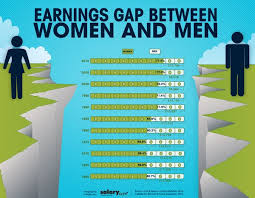
“Women negotiating a salary shouldn’t have to wrestle an entire history of wage disparity,” said the bill’s principal author, California Assemblywoman Susan Talamantes Eggman.
California’s new law also requires potential employers to disclose a salary range for the job in question, should an applicant ask about it.
This arms job seekers with valuable information because they can now discover how much a company is willing to offer for that position.
In the past, employers held that information close to the vest as one more way of gaining control over their potential employee.
Although California has long been a trailblazer in employee/employer relations, it was not the first state to pass such a law. Oregon, Delaware and Massachusetts had already passed laws forbidding employers from asking about salary history.
Many employers and their paid shills believe that President Calvin Coolidge was right when he said: “The man who builds a factory builds a temple, and the man who works there worships there.”
Cheryl Behymer, an attorney for the law firm Fisher & Phillips, which represents employers, said: “Here’s another point where the government is dictating to an employer how to conduct its business and employers resent that.”
As do all tyrants forced to relinquish any part of their tyranny.
ALEX PRETTI, ALTERNET, AMERICABLOG, AP, AUSCHWITZ, BABY BOOMER RESISTANCE, BBC, BLOOMBERG, BLUESKY, BUZZFEED, CBS NEWS, CNN, COAST GUARD, CROOKS AND LIARS, CUSTOMS AND BORDER PATROL (CBP), DAILY KOS, DEPARTMENT OF HOMELAND SECURITY (DHS), DONALD TRUMP, FEDERAL EMERGENCY MANAGEMENT AGENCY (FEMA), FIVETHIRTYEIGHT, HARPER’S MAGAZINE, HUFFINGTON POST, ILLEGAL ALIENS, IMMIGRATION AND CUSTOMS ENFORCEMENT (ICE), KRISTI NOEM, MEDIA MATTERS, MOTHER JONES, MOVEON, MSNBC, NBC NEWS, NEWSDAY, NEWSWEEK, NPR, OFFICE OF INTELLIGENCE AND ANALYSIS (I&A), ONE BIG BEUTIFUL BILL, PBS NEWSHOUR, POLITICO, POLITICUSUSA, RAW STORY, RENEE GOOD, REUTERS, SALON, SAVING PRIVATE RYAN (MOVIE), SEATTLE TIMES, Secret Service, SLATE, TALKING POINTS MEMO, THE ATLANTIC, THE CHICAGO SUN-TIMES, THE CHICAGO TRIBUNE, THE DAILY BEAST, THE DAILY BLOG, THE GODFATHER PART 11 (MOVIE), THE GUARDIAN, THE HILL, THE HOLOCAUST, THE HUFFINGTON POST, THE INTERCEPT, THE LOS ANGELES TIMES, THE NATION, THE NEW REPUBLIC, THE NEW YORK TIMES, THE NEW YORKER, THE VILLAGE VOICE, THE WASHINGTON POST, THINKPROGRESS, TIME, TRANSPORTATION SAFETY ADMINISTRATION (TSA), TRUTHDIG, TRUTHOUT, TWO POLITICAL JUNKIES, U.S. NEWS & WORLD REPORT, UPI, USA TODAY, X
In Bureaucracy, History, Law, Law Enforcement, Politics, Social commentary on March 19, 2026 at 12:10 am
It’s one of the most moving scenes in the 1974 classic, “The Godfather: Part 11”: Nine-year-old Vito Corleone and a cargo ship crammed with Italian refugees arrive at Ellis Island. They’re sitting or squatting on the deck when, suddenly, the Statue of Liberty looms over them.
And, just as suddenly, they rise as one and look up with expectant faces at the symbol of the new country in which they will soon live.

Statue of Liberty
Today, 125 years after Vito’s cinematic arrival in New York Harbor, the United States is seen as a far less welcoming place for would-be immigrants.
A far better description of its policies toward immigration can be found in the 1989 spectacular, “Saving Private Ryan.”
It’s 1944, shortly after the D-Day landings to liberate France from Nazi rule. As a squad of American soldiers prepare to assault a building held by Germans, a loudspeaker from the enemy side blares: “The Statue of Liberty is kaput.”
In 2025, the Department of Homeland Security (DHS) reported that more than 2.5 million illegal aliens left the United States, including about 1.9 million self-deportations and over 622,000 formal deportations.
Most of the deported came from Mexico, Guatemala, Honduras, Cuba and Venezuela.
Since taking office as President on January 20, 2025, Donald Trump has made deporting illegal aliens—and even holders of green cards—the top priority of his administration.

Donald Trump
Immigration and Customs Enforcement (ICE) has reported hiring over 12,000 new officers and agents. This surge, largely occurring in late 2025, more than doubled the agency’s operational workforce from approximately 10,000 to over 22,000 personnel.
The “One Big Beautiful Bill Act,” signed on July 4, 2025, tripled ICE’s annual budget and provided $75 billion for massive increases in detention capacity and hiring new agents.
ICE’s aggressive arrests of migrants and even American citizens—capped by the murders of Renee Good and Alex Pretti in Minneapolis, Minnesota—have sparked national protests.
They also led to Democratic Senators’ demanding major reforms in how ICE operates. Among these:
- Require DHS officers to have a judicial warrant to enter private property.
- Ban ICE and immigration enforcement agents from wearing masks and other face coverings.
- Require DHS officers to display their agency, unique ID number and last name.
- Require ICE officers to wear body-cameras when interacting with the public.
- Prohibit DHS officers from stopping, questioning and searching people based on their presence at certain locations, job, spoken language and accent, or their race or ethnicity.

Trump—through his former DHS Secretary Kristi Noem—has absolutely refused.
As a result, Democratic Senators refused to fund DHS. A House-passed bill to do so failed in the Senate.
Since February 14, DHS has faced a partial government shutdown, forcing roughly 90% of DHS’s 260,000 employees to work without pay. On March 13, about 50,000 TSA workers officially missed their first full paychecks
The consequences of this include:
- Airports are experiencing massive security line backups—some reaching three hours—due to a shortage of Transportation Security Administration (TSA) screeners.
- Disaster relief efforts through the Federal Emergency Management Agency (FEMA) have stalled, affecting states recently hit by severe weather.
Ironically, ICE itself has not been affected by the shutoff of funds to DHS. Its funding comes separately from the “One Big Beautiful Bill Act.”
Those agencies which are affected include:
- Federal Emergency Management Agency (FEMA) – Coordinates disaster response.
- U.S. Customs and Border Patrol (CBP) – Manages border security and customs.
- U.S. Coast Guard – Maritime safety, security and stewardship.
- Transportation Safety Administration (TSA) – Secures airports, railways, and other transportation systems.
- Countering Weapons of Mass Destruction Office (CWMDO) – Works to prevent attacks using WMDs.
- U.S. Secret Service – Protects the President, various national officials and investigates financial crimes.
- Office of Intelligence and Analysis (I&A) – Provides intelligence to identify and mitigate threats.
All of these agencies perform tasks vital to the security of American citizens. But for Trump, the single most important of these agencies is the Secret Service.
Being forced to worry about meeting your most essential needs can easily decrease a bodyguard’s attentiveness to potential dangers.

Secret Service agent
This is not the first time that Trump has forced his bodyguards to work for free.
Secret Service agents had to work without pay through two major government shutdowns—for 35 days in 2018-19 and 43 days in 2025. Many of them had to stand in line at food banks to feed their families.
And there’s a less-personal danger facing Trump: More than 300 TSA agents have quit during the ongoing partial government shutdown as of March, 2026. Many more have called out sick, causing long lines at airports
If a terrorism incident occurs at an airport or aboard a plane—highly likely now since Trump attacked Iran on February 28—he will face the blame for it.
And with Republicans desperate to retain seats in Congress in the upcoming midterm elections, this could prove politically fatal.
During World War 11, Adolf Hitler prioritized the transportation of Jews and other prisoners to extermination camps like Auschwitz-Birkenau, often diverting munitions-carrying trains from the war effort to feeding victims into the Holocaust.
In the name of his racist effort to “cleanse” the United States of nonwhites, Donald Trump is putting his regime—and the lives of Americans—at deadly risk.
2016 PRESIDENTIAL CAMPAIGN, A HIGHER LOYALTY (BOOK), ABC NEWS, ALTERNET, AP, “FLIPPING”, BUZZFEED, CARMINE GALANTE, CBS NEWS, CNN, CROOKS AND LIARS, DAILY KOS, DON MCGAHN, DONALD TRUMP, EPSTEIN FILES, FBI, FOX AND FRIENDS, FOX NEWS, IRAN, JEFFREY EPSTEIN, JOHN DEAN, JOHN GOTTI, MAFIA, MICHACL COHEN, MICHAEL FLYNN, MOTHER JONES, MOVEON, MSNBC, NBC NEWS, NEWSWEEK, NICHOLAS MADURO, NPR, ORGANIZED CRIME, ORGANIZED CRIME CONTROL ACT OF 1970, POLITICO, RAW STORY, REUTERS, RICHARD NIXON, ROY COHN, RUSSIA, SALON, SEATTLE TIMES, SLATE, THE ATLANTIC, THE CHICAGO SUN-TIMES, THE CHICAGO TRIBUNE, THE DAILY BEAST, THE GUARDIAN, THE HILL, THE HUFFINGTON POST, THE LOS ANGELES TIMES, THE NATION, THE NEW YORK TIMES, THE WASHINGTON POST, TIME, U.S. NEWS & WORLD REPORT, UNITED STATES JUSTICE DEPARTMENT, UPI, USA TODAY, VENEZUELA, VLADIMIR PUTIN, X
In Bureaucracy, History, Law, Law Enforcement, Politics, Social commentary on March 13, 2026 at 12:10 am
James Comey has had a long and distinguished career in American law enforcement:
- 2002 – 2003: United States Attorney for the Southern District of New York
- 2003 – 2005: United States Deputy Attorney General
- 2013 – 2017: Director of the Federal Bureau of Investigation
As a result, Comey has firsthand experience in attacking organized crime—and in spotting its leaders.
In his bestselling memoir, A Higher Loyalty, he writes:
“As I found myself thrust into the Trump orbit, I once again was having flashbacks to my earlier career as a prosecutor against the mob. The silent circle of assent. The boss in complete control. The loyalty oaths. The us-versus-them worldview. The lying about all things, large and small, in service to some code of loyalty that put the organization above morality and the truth.”
On May 9, 2017, President Donald Trump fired Comey as FBI director. There were five reasons for this:
- Comey had refused to pledge his personal loyalty to Trump. Trump had made the “request” during a private dinner at the White House in January.
- Comey told Trump that he would always be honest with him. But that didn’t satisfy Trump’s demand that the head of the FBI act as his personal secret police chief—as was the case in the former Soviet Union.
- Trump had tried to coerce Comey into dropping the FBI’s investigation into former National Security Adviser Michael Flynn, for his secret ties to Russia and Turkey. Comey had similarly resisted that demand.
- Comey had recently asked the Justice Department to fund an expanded FBI investigation into well-documented contacts between Trump’s 2016 Presidential campaign and Russian Intelligence agents.
- The goal of that collaboration: To elect Trump over Hillary Clinton, a longtime foe of Russian President Vladimir Putin.

James Comey
Trump and his shills have adamantly denied that he demanded that Comey serve as his private police chief.
But then Trump proved that he—and not Comey—was the liar. And more like a mobster than a President.
On August 21, 2018, his former attorney, Michael Cohen, pleaded guilty to eight counts of campaign finance violations, tax fraud and bank fraud. And, more worrisome for Trump, Cohen said he had made illegal campaign contributions “in coordination and at the direction of a candidate for federal office”—Donald Trump.
On August 23, on the Fox News program, “Fox and Friends,” Trump attacked Cohen for “flipping” on him:
“For 30, 40 years I’ve been watching flippers. Everything’s wonderful and then they get 10 years in jail and they—they flip on whoever the next highest one is, or as high as you can go. It—it almost ought to be outlawed. It’s not fair.
“You know, campaign violations are considered not a big deal, frankly. But if somebody defrauded a bank and he’s going to get 10 years in jail or 20 years in jail but if you can say something bad about Donald Trump and you’ll go down to two years or three years, which is the deal he made.”

Making “flipping” illegal would undo decades of organized crime prosecutions—and make future ones almost impossible.
“It takes a small bum to catch a big bum,” as one deputy U.S. marshal once stated.
Boy Scouts simply won’t hang out with career criminals. To penetrate the secrets of criminal organizations, investigators and prosecutors need the testimony of those who are parties to those secrets.
The Organized Crime Control Act of 1970 gave Justice Department prosecutors unprecedented weapons for attacking crime syndicates across the country. One of these was the authority to give witnesses immunity from prosecution on the basis of their own testimony.
Thus, a witness to a criminal conspiracy could be forced to tell all he knew—and thus implicate his accomplices—and bosses. In turn, he wouldn’t be prosecuted on the basis of his testimony. (He could, however, be prosecuted if someone else accused him of criminal acts.)
Organized crime members aggressively damn such “rats.” There is no more obscene word in a mobster’s vocabulary.
But no President—until Trump—has ever attacked those who make possible a war on organized crime.
His former lawyer and mentor, Roy Cohn, represented some of the most notorious Mafiosi in the country—such as John Gotti and Carmine Galante. And both Gotti and Galante went to prison owing to “flippers.”
In 1973, former White House Counsel John Dean testified before the United States Senate on a litany of crimes committed by President Richard M. Nixon. Dean didn’t lie about Nixon—who ultimately resigned in disgrace.
For Trump, Dean’s sin is that he “flipped” on his former boss, violating the Mafia’s code of omerta, or silence.
For Donald Trump, there is no greater nightmare than becoming the victim of those who know—and are willing to share—his criminal secrets.
That’s why he fought the release of the “Epstein files,” which document his social relationship with convicted pedophile Jeffrey Epstein from the late 1980s to at least the early 2000s.
Since their partial release, he’s repeatedly tried to divert attention from their revelations. On January 3, 2026, he ordered the invasion of Venezuela to kidnap its dictator/president, Nicolás Maduro. Then on February 28 he launched an attack on Iran.
Both these assaults have only partially succeeded in obscuring revelations of the Epstein files.
ABC NEWS, ADOLF HITLER, ALTERNET, AMERICABLOG, AP, BABY BOOMER RESISTANCE, BBC, BLOOMBERG, BUZZFEED, CANNANITES, CBS NEWS, CHILDREN, CNN, COVID-19, CROOKS AND LIARS, DAILY KOS, DONALD TRUMP, ERICH VON MANSTEIN, FBI, FIVETHIRTYEIGHT, FRANCE, HARPER’S MAGAZINE, HUFFINGTON POST, JOSEPH BIDEN, MAGINOT LINE, MEDIA MATTERS, MOLOCH, MOTHER JONES, MOVEON, MSNBC, NAZI GERMANY, NBC NEWS, NEW REPUBLIC, NEWSDAY, NEWSWEEK, NPR, PBS NEWSHOUR, POLITICO, POLITICUSUSA, RAW STORY, REUTERS, SALON, SCHOOL, SEATTLE TIMES, SLATE, TALKING POINTS MEMO, THE ATLANTIC, THE CHICAGO SUN-TIMES, THE CHICAGO TRIBUNE, THE DAILY BEAST, THE DAILY BLOG, THE GUARDIAN, THE HILL, THE HUFFINGTON POST, THE INTERCEPT, THE IRAN NUCLEAR DEAL, THE LOS ANGELES TIMES, THE NATION, THE NEW REPUBLIC, THE NEW YORK TIMES, THE NEW YORKER, THE PARIS AGREEMENT, THE VILLAGE VOICE, THE WASHINGTON POST, THE WEEK, THINKPROGRESS, TIME, TRUTHDIG, TRUTHOUT, TWO POLITICAL JUNKIES, U.S. NEWS & WORLD REPORT, UPI, USA TODAY, WORLD WAR 11, X
In Bureaucracy, History, Law, Law Enforcement, Military, Politics, Social commentary on March 11, 2026 at 12:51 am
On January 27, 1944, Adolf Hitler convened a meeting of 100 of his military chiefs, including all the army group commanders of the Eastern front.
The war against the Soviet Union was going badly while the Americans and British were preparing to invade France. And Hitler believed he had the recipe for assuring victory: The Wehrmacht needed to be inoculated with the spirit of National Socialism.
At the end of his long-winded speech, he addressed this challenge to his generals:
“If the worse ever comes to the worst, and I am ever abandoned as Supreme Commander by my own people, I must still expect my entire officer corps to muster around me with daggers drawn—just as every field marshal or the commander of an army corps, division or regiment expects his subordinates to stand by him in the hour of crisis.”
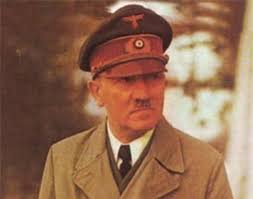
Adolf Hitler
Sitting in the front row was Field Marshal Erich von Manstein, perhaps the most brilliant member of the German General Staff. It was Manstein who had designed the “Sickle Cut” attack on France in May, 1940.
Bypassing the much-vaunted Maginot Line, the Wehrmacht struck through Belgium, taking the French completely by surprise. As a result, it defeated France in six weeks—something Germany had been unable to do during the four years of World War 1.
Now, in a loud voice, Manstein proclaimed: “And so it will be, Mein Fuhrer!”
Hitler froze; it had been more than a decade since anyone had dared interrupt him. Then, trying to make the best of a bad moment, he continued: “Very well. If this is the case, it will be impossible for us to lose this war.”
Hitler hoped that Manstein had intended to reassure him of his loyalty. But Martin Bormann, his all-powerful secretary, told him that the generals had interpreted the outburst differently: That the worse would indeed come to the worst.

Erich von Manstein
And, which, in fact, happened.
Fast forward 76 years.
As summer neared its end in 2020 and millions of students faced returning to school, President Donald Trump offered his latest “solution” to the Coronavirus pandemic: Send children back to school—and not through virtual classes at home.
Trump wanted children to return to possibly COVID-19-infected classrooms. And he wasn’t asking parents to send their children back to school. He was ordering them to.

Donald Trump
On July 8, he tweeted that he might withhold federal funding from schools that did not resume in-person classes that fall.
Trump knew that before parents could return to work, their kids needed to return to class. He hoped that would boost the economy—for which he could take credit.
And that would boost his chances for re-election in November.
Just as the ancient Canaanites sacrificed their children to the god Moloch, so did Trump expect his followers—and opponents—to risk their children’s lives for him.
Despite his demands, he lost the 2020 Presidential election to Joe Biden
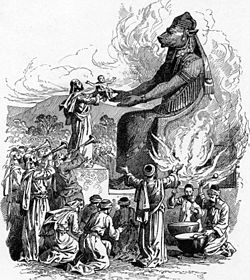
Child sacrifices to Moloch
Four years later, in January, 2024, meteorologists warned of “life-threatening” conditions in Iowa as the state prepared to cast votes in the Republican caucuses.
And Trump, now the Republican front-runner lusting for a second term as President, took that advice. Scheduled for four in-person Iowa events on January 14, he canceled three of them the day before voting, due to the freezing cold and snow.
But the didn’t share the same concern for those he urged to vote for him. With wind chill projected to be as low as -40 degrees in parts of the state on January 15, Trump had an urgent message for his legions of followers:
“If you want to save America from crooked Joe Biden, you must go caucus tomorrow. First step, very first step. We’re gonna do it. We’re gonna do it big. You got to get out.
“You can’t sit home. If you’re sick as a dog, you say, ‘Darling, I gotta make it,’” Trump said at an Indianola rally on January 14.
“Even if you vote and then pass away, it’s worth it, remember.
“If you’re sick, if you’re just so sick, you can’t, darling, I don’t think I can. Get up. Get up. You get up, you’re gonna vote,” Trump said, imitating a woman urging her husband to vote. “Yes, darling, because ultimately, we know who calls the shots, right?”
On October 12, 2024, despite intense heat that soared to over 100 degrees, thousands of Trump supporters traveled to Coachella Valley, California, to hear him speak. During the rally, some supporters collapsed because of the stifling heat.
Trump loves to brag about the size of his rallies. So, prior to the event, buses were provided to transport supporters to the rally location, which was situated about five miles from where they had parked their vehicles.
After the speech, many Stormtrumpers were left stranded in 93 degree heat. No buses showed up to return them to their cars, which were miles away. This left many attendees scrambling to find their way home.
For Trump, as for Hitler, loyalty goes only one way—from others to him. No one who served either man—no matter how loyally or how long—could be certain when he would be deemed disposable.
2016 PRESIDENTIAL ELECTION, A BRONX TALE, ABC NEWS, ALTERNET, AMERICABLOG, AP, BABY BOOMER RESISTANCE, BBC, BILL CLINTON, BLOOMBERG, BLUESKY, BUZZFEED, CBS NEWS, CHAZZ PALMINTERI, CNN, CROOKS AND LIARS, DAILY KOS, DONALD TRUMP, FIVETHIRTYEIGHT, H.R. MCMASTER, HARPER’S MAGAZINE, HUFFINGTON POST, JEFF SESSIONS, JOHN KELLY, MEDIA MATTERS, MOTHER JONES, MOVEON, MSNBC, NBC NEWS, NEWSDAY, NEWSWEEK, NICCOLO MACHIAVELLI, NPR, PBS NEWSHOUR, POLITICO, POLITICUSUSA, RAW STORY, REINCE PREBIUS, REPUBLICAN PARTY, REUTERS, ROBERT DE NIRO, Ronald Reagan, SALON, SEATTLE TIMES, SERGEI KISLYAK, SLATE, TALKING POINTS MEMO, THE ATLANTIC, THE CHICAGO SUN-TIMES, THE CHICAGO TRIBUNE, THE DAILY BEAST, THE DAILY BLOG, THE GUARDIAN, THE HILL, THE HUFFINGTON POST, THE INTERCEPT, THE LOS ANGELES TIMES, THE NATION, THE NEW REPUBLIC, THE NEW YORK TIMES, THE NEW YORKER, THE PRINCE, THE VILLAGE VOICE, THE WASHINGTON POST, THINKPROGRESS, TIME, TRUTHDIG, TRUTHOUT, TWO POLITICAL JUNKIES, U.S. NEWS & WORLD REPORT, UP, UPI, USA TODAY, X
In Bureaucracy, History, Law, Law Enforcement, Military, Politics, Social commentary on March 10, 2026 at 12:12 am
A reputation for being feared can be useful.
But it’s dangerous to constantly employ cruelties or punishments.
Whoever does so, warns Niccolo Machiavelli, “is always obliged to stand with knife in hand, and can never depend on his subjects, because they, owing to continually fresh injuries, are unable to depend upon him.”
Such a President is Donald Trump, who, as a Presidential candidate in 2016, told journalist Bob Woodward: “Real power is—I don’t even want to use the word—fear.”
As a Presidential candidate and President, Trump has repeatedly used X to attack hundreds of real and imagined enemies in politics, journalism, TV and films.
From June 15, 2015, when he launched his Presidential campaign, until October 24, 2016, Trump fired almost 4,000 angry, insulting tweets at 281 people and institutions that had somehow offended him.
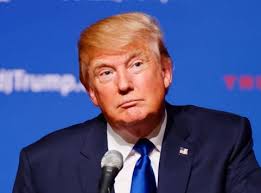
Donald Trump
The New York Times needed two full pages of its print edition to showcase them. Making one inflammatory statement after another, he offended one group of potential voters after another. Among those groups:
- Latinos
- Asians
- Blacks
- The disabled
- Women
- Prisoners-of-war
Since becoming President in 2017 and 2025, Trump has attacked and/or infuriated a wide array of influential agencies or groups. Among these:
- “Obamacare” patients: Trump authorized the directors of Federal agencies to waive requirements of the Affordable Care Act—which provides medical insurance to 22 million otherwise uninsured Americans—to the “maximum extent permitted by law.”
- The CIA: Appearing at CIA headquarters on his first full day in office, Trump addressed about 400 case officers. Standing before the star-studded memorial wall honoring 117 CIA officers who had fallen in the line of duty. Trump ignored their sacrifice. Instead, he boasted of the size of his Inaugural crowd and how many times he had appeared on the cover of Time.

- Civil rights advocates: Trump signed an executive order banning Muslims from entering the United States.
- He also ordered the Department of Homeland Security to massively expand the number of people subject to detention and deportation.
- Women: Trump has publicly insulted numerous women—such as Carly Fiorina, Megyn Kelly and Rosie O’Donnell—on their looks.
- He’s been accused by 22 women of making improper sexual advances.
- And he successfully backed Supreme Court nominee Brett Kavanaugh, whom Dr. Christine Blasey Ford accused of sexually assaulting her when they were teenagers.
- Medicare patients: During the 2016 campaign, Trump said he would allow Medicare to negotiate down the price of prescription drugs. But after meeting with pharmaceutical lobbyists on January 31, 2017, Trump said: “I’ll oppose anything that makes it harder for smaller, younger companies to take the risk of bringing their product to a vibrantly competitive market. That includes price-fixing by the biggest dog in the market, Medicare.”
And he has bullied and insulted even White House officials and his own handpicked Cabinet officers:
- Jeff Sessions: Trump waged a Twitter-laced feud against his Attorney General. Sessions’ “crime”? Recusing himself from investigations into well-established ties between Russian Intelligence agents and members of Trump’s Presidential campaign.
- On the day after the November, 2018 mid-term elections, Trump fired him.
- Commerce Secretary Wilbur Ross: Trump told him: “I don’t trust you. I don’t want you doing any more negotiations….You’re past your prime.”
- Chief of Staff Reince Priebus: Suffered repeated humiliations by Trump—such a being ordered to kill a fly that was buzzing about.
- On another occasion, Trump told an associate that Priebus was “like a little rat. He just scurries around.”
- On July 28, 2017, Priebus resigned.
- Chief of Staff John Kelly: Trump similarly ridiculed Priebus’ replacement, a former Marine Corps general. Kelly tried to limit the number of advisers who had unrestricted access to Trump—and bring discipline to his schedule.
- Instead of being grateful, Trump became furious. Kelly told colleagues: “He’s an idiot. It’s pointless to try to convince him of anything. He’s gone off the rails. We’re in Crazytown. I don’t even know why any of us are here. This is the worst job I’ve ever had.”

John Kelly
- The United States Secret Service: Before taking office as President, Trump infuriated this agency by keeping his longtime private security force—and adding its members to the elite federal agency. Thus, he clearly sent the insulting message: “You’re not good enough, and I don’t trust you.”
Trump’s repeated humiliations—and firings—of high-ranking administration officials led to a near-paralysis of his government. Many agencies were plagued by staff shortages. And many of the replacements were not of “top drawer” quality.
If Trump ever read Niccolo Machiavelli’s The Prince, he’s clearly forgotten the Florentine’s warning on the need to avoid hatred at all costs.
The new musical version of the play/movie A Bronx Tale allows Mafia capo Sonny to sing his lesson on fear versus love to Calogero, the teenager who idolizes him:
Listen now what I tell ya
This advice is you know whose
Love or fear—
It’s up to you kid
But you live with what you choose.
And it’s true: You live with what you choose.
Make being loved your top priority, and you risk being labeled a weakling who can be rolled—as Bill Clinton did.
But make being feared your goal, and you risk creating an atmosphere of hatred and paranoia—as Donald Trump has.
2016 PRESIDENTIAL ELECTION, A BRONX TALE, ABC NEWS, ALTERNET, AMERICABLOG, AP, BABY BOOMER RESISTANCE, BBC, BILL CLINTON, BLOOMBERG, BLUESKY, BUZZFEED, CBS NEWS, CHAZZ PALMINTERI, CNN, CROOKS AND LIARS, DAILY KOS, DONALD TRUMP, FIVETHIRTYEIGHT, H.R. MCMASTER, HARPER’S MAGAZINE, HUFFINGTON POST, JEFF SESSIONS, JOHN KELLY, MEDIA MATTERS, MOTHER JONES, MOVEON, MSNBC, NBC NEWS, NEWSDAY, NEWSWEEK, NICCOLO MACHIAVELLI, NPR, PBS NEWSHOUR, POLITICO, POLITICUSUSA, RAW STORY, REINCE PREBIUS, REPUBLICAN PARTY, REUTERS, ROBERT DE NIRO, Ronald Reagan, SALON, SEATTLE TIMES, SERGEI KISLYAK, SLATE, TALKING POINTS MEMO, THE ATLANTIC, THE CHICAGO SUN-TIMES, THE CHICAGO TRIBUNE, THE DAILY BEAST, THE DAILY BLOG, THE GUARDIAN, THE HILL, THE HUFFINGTON POST, THE INTERCEPT, THE LOS ANGELES TIMES, THE NATION, THE NEW REPUBLIC, THE NEW YORK TIMES, THE NEW YORKER, THE PRINCE, THE VILLAGE VOICE, THE WASHINGTON POST, THINKPROGRESS, TIME, TRUTHDIG, TRUTHOUT, TWO POLITICAL JUNKIES, U.S. NEWS & WORLD REPORT, UP, UPI, USA TODAY, X
In Bureaucracy, History, Law, Law Enforcement, Military, Politics, Social commentary on March 9, 2026 at 12:10 am
It’s probably the most-quoted passage of Niccolo Machiavelli’s infamous book, The Prince:
“From this arises the question whether it is better to be loved than feared, or feared more than loved. The reply is, that one ought to be both feared and loved, but as it is difficult for the two to go together, it is much safer to be feared than loved.
“For it may be said of men in general that they are ungrateful, voluble, dissemblers, anxious to avoid danger and covetous of gain. As long as you benefit them, they are entirely yours: they offer you their blood, their goods, their life and their children, when the necessity is remote, but when it approaches, they revolt.
“And the prince who has relied solely on their words, without making other preparations, is ruined. For the friendship which is gained by purchase and not through grandeur and nobility of spirit is bought but not secured, and at a pinch is not to be expended in your service.
“And men have less scruple in offending one who makes himself loved than one who makes himself feared. For love is held by a chain of obligations which, men being selfish, is broken whenever it serves their purpose. But fear is maintained by a dread of punishment which never fails.”

Niccolo Machiavelli
So—which is better: To be feared or loved?
In the 1993 film, A Bronx Tale, 17-year-old Calogero (Lillo Brancato) poses that question to his idol, the local Mafia capo, Sonny (Chazz Palminteri).
“That’s a good question,” Sonny replies. “It’s nice to be both, but it’s very difficult. But if I had my choice, I would rather be feared.”
Sonny has “done 10 years in the joint.” There he got an education in power—from the works of Machiavelli. Now he wants to pass on those hard-learned lessons to Calogero.
“Fear lasts longer than love. Friendships that are bought with money mean nothing. You see how it is around here. I make a joke, everybody laughs. I know I’m funny, but I’m not that funny. It’s fear that keeps them loyal to me.”

Sonny gives advice to his adopted son, Calogero
But Sonny warns there is a trick to being feared: “The trick is not being hated. That’s why I treat my men good, but not too good.
“I give too much, then they don’t need me. I give them just enough where they need me, but they don’t hate me.”
Many who quote Machiavelli in defense of being feared overlook this vital point: “Still a Prince should make himself feared in such a way that if he does not gain love, he at any rate avoids hatred, for fear and the absence of hatred may well go together.”
Presidents who desire above all to be loved risk inviting their enemies to see them as weaklings.
Case in point: Bill Clinton.
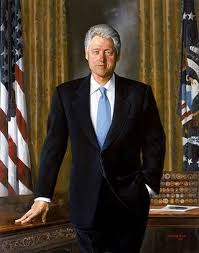
Bill Clinton
Clinton needed to be loved. He once said that if he were in a room with 100 people and 99 of them liked him but one didn’t, he would spend all his time with that one person, trying to win him over.
But while he could charm voters, he could not bring himself to retaliate against his sworn Republican enemies.
Clinton sought to endear himself to Republicans by:
- Adopting NAFTA—the Republican-sponsored North American Free Trade Act—which later proved so devastating to American workers;
- Siding with Republicans against poor Americans on welfare; and
- Championing the gutting of the Depression-era Glass-Steagall law, which barred investment banks from commercial banking activities.
In 1998, emboldened by Clinton’s refusal to stand up to them, House Republicans moved to impeach him over a sex scandal with White House intern Monica Lewinsky. But his Presidency survived when the Senate refused to convict.
To establish a fearful reputation, a leader must act decisively and ruthlessly when the interests of the organization are threatened. Punitive action must be taken promptly and confidently.
One or two harsh actions of this kind can make a leader more feared than a reign of terror.
Case in point: Ronald Reagan.
Always smiling, quick with a one-liner (especially at press conferences), seemingly unflappable, he projected a constantly optimistic view of his country and its citizens.
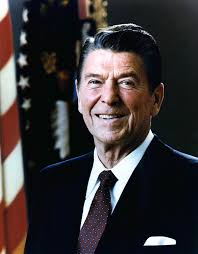
Ronald Reagan
But there was a steely, ruthless side to Reagan that appeared when he felt crossed.
On August 3, 1981, nearly 13,000 air traffic controllers walked out after contract talks with the Federal Aviation Administration collapsed. As a result, some 7,000 flights across the country were canceled on that day at the peak of the summer travel season.
Reagan branded the strike illegal. He threatened to fire any controller who failed to return to work within 48 hours.
On August 5, Reagan fired more than 11,000 air traffic controllers who hadn’t returned to work. The mass firing slowed commercial air travel, but it did not cripple the system as the strikers had forecast.
Reagan’s action stunned the American labor movement. Reagan was the only American President to have belonged to a union—the Screen Actors Guild. He had even been president of this, from 1947 to 1954.
There were no more strikes by Federal workers during Reagan’s tenure in office.
ABC NEWS, ADOLF HITLER, ALTERNET, AMERICABLOG, AP, BABY BOOMER RESISTANCE, BENITO MUSSOLINI, BUZZFEED, CBS NEWS, CNN, CROOKS AND LIARS, DAILY KOS, DEMOCRATS, DICTATORSHIP, DONALD TRUMP, DRUDGE RETORT, FASCISM, FIVETHIRTYEIGHT, HARPER’S MAGAZINE, IMPEACHMENT, IVAN THE TERRIBLE, JOSEPH STALIN, LEON TROTSKY, MEDIA MATTERS, MOTHER JONES, MOVEON, MSNBC, NAZI GERMANY, NBC NEWS, NEWSWEEK, NPR, PBS NEWSHOUR, POLITICO, POLITICUSUSA, RAW STORY, REPUBLICANS, REUTERS, ROBERT PAYNE, SALON, SEATTLE TIMES, SLATE, SOVIET UNION, TALKING POINTS MEMO, THE ATLANTIC, THE CHICAGO SUN-TIMES, THE CHICAGO TRIBUNE, THE CORRUPT SOCIETY (BOOK), THE DAILY BEAST, THE DAILY BLOG, THE GUARDIAN, THE HILL, THE HUFFINGTON POST, THE LOS ANGELES TIMES, THE NATION, THE NEW REPUBLIC, THE NEW YORK TIMES, THE VILLAGE VOICE, THE WASHINGTON POST, THINKPROGRESS, TIME, TRUTHDIG, TRUTHOUT, TWO POLITICAL JUNKIES, U.S. NEWS & WORLD REPORT, UNITED STATES CONSTITUTION, UNITED STATES HOUSE OF REPRESENTATIVES, UNITED STATES SENATE, UPI, USA TODAY, Vladimir Lenin, WILLIAM SHAKESPEARE, WINSTON CHURCHILL, WONKETTE, X
In Bureaucracy, History, Law, Law Enforcement, Military, Politics, Social commentary on February 27, 2026 at 12:15 am
According to a January 18, 2020 CNN story, President Donald Trump couldn’t understand why he had been impeached.
“Why are they doing this to me?” an anonymous source quoted Trump as saying repeatedly. Over the weekend of January 18-19, 2020, Trump told people around him at Mar-a-Lago that he “can’t understand why he is impeached.”
For starters, he could have read the legal brief that Democratic House managers had filed with the Senate:
“President Donald J. Trump used his official powers to pressure a foreign government to interfere in a United States election for his personal political gain, and then attempted to cover up his scheme by obstructing Congress’s investigation into his misconduct.
“The Constitution provides a remedy when the President commits such serious abuses of his office: impeachment and removal. The Senate must use that remedy now to safeguard the 2020 U.S. election, protect our constitutional form of government, and eliminate the threat that the President poses to America’s national security.”
But Trump completely dismissed such arguments, despite the overwhelming evidence backing them up.
Donald Trump
Trump had become internationally notorious as a liar. By December 16, 2019, The Washington Post reported that he had made 15,413 false or misleading statements.
But there was no reason to doubt his sincerity when he said he didn’t know why he had been impeached.
And backing up that assertion would be no less an authority than the late British historian and author, Robert Payne.
Payne authored more than 110 books. Among his subjects were Adolf Hitler, Ivan the Terrible, Winston Churchill, Joseph Stalin, Vladimir Lenin, William Shakespeare and Leon Trotsky.
In 1975, he published The Corrupt Society: From Ancient Greece to Present-Day America. Among the epochs it covered were the civilizations of ancient Greece, Rome and China; Nazi Germany; the Soviet Union; and Watergate-era America.
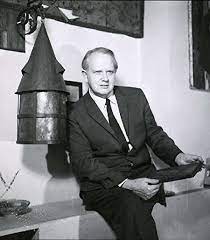

Robert Payne
Forty-one years before Donald Trump entered the White House, Payne offered a terrifying examination of the future President’s character.
In his chapter, “The Corrupt Individual,” Payne writes: “The corrupt man walks alone, gathering more and more power and wealth to himself, leaving a trail of destruction wherever he passes until he finally destroys himself.
“One aspect of him is immediately recognizable: His contempt for his fellow men. Hence his ruthlessness, his celebration of himself at the expense of everyone else, his absorption in his own affairs to the exclusion of all other affairs.
“Hence, too, his secretiveness, his intense sensitivity to real or imagined slights, for his contempt does not exclude a certain fear. He is necessarily a conspirator who imagines that his fellow men are conspiring against him.”

The corrupt man holds human life in contempt. He does not care how many people he kills or destroys on his march to fame, wealth or power—and to maintain himself in any or all of them.
When a nation is weak and divided, “a tyrant arises to take advantage of their weakness and divisiveness. He comes usually from the middle or upper class.”
He quickly identifies himself with a political party offering revolutionary changes. Then he takes control of it and turns it into his vehicle to power.
“He acts decisively and ruthlessly, driving wedges between people and setting them in opposition to one another. He is the master of corruption, and if necessary he will seek to corrupt the whole state to maintain his power. His weapons are the familiar weapons of subversion, treachery, and lies.”

Tyrants plunge into dangerous foreign adventures because it allows them to assert power over others with almost no domestic oversight. This makes them feel important—and distracts their subjects from worrying about internal affairs.
Tyrants shout, “We need law and order!”—while they are the most lawless thieves and murderers.
Tyrants learn nothing from the past or their own failures. Their characters do not change or develop. They surround themselves with sycophants and regard disagreement as treason. Because others fear to approach them with bad news—such as their armies have revolted—tyrants live in a world of lies and delusions.
Only when it is too late do they learn how widely-hated they are—and how determined their enemies are to destroy them.
Writes Payne:
“In our own age it becomes more and more difficult to wage war against corruption. The corrupt tend increasingly to acquire power, and the uncorrupted want more and more to be left alone.
“This is why it is so necessary to recognize the corrupt individual, the potential tyrant, to observe him closely, and wherever possible, to destroy him.”
Most Americans ignore history, believing that it has nothing worthwhile to offer them. When American military advisers in Vietnam were warned that the French had fought a losing war against the Vietcong, they responded: “They didn’t kill enough Vietcong.”
When Americans think of Fascistic dictatorships, they think of Adolf Hitler’s Germany and Benito Mussolini’s Italy—both of which ended 80 years ago in 1945.
They don’t think that such a dictatorship could ever happen here—or that, under a Republican party obsessed with holding absolute power, it has already happened.


 Bureaucracybuster's Blog
ABC NEWS, ADOLF HITLER, ALTERNET, AMERICABLOG, AP, BABY BOOMER RESISTANCE, BBC, BLOOMBERG, BLOOMBERG NEWS, BLUESKY, BURT LANCASTER, BUZZFEED, CANADA, CBS NEWS, CLIMATE CHANGE, CNN, CONCENTRATION CAMPS, CROOKS AND LIARS, DAILY KOS, DAVID BROOKS, DEMOCRATS, DIVERSITY EQUTY AND INCLUSION (DEI), DONALD TRUMP, ERIC SWALWELL, FBI, FEDERAL GOVERNMENT SHUTDOWN, FIVETHIRTYEIGHT, FREEDOM OF THE PRESS, HARPER’S MAGAZINE, HUFFINGTON POST, IRAN, ISRAEL, JAMES COMEY, JANUARY 6 COUP ATTEMPT, JOHN F. KENNEDY CENTER FOR THE PERFORMING ARTS, JUDGMENT AT NUREMBERG, LETIA JAMES, MEDIA MATTERS, MOTHER JONES, MOVEON, MSNBC, NAZI GERMANY, NBC NEWS, NEW REPUBLIC, NEWSDAY, NEWSWEEK, NPR, NUREMBERG TRIALS, PBS NEWSHOUR, POLITICO, POLITICUSUSA, RAW STORY, REPUBLICANS, REUTERS, ROBERT PAYNE, SALON, SEATTLE TIMES, SLATE, SOVIET UNION, SPENCER TRACY, SUPPLEMENTAL NUTITION ASSISTANCE PROGRAM (SNAP), TALKING POINTS MEMO, THE ATLANTIC, THE CHICAGO SUN-TIMES, THE CHICAGO TRIBUNE, THE DAILY BEAST, THE DAILY BLOG, THE GUARDIAN, THE HILL, THE HUFFINGTON POST, THE INTERCEPT, THE LIFE AND DEATH OF ADOLF HITLER (BOOK), THE LOS ANGELES TIMES, THE NATION, THE NEW REPUBLIC, THE NEW YORK TIMES, THE NEW YORKER, THE VILLAGE VOICE, THE WASHINGTON POST, THINKPROGRESS, TIME, TRUTHDIG, TRUTHOUT, TWO POLITICAL JUNKIES, U.S. NEWS & WORLD REPORT, UPI, USA TODAY, WONKETTE, X
NUREMBERG TRIALS–PAST AND FUTURE
In Bureaucracy, History, Law, Law Enforcement, Military, Politics, Social commentary on March 27, 2026 at 12:11 amThose who have seen the classic 1961 movie, “Judgment at Nuremberg,” will remember its pivotal moment.
That’s when Burt Lancaster, as Ernst Janning, the once distinguished German judge, confesses his guilt and that of Nazi Germany in a controlled, yet emotional, outburst.
Addressing the court—presided over by Chief Judge Dan Haywood (Spencer Tracy)—Janning explains the forces that led to the triumph of evil:
“My counsel would have you believe we were not aware of the concentration camps. Not aware? Where were we?
“Where were we when Hitler began shrieking his hate in the Reichstag? When our neighbors were dragged out in the middle of the night to Dachau?
“Where were we when every village in Germany had a railroad terminal where cattle cars were filled with children being carried off to their extermination? Where were we when they cried out in the night to us? Were we deaf? Dumb? Blind?
“My counsel says we were not aware of the extermination of the millions. He would give you the excuse we were only aware of the extermination of the hundreds. Does that make us any the less guilty?
“Maybe we didn’t know the details, but if we didn’t know, it was because we didn’t want to know.”
On August 14, 2020, Representative Eric Swalwell (D-CA) offered this proposal: “I don’t say this lightly: When we escape this Trump hell, America needs a Presidential Crimes Commission. It should be made up of independent prosecutors who look at those who enabled a corrupt president.”
On November 3, 2020, Joseph Biden was elected President. But during the next four years, Democrats refused to act on this proposal. Had they done so, the United States might now be a far different nation.
If such a commission is empaneled by a future President or Congress, an equally conscience-stricken former member of the Donald Trump administration might well make a statement similar to the one given above:
“My counsel would have you believe we were not aware of the ICE concentration camps. Not aware? Where were we?
“Where were we when Trump began shrieking his hate across the country? When Trump called our free press ‘the enemy of the people’?
“Where were we when Trump openly praised Vladimir Putin and attacked those in the FBI, CIA and other Intelligence agencies sworn to protect us?
“Where were we when the victims of Trump’s hatred cried out in the night to us? Were we deaf? Dumb? Blind?
“My counsel says we were not aware of Trump’s creating a private army of ICE goons who shot innocent American citizens.
“Does that make us any the less guilty? Maybe we didn’t know the details—but if we didn’t know, it was because we didn’t want to know.”
Donald Trump
In his bestselling 1973 biography, The Life and Death of Adolf Hitler, British historian Robert Payne harshly condemned the German people for the rise of the Nazi dictator:
“Ultimately, the responsibility for the rise of Hitler lies with the German people, who allowed themselves to be seduced by him and came to enjoy the experience….
“They followed him with joy and enthusiasm because he gave them license to pillage and murder to their hearts’ content. They were his servile accomplices, his willing victims….
“If he answered their suppressed desires, it was not because he shared them, but because he could make use of them. He despised the German people, for they were merely the instruments of his will.”
On November 5, 2024, 77,302,580 ignorant, hate-filled, Right-wing Americans catapulted Donald Trump—a man, charged conservative New York Times columnist David Brooks, with an “odd psychology unleavened by kindness and charity”—once again into the Presidency.
Upon re-taking office on January 20, 2025, Trump began attacking the vital foundations of democracy
**********
Democracies that allow such crimes to go unpunished soon cease being democracies.
It’s natural to regret that the United States has need of such a drastic remedy as a Presidential Crimes Commission. But those who lament this should realize there is only one choice:
Either non-Fascist Americans will destroy the Republican party and its voters that threaten to enslave them—or they will be enslaved by Republicans and their voters who believe they are entitled to manipulate and undermine the country’s democratic processes.
There is no middle ground.
Share this: