Archive for the ‘Social commentary’ Category
ABC NEWS, ADOLF HITLER, ALTERNET, AMERICABLOG, ANDREW JACKSON, AP, ARTHUR MILLER, BABY BOOMER RESISTANCE, BBC, BLOOMBERG, BUZZFEED, CBS NEWS, CNN, COLLEGE FOOTBALL, CROOKS AND LIARS, DAILY KOS, DAILY KOZ, DONALD TRUMP, DREW PEARSON, DWIGHT EISENHOWER, EDWARD R. MURROW, FACEBOOK, FIVETHIRTYEIGHT, GEORGE C. MARSHALL, HARPER’S MAGAZINE, HARRY S. TRUMAN, HUFFINGTON POST, JERRY SANDUSKY, JOE PATERNO, JOSEPH MCCARTHY, LOUIS FREEH, MEDIA MATTERS, MOTHER JONES, MOVEON, MSNBC, NBC NEWS, NEW REPUBLIC, NEWSDAY, NEWSWEEK, NIKE, NPR, ORSON WELLES, PBS NEWSHOUR, PENN STATE UNIVERSITY, POLITICO, POLITICUSUSA, RAW STORY, REUTERS, REX TILLERSON, SALON, SEATTLE TIMES, SLATE, TALKING POINTS MEMO, THE ATLANTIC, THE CHICAGO SUN-TIMES, THE CHICAGO TRIBUNE, THE DAILY BEAST, THE DAILY BLOG, THE GUARDIAN, THE HILL, THE HUFFINGTON POST, THE INTERCEPT, THE LOS ANGELES TIMES, THE NATION, THE NEW REPUBLIC, THE NEW YORK TIMES, THE NEW YORKER, THE VILLAGE VOICE, THE WASHINGTON POST, THINKPROGRESS, TIME, TRUTHDIG, TRUTHOUT, TWO POLITICAL JUNKIES, U.S. NEWS & WORLD REPORT, UP, UPI, USA TODAY, X, YEVGENEY YEVTUSHENKO
In Bureaucracy, History, Law Enforcement, Politics, Social commentary on April 26, 2024 at 12:07 am
“One man with courage,” said the frontier general (and later President) Andrew Jackson, “makes a majority.”
Yet many “heroes” come out of the woodwork only after danger is safely past.
One such “hero” was Rex Tillerson, the former Secretary of State under President Donald Trump.
On May 16, 2018, he addressed graduates of the Virginia Military Institute:
“If we do not as Americans confront the crisis of ethics and integrity in our society among our leaders in both public and private sector, and regrettably at times in the nonprofit sector, then American democracy as we know it is entering its twilight years.”

Rex Tillerson
Tillerson’s remarks were widely seen as a not-so-veiled criticism of his former boss, President Trump.
Tillerson had served as Secretary of State from January 20, 2017, until Trump abruptly fired him on March 13, 2018. There had been increasing tensions between the two, as Tillerson struggled to run foreign policy without interference by Trump.
It was during a visit to Chad and Nigeria that Tillerson learned of his firing—via a Trump tweet.
Tillerson’s remarks on the importance of truth would carry far greater weight had he shared them publicly while Secretary of State.
On May 9, the Washington Post’s Fact-Checker blog noted: During Trump’s 466 days in office, he had made 3,000 false or misleading statements. That works out to 6.5 falsehoods each day.
“I was never courageous,” the Russian poet, Yevgeny Yevtushenko, wrote in his poem, “Conversation With an American Writer.” “I simply felt it unbecoming to stoop to the cowardice of my colleagues.”
During the 1950s, many Americans found it easy to stoop to the cowardice of their colleagues.
From 1950 to 1954, United States Senator Joseph R. McCarthy (R-Wis.) terrorized the nation, accusing anyone who disagreed with him of being a Communist—and leaving countless ruined lives in his wake.

Joseph R. McCarthy
Among those civilians and government officials slandered as Communists were:
- President Harry S. Truman
- President Dwight D. Eisenhower
- Actor Orson Welles
- Playwright Arthur Miller
- Broadcast journalist Edward R. Murrow
- Columnist Drew Pearson
Finally, in 1954, McCarthy overreached himself and accused the U.S. Army of being a hotbed of Communist traitors. Joseph Welch, counsel for the Army, destroyed McCarthy’s credibility in a now-famous retort:
“Senator, may we not drop this?….You’ve done enough. Have you no sense of decency, sir? At long last, have you left no sense of decency?”
Later that year, the Senate censured McCarthy, and he rapidly declined in power and health.
- Senatorial colleagues who had once courted his support now avoided him.
- They left the Senate when he rose to speak.
- Reporters who had once fawned on him for his latest sensational slander now ignored him.
- Eisenhower had sought McCarthy’s support during his 1952 race for President. He had even refused to criticize McCarthy for a totally slanderous attack on former Secretary of State George C. Marshall. As Chief of Staff of the United States Army, Marshall had advanced Eisenhower’s military career, even picking him as Supreme Commander of Allied Forces during World War II.
- Now Eisenhower joked that “McCarthyism” was “McCarthywasm.”
Nor did mass cowardice end with the McCarthy era.
On July 12, 2012, former FBI Director Louie Freeh released a damning report on serial pedophile Jerry Sandusky.
Freeh had been hired by Penn State University (PSU) to discover the truth about its former superstar faculty member.
As the assistant football coach at PSU from 1969 to 1999, he had used the football facilities to sexually attack numerous young boys.
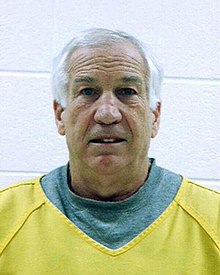
Jerry Sandusky
But Sandusky was regarded as more than a second-banana. He received Assistant Coach of the Year awards in 1986 and 1999, and authored several books about his coaching experiences.
In 1977, Sandusky founded The Second Mile, a non-profit charity serving underprivileged, at-risk youth.
“Our most saddening and sobering finding is the total disregard for the safety and welfare of Sandusky’s child victims by the most senior leaders at Penn State,” Freeh stated.
College football is a $3.3 billion-a-year business. And Penn State is one of its premiere brands, with revenue of $181 million in 2023.
PSU’s seven-month internal investigation, headed by Freeh, revealed:
- Joe Paterno, head coach of the Penn State Nittany Lions, was aware of a 1998 criminal investigation of Sandusky.
- So was president Graham Spanier, athletic director Tim Curley and vice president Gary Schultz.
- In 2001, then-graduate assistant Mike McQueary reported to Paterno that he’d seen Sandusky attacking a boy in the shower.
- Paterno, Spanier, Curley and Schultz then conspired to cover up for Sandusky.
- The rapes of these boys occurred in the Lasch Building–where Paterno had his office.
- A janitor who had witnessed a rape in 2000 said he had feared losing his job if he told anyone about it. “It would be like going against the President of the United States,” Freeh said at a press conference.
In 2011, Sandusky was arrested and charged with sexually abusing young boys over a 15-year period. On June 22, 2012, he was convicted on 45 of the 48 charges. He will likely spend the rest of his life in prison.
On the day the Freeh report was released, Nike—a longtime sponsor for Penn State—announced that it would remove Paterno’s name from the child care center at its world headquarters in Beaverton, Oregon.
ABC NEWS, ADOLF HITLER, ALBERT ANASTASIA, ALTERNET, ALVIN BRAGG, AMERICABLOG, AP, BABY BOOMER RESISTANCE, BBC, BEER HALL PUTSCH, BLOOMBERG, BUZZFEED, CARLO GAMBINO, CARMINE GALANTE, CBS NEWS, CHARLGES LUCIANO, CNN, CROOKS AND LIARS, DAILY KOS, DAILY KOZ, DONALD TRUMP, FBI, FIVETHIRTYEIGHT, FRANK LOCASCIO, GAMBINO MAFIA FAMILY, HARPER’S MAGAZINE, HITLER: ASCENT (BOOK), HUFFINGTON POST, JACK SMITH, JANUARY 6 COUP ATTEMPT, JOHN GOTTI, JUSTICE DEPARTMENT, LETITIA JAMES, LOUIS DIBONO, LOUIS MILITO, MAFIA, MANHATTAN DISTRICT ATTORNEY'S OFFICE, MEDIA MATTERS, MERRICK GARLAND, MOTHER JONES, MOVEON, MSNBC, MUNICH, NAZI PARTY, NBC NEWS, NEW REPUBLIC, NEW YORK ATTORNEY GENERAL'S OFFICE, NEWSDAY, NEWSWEEK, NICCOLO MACHIAVELLI, NPR, PAUL CASTELLANO, PBS NEWSHOUR, POLITICO, POLITICUSUSA, Racketeer Influenced Corrupt Organizations (RICO) Act, RAVENITE SOCIAL CLUB, RAW STORY, REPUBLICANS, REUTERS, ROBERT DIBERNARDO, SALON, SAMMY "THE BULL" GRAVANO, SEATTLE TIMES, SLATE, STORMY DANIELS, TALKING POINTS MEMO, THE ATLANTIC, THE CHICAGO SUN-TIMES, THE CHICAGO TRIBUNE, THE DAILY BEAST, THE DAILY BLOG, THE DISCOURSES (BOOK), THE GUARDIAN, THE HILL, THE HUFFINGTON POST, THE INTERCEPT, THE LOS ANGELES TIMES, THE NATION, THE NEW REPUBLIC, THE NEW YORK TIMES, THE NEW YORKER, THE VILLAGE VOICE, THE WASHINGTON POST, THINKPROGRESS, THREATS, TIME, TREASON, TRUMP ORGANIZATION, TRUTHDIG, TRUTHOUT, TWITTER, TWO POLITICAL JUNKIES, U.S. NEWS & WORLD REPORT, UPI, USA TODAY, VINCENT "THE CHINS" GIGANTE, VOLKER ULLRICH, WEIMAR REPUBLIC, X
In Bureaucracy, History, Law Enforcement, Politics, Social commentary on April 25, 2024 at 12:11 am
No well-ordered republic should ever cancel the crimes of its citizens by their merits….For if a citizen who has rendered some eminent service to the state should add to the reputation and influence which he has thereby acquired the confident audacity of being able to commit any wrong without fear of punishment, he will in a little while become so insolent and overbearing as to put an end to all power of the law.
—Niccolo Machiavelli, “The Discourses”
When the Justice Department declared war on John Gotti, “Boss of all Bosses” of the most powerful Mafia family in the nation, no holds were barred.
The FBI employed wiretaps, electronic bugs, informants, round-the-clock surveillance and pretrial detention against the so-called “Teflon Don.”
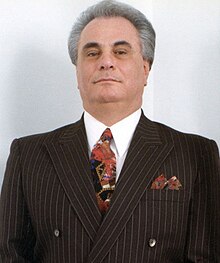
John Gotti
Now consider the DOJ’s approach to the criminality of former President Donald J. Trump.
On January 6, 2021, Trump incited thousands of his fanatical supporters to attack Congress, where Electoral College votes for the 2020 Presidential election were being counted.
About 140 police officers were assaulted; many lawmakers’ offices were vandalized; frightened lawmakers huddled in a barricaded room.
Yet Trump was allowed to remain in office for the next two weeks until the election’s victor—Joseph Biden—legally took office.
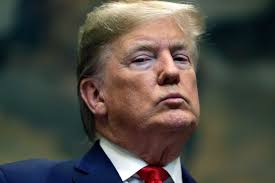
Donald Trump
Not until November 18, 2022, did Attorney General Merrick Garland appoint Jack Smith Special Counsel to prosecute Trump for his attempted coup.
To date, there is no evidence that the agency has employed wiretaps, electronic bugs and/or round-the-clock surveillance against Trump. Nor has Trump been held in pretrial detention as a continuing threat to democratic rule.
When Trump left the White House on January 20, 2021, he illegally took hundreds of highly classified documents—and stored them at his Mar-a-Lago estate in Palm Beach, Florida.
He then refused to return them when asked by the Justice Department—forcing the agency to send in an FBI force to retrieve them.
In March, 2023, Trump threatened “death and destruction” if he were criminally charged in New York for making “hush money” payments to porn “actress” Stormy Daniels. Trump shared an image of himself threatening Manhattan District Attorney Alvin Bragg with a baseball bat on his Truth Social platform.
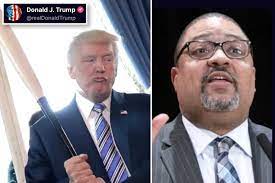
Not even Mafia bosses like Charles “Lucky” Luciano and Albert “The Executioner” Anastasia dared issue such a threat.
Yet Trump has not been arrested, let alone jailed, for an act that would have gotten anyone else charged with a felony.
Nor has Trump limited himself to attacking local New York authorities.
He has branded Jack Smith “a deranged lunatic” and “psycho” for indicting him for his theft of national security documents. He has also attacked Smith’s wife, Katy Gale Chevigny, thus exposing her to possible violence from his fanatical supporters.
Specifically: “His wife is a Trump Hater, just as he is a Trump Hater—a deranged ‘psycho’ that shouldn’t be involved in any case having to do with ‘Justice,’ other than to look at Biden as a criminal, which he is!”

Jack Smith
Trump’s attacks on Smith have led to an increase in security for the Special Counsel. Yet Smith has not moved to have Trump remanded to federal custody for actions that would have put anyone else behind bars.
History warns us of the consequences of allowing a ruthless dictator to pursue his goals with impunity.
On November 9, 1923, Nazi Party Fuhrer Adolf Hitler tried to overthrow the government in Munich, Bavaria.
About 2,000 Nazis marched to the center of Munich, where they confronted heavily-armed police. A shootout erupted, killing 16 Nazis and four policemen.
Hitler was injured during the clash, but managed to escape. Two days later, he was arrested and charged with treason.
Put on trial, he found himself treated as a celebrity by a judge sympathetic to Right-wing groups. He was allowed to brutally cross-examine witnesses and even make inflammatory speeches.
At the end of the trial, he was convicted of treason and sentenced to five years’ imprisonment.
Serving time in Landsberg Prison, in Bavaria. he was given a huge cell, allowed to receive unlimited visitors and gifts, and treated with deference by guards and inmates.
Nine months later, he was released on parole—by authorities loyal to the authoritarian Right instead of the newly-created Weimar Republic.

Adolf Hitler leaving Landsberg Prison, December, 20, 1924
Hitler immediately began rebuilding the shattered Nazi party—and deciding on a new strategy to gain power. Never again would he resort to armed force. He would win office by election—or intrigue.
Writes historian Volker Ullrich, in his monumental new biography, Hitler: Ascent 1889 – 1939: “Historians have perennially tried to answer the question of whether Hitler’s rise to power could have been halted….
“There were repeated opportunities to end Hitler’s run of triumphs. The most obvious one was after the failed Putsch of November 1923. Had the Munich rabble-rouser been forced to serve his full five-year term of imprisonment in Landsberg, it is extremely unlikely that he would have been able to restart his political career.”
The democratic Weimar Republic of Germany (1919 – 1933) found itself menaced by ruthless Fascists, betrayed by its supposed allies, and defended by liberals unwilling to forcefully defeat its enemies.
The same combination of forces is now on full display in the United States.
ABC NEWS, ADOLF HITLER, ALTERNET, ALVIN BRAGG, AMERICABLOG, AP, BABY BOOMER RESISTANCE, BBC, BEER HALL PUTSCH, BLOOMBERG, BUZZFEED, CARLO GAMBINO, CARMINE GALANTE, CBS NEWS, CNN, CROOKS AND LIARS, DAILY KOS, DAILY KOZ, DONALD TRUMP, FBI, FIVETHIRTYEIGHT, FRANK LOCASCIO, GAMBINO MAFIA FAMILY, HARPER’S MAGAZINE, HITLER: ASCENT (BOOK), HUFFINGTON POST, JUSTICE DEPARTMENT, LETITIA JAMES, LOUIS DIBONO, LOUIS MILITO, MAFIA, MANHATTAN DISTRICT ATTORNEY'S OFFICE, MEDIA MATTERS, MOTHER JONES, MOVEON, MSNBC, MUNICH, NAZI PARTY, NBC NEWS, NEW REPUBLIC, NEW YORK ATTORNEY GENERAL'S OFFICE, NEWSDAY, NEWSWEEK, NICCOLO MACHIAVELLI, NPR, PAUL CASTELLANO, PBS NEWSHOUR, POLITICO, POLITICUSUSA, Racketeer Influenced Corrupt Organizations (RICO) Act, RAVENITE SOCIAL CLUB, RAW STORY, REPUBLICANS, REUTERS, ROBERT DIBERNARDO, SALON, SAMMY "THE BULL" GRAVANO, SEATTLE TIMES, SLATE, STORMY DANIELS, TALKING POINTS MEMO, THE ATLANTIC, THE CHICAGO SUN-TIMES, THE CHICAGO TRIBUNE, THE DAILY BEAST, THE DAILY BLOG, THE DISCOURSES (BOOK), THE GUARDIAN, THE HILL, THE HUFFINGTON POST, THE INTERCEPT, THE LOS ANGELES TIMES, THE NATION, THE NEW REPUBLIC, THE NEW YORK TIMES, THE NEW YORKER, THE VILLAGE VOICE, THE WASHINGTON POST, THINKPROGRESS, THREATS, TIME, TREASON, TRUMP ORGANIZATION, TRUTHDIG, TRUTHOUT, TWITTER, TWO POLITICAL JUNKIES, U.S. NEWS & WORLD REPORT, UPI, USA TODAY, VINCENT "THE CHINS" GIGANTE, VOLKER ULLRICH, WEIMAR REPUBLIC, X
In Bureaucracy, History, Law, Law Enforcement, Politics, Social commentary on April 24, 2024 at 12:12 am
On December 11, 1990, FBI agents and NYPD detectives raided the Ravenite Social Club in Manhattan.
They had arrest warrants for John Gotti, boss of the Gambino Mafia Family, and his two lieutenants: Sammy “The Bull” Gravano, his underboss, or second-in-command, and Frankie Locascio, his Consigliere, or adviser.
Federal prosecutors charged Gotti with five murders, conspiracy to murder, loansharking, illegal gambling, obstruction of justice, bribery and tax evasion.
From the date of his arrest to the date of his conviction on all charges on April 2, 1992, Gotti remained in pre-trial detention at the Metropolitan Correctional Center in New York City.
Although he had never threatened prosecutors or judges, he had bribed juries and ordered the murders of gangland associates. The Justice Department considered him too dangerous to be allowed outside confinement.
Gotti had become boss of the Gambino Family in December, 1985—by arranging the execution of its then-boss, Paul “Big Paul” Castellano, on December 16.
Since then, he had moved his headquarters from Queens to the Ravenite. And, like a king holding court, he had ordered all of his captains to report to him at the Ravenite once a week.
Word quickly reached the FBI—and agents in vans shot video as they staked out Prince Street.
Gotti had handed the FBI a mob organization chart.
FBI Seal
It was only a matter of time before the FBI’s Technical Surveillance Squad (TSS) breached the security of the Ravenite.
In 1989, the TSS planted a hidden microphone in an apartment above the Ravenite where Gotti held his secret meetings. Tape recorders were running when he bragged that he had ordered three murders—and was running a criminal enterprise: The Gambino Mafia Family.
When he wasn’t bragging, Gotti was badmouthing virtually everyone—past and present—in the Mafia: Paul Castellano, Carlo Gambino, Vincent “The Chins” Gigante. And, most fatally, his own underboss: Sammy “The Bull” Gravano.
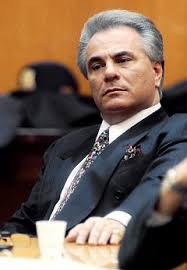
John Gotti
On December 12, 1989, the electronic bug picked up the following conversation between Gotti and his Consigliere, or adviser, Frankie Locascio.
The subject: The murders of three former Gambino Family mobsters: Robert “Deebee” DiBernardo, Louis Milito and Louis DiBono.
DiBernardo had been murdered over Gravano’s objections. A fellow mobster had told Gotti that DiBernardo had made “subversive” comments behind Gotti’s back.
But that wasn’t the way Gotti told it.
GOTTI: “Deebee, did he ever talk subversive to you?”
LOCASCIO: “Never.”
GOTTI: “Never talked it to Angelo, never talked it to [Joseph Armone] either. I took Sammy’s word that he talked about me behind my back….I was in jail when I whacked him. I knew why it was being done. I done it anyway. I allowed it to be done anyway.”
Next Gotti focused on the murders of Louis Milito and Louis DiBono. Milito had been “whacked” for questioning Gotti’s judgment. And DiBono had been hit because he refused to answer a Gotti summons.
But Gotti was determined to lay the blame on Gravano. He claimed that both men had been killed because Gravano had asked for permission to remove his business partners.
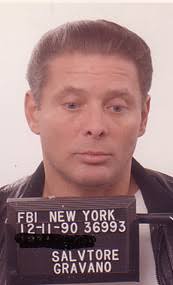
Sammy “The Bull” Gravano
And there was more: Gotti accused Gravano of excessive greed—and hoarding money for himself at the expense of the Family.
GOTTI: “That’s Sammy….Every fucking time I turn around there’s a new company poppin’ up. Building. Consulting. Concrete. Where the hell did all these new companies come from? Where did five new companies come from?”
He accused Gravano of creating “a fuckin’ army inside an army,” adding: “You know what I’m saying, Frankie? I saw that shit and I don’t need that shit.”
At a pretrial hearing following the arrests of Gotti, Gravano and Locascio, prosecutors played the FBI’s tapes of Gotti’s unintended confessions—including his badmouthing of Gravano.
Gravano suddenly realized that his future in the Mafia was nil.
Gravano, Gotti and Locascio were all facing life imprisonment as targets of RICO—the Racketeer Influenced Corrupt Organizations Act.
And if the Feds didn’t send him to prison, mob gunmen—sent by Gotti—would eventually get him. Gotti clearly planned to make him the fall guy—in court or in a coffin—for murders that Gotti himself had ordered.
Only John Gotti was shocked when Gravano agreed to testify against him—and other Mafiosi—in exchange for a five-year prison sentence.
Gravano, as Gotti’s second-in-command, had literally been at the seat of power for five years. He knew the secrets of the Gambino Family—and the other four Mafia families who ruled New York.
On April 2, 1992, a jury convicted Gotti of five murders, conspiracy to murder, loansharking, illegal gambling, obstruction of justice, bribery and tax evasion. He drew a life sentence, without possibility of parole.
Gotti was incarcerated at the United States Penitentiary at Marion, Illinois, in virtual solitary confinement. He died of throat cancer on June 10, 2002, at the age of 61.
Donald Trump resembles his fellow New Yorker, John Gotti, in more ways than he would like to admit: In his greed, arrogance, egomania, love of publicity and vindictiveness.
But there is a huge difference between the no-nonsense way that federal prosecutors and judges treated Gotti—and the way they have cringed before Trump.
2020 PRESIDENTIAL ELECTION, 2022 MIDTERM ELECTIONS, ABC NEWS, ADAM LAXALT, ALEXANDER SHUSTOROVICH, ALTERNET, AMERICABLOG, AP, AUDREY MURAVIEV, BABY BOOMER RESISTANCE, BBC, BLOOMBERG NEWS, BUZZFEED, CARL VON CLAUSEWITZ, CBS NEWS, CHRIS CILLIZZA, CIA, CNN, CROOKS AND LIARS, DAILY KOS, DEBT CEILING, DEFENSE INTELLIGENCE AGENCY, DONALD TRUMP, DONALD TRUMP JR., EMOLUMENTS CLAUSE, ERIC TRUMP, FASCISM, FBI, FEDERAL ELECTIONS COMMISSION, FIVETHIRTYEIGHT, FOX NETWORK, FRANKLIN GRAHAM, GEORGE W. BUSH, HARPER’S MAGAZINE, HUFFINGTON POST, HUNTER BIDEN, INTERNATIONAL BROTHERHOOD OF TEAMSTERS UNION, JAMES KIRCHICK, JANUARY 6 COUP ATTEMPT, JESSE BENTON, JOE BIDEN, JOHN KASICH, JOHN MCCAIN, JOSEPH MCCARTHY, KEVIN MCCARTHY, LEN BLAVATNIK, LIBERALISM, LINDSEY GRAHAM, MAFIA, MARCO RUBIO, MEDIA MATTERS, MICHELLE OBAMA, MOTHER JONES, MOVEON, MSNBC, NANCY PELOSI, NBC NEWS, NEW REPUBLIC, NEWSDAY, NEWSWEEK, NICCOLO MACHIAVELLI, NPR, OLIGARCHS, PBS NEWSHOUR, POLITICO, POLITICUSUSA, RAW STORY, REPUBLICANS, REUTERS, RICHARD NIXON, ROBERT F. KENNEDY, Ronald Reagan, RUSSIA, RUSSIA TODAY, SALON, SCOTT WALKER, SEATTLE TIMES, SLATE, SPIRO AGNEW, TALKING POINTS MEMO, THE ATLANTIC, THE CHICAGO SUN-TIMES, THE CHICAGO TRIBUNE, THE DAILY BEAST, THE DAILY BLOG, THE GUARDIAN, THE HILL, THE HUFFINGTON POST, THE INTERCEPT, THE LOS ANGELES TIMES, THE NATION, THE NEW REPUBLIC, THE NEW YORK TIMES, THE NEW YORKER, THE PRINCE, THE VILLAGE VOICE, THE WASHINGTON POST, THINKPROGRESS, TIME, TRUTHDIG, TRUTHOUT, TWITTER, U.S. NEWS & WORLD REPORT, UKRAINE, UNITED STATES CAPITOL BUILDING, UNITED STATES CONSTITUTION, UNITED STATES HOUSE OF REPRESENTATIVES, UNITED STATES JUSTICE DEPARTMENT, UNITED STATES SENATE, UPI, USA TODAY, VLADIMIR PUTIN, VOLODYMYR ZELENSKY, WORLD WAR 11
In Bureaucracy, History, Law, Law Enforcement, Politics, Social commentary on April 23, 2024 at 12:10 am
….A man who wishes to make a profession of goodness in everything must inevitably come to grief among so many who are not good. And therefore it is necessary, for a prince who wishes to maintain himself, to learn how not to be good, and to use this knowledge and not use it, according to the necessity of the case.
—Niccolo Machiavelli’s advice to President Joseph Biden in “The Prince”
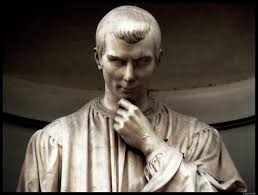
Niccolo Machiavelli
Republicans, having won control of the House of Representatives, are eagerly seeking to destroy whatever legacy President Joseph R. Biden hopes to leave.
Intending to abuse their new-found powers to the utmost, their topmost goals include:
- Bringing false impeachment charges against Biden;
- Investigating FBI officials who rightly investigated evidence of Donald Trump’s collaboration with Russia;
- Investigating the President’s son, Hunter, for unspecified offenses, to damage his father’s credibility; and
- Holding America’s economy hostage by refusing to raise the debt ceiling unless Biden makes cuts in taxes and aid programs for the poor and middle class.
Yet their dictatorial ambitions—lavishly funded by Russian “campaign contributions” (i.e., bribes)—can be thwarted.
Two methods for achieving this have already been discussed in Part one of this series:
- Attack Republicans as traitors selling out the country to Vladimir Putin, and
- Concede NOTHING to Republicans
Here are two more:
Counterattack Strategy #3: Open Senate Investigations on the Trumps
House Republicans have ruthlessly attacked Biden’s son, Hunter, to damage the President’s credibility.
“What’s on Hunter’s laptop?” has become their latest version of “Who promoted Peress?”
Irving Peress was a New York City dentist who became a primary target for Red-baiting Republican Senator Joseph McCarthy during the 1954 Army-McCarthy hearings.
Democrats can effectively blunt this attack: Senatorial Democrats can hold similar investigative hearings on the actions of Donald Trump, Jr., and Eric Trump during their father’s White House tenure.
Both were highly involved with President Trump’s finances during his four years in office. And Trump never hesitated to violate the Emoluments Clause of the United States Constitution.

United States Constitution
Article I, Section 9, Paragraph 8 prohibits federal office holders from receiving gifts, payments, or anything of value from a foreign state or its rulers, officers, or representatives.
The Founders wanted to ensure that the country’s leaders would not be corrupted, even unconsciously, through bribes. At that time, bribery was a common practice among European rulers and diplomats.
Trump encouraged diplomats, lobbyists and insiders to stay at his Washington, D.C. hotel—which lay only a short walk from the White House on Pennsylvania Avenue.
And the prices charged there weren’t cheap:
- Cocktails ran from $23 for a gin and tonic to $100 for a vodka concoction with raw oysters and caviar.
- A seafood pyramid called “the Trump Tower” cost $120.
- A salt-aged Kansas City strip steak cost $59.
It’s a certainty that Trump’s sons, Eric and Donald, Jr., oversaw the profits sheet for this hotel—and other Trump properties across the country visited by members of foreign governments.
Thus, there are legitimate avenues for investigation open to Senatorial subcommittees—just as Robert F. Kennedy once probed financial ties between the Mafia and the International Brother of Teamsters Union.
The Justice Department might even be persuaded to launch its own investigation—not only into possible financial corruption during the Trump administration but into widespread reports of cocaine use by Donald, Jr.

Donald Trump, Jr.
Gage Skidmore from Surprise, AZ, United States of America, CC BY-SA 2.0 <https://creativecommons.org/licenses/by-sa/2.0>, via Wikimedia Commons
The House cannot bring criminal penalties against anyone. But the Justice Department can.
Counterattack Strategy #4: Open Justice Department Investigations on Congress members who supported Trump’s 2020 Coup Attempt
After Donald Trump refused to concede the 2020 Presidential election, 17 Republican state Attorney Generals—and 126 Republican members from both houses of Congress—supported a Texas lawsuit to overturn the results in four battleground states: Georgia, Michigan, Pennsylvania and Wisconsin.
This was nothing less than a Right-wing coup attempt to overturn the results of a legitimate election. As a result, every one of these men and women can be legitimately indicted for treason—provided the Biden Justice Department has has the courage to do so.
Had the Justice Department brought such indictments in 2021 or 2022, the Republican party would now be facing legal and financial ruin. There is still time to do this.
Even if some of its members escape conviction, they will be forced to spend tens of thousands of dollars to stay out of prison.
And those who are convicted and sent to prison will serve notice on to the Right of the dangers of treason and abuse of power.
For decades, Republicans have turned Carl von Clausewitz’ famous dictum—“War is the continuation of politics by other means”—on its head: “Politics is a continuation of war by other means.”
That strategy has given the United States Richard Nixon, Spiro Agnew, George W. Bush, Donald Trump—and a Republican Congress willing to destroy the country it claims to love.
By contrast, Democrats have too often adhered to the Michelle Obama mantra: “When they go low, we go high.”
That strategy has allowed Republicans to give the United States needless wars, an exploding national debt and the near destruction of democracy.
2020 PRESIDENTIAL ELECTION, 2022 MIDTERM ELECTIONS, ABC NEWS, ADAM LAXALT, ALEXANDER SHUSTOROVICH, ALTERNET, AMERICABLOG, AP, AUDREY MURAVIEV, BABY BOOMER RESISTANCE, BBC, BLOOMBERG NEWS, BUZZFEED, CARL VON CLAUSEWITZ, CBS NEWS, CHRIS CILLIZZA, CIA, CNN, CROOKS AND LIARS, DAILY KOS, DEBT CEILING, DEFENSE INTELLIGENCE AGENCY, DONALD TRUMP, DONALD TRUMP JR., EMOLUMENTS CLAUSE, ERIC TRUMP, FASCISM, FBI, FEDERAL ELECTIONS COMMISSION, FIVETHIRTYEIGHT, FOX NETWORK, FRANKLIN GRAHAM, GEORGE W. BUSH, HARPER’S MAGAZINE, HUFFINGTON POST, HUNTER BIDEN, INTERNATIONAL BROTHERHOOD OF TEAMSTERS UNION, JAMES KIRCHICK, JANUARY 6 COUP ATTEMPT, JESSE BENTON, JOE BIDEN, JOHN KASICH, JOHN MCCAIN, JOSEPH MCCARTHY, KEVIN MCCARTHY, LEN BLAVATNIK, LIBERALISM, LINDSEY GRAHAM, MAFIA, MARCO RUBIO, MEDIA MATTERS, MICHELLE OBAMA, MOTHER JONES, MOVEON, MSNBC, NANCY PELOSI, NBC NEWS, NEW REPUBLIC, NEWSDAY, NEWSWEEK, NICCOLO MACHIAVELLI, NPR, OLIGARCHS, PBS NEWSHOUR, POLITICO, POLITICUSUSA, RAW STORY, REPUBLICANS, REUTERS, RICHARD NIXON, ROBERT F. KENNEDY, Ronald Reagan, RUSSIA, RUSSIA TODAY, SALON, SCOTT WALKER, SEATTLE TIMES, SLATE, SPIRO AGNEW, TALKING POINTS MEMO, THE ATLANTIC, THE CHICAGO SUN-TIMES, THE CHICAGO TRIBUNE, THE DAILY BEAST, THE DAILY BLOG, THE GUARDIAN, THE HILL, THE HUFFINGTON POST, THE INTERCEPT, THE LOS ANGELES TIMES, THE NATION, THE NEW REPUBLIC, THE NEW YORK TIMES, THE NEW YORKER, THE PRINCE, THE VILLAGE VOICE, THE WASHINGTON POST, THINKPROGRESS, TIME, TRUTHDIG, TRUTHOUT, TWITTER, U.S. NEWS & WORLD REPORT, UKRAINE, UNITED STATES CAPITOL BUILDING, UNITED STATES CONSTITUTION, UNITED STATES HOUSE OF REPRESENTATIVES, UNITED STATES JUSTICE DEPARTMENT, UNITED STATES SENATE, UPI, USA TODAY, VLADIMIR PUTIN, VOLODYMYR ZELENSKY, WORLD WAR 11
In Bureaucracy, Business, History, Law, Law Enforcement, Politics, Social commentary on April 22, 2024 at 12:17 am
It took 15 voting tries—and a series of humiliating concessions—for Kevin McCarthy (R-CA) to become Speaker of the House of Representatives.
All of the concessions he made were to the most Right-wing members of the House. And all of those members are fanatically dedicated to destroying whatever legacy President Joseph R. Biden hopes to leave.
At the top of their list: Impeaching Biden.
Republicans refused to impeach and convict Donald Trump after he incited a deadly riot against the United States Capitol Building. But they’re eager to remove Biden for what they consider the most impeachable offense of all.
He defeated a Republican candidate for President.

President Joseph Biden
And not just any Republican candidate: The candidate who had made no secret of his desire to be “President-for-Life.”
During the 2022 mid-term elections, Republicans had expected to sweep both the House and Senate. This would have given them virtual control of the government.
The House is the body that initiates revenue bills and impeaches federal officials. And the Senate holds the power to confirm Presidential appointments that require consent, and to provide advice and consent to ratify treaties.
But Democrats went on a rare offensive and rightly attacked Republicans as trying to gain absolute control over the lives of their fellow Americans. And voters rejected the candidates favored by Trump for local and federal offices.
Thus, Republicans had to settle for controlling the House.
Even so, they intended to abuse their new-found powers to the utmost. Among their topmost goals:
- Bringing false impeachment charges against President Biden;
- Investigating FBI officials who rightly investigated evidence of Donald Trump’s collaboration with Russia;
- Investigating the President’s son, Hunter, for unspecified offenses, to damage his father’s credibility; and
- Holding America’s economy hostage by refusing to raise the debt ceiling unless Biden makes cuts in taxes and aid programs for the poor and middle class.
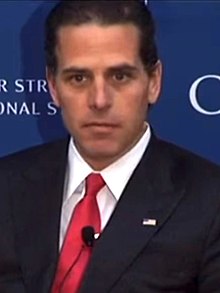
Hunter Biden
Center for Strategic & International Studies, CC BY 3.0 <https://creativecommons.org/licenses/by/3.0>, via Wikimedia Commons
If Democrats follow their usual mantra of “When they go low, we go high,” they will cower before Republican aggression and sacrifice their legislative agenda.
Yet they can snatch victory from the jaws of impending defeat—providing they are willing to follow the advice Robert F. Kennedy offered for combating the Mafia: “If we do not attack organized criminals with weapons and techniques as effective as their own, they will destroy us.”
Counterattack Strategy #1: Attack Republicans as traitors selling out the country to Vladimir Putin
Numerous Republicans have taken “campaign contributions”—i.e., bribes—from Russian oligarchs linked to Putin.
One Russian oligarch—Len Blavatnik—has given millions of dollars to top Republican leaders—such as Senators Mitch McConnell (Kentucky), Marco Rubio (Florida) and Lindsey Graham (South Carolina).

In just 2017, Blavatnik contributed the following to GOP Political Action Committees (PACs):
- $1.5 million to PACs associated with Rubio.
- $1 million to Trump’s Inaugural Committee.
- $1 million to McConnell’s Senate Leadership Fund.
- $3.5 million to a PAC associated with McConnell.
- $1.1 million to Unintimidated PAC, associated with Wisconsin Governor Scott Walker.
- $250,000 to New Day for America PAC, associated with Ohio Governor John Kasich.
- $800,000 to the Security is Strength PAC, associated with Senator Lindsey Graham.
The Biden administration need not ask the CIA or FBI to unearth these contributions. They can be easily found within the files of the Federal Election Commission (FEC).
Putin’s monies have been well-spent: About 90 House Republicans—out of a total of 213—attended Volodymyr Zelensky’s address to Congress on December 21, 2022, according to CQ Roll Call. Some who did spent much of the speech on their phones.
Many Republicans—such as former House Speaker Kevin McCarthy, who in 2021 received about $255,000 from Blavatnik—have openly threatened to end all funding for Ukraine’s heroic struggle against Russian aggression.
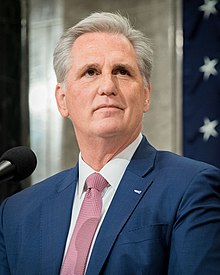
Kevin McCarthy
Attacking Republicans as Communist traitors would prove an effective technique. From the end of World War II to the collapse of the Soviet Union in 1991, Republicans successfully attacked Democrats as at least potential sellouts, if not actual traitors.
The advantage of attacking Russian-bribed Republicans today is that even some “Reagan Republicans”—such as James Kirchick, a conservative reporter, foreign correspondent, author, and columnist—have openly denounced this treason.
Thus, the White House could ignite an internal conflict within the Right by pitting Republicans against each other.
Counterattack Strategy #2: Concede NOTHING to Republicans
Donald Trump shut down the Federal Government on December 22, 2018, because Democrats refused to finance his useless border wall against Mexico.
So Speaker of the House Nancy Pelosi shut down his State of the Union appearance.
As CNN political analyst Chris Cillizza noted: “What Pelosi seems to understand better than past Trump political opponents is that giving ANY ground is a mistake. You have to not only stand firm, but be willing to go beyond all political norms—like canceling the SOTU—to win.”
His ego strung, Trump reopened the government.
And with Republicans threatening to not raise the debt ceiling unless their extortionate demands are met, the White House can effectively counter this danger:
Deduct from the budget every dollar directed toward Republican states. This would vastly reduce the size of the Federal budget, since subsidizing these failed economies accounts for a substantial portion of the budget.
ABC NEWS, ALTERNET, ALTON STERLING, AMERICABLOG, ANTHONY CORNELIUS HARRIS, AP, ARCHIBALD COX, BABY BOOMER RESISTANCE, BBC, BLACK LIVES MATTER, BLACK MUSLIMS, BLOOMBERG, BUZZFEED, CBS NEWS, CNN, CRIME, CROOKS AND LIARS, DAILY KOS, FIVETHIRTYEIGHT, HARPER’S MAGAZINE, HUFFINGTON POST, ISLAM, J.C. SIMON, JESSIE LEE COOKS, JOSEPH ALIOTO, LARRY CRAIG GREEN, MALCOM X, MANUEL mOORE, MEDIA MATTERS, MICHAH XAVIER JOHNSON, MOTHER JONES, MOVEON, MSNBC, NAACP, NATION OF ISLAM, NBC NEWS, NEW REPUBLIC, NEWSDAY, NEWSWEEK, NPR, PBS NEWSHOUR, PHILANDO CASTILE, POLICE BRUTALITY, POLITICO, POLITICUSUSA, RAW STORY, REUTERS, RICHARD M. NIXON, SALON, SAN FRANCISCO, SAN FRANCISCO POLICE DEPARTMENT, SEATTLE TIMES, SLATE, TALKING POINTS MEMO, THE ATLANTIC, THE CHICAGO SUN-TIMES, THE CHICAGO TRIBUNE, THE DAILY BEAST, THE DAILY BLOG, THE GUARDIAN, THE HILL, THE HUFFINGTON POST, THE INTERCEPT, THE LOS ANGELES TIMES, THE NATION, THE NEW REPUBLIC, THE NEW YORK TIMES, THE NEW YORKER, THE VILLAGE VOICE, THE WASHINGTON POST, THINKPROGRESS, TIME, TRUTHDIG, TRUTHOUT, TWO POLITICAL JUNKIES, U.S. MARSHALS SERVICE, U.S. NEWS & WORLD REPORT, UPI, USA TODAY, WITNESS SECURITY PROGRAM, X, ZEBRA KILLERS
In Bureaucracy, History, Law, Law Enforcement, Politics, Social commentary on April 19, 2024 at 12:10 am
On April 22, 1974, a break finally came in the “Zebra killers” case.
Anthony Cornelius Harris, a member of the Nation of Islam—-otherwise known as the Black Muslims—-came forward as a police witness.
Before doing so, he visited the parents of his close friend, Larry Craig Green—who was one of the “Zebra” killers. He hoped that, through Green’s mother, he could persuade his comrade to go with him to the police as a witness against the other three Death Angels.
While at the home of Green’s parents, he called Green.
“I knew right there it was impossible to get him to admit to doing anything,” Harris later testified. “He told me to get the hell out of his house and never to come back.”
Later, Harris phoned the Black Self-Help moving and storage company where he had been working for the last six months.
One of the Muslims he spoke with was Green, who warned him: “Man, they’ve got a contract out to kill you, your wife and the baby.”
It was then that Harris realized that he, his wife, Debra, and their newborn son had been marked for death by his former friends. There was nowhere else to go but the police if he wanted to stay alive.
So, on April 22, 1974, he came forward as a police witness.
Many police believed Harris had been one of the killers himself. He bore a strong resemblance to the suspect in a police artist’s sketch: A young black man with a short Afro and pointed chin.
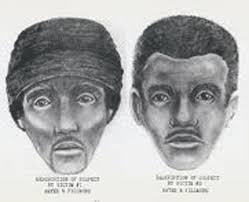
Police composite sketch of “the Zebra killer”
But Harris insisted that he hadn’t murdered anyone, and that he had resisted efforts by his friends to enlist him in their murder spree. He claimed to fear for his life at the hands of his fellow Muslims.
The police immediately placed Harris and his family under round-the-clock guard by its SWAT team.
At 5 a.m. on the morning of May 1, 1974, more than 100 police officers assembled at the San Francisco Hall of Justice. They were heavily armed—with shotguns, submachineguns and automatic rifles.
Their assignment: Arrest seven men believed responsible for the brutal series of murders known as the “Zebra” case.
At a given signal, police charged into the various homes and apartments where the suspects lay sleeping. None of the wanted men offered any resistance.
Three of the seven were soon release for lack of evidence. The remaining three—Larry Craig Green, Manuel Moore and J.C. Simon—were held at high bond.
A fourth suspect, Jessie Lee Cooks, was already serving a life sentence in prison for his admitted murder of Frances Rose, a physical therapist, on October 30, 1973.
Cooks would be charged and convicted with other “Zebra” murders by a San Francisco grand jury on May 16, 1974.
Chief Assistant District Attorney W.H. Guibbini asked for high bail for three of the suspects after their indictment. Presiding Superior Court Judge Clayton V. Horn raised it to $300,000 each.
The accused killers remained in jail before and during their trial.
The trial began on March 3, 1975, and lasted longer than any previous one in the history of California—376 days. Testimony from 181 witnesses—115 for the prosecution—filled 13,331 pages of trial transcript.

San Francisco Superior Court
The Nation of Islam paid for the legal representation of every one of the defendants except Cooks, who had admitted to murdering Frances Rose.
During his testimony as a prosecution witness, Harris was guarded constantly by San Francisco police SWAT team.
When the SFPD’s resources began to be strained, Harris was placed on the Witness Security Program, operated by the U.S. Marshals Service for the Justice Department. Originally created to safeguard Mafia witnesses, it offers protection, relocation and new identities to those who testify against organized crime groups.
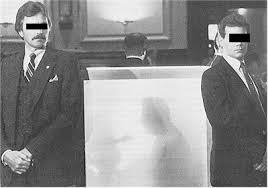
Deputy U.S. marshals guarding a witness while testifying before Congress
Harris was flown to Houston, Texas, and kept under the watchful eye of the local police. From there he moved to El Paso, and then on to Las Vegas.
He proved a difficult witness to protect. Refusing to take a job suitable for his menial work skills, he demanded ever-increasing amounts of subsistence money from, first, the SFPD, and, later, the U.S. Marshals Service. At times he threatened to recant his testimony unless he got more subsistence payments.
After the trial, Harris received a portion of the $30,000 reward. Eventually he turned up in Oakland, and then ultimately disappeared.
On March 13, 1976, Larry Craig Green, Manuel Moore, Jessie Lee Cooks and J.C. Simon were convicted of multiple murders. All were sentenced to life in state prison, where three of them remain today.
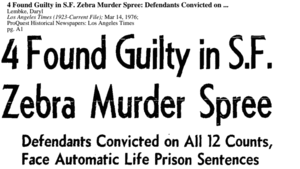
On March 12, 2015, J.C. Simon (aged 69) was found unresponsive in his cell at San Quentin Prison. He was declared dead of unknown causes.
The toll of victims taken by the “Zebra” killers had been staggering:
- Sixteen murdered
- Five wounded
- One raped
- The attempted kidnapping of three children
At the time of sentencing, San Francisco Superior Court Judge Joseph Karesh turned to a wall map showing where each of the murders had taken place.
“As I look at this map and see all these dots,” said Karesh, “I hope we do not forget all these people who have been reduced to dots.”
ABC NEWS, ALTERNET, ALTON STERLING, AMERICABLOG, ANTHONY CORNELIUS HARRIS, AP, ARCHIBALD COX, BABY BOOMER RESISTANCE, BBC, BLACK LIVES MATTER, BLACK MUSLIMS, BLOOMBERG, BUZZFEED, CBS NEWS, CNN, CRIME, CROOKS AND LIARS, DAILY KOS, FIVETHIRTYEIGHT, HARPER’S MAGAZINE, HUFFINGTON POST, ISLAM, J.C. SIMON, JESSIE LEE COOKS, JOSEPH ALIOTO, LARRY CRAIG GREEN, MALCOM X, MANUEL mOORE, MEDIA MATTERS, MICHAH XAVIER JOHNSON, MOTHER JONES, MOVEON, MSNBC, NAACP, NATION OF ISLAM, NBC NEWS, NEW REPUBLIC, NEWSDAY, NEWSWEEK, NPR, PBS NEWSHOUR, PHILANDO CASTILE, POLICE BRUTALITY, POLITICO, POLITICUSUSA, RAW STORY, REUTERS, RICHARD M. NIXON, SALON, SAN FRANCISCO, SAN FRANCISCO POLICE DEPARTMENT, SEATTLE TIMES, SLATE, TALKING POINTS MEMO, THE ATLANTIC, THE CHICAGO SUN-TIMES, THE CHICAGO TRIBUNE, THE DAILY BEAST, THE DAILY BLOG, THE GUARDIAN, THE HILL, THE HUFFINGTON POST, THE INTERCEPT, THE LOS ANGELES TIMES, THE NATION, THE NEW REPUBLIC, THE NEW YORK TIMES, THE NEW YORKER, THE VILLAGE VOICE, THE WASHINGTON POST, THINKPROGRESS, TIME, TRUTHDIG, TRUTHOUT, TWO POLITICAL JUNKIES, U.S. MARSHALS SERVICE, U.S. NEWS & WORLD REPORT, UPI, USA TODAY, WITNESS SECURITY PROGRAM, X, ZEBRA KILLERS
In Bureaucracy, History, Law, Law Enforcement, Politics, Social commentary on April 18, 2024 at 12:30 am
The slayings of the “Zebra killers” were always proceeded by elaborate safety precautions. These included disguises, escape routes and the use of safehouses.
“In case you kill someone in that area,” Harris later testified that his Muslim friends were told, “you can automatically go to that house. There won’t be any questions asked about it at all. They made that clear all the time, every Saturday, at the Fruit of Islam (FOI) meetings.”
The FOI was the enforcement and disciplinary arm of the Nation of Islam.
“They said that if you’re going to kill someone, come right out and say it. Let us know ahead of time so we can set up a good alibi.”
Recruiting poster for the Fruit of Islam, the elite guard of the Nation of Islam
Non-Muslims were not to be trusted or used in any way.
“Our own attorneys,” the listeners were told at these weekend meetings, “will lie for you,” Harris quoted one of the Muslim speakers as saying.
On the night of January 28, 1974, J.C. Simon, Larry Green and Manuel Moore launched their most spectacular assault on San Francisco whites.
Shots and screams echoed throughout the city as the killers, cruising in a fast-moving black Cadillac, literally turned the streets into a shooting gallery:
- Tana Smith, a secretary, was slain while waiting at a bus stop.
- A derelict, John Bambic, was murdered as he rummaged in a garbage can.
- Vincent Wollin, a pensioner, was walking down the street when one of the gunmen fatally overtook him.
- A housewife named Jane Holly was killed in a Laundromat while she removed clothes from a dryer.
- And Roxanne McMillan, another housewife, was critically wounded and left paralyzed from the waist down as she walked down a flight of stairs to her apartment.
Each victim had been shot twice in the back by a black gunman using a .32 automatic pistol.
Just hours before the murder spree, Anthony Harris had asked his friend, Larry Green, why their comrade, J.C. Simon, was so depressed and irritable.
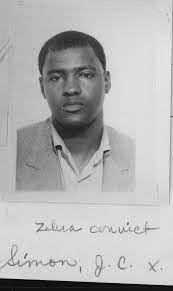
J.C. Simon
“He’s pretty pissed off because he didn’t make lieutenant,” Green had replied. “He didn’t have enough kills on his record.”
The San Francisco Police Department formed a task force to hunt the killers. Officers used a “Z” radio band assigned to the case. When this became publicly known, it was widely assumed that “Zebra” meant black-on-white.
The killings continued to mid-April, 1974.
On April 20, 1974, San Francisco’s liberal mayor, Joseph L. Alioto, authorized a city-wide police dragnet to flush out the still-supposed lone gunman.
Throughout the city, roving squads of specially-assigned officers stopped and questioned over 600 young black men. Those stopped were thought by police to resemble a vague description of the “killer,” as given by witnesses and surviving victims.

Some blacks were stopped so many times they were issued special identification cards to prevent future police interrogations.
The dragnet failed to flush out the Zebra Killers. But it ignited an uproar within the black community. Mayor Alioto was heatedly denounced by civil rights and religious activists.
The National Association for the Advancement of Colored People filed a suit in federal court for the Northern District of California to halt the stops.
On April 26—six days after the dragnet began—San Francisco’s U.S. District Judge Alfonzo J. Zirpoli acted on the NAACP’s suit. He declared the stops an unconstitutional violation of blacks’ civil rights.
In the future, ordered Zirpoli, police would need specific information leading them to believe that whoever they stopped had committed a crime or was in the process of doing so.
In San Francisco, the sudden collapse of the citywide police dragnet heightened panic among an already frightened citizenry.
Many whites stopped going outdoors after dark. Even police officers frequently looked over their shoulders as evening approached.
Some whites—especially in the heavily Italian North Beach area—began talking about spreading vigilante terror among blacks.
The reaction of blacks was entirely different.
During the manhunt for the notorious “Zodiac” serial killer in the late 1960s, San Francisco police had relied heavily on dragnets and interrogations of young white men resembling a composite sketch.
But blacks charged racism when the same tactic was used to hunt for the supposed lone “Zebra” gunman.
Many blacks blamed “unemployment” and “oppression” for the attacks. When interviewed by the San Francisco Examiner, none condemned the murders or expressed sympathy for their victims.
Then, on April 22, 1974, a break finally came in the case.
Anthony Cornelius Harris decided to tell the police what he knew about the men responsible for the murders.
The killings, said Harris, weren’t the work of a crazed loner. They were being carried out by a group of militant Black Muslims who made use of elaborate security precautions.
Harris’ intimate knowledge of the killers stemmed from their having been among his closest friends for over six months.
Harris claimed that the killers had repeatedly—and unsuccessfully—tried to enlist him as an accomplice. This led them to suspect that Harris might be a police informer or agent.
Harris began fearing for his life. He also wanted the $30,000 reward being offered for the capture of the still-supposed lone gunman.
On May 1, 1974, police—acting on Harris’ information—arrested seven suspects.
ABC NEWS, ALTERNET, ALTON STERLING, AMERICABLOG, ANTHONY CORNELIUS HARRIS, AP, ARCHIBALD COX, BABY BOOMER RESISTANCE, BBC, BLACK LIVES MATTER, BLACK MUSLIMS, BLOOMBERG, BUZZFEED, CBS NEWS, CNN, CRIME, CROOKS AND LIARS, DAILY KOS, FIVETHIRTYEIGHT, HARPER’S MAGAZINE, HUFFINGTON POST, ISLAM, J.C. SIMON, JESSIE LEE COOKS, JOSEPH ALIOTO, LARRY CRAIG GREEN, MALCOM X, MANUEL mOORE, MEDIA MATTERS, MICHAH XAVIER JOHNSON, MOTHER JONES, MOVEON, MSNBC, NAACP, NATION OF ISLAM, NBC NEWS, NEW REPUBLIC, NEWSDAY, NEWSWEEK, NPR, PBS NEWSHOUR, PHILANDO CASTILE, POLICE BRUTALITY, POLITICO, POLITICUSUSA, RAW STORY, REUTERS, RICHARD M. NIXON, SALON, SAN FRANCISCO, SAN FRANCISCO POLICE DEPARTMENT, SEATTLE TIMES, SLATE, TALKING POINTS MEMO, THE ATLANTIC, THE CHICAGO SUN-TIMES, THE CHICAGO TRIBUNE, THE DAILY BEAST, THE DAILY BLOG, THE GUARDIAN, THE HILL, THE HUFFINGTON POST, THE INTERCEPT, THE LOS ANGELES TIMES, THE NATION, THE NEW REPUBLIC, THE NEW YORK TIMES, THE NEW YORKER, THE VILLAGE VOICE, THE WASHINGTON POST, THINKPROGRESS, TIME, TRUTHDIG, TRUTHOUT, TWO POLITICAL JUNKIES, U.S. MARSHALS SERVICE, U.S. NEWS & WORLD REPORT, UPI, USA TODAY, WITNESS SECURITY PROGRAM, X, ZEBRA KILLERS
In Bureaucracy, History, Law, Law Enforcement, Politics, Social commentary on April 17, 2024 at 12:11 am
The “Zebra killers” were on a rampage–one that showed no signs of ending.
On November 25, 1973, Salem Erakat, a grocer, was found shot in the back of the head in his mom-and-pop market, which lay across the street from the San Francisco Federal Building.
On December 11, a San Francisco resident named Paul Dancik was fatally shot three times as he used a public telephone.
On December 13, Arthur Agnos, a former administrative aide to San Francisco Assemblyman Leo T. McCarthy, was shot and wounded while standing on a street corner, talking to two friends.
He would survive and later serve as Mayor of San Francisco from 1988 to 1992.
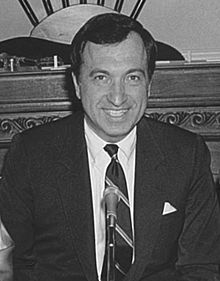
Art Agnos
Nancy Pelosi, CC BY 2.0 <https://creativecommons.org/licenses/by/2.0>, via Wikimedia Commons
On Christmas Eve, Larry Craig Green and J.C. Simon asked Anthony Harris to help them take some packages to a nearby beach.
“When I unloaded the truck, I recall getting a lot of blood on my hands,” Harris later testified as a witness for the prosecution. He asked Simon and Green what was in the packages.
“They said, it was probably a dog or a cat,” said Harris. Later, he learned that the package had held a human body. But he never learned whose.
Harris helped to dispose of similar packages “about 40-some times.”
Harris was taken along by the “Zebra” killers on several shootings. Later, Harris reasoned: “I guess they thought that, sooner or later, I would join their little clique.”
One night, Harris, J.C. Simon and Manuel Moore parked their black Cadillac near an apartment complex. Simon and Moore got out, leaving Harris in the vehicle.
“The next thing I knew,” said Harris, “I heard a gunshot. Manuel started running from the same area that the gunshot came from.”
Moore and Simon jumped into the car. As the vehicle sped off, Harris saw “what appeared to be a body” lying on the sidewalk.
On another occasion, Harris asked his comrades what had happened after he heard shots ring out.
“Just watch television or listen to the radio, and you’ll see what happened,” one of them said.
Harris learned from the news later on that “somebody had been shot and killed.”
Between killings, Harris and his friends attended regular meetings at the Black Self-Help, the Muslim-owned furniture-moving company in San Francisco.
At some of these meetings, as many as 40 to 50 or more Muslims were present.
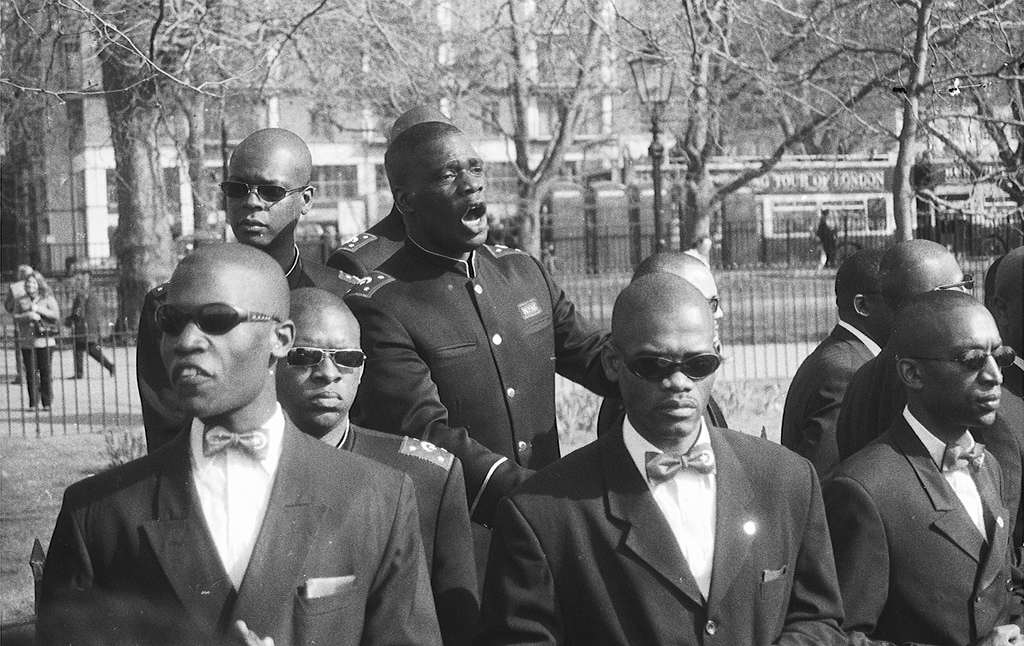
Members of the Nation of Islam
“They were talking about killing people,” Harris later testified. Films were shown “of the Watts riots [in 1965] and different riots taking place throughout the past, black people being beaten down by the police and shot.”
The meetings’ participants were asked, “Could we allow this to continue? They said the only way to stop it was to act and be vicious…like the police department.
“That you had to…be able to go out and just deliberately take a baby and smash his head against the wall and kill him and, if you have to, even drink the blood to show how vicious you are.
“And they showed us a large number of pictures” on a bulletin board “of a lot of bald-headed men with little white wings on their necks, and identified each guy as being members of the Death Angels.”
Harris was told that “if I wanted to be a member of the Death Angels, that I’d have to go out and kill people to get some wings.”
Not only was the wearing of a pair of white wings a symbol of belonging to the Death Angels, so was a shaved head.
Only certified members of the Death Angels could enter Muslim temples with shaved heads. Anyone else who entered such a temple with a shaved head “can be killed or put out of the temple for coming in like that.”
“[The Death Angels] is supposed to be a pretty high branch of the Nation of Islam, supposed to be 2,000 people inside it,” Harris later testified.
“And every time you kill a person, you’re supposed to have somebody witness your killing the person for verification when you go back to Chicago,” the national headquarters for the Nation of Islam.

Chicago Headquarters of the Nation of Islam
It was there, said Harris, that the photographs or eyewitnesses had to appear before the prospective Death Angel could receive his winged badge of membership.
“And after you get to killing people,” the Death Angels “give you a pair of wings to put on your neck, and they take a picture,” testified Harris.
“They say you kill four children, you automatically become a captain, or a lieutenant. If you kill five or six women, you become a lieutenant. Or kill nine men, the number of completion, and they give you a rank.”
Extra status was attached to Death Angels who mutilated the bodies of their victims.
“If you cut their heads off, and cut the legs and arms off and cut them open wide with a lot of blood, it’s supposed to symbolize you’re very vicious and that you could be well trusted.
“The killing was so, if they see you do it, they know for a fact you’re not a police officer and you’re not involved” as an informer,” testified Harris.
ABC NEWS, ALTERNET, ALTON STERLING, AMERICABLOG, ANTHONY CORNELIUS HARRIS, AP, ARCHIBALD COX, BABY BOOMER RESISTANCE, BBC, BLACK LIVES MATTER, BLACK MUSLIMS, BLOOMBERG, BUZZFEED, CBS NEWS, CNN, CRIME, CROOKS AND LIARS, DAILY KOS, FIVETHIRTYEIGHT, HARPER’S MAGAZINE, HUFFINGTON POST, ISLAM, J.C. SIMON, JESSIE LEE COOKS, JOSEPH ALIOTO, LARRY CRAIG GREEN, MALCOM X, MANUEL mOORE, MEDIA MATTERS, MICHAH XAVIER JOHNSON, MOTHER JONES, MOVEON, MSNBC, NAACP, NATION OF ISLAM, NBC NEWS, NEW REPUBLIC, NEWSDAY, NEWSWEEK, NPR, PBS NEWSHOUR, PHILANDO CASTILE, POLICE BRUTALITY, POLITICO, POLITICUSUSA, RAW STORY, REUTERS, RICHARD M. NIXON, SALON, SAN FRANCISCO, SAN FRANCISCO POLICE DEPARTMENT, SEATTLE TIMES, SLATE, TALKING POINTS MEMO, THE ATLANTIC, THE CHICAGO SUN-TIMES, THE CHICAGO TRIBUNE, THE DAILY BEAST, THE DAILY BLOG, THE GUARDIAN, THE HILL, THE HUFFINGTON POST, THE INTERCEPT, THE LOS ANGELES TIMES, THE NATION, THE NEW REPUBLIC, THE NEW YORK TIMES, THE NEW YORKER, THE VILLAGE VOICE, THE WASHINGTON POST, THINKPROGRESS, TIME, TRUTHDIG, TRUTHOUT, TWO POLITICAL JUNKIES, U.S. MARSHALS SERVICE, U.S. NEWS & WORLD REPORT, UPI, USA TODAY, WITNESS SECURITY PROGRAM, X, ZEBRA KILLERS
In Bureaucracy, History, Law, Law Enforcement, Politics, Social commentary on April 16, 2024 at 12:47 am
In 1971, Anthony C. Harris was arrested for second-degree burglary in Los Angeles. For this, he drew a sentence at San Quentin prison.
That was where he met two of the future “Zebra” killers: Manuel Moore and Jessie Lee Cooks.
After Harris was paroled on October 15, 1973, he drifted into San Francisco. There he made a new friend—Larry Craig Green, who helped him into a job at the Black Self-Help, a Muslim-owned, furniture-moving company in the city.
Yet another new friend he made there was J.C. Simon.

Manuel Moore, Larry Green, Jessie Lee Cooks, JCX Simon
Soon he was reunited with Jessie Cooks, who had been paroled in July. The release of Manuel Moore followed in November—as did his own arrival in San Francisco.
In September or October, 1973, Harris and 12 to 13 other Muslims—including Simon, Cooks and Green—met at J.C. Simon’s San Francisco apartment.
“They asked me,” Harris later testified, “was I able to kill anyone? Did I have my mind together? They wanted me to work in the [Muslim] temple” as a kung-fu instructor.
At a second meeting at Simon’s apartment, a large, velvet-lined case was prominently displayed. In it were two machetes, three pistols—a snubnose .38 revolver, a .357 Magnum and an automatic—and a shotgun.

“They asked me, how did I feel about white people? Did I feel they were my enemy? Was my mind together enough to destroy my enemy?
“And I just told them, ‘I don’t know what you mean by destroying my enemy.’” Harris told the other Muslims that he had no enemies.
“They wanted me to go out and kill some people, to show them I could be trusted among them. They told me I would have to make some kind of move sooner or later.”
Once again, Harris found himself under cross-examination: Was he ready to take his first step towards joining the elite of Allah, the Death Angels? Was he willing to assist his brethren in destroying the blue-eyed white devils?
To drive the point home, the Muslims showed Harris photographs of his brother, stepbrother, mother, sister and fiancee.
“They told me I knew too much about the organization, and something could happen” to Harris himself and his family unless he joined the group of future killers.
Still, Harris refused to commit himself to the coming plot to slaughter whites.
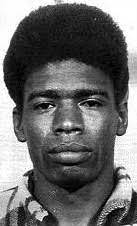
Anthony Harris
So his companions decided to enlist him in their cause in one dramatic—and lethal—move.
On the night of October 20, 1973, Americans were glued to their TV sets: President Richard Nixon had just fired Special Watergate Prosecutor Archibald Cox and disbanded the Watergate Special Prosecutor’s office.
On that same evening, Harris stood at a bus stop, waiting to be taken home from his job at the Black Self-Help, when a panel truck driven by Larry Green pulled up in the bus zone.
Next to Green, in the passenger’s seat, sat Jessie Lee Cooks. Both men offered Harris a ride home, and he accepted.
The truck drove around for awhile, then parked in the shadows near Powell and Chestnut Streets, in a residential neighborhood.
A few minutes later, the three Muslims spotted a young—and white—married couple, Richard and Quita Hague, strolling nearby.
Hague, 30, worked as a mining engineer for the San Francisco office of Utah International. Quita, 28, was a reporter for the Industrial City Pressin South San Francisco. The previous month they had celebrated their seventh wedding anniversary.
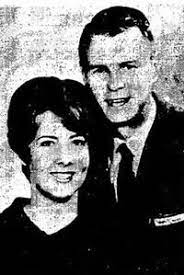
Quita and Richard Hague
Cooks stopped the Hagues, asking for directions. Then he shoved a pistol into the back of Richard Hague and forced the couple into the rear of the panel truck.
The Hagues were bound, beaten and driven to a remote spot in the San Francisco industrial district. There they were yanked from the van. Larry Green seized a machete and, with one stroke, nearly decapitated Quita Hague.
“He got blood all over him,” Harris would later testify.
“Larry came over with the knife and said something about, ‘You ought to have seen all the blood gush out of her neck.’”
Green handed the machete to Cooks, who slashed Richard Hague about the face and back of the head. Left for dead, Hague would eventually recover—and testify against his wife’s killers.
Almost immediately after the two Black Muslims finished hacking their victims, flashbulbs began popping. Two other cars, driven by members of the Nation of Islam, had pulled up.
Several camera-toting Muslims started taking pictures of the blood-soaked murder scene–as evidence of Larry Green’s and Jessie Lee Cooks’ worthiness as Death Angels.
A series of murders followed.
On October 30—ten days after the abduction of Richard and Quita Hague—Jessie Lee Cooks struck again.
He shot Frances Rose, a physical therapist, four times in the head and neck as she sat in her car at the entrance of the parking lot to the University of California Extension.
Cooks was arrested within a few minutes and only a short distance from the scene, still in possession of the murder weapon, a revolver. He pleaded guilty and was sentenced to life imprisonment on December 14, 1974.
He would be tried again and convicted of other murders, along with the other “Zebra” defendants on March 13, 1976.
ABC NEWS, ALTERNET, ALTON STERLING, AMERICABLOG, ANTHONY CORNELIUS HARRIS, AP, ARCHIBALD COX, BABY BOOMER RESISTANCE, BBC, BLACK LIVES MATTER, BLACK MUSLIMS, BLOOMBERG, BUZZFEED, CBS NEWS, CNN, CRIME, CROOKS AND LIARS, DAILY KOS, FIVETHIRTYEIGHT, HARPER’S MAGAZINE, HUFFINGTON POST, ISLAM, J.C. SIMON, JESSIE LEE COOKS, JOSEPH ALIOTO, LARRY CRAIG GREEN, MALCOM X, MANUEL mOORE, MEDIA MATTERS, MICHAH XAVIER JOHNSON, MOTHER JONES, MOVEON, MSNBC, NAACP, NATION OF ISLAM, NBC NEWS, NEW REPUBLIC, NEWSDAY, NEWSWEEK, NPR, PBS NEWSHOUR, PHILANDO CASTILE, POLICE BRUTALITY, POLITICO, POLITICUSUSA, RAW STORY, REUTERS, RICHARD M. NIXON, SALON, SAN FRANCISCO, SAN FRANCISCO POLICE DEPARTMENT, SEATTLE TIMES, SLATE, TALKING POINTS MEMO, THE ATLANTIC, THE CHICAGO SUN-TIMES, THE CHICAGO TRIBUNE, THE DAILY BEAST, THE DAILY BLOG, THE GUARDIAN, THE HILL, THE HUFFINGTON POST, THE INTERCEPT, THE LOS ANGELES TIMES, THE NATION, THE NEW REPUBLIC, THE NEW YORK TIMES, THE NEW YORKER, THE VILLAGE VOICE, THE WASHINGTON POST, THINKPROGRESS, TIME, TRUTHDIG, TRUTHOUT, TWO POLITICAL JUNKIES, U.S. MARSHALS SERVICE, U.S. NEWS & WORLD REPORT, UPI, USA TODAY, WITNESS SECURITY PROGRAM, X, ZEBRA KILLERS
In Bureaucracy, History, Law, Law Enforcement, Politics, Social commentary on April 15, 2024 at 1:34 am
Blacks, charging police with brutality and racism, are increasingly strident in demanding an end to both.
On March 3, 1991, Rodney King, a black motorist, was severely beaten by four Los Angeles Police Department officers. Captured on video, the beating came during his arrest after a high speed pursuit for driving while intoxicated.
On April 29, 1992, the jury acquitted the officers of assault. The verdict touched off six days of rioting, resulting in 63 deaths, 2,383 injuries, more than 7,000 fires, damage to 3,100 businesses, and nearly $1 billion in financial losses.
On July 17, 2014, Eric Garner, a black man, was choked to death in Staten Island by NYPD officer Daniel Pantaleo. His “crime”: Selling single cigarettes without a tax stamp.
On June 17, 2015, Dylann Roof, a white high school dropout, gunned down three black men and six black women at Emanuel African Methodist Episcopal Church in Charleston, South Carolina.
And on May 25, 2020, George Floyd, a part-time security guard, was murdered by a white Minneapolis police officer who knelt on his neck for nine minutes and 29 seconds.
Nationwide rioting erupted, and at least 200 cities imposed curfews. At least 27 states and Washington, D.C., activated over 62,000 National Guard troops in response to the protests.
Then-President Donald Trump, frightened by protests in Washington, D.C., disappeared into the White House bunker. Later, he ordered U.S. Park police to clear nearby Lafayette Park of a peaceful demonstration so he could stage a photo-op at St. John’s Church.
But blacks have not been the only victims of brutality by racist police or vigilantes.
Fifty years ago, whites—not blacks—-were the targets of black men intent on waging a race war.
From October 20, 1973 to April 20, 1974, San Francisco was rocked by a series of random, brutal attacks against whites. The assailant was at first thought to be a lone black gunman.
The toll finally reached 16 murders, five woundings, one rape, and the attempted kidnapping of three children.
The rampage, however, was not limited to San Francisco. Throughout California—from Bakersfield to San Diego—at least 93 other whites were murdered, according to later police investigations.
The killing spree did not end until May 1, 1974, with a surprise raid by heavily-armed San Francisco police.
What follows is an inside account of the “Zebra” death cult, as depicted through the grand jury testimony of the star witness against the killers: Anthony C. Harris.
At 28, Harris was a fifth-dan kung-fu expert who always dressed well and spoke softly. He also had firsthand knowledge of the “Zebra murders.”
Anthony Harris
Born in Long Beach, California, in 1946, Anthony Cornelius Harris got as far as the sixth grade. He clashed often with police and, on January 3, 1969, he was convicted for assaulting a policeman.
He was released from prison in May, 1970, when he won a reversal of his sentence at the California Supreme Court.
But he was once again arrested and convicted, in 1971, of second-degree burglary in Los Angeles. For this, he drew a sentence at San Quentin prison.
And he also met two of the future “Zebra” killers: Manuel Moore and Jessie Lee Cooks.
Cooks had been convicted of robbery; Moore had been sent to prison for burglary. Both wanted Harris, a fifth-dan kung-fu expert, to teach them the martial arts.
Cooks wanted to learn kung-fu so he could kill whites “because they had castrated and killed our ancestors and stomped our babies’ heads in.”
While an inmate at San Quentin prison, Harris became a devout member of the Nation of Islam.
At that time, the spiritual leader of the Nation was Elijah Muhammad, who preached a gospel of black separatism and superiority. Muhammad taught that whites were literally the incarnation of evil, a race of “blue-eyed devils.”

Elijah Muhammed
To test the worthiness of His Chosen Black People, proclaimed Muhammad, Allah had allowed their 400-year persecution by these “bleached-out, grafted snakes.”
But that great testing period would soon come to its end. Then would follow the literal, heaven-sent destruction of all whites. At the conclusion of this divine slaughter, Allah would create a paradise earth for His Chosen Black People.
Harris, Moore and Cooks had a conversation in the temporary Muslim temple in the prison–about “killing people and cutting their heads off—just white people,” Harris later testified in court.
After Harris was paroled on October 15, 1973, he drifted into San Francisco. There he made a new friend—Larry Craig Green, who helped him into a job at the Black Self-Help, a Muslim-owned, furniture-moving company in the city.
Yet another new friend he made there was J.C. Simon.
Soon he was reunited with Jessie Cooks, who had been paroled in July. The release of Manuel Moore followed in November—as did his own arrival in San Francisco.
In September or October, 1973, Harris and 12 to 13 other Muslims—including Simon, Cooks and Green—et at J.C. Simon’s San Francisco apartment.
“They asked me,” Harris later testified, “was I able to kill anyone? Did I have my mind together? They wanted me to work in the [Muslim] temple” as a kung-fu instructor.


 Bureaucracybuster's Blog
ABC NEWS, ADOLF HITLER, ALTERNET, AMERICABLOG, ANDREW JACKSON, AP, ARTHUR MILLER, BABY BOOMER RESISTANCE, BBC, BLOOMBERG, BUZZFEED, CBS NEWS, CNN, COLLEGE FOOTBALL, CROOKS AND LIARS, DAILY KOS, DAILY KOZ, DONALD TRUMP, DREW PEARSON, DWIGHT EISENHOWER, EDWARD R. MURROW, FACEBOOK, FIVETHIRTYEIGHT, GEORGE C. MARSHALL, HARPER’S MAGAZINE, HARRY S. TRUMAN, HUFFINGTON POST, JERRY SANDUSKY, JOE PATERNO, JOSEPH MCCARTHY, LOUIS FREEH, MEDIA MATTERS, MOTHER JONES, MOVEON, MSNBC, NBC NEWS, NEW REPUBLIC, NEWSDAY, NEWSWEEK, NIKE, NPR, ORSON WELLES, PBS NEWSHOUR, PENN STATE UNIVERSITY, POLITICO, POLITICUSUSA, RAW STORY, REUTERS, REX TILLERSON, SALON, SEATTLE TIMES, SLATE, TALKING POINTS MEMO, THE ATLANTIC, THE CHICAGO SUN-TIMES, THE CHICAGO TRIBUNE, THE DAILY BEAST, THE DAILY BLOG, THE GUARDIAN, THE HILL, THE HUFFINGTON POST, THE INTERCEPT, THE LOS ANGELES TIMES, THE NATION, THE NEW REPUBLIC, THE NEW YORK TIMES, THE NEW YORKER, THE VILLAGE VOICE, THE WASHINGTON POST, THINKPROGRESS, TIME, TRUTHDIG, TRUTHOUT, TWO POLITICAL JUNKIES, U.S. NEWS & WORLD REPORT, UP, UPI, USA TODAY, X, YEVGENEY YEVTUSHENKO
COWARDS MAKE POOR HEROES
In Bureaucracy, History, Law Enforcement, Politics, Social commentary on April 26, 2024 at 12:07 am“One man with courage,” said the frontier general (and later President) Andrew Jackson, “makes a majority.”
Yet many “heroes” come out of the woodwork only after danger is safely past.
One such “hero” was Rex Tillerson, the former Secretary of State under President Donald Trump.
On May 16, 2018, he addressed graduates of the Virginia Military Institute:
“If we do not as Americans confront the crisis of ethics and integrity in our society among our leaders in both public and private sector, and regrettably at times in the nonprofit sector, then American democracy as we know it is entering its twilight years.”
Rex Tillerson
Tillerson’s remarks were widely seen as a not-so-veiled criticism of his former boss, President Trump.
Tillerson had served as Secretary of State from January 20, 2017, until Trump abruptly fired him on March 13, 2018. There had been increasing tensions between the two, as Tillerson struggled to run foreign policy without interference by Trump.
It was during a visit to Chad and Nigeria that Tillerson learned of his firing—via a Trump tweet.
Tillerson’s remarks on the importance of truth would carry far greater weight had he shared them publicly while Secretary of State.
On May 9, the Washington Post’s Fact-Checker blog noted: During Trump’s 466 days in office, he had made 3,000 false or misleading statements. That works out to 6.5 falsehoods each day.
“I was never courageous,” the Russian poet, Yevgeny Yevtushenko, wrote in his poem, “Conversation With an American Writer.” “I simply felt it unbecoming to stoop to the cowardice of my colleagues.”
During the 1950s, many Americans found it easy to stoop to the cowardice of their colleagues.
From 1950 to 1954, United States Senator Joseph R. McCarthy (R-Wis.) terrorized the nation, accusing anyone who disagreed with him of being a Communist—and leaving countless ruined lives in his wake.
Joseph R. McCarthy
Among those civilians and government officials slandered as Communists were:
Finally, in 1954, McCarthy overreached himself and accused the U.S. Army of being a hotbed of Communist traitors. Joseph Welch, counsel for the Army, destroyed McCarthy’s credibility in a now-famous retort:
“Senator, may we not drop this?….You’ve done enough. Have you no sense of decency, sir? At long last, have you left no sense of decency?”
Later that year, the Senate censured McCarthy, and he rapidly declined in power and health.
Nor did mass cowardice end with the McCarthy era.
On July 12, 2012, former FBI Director Louie Freeh released a damning report on serial pedophile Jerry Sandusky.
Freeh had been hired by Penn State University (PSU) to discover the truth about its former superstar faculty member.
As the assistant football coach at PSU from 1969 to 1999, he had used the football facilities to sexually attack numerous young boys.
Jerry Sandusky
But Sandusky was regarded as more than a second-banana. He received Assistant Coach of the Year awards in 1986 and 1999, and authored several books about his coaching experiences.
In 1977, Sandusky founded The Second Mile, a non-profit charity serving underprivileged, at-risk youth.
“Our most saddening and sobering finding is the total disregard for the safety and welfare of Sandusky’s child victims by the most senior leaders at Penn State,” Freeh stated.
College football is a $3.3 billion-a-year business. And Penn State is one of its premiere brands, with revenue of $181 million in 2023.
PSU’s seven-month internal investigation, headed by Freeh, revealed:
In 2011, Sandusky was arrested and charged with sexually abusing young boys over a 15-year period. On June 22, 2012, he was convicted on 45 of the 48 charges. He will likely spend the rest of his life in prison.
On the day the Freeh report was released, Nike—a longtime sponsor for Penn State—announced that it would remove Paterno’s name from the child care center at its world headquarters in Beaverton, Oregon.
Share this: