Posts Tagged ‘WORLD WAR 11’
2016 PRESIDENTIAL ELECTION, 2020 PRESIDENTIAL ELECTION, 2024 PRESIDENTIAL ELECTION, ABC NEWS, ABUSE OF POWER, ADOLF HITLER, AFFORDABLE CARE ACT (ACA), AIR TRAFFICK CONTROLLERS, ALTERNET, AMERICABLOG, AP, ARTIFICIAL INTELLIGENCE, AUSTRIA, BABY BOOMER RESISTANCE, BBC, BERLIN, BIRD FLU, BLOOMBERG, BLUESKY, BORDER WALL, BRIAN KEMP, BUZZFEED, CBS NEWS, CENTERS FOR DISEASE CONTROL AND PREVENTION (CDC) CHINA, CIA, CLASSIFIED DOCUMENTS, CLAUS VON STAUFFENBERG, CLIMATE CHANGE, CNN, COVID-19, CROOKS AND LIARS, CZECHOSLOVAKIA, DAILY KOS, DAVID BROOKS, DEMOCRACY, DEMOCRATS, DIVERSITY, DONALD TRUMP, ELECTORAL COLLEGE, EMILY MURPHY, ENGLAND, EQUITY AND INCLUSION (DEI), FBI, FEDERAL AVIATION ADMINISTRATION (FAA), FEDERAL EMERGENCY MANAGEMENT ADMINISTRATION (FEMA), FEDERAL GOVERNMENT SHUTDOWN, FIVETHIRTYEIGHT, FRANCE, FRATERNAL ORDER OF POLICE, GAIUS CALIGULA, GAZA, GENERAL SERVICES ADMINISTRATION, GEORGE FLOYD, GOVERNMENT SHUTDOWN, GROCERY PRICES, GULF OF MEXICO, HARPER’S MAGAZINE, HILLARY CLINTON, HUFFINGTON POST, HUNTER BIDEN, illegal immigration, IMMIGRATION AND CUSTOMS ENFORCEMENT (ICE), IMPEACHMENT, INFLATION, INSPECTORS GENERAL, INSURRECTION ACT, INTERNATIONAL ASSOCIATION OF CHIEFS OF POLICE, INTERNATIONAL BROTHERHOOD OF TEAMSTERS, ISRAEL, JAMES COMEY, JANUARY 6 COUP ATTEMPT, JEFF SESSIONS, JEROME POWELL, JOE BIDEN, JOHN F. KENNEDY CENTER FOR THE PERFORMING ARTS, JONATHAN ROSS, JOSEPH STALIN, JUAN ORLANDO HERNANDEZ, Kamala Harris, KIM JONG-UN, LAMAR ALEXANDER, LATINOS, LETITIA JAMES, MACHISMO, MARK MEADOWS, MARTIN GUGINO, MEASLES, MEDIA MATTERS, MEDICAID, MEDICARE, MERRICK GARLAND, MIKE PENCE, MISOGYNY, MITCH MCCONNELL, MOHAMMED BIN SALMAN, MOTHER JONES, MOVEON, MSNBC, MUNICH CONFERENCE, MUSLIMS, NANCY PELOSI, NATIONAL GUARD, NATIONAL SECURITY AGENCY, NATIONAL SECURITY AGENCY (NSA), NAVAHO CODE TALKERS, NAZI GERMANY, NBC NEWS, NEWSDAY, NEWSWEEK, NIHILISM, NORTH ATLANTIC TREATY ORGANIZATION (NATO), NORTH KOREA, NPR, OBSTRUCTION OF CONGRESS, PARDONS, PBS NEWSHOUR, POLAND, POLITICO, POLITICUSUSA, RAFAEL EDUARDO "TED" CRUZ, RAW STORY, RENEE NICOLE GOOD, REPUBLICANS, REUTERS, ROBERT F. KENNEDY JR., RODNEY KING, ROME, RON JOHNSON, RUDY GIULIANI, RUSSIA, SALON, SAUDI ARABIA, SEATTLE TIMES, Secret Service, SERGEY KISLYAK, SERGEY LAVROV, SLATE, SUPPLEMENTAL NUTRITION ASSISTANCE PROGRAM (SNAP), TALKING POINTS MEMO, THE ATLANTIC, THE CHICAGO SUN-TIMES, THE CHICAGO TRIBUNE, THE DAILY BEAST, THE DAILY BLOG, THE GUARDIAN, THE HILL, THE HUFFINGTON POST, THE INTERCEPT, THE LOS ANGELES TIMES, THE NATION, THE NEW REPUBLIC, THE NEW YORK TIMES, THE NEW YORKER, THE PRESS, THE RISE AND FALL OF THE THIRD REICH (BOOK), THE VILLAGE VOICE, THE WALL STREET JOURNAL, THE WASHINGTON POST, THINKPROGRESS, THIRD REICH, TIM WALZ, TIME, TREASON, TRUTHDIG, TRUTHOUT, TUSKEEE AIRMEN, TWENTY-FIFTH AMENDMENT, TWO POLITICAL JUNKIES, TY COBB, U.S. NEWS & WORLD REPORT, UKRAINE, UNITED STATES DEPARTMENT OF DEFENSE (DOD), UNITED STATES DEPARTMENT OF JUSTICE (DOJ), UNITED STATES HOUSE OF REPRESENTATIVES, UNITED STATES SECRET SERVICE, UNITED STATES SENATE, UPI, USA TODAY, VLADIMIR PUTIN, VOLODMYR ZELENSKY, VOTER SUPPRESSION, WILLIAM L. SHIRER, WOMEN, WONKETTE, WORLD WAR 11, X, XI JINPING
In Bureaucracy, History, Law, Law Enforcement, Military, Politics, Social commentary on January 29, 2026 at 12:10 am
“Why are we letting one man systematically destroy our nation before our eyes?”
It’s a question millions of Americans have asked themselves since Donald Trump once again became President of the United States.
Millions of Germans asked themselves the same question throughout the 12 years of the Third Reich.
In September, 1938, as Adolf Hitler threatened to go to war against France and England over Czechoslovakia, most Germans feared he would. They knew that Germany was not ready for war, despite all of their Fuhrer’s boasts about the invincibility of the Third Reich.
A group of high-ranking German army officers prepared to overthrow Hitler––provided that England and France held firm and handed him a major diplomatic reverse.
But then England and France—though more powerful than Germany—flinched at the thought of war.
They surrendered to Hitler’s demands that he be given the “Sudetenland”—the northern, southwest and western regions of Czechoslovakia, inhabited mostly by ethnic Germans.
Hitler’s popularity among Germans soared. He had previously absorbed Austria, and now, by annexing Czechoslovakia, he had vastly expanded the territories of the Reich—without firing a shot!
The plotters in the German high command, realizing that public opinion stood overwhelmingly against them, abandoned their plans for a coup. They decided to wait for a more favorable time.
It never came.
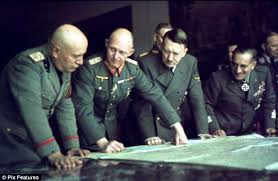
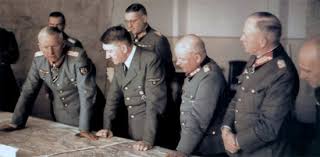
Adolf Hitler and his generals
Less than one year after the infamous “Munich conference,” England and France were at war—and fighting for the lives of their peoples.
As for the Germans: Most of them blindly followed their Fuhrer right to the end—believing his lies (or at least wanting to believe them), serving in his legions, defending his rampant criminality.
And then, in April, 1945, with Russian armies pouring into Berlin, it was too late for conspiracies against the man who had led them to total destruction.
Berliners paid the price for their loyalty to a murderous dictator—through countless rapes, murders and the wholesale destruction of their city. And from 1945 to 1989, Germans living in the eastern part of their country paid the price as slaves to the Soviet Union.
Have Americans learned anything from this this warning from history about subservience to a madman?
The answer seems to be half-yes, half-no.
In 2016, almost 63 million Americans elected Donald Trump—a racist, serial adulterer and longtime fraudster—as President.
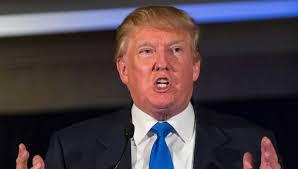
Donald Trump
Upon taking office on January 20, 2017, Trump began undermining one public or private institution after another.
- Repeatedly attacking the nation’s free press for daring to report his growing list of crimes and disasters, using Joseph Stalin’s phrase to brand it “the enemy of the people.”
- Siding with Russian dictator Vladimir Putin against the FBI, CIA and National Security Agency which unanimously agreed that Russia had subverted the 2016 Presidential election.
- Firing FBI Director James Comey for investigating that subversion.
- Giving Russian Foreign Minister Sergey Lavrov and Russian Ambassador Sergey Kislyak highly classified CIA Intelligence about an Islamic State plot to turn laptops into concealable bombs.
- Shutting down the Federal Government for 35 days because Democrats refused to fund his ineffective “border wall” between the United States and Mexico. An estimated 380,000 government employees were furloughed and another 420,000 were ordered to work without pay. The shutdown ended due to public outrage—without Trump getting the funding amount he had demanded.
- Trying to coerce Ukrainian President Volodymyr Zelensky to smear former Vice President Joe Biden, who was likely to be his Democratic opponent in the 2020 Presidential election.
- Enabling the COVID-19 virus to kill 400,000 Americans through his lies about its deadliness by the time he left office.
- Attacking medical experts and governors who urged Americans to wear masks and socially distance to protect themselves from COVID-19.
- Ordering his Right-wing followers to defy states’ orders to citizens to “stay-at-home” and wear of masks in public to halt surging COVID-19 rates.
And throughout all those outrages, House and Senate Republican majorities remained silent or vigorously supported him.
A typical example:
On June 4, 2020, during protests over the police murder of black security guard George Floyd, a curfew was imposed on Buffalo, New York. As police swept through Niagara Square, Martin Gugino, a 75-year-old peace activist with the Catholic Worker Movement, walked into their path as if attempting to speak with them.

Martin Gugino falls backward
Two officers pushed him and he fell backwards, hitting the back of his head on the pavement and losing consciousness.
On June 9, Trump charged that Gugino was part of a radical leftist “set up.” Trump offered no evidence to back up his slander.
Typical Republican responses included:
- Kentucky Senate Majority Leader Mitch McConnell refused to say whether Trump’s tweet was appropriate.
- Texas Senator Ted Cruz: “I don’t comment on the tweets.”
- Wisconsin Senator Ron Johnson said he hadn’t seen the tweet—and didn’t want it read to him: “I would rather not hear it.”
- Tennessee Senator Lamar Alexander: “Voters can evaluate that. I’m not going to give a running commentary on the President’s tweets.”
On November 3, 2020, 80 million voters decided they wanted a change—and elected former Vice President Joe Biden as the 46th President of the United States.
ABC NEWS, ADOLF HITLER, ALTERNET, AMERICABLOG, ANDREW JOHNSON, AP, ARTICLES OF IMPEACHMENT, BABY BOOMER RESISTANCE, BILL CLINTON, BUZZFEED, CBS NEWS, CNN, CROOKS AND LIARS, DAILY KOS, DONALD TRUMP, DRUDGE RETORT, EVA BRAUN, FBI, FIVETHIRTYEIGHT, FOUNDING FATHERS, HARPER’S MAGAZINE, HEINRICH HIMMLER, HERMANN GORING, IMPEACHMENT, LAST POLITICAL TESTAMENT OF AOLD HITLER, MEDIA MATTERS, MOTHER JONES, MOVEON, MSNBC, NANCY PELOSI, NAZI GERMANY, NBC NEWS, NEWSWEEK, NPR, PBS NEWSHOUR, POLITICO, POLITICUSUSA, RAW STORY, REUTERS, RICHARD NIXON, ROB REINER, SALON, SEATTLE TIMES, SLATE, TALKING POINTS MEMO, THE ATLANTIC, THE CHICAGO SUN-TIMES, THE CHICAGO TRIBUNE, THE DAILY BEAST, THE DAILY BLOG, THE GUARDIAN, THE HILL, THE HUFFINGTON POST, THE LOS ANGELES TIMES, THE NATION, THE NEW REPUBLIC, THE NEW YORK TIMES, THE VILLAGE VOICE, THE WASHINGTON POST, THINKPROGRESS, THIRD REICH, TIME, TRUTHDIG, TRUTHOUT, TWO POLITICAL JUNKIES, U.S. NEWS & WORLD REPORT, UKRAINE, UNITED STATES CONSTITUTION, UNITED STATES HOUSE OF REPRESENTATIVES, UNITED STATES SENATE, UPI, USA TODAY, WONKETTE, WORLD WAR 1, WORLD WAR 11, X
In Bureaucracy, History, Law, Law Enforcement, Military, Politics, Social commentary on December 19, 2025 at 12:27 am
On December 17, 2019, President Donald J. Trump sent a vicious, self-pitying letter to Nancy Pelosi, Speaker of the House of Representatives.
Seventy-four years separate Adolf Hitler’s “Last Political Testament” from Trump’s letter to Pelosi. But the similarities between the two are uncanny.
ADOLF HITLER: I have further never wished that after the first fatal world war a second against England, or even against America, should break out. Centuries will pass away, but out of the ruins of our towns and monuments the hatred against those finally responsible whom we have to thank for everything, international Jewry and its helpers, will grow.
DONALD TRUMP: Your first claim, “Abuse of Power,” is a completely disingenuous, meritless, and baseless invention of your imagination. You know that I had a totally innocent conversation with the President of Ukraine….
The second claim, so-called “Obstruction of Congress,” is preposterous and dangerous. House Democrats are trying to impeach the duly elected President of the United States for asserting Constitutionally based privileges that have been asserted on a bipartisan basis by administrations of both political parties throughout our Nation’s history.
ADOLF HITLER: Three days before the outbreak of the German-Polish war I again proposed to the British ambassador in Berlin a solution to the German-Polish problem — similar to that in the case of the Saar district, under international control. This offer also cannot be denied.
DONALD TRUMP: You are turning a policy disagreement between two branches of government into an impeachable offense — it is no more legitimate than the Executive Branch charging members of Congress with crimes for the lawful exercise of legislative power.

ADOLF HITLER: I die with a happy heart, aware of the immeasurable deeds and achievements of our soldiers at the front, our women at home, the achievements of our farmers and workers and the work, unique in history, of our youth who bear my name.
DONALD TRUMP: You and your party are desperate to distract from America’s extraordinary economy, incredible jobs boom, record stock market, soaring confidence, and flourishing citizens.
ADOLF HITLER: From the sacrifice of our soldiers and from my own unity with them unto death, will in any case spring up in the history of Germany, the seed of a radiant renaissance of the National-Socialist movement and thus of the realization of a true community of nations.
DONALD TRUMP: There is far too much that needs to be done to improve the lives of our citizens. It is time for you and the highly partisan Democrats in Congress to immediately cease this impeachment fantasy and get back to work for the American People. While I have no expectation that you will do so, I write this letter to you for the purpose of history and to put my thoughts on a permanent and indelible record.
One hundred years from now, when people look back at this affair, I want them to understand it, and learn from it, so that it can never happen to another President again.
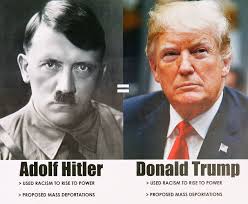
Adolf Hitler / Donald Trump
ADOLF HITLER: Before my death I expel the former Reichsmarschall Hermann Goring from the party and deprive him of all rights which he may enjoy by virtue of the decree of June 29th, 1941….
Before my death I expel the former Reichsfuhrer-SS and Minister of the Interior, Heinrich Himmler, from the party and from all offices of State….
Göring and Himmler, quite apart from their disloyalty to my person, have done immeasurable harm to the country and the whole nation by secret negotiations with the enemy, which they conducted without my knowledge and against my wishes, and by illegally attempting to seize power in the State for themselves.
DONALD TRUMP: Before the Impeachment Hoax, it was the Russian Witch Hunt. Against all evidence, and regardless of the truth, you and your deputies claimed that my campaign colluded with the Russians — a grave, malicious, and slanderous lie, a falsehood like no other.
You forced our Nation through turmoil and torment over a wholly fabricated story, illegally purchased from a foreign spy by Hillary Clinton and the DNC in order to assault our democracy.
Yet, when the monstrous lie was debunked and this Democrat conspiracy dissolved into dust, you did not apologize. You did not recant. You did not ask to be forgiven. You showed no remorse, no capacity for self-reflection. Instead, you pursued your next libelous and vicious crusade—you engineered an attempt to frame and defame an innocent person.
* * * * *
Adolf Hitler opened World War II with a lie—that Polish forces had attacked a German radio station. He ended it with another lie—that “Jewish interests” had forced war on an innocent Germany.
Donald Trump opened his administration with a lie—that his inaugural crowd had been far bigger than that of his predecessor, Barack Obama. On the eve of impeachment, he chose to lie again—that Pelosi “engineered an attempt to frame and defame an innocent person.”
Few tears were shed for Adolf Hitler when his “Last Political Testament” was unveiled after his suicide.
Nancy Pelosi’s reaction to Donald Trump’s letter was equally appropriate: “It’s really sick.”
ABC NEWS, ADOLF HITLER, ALTERNET, AMERICABLOG, ANDREW JOHNSON, AP, ARTICLES OF IMPEACHMENT, BABY BOOMER RESISTANCE, BILL CLINTON, BUZZFEED, CBS NEWS, CNN, CROOKS AND LIARS, DAILY KOS, DONALD TRUMP, DRUDGE RETORT, EVA BRAUN, FBI, FIVETHIRTYEIGHT, FOUNDING FATHERS, HARPER’S MAGAZINE, HEINRICH HIMMLER, HERMANN GORING, IMPEACHMENT, LAST POLITICAL TESTAMENT OF AOLD HITLER, MEDIA MATTERS, MOTHER JONES, MOVEON, MSNBC, NANCY PELOSI, NAZI GERMANY, NBC NEWS, NEWSWEEK, NPR, PBS NEWSHOUR, POLITICO, POLITICUSUSA, RAW STORY, REUTERS, RICHARD NIXON, ROB REINER, SALON, SEATTLE TIMES, SLATE, TALKING POINTS MEMO, THE ATLANTIC, THE CHICAGO SUN-TIMES, THE CHICAGO TRIBUNE, THE DAILY BEAST, THE DAILY BLOG, THE GUARDIAN, THE HILL, THE HUFFINGTON POST, THE LOS ANGELES TIMES, THE NATION, THE NEW REPUBLIC, THE NEW YORK TIMES, THE VILLAGE VOICE, THE WASHINGTON POST, THINKPROGRESS, THIRD REICH, TIME, TRUTHDIG, TRUTHOUT, TWO POLITICAL JUNKIES, U.S. NEWS & WORLD REPORT, UKRAINE, UNITED STATES CONSTITUTION, UNITED STATES HOUSE OF REPRESENTATIVES, UNITED STATES SENATE, UPI, USA TODAY, WONKETTE, WORLD WAR 1, WORLD WAR 11, X
In Bureaucracy, History, Law, Law Enforcement, Military, Politics, Social commentary on December 18, 2025 at 12:10 am
For Donald Trump, self-pitying past is repeatedly prologue.
On December 15, 2025, he viciously attacked recently murdered movie director Rob Reiner for not worshiping him.
On December 17, 2019, he had attacked Nancy Pelosi, then Speaker of the House of Representatives, for the same reason.
The House was expected to vote on two articles of impeachment against him the next day. Specifically, these condemned him for:
Article 1: Abuse of Power: For pressuring Ukraine to assist him in his re-election campaign by damaging former Vice President Joe Biden, his possible Democratic rival.
Article 2: Obstruction of Congress: For obstructing Congress by blocking testimony of subpoenaed witnesses and refusing to provide documents in response to House subpoenas in the impeachment inquiry.
Trump was ensured an acquittal in the United States Senate, where Republicans held a 53 to 47 member advantage. Yet he knew that only three other Presidents had faced impeachment—Andrew Johnson, Richard Nixon and Bill Clinton.
Trump didn’t care about history, nor was he even knowledgeable about it. But he did care about labels—those he gave his enemies and those they gave him. And he desperately wanted to avoid having “impeachment” attached to his name in American Presidential history.
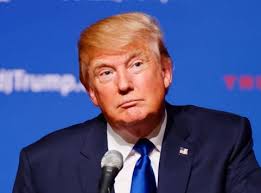
Donald Trump
Trump had tried—and failed—to head this off by insults and intimidation. Just two days earlier, he had tweeted about the Speaker: “Nancy’s teeth were falling out of her mouth, and she didn’t have time to think!”
So, on December 17, he sought to do in a letter what he had failed to do on Twitter. He sent a ranting and insulting six-page letter to Nancy Pelosi.

Nancy Pelosi
The Washington Post estimates that from the day he took office—January 20, 2017—to October 9, 2019—Trump had made 13,435 false or misleading claims.
And in sending his letter to Pelosi, he remained true to form.
His letter had no precedent in American history. But there was such a precedent in German history—specifically, the infamous “Last Political Testament” of Adolf Hitler.
Hitler dictated this to a secretary at 4 a.m. on April 29, 1945, shortly after marrying his longtime mistress, Eva Braun. The marriage occurred in his bunker in Berlin under the bomb-shattered Reich Chancellery.
Even 50 feet below ground, the structure shook as bombs continued to rain from American and British planes. And, at ground level, a more deadly threat was fast approaching: At least one million enraged Russian soldiers, seeking vengeance for the devastation wrought on their country from 1941 to 1945.
Hitler knew the end was closing in on him. He had many times spoken of suicide, and now he was determined to cheat his enemies of the pleasure of killing or capturing him. But before he ended his life, he was determined to have the last word.
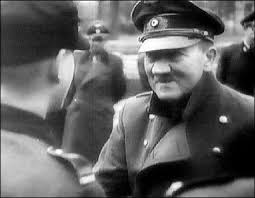
Adolf Hitler
Which is where “My Political Testament” comes in.
Seventy-four years separated Adolf Hitler’s testament from Donald Trump’s letter to Nancy Pelosi. But the similarities between the two were uncanny.
ADOLF HITLER: More than thirty years have now passed since I in 1914 made my modest contribution as a volunteer in the first world war that was forced upon the Reich.
In these three decades I have been actuated solely by love and loyalty to my people in all my thoughts, acts and life. They gave me the strength to make the most difficult decisions which have ever confronted mortal man. I have spent my time, my working strength and my health in these three decades.
DONALD TRUMP: After three years of unfair and unwarranted investigations, 45 million dollars spent, 18 angry Democrat prosecutors, the entire force of the FBI, headed by leadership now proven to be totally incompetent and corrupt, you have found NOTHING!
Few people in high position could have endured or passed this test. You do not know, nor do you care, the great damage and hurt you have inflicted upon wonderful and loving members of my family. You conducted a fake investigation upon the democratically elected President of the United States, and you are doing it yet again.
ADOLF HITLER: It is untrue that I or anyone else in Germany wanted the war in 1939. It was desired and instigated exclusively by those international statesmen who were either of Jewish descent or worked for Jewish interests.
I have made too many offers for the control and limitation of armaments, which posterity will not for all time be able to disregard for the responsibility for the outbreak of this war to be laid on me.
DONALD TRUMP: The Articles of Impeachment introduced by the House Judiciary Committee are not recognizable under any standard of Constitutional theory, interpretation, or jurisprudence. They include no crimes, no misdemeanors, and no offenses whatsoever. You have cheapened the importance of the very ugly word, impeachment!
By proceeding with your invalid impeachment, you are violating your oaths of office, you are breaking your allegiance to the Constitution, and you are declaring open war on American Democracy.
You dare to invoke the Founding Fathers in pursuit of this election-nullification scheme — yet your spiteful actions display unfettered contempt for America’s founding and your egregious conduct threatens to destroy that which our Founders pledged their very lives to build.
2016 PRESIDENTIAL ELECTION, 2020 PRESIDENTIAL ELECTION, 2024 PRESIDENTIAL ELECTION, ABC NEWS, ABORTION, ADOLF HITLER, AFFORDABLE CARE ACT, AILEEN CANNON, AIR TRAFFICK CONTROLLERS, ALFRED JODL, ALTERNET, AMERICABLOG, AP, ARTIFICIAL INTELLIGENCE, ATTORNEYS GENERAL, BABY BOOMER RESISTANCE, BARACK OBAMA, BAVARIA, BBC, BEER HALL PUTSCH, BEN SASSE, BLOOMBERG, BLUESKY, BRAD RAFFENSPERGER, BRIAN KEMP, BUZZFEED, CAPITAL PUNISHMENT, CBS NEWS, CHRISTIANITY, CLASSIFIED DOCUMENTS, CLASSIFIED DOCUMENTS TRIAL, CNN, CONTRACEPTION, COVID-19, CROOKS AND LIARS, D-DAY, DAILY KOS, DEMOCRATIC PARTY, DEMOCRATS, DONALD TRUMP, ELECTORAL COLLEGE, ENVIRONMENTAL PROTECTION AGENCY, EQUITY DIVERSITY AND INCLUSION (DEI) PROGRAMS, FASCISM, FEDERAL AVIATION ADMINISTRATION (FAA), FEDERAL COMMUNICATIOS COMMISSION, FEDERAL TRADE COMMISSION, FIVETHIRTYEIGHT, FOSSIL FUELS, GEORGE W. BUSH, GERD VON RUNDSTEDT, GULF OF MEXICO, GUNTHER BLUMENTRITT, HARPER’S MAGAZINE, HERITAGE FOUNDATION, HILLARY CLINTON, HITLER: ASCENT (BOOK), HUFFINGTON POST, IMMIGRATION AND CUSTOMS ENFORCEMENT (ICE), INSIDER, INSPECTORS GENERAL, JANUARY 6 COUP ATTEMPT, JOHN F. KENNEDY CENTER FOR THE PERFORMING ARTS, JOSEPH BIDEN, JOSEPH STALIN, jOSH HAWLEY, JUSTICE DEPARTMENT, Kamala Harris, KEN PAXTON, KGB, MEDAL OF HONOR WINNERS, MEDIA MATTERS, MEDICAID, MEDICARE, MEIN KAMPF, MIKE PENCE, MOTHER JONES, MOVEON, MSNBC, MUNICH, NATIONAL OCEANIC AND ATMOSPHERIC ADMINISTRATION (NOAA), NAZI GERMANY, NAZI PARTY, NBC NEWS, NEW REPUBLIC, NEWSDAY, NEWSWEEK, NORMANDY, NPR, PAT A. CIPOLLONE, PAUL VON HINDENBURG, PBS NEWSHOUR, POLITICO, POLITICUSUSA, RAW STORY, REPUBLICAN PARTY, REPUBLICANS, REUTERS, Ronald Reagan, RUTH BEN-GHIAT, SALON, SEATTLE TIMES, SLATE, STEPHEN COLLINSON, STRONGMEN (BOOK), SUPPLEMENTAL NUTRITION ASSISTANCE PROGRAM (SNAP), SUPREME COURT, TALKING POINTS MEMO, THE ATLANTIC, THE CHICAGO SUN-TIMES, THE CHICAGO TRIBUNE, THE DAILY BEAST, THE DAILY BLOG, THE GUARDIAN, THE HILL, THE HUFFINGTON POST, THE INTERCEPT, THE LOS ANGELES TIMES, THE NATION, THE NEW REPUBLIC, THE NEW YORK TIMES, THE NEW YORKER, THE VILLAGE VOICE, THE WASHINGTON POST, THINKPROGRESS, THREATS, TIME, TREATY OF VERSALLIES, TRUTHDIG, TRUTHOUT, TUSKEGEE AIRMEN, TWO POLITICAL JUNKIES, U.S. NEWS & WORLD REPORT, UNITED STATES DEPARTMENT OF DEFENSE (DOD), UNITED STATES DEPARTMENT OF HOMELAND SECURITY, UNITED STATES HOUSE OF REPRESENTATIVES, UNITED STATES SENATE, UPI, USA TODAY, VLADIMIR PUTIN, VOLKER ULLRICH, VOTER FRAUD, WEIMAR REPUBLIC, WILLIAM L. SHIRER, WOMEN VETERANS, WONKETTE, WORLD WAR 1, WORLD WAR 11, X
In Bureaucracy, History, Law, Law Enforcement, Politics, Social commentary on December 12, 2025 at 12:57 am
Most Americans believe the United States is immune from the same fates of democracies that have become dictatorships.
Not so New York University historian Ruth Ben-Ghiat. Appearing on the November 13, 2023 edition of The PBS Newshour, she warned:
“Since 2015, [Donald Trump] started….using his rallies and campaign events for radicalizing people. And he started saying, oh, in the old days, you used to hurt people. The problem is, Americans don’t hurt each other anymore.

Ruth Ben-Ghiat
Humblewarrior, CC BY-SA 4.0 <https://creativecommons.org/licenses/by-sa/4.0>, via Wikimedia Commons
“So now he’s going into a new phase of openly dehumanizing his targets so that will lessen the taboos in the future. And we see that, in 2025, he’s got plans for mass deportations, mass imprisonments and giant camps.
“So you need people to be less sensitive about violence, either committing it themselves or tolerating it. And I see that as….the reason he’s using this dehumanizing rhetoric now, to prepare people.”
A historical example: The Weimar Republic, the constitutional federal republic in Germany which lasted from November 9, 1918 to March 23, 1933.
During its 14-year existence, the Republic granted Germans rights they had never enjoyed—and which would be ruthlessly suppressed during the 12-year Third Reich that replaced it.
Among those rights:
- Freedom of speech
- Freedom of assembly
- Privacy of mail, telegraph, and telephone
- Free and secret elections
- All citizens were eligible for public office
But the Republic had dangerous enemies—Communists on the Left, and Nazis on the Right. And it was plagued by charges of illegitimacy and even treason—for its members’ having signed the Treaty of Versailles ending World War 1.
Adolf Hitler joined the National Socialist German Workers (Nazi) Party in 1919—the year after World War 1 ended.
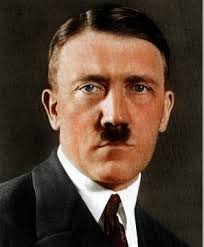

Adolf Hitler
In 1923, he staged a coup attempt in Bavaria—which was quickly and brutally put down by police. He was arrested and sentenced to less than a year in prison.
After that, Hitler decided that winning power through violence was no longer an option. He must win it through election—or appointment.
He repeatedly ran for the highest office in Germany—President—but never got a clear majority in a free election.
When the 1929 Depression struck Germany, the fortunes of Hitler’s Nazi party rose as the life savings of ordinary Germans fell. Streets echoed with bloody clashes between members of Hitler’s Nazi Stormtroopers and those of the German Communist Party.
Germany seemed on the verge of collapsing.
Germans desperately looked for a leader—a Fuhrer—who could somehow deliver them from the threat of financial ruin and Communist takeover.
In early 1933, members of his own cabinet persuaded aging German president, Paul von Hindenburg, that only Hitler’s appointment as Chancellor could do this.
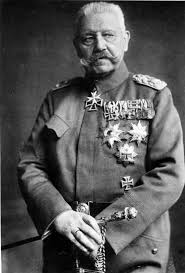
Paul von Hindenburg
Hindenburg considered Hitler a dangerous radical. But he allowed himself to be convinced that, by putting Hitler in the Cabinet, he could be “boxed in” and thus controlled.
So, on January 30, 1933, he reluctantly appointed Adolf Hitler Chancellor—the equivalent of Attorney General.
On August 2, 1934, Hindenburg died, and Hitler immediately assumed the titles—and duties—of the offices of Chancellor and President.
His rise to total power was now complete.
In 2015, Donald Trump declared his candidacy for President.
At that time:
- The country was technically at war in the Middle East—but the fate of the United States was never threatened, as it had been during the Cold War.
- There was no draft; if you didn’t know someone in the military, you didn’t care about the casualties taking place.
- Thanks to government loans from Barack Obama, American capitalism had been saved from its own excesses during the George W. Bush administration.
- In contrast to the scandals of the Ronald Reagan Presidency, the Obama administration had been scandal-free.
- Nor had there been any major terrorist attacks on the country—as had occurred on 9/11 under President George W. Bush.
Yet—16 months after announcing his candidacy for President—enough Americans fervently embraced Donald Trump to give him the most powerful position in the country and the world.
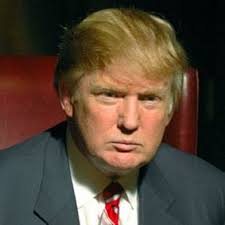
Donald Trump
The message of Barack Obama’s 2008 campaign had been one of hope—“Yes, We Can!”
That of Donald Trump’s campaign was one of hatred toward everyone who was not an avid Trump supporter: “No, You Can’t!”
White supremacists comprised the overwhelming majority of the audiences at Trump rallies. They knew that demographics were steadily working against them. Birthrates among nonwhites were rising. By 2045, whites would make up less than 50 percent of the American population.
The 2008 election of the first black President had shocked Fascistic whites. His 2012 re-election had deprived them of the hope that 2008 had been an accident.
Then came 2016—and the possibility that a black President might be followed by a woman: Former Secretary of State Hillary Clinton.
And the idea of a woman dictating to men was strictly too much for them to bear.
So, on November 8, 2016, Donald Trump—lacking any government experience and best known as the host of a reality TV show—was elected President of the United States.
2016 PRESIDENTIAL ELECTION, 2020 PRESIDENTIAL ELECTION, 2024 PRESIDENTIAL ELECTION, ABC NEWS, ABORTION, ADOLF HITLER, AFFORDABLE CARE ACT, AILEEN CANNON, AIR TRAFFICK CONTROLLERS, ALFRED JODL, ALTERNET, AMERICABLOG, AP, ARTIFICIAL INTELLIGENCE, ATTORNEYS GENERAL, BABY BOOMER RESISTANCE, BARACK OBAMA, BAVARIA, BBC, BEER HALL PUTSCH, BEN SASSE, BLOOMBERG, BLUESKY, BRAD RAFFENSPERGER, BRIAN KEMP, BUZZFEED, CAPITAL PUNISHMENT, CBS NEWS, CHRISTIANITY, CLASSIFIED DOCUMENTS, CLASSIFIED DOCUMENTS TRIAL, CNN, CONTRACEPTION, COVID-19, CROOKS AND LIARS, D-DAY, DAILY KOS, DEMOCRATIC PARTY, DEMOCRATS, DONALD TRUMP, ELECTORAL COLLEGE, ENVIRONMENTAL PROTECTION AGENCY, EQUITY DIVERSITY AND INCLUSION (DEI) PROGRAMS, FASCISM, FEDERAL AVIATION ADMINISTRATION (FAA), FEDERAL COMMUNICATIOS COMMISSION, FEDERAL TRADE COMMISSION, FIVETHIRTYEIGHT, FOSSIL FUELS, GEORGE W. BUSH, GERD VON RUNDSTEDT, GULF OF MEXICO, GUNTHER BLUMENTRITT, HARPER’S MAGAZINE, HERITAGE FOUNDATION, HILLARY CLINTON, HITLER: ASCENT (BOOK), HUFFINGTON POST, IMMIGRATION AND CUSTOMS ENFORCEMENT (ICE), INSIDER, INSPECTORS GENERAL, JANUARY 6 COUP ATTEMPT, JOHN F. KENNEDY CENTER FOR THE PERFORMING ARTS, JOSEPH BIDEN, JOSEPH STALIN, jOSH HAWLEY, JUSTICE DEPARTMENT, Kamala Harris, KEN PAXTON, KGB, MEDAL OF HONOR WINNERS, MEDIA MATTERS, MEDICAID, MEDICARE, MEIN KAMPF, MIKE PENCE, MOTHER JONES, MOVEON, MSNBC, MUNICH, NATIONAL OCEANIC AND ATMOSPHERIC ADMINISTRATION (NOAA), NAZI GERMANY, NAZI PARTY, NBC NEWS, NEW REPUBLIC, NEWSDAY, NEWSWEEK, NORMANDY, NPR, PAT A. CIPOLLONE, PAUL VON HINDENBURG, PBS NEWSHOUR, POLITICO, POLITICUSUSA, RAW STORY, REPUBLICAN PARTY, REPUBLICANS, REUTERS, Ronald Reagan, RUTH BEN-GHIAT, SALON, SEATTLE TIMES, SLATE, STEPHEN COLLINSON, STRONGMEN (BOOK), SUPPLEMENTAL NUTRITION ASSISTANCE PROGRAM (SNAP), SUPREME COURT, TALKING POINTS MEMO, THE ATLANTIC, THE CHICAGO SUN-TIMES, THE CHICAGO TRIBUNE, THE DAILY BEAST, THE DAILY BLOG, THE GUARDIAN, THE HILL, THE HUFFINGTON POST, THE INTERCEPT, THE LOS ANGELES TIMES, THE NATION, THE NEW REPUBLIC, THE NEW YORK TIMES, THE NEW YORKER, THE VILLAGE VOICE, THE WASHINGTON POST, THINKPROGRESS, THREATS, TIME, TREATY OF VERSALLIES, TRUTHDIG, TRUTHOUT, TUSKEGEE AIRMEN, TWO POLITICAL JUNKIES, U.S. NEWS & WORLD REPORT, UNITED STATES DEPARTMENT OF DEFENSE (DOD), UNITED STATES DEPARTMENT OF HOMELAND SECURITY, UNITED STATES HOUSE OF REPRESENTATIVES, UNITED STATES SENATE, UPI, USA TODAY, VLADIMIR PUTIN, VOLKER ULLRICH, VOTER FRAUD, WEIMAR REPUBLIC, WILLIAM L. SHIRER, WOMEN VETERANS, WONKETTE, WORLD WAR 1, WORLD WAR 11, X
In Bureaucracy, History, Law, Law Enforcement, Politics, Social commentary on December 11, 2025 at 12:10 am
More than two years after he tried to establish himself as a dictator, Donald Trump remained free.
And he was still repeating “The Big Lie”: That he won the 2020 Presidential election but was cheated of victory by widespread voter fraud.
This was on a par with “The Big Lie” that had gripped Nazi Germany after World War 1: That the nation had been “stabbed in the back” by civilian Communists and Jews.
The result: Two-thirds of Republicans still rejected the legitimacy of the 2020 election of Joe Biden.
Facing 91 criminal charges in four criminal cases, Trump—unlike any other criminal defendant—was not even required to post bond.
In Florida, he faced 40 felony counts for illegally withholding highly classified government documents. Yet a judge he had appointed—Aileen Cannon—repeatedly delayed the start of his trial.
According to former United States Attorney Joyce Vance, her goal was clearly to delay the trial past the November, 2024, Presidential election.
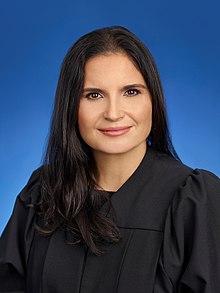
Aileen Cannon
Trump repeatedly slandered—and even threatened—prosecutors, witnesses, judges and jurors in the four cases he faced. He claimed he was simply exercising his right to “freedom of speech” as a Presidential candidate.
U.S. District Judge Tanya Chutkan, who was overseeing Trump’s election interference case, imposed a limited gag order on Trump in October, 2023. But this was lifted by the U.S. Court of Appeals while it heard appeals from Trump’s lawyers, who wanted it removed completely.
Most ominously, an August 29, 2023 story by the Associated Press reported: Right-wing “think tanks”—led by the long-established Heritage Foundation—were plotting to remake the federal government into a Fascist dictatorship:
“With more than a year to go before the 2024 election, a constellation of conservative organizations is preparing for a possible second White House term for Donald Trump, recruiting thousands of Americans to come to Washington on a mission to dismantle the federal government and replace it with a vision closer to his own….
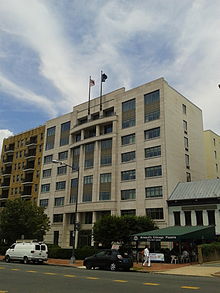
Heritage Foundation
Ser Amantio di Nicolao, CC BY-SA 3.0 <https://creativecommons.org/licenses/by-sa/3.0>, via Wikimedia Commons
“Trump-era conservatives want to gut the ‘administrative state’ from within, by ousting federal employees they believe are standing in the way of the president’s agenda and replacing them with like-minded officials more eager to fulfill a new executive’s approach to governing.
“Much of the new president’s agenda would be accomplished by reinstating what’s called Schedule F — a Trump-era executive order that would reclassify tens of thousands of the 2 million federal employees as essentially at-will workers who could more easily be fired.”
Meanwhile, Trump openly called for ending Constitutionally-granted freedoms:
On December 3, 2022, he wrote in a Truth Social post:
“Do you throw the Presidential Election Results of 2020 OUT and declare the RIGHTFUL WINNER, or do you have a NEW ELECTION? A Massive Fraud of this type and magnitude allows for the termination of all rules, regulations, and articles, even those found in the Constitution.”
A November 14, 2023 analysis by CNN’s Stephen Collinson warned:
“The former and possibly future commander in chief aspires to strongman power if he wins back the White House next year. He believes his authority would be absolute. He wants vengeance against his political enemies. He’d pose the greatest challenge to the rule of law and the Constitution in modern times, seek to crush press freedoms and gut the machinery of government.
“None of this is speculation. Trump is saying and showing exactly what he would do in his rallies, social media posts, interviews, lawyers’ filings and even appearances in court that he uses to stigmatize the legal system. And Trump’s ambitions should be taken seriously because one year from the election, President Joe Biden’s reelection hopes are far from secure.”
As an example of Trump’s rhetoric, Ruth Ben-Ghiat professor of history at New York University and author of the bestselling book, Strongmen, cites the former President’s address on Veterans Day, 2023: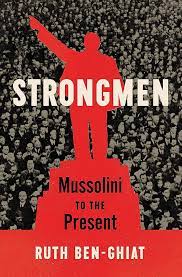
“We will root out the communists, Marxists, fascists, and the radical left thugs that live like vermin within the confines of our country, that lie and steal and cheat on elections, and will do anything possible, they will do anything, whether legally or illegally, to destroy America and to destroy the American dream.”
Speaking on the November 13, 2023 edition of The PBS Newshour, Ben-Ghiat said:
“Since the fascists, authoritarians always want to do two things—they want to change the way that people see violence, making it into something necessary and patriotic and even morally righteous, and they want to change the way people see their targets. And so they use dehumanizing language. And former President Trump is doing both.
“He’s been using his rallies since 2015 to shift the idea of violence into something positive. And now he’s starting to use dehumanizing rhetoric, all these groups who live like vermin. And this is what the original fascists did.
“Hitler started talking about Jews as parasites in 1920. So by the time he got in 1933, Germans had been exposed to this dehumanizing rhetoric for 13 years.
“And Mussolini literally talked about rats. After he had become dictator in 1927, he said, we need to kill rats who are bringing infectious diseases and Bolshevism from the east. And so this matches up with Trump talking about immigrants bringing disease and other such things.
“So this is very dangerous rhetoric with a very precise fascist history.”
2016 PRESIDENTIAL ELECTION, 2020 PRESIDENTIAL ELECTION, 2024 PRESIDENTIAL ELECTION, ABC NEWS, ABORTION, ADOLF HITLER, AFFORDABLE CARE ACT, AILEEN CANNON, AIR TRAFFICK CONTROLLERS, ALFRED JODL, ALTERNET, AMERICABLOG, AP, ARTIFICIAL INTELLIGENCE, ATTORNEYS GENERAL, BABY BOOMER RESISTANCE, BARACK OBAMA, BAVARIA, BBC, BEER HALL PUTSCH, BEN SASSE, BLOOMBERG, BLUESKY, BRAD RAFFENSPERGER, BRIAN KEMP, BUZZFEED, CAPITAL PUNISHMENT, CBS NEWS, CHRISTIANITY, CLASSIFIED DOCUMENTS, CLASSIFIED DOCUMENTS TRIAL, CNN, CONTRACEPTION, COVID-19, CROOKS AND LIARS, D-DAY, DAILY KOS, DEMOCRATIC PARTY, DEMOCRATS, DONALD TRUMP, ELECTORAL COLLEGE, ENVIRONMENTAL PROTECTION AGENCY, EQUITY DIVERSITY AND INCLUSION (DEI) PROGRAMS, FASCISM, FEDERAL AVIATION ADMINISTRATION (FAA), FEDERAL COMMUNICATIOS COMMISSION, FEDERAL TRADE COMMISSION, FIVETHIRTYEIGHT, FOSSIL FUELS, GEORGE W. BUSH, GERD VON RUNDSTEDT, GULF OF MEXICO, GUNTHER BLUMENTRITT, HARPER’S MAGAZINE, HERITAGE FOUNDATION, HILLARY CLINTON, HITLER: ASCENT (BOOK), HUFFINGTON POST, IMMIGRATION AND CUSTOMS ENFORCEMENT (ICE), INSIDER, INSPECTORS GENERAL, JANUARY 6 COUP ATTEMPT, JOHN F. KENNEDY CENTER FOR THE PERFORMING ARTS, JOSEPH BIDEN, JOSEPH STALIN, jOSH HAWLEY, JUSTICE DEPARTMENT, Kamala Harris, KEN PAXTON, KGB, MEDAL OF HONOR WINNERS, MEDIA MATTERS, MEDICAID, MEDICARE, MEIN KAMPF, MIKE PENCE, MOTHER JONES, MOVEON, MSNBC, MUNICH, NATIONAL OCEANIC AND ATMOSPHERIC ADMINISTRATION (NOAA), NAZI GERMANY, NAZI PARTY, NBC NEWS, NEW REPUBLIC, NEWSDAY, NEWSWEEK, NORMANDY, NPR, PAT A. CIPOLLONE, PAUL VON HINDENBURG, PBS NEWSHOUR, POLITICO, POLITICUSUSA, RAW STORY, REPUBLICAN PARTY, REPUBLICANS, REUTERS, Ronald Reagan, RUTH BEN-GHIAT, SALON, SEATTLE TIMES, SLATE, STEPHEN COLLINSON, STRONGMEN (BOOK), SUPPLEMENTAL NUTRITION ASSISTANCE PROGRAM (SNAP), SUPREME COURT, TALKING POINTS MEMO, THE ATLANTIC, THE CHICAGO SUN-TIMES, THE CHICAGO TRIBUNE, THE DAILY BEAST, THE DAILY BLOG, THE GUARDIAN, THE HILL, THE HUFFINGTON POST, THE INTERCEPT, THE LOS ANGELES TIMES, THE NATION, THE NEW REPUBLIC, THE NEW YORK TIMES, THE NEW YORKER, THE VILLAGE VOICE, THE WASHINGTON POST, THINKPROGRESS, THREATS, TIME, TREATY OF VERSALLIES, TRUTHDIG, TRUTHOUT, TUSKEGEE AIRMEN, TWO POLITICAL JUNKIES, U.S. NEWS & WORLD REPORT, UNITED STATES DEPARTMENT OF DEFENSE (DOD), UNITED STATES DEPARTMENT OF HOMELAND SECURITY, UNITED STATES HOUSE OF REPRESENTATIVES, UNITED STATES SENATE, UPI, USA TODAY, VLADIMIR PUTIN, VOLKER ULLRICH, VOTER FRAUD, WEIMAR REPUBLIC, WILLIAM L. SHIRER, WOMEN VETERANS, WONKETTE, WORLD WAR 1, WORLD WAR 11, X
In Bureaucracy, History, Law, Law Enforcement, Politics, Social commentary on December 10, 2025 at 3:26 am
On January 6, 2021, President Donald Trump appeared at the Ellipse, a 52-acre park south of the White House fence and north of Constitution Avenue and the National Mall in Washington, D.C.
A stage had been set up for him to address tens of thousands of his supporters, who eagerly awaited him.
Trump ordered them to march on the Capitol building to express their anger at the voting process and to intimidate their elected officials to reject the results of the 2020 Presidential election.
The Stormtrumpers marched to the United States Capitol—and quickly brushed aside Capitol Police, who made little effort to arrest or shoot them.
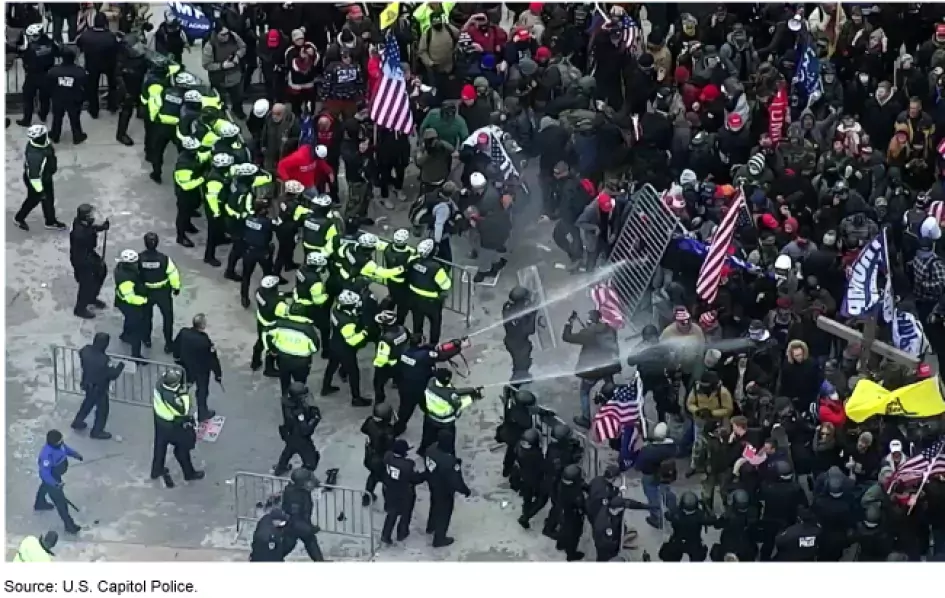

Capitol Police facing off with Stormtrumpers
- One attacker was shot as protesters forced their way toward the House Chamber where members of Congress were sheltering in place.
- Members of the mob attacked police with chemical agents or lead pipes.
- A Capitol Hill police officer was knocked off his feet, dragged into the mob surging toward the building, and beaten with the pole of an American flag.
- Several rioters carried plastic handcuffs, possibly intending to take hostages.
- Others carried treasonous Confederate flags.
- Shouts of “Hang Pence!” often rang out.
- Improvised explosive devices were found in several locations in Washington, D.C.
- Many of the lawmakers’ office buildings were occupied and vandalized—including that of House Speaker Nancy Pelosi, a favorite Right-wing target.
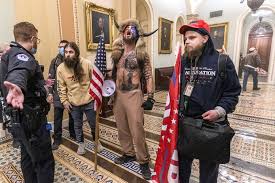
Stormtrumpers inside the Capitol Building
More than three hours passed before police—using riot gear, shields and batons—retook control of the Capitol.
And Trump?
- After giving his inflammatory speech, he returned to the White House—to watch his handiwork on television and rage-tweet against Vice President Mike Pence.
- He was “delighted” at the attack—and surprised that others weren’t, as angry Republican Nebraska Senator Ben Sasse said later.
- He initially denied requests to mobilize the National Guard.
- Six hours after the rioting began, Pat A. Cipollone, the White House Counsel and other officials intervened and deployed the National Guard.
- While the rioting was still erupting, Trump posted a video on Twitter: “I know you’re hurt. We had an election that was stolen from us….But you have to go home now. We have to have peace. We have to have law and order….So go home. We love you. You’re very special.”
His administration was closing with the same contempt for law and democracy that had characterized it from its outset.
Joseph R. Biden legitimately assumed the Presidency on January 20, 2021.
Yet it was only on November 22, 2022, that his handpicked Attorney General, Merrick Garland, appointed Jack Smith as independent special counsel.
Smith had served in the Justice Department as an assistant U.S. attorney, acting U.S. attorney and head of the agency’s Public Integrity Section.
From 2008 to 2010, Smith worked as investigation coordinator for the Office of the Prosecutor of the International Criminal Court in The Hague, Netherlands. He thus oversaw cases against government officials and militia members accused of war crimes and genocide.

Jack Smith
He now became responsible for overseeing two preexisting Justice Department criminal investigations into Trump.
On June 8, 2023, a grand jury indicted Trump on seven federal criminal charges related to his handling of classified documents. This marked the first time in American history that a serving or former president had been indicted on a federal criminal charge.
On August 1, a second grand jury indicted Trump on four more federal felony counts for attempting to overturn the 2020 Presidential election and inciting a riot against Congress on January 6, 2021.
Meanwhile, Trump publicly attacked Smith as even notorious Mafia bosses like John Gotti never dared attack their prosecutors.
Trump attacked Smith as “deranged” and a “Trump-hating prosecutor,” adding that “his wife and family despise me much more than he does.”
A typical Trump post on his website, Truth Social, exploded on August 28, 2023:
“It has just been reported that aides to TRUMP prosecutor, Deranged Jack Smith, met with high officials at the White House just prior to these political SleazeBags Indicating me OVER NOTHING.
“If this is so, which it is, that means that Biden and his Fascist Thugs knew and APPROVED of this Country dividing Form of Election Interference, despite their insisting that they ‘knew nothing.”
Such attacks led the Justice Department to increase the security detail for Smith from two to at least four deputy U.S. marshals on a 24-hour basis.
Many of Trump’s supporters believed that Smith was acting on behalf of President Biden to deprive Trump of the chance to run for the White House a third time.
The January 6 coup attempt proved beyond doubt his followers’ capacity for violence.
On November 14, 2023, the Justice Department urged a Washington, DC, appeals court to uphold the gag order against Trump in his federal election subversion criminal case. Prosecutors charged that Trump’s attacks on Smith and his family demonstrated why restrictions on Trump’s speech were necessary.
“There has never been a criminal case in which a court has granted a defendant an unfettered right to try his case in the media, malign the prosecutor and his family, and …target specific witnesses with attacks on their character and credibility,” Smith’s team told the US DC Circuit Court of Appeals in a filing.
2016 PRESIDENTIAL ELECTION, 2020 PRESIDENTIAL ELECTION, 2024 PRESIDENTIAL ELECTION, ABC NEWS, ABORTION, ADOLF HITLER, AFFORDABLE CARE ACT, AILEEN CANNON, AIR TRAFFICK CONTROLLERS, ALFRED JODL, ALTERNET, AMERICABLOG, AP, ARTIFICIAL INTELLIGENCE, ATTORNEYS GENERAL, BABY BOOMER RESISTANCE, BARACK OBAMA, BAVARIA, BBC, BEER HALL PUTSCH, BEN SASSE, BLOOMBERG, BLUESKY, BRAD RAFFENSPERGER, BRIAN KEMP, BUZZFEED, CAPITAL PUNISHMENT, CBS NEWS, CHRISTIANITY, CLASSIFIED DOCUMENTS, CLASSIFIED DOCUMENTS TRIAL, CNN, CONTRACEPTION, COVID-19, CROOKS AND LIARS, D-DAY, DAILY KOS, DEMOCRATIC PARTY, DEMOCRATS, DONALD TRUMP, ELECTORAL COLLEGE, ENVIRONMENTAL PROTECTION AGENCY, EQUITY DIVERSITY AND INCLUSION (DEI) PROGRAMS, FASCISM, FEDERAL AVIATION ADMINISTRATION (FAA), FEDERAL COMMUNICATIOS COMMISSION, FEDERAL TRADE COMMISSION, FIVETHIRTYEIGHT, FOSSIL FUELS, GEORGE W. BUSH, GERD VON RUNDSTEDT, GULF OF MEXICO, GUNTHER BLUMENTRITT, HARPER’S MAGAZINE, HERITAGE FOUNDATION, HILLARY CLINTON, HITLER: ASCENT, HITLER: ASCENT (BOOK), HUFFINGTON POST, IMMIGRATION AND CUSTOMS ENFORCEMENT (ICE), INSIDER, INSPECTORS GENERAL, JANUARY 6 COUP ATTEMPT, JOHN F. KENNEDY CENTER FOR THE PERFORMING ARTS, JOSEPH BIDEN, JOSEPH STALIN, jOSH HAWLEY, JUSTICE DEPARTMENT, Kamala Harris, KEN PAXTON, KGB, MEDAL OF HONOR WINNERS, MEDIA MATTERS, MEDICAID, MEDICARE, MEIN KAMPF, MIKE PENCE, MOTHER JONES, MOVEON, MSNBC, MUNICH, NATIONAL OCEANIC AND ATMOSPHERIC ADMINISTRATION (NOAA), NAZI GERMANY, NAZI PARTY, NBC NEWS, NEW REPUBLIC, NEWSDAY, NEWSWEEK, NORMANDY, NPR, PAT A. CIPOLLONE, PAUL VON HINDENBURG, PBS NEWSHOUR, POLITICO, POLITICUSUSA, RAW STORY, REPUBLICAN PARTY, REPUBLICANS, REUTERS, Ronald Reagan, RUTH BEN-GHIAT, SALON, SEATTLE TIMES, SLATE, STEPHEN COLLINSON, STRONGMEN (BOOK), SUPPLEMENTAL NUTRITION ASSISTANCE PROGRAM (SNAP), SUPREME COURT, TALKING POINTS MEMO, THE ATLANTIC, THE CHICAGO SUN-TIMES, THE CHICAGO TRIBUNE, THE DAILY BEAST, THE DAILY BLOG, THE GUARDIAN, THE HILL, THE HUFFINGTON POST, THE INTERCEPT, THE LONGEST DAY (MOVIE, THE LOS ANGELES TIMES, THE NATION, THE NEW REPUBLIC, THE NEW YORK TIMES, THE NEW YORKER, THE VILLAGE VOICE, THE WASHINGTON EXAMINER, THE WASHINGTON POST, THINKPROGRESS, THREATS, TIME, TREASON, TREATY OF VERSALLIES, TRUTHDIG, TRUTHOUT, TUSKEGEE AIRMEN, TWO POLITICAL JUNKIES, U.S. NEWS & WORLD REPORT, UNITED STATES DEPARTMENT OF DEFENSE (DOD), UNITED STATES DEPARTMENT OF HOMELAND SECURITY, UNITED STATES HOUSE OF REPRESENTATIVES, UNITED STATES SENATE, UPI, USA TODAY, VLADIMIR PUTIN, VOLKER ULLRICH, VOTER FRAUD, VOTERFRAUD, WEIMAR REPUBLIC, WILLIAM L. SHIRER, WOMEN VETERANS, WONKETTE, WORLD WAR 1, WORLD WAR 11, X
In Bureaucracy, History, Law, Law Enforcement, Politics, Social commentary on December 9, 2025 at 12:10 am
From November 3 to December 14, 2020, President Donald J. Trump and his allies lost 59 times in court to overturn the 2020 Presidential election.
They either withdrew their cases or found them dismissed by Federal and state judges.
On November 19, Trump invited two Republican legislative leaders from Michigan to the White House—to persuade them to stop their state from certifying the vote.
The Michigan legislators said they would follow the law.
.jpg/220px-Donald_Trump_August_19,_2015_(cropped).jpg)
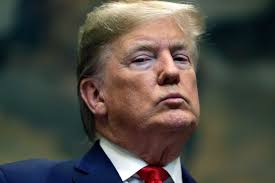
Donald Trump
On December 5, Trump called Georgia Governor Brian Kemp and asked him to call a special legislative session and convince state legislators to select their own electors that would support him, thus overturning Biden’s win.
Kemp refused, saying he lacked the authority to do so.
On December 8, the Supreme Court refused to hear Trump’s bid to reverse Pennsylvania’s certification of Biden’s victory. Representative Mike Kelly (R-PA), a Trump ally, argued that the state’s 2.5 million mail-in votes were unconstitutional.
Although Trump had appointed three of the Court’s Justices, not one of them dissented.
On December 10, the Supreme Court refused to let a Texas lawsuit overturn the results in four battleground states: Georgia, Michigan, Pennsylvania and Wisconsin. The majority of their votes had been cast for Biden.

The Supreme Court
With the Senate due to certify states’ Electoral College results on January 6, 2021, Trump pressed Vice President Mike Pence to flip the results of the election to give him a win. This despite the fact that the Electoral Count Act of 1887 limits the Vice President to a largely ceremonial role.
Then, on December 30, Missouri Republican Senator Josh Hawley announced that, on January 6, 2021, he would object to the certification of some states’ Electoral College results.
A total of 147 Republican Congressional members voted to invalidate the Electoral College vote count of the 2020 presidential election: 139 in the House of Representatives, and eight in the Senate.
Having lost in 59 court cases to overturn the election results, Trump opted for some old-fashioned arm-twisting.
On January 2, 2021, he called the office of Georgia Secretary of State Brad Raffensperger. The reason: To pressure him to “find” enough votes to overturn former Vice President Joe Biden’s win in the state’s presidential election.
“All I want to do is this. I just want to find 11,780 votes, which is one more than we have, because we won the state,” Trump lied.
He even threatened Raffensperger with criminal prosecution if he did not change the vote count in Trump’s favor: “That’s a criminal offense. And you can’t let that happen.”
Raffensperger insisted there hadn’t been any voter fraud—and refused to change the official results.
By January 6, 2021, Trump had almost run out of options for illegally staying in power for the next four years.
On January 6, the United States Senate, with Vice President Mike Pence presiding, would certify states’ Electoral College results of that election.
That morning, Trump urged Pence to flip the results of the election to give him a win. Pence replied that he lacked the power to overturn those results.
But as Pence went off to the Capitol Building housing the Senate and House of Representatives, Trump had one last card to play.
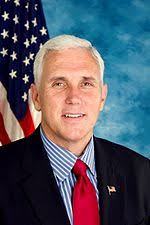
Mike Pence
For weeks Trump had ordered his legions of Right-wing Stormtrumpers to descend on Washington, D.C. on January 6.
On December 20, he had tweeted: “Statistically impossible to have lost the 2020 Election. Big protest in DC on January 6th. Be there, will be wild!”
In tweets, he promoted the rally again on December 27 and 30, and January 1.
On January 6, Trump appeared at the Ellipse, a 52-acre park south of the White House fence and north of Constitution Avenue and the National Mall in Washington, D.C.
A stage had been set up for him to address tens of thousands of his supporters, who eagerly awaited him.
Trump ordered them to march on the Capitol building to express their anger at the voting process and to intimidate their elected officials to reject the results.

Donald Trump addresses his Stormtrumpers
“All of us here today do not want to see our election victory stolen by a bold and radical left Democrats which is what they are doing and stolen by the fake news media.
“Our country has had enough. We will not take it anymore, and that is what this is all about. And to use a favorite term that all of you people really came up with, we will stop the steal….
“Republicans are constantly fighting like a boxer with his hands tied behind his back….And we’re going to have to fight much harder….
“And after this, we’re going to walk down and I’ll be there with you. We’re going to walk down to the Capitol. And we’re going to cheer on our brave Senators and Congressmen and women and we’re probably not going to be cheering so much for some of them.
“Because you’ll never take back our country with weakness. You have to show strength and you have to be strong. We have come to demand that Congress do the right thing and only count the electors who have been lawfully slated.”
The Stormtrumpers marched to the United States Capitol—and quickly brushed aside Capitol Police, who made little effort to arrest or shoot them.
2016 PRESIDENTIAL ELECTION, 2020 PRESIDENTIAL ELECTION, 2024 PRESIDENTIAL ELECTION, ABC NEWS, ABORTION, ADOLF HITLER, AFFORDABLE CARE ACT, AILEEN CANNON, AIR TRAFFICK CONTROLLERS, ALFRED JODL, ALTERNET, AMERICABLOG, AP, ARTIFICIAL INTELLIGENCE, ATTORNEYS GENERAL, BABY BOOMER RESISTANCE, BARACK OBAMA, BAVARIA, BBC, BEER HALL PUTSCH, BEN SASSE, BLOOMBERG, BLUESKY, BRAD RAFFENSPERGER, BRIAN KEMP, BUZZFEED, CAPITAL PUNISHMENT, CBS NEWS, CHRISTIANITY, CLASSIFIED DOCUMENTS, CLASSIFIED DOCUMENTS TRIAL, CNN, CONTRACEPTION, COVID-19, CROOKS AND LIARS, D-DAY, DAILY KOS, DEMOCRATIC PARTY, DEMOCRATS, DONALD TRUMP, ELECTORAL COLLEGE, ENVIRONMENTAL PROTECTION AGENCY, EQUITY DIVERSITY AND INCLUSION (DEI) PROGRAMS, FASCISM, FEDERAL AVIATION ADMINISTRATION (FAA), FEDERAL COMMUNICATIOS COMMISSION, FEDERAL TRADE COMMISSION, FIVETHIRTYEIGHT, FOSSIL FUELS, GEORGE W. BUSH, GERD VON RUNDSTEDT, GULF OF MEXICO, GUNTHER BLUMENTRITT, HARPER’S MAGAZINE, HERITAGE FOUNDATION, HILLARY CLINTON, HITLER: ASCENT (BOOK), HUFFINGTON POST, IMMIGRATION AND CUSTOMS ENFORCEMENT (ICE), INSIDER, INSPECTORS GENERAL, JANUARY 6 COUP ATTEMPT, JOHN F. KENNEDY CENTER FOR THE PERFORMING ARTS, JOSEPH BIDEN, JOSEPH STALIN, jOSH HAWLEY, JUSTICE DEPARTMENT, Kamala Harris, KEN PAXTON, KGB, MEDAL OF HONOR WINNERS, MEDIA MATTERS, MEDICAID, MEDICARE, MEIN KAMPF, MIKE PENCE, MOTHER JONES, MOVEON, MSNBC, MUNICH, NATIONAL OCEANIC AND ATMOSPHERIC ADMINISTRATION (NOAA), NAZI GERMANY, NAZI PARTY, NBC NEWS, NEW REPUBLIC, NEWSDAY, NEWSWEEK, NORMANDY, NPR, PAT A. CIPOLLONE, PAUL VON HINDENBURG, PBS NEWSHOUR, POLITICO, POLITICUSUSA, RAW STORY, REPUBLICAN PARTY, REPUBLICANS, REUTERS, Ronald Reagan, RUTH BEN-GHIAT, SALON, SEATTLE TIMES, SLATE, STEPHEN COLLINSON, STRONGMEN (BOOK), SUPPLEMENTAL NUTRITION ASSISTANCE PROGRAM (SNAP), SUPREME COURT, TALKING POINTS MEMO, THE ATLANTIC, THE CHICAGO SUN-TIMES, THE CHICAGO TRIBUNE, THE DAILY BEAST, THE DAILY BLOG, THE GUARDIAN, THE HILL, THE HUFFINGTON POST, THE INTERCEPT, THE LOS ANGELES TIMES, THE NATION, THE NEW REPUBLIC, THE NEW YORK TIMES, THE NEW YORKER, THE VILLAGE VOICE, THE WASHINGTON POST, THINKPROGRESS, THREATS, TIME, TREATY OF VERSALLIES, TRUTHDIG, TRUTHOUT, TUSKEGEE AIRMEN, TWO POLITICAL JUNKIES, U.S. NEWS & WORLD REPORT, UNITED STATES DEPARTMENT OF DEFENSE (DOD), UNITED STATES DEPARTMENT OF HOMELAND SECURITY, UNITED STATES HOUSE OF REPRESENTATIVES, UNITED STATES SENATE, UPI, USA TODAY, VLADIMIR PUTIN, VOLKER ULLRICH, VOTER FRAUD, WEIMAR REPUBLIC, WILLIAM L. SHIRER, WOMEN VETERANS, WONKETTE, WORLD WAR 1, WORLD WAR 11, X
In Bureaucracy, History, Law, Law Enforcement, Politics, Social commentary on December 8, 2025 at 12:11 am
On November 9, 1923, Nazi Party Fuhrer Adolf Hitler tried to overthrow the government in Munich, Bavaria.
About 2,000 Nazis marched to the center of Munich, where they confronted heavily-armed police. A shootout erupted, killing 16 Nazis and four policemen.
Hitler was injured during the clash, but managed to escape. Two days later, he was arrested and charged with treason.
Put on trial, he found himself treated as a celebrity by a judge sympathetic to Right-wing groups. He was allowed to brutally cross-examine witnesses and even make inflammatory speeches.
At the end of the trial, he was convicted of treason and sentenced to five years’ imprisonment.
Serving time in Landsberg Prison, in Bavaria. he was given a huge cell, allowed to receive unlimited visitors and gifts, and treated with deference by guards and inmates.
Hitler used his time in prison to write his infamous book, Mein Kampf-–“My Struggle.” Part autobiography, part political treatise, it laid out his future plans—including the extermination of the Jews and the conquest of the Soviet Union.

Adolf Hitler leaving Landsberg Prison, December, 20, 1924
Nine months later, he was released on parole—by authorities loyal to the authoritarian Right instead of the newly-created Weimar Republic.
Hitler immediately began rebuilding the shattered Nazi party—and deciding on a new strategy to gain power. Never again would he resort to armed force. He would win office by election—or intrigue.
Writes historian Volker Ullrich, in his monumental 2016 biography, Hitler: Ascent 1889 – 1939: “Historians have perennially tried to answer the question of whether Hitler’s rise to power could have been halted….
“There were repeated opportunities to end Hitler’s run of triumphs. The most obvious one was after the failed Putsch of November 1923. Had the Munich rabble-rouser been forced to serve his full five-year term of imprisonment in Landsberg, it is extremely unlikely that he would have been able to restart his political career.”
Thus, it isn’t just what happens that can influence the course of history. Often, it’s what doesn’t happen that has at least as great a result.
Consider:
It’s June 6, 1944, and the Allies have launched their long-expected attack on the French coast of Normandy. This is an all-out assault on Adolf Hitler’s “Atlantic Wall” to drive German armies out of the European countries they had conquered in 1940.
“We can’t take any chances. I want the reserve panzers moved forward,” says Field Marshal Gerd von Rundstedt, the commander of all German forces in France, to his subordinate commander, Major General Gunther Blumentritt.
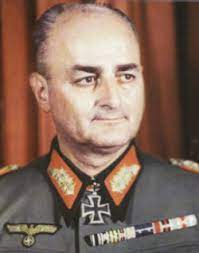
Gunther Blumentritt
“But we need permission from the Fuhrer’s headquarters,” replies Blumentritt.
And just as Blumentritt fears, permission is denied.
Alfred Jodl, Chief of the Operations Staff of the Wehrmacht, refuses the request. He will not release the panzers without Hitler’s approval.
And the Fuhrer—who stayed up late at night and slept during much of the day—is still sleeping.
“This is history,” says Blumentritt to an aide. “We are living an historical moment. We are going to lose the war because our glorious Fuhrer has taken a sleeping pill and is not to be awakened.
“Think of it, Kurt. We are witnessing something which historians will say is completely improbable. And yet it is true.”
And just as Bluemtritt predicted, defeat comes soon for the German forces in France.
Future historians may one day write that it’s what didn’t happen that played at least as great a role in destroying Constitutional government—and democracy—in the United States as what did.

Donald Trump
On November 3, 2020, Joe Biden became President-elect of the United States by winning 81,283,495 votes, or 51.4% of the vote, compared to 74,223,755 votes, or 46.9% of the vote cast for President Donald Trump.
In the Electoral College—which actually determines the winner—the results were even more stunning: 306 votes for Biden, compared with 232 for Trump. It takes 270 votes to be declared the victor.
From the moment Biden was declared the winner, Trump set out to overturn that verdict.
For the first time in American history, a President demanded a halt to the counting of votes while the outcome of an election hung in doubt.
States ignored his demand and kept counting.
Next, Trump ordered his attorneys to file lawsuits to overturn the election results, falsely charging electoral fraud. Specifically:
- Illegal aliens had been allowed to vote.
- Trump ballots were systematically destroyed.
- A sinister computer program turned Trump votes into Biden ones.
Throughout November and December, 2020, cases were filed in Wisconsin, Arizona, Nevada, Michigan, Minnesota and Georgia challenging the election results. None were supported by evidence of fraud—as even Trump’s lawyers admitted when questioned by judges.
On November 13, nine cases meant to attack President-elect Joe Biden’s win in key states were denied or dropped. A law firm challenging the vote count in Pennsylvania withdrew from the effort.
In Michigan, Trump’s attorneys dropped their federal suit to block the certification of Detroit-area ballots.
By November 21, more than 30 cases were withdrawn by Trump’s attorneys or dismissed by Federal judges—some of them appointed by Trump himself.
Ultimately, from November 3 to December 14, 2020, Trump and his allies lost 59 times in court, either withdrawing cases or having them dismissed by Federal and state judges.
2016 PRESIDENTIAL ELECTION, 2020 PRESIDENTIAL ELECTION, ABC NEWS, ACAM SCHIFF, ADOLF HITLER, ALTERNET, AMERICABLOG, AP, BABY BOOMER RESISTANCE, BBC, BLOOMBERG NEWS, BRETT CROZIER, BUZZFEED, CBS NEWS, CHARLES PIERCE, CHRIS KREBS, CNN, CONVERSATION WITH AN AMERICAN WRITER (POEM), CORONAVIRUS, CROOKS AND LIARS, CYBERSECURITY AND INFRASTRUCTURE SECURITY AGENCY, DAILY KOS, DEPARTMENT OF HOMELAND SECURITY, DEPARTMENT OF STATE, DIMITRI SHOSTAKOVICH, DONALD TRUMP, DRUDGE REPORT, ESQUIRE MAGAZINE, FBI, FIVETHIRTYEIGHT, FOX NEWS NETWORK, GREAT TERROR, HARPER’S MAGAZINE, HOUSE INTELLIGENCE COMMITTEE, HOUSE OF REPRESENTATIVES, HUFFINGTON POST, JOSEPH BIDEN, JOSEPH STALIN, MARIA YOVANOVICH, MEDIA MATTERS, MICROSOFT, MIKHAIL TUKHACHEVESKY, MOTHER JONES, MOVEON, MSNBC, NAZI GERMANY, NBC NEWS, NEW REPUBLIC, NEWSDAY, NEWSWEEK, NICCOLO MACHIAVELLI, NIKITA KHRUSHCHEV, NIKOLAI ZHILAYEV, NPR, PBS NEWSHOUR, POLITICO, POLITICUSUSA, RAW STORY, REUTERS, RUDY GIULIANI, SALON, SEATTLE TIMES, SLATE, SOVIET UNION, TALKING POINTS MEMO, THE ATLANTIC, THE CHICAGO SUN-TIMES, THE CHICAGO TRIBUNE, THE DAILY BEAST, THE DAILY BLOG, THE DISCOURSES, THE GUARDIAN, THE HILL, THE HUFFINGTON POST, THE LOS ANGELES TIMES, THE NATION, THE NEW REPUBLIC, THE NEW YORK TIMES, THE NEW YORKER, THE VILLAGE VOICE, THE WALL STREET JOURNAL, THE WASHINGTON POST, THINKPROGRESS, THOMAS MODLY, TIME, TRUTHDIG, TRUTHOUT, TWO POLITICAL JUNKIES, U.S. NEWS & WORLD REPORT, UKRAINE, UPI, USA TODAY, WEHRMACHT, WONKETTE, WORLD WAR 11, X, YEVGENEY YEVTUSHENKO
In Bureaucracy, History, Law, Law Enforcement, Military, Politics, Social commentary on November 28, 2025 at 12:25 am
Next hero: Marie Yovanovitch, the former United States ambassador to Ukraine (2016 – 2019). She had joined the Foreign Service in 1986, and served as ambassador to Kyrgyzstan (2005 – 2008) and Armenia (2008 – 2011).
In May 2019, on President Donald Trump’s orders, the State Department recalled Yovanovitch as ambassador to Ukraine. She had earned respect from the national security community for her efforts to encourage Ukraine to tackle corruption.
But she had been criticized by Right-wing media outlets—notably Fox News Network––and by Trump’s personal attorney, Rudy Giuliani.

Marie Yovanovitch
CNN reported that Yovanovitch stopped Giuliani from interviewing witnesses in his search for politically damaging information against former Vice President Joe Biden, whose son, Hunter, had had business dealings in Ukraine.
On October 11, 2019, she appeared before the House Intelligence Committee, chaired by Representative Adam Schiff (D-CA). She did so in defiance of orders by the White House and State Department to not attend.
“She was a hero even before she hit the hearing room,” wrote Charles Pierce for Esquire magazine.
“She told them to stuff their directives, she would answer a congressional subpoena like a citizen is supposed to do. And she didn’t sneak in through the basement. She walked into the Capitol through the front doors, and she didn’t do so to fck around.”
Testifying for nearly 10 hours, Yovanovitch said that Trump had removed her from her post owing to “unfounded and false claims” and “a concerted campaign against me.”
She believed that associates of Trump’s personal lawyer, Giuliani, might have thought “that their personal financial ambitions were stymied by our anti-corruption policy in Ukraine.”
And she warned that the State Department was being “attacked and hollowed out from within. State Department leadership, with Congress, needs to take action now to defend this great institution, and its thousands of loyal and effective employees.”
After retiring from the State Department in 2020, Yovanovitch became a senior fellow in the Russia and Eurasia Program at the Carnegie Endowment for International Peace.
Another hero-victim on Trump’s hate-list was Chis Krebs.
During the 2016 Presidential race, Russian propaganda had played a major role in convincing millions of Americans to vote for Donald Trump. Social media platforms—especially Facebook and Twitter—were flooded with genuinely fake news to sow discord among Americans and create a pathway for Trump’s election.
Trump didn’t win a majority of the popular vote. But he got enough help from Russian President Vladimir Putin to triumph in the Electoral College.
So notorious was the role played by Russian trolls and hackers in winning Trump the 2016 election that the Department of Homeland Security (DHS) was determined to prevent a repetition in 2020.
And point man for this was Chris Krebs.
Born in Atlanta, Georgia, in 1977, Krebs had received a B.A. in environmental sciences from the University of Virginia in 1999, and a J.D. from the George Mason University School of Law in 2007.
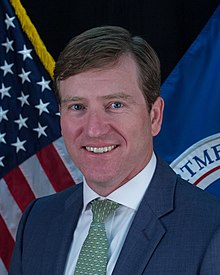
Chris Krebs
Krebs had served as Senior Advisor to the Assistant Secretary of Homeland Security for Infrastructure Protection, and later worked in the private sector as Director for Cybersecurity Policy for Microsoft.
Now he was director of the Cybersecurity and Infrastructure Security Agency at DHS.
In preparation for the 2020 Presidential election, Krebs launched a massive effort to counter lies spread by Russians—and Americans—on social media platforms. Among his duties:
- Sharing Intelligence from agencies such as the CIA and National Security Agency with local officials about foreign efforts at election interference.
- Ensuring that domestic voting equipment was secure.
- Attacking domestic misinformation head-on.
By all accounts—except Trump’s—the November 3, 2020 election went very smoothly.
As a result of the vast increase in election security, Trump not only failed to win the popular vote again but couldn’t get the help he expected from Putin.
On November 17, Trump fired Chris Krebs.
The reason: Krebs had not only countered Russian propaganda lies—he had dared to counter Trump’s as well. For example: He rejected Trump’s claims of widespread voter fraud: There “is no evidence that any voting system deleted or lost votes, changed votes, or was in any way compromised.”
In a November 17 story on the CNN website, CNN reporters Kaitlan Collins and Paul LeBlanc bluntly concluded:
“[Krebs’] dismissal underscores the lengths Trump is willing to go to punish those who don’t adopt his conspiratorial view of the election.
“Since CNN and other outlets called the race for President-elect Joe Biden, Trump has refused to accept the results, instead pushing baseless conspiracies that his second term is being stolen.”
Yet, by depriving Trump of Russian help, Krebs ensured a victory for democracy.
On January 6, 2021, the House and Senate counted the Electoral Votes—and pronounced Joseph Biden the winner—bringing an end to Trump’s reign of criminality and treason.
In his 1960 poem, “Conversation With an American Writer,” the Russian poet, Yevgeney Yevtushenko spoke for those Russians who had maintained their integrity in the face of Stalinist terror:
“You have courage,” they tell me.
It’s not true. I was never courageous.
I simply felt it unbecoming
to stoop to the cowardice of my colleagues.
Unfortunately, the same cannot be said of Republicans in the United States Senate and House of Representatives in the face of Trump terror.
2016 PRESIDENTIAL ELECTION, 2020 PRESIDENTIAL ELECTION, ABC NEWS, ACAM SCHIFF, ADOLF HITLER, ALTERNET, AMERICABLOG, AP, BABY BOOMER RESISTANCE, BBC, BLOOMBERG NEWS, BRETT CROZIER, BUZZFEED, CBS NEWS, CHARLES PIERCE, CHRIS KREBS, CNN, CONVERSATION WITH AN AMERICAN WRITER (POEM), CORONAVIRUS, CROOKS AND LIARS, CYBERSECURITY AND INFRASTRUCTURE SECURITY AGENCY, DAILY KOS, DEPARTMENT OF HOMELAND SECURITY, DEPARTMENT OF STATE, DIMITRI SHOSTAKOVICH, DONALD TRUMP, DRUDGE REPORT, ESQUIRE MAGAZINE, FBI, FIVETHIRTYEIGHT, FOX NEWS NETWORK, GREAT TERROR, HARPER’S MAGAZINE, HOUSE INTELLIGENCE COMMITTEE, HOUSE OF REPRESENTATIVES, HUFFINGTON POST, JOSEPH BIDEN, JOSEPH STALIN, MARIA YOVANOVICH, MEDIA MATTERS, MICROSOFT, MIKHAIL TUKHACHEVESKY, MOTHER JONES, MOVEON, MSNBC, NAZI GERMANY, NBC NEWS, NEW REPUBLIC, NEWSDAY, NEWSWEEK, NICCOLO MACHIAVELLI, NIKITA KHRUSHCHEV, NIKOLAI ZHILAYEV, NPR, PBS NEWSHOUR, POLITICO, POLITICUSUSA, RAW STORY, REUTERS, RUDY GIULIANI, SALON, SEATTLE TIMES, SLATE, SOVIET UNION, TALKING POINTS MEMO, THE ATLANTIC, THE CHICAGO SUN-TIMES, THE CHICAGO TRIBUNE, THE DAILY BEAST, THE DAILY BLOG, THE DISCOURSES, THE GUARDIAN, THE HILL, THE HUFFINGTON POST, THE LOS ANGELES TIMES, THE NATION, THE NEW REPUBLIC, THE NEW YORK TIMES, THE NEW YORKER, THE VILLAGE VOICE, THE WALL STREET JOURNAL, THE WASHINGTON POST, THINKPROGRESS, THOMAS MODLY, TIME, TRUTHDIG, TRUTHOUT, TWO POLITICAL JUNKIES, U.S. NEWS & WORLD REPORT, UKRAINE, UPI, USA TODAY, WEHRMACHT, WONKETTE, WORLD WAR 11, X, YEVGENEY YEVTUSHENKO
In Bureaucracy, History, Law, Law Enforcement, Military, Politics, Social commentary on November 27, 2025 at 12:10 am
Next up: Nikolai Sergeyvich Zhilayev (pronounced Zill-lay-ev) was a Russian musicologist and the teacher of several 20th-century Russian composers.
Among these: Dimitri Shostakovich (September 25, 1906 – August 9, 1975)
Among his friends—to his ultimate misfortune—was Mikhail Nikolayevich Tukhachevsky, the former military hero now falsely condemned and executed as a traitor by Soviet dictator Joseph Stalin.
In 1938, Zhilayev (November 18, 1881 – January 20, 1938) also became a casualty of what has become known as The Great Terror.
In his posthumously-published memoirs, Testimony, Shostakovich, his pupil and friend, described how Zhilayev faced his end with a calmness that awed even the NKVD (the predecessor to the KGB) secret police sent to arrest him.
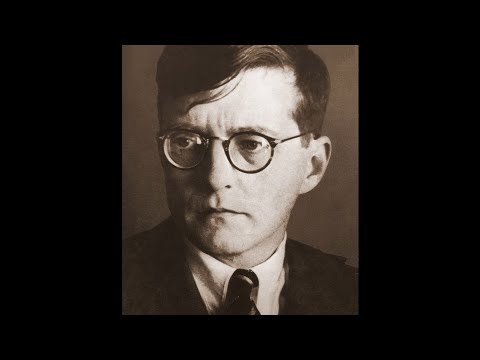
Dimitri Shostakovich
“He had a large picture of Tukhachevsky in his room, and after the announcement that Tukhachevsky had been shot as a traitor to the homeland, Zhilayev did not take the picture down.
“I don’t know if I can explain how heroic a deed that was….As soon as the next poor soul was declared an enemy of the people, everyone destroyed in a panic everything connected with that person….
“And naturally, photographs flew into the fire first, because if someone informed on you, reported that you had a picture of an enemy of the people, it meant certain death.
“Zhilayev wasn’t afraid. When they came for him, Tukhachevsky’s prominently hung portrait amazed even the executioners.”
“What, it’s still up?” one of the secret police asked.
“The time will come,” Zhilayev replied, “when they’ll erect a monument to him.”
As, in fact, has happened.
Meanwhile, Stalin has been universally condemned as one of history’s greatest tyrants.
Third hero: Brett Crozier, the former commanding officer of the aircraft carrier USS Theodore Roosevelt.
Graduating from the United States Naval Academy at Annapolis in 1992, he received his Master’s Degree in National Security and Strategic Studies from the Naval War College in 2007.
From 2017 to 2018 he commanded the USS Blue Ridge. In November, 2019, he was given command of the nuclear aircraft carrier USS Theodore Roosevelt.
On March 24, 2020, reports circulated that three members of the crew had tested positive for COVID-19. The next day the number of stricken sailors increased to eight. A few days later, it was “dozens.” The sailors reportedly became ill at sea, two weeks after a port call at Danang, Vietnam.
The initial cases were airlifted to a military hospital. The Roosevelt was ordered to Guam. After the ship docked on March 27, 2020, all 5,000 aboard were ordered to be tested for the virus. But only about 100 stricken sailors were allowed to leave the ship. The rest remained on board.
On March 30, Crozier emailed a four-page internal letter to multiple Naval officials, pleading to have the majority of the crew evacuated and quarantined on shore. Given the crowded sleeping quarters and narrow passageways of the vessel, Crozier wrote that it was impossible to follow social distancing and quarantine procedures:
“This will require a political solution but it is the right thing to do. We are not at war. Sailors do not need to die. If we do not act now, we are failing to properly take care of our most trusted asset—our Sailors….
“This is a necessary risk. Keeping over 4,000 young men and women on board the TR is an unnecessary risk and breaks faith with those Sailors entrusted to our care.”
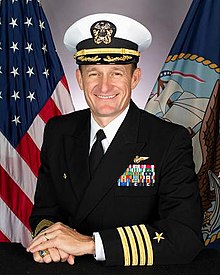
Brett Crozier
Crozier sent his letter via a non-secure, unclassified email to 20-30 recipients, as well as the captain’s immediate chain of command. He reportedly believed that his immediate supervisor would not allow him to send it.
And his superior later confirmed that he would not have allowed Crozier to send it.
On March 31, someone leaked the letter to the San Francisco Chronicle, which published it.
On April 1, the Navy ordered the aircraft carrier evacuated. A skeleton crew of 400 remained aboard to maintain the nuclear reactor, the fire-fighting equipment, and the ship’s galley.
On April 2, Crozier was relieved of command by acting United States Secretary of the Navy Thomas Modly.
By that time, about 114 crew members—out of a total of around 4,000—reportedly tested positive for COVID-19.
As Crozier disembarked, sailors loudly saluted him with a standing ovation: “Cap-tain Cro-zier!”
Crozier was reassigned to a shore position and retired in 2022.
Modly claimed that Crozier’s letter “raised alarm bells unnecessarily. It undermines our efforts and the chain of command’s efforts to address this problem, and creates a panic and this perception that the Navy’s not on the job, that the government’s not on the job, and it’s just not true.”
It was true.
Actually, the Trump administration had frittered away January and February, with President Donald Trump giving multiple—and misleading—press conferences. In these, he played down the dangers of COVID-19, saying that “we’re on top of it”—even as the virus spread across the country.
“It was a betrayal. And I can tell you one other thing: because he did that he put it in the public’s forum and it is now a big controversy in Washington, DC,“ continued Modly. [Italics added]
This was the United States Navy under Donald Trump—who threw “betrayal” and “treason” at anyone who dared reveal the truth about institutional crimes and failures.


 Bureaucracybuster's Blog
2016 PRESIDENTIAL ELECTION, 2020 PRESIDENTIAL ELECTION, 2024 PRESIDENTIAL ELECTION, ABC NEWS, ABUSE OF POWER, ADOLF HITLER, AFFORDABLE CARE ACT (ACA), AIR TRAFFICK CONTROLLERS, ALTERNET, AMERICABLOG, AP, ARTIFICIAL INTELLIGENCE, AUSTRIA, BABY BOOMER RESISTANCE, BBC, BERLIN, BIRD FLU, BLOOMBERG, BLUESKY, BORDER WALL, BRIAN KEMP, BUZZFEED, CBS NEWS, CENTERS FOR DISEASE CONTROL AND PREVENTION (CDC) CHINA, CIA, CLASSIFIED DOCUMENTS, CLAUS VON STAUFFENBERG, CLIMATE CHANGE, CNN, COVID-19, CROOKS AND LIARS, CZECHOSLOVAKIA, DAILY KOS, DAVID BROOKS, DEMOCRACY, DEMOCRATS, DIVERSITY, DONALD TRUMP, ELECTORAL COLLEGE, EMILY MURPHY, ENGLAND, EQUITY AND INCLUSION (DEI), FBI, FEDERAL AVIATION ADMINISTRATION (FAA), FEDERAL EMERGENCY MANAGEMENT ADMINISTRATION (FEMA), FEDERAL GOVERNMENT SHUTDOWN, FIVETHIRTYEIGHT, FRANCE, FRATERNAL ORDER OF POLICE, GAIUS CALIGULA, GAZA, GENERAL SERVICES ADMINISTRATION, GEORGE FLOYD, GOVERNMENT SHUTDOWN, GROCERY PRICES, GULF OF MEXICO, HARPER’S MAGAZINE, HILLARY CLINTON, HUFFINGTON POST, HUNTER BIDEN, illegal immigration, IMMIGRATION AND CUSTOMS ENFORCEMENT (ICE), IMPEACHMENT, INFLATION, INSPECTORS GENERAL, INSURRECTION ACT, INTERNATIONAL ASSOCIATION OF CHIEFS OF POLICE, INTERNATIONAL BROTHERHOOD OF TEAMSTERS, ISRAEL, JAMES COMEY, JANUARY 6 COUP ATTEMPT, JEFF SESSIONS, JEROME POWELL, JOE BIDEN, JOHN F. KENNEDY CENTER FOR THE PERFORMING ARTS, JONATHAN ROSS, JOSEPH STALIN, JUAN ORLANDO HERNANDEZ, Kamala Harris, KIM JONG-UN, LAMAR ALEXANDER, LATINOS, LETITIA JAMES, MACHISMO, MARK MEADOWS, MARTIN GUGINO, MEASLES, MEDIA MATTERS, MEDICAID, MEDICARE, MERRICK GARLAND, MIKE PENCE, MISOGYNY, MITCH MCCONNELL, MOHAMMED BIN SALMAN, MOTHER JONES, MOVEON, MSNBC, MUNICH CONFERENCE, MUSLIMS, NANCY PELOSI, NATIONAL GUARD, NATIONAL SECURITY AGENCY, NATIONAL SECURITY AGENCY (NSA), NAVAHO CODE TALKERS, NAZI GERMANY, NBC NEWS, NEWSDAY, NEWSWEEK, NIHILISM, NORTH ATLANTIC TREATY ORGANIZATION (NATO), NORTH KOREA, NPR, OBSTRUCTION OF CONGRESS, PARDONS, PBS NEWSHOUR, POLAND, POLITICO, POLITICUSUSA, RAFAEL EDUARDO "TED" CRUZ, RAW STORY, RENEE NICOLE GOOD, REPUBLICANS, REUTERS, ROBERT F. KENNEDY JR., RODNEY KING, ROME, RON JOHNSON, RUDY GIULIANI, RUSSIA, SALON, SAUDI ARABIA, SEATTLE TIMES, Secret Service, SERGEY KISLYAK, SERGEY LAVROV, SLATE, SUPPLEMENTAL NUTRITION ASSISTANCE PROGRAM (SNAP), TALKING POINTS MEMO, THE ATLANTIC, THE CHICAGO SUN-TIMES, THE CHICAGO TRIBUNE, THE DAILY BEAST, THE DAILY BLOG, THE GUARDIAN, THE HILL, THE HUFFINGTON POST, THE INTERCEPT, THE LOS ANGELES TIMES, THE NATION, THE NEW REPUBLIC, THE NEW YORK TIMES, THE NEW YORKER, THE PRESS, THE RISE AND FALL OF THE THIRD REICH (BOOK), THE VILLAGE VOICE, THE WALL STREET JOURNAL, THE WASHINGTON POST, THINKPROGRESS, THIRD REICH, TIM WALZ, TIME, TREASON, TRUTHDIG, TRUTHOUT, TUSKEEE AIRMEN, TWENTY-FIFTH AMENDMENT, TWO POLITICAL JUNKIES, TY COBB, U.S. NEWS & WORLD REPORT, UKRAINE, UNITED STATES DEPARTMENT OF DEFENSE (DOD), UNITED STATES DEPARTMENT OF JUSTICE (DOJ), UNITED STATES HOUSE OF REPRESENTATIVES, UNITED STATES SECRET SERVICE, UNITED STATES SENATE, UPI, USA TODAY, VLADIMIR PUTIN, VOLODMYR ZELENSKY, VOTER SUPPRESSION, WILLIAM L. SHIRER, WOMEN, WONKETTE, WORLD WAR 11, X, XI JINPING
ONCE AGAIN, ACCOMPLICES TO OUR OWN DESTRUCTION: PART ONE (OF SEVEN)
In Bureaucracy, History, Law, Law Enforcement, Military, Politics, Social commentary on January 29, 2026 at 12:10 am“Why are we letting one man systematically destroy our nation before our eyes?”
It’s a question millions of Americans have asked themselves since Donald Trump once again became President of the United States.
Millions of Germans asked themselves the same question throughout the 12 years of the Third Reich.
In September, 1938, as Adolf Hitler threatened to go to war against France and England over Czechoslovakia, most Germans feared he would. They knew that Germany was not ready for war, despite all of their Fuhrer’s boasts about the invincibility of the Third Reich.
A group of high-ranking German army officers prepared to overthrow Hitler––provided that England and France held firm and handed him a major diplomatic reverse.
But then England and France—though more powerful than Germany—flinched at the thought of war.
They surrendered to Hitler’s demands that he be given the “Sudetenland”—the northern, southwest and western regions of Czechoslovakia, inhabited mostly by ethnic Germans.
Hitler’s popularity among Germans soared. He had previously absorbed Austria, and now, by annexing Czechoslovakia, he had vastly expanded the territories of the Reich—without firing a shot!
The plotters in the German high command, realizing that public opinion stood overwhelmingly against them, abandoned their plans for a coup. They decided to wait for a more favorable time.
It never came.
Adolf Hitler and his generals
Less than one year after the infamous “Munich conference,” England and France were at war—and fighting for the lives of their peoples.
As for the Germans: Most of them blindly followed their Fuhrer right to the end—believing his lies (or at least wanting to believe them), serving in his legions, defending his rampant criminality.
And then, in April, 1945, with Russian armies pouring into Berlin, it was too late for conspiracies against the man who had led them to total destruction.
Berliners paid the price for their loyalty to a murderous dictator—through countless rapes, murders and the wholesale destruction of their city. And from 1945 to 1989, Germans living in the eastern part of their country paid the price as slaves to the Soviet Union.
Have Americans learned anything from this this warning from history about subservience to a madman?
The answer seems to be half-yes, half-no.
In 2016, almost 63 million Americans elected Donald Trump—a racist, serial adulterer and longtime fraudster—as President.
Donald Trump
Upon taking office on January 20, 2017, Trump began undermining one public or private institution after another.
And throughout all those outrages, House and Senate Republican majorities remained silent or vigorously supported him.
A typical example:
On June 4, 2020, during protests over the police murder of black security guard George Floyd, a curfew was imposed on Buffalo, New York. As police swept through Niagara Square, Martin Gugino, a 75-year-old peace activist with the Catholic Worker Movement, walked into their path as if attempting to speak with them.
Martin Gugino falls backward
Two officers pushed him and he fell backwards, hitting the back of his head on the pavement and losing consciousness.
On June 9, Trump charged that Gugino was part of a radical leftist “set up.” Trump offered no evidence to back up his slander.
Typical Republican responses included:
On November 3, 2020, 80 million voters decided they wanted a change—and elected former Vice President Joe Biden as the 46th President of the United States.
Share this: