Posts Tagged ‘THE NEW REPUBLIC’
ABC NEWS, ADAM SCHIFF, AIR FORCE ONE, ALEXANDER THE GREAT, ALTERNET, AMERICABLOG, AP, “PRESIDENT-FOR-LIFE”, BABY BOOMER RESISTANCE, BORDER WALL, BUZZFEED, CBS NEWS, CHINA, CIA, CNN, CROOKS AND LIARS, DAILY KOZ, DAVID BROOKS, DEMOCRATS, DONALD TRUMP, DRUDGE RETORT, FACEBOOK, FBI, FEDERAL GOVERNMENT SHUTDOWN, FIVETHIRTYEIGHT, FREEDOM OF THE PRESS, HARPER’S MAGAZINE, HOUSE FOREIGN AFFAIRS COMMITTEE, HOUSE INTELLIGENCE COMMITTEE, HOUSE OVERSIGHT AND REFORM COMMITTEE, HUNTER BIDEN, IMPEACHMENT, IRAN, JAMES COMEY, JERRY FALWELL JUNIOR, JOE BIDEN, KENTUCKY, MATT BEVIN, MEDIA MATTERS, MEXICO, MOTHER JONES, MOVEON, MSNBC, NANCY PELOSI, NATIONAL SECURITY AGENCY, NBC NEWS, NEWSWEEK, NON-DISCLOSURE AGREEMENTS, NPR, NUCLEAR WAR, PARDONS, PBS NEWSHOUR, PLUTARCH, POLITICO, POLITICUSUSA, RAW STORY, REPUBLICANS, REUTERS, ROBERT MUELLER, RUSSIA, SALON, SEATTLE TIMES, SECRET SERVICE AGENTS, SLATE, TALKING POINTS MEMO, THE ATLANTIC, THE CHICAGO SUN-TIMES, THE CHICAGO TRIBUNE, THE DAILY BEAST, THE DAILY BLOG, THE GUARDIAN, THE HILL, THE HUFFINGTON POST, THE LOS ANGELES TIMES, THE NATION, THE NEW REPUBLIC, THE NEW YORK TIMES, THE VILLAGE VOICE, THE WASHINGTON POST, THINKPROGRESS, TIME, TREASON, TRUTHDIG, TRUTHOUT, TWITTER, TWO POLITICAL JUNKIES, U.S. NEWS & WORLD REPORT, UKRAINE, UPI, USA TODAY, VLADIMIR PUTIN, VOLODYMYR ZELENSKY, WONKETTE, WOUNDED WARRIORS, XI JINPING
In Bureaucracy, History, Law, Law Enforcement, Military, Politics, Social commentary on January 7, 2020 at 12:04 am
On November 5, Kentucky voters refused to re-elect Republican Governor Matt Bevin. To get revenge, he issued more than 650 pardons to hardened criminals before he left office on December 9.
He claimed these were people he would not hesitate to welcome as neighbors, co-workers or members of his church.
Among those pardoned:
- Convicted killer Patrick Baker, who had served two years of a 19-year sentence for reckless homicide and robbery in the slaying of a Knox County man in front of his family. Baker’s brother held a campaign fundraiser for Bevin in July 2018 that raised $21,500.
- Micah Schoettle, a convicted child rapist. In 2018, a judge sentenced Schoettle to 23 years in prison. But Bevin said he made his decision partly because the hymen of the nine-year-old victim was still intact.
“This is perhaps more specific than people would want,” Bevin said in a radio interview. “But trust me. If you have been repeatedly sexually violated as a small child by an adult, there are going to be repercussions of that physically and medically.”
Studies show that most child victims do not show evidence of physical damage and that examination of the tissue is not a reliable test of sexual activity.

Matt Bevin
- Leif Halvorsen, who confessed to a triple murder in 1983. Bevin removed Halvorson from death row and commuted his sentence to life in prison.
- Dayton Jones was serving a 15-year sentence after he and three other men pleaded guilty to sodomizing an unconscious teenage boy at a party and videotaping the incident. Then they posted the video on social media.
Bevin said there was “no evidence” showing that Jones was present at the assault because he did not appear in the video.
Under Kentucky state law, people can directly apply to the govern’s office for clemency. While most states require a board review to decide who gets their sentences reduced or pardoned, Kentucky does not.
“You have police, FBI, judges, prosecutors, defense lawyers, hours and hours of work undone on the whim of one person,” Leland Hulbert, who prosecuted a case for an individual pardoned by the governor, told The New York Times. “It’s almost like a godlike power.”
Defending his pardons, Bevin told The Washington Post: “I’m a big believer in second chances. I think this is a nation that was founded on the concept of redemption and second chances and new pages in life.”
These hardened criminals whom Bevin has given “a second chance” will be preying on Kentuckians for decades to come.
Apparently, President Donald Trump has learned something from Bevin’s departing act.
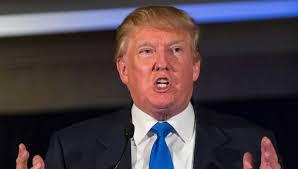
Donald Trump
On September 9, 2019, the House Foreign Affairs, Intelligence and Oversight and Reform committees began investigating his attempted extortion of Ukraine President Volodymyr Zelensky.
On July 25, 2019, Trump had “asked” Zelensky to do him a “favor”: Find embarrassing “dirt” on former Vice President Joseph Biden and his son, Hunter.
Hunter had had business dealings in Ukraine. And Joe Biden might be Trump’s Democratic opponent for the White House in 2020.
To underline the seriousness of his “request,” Trump had withheld $400 million in military aid Congress had approved for Ukraine, which is facing an increasingly aggressive Russia.
But then a CIA whistleblower filed a complaint about the extortion attempt—and the media and Congress soon learned of it.
The ensuing Congressional investigation triggered nonstop Trump abuse of Democrats generally and especially of House Speaker Nancy Pelosi and House Intelligence Committee chairman Adam Schiff.

Nancy Pelosi
On December 18, 2019, the House of Representatives impeached Donald Trump along party lines.
On December 24—a day when most Americans were celebrating the alleged birthday of Jesus Christ—Trump threw a tantrum at his Mar-a-Lago resort in Palm Beach, Fla.:
“She [Pelosi] hates the Republican Party. She hates all of the people that voted for me and the Republican Party and she’s desperate. She’s doing a tremendous disservice to the country, and she’s not doing a great job. And some people think she doesn’t know what she’s doing.”
And on Christmas Day, Trump tweeted: “Why should Crazy Nancy Pelosi, just because she has a slight majority in the House, be allowed to Impeach the President of the United States? Got ZERO Republican votes, there was no crime, the call with Ukraine was perfect, with ‘“no pressure.’ She said it must be ‘bipartisan…
“‘…& overwhelming,’ but this Scam Impeachment was neither. Also, very unfair with no Due Process, proper representation, or witnesses. Now Pelosi is demanding everything the Republicans weren’t allowed to have in the House. Dems want to run majority Republican Senate. Hypocrites!”
Even before the Democratic House took its first steps toward impeaching him, Trump was enraged that they might even want to do so.
On May 30, 2019, he raged at reporters: “I don’t see how they can because they’re possibly allowed, although I can’t imagine the courts allowing it. I’ve never gone into it. I never thought that would even be possible to be using that word. To me, it’s a dirty word—the word impeach. It’s a dirty, filthy, disgusting word.”
Seven months later—on December 18—“impeachment” would become more than a word. It would become reality.
2016 PRESIDENTIAL ELECTION, 2020 PRESIDENTIAL ELECTION, ABC NEWS, ADAM SCHIFF, ADOLF HITLER, ALTERNET, AMERICABLOG, AP, BABY BOOMER RESISTANCE, BUZZFEED, CBS NEWS, CIA, CNN, CROOKS AND LIARS, DAILY KOZ, DIRECTOR OF NATIONAL INTELLIGENCE, DONALD TRUMP, DRUDGE RETORT, FACEBOOK, FBI, FIVETHIRTYEIGHT, FOX NEWS SUNDAY, HARPER’S MAGAZINE, HEZBOLLAH, HUNTER BIDEN, IRAN, JAKE TAPPER, JAMES B. COMEY, JAMES R. CLAPPER, JOE BIDEN, MATT BEVIN, MEDIA MATTERS, MITCH MCCONNELL, MOTHER JONES, MOVEON, MSNBC, NANCY PELOSI, NATIONAL SECURITY AGENCY, NBC NEWS, NEWSWEEK, NPR, PARDONS, PBS NEWSHOUR, POLITICO, POLITICUSUSA, QASSEM SOLEIMANI, RAW STORY, REUTERS, ROBERT PAYNE, RUSSIA, SALON, SEATTLE TIMES, SLATE, TALKING POINTS MEMO, THE ATLANTIC, THE CHICAGO SUN-TIMES, THE CHICAGO TRIBUNE, THE DAILY BEAST, THE DAILY BLOG, THE GUARDIAN, THE HILL, THE HUFFINGTON POST, THE LIFE AND DEATH OF ADOLF HITLER (BOOK), THE LOS ANGELES TIMES, THE NATION, THE NEW REPUBLIC, THE NEW YORK TIMES, THE NEW YORKER, THE PENTAGON, THE VILLAGE VOICE, THE WASHINGTON POST, THINKPROGRESS, TIME, TRUTHDIG, TRUTHOUT, TWITTER, TWO POLITICAL JUNKIES, U.S. NEWS & WORLD REPORT, UKRAINE, UNITED STATES HOUSE OF REPRESENTATIVES, UNITED STATES SENATE, UPI, USA TODAY, VLADIMIR PUTIN, VOLODYMUR ZELENSKY, WONKETTE
In Bureaucracy, History, Military, Politics, Social commentary on January 6, 2020 at 1:10 am
Major General Qassem Soleimani commanded Iran’s elite Quds Force, which oversees and carries out intelligence operations, terrorist plots and unconventional warfare outside of Iran.
On January 3, he was killed by an American Predator drone near Baghdad International Airport. Another casualty of the attack was Jafar Ibrahimi, a leader of Hezbollah (“Party of God”).
A 2013 profile of Soleimani in The New Yorker referred to him as “the shadow commander” who was “reshaping the Middle East.” The Washington Post called him Iran’s “most revered military leader.”
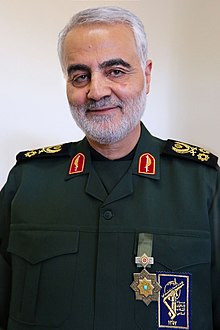
Qassem Soleimani
http://farsi.khamenei.ir/photo-album?id=41944#i [CC BY (https://creativecommons.org/licenses/by/4.0)%5D
There are at least three reasons for this targeted killing.
Reason #1: According to President Donald Trump, the strike was ordered because Soleimani was “actively developing plans” to attack American troops and officials within the Middle East.
A statement released by the Pentagon claimed:
“General Soleimani was developing plans to attack American diplomats and service members in Iraq and throughout the region. General Soleimani and his Quds Force were responsible for the deaths of hundreds of American and coalition service members and the wounding of thousands more….
“This strike was aimed at deterring future Iranian attack plans.”
There are just two problems with this claim:
First, from the day he took office—January 20, 2017—to October 14, 2019, Trump had made 13,435 false or misleading claims, according to the Washington Post. To foreign leaders as well as Americans who aren’t his fanatical followers, his word means nothing.
Second, Trump has repeatedly insulted America’s top Intelligence agencies and rejected their unanimous findings when he didn’t like the news.
On December 16, 2016, then-FBI Director James B. Comey and Director of National Intelligence James R. Clapper Jr. agreed with a CIA assessment that Russia intervened in the 2016 election in part to help Donald Trump win the White House.
Trump, however, steadfastly denied any such role by Russia: “I think it’s ridiculous,” he told “Fox News Sunday.” “I think it’s just another excuse. I don’t believe it….No, I don’t believe it at all.”

Reason #2: Killing Soleimani served to distract Americans from the fact that, on December 18, the House of Representatives had impeached Donald Trump along party lines.
In July, 2019, Trump had tried to extort a “favor” from Volodymyr Zelensky, the president of Ukraine: Find embarrassing “dirt” on former Vice President Joseph Biden and his son, Hunter.
Hunter had had business dealings in Ukraine. And Joe Biden might be Trump’s Democratic opponent for the White House in 2020.
Since then, House Speaker Nancy Pelosi has become enraged at Republicans’ bragging that their majority in the Senate would acquit Trump no matter how much evidence of his criminality was submitted. So she had refused to submit the Articles of Impeachment to the Senate, in hopes of pressuring Senate Majority Leader Mitch McConnell to craft a more objective trial procedure.
Thus, the Soleimani killing served, for Trump, as the ultimate “wag the dog” event.
Donald Trump
Reason #3: Trump is taking his revenge on the United States for his impeachment.
On November 5, Kentucky voters refused to re-elect Republican Governor Matt Bevin. To get revenge, he issued hundreds of pardons before he left office on December 9.
Among those pardoned: Convicted killer Patrick Baker, whose family held a fundraiser for Bevin in 2018, and a convicted sex offender whose mother was married to a millionaire road contractor.
These hardened criminals will be preying on Kentuckians for decades to come.
Donald Trump is furious at being impeached. Taking his cue from Bevin, he has decided to punish the country because a handful of Democrats dared to oppose his criminality.
So he has provoked a war with Iran to ensure that thousands of Americans—soldiers and civilians—die in decades to come.
In his bestselling 1973 biography, The Life and Death of Adolf Hitler, British historian Robert Payne harshly condemned the German people for the rise of the Nazi dictator.
“[They] allowed themselves to be seduced by him and came to enjoy the experience….[They] followed him with joy and enthusiasm because he gave them license to pillage and murder to their hearts’ content. They were his servile accomplices, his willing victims….
“If he answered their suppressed desires, it was not because he shared them, but because he could make use of them. He despised the German people, for they were merely the instruments of his will.”
Americans have long smugly condemned those Germans who fanatically supported Hitler or stood by impassively while he ordered horrendous crimes and unleashed a world war that claimed 50 million lives.
One American who has learned from the lessons of history is Rep. Adam Schiff (D-CA), chairman of the House Intelligence Committee.
On November 25, Schiff warned what would happen if Republicans opposed any articles of impeachment against Trump:
“It will have very long-term consequences, if that’s where we end up. And if not today, I think Republican members in the future, to their children and their grandchildren, will have to explain why they did nothing in the face of this deeply unethical man who did such damage to the country.”
The harm that Trump has so far done to the United States is nothing compared to the devastation coming from a needless war with a country fast gaining a nuclear arsenal.
"MISSION: IMPOSSIBLE", 2016 PRESIDENTIAL ELECTION, 9/11, ABC NEWS, ADAM SCHIFF, ALTERNET, AMERICABLOG, AP, AUGUSTO PINOCHET, AUGUSTO SANDINO, AYATOLLAH RUHOLLAH KHOMEINI, BABY BOOMER RESISTANCE, BAY OF PIGS, BERNARD LAW MONTGOMERY, BUZZFEED, CBS NEWS, CHIANG KAI-SHEK, CHILE, CIA, CNN, CROOKS AND LIARS, CUBA, DAILY KOZ, DONALD TRUMP, DRUDGE RETORT, DWIGHT D. EISENHOWER, FACEBOOK, FBI, FIDEL CASTRO, FIVETHIRTYEIGHT, FULGENCIO BATISTA, GEORGE W. BUSH, GUATEMALA, HAITI, HARPER’S MAGAZINE, HONODURAS, HUNTER BIDEN, IRAQ, JACOBO ARBENZ, JOE BIDEN, JOHN F. KENNEDY, MAFIA, MAO TSE-TUNG, MEDIA MATTERS, MICK MULVANEY, MOHAMMAD MOSADDEGH, MOHAMMAD-REZA SHAH PHLAVI, MOTHER JONES, MOVEON, MSNBC, NANCY PELOSI, NATIONAL SECURITY AGENCY, NBC NEWS, NEWSWEEK, NICARAGUA, NPR, OSAMA BIN LADEN, PBS NEWSHOUR, POLITICO, POLITICUSUSA, RAW STORY, REUTERS, RICHARD M. NIXON, RUSSIA, SADDAM HUSSEIN, SALON, SALVADOR ALLENDE, SEATTLE TIMES, SLATE, SOVIET UNION, TALKING POINTS MEMO, THE ATLANTIC, THE CHICAGO SUN-TIMES, THE CHICAGO TRIBUNE, THE DAILY BEAST, THE DAILY BLOG, THE GUARDIAN, THE HILL, THE HUFFINGTON POST, THE LOS ANGELES TIMES, THE NATION, THE NEW REPUBLIC, THE NEW YORK TIMES, THE VILLAGE VOICE, THE WASHINGTON POST, THINKPROGRESS, TIME, TRUTHDIG, TRUTHOUT, TWITTER, TWO POLITICAL JUNKIES, U.S. NEWS & WORLD REPORT, UKRAINE, UNITED FRUIT COMPANY, UPI, USA TODAY, VOLODYMYR ZELENSKY, WINSTON CHURCHILL, WONKETTE, WORLD WAR 11
In Bureaucracy, History, Politics, Social commentary on January 3, 2020 at 12:03 am
“I have news for everybody: Get over it. There’s going to be political influence in foreign policy.”
The speaker was White House chief of staff Mick Mulvaney. And in an October 17 press conference, he was trying to put the best possible spin on President Donald Trump’s latest outrage: An attempt to extort a “favor” from the president of Ukraine.
In July, 2019, Trump told Mulvaney to withhold almost $400 million in promised military aid for Ukraine, which faces increasing aggression from Russia.
On July 25, Trump telephoned Ukrainian President Volodymyr Zelensky to “request” a “favor”: Investigate Democratic Presidential Candidate Joe Biden and his son, Hunter, who had had business dealings in Ukraine.The reason for such an investigation: To find embarrassing “dirt” on Biden.
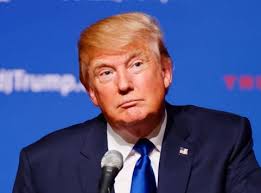
Donald Trump
But then a CIA whistleblower filed a complaint about the extortion attempt—and the media and Congress soon learned of it.
Rep. Adam Schiff, D-Calif., tweeted: “The transcript of the call reads like a classic mob shakedown: — We do a lot for Ukraine — There’s not much reciprocity — I have a favor to ask — Investigate my opponent — My people will be in touch — Nice country you got there. It would be a shame if something happened to her.”
On September 24, 2019, Nancy Pelosi, speaker to the House of Representatives, announced a formal impeachment inquiry into Trump.
As far as known, this marked a first in American foreign policy: Trying to extort a patently illegal favor from an ally.
During World War II, President Franklin D. Roosevelt didn’t hesitate to leverage the great economic and military power of the United States to gain concessions from Winston Churchill, the prime minister of Great Britain.
At Roosevelt’s insistence, for example, it was an American—General Dwight D. Eisenhower—who was appointed Supreme Allied Commander in Europe. Had the British gotten their way, the post would have almost certainly gone to British Field Marshal Bernard Law Montgomery.
Roosevelt’s insistence, however, had nothing to do with personally benefiting himself.
But the unpleasant truth remains that subverting the governments of other countries is a right that Americans have long reserved for themselves. For example:
- Between 1898 and 1934, the United States repeatedly intervened with military force in Central America and the Caribbean.
- Americans staged invasions of Honduras in 1903, 1907, 1911, 1912, 1919, 1924 and 1925 to defend U.S. interests. These were defined as Standard Oil and the United Fruit Company.
- The United States occupied Nicaragua almost continuously from 1912 to 1933. Its legacy was the imposition of the tyrannical Somoza family, which ruled from 1936 to 1979.
- The United States occupied Haiti from 1915 to 1934. American banks had lent money to Haiti and requested American government intervention.
- In 1918, 13,000 American soldiers joined armies from Europe and Japan to overthrow the new Soviet government and restore the previous Tsarist regime. By 1920, the invading forces proved unsuccessful and withdrew.
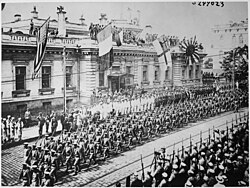
Allied troops parading in Vladivostok, 1918
- In 1953, the Eisenhower administration ordered the CIA to overthrew the democratically-elected government of of Iranian Prime Minister Mohammad Mosaddegh. His crime: Nationalizing the Iranian oil industry, which had been under British control since 1913.
- He was succeeded by Mohammad-Reza Shah Phlavi. Whereas Mossadeddgh had ruled as a constitutional monarch, Phlavi was a dictator who depended on United States government support to retain power until he was overthrown in 1979 by the Ayatollah Ruhollah Khomeini.
- In 1954, the CIA overthrew the democratically-elected government of Guatemalan President Jacobo Arbenz. His crime: Installing a series of reforms that expanded the right to vote, allowed workers to organize, legitimized political parties and allowed public debate. Most infuriating to American Right-wingers: His agrarian reform law, which expropriated parts of large land-holdings and redistributed them to agricultural laborers.
- From 1959 until 1963, the United States government was obsessed with overthrowing the revolutionary Cuban government of Fidel Castro. Although not democratically elected, Castro was wildly popular in Cuba for overthrowing the dictatorial Fulgencio Batista.
- On April 17, 1961, over 1,400 CIA-trained Cuban exiles invaded Cuba at the Bay of Pigs. Cuban military forces crushed the invasion in three days.
- Infuriated with the failure of the Bay of Pigs invasion, President John F. Kennedy authorized “Operation Mongoose” to remove Castro through sabotage and assassination. The CIA, wanting to please Kennedy, teamed up with the Mafia, which wanted to resurrect its casinos on the island.
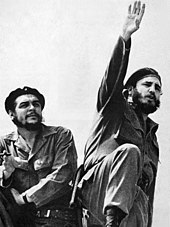
Ernesto “Che” Guevera and Fidel Castro
- In 1970, President Richard M. Nixon ordered the CIA to prevent Marxist Salvador Allende from being democratically elected as president of Chile. When that failed, he ordered the CIA to overthrow Allende.
- Allende’s crime: A series of liberal reforms, including nationalizing large-scale industries (notably copper mining and banking). In 1973, he was overthrown by Chilean army units and national police. He was followed by Right-wing dictator Augusto Pinochet, who slaughtered 3,200 political dissidents, imprisoned 30,000 and forced another 200,000 Chileans into exile.
Americans reacted to all these attempts—successful and unsuccessful—with indifference or outright support.
The popular 1960s TV series, “Mission: Impossible,” regularly depicted a CIA-type agency supporting regimes “we” liked or toppling those “we” didn’t.
Americans generally assume their Presidents and Congress know best who is a “friend” and who is an “enemy.” America’s friends often turn out, for the most part, to be Right-wing dictators like Fulgencio Batista, Augusto Pinochet and Mohammad-Reza Shah Phlavi.
And its enemies often turn out to be liberal reformers like Augusto Sandino, Jacobo Arbenz, Mohammad Mosaddegh and Salvador Allende.
2016 PRESIDENTIAL ELECTION, ABC NEWS, ALTERNET, AMERICABLOG, ANDREW JACKSON, AP, ARMY-MCCARTHY HEARINGS, BABY BOOMER RESISTANCE, BORDER WALL, BUZZFEED, CBS NEWS, CIA, CNN, COLLEGE FOOTBALL, CONSUMER PROTECTION, CONVERSATION WITH AN AMERICAN WRITER (POEM), CROOKS AND LIARS, DAILY KOZ, DONALD TRUMP, DREW PEARSON, DRUDGE RETORT, DWIGHT D. EISENHOWER, EDWARD R. MURROW, ENVIRONMENTAL PROTECTION, EXTORTION, FACEBOOK, FBI, FEDERAL GOVERNMENT SHUTDOWN, FIVETHIRTYEIGHT, FREEDOM OF THE PRESS, GARY SCHULTZ, GEORGE C. MARSHALL, GRAHAM SPANIER, HARPER’S MAGAZINE, HARRY S. TRUMAN, HUNTER BIDEN, JAMES COMEY, JEB BUSH, JEFF BUSH, JERRY SANDJSKY, JERRY SANDUSKY, JOE BIDEN, JOE PATERNO, JOE POTERNO, JOHN MCCAIN, JOSEPH BIDEN, JOSEPH MCCARTHY, JOSEPH WELCH, LOUIS FREEH, MEDIA MATTERS, MIKE MCQUEARY, MIKE MURPHY, MITT ROMNEY, MORAL COURAGE, MOTHER JONES, MOVEON, MSNBC, NATIONAL SECURITY AGENCY, NBC NEWS, NEWSWEEK, NIKE, NPR, PBS NEWSHOUR, PENN STATE NITTANY LIONS, PENN STATE UNIVERSITY, POLITICO, POLITICUSUSA, RAW STORY, REPUBLICANS, REUTERS, RUSSIA, SALON, SEATTLE TIMES, SLATE, SUBVERSION, TALKING POINTS MEMO, THE ATLANTIC, THE CHICAGO SUN-TIMES, THE CHICAGO TRIBUNE, THE DAILY BEAST, THE DAILY BLOG, THE GUARDIAN, THE HILL, THE HUFFINGTON POST, THE LOS ANGELES TIMES, THE NATION, THE NEW REPUBLIC, THE NEW YORK TIMES, THE SECOND MILE, THE VILLAGE VOICE, THE WASHINGTON POST, THINKPROGRESS, TIM CURLEY, TIME, TRUTHDIG, TRUTHOUT, TWITTER, TWO POLITICAL JUNKIES, U.S. NEWS & WORLD REPORT, UKRAINE, UP, UPI, USA TODAY, VLADIMIR PUTIN, VOLODYMYR ZELENSKY, WONKETTE, YEVGENEY YEVTUSHENKO
In Bureaucracy, History, Law, Law Enforcement, Politics, Social commentary on January 2, 2020 at 12:23 am
“One man with courage,” said frontier general Andrew Jackson, “makes a majority.”
Yet many “heroes” come out of the woodwork only after the danger is safely past.
On September 25, 2019, GOP consultant Mike Murphy said that a Republican senator had told him the majority of Republican senators “would vote to impeach” President Donald Trump if they could do so anonymously.
In short: If they didn’t have to face backlash from constituents or the media or Trump, they would gladly stand up for the Constitution. Which is like a fireman saying: “If i didn’t have to worry about getting burned to death, I’d gladly rush into a burning building and save whoever was in it.”
“One Republican senator told me if it was a secret vote, 30 Republican senators would vote to impeach Trump,” he claimed during an interview on MSNBC.
Murphy—who has advised Republican politicians such as Mitt Romney, John McCain and Jeb Bush—implied that the GOP lawmakers fear that voting against Trump could harm them politically.
Yes, a shining example of true moral courage at its finest—and just when it’s most needed: “If we just didn’t have to risk our skins, we’d be glad to do the right thing.”
Donald Trump
Throughout Trump’s nearly three years in office, Republicans have remained silent or vigorously supported him as he:
- Repeatedly and viciously attacked the nation’s free press for daring to report his growing list of crimes and disasters, calling it “the enemy of the American people.”
- Publicly siding with Russian dictator Vladimir Putin against American Intelligence agencies (FBI, CIA, National Security Agency) which unanimously agreed that Russia had subverted the 2016 Presidential election,
- Firing FBI Director James Comey for investigating that subversion.
- Allowing predatory corporations to subvert Federal regulatory protections for consumers and the environment.
- Shutting down the Federal Government for more than a month on December 22, 2018, because Democrats refused to fund his “border wall” between the United States and Mexico.
- Attempting to extort a “favor” from Ukrainian President Volodymyr Zelensky: Threatening to withhold military aid unless Zelensky agreed to slander Hunter Biden, the son of Democratic Presidential candidate Joseph Biden.
“I was never courageous,” the Russian poet, Yevgeney Yevtushenko, wrote in his famous poem, “Conversation With an American Writer.” “I simply felt it unbecoming to stoop to the cowardice of my colleagues.”
For Republicans “stooping to the cowardice” of their colleagues has long been a recipe for political survival.
Yet another Republican—Wisconsin Senator Joseph R. McCarthy—terrorized the nation from 1950 to 1954, accusing anyone who disagreed with him of being a Communist, and leaving only ruined lives in his wake.

Joseph R. McCarthy
Among those civilians and government officials he slandered as Communists were:
- President Harry S. Truman
- President Dwight D. Eisenhower
- Broadcast journalist Edward R. Murrow
- Secretary of State George C. Marshall
- Columnist Drew Pearson
Finally, in 1954, McCarthy overreached himself and accused the U.S. Army of being a hotbed of Communist traitors. Joseph Welch, counsel for the Army, destroyed McCarthy’s credibility in a now-famous retort:
“Senator, may we not drop this?….You’ve done enough. Have you no sense of decency, sir? At long last, have you left no sense of decency?”
Later that year, the Senate censured McCarthy, and he rapidly declined in power and health.
Senatorial colleagues who had courted his support now left the Senate when he rose to speak. Reporters who had once fawned on him for his latest sensational slander now ignored him.
But cowardice isn’t confined to politicians.
Fast-forward to July 12, 2012—and the release of former FBI Director Louie Freeh’s report on serial pedophile Jerry Sandusky. As the assistant football coach at Penn State University (PSU), he had used the football facilities to sexually attack numerous young boys.

Jerry Sandusky
But Sandusky was regarded as more than a second-banana. He received Assistant Coach of the Year awards in 1986 and 1999, and authored several books about his coaching experiences.
In 1977, Sandusky founded The Second Mile, a non-profit charity serving underprivileged, at-risk youth.
“Our most saddening and sobering finding is the total disregard for the safety and welfare of Sandusky’s child victims by the most senior leaders at Penn State,” Freeh stated.
College football is a $2.6 billion-a-year business. And Penn State is one of its premiere brands, with revenue of $70 million in 2010.
PSU’s seven-month internal investigation, headed by Freeh, revealed:
- Joe Paterno, head coach of the Penn State Nittany Lions, was aware of a 1998 criminal investigation of Sandusky.
- So were president Graham Spanier, athletic director Tim Curley and vice president Gary Schultz.
- In 2001, then-graduate assistant Mike McQueary reported to Paterno that he’d seen Sandusky attacking a boy in the shower.
- Paterno, Spanier, Curley and Schultz then conspired to cover up for Sandusky.
- The rapes of these boys occurred in the Lasch Building—where Paterno had his office.
- A janitor who had witnessed a rape in 2000 said he had feared losing his job if he told anyone about it. “It would be like going against the President of the United States,” Freeh said at a press conference.
In 2011, Sandusky was arrested and charged with sexually abusing young boys over a 15-year period. On June 22, 2012, he was convicted on 45 of the 48 charges. He will likely spend the rest of his life in prison.
On the day the Freeh report was released, Nike—a longtime sponsor for Penn State—announced that it would remove Paterno’s name from the child care center at its world headquarters in Beaverton, Oregon.
2016 PRESIDENTIAL RACE, ABC NEWS, ALEXANDRIA OCASIO-CORTEZ, ALTERNET, AMERICABLOG, AP, AYANNA PRESSLEY, BABY BOOMER RESISTANCE, BOB WOODWARD, BRIBERY, BUZZFEED, CBS NEWS, CNN, CROOKS AND LIARS, DAILY KOZ, DAVID BERLANGA, DRUDGE RETORT, ELLIOT NESS, ERIC SCHNEIDERMAN, FACEBOOK, FIVETHIRTYEIGHT, FRANCISCO "PANCHO" VILLA, GREG ABBOTT, HARPER’S MAGAZINE, ILHAN OMAR, INTIMIDATION, JAMES CARLOS BLAKE, JEFF SESSIONS, JOHN OWENS, KEN PAXTON, MEDIA MATTERS, MEXICAN REVOLUTION, MOTHER JONES, MOVEON, MSNBC, NBC NEWS, NEWSWEEK, NICCOLO MACHIAVELLI, NON-DISCLOSURE AGREEMENTS, NPR, PAM BONDI, PBS NEWSHOUR, POLITICO, POLITICUSUSA, RASHIDA TLAIB, RAW STORY, REPUBLICAN CONVENTION, REUTERS, ROBERT MUELLER, ROD ROSENSTEIN, RODOLFO FIERRO, SALON, SEATTLE TIMES, SLATE, TALKING POINTS MEMO, THE ATLANTIC, THE CHICAGO SUN-TIMES, THE CHICAGO TRIBUNE, THE DAILY BEAST, THE DAILY BLOG, THE DISCOURSES, THE FRIENDS OF PANCHO VILLA (BOOK), THE GUARDIAN, THE HILL, THE HUFFINGTON POST, THE LOS ANGELES TIMES, THE NATION, THE NEW REPUBLIC, THE NEW YORK TIMES, THE VILLAGE VOICE, THE WASHINGTON POST, THINKPROGRESS, TIME, TRUMP UNIVERSITY, TRUTHDIG, TRUTHOUT, TWITTER, TWO POLITICAL JUNKIES, U.S. NEWS & WORLD REPORT, UPI, USA TODAY, USA TODAY DONALD TRUMP, WONKETTE
In Bureaucracy, History, Law, Law Enforcement, Politics, Social commentary on January 1, 2020 at 12:18 am
…A truly great man is ever the same under all circumstances. And if his fortune varies, exalting him at one moment and oppressing him at another, he himself never varies, but always preserves a firm courage, which is so closely interwoven with his character that everyone can readily see that the fickleness of fortune has no power over him.
The conduct of weak men is very different. Made vain and intoxicated by good fortune, they attribute their success to merits which they do not possess. And this makes them odious and insupportable to all around them. And when they have afterwards to meet a reverse of fortune, they quickly fall into the other extreme, and become abject and vile.
—Niccolo Machiavelli, The Discourses
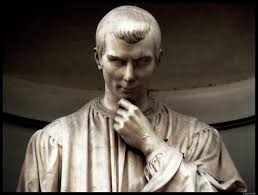
Niccolo Machiavelli
When Donald Trump—as a businessman and President—has been confronted by men and women who can’t be bribed or intimidated, he has reacted with rage and frustration.
- Trump boasted that he “never” settled cases out of court. But New York Attorney General Eric Schneiderman pressed fraud claims against the real estate mogul’s counterfeit Trump University—and Trump settled the case out of court rather than take the stand.
- “Today’s $25 million settlement agreement is a stunning reversal by Donald Trump,” said Schneiderman on November 18, 2016, “and a major victory for the over 6,000 victims of his fraudulent university.”
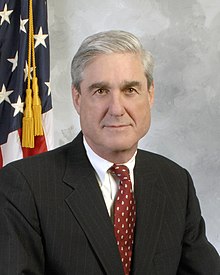
- On May 17, 2017, Deputy Attorney General Rod Rosenstein appointed former FBI Director Robert S. Mueller to investigate links between Russian Intelligence agents and the 2016 Trump Presidential campaign.
- Upon learning of his appointment, Trump wailed: “Oh my God. This is terrible. This is the end of my Presidency. I’m fucked.”
- “How could you let this happen, Jeff?” Trump demanded of Jeff Sessions, his Attorney General. “You were supposed to protect me. Everyone tells me if you get one of these independent counsels, it ruins your presidency. It takes years and years and I won’t be able to do anything. This is the worst thing that ever happened to me.”
- Throughout Mueller’s probe, Trump hurled repeated insults at him via Twitter and press conferences. He also called on his shills within Fox News and the Republican party to attack Mueller’s integrity and investigative methods.
- But aides convinced him that firing Mueller would be rightly seen as obstruction of justice—and thus grounds for impeachment. So he never dared go that far.
Robert Mueller
Perhaps the key to Trump’s innermost fear can be found in a work of fiction—in this case, the 1996 historical novel, The Friends of Pancho Villa, by James Carlos Blake.
The book depicts the Mexican Revolution (1910 – 1920) and its most famous revolutionary, Francisco “Pancho” Villa. it’s told from the viewpoint of Rodolfo Fierro, Villa’s most feared executioner. In one day, for example, Fierro—using two revolvers—executed 300 captured Federale soldiers.
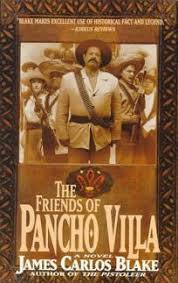
As in history, Blake’s Fierro presides over the execution of David Berlanga, a journalist who had dared criticize the often loutish behavior of Villa’s men.
On Villa’s command, Fierro approaches Berlanga in a Mexico City restaurant and orders: “Come with me.”
Standing against a barracks wall, Berlanga lights a cigar and requests permission to finish it. He then proceeds to smoke it with such a steady hand that its unbroken ash extends almost four inches.
The cigar finished, the ash still unbroken, Berlanga drops the butt to the ground and says calmly: “I’m ready.”
Then the assembled firing squad does its work.
Later, Fierro is so shaken by Berlanga’s sheer fearlessness that he seeks an explanation for it. Sitting in a cantina, he lights a cigar and tries to duplicate Berlanga’s four-inch length.
But the best he can do is less than three inches. He concludes that Berlanga used a trick—but he can’t figure it out.

Rodolfo Fierro
It had to be a trick, Fierro insists, because, if it wasn’t, there were only two other explanations for such a calm demeanor in the face of impending death.
The first was insanity. But Fierro rules this out: He had studied Berlanga’s eyes and found no madness there.
That leaves only one other explanation (other than a trick): Sheer courage.
And Fierro can’t accept this, either—because it’s disturbing.
“The power of men like me does not come solely from our ability to kill….No, the true source of our power is so obvious it sometimes goes unnoticed for what it is: our power comes from other men’s lack of courage.
“There is even less courage in this world than there is talent for killing. Men like me rule because most men are faint of heart in the shadow of death.
“But a man brave enough to control his fear of being killed, control it so well that no tremor reaches his fingers and no sign shows in his eyes…well. Such a man cannot be ruled, he can only be killed.”
Throughout his life, Trump has relied on bribery and intimidation. He well understands the power of greed and fear over most people.
What he doesn’t understand—and truly fears—is that some people cannot be bought or frightened.
People like Elliot Ness. Like Robert Mueller. And like Alexandria Ocasio-Cortez.
2016 PRESIDENTIAL RACE, ABC NEWS, ALEXANDRIA OCASIO-CORTEZ, ALTERNET, AMERICABLOG, AP, AYANNA PRESSLEY, BABY BOOMER RESISTANCE, BOB WOODWARD, BRIBERY, BUZZFEED, CBS NEWS, CNN, CROOKS AND LIARS, DAILY KOZ, DAVID BERLANGA, DRUDGE RETORT, ELLIOT NESS, ERIC SCHNEIDERMAN, FACEBOOK, FIVETHIRTYEIGHT, FRANCISCO "PANCHO" VILLA, GREG ABBOTT, HARPER’S MAGAZINE, ILHAN OMAR, INTIMIDATION, JAMES CARLOS BLAKE, JEFF SESSIONS, JOHN OWENS, KEN PAXTON, MEDIA MATTERS, MEXICAN REVOLUTION, MOTHER JONES, MOVEON, MSNBC, NBC NEWS, NEWSWEEK, NICCOLO MACHIAVELLI, NON-DISCLOSURE AGREEMENTS, NPR, PAM BONDI, PBS NEWSHOUR, POLITICO, POLITICUSUSA, RASHIDA TLAIB, RAW STORY, REPUBLICAN CONVENTION, REUTERS, ROBERT MUELLER, ROD ROSENSTEIN, RODOLFO FIERRO, SALON, SEATTLE TIMES, SLATE, TALKING POINTS MEMO, THE ATLANTIC, THE CHICAGO SUN-TIMES, THE CHICAGO TRIBUNE, THE DAILY BEAST, THE DAILY BLOG, THE DISCOURSES, THE FRIENDS OF PANCHO VILLA (BOOK), THE GUARDIAN, THE HILL, THE HUFFINGTON POST, THE LOS ANGELES TIMES, THE NATION, THE NEW REPUBLIC, THE NEW YORK TIMES, THE VILLAGE VOICE, THE WASHINGTON POST, THINKPROGRESS, TIME, TRUMP UNIVERSITY, TRUTHDIG, TRUTHOUT, TWITTER, TWO POLITICAL JUNKIES, U.S. NEWS & WORLD REPORT, UPI, USA TODAY, USA TODAY DONALD TRUMP, WONKETTE
In Bureaucracy, History, Law, Law Enforcement, Politics, Social commentary on December 31, 2019 at 12:07 am
On July 14, President Donald Trump unleashed a brutal Twitter attack on four Democratic members of the House of Representatives who had harshly criticized his anti-immigration policies:
“So interesting to see “Progressive” Democrat Congresswomen, who originally came from countries whose governments are a complete and total catastrophe, the worst, most corrupt and inept anywhere in the world (if they even have a functioning government at all), now loudly……
“….and viciously telling the people of the United States, the greatest and most powerful Nation on earth, how our government is to be run. Why don’t they go back and help fix the totally broken and crime infested places from which they came. Then come back and show us how….
“….it is done. These places need your help badly, you can’t leave fast enough. I’m sure that Nancy Pelosi would be very happy to quickly work out free travel arrangements!”
Donald Trump
The Democrats—all female, and all non-white—were:
- Alexandria Ocasio-Cortez of New York;
- Rashida Tlaib of Michigan;
- Ilhan Omar of Minnesota and
- Ayanna Pressley of Massachusetts.
Of the Congresswomen that Trump singled out:
- Cortez was born in New York City.
- Tlaib was born in Detroit, Michigan.
- Pressley was born in Cincinnati, Ohio.
Only Omar was born outside the United States—in Somalia. And she became an American citizen in 2000 when she was 17 years old.
Critics have assailed Trump as racist for implying that these women were not United States citizens.
Moreover, as members of Congress, they had a legal right to declare “how our government is to be run.” Republicans in the House and Senate vigorously—and often viciously—asserted that right during the Presidency of Barack Obama.
Ocasio-Cortez quickly struck back on Twitter on the same day: “You are angry because you don’t believe in an America where I represent New York 14, where the good people of Minnesota elected , where fights for Michigan families, where champions little girls in Boston.
“You are angry because you can’t conceive of an America that includes us. You rely on a frightened America for your plunder.
“You won’t accept a nation that sees healthcare as a right or education as a #1 priority, especially where we’re the ones fighting for it. Yet here we are.”

Alexandria Ocasio-Cortez
But then followed the most significant part of Cortez’ reply:
“But you know what’s the rub of it all, Mr. President? On top of not accepting an America that elected us, you cannot accept that we don’t fear you, either.
“You can’t accept that we will call your bluff & offer a positive vision for this country. And that’s what makes you seethe.”
“You cannot accept that we don’t fear you, either.”
For all his adult life, Donald Trump—as a businessman, Presidential candidate and now President—has trafficked in bribery and coercion.
First bribery:
- Florida Attorney General Pam Bondi personally solicited a political contribution from Donald Trump around the same time her office deliberated joining an investigation of alleged fraud at Trump University and its affiliates.
- After Bondi dropped the Trump University case, he wrote her a $25,000 check for her re-election campaign. The money came from the Donald J. Trump Foundation.
- Republican Texas Attorney General Ken Paxton moved to muzzle a former state regulator who says he was ordered in 2010 to drop a fraud investigation into Trump University for political reasons.
- Paxton’s office issued a cease and desist letter to former Deputy Chief of Consumer Protection John Owens after he made public copies of a 14-page internal summary of the state’s case against Donald Trump for scamming millions from students of his now-defunct real estate seminar.
- After the Texas case was dropped, Trump cut a $35,000 check to the gubernatorial campaign of then-attorney general and now Texas Governor Greg Abbott.
Now coercion:
- Throughout his career as a businessman, Trump forced his employees to sign Non-Disclosure Agreements, threatening them with lawsuits if they revealed secrets of his greed and/or criminality.
- In 2016. USA Today found that Trump was involved in over 3,500 lawsuits during the previous 30 years: “At least 60 lawsuits, along with hundreds of liens, judgments, and other government filings” were from contractors claiming they got stiffed.
- On March 16, 2016, as a Republican Presidential candidate, Trump warned Republicans that if he didn’t win the GOP nomination in July, his supporters would literally riot: “I think you’d have riots. I think you would see problems like you’ve never seen before. I think bad things would happen, I really do. I wouldn’t lead it, but I think bad things would happen.”
- An NBC reporter summed it up as: “The message to Republicans was clear: ‘Nice convention you got there. Shame if something happened to it.'”
- Speaking with Bob Woodward, the legendary Washington Post investigative reporter, Trump confessed: “Real power is—I don’t even want to use the word—fear.”
- During his Presidential campaign he encouraged Right-wing thugs to attack dissenters at his rallies, even claiming he would pay their legal expenses.
But when he has confronted men and women who can’t be bribed or intimidated, Trump has reacted with rage and desperation.
ABC NEWS, ALTERNET, AMAZON.COM, AMERICABLOG, AP, BABY BOOMER RESISTANCE, BED BATH AND BEYOND, BLOOMINGDALE’S, BURLINGTON COAT FACTORY, BUZZFEED, CAMPAIGN LEGAL CENTER, CBS NEWS, CENTURY 21, CNN, CROOKS AND LIARS, DAILY KOS, DAILY KOZ, DONALD TRUMP, DRUDGE RETORT, ELIJAH E. CUMMINGS, EMOLUMENTS CLAUSE, FACEBOOK, FIVETHIRTYEIGHT, FOUNDING FATHERS, GRAB YOUR WALLET, HARPER’S MAGAZINE, IVANKA TRUMP, JASON CHAFFETZ, JOE MCGINNIS, JOHN F. KENNEDY, KELLEYANNE CONWAY, LARRY NOBLE, LIBEL, MACY’S, MARSHALLS, MEDIA MATTERS, MELANIA TRUMP, MOTHER JONES, MOVEON, MSNBC, NBC NEWS, NEIMAN MARCUS, NEWS ALTERNET, NEWSWEEK, NORDSTROM, NPR, PBS NEWSHOUR, POLITICO, POLITICUSUSA, PROSTITUTION, RAW STORY, REUTERS, ROSS, SAKS OFF FIFTH, SALON, SEAN SPICER, SEARS, SEATTLE TIMES, SELLING OF THE PRESIDENT, SLATE, TALKING POINTS MEMO, THE ATLANTIC, THE CHICAGO SUN-TIMES, THE CHICAGO TRIBUNE, THE DAILY BEAST, THE DAILY BLOG, THE DAILY MAIL, THE GUARDIAN, THE HILL, THE HUFFINGTON POST, THE LOS ANGELES TIMES, THE NATION, THE NEW REPUBLIC, THE NEW YORK TIMES, THE VILLAGE VOICE, THE WALL STREET JOURNAL, THE WASHINGTON POST, THINKPROGRESS, TIME, TJ MAXX, TRUTHDIG, TRUTHOUT, TWITTER, TWO POLITICAL JUNKIES, U.S. NEWS & WORLD REPORT, UNITED STATES CONSTITUTION, UPI, USA TODAY, WALMART, WONKETTE
In Bureaucracy, History, Politics, Social commentary on December 30, 2019 at 12:06 am
President Donald Trump was furious.
Nordstrom department store had just dared to drop the clothing and accessories lines of his daughter, Ivanka.
So, true to form, on February 8, 2017, he aired his displeasure on Twitter: “My daughter Ivanka has been treated so unfairly by @Nordstrom. She is a great person — always pushing me to do the right thing! Terrible!”
Donald Trump
He used his personal Twitter account—@realDonaldTrump—to send this message. In fact, he sent it 21 minutes into his daily Intelligence briefing.
Still not satisfied, he retweeted his attack on Nordstrom on his official POTUS (President of the United States) Twitter account.
In short, he used a taxpayer-funded account to benefit his daughter.
Not content to attack Nordstrom by himself, Trump enlisted other members of his administration as assailants.
One of these was his then-press secretary, Sean Spicer:
“There’s a targeting of her brand and it’s her name. She’s not directly running the company. It’s still her name on it. There are clearly efforts to undermine that name based on her father’s positions on particular policies that he’s taken. This is a direct attack on his policies and her name. Her because she is being maligned because they have a problem with his policies.”

Sean Spicer
Nordstrom retorted that its decision to drop the Ivanka Trump line was “based on performance.”
“Over the past year, and particularly in the last half of 2016, sales of the brand have steadily declined to the point where it didn’t make good business sense for us to continue with the line for now.
“We’ve had a great relationship with the Ivanka Trump team. We’ve had open conversations with them over the past year to share what we’ve seen and Ivanka was personally informed of our decision in early January.”
But for the Trumpinistas, that wasn’t the end of it.
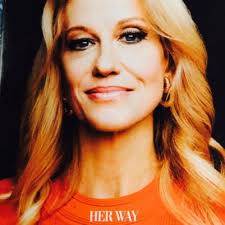
On Februrary 9, 2017, Kelleyanne Conway, a senior adviser to Trump, became a TV shill for Ivanka.
Kelleyanne Conway
Appearing on the Right-wing Fox News Channel program, “Fox and Friends,” Kelleyanne spoke from no less prestigious a forum than the White House itself:
“Go buy Ivanka’s stuff. I hate shopping and I’m going to go get some myself today. It’s a wonderful line. I own some of it. I’m going to give a free commercial here. Go buy it today, everybody. You can find it online.”
For Democrats and even some Republicans, Conway’s behavior was simply unacceptable.
Maryland Democratic Congressman Elijah E. Cummings, a member of the the House Committee on Oversight and Government Reform, sent a letter to Utah Republican Congressman Jason Chaffetz, who chairs the committee.
In it, he requested a referral to the Office of Government Ethics for possible disciplinary action against Conway.
The office does not have investigative or enforcement authority, but officials there can contact and provide guidance to other enforcement agencies.
Chaffetz told the Associated Press that Conway’s behavior was “wrong, wrong, wrong, clearly over the line, unacceptable.”
Larry Noble, the general counsel of the Campaign Legal Center, a nonpartisan organization of election law experts, said Trump’s tweet was “totally out of line.”
“He should not be promoting his daughter’s line, he should not be attacking a company that has business dealings with his daughter, and it just shows the massive amount of problems we have with his business holdings and his family’s business holdings,” Noble said.
Kathleen Clark, a government ethics expert, said the Nordstrom tweet could make other retailers hesitate to drop the Ivanka Trump brand. They may fear being similarly attacked by the President.
“The implicit threat was that he will use whatever authority he has to retaliate against Nordstrom, or anyone who crosses his interest,” said Clark, a law professor at Washington University in St. Louis.
* * * * *
In 1969, 25-year-old Joe McGinnis became famous overnight with the publication of his first book, The Selling of the President.
At the time, Americans were shocked to learn how Presidential candidate Richard Nixon had been sold to voters like any other product. In fact, the original book jacket featured Nixon’s face on a pack of cigarettes.
Today, Madison Avenue doesn’t simply sell Americans their Presidents. Now—with Donald J. Trump—Americans have a President determined to turn the White House into Trump, Inc.
A single example will serve to illustrate:
On January 27, 2017, Trump signed an executive order that:
- Suspended entry of all refugees to the United States for 120 days;
- Barred Syrian refugees indefinitely; and
- Blocked entry into the United States for 90 days for citizens of Iran, Iraq, Libya, Somalia, Sudan, Syria and Yemen.
Four Islamic countries not covered by Trump’s travel ban:
- Saudi Arabia
- The United Arab Emirates
- Egypt
- Turkey.
Approximately 3,000 Americans have been killed by immigrants from those countries—most of them during the attacks on the Pentagon and World Trade Center on September 11, 2001.
Saudi Arabia, the United Arab Emirates, Egypt, and Turkey are all countries where President Trump has close business ties. His properties include two luxury towers in Turkey and golf courses in the United Arab Emirates.
The full dimensions of Trump’s holdings throughout the Middle East aren’t known because he has refused to release his tax returns.
ABC NEWS, ALTERNET, AMAZON.COM, AMERICABLOG, AP, BABY BOOMER RESISTANCE, BED BATH AND BEYOND, BLOOMINGDALE’S, BURLINGTON COAT FACTORY, BUZZFEED, CAMPAIGN LEGAL CENTER, CBS NEWS, CENTURY 21, CNN, CROOKS AND LIARS, DAILY KOS, DAILY KOZ, DONALD TRUMP, DRUDGE RETORT, ELIJAH E. CUMMINGS, EMOLUMENTS CLAUSE, FACEBOOK, FIVETHIRTYEIGHT, FOUNDING FATHERS, GRAB YOUR WALLET, HARPER’S MAGAZINE, IVANKA TRUMP, JASON CHAFFETZ, JOE MCGINNIS, JOHN F. KENNEDY, KELLEYANNE CONWAY, LARRY NOBLE, LIBEL, MACY’S, MARSHALLS, MEDIA MATTERS, MELANIA TRUMP, MOTHER JONES, MOVEON, MSNBC, NBC NEWS, NEIMAN MARCUS, NEWS ALTERNET, NEWSWEEK, NORDSTROM, NPR, PBS NEWSHOUR, POLITICO, POLITICUSUSA, PROSTITUTION, RAW STORY, REUTERS, ROSS, SAKS OFF FIFTH, SALON, SEAN SPICER, SEARS, SEATTLE TIMES, SELLING OF THE PRESIDENT, SLATE, TALKING POINTS MEMO, THE ATLANTIC, THE CHICAGO SUN-TIMES, THE CHICAGO TRIBUNE, THE DAILY BEAST, THE DAILY BLOG, THE DAILY MAIL, THE GUARDIAN, THE HILL, THE HUFFINGTON POST, THE LOS ANGELES TIMES, THE NATION, THE NEW REPUBLIC, THE NEW YORK TIMES, THE VILLAGE VOICE, THE WALL STREET JOURNAL, THE WASHINGTON POST, THINKPROGRESS, TIME, TJ MAXX, TRUTHDIG, TRUTHOUT, TWITTER, TWO POLITICAL JUNKIES, U.S. NEWS & WORLD REPORT, UNITED STATES CONSTITUTION, UPI, USA TODAY, WALMART, WONKETTE
In Bureaucracy, History, Law, Politics, Social commentary on December 27, 2019 at 12:26 am
Fifty-eight years after John F. Kennedy gave his first and only Inaugural Address, these words remain its single most-quoted sentence: “Ask not what your country can do for you; ask what you can do for your country.”
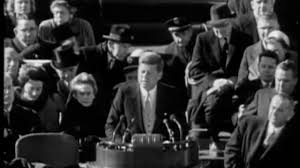
John F. Kennedy Inaugural
So millions of Americans who were alive that day—January 20, 1961—were probably shocked when they learned that Melania Trump had a very different view of government service.
On August 20, 2016, The Daily Mail, a British tabloid, published a story accusing her of having once worked as a prostitute.
The newspaper cited a Slovenian magazine’s report that a modeling agency that she worked with in New York in the 1990s also served as an escort business, linking wealthy clients with women for sexual services.
On September 1, 2016, Melania sued The Daily Mail in a state court in Montgomery County, Maryland. In early 2017, the Maryland court dismissed the case, saying it did not have jurisdiction.
On February 6, 2017, Melania filed another libel suit against The Daily Mail in the Manhattan Supreme Court.
Required to prove that she had been harmed in some way, Melania did not cite undeserved shame or how much her family and friends had been hurt.
Instead, she argued that the article had ruined her “once-in-a-lifetime opportunity” to cash in on the Presidency.

Melania Trump
According to the complaint that her attorney filed:
”Plaintiff had the unique, once-in-a-lifetime opportunity, as an extremely famous and well-known person…to launch a broad-based commercial brand in multiple product categories, each of which could have garnered multi-million dollar business relationships for a multi-year term during which plaintiff is one of the most photographed women in the world,” the Manhattan suit says.
“These product categories would have included, among other things, apparel, accessories, shoes, jewelry, cosmetics, hair care, skin care and fragrance.
“The [statements] also constitute defamation per se because they impugned on her fitness to perform her duties as First Lady of the United States,” the suit alleges.
Melania alleged $150 million in damages.
Enter the Emoluments Clause.
This is a United States government law that specifically forbids any leader from using government services to “enrich” the President and his family.
Among the greatest dangers facing the newly-created American government, feared the Founding Fathers, was foreign interference. And this could be obtained through the use of bribes—money or gifts.

The Constitution of the United States
To prevent this, the Founders inserted the Emoluments Clause into Article I, Section 9 of the United States Constitution:
“No title of nobility shall be granted by the United States: and no person holding any office of profit or trust under them, shall, without the consent of the Congress, accept of any present, emolument, office, or title, of any kind whatever, from any king, prince, or foreign state.”
This illustrates one of the dangers of bringing a libel or slander suit.
(NOTE: Libel is a written defamation; slander is a spoken one)
Whoever brings the suit must open himself to unprecedented privacy-invading questions. And, in answering them, he may unintentionally give away revelations that can prove highly damaging.
Another Trump seeking to find out “what the country can do for you” is the President’s daughter, Ivanka.
Starting in 2016, Shannon Coulter, a brand and digital strategist, started the Grab Your Wallet boycott aimed at more than 30 retailers who carry Ivanka’s line of fashion apparel.

Among the retailers targeted:
- Amazon.com
- Belk
- Bloomingdale’s
- Bed, Bath and Beyond
- Burlington Coat Factory
- Century 21
- DSW
- Macy’s
- Marshalls
- TJ Maxx
- Neiman Marcus
- Nordstrom
- Overstock.com
- Ross
- Saks Off Fifth
- Sears
- Walmart
- Zappos
During the first week of February, 2017, Nordstrom told The Seattle Times that it would no longer carry Ivanka Trump’s line of clothing and accessories.
Nordstrom said the decision to drop Ivanka Trump’s line was based on poor sales performance.
“We’ve got thousands of brands,” said a Nordstrom spokesman. “Each year we cut about 10 percent and refresh our assortment with about the same amount. In this case, based on the brand’s performance we’ve decided not to buy it for this season.”
President Trump had often boasted that he would defend the free enterprise system against an intrusive Federal government.
But for a major department store to drop his daughter’s clothing line was, for him, akin to treason.
Turning to Twitter, his favorite weapon of insult, the President tweeted: “My daughter Ivanka has been treated so unfairly by @Nordstrom. She is a great person — always pushing me to do the right thing! Terrible!”
Trump drafted other members of his administration to attack Nordstrom.
One of these was White House Press Secretary Sean Spicer.
Spicer said that the store’s decision to stop carrying Ivanka Trump’s clothing and accessories line was nothing less than an attack on the president’s policies and his daughter.
“I think this is less about his family’s business and an attack on his daughter. He ran for President, he won, he’s leading this country.
“I think for people to take out their concern about his actions or his executive orders on members of his family, he has every right to stand up for his family and applaud their business activities, their success.”
But even worse was to come.
9/11, ABC NEWS, ABRAHAM LINCOLN, AL QAEDA, ALTERNET, AMERICABLOG, AP, BABY BOOMER RESISTANCE, BARACK OBAMA, BUZZFEED, CBS NEWS, CNN, CROOKS AND LIARS, CUBAN MISSILE CRISIS, DAILY KOZ, DONALD TRUMP, DRUDGE RETORT, EMANCIPATION PROCLAMATION, FACEBOOK, FBI, FIVETHIRTYEIGHT, FORD'S THEATER, FRANKLIN D. ROOSEVELT, FURLOUGHS, GOVERNMENT SHUTDOWN, HARPER’S MAGAZINE, JOHN F. KENNEDY, MEDIA MATTERS, MOTHER JONES, MOVEON, MSNBC, MSNBC'S "HARDBALL", NATIONAL PARK SERVICE, NBC NEWS, NEWSWEEK, NPR, PBS NEWSHOUR, POLITICO, POLITICUSUSA, RAW STORY, REPUBLICAN PARTY, REPUBLICANS, REUTERS, RICHARD NIXON, SALON, SEATTLE TIMES, Secret Service, SLATE, SOVIET UNION, STEPHEN TYRONE JONES, TALKING POINTS MEMO, TERRORISM, THE ATLANTIC, THE CHICAGO SUN-TIMES, THE CHICAGO TRIBUNE, THE DAILY BEAST, THE DAILY BLOG, THE GUARDIAN, THE HILL, THE HUFFINGTON POST, THE LOS ANGELES TIMES, THE NATION, THE NEW REPUBLIC, THE NEW YORK TIMES, THE VILLAGE VOICE, THE WASHINGTON POST, THINKPROGRESS, TIME, TRUTHDIG, TRUTHOUT, TWITTER, TWO POLITICAL JUNKIES, U.S. NEWS & WORLD REPORT, UNITED STATES HOLOCAUST MEMORIAL, UPI, USA TODAY, VIETNAM WAR MEMORIAL, WHITE HOUSE, WONKETTE, WORLD WAR 11
In Bureaucracy, History, Law Enforcement, Politics, Social commentary on December 26, 2019 at 1:21 am
Republicans constantly revile the very government they lust to control.
But there are others—living or working in Washington, D.C.—who perform their jobs with quiet dedication.
One of these unsung heroes was Stephen Tyrone Johns, a security guard at the United States Holocaust Memorial Museum.
On June 10, 2009, Johns, 39, was shot and killed by James Wenneker von Brunn, a white supremist and Holocaust denier. Brunn was himself shot and wounded by two other security guards who returned fire.
United States Holocaust Museum
At 88, von Brunn died in jail awaiting trial.
Washington, D.C. ranks—with New York City—at the top of Al Qaeda’s list of targets.
Prior to 9/11, Americans assumed that visiting the White House was their birthright.
Today, if you want to tour the Executive Mansion, you quickly learn there are only two ways to get in:
- Through a special pass provided by your Congressman; or
- By someone connected with the incumbent administration.
Congressmen, however, have a limited number of passes to give out. And most of these go to people who have put serious money into the Congressman’s re-election campaigns.
And the odds that you’ll know someone who works in the White House—and who’s willing to offer you an invitation—are even smaller than those of knowing a Congressman.
But even then you’ll have to undergo a Secret Service background check. And that means submitting the following information in advance of your visit:
- Name
- Date of birth
- Birthplace
- Social Security Number

Secret Service agents protecting President Barack Obama
You’ll have to leave many items at home. Among these:
- Cameras or video recorders
- Handbags, book bags, backpacks or purses
- Food or beverages
- Tobacco products
- Strollers
- Cell phones
- Knives
- Electric stun guns
- Mace
After showing a government-issued ID—such as a driver’s license—visitors enter the White House from the south side of East Executive Avenue.
After passing through the security screening room, they walk upstairs to the first door and through the East, Green, Blue, Red and State Dining rooms.
Secret Service agents quietly stand post in every room—unless they’re tasked with explaining the illustrious history of each section of the White House.
Like everyone else who lives/works there, the Secret Service fully appreciates the incredible sense of history that radiates throughout the building.
This is where
- Abraham Lincoln signed the Emancipation Proclamation;
- Franklin Roosevelt directed the United States to victory in World War II;
- John F. Kennedy stared down the Soviets during the Cuban Missile Crisis.
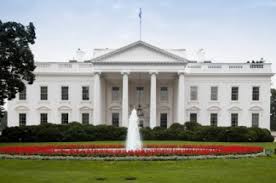
The White House
But even the generally unsmiling Secret Service agents have their human side.
While touring the East Wing of the White House, I asked an agent: “Is the East Room where President Nixon gave his farewell speech?” on August 9, 1974.
“I haven’t been programmed for that information,” the agent joked, inviting me to ask a question he could answer.
Another guest asked the same agent if he enjoyed being a Secret Serviceman. The agent replied that this was simply what he did for a living. His real passion, he said, was counseling youths.
“If you love something,” he advised, “get a job where you can do it. And if you can’t get a job you’re passionate about, get a job so you can pursue your passion.”
On December 22, 2018, President Donald J. Trump shut down the government. The reason: A Democratic House refused to fund his “border wall” between the United States and Mexico.
An estimated 380,000 government employees were furloughed and another 420,000 were ordered to work without pay.
Trump’s fanatical base believed that a wall across the U.S.-Mexico border would stop all illegal immigration. Trump knew it wouldn’t. But he also knew that if he didn’t build it, they wouldn’t re-elect him.
Donald Trump
The effects of the shutdown quickly became evident:
- For weeks, hundreds of thousands of government workers missed paychecks.
- Increasing numbers of employees of the Transportation Safety Administration (TSA)—which provides security against airline terrorism—began refusing to come to work, claiming to be sick.
- At the Federal Aviation Administration (FAA) many air traffic controllers called in “sick.” Those who showed up to work without pay grew increasingly frazzled as they feared being evicted for being unable to make rent or house payments.
- Many Federal employees—such as FBI agents—were forced to rely on soup kitchens to feed their families.
- Many workers tried to bring in money by babysitting or driving for Uber,
Trump told Congressional leaders the shutdown could last months or even years.
But by January 25, 2019, the 35th day of the shutdown, Trump’s popularity had fallen to a historic low of 37%. On that day, he caved and re-opened the government.
The men and women who work in Washington, D.C., aren’t faceless “bureaucrats,” as Right-wingers falsely claim.
They are husbands and wives, fathers and mothers. They have deadlines to meet and bills to pay, just like everyone else.
Many of them, such as agents of the FBI and Secret Service, have taken an oath to defend the United States Constitution—with their lives if necessary.
They deserve a better break—and the respect of their fellow Americans.
ABC NEWS, ABRAHAM LINCOLN, AL QAEDA, ALTERNET, AMERICABLOG, AP, ” 9/11, BABY BOOMER RESISTANCE, BUZZFEED, CBS NEWS, CNN, CROOKS AND LIARS, CUBAN MISSILE CRISIS, DAILY KOZ, DONALD TRUMP, DRUDGE RETORT, EMANCIPATION PROCLAMATION, FACEBOOK, FBI, FIVETHIRTYEIGHT, FORD'S THEATER, FRANKLIN D. ROOSEVELT, FURLOUGHS, GOVERNMENT SHUTDOWN, HARPER’S MAGAZINE, JOHN F. KENNEDY, MAFIA, MEDIA MATTERS, MOTHER JONES, MOVEON, MSNBC, MSNBC'S "HARDBALL", NATIONAL PARK SERVICE, NBC NEWS, NEWSWEEK, NPR, PBS NEWSHOUR, POLITICO, POLITICUSUSA, RAW STORY, REPUBLICAN PARTY, REPUBLICANS, REUTERS, RICHARD NIXON, SALON, SEATTLE TIMES, Secret Service, SLATE, SOVIET UNION, STEPHEN TYRONE JONES, TALKING POINTS MEMO, TERRORISM, THE ATLANTIC, THE CHICAGO SUN-TIMES, THE CHICAGO TRIBUNE, THE DAILY BEAST, THE DAILY BLOG, THE GUARDIAN, THE HILL, THE HUFFINGTON POST, THE LOS ANGELES TIMES, THE NATION, THE NEW REPUBLIC, THE NEW YORK TIMES, THE VILLAGE VOICE, THE WASHINGTON POST, THINKPROGRESS, TIME, TRUTHDIG, TRUTHOUT, TWITTER, TWO POLITICAL JUNKIES, U.S. NEWS & WORLD REPORT, UNITED STATES HOLOCAUST MEMORIAL, UPI, USA TODAY, VIETNAM WAR MEMORIAL, WHITE HOUSE, WONKETTE, WORLD WAR 11
In Bureaucracy, History, Law Enforcement, Politics, Social commentary on December 25, 2019 at 12:27 am
To hear Right-wingers tell it, you might believe that Washington, D.C. is:
- The capitol of an enemy nation;
- A cesspool of corrupt, power-hungry men and women slavering to gain dictatorial control over the life of every American;
- A center of lethal contagion which, like ancient Carthage, should be burned to the ground and its inhabitants destroyed or scattered.
According to Republicans, they are all that prevents “Washington” from gaining absolute power over a defenseless citizenry.
This does not stop Republicans from lusting to rule it—and enable a Constitution-violating Donald Trump to serve as “President-for-Life.”
But others who live or work in Washington, D.C. take a far different view of their city and the duties they perform.
These men and women will never call a press conference or rake in millions in “political contributions” (i.e., legalized bribes) for promising special privileges to special interests.
Many of them work for the National Park Service. Every national monument—and Washington is speckled with monuments—has several of these employees assigned to it. Their duties are to protect the monuments and offer historical commentary to the public.
One such employee regularly addresses visitors to Ford’s Theater—known worldwide as the scene of President Abraham Lincoln’s assassination.
George (a pseudonym) opens his lecture by raising the question every member of the audience wants answered: How much of Ford’s Theater remains intact from the night of Lincoln’s murder—April 14, 1865?
And the answer is: Only the exterior of the building.
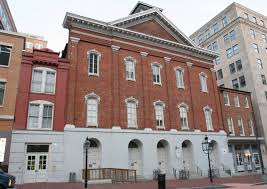
Ford’s Theater
After Lincoln’s assassination, enraged Union soldiers converted the interior of the building into a military command center. That meant ripping out all the seats for spectators and the stage for actors.
The stage and seats—even the “Presidential Box” where Lincoln sat—have all been reproduced for a modern audience.
As George talks, you can tell that, for him, this is no typical day job. He realizes that, renovated or not, Ford’s Theater remains saturated with history. And he clearly feels privileged to share that history with others.
George explains that Presidential assassin John Wilkes Booth did not sneak into the theater. He didn’t have to—as a celebrity actor, he received the sort of favored treatment now accorded Brad Pitt.
Another monument where you will find Park Ranger guides is the Vietnam Veterans Memorial.
Completed in 1982, it receives about three million visitors a year. Adorning the Wall, in columns that seem to reach endlessly to the sky, are the names of the 58,195 soldiers who gave their lives during the Vietnam War.
That struggle—from 1961 to 1975—proved the most divisive American conflict since the Civil War.
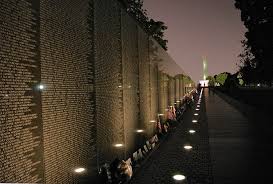
Vietnam Veterans Memorial Wall
On the day I visited the memorial, groups of elementary schoolchildren passed by. They were jabbering loudly, seemingly oblivious to the terrible sacrifice the Wall was meant to commemorate.
But their adult chaperones realized its significance, and ordered the children to quiet down. I asked a nearby Park Ranger: “Do you feel people now respond differently to the Wall, as we get further away from the Vietnam war?”
“No,” he answered. He felt that today’s visitors showed the same reverence for the monument and for the losses it had been created to honor as those who had first come in the early 1980s.
And it may well be true: I saw many tiny American flags and wreaths of flowers left at various points along the Wall, which stretches across 250 feet of land on the Mall.
When thinking about “Washington,” it’s essential to remember that this city—along with New York City—remains at the top of Al Qaeda’s target list. Those who choose to live and/or work here do so in the potential shadow of violent death.
Anytime you enter a Federal building, be prepared to undergo a security check.
In most agencies—such as the Department of Agriculture—you simply place your bags or purses into an X-ray machine similar to those found at airports, and walk through a magnetometer. If no alarms sound, you collect your valuables and pass on through.
Such machines are, of course, mammed by armed security guards. And they stand sentinel at every conceivable Federal building—such as the Supreme Court, the Department of Justice, the Smithsonian Museum, the Pentagon and the U.S. Holocaust Memorial Museum.
These men and women must daily inspect the bodies and handbags of the 15 million people who visit Washington, D.C. annually, generating $5.24 billion dollar in revenues.
This means repeating the same screening gestures countless times—looking through X-ray machines at bags or coats, and running an electronic “wand” up and down those people whose clothing gives off signs of metallic objects.
It also means knowing that any one of these ordinary looking visitors could be the next terrorist intent on killing as many people as possible.
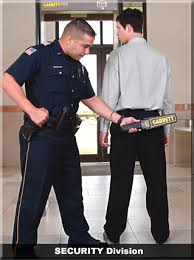
It also means projecting a smiling, friendly demeanor towards those same people—many of whom are in a rush and/or resent being electronically sniffed over.
And every security guard knows this: It’s only a matter of time before the next terrorist shows up.
On June 10, 2009, just that happened at the United States Holocaust Memorial.


 Bureaucracybuster's Blog
ABC NEWS, ADAM SCHIFF, AIR FORCE ONE, ALEXANDER THE GREAT, ALTERNET, AMERICABLOG, AP, “PRESIDENT-FOR-LIFE”, BABY BOOMER RESISTANCE, BORDER WALL, BUZZFEED, CBS NEWS, CHINA, CIA, CNN, CROOKS AND LIARS, DAILY KOZ, DAVID BROOKS, DEMOCRATS, DONALD TRUMP, DRUDGE RETORT, FACEBOOK, FBI, FEDERAL GOVERNMENT SHUTDOWN, FIVETHIRTYEIGHT, FREEDOM OF THE PRESS, HARPER’S MAGAZINE, HOUSE FOREIGN AFFAIRS COMMITTEE, HOUSE INTELLIGENCE COMMITTEE, HOUSE OVERSIGHT AND REFORM COMMITTEE, HUNTER BIDEN, IMPEACHMENT, IRAN, JAMES COMEY, JERRY FALWELL JUNIOR, JOE BIDEN, KENTUCKY, MATT BEVIN, MEDIA MATTERS, MEXICO, MOTHER JONES, MOVEON, MSNBC, NANCY PELOSI, NATIONAL SECURITY AGENCY, NBC NEWS, NEWSWEEK, NON-DISCLOSURE AGREEMENTS, NPR, NUCLEAR WAR, PARDONS, PBS NEWSHOUR, PLUTARCH, POLITICO, POLITICUSUSA, RAW STORY, REPUBLICANS, REUTERS, ROBERT MUELLER, RUSSIA, SALON, SEATTLE TIMES, SECRET SERVICE AGENTS, SLATE, TALKING POINTS MEMO, THE ATLANTIC, THE CHICAGO SUN-TIMES, THE CHICAGO TRIBUNE, THE DAILY BEAST, THE DAILY BLOG, THE GUARDIAN, THE HILL, THE HUFFINGTON POST, THE LOS ANGELES TIMES, THE NATION, THE NEW REPUBLIC, THE NEW YORK TIMES, THE VILLAGE VOICE, THE WASHINGTON POST, THINKPROGRESS, TIME, TREASON, TRUTHDIG, TRUTHOUT, TWITTER, TWO POLITICAL JUNKIES, U.S. NEWS & WORLD REPORT, UKRAINE, UPI, USA TODAY, VLADIMIR PUTIN, VOLODYMYR ZELENSKY, WONKETTE, WOUNDED WARRIORS, XI JINPING
DONALD BEVIN’S REVENGE: PART ONE (OF TWO)
In Bureaucracy, History, Law, Law Enforcement, Military, Politics, Social commentary on January 7, 2020 at 12:04 amOn November 5, Kentucky voters refused to re-elect Republican Governor Matt Bevin. To get revenge, he issued more than 650 pardons to hardened criminals before he left office on December 9.
He claimed these were people he would not hesitate to welcome as neighbors, co-workers or members of his church.
Among those pardoned:
“This is perhaps more specific than people would want,” Bevin said in a radio interview. “But trust me. If you have been repeatedly sexually violated as a small child by an adult, there are going to be repercussions of that physically and medically.”
Studies show that most child victims do not show evidence of physical damage and that examination of the tissue is not a reliable test of sexual activity.
Matt Bevin
Bevin said there was “no evidence” showing that Jones was present at the assault because he did not appear in the video.
Under Kentucky state law, people can directly apply to the govern’s office for clemency. While most states require a board review to decide who gets their sentences reduced or pardoned, Kentucky does not.
“You have police, FBI, judges, prosecutors, defense lawyers, hours and hours of work undone on the whim of one person,” Leland Hulbert, who prosecuted a case for an individual pardoned by the governor, told The New York Times. “It’s almost like a godlike power.”
Defending his pardons, Bevin told The Washington Post: “I’m a big believer in second chances. I think this is a nation that was founded on the concept of redemption and second chances and new pages in life.”
These hardened criminals whom Bevin has given “a second chance” will be preying on Kentuckians for decades to come.
Apparently, President Donald Trump has learned something from Bevin’s departing act.
Donald Trump
On September 9, 2019, the House Foreign Affairs, Intelligence and Oversight and Reform committees began investigating his attempted extortion of Ukraine President Volodymyr Zelensky.
On July 25, 2019, Trump had “asked” Zelensky to do him a “favor”: Find embarrassing “dirt” on former Vice President Joseph Biden and his son, Hunter.
Hunter had had business dealings in Ukraine. And Joe Biden might be Trump’s Democratic opponent for the White House in 2020.
To underline the seriousness of his “request,” Trump had withheld $400 million in military aid Congress had approved for Ukraine, which is facing an increasingly aggressive Russia.
But then a CIA whistleblower filed a complaint about the extortion attempt—and the media and Congress soon learned of it.
The ensuing Congressional investigation triggered nonstop Trump abuse of Democrats generally and especially of House Speaker Nancy Pelosi and House Intelligence Committee chairman Adam Schiff.
Nancy Pelosi
On December 18, 2019, the House of Representatives impeached Donald Trump along party lines.
On December 24—a day when most Americans were celebrating the alleged birthday of Jesus Christ—Trump threw a tantrum at his Mar-a-Lago resort in Palm Beach, Fla.:
“She [Pelosi] hates the Republican Party. She hates all of the people that voted for me and the Republican Party and she’s desperate. She’s doing a tremendous disservice to the country, and she’s not doing a great job. And some people think she doesn’t know what she’s doing.”
And on Christmas Day, Trump tweeted: “Why should Crazy Nancy Pelosi, just because she has a slight majority in the House, be allowed to Impeach the President of the United States? Got ZERO Republican votes, there was no crime, the call with Ukraine was perfect, with ‘“no pressure.’ She said it must be ‘bipartisan…
“‘…& overwhelming,’ but this Scam Impeachment was neither. Also, very unfair with no Due Process, proper representation, or witnesses. Now Pelosi is demanding everything the Republicans weren’t allowed to have in the House. Dems want to run majority Republican Senate. Hypocrites!”
Even before the Democratic House took its first steps toward impeaching him, Trump was enraged that they might even want to do so.
On May 30, 2019, he raged at reporters: “I don’t see how they can because they’re possibly allowed, although I can’t imagine the courts allowing it. I’ve never gone into it. I never thought that would even be possible to be using that word. To me, it’s a dirty word—the word impeach. It’s a dirty, filthy, disgusting word.”
Seven months later—on December 18—“impeachment” would become more than a word. It would become reality.
Share this: