Posts Tagged ‘THE INTERCEPT’
2016 PRESIDENTIAL ELECTION, A BRONX TALE, ABC NEWS, ADOLF HITLER, ALTERNET, AMERICABLOG, AP, BABY BOOMER RESISTANCE, BBC, BILL CLINTON, BLOOMBERG NEWS, BUZZFEED, CBS NEWS, CHAZZ PALMINTERI, CNN, CROOKS AND LIARS, DAILY KOS, DONALD TRUMP, FACEBOOK, FBI, FIVETHIRTYEIGHT, HARPER’S MAGAZINE, HILLARY CLINTON, HUFFINGTON POST, IRS, J. EDGAR HOOVER, JOHN F. KENNEDY, LYNDON B. JOHNSON, MEDIA MATTERS, MOTHER JONES, MOVEON, MSNBC, NBC NEWS, NEW REPUBLIC, NEWSDAY, NEWSWEEK, NICCOLO MACHIAVELLI, NPR, PBS NEWSHOUR, POLITICO, POLITICUSUSA, RAW STORY, REPUBLICAN PARTY, REUTERS, RICHARD M. NIXON, ROBERT DE NIRO, ROBERT F. KENNEDY, Ronald Reagan, SALON, SEATTLE TIMES, SLATE, TALKING POINTS MEMO, THE ATLANTIC, THE CHICAGO SUN-TIMES, THE CHICAGO TRIBUNE, THE DAILY BEAST, THE DAILY BLOG, THE GUARDIAN, THE HILL, THE HUFFINGTON POST, THE INTERCEPT, THE LOS ANGELES TIMES, THE NATION, THE NEW REPUBLIC, THE NEW YORK TIMES, THE NEW YORKER, THE PRINCE, THE VILLAGE VOICE, THE WASHINGTON POST, THINKPROGRESS, TIME, TRUTHDIG, TRUTHOUT, TWITTER, U.S. NEWS & WORLD REPORT, UPI
In Bureaucracy, History, Law Enforcement, Military, Politics, Social commentary on December 22, 2016 at 12:18 am
Is it better to be loved or feared?
That was the question Florentine statesman Niccolo Machiavelli raised more than 500 years ago.
Presidents have struggled to answer this question—and have come to different conclusions.
LOVE ME, FEAR MY BROTHER
Most people felt irresistibly drawn to John F. Kennedy—even his political foes. Henry Luce, the conservative publisher of Time, once said, “He makes me feel like a whore.”
But JFK could afford to bask in the love of others—because his younger brother, Robert, was the one who inspired fear.
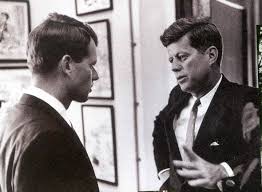
Robert F. Kennedy and John F. Kennedy
He had done so as Chief Counsel for the Senate Rackets Committee (1957-59), grilling Mafia bosses and corrupt union officials—most notably Teamsters President James Hoffa.
Appointed Attorney General by JFK, he unleashed the FBI on the Mafia. When the steel companies colluded in an inflationary rise in the price of steel in 1962, Bobby sicced the FBI on them.
In 1963, JFK’s cavorting with Ellen Rometsh threatened to destroy his Presidency. Rometsch, a Washington, D.C. call girl, was suspected by the FBI of being an East German spy.
With Republican Senators preparing to investigate the rumors, Bobby ordered Rometsch deported immediately (to which, as a German citizen, she was subject).
He also ordered FBI Director J. Edgar Hoover to deliver a warning to the Majority and Minority leaders of the Senate: The Bureau was fully aware of the extramarital trysts of most of its members. And an investigation into the President’s sex life could easily lead into revelations of Senatorial sleaze.
Plans for a Senatorial investigation were shelved.
BEING LOVED AND FEARED
In the 1993 movie, A Bronx Tale, 17-year-old Calogero (Lillo Brancato) asks his idol, the local Mafia capo, Sonny (Chazz Palminteri): “Is it better to be loved or feared?”
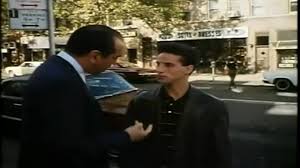
Sonny gives advice to his adopted son, Calogero
Sonny says if he had to choose, he would rather be feared. But he adds a warning straight out of Machiavelli: “The trick is not being hated. That’s why I treat my men good, but not too good.
“I give too much, then they don’t need me. I give them just enough where they need me, but they don’t hate me.”
Machiavelli, writing in The Prince, went further:
“Still a Prince should make himself feared in such a way that if he does not gain love, he at any rate avoids hatred, for fear and the absence of hatred may well go together. And [this] will always be attained by one who abstains from interfering with the property of his citizens and subjects or with their women.”
Many who quote Machiavelli in defense of being feared overlook this vital point: It’s essential to avoid becoming hated.
To establish a fearful reputation, a leader must act decisively and ruthlessly when the interests of the organization are threatened. Punitive action must be taken promptly and confidently.
One or two harsh actions of this kind can make a leader more feared than a reign of terror.
In fact, it’s actually dangerous to constantly employ cruelties or punishments. Whoever does so, warns Machiavelli, “is always obliged to stand with knife in hand, and can never depend on his subjects, because they, owing to continually fresh injuries, are unable to depend upon him.”
The 20th century President who came closest to realizing Machiavelli’s “loved and feared” prince was Ronald Reagan.
Always smiling, quick with a one-liner (especially at press conferences), seemingly unflappable, he projected a constantly optimistic view of his country and its citizens.
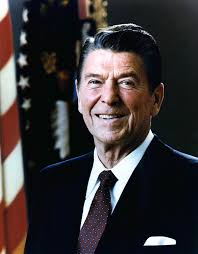
Ronald Reagan
In his acceptance speech at the 1980 Republican National Convention he declared: “[The Democrats] say that the United States has had its days in the sun, that our nation has passed its zenith.… My fellow citizens, I utterly reject that view.”
And Americans enthusiastically responded to that view, twice electing him President (1980 and 1984).
But there was a steely, ruthless side to Reagan that appeared when he felt crossed.
On August 3, 1981, nearly 13,000 air traffic controllers walked out after contract talks with the Federal Aviation Administration collapsed. As a result, some 7,000 flights across the country were canceled on that day at the peak of the summer travel season.
Reagan branded the strike illegal. He threatened to fire any controller who failed to return to work within 48 hours.
On August 5, Reagan fired more than 11,000 air traffic controllers who hadn’t returned to work. The mass firing slowed commercial air travel, but it did not cripple the system as the strikers had forecast.
Reagan’s action stunned the American labor movement. Reagan was the only American President to have belonged to a union, the Screen Actors Guild. He had even been president of this–from 1947 to 1954.
There were no more strikes by Federal workers during Reagan’s tenure in office.
Similarly, Libya’s dictator, Moammar Kadaffi, learned that Reagan was not a man to cross.
On April 5, 1986, Libyan agents bombed a nightclub in West Berlin, killing three people, one a U.S. serviceman. The United States quickly learned that Libyan agents in East Germany were behind the attack.
On April 15, acting on Reagan’s orders, U.S. Air Force, Navy and Marine Corps bombers struck at several sites in Tripoli and Benghazi. Reportedly, Kaddafi himself narrowly missed becoming a casualty.
There were no more acts of Libyan terrorism against Americans for the rest of Reagan’s term.
2016 PRESIDENTIAL ELECTION, A BRONX TALE, ABC NEWS, ADOLF HITLER, ALTERNET, AMERICABLOG, AP, BABY BOOMER RESISTANCE, BBC, BILL CLINTON, BLOOMBERG NEWS, BUZZFEED, CBS NEWS, CHAZZ PALMINTERI, CNN, CROOKS AND LIARS, DAILY KOS, DONALD TRUMP, FACEBOOK, FBI, FIVETHIRTYEIGHT, HARPER’S MAGAZINE, HILLARY CLINTON, HUFFINGTON POST, IRS, J. EDGAR HOOVER, JOHN F. KENNEDY, LYNDON B. JOHNSON, MEDIA MATTERS, MOTHER JONES, MOVEON, MSNBC, NBC NEWS, NEW REPUBLIC, NEWSDAY, NEWSWEEK, NICCOLO MACHIAVELLI, NPR, PBS NEWSHOUR, POLITICO, POLITICUSUSA, RAW STORY, REPUBLICAN PARTY, REUTERS, RICHARD M. NIXON, ROBERT DE NIRO, ROBERT F. KENNEDY, Ronald Reagan, SALON, SEATTLE TIMES, SLATE, TALKING POINTS MEMO, THE ATLANTIC, THE CHICAGO SUN-TIMES, THE CHICAGO TRIBUNE, THE DAILY BEAST, THE DAILY BLOG, THE GUARDIAN, THE HILL, THE HUFFINGTON POST, THE INTERCEPT, THE LOS ANGELES TIMES, THE NATION, THE NEW REPUBLIC, THE NEW YORK TIMES, THE NEW YORKER, THE PRINCE, THE VILLAGE VOICE, THE WASHINGTON POST, THINKPROGRESS, TIME, TRUTHDIG, TRUTHOUT, TWITTER, U.S. NEWS & WORLD REPORT, UPI
In Bureaucracy, History, Law Enforcement, Military, Politics, Social commentary on December 21, 2016 at 12:03 am
It’s probably the most-quoted passage of Niccolo Machiavelli’s infamous book, The Prince:
“From this arises the question whether it is better to be loved than feared, or feared more than loved. The reply is, that one ought to be both feared and loved, but as it is difficult for the two to go together, it is much safer to be feared than loved.
“For it may be said of men in general that they are ungrateful, voluble, dissemblers, anxious to avoid danger and covetous of gain. As long as you benefit them, they are entirely yours: they offer you their blood, their goods, their life and their children, when the necessity is remote, but when it approaches, they revolt.
“And the prince who has relied solely on their words, without making other preparations, is ruined. For the friendship which is gained by purchase and not through grandeur and nobility of spirit is bought but not secured, and at a pinch is not to be expended in your service.
“And men have less scruple in offending one who makes himself loved than one who makes himself feared. For love is held by a chain of obligations which, men being selfish, is broken whenever it serves their purpose. But fear is maintained by a dread of punishment which never fails.”
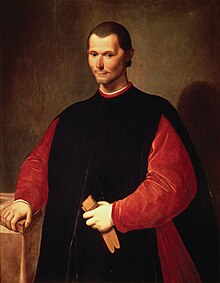
Niccolo Machiavelli
So—which is better: To be feared or loved?
In the 1993 film, A Bronx Tale, 17-year-old Calogero (Lillo Brancato) poses that question to his idol, the local Mafia capo, Sonny (Chazz Palminteri).
“That’s a good question,” Sonny replies. “It’s nice to be both, but it’s very difficult. But if I had my choice, I would rather be feared.
“Fear lasts longer than love. Friendships that are bought with money mean nothing. You see how it is around here. I make a joke, everybody laughs. I know I’m funny, but I’m not that funny. It’s fear that keeps them loyal to me.”
Presidents face the same dilemma as Mafia capos—and resolve it in their own ways.
LOVE ME BECAUSE I NEED TO BE LOVED
Bill Clinton believed that he could win over his self-appointed Republican enemies through his sheer charm.
Part of this lay in self-confidence: He had won the 1992 and 1996 elections by convincing voters that “I feel your pain.”
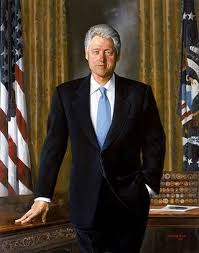
Bill Clinton
And part of it lay in his need to be loved. He once said that if he were in a room with 100 people and 99 of them liked him but one didn’t, he would spend all his time with that one person, trying to win him over.
But while he could charm voters, he could not bring himself to retaliate against his sworn Republican enemies.
On April 19, 1995, Right-wing terrorist Timothy McVeigh drove a truck—packed with 5,000 pounds of ammonium nitrate and nitromethane—to the front of the Alfred P. Murrah Federal Building in Oklahoma City.
The explosion killed 168 people, including 19 children in the day care center on the second floor, and injured 684 others.
Suddenly, Republicans were frightened. Since the end of World War II, they had vilified the very Federal Government they belonged to. They had even courted the Right-wing militia groups responsible for the bombing.
So Republicans feared Clinton would now turn their decades of hate against them.
They need not have worried. On April 23, Clinton presided over a memorial service for the victims of the bombing. He gave a moving eulogy–without condemning the hate-filled Republican rhetoric that had at least indirectly led to the slaughter.
Clinton further sought to endear himself to Republicans by:
- Adopting NAFTA—the Republican-sponsored North American Free Trade Act, which later proved so devastating to American workers;
- Siding with Republicans against poor Americans on welfare; and
- Championing the gutting of the Depression-era Glass-Steagall law, which barred investment banks from commercial banking activities.
In 1998, emboldened by Clinton’s refusal to stand up to them, House Republicans moved to impeach him over a sex scandal with White House intern Monica Lewinsky. But his Presidency survived when the Senate refused to convict.
LOVE ME BECAUSE I’LL HURT YOU IF YOU DON’T
Lyndon Johnson wanted desperately to be loved.
Once, he complained to Dean Acheson, the former Secretary of State under Harry S. Truman, about the ingratitude of American voters. He had passed far more legislation than his predecessor, John F. Kennedy, and yet Kennedy remained beloved, while he, Johnson, was not.
Why was that? Johnson demanded.
“You are not a very likable man,” said Acheson truthfully.
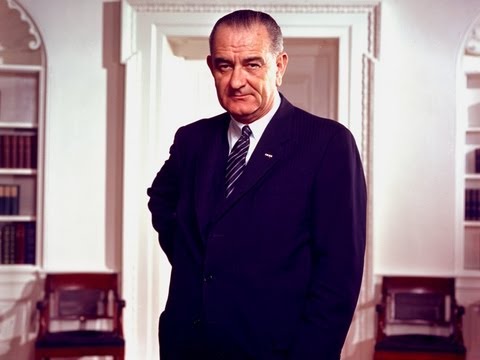
Lyndon B. Johnson
Johnson tried to make his subordinates love him. He would humiliate a man, then give him an expensive gift–such a Cadillac. It was his way of binding the man to him.
He was on a first-name basis with J. Edgar Hoover, the longtime director of the FBI. He didn’t hesitate to request–and get–raw FBI files on his political opponents.
On at least one occasion, he told members of his Cabinet: No one would dare walk out on his administration–because if they did, two men would follow their ass to the end of the earth: Mr. J. Edgar Hoover and the head of the Internal Revenue Service.
ABC NEWS, ADOLF HITLER, ALTERNET, AMERICABLOG, AP, BABY BOOMER RESISTANCE, BARACK OBAMA, BBC, BENITO MUSSOLINI, BLACKBEARD, BLOOMBERG, BUZZFEED, CAPTAIN RICHARD PHILLIPS, CBS NEWS, CHARLES MANSON, CNN, CROOKS AND LIARS, DAILY KOS, DONALD TRUMP, FASCISM, FIVETHIRTYEIGHT, FRANCISCO FRANCO, HARPER’S MAGAZINE, HENRY MORGAN, HUFFINGTON POST, JULIUS CAESAR, MARCUS BRUTUS, MEDIA MATTERS, MICHELLE BACHMANN, MOTHER JONES, MOVEON, MOVIES, MSNBC, NBC NEWS, NEW REPUBLIC, NEWSDAY, NEWSWEEK, NPR, PBS NEWSHOUR, PIRATES, POLITICO, POLITICUSUSA, RAW STORY, REUTERS, RUSH LIMBAUGH, SALON, SEAL TEAM 6, SEATTLE TIMES, SLATE, SOMALIA, TALKING POINTS MEMO, THE ATLANTIC, THE CHICAGO SUN-TIMES, THE CHICAGO TRIBUNE, THE DAILY BEAST, THE DAILY BLOG, THE GUARDIAN, THE HILL, THE HUFFINGTON POST, THE INTERCEPT, THE LOS ANGELES TIMES, THE NATION, THE NEW REPUBLIC, THE NEW YORK TIMES, THE NEW YORKER, THE RUSH LIMBAUGH SHOW, THE VILLAGE VOICE, THE WASHINGTON POST, THINKPROGRESS, TIME, TOM HANKS, TRUTHDIG, TRUTHOUT, TWO POLITICAL JUNKIES, U.S. NEWS & WORLD REPORT, UPI, USA TODAY, WILLIAM SHAKESPEARE, X
In History, Law Enforcement, Military, Politics, Social commentary on December 16, 2016 at 12:02 am
As supporters of President-elect Donald Trump demand that “everyone must get behind our President,” it’s worth recalling how Right-wingers “got behind” President Barack Obama.
On April 8, 2009, four Somali pirates boarded the Maersk Alabama when it was located 240 miles southeast of the Somalian port city of Eyl.
The ship, en route to Mombasa, Kenya, was carrying 17,000 tons of cargo, including 5,000 tons of relief supplies for Kenya, Somalia, and Uganda.
As the pirates boarded the ship, the crew members locked themselves in the engine room. To buy time for his crewmen, the captain, Richard Phillips, surrendered to the pirates.
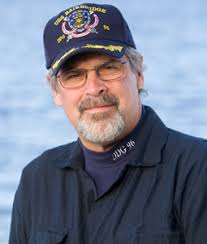
Captain Richard Phillips
The crew later overpowered one of the pirates, and sought to exchange their captive for Phillips. The crew released the pirate, but the other three pirates refused to release Phillips.
The pirates left with Philips in a lifeboat which carried ten days of food rations, water and basic survival supplies.
On April 8, the destroyer USSS Bainbridge and the frigate USSS Halyburton were dispatched to the Gulf of Aden to deal with the hostage situation, and reached Maersk Alabama early on April 9.
On April 9, a standoff began between the Bainbridge and the pirates in the Maersk Alabama’s lifeboat, where they continued to hold Phillips hostage
On April 12, marksmen from SEAL Team 6 simultaneously opened fire with telescopic-sighted assault rifles and killed the three pirates on the lifeboat.
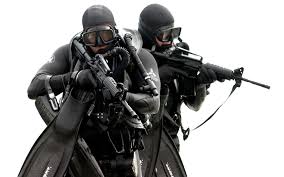
U.S. Navy SEALS
The SEALS believed Phillips faced an immediate threat of execution, having received a report that one of the pirates was pointing an AK-47 at his back.
The SEALS, known for their legendary marksmanship, took out all three pirates with shots to the head.
Phillips was rescued in good condition.
The vast majority of Americans rejoiced. The Maersk Alabama had been the first American cargo ship to be hijacked in 200 years. And the encounter had ended with the ship and crew safe and its captain rescued without injury.
But not everyone was happy about the outcome. Naturally, the pirates infesting the Somali coastline were infuriated at this setback.
But, surprisingly, there were some Americans who felt more sympathetically toward the Somali pirates than the man who had ordered Phillips’ rescue: President Barack Obama.
One of these was Rush Limbaugh, the American Right’s chief spokesman.
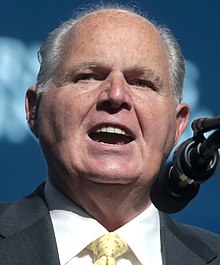

Rush Limbaugh
Gage Skidmore from Surprise, AZ, United States of America, CC BY-SA 2.0 <https://creativecommons.org/licenses/by-sa/2.0>, via Wikimedia Commons
The Rush Limbaugh Show airs throughout the U.S. on over 400 stations and is the highest-rated talk-radio program in the United States. When Limbaugh speaks, his “dittohead” audience listens–and acts as he decrees.
On April 14, 2009, Limbaugh gave his take on the rescue of Captain Richard Phillips:
“The Somali pirates, the merchant marine organizers who took a US merchant captain hostage for five days were inexperienced youths, the defense secretary, Roberts Gates, said yesterday, adding that the hijackers were between 17 and 19 years old.
“Now, just imagine the hue and cry had a Republican president ordered the shooting of black teenagers on the high seas….
“They were kids. The story is out, I don’t know if it’s true or not, but apparently the hijackers, these kids, the merchant marine organizers, Muslim kids, were upset.
“They wanted to just give the captain back and head home because they were running out of food. They were running out of fuel, they were surrounded by all these US Navy ships, big ships, and they just wanted out of there. That’s the story.
“But then when one of them put a gun to the back of the captain, Mr. Phillips, then bam, bam, bam. There you have it, and three teenagers shot on the high seas at the order of President Obama.”
And there you have it–an American Fascist making common cause with the heirs of Blackbeard and Henry Morgan.
Click here: President Obama Ordered the Killing of Three Black Muslim Kids – The Rush Limbaugh Show
In Julius Caesar, William Shakespeare lets Marcus Brutus give his reason for murdering Caesar, his onetime friend: “Not that I loved Caesar less, but that I loved Rome more.”
Limbaugh and his Rightist stooges could have said they opposed the rescue mission for a similar reasono: “Not that we loved the Somali pirates, but that we hate Obama more.”
Consider the comment then-Congresswoman Michelle Bachmann (R-Minn.) made on an Iowa radio program on October 3, 2011.
One caller, “Donna,” told Bachmann that the president was a “walking nightmare” who was “blowing up our country.”
“I would vote for Charles Manson before this guy,” she said. “But I’m pulling for you big time, all the way, go Michele!”
“Thank you for saying that,” Bachmann replied.
Thus, Bachmann–who supposedly represented the democratic system–chose as her hero a convicted psychopathic murderer over a legally-elected President.
The rescue of Richard Phillips has been dramatized in the 2013 movie, Captain Phillips, starring Tom Hanks in the title role.
Audiences cheered at the climatic moment when the three pirates met their deserved fate.
But what they didn’t see depicted was Limbaugh’s Greek chorus for the Right–and the sheer hatred he and they have for anyone who doesn’t share their Fascistic views.
2016 PRESIDENTIAL ELECTION, 9/11, ABC NEWS, ADOLF HITLER, AFGHANISTAN, ALTERNET, AMERICABLOG, AP, ASIANS, BABY BOOMER RESISTANCE, BARACK OBAMA, BBC, BLACKS, BLOOMBERG, BULLYING, BUZZFEED, CBS NEWS, CNN, COMMUNISM, CROOKS AND LIARS, DAILY KOS, DAILY KOZ, DONALD TRUMP, FACEBOOK, FASCISM, FIVETHIRTYEIGHT, GEORGE W. BUSH, GREAT DEPRESSION, HARPER’S MAGAZINE, HILLARY CLINTON, HISPANICS, HUFFINGTON POST, IRAQ, JEWS, MEDIA MATTERS, MOTHER JONES, MOVEON, MSNBC, MUSLIMS, NAZI GERMANY, NAZI PARTY, NBC NEWS, NEW REPUBLIC, NEWSDAY, NEWSWEEK, NPR, PAUL VON HINDENBURG, PBS NEWSHOUR, POLITICO, POLITICUSUSA, RACISM, RAW STORY, REPUBLICANS, REUTERS, ROBERT PAYNE, Ronald Reagan, SALON, SEATTLE TIMES, SLATE, TALKING POINTS MEMO, THE ATLANTIC, THE CHICAGO SUN-TIMES, THE CHICAGO TRIBUNE, THE DAILY BEAST, THE DAILY BLOG, THE GUARDIAN, THE HILL, THE HUFFINGTON POST, THE INTERCEPT, THE LIFE AND DEATH OF ADOLF HITLER, THE LOS ANGELES TIMES, THE LOS ANGELS TIMES, THE NATION, THE NEW REPUBLIC, THE NEW YORK TIMES, THE NEW YORKER, THE VILLAGE VOICE, THE WASHINGTON POST, THINKPROGRESS, TIME, TRUMP EFFECT, TRUTHDIG, TRUTHOUT, TWITTER, TWO POLITICAL JUNKIES, U.S. NEWS & WORLD REPORT, UP, UPI, USA TODAY, WORLD WAR 11
In Bureaucracy, History, Politics, Social commentary on November 14, 2016 at 12:05 am
In his bestselling 1973 biography, The Life and Death of Adolf Hitler, British historian Robert Payne harshly condemned the German people for the rise of the Nazi dictator.
“[They] allowed themselves to be seduced by him and came to enjoy the experience….[They] followed him with joy and enthusiasm because he gave them license to pillage and murder to their hearts’ content. They were his servile accomplices, his willing victims….
“If he answered their suppressed desires, it was not because he shared them, but because he could make use of them. He despised the German people, for they were merely the instruments of his will.”
On November 8, millions of ignorant, hate-filled, Right-wing Americans elected Donald Trump—a man reflecting their own hate and ignorance—to the Presidency.
Yet, in some ways, Americans have fewer excuses for turning to a Fascistic style of government than the Germans did.
Adolf Hitler, joined the National Socialist German Workers (Nazi) Party in 1919—the year after World War 1 ended.
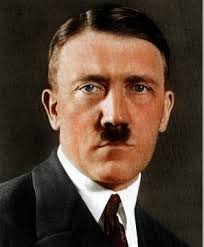
Adolf Hitler
It took him 14 years to win appointment to Chancellor (the equivalent of Attorney General) of Germany in 1933.
In 1923, he staged a coup attempt in Bavaria—which was quickly and brutally put down by police. He was arrested and sentenced to less than a year in prison.
After that, Hitler decided that winning power through violence was no longer an option. He must win it through election—or appointment.
He repeatedly ran for the highest office in Germany—President—but never got a clear majority in a free election.
When the 1929 Depression struck Germany, the fortunes of Hitler’s Nazi party rose as the life savings of ordinary Germans fell. Streets echoed with bloody clashes between members of Hitler’s Nazi Stormtroopers and those of the German Communist Party.
Germany seemed on the verge of collapsing.
Germans desperately looked for a leader—a Fuhrer–who could somehow deliver them from the threat of financial ruin and Communist takeover.
In early 1933, members of his own cabinet persuaded aging German president, Paul von Hindenburg, that only Hitler’s appointment as Chancellor could do this.
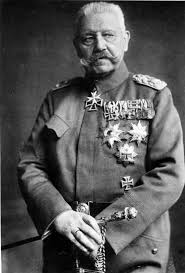
Paul von Hindenburg
Hindenburg was reluctant to do so. He considered Hitler a dangerous radical. But he allowed himself to be convinced that, by putting Hitler in the Cabinet, he could be “boxed in” and thus controlled.
So, on January 30, 1933, he appointed Adolf Hitler Chancellor of Germany.
On August 2, 1934, Hindenberg died, and Hitler immediately assumed the titles—and duties—of the offices of Chancellor and President. His rise to total power was now complete.
It had taken him 14 years to do so.
In 2015, Donald Trump declared his candidacy for President.
Now, consider this:
- The country was technically at war in the Middle East—but the fate of the United States was not truly threatened, as it had been during the Civil War.
- There was no draft; if you didn’t know someone in the military, you didn’t care about the casualties taking place.
- Nor were these conflicts—in Iraq and Afghanistan–imposing domestic shortages on Americans, as World War II had.
- Thanks to government loans from President Barack Obama, American capitalism had been saved from its own excesses during the George W. Bush administration.
- Employment was up. CEOs were doing extremely well.
- In contrast to the corruption that had plagued the administration of Ronald Reagan, whom Republicans idolize, there had been no such scandals during the Obama Presidency.
- Nor had there been any large-scale terrorist attacks on American soil—as there had on 9/11 under President George W. Bush.
Yet—not 17 months after announcing his candidacy for President—enough Americans fervently embraced Donald Trump to give him the most powerful position in the country and the world.
.jpg/220px-Donald_Trump_August_19,_2015_(cropped).jpg)
Donald Trump
The message of Barack Obama’s 2008 campaign had been one of hope—“Yes, We Can!”
That of Donald Trump’s campaign was one of hatred toward everyone who was not an avid Trump supporter: “No, You Can’t!”
Whites comprised the overwhelming majority of the audiences at Trump rallies. Not all were racists, but many of those who were advertised it on T-shirts: “MAKE AMERICA WHITE AGAIN.”
They knew that demographics were steadily working against them. Birthrates among non-whites were rising. By 2045, whites would make up less than 50 percent of the American population.
The 2008 election of the first black President had shocked whites. His 2012 re-election had deprived them of the hope that 2008 had been an accident.
Then came 2016—and the possibility that a black President might actually be followed by a woman: Hillary Clinton.
And the idea of a woman dictating to men was strictly too much to bear.
Since Trump’s election, educators have reported a surge in bullying among students of all ages, from elementary- to high-school. Those doing the bullying are mostly whites, and the victims are mostly blacks, Muslims, Jews, Hispanics, Asians.
It even has a name: “The Trump Effect.”
And this is where matters stand more than two months before Trump takes the oath as President.
All of this should be remembered the next time an American blames Germans for their embrace of Adolf Hitler.
ABC NEWS, ALTERNET, AMERICABLOG, AMERICAN NZAI PARTY, AP, BABY BOOMER RESISTANCE, BARACK OBAMA, BBC, BLOOMBERG NEWS, BUZZFEED, CBS NEWS, CHRIS MATHEWS, CIVIL WAR, CNN, CROOKS AND LIARS, DAILY KOZ, DONALD TRUMP, FACEBOOK, FIVETHIRTYEIGHT, FOOD STAMPS, HARPER’S MAGAZINE, HUFFINGTON POST, KU KLUX KLAN, MEDIA MATTERS, MEDICARE, MOTHER JONES, MOVEON, MSNBC, NBC NEWS, NEW REPUBLIC, NEWSDAY, NEWSWEEK, NPR, PBS NEWSHOUR, POLITICO, POLITICUSUSA, PROPAGANDA, RACISM, RAW STORY, REPUBLICAN PARTY, REPUBLICANS, REUTERS, Ronald Reagan, SALON, SEATTLE TIMES, SLATE, SOCIAL SECURITY, TALKING POINTS MEMO, THE ATLANTIC, THE CHICAGO SUN-TIMES, THE CHICAGO TRIBUNE, THE DAILY BEAST, THE DAILY BLOG, THE GUARDIAN, THE HILL, THE HUFFINGTON POST, THE INTERCEPT, THE LOS ANGELES TIMES, THE NATION, THE NEW REPUBLIC, THE NEW YORK TIMES, THE NEW YORKER, THE VILLAGE VOICE, THE WALL STREET JOURNAL, THE WASHINGTON POST, THINKPROGRESS, TIME, TIME MAGAZINE, TRUTHDIG, TRUTHOUT, TWITTER, TWO POLITICAL JUNKIES, U.S. NEWS & WORLD REPORT, UPI, USA TODAY, WILLIAM TECUMSEH SHERMAN
In Bureaucracy, History, Politics, Social commentary on September 26, 2016 at 12:10 am
Republicans have long tried to prevent or eliminate programs that aid the poor and middle-class, including:
- Social Security (since it began in 1935)
- Medicare
- National health insurance
- Food stamps
- WIC (Women, Infants, Children).
So why are so many poor Americans now flocking to this party’s banner?
Two reasons: Racism and greed. There are historical parallels for both.
First, race:
In 1999, historian Victor Davis Hanson noted the huge gap in wealth between the aristocratic, slave-owning minority of the pre-Civil War South and the vast majority of poor white Southerners.
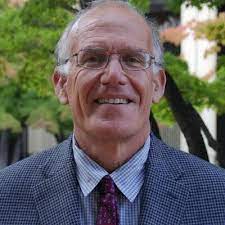
Victor Davis Hanson
“Before the war in the counties Sherman would later ruin, the top 10% of the landowners controlled 40% of the assessed wealth.”
In contrast, “more than half of those who were lucky enough to own any property at all still possessed less than 15% of the area’s valuation.”
So Hanson asked: “Why did the millions of poor whites of the Confederacy fight at all?”
He supplied the answer in his brilliant work on military history, The Soul of Battle: From Ancient Times to the Present Day, How Three Great Liberators Vanquished Tyranny.
One of those liberators was General William Tecumseh Sherman, who led 62,000 Union troops in a victorious “March to the Sea” through the Confederacy in 1864.
So why did so many poor Southern whites literally lay down their lives for the wealthy planter class, which despised them?
According to Hanson: “Behind the entire social fabric of the South lay slavery.
“If slavery eroded the economic position of the poor free citizens, if slavery encouraged a society of haves and have-nots…then it alone offered one promise to the free white man–poor, ignorant and dispirited–that he was at least not black and not a slave.”
And the planter class and its allies in government easily fobbed off their poor white countrymen with cheap flattery. Said Georgia Governor Joseph Brown:
“Among us the poor white laborer is respected as an equal. His family is treated with kindness, consideration, and respect. He does not belong to the menial class. The negro is in no sense his equal. He belongs to the only true aristocracy, the race of white men.”
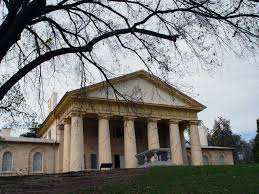
Arlington House and plantation, former home of Robert E. Lee
Similarly, poor whites now flock to the Republican Party–which holds them in equal contempt– in large part to protest the 2008 election of the first black President of the United States.
According to a Pew Research Center study released on July 22, 2011: “Notably, the GOP gains have occurred only among white voters; a 2-point Republican edge among whites in 2008 (46% to 44%) has widened to a 13-point lead today (52% to 39%).”
Since the 1960s, Republicans have pursued a campaign policy of “divide and rule”–divide the nation along racial lines and reap the benefits at election time.
- Republicans opposed the Civil Rights Act of 1964.
- Republicans opposed the Voting Rights Act of 1965.
- Republicans, with Richard Nixon as their Presidential candidate in 1968 and 1972, pursued what they called a “Southern strategy”: Use “code language” to stoke fear and hatred of blacks among whites.
- Republicans have falsely identified welfare programs exclusively with non-whites. (Of the six million Americans receiving food stamps, about 42% are white, 32% are black, and 22% are Latino–with the growth fastest among whites during the recession.)
Thus, in voting Republican, many of these poor whites believe they are “striking a blow for the white race.”
And they can do so in a more socially acceptable way than joining a certified hate group such as the American Nazi Party or Ku Klux Klan.
Since 2015, openly racist groups such as the Klan and the American Nazi Party have flocked to the banner of Presidential candidate mogul Donald Trump. By enthusiastically courting their support, the real estate mogul has made it possible for Republican candidates to openly display their own racism.
Now greed:
In the hit play, 1776, on the creation and signing of the Declaration of Independence, there is a telling exchange between John Dickinson and John Hancock. It comes during the song, “Cool, Cool, Considerate Men.”
Dickinson, the delegate from Pennsylvania, urges Hancock, president of the Second Continental Congress, “to join us in our minuet.”
By “us” he means his fellow conservatives who fear losing their property and exalted status by supporting American independence from Great Britain.
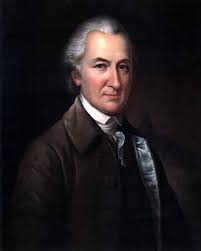
John Dickinson
Hancock declines, saying: “Fortunately, there are not enough men of property in America to dictate policy.”
To which Dickinson replies: “Perhaps not. But don’t forget that most men with nothing would rather protect the possibility of becoming rich than face the reality of being poor. And that is why they will follow us.”
Today, poor whites generally identify with the CEOs of powerful corporations. They believe the Republican gospel that they can attain such wealth–if only the government will “get out of my way.”
They forget–or ignore–the truth that government, for all its imperfections, is sometimes all that stands between them and a wide range of predators.
In return, the CEOs despise them as the privileged have always despised their social and economic “inferiors.”
Unless the Democratic Party can find ways to directly address these bitter, Politically Incorrect truths, it will continue its decline into insignificance.
ABC NEWS, ALTERNET, AMERICABLOG, AP, BABY BOOMER RESISTANCE, BARACK OBAMA, BBC, BLOOMBERG NEWS, BUZZFEED, CBS NEWS, CHRIS MATHEWS, CIVIL WAR, CNN, CROOKS AND LIARS, DAILY KOZ, FACEBOOK, FIVETHIRTYEIGHT, FOOD STAMPS, HARPER’S MAGAZINE, HUFFINGTON POST, MEDIA MATTERS, MEDICARE, MOTHER JONES, MOVEON, MSNBC, NBC NEWS, NEW REPUBLIC, NEWSDAY, NEWSWEEK, NPR, PBS NEWSHOUR, POLITICO, POLITICUSUSA, PROPAGANDA, RAW STORY, REPUBLICAN PARTY, REPUBLICANS, REUTERS, Ronald Reagan, SALON, SEATTLE TIMES, SLATE, SOCIAL SECURITY, TALKING POINTS MEMO, THE ATLANTIC, THE CHICAGO SUN-TIMES, THE CHICAGO TRIBUNE, THE DAILY BEAST, THE DAILY BLOG, THE GUARDIAN, THE HILL, THE HUFFINGTON POST, THE INTERCEPT, THE LOS ANGELES TIMES, THE NATION, THE NEW REPUBLIC, THE NEW YORK TIMES, THE NEW YORKER, THE VILLAGE VOICE, THE WALL STREET JOURNAL, THE WASHINGTON POST, THINKPROGRESS, TIME, TIME MAGAZINE, TRUTHDIG, TRUTHOUT, TWITTER, TWO POLITICAL JUNKIES, U.S. NEWS & WORLD REPORT, UPI, USA TODAY, WILLIAM TECUMSEH SHERMAN
In Bureaucracy, History, Politics, Social commentary on September 23, 2016 at 8:12 am
On July 22, 2011, ABC News carried the following story:
The Pew Foundation, analyzing voter identification, found “the electorate’s partisan affiliations have shifted significantly” since Barack Obama won office in 2008.
The GOP had gained strength among white voters, most specifically “the young and poor.”
A seven-point Democratic advantage among whites under age 30 three years ago had turned into an 11-point GOP advantage. And a 15-point Democratic advantage among whites earning less than $30,000 annually had swung to a slim four-point Republican edge by 2011.

In addition:
- The GOP gains had occurred only among white voters.
- Republicans had made sizable gains among white voters since 2008. Fifty-two percent of white voters called themselves Republicans or leaned to the GOP, compared with 39% who affiliated with the Democratic Party or leaned Democratic.
- Democrats had lost their edge among lower income white voters.
- In 2008, Democrats had a 15 point lead among white voters with family incomes less than $30,000. By 2011, Republicans had a four-point edge among this group.
- The GOP’s lead among middle income white voters had grown since 2008, and Republicans held a substantial advantage with higher income white voters.
- Republicans have made gains among whites with a high school education or less. The GOP’s advantage over Democrats had grown from one point in 2008 to 17 points in 2011 among less educated whites.
- Republicans had made smaller gains among whites voters who had college degrees.
What is fascinating about these findings is this: The Republicans have, since 1980, pursued a policy of gutting programs aimed at helping the poor–while repeatedly creating tax-breaks for the wealthiest 1% of the population.
For Republicans, the patron saint of this “love-the-rich-screw-the-poor” ideology remains Ronald Reagan–two-time governor of California and twice-elected President of the United States (1981-1989)
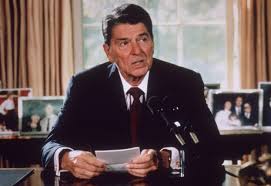
Ronald Reagan, who taught Americans to worship the wealthy
Among those charting Reagan’s legacy as President was former CBS Correspondent David Shoenbrum.
In his bestselling autobiography, America Inside Out: At Home and Abroad from Roosevelt to Reagan, he noted:

- On January 28, 1981, keeping a pledge to his financial backers in the oil industry, Reagan abolished Federal controls on the price of oil.
- Within a week, Exxon, Texaco and Shell raised gasoline prices and prices of home heating oil.
- Reagan saw it as his duty to put a floor under prices, not a ceiling above them.

- Reagan believed that when government helped business it wasn’t interfering. Loaning money to bail out a financially incompetent Chrysler was “supporting the free enterprise system.”
- But putting a high-profits tax on price-gouging corporations or filing anti-trust suits against them was “Communistic” and therefore intolerable.
- Tax-breaks for wealthy businesses meant helping America become stronger.
- But welfare for the poor or the victims of a predatory marketplace economy weakened America by sapping its morale.
“In short, welfare for the rich is good for America. But welfare for the poor is bad for America, even for the poor themselves, for it encourages them to be shiftless and lazy.
“Somehow, loans to the inefficient management of American corporations would not similarly encourage them in their inefficient methods,” wrote Shoenbrun.
Republicans have sought to dismantle Social Security ever since that program began in 1935. And Republicans have furiously opposed other programs aiding the poor and middle-class—such as Medicare, food stamps and WIC (Women, Infants, Children).
In short, this is not a political party with a history of rushing to the defense of those most in need.
So the question remains: Why are so many poor Americans flocking to its banner?
The answer lies in the history of the American South–and slavery.
2012 PRESIDENTIAL ELECTION, 2016 PRESIDENTIAL RACE, ABC NEWS, AL GORE, ALTERNET, AMERICABLOG, ANDREW JACKSON, AP, BABY BOOMER RESISTANCE, BARACK OBAMA, BBC, BC NEWS, BLOOMBERG, BLUESKY, BUZZFEED, CBS NEWS, CNN, CROOKS AND LIARS, DAILY KOS, DONALD TRUMP, ELECTORAL COLLEGE, FACEBOOK, FIVETHIRTYEIGHT, GEORGE W. BUSH, HARPER’S MAGAZINE, HUFFINGTON POST, JOHN C. CALHOUN, MEDIA MATTERS, MITT ROMNEY, MOTHER JONES, MOVEON, MSNBC, NBC NEWS, NEW REPUBLIC, NEWSDAY, NEWSWEEK, NPR, PBS NEWSHOUR, POLITICO, POLITICUSUSA, RAW STORY, REPUBLICANS, REUTERS, SALON, SEATTLE TIMES, SLATE, TALKING POINTS MEMO, THE ATLANTIC, THE CHICAGO SUN-TIMES, THE CHICAGO TRIBUNE, THE DAILY BEAST, THE DAILY BLOG, THE GUARDIAN, THE HILL, THE HUFFINGTON POST, THE INTERCEPT, THE LOS ANGELES TIMES, THE NATION, THE NEW REPUBLIC, THE NEW YORK TIMES, THE NEW YORKER, THE VILLAGE VOICE, THE WALL STREET JOURNAL, THE WASHINGTON POST, THINKPROGRESS, TIME, TREASON, TRUTHDIG, TRUTHOUT, TWITTER, TWO POLITICAL JUNKIES, U.S. NEWS & WORLD REPORT, UPI, USA TODAY, X
In Bureaucracy, History, Law, Military, Politics, Social commentary on September 1, 2016 at 12:07 am
As the 2016 Presidential race gets ever closer to the finish, it’s well to consider Donald Trump’s ideas about democracy.
In 2011, as the 2012 Presidential race began heating up, Trump didn’t have a very high opinion of Mitt Romney, the man who then seemed the likely Republican nominee for President.
On April 17, 2011, toying with the idea of entering the Presidential race himself, the always self-promoting Trump said this about Romney, the former Massachusetts governor and GOP candidate:
“He’d buy companies. He’d close companies. He’d get rid of jobs. I’ve built a great company. I’m a much bigger businessman and have a much, much bigger net worth. I mean my net worth is many, many, many times Mitt Romney.
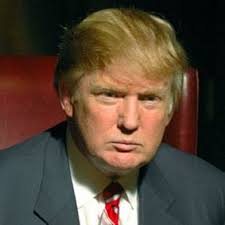
Donald Trump
“Mitt Romney is a basically small-business guy, if you really think about it. He was a hedge fund. He was a funds guy. He walked away with some money from a very good company that he didn’t create. He worked there. He didn’t create it.”
Trump added that Bain Capital, the hedge fund where Romney made millions of dollars before running for governor, didn’t create any jobs. Whereas Trump claimed that he—Trump—had created “hundreds of thousands of jobs.”
So Romney himself may have been puzzled when Trump announced, on February 2, 2012: “It’s my honor, real honor, and privilege to endorse Mitt Romney” for President.
“Mitt is tough, he’s smart, he’s sharp, he’s not going to allow bad things to continue to happen to this country that we all love. So, Governor Romney, go out and get ‘em. You can do it,” said Trump.
And Romney, in turn, had his own swooning-girl moment: “I’m so honored to have his endorsement….There are some things that you just can’t imagine in your life. This is one of them.”
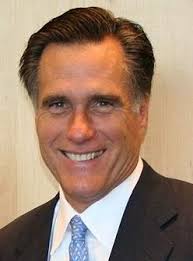
Mitt Romney
Throughout the 2012 Presidential race, Trump continued to “help” Romney—by repeatedly accusing President Barack Obama of not being an American citizen.
Had that been true, Obama would not have had the right to be President—since the Constitution says that only an American citizen can hold this position.
Of course, that was entirely what Trump wanted people to believe—that Obama was an illegitimate President, and deserved to be thrown out.
Come election night—and disaster for Romney. And Trump.
When it became clear that Romney was not going to be America’s 45th President, Trump went ballistic on Twitter. Among his tweets:
- More votes equals a loss…revolution!
- Lets fight like hell and stop this great and disgusting injustice! The world is laughing at us.
- We can’t let this happen. We should march on Washington and stop this travesty. Our nation is totally divided!
- The phoney electoral college made a laughing stock out of our nation. The loser one!
- He lost the popular vote by a lot and won the election. We should have a revolution in this country!
To put Trump’s rants into real-world perspective:
- According to Trump, the electoral process works when a Republican wins the Presidency. It only doesn’t work when a Democrat wins.
- “We should march on Washington” conjures up images of another Fascist–Benito Mussolini–marching on Rome at the head of his Blackshirts to seize power. Which, in a democracy, is treason.
- “The phoney electoral college made a laughing stock out of our nation. The loser one!”
This last is startling, on three counts:
First, the 2012 Republican Platform spoke lovingly about the need for preserving the Electoral College:
“We oppose the National Popular Vote Interstate Compact or any other scheme to abolish or distort the procedures of the Electoral College.
“We recognize that an unconstitutional effort to impose ‘national popular vote’ would be a mortal threat to our federal system and a guarantee of corruption as every ballot box in every state would become a chance to steal the presidency.”
Second, the loser didn’t win: He lost. With votes still being counted (as of November 8) Obama got 60,652,238. Romney got 57,810,407.
Third, in 2000, Al Gore won the popular vote (50,999,897) to George W. Bush’s 50,456,002. But Bush trounced Gore in the Electoral College (271 to 266).
Still, that meant Bush—not Gore—would head the country for the next eight years. And that was perfectly OK with right-wingers like Trump.
It was only when Obama won the Electoral College count by 332 to 206 that this was—according to Trump–a “travesty.”
And Trump’s solution if voters dare to elect someone other than Trump’s pet choice: “Revolution!”
This comes perilously close to advocating violent overthrow of the government. Otherwise known as treason–a crime traditionally punished by execution, or at least lengthy imprisonment.
When former President Andrew Jackson was close to death, he asked his doctor: What act of my administration will be most severely condemned by future Americans?

Andrew Jackson
The doctor threw out a couple of guesses.
“Not at all!” replied Jackson. “Posterity will condemn me more because I was persuaded not to hang John C. Calhoun [the South Carolina Senator who created the doctrine of “secession” that ultimately led to the Civil War] as a traitor than for any other act in my life!”
If Donald Trump inherits control of America’s nuclear weapons, future historians—if there are any—may feel that Barack Obama should have done the same for Trump.
ABC NEWS, ALTERNET, AMERICABLOG, AP, BABY BOOMER RESISTANCE, BBC, BC NEWS, BLOOMBERG, BLUESKY, BRIAN L. ROBERTS, BUSINESS MANAGEMENT, BUZZFEED, CABLE TV COMPANIES, CBS NEWS, CEOS, CNN, COMCAST, COMMUNICATIONS, CONSUMER COMPLAINT WEBSITES, CONSUMER PROTECTION, CROOKS AND LIARS, CUSTOMER SERVICE, DAILY KOS, FACEBOOK, FEDERAL COMMUNICATIONS COMMISSION, FIVETHIRTYEIGHT, HARPER’S MAGAZINE, HUFFINGTON POST, LOS ANGELES TIMES, MANAGEMENT, MEDIA MATTERS, MOTHER JONES, MOVEON, MSNBC, NBC NEWS, NEWSDAY, NEWSWEEK, NPR, PBS NEWSHOUR, POLITICO, POLITICUSUSA, PUBLIC UTILITIES COMMISSION, RAW STORY, REUTERS, ROBERT TOWNSEND, SALON, SEATTLE TIMES, SELF-HELP, SLATE, TALKING POINTS MEMO, THE ATLANTIC, THE CHICAGO SUN-TIMES, THE CHICAGO TRIBUNE, THE DAILY BEAST, THE DAILY BLOG, THE GUARDIAN, THE HILL, THE HUFFINGTON POST, THE INTERCEPT, THE LOS ANGELES TIMES, THE NATION, THE NEW REPUBLIC, THE NEW YORK TIMES, THE NEW YORKER, THE VILLAGE VOICE, THE WALL STREET JOURNAL, THE WASHINGTON POST, THINKPROGRESS, TIME, TRUTHDIG, TRUTHOUT, TWITTER, TWO POLITICAL JUNKIES, U.S. NEWS & WORLD REPORT, UP THE ORGANIZATION, UPI, USA TODAY, X, YELP!
In Bureaucracy, Business, History, Politics, Self-Help, Social commentary on July 29, 2016 at 12:17 am
In 1970, Robert Townsend, the CEO who had turned around a failing rent-a-car company called Avis, published what is arguably the best book written on business management.
It’s Up the Organization: How to Stop the Corporation From Stiffling People and Strangling Profits.
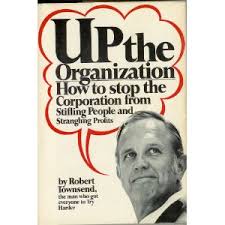
Though published 46 years ago, it should be required reading–for CEOs and consumers.
Don’t fear getting bogged down in a sea of boring, theory-ridden material. As Townsend writes:
“This book is in alphabetical order. Using the table of contents, which doubles as the Index, you can locate any subject on the list in 13 seconds. And you can read all I have to say about it in five minutes or less.
“This is not a book about how organizations work. What should happen in organizations and what does happen are two different things and about as far apart as they can get. THIS BOOK IS ABOUT HOW TO GET THEM TO RUN THREE TIMES AS WELL AS THEY DO.”
Comcast is the majority owner of NBC and the largest cable operator in the United States. It provides cable TV, Internet and phone service to more than 50 million customers.
So you would think that, with so many customers to serve, Comcast would create an efficient way for them to attain help when they face a problem with billing or service.
Think again.
Consider the merits of Townsend’s short chapter on “Call Yourself Up.”
Townsend advises CEOs:“Pretend you’re a customer. Telephone some part of your organization and ask for help. You’ll run into some real horror shows.”
Now, imagine what would happen if Brian L. Roberts, the CEO of Comcast, did just that.
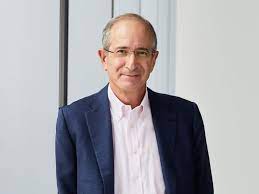

Brian L. Roberts
First, he would find that, at Comcast, nobody actually answers the phone when a customer calls. After all, it’s so much easier to fob off customers with pre-recorded messages than to have operators directly serve their needs.
And customers simply aren’t that important–except when they’re paying their ever-inflated bills for phone, cable TV and/or Internet service.
Comcast’s revenues stood at $19.25 billion for the fourth quarter of 2015.
In 2015, Roberts earned $36.2 million in salary, options and other compensation, a 10% increase from 2014.
So it isn’t as though the company can’t afford hiring a few operators and instructing them to answer phones directly when people phone in.
But instead of being directly connected to someone able to answer his question or resolve his problem, Roberts would hear:
“Welcome to Comcast–home of Xfinity.”

Then he would hear an annoying clucking sound–followed by the same message in Spanish.
“Your call may be recorded for quality assurance.
“To make a payment now, Press 1. To continue this call, Press 2.”
Then he would hear: “For technical help, press 1, for billing, press 2. For more options, press 3.”
Assuming he pressed 2 for “billing,” he would hear:
“For payment, press 1 For balance information, press 2. For payment locations, press 3. For all other billing questions, press 4.”
Then he would be told: “Please enter the last four digits of the primary account holder’s Social Security Number.”
Then, as if he hadn’t waited long enough to talk to someone, he would get this message: “Press 1 if you would like to take a short survey after your call.”
By the time he heard that, he would almost certainly not be in a mood to take a survey. He would simply want someone to come onto the phone and answer his question or resolve his problem.
Then he would hear: “At the present time, all agents are busy”–and be electronically given an estimate by when someone might deign to answer the phone.
“Please hold for the next customer account executive.”
If he wanted to immediately reach a Comcast rep, Roberts would press the number for “sales.” A sales rep would gladly sign him up for more costly products–even if he couldn’t solve whatever problem Roberts needed addressed.
Assuming that someone actually came on, Roberts couldn’t fail to notice the unmistakable Indian accent of the rep he was now speaking with.
Not Indian as in American Indian-because that would mean his company had actually hired Americans who must be paid at least a minimum American wage for their services.
No, Comcast, like many other supposedly patriotic corporations, “outsources” its “customer service support team” to the nation, India.
After all, if the “outsourced” employees are getting paid a pittance, the CEO and his top associates can rake in all the more.
Of course, the above scenario is totally outlandish–and is meant to be.
Who would expect the wealthy CEO of a major American corporation to actually wait in a telephone queue like an ordinary American Joe or Jane?
That would be like expecting the chief of any major police department to put up with hookers or panhandlers on his own doorstep.
For the wealthy and the powerful, there are always underlings ready and willing to ensure that their masters do not suffer the same indignities as ordinary mortals.
Such as the ones who sign up for Comcast TV, cable or Internet services.
2016 PRESIDENTIAL RACE, 9/11, ABC NEWS, ABORTION, AFFORDABLE CARE ACT, ALTERNET, AMERICABLOG, AP, BABY BOOMER RESISTANCE, BBC, BECKET, BLOOMBERG NEWS, BUZZFEED, CBS NEWS, CHURCH VS. STATE, CNN, CROOKS AND LIARS, DAILY KOS, DISCRIMINATION, DONALD TRUMP, FIRST CHURCH OF CANNABIS, FIVETHIRTYEIGHT, GAYS, HARPER’S MAGAZINE, HOMOSEXUALITY, HUFFINGTON POST, INDIANA, ISLAM, ISLAMICS, LESBIANS, MARIJUANA, MEDIA MATTERS, MIKE PENCE, MOTHER JONES, MOVEON, MOVIES, MSNBC, NBC NEWS, NEW REPUBLIC, NEWSDAY, NEWSWEEK, NPR, PBS NEWSHOUR, PLANNED PARENTHOOD, POLITICO, POLITICUSUSA, PREJUDICE, RAW STORY, RELIGION VS. SCIENCE, RELIGIOUS FREEDOM RESTORATION ACT, REPUBLICAN PARTY, REPUBLICANS, REUTERS, SALON, SEATTLE TIMES, SHARIA LAW, SLATE, TALKING POINTS MEMO, THE ATLANTIC, THE CHICAGO SUN-TIMES, THE CHICAGO TRIBUNE, THE DAILY BEAST, THE DAILY BLOG, THE GUARDIAN, THE HILL, THE HUFFINGTON POST, THE INTERCEPT, THE LOS ANGELES TIMES, THE NATION, THE NEW REPUBLIC, THE NEW YORK TIMES, THE NEW YORKER, THE VILLAGE VOICE, THE WASHINGTON POST, THINKPROGRESS, TIME, TRUTHDIG, TRUTHOUT, TWITTER, U.S. HOUSE OF REPRESENTATIVES, U.S. NEWS & WORLD REPORT, UPI, WOMEN'S RIGHTS
In Bureaucracy, Business, History, Law, Law Enforcement, Politics, Social commentary on July 18, 2016 at 3:48 pm
Michael Richard “Mike” Pence served as a Republican member of the House of Representatives from 2001 to 2013. He also served as Chairman of the House Republican Conference from 2009 to 2012.
In 2012, he ran for Governor of Indiana, won the election, and assumed this office in 2013.
On July 15, 2016, Republican Presidential candidate Donald Trump announced on Twitter that he had selected Pence as his Vice Presidential running mate in the 2016 Presidential election.
As a member of Congress, Pence:
- Voted, in 2007, to defund Planned Parenthood because it provides abortions.
- Opposed, in 2009, giving American citizenship to children born to illegal aliens living within the United States.
- Compared the U.S. Supreme Court’s upholding the Constitutionality of the Affordable Care Act to the September 11, 2001 terrorist attacks.
- Voted to eliminate funding for climate education programs and to prohibit the Environmental Protection Agency from regulating greenhouse gas emissions.
As Governor, Pence:
- Unsuccessfully pushed for a 10% income-tax rate cut.
- Signed legislation in 2015 that repealed an 80-year-old Indiana law requiring construction companies working on publicly funded projects to pay a prevailing wage.
- Successfully lobbied in 2013 to limit reductions in sentences for marijuana offenses.
- Agreed, in 2015, to expand Medicaid in Indiana, in accordance with the Affordable Care Act.
But for all of Pence’s actions as Congressman and Governor, the one which may prove the most far-reaching may be this: His signing into law the Religious Freedom Restoration Act.
As Governor of Indiana, he did this on March 26, 2015. The law allows any individual or corporation to cite its religious beliefs as a defense when sued by a private party.
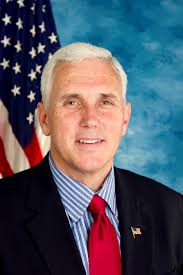
Mike Pence
Officially, its intent is to prevent the government from forcing business owners to act in ways contrary to strongly held religious beliefs. Unofficially, its purpose is to appease the hatred of gays and lesbians by the religious Right, a key constituency of the Republican party.
In short, a bakery that doesn’t want to make a cake to be used at a gay wedding or a restaurant that doesn’t want to serve lesbian patrons will have the legal right to refuse to do so.
The same applies for a hospital that doesn’t want to provide care to a gay or lesbian patient.
The bill was passed overwhelmingly by both chambers of the Republican-controlled state legislature.
“Today I signed the Religious Freedom Restoration Act, because I support the freedom of religion for every Hoosier of every faith,” Pence said in a statement on the day he signed the bill.
“The Constitution of the United States and the Indiana Constitution both provide strong recognition of the freedom of religion but today, many people of faith feel their religious liberty is under attack by government action.”
Bill-signing ceremonies are usually highly public events. Governors–and presidents–normally want their constituents to see them creating new legislation.
Yet for all his praise for the bill, Pence signed it in a ceremony closed to the public and the press. The media were asked to leave even the waiting area of the governor’s office.
It’s almost as if Pence sensed that he was about to push open a door into a danger-filled room. And this may well be the case.
Through that door may soon march the First Church of Cannabis. The day after Pence signed the Act, church founder Bill Levin announced on his Facebook page that he had filed paperwork with the office of the Indiana Secretary of State.
Its registration had been approved–and Levin was ecstatic: “Now we begin to accomplish our goals of Love, Understanding, and Good Health.
“Donate $100 or more and become a GREEN ANGEL. Donate $500 or more and become a GOLD ANGEL. Donate $1000 or more and become a CHURCH POOHBA.”
No doubt many Indiana legislators are furious that their effort to attack gays may have brought legal marijuana to their highly conservative state. But worse may be to come.
Since 9/11, Right-wingers such as Rush Limbaugh and Sean Hannity have warned that Muslims are trying to impose Sharia (Islamic law) on America. And now Indiana’s legislators, in elevating religion above the law, may have laid the legal foundations for making that possible.
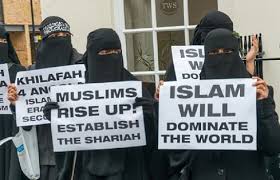
Muslims demanding the imposition of Sharia law–on themselves and non-Muslims
Ironically, this may not be so far removed from the goals of the Republican party as many think. Both the party and adherents of Sharia agree:
- Women should have fewer rights than men.
- Abortion should be illegal.
- There should be no separation between church and state.
- Religion should be taught in school.
- Religious doctrine trumps science.
- Government should be based on religious doctrine.
- Homosexuality should be outlawed.
What will happen when:
- Muslims in Indiana claim their right–guaranteed in Islamic religious law–to have as many as four wives?
- Muslims demand a taxpayer-funded “halal” non-pork food shelf at free food pantries for the poor? (Exactly this happened among Somali refugees in Minnesota in 2015.)
- Muslims demand that police departments cancel counter-terrorism courses by claiming that their materials are anti-Muslim? (Exactly this happened to several police departments in Illinois.)
And when they claim that the Religious Freedom Restoration Act protects those rights?
Hang onto your hijabs–it’s going to be a bumpy ride.
1992 REPUBLICAN CONVENTION, ABC NEWS, ABORTION, ADULTERY, ALTERNET, AMERICABLOG, AP, BABY BOOMER RESISTANCE, BBC, BILL CLINTON, BLOOMBERG NEWS, BOB LIVINGSTON, BUZZFEED, CBS NEWS, CNN, CROOKS AND LIARS, DAILY KOS, DEFENSE OF MARRIAGE ACT (DOMA), DEFICITS, DENNIS HASTERT, ECONOMY, EDWIN MEESE, FAMILY VALUES, FIVETHIRTYEIGHT, GEORGE H.W. BUSH, HARPER’S MAGAZINE, HOMOSEXUALITY, HUFFINGTON POST, JERRY FALWELL, MEDIA MATTERS, MIA FARROW, MONICA LEWINSKY, MORAL MAJORITY, MOTHER JONES, MOVEON, MSNBC, NBC NEWS, NEW REPUBLIC, NEWSDAY, NEWSWEEK, NEWT GINGRICH, NPR, PBS NEWSHOUR, POLITICO, POLITICUSUSA, PORNOGRAPHY, RAW STORY, REPUBLICANS, REUTERS, Ronald Reagan, SALON, SEATTLE TIMES, SLATE, TALKING POINTS MEMO, TARGET CORPORATION, THE ATLANTIC, THE CHICAGO SUN-TIMES, THE CHICAGO TRIBUNE, THE DAILY BEAST, THE DAILY BLOG, THE GUARDIAN, THE HILL, THE HUFFINGTON POST, THE INTERCEPT, THE LOS ANGELES TIMES, THE NATION, THE NEW REPUBLIC, THE NEW YORK TIMES, THE NEW YORKER, THE VILLAGE VOICE, THE WASHINGTON POST, THINKPROGRESS, TIME, TRANSGENDERS, TRUTHDIG, TRUTHOUT, TWITTER, U.S. NEWS & WORLD REPORT, UPI, USA TODAY, WOODY ALLEN, WORLD WAR 11
In Bureaucracy, Business, History, Law, Law Enforcement, Politics, Social commentary on May 26, 2016 at 12:33 am
In 1992, Republicans wanted to re-elect President George H.W. Bush, who had succeeded Ronald Reagan in 1989.
But they had a problem: Whipping up voter enthusiasm for him.
Bush wasn’t charismatic like Reagan, so he didn’t inspire the intense loyalty Reagan had. He was seen as drab, even wimpy.

George H.W. Bush
Ironically, Bush had performed heroically during World War II.
On August 1, 1944, Bush piloted one of four aircraft that attacked the Japanese installations on Chichijima.
Bush’s aircraft was hit by flak and his engine caught on fire. Despite this, Bush completed his attack and released bombs over his target, scoring several damaging hits.
Reagan, by contrast, spent World War II on a Hollywood sound stage as part of the First Motion Picture Unit, turning out propaganda films to boost civilian morale.
Yet he was seen by millions as a genuine war hero.
Then there was the stalled economy.
Early in his term, Bush faced leftover deficits spawned by the Reagan years. Reagan had given tax-cuts to the rich, bloated the military budget and cut government programs to aid the poor and middle class.
As a result, the deficit had grown by 1990 to $220 billion, three times its size since 1980.
In 1991, many corporations, claiming the need to reorganize, laid off hundreds of thousands of workers, who had believed that their jobs were secure.
By mid-year, the unemployment rate reached 7.8%, the highest since 1984. In September 1992, the Census Bureau reported that 14.2% of all Americans lived in poverty.
Bush’s Democratic challenger in 1992 was Bill Clinton, who had been the Governor of Arkansas from 1979 to 1981 and 1983 to 1992. At 45, Clinton was young, vigorous, and for many evoked memories of an equally young and vigorous John F. Kennedy.
To overcome these disadvantages, Republicans needed a way to generate enthusiasm among their base.
The answer: “Family values.”
Supposedly this meant support for values traditionally learned or reinforced within a family, such as those of high moral standards and discipline.
In reality, it was a Right-wing excuse for the failed economic policies of the Reagan-Bush years.
By citing “a decline in family values,” Bush’s re-election team could blame jobless Americans for their own misery: “If only you had lived up to the high standards set by your Republican superiors, you wouldn’t now be in this position.”
“Family values” carried a sexual subtext as well. Since abortion had became legal in 1973, Republicans had appropriated re-criminalizing it as their pet sex-related issue.
During the Reagan years, Attorney General Edwin Meese had launched a crackdown on pornography. And much of Reagan’s support had come from sexually-obsessed Christian Right evangelists such as Jerry Falwell of the “Moral Majority.”
Thus, a Bush supporter held up a sign reading, “Woody Allen is Clinton’s Adviser on Family Values,” at the 1992 Republican Presidential convention. Allen had recently become notorious for an affair with the adopted stepdaughter of his lover, actress Mia Farrow.
The slogan wasn’t enough to get Bush re-elected. Bill Clinton was elected President.
But “family values” lived on for decades as Republican code language for: “Only Republicans are sexually upright.”
Throughout the eight-year Clinton Presidency, Republicans focused on his longtime reputation as a sex-crazed Rasputin. When the news broke that Clinton had been diddling a White House intern named Monica Lewinsky, Republicans demanded his resignation.
When Clinton refused to resign, they unsuccessfully tried to impeach him. Meanwhile, they ignored the extramarital affairs of their own members—such as then-House Speaker Newt Gingrich.
Gingrich had been boffing a mistress while demanding Clinton’s impeachment for similar adultery. After Gingrich resigned from the House of Representatives in 1999, his would-be successor, Bob Livingston, was forced to resign from Congress. He had been outed by Hustler publisher Larry Flynt as a serial philanderer.
In 1996, Republicans pushed through Congress the Defense of Marriage Act (DOMA) which defined marriage for federal purposes as the union of one man and one woman. It allowed states to refuse to recognize same-sex marriages allowed in other states.
DOMA was advertised as a necessary defense against “predatory homosexuals” who, like vampires, were thought to be preying on innocent heterosexuals.
A major backer of anti-gay legislation was Dennis Hastert, Republican Speaker of the House from 1999 to 1007.

Dennis Hastert
In 2006, Hastert spearheaded a bill to toughen punishments for sex crimes against children.
“We’ve all seen the disturbing headlines about sex offenders and crimes against children,” said Hastert. “Protecting our children from Internet predators and child exploitation enterprises are just as high a priority as securing our border from terrorists.”
On April 29, 2016, a federal judge repeatedly damned Hastert as a “serial child molester” for sexually abusing several boys he coached on the Yorkville High School wrestling team in the 1960s and 1970s.
Having targeted the poor, blacks, Hispanics, women and gays, Republicans are now training their sights on transgenders.
And Target Corporation’s April 19 announcement that its customers could pick the bathroom that “matched their gender identity” gave Republicans a new venue for their attacks on sex-related issues.
There is no known epidemic of transgender attacks on heterosexuals in bathrooms. But Republicans will ride this issue so long as there are citizens willing to believe it.


 Bureaucracybuster's Blog
2016 PRESIDENTIAL ELECTION, A BRONX TALE, ABC NEWS, ADOLF HITLER, ALTERNET, AMERICABLOG, AP, BABY BOOMER RESISTANCE, BBC, BILL CLINTON, BLOOMBERG NEWS, BUZZFEED, CBS NEWS, CHAZZ PALMINTERI, CNN, CROOKS AND LIARS, DAILY KOS, DONALD TRUMP, FACEBOOK, FBI, FIVETHIRTYEIGHT, HARPER’S MAGAZINE, HILLARY CLINTON, HUFFINGTON POST, IRS, J. EDGAR HOOVER, JOHN F. KENNEDY, LYNDON B. JOHNSON, MEDIA MATTERS, MOTHER JONES, MOVEON, MSNBC, NBC NEWS, NEW REPUBLIC, NEWSDAY, NEWSWEEK, NICCOLO MACHIAVELLI, NPR, PBS NEWSHOUR, POLITICO, POLITICUSUSA, RAW STORY, REPUBLICAN PARTY, REUTERS, RICHARD M. NIXON, ROBERT DE NIRO, ROBERT F. KENNEDY, Ronald Reagan, SALON, SEATTLE TIMES, SLATE, TALKING POINTS MEMO, THE ATLANTIC, THE CHICAGO SUN-TIMES, THE CHICAGO TRIBUNE, THE DAILY BEAST, THE DAILY BLOG, THE GUARDIAN, THE HILL, THE HUFFINGTON POST, THE INTERCEPT, THE LOS ANGELES TIMES, THE NATION, THE NEW REPUBLIC, THE NEW YORK TIMES, THE NEW YORKER, THE PRINCE, THE VILLAGE VOICE, THE WASHINGTON POST, THINKPROGRESS, TIME, TRUTHDIG, TRUTHOUT, TWITTER, U.S. NEWS & WORLD REPORT, UPI
LOVE VS. FEAR: PART TWO (END)
In Bureaucracy, History, Law Enforcement, Military, Politics, Social commentary on December 22, 2016 at 12:18 amIs it better to be loved or feared?
That was the question Florentine statesman Niccolo Machiavelli raised more than 500 years ago.
Presidents have struggled to answer this question—and have come to different conclusions.
LOVE ME, FEAR MY BROTHER
Most people felt irresistibly drawn to John F. Kennedy—even his political foes. Henry Luce, the conservative publisher of Time, once said, “He makes me feel like a whore.”
But JFK could afford to bask in the love of others—because his younger brother, Robert, was the one who inspired fear.
Robert F. Kennedy and John F. Kennedy
He had done so as Chief Counsel for the Senate Rackets Committee (1957-59), grilling Mafia bosses and corrupt union officials—most notably Teamsters President James Hoffa.
Appointed Attorney General by JFK, he unleashed the FBI on the Mafia. When the steel companies colluded in an inflationary rise in the price of steel in 1962, Bobby sicced the FBI on them.
In 1963, JFK’s cavorting with Ellen Rometsh threatened to destroy his Presidency. Rometsch, a Washington, D.C. call girl, was suspected by the FBI of being an East German spy.
With Republican Senators preparing to investigate the rumors, Bobby ordered Rometsch deported immediately (to which, as a German citizen, she was subject).
He also ordered FBI Director J. Edgar Hoover to deliver a warning to the Majority and Minority leaders of the Senate: The Bureau was fully aware of the extramarital trysts of most of its members. And an investigation into the President’s sex life could easily lead into revelations of Senatorial sleaze.
Plans for a Senatorial investigation were shelved.
BEING LOVED AND FEARED
In the 1993 movie, A Bronx Tale, 17-year-old Calogero (Lillo Brancato) asks his idol, the local Mafia capo, Sonny (Chazz Palminteri): “Is it better to be loved or feared?”
Sonny gives advice to his adopted son, Calogero
Sonny says if he had to choose, he would rather be feared. But he adds a warning straight out of Machiavelli: “The trick is not being hated. That’s why I treat my men good, but not too good.
“I give too much, then they don’t need me. I give them just enough where they need me, but they don’t hate me.”
Machiavelli, writing in The Prince, went further:
“Still a Prince should make himself feared in such a way that if he does not gain love, he at any rate avoids hatred, for fear and the absence of hatred may well go together. And [this] will always be attained by one who abstains from interfering with the property of his citizens and subjects or with their women.”
Many who quote Machiavelli in defense of being feared overlook this vital point: It’s essential to avoid becoming hated.
To establish a fearful reputation, a leader must act decisively and ruthlessly when the interests of the organization are threatened. Punitive action must be taken promptly and confidently.
One or two harsh actions of this kind can make a leader more feared than a reign of terror.
In fact, it’s actually dangerous to constantly employ cruelties or punishments. Whoever does so, warns Machiavelli, “is always obliged to stand with knife in hand, and can never depend on his subjects, because they, owing to continually fresh injuries, are unable to depend upon him.”
The 20th century President who came closest to realizing Machiavelli’s “loved and feared” prince was Ronald Reagan.
Always smiling, quick with a one-liner (especially at press conferences), seemingly unflappable, he projected a constantly optimistic view of his country and its citizens.
Ronald Reagan
In his acceptance speech at the 1980 Republican National Convention he declared: “[The Democrats] say that the United States has had its days in the sun, that our nation has passed its zenith.… My fellow citizens, I utterly reject that view.”
And Americans enthusiastically responded to that view, twice electing him President (1980 and 1984).
But there was a steely, ruthless side to Reagan that appeared when he felt crossed.
On August 3, 1981, nearly 13,000 air traffic controllers walked out after contract talks with the Federal Aviation Administration collapsed. As a result, some 7,000 flights across the country were canceled on that day at the peak of the summer travel season.
Reagan branded the strike illegal. He threatened to fire any controller who failed to return to work within 48 hours.
On August 5, Reagan fired more than 11,000 air traffic controllers who hadn’t returned to work. The mass firing slowed commercial air travel, but it did not cripple the system as the strikers had forecast.
Reagan’s action stunned the American labor movement. Reagan was the only American President to have belonged to a union, the Screen Actors Guild. He had even been president of this–from 1947 to 1954.
There were no more strikes by Federal workers during Reagan’s tenure in office.
Similarly, Libya’s dictator, Moammar Kadaffi, learned that Reagan was not a man to cross.
On April 5, 1986, Libyan agents bombed a nightclub in West Berlin, killing three people, one a U.S. serviceman. The United States quickly learned that Libyan agents in East Germany were behind the attack.
On April 15, acting on Reagan’s orders, U.S. Air Force, Navy and Marine Corps bombers struck at several sites in Tripoli and Benghazi. Reportedly, Kaddafi himself narrowly missed becoming a casualty.
There were no more acts of Libyan terrorism against Americans for the rest of Reagan’s term.
Share this: