Posts Tagged ‘NICCOLO MACHIAVELLI’
ABC NEWS, AL QAEDA, ALTERNET, AMERICABLOG, AP, BABY BOOMER RESISTANCE, BARACK OBAMA, BBC, BLOOMBERG, BRUSSELS, BUZZFEED, CBS NEWS, CIA, CNN, CROOKS AND LIARS, DAILY KOS, DONALD TRUMP, EDUARDO "TED" CRUZ, FBI, FIVETHIRTYEIGHT, GUANTANAMO, HARPER’S MAGAZINE, HUFFINGTON POST, ISLAM, ISLAMIC STATE OF IRAQ AND SYRIA (ISIS), MEDIA MATTERS, MOTHER JONES, MOVEON, MSNBC, NBC NEWS, NEW REPUBLIC, NEWSDAY, NEWSWEEK, NEWT GINGRICH, NICCOLO MACHIAVELLI, NPR, PARIS, PBS NEWSHOUR, PENTAGON, POLITICO, POLITICUSUSA, RAW STORY, REUTERS, RICK SANTORUM, RUDLOPH GIULIANI, RUDOLPH GIULIANI, SALON, SAN BERNADINO, SEATTLE TIMES, SLATE, SUPREME COURT, TALKING POINTS MEMO, TERRORISM, THE ATLANTIC, THE CHICAGO SUN-TIMES, THE CHICAGO TRIBUNE, THE DAILY BEAST, THE DAILY BLOG, THE DISCOURSES, THE GUARDIAN, THE HILL, THE HUFFINGTON POST, THE INTERCEPT, THE LOS ANGELES TIMES, THE NATION, THE NEW REPUBLIC, THE NEW YORK TIMES, THE NEW YORKER, THE VILLAGE VOICE, THE WASHINGTON POST, THINKPROGRESS, TIME, TORTURE, TRUTHDIG, TRUTHOUT, TWO POLITICAL JUNKIES, U.S. NEWS & WORLD REPORT, UPI, USA TODAY, WATERBOARDING, X
In Bureaucracy, History, Law, Law Enforcement, Military, Politics, Social commentary on June 26, 2024 at 12:11 am
Donald Trump made a return to waterboarding terrorism suspects a prime issue in his campaign for the 2016 Republican Presidential nomination.
And a March 30, 2016 Reuters/lpsos poll showed that nearly two-thirds of Americans believed that the use of torture could be justified to force suspected terrorists to talk.
A growing fear by Americans of Islamic terrorism had been ignited by a series of deadly Islamic terrorist attacks in Europe and the United States.

Frightening a prisoner in Iraq
In fact, however, torture, generally, and waterboarding in particular, have proven worthless at obtaining reliable information.
Victims will say anything they think their captors want to hear to stop the agony.
Yoshia Chee, a Special Forces veteran of Vietnam, recalled his use of torture against suspected Vietcong:
“One of the favorite things was popping one of their eyeballs out with a spoon….
“If I had one of my eyeballs hanging out, I’d say I killed Kennedy. I’d agree to anything in the whole world.
“We would do that, and they still wouldn’t talk….You rarely got anything out of them. Just more hatred. More reason to fight back.”
Click here: Strange Ground: An Oral History Of Americans In Vietnam, 1945-1975: Harry Maurer: 9780306808395: Amazon.com: Books
During the George W. Bush Presidency, the CIA relied on harsh physical punishments—beatings, humiliations and waterboarding—to convince suspects to talk. These were euphemistically referred to as “enhanced interrogation techniques.”
Upon assuming the Presidency in 2009, Barack Obama ordered an immediate halt to such methods. Since then, Republicans generally and their Presidential aspirants in particular have harshly criticized Obama’s decision.
Like Trump, they claimed that Obama had endangered American security in the name of Political Correctness. In turn, Obama argued that the use of torture produces unreliable information and inflames Muslim hatred of America.
Meanwhile, the FBI applied its traditional “kill them with kindness” approach to interrogation. And agents found this yielded far greater results.
For one thing, most Al Qaeda members relished appearing before grand juries.
Unlike organized crime members, they were talkative—and even tried to proselytize to the jury members. They were proud of what they had done—and wanted to talk.

“This is what the FBI does,” said Mike Rolince, an FBI expert on counter-terrorism. “Nearly 100% of the terrorists we’ve taken into custody have confessed. The CIA wasn’t trained. They don’t do interrogations.”
According to The Threat Matrix: The FBI at War in the Age of Global Terror (2011) jihadists had been taught to expect severe torture at the hands of American interrogators.
Writes Author Garrett M. Graff:
“Often, in the FBI’s experience, their best cooperation came when detainees realized they weren’t going to get tortured, that the United States wasn’t the Great Satan. Interrogators were figuring out…that not playing into Al Qaeda’s propaganda could produce victories.”
And the FBI isn’t alone in believing that acts of simple humanity can turn even sworn enemies into allies.
No less an authority on “real-politick” than Niccolo Machiavelli reached the same conclusion more than 500 years ago.
In his small and notorious book, The Prince, he writes about the methods a ruler must use to gain power. But in his larger and lesser-known masterwork, The Discourses, he outlines the ways that liberty can be maintained in a republic.
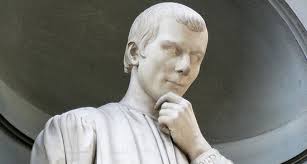
Niccolo Machiavelli
For Machiavelli, only a well-protected state can hope for peace and prosperity. Toward that end, he wrote at length about the best ways to succeed militarily. And in war, humanity can prevail at least as often as inhumanity.
Consider the following example from The Discourses:
Camillus [a Roman general] was besieging the city of the Faliscians, and had surrounded it….A teacher charged with the education of the children of some of the noblest families of that city [to ingratiate himself] with Camillus and the Romans, led these children…into the Roman camp.
And presenting them to Camillus [the teacher] said to him: “By means of these children as hostages, you will be able to compel the city to surrender.”
Camillus not only declined the offer but had the teacher stripped and his hands tied behind his back….[Then Camillus] had a rod put into the hands of each of the children…[and] directed them to whip [the teacher] all the way back to the city.
Upon learning this fact, the citizens of Faliscia were so much touched by the humanity and integrity of Camillus, that they surrendered the place to him without any further defense.
This example shows that an act of humanity and benevolence will at all times have more influence over the minds of men than violence and ferocity.
It also proves that provinces and cities which no armies…could conquer, have yielded to an act of humanity, benevolence, chastity or generosity.
This truth should be remembered whenever Right-wingers brag about their patriotism and willingness to “get tough“ with America’s enemies.
Many—like Newt Gingrich, Rudolph Giuliani, Rick Santorum, Eduardo “Ted” Cruz and Donald Trump—strenuously avoided military service. These “chickenhawks” talk tough and are always ready to send others into battle—but keep themselves well out of harm’s way.
Such men are not merely contemptible; they are dangerous.
ABC NEWS, AL QAEDA, ALTERNET, AMERICABLOG, AP, BABY BOOMER RESISTANCE, BARACK OBAMA, BBC, BLOOMBERG, BRUSSELS, BUZZFEED, CBS NEWS, CIA, CNN, CROOKS AND LIARS, DAILY KOS, DONALD TRUMP, FBI, FIVETHIRTYEIGHT, GUANTANAMO, HARPER’S MAGAZINE, HUFFINGTON POST, ISLAM, ISLAMIC STATE OF IRAQ AND SYRIA (ISIS), MEDIA MATTERS, MOTHER JONES, MOVEON, MSNBC, NBC NEWS, NEW REPUBLIC, NEWSDAY, NEWSWEEK, NEWT GINGRICH, NICCOLO MACHIAVELLI, NPR, PARIS, PBS NEWSHOUR, PENTAGON, POLITICO, POLITICUSUSA, RAW STORY, REUTERS, RICK SANTORUM, RUDLOPH GIULIANI, SALON, SAN BERNADINO, SEATTLE TIMES, SLATE, SUPREME COURT, TALKING POINTS MEMO, TERRORISM, THE ATLANTIC, THE CHICAGO SUN-TIMES, THE CHICAGO TRIBUNE, THE DAILY BEAST, THE DAILY BLOG, THE GUARDIAN, THE HILL, THE HUFFINGTON POST, THE INTERCEPT, THE LOS ANGELES TIMES, THE NATION, THE NEW REPUBLIC, THE NEW YORK TIMES, THE NEW YORKER, THE VILLAGE VOICE, THE WASHINGTON POST, THINKPROGRESS, TIME, TORTURE, TRUTHDIG, TRUTHOUT, TWO POLITICAL JUNKIES, U.S. NEWS & WORLD REPORT, UPI, USA TODAY, WATERBOARDING, X
In Bureaucracy, History, Law, Law Enforcement, Military, Politics, Social commentary on June 25, 2024 at 12:10 am
As Donald Trump campaigned for the Presidency in 2016, nearly two-thirds of Americans endorsed the use of torture to force suspected terrorists to talk, according to a March 30, 2016 Reuters/lpsos poll.
A growing fear by Americans of Islamic terrorism had been ignited by a series of deadly Islamic terrorist attacks in Europe and the United States.
- On November 13, 2015 in Paris, France, terrorists belonging to the Islamic State of Iraq and Syria (ISIS) killed more than 100 people.
- On December 2, 2015, a married Islamic couple shot and killed 14 people at the Department of Public Health in San Bernardino, California.
- And on March 22, 2016, a series of ISIS attacks struck Brussels, Belgium. Two explosions at the city’s main international airport and a third in a subway station killed 31 persons and injured 270 more.
Click here: Most Americans Say Torturing Suspected Terrorists Is Justifiable
And the chief beneficiary of this growing fear among Americans proved to be Donald Trump.
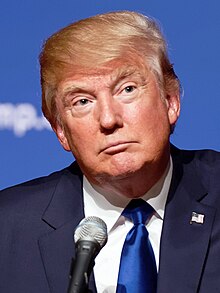
Donald Trump
Since declaring his candidacy for the 2016 Republican nomination for President in June, 2015, Trump made the use of torture a major campaign issue. He promised to end the waterboarding ban that President Barack Obama declared at the start of his term in 2009.
During a campaign event at Arizona’s Sun City retirement community, Trump said he would reinstate waterboarding and techniques that are “so much worse” and “much stronger.”
“Don’t tell me it doesn’t work—torture works,” Trump said. “Okay, folks? Torture—you know, half these guys [say]: ‘torture doesn’t work.’ Believe me, it works. Okay?”
How he knew it worked remained unclear, since he had never served in the military or law enforcement.
And in a February 15. 2016 Op-Ed piece for USA Today, Trump declared: “I will do whatever it takes.
“I have made it clear in my campaign that I would support and endorse the use of enhanced interrogation techniques if the use of these methods would enhance the protection and safety of the nation,” he wrote.
“Though the effectiveness of many of these methods may be in dispute, nothing should be taken off the table when American lives are at stake.
“The enemy is cutting off the heads of Christians and drowning them in cages, and yet we are too politically correct to respond in kind.”

The Reuters/lpsos online poll of 1,976 Americans occurred between March 22 and 28, 2016. Among its findings:
- About 25% said that the use of torture can “often” be justified against suspected terrorists.
- Another 38% said such tactics were “sometimes” appropriate in order to obtain information.
- Only 15% opposed torture under all circumstances.
Past surveys found Americans less comfortable with the controversial tactic.
In 2014, a poll by Amnesty International revealed that about 45% of Americans supported the use of torture against terrorism suspects.
Unfortunately for Americans, the truth about torture generally—and waterboarding in particular—-is that it doesn’t work.
Victims will say anything they think their captors want to hear to stop the agony. And, in fact, subsequent investigations have shown that just that happened with Al Qaeda suspects.
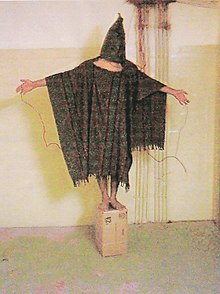

Humiliating a captive at Abu Ghraib Prison
Shortly after the invasion of Afghanistan in October, 2001, hundreds of Al Qaeda members started falling into American hands. And so did a great many others who were simply accused by rival warlords of being Al Qaeda members.
The only way to learn if Al Qaeda was planning any more 9/11-style attacks on the United States was to interrogate those suspected captives. The question was: How?
The CIA and the Pentagon quickly took the “gloves off” approach. Their methods included such “stress techniques” as playing loud music and flashing strobe lights to keep detainees awake.
Some were “softened up” prior to interrogation by “third-degree” beatings. And still others were waterboarded.
In 2003, an FBI agent observing a CIA “interrogation” at Guantanamo, Cuba, was stunned to see a detainee sitting on the floor, wrapped in an Israeli flag. Nearby, music blared and strobe slights flashed.
In Osama bin Laden’s 1998 declaration of war against America, he had accused the country of being controlled by the Jews, saying the United States “served the Jews’ petty state.”
Draping an Islamic captive with an Israeli flag could only confirm such propaganda.
The FBI, on the other hand, followed its traditional “kill them with kindness” approach to interrogation.
Pat D’Amuro, a veteran FBI agent who had led the Bureau’s investigation into the 1998 bombing of the American embassy in Nairobi, Kenya, warned FBI Director Robert Mueller III:
The FBI should not be a party in the use of “enhanced interrogation techniques.” They wouldn’t work and wouldn’t produce the dramatic results the CIA hoped for.
But there was a bigger danger, D’Amuro warned: “We’ll be handing every future defense attorney Giglio material.”
The Supreme Court had ruled in Giglio vs. the United States (1972) that the personal credibility of a government official was admissible in court.
Any FBI agent who made use of extra-legal interrogation techniques could potentially have that issue raised every time he testified in court on any other matter.
It was a defense attorney’s dream-come-true recipe for impeaching an agent’s credibility—and thus ruin his investigative career.
ABC NEWS, ABRAHAM LINCOLN, ALTERNET, AMERICABLOG, ANDREW JACKSON, AP, BABY BOOMER RESISTANCE, BARACK OBAMA, BBC, BLOOMBERG NEWS, BUZZFEED, CBS NEWS, CIVIL WAR, CNN, CROOKS AND LIARS, DAILY KOZ, DONALD TRUMP, FIVETHIRTYEIGHT, HARDBALL, HARPER’S MAGAZINE, HUFFINGTON POST, JANUARY 6 INSURRECTION, JOE BIDEN, JOHN C. CALHOUN, MARCHING THROUGH GEORGIA, MEDIA MATTERS, MOTHER JONES, MOVEON, MSNBC, NBC NEWS, NEW REPUBLIC, NEWSDAY, NEWSWEEK, NICCOLO MACHIAVELLI, NPR, PBS NEWSHOUR, POLITICO, POLITICUSUSA, RAW STORY, REPUBLICAN PARTY, REUTERS, ROBERT E. LEE, SALON, SEATTLE TIMES, SECCESSION, SLATE, TALKING POINTS MEMO, THE ATLANTIC, THE CHICAGO SUN-TIMES, THE CHICAGO TRIBUNE, THE DAILY BEAST, THE DAILY BLOG, THE DISCOURSES, THE GUARDIAN, THE HILL, THE HUFFINGTON POST, THE LOS ANGELES TIMES, THE NATION, THE NEW REPUBLIC, THE NEW YORK TIMES, THE NEW YORKER, THE VILLAGE VOICE, THE WALL STREET JOURNAL, THE WASHINGTON POST, THINKPROGRESS, TIME, TREASON, TRUTHDIG, TRUTHOUT, TWO POLITICAL JUNKIES, U.S. NEWS & WORLD REPORT, ULYSSES S. GRANT, UPI, USA TODAY, WILLIAM TECUMSEH SHERMAN, WONKETTE, X
In Bureaucracy, History, Law, Law Enforcement, Military, Politics, Social commentary on June 14, 2024 at 12:11 am
When Andrew Jackson, seventh President of the United States from 1829 to 1837, was close to death, he asked his doctor: “What act of my administration will be most severely condemned by future Americans?”
“Perhaps the removal of the bank deposits,” said the doctor—referring to Jackson’s withdrawal of U.S. Government monies from the first Bank of the United States.
That act had destroyed the bank, which Jackson had believed was a source of political corruption.
“Oh, no!” said Jackson.
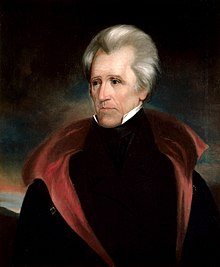
Andrew Jackson
Then, his eyes blazing, Jackson raged: “I can tell you. Posterity will condemn me more because I was persuaded not to hang John C. Calhoun as a traitor than for any other act in my life!”
John C. Calhoun had once been Vice President under Jackson and later a United States Senator from South Carolina. His fiery rhetoric and radical theories of “nullification” played a major part in bringing on the Civil War (1861-1865).
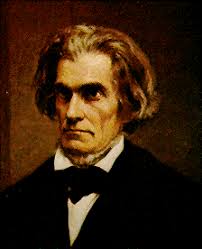
John C. Calhoun
Calhoun was an outspoken proponent of slavery, which he declared to be a “positive good” rather than a “necessary evil.” He supported states’ rights and nullification—by which states could declare null and void federal laws they deemed unconstitutional.
Over time, Southern states’ threats of “nullification” turned to threats of “secession” from the Union—and then civil war.
The resulting carnage destroyed at least 750,000 lives. More Americans died in that war than have been killed in all the major wars fought by the United States since.

When it ended, America was reinvented as a new, unified nation—and one where slavery was now banned by the 13th Amendment to the United States Constitution.
Equally important, the Federal Government had now set a precedent for using overwhelming military power to force states to remain in the Union.
But in 2012, within days of Barack Obama’s decisive winning of another four years as President, residents across the country filed secession petitions to the Obama administration’s “We the People” program.
States whose residents filed secession petitions included:
Alabama, Alaska, Arizona, Arkansas, California, Colorado, Connecticut, Delaware, Florida, Georgia, Hawaii, Idaho, Illinois, Indiana, Iowa, Kansas, Kentucky, Louisiana, Maine, Maryland, Massachusetts, Michigan, Minnesota, Mississippi, Missouri, Montana, Nebraska, New Hampshire, New Jersey, New Mexico, New York, Nevada, North Carolina, North Dakota, Ohio, Oklahoma, Oregon, Pennsylvania, Rhode Island, South Carolina, South Dakota, Tennessee, Texas, Utah, Virginia, Washington (state), West Virginia, Wisconsin and Wyoming.
Abraham Lincoln dedicated his Presidency—and sacrificed his life—to ensure the preservation of a truly United States.
And Robert E. Lee—the defeated South’s greatest general—spent the last five years of his life trying to put the Civil War behind him and persuade his fellow Southerners to accept their place in the Union.
But today avowed racists, Fascists and other champions of treason are working hard to destroy that union—and unleash a second Civil War.
On January 6, 2021, they illegally attacked the United States Capitol Building to halt the counting of Electoral College votes of the 2020 Presidential election. Their goal: Pressure Congress to overturn the election of former Vice President Joseph Biden’s in favor of President Donald Trump.
Not one of the Senators or Representatives who supported this treason has been indicted, let alone convicted.
And most importantly, the man who incited that treason—former President Donald Trump—has not been tried for it. He continues to spread the Big Lie that the election was “stolen” from him.
And most of his 74 million voters stand ready to commit additional acts of violence to “restore” him to office.
President Joseph Biden should follow Andrew Jackson’s example—before treasonous acts become the order of the day.
He should warn Stormtrumpers and Right-wing militia leaders that the United States Army, Navy, Air Force and Marines stand ready to squelch further outbreaks of treason. And that he will send modern-day counterparts of Union General William Tecumseh Sherman to wherever they are needed.
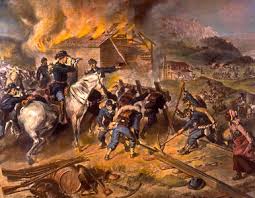
Sherman’s March through Georgia
Sherman cut a swath of destruction through Georgia during his now-famous “March to the Sea.” In a letter to his commanding general, Ulysses S. Grant, he expressed his formula for dealing with domestic terrorists:
“They cannot be made to love us, but they may be made to fear us. We cannot change the hearts of those people of the South.
“But we can make war so terrible that they will realize the fact that….they are still mortal and should exhaust all peaceful remedies before they fly to war.”
And Sherman’s counsel is backed up by none other than Niccolo Machiavelli, the father of modern political science.
In his masterwork, The Discouorses, he outlines the consequences of allowing lawbreakers to go unpunished:
“…Having established rewards for good actions and penalties for evil ones, and having rewarded a citizen for conduct who afterwards commits a wrong, he should be chastised for that without regard to his previous merits….
“For if a citizen who has rendered some eminent service to the state should add to the reputation and influence which he has thereby acquired the confident audacity of being able to commit any wrong without fear of punishment, he will in a little while become so insolent and overbearing as to put an end to all power of the law.”
2020 PRESIDENTIAL ELECTION, ABC NEWS, ALTERNET, ALVIN BRAGG, AMERICABLOG, AP, BABY BOOMER RESISTANCE, BBC, BLOOMBERG NEWS, BUZZFEED, CANADA, CBS NEWS, CHINA, CLASSIFIED DOCUMENTS, CNN, COMMUNISTS, CONFEDERATES, CONSPIRING TO OBSTRUCT JUSTICE, COVID-19, CROOKS AND LIARS, DAILY KOS, DEMOCRATS, DONALD TRUMP, DONALD TRUMP JR., E. JEAN CARROLL, EMOLUMENTS CLAUSE, ERIC TRUMP, FASCISTS, FBI, FIVETHIRTYEIGHT, GREAT BRITAIN, HARPER’S MAGAZINE, HILLARY CLINTON, HUFFINGTON POST, IVANKA TRUMP, JACK SMITH, JAMES COMEY, JANUARY 6 COUP ATTEMPT, JOSEPH BIDEN, JUAN MERCHAN, Kamala Harris, KEN PAXTON, KIM JONG-UN, KU KLUX KLAN, MANHATTAN DISTRICT ATTORNEY'S OFFICE, MAR-A-LAGO, MARXISTS, MARY TRUMP, MEDIA MATTERS, MERRICK GARLAND, MICHAEL COHEN, MOTHER JONES, MOVEON, MSNBC, NATO, NAZIS, NBC NEWS, NEW REPUBLIC, NEW YORK ATTORNEY GENERAL'S OFFICE, NEWSDAY, NEWSWEEK, NICCOLO MACHIAVELLI, NORTH KOREA, NPR, NUCLEAR WEAPONS, PAM BONDI, PBS NEWSHOUR, POLITICO, POLITICUSUSA, RAW STORY, REPUBLICANS, REUTERS, RUSSIA, SALON, SEATTLE TIMES, Secret Service, SLATE, STORMY DANIELS, TALKING POINTS MEMO, THE ATLANTIC, THE CHICAGO SUN-TIMES, THE CHICAGO TRIBUNE, THE DAILY BEAST, THE DAILY BLOG, THE GUARDIAN, THE HILL, THE HUFFINGTON POST, THE INTERCEPT, THE LOS ANGELES TIMES, THE NATION, THE NEW REPUBLIC, THE NEW YORK TIMES, THE NEW YORKER, THE VILLAGE VOICE, THE WASHINGTON POST, THINKPROGRESS, TIME, TREASON, TRUMP TOWER, TRUTHDIG, TRUTHOUT, TWITTER, U.S. NEWS & WORLD REPORT, UNITED STATES AIR FORCE, UNITED STATES ARMY, UNITED STATES CONSTITUTION, UNITED STATES DEPARTMENT OF JUSTICE, UNITED STATES HOUSE OF REPRESENTATVES, UNITED STATES MARINES, UNITED STATES NAVY, UPI, USA TODAY, VLADIMIR PUTIN, XI JINPING
In Bureaucracy, History, Law, Law Enforcement, Politics, Social commentary on June 5, 2024 at 12:16 am
Commentators have long speculated on why millions of Americans remain fanatically committed to Donald Trump.
There has been far less speculation on why so many law enforcers have turned a blind eye to Trump’s decades of criminality, if not treason.
Among those guilty:
- The Justice Department did not indict Trump for the series of threats he made—directly and indirectly—against Republicans and Democrats throughout the 2016 Presidential campaign.
- The United States Secret Service did not charge him with threatening the life of Presidential candidate Hillary Clinton: “Hillary [Clinton] wants to abolish, essentially abolish, the Second Amendment. If she gets to pick her [Supreme Court] judges, nothing you can do folks. Although the Second Amendment people, maybe there is, I don’t know.”
- The Justice Department did not prosecute Trump for treason, even though he solicited aid from Russia, a nation hostile to the United States. On July 27, 2016. Trump publicly invited “Russia”—i.e., Vladimir Putin—to hack Hillary Clinton’s emails: “I will tell you this, Russia: If you’re listening, I hope you’re able to find the 30,000 emails that are missing. I think you will probably be rewarded mightily by our press.”
There are at least two reasons why Trump has been allowed to insult and even threaten prosecutors and judges without facing the punishment an ordinary citizen would:
Cowardice: They fear Trump will slander them by claiming he’s the victim of a “witch hunt” to remove him from the 2024 Presidential race.
And/or they fear physical attack from his legions of fanatical followers.
Awe of the Presidency: They fear their careers will be tainted by prosecuting or judging a man who won the votes of 70 million Americans.

There are, however, remedies for both cowardice and awe:
Cowardice: Prosecutors and judges should expect threats and slanders from Trump. This is how he has traditionally responded to attempts to hold him legally accountable.
If judges and prosecutors fear violence from Trump’s fanatical followers, they can easily obtain round-the-clock protection by local and/or federal law enforcement agencies.
Awe: Trump is no longer President. He no longer commands Presidential immunity nor the powers of that office—such as being able to cite “executive privilege” to prevent the release of documents or testimony.
His refusals to accept this reality should be bluntly ignored.
More importantly, as President, he:
- Took no action to protect Americans from the deadly COVID-19 virus;
- Constantly sided with Russian dictator Vladimir Putin against the United States;
- Attacked the independent judiciary and free press;
- Praised Nazis and Ku Klux Klansmen;
- Fired FBI Director James Comey for refusing to pledge his personal loyalty to Trump and turn the agency into Trump’s private police force;
- Used his position as President to further enrich himself in violation of the Emoluments Clause of the Constitution;
- Attacked and alienated America’s oldest democratic allies, such as Canada and Great Britain;
- Refused to accept the results of a legitimate Presidential election; and
- Incited a deadly attack on Congress so he could illegally remain in office.
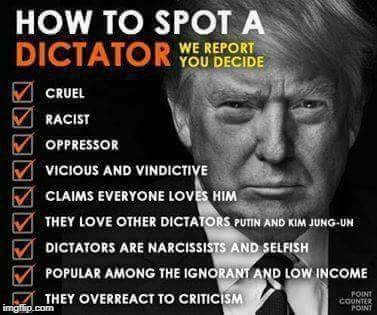
Those are only some of the despicable actions he took while in office.
The Presidency has long held most Americans in awe. This is largely because the man (and it’s always been a man) who holds it is elected by all Americans, and not just those of a particular city or state.
And he alone has control of America’s enormous military—the Army, Navy, Marines and Air Force—as well as a nuclear arsenal that can literally destroy all life on Earth.
Americans have long assumed that a victorious Presidential candidate has been blessed by God, and thus automatically commands a respect—if not reverence—denied to ordinary mortals.
But respect must be earned. And anyone guilty of even a small number of the crimes committed by Donald Trump long ago forfeited any right to such regard.
Once a President leaves office, he should be treated as any other American citizen—and held to the same standards as an ordinary citizen.
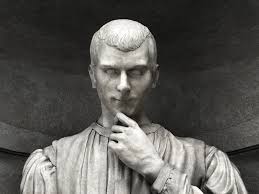
Niccolo Machiavelli
Niccolo Machiavelli, the Florentine statesman and father of modern political science, has eloquently warned of the dangers of ignoring this truth:
…No well-ordered republic should ever cancel the crimes of its citizens by their merits. But having established rewards for good actions and penalties for evil ones, and having rewarded a citizen for conduct who afterwards commits a wrong, he should be chastised for that without regard to his previous merits. And a state that properly observes this principle will long enjoy its liberty, but if otherwise, it will speedily come to ruin.
For if a citizen who has rendered some eminent service to the state should add to the reputation and influence which he has thereby acquired the confident audacity of being able to commit any wrong without fear of punishment, he will in a little while become so insolent and overbearing as to put an end to all power of the law.
Putting an end to “all power of the law” and setting himself up as “The Law” is precisely what Donald Trump tried to do after losing the 2020 Presidential election—and is still trying to do.
2020 PRESIDENTIAL ELECTION, ABC NEWS, ALTERNET, ALVIN BRAGG, AMERICABLOG, AP, BABY BOOMER RESISTANCE, BBC, BLOOMBERG NEWS, BUZZFEED, CANADA, CBS NEWS, CHINA, CLASSIFIED DOCUMENTS, CNN, COMMUNISTS, CONFEDERATES, CONSPIRING TO OBSTRUCT JUSTICE, COVID-19, CROOKS AND LIARS, DAILY KOS, DEMOCRATS, DONALD TRUMP, DONALD TRUMP JR., E. JEAN CARROLL, EMOLUMENTS CLAUSE, ERIC TRUMP, FASCISTS, FBI, FIVETHIRTYEIGHT, GREAT BRITAIN, HARPER’S MAGAZINE, HILLARY CLINTON, HUFFINGTON POST, IVANKA TRUMP, JACK SMITH, JAMES COMEY, JANUARY 6 COUP ATTEMPT, JOSEPH BIDEN, JUAN MERCHAN, Kamala Harris, KEN PAXTON, KIM JONG-UN, KU KLUX KLAN, MANHATTAN DISTRICT ATTORNEY'S OFFICE, MAR-A-LAGO, MARXISTS, MARY TRUMP, MEDIA MATTERS, MERRICK GARLAND, MICHAEL COHEN, MOTHER JONES, MOVEON, MSNBC, NATO, NAZIS, NBC NEWS, NEW REPUBLIC, NEW YORK ATTORNEY GENERAL'S OFFICE, NEWSDAY, NEWSWEEK, NICCOLO MACHIAVELLI, NORTH KOREA, NPR, NUCLEAR WEAPONS, PAM BONDI, PBS NEWSHOUR, POLITICO, POLITICUSUSA, RAW STORY, REPUBLICANS, REUTERS, RUSSIA, SALON, SEATTLE TIMES, Secret Service, SLATE, STORMY DANIELS, TALKING POINTS MEMO, THE ATLANTIC, THE CHICAGO SUN-TIMES, THE CHICAGO TRIBUNE, THE DAILY BEAST, THE DAILY BLOG, THE GUARDIAN, THE HILL, THE HUFFINGTON POST, THE INTERCEPT, THE LOS ANGELES TIMES, THE NATION, THE NEW REPUBLIC, THE NEW YORK TIMES, THE NEW YORKER, THE VILLAGE VOICE, THE WASHINGTON POST, THINKPROGRESS, TIME, TREASON, TRUMP TOWER, TRUTHDIG, TRUTHOUT, TWITTER, U.S. NEWS & WORLD REPORT, UNITED STATES AIR FORCE, UNITED STATES ARMY, UNITED STATES CONSTITUTION, UNITED STATES DEPARTMENT OF JUSTICE, UNITED STATES HOUSE OF REPRESENTATVES, UNITED STATES MARINES, UNITED STATES NAVY, UPI, USA TODAY, VLADIMIR PUTIN, XI JINPING
In Bureaucracy, History, Law, Law Enforcement, Politics, Social commentary on June 4, 2024 at 12:13 am
Donald Trump has lost the Presidential immunity shielding him from a wide range of civil lawsuits and criminal prosecutions.
He now faces unprecedented challenges from a legal system that had long ignored his rampant criminality.
Thus, regaining that Presidential immunity is arguably the biggest reason why he wants to become President again.
Although he no longer holds the Presidency, Trump repeatedly acts as though he does. He has asserted “executive privilege” on behalf of former members of his administration to block their testimony before courts, grand juries and even the office of Special Counsel Jack Smith.
He hid behind layers of Secret Service protection while attacking Manhattan District Attorney Alvin Bragg and even New York Supreme Court Justice Juan Merchan, who presided over his arraignment and trial in the Stormy Daniels hush money payment case.

Juan Merchan
“The criminal is the district attorney because he illegally leaked massive amounts of grand jury information,” Trump told supporters at Mar-a-Lago. “For which he should be prosecuted, or at a minimum he should resign.”
As for Merchan: “I have a Trump-hating judge with a Trump-hating wife and family whose daughter work[ed] for Kamala Harris.”
In Trump’s vocabulary, “Trump-hating” is the absolute worst sin/crime that can be committed.
Another man he has attacked as a “Trump hater” is Special Counsel Jack Smith, who’s also investigating Trump’s role in inciting his followers to attack Congress on January 6, 2021.

Jack Smith
The purpose of that attack: To stop the Electoral College vote count that would certify former Vice President Joseph Biden as the actual winner of the 2020 Presidential election.
In a July 4, 2023 post on his website, Truth Social, Trump falsely claimed:
“As my Poll numbers go higher & higher, the Communists, Marxists, & Fascists get more & more CRAZY with their ridiculous Indictments & Election Interference plans & plots, all controlled by an out of control, & very corrupt, DOJ/FBI. They have WEAPONIZED Law Enforcement in America at a level not seen before.”
Trump’s reference to “Communists, Marxists, & Fascists” as his enemies is particularly noteworthy.
He was, after all, the President who:
- Defended Russian dictator Vladimir Putin against findings by the FBI, CIA and National Security Agency that Russia had interfered in the 2020 Presidential election;
- Boasted that he and North Korean dictator Kim Jong-Un “fell in love” after an exchange of letters; and
- Praised Chinese strongman Xi Jinping for making himself “President-for-Life: “No, he’s great. And look, he was able to do that. I think it’s great. Maybe we’ll have to give that a shot some day.”
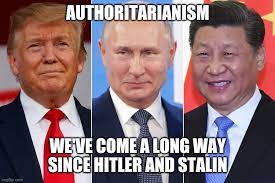
Given his subsequent efforts to remain in office despite losing the 2020 Presidential election, it’s clear that he had himself in mind when he “joked” about “giving that a shot some day.”
In his post, Trump continued: “Deranged Jack Smith, who is a sick puppet for A.G. Garland & Crooked Joe Biden, should be DEFUNDED & put out to rest. Republicans must get tough or the Dems will steal another Election. MAGA!”
By “A.G. Garland” Trump meant Attorney General Merrick Garland. By “put out to rest,” he meant that his followers should assassinate Smith.
Despite all this, Trump’s millions of Right-wing followers remain fanatically loyal to him.
Why?
On August 30, 2017, an article in Salon examined why Donald Trump’s base supports him so fanatically: “Most Americans Strongly Dislike Trump, But the Angry Minority That Adores Him Controls Our Politics.”
It described these voters as representing about one-third of the Republican party:
“These are older and more conservative white people, for the most part, who believe he should not listen to other Republicans and should follow his own instincts….
“They like Trump’s coarse personality, and approve of the fact that he treats women like his personal playthings. They enjoy it when he expresses sympathy for neo-Nazis and neo-Confederate white supremacists.

Supporters giving the Nazi “Sieg Heil” salute to Trump
“They cheer when he declares his love for torture, tells the police to rough up suspects and vows to mandate the death penalty for certain crimes. (Which of course the president cannot do.)
“…This cohort of the Republican party didn’t vote for Trump because of his supposed policies on trade or his threat to withdraw from NATO. They voted for him because he said out loud what they were thinking. A petty, sophomoric, crude bully is apparently what they want as a leader.”
What is harder to explain is why so many law enforcers have turned a blind eye to Trump’s decades of criminality, if not treason. Among those who have:
- Florida Attorney General Pam Bondi personally solicited a political contribution from Donald Trump around the same time her office deliberated joining an investigation of alleged fraud at Trump University and its affiliates. After Bondi dropped the Trump University case, he wrote her a $25,000 check for her re-election campaign. The money came from the Donald J. Trump Foundation.
- Republican Texas Attorney General Ken Paxton moved to muzzle a former state regulator who says he was ordered in 2010 to drop a fraud investigation into Trump University for political reasons. After the Texas case was dropped, Trump cut a $35,000 check to the gubernatorial campaign of then-attorney general and now Texas Governor Greg Abbott.
2020 PRESIDENTIAL ELECTION, ABC NEWS, ALTERNET, ALVIN BRAGG, AMERICABLOG, AP, BABY BOOMER RESISTANCE, BBC, BLOOMBERG NEWS, BUZZFEED, CANADA, CBS NEWS, CHINA, CLASSIFIED DOCUMENTS, CNN, COMMUNISTS, CONFEDERATES, CONSPIRING TO OBSTRUCT JUSTICE, COVID-19, CROOKS AND LIARS, DAILY KOS, DEMOCRATS, DONALD TRUMP, DONALD TRUMP JR., E. JEAN CARROLL, EMOLUMENTS CLAUSE, ERIC TRUMP, FASCISTS, FBI, FIVETHIRTYEIGHT, GREAT BRITAIN, HARPER’S MAGAZINE, HILLARY CLINTON, HUFFINGTON POST, IVANKA TRUMP, JACK SMITH, JAMES COMEY, JANUARY 6 COUP ATTEMPT, JOSEPH BIDEN, JUAN MERCHAN, Kamala Harris, KEN PAXTON, KIM JONG-UN, KU KLUX KLAN, MANHATTAN DISTRICT ATTORNEY'S OFFICE, MAR-A-LAGO, MARXISTS, MARY TRUMP, MEDIA MATTERS, MERRICK GARLAND, MICHAEL COHEN, MOTHER JONES, MOVEON, MSNBC, NATO, NAZIS, NBC NEWS, NEW REPUBLIC, NEW YORK ATTORNEY GENERAL'S OFFICE, NEWSDAY, NEWSWEEK, NICCOLO MACHIAVELLI, NORTH KOREA, NPR, NUCLEAR WEAPONS, PAM BONDI, PBS NEWSHOUR, POLITICO, POLITICUSUSA, RAW STORY, REPUBLICANS, REUTERS, RUSSIA, SALON, SEATTLE TIMES, Secret Service, SLATE, STORMY DANIELS, TALKING POINTS MEMO, THE ATLANTIC, THE CHICAGO SUN-TIMES, THE CHICAGO TRIBUNE, THE DAILY BEAST, THE DAILY BLOG, THE GUARDIAN, THE HILL, THE HUFFINGTON POST, THE INTERCEPT, THE LOS ANGELES TIMES, THE NATION, THE NEW REPUBLIC, THE NEW YORK TIMES, THE NEW YORKER, THE VILLAGE VOICE, THE WASHINGTON POST, THINKPROGRESS, TIME, TREASON, TRUMP TOWER, TRUTHDIG, TRUTHOUT, TWITTER, U.S. NEWS & WORLD REPORT, UNITED STATES AIR FORCE, UNITED STATES ARMY, UNITED STATES CONSTITUTION, UNITED STATES DEPARTMENT OF JUSTICE, UNITED STATES HOUSE OF REPRESENTATVES, UNITED STATES MARINES, UNITED STATES NAVY, UPI, USA TODAY, VLADIMIR PUTIN, XI JINPING
In Bureaucracy, History, Law, Law Enforcement, Politics, Social commentary on June 3, 2024 at 1:09 am
On May 30, 2024 former President Donald Trump was convicted by a Manhattan jury of all 34 charges of falsifying business records He thus became the first current or former president to be convicted of a felony.
He’s also the first major-party presidential nominee to be convicted of a crime in the midst of a campaign for the White House.
On April 1, CNN reported/editorialized: “The Manhattan district attorney’s office has been investigating Trump in connection with his alleged role in a hush money payment scheme and cover-up involving adult film star Stormy Daniels that dates to the 2016 presidential election.”
Throughout the trial—which began on April 15—Trump aggressively attacked Manhattan District Attorney Alvin Bragg as pursuing a leftist agenda to prevent him from running for President in 2024.
“If they can do this to me,” he has thundered in countless fund-raising appeals to his Right-wing followers, “they can do this to you.”
Which raises the question: How many others have tried to illegally pay hush-money to a porn “actress” to silence her during a Presidential campaign?
Nor is that the end of Trump’s prosecutorial troubles.
On June 13, 2023, he became the first ex-President to be formally booked by the Justice Department on federal charges.
Seal of the Department of Justice
He’s now facing 40 felony charges based on his retaining and hiding classified government documents from authorities.
These charges include:
- Willfully retaining national defense information: Storing 31 classified documents at his estate at Mar-a-Lago, in Palm Beach, Florida.
- Conspiring to obstruct justice: Conspiring to keep those documents from the grand jury.
- Withholding a document or a record: Misleading one of his attorneys by moving boxes of classified documents so the attorney could not find or introduce them to the grand jury.
- Concealing a document in a federal investigation: Hiding Trump’s possession of classified documents at Mar-a-Lago from the FBI and causing a false certificate to be submitted to the FBI.
- Scheme to conceal: Hiding his continued possession of documents from the FBI and the grand jury.
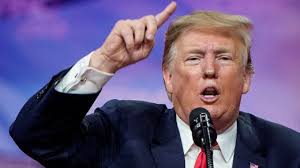
Donald Trump
Each charge carries a maximum fine of $250,000, with maximum prison sentences between five and 20 years.
According to Trump, facing 40 felony charges is “an honor because I’m doing it for you, I’m doing it for our country, to show how evil and sinister a place it has become. Make America great again! We’re not going to let them get away with it.”
In short: To save America, Trump has volunteered for this indictment. He isn’t the one who illegally removed and tried to retain almost 300 highly classified documents.
You did.
And he, like Jesus, is taking your sins upon himself.
Trump has repeatedly tried to make himself appear the victim of “a Democratic-led witch hunt.” But if politics has tainted the dispensing of justice in Trump’s case, it’s been on his behalf.
As President, he had immunity from criminal and civil lawsuits. He couldn’t be tried at local, state and federal levels.
And he had good reason to avoid facing trial at any level. He was facing at least five cases while he held office:
- The Manhattan District Attorney’s criminal case against the Trump Organization: For falsifying New York business records to conceal his hush money payoff to porn “star” Stormy Daniels for his extramarital tryst with her.
- The New York Attorney General’s civil investigation into the Trump Organization: For engaging in years of financial fraud to obtain a host of economic benefits.
- The E. Jean Carroll defamation lawsuit: For calling her a liar after she claimed he raped her in the 1990s.
- The Mary Trump lawsuit: For defrauding his niece out of millions of dollars.
- The Trump Tower lawsuit: Five people claim that Keith Schiller, the Trump Organization’s then chief of security, hit one of them on the head when they were protesting outside the company’s Manhattan headquarters in 2015.
Since leaving the White House, Trump has seen additional cases pile up against him. Among these:
- The Justice Department’s criminal investigation into Trump’s efforts to illegally overturn the 2020 presidential election.
- The Justice Department’s criminal investigation into Trump’s inciting an attack on Congress on January 6, 2021.
- The Justice Department’s criminal investigation into Trump’s illegally taking classified documents to his Mar-a-Lago estate and refusing to return them to the government.
- The House of Representatives’ January 6 lawsuit for trying to prevent Congress from certifying the Electoral College votes on January 6, 2021.
- The Eric Swalwell lawsuit by the California Representative for trying to block the Electoral College vote count.
- The Capitol Police January 6 lawsuits for emotional and physical injuries sustained by officers during the January 6, 2021 attack by Trump’s followers.
- The Michael Cohen lawsuit by Trump’s former attorney and fixer. He claims Trump retaliated against him after he said he was writing a tell-all about his years working for Trump.
- The Class Action lawsuit against the Trumps [Donald, Don Jr., Ivanka and Eric] and their business. This alleges that “the defendants used their brand name to defraud thousands of working-class individuals by promoting numerous businesses in exchange for ’secret payments.’”
Now his Presidential immunity is gone and he faces unprecedented challenges from a legal system that had long ignored his rampant criminality.
ABC NEWS, ADOLF HITLER, ALTERNET, AMERICABLOG, AP, ASSASSINATION, BABY BOOMER RESISTANCE, BUZZFEED, CBS NEWS, CNN, CONSPIRACIES, CROOKS AND LIARS, DAILY KOS, DAILY KOZ, DAY OF THE JACKAL, DONALD TRUMP, DRUDGE RETORT, FIVETHIRTYEIGHT, FREDERICK FORSYTHE, GAIUS CASSIUS, HARPER’S MAGAZINE, JULIUS CAESAR, LINCOLN MEMORIAL, MAR-A-LAGO, MARCUS BRUTUS, MARK ANTHONY, MEDIA MATTERS, MOTHER JONES, MOVEON, MSNBC, NBC NEWS, NEWSWEEK, NICCOLO MACHIAVELLI, NPR, PBS NEWSHOUR, PLOTS, POLITICO, POLITICUSUSA, RAW STORY, REUTERS, RICHARD M. NIXON, SALON, SEATTLE TIMES, Secret Service, SLATE, TALKING POINTS MEMO, THE ATLANTIC, THE CHICAGO SUN-TIMES, THE CHICAGO TRIBUNE, THE DAILY BEAST, THE DAILY BLOG, THE DISCOURSES, THE GUARDIAN, THE HILL, THE HUFFINGTON POST, THE LOS ANGELES TIMES, THE NATION, THE NEW REPUBLIC, THE NEW YORK TIMES, THE VILLAGE VOICE, THE WALL STREET JOURNAL, THE WASHINGTON POST, THINKPROGRESS, TIME, TRUTHDIG, TRUTHOUT, TWO POLITICAL JUNKIES, U.S. NEWS & WORLD REPORT, UPI, USA TODAY, VIETNAM WAR, WHITE HOUSE STAFFER, WONKETTE, X
In Bureaucracy, History, Law Enforcement, Military, Politics, Social commentary on May 30, 2024 at 12:12 am
More than 500 years ago, Niccolo Machiavelli, the Florentine statesman, authored The Discourses on Livy, a work of political history and philosophy. In it, he outlined how citizens of a republic can maintain their freedoms.
One of the longest chapters—Book Three, Chapter Six—covers “Of Conspiracies.” In it, those who wish to conspire against a ruler will find highly useful advice.
And so will those who wish to foil such a conspiracy.
For conspirators, there are three ways their efforts can be foiled.
- Discovery through denunciation;
- Discovery through incautiousness;
- Discovery through writings.
The first has already been covered. Now for the second and third.
Discovery through Writings: You may talk freely with anyone man about everything, for unless you have committed yourself in writing, the “Yes” of one man is worth as much as the “No” of another.
Thus, you should guard most carefully against writing, as against a dangerous rock, for nothing will convict you quicker than your own handwriting.
You may escape, then, from the accusation of a single individual, unless you are convicted by some writing or other pledge, which you should be careful never to give.
If you are denounced, there are means of escaping punishment:
- By denying the accusation and claiming that the person making it hates you; or
- Claiming that your accuser was tortured or coerced into giving false testimony against you.
But the most prudent course is to not tell your intentions to anyone, and to carry out the attempt yourself.
Even if you’re not discovered before you carry out your attack, there are still two dangers facing a conspirator:
Dangers in Execution: These result from:
- An unexpected change in the routine of the intended target;
- The lack of courage among the conspirators; or
- An error on their part, such as leaving some of those alive whom the conspirators intended to kill.
Adolf Hitler, who claimed to have a sixth-sense for danger, was famous for changing his routine at the last minute.
On November 9, 1939, this instinct saved his life. He had been scheduled to give a long speech at a Munich beer hall before the “Old Fighters” of his storm troopers.
But that evening he cut short his speech and left the beer hall. Forty-five minutes later, a bomb exploded inside a pillar—before which Hitler had been speaking.
Conspirators can also be doomed by their good intentions.
In 44 B.C., Gaius Cassius, Marcus Brutus and other Roman senators decided to assassinate Julius Caesar, whose dictatorial ambitions they feared.
Cassius also intended to murder Mark Anthony, Caesar’s strongest ally. But Brutus objected, fearing the plotters would look like butchers, not saviors. Even worse, he allowed Anthony to deliver a eulogy at Caesar’s funeral.
This proved so inflammatory that the mourners rioted, driving the conspirators out of Rome. Soon afterward, they were defeated in a battle with the legions of Anthony and Octavian Caesar—and forced to commit suicide to avoid capture and execution.
Machiavelli closes his chapter “Of Conspiracies” with advice to rulers on how they should act when they find a conspiracy has been formed against them.
If they discover that a conspiracy exists against them, they must, before punishing its authors, strive to learn its nature and extent. And they must measure the danger posed by the conspirators against their own strength.
And if they find it powerful and alarming, they must not expose it until they have amassed sufficient force to crush it. Otherwise, they will only speed their own destruction. They should try to pretend ignorance of it. If the conspirators find themselves discovered, they will be forced by necessity to act without consideration.
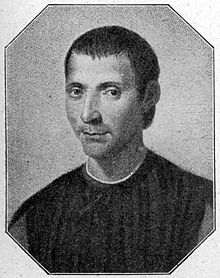
Niccolo Machiavelli
The foregoing was taken from Book Three, Chapter Six, of Machiavelli’s masterwork, The Discourses on Livy, which was published posthumously in 1531. But elsewhere in this volume, he notes how important it is for rulers to make themselves loved—or at least respected—by their fellow citizens:
Note how much more praise those Emperors merited who, after Rome became an empire, conformed to her laws like good princes, than those who took the opposite course.
Titus, Nerva, Trajan, Hadrian, Antoninus and Marcus Auelius did not require the Praetorians nor the multitudinous legions to defend them, because they were protected by their own good conduct, the good will of the people, and by the love of the Senate.
On the other hand, neither the Eastern nor the Western armies saved Caligula, Nero, Vitellius and so many other wicked Emperors from the enemies which their bad conduct and evil lives had raised up against them.
In his better-known work, The Prince, he warns rulers who—like Donald Trump–are inclined to rule by fear:
A prince should make himself feared in such a way that if he does not gain love, he at any rate avoids hatred: for fear and the absence of hatred may well go together.
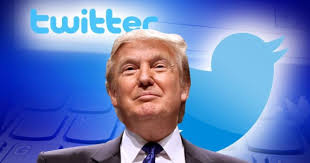
Donald Trump
By Machiavelli’s standards, Trump has made himself the perfect target for a conspiracy.
“When a prince becomes universally hated, it is likely that he’s harmed some individuals—who thus seek revenge. This desire is increased by seeing that the prince is widely loathed.”
ABC NEWS, ADOLF HITLER, ALTERNET, AMERICABLOG, AP, ASSASSINATION, BABY BOOMER RESISTANCE, BUZZFEED, CBS NEWS, CNN, CONSPIRACIES, CROOKS AND LIARS, DAILY KOS, DAILY KOZ, DAY OF THE JACKAL, DONALD TRUMP, FIVETHIRTYEIGHT, FREDERICK FORSYTHE, GAIUS CASSIUS, HARPER’S MAGAZINE, JULIUS CAESAR, LINCOLN MEMORIAL, MAR-A-LAGO, MARCUS BRUTUS, MARK ANTHONY, MEDIA MATTERS, MOTHER JONES, MOVEON, MSNBC, NBC NEWS, NEWSWEEK, NICCOLO MACHIAVELLI, NPR, PBS NEWSHOUR, PLOTS, POLITICO, POLITICUSUSA, RAW STORY, REUTERS, RICHARD M. NIXON, SALON, SEATTLE TIMES, Secret Service, SLATE, TALKING POINTS MEMO, THE ATLANTIC, THE CHICAGO SUN-TIMES, THE CHICAGO TRIBUNE, THE DAILY BEAST, THE DAILY BLOG, THE DISCOURSES, THE GUARDIAN, THE HILL, THE HUFFINGTON POST, THE LOS ANGELES TIMES, THE NATION, THE NEW REPUBLIC, THE NEW YORK TIMES, THE VILLAGE VOICE, THE WALL STREET JOURNAL, THE WASHINGTON POST, THINKPROGRESS, TIME, TRUTHDIG, TRUTHOUT, TWO POLITICAL JUNKIES, U.S. NEWS & WORLD REPORT, UPI, USA TODAY, VIETNAM WAR, WONKETTE, X
In Bureaucracy, History, Law Enforcement, Military, Politics, Social commentary on May 29, 2024 at 12:10 am
More than 500 years ago, Niccolo Machiavelli, the father of modern political science, offered sound advice for would-be conspirators—and for rulers seeking to thwart conspiracies.
He did so in The Discourses on Livy, a work of political history and philosophy. In it, he outlined how citizens of a republic can maintain their freedoms.
One of the longest chapters—Book Three, Chapter Six—covers “Of Conspiracies.” In it, those who wish to conspire against a ruler will find highly useful advice. And so will those who might well become the targets of conspiracies—such as President Donald J. Trump.
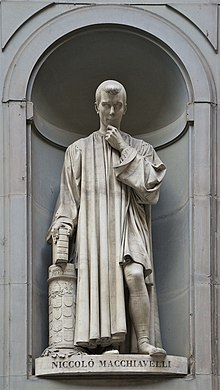
Niccolo Machiavellil
The most dangerous time for a ruler comes when he is universally hated.
Niccolo Machiavelli: When a prince becomes universally hated, it is likely that he’s harmed some individuals—who thus seek revenge. This desire is increased by seeing the prince is widely loathed.
A prince, then, should avoid incurring such universal hatred….
By doing this, he protects himself from such vengeance-seekers. There are two reasons for this:
(1) Men rarely risk danger to avenge a wrong; and
(2) Even if they want to avenge a wrong, they know they will face almost universal condemnation because the prince is held in such high esteem.
Machiavelli draws a distinction between plots and conspiracies.
A plot may be formed by a single individual or by many. The first isn’t a conspiracy, since that would involve at least two participants.
A single plotter avoids the danger faced by two or more conspirators:
Since no one knows his intention, he can’t be betrayed by an accomplice.
Anyone may form a plot, whether he is prominent or insignificant, because everyone is at some time allowed to speak to the prince. And he can use this opportunity to satisfy his desire for revenge.
On the other hand, says Machiavelli, the dangers of assassination by a trusted intimate are slight.
Few people dare to assault a prince. Of those who do, few or none escapes being killed in the attempt, or immediately afterward. As a result, only a small number of people are willing to incur such certain death.
Those who take part in a conspiracy against a ruler are “the great men of the state, or those on terms of familiar intercourse with the prince.”
These are men who have access to him. Julius Caesar, for example, was stabbed to death by members of the Roman Senate, who feared his assuming dictatorial powers.
And Adolf Hitler was conspired against by colonels and generals of the German Army. He was in fact holding a war conference when a briefcase bomb exploded, killing three officers and a stenographer, but leaving Hitler only slightly injured.
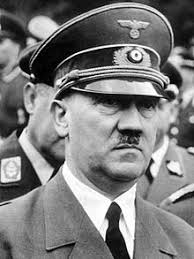

Adolf Hitler
There are three ways a conspiracy can be foiled:
- Discovery through denunciation;
- Discovery through incautiousness;
- Discovery through writings.
Discovery through Denunciation: This occurs through treachery or lack of prudence among one or more conspirators.
Treachery is so common that you can safely tell your plans to only your most trusted friends who are willing to risk their lives for your sake. You may find that you have only one or two of these.
But as you are bring more people into the conspiracy, the chances of discovery greatly increase. It’s impossible to find many who can be completely trusted: For their devotion to you must be greater than their sense of danger and fear of punishment.
Discovery through Carelessness: This happens when one of the conspirators speaks incautiously, so that a third person overhears it Or it may occur from thoughtlessness, when a conspirator tells the secret to his wife or child, or to some other indiscreet person.
When a conspiracy has more than three or four members, its discovery is almost certain, either through treason, imprudence or carelessness.
If more than one conspirator is arrested, the whole plot is discovered, for it will be impossible for any two to agree perfectly as to all their statements.
If only one is arrested, he may—through courage and stubbornness—be able to conceal the names of his accomplices. But then the others, to remain safe, must not panic and flee, since this is certain to be discovered.
If one of them becomes fearful—whether it’s the one who was arrested or is still at liberty—discovery of the conspiracy is certain.
The best way to avoid such detection is to confide your project to your intended fellow conspirators at the moment of execution—and not sooner.
A classic example of this occurred in ancient Persia. According to the Greek historian Herodotus: A group of nobles assembled to discuss overthrowing a usurper to the throne. The last one to arrive was Darius.
When one of the conspirators asked, “When should we strike?” Darius replied: “We must either go now at this very moment and carry it into execution, or I shall go and denounce you all. For I will not give any of you time to denounce me.”
At that, they went directly to the palace, assassinated the usurper and proclaimed Darius their new king.
ABC NEWS, ADOLF HITLER, ADVICE, ALTERNET, AMERICABLOG, AP, BABY BOOMER RESISTANCE, BAY OF PIGS, BBC, BENITO MUSSOLINI, BLOOMBERG NEWS, BUZZFEED, CAESARE BORGIA, CBS NEWS, CNN, CORPORATIONS, CROOKS AND LIARS, CUBA, DAILY KOS, DAILY KOZ, FIDEL CASTRO, FIVETHIRTYEIGHT, FLORENCE, HARPER’S MAGAZINE, HUFFINGTON POST, JOHN F. KENNEDY, JOSEPH STALIN, KING PERSEUS OF MACEDON, MEDIA MATTERS, MOTHER JONES, MOVEON, MSNBC, NAZI-SOVIET "NON-AGGRESSION PACT", NBC NEWS, NEW REPUBLIC, NEWSDAY, NEWSWEEK, NICCOLO MACHIAVELLI, NPR, PBS NEWSHOUR, POLITICO, POLITICS, POLITICUSUSA, POPE JULIUS 11, RAW STORY, REUTERS, SALON, SEATTLE TIMES, SLATE, TALKING POINTS MEMO, THE ATLANTIC, THE CHICAGO SUN-TIMES, THE CHICAGO TRIBUNE, THE DAILY BEAST, THE DAILY BLOG, THE DISCOURSES, THE GUARDIAN, THE HILL, THE HUFFINGTON POST, THE INTERCEPT, THE LOS ANGELES TIMES, THE NATION, THE NEW REPUBLIC, THE NEW YORK TIMES, THE NEW YORKER, THE PRINCE, THE SS, THE VILLAGE VOICE, THE WASHINGTON POST, THINKPROGRESS, THIRD REICH, TIME, TRUTHDIG, TRUTHOUT, TWITTER, U.S. NEWS & WORLD REPORT, UKRAINE, UPI, USA TODAY, VLADIMIR PUTIN, VOLODYMYR ZELENSKY, WEHRMACHT, WORLD WAR 11
In Bureaucracy, Business, History, Military, Politics, Social commentary on May 24, 2024 at 12:10 am
Ask the average person, “What do you think of Niccolo Machiavelli?” and he’s likely to say: “The devil.”
In fact, “The Old Nick” became an English term used to describe Satan and slander Machiavelli at the same time.

Niccolo Machiavelli
The truth, however, is more complex. Machiavelli was a passionate Republican, who spent most of his adult life in the service of his beloved city-state, Florence.
The years he spent as a diplomat were tumultuous ones for Italy—with men like Pope Julius II and Caesare Borgia vying for power and plunging Italy into one bloodbath after another.
Florence, for all its wealth, lacked a strong army, and thus lay at the mercy of powerful enemies, such as Borgia. Machiavelli often had to use his wits to keep them at bay.
Machiavelli is best-known for his writing of The Prince, a pamphlet on the arts of gaining and holding power. Its admirers have included Benito Mussolini and Joseph Stalin.
But his longer and more thoughtful work is The Discourses, in which he offers advice on how to maintain liberty within a republic. Among its admirers were many of the men who framed the Constitution of the United States.
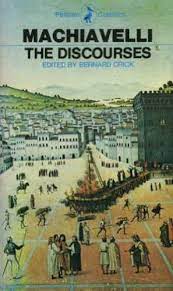

Most people believe that Machiavelli advocated evil for its own sake.
Not so. Rather, he recognized that sometimes there is no perfect—or perfectly good—solution to a problem.
Sometimes it’s necessary to take stern—even brutal—action to stop an evil (such as a riot) before it becomes widespread:
“A man who wishes to make a profession of goodness in everything must inevitably come to grief among so many who are not good. And therefore it is necessary for a prince, who wishes to maintain himself, to learn how not to be good, and to use this knowledge and not use it, according to the necessity of the case.”
His counsel remains as relevant today as it did during his lifetime (1469 – 1527). This is especially true for politicians—and students of political science.
But plenty of ordinary citizens can also benefit from the advice he has to offer—such as those in business who are asked to give advice to more powerful superiors.
Machiavelli warns there is danger in urging rulers to take a particular course of action: “For men only judge of matters by the result, all the blame of failure is charged upon him who first advised it, while in case of success he receives commendations. But the reward never equals the punishment.”
This puts would-be counselors in a difficult position: “If they do not advise what seems to them for the good of the republic or the prince, regardless of the consequences to themselves, then they fail to do their duty.
“And if they do advise it, then it is at the risk of their position and their lives, for all men are blind in thus, that they judge of good or evil counsels only by the results.”
Thus, Machiavelli warns that an adviser should “take things moderately, and not to undertake to advocate any enterprise with too much zeal, but to give one’s advice calmly and modestly.”
The person who asked for the advice may follow it, or not, as of his own choice, and not because he was led or forced into it by the adviser.
Above all, the adviser must avoid the danger of urging a course of action that runs “contrary to the wishes of the many.
“For the danger arises when your advice has caused the many to be contravened. In that case, when the result is unfortunate, they all concur in your destruction.”
Or, as President John F. Kennedy famously said after the disastrous invasion of Cuba at the Bay of Pigs in April, 1961: “Victory has a hundred fathers and defeat is an orphan.”
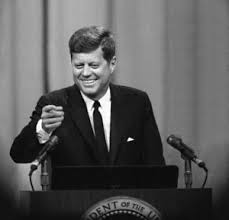
John F. Kennedy
By “not advocating any enterprise with too much zeal,” the adviser gains two advantages:
“The first is, you avoid all danger.
“And the second consists in the great credit which you will have if, after having modestly advised a certain course, your counsel is rejected, and the adoption of a different course results unfortunately.”
Finally, the time to give advice is before a catastrophe occurs, not after. Machiavelli gives a vivid example of what can happen if this rule is ignored.
King Perseus of Macedon had gone to war with Paulus Aemilius—and suffered a humiliating defeat. Fleeing the battlefield with a handful of his men, he later bewailed the disaster that had overtaken him.
Suddenly, one of his lieutenants began to lecture Perseus on the many errors he had committed, which had led to his ruin.
“Traitor,” raged the king, turning upon him, “you have waited until now to tell me all this, when there is no longer any time to remedy it—” And Perseus slew him with his own hands.
Niccolo Machiavelli sums up the lesson as this:
“Thus was this man punished for having been silent when he should have spoken, and for having spoken when he should have been silent.”
Be careful that you don’t make the same mistake.
ABC NEWS, ALTERNET, AMERICABLOG, AP, ATTACK ON RABBIS IN JERUSALEM SYNAGOGUE, BABY BOOMER RESISTANCE, BBC, BENJAMIN NETANYAHU, BLOOMBERG NEWS, BUZZFEED, CBS NEWS, CIVIL WAR, CNN, CROOKS AND LIARS, DAILY KOS, FIVETHIRTYEIGHT, GAZA, HARPER’S MAGAZINE, HUFFINGTON POST, ISRAEL, JERUSALEM, KIDNAPPING, MEDIA MATTERS, MOTHER JONES, MOVEON, MSNBC, NBC NEWS, NEW REPUBLIC, NEWSDAY, NEWSWEEK, NICCOLO MACHIAVELLI, NPR, PBS NEWSHOUR, POLITICO, POLITICUSUSA, RAW STORY, REUTERS, SALON, SEATTLE TIMES, SETTLEMENT ATTACKS, SLATE, TALKING POINTS MEMO, TERRORISM, THE ATLANTIC, THE CHICAGO SUN-TIMES, THE CHICAGO TRIBUNE, THE DAILY BEAST, THE DAILY BLOG, THE GUARDIAN, THE HILL, THE HUFFINGTON POST, THE INTERCEPT, THE LOS ANGELES TIMES, THE NATION, THE NEW REPUBLIC, THE NEW YORK TIMES, THE NEW YORKER, THE PRINCE, THE VILLAGE VOICE, THE WALL STREET JOURNAL, THE WASHINGTON POST, THINKPROGRESS, TIME, TRUTHDIG, TRUTHOUT, TWITTER, U.S. NEWS & WORLD REPORT, UPI, WILLIAM TECUMSEH SHERMAN
In Bureaucracy, History, Politics, Social commentary on May 10, 2024 at 12:11 am
On October 7, 2023, about 2,500 Hamas terrorists launched coordinated attacks on Israeli outposts and settlements, firing over 5,000 rockets and burning houses.
Since then, Israel has pounded Gaza with bombs, missiles. tanks and soldiers. About 62% of all homes have been destroyed. More than a million residents have been rendered homeless. Damages have been estimated at over $13 billion.
To date, more than 31,184 Palestinians have been killed and 72,889 injured, according to the local health authorities.
Nine years earlier—on November 18, 2014—a similar outrage had occurred in Jerusalem.
Screaming “Allah akbar!”–the Islamic battle cry, “God is Great!”—two Palestinians wielding meat cleavers and a gun slaughtered five worshippers in a Jerusalem synagogue.
Three of the dead were Americans holding Israeli citizenship. Four of them were rabbis.
Eight people were injured—and one later died—before the attackers were killed in a shootout with police.

Aftermath of the attack on unarmed rabbis in a Jerusalem synagogue
The attack was the deadliest in Israel’s capital since 2008, when a Palestinian gunman shot eight people in a religious seminary school.
And how did Palestinians react to the grisly murders of five unarmed worshippers?
They celebrated:
- Revelers in the Gazan city of Rafah handed out candy and brandished axes and posters of the suspects in praise of the deadly attack.
- Hamas-affiliated social media circulated violent and anti-Semitic cartoons hailing the killings.
- Students in Bethlehem joined in the festivities by sharing candy.

Palestinians celebrating the attack
- The parents of the two terrorists joyfully declared: “They are both Shahids (martyrs) and heroes.”
- A resident of the terrorists’ neighborhood stated: “We have many more youngsters and nothing to lose. They are willing to harm Jews, anything for al-Aqsa.”
- Another resident said: “People here won’t sit quietly, they will continue to respond. We will make the lives of the Jews difficult everywhere.”
And how did Israelis respond to that atrocity?
Israeli Prime Minister Benjamin Netanyahu ordered the demolitions of the homes of the attackers.
The blunt truth was that Palestinians had no interest in preventing such attacks on Israeli citizens—because Israel hadn’t given them any.
Blowing up houses only takes out anger on lifeless buildings. Those who lived there are still alive—and able to seek revenge in the future.
As Niccolo Machiavelli once warned:
…Above all [a ruler] must abstain from taking the property of others, for men forget more easily the death of their father than the loss of their inheritance.
But there was an alternative which Israelis could have considered.
To instill a sense of civic responsibility—however begrudgingly—in their Islamic citizens: Every time such an atrocity occurred, Israel could have deported at least 10,000 Arabs from its territory.
Suddenly, Arabs living in Israel would have had real incentive for preventing such attacks against Israelis. Or at least for reporting to police the intentions of those they knew were planning such attacks.
“Hey,” they would have thought, “if Abdul blows up that police station like he said he wants to, I could get sent to a refugee camp.”
It’s extremely likely there would have been s sudden rush of Arab informants to Israeli police stations.
Machiavelli, the 15th century Florentine statesmen, carefully studied both war and politics. In his most famous—or infamous—work, The Prince, he advises:
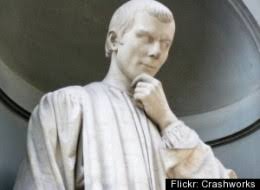
Niccolo Machiavelli
From this arises the question whether it is better to be loved than feared, or feared more than loved. The reply is, that one ought to be both feared and loved, but as it is difficult for the two to go together, it is much safer to be feared than loved.
For it may be said of men in general that they are ungrateful, voluble, dissemblers, anxious to avoid danger and covetous of gain; as long as you benefit them, they are entirely yours: they offer you their blood, their goods, their life and their children, when the necessity is remote, but when it approaches, they revolt.
And the prince who has relied solely on their words, without making other preparations, is ruined; for the friendship which is gained by purchase and not through grandeur and nobility of spirit is bought but not secured, and at a pinch is not to be expended in your service.
And men have less scruple in offending one who makes himself loved than one who makes himself feared; for love is held by a chain of obligations which, men being selfish, is broken whenever it serves their purpose; but fear is maintained by a dread of punishment which never fails.
Machiavelli knew—and warned—that while it was useful to avoid hatred, it was fatal to be despised.
And he also warned that humility toward insolent enemies only encourages their hatred and contempt.
Accompanying this is the advice of perhaps the greatest general of the American Civil War: William Tecumseh Sherman.
Sherman, whose army cut a swath of destruction through the South in 1864, said it best. Speaking of the Southern Confederacy, he advised:
“They cannot be made to love us, but they may be made to fear us.”
Israelis will never be able to make its sworn Islamic enemies love them. But they can instill such a healthy fear in most of them that such atrocities as the synagogue butchery and settlement attacks will become a rarity.
.jpg)


 Bureaucracybuster's Blog
ABC NEWS, AL QAEDA, ALTERNET, AMERICABLOG, AP, BABY BOOMER RESISTANCE, BARACK OBAMA, BBC, BLOOMBERG, BRUSSELS, BUZZFEED, CBS NEWS, CIA, CNN, CROOKS AND LIARS, DAILY KOS, DONALD TRUMP, EDUARDO "TED" CRUZ, FBI, FIVETHIRTYEIGHT, GUANTANAMO, HARPER’S MAGAZINE, HUFFINGTON POST, ISLAM, ISLAMIC STATE OF IRAQ AND SYRIA (ISIS), MEDIA MATTERS, MOTHER JONES, MOVEON, MSNBC, NBC NEWS, NEW REPUBLIC, NEWSDAY, NEWSWEEK, NEWT GINGRICH, NICCOLO MACHIAVELLI, NPR, PARIS, PBS NEWSHOUR, PENTAGON, POLITICO, POLITICUSUSA, RAW STORY, REUTERS, RICK SANTORUM, RUDLOPH GIULIANI, RUDOLPH GIULIANI, SALON, SAN BERNADINO, SEATTLE TIMES, SLATE, SUPREME COURT, TALKING POINTS MEMO, TERRORISM, THE ATLANTIC, THE CHICAGO SUN-TIMES, THE CHICAGO TRIBUNE, THE DAILY BEAST, THE DAILY BLOG, THE DISCOURSES, THE GUARDIAN, THE HILL, THE HUFFINGTON POST, THE INTERCEPT, THE LOS ANGELES TIMES, THE NATION, THE NEW REPUBLIC, THE NEW YORK TIMES, THE NEW YORKER, THE VILLAGE VOICE, THE WASHINGTON POST, THINKPROGRESS, TIME, TORTURE, TRUTHDIG, TRUTHOUT, TWO POLITICAL JUNKIES, U.S. NEWS & WORLD REPORT, UPI, USA TODAY, WATERBOARDING, X
DOES TORTURE WORK?: PART TWO (END)
In Bureaucracy, History, Law, Law Enforcement, Military, Politics, Social commentary on June 26, 2024 at 12:11 amDonald Trump made a return to waterboarding terrorism suspects a prime issue in his campaign for the 2016 Republican Presidential nomination.
And a March 30, 2016 Reuters/lpsos poll showed that nearly two-thirds of Americans believed that the use of torture could be justified to force suspected terrorists to talk.
A growing fear by Americans of Islamic terrorism had been ignited by a series of deadly Islamic terrorist attacks in Europe and the United States.
Frightening a prisoner in Iraq
In fact, however, torture, generally, and waterboarding in particular, have proven worthless at obtaining reliable information.
Victims will say anything they think their captors want to hear to stop the agony.
Yoshia Chee, a Special Forces veteran of Vietnam, recalled his use of torture against suspected Vietcong:
“One of the favorite things was popping one of their eyeballs out with a spoon….
“If I had one of my eyeballs hanging out, I’d say I killed Kennedy. I’d agree to anything in the whole world.
“We would do that, and they still wouldn’t talk….You rarely got anything out of them. Just more hatred. More reason to fight back.”
Click here: Strange Ground: An Oral History Of Americans In Vietnam, 1945-1975: Harry Maurer: 9780306808395: Amazon.com: Books
During the George W. Bush Presidency, the CIA relied on harsh physical punishments—beatings, humiliations and waterboarding—to convince suspects to talk. These were euphemistically referred to as “enhanced interrogation techniques.”
Upon assuming the Presidency in 2009, Barack Obama ordered an immediate halt to such methods. Since then, Republicans generally and their Presidential aspirants in particular have harshly criticized Obama’s decision.
Like Trump, they claimed that Obama had endangered American security in the name of Political Correctness. In turn, Obama argued that the use of torture produces unreliable information and inflames Muslim hatred of America.
Meanwhile, the FBI applied its traditional “kill them with kindness” approach to interrogation. And agents found this yielded far greater results.
For one thing, most Al Qaeda members relished appearing before grand juries.
Unlike organized crime members, they were talkative—and even tried to proselytize to the jury members. They were proud of what they had done—and wanted to talk.
“This is what the FBI does,” said Mike Rolince, an FBI expert on counter-terrorism. “Nearly 100% of the terrorists we’ve taken into custody have confessed. The CIA wasn’t trained. They don’t do interrogations.”
According to The Threat Matrix: The FBI at War in the Age of Global Terror (2011) jihadists had been taught to expect severe torture at the hands of American interrogators.
Writes Author Garrett M. Graff:
“Often, in the FBI’s experience, their best cooperation came when detainees realized they weren’t going to get tortured, that the United States wasn’t the Great Satan. Interrogators were figuring out…that not playing into Al Qaeda’s propaganda could produce victories.”
And the FBI isn’t alone in believing that acts of simple humanity can turn even sworn enemies into allies.
No less an authority on “real-politick” than Niccolo Machiavelli reached the same conclusion more than 500 years ago.
In his small and notorious book, The Prince, he writes about the methods a ruler must use to gain power. But in his larger and lesser-known masterwork, The Discourses, he outlines the ways that liberty can be maintained in a republic.
Niccolo Machiavelli
For Machiavelli, only a well-protected state can hope for peace and prosperity. Toward that end, he wrote at length about the best ways to succeed militarily. And in war, humanity can prevail at least as often as inhumanity.
Consider the following example from The Discourses:
Camillus [a Roman general] was besieging the city of the Faliscians, and had surrounded it….A teacher charged with the education of the children of some of the noblest families of that city [to ingratiate himself] with Camillus and the Romans, led these children…into the Roman camp.
And presenting them to Camillus [the teacher] said to him: “By means of these children as hostages, you will be able to compel the city to surrender.”
Camillus not only declined the offer but had the teacher stripped and his hands tied behind his back….[Then Camillus] had a rod put into the hands of each of the children…[and] directed them to whip [the teacher] all the way back to the city.
Upon learning this fact, the citizens of Faliscia were so much touched by the humanity and integrity of Camillus, that they surrendered the place to him without any further defense.
This example shows that an act of humanity and benevolence will at all times have more influence over the minds of men than violence and ferocity.
It also proves that provinces and cities which no armies…could conquer, have yielded to an act of humanity, benevolence, chastity or generosity.
This truth should be remembered whenever Right-wingers brag about their patriotism and willingness to “get tough“ with America’s enemies.
Many—like Newt Gingrich, Rudolph Giuliani, Rick Santorum, Eduardo “Ted” Cruz and Donald Trump—strenuously avoided military service. These “chickenhawks” talk tough and are always ready to send others into battle—but keep themselves well out of harm’s way.
Such men are not merely contemptible; they are dangerous.
Share this: