Posts Tagged ‘AFFORDABLE CARE ACT’
A BRONX TALE, ABC NEWS, AFFORDABLE CARE ACT, AIR TRAFFIC CONTROLLERS STRIKE, ALTERNET, AMERICABLOG, ANWAR AL-AWLAKI, AP, BABY BOOMER RESISTANCE, BARACK OBAMA, BBC, BILL CLINTON, BLOOMBERG NEWS, BOB WOODWARD, BUZZFEED, CBS NEWS, CHAZZ PALMINTERI, CNN, COLUMBIA UNIVERSITY, CROOKS AND LIARS, DAILY KOZ, DAVID BARRON, DEAN ACHESON, DONALD TRUMP, FACEBOOK, FBI, FIVETHIRTYEIGHT, HARPER’S MAGAZINE, HARVARD LAW SCHOOL, HUFFINGTON POST, IRS, J. EDGAR HOOVER, JAMES HOFFA, JEFF SESSIONS, JOE BIDEN, JOHN F. KENNEDY, JOHN KELLY, LYNDON B. JOHNSON, MAFIA, MEDIA MATTERS, MOAMMAR KADAFFI, MONICA LEWINSKY, MOTHER JONES, MOVEON, MSNBC, NBC NEWS, NEW REPUBLIC, NEWSDAY, NEWSWEEK, NICCOLO MACHIAVELLI, NPR, PBS NEWSHOUR, POLITICO, POLITICUSUSA, RAND PAUL, RAW STORY, REINCE PREBIUS, REPUBLICAN PARTY, REUTERS, ROBERT F. KENNEDY, Ronald Reagan, SALON, SCREEN ACTORS GUILD, SEATTLE TIMES, SLATE, TALKING POINTS MEMO, THE ATLANTIC, THE CHICAGO SUN-TIMES, THE CHICAGO TRIBUNE, THE DAILY BEAST, THE DAILY BLOG, THE GUARDIAN, THE HILL, THE HUFFINGTON POST, THE LOS ANGELES TIMES, THE NATION, THE NEW REPUBLIC, THE NEW YORK TIMES, THE NEW YORKER, THE PRINCE, THE VILLAGE VOICE, THE WASHINGTON POST, THINKPROGRESS, TIME, TIMOTHY MCVEIGH, TRUTHDIG, TRUTHOUT, TWITTER, TWO POLITICAL JUNKIES, U.S. NEWS & WORLD REPORT, UPI, USA TODAY, WONKETTE
In Bureaucracy, History, Law Enforcement, Politics, Social commentary on May 27, 2021 at 12:05 am
Is it better to be loved or feared?
That was the question Florentine statesman Niccolo Machiavelli raised more than 500 years ago.
Presidents have struggled to answer this question—and have come to different conclusions.
LOVE ME, FEAR MY BROTHER
Most people felt irresistibly drawn to John F. Kennedy (1961-63). Even his political foe, Henry Luce, the conservative publisher of Time, once said, “He makes me feel like a whore.”
But JFK could afford to bask in the love of others—because his younger brother, Robert, was the one who inspired fear.
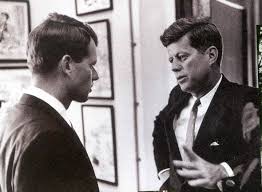
Robert F. Kennedy and John F. Kennedy
He had done so as Chief Counsel for the Senate Rackets Committee (1957-59), grilling Mafia bosses and corrupt union officials—most notably Teamsters President James Hoffa.
Appointed Attorney General by JFK, he unleashed the FBI and the IRS on the Mafia. When the steel companies colluded in an inflationary rise in the price of steel in 1962, Bobby sicced the FBI on them.
In 1963, JFK’s cavorting with Ellen Rometsh threatened to destroy his Presidency. Rometsch, a Washington, D.C. call girl, was suspected by the FBI of being an East German spy.
With Republican Senators preparing to investigate the rumors, Bobby ordered Rometsch—a German citizen—deported immediately.
BEING LOVED AND FEARED
In the 1993 movie, A Bronx Tale, 17-year-old Calogero (Lillo Brancato) asks his idol, the local Mafia capo, Sonny (Chazz Palminteri): “Is it better to be loved or feared?”
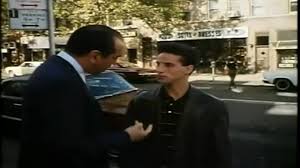
Sonny gives advice to his adopted son, Calogero
Sonny says if he had to choose, he would rather be feared. But he adds a warning straight out of Machiavelli: “The trick is not being hated. That’s why I treat my men good, but not too good.
“I give too much, then they don’t need me. I give them just enough where they need me, but they don’t hate me.”
Machiavelli, writing in The Prince, went further:
“Still a Prince should make himself feared in such a way that if he does not gain love, he at any rate avoids hatred, for fear and the absence of hatred may well go together.”
Many who quote Machiavelli in defense of being feared overlook this vital point: It’s essential to avoid becoming hated.
To establish a fearful reputation, a leader must act decisively and ruthlessly when the interests of the organization are threatened. Punitive action must be taken promptly and confidently.
One or two such actions can inspire more fear than a reign of terror.
In fact, it’s actually dangerous to constantly employ cruelties or punishments. Whoever does so, warns Machiavelli, “is always obliged to stand with knife in hand, and can never depend on his subjects, because they, owing to continually fresh injuries, are unable to depend upon him.”
The 20th century President who came closest to realizing Machiavelli’s “loved and feared” prince in himself was Ronald Reagan (1981-1989).
Always smiling, quick with a one-liner (especially at press conferences), seemingly unflappable, he projected a constantly optimistic view of his country and its citizens.
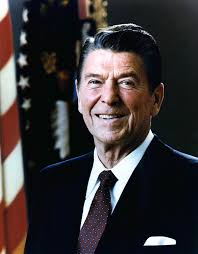
Ronald Reagan
In his acceptance speech at the 1980 Republican National Convention he declared: “[The Democrats] say that the United States…has passed its zenith. My fellow citizens, I utterly reject that view.”
But there was a steely, ruthless side to Reagan that appeared when he felt crossed.
On August 3, 1981, nearly 13,000 air traffic controllers walked out after contract talks with the Federal Aviation Administration collapsed. As a result, some 7,000 flights across the country were canceled on that day at the peak of the summer travel season.
Reagan branded the strike illegal. He threatened to fire any controller who failed to return to work within 48 hours.
On August 5, Reagan fired more than 11,000 air traffic controllers who hadn’t returned to work. The mass firing slowed commercial air travel, but it did not cripple the system as the strikers had forecast.
Reagan’s action stunned the American labor movement. Reagan was the only American President to have belonged to a union, the Screen Actors Guild. He had even been president of this—from 1947 to 1954.
There were no more strikes by Federal workers during Reagan’s tenure in office.
Similarly, Libya’s dictator, Moammar Kadaffi, learned that Reagan was not a man to cross.
On April 5, 1986, Libyan agents bombed a nightclub in West Berlin, killing three people, one a U.S. serviceman. The United States quickly learned that Libyan agents in East Germany were behind the attack.
On April 15, acting on Reagan’s orders, U.S. Air Force, Navy and Marine Corps bombers struck at several sites in Tripoli and Benghazi. Reportedly, Kaddafi himself narrowly missed becoming a casualty.
There were no more acts of Libyan terrorism against Americans for the rest of Reagan’s term.
PERCEIVED WEAKNESS INVITES CONTEMPT
American Presidents—like politicians everywhere–strive to be loved. There are two primary reasons for this.
First, even the vilest dictators want to believe they are good people—and that their goodness is rewarded by the love of their subjects.
Second, it’s universally recognized that a leader who’s beloved has greater clout than one who isn’t.
But those—like Barack Obama—who strive to avoid conflict often get treated with contempt and hostility by their adversaries.
A BRONX TALE, ABC NEWS, AFFORDABLE CARE ACT, AIR TRAFFIC CONTROLLERS STRIKE, ALTERNET, AMERICABLOG, ANWAR AL-AWLAKI, AP, BABY BOOMER RESISTANCE, BARACK OBAMA, BBC, BILL CLINTON, BLOOMBERG NEWS, BOB WOODWARD, BUZZFEED, CBS NEWS, CHAZZ PALMINTERI, CNN, COLUMBIA UNIVERSITY, CROOKS AND LIARS, DAILY KOZ, DAVID BARRON, DEAN ACHESON, DONALD TRUMP, FACEBOOK, FBI, FIVETHIRTYEIGHT, HARPER’S MAGAZINE, HARVARD LAW SCHOOL, HUFFINGTON POST, IRS, J. EDGAR HOOVER, JAMES HOFFA, JEFF SESSIONS, JOE BIDEN, JOHN F. KENNEDY, JOHN KELLY, LYNDON B. JOHNSON, MAFIA, MEDIA MATTERS, MOAMMAR KADAFFI, MONICA LEWINSKY, MOTHER JONES, MOVEON, MSNBC, NBC NEWS, NEW REPUBLIC, NEWSDAY, NEWSWEEK, NICCOLO MACHIAVELLI, NPR, PBS NEWSHOUR, POLITICO, POLITICUSUSA, RAND PAUL, RAW STORY, REINCE PREBIUS, REPUBLICAN PARTY, REUTERS, ROBERT F. KENNEDY, Ronald Reagan, SALON, SCREEN ACTORS GUILD, SEATTLE TIMES, SLATE, TALKING POINTS MEMO, THE ATLANTIC, THE CHICAGO SUN-TIMES, THE CHICAGO TRIBUNE, THE DAILY BEAST, THE DAILY BLOG, THE GUARDIAN, THE HILL, THE HUFFINGTON POST, THE LOS ANGELES TIMES, THE NATION, THE NEW REPUBLIC, THE NEW YORK TIMES, THE NEW YORKER, THE PRINCE, THE VILLAGE VOICE, THE WASHINGTON POST, THINKPROGRESS, TIME, TIMOTHY MCVEIGH, TRUTHDIG, TRUTHOUT, TWITTER, TWO POLITICAL JUNKIES, U.S. NEWS & WORLD REPORT, UPI, USA TODAY, WONKETTE
In Bureaucracy, History, Law Enforcement, Politics, Social commentary on May 26, 2021 at 12:25 am
In 1513, Niccolo Machiavelli, the father of political science, wrote his infamous book, The Prince. This may well be its most-quoted part:
“From this arises the question whether it is better to be loved than feared, or feared more than loved. The reply is, that one ought to be both feared and loved, but as it is difficult for the two to go together, it is much safer to be feared than loved.
“For it may be said of men in general that they are ungrateful, voluble, dissemblers, anxious to avoid danger and covetous of gain. As long as you benefit them, they are entirely yours….when the necessity is remote, but when it approaches, they revolt.
“And the prince who has relied solely on their words, without making other preparations, is ruined. For the friendship which is gained by purchase and not through grandeur and nobility of spirit is bought but not secured, and at a pinch is not to be expended in your service.
“And men have less scruple in offending one who makes himself loved than one who makes himself feared. For love is held by a chain of obligations which, men being selfish, is broken whenever it serves their purpose. But fear is maintained by a dread of punishment which never fails.”
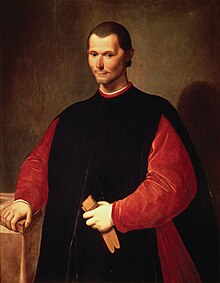
Niccolo Machiavelli
So—which is better: To be feared or loved?
In the 1993 film, A Bronx Tale, 17-year-old Calogero (Lillo Brancato) poses that question to his idol, the local Mafia capo, Sonny (Chazz Palminteri).
“That’s a good question,” Sonny replies. “It’s nice to be both, but it’s very difficult. But if I had my choice, I would rather be feared.
“Fear lasts longer than love. Friendships that are bought with money mean nothing. You see how it is around here. I make a joke, everybody laughs. I know I’m funny, but I’m not that funny. It’s fear that keeps them loyal to me.”
Presidents face the same dilemma as Mafia capos—and resolve it in their own ways.
LOVE ME BECAUSE I NEED TO BE LOVED
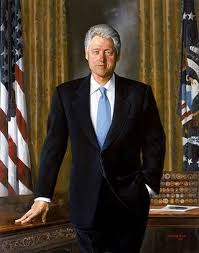
Bill Clinton (1993-2001) believed that he could win over his self-appointed Republican enemies through his sheer charm.
Part of this lay in self-confidence: He had won the 1992 and 1996 elections by convincing voters that “I feel your pain.”
Bill Clinton
And part of it lay in his need to be loved. He once said that if he were in a room with 100 people and 99 of them liked him but one didn’t, he would spend all his time with that one person, trying to win him over.
But while he could charm voters, he could not bring himself to retaliate against his sworn Republican enemies.
On April 19, 1995, Right-wing terrorist Timothy McVeigh drove a truck–packed with 5,000 pounds of ammonium nitrate and nitromethane–to the front of the Alfred P. Murrah Federal Building in Oklahoma City.
The explosion killed 168 people, including 19 children in the day care center on the second floor, and injured 684 others.
Suddenly, Republicans were frightened. Since the end of World War II, they had vilified the very Federal Government they belonged to. They had deliberately courted the Right-wing militia groups responsible for the bombing.
So Republicans feared Clinton would now turn their decades of hate against them.
They need not have worried. On April 23, Clinton presided over a memorial service for the victims of the bombing. He gave a moving eulogy—without condemning the hate-filled Republican rhetoric that had at least indirectly led to the slaughter.
Clinton further sought to endear himself to Republicans by:
- Adopting NAFTA—the Republican-sponsored North American Free Trade Act, which later proved so devastating to American workers;
- Siding with Republicans against poor Americans on welfare; and
- Championing the gutting of the Depression-era Glass-Steagall law, which barred investment banks from commercial banking activities.
The result: Republicans believed Clinton was weak—and could be rolled.
In 1998, House Republicans moved to impeach him over a sex scandal with White House intern Monica Lewinsky. But his Presidency survived when the Senate refused to convict.
LOVE ME BECAUSE I’LL HURT YOU IF YOU DON’T
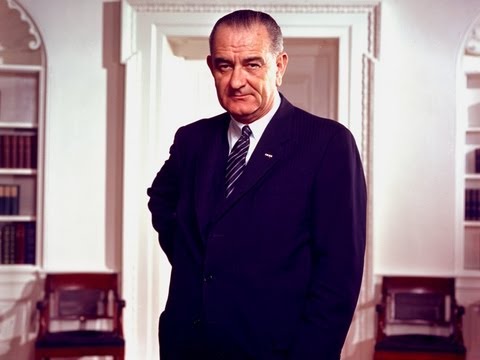
Lyndon Johnson (1963-1969) wanted desperately to be loved.
Once, he complained to Dean Acheson, the former Secretary of State under Harry S. Truman, about the ingratitude of American voters. He had passed far more legislation than his predecessor, John F. Kennedy, and yet Kennedy remained beloved, while he, Johnson, was not.
Why was that? Johnson demanded.
“You are not a very likable man,” said Acheson truthfully.
Lyndon B. Johnson
Johnson tried to force his subordinates love him. He would humiliate a man, then give him an expensive gift—such a Cadillac. It was his way of binding the man to him.
He was on a first-name basis with J. Edgar Hoover, the longtime director of the FBI. He didn’t hesitate to request—and get—raw FBI files on his political opponents.
On at least one occasion, he told members of his Cabinet: No one would dare walk out on his administration—because if they did, two men would follow their ass to the end of the earth: Mr. J. Edgar Hoover and the head of the Internal Revenue Service.
2016 PRESIDENTIAL ELECTION, ABC NEWS, AFFORDABLE CARE ACT, ALAN LADD, ALTERNET, AMERICABLOG, AP, BABY BOOMER RESISTANCE, BBC, BLOOMBERG NEWS, BORDER WALL, BUZZFEED, CALVERA (CHARACTER), CANADA, CAPITOL INSURRECTION, CBS NEWS, CHARLES GEORGE GORDON, CHRIS (CHARACTER), CHYE-CHING HUANG, CIA, CNN, COVID-19, CROOKS AND LIARS, DAILY KOZ, DONALD TRUMP, DONALD TRUMP: TRAGIC HERO (ARTICLE), ELECTORAL COLLEGE, ELI WALLACH, FACEBOOK, FBI, FEDERAL FISCAL POLICY, FEDERAL GOVERNMENT SHUTDOWN, FIVETHIRTYEIGHT, HAMLET, HARPER’S MAGAZINE, HOOVER INSTITUTE, HUFFINGTON POST, ISLAMIC STATE, JACK PALANCE, JAMES COMEY, JEFF SESSONS, JOHN FORD, JOHN WAYNE, JOSEPH BIDEN, KHARTOUM, KIM JONG ON, LEE MARVIN, MEDIA MATTERS, MOTHER JONES, MOVEON, MSNBC, NATIONAL SECURITY AGENCY, NBC NEWS, NEW REPUBLIC, NEWSDAY, NEWSWEEK, NORTH KOREA, NPR, PBS NEWSHOUR, POLITICO, POLITICUSUSA, RAW STORY, REUTERS, ROBERT S. MUELLER III, RUFUS RYKER (CHARACTER), RUSSIA, SALON, SEATTLE TIMES, SERGEY KISLYAK, SERGEY LAVROV, SHANE (MOVIE), SLATE, STEVE MCQUEEN, TALKING POINTS MEMO, TAX CUTS AND JOBS ACT OF 2017, THE ATLANTIC, THE CASE FOR TRUMP (BOOK), THE CHICAGO SUN-TIMES, THE CHICAGO TRIBUNE, THE DAILY BEAST, THE DAILY BLOG, THE GUARDIAN, THE HILL, THE HUFFINGTON POST, THE LOS ANGELES TIMES, THE MAGNIFICENT SEVEN (MOVIE), THE MAN WHO SHOT LIBERTY VALANCE (MOVIE), THE NATION, THE NEW REPUBLIC, THE NEW YORK TIMES, THE NEW YORKER, THE PRESS, THE VILLAGE VOICE, THE WASHINGTON POST, THINKPROGRESS, TIME, TRAGEDY, TRUMP FOUNDATION, TRUMP UNIVERSITY, TRUTHDIG, TRUTHOUT, TWITTER, TWO POLITICAL JUNKIES, U.S. NEWS & WORLD REPORT, UKRAINE, UPI, USA TODAY, VICTOR DAVIS HANSON, VLADIMIR PUTIN, VOLODYMYR ZELENSKY, WILLIAM SHAKESPEARE, WILSON (CHARACTER), WONKETTE, YUL BRYNNER
In Bureaucracy, Entertainment, History, Law, Law Enforcement, Medical, Politics, Social commentary on May 7, 2021 at 12:10 am
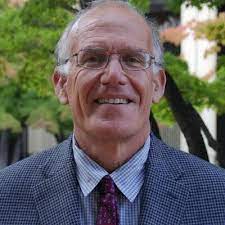
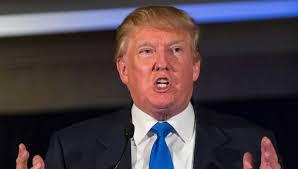
For historian and classicist Victor Davis Hanson, Donald Trump possesses an unappreciated self-awareness and sense of what it means to be a tragic hero.
Trump was into the first year of his Presidency when Hanson penned his article, “Donald Trump, Tragic Hero,” published on April 12, 2018.
To make his case, Hanson cites a series of popular Western movies featuring lethal men who risk—and sometimes sacrifice—their lives on behalf of others too weak to vanquish evil on their own.
Victor Davis Hanson
Thus in the classic 1960 film, The Magnificent Seven, the Seven slaughter the outlaw Calvera and his banditos—and then ride into the sunset. As they do, Chris (Yul Brynner) tells Vin (Steve McQueen): “The old man was right. Only the farmers won. We lost. We always lose.”
Writes Hanson: “He knows that few appreciate that the tragic heroes in their midst are either tragic or heroic — until they are safely gone and what they have done in time can be attributed to someone else. Worse, he knows that the tragic hero’s existence is solitary and without the nourishing networks and affirmation of the peasant’s agrarian life.”
Chris may know this, but there is absolutely no evidence that Trump does. He has never shown even an awareness of sensitivity and self-knowledge, let alone the possession of either. Trump is at best semi-literate. The concept of tragedy—as expressed in the Greek tragedies to which Hanson refers throughout his article—means nothing to Trump.
Moreover, the Seven have risked their lives—and four of them have died doing so—on behalf of villagers who can pay them almost nothing.
It is inconceivable that Trump would risk anything—especially his life—for people he regarded as poor and thus unworthy of his concern.

Copyright © 1960 – United Artists Corporation.”, Public domain, via Wikimedia Commons
In their first encounter with Calvera (Eli Wallach) the bandit chief offers to make the Seven partners in his ravaging of the village. Of his intended victims, Calvera sneers: “If God had not wanted them sheared, he would not have made them sheep.”
If Trump had heard Calvera’s offer, he would have instantly accepted it.
In June 2016, USA Today published an analysis of litigation involving Trump. Over the previous 30 years, Trump and his businesses had been involved in 3,500 legal cases in U.S. Federal and state courts.
Of the 3,500 suits, Trump or one of his companies were plaintiffs in 1,900; defendants in 1,450; and bankruptcy, third party, or other in 150. Trump was named in at least 169 suits in federal court.
Many of those cases centered around his refusal to pay contractors for their finished work on his properties. Most of the contractors didn’t have the financial resources—as Trump had—to spend years in court trying to obtain the monies they were owed. As a result, they never received payment—or, at best, only a small portion of what they were owed.
When he ran for President in 2015-16, Trump repeatedly promised poor and middle-class Americans a far better plan for medical care than the Affordable Care Act.
He spent the next four years thuggishly trying to dismantle “Obanacare,” the signature achievement of Barack Obama, America’s first black President. But never did he offer even a general outline of his own alleged plan to “replace” it.
Hanson tries to draw a further parallel between Trump and the fictional Tom Doniphon, the unsung hero of John Ford’s 1962 movie, The Man Who Shot Liberty Valance.

Copyright © 1962 Paramount Pictures Corporation and John Ford Productions, Inc.”, Public domain, via Wikimedia Commons
Hanson sums up the movie thus:
“Tom Doniphon (John Wayne)…unheroically kills the thuggish Liberty Valance [Lee Marvin], births the [political] career of Ranse Stoddard [James Stewart] and his marriage to Doniphon’s girlfriend [Vera Miles] and thereby ensures civilization is Shinbone’s frontier future. His service done, he burns down his house and degenerates from feared rancher to alcoholic outcast.”
It is inconceivable that Trump would take the risk of committing a crime on behalf of someone else—or being able to resist bragging about it if he did. It is equally inconceivable that he would give up a woman he wanted for the happiness of another man.
Most unbelievable of all is the suggestion that Trump would imitate Doniphon by quietly riding off into the sunset.
Trump has often “joked” about becoming “President-for-Life.” After losing the November 3 Presidential election to former Vice President Joe Biden, he filed 60 lawsuits to overturn the will of 80 million voters. Those failing, he tried some old-fashioned but unsuccessful arm-twisting of several state lawmakers to “find” non-existent votes for him.
Finally, on January 6, he incited a mob of his fanatical followers to attack the United States Capitol Building. Their mission: Stop the counting of Electoral College ballots certain to give Biden the victory.
Victor Davis Hanson is a brilliant scholar and colorful writer. But his effort on Trump’s behalf is embarrassing and appalling.
In a series of bestselling books, he has eloquently chronicled the heroism of the ancient Greeks in defending their budding democracy.
It is depressing—and frightening—to discover that this same man can blatantly ignore the criminalities and even treason of the greatest and most destructive tyrant to ever attain the Presidency.
2016 PRESIDENTIAL ELECTION, ABC NEWS, AFFORDABLE CARE ACT, ALAN LADD, ALTERNET, AMERICABLOG, AP, BABY BOOMER RESISTANCE, BBC, BLOOMBERG NEWS, BORDER WALL, BRANDON DE WILDE, BUZZFEED, CALVERA (CHARACTER), CANADA, CAPITOL INSURRECTION, CBS NEWS, CHARLES GEORGE GORDON, CHRIS (CHARACTER), CHYE-CHING HUANG, CIA, CNN, COVID-19, CROOKS AND LIARS, DAILY KOZ, DONALD TRUMP, DONALD TRUMP: TRAGIC HERO (ARTICLE), ELECTORAL COLLEGE, FACEBOOK, FBI, FEDERAL FISCAL POLICY, FEDERAL GOVERNMENT SHUTDOWN, FIVETHIRTYEIGHT, HAMLET, HARPER’S MAGAZINE, HOOVER INSTITUTE, HUFFINGTON POST, ISLAMIC STATE, JACK PALANCE, JAMES COMEY, JEFF SESSONS, JOHN FORD, JOHN WAYNE, JOSEPH BIDEN, KHARTOUM, KIM JONG ON, LEE MARVIN, MEDIA MATTERS, MOTHER JONES, MOVEON, MSNBC, NATIONAL SECURITY AGENCY, NBC NEWS, NEW REPUBLIC, NEWSDAY, NEWSWEEK, NORTH KOREA, NPR, PBS NEWSHOUR, POLITICO, POLITICUSUSA, RAW STORY, REUTERS, ROBERT S. MUELLER III, RUFUS RYKER (CHARACTER), RUSSIA, SALON, SEATTLE TIMES, SERGEY KISLYAK, SERGEY LAVROV, SHANE (MOVIE), SLATE, STEVE MCQUEEN, TALKING POINTS MEMO, TAX CUTS AND JOBS ACT OF 2017, THE ATLANTIC, THE CASE FOR TRUMP (BOOK), THE CHICAGO SUN-TIMES, THE CHICAGO TRIBUNE, THE DAILY BEAST, THE DAILY BLOG, THE GUARDIAN, THE HILL, THE HUFFINGTON POST, THE LOS ANGELES TIMES, THE MAGNIFICENT SEVEN (MOVIE), THE MAN WHO SHOT LIBERTY VALANCE (MOVIE), THE NATION, THE NEW REPUBLIC, THE NEW YORK TIMES, THE NEW YORKER, THE PRESS, THE VILLAGE VOICE, THE WASHINGTON POST, THINKPROGRESS, TIME, TRAGEDY, TRUMP FOUNDATION, TRUMP UNIVERSITY, TRUTHDIG, TRUTHOUT, TWITTER, TWO POLITICAL JUNKIES, U.S. NEWS & WORLD REPORT, UKRAINE, UPI, USA TODAY, VICTOR DAVIS HANSON, VLADIMIR PUTIN, VOLODYMYR ZELENSKY, WILLIAM SHAKESPEARE, WILSON (CHARACTER), WONKETTE, YUL BRYNNER
In Bureaucracy, Entertainment, History, Law, Law Enforcement, Medical, Politics, Social commentary on May 6, 2021 at 12:10 am
Victor Davis Hanson has long been a distinguished historian and classicist at the Hoover Institution at Stanford University in Palo Alto, California.
On April 12, 2018, the year before the publication of The Case for Trump, Hanson offered a preview of its upcoming contents in an article published in the well-known conservative magazine, National Review.
Its title: “Donald Trump, Tragic Hero.”
“The very idea that Donald Trump could, even in a perverse way, be heroic may appall half the country,” begins his first paragraph.
“Nonetheless, one way of understanding both Trump’s personal excesses and his accomplishments is that his not being traditionally presidential may have been valuable in bringing long-overdue changes in foreign and domestic policy.”
Donald Trump
Having laid out his thesis, Hanson writes: “Tragic heroes, as they have been portrayed from Sophocles’ plays (e.g., Ajax, Antigone, Oedipus Rex, Philoctetes) to the modern western film, are not intrinsically noble.”
On the contrary: A true tragic figure is a noble character with a fatal flaw, which ultimately destroys him.
To cite one from literature: Shakespeare’s Hamlet. Hamlet believes that his father, the king of Denmark, has been murdered. He believes the murderer may be his uncle, Claudius, who has seized the throne. Hamlet is brilliant, athletic, supremely eloquent and conscientious. But he’s not completely certain that Claudius is guilty, and in his hesitation to strike he lays the seeds for his own destruction.
To cite one from history: British General Charles George Gordon, sent by the British government in 1884 to evacuate the Sudanese city of Khartoum. But instead of evacuating its citizens, he chose to stay and fight the oncoming army of Mohammed Achmed, an Islamic religious fanatic who called himself The Madhi (“The Expected One”).
Although Gordon’s dynamic leadership enabled the city to hold out for almost a year, the British relief force arrived too late. The city was overwhelmed and Gordon himself killed.
Various theories have emerged to explain his motive: He was a religious fanatic; he had a death wish; he was arrogant to believe he could hold off an entire army. Any one or more of these theories could be correct.
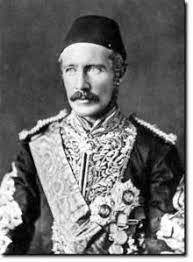
Charles George Gordon
But the fact remains that for almost an entire year he kept alive about 30,000 men, women and children. It was only the failure of the British to send a relief army in time that allowed the city—and Gordon—to perish.
Tragic heroes always have a cause that is bigger than life—something that makes giving up life worthwhile. They always recognize this, and they have the ability to put into perspective the ultimate sacrifice—giving up life—for the good of something bigger.
Which brings us back to Trump. Apart from being a five-times draft-dodger during the Vietnam war, he has never made an act of professional or personal sacrifice for anyone.
On the contrary: he has been forced to shut down both his Trump Foundation and unaccredited Trump University.
Trump was forced to pay more than $2 million in court-ordered damages to eight different charities for illegally misusing charitable funds at the Foundation for political purposes.
And his university scammed its students, promising to teach them “the secrets of success” in the real estate industry—then delivering nothing. In 2016, a federal court approved a $25 million settlement with many of those students.
This is hardly the stuff of which tragic heroes are made.

Hanson cites several examples from famous Western movies to make his case that Trump deserves the status of a tragic hero.
One of these is the classic 1953 “Shane,” starring Alan Ladd as the soft-spoken gunfighter who intervenes decisively in a range war.
Writes Hanson:
“He alone possesses the violent skills necessary to free the homesteaders from the insidious threats of hired guns and murderous cattle barons. Yet by the time of his final resort to lethal violence, Shane has sacrificed all prior chances of reform and claims on reentering the civilized world of the stable ‘sodbuster’ community.”
Comparing Trump to Shane is unbelievably ludicrous. Shane doesn’t boast about his past—in fact, this remains a mystery throughout the movie. Trump constantly brags—about the money he’s made, the buildings he’s put up, the women he’s bedded, the enemies he’s crushed (or plans to).
Moreover, Shane takes the side of poor homesteaders at the mercy of a rich cattle baron, Rufus Ryker. Ryker tries to bully the homesteaders into leaving. When that fails, he hires a ruthless gunman named Jack Wilson (Jack Palance).
In the film’s climax, Shane kills Wilson, and then Ryker, in a barroom showdown. Then he rides off—much to the sadness of Joey (Brandon de Wilde), the homesteaders’ son he has befriended.
“There’s no living with a killing,” says Shane. “There’s no going back from one. Right or wrong, it’s a brand. And a brand sticks.”
And so he rides on, knowing that his gunfighter’s skills make him an outcast among those very homesteaders whose lives he’s saved.
If Trump appeared in the movie, it would be as Ryker, not Shane.
Shane empathizes with the plight of others. Ryker–like Trump–hires others to do his dirty work.
2016 PRESIDENTIAL ELECTION, ABC NEWS, AFFORDABLE CARE ACT, ALAN LADD, ALTERNET, AMERICABLOG, AP, BABY BOOMER RESISTANCE, BBC, BLOOMBERG NEWS, BORDER WALL, BRANDON DE WILDE, BUZZFEED, CALVERA (CHARACTER), CANADA, CAPITOL INSURRECTION, CBS NEWS, CHARLES GEORGE GORDON, CHRIS (CHARACTER), CHYE-CHING HUANG, CIA, CNN, COVID-19, CROOKS AND LIARS, DAILY KOZ, DONALD TRUMP, DONALD TRUMP: TRAGIC HERO (ARTICLE), ELECTORAL COLLEGE, ELI WALLACH, FACEBOOK, FBI, FEDERAL FISCAL POLICY, FEDERAL GOVERNMENT SHUTDOWN, FIVETHIRTYEIGHT, HAMLET, HARPER’S MAGAZINE, HOOVER INSTITUTION, HUFFINGTON POST, ISLAMIC STATE, JACK PALANCE, JAMES COMEY, JEFF SESSONS, JOHN FORD, JOHN WAYNE, JOSEPH BIDEN, KHARTOUM, KIM JONG ON, LEE MARVIN, MEDIA MATTERS, MOTHER JONES, MOVEON, MSNBC, NATIONAL SECURITY AGENCY, NBC NEWS, NEW REPUBLIC, NEWSDAY, NEWSWEEK, NORTH KOREA, NPR, PBS NEWSHOUR, POLITICO, POLITICUSUSA, RAW STORY, REUTERS, ROBERT S. MUELLER III, RUFUS RYKER (CHARACTER), RUSSIA, SALON, SEATTLE TIMES, SERGEY KISLYAK, SERGEY LAVROV, SHANE (MOVIE), SLATE, STEVE MCQUEEN, TALKING POINTS MEMO, TAX CUTS AND JOBS ACT OF 2017, THE ATLANTIC, THE CASE FOR TRUMP (BOOK), THE CHICAGO SUN-TIMES, THE CHICAGO TRIBUNE, THE DAILY BEAST, THE DAILY BLOG, THE GUARDIAN, THE HILL, THE HUFFINGTON POST, THE LOS ANGELES TIMES, THE MAGNIFICENT SEVEN (MOVIE), THE MAN WHO SHOT LIBERTY VALANCE (MOVIE), THE NATION, THE NEW REPUBLIC, THE NEW YORK TIMES, THE NEW YORKER, THE PRESS, THE VILLAGE VOICE, THE WASHINGTON POST, THINKPROGRESS, TIME, TRAGEDY, TRUMP FOUNDATION, TRUMP UNIVERSITY, TRUTHDIG, TRUTHOUT, TWITTER, TWO POLITICAL JUNKIES, U.S. NEWS & WORLD REPORT, UKRAINE, UPI, USA TODAY, VICTOR DAVIS HANSON, VLADIMIR PUTIN, VOLODYMYR ZELENSKY, WILLIAM SHAKESPEARE, WILSON (CHARACTER), WONKETTE, YUL BRYNNER
In Bureaucracy, Business, Entertainment, History, Law, Law Enforcement, Medical, Military, Politics, Social commentary on May 5, 2021 at 12:13 am
“America needs the outsider Trump to do what normal politicians would not and could not do.”
That was the assertion made by Victor Davis Hanson, a classicist and historian at the Hoover Institution, Stanford University, in Palo Alto, California.
Among his bestsellers on military history:
- The Second World Wars
- Carnage and Culture
- Wars of the Ancient Greeks
- The Western Way of War
- The Soul of Battle: How Three Great Liberators Vanquished Tyranny

Victor Davis Hanson
In 2019, Hanson turned his attention to politics—specifically, The Case for Trump.
Its dust-jacket provides a useful summary of its contents:
“This New York Times bestselling Trump biography from a major American intellectual explains how a renegade businessman became one of the most successful—and necessary—presidents of all time.
“In The Case for Trump, award-winning historian and political commentator Victor Davis Hanson explains how a celebrity businessman with no political or military experience triumphed over sixteen well-qualified Republican rivals, a Democrat with a quarter-billion-dollar war chest, and a hostile media and Washington establishment to become president of the United States — and an extremely successful president.
“Trump alone saw a political opportunity in defending the working people of America’s interior whom the coastal elite of both parties had come to scorn, Hanson argues. And Trump alone had the instincts and energy to pursue this opening to victory, dismantle a corrupt old order, and bring long-overdue policy changes at home and abroad.”

Hanson’s book appeared before Trump:
- Tried to coerce Ukrainian President Volodymyr Zelensky to smear former Vice President Joseph Biden, who was likely to be his Democratic opponent in the 2020 Presidential election.
- Allowed the deadly COVID-19 virus to ravage the country, killing more than 400,000 Americans by the time he left office.
- Attacked medical experts and governors who urged Americans to wear masks and socially distance to protect themselves from COVID-19.
- Ordered his Right-wing followers to defy states’ orders to citizens to stay-at-home and wear masks in public to halt surging COVID-19 rates.
- Became the first President in American history to refuse to accept the results of a Presidential election.
- Tried to overturn the November 3, 2020 election of Joe Biden through 60 lawsuits and the arm-twisting of several state lawmakers.
- Sent a mob of his fanatical followers to attack the United States Capitol Building. Their mission: Stop the counting of Electoral College ballots certain to give Biden the victory.
- Was twice impeached during his four years in office—the only President to be impeached twice (and acquitted by a Republican Senate which ignored his litany of crimes).
But his book appeared after Trump had:
- Fired FBI Director James Comey for pursuing ties between Trump’s 2016 Presidential campaign and Russian Intelligence agents.
- Tried to fire Independent Counsel Robert S. Mueller III, who was assigned to investigate those ties after Trump fired Comey.
- Attacked Attorney General Jeff Sessions for refusing to fire Mueller.
- Attacked the integrity of Federal judges whose rulings he disagreed with.
- Given Russian Foreign Minister Sergey Lavrov and Russian Ambassador Sergey Kislyak highly classified CIA Intelligence about an Islamic State plot to turn laptops into concealable bombs.
- Amassed an infamous record as a serial liar, in both personal and Presidential matters.
- Attacked the integrity of the American Intelligence community.
- Sided with Russian dictator Vladimir Putin against the FBI, CIA and National Security Agency which unanimously agreed that Russia had subverted the 2016 Presidential election.
- Repeatedly attacked the nation’s free press for daring to report his growing list of crimes and disasters, calling it “the enemy of the American people.”
- Branded America’s longtime ally, Canada, as “a national security threat.”
- Praised brutal Communist dictators Putin and North Korea’s Kim Jong Un.
- Shut down the Federal Government for 35 days because Democrats refused to fund his ineffective “border wall” between the United States and Mexico. An estimated 380,000 government employees were furloughed and another 420,000 were ordered to work without pay. The shutdown ended due to public outrage—without Trump getting the funding amount he had demanded.
So much for Hanson’s claims that Trump had been “one of the most successful—and necessary—presidents of all time.”
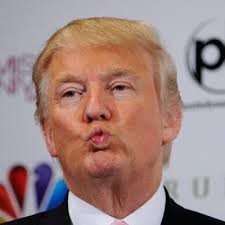
Donald Trump
Then there’s Hanson’s claim that “Trump alone saw a political opportunity in defending the working people of America’s interior whom the coastal elite of both parties had come to scorn.”
In November, 2017, Trump and a Republican-dominated House and Senate rammed the Tax Cuts and Jobs Act of 2017 through Congress. It became law on December 22, 2017.
According to Chye-Ching Huang, Director of Federal Fiscal Policy, the law did nothing to help ordinary Americans.
Testifying before the House Budget Committee on February 27, 2019, Huang stated that the law:
- Ignored the stagnation of working-class wages and exacerbated inequality;
- Weakened revenues when the nation needed to raise more;
- Encouraged rampant tax avoidance and gaming that will undermine the integrity of the tax code;
- Left behind low- and moderate-income Americans—and in many ways hurt them.
For American corporations, however, the law was a godsend:
- Cutting the corporate tax rate from 35 to 21 percent;
- Shifting toward a territorial tax system, where multinational corporations’ foreign profits go largely untaxed;
- Benefitting overwhelmingly wealthy shareholders and highly paid executives.
This was hardly an attempt at “defending the working people of America’s interior.”
Trump never made another attempt to “reform” the tax laws.
2008 PRESIDENTIAL CAMPAIGN, 2016 PRESIDENTIAL CAMPAIGN, ABC NEWS, AFFORDABLE CARE ACT, ALTERNET, AMERICABLOG, ANDREW SHAFFER, AP, BABY BOOMER RESISTANCE, BARACK OBAMA, BLOOMBERG, BORDER WALL, BUZZFEED, CBS NEWS, CNN, CROOKS AND LIARS, DAILY KOZ, DON WINSLOW, DONALD TRUMP, DRUDGE REPORT, DRUG ENFORCEMENT ADMINISTRATION, DRUG TRAFFICKING, FACEBOOK, FIVETHIRTYEIGHT, GOODREADS, HARPER’S MAGAZINE, HEROIN, HOPE NEVER DIES (BOOK), HUFFINGTON POST, JOE BIDEN, JOHN F. KENNEDY, LOS ANGELES TIMES, MEDIA MATTERS, MEXICO, MOTHER JONES, MOVEON, MSNBC, NBC NEWS, NEWSWEEK, NPR, PBS NEWSHOUR, POLITICO, POLITICUSUSA, RAW STORY, REUTERS, RICHARD M. NIXON, ROLLING STONE, SALON, SEATTLE TIMES, SINALOA CARTEL, SLATE, TALKING POINTS MEMO, THE ATLANTIC, THE BORDER (BOOK), THE CHICAGO SUN-TIMES, THE CHICAGO TRIBUNE, THE DAILY BEAST, THE DAILY BLOG, THE GUARDIAN, THE HILL, THE HUFFINGTON POST, THE LOS ANGELES TIMES, THE NATION, THE NEW REPUBLIC, THE NEW YORK TIMES, THE VILLAGE VOICE, THE WASHINGTON POST, THINKPROGRESS, TIME, TRUTHDIG, TRUTHOUT, TWITTER, TWO POLITICAL JUNKIES, U.S. NEWS & WORLD REPORT, UPI, USA TODAY, WAR ON DRUGS, WONKETTE
In Bureaucracy, Entertainment, History, Politics, Social commentary on February 19, 2021 at 12:10 am
Joe Biden defeated Donald Trump to become the 46th President of the United States on January 20, 2021.
But before scoring that victory, he racked up a series of incredible adventures as a private investigator—in fiction.
In Hope Never Dies: An Obama-Biden Mystery, author Andrew Shaffer has fashioned a novel that is half-mystery, half-bromance.
Vice President Joe Biden has just left the Obama White House and doesn’t know what to do with the rest of his life. Then Finn Donnelly, his favorite railroad conductor, dies in a suspicious accident, leaving behind an ailing wife and a trail of clues.
To unravel the mystery, “Amtrak Joe” calls on the skills of his former boss: Barack Obama, the 44th President of the United States. Together they scour biker bars, cheap motels and other memorable haunts throughout Delaware.![]()
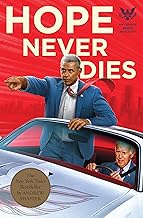
Then Biden unearths a disturbing truth about his longtime—and now dead—friend. This, in turn, leads Biden and Obama to uncover the sinister forces behind America’s opioid epidemic.
The book is pure fantasy fun, as evidenced from this review by Alexandra Alter in The New York Times:
“[Hope Never Dies is] a roughly 300-page work of political fanfiction, an escapist fantasy that will likely appeal to liberals pining for the previous administration, longing for the Obama-Biden team to emerge from political retirement as action heroes. But it’s also at times a surprisingly earnest story about estranged friends who are reunited under strange circumstances.”
A reader named Casey, reviewing the novel for Goodreads, writes: “While Shaffer could have leaned into nostalgia alone, he’s written a solid mystery with the characters fleshed out as more than just clichés.
“The reader really feels Biden’s longing to be helpful and his anguish over seeing 44’s legacy undone so quickly by an individual who shall remain nameless. (The presidential zings in this book are incredible, truly.)
“The tension between the two rings as true as it did when they were in office….By all means, this book shouldn’t work as well as it does. For a few hours, I got to enjoy the company of politicians who behaved like adults (mostly). It sure was nice.”
Contrasting with the relatively lighthearted fictional images of Joe Biden and Barack Obama is the immensely darker one of Donald Trump.
Don Winslow offers Trump an extended cameo appearance in The Border, his massive, 736-page novel about America’s war on drugs—and the horrific violence it has spawned in Mexico. It’s the third of a trilogy of novels vividly portraying the violent costs of an unwinnable conflict.
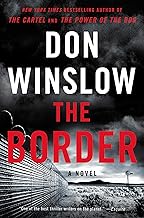
Art Keller is a dedicated agent of the Federal Drug Enforcement Administration (DEA). For over 40 years, he has waged all-out war on Adán Barrera, the godfather of the powerful Sinaloa Cartel.
Appointed director of the DEA, Keller now faces a series of deadly enemies:
- A heroin epidemic surging across America;
- Hitmen who want to kill him;
- Politicians who want to sabotage his agenda; and
- An incoming administration that’s allied with the very drug traffickers he’s trying to destroy.
And heading this administration is John Dennison—Donald Trump in all but name—who:
- Gratuitously insults people on Twitter;
- Fires a Special Counsel;
- Gets blackmailed by a woman he once bedded; and
- Colludes with drug traffickers for a multi-million dollar loan to finance his Presidential campaign.
Whereas the reviews for Hope Never Dies were as upbeat as the book itself, those of The Border reflect the novel’s mercilessly grim take on a war that can’t be won.
Los Angeles Times: “The Border is intricate, mean and swift, a sprawling canvass of characters including narco kingpins, a Guatemalan stowaway, a Staten Island heroin addict, a kinky hit woman, a barely veiled Donald Trump and DEA agent Art Keller, who….has been noble and merciless, a conflicted wanderer who makes America face the transgressions committed in its name.”
Rolling Stone: “Clocking in at over 700 pages, it is his most overtly political installment yet. He takes on the Trump administration directly, creating a fictional candidate, then president, who stokes racist fears of Mexicans, campaigns on ‘building the wall’ and, along with his venal son-in-law, gets caught up in a shady real estate deal involving Cartel money.”
NPR: “The Border becomes a book for our times. Like Shakespeare, it makes a three-act drama of our modern moment. Like Shakespeare’s plays, it shows us a world that is our own, a history that is our own, a burden that is our own, rendered out into the rhythm of scenes and arcs, chapters and parts.”
Obama concentrated the full force of his attention on reforming American healthcare—by making it available to millions whose insurance refused to provide coverage.
Trump’s top priority was to separate the United States from Mexico with an impenetrable wall—and he even diverted $3.6 billion from Pentagon funding to pay for it.
Like John F. Kennedy, Barack Obama will likely be positively remembered as much for what he tried to do as what he succeeded at doing.
Like Richard M. Nixon, Donald Trump will likely be remembered as a menacing stain on American history.
2003 IRAQ WAR, ABC NEWS, ADOLF HITLER, AFFORDABLE CARE ACT, ALTERNET, AMERICABLOG, ANDREW CUOMO, AP, BABY BOOMER RESISTANCE, BARACK OBAMA, BLOOMBERG, BUZZFEED, CBS NEWS, CNN, CORONAVIRUS, CROOKS AND LIARS, DAILY KOZ, DEMOCRATS, DONALD TRUMP, DRUDGE RETORT, FACE SHIELDS, FACEBOOK, FEDERAL EMERGENCY MANAGEMENT AGENCY, FIVETHIRTYEIGHT, FOX NEWS, FRANKLIN D. ROOSEVELT, GEORGE W. BUSH, GRETCHEN WHITMER, HARPER’S MAGAZINE, JAY INSLEE, JOE BIDEN, LYNDON B. JOHNSON, MEDIA MATTERS, MEDICARE, MIKE PENCE, MOTHER JONES, MOVEON, MSNBC, N95 RESPIRATORS, NBC NEWS, NEWSWEEK, NPR, PBS NEWSHOUR, POLITICO, POLITICUSUSA, PRISONERS-OF-WAR, RAW STORY, REPUBLICANS, REUTERS, RUDY GIULIANI, SALON, SEAN HANNITY SHOW, SEATTLE TIMES, SLATE, SOCIAL SECURITY, SOVIET UNION, SURGICAL MASKS, TALKING POINTS MEMO, THE ATLANTIC, THE CHICAGO SUN-TIMES, THE CHICAGO TRIBUNE, THE DAILY BEAST, THE DAILY BLOG, THE GUARDIAN, THE HILL, THE HUFFINGTON POST, THE LOS ANGELES TIMES, THE NATION, THE NEW REPUBLIC, THE NEW YORK TIMES, THE VILLAGE VOICE, THE WASHINGTON POST, THINKPROGRESS, TIME, TRUTHDIG, TRUTHOUT, TWITTER, TWO POLITICAL JUNKIES, U.S. NEWS & WORLD REPORT, UKRAINE, UPI, USA TODAY, VENDORS, VENTILATORS, VOLODYMIR ZELENSKY, WASHINGTON MONTHLY, WONKETTE
In Bureaucracy, History, Law, Law Enforcement, Medical, Politics, Social commentary on January 8, 2021 at 12:05 am
On June 22, 1941, German Fuhrer Adolf Hitler sent three million soldiers smashing into the Soviet Union. During the first six months—June to December, 1941—German armies lured huge Soviet forces into gigantic “cauldron battles,” surrounding and exterminating them.
An estimated 5.7 million prisoners of war (POWs) fell into German hands. The Germans found themselves surprised and overwhelmed by the sheer numbers of them. But their mandate demanded that they keep marching forward—ever forward.
So they simply imprisoned their captives behind barbed wire and wasted no food or medical care on them. Between starvation, illness and the brutal Russian cold, at least 3.5 million POWs died in custody.
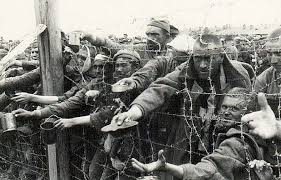
Soviet POWs
Republicans have learned a serious lesson from this. If you simply deprive those you detest of food, clothing and shelter, you don’t need gas chambers or firing squads.
That has been their chief reason for opposing Social Security since President Franklin D. Roosevelt signed it into law in 1935.
That is why they opposed President Lyndon B. Johnson when he pushed Medicare through Congress in 1965.
And that is why they have fervently tried to overturn the Affordable Care Act—better known as Obamacare—since it went into effect in 2010.
Of course, Republicans will never admit this. Their mantra has always been they fear such programs will bankrupt the country.
That claim might have credibility—if they didn’t recklessly plunge into budget-busting wars like the 2003 Iraq war started by President George W. Bush. Not a single Republican opposed this needless, bloody conflict—which has cost the United States more than $1.1 trillion.
But the best evidence of Republicans’ desire to use illness as a weapon against those Americans they hate comes from President Donald J. Trump.
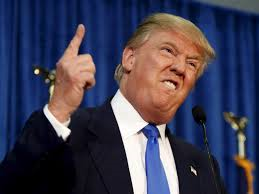
Donald Trump
On March 26, during an interview on Fox News, Trump blamed the failures of his administration’s response to Coronavirus on Democratic state governors like Andrew Cuomo (NY), Jay Inslee (WA), and Gretchen Whitmer (MI).
On March 27, during his press briefing, Trump said he told Vice President Mike Pence—who’s officially in charge of the White House’s response effort—to not call Inslee and Whitmer because they weren’t “appreciative” enough of his efforts.
Trump said this even as hospitals in each of their states were being overwhelmed with Coronavirus patients.
“I tell him—I mean I’m a different type of person— I say, ‘Mike, don’t call the governor in Washington, you’re wasting your time with him. Don’t call the woman in Michigan,’” Trump said. “If they don’t treat you right, I don’t call.”
Echoing French King Louis X1V’s infamous remark—“I am the State”—Trump added: “When they’re [governors] not appreciative to me, they’re not appreciative to the Army Corps, they’re not appreciative to FEMA [Federal Emergency Management Agency]. It’s not right.”
Trump also attacked Whitmer on Right-wing Fox News’ “Sean Hannity Show”: “I don’t know if she knows what’s going on, but all she does is sit there and blame the federal government.”
That same day—March 27—Whitmer told a Michigan radio station: “What I’ve gotten back is that vendors with whom we’ve procured contracts—they’re being told not to send stuff to Michigan. It’s really concerning. I reached out to the White House last night and asked for a phone call with the president, ironically at the time this stuff was going on.”
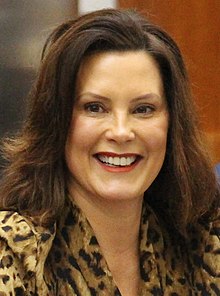
Gretchen Whitmer
Julia Pickett / CC BY-SA (https://creativecommons.org/licenses/by-sa/4.0)
A March 29 story in the Washington Monthly sheds light on what lay behind Whitmer’s inability to secure desperately-needed ventilators from her longtime vendors. Its headline ran: “What If Trump Decides to Save Republicans But Not Democrats?”
And it was followed by a sub-headline: “He’s providing vital resources to red states and ignoring blue states.”
Florida submitted a request to the Federal Emergency Management Agency on March 11 for 430,000 surgical masks, 180,000 N95 respirators, 82,000 face shields and 238,000 gloves—and received a shipment with everything three days later.
It received an identical shipment on March 23, and was soon awaiting a third.
In 2019, Trump demanded a “favor” from the embattled Ukrainian President Volodymyr Zelensky—“dirt” on Democratic Presidential candidate Joe Biden—in return for releasing military aid Ukraine needed to combat an increasingly aggressive Russia.
During the COVID-19 outbreak, he demanded Democratic governors praise him and blame themselves if they waned their citizens to receive desperately-needed medical supplies.
On Fox News, Rudy Giuliani, Trump’s personal lawyer, bluntly told governors: “Take the blame when you have to. When you play with your boss, sometimes it’s better when you don’t win the golf game. He’s the boss, he’s got all the resources.”
This is precisely the dictatorial arrogance of which Republicans falsely accused President Barack Obama.
The Washington Monthly story concluded on an ominous note: “What if the White House simply gives all the masks and ventilators to red states and counties, leaving blue ones to struggle? What mechanisms of accountability are left?
“U.S. democracy wasn’t set up to deal with a president openly behaving like a James Bond villain while being protected by a political party behaving more like a mafia than a civic institution.”
2008 PRESIDENTIAL CAMPAIGN, 2016 PRESIDENTIAL CAMPAIGN, ABC NEWS, AFFORDABLE CARE ACT, ALTERNET, AMERICABLOG, ANDREW SHAFFER, AP, BABY BOOMER RESISTANCE, BARACK OBAMA, BLOOMBERG, BORDER WALL, BUZZFEED, CBS NEWS, CNN, CROOKS AND LIARS, DAILY KOZ, DON WINSLOW, DONALD TRUMP, DRUDGE REPORT, DRUG ENFORCEMENT ADMINISTRATION, DRUG TRAFFICKING, FACEBOOK, FIVETHIRTYEIGHT, GOODREADS, HARPER’S MAGAZINE, HEROIN, HOPE NEVER DIES (BOOK), HUFFINGTON POST, JOE BIDEN, JOHN F. KENNEDY, LOS ANGELES TIMES, MEDIA MATTERS, MEXICO, MOTHER JONES, MOVEON, MSNBC, NBC NEWS, NEWSWEEK, NPR, PBS NEWSHOUR, POLITICO, POLITICUSUSA, RAW STORY, REUTERS, RICHARD M. NIXON, ROLLING STONE, SALON, SEATTLE TIMES, SINALOA CARTEL, SLATE, TALKING POINTS MEMO, THE ATLANTIC, THE BORDER (BOOK), THE CHICAGO SUN-TIMES, THE CHICAGO TRIBUNE, THE DAILY BEAST, THE DAILY BLOG, THE GUARDIAN, THE HILL, THE HUFFINGTON POST, THE LOS ANGELES TIMES, THE NATION, THE NEW REPUBLIC, THE NEW YORK TIMES, THE VILLAGE VOICE, THE WASHINGTON POST, THINKPROGRESS, TIME, TRUTHDIG, TRUTHOUT, TWITTER, TWO POLITICAL JUNKIES, U.S. NEWS & WORLD REPORT, UPI, USA TODAY, WAR ON DRUGS, WONKETTE
In Bureaucracy, History, Law Enforcement, Politics, Social commentary on November 27, 2020 at 12:06 am
Joe Biden defeated Donald Trump to become the 46th President of the United States on January 20, 2021.
But before scoring that victory, he racked up a series of incredible adventures as a private investigator—in fiction.
In Hope Never Dies: An Obama-Biden Mystery, author Andrew Shaffer has fashioned a novel that is half-mystery, half-bromance.
Vice President Joe Biden has just left the Obama White House and doesn’t know what to do with the rest of his life. Then Finn Donnelly, his favorite railroad conductor, dies in a suspicious accident, leaving behind an ailing wife and a trail of clues.
To unravel the mystery, “Amtrak Joe” calls on the skills of his former boss: Barack Obama, the 44th President of the United States. Together they scour biker bars, cheap motels and other memorable haunts throughout Delaware.![]()
Then Biden unearths a disturbing truth about his longtime—and now dead—friend. This, in turn, leads Biden and Obama to uncover the sinister forces behind America’s opioid epidemic.
The book is pure fantasy fun, as evidenced from this review by Alexandra Alter in The New York Times:
“[Hope Never Dies is] a roughly 300-page work of political fanfiction, an escapist fantasy that will likely appeal to liberals pining for the previous administration, longing for the Obama-Biden team to emerge from political retirement as action heroes. But it’s also at times a surprisingly earnest story about estranged friends who are reunited under strange circumstances.”
A reader named Casey, reviewing the novel for Goodreads, writes: “While Shaffer could have leaned into nostalgia alone, he’s written a solid mystery with the characters fleshed out as more than just clichés.
“The reader really feels Biden’s longing to be helpful and his anguish over seeing 44’s legacy undone so quickly by an individual who shall remain nameless. (The presidential zings in this book are incredible, truly.)
“The tension between the two rings as true as it did when they were in office….By all means, this book shouldn’t work as well as it does. For a few hours, I got to enjoy the company of politicians who behaved like adults (mostly). It sure was nice.”
Contrasting with the relatively lighthearted fictional images of Joe Biden and Barack Obama is the immensely darker one of Donald Trump.
Don Winslow offers Trump an extended cameo appearance in The Border, his massive, 736-page novel about America’s war on drugs—and the horrific violence it has spawned in Mexico. It’s the third of a trilogy of novels vividly portraying the violent costs of an unwinnable conflict.
Art Keller is a dedicated agent of the Federal Drug Enforcement Administration (DEA). For over 40 years, he has waged all-out war on Adán Barrera, the godfather of the powerful Sinaloa Cartel.
Appointed director of the DEA, Keller now faces a series of deadly enemies:
- A heroin epidemic surging across America;
- Hitmen who want to kill him;
- Politicians who want to sabotage his agenda; and
- An incoming administration that’s allied with the very drug traffickers he’s trying to destroy.
And heading this administration is John Dennison—Donald Trump in all but name—who:
- Gratuitously insults people on Twitter;
- Fires a Special Counsel;
- Gets blackmailed by a woman he once bedded; and
- Colludes with drug traffickers for a multi-million dollar loan to finance his Presidential campaign.
Whereas the reviews for Hope Never Dies were as upbeat as the book itself, those of The Border reflect the novel’s mercilessly grim take on a war that can’t be won.
Los Angeles Times: “The Border is intricate, mean and swift, a sprawling canvass of characters including narco kingpins, a Guatemalan stowaway, a Staten Island heroin addict, a kinky hit woman, a barely veiled Donald Trump and DEA agent Art Keller, who….has been noble and merciless, a conflicted wanderer who makes America face the transgressions committed in its name.”
Rolling Stone: “Clocking in at over 700 pages, it is his most overtly political installment yet. He takes on the Trump administration directly, creating a fictional candidate, then president, who stokes racist fears of Mexicans, campaigns on ‘building the wall’ and, along with his venal son-in-law, gets caught up in a shady real estate deal involving Cartel money.”
NPR: “The Border becomes a book for our times. Like Shakespeare, it makes a three-act drama of our modern moment. Like Shakespeare’s plays, it shows us a world that is our own, a history that is our own, a burden that is our own, rendered out into the rhythm of scenes and arcs, chapters and parts.”
The signature slogan of Obama’s 2008 Presidential campaign was: “Yes, We Can!” The slogan of Trump’s 2016 effort could have been: “No, You Can’t.”
Obama concentrated the full force of his attention on reforming American healthcare—by making it available to millions whose insurance refused to provide coverage.
Trump’s top priority is to separate the United States from Mexico with an impenetrable wall—and he has even diverted $3.6 billion from Pentagon funding to pay for it.
Like John F. Kennedy, Barack Obama will likely be positively remembered as much for what he tried to do as what he succeeded at doing.
Like Richard M. Nixon, Donald Trump will likely be remembered as a menacing stain on American history.
2020 PRESIDENTIAL ELECTION, ABC NEWS, AFFORDABLE CARE ACT, ALTERNET, AMERICABLOG, AMY COMEY BARRETT, ANTHONY KENNEDY, ANTONIN SCALIA, AP, BABY BOOMER RESISTANCE, BARACK OBAMA, BILL STEPIEN, BLOOMBERG, BOB WOODWARD, BRETT KAVANAUGH, BUZZFEED, CBS NEWS, CHRIS CHRISTIE, CNN, CORONAVIRUS, COVID-19, CROOKS AND LIARS, DAILY KOZ, DONALD TRUMP, DRUDGE REPORT, FACEBOOK, FIVETHIRTYEIGHT, HARPER’S MAGAZINE, HOPE HICKS, HUFFINGTON POST, KAYLEIGH MCENANY, KELLEYANNE CONWAY, MEDIA MATTERS, MELANIA TRUMP, MERRICK GARLAND, MIKE LEE, MITCH MCCONNELL, MOTHER JONES, MOVEON, MSNBC, NBC NEWS, NEIL GORSUCH, NEWSWEEK, NPR, PBS NEWSHOUR, POLITICO, POLITICUSUSA, RAGE (BOOK), RAW STORY, REUTERS, ROE V. WADE, RON JOHNSON, RONNA MCDANIEL, RUTH BADER GINSBURG, SALON, SANDRA DAY O’CONNOR, SEATTLE TIMES, SLATE, STEPHEN MILLER, TALKING POINTS MEMO, THE ATLANTIC, THE CHICAGO SUN-TIMES, THE CHICAGO TRIBUNE, THE DAILY BEAST, THE DAILY BLOG, THE GUARDIAN, THE HILL, THE HUFFINGTON POST, THE LOS ANGELES TIMES, THE NATION, THE NEW REPUBLIC, THE NEW YORK TIMES, THE VILLAGE VOICE, THE WASHINGTON POST, THINKPROGRESS, THOM TILLIS, TIME, TRUTHDIG, TRUTHOUT, TWITTER, TWO POLITICAL JUNKIES, U.S. NEWS & WORLD REPORT, UNITED STATES SUPREME COURT, UPI, USA TODAY, WALTER REED NATIONAL MILITARY MEDICAL CENTER, WONKETTE
In Bureaucracy, History, Politics, Social commentary on October 8, 2020 at 12:16 am
What began as the gloating jubilee of an expected Right-wing triumph has turned into a COVID-19 nightmare for the Trump administration.
On September 26, President Donald Trump hosted festivities in the Rose Garden to celebrate his Supreme Court nominee, Amy Coney Barrett.

Amy Coney Barrett
Rachel Malehorn / CC BY (https://creativecommons.org/licenses/by/3.0)
Trump had already put two Justices—Neil Gorsuch and Brett Kavanaugh—on the Court. Gorsuch was nominated as a replacement for Justice Antonin Scalia, who had died in 2016.
President Barack Obama had sought to confirm his own nominee, Merrick Garland, to the Court. But 2016 was a Presidential election year. And Senate Majority Leader Mitch McConnell blocked giving Garland even the courtesy of a Senate hearing.
“The Senate will appropriately revisit the matter when it considers the qualifications of the nominee the next President nominates, whoever that might be,” claimed McConnell.
When Trump won, the way was clear for him to nominate his own candidate—who turned out to be Neil Gorsuch.
Then, in 2018, Justice Anthony Kennedy decided to retire after spending 20 years on the Court. This gave Trump the chance to replace him with Brett Kavanaugh.
Then, on September 18, 2020, Justice Ruth Bader Ginsburg suddenly died of cancer. Appointed in 1993 by President Bill Clinton, she had been the first Jewish woman and the second woman to serve on the Court, after Sandra Day O’Connor.

Ruth Bader Ginsburg
Her death offered Trump his third chance to shift the Court decisively to the Right for decades to come.
Stacking the Court with Right-wing judges has long been the goal of Republicans. And their two most important priorities:
- Overturning Roe v. Wade, which legalized abortion in 1973; and
- Gutting the Affordable Care Act, the single most important achievement of the first black President of the United States.
So on September 26, Donald Trump hosted festivities in the Rose Garden to celebrate his third Supreme Court nominee, Amy Coney Barrett.
Trump assembled his guest list, and the major domos of the Right showed up.
They knew–or should have known–that a deadly pandemic called COVID-19 was ravaging the country. They knew—or should have known—it had already killed more than 200,000 Americans.
But Trump had spent the year telling them there was nothing to worry about. The virus, he had said repeatedly, was no worse than the common flu. He had ridiculed those who wore masks, and had made not wearing one a sign of macho solidarity with himself.
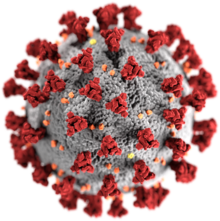
Coronavirus
So they showed up without masks, and crammed together in folding chairs. And now many of them are dropping like poisoned Tsetse flies.
Among the casualties of the celebration so far:
- President Donald Trump
- First Lady Melania Trump
- Presidential Aide Hope Hicks
- White House Press Secretary Kayleigh McEnany
- United States Senator (R-UT) Mike Lee
- United States Senator Thom Tillis (R-NC)
- United States Senator Ron Johnson (R-WI)
- Former Presidential adviser Kelleyanne Conway
- White House Assistant Press Secretary Karoline Leavitt
- Trump Presidential Campaign Manager Bill Stepien
- Republican National Committee Chairwoman Ronna McDaniel
- Former New Jersey Governor Chris Christie
- White House Senior Adviser for Policy Stephen Miller
For Trump, the Rose Garden celebration has turned into a nightmare.
First, it thrust the issue of the dreaded Coronavirus—and his administration’s failure to effectively combat it—to the front of the Presidential campaign.
Donald Trump
Trump had been desperate to avoid talking about this subject—and with good reason.
When the virus struck the United States in January, Trump quickly learned how deadly it was. As he admitted to Washington Post investigative reporter Bob Woodward: “It goes through air, Bob. That’s always tougher than the touch.
“The touch, you don’t have to touch things, right? But the air, you just breathe the air and that’s how it’s passed. And so that’s a very tricky one. That’s a very delicate one. It’s also more deadly than even your strenuous flues.”
But Trump didn’t share that warning with the American people. When Woodward published his book, Rage, in September, Trump was mortally embarrassed at having that conversation revealed.
Instead, Trump attacked the wearing of masks and maintaining social distancing. When states ordered businesses to close to halt the spread of COVID-19, Trump ordered his followers to protest in the streets. When businesses reopened, COVID rates spiked and so did unemployment rolls.
Second, the sidelining of so many top Republicans—including Senators—threatened to at least temporarily halt Senate confirmation hearings on Amy Coney Barrett.
Third—and probably most important: Trump himself was rushed to Walter Reed National Military Medical Center on October 2 after he tested positive for Coronavirus.
For the image-conscious Trump, press reports that he received oxygen and experimental drugs proved highly embarrassing. On October 5, still highly infectious, he demanded to be returned to the White House.
With less than a month to go before the November 3 Presidential election, Trump found himself overwhelmed by media reports that the White House was now the Number One Coronavirus hotspot in the United States.
A celebration of hatred and arrogance has turned into a COVID-19 nightmare for the Trump administration. It’s a irony the ancient Greeks, with their understanding of hubris, would have appreciated.
2008 PRESIDENTIAL CAMPAIGN, 2016 PRESIDENTIAL CAMPAIGN, ABC NEWS, AFFORDABLE CARE ACT, ALTERNET, AMERICABLOG, ANDREW SHAFFER, AP, BABY BOOMER RESISTANCE, BARACK OBAMA, BLOOMBERG, BORDER WALL, BUZZFEED, CBS NEWS, CNN, CROOKS AND LIARS, DAILY KOZ, DON WINSLOW, DONALD TRUMP, DRUDGE REPORT, DRUG ENFORCEMENT ADMINISTRATION, DRUG TRAFFICKING, FACEBOOK, FIVETHIRTYEIGHT, GOODREADS, HARPER’S MAGAZINE, HEROIN, HOPE NEVER DIES (BOOK), JOE BIDEN, JOHN F. KENNEDY, LOS ANGELES TIMES, MEDIA MATTERS, MEXICO, MOTHER JONES, MOVEON, MSNBC, NBC NEWS, NEWSWEEK, NPR, PBS NEWSHOUR, POLITICO, POLITICUSUSA, RAW STORY, REUTERS, RICHARD M. NIXON, ROLLING STONE, SALON, SEATTLE TIMES, SINALOA CARTEL, SLATE, TALKING POINTS MEMO, THE ATLANTIC, THE BORDER (BOOK), THE CHICAGO SUN-TIMES, THE CHICAGO TRIBUNE, THE DAILY BEAST, THE DAILY BLOG, THE GUARDIAN, THE HILL, THE HUFFINGTON POST, THE LOS ANGELES TIMES, THE NATION, THE NEW REPUBLIC, THE NEW YORK TIMES, THE VILLAGE VOICE, THE WASHINGTON POST, THINKPROGRESS, TIME, TRUTHDIG, TRUTHOUT, TWITTER, TWO POLITICAL JUNKIES, U.S. NEWS & WORLD REPORT, UPI, USA TODAY, WAR ON DRUGS, WONKETTE
In Bureaucracy, History, Law Enforcement, Politics, Social commentary on August 21, 2020 at 12:21 am
Presidential legacies live on in unexpected ways.
Right now, the legacies of Barack Obama and Donald Trump are vying for the attention of—fiction readers.
In Hope Never Dies: An Obama-Biden Mystery, author Andrew Shaffer has fashioned a novel that is half-mystery, half-bromance.
Vice President Joe Biden has just left the Obama White House and doesn’t know what he wants to do with the rest of his life. Then Finn Donnelly, his favorite railroad conductor, dies in a suspicious accident, leaving behind an ailing wife and a trail of clues.
To unravel the mystery, “Amtrak Joe” calls on the skills of his former boss: The 44th President of the United States. Together they scour biker bars, cheap motels and other memorable haunts throughout Delaware.![]()
Then Biden unearths a disturbing truth about his longtime—and now dead—friend. This, in turn, leads Biden and Obama to uncover the sinister forces behind America’s opioid epidemic.
The book is pure fantasy fun, as evidenced from this review by Alexandra Alter in The New York Times:
“[Hope Never Dies is] a roughly 300-page work of political fanfiction, an escapist fantasy that will likely appeal to liberals pining for the previous administration, longing for the Obama-Biden team to emerge from political retirement as action heroes. But it’s also at times a surprisingly earnest story about estranged friends who are reunited under strange circumstances.”
A reader named Casey, reviewing the novel for Goodreads, writes: “While Shaffer could have leaned into nostalgia alone, he’s written a solid mystery with the characters fleshed out as more than just cliches.
“The reader really feels Biden’s longing to be helpful and his anguish over seeing 44’s legacy undone so quickly by an individual who shall remain nameless. (The presidential zings in this book are incredible, truly.)
“The tension between the two rings as true as it did when they were in office….By all means, this book shouldn’t work as well as it does. For a few hours, I got to enjoy the company of politicians who behaved like adults (mostly). It sure was nice.”
Contrasting with the relatively lighthearted fictional image of Barack Obama is the immensely darker one of Donald Trump.
Don Winslow offers Trump an extended cameo appearance in The Border, his massive, 736-page novel about America’s war on drugs—and the horrific violence it has spawned in Mexico. It’s the third of a trilogy of novels vividly portraying the violent costs of an unwinnable conflict.
Art Keller is a dedicated agent of the Federal Drug Enforcement Administration (DEA). For over 40 years, he has waged all-out war on Adán Barrera, the godfather of the powerful Sinaloa Cartel.
Appointed director of the DEA, Keller now faces a series of deadly enemies:
- A heroin epidemic surging across America;
- Hitmen who want to kill him;
- Politicians who want to sabotage his agenda; and
- An incoming administration that’s allied with the very drug traffickers he’s trying to destroy.
And heading this administration is John Dennison—Donald Trump in all but name—who:
- Gratuitously insults people on Twitter;
- Fires a Special Counsel;
- Gets blackmailed by a woman he once bedded; and
- Colludes with drug traffickers for a multi-million dollar loan to finance his Presidential campaign.
Whereas the reviews for Hope Never Dies were as upbeat as the book itself, those of The Border reflect the novel’s mercilessly grim take on a war that can’t be won.
Los Angeles Times: “The Border is intricate, mean and swift, a sprawling canvass of characters including narco kingpins, a Guatemalan stowaway, a Staten Island heroin addict, a kinky hit woman, a barely veiled Donald Trump and DEA agent Art Keller, who….has been noble and merciless, a conflicted wanderer who makes America face the transgressions committed in its name.”
Rolling Stone: “Clocking in at over 700 pages, it is his most overtly political installment yet. He takes on the Trump administration directly, creating a fictional candidate, then president, who stokes racist fears of Mexicans, campaigns on ‘building the wall’ and, along with his venal son-in-law, gets caught up in a shady real estate deal involving Cartel money.”
NPR: “The Border becomes a book for our times. Like Shakespeare, it makes a three-act drama of our modern moment. Like Shakespeare’s plays, it shows us a world that is our own, a history that is our own, a burden that is our own, rendered out into the rhythm of scenes and arcs, chapters and parts.”
The signature slogan of Obama’s 2008 Presidential campaign was: “Yes, We Can!” The slogan of Trump’s 2016 effort could have been: “No, You Can’t.”
Obama concentrated the full force of his attention on reforming American healthcare—by making it available to millions whose insurance refused to provide coverage.
Trump’s top priority is to separate the United States from Mexico with an impenetrable wall—and he has even diverted $3.6 billion from Pentagon funding to pay for it.
Like John F. Kennedy, Barack Obama will likely be positively remembered as much for what he tried to do as what he succeeded at doing.
Like Richard M. Nixon, Donald Trump will likely be remembered as a menacing stain on American history.


A BRONX TALE, ABC NEWS, AFFORDABLE CARE ACT, AIR TRAFFIC CONTROLLERS STRIKE, ALTERNET, AMERICABLOG, ANWAR AL-AWLAKI, AP, BABY BOOMER RESISTANCE, BARACK OBAMA, BBC, BILL CLINTON, BLOOMBERG NEWS, BOB WOODWARD, BUZZFEED, CBS NEWS, CHAZZ PALMINTERI, CNN, COLUMBIA UNIVERSITY, CROOKS AND LIARS, DAILY KOZ, DAVID BARRON, DEAN ACHESON, DONALD TRUMP, FACEBOOK, FBI, FIVETHIRTYEIGHT, HARPER’S MAGAZINE, HARVARD LAW SCHOOL, HUFFINGTON POST, IRS, J. EDGAR HOOVER, JAMES HOFFA, JEFF SESSIONS, JOE BIDEN, JOHN F. KENNEDY, JOHN KELLY, LYNDON B. JOHNSON, MAFIA, MEDIA MATTERS, MOAMMAR KADAFFI, MONICA LEWINSKY, MOTHER JONES, MOVEON, MSNBC, NBC NEWS, NEW REPUBLIC, NEWSDAY, NEWSWEEK, NICCOLO MACHIAVELLI, NPR, PBS NEWSHOUR, POLITICO, POLITICUSUSA, RAND PAUL, RAW STORY, REINCE PREBIUS, REPUBLICAN PARTY, REUTERS, ROBERT F. KENNEDY, Ronald Reagan, SALON, SCREEN ACTORS GUILD, SEATTLE TIMES, SLATE, TALKING POINTS MEMO, THE ATLANTIC, THE CHICAGO SUN-TIMES, THE CHICAGO TRIBUNE, THE DAILY BEAST, THE DAILY BLOG, THE GUARDIAN, THE HILL, THE HUFFINGTON POST, THE LOS ANGELES TIMES, THE NATION, THE NEW REPUBLIC, THE NEW YORK TIMES, THE NEW YORKER, THE PRINCE, THE VILLAGE VOICE, THE WASHINGTON POST, THINKPROGRESS, TIME, TIMOTHY MCVEIGH, TRUTHDIG, TRUTHOUT, TWITTER, TWO POLITICAL JUNKIES, U.S. NEWS & WORLD REPORT, UPI, USA TODAY, WONKETTE
PRESIDENTS: THE LOVED, THE FEARED AND THE IGNORED: PART TWO (OF THREE)
In Bureaucracy, History, Law Enforcement, Politics, Social commentary on May 27, 2021 at 12:05 amIs it better to be loved or feared?
That was the question Florentine statesman Niccolo Machiavelli raised more than 500 years ago.
Presidents have struggled to answer this question—and have come to different conclusions.
LOVE ME, FEAR MY BROTHER
Most people felt irresistibly drawn to John F. Kennedy (1961-63). Even his political foe, Henry Luce, the conservative publisher of Time, once said, “He makes me feel like a whore.”
But JFK could afford to bask in the love of others—because his younger brother, Robert, was the one who inspired fear.
Robert F. Kennedy and John F. Kennedy
He had done so as Chief Counsel for the Senate Rackets Committee (1957-59), grilling Mafia bosses and corrupt union officials—most notably Teamsters President James Hoffa.
Appointed Attorney General by JFK, he unleashed the FBI and the IRS on the Mafia. When the steel companies colluded in an inflationary rise in the price of steel in 1962, Bobby sicced the FBI on them.
In 1963, JFK’s cavorting with Ellen Rometsh threatened to destroy his Presidency. Rometsch, a Washington, D.C. call girl, was suspected by the FBI of being an East German spy.
With Republican Senators preparing to investigate the rumors, Bobby ordered Rometsch—a German citizen—deported immediately.
BEING LOVED AND FEARED
In the 1993 movie, A Bronx Tale, 17-year-old Calogero (Lillo Brancato) asks his idol, the local Mafia capo, Sonny (Chazz Palminteri): “Is it better to be loved or feared?”
Sonny gives advice to his adopted son, Calogero
Sonny says if he had to choose, he would rather be feared. But he adds a warning straight out of Machiavelli: “The trick is not being hated. That’s why I treat my men good, but not too good.
“I give too much, then they don’t need me. I give them just enough where they need me, but they don’t hate me.”
Machiavelli, writing in The Prince, went further:
“Still a Prince should make himself feared in such a way that if he does not gain love, he at any rate avoids hatred, for fear and the absence of hatred may well go together.”
Many who quote Machiavelli in defense of being feared overlook this vital point: It’s essential to avoid becoming hated.
To establish a fearful reputation, a leader must act decisively and ruthlessly when the interests of the organization are threatened. Punitive action must be taken promptly and confidently.
One or two such actions can inspire more fear than a reign of terror.
In fact, it’s actually dangerous to constantly employ cruelties or punishments. Whoever does so, warns Machiavelli, “is always obliged to stand with knife in hand, and can never depend on his subjects, because they, owing to continually fresh injuries, are unable to depend upon him.”
The 20th century President who came closest to realizing Machiavelli’s “loved and feared” prince in himself was Ronald Reagan (1981-1989).
Always smiling, quick with a one-liner (especially at press conferences), seemingly unflappable, he projected a constantly optimistic view of his country and its citizens.
Ronald Reagan
In his acceptance speech at the 1980 Republican National Convention he declared: “[The Democrats] say that the United States…has passed its zenith. My fellow citizens, I utterly reject that view.”
But there was a steely, ruthless side to Reagan that appeared when he felt crossed.
On August 3, 1981, nearly 13,000 air traffic controllers walked out after contract talks with the Federal Aviation Administration collapsed. As a result, some 7,000 flights across the country were canceled on that day at the peak of the summer travel season.
Reagan branded the strike illegal. He threatened to fire any controller who failed to return to work within 48 hours.
On August 5, Reagan fired more than 11,000 air traffic controllers who hadn’t returned to work. The mass firing slowed commercial air travel, but it did not cripple the system as the strikers had forecast.
Reagan’s action stunned the American labor movement. Reagan was the only American President to have belonged to a union, the Screen Actors Guild. He had even been president of this—from 1947 to 1954.
There were no more strikes by Federal workers during Reagan’s tenure in office.
Similarly, Libya’s dictator, Moammar Kadaffi, learned that Reagan was not a man to cross.
On April 5, 1986, Libyan agents bombed a nightclub in West Berlin, killing three people, one a U.S. serviceman. The United States quickly learned that Libyan agents in East Germany were behind the attack.
On April 15, acting on Reagan’s orders, U.S. Air Force, Navy and Marine Corps bombers struck at several sites in Tripoli and Benghazi. Reportedly, Kaddafi himself narrowly missed becoming a casualty.
There were no more acts of Libyan terrorism against Americans for the rest of Reagan’s term.
PERCEIVED WEAKNESS INVITES CONTEMPT
American Presidents—like politicians everywhere–strive to be loved. There are two primary reasons for this.
First, even the vilest dictators want to believe they are good people—and that their goodness is rewarded by the love of their subjects.
Second, it’s universally recognized that a leader who’s beloved has greater clout than one who isn’t.
But those—like Barack Obama—who strive to avoid conflict often get treated with contempt and hostility by their adversaries.
Share this: