Archive for the ‘Military’ Category
2020 PRESIDENTIAL ELECTION, ABC NEWS, ABRAHAM LINCOLN, ALTERNET, AMERICABLOG, AP, APOCALYPSE, ARMAGEDDON, BABY BOOMER RESISTANCE, BLOOMBERG, BOLDNESS, BUZZFEED, CAUTION, CBS NEWS, CHINA, CLIMATE CHANGE, CNN, COVID-19, CROOKS AND LIARS, DONALD TRUMP, FIVETHIRTYEIGHT, GAIUS CASSIUS, GAZA, HAMAS, HARPER’S MAGAZINE, HUFFINGTON POST, illegal immigration, IMAGE, ISRAEL, J.P. MORGAN, JESUS CHRIST, JULIUS CAESAR (PLAY), KEVIN MCCARTHY, MAFIA, MEDIA MATTERS, MOTHER JONES, MOVEON, MSNBC, NBC NEWS, NEW YEAR'S DAY, NEW YEAR'S EVE, NEW YORK, NEWSWEEK, NICCOLO MACHIAVELLI, NPR, PBS NEWSHOUR, POLITICO, POLITICUSUSA, RAW STORY, REALITY, REPUBLICANS, REUTERS, RUSSIA, SALON, SEATTLE TIMES, SLATE, SOREN KIERKEGAARD, TALKING POINTS MEMO, THE ATLANTIC, THE CHICAGO SUN-TIMES, THE CHICAGO TRIBUNE, THE DAILY BEAST, THE DAILY BLOG, THE GUARDIAN, THE HILL, THE HUFFINGTON POST, THE LOS ANGELES TIMES, THE MILLENNIUM, THE NATION, THE NEW REPUBLIC, THE NEW YORK TIMES, THE VILLAGE VOICE, THE WASHINGTON POST, THINKPROGRESS, TIME, TITLE 42, TRUTHDIG, TRUTHOUT, TWITTER, TWO POLITICAL JUNKIES, U.S. NEWS & WORLD REPORT, UKRAINE, UNITED STATES HOUSE OF REPRESENTATIVES, UPI, USA TODAY, VLADIMIR PUTIN, WEALTH, WILLIAM SHAESPEARE, WONKETTE
In Bureaucracy, Business, History, Medical, Military, RELIGION, Social commentary on January 1, 2024 at 12:49 am
New Year’s Eve, 2023, will soon lie behind us.
And for many people, saying “Goodbye” to 2023 can’t happen soon enough.
New Year’s Eve is traditionally a time for people to reflect on the major events of the previous 12 months. Some of these are highly personal. Others have been shared by the entire country.
Some of these remembrances inevitably bring pleasure. Others bring pain.
And 2023 has been a year of pain for millions.
- Russian President Vladimir Putin continued to violently assault Ukraine. Despite a series of military setbacks, he continued to hurl missiles at Russia’s “brother nation.” Many Ukrainians spent a second Christmas without electricity or running water.
- On October 7, the Hamas terrorist group launched an attack on Israel, slaughtering 1,400 men, women and children and kidnapping at least 250 others. Israel responded with massive airstrikes and ground assault on Gaza, killing upwards of 20,000.

Emblem of Hamas
- In the United States, Donald Trump continued to lie that he had been cheated of victory in the 2020 Presidential election. His lie resonated with millions of Fascistic Americans, including members of Congress.
- And he prepared to run again for President—even as he faced 91 felony counts in four criminal cases. Determined to make himself “President-for-Life,” he posed the single greatest threat to American democracy in its history.
But 2023 also brought reason for hope:
- Republicans remained lethal but divided, ousting Kevin McCarthy, their own Speaker of the House and threatening to cannibalize others in their quest for dictatorial power.
- The COVID-19 pandemic had been largely contained, although the virus posed a lethal threat to those refusing to get vaccinated.
- Conscious of the dangers of climate change, Americans made wind, solar and hydropower more than 20 percent of the power supply.
Every New Year’s Eve celebration brings the fantasy that you get to start fresh in a matter of hours. And with that fantasy comes hope—that, this time, you can put your sorrows and failures behind you.
And each new year comes with lessons to be learned—and applied.
Each year gives us the chance to learn from history—our own and that of others. Try to learn from your mistakes—and especially those of others. With luck, you won’t repeat your past ones—or those of others. But don’t expect to lead a mistake-free life.
There is a time to be bold—and a time to be cautious. As Niccolo Machiavelli put it: “A prince….must imitate the fox and the lion: For the lion cannot protect himself from traps, and the fox cannot defend himself from wolves.” Learn to tell when is the appropriate time to be which—and to play that role to the hilt.
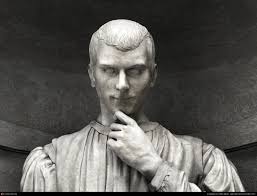
Niccolo Machiavelli
There is image—and there is reality. J.P. Morgan once said: “A man always has two reasons for doing anything: A good reason and the real reason.” This is never truer than when a corporation or politician is asking for your money / vote.
When trying to decide whether to commit yourself to either, ask yourself: Who benefits? For example: When studying a proposed law that claims to aid the environment, find out who supports it. That will usually tell you what you need to know.
Learn how to evaluate others. Once again, Niccolo Machiavelli supplies the answer: “The first impression that one gets of a ruler and his brains is from seeing the men that he has about him. When they are competent and loyal one can always consider him wise, as he has been able to recognize their ability and keep them faithful.
“But when they are the reverse, one can always form an unfavorable opinion of him, because the first mistake that he makes is in making this choice.”
Don’t confuse wealth with virtue. Too many Americans believe that God bestows wealth on the worthy. If this were true, every Mafia boss would be a candidate for sainthood.
Each year is a journey unto itself—filled with countless joys and sorrows. Many of these joys can’t be predicted. And many of these tragedies can’t be prevented.
Learn to tell real dangers from imaginary ones. Computers are real—and sometimes they crash. Men who died 2,000 years ago do not leap out of graveyards, no matter what their disciples predict.
Don’t expect any particular year to usher in the Apocalypse. In any given year there will be wars, famines, earthquakes, riots, floods and a host of other disasters. These have always been with us—and always will be. As Abraham Lincoln once said: “The best thing about the future is that it comes one day at a time.”

Don’t expect some Great Leader to lead you to success. As Gaius Cassius says in William Shakespeare’s “Julius Caesar”: “Men at some time are masters of their fate. The fault, dear Brutus, is not in our stars but in ourselves that we are underlings.”
Don’t expect any particular year or event to usher in your happiness. To again quote Lincoln: “Most people are about as happy as they make up their minds to be.”
If your life seems to make no sense to you, consider this: The philosopher Soren Kierkegaard once noted: “Life can only be understood backwards, but it must be lived forwards.”
2016 PRESIDENTIAL ELECTION, 2020 PRESIDENTIAL ELECTION, ABC NEWS, ALTERNET, AMERICABLOG, AP, BABY BOOMER RESISTANCE, BARACK OBAMA, BBC, BILL KRISTOL, BLOOMBERG, BUZZFEED, CBS NEWS, CNN, CROOKS AND LIARS, DAILY KOS, FIVETHIRTYEIGHT, GEORGE W. BUSH, HARPER’S MAGAZINE, HITLER LOYALTY OATH, HOLOCAUST, HUFFINGTON POST, IRAN, IRAQ, IRAQ WAR, JANUARY 6 COUP ATTEMPT, JOHN MCCAIN, JOSEPH BIDEN, JOSEPHUS, LINDSEY GRAHAM, MEDIA MATTERS, MOTHER JONES, MOVEON, MSNBC, NBC NEWS, NEW REPUBLIC, NEWSDAY, NEWSWEEK, NOTRE DAME CATHEDRAL, NOTRE DAME CATHEDRAL FIRE, NPR, NUCLEAR WEAPONS, OSAMA BIN LADEN, PBS NEWSHOUR, PENTAGON, PHILLIPPE MARTINEZ, PIERRE DERRIEN, POLITICO, POLITICUSUSA, RAW STORY, REPUBLICANS, REUTERS, SALON, SEATTLE TIMES, SLATE, SUPPLEMENTAL NUTRITION ASSISTANCE PROGRAM (SNAP), SYRIA, TALKING POINTS MEMO, THE ATLANTIC, THE CHICAGO SUN-TIMES, THE CHICAGO TRIBUNE, THE DAILY BEAST, THE DAILY BLOG, THE GUARDIAN, THE HILL, THE HUFFINGTON POST, THE INTERCEPT, THE LOS ANGELES TIMES, THE NATION, THE NEW REPUBLIC, THE NEW YORK TIMES, THE NEW YORKER, THE PENTAGON, THE VILLAGE VOICE, THE WASHINGTON POST, THINKPROGRESS, TIME, TOMAHAWK CRUISE MISSILES, TRUTHDIG, TRUTHOUT, TWO POLITICAL JUNKIES, U.S. NEWS & WORLD REPORT, UPI, USA TODAY, WEEKLY STANDARD, X, YELLOW VEST PROTESTERS
In Bureaucracy, Business, History, Military, Politics, Social commentary on December 29, 2023 at 12:17 am
On April 15, 2019, millions across France gasped in horror at the sight of Notre Dame Cathedral going up in flames.
The Cathedral, perhaps the most iconic building in Paris, is visited by more than 14 million people every year. Built between 1160 and 1345, it has long been one of the most important sites in Christendom.
A law passed in 1905 classified the cathedral as a Historical Monument and thus the property of the state. But its use is dedicated exclusively to the Roman Catholic Church. Catholics are estimated to comprise between 41% and 88% of France’s population.
Yet by April 19, for untold numbers of French citizens, horror and sadness had been replaced by anger.

Notre Dame Cathedral fire
LeLaisserPasserA38, CC BY-SA 4.0 <https://creativecommons.org/licenses/by-sa/4.0>, via Wikimedia Commons
So what had happened to arouse this?
First, French President Emmanuel Macron addressed the nation to speak about the fire. In doing so, he totally ignored the violent protests against inequality that had erupted throughout the country since November 2018.
Low-paid workers and pensioners accused Macron’s government of favoring the rich. The activists were named Yellow Vests—after the fluorescent jackets French motorists are required to keep in their cars.
Second, in just a few hours, billionaires pledged hundreds of millions of dollars (euros) to help restore the damaged cathedral.
“You’re there, looking at all these millions accumulating, after spending five months in the streets fighting social and fiscal injustice. It’s breaking my heart,” Ingrid Levavasseur, a founding leader of the movement, told The Associated Press.
“What happened at Notre Dame is obviously a deplorable tragedy. But nobody died,” Levavasseur said. “I’ve heard someone speaking of national mourning. Are they out of their minds?”
“The yellow vests will show their anger against the billion found in four days for stones, and nothing for the needy,” wrote Pierre Derrien on Facebook.
More than $1 billion was pledged for the cathedral’s restoration, and many French citizens believed the money could be better spent elsewhere. And the billionaires’ donations entitled them to huge tax deductions.
“If they can give dozens of millions to rebuild Notre Dame, they should stop telling us there is no money to respond to the social emergency,” CGT trade union leader Philippe Martinez said.
But this is generally how the rich and powerful react to the needs of the neediest.
In 2016, returning to Congress after their traditional summer recess, House Republicans planned to cut $23 billion in food stamps for the poor. This included ending waivers that allowed some adults to get temporary assistance while they were in school or training for a job.
The cuts were to include drug tests of applicants and tougher work rules. As Republicans see it: There’s no point in “helping” the poor if you can’t humiliate them.

The food stamp program, now called the Supplemental Nutrition Assistance Program, or SNAP, served more than 46 million Americans and cost $74 billion in 2015.
Meanwhile, Republicans were eager to spend billions of dollars for another project: An unnecessary war with Syria.
One of these right-wingers was Bill Kristol, editor of the Weekly Standard—and one of the leading instigators of the 2003 war with Iraq.
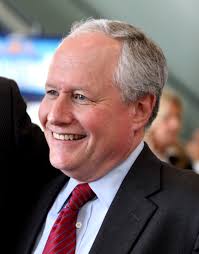
Bill Kristol
He—like senior officials on the George W. Bush administration—falsely claimed that Iraqi dictator Saddam Hussein had weapons of mass destruction and planned to use them against the United States.
Another Kristol lie: Hussein planned 9/11 with Osama bin Laden.
He has never apologized for either lie—or the resulting war that cost $3 trillion and killed 4,487 American soldiers and wounded another 32,226.
In a September, 2013 column, Kristol called for a return to slaughter—not only in Syria but Iran as well:
“…Soon after voting to authorize the use of force against the [Bashar al-] Assad regime, Republicans might consider moving an authorization for the use of force against the Iranian nuclear weapons program.
“They can explain that [President Barack] Obama’s dithering in the case of Syria shows the utility of unequivocally giving him the authority to act early with respect to Iran.”
Among Republican U.S. Senators calling for war were Arizona’s John McCain and South Carolina’s Lindsey Graham, who issued a joint statement:
“Using stand-off weapons, without boots on the ground, and at minimal risk to our men and women in uniform, we can significantly degrade Assad’s air power and ballistic missile capabilities and help to establish and defend safe areas on the ground.”
In addition: A major weapon for “degrading Assad’s air power” would be Tomahawk Cruise missiles. A single one of these costs $1,410,000.
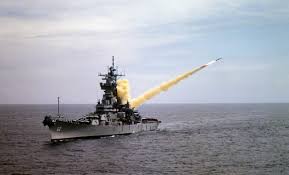
Firing of a Tomahawk Cruise missile
A protracted missile strike would rain literally billions of dollars’ worth of American missiles on Syria.
Meanwhile, the Pentagon was spending about $27 million a week to maintain the increased U.S. Navy presence in the Mediterranean Sea and Middle East region to keep watch over Syria and be prepared to strike.
Navy officials said it cost about $25 million a week for the carrier group and $2 million a week for each destroyer.
Is there a lesson to be learned from all this?
Yes.
Powerful people—whether generals, politicians or the wealthy—will always find abundant money and resources available for pet projects they consider important.
It’s only when it comes to projects that other people actually need that the powerful will claim there is, unfortunately, a cash shortage.
2016 PRESIDENTIAL ELECTION, 2020 PRESIDENTIAL ELECTION, ABC NEWS, ACAM SCHIFF, ADOLF HITLER, ALTERNET, AMERICABLOG, AP, BABY BOOMER RESISTANCE, BBC, BLOOMBERG NEWS, BRETT CROZIER, BUZZFEED, CBS NEWS, CHARLES PIERCE, CHRIS KREBS, CNN, CONVERSATION WITH AN AMERICAN WRITER (POEM), CORONAVIRUS, CROOKS AND LIARS, CYBERSECURITY AND INFRASTRUCTURE SECURITY AGENCY, DAILY KOS, DEPARTMENT OF HOMELAND SECURITY, DEPARTMENT OF STATE, DIMITRI SHOSTAKOVICH, DONALD TRUMP, DRUDGE REPORT, ESQUIRE MAGAZINE, FBI, FIVETHIRTYEIGHT, FOX NEWS NETWORK, GREAT TERROR, HARPER’S MAGAZINE, HOUSE INTELLIGENCE COMMITTEE, HOUSE OF REPRESENTATIVES, HUFFINGTON POST, JOSEPH BIDEN, JOSEPH STALIN, MARIA YOVANOVICH, MEDIA MATTERS, MICROSOFT, MIKHAIL TUKHACHEVESKY, MOTHER JONES, MOVEON, MSNBC, NAZI GERMANY, NBC NEWS, NEW REPUBLIC, NEWSDAY, NEWSWEEK, NICCOLO MACHIAVELLI, NIKOLAI ZHILAYEV, NPR, PBS NEWSHOUR, POLITICO, POLITICUSUSA, RAW STORY, REUTERS, RUDY GIULIANI, SALON, SEATTLE TIMES, SLATE, SOVIET UNION, TALKING POINTS MEMO, THE ATLANTIC, THE CHICAGO SUN-TIMES, THE CHICAGO TRIBUNE, THE DAILY BEAST, THE DAILY BLOG, THE DISCOURSES, THE GUARDIAN, THE HILL, THE HUFFINGTON POST, THE LOS ANGELES TIMES, THE NATION, THE NEW REPUBLIC, THE NEW YORK TIMES, THE NEW YORKER, THE VILLAGE VOICE, THE WALL STREET JOURNAL, THE WASHINGTON POST, THINKPROGRESS, THOMAS MODLY, TIME, TRUTHDIG, TRUTHOUT, TWITTER, TWO POLITICAL JUNKIES, U.S. NEWS & WORLD REPORT, UKRAINE, UPI, USA TODAY, WEHRMACHT, WONKETTE, WORLD WAR ii, YEVGENEY YEVTUSHENKO
In Bureaucracy, History, Law, Law Enforcement, Military, Politics, Social commentary on December 28, 2023 at 12:28 am
Next hero: Marie Yovanovitch, the former United States ambassador to Ukraine (2016 – 2019). She had joined the Foreign Service in 1986, and served as ambassador to Kyrgyzstan (2005 – 2008) and Armenia (2008 – 2011).
In May 2019, on President Donald Trump’s orders, the State Department recalled Yovanovitch as ambassador to Ukraine. She had earned respect from the national security community for her efforts to encourage Ukraine to tackle corruption.
But she had been criticized by Right-wing media outlets—notably Fox News Network-–and by Trump’s personal attorney, Rudy Giuliani.

Marie Yovanovitch
CNN reported that Yovanovitch stopped Giuliani from interviewing witnesses in his search for politically damaging information against former Vice President Joe Biden, whose son, Hunter, had had business dealings in Ukraine.
On October 11, 2019, she appeared before the House Intelligence Committee, chaired by Representative Adam Schiff (D-CA). She did so in defiance of orders by the White House and State Department to not attend.
“She was a hero even before she hit the hearing room,” wrote Charles Pierce for Esquire magazine.
“She told them to stuff their directives, she would answer a congressional subpoena like a citizen is supposed to do. And she didn’t sneak in through the basement. She walked into the Capitol through the front doors, and she didn’t do so to fck around.”
Testifying for nearly 10 hours, Yovanovitch said that Trump had removed her from her post owing to “unfounded and false claims” and “a concerted campaign against me.”
She believed that associates of Trump’s personal lawyer, Giuliani, might have thought “that their personal financial ambitions were stymied by our anti-corruption policy in Ukraine.”
And she warned that the State Department was being “attacked and hollowed out from within. State Department leadership, with Congress, needs to take action now to defend this great institution, and its thousands of loyal and effective employees.”
Another victim on Trump’s hate-list was Chis Krebs.
During the 2016 Presidential race, Russian propaganda had played a major role in convincing millions of Americans to vote for Donald Trump. Social media platforms—especially Facebook and Twitter—were flooded with genuinely fake news to sow discord among Americans and create a pathway for Trump’s election.
And where Internet trolls left off, Russian computer hackers took over.
Trump didn’t win a majority of the popular vote. But he got enough help from Russian President Vladimir Putin to triumph in the Electoral College.
So notorious was the role played by Russian trolls and hackers in winning Trump the 2016 election that the Department of Homeland Security (DHS) was determined to prevent a repetition in 2020.
And point man for this was Chris Krebs.
Born in Atlanta, Georgia, in 1977, Krebs had received a B.A. in environmental sciences from the University of Virginia in 1999, and a J.D. from the George Mason University School of Law in 2007.
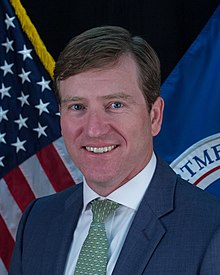
Chris Krebs
Krebs had served as Senior Advisor to the Assistant Secretary of Homeland Security for Infrastructure Protection, and later worked in the private sector as Director for Cybersecurity Policy for Microsoft.
Now he was director of the Cybersecurity and Infrastructure Security Agency at DHS.
In preparation for the 2020 Presidential election, Krebs launched a massive effort to counter lies spread by Russians—and Americans—on social media platforms. Among his duties:
- Sharing Intelligence from agencies such as the CIA and National Security Agency with local officials about foreign efforts at election interference.
- Ensuring that domestic voting equipment was secure.
- Attacking domestic misinformation head-on.
As a result, Krebs was widely praised for revamping the department’s cybersecurity efforts and increasing coordination with state and local governments.
By all accounts—except Trump’s—the November 3, 2020 election went very smoothly.
As a result of the vast increase in election security, Trump not only failed to win the popular vote again but couldn’t get the help he expected from Putin.
On November 17, Trump fired Chris Krebs.
The reason: Krebs had not only countered Russian propaganda lies—he had dared to counter Trump’s as well. For example: He rejected Trump’s claims of widespread voter fraud: There “is no evidence that any voting system deleted or lost votes, changed votes, or was in any way compromised.”
In a November 17 story on the CNN website, CNN reporters Kaitlan Collins and Paul LeBlanc bluntly concluded:
“[Krebs’] dismissal underscores the lengths Trump is willing to go to punish those who don’t adopt his conspiratorial view of the election.
“Since CNN and other outlets called the race for President-elect Joe Biden, Trump has refused to accept the results, instead pushing baseless conspiracies that his second term is being stolen.”
Yet, by depriving Trump of Russian help, Krebs ensured a victory for democracy.
On January 6, the House and Senate counted the Electoral Votes—and pronounced Joseph Biden the winner—bringing an end to Trump’s reign of criminality and treason.
In his 1960 poem, “Conversation With an American Writer,” the Russian poet, Yevgeney Yevtushenko spoke for those Russians who had maintained their integrity in the face of Stalinist terror:
“You have courage,” they tell me.
It’s not true. I was never courageous.
I simply felt it unbecoming
to stoop to the cowardice of my colleagues.
Unfortunately, the same cannot be said of Republicans in the United States Senate and House of Representatives in the face of Trump terror.
2016 PRESIDENTIAL ELECTION, 2020 PRESIDENTIAL ELECTION, ABC NEWS, ACAM SCHIFF, ADOLF HITLER, ALTERNET, AMERICABLOG, AP, BABY BOOMER RESISTANCE, BBC, BLOOMBERG NEWS, BRETT CROZIER, BUZZFEED, CBS NEWS, CHARLES PIERCE, CHRIS KREBS, CNN, CONVERSATION WITH AN AMERICAN WRITER (POEM), CORONAVIRUS, CROOKS AND LIARS, CYBERSECURITY AND INFRASTRUCTURE SECURITY AGENCY, DAILY KOS, DEPARTMENT OF HOMELAND SECURITY, DEPARTMENT OF STATE, DIMITRI SHOSTAKOVICH, DONALD TRUMP, DRUDGE REPORT, ESQUIRE MAGAZINE, FBI, FIVETHIRTYEIGHT, FOX NEWS NETWORK, GREAT TERROR, HARPER’S MAGAZINE, HOUSE INTELLIGENCE COMMITTEE, HOUSE OF REPRESENTATIVES, HUFFINGTON POST, JOSEPH BIDEN, JOSEPH STALIN, MARIA YOVANOVICH, MEDIA MATTERS, MICROSOFT, MIKHAIL TUKHACHEVESKY, MOTHER JONES, MOVEON, MSNBC, NAZI GERMANY, NBC NEWS, NEW REPUBLIC, NEWSDAY, NEWSWEEK, NICCOLO MACHIAVELLI, NIKOLAI ZHILAYEV, NPR, PBS NEWSHOUR, POLITICO, POLITICUSUSA, RAW STORY, REUTERS, RUDY GIULIANI, SALON, SEATTLE TIMES, SLATE, SOVIET UNION, TALKING POINTS MEMO, THE ATLANTIC, THE CHICAGO SUN-TIMES, THE CHICAGO TRIBUNE, THE DAILY BEAST, THE DAILY BLOG, THE DISCOURSES, THE GUARDIAN, THE HILL, THE HUFFINGTON POST, THE LOS ANGELES TIMES, THE NATION, THE NEW REPUBLIC, THE NEW YORK TIMES, THE NEW YORKER, THE VILLAGE VOICE, THE WALL STREET JOURNAL, THE WASHINGTON POST, THINKPROGRESS, THOMAS MODLY, TIME, TRUTHDIG, TRUTHOUT, TWITTER, TWO POLITICAL JUNKIES, U.S. NEWS & WORLD REPORT, UKRAINE, UPI, USA TODAY, WEHRMACHT, WONKETTE, WORLD WAR ii, YEVGENEY YEVTUSHENKO
In Bureaucracy, History, Law, Law Enforcement, Military, Politics, Social commentary on December 27, 2023 at 12:07 am
Next up: Nikolai Sergeyvich Zhilayev (pronounced Zill-lay-ev) was a Russian musicologist and the teacher of several 20th-century Russian composers.
Among these: Dimitri Shostakovich (September 25, 1906 – August 9, 1975)
Among his friends—to his ultimate misfortune—was Mikhail Nikolayevich Tukhachevsky, the former military hero now falsely condemned and executed as a traitor by Soviet dictator Joseph Stalin.
In 1938, Zhilayev (November 18, 1881 – January 20, 1938) also became a casualty of what has become known as The Great Terror.
In his posthumously-published memoirs, Testimony, Shostakovich, his pupil and friend, described how Zhilayev faced his end with a calmness that awed even the NKVD (the predecessor to the KGB) secret police sent to arrest him.
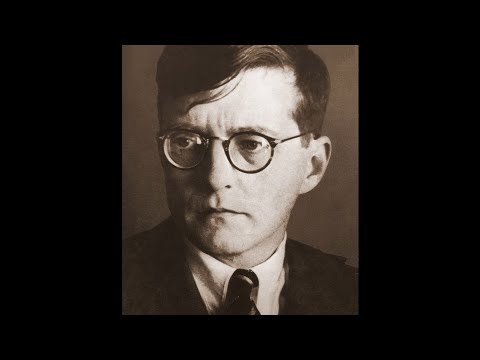
Dimitri Shostakovich
“He had a large picture of Tukhachevsky in his room, and after the announcement that Tukhachevsky had been shot as a traitor to the homeland, Zhilayev did not take the picture down.
“I don’t know if I can explain how heroic a deed that was….As soon as the next poor soul was declared an enemy of the people, everyone destroyed in a panic everything connected with that person….
“And naturally, photographs flew into the fire first, because if someone informed on you, reported that you had a picture of an enemy of the people, it meant certain death.
“Zhilayev wasn’t afraid. When they came for him, Tukhachevsky’s prominently hung portrait amazed even the executioners.”
“What, it’s still up?” one of the secret police asked.
“The time will come,” Zhilayev replied, “when they’ll erect a monument to him.”
As, in fact, has happened.
Meanwhile, Stalin has been universally condemned as one of history’s greatest tyrants.
Third hero: Brett Crozier, the former commanding officer of the aircraft carrier USS Theodore Roosevelt.
Graduating from the United States Naval Academy at Annapolis in 1992, he received his Master’s Degree in National Security and Strategic Studies from the Naval War College in 2007.
From 2017 to 2018 he commanded the USS Blue Ridge. In November, 2019, he was given command of the nuclear aircraft carrier USS Theodore Roosevelt.
On March 24, 2020, reports circulated that three members of the crew had tested positive for COVID-19. The next day the number of stricken sailors increased to eight. A few days later, it was “dozens.” The sailors reportedly became ill at sea, two weeks after a port call at Danang, Vietnam.
The initial cases were airlifted to a military hospital. The Roosevelt was ordered to Guam. After the ship docked on March 27, 2020, all 5,000 aboard were ordered to be tested for the virus. But only about 100 stricken sailors were allowed to leave the ship. The rest remained on board.
On March 30, Crozier emailed a four-page internal letter to multiple Naval officials, pleading to have the majority of the crew evacuated and quarantined on shore. Given the crowded sleeping quarters and narrow passageways of the vessel, Crozier wrote that it was impossible to follow social distancing and quarantine procedures:
“This will require a political solution but it is the right thing to do. We are not at war. Sailors do not need to die. If we do not act now, we are failing to properly take care of our most trusted asset—our Sailors….
“This is a necessary risk. Keeping over 4,000 young men and women on board the TR is an unnecessary risk and breaks faith with those Sailors entrusted to our care.”
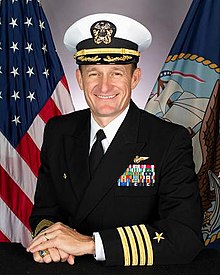
Brett Crozier
Crozier sent his letter via a non-secure, unclassified email to 20 to 30 recipients, as well as the captain’s immediate chain of command. He reportedly believed that his immediate supervisor would not allow him to send it.
And his superior later confirmed that he would not have allowed Crozier to send it.
On March 31, someone leaked the letter to the San Francisco Chronicle, which published it.
On April 1, the Navy ordered the aircraft carrier evacuated. A skeleton crew of 400 remained aboard to maintain the nuclear reactor, the fire-fighting equipment, and the ship’s galley.
On April 2, Crozier was relieved of command by acting United States Secretary of the Navy Thomas Modly.
By that time, about 114 crew members—out of a total of around 4,000—reportedly tested positive for COVID-19.
As Crozier disembarked, sailors loudly saluted him with a standing ovation: “Cap-tain Cro-zier!”
Modly claimed that Crozier’s letter “raised alarm bells unnecessarily. It undermines our efforts and the chain of command’s efforts to address this problem, and creates a panic and this perception that the Navy’s not on the job, that the government’s not on the job, and it’s just not true.”
Actually, the Trump administration had frittered away January and February, with President Donald Trump giving multiple—and misleading—press conferences. In these, he played down the dangers of COVID-19, saying that “we’re on top of it”—even as the virus spread across the country.
“It was a betrayal. And I can tell you one other thing: because he did that he put it in the public’s forum and it is now a big controversy in Washington, DC,” continued Modly. [Italics added]
This was the United States Navy under Donald Trump—who threw “betrayal” and “treason” at anyone who dared reveal the truth about institutional crimes and failures.
2016 PRESIDENTIAL ELECTION, 2020 PRESIDENTIAL ELECTION, ABC NEWS, ACAM SCHIFF, ADOLF HITLER, ALTERNET, AMERICABLOG, AP, BABY BOOMER RESISTANCE, BBC, BLOOMBERG NEWS, BRETT CROZIER, BUZZFEED, CBS NEWS, CHARLES PIERCE, CHRIS KREBS, CNN, CONVERSATION WITH AN AMERICAN WRITER (POEM), CORONAVIRUS, CROOKS AND LIARS, CYBERSECURITY AND INFRASTRUCTURE SECURITY AGENCY, DAILY KOS, DEPARTMENT OF HOMELAND SECURITY, DEPARTMENT OF STATE, DIMITRI SHOSTAKOVICH, DONALD TRUMP, DRUDGE REPORT, ESQUIRE MAGAZINE, FBI, FIVETHIRTYEIGHT, FOX NEWS NETWORK, GREAT TERROR, HARPER’S MAGAZINE, HOUSE INTELLIGENCE COMMITTEE, HOUSE OF REPRESENTATIVES, HUFFINGTON POST, JOSEPH BIDEN, JOSEPH STALIN, MARIA YOVANOVICH, MEDIA MATTERS, MICROSOFT, MIKHAIL TUKHACHEVESKY, MOTHER JONES, MOVEON, MSNBC, NAZI GERMANY, NBC NEWS, NEW REPUBLIC, NEWSDAY, NEWSWEEK, NICCOLO MACHIAVELLI, NIKOLAI ZHILAYEV, NPR, PBS NEWSHOUR, POLITICO, POLITICUSUSA, RAW STORY, REUTERS, RUDY GIULIANI, SALON, SEATTLE TIMES, SLATE, SOVIET UNION, TALKING POINTS MEMO, THE ATLANTIC, THE CHICAGO SUN-TIMES, THE CHICAGO TRIBUNE, THE DAILY BEAST, THE DAILY BLOG, THE DISCOURSES, THE GUARDIAN, THE HILL, THE HUFFINGTON POST, THE LOS ANGELES TIMES, THE NATION, THE NEW REPUBLIC, THE NEW YORK TIMES, THE NEW YORKER, THE VILLAGE VOICE, THE WALL STREET JOURNAL, THE WASHINGTON POST, THINKPROGRESS, THOMAS MODLY, TIME, TRUTHDIG, TRUTHOUT, TWITTER, TWO POLITICAL JUNKIES, U.S. NEWS & WORLD REPORT, UKRAINE, UPI, USA TODAY, WEHRMACHT, WONKETTE, WORLD WAR ii, YEVGENEY YEVTUSHENKO
In Bureaucracy, History, Military, Politics, Social commentary on December 26, 2023 at 12:17 am
…A truly great man is ever the same under all circumstances. And if his fortune varies, exalting him at one moment and oppressing him at another, he himself never varies, but always preserves a firm courage, which is so closely interwoven with his character that everyone can readily see that the fickleness of fortune has no power over him.
The conduct of weak men is very different. Made vain and intoxicated by good fortune, they attribute their success to merits which they do not possess. And this makes them odious and insupportable to all around them. And when they have afterwards to meet a reverse of fortune, they quickly fall into the other extreme, and become abject and vile.
—Niccolo Machiavelli, The Discourses
Four heroes, three villains.
Two of the heroes are Russians; three are Americans.
The villains: One Russian (actually, Georgian); two American.
First up—in order of disappearance: Mikhail Nikolayevich Tukhachevsky (pronounced too-ka-chev-sky).
Tukhachevsky (February 4, 1893 – June 12, 1937) was a major Soviet military leader and theoretician from 1918 to 1937.
He commanded the Soviet Western Front during the Russian-Polish War (1920-21) and served as Chief of Staff of the Red Army (1925-1928).
He fought to modernize Soviet armament, as well as develop airborne, aviation and mechanized forces. Almost singlehandedly, he created the theory of deep operations for Soviet forces.

Mikhail Tukhachevsky
All of these innovations would reap huge dividends when the Soviet Union faced the lethal fury of Adolf Hitler’s Wehrmacht.
In 1936, Tukhachevsky warned Soviet dictator Joseph Stalin that Nazi Germany might attack without warning—and ignite a long and murderous war.
Stalin—the son of a Georgian cobbler—resented Tukhachevsky’s coming from a noble family. A monumental egomaniac, he also hated that Tukhachevesky’s fame rivaled his own.
Warned of the approaching German danger, Stalin shouted: “What are you trying to do—frighten Soviet authority?”
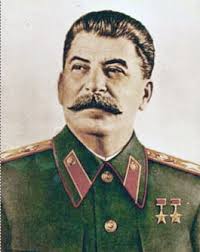
Joseph Stalin
The attack that Tukhachevsky warned against came five years later—on June 22, 1941, leaving at least 26 million Russians dead.
But Tukhachevsky wasn’t alive to command a defense.
The 1930s were a frightening and dangerous time to be alive in the Soviet Union. In 1934, Stalin, seeing imaginary enemies everywhere, ordered a series of purges that lasted right up to the German invasion.
An example of Stalin’s paranoia occurred one day while the dictator walked through the Kremlin corridors with Admiral Ivan Isakov. Officers of the NKVD (the predecessor to the KGB) stood guard at every corner.
“Every time I walk down the corridors,” said Stalin, “I think: Which one of them is it? If it’s this one, he will shoot me in the back. But if I turn the corner, the next one can shoot me in the face.”
In 1937-38, the Red Army fell prey to Stalin’s paranoia.
Its victims included:
- Three of five marshals (five-star generals);
- Thirteen of 15 army commanders (three- and four-star generals);
- Fifty of 57 army corps commanders; and
- One hundred fifty-four out of 186 division commanders.
And heading the list of those marked for death was Marshal Mikhail Tukhachevsky.
Arrested on May 22, 1937, he was interrogated and tortured. As a result, he “confessed” to being a German agent plotting to overthrow Stalin and seize power.
On his confession, which survives in the archives, his bloodstains can clearly be seen.
On June 11, 1937, the Soviet Supreme Court convened a special military tribunal to try Tukhachevsky and eight generals for treason.
It was a sham: The accused were denied defense attorneys, and could not appeal the verdict—-which was foregone: Death.
Within hours of the verdict, Tukhachevsky was summoned from his cell and shot once in the back of the head.
In a Russian version of poetic justice, five of the eight generals who served as Tukhachevsky’s judges were themselves later condemned and executed as traitors.
From 1937 until 1956, Tukhachevsky was officially declared a traitor and fifth-columnist.
Then, on February 25, 1957, Soviet Premier Nikita Khrushchev delivered his bombshell “Secret Speech” to the 20th Congress of the Communist Party of the Soviet Union.
In this, he denounced Stalin (who had died in 1953) as a ruthless tyrant responsible for the slaughter of millions of innocent men, women and children. He condemned Stalin for creating a “personality cult” around himself, and for so weakening the Red Army that Nazi Germany was able to easily overrun half of the Soviet Union from 1941 to 1943.
On January 31, 1957, Tukhachevsky and his co-defendants were declared innocent of all charges and were “rehabilitated.”
Today, he is once again—rightly—considered a Russian hero and military genius. And Stalin is universally—and rightly—seen as a blood-stained tyrant.

Postage stamp honoring Mikhail Tukhachevsky
Next hero: Nikolai Sergeyvich Zhilayev (pronounced Zill-lay-ev)
Zhilayev (November 18, 1881 – January 20, 1938) was a Russian musicologist and the teacher of several 20th-century Russian composers. Among these: Dimitri Shostakovich.
Zhilayev, a member of the Russian Academy of Art-Sciences, taught at the Moscow Conservatory. Among his friends—to his ultimate misfortune—was Mikhail Tukhachevsky.
In 1938, he, too, became a casualty of what has become known as The Great Terror.
In his posthumously-published memoirs, Testimony, Shostakovich, his pupil and friend, described how Zhilayev faced his end with a calmness that awed even the NKVD secret police sent to arrest him.
ABC NEWS, ALEXI KOSYGIN, ALTERNET, AMERICABLOG, AP, BABY BOOMER RESISTANCE, BBC, BLOOMBERG NEWS, BORIS YELTSIN, BUZZFEED, CATHERINE THE GREAT, CBS NEWS, CENSORSHIP, CNN, COMMUNISM, CROOKS AND LIARS, CZARS, CZECHOSLOVAKIA, DAILY KOZ, DONALD TRUMP, FIVETHIRTYEIGHT, HARPER’S MAGAZINE, HUFFINGTON POST, JOSEPH STALIN, LEONID BREZHNIEV, MEDIA MATTERS, MIKHAIL TUKHACHEVSKY, MOTHER JONES, MOVEON, MSNBC, NBC NEWS, NEW REPUBLIC, NEWSDAY, NEWSWEEK, NIKOLAI ZHILAYEV, NPR, OLGA MISIK, PBS NEWSHOUR, POLITICO, POLITICUSUSA, PROPAGANDA, RAW STORY, REUTERS, RUSSIA, SALON, SEATTLE TIMES, SLATE, TALKING POINTS MEMO, THE ATLANTIC, THE CHICAGO SUN-TIMES, THE CHICAGO TRIBUNE, THE DAILY BEAST, THE DAILY BLOG, THE GUARDIAN, THE HILL, THE HUFFINGTON POST, THE INTERCEPT, THE LOS ANGELES TIMES, THE NATION, THE NEW REPUBLIC, THE NEW YORK TIMES, THE NEW YORKER, THE VILLAGE VOICE, THE WASHINGTON POST, THINKPROGRESS, TIME, TRUTHDIG, TRUTHOUT, TWO POLITICAL JUNKIES, U.S. NEWS & WORLD REPORT, UKRAINE, UPI, USA TODAY, VLADIMIR PUTIN, VOLODYMYR ZELENSKY, WONKETTE, YEMELYAN PUGACHEF, YEVGENEY YEVTUSHENKO
In Bureaucracy, History, Law, Law Enforcement, Military, Politics, Social commentary on December 22, 2023 at 12:20 am
In Vladimir Putin’s Russia, conscience comes with a price. It can range anywhere from house arrest to years of imprisonment in the Gulag—to being shot or poisoned by the FSB, the secret police successor to the infamous KGB.
It has always been so.
Mikhail Nikolayevich Tukhachevsky was a major Soviet military leader and theoretician from 1918 to 1937. He fought to modernize Soviet armament, as well as develop airborne, aviation and mechanized forces. Almost singlehandedly, he created the theory of deep operations for Soviet forces.
But he fell victim to the paranoia of Soviet dictator Joseph Stalin.

Mikhail Nikolayevich Tukhachevsky
Arrested on May 22, 1937, he was interrogated and tortured. As a result, he “confessed” to being a German agent plotting to overthrow Stalin and seize power.
On June 11, 1937, the Soviet Supreme Court quickly sentenced Tukhachevsky for treason. Hours later, he was executed.
Among his friends had been Nikolai Sergeyvich Zhilayev. a Russian musicologist and the teacher of several 20th-century Russian composers. Knowing that he was a marked man, Zhilayev did something truly extraordinary.
He had a large portrait of Tukhachevsky in his room, and after the announcement that Tukhachevsky had been shot as a traitor to the homeland, Zhilayev did not take the picture down. If discovered, it meant instant arrest—and almost certain execution.
When the secret police came for him, even they were awed: ”“What, it’s still up?”
“The time will come,” Zhilayev replied, “when they’ll erect a monument to him.”
As, in fact, has happened.
Standing before a Russian judge, accused of vandalism for participating in a demonstration against Putin’s suppression of human rights, 19-year-old Olga Misik dared to speak truths most Russians fear to even whisper.
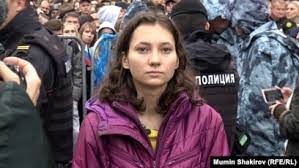
Olga Misik
From her statement to the court on May 11, 2021:
The prosecution is putting all its efforts into proving that I am implicated in the incident. I’m not going to spend much time showing that they can’t even do that professionally: They are using falsified fingerprint analysis, and, as you saw when you were examining the evidence, there was no trace of paint on my clothes….
But what does that matter when no law was broken? What difference does it make whether I was there or not when no crime was committed?….There is a crime, and it was committed by the police and the prosecutors. And I very much hope, Comrade Judge, that you will not become an accomplice to this crime.
This is precisely why I demand a complete and unconditional acquittal. I am not accepting any half measures, like settling for a fine. I am sure of my innocence and am prepared to uncompromisingly defend it to the end….
The past nine months have been very difficult, you know, and I wouldn’t like to repeat them. I kept thinking to myself, What could have happened if, and, Everything could have gone differently. But I was lying to myself, because nothing could have gone differently.
From the moment I picked up the constitution, my fate was set in stone, and I accepted it with pride. I made the right choice, and making the right choice in a totalitarian state will always have horrifying consequences. I always knew I’d end up behind bars—it was only a matter of when.
My lawyer brought up Sophie Scholl [a German student and anti-Nazi political activist] today. Her story is shockingly similar to mine. She was put on trial for flyers and graffiti; I’m being tried for posters and paint.
Like she was, I am essentially on trial for thought crimes. My trial is very similar to Sophie’s, and today’s Russia really resembles Nazi Germany.
Right up to the guillotine, Sophie did not stray from her beliefs. Her story inspired me not to agree to charges being dropped. Sophie Scholl is the embodiment of youth, individuality, and freedom. I would like to believe that to be another thing that makes us similar.
The Nazi regime eventually crumbled, as will the fascist regime in Russia. I don’t know when it will happen, be it a week, a year, or decade, but I know that someday we will be victorious, because love and youth always prevail….
Sophie Scholl’s last words before her execution were, “The sun still shines.” Indeed, the sun still shines. I couldn’t see it out the window of the detention center, but I always knew it was there. And if now, in such dark times, we can turn to the light, then maybe victory isn’t so far after all.
In his 1960 poem, “Conversation With an American Writer,” the Russian poet, Yevgeney Yevtushenko spoke for those Russians who had maintained their integrity in the face of Stalinist terror:
“You have courage,” they tell me.
It’s not true. I was never courageous.
I simply felt it unbecoming
to stoop to the cowardice of my colleagues.
Demonstrating his own moral courage, on August 22, 1968—the day after the Soviet Union invaded Czechoslovakia—Yevtushenko sent a telegram protesting the invasion to Communist Party Boss Leonid Brezhnev and Premier Aleksei Kosygin:
In Russia—under Czars or Commissars—acting on moral courage is no small thing.
A revered poet demonstrated it in 1968. And a teenage girl demonstrated it in 2021.
ABC NEWS, ALEXI KOSYGIN, ALTERNET, AMERICABLOG, AP, BABY BOOMER RESISTANCE, BBC, BLOOMBERG NEWS, BORIS YELTSIN, BUZZFEED, CATHERINE THE GREAT, CBS NEWS, CENSORSHIP, CNN, COMMUNISM, CROOKS AND LIARS, CZARS, CZECHOSLOVAKIA, DAILY KOZ, DONALD TRUMP, FIVETHIRTYEIGHT, HARPER’S MAGAZINE, HUFFINGTON POST, JOSEPH STALIN, LEONID BREZHNIEV, MEDIA MATTERS, MIKHAIL TUKHACHEVSKY, MOTHER JONES, MOVEON, MSNBC, NBC NEWS, NEW REPUBLIC, NEWSDAY, NEWSWEEK, NIKOLAI ZHILAYEV, NPR, OLGA MISIK, PBS NEWSHOUR, POLITICO, POLITICUSUSA, PROPAGANDA, RAW STORY, REUTERS, RUSSIA, SALON, SEATTLE TIMES, SLATE, TALKING POINTS MEMO, THE ATLANTIC, THE CHICAGO SUN-TIMES, THE CHICAGO TRIBUNE, THE DAILY BEAST, THE DAILY BLOG, THE GUARDIAN, THE HILL, THE HUFFINGTON POST, THE INTERCEPT, THE LOS ANGELES TIMES, THE NATION, THE NEW REPUBLIC, THE NEW YORK TIMES, THE NEW YORKER, THE VILLAGE VOICE, THE WASHINGTON POST, THINKPROGRESS, TIME, TRUTHDIG, TRUTHOUT, TWO POLITICAL JUNKIES, U.S. NEWS & WORLD REPORT, UKRAINE, UPI, USA TODAY, VLADIMIR PUTIN, VOLODYMYR ZELENSKY, WONKETTE, X, YEMELYAN PUGACHEF, YEVGENEY YEVTUSHENKO
In Bureaucracy, History, Law, Law Enforcement, Military, Politics, Social commentary on December 21, 2023 at 12:40 am
For 300 years, Russians feared the wrath of their czars, who ruthlessly decreed what their subjects could read, write and say.
Protests were brutally punished, even by so-called “enlightened” Czars. Catherine the Great had Cossack rebel Yemelyan Ivanovich Pugachev beheaded, then drawn and quartered.

Catherine the Great
Czarist rule ended in 1917, when the installation of a democratic Provisional Government. But just nine months later, the Bolsheviks seized power—and starvation, mass executions, forced exiles and repression of religion, speech and press followed until Communism collapsed in 1991.
Then came the wholesale corruption and ineptness of Boris Yeltsin’s brief reign. When Yeltsin picked Vladimir Putin, a former member of the KGB, as his successor, many Russians welcomed his arrival.
Unlike the fat, alcoholic Yeltsin, Putin appeared to be a sober man’s man who plunged into icy rivers, slammed opponents to the floor in judo matches, and—shirtless—hunted tigers and bears.
He promised that so long as ordinary Russians stayed out of politics, they would enjoy a level of personal independence totally absent during the 74-year Communist regime.
But, gradually, that promise was revealed as a lie.
At no time has that been more true than following his brutal invasion of Ukraine on February 24, 2022. Most Russians can’t imagine waging war against a “brotherly nation.”
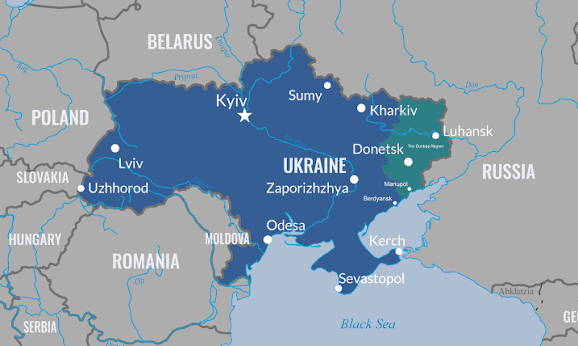
Russia vs. Ukraine
Putin’s government unleashed a massive propaganda campaign to convince Russians that Russia was battling Fascists and taking big casualties. And many have believed it.
(Volodymyr Zelensky, Ukraine’s president, is Jewish, and Western Intelligence agencies estimate that 7,000 to 15,000 Russian soldiers have died.)
Nevertheless, thousands flocked to streets and squares throughout Russia despite government threats of prosecution for high treason.
More than 6,500 demonstrators were arrested over a five-day period. Several Russian and Ukrainian news outlets were blocked for covering the invasion.
One of those who repeatedly demonstrated against Putini’s repressive regime is Olga Misik, a former journalism student at the University of Moscow.
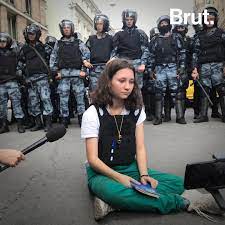
Olga Misik
Accused of vandalism, standing before a judge who could sentence her to literally any punishment he wished, 19-year-old Olga Misik dared to speak forbidden truths about life in Vladimir Putin’s Russia.
On May 11, 2021, she did so again in a Moscow district court.
Below follows relevant portions of her statement to the court:
And maybe I was scared on the way to the protest after all, but I knew I had no other choice. I understood that anything else would be wrong. That if I stayed silent this time, I would never be able to forgive myself….
Of course I was at that protest. I don’t regret it and more so am proud of my actions. In reality, I had no choice. I had to do everything in my power, thus I have no right to regret it. And if I had the option to go back in time, I would do it again.
If I was being threatened with execution, I would do it again. I would do it time and time again, until it finally started to make some change. They say that doing the same thing over and over expecting a different result is the definition of insanity.
I guess hope is insanity. But not doing something you believe in, just because everyone around you thinks it’s pointless, that is learned hopelessness. And better to be insane in your eyes than hopeless in my own….
Denying my participation in the protest would not only be unprincipled, it would erase all of the fear and agony, all we have achieved, all of my pain and rage. I can’t afford such dishonor with which our interrogator and prosecutor live their days….
A fascist government never seems fascist from the inside. It seems like just some minuscule, inconsequential censorship and some targeted repression that will never reach you. I’m not the one on trial today. Today, you are deciding not my fate but yours, and you still have a chance to do the right thing.
You can’t keep lying to yourselves. You know what goes on here. You know what it’s called. You know that there is good and evil, freedom and fascism, love and hatred, and denying that there are sides to take would be a colossal lie.
Those who chose evil have preordered their tickets to the defense table. The Hague awaits all who had a hand in this chaos. I am not promising victory tomorrow, the day after, in a year, or 10. But someday we will win, because love and youth always win. I can’t promise to make it there alive, but I really hope you live to see it.
You’re lying to yourselves if you maintain that I am here because of the protest at the office of the prosecutor general….You know why I’m here….You know what I’m actually being tried for.
For reading the constitution. For my political positions. For being named person of the year. For my principles. For my actions.
I might even be flattered by being singled out for a political trial, if only I really were singled out—when in fact the state is repressing anyone who has an opinion.
9/11 TERROR ATTACKS, ABC NEWS, ADOLF HITLER, AFGHANISTAN, ALBERT SPEER, ALTERNET, AMERICABLOG, AP, BABY BOOMER RESISTANCE, BBC, BLOOMBERG, BUZZFEED, CBS NEWS, CIVIL WAR, CNN, CROOKS AND LIARS, DAILY KOS, FIVETHIRTYEIGHT, GAZA, GEORGIA, HAMAS, HARPER’S MAGAZINE, HUFFINGTON POST, INSIDE THE THIRD REICH (MOVIE), IRAQ, ISRAEL, MEDIA MATTERS, MOTHER JONES, MOVEON, MSNBC, NAZI GERMANY, NBC NEWS, NEW REPUBLIC, NEWSDAY, NEWSWEEK, NPR, OSAMA BIN LADEN, PALESTINIANS, PBS NEWSHOUR, POLITICO, POLITICUSUSA, RAW STORY, REUTERS, RUTGER HAUER, SALON, SEATTLE TIMES, SLATE, SMART BOMBS, TALKING POINTS MEMO, THE ATLANTIC, THE CHICAGO SUN-TIMES, THE CHICAGO TRIBUNE, THE DAILY BEAST, THE DAILY BLOG, THE GUARDIAN, THE HILL, THE HUFFINGTON POST, THE INTERCEPT, THE LOS ANGELES TIMES, THE NATION, THE NEW REPUBLIC, THE NEW YORK TIMES, THE NEW YORKER, THE VILLAGE VOICE, THE WASHINGTON POST, THINKPROGRESS, THIRD REICH, TIME, TRUTHDIG, TRUTHOUT, TWITTER, TWO POLITICAL JUNKIES, U.S. NEWS & WORLD REPORT, UPI, USA TODAY, WILLIAM TECUMSEH SHERMAN, WORLD WAR 11
In Bureaucracy, Entertainment, History, Military, Politics, Social commentary on December 19, 2023 at 12:13 am
The 1982 TV-movie, “Inside the Third Reich,” offers a scene that has no doubt echoed throughout Gaza during the last two months.
It’s 1940, and the British—fed up with being repeatedly attacked by German bombers—are retaliating with an air raid on Berlin.
For the first time in its seven-year history, Adolf Hitler’s Third Reich is under attack.
Albert Speer (played by Rutger Hauer), Hitler’s favorite architect, is forced to take cover in an underground bomb shelter. It’s dark and cramped.
Rutger Hauer as Albert Speer
A woman sits next to him, sobbing repeatedly: “The German people only want peace. Why won’t they make peace? Why won’t they make peace?”
By which she means—intentionally or not: Why won’t the British simply agree to give Germany whatever it wants?
There has been a lot of this sentiment coursing through Gaza—and its allies in the Islamic world and elsewhere. It’s not stated as honestly as it is below, but translates to this anyway:
“Why won’t the Israelis allow Hamas to slaughter them—as it did on October 7?”
(Under the cover of thousands of rockets fired from Gaza, an estimated 1,200 men, women and children were slaughtered by Hamas terrorists in streets, houses, kibbutz communities and at a rave music festival. About 250 others were kidnapped and taken into Gaza.)
“Why are the Israelis bombing us?”
(Because they don’t like having their men, women and children slaughtered and kidnapped.)
“Why does the United States allow Israel to bomb us?”
(Americans didn’t like it when 3,000 of their own citizens were slaughtered on 9/11. Within a month, America began pulverizing Afghanistan—home of 9/11 mastermind Osama bin Laden—and its occupation lasted 20 years.)
“We only slaughtered 1,200 Israelis. But they have killed—by our estimate—18,000 Palestinians. That’s so unfair.”
(Under this logic, Israel should be allowed to kill only 1,200 Palestinians: “I smacked you in the mouth once, so you should be allowed to smack me in the mouth once. Actually, you shouldn’t be allowed to smack me back at all.”)
“Israel is waging war on civilians—not Hamas.”
(Hamas has deliberately embedded itself among a civilian population: “Ha, ha, you’ll have to kill all these innocent people in order to kill us.” For Israel to accept such sanctuary would be to confer immunity on Hamas and guarantee ceaseless future attacks.)

Emblem of Hamas
“Palestinians didn’t attack Israel—Hamas did.”
(Hamas is overwhelmingly supported by Palestinians. A man who shelters a known killer is by definition an accessory to that killer’s crimes. Yet Hamas refuses to allow civilians to take shelter in its tunnels. Nor does it use its underground network to supply much-needed food and resources for Gazans.)
“Israel is fighting a war of genocide against Gaza!”
(The universal rallying cry among Gaza residents—and their Islamic and non-Islamic allies—is: “From the river to the sea, Palestine will be free.” Which means: When Israel is destroyed and its citizens are slaughtered. For Hamas, no “two-state solution” will do.)
According to CNN, several videos are circulating online that “show Israeli soldiers in Gaza behaving in offensive and disrespectful ways toward the civilian population. Other videos show soldiers ransacking private homes, destroying civilian property and using racist and hateful language.”
(Soldiers are universally notorious for showing disrespect for their enemies, whether civilian or military. During the Civil War, Union General William Tecumseh Sherman set out on his legendary “March to the Sea” through Georgia in 1864. His soldiers ravaged the countryside, destroyed all sources of food and forage and left behind hungry and demoralized Southerners.
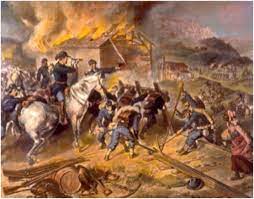
Sherman’s March
(As for Israeli soldiers “using racist and hateful language”: During World War II, GIs referred to Germans as “krauts” and to Japanese as “Japs.” During the Vietnam war, grunts called Vietcong and North Vietnamese soldiers “gooks.” In Afghanistan and Iraq, Americans used “ragheads” and “Hajiis” to describe their enemies.
(War is, by its nature, destructive—of lives, of property, of feelings for humanity.
(William Tecumseh Sherman minced no words in describing its evil: “You cannot qualify war in harsher terms than I will. War is cruelty, and you cannot refine it….You might as well appeal against the thunder-storm as against these terrible hardships of war….
(“They are inevitable, and the only way the people of Atlanta can hope once more to live in peace and quiet at home, is to stop the war….”
(Sherman’s words—which appeared in a September 12, 1864 letter to Atlanta Mayor James M. Calhoun—could be addressed to Hamas and the Gaza residents who support it:
(“Now that war comes home to you, you feel very different. You depreciate its horrors, but did not feel them when you sent car-loads of soldiers and ammunition, and moulded shells and shot, to carry war into Kentucky and Tennessee, to desolate the homes of hundreds of thousands of good people who only asked to live in peace at their old homes, and under the Government of their inheritance.”)
“The Holy Land.”
(There is no “holy land.” There is only desert claimed by two warring religions. Both sides believe “God is on our side.” So there will never be peace, only eternal war—until global warming finally makes the Middle East so hot that no one can live there.)
2016 PRESIDENTIAL CAMPAIGN, ABC NEWS, AL QAEDA, ALEXANDER THE GREAT, ALTERNET, ANDREW G. MCCABE, BARACK OBAMA, BUZZFEED, CBS NEWS, CHINA, CIA, CNN, CONSERVATIVE POLITICAL ACTION CONFERENCE, DAILY KOS, DONALD TRUMP, FBI, FEDERAL JUDICIARY, FOX NEWS SUNDAY, INTELLIGENCE AGENCIES, JAMES COMEY, JAMES MATTIS, JAMES ROBART, JEFF SESSIONS, MARK MILLEY, MOTHER JONES, MOVEON, NAVY SEALS, NBC NEWS, NEW YORK TIMES, NEWSWEEK, NINTH CIRCUIT COURT OF APPEALS, NPR, NSA, PLUTARCH, POLITICO, RAW STORY, REPUBLICAN DONORS, ROBERT MUELLER, ROD J. ROSENSTEIN, RUSSIA, RUSSIAN INTELLIGENCE, SALON, SLATE, STEPHEN MILLER, THE CHICAGO SUN-TIMES, THE CHICAGO TRIBUNE, THE DAILY BEAST, THE HUFFINGTON POST, THE LOS ANGELES TIMES, THE NEW YORK TIMES, THE PRESS, THE WALL STREET JOURNAL, THE WASHINGTON POST, TIME, TWITTER, U.S. NEWS & WORLD REPORT, USA TODAY, VOTER FRAUD, WILLIAM “RYAN” OWENS, WIRETAPPING, XI JINPING, YEMEN
In Bureaucracy, History, Law, Law Enforcement, Military, Politics, Social commentary on December 15, 2023 at 12:21 am
In a closed-door speech to Republican donors on March 3, 2018, President Donald Trump revealed his ultimate intention: To overthrow America’s constitutional government.
He praised China’s President, Xi Jinping, for recently assuming full dictatorial powers: “He’s now president for life. President for life. No, he’s great. And look, he was able to do that. I think it’s great. Maybe we’ll have to give that a shot some day.”
The statement was greeted with cheers and laughter by Republican donors.
Upon taking office as the Nation’s 45th President, Donald Trump attacked or undermined one public or private institution after another.

Donald Trump
Among these:
- American Intelligence: Even before taking office, Trump refused to accept the findings of the FBI, CIA and NSA that Russian Intelligence agents had intervened in the 2016 election to ensure his victory.
- “I think it’s ridiculous,” he told “Fox News Sunday.” “I think it’s just another excuse. I don’t believe it….No, I don’t believe it at all.”
- And when FBI Director James Comey dared to pursue a probe into “the Russia thing,” Trump fired him without warning.
- American law enforcement agencies: Trump repeatedly attacked his own Attorney General, Jeff Sessions, for not “protecting” him from agents pursuing the Russia investigation.
- On November 8, 2018, Trump abruptly fired him, following Democrats’ winning control of the House in the 2018 midterm elections.
- He threatened to fire Rod J. Rosenstein, the deputy attorney general, who oversaw Special Counsel Robert Mueller’s investigation into Russian subversion of the 2016 election.
- He intended to fire Mueller during the summer of 2017, but was talked out of it by aides fearful that it would set off calls for his impeachment.
- American military agencies: In 2020, Trump declined to visit an American cemetery near Paris in 2018, and referred to U.S. Marines buried there as “losers” and “suckers.”
- While President, Trump regularly abused military officials, calling Chairman of the Joint Chief of Staff Mark Milley a “dumbass” and former Secretary of Defense James Mattis “the world’s most overrated general.”
- The press: On February 17, 2017, Trump tweeted: “The FAKE NEWS media (failing @nytimes, @NBCNews, @ABC, @CBS, @CNN) is not my enemy, it is the enemy of the American People!”
- Appearing before the Conservative Political Action Conference on February 24, Trump said: “I want you all to know that we are fighting the fake news. It’s fake, phony, fake….I’m against the people that make up stories and make up sources. They shouldn’t be allowed to use sources unless they use somebody’s name. Let their name be put out there.”
- The judiciary: Trump repeatedly attacked Seattle US District Judge James Robart, who halted Trump’s first travel ban.
- In one tweet, Trump claimed: “Just cannot believe a judge would put our country in such peril. If something happens blame him and court system. People pouring in. Bad!”
- At Trump’s bidding, White House aide Stephen Miller attacked the Ninth Circuit Court of Appeals: “We have a judiciary that has taken far too much power and become, in many cases, a supreme branch of government.”
- President Barack Obama: For five years, Trump popularized the slander that President Barack Obama was born in Kenya—and was therefore not an American citizen or a legitimate President..
- Even after Obama released the long-form version of his birth certificate—on April 27, 2011—Trump tweeted, on August 6, 2012: “An ‘extremely credible source’ has called my office and told me that @BarackObama‘s birth certificate is a fraud.”
- Trump was later forced to admit he had no evidence to back up his slanderous claims.
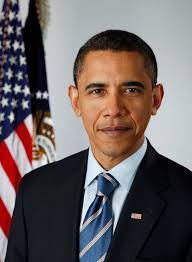
Barack Obama
* * * * *
Nor, since leaving the White House, has Trump stopped trying to undermine one American institution after another.
- Facing 91 criminal counts in four cases, he has discredited the judicial system, attacking judges, prosecutors, witnesses—and even their family members.
- He has attacked Independent Counsel Jack Smith as “deranged” and accused him of trying to invalidate his candidacy for President in 2024.
- He has attacked retired U.S. Army General Mark Milley for calling him “a wannabe dictator,” and said that Milley deserved execution as a traitor.
- Milley had successfully averted war with China by calling his Chinese military counterparts in the final weeks of Trump’s administration to assure them that Trump was not planning to attack China.
- He claims voter fraud where none exists, casting doubt on the integrity of the electoral system.
- He claims himself to be the victim of “the deep state” inside the federal bureaucracy.
- He attacks the integrity of the FBI—causing previously “law and order” Republicans to demand its defunding.
Donald Trump isn’t crazy, as many of his critics charge. He knows exactly what he’s doing—and why.
He intends to strip every potential challenger to his authority—or his version of reality—of legitimacy with the public. If he succeeds, there will be:
- No independent press to reveal his failures and crimes.
- No independent law enforcement agencies to investigate his abuses of office.
- No independent judiciary to hold him accountable.
- No independent military to dissent as he recklessly hurtles toward a nuclear disaster.
- No candidate—Democrat or Republican—to challenge him for re-election in 2028—or any other year..
- No candidate—Democrat or Republican—to challenge his remaining in office as “President-for-Life.”
2020 PRESIDENTIAL ELECTION, ABC NEWS, ADOLF HITLER, AILEEN CANNON, ALFRED JODL, ALTERNET, AMERICABLOG, AP, ATTORNEYS GENERAL, BABY BOOMER RESISTANCE, BARACK OBAMA, BAVARIA, BBC, BEER HALL PUTSCH, BEN SASSE, BLOOMBERG, BRAD RAFFENSPERGER, BRIAN KEMP, BUZZFEED, CBS NEWS, CLASSIFIED DOCUMENTS TRIAL, CNN, CROOKS AND LIARS, D-DAY, DAILY KOS, DEMOCRATIC PARTY, DEMOCRATS, DONALD TRUMP, ELECTORAL COLLEGE, FASCISM, FIVETHIRTYEIGHT, GEORGE W. BUSH, GERD VON RUNDSTEDT, GUNTHER BLUMENTRITT, HARPER’S MAGAZINE, HERITAGE FOUNDATION, HILLARY CLINTON, HITLER: ASCENT (BOOK), HUFFINGTON POST, INSIDER, JANUARY 6 COUP ATTEMPT, JOSEPH BIDEN, jOSH HAWLEY, JUSTICE DEPARTMENT, Kamala Harris, KEN PAXTON, MEDIA MATTERS, MEIN KAMPF, MIKE PENCE, MOTHER JONES, MOVEON, MSNBC, MUNICH, NAZI GERMANY, NAZI PARTY, NBC NEWS, NEW REPUBLIC, NEWSDAY, NEWSWEEK, NORMANDY, NPR, PAT A. CIPOLLONE, PAUL VON HINDENBURG, PBS NEWSHOUR, POLITICO, POLITICUSUSA, RAW STORY, REPUBLICAN PARTY, REPUBLICANS, REUTERS, Ronald Reagan, RUTH BEN-GHIAT, SALON, SEATTLE TIMES, SLATE, STEPHEN COLLINSON, STRONGMEN (BOOK), SUPREME COURT, TALKING POINTS MEMO, THE ATLANTIC, THE CHICAGO SUN-TIMES, THE CHICAGO TRIBUNE, THE DAILY BEAST, THE DAILY BLOG, THE GUARDIAN, THE HILL, THE HUFFINGTON POST, THE INTERCEPT, THE LOS ANGELES TIMES, THE NATION, THE NEW REPUBLIC, THE NEW YORK TIMES, THE NEW YORKER, THE VILLAGE VOICE, THE WASHINGTON POST, THINKPROGRESS, THREATS, TIME, TREATY OF VERSALLIES, TRUTHDIG, TRUTHOUT, TWO POLITICAL JUNKIES, U.S. NEWS & WORLD REPORT, UNITED STATES HOUSE OF REPRESENTATIVES, UNITED STATES SENATE, UPI, USA TODAY, VOLKER ULLRICH, VOTER FRAUD, WEIMAR REPUBLIC, WONKETTE, WORLD WAR 1, WORLD WAR 11
In Bureaucracy, History, Law, Law Enforcement, Military, Politics, Social commentary on December 1, 2023 at 12:10 am
Most Americans believe the United States is immune from the same fates of democracies that have become dictatorships.
Not so New York University historian Ruth Ben-Ghiat. Appearing on the November 13 edition of The PBS Newshour, she warned:
“Since 2015, [Donald Trump] started….using his rallies and campaign events for radicalizing people. And he started saying, oh, in the old days, you used to hurt people. The problem is, Americans don’t hurt each other anymore.

Ruth Ben-Ghiat
Humblewarrior, CC BY-SA 4.0 <https://creativecommons.org/licenses/by-sa/4.0>, via Wikimedia Commons
“So now he’s going into a new phase of openly dehumanizing his targets so that will lessen the taboos in the future. And we see that, in 2025, he’s got plans for mass deportations, mass imprisonments and giant camps.
“So you need people to be less sensitive about violence, either committing it themselves or tolerating it. And I see that as….the reason he’s using this dehumanizing rhetoric now, to prepare people.”
A historical example: The Weimar Republic, the constitutional federal republic in Germany which lasted from November 9, 1918 to March 23, 1933.
During its 14-year existence, the Republic granted Germans rights they had never enjoyed—and which would be ruthlessly suppressed during the 12-year Third Reich that replaced it.
Among those rights:
- Freedom of speech
- Freedom of assembly
- Privacy of mail, telegraph, and telephone
- Free and secret elections
- All citizens were eligible for public office
But the Republic had dangerous enemies—Communists on the Left, and Nazis on the Right. And it was plagued by charges of illegitimacy and even treason—for its members’ having signed the Treaty of Versailles ending World War 1.
Adolf Hitler, joined the National Socialist German Workers (Nazi) Party in 1919—the year after World War 1 ended.
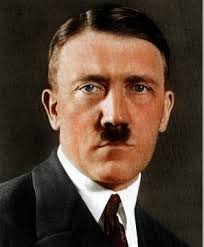

Adolf Hitler
In 1923, he staged a coup attempt in Bavaria—which was quickly and brutally put down by police. He was arrested and sentenced to less than a year in prison.
After that, Hitler decided that winning power through violence was no longer an option. He must win it through election—or appointment.
He repeatedly ran for the highest office in Germany—President—but never got a clear majority in a free election.
When the 1929 Depression struck Germany, the fortunes of Hitler’s Nazi party rose as the life savings of ordinary Germans fell. Streets echoed with bloody clashes between members of Hitler’s Nazi Stormtroopers and those of the German Communist Party.
Germany seemed on the verge of collapsing.
Germans desperately looked for a leader—a Fuhrer—who could somehow deliver them from the threat of financial ruin and Communist takeover.
In early 1933, members of his own cabinet persuaded aging German president, Paul von Hindenburg, that only Hitler’s appointment as Chancellor could do this.
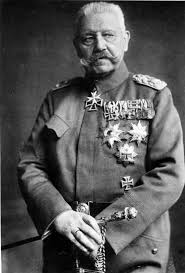
Paul von Hindenburg
Hindenburg considered Hitler a dangerous radical. But he allowed himself to be convinced that, by putting Hitler in the Cabinet, he could be “boxed in” and thus controlled.
So, on January 30, 1933, he reluctantly appointed Adolf Hitler Chancellor—the equivalent of Attorney General.
On August 2, 1934, Hindenburg died, and Hitler immediately assumed the titles—and duties—of the offices of Chancellor and President.
His rise to total power was now complete.
In 2015, Donald Trump declared his candidacy for President.
At that time:
- The country was technically at war in the Middle East—but the fate of the United States was never threatened, as it had been during the Cold War.
- There was no draft; if you didn’t know someone in the military, you didn’t care about the casualties taking place.
- Thanks to government loans from Barack Obama, American capitalism had been saved from its own excesses during the George W. Bush administration.
- In contrast to the scandals of the Ronald Reagan Presidency, the Obama administration had been scandal-free.
- Nor had there been any major terrorist attacks on the country—as had occurred on 9/11 under President George W. Bush.
Yet—not 17 months after announcing his candidacy for President—enough Americans fervently embraced Donald Trump to give him the most powerful position in the country and the world.
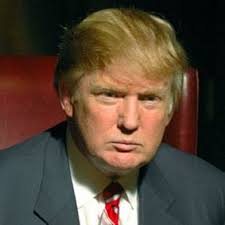
Donald Trump
The message of Barack Obama’s 2008 campaign had been one of hope—“Yes, We Can!”
That of Donald Trump’s campaign was one of hatred toward everyone who was not an avid Trump supporter: “No, You Can’t!”
White supremacists comprised the overwhelming majority of the audiences at Trump rallies. They knew that demographics were steadily working against them. Birthrates among nonwhites were rising. By 2045, whites would make up less than 50 percent of the American population.
The 2008 election of the first black President had shocked Fascistic whites. His 2012 re-election had deprived them of the hope that 2008 had been an accident.
Then came 2016—and the possibility that a black President might be followed by a woman: Former Secretary of State Hillary Clinton.
And the idea of a woman dictating to men was strictly too much for them to bear.
President Joseph Biden is 80—six years younger than Paul von Hindenburg when he died—and capable of dying literally any day.
His Vice President, Kamala Harris, is widely perceived as unprepared for the Presidency.
Meanwhile, Donald Trump—like Adolf Hitler—is waging an all-out campaign to make himself dictator. And—like Hitler—he’s using the democratic system to destroy democracy.
The year 2024 will see the re-election of Joseph Biden—or the end of American democracy.


2020 PRESIDENTIAL ELECTION, ABC NEWS, ABRAHAM LINCOLN, ALTERNET, AMERICABLOG, AP, APOCALYPSE, ARMAGEDDON, BABY BOOMER RESISTANCE, BLOOMBERG, BOLDNESS, BUZZFEED, CAUTION, CBS NEWS, CHINA, CLIMATE CHANGE, CNN, COVID-19, CROOKS AND LIARS, DONALD TRUMP, FIVETHIRTYEIGHT, GAIUS CASSIUS, GAZA, HAMAS, HARPER’S MAGAZINE, HUFFINGTON POST, illegal immigration, IMAGE, ISRAEL, J.P. MORGAN, JESUS CHRIST, JULIUS CAESAR (PLAY), KEVIN MCCARTHY, MAFIA, MEDIA MATTERS, MOTHER JONES, MOVEON, MSNBC, NBC NEWS, NEW YEAR'S DAY, NEW YEAR'S EVE, NEW YORK, NEWSWEEK, NICCOLO MACHIAVELLI, NPR, PBS NEWSHOUR, POLITICO, POLITICUSUSA, RAW STORY, REALITY, REPUBLICANS, REUTERS, RUSSIA, SALON, SEATTLE TIMES, SLATE, SOREN KIERKEGAARD, TALKING POINTS MEMO, THE ATLANTIC, THE CHICAGO SUN-TIMES, THE CHICAGO TRIBUNE, THE DAILY BEAST, THE DAILY BLOG, THE GUARDIAN, THE HILL, THE HUFFINGTON POST, THE LOS ANGELES TIMES, THE MILLENNIUM, THE NATION, THE NEW REPUBLIC, THE NEW YORK TIMES, THE VILLAGE VOICE, THE WASHINGTON POST, THINKPROGRESS, TIME, TITLE 42, TRUTHDIG, TRUTHOUT, TWITTER, TWO POLITICAL JUNKIES, U.S. NEWS & WORLD REPORT, UKRAINE, UNITED STATES HOUSE OF REPRESENTATIVES, UPI, USA TODAY, VLADIMIR PUTIN, WEALTH, WILLIAM SHAESPEARE, WONKETTE
LIFE LESSONS FOR 2024—AND EVERY NEW YEAR
In Bureaucracy, Business, History, Medical, Military, RELIGION, Social commentary on January 1, 2024 at 12:49 amNew Year’s Eve, 2023, will soon lie behind us.
And for many people, saying “Goodbye” to 2023 can’t happen soon enough.
New Year’s Eve is traditionally a time for people to reflect on the major events of the previous 12 months. Some of these are highly personal. Others have been shared by the entire country.
Some of these remembrances inevitably bring pleasure. Others bring pain.
And 2023 has been a year of pain for millions.
Emblem of Hamas
But 2023 also brought reason for hope:
Every New Year’s Eve celebration brings the fantasy that you get to start fresh in a matter of hours. And with that fantasy comes hope—that, this time, you can put your sorrows and failures behind you.
And each new year comes with lessons to be learned—and applied.
Each year gives us the chance to learn from history—our own and that of others. Try to learn from your mistakes—and especially those of others. With luck, you won’t repeat your past ones—or those of others. But don’t expect to lead a mistake-free life.
There is a time to be bold—and a time to be cautious. As Niccolo Machiavelli put it: “A prince….must imitate the fox and the lion: For the lion cannot protect himself from traps, and the fox cannot defend himself from wolves.” Learn to tell when is the appropriate time to be which—and to play that role to the hilt.
Niccolo Machiavelli
There is image—and there is reality. J.P. Morgan once said: “A man always has two reasons for doing anything: A good reason and the real reason.” This is never truer than when a corporation or politician is asking for your money / vote.
When trying to decide whether to commit yourself to either, ask yourself: Who benefits? For example: When studying a proposed law that claims to aid the environment, find out who supports it. That will usually tell you what you need to know.
Learn how to evaluate others. Once again, Niccolo Machiavelli supplies the answer: “The first impression that one gets of a ruler and his brains is from seeing the men that he has about him. When they are competent and loyal one can always consider him wise, as he has been able to recognize their ability and keep them faithful.
“But when they are the reverse, one can always form an unfavorable opinion of him, because the first mistake that he makes is in making this choice.”
Don’t confuse wealth with virtue. Too many Americans believe that God bestows wealth on the worthy. If this were true, every Mafia boss would be a candidate for sainthood.
Each year is a journey unto itself—filled with countless joys and sorrows. Many of these joys can’t be predicted. And many of these tragedies can’t be prevented.
Learn to tell real dangers from imaginary ones. Computers are real—and sometimes they crash. Men who died 2,000 years ago do not leap out of graveyards, no matter what their disciples predict.
Don’t expect any particular year to usher in the Apocalypse. In any given year there will be wars, famines, earthquakes, riots, floods and a host of other disasters. These have always been with us—and always will be. As Abraham Lincoln once said: “The best thing about the future is that it comes one day at a time.”
Don’t expect some Great Leader to lead you to success. As Gaius Cassius says in William Shakespeare’s “Julius Caesar”: “Men at some time are masters of their fate. The fault, dear Brutus, is not in our stars but in ourselves that we are underlings.”
Don’t expect any particular year or event to usher in your happiness. To again quote Lincoln: “Most people are about as happy as they make up their minds to be.”
If your life seems to make no sense to you, consider this: The philosopher Soren Kierkegaard once noted: “Life can only be understood backwards, but it must be lived forwards.”
Share this: