More than 500 years ago, Niccolo Machiavelli, the father of modern political science, offered sound advice on how citizens of a republic can maintain their freedoms.
He did so in The Discourses on Livy, a work of political history and philosophy. One of its longest chapters—Book Three, Chapter Six—covers “Of Conspiracies.”
This offers sound counsel for those who wish to conspire against a ruler. And for those who might well become the targets of conspiracies.
Among his advisories: A single plotter avoids the danger faced by two or more conspirators:
Since no one knows his intention, he can’t be betrayed by an accomplice.
Anyone may form a plot, whether he is prominent or insignificant, because everyone is at some time allowed to speak to the prince. And he can use this opportunity to satisfy his desire for revenge.
Joseph Stalin, undisputed dictator of the Soviet Union, may well have died at the hands of a single conspirator: His own secret police chief.
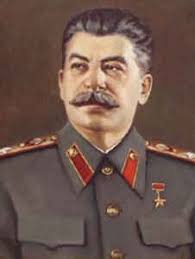
Joseph Stalin
Throughout his nearly 30-year reign over the Soviet Union, at least 20 million men, women and children died—from executions, deportations, imprisonment in Gulag camps, and a man-made famine through the forced collection of harvests. During the last weeks of his life, Stalin was planning yet another purge.
Among its intended victims: The highest-ranking officials of his regime.
Then, on March 5, 1953, Stalin died—officially from a cerebral hemorrhage.
In the 2004 book, Stalin’s Last Crime, Vladimir P. Naumov, a Russian historian, and Jonathan Brent, a Yale University Soviet scholar, assert that he might have been poisoned.
If this happened, the occasion was during a final dinner with four members of the Politburo. Two of these were Lavrenti P. Beria, chief of the secret police, and Nikita S. Khrushchev, who eventually succeeded Stalin.
The authors believe that, if Stalin was poisoned, the most likely suspect was Beria. The method: Slipping warfarin, a tasteless and colorless blood thinner also used as a rat killer, into his glass of wine.
In Nikita Khrushchev’s 1970 memoirs, he quotes Beria as telling Vyacheslav M. Molotov, another Politburo member, two months after Stalin’s death: “I did him in! I saved all of you.”
According to Machiavelli: Those who take part in a conspiracy against a ruler are “the great men of the state, or those on terms of familiar intercourse with the prince.”
These are men who have access to him. Julius Caesar, for example, was stabbed to death by members of the Roman Senate, who feared his assuming dictatorial powers.
And Adolf Hitler was conspired against by colonels and generals of the German Army. He was in fact holding a war conference when a briefcase bomb exploded, killing three officers and a stenographer, but leaving Hitler only slightly injured.
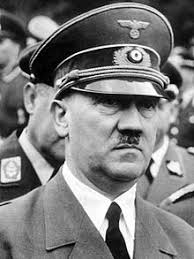

Adolf Hitler
There are five ways a conspiracy can be foiled:
- Discovery through denunciation;
- Discovery through carelessness;
- Discovery through writings;
- Dangers in executing the conspiracy;
- Dangers following the execution of the conspiracy.
Discovery through Denunciation: This occurs through treachery or lack of prudence among one or more conspirators.
Treachery is so common that you can safely tell your plans to only your most trusted friends who are willing to risk their lives for your sake. You may find that you have only one or two of these.
But as you are bring more people into the conspiracy, the chances of discovery greatly increase. It’s impossible to find many who can be completely trusted: For their devotion to you must be greater than their sense of danger and fear of punishment.
Discovery through Carelessness: This happens when one of the conspirators speaks incautiously, so that a third person overhears it. Or it may occur from thoughtlessness, when a conspirator tells the secret to his wife or child, or to some other indiscreet person.
When a conspiracy has more than three or four members, its discovery is almost certain, either through treason, imprudence or carelessness.
If more than one conspirator is arrested, the whole plot is discovered, for it will be impossible for any two to agree perfectly as to all their statements.

Niccolo Machiavelli
If one of them becomes fearful—whether it’s the one who was arrested or is still at liberty—discovery of the conspiracy is certain.
The best way to avoid such detection is to confide your project to your intended fellow conspirators at the moment of execution—and not sooner.
A classic example of this occurred in ancient Persia. According to the Greek historian Herodotus: A group of nobles assembled to discuss overthrowing a usurper to the throne. The last one to arrive was Darius.
When one of the conspirators asked, “When should we strike?” Darius replied: “We must either go now at this very moment and carry it into execution, or I shall go and denounce you all. For I will not give any of you time to denounce me.”
At that, they went directly to the palace, assassinated the usurper and proclaimed Darius their new king.
Related
ABC NEWS, ABRAHAM LINCOLN, ADOLF HITLER, ALTERNET, AMERICABLOG, ANDREW JOHNSON, AP, ASSASSINATION, BABY BOOMER RESISTANCE, BUZZFEED, CANADA, CBS NEWS, CNN, CONSPIRACIES, CROOKS AND LIARS, DAILY KOS, DONALD TRUMP, EAST WING OF THE WHITE HOUSE, EMPEROR COMMODUS, FBI, FIVETHIRTYEIGHT, GAIUS CASSIUS, GEORGE ALZERODT, HARPER’S MAGAZINE, immigration, IMMIGRATION AND CUSTOMS ENFORRCEMENT (ICE), JAMES COMEY, JANUARY 6 COUP ATTEMPT, JOHN F. KENNEDY CENTER FOR THE PERFORMING ARTS, JOHN WILKES BOOTH, JOSEPH STALIN, JULIUS CAESAR, JUSTICE DEPARTMENT, LAVRENTI BERIA, LETITIA JAMES, LEWIS POWELL, MARCUS BRUTUS, MARK ANTHONY, MEDIA MATTERS, MEGAN LORRAINE UTZ, MOTHER JONES, MOVEON, MSNBC, NBC NEWS, NEWSWEEK, NICCOLO MACHIAVELLI, NPR, PBS NEWSHOUR, PLOTS, POLITICO, POLITICUSUSA, RAW STORY, REUTERS, SALON, SEATTLE TIMES, Secret Service, SLATE, SOVIET UNION, TALKING POINTS MEMO, THE ATLANTIC, THE CHICAGO SUN-TIMES, THE CHICAGO TRIBUNE, THE DAILY BEAST, THE DAILY BLOG, THE DISCOURSES, THE DISCOURSES (BOOK), THE GUARDIAN, THE HILL, THE HUFFINGTON POST, THE LOS ANGELES TIMES, THE NATION, THE NEW REPUBLIC, THE NEW YORK TIMES, THE PRESS, THE PRINCE (BOOK), THE VILLAGE VOICE, THE WALL STREET JOURNAL, THE WASHINGTON POST, THINKPROGRESS, TIME, TRUTHDIG, TRUTHOUT, TWO POLITICAL JUNKIES, U.S. NEWS & WORLD REPORT, UKRAINE, UPI, USA TODAY, VLADIMIR PUTIN, WHITE HOUSE BALLROOM, WILLIAM H. SEWARD, WONKETTE, X
MACHIAVELLI: A FEW MODEST PROPOSALS FOR CONSPIRATORS–PART TWO (OF FOUR)
In Bureaucracy, History, Politics, Social commentary on November 3, 2026 at 12:38 amMore than 500 years ago, Niccolo Machiavelli, the father of modern political science, offered sound advice on how citizens of a republic can maintain their freedoms.
He did so in The Discourses on Livy, a work of political history and philosophy. One of its longest chapters—Book Three, Chapter Six—covers “Of Conspiracies.”
This offers sound counsel for those who wish to conspire against a ruler. And for those who might well become the targets of conspiracies.
Among his advisories: A single plotter avoids the danger faced by two or more conspirators:
Since no one knows his intention, he can’t be betrayed by an accomplice.
Anyone may form a plot, whether he is prominent or insignificant, because everyone is at some time allowed to speak to the prince. And he can use this opportunity to satisfy his desire for revenge.
Joseph Stalin, undisputed dictator of the Soviet Union, may well have died at the hands of a single conspirator: His own secret police chief.
Joseph Stalin
Throughout his nearly 30-year reign over the Soviet Union, at least 20 million men, women and children died—from executions, deportations, imprisonment in Gulag camps, and a man-made famine through the forced collection of harvests. During the last weeks of his life, Stalin was planning yet another purge.
Among its intended victims: The highest-ranking officials of his regime.
Then, on March 5, 1953, Stalin died—officially from a cerebral hemorrhage.
In the 2004 book, Stalin’s Last Crime, Vladimir P. Naumov, a Russian historian, and Jonathan Brent, a Yale University Soviet scholar, assert that he might have been poisoned.
If this happened, the occasion was during a final dinner with four members of the Politburo. Two of these were Lavrenti P. Beria, chief of the secret police, and Nikita S. Khrushchev, who eventually succeeded Stalin.
The authors believe that, if Stalin was poisoned, the most likely suspect was Beria. The method: Slipping warfarin, a tasteless and colorless blood thinner also used as a rat killer, into his glass of wine.
In Nikita Khrushchev’s 1970 memoirs, he quotes Beria as telling Vyacheslav M. Molotov, another Politburo member, two months after Stalin’s death: “I did him in! I saved all of you.”
According to Machiavelli: Those who take part in a conspiracy against a ruler are “the great men of the state, or those on terms of familiar intercourse with the prince.”
These are men who have access to him. Julius Caesar, for example, was stabbed to death by members of the Roman Senate, who feared his assuming dictatorial powers.
And Adolf Hitler was conspired against by colonels and generals of the German Army. He was in fact holding a war conference when a briefcase bomb exploded, killing three officers and a stenographer, but leaving Hitler only slightly injured.
Adolf Hitler
There are five ways a conspiracy can be foiled:
Discovery through Denunciation: This occurs through treachery or lack of prudence among one or more conspirators.
Treachery is so common that you can safely tell your plans to only your most trusted friends who are willing to risk their lives for your sake. You may find that you have only one or two of these.
But as you are bring more people into the conspiracy, the chances of discovery greatly increase. It’s impossible to find many who can be completely trusted: For their devotion to you must be greater than their sense of danger and fear of punishment.
Discovery through Carelessness: This happens when one of the conspirators speaks incautiously, so that a third person overhears it. Or it may occur from thoughtlessness, when a conspirator tells the secret to his wife or child, or to some other indiscreet person.
When a conspiracy has more than three or four members, its discovery is almost certain, either through treason, imprudence or carelessness.
If more than one conspirator is arrested, the whole plot is discovered, for it will be impossible for any two to agree perfectly as to all their statements.
Niccolo Machiavelli
If one of them becomes fearful—whether it’s the one who was arrested or is still at liberty—discovery of the conspiracy is certain.
The best way to avoid such detection is to confide your project to your intended fellow conspirators at the moment of execution—and not sooner.
A classic example of this occurred in ancient Persia. According to the Greek historian Herodotus: A group of nobles assembled to discuss overthrowing a usurper to the throne. The last one to arrive was Darius.
When one of the conspirators asked, “When should we strike?” Darius replied: “We must either go now at this very moment and carry it into execution, or I shall go and denounce you all. For I will not give any of you time to denounce me.”
At that, they went directly to the palace, assassinated the usurper and proclaimed Darius their new king.
Share this:
Like this:
Related