Posts Tagged ‘WORLD WAR 11’
ABC NEWS, ADOLF HITLER, ALTERNET, AMERICABLOG, ANDREW JOHNSON, AP, ARTICLES OF IMPEACHMENT, BABY BOOMER RESISTANCE, BILL CLINTON, BUZZFEED, CBS NEWS, CNN, CROOKS AND LIARS, DAILY KOZ, DONALD TRUMP, DRUDGE RETORT, EVA BRAUN, FACEBOOK, FBI, FIVETHIRTYEIGHT, FOUNDING FATHERS, HARPER’S MAGAZINE, HEINRICH HIMMLER, HERMANN GORING, IMPEACHMENT, LAST POLITICAL TESTAMENT OF AOLD HITLER, MEDIA MATTERS, MOTHER JONES, MOVEON, MSNBC, NANCY PELOSI, NAZI GERMANY, NBC NEWS, NEWSWEEK, NPR, PBS NEWSHOUR, POLITICO, POLITICUSUSA, RAW STORY, REUTERS, RICHARD NIXON, SALON, SEATTLE TIMES, SLATE, TALKING POINTS MEMO, THE ATLANTIC, THE CHICAGO SUN-TIMES, THE CHICAGO TRIBUNE, THE DAILY BEAST, THE DAILY BLOG, THE GUARDIAN, THE HILL, THE HUFFINGTON POST, THE LOS ANGELES TIMES, THE NATION, THE NEW REPUBLIC, THE NEW YORK TIMES, THE VILLAGE VOICE, THE WASHINGTON POST, THINKPROGRESS, THIRD REICH, TIME, TRUTHDIG, TRUTHOUT, TWITTER, TWO POLITICAL JUNKIES, U.S. NEWS & WORLD REPORT, UKRAINE, UNITED STATES CONSTITUTION, UNITED STATES HOUSE OF REPRESENTATIVES, UNITED STATES SENATE, UPI, USA TODAY, WONKETTE, WORLD WAR 1, WORLD WAR 11
In Bureaucracy, History, Law, Law Enforcement, Military, Politics, Social commentary on December 18, 2019 at 12:10 am
On December 17, 2019, President Donald J. Trump channeled the spirit of Adolf Hitler, Fuhrer of the Third Reich.
He did so in a vicious, self-pitying letter to Nancy Pelosi, Speaker of the House of Representatives.
The House was expected to vote on two articles of impeachment against him the next day. Specifically, these condemned him for:
Article 1: Abuse of Power: For pressuring Ukraine to assist him in his re-election campaign by damaging former Vice President Joe Biden, his possible Democratic rival.
Article 2: Obstruction of Congress: For obstructing Congress by blocking testimony of subpoenaed witnesses and refusing to provide documents in response to House subpoenas in the impeachment inquiry.
Trump is ensured an acquittal in the United States Senate, where Republicans hold a 53 to 47 member advantage. Yet he knows that only three other Presidents have faced impeachment—Andrew Johnson, Richard Nixon and Bill Clinton.
Trump doesn’t care about history, nor is he even knowledgeable about it. But he does care about labels—those he gives his enemies and those they give him. And he desperately wants to avoid having “impeachment” attached to his name in American Presidential history.
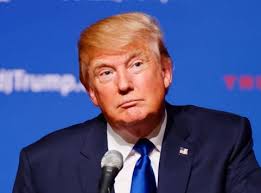
Donald Trump
Trump had tried—and failed—to head this off by insults and intimidation. Just two days earlier, he had tweeted about the Speaker: “Nancy’s teeth were falling out of her mouth, and she didn’t have time to think!”
So, on December 17, he sought to do in a letter what he had failed to do on Twitter. He sent a ranting and insulting six-page letter to Nancy Pelosi.

Nancy Pelosi
The Washington Post estimates that from the day he took office—January 20, 2017—to October 9, 2019—Trump had made 13,435 false or misleading claims.
And in sending his letter to Pelosi, he remained true to form.
His letter has no precedent in American history. But there is such a precedent in German history—specifically, the infamous “Last Political Testament” of Adolf Hitler.
Hitler dictated this to a secretary at 4 a.m. on April 29, 1945, shortly after marrying his longtime mistress, Eva Braun. The marriage occurred in his bunker in Berlin under the now-shattered Reich Chancellery.
Even 50 feet below ground, the structure shook as bombs continued to rain from American and British planes. And, at ground level, a more deadly threat was fast approaching: At least one million enraged Russian soldiers, seeking vengeance for the devastation wrought on their country from 1941 to 1945.
Hitler knew the end was closing in on him. He had many times spoken of suicide, and now he was determined to cheat his enemies of the pleasure of killing or capturing him. But before he ended his life, he was determined to have the last word.
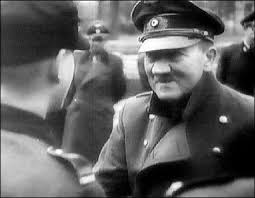
Adolf Hitler
Which is where “My Political Testament” comes in.
Seventy-four years separate Adolf Hitler’s testament from Donald Trump’s letter to Nancy Pelosi. But the similarities between the two are uncanny.
ADOLF HITLER: More than thirty years have now passed since I in 1914 made my modest contribution as a volunteer in the first world war that was forced upon the Reich.
In these three decades I have been actuated solely by love and loyalty to my people in all my thoughts, acts and life. They gave me the strength to make the most difficult decisions which have ever confronted mortal man. I have spent my time, my working strength and my health in these three decades.
DONALD TRUMP: After three years of unfair and unwarranted investigations, 45 million dollars spent, 18 angry Democrat prosecutors, the entire force of the FBI, headed by leadership now proven to be totally incompetent and corrupt, you have found NOTHING!
Few people in high position could have endured or passed this test. You do not know, nor do you care, the great damage and hurt you have inflicted upon wonderful and loving members of my family. You conducted a fake investigation upon the democratically elected President of the United States, and you are doing it yet again.
ADOLF HITLER: It is untrue that I or anyone else in Germany wanted the war in 1939. It was desired and instigated exclusively by those international statesmen who were either of Jewish descent or worked for Jewish interests.
I have made too many offers for the control and limitation of armaments, which posterity will not for all time be able to disregard for the responsibility for the outbreak of this war to be laid on me.
DONALD TRUMP: The Articles of Impeachment introduced by the House Judiciary Committee are not recognizable under any standard of Constitutional theory, interpretation, or jurisprudence. They include no crimes, no misdemeanors, and no offenses whatsoever. You have cheapened the importance of the very ugly word, impeachment!
By proceeding with your invalid impeachment, you are violating your oaths of office, you are breaking your allegiance to the Constitution, and you are declaring open war on American Democracy.
You dare to invoke the Founding Fathers in pursuit of this election-nullification scheme — yet your spiteful actions display unfettered contempt for America’s founding and your egregious conduct threatens to destroy that which our Founders pledged their very lives to build.
ABC NEWS, ADOLF HITLER, AFFORDABLE CARE ACT, ALBERT SPEER, ALTERNET, AMERICABLOG, AP, BABY BOOMER RESISTANCE, BARACK OBAMA, BUZZFEED, CBS NEWS, CNN, CROOKS AND LIARS, DAILY KOS, DAILY KOZ, DEBT CEILING, DEPARTMENT OF HOMELAND SECURITY, DONALD TRUMP, EXTORTION, FACEBOOK, FASCISM, FIVETHIRTYEIGHT, HOUSE SPEAKER JOHN BOEHNER, MOTHER JONES, MOVEON, MSNBC, NAZI GERMANY, NBC NEWS, NEGOTIATING, NEWSWEEK, NPR, OBAMACARE, PAP SMEARS, PBS NEWSHOUR, PLANNED PARENTHOOD, POLITICO, POLITICUSUSA, RAW STORY, REPUBLICAN PARTY, REPUBLICANS, REUTERS, SALON, SEATTLE TIMES, SLATE, TALKING POINTS MEMO, THE ATLANTIC, THE CHICAGO SUN-TIMES, THE CHICAGO TRIBUNE, THE DAILY BEAST, THE DAILY BLOG, THE GUARDIAN, THE HILL, THE HUFFINGTON POST, THE LOS ANGELES TIMES, THE NATION, THE NEW YORK TIMES, THE WALL STREET JOURNAL, THE WASHINGTON POST, THINKPROGRESS, TIME, TRICKLE-DOWN ECONOMICS, TRUTHDIG, TWITTER, U.S. NEWS & WORLD REPORT, UPI, USA TODAY, WARREN BUFFET, WORLD WAR 11
In Bureaucracy, History, Law, Politics, Social commentary on November 22, 2019 at 12:05 am
In 2009, the top goal of the Republican party became to block passage of the Affordable Care Act (ACA)—informally known as “Obamacare.” Its purpose: To provide all Americans—and not simply the richest 1%—with healthcare insurance.
Despite this opposition, the ACA passed the House and Senate—and was signed into law by President Obama on March 23, 2010.
And from then on, Republicans’ foremost goal was to repeal “Obamacare”—which they damned as “fiscally irresponsible.”
In 2003, President George W. Bush had lied the United States into a needless, bloody war in Iraq—which has cost the nation more than $2 trillion.
But Republicans fully supported that expense—and still do.
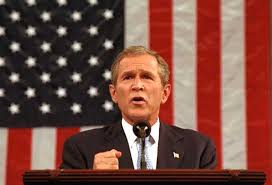
George W. Bush
Even after the Supreme Court affirmed its Constitutionality in 2012, House Republicans voted—unsuccessfully—more than 60 times to repeal or alter “Obamacare.”
In October, 2013, they shut down the Federal Government for 15 days. They hoped to pressure Obama into de-funding his signature piece of legislation, in return for their re-opening the government.
Facing pressure from voters denied basic government services, Republicans backed down.
Fast forward to 2017.
Republicans still held the House and Senate—and now the Presidency under Donald J. Trump. And they mounted an all-out effort to strip millions of poor Americans of their only access to medical care.
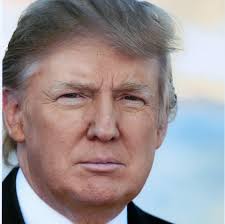
Donald J. Trump
On March 9, Trump met at the White House with leaders of conservative groups to push his own plan to “repeal and replace” the Affordable Care Act.
A major provision of this plan would allow insurance companies to adhere only to the regulations of the state they’re located in. The predictable result: The majority of companies would relocate to the state with the most lax regulations.
At the White House meeting, Trump attacked groups—such as the Heritage Foundation and Tea Party Patriots—for calling the House GOP proposal “Obamacare lite.” And he warned: “You are helping the other side.”
And he made it clear to conservative leaders that he had a fallback plan: If “Trumpcare” proves a failure–that is, fails to pass Congress—he would allow the ACA to fail and blame the Democrats.
Thus, Trump admitted that he was prepared to allow the American healthcare system to collapse and let millions die for lack of medical care—all for his own political gain.
However, it was not voted upon due to lack of support from Democrats.
On December 11, 2018, Nancy Pelosi—then House Minority Leader—and Senate Minority Leader Charles Schumer, met with President Donald Trump in the Oval Office. Trump’s Number One Priority: Demanding $5.6 billion to create a wall along the U.S.-Mexican border.
And he threatened to shut down the Federal Government if he didn’t get it.
Pelosi and Schumer refused to capitulate.
Trump shut down the government on December 22. About 380,000 government employees were furloughed and another 420,000 were ordered to work without pay.
Among the effects of the shutdown:
- For weeks, hundreds of thousands of government workers missed paychecks.
- Trash piled up in national parks.
- At the Federal Aviation Administration (FAA) many air traffic controllers called in “sick.”
- The shortage of air traffic controllers prevented many planes from landing safely at places like New York’s LaGuardia Airport.
- Many Federal employees—such as FBI agents—were forced to rely on soup kitchens to feed their families.
By January 25, 2019, the 35th day of the shutdown, an ABC News/Washington Post poll showed that 53% of Americans blamed Trump for the shutdown. His popularity had fallen to a historic low of 37%. So Trump outraged his Hispanic-hating base and reopened the government.
* * * * *
As the Third Reich came to its fiery end, Adolf Hitler sought to punish the German people for being “unworthy” of his “genius” and losing the war he had started.
His attitude was: “If I can’t rule Germany, then there won’t be a Germany.”
In his infamous “Nero Order,” he decreed the destruction of everything still remaining–industries, ships, harbors, communications, roads, mines, bridges, stores, utility plants, food stuffs.
Fortunately for Germany, one man—Albert Speer—finally broke ranks with his Fuhrer.

Albert Speer
Risking death, he refused to carry out Hitler’s “scorched earth” order. Even more important, he mounted a successful effort to block such destruction and persuade influential military and civilian leaders to disobey the order as well.
As a result, those targets slated for destruction were spared.
Since the election of America’s first black President, Republicans have waged a similar “scorched earth” campaign.
Their avowed goal—as stated openly by Kentucky’s U.S. Senator Mitch McConnell—was “to make Barack Obama a one-term President.”
Literally during Obama’s first Inauguration, they agreed, in a secret meeting, to block every effort he made to repair the economy ruined under the George W. Bush administration.
Acting as extortionists, they repeatedly threatened to shut down the government if they didn’t get their way in legislative matters.
And they repeatedly blocked legislation to help the poor, the unemployed, the sick, women, the elderly, the disabled and the middle-class.
Like Adolf Hitler, their attitude has been: “If I can’t rule America, there won’t be an America.”
The country is still waiting for a Republican Albert Speer to step forward and save America from the self-destructive brutalities of its own Right-wing fanatics.
ABC NEWS, ADOLF HITLER, AFFORDABLE CARE ACT, ALBERT SPEER, ALTERNET, AMERICABLOG, AP, BABY BOOMER RESISTANCE, BARACK OBAMA, BUZZFEED, CBS NEWS, CNN, CROOKS AND LIARS, DAILY KOS, DAILY KOZ, DEBT CEILING, DEPARTMENT OF HOMELAND SECURITY, DONALD TRUMP, EBOLA, EXTORTION, FACEBOOK, FASCISM, FIVETHIRTYEIGHT, GEORGE W. BUSH, HOUSE SPEAKER JOHN BOEHNER, MOTHER JONES, MOVEON, MSNBC, NAZI GERMANY, NBC NEWS, NEGOTIATING, NEWSWEEK, NPR, OBAMACARE, PAP SMEARS, PBS NEWSHOUR, PLANNED PARENTHOOD, POLITICO, POLITICUSUSA, RAW STORY, REPUBLICAN PARTY, REPUBLICANS, REUTERS, RICHARD BURR, SALON, SEATTLE TIMES, SLATE, TALKING POINTS MEMO, THE ATLANTIC, THE CHICAGO SUN-TIMES, THE CHICAGO TRIBUNE, THE DAILY BEAST, THE DAILY BLOG, THE GUARDIAN, THE HILL, THE HUFFINGTON POST, THE LOS ANGELES TIMES, THE NATION, THE NEW YORK TIMES, THE WALL STREET JOURNAL, THE WASHINGTON POST, THINKPROGRESS, TIME, TRICKLE-DOWN ECONOMICS, TRUTHDIG, TWITTER, U.S. NEWS & WORLD REPORT, UPI, USA TODAY, VIVEK MURTHY, WARREN BUFFET, WORLD WAR 11
In Bureaucracy, History, Law, Politics, Social commentary on November 21, 2019 at 12:13 am
During the summer of 2011, Republicans refused to raise the debt ceiling unless Democrats agreed to massively cut social programs for the elderly, poor and disabled.
If Congress failed to raise the borrowing limit of the federal government by August 2, the date when the U.S. reached the limit of its borrowing abilities, America would begin defaulting on its loans.
As Warren Buffett, CEO of Berkshire Hathaway, explained the looming economic catastrophe:
“If you don’t send out Social Security checks, I would hate to think about the credit meeting at S&P and Moody’s the next morning.
“If you’re not paying millions and millions and millions of people that range in age from 65 on up, money you promised them, you’re not a AAA.”
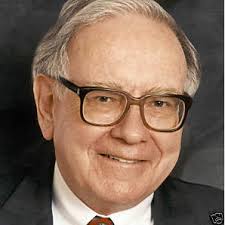
Warren Buffett
A triple-A credit rating is the highest possible rating that can be achieved.
And while Republicans demanded that the disadvantaged tighten their belts, they rejected any raising of taxes on their foremost constituency—the wealthiest 1%.
As the calendar moved ever closer to the fateful date of August 2, Republican leaders continued to insist: Any deal that includes taxes “can’t pass the House.”
To prevent the government from defaulting on its loans, President Barack Obama agreed to sign the Republican-crafted Budget Control Act (BCA) of 2011.
The Act provided for a Joint Select Committee on Deficit Reduction to produce legislation by late November to decrease the deficit by $1.2 trillion over ten years.
When the so-called “Super Committee” failed to reach agreement, the second part of the BCA went into effect.
This directed automatic across-the-board cuts (known as “sequestrations”) split evenly between defense and domestic spending, beginning on January 2, 2013.
A major casualty of sequestration was the Centers for Disease Control and Prevention (CDC). And this threatened the safety of the Nation Republicans claim to love:
- In 2013, the CDC was forced to cut 5%, or more than $285 million, from its budget.
- The sequester cut $195 million from the National Centers for Emerging and Zoonotic Infectious Diseases, a CDC program that tries to prevent illness and death from infectious disease.
- For fiscal 2014, CDC’s budget was $5.9 billion, down from the $6.5 billion allotted in 2010.

Centers for Disease Control and Prevention
In October, 2014, for the first time in United States history, the CDC faced an unexpected outbreak of the dreaded Ebola virus.
To Americans’ horror, the agency initially seemed unable to deal effectively with the threat.
Moreover, the Nation was confronting the Ebola crisis without a Surgeon General—thanks to NRA-funded Republican Senators.
President Obama had nominated Dr. Vivek Murthy for the spot in November, 2013, when the previous surgeon general left the position. But the Senate still hadn’t approved Murthy.
And support for him declined since he tweeted on October 16, 2002, that “guns are a health care issue.”
(On December 15, 2014, the Senate approved Murthy as Surgeon General in a 51–43 Senate vote. He served until 2017.)
At the same time, Republicans rushed to blame President Obama for the continuing Ebola menace in West Africa—and the danger it posed to Americans.
“I think this Ebola outbreak in Africa is a serious problem,” said House Speaker John Boehner. “And I’m a bit surprised the administration hasn’t acted more quickly to address what is a serious threat, not only to Africans but to others around the world.”
“The President made a lot of commitments to combat Ebola, actions which I supported,” said North Carolina U.S. Senator Richard Burr. “But it has become clear that the administration’s capacity to fulfill these promises in a timeline that sufficiently addresses this crisis does not exist.”
But then a new Republican-inspired crisis threatened America.
On December 13, 2014, the U.S. Senate passed a $1.1 trillion spending bill to fund almost the entire government through the September 30 end of the fiscal year.
But one Federal agency was pointedly exempted from full funding: The Department of Homeland Security (DHS).
President George W. Bush had created this agency to safeguard the country against terrorism. But he didn’t imagine that his fellow Republicans might willingly jeopardize the security of the Nation.
President Obama had requested $38.2 billion to fund DHS through fiscal year 2015. But Republicans ensured that its funding would end on February 27.
Republicans had gained control of the House of Representatives after the 2010 elections. And then they gained control of the Senate with the 2014 elections. With their new-found majorities in both houses of Congress, they intended to hold the security of the United States as a hostage.
Their goal: To force Obama to rescind the changes he had made in American immigration policy.

Homeland Security was charged with implementing those changes. And Republicans intended to strip it of funding to do so.
With more than 240,000 employees, DHS is the third largest Cabinet department, after the Departments of Defense and Veterans Affairs.
The Defense Department is charged with protecting the United States through military action abroad. DHS is responsible for safeguarding the Nation inside and outside its borders.
Its goal is to prepare for, prevent and—if prevention fails—respond to man-made accidents, natural disasters and terrorism.
Finally, just as DHS’ funding was about to expire, House Republicans capitulated. They approved a bill the Senate passed to fund DHS without any added conditions.
ABC NEWS, ADOLF HITLER, AFFORDABLE CARE ACT, ALBERT SPEER, ALTERNET, AMERICABLOG, AP, BABY BOOMER RESISTANCE, BARACK OBAMA, BUZZFEED, CBS NEWS, CNN, CROOKS AND LIARS, DAILY KOS, DAILY KOZ, DEBT CEILING, DEPARTMENT OF HOMELAND SECURITY, DONALD TRUMP, EBOLA, EXTORTION, FACEBOOK, FASCISM, FIVETHIRTYEIGHT, GEORGE W. BUSH, HOUSE SPEAKER JOHN BOEHNER, MOTHER JONES, MOVEON, MSNBC, NAZI GERMANY, NBC NEWS, NEGOTIATING, NEWSWEEK, NPR, OBAMACARE, PAP SMEARS, PBS NEWSHOUR, PLANNED PARENTHOOD, POLITICO, POLITICUSUSA, RAW STORY, REPUBLICAN PARTY, REPUBLICANS, REUTERS, RICHARD BURR, SALON, SEATTLE TIMES, SLATE, TALKING POINTS MEMO, THE ATLANTIC, THE CHICAGO SUN-TIMES, THE CHICAGO TRIBUNE, THE DAILY BEAST, THE DAILY BLOG, THE GUARDIAN, THE HILL, THE HUFFINGTON POST, THE LOS ANGELES TIMES, THE NATION, THE NEW YORK TIMES, THE WALL STREET JOURNAL, THE WASHINGTON POST, THINKPROGRESS, TIME, TRICKLE-DOWN ECONOMICS, TRUTHDIG, TWITTER, U.S. NEWS & WORLD REPORT, UPI, USA TODAY, VIVEK MURTHY, WARREN BUFFET, WORLD WAR 11
In Bureaucracy, History, Law, Politics, Social commentary on November 20, 2019 at 12:09 am
Albert Speer, Minister of Armaments for the Third Reich, was appalled.
His Fuhrer, Adolf Hitler—the man he had idolized for 14 years—had just passed a death sentence on Germany, the nation he claimed to love above all others.
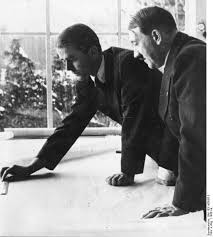
Albert Speer and Adolf Hitler pouring over architectural plans
On March 19, 1945, facing certain defeat, Hitler had ordered a massive “scorched-earth” campaign throughout Germany.
All German agriculture, industry, ships, communications, roads, food stuffs, mines, bridges, stores and utility plants were to be destroyed.
If implemented, it would deprive the entire German population of even the barest necessities after the war.
Click here: Hitler’s “Scorched Earth” Decree and Albert Speer’s Response
Now living in a bunker 50 feet below bomb-shattered Berlin, Hitler gave full vent to his most destructive impulses.
Adolf Hitler addressing boy soldiers as the Third Reich crumbles
“If the war is lost,” Hitler told Speer, “the nation will also perish. This fate is inevitable. There is no necessity to take into consideration the basis which the people will need to continue even a most primitive existence.
“On the contrary, it will be better to destroy these things ourselves, because this nation will have proved to be the weaker one and the future will belong solely to the stronger eastern nation.
“Besides, those who will remain after the battle are only the inferior ones, for the good ones have all been killed.”
Speer argued in vain that there must be a future for the German people. But Hitler refused to back down. He gave Speer 24 hours to reconsider his opposition to the order.
The next day, Speer told Hitler: “My Fuhrer, I stand unconditionally behind you!”
“Then all is well,” said Hitler, suddenly with tears in his eyes.
“If I stand unreservedly behind you,” said Speer, “then you must entrust me rather than the Gauleiters [district Party leaders serving as provincial governors] with the implementation of your decree.”
Filled with gratitude, Hitler signed the decree Speer had thoughtfully prepared before their fateful meeting.
By doing so, Hitler unintentionally gave Speer the power to thwart his “scorched earth” decree.
Speer had been the closest thing to a friend in Hitler’s life. Trained as an architect, he had joined the Nazi Party in 1931.
He met Hitler in 1933, when he presented the Fuhrer with architectural designs for the Nuremberg Rally scheduled for that year.
From then on, Speer became Hitler’s “genius architect” assigned to create buildings meant to last for a thousand years.
In 1943, Hitler appointed him Minister of Armaments, charged with revitalizing the German war effort.
Nevertheless, Speer now crisscrossed Germany, persuading military leaders and district governors to not destroy the vital facilities that would be needed after the war.
“No other senior National Socialist could have done the job,” writes Randall Hanson, author of Disobeying Hitler: German Resistance After Valkyrie.
“Speer was one of the very few people in the Reich–perhaps even the only one–with such power to influence actors’ willingness/unwillingness to destroy.”
Despite his later conviction for war crimes at Nuremberg, Speer never regretted his efforts to save Germany from total destruction at the hands of Adolf Hitler.
Fast-forward to the United States since the 2008 election of President Barack Obama.
Republicans have adopted the same my-way-or-else “negotiating” stance as the German Fuhrer. Like him, they are determined to gain and hold absolute power–or destroy the Nation they claim to love.
During his eight years in the White House, Ronald Reagan presided over a tripling of the national debt—and raised the debt limit 17 times.
President George W. Bush nearly doubled it again.
During the George W. Bush Presidency, Republicans in Congress raised the debt ceiling seven times—when the national debt grew to $10.627 trillion due to tax cuts for the rich and wars in Afghanistan and Iraq.
But none of that mattered to Republicans—so long as one of them held the White House.
Then Barack Obama, a Democrat—worse, a black one—became President.
Suddenly, “fiscal integrity” became the byword of Republicans. And in its name, they repeatedly threatened to shut down the government if their legislative demands weren’t met.
In April, 2011, the United States government almost shut down over Republican demands about subsidized pap smears.
During a late-night White House meeting with President Obama and key Congressional leaders, Republican House Speaker John Boehner made this threat:
His conference would not approve funding for the government if any money were allowed to flow to Planned Parenthood through Title X legislation.
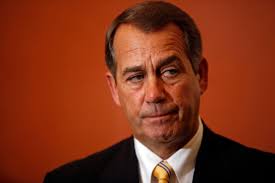
John Boehner
Facing an April 8 deadline, negotiators worked day and night to strike a compromise–and finally reached one.
Three months later—on July 9—Republican extortionists again threatened the Nation with financial ruin and international disgrace unless their demands were met.
By refusing to raise the debt ceiling, they would force the government to default on paying the bills it owed.
President Obama had offered to make historic cuts in the federal government and the social safety net–on which millions of Americans depend for their most basic needs.
But Boehner rejected that offer. He would not agree to the tax increases that Democrats wanted to impose on the wealthiest 1% as part of the bargain.
2016 PRESIDENTIAL CAMPAIGN, ABC NEWS, ALTERNET, AMERICABLOG, AP, BABY BOOMER RESISTANCE, BILL MAULDIN, BUZZFEED, CBS NEWS, CHINA, CIA, CNN, CROOKS AND LIARS, DAILY KOZ, DONALD TRUMP, EXTORTION, FACEBOOK, FBI, FIVETHIRTYEIGHT, HILLARY CLINTON, JOE BIDEN, LUCIAN K. TRUSCOTT JR., MOTHER JONES, MOVEON, MSNBC, NAZI GERMANY, NBC NEWS, NEWSWEEK, NPR, PBS NEWSHOUR, POLITICO, POLITICUSUSA, RAW STORY, REUTERS, RUSSIA, SALON, SAVING PRIVATE RYAN, SEATTLE TIMES, SLATE, STEVEN SPIELBERG, TALKING POINTS MEMO, THE ATLANTIC, THE CHICAGO SUN-TIMES, THE CHICAGO TRIBUNE, THE DAILY BEAST, THE DAILY BLOG, THE GUARDIAN, THE HILL, THE HUFFINGTON POST, THE LOS ANGELES TIMES, THE NATION, THE NEW YORK TIMES, THE WASHINGTON POST, THINKPROGRESS, TIME, TRUMP FOUNDATION, TRUTHDIG, TWITTER, U.S. NEWS & WORLD REPORT, UKRAINE, UPI, USA TODAY, VETERANS’ DAY, VIETNAM WAR, VLADIMIR PUTIN, WORLD WAR 11
In Bureaucracy, History, Military, Politics, Social commentary on November 13, 2019 at 12:06 am
If President Donald Trump expected a warm welcome when he attended the 100th Veterans Day Parade in Manhattan, he was rudely disappointed.
“Lock him up!” yelled many protesters, echoing chants at his own rallies against Hillary Clinton, his 2016 rival for President.
Other New Yorkers plastered their windows with large anti-Trump signs: “DUMP TRUMP!” “IMPEACH!” “CONVICT!”
One demonstrator held up a sign: “Draft Dodger,” a reference to Trump’s avoiding military service in Vietnam through five draft deferments, including one for bone spurs.
“My grandfather fought in World War II, he was a colonel and an immigrant from Russia,” said a 52-year-old woman who only identified herself as Liz.
“He would be horrified at the corruption and hate in the White House right now. He was a Republican, but he was not a racist. He was completely committed to this country.”
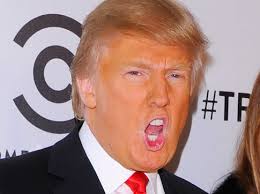
Donald Trump
Another woman, Janet Gonzelez, 85, attacked Trump’s “upside down” foreign policy in the Middle East. Asked what she would tell Trump if she met him, she replied: “Fuck you.”
Speaking behind bullet-proof plexiglass, Trump tried to drown out a throng of protesters shouting and blowing whistles outside the west entrance of Madison Square Park.
“Our veterans risked everything for us. Now it is our duty to serve and protect them every single day of our lives,” Trump said, as a chorus of boos echoed in the distance.
What Trump did not mention was that, only four days earlier, a New York judge had ordered him to pay $2 million in damages owing to misuse of funds by the Trump Foundation.
In January, 2016, Trump had held a televised fundraiser for veterans. He claimed that the funds would be distributed to charities serving the needs of veterans.
But the Trump Foundation improperly used $2.82 million it received from that fundraiser to fuel his campaign for President.
Thus, the man who had ripped off American veterans was now presiding over a day created to honor them.
There is no better way to trace the decline of the United States than to compare the 2019 Manhattan Veterans’ Day celebration with the 1946 one at the Sicily-Rome American Cemetery, near the town of Nettuno.
The cemetery held about 20,000 American graves, mostly of soldiers who had died in Sicily or at Anzio, fighting Nazi Germany.
Presiding over that event was Lt. General Lucian K. Truscott, Jr., the U.S. Fifth Army Commander.
Unlike many other generals, Truscott had shared in the dangers of combat, pouring over maps on the hood of his jeep with company commanders as bullets or shells whizzed about him.
When it came his turn to speak, Truscott moved to the podium. Then he turned his back on the assembled visitors—which included several Congressmen.
The audience he now faced were the graves of his fellow soldiers.
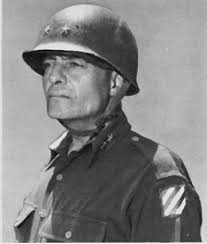
Lt. General Lucian K. Truscott, Jr.
Among those who heard Truscott’s speech was Bill Mauldin, the famous cartoonist for the Army newspaper, Stars and Stripes. Mauldin had created Willie and Joe, the unshaved, slovenly-looking “dogfaces” who came to symbolize the GI.
It’s from Mauldin that we have the fullest account of Truscott’s speech that day.
“He apologized to the dead men for their presence there. He said that everybody tells leaders that it is not their fault that men get killed in war, but that every leader knows in his heart that this is not altogether true.
“He said he hoped anybody here through any mistake of his would forgive him, but he realized that he was asking a hell of a lot under the circumstances….
“Truscott said he would not speak of the ‘glorious’ dead because he didn’t see much glory in getting killed in your teens or early twenties.
“He promised that if in the future he ran into anybody, especially old men, who thought death in battle was glorious, he would straighten them out. He said he thought it was the least he could do.”
Then Truscott walked away, without acknowledging his audience of celebrities.
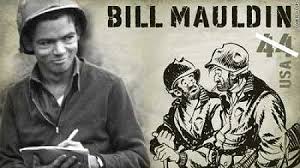
Bill Mauldin and “Willie and Joe,” the characters he made famous
Contrast the character of Lucian Truscott with that of the man who now holds the office of President of the United States.
Donald Trump has:
- Equated his reckless sex life during the 1970s with the risks American soldiers faced in Vietnam.
- Relentlessly defended Russian dictator Vladimir Putin against all criticism, even as he’s slandered literally hundreds of his fellow citizens on Twitter.
- Attacked the FBI and CIA for concluding that Russia intervened in the 2016 election to help him win the White House.
- Tried to extort the president of Ukraine to slander former Vice President Joe Biden, his possible rival for the White House in 2020.
- “Joked” that it would be “great” if the United States had a “President-for-Life”—like China.
Saving Private Ryan, Steven Spielberg’s 1998 World War II epic, opens with a scene of an American flag snapping in the wind.
Except that the brilliant colors of Old Glory have been washed out, leaving only black-and-white stripes and black stars.
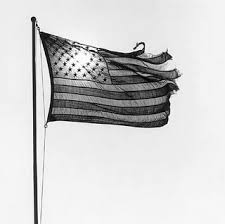
Small wonder that, for many Americans, Old Glory has taken on a darker, washed-out appearance—in real-life as in film.
2016 PRESIDENTIAL ELECTION, 2020 PRESIDENTIAL ELECTION, 9/11 ATTACKS, AARON COPELAND, ABC NEWS, AFGHANISTAN, ALEXANDER SHUSTOROVICH, ALTERNET, ANDREW INTRATER, ANTI-COMMUNISM, ANTIWAR DEMONSTRATIONS, AP, ARMY-MCCARTHY HEARINGS, ARTHUR MILLER, ATOMIC BOMB, BILL CLINTON, BUZZFEED, CBS NEWS, CENTRAL AMERICA, CHAING KAI-SHEK, CHARLIE CHAPLIN, CIA, CINDY HYDE-SMITH, CNN, CROOKS AND LIARS, CUBAN MISSILE CRISIS, DAILY KOZ, DASHIELL HAMMETT, DELORES DEL RIO, DEPARTMENT OF HOMELAND SECURITY, DONALD TRUMP, DONALD TRUMP’S INAUGURAL COMMITTEE, DWIGHT D. EISENHOWER, EDWARD G. ROBINSON, EDWARD R. MURROW, ELMER BERNSTEIN, FACEBOOK, FBI, FEDERAL ELECTION COMMISSION, GEORGE C. MARSHALL, GEORGE H.W. BUSH, H.L. HUNT, HARRY S. TRUMAN, HILLARY CLINTON, HOUSE JUDICIARY COMMITTEE, HOWARD DA SILVA, HOWARD FAST, HOWARD HUGHES, INTERNET RESEARCH AGENCY, IRWIN SHAW, J. ROBERT OPPENHEIMER, JAMES COMEY, JIMMY CARTER, JOHN BIRCH SOCIETY, JOHN F. KENNEDY, JOHN GARFIELD, JOHN KASICH, JOHN MCCAIN, JOHN STEINBECK, JOSEPH R. MCCARTHY, JOSEPH STALIN, LEE GRANT, LEN BLAVATNIK, LILLIAN HELLMAN, LINDSEY GRAHAM, LLOYD BRIDGES, LUCILLE BALL, LYNDON B. JOHNSON, MAIN INTELLIGENCE DIRECTORATE, MAO TSE-TUNG, MARCO RUBIO, MITCH MCCONNELL, MITCH MCCONNELL’S SENATE LEADERSHIP FUN, MOTHER JONES, MOVEON, MSNBC, MUSLIMS, NATIONAL SECURITY AGENCY, NAZI GERMANY, NBC NEWS, NEWSWEEK, NORTH ATLANTIC TREATY ORGANIZATION (NATO), NPR, OFFICE OF THE DIRECTOR OF NATIONAL INTELLIGENCE, PBS NEWSHOUR, PETE SEEGER, POLITICO, RAW STORY, REPUBLICAN PARTY, REUTERS, RICHARD M. NIXON, ROBERT MUELLER, Ronald Reagan, RUTH GORDON, SALON, SCOTT WALKER, SEATTLE TIMES, SIMON KUKES, SLATE, SOVIET UNION, THE ATLANTIC, THE CHICAGO SUN-TIMES, THE CHICAGO TRIBUNE, THE DAILY BEAST, THE GUARDIAN, THE HILL, THE HUFFINGTON POST, THE LOS ANGELES TIMES, THE NATION, THE NEW YORK TIMES, THE WASHINGTON POST, TIME, TWITTER, U.S. NEWS & WORLD REPORT, UNITED STATES HOUSE OF REPRESNTATIVES, UNITED STATES SENATE, UPI, USA TODAY, VIETNAM WAR, VLADIMIR PUTIN, WIKILEAKS, WILLIAM L. SHIRER, WORLD WAR 11, WORLD WAR ii, ZERO MOSTEL
In Bureaucracy, History, Military, Politics, Social commentary on November 5, 2019 at 12:10 am
From 1945 to 2015, it was unthinkable for a Republican Presidential candidate to pay tribute to a Soviet dictator.
But that utterly changed when Donald J. Trump, a “reality TV” host with longstanding financial ties to Russian oligarchs, ran for President of the United States.
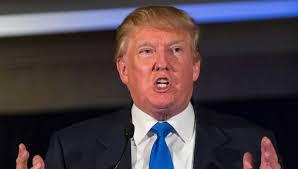
Donald Trump
The reason for the Trump-Putin bromance: Each had something to offer the other.
Putin wanted the United States to ditch the North Atlantic Treaty Organization (NATO) alliance, which had preserved Western Europe from Russian aggression since World War II. And Trump had often attacked America’s funding of NATO as a drain on the American economy.
And Trump wanted to be President. For this, Putin could supply Internet trolls to confuse voters with falsified news—and even the hacking of key voting centers.
And monies. These Russian monies were officially classified as “campaign contributions,” not bribes.
Special Counsel Robert S. Mueller III Mueller spent almost two years uncovering links between Russian Intelligence agents and members of Donald Trump’s Presidential campaign.
On July 24, he addressed Congress on Russia’s subversion of the 2016 Presidential election.
“Over the course of my career, I’ve seen a number of challenges to our democracy,” Mueller declared to members of the House Judiciary Committee.
“The Russian government’s effort to interfere in our election is among the most serious. As I said on May 29, this deserves the attention of every American.
“It wasn’t a single attempt. They’re doing it as we sit here. And they expect to do it during the next campaign.”
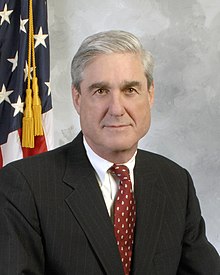
Robert Mueller
In his report, Mueller documented years of meddling in American politics by the Internet Research Agency, which runs the Kremlin’s online disinformation efforts from its headquarters in St. Petersburg.
The Agency reached 126 million Americans through fake accounts on Facebook. Its messages communicated with unaware members of the Trump campaign, and even prompted real-life rallies that mobilized crowds of unwitting voters.
Hours later that same day, Senator Cindy Hyde-Smith (R-Mississippi) blocked the passage of three bills designed to tighten election security at the federal level. She claimed that Congress had already responded to election security needs for the 2020 Presidential election.
Senate Majority Leader Mitch McConnell (R-Kentucky) came to the Senate floor the next day to personally object to House-passed legislation backed by Democrats.
Nor is Trump the only Republican receiving “help” from Putin. A network of Russian oligarchs—all of them answerable to Putin—has been increasingly contributing to top Republicans.
These Russian monies are officially classified as “campaign contributions,” not bribes—which, in fact, they are.
According to the Federal Election Commission:
One such major contributor is Len Blavatnik, who holds citizenship in both the United States and the United Kingdom. During the 2015-16 election cycle, he proved one of the largest donors to GOP Political Action Committees (PACs).
Blavatnik’s net worth is estimated at $20 billion. Before 2016, he donated to both Democrats and Republicans in meager amounts. But in 2016, he gave $6.35 million to GOP PACs.
Millions of dollars went to top Republican leaders—such as Senators Mitch McConnell (Kentucky), Marco Rubio (Florida) and Lindsey Graham (South Carolina).
Specifically, he contributed:
- A total of $1.5 million to PACs associated with Rubio.
- $1 million to Trump’s Inaugural Committee.
- $41,000 to both Republicans and Democrats in 2017.
- $1 million to McConnell’s Senate Leadership Fund.
- $3.5 million to a PAC associated with McConnell.
- $1.1 million to Unintimidated PAC, associated with Wisconsin Governor Scott Walker.
- $200,000 to the Arizona Grassroots Action PAC, associated with the late Arizona Senator John McCain.
- $250,000 to New Day for America PAC, associated with Ohio Governor John Kasich.
- $800,000 to the Security is Strength PAC, associated with Senator Lindsey Graham.
![]()
![]() Another Russian oligarch, Alexander Shustorovich, contributed $1 million to Trump’s Inaugural Committee.
Another Russian oligarch, Alexander Shustorovich, contributed $1 million to Trump’s Inaugural Committee.
Altogether, four Russian oligarchs—Blavatnik, Shustorovich, Andrew Intrater and Simon Kukes—contributed $10.4 million from the start of the 2015-16 election cycle through September 2017. Of this, 99% went to Republicans.
As Senate Majority Leader, Mitch McConnell participated in high-level intelligence briefings in 2016. From agencies such as the FBI, CIA and the code-cracking National Security Agency, he learned that the Russians were trying to subvert the electoral process.

In October, 2016, the Department of Homeland Security (DHS) and the Office of the Director of National Intelligence (DNI) issued a joint statement: The Russian government had directed the effort to subvert the 2016 Presidential election.
Two weeks later, McConnell’s PAC accepted a $1 million donation from Blavatnik.
On March 30, 2017, McConnell’s PAC accepted another $1 million from Blavatnik.
This is just 10 days after former FBI Director James Comey testified before the House Intelligence Committee about Russia’s efforts to subvert the 2016 election.
So, what has changed in the Republican Party? Essentially nothing.
Its enemies changed—from Russian Communists to American liberals. But its goal remains the same: The quest for absolute power.
When Americans feared Communism, Republicans depicted themselves as the only ones who could be trusted to protect the United States. Big contributions poured in from Right-wing billionaires like H.L. Hunt and Howard Hughes.
But then Republicans found they could enrich themselves and stay in power via Russian “campaign contributions.” So long as they did Putin’s bidding, the rubles would roll in.
So for a party of power-drunk would-be dictators, the decision was simple: Better Red than un-elected.
ABC NEWS, ADAM SCHIFF, ADOLF HITLER, ALEX PHILLIPS, ALTERNET, AMERICA’S VOICE, AMERICABLOG, AMERICAN PRIORITY CONFERENCE, AP, AUSTRIA, BABY BOOMER RESISTANCE, BARACK OBAMA, BBC, BERNIE SANDERS, BILL CLINTON, BLACK LIVES MATTER, BUZZFEED, CBS NEWS, CHINA, CINDY MCCAIN, CIVIL WAR, CNN, COLIN FIRTH, COREY LEWANDOWSKI, CROOKS AND LIARS, CZECHOSLOVAKIA, DAILY KOZ, DANA LOESCH, DEMOCRATS, DONALD TRUMP, DONALD TRUMP JUNIOR, EUGENE SCOTT, FACEBOOK, FBI, FINAL SOLUTION, FIVETHIRTYEIGHT, FRANCISCO FRANCO, GEORGE SOROS, HILLARY CLINTON, HUNTER BIDEN, JOE BIDEN, JOHN MCCAIN, MATT GAETZ, MEIN KAMPF, MITT ROMNEY, MOTHER JONES, MOVEON, MSNBC, NANCY PELOSI, NATIONAL RIFLE ASSOCIATION, NAZI GERMANY, NBC NEWS, NEVILLE CHAMBERLAIN, NEWSWEEK, NINA BURLEIGH, NPR, PBS, PBS NEWSHOUR, PLUTARCH, POLAND, POLITICO, POLITICUSUSA, RACHEL MADDOW, RAW STORY, REPUBLICANS, REUTERS, ROGER STONE, ROSIE O’DONNELL, SALON, SARAH HUCKABEE SANDERS, SEATTLE TIMES, SLATE, SOVIET UNION, SPAIN, TALKING POINTS MEMO, THE ATLANTIC, THE CHICAGO SUN-TIMES, THE CHICAGO TRIBUNE, THE DAILY BEAST, THE DAILY BLOG, THE GEEKZTEAM, THE GUARDIAN, THE HILL, THE HUFFINGTON POST, THE KINGSMAN (MOVIE), THE LOS ANGELES TIMES, THE NATION, THE NEW YORK TIMES, THE TRUMPSMAN (VIDEO), THE WASHINGTON POST, THINKPROGRESS, TIME, TREASON, TRUTHDIG, TWITTER, U.S. NEWS & WORLD REPORT, UKRAINE, UNITED STATES, UPI, USA TODAY, VERSALLIES TREATY, VOLODYMR ZELENSKI, WEIMAR REPUBLIC, WHITE HOUSE CORRESPONDENTS ASSOCIATION, WORLD WAR 11
In Bureaucracy, History, Military, Politics, Social commentary on October 22, 2019 at 12:05 am
Since taking office as President on January 20, 2017, Donald Trump has continued to hurl threats of violence against those he hates.
“Trump’s language of violence started with immigrants when he launched his presidential campaign in 2015,” wrote Washington Post Reporter Eugene Scott. “There is a direct line from his language to real violence against immigrants and other innocent Americans caught in the maniacal mass shootings of the past year.
“And this cancer is spreading: to Congress, to the media, to the intelligence community, to foreign allies. There is no end in sight as Trump becomes increasingly unhinged and the GOP remains frozen in abject silence.”
On October 2, 2019, Journalist Nina Burleigh wrote: “Since 2015, TV-watching Americans have been subject to the deimatic spectacle of more than 400 rallies (at least 80 since his election) in which Trump sometimes openly and more often coyly urged supporters to violence. These spectacles have conditioned many Americans to fear him and his more enthusiastic supporters.”
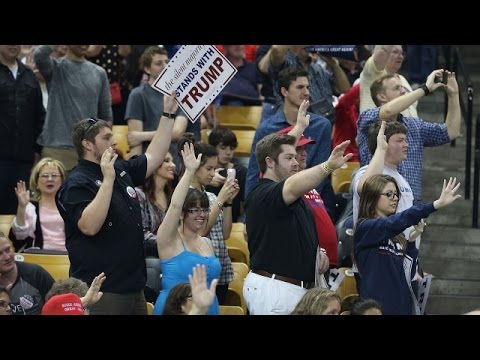
Supporters giving the “Seig Heil” salute to Donald Trump
“Over the last few days, the President’s rhetoric of violence and hate has spread,” stated an October 3, 2019 press release by America’s Voice, a liberal immigration group.
“As Jamelle Bouie noted yesterday, ‘Over the weekend, in a rage over impeachment, President Trump accused Representative Adam Schiff of ‘treason,’ promised ‘Big Consequences’ for the whistle-blower who sounded the alarm about his phone call with President Volodymyr Zelensky of Ukraine and shared a warning — from a Baptist pastor in Dallas — that impeachment ‘will cause a Civil War like fracture in this Nation from which our Country will never heal.’”
Trump’s opponents have good reason to fear. And not simply the public demonstrations by the President’s fanatical base. They should fear the secret fantasies of the Right.
Those secret fantasies have been revealed in a series of Right-wing videos featuring graphic acts of violence against those whom the Right—and Trump—hate.
From October 10 to 12, 2019, attendees of the American Priority Conference at the Trump National Doral Miami resort enjoyed many of those videos.
One of these, “The Trumpsman,” featured a digitized Trump shooting, stabbing and setting fire to such liberals—and even conservatives—as:
- Former President Bill Clinton
- Former Vice President Joe Biden
- Former Democratic Presidential candidate Hillary Clinton
- Democratic Speaker of the House Nancy Pelosi
- Former President Barack Obama
- Vermont United States Senator Bernie Sanders
- Utah Senator Mitt Romney
- The late Arizona Senator John McCain
And legitimate news media—such as CBS, BBC, ABC, CNN, The New York Times and The Washington Post—were also depicted as among Trump’s victims.
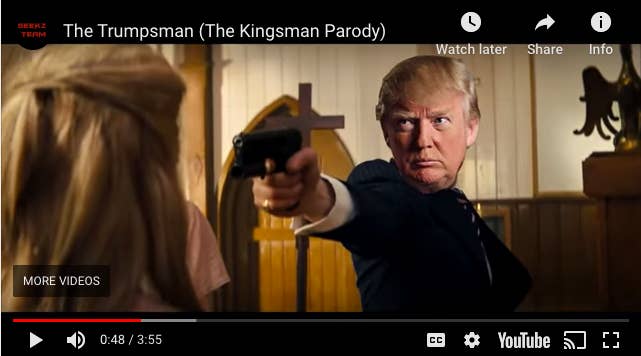
The video was produced by Rightists who believed it reflected what Donald Trump would do to his enemies if only he could get away with it. And given his near-constant calls for violence against his critics, they were absolutely correct.
But the video’s critics are wrong to call for its suppression.
On the contrary—it should be widely seen for what it is: The Mein Kampf of Donald Trump and his fanatical followers, in and outside the Republican party.
Like Adolf Hitler’s autobiography, it depicts the future America can expect if the Right gains the power to live out its murderous fantasies. And the fantasy Right-wingers prize most: The brutal extermination of everyone who refuses to submit to their Fascistic tyranny.
“The Trumpsman” is part of a growing genre of pro-Trump memes that routinely earn thousands of views on sites like YouTube and Twitter. Many superimpose the faces of Trump and his chief supporters slaughtering Democrats, liberal celebrities and/or members of the media.
The event’s organizer, Alex Phillips, hurriedly claimed that the “unauthorized video” was shown “in a side room” at the American Priority Conference.
But there is an upside to this exercise in Right-wing porn. Democrats could easily run TV ads showing limited clips from “The Trumpsman” video.
Unfortunately, the majority of Democrats lack the courage to attack their Right-wing enemies with the same ruthlessness used against them. That’s why they lost most Presidential elections of the 20th century.
Americans should be constantly warned: These videos were not made by liberals to parody the values and goals of the Republican party and its Right-wing supporters.
These videos were made by Right-wingers—and reflect the true values and intentions of the Republican party and its Right-wing supporters.
The boiler-plate rhetoric that gushes out of Republican conventions—about love of family, God and flag—is the public mask of the Right.
The videos that depict Right-wingers ruthlessly slaughtering anyone who dares to disagree with them reflect the real face of the Right.
Of course, most Americans never imagined that a President would:
- Fire an FBI director for investigating Russian subversion of a Presidential election.
- Openly call on a foreign enemy nation—China—to investigate his political rival for the White House.
- Accuse his Congressional critics of treason—a crime punishable by death.
Trump’s opponents should stop deluding themselves that: “Surely he’ll never do that.”
Whatever it is they fear he will do, he will do.
Like all predators, he will stop only when he meets a stronger opponent.
ABC NEWS, ADAM SCHIFF, ADOLF HITLER, ALEX PHILLIPS, ALTERNET, AMERICA’S VOICE, AMERICABLOG, AMERICAN PRIORITY CONFERENCE, AP, AUSTRIA, BABY BOOMER RESISTANCE, BARACK OBAMA, BBC, BERNIE SANDERS, BILL CLINTON, BLACK LIVES MATTER, BUZZFEED, CBS NEWS, CHINA, CINDY MCCAIN, CIVIL WAR, CNN, COLIN FIRTH, COREY LEWANDOWSKI, CROOKS AND LIARS, CZECHOSLOVAKIA, DAILY KOZ, DANA LOESCH, DEMOCRATS, DONALD TRUMP, DONALD TRUMP JUNIOR, EUGENE SCOTT, FACEBOOK, FBI, FINAL SOLUTION, FIVETHIRTYEIGHT, FRANCISCO FRANCO, GEORGE SOROS, HILLARY CLINTON, HUNTER BIDEN, JOE BIDEN, JOHN MCCAIN, MATT GAETZ, MEIN KAMPF, MITT ROMNEY, MOTHER JONES, MOVEON, MSNBC, NANCY PELOSI, NATIONAL RIFLE ASSOCIATION, NAZI GERMANY, NBC NEWS, NEVILLE CHAMBERLAIN, NEWSWEEK, NINA BURLEIGH, NPR, PBS, PBS NEWSHOUR, PLUTARCH, POLAND, POLITICO, POLITICUSUSA, RACHEL MADDOW, RAW STORY, REPUBLICANS, REUTERS, ROGER STONE, ROSIE O’DONNELL, SALON, SARAH HUCKABEE SANDERS, SEATTLE TIMES, SLATE, SOVIET UNION, SPAIN, TALKING POINTS MEMO, THE ATLANTIC, THE CHICAGO SUN-TIMES, THE CHICAGO TRIBUNE, THE DAILY BEAST, THE DAILY BLOG, THE GEEKZTEAM, THE GUARDIAN, THE HILL, THE HUFFINGTON POST, THE KINGSMAN (MOVIE), THE LOS ANGELES TIMES, THE NATION, THE NEW YORK TIMES, THE TRUMPSMAN (VIDEO), THE WASHINGTON POST, THINKPROGRESS, TIME, TREASON, TRUTHDIG, TWITTER, U.S. NEWS & WORLD REPORT, UKRAINE, UNITED STATES, UPI, USA TODAY, VERSALLIES TREATY, VOLODYMR ZELENSKI, WEIMAR REPUBLIC, WHITE HOUSE CORRESPONDENTS ASSOCIATION, WORLD WAR 11
In Bureaucracy, History, Military, Politics, Social commentary on October 21, 2019 at 12:14 am
On November 9, 1923, Nazi Party Fuhrer Adolf Hitler tried to overthrow the government in Munich, Bavaria.
About 2,000 Nazis marched to the center of Munich, where they confronted heavily-armed police. A shootout erupted, killing 16 Nazis and four policemen.
Hitler was injured during the clash, but managed to escape. Two days later, he was arrested and charged with treason.
Put on trial, he found himself treated as a celebrity by a judge sympathetic to Right-wing groups. He was allowed to brutally cross-examine witnesses and even make inflammatory speeches.
At the end of the trial, he was convicted of treason and sentenced to five years’ imprisonment. Of this he served only nine months before being pardoned.
Hitler used his time in Landsberg Prison, in Bavaria, to write his infamous book, Mein Kampf-–“My Struggle.” Part autobiography, part political treatise, it laid out his future plans—for a revitalized Germany and the conquest of other nations.

Adolf Hitler leaving Landsberg Prison, December, 20, 1924
Published in 1925, it was long ignored by all but the most fanatical Nazis. But as Hitler gained increasing numbers of votes in a series of elections, many people—inside and outside Germany—began paying attention to its contents.
By 1939 it had sold 5,200,000 copies and had been translated into 11 languages.
Most of those who bought the book never read it. Its style was bombastic, repetitious and illogical. The first edition contained grammatical errors, reflecting a self-educated man.
Few who read it took Hitler’s intentions seriously. Comedians portrayed him as a wildly gesturing crank who screamed constantly.
Hitler made no effort to hide his program for Germany under his rule. His candor led many people to believe he was a lunatic who could be safely ignored.
He was especially insistent on the need for eliminating world Jewry and conquering the Soviet Union.
On the former topic he wrote: “The nationalization of our masses will succeed only when, aside from all the positive struggle for the soul of our people, their international poisoners are exterminated.
“If at the beginning of the war and during the war twelve or fifteen thousand of these Hebrew corrupters of the nation had been subjected to poison gas, such as had to be endured in the field by hundreds of thousands of our very best German workers of all classes and professions, then the sacrifice of millions at the front would not have been in vain.”
A mere 17 years later, Hitler’s “Thousand-Year Reich” would translate those words into horrific action in a series of extermination camps equipped with gas chambers.

Hitler was equally insistent that Germany needed to find Lebensraum—“Living space”—in the east. And by “east” he meant “Russia.”
Specifically: “And so we National Socialists consciously draw a line beneath the foreign policy tendency of our pre-War period. We take up where we broke off six hundred years ago.
“We stop the endless German movement to the south and west, and turn our gaze toward the land in the east. At long last we break off the colonial and commercial policy of the pre-War period and shift to the soil policy of the future.
“If we speak of soil in Europe today, we can primarily have in mind only Russia and her vassal border states.”
Hitler finally attained power on January 30, 1933. He realized that Germany was not yet strong enough to impose its will on other nations. So he set out on a secret crash program to make Germany the strongest military power in Europe.
In 1936, he set out on his “mission of Providence”:
- March, 1936: Ordering German troops to reoccupy the demilitarised zone between France and Germany (the Rhineland), in violation of the Versailles Treaty, which ended World War 1.
- July, 1936: Sending troops to Spain to support the Fascist army of General Francisco Franco.
- March 12, 1938: Occupying Austria and “unifying” it with Germany (the “Anschluss“).
- September 29, 1938: Bullying British Prime Minister Neville Chamberlain into surrendering Czechoslovakia’s Sudetenland districts to Germany.
- September 1, 1939: Ordering the invasion of Poland, which unintentionally launched World War II.
- June 22, 1941: Ordering the invasion of the Soviet Union.
- 1941: Secretly ordering “the Final Solution of the Jewish Question,” resulting in the extermination of at least six million Jews.
Only after Hitler set out to conquer, first Europe, then the Soviet Union, did his victims and intended victims realize that Mein Kampf had given them a deadly warning. A warning too many of them had refused to heed.
By the time World War II ended:
- Fifty million men, women and children were died—most of them dying in agony.
- The Soviet Union, having crushed Nazi Germany, become a world power.
- Poland and eastern Europe—once captives of Nazi Germany—now found themselves captives of the Soviet Union.
- The United States, untouched by the war, emerged as the world’s superpower—and the only country strong enough to contain the Soviet Union.
But Adolf Hitler isn’t the only would-be dictator to give ample warning of his murderous intentions.
And, like most Germans in the Weimar Republic, which preceded Nazi Germany, most Americans refuse to take that warning seriously.
2016 PRESIDENTIAL ELECTION, 2020 PRESIDENTIAL ELECTION, ABC NEWS, ADAM SCHIFF, ADOLF HITLER, ALTERNET, AMERICABLOG, AP, ARMENIA, BABY BOOMER RESISTANCE, BBC, BUZZFEED, CBS NEWS, CHARLES PIERCE, CNN, CONVERSATION WITH AN AMERICAN WRITER (POEM), CORY GARDNER, CROOKS AND LIARS, DAILY KOS, DAILY KOZ, DIMITRI SHOSTAKOVICH, DONALD TRUMP, ESQUIRE MAGAZINE, FACEBOOK, FBI, FIVETHIRTYEIGHT, FOREIGN SERVICE, GREAT TERROR, HOUSE INTELLIGENCE COMMITTEE, HOUSE OF REPRESENTATIVES, HUNTER BIDEN, JAMES COMEY, JEFF SESSIONS, JOE BIDEN, JONI ERNST, JOSEPH STALIN, KEITH SCHILLER, KYRGYZSTAN, MARIA YOVANOVITCH, MARIE YOVANOVICH, MARTHA MCSALLY, MICHAEL ATKINSON, MIKE FLYNN, MIKHAIL TUKHACHEVESKY, MOTHER JONES, MOVEON, MSNBC, NAZI GERMANY, NBC NEWS, NEWSWEEK, NICCOLO MACHIAVELLI, NIKITA KHRUSHCHEV, NIKOLAI ZHILAYEV, NPR, PBS NEWSHOUR, POLITICO, POLITICUSUSA, RAW STORY, REUTERS, ROBERT MUELLER III, ROD ROSENSTEIN, RUDOLPH GIULIANI, RUDY GIULIANI, RUSSIAN ESPIONAGEky, SALON, SEATTLE TIMES, SENATE INTELLIGENCE COMMITTEE, SERGEY KISLYAK, SERGEY LAVOV, SLATE, SOVIET UNION, STATE DEPARTMENT, TALKING POINTS MEMO, THE ATLANTIC, THE CHICAGO SUN-TIMES, THE CHICAGO TRIBUNE, THE DAILY BEAST, THE DAILY BLOG, THE DISCOURSES, THE GUARDIAN, THE HILL, THE HUFFINGTON POST, THE LOS ANGELES TIMES, THE NATION, THE NEW YORK TIMES, THE WALL STREET JOURNAL, THE WASHINGTON POST, THINKPROGRESS, THOM TILLIS, TIME, TRUTHDIG, TWITTER, U.S. NEWS & WORLD REPORT, UKRAINE, UPI, USA TODAY, WEHRMACHT, WORLD WAR 11, YEVGENEY YEVTUSHENKO
In Bureaucracy, History, Military, Politics, Social commentary on October 16, 2019 at 12:05 am
In his poem, “Conversation With an American Writer,” the Russian poet, Yevgeney Yevtushenko spoke for those Russians who managed to maintain their integrity in the face of Stalinist terror:
“You have courage,” they tell me.
It’s not true. I was never courageous.
I simply felt it unbecoming
to stoop to the cowardice of my colleagues.
Unfortunately, the same cannot be said for the vast majority of Republicans in the United States Senate and House of Representatives.

Yevgeney Yevtushenko
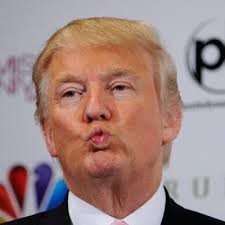
In late September, news broke that, on July 25, President Donald Trump had tried to extort a “favor” from the president of Ukraine: Find embarrassing “dirt” on former Vice President Joseph Biden and his son, Hunter.
Hunter had had business dealings in Ukraine. And Joe Biden might be Trump’s Democratic opponent for the White House in 2020.
To underline the seriousness of his “request,” Trump had withheld $400 million in promised military aid to Ukraine, which is facing an increasingly aggressive Russia.
Since late September, reporters have repeatedly asked Congressional Republicans: “Is it appropriate for President Donald Trump to ask a foreign government to investigate his political opponent?”
And the overwhelming majority of Republicans have refused to answer—even though, on October 3, Trump said publicly on the south lawn of the White House: “China should start an investigation into the Bidens.”
Donald Trump
Among those refusing to answer:
Colorado Republican Senator Cory Gardner: “Well look, that’s what we’re going to get into. The Senate Intelligence Committee is having an investigation, a bipartisan investigation.”
Iowa Senator Joni Ernst: “We don’t have all the facts, we don’t know what is accurate. We have a picture painted by the media and we don’t know if that picture is accurate.”
Arizona Senator Martha McSally: “I think what we’ve seen out of [Speaker of the House Nancy] Pelosi and [House Intelligence Committee Chairman Adam] Schiff and others in the House is quite partisan and I think people want us to take a serious look at this and not have it be just partisan bickering going on.”
North Carolina Senator Thom Tillis: “I’m going to leave it to the President to make that decision” on whether his actions were appropriate.
The reason for Republicans’ deafening silence: They don’t want to anger Trump or his fanatical supporters. Many of them face tough reelection campaigns. And they fear losing their Congressional seats and the perks that go with them.
So they’re willing to support a President who calls on hostile foreign nations to subvert an American Presidential election.
Enter Marie Yovanovitch, the former United States ambassador to Ukraine (2016 – 2019). She had joined the Foreign Service in 1986, and served as ambassador to Kyrgyzstan (2005 – 2008) and Armenia (2008 – 2011).

Marie Yovanovitch
In May 2019, on Trump’s orders, the State Department recalled Yovanovitch as ambassador to Ukraine. She had earned respect from the national security community for her efforts to encourage Ukraine to tackle corruption.
But she had been criticized by Right-wing media outlets—notably Fox News Network—and by Trump’s personal attorney, Rudy Giuliani.
CNN reported that Yovanovitch stopped Giuliani from interviewing witnesses in his search for politically damaging information against former Vice President Joe Biden.
On August 12, a whistleblower filed a complaint with the Intelligence community’s Inspector General, Michael Atkinson.
In it, he warned that Yovanovitch’s ousting raised red flags that Trump was abusing his office by soliciting foreign interference in the 2020 election.
From that complaint ultimately resulted the impeachment inquiry by the House of Representatives.
With so many Republicans cowering before Trump, Yovanovitch emerged as the first real hero of the Trump era.
On October 11, she appeared before the House Intelligence Committee, chaired by Representative Adam Schiff (D-CA). She did so in defiance of orders by the White House and State Department to not attend.
In response, the Committee issued a subpoena to compel her testimony—and provide her with a measure of protection against wrongful termination.
“She was a hero even before she hit the hearing room,” wrote Charles Pierce for Esquire magazine.
“She told them to stuff their directives, she would answer a congressional subpoena like a citizen is supposed to do. And she didn’t sneak in through the basement. She walked into the Capitol through the front doors, and she didn’t do so to fck around.”
Testifying for nearly 10 hours, Yovanovitch said that Trump had removed her from her post owing to “unfounded and false claims” and “a concerted campaign against me.”
She believed that associates of Trump’s personal lawyer, Rudy Giuliani, might have believed “that their personal financial ambitions were stymied by our anti-corruption policy in Ukraine.”
And she warned that the State Department was being “attacked and hollowed out from within. State Department leadership, with Congress, needs to take action now to defend this great institution, and its thousands of loyal and effective employees.
“We need to rebuild diplomacy as the first resort to advance America’s interests and the front line of America’s defense. I fear that not doing so will harm our nation’s interest, perhaps irreparably.”
Frontier general Andrew Jackson once said: “One man with courage makes a majority.”
By courageously defying Trump, Marie Yovanovitch may lead other conscientious men and women to do the same.
2016 PRESIDENTIAL ELECTION, 2020 PRESIDENTIAL ELECTION, ABC NEWS, ADAM SCHIFF, ADOLF HITLER, ALTERNET, AMERICABLOG, AP, ARMENIA, BABY BOOMER RESISTANCE, BBC, BUZZFEED, CBS NEWS, CHARLES PIERCE, CNN, CONVERSATION WITH AN AMERICAN WRITER (POEM), CORY GARDNER, CROOKS AND LIARS, DAILY KOS, DAILY KOZ, DIMITRI SHOSTAKOVICH, DONALD TRUMP, ESQUIRE MAGAZINE, FACEBOOK, FBI, FIVETHIRTYEIGHT, FOREIGN SERVICE, GREAT TERROR, HOUSE INTELLIGENCE COMMITTEE, HOUSE OF REPRESENTATIVES, HUNTER BIDEN, JAMES COMEY, JEFF SESSIONS, JOE BIDEN, JONI ERNST, JOSEPH STALIN, KEITH SCHILLER, KYRGYZSTAN, MARIA YOVANOVITCH, MARIE YOVANOVICH, MARTHA MCSALLY, MICHAEL ATKINSON, MIKE FLYNN, MIKHAIL TUKHACHEVESKY, MOTHER JONES, MOVEON, MSNBC, NAZI GERMANY, NBC NEWS, NEWSWEEK, NICCOLO MACHIAVELLI, NIKITA KHRUSHCHEV, NIKOLAI ZHILAYEV, NPR, PBS NEWSHOUR, POLITICO, POLITICUSUSA, RAW STORY, REUTERS, ROBERT MUELLER III, ROD ROSENSTEIN, RUDOLPH GIULIANI, RUDY GIULIANI, RUSSIAN ESPIONAGEky, SALON, SEATTLE TIMES, SENATE INTELLIGENCE COMMITTEE, SERGEY KISLYAK, SERGEY LAVOV, SLATE, SOVIET UNION, STATE DEPARTMENT, TALKING POINTS MEMO, THE ATLANTIC, THE CHICAGO SUN-TIMES, THE CHICAGO TRIBUNE, THE DAILY BEAST, THE DAILY BLOG, THE DISCOURSES, THE GUARDIAN, THE HILL, THE HUFFINGTON POST, THE LOS ANGELES TIMES, THE NATION, THE NEW YORK TIMES, THE WALL STREET JOURNAL, THE WASHINGTON POST, THINKPROGRESS, THOM TILLIS, TIME, TRUTHDIG, TWITTER, U.S. NEWS & WORLD REPORT, UKRAINE, UPI, USA TODAY, WEHRMACHT, WORLD WAR 11, YEVGENEY YEVTUSHENKO
In Bureaucracy, History, Military, Politics, Social commentary on October 15, 2019 at 12:11 am
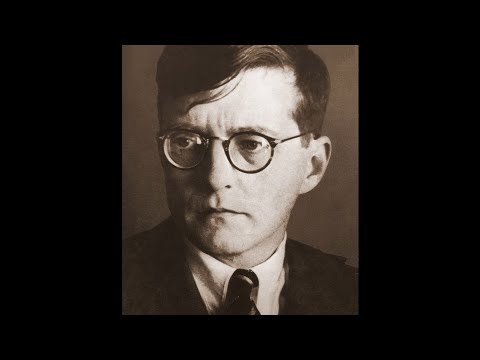
Nikolai Sergeyvich Zhilayev (pronounced Zill-lay-ev) was a Russian musicologist and the teacher of several 20th-century Russian composers.
Among these: Dimitri Shostakovich.
Among his friends—to his ultimate misfortune—was Mikhail Nikolayevich Tukhachevsky, the former military hero now falsely condemned and executed as a traitor by Soviet dictator Joseph Stalin.
In 1938, Zhilayev (November 18, 1881 – January 20, 1938) also became a casualty of what has become known as The Great Terror.
In his posthumously-published memoirs, Testimony, Shostakovich, his pupil and friend, described how Zhilayev faced his end with a calmness that awed even the NKVD (the predecessor to the KGB) secret police sent to arrest him.
Dimitri Shostakovich
“He had a large picture of Tukhachevsky in his room, and after the announcement that Tukhachevsky had been shot as a traitor to the homeland, Zhilayev did not take the picture down.
“I don’t know if I can explain how heroic a deed that was….As soon as the next poor soul was declared an enemy of the people, everyone destroyed in a panic everything connected with that person….
“And naturally, photographs flew into the fire first, because if someone informed on you, reported that you had a picture of an enemy of the people, it meant certain death.
“Zhilayev wasn’t afraid. When they came for him, Tukhachevsky’s prominently hung portrait amazed even the executioners.”
“What, it’s still up?” one of the secret police asked.
“The time will come,” Zhilayev replied, “when they’ll erect a monument to him.”
As, in fact, has happened.
Meanwhile, Stalin has been universally condemned as one of history’s greatest tyrants.

Mikhail Tukhachevsky appears on a 1963 Soviet Union postage stamp
Third hero—James Brien Comey (December 14, 1960)
Comey served as United States Attorney (federal prosecutor) for the Southern District of New York (2002-2003).
As United States Deputy Attorney General (2003-2005), he opposed the warrantless wiretapping program of the George W. Bush administration. He also argued against the use of water boarding as an interrogation method.
In 2005, he entered the private sector as General Counsel and Senior Vice President for Lockheed Martin, the biggest contractor for the Department of Defense.
On July 29, 2013, the United States Senate voted 93 -1 to confirm Comey as director of the FBI, the seventh in its history.

James B. Comey
He directed the FBI from his appointment in 2013 by President Barack Obama until his firing on May 9, 2017, by President Donald Trump.
In a move that Joseph Stalin would have admired, Trump gave no warning of his intentions. Instead, he sent Keith Schiller, his longtime bodyguard, to the FBI with a letter announcing Comey’s dismissal.
Trump had three reasons for firing Comey:
- Comey had refused to pledge his personal loyalty to Trump. Trump had made this “request” during a private dinner at the White House in January. After refusing to make that pledge, Comey told Trump that he would always be honest with him. But that didn’t satisfy Trump’s demand that the head of the FBI act as his personal secret police chief.
- Trump had tried to coerce him into dropping the FBI’s investigation into former National Security Adviser Mike Flynn, for his secret ties to Russia and Turkey. Comey had similarly resisted that demand.
- Comey had recently asked the Justice Department to fund an expanded FBI investigation into contacts between Trump’s 2016 Presidential campaign and Russian Intelligence agents.
As a Presidential candidate and President, Trump:
- Steadfastly denied those revelations;
- Repeatedly attacked the “fake news” media reporting these revelations. Chief among his targets: CNN, The New York Times and The Washington Post; and
- Attacked the Intelligence agencies responsible for America’s security.
On May 10—the day after firing Comey—Trump met in the Oval Office with Russian Foreign Minister Sergey Lavov and Russian Ambassador Sergey Kislyak.
Kislyak was reportedly a top recruiter for Russia’s SVR foreign Intelligence agency. He has been closely linked with Jeff Sessions and Mike Flynn—respectively,, Trump’s fired Attorney General and fired National Security Adviser.
“I just fired the head of the FBI,” Trump told the two dignitaries. “He was crazy, a real nut job. I faced great pressure because of Russia. That’s taken off.”
During that meeting he gave the Russians sensitive Intelligence on ISIS that had been supplied by Israel.
Two days later, on May 12, Trump tweeted a threat to the fired FBI director: “James Comey better hope that there are no ‘tapes’ of our conversations before he starts leaking to the press.”
But shortly afterward, it appeared Trump was the one who should worry: Reports surfaced that Comey had written memos to himself immediately after his private meetings with Trump.
He had also told close aides that Trump was trying to pressure him into dropping the investigation into close ties between Russian Intelligence agents and Trump campaign staffers.
As for Trump’s threat of having tapes of his and Comey’s conversations: Like Trump’s claim that he could prove that Barack Obama wasn’t an American citizen, this, too, proved to be a lie.
And Comey’s firing led directly to a result Trump did not anticipate: Acting Attorney General Rod Rosenstein yielded to demands from Democrats and appointed former FBI Director Robert Mueller III as a special prosecutor to investigate those ties.


ABC NEWS, ADOLF HITLER, ALTERNET, AMERICABLOG, ANDREW JOHNSON, AP, ARTICLES OF IMPEACHMENT, BABY BOOMER RESISTANCE, BILL CLINTON, BUZZFEED, CBS NEWS, CNN, CROOKS AND LIARS, DAILY KOZ, DONALD TRUMP, DRUDGE RETORT, EVA BRAUN, FACEBOOK, FBI, FIVETHIRTYEIGHT, FOUNDING FATHERS, HARPER’S MAGAZINE, HEINRICH HIMMLER, HERMANN GORING, IMPEACHMENT, LAST POLITICAL TESTAMENT OF AOLD HITLER, MEDIA MATTERS, MOTHER JONES, MOVEON, MSNBC, NANCY PELOSI, NAZI GERMANY, NBC NEWS, NEWSWEEK, NPR, PBS NEWSHOUR, POLITICO, POLITICUSUSA, RAW STORY, REUTERS, RICHARD NIXON, SALON, SEATTLE TIMES, SLATE, TALKING POINTS MEMO, THE ATLANTIC, THE CHICAGO SUN-TIMES, THE CHICAGO TRIBUNE, THE DAILY BEAST, THE DAILY BLOG, THE GUARDIAN, THE HILL, THE HUFFINGTON POST, THE LOS ANGELES TIMES, THE NATION, THE NEW REPUBLIC, THE NEW YORK TIMES, THE VILLAGE VOICE, THE WASHINGTON POST, THINKPROGRESS, THIRD REICH, TIME, TRUTHDIG, TRUTHOUT, TWITTER, TWO POLITICAL JUNKIES, U.S. NEWS & WORLD REPORT, UKRAINE, UNITED STATES CONSTITUTION, UNITED STATES HOUSE OF REPRESENTATIVES, UNITED STATES SENATE, UPI, USA TODAY, WONKETTE, WORLD WAR 1, WORLD WAR 11
DONALD TRUMP CHANNELS THE SPIRIT OF ADOLF HITLER: PART ONE (OF TWO)
In Bureaucracy, History, Law, Law Enforcement, Military, Politics, Social commentary on December 18, 2019 at 12:10 amOn December 17, 2019, President Donald J. Trump channeled the spirit of Adolf Hitler, Fuhrer of the Third Reich.
He did so in a vicious, self-pitying letter to Nancy Pelosi, Speaker of the House of Representatives.
The House was expected to vote on two articles of impeachment against him the next day. Specifically, these condemned him for:
Article 1: Abuse of Power: For pressuring Ukraine to assist him in his re-election campaign by damaging former Vice President Joe Biden, his possible Democratic rival.
Article 2: Obstruction of Congress: For obstructing Congress by blocking testimony of subpoenaed witnesses and refusing to provide documents in response to House subpoenas in the impeachment inquiry.
Trump is ensured an acquittal in the United States Senate, where Republicans hold a 53 to 47 member advantage. Yet he knows that only three other Presidents have faced impeachment—Andrew Johnson, Richard Nixon and Bill Clinton.
Trump doesn’t care about history, nor is he even knowledgeable about it. But he does care about labels—those he gives his enemies and those they give him. And he desperately wants to avoid having “impeachment” attached to his name in American Presidential history.
Donald Trump
Trump had tried—and failed—to head this off by insults and intimidation. Just two days earlier, he had tweeted about the Speaker: “Nancy’s teeth were falling out of her mouth, and she didn’t have time to think!”
So, on December 17, he sought to do in a letter what he had failed to do on Twitter. He sent a ranting and insulting six-page letter to Nancy Pelosi.
Nancy Pelosi
The Washington Post estimates that from the day he took office—January 20, 2017—to October 9, 2019—Trump had made 13,435 false or misleading claims.
And in sending his letter to Pelosi, he remained true to form.
His letter has no precedent in American history. But there is such a precedent in German history—specifically, the infamous “Last Political Testament” of Adolf Hitler.
Hitler dictated this to a secretary at 4 a.m. on April 29, 1945, shortly after marrying his longtime mistress, Eva Braun. The marriage occurred in his bunker in Berlin under the now-shattered Reich Chancellery.
Even 50 feet below ground, the structure shook as bombs continued to rain from American and British planes. And, at ground level, a more deadly threat was fast approaching: At least one million enraged Russian soldiers, seeking vengeance for the devastation wrought on their country from 1941 to 1945.
Hitler knew the end was closing in on him. He had many times spoken of suicide, and now he was determined to cheat his enemies of the pleasure of killing or capturing him. But before he ended his life, he was determined to have the last word.
Adolf Hitler
Which is where “My Political Testament” comes in.
Seventy-four years separate Adolf Hitler’s testament from Donald Trump’s letter to Nancy Pelosi. But the similarities between the two are uncanny.
ADOLF HITLER: More than thirty years have now passed since I in 1914 made my modest contribution as a volunteer in the first world war that was forced upon the Reich.
In these three decades I have been actuated solely by love and loyalty to my people in all my thoughts, acts and life. They gave me the strength to make the most difficult decisions which have ever confronted mortal man. I have spent my time, my working strength and my health in these three decades.
DONALD TRUMP: After three years of unfair and unwarranted investigations, 45 million dollars spent, 18 angry Democrat prosecutors, the entire force of the FBI, headed by leadership now proven to be totally incompetent and corrupt, you have found NOTHING!
Few people in high position could have endured or passed this test. You do not know, nor do you care, the great damage and hurt you have inflicted upon wonderful and loving members of my family. You conducted a fake investigation upon the democratically elected President of the United States, and you are doing it yet again.
ADOLF HITLER: It is untrue that I or anyone else in Germany wanted the war in 1939. It was desired and instigated exclusively by those international statesmen who were either of Jewish descent or worked for Jewish interests.
I have made too many offers for the control and limitation of armaments, which posterity will not for all time be able to disregard for the responsibility for the outbreak of this war to be laid on me.
DONALD TRUMP: The Articles of Impeachment introduced by the House Judiciary Committee are not recognizable under any standard of Constitutional theory, interpretation, or jurisprudence. They include no crimes, no misdemeanors, and no offenses whatsoever. You have cheapened the importance of the very ugly word, impeachment!
By proceeding with your invalid impeachment, you are violating your oaths of office, you are breaking your allegiance to the Constitution, and you are declaring open war on American Democracy.
You dare to invoke the Founding Fathers in pursuit of this election-nullification scheme — yet your spiteful actions display unfettered contempt for America’s founding and your egregious conduct threatens to destroy that which our Founders pledged their very lives to build.
Share this: