Posts Tagged ‘VLADIMIR PUTIN’
ABC NEWS, BARACK OBAMA, BREITBART NEWS, CBS NEWS, CHRISTOPHER S. MURPHY, CIA, CNN, DEMOCRATIC NATIONAL COMMITTEE, DEMOCRATIC PARTY, DONALD TRUMP, ERIC SCHNEIDERMAN, EXTORTION, FACE THE NATION, FACEBOOK, FERGUS CULLEN, FOX NEWS SUNDAY, GREG ABBOTT, HACKING, HILLARY CLINTON, IRS, JAMES B. COMEY, JAMES R. CLAPPER, JARED KUSHNER, JEFF SESSIONS, JOHN KASICH, JR., JUSTICE DEPARTMENT, KEN PAXTON, LEON PANETTA, MARK LEVIN, MICHAEL FLYNN, MICHAEL ROGERS, MIKE PENCE, NATIONAL SECURITY AGENCY, NBC NEWS, NEW HAMPSHIRE REPUBLICAN PARTY, NEWSWEEK, NPR, PAM BONDI, PAUL MANAFORT, PAUL RYAN, PHILIP KLEIN, POLITICO, Racketeer Influenced Corrupt Organizations (RICO) Act, REPUBLICAN NATIONAL COMMITTEE, REPUBLICAN NATIONAL CONVENTION, REPUBLICAN PARTY, REX TILLERSON, ROGER STONE, SALON, SOVIET UNION, THE CHICAGO SUN-TIMES, THE CHICAGO TRIBUNE, THE HUFFINGTON POST, THE LOS ANGELES TIMES, THE NEW YORK TIMES, THE WASHINGTON EXAMINER, THE WASHINGTON POST, THREATS, TIME, TREASON, TRUMP TOWER MEETING, TRUMP UNIVERSITY, TRUMP-RUSSIA TIES, TWITTER, U.S. NEWS & WORLD REPORT, U.S. SECRET SERVICE, USA PATRIOT ACT, USA TODAY, VLADIMIR PUTIN, WIRETAPPING
In Bureaucracy, History, Law, Law Enforcement, Politics, Social commentary on July 8, 2019 at 12:03 am
“The only thing necessary for the triumph of evil is for good men to do nothing.”
So wrote Edmund Burke (1729-1797) the Irish statesman, author, orator, political theorist and philosopher. And history has repeatedly proved him right.
One such example was the rise of Adolf Hitler as Germany’s Fuhrer.
Writes historian Volker Ullrich, in his monumental new biography, Hitler: Ascent 1889–1939: “Historians have perennially tried to answer the question of whether Hitler’s rise to power could have been halted….
“There were repeated opportunities to end Hitler’s run of triumphs. The most obvious one was after the failed Putsch of November, 1923. Had the Munich rabble-rouser been forced to serve his full five-year term of imprisonment in Landsberg, it is extremely unlikely that he would have been able to restart his political career.”
But that didn’t happen.

Tried for and convicted of treason, he was sentenced to five years’ imprisonment.
At Landsberg Prison, in Bavaria. he was given a huge cell, allowed to receive unlimited visitors and gifts, and treated with deference by guards and inmates.
Nine months later, he was released on parole—by authorities loyal to the authoritarian Right instead of the newly-created Weimar Republic.
Hitler immediately began rebuilding the shattered Nazi party—and deciding on a new strategy to gain power. Disdaining armed force, he would win office by election—or intrigue.
On January 30, 1933, those intrigues bore fruit: Adolf Hitler was appointed Chancellor of Germany.
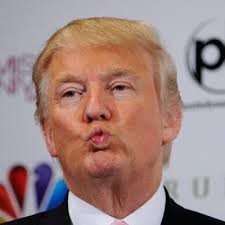
Future historians may one day write that what didn’t happen played at least as great a role in electing Donald Trump President as what actually did.
There were at least five instances where the Justice Department of President Barack Obama could have utterly changed the outcome of the 2016 election. Yet, for reasons still unknown, it chose to do nothing.
Donald Trump
Case #1: The Obama Justice Department did not indict Trump and/or the Attorney Generals of Texas and/or Florida for their roles in the Trump University scandal.
- Florida Attorney General Pam Bondi personally solicited a political contribution from Donald Trump around the same time her office deliberated joining an investigation of alleged fraud at Trump University and its affiliates.
- After Bondi dropped the Trump University case against Trump, he wrote her a $25,000 check for her re-election campaign. The money came from the Donald J. Trump Foundation.
- Republican Texas Attorney General Ken Paxton moved to muzzle a former state regulator who says he was ordered in 2010 to drop a fraud investigation into Trump University for political reasons.
- Paxton’s office issued a cease and desist letter to former Deputy Chief of Consumer Protection John Owens after he made public copies of a 14-page internal summary of the state’s case against Donald Trump for scamming millions from students of his now-defunct real estate seminar.
- After the Texas case was dropped, Trump cut a $35,000 check to the gubernatorial campaign of then-attorney general and now Texas Governor Greg Abbott.
But New York’s Attorney General, Eric Schneiderman, pressed fraud claims against Trump—and forced the real estate mogul to settle the case out of court for $25 million on November 18, 2016.
There have been no press reports that the Justice Department investigated these cases to determine if Trump violated the Racketeer Influenced Corrupt Organizations (RICO) Act statutes.
If the Justice Department did not investigate these cases, it should have. And if he did violate the RICO statutes, he should have been indicted, even as a Presidential candidate or President-elect.
Even if an indictment had not produced a conviction, the mere bringing of one would have cast an unprecedented cloud over his candidacy—let alone his being sworn in as President.
Case #2: The Justice Department did not indict Trump for the series of threats that he made—directly and indirectly—against Republicans and Democrats throughout the 2016 campaign.
Threatening political opponents with violence is a crime under Federal law. Yet making threats against his Republican and Democratic opponents played a major role in Trump’s Presidential campaign.
- On March 16, he warned Republicans that if he didn’t win the GOP nomination in July, his supporters would literally riot: “I think you’d have riots. I think you would see problems like you’ve never seen before. I think bad things would happen. I really do. I wouldn’t lead it, but I think bad things would happen.”
- An NBC reporter summed it up as: “The message to Republicans was clear on [March 16]: ‘Nice convention you got there, shame if something happened to it.’”
- That Republicans clearly saw this as a threat is undeniable. Paul Ryan, their Speaker of the House, said on March 17: “Nobody should say such things in my opinion because to even address or hint to violence is unacceptable.”
- Philip Klein, the managing editor of the Washington Examiner, wrote on the eve of the Republican National Convention in July: “Political commentators now routinely talk about the riots that would break out in Cleveland if Trump were denied the nomination, about how his supporters have guns and all hell could break loose, that they would burn everything to the ground. It works to Trump’s advantage to not try too hard to dispel these notions.”
2016 PRESIDENTIAL CAMPAIGN, ABC NEWS, ALTERNET, AP, ARCHIBALD COX, BARACK OBAMA, BUZZFEED, CBS NEWS, CIA, CNN, CRAIG UNGER, CROOKS AND LIARS, DAILY KOZ, DEPARTMENT OF HOMELAND SECURITY, DEVIN NUNES, DIANNE FEINSTEIN, DONALD TRUMP, DONALD TRUMP JR., DOUG COLLINS, FACEBOOK, FBI, FOX NEWS, GREG MILLER, HILLARY CLINTON, HOUSE INTELLIGENCE COMMITTEE, HOUSE OF TRUMP HOUSE OF PUTIN (BOOK), ISLAMIC STATE OF IRAQ AND SYRIA (ISIS), ISRAELI INTELLIGENCE, JAMES COMEY, JARED KUSHNER, JEFF SESSIONS, JERROLD NADLER, JOE SCARBOROUGH, LESTER HOLT, LINDSEY GRAHAM, MALCOM NANCE, MALCOM W. NANCE, MICHAEL FLYNN, MICHAEL ISIKOFF, MIKE PENCE, MOTHER JONES, MOVEON, MSNBC, NATALIA VESELNITSKAYA, NATIONAL SECURITY AGENCY, NBC NEWS, NEWSWEEK, NPR, OFFICE OF THE DIRECTOR OF NATIONAL INTELLIGENCE, PAUL MANAFORT, POLITICO, PRINCETON UNIVERSITY, RAW STORY, REPUBLICAN PARTY, REPUBLICANS, REUTERS, REX TILLERSON, RICHARD M. NIXON, ROBERT S. MUELLER 111, ROD ROSENSTEIN, RUSSIA, RUSSIAN ROULETTE (BOOK), SALON, SEATTLE TIMES, SENATE INTELLIGENCE COMMITTEE, SERGEY KISLYAK, SERGEY LAVROV, SLATE, SUPREME COURT, THE APPRENTICE (BOOK), THE ATLANTIC, THE CHICAGO SUN-TIMES, THE CHICAGO TRIBUNE, THE DAILY BEAST, THE GUARDIAN, THE HILL, THE HUFFINGTON POST, THE LOS ANGELES TIMES, THE NATION, THE NEW YORK TIMES, THE PLOT TO DESTROY DEMOCRACY (BOOK), THE WASHINGTON POST, TIME, TREASON, TRUMP TOWER MEETING, TWITTER, U.S. NEWS & WORLD REPORT, UNITED STATES DEPARTMENT OF JUSTICE, UNITED STATES DEPARTMENT OF STATE, UPI, USA TODAY, VLADIMIR PUTIN, WILLIAM BARR
In Bureaucracy, History, Law, Law Enforcement, Military, Politics, Social commentary on July 3, 2019 at 1:06 am
The appointment of Robert S. Mueller as Special Counsel aroused unprecedented hopes and fears.
Foes of President Donald Trump hoped that Mueller would unearth evidence of criminality—if not treason—blatant enough to guarantee his impeachment.
Supporters of Trump—starting with the President—feared that this would be the case. When Attorney General Jeff Sessions told Trump that a Special Counsel had been appointed, the President exclaimed, “Oh my God. This is terrible. This is the end of my Presidency. I’m fucked.”
Yet even before the release of the long-awaited Mueller report, several deeply-researched and well-written books outlined Russia’s efforts to subvert the 2016 Presidential race. And they cast devastating light on Trump’s loyalty to the United States.
Among these:
- The Apprentice: Trump, Russia and the Subversion of Democracy, by Greg Miller
- House of Trump, House of Putin: The Untold Story of Donald Trump and the Russian Mafia, by Craig Unger
- Russian Roulette: The Inside Story of Putin’s War on America and the Election of Donald Trump, by Michael Isikoff
- The Plot to Destroy Democracy: How Putin and His Spies Are Undermining America and Dismantling the West, by Malcom W. Nance
According to its blurb on Amazon.com, The Apprentice is “based on interviews with hundreds of people in Trump’s inner circle, current and former government officials, individuals with close ties to the White House, members of the law enforcement and intelligence communities, foreign officials, and confidential documents.”
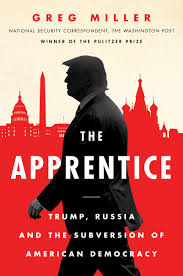
Among the subjects it covers:
- The Trump Tower meeting, where the Trump campaign sought “dirt” on Hillary Clinton from Russian Intelligence agents.
- The penetration by Russian Intelligence of computer systems used by Democrats.
- How Jared Kushner, Trump’s son-in-law, tried to set up a secret back channel to Moscow via Russian diplomatic facilities.
- Trump’s giving Russian officials highly classified secrets supplied by Israeli Intelligence;
- Trump’s clashes with the FBI and CIA.
Miller is a veteran investigative journalist and twice winner of the Pulitzer Prize. Among his stories: National security adviser Michael Flynn’s discussing U.S. sanctions with Russian officials prior to Trump’s inauguration. The story contributed to Flynn’s ouster.
Then there’s House of Trump, House of Putin, whose jacket blurb describes Trump’s inauguration as “the culmination of Vladimir Putin’s long mission to undermine Western democracy, a mission that he and his hand-selected group of oligarchs and Mafia kingpins had ensnared Trump in, starting more than twenty years ago with the massive bailout of a string of sensational Trump hotel and casino failures in Atlantic City.

“…Craig Unger methodically traces the deep-rooted alliance between the highest echelons of American political operatives and the biggest players in the frightening underworld of the Russian Mafia. He traces Donald Trump’s sordid ascent from foundering real estate tycoon to leader of the free world….
“Without Trump, Russia would have lacked a key component in its attempts to return to imperial greatness. Without Russia, Trump would not be president.”
As an appendix to the book, Unger writes: “Donald Trump has repeatedly said he has nothing to do with Russia. Below are fifty-nine Trump connections to Russia.”
Russian Roulette, according to its dust jacket, “is a story of political skullduggery unprecedented in American history. It weaves together tales of international intrigue, cyber espionage, and superpower rivalry.
“After U.S.-Russia relations soured, as Vladimir Putin moved to reassert Russian strength on the global stage, Moscow trained its best hackers and trolls on U.S. political targets and exploited WikiLeaks to disseminate information that could affect the 2016 election.
“The Russians were wildly successful and the great break-in of 2016 was no ‘third-rate burglary.’ It was far more sophisticated and sinister—a brazen act of political espionage designed to interfere with American democracy. At the end of the day, Trump, the candidate who pursued business deals in Russia, won….
“This story of high-tech spying and multiple political feuds is told against the backdrop of Trump’s strange relationship with Putin and the curious ties between members of his inner circle—including Paul Manafort and Michael Flynn—and Russia.”
Malcom Nance, the author of The Plot to Destroy Democracy, is an Intelligence and foreign policy analyst and media commentator on terrorism, intelligence, insurgency and torture.
In his book, he outlines how “Donald Trump was made President of the United States with the assistance of a foreign power.
“[It is] the dramatic story of how blackmail, espionage, assassination, and psychological warfare were used by Vladimir Putin and his spy agencies to steal the 2016 U.S. election—and attempted to bring about the fall of NATO, the European Union, and western democracy….
“Nance has utilized top secret Russian-sourced political and hybrid warfare strategy documents to demonstrate the master plan to undermine American institutions that has been in effect from the Cold War to the present day.
“Based on original research and countless interviews with espionage experts, Nance examines how Putin’s recent hacking accomplished a crucial first step for destabilizing the West for Russia, and why Putin is just the man to do it.”
These books—combined with the recently released Mueller report—clearly establish the damning conclusion: The man now sitting in the Oval Office is an illegitimate usurper, installed by an unholy alliance of American Fascists and Russian Communists.
2016 PRESIDENTIAL CAMPAIGN, ABC NEWS, ALTERNET, AP, ARCHIBALD COX, BARACK OBAMA, BUZZFEED, CBS NEWS, CIA, CNN, CRAIG UNGER, CROOKS AND LIARS, DAILY KOZ, DEPARTMENT OF HOMELAND SECURITY, DEVIN NUNES, DIANNE FEINSTEIN, DONALD TRUMP, DONALD TRUMP JR., DOUG COLLINS, FACEBOOK, FBI, FOX NEWS, GREG MILLER, HILLARY CLINTON, HOUSE INTELLIGENCE COMMITTEE, HOUSE OF TRUMP HOUSE OF PUTIN (BOOK), ISLAMIC STATE OF IRAQ AND SYRIA (ISIS), ISRAELI INTELLIGENCE, JAMES COMEY, JARED KUSHNER, JEFF SESSIONS, JERROLD NADLER, JOE SCARBOROUGH, LESTER HOLT, LINDSEY GRAHAM, MALCOM NANCE, MALCOM W. NANCE, MICHAEL FLYNN, MICHAEL ISIKOFF, MIKE PENCE, MOTHER JONES, MOVEON, MSNBC, NATALIA VESELNITSKAYA, NATIONAL SECURITY AGENCY, NBC NEWS, NEWSWEEK, NPR, OFFICE OF THE DIRECTOR OF NATIONAL INTELLIGENCE, PAUL MANAFORT, POLITICO, PRINCETON UNIVERSITY, RAW STORY, REPUBLICAN PARTY, REPUBLICANS, REUTERS, REX TILLERSON, RICHARD M. NIXON, ROBERT S. MUELLER 111, ROD ROSENSTEIN, RUSSIA, RUSSIAN ROULETTE (BOOK), SALON, SEATTLE TIMES, SENATE INTELLIGENCE COMMITTEE, SERGEY KISLYAK, SERGEY LAVROV, SLATE, SUPREME COURT, THE APPRENTICE (BOOK), THE ATLANTIC, THE CHICAGO SUN-TIMES, THE CHICAGO TRIBUNE, THE DAILY BEAST, THE GUARDIAN, THE HILL, THE HUFFINGTON POST, THE LOS ANGELES TIMES, THE NATION, THE NEW YORK TIMES, THE PLOT TO DESTROY DEMOCRACY (BOOK), THE WASHINGTON POST, TIME, TREASON, TRUMP TOWER MEETING, TWITTER, U.S. NEWS & WORLD REPORT, UNITED STATES DEPARTMENT OF JUSTICE, UNITED STATES DEPARTMENT OF STATE, UPI, USA TODAY, VLADIMIR PUTIN, WILLIAM BARR
In Bureaucracy, History, Law, Law Enforcement, Military, Politics, Social commentary on July 2, 2019 at 12:09 am
In the first installment of this series, four examples were listed of Donald Trump’s treason against the United States. Here are four more:
EXAMPLE #5: On January 20, 2017—the day Donald J. Trump became the 45th President of the United States—Michael Flynn took office as the nation’s 25th National Security Adviser.
Flynn, a former United States Army lieutenant general and director of the Defense Intelligence Agency, seemed the perfect choice for safeguarding the country’s security.
Two days later, The Wall Street Journal reported that Flynn was under investigation by U.S. counterintelligence agents for his secret communications with Russian officials.
On February 8, Flynn denied having spoken to Russian ambassador Sergey Kislyak in December, 2016, about removing the sanctions placed on Russia by the outgoing Obama administration.
The sanctions had been placed in retaliation for Russia’s efforts to manipulate the 2016 Presidential election.
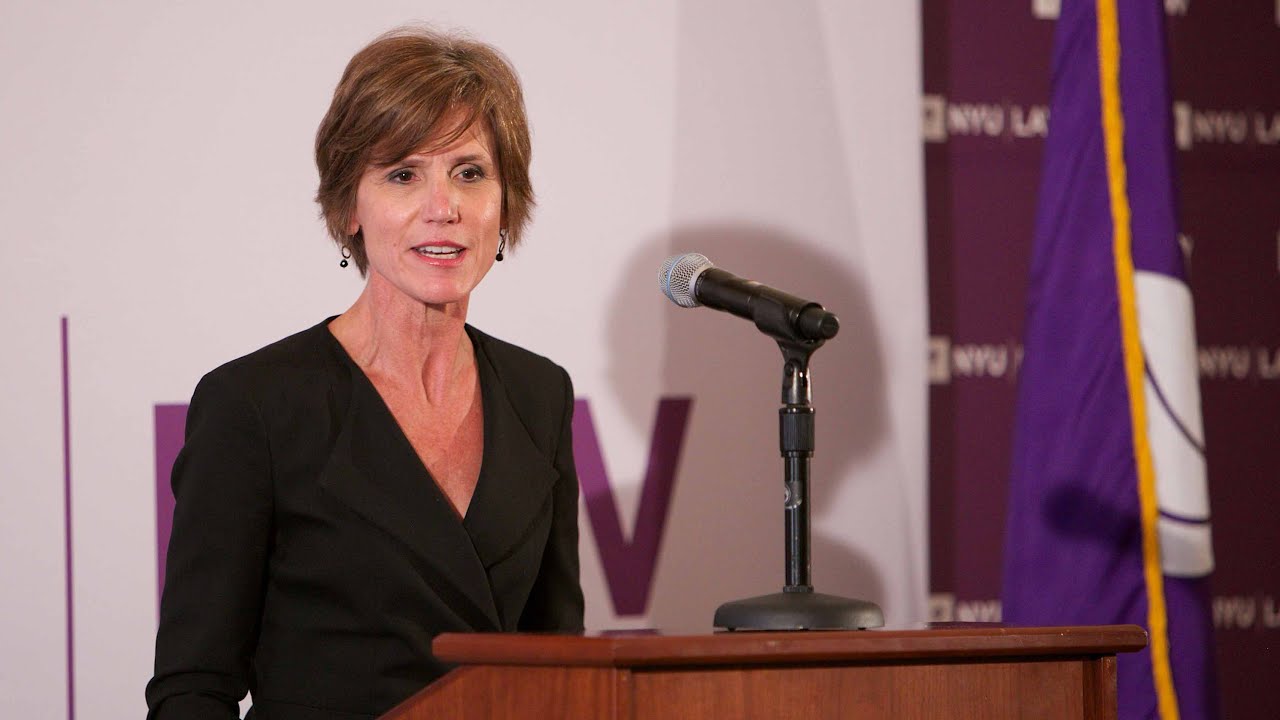
On February 13, The Washington Post reported that Acting Attorney General Sally Yates had warned Trump in late January that Flynn had lied about his contacts with Kislyak—and that he could be blackmailed by Russian Intelligence.
Sally Yates
Flynn was forced to resign that same day—after only 24 days as National Security Adviser.
Officially, the reason given was that he had misled Vice President Mike Pence. But Flynn’s deception had already been known—via the warning to Trump by Yates.
Only after Yates’ warning became known to the media was Flynn forced to resign.
The same Washington Post story reported that, in December, 2015, he had appeared on Russia Today, the news network that American Intelligence agencies consider “the Kremlin’s principal international propaganda outlet.”
He had also received more than $45,000 as a “speaking fee” from the network for a talk on world affairs. At the gala where Flynn received the fee, he sat next to Russian President Vladimir Putin for dinner.
Flynn did not file the required paperwork for the trip. Nor did he report the “fee” to the Pentagon.
On December 1, 2017, Flynn appeared in federal court to formalize a deal with Special Counsel Robert S. Mueller III. He plead guilty to a felony count of “willfully and knowingly” making “false, fictitious and fraudulent statements” to the FBI
EXAMPLE #6: On May 9, 2017, President Trump fired FBI Director James Comey for investigating Russia’s subversion of the 2016 Presidential race.
There were four reasons for this:
- Comey had refused to pledge his personal loyalty to Trump. Trump had made the “request” during a private dinner at the White House in January.
- Comey told Trump that he would always be honest with him. But that didn’t satisfy Trump’s demand that the head of the FBI act as his personal secret police chief—as was the case in the former Soviet Union.
- Trump had tried to coerce Comey into dropping the FBI’s investigation into former National Security Adviser Michael Flynn, for his secret ties to Russia and Turkey. Comey had similarly resisted that demand.
- Comey had recently asked the Justice Department to fund an expanded FBI investigation into well-documented contacts between Trump’s 2016 Presidential campaign and Russian Intelligence agents.The goal of that collaboration: To elect Trump over Hillary Clinton, a longtime foe of Russian President Putin.

James Comey
EXAMPLE #7: On May 10, Trump met with Russian Foreign Minister Sergey Lavrov and Russian Ambassador Sergey Kislyak in the Oval Office—and gave them highly classified Israeli Intelligence about an Islamic State plot to turn laptops into concealable bombs.
Kislyak is reportedly a top recruiter for Russia’s SVR foreign intelligence agency. He has been closely linked with Jeff Sessions, then Attorney General, and fired National Security Adviser Mike Flynn.
“I just fired the head of the FBI,” Trump told the two dignitaries. “He was crazy, a real nut job. I faced great pressure because of Russia. That’s taken off.”
On May 11, Trump, interviewed on NBC News by reporter Lester Holt, said: “And in fact when I decided to just do it, I said to myself, I said ‘you know, this Russia thing with Trump and Russia is a made-up story, it’s an excuse by the Democrats for having lost an election that they should have won.'”
A national firestorm erupted—unprecedented since President Richard M. Nixon had fired Watergate Special Prosecutor Archibald Cox on October 20, 1973.
To squelch it, Deputy Attorney General Rod Rosenstein moved quickly.
On May 17, 2017, he appointed former FBI Director Robert S. Mueller III to serve as Special Counsel for the United States Department of Justice.
Rosenstein charged Mueller to investigate “any links and/or coordination between the Russian government and individuals associated with the campaign of President Donald Trump, and any matters that arose or may arise directly from the investigation.”
EXAMPLE #8: On July 16, 2018, Trump attended a press conference in Helsinki, Finland, with Russian President Vladimir Putin.
There he blamed American Intelligence agencies—such as the FBI, CIA and National Security Agency—instead of Putin for Russia’s subversion of the 2016 Presidential election: “I have President Putin. He just said it’s not Russia. I will say this: I don’t see any reason why it would be.”
But instead of attacking Trump for his treasonous behavior, Republicans in Congress and Right-wing Fox News relentlessly attacked Robert Mueller’s integrity and investigative methods.
2016 PRESIDENTIAL CAMPAIGN, ABC NEWS, ALTERNET, AP, ARCHIBALD COX, BARACK OBAMA, BUZZFEED, CBS NEWS, CIA, CNN, CRAIG UNGER, CROOKS AND LIARS, DAILY KOZ, DEPARTMENT OF HOMELAND SECURITY, DEVIN NUNES, DIANNE FEINSTEIN, DONALD TRUMP, DONALD TRUMP JR., DOUG COLLINS, FACEBOOK, FBI, FOX NEWS, GREG MILLER, HILLARY CLINTON, HOUSE INTELLIGENCE COMMITTEE, HOUSE OF TRUMP HOUSE OF PUTIN (BOOK), ISLAMIC STATE OF IRAQ AND SYRIA (ISIS), ISRAELI INTELLIGENCE, JAMES COMEY, JARED KUSHNER, JEFF SESSIONS, JERROLD NADLER, JOE SCARBOROUGH, LESTER HOLT, LINDSEY GRAHAM, MALCOM NANCE, MALCOM W. NANCE, MICHAEL FLYNN, MICHAEL ISIKOFF, MIKE PENCE, MOTHER JONES, MOVEON, MSNBC, NATALIA VESELNITSKAYA, NATIONAL SECURITY AGENCY, NBC NEWS, NEWSWEEK, NPR, OFFICE OF THE DIRECTOR OF NATIONAL INTELLIGENCE, PAUL MANAFORT, POLITICO, PRINCETON UNIVERSITY, RAW STORY, REPUBLICAN PARTY, REPUBLICANS, REUTERS, REX TILLERSON, RICHARD M. NIXON, ROBERT S. MUELLER 111, ROD ROSENSTEIN, RUSSIA, RUSSIAN ROULETTE (BOOK), SALON, SEATTLE TIMES, SENATE INTELLIGENCE COMMITTEE, SERGEY KISLYAK, SERGEY LAVROV, SLATE, SUPREME COURT, THE APPRENTICE (BOOK), THE ATLANTIC, THE CHICAGO SUN-TIMES, THE CHICAGO TRIBUNE, THE DAILY BEAST, THE GUARDIAN, THE HILL, THE HUFFINGTON POST, THE LOS ANGELES TIMES, THE NATION, THE NEW YORK TIMES, THE PLOT TO DESTROY DEMOCRACY (BOOK), THE WASHINGTON POST, TIME, TREASON, TRUMP TOWER MEETING, TWITTER, U.S. NEWS & WORLD REPORT, UNITED STATES DEPARTMENT OF JUSTICE, UNITED STATES DEPARTMENT OF STATE, UPI, USA TODAY, VLADIMIR PUTIN, WILLIAM BARR
In Bureaucracy, History, Law, Law Enforcement, Military, Politics, Social commentary on July 1, 2019 at 12:07 am
During a photo-op with Russian President Vladimir Putin in Osaka, Japan, President Donald Trump demonstrated how seriously he took American election security.
An NBC News reporter asked: Would you tell Putin not to meddle in the 2020 Presidential election?
“Yes, of course I will,” replied Trump, grinning. “Don’t meddle in the election, please.” And he jokingly wagged his finger at Putin: “Don’t meddle in the election.”
Putin grinned back.
Complaining about “fake news” journalists, Trump advised Putin: “Get rid of them. Fake news is a great term, isn’t it? You don’t have this problem in Russia, but we do.”
“We also have,” Putin assured Trump. “It’s the same.”
It was June 28, 2019. And it was the first meeting between Trump and Putin since the March 22 release of the Mueller Report—which documented Russia’s subversion of the 2016 Presidential election.
Trump has repeatedly claimed that there was “no collusion” between him and members of Russia’s Intelligence community. But Special Counsel Robert Mueller found that the President and his associates embraced the Kremlin’s assistance in the 2016 election and thwarted the inquiries that followed.
From the outset, Trump has acted like a guilty man desperate to stop an investigation before it uncovers the full extent of his criminality.
EXAMPLE #1 On July 9, 2016, high-ranking members of his Presidential campaign met at Trump Tower with at least two lobbyists with ties to Russian dictator Vladimir Putin. The participants included:
- Trump’s son, Donald Trump Jr.;
- His son-in-law, Jared Kushner;
- His then-campaign manager Paul Manafort;
- Natalia Veselnitskaya, a Russian lawyer with ties to Putin; and
- Rinat Akhmetshin, a former Soviet counterintelligence officer suspected of “having ongoing ties to Russian Intelligence.”
The purpose of that meeting: To gain access to any “dirt” Russian Intelligence could supply on Democratic Presidential Nominee Hillary Clinton.
Trump originally claimed that the meeting was “about the adoption of Russian children.” Eventually he admitted that it had been “a meeting to get information on an opponent.”
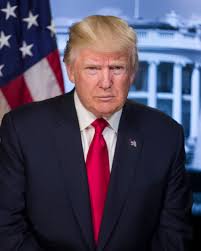
Donald Trump
EXAMPLE #2: On July 22, 2016, during his campaign for President, Trump said at a press conference in Doral, Florida: “Russia, if you are listening, I hope you are able to find the 33,000 emails that are missing [from Democratic Presidential candidate Hillary Clinton’s computer]. I think you will probably be rewarded mightily by our press.”
This was nothing less than treason—calling upon a foreign power, hostile to the United States, to interfere in its Presidential election.
Hours later, the Main Intelligence Directorate in Moscow targeted Clinton’s personal office and hit more than 70 other Clinton campaign accounts.
EXAMPLE #3: Throughout 2016, the CIA, FBI and National Security Agency (NSA) found numerous ties between officials of the Trump Presidential campaign and Russian Intelligence agents.
And many of those he appointed to office had strong ties to the government of Russian President Vladimir Putin.
One of these was Secretary of State Rex Tillerson. In 2013, as the chief executive of ExxonMobil, he was presented with Russia’s Order of Friendship award. He had just signed deals with the state-owned Russian oil company Rosneft. Its chief, Igor Sechin, is a loyal Putin lieutenant.

Rex Tillerson
Another such official was Attorney General Jeff Sessions. During the 2016 campaign, Sessions—then serving as a surrogate for Donald Trump’s campaign—twice spoke with Russian Ambassador Sergey Kislyak.
But during his Senate confirmation hearings, Sessions denied that he had had “communications with the Russians” during the campaign.
The discovery of numerous contacts between Trump campaign officials and Russian Intelligence agents led the FBI to launch an investigation into Russia’s efforts to influence the outcome of the 2016 Presidential election.
EXAMPLE #4: Trump has repeatedly praised Russian President Vladimir Putin.
On December 18, 2015, Trump appeared on MSNBC’s “Morning Joe.” Its host, Joe Scarborough, was upset by Trump’s praise for Putin:
SCARBOROUGH: Well, I mean, [he’s] also a person who kills journalists, political opponents, and invades countries. Obviously that would be a concern, would it not?
TRUMP: He’s running his country, and at least he’s a leader. Unlike what we have in this country.
SCARBOROUGH: But again: He kills journalists that don’t agree with him.
TRUMP: I think our country does plenty of killing, also, Joe, so, you know. There’s a lot of stupidity going on in the world right now, Joe. A lot of killing going on. A lot of stupidity. And that’s the way it is.
On October 7, 2016, the Department of Homeland Security and the Office of the Director of National Intelligence issued a joint statement blaming the Russian government for the hacking of Democratic National Committee emails. Its motive: “To interfere with the US election process.”
Two days later, Trump publicly stated: “But I notice, anytime anything wrong happens, they like to say the Russians are—Maybe there is no hacking. But they always blame Russia.”
On December 16, 2016, FBI Director James B. Comey and Director of National Intelligence James R. Clapper Jr. agreed with a CIA assessment that Russia intervened in the 2016 election in part to help Donald Trump win the White House.

Trump, however, steadfastly denied any such role by Russia: “I think it’s ridiculous,” he told “Fox News Sunday.” “I think it’s just another excuse. I don’t believe it….No, I don’t believe it at all.”
2016 PRESIDENTIAL CAMPAIGN, ABC NEWS, ABC’S THIS WEEK, ADAM SCHIFF, ADOLF HITLER, ALEXANDER HAMILTON, ALTERNET, AP, ATTORNEY GENERAL, BBC, BENITO MUSSOLINI, BENJAMIN FRANKLIN, BUZZFEED, CBS NEWS, CHIEF OF STAFF, CNN, DAILY KOS, DONALD TRUMP, FACEBOOK, HOUSE FINANCIAL SERVICES COMMITTEE, HOUSE INTELLIGENCE COMMITTEE, INSULTS, JAMES COMEY, JAMES MADISON, JEFF SESSIONS, JOHN GOTTI, JOHN KELLY, JOSEPH STALIN, MATT WHITAKER, MAXINE WATERS, MOTHER JONES, MOVEON, NBC NEWS, NEWSWEEK, NICCOLO MACHIAVELLI, NPR, POLITICO, RAW STORY, REINCE PRIEBUS, REUTERS, ROBERT MUELLER, ROD ROSENSTEIN, Ronald Reagan, SALON, SEATTLE TIMES, SLATE, TAX RETURNS, THE ATLANTIC, THE CHICAGO SUN-TIMES, THE CHICAGO TRIBUNE, THE DAILY BEAST, THE DISCOURSES, THE GUARDIAN, THE HILL, THE HUFFINGTON POST, THE LOS ANGELES TIMES, THE NEW YORK TIMES, THE WALL STREET JOURNAL, THE WASHINGTON POST, THOMAS JEFFERSON, TIME, TWITTER, U.S. NEWS & WORLD REPORT, UPI, USA TODAY, VLADIMIR PUTIN
In Bureaucracy, History, Politics, Social commentary on June 26, 2019 at 12:06 am
Niccolo Machiavelli (1469 – 1527) was an Italian Renaissance historian, diplomat and writer. Two of his books continue to profoundly influence modern politics: The Prince and The Discourses on the First Ten Books of Titus Livy.
The Prince has often been damned as a dictator’s guide on how to gain and hold power. Adolf Hitler, Benito Mussolini and John Gotti have effusively praised its teachings.
But The Discourses outlines how citizens in a republic can maintain their liberty.
Machiavelli’s writings on republicanism greatly influenced the political thinking of America’s own Founding Fathers. For example: Benjamin Franklin, James Madison, and Thomas Jefferson feared that Alexander Hamilton was creating an American aristocracy through the Federalist Party. And they moved vigorously to oppose him.
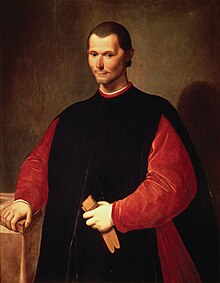
Niccolo Machiavelli
In Chapter 26 of The Discourses, Machiavelli advises:
I hold it to be a proof of great prudence for men to abstain from threats and insulting words towards any one, for neither the one nor the other in any way diminishes the strength of the enemy—but the one makes him more cautious, and the other increases his hatred of you, and makes him more persevering in his efforts to injure you.
If Donald Trump has read Machiavelli, he’s clearly forgotten the Florentine statesman’s advice. Or he decided long ago that it simply didn’t apply to him.
On November 18, 2018, Trump hurled a scatological insult at Rep. Adam Schiff (D-CA), one of his frequent critics.
Trump’s was furious that Schiff had said on ABC’s “This Week” that the President’s appointment of Acting Attorney General Matt Whitaker was “unconstitutional” because he wasn’t confirmed by the Senate.
So, true to form, Trump responded with a tweet: “So funny to see little Adam Schitt (D-CA) talking about the fact that Acting Attorney General Matt Whitaker was not approved by the Senate, but not mentioning the fact that Bob Mueller (who is highly conflicted) was not approved by the Senate!”
Special counsel Robert Mueller was appointed by Deputy Attorney General Rod Rosenstein in May, 2017, after Trump suddenly fired FBI Director James Comey. Mueller didn’t require Senate confirmation for the position.
Schiff was quick to respond on Twitter: “Wow, Mr. President, that’s a good one. Was that like your answers to Mr. Mueller’s questions, or did you write this one yourself?”
What made Trump’s insult not only infantile but self-destructive was that, on November 6, the Democrats had retaken the House of Representatives.
For Trump, this spelled real danger. Even before taking office in 2017, he had been haunted by charges of conspiring with Russian Intelligence agents to subvert the 2016 Presidential election.
And in six weeks, Schiff would become Chairman of the House Intelligence Committee when Democrats returned in January. This would arm him with investigative powers even greater than those possessed by Mueller.

Adam Schiff
Trump similarly relishes tossing insults at another longtime critic—Rep. Maxime Waters (D-CA). On June 25, 2018, he tweeted: “Congresswoman Maxine Waters, an extraordinarily low IQ person, has become, together with Nancy Pelosi, the Face of the Democrat Party.”
This also proved a mistake. After voters returned Democrats to running the House, Waters was slated to become Chairwoman of the House Financial Services Committee.
For Trump, this had to be a nightmare come true. Throughout the 2016 Presidential race, Trump had refused to release his tax returns—which every Presidential candidate has done since Ronald Reagan in 1980.
Trump’s longstanding ties to Russian oligarchs and subservience to Vladimir Putin have fueled speculation that his returns could reveal some truly unscrupulous financial dealings.
Waters would now have the power to subpoena Trump’s tax returns and delve into the long-standing mystery of what he’s hiding.
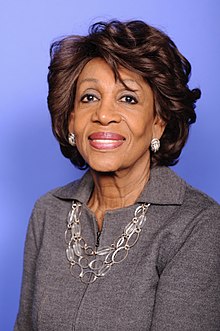
Maxine Waters
As both a Presidential candidate and President, Trump has repeatedly attacked hundreds of real and imagined enemies in politics, journalism, TV and films.
From June 15, 2015, when he launched his Presidential campaign, until October 24, 2016, Trump fired almost 4,000 angry, insulting tweets at 281 people and institutions that had somehow offended him. The New York Times needed two full pages of its print edition to showcase them.
As President, he has bullied and insulted even White House officials and his own handpicked Cabinet officers:
- Trump waged a Twitter-laced feud against Jeff Sessions, his Attorney General. Sessions’ “crime”? Recusing himself from investigations into well-established ties between Russian Intelligence agents and members of Trump’s Presidential campaign. Trump fired him on November 7, 2018, the day after Democrats retook the House of Representatives in the mid-term elections.
- Trump humiliated his Chief of Staff, Reince Priebus—at one point ordering him to kill a fly that was buzzing about. On July 28, 2017, six months after taking the job, Priebus resigned.
- Trump similarly tongue-lashed Priebus’ replacement, former Marine Corps General John Kelly. Trump was angered by Kelly’s efforts to limit the number of advisers who had unrestricted access to him. Kelly told colleagues he had never been spoken to like that during 35 years of military service—and wouldn’t tolerate it again.
With Adam Schiff and Maxine Waters now heading powerful House investigative committees, Trump will undoubtedly come to regret the fury his ill-advised insults have raised up against him.
Which leads to a final warning by Machiavelli: Unwise princes cannot be wisely advised.
2003, 2016 PRESIDENTIAL ELECTION, ABC NEWS, ABC’S THE WEEK, ADOLF HITLER, AFGHAN WAR, ALTERNET, AP, AUSTRIA, BUZZFEED, CBS NEWS, CHIEF OF STAFF, CHRIS WALLACE, CIA, CNN, CROOKS AND LIARS, CZECHOSLOVAKIA, DAILY KOZ, DEPARTMENT OF HOMELAND SECURITY, DONALD TRUMP, EDUARD DALADIER, FACEBOOK, FBI, FOX NEWS, FUHRER OATH, H.R. MCMASTER, HERMAN GORING, IRAQ WAR, JAMES COMEY, JAMES MATTIS, JAMES ROBART, JOHN KELLY, JOINT OPERATIONS COMMAND, MICHAEL FLYNN, MOTHER JONES, MOVEON, MSNBC, MUSLIM TRAVEL BAN, NATIONAL SECURITY AGENCY, NAZI GERMANY, NBC NEWS, NEVILLE CHAMBERLAIN, NEWSWEEK, NPR, OSAMA BIN LADEN, PALMER REPORT, PAUL VON HINDENBURG, PBS NEWSHOUR, POLAND, POLITICIZING THE MILITARY, POLITICO, RAW STORY, REUTERS, RHINELAND, ROBERT MUELLER, ROLLING STONE, RUSSIA, SALON, SEATTLE TIMES, SECRETARY OF DEFENSE, SLATE, SPECIAL WARFARE, STANLEY MCCHRYSTAL, SUDENTENLAND, THE ATLANTIC, THE CHICAGO SUN-TIMES, THE CHICAGO TRIBUNE, THE DAILY BEAST, THE GUARDIAN, THE HILL, THE HUFFINGTON POST, THE LOS ANGELES TIMES, THE NATION, THE NEW YORK TIMES, THE WASHINGTON POST, TIME, TWITTER, U.S. NEWS & WORLD REPORT, UPI, USA TODAY, VLADIMIR PUTIN, WERNER VON BLOMBERG, WERNER VON FRITSCH, WILLIAM MCRAVEN, WORLD WAR 11
In Bureaucracy, History, Military, Politics, Social commentary on June 11, 2019 at 12:02 am
Nazi Germany’s Fuhrer, Adolf Hitler wasn’t crazy, as many of his critics charged. He knew what he wanted to achieve—and why.
He intended to strip every potential challenger to his authority—or his version of reality—of legitimacy with the public. After he succeeded, Germany became a nation where there was:
- No independent press to reveal his failures and crimes.
- No independent law enforcement agencies to investigate his abuses of office.
- No independent judiciary to hold him accountable.
- No independent military to dissent as he recklessly hurtled toward a disastrous war that would leave Germany in ruins.
Those are exactly the priorities of President Donald J. Trump.
He has already assaulted the integrity of:
- American Intelligence agencies: By publicly blaming the FBI, CIA and National Security Agency—instead of Russian President Vladimir Putin—for Russia’s subversion of the 2016 Presidential elections.
- American law enforcement agencies: By firing FBI Director James Comey for pursuing ties between his 2016 Presidential campaign and Russian Intelligence agents.
- The press: By tweeting, on February 17, 2017: “The FAKE NEWS media (failing @nytimes, @NBCNews, @ABC, @CBS, @CNN) is not my enemy, it is the enemy of the American People!”
- The Judiciary: By repeatedly attacking Seattle U.S. District Judge James Robart, who halted Trump’s first anti-Muslim travel ban.
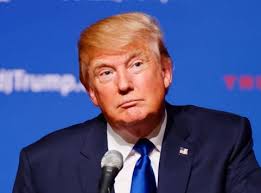
Donald Trump
Now he’s turning his attention to the American military.
- Trump appointed former Marine General James Mattis as Secretary of Defense. But when Trump announced his intention to withdraw American military forces from Syria, Mattis resigned in December, 2018.
- Mattis offered to stay in office until February, 2019, to ensure a smooth transition for his successor. But Trump, his ego outraged, forced Mattis to leave by the end of December.
- The military sees foreign commitments as essential to American security—whether against ISIS or the former Soviet Union.
- But Trump believes that alliances like NATO are “ripping off” the United States. And he believes he was elected to end foreign entanglements.
- Trump appointed Lieutenant General H.R. McMaster as National Security Adviser. But after Special Counsel Robert Mueller indicted 13 Russian nationals for interfering in the 2016 Presidential election, McMaster said: “With the FBI indictment, the evidence is now incontrovertible” of Russia cyber-meddling.
- This publicly contradicted Trump’s claim that reports of Russian subversion of the 2016 Presidential election were “a hoax.”
- Six weeks later, McMaster was forced out of the administration.

H.R. McMaster
- In November, 2018, Fox News Anchor Chris Wallace, during an interview with Trump, noted that retired Adm. William McRaven had said: “The President’s attack on the media is the greatest threat to our democracy in my lifetime.”
- Trump then dismissed McRaven—who had spearheaded the operation that killed Al-Qaedar leader Osama bin Laden—as a “Hillary fan.”
- “He was a Navy SEAL 37 years,” said Wallace. Trump, refusing to give McRaven—one of the most highly respected men in the United States military—any credit, said: “Wouldn’t it have been nice if we got Osama bin Laden a lot sooner than that?”
Some members of the military are responding favorably to Trump.
During his 2019 trip to Japan, Trump gave a Memorial Day address aboard the USS Wasp in Yokosuka. Many of the American service attending were photographed wearing patches inspired by his campaign slogan, “Make America Great Again.”
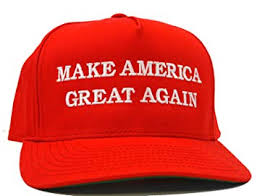
The matching patches showed the face of a man that’s presumably Trump (though notably more handsome) along with the text, “Make Aircrew Great Again.”
This may have violated the Pentagon’s strict rules barring soldiers from showing political preferences.
“All military personnel will avoid the inference that their political activities imply or appear to imply DoD sponsorship, approval or endorsement of a political candidate, campaign or cause,” the policy states.
Retired Army General Stanley McChrystal, during a December 30, 2018 interview on “This Week,” warned: “If the U.S. military becomes politicized, it will be something we’re not happy with.”
The incident on Memorial Day was not the first time active-duty service members displayed Trump-affiliated apparel.
In December, 2018, Trump engaged in campaign activities by by signing “Make America Great Again” caps for during an unannounced visit to Iraq. Dozens of troops were photographed bringing MAGA hats to the event for the president to sign.
Other members of the military are responding—carefully—to Trump’s savage attacks on its members and his erratic style of government.
According to a December 24, 2018 edition of the Palmer Report, military leaders are now going out of their way to avoid “interacting directly” with Trump. They fear that he might issue an impulsive and destructive order—which they would be legally obligated to follow.
More startling: Departing Secretary of Defense Mattis ordered them to, for the safety of the nation.
Mattis believed that Trump was dishonorable—and deranged enough to give destructive or incoherent military orders at any moment.
Columnist Bill Palmer warned that this amounted to a “soft coup.”
But then he asked: “Then again, when the ‘President’ of the United States is merely a guy who treasonously conspired with a foreign enemy to rig the election in his favor, and was not legitimately elected to anything, can you even have a coup against him?”
2003, 2016 PRESIDENTIAL ELECTION, ABC NEWS, ABC’S THE WEEK, ADOLF HITLER, AFGHAN WAR, ALTERNET, AP, AUSTRIA, BUZZFEED, CBS NEWS, CHIEF OF STAFF, CHRIS WALLACE, CIA, CNN, CROOKS AND LIARS, CZECHOSLOVAKIA, DAILY KOZ, DEPARTMENT OF HOMELAND SECURITY, DONALD TRUMP, EDUARD DALADIER, FACEBOOK, FBI, FOX NEWS, FUHRER OATH, H.R. MCMASTER, HERMAN GORING, IRAQ WAR, JAMES COMEY, JAMES MATTIS, JAMES ROBART, JOHN KELLY, JOINT OPERATIONS COMMAND, MICHAEL FLYNN, MOTHER JONES, MOVEON, MSNBC, MUSLIM TRAVEL BAN, NATIONAL SECURITY AGENCY, NAZI GERMANY, NBC NEWS, NEVILLE CHAMBERLAIN, NEWSWEEK, NPR, OSAMA BIN LADEN, PALMER REPORT, PAUL VON HINDENBURG, PBS NEWSHOUR, POLAND, POLITICIZING THE MILITARY, POLITICO, RAW STORY, REUTERS, RHINELAND, ROBERT MUELLER, ROLLING STONE, RUSSIA, SALON, SEATTLE TIMES, SECRETARY OF DEFENSE, SLATE, SPECIAL WARFARE, STANLEY MCCHRYSTAL, SUDENTENLAND, THE ATLANTIC, THE CHICAGO SUN-TIMES, THE CHICAGO TRIBUNE, THE DAILY BEAST, THE GUARDIAN, THE HILL, THE HUFFINGTON POST, THE LOS ANGELES TIMES, THE NATION, THE NEW YORK TIMES, THE WASHINGTON POST, TIME, TWITTER, U.S. NEWS & WORLD REPORT, UPI, USA TODAY, VLADIMIR PUTIN, WERNER VON BLOMBERG, WERNER VON FRITSCH, WILLIAM MCRAVEN, WORLD WAR 11
In Bureaucracy, History, Military, Politics, Social commentary on June 10, 2019 at 12:05 am
President Donald Trump is notorious as a non-reader. Nevertheless, he seems poised to re-enact one of the most fateful events in 20th century history.
First, that event: On August 2, 1934, the aged German President Paul von Hindenburg died.
Adolf Hitler had been serving as Reich Chancellor—the equivalent of attorney general—since January 30, 1933. Within hours, the Nazi Reichstag [parliament] announced the following law, back-dated to August 1st:
“The office of Reich President will be combined with that of Reich Chancellor. The existing authority of the Reich President will consequently be transferred to the Führer and Reich Chancellor, Adolf Hitler.”
Immediately following the announcement of the new Führer law, the German Officer Corps and every individual soldier in the German Army was made to swear a brand new oath of allegiance:
“I swear by God this holy oath, that I will render to Adolf Hitler, Führer of the German Reich and People, Supreme Commander of the Armed Forces, unconditional obedience, and that I am ready, as a brave soldier, to risk my life at any time for this oath.”
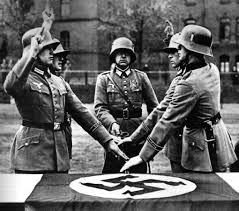
Soldiers swearing the Fuhrer Oath
In the past, German soldiers had sworn loyalty to Germany. Now they had sworn it to a single man.
For men of honor in uniform, conspiracy against the Führer now meant betrayal of the Fatherland itself. They considered this oath sacred, overriding all others. And the vast majority would fanatically obey it right to the end of the disastrous war Hitler was leading them into.
Yet even that didn’t give Hitler the absolute control over the Armed Forces that he sought.
Since taking command of Germany in the summer of 1934, Hitler wanted to replace two high-ranking military officials: General Werner von Fritsch and Colonel General Werner von Blomberg. Both were convinced that Hitler’s increasingly aggressive foreign policy was putting Germany on a collision course with war—a war the Fatherland could not win.
Hitler, in fact, meant to go to war—and despised Fritsch’s and Blomberg’s hesitation to do so. He decided to rid himself of both men. But how?
Accident played a part in the case of Blomberg.
On January 12, 1938, Blomberg married Erna Gruhn, with Hitler and Reichsmarshall Hermann Goring attending as witnesses. Soon afterward, Berlin police discovered that Gruhn had a criminal record as a prostitute and had posed for pornographic photographs.
Marrying a woman with such a background violated the standard of conduct expected of German officers. Hitler was infuriated at having served as a witness to the ceremony.
But he also saw the scandal as an opportunity to dispose of Blomberg—who was forced to resign.
Shortly after Blomberg was forced out in disgrace, the SS—Hitler’s private police force—presented Hitler with a file that falsely accused Werner von Fritsch of homosexuality. Fritsch angrily denied the accusation but resigned on February 4, 1938.
From that point on, Hitler was in de facto command of the German Armed Services.
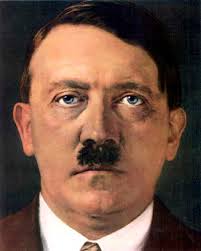
Adolf Hitler
Hitler had a timetable of conquest:
- On March 7, 1936, he seized the Rhineland, the demilitarized zone between Germany and its arch-enemy, France.
- On March 12, 1838, he “unified” Austria with Germany by annexing it.
- In September, 1938, he seized a large portion of western Czechoslovakia after that nation’s British and French “allies” sold it out at the infamous Munich Conference.
- On March 15, 1939, he ordered the Wehrmacht to occupy the rest of Czechoslovakia.
- On September 1, 1939, he ordered the invasion of Poland—unintentionally igniting World War II and the eventual destruction of Nazi Germany.
No one yet knows if Donald Trump has a plan of conquest outside the United States. But he seems intent on attacking the top command of its armed services—and its sacred traditions.
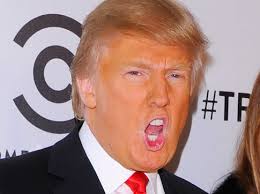
Donald Trump
On January 1, 2019, Trump—in a tweet—declared war on retired Army General Stanley McCrystal: “‘General’ McChrystal got fired like a dog by Obama. Last assignment a total bust. Known for big, dumb mouth. Hillary lover!”
The reason for Trump’s ire: McCrystal had given a December 30, 2018 interview on ABC’s “This Week,” Asked if he thought Trump was “a liar,” he replied: “I don’t think he tells the truth.” Asked: “Is Trump immoral, in your view?” McCrystal replied: “I think he is.”
McChrystal had become a legend among Special Warfare soldiers during the 2003 Iraq War. He had turned Joint Special Operations Command into one of the most efficient killing machines in history.
In 2010, McChrystal resigned as the commander of the Afghan War. Some officers on his staff made disparaging remarks about top officials working for President Barack Obama. Even worse, they made them to a Rolling Stone reporter.
Trump took office with strong support by military brass. Among his appointees:
- Retired four-star Marine General James Mattis as Secretary of Defense.
- Retired four-star Marine General John Kelly as, first, Secretary of Homeland Security and then Chief of Staff.
- Retired three-star Army Lieutenant General Michael Flynn for National Security Adviser.
- Lieutenant General H.R. McMaster succeeded Flynn as National Security Adviser after Flynn was forced out of the White House for lying about his ties to Russian oligarchs.
But now Trump is eager to tear down the generals.
2016 PRESIDENTIAL ELECTION, ABC NEWS, ADOLF HITLER, AL QAEDA, ALTERNET, AMERICAN EXCEPTIONALISM, AMERICAN NAZIS, AMERICAN RECKONING: THE VIETNAM WAR AND OUR NATIONAL IDENTITY (BOOK), AP, BARACK OBAMA, BASHIR AL-ASSAD, BUZZFEED, CANADA, CBS NEWS, CHINA, CHRISTIAN G. APPY, CNN, CROOKS AND LIARS, DAILY KOZ, DEMOCRATS, EMOLUMENTS CLAUSE, FACEBOOK, FASCISM, FBI, FEDERAL JUDICIARY, FLATTERY, GOVERNMENT SHUTDOWN, GREAT BRITAIN, HOUSE UN-AMERICAN ACTIVITIES COMMITTEE, HUMAN RIGHTS, INTELLIGENCE COMMUNITY, JAMES COMEY, JEFF SESSIONS, JOHN BOEHNER, JOHN MCCAIN, KIM JONG-UN, KU KLUX KLAN, MICHAEL FLYNN, MOTHER JONES, MOVEON, MSNBC, NBC NEWS, NEWSWEEK, NPR, PBS NEWSHOUR, POLITICO, RAW STORY, REPUBLICANS, REUTERS, ROBERT MUELLER, RUSSIA, RUSSIAN SUBVERSION, SALLY YATES, SALON, SEATTLE TIMES, SLATE, SYRIA, THE ATLANTIC, THE CHICAGO SUN-TIMES, THE CHICAGO TRIBUNE, THE DAILY BEAST, THE GUARDIAN, THE HILL, THE HUFFINGTON POST, THE LOS ANGELES TIMES, THE NATION, THE NEW YORK TIMES, THE PRESS, THE WASHINGTON POST, TIME, TREASON, TWITTER, TYRANNY, U.S. NEWS & WORLD REPORT, UNITED STATES CONSTITUTION, UPI, USA TODAY, VIETNAM WAR, VLADIMIR PUTIN, WILLIAM BARR
In Bureaucracy, History, Military, Politics, Social commentary on June 5, 2019 at 12:05 am
In his 2015 book, American Reckoning: The Vietnam War and Our National Identity, Christian G. Appy describes the way Americans saw their country before the war:
“The United States [was] a unique force for good in the world, superior not only in its military and economic power but in the quality of its government and institutions, the character and morality of its people, and its way of life…..
“It was still unimaginable to most Americans that their own nation would wage aggressive war and justify it with unfounded claims, that it would support undemocratic governments reviled by their own people, and that American troops would be sent to fight in countries where they were widely regarded not as liberators but as imperialist invaders.”
For millions of Americans, writes Appy, the Vietnam war forever shattered that tremendously appealing self-image.
Yet for millions more, the United States remains an exemplary nation with a divine mission to lead other nations—willingly or unwillingly—to follow its example. For these Americans, the corruption and dictatorships that plague many countries “can’t happen here.”
This refusal to accept the lessons of history blinds many Americans to the dangers posed by the Donald Trump Presidency.
Since assuming office on January 20, 2017, Trump:
- Repeatedly attacked the integrity of the American Intelligence community for confirming Russian subversion of the 2016 Presidential election—while siding with Russian President Vladimir Putin that this didn’t happen.
- Fired FBI Director James Comey for investigating that subversion.
- Fired Acting Attorney General Sally Yates after she warned him that National Security Adviser Michael Flynn had misled the FBI about his Russian contacts.
- Forced House Republicans to release a memo falsely accusing the FBI of pursuing a vendetta against him.

- Repeatedly attacked his Attorney General, Jeff Sessions, for recusing himself from investigations into ties between Russian Intelligence agents and members of Trump’s 2016 Presidential campaign. On November 7, 2018, Trump fired him.
- Repeatedly attacked the integrity of the FBI, raising the possibility of his firing more of its senior leadership for investigating that subversion.
- Accused those who participated in that investigation of committing “treason”—as if he were the monarchical embodiment of the state.
- (The Constitution does not define “treason” as disloyalty to the President—or a private citizen, which Trump was when he ran for President. It defines “treason” as “levying war” against the United States, or giving “aid and comfort” to countries or entities that have declared war on the United States.)
- Attacked and alienated America’s oldest allies, such as Canada and Great Britain.
- Repeatedly praised brutal Communist dictators Vladimir Putin and Kim Jong-Un.
- Falsely accused former President Barack Obama of illegally “spying” on his 2016 campaign.
- Repeatedly asked aides to fire Special Counsel Robert Mueller—but was finally persuaded that this could lead to his impeachment.
- Slandered Federal judges whose rulings displeased him.
- Spoken admiringly of American Nazis and Ku Klux Klansmen.
- Shut down the United States Government for over a month, imperiling the lives of 800,000 Federal employees, to extort money from Congress for a worthless wall on the U.S.-Mexico border.
- “Joked” that the United States—like China—should have a “President-for-Life.”
- Repeatedly attacked the free press as “the enemy of the people.”
- Encourages his followers to violently attack those he hates in the press. On July 2, 2017, he tweeted a video of himself punching a man with the CNN logo superimposed on his head during a WWE wrestling match.

- Used the Presidency to further enrich himself, in violation of the Emoluments Clause of the Constitution.
- By March 17, 2019, had said or tweeted 9,179 lies or misleading statements—an average of 11.6 lies a day.
- Requires his Cabinet members and lesser appointees to fawn over him with over-the-top flattery previously reserved for notorious dictators.
- Appointed William Bar as Attorney General to replace William Sessions—after Barr sent a fawning 20-page memo to the Justice Department criticizing the foundation of the Special Counsel investigation.
- Authorized Barr to investigate the Federal law enforcement and Intelligence agencies that legally investigated links between Russian Intelligence agents and members of Trump’s Presidential campaign.
- Plans to turn the traditional nonpartisan July 4 celebration on the National Mall into a Trump campaign rally that celebrates himself.
* * * * *
Donald Trump isn’t crazy, as many of his critics charge. Nor is he a political innocent who “simply doesn’t know better,” as his Republican allies have repeatedly claimed.
He knows exactly what he’s doing—and why.
He intends to strip every potential challenger to his authority—or his version of reality—of legitimacy with the public.
If he succeeds, there will be:
- No independent press to reveal his failures and crimes.
- No independent law enforcement agencies to investigate his abuses of office.
- No independent judiciary to hold him accountable.
- No independent military to dissent as he recklessly hurtles toward a nuclear disaster.
- No candidate—Democrat or Republican—to challenge him for re-election in 2020.
- No candidate—Democrat or Republican—to challenge his remaining in office as “President-for-Life.”
The absurd faith that “America is different from other great powers” brought us the Vietnam war—and the 58,000 needless dead that will forever be its legacy. Now that same faith threatens to bring us an absolute Right-wing dictatorship.
2016 PRESIDENTIAL ELECTION, ABC NEWS, ADOLF HITLER, AL QAEDA, ALTERNET, AMERICAN EXCEPTIONALISM, AMERICAN NAZIS, AMERICAN RECKONING: THE VIETNAM WAR AND OUR NATIONAL IDENTITY (BOOK), AP, BARACK OBAMA, BASHIR AL-ASSAD, BUZZFEED, CANADA, CBS NEWS, CHINA, CHRISTIAN G. APPY, CNN, CROOKS AND LIARS, DAILY KOZ, DEMOCRATS, EMOLUMENTS CLAUSE, FACEBOOK, FASCISM, FBI, FEDERAL JUDICIARY, FLATTERY, GOVERNMENT SHUTDOWN, GREAT BRITAIN, HOUSE UN-AMERICAN ACTIVITIES COMMITTEE, HUMAN RIGHTS, INTELLIGENCE COMMUNITY, JAMES COMEY, JEFF SESSIONS, JOHN BOEHNER, JOHN MCCAIN, KIM JONG-UN, KU KLUX KLAN, MICHAEL FLYNN, MOTHER JONES, MOVEON, MSNBC, NBC NEWS, NEWSWEEK, NPR, PBS NEWSHOUR, POLITICO, RAW STORY, REPUBLICANS, REUTERS, ROBERT MUELLER, RUSSIA, RUSSIAN SUBVERSION, SALLY YATES, SALON, SEATTLE TIMES, SLATE, SYRIA, THE ATLANTIC, THE CHICAGO SUN-TIMES, THE CHICAGO TRIBUNE, THE DAILY BEAST, THE GUARDIAN, THE HILL, THE HUFFINGTON POST, THE LOS ANGELES TIMES, THE NATION, THE NEW YORK TIMES, THE PRESS, THE WASHINGTON POST, TIME, TREASON, TWITTER, TYRANNY, U.S. NEWS & WORLD REPORT, UNITED STATES CONSTITUTION, UPI, USA TODAY, VIETNAM WAR, VLADIMIR PUTIN, WILLIAM BARR
In Bureaucracy, History, Military, Politics, Social commentary on June 4, 2019 at 12:05 am
“Who are we?” asks Christian G. Appy in the opening of his 2015 book, American Reckoning: The Vietnam War and Our National Identity.
For Appy, it’s impossible to understand the enormous impact of the Vietnam war on the United States without first understanding the image that Americans had of themselves before that conflict. And he describes that image as:
“The broad faith that the United States [was] a unique force for good in the world, superior not only in its military and economic power but in the quality of its government and institutions, the character and morality of its people, and its way of life…..
“It was still unimaginable to most Americans that their own nation would wage aggressive war and justify it with unfounded claims, that it would support undemocratic governments reviled by their own people, and that American troops would be sent to fight in countries where they were widely regarded not as liberators but as imperialist invaders.”
Appy contends that, for millions of Americans, the Vietnam war dealt a mortal blow to that tremendously appealing self-image.
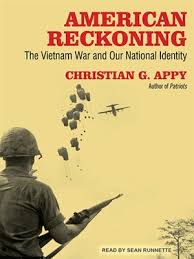
Yet for millions more, the United States remains an exemplary nation with a divine mission to lead other nations—willingly or unwillingly—to follow its example. And those Americans become furious when anyone—especially a foreigner—dares question that belief.
On September 11, 2013, the New York Times published an Op-Ed (guest editorial) from Russian President Vladimir Putin, entitled: “A Plea for Caution from Russia: What Putin Has to Say to Americans About Syria.”
To no one’s surprise, Putin strongly opposed an American air strike on Syria. Its “President” (i.e., dictator) Bashir al-Assad, is a close ally of Russia. Just as his late father and dictator, Hafez al-Assad, was a close ally of the Soviet Union.
And Putin is a former member of the KGB, the infamous secret police which ruled the Soviet Union from its birth in 1917 to its collapse in 1991.
In his September 11 guest editorial in the New York Times, Putin offered the expected Russian take on Syria:
- Poison gas was used in Syria.
- It wasn’t used by the Syrian Army.
- “Opposition forces [used it] to provoke intervention by their powerful foreign patrons.”
- “There are few champions of democracy in Syria. But there are more than enough [al] Qaeda fighters and extremists of all stripes battling the government.”
But it’s the concluding paragraph that enraged American politicians the most—especially Right-wing ones. In it, Putin took exception with American “exceptionalism.”
Referring to then-President Barack Obama, Putin wrote:
“And I would rather disagree with a case he made on American exceptionalism, stating that the United States’ policy is ‘what makes America different. It’s what makes us exceptional.’
“It is extremely dangerous to encourage people to see themselves as exceptional, whatever the motivation. There are big countries and small countries, rich and poor, those with long democratic traditions and those still finding their way to democracy. Their policies differ, too.
“We are all different, but when we ask for the Lord’s blessings, we must not forget that God created us equal.”
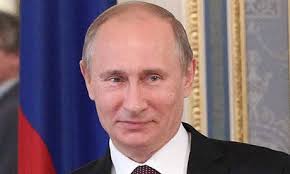
Vladimir Putin
Putin has never publicly shown any interest in religion. But by invoking “the Lord,” he was able to turn the Christian beliefs of his Western audience into a useful weapon.
Americans’ outrage quickly erupted.
“I was insulted,” then-House Speaker John Boehner (R-Ohio) told reporters when asked for his blunt reaction to the editorial.
“I have to be honest with you, I was at dinner, and I almost wanted to vomit,” said U.S. Senator Bob Menendez (D-New Jersey).
Putin had dared to question the self-righteousness of American foreign policy—and those who make it.
Making his case for war with Syria, Obama had said: “America is not the world’s policeman….But when, with modest effort and risk, we can stop children from being gassed to death, and thereby make our own children safer over the long run, I believe we should act.
“That’s what makes America different. That’s what makes us exceptional. With humility, but with resolve, let us never lose sight of that essential truth.”
In short: Because we consider ourselves “exceptional,” we have the divine right to do whatever we want.
It’s not necessary to see Putin as a champion of democracy (he isn’t) to see the truth in this part of his editorial:
“It is extremely dangerous to encourage people to see themselves as exceptional, whatever the motivation.”
From 1938 to 1969, the House Un-American Activities Committee sought to define what was “American” and what was “Un-American.” As if “American” stood for all things virtuous.
Whoever heard of an “Un-French Activities Committee”? Or an “Un-German” or “Un-British” one?
The late S.I. Hayakawa was a professor of semantics (the study of the relationship between words and what they stand for).
In his bestselling book, Language in Thought and Action, he observed that a person has four ways of responding to a message:
- Accept the speaker and his message.
- Accept the speaker but reject the message.
- Accept the message but reject the speaker.
- Reject the message and the speaker.
Americans might want to consider #3 where “American exceptionalism” is concerned.
2016 PRESIDENTIAL CAMPAIGN, ABC NEWS, ALEXANDER SHUSTOROVICH, ALTERNET, ANDREW INTRATER, AP, BARACK OBAMA, BILL CLINTON, BLACKS, BUZZFEED, CBS NEWS, CHUCK GRASSLEY, CIA, CITIZENS UNITED, CNN, COMMUNISM, CROOKS AND LIARS, DAILY KOZ, DEMOCRATIC PARTY, DEPARTMENT OF HOMELAND SECURITY, DONALD TRUMP, DWIGHT D. EISENHOWER, EDWARD R. MURROW, FACEBOOK, FBI, FEDERAL ELECTIONS COMMISSION, FOX NEWS, FRANKLIN D. ROOSEVELT, GEORGE C. MARSHALL, GEORGE H.W. BUSH, GOP, GREAT SOCIETY, H.L. HUNT, HARRY S. TRUMAN, HILLARY CLINTON, HOUSE OF REPRESENTATIVES, HOWARD HUGHES, JAMES COMEY, JOHN BIRCH SOCIETY, JOHN F. KENNEDY, JOHN KASICH, JOHN STEINBECK, JOSEPH R. MCCARTHY, JOSEPH STALIN, KGB, LEN BLAVATNIK, LIBERALS, LINDSEY GRAHAM, LUCILLE BALL, LYNDON B. JOHNSON, MARCO RUBIO, MEDICAL CARE, MITCH MCCONNELL, MITT ROMNEY, MOTHER JONES, MOVEON, NATIONAL SECURITY AGENCY, NBC NEWS, NEWSWEEK, NORTH ATLANTIC TREATY ORGANIZATION (NATO), NPR, OFFICE OF THE DIRECTOR OF NATIONAL INTELLIGENCE, OLIGARCHS, ORRIN HATCH, PAUL RYAN, PETE SEEGER, POLITICAL ACTION COMMITTEES (PACS), POLITICO, PROPAGANDA, RAW STORY, REPUBLICAN PARTY, REPUBLICANS, REUTERS, RICHARD NIXON, ROBERT MUELLER, ROBERT WELCH, ROD ROSENSTEIN, RODNEY KING RIOTS, RUSSIA, SALON, SCAPEGOATING, SCOTT WALKER, SEATTLE TIMES, SENATE LEADERSHIP FUND, SIMON KUKES, SLATE, SOCIALISTS, SOVIET UNION, SUPREME COURT, THE ATLANTIC, THE CHICAGO SUN-TIMES, THE CHICAGO TRIBUNE, THE DAILY BEAST, THE GUARDIAN, THE HILL, THE HUFFINGTON POST, THE LOS ANGELES TIMES, THE NATION, THE NEW YORK TIMES, THE WASHINGTON POST, TIME, TRUMP INAUGURAL COMMITTEE, TWITTER, U.S. NEWS & WORLD REPORT, UNITED STATES SUPREME COURT, UPI, USA TODAY, VLADIMIR PUTIN, WIKILEAKS, WORLD WAR 11
In Bureaucracy, History, Military, Politics, Social commentary on May 13, 2019 at 12:07 am
During the 1970s and 1980s, Republicans continue to accuse Democrats of being acting agents—or at least unwitting pawns—of “the Communist conspiracy.”
As late as 1992, President George H.W. Bush and the Republican establishment charge that Arkansas Governor Bill Clinton might be a KGB plant.
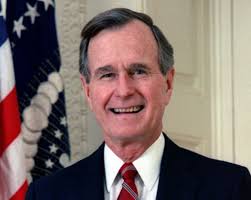
George H.W. Bush
Their “evidence”: During his tenure at Oxford University in 1969-70, Clinton had briefly visited Moscow.
In short: Clinton might have been “programmed” as a real-life “Manchurian candidate” to become, first, Governor of Arkansas—one of America’s poorest states—and then President.
Making this charge even more absurd: The Soviet Union had officially dissolved in December, 1991.
After the Soviet Union’s collapse, Republicans find that accusing Democrats of being “Commies” doesn’t carry the same weight.
So they turn to “domestic enemies” to rail—and run—against: Liberals, blacks, Hispanics, “uppity” women, war protesters, lesbians, gays, and—after 9/11—Muslims.
From 1945 to 1991, it is unthinkable for a Republican Presidential candidate to pay tribute to a Soviet dictator.
But that utterly changes when Donald J. Trump, a “reality TV” host with longstanding financial ties to Russian oligarchs, runs for President of the United States.
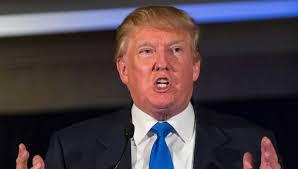
Donald Trump
Trump lavishly praises Russian President Vladimir Putin—and even invites him to directly interfere in the 2016 Presidential race.
The reason for the Trump-Putin bromance is simple: Each has something to offer the other.
Putin wants the United States to ditch the North Atlantic Treaty Organization (NATO) alliance, which has preserved Western Europe from Russian aggression since World War II. And Trump has often attacked America’s funding of NATO as a drain on the American economy.
And Trump wants to be President. For this, Putin can supply monies, Internet trolls to confuse voters with falsified news, and even the hacking of key voting centers.
These Russian monies are officially classified as “campaign contributions”—not bribes.
On July 22, 2016, Wikileaks releases 19,252 emails and 8,034 attachments hacked from computers of the highest-ranking officials of the Democratic National Committee (DNC). Early reports trace the leak to Russian hackers.
“Russia, if you are listening,” Trump says at a press conference in Doral, Florida, “I hope you are able to find the 33,000 emails that are missing [from Democratic Presidential candidate Hillary Clinton’s computer]. I think you will probably be rewarded mightily by our press.”
This is treason—calling upon a foreign power, hostile to the United States, to interfere in its Presidential election.
Hours later, the Main Intelligence Directorate in Moscow targets Clinton’s personal office and hits more than 70 other Clinton campaign accounts.
Nor is Trump the only Republican receiving “help” from Putin. A network of Russian oligarchs—all of them answerable to Putin—has been increasingly contributing to top Republicans.
According to the Federal Election Commission:
One such major contributor is Len Blavatnik, who holds citizenship in both the United States and the United Kingdom. During the 2015-16 election cycle, he proves one of the largest donors to GOP Political Action Committees (PACs).
Blavatnik’s net worth is estimated at $20 billion. Before 2016, he donates to both Democrats and Republicans in meager amounts. But in 2016, he gives $6.35 million to GOP PACs.
Millions of dollars go to top Republican leaders—such as Senators Mitch McConnell, Marco Rubio (Florida) and Lindsey Graham (South Carolina). Specifically, he contributes:
- A total of $1.5 million to PACs associated with Rubio.
- $1 million to Trump’s Inaugural Committee.
- $41,000 to both Republicans and Democrats in 2017.
- $1 million to McConnell’s Senate Leadership Fund.
- $3.5 million to a PAC associated with McConnell.
- $1.1 million to Unintimidated PAC, associated with Wisconsin Governor Scott Walker.
- $200,000 to the Arizona Grassroots Action PAC, associated with Arizona Senator John McCain.
- $250,000 to New Day for America PAC, associated with Ohio Governor John Kasich.
- $800,000 went to the Security is Strength PAC, associated with Senator Lindsey Graham.
Another Russian oligarch, Alexander Shustorovich, contributes $1 million to Trump’s Inaugural Committee.
Altogether, four Russian oligarchs—Blavatnik, Shustorovich, Andrew Intrater and Simon Kukes—–contribute $10.4 million from the start of the 2015-16 election cycle through September 2017. Of this, 99% went to Republicans.
As Senate Majority Leader, Mitch McConnell participates in high-level intelligence briefings in 2016. From agencies such as the FBI, CIA and the code-cracking National Security Agency, he learns that the Russians are trying to subvert the electoral process.
In October, 2016, the Department of Homeland Security (DHS) and the Office of the Director of National Intelligence (DNI) issue a joint statement: The Russian government had directed the effort to subvert the 2016 Presidential election.
Two weeks later, McConnell’s PAC accepts a $1 million donation from Blavatnik.
On March 30, 2017, McConnell’s PAC accepts another $1 million from Blavatnik. This is just 10 days after former FBI Director James Comey testifies before the House Intelligence Committee about Russia’s efforts to subvert the 2016 election.
* * * * * * * * * *
So, what has changed in the Republican Party? Essentially nothing.
Its enemies changed—from Russian Communists to American liberals—but its goal remains the same: The quest for absolute power.
When Americans feared Communism, Republicans depicted themselves as the only ones who could be trusted to protect the United States. Big contributions poured in from Right-wing billionaires like H.L. Hunt and Howard Hughes.
But when Republicans found they could enrich themselves and stay in power via Russian “campaign contributions,” they decided: Better Red than un-elected.


 Bureaucracybuster's Blog
ABC NEWS, BARACK OBAMA, BREITBART NEWS, CBS NEWS, CHRISTOPHER S. MURPHY, CIA, CNN, DEMOCRATIC NATIONAL COMMITTEE, DEMOCRATIC PARTY, DONALD TRUMP, ERIC SCHNEIDERMAN, EXTORTION, FACE THE NATION, FACEBOOK, FERGUS CULLEN, FOX NEWS SUNDAY, GREG ABBOTT, HACKING, HILLARY CLINTON, IRS, JAMES B. COMEY, JAMES R. CLAPPER, JARED KUSHNER, JEFF SESSIONS, JOHN KASICH, JR., JUSTICE DEPARTMENT, KEN PAXTON, LEON PANETTA, MARK LEVIN, MICHAEL FLYNN, MICHAEL ROGERS, MIKE PENCE, NATIONAL SECURITY AGENCY, NBC NEWS, NEW HAMPSHIRE REPUBLICAN PARTY, NEWSWEEK, NPR, PAM BONDI, PAUL MANAFORT, PAUL RYAN, PHILIP KLEIN, POLITICO, Racketeer Influenced Corrupt Organizations (RICO) Act, REPUBLICAN NATIONAL COMMITTEE, REPUBLICAN NATIONAL CONVENTION, REPUBLICAN PARTY, REX TILLERSON, ROGER STONE, SALON, SOVIET UNION, THE CHICAGO SUN-TIMES, THE CHICAGO TRIBUNE, THE HUFFINGTON POST, THE LOS ANGELES TIMES, THE NEW YORK TIMES, THE WASHINGTON EXAMINER, THE WASHINGTON POST, THREATS, TIME, TREASON, TRUMP TOWER MEETING, TRUMP UNIVERSITY, TRUMP-RUSSIA TIES, TWITTER, U.S. NEWS & WORLD REPORT, U.S. SECRET SERVICE, USA PATRIOT ACT, USA TODAY, VLADIMIR PUTIN, WIRETAPPING
OBMAMA AND THE FBI: CREATING PRESIDENT TRUMP–PART ONE (OF THREE)
In Bureaucracy, History, Law, Law Enforcement, Politics, Social commentary on July 8, 2019 at 12:03 am“The only thing necessary for the triumph of evil is for good men to do nothing.”
So wrote Edmund Burke (1729-1797) the Irish statesman, author, orator, political theorist and philosopher. And history has repeatedly proved him right.
One such example was the rise of Adolf Hitler as Germany’s Fuhrer.
Writes historian Volker Ullrich, in his monumental new biography, Hitler: Ascent 1889–1939: “Historians have perennially tried to answer the question of whether Hitler’s rise to power could have been halted….
“There were repeated opportunities to end Hitler’s run of triumphs. The most obvious one was after the failed Putsch of November, 1923. Had the Munich rabble-rouser been forced to serve his full five-year term of imprisonment in Landsberg, it is extremely unlikely that he would have been able to restart his political career.”
But that didn’t happen.
Tried for and convicted of treason, he was sentenced to five years’ imprisonment.
At Landsberg Prison, in Bavaria. he was given a huge cell, allowed to receive unlimited visitors and gifts, and treated with deference by guards and inmates.
Nine months later, he was released on parole—by authorities loyal to the authoritarian Right instead of the newly-created Weimar Republic.
Hitler immediately began rebuilding the shattered Nazi party—and deciding on a new strategy to gain power. Disdaining armed force, he would win office by election—or intrigue.
On January 30, 1933, those intrigues bore fruit: Adolf Hitler was appointed Chancellor of Germany.
Future historians may one day write that what didn’t happen played at least as great a role in electing Donald Trump President as what actually did.
There were at least five instances where the Justice Department of President Barack Obama could have utterly changed the outcome of the 2016 election. Yet, for reasons still unknown, it chose to do nothing.
Donald Trump
Case #1: The Obama Justice Department did not indict Trump and/or the Attorney Generals of Texas and/or Florida for their roles in the Trump University scandal.
But New York’s Attorney General, Eric Schneiderman, pressed fraud claims against Trump—and forced the real estate mogul to settle the case out of court for $25 million on November 18, 2016.
There have been no press reports that the Justice Department investigated these cases to determine if Trump violated the Racketeer Influenced Corrupt Organizations (RICO) Act statutes.
If the Justice Department did not investigate these cases, it should have. And if he did violate the RICO statutes, he should have been indicted, even as a Presidential candidate or President-elect.
Even if an indictment had not produced a conviction, the mere bringing of one would have cast an unprecedented cloud over his candidacy—let alone his being sworn in as President.
Case #2: The Justice Department did not indict Trump for the series of threats that he made—directly and indirectly—against Republicans and Democrats throughout the 2016 campaign.
Threatening political opponents with violence is a crime under Federal law. Yet making threats against his Republican and Democratic opponents played a major role in Trump’s Presidential campaign.
Share this: