Posts Tagged ‘VIETNAM’
ABC NEWS, AFGHANISTAN, ALTERNET, AMERICABLOG, AP, BABY BOOMER RESISTANCE, BARACK OBAMA, BBC, BLOOMBERG, BLOOMBERG NEWS, BUZZFEED, CANADA, CBS NEWS, CENTRAL AMERICA, CHIANG KAI-SHEK, CHINA, CNN, COLUMBIA, COMMUNISM, CRIMEA, CROOKS AND LIARS, CUBA, CZECHOSLAVAKIA, DAILY KOS, DAILY KOZ, DEMOCRATS, DONALD TRUMP, DWIGHT D. EISENHOWER, FACEBOOK, FIVETHIRTYEIGHT, GUATEMALA, GUNBOAT DIPLOMACY, HARPER’S MAGAZINE, HARRY S. TRUMAN, HUFFINGTON POST, HUNGARY, IRAQ, JOHN F. KENNEDY, JOSEPH MCCARTHY, LATIN AMERICA, LYNDON B. JOHNSON, MAO TSE-TUNG, MEDIA MATTERS, MICK MULVANEY, MITT ROMNEY, MONROE DOCTRINE, MOTHER JONES, MOVEON, MSNBC, NBC NEWS, NEW REPUBLIC, NEWSDAY, NEWSWEEK, NICARAGUA, NPR, PANAMA, PBS NEWSHOUR, POLAND, POLITICO, POLITICUSUSA, RAW STORY, REPUBLICANS, REUTERS, RICHARD M. NIXON, SALON, SEATTLE TIMES, SLATE, SOCHI OLYMPICS, SOVIET UNION, SPHERES OF INFLUENCE, SYRIA, TALKING POINTS MEMO, TARIFFS, THE ATLANTIC, THE CHICAGO SUN-TIMES, THE CHICAGO TRIBUNE, THE DAILY BEAST, THE DAILY BLOG, THE GUARDIAN, THE HILL, THE HUFFINGTON POST, THE INTERCEPT, THE LOS ANGELES TIMES, THE NATION, THE NEW REPUBLIC, THE NEW YORK TIMES, THE NEW YORKER, THE VILLAGE VOICE, THE WASHINGTON POST, THINKPROGRESS, TIME, TOM COTTON, TRUTHDIG, TRUTHOUT, TWO POLITICAL JUNKIES, U.S. NEWS & WORLD REPORT, UKRAINE, UPI, USA TODAY, VICTOR YANUKOVYCH, VIETNAM, VLADIMIR PUTIN, VOLODYMYR ZELENSKY, WONKETTE, X
In Bureaucracy, History, Military, Social commentary on August 14, 2025 at 12:14 am
Since February 24, 2022, Ukraine has been under Russian assault. For more than two years, President Joseph R. Biden supplied Ukrainians with arms and Intelligence.
Then voters elected Donald Trump President in 2024.
Suddenly, the future of Ukraine—and those countries making up the 75-year-old North Atlantic Treaty Organization (NATO)—looked very different.
Numerous commentators have noted that Trump is a “transactional President.” Meaning that he doesn’t enter any enterprise unless he believes there’s something in it for him.
Thus, defending a nation simply because it’s a democracy is a waste of time—unless he can gain something from it.
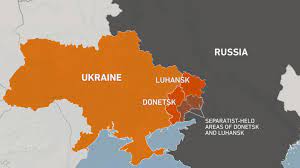
Ukraine vs. Russia
Trump wants access to Ukraine’s rare earth minerals, which are key to manufacturing high-tech products like computer chips and military equipment.
The reason: In April, 2025, China announced export restrictions on some of these minerals in retaliation for Trump’s placing tariffs on Chinese goods.
In asserting the United States’ sphere of influence, Trump sees himself as the leader of a country that’s expansive and claims new territory,
As a result, he has attacked America’s longtime ally and neighbor, Canada with tariffs. He’s even threatened it with possible military invasion.
Vladimir Putin is another politician who believes in spheres of influence.
Since the breakup of the Soviet Union in 1991, Putin has yearned for its reestablishment. He has called that breakup “the greatest geopolitical tragedy of the 20th century.”

Vladimir Putin
Kremlin.ru, CC BY 4.0 <https://creativecommons.org/licenses/by/4.0>, via Wikimedia Commons
Russia has long resisted Ukraine’s move towards European institutions—especially entry into NATO.
Since late February, 2014, he began moving Russian troops into Ukraine and its autonomous Republic, Crimea. Russia annexed Ukraine’s southern Crimean peninsula and backed separatists who captured large swathes of eastern Ukraine.
On December 3, 2021, the Washington Post reported: “The Kremlin was planning a multi-front offensive as soon as early next year involving up to 175,000 troops” against Ukraine.
And where there is activity by Russians, American Rightists are eager to turn such events to their own political advantage.
All of which overlooks a number of brutal political truths.
First, all great powers have spheres of interest—and jealously guard them.
For the United States, it’s Latin and Central America, as established by the Monroe Doctrine.
And just what is the Monroe Doctrine?
It’s a statement made by President James Monroe in his 1823 annual message to Congress, which warned European powers not to interfere in the affairs of the Western Hemisphere.
The Monroe Doctrine has no legitimacy except the willingness of the United States to use armed force to back it up. When the United States no longer has the will or resources to enforce the Doctrine, it will cease to have meaning.
In 1962, President John F. Kennedy threatened Russian premier Nikita Khrushchev with nuclear oblivion unless Soviet nuclear missiles were withdrawn from Cuba.
For the Soviet Union, its spheres of influence include the Ukraine. Long known as “the breadbasket of Russia,” in 2011, it was the world’s third-largest grain exporter.
Russia will no more give up access to that breadbasket than the United States would part with the rich farming states of the Midwest.
Second, spheres of influence often prove disastrous to those smaller countries affected.
Throughout Latin and Central America, the United States remains highly unpopular for its brutal use of “gunboat diplomacy” during the 20th century.
Among those countries invaded or controlled by America: Mexico, Cuba, Guatemala, Nicaragua, Columbia, Panama and the Dominican Republic.
The resulting anger has led many Latin and Central Americans to support Communist Cuba, even though its political oppression and economic failure are universally apparent.
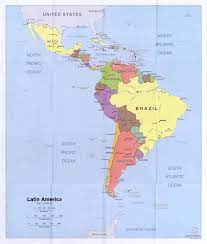
Latin and Central America
Similarly, the Soviet Union forced many nations—such as Poland, Hungary and Czechoslovakia—to submit to the will of Moscow.
The alternative? The threat of Soviet invasion—as occurred in Hungary in 1956 and Czechoslovakia in 1968.
Third, even “great powers” are not all-powerful.
In 1949, after a long civil war, the forces of Mao Zedong defeated the Nationalist armies of Chiang Kai-Shek, who withdrew to Taiwan.
China had never been a territory of the United States. Nor could the United States have prevented Mao from defeating the corrupt, ineptly-led Nationalist forces.
Even so, Republican Senators and Representatives such as Richard Nixon and Joseph McCarthy eagerly blamed President Harry S. Truman and the Democrats for “losing China.”
The fear of being accused of “losing” another country led Presidents Dwight D. Eisenhower, John F. Kennedy, Lyndon B. Johnson and Richard M. Nixon to tragically commit the United States to “roll back” Communism in Cuba and Vietnam.
Now Republicans—who claim the United States can’t afford to provide healthcare for its poorest citizens—want to turn the national budget over to the Pentagon.
They want the United States to “intervene” in Syria following the overthrow of Bashar al-Assad’s government in late 2024
This would insert the United States into yet another war in yet another Islamic country—after our disastrous forays in Iraq and Afghanistan.
Before plunging into conflicts that don’t concern us and where there is absolutely nothing to “win,” Americans would do well to remember the above-stated lessons of history. And to learn from them.
ABC NEWS, ALTERNET, AMERICABLOG, AP, BABY BOOMER RESISTANCE, BANDY X. LEE, BIRTHRIGHT CITIZENSHIP, BLOOMBERG, BUREAU OF LABOR STATISTICS, BUZZFEED, CANADA, CBS NEWS, CHRIS KREBS, CIA, CNN, CONSERVATIVE POLITICLA ACTION CONFERENCE (CPAC), CONSUMER FINANCIAL PROTECTION BUREU, CRAIG MALKIN, CROOKS AND LIARS, CYBERSECURITY AND INFRASTRUCTURE SECURITY AGENCY (CISA), DAILY KOZ, DEI PROGRAMS, DEMOCRATS, DONALD TRUMP, DRUDGE RETORT, EMOLUMENTS CLAUSE OF THE CONSTITUTION, FACEBOOK, FBI, FIRST AMENDMENT, FIVETHIRTYEIGHT, FLETCHER KNEBEL, GAVIN NEWSOM, GAZA, GREENLAND, GULF OF MEXICO, HARPER’S MAGAZINE, HARVARD MEDICAL SCHOOL, HARVARD UNIVERSITY, HOUSE OF REPRESENTATIVES, immigration, IMMIGRATION AND CUSTOMS ENFORCEMENT (ICE), INSPECTORS GENERAL, IVANKA TRUMP, JANUARY 6 COUP ATTEMPT, JOHN T. GARNER, JOSEPH STALIN, KIM JONG-UN, LANCE DODES, LIBEL, MEDIA MATTERS, MICHAEL COHEN, MOTHER JONES, MOVEON, MSNBC, NARCISSISM, NBC NEWS, NEWSWEEK, NIGHT AT CAMP DAVID, NPR, NUCLEAR WEAPONS, OBAMACARE, PARANOIA, PARIS CLIMATE AGREEMENT, PBS NEWSHOUR, POLITICO, POLITICUSUSA, PSYCHOSIS, QATAR, RAW STORY, REPUBLICANS, REUTERS, ROBERT S. MUELLER, ROD ROSENSTEIN, RUSSIA, SALON, SEATTLE TIMES, SLATE, SOCIOPATHY, TALKING POINTS MEMO, THE ATLANTIC, THE CHICAGO SUN-TIMES, THE CHICAGO TRIBUNE, THE DAILY BEAST, THE DAILY BLOG, THE DANGEROUS CASE OF DONALD TRUMP (BOOK), THE GUARDIAN, THE HILL, THE HUFFINGTON POST, THE LOS ANGELES TIMES, THE MEDIA, THE NATION, THE NEW REPUBLIC, THE NEW YORK TIMES, THE VILLAGE VOICE, THE WASHINGTON POST, THINKPROGRESS, TIME, TRUTHDIG, TRUTHOUT, TWITTER, TWO POLITICAL JUNKIES, U.S. NEWS & WORLD REPORT, UPI, USA TODAY, VIETNAM, VLADIMIR PUTIN, WIRETAPPING, WONKETTE, WORLD HEALTH ORGANIZTION (WHO)
In Bureaucracy, History, Medical, Politics, Social commentary on August 11, 2025 at 12:45 am
Donald Trump’s appearance at the Conservative Political Action Conference on March 2, 2019 was an occasion for rejoicing among his supporters.
But for those who prize rationality and decency in a President, it was a dismaying and frightening experience.
For two hours, Trump gave free reign to his anger and egomania.
Among his unhinged commentaries:
“We have people in Congress that hate our country.”
If you don’t agree 100% with Trump on everything, you’re a traitor.
“He called me up. He said, ‘You’re a great President. You’re doing a great job.’ He said, ‘I just want to tell you you’re a great President and you’re one of the smartest people I’ve ever met.'”
Trump attributed these remarks to California’s liberal governor, Gavin Newsom. On February 11, 2019, Newsom had announced he was withdrawing several hundred National Guardsmen from the state’s southern border with Mexico—defying Trump’s request for support from border states.
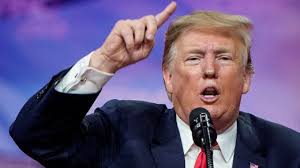
Donald Trump at CPAC
“You know if you remember my first major speech—you know the dishonest media they’ll say, ‘He didn’t get a standing ovation.’ You know why? Because everybody stood and nobody sat. They are the worst. They leave that out.”
Once again, he’s the persecuted victim of an unfair and totally unappreciative news media.
“And I love the First Amendment; nobody loves it better than me. Nobody. I mean, who use its more than I do? But the First Amendment gives all of us—it gives it to me, it gives it to you, it gives it to all Americans, the right to speak our minds freely. It gives you the right and me the right to criticize fake news and criticize it strongly.”
Trump has repeatedly called the nation’s free press “the enemy of the people”—a slander popularized by Soviet dictator Joseph Stalin. And while Trump brags about his usage of the First Amendment, he’s used Non-Disclosure agreements and threats of lawsuits to deny that right to others.
“For too long, we’ve traded away our jobs to other countries. So terrible.”
While this remark got rousing applause, he failed to mention that his own products are made overseas:
- Ties: Made in China
- Suits: Made in Indonesia
- Trump Vodka: Made in the Netherlands, and later in Germany
- Crystal glasses, decanters: Made in Slovenia
- And the clothing and accessories line of his daughter, Ivanka, is produced entirely in factories in Bangladesh, Indonesia and China.
“By the way, you folks are in here—this place is packed, there are lines that go back six blocks and I tell you that because you won’t read about it, OK.”
He’s obsessed with fear that the media won’t make him look popular.
“So we’re all part of this very historic movement, a movement the likes of which, actually, the world has never seen before. There’s never been anything like this. There’s been some movements, but there’s never been anything like this.”
Trump sees himself as the single greatest figure in history. So anything he’s involved with must be unprecedented.
“But I always say, Obamacare doesn’t work. And these same people two years ago and a year ago were complaining about Obamacare.”
In 2010, 48 million Americans lacked health insurance. By 2016, that number had been reduced to 28.6 million. So 20 million Americans now have access to medical care they previously couldn’t get.
“But we’re taking a firm, bold and decisive measure, we have to, to turn things around [with North Korea]. The era of empty talk is over, it’s over.”
- Trump has boasted that he and North Korean dictator Kim Jong-Un “fell in love.” Then he met with Kim in Vietnam—and got stiffed on a deal for North Korea to give up its nuclear weapons.
- On July 16, 2018, Trump attended a press conference in Helsinki, Finland, with Russian President Vladimir Putin. There he blamed American Intelligence agencies—such as the FBI and CIA—instead of Putin for Russia’s subversion of the 2016 Presidential election.
“I’ll tell you what they [agents of Immigration and Customs Enforcement] do, they came and endorsed me, ICE came and endorsed me. They never endorsed a presidential candidate before, they might not even be allowed to.”
Trump can’t stop boasting about how popular he is.
“These are hard-working, great, great Americans. These are unbelievable people who have not been treated fairly. Hillary called them deplorable. They’re not deplorable.”
On the contrary: “Deplorable” is exactly the word for those who vote their racism, ignorance, superstition and hatred of their fellow citizens.
A FINAL NOTE: Trump held himself up for adoration just three days after Michael Cohen, his longtime fixer:
- Damned him as a racist, a conman and a cheat.
- Revealed that Trump had cheated on his taxes and bought the silence of a porn “star” to prevent her revealing a 2006 tryst before the 2016 election.
- Estimated he had stiffed, on Trump’s behalf, hundreds of workers Trump owed money to.
And, only two days earlier, Trump had returned from a much-ballyhooed meeting in Vietnam with North Korean dictator Kim Jong-Un. Trump hoped to get a Nobel Peace Prize by persuading Kim to give up his nuclear arsenal.
Instead, Trump got stiffed—and returned empty-handed.
ABC NEWS, ALTERNET, AMERICABLOG, AP, BABY BOOMER RESISTANCE, BANDY X. LEE, BIRTHRIGHT CITIZENSHIP, BLOOMBERG, BUREAU OF LABOR STATISTICS, BUZZFEED, CANADA, CBS NEWS, CHRIS KREBS, CIA, CNN, CONSERVATIVE POLITICLA ACTION CONFERENCE (CPAC), CONSUMER FINANCIAL PROTECTION BUREU, CRAIG MALKIN, CROOKS AND LIARS, CYBERSECURITY AND INFRASTRUCTURE SECURITY AGENCY (CISA), DAILY KOZ, DEI PROGRAMS, DEMOCRATS, DONALD TRUMP, DRUDGE RETORT, EMOLUMENTS CLAUSE OF THE CONSTITUTION, FACEBOOK, FBI, FIRST AMENDMENT, FIVETHIRTYEIGHT, FLETCHER KNEBEL, GAVIN NEWSOM, GAZA, GREENLAND, GULF OF MEXICO, HARPER’S MAGAZINE, HARVARD MEDICAL SCHOOL, HARVARD UNIVERSITY, HOUSE OF REPRESENTATIVES, immigration, IMMIGRATION AND CUSTOMS ENFORCEMENT (ICE), INSPECTORS GENERAL, IVANKA TRUMP, JANUARY 6 COUP ATTEMPT, JOHN T. GARNER, JOSEPH STALIN, KIM JONG-UN, LANCE DODES, LIBEL, MEDIA MATTERS, MICHAEL COHEN, MOTHER JONES, MOVEON, MSNBC, NARCISSISM, NBC NEWS, NEWSWEEK, NIGHT AT CAMP DAVID, NPR, NUCLEAR WEAPONS, OBAMACARE, PARANOIA, PARIS CLIMATE AGREEMENT, PBS NEWSHOUR, POLITICO, POLITICUSUSA, PSYCHOSIS, QATAR, RAW STORY, REPUBLICANS, REUTERS, ROBERT S. MUELLER, ROD ROSENSTEIN, RUSSIA, SALON, SEATTLE TIMES, SLATE, SOCIOPATHY, TALKING POINTS MEMO, THE ATLANTIC, THE CHICAGO SUN-TIMES, THE CHICAGO TRIBUNE, THE DAILY BEAST, THE DAILY BLOG, THE DANGEROUS CASE OF DONALD TRUMP (BOOK), THE GUARDIAN, THE HILL, THE HUFFINGTON POST, THE LOS ANGELES TIMES, THE MEDIA, THE NATION, THE NEW REPUBLIC, THE NEW YORK TIMES, THE VILLAGE VOICE, THE WASHINGTON POST, THINKPROGRESS, TIME, TRUTHDIG, TRUTHOUT, TWITTER, TWO POLITICAL JUNKIES, U.S. NEWS & WORLD REPORT, UPI, USA TODAY, VIETNAM, VLADIMIR PUTIN, WIRETAPPING, WONKETTE, WORLD HEALTH ORGANIZTION (WHO)
In Bureaucracy, History, Medical, Politics, Social commentary on August 8, 2025 at 12:24 am
“Is Donald Trump simply crazy, or is he crazy like a fox?”
That was the question that Bandy X. Lee, an assistant clinical psychiatry professor at the Yale School of Medicine, wanted to answer.
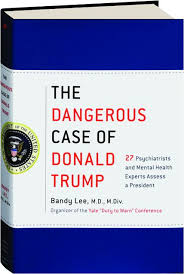
And she tried to do so as the editor of The Dangerous Case of Donald Trump: 27 Psychiatrists and Mental Health Experts Assess a President.
“It doesn’t take a psychiatrist to notice that our president is mentally compromised,” she and colleague Judith Lewis Herman asserted in the book’s prologue.
According to Dr. Craig Malkin, a Lecturer in Psychology for Harvard Medical School and a licensed psychologist, Trump is a pathological narcissist:
“Pathological narcissism begins,” Malkin writes, “when people become so addicted to feeling special that, just like with any drug, they’ll do anything to get their ‘high,’ including lie, steal, cheat, betray and even hurt those closest to them.
“When they can’t let go of their need to be admired or recognized, they have to bend or invent a reality in which they remain special despite all messages to the contrary. In point of fact, they become dangerously psychotic. It’s just not always obvious until it’s too late.”
Lance Dodes, a retired psychiatry professor at Harvard Medical School, believes that Trump is a sociopath: “The failure of normal empathy is central to sociopathy, which is marked by an absence of guilt, intentional manipulation and controlling or even sadistically harming others for personal power or gratification.”
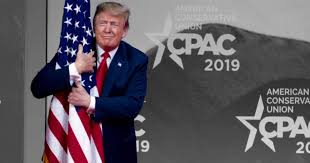
But an observer didn’t need to be a psychiatrist to feel frightened by Trump’s behavior at the Conservative Political Action Conference (CPAC) on March 2, 2019.
For two hours, in National Harbor, Maryland, Trump delivered the longest address (so far) of his first term as President—and of any American President.
“You know, I’m totally off script right now,” Trump said early on. “This is how I got elected, by being off script.”
And from the moment he embraced an American flag as though he wanted to hump it, it was clear: He was “totally off script.”
“How many times did you hear, for months and months, ‘There is no way to 270?’ You know what that means, right? ‘There is no way to 270.'”
Once again, Trump reveals his obsession with his win in 2016—as if no one else had ever been elected President.
“If you tell a joke, if you’re sarcastic, if you’re having fun with the audience, if you’re on live television with millions of people and 25,000 people in an arena, and if you say something like, ‘Russia, please, if you can, get us Hillary Clinton’s emails. Please, Russia, please.'”
Here he’s trying to “spin” his infamous invitation to hackers in Vladimir Putin’s Russia to intervene in an American Presidential election by obtaining the emails of his campaign rival. Which they did that same day.
“So now we’re waiting for a report [from the office of Special Counsel Robert Mueller] and we’ll find out whether or not, and who we’re dealing with. We’re waiting for a report by people that weren’t elected.”
It doesn’t matter to Trump that America’s foremost enemy—Russia—tried to influence a Presidential election. What matters to him is that the report might end his Presidency.
“Those red hats—and white ones. The key is in the color. The key is what it says. ‘Make America Great Again’ is what it says. Right? Right?”
Color matters. Words, ideas don’t.
“Now, Robert Mueller never received a vote, and neither did the person that appointed him. And as you know, the attorney general says, ‘I’m going to recuse myself.'”
Special Counsel Robert S. Mueller and Assistant Attorney General Rod Rosenstein were career Justice Department officials. They weren’t voted into office.
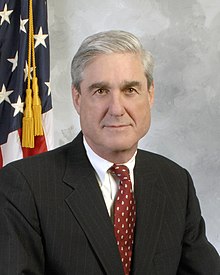
Robert Mueller
“Number one, I’m in love, and you’re in love. We’re all in love together. There’s so much love in this room, it’s easy to talk. You can talk your heart out. You really could. There’s love in this room. You can talk your heart out. It’s easy. It’s easy. It’s easy.”
Trump apparently finds it easy to fall in love—with Right-wing audiences and Communist dictators such as Kim Jong-Un.
“And from the day we came down the escalator, I really don’t believe we’ve had an empty seat at any arena, at any stadium. They did the same thing at our big inauguration speech. You take a look at those crowds.”
Once again, he must brag about how popular he is and how many people want to listen to him.
“A few days ago I called the fake news the enemy of the people. And they are. They are the enemy of the people. Because they have no sources, they just make ’em up when there are none.”
By January 20, 2020, The Washington Post found that Trump had made “16,241 ‘false or misleading claims” in his first three years in office. He is in no position to talk about integrity.
“But we’re going to have regulation. It’s going to be really strong and really good and we’re going to protect our environment and we’re going to protect the safety of our people and our workers, OK?”
To “protect our environment,” Trump appointed Andrew R. Wheeler, a former coal company lobbyist, to head the Environmental Protection Agency.
ABC NEWS, ALTERNET, AMERICABLOG, AP, BABY BOOMER RESISTANCE, BANDY X. LEE, BIRTHRIGHT CITIZENSHIP, BLOOMBERG, BUREAU OF LABOR STATISTICS, BUZZFEED, CANADA, CBS NEWS, CHRIS KREBS, CIA, CNN, CONSERVATIVE POLITICLA ACTION CONFERENCE (CPAC), CONSUMER FINANCIAL PROTECTION BUREU, CRAIG MALKIN, CROOKS AND LIARS, CYBERSECURITY AND INFRASTRUCTURE SECURITY AGENCY (CISA), DAILY KOZ, DEI PROGRAMS, DEMOCRATS, DONALD TRUMP, DRUDGE RETORT, EMOLUMENTS CLAUSE OF THE CONSTITUTION, FACEBOOK, FBI, FIRST AMENDMENT, FIVETHIRTYEIGHT, FLETCHER KNEBEL, GAVIN NEWSOM, GAZA, GREENLAND, GULF OF MEXICO, HARPER’S MAGAZINE, HARVARD MEDICAL SCHOOL, HARVARD UNIVERSITY, HOUSE OF REPRESENTATIVES, immigration, IMMIGRATION AND CUSTOMS ENFORCEMENT (ICE), INSPECTORS GENERAL, IVANKA TRUMP, JANUARY 6 COUP ATTEMPT, JOHN T. GARNER, JOSEPH STALIN, KIM JONG-UN, LANCE DODES, LIBEL, MEDIA MATTERS, MICHAEL COHEN, MOTHER JONES, MOVEON, MSNBC, NARCISSISM, NBC NEWS, NEWSWEEK, NIGHT AT CAMP DAVID, NPR, NUCLEAR WEAPONS, OBAMACARE, PARANOIA, PARIS CLIMATE AGREEMENT, PBS NEWSHOUR, POLITICO, POLITICUSUSA, PSYCHOSIS, QATAR, RAW STORY, REPUBLICANS, REUTERS, ROBERT S. MUELLER, ROD ROSENSTEIN, RUSSIA, SALON, SEATTLE TIMES, SLATE, SOCIOPATHY, TALKING POINTS MEMO, THE ATLANTIC, THE CHICAGO SUN-TIMES, THE CHICAGO TRIBUNE, THE DAILY BEAST, THE DAILY BLOG, THE DANGEROUS CASE OF DONALD TRUMP (BOOK), THE GUARDIAN, THE HILL, THE HUFFINGTON POST, THE LOS ANGELES TIMES, THE MEDIA, THE NATION, THE NEW REPUBLIC, THE NEW YORK TIMES, THE VILLAGE VOICE, THE WASHINGTON POST, THINKPROGRESS, TIME, TRUTHDIG, TRUTHOUT, TWITTER, TWO POLITICAL JUNKIES, U.S. NEWS & WORLD REPORT, UPI, USA TODAY, VIETNAM, VLADIMIR PUTIN, WIRETAPPING, WONKETTE, WORLD HEALTH ORGANIZTION (WHO)
In Bureaucracy, History, Medical, Politics, Social commentary on August 7, 2025 at 12:12 am
What would happen if the President of the United States went stark-raving mad?
That is the premise of the 1965 novel, Night at Camp David, by Fletcher Knebel.
At the time of its release, its plot was considered so over-the-top as to be worthy of science fiction:
Iowa Democratic Senator Jim MacVeagh is summoned to Camp David, the Presidential retreat, by President Mark Hollenbach. MacVeagh is expected to become Hollenbach’s next Vice President. But he becomes alarmed that Hollenbach is clearly suffering from intense paranoia.
Hollenbach wants to develop a closer relationship between the United States and Russia—while cutting ties with American allies in Europe. Moreover, he believes the American news media are conspiring against him with his political enemies.
Only one person possesses evidence that Hollenbach is losing his grip on sanity—his mistress, Rita. Desperate to retain his power, Hollenbach orders the FBI to investigate both MacVeagh and Rita.
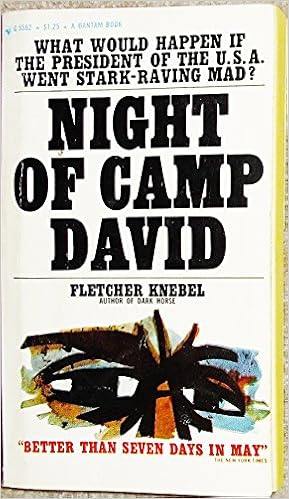
So why was a 53-year-old novel re-released in 2018? The answer lay in two words: Donald Trump.
In a November 30, 2018 review of Night at Camp David, Tom McCarthy, national affairs correspondent for the British newspaper, The Guardian, wrote:
“The current president has seen crowds where none exist, deployed troops to answer no threat, attacked national institutions – the military, the justice department, the judiciary, the vote, the rule of law, the press – tried to prosecute his political enemies, elevated bigots, oppressed minorities, praised despots while insulting global allies and wreaked diplomatic havoc from North Korea to Canada.
“He stays up half the night watching TV and tweeting about it, then wakes up early to tweet some more, in what must be the most remarkable public diary of insecurity, petty vindictiveness, duplicity and scattershot focus by a major head of state in history.”
And the nightmare isn’t over.
Among the outrages Trump has committed since returning to power on January 20:
- Pardoned about 1,500 of his followers who violently tried to overturn the outcome of the 2020 Presidential election in the January 6, 2021 attack on Congress. Move than 250 of those pardoned had been convicted of assaulting police.
- Withdrew the United States from the World Health Organization (WHO).
- Withdrew the United States from the Paris climate agreement.
- Ordered the dismissal of 5,000 FBI agents who investigated his incitement of the January 6 riot and his illegal hoarding of classified documents at Mar-a-Lago.
- Declared “a national emergency” targeting migrants—legal and illegal.
- Tried to cancel birthright citizenship—enshrined within the United States Constitution— for U.S.-born children.
- Demanded a military parade for his 79th birthday, poorly disguised as a salute to the 250th anniversary of the United States Army.
- Fired without cause the director of the Consumer Financial Protection Bureau.
- Angrily fired the Commissioner of the Bureau of Labor Statistics following a weak jobs report, triggering fears about his extortionate tariff policy.
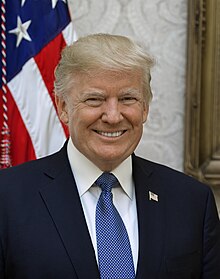
Donald Trump
- Demanded that the media refer to the Gulf of Mexico as “the Gulf of America” and banned the Associated Press from the White House for refusing to do so.
- Ordered the closure of all Federal Diversity, Equity, Inclusion and Accessibility offices.
- Fired the inspectors general from more than a dozen federal agencies.
- Demanded that Canada become the 51st state and aggressively raised tariffs on Canadian goods.
- Aggressively stated that he wanted the United States to acquire Greenland, its longtime ally.
- Issued executive orders revoking the security clearance of Chris Krebs, former director of the Cybersecurity and Infrastructure Security Agency. Krebs’ “crime”: Preventing lies spread by Russians—and Americans—on social media platforms from swaying the 2020 Presidential election to Trump.
- Threatened Harvard University with the loss of billions of dollars in federal funding, claiming that 2023 student protests about Gaza violated the civil rights of Jewish students.
- Accepted a $400 million luxury jet from Qatar for his personal use, a violation of the Emoluments Clause of the Constitution.
Trump’s vindictiveness, his narcissism, his compulsive aggression, his complaints that his “enemies” in government and the press are trying to destroy him, have caused many to ask: Could the President of the United States be suffering from mental illness?
One who has dared to answer this question is John D. Gartner, a practicing psychotherapist.
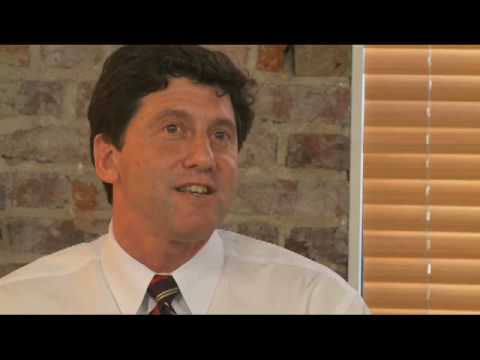
John D. Gartner
Gartner graduated magna cum laude from Princeton University, received his Ph.D in clinical psychology from the University of Massachusetts, and served as a part-time assistant professor of psychiatry at Johns Hopkins University Medical School for 28 years.
During an interview by U.S. News & World Report (published on January 27, 2017), Gartner said: “Donald Trump is dangerously mentally ill and temperamentally incapable of being president.”
Gartner said that Trump suffers from “malignant narcissism,” whose symptoms include:
- anti-social behavior
- sadism
- aggressiveness
- paranoia
- grandiosity.
“We’ve seen enough public behavior by Donald Trump now that we can make this diagnosis indisputably,” says Gartner, who admits he has not personally examined Trump.
More of that behavior was on full display on March 2, 2019 at the annual Conservative Political Action Conference (CPAC), held at the Gaylord National Resort & Convention Center, National Harbor, Maryland.
For more than two hours, Trump delivered the longest speech (so far) of his first term as President to his fanatically Right-wing audience.
ABC NEWS, ALTERNET, AMERICABLOG, AP, BABY BOOMER RESISTANCE, BANDY X. LEE, BIRTHRIGHT CITIZENSHIP, BLOOMBERG, BUREAU OF LABOR STATISTICS, BUZZFEED, CANADA, CBS NEWS, CHRIS KREBS, CIA, CNN, CONSERVATIVE POLITICLA ACTION CONFERENCE (CPAC), CONSUMER FINANCIAL PROTECTION BUREU, CRAIG MALKIN, CROOKS AND LIARS, CYBERSECURITY AND INFRASTRUCTURE SECURITY AGENCY (CISA), DAILY KOZ, DEI PROGRAMS, DEMOCRATS, DONALD TRUMP, DRUDGE RETORT, EMOLUMENTS CLAUSE OF THE CONSTITUTION, FACEBOOK, FBI, FIRST AMENDMENT, FIVETHIRTYEIGHT, FLETCHER KNEBEL, GAVIN NEWSOM, GAZA, GREENLAND, GULF OF MEXICO, HARPER’S MAGAZINE, HARVARD MEDICAL SCHOOL, HARVARD UNIVERSITY, HOUSE OF REPRESENTATIVES, immigration, IMMIGRATION AND CUSTOMS ENFORCEMENT (ICE), INSPECTORS GENERAL, IVANKA TRUMP, JANUARY 6 COUP ATTEMPT, JOHN T. GARNER, JOSEPH STALIN, KIM JONG-UN, LANCE DODES, LIBEL, MEDIA MATTERS, MICHAEL COHEN, MOTHER JONES, MOVEON, MSNBC, NARCISSISM, NBC NEWS, NEWSWEEK, NIGHT AT CAMP DAVID, NPR, NUCLEAR WEAPONS, OBAMACARE, PARANOIA, PARIS CLIMATE AGREEMENT, PBS NEWSHOUR, POLITICO, POLITICUSUSA, PSYCHOSIS, QATAR, RAW STORY, REPUBLICANS, REUTERS, ROBERT S. MUELLER, ROD ROSENSTEIN, RUSSIA, SALON, SEATTLE TIMES, SLATE, SOCIOPATHY, TALKING POINTS MEMO, THE ATLANTIC, THE CHICAGO SUN-TIMES, THE CHICAGO TRIBUNE, THE DAILY BEAST, THE DAILY BLOG, THE DANGEROUS CASE OF DONALD TRUMP (BOOK), THE GUARDIAN, THE HILL, THE HUFFINGTON POST, THE LOS ANGELES TIMES, THE MEDIA, THE NATION, THE NEW REPUBLIC, THE NEW YORK TIMES, THE VILLAGE VOICE, THE WASHINGTON POST, THINKPROGRESS, TIME, TRUTHDIG, TRUTHOUT, TWITTER, TWO POLITICAL JUNKIES, U.S. NEWS & WORLD REPORT, UPI, USA TODAY, VIETNAM, VLADIMIR PUTIN, WIRETAPPING, WONKETTE, WORLD HEALTH ORGANIZTION (WHO)
In Bureaucracy, History, Medical, Politics, Social commentary on August 4, 2025 at 1:28 am
“Is Donald Trump simply crazy, or is he crazy like a fox?”
That was the question that Bandy X. Lee, an assistant clinical psychiatry professor at the Yale School of Medicine, wanted to answer.
And she tried to do so as the editor of The Dangerous Case of Donald Trump: 27 Psychiatrists and Mental Health Experts Assess a President.
“It doesn’t take a psychiatrist to notice that our president is mentally compromised,” she and colleague Judith Lewis Herman asserted in the book’s prologue.
According to Dr. Craig Malkin, a Lecturer in Psychology for Harvard Medical School and a licensed psychologist, Trump is a pathological narcissist:
“Pathological narcissism begins,” Malkin writes, “when people become so addicted to feeling special that, just like with any drug, they’ll do anything to get their ‘high,’ including lie, steal, cheat, betray and even hurt those closest to them.
“When they can’t let go of their need to be admired or recognized, they have to bend or invent a reality in which they remain special despite all messages to the contrary. In point of fact, they become dangerously psychotic. It’s just not always obvious until it’s too late.”
Lance Dodes, a retired psychiatry professor at Harvard Medical School, believes that Trump is a sociopath: “The failure of normal empathy is central to sociopathy, which is marked by an absence of guilt, intentional manipulation and controlling or even sadistically harming others for personal power or gratification.”
But an observer didn’t need to be a psychiatrist to feel frightened by Trump’s behavior at the Conservative Political Action Conference (CPAC) on March 2, 2019.
For two hours, in National Harbor, Maryland, Trump delivered the longest address (so far) of his first term as President—and of any American President.
“You know, I’m totally off script right now,” Trump said early on. “This is how I got elected, by being off script.”
And from the moment he embraced an American flag as though he wanted to hump it, it was clear: He was “totally off script.”
“How many times did you hear, for months and months, ‘There is no way to 270?’ You know what that means, right? ‘There is no way to 270.'”
Once again, Trump reveals his obsession with his win in 2016—as if no one else had ever been elected President.
“If you tell a joke, if you’re sarcastic, if you’re having fun with the audience, if you’re on live television with millions of people and 25,000 people in an arena, and if you say something like, ‘Russia, please, if you can, get us Hillary Clinton’s emails. Please, Russia, please.'”
Here he’s trying to “spin” his infamous invitation to hackers in Vladimir Putin’s Russia to intervene in an American Presidential election by obtaining the emails of his campaign rival. Which they did that same day.
“So now we’re waiting for a report [from the office of Special Counsel Robert Mueller] and we’ll find out whether or not, and who we’re dealing with. We’re waiting for a report by people that weren’t elected.”
It doesn’t matter to Trump that America’s foremost enemy—Russia—tried to influence a Presidential election. What matters to him is that the report might end his Presidency.
“Those red hats—and white ones. The key is in the color. The key is what it says. ‘Make America Great Again’ is what it says. Right? Right?”
Color matters. Words, ideas don’t.
“Now, Robert Mueller never received a vote, and neither did the person that appointed him. And as you know, the attorney general says, ‘I’m going to recuse myself.'”
Special Counsel Robert S. Mueller and Assistant Attorney General Rod Rosenstein were career Justice Department officials. They weren’t voted into office.
Robert Mueller
“Number one, I’m in love, and you’re in love. We’re all in love together. There’s so much love in this room, it’s easy to talk. You can talk your heart out. You really could. There’s love in this room. You can talk your heart out. It’s easy. It’s easy. It’s easy.”
Trump apparently finds it easy to fall in love—with Right-wing audiences and Communist dictators such as Kim Jong-Un.
“And from the day we came down the escalator, I really don’t believe we’ve had an empty seat at any arena, at any stadium. They did the same thing at our big inauguration speech. You take a look at those crowds.”
Once again, he must brag about how popular he is and how many people want to listen to him.
“A few days ago I called the fake news the enemy of the people. And they are. They are the enemy of the people. Because they have no sources, they just make ’em up when there are none.”
By January 20, 2020, The Washington Post found that Trump had made “16,241 ‘false or misleading claims” in his first three years in office. He is in no position to talk about integrity.
“But we’re going to have regulation. It’s going to be really strong and really good and we’re going to protect our environment and we’re going to protect the safety of our people and our workers, OK?”
To “protect our environment,” Trump appointed Andrew R. Wheeler, a former coal company lobbyist, to head the Environmental Protection Agency.
ABC NEWS, ADOLF HITLER, AFGHANISTAN, ALTERNET, AMERICABLOG, AP, BABY BOOMER RESISTANCE, BBC, BLOOMBERG, BLUESKY, BUZZFEED, CBS NEWS, CIVIL WAR, CNN, CROOKS AND LIARS, DAILY KOS, DWIGHT D. EISENHOWER, EVA BRAUN, FIVETHIRTYEIGHT, GERALD R. FORD, HARPER’S MAGAZINE, HUFFINGTON POST, JOHN F. KENNEDY, JOSEPH R. BIDEN, JOSEPH STALIN, LEND LEASE, LYNDON B. JOHNSON, MEDIA MATTERS, MOTHER JONES, MOVEON, MSNBC, NAZI GERMANY, NBC NEWS, NEW REPUBLIC, NEWSDAY, NEWSWEEK, NPR, PBS NEWSHOUR, POLITICO, POLITICUSUSA, RAW STORY, REUTERS, RICHARD M. NIXON, SAIGON, SALON, SEATTLE TIMES, SLATE, SOUTH VIETNAMESE ARMY, SOVIET UNION, TALKING POINTS MEMO, THE ATLANTIC, THE CHICAGO SUN-TIMES, THE CHICAGO TRIBUNE, THE DAILY BEAST, THE DAILY BLOG, THE GUARDIAN, THE HILL, THE HUFFINGTON POST, THE INTERCEPT, THE LOS ANGELES TIMES, THE NATION, THE NEW REPUBLIC, THE NEW YORK TIMES, THE NEW YORKER, THE VILLAGE VOICE, THE WASHINGTON POST, THINKPROGRESS, THIRD REICH, TIME, TRUTHDIG, TRUTHOUT, TWO POLITICAL JUNKIES, U.S. NEWS & WORLD REPORT, UNITED STATES, UPI, USA TODAY, VIETNAM, X
In Bureaucracy, History, Military, Politics, Social commentary on May 21, 2025 at 12:06 am
April 30: Two anniversaries—one of American victory, the other of American defeat.
April 30, 1945: With Berlin, the capitol of Nazi Germany burning and in ruins, Germany’s Fuhrer, Adolf Hitler raises a 7.65 caliber, seven-shot Walther PPK pistol to his right temple and pulls the trigger as he bites on a cyanide capsule.
Then, his corpse—along with that of Eva Braun, his longtime mistress and hastily-married wife of less than 24 hours—is carried out of the underground Fuhrerbunker. Both bodies are carried into the Reich Chancellery garden, doused with petrol, and set afire.
Hitler’s 12-year-reign of terror and infamy is finally over.
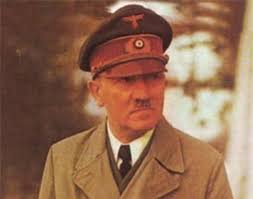
Adolf Hitler
America had been waging war against Nazi Germany since December 11, 1941.
That was when Hitler—just four days after Japanese aircraft had bombed Pearl Harbor—declared war on the United States. There was nothing to be gained by adding the world’s most powerful industrial nation to his list of enemies. But he did it anyway.
Starting in 1942, American forces gradually moved from triumph to triumph. These culminated in the June 6, 1944 D-Day invasion of France, which sealed the fate of the Third Reich in the West.
American military forces had been halted at the Elbe River, where they had met with Soviet forces. This was a strategic decision by General Dwight D. Eisenhower, the Allied Supreme Commander, to not continue into eastern Germany, which was to be occupied by the Red Army
Even though Soviet forces are the ones to capture Berlin, this amounts to an American victory. The last outpost of Nazi Germany is destroyed, and at no cost to American soldiers.
Neither the United States nor the Soviet Union is willing to officially acknowledge the contributions of the other in achieving victory over Nazi Germany.
Russians (from Soviet dictator Joseph Stalin on down) refuse to admit that without a massive infusion of aid from the United States, their final victory over Nazi Germany would have been delayed by years.
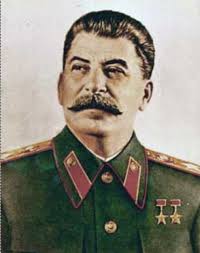
Joseph Stalin
Under the Lend-Lease program, the United States contributed tons of military and civilian equipment the Soviets desperately needed, including:
- 400,000 jeeps and trucks
- 14,000 airplanes
- 13,000 tanks
- 1,640 flat cars and rail accessories
- 15 million pairs of army boots
- 107,000 tons of cotton
- 2.7 million tons of petroleum products
- 4.5 million tons of food
Americans, in turn, are unwilling to admit that their strategy for defeating Germany depended on the Soviet Union bearing the brunt of Allied casualties.
The Soviet Union suffered an estimated 26.6 million casualties, including both military (8.7 million) and (19 million) civilian deaths.
By contrast, about 250,000 American soldiers died in the European theater.
Fast forward 30 years—to April 30, 1975.
The South Vietnamese Army suddenly crumbles under an all-out offensive by North Vietnamese regular army units.
The United States—which had been been supplying military assistance to Vietnam since the Presidency of Dwight D. Eisenhower—suddenly sees its worst nightmare come to life.
Eisenhower had sent 700 military advisors in 1955. President John F. Kennedy increased the number of advisors to 16,300.
Starting in 1965, President Lyndon B. Johnson committed wholesale combat troops to Vietnam. By April, 1969—three months after Richard M. Nixon took office—there were approximately 543,400 personnel serving there.
America poured more than $120 billion into the conflict in Vietnam from 1965-73. At least 2.7 million soldiers served there–and 58,000 died there. Another 304,000 were wounded. At home, the war divided Americans as no other event since the Civil War (1861-1865).
Decades later, Americans still debate whether “we should have gone all the way” in Vietnam—including the use of atomic bombs.
The unspoken reason for this carnage: Four Presidents—Eisenhower, Kennedy, Johnson and Nixon—kept the war going because they feared they would be turned out of office if they didn’t.
Such a fate overtook President Joseph Biden when he dared to pull American forces out of a 20-year effort to “civilize” Afghanistan in September, 2021.
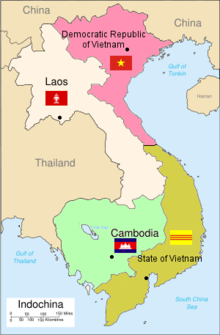
Vietnam during the Vietnam war
The last American troops left Vietnam on March 29, 1973. President Nixon claimed that he had achieved “peace with honor.” The South Vietnamese Army was supposedly now trained by Americans to defend the “country” from attack by North Vietnam.
Then came December 13, 1974—the start of the North’s all-out offensive.
The result: South Vietnamese forces melted away.
President Gerald R. Ford, who had replaced Nixon upon his August 9, 1974 resignation, asked Congress for permission to send American soldiers to rescue the situation. But Congress refused, leaving Vietnam to its own fate
This was hardly surprising to American veterans of the war. Among them a favorite joke had been: “There’s a new batch of South Vietnamese rifles for sale. Never fired, and only dropped once.”
By April 30, 1975, Saigon, the capitol of South Vietnam, fell to the People’s Army of Vietnam and the Viet Cong.

Fall of Saigon
At home, watching TV, Americans felt shame as Army helicopters hurriedly lifted off the roof of the United States embassy.
Numerous South Vietnamese desperately tried to climb aboard—only to have their hands stomped on by Americans equally desperate to get out before North Vietnamese forces reached them.
Thus a great nation goes from waging a victorious war against a deadly enemy to waging a losing war against a needless enemy in just 30 years.
ABC NEWS, ALTERNET, AMERICABLOG, AP, BABY BOOMER RESISTANCE, BARACK OBAMA, BBC, BLOOMBERG, BLOOMBERG NEWS, BUZZFEED, CBS NEWS, CENTRAL AMERICA, CHIANG KAI-SHEK, CHINA, CNN, COLUMBIA, COMMUNISM, CRIMEA, CROOKS AND LIARS, CUBA, CZECHOSLAVAKIA, DAILY KOS, DAILY KOZ, DEMOCRATS, DONALD TRUMP, FACEBOOK, FIVETHIRTYEIGHT, GUATEMALA, GUNBOAT DIPLOMACY, HARPER’S MAGAZINE, HARRY S. TRUMAN, HUFFINGTON POST, HUNGARY, JOHN F. KENNEDY, JOSEPH MCCARTHY, LATIN AMERICA, LYNDON B. JOHNSON, MAO TSE-TUNG, MEDIA MATTERS, MICK MULVANEY, MITT ROMNEY, MONROE DOCTRINE, MOTHER JONES, MOVEON, MSNBC, NBC NEWS, NEW REPUBLIC, NEWSDAY, NEWSWEEK, NICARAGUA, NPR, PANAMA, PBS NEWSHOUR, POLAND, POLITICO, POLITICUSUSA, RAW STORY, REPUBLICANS, REUTERS, RICHARD M. NIXON, SALON, SEATTLE TIMES, SLATE, SOCHI OLYMPICS, SOVIET UNION, SPHERES OF INFLUENCE, TALKING POINTS MEMO, THE ATLANTIC, THE CHICAGO SUN-TIMES, THE CHICAGO TRIBUNE, THE DAILY BEAST, THE DAILY BLOG, THE GUARDIAN, THE HILL, THE HUFFINGTON POST, THE INTERCEPT, THE LOS ANGELES TIMES, THE NATION, THE NEW REPUBLIC, THE NEW YORK TIMES, THE NEW YORKER, THE VILLAGE VOICE, THE WASHINGTON POST, THINKPROGRESS, TIME, TOM COTTON, TRUTHDIG, TRUTHOUT, TWO POLITICAL JUNKIES, U.S. NEWS & WORLD REPORT, UKRAINE, UPI, USA TODAY, VICTOR YANUKOVYCH, VIETNAM, VLADIMIR PUTIN, VOLODYMYR ZELENSKY, WONKETTE, X
In Bureaucracy, History, Military, Social commentary on November 22, 2024 at 12:11 am
The collapse of the Soviet Union in 1991 plunged the American Right into a depression.
Accusing Democrats of being “terrorist-lovers” just didn’t prove as profitable as accusing them of being “Communists.”
Then fate intervened.
The torch had barely gone out at the 2014 Sochi Winter Olympics when Russian President Vladimir Putin began menacing the Ukraine.
Ukraine vs. Russia
Even while the Olympics played out on television, Ukrainians had rioted in Kiev and evicted their corrupt, luxury-loving president, Victor Yanukovych.
And that didn’t sit well with his “sponsor”—Putin.
Yanukovych had rejected a pending European Union association agreement. He had chosen instead to pursue a Russian loan bailout and closer ties with Russia.
And that had sat well with Putin.
Since the breakup of the Soviet Union in 1991, Putin had yearned for its reestablishment. He had called that breakup “the greatest geopolitical tragedy of the 20th century.”
Vladimir Putin
Kremlin.ru, CC BY 4.0 <https://creativecommons.org/licenses/by/4.0>, via Wikimedia Commons
Russia has long resisted Ukraine’s move towards European institutions—especially NATO.
So it was almost a certainty that Putin would retaliate.
And since late February, 2014, he began moving Russian troops into Ukraine and its autonomous republic, Crimea. Russia annexed Ukraine’s southern Crimean peninsula and backed separatists who captured large swathes of eastern Ukraine.
On December 3, 2021, the Washington Post reported: “The Kremlin is planning a multi-front offensive as soon as early next year involving up to 175,000 troops” against Ukraine.
And where there is activity by Russians, American Rightists are eager to turn such events to their own political advantage.
Right-wingers such as Senator Tom Cotton (R-AR): ”It is a result of a year of Joe Biden’s impotence and incompetence towards Russia in particular and in foreign policy more generally.”
Cotton had vigorously defended President Donald Trump’s attempted extortion of Ukrainian President Volodymyr Zelensky in the face of Russian aggression.
In July, 2019, Trump told his acting chief of staff, Mick Mulvaney, to withhold almost $400 million in promised military aid for Ukraine.
Then, on July 25, Trump telephoned Zelensky to “request” a “favor”: Investigate presumed 2020 Democratic Presidential Candidate Joe Biden and his son, Hunter, who had had business dealings in Ukraine.
Clearly implied in the call: Produce “dirt” on Biden—or you won’t get the military aid.
All of which overlooks a number of brutal political truths.
First, all great powers have spheres of interest—and jealously guard them.
For the United States, it’s Latin and Central America, as established by the Monroe Doctrine.
And just what is the Monroe Doctrine?
It’s a statement made by President James Monroe in his 1823 annual message to Congress, which warned European powers not to interfere in the affairs of the Western Hemisphere.
It has no legitimacy except the willingness of the United States to use armed force to back it up. When the United States no longer has the will or resources to enforce the Doctrine, it will cease to have meaning.
For the Soviet Union, its spheres of influence include the Ukraine. Long known as “the breadbasket of Russia,” in 2011, it was the world’s third-largest grain exporter.
Russia will no more give up access to that breadbasket than the United States would part with the rich farming states of the Midwest.
Second, spheres of influence often prove disastrous to those smaller countries affected.
Throughout Latin and Central America, the United States remains highly unpopular for its brutal use of “gunboat diplomacy” during the 20th century.
Among those countries invaded or controlled by America: Mexico, Cuba, Guatemala, Nicaragua, Columbia, Panama and the Dominican Republic.
The resulting anger has led many Latin and Central Americans to support Communist Cuba, even though its political oppression and economic failure are universally apparent.
Latin and Central America
Similarly, the Soviet Union forced many nations—such as Poland, Hungary and Czechoslovakia—to submit to the will of Moscow.
The alternative? The threat of Soviet invasion—as occurred in Hungary in 1956 and Czechoslovakia in 1968.
Third, even “great powers” are not all-powerful.
In 1949, after a long civil war, the forces of Mao Tse-tung defeated the Nationalist armies of Chiang Kai-Shek, who withdrew to Taiwan.
China had never been a territory of the United States. Nor could the United States have prevented Mao from defeating the corrupt, ineptly-led Nationalist forces.
Even so, Republican Senators and Representatives such as Richard Nixon and Joseph McCarthy eagerly blamed President Harry S. Truman and the Democrats for “losing China.”
The fear of being accused of “losing” another country led Presidents John F. Kennedy, Lyndon B. Johnson and Richard M. Nixon to tragically commit the United States to “roll back” Communism in Cuba and Vietnam.
Now Republicans—who claim the United States can’t afford to provide healthcare for its poorest citizens—want to turn the national budget over to the Pentagon.
They want the United States to “intervene” in Ukraine—even though this would mean going to war with the only nuclear power capable of turning America into an atomic graveyard.
Before plunging into conflicts that don’t concern us and where there is absolutely nothing to “win,” Americans would do well to remember the above-stated lessons of history. And to learn from them.
2016 PRESIDENTIAL CAMPAIGN, ABC NEWS, AFFORDABLE CARE ACT, ALTERNET, AMERICABLOG, AP, ARNOLD SCHWARTNEGGER, BABY BOOMER RESISTANCE, BANDY X. LEE, BARACK OBAMA, BLOOMBERG, BUZZFEED, CBS NEWS, CIA, CNN, CONSERVATIVE POLITICLA ACTION CONFERENCE (CPAC), CRAIG MALKIN, CROOKS AND LIARS, DAILY KOZ, DEMOCRATS, DONALD TRUMP, FBI, FIRST AMENDMENT, FIVETHIRTYEIGHT, FLETCHER KNEBEL, GAVIN NEWSOM, HARPER’S MAGAZINE, HARVARD MEDICAL SCHOOL, HILLARY CLINTON, HOUSE OF REPRESENTATIVES, IMMIGRATION AND CUSTOMS ENFORCEMENT (ICE), IVANKA TRUMP, JOHN T. GARNER, JOSEPH STALIN, KIM JONG-UN, LANCE DODES, LIBEL, MEDIA MATTERS, MERYL STREEP, MICHAEL COHEN, MOTHER JONES, MOVEON, MSNBC, NARCISSISM, NBC NEWS, NEIL YOUNG, NEWSWEEK, NIGHT AT CAMP DAVID (BOOK), NPR, NUCLEAR WEAPONS, OBAMACARE, PARANOIA, PBS NEWSHOUR, POLITICO, POLITICUSUSA, PSYCHOSIS, RAW STORY, REPUBLICANS, REUTERS, ROBERT S. MUELLER, ROD ROSENSTEIN, RUSSIA, SALON, SEATTLE TIMES, SLATE, SOCIOPATHY, TALKING POINTS MEMO, THE ATLANTIC, THE CHICAGO SUN-TIMES, THE CHICAGO TRIBUNE, THE DAILY BEAST, THE DAILY BLOG, THE DANGEROUS CASE OF DONALD TRUMP (BOOK), THE GUARDIAN, THE HILL, THE HUFFINGTON POST, THE LOS ANGELES TIMES, THE MEDIA, THE NATION, THE NEW REPUBLIC, THE NEW YORK TIMES, THE VILLAGE VOICE, THE WASHINGTON POST, THINKPROGRESS, TIME, TRUTHDIG, TRUTHOUT, TWO POLITICAL JUNKIES, U.S. NEWS & WORLD REPORT, UPI, USA TODAY, VIETNAM, VLADIMIR PUTIN, WIRETAPPING, WONKETTE, X
In Bureaucracy, History, Medical, Politics, Social commentary on August 7, 2024 at 12:14 am
Donald Trump’s appearance at the Conservative Political Action Conference on March 2, 2019 was an occasion for rejoicing among his supporters.
But for those who prize rationality and decency in a President, it was a dismaying and frightening experience.
For two hours, Trump gave free reign to his anger and egomania.
Among his unhinged commentaries:
“We have people in Congress that hate our country.”
If you don’t agree 100% with Trump on everything, you’re a traitor.
“He called me up. He said, ‘You’re a great President. You’re doing a great job.’ He said, ‘I just want to tell you you’re a great President and you’re one of the smartest people I’ve ever met.'”
Trump attributed these remarks to California’s liberal governor, Gavin Newsom. On February 11, 2019, Newsom had announced he was withdrawing several hundred National Guardsmen from the state’s southern border with Mexico—defying Trump’s request for support from border states.
Donald Trump at CPAC
“You know if you remember my first major speech—you know the dishonest media they’ll say, ‘He didn’t get a standing ovation.’ You know why? Because everybody stood and nobody sat. They are the worst. They leave that out.”
Once again, he’s the persecuted victim of an unfair and totally unappreciative news media.
“And I love the First Amendment; nobody loves it better than me. Nobody. I mean, who use its more than I do? But the First Amendment gives all of us—it gives it to me, it gives it to you, it gives it to all Americans, the right to speak our minds freely. It gives you the right and me the right to criticize fake news and criticize it strongly.”
Trump has repeatedly called the nation’s free press “the enemy of the people”—a slander popularized by Soviet dictator Joseph Stalin. And while Trump brags about his usage of the First Amendment, he’s used Non-Disclosure agreements and threats of lawsuits to deny that right to others.
“For too long, we’ve traded away our jobs to other countries. So terrible.”
While this remark got rousing applause, he failed to mention that his own products are made overseas:
- Ties: Made in China
- Suits: Made in Indonesia
- Trump Vodka: Made in the Netherlands, and later in Germany
- Crystal glasses, decanters: Made in Slovenia
- And the clothing and accessories line of his daughter, Ivanka, is produced entirely in factories in Bangladesh, Indonesia and China.
“By the way, you folks are in here—this place is packed, there are lines that go back six blocks and I tell you that because you won’t read about it, OK.”
He’s obsessed with fear that the media won’t make him look popular.
“So we’re all part of this very historic movement, a movement the likes of which, actually, the world has never seen before. There’s never been anything like this. There’s been some movements, but there’s never been anything like this.”
Trump sees himself as the single greatest figure in history. So anything he’s involved with must be unprecedented.
“But I always say, Obamacare doesn’t work. And these same people two years ago and a year ago were complaining about Obamacare.”
In 2010, 48 million Americans lacked health insurance. By 2016, that number had been reduced to 28.6 million. So 20 million Americans now have access to medical care they previously couldn’t get.
“But we’re taking a firm, bold and decisive measure, we have to, to turn things around [with North Korea]. The era of empty talk is over, it’s over.”
- Trump has boasted that he and North Korean dictator Kim Jong-Un “fell in love.” Then he met with Kim in Vietnam—and got stiffed on a deal for North Korea to give up its nuclear weapons.
- On July 16, 2018, Trump attended a press conference in Helsinki, Finland, with Russian President Vladimir Putin. There he blamed American Intelligence agencies—such as the FBI, CIA—instead of Putin for Russia’s subversion of the 2016 Presidential election.
“I’ll tell you what they [agents of Immigration and Customs Enforcement] do, they came and endorsed me, ICE came and endorsed me. They never endorsed a presidential candidate before, they might not even be allowed to.”
Trump can’t stop boasting about how popular he is.
“These are hard-working, great, great Americans. These are unbelievable people who have not been treated fairly. Hillary called them deplorable. They’re not deplorable.”
On the contrary: “Deplorable” is exactly the word for those who vote their racism, ignorance, superstition and hatred of their fellow citizens.
A FINAL NOTE: Trump held himself up for adoration just three days after Michael Cohen, his longtime fixer:
- Damned him as a racist, a conman and a cheat.
- Revealed that Trump had cheated on his taxes and bought the silence of a porn “star” to prevent her revealing a 2006 tryst before the 2016 election.
- Estimated he had stiffed, on Trump’s behalf, hundreds of workers Trump owed money to.
And, only two days earlier, Trump had returned from a much-ballyhooed meeting in Vietnam with North Korean dictator Kim Jong-Un. Trump hoped to get a Nobel Peace Prize by persuading Kim to give up his nuclear arsenal.
Instead, Trump got stiffed—and returned empty-handed.
2016 PRESIDENTIAL CAMPAIGN, ABC NEWS, AFFORDABLE CARE ACT, ALTERNET, AMERICABLOG, AP, ARNOLD SCHWARTNEGGER, BABY BOOMER RESISTANCE, BANDY X. LEE, BARACK OBAMA, BLOOMBERG, BUZZFEED, CBS NEWS, CIA, CNN, CONSERVATIVE POLITICLA ACTION CONFERENCE (CPAC), CRAIG MALKIN, CROOKS AND LIARS, DAILY KOZ, DEMOCRATS, DONALD TRUMP, FBI, FIRST AMENDMENT, FIVETHIRTYEIGHT, FLETCHER KNEBEL, GAVIN NEWSOM, HARPER’S MAGAZINE, HARVARD MEDICAL SCHOOL, HILLARY CLINTON, HOUSE OF REPRESENTATIVES, IMMIGRATION AND CUSTOMS ENFORCEMENT (ICE), IVANKA TRUMP, JOHN T. GARNER, JOSEPH STALIN, KIM JONG-UN, LANCE DODES, LIBEL, MEDIA MATTERS, MERYL STREEP, MICHAEL COHEN, MOTHER JONES, MOVEON, MSNBC, NARCISSISM, NBC NEWS, NEIL YOUNG, NEWSWEEK, NIGHT AT CAMP DAVID (BOOK), NPR, NUCLEAR WEAPONS, OBAMACARE, PARANOIA, PBS NEWSHOUR, POLITICO, POLITICUSUSA, PSYCHOSIS, RAW STORY, REPUBLICANS, REUTERS, ROBERT S. MUELLER, ROD ROSENSTEIN, RUSSIA, SALON, SEATTLE TIMES, SLATE, SOCIOPATHY, TALKING POINTS MEMO, THE ATLANTIC, THE CHICAGO SUN-TIMES, THE CHICAGO TRIBUNE, THE DAILY BEAST, THE DAILY BLOG, THE DANGEROUS CASE OF DONALD TRUMP (BOOK), THE GUARDIAN, THE HILL, THE HUFFINGTON POST, THE LOS ANGELES TIMES, THE MEDIA, THE NATION, THE NEW REPUBLIC, THE NEW YORK TIMES, THE VILLAGE VOICE, THE WASHINGTON POST, THINKPROGRESS, TIME, TRUTHDIG, TRUTHOUT, TWO POLITICAL JUNKIES, U.S. NEWS & WORLD REPORT, UPI, USA TODAY, VIETNAM, VLADIMIR PUTIN, WIRETAPPING, WONKETTE, X
In Bureaucracy, History, Medical, Politics, Social commentary on August 6, 2024 at 12:12 am
“Is this man simply crazy, or is he crazy like a fox?”
That was the question that Bandy X. Lee, an assistant clinical psychiatry professor at the Yale School of Medicine, wanted to answer.
And she tried to do so as the editor of The Dangerous Case of Donald Trump: 27 Psychiatrists and Mental Health Experts Assess a President.
“It doesn’t take a psychiatrist to notice that our president is mentally compromised,” she and colleague Judith Lewis Herman asserted in the book’s prologue.
According to Dr. Craig Malkin, a Lecturer in Psychology for Harvard Medical School and a licensed psychologist, Trump is a pathological narcissist:
“Pathological narcissism begins,” Malkin writes, “when people become so addicted to feeling special that, just like with any drug, they’ll do anything to get their ‘high,’ including lie, steal, cheat, betray and even hurt those closest to them.
“When they can’t let go of their need to be admired or recognized, they have to bend or invent a reality in which they remain special despite all messages to the contrary. In point of fact, they become dangerously psychotic. It’s just not always obvious until it’s too late.”
Lance Dodes, a retired psychiatry professor at Harvard Medical School, believes that Trump is a sociopath: “The failure of normal empathy is central to sociopathy, which is marked by an absence of guilt, intentional manipulation and controlling or even sadistically harming others for personal power or gratification.”
But an observer didn’t need to be a psychiatrist to feel frightened by Trump’s behavior at the Conservative Political Action Conference (CPAC) on March 2, 2019.
For two hours, in National Harbor, Maryland, Trump delivered the longest address (so far) of his Presidency—and of any American President.
“You know, I’m totally off script right now,” Trump said early on. “This is how I got elected, by being off script.”
And from the moment he embraced an American flag as though he wanted to hump it, it was clear: He was “totally off script.”
“How many times did you hear, for months and months, ‘There is no way to 270?’ You know what that means, right? ‘There is no way to 270.'”
Once again, Trump reveals his obsession with his win in 2016—as if no one else had ever been elected President.
“If you tell a joke, if you’re sarcastic, if you’re having fun with the audience, if you’re on live television with millions of people and 25,000 people in an arena, and if you say something like, ‘Russia, please, if you can, get us Hillary Clinton’s emails. Please, Russia, please.'”
Here he’s trying to “spin” his infamous invitation to hackers in Vladimir Putin’s Russia to intervene in an American Presidential election by obtaining the emails of his campaign rival. Which they did that same day.
“So now we’re waiting for a report, and we’ll find out whether or not, and who we’re dealing with. We’re waiting for a report by people that weren’t elected.”
It doesn’t matter to Trump that America’s foremost enemy—Russia—tried to influence a Presidential election. What matters to him is that the report might end his Presidency.
“Those red hats—and white ones. The key is in the color. The key is what it says. ‘Make America Great Again’ is what it says. Right? Right?”
Color matters. Words, ideas don’t.
“Now, Robert Mueller never received a vote, and neither did the person that appointed him. And as you know, the attorney general says, ‘I’m going to recuse myself.'”
Special Counsel Robert S. Mueller and Assistant Attorney General Rod Rosenstein were career Justice Department officials. They weren’t voted into office.
“Number one, I’m in love, and you’re in love. We’re all in love together. There’s so much love in this room, it’s easy to talk. You can talk your heart out. You really could. There’s love in this room. You can talk your heart out. It’s easy. It’s easy. It’s easy.”
Trump apparently finds it easy to fall in love—with Right-wing audiences and Communist dictators such as Kim Jong-Un.
“And from the day we came down the escalator, I really don’t believe we’ve had an empty seat at any arena, at any stadium. They did the same thing at our big inauguration speech. You take a look at those crowds.”
Once again, he must brag about how popular he is and how many people want to listen to him.
“A few days ago I called the fake news the enemy of the people. And they are. They are the enemy of the people. Because they have no sources, they just make ’em up when there are none.”
By January 20, 2020, The Washington Post found that Trump had made “16,241 ‘false or misleading claims” in his first three years in office. He is in no position to talk about integrity.
“But we’re going to have regulation. It’s going to be really strong and really good and we’re going to protect our environment and we’re going to protect the safety of our people and our workers, OK?”
To “protect our environment,” Trump appointed Andrew R. Wheeler, a former coal company lobbyist, to head the Environmental Protection Agency.
2016 PRESIDENTIAL CAMPAIGN, ABC NEWS, AFFORDABLE CARE ACT, ALTERNET, AMERICABLOG, AP, ARNOLD SCHWARTNEGGER, BABY BOOMER RESISTANCE, BANDY X. LEE, BARACK OBAMA, BLOOMBERG, BUZZFEED, CBS NEWS, CIA, CNN, CONSERVATIVE POLITICLA ACTION CONFERENCE (CPAC), CRAIG MALKIN, CROOKS AND LIARS, DAILY KOZ, DEMOCRATS, DONALD TRUMP, FBI, FIRST AMENDMENT, FIVETHIRTYEIGHT, FLETCHER KNEBEL, GAVIN NEWSOM, HARPER’S MAGAZINE, HARVARD MEDICAL SCHOOL, HILLARY CLINTON, HOUSE OF REPRESENTATIVES, IMMIGRATION AND CUSTOMS ENFORCEMENT (ICE), IVANKA TRUMP, JOHN T. GARNER, JOSEPH STALIN, KIM JONG-UN, LANCE DODES, LIBEL, MEDIA MATTERS, MERYL STREEP, MICHAEL COHEN, MOTHER JONES, MOVEON, MSNBC, NARCISSISM, NBC NEWS, NEIL YOUNG, NEWSWEEK, NIGHT AT CAMP DAVID (BOOK), NPR, NUCLEAR WEAPONS, OBAMACARE, PARANOIA, PBS NEWSHOUR, POLITICO, POLITICUSUSA, PSYCHOSIS, RAW STORY, REPUBLICANS, REUTERS, ROBERT S. MUELLER, ROD ROSENSTEIN, RUSSIA, SALON, SEATTLE TIMES, SLATE, SOCIOPATHY, TALKING POINTS MEMO, THE ATLANTIC, THE CHICAGO SUN-TIMES, THE CHICAGO TRIBUNE, THE DAILY BEAST, THE DAILY BLOG, THE DANGEROUS CASE OF DONALD TRUMP (BOOK), THE GUARDIAN, THE HILL, THE HUFFINGTON POST, THE LOS ANGELES TIMES, THE MEDIA, THE NATION, THE NEW REPUBLIC, THE NEW YORK TIMES, THE VILLAGE VOICE, THE WASHINGTON POST, THINKPROGRESS, TIME, TRUTHDIG, TRUTHOUT, TWO POLITICAL JUNKIES, U.S. NEWS & WORLD REPORT, UPI, USA TODAY, VIETNAM, VLADIMIR PUTIN, WIRETAPPING, WONKETTE, X
In Bureaucracy, History, Medical, Politics, Social commentary on August 5, 2024 at 12:10 am
“One man in the free world has the power to launch a nuclear war that might destroy civilization: the President of the United States. What if that man were mentally unbalanced?”
That is the premise of the 1965 novel, Night at Camp David, by Fletcher Knebel.
At the time of its release, its plot was considered so over-the-top as to be worthy of science fiction:
Iowa Democratic Senator Jim MacVeagh is summoned to Camp David, the Presidential retreat, by President Mark Hollenbach. MacVeagh is expected to become Hollenbach’s next Vice President. But he becomes alarmed that Hollenbach is clearly suffering from intense paranoia.
He wants to develop a closer relationship between the United States and Russia—while cutting ties with American allies in Europe. Moreover, Hollenbach believes the American news media are conspiring against him with his political enemies.
Only one person possesses evidence that Hollenbach is losing his grip on sanity—his mistress, Rita. Desperate to retain his power, Hollenbach orders the FBI to investigate both MacVeagh and Rita.
So why was a 53-year-old novel rereleased in 2018? The answer lay in two words: Donald Trump.
In a November 30, 2018 review of Night at Camp David, Tom McCarthy, national affairs correspondent for the British newspaper, The Guardian, wrote:
“The current president [Donald Trump] has seen crowds where none exist, deployed troops to answer no threat, attacked national institutions – the military, the justice department, the judiciary, the vote, the rule of law, the press – tried to prosecute his political enemies, elevated bigots, oppressed minorities, praised despots while insulting global allies and wreaked diplomatic havoc from North Korea to Canada.
“He stays up half the night watching TV and tweeting about it, then wakes up early to tweet some more, in what must be the most remarkable public diary of insecurity, petty vindictiveness, duplicity and scattershot focus by a major head of state in history.”
From the beginning of his Presidency, Trump aroused fear—based not only of what he might do, but that he might be mentally unbalanced. Consider:
On March 4, 2017, in a series of unhinged tweets, he accused former President Barack Obama of tapping his Trump Tower phones prior to the election:
“Terrible! Just found out that Obama had my ‘wires tapped’ in Trump Tower just before the victory. Nothing found. This is McCarthyism!”
“Is it legal for a sitting President to be ‘wire tapping’ a race for president prior to an election? Turned down by court earlier. A NEW LOW!”
“I’d bet a good lawyer could make a great case out of the fact that President Obama was tapping my phones in October, just prior to Election!”
“How low has President Obama gone to tapp my phones during the very sacred election process. This is Nixon/Watergate. Bad (or sick) guy!”
A subsequent investigation by the Justice Department turned up no evidence to substantiate Trump’s foray into Presidential libel.
Donald Trump
Trump’s shoot-first-and-never-mind-the-consequences approach to life has been thoroughly documented.
From June 15, 2015, when he launched his Presidential campaign, until October 24, 2016, he fired nearly 4,000 angry, insulting tweets at 281 people and institutions. The New York Times needed two full pages of its print edition to showcase them.
Among these targets were:
- His Democratic rival, Hillary Clinton
- His fellow Republican Presidential candidates
- Actress Meryl Streep
- News organizations
- President Barack Obama
- Comedian John Oliver
- The Affordable Care Act (Obamacare)
- Singer Neil Young
- The state of New Jersey
- Actor Arnold Schwarzenegger.
And during his first two weeks as President, Trump attacked 22 people, places and things on his @realDonaldTrump Twitter account.
Trump’s vindictiveness, his narcissism, his compulsive aggression, his complaints that his “enemies” in government and the press are trying to destroy him, caused many to ask: Could the President of the United States be suffering from mental illness?
One who dared to answer this question was John D. Gartner, a practicing psychotherapist.
John D. Gartner
Gartner graduated magna cum laude from Princeton University, received his Ph.D in clinical psychology from the University of Massachusetts, and served as a part-time assistant professor of psychiatry at Johns Hopkins University Medical School for 28 years.
During an interview by U.S. News & World Report (published on January 27, 2017), Gartner said: “Donald Trump is dangerously mentally ill and temperamentally incapable of being president.”
Gartner said that Trump suffers from “malignant narcissism,” whose symptoms include:
- anti-social behavior
- sadism
- aggressiveness
- paranoia
- and grandiosity.
“We’ve seen enough public behavior by Donald Trump now that we can make this diagnosis indisputably,” says Gartner, who admits he has not personally examined Trump.
More of that behavior was on full display on March 2, 2019 at the annual Conservative Political Action Conference (CPAC), held at the Gaylord National Resort & Convention Center, National Harbor, Maryland.
For more than two hours, Trump delivered the longest speech (so far) of his Presidency to his fanatically Right-wing audience.
Facing a hostile Democratic House of Representatives and a potentially explosive report by Special Counsel Robert Mueller, Trump threw down the gauntlet.


 Bureaucracybuster's Blog
ABC NEWS, AFGHANISTAN, ALTERNET, AMERICABLOG, AP, BABY BOOMER RESISTANCE, BARACK OBAMA, BBC, BLOOMBERG, BLOOMBERG NEWS, BUZZFEED, CANADA, CBS NEWS, CENTRAL AMERICA, CHIANG KAI-SHEK, CHINA, CNN, COLUMBIA, COMMUNISM, CRIMEA, CROOKS AND LIARS, CUBA, CZECHOSLAVAKIA, DAILY KOS, DAILY KOZ, DEMOCRATS, DONALD TRUMP, DWIGHT D. EISENHOWER, FACEBOOK, FIVETHIRTYEIGHT, GUATEMALA, GUNBOAT DIPLOMACY, HARPER’S MAGAZINE, HARRY S. TRUMAN, HUFFINGTON POST, HUNGARY, IRAQ, JOHN F. KENNEDY, JOSEPH MCCARTHY, LATIN AMERICA, LYNDON B. JOHNSON, MAO TSE-TUNG, MEDIA MATTERS, MICK MULVANEY, MITT ROMNEY, MONROE DOCTRINE, MOTHER JONES, MOVEON, MSNBC, NBC NEWS, NEW REPUBLIC, NEWSDAY, NEWSWEEK, NICARAGUA, NPR, PANAMA, PBS NEWSHOUR, POLAND, POLITICO, POLITICUSUSA, RAW STORY, REPUBLICANS, REUTERS, RICHARD M. NIXON, SALON, SEATTLE TIMES, SLATE, SOCHI OLYMPICS, SOVIET UNION, SPHERES OF INFLUENCE, SYRIA, TALKING POINTS MEMO, TARIFFS, THE ATLANTIC, THE CHICAGO SUN-TIMES, THE CHICAGO TRIBUNE, THE DAILY BEAST, THE DAILY BLOG, THE GUARDIAN, THE HILL, THE HUFFINGTON POST, THE INTERCEPT, THE LOS ANGELES TIMES, THE NATION, THE NEW REPUBLIC, THE NEW YORK TIMES, THE NEW YORKER, THE VILLAGE VOICE, THE WASHINGTON POST, THINKPROGRESS, TIME, TOM COTTON, TRUTHDIG, TRUTHOUT, TWO POLITICAL JUNKIES, U.S. NEWS & WORLD REPORT, UKRAINE, UPI, USA TODAY, VICTOR YANUKOVYCH, VIETNAM, VLADIMIR PUTIN, VOLODYMYR ZELENSKY, WONKETTE, X
SPHERES OF IINFLUENCE–FOR RUSSIA AND AMERICA
In Bureaucracy, History, Military, Social commentary on August 14, 2025 at 12:14 amSince February 24, 2022, Ukraine has been under Russian assault. For more than two years, President Joseph R. Biden supplied Ukrainians with arms and Intelligence.
Then voters elected Donald Trump President in 2024.
Suddenly, the future of Ukraine—and those countries making up the 75-year-old North Atlantic Treaty Organization (NATO)—looked very different.
Numerous commentators have noted that Trump is a “transactional President.” Meaning that he doesn’t enter any enterprise unless he believes there’s something in it for him.
Thus, defending a nation simply because it’s a democracy is a waste of time—unless he can gain something from it.
Ukraine vs. Russia
Trump wants access to Ukraine’s rare earth minerals, which are key to manufacturing high-tech products like computer chips and military equipment.
The reason: In April, 2025, China announced export restrictions on some of these minerals in retaliation for Trump’s placing tariffs on Chinese goods.
In asserting the United States’ sphere of influence, Trump sees himself as the leader of a country that’s expansive and claims new territory,
As a result, he has attacked America’s longtime ally and neighbor, Canada with tariffs. He’s even threatened it with possible military invasion.
Vladimir Putin is another politician who believes in spheres of influence.
Since the breakup of the Soviet Union in 1991, Putin has yearned for its reestablishment. He has called that breakup “the greatest geopolitical tragedy of the 20th century.”
Vladimir Putin
Kremlin.ru, CC BY 4.0 <https://creativecommons.org/licenses/by/4.0>, via Wikimedia Commons
Russia has long resisted Ukraine’s move towards European institutions—especially entry into NATO.
Since late February, 2014, he began moving Russian troops into Ukraine and its autonomous Republic, Crimea. Russia annexed Ukraine’s southern Crimean peninsula and backed separatists who captured large swathes of eastern Ukraine.
On December 3, 2021, the Washington Post reported: “The Kremlin was planning a multi-front offensive as soon as early next year involving up to 175,000 troops” against Ukraine.
And where there is activity by Russians, American Rightists are eager to turn such events to their own political advantage.
All of which overlooks a number of brutal political truths.
First, all great powers have spheres of interest—and jealously guard them.
For the United States, it’s Latin and Central America, as established by the Monroe Doctrine.
And just what is the Monroe Doctrine?
It’s a statement made by President James Monroe in his 1823 annual message to Congress, which warned European powers not to interfere in the affairs of the Western Hemisphere.
The Monroe Doctrine has no legitimacy except the willingness of the United States to use armed force to back it up. When the United States no longer has the will or resources to enforce the Doctrine, it will cease to have meaning.
In 1962, President John F. Kennedy threatened Russian premier Nikita Khrushchev with nuclear oblivion unless Soviet nuclear missiles were withdrawn from Cuba.
For the Soviet Union, its spheres of influence include the Ukraine. Long known as “the breadbasket of Russia,” in 2011, it was the world’s third-largest grain exporter.
Russia will no more give up access to that breadbasket than the United States would part with the rich farming states of the Midwest.
Second, spheres of influence often prove disastrous to those smaller countries affected.
Throughout Latin and Central America, the United States remains highly unpopular for its brutal use of “gunboat diplomacy” during the 20th century.
Among those countries invaded or controlled by America: Mexico, Cuba, Guatemala, Nicaragua, Columbia, Panama and the Dominican Republic.
The resulting anger has led many Latin and Central Americans to support Communist Cuba, even though its political oppression and economic failure are universally apparent.
Latin and Central America
Similarly, the Soviet Union forced many nations—such as Poland, Hungary and Czechoslovakia—to submit to the will of Moscow.
The alternative? The threat of Soviet invasion—as occurred in Hungary in 1956 and Czechoslovakia in 1968.
Third, even “great powers” are not all-powerful.
In 1949, after a long civil war, the forces of Mao Zedong defeated the Nationalist armies of Chiang Kai-Shek, who withdrew to Taiwan.
China had never been a territory of the United States. Nor could the United States have prevented Mao from defeating the corrupt, ineptly-led Nationalist forces.
Even so, Republican Senators and Representatives such as Richard Nixon and Joseph McCarthy eagerly blamed President Harry S. Truman and the Democrats for “losing China.”
The fear of being accused of “losing” another country led Presidents Dwight D. Eisenhower, John F. Kennedy, Lyndon B. Johnson and Richard M. Nixon to tragically commit the United States to “roll back” Communism in Cuba and Vietnam.
Now Republicans—who claim the United States can’t afford to provide healthcare for its poorest citizens—want to turn the national budget over to the Pentagon.
They want the United States to “intervene” in Syria following the overthrow of Bashar al-Assad’s government in late 2024
This would insert the United States into yet another war in yet another Islamic country—after our disastrous forays in Iraq and Afghanistan.
Before plunging into conflicts that don’t concern us and where there is absolutely nothing to “win,” Americans would do well to remember the above-stated lessons of history. And to learn from them.
Share this: