Posts Tagged ‘THE NEW REPUBLIC’
9/11 ATTACKS, ABC NEWS, AFGHANISTAN, ALTERNET, AMERICABLOG, AMERICAN NAZI PARTY, ANTI-SEMITISM, AP, ARCHER SCHOOL FOR GIRLS, BABY BOOMER RESISTANCE, BARACK OBAMA, BARRY GOLDWATER, BBC, BIRTH CONTROL, BLACK LIVES MATTER, BLOOMBERG NEWS, BUZZFEED, CBS NEWS, CIVIL RIGHTS ACT OF 1964, CNN, CROOKS AND LIARS, DAILY KOZ, DONALD TRUMP, ED MARTIN, FACEBOOK, FIVETHIRTYEIGHT, FLORIDA, FOX BUSINESS, FOX NEWS, GEORGE W. BUSH, GRETCHEN CARLSON, HARPER’S MAGAZINE, HILLARY CLINTON, HUFFINGTON POST, HUMAYUN KHAN, IRAQ WAR, JOHN MCCAIN, KATRINA PIERSON, KU KLUX KLAN, LATINOS, LYNDON B. JOHNSON, MARCO GUTIERREZ, MEDIA MATTERS, MEDICAID, MEDICARE, MEXICO, MICHELE BACHMANN, MITT ROMNEY, MOTHER JONES, MOVEON, MSNBC, NBC NEWS, NEW REPUBLIC, NEW YORK, NEWSDAY, NEWSWEEK, NICCOLO MACHIAVELLI, NPR, OBAMACARE, OMAROSA MANIGAULT, PAUL MANAFORT, PBS NEWSHOUR, POLITICO, POLITICUSUSA, PRINCESS DIANA, RAW STORY, REUTERS, ROGER AILES, SALON, SEATTLE TIMES, SLATE, SOCIAL SECURITY, STEPHEN BANNON, TALKING POINTS MEMO, TEA PARTY, THE APPRENTICE, THE ATLANTIC, THE CHICAGO SUN-TIMES, THE CHICAGO TRIBUNE, THE DAILY BEAST, THE DAILY BLOG, THE GUARDIAN, THE HILL, THE HUFFINGTON POST, THE INTERCEPT, THE LOS ANGELES TIMES, THE NATION, THE NEW NEW YORK TIMES, THE NEW REPUBLIC, THE NEW YORK TIMES, THE NEW YORKER, THE PRINCE, THE VILLAGE VOICE, THE WASHINGTON POST, THINKPROGRESS, TIME, TRUTHDIG, TRUTHOUT, TWITTER, TWO POLITICAL JUNKIES, U.S. NEWS & WORLD REPORT, UPI, USA TODAY, VLADIMIR PUTIN, VOTER ID LAWS, VOTING, WAYNE ROOT, WELFARE, WONKETTE
In Bureaucracy, History, Law, Politics, Social commentary on August 9, 2019 at 12:09 am
In late July, 2016, Donald Trump’s new spokeswoman, Katrina Pierson, accepted an impossible mission that even “Mission: Impossible’s” Jim Phelps would have turned down:
Convince Americans that Barack Obama and Hillary Clinton were responsible for the death of Captain Humayun Khan, who was killed by a truck-bomb in Iraq in 2004.
Appearing on CNN’s The Situation Room with Wolf Blitzer on August 2, Pierson said: “It was under Barack Obama and Hillary Clinton that changed the rules of engagements that probably cost his life.”
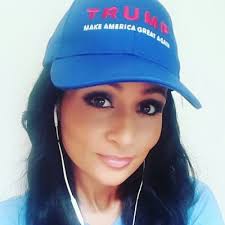
Katrina Pierson
Totally ignored in that scenario:
- President George W. Bush lied the nation into a needless war that cost the lives of 4,486 Americans and wounded another 33,226.
- The war began in 2003—and Khan was killed in 2004.
- Barack Obama became President in 2009—almost five years after Khan’s death.
- Hillary Clinton became Secretary of State the same year.
- Obama, elected Illinois U.S. Senator in 2004, vigorously opposed the Iraq war throughout his term.
Twitter users, using the hashtag #KatrinaPiersonHistory, mocked Pierson’s revisionist take on history. Among their tweets:
- Hillary Clinton slashed funding for security at the Ford Theater, leading to Lincoln’s assassination.
- Obama gave Amelia Earhart directions to Kenya.
- Remember the Alamo? Obama and Hillary let it happen.
- Obama and Clinton kidnapped the Lindbergh baby.
Not content with blaming President Obama for the death of a man he never sent into combat, Pierson claimed that Obama started the Afghanistan war.
Appearing again on CNN, Pierson said the Afghan war began “after 2007,” when Al Qaeda “was in ashes” following the American troop surge in Iraq.
“Remember, we weren’t even in Afghanistan by this time,” Pierson said. “Barack Obama went into Afghanistan, creating another problem.”
In fact, President George W. Bush ordered the invasion of Afghanistan following the terrorist attacks of September 11, 2001.
When your spokeswoman becomes a nationwide laughingstock, your own credibility goes down the toilet as well.
In July, 2016, an Associated Press/GfK poll found that half of Americans saw Donald Trump as “racist”—and only 7% of blacks viewed him favorably.
There are numerous reasons for this:
- His enthusiastic support by racist white supremacist organizations such as the Ku Klux Klan and the American Nazi Party.
- His “birther” attacks on President Obama as a non-citizen from Kenya–and thus ineligible to hold the Presidency.
- His attacks on the Black Lives Matter movement and calling on his supporters at rallies to rough up minority protesters.
Since 1964, blacks have overwhelmingly voted for Democratic Presidential candidates. President Lyndon B. Johnson’s won their loyalty with his support for and passage of the Civil Rights Act of 1964.
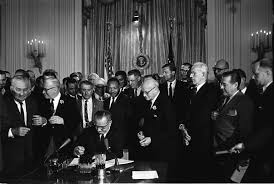
President Johnson signing the 1964 Civil Rights Act
Republican Presidential candidate Barry Goldwater opposed it—as did the majority of his party.
Since 1964, fewer than six percent of blacks have voted for Republican Presidential candidates. Whites have not only remained the majority of Republican voters but have become the single most important voting bloc among them.
To counter this, Donald Trump turned to his Director of African-American Outreach: Omarosa Manigault.
Trump made the appointment just hours before the first night of the Republican National Convention.
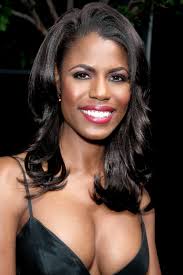
Omarosa Manigault
Manigault is best known as the villain of Trump’s reality-TV show, “The Apprentice”—where she was fired on three different seasons. Her credentials include a Ph.D. in communications, a preacher’s license, and topping TV Guide’s list of greatest reality TV villains in 2008.
During the Clinton administration she held four jobs in two years, and was thoroughly disliked in all of them.
“She was asked to leave [her last job] as quickly as possible, she was so disruptive,” said Cheryl Shavers, the former Under Secretary for Technology at the Commerce Department. “One woman wanted to slug her.”
In her role as Trump’s ambassador to blacks, Omarosa inspired others to want to slug her. Appearing on Fox Business, she ignored Fox panelist Tamera Holder’s question on why blacks should support Trump, and then mocked her “big boobs.”
Manigault wasn’t bothered that blacks regarded Trump so poorly in polls: “My reality is that I’m surrounded by people who want to see Donald Trump as the next president of the United States who are African-American.”
Appointing as your public relations director a woman who gratuitously insults and infuriates people is not the move of a smart administrator—or Presidential candidate.
Manigault followed Trump into the White House as director of communications for the Office of Public Liaison. There her arrogance and rudeness got her fired in December, 2017.
Manigault had known Trump since 2004. But it was only in 2018, in a tell-all book, Unhinged, that she claimed she had discovered that her idol was a racist, a misogynist and in mental decline.
To make things worse for Trump, she had secretly taped conversations between herself and him. Asked to justify this, she offered: “You have to have your own back or else you’ll look back and you’ll have 17 knives in your back. I protected myself because this is a White House where everybody lies.”
Thus, after all these demonstrations of Trump’s incompetence as an administrator, millions of hate-filled Americans rushed to the polls to support him—because “he says what I’m thinking.”
9/11 ATTACKS, ABC NEWS, AFGHANISTAN, ALTERNET, AMERICABLOG, AMERICAN NAZI PARTY, ANTI-SEMITISM, AP, ARCHER SCHOOL FOR GIRLS, BABY BOOMER RESISTANCE, BARACK OBAMA, BARRY GOLDWATER, BBC, BIRTH CONTROL, BLACK LIVES MATTER, BLOOMBERG NEWS, BUZZFEED, CBS NEWS, CIVIL RIGHTS ACT OF 1964, CNN, CROOKS AND LIARS, DAILY KOZ, DONALD TRUMP, ED MARTIN, FACEBOOK, FIVETHIRTYEIGHT, FLORIDA, FOX BUSINESS, FOX NEWS, GEORGE W. BUSH, GRETCHEN CARLSON, HARPER’S MAGAZINE, HILLARY CLINTON, HUFFINGTON POST, HUMAYUN KHAN, IRAQ WAR, IVANKA TRUMP, JOHN MCCAIN, KATRINA PIERSON, KU KLUX KLAN, LATINOS, LYNDON B. JOHNSON, MARCO GUTIERREZ, MEDIA MATTERS, MEDICAID, MEDICARE, MEXICO, MICHELE BACHMANN, MITT ROMNEY, MOTHER JONES, MOVEON, MSNBC, NBC NEWS, NEW REPUBLIC, NEW YORK, NEWSDAY, NEWSWEEK, NICCOLO MACHIAVELLI, NPR, OBAMACARE, OMAROSA MANIGAULT, PAUL MANAFORT, PBS NEWSHOUR, POLITICO, POLITICUSUSA, PRINCESS DIANA, RAW STORY, REUTERS, ROGER AILES, SALON, SEATTLE TIMES, SLATE, SOCIAL SECURITY, STEPHEN BANNON, TALKING POINTS MEMO, TEA PARTY, THE APPRENTICE, THE ATLANTIC, THE CHICAGO SUN-TIMES, THE CHICAGO TRIBUNE, THE DAILY BEAST, THE DAILY BLOG, THE GUARDIAN, THE HILL, THE HUFFINGTON POST, THE INTERCEPT, THE LOS ANGELES TIMES, THE NATION, THE NEW NEW YORK TIMES, THE NEW REPUBLIC, THE NEW YORK TIMES, THE NEW YORKER, THE PRINCE, THE VILLAGE VOICE, THE WASHINGTON POST, THINKPROGRESS, TIME, TRUTHDIG, TRUTHOUT, TWITTER, TWO POLITICAL JUNKIES, U.S. NEWS & WORLD REPORT, UPI, USA TODAY, VLADIMIR PUTIN, VOTER ID LAWS, VOTING, WAYNE ROOT, WELFARE, WONKETTE
In Bureaucracy, History, Law, Politics, Social commentary on August 8, 2019 at 12:05 am
During the 2016 Presidential campaign, even the Secret Service couldn’t protect Donald Trump from the notoriety of his handpicked supporters.
From August to November, 2016, the manager of Trump’s Presidential campaign was Steve Bannon, who made anti-Semitic remarks and was found to have been registered to vote at a vacant house in Florida.
But before Bannon signed on, his predecessor was Paul Manafort, whom Trump hired to add stability to his often scattershot campaign.
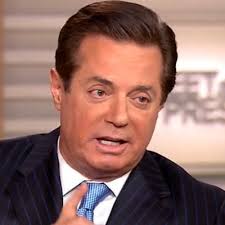
Paul Manafort
But Manafort came with a dangerous liability: His longstanding ties to pro-Russian politicians in Ukraine—which inevitably led to Vladimir Putin.
For years, Manafort worked for Viktor Yanukovych, a Putin protege who was deposed as Ukraine’s president in 2014 amid widespread demonstrations.
In August, the New York Times unearthed handwritten ledgers that listed $12.7 million in cash payments to Manafort from Yanukovych’s political party between 2007 and 2012.
In 2018, Manafort would be found guilty on eight counts:
- Filing false tax returns
- Bank fraud
- Failing to disclose a foreign bank account
- Conspiracy to defraud the United States and
- Witness tampering.
Trump’s own ties to Putin were already facing increasing scrutiny for:
- His and Putin’s public expressions of admiration for each other’s toughness.
- The removal from the Republican party platform, written at the convention in Cleveland in July, of references to arming Ukraine in its fight against pro-Russian rebels who have been armed by the Kremlin.
- Trump’s inviting Russia to find 30,000 emails deleted from the private server used by Hillary Clinton while she was Secretary of State in the Obama administration: “I think you will probably be mightily rewarded by our press.”
Added to Manafort’s embarrassing ties to Russia was another minus: He and Trump didn’t get along. Trump had begun calling him “low energy”–a term he once aimed at his former GOP rival, Jeb Bush.
Manafort wanted Trump to bring more self-discipline to the campaign and concentrate his fire solely on his Presidential rival, Hillary Clinton. Instead, in late July, Trump ignited a days-long feud with members of a Gold Star family, costing him support within the veterans community.
Manafort also wanted Trump to establish a conventional chain-of-command organization typical of a Presidential campaign. But Trump resisted, preferring to improvise and rely on his instincts and the counsel of his family.
In late August, Trump fired him.
Foreign policy nearly always plays a major role in Presidential elections. Yet Trump showed a total lack of knowledge or concern for it.
Asked on MSNBC’s “Morning Joe” who he consults about foreign policy, Trump replied; “I’m speaking with myself, number one, because I have a very good brain and I’ve said a lot of things.”
In late August, 2016, former Republican Congresswoman (2007-2015) Michele Bachmann claimed that she was now advising Trump on foreign policy.
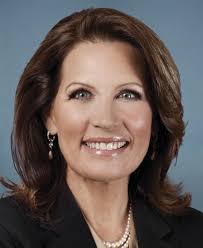
Michele Bachmann
A member of the Right-wing Tea Party, Bachmann has said that diplomacy “is our option” in dealing with Iran—but wouldn’t rule out a nuclear strike.
Among the statements she’s made:
- “I don’t know how much God has to do to get the attention of the politicians. We’ve had an earthquake; we’ve had a hurricane. He said, ‘Are you going to start listening to me here?'”
- “Carbon dioxide is portrayed as harmful. But there isn’t even one study that can be produced that shows that carbon dioxide is a harmful gas.”
- “President Obama waived a ban on arming terrorists in order to allow weapons to go to the Syrian opposition….U.S. taxpayers are now paying to give arms to terrorists, including Al-Qaeda.”
- “I’m a believer in Jesus Christ. As I look at the End Times scripture, this says to me that the leaf is on the fig tree and we are to understand the signs of the times, which is your ministry, we are to understand where we are in God’s end time history.”
A woman who believes that God causes earthquakes and hurricanes, and that mankind has arrived at “End Times,” could hardly be a comfort to rational voters.
Another Trump adviser was former Fox News CEO Roger Ailes. His assignment: Prepare Trump for the upcoming fall debates with Clinton.
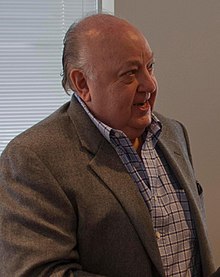
Ailes’ appointment came shortly after he was fired, in July, 2016, from Fox News on multiple charges of sexual harassment.
At first, only Fox News anchor Gretchen Carlson dared accuse him. But then more than two dozen women came forward to accuse Ailes of sexual harassment.
On September 6, Carlson reached an out-of-court settlement with the parent company of Fox News for a reported $20 million.
At least two other women have settled with Fox, an anonymous source told the New York Times. And others may be planning to file lawsuits.
All of which made Ailes the poster boy for sexual harassment.
Trump has been married three times and has often boasted of his sexual conquests—including ones he believes he could have had.
Shortly after the 1997 death of Princess Diana, he told a radio interviewer he could have “nailed” her if he had wanted to.
In a mid-March CNN/ORC poll, 73% of female voters voiced a negative view of Trump. Associating with a notorious sexual harasser like Roger Ailes could only make him even more unpopular among women.
9/11 ATTACKS, ABC NEWS, AFGHANISTAN, ALTERNET, AMERICABLOG, AMERICAN NAZI PARTY, ANTI-SEMITISM, AP, ARCHER SCHOOL FOR GIRLS, BABY BOOMER RESISTANCE, BARACK OBAMA, BARRY GOLDWATER, BBC, BIRTH CONTROL, BLACK LIVES MATTER, BLOOMBERG NEWS, BUZZFEED, CBS NEWS, CIVIL RIGHTS ACT OF 1964, CNN, CROOKS AND LIARS, DAILY KOZ, DONALD TRUMP, ED MARTIN, FACEBOOK, FIVETHIRTYEIGHT, FLORIDA, FOX BUSINESS, FOX NEWS, GEORGE W. BUSH, GRETCHEN CARLSON, HARPER’S MAGAZINE, HILLARY CLINTON, HUFFINGTON POST, HUMAYUN KHAN, IRAQ WAR, IVANKA TRUMP, JOHN MCCAIN, KATRINA PIERSON, KU KLUX KLAN, LATINOS, LYNDON B. JOHNSON, MARCO GUTIERREZ, MEDIA MATTERS, MEDICAID, MEDICARE, MEXICO, MICHELE BACHMANN, MITT ROMNEY, MOTHER JONES, MOVEON, MSNBC, NBC NEWS, NEW REPUBLIC, NEW YORK, NEWSDAY, NEWSWEEK, NICCOLO MACHIAVELLI, NPR, OBAMACARE, OMAROSA MANIGAULT, PAUL MANAFORT, PBS NEWSHOUR, POLITICO, POLITICUSUSA, PRINCESS DIANA, RAW STORY, REUTERS, ROGER AILES, SALON, SEATTLE TIMES, SLATE, SOCIAL SECURITY, STEPHEN BANNON, TALKING POINTS MEMO, TEA PARTY, THE APPRENTICE, THE ATLANTIC, THE CHICAGO SUN-TIMES, THE CHICAGO TRIBUNE, THE DAILY BEAST, THE DAILY BLOG, THE GUARDIAN, THE HILL, THE HUFFINGTON POST, THE INTERCEPT, THE LOS ANGELES TIMES, THE NATION, THE NEW NEW YORK TIMES, THE NEW REPUBLIC, THE NEW YORK TIMES, THE NEW YORKER, THE PRINCE, THE VILLAGE VOICE, THE WASHINGTON POST, THINKPROGRESS, TIME, TRUTHDIG, TRUTHOUT, TWITTER, TWO POLITICAL JUNKIES, U.S. NEWS & WORLD REPORT, UPI, USA TODAY, VLADIMIR PUTIN, VOTER ID LAWS, VOTING, WAYNE ROOT, WELFARE, WONKETTE
In Bureaucracy, History, Law, Politics, Social commentary on August 7, 2019 at 12:05 am
“The first impression that one gets of a ruler and his brains is from seeing the men that he has about him.
“When they are competent and loyal one can always consider him wise, as he has been able to recognize their ability and keep them faithful.
“But when they are the reverse, one can always form an unfavorable opinion of him, because the first mistake that he makes is in making this choice.”
So wrote the Italian statesman Niccolo Machiavelli more than 500 years ago in his famous treatise on politics, The Prince.
And his words remain as true in our day as they were in his.
In fact, he could have been writing about the ability of Donald Trump to choose subordinates.

Niccolo Machiavelli
As a Presidential candidate, Trump repeatedly previewed his administrative incompetence—which he has continued to demonstrate as President.
Of course, his favorite daughter, Ivanka, bitterly disagrees: “My father values talent. He recognizes real knowledge and skill when he finds it. He is color-blind and gender-neutral. He hires the best person for the job, period.”
But a close look at those he picked to run his campaign for President totally refutes this.
From the outset of his Presidential campaign, Trump polled extremely poorly among Hispanic voters. Among the reasons for this—Trump’s verdict on Mexicans:
“When Mexico sends its people, they’re not sending their best. They’re sending people that have lots of problems, and they’re bringing those problems with us. They’re bringing drugs. They’re bringing crime. They’re rapists.”
And he promised to “build a great, great wall on our southern border and I will have Mexico pay for that wall.”
So statements like those of his supporters Marco Gutierrez and Ed Martin could only inflame Hispanic voters even more:
Founder of Latinos for Trump Marco Gutierrez told MSNBC’s Joy Reid: “My culture is a very dominant culture. And it’s imposing, and it’s causing problems. If you don’t do something about it, you’re gonna have taco trucks every corner.”
At a Tea Party for Trump rally at a Harley-Davidson dealership in Festus, Missouri, former Missouri Republican Party director Ed Martin reassured the crowd that they weren’t not racist for hating Mexicans.
“Donald Trump is for Americans first. He’s for us first. It is not selfish to support, or to be for, your neighbor, as opposed to someone from another nation. And Mexico, Mexicans, that’s not a race. You’re not racist if you don’t like Mexicans. They’re from a nation.”
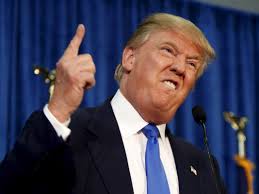
Donald Trump
Then there were the inflammatory words offered by Wayne Root, opening speaker and master of ceremonies at many Trump events. Root told Virginia radio host Rob Schilling that people on public assistance and women who get their birth control through Obamacare should not be allowed to vote:
“If the people who paid the taxes were the only ones allowed to vote, we’d [Republicans] have landslide victories. But you’re allowing people to vote. This explains everything! People with conflict of interest shouldn’t be allowed to vote. If you collect welfare, you have no right to vote.
“The day you get off welfare, you get your voting rights back. The reality is, why are you allowed to have this conflict of interest that you vote for the politician who wants to keep your welfare checks coming and your food stamps and your aid to dependent children and your free health care and your Medicaid, your Medicare and your Social Security and everything else?”
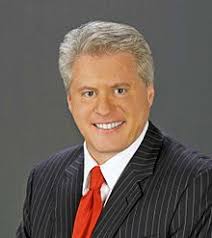
Wayne Root
According to a March, 206 Gallup poll, 70% of women—or seven in 10–had an unfavorable opinion of Trump.
Such comments as Root’s could only make Trump even more unpopular with women. Not to mention anyone who received Medicaid, Medicare or Social Security.
Donald Trump’s new campaign manager, Steve Bannon, was charged with misdemeanor domestic violence, battery, and dissuading a witness in 1996, after an altercation with his then-wife, Mary Louise Piccard, in Santa Monica, California.
Picard also said in a 2007 court declaration that Bannon didn’t want their twin daughters attending the Archer School for Girls in Los Angeles because many Jewish students were enrolled there.
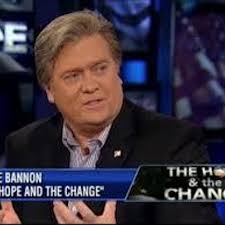
Steve Bannon
This undoubtedly contributed to Trump’s unpopularity among women, it also made him unpopular among Jews—especially in heavily Jewish states like New York and Florida.
In addition: Bannon and another ex-wife, Diane Clohesy, were registered to vote at a vacant house in Florida, a possible violation of election laws in a key swing state.
Republicans have vigorously denied voting rights to tens of thousands on the pretext of “voter fraud.” More than a dozen states still have voting restrictions in place since 2012.
A Washington Post investigation found just 31 credible cases of voter fraud from 2000 to 2014, out of an estimated 1 billion ballots cast in the U.S. during that period.
Meanwhile, voting rights groups have been fighting back–and winning.
“Voter ID” laws in Texas, Wisconsin and North Carolina have been found discriminatory against minorities–who traditionally vote Democratic.
With evidence of Republican fraud like that supplied by Trump’s own campaign manager, victories against “Voter ID” laws may well increase.
ABC NEWS, ADOLF HITLER, ALTERNET, AMERICABLOG, AP, BABY BOOMER RESISTANCE, BBC, BLOOMBERG NEWS, BUZZFEED, CBS NEWS, CNN, CRIME, CROOKS AND LIARS, DAILY KOS, DAILY KOZ, FACEBOOK, FIVETHIRTYEIGHT, GUN CONTROL, HARPER’S MAGAZINE, HUFFINGTON POST, JOSEPH STALIN, MARTIN LUTHER KING, MEDIA MATTERS, MOTHER JONES, MOVEON, MSNBC, NATIONAL RIFLE ASSOCIATION, NAZI-SOVIET NON-AGGRESSION PACT, NBC NEWS, NEW REPUBLIC, NEWSDAY, NEWSWEEK, NPR, PBS NEWSHOUR, POLITICO, POLITICUSUSA, RAW STORY, REUTERS, ROBERT F. KENNEDY, SALON, SEATTLE TIMES, SECOND AMENDMENT, SELF-DEFENSE, SLATE, STAND-YOUR-GROUND LAWS, TALKING POINTS MEMO, THE ATLANTIC, THE CHICAGO SUN-TIMES, THE CHICAGO TRIBUNE, THE DAILY BEAST, THE DAILY BLOG, THE GUARDIAN, THE HILL, THE HUFFINGTON POST, THE INTERCEPT, THE LOS ANGELES TIMES, THE NATION, THE NEW REPUBLIC, THE NEW YORK TIMES, THE NEW YORKER, THE SS, THE VILLAGE VOICE, THE WASHINGTON POST, THINKPROGRESS, THIRD REICH, TIME, TRUTHDIG, TRUTHOUT, TWITTER, U.S. CONSTITUTION, U.S. NAVY SEALS, U.S. NEWS & WORLD REPORT, UKRAINE, UPI, USA TODAY, VIRGINIA TECH SHOOTINGS, VLADIMIR PUTIN, VOLODYMYR ZELENSKY, WEHRMACHT, WORLD WAR 11, WRONGFUL-DEATH
In Bureaucracy, Business, History, Law, Law Enforcement, Politics, Social commentary on August 6, 2019 at 12:05 am
The victims of the violence are black and white, rich and poor, young and old, famous and unknown. They are, most important of all, human beings whom other human beings loved and needed. No one—no matter where he lives or what he does—can be certain who will suffer from some senseless act of bloodshed. And yet it goes on and on.
–Robert F. Kennedy, April 4, 1968
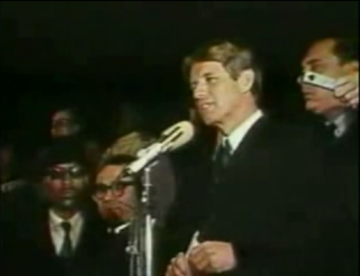
Senator Robert F. Kennedy announcing the murder of Dr. Martin Luther King, Jr.
What should the surviving victims of gun massacres do to seek redress?
And how can the relatives and friends of those who didn’t survive seek justice for those they loved?
Two things:
First, don’t count on politicians to support a ban on assault weapons.
Politicians—with rare exceptions—have only two goals:
- Get elected to office, and
- Stay in office.
And too many of them fear the economic and voting clout of the NRA to risk its wrath.
Consider Mitt Romney and President Barack Obama.
Both rushed to offer condolences to the surviving victims of the massacre at the Century 16 Theater in Aurora, Colorado, on July 20, 2012.
And both steadfastly refused to even discuss gun control—let alone support a ban on the type of assault weapons used by James Holmes, leaving 12 dead and 58 wounded.
Second, those who survived the massacre–and the relatives and friends of those who didn’t–should file wrongful death, class-action lawsuits against the NRA.
There is sound, legal precedent for this.
- For decades, the American tobacco industry peddled death and disability to millions and reaped billions of dollars in profits.
- The industry vigorously claimed there was no evidence that smoking caused cancer, heart disease, emphysema or any other ailment.
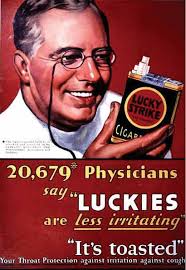
- Tobacco companies spent billions on slick advertising campaigns to win new smokers and attack medical warnings about the dangers of smoking.
- Tobacco companies spent millions to elect compliant politicians and block anti-smoking legislation.
- From 1954 to 1994, over 800 private lawsuits were filed against tobacco companies in state courts. But only two plaintiffs prevailed, and both of those decisions were reversed on appeal.
- In 1994, amidst great pessimism, Mississippi Attorney General Mike Moore filed a lawsuit against the tobacco industry. But other states soon followed, ultimately growing to 46.
- Their goal: To seek monetary, equitable and injunctive relief under various consumer-protection and anti-trust laws.
- The theory underlying these lawsuits was: Cigarettes produced by the tobacco industry created health problems among the population, which badly strained the states’ public healthcare systems.
- In 1998, the states settled their Medicaid lawsuits against the tobacco industry for recovery of their tobacco-related, health-care costs. In return, they exempted the companies from private lawsuits for tobacco-related injuries.
- The companies agreed to curtail or cease certain marketing practices. They also agreed to pay, forever, annual payments to the states to compensate some of the medical costs for patients with smoking-related illnesses.
The parallels with the NRA are obvious:
- For decades, the NRA has peddled deadly weapons to millions, reaped billions of dollars in profits and refused to admit the carnage those weapons have produced: “Guns don’t kill people. People kill people.” With guns.
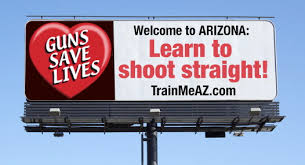
- The NRA has bitterly fought background checks on gun-buyers, in effect granting even criminals and the mentally ill the right to own arsenals of death-dealing weaponry.
- The NRA has spent millions on slick advertising campaigns to win new members and frighten them into buying guns.
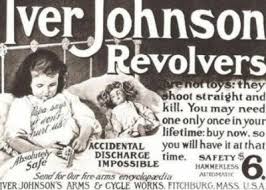
- The NRA has spent millions on political contributions to block gun-control legislation.
- The NRA has spent millions attacking political candidates and elected officials who warned about the dangers of unrestricted access to assault and/or concealed weapons.
- The NRA has spent millions pushing “Stand Your Ground” laws in more than half the states, which potentially give every citizen a “license to kill.”
- The NRA receives millions of dollars from online sales of ammunition, high-capacity ammunition magazines, and other accessories through its point-of-sale Round-Up Program—thus directly profiting by selling a product that kills about 30,288 people a year.
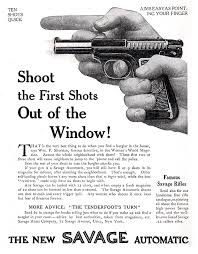
- Firearms made indiscriminately available through NRA lobbying have filled hospitals with casualties, and have thus badly strained the states’ public healthcare systems.
It will take a series of highly expensive and well-publicized lawsuits to significantly weaken the NRA, financially and politically.
The first ones will have to be brought by the surviving victims of gun violence—and by the friends and families of those who did not survive it. Only they will have the courage and motivation to take such a risk.
As with the cases first brought against tobacco companies, there will be losses. And the NRA will rejoice with each one.
But, in time, state Attorneys General will see the clear parallels between lawsuits filed against those who peddle death by cigarette and those who peddle death by armor-piercing bullet.
And then the NRA—like the tobacco industry—will face an adversary wealthy enough to stand up for the rights of the gun industry’s own victims.
Only then will those politicians supporting reasonable gun controls dare to stand up for the victims of these needless tragedies.
ABC NEWS, ALTERNET, AMERICABLOG, AP, AR-15, ATOMIC BOMB, BABY BOOMER RESISTANCE, BBC, BENEATH THE PLANET OF THE APES, BLOOMBERG, BLUESKY, BUZZFEED, C-PAC, CBS NEWS, CIA, CNN, CROOKS AND LIARS, DAILY KOS, DEMOCRATIC PARTY, DONALD TRUMP, FBI, FIVETHIRTYEIGHT, GUNS, HARPER’S MAGAZINE, HUFFINGTON POST, MARJORY STONEMAN DOUGLAS HIGH SCHOOL, MEDIA MATTERS, MOTHER JONES, MOVEON, MSNBC, NATIONAL RIFLE ASSOCIATION, NBC NEWS, NEW REPUBLIC, NEWSDAY, NEWSWEEK, NPR, NSA, PBS NEWSHOUR, POLITICO, POLITICUSUSA, RAW STORY, REUTERS, RUSSIA, SALON, SANDY HOOK ELEMENTARY SCHOOL, SEATTLE TIMES, SECOND AMENDMENT, SECURITY GUARDS, SLATE, SOCIALISM, TALKING POINTS MEMO, THE ATLANTIC, THE CHICAGO SUN-TIMES, THE CHICAGO TRIBUNE, THE DAILY BEAST, THE DAILY BLOG, THE GUARDIAN, THE HILL, THE HUFFINGTON POST, THE INTERCEPT, THE LOS ANGELES TIMES, THE NATION, THE NEW REPUBLIC, THE NEW YORK TIMES, THE NEW YORKER, THE VILLAGE VOICE, THE WASHINGTON POST, THINKPROGRESS, TIME, TRUTHDIG, TRUTHOUT, TWO POLITICAL JUNKIES, U.S. NEWS & WORLD REPORT, UPI, USA TODAY, USA TODAY NIKOLAS CRUZ, VLADIMIR PUTIN, WAYNE LAPIERRE, X
In Bureaucracy, History, Law, Law Enforcement, Politics, Social commentary on August 5, 2019 at 1:00 am
On February 14, 2018, 19-year-old Nikolas Cruz slaughtered two faculty members and 15 students at Marjory Stoneman Douglas High School in Parkland, Florida.
His weapon of choice: An AR-15 assault rifle, often favored by gun massacre killers.
Eight days later, on February 22, Wayne LaPierre, executive vice president of the National Rifle Association, attacked those he held responsible for the series of massacres plaguing American schools.
And it wasn’t crazed gunmen armed with automatic weapons designed for military use.

Wayne LaPierre
With funerals still being planned for some of the victims, LaPierre blamed “the elites,” “saboteurs” and “new European-style socialists” for this and other gun massacres.
He did so at the Conservative Political Action Conference (C-PAC) in National Harbor, Maryland.
“They hate the NRA, they hate the Second Amendment. They hate individual freedom. In the rush of calls for more government, they have also revealed…their true selves.
“The elites do not care about America’s schoolchildren. If they truly cared, they would protect them. For them, it is not a safety issue. It is a political issue.
“Their goal is to eliminate the Second Amendment and our firearms freedoms, so they can eradicate all individual freedoms.”
His C-PAC congregation gave him a wild ovation.
And he accused the Democratic party of being “infested with saboteurs who do not believe in capitalism, do not believe in the Constitution, do not believe in our freedom, and do not believe in America as we know it.”
These “saboteurs” were “new European-style socialists.”
Which was ironic: In 2016, the NRA spent $30 million to elect Donald Trump—who fiercely defends Russian Communist dictator Vladimir Putin against the FBI, NSA and CIA.
He then outlined his solution for protecting America’s schoolchildren: Turning schools into virtual concentration camps patrolled by heavily-armed security guards.
The highlight of LaPierre’s speech came at its close: “And there is no greater personal, individual freedom than the right to keep and bear arms, the right to protect yourself, and the right to survive.
“It is not bestowed by man, but granted by God to all Americans as our American birthright.”
Anyone who’s seen the 1970 sci-fi movie, Beneath the Planet of the Apes, remembers the final scene: Where seemingly normal underground dwellers strip off their human face masks and reveal themselves to be radiation-scarred mutants.
They wear white robes, and stand silently during a sermon or shout “Amen!” in what is clearly a dark parody of a religious service. It’s immediately clear what they are worshiping: An atomic bomb standing upright.

And they pay tribute to the engine of obliteration that has destroyed human civilization and brought about a world ruled by apes.
Their leader, Mendez, chants:
“Glory be to the Bomb, and to the Holy Fallout. As it was in the beginning, is now, and ever shall be. World without end. Amen.
“His sound has gone out to all lands, and his light unto the end of the world.
“Almighty and everlasting Bomb, who came down among us to make Heaven under Earth. Lighten our darkness. O instrument of God—grant us thy peace!”
Reading Wayne LaPierre’s eulogy to the Gun and his passionate invoking of God, it’s easy to re-imagine his giving a slightly altered version of the sermon offered in Beneath the Planet of the Apes. It’s also easy to imagine this taking place during an NRA convention.
WAYNE LAPIERRE: The heavens declare the Glory of the Gun. And the body-count showeth His handiwork.
NRA CONGREGATION: His sound is gone out to all lands; and his Light unto the end of the world.
WAYNE LAPIEREE: He descendeth from the outermost part of Heaven; and there is nothing hid from the lead thereof. There is neither speech nor language after His voice is heard among them.
NRA CONGREGATION: Praise Him! Praise Him! My Strength and my Redeemer!
WAYNE LAPIERRE: Glory be to the Gun, and to the Holy Bodycount! As it was in the Beginning, is now and ever shall be, massacres without end. Amen!
NRA CHORUS: Amen! Amen! Amen! Amen!
WAYNE LAPIERRE: Almighty and Everlasting Gun, who came down among us to make Heaven unto Earth. Lighten our darkness with your muzzle flashes. O instrument of God, grant us They peace.
NRA CHOIR: Almighty Gun, who destroyed all men—to create corpses! Behold His glory!
WAYNE LAPIERRE: Behold that Truth that abides in us. To reveal that Truth unto that Maker.
WAYNE LAPIERRE AND NRA CONGREGATION: I reveal my inmost self unto my God.
NRA CHORUS (singing): Unto my God!
NRA CONGREGATION (singing):
All guns bright and beautiful. All creatures dead with lead.
The good Gun makes us what we are!
He takes out eyes to see with, and lips that might yet speak. How great the Gun Almighty, who has made all things dead. Amen!
WAYNE LAPIERRE: May the Blessing of the Gun Almighty and the fellowship of the Holy Bodycount descend on us all, this night and forevermore!
* * * * * *
On December 14, 2012, a psychotic gunman using military firepower slaughtered 20 first-graders and six adults at Sandy Hook Elementary School. Since then, at least 2,189 mass shootings have erupted nationwide, with at least 2,475 killed and 9,137 wounded.
ABC NEWS, ALTERNET, AMERICABLOG, ANWAR SADAT, AP, ARTHUR BREMER, ASSASSINATION, BABY BOOMER RESISTANCE, BBC, BLOOMBERG NEWS, BUZZFEED, CBS NEWS, CHARLES L. COTTON, CIA, CLEMENTA C. PINCKNEY, CNN, CROOKS AND LIARS, DAILY KOS, DAILY KOZ, DYLANN ROOF, EGYPT, EMANUEL AFRICAN METHODIST CHURCH, FACEBOOK, FIVETHIRTYEIGHT, GEORGE C. WALLACE, GUN CONTROL, HARPER’S MAGAZINE, HATE CRIMES, HUFFINGTON POST, ISRAEL, MEDIA MATTERS, MOTHER JONES, MOVEON, MSNBC, NATIONAL RIFLE ASSOCIATION, NBC NEWS, NEW REPUBLIC, NEWSDAY, NEWSWEEK, NPR, PBS NEWSHOUR, POLITICO, POLITICUSUSA, RAFAEL CRUZ, RAW STORY, REPUBLICAN PARTY, REPUBLICANS, REUTERS, ROBERT F. KENNEDY, SALON, SEATTLE TIMES, Secret Service, SLATE, TALKING POINTS MEMO, TERRORISM, THE ATLANTIC, THE CHICAGO SUN-TIMES, THE CHICAGO TRIBUNE, THE DAILY BEAST, THE DAILY BLOG, THE GUARDIAN, THE HILL, THE HUFFINGTON POST, THE INTERCEPT, THE LOS ANGELES TIMES, THE NATION, THE NEW REPUBLIC, THE NEW YORK TIMES, THE NEW YORKER, THE SECOND AMENDMENT, THE VILLAGE VOICE, THE WASHINGTON POST, THINKPROGRESS, TIME, TRUTHDIG, TRUTHOUT, TWITTER, U.S. NEWS & WORLD REPORT, UPI, USA TODAY
In Bureaucracy, History, Law, Law Enforcement, Politics, Social commentary on May 9, 2019 at 12:11 am
“You know the great thing about the state of Iowa is, I’m pretty sure you all define gun control the same way we do in Texas—hitting what you aim at.
“My wife, Heidi, who is a petite, 5’2 California blonde, she was standing at the tripod unloading the full machine gun with a pink baseball cap that said ‘Frmed and Fabulous.’”
Yes, it was United States Senator Rafael “Ted” Cruz (R-Texas) on the prowl for laughs–-and votes—at a town hall meeting in Iowa.
Normally, Cruz would do his vote-hunting in Texas. But now Cruz had a bigger prize on his mind than simply being re-elected a United States Senator. Cruz wanted to be President in 2016.
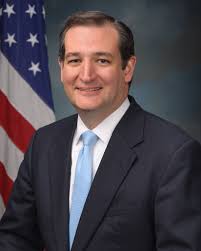
U.S. Senator Rafael Cruz
And Iowa held its precinct causes on February 1-2, 2016.
Cruz’ jokes about gun control came on June 19, 2015, only two days after Dylann Roof, a white high school dropout, gunned down three unarmed black men and six black women at Emanuel African Methodist Episcopal Church in Charleston, South Carolina.
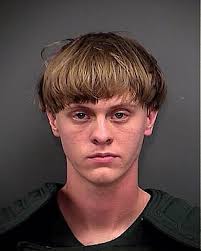
Dylann Roof
Following his remarks, Cruz headed to a shooting range, where he fired off rounds on a semiautomatic .223-caliber Smith and Wesson M&P 15.
Cruz’ remarks no doubt appeared insensitive to those who now mourned for the latest victims of gun violence. But Charles L. Cotton took insulting the dead to a whole new level.
Cotton is a National Rifle Association (NRA) board member who also runs TexasCHLForum.com, an online discussion forum about guns and gun owners’ rights in Texas and beyond.
In a discussion thread on June 18, 2015—one day after the church slaughter—a board member noted that Clementa C. Pinckney, one of the nine people slain, was a pastor and a state legislator in South Carolina.
Cotton responded: “And he voted against concealed-carry. Eight of his church members who might be alive if he had expressly allowed members to carry handguns in church are dead. Innocent people died because of his position on a political issue.”

That discussion thread has since been deleted.
During a subsequent phone interview, Cotton emphasized that he had been speaking as a private citizen—and not as an NRA board member:
“It was a discussion we were having about so called gun-free zones. It’s my opinion that there should not be any gun-free zones in schools or churches or anywhere else. If we look at mass shootings that occur, most happen in gun-free zones.”
If private citizens were allowed to carry guns everywhere, Cotton says, there will be fewer mass shootings because “if armed citizens are in there, they have a chance to defend themselves and other citizens.”
Cotton’s position—“there should not be any gun-free zones”—is exactly that of the NRA itself.
Under such circumstances, America will become a nation where anyplace, anytime, can be turned into the O.K. Corral.
Another point that Cotton didn’t mention: Dylann Roof did believe in concealed-carry–and it cost the lives of nine innocent men and women.
Finally, there is this: Even highly-trained shooters—such as those assigned to the United States Secret Service–don’t always respond as expected.
On May 15, 1972, Alabama Governor George Wallace was campaigning for President in Laurel, Maryland. He gave a speech behind a bulletproof podium at the Laurel Shopping Center. Then he moved from it to mingle with the crowd.
Since the 1968 assassination of Senator Robert F. Kennedy, all those campaigning for President have been assigned Secret Service bodyguards. And Wallace was surrounded by them as he shook hands with his eager supporters.
Suddenly, Arthur Bremer, a fame-seeking failure in life and romance, pushed his way forward, aimed a .38 revolver at Wallace’s abdomen and opened fire. Before he could be subdued, he hit Wallace four times, leaving him paralyzed for the rest of his life.

Arthur Bremer shoots George Wallace
Nor was he Bremer’s only victim. Three other people present were wounded unintentionally:
- Alabama State Trooper Captain E. C. Dothard, Wallace’s personal bodyguard, who was shot in the stomach;
- Dora Thompson, a campaign volunteer, who was shot in the leg; and
- Nick Zarvos, a Secret Service agent, who was shot in the neck, severely impairing his speech.
None of Wallace’s bodyguards got off a shot at Bremer—before or after he pulled the trigger.
On October 6, 1981, Egyptian President Anwar Sadat was reviewing a military parade in Cairo when a truck apparently broke down directly across from where he was seated.
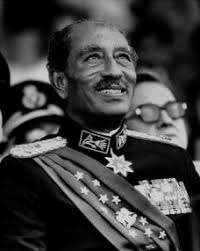
Anwar Sadat, moments before his assassination
Suddenly, soldiers bolted from the rear of the vehicle, throwing hand grenades and firing assault rifles. They rushed straight at Sadat—who died instantly under a hail of bullets.
Meanwhile, Sadat’s bodyguards—who had been trained by the CIA—panicked and fled.
Sadat had been assassinated by army officers who believed he had betrayed Islam by making peace with Israel in 1977.
The ultimate test of the NRA’s mantra that “there should not be any gun-free zones…anywhere” will come only when one or more heavily-armed gunmen target an NRA convention.
It will then be interesting to see if the surviving NRA members are as quick to blame themselves for being victims as they are to blame the victims of other mass gun-slaughters.
2016 PRESIDENTIAL RACE, ABC NEWS, ALTERNET, AMERICABLOG, AP, BABY BOOMER RESISTANCE, BBC, BLOOMBERG NEWS, BUZZFEED, CBS NEWS, CNN, CROOKS AND LIARS, DAILY KOZ, DONALD TRUMP, FACEBOOK, FIVETHIRTYEIGHT, GARY SCHULTZ, HARPER’S MAGAZINE, HOUSE COMMITTEE ON OVERSIGHT, HUFFINGTON POST, JIM JORDAN, MARK COLEMAN, MEDIA MATTERS, MICHAEL COHEN, MIKE DISABATO, MOTHER JONES, MOVEON, MSNBC, NBC NEWS, NEW REPUBLIC, NEWSDAY, NEWSWEEK, NPR, OHIO STATE UNIVERSITY, PBS NEWSHOUR, POLITICO, POLITICUSUSA, RAW STORY, REUTERS, RICHARD STRAUSS, ROBERT S. MUELLER, ROD ROSENSTEIN, RUSSIAN SUBVERSION, SALON, SEATTLE TIMES, SEXUAL ABUSE, SLATE, SPECIAL COUNSEL, SPORTS, TALKING POINTS MEMO, THE ATLANTIC, THE CHICAGO SUN-TIMES, THE CHICAGO TRIBUNE, THE DAILY BEAST, THE DAILY BLOG, THE GUARDIAN, THE HILL, THE HUFFINGTON POST, THE INTERCEPT, THE LOS ANGELES TIMES, THE NATION, THE NEW REPUBLIC, THE NEW YORK TIMES, THE NEW YORKER, THE VILLAGE VOICE, THE WASHINGTON POST, THINKPROGRESS, TIME, TRUTHDIG, TRUTHOUT, TWITTER, TWO POLITICAL JUNKIES, U.S. NEWS & WORLD REPORT, ULTIMATE FIGHTING CHAMPIONSHIP, UPI, USA TODAY, WRESTLING
In Bureaucracy, History, Law Enforcement, Politics, Social commentary on March 4, 2019 at 11:58 am
Donald Trump has a unique menagerie of friends.
Some of them are Communist dictators—such as North Korea’s Kim Jong Un and Russia’s Vladimir Putin.
Some of them are accused pedophiles—such as billionaire Jeffrey Epstein, who, in 2008, was convicted of soliciting an underage girl for prostitution.
And some of them apparently knew that others were being sexually abused, but did nothing to stop the assaults—like Rep. Jim Jordan (R-OH).
Jordan has long defended Trump’s litany of demonstrated lies and documented criminality. Appearing on CNN’s “Anderson Cooper 360,” on April 16, 2018, Jordan accused Andrew McCabe, the former deputy director of the FBI, of being a liar. He accused the Washington Post of lying. He asked Cooper if he had ever lied.
But, pressed by Cooper on whether he had ever heard Trump lie, Jordan replied: “I have not. I don’t know of it. Nothing comes to mind.”

Rep. Jim Jordan
Jordan pushed to impeach Deputy Attorney General Rod Rosenstein, who oversees Special Counsel Robert Mueller’s investigation of Russia’s subversion of the 2016 Presidential election.
Jordan, a member of the House’s Right-wing Freedom Caucus, fanatically supports President Donald Trump, whose campaign received documented support from Russian Intelligence agents.
Jordan believes there should not be any investigation into this unholy alliance.
And on February 27, Jordan appeared at the House or Representatives’ Committee on Oversight and Reform to attack the credibility of Michael Cohen.
Trump’s former attorney and fixer
- Accused the President of being a racist, a conman and a cheat.
- Testified that “Donald Trump is a man who ran for office to make his brand great, not to make our country great. He had no desire or intention to lead this nation—only to market himself and to build his wealth and power.”
- Produced a copy of a check Trump “wrote from his personal bank account—after he became president—to reimburse me for the hush money payments I made to cover up his affair with an adult film star and prevent damage to his campaign.”
- Testified that “Mr. Trump knew of and directed the Trump Moscow negotiations throughout the campaign and lied about it. He also lied about it because he stood to make hundreds of millions of dollars on the Moscow real estate project.”

Michael Cohen
IowaPolitics.com [CC BY-SA 2.0 (https://creativecommons.org/licenses/by-sa/2.0)%5D
As a result of his work for Trump, on August 21, 2018, Cohen pleaded guilty to tax fraud, bank fraud and campaign finance violations. He was sentenced in December, 2018, to three years in federal prison and ordered to pay a $50,000 fine.
Like every other Republican at the hearing, Jordan ignored Cohen’s damning allegations. He didn’t try to defend Trump. He simply indulged in character assassination.
After Jordan claimed that Cohen showed “non-existent” remorse, Cohen counterattacked: “I am remorseful. I am going to prison. I will be away from my wife and children for years.”
Meanwhile, Jordan is being haunted by a scandal of his own.
Jordan served as an assistant coach at Ohio State University (OSU) from 1987 to 1995. Several former OSU wrestlers claim Jordan ignored sexual abuse of students by the team’s doctor.
In April, 2018, OSU announced it was investigating charges that Richard Strauss had abused team wrestlers while he served as the team doctor from the mid-1970s to the late 1990s. Strauss died in 2005.
Jordan claims he didn’t know about the abuse.
Yet several former wrestlers assert that they told Jordan about the abuse or remember Jordan being a part of conversations about the abuse.
“I considered Jim Jordan a friend,” Mike DiSabato, a former wrestler, told NBC. It was DiSabato’s allegations against Strauss that led OSU to open the investigation. “But at the end of the day, he is absolutely lying if he says he doesn’t know what was going on.”
In an email to Ohio State’s legal counsel, DiSabato wrote: “Strauss sexually assaulted male athletes in at least fifteen varsity sports during his employment at OSU from 1978 through 1998.”
“There’s no way unless he’s got dementia or something that he’s got no recollection of what was going on at Ohio State,” former Ultimate Fighting Championship world champion Mark Coleman told the Wall Street Journal. “I have nothing but respect for this man, I love this man, but he knew as far as I’m concerned.”
Which immediately raises the question: How can you respect and love a man who knew that students were being sexually abused—and did nothing to stop it?
Speaking with reporters in Ohio, Jordan offered a Sergeant Schultz “I know nothing” defense:
“We knew of no abuse, never heard of abuse. If we had, we would have reported it. If, in fact, there’s problems, we want justice for the people who were victims, obviously, and as I said, we are happy to talk with the folks who are doing the investigation. But the things they said about me just were flat-out not true.”
Trump says he believes his ally Jordan “100 percent”: “I don’t believe them at all,” Trump told reporters, referring to the wrestlers who have come forward.
Thus, a President accused of moral depravity finds himself defended by a man accused of ignoring the sexual abuse of young men.
ABC NEWS, ALTERNET, AMERICABLOG, AP, ASSAULT, BABY BOOMER RESISTANCE, BBC, BLOOMBERG NEWS, BUZZFEED, CBS NEWS, CNN, CRIME, CROOKS AND LIARS, DAILY KOZ, DEPARTMENT OF POLICE ACCOUNTABILITY, FACEBOOK, FIVETHIRTYEIGHT, HARPER’S MAGAZINE, HUFFINGTON POST, LAW ENFORCEMENT, MEDIA MATTERS, MOTHER JONES, MOVEON, MSNBC, NBC NEWS, NEW REPUBLIC, NEWSDAY, NEWSWEEK, NPR, PBS NEWSHOUR, POLITICO, POLITICUSUSA, RAW STORY, REUTERS, SALON, SAN FRANCISCO, SAN FRANCISCO CHRONICLE, SAN FRANCISCO POLICE DEPARTMENT, SEATTLE TIMES, SLATE, TALKING POINTS MEMO, THE ATLANTIC, THE CHICAGO SUN-TIMES, THE CHICAGO TRIBUNE, THE DAILY BEAST, THE DAILY BLOG, THE GUARDIAN, THE HILL, THE HUFFINGTON POST, THE INTERCEPT, THE LOS ANGELES TIMES, THE NATION, THE NEW REPUBLIC, THE NEW YORK TIMES, THE NEW YORKER, THE VILLAGE VOICE, THE WASHINGTON POST, THINKPROGRESS, TIME, TRUTHDIG, TRUTHOUT, TWITTER, TWO POLITICAL JUNKIES, U.S. NEWS & WORLD REPORT, UPI, USA TODAY
In Bureaucracy, History, Law Enforcement, Politics, Social commentary on February 5, 2019 at 12:09 am
“On August 7, 2017, I witnessed a brutal assault on a friend of mine named Hal [not his real name]. I was a passenger in his car as he waited for a parking space to open in front of the apartment building where we both live.”
So opened a letter from a man named Dave [not his real name] to the San Francisco Police Department (SFPD).
Summarizing his experience as a witness and assault victim, Dave wrote:
- A man commits assault and battery on another without the slightest provocation.
- He then uses his Jeep Cherokee to twice ram his victim’s car.
- These violations of criminal law are reported to the SFPD by two eyewitnesses/victims within an hour of their occurrence.
- One eyewitness gives the SFPD a photo of the license plate of the car used in the vehicular assaults.
- The SFPD doesn’t contact either witness/victim in this incident.
- Despite being provided with all this evidence, the SFPD does NOTHING.

Dave subsequently received a Complainant Satisfaction Survey from the SFPD’s Department of Police Accountability (DPA). After bluntly stating his disgust at the complete indifference of the SFPD to the assault, he got a letter from DPA on December 13, 2018, which stated:
“Your Request for an Investigative Hearing in the above-captioned case has been received. We have reviewed the investigative file and have determined that the facts and circumstances supported the DPA’s findings.”
And: “We understand that you may not agree with our finding(s), but it may be of some use to contact the investigator for better clarity and understanding in this matter.”
In short: We aren’t going to arrest the man who assaulted you, but we’ll try to convince you that it’s all for the best.
Determined to not let the SFPD have the last word, Dave sent back a letter to David Henderson, executive director of DPA.
He noted that he had never requested an investigative hearing. Nor had he written a December 5, 2018 letter to the SFPD, as the letter claimed.
He also noted that, 16 years earlier, on May 19, 2002, the San Francisco Chronicle had published a series of devastating reports on the SFPD. Among the newspaper’s findings:
- Violent criminals in San Francisco’s had a better chance of getting away with their crimes than predators in any other large American city.
- The San Francisco Police Department solved, on average, just 28% of the city’s murders, rapes, robberies, shootings, stabbings and other serious assaults between 1996 and 2000.
- Among the nation’s 20 largest cities, that was the lowest violent crime ‘clearance rate.
- The large-city average clearance rate was 42 percent.
“Judging from the results of my own experience with your agency, little—if anything—has changed within the SFPD during the last 16 years,” Dave wrote.

Referring to the DPA’s false claim that he had requested an investigative hearing, he ended his letter in cold fury:
“It’s a misdemeanor to file a false report with the police. It should be a felony for a police agency to write and send a letter filled with demonstrably false information.
“It is also the height of arrogance and stupidity to believe you can convince the victim of an assault that the criminal negligence he experienced at the hands of the police department didn’t happen.
“Undoubtedly this letter was written for placement in the official files of your department, as a way to cover itself against any possible legal action. No doubt this is common practice within your agency.
“It is precisely such conduct—as well as the refusal of your agency to aggressively investigate crimes of violence against San Francisco residents—that is guaranteed to produce widespread contempt for and refusal to cooperate with your police department.”
Dave didn’t receive another letter from the SFPD.
* * * * *
Unfortunately, real-life police departments do not operate like the ones depicted in movies and on TV. Among the realities of those departments:
Unless you’re wealthy, a politician or—best of all—a cop, don’t expect the police to protect you if your life is threatened. You’ll simply be told: “We don’t have the resources to protect everybody.”
Above everyone else, police look out for each other. If a citizen murders his lover, he’ll be tracked by two detectives. But whoever kills a cop is sought by the entire department.
Police departments are plagued by the same problems that haunt all major bureaucracies, such as:
- Often lacking state-of-the-art crime labs to analyze evidence.
- Often losing or accidentally destroying important files.
- Staffed by those who are lazy, indifferent, incompetent or even corrupt.
- Often refusing to share information with other police agencies, thus making it easier for criminals to run amok.
The result of all this can only be increased disrespect for law enforcement from a deservedly—and increasingly—cynical public.
When citizens believe police lack the ability-–or even the will-–to protect them or avenge their victimization, that is a deadly blow to law enforcement.
When public support vanishes, so does much of that public funding for hiring more cops and buying necessary equipment.
The result can only be a return to the days of the lawless West, where citizens—as individuals or members of vigilante committees—look only to themselves for protection.
ABC NEWS, ALTERNET, AMERICABLOG, AP, ASSAULT, BABY BOOMER RESISTANCE, BBC, BLOOMBERG NEWS, BUZZFEED, CBS NEWS, CNN, CRIME, CROOKS AND LIARS, DAILY KOZ, DEPARTMENT OF POLICE ACCOUNTABILITY, FACEBOOK, FIVETHIRTYEIGHT, HARPER’S MAGAZINE, HUFFINGTON POST, LAW ENFORCEMENT, MEDIA MATTERS, MOTHER JONES, MOVEON, MSNBC, NBC NEWS, NEW REPUBLIC, NEWSDAY, NEWSWEEK, NPR, PBS NEWSHOUR, POLITICO, POLITICUSUSA, RAW STORY, REUTERS, SALON, SAN FRANCISCO, SAN FRANCISCO CHRONICLE, SAN FRANCISCO POLICE DEPARTMENT, SEATTLE TIMES, SLATE, TALKING POINTS MEMO, THE ATLANTIC, THE CHICAGO SUN-TIMES, THE CHICAGO TRIBUNE, THE DAILY BEAST, THE DAILY BLOG, THE GUARDIAN, THE HILL, THE HUFFINGTON POST, THE INTERCEPT, THE LOS ANGELES TIMES, THE NATION, THE NEW REPUBLIC, THE NEW YORK TIMES, THE NEW YORKER, THE VILLAGE VOICE, THE WASHINGTON POST, THINKPROGRESS, TIME, TRUTHDIG, TRUTHOUT, TWITTER, TWO POLITICAL JUNKIES, U.S. NEWS & WORLD REPORT, UPI, USA TODAY
In Bureaucracy, History, Law, Law Enforcement, Politics, Social commentary on February 4, 2019 at 12:09 am
Officers of the San Francisco Police Department (SFPD) wear a shoulder patch bearing the motto, “Oro en Paz, Fierro en Guerra”—“Gold in peace, Iron in war.”
But for many San Franciscans, the true motto of the SFPD should be “You’re on your own.”

A friend of mine named Dave [not his real name] who lives in San Francisco, offers the following case:
“On August 7, 2017, I witnessed a brutal assault on a friend of mine named Hal [not his real name]. I was a passenger in his car as he waited for a parking space to open in front of the apartment building where we both live.
“A man—clearly in an agitated state—approached the driver’s side and accused Hal of using the wrong signal. After hearing him out, Hal asked him to back away. Instead, the man quickly began striking Hal in the face at least a half dozen times.”
Dave got out on the passenger’s side and threatened to call police. The assailant returned to his Jeep Cherokee truck, which was parked right behind Hal’s car. Dave re-entered Hal’s car and thought that the worst was over.
Suddenly the Jeep Cherokee slammed into the rear of Hal ‘s car. Then the driver pulled out.
“Hal started his car and followed the Jeep Cherokee to get a photo of its license plate. Using his iPhone, he did. The truck continued a short distance forward, then suddenly reversed and slammed into the front of Hal’s car. The driver then roared off.
“Hal and I then drove to the SFPD’s Central Station, where we both filled out statements and spoke individually with an officer. In addition, Hal provided a photo of the license plate of the vehicle that had rammed him.
“After that, Hal and I waited for a response from the SFPD. We never received one.
In early November, 2017—after waiting three months for a police response—Dave called the SFPD and arranged an appointment with a sergeant at Central Station.
“She showed me a series of photos that seemed to resemble the man who had assaulted Hal. Frankly, I had caught only a brief glimpse of the man when I exited Hal’s car and saw him heading for his Jeep. It certainly didn’t help that, three months later, I was now being asked to give an accurate description of him.
Later, Dave learned that the SFPD had chosen to not pursue criminal charges against the assailant. No reason was given for this decision.
In January, 2018, Dave filed a complaint with the SFPD’s Department of Police Accountability (DPA), formerly known as its Internal Affairs Division.
The investigator he met with was friendly and concerned. Even so, his complaint didn’t lead the SFPD to pursue criminal charges against the assailant. Again, no reason was offered by the agency.
“In November, 2018, I received a Complainant Satisfaction Survey from the SFPD’s Department of Police Accountability. But its Q&A format didn’t let me address the issues I thought important.”
To do so, on November 26, he sent back a memo, offering the following summation:
- A man commits assault and battery on another without the slightest provocation.
- He then uses his Jeep Cherokee to ram the rear of his victim’s car.
- He then uses his Jeep Cherokee to ram the front of his victim’s car.
- These violations of criminal law are reported to the SFPD within an hour of their occurrence.They are reported by not one but two eyewitnesses/victims.
- One of those eyewitnesses provides the SFPD with a photo of the license plate of the car used in the vehicular assaults.
- The SFPD makes no effort to contact either witness/victim in this incident.
- Despite being provided with all this evidence, the SFPD does NOTHING.
And he concluded his indictment:
“I have nothing but contempt for [the SFPD’s] refusal to take even a cursory interest in this case.
“If a friend of mine became the victim of a crime, I would advise him: ‘Don’t waste your time contacting the SFPD. There is simply no reason to set yourself up for a double injury—the first one inflicted by the criminal, and the second one inflicted by the criminally negligent SFPD.'”
San Francisco Hall of Justice
Dllu [CC BY-SA 4.0 (https://creativecommons.org/licenses/by-sa/4.0)%5D, from Wikimedia Commons
To his surprise, Dave received a letter from the DPA, dated December 13, 2018:
“Your Request for an Investigative Hearing in the above-captioned case has been received. We have reviewed the investigative file and have determined that the facts and circumstances supported the DPA’s findings.
“More specifically, we reviewed your letter dated December 5, 2018. The DPA strongly recommends that you call and make an appointment with your investigator in your case at (415) ###-#### to discuss our finding(s).
“We understand that you may not agree with our finding(s), but it may be of some use to contact the investigator for better clarity and understanding in this matter.
“Your Request for Investigative Hearing is therefore denied. Thank you for the time you took to ensure that the DPA understood your concerns. We view this as a positive step in keeping with the goals of the DPA.”
And it was signed by Paul David Henderson, the agency’s executive director.
2016 PRESIDENTIAL RACE, ABC NEWS, ABORTION, ADOLF HITLER, ALTERNET, AMERICABLOG, ANDREW CUOMO, AP, BABY BOOMER RESISTANCE, BBC, BIRTH CONTROL, BLOOMBERG NEWS, BUZZFEED, CAPITAL PUNISHMENT, CBS NEWS, CHARLES SCHULTZ, CNN, CONSERVATIVE VICTORY (BOOK), CONTRACEPTION, CROOKS AND LIARS, DAILY KOS, DAILY KOZ, DONALD TRUMP, FACEBOOK, FIVETHIRTYEIGHT, HARPER’S MAGAZINE, HUFFINGTON POST, JOSEPH STALIN, MEDIA MATTERS, MOTHER JONES, MOVEON, MSNBC, NAZI-SOVIET NON-AGGRESSION PACT, NBC NEWS, NEW REPUBLIC, NEWSDAY, NEWSWEEK, NPR, NUCLEAR WAR, PBS NEWSHOUR, PEANUTS CARTOON SERIES, POLITICO, POLITICUSUSA, RAW STORY, REPUBLICAN PARTY, REPUBLICANS, REUTERS, ROE V. WADE, Ronald Reagan, RUSH LIMBAUGH, SALON, SANDRA FLUKE, SCOTT DESJARLIS, SEAN HANNITY, SEATTLE TIMES, SLATE, TALIBAN, TALKING POINTS MEMO, THE ATLANTIC, THE CHICAGO SUN-TIMES, THE CHICAGO TRIBUNE, THE DAILY BEAST, THE DAILY BLOG, THE GUARDIAN, THE HILL, THE HUFFINGTON POST, THE INTERCEPT, THE LOS ANGELES TIMES, THE NATION, THE NEW REPUBLIC, THE NEW YORK TIMES, THE NEW YORKER, THE SS, THE VILLAGE VOICE, THE WASHINGTON POST, THINKPROGRESS, THIRD REICH, TIME, TRUTHDIG, TRUTHOUT, TWITTER, U.S. NEWS & WORLD REPORT, UKRAINE, UPI, USA TODAY, VLADIMIR PUTIN, VOLODYMYR ZELENSKY, WAR, WEHRMACHT, WORLD WAR 11
In Bureaucracy, History, Law, Law Enforcement, Politics, Social commentary on January 23, 2019 at 12:56 am
Forty-nine years ago—on January 22, 1973—the United States Supreme Court struck down most of America’s laws banning abortion.
Its decision in Roe v. Wade marked the first time American law recognized the right of a woman to choose whether she wanted to become a mother.
Fittingly, on this date in 2019, New York Governor Andrew Cuomo signed into law the Reproductive Health Act that had just passed the Senate and Assembly.
The law
- Allows abortions after the 24-week mark to protect the mother’s health or in cases where the fetus won’t survive.
- Protects doctors from prosecution by shifting abortion law from the state’s penal code to its health code.
- Allows physician assistants, nurse practitioners and midwives to provide non-surgical abortion care.
The bill had been introduced to the Assembly in 2007 by Democratic Governor Eliot Spitzer. But it had been blocked for 11 years in the Republican-controlled State Senate.
Then, in November, 2018, Democrats overwhelmingly gained control of the Senate.
But since 1980, starting with Ronald Reagan, every “small government” Republican President has tried to force the government into the vagina of every abortion-seeking woman.
Several factors are responsible for all this fetus fanaticism.
First, there is an energized constituency for politicians willing to wave this red flag. Almost every major Republican Presidential candidate since Ronald Reagan has tapped into this voting bloc. And each has found plenty of votes to be gotten from it.
Second, many fetus fanatics simply dislike women. They fear and resent the women’s movement, which has given women the right to enter the workforce and compete directly with men.
And what they hate most is the legal right of a woman to avoid becoming pregnant via birth control—or to abort the result of a male’s sperm if they do. They see this as a personal rejection.
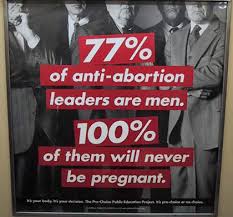
The Right is made up overwhelmingly of white males. And many of these men would feel entirely at home with a Christianized version of the Taliban. They long for a world where women meekly cater to their every demand and believe only what their male masters approve for them to believe.
Third, many fetus fanatics are not truly “pro-life.” They totally oppose abortion under most—-if not all—circumstances. But they also fully support:
- making military-style assault weapons available to nutcases;
- capital punishment;
- going to war for almost any reason;

Remington AR-15 Bushmaster
- wholesale massacres of wildlife;
- despoiling of the environment; and
- even nuclear war.
And many of those who fanatically defend the right of a fetus to emerge from the womb just as fanatically oppose welfare for those who can’t support that newborn.
Fourth, many fetus fanatics are “family values” hypocrites. For example: Representative Scott DesJarlais (R-TN), an anti-abortion, “family values” doctor, had an affair with a patient and later pressured her to get an abortion. He also agreed that his wife should have two abortions.
Fifth, many fetus fanatics feel guilty about their own past sexual transgressions—especially if these resulted in pregnancy. And they want to prevent others from living the same life they did.
Some of these people are well-intentioned. Even so, they usurp unto themselves a God-like right to intrude on the most intimate decisions for others—regardless of what those people may need or want.
Sixth, many fetus fanatics embrace their own pas. On one hand, most of them claim they want to “get government off the backs of the people.” That usually means allowing corporations to pollute, sell dangerous products and treat their employees as slaves.
On the other hand, they want to empower State and Federal authorities to prevent women from getting an abortion—even in cases of rape, incest, or to save the life of the mother.
Seventh, many leaders of the fetus fanatics movement are independently wealthy. This means that even if abortion could be outlawed for the vast majority, they could always bribe a willing doctor—-here or abroad—–to perform such an operation on their wife, daughter and/or mistress. For them, there is always an escape clause.
Eighth, many fetus fanatics are “pro-life” when it comes to fetuses, but hypocritically refuse to support the needs of children from low-income families.
Ninth, many fetus fanatics believe that since their religion teaches that abortion is wrong, they have a moral duty to enforce that belief on others.
Evangelical Christians harshly condemn Muslims—such as those in Afghanistan—for segregating women, forbidding them to drive and forcing them to wear burqas—black robes covering them from head to foot.
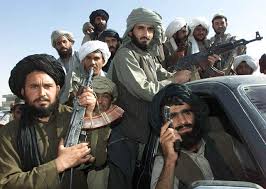
Taliban: Islam’s version of the “Right-to-Life” movement
But while they condemn Islamics for their general intolerance of others’ religious beliefs, they lust to impose their own upon those who belong to other churches. Or who belong to no church at all.
Tenth, many fetus fanatics are just as opposed to birth control as they are to abortion. Thus, when Georgia University law student Sandra Fluke asked Congress to require insurance companies to cover birth control, Rush Limbaugh branded her a “slut” and a “prostitute.”
* * * * *
It’s time to face the blunt truth: A “Conservative Victory,” as the title of Sean Hannity’s book puts it, would impose an anti-women Taliban on America.


 Bureaucracybuster's Blog
9/11 ATTACKS, ABC NEWS, AFGHANISTAN, ALTERNET, AMERICABLOG, AMERICAN NAZI PARTY, ANTI-SEMITISM, AP, ARCHER SCHOOL FOR GIRLS, BABY BOOMER RESISTANCE, BARACK OBAMA, BARRY GOLDWATER, BBC, BIRTH CONTROL, BLACK LIVES MATTER, BLOOMBERG NEWS, BUZZFEED, CBS NEWS, CIVIL RIGHTS ACT OF 1964, CNN, CROOKS AND LIARS, DAILY KOZ, DONALD TRUMP, ED MARTIN, FACEBOOK, FIVETHIRTYEIGHT, FLORIDA, FOX BUSINESS, FOX NEWS, GEORGE W. BUSH, GRETCHEN CARLSON, HARPER’S MAGAZINE, HILLARY CLINTON, HUFFINGTON POST, HUMAYUN KHAN, IRAQ WAR, JOHN MCCAIN, KATRINA PIERSON, KU KLUX KLAN, LATINOS, LYNDON B. JOHNSON, MARCO GUTIERREZ, MEDIA MATTERS, MEDICAID, MEDICARE, MEXICO, MICHELE BACHMANN, MITT ROMNEY, MOTHER JONES, MOVEON, MSNBC, NBC NEWS, NEW REPUBLIC, NEW YORK, NEWSDAY, NEWSWEEK, NICCOLO MACHIAVELLI, NPR, OBAMACARE, OMAROSA MANIGAULT, PAUL MANAFORT, PBS NEWSHOUR, POLITICO, POLITICUSUSA, PRINCESS DIANA, RAW STORY, REUTERS, ROGER AILES, SALON, SEATTLE TIMES, SLATE, SOCIAL SECURITY, STEPHEN BANNON, TALKING POINTS MEMO, TEA PARTY, THE APPRENTICE, THE ATLANTIC, THE CHICAGO SUN-TIMES, THE CHICAGO TRIBUNE, THE DAILY BEAST, THE DAILY BLOG, THE GUARDIAN, THE HILL, THE HUFFINGTON POST, THE INTERCEPT, THE LOS ANGELES TIMES, THE NATION, THE NEW NEW YORK TIMES, THE NEW REPUBLIC, THE NEW YORK TIMES, THE NEW YORKER, THE PRINCE, THE VILLAGE VOICE, THE WASHINGTON POST, THINKPROGRESS, TIME, TRUTHDIG, TRUTHOUT, TWITTER, TWO POLITICAL JUNKIES, U.S. NEWS & WORLD REPORT, UPI, USA TODAY, VLADIMIR PUTIN, VOTER ID LAWS, VOTING, WAYNE ROOT, WELFARE, WONKETTE
TRUMP’S PREVIEW OF ADMINISTRATIVE INCOMPETENCE: PART THREE (END)
In Bureaucracy, History, Law, Politics, Social commentary on August 9, 2019 at 12:09 amIn late July, 2016, Donald Trump’s new spokeswoman, Katrina Pierson, accepted an impossible mission that even “Mission: Impossible’s” Jim Phelps would have turned down:
Convince Americans that Barack Obama and Hillary Clinton were responsible for the death of Captain Humayun Khan, who was killed by a truck-bomb in Iraq in 2004.
Appearing on CNN’s The Situation Room with Wolf Blitzer on August 2, Pierson said: “It was under Barack Obama and Hillary Clinton that changed the rules of engagements that probably cost his life.”
Katrina Pierson
Totally ignored in that scenario:
Twitter users, using the hashtag #KatrinaPiersonHistory, mocked Pierson’s revisionist take on history. Among their tweets:
Not content with blaming President Obama for the death of a man he never sent into combat, Pierson claimed that Obama started the Afghanistan war.
Appearing again on CNN, Pierson said the Afghan war began “after 2007,” when Al Qaeda “was in ashes” following the American troop surge in Iraq.
“Remember, we weren’t even in Afghanistan by this time,” Pierson said. “Barack Obama went into Afghanistan, creating another problem.”
In fact, President George W. Bush ordered the invasion of Afghanistan following the terrorist attacks of September 11, 2001.
When your spokeswoman becomes a nationwide laughingstock, your own credibility goes down the toilet as well.
In July, 2016, an Associated Press/GfK poll found that half of Americans saw Donald Trump as “racist”—and only 7% of blacks viewed him favorably.
There are numerous reasons for this:
Since 1964, blacks have overwhelmingly voted for Democratic Presidential candidates. President Lyndon B. Johnson’s won their loyalty with his support for and passage of the Civil Rights Act of 1964.
President Johnson signing the 1964 Civil Rights Act
Republican Presidential candidate Barry Goldwater opposed it—as did the majority of his party.
Since 1964, fewer than six percent of blacks have voted for Republican Presidential candidates. Whites have not only remained the majority of Republican voters but have become the single most important voting bloc among them.
To counter this, Donald Trump turned to his Director of African-American Outreach: Omarosa Manigault.
Trump made the appointment just hours before the first night of the Republican National Convention.
Omarosa Manigault
Manigault is best known as the villain of Trump’s reality-TV show, “The Apprentice”—where she was fired on three different seasons. Her credentials include a Ph.D. in communications, a preacher’s license, and topping TV Guide’s list of greatest reality TV villains in 2008.
During the Clinton administration she held four jobs in two years, and was thoroughly disliked in all of them.
“She was asked to leave [her last job] as quickly as possible, she was so disruptive,” said Cheryl Shavers, the former Under Secretary for Technology at the Commerce Department. “One woman wanted to slug her.”
In her role as Trump’s ambassador to blacks, Omarosa inspired others to want to slug her. Appearing on Fox Business, she ignored Fox panelist Tamera Holder’s question on why blacks should support Trump, and then mocked her “big boobs.”
Manigault wasn’t bothered that blacks regarded Trump so poorly in polls: “My reality is that I’m surrounded by people who want to see Donald Trump as the next president of the United States who are African-American.”
Appointing as your public relations director a woman who gratuitously insults and infuriates people is not the move of a smart administrator—or Presidential candidate.
Manigault followed Trump into the White House as director of communications for the Office of Public Liaison. There her arrogance and rudeness got her fired in December, 2017.
Manigault had known Trump since 2004. But it was only in 2018, in a tell-all book, Unhinged, that she claimed she had discovered that her idol was a racist, a misogynist and in mental decline.
To make things worse for Trump, she had secretly taped conversations between herself and him. Asked to justify this, she offered: “You have to have your own back or else you’ll look back and you’ll have 17 knives in your back. I protected myself because this is a White House where everybody lies.”
Thus, after all these demonstrations of Trump’s incompetence as an administrator, millions of hate-filled Americans rushed to the polls to support him—because “he says what I’m thinking.”
Share this: