Posts Tagged ‘THE DISCOURSES’
2016 PRESIDENTIAL CAMPAIGN, 2020 PRESIDENTIAL CAMPAIGN, ABC NEWS, ADOLF HITLER, ALTERNET, AMERICABLOG, ANCIENT GREECE, ANCIENT ROME, AP, BABY BOOMER RESISTANCE, BERNIE SANDERS, BUZZFEED, CATASTROPHE, CBS NEWS, CHINA, CNN, CONSUMER PROTECTION, CORPORATE TAXES, CORRUPTION, CROOKS AND LIARS, DAILY KOS, DEMOCRATIC PARTY, DONALD TRUMP, DRUDGE RETORT, EXECUTIVE PAYWATCH, FACEBOOK, FIVETHIRTYEIGHT, FORBES, FUNDRAISING, HARPER’S MAGAZINE, HILLARY CLINTON, INCOME INEQUALITY, IVAN THE TERRIBLE, JOE BIDEN, JOSEPH STALIN, LEON TROTSKY, MEDIA MATTERS, MOTHER JONES, MOVEON, MSNBC, NAZI GERMANY, NBC NEWS, NEWSWEEK, NICCOLO MACHIAVELLI, NPR, PBS NEWSHOUR, POLITICO, POLITICUSUSA, RAW STORY, REUTERS, ROBERT PAYNE, ROBERT REICH, SALON, SEATTLE TIMES, SLATE, SPARTACUS, TALKING POINTS MEMO, THE ATLANTIC, THE CHICAGO SUN-TIMES, THE CHICAGO TRIBUNE, THE CORRUPT SOCIETY (BOOK), THE DAILY BEAST, THE DAILY BLOG, THE DISCOURSES, THE FRENCH REVOLUTION, THE GREAT LEVELER (BOOK), THE GUARDIAN, THE HILL, THE HUFFINGTON POST, THE LOS ANGELES TIMES, THE NATION, THE NEW REPUBLIC, THE NEW YORK TIMES, THE RUSSIAN REVOLUTION, THE VILLAGE VOICE, THE WASHINGTON POST, THINKPROGRESS, TIME, TRUTHDIG, TRUTHOUT, TWO POLITICAL JUNKIES, U.S. NEWS & WORLD REPORT, UPI, USA TODAY, VIOLENCE, Vladimir Lenin, WALL STREET, WALTER SCHEIDEL, WATERGATE, WEALTH GAP, WILLIAM SHAKESPEARE, WINSTON CHURCHILL, WONKETTE, X
In Bureaucracy, Business, History, Law, Politics, Social commentary on March 24, 2026 at 12:22 am
The gap between rich and poor in the United States has never been greater.
According to former Labor Secretary Robert Reich:
“The richest Americans saw their net worth soar 120% from 2017 to 2025. The top 1% now control $55.8 trillion in assets—more than the G.D.P. of the United States and China combined. Meanwhile, millions of Americans live paycheck to paycheck.”
Average CEO pay has exploded, rising over 1,000% since the late 1970s while typical worker pay has only grown modestly. As of 2024, top CEOs make nearly 300 times more than their average employee, a trend driven by stock buybacks and corporate greed rather than merit.
Since 1978, CEO pay increased by 1,085%, while typical worker pay rose only 24%. In 2023, CEOs at the top 350 U.S. firms earned 290 times more than the average worker.
This would not have been news to Niccolo Machiavelli, the father of modern political science. In his masterwork, The Discourses, he observed the human condition as that of constant struggle:

Niccolo Machiavelli
“It was a saying of ancient writers, that men afflict themselves in evil, and become weary of the good, and that both these dispositions produce the same effects.
“For when men are no longer obliged to fight from necessity, they fight from ambition, which passion is so powerful in the hearts of men that it never leaves them, no matter to what height they may rise.
“The reason for this is that nature has created men so that they desire everything, but are unable to attain it. Desire being thus always greater than the faculty of acquiring, discontent with what they have and dissatisfaction with themselves result from it.
“This causes the changes in their fortunes—for as some men desire to have more, while others fear to lose what they have, enmities and war are the consequences. And this brings about the ruin of one province and the elevation of another.”
Author Walter Scheidel, Dickason Professor in the Humanities, Professor of Classics and History at Stanford University, has also given this subject a great deal of thought. And, like Machiavelli, he has reached some highly disturbing conclusions.

Walter Scheidel
World Economic Forum [CC BY-SA 2.0 (https://creativecommons.org/licenses/by-sa/2.0)%5D
Scheidel gave voice to these in his 2017 book, The Great Leveler: Violence and the History of Inequality from the Stone Age to the Twenty-First Century. His thesis: Only violence and catastrophes have consistently reduced inequality throughout history.
According to the book’s jacket blurb: “Are mass violence and catastrophes the only forces that can seriously decrease economic inequality? To judge by thousands of years of history, the answer is yes.
“Tracing the global history of inequality from the Stone Age to today, Walter Scheidel shows that inequality never dies peacefully. Inequality declines when carnage and disaster strike and increases when peace and stability return.
“The Great Leveler is the first book to chart the crucial role of violent shocks in reducing inequality over the full sweep of human history around the world.
“Ever since humans began to farm, herd livestock, and pass on their assets to future generations, economic inequality has been a defining feature of civilization. Over thousands of years, only violent events have significantly lessened inequality.
“The ‘Four Horsemen’ of leveling—mass-mobilization warfare, transformative revolutions, state collapse, and catastrophic plagues—have repeatedly destroyed the fortunes of the rich….
“Today, the violence that reduced inequality in the past seems to have diminished, and that is a good thing. But it casts serious doubt on the prospects for a more equal future.”
Revolutionaries have known the truth of Scheidel’s findings from the gladiators’ revolt of Spartacus (73 – 71 B.C.) to the French Revolution (1789 – 1799) to the overthrow of the Czarist Romanov dynasty (1917).
But American politicians serenely ignore that truth. They depend on the mega-rich for millions of dollars in “campaign contributions”—which pay for self-glorifying ads on TV.
Thus, in 2016, American voters had a “choice” between two “love-the-rich” Presidential candidates: Donald Trump and Hillary Clinton. The result was that millions stayed home or voted in protest for third-party candidates who had no chance of winning.
In his 1975 book, The Corrupt Society: From Ancient Greece to Modern-day America, British historian Robert Payne warned that the predatory rich would not change their behavior: “Nor is there any likelihood that the rich will plow back their money into services to ensure the general good.
“They have rarely demonstrated social responsibility, and they are much more likely to hold on to their wealth at all costs than to renounce any part of it.
“Like the tyrant who lives in a world wholly remote from the world of the people, shielded and protected from all possible influences, the rich are usually the last to observe the social pressures rising from below, and when these social pressures reach flashpoint, it is too late to call in the police or the army.
“The tyrant dies; the police and the army go over to the revolutionaries; and the new government dispossesses the rich by decree. A single authoritative sentence suffices to expunge all private wealth and restore it to the service of the nation.”
For millions of struggling, impoverished Americans, that day cannot come soon enough.
2016 PRESIDENTIAL CAMPAIGN, 2020 PRESIDENTIAL CAMPAIGN, ABC NEWS, ADOLF HITLER, ALTERNET, AMERICABLOG, ANCIENT GREECE, ANCIENT ROME, AP, BABY BOOMER RESISTANCE, BERNIE SANDERS, BUZZFEED, CATASTROPHE, CBS NEWS, CHINA, CNN, CONSUMER PROTECTION, CORPORATE TAXES, CORRUPTION, CROOKS AND LIARS, DAILY KOZ, DEMOCRATIC PARTY, DONALD TRUMP, DRUDGE RETORT, EXECUTIVE PAYWATCH, FACEBOOK, FIVETHIRTYEIGHT, FORBES, FUNDRAISING, HARPER’S MAGAZINE, HILLARY CLINTON, INCOME INEQUALITY, IVAN THE TERRIBLE, JOE BIDEN, JOSEPH STALIN, LEON TROTSKY, MEDIA MATTERS, MOTHER JONES, MOVEON, MSNBC, NAZI GERMANY, NBC NEWS, NEWSWEEK, NICCOLO MACHIAVELLI, NPR, PBS NEWSHOUR, POLITICO, POLITICUSUSA, RAW STORY, REUTERS, ROBERT PAYNE, ROBERT REICH, SALON, SEATTLE TIMES, SLATE, SPARTACUS, TALKING POINTS MEMO, THE ATLANTIC, THE CHICAGO SUN-TIMES, THE CHICAGO TRIBUNE, THE CORRUPT SOCIETY (BOOK), THE DAILY BEAST, THE DAILY BLOG, THE DISCOURSES, THE FRENCH REVOLUTION, THE GREAT LEVELER (BOOK), THE GUARDIAN, THE HILL, THE HUFFINGTON POST, THE LOS ANGELES TIMES, THE NATION, THE NEW REPUBLIC, THE NEW YORK TIMES, THE RUSSIAN REVOLUTION, THE VILLAGE VOICE, THE WASHINGTON POST, THINKPROGRESS, TIME, TRUTHDIG, TRUTHOUT, TWO POLITICAL JUNKIES, U.S. NEWS & WORLD REPORT, UPI, USA TODAY, VIOLENCE, Vladimir Lenin, WALL STREET, WALTER SCHEIDEL, WATERGATE, WEALTH GAP, WILLIAM SHAKESPEARE, WINSTON CHURCHILL, WONKETTE, X
In Bureaucracy, Business, History, Politics, Social commentary on March 23, 2026 at 12:26 am
Americans are used to Presidential candidates telling lies (euphemistically known as “campaign promises”) to get elected.
But when a candidate actually (and usually accidentally) tells the truth, the results can be electrifying.
On June 18, 2019, Democratic Presidential candidate (and future President Joseph Biden addressed a roomful of donors in New York.
The former Vice President believed that his message would comfort his well-heeled audience of billionaires: Don’t worry, if I’m elected, your standard of living won’t change.
Addressing the 100 or so guests at a fundraiser at the Carlyle Hotel in New York City, Biden said that he had taken heat from “some of the people on my team, on the Democratic side” because he had said that rich people were “just as patriotic as poor people.
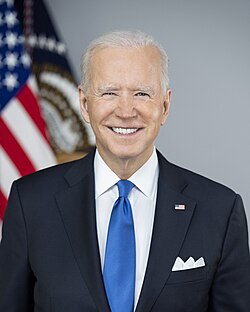
Joe Biden
“The truth of the matter is, you all, you all know, you all know in your gut what has to be done. We can disagree in the margins but the truth of the matter is it’s all within our wheelhouse and nobody has to be punished. No one’s standard of living will change, nothing would fundamentally change,” he said.
And he added: “I mean, we may not want to demonize anybody who has made money.
“When we have income inequality as large as we have in the United States today, it brews and ferments political discord and basic revolution. Not a joke. Not a joke … It allows demagogues to step in and say the reason where we are is because of the ‘other’….
“You’re not the other. I need you very badly. I hope if I win this nomination, I won’t let you down. I promise you. I have a bad reputation, I always say what I mean. The problem is I sometimes say all that I mean.”
Biden had talked about decreasing income inequality and promoting workers’ rights. But he took a carefully moderate stance when it came to taxation.
United States Senator Bernie Sanders (D-VT), on the other hand, has attacked the ultra-rich as responsible for the ever-widening gap between themselves and the poor.
“I love Bernie, but I’m not Bernie Sanders. I don’t think 500 billionaires are the reason why we’re in trouble,” Biden said in March, 2019.
Instead, he proposed expanding tax credits for the poor and middle class, and making the tax code less friendly to rich investors.
Robert Payne, the distinguished British historian, took a different—and darker—view of the rich.

Robert Payne
Payne authored more than 110 books. Among his subjects were Adolf Hitler, Ivan the Terrible, Winston Churchill, Joseph Stalin, Vladimir Lenin, William Shakespeare and Leon Trotsky.
In 1975, he published The Corrupt Society: From Ancient Greece to Present-Day America. It proved a summary of many of his previous works.
Among the epochs it covered: The civilizations of ancient Greece, Rome and China; Nazi Germany; the Soviet Union; and Watergate-era America. And the massive corruption each of those epochs had spawned.

In his chapter, “A View of the Uncorrupted Society,” Payne warned: Power and wealth are the main sources of corruption.
“The rich, simply by being rich, are infected with corruption. Their overwhelming desire is to grow richer, but they can do this only at the expense of those who are poorer than themselves.
”Their interests conflict with those of the overall society. They live sheltered from the constant anxieties of the poor, and thus cannot understand them. Nor do they try to.”
They see the poor as alien from themselves, and thus come to fear and despise them. And their wealth and influence enables them to buy politicians—who, in turn, write legislation that protects the rich from the poor.
But Payne foresaw an even greater danger from the rich and powerful than their mere isolation from the rest of society: “The mere presence of the rich is corrupting. Their habits, their moral codes, their delight in conspicuous consumption are permanent affronts to the rest of humanity. Vast inequalities of wealth are intolerable in any decent society.”
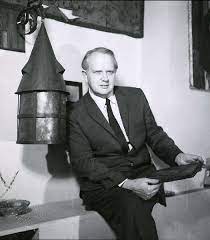
Robert Payne
Writing in 1975, Payne noted that a third of the private wealth was possessed by less than five percent of the population—while about a fifth of the populace lived at the poverty level. By 2000, he predicted, about five percent of the population would possess two-thirds of America’s wealth. And more than half the population would be near or below the starvation level.
The result could only be catastrophe. The only way to halt this this increasing concentration of wealth by fewer people would be through law or violent revolution.
Payne has proven to be an uncanny prophet.
According to Fortune, by 2024: “Over the past 30 years, the U.S.’s top 1% got richer, and now hold nearly a third of the nation’s wealth.”
And the January 30, 2026 edition of Forbes carries this assessment: “The net worth of the top 1% in the U.S. has been above a share of 30% almost consistently since 2014, while the top 10% currently own just over 68% of the country’s wealth.
“This is in stark contrast to just 2.5% of U.S. net worth in the hands of the 50% at the bottom of the wealth ladder.”
But this situation need not remain permanent.
ABC NEWS, ADVICE, ALTERNET, AMERICABLOG, AP, BABY BOOMER RESISTANCE, BARACK OBAMA, BLOOMBERG, BUZZFEED, CBS NEWS, CNN, CORONAVIRUS, COVID-19, CROOKS AND LIARS, DAILY KOZ, DAVID BROOKS, DONALD TRUMP, DRUDGE RETORT, ECONOMY, EHRBERT HOOVER, FIVETHIRTYEIGHT, FRANKLIN D. ROOSEVELT, GREAT DEPRESSION, HARPER’S MAGAZINE, HARRY S. TRUMAN, MASKS, MEDIA MATTERS, MOTHER JONES, MOVEON, MSNBC, NBC NEWS, NEWSWEEK, NICCOLO MACHIAVELLI, NPR, NUEMBERG RALLIES, PBS NEWSHOUR, PENNSYLVANIA, POLITICO, POLITICUSUSA, RAW STORY, REUTERS, SALON, SEATTLE TIMES, SLATE, SOCIAL DISTANCING, TALKING POINTS MEMO, THE ATLANTIC, THE CHICAGO SUN-TIMES, THE CHICAGO TRIBUNE, THE DAILY BEAST, THE DAILY BLOG, THE DISCOURSES, THE GUARDIAN, THE HILL, THE HUFFINGTON POST, THE LOS ANGELES TIMES, THE NATION, THE NEW REPUBLIC, THE NEW YORK TIMES, THE PBS NEWSHOUR, THE VILLAGE VOICE, THE WASHINGTON POST, THINKPROGRESS, TIME, TRUTHDIG, TRUTHOUT, TWITTER, TWO POLITICAL JUNKIES, U.S. NEWS & WORLD REPORT, UPI, USA TODAY, WISCONSIN, WONKETTE
In Bureaucracy, History, Politics, Social commentary on February 9, 2026 at 12:16 am
Voters who believed that Donald Trump cared about them should have asked themselves: “Does he care about my children?”
And the answer would have been: “No.”
The father of modern political science, Niccolo Machiavelli (1469 – 1527) is widely thought of as the personification of Satan.
Actually, Machiavelli was a passionate republican, who spent most of his life in the service of his beloved city-state, Florence.

Niccolo Machiavelli
In his masterwork, The Discourses, he warned that life is complex and no course of action is guaranteed safe or successful.
Donald Trump, on the other hand, is a man of simplistic “solutions” for simplistic audiences.
By early April, 2020, he had refused to issue a national “stay-at-home” order to contain the spread of the Coronavirus. When states began issuing shutdown orders of their own, he railed against those orders and demanded that “we need to reopen the country.”
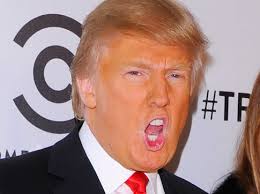
Donald Trump
What lay behind this demand were two hidden agendas. He wanted to:
- Quickly revitalize—and take credit for—a once-booming economy, even though this was largely created by President Barack Obama.
- Return to his Nuremberg-style rallies, where he could slander anyone he wanted while basking in the worship of thousands of his fanatical followers.
Which is why he clearly missed this warning Machiavelli offered in The Discourses:
“…I shall speak here only of those dangers to which those expose themselves who counsel a republic or a prince to undertake some grave and important enterprise in such a manner as to take upon themselves all the responsibility of the same.
“For as men only judge of matters by the result, all the blame of failure is charged upon him who first advised it, while in case of success he receives commendations. But the reward never equals the punishment….
“I see no other course than to take things moderately, and not to undertake to advocate any enterprise with too much zeal, but to give one’s advice calmly and modestly.
“If either then the republic or the prince decides to follow it, they may do so, as it were, of their own will, and not as though they were drawn into it by your importunity.
“In adopting this course it is not reasonable to suppose that either the prince or republic will manifest any ill will towards you on account of a resolution not taken contrary to the wishes of the many.”
But, by May, 2020, more Americans were wary about “reopening the country” than about rushing to do so.
On the May 15, edition of The PBS Newshour, New York Times columnist David Brooks noted:
“If you look at actual behavior, people locked themselves down before any politician took a move. And even in those states where the politicians are opening up, people are still locking down….
“And so I think the key decisions right now are not being made in statehouses and certainly not the White House. They’re being made in living rooms, as people decide, is it safe? Can I go out?”
Coronavirus
By pushing his mantra—“America needs to reopen NOW!”—Trump was risking the lives of millions of Americans. But he was also risking the future of his Presidency.
If “reopening” the country proved disastrous, he had no back-up plan to offer.
Several states—such as Wisconsin and Pennsylvania—that re-opened saw swarms of people flooding into bars and restaurants. They didn’t wear masks or practice “social distancing.” Packed together like sardines, they offered themselves like a Right-wing sacrifice to Coronavirus.
The results were inevitable.
A new wave of COVID-19 erupted after America “reopened.” More employees were laid off—or refused to come to work for fear of Coronavirus.
The economy continued to tank.
As summer neared its end and millions of students faced returning to school, Trump offered his next “solution” to the Coronavirus pandemic: Send them back to school—-and not through virtual classes at home.
Trump wanted children to return to possibly COVID-19-infected classrooms.
And he wasn’t asking parents to send their children back to school. He was ordering them to.
On July 8, 2020, he tweeted that he might withhold federal funding from schools that did not resume in-person classes that fall.
Why was he so insistent on this?
Trump knew that before parents could return to work, their kids needed to return to class, He hoped that would boost the economy—for which he could take credit.
And that would boost his chances for re-election in November.
Just as the ancient Canaanites sacrificed their children to the god Moloch, so Trump expected his followers—and opponents—to risk their children’s lives for him.
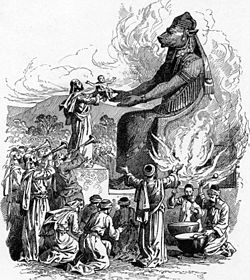
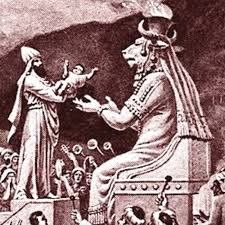
Ancient Canaanites offering their children as sacrifices to Moloch
And the sacrifices quickly started coming. Approximately 2.1 million children in the United States tested positive for COVID-19 by the end of December 2020.
Those who supported Trump in 2020 clearly valued the lives of their children far less than putting a ruthless psychopath back into power.
And, in 2024, 77 million Americans forgave him the loss—or near-loss—of their children and sent him back to the White House.
2016 PRESIDENTIAL ELECTION, 2020 PRESIDENTIAL ELECTION, 2024 PRESIDENTIAL ELECTION, ABC NEWS, ABUSE OF POWER, ADOLF HITLER, AFFORDABLE CARE ACT (ACA), AILEEN CANNON, AIR TRAFFIC CONTROLLERS, AIR TRAFFICK CONTROLLERS, ALTERNET, AMERICABLOG, AP, ARTIFICIAL INTELLIGENCE, AUSTRIA, AXIOS, BABY BOOMER RESISTANCE, BBC, BERLIN, BIRD FLU, BLACKS, BLOOMBERG, BLUESKY, BORDER WALL, BRIAN KEMP, BUZZFEED, CBS NEWS, CENTERS FOR DISEASE CONTROL AND PREVENTION (CDC) CHINA, CHINA, CIA, CLASSIFIED DOCUMENTS, CLAUS VON STAUFFENBERG, CLIMATE CHANGE, CNN, COVID-19, CROOKS AND LIARS, CZECHOSLOVAKIA, DAILY KOS, DANIEL CASSINO, DAVID BROOKS, DEMOCRACY, DEMOCRATS, DIVERSITY, DIVERSITY EQUITY AND INCLUSION (DEI) PROGRAMS, DONALD TRUMP, ELECTORAL COLLEGE, EMILY MURPHY, ENGLAND, EQUITY AND INCLUSION (DEI), FBI, FEDERAL AVIATION ADMINISTRATION (FAA), FEDERAL EMERGENCY MANAGEMENT ADMINISTRATION (FEMA), FEDERAL EMERGENCY MANAGEMENT AGENCY, FEDERAL GOVERNMENT SHUTDOWN, FIVETHIRTYEIGHT, FRANCE, FRATERNAL ORDER OF POLICE, FUEL PRICES, GAIUS CALIGULA, GALLUP POLL, GAZA, GENERAL SERVICES ADMINISTRATION, GEORGE FLOYD, GLOBAL CONFLICT, GOVERNMENT SHUTDOWN, GROCERY PRICES, GULF OF MEXICO, HARPER’S MAGAZINE, HILLARY CLINTON, HISPANICS, HUFFINGTON POST, HUNTER BIDEN, illegal immigration, IMMIGRATION AND CUSTOMS ENFORCEMENT (ICE), IMPEACHMENT, INFLATION, INSPECTORS GENERAL, INSURRECTION ACT, INTERNATIONAL ASSOCIATION OF CHIEFS OF POLICE, INTERNATIONAL BROTHERHOOD OF TEAMSTERS, ISRAEL, JACK SMITH, JAMES COMEY, JANUARY 6 COUP ATTEMPT, JARED KUSHNER, JEFF SESSIONS, JEROME POWELL, JIMMY HOFFA, JOE BIDEN, JOHN ADAMS, JOHN F. KENNEDY CENTER FOR THE PERFORMING ARTS, JONATHAN ROSS, JOSEPH BIDEN, JOSEPH STALIN, JUAN ORLANDO HERNANDEZ, Kamala Harris, KEVIN MCCARTHY, KIM JONG-UN, LAMAR ALEXANDER, LATINOS, LETITIA JAMES, MACHISMO, MAR-A-LAGO, MARJORIE TAYLOR GREENE, MARK MEADOWS, MARTIN GUGINO, MASCULINITY, MEASLES, MEDIA MATTERS, MEDICAID, MEDICARE, MERRICK GARLAND, MIKE PENCE, MISOGYNY, MITCH MCCONNELL, MOHAMMED BIN SALMAN, MOTHER JONES, MOVEON, MSNBC, MUNICH CONFERENCE, MUSLIMS, NANCY PELOSI, NATIONAL GUARD, NATIONAL SECURITY AGENCY, NATIONAL SECURITY AGENCY (NSA), NAVAHO CODE TALKERS, NAVAJO COLDE TALKERS, NAZI GERMANY, NBC NEWS, NEW REPUBLIC, NEWSDAY, NEWSWEEK, NIHILISM, NORTH ATLANTIC TREATY ORGANIZATION (NATO), NORTH KOREA, NORTH KORREA, NPR, OBSTRUCTION OF CONGRESS, PARDONS, PBS NEWSHOUR, POLAND, POLITICO, POLITICUSUSA, RAFAEL EDUARDO "TED" CRUZ, RAW STORY, RENEE NICOLE GOOD, REPUBLICAN PARTY, REPUBLICANS, REUTERS, ROBERT F. KENNEDY, ROBERT F. KENNEDY JR., RODNEY KING, ROME, RON JOHNSON, RUDY GIULIANI, RUSSIA, SALON, SAUDI ARABIA, SEATTLE TIMES, Secret Service, SERGEY KISLYAK, SERGEY LAVROV, SLATE, SUPPLEMENTAL NUTRITION ASSISTANCE PROGRAM (SNAP), TALKING POINTS MEMO, TERRORISM, THE ATLANTIC, THE CHICAGO SUN-TIMES, THE CHICAGO TRIBUNE, THE DAILY BEAST, THE DAILY BLOG, THE DISCOURSES, THE GUARDIAN, THE HILL, THE HUFFINGTON POST, THE INTERCEPT, THE LOS ANGELES TIMES, THE NATION, THE NEW REPUBLIC, THE NEW YORK TIMES, THE NEW YORKER, THE PRESS, THE RISE AND FALL OF THE THIRD REICH (BOOK), THE VILLAGE VOICE, THE WALL STREET JOURNAL, THE WASHINGTON POST, THINKPROGRESS, THIRD REICH, THOMAS MATTHEW CROOKS, TIM WALZ, TIME, TRANSPORTATION COSTS, TREASON, TRUTHDIG, TRUTHOUT, TUSKEEE AIRMEN, TUSKEGEE AIRMEN, TWENTY-FIFTH AMENDMENT, TWO POLITICAL JUNKIES, TY COBB, U.S. BORDER PATROL, U.S. NEWS & WORLD REPORT, UKRAINE, UNITED STATES DEPARTMENT OF DEFENSE (DOD), UNITED STATES DEPARTMENT OF JUSTICE, UNITED STATES DEPARTMENT OF JUSTICE (DOJ), UNITED STATES HOUSE OF REPRESENTATIVES, UNITED STATES SECRET SERVICE, UNITED STATES SENATE, UPI, USA TODAY, VLADIMIR PUTIN, VOLODMYR ZELENSKY, VOTER SUPPRESSION, VOX, WILLIAM L. SHIRER, WOMEN, WONKETTE, WORLD WAR 11, X, XI JINPING
In Bureaucracy, History, Law, Law Enforcement, Politics, Social commentary on February 6, 2026 at 12:58 am
Of all the threats that President Donald Trump poses to American democracy, none may be more deadly than his repeated threats to invoke the Insurrection Act.
This is an 1807 law that empowers the President to deploy the Armed Forces to individual states in specific circumstances, such as the suppression of civil disorder, insurrection, and armed rebellion against the federal government.
What is arousing Trump’s fury is the civil unrest he’s ignited in Minneapolis, Minnesota—especially following the January 7 shooting of Renee Nicole Good, a 37-year-old writer and poet, by Immigration and Customs Enforcement (ICE) agent Jonathan Ross.

Renee Good
He’s ordered the Justice Department to criminally investigate Minnesota Governor Tim Walz and Minneapolis Mayor Jacob Frey for allegedly conspiring to impede federal immigration agents.
Their “crime”: Daring to criticize the aggressive behavior of thousands of ICE and Border Patrol agents deployed in Minnesota.
Walz said in a statement: “Weaponizing the justice system and threatening political opponents is a dangerous, authoritarian tactic. The only person not being investigated for the shooting of Renee Good is the federal agent who shot her.”
“This is an obvious attempt to intimidate me for standing up for Minneapolis, our local law enforcement, and our residents against the chaos and danger this Administration has brought to our streets,” Frey said in a statement to CBS News.
“I will not be intimidated. My focus will remain where it’s always been: keeping our city safe.”

Jacob Frey
Czbik, CC0, via Wikimedia Commons
Attorney Ty Cobb—who served as a White House lawyer in the first Trump Administration but is now a scathing critic of the president—warns that the tensions in Minneapolis could go from bad to worse if Trump invokes the Insurrection Act.
“During the first Trump administration, there were guardrails back then. There were people who could say ‘no’ to the president. And now, he’s surrounded by sycophants and enablers and people who don’t say no.
“I mean, it’s just stunning the number of people that have signed on for what’s going on in Minnesota and what’s going on in Greenland—you know, things that would have never been tolerated in the first 250 years of our democracy.

Ty Cobb
John Mathew Smith & http://www.celebrity-photos.com from Laurel Maryland, USA, CC BY-SA 2.0 <https://creativecommons.org/licenses/by-sa/2.0>, via Wikimedia Commons
“But I do think he wants—desperately wants—to invoke the Insurrection Act….I think martial law is definitely in the cards. And it’s a way that he’ll be able to control the elections.”
* * * * *
Countless historians have tried to answer the question: “Was the rise of Adolf Hitler—and the catastrophe he unleashed—inevitable?”
William L. Shirer, author of the monumental The Rise and Fall of the Third Reich, apportioned German guilt as follows:
“The cardinal error of the Germans who opposed Nazism was their failure to unite against it. At the crest of their popular strength, in July 1932, the National Socialists had attained but 37 percent of the vote. But the 63 percent of [Germans] who expressed their opposition to Hitler were much too divided and shortsighted to combine against a common danger which they must have known would overwhelm them unless they united, however temporarily, to stamp it out.”
Competent future historians may reach the same conclusion about American voters in 2024.
- Republicans: Who feared that Trump’s Fascistic supporters would deprive them of political office if they didn’t abase themselves to a lifelong criminal and would-be dictator.
- Republican judges: Who bent and/or broke the law to enable Trump to escape justice.
- Justice Department prosecutors: Whose awe of the Presidency allowed Trump to slander and threaten federal prosecutors and judges.
- Attorney General Merrick Garland: Whose cowardice prevented him from appointing Jack Smith Special Counsel until November 18, 2022—giving Trump time to delay justice and again win the Presidency.
- Democrats: Whose cowardice toward Trump encouraged Republicans to ever more extreme measures.
- Police officers: The International Association of Chiefs of Police and the Fraternal Order of Police issued a joint statement condemning clemency for criminals who assault law enforcement officers—but did not explicitly indict the January 6 actions. The Fraternal Order of Police endorsed Donald Trump in 2024.
- History illiterate voters: Who were eager to scrap alliances—such as NATO—that had checked Soviet aggression since the end of World War II.
- Nihilists: With nothing positive to contribute, their attitude was to destroy American institutions that had created prosperity and security for decades.
- Blacks: Voted for a racist in hopes of a bigger paycheck.
- Muslims: Refused to vote for Kamala Harris because Joe Biden wouldn’t stop Israel’s military campaign to free Hamas-captured hostages.
- Hispanics: Like the Jews in Hitler’s Germany, who couldn’t believe that Trump would carry out his threats to imprison and/or deport them.
- The Biden administration: Which refused to stem the tide of illegal aliens invading America—and thus enraged millions of law-abiding Americans into supporting Trump.
- Toxic masculinity voters: Whose misogynistic attitudes toward women led them to reject a former local and state prosecutor for a 34-times convicted felon.
- American voters: Whose hatred of Hispanic illegal aliens and inflationary grocery prices led them to ignore overwhelming evidence of Trump’s intent to overturn the democratic process and make himself absolute dictator.
In short: Those opposed to Donald Trump’s evil were too divided and shortsighted to combine against a common danger.
2016 PRESIDENTIAL ELECTION, 2020 PRESIDENTIAL ELECTION, 2024 PRESIDENTIAL ELECTION, ABC NEWS, ABUSE OF POWER, ADOLF HITLER, AFFORDABLE CARE ACT (ACA), AILEEN CANNON, AIR TRAFFIC CONTROLLERS, AIR TRAFFICK CONTROLLERS, ALTERNET, AMERICABLOG, AP, ARTIFICIAL INTELLIGENCE, AUSTRIA, AXIOS, BABY BOOMER RESISTANCE, BBC, BERLIN, BIRD FLU, BLACKS, BLOOMBERG, BLUESKY, BORDER WALL, BRIAN KEMP, BUZZFEED, CBS NEWS, CENTERS FOR DISEASE CONTROL AND PREVENTION (CDC) CHINA, CHINA, CIA, CLASSIFIED DOCUMENTS, CLAUS VON STAUFFENBERG, CLIMATE CHANGE, CNN, COVID-19, CROOKS AND LIARS, CZECHOSLOVAKIA, DAILY KOS, DANIEL CASSINO, DAVID BROOKS, DEMOCRACY, DEMOCRATS, DIVERSITY, DIVERSITY EQUITY AND INCLUSION (DEI) PROGRAMS, DONALD TRUMP, ELECTORAL COLLEGE, EMILY MURPHY, ENGLAND, EQUITY AND INCLUSION (DEI), FBI, FEDERAL AVIATION ADMINISTRATION (FAA), FEDERAL EMERGENCY MANAGEMENT ADMINISTRATION (FEMA), FEDERAL EMERGENCY MANAGEMENT AGENCY, FEDERAL GOVERNMENT SHUTDOWN, FIVETHIRTYEIGHT, FRANCE, FRATERNAL ORDER OF POLICE, FUEL PRICES, GAIUS CALIGULA, GALLUP POLL, GAZA, GENERAL SERVICES ADMINISTRATION, GEORGE FLOYD, GLOBAL CONFLICT, GOVERNMENT SHUTDOWN, GROCERY PRICES, GULF OF MEXICO, HARPER’S MAGAZINE, HILLARY CLINTON, HISPANICS, HUFFINGTON POST, HUNTER BIDEN, illegal immigration, IMMIGRATION AND CUSTOMS ENFORCEMENT (ICE), IMPEACHMENT, INFLATION, INSPECTORS GENERAL, INSURRECTION ACT, INTERNATIONAL ASSOCIATION OF CHIEFS OF POLICE, INTERNATIONAL BROTHERHOOD OF TEAMSTERS, ISRAEL, JACK SMITH, JAMES COMEY, JANUARY 6 COUP ATTEMPT, JARED KUSHNER, JEFF SESSIONS, JEROME POWELL, JIMMY HOFFA, JOE BIDEN, JOHN ADAMS, JOHN F. KENNEDY CENTER FOR THE PERFORMING ARTS, JONATHAN ROSS, JOSEPH BIDEN, JOSEPH STALIN, JUAN ORLANDO HERNANDEZ, Kamala Harris, KEVIN MCCARTHY, KIM JONG-UN, LAMAR ALEXANDER, LATINOS, LETITIA JAMES, MACHISMO, MAR-A-LAGO, MARJORIE TAYLOR GREENE, MARK MEADOWS, MARTIN GUGINO, MASCULINITY, MEASLES, MEDIA MATTERS, MEDICAID, MEDICARE, MERRICK GARLAND, MIKE PENCE, MISOGYNY, MITCH MCCONNELL, MOHAMMED BIN SALMAN, MOTHER JONES, MOVEON, MSNBC, MUNICH CONFERENCE, MUSLIMS, NANCY PELOSI, NATIONAL GUARD, NATIONAL SECURITY AGENCY, NATIONAL SECURITY AGENCY (NSA), NAVAHO CODE TALKERS, NAVAJO COLDE TALKERS, NAZI GERMANY, NBC NEWS, NEW REPUBLIC, NEWSDAY, NEWSWEEK, NIHILISM, NORTH ATLANTIC TREATY ORGANIZATION (NATO), NORTH KOREA, NORTH KORREA, NPR, OBSTRUCTION OF CONGRESS, PARDONS, PBS NEWSHOUR, POLAND, POLITICO, POLITICUSUSA, RAFAEL EDUARDO "TED" CRUZ, RAW STORY, RENEE NICOLE GOOD, REPUBLICAN PARTY, REPUBLICANS, REUTERS, ROBERT F. KENNEDY, ROBERT F. KENNEDY JR., RODNEY KING, ROME, RON JOHNSON, RUDY GIULIANI, RUSSIA, SALON, SAUDI ARABIA, SEATTLE TIMES, Secret Service, SERGEY KISLYAK, SERGEY LAVROV, SLATE, SUPPLEMENTAL NUTRITION ASSISTANCE PROGRAM (SNAP), TALKING POINTS MEMO, TERRORISM, THE ATLANTIC, THE CHICAGO SUN-TIMES, THE CHICAGO TRIBUNE, THE DAILY BEAST, THE DAILY BLOG, THE DISCOURSES, THE GUARDIAN, THE HILL, THE HUFFINGTON POST, THE INTERCEPT, THE LOS ANGELES TIMES, THE NATION, THE NEW REPUBLIC, THE NEW YORK TIMES, THE NEW YORKER, THE PRESS, THE RISE AND FALL OF THE THIRD REICH (BOOK), THE VILLAGE VOICE, THE WALL STREET JOURNAL, THE WASHINGTON POST, THINKPROGRESS, THIRD REICH, THOMAS MATTHEW CROOKS, TIM WALZ, TIME, TRANSPORTATION COSTS, TREASON, TRUTHDIG, TRUTHOUT, TUSKEEE AIRMEN, TUSKEGEE AIRMEN, TWENTY-FIFTH AMENDMENT, TWO POLITICAL JUNKIES, TY COBB, U.S. BORDER PATROL, U.S. NEWS & WORLD REPORT, UKRAINE, UNITED STATES DEPARTMENT OF DEFENSE (DOD), UNITED STATES DEPARTMENT OF JUSTICE, UNITED STATES DEPARTMENT OF JUSTICE (DOJ), UNITED STATES HOUSE OF REPRESENTATIVES, UNITED STATES SECRET SERVICE, UNITED STATES SENATE, UPI, USA TODAY, VLADIMIR PUTIN, VOLODMYR ZELENSKY, VOTER SUPPRESSION, VOX, WILLIAM L. SHIRER, WOMEN, WONKETTE, WORLD WAR 11, X, XI JINPING
In Bureaucracy, History, Law, Law Enforcement, Politics, Social commentary on February 5, 2026 at 12:10 am
In 2024, nihilism—and its adherents—played a key role in reelecting Donald Trump President of the United States.
During the 2024 Presidential campaign Trump promised to appoint Robert F. Kennedy, Jr., as Secretary of Health and Human Services.
On October 27, 2024, Trump told a rally in Madison Square Garden: “I’m going to let him go wild on health. I’m going to let him go wild on the food. I’m going to let him go wild on the medicines.”
Kennedy, the son of the late Senator Robert F. Kennedy, is a self-admitted former 14-year heroin addict, which he has said began at age 15. In a 2012 deposition he claimed that doctors found a dead parasitic worm in his brain, which he believed caused significant memory loss and brain fog around 2010.

Robert F. Kennedy, Jr.
Since 2005, Kennedy has peddled vaccine misinformation and public health conspiracy theories. Among these:
- Vaccines cause autism.
- The COVID-19 vaccine—which has saved countless lives—is “the deadliest vaccine ever made.”
- There is no comprehensive system for monitoring vaccine safety.
Since Kennedy took office on February 13, 2025:
- February 14, 2025: Around 1,300 employees of the Centers for Disease Control and Prevention (CDC) were laid off by the administration, including all first-year officers of the Epidemic Intelligence Service.
- August: Over 600 CDC employees were laid off. Among programs completely dismantled: Maternal and child health services, oral health, and the Violence Against Children and Youth Surveys.
- By July 7, 2025, 1,281 measles cases had been reported, more than the 1,274 measles cases reported in all of 2019. This was the highest level of cases since the disease had been declared eliminated in 2000.
- Roughly 93% of infections in 2025 and 95% so far in January, 2026, were among unvaccinated people or those with an unknown vaccination status. And this can be directly traced to the influence of anti-vaccine conspiracy-spreaders like Kennedy.

Measles virus
Since becoming President again on January 20, 2025, Donald J. Trump has aggressively committed a series of outrages against his fellow Americans, including:
- Granting clemency to more than 1,500 people convicted of offenses related to the January 6, 2021 United States Capitol attack.
- Signing 26 executive orders reversing climate change initiatives, eliminating DEI programs, changing the federal designation for the Gulf of Mexico to the “Gulf of America” and initiating a federal hiring freeze.
- Revoking an executive order on Artificial Intelligence safety signed by former President Joseph Biden, to establish safeguards for the rapidly advancing AI technology.
- Firing the inspectors general—who are charged with protecting the government from waste and corruption—from more than a dozen federal agencies.
- Purging about a half-dozen executive assistant directors at the FBI. These were some of the bureau’s top managers overseeing criminal, national security and cyber investigations. Their “crime”: Investigating Trump’s inciting the January 6, 2021 coup attempt and illegally holding highly sensitive national security documents after leaving office.
- Following Trump’s anti-DEI executive order, the Department of Defense deleted content that included the achievements of nonwhites—such as Navajo code talkers, black Tuskegee Airmen, Medal of Honor winners and women veterans.
- Firing the board members at the John F. Kennedy Center for the Performing Arts and appointing himself as chairman—just as Joseph Stalin made himself arbiter of what was permissible for artists in the Soviet Union.
- Ordering the Justice Department to indict his critics such as New York Attorney General Letitia James and former FBI Director James Comey.
- James had convicted him on 34 felony counts of falsifying business records. Comey had sought to investigate Russia’s subversion of the 2016 Presidential campaign to ensure Trump’s election.
- Shutting down the Federal Government on October 1, when Democrats refused to agree to his gutting Medicaid, Medicare and the Affordable Care Act (ACA), causing 10-15 million Americans to lose health insurance coverage.
- Among those not getting paid: Air traffic controllers for the Federal Aviation Administration (FAA). Owing to many controllers refusing to work, the FAA reduced air traffic by 10% at many airports.
- Shutting off the Supplemental Nutrition Assistance Program (SNAP) for the poor to pressure Democrats to support his gutting of healthcare programs.
- Flooding the streets of Los Angeles, Washington, D.C., Chicago with federalized National Guard troops against state governors’ wishes during immigration crackdowns and civil unrest.
- Flooding Minneapolis and St. Paul, Minnesota, with 3,000 Immigration and Customs Enforcement (ICE) agents who are terrorizing (and in one case murdering) both American citizens and illegal aliens.
- Governors have requested the deployment of federal troops—such as in Arkansas in 1957 for school desegregation and in California in 1992 during the Los Angeles riots following the Rodney King verdict. But Trump is the first President to deploy troops against the wishes of states’ governors.
- Pardoning favored political allies and loyalists. Among these: Seventy-seven people associated with the Trump fake electors plot to overturn the results of the 2020 U.S. presidential election, including Trump’s personal attorney Rudy Giuliani and former chief of staff Mark Meadows.
- Others included: Former Honduras president Juan Orlando Hernández, sentenced to 45 years’ imprisonment for moving tons of cocaine to the United States.
- Threatening to invade Greenland, a self-governing, autonomous part of the Kingdom of Denmark. The United States has recognized Denmark’s ties to Greenland since 1917 and signed a joint defense agreement in 1951.
- As Denmark is a member of NATO, an attack on Greenland would ignite a war between the United States and its NATO allies.
2016 PRESIDENTIAL ELECTION, 2020 PRESIDENTIAL ELECTION, 2024 PRESIDENTIAL ELECTION, ABC NEWS, ABUSE OF POWER, ADOLF HITLER, AFFORDABLE CARE ACT (ACA), AILEEN CANNON, AIR TRAFFIC CONTROLLERS, AIR TRAFFICK CONTROLLERS, ALTERNET, AMERICABLOG, AP, ARTIFICIAL INTELLIGENCE, AUSTRIA, AXIOS, BABY BOOMER RESISTANCE, BBC, BERLIN, BIRD FLU, BLACKS, BLOOMBERG, BLUESKY, BORDER WALL, BRIAN KEMP, BUZZFEED, CBS NEWS, CENTERS FOR DISEASE CONTROL AND PREVENTION (CDC) CHINA, CHINA, CIA, CLASSIFIED DOCUMENTS, CLAUS VON STAUFFENBERG, CLIMATE CHANGE, CNN, COVID-19, CROOKS AND LIARS, CZECHOSLOVAKIA, DAILY KOS, DANIEL CASSINO, DAVID BROOKS, DEMOCRACY, DEMOCRATS, DIVERSITY, DIVERSITY EQUITY AND INCLUSION (DEI) PROGRAMS, DONALD TRUMP, ELECTORAL COLLEGE, EMILY MURPHY, ENGLAND, EQUITY AND INCLUSION (DEI), FBI, FEDERAL AVIATION ADMINISTRATION (FAA), FEDERAL EMERGENCY MANAGEMENT ADMINISTRATION (FEMA), FEDERAL EMERGENCY MANAGEMENT AGENCY, FEDERAL GOVERNMENT SHUTDOWN, FIVETHIRTYEIGHT, FRANCE, FRATERNAL ORDER OF POLICE, FUEL PRICES, GAIUS CALIGULA, GALLUP POLL, GAZA, GENERAL SERVICES ADMINISTRATION, GEORGE FLOYD, GLOBAL CONFLICT, GOVERNMENT SHUTDOWN, GROCERY PRICES, GULF OF MEXICO, HARPER’S MAGAZINE, HILLARY CLINTON, HISPANICS, HUFFINGTON POST, HUNTER BIDEN, illegal immigration, IMMIGRATION AND CUSTOMS ENFORCEMENT (ICE), IMPEACHMENT, INFLATION, INSPECTORS GENERAL, INSURRECTION ACT, INTERNATIONAL ASSOCIATION OF CHIEFS OF POLICE, INTERNATIONAL BROTHERHOOD OF TEAMSTERS, ISRAEL, JACK SMITH, JAMES COMEY, JANUARY 6 COUP ATTEMPT, JARED KUSHNER, JEFF SESSIONS, JEROME POWELL, JIMMY HOFFA, JOE BIDEN, JOHN ADAMS, JOHN F. KENNEDY CENTER FOR THE PERFORMING ARTS, JONATHAN ROSS, JOSEPH BIDEN, JOSEPH STALIN, JUAN ORLANDO HERNANDEZ, Kamala Harris, KEVIN MCCARTHY, KIM JONG-UN, LAMAR ALEXANDER, LATINOS, LETITIA JAMES, MACHISMO, MAR-A-LAGO, MARJORIE TAYLOR GREENE, MARK MEADOWS, MARTIN GUGINO, MASCULINITY, MEASLES, MEDIA MATTERS, MEDICAID, MEDICARE, MERRICK GARLAND, MIKE PENCE, MISOGYNY, MITCH MCCONNELL, MOHAMMED BIN SALMAN, MOTHER JONES, MOVEON, MSNBC, MUNICH CONFERENCE, MUSLIMS, NANCY PELOSI, NATIONAL GUARD, NATIONAL SECURITY AGENCY, NATIONAL SECURITY AGENCY (NSA), NAVAHO CODE TALKERS, NAVAJO COLDE TALKERS, NAZI GERMANY, NBC NEWS, NEW REPUBLIC, NEWSDAY, NEWSWEEK, NIHILISM, NORTH ATLANTIC TREATY ORGANIZATION (NATO), NORTH KOREA, NORTH KORREA, NPR, OBSTRUCTION OF CONGRESS, PARDONS, PBS NEWSHOUR, POLAND, POLITICO, POLITICUSUSA, RAFAEL EDUARDO "TED" CRUZ, RAW STORY, RENEE NICOLE GOOD, REPUBLICAN PARTY, REPUBLICANS, REUTERS, ROBERT F. KENNEDY, ROBERT F. KENNEDY JR., RODNEY KING, ROME, RON JOHNSON, RUDY GIULIANI, RUSSIA, SALON, SAUDI ARABIA, SEATTLE TIMES, Secret Service, SERGEY KISLYAK, SERGEY LAVROV, SLATE, SUPPLEMENTAL NUTRITION ASSISTANCE PROGRAM (SNAP), TALKING POINTS MEMO, TERRORISM, THE ATLANTIC, THE CHICAGO SUN-TIMES, THE CHICAGO TRIBUNE, THE DAILY BEAST, THE DAILY BLOG, THE DISCOURSES, THE GUARDIAN, THE HILL, THE HUFFINGTON POST, THE INTERCEPT, THE LOS ANGELES TIMES, THE NATION, THE NEW REPUBLIC, THE NEW YORK TIMES, THE NEW YORKER, THE PRESS, THE RISE AND FALL OF THE THIRD REICH (BOOK), THE VILLAGE VOICE, THE WALL STREET JOURNAL, THE WASHINGTON POST, THINKPROGRESS, THIRD REICH, THOMAS MATTHEW CROOKS, TIM WALZ, TIME, TRANSPORTATION COSTS, TREASON, TRUTHDIG, TRUTHOUT, TUSKEEE AIRMEN, TUSKEGEE AIRMEN, TWENTY-FIFTH AMENDMENT, TWO POLITICAL JUNKIES, TY COBB, U.S. BORDER PATROL, U.S. NEWS & WORLD REPORT, UKRAINE, UNITED STATES DEPARTMENT OF DEFENSE (DOD), UNITED STATES DEPARTMENT OF JUSTICE, UNITED STATES DEPARTMENT OF JUSTICE (DOJ), UNITED STATES HOUSE OF REPRESENTATIVES, UNITED STATES SECRET SERVICE, UNITED STATES SENATE, UPI, USA TODAY, VLADIMIR PUTIN, VOLODMYR ZELENSKY, VOTER SUPPRESSION, VOX, WILLIAM L. SHIRER, WOMEN, WONKETTE, WORLD WAR 11, X, XI JINPING
In Bureaucracy, History, Law, Law Enforcement, Medical, Politics, Social commentary on February 4, 2026 at 12:10 am
Throughout 2024, Democrats expected to receive support from their traditional allies—such as blacks and Hispanics. But that didn’t happen.
During the eight-year tenure of Barack Obama, America’s first black President, Donald Trump attacked him as a foreign-born citizen who was thus ineligible for that office.
Trump also had a history of supporting—and being supported by—racist white groups like the Proud Boys and the Oath Keepers.
Nevertheless, blacks deserted Vice President Kamala Harris in droves. About three in 10 back men under age 45 went for Trump, roughly double the share he got in 2020. A clear majority of young black voters described the economy as “not so good” or “poor,” compared with about half of older black voters.
Despite Trump’s demands for “mass deportations,” numerous Hispanics, when interviewed, said they didn’t feel threatened. They felt certain that Trump would deport “only the bad people.”
Young Latinos, particularly young Latino men, were more supportive of Trump than in 2020. Roughly half of young Latino men voted for Harris, compared with about six in 10 who went for Trump.
Majorities of black and Latino voters said the economy was in bad shape. They wanted a bigger paycheck. And they were willing to re-elect a man who despised them in hopes of getting it.
Muslims—especially those living in Dearborn, Michigan—made their own contribution to Trump’s re-election: They played a losing blackmail game with the Biden administration.
On October 7, 2023, under the cover of thousands of rockets fired from Gaza, Hamas terrorists slaughtered an estimated 1,139 men, women and children in Israeli streets, houses, kibbutz communities and at a rave music festival.
About 250 others were kidnapped and taken into Gaza. Israel responded by declaring a state of war—pounding Gaza with bombs, missiles. tanks and soldiers.

Palestinians celebrating the attack on Israel
Terrorism-sympathizing Islamics—especially in Michigan—demanded that the Biden administration stop sending military equipment to Israel—and force Israelis to stop their military campaign to free the hostages. They threatened: “If you don’t do what we want, we won’t vote for Kamala Harris.”
Biden and Harris rejected their demands—and Islamics voted for Trump or didn’t vote at all.
The result: A reelected Trump launched an aggressive campaign to restrict immigration from Islamic nations and deport Islamic immigrants accused of sympathizing with Hamas.
Ignorance of and/or contempt for history played a major role in reelecting Trump.
“Low information voters” is a euphemism for people dangerously ignorant of and/or indifferent to the issues affecting their lives.
After World War II ended in 1945, the United States proved a force for worldwide stability. Its “nuclear umbrella” prevented a Russian takeover of Europe and a Chinese takeover of Asia.
But voters ignored Trump’s “bromance” with Communist dictators Vladimir Putin (Russia), Xi Jinping (China) and Kim Jong-Un (North Korea). They also ignored his proven disdain for the leaders of democratic nations—such as Canada and Great Britain.

A strong isolationist sentiment motivated many of these voters—the belief that the United States didn’t need alliances with other nations, especially European ones. They ignored—or were ignorant of—that the defeat of Nazi Germany had required the unlikely alliance of the United States, Great Britain and the Soviet Union.
Also ignored—deliberately or through ignorance—the vital role the North Atlantic Treaty Organization (NATO) had played since World War II in maintaining peace throughout Europe—and deterring the Soviet Union from aggression.
Many Right-wing voters believe that the United States had been too active in international affairs since the end of World War II and had gotten little or nothing in return.
Nihilists made their own significant contribution to Trump’s return to power.
On August 21, 2025, conservative New York Times columnist David Brooks outlined the fundamental change that had occurred in conservatism since 1983:
“When I was emerging from college, we conservatives thought we were conserving something — a group of cultural, intellectual and political traditions — from the postmodern assault.
“But decades later, with the postmodern takeover fully institutionalized, [Right-wingers] don’t seem to think there’s anything to conserve. They are radical deconstructors….This is a key difference between old-style conservatism and Trumpism.
“But there’s another, even more radical reaction to [liberalism]: nihilism. You start with the premise that progressive ideas are false and then conclude that all ideas are false.
“Faith in God has been on the decline for decades; so has social trust, faith in one another; so has faith in a dependable career path. A recent Gallup poll showed that faith in major American institutions is now near its lowest point in the 46 years Gallup has been measuring these things. But the core of nihilism is even more acidic; it is the loss of faith in the values your culture tells you to believe in.”
Nothing better illustrated this nihilistic streak—and Trump’s willingness to play to it—than his promise, during the 2024 Presidential campaign, that he planned to decimate the American healthcare system: His Secretary of Health and Human Services would be Robert F. Kennedy, Jr.
2016 PRESIDENTIAL ELECTION, 2020 PRESIDENTIAL ELECTION, 2024 PRESIDENTIAL ELECTION, ABC NEWS, ABUSE OF POWER, ADOLF HITLER, AFFORDABLE CARE ACT (ACA), AILEEN CANNON, AIR TRAFFIC CONTROLLERS, AIR TRAFFICK CONTROLLERS, ALTERNET, AMERICABLOG, AP, ARTIFICIAL INTELLIGENCE, AUSTRIA, AXIOS, BABY BOOMER RESISTANCE, BBC, BERLIN, BIRD FLU, BLACKS, BLOOMBERG, BLUESKY, BORDER WALL, BRIAN KEMP, BUZZFEED, CBS NEWS, CENTERS FOR DISEASE CONTROL AND PREVENTION (CDC) CHINA, CHINA, CIA, CLASSIFIED DOCUMENTS, CLAUS VON STAUFFENBERG, CLIMATE CHANGE, CNN, COVID-19, CROOKS AND LIARS, CZECHOSLOVAKIA, DAILY KOS, DANIEL CASSINO, DAVID BROOKS, DEMOCRACY, DEMOCRATS, DIVERSITY, DIVERSITY EQUITY AND INCLUSION (DEI) PROGRAMS, DONALD TRUMP, ELECTORAL COLLEGE, EMILY MURPHY, ENGLAND, EQUITY AND INCLUSION (DEI), FBI, FEDERAL AVIATION ADMINISTRATION (FAA), FEDERAL EMERGENCY MANAGEMENT ADMINISTRATION (FEMA), FEDERAL EMERGENCY MANAGEMENT AGENCY, FEDERAL GOVERNMENT SHUTDOWN, FIVETHIRTYEIGHT, FRANCE, FRATERNAL ORDER OF POLICE, FUEL PRICES, GAIUS CALIGULA, GALLUP POLL, GAZA, GENERAL SERVICES ADMINISTRATION, GEORGE FLOYD, GLOBAL CONFLICT, GOVERNMENT SHUTDOWN, GROCERY PRICES, GULF OF MEXICO, HARPER’S MAGAZINE, HILLARY CLINTON, HISPANICS, HUFFINGTON POST, HUNTER BIDEN, illegal immigration, IMMIGRATION AND CUSTOMS ENFORCEMENT (ICE), IMPEACHMENT, INFLATION, INSPECTORS GENERAL, INSURRECTION ACT, INTERNATIONAL ASSOCIATION OF CHIEFS OF POLICE, INTERNATIONAL BROTHERHOOD OF TEAMSTERS, ISRAEL, JACK SMITH, JAMES COMEY, JANUARY 6 COUP ATTEMPT, JARED KUSHNER, JEFF SESSIONS, JEROME POWELL, JIMMY HOFFA, JOE BIDEN, JOHN ADAMS, JOHN F. KENNEDY CENTER FOR THE PERFORMING ARTS, JONATHAN ROSS, JOSEPH BIDEN, JOSEPH STALIN, JUAN ORLANDO HERNANDEZ, Kamala Harris, KEVIN MCCARTHY, KIM JONG-UN, LAMAR ALEXANDER, LATINOS, LETITIA JAMES, MACHISMO, MAR-A-LAGO, MARJORIE TAYLOR GREENE, MARK MEADOWS, MARTIN GUGINO, MASCULINITY, MEASLES, MEDIA MATTERS, MEDICAID, MEDICARE, MERRICK GARLAND, MIKE PENCE, MISOGYNY, MITCH MCCONNELL, MOHAMMED BIN SALMAN, MOTHER JONES, MOVEON, MSNBC, MUNICH CONFERENCE, MUSLIMS, NANCY PELOSI, NATIONAL GUARD, NATIONAL SECURITY AGENCY, NATIONAL SECURITY AGENCY (NSA), NAVAHO CODE TALKERS, NAVAJO COLDE TALKERS, NAZI GERMANY, NBC NEWS, NEW REPUBLIC, NEWSDAY, NEWSWEEK, NIHILISM, NORTH ATLANTIC TREATY ORGANIZATION (NATO), NORTH KOREA, NORTH KORREA, NPR, OBSTRUCTION OF CONGRESS, PARDONS, PBS NEWSHOUR, POLAND, POLITICO, POLITICUSUSA, RAFAEL EDUARDO "TED" CRUZ, RAW STORY, RENEE NICOLE GOOD, REPUBLICAN PARTY, REPUBLICANS, REUTERS, ROBERT F. KENNEDY, ROBERT F. KENNEDY JR., RODNEY KING, ROME, RON JOHNSON, RUDY GIULIANI, RUSSIA, SALON, SAUDI ARABIA, SEATTLE TIMES, Secret Service, SERGEY KISLYAK, SERGEY LAVROV, SLATE, SUPPLEMENTAL NUTRITION ASSISTANCE PROGRAM (SNAP), TALKING POINTS MEMO, TERRORISM, THE ATLANTIC, THE CHICAGO SUN-TIMES, THE CHICAGO TRIBUNE, THE DAILY BEAST, THE DAILY BLOG, THE DISCOURSES, THE GUARDIAN, THE HILL, THE HUFFINGTON POST, THE INTERCEPT, THE LOS ANGELES TIMES, THE NATION, THE NEW REPUBLIC, THE NEW YORK TIMES, THE NEW YORKER, THE PRESS, THE RISE AND FALL OF THE THIRD REICH (BOOK), THE VILLAGE VOICE, THE WALL STREET JOURNAL, THE WASHINGTON POST, THINKPROGRESS, THIRD REICH, THOMAS MATTHEW CROOKS, TIM WALZ, TIME, TRANSPORTATION COSTS, TREASON, TRUTHDIG, TRUTHOUT, TUSKEEE AIRMEN, TUSKEGEE AIRMEN, TWENTY-FIFTH AMENDMENT, TWO POLITICAL JUNKIES, TY COBB, U.S. BORDER PATROL, U.S. NEWS & WORLD REPORT, UKRAINE, UNITED STATES DEPARTMENT OF DEFENSE (DOD), UNITED STATES DEPARTMENT OF JUSTICE, UNITED STATES DEPARTMENT OF JUSTICE (DOJ), UNITED STATES HOUSE OF REPRESENTATIVES, UNITED STATES SECRET SERVICE, UNITED STATES SENATE, UPI, USA TODAY, VLADIMIR PUTIN, VOLODMYR ZELENSKY, VOTER SUPPRESSION, VOX, WILLIAM L. SHIRER, WOMEN, WONKETTE, WORLD WAR 11, X, XI JINPING
In Bureaucracy, History, Law, Law Enforcement, Politics, Social commentary on February 3, 2026 at 1:01 am
Even as an ex-President, Donald Trump continued to benefit from the routine cowardice of the Democratic party.
While Congressional Republicans relentlessly investigated President Joe Biden and his family, Democrats refused to similarly investigate Trump’s family.
Democrats never probed why Jared Kushner, Trump’s son-in-law and former White House adviser, received $2 billion from Saudi Arabia’s Crown Prince Mohammed bin Salman. The money came to Kushner’s private equity firm after Kushner left the White House in 2021.

Jarred Kushner
Democrats also refused to investigate the Trump administration’s illegally seizing vitally-needed medical supplies in at least seven states during the COVID-19 pandemic.
The Federal Emergency Management Agency (FEMA) did not publicly report the thefts, despite the outlay of millions of dollars of taxpayer money. Nor did the Trump administration explain how it decided which supplies to seize and where to reroute them.
Nor did FEMA inform states if they would receive the materials they ordered and paid for.
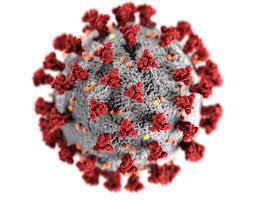
COVID-19 virus
Americans willingly ignored Trump’s crimes because they were angry about surging numbers of illegal aliens pouring into the country. But the Biden administration refused—until its closing months—to dramatically address this issue.
A Vox story, dated July 12, 2024, warned: “According to Gallup, 2024 is the first time since 2005 that most of the public have wanted less immigration, and this year marks the largest share of Americans feeling resistant to immigration since 58 percent said so in 2001….”
Six months later, on January 17, 2025, another Vox story offered: “What Democrats must learn from Biden’s disastrous immigration record.”
It opened: “One of the main reasons Vice President Kamala Harris lost the election is the Biden administration’s record on immigration and the border — polls show it ranks up close with inflation among the top issues that drove swing voters to Trump.…”
From 2021 to 2023, the number of illegal aliens skyrocketed. Even blue states and cities complained they were overwhelmed. In December 2023, a record 250,000 illegal aliens tried to cross the border.

Illegal aliens being deported
Then, starting early in 2024, and continuing throughout the year, border arrivals plummeted—by more than 80%.
The reasons:
- The Biden administration got the Mexican government to launch an extensive crackdown on migrants passing through its territory to the United States.
- Biden decreed that new unauthorized migrants would be ineligible for asylum if too many people were coming to the border. Essentially, this meant shutting down the asylum process.
Unfortunately for Harris, the downturn in illegal immigration came too late.
In times of economic uncertainty, hostility rises toward immigrants—especially those who are alien to a host country’s language and culture. This has proven true in Europe as well as the United States.
Americans blamed President Biden for inflationary price increases—especially for groceries such as eggs. And they believed Trump’s lies that he would immediately reverse those price increases.
According to a December 20, 2024 article—“Why are groceries so expensive? What you need to know”—by the Center for Science in the Public Interest:
“Since January 2019, food prices have risen nearly 30 percent in the US, leaving many households struggling to afford groceries.”
Among the issues responsible for this:
- COVID-19: Caused worldwide disruptions in supply chains.
- Transportation costs and fuel prices: Fuel costs are directly tied to how much retailers charge for groceries and other goods.
- Animal diseases, weather events, crop failures: When bird flu (H5N1) first struck the U.S. in 2022, eggs were priced at around $2 per dozen. They peaked at $4.82/dozen in January, 2023, and in December, 2024—following the infection of over 123 million chickens—prices fell to about $4.15/dozen.
- Global conflict: In February, 2022, Russia invaded Ukraine, which exports wheat, corn and agricultural fertilizer, among other products. Russia has tried to strangle Ukraine’s exports by attacking the nation’s agricultural centers.
No President—including Biden and Trump—can control such events. Unfortunately, every Presidential candidate virtually promises to be Superman. And voters repeatedly fall victim to this absurdity.
Trump benefitted from the Politically Incorrect truth that misogynistic Americans don’t want a woman President.
American voters proved that in 2016 when former Secretary of State Hillary Clinton ran for President—and lost to Trump in the Electoral College by a count of 227 to 304.
And Hillary had an advantage that Vice President Kamala Harris lacked: Hillary was white.

Kamala Harris
England has elected a female Prime Minister: Margaret Thatcher. And Mexico—notorious for the machismo of its men—has elected a woman President: Claudia Sheinbaum Pardo. But in the United States, electing a woman chief executive is unthinkable to most American men.
Machismo played a major role in Trump’s popularity, especially among Hispanics.
Roughly six in 10 men described Trump as a strong leader, compared with 43% who said that in 2020. About half of Hispanic women said Trump was a strong leader, up from 37%.
This despite Trump’s past derogatory comments about Hispanics (“When Mexico sends its people, they’re not sending their best….They’re bringing drugs. They’re bringing crime. They’re rapists. And some, I assume, are good people”).
And despite a sea of “MASS DEPORTATION NOW” signs at the 2024 Republican National Convention
More than any other group, Hispanics would face the full fury of Trump’s campaign to deport at least one million illegal aliens each year.
2016 PRESIDENTIAL ELECTION, 2020 PRESIDENTIAL ELECTION, 2024 PRESIDENTIAL ELECTION, ABC NEWS, ABUSE OF POWER, ADOLF HITLER, AFFORDABLE CARE ACT (ACA), AIR TRAFFICK CONTROLLERS, ALTERNET, AMERICABLOG, AP, ARTIFICIAL INTELLIGENCE, AUSTRIA, BABY BOOMER RESISTANCE, BBC, BERLIN, BIRD FLU, BLOOMBERG, BLUESKY, BORDER WALL, BRIAN KEMP, BUZZFEED, CBS NEWS, CENTERS FOR DISEASE CONTROL AND PREVENTION (CDC) CHINA, CIA, CLASSIFIED DOCUMENTS, CLAUS VON STAUFFENBERG, CLIMATE CHANGE, CNN, COVID-19, CROOKS AND LIARS, CZECHOSLOVAKIA, DAILY KOS, DAVID BROOKS, DEMOCRACY, DEMOCRATS, DIVERSITY, DONALD TRUMP, ELECTORAL COLLEGE, EMILY MURPHY, ENGLAND, EQUITY AND INCLUSION (DEI), FBI, FEDERAL AVIATION ADMINISTRATION (FAA), FEDERAL EMERGENCY MANAGEMENT ADMINISTRATION (FEMA), FEDERAL GOVERNMENT SHUTDOWN, FIVETHIRTYEIGHT, FRANCE, FRATERNAL ORDER OF POLICE, GAIUS CALIGULA, GAZA, GENERAL SERVICES ADMINISTRATION, GEORGE FLOYD, GOVERNMENT SHUTDOWN, GROCERY PRICES, GULF OF MEXICO, HARPER’S MAGAZINE, HILLARY CLINTON, HUFFINGTON POST, HUNTER BIDEN, illegal immigration, IMMIGRATION AND CUSTOMS ENFORCEMENT (ICE), IMPEACHMENT, INFLATION, INSPECTORS GENERAL, INSURRECTION ACT, INTERNATIONAL ASSOCIATION OF CHIEFS OF POLICE, INTERNATIONAL BROTHERHOOD OF TEAMSTERS, ISRAEL, JAMES COMEY, JANUARY 6 COUP ATTEMPT, JEFF SESSIONS, JEROME POWELL, JOE BIDEN, JOHN F. KENNEDY CENTER FOR THE PERFORMING ARTS, JONATHAN ROSS, JOSEPH STALIN, JUAN ORLANDO HERNANDEZ, Kamala Harris, KIM JONG-UN, LAMAR ALEXANDER, LATINOS, LETITIA JAMES, MACHISMO, MARK MEADOWS, MARTIN GUGINO, MEASLES, MEDIA MATTERS, MEDICAID, MEDICARE, MERRICK GARLAND, MIKE PENCE, MISOGYNY, MITCH MCCONNELL, MOHAMMED BIN SALMAN, MOTHER JONES, MOVEON, MSNBC, MUNICH CONFERENCE, MUSLIMS, NANCY PELOSI, NATIONAL GUARD, NATIONAL SECURITY AGENCY, NATIONAL SECURITY AGENCY (NSA), NAVAHO CODE TALKERS, NAZI GERMANY, NBC NEWS, NEWSDAY, NEWSWEEK, NIHILISM, NORTH ATLANTIC TREATY ORGANIZATION (NATO), NORTH KOREA, NPR, OBSTRUCTION OF CONGRESS, PARDONS, PBS NEWSHOUR, POLAND, POLITICO, POLITICUSUSA, RAFAEL EDUARDO "TED" CRUZ, RAW STORY, RENEE NICOLE GOOD, REPUBLICANS, REUTERS, ROBERT F. KENNEDY JR., RODNEY KING, ROME, RON JOHNSON, RUDY GIULIANI, RUSSIA, SALON, SAUDI ARABIA, SEATTLE TIMES, Secret Service, SERGEY KISLYAK, SERGEY LAVROV, SLATE, SUPPLEMENTAL NUTRITION ASSISTANCE PROGRAM (SNAP), TALKING POINTS MEMO, THE ATLANTIC, THE CHICAGO SUN-TIMES, THE CHICAGO TRIBUNE, THE DAILY BEAST, THE DAILY BLOG, THE DISCOURSES, THE GUARDIAN, THE HILL, THE HUFFINGTON POST, THE INTERCEPT, THE LOS ANGELES TIMES, THE NATION, THE NEW REPUBLIC, THE NEW YORK TIMES, THE NEW YORKER, THE PRESS, THE RISE AND FALL OF THE THIRD REICH (BOOK), THE VILLAGE VOICE, THE WALL STREET JOURNAL, THE WASHINGTON POST, THINKPROGRESS, THIRD REICH, TIM WALZ, TIME, TREASON, TRUTHDIG, TRUTHOUT, TUSKEEE AIRMEN, TWENTY-FIFTH AMENDMENT, TWO POLITICAL JUNKIES, TY COBB, U.S. NEWS & WORLD REPORT, UKRAINE, UNITED STATES DEPARTMENT OF DEFENSE (DOD), UNITED STATES DEPARTMENT OF JUSTICE (DOJ), UNITED STATES HOUSE OF REPRESENTATIVES, UNITED STATES SECRET SERVICE, UNITED STATES SENATE, UPI, USA TODAY, VLADIMIR PUTIN, VOLODMYR ZELENSKY, VOTER SUPPRESSION, WILLIAM L. SHIRER, WOMEN, WONKETTE, WORLD WAR 11, X, XI JINPING
In Bureaucracy, History, Law, Law Enforcement, Military, Politics, Social commentary on January 30, 2026 at 12:10 am
Once he became the 45th President of the United States, Donald Trump began undermining one public or private institution after another.
On November 3, 2020, 80 million voters decided they wanted a change—and elected former Vice President Joe Biden as the 46th President of the United States.
Trump refused to accept that verdict.
Speaking from the White House in the early hours of November 4, he said:
“Millions and millions of people voted for us tonight, and a very sad group of people is trying to disenfranchise that group of people and we won’t stand for it.”
For the first time in American history, a President demanded a halt to the counting of votes while the outcome of an election hung in doubt.
States ignored his demand and kept counting.
Next, Trump ordered his attorneys to file lawsuits to overturn the election results, charging electoral fraud.
Specifically:
- Illegal aliens had been allowed to vote.
- Trump ballots had been systematically destroyed.
- Tampered voting machines had turned Trump votes into Biden ones.
Throughout November and December, cases were filed in Wisconsin, Arizona, Nevada, Michigan, Minnesota and Georgia challenging the election results. And, one by one, more than 30 cases were withdrawn by Trump’s attorneys or dismissed by Federal judges—some of them appointed by Trump himself.
For 20 days, General Services Administrator Emily Murphy refused to release $7.3 million in transition funding and Federal resources to the President-elect’s team.
Under the law governing presidential transitions, Murphy was responsible for determining the winner based on publicly available information before the actual Electoral College vote.
Finally, on November 23, Murphy released the transition funding and resources.

Losing in the courts, Trump invited two Republican legislative leaders from Michigan to the White House to persuade them to stop the state from certifying the vote.
Nothing changed.
On December 5, Trump called Georgia Governor Brian Kemp and asked him to call a special legislative session and convince state legislators to select their own electors that would support him, thus overturning Biden’s win.
Kemp refused, saying he lacked the authority to do so.
Meanwhile, top Republicans—such as Vice President Mike Pence and Senate Majority Leader Mitch McConnell—refused to congratulate Biden as the winner.
None of them branded Trump’s efforts to overturn the election as those of a tyrant.
Just as Germans did nothing to stop Adolf Hitler’s inexorable march toward war—and the destruction of millions of lives and Germany itself—so, too, did Americans seem paralyzed to put an end to the equally self-destructive reign of the man often dubbed “Carrot Caligula.”

Gaius Caligula was “the mad emperor” of ancient Rome. Like Trump, he lived by a philosophy of “Let them hate me, so long as they fear me.”
He ruled as the most powerful man of his time—three years, 10 months and eight days. And all but the first six months of his reign were drenched in slaughter and debauchery.
There are basically three ways America’s continuing slide into tyranny could have been stopped:
Congressional Republicans could have revolted against Trump’s authority and/or agenda.
They could, for example, have demanded that Trump accept the verdict of the electorate—as every other past President had. But they didn’t.
Invoking the Twenty-Fifth Amendment to the United States Constitution.
This allows the Vice President and a majority of the Cabinet to recommend the removal of the President in cases where he is “unable to discharge the powers and duties of his office.” It also allows the House and Senate to confirm the recommendation over the President’s objection by two-thirds vote.

The Vice President then takes over as President.
A case could easily have been made that Trump, emotionally distraught over his loss and determined to circumvent the will of the electorate, had been rendered unfit to continue in office. But, once again, Republicans let fear and/or lust for power be their guide.
The “Caligula solution.” Like Trump, Roman emperor Gaius Caligula delighted in humiliating others. His fatal mistake was taunting Cassius Chaerea, a member of his own bodyguard. Caligula considered Chaerea effeminate because of a weak voice and mocked him with names like “Priapus” and “Venus.”

Gaius Caligula
On January 22 41 A.D. Chaerea and several other bodyguards hacked Caligula to death with swords before other guards could save him.
Trump had similarly behaved arrogantly toward his Secret Service guards. He forced them to work without pay during his 35-day government shutdown in 2018. He also forced them to accompany him to COVID-infected states—both during the Presidential campaign and afterward. Many of them were stricken with this often lethal disease as a result.
During the 12 years that Adolf Hitler ruled Nazi Germany, at least 42 assassination plots were launched against him.
The best-known of these literally exploded on July 20, 1944, when Colonel Count Claus Shenk von Stauffenberg planted a bomb in a conference room attended by Hitler and his generals. Hitler survived only by sheer luck.
By contrast, no similar plot was aimed at Donald Trump.
ABC NEWS, ALTERNET, AMERICABLOG, AP, “EL CID” (MOVIE, BABY BOOMER RESISTANCE, BLOOMBERG, BUZZFEED, CAMILLUS, CBS NEWS, CHARLTON HESTON, CHRISTOPHER SWANSON, CNN, CROOKS AND LIARS, DAILY KOS, DEREK CHAUVIN, DONALD TRUMP, DRUDGE RETORT, FIVETHIRTYEIGHT, FLINT TOWNSHIP, GEORGE FLOYD, HARPER’S MAGAZINE, LOS ANGELES, MARCUS FURIUS, MEDIA MATTERS, MOORS, MOTHER JONES, MOVEON, MSNBC, NBC NEWS, NEW YORK CITY, NEWSWEEK, NICCOLO MACHIAVELLI, NPR, PBS NEWSHOUR, POLITICO, POLITICUSUSA, RAW STORY, REUTERS, RODRIGO DIAZ DE VIVAR, SALON, SAN FRANCISCO, SEATTLE TIMES, SLATE, SPAIN, ST. JOHN’S CHURCH, TALKING POINTS MEMO, THE ATLANTIC, THE CHICAGO SUN-TIMES, THE CHICAGO TRIBUNE, THE DAILY BEAST, THE DAILY BLOG, THE DISCOURSES, THE GUARDIAN, THE HILL, THE HUFFINGTON POST, THE LOS ANGELES TIMES, THE NATION, THE NEW REPUBLIC, THE NEW YORK TIMES, THE VILLAGE VOICE, THE WASHINGTON POST, THINKPROGRESS, TIME, TRUTHDIG, TRUTHOUT, TWO POLITICAL JUNKIES, U.S. NEWS & WORLD REPORT, UPI, USA TODAY, VALENCIA, WONKETTE, X
In Bureaucracy, History, Law Enforcement, Politics, Social commentary on January 19, 2026 at 12:13 am
Two stories—one fictitious, the other historical.
Story #1: In the 1961 historical epic, “El Cid,” Rodrigo Diaz de Vivar, known as “El Cid”—“The Lord”—besieges the Spanish city of Valencia, which has been captured by the Moors.
Months have passed. The city’s population is starving and without hope.
Then, one day, El Cid (Charlton Heston) calls out over the city’s walls: “Soldiers and citizens of Valencia! We are not your enemy! Ben Yusof [the powerful emir who plans to conquer Spain with an invading army] is your enemy!
“Join us! We bring you peace! We bring you freedom! We bring you bread!”
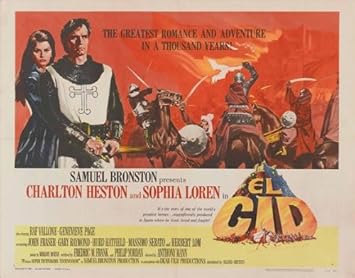
Suddenly El Cid’s Spanish catapults spring into action—loaded not with stones but loaves of bread. The loaves land in the city’s streets, where starving citizens and soldiers greedily devour them.
Then those citizens attack the bodyguards of the well-fed emir ruling Valencia—and throw the emir himself from a high wall.
The army of El Cid marches peacefully into the city.
Story #2: In Book Three, Chapter 22 of his classic masterwork, The Discourses, Niccolo Machiavelli offers the following: “An Act of Humanity Prevailed More With the Falacians Than All the Power of Rome.”
Marcus Furius Camillus, a Roman general, was besieging the city of the Faliscians, and had surrounded it. A teacher charged with the education of the children of some of the noblest families of that city decided to ingratiate himself with Camillus by leading those children into the Roman camp.
Presenting them to Camillus ,the teacher said to him, “By means of these children as hostages, you will be able to compel the city to surrender.”
Camillus not only declined the offer but went one step further. He ordered the teacher stripped and his hands tied behind his back. Then Camillus had a rod put into the hands of each of the children and directed them to whip the teacher all the way back to the city.
Upon learning this, the citizens of Faliscia were so much touched by the humanity and integrity of Camillus, that they surrendered the place to him without any further defense.
Summing up the meaning of this, Machiavelli writes: “This example shows that an act of humanity and benevolence will at all times have more influence over the minds of men than violence and ferocity. It also proves that provinces and cities which no armies…could conquer, have yielded to an act of humanity, benevolence, chastity or generosity.
“…History also shows us how much the people desire to find such virtues in great men, and how much they are extolled by historians and biographers of princes….Amongst these, Xenophon takes great pains to show how many victories, how much honor and fame, Cyrus gained by his humanity and affability, and by his not having exhibited a single instance of pride, cruelty or luxuriousness, nor of any of the other vices that are apt to stain the lives of men.”
Niccolo Machiavelli
These stories—the first the product of a movie screenwriter’s imagination, the second recorded by a master political scientist and historian—remain highly relevant today.
On May 25, 2020, George Floyd, a black unemployed restaurant security guard, was murdered by Derek Chauvin, a white Minneapolis police officer. While Floyd was handcuffed and lying face down on a city street during an arrest, Chauvin kept his knee on the right side of Floyd’s neck for eight minutes and 46 seconds.
Cities across the United States erupted in mass protests over Floyd’s death—and police killings of black victims generally. Most of these demonstrations proved peaceful.
But cities such as Los Angeles, San Francisco and New York City saw stores looted, vandalized and/or burned. In response, President Donald Trump called for harsh policing, telling governors in a nationwide conference call that they must “dominate” protesters or be seen as “weak.”
To drive home his point, Trump ordered police and National Guard troops to violently remove peaceful protesters from Lafayette Square, which borders St. John’s Church near the White House.
The purpose of the removal: To allow Trump to have a photo opportunity outside the church.
“I imposed a curfew at 7pm,” tweeted Washington, D.C. Mayor Muriel Bowser. “A full 25 minutes before the curfew & w/o provocation, federal police used munitions on peaceful protestors in front of the White House, an act that will make the job of @DCPoliceDept officers more difficult. Shameful!”
Contrast that with the example of Sheriff Christopher Swanson of Genesee County, Michigan.

Sheriff Christopher Swanson
Confronting a mass of aroused demonstrators in Flint Township on May 30, Swanson responded: “We want to be with you all for real.”
So Swanson took his helmet off. His deputies laid their batons down.
“I want to make this a parade, not a protest. So, you tell us what you need to do.”
“Walk with us!” the protesters shouted.
“Let’s walk, let’s walk,” said Swanson.
Cheering and applause resounded.
“Let’s go, let’s go,” Swanson said as he and the cheering crowd proceeded. “Where do you want to walk? We’ll walk all night.”
And Swanson and his fellow officers walked in sympathy with the protesters.
No rioting followed.
ABC NEWS, ADOLF HITLER, ALTERNET, AMERICABLOG, AP, ASSASSINATION, BABY BOOMER RESISTANCE, BUZZFEED, CBS NEWS, CNN, CONSPIRACIES, CROOKS AND LIARS, DAILY KOS, DONALD TRUMP, DRUDGE RETORT, FIVETHIRTYEIGHT, FREDERICK FORSYTHE, GAIUS CASSIUS, HARPER’S MAGAZINE, JULIUS CAESAR, LINCOLN MEMORIAL, MAR-A-LAGO, MARCUS BRUTUS, MARK ANTHONY, MEDIA MATTERS, MOTHER JONES, MOVEON, MSNBC, NBC NEWS, NEWSWEEK, NICCOLO MACHIAVELLI, NPR, PBS NEWSHOUR, PLOTS, POLITICO, POLITICUSUSA, RAW STORY, REUTERS, RICHARD M. NIXON, SALON, SEATTLE TIMES, Secret Service, SLATE, TALKING POINTS MEMO, THE ATLANTIC, THE CHICAGO SUN-TIMES, THE CHICAGO TRIBUNE, THE DAILY BEAST, THE DAILY BLOG, THE DISCOURSES, THE GUARDIAN, THE HILL, THE HUFFINGTON POST, THE LOS ANGELES TIMES, THE NATION, THE NEW REPUBLIC, THE NEW YORK TIMES, THE VILLAGE VOICE, THE WALL STREET JOURNAL, THE WASHINGTON POST, THINKPROGRESS, TIME, TRUTHDIG, TRUTHOUT, TWO POLITICAL JUNKIES, U.S. NEWS & WORLD REPORT, UPI, USA TODAY, VIETNAM WAR, WHITE HOUSE STAFFER, WONKETTE, X
In Bureaucracy, History, Law Enforcement, Military, Politics, Social commentary on December 2, 2025 at 12:49 am
More than 500 years ago, Niccolo Machiavelli, the Florentine statesman, authored The Discourses on Livy, a work of political history and philosophy. In it, he outlined how citizens of a republic can maintain their freedoms.
One of the longest chapters—Book Three, Chapter Six—covers “Of Conspiracies.” In it, those who wish to conspire against a ruler will find highly useful advice.
And so will those who wish to foil such a conspiracy.
For conspirators, there are three ways their efforts can be foiled.
- Discovery through denunciation;
- Discovery through incautiousness;
- Discovery through writings.
The first has already been covered. Now for the second and third.

Discovery through Writings: “You may talk freely with any one man about everything, for unless you have committed yourself in writing, the “Yes” of one man is worth as much as the “No” of another.
“Thus, you should guard most carefully against writing, as against a dangerous rock, for nothing will convict you quicker than your own handwriting.
“You may escape, then, from the accusation of a single individual, unless you are convicted by some writing or other pledge, which you should be careful never to give.
“If you are denounced, there are means of escaping punishment:
- By denying the accusation and claiming that the person making it hates you; or
- Claiming that your accuser was tortured or coerced into giving false testimony against you.
“But the most prudent course is to not tell your intentions to anyone, and to carry out the attempt yourself.”
Even if you’re not discovered before you carry out your attack, there are still two dangers facing a conspirator:
Dangers in Execution: These result from:
- An unexpected change in the routine of the intended target;
- The lack of courage among the conspirators; or
- An error on their part, such as leaving some of those alive whom the conspirators intended to kill.
Adolf Hitler, who claimed to have a sixth-sense for danger, was famous for changing his routine at the last minute.
On November 9, 1939, this instinct saved his life. He had been scheduled to give a long speech at a Munich beer hall before the “Old Fighters” of his storm troopers.
But that evening he cut short his speech and left the beer hall. Forty-five minutes later, a bomb exploded inside a pillar—before which Hitler had been speaking.
Conspirators can also be doomed by their good intentions.
In 44 B.C., Gaius Cassius, Marcus Brutus and other Roman senators decided to assassinate Julius Caesar, whose dictatorial ambitions they feared.
Cassius also intended to murder Mark Anthony, Caesar’s strongest ally. But Brutus objected, fearing the plotters would look like butchers, not saviors. Even worse, he allowed Anthony to deliver a eulogy at Caesar’s funeral.
This proved so inflammatory that the mourners rioted, driving the conspirators out of Rome. Soon afterward, they were defeated in a battle with the legions of Anthony and Octavian Caesar—and forced to commit suicide to avoid capture and execution.
Machiavelli closes his chapter “Of Conspiracies” with advice to rulers on how they should act when they find a conspiracy has been formed against them.
“If they discover that a conspiracy exists against them, they must, before punishing its authors, strive to learn its nature and extent. And they must measure the danger posed by the conspirators against their own strength.
“And if they find it powerful and alarming, they must not expose it until they have amassed sufficient force to crush it. Otherwise, they will only speed their own destruction. They should try to pretend ignorance of it. If the conspirators find themselves discovered, they will be forced by necessity to act without consideration.”
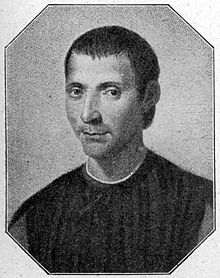
Niccolo Machiavelli
The foregoing was taken from Book Three, Chapter Six, of Machiavelli’s masterwork, The Discourses on Livy, which was published posthumously in 1531. But elsewhere in this volume, he notes how important it is for rulers to make themselves loved—or at least respected—by their fellow citizens:
“Note how much more praise those Emperors merited who, after Rome became an empire, conformed to her laws like good princes, than those who took the opposite course.
“Titus, Nerva, Trajan, Hadrian, Antoninus and Marcus Auelius did not require the Praetorians nor the multitudinous legions to defend them, because they were protected by their own good conduct, the good will of the people, and by the love of the Senate.
“On the other hand, neither the Eastern nor the Western armies saved Caligula, Nero, Vitellius and so many other wicked Emperors from the enemies which their bad conduct and evil lives had raised up against them.”
In his better-known work, The Prince, he warns rulers who—like Donald Trump–are inclined to rule by fear:
A prince should make himself feared in such a way that if he does not gain love, he at any rate avoids hatred: for fear and the absence of hatred may well go together.
Donald Trump
By Machiavelli’s standards, Trump has made himself the perfect target for a conspiracy.
“When a prince becomes universally hated, it is likely that he’s harmed some individuals—who thus seek revenge. This desire is increased by seeing that the prince is widely loathed.”
 Bureaucracybuster's Blog
2016 PRESIDENTIAL CAMPAIGN, 2020 PRESIDENTIAL CAMPAIGN, ABC NEWS, ADOLF HITLER, ALTERNET, AMERICABLOG, ANCIENT GREECE, ANCIENT ROME, AP, BABY BOOMER RESISTANCE, BERNIE SANDERS, BUZZFEED, CATASTROPHE, CBS NEWS, CHINA, CNN, CONSUMER PROTECTION, CORPORATE TAXES, CORRUPTION, CROOKS AND LIARS, DAILY KOS, DEMOCRATIC PARTY, DONALD TRUMP, DRUDGE RETORT, EXECUTIVE PAYWATCH, FACEBOOK, FIVETHIRTYEIGHT, FORBES, FUNDRAISING, HARPER’S MAGAZINE, HILLARY CLINTON, INCOME INEQUALITY, IVAN THE TERRIBLE, JOE BIDEN, JOSEPH STALIN, LEON TROTSKY, MEDIA MATTERS, MOTHER JONES, MOVEON, MSNBC, NAZI GERMANY, NBC NEWS, NEWSWEEK, NICCOLO MACHIAVELLI, NPR, PBS NEWSHOUR, POLITICO, POLITICUSUSA, RAW STORY, REUTERS, ROBERT PAYNE, ROBERT REICH, SALON, SEATTLE TIMES, SLATE, SPARTACUS, TALKING POINTS MEMO, THE ATLANTIC, THE CHICAGO SUN-TIMES, THE CHICAGO TRIBUNE, THE CORRUPT SOCIETY (BOOK), THE DAILY BEAST, THE DAILY BLOG, THE DISCOURSES, THE FRENCH REVOLUTION, THE GREAT LEVELER (BOOK), THE GUARDIAN, THE HILL, THE HUFFINGTON POST, THE LOS ANGELES TIMES, THE NATION, THE NEW REPUBLIC, THE NEW YORK TIMES, THE RUSSIAN REVOLUTION, THE VILLAGE VOICE, THE WASHINGTON POST, THINKPROGRESS, TIME, TRUTHDIG, TRUTHOUT, TWO POLITICAL JUNKIES, U.S. NEWS & WORLD REPORT, UPI, USA TODAY, VIOLENCE, Vladimir Lenin, WALL STREET, WALTER SCHEIDEL, WATERGATE, WEALTH GAP, WILLIAM SHAKESPEARE, WINSTON CHURCHILL, WONKETTE, X
THE RICH (LIKE THE PLAGUE) ARE WITH YOU ALWAYS: PART TWO (END)
In Bureaucracy, Business, History, Law, Politics, Social commentary on March 24, 2026 at 12:22 amThe gap between rich and poor in the United States has never been greater.
According to former Labor Secretary Robert Reich:
“The richest Americans saw their net worth soar 120% from 2017 to 2025. The top 1% now control $55.8 trillion in assets—more than the G.D.P. of the United States and China combined. Meanwhile, millions of Americans live paycheck to paycheck.”
Average CEO pay has exploded, rising over 1,000% since the late 1970s while typical worker pay has only grown modestly. As of 2024, top CEOs make nearly 300 times more than their average employee, a trend driven by stock buybacks and corporate greed rather than merit.
Since 1978, CEO pay increased by 1,085%, while typical worker pay rose only 24%. In 2023, CEOs at the top 350 U.S. firms earned 290 times more than the average worker.
This would not have been news to Niccolo Machiavelli, the father of modern political science. In his masterwork, The Discourses, he observed the human condition as that of constant struggle:
Niccolo Machiavelli
“It was a saying of ancient writers, that men afflict themselves in evil, and become weary of the good, and that both these dispositions produce the same effects.
“For when men are no longer obliged to fight from necessity, they fight from ambition, which passion is so powerful in the hearts of men that it never leaves them, no matter to what height they may rise.
“The reason for this is that nature has created men so that they desire everything, but are unable to attain it. Desire being thus always greater than the faculty of acquiring, discontent with what they have and dissatisfaction with themselves result from it.
“This causes the changes in their fortunes—for as some men desire to have more, while others fear to lose what they have, enmities and war are the consequences. And this brings about the ruin of one province and the elevation of another.”
Author Walter Scheidel, Dickason Professor in the Humanities, Professor of Classics and History at Stanford University, has also given this subject a great deal of thought. And, like Machiavelli, he has reached some highly disturbing conclusions.
Walter Scheidel
World Economic Forum [CC BY-SA 2.0 (https://creativecommons.org/licenses/by-sa/2.0)%5D
Scheidel gave voice to these in his 2017 book, The Great Leveler: Violence and the History of Inequality from the Stone Age to the Twenty-First Century. His thesis: Only violence and catastrophes have consistently reduced inequality throughout history.
According to the book’s jacket blurb: “Are mass violence and catastrophes the only forces that can seriously decrease economic inequality? To judge by thousands of years of history, the answer is yes.
“Tracing the global history of inequality from the Stone Age to today, Walter Scheidel shows that inequality never dies peacefully. Inequality declines when carnage and disaster strike and increases when peace and stability return.
“The Great Leveler is the first book to chart the crucial role of violent shocks in reducing inequality over the full sweep of human history around the world.
“Ever since humans began to farm, herd livestock, and pass on their assets to future generations, economic inequality has been a defining feature of civilization. Over thousands of years, only violent events have significantly lessened inequality.
“The ‘Four Horsemen’ of leveling—mass-mobilization warfare, transformative revolutions, state collapse, and catastrophic plagues—have repeatedly destroyed the fortunes of the rich….
“Today, the violence that reduced inequality in the past seems to have diminished, and that is a good thing. But it casts serious doubt on the prospects for a more equal future.”
Revolutionaries have known the truth of Scheidel’s findings from the gladiators’ revolt of Spartacus (73 – 71 B.C.) to the French Revolution (1789 – 1799) to the overthrow of the Czarist Romanov dynasty (1917).
But American politicians serenely ignore that truth. They depend on the mega-rich for millions of dollars in “campaign contributions”—which pay for self-glorifying ads on TV.
Thus, in 2016, American voters had a “choice” between two “love-the-rich” Presidential candidates: Donald Trump and Hillary Clinton. The result was that millions stayed home or voted in protest for third-party candidates who had no chance of winning.
In his 1975 book, The Corrupt Society: From Ancient Greece to Modern-day America, British historian Robert Payne warned that the predatory rich would not change their behavior: “Nor is there any likelihood that the rich will plow back their money into services to ensure the general good.
“They have rarely demonstrated social responsibility, and they are much more likely to hold on to their wealth at all costs than to renounce any part of it.
“Like the tyrant who lives in a world wholly remote from the world of the people, shielded and protected from all possible influences, the rich are usually the last to observe the social pressures rising from below, and when these social pressures reach flashpoint, it is too late to call in the police or the army.
“The tyrant dies; the police and the army go over to the revolutionaries; and the new government dispossesses the rich by decree. A single authoritative sentence suffices to expunge all private wealth and restore it to the service of the nation.”
For millions of struggling, impoverished Americans, that day cannot come soon enough.
Share this: