Posts Tagged ‘STEVEN PRESSFIELD’
ABC NEWS, ALEXANDER THE GREAT, ALTERNET, AMERICABLOG, AP, BABY BOOMER RESISTANCE, BBC, BLOOMBERG NEWS, BUZZFEED, CBS NEWS, CNN, CROOKS AND LIARS, DAILY KOS, DONALD TRUMP, DOUGLAS MACARTHUR, FEDERAL SECURITY SERVICE, FIVETHIRTYEIGHT, GATES OF FIRE (BOOK), HARPER’S MAGAZINE, HUFFINGTON POST, IRAN, IRAQ, KGB, MEDIA MATTERS, MERCENARIES, MOTHER JONES, MOVEON, MSNBC, NBC NEWS, NEW REPUBLIC, NEWSDAY, NEWSWEEK, NICCOLO MACHIAVELLI, NICHOLAS MADURO, NPR, Oil, PBS NEWSHOUR, POLITICO, POLITICUSUSA, RAW STORY, REUTERS, SALON, SAUDI ARABIA, SEATTLE TIMES, SLATE, SPARTA, STANLEY MCCRYSTAL, STEVEN PRESSFIELD, TALKING POINTS MEMO, THE ATLANTIC, THE CHICAGO SUN-TIMES, THE CHICAGO TRIBUNE, THE DAILY BEAST, THE DAILY BLOG, THE GUARDIAN, THE HILL, THE HUFFINGTON POST, THE INTERCEPT, THE LOS ANGELES TIMES, THE NATION, THE NEW REPUBLIC, THE NEW YORK TIMES, THE NEW YORKER, THE PROFESSION (BOOK), THE VILLAGE VOICE, THE VIRTUES OF WAR (BOOK), THE WASHINGTON POST, THERMOPYLAE, THINKPROGRESS, TIME, TRUTHDIG, TRUTHOUT, U.S. NEWS & WORLD REPORT, UPI, USA TODAY, VENEZUELA, X
In Bureaucracy, Business, History, Military, Politics, Social commentary on January 6, 2026 at 12:10 am
During a January 3 news conference, President Donald Trump told reporters the real reason why the United States had just attacked Venezuela and captured its president—actually dictator—Nicholas Maduro and his wife:
“We’re going to have our very large United States oil companies—the biggest anywhere in the world—go in, spend billions of dollars, fix the badly broken infrastructure, the oil infrastructure.”
Forget months of accusing Venezuela of being a major supplier of illicit drugs to the United States.
Venezuela has the world’s largest proven oil reserves, with over 303 billion barrels. That’s more than Saudi Arabia (second-largest) and Iran (third-largest). But after President Hugo Chávez nationalized much of the industry in 2007, its oil production sharply declined.
By 2018, Venezuela was producing 1.3 million barrels of oil each day, from a high of more than 3 million barrels each day in the late 1990s.
Trump intends to change that.
On September 7, 2016, at a forum hosted by NBC, Trump had flatly stated that seizing Iraqi oil fields could have paid for the 2003 Iraq war:
“We go in, we spend $3 trillion, we lose thousands and thousands of lives, and then … what happens is we get nothing. You know, it used to be to the victor belong the spoils.
“You’re not stealing anything. We’re reimbursing ourselves … at a minimum, and I say more. We’re taking back $1.5 trillion to reimburse ourselves.”
Unable to steal Iraqi oil, Trump has chosen to steal that of Venezuela—by turning the Armed Services into mercenary gangsters.
In 2011, bestselling author Steven Pressfield had made the seizing of Saudi Arabian oil fields the premise of his novel The Profession.

Pressfield made his literary reputation with a series of classic novels about ancient Greece.
In Gates of Fire (1998) he explored the rigors and heroism of Spartan society—and the famous last stand of its 300 picked warriors at Thermopylae.
In The Virtues of War (2004) he entered the mind of Alexander the Great, whose armies swept across the known world, destroying all who dared oppose them.
But in The Profession, Pressfield created a plausible world set into the future of 2032. The book’s dust jacket summarizes its plot-line:
“Everywhere military force is for hire. Oil companies, multi-national corporations and banks employ powerful, cutting-edge mercenary armies to control global chaos and protect their riches.
“Force Insertion is the world’s merc [mercenary] monopoly. Its leader is the disgraced former United States Marine General James Salter, stripped of his command by the president for nuclear saber-rattling with the Chinese and banished to the Far East.”
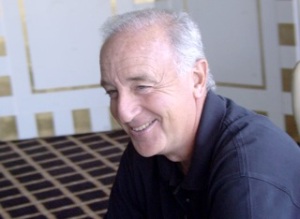
Steven Pressfield
Salter appears as a hybrid of World War II General Douglas MacArthur and Iraqi War General Stanley McCrystal.
Like MacArthur, Salter has butted heads with his President—and paid dearly for it. Now his ambition is no less than to become President himself—by popular acclaim. And like McCrystal, he is a pure warrior who leads from the front and is revered by his men.
Salter seizes Saudi Arabian oil fields, then offers them as a gift to America. By doing so, he makes himself the most popular man in the country—and a guaranteed occupant of the White House.
Douglas MacArthur

Stanley McCrystal
“The United States is an empire…but the American people lack the imperial temperament,” asserts Salter. “We’re not legionaries, we’re mechanics. In the end the American Dream boils down to what? ‘I’m getting mine and the hell with you.’”
Americans, says Salter, have come to like mercenaries: “They’ve had enough of sacrificing their sons and daughters in the name of some illusory world order. They want someone else’s sons and daughters to bear the burden….
“They want their problems to go away. They want me to to make them go away.”
Returning to the United States, he is acclaimed as a hero—and the next President.
He knows that his country is on a downward spiral toward oblivion: “Any time that you have the rise of mercenaries…society has entered a twilight era, a time past the zenith of its arc.”
And he doesn’t believe that his Presidency will arrest that decline: “But maybe in the short run, it’s better that my hand be on the wheel…rather than some other self-aggrandizing sonofabitch whose motives might not be as well intentioned….”
More than 500 years ago, Niccolo Machiavelli warned of the dangers of relying on mercenaries:
“Mercenaries…are useless and dangerous. And if a prince holds on to his state by means of mercenary armies, he will never be stable or secure; for they are disunited, ambitious, without discipline, disloyal; they are brave among friends; among enemies they are cowards.
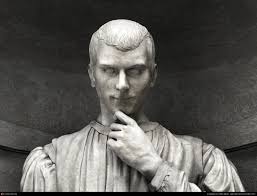
Niccolo Machiavelli
“They have neither the fear of God nor fidelity to men, and destruction is deferred only so long as the attack is. For in peace one is robbed by them, and in war by the enemy.”
Centuries ago, Niccolo Machiavelli issued a warning against relying on men whose first love is their own enrichment.
Steven Pressfield, in a work of fiction, has given us a nightmarish vision of a not-so-distant America where “Name your price” has become the byward for an age.
Both warnings are well worth heeding.
ABC NEWS, ALEXANDER THE GREAT, ALTERNET, AMERICABLOG, AP, BABY BOOMER RESISTANCE, BBC, BLOOMBERG NEWS, BUZZFEED, CBS NEWS, CNN, CROOKS AND LIARS, DAILY KOS, DOUGLAS MACARTHUR, FEDERAL SECURITY SERVICE, FIVETHIRTYEIGHT, GATES OF FIRE (BOOK), HARPER’S MAGAZINE, HUFFINGTON POST, KGB, MEDIA MATTERS, MERCENARIES, MOTHER JONES, MOVEON, MSNBC, NBC NEWS, NEW REPUBLIC, NEWSDAY, NEWSWEEK, NICCOLO MACHIAVELLI, NPR, PBS NEWSHOUR, POLITICO, POLITICUSUSA, RAW STORY, REUTERS, SALON, SEATTLE TIMES, SLATE, SPARTA, STANLEY MCCRYSTAL, STEVEN PRESSFIELD, TALKING POINTS MEMO, THE ATLANTIC, THE CHICAGO SUN-TIMES, THE CHICAGO TRIBUNE, THE DAILY BEAST, THE DAILY BLOG, THE GUARDIAN, THE HILL, THE HUFFINGTON POST, THE INTERCEPT, THE LOS ANGELES TIMES, THE NATION, THE NEW REPUBLIC, THE NEW YORK TIMES, THE NEW YORKER, THE PROFESSION (BOOK), THE VILLAGE VOICE, THE VIRTUES OF WAR (BOOK), THE WASHINGTON POST, THERMOPYLAE, THINKPROGRESS, TIME, TRUTHDIG, TRUTHOUT, U.S. NEWS & WORLD REPORT, UKRAINE, UPI, USA TODAY, VLADIMIR PUTIN, WAGNER GROUP, X, YEGENEY PRIGOZHIN
In Bureaucracy, Business, History, Military, Politics, Social commentary on September 15, 2025 at 12:08 am
In May, 2014, Yevgeny Prigozhin founded the Kremlin-affiliated mercenary army Wagner Group.
Since Russian President Vladimir Putin ordered a “special military operation” against Ukraine on February 24, 2022, Wagner has played a major role in the fighting.
Prigozhin had repeatedly clashed with Russian Defense Minister Sergei Shoigu, blaming him for a lack of ammunition to his embattled fighters—resulting in thousands of casualties.

Yevgeney Prigozhin
Government of the Russian Federation, CC BY 3.0 <https://creativecommons.org/licenses/by/3.0>, via Wikimedia Commons
On June 23, 2023, Prigozhin claimed that regular Russian armed forces had launched missile strikes against Wagner forces, killing a “huge” number.
He announced: “The council of commanders of PMC Wagner has made a decision—the evil that the military leadership of the country brings must be stopped.”
In response, criminal charges were filed against Prigozhin by the Russian Federal Security Service—the renamed KGB—for inciting an armed rebellion.
Wagner withdrew from Ukraine, occupied the Russian city of Rostov-on-Don and headed for Moscow. While doing so, Wagner shot down a Russian fighter plane and several military helicopters.
Putin decried the action as treason, and vowed to quash the uprising.
Talks between Prigozhin and Belarussian president Alexander Lukashenko resulted in charges being dropped. Wagner ceased its march on Moscow. Prigozhin would move to Belarus but remain under investigation for treason. Wagner troops would return to Ukraine.
On August 23, 2023, Prigozhin was killed along with nine other people when a business jet crashed in Tyer Oblast, north of Moscow.
American military sources believe the crash was likely caused by a bomb on board or sabotage.
The danger of relying on mercenaries forms the plot of The Profession, a 2011 novel by bestselling author Steven Pressfield.
Pressfield made his literary reputation with a series of classic novels about ancient Greece.
In Gates of Fire (1998) he explored the rigors and heroism of Spartan society—and the famous last stand of its 300 picked warriors at Thermopylae.
In The Virtues of War (2004) he entered the mind of Alexander the Great, whose armies swept across the known world, destroying all who dared oppose them.
But in The Profession, Pressfield created a plausible world set into the future of 2032. The book’s own dust jacket offers the best summary of its plot-line:
“Everywhere military force is for hire. Oil companies, multi-national corporations and banks employ powerful, cutting-edge mercenary armies to control global chaos and protect their riches.
“Force Insertion is the world’s merc monopoly. Its leader is the disgraced former United States Marine General James Salter, stripped of his command by the president for nuclear saber-rattling with the Chinese and banished to the Far East.”
Steven Pressfield
Salter appears as a hybrid of World War II General Douglas MacArthur and Iraqi War General Stanley McCrystal.
Like MacArthur, Salter has butted heads with his President—and paid dearly for it. Now his ambition is no less than to become President himself—by popular acclaim. And like McCrystal, he is a pure warrior who leads from the front and is revered by his men.
Salter seizes Saudi Arabian oil fields, then offers them as a gift to America. By doing so, he makes himself the most popular man in the country—and a guaranteed occupant of the White House.
Douglas MacArthur
Stanley McCrystal
“The United States is an empire…but the American people lack the imperial temperament,” asserts Salter. “We’re not legionaries, we’re mechanics. In the end the American Dream boils down to what? ‘I’m getting mine and the hell with you.’”
Americans, says Salter, have come to like mercenaries: “They’ve had enough of sacrificing their sons and daughters in the name of some illusory world order. They want someone else’s sons and daughters to bear the burden….
“They want their problems to go away. They want me to to make them go away.”
Returning to the United States, he is acclaimed as a hero—and the next President.
He knows that his country is on a downward spiral toward oblivion: “Any time that you have the rise of mercenaries…society has entered a twilight era, a time past the zenith of its arc.”
And he doesn’t believe that his Presidency will arrest that decline: “But maybe in the short run, it’s better that my hand be on the wheel…rather than some other self-aggrandizing sonofabitch whose motives might not be as well intentioned….”
More than 500 years ago, Niccolo Machiavelli warned of the dangers of relying on mercenaries:
“Mercenaries…are useless and dangerous. And if a prince holds on to his state by means of mercenary armies, he will never be stable or secure; for they are disunited, ambitious, without discipline, disloyal; they are brave among friends; among enemies they are cowards.
Niccolo Machiavelli
“They have neither the fear of God nor fidelity to men, and destruction is deferred only so long as the attack is. For in peace one is robbed by them, and in war by the enemy.”
Centuries ago, Niccolo Machiavelli issued a warning against relying on men whose first love is their own enrichment.
Steven Pressfield, in a work of fiction, has given us a nightmarish vision of a not-so-distant America where “Name your price” has become the byward for an age.
Both warnings are well worth heeding.
ABC NEWS, ABRAHAM LINCOLN, AFGHANISTAN, ALEXANDER THE GREAT, ALTERNET, AMERICABLOG, ANDREW JACKSON, AP, BABY BOOMER RESISTANCE, BBC, BLOOMBERG, BUZZFEED, CBS NEWS, CHARLIE KIRK, CIVIL WAR, CNN, CROOKS AND LIARS, DAILY KOS, FIVETHIRTYEIGHT, FOX NEWS CHANNEL, GATES OF FIRE (BOOK), HARPER’S MAGAZINE, HUFFINGTON POST, JACK SMITH, JOHN C. CALHOUN, JOSEPH BIDEN, LIZ CHENEY, MEDIA MATTERS, MERCENARIES, MERRICK GARLAND, MOTHER JONES, MOVEON, MSNBC, NBC NEWS, NEW REPUBLIC, NEWSDAY, NEWSWEEK, NPR, ORGANIZED CRIME, PBS NEWSHOUR, POLITICO, POLITICUSUSA, PROJECT 2025, RAW STORY, REPUBLICANS, REUTERS, SALON, SEATTLE TIMES, SLATE, SPARTA, STEVEN PRESSFIELD, STORMY DANIELS, TALKING POINTS MEMO, THE AFGHAN CAMPAIGN (BOOK), THE ATLANTIC, THE CHICAGO SUN-TIMES, THE CHICAGO TRIBUNE, THE DAILY BEAST, THE DAILY BLOG, THE GUARDIAN, THE HILL, THE HUFFINGTON POST, THE INTERCEPT, THE LOS ANGELES TIMES, THE NATION, THE NEW REPUBLIC, THE NEW YORK TIMES, THE NEW YORKER, THE PROFESSION (BOOK), THE VILLAGE VOICE, THE VIRTUES OF WAR (BOOK), THE WASHINGTON POST, THERMOPYLAE, THINKPROGRESS, TIME, TREASON, TRUTHDIG, TRUTHOUT, TWO POLITICAL JUNKIES, U.S. NEWS & WORLD REPORT, UNITED STATES SUPREME COURT, UPI, USA TODAY, X
In Bureaucracy, History, Law, Law Enforcement, Military, Politics, Social commentary on July 10, 2024 at 12:10 am
President Joseph Biden now faces the most monumental decision of his life. And no matter what choice he makes, his name will live in infamy for millions of Americans—whether they lean Right or Left.
Thanks entirely to the Supreme Court’s July 1 ruling giving almost unlimited immunity to former President Donald Trump, Biden can go down in history as the man who saved—at least temporarily—the American republic.

Joseph Biden
Or he can go down in history as the man who presided over the end of the American republic.
To save it, he must
- Purge, through arrests and trials, almost the entire treason-conspiring Republican party, starting with Trump, its Fuhrer-in-waiting.
- Do this officially, because the Court has ruled that he (and future Presidents) can only be prosecuted for unofficial acts.
- Do this while he still commands the full resources of the military and Justice Department.

- Sweep clean the Federal courts of all Right-wing, treason-supporting judges—such as Aileen Cannon, who has repeatedly thwarted efforts to try Trump for stealing and hiding almost 300 highly classified government documents at his Mar-a-Lago estate.
- This includes the six Right-wing Supreme Court Justices who have given future Presidents the legal authority to assassinate rivals, take bribes and/or foment coups.
If Biden does this, he will damned as the first President since Abraham Lincoln to brutally crush political opposition.
But he will also be hailed for having—at least temporarily—prevented a wholesale Right-wing takeover and dictatorship under Project 2025. Its’ goal: Replace existing federal civil service workers with tens of thousands of radical Right-wingers.

To preside over the end of the American republic, all Biden need do is what he’s done for the last three years: Nothing.
Example #1: Only on November 18, 2022, did Attorney General Merrick Garland appoint Jack Smith Special Counsel to investigate Trump’s attempt to overturn the legitimate results of the 2020 Presidential election and become “President-for-Life.”
This was clearly treason—and Garland should have appointed Smith, at the latest, by mid-2021.

Merrick Garland
Example #2: Trump’s accomplices included 147 members of Congress who voted to invalidate the 2020 Electoral College vote count. A total of 139 served in the House of Representatives, and eight served in the Senate.
To date, not one of these accessories has even been indicted, let alone convicted, for treason.
Arguably, Biden’s worst appointment has been Merrick Garland as Attorney General.
In 1961, when Robert F. Kennedy became Attorney General, he moved quickly and forcefully to wage war on America’s organized crime syndicates. Unprecedented numbers of mobsters found themselves facing vigorous FBI investigations, indictments and/or convictions.
By contrast, Garland’s timidity in prosecuting the crimes of Right-wing Republicans serves as not only a national embarrassment but a threat to national security.
On May 30, a Manhattan jury convicted Donald Trump of 34 felonies for falsifying New York business records in 2016. He had done so to conceal his hush money payoff to porn “star” Stormy Daniels for his extramarital tryst with her.
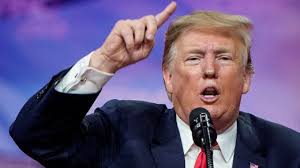
Donald Trump
Even though the Biden administration had nothing to do with the case, Republicans immediately blamed the President—and demanded wholesale prosecutions of the Left.
Right-wing activist Charlie Kirk urged Republican prosecutors to get “creative” in bringing charges: “Indict the left, or lose America,” he said on X.
And Trump quickly issued his own calls for “vengeance”:
“Wouldn’t it be terrible to throw the president’s wife and the former secretary of state, think of it, the former secretary of state, but the president’s wife, into jail? Wouldn’t that be a terrible thing? But they want to do it,” Trump said in an interview on Newsmax.
“It’s a terrible, terrible path that they’re leading us to. And it’s very possible that it’s going to have to happen to them.”
Nor has Trump forgotten former Republican Representative Liz Cheney, who chaired the House 1/6 Committee investigating the Trump-inspired attack on Congress.
“ELIZABETH LYNNE CHENEY IS GUILTY OF TREASON,” Trump posted on his social media website Truth Social. “RETRUTH IF YOU WANT TELEVISED MILITARY TRIBUNALS.”
There can be absolutely no doubt that Trump will pursue “vengeance” against everyone who has ever opposed him if he is re-elected President.
There can also be no doubt that he will remain in office until he dies as “President-for-Life.”
When Andrew Jackson, seventh President of the United States from 1829 to 1837, was close to death, he asked his doctor: “What act of my administration will be most severely condemned by future Americans?”
“Perhaps the removal of the bank deposits,” said the doctor—referring to Jackson’s withdrawal of U.S. Government monies from the first Bank of the United States.
“Oh, no,” said Jackson, his eyes blazing. “I can tell you. Posterity will condemn me more because I was persuaded not to hang John C. Calhoun as a traitor than for any other act in my life!”
John C. Calhoun had once been Vice President under Jackson and later a United States Senator from South Carolina. His fiery, pro-slavery rhetoric and radical theories of “nullification” of Federal laws played a major role in bringing on the Civil War (1861-1865).
Whether Biden moves to prevent a Trump/Republican dictatorship or allows it to become reality, he will be simultaneously praised and damned by future generations of Americans.
ABC NEWS, ABRAHAM LINCOLN, AFGHANISTAN, ALEXANDER THE GREAT, ALTERNET, AMERICABLOG, ANDREW JACKSON, AP, BABY BOOMER RESISTANCE, BBC, BLOOMBERG, BUZZFEED, CBS NEWS, CHARLIE KIRK, CIVIL WAR, CNN, CROOKS AND LIARS, DAILY KOS, FIVETHIRTYEIGHT, FOX NEWS CHANNEL, GATES OF FIRE (BOOK), HARPER’S MAGAZINE, HUFFINGTON POST, JACK SMITH, JOHN C. CALHOUN, JOSEPH BIDEN, LIZ CHENEY, MEDIA MATTERS, MERCENARIES, MERRICK GARLAND, MOTHER JONES, MOVEON, MSNBC, NBC NEWS, NEW REPUBLIC, NEWSDAY, NEWSWEEK, NPR, ORGANIZED CRIME, PBS NEWSHOUR, POLITICO, POLITICUSUSA, PROJECT 2025, RAW STORY, REPUBLICANS, REUTERS, SALON, SEATTLE TIMES, SLATE, SPARTA, STEVEN PRESSFIELD, STORMY DANIELS, TALKING POINTS MEMO, THE AFGHAN CAMPAIGN (BOOK), THE ATLANTIC, THE CHICAGO SUN-TIMES, THE CHICAGO TRIBUNE, THE DAILY BEAST, THE DAILY BLOG, THE GUARDIAN, THE HILL, THE HUFFINGTON POST, THE INTERCEPT, THE LOS ANGELES TIMES, THE NATION, THE NEW REPUBLIC, THE NEW YORK TIMES, THE NEW YORKER, THE PROFESSION (BOOK), THE VILLAGE VOICE, THE VIRTUES OF WAR (BOOK), THE WASHINGTON POST, THERMOPYLAE, THINKPROGRESS, TIME, TREASON, TRUTHDIG, TRUTHOUT, TWO POLITICAL JUNKIES, U.S. NEWS & WORLD REPORT, UNITED STATES SUPREME COURT, UPI, USA TODAY, X
In Bureaucracy, Business, History, Law, Law Enforcement, Military, Politics, Social commentary on July 9, 2024 at 12:10 am
The Supreme Court has spoken. And Donald Trump, who tried to treasonously overturn the 2020 Presidential election and make himself “President-for-Life,” is now armed with the almost total immunity he has long sought.
As Trump and his entrenched Right-wing allies move ever closer to establishing an absolute dictatorship, this is an apt time to discover—or rediscover—the frighteningly real world of The Profession, a 2011 futuristic novel by bestselling author Steven Pressfield.
Steven Pressfield
Pressfield had previously made his mark as an author of historical novels—primarily set in ancient Greece.
In Gates of Fire (1998) he explored the rigors and heroism of Spartan society—and the famous last stand of its 300 picked warriors at Thermopylae.
In The Virtues of War (2004) Pressfield adopted the identity of Alexander the Great, explaining what it was like to command invincible armies that swept across the known world.
Finally, in The Afghan Campaign (2006) he chronicled—from the viewpoint of a lowly Greek soldier—Alexander’s brutal, three-year anti-guerrilla campaign in Afghanistan.
But in The Profession, Pressfield created a seemingly plausible world set in the future. The book’s dust jacket offers an excellent summary of its plot-line:
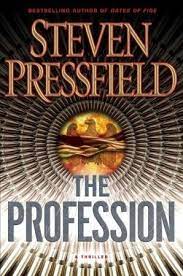
“The year is 2032. Everywhere military force is for hire. Oil companies, multi-national corporations and banks employ powerful, cutting-edge mercenary armies to control global chaos and protect their riches.
“Even nation states enlist mercenary forces to suppress internal insurrections, hunt terrorists, and do the black bag jobs necessary to maintain the new New World Order.
“Force Insertion is the world’s merc monopoly. Its leader is the disgraced former United States Marine General James Salter, stripped of his command by the president for nuclear saber-rattling with the Chinese and banished to the Far East.
“A grandmaster military and political strategist, Salter plans to take vengeance on those responsible for his exile and then come home…as Commander in Chief.”
Salter appears as a hybrid of World War II General Douglas MacArthur and Iraqi War General Stanley McCrystal. Like MacArthur, Salter has butted heads with his President—and paid dearly for it. Now his ambition—like MacArthur—is to become President himself by popular acclaim.

Douglas MacArthur
And like McCrystal, he is a pure warrior who leads from the front and is revered by his men. Salter seizes Saudi oil fields and strategically rigs them with explosives to be used if threatened.
Then he offers them as a gift to America. By doing so, he makes himself the most popular man in the country—and a guaranteed occupant of the White House.

Stanley McCrystal
And in 2032 the United States is a far different nation from the one its Founding Fathers created in 1776.
“Any time that you have the rise of mercenaries…society has entered a twilight era, a time past the zenith of its arc,” says Salter. “The United States is an empire…but the American people lack the imperial temperament. We’re not legionaries, we’re mechanics. In the end the American Dream boils down to what? ‘I’m getting mine and the hell with you.'”
Americans, asserts Salter, have come to like mercenaries: “They’ve had enough of sacrificing their sons and daughters in the name of some illusory world order. They want someone else’s sons and daughters to bear the burden….
“They want their problems to go away. They want me to make them go away.”
Yet unlike Donald Trump, who infamously shouted, “I love the poorly educated!” Salter is a highly intellectual man. He feels himself a tragic figure, lamenting that the United States has abandoned its longstanding political values even as he prepares to extinguish the most basic one by becoming dictator.
“The moment compels me to seize it. If I don’t someone or something worse will step in. But if I perform the bidding of Necessity, I violate the code of the republic to which all of us have sworn allegiance. I cross a line, beyond which there can be no return.
“But what, I ask, is the alternative? The nation has lost its way and is struggling desperately, merely to hang on. The nation can’t go on as it is, and everyone knows it. If not me, who? If not me, what?
“So, yes, I will go home. And yes, I will accept whatever crown, of paper or gold, that my country wants to press upon me. Not because I believe such a coronation will make any difference in the long run.
“But maybe in the short run, it’s better that my hand be on the wheel rather than some other self-aggrandizing sonofabitch whose motives might not be as well-intentioned or whose consciousness so painfully evolved.”
At a nationally televised press conference, Salter hands a loaded pistol to a longtime friend and disciple who now fears his dictatorial ambitions.
“Go ahead,” says Salter. “You’ll be saving the republic. And me, too.”
But the former disciple cannot bring himself to kill his longtime idol: “Now I’m guilty with you,” he says.
Steven Pressfield, in a work of fiction, has given us a nightmarish vision of a futuristic America.
Donald Trump and his Right-wing disciples may soon make that vision a reality.
ABC NEWS, AFGHANISTAN, ALCIBIADES, ALEXANDER THE GREAT, ALTERNET, AMERICABLOG, AP, BABY BOOMER RESISTANCE, BBC, BILL O'REILLY, BLOOMBERG, BUZZFEED, CBS NEWS, CNN, CROOKS AND LIARS, DAILY KOS, FIVETHIRTYEIGHT, FOX NEWS CHANNEL, GATES OF FIRE (BOOK), HARPER’S MAGAZINE, HUFFINGTON POST, MEDIA MATTERS, MERCENARIES, MOTHER JONES, MOVEON, MSNBC, NBC NEWS, NEW REPUBLIC, NEWSDAY, NEWSWEEK, NICCOLO MACHIAVELLI, NPR, PBS NEWSHOUR, POLITICO, POLITICUSUSA, RAW STORY, REUTERS, SALON, SEATTLE TIMES, SLATE, SPARTA, STEVEN PRESSFIELD, TALKING POINTS MEMO, THE AFGHAN CAMPAIGN (BOOK), THE ATLANTIC, THE CHICAGO SUN-TIMES, THE CHICAGO TRIBUNE, THE DAILY BEAST, THE DAILY BLOG, THE GUARDIAN, THE HILL, THE HUFFINGTON POST, THE INTERCEPT, THE LOS ANGELES TIMES, THE NATION, THE NEW REPUBLIC, THE NEW YORK TIMES, THE NEW YORKER, THE O'REILLY FACTOR, THE PROFESSION (BOOK), THE VILLAGE VOICE, THE VIRTUES OF WAR, THE VIRTUES OF WAR (BOOK), THE WASHINGTON POST, THERMOPYLAE, THINKPROGRESS, TIDES OF WAR (BOOK), TIME, TRUTHDIG, TRUTHOUT, TWO POLITICAL JUNKIES, U.S. NEWS & WORLD REPORT, UPI, USA TODAY, X
In Business, History, Military, Politics, Social commentary on May 6, 2024 at 12:12 am
Bill O’Reilly, the former host of the Fox News Channel program The O’Reilly Factor, has offered his own solution to fighting terrorism: A multinational mercenary army, based on a NATO coalition and trained by the United States.
“We would select them, special forces would train them—a 25,000-man force to be deployed to fight on the ground against worldwide terrorism. Not just ISIS,” O’Reilly said on “CBS This Morning” on September 24, 2014.
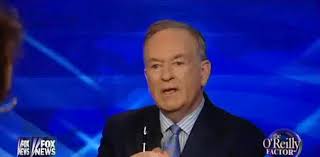
Bill O’Reilly
Actually, O’Reilly’s idea is the subject of The Profession, a 2011 novel by bestselling author Steven Pressfield.
Pressfield made his literary reputation with four classic novels about classical Greece.
In Gates of Fire (1998) he explored the rigors and heroism of Spartan society—and the famous last stand of its 300 picked warriors at Thermopylae.
In Tides of War (2000) Pressfield depicted the rise and fall of Alcibiades, Athens’ greatest general, as he shifted his loyalties from that city to its arch-enemy, Sparta, and then to Persia, the enemy of both.
In The Virtues of War (2004) he took on the identity of Alexander the Great, explaining to his readers what it was like to command armies that swept across the known world, destroying all who dared oppose them.
Finally, in The Afghan Campaign (2006) Pressfield—this time from the viewpoint of a lowly Greek soldier—refought Alexander’s brutal, three-year anti-guerrilla campaign in Afghanistan.
Steven Pressfield
But in The Profession, Pressfield created a seemingly plausible world set into the future of 2032. The book’s own dust jacket offers the best summary of its plot-line:
“The year is 2032. The third Iran-Iraq war is over. The 11/11 dirty bomb attack on the port of Long Beach, California is receding into memory. Saudi Arabia has recently quelled a coup. Russians and Turks are clashing in the Caspian Basin.
“Iranian armored units, supported by the satellite and drone power of their Chinese allies, have emerged from their enclaves in Tehran and are sweeping south attempting to recapture the resource rich territory that had been stolen from them, in their view, by Lukoil, BP, and ExxonMobil and their privately-funded armies.
“Everywhere military force is for hire. Oil companies, multi-national corporations and banks employ powerful, cutting-edge mercenary armies to control global chaos and protect their riches.
“Even nation states enlist mercenary forces to suppress internal insurrections, hunt terrorists, and do the black bag jobs necessary to maintain the new New World Order.
“Force Insertion is the world’s merc monopoly. Its leader is the disgraced former United States Marine General James Salter, stripped of his command by the president for nuclear saber-rattling with the Chinese and banished to the Far East.”
Salter appears as a hybrid of World War II General Douglas MacArthur and Iraqi War General Stanley McCrystal. Like MacArthur, Salter has butted heads with his President—and paid dearly for it. Now his ambition is no less than to become President himself—by popular acclaim.
And like McCrystal, he is a pure warrior who leads from the front and is revered by his men. Salter seizes Saudi oil fields, then offers them as a gift to America. By doing so, he makes himself the most popular man in the country—and a guaranteed occupant of the White House.
And in 2032 the United States is a far different nation from the one its Founding Fathers created in 1776.
“Any time that you have the rise of mercenaries…society has entered a twilight era, a time past the zenith of its arc,” says Salter.”The United States is an empire…but the American people lack the imperial temperament. We’re not legionaries, we’re mechanics. In the end the American Dream boils down to what? ‘I’m getting mine and the hell with you.'”
Americans, asserts Salter, have come to like mercenaries: “They’ve had enough of sacrificing their sons and daughters in the name of some illusory world order. They want someone else’s sons and daughters to bear the burden….
“They want their problems to go away. They want me to to make them go away.”
And so Salter will “accept whatever crown, of paper or gold, that my country wants to press upon me.”
More than 500 years ago, Niccolo Machiavelli warned of the dangers of relying on mercenaries:
“Mercenaries…are useless and dangerous. And if a prince holds on to his state by means of mercenary armies, he will never be stable or secure; for they are disunited, ambitious, without discipline, disloyal; they are brave among friends; among enemies they are cowards.
Niccolo Machiavelli
“They have neither the fear of God nor fidelity to men, and destruction is deferred only so long as the attack is. For in peace one is robbed by them, and in war by the enemy.”
Centuries ago, Niccolo Machiavelli issued a warning against relying on men whose first love is their own enrichment.
Steven Pressfield, in a work of fiction, has given us a nightmarish vision of a not-so-distant America where “Name your price” has become the byword for an age.
Both warnings are well worth heeding.
2016 PRESIDENTIAL CAMPAIGN, ABC NEWS, ALEXANDER THE GREAT, ALTERNET, AMERICABLOG, AP, BABY BOOMER RESISTANCE, BBC, BLOOMBERG NEWS, BUZZFEED, CBS NEWS, CNN, CROOKS AND LIARS, DAILY KOS, DONALD TRUMP, FEDERAL SECURITY SERVICE, FIVETHIRTYEIGHT, GATES OF FIRE, HARPER’S MAGAZINE, HUFFINGTON POST, KGB, MEDIA MATTERS, MERCENARIES, MOTHER JONES, MOVEON, MSNBC, NBC NEWS, NEW REPUBLIC, NEWSDAY, NEWSWEEK, NICCOLO MACHIAVELLI, NPR, PBS NEWSHOUR, POLITICO, POLITICUSUSA, RAW STORY, REUTERS, SALON, SEATTLE TIMES, SLATE, SPARTA, STEVEN PRESSFIELD, TALKING POINTS MEMO, THE ATLANTIC, THE CHICAGO SUN-TIMES, THE CHICAGO TRIBUNE, THE DAILY BEAST, THE DAILY BLOG, THE GUARDIAN, THE HILL, THE HUFFINGTON POST, THE INTERCEPT, THE LOS ANGELES TIMES, THE NATION, THE NEW REPUBLIC, THE NEW YORK TIMES, THE NEW YORKER, THE PROFESSION, THE VILLAGE VOICE, THE VIRTUES OF WAR, THE WASHINGTON POST, THERMOPYLAE, THINKPROGRESS, TIME, TRUTHDIG, TRUTHOUT, TWITTER, U.S. NEWS & WORLD REPORT, UKRAINE, UPI, USA TODAY, VLADIMIR PUTIN, WAGNER GROUP, YEGENEY PRIGOZHIN
In Bureaucracy, Business, History, Military, Politics, Social commentary on June 27, 2023 at 12:36 am
In May, 2014, Yevgeny Prigozhin founded the Kremlin-affiliated mercenary army Wagner Group.
Since Russian President Vladimir Putin ordered a “special military operation” against Ukraine on February 24, 2022, Wagner has played a major role in the fighting.
Prigozhin has repeatedly clashed with Russian Defense Minister Sergei Shoigu, blaming him for a lack of ammunition to his embattled fighters—resulting in thousands of casualties.
Yevgeney Prigozhin
Government of the Russian Federation, CC BY 3.0 <https://creativecommons.org/licenses/by/3.0>, via Wikimedia Commons
On June 23, 2023, Prigozhin claimed that regular Russian armed forces had launched missile strikes against Wagner forces, killing a “huge” number.
He announced: “The council of commanders of PMC Wagner has made a decision—the evil that the military leadership of the country brings must be stopped.”
In response, criminal charges were filed against Prigozhin by the Russian Federal Security Service —the renamed KGB—for inciting an armed rebellion.
Wagner withdrew from Ukraine, occupied the Russian city of Rostov-on-Don and headed for Moscow. While doing so, Wagner shot down a Russian fighter plane and several military helicopters.
Putin decried the action as treason, and vowed to quash the uprising.
Talks between Prigozhin and Belarussian president Alexander Lukashenko resulted in charges being dropped. Wagner ceased its march on Moscow. Prigozhin will move to Belarus but remain under investigation for treason. Wagner troops will return to Ukraine.
The danger of relying on mercenaries forms the plot of The Profession, a 2011 novel by bestselling author Steven Pressfield.
Pressfield made his literary reputation with a series of classic novels about ancient Greece.
In Gates of Fire (1998) he explored the rigors and heroism of Spartan society—and the famous last stand of its 300 picked warriors at Thermopylae.
In The Virtues of War (2004) he entered the mind of Alexander the Great, whose armies swept across the known world, destroying all who dared oppose them.
But in The Profession, Pressfield created a plausible world set into the future of 2032. The book’s own dust jacket offers the best summary of its plot-line:
“Everywhere military force is for hire. Oil companies, multi-national corporations and banks employ powerful, cutting-edge mercenary armies to control global chaos and protect their riches.
“Force Insertion is the world’s merc monopoly. Its leader is the disgraced former United States Marine General James Salter, stripped of his command by the president for nuclear saber-rattling with the Chinese and banished to the Far East.’
Steven Pressfield
Salter appears as a hybrid of World War II General Douglas MacArthur and Iraqi War General Stanley McCrystal.
Like MacArthur, Salter has butted heads with his President—and paid dearly for it. Now his ambition is no less than to become President himself—by popular acclaim. And like McCrystal, he is a pure warrior who leads from the front and is revered by his men.
Salter seizes Saudi Arabian oil fields, then offers them as a gift to America. By doing so, he makes himself the most popular man in the country—and a guaranteed occupant of the White House.
And in 2032 the United States is a far different nation from the one its Founding Fathers created in 1776.
Douglas MacArthur (left), Stanley McCrystal (right)
“The United States is an empire…but the American people lack the imperial temperament,” asserts Salter. “We’re not legionaries, we’re mechanics. In the end the American Dream boils down to what? ‘I’m getting mine and the hell with you.’”
Americans, says Salter, have come to like mercenaries: “They’ve had enough of sacrificing their sons and daughters in the name of some illusory world order. They want someone else’s sons and daughters to bear the burden….
“They want their problems to go away. They want me to to make them go away.”
And so Salter will “accept whatever crown, of paper or gold, that my country wants to press upon me.”
Returning to the United States, he is acclaimed as a hero—and the next President.
He is under no delusion that his country is on a downward spiral toward oblivion: “Any time that you have the rise of mercenaries…society has entered a twilight era, a time past the zenith of its arc.”
Nor does he believe that his Presidency will arrest that decline: “But maybe in the short run, it’s better that my hand be on the wheel…rather than some other self-aggrandizing sonofabitch whose motives might not be as well intentioned….”
More than 500 years ago, Niccolo Machiavelli warned of the dangers of relying on mercenaries:
“Mercenaries…are useless and dangerous. And if a prince holds on to his state by means of mercenary armies, he will never be stable or secure; for they are disunited, ambitious, without discipline, disloyal; they are brave among friends; among enemies they are cowards.
Niccolo Machiavelli
“They have neither the fear of God nor fidelity to men, and destruction is deferred only so long as the attack is. For in peace one is robbed by them, and in war by the enemy.”
Centuries ago, Niccolo Machiavelli issued a warning against relying on men whose first love is their own enrichment.
Steven Pressfield, in a work of fiction, has given us a nightmarish vision of a not-so-distant America where “Name your price” has become the byward for an age.
Both warnings are well worth heeding.
"EXCALIBUR", ABC NEWS, AFGHANISTAN, ALEXANDER THE GREAT, ALTERNET, AMERICABLOG, AP, BABY BOOMER RESISTANCE, BBC, BLOOMBERG NEWS, BUZZFEED, CBS NEWS, CNN, CROOKS AND LIARS, DAILY KOS, FIVETHIRTYEIGHT, GEORGE W. BUSH, HARPER’S MAGAZINE, HUFFINGTON POST, IRAQ, JOHN BOORMAN, KING ARTHUR, MEDIA MATTERS, MOTHER JONES, MOVEON, MSNBC, NBC NEWS, NEW REPUBLIC, NEWSDAY, NEWSWEEK, NPR, PBS NEWSHOUR, POLITICO, POLITICUSUSA, RAW STORY, REUTERS, SALON, SEATTLE TIMES, SLATE, STEVEN PRESSFIELD, TALKING POINTS MEMO, THE AFGHAN CAMPAIGN (BOOK), THE ATLANTIC, THE CHICAGO SUN-TIMES, THE CHICAGO TRIBUNE, THE DAILY BEAST, THE DAILY BLOG, THE GUARDIAN, THE HILL, THE HUFFINGTON POST, THE INTERCEPT, THE LOS ANGELES TIMES, THE NATION, THE NEW REPUBLIC, THE NEW YORK TIMES, THE NEW YORKER, THE VILLAGE VOICE, THE VIRTUES OF WAR, THE WASHINGTON POST, THINKPROGRESS, TIME, TRUTHDIG, TRUTHOUT, TWITTER, U.S. MARINE CORPS, U.S. NEWS & WORLD REPORT, UPI, USA TODAY
In History, Military, Politics, Social commentary on April 21, 2023 at 12:10 am
In “Excalibur,” director John Boorman’s brilliant 1981 telling of the King Arthur legends, Merlin warns Arthur’s knights–and us: “For it is the doom of men that they forget.”
Not so Steven Pressfield, who repeatedly holds up the past as a mirror to our present. Case in point: His 2006 novel, The Afghan Campaign.

By 2006, Americans had been fighting in Afghanistan for five years. And after 20 years into the same war, Americans reached the same conclusion: The best outcome was to get out.
Pressfield’s novel, although set 2,000 years into the past, has much to teach us about what our soldiers faced in that same alien, unforgiving land.
Matthias, a young Greek seeking glory and opportunity, joins the army of Alexander the Great. But the Persian Empire has fallen, and the days of conventional, set-piece battles—where you can easily tell friend from foe—are over.
Alexander next plans to conquer India, but to get there he must first enter Afghanistan. It’s here that the Macedonians meet a new—and deadly—kind of enemy.
“Here the foe does not meet us in pitched battle,” warns Alexander. “Even when we defeat him, he will no accept our dominion. He comes back again and again. He hates us with a passion whose depth is exceeded only by his patience and his capacity for suffering.”
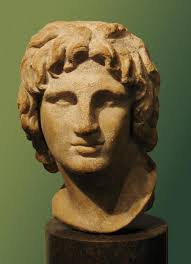
Alexander the Great
Matthias learns this early. In his first raid on an Afghan village, he’s ordered to execute a helpless prisoner. When he hesitates, he’s brutalized by his superior until he strikes out with his sword—and botches the job.
But, soon, exposed to an unending series of atrocities—committed by himself and his comrades on Afghans, and by Afghans on his own fellow soldiers—he finds himself transformed.
And he hates it. He agonizes over the gap between the ideals he embraced when he became a soldier—and the brutalities that have drained him of everything but a grim determination to survive at any cost:
“When we were boys, we rode from dark to dark, training for the charge and the chase. We dreamed of standing before our king as knights and heroes. I still do. There must be some way to be a good soldier in a rotten war.”
It’s a sentiment no doubt expressed by countless Americans in Afghanistan—and Vietnam.
Pressfield, a former Marine himself, repeatedly contrasts how civilians see war as a kind of “glorious” child’s-play with how soldiers actually experience it.
He creates an extraordinary exchange between Costas, an ancient-world version of a CNN war correspondent, and Lucas, a soldier whose morality is outraged at how Costas and his ilk routinely prettify the indescribable.
Costas wants to give his audience a beautifully antiseptic view of the conflict. Lucas will have none of it.
And we know the truth of this exchange immediately. For we know there are doubtless brutalities inflicted by our troops on the enemy—and atrocities inflicted by the enemy upon them—that never make the headlines, let alone the TV cameras.
We also know that, decades from now, thousands of our former soldiers will carry horrific memories to their graves. These memories will remain sealed from public view, allowing their fellow but un-blooded Americans to sleep peacefully, unaware of and unaffected by the terrible price that others have paid on their behalf.
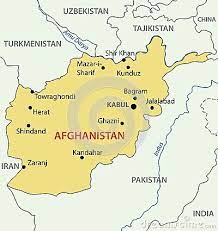
Afghanistan
Like the Macedonians (who call themselves “Macks”), our own soldiers found themselves serving in an all-but-forgotten land among a populace whose values could not be more alien from our own if they came from Mars.
Instinctively, they turned to one another—not only for physical security but to preserve their last vestiges of humanity. As the war-weary veteran, Lucas, advises:
“Never tell anyone except your mates. Only you don’t need to tell them. They know. They know you. Better than a man knows his wife, better than he knows himself. They’re bound to you and you to them, like wolves in a pack. It’s not you and them. You are them. The unit is indivisible. One dies, we all die.”
Put conversely: One lives, we all live.
Pressfield has reached into the past to reveal fundamental truths about the present that most of us could probably not accept if contained in a modern-day memoir.
These truths take on an immediate poignancy owing to our 20-year war in Afghanistan. But they will remain just as relevant decades from now, when our now-young soldiers are old and retired.
This book has been described as a sequel to Pressfield’s The Virtues of War: A Novel of Alexander the Great, which appeared in 2004. But it isn’t.
Virtues showcased the brilliant and luminous (if increasingly dark and explosive) personality of Alexander the Great, whose good-vs.-evil rhetoric—like that of President George W. Bush—inspired men to hurl themselves into countless battles on his behalf.
But Afghan thrusts us directly into the flesh-and-blood realities created by that rhetoric: The horrors of men traumatized by an often unseen but always menacing enemy, and the horrors they must inflict in return if they are to survive in a hostile and alien world.
2003 IRAQ WAR, 9/11 ATTACKS, ABC NEWS, ABORTION, ADOLF HITLER, AL-QAEDA, ALTERNET, AMERICABLOG, ANDREW CUOMO, ANTHONY FAUCI, AP, BABY BOOMER RESISTANCE, BARACK OBAMA, BLOOMBERG, BOB WOODWARD, BRENDA FITZGERALD, BUZZFEED, CARL BERNSTEIN, CBS NEWS, CENTERS FOR DISEASE CONTROL AND PREVENTION (CDC), CHICAGO, CHINA, CLOROX BLEACH, CNN, CORONAVIRUS, COVID-19, COVID-19 TEST KITS, CROOKS AND LIARS, DAILY KOZ, DAVID BROOKS, DEBORAH BIRX, DEPARTMENT OF HOMELAND SECURITY (DHS), DONALD RUMSFELD, DONALD TRUMP, DRUDGE REPORT, EBOLA, FACEBOOK, FEDERAL EMERGENCY MANAGEMENT AGENCY (FEMA), FIVETHIRTYEIGHT, FLORIDA, FORBES, FOX BUSINESS NETWORK, FOX NEWS, FOX NEWS NETWORK, FRANKLIN D. ROOSEVELT, GEORGE W. BUSH, GRETCHEN WHITMER, GROVER NORQUIST, HARPER’S MAGAZINE, HUFFINGTON POST, IMPEACHMENT, JARED KUSHNER, JAY INSLEE, JOE BIDEN, JOHN BOLTON, JOHNSON & JOHNSON VACCINE, KOREAN WAR, KRISTI NOEM, KRISTIN URQUIZA, LARRY HOGAN, LOS ANGELES, LOUIS X1V, LYNDON B. JOHNSON, MALARIA, MARK ANTHONY URQUIZA, MARK SHIELDS, MARYLAND, MASKS, MASSACHUSSETS, MEDIA MATTERS, MICHIGAN, MICK MULVANEY, MIKE PENCE, MODERNA VACCINE, MOLOCH, MOTHER JONES, MOVEON, MSNBC, N95 MASKS, N95 RESPIRATORS, NATIONAL SECURITY COUNSIL (NSC), NAVY SEALS, NBC NEWS, NEW YORK, NEW YORK CITY, NEWSWEEK, NPR, NURSES, OSAMA BIN LADEN, PAULA REID, PBS NEWSHOUR, PERSONAL PROTECTIVE EQUIPMENT (PPE), PFIZER VACCINE, PHOENIX RALLY, POLITICO, POLITICUSUSA, RAW STORY, REPUBLICANS, REUTERS, RICHARD M. NIXON, ROBERT RAY REDFIELD, ROLLING STONE MAGAZINE, RUDOLPH GIULIANI, RUDY GIULIANI, SALON, SCHOOLS, SEAN HANNITY, SEAN HANNITY SHOW, SEATTLE TIMES, SLATE, SOUTH DAKOTA, STEVEN PRESSFIELD, STOCK MARKET, TALKING POINTS MEMO, THE ATLANTIC, THE CHICAGO SUN-TIMES, THE CHICAGO TRIBUNE, THE DAILY BEAST, THE DAILY BLOG, THE GUARDIAN, THE HILL, THE HUFFINGTON POST, THE LOS ANGELES TIMES, THE NATION, THE NATIONAL SECURITY COUNCIL, THE NEW REPUBLIC, THE NEW YORK TIMES, THE VILLAGE VOICE, THE WASHINGTON POST, THE WHITE HOUSE PANDEMIC OFFICE, THINKPROGRESS, THIRD REICH, TIM ZIEMER, TIME, TOLUSE OLORUNNIPA, TOM BOSSERT, TOM FRIEDMAN, TRISH REGAN, TRISH REGAN PRIMETIME, TRUTHDIG, TRUTHOUT, TULSA OKLAHOMA RALLY, TWITTER, TWO POLITICAL JUNKIES, U.S. NEWS & WORLD REPORT, UNITED STATES, UPI, USA TODAY, UV LIGHT, VENDORS, VENTILATORS, VIETNAM WAR, WALTER SHAUB, WASHINGTON, WASHINGTON D.C., WASHINGTON MONTHLY, WASHINGTON WEEK IN REVIEW, WATERGATE, WHITE HOUSE PANDEMIC OFFICE, WONKETTE, WORLD TRADE CENTER
In Bureaucracy, Business, History, Law, Law Enforcement, Politics, Social commentary on November 10, 2021 at 12:13 am
SACRIFICE YOUR CHILDREN FOR ME
On July 10, 2020, Paula Reid, White House correspondent for CBS News, warned on the PBS program, Washington Week.
“But one of the most significant things out of the administration this week is the fact that Dr. [Deborah] Birx [Coronavirus Response Coordinator for the White House Coronavirus Task Force] said that we really don’t have that much data on COVID in children because the under-10 set is really the least tested.”
Just as the ancient Canaanites sacrificed their children to the god Moloch, so President Donald J. Trump expected his followers—and opponents—to risk their children’s lives for him.
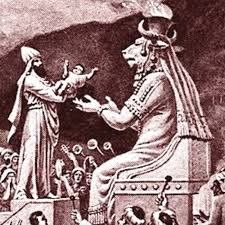
A child sacrifice to Moloch
On August 10, CBS News reported:
“Nearly 100,000 children tested positive for the Coronavirus in the last two weeks of July, a new report from the American Academy of Pediatrics finds. Just over 97,000 children tested positive for the Coronavirus from July 16 to July 30, according to the association.”
By October, 2020, no vaccine had been invented. Nor had a national system of testing or contact tracing.
Hospitals began overflowing with COVID cases. Doctors and nurses were overwhelmed with fatigue. Many of them had become COVID victims.
On October 20, more than 70,450 new coronavirus cases were reported in the United States in a day for the first time.
On October 25, White House chief of staff Mark Meadows told CNN’s Jake Tapper on “State of the Union”: “We are not going to control the pandemic. We are going to control the fact that we get vaccines, therapeutics and other mitigation areas,”
By October 28, more than 8.8 million Americans had been diagnosed with COVID, and at least 227,673 had died from it.
Meanwhile, Trump kept barnstorming the country in a relentless re-election effort. Although infected with COVID-19 in September, he refused to wear a mask in public. His rallies reflected this same contempt for public health, with most attendees refusing to wear masks and/or socially distance.
Critics dubbed these rallies: “Super-spreader events.”
DECLARING VICTORY OVER CORONAVIRUS
In an October 27 press release from the White House Office of Science and Technology Policy., “Advisor to the President” and First Daughter Ivanka Trump noted her father’s signature achievement:
“ENDING THE COVID-19 PANDEMIC. From the outset of the COVID-19 pandemic, the Administration has taken decisive action to engage scientists and health professionals in academia, industry, and government to understand, treat and defeat the disease.”
Ivanka Trump has absolutely no scientific or technology background.
* * * * * * * * * *
Donald Trump has spent his life trading on the greed or fear of others. For example:
- Florida Attorney General Pam Bondi personally solicited a political contribution from Trump around the same time her office deliberated joining an investigation of alleged fraud at Trump University and its affiliates.
- After Bondi dropped the Trump University case against Trump, he wrote her a $25,000 check for her re-election campaign.
- According to an April 14, 2019 story by ABC News, a nationwide review uncovered at least 36 criminal cases where Trump was invoked in direct connection with violent acts, threats of violence or allegations of assault.
- In nine cases, attackers hailed Trump in the midst or immediate aftermath of physically assaulting victims. In 10 more cases, perpetrators cheered or defended Trump while taunting or threatening others. And in another 10 cases, Trump and his rhetoric were cited in court to explain a defendant’s violent or threatening behavior.
But in January, 2020, Trump confronted an enemy—to his re-election—that he couldn’t bribe or intimidate.
Unable to apply his trademark solutions, he was forced to improvise one attempted remedy after another. Chief among these:
- Denial
- Lies
- Extortion
- Propaganda as news
- Attacking science
- Reopening the country
- Resignation.
Ultimately, the virus—far more than Democratic nominee Joseph Biden—proved his fatal enemy.
Millions of Americans didn’t care that Trump had criminally fired an FBI director and tried to coerce the president of Ukraine to smear Biden. Nor that he had antagonized America’s closest allies while paying homage to Russian dictator Vladimir Putin.
But when COVID-19 wiped out their jobs, their children had to stay home because schools were closed, and they couldn’t pay their mortgage, Trump’s “President-for-Life” ambitions were doomed.
One of the harshest—and most poignant—attacks on Donald Trump came on August 17, 2020. It was delivered at the Democratic National Convention by Kristin Urquiza—the daughter of one of Trump’s 2016 supporters.
That supporter, Mark Anthony Urquiza, had died—from COVID-19.

Kristin Urquiza
In early June, he contracted the disease, shortly after Arizona lifted its stay-at-home order. He visited a karaoke bar with friends—and died, alone, after five days on a ventilator.
“My dad, Mark Anthony Urquiza, should be here today, but he isn’t,” Kristin said during a televised segment. “He had faith in Donald Trump.
“He voted for him, listened to him, believed him and his mouthpieces when they said that Coronavirus was under control and going to disappear; that it was OK to end social distancing rules before it was safe; and that if you had no underlying health conditions, you’d probably be fine.
“My dad was a healthy 65-year-old. His only preexisting condition was trusting Donald Trump, and for that he paid with his life.”
That, ultimately, will be the real Trump legacy to America.
2003 IRAQ WAR, 9/11 ATTACKS, ABC NEWS, ABORTION, ADOLF HITLER, AL-QAEDA, ALTERNET, AMERICABLOG, ANDREW CUOMO, ANTHONY FAUCI, AP, BABY BOOMER RESISTANCE, BARACK OBAMA, BLOOMBERG, BOB WOODWARD, BRENDA FITZGERALD, BUZZFEED, CARL BERNSTEIN, CBS NEWS, CENTERS FOR DISEASE CONTROL AND PREVENTION (CDC), CHICAGO, CHINA, CLOROX BLEACH, CNN, CORONAVIRUS, COVID-19, COVID-19 TEST KITS, CROOKS AND LIARS, DAILY KOZ, DAVID BROOKS, DEBORAH BIRX, DEPARTMENT OF HOMELAND SECURITY (DHS), DONALD RUMSFELD, DONALD TRUMP, DRUDGE REPORT, EBOLA, FACEBOOK, FEDERAL EMERGENCY MANAGEMENT AGENCY (FEMA), FIVETHIRTYEIGHT, FLORIDA, FORBES, FOX BUSINESS NETWORK, FOX NEWS, FOX NEWS NETWORK, FRANKLIN D. ROOSEVELT, GEORGE W. BUSH, GRETCHEN WHITMER, GROVER NORQUIST, HARPER’S MAGAZINE, HUFFINGTON POST, IMPEACHMENT, JARED KUSHNER, JAY INSLEE, JOE BIDEN, JOHN BOLTON, JOHNSON & JOHNSON VACCINE, KOREAN WAR, KRISTI NOEM, KRISTIN URQUIZA, LARRY HOGAN, LOS ANGELES, LOUIS X1V, LYNDON B. JOHNSON, MALARIA, MARK ANTHONY URQUIZA, MARK SHIELDS, MARYLAND, MASKS, MASSACHUSSETS, MEDIA MATTERS, MICHIGAN, MICK MULVANEY, MIKE PENCE, MODERNA VACCINE, MOLOCH, MOTHER JONES, MOVEON, MSNBC, N95 MASKS, N95 RESPIRATORS, NATIONAL SECURITY COUNSIL (NSC), NAVY SEALS, NBC NEWS, NEW YORK, NEW YORK CITY, NEWSWEEK, NPR, NURSES, OSAMA BIN LADEN, PAULA REID, PBS NEWSHOUR, PERSONAL PROTECTIVE EQUIPMENT (PPE), PFIZER VACCINE, PHOENIX RALLY, POLITICO, POLITICUSUSA, RAW STORY, REPUBLICANS, REUTERS, RICHARD M. NIXON, ROBERT RAY REDFIELD, ROLLING STONE MAGAZINE, RUDOLPH GIULIANI, RUDY GIULIANI, SALON, SCHOOLS, SEAN HANNITY, SEAN HANNITY SHOW, SEATTLE TIMES, SLATE, SOUTH DAKOTA, STEVEN PRESSFIELD, STOCK MARKET, TALKING POINTS MEMO, THE ATLANTIC, THE CHICAGO SUN-TIMES, THE CHICAGO TRIBUNE, THE DAILY BEAST, THE DAILY BLOG, THE GUARDIAN, THE HILL, THE HUFFINGTON POST, THE LOS ANGELES TIMES, THE NATION, THE NATIONAL SECURITY COUNCIL, THE NEW REPUBLIC, THE NEW YORK TIMES, THE VILLAGE VOICE, THE WASHINGTON POST, THE WHITE HOUSE PANDEMIC OFFICE, THINKPROGRESS, THIRD REICH, TIM ZIEMER, TIME, TOLUSE OLORUNNIPA, TOM BOSSERT, TOM FRIEDMAN, TRISH REGAN, TRISH REGAN PRIMETIME, TRUTHDIG, TRUTHOUT, TULSA OKLAHOMA RALLY, TWITTER, TWO POLITICAL JUNKIES, U.S. NEWS & WORLD REPORT, UNITED STATES, UPI, USA TODAY, UV LIGHT, VENDORS, VENTILATORS, VIETNAM WAR, WALTER SHAUB, WASHINGTON, WASHINGTON D.C., WASHINGTON MONTHLY, WASHINGTON WEEK IN REVIEW, WATERGATE, WHITE HOUSE PANDEMIC OFFICE, WONKETTE, WORLD TRADE CENTER
In Bureaucracy, Business, History, Law, Law Enforcement, Politics, Social commentary on November 9, 2021 at 12:41 am
Once states across the country began “reopening,” President Donald J. Trump scheduled his first 2020 re-election rally in Tulsa, Oklahoma.
DEFYING SCIENCE
Then, to celebrate Independence Day, Trump scheduled yet another rally at Mount Rushmore, in Keystone, South Dakota, on July 3, 2020.
Although health experts expressed fears about large gatherings during the Coronavirus pandemic, South Dakota Governor Kristi Noem said people would “not be social distancing” during the celebration:
“In South Dakota, we’ve told people to focus on personal responsibility….Those who want to come and join us, we’ll be giving out free face masks, if they choose to wear one. But we won’t be social distancing.”
“JUST LIVE WITH IT”
According to a July 3 story by NBC News: “Eager to move forward and reopen the economy amid a recession and a looming presidential election, the White House is now pushing acceptance. ‘The virus is with us, but we need to live with it,’ is how one official said the administration plans to message on the pandemic.”
Administration officials would promote a new study they said showed promising results on therapeutics. They would also emphasize high survival rates, particularly for Americans who were within certain age groups and didn’t have underlying conditions.
On June 30, Dr. Anthony Fauci, director of the U.S. National Institute of Allergy and Infectious Diseases, testified before the U.S. Senate: “We are now having 40-plus thousand new cases a day. I would not be surprised if we go up to 100,000 a day if this does not turn around.”
Fauci warned that the infection surge across the South and West “puts the entire country at risk.” Much of that increase was being fueled by young adults testing positive for COVID-19.
The United States had become the country worst-affected by Coronavirus—with more than 6.88 million Americans diagnosed cases and at least 200,000 deaths.
CHILD SACRIFICES
But Trump wanted children to return to school—and not through virtual classes at home.
And he wasn’t asking parents to send their children back to school after summer. He was ordering them to.
On July 8, 2020, he tweeted that he might withhold federal funding from schools that did not resume in-person classes this fall:
“In Germany, Denmark, Norway, Sweden and many other countries, SCHOOLS ARE OPEN WITH NO PROBLEMS. The Dems think it would be bad for them politically if U.S. schools open before the November Election, but is important for the children & families. May cut off funding if not open!”
Donald Trump
Most school funding in America comes from states and municipalities, not the federal government. Nonetheless, the White House was exploring ways to use the next Coronavirus relief bill to tie the slice of school funding that did come from Washington to the pace of different schools’ reopenings.
And moments after making that threat, Trump said the guidelines of his own Centers for Disease Prevention and Control (CDC) for safely reopening schools were too expensive and impractical:
“I disagree with @CDCgov on their very tough & expensive guidelines for opening schools. While they want them open, they are asking schools to do very impractical things. I will be meeting with them!!!”
Among those guidelines:
- Schools should have markings on sidewalks and walls, that mark off six feet, and signs reminding students of protective measures.
- Masks should be worn by students and faculty, “as feasible,” and especially when keeping a distance isn’t possible.
- Sharing equipment, games and supplies should be avoided. If that’s not possible, they should be cleaned after each use.
- Playgrounds, cafeterias and dining halls should be shut. Students eat in their classrooms.
- Rooms should be well-ventilated.
- Schools should allow sick staff members to “stay home when they are sick, have been exposed, or caring for someone who is sick,” without being punished for staying home.

Coronavirus
Many Americans asked: “How can President Trump demand that children return to school in the midst of a deadly plague? Especially when we don’t have adequate testing facilities—and, most importantly, a reliable vaccine?”
There was an answer—and it was brutally ugly.
On July 10, 2020, Paula Reid, White House correspondent for CBS News, provided the answer on the PBS program, Washington Week:
“Well, up until now the administration has really deferred to local leaders to determine when they want to reopen their communities based on the situation on the ground. But then you saw this week, when it comes to schools, the president issuing this broad mandate that all schools must open in the fall or else potentially he will cut funding, when in fact we know most schools are locally funded, and he’s also made other threats.
Paula Reid
“He’s made it clear that he is putting pressure on governors, and the question is: Why is he taking this approach to schools specifically when he’s deferred to states on so many other aspects of this pandemic?
“And just speaking with White House advisers, I’m told the president knows that in order to get parents back to work you need to get kids back to class, and for the president a lot of this is about hoping that that would give an economic boost to the U.S. ahead of his reelection in November.”
For which he could then claim credit.
ABC NEWS, AFGHANISTAN, ALCIBIADES, ALESANDER THE GREAT, ALTERNET, AMERICABLOG, AP, ATHENS, BABY BOOMER RESISTANCE, BBC, BLOOMBERG NEWS, BUZZFEED, CBS NEWS, CNN, CROOKS AND LIARS, DAILY KOZ, EXCALIBUR (MOVIE), FACEBOOK, FIVETHIRTYEIGHT, GATES OF FIRE (BOOK), HARPER’S MAGAZINE, HUFFINGTON POST, JOHN BOORMAN, MEDIA MATTERS, MOTHER JONES, MOVEON, MSNBC, NBC NEWS, NEW REPUBLIC, NEWSDAY, NEWSWEEK, NPR, PBS NEWSHOUR, PERSIAN EMPIRE, POLITICO, POLITICUSUSA, RAW STORY, REUTERS, SALON, SEATTLE TIMES, SLATE, SPARTA, STEVEN PRESSFIELD, TALKING POINTS MEMO, THE AFGHAN WAR (BOOK), THE ATLANTIC, THE CHICAGO SUN-TIMES, THE CHICAGO TRIBUNE, THE DAILY BEAST, THE DAILY BLOG, THE GUARDIAN, THE HILL, THE HUFFINGTON POST, THE LOS ANGELES TIMES, THE NATION, THE NEW REPUBLIC, THE NEW YORK TIMES, THE NEW YORKER, THE VILLAGE VOICE, THE VIRTUES OF WAR (BOOK), THE WASHINGTON POST, THERMOPYLAE, THINKPROGRESS, TIDES OF WAR (BOOK), TIME, TRUTHDIG, TRUTHOUT, TWITTER, TWO POLITICAL JUNKIES, U.S. NEWS & WORLD REPORT, UPI, USA TODAY, WAR PROPAGANDA, WONKETTE
In History, Military, Social commentary on August 24, 2021 at 12:14 am
In the 1981 epic medieval fantasy “Excalibur,” director John Boorman warns us through King Arthur’s court magician, Merlin: “For it is the doom of men that they forget.”
But that isn’t true for fiction and nonfiction writer Steven Pressfield, who repeatedly holds up the past as a mirror to our present.
In his 1998 novel, Gates of Fire, he depicted the heroic last stand of “The Three Hundred Spartans” at Thermopylae.
In Tides of War (2000), he recreated the later conflict between ancient Athens and Sparta through the life of Alcibiades, the infamous Athenian statesman and general.
And in The Virtues of War (2004), he showcased the brilliant and luminous (if increasingly dark and explosive) personality of Alexander the Great, whose soaring rhetoric inspired men to hurl themselves into countless battles on his behalf.
But it is his 2006 novel, The Afghan Campaign, that today holds special relevance for Americans obsessed with the end of their 20-year war in Afghanistan.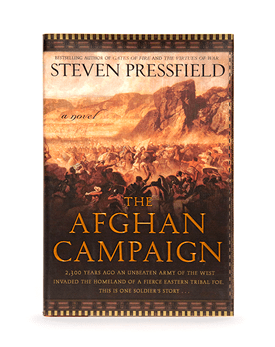
The novel opens with Matthias, a young Greek seeking glory and opportunity, signing up with the army of Alexander the Great. But Alexander has conquered the Persian Empire, and with it have passed those conventional, set-piece battles where everyone can instantly tell friend from foe.
Alexander next plans to conquer India. But first he must pacify its gateway—Afghanistan. It is here, for the first time, that the Macedonians meet an enemy unlike any other.
“Here the foe does not meet us in pitched battle,” warns Alexander. “Even when we defeat him, he will no accept our dominion. He comes back again and again. He hates us with a passion whose depth is exceeded only by his patience and his capacity for suffering.”
Matthias learns this early. In his first raid on an Afghan village, he’s ordered to execute a helpless prisoner. When he refuses, he’s brutalized until he strikes out with his sword—and then botches the job.
But, soon, exposed to an unending series of atrocities—committed by himself and his comrades, as well as the enemy—he finds himself transformed.
It is not a transformation he expected—or relishes. He agonizes over the gap between the ideals he meant to embrace when he became a soldier—and the brutalities that have drained him of everything but a grim determination to survive at any cost.
Pressfield, a former Marine himself, repeatedly contrasts how noncombatants see war as a kind of “glorious” child’s-play with how those who must fight it actually experience it.
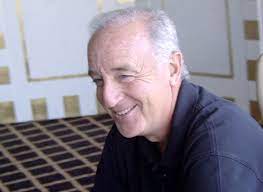
Steven Pressfield
He creates an extraordinary exchange between Costas, an ancient-world version of a CNN war correspondent, and Lucas, a soldier whose morality is outraged at how Costas and his ilk routinely prettify the indescribable.
The phrase Lucas hates most: “Put to death.”
“Language matters, Costas. Look at my feet. That black isn’t dirt. I can scour my flesh with lye and caustic. That man-blood never comes out.
“I hate the Afghan. He is a beast and a coward. But what I hate most is that he has dragged us down to his level.”
And we know the truth of this exchange immediately. For there are brutalities inflicted by our troops on the enemy—and atrocities inflicted by the enemy upon our soldiers—that never make the headlines, let alone the TV cameras.
We know, though we don’t wish to admit, that, decades from now, thousands of these men will carry horrific memories to their graves. These memories will remain sealed from public view, allowing their fellow but unblooded Americans to sleep peacefully, unaware of the price that others have paid on their behalf.
Like the Macedonians (who call themselves “Macks”), our own soldiers found themselves serving in an all-but-forgotten land among a populace whose values could not be more alien from our own if they came from Mars.
Instinctively, they turned to one another–not only for physical security but to preserve their last vestiges of humanity. Pressfield is never more eloquent than when he puts into the words of his war-weary veteran, Lucas, the following:
“Never tell anyone except your mates. Only you don’t need to tell them. They know. They know you. Better than a man knows his wife, better than he knows himself. They’re bound to you and you to them, like wolves in a pack. It’s not you and them. You are them. The unit is indivisible. One dies, we all die.”
Put conversely: One lives, we all live.
Pressfield has reached into the past to reveal fundamental truths about the present that most of us could probably not accept if contained in a modern-day memoir. These truths take on an immediate poignancy owing to our recent wars in Afghanistan and Iraq. But they will remain just as relevant decades from now, when our young soldiers of today are old and retired.
The Afghan Campaign thrusts us directly into the flesh-and-blood horrors created by political rhetoric: The horrors of men traumatized by an often unseen and always menacing enemy, and the horrors they must inflict in return if they are to survive in a hostile and alien world.


 Bureaucracybuster's Blog
ABC NEWS, ALEXANDER THE GREAT, ALTERNET, AMERICABLOG, AP, BABY BOOMER RESISTANCE, BBC, BLOOMBERG NEWS, BUZZFEED, CBS NEWS, CNN, CROOKS AND LIARS, DAILY KOS, DONALD TRUMP, DOUGLAS MACARTHUR, FEDERAL SECURITY SERVICE, FIVETHIRTYEIGHT, GATES OF FIRE (BOOK), HARPER’S MAGAZINE, HUFFINGTON POST, IRAN, IRAQ, KGB, MEDIA MATTERS, MERCENARIES, MOTHER JONES, MOVEON, MSNBC, NBC NEWS, NEW REPUBLIC, NEWSDAY, NEWSWEEK, NICCOLO MACHIAVELLI, NICHOLAS MADURO, NPR, Oil, PBS NEWSHOUR, POLITICO, POLITICUSUSA, RAW STORY, REUTERS, SALON, SAUDI ARABIA, SEATTLE TIMES, SLATE, SPARTA, STANLEY MCCRYSTAL, STEVEN PRESSFIELD, TALKING POINTS MEMO, THE ATLANTIC, THE CHICAGO SUN-TIMES, THE CHICAGO TRIBUNE, THE DAILY BEAST, THE DAILY BLOG, THE GUARDIAN, THE HILL, THE HUFFINGTON POST, THE INTERCEPT, THE LOS ANGELES TIMES, THE NATION, THE NEW REPUBLIC, THE NEW YORK TIMES, THE NEW YORKER, THE PROFESSION (BOOK), THE VILLAGE VOICE, THE VIRTUES OF WAR (BOOK), THE WASHINGTON POST, THERMOPYLAE, THINKPROGRESS, TIME, TRUTHDIG, TRUTHOUT, U.S. NEWS & WORLD REPORT, UPI, USA TODAY, VENEZUELA, X
FOR LOVE OF OIL–IN REALITY AND FICTION
In Bureaucracy, Business, History, Military, Politics, Social commentary on January 6, 2026 at 12:10 amDuring a January 3 news conference, President Donald Trump told reporters the real reason why the United States had just attacked Venezuela and captured its president—actually dictator—Nicholas Maduro and his wife:
“We’re going to have our very large United States oil companies—the biggest anywhere in the world—go in, spend billions of dollars, fix the badly broken infrastructure, the oil infrastructure.”
Forget months of accusing Venezuela of being a major supplier of illicit drugs to the United States.
Venezuela has the world’s largest proven oil reserves, with over 303 billion barrels. That’s more than Saudi Arabia (second-largest) and Iran (third-largest). But after President Hugo Chávez nationalized much of the industry in 2007, its oil production sharply declined.
By 2018, Venezuela was producing 1.3 million barrels of oil each day, from a high of more than 3 million barrels each day in the late 1990s.
Trump intends to change that.
On September 7, 2016, at a forum hosted by NBC, Trump had flatly stated that seizing Iraqi oil fields could have paid for the 2003 Iraq war:
“We go in, we spend $3 trillion, we lose thousands and thousands of lives, and then … what happens is we get nothing. You know, it used to be to the victor belong the spoils.
“You’re not stealing anything. We’re reimbursing ourselves … at a minimum, and I say more. We’re taking back $1.5 trillion to reimburse ourselves.”
Unable to steal Iraqi oil, Trump has chosen to steal that of Venezuela—by turning the Armed Services into mercenary gangsters.
In 2011, bestselling author Steven Pressfield had made the seizing of Saudi Arabian oil fields the premise of his novel The Profession.
Pressfield made his literary reputation with a series of classic novels about ancient Greece.
In Gates of Fire (1998) he explored the rigors and heroism of Spartan society—and the famous last stand of its 300 picked warriors at Thermopylae.
In The Virtues of War (2004) he entered the mind of Alexander the Great, whose armies swept across the known world, destroying all who dared oppose them.
But in The Profession, Pressfield created a plausible world set into the future of 2032. The book’s dust jacket summarizes its plot-line:
“Everywhere military force is for hire. Oil companies, multi-national corporations and banks employ powerful, cutting-edge mercenary armies to control global chaos and protect their riches.
“Force Insertion is the world’s merc [mercenary] monopoly. Its leader is the disgraced former United States Marine General James Salter, stripped of his command by the president for nuclear saber-rattling with the Chinese and banished to the Far East.”
Steven Pressfield
Salter appears as a hybrid of World War II General Douglas MacArthur and Iraqi War General Stanley McCrystal.
Like MacArthur, Salter has butted heads with his President—and paid dearly for it. Now his ambition is no less than to become President himself—by popular acclaim. And like McCrystal, he is a pure warrior who leads from the front and is revered by his men.
Salter seizes Saudi Arabian oil fields, then offers them as a gift to America. By doing so, he makes himself the most popular man in the country—and a guaranteed occupant of the White House.
Douglas MacArthur
Stanley McCrystal
“The United States is an empire…but the American people lack the imperial temperament,” asserts Salter. “We’re not legionaries, we’re mechanics. In the end the American Dream boils down to what? ‘I’m getting mine and the hell with you.’”
Americans, says Salter, have come to like mercenaries: “They’ve had enough of sacrificing their sons and daughters in the name of some illusory world order. They want someone else’s sons and daughters to bear the burden….
“They want their problems to go away. They want me to to make them go away.”
Returning to the United States, he is acclaimed as a hero—and the next President.
He knows that his country is on a downward spiral toward oblivion: “Any time that you have the rise of mercenaries…society has entered a twilight era, a time past the zenith of its arc.”
And he doesn’t believe that his Presidency will arrest that decline: “But maybe in the short run, it’s better that my hand be on the wheel…rather than some other self-aggrandizing sonofabitch whose motives might not be as well intentioned….”
More than 500 years ago, Niccolo Machiavelli warned of the dangers of relying on mercenaries:
“Mercenaries…are useless and dangerous. And if a prince holds on to his state by means of mercenary armies, he will never be stable or secure; for they are disunited, ambitious, without discipline, disloyal; they are brave among friends; among enemies they are cowards.
Niccolo Machiavelli
“They have neither the fear of God nor fidelity to men, and destruction is deferred only so long as the attack is. For in peace one is robbed by them, and in war by the enemy.”
Centuries ago, Niccolo Machiavelli issued a warning against relying on men whose first love is their own enrichment.
Steven Pressfield, in a work of fiction, has given us a nightmarish vision of a not-so-distant America where “Name your price” has become the byward for an age.
Both warnings are well worth heeding.
Share this: