Posts Tagged ‘SOVIET UNION’
ABC NEWS, ALTERNET, AMERICABLOG, AP, AYATOLLAH RUHOLLAH KHOMEINI, BABY BOOMER RESISTANCE, BBC, BUZZFEED, CBS NEWS, CHRISTIAN RIGHT, CNN, COLD WAR, CROOKS AND LIARS, CZECHOSLOVAKIA, DAILY KOS, DAILY KOZ, DRUDGE RETORT, EGYPT, FACEBOOK, FIVETHIRTYEIGHT, GLOBAL WARMING, HARPER’S MAGAZINE, HUNGARIAN UPRISING, HUNGARY, IRAN, IRAQ, ISLAM, ISRAEL, JESUS CHRIST, MEDIA MATTERS, MIDDLE EAST, MOTHER JONES, MOVEON, MSNBC, NBC NEWS, NEWSWEEK, NPR, Oil, PBS NEWSHOUR, POLITICO, POLITICUSUSA, RAW STORY, REUTERS, SALON, SAND CURTAIN, SEATTLE TIMES, SECOND COMING, SHAH OF IRAN, SHIITE MUSLIMS, SLATE, SOVIET UNION, SUNNI MUSLIMS, TALKING POINTS MEMO, TERRORISM, THE ATLANTIC, THE CHICAGO SUN-TIMES, THE CHICAGO TRIBUNE, THE DAILY BEAST, THE DAILY BLOG, THE GUARDIAN, THE HILL, THE HUFFINGTON POST, THE LOS ANGELES TIMES, THE NATION, THE NEW REPUBLIC, THE NEW YORK TIMES, THE VILLAGE VOICE, THE WALL STREET JOURNAL, THE WASHINGTON POST, THINKPROGRESS, TIME, TRUTHDIG, TRUTHOUT, TWITTER, TWO POLITICAL JUNKIES, U.S. NEWS & WORLD REPORT, UNITED STATES, UPI, USA TODAY, WONKETTE
In Bureaucracy, History, Politics, Social commentary on January 9, 2020 at 12:10 am
There can be peace—at least for the United States—in the Middle East.
But to achieve this, Western Europe and the United States will have to make radical changes in their approach to that part of the world.
First, the United States must embark on a crash program to develop alternatives to oil.
The Islamic world offers only one reason for American concern: oil.
Yet its consumption threatens the future of the world through global warming. And it keeps America tethered to regimes that are fundamentally unstable and hostile to the West.
Second, once the United States weans itself from its dependency on fossil fuels, it can safely end its relationship with such regimes.
That means putting an end to spending billions of dollars every year to prop up dictatorial regimes like those in Iraq and Egypt. And it also means stopping the supply of big-ticket military hardware (like fighter planes and missiles) to Islamic regimes.
When the Shah of Iran was overthrown in 1979, he was probably the best-armed Islamic leader in the Middle East. His army and air force bristled with sophisticated American weaponry he had bought with billions of dollars in oil revenues.
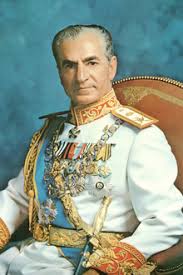
Shah of Iran
But he had thoroughly alienated his people. Liberals thought him a tyrant, and conservatives thought him a traitor to Islam. So when Ayatollah Ruhollah Khomeini flew to Iran from his self-exile in Paris, no one in the Shah’s army and air force raised a hand in his defense.
And all that sophisticated American weaponry fell into Khoemeini’s waiting hands.
Third, the United States should end its “Permanent Bodyguard” relationship with Israel.
Every nation—-including Israel—has the absolute right to defend itself from aggression.
But no nation—including Israel—has the right to expect another nation to act as its permanent bodyguard.
Millions of Americans believe they are morally obligated to defend Israel owing to the barbarism of the Holocaust. But America was never a party to this, and has nothing to atone for.
But there is another reason many Americans feel committed to Israel. And it has nothing to do with concern for the fates of Israelis.
It lies in the mythology of the Christian Right. Millions of fundamentalist Christians believe that before Jesus Christ can awaken from his 2,000-year slumber, Israel must first re-conquer every inch of territory it supposedly held during the reign of Kings David and Solomon.

Right-wing Christian fantasy: Dead man hovering
After Christ returns, they believe, the Jews will face a choice: Become Christians or go to hell. For evangelical Christians, Jews remain the eternal “Christ killers.”
And if Jews must assume temporary control of the Middle East to bring about the return of a man who died 2,000 years ago, so be it.
Many Right-wing members of the House of Representatives and Senate share this utterly irrational belief—thus proving their unfitness for public office.
Fourth, the United States and its Western European allies should erect a “Sand Curtain” around the Middle East.
For 44 years—1947 to 1991—the United States and the Soviet Union were locked in a Cold War. Essentially, the United States drew a ring around the Soviet Union—including those nations its armies had seized following the defeat of Nazi Germany in 1945.
The United States said, in effect: “We can’t liberate the countries you’re now occupying”—because that would have triggered a nuclear World War III. “But we won’t allow you to occupy and enslave any other countries. And if you try to do so, it will mean total war.”
That’s why America did nothing to aid Hungarians when they overthrew their Soviet occupiers in 1956. That rebellion was quickly and brutally crushed.
And the United States stood by when Soviet tanks rolled into Prague in 1968 after Czechoslovakia dared to relax controls over its citizens.
Fifth, a “Sand Curtain” around the Middle East would work as follows:
America would withdraw all of its forces from the Middle East—but keep a good portion stationed in Europe.

The President would then publicly announce: “From now on, you are the masters of your own destinies—so long as what you do affects only those of you living in the Middle East.
“We recognize that barbarism and violence have always been a part of life in the Middle East. And we don’t expect this to change.
“So go ahead and destroy as many of your own citizens as you wish—either because they’re Jewish or Christians, or because Sunni Muslims hate Shiite Muslims and Shiite Muslims hate Sunni Muslims.
“Just don’t do anything that poses a threat to those living outside your barbaric lands. In short: Western Europe and the United States are strictly off-limits to you.
“If you aim your aggression at either, we will consider this an act of war and use all the weapons at our disposal—including nuclear ones—to wipe you from the face of the Earth.“
The United States cannot enforce peace between Islamics and Israelis. Nor between Christians and Islamics. Nor between Islamics and Islamics.
But it can impose an embargo to confine such barbarism to only the Middle East.
"MISSION: IMPOSSIBLE", 2016 PRESIDENTIAL ELECTION, 9/11, ABC NEWS, ADAM SCHIFF, ALTERNET, AMERICABLOG, AP, AUGUSTO PINOCHET, AUGUSTO SANDINO, AYATOLLAH RUHOLLAH KHOMEINI, BABY BOOMER RESISTANCE, BAY OF PIGS, BERNARD LAW MONTGOMERY, BUZZFEED, CBS NEWS, CHIANG KAI-SHEK, CHILE, CIA, CNN, CROOKS AND LIARS, CUBA, DAILY KOZ, DONALD TRUMP, DRUDGE RETORT, DWIGHT D. EISENHOWER, FACEBOOK, FBI, FIDEL CASTRO, FIVETHIRTYEIGHT, FULGENCIO BATISTA, GEORGE W. BUSH, GUATEMALA, HAITI, HARPER’S MAGAZINE, HONODURAS, HUNTER BIDEN, IRAQ, JACOBO ARBENZ, JOE BIDEN, JOHN F. KENNEDY, MAFIA, MAO TSE-TUNG, MEDIA MATTERS, MICK MULVANEY, MOHAMMAD MOSADDEGH, MOHAMMAD-REZA SHAH PHLAVI, MOTHER JONES, MOVEON, MSNBC, NANCY PELOSI, NATIONAL SECURITY AGENCY, NBC NEWS, NEWSWEEK, NICARAGUA, NPR, OSAMA BIN LADEN, PBS NEWSHOUR, POLITICO, POLITICUSUSA, RAW STORY, REUTERS, RICHARD M. NIXON, RUSSIA, SADDAM HUSSEIN, SALON, SALVADOR ALLENDE, SEATTLE TIMES, SLATE, SOVIET UNION, TALKING POINTS MEMO, THE ATLANTIC, THE CHICAGO SUN-TIMES, THE CHICAGO TRIBUNE, THE DAILY BEAST, THE DAILY BLOG, THE GUARDIAN, THE HILL, THE HUFFINGTON POST, THE LOS ANGELES TIMES, THE NATION, THE NEW REPUBLIC, THE NEW YORK TIMES, THE VILLAGE VOICE, THE WASHINGTON POST, THINKPROGRESS, TIME, TRUTHDIG, TRUTHOUT, TWITTER, TWO POLITICAL JUNKIES, U.S. NEWS & WORLD REPORT, UKRAINE, UNITED FRUIT COMPANY, UPI, USA TODAY, VOLODYMYR ZELENSKY, WINSTON CHURCHILL, WONKETTE, WORLD WAR 11
In Bureaucracy, History, Politics, Social commentary on January 3, 2020 at 12:03 am
“I have news for everybody: Get over it. There’s going to be political influence in foreign policy.”
The speaker was White House chief of staff Mick Mulvaney. And in an October 17 press conference, he was trying to put the best possible spin on President Donald Trump’s latest outrage: An attempt to extort a “favor” from the president of Ukraine.
In July, 2019, Trump told Mulvaney to withhold almost $400 million in promised military aid for Ukraine, which faces increasing aggression from Russia.
On July 25, Trump telephoned Ukrainian President Volodymyr Zelensky to “request” a “favor”: Investigate Democratic Presidential Candidate Joe Biden and his son, Hunter, who had had business dealings in Ukraine.The reason for such an investigation: To find embarrassing “dirt” on Biden.
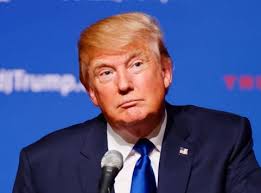
Donald Trump
But then a CIA whistleblower filed a complaint about the extortion attempt—and the media and Congress soon learned of it.
Rep. Adam Schiff, D-Calif., tweeted: “The transcript of the call reads like a classic mob shakedown: — We do a lot for Ukraine — There’s not much reciprocity — I have a favor to ask — Investigate my opponent — My people will be in touch — Nice country you got there. It would be a shame if something happened to her.”
On September 24, 2019, Nancy Pelosi, speaker to the House of Representatives, announced a formal impeachment inquiry into Trump.
As far as known, this marked a first in American foreign policy: Trying to extort a patently illegal favor from an ally.
During World War II, President Franklin D. Roosevelt didn’t hesitate to leverage the great economic and military power of the United States to gain concessions from Winston Churchill, the prime minister of Great Britain.
At Roosevelt’s insistence, for example, it was an American—General Dwight D. Eisenhower—who was appointed Supreme Allied Commander in Europe. Had the British gotten their way, the post would have almost certainly gone to British Field Marshal Bernard Law Montgomery.
Roosevelt’s insistence, however, had nothing to do with personally benefiting himself.
But the unpleasant truth remains that subverting the governments of other countries is a right that Americans have long reserved for themselves. For example:
- Between 1898 and 1934, the United States repeatedly intervened with military force in Central America and the Caribbean.
- Americans staged invasions of Honduras in 1903, 1907, 1911, 1912, 1919, 1924 and 1925 to defend U.S. interests. These were defined as Standard Oil and the United Fruit Company.
- The United States occupied Nicaragua almost continuously from 1912 to 1933. Its legacy was the imposition of the tyrannical Somoza family, which ruled from 1936 to 1979.
- The United States occupied Haiti from 1915 to 1934. American banks had lent money to Haiti and requested American government intervention.
- In 1918, 13,000 American soldiers joined armies from Europe and Japan to overthrow the new Soviet government and restore the previous Tsarist regime. By 1920, the invading forces proved unsuccessful and withdrew.
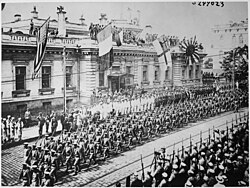
Allied troops parading in Vladivostok, 1918
- In 1953, the Eisenhower administration ordered the CIA to overthrew the democratically-elected government of of Iranian Prime Minister Mohammad Mosaddegh. His crime: Nationalizing the Iranian oil industry, which had been under British control since 1913.
- He was succeeded by Mohammad-Reza Shah Phlavi. Whereas Mossadeddgh had ruled as a constitutional monarch, Phlavi was a dictator who depended on United States government support to retain power until he was overthrown in 1979 by the Ayatollah Ruhollah Khomeini.
- In 1954, the CIA overthrew the democratically-elected government of Guatemalan President Jacobo Arbenz. His crime: Installing a series of reforms that expanded the right to vote, allowed workers to organize, legitimized political parties and allowed public debate. Most infuriating to American Right-wingers: His agrarian reform law, which expropriated parts of large land-holdings and redistributed them to agricultural laborers.
- From 1959 until 1963, the United States government was obsessed with overthrowing the revolutionary Cuban government of Fidel Castro. Although not democratically elected, Castro was wildly popular in Cuba for overthrowing the dictatorial Fulgencio Batista.
- On April 17, 1961, over 1,400 CIA-trained Cuban exiles invaded Cuba at the Bay of Pigs. Cuban military forces crushed the invasion in three days.
- Infuriated with the failure of the Bay of Pigs invasion, President John F. Kennedy authorized “Operation Mongoose” to remove Castro through sabotage and assassination. The CIA, wanting to please Kennedy, teamed up with the Mafia, which wanted to resurrect its casinos on the island.
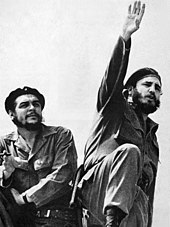
Ernesto “Che” Guevera and Fidel Castro
- In 1970, President Richard M. Nixon ordered the CIA to prevent Marxist Salvador Allende from being democratically elected as president of Chile. When that failed, he ordered the CIA to overthrow Allende.
- Allende’s crime: A series of liberal reforms, including nationalizing large-scale industries (notably copper mining and banking). In 1973, he was overthrown by Chilean army units and national police. He was followed by Right-wing dictator Augusto Pinochet, who slaughtered 3,200 political dissidents, imprisoned 30,000 and forced another 200,000 Chileans into exile.
Americans reacted to all these attempts—successful and unsuccessful—with indifference or outright support.
The popular 1960s TV series, “Mission: Impossible,” regularly depicted a CIA-type agency supporting regimes “we” liked or toppling those “we” didn’t.
Americans generally assume their Presidents and Congress know best who is a “friend” and who is an “enemy.” America’s friends often turn out, for the most part, to be Right-wing dictators like Fulgencio Batista, Augusto Pinochet and Mohammad-Reza Shah Phlavi.
And its enemies often turn out to be liberal reformers like Augusto Sandino, Jacobo Arbenz, Mohammad Mosaddegh and Salvador Allende.
9/11, ABC NEWS, ABRAHAM LINCOLN, AL QAEDA, ALTERNET, AMERICABLOG, AP, BABY BOOMER RESISTANCE, BARACK OBAMA, BUZZFEED, CBS NEWS, CNN, CROOKS AND LIARS, CUBAN MISSILE CRISIS, DAILY KOZ, DONALD TRUMP, DRUDGE RETORT, EMANCIPATION PROCLAMATION, FACEBOOK, FBI, FIVETHIRTYEIGHT, FORD'S THEATER, FRANKLIN D. ROOSEVELT, FURLOUGHS, GOVERNMENT SHUTDOWN, HARPER’S MAGAZINE, JOHN F. KENNEDY, MEDIA MATTERS, MOTHER JONES, MOVEON, MSNBC, MSNBC'S "HARDBALL", NATIONAL PARK SERVICE, NBC NEWS, NEWSWEEK, NPR, PBS NEWSHOUR, POLITICO, POLITICUSUSA, RAW STORY, REPUBLICAN PARTY, REPUBLICANS, REUTERS, RICHARD NIXON, SALON, SEATTLE TIMES, Secret Service, SLATE, SOVIET UNION, STEPHEN TYRONE JONES, TALKING POINTS MEMO, TERRORISM, THE ATLANTIC, THE CHICAGO SUN-TIMES, THE CHICAGO TRIBUNE, THE DAILY BEAST, THE DAILY BLOG, THE GUARDIAN, THE HILL, THE HUFFINGTON POST, THE LOS ANGELES TIMES, THE NATION, THE NEW REPUBLIC, THE NEW YORK TIMES, THE VILLAGE VOICE, THE WASHINGTON POST, THINKPROGRESS, TIME, TRUTHDIG, TRUTHOUT, TWITTER, TWO POLITICAL JUNKIES, U.S. NEWS & WORLD REPORT, UNITED STATES HOLOCAUST MEMORIAL, UPI, USA TODAY, VIETNAM WAR MEMORIAL, WHITE HOUSE, WONKETTE, WORLD WAR 11
In Bureaucracy, History, Law Enforcement, Politics, Social commentary on December 26, 2019 at 1:21 am
Republicans constantly revile the very government they lust to control.
But there are others—living or working in Washington, D.C.—who perform their jobs with quiet dedication.
One of these unsung heroes was Stephen Tyrone Johns, a security guard at the United States Holocaust Memorial Museum.
On June 10, 2009, Johns, 39, was shot and killed by James Wenneker von Brunn, a white supremist and Holocaust denier. Brunn was himself shot and wounded by two other security guards who returned fire.
United States Holocaust Museum
At 88, von Brunn died in jail awaiting trial.
Washington, D.C. ranks—with New York City—at the top of Al Qaeda’s list of targets.
Prior to 9/11, Americans assumed that visiting the White House was their birthright.
Today, if you want to tour the Executive Mansion, you quickly learn there are only two ways to get in:
- Through a special pass provided by your Congressman; or
- By someone connected with the incumbent administration.
Congressmen, however, have a limited number of passes to give out. And most of these go to people who have put serious money into the Congressman’s re-election campaigns.
And the odds that you’ll know someone who works in the White House—and who’s willing to offer you an invitation—are even smaller than those of knowing a Congressman.
But even then you’ll have to undergo a Secret Service background check. And that means submitting the following information in advance of your visit:
- Name
- Date of birth
- Birthplace
- Social Security Number

Secret Service agents protecting President Barack Obama
You’ll have to leave many items at home. Among these:
- Cameras or video recorders
- Handbags, book bags, backpacks or purses
- Food or beverages
- Tobacco products
- Strollers
- Cell phones
- Knives
- Electric stun guns
- Mace
After showing a government-issued ID—such as a driver’s license—visitors enter the White House from the south side of East Executive Avenue.
After passing through the security screening room, they walk upstairs to the first door and through the East, Green, Blue, Red and State Dining rooms.
Secret Service agents quietly stand post in every room—unless they’re tasked with explaining the illustrious history of each section of the White House.
Like everyone else who lives/works there, the Secret Service fully appreciates the incredible sense of history that radiates throughout the building.
This is where
- Abraham Lincoln signed the Emancipation Proclamation;
- Franklin Roosevelt directed the United States to victory in World War II;
- John F. Kennedy stared down the Soviets during the Cuban Missile Crisis.
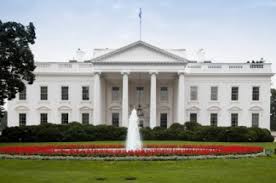
The White House
But even the generally unsmiling Secret Service agents have their human side.
While touring the East Wing of the White House, I asked an agent: “Is the East Room where President Nixon gave his farewell speech?” on August 9, 1974.
“I haven’t been programmed for that information,” the agent joked, inviting me to ask a question he could answer.
Another guest asked the same agent if he enjoyed being a Secret Serviceman. The agent replied that this was simply what he did for a living. His real passion, he said, was counseling youths.
“If you love something,” he advised, “get a job where you can do it. And if you can’t get a job you’re passionate about, get a job so you can pursue your passion.”
On December 22, 2018, President Donald J. Trump shut down the government. The reason: A Democratic House refused to fund his “border wall” between the United States and Mexico.
An estimated 380,000 government employees were furloughed and another 420,000 were ordered to work without pay.
Trump’s fanatical base believed that a wall across the U.S.-Mexico border would stop all illegal immigration. Trump knew it wouldn’t. But he also knew that if he didn’t build it, they wouldn’t re-elect him.
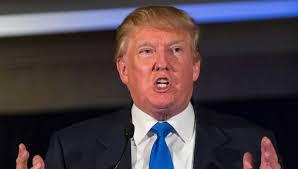
Donald Trump
The effects of the shutdown quickly became evident:
- For weeks, hundreds of thousands of government workers missed paychecks.
- Increasing numbers of employees of the Transportation Safety Administration (TSA)—which provides security against airline terrorism—began refusing to come to work, claiming to be sick.
- At the Federal Aviation Administration (FAA) many air traffic controllers called in “sick.” Those who showed up to work without pay grew increasingly frazzled as they feared being evicted for being unable to make rent or house payments.
- Many Federal employees—such as FBI agents—were forced to rely on soup kitchens to feed their families.
- Many workers tried to bring in money by babysitting or driving for Uber,
Trump told Congressional leaders the shutdown could last months or even years.
But by January 25, 2019, the 35th day of the shutdown, Trump’s popularity had fallen to a historic low of 37%. On that day, he caved and re-opened the government.
The men and women who work in Washington, D.C., aren’t faceless “bureaucrats,” as Right-wingers falsely claim.
They are husbands and wives, fathers and mothers. They have deadlines to meet and bills to pay, just like everyone else.
Many of them, such as agents of the FBI and Secret Service, have taken an oath to defend the United States Constitution—with their lives if necessary.
They deserve a better break—and the respect of their fellow Americans.
ABC NEWS, ABRAHAM LINCOLN, AL QAEDA, ALTERNET, AMERICABLOG, AP, ” 9/11, BABY BOOMER RESISTANCE, BUZZFEED, CBS NEWS, CNN, CROOKS AND LIARS, CUBAN MISSILE CRISIS, DAILY KOZ, DONALD TRUMP, DRUDGE RETORT, EMANCIPATION PROCLAMATION, FACEBOOK, FBI, FIVETHIRTYEIGHT, FORD'S THEATER, FRANKLIN D. ROOSEVELT, FURLOUGHS, GOVERNMENT SHUTDOWN, HARPER’S MAGAZINE, JOHN F. KENNEDY, MAFIA, MEDIA MATTERS, MOTHER JONES, MOVEON, MSNBC, MSNBC'S "HARDBALL", NATIONAL PARK SERVICE, NBC NEWS, NEWSWEEK, NPR, PBS NEWSHOUR, POLITICO, POLITICUSUSA, RAW STORY, REPUBLICAN PARTY, REPUBLICANS, REUTERS, RICHARD NIXON, SALON, SEATTLE TIMES, Secret Service, SLATE, SOVIET UNION, STEPHEN TYRONE JONES, TALKING POINTS MEMO, TERRORISM, THE ATLANTIC, THE CHICAGO SUN-TIMES, THE CHICAGO TRIBUNE, THE DAILY BEAST, THE DAILY BLOG, THE GUARDIAN, THE HILL, THE HUFFINGTON POST, THE LOS ANGELES TIMES, THE NATION, THE NEW REPUBLIC, THE NEW YORK TIMES, THE VILLAGE VOICE, THE WASHINGTON POST, THINKPROGRESS, TIME, TRUTHDIG, TRUTHOUT, TWITTER, TWO POLITICAL JUNKIES, U.S. NEWS & WORLD REPORT, UNITED STATES HOLOCAUST MEMORIAL, UPI, USA TODAY, VIETNAM WAR MEMORIAL, WHITE HOUSE, WONKETTE, WORLD WAR 11
In Bureaucracy, History, Law Enforcement, Politics, Social commentary on December 25, 2019 at 12:27 am
To hear Right-wingers tell it, you might believe that Washington, D.C. is:
- The capitol of an enemy nation;
- A cesspool of corrupt, power-hungry men and women slavering to gain dictatorial control over the life of every American;
- A center of lethal contagion which, like ancient Carthage, should be burned to the ground and its inhabitants destroyed or scattered.
According to Republicans, they are all that prevents “Washington” from gaining absolute power over a defenseless citizenry.
This does not stop Republicans from lusting to rule it—and enable a Constitution-violating Donald Trump to serve as “President-for-Life.”
But others who live or work in Washington, D.C. take a far different view of their city and the duties they perform.
These men and women will never call a press conference or rake in millions in “political contributions” (i.e., legalized bribes) for promising special privileges to special interests.
Many of them work for the National Park Service. Every national monument—and Washington is speckled with monuments—has several of these employees assigned to it. Their duties are to protect the monuments and offer historical commentary to the public.
One such employee regularly addresses visitors to Ford’s Theater—known worldwide as the scene of President Abraham Lincoln’s assassination.
George (a pseudonym) opens his lecture by raising the question every member of the audience wants answered: How much of Ford’s Theater remains intact from the night of Lincoln’s murder—April 14, 1865?
And the answer is: Only the exterior of the building.
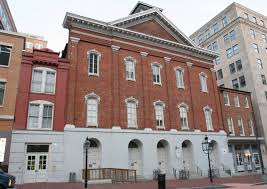
Ford’s Theater
After Lincoln’s assassination, enraged Union soldiers converted the interior of the building into a military command center. That meant ripping out all the seats for spectators and the stage for actors.
The stage and seats—even the “Presidential Box” where Lincoln sat—have all been reproduced for a modern audience.
As George talks, you can tell that, for him, this is no typical day job. He realizes that, renovated or not, Ford’s Theater remains saturated with history. And he clearly feels privileged to share that history with others.
George explains that Presidential assassin John Wilkes Booth did not sneak into the theater. He didn’t have to—as a celebrity actor, he received the sort of favored treatment now accorded Brad Pitt.
Another monument where you will find Park Ranger guides is the Vietnam Veterans Memorial.
Completed in 1982, it receives about three million visitors a year. Adorning the Wall, in columns that seem to reach endlessly to the sky, are the names of the 58,195 soldiers who gave their lives during the Vietnam War.
That struggle—from 1961 to 1975—proved the most divisive American conflict since the Civil War.
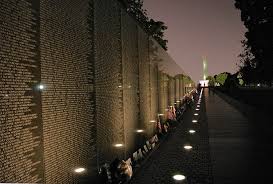
Vietnam Veterans Memorial Wall
On the day I visited the memorial, groups of elementary schoolchildren passed by. They were jabbering loudly, seemingly oblivious to the terrible sacrifice the Wall was meant to commemorate.
But their adult chaperones realized its significance, and ordered the children to quiet down. I asked a nearby Park Ranger: “Do you feel people now respond differently to the Wall, as we get further away from the Vietnam war?”
“No,” he answered. He felt that today’s visitors showed the same reverence for the monument and for the losses it had been created to honor as those who had first come in the early 1980s.
And it may well be true: I saw many tiny American flags and wreaths of flowers left at various points along the Wall, which stretches across 250 feet of land on the Mall.
When thinking about “Washington,” it’s essential to remember that this city—along with New York City—remains at the top of Al Qaeda’s target list. Those who choose to live and/or work here do so in the potential shadow of violent death.
Anytime you enter a Federal building, be prepared to undergo a security check.
In most agencies—such as the Department of Agriculture—you simply place your bags or purses into an X-ray machine similar to those found at airports, and walk through a magnetometer. If no alarms sound, you collect your valuables and pass on through.
Such machines are, of course, mammed by armed security guards. And they stand sentinel at every conceivable Federal building—such as the Supreme Court, the Department of Justice, the Smithsonian Museum, the Pentagon and the U.S. Holocaust Memorial Museum.
These men and women must daily inspect the bodies and handbags of the 15 million people who visit Washington, D.C. annually, generating $5.24 billion dollar in revenues.
This means repeating the same screening gestures countless times—looking through X-ray machines at bags or coats, and running an electronic “wand” up and down those people whose clothing gives off signs of metallic objects.
It also means knowing that any one of these ordinary looking visitors could be the next terrorist intent on killing as many people as possible.
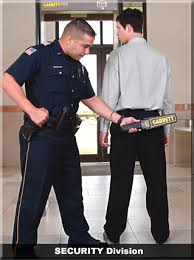
It also means projecting a smiling, friendly demeanor towards those same people—many of whom are in a rush and/or resent being electronically sniffed over.
And every security guard knows this: It’s only a matter of time before the next terrorist shows up.
On June 10, 2009, just that happened at the United States Holocaust Memorial.
ABC NEWS, ADOLF HITLER, ALTERNET, AMERICABLOG, AP, BABY BOOMER RESISTANCE, BUZZFEED, CANADA, CBS NEWS, CNN, CROOKS AND LIARS, DAILY KOZ, DONALD J. TRUMP, DRUDGE RETORT, ECONOMY, EMPLOYMENT, FACEBOOK, FBI, FIVETHIRTYEIGHT, FRED TRUMP, GESTAPO, HARPER’S MAGAZINE, JEWS, MEDIA, MEDIA MATTERS, MOTHER JONES, MOVEON, MSNBC, NAZI ATROCITIES, NBC NEWS, NEWSWEEK, NPR, PAM BONDI, PBS NEWSHOUR, POLITICO, POLITICUSUSA, RAW STORY, REPUBLICANS, REUTERS, SALON, SARAH HUCKABEE SANDERS, SEATTLE TIMES, SLATE, SOVIET UNION, TALKING POINTS MEMO, THE ATLANTIC, THE CHICAGO SUN-TIMES, THE CHICAGO TRIBUNE, THE DAILY BEAST, THE DAILY BLOG, THE GUARDIAN, THE HILL, THE HUFFINGTON POST, THE LOS ANGELES TIMES, THE NATION, THE NEW REPUBLIC, THE NEW YORK TIMES, THE VILLAGE VOICE, THE WASHINGTON POST, THINKPROGRESS, TIME, TRUMP UNIVERSITY SCANDAL, TRUTHDIG, TRUTHOUT, TWITTER, TWO POLITICAL JUNKIES, U.S. NEWS & WORLD REPORT, UNEMPLOYMENT, UPI, USA TODAY, WEHRMACHT, WONKETTE, WORLD WAR ii
In Bureaucracy, History, Military, Politics, Social commentary on December 20, 2019 at 12:04 am
On February 26, 2016, Republican Presidential Candidate Donald J. Trump made an astonishing admission: “I’m not like other people.”
He did so while revealing that, as President, he would “open up those libel laws” so that when the New York Times or the Washington Post “write a hit piece, we can sue them and win money instead of having no chance of winning because they’re totally protected.
“With me, they’re not protected, because I’m not like other people, but I’m not taking money, I’m not taking their money.”
On August 23, 2018, Trump, as President, offered additional evidence that he’s “not like other people.” He did so by giving an unprecedented reason why he shouldn’t be impeached.
Appearing on “Fox and Friends,” he said:
- “I don’t know how you can impeach somebody who’s done a great job.”
- “I tell you what, if I ever got impeached, I think the market would crash, I think everybody would be very poor.”
- Pointing to his head, he said: “Because without this thinking, you would see numbers that you wouldn’t believe in reverse.”
He didn’t say: “I shouldn’t be impeached because I’m innocent. I didn’t collude with Russian Intelligence to subvert the 2016 Presidential election.”
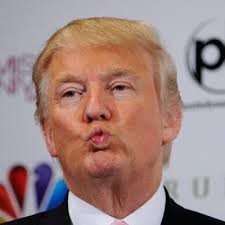
Donald Trump
Instead, he appealed to the greed and fear of his voting base—and no doubt hoped to reach beyond it: “Keep me in power or you’ll all suffer for it.”
An official White House statement entitled “American Greatness,” issued on June 4, 2018 stated:
“Nearly 3 million jobs have been created since President Trump took office. The unemployment rate has dropped to 3.8, the lowest rate since April 2000, and job openings have reached 6.6 million, the highest level recorded. President Trump has restored confidence in the American economy, with confidence among both consumers and businesses reaching historic highs.”
Much of this jobs growth, however, was already underway during the closing years of the Obama administration. But that hasn’t stopped Trump from taking credit for it.
White House Press Secretary Sarah Huckabee Sanders doubtless spoke for millions of Trump supporters when she said, on June 4:
“Since taking office, the President has strengthened American leadership, security, prosperity, and accountability. And as we saw from Friday’s jobs report, our economy is stronger, Americans are optimistic, and business is booming.
“The American people do not believe this strong economy is fantasy or unrealistic.”
Many Congressional Republicans have echoed this: The American people care only about the economy—and how well-off they are.
For eight years, Nazi Germany underwent such an epoch. Germans called it “The Happy Time.”
It began on January 30, 1933, when Adolf Hitler became Chancellor—and lasted until June 22, 1941. Germans knew about the Nazis’ cruelty to the Jews, the mass arrests and concentration camps. They didn’t care.
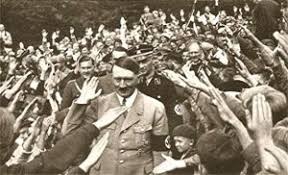
Frenzied Germans greet Adolf Hitler
The Gestapo didn’t have to watch everyone: German “patriots” gladly reported their fellow citizens—especially Jews—to the secret police.
As far as everyday Germans were concerned:
- The streets were clean and peaceful.
- Employment was high.
- The trouble-making unions were gone.
- Germany was once again “taking its rightful place” among ruling nations, after its catastrophic defeat in World War 1.
The height of “The Happy Time” came in June, 1940. In just six weeks, the Wehrmacht accomplished what the German army hadn’t in four years during World War 1: The total defeat of its longtime enemy, France.
Suddenly, French clothes, perfumes, delicacies, paintings and other “fortunes of war” came pouring into the Fatherland. (Reichsmarshall Herman Goring, head of the Luftwaffe—air force—amassed his own private air collection from French museums.)
Most Germans believed der Krieg—“the war”—was over, and only good times lay ahead.
Then, on June 22, 1941, three million Wehrmacht soldiers slashed their way into the Soviet Union. The Third Reich was now locked in a death-struggle with a nation even more powerful than itself.

German soldiers in the Soviet Union
And then, on December 11, 1941—four days after Germany’s ally, Japan, attacked Pearl Harbor—Hitler declared war on the United States.
“The Happy Time” for Germans was over. Only prolonged disaster lay ahead.
Donald Trump has spent his life appealing to the greed or fear of those around him. For example:
- Florida Attorney General Pam Bondi personally solicited a political contribution from Donald Trump around the same time her office deliberated joining an investigation of alleged fraud at Trump University and its affiliates.
- After Bondi dropped the Trump University case against Trump, he wrote her a $25,000 check for her re-election campaign.
- In 1999, Fred Trump, Donald’s father died. His deceased brother’s family sued Donald, arguing they were originally in the will, but Donald took advantage of his father’s dementia to cut them out of it. He withdrew medical benefits critical to his nephew’s infant son: “I was angry because they sued,” Trump later said in an interview.
The Germans made a devil’s-bargain with Adolf Hitler—and paid dearly for it.
Millions of greedy Americans have embraced Donald Trump, another would-be tyrant, as America’s economic savior.
By supporting Trump—or at least not opposing him—they have made a devil’s-bargain.
And such bargains always end with the devil winning.
ABC NEWS, ABOUT FACE: THE ODYSSEY OF AN AMERICAN WARRIOR, ADAM SCHIFF, ALAMO, ALTERNET, AMERICABLOG, AP, ARTICLES OF IMPEACHMENT, BABY BOOMER RESISTANCE, BUZZFEED, CBS NEWS, CIA, CNN, CROOKS AND LIARS, DACHAU CONCENTRATION CAMP, DAILY KOZ, DAVID HACKWORTH, DEPARTMENT OF HOMELAND SECURITY, DON MCGHAN, DONALD TRUMP, DONALD TRUMP JUNIOR, DRUDGE RETORT, FACEBOOK, FBI, FIVETHIRTYEIGHT, HARPER’S MAGAZINE, HILLARY CLINTON, HOUSE INTELLIGENCE COMMITTEE, HOUSE JUDICIARY COMMITTEE, IMPEACHMENT, JAMES B. COMEY, JAMES R. CLAPPER, JARED KUSHNER, JERRY NADLER, MEDIA MATTERS, MOTHER JONES, MOVEON, MSNBC, NATIONAL SECURITY AGENCY, NAZI GERMANY, NBC NEWS, NEWSWEEK, NPR, OFFICE OF THE DIRECTOR OF NATIONAL INTELLIGENCE, PAUL MANAFORT, PBS NEWSHOUR, POLITICO, POLITICUSUSA, RAW STORY, REUTERS, RUSSIA, SALON, SARAH JONES, SEATTLE TIMES, SLATE, SOVIET UNION, SUPREME COURT, TALKING POINTS MEMO, THE ATLANTIC, THE CHICAGO SUN-TIMES, THE CHICAGO TRIBUNE, THE DAILY BEAST, THE DAILY BLOG, THE GUARDIAN, THE HILL, THE HUFFINGTON POST, THE LOS ANGELES TIMES, THE NATION, THE NEW REPUBLIC, THE NEW YORK TIMES, THE VILLAGE VOICE, THE WASHINGTON POST, THERMOPYLAE, THINKPROGRESS, TIME, TRUMP TOWER MEETING, TRUTHDIG, TRUTHOUT, TWITTER, TWO POLITICAL JUNKIES, U.S. NEWS & WORLD REPORT, UNITED STATES CONSTITUTION, UPI, USA TODAY, VLADIMIR PUTIN, WONKETTE
In Bureaucracy, History, Law, Law Enforcement, Military, Politics, Social commentary on December 17, 2019 at 12:04 am
The Emperor-President has no clothes.
On December 10, 2019, Sarah Jones, editor-in-chief of PoliticusUSA, stripped him bare.
She did what the vast majority of American political columnists have feared to do: She openly declared Donald J. Trump to be an illegitimate President.
She did so in an editorial titled, “Adam Schiff Tells Trump That He Won’t Be Allowed To Cheat In 2020.”
“On Tuesday as House Democrats made the formal announcement of articles of impeachment against President Trump, House Intelligence Committee Chairman Adam Schiff gave a perfectly accurate rebuttal to the plea that Democrats should ‘just wait’ on impeachment, saying that those who argue ‘just wait’ are actually arguing ‘just let him cheat in one more election’ and ‘let him have foreign help just one more time,’” wrote Jones. [Italics added]
To underscore her point, Jones concluded: “Trump’s cheating is finally being acknowledged and punished.
“This matters because after three years of pretending that Trump is the rightful president, it is finally being acknowledged that not only is he trying to cheat in 2020, but it is again, because he cheated in 2016.
“For three years this nation has endured the abuses of this pretender and his entire party of lock step enablers, save for Rep. Amash of Michigan.
“For three long years those who suggested Trump was not a legitimate president were shamed and silenced, even after the Mueller report made it clear that the Trump campaign sought illegal help and took illegal help from Russia in the 2016 election.
“Now that Trump is again seeking foreign help to undermine our elections and in so doing, attacking our national security and core values — and only due to the bravery of whistleblowers got caught red-handed — the entitled, privileged, faux-wealthy con artist poorly playing president has finally been called what he is: A cheat.
“A cheating cheater.
“A loser.
“A man who can’t win an election and did not win an election of the people fairly.
“Donald Trump can’t win an election without cheating. He knows that, and that’s why it upsets him so much to be called out for his illegal actions.
Donald Trump
“Trump is used to getting away with his criminal entitlements, but today, even if just for a moment before Republicans in the Senate betray their country again by letting Trump off as he attacks the United States, justice has been spoken and served.” [Italics added]
Before Republicans in the Senate betray their country again by letting Trump off….
Jones clearly has no patience for those who insist on playing a game of “Let’s Pretend.” As in: “Let’s pretend that Republicans care more about the Constitution and the security of the nation than about attaining dictatorial power.”
Since September, the House Intelligence Committee has investigated Trump’s attempt to coerce Ukraine to smear a 2020 political rival for the White House—former Vice President Joe Biden.
And every day of its hearings, Republicans have loudly and brutally defended that extortion.
They haven’t offered any evidence that Trump didn’t try to extort an ally. They simply attacked the witnesses who dared to come forward and testify to their own knowledge of it. They attacked Schiff, who heads that committee, demanding self-righteously that he resign.
There is absolutely no reason to doubt that the Republican-dominated Senate (53 to 47 Democrats) will once again serve as Trump’s “party of lock step enablers.”
But there is a way to put the impeachment effort into historical perspective.
In 1960, David Hackworth was a young Army captain stationed in West Germany. The end of World War II had revealed the horror of Nazi death camps and the extermination of millions. To everyone, that is, but the Germans.

David Hackworth
One winter’s day, Hackworth took his wife, Patty, to Dachau, the infamous concentration camp. In his 1989 memoir, About Face: The Odyssey of an American Warrior, he describes the experience:
“The horror of Hitler’s vision was alive and well in this grim death camp: the barracks, the ovens, the electrified barbed wire fences, remained intact. A mound here held the bones of 10,000 Jews; one over there held the bones of 12,000 more.
“The place was a monument to the darkest side of man, and yet—despite the smoke and ash that rained down on their homes from camp incinerators, despite the sickly smell of burning flesh and hair….the villagers claimed they hadn’t known. I couldn’t square it….”
Nor could Hackworth accept that “not one of the laughing, backslapping, congenial comrades I met…had fought the Americans in the West. All assured me they’d been on the Eastern Front, fighting ‘the real enemy,’ the Russians….
“In 15 years the Germans had come a long way in their rewrite of history. But at least there’s Dachau, I thought to myself, to remind them of the truth.“
So, too, will the coming impeachment of Donald Trump stand as a monument to the sheer evil and infamy of himself and his party. And it will remind future generations of a time when decent Americans dared to confront that evil in a stand as hopeless and glorious as that at Thermopylae and the Alamo.
ABC NEWS, ABOUT FACE: THE ODYSSEY OF AN AMERICAN WARRIOR, ADAM SCHIFF, ALAMO, ALTERNET, AMERICABLOG, AP, ARTICLES OF IMPEACHMENT, BABY BOOMER RESISTANCE, BUZZFEED, CBS NEWS, CIA, CNN, CROOKS AND LIARS, DACHAU CONCENTRATION CAMP, DAILY KOZ, DAVID HACKWORTH, DEPARTMENT OF HOMELAND SECURITY, DON MCGHAN, DONALD TRUMP, DONALD TRUMP JUNIOR, DRUDGE RETORT, FACEBOOK, FBI, FIVETHIRTYEIGHT, HARPER’S MAGAZINE, HILLARY CLINTON, HOUSE INTELLIGENCE COMMITTEE, HOUSE JUDICIARY COMMITTEE, IMPEACHMENT, JAMES B. COMEY, JAMES R. CLAPPER, JARED KUSHNER, JERRY NADLER, MEDIA MATTERS, MOTHER JONES, MOVEON, MSNBC, NATIONAL SECURITY AGENCY, NAZI GERMANY, NBC NEWS, NEWSWEEK, NPR, OFFICE OF THE DIRECTOR OF NATIONAL INTELLIGENCE, PAUL MANAFORT, PBS NEWSHOUR, POLITICO, POLITICUSUSA, RAW STORY, REUTERS, RUSSIA, SALON, SARAH JONES, SEATTLE TIMES, SLATE, SOVIET UNION, SUPREME COURT, TALKING POINTS MEMO, THE ATLANTIC, THE CHICAGO SUN-TIMES, THE CHICAGO TRIBUNE, THE DAILY BEAST, THE DAILY BLOG, THE GUARDIAN, THE HILL, THE HUFFINGTON POST, THE LOS ANGELES TIMES, THE NATION, THE NEW REPUBLIC, THE NEW YORK TIMES, THE VILLAGE VOICE, THE WASHINGTON POST, THERMOPYLAE, THINKPROGRESS, TIME, TRUMP TOWER MEETING, TRUTHDIG, TRUTHOUT, TWITTER, TWO POLITICAL JUNKIES, U.S. NEWS & WORLD REPORT, UNITED STATES CONSTITUTION, UPI, USA TODAY, VLADIMIR PUTIN, WONKETTE
In Bureaucracy, History, Law, Law Enforcement, Military, Politics, Social commentary on December 16, 2019 at 1:20 am
“Some say why don’t you just wait? Why don’t you just wait until you get the witnesses that the White House refuses to produce?”
The speaker was Adam Schiff (D-CA), chairman of the House Intelligence Committee. And it was on a day he—and the nation—would never forget: December 10, 2019.
Democratic leaders in the House of Representatives had just voted to send two Articles of Impeachment to the Judiciary Committee. Their purpose: To remove Donald J. Trump from office as the 45th President of the United States.
Judiciary Committee Chairman Jerry Nadler read the charges:
Article 1: Abuse of Power: For pressuring Ukraine to assist him in his re-election campaign by damaging former Vice President Joe Biden, his possible Democratic rival.
“Donald J. Trump has abused the powers of the Presidency, in that: Using the powers of his high office, President Trump solicited the interference of a foreign government, Ukraine, in the 2020 United States presidential election.
“Wherefore President Trump, by such conduct, has demonstrated that he will remain a threat to national security and the Constitution if allowed to remain in office, has acted in a manner grossly incompatible with self-governance and the rule of law.”
Article 2: Obstruction of Congress: For obstructing Congress by blocking testimony and refusing to provide documents in response to House subpoenas in the impeachment inquiry.
“Donald J. Trump has directed the unprecedented, categorical, and indiscriminate defiance of subpoenas issued by the House of Representatives pursuant to its ‘sole Power of Impeachment.'”
But it was House Intelligence Committee Chair Adam Schiff who put the reason for impeachment in stark, easily understandable perspective:

Adam Schiff
“Why not just wait until you get the documents that the White House refuses to turn over, and people should understand what that argument really means.
“It has taken us eight months to get a lower court ruling that Don McGahn has no right to defy Congress. If it takes another eight months to get a second court or Supreme Court decision, that is not the end of the process.
“It comes back to us, and we ask questions because he no longer has immunity and he claims something else that his answers are privileged and we have to go to court for another eight or 16 months.
“The argument why don’t you just wait amounts to this: Why don’t you just let him [Trump] cheat in one more election? Why not late him cheat just one more time? Why not let him have foreign help just one more time? That is what that argument amounts to.”
Schiff was alluding to Trump’s infamous efforts during the 2016 Presidential campaign to enlist Russian aid against his rival, Democratic Presidential nominee Hillary Clinton.
Among those efforts:
Example 1: On July 9, 2016, high-ranking members of his Presidential campaign met at Trump Tower with at least two lobbyists with ties to Russian dictator Vladimir Putin. The participants included:
- Trump’s son, Donald Trump Jr.;
- His son-in-law, Jared Kushner;
- His then-campaign manager, Paul Manafort;
- Natalia Veselnitskaya, a Russian lawyer with ties to Putin; and
- Rinat Akhmetshin, a former Soviet counterintelligence officer suspected of “having ongoing ties to Russian Intelligence.”
The purpose of that meeting: To gain access to any “dirt” Russian Intelligence could supply on Clinton.
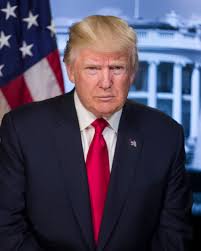
Donald Trump
Example 2: On July 22, 2016, during his campaign for President, Trump said at a press conference in Doral, Florida: “Russia, if you are listening, I hope you are able to find the 33,000 emails that are missing [from Democratic Presidential candidate Hillary Clinton’s computer]. I think you will probably be rewarded mightily by our press.”
This was nothing less than treason—calling upon a foreign power, hostile to the United States, to interfere in its Presidential election.
Hours later, the Main Intelligence Directorate in Moscow targeted Clinton’s personal office and hit more than 70 other Clinton campaign accounts.
Example 3: Throughout 2016, the CIA, FBI and National Security Agency (NSA) found numerous ties between officials of the Trump Presidential campaign and Russian Intelligence agents.
On October 7, 2016, the Department of Homeland Security and the Office of the Director of National Intelligence issued a joint statement blaming the Russian government for the hacking of Democratic National Committee emails. Its motive: “To interfere with the US election process.”
Two days later, Trump publicly stated: “But I notice, anytime anything wrong happens, they like to say the Russians are—Maybe there is no hacking. But they always blame Russia.”
Example 4: On December 16, 2016, then-FBI Director James B. Comey and Director of National Intelligence James R. Clapper Jr. agreed with a CIA assessment that Russia intervened in the 2016 election in part to help Donald Trump win the White House.

Trump, however, steadfastly denied any such role by Russia: “I think it’s ridiculous,” he told “Fox News Sunday.” “I think it’s just another excuse. I don’t believe it….No, I don’t believe it at all.”
2012 PRESIDENTIAL RACE, 2016 PRESIDENTIAL RACE, ALTERNET, AP, BARACK OBAMA, BBC, BUZZFEED, CBS NEWS, CNN, CUBAN MISSILE CRISIS, DAILY KOS, DONALD J. TRUMP, FACEBOOK, FBI, HERMAN CAIN, JOHN F. KENNEDY, LYNDON B. JOHNSON, MARTIN LUTHER KING, MARTIN SHEEN, MOTHER JONES, MOVEON, NBC NEWS, NEWSWEEK, NIKITA KHRUSHCHEV, NPR, NUCLEAR TEST BAN TREATY, POLITICO, PT-109, RAW STORY, REUTERS, RICK PERRY, ROBERT F. KENNEDY, ROBERT S. MCNAMARA, SALON, Sarah Palin, SEATTLE TIMES, SLATE, SOVIET UNION, THE ATLANTIC, THE CHICAGO SUN-TIMES, THE CHICAGO TRIBUNE, THE DAILY BEAST, THE GUARDIAN, THE HILL, THE HUFFINGTON POST, THE LOS ANGELES TIMES, THE NEW YORK TIMES, THE WALL STREET JOURNAL, THE WASHINGTON POST, TIME, TWITTER, U.S. NEWS & WORLD REPORT, UPI, USA TODAY
In Bureaucracy, History, Military, Politics, Social commentary on November 25, 2019 at 12:17 am
Fifty-six years ago, on November 22, 1963, two bullets slammed into the neck and head of President John Fitzgerald Kennedy.
It has been said that JFK left his country with three great legacies:
- The Nuclear Test Ban Treaty;
- The Apollo moon landing; and
- The Vietnam war.
Of these, the following can be said with certainty:
- The Test Ban Treaty has prevented atmospheric testing—and poisoning—by almost all the world’s nuclear powers.
- After reaching the moon—in 1969—Americans quickly lost interest in space and have today largely abandoned plans for manned exploration. For America, as for JFK, beating the Russians to the moon was the end-goal.
- By the time JFK died, 16,000 Americans were serving in Vietnam, with more than 70 casualties.
- Under Presidents Lyndon Johnson and Richard Nixon, 58,000 Americans died in Vietnam; 153,303 were wounded; and billions of dollars were squandered in a hopeless effort to intervene in what was essentially a Vietnamese civil war. From 1965 to 1972, the war angrily divided Americas as had no event since the Civil War.
But there was a fourth legacy—and perhaps the most important of all: The belief that mankind could overcome its greatest challenges through rationality and perseverance.
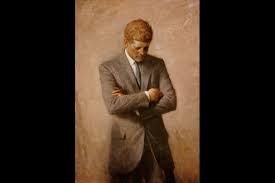
White House painting of JFK
At American University on June 10, 1963, Kennedy asked his fellow Americans to re-examine the events and attitudes that had led to the Cold War. And he declared that the search for peace was by no means hopeless:
“Our problems are man-made; therefore, they can be solved by man. And man can be as big as he wants. No problem of human destiny is beyond human beings.
“Man’s reason and spirit have often solved the seemingly unsolvable, and we believe they can do it again.”
Today, Democrats and Republicans cannot agree on solutions to even the most vital national problems.
On November 21, 2011, the 12 members of the “Super-Committee” of Congress, tasked with finding $1.2 trillion in cuts in government spending, couldn’t reach agreement.
President Kennedy insisted on being well-informed. He speed-read several newspapers every morning and nourished personal relationships with the press—but not for altruistic reasons. These journalistic contacts gave Kennedy additional sources of information and perspectives on national and international issues.
During the 2012 Presidential campaign, Republican candidates celebrated their ignorance of both.
- Former Godfather’s Pizza CEO Herman Cain famously said, “We need a leader, not a reader”—thus excusing his ignorance for why President Barack Obama had intervened in Libya.
- Texas Governor Rick Perry (and now Secretary of Energy) didn’t know there are nine judges on the United States Supreme Court: “Well, obviously, I know there are nine Supreme Court judges. I don’t know how eight came out my mouth. But the, uh, the fact is, I can tell you—I don’t have memorized all of those Supreme Court judges. And, uh, ah—
- “Here’s what I do know. That when I put an individual on the Supreme Court, just like I done in Texas, ah, we got nine Supreme Court justices in Texas, ah, they will be strict constructionists….”
- In short, it’s the media’s fault if your answer reveals your ignorance, stupidity and/or criminality.
- Sarah Palin rewrote history via “The Midnight Ride of Paul Revere”: “He warned the British that they weren’t going to be taking away our arms by ringing those bells and, um, making sure as he’s riding his horse through town to send those warning shots and bells that, uh, we were going to be secure and we were going to be free.”
- In fact, Revere wasn’t warning the British about anything. Instead, he was warning his fellow Americans about an impending British attack–as his celebrated catchphrase “The British are coming!” made clear.
During the height of the Cuban Missile Crisis, Kennedy spoke with aides about a book he had just finished: Barbara Tuchman’s The Guns of August, about the events leading to World War 1.
He said that the book’s most important revelation was how European leaders had blindly rushed into war, without thought to the possible consequences. Kennedy told his aides he did not intend to make the same mistake—that, having read his history, he was determined to learn from it.
Republicans attacked President Obama for his Harvard education and articulate use of language. Among their taunts: “Hitler also gave good speeches.”
And they resented his having earned most of his income as a writer of two books: Dreams From My Father and The Audacity of Hope. As if being a writer is somehow subversive.
Donald Trump has publicly celebrated ignorance. After winning the Nevada Republican primary in 2016, he declared: “We won with poorly educated. I love the poorly educated.”
Similarly, 58% of Republicans and Right-wingers believe that higher education has a negative effect on the country.
In retrospect, the funeral for President Kennedy marked the death of Americans’ pride in choosing reasoning and educated citizens for their leaders. And in seeking a reasoning and educated future for their children.
When knowledge and literacy are attacked as “highfalutin’” arrogance, and ignorance and incoherence are embraced as sincerity, national decline lies just around the corner.
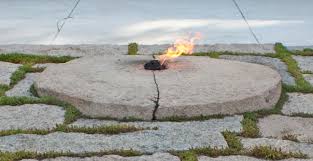
The Eternal Flame at the grave of President John F. Kennedy
2016 PRESIDENTIAL ELECTION, 2020 PRESIDENTIAL ELECTION, 9/11 ATTACKS, AARON COPELAND, ABC NEWS, AFGHANISTAN, ALEXANDER SHUSTOROVICH, ALTERNET, ANDREW INTRATER, ANTI-COMMUNISM, ANTIWAR DEMONSTRATIONS, AP, ARMY-MCCARTHY HEARINGS, ARTHUR MILLER, ATOMIC BOMB, BILL CLINTON, BUZZFEED, CBS NEWS, CENTRAL AMERICA, CHAING KAI-SHEK, CHARLIE CHAPLIN, CIA, CINDY HYDE-SMITH, CNN, CROOKS AND LIARS, CUBAN MISSILE CRISIS, DAILY KOZ, DASHIELL HAMMETT, DELORES DEL RIO, DEPARTMENT OF HOMELAND SECURITY, DONALD TRUMP, DONALD TRUMP’S INAUGURAL COMMITTEE, DWIGHT D. EISENHOWER, EDWARD G. ROBINSON, EDWARD R. MURROW, ELMER BERNSTEIN, FACEBOOK, FBI, FEDERAL ELECTION COMMISSION, GEORGE C. MARSHALL, GEORGE H.W. BUSH, H.L. HUNT, HARRY S. TRUMAN, HILLARY CLINTON, HOUSE JUDICIARY COMMITTEE, HOWARD DA SILVA, HOWARD FAST, HOWARD HUGHES, INTERNET RESEARCH AGENCY, IRWIN SHAW, J. ROBERT OPPENHEIMER, JAMES COMEY, JIMMY CARTER, JOHN BIRCH SOCIETY, JOHN F. KENNEDY, JOHN GARFIELD, JOHN KASICH, JOHN MCCAIN, JOHN STEINBECK, JOSEPH R. MCCARTHY, JOSEPH STALIN, LEE GRANT, LEN BLAVATNIK, LILLIAN HELLMAN, LINDSEY GRAHAM, LLOYD BRIDGES, LUCILLE BALL, LYNDON B. JOHNSON, MAIN INTELLIGENCE DIRECTORATE, MAO TSE-TUNG, MARCO RUBIO, MITCH MCCONNELL, MITCH MCCONNELL’S SENATE LEADERSHIP FUN, MOTHER JONES, MOVEON, MSNBC, MUSLIMS, NATIONAL SECURITY AGENCY, NAZI GERMANY, NBC NEWS, NEWSWEEK, NORTH ATLANTIC TREATY ORGANIZATION (NATO), NPR, OFFICE OF THE DIRECTOR OF NATIONAL INTELLIGENCE, PBS NEWSHOUR, PETE SEEGER, POLITICO, RAW STORY, REPUBLICAN PARTY, REUTERS, RICHARD M. NIXON, ROBERT MUELLER, Ronald Reagan, RUTH GORDON, SALON, SCOTT WALKER, SEATTLE TIMES, SIMON KUKES, SLATE, SOVIET UNION, THE ATLANTIC, THE CHICAGO SUN-TIMES, THE CHICAGO TRIBUNE, THE DAILY BEAST, THE GUARDIAN, THE HILL, THE HUFFINGTON POST, THE LOS ANGELES TIMES, THE NATION, THE NEW YORK TIMES, THE WASHINGTON POST, TIME, TWITTER, U.S. NEWS & WORLD REPORT, UNITED STATES HOUSE OF REPRESNTATIVES, UNITED STATES SENATE, UPI, USA TODAY, VIETNAM WAR, VLADIMIR PUTIN, WIKILEAKS, WILLIAM L. SHIRER, WORLD WAR 11, WORLD WAR ii, ZERO MOSTEL
In Bureaucracy, History, Military, Politics, Social commentary on November 5, 2019 at 12:10 am
From 1945 to 2015, it was unthinkable for a Republican Presidential candidate to pay tribute to a Soviet dictator.
But that utterly changed when Donald J. Trump, a “reality TV” host with longstanding financial ties to Russian oligarchs, ran for President of the United States.
Donald Trump
The reason for the Trump-Putin bromance: Each had something to offer the other.
Putin wanted the United States to ditch the North Atlantic Treaty Organization (NATO) alliance, which had preserved Western Europe from Russian aggression since World War II. And Trump had often attacked America’s funding of NATO as a drain on the American economy.
And Trump wanted to be President. For this, Putin could supply Internet trolls to confuse voters with falsified news—and even the hacking of key voting centers.
And monies. These Russian monies were officially classified as “campaign contributions,” not bribes.
Special Counsel Robert S. Mueller III Mueller spent almost two years uncovering links between Russian Intelligence agents and members of Donald Trump’s Presidential campaign.
On July 24, he addressed Congress on Russia’s subversion of the 2016 Presidential election.
“Over the course of my career, I’ve seen a number of challenges to our democracy,” Mueller declared to members of the House Judiciary Committee.
“The Russian government’s effort to interfere in our election is among the most serious. As I said on May 29, this deserves the attention of every American.
“It wasn’t a single attempt. They’re doing it as we sit here. And they expect to do it during the next campaign.”
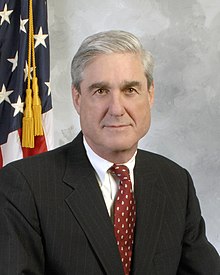
Robert Mueller
In his report, Mueller documented years of meddling in American politics by the Internet Research Agency, which runs the Kremlin’s online disinformation efforts from its headquarters in St. Petersburg.
The Agency reached 126 million Americans through fake accounts on Facebook. Its messages communicated with unaware members of the Trump campaign, and even prompted real-life rallies that mobilized crowds of unwitting voters.
Hours later that same day, Senator Cindy Hyde-Smith (R-Mississippi) blocked the passage of three bills designed to tighten election security at the federal level. She claimed that Congress had already responded to election security needs for the 2020 Presidential election.
Senate Majority Leader Mitch McConnell (R-Kentucky) came to the Senate floor the next day to personally object to House-passed legislation backed by Democrats.
Nor is Trump the only Republican receiving “help” from Putin. A network of Russian oligarchs—all of them answerable to Putin—has been increasingly contributing to top Republicans.
These Russian monies are officially classified as “campaign contributions,” not bribes—which, in fact, they are.
According to the Federal Election Commission:
One such major contributor is Len Blavatnik, who holds citizenship in both the United States and the United Kingdom. During the 2015-16 election cycle, he proved one of the largest donors to GOP Political Action Committees (PACs).
Blavatnik’s net worth is estimated at $20 billion. Before 2016, he donated to both Democrats and Republicans in meager amounts. But in 2016, he gave $6.35 million to GOP PACs.
Millions of dollars went to top Republican leaders—such as Senators Mitch McConnell (Kentucky), Marco Rubio (Florida) and Lindsey Graham (South Carolina).
Specifically, he contributed:
- A total of $1.5 million to PACs associated with Rubio.
- $1 million to Trump’s Inaugural Committee.
- $41,000 to both Republicans and Democrats in 2017.
- $1 million to McConnell’s Senate Leadership Fund.
- $3.5 million to a PAC associated with McConnell.
- $1.1 million to Unintimidated PAC, associated with Wisconsin Governor Scott Walker.
- $200,000 to the Arizona Grassroots Action PAC, associated with the late Arizona Senator John McCain.
- $250,000 to New Day for America PAC, associated with Ohio Governor John Kasich.
- $800,000 to the Security is Strength PAC, associated with Senator Lindsey Graham.
![]()
![]() Another Russian oligarch, Alexander Shustorovich, contributed $1 million to Trump’s Inaugural Committee.
Another Russian oligarch, Alexander Shustorovich, contributed $1 million to Trump’s Inaugural Committee.
Altogether, four Russian oligarchs—Blavatnik, Shustorovich, Andrew Intrater and Simon Kukes—contributed $10.4 million from the start of the 2015-16 election cycle through September 2017. Of this, 99% went to Republicans.
As Senate Majority Leader, Mitch McConnell participated in high-level intelligence briefings in 2016. From agencies such as the FBI, CIA and the code-cracking National Security Agency, he learned that the Russians were trying to subvert the electoral process.
In October, 2016, the Department of Homeland Security (DHS) and the Office of the Director of National Intelligence (DNI) issued a joint statement: The Russian government had directed the effort to subvert the 2016 Presidential election.
Two weeks later, McConnell’s PAC accepted a $1 million donation from Blavatnik.
On March 30, 2017, McConnell’s PAC accepted another $1 million from Blavatnik.
This is just 10 days after former FBI Director James Comey testified before the House Intelligence Committee about Russia’s efforts to subvert the 2016 election.
So, what has changed in the Republican Party? Essentially nothing.
Its enemies changed—from Russian Communists to American liberals. But its goal remains the same: The quest for absolute power.
When Americans feared Communism, Republicans depicted themselves as the only ones who could be trusted to protect the United States. Big contributions poured in from Right-wing billionaires like H.L. Hunt and Howard Hughes.
But then Republicans found they could enrich themselves and stay in power via Russian “campaign contributions.” So long as they did Putin’s bidding, the rubles would roll in.
So for a party of power-drunk would-be dictators, the decision was simple: Better Red than un-elected.
2016 PRESIDENTIAL ELECTION, 2020 PRESIDENTIAL ELECTION, 9/11 ATTACKS, AARON COPELAND, ABC NEWS, AFGHANISTAN, ALEXANDER SHUSTOROVICH, ALTERNET, ANDREW INTRATER, ANTI-COMMUNISM, ANTIWAR DEMONSTRATIONS, AP, ARMY-MCCARTHY HEARINGS, ARTHUR MILLER, ATOMIC BOMB, BILL CLINTON, BUZZFEED, CBS NEWS, CENTRAL AMERICA, CHAING KAI-SHEK, CHARLIE CHAPLIN, CIA, CINDY HYDE-SMITH, CNN, CROOKS AND LIARS, CUBAN MISSILE CRISIS, DAILY KOZ, DASHIELL HAMMETT, DELORES DEL RIO, DEPARTMENT OF HOMELAND SECURITY, DONALD TRUMP, DONALD TRUMP’S INAUGURAL COMMITTEE, DWIGHT D. EISENHOWER, EDWARD G. ROBINSON, EDWARD R. MURROW, ELMER BERNSTEIN, FACEBOOK, FBI, FEDERAL ELECTION COMMISSION, GEORGE C. MARSHALL, GEORGE H.W. BUSH, H.L. HUNT, HARRY S. TRUMAN, HILLARY CLINTON, HOUSE JUDICIARY COMMITTEE, HOWARD DA SILVA, HOWARD FAST, HOWARD HUGHES, INTERNET RESEARCH AGENCY, IRWIN SHAW, J. ROBERT OPPENHEIMER, JAMES COMEY, JIMMY CARTER, JOHN BIRCH SOCIETY, JOHN F. KENNEDY, JOHN GARFIELD, JOHN KASICH, JOHN MCCAIN, JOHN STEINBECK, JOSEPH R. MCCARTHY, JOSEPH STALIN, LEE GRANT, LEN BLAVATNIK, LILLIAN HELLMAN, LINDSEY GRAHAM, LLOYD BRIDGES, LUCILLE BALL, LYNDON B. JOHNSON, MAIN INTELLIGENCE DIRECTORATE, MAO TSE-TUNG, MARCO RUBIO, MITCH MCCONNELL, MITCH MCCONNELL’S SENATE LEADERSHIP FUN, MOTHER JONES, MOVEON, MSNBC, MUSLIMS, NATIONAL SECURITY AGENCY, NAZI GERMANY, NBC NEWS, NEWSWEEK, NORTH ATLANTIC TREATY ORGANIZATION (NATO), NPR, OFFICE OF THE DIRECTOR OF NATIONAL INTELLIGENCE, PBS NEWSHOUR, PETE SEEGER, POLITICO, RAW STORY, REPUBLICAN PARTY, REUTERS, RICHARD M. NIXON, ROBERT MUELLER, Ronald Reagan, RUTH GORDON, SALON, SCOTT WALKER, SEATTLE TIMES, SIMON KUKES, SLATE, SOVIET UNION, THE ATLANTIC, THE CHICAGO SUN-TIMES, THE CHICAGO TRIBUNE, THE DAILY BEAST, THE GUARDIAN, THE HILL, THE HUFFINGTON POST, THE LOS ANGELES TIMES, THE NATION, THE NEW YORK TIMES, THE WASHINGTON POST, TIME, TWITTER, U.S. NEWS & WORLD REPORT, UNITED STATES HOUSE OF REPRESNTATIVES, UNITED STATES SENATE, UPI, USA TODAY, VIETNAM WAR, VLADIMIR PUTIN, WIKILEAKS, WILLIAM L. SHIRER, WORLD WAR ii, ZERO MOSTEL
In Bureaucracy, History, Military, Politics, Social commentary on November 4, 2019 at 12:15 am
There was a time when Republicans saw—and portrayed—themselves as America’s foremost defenders against Communism.
This was particularly true during the early 1950s. Case in point: Wisconsin United States Senator Joseph R. McCarthy.
Elected to the Senate in 1946, he rose to national prominence on February 9, 1950, after giving a fiery speech in Wheeling, West Virginia:
“The State Department is infested with communists. I have here in my hand a list of 205—a list of names that were made known to the Secretary of State as being members of the Communist Party and who nevertheless are still working and shaping policy in the State Department.”
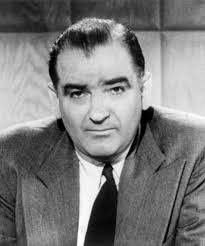
Joseph McCarthy
Americans were already growing increasingly fearful of Communism:
- Soviet dictator Joseph Stalin had not withdrawn the Red Army from the countries it had occupied in Eastern Europe during World War II.
- In 1948, the Soviet Union developed—and demonstrated—its own atomic bomb, an achievement U.S. scientists had claimed would not happen for at least a decade.
- In 1949, China fell to the triumphant armies of Mao Tse Tung. Generalissimo Chaing Kai Shek was driven from mainland China to the tiny island of Taiwan.
Anti-communism as a lever to political advancement sharply accelerated following McCarthy’s speech.
No American—no matter how prominent—was safe from the accusation of being a Communist or a Communist sympathizer—”a Comsymp” or “fellow traveler” in the language of the era.
Among those accused:
- Secretary of State George C. Marshall, who had overseen America’s strategy for defeating Nazi Germany and Imperial Japan.
- President Harry S. Truman.
- Playwrights Lillian Hellman and Arthur Miller.
- Folksinger Pete Seeger.
- Actors Charlie Chaplin, Zero Mostel, Lloyd Bridges, Howard Da Silva, Edward G. Robinson and John Garfield.
- Composers Arron Copland and Elmer Bernstein.
- Physicist J. Robert Oppenheimer, who presided over the creation of America’s atomic bomb, thus forcing Japan to surrender.
- Actresses Lee Grant, Delores del Rio, Ruth Gordon and Lucille Ball.
- Journalists Edward R. Murrow and William L. Shirer, who had chronicled the rise of Nazi Germany.
- Writers Irwin Shaw, Howard Fast, John Steinbeck and Dashiell Hammett

Even prominent Republicans became targets for slanderous attacks on their patriotism. The most prominent of these: President Dwight D. Eisenhower—was labeled ”a conscious, dedicated agent of the Communist Conspiracy” by Robert Welch, founder of the John Birch Society in 1958.
In 1953, McCarthy attacked the leadership of the United States Army as “a hotbed of traitors” and convened an inquiry through the Senate Permanent Subcommittee on Investigations.
But the hearings exposed McCarthy as a bullying demagogue. A Senate committee condemned his behavior for “bring[ing] the Senate into dishonor and disrepute.” Shunned in disgrace by his onetime colleagues, McCarthy drowned his sorrows in alcohol, dying in 1957.
But even without McCarthy, Republicans rode the issue of anti-Communism to victory from 1948 to 1992. “Respectable” anti-Communists—like Richard M. Nixon—depicted themselves as the only ones who could be trusted to safeguard America.
Republicans held the White House for eight years under Dwight D. Eisenhower, then lost it in 1960 to John F. Kennedy and again in 1964 to Lyndon B. Johnson.
By 1968, with the nation mired in Vietnam and convulsed by antiwar demonstrations and race riots, Americans elected Richard Nixon, who preyed upon their fears and hates of blacks and “the Communist menace.”
The same strategy re-elected him in 1972.
Jimmy Carter won the Presidency in 1976 and lost it in 1980 to Ronald Reagan. And Republicans held the White House until 1992.
Upon taking office as President in 1981, Ronald Reagan decided to end the “stalemate” of “containing” Communism. He intended to “roll it back.”
American proxies fought Soviet proxies in Afghanistan and Central America, but the world escaped nuclear holocaust.
During the 1980s and 1990s, Republicans continued to accuse Democrats of being devious agents—or at least unwitting pawns—of “the Communist conspiracy.”
In 1992, President George H.W. Bush and the Republican establishment charged that Arkansas Governor Bill Clinton might be a KGB plant.
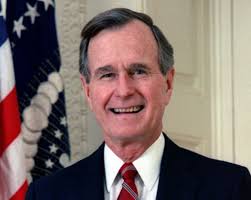
George H.W. Bush
Their “evidence”: During his tenure at Oxford University in 1969-70, Clinton had briefly visited Moscow.
After the Soviet Union’s collapse in 1991, Republicans found that accusing Democrats of being “Commies” didn’t carry the same weight.
So they turned to “domestic enemies” to rail—and run—against: Liberals, blacks, Hispanics, “uppity” women, war protesters, lesbians, gays, and—after 9/11—Muslims.
From 1945 to 2015, it was unthinkable for a Republican Presidential candidate to pay tribute to a Soviet dictator.
But that utterly changed when Donald J. Trump, a “reality TV” host with longstanding financial ties to Russian oligarchs, ran for President of the United States.
Donald Trump
Trump lavishly praised Russian President Vladimir Putin—and even invited him to directly interfere in the 2016 Presidential race.
The reason for the Trump-Putin bromance: Each had something to offer the other.
Putin wanted the United States to ditch the North Atlantic Treaty Organization (NATO) alliance, which had preserved Western Europe from Russian aggression since World War II. And Trump had often attacked America’s funding of NATO as a drain on the American economy.
And Trump wanted to be President. For this, Putin could supply monies, Internet trolls to confuse voters with falsified news—and even the hacking of key voting centers.


ABC NEWS, ALTERNET, AMERICABLOG, AP, AYATOLLAH RUHOLLAH KHOMEINI, BABY BOOMER RESISTANCE, BBC, BUZZFEED, CBS NEWS, CHRISTIAN RIGHT, CNN, COLD WAR, CROOKS AND LIARS, CZECHOSLOVAKIA, DAILY KOS, DAILY KOZ, DRUDGE RETORT, EGYPT, FACEBOOK, FIVETHIRTYEIGHT, GLOBAL WARMING, HARPER’S MAGAZINE, HUNGARIAN UPRISING, HUNGARY, IRAN, IRAQ, ISLAM, ISRAEL, JESUS CHRIST, MEDIA MATTERS, MIDDLE EAST, MOTHER JONES, MOVEON, MSNBC, NBC NEWS, NEWSWEEK, NPR, Oil, PBS NEWSHOUR, POLITICO, POLITICUSUSA, RAW STORY, REUTERS, SALON, SAND CURTAIN, SEATTLE TIMES, SECOND COMING, SHAH OF IRAN, SHIITE MUSLIMS, SLATE, SOVIET UNION, SUNNI MUSLIMS, TALKING POINTS MEMO, TERRORISM, THE ATLANTIC, THE CHICAGO SUN-TIMES, THE CHICAGO TRIBUNE, THE DAILY BEAST, THE DAILY BLOG, THE GUARDIAN, THE HILL, THE HUFFINGTON POST, THE LOS ANGELES TIMES, THE NATION, THE NEW REPUBLIC, THE NEW YORK TIMES, THE VILLAGE VOICE, THE WALL STREET JOURNAL, THE WASHINGTON POST, THINKPROGRESS, TIME, TRUTHDIG, TRUTHOUT, TWITTER, TWO POLITICAL JUNKIES, U.S. NEWS & WORLD REPORT, UNITED STATES, UPI, USA TODAY, WONKETTE
A “SAND CURTAIN” FOR THE MIDDLE EAST
In Bureaucracy, History, Politics, Social commentary on January 9, 2020 at 12:10 amThere can be peace—at least for the United States—in the Middle East.
But to achieve this, Western Europe and the United States will have to make radical changes in their approach to that part of the world.
First, the United States must embark on a crash program to develop alternatives to oil.
The Islamic world offers only one reason for American concern: oil.
Yet its consumption threatens the future of the world through global warming. And it keeps America tethered to regimes that are fundamentally unstable and hostile to the West.
Second, once the United States weans itself from its dependency on fossil fuels, it can safely end its relationship with such regimes.
That means putting an end to spending billions of dollars every year to prop up dictatorial regimes like those in Iraq and Egypt. And it also means stopping the supply of big-ticket military hardware (like fighter planes and missiles) to Islamic regimes.
When the Shah of Iran was overthrown in 1979, he was probably the best-armed Islamic leader in the Middle East. His army and air force bristled with sophisticated American weaponry he had bought with billions of dollars in oil revenues.
Shah of Iran
But he had thoroughly alienated his people. Liberals thought him a tyrant, and conservatives thought him a traitor to Islam. So when Ayatollah Ruhollah Khomeini flew to Iran from his self-exile in Paris, no one in the Shah’s army and air force raised a hand in his defense.
And all that sophisticated American weaponry fell into Khoemeini’s waiting hands.
Third, the United States should end its “Permanent Bodyguard” relationship with Israel.
Every nation—-including Israel—has the absolute right to defend itself from aggression.
But no nation—including Israel—has the right to expect another nation to act as its permanent bodyguard.
Millions of Americans believe they are morally obligated to defend Israel owing to the barbarism of the Holocaust. But America was never a party to this, and has nothing to atone for.
But there is another reason many Americans feel committed to Israel. And it has nothing to do with concern for the fates of Israelis.
It lies in the mythology of the Christian Right. Millions of fundamentalist Christians believe that before Jesus Christ can awaken from his 2,000-year slumber, Israel must first re-conquer every inch of territory it supposedly held during the reign of Kings David and Solomon.
Right-wing Christian fantasy: Dead man hovering
After Christ returns, they believe, the Jews will face a choice: Become Christians or go to hell. For evangelical Christians, Jews remain the eternal “Christ killers.”
And if Jews must assume temporary control of the Middle East to bring about the return of a man who died 2,000 years ago, so be it.
Many Right-wing members of the House of Representatives and Senate share this utterly irrational belief—thus proving their unfitness for public office.
Fourth, the United States and its Western European allies should erect a “Sand Curtain” around the Middle East.
For 44 years—1947 to 1991—the United States and the Soviet Union were locked in a Cold War. Essentially, the United States drew a ring around the Soviet Union—including those nations its armies had seized following the defeat of Nazi Germany in 1945.
The United States said, in effect: “We can’t liberate the countries you’re now occupying”—because that would have triggered a nuclear World War III. “But we won’t allow you to occupy and enslave any other countries. And if you try to do so, it will mean total war.”
That’s why America did nothing to aid Hungarians when they overthrew their Soviet occupiers in 1956. That rebellion was quickly and brutally crushed.
And the United States stood by when Soviet tanks rolled into Prague in 1968 after Czechoslovakia dared to relax controls over its citizens.
Fifth, a “Sand Curtain” around the Middle East would work as follows:
America would withdraw all of its forces from the Middle East—but keep a good portion stationed in Europe.
The President would then publicly announce: “From now on, you are the masters of your own destinies—so long as what you do affects only those of you living in the Middle East.
“We recognize that barbarism and violence have always been a part of life in the Middle East. And we don’t expect this to change.
“So go ahead and destroy as many of your own citizens as you wish—either because they’re Jewish or Christians, or because Sunni Muslims hate Shiite Muslims and Shiite Muslims hate Sunni Muslims.
“Just don’t do anything that poses a threat to those living outside your barbaric lands. In short: Western Europe and the United States are strictly off-limits to you.
“If you aim your aggression at either, we will consider this an act of war and use all the weapons at our disposal—including nuclear ones—to wipe you from the face of the Earth.“
The United States cannot enforce peace between Islamics and Israelis. Nor between Christians and Islamics. Nor between Islamics and Islamics.
But it can impose an embargo to confine such barbarism to only the Middle East.
Share this: