Posts Tagged ‘RUSSIA’
2003 IRAQ WAR, ABC NEWS, ADOLF HITLER, ALTERNET, AMERICABLOG, AP, BABY BOOMER RESISTANCE, BBC, BLOOMBERG NEWS, BUZZFEED, CBS NEWS, CHINA, CNN, CRIMEAN PENINSULA, CROOKS AND LIARS, DAILY KOZ, DONALD TRUMP, ECONOMIC SANCTIONS, EDOUARD DELADIER, ENGLAND, FACEBOOK, FIVETHIRTYEIGHT, FRANCE, GEORGE W. BUSH, HARPER’S MAGAZINE, HUFFINGTON POST, IRAN, JOACHIM VON RIBBENTROP, KIEV, MEDIA MATTERS, MOSKOVA (SHIP), MOTHER JONES, MOVEON, MSNBC, MUNICH CONFERENCE, NATO, NBC NEWS, NEVILLE CHAMBERLAIN, NEW REPUBLIC, NEWSDAY, NEWSWEEK, NPR, PBS NEWSHOUR, POLAND, POLITICO, POLITICUSUSA, RAW STORY, REPUBLIC OF GEORGIA, REUTERS, RUBLES, RUSSIA, SADDAM HUSSEIN, SALON, SEATTLE TIMES, SECOND CHECHEN WAR, SLATE, SOVIET UNION, TALKING POINTS MEMO, THE ATLANTIC, THE CHICAGO SUN-TIMES, THE CHICAGO TRIBUNE, THE DAILY BEAST, THE DAILY BLOG, THE GUARDIAN, THE HILL, THE HUFFINGTON POST, THE INTERCEPT, THE LOS ANGELES TIMES, THE NATION, THE NEW REPUBLIC, THE NEW YORK TIMES, THE NEW YORKER, THE VILLAGE VOICE, THE WASHINGTON POST, THINKPROGRESS, TIME, TRUTHDIG, TRUTHOUT, TWITTER, TWO POLITICAL JUNKIES, U.S. NEWS & WORLD REPORT, UKRAINE, UNITED STATES, UPI, USA TODAY, VLADIMIR PUTIN, WONKETTE
In Bureaucracy, Business, History, Military, Politics, Social commentary on October 12, 2022 at 12:10 am
On February 28, CNN’s website published the following headline: Russia faces financial meltdown as sanctions slam its economy.
The story opened:
“Russia was scrambling to prevent financial meltdown Monday as its economy was slammed by a broadside of crushing Western sanctions imposed over the weekend in response to the invasion of Ukraine.”
That unprovoked attack opened on February 24, with missile and artillery attacks, striking major Ukrainian cities, including Kiev.
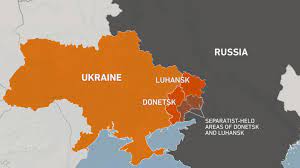
Ukraine vs. Russia
Russian President Vladimir Putin believed that the conquest of Ukraine would be a cakewalk. Intent on restoring the borders of the former Soviet Union, he had swept from one successful war to the next:
- In 1999-2000, he waged the Second Chechen War, restoring federal control of Chechnya.
- In 2008, he invaded the Republic of Georgia, which had declared its independence as the Soviet Union began to crumble. By war’s end, Russia occupied 20% of Georgia’s territory.
- In 2014, Putin invaded and annexed the Crimean Peninsula from Ukraine.
Meanwhile, the North Atlantic Treaty Organization (NATO) launched only verbal condemnations.
The reasons:
- Fear of igniting a nuclear war;
- Belief that Russia was simply acting within its own sphere of influence; and/or
- Then-President Donald Trump’s repeated attacks on NATO and displays of subservience to Putin.
NATO emblem
Russia had began massing troops on the Ukrainian border in 2021.
When the invasion came, the United States and its Western European allies retaliated with unprecedented economic sanctions.
Among the resulting casualties:
- The ruble crashed.
- Russia’s central bank more than doubled interest rates to 20%.
- Economists predicted the Russian economy could decline by five percent.
- The West—especially the United States—froze at least half of the $630 billion in international reserves that Putin had amassed to stave off tough sanctions.
Then the war bogged down for Russia:
- In late August, Ukraine, using missile systems supplied by the United States, destroyed Russian ammunition dumps and a Russian air base in Crimea.
- By September, Ukrainian forces recaptured much of the northeastern Kharkiv region, including the city of Izium, which the Russians had been using as a logistics hub.
- On September 21, Putin announced the partial mobilization of 300,000 military reservists. All male citizens below 60 are now eligible to be drafted.
- This, in turn, led at least 194,000 Russian men to such neighboring countries as Turkey, Georgia, Kazakhstan and Mongolia.
In short: The war is not going the way Putin assumed it would.

Vladimir Putin
Kremlin.ru, CC BY 4.0 <https://creativecommons.org/licenses/by/4.0>, via Wikimedia Commons
This is not the first time a dictator has guessed wrong about the results of his actions.
On September 1, 1939, German Fuhrer Adolf Hitler ordered his armies to invade Poland.
Almost a year earlier—on September 29, 1938—he had bullied British Prime Minister Neville Chamberlain and French Prime Minister Edouard Daladier into surrendering the northern, southwest and western regions of Czechoslovakia, inhabited mostly by ethnic Germans.
The Munich Agreement whetted Hitler’s appetite for greater conquests—and fueled his contempt for England and France: “Our enemies are little worms,” he said in a conference with his generals. “I saw them at Munich.”
He believed he could conquer Poland, and Chamberlain and Daladier would meekly ratify his latest acquisition.
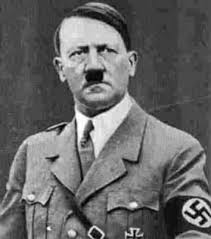
Adolf Hitler
So he was stunned when, on September 3, 1939, Britain and France—however reluctantly—honored their pledged word to Poland and declared war on Germany.
“What now?” Hitler furiously asked his Foreign Minister, Joachim von Ribbentrop.
Ribbentrop had no answer.
Knowing that Germany lacked the resources for a long war, Hitler had intended to fight a series of quick, small wars, gobbling up one country at a time. Now he found himself locked in an endless war with heavyweights France and England—and eventually the Soviet Union and the United States.
He stayed locked into that war until he committed suicide on April 30, 1945, and the Third Reich officially collapsed on May 7.
Fifty-eight years later, on March 21, 2003, President George W. Bush’s attacked Saddam Hussein’s Iraq.
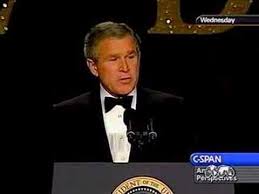
George W. Bush
The war started impressively, with 1,700 air sorties and 504 Cruise missiles.
Within two weeks, American ground forces entered Baghdad. After four days of intense fighting, the Iraqi regime fell. By April 14, the Pentagon reported that major military operations had ended.
On May 1, 2003, Bush declared that the war was won.
But then American forces became embroiled in an endless, nationwide guerrilla war. Eighteen years later, the United States was still fighting in Iraq.
The war that Bush had deliberately provoked:
- Took the lives of 4,484 Americans.
- Cost the United States Treasury at least $2 trillion.
- Allowed Iran—Iraq’s arch enemy—to eagerly fill it.
- Frightened and repelled even America’s closest allies.
- Killed at least 655,000 Iraqis.
- Frightened China and Russia into expanding the size of their militaries.
And Putin?
- A major reason for his attack: To prevent Ukraine from joining NATO.
- But it has frightened Sweden and Finland into joining NATO.
- After four years of the Putin-appeasing Trump administration, the United States, under President Joe Biden, has aggressively supplied sophisticated weapons to Ukraine.
- Through a series of humiliating battlefield defeats and by enraging millions of Russians with a draft, Putin has locked himself into a no-win position.
- And NATO is now fully revitalized to meet future Russian threats.
Thus do the worst intentions of hubristic dictators often come undone.
2020 PRESIDENTIAL ELECTION, ABC NEWS, ABRAHAM LINCOLN, ADAM SCHIFF, ALEXANDER VINDMAN, ALTERNET, AMERICABLOG, AP, BABY BOOMER RESISTANCE, BLOOMBERG, BUZZFEED, CBS NEWS, CNN, CROOKS AND LIARS, DAILY KOZ, DAVID BROOKS, DEMOCRATS, DONALD TRUMP, DRUDGE RETORT, FACEBOOK, FIVETHIRTYEIGHT, FOX NEWS NETWORK, GERRYMANDERING, HARPER’S MAGAZINE, HOUSE INTELLIGENCE COMMITTEE, HOWARD BAKER, HUNTER BIDEN, IMPEACHMENT, JOE BIDEN, JOEL MATHIS, LYNDON JOHNSON, MARIA YOVANOVICH, MARK SHIELDS, MEDIA MATTERS, MEDICAID, MICK MULVANEY, MOTHER JONES, MOVEON, MSNBC, NATIONAL SECURITY COUNCIL, NBC NEWS, NEWSWEEK, NPR, PBS NEWSHOUR, POLITICO, POLITICUSUSA, RAW STORY, REPUBLICANS, REUTERS, RICHARD NIXON, RUDI GIULIANI, RUSSIA, SALON, SEATTLE TIMES, SLATE, TALKING POINTS MEMO, THE ATLANTIC, THE CHICAGO SUN-TIMES, THE CHICAGO TRIBUNE, THE DAILY BEAST, THE DAILY BLOG, THE GUARDIAN, THE HILL, THE HUFFINGTON POST, THE LOS ANGELES TIMES, THE NATION, THE NEW REPUBLIC, THE NEW YORK TIMES, THE VILLAGE VOICE, THE WASHINGTON POST, THINKPROGRESS, TIME, TRUTHDIG, TRUTHOUT, TWITTER, TWO POLITICAL JUNKIES, U.S. NEWS & WORLD REPORT, UKRAINE, UPI, USA TODAY, VOLODYMYR ZELENSKY, VOTER ID LAWS, WATERGATE, WONKETTE
In Bureaucracy, History, Law, Law Enforcement, Military, Politics, Social commentary on September 29, 2022 at 12:15 am
On November 22, 2019, Mark Shields—a liberal syndicated columnist—and David Brooks—a conservative one for The New York Times—reached disturbingly similar conclusions about President Donald Trump’s efforts to extort a “favor” from Ukrainian President Volodymyr Zelensky.
DAVID BROOKS: “What strikes me [is] that everyone was in the loop, that this was not something they tried to hide.
“This was just something they thought was the way politics gets done or foreign policy gets done, that there’s no division between personal gain and public service.”
MARK SHIELDS: “What I have underestimated….is the fear that Donald Trump exercises over Republicans. I mean, people talked about Lyndon Johnson being a fearsome political leader. They don’t even approach. I mean, he strikes fear into the hearts of Republicans up and down the line. And I think that….has been eye-opening in its dimensions.”
Nor did the GOP try to reign Trump in.
In a November 14, 2019 column, “Republicans Can’t Abandon Trump Now Because They’re All Guilty,” freelance journalist Joel Mathis warned: “Trump’s abuses of power mirror those of the GOP as a whole. Republicans can’t turn on him, because doing so would be to indict their party’s entire approach to politics.”
For example:
- At the state level, GOP legislatures have passed numerous voter ID laws over the last decade. Officially, the reason has been to prevent non-citizens from voting. In reality, the motive is to depress turnout among Democratic constituencies.
- When Democrats have won elections, Republicans have tried to block them from carrying out their policies. In Utah, voters approved Medicaid expansion at the ballot box—but Republicans nullified this.
- In North Carolina, Republican legislators prevented voters from choosing their representatives. Instead, Republican representatives chose voters through partisan sorting. In September, the state’s Supreme Court ruled the legislative gerrymandered district map unconstitutional.
The upshot of all this: “The president and his party are united in the belief that their entitlement to power allows them to manipulate and undermine the country’s democratic processes….”


On November 21, 2019, Representative Adam Schiff (D-CA), chairman of the House Intelligence Committee, attacked Republicans’ total rejection of the overwhelming evidence linking Trump with extortion:

Adam Schiff
“But apparently, it’s all hearsay. Even when you actually hear the President….that’s hearsay. We can’t rely on people saying what the President said. Apparently, we can only rely on what the President says, and there, we shouldn’t even rely on that either….
“We should imagine he said something about actually fighting corruption, instead of what he actually said, which was, ‘I want you to do us a favor, though. I want you to look into this 2016 CrowdStrike conspiracy theory, and I want you to look into the Bidens.’
“I guess we’re not even supposed to rely on that because that’s hearsay….That would be like saying you can’t rely on the testimony of the burglars during Watergate because it’s only hearsay, or you can’t consider the fact that they tried to break in because they got caught. They actually didn’t get what they came for, so, you know, kind of no harm, no foul. That’s absurd.
“The difference between [Watergate and Trump’s attempted extortion of Ukraine] is not the difference between [Richard] Nixon and [Donald] Trump. It’s the difference between that Congress and this one. And so, we are asking, where is Howard Baker? Where are the people who are willing to go beyond their party to look to their duty?
“But the other defense besides ‘It failed, the scheme failed, they got caught,’ the other defense is ‘The President denies it.’ Well, I guess that’s case closed, right?
“….This President believes he is above the law, beyond accountability. And in my view, there is nothing more dangerous than an unethical President who believes they are above the law.”
* * * * *
The United States has indeed become a polarized country. But it’s not the polarization between Republicans and Democrats, or between conservatives and liberals.
It’s the polarization between
- Those intent on enslaving everyone who doesn’t subscribe to their Fascistic beliefs and agenda—and those who resist being enslaved.
- Those who believe in reason and science—and those who believe in an infallible “strong man” who rejects both.
- Those who cherish education—and those who celebrate ignorance.
- Those who believe in the rule of law—and those who believe in their right to act as a law unto themselves.
- Those who believe in treating others (especially the less fortunate) with decency—and those who believe in the triumph of intimidation and force.
Those who hoped that Republicans would choose patriotism over partisanship got their answer on February 5, 2020. That was when the Republican-dominated Senate—ignoring the overwhelming evidence against him—acquitted Donald Trump on both impeachment articles: Obstruction of Congress and Abuse of Power.
It’s natural to regret that the United States has become a sharply divided nation. But those who lament this should realize there is only one choice:
Either non-Fascist Americans will destroy the Republican party and its voters that threaten to enslave them—or they will be enslaved by Republicans and their voters who believe they are entitled to manipulate and undermine the country’s democratic processes.
There is no middle ground.
2020 PRESIDENTIAL ELECTION, ABC NEWS, ABRAHAM LINCOLN, ADAM SCHIFF, ALEXANDER VINDMAN, ALTERNET, AMERICABLOG, AP, BABY BOOMER RESISTANCE, BLOOMBERG, BUZZFEED, CBS NEWS, CNN, CROOKS AND LIARS, DAILY KOZ, DAVID BROOKS, DEMOCRATS, DONALD TRUMP, DRUDGE RETORT, FACEBOOK, FIVETHIRTYEIGHT, FOX NEWS NETWORK, GERRYMANDERING, HARPER’S MAGAZINE, HOUSE INTELLIGENCE COMMITTEE, HOWARD BAKER, HUNTER BIDEN, JOE BIDEN, JOEL MATHIS, LYNDON JOHNSON, MARIA YOVANOVICH, MARK SHIELDS, MEDIA MATTERS, MEDICAID, MICK MULVANEY, MOTHER JONES, MOVEON, MSNBC, NATIONAL SECURITY COUNCIL, NBC NEWS, NEWSWEEK, NPR, PBS NEWSHOUR, POLITICO, POLITICUSUSA, RAW STORY, REPUBLICANS, REUTERS, RICHARD NIXON, RUDI GIULIANI, RUSSIA, SALON, SEATTLE TIMES, SLATE, TALKING POINTS MEMO, THE ATLANTIC, THE CHICAGO SUN-TIMES, THE CHICAGO TRIBUNE, THE DAILY BEAST, THE DAILY BLOG, THE GUARDIAN, THE HILL, THE HUFFINGTON POST, THE LOS ANGELES TIMES, THE NATION, THE NEW REPUBLIC, THE NEW YORK TIMES, THE VILLAGE VOICE, THE WASHINGTON POST, THINKPROGRESS, TIME, TRUTHDIG, TRUTHOUT, TWITTER, TWO POLITICAL JUNKIES, U.S. NEWS & WORLD REPORT, UKRAINE, UPI, USA TODAY, VOLODYMYR ZELENSKY, VOTER ID LAWS, WATERGATE, WONKETTE
In Bureaucracy, History, Law, Law Enforcement, Military, Politics, Social commentary on September 28, 2022 at 12:07 am
On November 14, 2019, the CNN website showcased an opinion piece by Jane Carr and Laura Juncadella entitled: “Fractured States of America.”
And it opened:
“Some worry that it’s already too late, that we’ve crossed a threshold of polarization from which there is no return. Others look toward a future where more moderate voices are heeded and heard, and Americans can find better ways to relate to each other. Still others look back to history for a guide—perhaps for what not to do, or at the very least for proof that while it’s been bad before, progress is still possible.”
A series of sub-headlines summed up many of the comments reported.
- “I was starting to hate people that I have loved for years.”
- “Voting for Trump cost me my friends.”
- “I feel like I’m living in hostile territory.”
- “Our children are watching this bloodsport.”
- “A student’s Nazi-style salute reflects the mate.”
- “Our leaders reflect the worst of us.”
- “I truly believe I will be assaulted over a bumper sticker.”
- “It already feels like a cold war.”
It’s natural to regret that the United States has become so self-destructively polarized. And to wish that its citizens could somehow reach across the chasm that divides them and find common cause with one another.
But that is to ignore the brutal truth that America now faces a choice:
- To submit to the tyrannical aggression of a ruthless political party convinced that they are entitled to power to manipulate and undermine the country’s democratic processes; or
- To fiercely resist that aggression and the destruction of those democratic processes.
Consider the face-off between President Donald J. Trump and Army Lt. Colonel Alexander Vindman.
Vindman is a retired United States Army officer who served as the Director for European Affairs for the United States National Security Council. He was also a witness to Trump’s efforts to extort “a favor” from the president of Ukraine.
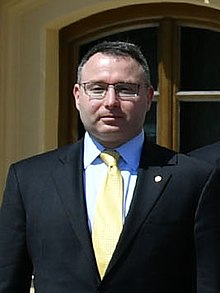
Lt. Colonel Alexander Vindman
Адміністрація Президента України [CC BY 4.0 (https://creativecommons.org/licenses/by/4.0)%5D
In July, 2019, Trump told his acting chief of staff, Mick Mulvaney, to withhold almost $400 million in promised military aid for Ukraine, which faced increasing aggression from Russia.
On July 25, Trump telephoned Ukrainian President Volodymyr Zelensky to “request” a “favor”: Investigate 2020 Democratic Presidential Candidate Joe Biden and his son, Hunter, who had had business dealings in Ukraine.
The reason for such an investigation: To find embarrassing “dirt” on Biden.
It was clear that unless Zelensky found “dirt” on Biden, the promised aid would not be forthcoming.
“I was concerned by the call,” Vindman, who had heard Trump’s phone call, testified before the House Intelligence Committee. “I did not think it was proper to demand that a foreign government investigate a U.S. citizen, and I was worried about the implications for the U.S. Government’s support of Ukraine.
“I realized that if Ukraine pursued an investigation into the Bidens and Burisma, it would likely be interpreted as a partisan play which would undoubtedly result in Ukraine losing the bipartisan support it has thus far maintained. This would all undermine U.S. national security.”
Trump denounced Vindman as a “Never Trumper”—as if opposing his extortion attempt constituted a blasphemy. Republicans and their shills on the Fox News Network attacked him as well. As a result, he sought physical protection by the Army for himself and his family.
(On February 7, 2020, he was reassigned from the National Security Council at Trump’s order.)
Donald Trump
On November 15, 2019, conservative New York Times columnist David Brooks and liberal syndicated columnist Mark Shields appeared on The PBS Newshour to offer their reactions by Republicans and Democrats to Trump’s extortion attempt.
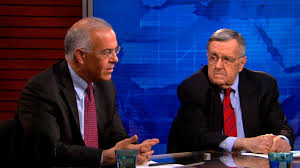
David Brooks and Mark Shields on “The PBS Newshour”
DAVID BROOKS: “The case is very solid and airtight that there was the quid pro quo. All the testimony points to that. And, mostly, you see a contrast. The first two gentlemen that testified on the first day, they were just upstanding, solid public servants.
“I felt like I was looking back in time, because I was looking at two people who are not self-centered. They cared about the country. They were serving. They had no partisan ax to grind. They were just honest men of integrity.
“And I thought we saw that again today with [former Ambassador to Ukraine] Marie Yovanovitch. And in her case, the day was more emotional, because you got to see a case of bullying against a strong, upstanding woman.
“And so I thought she expressed—like, the heavy moments of today where when she expressed her reaction to how badly she was treated. And so that introduces an element of emotion and pathos into what shouldn’t be just a legal proceeding. It should be something where people see the contrast between good people and bad people.”
MARK SHIELDS: “This is a story of corruption—corruption not in Ukraine, corruption in the United States.
“I mean, why? Why did they go to such lengths to denigrate, to attack, to try and destroy and sabotage the career of a dedicated public servant [United States Ambassador to Ukraine Marie Yovanovich], a person who had put her life on the line? Why did they do it? What was it, money? Was it power?”
2016 PRESIDENTIAL RACE, ABC NEWS, ALL THE KING’S MEN, ALL THE KINIG’S MEN (BOOK), ALTERNET, AMERICABLOG, ANDREW GOODMAN, ANGELO BRUNO, AP, BABY BOOMER RESISTANCE, BBC, BLOOMBERG NEWS, BLUE BLOODS, BUZZFEED, CAPITOL ATTACK, CARLO GAMBINO, CBS, CBS NEWS, CIVIL WAR, CNN, COINTELPRO, COUPS, CROOKS AND LIARS, DAILY KOS, DAILY KOZ, DEMOCRATS, DEPARTMENT OF HOMELAND SECURITY, DONALD TRUMP, ELECTORAL COLLEGE, ERIC SCHNEIDERMAN, FACEBOOK, FBI, FIVETHIRTYEIGHT, FRANK REAGAN, GAMBINO FAMILY, HARPER’S MAGAZINE, HUFFINGTON POST, INDEPENDENT COUNSEL, INSIDE HOOVER'S FBI (BOOK), J. EDGAR HOOVER, JAMES CHANEY, JAMES COMEY, JEFF SESSIONS, JOSEPH BIDEN, jOSH HAWLEY, JUSTICE DEPARTMENT, KU KLUX KLAN, LYNDON B. JOHNSON, MAFIA, MARJORIE TAYLOR GREENE, MEDIA MATTERS, MERRICK GARLAND, MICHAEL SCHWERNER, MILITIA GROUPS, MO BROOKS, MOTHER JONES, MOVEON, MSNBC, NBC NEWS, NEIL J. WELCH, NEW REPUBLIC, NEW YORK POLICE DEPARTMENT, NEWSDAY, NEWSWEEK, NPR, OBSTRUCTING CONGRESSIONAL PROCEEDINGS, PBS NEWSHOUR, POLITICO, POLITICUSUSA, RAW STORY, REPUBLICANS, REUTERS, RIGHT-WING TERRORISM, ROBERT MUELLER, ROBERT PENN WARREN, RUSSIA, SALON, SEATTLE TIMES, SERGEI KISLYAK, SEXUAL ASSAULT, SLANDER, SLATE, SWAT TEAMS, TALKING POINTS MEMO, TERRORISM, TERRORIST FINANCE TRACKING PROJECT, THE ATLANTIC, THE CHICAGO SUN-TIMES, THE CHICAGO TRIBUNE, THE DAILY BEAST, THE DAILY BLOG, THE GUARDIAN, THE HILL, THE HUFFINGTON POST, THE LOS ANGELES TIMES, THE NATION, THE NEW REPUBLIC, THE NEW YORK TIMES, THE NEW YORKER, THE VILLAGE VOICE, THE WASHINGTON POST, THINKPROGRESS, TIM WEINER, TIME, TOM SELLECK, TREASON, TRUMP UNIVERSITY, TRUTHDIG, TRUTHOUT, TWITTER, TWO POLITICAL JUNKIES, U.S. NEWS & WORLD REPORT, UNITED STATES DEPARTMENT OF JUSTICE, UNITED STATES DEPARTMENT OF THE TREASURY, UNITED STATES HOUSE OF REPRESENTATIVES, UNITED STATES PARK POLICE, UNITED STATES SECRET SERVICE, UNITED STATES SENATE, UNITED STATES SUPREME COURT, UPI, USA PATRIOT ACT, USA TODAY, USA TODAY DONALD TRUMP, VLADIMIR PUTIN, WILLIAM C. SULLIVAN, WILLIE STARK, WONKETTE
In Bureaucracy, History, Law, Law Enforcement, Politics, Social commentary on August 31, 2022 at 12:12 am
On September 2, 1964, the FBI launched a full-blown counterintelligence program against the Ku Klux Klan—COINTELPRO—WHITE HATE in FBI-speak.
Tim Weiner, author of Enemies: A History of the FBI, chronicles the methods used by the Bureau:
“WHITE-HATE intensified in the fall of 1964. It involved all the techniques in the FBI’s long-running attack on the Left. Once a week….FBI agents interrogated all known members of the White Knights of the KKK, blaming other Klansmen for being snitches and naming names, sowing deep suspicion among Klan members. Few knew who was an informer and who was not.

A Ku Klux Klan meeting
“The FBI dangled small fortunes before potential Klan informers, offered outright bribes to Klansmen who could serve as double agents inside state and local police forces, planted bugs and wiretaps in Klaverns, carried out black bag jobs to steal membership lists….”
Other tactics included:
- Contacting the news media to publicize arrests and identify Klan leaders;
- Informing the employers of known Klansmen of their employees’ criminal activity, resulting in the firing of untold numbers of them;
- Breaking up the marriages of Klansmen by circulating rumors of their infidelity among their wives.
“When the Klan reached 14,000 in the mid-sixties, I asked to take over the investigation of the Klan,” recalled William C. Sullivan, who headed the FBI’s Domestic Intelligence Division in the 1960s. “When I left the Bureau in 1971, the Klan was down to a completely disorganized 4,300. It was broken.”

William C. Sullivan
According to Neil J. Welch, the retired Special Agent in Charge (SAC) of the FBI’s Buffalo, New York office:
“A Klan Bureau of Investigation (KBI) was created to counter the FBI, and its members placed the wives and children of agents under surveillance, harassing them with taunts and anonymous phone calls,” wrote Welch in his memoir, Inside Hoover’s FBI.
“It was a serious miscalculation. The most dangerous members of the KBI were systematically identified and assigned to agents selected solely because they were comparatively dangerous. The agents had full discretion.
“During the next few months, a number of men previously involved in Klan violence around the state seemed, by remarkable coincidence, to experience misfortune. Some disappeared from the area. Some were forced to leave Mississippi for health reasons. A few took unplanned trips to places like Mexico and seemed to lose all interest in the Klan upon their return.”
A similar effort, focusing on Right-wing terrorism, could include the following:
- The FBI’s designating Right-wing political and terrorist groups as the Nation’s #1 enemy.
- Reviving the FBI’s legendary COINTELPRO (“Counterintelligence Program”) that destroyed the Ku Klux Klan in the late 1960s. Among the methods that can be used:
- Turning the Bureau’s powerful arsenal—bugs, wiretaps, informants, SWAT teams—on them.
- Buying the cooperation of informants within Right-wing organizations.
- Conducting “black bag jobs” to steal membership lists of of Right-wing organizations.
- Breaking up the marriages of prominent Right-wingers by circulating rumors of their infidelity among their wives.
- Informing the employers of known Right-wing terrorists of their employees’ criminal activity, resulting in the firing of untold numbers of them.
- Contacting the news media to publicize the arrests of prominent Right-wing leaders.
- When Right-wing terrorists target Federal law enforcement agents and/or their families for harassment or worse, they can be targeted for similar intimidation or removal.

FBI SWAT member
A revised COINTELPRO could be supplemented by the following:
- Creating tip hotlines for reporting illegal Right-wing activities—and offering rewards for information that leads to arrests.
- Prosecuting militia groups for violating Federal firearms laws.
- Treating calls for the murder of members of Congress—as Georgia Representative Marjorie Taylor Greene has done-–as felonies punishable by lengthy imprisonment.
- Prosecuting Right-wing leaders involved in the treasonous assault on the United States Capitol Building.
- Prosecuting as “accessories to treason” all those Republican members of Congress who stoked Right-wing anger by lying that the 2020 Presidential election had been stolen from Donald Trump, although every objective news source proved he had lost.
- Directing the Treasury Department’s Terrorist Finance Tracking Program (TFTP) at fundamentalist Christian churches that finance Right-wing terrorism—just as it halts the financing of Islamic terrorist groups by Islamic organizations.
- Using drones, planes and/or helicopters to provide security against similar Right-wing terror demonstrations—especially in Washington, D.C.
- Using the Federal Communications Commission to ban Fox News—the Nation’s #1 Right-wing propaganda network—from representing itself as a legitimate news network, and requiring that its stories carry labels warning viewers: “This is Right-wing propaganda, NOT news.”
- Encouraging victims of Right-wing hate-speech to file libel/slander lawsuits against their abusers—such as the parents of murdered children at Sandy Hook Elementary School successfully did against Alex Jones.
- Using Federal anti-terrorist laws to arrest, prosecute and imprison Right-wingers who openly carry firearms and threaten violence, even if states allow such display of firearms.
- Seizing the assets of individuals and organizations found guilty of Right-wing terrorism offenses.
When you are constantly looking over your shoulder, your enemies are winning. When your enemies are constantly looking over their shoulder, you are winning.
2016 PRESIDENTIAL RACE, ABC NEWS, ALL THE KING’S MEN, ALL THE KINIG’S MEN (BOOK), ALTERNET, AMERICABLOG, ANDREW GOODMAN, ANGELO BRUNO, AP, BABY BOOMER RESISTANCE, BARACK OBAMA, BBC, BLOOMBERG NEWS, BLUE BLOODS, BUZZFEED, CAPITOL ATTACK, CARLO GAMBINO, CBS, CBS NEWS, CIVIL WAR, CNN, COINTELPRO, COUPS, CROOKS AND LIARS, DAILY KOS, DEMOCRATS, DEPARTMENT OF HOMELAND SECURITY, DONALD TRUMP, ELECTORAL COLLEGE, ERIC SCHNEIDERMAN, FACEBOOK, FBI, FIVETHIRTYEIGHT, FRANK REAGAN, GAMBINO FAMILY, HARPER’S MAGAZINE, HUFFINGTON POST, INDEPENDENT COUNSEL, INSIDE HOOVER'S FBI (BOOK), J. EDGAR HOOVER, JAMES CHANEY, JAMES COMEY, JEFF SESSIONS, JOSEPH BIDEN, jOSH HAWLEY, JUSTICE DEPARTMENT, KU KLUX KLAN, LYNDON B. JOHNSON, MAFIA, MARJORIE TAYLOR GREENE, MEDIA MATTERS, MERRICK GARLAND, MICHAEL SCHWERNER, MILITIA GROUPS, MO BROOKS, MOTHER JONES, MOVEON, MSNBC, NBC NEWS, NEIL J. WELCH, NEW REPUBLIC, NEW YORK POLICE DEPARTMENT, NEWSDAY, NEWSWEEK, NPR, OBSTRUCTING CONGRESSIONAL PROCEEDINGS, PBS NEWSHOUR, POLITICO, POLITICUSUSA, RAW STORY, REPUBLICANS, REUTERS, RIGHT-WING TERRORISM, ROBERT MUELLER, ROBERT PENN WARREN, RUSSIA, SALON, SEATTLE TIMES, SERGEI KISLYAK, SEXUAL ASSAULT, SLANDER, SLATE, SWAT TEAMS, TALKING POINTS MEMO, TERRORISM, TERRORIST FINANCE TRACKING PROJECT, THE ATLANTIC, THE CHICAGO SUN-TIMES, THE CHICAGO TRIBUNE, THE DAILY BEAST, THE DAILY BLOG, THE GUARDIAN, THE HILL, THE HUFFINGTON POST, THE LOS ANGELES TIMES, THE NATION, THE NEW REPUBLIC, THE NEW YORK TIMES, THE NEW YORKER, THE VILLAGE VOICE, THE WASHINGTON POST, THINKPROGRESS, TIM WEINER, TIME, TOM SELLECK, TREASON, TRUMP UNIVERSITY, TRUTHDIG, TRUTHOUT, TWITTER, TWO POLITICAL JUNKIES, U.S. NEWS & WORLD REPORT, UNITED STATES DEPARTMENT OF JUSTICE, UNITED STATES DEPARTMENT OF THE TREASURY, UNITED STATES HOUSE OF REPRESENTATIVES, UNITED STATES PARK POLICE, UNITED STATES SECRET SERVICE, UNITED STATES SENATE, UNITED STATES SUPREME COURT, UPI, USA PATRIOT ACT, USA TODAY, USA TODAY DONALD TRUMP, VLADIMIR PUTIN, WILLIAM C. SULLIVAN, WILLIE STARK, WONKETTE
In Bureaucracy, History, Law, Law Enforcement, Politics, Social commentary on August 30, 2022 at 12:10 am
Donald Trump’s followers are doing what even the Mafia has never dared: Threatening the lives of FBI agents and openly challenging the authority of the Justice Department.
On August 8, the FBI, under a search warrant issued by the Justice Department, seized 11 sets of classified documents from the former President’s home at Mar-a-Lago. These included four sets that were classified as “top secret,” according to the unsealed search warrant.
Since then, Trump’s legions of fanatical Right-wing followers have vented their fury at a wide range of their self-declared enemies: President Joe Biden, Democrats, Attorney General Merrick Garland, the Justice Department—-and especially the FBI.
On August 12, the FBI and Department of Homeland Security [DHS] issued a joint Intelligence bulletin warning of the increased threats aimed at federal law enforcement agencies.
FBI seal
“Since 8 August 2022, the FBI and DHS have identified multiple articulated threats and calls for the targeted killing of judicial, law enforcement, and government officials associated with the Palm Beach search, including the federal judge who approved the Palm Beach search warrant.
“The FBI and DHS have also observed the personal identifying information of possible targets of violence, such as home addresses and identification of family members, disseminated online as additional targets.”
“These threats are occurring primarily online and across multiple platforms, including social media sites, web forums, video sharing platforms, and image boards. The FBI and DHS would like to ensure that law enforcement, court, and government personnel are aware of the range of threats and criminal and violent incidents.
“The FBI and DHS have observed an increase in violent threats posted on social media against federal officials and facilities, including a threat to place a so-called dirty bomb in front of FBI Headquarters and issuing general calls for ‘civil war’ and ‘armed rebellion.'”
Even the Mafia—with one or two exceptions—has never threatened the lives of FBI agents. And when individual mobsters did, they found the consequences frightening.
In April, 1963, four New York mobsters knocked FBI agent John Foley to the ground, and then severely beat and kicked him. Foley had been conducting surveillance at the Brooklyn funeral of Carmine “The Doctor” Lombardozzi, a capo in the Gambino Mafia Family.
The FBI retaliated by launching an all-out war against the Gambinos. Agents leaned on the cartel’s boss, underboss, counselor and lieutenants. The Bureau also intensified the use of illegal electronic surveillance (wiretaps and hidden microphones) against the mobsters.

Map of Mafia families
Angelo Bruno, the boss of the Philadelphia crime syndicate, unwittingly informed a hidden microphone about how the FBI brutally drove home the message to “boss of all bosses” Carlo Gambino:
BRUNO: “They [the FBI] went to Carlo and named all his capos [lieutenants] to him. The FBI asked him: “Did you change the laws in your family, that you could hit FBI men, punch and kick them? Well, this is the test—that if you change the laws, and now you are going to hit FBI men, every time we pick up one of your people we are going to break their heads for them.’
“And, really, they picked up our guy, they almost killed him, the FBI. They don’t do that, you know. But they picked up one of his fellows and crippled him. They said, ‘This is an example. Now, the next time anyone lays a hand on an FBI man, that’s just a warning. There’s nothing else we have got to tell you.'”
Word traveled quickly through the nationwide organized crime network—and its leaders decreed there should be no further assaults on FBI agents.
The FBI may be gearing up to declare war on the radical Right. And it could be done the same way the FBI destroyed the Ku Klux Klan in the mid-1960s.
Klansmen had shot, lynched and bombed their way across the Deep South, especially in Alabama and Mississippi. Many Southern sheriffs and police chiefs were Klan sympathizers, if not outright members and accomplices.
On June 21, 1964, three civil rights workers disappeared in Philadelphia, Mississippi.
President Lyndon B. Johnson called J. Edgar Hoover, the legendary director of the FBI, and ordered an all-out investigation: “I want you to have the same kind of Intelligence [on the Klan] that you have on the communists.”
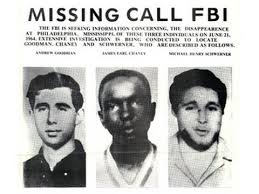
Poster for missing civil rights workers
For decades, Hoover had refused to tackle white hate groups. And, in truth, no President had been willing to give him the order to do so. But now a President had given him such an order.
In August, the FBI uncovered the bodies of the three missing civil rights activists—Michael Schwerner, Andrew Goodman and James Chaney.
On September 2, 1964, the Bureau launched a full-blown counterintelligence program against the Klan—COINTELPRO—WHITE HATE in FBI-speak.
Tim Weiner, author of Enemies: A History of the FBI, chronicles the methods used by the Bureau:
“WHITE-HATE intensified in the fall of 1964. It involved all the techniques in the FBI’s long-running attack on the Left. Once a week….FBI agents interrogated all known members of the White Knights of the KKK, blaming other Klansmen for being snitches and naming names, sowing deep suspicion among Klan members. Few knew who was an informer and who was not.”
2016 PRESIDENTIAL RACE, ABC NEWS, ALL THE KING’S MEN, ALL THE KINIG’S MEN (BOOK), ALTERNET, AMERICABLOG, ANDREW GOODMAN, ANGELO BRUNO, AP, BABY BOOMER RESISTANCE, BBC, BLOOMBERG NEWS, BLUE BLOODS, BUZZFEED, CAPITOL ATTACK, CARLO GAMBINO, CBS, CBS NEWS, CIVIL WAR, CNN, COINTELPRO, COUPS, CROOKS AND LIARS, DAILY KOS, DEMOCRATS, DEPARTMENT OF HOMELAND SECURITY, DONALD TRUMP, ELECTORAL COLLEGE, ERIC SCHNEIDERMAN, FACEBOOK, FBI, FIVETHIRTYEIGHT, FRANK REAGAN, GAMBINO FAMILY, HARPER’S MAGAZINE, HUFFINGTON POST, INDEPENDENT COUNSEL, INSIDE HOOVER'S FBI (BOOK), J. EDGAR HOOVER, JAMES CHANEY, JAMES COMEY, JEFF SESSIONS, JOSEPH BIDEN, jOSH HAWLEY, JUSTICE DEPARTMENT, KU KLUX KLAN, LYNDON B. JOHNSON, MAFIA, MARJORIE TAYLOR GREENE, MEDIA MATTERS, MERRICK GARLAND, MICHAEL SCHWERNER, MILITIA GROUPS, MO BROOKS, MOTHER JONES, MOVEON, MSNBC, NBC NEWS, NEIL J. WELCH, NEW REPUBLIC, NEW YORK POLICE DEPARTMENT, NEWSDAY, NEWSWEEK, NPR, OBSTRUCTING CONGRESSIONAL PROCEEDINGS, PBS NEWSHOUR, POLITICO, POLITICUSUSA, RAW STORY, REPUBLICANS, REUTERS, RIGHT-WING TERRORISM, ROBERT MUELLER, ROBERT PENN WARREN, RUSSIA, SALON, SEATTLE TIMES, SERGEI KISLYAK, SEXUAL ASSAULT, SLANDER, SLATE, SWAT TEAMS, TALKING POINTS MEMO, TERRORISM, TERRORIST FINANCE TRACKING PROJECT, THE ATLANTIC, THE CHICAGO SUN-TIMES, THE CHICAGO TRIBUNE, THE DAILY BEAST, THE DAILY BLOG, THE GUARDIAN, THE HILL, THE HUFFINGTON POST, THE LOS ANGELES TIMES, THE NATION, THE NEW REPUBLIC, THE NEW YORK TIMES, THE NEW YORKER, THE VILLAGE VOICE, THE WASHINGTON POST, THINKPROGRESS, TIM WEINER, TIME, TOM SELLECK, TREASON, TRUMP UNIVERSITY, TRUTHDIG, TRUTHOUT, TWITTER, TWO POLITICAL JUNKIES, U.S. NEWS & WORLD REPORT, UNITED STATES DEPARTMENT OF JUSTICE, UNITED STATES DEPARTMENT OF THE TREASURY, UNITED STATES HOUSE OF REPRESENTATIVES, UNITED STATES PARK POLICE, UNITED STATES SECRET SERVICE, UNITED STATES SENATE, UNITED STATES SUPREME COURT, UPI, USA PATRIOT ACT, USA TODAY, USA TODAY DONALD TRUMP, VLADIMIR PUTIN, WILLIAM C. SULLIVAN, WILLIE STARK, WONKETTE
In Bureaucracy, History, Law, Law Enforcement, Politics, Social commentary on August 29, 2022 at 12:10 am
After taking office as President, Donald Trump openly waged war on his own Justice Department—and especially its chief investigative agency, the FBI.
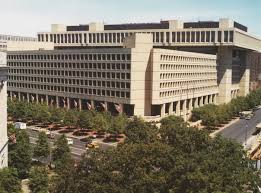
FBI headquarters
Among his attacks on federal law enforcers:
- Fired James Comey, the FBI director pursuing an investigation into Russia’s meddling in the 2016 Presidential race to ensure Trump’s election.
- Threatened to fire Independent Counsel Robert Mueller, who continued that investigation after he fired Comey.
- Repeatedly attacked—verbally and on Twitter—his Attorney General, Jeff Sessions, for recusing himself from overseeing the Russia investigation.
- (Sessions did so after the press revealed that, during the 2016 race, he twice met secretly with Russian Ambassador Sergei Kislyak.)
- Repeatedly attacked the integrity of the FBI, raising the possibility of his firing more of its senior leadership for investigating his ties to Russian president Vladimir Putin.
- Forced House Republicans to release a memo falsely accusing the FBI of pursuing a vendetta against him.
But the FBI could have refused to meekly accept such assaults.
A February 2 episode of the popular CBS police drama, “Blue Bloods,” offered a vivid lesson on bureaucratic self-defense against tyrants.
A shootout erupts in a crowded pub between a gunman and NYPD officers. Results: One dead gunman and one wounded bystander.
Problem: The bystander is an aide to New York Governor Martin Mendez.
Mendez visits One Police Plaze, NYPD headquarters, for a private chat with Commissioner Frank Reagan (Tom Selleck). From the outset, he’s aggressive, rude and threatening.
MENDEZ: I know you guys like to whitewash officer-involved shootings.
REAGAN: I do not.
MENDEZ: That’s not going to happen here. I want the cop who shot my guy fired and charged.
REAGAN: If the grand jury indicts, my officer could be terminated.
MENDEZ: We all want to protect our people, but mine come first.
Governor Mendez leaves Commissioner Reagan’s office. Later, he returns:
MENDEZ: We’ve got a serious problem.
REAGAN: Why? The grand jury declined to indict my officer.
MENDEZ: Your cop fired into a crowded room.
REAGAN: She returned fire, took out the shooter and likely saved lives.
MENDEZ: What are you going to do?
REAGAN: Our Internal Affairs investigation supports the grand jury’s finding, so the case is closed.
MENDEZ: Either you fire this cop, or I’ll order the Attorney General to investigate every questionable police shooting in the past 10 years and hold public hearings out loud and lights up.
REAGAN: Everybody loves a circus.
MENDEZ: Except the guy who’s got to shovel up afterwards.
At the end of the episode, a third—and final—meeting occurs in a restaurant between Reagan and Mendez.
MENDEZ: Have you dumped the cop who shot my guy?
REAGAN: No.
MENDEZ: Bad news.
REAGAN: Depends on what you compare it to. It turns out that your aide wasn’t drinking alone the night he was shot.
MENDEZ: So what? He’s single.
REAGAN: He was with a married woman.
MENDEZ: That’s on her, not on him.
REAGAN: Except she is married to his boss, your Chief of Staff.
MENDEZ: Sheesh!
REAGAN: Turns out this has been going on for over a year.
MENDEZ: So what are we doing?
REAGAN: If this gets out, the circus comes to Albany [where the governor has his office].
MENDEZ: Who else knows?
REAGAN: Right now it’s safe in the notebook of my lead detective. Whether or not it finds its way into an arrest report that’s subject to a Freedom of Information Act request—that’s a judgment call.
MENDEZ: Your judgment?
REAGAN: Yes.
MENDEZ: And if my investigation goes away?
REAGAN: Neither of us is shoveling up after the circus.
MENDEZ: I have your word on that?
REAGAN: Yes.
MENDEZ: You have a good evening, Commissioner.
J. Edgar Hoover, the legendary FBI director, used Realpolitik to ensure his reign for 48 years.
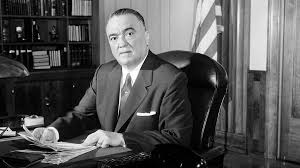
J. Edgar Hoover
As William C. Sullivan, the onetime director of the FBI’s Domestic Intelligence Division, revealed after Hoover’s death in 1972:
“The moment [Hoover] would get something on a senator, he’d send one of the errand boys up and advise the senator that ‘we’re in the course of an investigation, and we by chance happened to come up with this data on your daughter.
“‘But we wanted you to know this. We realize you’d want to know it.’ Well, Jesus, what does that tell the senator? From that time on, the senator’s right in his pocket.”
Donald Trump has long pursued a strategy of intimidation. But when people have refused to be cowed by his threats, he’s backed off.
During the 2016 Presidential campaign, more than a dozen women accused Trump of sexual misconduct, ranging from inappropriate comments to assault.
Trump responded: “The events never happened. Never. All of these liars will be sued after the election is over.”
Yet he didn’t file a single slander suit.
Similarly, when New York’s Attorney General Eric Schneiderman sued Trump for running a fraudulent university, Trump initially said he would fight the charge.
Instead, he settled the case by paying $25 million to compensate the 3,700 students Trump University had defrauded.
“You never have to frame anyone,” says Governor Willie Stark in Robert Penn Warren’s Pulitzer Prize-winning 1946 novel, All the King’s Men. “Because the truth is always sufficient.”
2016 PRESIDENTIAL ELECTION, 2020 PRESIDENTIAL ELECTION, 9/11 ATTACKS, ABC NEWS, ABRAHAM LINCOLN, ALTERNET, AMERICABLOG, AP, APPOMATTOX DEMOCRATS, ARNOLD SCHWARTZENEGGER, ASIANS, BABY BOOMER RESISTANCE, BARACK OBAMA, BBC, BLACKS, BLOOMBERG NEWS, BUZZFEED, CBS NEWS, CHARLES ROYSTER, CIVIL RIGHTS ACT OF 1964, CIVIL WAR, CNN, CONFEDERATE STATES OF AMERICA, COVID-19, CROOKS AND LIARS, DAILY KOZ, DAVID BROOKS, DELTA VARIANT, DONALD TRUMP, FACEBOOK, FIVETHIRTYEIGHT, FORT SUMTER, GEORGE W. BUSH, HARPER’S MAGAZINE, HILLARY CLINTON, HISPANICS, HUFFINGTON POST, JOHN OLIVER, JOHNSON & JOHNSON VACCINE, JONATHAN CAPEHART, KGB, LYNDON B. JOHNSON, MASKS, MEDIA MATTERS, MERYL STREEP, MODERNA VACCINE, MOTHER JONES, MOVEON, MSNBC, MUSLIMS, NBC NEWS, NEIL YOUNG, NEW REPUBLIC, NEWSDAY, NEWSWEEK, NPR, PBS NEWSHOUR, PHIZER VACCINE, POLITICO, POLITICUSUSA, PRISONERS OF WAR, RACISM, RAW STORY, RECONSTURCTION, REPUBLICANS, REUTERS, ROBERT E. LEE, RUSSIA, SALON, SEATTLE TIMES, SLATE, TALKING POINTS MEMO, THE ATLANTIC, THE CHICAGO SUN-TIMES, THE CHICAGO TRIBUNE, THE DAILY BEAST, THE DAILY BLOG, THE DESTRUCTIVE WAR (BOOK), THE DISABLES, THE GUARDIAN, THE HILL, THE HUFFINGTON POST, THE LOS ANGELES TIMES, THE NATION, THE NEW REPUBLIC, THE NEW YORK TIMES, THE NEW YORKER, THE SOUTH, THE VILLAGE VOICE, THE WASHINGTON POST, THINKPROGRESS, TIME, TREASON, TRUTHDIG, TRUTHOUT, TWITTER, TWO POLITICAL JUNKIES, U.S. NEWS & WORLD REPORT, ULYSSES S. GRANT, UPI, USA TODAY, VACCINATIONS, VLADIMIR PUTIN, WHITES, WOMEN, WONKETTE
In Bureaucracy, History, Medical, Politics, Social commentary, Uncategorized on July 29, 2022 at 12:11 am
Whites comprised the overwhelming majority of the audiences at Donald Trump’s 2016 Presidential campaign rallies. Not all were racists, but many of those who were advertised it on T-shirts: “MAKE AMERICA WHITE AGAIN.”
And the vast majority of the white votes Trump got were in the South.
The 2008 election of Barack Obama as the first black President had shocked whites. His 2012 re-election had deprived them of the hope that 2008 had been an accident.
Then came 2016—and the possibility that a black President might actually be followed by a woman: Former Secretary of State Hillary Clinton.
And for macho, largely uneducated, anti-black Southern males, the idea of a woman dictating to men was simply too much to bear.
Thus, the third map of Southern infamy: The election of Donald Trump.
When Trump declared his candidacy:
- The country was essentially at peace.
- Thanks to government loans from President Obama, American capitalism had been saved from its own excesses during the George W. Bush administration.
- Employment was up. CEOs were doing extremely well.
- Unlike the administration of Ronald Reagan, there had been no corruption scandals during the Obama Presidency.
- Nor had there been any large-scale terrorist attacks on American soil—like 9/11 under President George W. Bush.
Above all, the news was filled with reputable reports—later confirmed—that Trump’s campaign was backed by Russian oligarchs linked to Vladimir Putin, the former head of the KGB and now President of Russia.
In short: Southerners—who had long portrayed themselves as America’s most dedicated patriots—flocked to the banner of a man who publicly called on “Russia” to interfere in an American Presidential election.

Red States voted for Donald Trump – 2016
BobWyatt07, CC BY-SA 4.0 <https://creativecommons.org/licenses/by-sa/4.0>, via Wikimedia Commons
The fourth map of Southern infamy.
Donald Trump’s four-year Presidency produced a legacy of unprecedented racism, criminality, abuse of power and treason.
But the crime for which he will be longest-remembered—and which finally brought him down—was his unwillingness to protect Americans from the deadly COVID-19 pandemic.
The COVID-19 catastrophe slammed into the United States in January, 2020. It was the inevitable result of a natural disaster colliding with an evil and incompetent administration.
Trump’s “cures” for COVID-19 included denial, lies, Republican subservience, chaos, extortion, propaganda as news, quackery as medicine, demands to “re-open the country,” Ignoring the danger and—finally—resignation (“Learn to live with the virus”).
Early on, Trump made the virus a referendum on himself. If you supported him, you didn’t wear a mask when you ventured out in public. This despite the fact that, throughout 2020, there was no vaccine available and hospitals were rapidly overwhelmed by debilitated and dying casualties of the virus.
“I think, once Donald Trump and other Republicans made it a manhood issue, or a freedom issue, or whatever kind of issue they made it, it’s hard to walk back that culture war signal,” said conservative New York Times columnist David Brooks on the PBS Newshour on July 23, 2021.
Washington Post Columnist Jonathan Capehart echoed him: “I think, if we had had a president of the United States who took this seriously when this first came on the scene, if we had a Republican party that took this seriously enough to warn everyone, their constituents saying, wash your hands, then put on a mask, then go get the vaccine, we wouldn’t be where we are right now.”
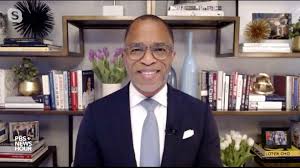
Jonathan Capehart
But neither Trump nor the Republican party urged Americans to “wash your hands, put on a mask, then go get the vaccine.”
By March, 2021, three vaccines—by Pfizer, Moderna and Johnson & Johnson—became available. A total of 90.4 million doses of these vaccines had been given. And 30.7 million Americans had been fully vaccinated against the virus.
But after a triumphant beginning, the pace of vaccinations slowed, then halted. By late July, 2021, only 49.6% of Americans had been fully vaccinated.

COVID-19 vaccination map – July 21, 2021
George Karabassis, CC BY 4.0 <https://creativecommons.org/licenses/by/4.0>, via Wikimedia Commons
Many of those who had gotten one shot of the Pfizer and Moderna vaccines refused to get the necessary second one. These must be given almost a month apart.
(The Johnson & Johnson vaccine requires only one shot.)
What had happened?
“The people I know personally who are not getting the vaccine, for them, it was like, ‘They rushed this thing,'” theorized David Brooks. “‘Who knows what’s going to happen to all these people who get the shots in 10 years or 20 years?’ So, why should I take the risk?’
“And that’s not completely crazy, but it’s not—it’s based on some sense of general distrust for the establishment, including the medical establishment. And that establishment—that distrust is the core of this thing.”
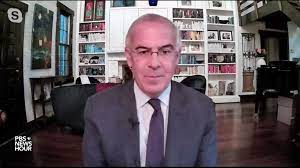
David Brooks
And leading the way to this catastrophe of self-destruction were the states of the South and Midwest: Mississippi (47.1%,), Alabama (50.5%), Arkansas (53.2%), and Tennessee (52.9%) with the lowest rates of residents who have gotten at least one shot.
By late July, 2021, three states—Florida, Texas and Missouri—with lower vaccination rates accounted for 40 percent of all cases nationwide.
And colliding head-on with the refusals of millions to get vaccinated was the newer—and deadlier—Delta variant of COVID-19.
Just as the South unleashed the Civil War on America, it has now ignited a new wave of COVID-19 on America.
2016 PRESIDENTIAL ELECTION, 2020 PRESIDENTIAL ELECTION, 9/11 ATTACKS, ABC NEWS, ABRAHAM LINCOLN, ALTERNET, AMERICABLOG, AP, APPOMATTOX DEMOCRATS, ARNOLD SCHWARTZENEGGER, ASIANS, BABY BOOMER RESISTANCE, BARACK OBAMA, BBC, BLACKS, BLOOMBERG NEWS, BUZZFEED, CBS NEWS, CHARLES ROYSTER, CIVIL RIGHTS ACT OF 1964, CIVIL WAR, CNN, CONFEDERATE STATES OF AMERICA, COVID-19, CROOKS AND LIARS, DAILY KOZ, DAVID BROOKS, DELTA VARIANT, DONALD TRUMP, FACEBOOK, FIVETHIRTYEIGHT, FORT SUMTER, GEORGE W. BUSH, HARPER’S MAGAZINE, HILLARY CLINTON, HISPANICS, HUFFINGTON POST, JOHN OLIVER, JOHNSON & JOHNSON VACCINE, JONATHAN CAPEHART, KGB, LYNDON B. JOHNSON, MASKS, MEDIA MATTERS, MERYL STREEP, MODERNA VACCINE, MOTHER JONES, MOVEON, MSNBC, MUSLIMS, NBC NEWS, NEIL YOUNG, NEW REPUBLIC, NEWSDAY, NEWSWEEK, NPR, PBS NEWSHOUR, PHIZER VACCINE, POLITICO, POLITICUSUSA, PRISONERS OF WAR, RACISM, RAW STORY, RECONSTURCTION, REPUBLICANS, REUTERS, ROBERT E. LEE, RUSSIA, SALON, SEATTLE TIMES, SLATE, TALKING POINTS MEMO, THE ATLANTIC, THE CHICAGO SUN-TIMES, THE CHICAGO TRIBUNE, THE DAILY BEAST, THE DAILY BLOG, THE DESTRUCTIVE WAR (BOOK), THE DISABLES, THE GUARDIAN, THE HILL, THE HUFFINGTON POST, THE LOS ANGELES TIMES, THE NATION, THE NEW REPUBLIC, THE NEW YORK TIMES, THE NEW YORKER, THE SOUTH, THE VILLAGE VOICE, THE WASHINGTON POST, THINKPROGRESS, TIME, TREASON, TRUTHDIG, TRUTHOUT, TWITTER, TWO POLITICAL JUNKIES, U.S. NEWS & WORLD REPORT, ULYSSES S. GRANT, UPI, USA TODAY, VACCINATIONS, VLADIMIR PUTIN, WHITES, WOMEN, WONKETTE
In Bureaucracy, History, Medical, Politics, Social commentary on July 28, 2022 at 12:11 am
Throughout its history the South has been a hotbed of treason, racism and ignorance.
Today, it proudly continues holding fast to these traditions—even as it places the entire country in danger of contagion and dictatorship.
From 1860 to 1865, the South—Texas, Arkansas, Louisiana, Tennessee, Mississippi, Alabama, Georgia, Florida, South Carolina, North Carolina and Virginia—produced the greatest case of mass treason in America’s history.
Southern infamy’s first map was called the Confederate States of America.
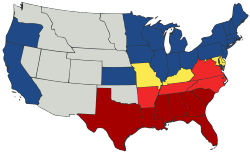
Union (blue) and Confederate (red) states: 1860 – 1865
Júlio Reis, CC BY-SA 3.0 <https://creativecommons.org/licenses/by-sa/3.0>, via Wikimedia Commons
According to The Destructive War, by Charles Royster, it wasn’t the cause of “states’ rights” that led 13 Southern states to withdraw from the Union in 1860-61. It was their demand for “respect,” which, in reality, translates into “e-g-o.”
“The respect Southerners demanded did not consist simply of the states’ sovereignty or of the equal rights of Northern and Southern citizens, including slaveholders’ right to take their chattels into Northern territory.
“It entailed, too, respect for their assertion of the moral superiority of slaveholding society over free society,” writes Royster.
It was not enough for Southerners to claim equal standing with Northerners; Northerners must acknowledge it. But this was something that the North was less and less willing to do.
Finally, its citizens dared to elect Abraham Lincoln in 1860.
Lincoln and his new Republican party damned slavery—and slaveholders—as morally evil, obsolete and ultimately doomed. And they were determined to prevent slavery from spreading any further throughout the country.
Southerners found all of this intolerable.
Lincoln—during his First Inaugural Address—bluntly said that he did not intend to “directly or indirectly…interfere with the institution of slavery in the States where it exists. I believe I have no lawful right to do so, and I have no inclination to do so.”
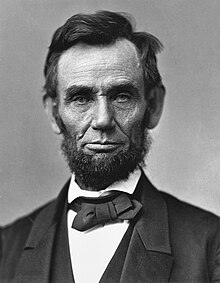
Abraham Lincoln
But that was not enough for Southerners.
Only 10% of Southerners owned slaves. The other 90% of the population “had no dog in this fight,” as Southerners liked to say.
Yet they so admired and aspired to be like their “gentleman betters” that they threw in their lot with them.
On April 12, 1861—just over a month since Lincoln’s inauguration on March 4—Southern batteries opened fire on Union Fort Sumter in Charleston Harbor, South Carolina.
This ignited the American Civil War, costing the lives of 750,000.Americans—at a time when the population of the United States stood at 31,443,321.
Four years later, Confederate General Robert E. Lee surrendered the Army of Northern Virginia to Union General Ulysses S. Grant at Appomattox Courthouse.
Huge sections of the South had been laid waste by Union troops and more than 258,000 Southerners had been killed.
And slavery, the mainstay of Southern plantation life, had been ended forever.
The South had paid a high price for its investment in treason.
Southern infamy’s second map dates from 1964 to 2016.
In 1964, Democratic President Lyndon B. Johnson pushed the Civil Rights Act through Congress, ending more than a century of blatant discrimination against blacks.
The South—which before the Civil War had been solidly Democratic—suddenly went solidly Republican.
To understand this mammoth shift, it’s vital to realize: In Lincoln’s time, the Republicans were the party of progressives.
The party was founded on an anti-slavery platform. Its members were thus reviled as “Black Republicans.” And until the 1960s, the South was solidly Democratic.
Democrats were the ones defending the status quo—slavery—and opposing the rights of freed blacks in the South of Reconstruction and long afterward.
When, in the early 1960s, Democrats championed the rights of blacks, Southerners bolted for the Republican party—which held to the same values that slavery/discrimination-supporting Democrats once did.
After signing the Civil Rights Act of 1964 into law, President Lyndon B. Johnson told an aide: “We have just lost the South for a generation.”
Johnson was wrong: A generation lasts 20 to 30 years. It’s been 58 years since the signing of the Act, and the South is still solidly within the Republican camp.
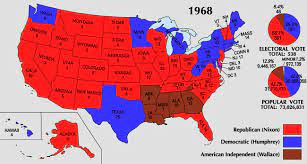
1968 election
The South’s third map of infamy culminated with the election of Donald Trump as President in 2016.
Repeatedly, when asked why they supported Trump, his followers said: “He says what I’ve been thinking!”
And what Trump appealed to, above all else, was hatred.
From June 15, 2015, when he launched his Presidential campaign, until October 24, 2016, Trump fired almost 4,000 angry, insulting tweets at 281 people and institutions that had somehow offended him.
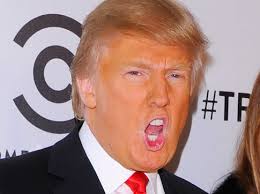
Donald Trump
The New York Times needed two full pages of its print edition to showcase them.
Among his targets:
- Democratic Presidential Nominee Hillary Clinton
- President Barack Obama
- Actress Meryl Streep
- Singer Neil Young
- Actor Arnold Schwarzenegger
- Comedian John Oliver
- News organizations
- The State of New Jersey
- Beauty pageant contestants
Others he clearly delighted in insulting during the campaign included:
- Women
- Blacks
- Hispanics
- Asians
- Muslims
- The disabled
- Prisoners-of-war
Whites comprised the overwhelming majority of the audiences at Trump rallies. Not all were racists, but many of those who were advertised it on T-shirts: “MAKE AMERICA WHITE AGAIN.”
And the vast majority of the white votes Trump got were in the South.
ABC NEWS, ALEXI KOSYGIN, ALTERNET, AMERICABLOG, AP, BABY BOOMER RESISTANCE, BBC, BLOOMBERG NEWS, BORIS YELTSIN, BUZZFEED, CATHERINE THE GREAT, CBS NEWS, CENSORSHIP, CNN, COMMUNISM, CROOKS AND LIARS, CZARS, CZECHOSLOVAKIA, DAILY KOZ, DONALD TRUMP, FACEBOOK, FIVETHIRTYEIGHT, HARPER’S MAGAZINE, HUFFINGTON POST, JOSEPH STALIN, LEONID BREZHNIEV, MEDIA MATTERS, MIKHAIL TUKHACHEVSKY, MOTHER JONES, MOVEON, MSNBC, NBC NEWS, NEW REPUBLIC, NEWSDAY, NEWSWEEK, NIKOLAI ZHILAYEV, NPR, OLGA MISIK, PBS NEWSHOUR, POLITICO, POLITICUSUSA, PROPAGANDA, RAW STORY, REUTERS, RUSSIA, SALON, SEATTLE TIMES, SLATE, TALKING POINTS MEMO, THE ATLANTIC, THE CHICAGO SUN-TIMES, THE CHICAGO TRIBUNE, THE DAILY BEAST, THE DAILY BLOG, THE GUARDIAN, THE HILL, THE HUFFINGTON POST, THE INTERCEPT, THE LOS ANGELES TIMES, THE NATION, THE NEW REPUBLIC, THE NEW YORK TIMES, THE NEW YORKER, THE VILLAGE VOICE, THE WASHINGTON POST, THINKPROGRESS, TIME, TRUTHDIG, TRUTHOUT, TWITTER, TWO POLITICAL JUNKIES, U.S. NEWS & WORLD REPORT, UKRAINE, UPI, USA TODAY, VLADIMIR PUTIN, VOLODYMYR ZELENSKY, WONKETTE, YEMELYAN PUGACHEF, YEVGENEY YEVTUSHENKO
In Bureaucracy, History, Law, Law Enforcement, Military, Politics, Social commentary on June 8, 2022 at 12:11 am
In Vladimir Putin’s Russia, conscience comes with a price. It can range anywhere from house arrest to years of imprisonment in the Gulag—to being shot or poisoned by the FSB, the secret police successor to the infamous KGB.
It has always been so.
Mikhail Nikolayevich Tukhachevsky was a major Soviet military leader and theoretician from 1918 to 1937. He fought to modernize Soviet armament, as well as develop airborne, aviation and mechanized forces. Almost singlehandedly, he created the theory of deep operations for Soviet forces.
But he fell victim to the paranoia of Soviet dictator Joseph Stalin.

Mikhail Nikolayevich Tukhachevsky
Arrested on May 22, 1937, he was interrogated and tortured. As a result, he “confessed” to being a German agent plotting to overthrow Stalin and seize power.
On June 11, 1937, the Soviet Supreme Court quickly sentenced Tukhachevsky for treason. Hours later, he was executed.
Among his friends had been Nikolai Sergeyvich Zhilayev. a Russian musicologist and the teacher of several 20th-century Russian composers. Knowing that he was a marked man, Zhilayev did something truly extraordinary.
He had a large portrait of Tukhachevsky in his room, and after the announcement that Tukhachevsky had been shot as a traitor to the homeland, Zhilayev did not take the picture down. If discovered, it meant instant arrest—and almost certain execution.
When the secret police came for him, even they were awed: ”“What, it’s still up?”
“The time will come,” Zhilayev replied, “when they’ll erect a monument to him.”
As, in fact, has happened.
Standing before a Russian judge, accused of vandalism for participating in a demonstration against Putin’s suppression of human rights, 19-year-old Olga Misik dared to speak truths most Russians fear to even whisper.
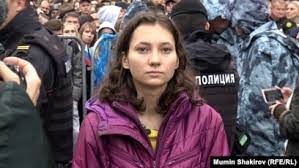
Olga Misik
From her statement to the court on May 11, 2021:
The prosecution is putting all its efforts into proving that I am implicated in the incident. I’m not going to spend much time showing that they can’t even do that professionally: They are using falsified fingerprint analysis, and, as you saw when you were examining the evidence, there was no trace of paint on my clothes….
But what does that matter when no law was broken? What difference does it make whether I was there or not when no crime was committed?….There is a crime, and it was committed by the police and the prosecutors. And I very much hope, Comrade Judge, that you will not become an accomplice to this crime.
This is precisely why I demand a complete and unconditional acquittal. I am not accepting any half measures, like settling for a fine. I am sure of my innocence and am prepared to uncompromisingly defend it to the end….
The past nine months have been very difficult, you know, and I wouldn’t like to repeat them. I kept thinking to myself, What could have happened if, and, Everything could have gone differently. But I was lying to myself, because nothing could have gone differently.
From the moment I picked up the constitution, my fate was set in stone, and I accepted it with pride. I made the right choice, and making the right choice in a totalitarian state will always have horrifying consequences. I always knew I’d end up behind bars—it was only a matter of when.
My lawyer brought up Sophie Scholl [a German student and anti-Nazi political activist] today. Her story is shockingly similar to mine. She was put on trial for flyers and graffiti; I’m being tried for posters and paint.
Like she was, I am essentially on trial for thought crimes. My trial is very similar to Sophie’s, and today’s Russia really resembles Nazi Germany.
Right up to the guillotine, Sophie did not stray from her beliefs. Her story inspired me not to agree to charges being dropped. Sophie Scholl is the embodiment of youth, individuality, and freedom. I would like to believe that to be another thing that makes us similar.
The Nazi regime eventually crumbled, as will the fascist regime in Russia. I don’t know when it will happen, be it a week, a year, or decade, but I know that someday we will be victorious, because love and youth always prevail….
Sophie Scholl’s last words before her execution were, “The sun still shines.” Indeed, the sun still shines. I couldn’t see it out the window of the detention center, but I always knew it was there. And if now, in such dark times, we can turn to the light, then maybe victory isn’t so far after all.
In his 1960 poem, “Conversation With an American Writer,” the Russian poet, Yevgeney Yevtushenko spoke for those Russians who had maintained their integrity in the face of Stalinist terror:
“You have courage,” they tell me.
It’s not true. I was never courageous.
I simply felt it unbecoming
to stoop to the cowardice of my colleagues.
Demonstrating his own moral courage, on August 22, 1968—the day after the Soviet Union invaded Czechoslovakia—Yevtushenko sent a telegram protesting the invasion to Communist Party Boss Leonid Brezhnev and Premier Aleksei Kosygin:
In Russia—under Czars or Commissars—acting on moral courage is no small thing.
A revered poet demonstrated it in 1968. And a teenage girl demonstrated it in 2021.
ABC NEWS, ALEXI KOSYGIN, ALTERNET, AMERICABLOG, AP, BABY BOOMER RESISTANCE, BBC, BLOOMBERG NEWS, BORIS YELTSIN, BUZZFEED, CATHERINE THE GREAT, CBS NEWS, CENSORSHIP, CNN, COMMUNISM, CROOKS AND LIARS, CZARS, CZECHOSLOVAKIA, DAILY KOZ, DONALD TRUMP, FACEBOOK, FIVETHIRTYEIGHT, HARPER’S MAGAZINE, HUFFINGTON POST, JOSEPH STALIN, LEONID BREZHNIEV, MEDIA MATTERS, MIKHAIL TUKHACHEVSKY, MOTHER JONES, MOVEON, MSNBC, NBC NEWS, NEW REPUBLIC, NEWSDAY, NEWSWEEK, NIKOLAI ZHILAYEV, NPR, OLGA MISIK, PBS NEWSHOUR, POLITICO, POLITICUSUSA, PROPAGANDA, RAW STORY, REUTERS, RUSSIA, SALON, SEATTLE TIMES, SLATE, TALKING POINTS MEMO, THE ATLANTIC, THE CHICAGO SUN-TIMES, THE CHICAGO TRIBUNE, THE DAILY BEAST, THE DAILY BLOG, THE GUARDIAN, THE HILL, THE HUFFINGTON POST, THE INTERCEPT, THE LOS ANGELES TIMES, THE NATION, THE NEW REPUBLIC, THE NEW YORK TIMES, THE NEW YORKER, THE VILLAGE VOICE, THE WASHINGTON POST, THINKPROGRESS, TIME, TRUTHDIG, TRUTHOUT, TWITTER, TWO POLITICAL JUNKIES, U.S. NEWS & WORLD REPORT, UKRAINE, UPI, USA TODAY, VLADIMIR PUTIN, VOLODYMYR ZELENSKY, WONKETTE, YEMELYAN PUGACHEF, YEVGENEY YEVTUSHENKO
In Bureaucracy, History, Law, Law Enforcement, Military, Politics, Social commentary on June 7, 2022 at 12:11 am
For 300 years, Russians feared the wrath of their czars, who ruthlessly decreed what their subjects could read, write and say.
Protests were brutally punished, even by so-called “enlightened” Czars. Catherine the Great had Cossack rebel Yemelyan Ivanovich Pugachev beheaded, then drawn and quartered.
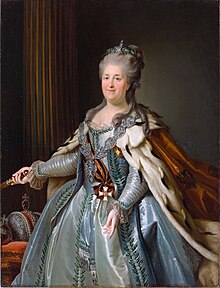
Catherine the Great
Czarist rule ended in 1917, when the installation of a democratic Provisional Government. But just nine months later, the Bolsheviks seized power—and starvation, mass executions, forced exiles and repression of religion, speech and press followed until Communism collapsed in 1991.
Then came the wholesale corruption and ineptness of Boris Yeltsin’s brief reign. When Yeltsin picked Vladimir Putin, a former member of the KGB, as his successor, many Russians welcomed his arrival.
Unlike the fat, alcoholic Yeltsin, he appeared to be a man’s man who plunged into icy rivers, slammed opponents to the floor in judo matches, and—shirtless—hunted tigers and bears.
He promised that so long as ordinary Russians stayed out of politics, they would enjoy a level of personal independence totally absent during the 74-year Communist regime.
But, gradually, that promise was revealed as a lie.
At no time has that been more true than following his brutal invasion of Ukraine on February 24. Most Russians can’t imagine waging war against a “brotherly nation.”
Ukraine vs. Russia
Putin’s government unleashed a massive propaganda campaign to convince Russians that Russia was battling Fascists and taking no casualties. And many have believed it.
(Volodymyr Zelensky, Ukraine’s president, is Jewish, and Western intelligence agencies estimate that 7,000 to 15,000 Russian soldiers have died.)
Nevertheless, thousands flocked to streets and squares throughout Russia despite government threats of prosecution for high treason.
More than 6,500 demonstrators were arrested over a five-day period. Several Russian and Ukrainian news outlets were blocked for covering the invasion.
One of those who has repeatedly demonstrated against Putini’s repressive regime is Olga Misik, a former journalism student at the University of Moscow.
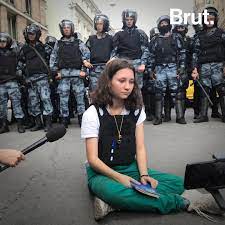
Olga Misik
Accused of vandalism, standing before a judge who could sentence her to literally any punishment he wished, 19-year-old Olga Misik dared to speak forbidden truths about life in Vladimir Putin’s Russia.
On May 11, 2021, she did so again in a Moscow district court.
Below follows relevant portions of her statement to the court:
And maybe I was scared on the way to the protest after all, but I knew I had no other choice. I understood that anything else would be wrong. That if I stayed silent this time, I would never be able to forgive myself….
Of course I was at that protest. I don’t regret it and more so am proud of my actions. In reality, I had no choice. I had to do everything in my power, thus I have no right to regret it. And if I had the option to go back in time, I would do it again.
If I was being threatened with execution, I would do it again. I would do it time and time again, until it finally started to make some change. They say that doing the same thing over and over expecting a different result is the definition of insanity.
I guess hope is insanity. But not doing something you believe in, just because everyone around you thinks it’s pointless, that is learned hopelessness. And better to be insane in your eyes than hopeless in my own….
Denying my participation in the protest would not only be unprincipled, it would erase all of the fear and agony, all we have achieved, all of my pain and rage. I can’t afford such dishonor with which our interrogator and prosecutor live their days….
A fascist government never seems fascist from the inside. It seems like just some minuscule, inconsequential censorship and some targeted repression that will never reach you. I’m not the one on trial today. Today, you are deciding not my fate but yours, and you still have a chance to do the right thing.
You can’t keep lying to yourselves. You know what goes on here. You know what it’s called. You know that there is good and evil, freedom and fascism, love and hatred, and denying that there are sides to take would be a colossal lie.
Those who chose evil have preordered their tickets to the defense table. The Hague awaits all who had a hand in this chaos. I am not promising victory tomorrow, the day after, in a year, or 10. But someday we will win, because love and youth always win. I can’t promise to make it there alive, but I really hope you live to see it.
You’re lying to yourselves if you maintain that I am here because of the protest at the office of the prosecutor general….You know why I’m here….You know what I’m actually being tried for.
For reading the constitution. For my political positions. For being named person of the year. For my principles. For my actions.
I might even be flattered by being singled out for a political trial, if only I really were singled out—when in fact the state is repressing anyone who has an opinion.


2003 IRAQ WAR, ABC NEWS, ADOLF HITLER, ALTERNET, AMERICABLOG, AP, BABY BOOMER RESISTANCE, BBC, BLOOMBERG NEWS, BUZZFEED, CBS NEWS, CHINA, CNN, CRIMEAN PENINSULA, CROOKS AND LIARS, DAILY KOZ, DONALD TRUMP, ECONOMIC SANCTIONS, EDOUARD DELADIER, ENGLAND, FACEBOOK, FIVETHIRTYEIGHT, FRANCE, GEORGE W. BUSH, HARPER’S MAGAZINE, HUFFINGTON POST, IRAN, JOACHIM VON RIBBENTROP, KIEV, MEDIA MATTERS, MOSKOVA (SHIP), MOTHER JONES, MOVEON, MSNBC, MUNICH CONFERENCE, NATO, NBC NEWS, NEVILLE CHAMBERLAIN, NEW REPUBLIC, NEWSDAY, NEWSWEEK, NPR, PBS NEWSHOUR, POLAND, POLITICO, POLITICUSUSA, RAW STORY, REPUBLIC OF GEORGIA, REUTERS, RUBLES, RUSSIA, SADDAM HUSSEIN, SALON, SEATTLE TIMES, SECOND CHECHEN WAR, SLATE, SOVIET UNION, TALKING POINTS MEMO, THE ATLANTIC, THE CHICAGO SUN-TIMES, THE CHICAGO TRIBUNE, THE DAILY BEAST, THE DAILY BLOG, THE GUARDIAN, THE HILL, THE HUFFINGTON POST, THE INTERCEPT, THE LOS ANGELES TIMES, THE NATION, THE NEW REPUBLIC, THE NEW YORK TIMES, THE NEW YORKER, THE VILLAGE VOICE, THE WASHINGTON POST, THINKPROGRESS, TIME, TRUTHDIG, TRUTHOUT, TWITTER, TWO POLITICAL JUNKIES, U.S. NEWS & WORLD REPORT, UKRAINE, UNITED STATES, UPI, USA TODAY, VLADIMIR PUTIN, WONKETTE
DICTATORS AND THEIR HUBRIS–AN UPDATE
In Bureaucracy, Business, History, Military, Politics, Social commentary on October 12, 2022 at 12:10 amOn February 28, CNN’s website published the following headline: Russia faces financial meltdown as sanctions slam its economy.
The story opened:
“Russia was scrambling to prevent financial meltdown Monday as its economy was slammed by a broadside of crushing Western sanctions imposed over the weekend in response to the invasion of Ukraine.”
That unprovoked attack opened on February 24, with missile and artillery attacks, striking major Ukrainian cities, including Kiev.
Ukraine vs. Russia
Russian President Vladimir Putin believed that the conquest of Ukraine would be a cakewalk. Intent on restoring the borders of the former Soviet Union, he had swept from one successful war to the next:
Meanwhile, the North Atlantic Treaty Organization (NATO) launched only verbal condemnations.
The reasons:
NATO emblem
Russia had began massing troops on the Ukrainian border in 2021.
When the invasion came, the United States and its Western European allies retaliated with unprecedented economic sanctions.
Among the resulting casualties:
Then the war bogged down for Russia:
In short: The war is not going the way Putin assumed it would.
Vladimir Putin
Kremlin.ru, CC BY 4.0 <https://creativecommons.org/licenses/by/4.0>, via Wikimedia Commons
This is not the first time a dictator has guessed wrong about the results of his actions.
On September 1, 1939, German Fuhrer Adolf Hitler ordered his armies to invade Poland.
Almost a year earlier—on September 29, 1938—he had bullied British Prime Minister Neville Chamberlain and French Prime Minister Edouard Daladier into surrendering the northern, southwest and western regions of Czechoslovakia, inhabited mostly by ethnic Germans.
The Munich Agreement whetted Hitler’s appetite for greater conquests—and fueled his contempt for England and France: “Our enemies are little worms,” he said in a conference with his generals. “I saw them at Munich.”
He believed he could conquer Poland, and Chamberlain and Daladier would meekly ratify his latest acquisition.
Adolf Hitler
So he was stunned when, on September 3, 1939, Britain and France—however reluctantly—honored their pledged word to Poland and declared war on Germany.
“What now?” Hitler furiously asked his Foreign Minister, Joachim von Ribbentrop.
Ribbentrop had no answer.
Knowing that Germany lacked the resources for a long war, Hitler had intended to fight a series of quick, small wars, gobbling up one country at a time. Now he found himself locked in an endless war with heavyweights France and England—and eventually the Soviet Union and the United States.
He stayed locked into that war until he committed suicide on April 30, 1945, and the Third Reich officially collapsed on May 7.
Fifty-eight years later, on March 21, 2003, President George W. Bush’s attacked Saddam Hussein’s Iraq.
George W. Bush
The war started impressively, with 1,700 air sorties and 504 Cruise missiles.
Within two weeks, American ground forces entered Baghdad. After four days of intense fighting, the Iraqi regime fell. By April 14, the Pentagon reported that major military operations had ended.
On May 1, 2003, Bush declared that the war was won.
But then American forces became embroiled in an endless, nationwide guerrilla war. Eighteen years later, the United States was still fighting in Iraq.
The war that Bush had deliberately provoked:
And Putin?
Thus do the worst intentions of hubristic dictators often come undone.
Share this: