Posts Tagged ‘NORTH KOREA’
9/11, ABC NEWS, ACADEMI, AFGHANISTAN, ALTERNET, AMERICABLOG, ANDROID, AP, APPLE IOS, BABY BOOMER RESISTANCE, BOOZ ALLEN HAMILTON, BUZZFEED, CBS NEWS, CENTRAL INTELLIGENCE AGENCY, CNN, COFER BLACK, COLD WAR, CONTRACT EMPLOYEES, CROOKS AND LIARS, DAILY KOZ, DONALD TRUMP, DRUDGE RETORT, EDWARD SNOWDEN, ENRIQUE PRADO, FACEBOOK, FIVETHIRTYEIGHT, FOX NEWS NETWORK, GEORGE W. BUSH, HARPER’S MAGAZINE, IRAQ, JUSTIN AMASH, LAURA INGRAHAM, LEGACY OF ASHES (BOOK), LOCKHEED MARTIN, MEDIA MATTERS, MEET THE PRESS, MERCENARIES, MICROSOFT WINDOWS, MOTHER JONES, MOVEON, MSNBC, NATIONAL SECURITY AGENCY (NSA), NBC NEWS, NEWSWEEK, NICCOLO MACHIAVELLI, NORTH KOREA, NPR, PAUL BREMER, PBS NEWSHOUR, POLITICO, POLITICUSUSA, RAW STORY, REUTERS, ROBERT RICHER, ROLLLING STONE, SALON, SAUDI ARABIA, SEATTLE TIMES, SLATE, SOUTH KOREA, TALKING POINTS MEMO, THE ATLANTIC, THE CHICAGO SUN-TIMES, THE CHICAGO TRIBUNE, THE DAILY BEAST, THE DAILY BLOG, THE GUARDIAN, THE HILL, THE HUFFINGTON POST, THE LOS ANGELES TIMES, THE NATION, THE NEW REPUBLIC, THE NEW YORK TIMES, THE PENTAGON, THE PRINCE, THE VILLAGE VOICE, THE WASHINGTON POST, THINKPROGRESS, TIM WEINER, TIME, TOTAL INTELLIGENCE SOLUTIONS, TRUTHDIG, TRUTHOUT, TWITTER, TWO POLITICAL JUNKIES, U.S. NEWS & WORLD REPORT, UNITED STATES ARMY, UPI, USA TODAY, WIKILEAKS, WONKETTE
In Bureaucracy, Business, History, Military, Politics, Social commentary on January 14, 2020 at 12:05 am
Since the end of the Cold War, the American military and Intelligence communities have grown increasingly dependent on private contractors.
In his 2007 bestseller, Legacy of Ashes: The History of the CIA, Tim Weiner writes:
“Patriotism for profit became a $50-billion-a-year business….The [CIA] began contracting out thousands of jobs to fill the perceived void by the budget cuts that began in 1992.
“A CIA officer could file his retirement papers, turn in his blue identification badge, go to work for a much better salary at a military contractor such as Lockheed Martin or Booz Allen Hamilton, then return to the CIA the next day, wearing a green badge….”
Much of the CIA became totally dependent on mercenaries. They appeared to work for the agency, but their loyalty was actually to their private—and higher-paying—companies.
Writes Weiner: “Legions of CIA veterans quit their posts to sell their services to the agency by writing analyses, creating cover for overseas officers, setting up communications networks, and running clandestine operations.”
One such company was Total Intelligence Solutions, founded in 2007 by Cofer Black, who had been the chief of the CIA’s counter-terrorism center on 9/11. His partners were Robert Richer, formerly the associate deputy director of operations at the CIA, and Enrique Prado, who had been Black’s chief of counter-terror operations at the agency.
Future CIA hires followed suit: Serve for five years, win that prized CIA “credential” and sign up with a private security company to enrich themselves.
This situation met with full support from Right-wing “pro-business” members of Congress and President George W. Bush.
They had long championed the private sector as inherently superior to the public one. And they saw no danger that a man dedicated to enriching himself might put greed ahead of safeguarding his country.
Now President Donald Trump is carrying the employment of mercenaries to an entirely different level.
A January 11 headline in Rolling Stone sums it up thus: “Trump Brags About Serving Up American Troops to Saudi Arabia for Nothing More Than Cash.”
On January 10, Trump, interviewed by Fox News commentator Laura Ingraham, bragged about his positive relationship with Saudi Arabia—and how the Saudi royal family is paying to use American troops:
“Saudi Arabia is paying us for [our troops]. We have a very good relationship with Saudi Arabia. I said, ‘Listen, you’re a very rich country. You want more troops? I’m going to send them to you, but you’ve got to pay us.’
“They’re paying us. They’ve already deposited $1 billion in the bank.
“We are going to help them, but these rich countries have to pay for it. South Korea gave us $500 million… I said, ‘You gotta help us along. We have 32,000 soldiers in South Korea protecting you from North Korea. You’ve gotta pay.’”
Republicans have been silent on Trump’s plan to turn American soldiers into foreign-paid mercenaries. But at least one former Republican has dared to speak out.
Rep. Justin Amash (I-Michigan) recently tweeted: “He sells troops.”
In October, 2019, on “Meet the Press,” Amash accused Trump of breaking his campaign promise to bring troops home.
“There are people who support the president, who believe things he says, but it’s pretty clear he’s not bringing home the troops. He’s just moving them to other parts of the Middle East.”
But there are dangers to relying on mercenaries. Recent examples include:
- Edward Snowden deliberately joined Booz Allen Hamilton to secure a job as a computer systems administrator at the National Security Agency (NSA). This gave him access to thousands of highly classified documents—which, in 2013, he began publicly leaking to a wide range of news organizations.
- His motive, he has claimed, was to warn Americans of the privacy-invading dangers posed by their own Intelligence agencies.
- On March 7, 2017, WikiLeaks published a “data dump” of 8,761 documents code-named “Vault 7.”
- The documents exposed that the CIA had found security flaws in software operating systems such as Microsoft Windows, Android and Apple iOS. These allowed an intruder—such as the CIA—to seize control of a computer or smartphone. The owner could then be photographed through his iPhone camera and have his text messages intercepted.
- According to anonymous U.S. Intelligence and law enforcement sources, the culprits were CIA contract employees.
More ancient sources have also warned against the use of mercenaries. One of these was Niccolo Machiavelli, the Florentine statesman of the Renaissance.
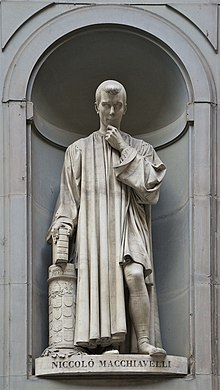
Niccolo Machiavelli
In The Prince, Machiavelli writes:
“Mercenaries…are useless and dangerous. And if a prince holds on to his state by means of mercenary armies, he will never be stable or secure. For they are disunited, ambitious, without discipline, disloyal. They are brave among friends; among enemies they are cowards.
“They have neither the fear of God nor fidelity to man, and destruction is deferred only as the attack is. For in peace one is robbed by them, and in war by the enemy.
“The cause of this is that they have no love or other motive to keep them in the field beyond a trifling wage, which is not enough to make them ready to die for you.”
Centuries after Machiavelli’s warning, Americans are realizing the bitter truth of it firsthand.
2016 PRESIDENTIAL CAMPAIGN, ABC NEWS, ADAM SCHIFF, ADOLF HITLER, ALTERNET, AMERICABLOG, AP, BABY BOOMER RESISTANCE, BURT LANCASTER, BUZZFEED, CBS NEWS, CIA, CNN, CONCENTRATION CAMPS, CROOKS AND LIARS, DACHAU, DAILY KOZ, DAVID BROOKS, DEMOCRATS, DONALD TRUMP, FACEBOOK, FBI, FEDERAL GOVERNMENT SHUTDOWN, FIVETHIRTYEIGHT, FREEDOM OF THE PRESS, JAKE TAPPER, JAMES COMEY, JAMES ROBART, JEWS, JUDGMENT AT NUREMBERG (MOVIE), KIM JONG-UN, LYING, MICK MULVANEY, MOTHER JONES, MOVEON, MSNBC, NATIONAL SECURITY AGENCY, NAZI GERMANY, NBC NEWS, NEWSWEEK, NORTH KOREA, NPR, PBS NEWSHOUR, POLITICO, POLITICUSUSA, RACISM, RAW STORY, REPUBLICANS, REUTERS, ROBERT PAYNE, ROBERT S. MUELLER, RUSSIA, SALON, SEATTLE TIMES, SLATE, TALKING POINTS MEMO, THE ATLANTIC, THE CHICAGO SUN-TIMES, THE CHICAGO TRIBUNE, THE DAILY BEAST, THE DAILY BLOG, THE GUARDIAN, THE HILL, THE HUFFINGTON POST, THE LIFE AND DEATH OF ADOLF HITLER (BOOK), THE LOS ANGELES TIMES, THE NATION, THE NEW YORK TIMES, THE WASHINGTON POST, THINKPROGRESS, TIME, TRUTHDIG, TWITTER, U.S. NEWS & WORLD REPORT, UKRAINE, UPI, USA TODAY, ZOLODYMYR ZELENSKY
In Bureaucracy, History, Law, Law Enforcement, Military, Politics, Social commentary on December 12, 2019 at 12:11 am
House Intelligence Committee Chairman Adam Schiff (D-CA) has a sense of history that many of his colleagues—especially Republicans—would do well to acquire.
Since September, he has headed an investigation into President Donald J. Trump’s attempt to extort foreign interference on his behalf in the 2020 election.

Adam Schiff
In July, 2019, he told his acting chief of staff, Mick Mulvaney, to withhold almost $400 million in promised military aid for Ukraine, which faces increasing aggression from Russia.
On July 25, Trump telephoned Ukrainian President Volodymyr Zelensky to “request” a “favor”: Investigate Democratic Presidential Candidate Joe Biden and his son, Hunter, who has had business dealings in Ukraine.
The reason for such an investigation: To find embarrassing “dirt” on Biden.

Joe Biden
But then a CIA whistleblower filed a complaint about the extortion attempt—and the media and Congress soon learned of it.
On November 25, Schiff sat for an extended interview with Jake Tapper, CNN’s political correspondent.
What would it mean if Republicans uniformly oppose any articles of impeachment against Trump? asked Tapper.
Schiff replied that the vote would be a matter of conscience—and history: “It will have very long-term consequences, if that’s where we end up.
“And if not today, I think Republican members in the future, to their children and their grandchildren, will have to explain why they did nothing in the face of this deeply unethical man who did such damage to the country.”
Donald Trump
In the classic 1960 movie, “Judgment at Nuremberg,” Burt Lancaster, as Ernst Janning, the once distinguished German judge, confesses his guilt and that of Nazi Germany in a controlled, yet emotional, outburst.
“My counsel would have you believe we were not aware of the concentration camps. Not aware? Where were we?
“Where were we when Hitler began shrieking his hate in the Reichstag? When our neighbors were dragged out in the middle of the night to Dachau?
“Where were we when every village in Germany has a railroad terminal where cattle cars were filled with children being carried off to their extermination? Where were we when they cried out in the night to us? Were we deaf? Dumb? Blind?
“My counsel says we were not aware of the extermination of the millions. He would give you the excuse we were only aware of the extermination of the hundreds. Does that make us any the less guilty?
“Maybe we didn’t know the details, but if we didn’t know, it was because we didn’t want to know.”
Adam Schiff is clearly hoping to avoid such an infamous fate for his own country.
In his bestselling 1973 biography, The Life and Death of Adolf Hitler, British historian Robert Payne harshly condemned the German people for the rise of the Nazi dictator:
“[They] allowed themselves to be seduced by him and came to enjoy the experience….[They] followed him with joy and enthusiasm because he gave them license to pillage and murder to their hearts’ content. They were his servile accomplices, his willing victims.”
On November 8, 2016, millions of ignorant, hate-filled, Right-wing Americans catapulted Donald Trump—a man, charged conservative New York Times columnist David Brooks, with an “odd psychology unleavened by kindness and charity”—into the Presidency.
Upon taking office in January, 2017, Trump began undermining one public or private institution after another.
- He repeatedly and viciously attacked the nation’s free press for daring to report his growing list of crimes and disasters, calling it “the enemy of the American people.”
- He brutally attacked American Intelligence agencies—such as the FBI, CIA and National Security Agency—which unanimously agreed that Russia had interfered with the 2016 Presidential election.
- He repeatedly attacked Seattle U.S. District Judge James Robart, who halted Trump’s first Muslim travel ban.
- He fired FBI Director James Comey for refusing to pledge his personal loyalty to Trump and continuing to investigate Russian subversion of the 2016 election.
- He intended to fire Special Counsel Robert Mueller in 2017, but was talked out of it by aides fearful that it would result in his impeachment.
- He has lied so often—13,435 times by October 14, 2019, according to the Washington Post—he’s universally distrusted, at home and abroad.
- On December 22, 2018, he shut down the Federal government—because Democrats refused to fund his “border wall” between the United States and Mexico.
- An estimated 380,000 government employees were furloughed and another 420,000 were ordered to work without pay. This lasted until January 25, 2019, when Trump caved to public pressure.
So why have Republicans almost unanimously stood by Trump despite the wreckage he has made of American foreign and domestic policy? Fear that they will lose their privileged positions in Congress if they don’t.
This could happen by:
- Their being voted out of Congress by Trump’s fanatical base; or
- Their being voted out of Congress by anti-Trump voters sensing Republican weakness if he’s impeached.
Future historians—if there are any—will similarly and harshly condemn those Americans who, like “good Germans,” joyfully embraced a regime dedicated to:
- Celebrating Trump’s egomania;
- Using the White House to further enrich Trump;
- Siding with Russia and North Korea against America’s oldest allies, such as NATO;
- Depriving America’s poor of their only source of healthcare; and
- Further enriching the ultra-wealthy.
ABC NEWS, ADAM SCHIFF, AFFORDABLE CARE ACT, ALEXANDER THE GREAT, ALTERNET, AMERICABLOG, ANCIENT ROME, AP, BABY BOOMER RESISTANCE, BANDY X. LEE, BANGLADESH, BARACK OBAMA, BUZZFEED, CALIGULA: THE MAD EMPEROR OF ROME (BOOK), CBS NEWS, CHINA, CIA, CNN, CONSERVATIVE POLITICAL ACTION CONFERENCE (C-PAC), CRAIG MALKIN, CROOKS AND LIARS, DAILY KOZ, DEMOCRATS, DONALD TRUMP, DR. OZ, FACEBOOK, FBI, FIRST AMENDMENT, FIVETHIRTYEIGHT, FREEDOM OF THE PRESS, GAIUS CALIGULA, GAVIN NEWSOM, GAYLORD NATIONAL RESORT & CONVENTION CENTER, GERMANY, GOVERNMENT SHUTDOWN, H.R. MCMASTER, HARVARD MEDICAL SCHOOL, HILLARY CLINTON, HOUSE OF REPRESENTATIVES, INDONESIA, ISLAMIC STATE OF IRAQ AND SYRIA (ISIS), ISRAEL, IVANKA TRUMP, JEFF SESSIONS, JOHN D. GARTNER, JOHN KELLY, JOHNS HOPKINS UNIVERSITY, JOSEPH STALIN, JUDITH LEWISH HERMAN, JUSTICE DEPARTMENT, KIM JONG-UN, LANCE DODES, LIBEL, MALIGNANT NARCISSISM, MARCO RUBIO, MARK ANTONY’S HEROES (BOOK), MENTAL ILLNESS, MEXICO, MICHAEL COHEN, MOTHER JONES, MOVEON, MSNBC, NATIONAL DEBT, NATIONAL GUARD, NATIONAL SECURITY AGENCY, NBC NEWS, NEWSWEEK, NICCOLO MACHIAELLI, NON-DISCLOSURE AGREEMENTS, NORTH KOREA, NPR, PBS NEWSHOUR, POLITICO, POLITICUSUSA, RAW STORY, REINCE PREIBUS, REUTERS, RUSSIA, SALON, SEATTLE TIMES, Secret Service, SERGEI KISLYAK, SLANDER, SLATE, SLOVENIA, STEPHEN DANDO-COLLINS, TALKING POINTS MEMO, THE ATLANTIC, THE CHICAGO SUN-TIMES, THE CHICAGO TRIBUNE, THE DAILY BEAST, THE DAILY BLOG, THE DANGEROUS CASE OF DONALD TRUMP (BOOK), THE DISCOURSES, THE GUARDIAN, THE HILL, THE HUFFINGTON POST, THE IDES: CAESAR’S MURDER AND THE WAR FOR ROME (BOOK), THE LOS ANGELES TIMES, THE NATION, THE NETHERLANDS, THE NEW YORK TIMES, THE WASHINGTON POST, THINKPROGRESS, TIME, TOM MCCARTHY, TREASON, TRUTHDIG, TWITTER, U.S. NEWS & WORLD REPORT, UNIVERSITY OF MASSACHUSSETTS, UPI, USA TODAY, VLADIMIR PUTIN, WIRETAPPING, YALE SCHOOL OF MEDICINE
In Bureaucracy, History, Law, Law Enforcement, Military, Politics, Social commentary on August 30, 2019 at 12:08 am
“Drawing Present-Day Lessons: Is Donald Trump the Modern Caligula?”
That’s the question raised in the last chapter of the new biography: Caligula: The Mad Emperor of Rome, by Stephen Dando-Collins
Dando-Collins is the award-winning author of 43 books—nine of which focus on ancient Rome. Among these: Mark Antony’s Heroes and The Ides: Caesar’s Murder and the War for Rome.
Among the similarities he finds between Caligula and Trump:
- Caligula ruled the largest military and economic power of his age.
- Trump rules the largest military/economic power of the 21st century.
- Caligula emptied the Roman treasury through extravagant spending.
- Trump’s combination of massive tax cuts for the rich and equally massive Federal spending has ballooned the national debt to $22.5 trillion.
- Neither Caligula nor Trump served in the military.
- Neither Caligula nor Trump had governing experience before ascending to power.
- Both had multiple wives—Caligula had four; Trump has three.
- Once in power, Caligula rid himself of advisers who tried to restrain his worst impulses or refused to act on them.
- So has Trump.

Gaius Caligula
- After an unsuccessful attempt to conquer Britain, Caligula declared war on Neptune, the god of the sea. He ordered his soldiers to whip the waves and gather seashells to bring home as “spoils.” He then sent messengers to Rome claiming victory.
- Trump has multiple times seriously suggested using nuclear bombs to stop hurricanes from hitting the United States,
- Caligula boasted: “Bear in mind that I can treat anyone exactly as I please.”
- Trump has similarly boasted that he could shoot someone on Fifth Avenue and get away with it.
- Caligula thought himself a military genius—stealing the breastplate from the corpse of Alexander the Great and wearing it.
- Trump has boasted: “I know more about ISIS than the generals do, believe me.”
- Caligula delighted in humiliating adversaries. According to his biographer, Gaius Suetonius Tranquillus: “He forced parents to attend the executions of their sons, sending a litter for one man who pleaded ill health, and inviting another to dinner immediately after witnessing the death, and trying to rouse him to gaiety and jesting by a great show of affability.”
- Trump similarly relishes humiliating both adversaries and former allies in press conferences and on Twitter, giving them derogatory nicknames such as “Crooked Hillary” Clinton, “Little Adam Schitt” (Schiff), “Little Marco” Rubio, “Rocket Man” Kim Jong-Un.
Donald Trump
- Caligula never forgot a slight and relished exacting vengeance, even years afterward. His infamous order for torturing victims: “Strike so that he may feel that he is dying.”
- Trump has famously said: “Get even with people. If they screw you, screw them back 10 times as hard. I really believe it.”
- Caligula reveled in self-worship, calling himself: “Pious,” “Child of the Camp,” “Father of the Armies,” and “Greatest and Best of Caesars.”
- Trump has similarly declared himself “so great looking and smart, a true Stable Genius!”
- Flattered by sycophants, Caligula began to believe himself a god. He appeared at the temple of Castor and Pollux to be worshiped as Jupiter Latiaris. He also set up a special temple to his own godhead.
- Similarly, during a press conference, Trump reached heavenward for legitimacy. Defending his potentially disastrous trade war with China, he proclaimed: “Somebody had to do it. I am the Chosen One.”
- He also quoted Right-wing conspiracist Wayne Allyn Root as saying: “The Jewish people in Israel love him [Trump] like he’s the King of Israel. They love him like he is the second coming of God.”
- Caligula lived in incest with his three sisters. He violated Drusilla when he was still a minor.
- Trump has boasted: “I’ve said if Ivanka weren’t my daughter, perhaps I’d be dating her.”
The trait that finally destroyed Caligula was his joy in humiliating others.
His fatally taunted Cassius Chaerea, a member of his own bodyguard. Caligula considered Chaerea effeminate because of a weak voice and mocked him with nicknames like “Priapus” and “Venus.”
On January 22 41 A.D. Chaerea and several other bodyguards hacked Caligula to death with swords before other guards could save him.
Trump has repeatedly outraged members of the American Intelligence community—such as the FBI, CIA and National Security Agency—by siding with Vladimir Putin against them. He has in effect accused them of lying about Russian subversion of the 2016 Presidential election.
On December 22, 2018, Trump shut down the Federal Government, forcing Secret Service agents to work for more than a month without pay because Democrats refused to fund his senseless “wall” against Mexico.
Now Trump—through the US Citizenship and Immigration Services—has decreed that children born to American military members outside the United States will no longer be automatically considered citizens.
Many members of all of these agencies—FBI, CIA, National Security Agency, Secret Service, Army, Navy, Air Force, Marines—come in contact with him almost daily. And many of them are armed. (Secret Service agents are always armed.)
As Niccolo Machiavelli warns in The Discourses: “When a prince becomes universally hated, it is likely that he’s harmed some individuals—who thus seek revenge. This desire is increased by seeing that the prince is widely loathed.”
ABC NEWS, ADAM SCHIFF, AFFORDABLE CARE ACT, ALEXANDER THE GREAT, ALTERNET, AMERICABLOG, ANCIENT ROME, AP, BABY BOOMER RESISTANCE, BANDY X. LEE, BANGLADESH, BARACK OBAMA, BUZZFEED, CALIGULA: THE MAD EMPEROR OF ROME (BOOK), CBS NEWS, CHINA, CIA, CNN, CONSERVATIVE POLITICAL ACTION CONFERENCE (C-PAC), CRAIG MALKIN, CROOKS AND LIARS, DAILY KOZ, DEMOCRATS, DONALD TRUMP, DR. OZ, FACEBOOK, FBI, FIRST AMENDMENT, FIVETHIRTYEIGHT, FREEDOM OF THE PRESS, GAIUS CALIGULA, GAVIN NEWSOM, GAYLORD NATIONAL RESORT & CONVENTION CENTER, GERMANY, GOVERNMENT SHUTDOWN, H.R. MCMASTER, HARVARD MEDICAL SCHOOL, HILLARY CLINTON, HOUSE OF REPRESENTATIVES, INDONESIA, ISLAMIC STATE OF IRAQ AND SYRIA (ISIS), ISRAEL, IVANKA TRUMP, JEFF SESSIONS, JOHN D. GARTNER, JOHN KELLY, JOHNS HOPKINS UNIVERSITY, JOSEPH STALIN, JUDITH LEWISH HERMAN, JUSTICE DEPARTMENT, KIM JONG-UN, LANCE DODES, LIBEL, MALIGNANT NARCISSISM, MARCO RUBIO, MARK ANTONY’S HEROES (BOOK), MENTAL ILLNESS, MEXICO, MICHAEL COHEN, MOTHER JONES, MOVEON, MSNBC, NATIONAL DEBT, NATIONAL GUARD, NATIONAL SECURITY AGENCY, NBC NEWS, NEWSWEEK, NICCOLO MACHIAELLI, NON-DISCLOSURE AGREEMENTS, NORTH KOREA, NPR, PBS NEWSHOUR, POLITICO, POLITICUSUSA, RAW STORY, REINCE PREIBUS, REUTERS, RUSSIA, SALON, SEATTLE TIMES, Secret Service, SERGEI KISLYAK, SLANDER, SLATE, SLOVENIA, STEPHEN DANDO-COLLINS, TALKING POINTS MEMO, THE ATLANTIC, THE CHICAGO SUN-TIMES, THE CHICAGO TRIBUNE, THE DAILY BEAST, THE DAILY BLOG, THE DANGEROUS CASE OF DONALD TRUMP (BOOK), THE DISCOURSES, THE GUARDIAN, THE HILL, THE HUFFINGTON POST, THE IDES: CAESAR’S MURDER AND THE WAR FOR ROME (BOOK), THE LOS ANGELES TIMES, THE NATION, THE NETHERLANDS, THE NEW YORK TIMES, THE WASHINGTON POST, THINKPROGRESS, TIME, TOM MCCARTHY, TREASON, TRUTHDIG, TWITTER, U.S. NEWS & WORLD REPORT, UNIVERSITY OF MASSACHUSSETTS, UPI, USA TODAY, VLADIMIR PUTIN, WIRETAPPING, YALE SCHOOL OF MEDICINE
In Bureaucracy, History, Law, Law Enforcement, Military, Politics, Social commentary on August 29, 2019 at 12:37 am
Donald Trump’s appearance at the Conservative Political Action Conference (C-PAC) on March 2, 2019, was an occasion for rejoicing among his supporters.
But for those who prize rationality and decency in a President, it was a dismaying and frightening experience.
For two hours, Trump gave free reign to his anger and egomania.
Among his unhinged commentaries:
“He called me up. He said, ‘You’re a great President. You’re doing a great job.’ He said, ‘I just want to tell you you’re a great President and you’re one of the smartest people I’ve ever met.'”
Trump attributed these remarks to California’s liberal governor, Gavin Newsom. On February 11, 2019, Newsom announced the withdrawal of several hundred National Guardsmen from the state’s southern border with Mexico—defying Trump’s request for support from border states.
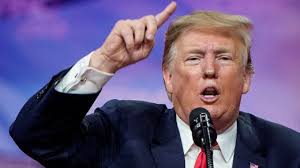
Donald Trump at CPAC
“You know if you remember my first major speech—you know the dishonest media they’ll say, ‘He didn’t get a standing ovation.’ You know why? Because everybody stood and nobody sat. They are the worst. They leave that out.”
Once again, he’s the persecuted victim of an unfair and totally unappreciative news media.
“And I love the First Amendment; nobody loves it better than me. Nobody. I mean, who use its more than I do? But the First Amendment gives all of us—it gives it to me, it gives it to you, it gives it to all Americans, the right to speak our minds freely. It gives you the right and me the right to criticize fake news and criticize it strongly.”
Trump has repeatedly called the nation’s free press “the enemy of the people”—a slander popularized by Soviet dictator Joseph Stalin. And while Trump brags about his usage of the First Amendment, he’s used Non-Disclosure Agreements and threats of lawsuits to deny that right to others.
“For too long, we’ve traded away our jobs to other countries. So terrible.”
While this remark—like virtually every remark Trump made at CPAC—got rousing applause, he failed to mention that his own products are made overseas:
- Ties: Made in China
- Suits: Made in Indonesia
- Trump Vodka: Made in the Netherlands, and later in Germany
- Crystal glasses, decanters: Made in Slovenia
- And the clothing and accessories line of his daughter, Ivanka, is produced entirely in factories in Bangladesh, Indonesia and China.
“By the way, you folks are in here—this place is packed, there are lines that go back six blocks and I tell you that because you won’t read about it, OK.”
He’s obsessed with fear that the media won’t make him look popular.
“So we’re all part of this very historic movement, a movement the likes of which, actually, the world has never seen before. There’s never been anything like this. There’s been some movements, but there’s never been anything like this.”
Actually, the world has seen a movement like this—in Fascist Italy and Nazi Germany. Trump sees himself as the single greatest figure in history. So anything he’s involved with must be unprecedented.
“But I always say, Obamacare doesn’t work. And these same people two years ago and a year ago were complaining about Obamacare.”
In 2010, 48 million Americans lacked health insurance. By 2016, that number had been reduced to 28.6 million. So 20 million Americans now have access to medical care they previously couldn’t get.
“But we’re taking a firm, bold and decisive measure, we have to, to turn things around. The era of empty talk is over, it’s over.”
Trump has boasted that he and North Korean dictator Kim Jong-Un “fell in love.” Then he met with Kim in Vietnam—and got stiffed on a deal for North Korea to give up its nuclear weapons.
On July 16, 2018, Trump attended a press conference in Helsinki, Finland, with Russian President Vladimir Putin. There he blamed American Intelligence agencies—such as the FBI, CIA and National Security Agency—instead of Putin for Russia’s subversion of the 2016 Presidential election.
“I’ll tell you what they [agents of Immigration and Customs Enforcement] do, they came and endorsed me, ICE came and endorsed me. They never endorsed a presidential candidate before, they might not even be allowed to.”
Trump can’t stop boasting about how popular he is.
“These are hard-working, great, great Americans. These are unbelievable people who have not been treated fairly. Hillary called them deplorable. They’re not deplorable.”
On the contrary: “Deplorable” is exactly the word for those who vote their racism, ignorance, superstition and hatred of their fellow citizens.
A FINAL NOTE: Trump held himself up for adoration just three days after Michael Cohen, his longtime fixer:
- Damned him as a racist, a conman and a cheat.
- Revealed that Trump had cheated on his taxes and bought the silence of a porn “star” to prevent her revealing a 2006 tryst before the 2016 election.
- Estimated he had stiffed, on Trump’s behalf, hundreds of workers Trump owed money to.
And, only two days earlier, Trump had returned from a much-ballyhooed meeting in Vietnam with North Korean dictator Kim Jong-Un. Trump hoped to get a Nobel Peace Prize by persuading Kim to give up his nuclear arsenal.
Instead, Trump got stiffed—and returned home empty-handed.
ABC NEWS, ADAM SCHIFF, AFFORDABLE CARE ACT, ALEXANDER THE GREAT, ALTERNET, AMERICABLOG, ANCIENT ROME, AP, BABY BOOMER RESISTANCE, BANDY X. LEE, BANGLADESH, BARACK OBAMA, BUZZFEED, CALIGULA: THE MAD EMPEROR OF ROME (BOOK), CBS NEWS, CHINA, CIA, CNN, CONSERVATIVE POLITICAL ACTION CONFERENCE (C-PAC), CRAIG MALKIN, CROOKS AND LIARS, DAILY KOZ, DEMOCRATS, DONALD TRUMP, DR. OZ, FACEBOOK, FBI, FIRST AMENDMENT, FIVETHIRTYEIGHT, FREEDOM OF THE PRESS, GAIUS CALIGULA, GAVIN NEWSOM, GAYLORD NATIONAL RESORT & CONVENTION CENTER, GERMANY, GOVERNMENT SHUTDOWN, H.R. MCMASTER, HARVARD MEDICAL SCHOOL, HILLARY CLINTON, HOUSE OF REPRESENTATIVES, INDONESIA, ISLAMIC STATE OF IRAQ AND SYRIA (ISIS), ISRAEL, IVANKA TRUMP, JEFF SESSIONS, JOHN D. GARTNER, JOHN KELLY, JOHNS HOPKINS UNIVERSITY, JOSEPH STALIN, JUDITH LEWISH HERMAN, JUSTICE DEPARTMENT, KIM JONG-UN, LANCE DODES, LIBEL, MALIGNANT NARCISSISM, MARCO RUBIO, MARK ANTONY’S HEROES (BOOK), MENTAL ILLNESS, MEXICO, MICHAEL COHEN, MOTHER JONES, MOVEON, MSNBC, NATIONAL DEBT, NATIONAL GUARD, NATIONAL SECURITY AGENCY, NBC NEWS, NEWSWEEK, NICCOLO MACHIAELLI, NON-DISCLOSURE AGREEMENTS, NORTH KOREA, NPR, PBS NEWSHOUR, POLITICO, POLITICUSUSA, RAW STORY, REINCE PREIBUS, REUTERS, RUSSIA, SALON, SEATTLE TIMES, Secret Service, SERGEI KISLYAK, SLANDER, SLATE, SLOVENIA, STEPHEN DANDO-COLLINS, TALKING POINTS MEMO, THE ATLANTIC, THE CHICAGO SUN-TIMES, THE CHICAGO TRIBUNE, THE DAILY BEAST, THE DAILY BLOG, THE DANGEROUS CASE OF DONALD TRUMP (BOOK), THE DISCOURSES, THE GUARDIAN, THE HILL, THE HUFFINGTON POST, THE IDES: CAESAR’S MURDER AND THE WAR FOR ROME (BOOK), THE LOS ANGELES TIMES, THE NATION, THE NETHERLANDS, THE NEW YORK TIMES, THE WASHINGTON POST, THINKPROGRESS, TIME, TOM MCCARTHY, TREASON, TRUTHDIG, TWITTER, U.S. NEWS & WORLD REPORT, UNIVERSITY OF MASSACHUSSETTS, UPI, USA TODAY, VLADIMIR PUTIN, WIRETAPPING, YALE SCHOOL OF MEDICINE
In Bureaucracy, History, Law, Law Enforcement, Military, Politics, Social commentary on August 28, 2019 at 12:14 am
On March 4, 2017, less than two months after taking office as President, Donald Trump—offering absolutely no evidence—accused former President Barack Obama of illegally tapping his Trump Tower phones prior to the election:
“I’d bet a good lawyer could make a great case out of the fact that President Obama was tapping my phones in October, just prior to Election!”
A subsequent investigation by the Justice Department turned up no evidence to substantiate Trump’s foray into Presidential libel.
And during his first two weeks as President, Trump attacked 22 people, places and things on his @realDonaldTrump Twitter account.
Trump’s vindictiveness, his narcissism, his compulsive aggression, his complaints that his “enemies” in government and the press are trying to destroy him, have caused many to ask: Could the President of the United States be suffering from mental illness?
One who has dared to answer this question is John D. Gartner, a practicing psychotherapist.
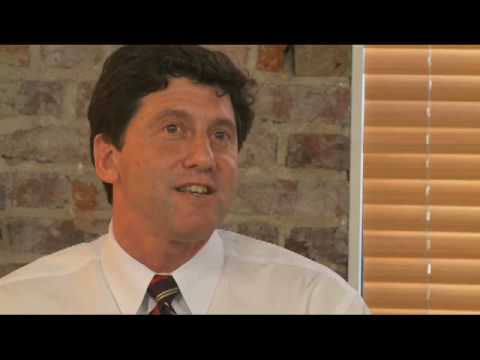
John D. Gartner
Gartner graduated magna cum laude from Princeton University, received his Ph.D in clinical psychology from the University of Massachusetts, and served as a part-time assistant professor of psychiatry at Johns Hopkins University Medical School for 28 years.
During an interview by U.S. News & World Report (published on January 27, 2017), Gartner said: “Donald Trump is dangerously mentally ill and temperamentally incapable of being president.”
Gartner said that Trump suffers from “malignant narcissism,” whose symptoms include:
- anti-social behavior
- sadism
- aggressiveness
- paranoia
- and grandiosity.
“We’ve seen enough public behavior by Donald Trump now that we can make this diagnosis indisputably,” said Gartner, who admitted he had not personally examined Trump.
Completely agreeing with that estimate was Bandy X. Lee, an assistant clinical psychiatry professor at the Yale School of Medicine.
She is the editor of The Dangerous Case of Donald Trump: 27 Psychiatrists and Mental Health Experts Assess a President.
“It doesn’t take a psychiatrist to notice that our president is mentally compromised,” she and colleague Judith Lewis Herman asserted in the book’s prologue.
According to Dr. Craig Malkin, a Lecturer in Psychology for Harvard Medical School and a licensed psychologist, Trump is a pathological narcissist:
“Pathological narcissism begins,” Malkin wrote, “when people become so addicted to feeling special that, just like with any drug, they’ll do anything to get their ‘high,’ including lie, steal, cheat, betray and even hurt those closest to them.
“When they can’t let go of their need to be admired or recognized, they have to bend or invent a reality in which they remain special despite all messages to the contrary. In point of fact, they become dangerously psychotic. It’s just not always obvious until it’s too late.”
Lance Dodes, a retired psychiatry professor at Harvard Medical School, believes that Trump is a sociopath: “The failure of normal empathy is central to sociopathy, which is marked by an absence of guilt, intentional manipulation and controlling or even sadistically harming others for personal power or gratification.”
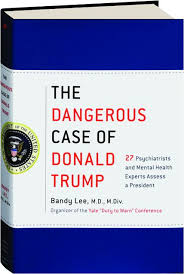
More of that behavior was on full display on March 2, 2019 at the annual Conservative Political Action Conference (CPAC), held at the Gaylord National Resort & Convention Center, National Harbor, Maryland.
For more than two hours, Trump delivered the longest speech (so far) of his Presidency to his fanatically Right-wing audience.
Facing a hostile Democratic House of Representatives and a potentially explosive report by Special Counsel Robert Mueller, Trump threw down the gauntlet.
“You know, I’m totally off script right now,” Trump said early on. “This is how I got elected, by being off script.”
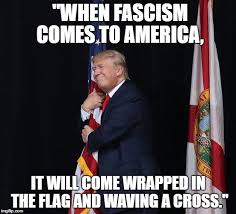
And from the moment he embraced an American flag as though he wanted to hump it, it was clear: He was “totally off script.”
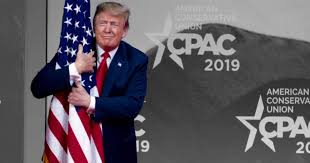
“How many times did you hear, for months and months, ‘There is no way to 270?’ You know what that means, right? ‘There is no way to 270.'”
Once again, Trump reveals his obsession with his win in 2016—as if no one else had ever been elected President.
“If you tell a joke, if you’re sarcastic, if you’re having fun with the audience, if you’re on live television with millions of people and 25,000 people in an arena, and if you say something like, ‘Russia, please, if you can, get us Hillary Clinton’s emails. Please, Russia, please.'”
Here he’s trying to “spin” his infamous invitation to hackers in Vladimir Putin’s Russia to intervene in an American Presidential election by obtaining the emails of his campaign rival. Which they did that same day.
“So now we’re waiting for a report, and we’ll find out whether or not, and who we’re dealing with. We’re waiting for a report by people that weren’t elected.”
It doesn’t matter to Trump that America’s foremost enemy—Russia—tried to influence a Presidential election. What matters to him is that the report may end his Presidency.
“Those red hats—and white ones. The key is in the color. The key is what it says. ‘Make America Great Again’ is what it says. Right? Right?”
Color matters. Words, ideas don’t.
“We have people in Congress that hate our country.”
If you don’t agree 100% with Trump on everything, you’re a traitor.
ADAM SCHIFF, AFFORDABLE CARE ACT, ALEXANDER THE GREAT, ALTERNET, AMERICABLOG, ANCIENT ROME, AP, BABY BOOMER RESISTANCE, BANDY X. LEE, BANGLADESH, BARACK OBAMA, BC NEWS, BUZZFEED, CALIGULA: THE MAD EMPEROR OF ROME (BOOK), CBS NEWS, CHINA, CIA, CNN, CONSERVATIVE POLITICAL ACTION CONFERENCE (C-PAC), CRAIG MALKIN, CROOKS AND LIARS, DAILY KOZ, DEMOCRATS, DONALD TRUMP, DR. OZ, EGOMANIA, FACEBOOK, FBI, FIRST AMENDMENT, FIVETHIRTYEIGHT, FREEDOM OF THE PRESS, GAIUS CALIGULA, GAVIN NEWSOM, GAYLORD NATIONAL RESORT & CONVENTION CENTER, GERMANY, GOVERNMENT SHUTDOWN, H.R. MCMASTER, HARVARD MEDICAL SCHOOL, HILLARY CLINTON, HOUSE OF REPRESENTATIVES, INCEST, INDONESIA, ISLAMIC STATE OF IRAQ AND SYRIA (ISIS), ISRAEL, IVANKA TRUMP, JEFF SESSIONS, JOHN D. GARTNER, JOHN KELLY, JOHNS HOPKINS UNIVERSITY, JOSEPH STALIN, JUDITH LEWISH HERMAN, JUSTICE DEPARTMENT, KIM JONG-UN, LANCE DODES, LIBEL, MALIGNANT NARCISSISM, MARCO RUBIO, MARK ANTONY’S HEROES (BOOK), MENTAL ILLNESS, MEXICO, MICHAEL COHEN, MOTHER JONES, MOVEON, MSNBC, NATIONAL DEBT, NATIONAL GUARD, NATIONAL SECURITY AGENCY, NBC NEWS, NEWSWEEK, NICCOLO MACHIAELLI, NON-DISCLOSURE AGREEMENTS, NORTH KOREA, NPR, PBS NEWSHOUR, POLITICO, POLITICUSUSA, RAW STORY, REINCE PREIBUS, REUTERS, RUSSIA, SALON, SEATTLE TIMES, Secret Service, SERGEI KISLYAK, SLANDER, SLATE, SLOVENIA, STEPHEN DANDO-COLLINS, TALKING POINTS MEMO, THE ATLANTIC, THE CHICAGO SUN-TIMES, THE CHICAGO TRIBUNE, THE DAILY BEAST, THE DAILY BLOG, THE DANGEROUS CASE OF DONALD TRUMP (BOOK), THE DISCOURSES, THE GUARDIAN, THE HILL, THE HUFFINGTON POST, THE IDES: CAESAR’S MURDER AND THE WAR FOR ROME (BOOK), THE LOS ANGELES TIMES, THE NATION, THE NETHERLANDS, THE NEW YORK TIMES, THE WASHINGTON POST, THINKPROGRESS, TIME, TOM MCCARTHY, TREASON, TRUTHDIG, TWITTER, U.S. NEWS & WORLD REPORT, UNIVERSITY OF MASSACHUSSETTS, UPI, USA TODAY, VLADIMIR PUTIN, WIRETAPPING, YALE SCHOOL OF MEDICINE
In Bureaucracy, History, Law, Law Enforcement, Politics, Social commentary on August 27, 2019 at 12:15 am
From the beginning of his Presidency, Donald Trump aroused fear—based not only of what he might do, but that he might be mentally unbalanced. Consider:
His egomania is literally stamped on his properties. Of the 515 entities he owns, 268 of them—52%—bear his last name. He often refers to his properties as “the swankiest,” “the most beautiful.”
Among the flattering references he’s made to himself:
- “My fingers are long and beautiful, as, it has been well documented, are various other parts of my body.”
- “I think the only difference between me and the other candidates is that I’m more honest and my women are more beautiful.”
- “My Twitter has become so powerful that I can actually make my enemies tell the truth.”
- “My IQ is one of the highest—and you all know it.”
Trump has never been charged with incest, but he’s repeatedly made sexually inappropriate comments about his daughter, Ivanka:
- “Yeah, she’s really something, and what a beauty, that one. If I weren’t happily married and, ya know, her father …
- ”When Trump appeared on the Dr. Oz Show, he was joined on stage by Ivanka. After they kissed, Dr. Oz said: “It’s nice to see a dad kiss his daughter.” Trump: “I kiss her every chance I get.” The remark was edited before the show aired.
- When asked how he would react if Ivanka, a former teen model, posed for Playboy, Trump replied: “I don’t think Ivanka would do that, although she does have a very nice figure. I’ve said if Ivanka weren’t my daughter, perhaps I’d be dating her.”
- “You know who’s one of the great beauties of the world, according to everybody? And I helped create her. Ivanka. My daughter, Ivanka. She’s six feet tall, she’s got the best body.”
I
Ivanka Trump
Trump delights in inflicting personal cruelties. From June 15, 2015, when he launched his Presidential campaign, until October 24, 2016, Trump fired almost 4,000 angry, insulting tweets at 281 people and institutions that had somehow offended him.
The New York Times needed two full pages of its print edition to showcase them.
At his campaign rallies, he often encouraged Right-wing thugs to attack dissenters, even claiming he would pay their legal expenses.
As President, Trump has repeatedly used Twitter to attack hundreds of real and imagined enemies in politics, journalism, TV and films.
He has bullied and publicly insulted even White House officials and his own handpicked Cabinet officers:
- Trump waged a Twitter-laced feud against Jeff Sessions, his Attorney General. Sessions’ “crime”? Recusing himself from investigations into well-established ties between Russian Intelligence agents and members of Trump’s Presidential campaign. Trump fired him on November 7, 2018, the day after Democrats retook the House of Representatives in the mid-term elections.
- Trump repeatedly humiliated Chief of Staff Reince Priebus: “He’s like a little rat. He just scurries around.” At one meeting, Trump ordered him to kill a fly that was buzzing about. On July 28, 2017, six months after taking the job, Priebus resigned.
- Trump similarly tongue-lashed Priebus’ replacement, former Marine Corps General John Kelly. Trump was angered by Kelly’s efforts to limit the number of advisers who had unrestricted access to him. Kelly told colleagues he had never been spoken to like that during 35 years of military service—and wouldn’t tolerate it again.
- After Trump gave sensitive Israeli intelligence to Russian ambassador Sergey Kislyak, his national security advisor, H.R. McMaster, denied this had happened. Trump then contradicted McMaster in a tweet: “As president, I wanted to share with Russia (at an openly scheduled WH meeting) which I have the absolute right to do, facts pertaining to terrorism and airline flight safety.”
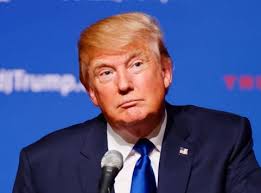
Donald Trump
This bullying has resulted in the highest turnover of White House staff in modern history.
Referencing Trump’s Presidency, Tom McCarthy, national affairs correspondent for the British newspaper, The Guardian, wrote on November 30, 2018:
“The current president has seen crowds where none exist, deployed troops to answer no threat, attacked national institutions—the military, the justice department, the judiciary, the vote, the rule of law, the press—tried to prosecute his political enemies, elevated bigots, oppressed minorities, praised despots while insulting global allies and wreaked diplomatic havoc from North Korea to Canada.
“He stays up half the night watching TV and tweeting about it, then wakes up early to tweet some more, in what must be the most remarkable public diary of insecurity, petty vindictiveness, duplicity and scattershot focus by a major head of state in history.”
On March 4, 2017, less than two months after taking office as President, Trump—offering absolutely no evidence—accused former President Barack Obama of illegally tapping his Trump Tower phones prior to the election:
“Terrible! Just found out that Obama had my ‘wires tapped’ in Trump Tower just before the victory. Nothing found. This is McCarthyism!”
“Is it legal for a sitting President to be ‘wire tapping’ a race for president prior to an election? Turned down by court earlier. A NEW LOW!”
“How low has President Obama gone to tapp my phones during the very sacred election process. This is Nixon/Watergate. Bad (or sick) guy!”
2016 PRESIDENTIAL CAMPAIGN, ABC NEWS, ADOLF HITLER, ALTERNET, AMERICABLOG, AP, BABY BOOMER RESISTANCE, BARACK OBAMA, BURT LANCASTER, BUZZFEED, CBS NEWS, CIA, CNN, CONCENTRATION CAMPS, CROOKS AND LIARS, DACHAU, DAILY KOZ, DAVID BROOKS, DEMOCRATS, DONALD TRUMP, FACEBOOK, FBI, FEDERAL GOVERNMENT SHUTDOWN, FIVETHIRTYEIGHT, FREEDOM OF THE PRESS, IMMIGRATION AND CUSTOMS ENFORCEMENT (ICE), JAMES COMEY, JAMES ROBART, JEWS, JUDGMENT AT NUREMBERG, KIM JONG-UN, LYING, MOTHER JONES, MOVEON, MSNBC, NATIONAL SECURITY AGENCY, NAZI GERMANY, NBC NEWS, NEWSWEEK, NORTH KOREA, NPR, PBS NEWSHOUR, POLITICO, POLITICUSUSA, RACISM, RAW STORY, REPUBLICANS, REUTERS, ROBERT PAYNE, ROBERT S. MUELLER, RUSSIA, SALON, SEATTLE TIMES, SLATE, SPENCER TRACY, TALKING POINTS MEMO, THE ATLANTIC, THE CHICAGO SUN-TIMES, THE CHICAGO TRIBUNE, THE DAILY BEAST, THE DAILY BLOG, THE GUARDIAN, THE HILL, THE HUFFINGTON POST, THE LIFE AND DEATH OF ADOLF HITLER (BOOK), THE LOS ANGELES TIMES, THE NATION, THE NEW YORK TIMES, THE WASHINGTON POST, THINKPROGRESS, TIME, TRUTHDIG, TWITTER, U.S. NEWS & WORLD REPORT, UPI, USA TODAY, VLADIMIR PUTIN
In Bureaucracy, History, Law, Law Enforcement, Military, Politics, Social commentary on August 23, 2019 at 12:04 am
Those who have seen the classic 1960 movie, “Judgment at Nuremberg,” will remember its pivotal moment.
That’s when Burt Lancaster, as Ernst Janning, the once distinguished German judge, confesses his guilt and that of Nazi Germany in a controlled, yet emotional, outburst.
Addressing the court—presided over by Chief Judge Dan Haywood (Spencer Tracy)—Janning explains the forces that led to the triumph of evil.
“My counsel would have you believe we were not aware of the concentration camps. Not aware? Where were we?
“Where were we when Hitler began shrieking his hate in the Reichstag? When our neighbors were dragged out in the middle of the night to Dachau?
“Where were we when every village in Germany has a railroad terminal where cattle cars were filled with children being carried off to their extermination? Where were we when they cried out in the night to us? Were we deaf? Dumb? Blind?
“My counsel says we were not aware of the extermination of the millions. He would give you the excuse we were only aware of the extermination of the hundreds. Does that make us any the less guilty?
“Maybe we didn’t know the details, but if we didn’t know, it was because we didn’t want to know.”
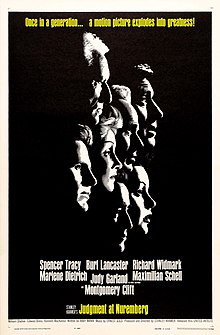
It’s not hard to imagine, in the future, an equally conscience-stricken member of the Donald Trump administration, standing before the bar of justice, making a similar statement:
“My counsel would have you believe we were not aware of the ICE concentration camps. Not aware? Where were we?
“Where were we when Trump began shrieking his hate across the country? When Trump called our free press ‘the enemy of the people’?
“Where were we when Trump openly praised Vladimir Putin and attacked those in the FBI, CIA and other Intelligence agencies sworn to protect us?
“Where were we when the victims of Trump’s hatred cried out in the night to us? Were we deaf? Dumb? Blind?
“My counsel says we were not aware of Trump’s treasonous collusion with Vladimir Putin—and his intention to betray American freedoms in exchange for the Presidency. He would give you the excuse we were misled by the lying rhetoric coming out of the White House.
“Does that make us any the less guilty? Maybe we didn’t know the details, but if we didn’t know, it was because we didn’t want to know.”
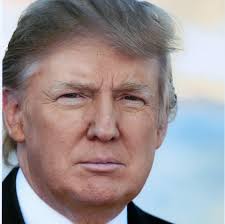
Donald Trump
In his bestselling 1973 biography, The Life and Death of Adolf Hitler, British historian Robert Payne harshly condemned the German people for the rise of the Nazi dictator:
“[They] allowed themselves to be seduced by him and came to enjoy the experience….[They] followed him with joy and enthusiasm because he gave them license to pillage and murder to their hearts’ content. They were his servile accomplices, his willing victims.”
On November 8, 2016, millions of ignorant, hate-filled, Right-wing Americans catapulted Donald Trump—a man, charged conservative New York Times columnist David Brooks, with an “odd psychology unleavened by kindness and charity”—into the Presidency.
Whereas Barack Obama, in 2008, ran for President on the slogan, “Yes, We Can!” Trump ran on the themes of fear and vindictiveness. He threatened violence not only against Democrats but even his fellow Republicans.
Upon taking office in January, 2017, Trump began undermining one public or private institution after another.
- He repeatedly and viciously attacked the nation’s free press for daring to report his growing list of crimes and disasters, calling it “the enemy of the American people.”
- He brutally attacked American Intelligence agencies—such as the FBI, CIA and National Security Agency—which unanimously agreed that Russia had interfered with the 2016 Presidential election.
- Trump repeatedly attacked Seattle US District Judge James Robart, who halted Trump’s first travel ban.
- When FBI Director James Comey refused to pledge his personal loyalty to Trump—and continued to investigate Russian subversion of the 2016 election—Trump fired him.
- Trump intended to fire Special Counsel Robert Mueller in 2017, but was talked out of it by aides fearful that it would result in his impeachment.
- Trump has lied so often—10,796 times by June 7, 2019—he’s universally distrusted, at home and abroad.
- On December 22, 2018, Trump shut down the Federal government—because Democrats refused to fund his “border wall” between the United States and Mexico.
- An estimated 380,000 government employees were furloughed and another 420,000 were ordered to work without pay. This lasted until January 25, 2019, when Trump caved to public pressure.
So why have Republicans almost unanimously stood by Trump despite the wreckage he has made of American foreign and domestic policy? Fear that they will lose their privileged positions in Congress if they don’t.
This could happen by:
- Their being voted out of Congress by Trump’s fanatical base; or
- Their being voted out of Congress by anti-Trump voters sensing Republican weakness if he’s impeached.
Future historians—if there are any—will similarly and harshly condemn those Americans who, like “good Germans,” joyfully embraced a regime dedicated to:
- Celebrating Trump’s egomania;
- Using the White House to further enrich Trump;
- Siding with Russia and North Korea against America’s oldest allies, such as NATO;
- Depriving America’s poor of their only source of healthcare; and
- Further enriching the ultra-wealthy.
ABC NEWS, ADOLF HITLER, ALEC BALDWIN, ALTERNET, AP, BARACK OBAMA, BILL O'REILLY, BUZZFEED, CBS NEWS, CNN, CONCENTRATION CAMPS, CROOKS AND LIARS, DAILY KOZ, EXECUTIONS, FACEBOOK, FOX NEWS, FRED TRUMP, FREEDOM OF THE PRESS, HILLARY CLINTON, JOE SCARBOROUGH, JOHN F. KENNEDY, JOHN MCCAIN, JOSEPH STALIN, KELLY SADLER, KIM JONG-II, KIM JONG-UN, MORNING JOE, MOTHER JONES, MOVEON, MSNBC, NAZI GERMANY, NBC NEWS, NEWSWEEK, NORTH KOREA, NPR, POLITICO, RAW STORY, REUTERS, RICHARD NIXON, RUSSIA, SALON, SARAH HUCKABEE SANDERS, SATURDAY NIGHT LIVE, SEATTLE TIMES, SLATE, SOVIET UNION, STORMY DANIELS, THE ATLANTIC, THE CHICAGO SUN-TIMES, THE CHICAGO TRIBUNE, THE DAILY BEAST, THE GUARDIAN, THE HILL, THE HUFFINGTON POST, THE LOS ANGELES TIMES, THE NATION, THE NEW YORK TIMES, THE WASHINGTON POST, TIME, TWITTER, U.S. NEWS & WORLD REPORT, UPI, USA TODAY, VLADIMIR PUTIN
In Bureaucracy, History, Law, Military, Politics, Social commentary on February 21, 2019 at 12:15 am
In January, 2018, the White House banned the use of personal cell phones in the West Wing.
The official reason: National security.
The real reason: To stop staffers from leaking to reporters.
According to an anonymous White House source: “The cellphone ban is for when people are inside the West Wing, so it really doesn’t do all that much to prevent leaks. If they banned all personal cellphones from the entire [White House] grounds, all that would do is make reporters stay up later because they couldn’t talk to their sources until after 6:30 pm.”
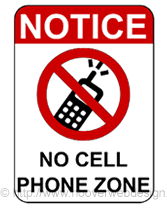
Other sources believe that leaks won’t end unless President Donald Trump starts firing staffers. But this could lead to his firing the wrong people. To protect themselves, those who leak might well accuse tight-lipped co-workers.
Within the Soviet Union (especially during the reign of Joseph Stalin) fear of secret police surveillance was widespread—and absolutely justified.
Among the methods used to keep conversations secret:
- Turning on the TV or radio to full volume.
- Turning on a water faucet at full blast.
- Turning the dial of a rotary phone to the end—and sticking a pencil in one of the small holes for numbers.
- Standing six to nine feet away from the hung-up receiver.
- Going for “a walk in the woods.”
- Saying nothing sensitive on the phone.
The secret police (known as the Cheka, the NKVD, the MGB, the KGB, and now the FSB) operated on seven working principles:
- Your enemy is hiding.
- Start from the usual suspects.
- Study the young.
- Stop the laughing.
- Rebellion spreads like wildfire.
- Stamp out every spark.
- Order is created by appearance.
Trump has always ruled through bribery and fear. He’s bought off (or tried to) those who might cause him trouble—like porn actress Stormy Daniels.
He’s never been able to poke fun at himself—and he grows livid when anybody else does.
At Christmastime, “Saturday Night Live” aired a parody of the classic movie, “It’s a Wonderful Life.” Its title: “It’s a Wonderful Trump.” In it, Trump (portrayed by actor Alec Baldwin) discovers what the United States would be like if he had never become President: A great deal better-off.
As usual, Trump expressed his resentment through Twitter: The Justice Department should stop investigating his administration and go after the real enemy: “SNL.”
“A REAL scandal is the one sided coverage, hour by hour, of networks like NBC & Democrat spin machines like Saturday Night Live. It is all nothing less than unfair news coverage and Dem commercials. Should be tested in courts, can’t be legal? Only defame & belittle! Collusion?”
By saying that “SNL’s” right to parody him “should be tested in courts, can’t be legal?” Trump has chosen to ignore the role of the First Amendment in American history.
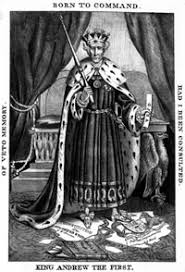
Cartoonists portrayed President Andrew Jackson wearing a king’s robes and crown, and holding a scepter. This thoroughly enraged Jackson—who had repulsed a British invasion in 1815 at the Battle of New Orleans. To call a man a monarchist in 1800s America was the same as calling him a Communist in the 1950s.
During the Civil War, President Abraham Lincoln was lampooned as an ape and a blood-stained tyrant. And Theodore Roosevelt proved a cartoonist’s delight, with attention given to his bushy mustache and thick-lensed glasses.
Thus, the odds are slight that an American court would even hear a case brought by Trump against “SNL.”
Such a case made its way through the courts in the late 1980s when the Reverend Jerry Falwell sued pornographer Larry Flyint over a satirical interview in Hustler magazine. In this, “Falwell” admitted that his first sexual encounter had been with his own mother.
In 1988, the United States Supreme Court, voting 8-0, ruled in Flynt’s favor, saying that the media had a First Amendment right to parody a celebrity.
“Despite their sometimes caustic nature, from the early cartoon portraying George Washington as an ass down to the present day, graphic depictions and satirical cartoons have played a prominent role in public and political debate,” Chief Justice William Rehnquist—an appointee of President Richard Nixon—wrote in his majority decision in the case.
Moreover, there is absolutely no doubt that Trump would be forced to take the stand in such a case. The powers-that-be at NBC and “SNL” would insist on it.
And recent history has shown that while Trump loves to sue those he hates, he does not relish being put on the stand himself.
On October 12, The Palm Beach Post, The New York Times and People all published stories of women claiming to have been sexually assaulted by Trump.
He accused the Times of inventing accusations to hurt his Presidential candidacy. And he threatened to sue for libel if the Times reported the women’s stories. He also threatened to sue the women making the accusations.
He never sued the Times or the women.
ABC NEWS, ADOLF HITLER, ALEC BALDWIN, ALTERNET, AP, BARACK OBAMA, BILL O'REILLY, BUZZFEED, CBS NEWS, CNN, CONCENTRATION CAMPS, CROOKS AND LIARS, DAILY KOZ, EXECUTIONS, FACEBOOK, FOX NEWS, FRED TRUMP, FREEDOM OF THE PRESS, HILLARY CLINTON, JOE SCARBOROUGH, JOHN F. KENNEDY, JOHN MCCAIN, JOSEPH STALIN, KELLY SADLER, KIM JONG-II, KIM JONG-UN, MORNING JOE, MOTHER JONES, MOVEON, MSNBC, NAZI GERMANY, NBC NEWS, NEWSWEEK, NORTH KOREA, NPR, POLITICO, RAW STORY, REUTERS, RICHARD NIXON, RUSSIA, SALON, SARAH HUCKABEE SANDERS, SATURDAY NIGHT LIVE, SEATTLE TIMES, SLATE, SOVIET UNION, STORMY DANIELS, THE ATLANTIC, THE CHICAGO SUN-TIMES, THE CHICAGO TRIBUNE, THE DAILY BEAST, THE GUARDIAN, THE HILL, THE HUFFINGTON POST, THE LOS ANGELES TIMES, THE NATION, THE NEW YORK TIMES, THE WASHINGTON POST, TIME, TWITTER, U.S. NEWS & WORLD REPORT, UPI, USA TODAY, VLADIMIR PUTIN
In Bureaucracy, History, Law, Military, Politics, Social commentary, Uncategorized on February 20, 2019 at 12:11 am
On May 10, 2018, The Hill reported that White House Special Assistant Kelly Sadler had joked derisively about dying Arizona United States Senator John McCain.
McCain, a Navy pilot during the Vietnam war, was shot down over Hanoi on October 26, 1967, and captured. He spent five and a half years as a POW in North Vietnam—and was often brutally tortured. He wasn’t released until March 14, 1973.
Recently, he had opposed the nomination of Gina Haspel as director of the CIA.
The reason: In 2002, Haspel had operated a “black” CIA site in Thailand where Islamic terrorists were often waterboarded to make them talk.
For John McCain, waterboarding was torture, even if it didn’t leave its victims permanently scarred and disabled.
Aware that the 81-year-old McCain was dying of brain cancer, Sadler joked to intimates about the Senator’s opposition to Haspel: “It doesn’t matter. He’s dying anyway.”
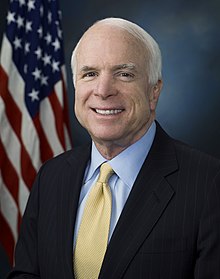
John McCain
Leaked to CNN by an anonymous White House official, Sadler’s remark sparked fierce criticism—and demands for her firing.
South Carolina Republican Senator Lindsey Graham, a close friend of McCain, said: “Ms. Sadler, may I remind you that John McCain has a lot of friends in the United States Senate on both sides of the aisle. Nobody is laughing in the Senate.”
“People have wondered when decency would hit rock bottom with this administration. It happened yesterday,” said former Vice President Joe Biden.
“John McCain makes America great. Father, grandfather, Navy pilot, POW hero bound by honor, an incomparable and irrepressible statesman. Those who mock such greatness only humiliate themselves and their silent accomplices,” tweeted former Massachusetts governor and 2012 Republican Presidential candidate Mitt Romney.
Officially, White House Press Secretary Sarah Huckabee Sanders refused to confirm or deny Sadler’s joke: “I’m not going to get into a back and forth because people want to create issues of leaked staff meetings.”
Unofficially, Sanders was furious—not at the joke about a dying man, but that someone had leaked it. After assailing the White House communications team, she pouted: “I am sure this conversation is going to leak, too. And that’s just disgusting.”

Sarah Huckabee Sanders
No apology has been offered by any official at the White House—including President Donald Trump.
In fact, Senior White House communications adviser Mercedes Schlapp reportedly expressed her support for Sadler: “I stand with Kelly Sadler.”
On May 11—the day after Sadler’s comment was reported—reporters asked Sanders if the tone set by Trump had caused Sadler to feel comfortable in telling such a joke.
“Certainly not!” predictably replied Sanders, adding: “We have a respect for all Americans, and that is what we try to put forward in everything we do, but in word and in action, focusing on doing things that help every American in this country every single day.”
On May 14 Trump revealed his “respect” for “all Americans”—especially those working in the White House.
“The so-called leaks coming out of the White House are a massive over exaggeration put out by the Fake News Media in order to make us look as bad as possible,” Trump tweeted.
“With that being said, leakers are traitors and cowards, and we will find out who they are!”
This from the man who, during the 2016 Presidential campaign, shouted: “WikiLeaks, I love WikiLeaks!”
Of course, that was when Russian Intelligence agents were exposing the secrets of Hillary Clinton, his Presidential opponent.
And, in a move that Joseph Stalin would have admired, Trump ordered an all-out investigation to find the joke-leaker.
In January, 2018, the White House had banned the use of personal cell phones in the West Wing.
The official reason: National security.
The real reason: To stop staffers from leaking to reporters.
Officials now have two choices:
- Leave their cell phones in their cars, or,
- When they arrive for work, deposit them in lockers installed at West Wing entrances. They can reclaim their phones when they leave.
Several staffers huddle around the lockers throughout the day, checking messages they have missed. The lockers buzz and chirp constantly from 6 a.m. to 8 p.m. Monday through Friday.
More ominously, well-suited men roam the halls of the West Wing, carrying devices that pick up signals from phones that aren’t government-issued. “Did someone forget to put their phone away?” one of the men will ask if such a device is detected. If no one says they have a phone, the detection team start searching the room.
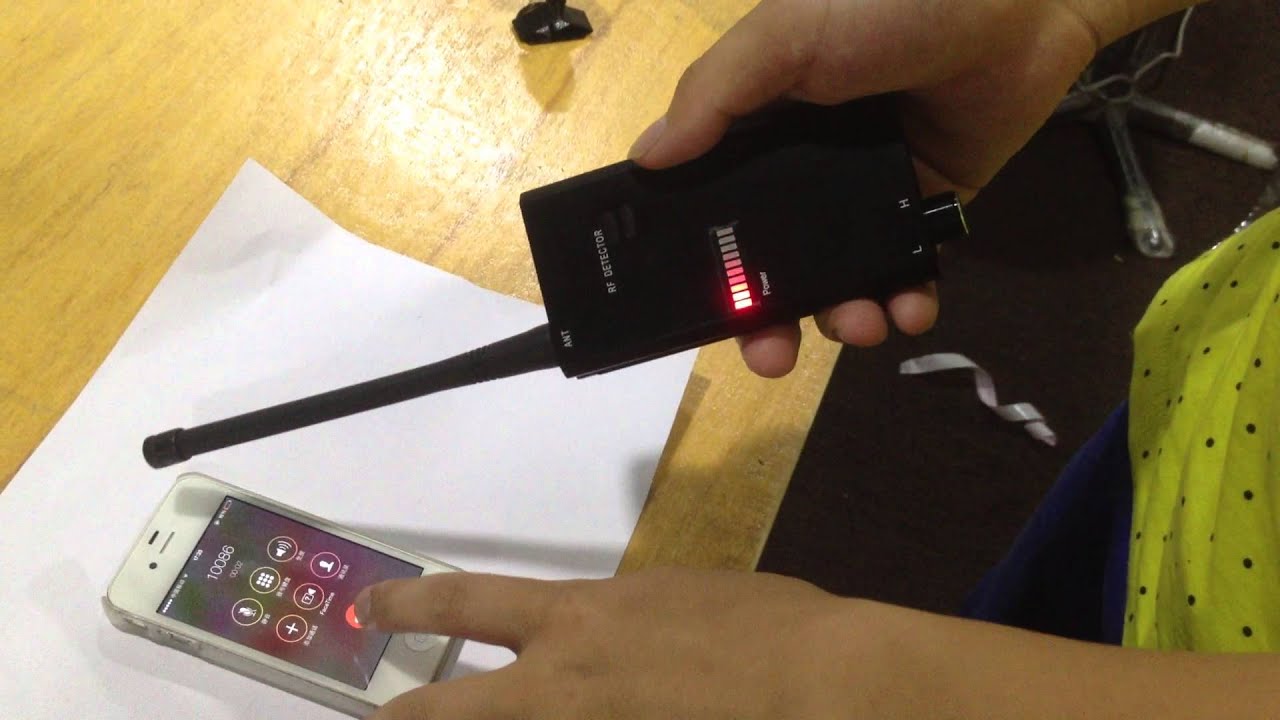
Phone detector
The devices can tell which type of phone is in the room.
This is the sort of behavior Americans have traditionally—and correctly—associated with dictatorships
In his memo outlining the policy, former Chief of Staff John Kelly warned that anyone who violated the phone ban could be punished, including “being indefinitely prohibited from entering the White House complex.”
Yet even these draconian methods may not end White House leaks.
White House officials still speak with reporters throughout the day and often air their grievances, whether about annoying colleagues or competing policy priorities.
Aides with private offices sometimes call reporters on their desk phones. Others get their cell phones and call or text reporters during lunch breaks.
2016 PRESIDENTIAL CAMPAIGN, ABC NEWS, ABRAHAM LINCOLN, ADOLF HITLER, ALEC BALDWIN, ALTERNET, ANDREW JACKSON, AP, BARACK OBAMA, BILL O'REILLY, BUZZFEED, CBS NEWS, CHEKA, CNN, CONCENTRATION CAMPS, CROOKS AND LIARS, DAILY KOZ, ELECTRONIC SURVEILLANCE, EXECUTIONS, FACEBOOK, FIRST AMENDMENT, FOX NEWS, FRED TRUMP, FREEDOM OF SPEECH, FREEDOM OF THE PRESS, FSB, HILLARY CLINTON, HUMOR, HUSTLER MAGAZINE, IT'S A WONDERFUL LIFE, JERRY FALWELL, JOE SCARBOROUGH, JOHN F. KENNEDY, JOHN MCCAIN, JOSEPH STALIN, KELLY SADLER, KGB, KIM JONG-II, KIM JONG-UN, LARRY FLYNT, MGB, MORNING JOE, MOTHER JONES, MOVEON, MSNBC, NAZI GERMANY, NBC NEWS, NEWSWEEK, NKVD, NORTH KOREA, NPR, PARODY, POLITICO, RAW STORY, REUTERS, RICHARD NIXON, RUSSIA, SALON, SARAH HUCKABEE SANDERS, SATURDAY NIGHT LIVE, SEATTLE TIMES, SLATE, SOVIET UNION, STORMY DANIELS, THE ATLANTIC, THE CHICAGO SUN-TIMES, THE CHICAGO TRIBUNE, THE DAILY BEAST, THE GUARDIAN, THE HILL, THE HUFFINGTON POST, THE LOS ANGELES TIMES, THE NATION, THE NEW YORK TIMES, THE WASHINGTON POST, THEODORE ROOSEVELT, TIME, TWITTER, U.S. NEWS & WORLD REPORT, UNITED STATES SUPREME COURT, UPI, USA TODAY, VLADIMIR PUTIN, WILLIAM REHNQUIST
In Bureaucracy, History, Law, Military, Politics, Social commentary on February 19, 2019 at 12:43 am
“Nothing funny about tired Saturday Night Live on Fake news NBC! Question is, how do the Networks get away with these total Republican hit jobs without retribution? Likewise for many other shows? Very unfair and should be looked into. This is the real Collusion!
So tweeted President Donald J. Trump on February 17.
Less than nine hours earlier, “SNL” had once again opened with actor Alec Baldwin mocking the 45th President. In this skit, Baldwin/Trump gave a rambling press conference declaring: “We need wall. We have a tremendous amount of drugs flowing into this country from the southern border—or The Brown Line, as many people have asked me not to call it.”
Right-wingers denounce their critics as “snowflakes”—that is, emotional, easily offended and unable to tolerate opposing views.
Yet here was Donald Trump, who prides himself on his toughness, whining like a child bully who has just been told that other people have rights, too.
The answer is simple: Trump is a tyrant—and a longtime admirer of tyrants.
Donald Trump
He has lavishly praised Russian dictator Vladimir Putin, such as during his appearance on the December 18, 2015 edition of MSNBC’s “Morning Joe”:
“He’s running his country, and at least he’s a leader, unlike what we have in this country”—a reference to then-President Barack Obama.
During a February, 2017 interview with Fox News host Bill O’Reilly, Trump defended Putin’s killing of political opponents.
O’Reilly: “But he’s a killer.”
Trump: “There are a lot of killers. You think our country’s so innocent?”
Asked by a Fox News reporter why he praised murderous North Korean dictator Kim Jong-Un, he replied: “He’s a tough guy. Hey, when you take over a country, tough country, tough people, and you take it over from your father …If you could do that at 27 years old, I mean, that’s one in 10,000 that could do that.”
In short: Kim must be doing something right because he’s in power. And it doesn’t matter how he came to power—or the price his country is paying for it.
Actually, for all their differences in appearance and nationality, Trump shares at least two similarities with Kim.
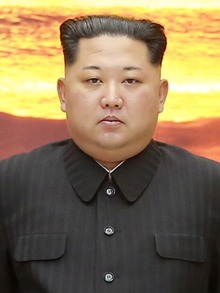
Kim Jong-Un
Blue House (Republic of Korea) [KOGL (http://www.kogl.or.kr/open/info/license_info/by.do)%5D, via Wikimedia Commons
First, both of them got a big boost into wealth and power from their fathers.
- Trump’s father, Fred Trump, a real estate mogul, reportedly gave Donald $200 million to enter the real estate business. It was this sum that formed the basis for Trump’s eventual rise to wealth and fame—and the Presidency.
- Kim’s father was Kim Jong-Il, who ruled North Korea as dictator from 1994 to 2011. When his father died in 2011, Kim Jong-Un immediately succeeded him, having been groomed for years to do so.
Second, both Trump and Kim have brutally tried to stamp out any voices that contradict their own.
- Trump has constantly attacked freedom of the press, even labeling it “the enemy of the American people.” He has also slandered his critics on Twitter—which has refused to enforce its “Terms of Service” and revoke his account.
- Kim has attacked his critics with firing squads and prison camps. Amnesty International estimates that more than 200,000 North Koreans are now suffering in labor camps throughout the country.
Thus, Trump—-elected to lead the “free world”—believes, like all dictators:
- People are evil everywhere—so who am I to judge who’s better or worse? All that counts is gaining and holding onto power.
- And if you can do that, it doesn’t matter how you do so.
Actually, it’s not uncommon for dictators to admire one another—as the case of Joseph Stalin and Adolf Hitler nicely illustrates.
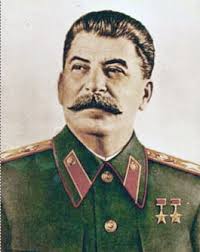
Joseph Stalin
After Hitler launched a blood-purge of his own private Stormtroopers army on June 30, 1934, Stalin exclaimed: “Hitler, what a great man! That is the way to deal with your political opponents!”
And Hitler was equally admiring of Stalin’s notorious ruthlessness: “After the victory over Russia,” he told his intimates, “it would be a good idea to get Stalin to run the country, with German oversight, of course. He knows better than anyone how to handle the Russians.”
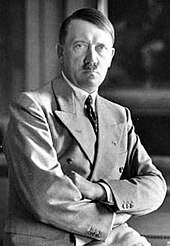
Adolf Hitler
Bundesarchiv, Bild 146-1990-048-29A / CC-BY-SA 3.0 [CC BY-SA 3.0 de (https://creativecommons.org/licenses/by-sa/3.0/de/deed.en)%5D
One characteristic shared by all dictators is intolerance toward those whose opinions differ with their own. Especially those who dare to actually criticize or make fun of them.
All Presidents have thin skins. John F. Kennedy often phoned reporters and called them “sonofbitches” when he didn’t like stories they had written on him.
Richard Nixon went further, waging all-out war against the Washington Post for its stories about his criminality.
But Donald Trump has taken his hatred of dissidents to an entirely new—and dangerous—level.
On May 10, 2018, The Hill reported that White House Special Assistant Kelly Sadler had joked derisively about dying Arizona United States Senator John McCain.
Trump was outraged—not that one of his aides had joked about a man stricken with brain cancer, but that someone in the White House had leaked it.


 Bureaucracybuster's Blog
9/11, ABC NEWS, ACADEMI, AFGHANISTAN, ALTERNET, AMERICABLOG, ANDROID, AP, APPLE IOS, BABY BOOMER RESISTANCE, BOOZ ALLEN HAMILTON, BUZZFEED, CBS NEWS, CENTRAL INTELLIGENCE AGENCY, CNN, COFER BLACK, COLD WAR, CONTRACT EMPLOYEES, CROOKS AND LIARS, DAILY KOZ, DONALD TRUMP, DRUDGE RETORT, EDWARD SNOWDEN, ENRIQUE PRADO, FACEBOOK, FIVETHIRTYEIGHT, FOX NEWS NETWORK, GEORGE W. BUSH, HARPER’S MAGAZINE, IRAQ, JUSTIN AMASH, LAURA INGRAHAM, LEGACY OF ASHES (BOOK), LOCKHEED MARTIN, MEDIA MATTERS, MEET THE PRESS, MERCENARIES, MICROSOFT WINDOWS, MOTHER JONES, MOVEON, MSNBC, NATIONAL SECURITY AGENCY (NSA), NBC NEWS, NEWSWEEK, NICCOLO MACHIAVELLI, NORTH KOREA, NPR, PAUL BREMER, PBS NEWSHOUR, POLITICO, POLITICUSUSA, RAW STORY, REUTERS, ROBERT RICHER, ROLLLING STONE, SALON, SAUDI ARABIA, SEATTLE TIMES, SLATE, SOUTH KOREA, TALKING POINTS MEMO, THE ATLANTIC, THE CHICAGO SUN-TIMES, THE CHICAGO TRIBUNE, THE DAILY BEAST, THE DAILY BLOG, THE GUARDIAN, THE HILL, THE HUFFINGTON POST, THE LOS ANGELES TIMES, THE NATION, THE NEW REPUBLIC, THE NEW YORK TIMES, THE PENTAGON, THE PRINCE, THE VILLAGE VOICE, THE WASHINGTON POST, THINKPROGRESS, TIM WEINER, TIME, TOTAL INTELLIGENCE SOLUTIONS, TRUTHDIG, TRUTHOUT, TWITTER, TWO POLITICAL JUNKIES, U.S. NEWS & WORLD REPORT, UNITED STATES ARMY, UPI, USA TODAY, WIKILEAKS, WONKETTE
DONALD TRUMP: “TROOPS FOR SALE–TO THE HIGHEST BIDDER!”
In Bureaucracy, Business, History, Military, Politics, Social commentary on January 14, 2020 at 12:05 amSince the end of the Cold War, the American military and Intelligence communities have grown increasingly dependent on private contractors.
In his 2007 bestseller, Legacy of Ashes: The History of the CIA, Tim Weiner writes:
“Patriotism for profit became a $50-billion-a-year business….The [CIA] began contracting out thousands of jobs to fill the perceived void by the budget cuts that began in 1992.
“A CIA officer could file his retirement papers, turn in his blue identification badge, go to work for a much better salary at a military contractor such as Lockheed Martin or Booz Allen Hamilton, then return to the CIA the next day, wearing a green badge….”
Much of the CIA became totally dependent on mercenaries. They appeared to work for the agency, but their loyalty was actually to their private—and higher-paying—companies.
Writes Weiner: “Legions of CIA veterans quit their posts to sell their services to the agency by writing analyses, creating cover for overseas officers, setting up communications networks, and running clandestine operations.”
One such company was Total Intelligence Solutions, founded in 2007 by Cofer Black, who had been the chief of the CIA’s counter-terrorism center on 9/11. His partners were Robert Richer, formerly the associate deputy director of operations at the CIA, and Enrique Prado, who had been Black’s chief of counter-terror operations at the agency.
Future CIA hires followed suit: Serve for five years, win that prized CIA “credential” and sign up with a private security company to enrich themselves.
This situation met with full support from Right-wing “pro-business” members of Congress and President George W. Bush.
They had long championed the private sector as inherently superior to the public one. And they saw no danger that a man dedicated to enriching himself might put greed ahead of safeguarding his country.
Now President Donald Trump is carrying the employment of mercenaries to an entirely different level.
A January 11 headline in Rolling Stone sums it up thus: “Trump Brags About Serving Up American Troops to Saudi Arabia for Nothing More Than Cash.”
On January 10, Trump, interviewed by Fox News commentator Laura Ingraham, bragged about his positive relationship with Saudi Arabia—and how the Saudi royal family is paying to use American troops:
“Saudi Arabia is paying us for [our troops]. We have a very good relationship with Saudi Arabia. I said, ‘Listen, you’re a very rich country. You want more troops? I’m going to send them to you, but you’ve got to pay us.’
“They’re paying us. They’ve already deposited $1 billion in the bank.
“We are going to help them, but these rich countries have to pay for it. South Korea gave us $500 million… I said, ‘You gotta help us along. We have 32,000 soldiers in South Korea protecting you from North Korea. You’ve gotta pay.’”
Republicans have been silent on Trump’s plan to turn American soldiers into foreign-paid mercenaries. But at least one former Republican has dared to speak out.
Rep. Justin Amash (I-Michigan) recently tweeted: “He sells troops.”
In October, 2019, on “Meet the Press,” Amash accused Trump of breaking his campaign promise to bring troops home.
“There are people who support the president, who believe things he says, but it’s pretty clear he’s not bringing home the troops. He’s just moving them to other parts of the Middle East.”
But there are dangers to relying on mercenaries. Recent examples include:
More ancient sources have also warned against the use of mercenaries. One of these was Niccolo Machiavelli, the Florentine statesman of the Renaissance.
Niccolo Machiavelli
In The Prince, Machiavelli writes:
“Mercenaries…are useless and dangerous. And if a prince holds on to his state by means of mercenary armies, he will never be stable or secure. For they are disunited, ambitious, without discipline, disloyal. They are brave among friends; among enemies they are cowards.
“They have neither the fear of God nor fidelity to man, and destruction is deferred only as the attack is. For in peace one is robbed by them, and in war by the enemy.
“The cause of this is that they have no love or other motive to keep them in the field beyond a trifling wage, which is not enough to make them ready to die for you.”
Centuries after Machiavelli’s warning, Americans are realizing the bitter truth of it firsthand.
Share this: