Posts Tagged ‘MSNBC’
ABC NEWS, ALTERNET, AP, BUZZFEED, CBS NEWS, CNN, CROOKS AND LIARS, D-DAY, D-DAY ANNIVERSARY CEREMONY, DAILY KOZ, DONALD TRUMP, EMMANUEL MACRON, ERWIN ROMMEL, FACEBOOK, FOX NEWS NETWORK, FRANKLIN D. ROOSEVELT, illegal immigration, JOHN F. KENNEDY, JUDY WOODRUFF, LAURA INGRAHAM, MARK SHIELDS, MEXICO, MOTHER JONES, MOVEON, MSNBC, NANCY PELOSI, NAZI GERMANY, NBC NEWS, NEWSWEEK, NORMAN COTA, NPR, PBS NEWSHOUR, PETER WEHNER, POLITICO, QUEEN ELIZABETH 11, RAW STORY, REUTERS, ROBERT MUELLER, SALON, SEATTLE TIMES, SLATE, TARIFFS, THE ATLANTIC, THE CHICAGO SUN-TIMES, THE CHICAGO TRIBUNE, THE DAILY BEAST, THE GUARDIAN, THE HILL, THE HUFFINGTON POST, THE LOS ANGELES TIMES, THE NATION, THE NEW YORK TIMES, THE WASHINGTON POST, TIME, TWITTER, U.S. NEWS & WORLD REPORT, UPI, USA TODAY, WORLD WAR 11
In Bureaucracy, History, Military, Politics, Social commentary on June 13, 2019 at 12:27 am
For most Americans, June 6th marked the 75th anniversary of D-Day. A time to remember and celebrate the more than 160,000 troops—73,000 of them Americans—who liberated France from Nazi slavery.
But for President Donald Trump, D-Day was simply another opportunity to slander men and women he considered “enemies of the people.”
On that day, President Donald Trump was to join European leaders—such as England’s Queen Elizabeth II and France’s President Emmanuel Macron—in celebratory observance.
But for Trump, honoring the dead—and a handful of D-Day survivors present at the ceremony—was a distant priority.

Normandy American Cemetery and Memorial
First must come a soft-ball “interview” with Right-wing Fox News Network—even if it meant postponing the opening of D-Day ceremonies until he deigned to show up.
And conducting that interview was Right-wing Fox News host Laura Ingraham—who gave a stiff-armed Nazi salute at the 2016 Republican National Convention that nominated Trump for President.
Laura Ingraham: What could you do to unite the country at a time of great polarization, what else could you do?
Donald Trump: So, I think success should unite the country but I will tell you the more successful we’ve come the more angry people like Nancy Pelosi, who don’t have what it takes, if they don’t know what’s going on they get angry. They should — an example is Mexico, I said we’re going to put tariffs on because we want you to help us because they won’t pass any legislation in Congress and I have Senators and others and Pelosi coming out saying how horrible.
What they’re doing is they’re hurting a deal, they should be saying we’re with the President, we’ll do whatever he wants to do and Mexico would fold like an umbrella. Now, I have these people and I’m saying there’s some republicans too,
[NOTE: Since becoming President, Trump has repeatedly tried—and failed—to curb illegal immigration from Central and South America. In May, he threatened to slap tariffs on goods from Mexico unless its government imposed strict controls over would-be immigrants traveling through its borders.]
On June 7, 2019, syndicated columnist Mark Shields and New York Times columnist Peter Wehners appeared on the PBS Newshour to review the week’s major political events.
Shields—a liberal, and Wehner, a conservative—reached disturbingly similar conclusions about the behavior of President Donald Trump on the 75th anniversary celebration of the D-Day landings.
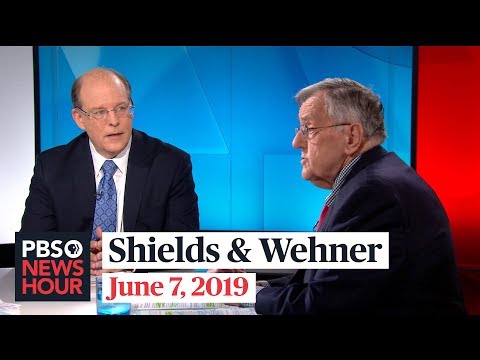
Peter Wehner and Mark Shields
Peter Wehner: in terms of watching it, it reminded me of why it was the Greatest Generation. It’s been called the Greatest Generation.The more you find out about what happened 75 years ago on Normandy Beach, the more extraordinary is, the courage and the valor and selflessness…
But, for me, what was, well, frankly, sickening was this interview that Donald Trump did with Laura Ingraham on Fox News, not just what he said, but where he said it. He had thousands and thousands of gravestones behind him, these people who had been cut down in the prime of their life. And he was attacking Nancy Pelosi and Robert Mueller, who himself was a—was a war hero, in petty terms.
And to have done it then was, in my mind, a desecration at a sacred place. And it was another window into the bonfire of anger and resentments and grievances that is Donald Trump.
Mark Shields: I would just add this….that the 9,388 Americans, husbands, fathers, sons, brothers, sweethearts are buried there who either died at Normandy or in the liberation of France. And it was a time in this country, it was a we generation, not a me generation.
I mean, we had 20 million victory gardens that civilians built that provided 40 percent of the vegetables for the whole country. We rationed everything from gasoline, to liquor, to cigarettes, to butter, to meat….
And all Americans were part of the collective effort, the collective sacrifice, and it was led by those at the top….The president of the United States had four sons. Every one of them served in combat. Every one of them was awarded in combat. You take the…sickly son of a multimillionaire, who asked his father to use his contacts to get him into combat, John Kennedy, rather than stay out….
One out of four American males served in World War II. And now we have one-third—one-percent of Americans serving. And they are serving over and over and over again.
Judy Woodruff (moderator): It’s been 75 years, Peter Wehner. What remains in the American psyche from that?
Wehner: Well, we’re an angry country, a more divided country, and a more tribalistic country than we were then. It’s important to say that, in many ways, we’re a better country too, if you’re a minority or a woman, all sorts of things where we have made progress….
The thing is that the American capacity for self-renewal can be great. And sometimes, when virtues are taken from the life of the nation and an individual, you remember why they matter to begin with. And, hopefully, commemorations like this can—can remind us that there are things that are worth fighting for and worth living for.
ABC NEWS, ALTERNET, AP, BUZZFEED, CBS NEWS, CNN, CROOKS AND LIARS, D-DAY, D-DAY 75TH ANNIVERSARY CEREMONY, DAILY KOZ, DONALD TRUMP, EMMANUEL MACRON, ERWIN ROMMEL, FACEBOOK, FOX NEWS NETWORK, LAURA INGRAHAM, MARK SHIELDS, MEXICO, MOTHER JONES, MOVEON, MSNBC, NANCY PELOSI, NAZI GERMANY, NBC NEWS, NEWSWEEK, NORMAN COTA, NPR, PBS NEWSHOUR, PETER WEHNER, POLITICO, QUEEN ELIZABETH 11, RAW STORY, REUTERS, ROBERT MUELLER, SALON, SEATTLE TIMES, SLATE, TARIFFS, THE ATLANTIC, THE CHICAGO SUN-TIMES, THE CHICAGO TRIBUNE, THE DAILY BEAST, THE GUARDIAN, THE HILL, THE HUFFINGTON POST, THE LOS ANGELES TIMES, THE NATION, THE NEW YORK TIMES, THE WASHINGTON POST, TIME, TWITTER, U.S. NEWS & WORLD REPORT, UPI, USA TODAY, WORLD WAR 11
In Bureaucracy, History, Military, Politics, Social commentary on June 12, 2019 at 12:07 am
June 6, 2019, marked the 75th anniversary of D-Day—the Allied invasion to liberate France from Nazi Germany, which proved one of the pivotal actions of World War II.
Shortly after midnight, on June 6, 1944, 24,000 American, British, Canadian and Free French troops launched an airborne assault on German positions. This was followed at 6:30 a.m. by an amphibious landing of Allied infantry and armored divisions on the French coast.
The operation was the largest amphibious invasion in history. More than 160,000 troops landed—73,000 Americans, 61,715 British and 21,400 Canadians.
Field Marshal Erwin Rommel—the legendary “Desert Fox”—commanded the German forces. For him—and the Germans—the first 24 hours of the battle would be decisive.
Initially, the Allied assault seemed likely to be stopped at the water’s edge—where Rommel had insisted it must be.
German machine-gunners and mortarmen wreaked a fearful toll on Allied soldiers. But commanders like United States Army General Norman Cota led their men to victory through a storm of bullets and shells.

Omaha Beach – June 6, 1944
The allied casualty figures for D-Day have been estimated at 10,000, including 4,414 dead. By nationality, the D-Day casualty figures were about
- 2,700 British
- 946 Canadians
- and 6,603 Americans.
The total number of German casualties on D-Day isn’t known, but is estimated at 4,000 to 9,000.
One of those who traveled to Normandy, France, to commemorate that Allied sacrifice was President Donald J. Trump. Others included England’s Queen Elizabeth II and French President Emmanuel Macron.
On June 6, 2019, Trump granted an interview with Right-wing Fox News host Laura Ingraham.
With the crosses of fallen World War II heroes visible over his shoulder and aging veterans waiting for the D-Day commemoration ceremony to begin, Trump kept everyone waiting for him to show up.

Donald Trump’s D-Day love-fest
In fact, he bragged about it on camera: “Listen to those incredible people back there,” Trump said, motioning towards the ceremony stage. “These people are so amazing, and what they don’t realize is that, I’m holding them up because of this interview. But that’s because it’s you.”
Although Trump had admitted—on air—that he was holding up the D-Day ceremony for this interview, Ingraham later told Fox viewers: “By the way, some of you may have heard or read that President Trump supposedly held up the entire D-Day ceremony in order to do this interview with me. That is patently false. Fake news.”
Ingraham opened by asking about D-Day—whose honoring ceremonies her interview was preempting. Then she moved on to topics guaranteed to arouse Trump’s bile.
Laura Ingraham: We passed Nancy Pelosi as we were walking up to the stage earlier, she said some pretty harsh things over the last 24 hours, leaked out from her caucus, she said I don’t want to impeachment, I want him in prison, meaning you. How do you work with someone like that?
Donald Trump: I think she’s a disgrace. I actually don’t think she’s a talented person, I’ve tried to be nice to her because I would have liked to have gotten some deals done. She’s incapable of doing deals, she’s a nasty, vindictive, horrible person, the Mueller report came out, it was a disaster for them.
They thought their good friend Bobby Mueller was going to give them a great report and he came out with a report with 13 horrible, angry Democrats who are totally biased against me. A couple of them worked for Hillary Clinton, they then added five more, also Democrats, with all of that two and a half years think of it, from before I even got elected they’ve been going after me and they have nothing.
[NOTE: On a day for honoring the sacrifices of America’s soldiers. Trump savaged Special Counsel Robert Mueller, who had served as a Marine Corps infantry platoon commander during the Vietnam War.
Among the military awards he received were:
- The Bronze Star Medal with Combat “V” for heroism (for saving a wounded Marine while under enemy fire).
- The Purple Heart Medal (awarded for wounds in combat).
- Two Navy and Marine Corps Commendation Medals with Combat “V”.
Trump, on the other hand, is a five-time Vietnam war draft-dodger who falsely claimed he suffered from “bone spurs” in his heels.]
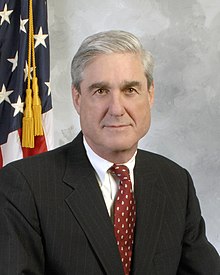
Robert Mueller
Ingraham: Do you mind if he testifies still, before you said you didn’t care if Mueller testified.
Trump: Let me tell you, he made such a fool out of himself the last time she—because what people don’t report is the letter he had to do to straighten out his testimony because his testimony was wrong but Nancy Pelosi, I call her nervous Nancy, Nancy Pelosi doesn’t talk about it. Nancy Pelosi’s a disaster, OK, she’s a disaster and let her do what she wants, you know what?
[NOTE: There is a longtime tradition in American politics that no criticism is aimed at a President when he’s traveling overseas.
Nancy Pelosi, as Speaker of the House of Representatives, held to that tradition while she attended the D-Day ceremonies. Asked to respond to Trump’s attacks on her, she said: “I don’t talk about the president while I’m out of the country. That’s my principle.”
Trump, however, did not adhere to the same principle.]
2003, 2016 PRESIDENTIAL ELECTION, ABC NEWS, ABC’S THE WEEK, ADOLF HITLER, AFGHAN WAR, ALTERNET, AP, AUSTRIA, BUZZFEED, CBS NEWS, CHIEF OF STAFF, CHRIS WALLACE, CIA, CNN, CROOKS AND LIARS, CZECHOSLOVAKIA, DAILY KOZ, DEPARTMENT OF HOMELAND SECURITY, DONALD TRUMP, EDUARD DALADIER, FACEBOOK, FBI, FOX NEWS, FUHRER OATH, H.R. MCMASTER, HERMAN GORING, IRAQ WAR, JAMES COMEY, JAMES MATTIS, JAMES ROBART, JOHN KELLY, JOINT OPERATIONS COMMAND, MICHAEL FLYNN, MOTHER JONES, MOVEON, MSNBC, MUSLIM TRAVEL BAN, NATIONAL SECURITY AGENCY, NAZI GERMANY, NBC NEWS, NEVILLE CHAMBERLAIN, NEWSWEEK, NPR, OSAMA BIN LADEN, PALMER REPORT, PAUL VON HINDENBURG, PBS NEWSHOUR, POLAND, POLITICIZING THE MILITARY, POLITICO, RAW STORY, REUTERS, RHINELAND, ROBERT MUELLER, ROLLING STONE, RUSSIA, SALON, SEATTLE TIMES, SECRETARY OF DEFENSE, SLATE, SPECIAL WARFARE, STANLEY MCCHRYSTAL, SUDENTENLAND, THE ATLANTIC, THE CHICAGO SUN-TIMES, THE CHICAGO TRIBUNE, THE DAILY BEAST, THE GUARDIAN, THE HILL, THE HUFFINGTON POST, THE LOS ANGELES TIMES, THE NATION, THE NEW YORK TIMES, THE WASHINGTON POST, TIME, TWITTER, U.S. NEWS & WORLD REPORT, UPI, USA TODAY, VLADIMIR PUTIN, WERNER VON BLOMBERG, WERNER VON FRITSCH, WILLIAM MCRAVEN, WORLD WAR 11
In Bureaucracy, History, Military, Politics, Social commentary on June 11, 2019 at 12:02 am
Nazi Germany’s Fuhrer, Adolf Hitler wasn’t crazy, as many of his critics charged. He knew what he wanted to achieve—and why.
He intended to strip every potential challenger to his authority—or his version of reality—of legitimacy with the public. After he succeeded, Germany became a nation where there was:
- No independent press to reveal his failures and crimes.
- No independent law enforcement agencies to investigate his abuses of office.
- No independent judiciary to hold him accountable.
- No independent military to dissent as he recklessly hurtled toward a disastrous war that would leave Germany in ruins.
Those are exactly the priorities of President Donald J. Trump.
He has already assaulted the integrity of:
- American Intelligence agencies: By publicly blaming the FBI, CIA and National Security Agency—instead of Russian President Vladimir Putin—for Russia’s subversion of the 2016 Presidential elections.
- American law enforcement agencies: By firing FBI Director James Comey for pursuing ties between his 2016 Presidential campaign and Russian Intelligence agents.
- The press: By tweeting, on February 17, 2017: “The FAKE NEWS media (failing @nytimes, @NBCNews, @ABC, @CBS, @CNN) is not my enemy, it is the enemy of the American People!”
- The Judiciary: By repeatedly attacking Seattle U.S. District Judge James Robart, who halted Trump’s first anti-Muslim travel ban.
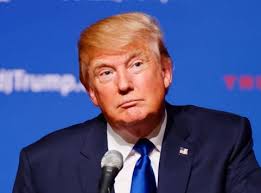
Donald Trump
Now he’s turning his attention to the American military.
- Trump appointed former Marine General James Mattis as Secretary of Defense. But when Trump announced his intention to withdraw American military forces from Syria, Mattis resigned in December, 2018.
- Mattis offered to stay in office until February, 2019, to ensure a smooth transition for his successor. But Trump, his ego outraged, forced Mattis to leave by the end of December.
- The military sees foreign commitments as essential to American security—whether against ISIS or the former Soviet Union.
- But Trump believes that alliances like NATO are “ripping off” the United States. And he believes he was elected to end foreign entanglements.
- Trump appointed Lieutenant General H.R. McMaster as National Security Adviser. But after Special Counsel Robert Mueller indicted 13 Russian nationals for interfering in the 2016 Presidential election, McMaster said: “With the FBI indictment, the evidence is now incontrovertible” of Russia cyber-meddling.
- This publicly contradicted Trump’s claim that reports of Russian subversion of the 2016 Presidential election were “a hoax.”
- Six weeks later, McMaster was forced out of the administration.

H.R. McMaster
- In November, 2018, Fox News Anchor Chris Wallace, during an interview with Trump, noted that retired Adm. William McRaven had said: “The President’s attack on the media is the greatest threat to our democracy in my lifetime.”
- Trump then dismissed McRaven—who had spearheaded the operation that killed Al-Qaedar leader Osama bin Laden—as a “Hillary fan.”
- “He was a Navy SEAL 37 years,” said Wallace. Trump, refusing to give McRaven—one of the most highly respected men in the United States military—any credit, said: “Wouldn’t it have been nice if we got Osama bin Laden a lot sooner than that?”
Some members of the military are responding favorably to Trump.
During his 2019 trip to Japan, Trump gave a Memorial Day address aboard the USS Wasp in Yokosuka. Many of the American service attending were photographed wearing patches inspired by his campaign slogan, “Make America Great Again.”
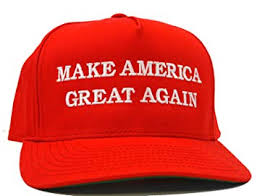
The matching patches showed the face of a man that’s presumably Trump (though notably more handsome) along with the text, “Make Aircrew Great Again.”
This may have violated the Pentagon’s strict rules barring soldiers from showing political preferences.
“All military personnel will avoid the inference that their political activities imply or appear to imply DoD sponsorship, approval or endorsement of a political candidate, campaign or cause,” the policy states.
Retired Army General Stanley McChrystal, during a December 30, 2018 interview on “This Week,” warned: “If the U.S. military becomes politicized, it will be something we’re not happy with.”
The incident on Memorial Day was not the first time active-duty service members displayed Trump-affiliated apparel.
In December, 2018, Trump engaged in campaign activities by by signing “Make America Great Again” caps for during an unannounced visit to Iraq. Dozens of troops were photographed bringing MAGA hats to the event for the president to sign.
Other members of the military are responding—carefully—to Trump’s savage attacks on its members and his erratic style of government.
According to a December 24, 2018 edition of the Palmer Report, military leaders are now going out of their way to avoid “interacting directly” with Trump. They fear that he might issue an impulsive and destructive order—which they would be legally obligated to follow.
More startling: Departing Secretary of Defense Mattis ordered them to, for the safety of the nation.
Mattis believed that Trump was dishonorable—and deranged enough to give destructive or incoherent military orders at any moment.
Columnist Bill Palmer warned that this amounted to a “soft coup.”
But then he asked: “Then again, when the ‘President’ of the United States is merely a guy who treasonously conspired with a foreign enemy to rig the election in his favor, and was not legitimately elected to anything, can you even have a coup against him?”
2003, 2016 PRESIDENTIAL ELECTION, ABC NEWS, ABC’S THE WEEK, ADOLF HITLER, AFGHAN WAR, ALTERNET, AP, AUSTRIA, BUZZFEED, CBS NEWS, CHIEF OF STAFF, CHRIS WALLACE, CIA, CNN, CROOKS AND LIARS, CZECHOSLOVAKIA, DAILY KOZ, DEPARTMENT OF HOMELAND SECURITY, DONALD TRUMP, EDUARD DALADIER, FACEBOOK, FBI, FOX NEWS, FUHRER OATH, H.R. MCMASTER, HERMAN GORING, IRAQ WAR, JAMES COMEY, JAMES MATTIS, JAMES ROBART, JOHN KELLY, JOINT OPERATIONS COMMAND, MICHAEL FLYNN, MOTHER JONES, MOVEON, MSNBC, MUSLIM TRAVEL BAN, NATIONAL SECURITY AGENCY, NAZI GERMANY, NBC NEWS, NEVILLE CHAMBERLAIN, NEWSWEEK, NPR, OSAMA BIN LADEN, PALMER REPORT, PAUL VON HINDENBURG, PBS NEWSHOUR, POLAND, POLITICIZING THE MILITARY, POLITICO, RAW STORY, REUTERS, RHINELAND, ROBERT MUELLER, ROLLING STONE, RUSSIA, SALON, SEATTLE TIMES, SECRETARY OF DEFENSE, SLATE, SPECIAL WARFARE, STANLEY MCCHRYSTAL, SUDENTENLAND, THE ATLANTIC, THE CHICAGO SUN-TIMES, THE CHICAGO TRIBUNE, THE DAILY BEAST, THE GUARDIAN, THE HILL, THE HUFFINGTON POST, THE LOS ANGELES TIMES, THE NATION, THE NEW YORK TIMES, THE WASHINGTON POST, TIME, TWITTER, U.S. NEWS & WORLD REPORT, UPI, USA TODAY, VLADIMIR PUTIN, WERNER VON BLOMBERG, WERNER VON FRITSCH, WILLIAM MCRAVEN, WORLD WAR 11
In Bureaucracy, History, Military, Politics, Social commentary on June 10, 2019 at 12:05 am
President Donald Trump is notorious as a non-reader. Nevertheless, he seems poised to re-enact one of the most fateful events in 20th century history.
First, that event: On August 2, 1934, the aged German President Paul von Hindenburg died.
Adolf Hitler had been serving as Reich Chancellor—the equivalent of attorney general—since January 30, 1933. Within hours, the Nazi Reichstag [parliament] announced the following law, back-dated to August 1st:
“The office of Reich President will be combined with that of Reich Chancellor. The existing authority of the Reich President will consequently be transferred to the Führer and Reich Chancellor, Adolf Hitler.”
Immediately following the announcement of the new Führer law, the German Officer Corps and every individual soldier in the German Army was made to swear a brand new oath of allegiance:
“I swear by God this holy oath, that I will render to Adolf Hitler, Führer of the German Reich and People, Supreme Commander of the Armed Forces, unconditional obedience, and that I am ready, as a brave soldier, to risk my life at any time for this oath.”
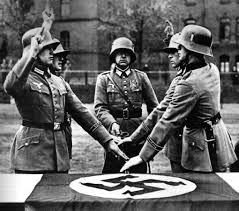
Soldiers swearing the Fuhrer Oath
In the past, German soldiers had sworn loyalty to Germany. Now they had sworn it to a single man.
For men of honor in uniform, conspiracy against the Führer now meant betrayal of the Fatherland itself. They considered this oath sacred, overriding all others. And the vast majority would fanatically obey it right to the end of the disastrous war Hitler was leading them into.
Yet even that didn’t give Hitler the absolute control over the Armed Forces that he sought.
Since taking command of Germany in the summer of 1934, Hitler wanted to replace two high-ranking military officials: General Werner von Fritsch and Colonel General Werner von Blomberg. Both were convinced that Hitler’s increasingly aggressive foreign policy was putting Germany on a collision course with war—a war the Fatherland could not win.
Hitler, in fact, meant to go to war—and despised Fritsch’s and Blomberg’s hesitation to do so. He decided to rid himself of both men. But how?
Accident played a part in the case of Blomberg.
On January 12, 1938, Blomberg married Erna Gruhn, with Hitler and Reichsmarshall Hermann Goring attending as witnesses. Soon afterward, Berlin police discovered that Gruhn had a criminal record as a prostitute and had posed for pornographic photographs.
Marrying a woman with such a background violated the standard of conduct expected of German officers. Hitler was infuriated at having served as a witness to the ceremony.
But he also saw the scandal as an opportunity to dispose of Blomberg—who was forced to resign.
Shortly after Blomberg was forced out in disgrace, the SS—Hitler’s private police force—presented Hitler with a file that falsely accused Werner von Fritsch of homosexuality. Fritsch angrily denied the accusation but resigned on February 4, 1938.
From that point on, Hitler was in de facto command of the German Armed Services.
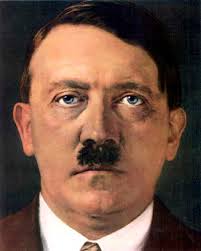
Adolf Hitler
Hitler had a timetable of conquest:
- On March 7, 1936, he seized the Rhineland, the demilitarized zone between Germany and its arch-enemy, France.
- On March 12, 1838, he “unified” Austria with Germany by annexing it.
- In September, 1938, he seized a large portion of western Czechoslovakia after that nation’s British and French “allies” sold it out at the infamous Munich Conference.
- On March 15, 1939, he ordered the Wehrmacht to occupy the rest of Czechoslovakia.
- On September 1, 1939, he ordered the invasion of Poland—unintentionally igniting World War II and the eventual destruction of Nazi Germany.
No one yet knows if Donald Trump has a plan of conquest outside the United States. But he seems intent on attacking the top command of its armed services—and its sacred traditions.
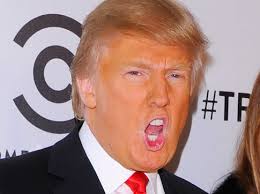
Donald Trump
On January 1, 2019, Trump—in a tweet—declared war on retired Army General Stanley McCrystal: “‘General’ McChrystal got fired like a dog by Obama. Last assignment a total bust. Known for big, dumb mouth. Hillary lover!”
The reason for Trump’s ire: McCrystal had given a December 30, 2018 interview on ABC’s “This Week,” Asked if he thought Trump was “a liar,” he replied: “I don’t think he tells the truth.” Asked: “Is Trump immoral, in your view?” McCrystal replied: “I think he is.”
McChrystal had become a legend among Special Warfare soldiers during the 2003 Iraq War. He had turned Joint Special Operations Command into one of the most efficient killing machines in history.
In 2010, McChrystal resigned as the commander of the Afghan War. Some officers on his staff made disparaging remarks about top officials working for President Barack Obama. Even worse, they made them to a Rolling Stone reporter.
Trump took office with strong support by military brass. Among his appointees:
- Retired four-star Marine General James Mattis as Secretary of Defense.
- Retired four-star Marine General John Kelly as, first, Secretary of Homeland Security and then Chief of Staff.
- Retired three-star Army Lieutenant General Michael Flynn for National Security Adviser.
- Lieutenant General H.R. McMaster succeeded Flynn as National Security Adviser after Flynn was forced out of the White House for lying about his ties to Russian oligarchs.
But now Trump is eager to tear down the generals.
1968 PRESIDENTIAL RACE, ABC NEWS, ADOLF HITLER, ALTERNET, AP, BERNARD LAW MONTGOMERY, BUZZFEED, CBS NEWS, CNN, COMING APART: AMERICA IN THE 1960S (BOOK), CROOKS AND LIARS, D-DAY, DAILY KOZ, DWIGHT D. EISENHOWER, ERWIN ROMMEL, EUGENE MCCARTHY, FACEBOOK, HUBERT HUMPHERY, JOHN F. KENNEDY, LYNDON B. JOHNSON, MOTHER JONES, MOVEON, MSNBC, NAZI GERMANY, NBC NEWS, NEWSWEEK, NORMAN COTA, NPR, POLITICO, RAW STORY, REUTERS, ROBERT F. KENNEDY, SALON, SEATTLE TIMES, SIRHAN SIRHAN, SLATE, THE ATLANTIC, THE CHICAGO SUN-TIMES, THE CHICAGO TRIBUNE, THE DAILY BEAST, THE GUARDIAN, THE HILL, THE HUFFINGTON POST, THE LOS ANGELES TIMES, THE NATION, THE NEW YORK TIMES, THE WASHINGTON POST, THIRD REICH, TIME, TWITTER, U.S. ARMY RANGERS, U.S. NEWS & WORLD REPORT, UPI, USA TODAY, VIETNAM WAR, WILLIAM L. O'NEILL, WORLD WAR 11
In Bureaucracy, History, Military, Politics, Social commentary on June 6, 2019 at 12:16 am
“For it is the doom of men that they forget.”
—Merlin, in “Excalibur”
June 6—a day of glory and tragedy.
The glory came 75 years ago—on Tuesday, June 6, 1944.
On that morning, Americans awoke to learn—from radio and newspapers—that their soldiers had landed on the French coast of Normandy.
In Supreme Command of the Allied Expeditionary Force: American General Dwight D. Eisenhower. Overall command of ground forces rested with British General Bernard Law Montgomery.
Operation Overlord, the Allied invasion to liberate France from Nazi Germany, proved one of the pivotal actions of World War II.
Shortly after midnight, 24,000 American, British, Canadian and Free French troops launched an airborne assault. This was followed at 6:30 a.m. by an amphibious landing of Allied infantry and armored divisions on the French coast.
Field Marshal Erwin Rommel—the legendary “Desert Fox”—commanded the German forces. For him, the first 24 hours of the battle would be decisive.
“For the Allies as well as the Germans,” he warned his staff, “it will be the longest day.”
The operation was the largest amphibious invasion in history. More than 160,000 troops landed—73,000 Americans, 61,715 British and 21,400 Canadians.
Omaha Beach – June 6, 1944
Initially, the Allied assault seemed likely to be stopped at the water’s edge—where Rommel had insisted it must be. He had warned that if the Allies established a beachhead, their overwhelming numbers and airpower would eventually prove irresistible.
German machine-gunners and mortarmen wreaked a fearful toll on Allied soldiers. But commanders like U.S. General Norman Cota led their men to victory through a storm of bullets and shells.
Coming upon a group of U.S. Army Rangers taking cover behind sand dunes, Cota demanded: “What outfit is this?”
“Rangers!” yelled one of the soldiers.
“Well, Goddamnit, then, Rangers, lead the way!” shouted Cota, inspiring the soldiers to rise and charge into the enemy.
The command also gave the Rangers the motto they carry to this day.
The allied casualty figures for D-Day have been estimated at 10,000, including 4,414 dead. By nationality, the D-Day casualty figures are about
- 2,700 British
- 946 Canadians
- and 6,603 Americans.
The total number of German casualties on D-Day isn’t known, but is estimated at 4,000 to 9,000.
Allied and German armies continued to clash throughout France, Belgium and Germany until May 7, 1945, when Germany finally surrendered.
But Americans who had taken part in D-Day could be proud of having dealt a fatal blow to the evil ambitions of Adolf Hitler’s Third Reich.
So much for the glory of June 6. Now for the tragedy—which occurred 51 years ago, on Thursday, June 6, 1968.
Twenty-four years after D-Day, Americans awoke to learn—mostly from TV—that New York Senator Robert F. Kennedy had died at 1:44 a.m. of an assassin’s bullet.
He had been campaigning for the Democratic Presidential nomination, and had just won the California primary on June 4.
This had been a make-or-break event for Kennedy, a fierce critic of the seemingly endless Vietnam war.
He had won the Democratic primaries in Indiana and Nebraska, but had lost the Oregon primary to Minnesota Senator Eugene McCarthy.
If he defeated McCarthy in California, Kennedy could force his rival to quit the race. That would lead to a showdown between him and Vice President Hubert Humphrey for the nomination.
(President Lyndon B. Johnson had withdrawn from the race on March 31—just 15 days after Kennedy announced his candidacy on March 16.)
After winning the California and South Dakota primaries, Kennedy gave a magnanimous victory speech in the ballroom of the Ambassador Hotel in Los Angeles:

Robert F. Kennedy, only moments from death
“I think we can end the divisions within the United States….We are a great country, an unselfish country, and a compassionate country. And I intend to make that my basis for running over the period of the next few months.”
Then he entered the hotel kitchen—where Sirhan Sirhan, a 24-year-old Palestinian from Jordan, opened fire with a .22 revolver.
Kennedy was hit three times—once fatally in the back of the head. Five other people were also wounded.
Kennedy’s last-known words were: “Is everybody all right?” and “Jack, Jack”—the latter clearly a reference to his beloved older brother, John Fitzgerald Kennedy.
Almost five years earlier, that brother—then President of the United States—had been assassinated in Dallas on November 22, 1963.
Then Robert Kennedy lost consciousness—forever, dying in a hospital bed 24 hours later.
Kennedy had been a U.S. Attorney General (1961-1964) and Senator (1964-1968). But it was his connection to President Kennedy for which he was best-known.
His assassination—coming so soon after that of JFK—convinced many Americans there was something “sick” about the nation’s culture.
Historian William L. O’Neil delivered a poignant summary of Robert Kennedy’s legacy in Coming Apart: An Informal History of America in the 1960′s.

“He aimed so high that he must be judged for what he meant to do, and through error and tragic accident, failed at…..He will also be remembered as an extraordinary human being who, though hated by some, was perhaps more deeply loved by his countrymen than any man of his time.
“That, too, must be entered into the final account, and it is no small thing. With his death, something precious vanished from public life.”
2016 PRESIDENTIAL ELECTION, ABC NEWS, ADOLF HITLER, AL QAEDA, ALTERNET, AMERICAN EXCEPTIONALISM, AMERICAN NAZIS, AMERICAN RECKONING: THE VIETNAM WAR AND OUR NATIONAL IDENTITY (BOOK), AP, BARACK OBAMA, BASHIR AL-ASSAD, BUZZFEED, CANADA, CBS NEWS, CHINA, CHRISTIAN G. APPY, CNN, CROOKS AND LIARS, DAILY KOZ, DEMOCRATS, EMOLUMENTS CLAUSE, FACEBOOK, FASCISM, FBI, FEDERAL JUDICIARY, FLATTERY, GOVERNMENT SHUTDOWN, GREAT BRITAIN, HOUSE UN-AMERICAN ACTIVITIES COMMITTEE, HUMAN RIGHTS, INTELLIGENCE COMMUNITY, JAMES COMEY, JEFF SESSIONS, JOHN BOEHNER, JOHN MCCAIN, KIM JONG-UN, KU KLUX KLAN, MICHAEL FLYNN, MOTHER JONES, MOVEON, MSNBC, NBC NEWS, NEWSWEEK, NPR, PBS NEWSHOUR, POLITICO, RAW STORY, REPUBLICANS, REUTERS, ROBERT MUELLER, RUSSIA, RUSSIAN SUBVERSION, SALLY YATES, SALON, SEATTLE TIMES, SLATE, SYRIA, THE ATLANTIC, THE CHICAGO SUN-TIMES, THE CHICAGO TRIBUNE, THE DAILY BEAST, THE GUARDIAN, THE HILL, THE HUFFINGTON POST, THE LOS ANGELES TIMES, THE NATION, THE NEW YORK TIMES, THE PRESS, THE WASHINGTON POST, TIME, TREASON, TWITTER, TYRANNY, U.S. NEWS & WORLD REPORT, UNITED STATES CONSTITUTION, UPI, USA TODAY, VIETNAM WAR, VLADIMIR PUTIN, WILLIAM BARR
In Bureaucracy, History, Military, Politics, Social commentary on June 5, 2019 at 12:05 am
In his 2015 book, American Reckoning: The Vietnam War and Our National Identity, Christian G. Appy describes the way Americans saw their country before the war:
“The United States [was] a unique force for good in the world, superior not only in its military and economic power but in the quality of its government and institutions, the character and morality of its people, and its way of life…..
“It was still unimaginable to most Americans that their own nation would wage aggressive war and justify it with unfounded claims, that it would support undemocratic governments reviled by their own people, and that American troops would be sent to fight in countries where they were widely regarded not as liberators but as imperialist invaders.”
For millions of Americans, writes Appy, the Vietnam war forever shattered that tremendously appealing self-image.
Yet for millions more, the United States remains an exemplary nation with a divine mission to lead other nations—willingly or unwillingly—to follow its example. For these Americans, the corruption and dictatorships that plague many countries “can’t happen here.”
This refusal to accept the lessons of history blinds many Americans to the dangers posed by the Donald Trump Presidency.
Since assuming office on January 20, 2017, Trump:
- Repeatedly attacked the integrity of the American Intelligence community for confirming Russian subversion of the 2016 Presidential election—while siding with Russian President Vladimir Putin that this didn’t happen.
- Fired FBI Director James Comey for investigating that subversion.
- Fired Acting Attorney General Sally Yates after she warned him that National Security Adviser Michael Flynn had misled the FBI about his Russian contacts.
- Forced House Republicans to release a memo falsely accusing the FBI of pursuing a vendetta against him.

- Repeatedly attacked his Attorney General, Jeff Sessions, for recusing himself from investigations into ties between Russian Intelligence agents and members of Trump’s 2016 Presidential campaign. On November 7, 2018, Trump fired him.
- Repeatedly attacked the integrity of the FBI, raising the possibility of his firing more of its senior leadership for investigating that subversion.
- Accused those who participated in that investigation of committing “treason”—as if he were the monarchical embodiment of the state.
- (The Constitution does not define “treason” as disloyalty to the President—or a private citizen, which Trump was when he ran for President. It defines “treason” as “levying war” against the United States, or giving “aid and comfort” to countries or entities that have declared war on the United States.)
- Attacked and alienated America’s oldest allies, such as Canada and Great Britain.
- Repeatedly praised brutal Communist dictators Vladimir Putin and Kim Jong-Un.
- Falsely accused former President Barack Obama of illegally “spying” on his 2016 campaign.
- Repeatedly asked aides to fire Special Counsel Robert Mueller—but was finally persuaded that this could lead to his impeachment.
- Slandered Federal judges whose rulings displeased him.
- Spoken admiringly of American Nazis and Ku Klux Klansmen.
- Shut down the United States Government for over a month, imperiling the lives of 800,000 Federal employees, to extort money from Congress for a worthless wall on the U.S.-Mexico border.
- “Joked” that the United States—like China—should have a “President-for-Life.”
- Repeatedly attacked the free press as “the enemy of the people.”
- Encourages his followers to violently attack those he hates in the press. On July 2, 2017, he tweeted a video of himself punching a man with the CNN logo superimposed on his head during a WWE wrestling match.

- Used the Presidency to further enrich himself, in violation of the Emoluments Clause of the Constitution.
- By March 17, 2019, had said or tweeted 9,179 lies or misleading statements—an average of 11.6 lies a day.
- Requires his Cabinet members and lesser appointees to fawn over him with over-the-top flattery previously reserved for notorious dictators.
- Appointed William Bar as Attorney General to replace William Sessions—after Barr sent a fawning 20-page memo to the Justice Department criticizing the foundation of the Special Counsel investigation.
- Authorized Barr to investigate the Federal law enforcement and Intelligence agencies that legally investigated links between Russian Intelligence agents and members of Trump’s Presidential campaign.
- Plans to turn the traditional nonpartisan July 4 celebration on the National Mall into a Trump campaign rally that celebrates himself.
* * * * *
Donald Trump isn’t crazy, as many of his critics charge. Nor is he a political innocent who “simply doesn’t know better,” as his Republican allies have repeatedly claimed.
He knows exactly what he’s doing—and why.
He intends to strip every potential challenger to his authority—or his version of reality—of legitimacy with the public.
If he succeeds, there will be:
- No independent press to reveal his failures and crimes.
- No independent law enforcement agencies to investigate his abuses of office.
- No independent judiciary to hold him accountable.
- No independent military to dissent as he recklessly hurtles toward a nuclear disaster.
- No candidate—Democrat or Republican—to challenge him for re-election in 2020.
- No candidate—Democrat or Republican—to challenge his remaining in office as “President-for-Life.”
The absurd faith that “America is different from other great powers” brought us the Vietnam war—and the 58,000 needless dead that will forever be its legacy. Now that same faith threatens to bring us an absolute Right-wing dictatorship.
2016 PRESIDENTIAL ELECTION, ABC NEWS, ADOLF HITLER, AL QAEDA, ALTERNET, AMERICAN EXCEPTIONALISM, AMERICAN NAZIS, AMERICAN RECKONING: THE VIETNAM WAR AND OUR NATIONAL IDENTITY (BOOK), AP, BARACK OBAMA, BASHIR AL-ASSAD, BUZZFEED, CANADA, CBS NEWS, CHINA, CHRISTIAN G. APPY, CNN, CROOKS AND LIARS, DAILY KOZ, DEMOCRATS, EMOLUMENTS CLAUSE, FACEBOOK, FASCISM, FBI, FEDERAL JUDICIARY, FLATTERY, GOVERNMENT SHUTDOWN, GREAT BRITAIN, HOUSE UN-AMERICAN ACTIVITIES COMMITTEE, HUMAN RIGHTS, INTELLIGENCE COMMUNITY, JAMES COMEY, JEFF SESSIONS, JOHN BOEHNER, JOHN MCCAIN, KIM JONG-UN, KU KLUX KLAN, MICHAEL FLYNN, MOTHER JONES, MOVEON, MSNBC, NBC NEWS, NEWSWEEK, NPR, PBS NEWSHOUR, POLITICO, RAW STORY, REPUBLICANS, REUTERS, ROBERT MUELLER, RUSSIA, RUSSIAN SUBVERSION, SALLY YATES, SALON, SEATTLE TIMES, SLATE, SYRIA, THE ATLANTIC, THE CHICAGO SUN-TIMES, THE CHICAGO TRIBUNE, THE DAILY BEAST, THE GUARDIAN, THE HILL, THE HUFFINGTON POST, THE LOS ANGELES TIMES, THE NATION, THE NEW YORK TIMES, THE PRESS, THE WASHINGTON POST, TIME, TREASON, TWITTER, TYRANNY, U.S. NEWS & WORLD REPORT, UNITED STATES CONSTITUTION, UPI, USA TODAY, VIETNAM WAR, VLADIMIR PUTIN, WILLIAM BARR
In Bureaucracy, History, Military, Politics, Social commentary on June 4, 2019 at 12:05 am
“Who are we?” asks Christian G. Appy in the opening of his 2015 book, American Reckoning: The Vietnam War and Our National Identity.
For Appy, it’s impossible to understand the enormous impact of the Vietnam war on the United States without first understanding the image that Americans had of themselves before that conflict. And he describes that image as:
“The broad faith that the United States [was] a unique force for good in the world, superior not only in its military and economic power but in the quality of its government and institutions, the character and morality of its people, and its way of life…..
“It was still unimaginable to most Americans that their own nation would wage aggressive war and justify it with unfounded claims, that it would support undemocratic governments reviled by their own people, and that American troops would be sent to fight in countries where they were widely regarded not as liberators but as imperialist invaders.”
Appy contends that, for millions of Americans, the Vietnam war dealt a mortal blow to that tremendously appealing self-image.
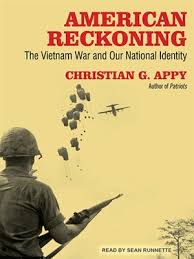
Yet for millions more, the United States remains an exemplary nation with a divine mission to lead other nations—willingly or unwillingly—to follow its example. And those Americans become furious when anyone—especially a foreigner—dares question that belief.
On September 11, 2013, the New York Times published an Op-Ed (guest editorial) from Russian President Vladimir Putin, entitled: “A Plea for Caution from Russia: What Putin Has to Say to Americans About Syria.”
To no one’s surprise, Putin strongly opposed an American air strike on Syria. Its “President” (i.e., dictator) Bashir al-Assad, is a close ally of Russia. Just as his late father and dictator, Hafez al-Assad, was a close ally of the Soviet Union.
And Putin is a former member of the KGB, the infamous secret police which ruled the Soviet Union from its birth in 1917 to its collapse in 1991.
In his September 11 guest editorial in the New York Times, Putin offered the expected Russian take on Syria:
- Poison gas was used in Syria.
- It wasn’t used by the Syrian Army.
- “Opposition forces [used it] to provoke intervention by their powerful foreign patrons.”
- “There are few champions of democracy in Syria. But there are more than enough [al] Qaeda fighters and extremists of all stripes battling the government.”
But it’s the concluding paragraph that enraged American politicians the most—especially Right-wing ones. In it, Putin took exception with American “exceptionalism.”
Referring to then-President Barack Obama, Putin wrote:
“And I would rather disagree with a case he made on American exceptionalism, stating that the United States’ policy is ‘what makes America different. It’s what makes us exceptional.’
“It is extremely dangerous to encourage people to see themselves as exceptional, whatever the motivation. There are big countries and small countries, rich and poor, those with long democratic traditions and those still finding their way to democracy. Their policies differ, too.
“We are all different, but when we ask for the Lord’s blessings, we must not forget that God created us equal.”
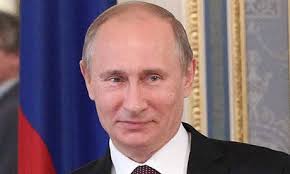
Vladimir Putin
Putin has never publicly shown any interest in religion. But by invoking “the Lord,” he was able to turn the Christian beliefs of his Western audience into a useful weapon.
Americans’ outrage quickly erupted.
“I was insulted,” then-House Speaker John Boehner (R-Ohio) told reporters when asked for his blunt reaction to the editorial.
“I have to be honest with you, I was at dinner, and I almost wanted to vomit,” said U.S. Senator Bob Menendez (D-New Jersey).
Putin had dared to question the self-righteousness of American foreign policy—and those who make it.
Making his case for war with Syria, Obama had said: “America is not the world’s policeman….But when, with modest effort and risk, we can stop children from being gassed to death, and thereby make our own children safer over the long run, I believe we should act.
“That’s what makes America different. That’s what makes us exceptional. With humility, but with resolve, let us never lose sight of that essential truth.”
In short: Because we consider ourselves “exceptional,” we have the divine right to do whatever we want.
It’s not necessary to see Putin as a champion of democracy (he isn’t) to see the truth in this part of his editorial:
“It is extremely dangerous to encourage people to see themselves as exceptional, whatever the motivation.”
From 1938 to 1969, the House Un-American Activities Committee sought to define what was “American” and what was “Un-American.” As if “American” stood for all things virtuous.
Whoever heard of an “Un-French Activities Committee”? Or an “Un-German” or “Un-British” one?
The late S.I. Hayakawa was a professor of semantics (the study of the relationship between words and what they stand for).
In his bestselling book, Language in Thought and Action, he observed that a person has four ways of responding to a message:
- Accept the speaker and his message.
- Accept the speaker but reject the message.
- Accept the message but reject the speaker.
- Reject the message and the speaker.
Americans might want to consider #3 where “American exceptionalism” is concerned.
A.G. SULZBERGER, ABC NEWS, ALTERNET, AP, BUZZFEED, CBS NEWS, CIA, CNN, CROOKS AND LIARS, DAILY KOZ, DEMOCRATIC PARTY, FACEBOOK, FBI, GEORGE ORWELL, JAMES COMEY, JUSTICE DEPARTMENT, MEDIA, MOTHER JONES, MOVEON, MSNBC, NBC NEWS, NEWSWEEK, NPR, PEGGY NOONAN, POLITICO, RAW STORY, REPUBLICAN PARTY, REUTERS, ROBERT S. MUELLER, Ronald Reagan, SALON, SEATTLE TIMES, SLATE, THE ATLANTIC, THE CHICAGO SUN-TIMES, THE CHICAGO TRIBUNE, THE DAILY BEAST, THE GUARDIAN, THE HILL, THE HUFFINGTON POST, THE LOS ANGELES TIMES, THE NATION, THE NEW YORK TIMES, THE WASHINGTON POST, TIME, TWITTER, U.S. NEWS & WORLD REPORT, UPI, USA TODAY, USA TODAY DONALD TRUMP
In Bureaucracy, History, Law Enforcement, Politics, Social commentary on May 29, 2019 at 12:11 am
Donald Trump has repeatedly claimed that he is a victim of “fake news.”
But future historians will note how often the media ignored the foremost reality of their time: That the United States was led by a psychopathic dictator.
This is true even for CNN, the network that Trump clearly hates the most.
In a May 22, 2018 CNN essay on Trump vs. the press, longtime political consultant David Gergen wrote:
“Instead of raging on about ‘fake news,’ the President would do well to read Peggy Noonan [a Ronald Reagan speechwriter turned author] on Reagan and focus on building his character.”
So what’s wrong with this?
Trump was 72 years old when this was written. George Orwell wrote that, by age 50, every man has the face he deserves. By age 72, every man has the character he has spent his life being. And Trump’s life has been dedicated to inflating his wallet and his ego.
He isn’t going to radically change at this point—especially if he believes himself “a very stable genius.”
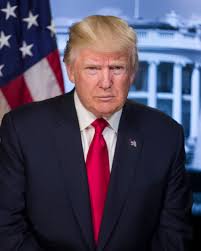
Donald Trump
Then there’s a July 30, 2018 story on CNN: “Trump Opens Window Into His Rage With Mueller Attack.”
This focused on a tweetstorm Trump launched against Special Counsel Robert Mueller just two days before Mueller prosecuted Paul Manafort, Trump’s former campaign chairman.
Among those tweets:
“Is Robert Mueller ever going to release his conflicts of interest with respect to President Trump, including the fact that we had a very nasty & contentious business relationship, I turned him down to head the FBI (one day before appointment as S.C.) & Comey is his close friend.”
And:
“…Also, why is Mueller only appointing Angry Dems, some of whom have worked for Crooked Hillary, others, including himself, have worked for Obama….And why isn’t Mueller looking at all of the criminal activity & real Russian Collusion on the Democrats side-Podesta, Dossier?”
Robert Mueller
CNN characterized this cascade of libels as a “trio of tweets…packed with inaccuracies and misrepresentations.”
An accurate description would have been: “Lies.”
There were no “conflicts of interest” on Mueller’s part. And having been FBI director for 12 years (2001-2013) he had no desire to once again assume such a grueling burden at age 72.
Arthur Gregg Sulzberger, the publisher of the New York Times, described a meeting between himself and Trump:
“I told him that although the phrase ‘fake news’ is untrue and harmful, I am far more concerned about his labeling journalists ‘the enemy of the people.’ I warned that this inflammatory language is contributing to a rise in threats against journalists and will lead to violence.
“I repeatedly stressed that this is particularly true abroad, where the president’s rhetoric is being used by some regimes to justify sweeping crackdowns on journalists. I warned that it was putting lives at risk, that it was undermining the democratic ideals of our nation, and that it was eroding one of our country’s greatest exports: a commitment to free speech and a free press.”
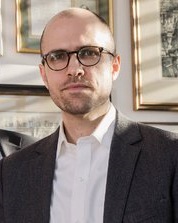
Arthur Gregg Sulzberger
Appealing to Trump’s “better angels” was an exercise in futility—and insanity.
A 2016 analysis by USA Today found that for 30 years, Trump and his businesses had been involved in 3,500 legal cases in U.S. federal and state courts. This is not a man who, at heart, is a peacemaker.
Nor does he respect truth. The Washington Post has reported that, by March 17, 2019, Trump said or tweeted 9,179 lies or misleading statements. This makes for an average of 11.6 lies a day.
To expect that Trump has any regard for such Constitutional niceties as freedom of the press is beyond rationality.
He intends to strip every potential challenger to his authority—or his version of reality—of legitimacy with the public. If he succeeds, there will be:
- No independent press to reveal his failures and crimes.
- No independent law enforcement agencies to investigate his abuses of office.
- No independent judiciary to hold him accountable.
- No independent military to dissent as he recklessly hurtles toward a nuclear disaster.
- No candidate—Democrat or Republican—to challenge him for re-election in 2020.
- No candidate—Democrat or Republican—to challenge his remaining in office as “President-for-Life.”
Yet the media—including CNN—refuses to brand Trump as the liar and dictator he clearly is.
Reporters who cover the White House are among the most knowledgeable their newspapers/networks have to offer. They see the President up close not only there but at campaign stops and state occasions. They quickly gain a sense of him as a man.
So it can’t be ignorance that leads so many of them to refrain from telling the truth. The answer has to be cowardice—by them and/or by their editors.
Newspapers fear Trump’s attacks on their integrity—and the loss of subscriptions. They fear the press will fall into even lower esteem than it’s now held. (An Ipsos poll shows almost a third of Americans agree the news media is “the enemy of the people.”)
For the owners of TV networks, there is an added fear of having their licenses challenged by the Federal Communications Commission, which regulates the airwaves.
Regardless of the reason for this cowardice, it ill serves the journalism profession—and the country.
A.G. SULZBERGER, ABC NEWS, ALTERNET, ANDREW MCCABE, AP, BUZZFEED, CBS NEWS, CIA, CNN, CROOKS AND LIARS, DAILY KOZ, DEMOCRATIC PARTY, DONALD TRUMP, FACEBOOK, FBI, GEORGE ORWELL, JAMES COMEY, JOHN KELLY, JUSTICE DEPARTMENT, LISA PAGE, MEDIA, MOTHER JONES, MOVEON, MSNBC, NANCY PELOSI, NBC NEWS, NEWSWEEK, NONDISCLOSURE AGREEMENTS, NPR, PBS NEWSHOUR, PEGGY NOONAN, PETER STRZOK, POLITICO, RAW STORY, REPUBLICAN PARTY, REUTERS, ROBERT S. MUELLER, Ronald Reagan, RUDOLPH GIULIANI, SALON, SEATTLE TIMES, SLATE, THE ATLANTIC, THE CHICAGO SUN-TIMES, THE CHICAGO TRIBUNE, THE DAILY BEAST, THE GUARDIAN, THE HILL, THE HUFFINGTON POST, THE LOS ANGELES TIMES, THE NATION, THE NEW YORK TIMES, THE WASHINGTON POST, TIME, TREASON, TWITTER, U.S. NEWS & WORLD REPORT, UNITED STATES CONSTITUTION, UPI, USA TODAY, USA TODAY DONALD TRUMP, WHITE HOUSE
In Bureaucracy, History, Law, Politics, Social commentary, Uncategorized on May 28, 2019 at 12:18 am
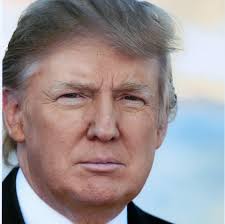
On May 24, NBC News published a story under the headline: ‘TRUMP DOESN’T SEEM TO UNDERSTAND WHAT ‘TREASON’ MEANS.”
The article noted: “Once again on Thursday, President Donald Trump used the T-word, this time saying that former FBI officials who were involved in investigating his campaign committed treason.
“Asked at a White House event which of his adversaries he had in mind when he accused them of treason, he said, ‘A number of people. They have unsuccessfully tried to take down the wrong person.’ He then specified former FBI director James Comey, former acting FBI director Andrew McCabe, former FBI lawyer Lisa Page, and former FBI agent Peter Strzok.
“‘That’s treason. They couldn’t win the election, and that’s what happened.'”
Donald Trump
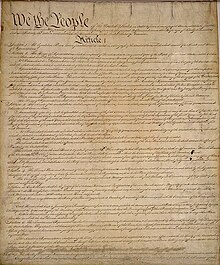
The story goes on to point out that the Constitution does not define treason as being disloyal to the President—or a private citizen, which is what Trump was when he ran for President in 2016.
In Article III, Section 3, the United States Constitution states: “Treason against the United States, shall consist only in levying War against them, or in adhering to their Enemies, giving them Aid and Comfort.”
“Enemy” means a country or an entity that has declared war or is in a state of open war against the United States.
United States Constitution
Although the story got its facts right, the headline gives a thoroughly misleading impression. By saying, “Trump doesn’t seem to understand….” it implies that he’s simply ignorant, and once someone explains the true meaning of treason to him, all will be well.
This is not only patently absurd, it is absolutely dangerous.
First of all, Trump considers himself “a very stable genius”—which in itself proves he’s the opposite of both. This is the sort of megalomania for which brutal dictators like Gaius Caligula were infamous.
Second, he hates being corrected, and those who have tried have been fired or quit after repeated frustration and harassment. John Kelly, his former chief of staff, said of Trump: “He’s an idiot. It’s pointless to try to convince him of anything. He’s gone off the rails. We’re in crazytown.”
Third, he has no respect for anyone but himself, and none for the traditions that go with America’s highest office. He has called the White House “a real dump.”
In addition, Trump has replaced Presidential dignity with infantile tantrums and personal attacks on virtually everyone on Twitter and in press conferences.
Fourth, Trump has always sought absolute control over everyone. As a private businessman, he forced his employees to sign NDAs—Non-Disclosure Agreements—to keep secret his acts of criminality and incompetence. As President, he has tried to continue that practice—even though it’s forbidden by law for Federal employees.
Fifth, he has always been a vindictive man. He and his companies have been involved in more than 3,500 lawsuits. He has openly bragged about how enjoyable it is to “get even” with those who “screw you.” He has “joked” that it would be nice if the United States had a “president-for-life”—like China. And he accused Democrats of “treason” for not applauding his 2018 State of the Union message.
Or take the headline in a May 24 article in Politico: “GIULIANI APPEARS TO DEFEND SHARING A DOCTORED PELOSI VIDEO.”
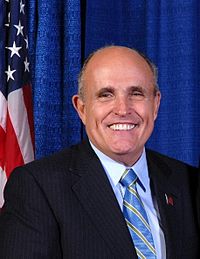
The story outlines how Rudolph Giuliani, a former United States Attorney and now Trump’s chief legal protector, defended sharing a video of House Speaker Nancy Pelosi—one that had been doctored to make her appear drunk and slurring her words.
Rudloph Giuliani
“Nancy Pelosi wants an apology for a caricature exaggerating her already halting speech pattern,” Giuliani wrote on Twitter. “First she should withdraw her charge which hurts our entire nation when she says the President needs an ‘intervention’. ‘People who live in a glass house shouldn’t throw stones.’”
Giuliani was referring to a remark Pelosi made on May 23. The day before, Trump had stalked out of infrastructure talks with top congressional Democrats and railed against their investigations.
“I wish that his family or his administration or his staff would have an intervention for the good of the country,” said Pelosi in a press conference.
Pelosi’s words could be interpreted as a slap at Trump’s lack of maturity—or as an invitation for members of his Cabinet to invoke the 25th Amendment. Under this, a President can be removed from office if he is mentally or physically unable to carry out his assigned duties.
Giuliani’s tweet, on the other hand, was pure slander. Including the doctored clip with his tweet, he taunted: “What is wrong with Nancy Pelosi? Her speech pattern is bizarre.”
He later deleted the message.
To assert—as the Politico headline does—that Giuliani “appears” to be defending a lying video is to refuse to tell the full truth. He was defending—and re-posting—it.
His attitude was: “If you’re going to criticize the President, I have the right to slander you.”
But you wouldn’t have gotten that from the headline.
Donald Trump has relentlessly accused the mainstream media of attacking him with “fake news.”
The only “fake news” has been those stories that sugarcoat the despicable behavior of the President and his closest associates.
9/11, ABC NEWS, AL QAEDA, ALTERNET, AMERICAN CAESARS: THE LIVES OF THE PRESIDENTS FROM FRANKLIN D. ROOSEVELT TO GEORGE W. BUSH, AMERICAN EMPIRE, AP, BARACK OBAMA, BASHAR AL-ASSAD, BEN RHODES, BILL CLINTON, BUREAUCRACY, BUZZFEED, CBS NEWS, CHRIS MATHEWS, CNN, CONDOLEEZA RICE, CROOKS AND LIARS, DAILY KOZ, DONALD TRUMP, DWIGHT EISENHOWER, FACEBOOK, FBI, FRANKLIN D. ROOSEVELT, GEORGE H.W. BUSH, GEORGE W. BUSH, GERALD R. FORD, HARRY S. TRUMAN, IRAN, JIMMY CARTER, JOHN F. KENNEDY, LYNDON B. JOHNSON, MOTHER JONES, MOVEON, MSNBC, NBC NEWS, NEWSWEEK, NIGEL HAMILTON, NPR, NUCLEAR WEAPONS, OSAMA BIN LADEN, POLITICO, RAW STORY, REPUBLICAN PARTY, REUTERS, RICHARD CLARKE, RICHARD NIXON, ROMAN EMPIRE, SALON, SEATTLE TIMES, SEPTEMBER 11, SLATE, SUETONIUS, SYRIA, TERRORISM, THE ATLANTIC, THE CHICAGO SUN-TIMES, THE CHICAGO TRIBUNE, THE DAILY BEAST, THE GUARDIAN, THE HILL, THE HUFFINGTON POST, THE LOS ANGELES TIMES, THE NATION, THE NEW YORK TIMES, THE TWELVE CAESARS, THE WASHINGTON POST, TIME, TWITTER, U.S. NEWS & WORLD REPORT, UPI, USA TODAY
In Bureaucracy, History, Military, Politics, Social commentary on May 27, 2019 at 12:04 am
On September 12, 2001, President George W. Bush attended a meeting of the National Security Council.
“Why shouldn’t we go against Iraq, not just Al-Qaeda?” demanded Donald Rumsfeld, the Secretary of Defense.
Vice President Dick Cheney enthusiastically agreed.
Secretary of State Colin Powell then pointed out there was absolutely no evidence that Iraq had had anything to do with 9/11 or Al-Qaeda. And he added: “The American people want us to do something about Al-Qaeda”—not Iraq.
On November 21, 2001, only 10 weeks after 9/11, Bush told Rumsfeld: It’s time to turn to Iraq.

Liars Club: Condoleeza Rice, Dick Cheney, George Bush, Donald Rumsfeld
Bush and his war-hungry Cabinet officials knew that Americans demanded vengeance on AlQaeda’s mastermind, Osama bin Laden, and not Iraqi dictator Saddam Hussein. So they repeatedly fabricated “links” between the two:
- Saddam had worked hand-in-glove with Bin Laden to plan 9/11.
- Saddam was harboring and supporting Al-Qaeda throughout Iraq.
- Saddam, with help from Al-Qaeda, was scheming to build a nuclear bomb.
Yet as early as September 22, 2001, Bush had received a classified President’s Daily Brief intelligence report, which stated that
- There was no evidence linking Saddam Hussein to 9/11.
- There was scant evidence that Iraq had any significant collaborative ties with Al-Qaeda.
- Saddam had tried to monitor Al Qaeda through his intelligence service—because he saw it and other theocratic radical Islamist organizations as potential threats to his secular regime.
Bush administration officials repeatedly claimed that Iraq possessed huge quantities of chemical and biological weapons, in violation of UN resolutions. And they further claimed that US intelligence agencies had determined:
- The precise locations where these weapons were stored,
- The identities of those involved in their production.
- The military orders issued by Saddam Hussein for their use in the event of war.
Among other lies stated as fact by members of the Bush administration:
- Iraq had sought uranium from Niger, in west Africa.
- Thousands of aluminum tubes imported by Iraq could be used in centrifuges to create enriched uranium.
- Iraq had up to 20 long-range Scud missiles, prohibited under UN sanctions.
- Iraq had massive stockpiles of chemical and biological agents, including nerve gas, anthrax and botulinum toxin.
- Saddam Hussein had issued chemical weapons to front-line troops who would use them when US forces crossed into Iraq.
August 26, 2002: Cheney told the Veterans of Foreign Wars, “There is no doubt that Saddam Hussein now has weapons of mass destruction. There is no doubt he is amassing them to use against our friends, against our allies and against us.”
September 8, 2002: National Security Advisor Condoleeza Rice said on CNN: ”There is certainly evidence that Al-Qaeda people have been in Iraq. There is certainly evidence that Saddam Hussein cavorts with terrorists.”
September 18, 2002: Rumsfeld told the House Armed Services Committee, “We do know that the Iraqi regime has chemical and biological weapons. His regime has amassed large, clandestine stockpiles of chemical weapons—including VX, sarin, cyclosarin and mustard gas.”
October 7, 2002: Bush declared in a nationally televised speech in Cincinnati that Iraq “possesses and produces chemical and biological weapons. It is seeking nuclear weapons.”
March 16, 2003: Cheney declared on NBC’s “Meet the Press”: “We believe [Saddam Hussein] has, in fact, reconstituted nuclear weapons.”
Bush never regretted his decision to invade Iraq—on March 20, 2003.
Even as American occupying forces repeatedly failed to turn up any evidence of “weapons of mass destruction” (WMDs), Bush and his minions claimed the invasion a good thing.
In fact, Bush—who hid out the Vietnam war in the Texas Air National Guard—even joked publicly about the absence of WMDs.
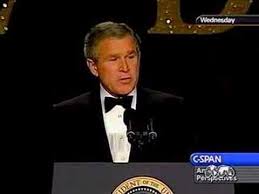
He did so at a White House Correspondents dinner on March 24, 2004—one year after he had started the war.
George W. Bush at the 2004 White House Correspondents’ dinner
To Bush, the non-existent WMDs were simply the butt of a joke that night. While an overhead projector displayed photos of a puzzled-looking Bush searching around the Oval Office, Bush recited a comedy routine.
“Those weapons of mass destruction have gotta be somewhere,” Bush laughed, while a photo showed him poking around the corners in the Oval Office.
“Nope—no weapons over there! Maybe they’re under here,” he said, as a photo showed him looking under a desk.
Meanwhile, an assembly of wealthy, pampered men and women—-the elite of America’s media and political classes—laughed heartily during Bush’s performance.
It was a scene from the court of the ancient Caesars, complete with royal flunkies: “Hey! The country we just destroyed wasn’t a threat to us after all! Isn’t that a gas?”
The war that Bush had deliberately provoked:
- Took the lives of 4,484 Americans.
- Cost the United States Treasury at least $2 trillion.
- Created a Middle East power vacumn.
- Allowed Iran—Iraq’s arch enemy—to eagerly fill it.
- Frightened and repelled even America’s closest allies.
- Killed at least 655,000 Iraqis.
- Bush retired from office with a lavish pension and full Secret Service protection.
- He wrote his memoirs and was paid $7 million for the first 1.5 million copies.
- Cheney, Rumsfeld, Rice retired to private business, wrote their own memoirs, and lived in comfort as respected elder statesmen.
History—in the form of a war-hungry President and a compliant Congress—seems about to repeat itself.


 Bureaucracybuster's Blog
ABC NEWS, ALTERNET, AP, BUZZFEED, CBS NEWS, CNN, CROOKS AND LIARS, D-DAY, D-DAY ANNIVERSARY CEREMONY, DAILY KOZ, DONALD TRUMP, EMMANUEL MACRON, ERWIN ROMMEL, FACEBOOK, FOX NEWS NETWORK, FRANKLIN D. ROOSEVELT, illegal immigration, JOHN F. KENNEDY, JUDY WOODRUFF, LAURA INGRAHAM, MARK SHIELDS, MEXICO, MOTHER JONES, MOVEON, MSNBC, NANCY PELOSI, NAZI GERMANY, NBC NEWS, NEWSWEEK, NORMAN COTA, NPR, PBS NEWSHOUR, PETER WEHNER, POLITICO, QUEEN ELIZABETH 11, RAW STORY, REUTERS, ROBERT MUELLER, SALON, SEATTLE TIMES, SLATE, TARIFFS, THE ATLANTIC, THE CHICAGO SUN-TIMES, THE CHICAGO TRIBUNE, THE DAILY BEAST, THE GUARDIAN, THE HILL, THE HUFFINGTON POST, THE LOS ANGELES TIMES, THE NATION, THE NEW YORK TIMES, THE WASHINGTON POST, TIME, TWITTER, U.S. NEWS & WORLD REPORT, UPI, USA TODAY, WORLD WAR 11
D-DAY BECOMES T- (TRUMP) DAY: PART TWO (END)
In Bureaucracy, History, Military, Politics, Social commentary on June 13, 2019 at 12:27 amFor most Americans, June 6th marked the 75th anniversary of D-Day. A time to remember and celebrate the more than 160,000 troops—73,000 of them Americans—who liberated France from Nazi slavery.
But for President Donald Trump, D-Day was simply another opportunity to slander men and women he considered “enemies of the people.”
On that day, President Donald Trump was to join European leaders—such as England’s Queen Elizabeth II and France’s President Emmanuel Macron—in celebratory observance.
But for Trump, honoring the dead—and a handful of D-Day survivors present at the ceremony—was a distant priority.
Normandy American Cemetery and Memorial
First must come a soft-ball “interview” with Right-wing Fox News Network—even if it meant postponing the opening of D-Day ceremonies until he deigned to show up.
And conducting that interview was Right-wing Fox News host Laura Ingraham—who gave a stiff-armed Nazi salute at the 2016 Republican National Convention that nominated Trump for President.
Laura Ingraham: What could you do to unite the country at a time of great polarization, what else could you do?
Donald Trump: So, I think success should unite the country but I will tell you the more successful we’ve come the more angry people like Nancy Pelosi, who don’t have what it takes, if they don’t know what’s going on they get angry. They should — an example is Mexico, I said we’re going to put tariffs on because we want you to help us because they won’t pass any legislation in Congress and I have Senators and others and Pelosi coming out saying how horrible.
What they’re doing is they’re hurting a deal, they should be saying we’re with the President, we’ll do whatever he wants to do and Mexico would fold like an umbrella. Now, I have these people and I’m saying there’s some republicans too,
[NOTE: Since becoming President, Trump has repeatedly tried—and failed—to curb illegal immigration from Central and South America. In May, he threatened to slap tariffs on goods from Mexico unless its government imposed strict controls over would-be immigrants traveling through its borders.]
On June 7, 2019, syndicated columnist Mark Shields and New York Times columnist Peter Wehners appeared on the PBS Newshour to review the week’s major political events.
Shields—a liberal, and Wehner, a conservative—reached disturbingly similar conclusions about the behavior of President Donald Trump on the 75th anniversary celebration of the D-Day landings.
Peter Wehner and Mark Shields
Peter Wehner: in terms of watching it, it reminded me of why it was the Greatest Generation. It’s been called the Greatest Generation.The more you find out about what happened 75 years ago on Normandy Beach, the more extraordinary is, the courage and the valor and selflessness…
But, for me, what was, well, frankly, sickening was this interview that Donald Trump did with Laura Ingraham on Fox News, not just what he said, but where he said it. He had thousands and thousands of gravestones behind him, these people who had been cut down in the prime of their life. And he was attacking Nancy Pelosi and Robert Mueller, who himself was a—was a war hero, in petty terms.
And to have done it then was, in my mind, a desecration at a sacred place. And it was another window into the bonfire of anger and resentments and grievances that is Donald Trump.
Mark Shields: I would just add this….that the 9,388 Americans, husbands, fathers, sons, brothers, sweethearts are buried there who either died at Normandy or in the liberation of France. And it was a time in this country, it was a we generation, not a me generation.
I mean, we had 20 million victory gardens that civilians built that provided 40 percent of the vegetables for the whole country. We rationed everything from gasoline, to liquor, to cigarettes, to butter, to meat….
And all Americans were part of the collective effort, the collective sacrifice, and it was led by those at the top….The president of the United States had four sons. Every one of them served in combat. Every one of them was awarded in combat. You take the…sickly son of a multimillionaire, who asked his father to use his contacts to get him into combat, John Kennedy, rather than stay out….
One out of four American males served in World War II. And now we have one-third—one-percent of Americans serving. And they are serving over and over and over again.
Judy Woodruff (moderator): It’s been 75 years, Peter Wehner. What remains in the American psyche from that?
Wehner: Well, we’re an angry country, a more divided country, and a more tribalistic country than we were then. It’s important to say that, in many ways, we’re a better country too, if you’re a minority or a woman, all sorts of things where we have made progress….
The thing is that the American capacity for self-renewal can be great. And sometimes, when virtues are taken from the life of the nation and an individual, you remember why they matter to begin with. And, hopefully, commemorations like this can—can remind us that there are things that are worth fighting for and worth living for.
Share this: