Posts Tagged ‘LYNDON B. JOHNSON’
1968 PRESIDENTIAL CAMPAIGN, 2020 PRESIDENTIAL CAMPAIGN, ABC NEWS, ALTERNET, AMERICABLOG, AMERICAN INDIANS, AP, BABY BOOMER RESISTANCE, BARBARA GARSON, BBC, BLACK LIVES MATTER, BLOOMBERG, BUZZFEED, CBS NEWS, CIVIL RIGHTS, CNN, COMING APART: AMERICA IN THE 1960S (BOOK), CROOKS AND LIARS, DAILY KOS, DAILY KOZ, DEMOCRATS, DRUDGE REPORT, EUGENE MCCARTHY, FIVETHIRTYEIGHT, GEORGE BERNARD SHAW, GROSS NATIONAL PRODUCT, HARPER’S MAGAZINE, HUFFINGTON POST, JIM SLATTERY, JOHN F. KENNEDY, Kamala Harris, KANSAS STATE UNIVERSITY, LOOK MAGAZINE, LYNDON B. JOHNSON, MCBIRD!, MEDIA MATTERS, MISSISSIPPI, MOTHER JONES, MOVEON, MSNBC, NBC NEWS, NEW REPUBLIC, NEWSDAY, NEWSWEEK, NPR, PBS NEWSHOUR, POLITICO, POLITICUSUSA, RAW STORY, REPUBLICANS, REUTERS, ROBERT F. KENNEDY, SALON, SEATTLE TIMES, SIRHAN SIRHAN, SLATE, SOPHOCLES, STANLEY TRETICK, TALKING POINTS MEMO, TET OFFENSIVE, THE ATLANTIC, THE CHICAGO SUN-TIMES, THE CHICAGO TRIBUNE, THE DAILY BEAST, THE DAILY BLOG, THE GUARDIAN, THE HILL, THE HUFFINGTON POST, THE INTERCEPT, THE LOS ANGELES TIMES, THE NATION, THE NEW REPUBLIC, THE NEW YORK TIMES, THE NEW YORKER, THE VILLAGE VOICE, THE WASHINGTON POST, THINKPROGRESS, TIME, TIME MAGAZINE, TRUTHDIG, TRUTHOUT, TWO POLITICAL JUNKIES, U.S. NEWS & WORLD REPORT, UNIVERSITY OF KANSAS, UPI, USA TODAY, VIETNAM WAR, WILLIAM L. O'NEIL, WONKETTE, X
In Bureaucracy, History, Law, Law Enforcement, Military, Politics, Social commentary on July 5, 2024 at 12:10 am
On March 18, 1968, Presidential candidate Robert F. Kennedy, speaking at the University of Kansas, called on his fellow citizens to show compassion for those less fortunate and in need of relief through the Federal Government.
“If we believe that we, as Americans, are bound together by a common concern for each other, then an urgent national priority is upon us. We must begin to end the disgrace of this other America.”
Finally, Kennedy did something almost no other politician—in his time or since—has ever done: He dared to attack that holy-of-holies, the Gross Domestic Product (then called the Gross National Product).
“If we believe that we, as Americans, are bound together by a common concern for each other, then an urgent national priority is upon us. We must begin to end the disgrace of this other America.
“Too much and for too long, we seemed to have surrendered personal excellence and community values in the mere accumulation of material things. Our Gross National Product, now, is over $800 billion dollars a year, but that Gross National Product….counts air pollution and cigarette advertising, and ambulances to clear our highways of carnage.
“It counts special locks for our doors and the jails for the people who break them. It counts the destruction of the redwood and the loss of our natural wonder in chaotic sprawl. It counts napalm and counts nuclear warheads and armored cars for the police to fight the riots in our cities. It counts Whitman’s rifle and Speck’s knife, and the television programs which glorify violence in order to sell toys to our children.
“Yet the Gross National Product does not allow for the health of our children, the quality of their education or the joy of their play. It does not include the beauty of our poetry or the strength of our marriages, the intelligence of our public debate or the integrity of our public officials.
“It measures neither our wit nor our courage, neither our wisdom nor our learning, neither our compassion nor our devotion to our country. It measures everything in short, except that which makes life worthwhile. And it can tell us everything about America except why we are proud that we are Americans….

Senator Robert F. Kennedy campaigning for President
“George Bernard Shaw once wrote, ‘Some people see things as they are and say why? I dream things that never were and say, why not?’
“So I come here to Kansas to ask for your help. In the difficult five months ahead, before the convention in Chicago. I ask for your help and for your assistance.
“If you believe that the United States can do better. If you believe that we should change our course of action. If you believe that the United States stands for something here internally as well as elsewhere around the globe, I ask for your help and your assistance and your hand over the period of the next five months.
“And when we win in November….and we begin a new period of time for the United States of America, I want the next generation of Americans to look back upon this period and say as they said of Plato: ‘Joy was in those days, but to live.’ Thank you very much.”
At the end of Kennedy’s wildly popular speech at Kansas State University, photographer Stanley Tretick, of Look magazine, shouted, “This is Kansas, fucking Kansas! He’s going all the fucking way!”
But he didn’t go all the way. On June 5, 1968—82 days after announcing his Presidential candidacy—an assassin’s bullet suddenly halted his short-lived campaign—and his life.

Robert Kennedy’s funeral train
Historian William L. O’Neil delivered a poignant summary of Robert Kennedy’s legacy in his 1971 book, Coming Apart: An Informal History of America in the 1960′s:
“He aimed so high that he must be judged for what he meant to do, and through error and tragic accident, failed at…..He will also be remembered as an extraordinary human being who, though hated by some, was perhaps more deeply loved by his countrymen than any man of his time.
“That, too, must be entered into the final account, and it is no small thing. With his death, something precious vanished from public life.”
As United States Attorney General (1961-1964) Robert F. Kennedy had the courage to wage all-out war on the Mafia. As a United States Senator (1964-1968) he had the compassion to champion aid to impoverished Americans.
Even in his own era—a half-century ago—Robert Kennedy stood out as the only major Presidential candidate who could legitimately make both claims.
Today, most Democrats—battered by decades of Republican charges that they’re “big spenders”—fear supporting big-ticket items to help the poor.
And the Black Lives Matter movement has made any connection to law enforcement a disqualification for higher office—as former California Attorney General Kamala Harris found out as a 2020 Presidential candidate.
America may never again see a Presidential candidate who can combine a strong stand against crime with an equally strong commitment to helping the poor and disadvantaged.
1968 PRESIDENTIAL CAMPAIGN, 2020 PRESIDENTIAL CAMPAIGN, ABC NEWS, ALTERNET, AMERICABLOG, AMERICAN INDIANS, AP, BABY BOOMER RESISTANCE, BARBARA GARSON, BBC, BLACK LIVES MATTER, BLOOMBERG, BUZZFEED, CBS NEWS, CIVIL RIGHTS, CNN, COMING APART: AMERICA IN THE 1960S (BOOK), CROOKS AND LIARS, DAILY KOS, DAILY KOZ, DEMOCRATS, DRUDGE REPORT, EUGENE MCCARTHY, FIVETHIRTYEIGHT, GEORGE BERNARD SHAW, GROSS NATIONAL PRODUCT, HARPER’S MAGAZINE, HUFFINGTON POST, JIM SLATTERY, JOHN F. KENNEDY, Kamala Harris, KANSAS STATE UNIVERSITY, LOOK MAGAZINE, LYNDON B. JOHNSON, MCBIRD!, MEDIA MATTERS, MISSISSIPPI, MOTHER JONES, MOVEON, MSNBC, NBC NEWS, NEW REPUBLIC, NEWSDAY, NEWSWEEK, NPR, PBS NEWSHOUR, POLITICO, POLITICUSUSA, RAW STORY, REPUBLICANS, REUTERS, ROBERT F. KENNEDY, SALON, SEATTLE TIMES, SIRHAN SIRHAN, SLATE, SOPHOCLES, STANLEY TRETICK, TALKING POINTS MEMO, TET OFFENSIVE, THE ATLANTIC, THE CHICAGO SUN-TIMES, THE CHICAGO TRIBUNE, THE DAILY BEAST, THE DAILY BLOG, THE GUARDIAN, THE HILL, THE HUFFINGTON POST, THE INTERCEPT, THE LOS ANGELES TIMES, THE NATION, THE NEW REPUBLIC, THE NEW YORK TIMES, THE NEW YORKER, THE VILLAGE VOICE, THE WASHINGTON POST, THINKPROGRESS, TIME, TIME MAGAZINE, TRUTHDIG, TRUTHOUT, TWO POLITICAL JUNKIES, U.S. NEWS & WORLD REPORT, UNIVERSITY OF KANSAS, UPI, USA TODAY, VIETNAM WAR, WILLIAM L. O'NEIL, WONKETTE, X
In Bureaucracy, History, Law, Law Enforcement, Military, Politics, Social commentary on July 4, 2024 at 12:10 am
On March 18, 1968, Presidential candidate Robert F. Kennedy did what few politicians have ever done: He accepted public responsibility for a war that had since become a national disaster—the Vietnam war.
Addressing a packed audience of students and faculty at Kansas State University, he said:
“Let me begin this discussion with a note both personal and public. I was involved in many of the early decisions on Vietnam, decisions that helped set us on our present path.
“It may be that the effort was doomed from the start; that it was never really possible to bring all the people of South Vietnam under the rule of the successive governments we supported—governments, one after another, riddled with corruption, inefficiency, and greed; governments which did not and could not successfully capture and energize the national feeling of their people.
“If that is the case, as it well may be, then I am willing to bear my share of the responsibility, before history and before my fellow citizens. But past error is no excuse for its own perpetuation. Tragedy is a tool for the living to gain wisdom, not a guide by which to live.
“Now as ever, we do ourselves best justice when we measure ourselves against ancient tests, as in the Antigone of Sophocles: ‘All men make mistakes, but a good man yields when he knows his course is wrong, and repairs the evil. The only sin is pride.’
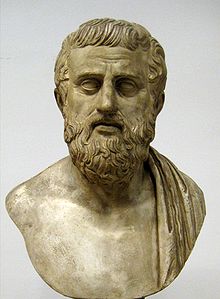
Sophocles
And he dared to attack the war as more than a military and political disaster: He saw it as a stain on America’s moral fiber:
“Can we ordain to ourselves the awful majesty of God—to decide what cities and villages are to be destroyed, who will live and who will die, and who will join the refugees wandering in a desert of our own creation?
“If it is true that we have a commitment to the South Vietnamese people, we must ask, are they being consulted—in Hue, or Ben Tre, or in the villages from which the three million refugees have fled?
“If they believe all the death and destruction are a lesser evil than the Wet Cong, why did they not warn us when the Viet Cong came into Hue, and the dozens of other cities, before the Tet Offensive? Why did they not join the fight?
“Will it be said of us, as Tacitus said of Rome: ‘They made a desert and called it peace?'”
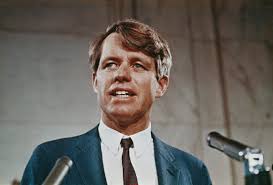
Robert F. Kennedy
The students gave him an ovation worthy of a rock star.
Time correspondent Hays Gorey said the electricity between Kennedy and the K.S.U. students was “real and rare.” “A good part of it is John F. Kennedy’s, of course, but John Kennedy…himself couldn’t be so passionate, and couldn’t set off such sparks.”
Jim Slattery, who would later be elected to Congress from Kansas, reread the K.S.U. speech during the second Iraq war and decided it was so powerful “because Kennedy was talking about what was right!”
As Kennedy started to leave, students rushed the platform where he stood, knocking over chairs and grabbing at him. They stroked his hair and ripped his shirtsleeves.
Later that day, Kennedy addressed another wildly enthusiastic audience—at the University of Kansas, in Lawrence, Kansas.
Then he addressed the glaring disparities between rich and poor Americans—a topic now generally ignored by Democrats and turned into an attack line by Republicans:
“All around us, all around us….men have lost confidence in themselves, in each other. It is confidence which has sustained us so much in the past. Rather than answer the cries of deprivation and despair….hundreds of communities and millions of citizens are looking for their answers, to force and repression and private gun stocks— so that we confront our fellow citizen across impossible barriers of hostility and mistrust.
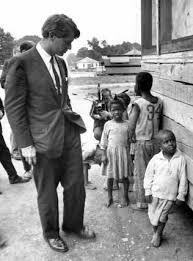
Robert F. Kennedy talking with black children
“And again, I don’t believe that we have to accept that. I don’t believe that it’s necessary in the United States of America. I think that we can work together. I don’t think that we have to shoot at each other, to beat each other, to curse each other and criticize each other, I think that we can do better in this country. And that is why I run for President of the United States….
“I have seen children in Mississippi starving, their bodies so crippled from hunger and their minds have been so destroyed for their whole life that they will have no future. I have seen children in Mississippi—here in the United States—with a gross national product of $800 billion dollars.
“I have seen children in the Delta area of Mississippi with distended stomachs, whose faces are covered with sores from starvation, and we haven’t developed a policy so we can get enough food so that they can live, so that their children, so that their lives are not destroyed, I don’t think that’s acceptable in the United States of America and I think we need a change.”
1968 PRESIDENTIAL CAMPAIGN, 2020 PRESIDENTIAL CAMPAIGN, ABC NEWS, ALTERNET, AMERICABLOG, AMERICAN INDIANS, AP, BABY BOOMER RESISTANCE, BARBARA GARSON, BBC, BLACK LIVES MATTER, BLOOMBERG, BUZZFEED, CBS NEWS, CIVIL RIGHTS, CNN, COMING APART: AMERICA IN THE 1960S (BOOK), CROOKS AND LIARS, DAILY KOS, DAILY KOZ, DEMOCRATS, DRUDGE REPORT, EUGENE MCCARTHY, FIVETHIRTYEIGHT, GEORGE BERNARD SHAW, GROSS NATIONAL PRODUCT, HARPER’S MAGAZINE, HUFFINGTON POST, JIM SLATTERY, JOHN F. KENNEDY, Kamala Harris, KANSAS STATE UNIVERSITY, LOOK MAGAZINE, LYNDON B. JOHNSON, MCBIRD!, MEDIA MATTERS, MISSISSIPPI, MOTHER JONES, MOVEON, MSNBC, NBC NEWS, NEW REPUBLIC, NEWSDAY, NEWSWEEK, NPR, PBS NEWSHOUR, POLITICO, POLITICUSUSA, RAW STORY, REPUBLICANS, REUTERS, ROBERT F. KENNEDY, SALON, SEATTLE TIMES, SIRHAN SIRHAN, SLATE, SOPHOCLES, STANLEY TRETICK, TALKING POINTS MEMO, TET OFFENSIVE, THE ATLANTIC, THE CHICAGO SUN-TIMES, THE CHICAGO TRIBUNE, THE DAILY BEAST, THE DAILY BLOG, THE GUARDIAN, THE HILL, THE HUFFINGTON POST, THE INTERCEPT, THE LOS ANGELES TIMES, THE NATION, THE NEW REPUBLIC, THE NEW YORK TIMES, THE NEW YORKER, THE VILLAGE VOICE, THE WASHINGTON POST, THINKPROGRESS, TIME, TIME MAGAZINE, TRUTHDIG, TRUTHOUT, TWO POLITICAL JUNKIES, U.S. NEWS & WORLD REPORT, UNIVERSITY OF KANSAS, UPI, USA TODAY, VIETNAM WAR, WILLIAM L. O'NEIL, WONKETTE, X
In Bureaucracy, History, Law, Law Enforcement, Military, Politics, Social commentary, Uncategorized on July 3, 2024 at 12:43 am
He remains forever frozen in time—young, vigorous, with tousled hair and a high-pitched voice calling on Americans to do better for those less fortunate.
And he exuded an idealism which seems totally out of place with today’s “I’ve-got-mine-so-screw-you” politics.
It’s been 56 years since his life was brutally cut short—yet he remains forever the age at which he died: 42. Born in 1925, he would turn 99 on November 20 if he were alive today.
On March 16, 1968, from the Caucus Room of the Old Senate Office building, New York Senator Robert F. Kennedy declared his candidacy for President of the United States.
Eight years earlier, on January 2, 1960, his brother, Massachusetts Senator John F. Kennedy had announced his own candidacy for the Democratic presidential nomination from the same place.
Ten months later, on November 8, that campaign had ended in victory with his election. And that victory, in turn, ended in bitter sorrow with his assassination two years, 10 months and two days later on November 22, 1963.
Robert F. Kennedy’s presidential campaign would not last as long as his late brother’s. Nor would it end in the victory he and his supporters yearned for.
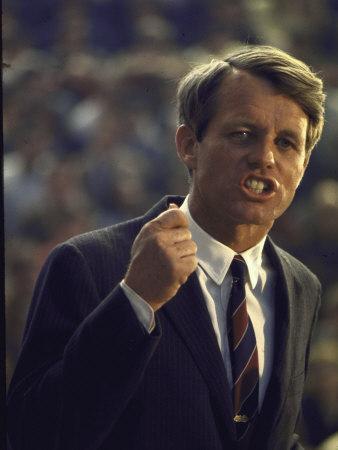
Robert F. Kennedy
Eighty-two days later, he was dead—shot in the back of the head by Sirhan Sirhan, a Palestinian Arab furious at Kennedy’s avowed support for Israel.
For Kennedy, making up his mind to run for the Presidency was no easy task.
Since the assassination of his brother, millions of Americans had assumed—as his admirers or detractors—that he would one day become President.
For his admirers, there was an element of “the once and future king” about this young, intense man with tousled hair and a high-pitched voice. He—they believed—was the man who would somehow avenge his martyred brother by restoring “Camelot” and returning youth, energy and idealism to the White House.
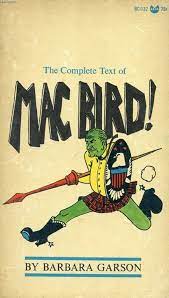
A playwright—Barbara Garson—had even written a 1967 satire depicting then-President Lyndon B. Johnson as the MacBeth-like murderer of John Ken O-Dunc. In the end, he was confronted and killed by Robert Ken O’Dunc.

His detractors saw him as a ruthless upstart who wanted to foist too-liberal policies on the United States. They distrusted his sympathy for the downtrodden—especially blacks and Hispanics. Worse, they saw the Kennedy family as trying to found a dynasty of Presidents that could last until the mid-1980s.
But the real Robert Kennedy was long torn between running against Johnson—whom he had long personally loathed—and letting someone else do so.
Kennedy’s hatred of Johnson—and his irrational belief that LBJ was somehow responsible for his brother’s death—was well-known. And Kennedy feared that if he ran against Johnson, his many enemies would charge he was doing so out of personal animosity.
And there was another reason: Johnson, who had won the Presidency in a landslide in 1964, was certain to seek re-election in 1968. If Kennedy challenged him for the nomination, it might well split the party and result in the election of a Republican that November. And he—Kennedy—would be blamed for it.
Throughout 1966-7, Kennedy was urged to run against Johnson. Still, he dithered.
Then, on March 12, Minnesota United States Senator Eugene McCarthy entered the New Hampshire Democratic primary against Johnson—and won a surprising 42.2% of the vote to Johnson’s 49.4%.
Four days later, Robert Kennedy announced his own candidacy.
McCarthy’s supporters were outraged: Their candidate had dared to do what Kennedy had not—directly take on Johnson. And now that he had shown it could be done, the opportunistic Kennedy had jumped in.
On March 18—two days after announcing his candidacy—Kennedy gave his first campaign speech at Kansas State University in Manhattan, Kansas. This was the heart of conservative country, and Kennedy didn’t know how his audience would accept many of his decidedly liberal proposals.
“Do you think they’ll boo him?” his wife, Ethel, asked a friend before the speech. “Will they hate him?”
Arriving at the university, Kennedy ate breakfast at the student union—and told a group of university officials and student leaders: “Some of you may not like what you’re going to hear in a few minutes, but it’s what I believe; and if I’m elected President, it’s what I’m going to do.”

Kansas State University
As events unfolded, he—and Ethel—had no reason to worry.
Kennedy had served as United States Attorney General from 1961 to 1964. Yet he had not limited himself to simply fighting organized crime and enforcing civil rights. He had aggressively urged his brother, the President, to take a hard line on fighting the Communist forces in Vietnam.
But now he did something almost no other politician had—or has—ever done: He publicly accepted responsibly for the disaster the war had become since 1965:
“Let me begin this discussion with a note both personal and public. I was involved in many of the early decisions on Vietnam, decisions that helped set us on our present path.
“It may be that the effort was doomed from the start; that it was never really possible to bring all the people of South Vietnam under the rule of the successive governments we supported.”
1968 PRESIDENTIAL RACE, ABC NEWS, ADOLF HITLER, ALTERNET, AMERICABLOG, AP, BABY BOOMER RESISTANCE, BBC, BERNARD LAW MONTGOMERY, BLOOMBERG, BUZZFEED, CBS NEWS, CNN, COMING APART: AMERICA IN THE 1960S (BOOK), CROOKS AND LIARS, D-DAY, DAILY KOS, DAILY KOZ, DWIGHT D. EISENHOWER, ERWIN ROMMEL, EUGENE MCCARTHY, FACEBOOK, FIVETHIRTYEIGHT, HARPER’S MAGAZINE, HUBERT HUMPHERY, HUFFINGTON POST, JOHN F. KENNEDY, LYNDON B. JOHNSON, MEDIA MATTERS, MOTHER JONES, MOVEON, MSNBC, NAZI GERMANY, NBC NEWS, NEW REPUBLIC, NEWSDAY, NEWSWEEK, NORMAN COTA, NPR, PBS NEWSHOUR, POLITICO, POLITICUSUSA, RAW STORY, REUTERS, ROBERT F. KENNEDY, SALON, SEATTLE TIMES, SIRHAN SIRHAN, SLATE, TALKING POINTS MEMO, THE ATLANTIC, THE CHICAGO SUN-TIMES, THE CHICAGO TRIBUNE, THE DAILY BEAST, THE DAILY BLOG, THE GUARDIAN, THE HILL, THE HUFFINGTON POST, THE INTERCEPT, THE LOS ANGELES TIMES, THE NATION, THE NEW REPUBLIC, THE NEW YORK TIMES, THE NEW YORKER, THE VILLAGE VOICE, THE WASHINGTON POST, THINKPROGRESS, THIRD REICH, TIME, TRUTHDIG, TRUTHOUT, TWITTER, TWO POLITICAL JUNKIES, U.S. ARMY RANGERS, U.S. NEWS & WORLD REPORT, UPI, USA TODAY, VIETNAM WAR, WILLIAM L. O'NEILL, WORLD WAR 11, X
In Bureaucracy, History, Military, Politics, Social commentary on June 6, 2024 at 12:10 am
“For it is the doom of men that they forget.”
—Merlin, in “Excalibur”
June 6—a day of glory and tragedy.
The glory came 80 years ago—on Tuesday, June 6, 1944.
On that morning, Americans awoke to learn—from radio and newspapers—that their soldiers had landed on the French coast of Normandy.
In Supreme Command of the Allied Expeditionary Force: American General Dwight D. Eisenhower. Overall command of ground forces rested with British General Bernard Law Montgomery.
Operation Overlord, the Allied invasion to liberate France from Nazi Germany, proved one of the pivotal actions of World War II.
Shortly after midnight, 24,000 American, British, Canadian and Free French troops launched an airborne assault. This was followed at 6:30 a.m. by an amphibious landing of Allied infantry and armored divisions on the French coast.
Field Marshal Erwin Rommel—the legendary “Desert Fox”—commanded the German forces. For him, the first 24 hours of the battle would be decisive.
“For the Allies as well as the Germans,” he warned his staff, “it will be the longest day.”
The operation was the largest amphibious invasion in history. More than 160,000 troops landed—73,000 Americans, 61,715 British and 21,400 Canadians.

Omaha Beach – June 6, 1944
Initially, the Allied assault seemed likely to be stopped at the water’s edge—where Rommel had insisted it must be. He had warned that if the Allies established a beachhead, their overwhelming numbers and airpower would eventually prove irresistible.
German machine-gunners and mortarmen wreaked a fearful toll on Allied soldiers. But commanders like U.S. General Norman Cota led their men to victory through a storm of bullets and shells.
Coming upon a group of U.S. Army Rangers taking cover behind sand dunes, Cota demanded: “What outfit is this?”
“Rangers!” yelled one of the soldiers.
“Well, Goddamnit, then, Rangers, lead the way!” shouted Cota, inspiring the soldiers to rise and charge into the enemy.
The command also gave the Rangers the motto they carry to this day.
The Allied casualty figures for D-Day have been estimated at 10,000, including 4,414 dead. By nationality, the D-Day casualty figures are about
- 2,700 British
- 946 Canadians
- and 6,603 Americans.
The total number of German casualties on D-Day isn’t known, but is estimated at 4,000 to 9,000.
Allied and German armies continued to clash throughout France, Belgium and Germany until May 7, 1945, when Germany finally surrendered.
But Americans who had taken part in D-Day could be proud of having dealt a fatal blow to the evil ambitions of Adolf Hitler’s Third Reich.
So much for the glory of June 6. Now for the tragedy—which occurred 56 years ago, on Thursday, June 6, 1968.
Twenty-four years after D-Day, Americans awoke to learn—mostly from TV—that New York Senator Robert F. Kennedy had died at 1:44 a.m. of an assassin’s bullet.
He had been campaigning for the Democratic Presidential nomination, and had just won the California primary on June 4.
This had been a make-or-break event for Kennedy, a fierce critic of the seemingly endless Vietnam war.
He had won the Democratic primaries in Indiana and Nebraska, but had lost the Oregon primary to Minnesota Senator Eugene McCarthy.
If he defeated McCarthy in California, Kennedy could force his rival to quit the race. That would lead to a showdown between him and Vice President Hubert Humphrey for the nomination.
(President Lyndon B. Johnson had withdrawn from the race on March 31—just 15 days after Kennedy announced his candidacy on March 16.)
After winning the California and South Dakota primaries, Kennedy gave a magnanimous victory speech in the ballroom of the Ambassador Hotel in Los Angeles:

Robert F. Kennedy, only moments from death
“I think we can end the divisions within the United States….We are a great country, an unselfish country, and a compassionate country. And I intend to make that my basis for running over the period of the next few months.”
Then he entered the hotel kitchen—where Sirhan Sirhan, a 24-year-old Palestinian from Jordan, opened fire with a .22 revolver.
Kennedy was hit three times—once fatally in the back of the head. Five other people were also wounded.
Kennedy’s last-known words were: “Is everybody all right?” and “Jack, Jack”—the latter clearly a reference to his beloved older brother, John Fitzgerald Kennedy.
Almost five years earlier, that brother—then President of the United States—had been assassinated in Dallas on November 22, 1963.
Then Robert Kennedy lost consciousness—forever, dying in a hospital bed 24 hours later.
Kennedy had been a U.S. Attorney General (1961-1964) and Senator (1964-1968). But it was his connection to President Kennedy for which he was best-known.
His assassination—coming so soon after that of JFK—convinced many Americans there was something “sick” about the nation’s culture.
Historian William L. O’Neil delivered a poignant summary of Robert Kennedy’s legacy in Coming Apart: An Informal History of America in the 1960′s.

“He aimed so high that he must be judged for what he meant to do, and through error and tragic accident, failed at…..He will also be remembered as an extraordinary human being who, though hated by some, was perhaps more deeply loved by his countrymen than any man of his time.
“That, too, must be entered into the final account, and it is no small thing. With his death, something precious vanished from public life.”
2020 PRESIDENTIAL ELECTION, ABC NEWS, ABORTION, AGUSTO PINOCHET, ALTERNET, AMERICABLOG, AMERICAN EXCEPTIONALISM, AMERICAN RECKONING: THE VIETNAM WAR AND OUR NATIONAL IDENTITY (BOOK), AP, AYATOLLAH RUHOLLAH KHOMEINI, BABY BOOMER RESISTANCE, BBC, BENJAMIN FRANKLIN, BIBLE BELT, BLOOMBERG NEWS, BUZZFEED, CBS NEWS, CHILE, CHINA, CHRISTIAN G. APPY, CIA, CIVIL RIGHTS ACT, CIVIL WAR, CNN, COAL MINING, CROOKS AND LIARS, DAILY KOS, DEMOCRATS, DONALD TRUMP, DRUG OVERDOSES, DWIGHT EISENHOWER, EDUCATION, FIVETHIRTYEIGHT, FUNDAMENTALIST CHRISTIANS, GERMANY, GUATEMALA, HARPER’S MAGAZINE, HISTORY, HUFFINGTON POST, INDIA, IRAN, ITALY, JACOBO ARBENZ, JAPAN, JOHN F. KENNEDY, JOSEPH R. BIDEN, LYNDON B. JOHNSON, MEDIA MATTERS, MOHAMMED MOSADDEGH, MOHAMMED-REZA SHAH PHLAVI, MOTHER JONES, MOVEON, MSNBC, MYTHS, NARENDRA MODI, NBC NEWS, NEW REPUBLIC, NEWSDAY, NEWSWEEK, NICARAGUA, NPR, OPIOD ADDICTION, PBS NEWSHOUR, POLITICO, POLITICS, POLITICUSUSA, PORNOGRAPHY, POVERTY, RAW STORY, RELIGIOUS CONSERVATIVES, REPUBLICANS, REUTERS, RICHARD NIXON, ROE V. WADE, RURAL AMERICA, SALON, SALVADORE ALLENDE, SEATTLE TIMES, SLATE, SMOKING, STEEL INDUSTRY, TALKING POINTS MEMO, THE ATLANTIC, THE CHICAGO SUN-TIMES, THE CHICAGO TRIBUNE, THE DAILY BEAST, THE DAILY BLOG, THE GUARDIAN, THE HILL, THE HUFFINGTON POST, THE INTERCEPT, THE LOS ANGELES TIMES, THE NATION, THE NEW REPUBLIC, THE NEW YORK TIMES, THE NEW YORKER, THE VILLAGE VOICE, THE WASHINGTON POST, THINKPROGRESS, THOMAS EDISON, TIME, TRUTHDIG, TRUTHOUT, TWITTER, U.S. NEWS & WORLD REPORT, UNITED STATES, UNITED STATES SUPREME COURT, UPI, USA TODAY, VIETNAM WAR, VOTER IGNORANCE, WORLD WAR 11
In Bureaucracy, History, Law, Law Enforcement, Politics, Social commentary on May 17, 2024 at 12:10 am
Americans live by a series of myths—myths they would be the wiser to abandon. Some are embraced by liberals, others by conservatives, and still others by both.
Myth 4: Americans are knowledgeable about their own history—and that of other nations.
Americans’ ignorance of history—their own and that of other nations—has long been a scandal.
- A 2018 national survey by the Institute for Citizens & Scholars found that only one in three Americans (36%) can actually pass a multiple choice test consisting of items taken from the U.S. Citizenship Test.
- More than half of respondents (60%) didn’t know which countries the United States fought in World War II (Germany, Italy and Japan).
- Only 24% correctly identified one thing Benjamin Franklin was famous for; 37% believed he invented the lightbulb (that inventor was Thomas Edison).
- Twelve percent incorrectly thought WWII General Dwight Eisenhower led troops in the Civil War; six percent thought he was a Vietnam War general.

if Americans are flagrantly ignorant of their own history, they are even worse at the history of other countries.
A major reason for this lies in Americans’ belief that other nations aren’t worth bothering about except when they threaten us. During the Vietnam war, soldiers referred to the United States as “The World”—as if the rest of the planet didn’t exist.
Americans, protected from Europe by the Atlantic Ocean and the Far East by the Pacific Ocean, allowed geography to isolate themselves from the messiness of the rest of the world.
Donald Trump, as President, gave a frightening example of this during a conversation with Indian Prime Minister Narendra Modi: “It’s not like you’ve got China on your border.” In fact, India does share a border with China.
Myth 5: The “Bible Belt” (the Deep South) is the spiritual capitol of America.
You won’t find these truths on “Green Acres” or “The Andy Griffith Show” but they form a stain on rural America that can’t be ignored:
- A 2015 study published in the Archives of Sexual Behavior found that religious conservatives search more for online pornography on Google than anyone else.
- Educational attainment and college graduation rates in the Bible Belt are among the lowest in the nation.
- Smoking rates are high in West Virginia, Kentucky, Arkansas, Tennessee, Louisiana, and Mississippi—and so are rates for smoking-related diseases and deaths.
- Heart disease, obesity, homicide and teenage pregnancies are among the highest in the nation.
Myth 6: Americans are health-conscious.
The United States is experiencing an epidemic of drug overdose deaths. In 2020, the age-adjusted rate of drug overdose deaths increased 31% compared to 2019.
Adults aged 35-44 experienced the highest rates of drug overdose deaths while young people aged 15-24 experienced the greatest percentage increase in deaths.
In 2019:
- 12 million Americans 12 or older used marijuana
- 9.1 million Americans used tobacco
- 14.5 million Americans aged 12 or older used alcohol
- 9.7 million people misused pain relievers
- 6 million people misused hallucinogens
- 5.9 million people misused depressants
- 5.5 million people misused cocaine
- 4.9 million people misused prescription stimulants
- 2.1 million people misused inhalants
- 2 million people used meth
- 745,000 Americans used heroin
Myth 7: Americans only support democratic regimes.
The United States has long supported foreign dictators—so long as they’re reliably Right-wing.
- Between 1898 and 1934, the United States repeatedly intervened with military force in Central America and the Caribbean.
- The United States occupied Nicaragua almost continuously from 1912 to 1933. Its legacy was the imposition of the tyrannical Somoza family, which ruled from 1936 to 1979.
- In 1953, the Eisenhower administration ordered the CIA to overthrew the democratically-elected government of of Iranian Prime Minister Mohammad Mosaddegh. His crime: Nationalizing the Iranian oil industry, which had been under British control since 1913.
- He was succeeded by Mohammad-Reza Shah Phlavi, a dictator who depended on United States government support to retain power until he was overthrown in 1979 by the Ayatollah Ruhollah Khomeini.
- In 1954, the CIA overthrew the democratically-elected government of Guatemalan President Jacobo Arbenz. His crime: Installing a series of reforms that expanded the right to vote, allowed workers to organize, legitimized political parties and allowed public debate.
- In 1970, President Richard M. Nixon ordered the CIA to prevent Marxist Salvador Allende from being democratically elected as president of Chile. When that failed, he ordered the CIA to overthrow Allende.
- His crime: A series of liberal reforms, including nationalizing large-scale industries (notably copper mining and banking).
- in 1973, he was overthrown by Chilean army units and national police. He was followed by Right-wing dictator Augusto Pinochet, who slaughtered 3,200 political dissidents, imprisoned 30,000 and forced another 200,000 Chileans into exile.
* * * * * * * * * *
Behind these myths: The belief in “American exceptionalism”—that the United States is unlike other nations in its innocence and steadfast dedication to human rights above all else.
Wrote Christian G. Appy, in his 2015 book, American Reckoning: The Vietnam War and Our National Identity:
“It was still unimaginable to most Americans that their own nation would wage aggressive war and justify it with unfounded claims, that it would support undemocratic governments reviled by their own people, and that American troops would be sent to fight in countries where they were widely regarded not as liberators but as imperialist invaders.”
For millions, that belief died a horrific death during the Vietnam war. Yet so long as millions remain convinced that America is guided by God and that its people are His faithful servants, these myths will remain vividly alive.
2020 PRESIDENTIAL ELECTION, ABC NEWS, ABORTION, AGUSTO PINOCHET, ALTERNET, AMERICABLOG, AMERICAN EXCEPTIONALISM, AMERICAN RECKONING: THE VIETNAM WAR AND OUR NATIONAL IDENTITY (BOOK), AP, AYATOLLAH RUHOLLAH KHOMEINI, BABY BOOMER RESISTANCE, BBC, BENJAMIN FRANKLIN, BIBLE BELT, BLOOMBERG NEWS, BUZZFEED, CBS NEWS, CHILE, CHINA, CHRISTIAN G. APPY, CIA, CIVIL RIGHTS ACT, CIVIL WAR, CNN, COAL MINING, CROOKS AND LIARS, DAILY KOS, DEMOCRATS, DONALD TRUMP, DRUG OVERDOSES, DWIGHT EISENHOWER, EDUCATION, FIVETHIRTYEIGHT, FUNDAMENTALIST CHRISTIANS, GERMANY, GUATEMALA, HARPER’S MAGAZINE, HISTORY, HUFFINGTON POST, INDIA, IRAN, ITALY, JACOBO ARBENZ, JAPAN, JOHN F. KENNEDY, JOSEPH R. BIDEN, LYNDON B. JOHNSON, MEDIA MATTERS, MOHAMMED MOSADDEGH, MOHAMMED-REZA SHAH PHLAVI, MOTHER JONES, MOVEON, MSNBC, MYTHS, NARENDRA MODI, NBC NEWS, NEW REPUBLIC, NEWSDAY, NEWSWEEK, NICARAGUA, NPR, OPIOD ADDICTION, PBS NEWSHOUR, POLITICO, POLITICS, POLITICUSUSA, PORNOGRAPHY, POVERTY, RAW STORY, RELIGIOUS CONSERVATIVES, REPUBLICANS, REUTERS, RICHARD NIXON, ROE V. WADE, RURAL AMERICA, SALON, SALVADORE ALLENDE, SEATTLE TIMES, SLATE, SMOKING, STEEL INDUSTRY, TALKING POINTS MEMO, THE ATLANTIC, THE CHICAGO SUN-TIMES, THE CHICAGO TRIBUNE, THE DAILY BEAST, THE DAILY BLOG, THE GUARDIAN, THE HILL, THE HUFFINGTON POST, THE INTERCEPT, THE LOS ANGELES TIMES, THE NATION, THE NEW REPUBLIC, THE NEW YORK TIMES, THE NEW YORKER, THE VILLAGE VOICE, THE WASHINGTON POST, THINKPROGRESS, THOMAS EDISON, TIME, TRUTHDIG, TRUTHOUT, TWITTER, U.S. NEWS & WORLD REPORT, UNITED STATES, UNITED STATES SUPREME COURT, UPI, USA TODAY, VIETNAM WAR, VOTER IGNORANCE, WORLD WAR 11
In Bureaucracy, History, Law, Law Enforcement, Politics, Social commentary on May 16, 2024 at 1:33 am
“The great enemy of truth is very often not the lie—deliberate, contrived and dishonest—but the myth, persistent, persuasive and unrealistic. Too often we hold fast to the clichés of our forebears. We subject all facts to a prefabricated set of interpretations. We enjoy the comfort of opinion without the discomfort of thought.”
—John F. Kennedy
Americans live by a series of myths—myths they would be the wiser to abandon. Some are embraced by liberals, others by conservatives, and still others by both.
Myth 1: Americans are highly educated.
According to the 2020 U.S. Census:
- In 2022, the highest level of education of the population age 25 and older in the United States ranged from less than high school to advanced degrees beyond a bachelor’s degree.
- 9% had less than a high school diploma or equivalent;
- 28% had high school as their highest level of school completed;
- 15% had completed some college but didn’t have a degree;
- 10% had an associate degree;
- 23% had a bachelor’s degree;
- 14% had completed advanced education such as a master’s degree, professional degree or doctorate.
Myth 2: Rural America is the repository of old-fashioned virtues.
Years of “hayseed” comedies such as “The Beverly Hillbillies,” “The Real McCoys,” “Green Acres” and “Petticoat Junction” convinced millions of Americans: If you want to find the “real” America, move to rural America.
If rural America is where you’ll find the “real” Americans, the future of the United States lies in peril.

Marshall County, Indiana
Derek Jensen (Tysto), CC BY 2.0 <https://creativecommons.org/licenses/by/2.0>, via Wikimedia Commons
- Rural Americans overwhelmingly support Donald Trump—who refused to accept defeat in a legitimate Presidential election, schemed to overturn the voters’ decision, and finally incited an attack on Congress to illegally remain in office.
- Rural America is home to fundamentalist Christians, who demand an end to legalized abortion and birth control—and thus hope to gain dictatorial control over women’s lives. They brand pro-choice Democrats as “baby killers.”
- During the 2020 Presidential election, Joe Biden won 91 of the nation’s 100 largest counties, but hardly anywhere else.
- Trump won about five times as many counties. Democrats are thriving in major metropolitan areas, but tanking elsewhere.
- Rather than being a Garden of Eden, rural America shares many big-city ills, such as crime, opioid addiction and a decline in life expectancy.
- Nearly all of the economic growth that occurred between the Great Recession and the start of the pandemic happened in a small number of metropolitan areas, making rural residents feel that the recession had never ended.
- Rural Americans refuse to abandon industries that are now dying out—such as in coal mining and steel.
- Trump promised—falsely—to bring those jobs back. Rural voters have forgiven him for this because he delivered on cultural issues—such as appointing anti-abortion Justices to the Supreme Court who overturned Roe v. Wade.
- Nearly half (46.7 percent) of all people living in rural areas are in the South. For a century following the Civil War (1861-1865) the South was accurately known as a Democratic stronghold. But that changed after Democratic President Lyndon B. Johnson signed the 1964 Civil Rights Act into law.
- In short: When Democrats went from suppressing black rights to protecting them, the great mass of white, racist rural Southerners moved to the Republican party.
Myth 3: Most Americans take a vital interest in politics.
Most Americans are dismayingly ignorant of politics at all levels—local, state and federal.
- The attempted coup of January 6, 2021, was largely fueled by ignorance. The rioters believed that Donald Trump was the real winner of the 2020 election, and that Joe Biden had “stolen” it through fraud.
- They clung to this belief, despite overwhelming evidence to the contrary, including numerous court decisions rejecting GOP claims of fraud, many of them authored by conservative, Republican-appointed judges.
- And this ignorance continues: A large majority of rural Republicans still believe that Biden is an illegitimate President—just 21% say that he “probably” or “definitely” won.
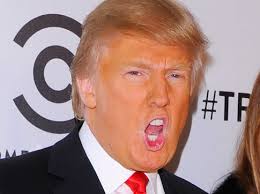
Donald Trump
- Most Americans don’t know the names of their state and federal representatives or even the names of the three branches of government.
- Only one third of Americans can name the three branches of our federal government: executive, legislative, judicial.
- Most voters overestimate the percentage of the federal budget spends on foreign aid (actually, about 1%). Yet they underestimate the amount going to entitlement programs, such as Medicare and Social Security. As a result, they believe we can solve our fiscal problems without either cutting entitlements or raising taxes on the vast majority of Americans.
- Voters also often reward or punish elected officials for events they did not cause, such as short-term economic trends or droughts.
Such ignorance makes people more susceptible to lies and conspiracy theories, including those about the 2020 election.
Myth 4: Americans take pride in their history.
Americans’ ignorance of history—their own and that of other nations—has long been a scandal.
- A 2018 national survey by the Institute for Citizens & Scholars found that only one in three Americans (36%) can actually pass a multiple choice test consisting of items taken from the U.S. Citizenship Test.
- More than half of respondents (60%) didn’t know which countries the United States fought in World War II (Germany, Italy and Japan).
2016 PRESIDENTIAL RACE, ABC NEWS, ALL THE KING’S MEN, ALL THE KINIG’S MEN (BOOK), ALTERNET, AMERICABLOG, ANDREW GOODMAN, ANGELO BRUNO, AP, BABY BOOMER RESISTANCE, BBC, BLOOMBERG NEWS, BLUE BLOODS, BUZZFEED, CAPITOL ATTACK, CARLO GAMBINO, CBS, CBS NEWS, CIVIL WAR, CNN, COINTELPRO, COUPS, CROOKS AND LIARS, DAILY KOS, DAILY KOZ, DEMOCRATS, DEPARTMENT OF HOMELAND SECURITY, DONALD TRUMP, ELECTORAL COLLEGE, ERIC SCHNEIDERMAN, FACEBOOK, FBI, FIVETHIRTYEIGHT, FRANK REAGAN, GAMBINO FAMILY, HARPER’S MAGAZINE, HUFFINGTON POST, INDEPENDENT COUNSEL, INSIDE HOOVER'S FBI (BOOK), J. EDGAR HOOVER, JAMES CHANEY, JAMES COMEY, JEFF SESSIONS, JOSEPH BIDEN, jOSH HAWLEY, JUSTICE DEPARTMENT, KU KLUX KLAN, LYNDON B. JOHNSON, MAFIA, MARJORIE TAYLOR GREENE, MEDIA MATTERS, MERRICK GARLAND, MICHAEL SCHWERNER, MILITIA GROUPS, MO BROOKS, MOTHER JONES, MOVEON, MSNBC, NBC NEWS, NEIL J. WELCH, NEW REPUBLIC, NEW YORK POLICE DEPARTMENT, NEWSDAY, NEWSWEEK, NPR, OBSTRUCTING CONGRESSIONAL PROCEEDINGS, PBS NEWSHOUR, POLITICO, POLITICUSUSA, RAW STORY, REPUBLICANS, REUTERS, RIGHT-WING TERRORISM, ROBERT MUELLER, ROBERT PENN WARREN, RUSSIA, SALON, SEATTLE TIMES, SERGEI KISLYAK, SEXUAL ASSAULT, SLANDER, SLATE, SWAT TEAMS, TALKING POINTS MEMO, TERRORISM, TERRORIST FINANCE TRACKING PROJECT, THE ATLANTIC, THE CHICAGO SUN-TIMES, THE CHICAGO TRIBUNE, THE DAILY BEAST, THE DAILY BLOG, THE GUARDIAN, THE HILL, THE HUFFINGTON POST, THE LOS ANGELES TIMES, THE NATION, THE NEW REPUBLIC, THE NEW YORK TIMES, THE NEW YORKER, THE VILLAGE VOICE, THE WASHINGTON POST, THINKPROGRESS, TIM WEINER, TIME, TOM SELLECK, TREASON, TRUMP UNIVERSITY, TRUTHDIG, TRUTHOUT, TWITTER, TWO POLITICAL JUNKIES, U.S. NEWS & WORLD REPORT, UNITED STATES DEPARTMENT OF JUSTICE, UNITED STATES DEPARTMENT OF THE TREASURY, UNITED STATES HOUSE OF REPRESENTATIVES, UNITED STATES PARK POLICE, UNITED STATES SECRET SERVICE, UNITED STATES SENATE, UNITED STATES SUPREME COURT, UPI, USA PATRIOT ACT, USA TODAY, USA TODAY DONALD TRUMP, VLADIMIR PUTIN, WILLIAM C. SULLIVAN, WILLIE STARK, WONKETTE
In Bureaucracy, History, Law, Law Enforcement, Politics, Social commentary on May 15, 2024 at 12:14 am
On September 2, 1964, the FBI launched a full-blown counterintelligence program against the Ku Klux Klan—COINTELPRO—WHITE HATE in FBI-speak.
Tim Weiner, author of Enemies: A History of the FBI, chronicles the methods used by the Bureau:
“WHITE-HATE intensified in the fall of 1964. It involved all the techniques in the FBI’s long-running attack on the Left. Once a week….FBI agents interrogated all known members of the White Knights of the KKK, blaming other Klansmen for being snitches and naming names, sowing deep suspicion among Klan members. Few knew who was an informer and who was not.

A Ku Klux Klan meeting
“The FBI dangled small fortunes before potential Klan informers, offered outright bribes to Klansmen who could serve as double agents inside state and local police forces, planted bugs and wiretaps in Klaverns, carried out black bag jobs to steal membership lists….”
Other tactics included:
- Contacting the news media to publicize arrests and identify Klan leaders;
- Informing the employers of known Klansmen of their employees’ criminal activity, resulting in the firing of untold numbers of them;
- Breaking up the marriages of Klansmen by circulating rumors of their infidelity among their wives.
“When the Klan reached 14,000 in the mid-sixties, I asked to take over the investigation of the Klan,” recalled William C. Sullivan, who headed the FBI’s Domestic Intelligence Division in the 1960s. “When I left the Bureau in 1971, the Klan was down to a completely disorganized 4,300. It was broken.”

William C. Sullivan
According to Neil J. Welch, the retired Special Agent in Charge (SAC) of the FBI’s Buffalo, New York office:
“A Klan Bureau of Investigation (KBI) was created to counter the FBI, and its members placed the wives and children of agents under surveillance, harassing them with taunts and anonymous phone calls,” wrote Welch in his memoir, Inside Hoover’s FBI.
“It was a serious miscalculation. The most dangerous members of the KBI were systematically identified and assigned to agents selected solely because they were comparatively dangerous. The agents had full discretion.
“During the next few months, a number of men previously involved in Klan violence around the state seemed, by remarkable coincidence, to experience misfortune. Some disappeared from the area. Some were forced to leave Mississippi for health reasons. A few took unplanned trips to places like Mexico and seemed to lose all interest in the Klan upon their return.”
A similar effort, focusing on Right-wing terrorism, could include the following:
- The FBI’s designating Right-wing political and terrorist groups as the Nation’s #1 enemy.
- Reviving the FBI’s legendary COINTELPRO (“Counterintelligence Program”) that destroyed the Ku Klux Klan in the late 1960s. Among the methods that can be used:
- Turning the Bureau’s powerful arsenal—bugs, wiretaps, informants, SWAT teams—on them.
- Buying the cooperation of informants within Right-wing organizations.
- Conducting “black bag jobs” to steal membership lists of of Right-wing organizations.
- Breaking up the marriages of prominent Right-wingers by circulating rumors of their infidelity among their wives.
- Informing the employers of known Right-wing terrorists of their employees’ criminal activity, resulting in the firing of untold numbers of them.
- Contacting the news media to publicize the arrests of prominent Right-wing leaders.
- When Right-wing terrorists target Federal law enforcement agents and/or their families for harassment or worse, they can be targeted for similar intimidation or removal.

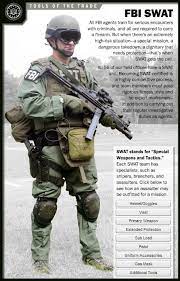
FBI SWAT member
A revised COINTELPRO could be supplemented by the following:
- Creating tip hotlines for reporting illegal Right-wing activities—and offering rewards for information that leads to arrests.
- Prosecuting militia groups for violating Federal firearms laws.
- Treating calls for the murder of members of Congress—as Georgia Representative Marjorie Taylor Greene has done-–as felonies punishable by lengthy imprisonment.
- Prosecuting Right-wing leaders involved in the treasonous assault on the United States Capitol Building.
- Prosecuting as “accessories to treason” all those Republican members of Congress who stoked Right-wing anger by lying that the 2020 Presidential election had been stolen from Donald Trump, although every objective news source proved he had lost.
- Directing the Treasury Department’s Terrorist Finance Tracking Program (TFTP) at fundamentalist Christian churches that finance Right-wing terrorism—just as it halts the financing of Islamic terrorist groups by Islamic organizations.
- Using drones, planes and/or helicopters to provide security against similar Right-wing terror demonstrations—especially in Washington, D.C.
- Using the Federal Communications Commission to ban Fox News—the Nation’s #1 Right-wing propaganda network—from representing itself as a legitimate news network, and requiring that its stories carry labels warning viewers: “This is Right-wing propaganda, NOT news.”
- Encouraging victims of Right-wing hate-speech to file libel/slander lawsuits against their abusers—such as the parents of murdered children at Sandy Hook Elementary School successfully did against Alex Jones.
- Using Federal anti-terrorist laws to arrest, prosecute and imprison Right-wingers who openly carry firearms and threaten violence, even if states allow such display of firearms.
- Seizing the assets of individuals and organizations found guilty of Right-wing terrorism offenses.
When you are constantly looking over your shoulder, your enemies are winning. When your enemies are constantly looking over their shoulder, you are winning.
2016 PRESIDENTIAL RACE, ABC NEWS, ALL THE KING’S MEN, ALL THE KINIG’S MEN (BOOK), ALTERNET, AMERICABLOG, ANDREW GOODMAN, ANGELO BRUNO, AP, BABY BOOMER RESISTANCE, BARACK OBAMA, BBC, BLOOMBERG NEWS, BLUE BLOODS, BUZZFEED, CAPITOL ATTACK, CARLO GAMBINO, CBS, CBS NEWS, CIVIL WAR, CNN, COINTELPRO, COUPS, CROOKS AND LIARS, DAILY KOS, DEMOCRATS, DEPARTMENT OF HOMELAND SECURITY, DONALD TRUMP, ELECTORAL COLLEGE, ERIC SCHNEIDERMAN, FACEBOOK, FBI, FIVETHIRTYEIGHT, FRANK REAGAN, GAMBINO FAMILY, HARPER’S MAGAZINE, HUFFINGTON POST, INDEPENDENT COUNSEL, INSIDE HOOVER'S FBI (BOOK), J. EDGAR HOOVER, JAMES CHANEY, JAMES COMEY, JEFF SESSIONS, JOSEPH BIDEN, jOSH HAWLEY, JUSTICE DEPARTMENT, KU KLUX KLAN, LYNDON B. JOHNSON, MAFIA, MARJORIE TAYLOR GREENE, MEDIA MATTERS, MERRICK GARLAND, MICHAEL SCHWERNER, MILITIA GROUPS, MO BROOKS, MOTHER JONES, MOVEON, MSNBC, NBC NEWS, NEIL J. WELCH, NEW REPUBLIC, NEW YORK POLICE DEPARTMENT, NEWSDAY, NEWSWEEK, NPR, OBSTRUCTING CONGRESSIONAL PROCEEDINGS, PBS NEWSHOUR, POLITICO, POLITICUSUSA, RAW STORY, REPUBLICANS, REUTERS, RIGHT-WING TERRORISM, ROBERT MUELLER, ROBERT PENN WARREN, RUSSIA, SALON, SEATTLE TIMES, SERGEI KISLYAK, SEXUAL ASSAULT, SLANDER, SLATE, SWAT TEAMS, TALKING POINTS MEMO, TERRORISM, TERRORIST FINANCE TRACKING PROJECT, THE ATLANTIC, THE CHICAGO SUN-TIMES, THE CHICAGO TRIBUNE, THE DAILY BEAST, THE DAILY BLOG, THE GUARDIAN, THE HILL, THE HUFFINGTON POST, THE LOS ANGELES TIMES, THE NATION, THE NEW REPUBLIC, THE NEW YORK TIMES, THE NEW YORKER, THE VILLAGE VOICE, THE WASHINGTON POST, THINKPROGRESS, TIM WEINER, TIME, TOM SELLECK, TREASON, TRUMP UNIVERSITY, TRUTHDIG, TRUTHOUT, TWITTER, TWO POLITICAL JUNKIES, U.S. NEWS & WORLD REPORT, UNITED STATES DEPARTMENT OF JUSTICE, UNITED STATES DEPARTMENT OF THE TREASURY, UNITED STATES HOUSE OF REPRESENTATIVES, UNITED STATES PARK POLICE, UNITED STATES SECRET SERVICE, UNITED STATES SENATE, UNITED STATES SUPREME COURT, UPI, USA PATRIOT ACT, USA TODAY, USA TODAY DONALD TRUMP, VLADIMIR PUTIN, WILLIAM C. SULLIVAN, WILLIE STARK, WONKETTE
In Bureaucracy, History, Law, Law Enforcement, Politics, Social commentary on May 14, 2024 at 12:10 am
Donald Trump’s followers are doing what even the Mafia has never dared: Threatening the lives of FBI agents and openly challenging the authority of the Justice Department.
On August 8, 2022, the FBI, under a search warrant issued by the Justice Department, seized 11 sets of classified documents from the former President’s home at Mar-a-Lago. These included four sets that were classified as “top secret,” according to the unsealed search warrant.
Since then, Trump’s legions of fanatical Right-wing followers have vented their fury at a wide range of their self-declared enemies: President Joe Biden, Democrats, Attorney General Merrick Garland, the Justice Department—-and especially the FBI.
On August 12, 2022, the FBI and Department of Homeland Security [DHS] issued a joint Intelligence bulletin warning of the increased threats aimed at federal law enforcement agencies.
FBI seal
“Since 8 August 2022, the FBI and DHS have identified multiple articulated threats and calls for the targeted killing of judicial, law enforcement, and government officials associated with the Palm Beach search, including the federal judge who approved the Palm Beach search warrant.
“The FBI and DHS have also observed the personal identifying information of possible targets of violence, such as home addresses and identification of family members, disseminated online as additional targets.”
“These threats are occurring primarily online and across multiple platforms, including social media sites, web forums, video sharing platforms, and image boards. The FBI and DHS would like to ensure that law enforcement, court, and government personnel are aware of the range of threats and criminal and violent incidents.
“The FBI and DHS have observed an increase in violent threats posted on social media against federal officials and facilities, including a threat to place a so-called dirty bomb in front of FBI Headquarters and issuing general calls for ‘civil war’ and ‘armed rebellion.'”
Even the Mafia—with one or two exceptions—has never threatened the lives of FBI agents. And when individual mobsters did, they found the consequences frightening.
In April, 1963, four New York mobsters knocked FBI agent John Foley to the ground, and then severely beat and kicked him. Foley had been conducting surveillance at the Brooklyn funeral of Carmine “The Doctor” Lombardozzi, a capo in the Gambino Mafia Family.
The FBI retaliated by launching an all-out war against the Gambinos. Agents leaned on the cartel’s boss, underboss, counselor and lieutenants. The Bureau also intensified the use of illegal electronic surveillance (wiretaps and hidden microphones) against the mobsters.

Map of Mafia families
Angelo Bruno, the boss of the Philadelphia crime syndicate, unwittingly informed a hidden microphone about how the FBI brutally drove home the message to “boss of all bosses” Carlo Gambino:
BRUNO: “They [the FBI] went to Carlo and named all his capos [lieutenants] to him. The FBI asked him: “Did you change the laws in your family, that you could hit FBI men, punch and kick them? Well, this is the test—that if you change the laws, and now you are going to hit FBI men, every time we pick up one of your people we are going to break their heads for them.’
“And, really, they picked up our guy, they almost killed him, the FBI. They don’t do that, you know. But they picked up one of his fellows and crippled him. They said, ‘This is an example. Now, the next time anyone lays a hand on an FBI man, that’s just a warning. There’s nothing else we have got to tell you.'”
Word traveled quickly through the nationwide organized crime network—and its leaders decreed there should be no further assaults on FBI agents.
The FBI may be gearing up to declare war on the radical Right. And it could be done the same way the FBI destroyed the Ku Klux Klan in the mid-1960s.
Klansmen had shot, lynched and bombed their way across the Deep South, especially in Alabama and Mississippi. Many Southern sheriffs and police chiefs were Klan sympathizers, if not outright members and accomplices.
On June 21, 1964, three civil rights workers disappeared in Philadelphia, Mississippi.
President Lyndon B. Johnson called J. Edgar Hoover, the legendary director of the FBI, and ordered an all-out investigation: “I want you to have the same kind of Intelligence [on the Klan] that you have on the communists.”
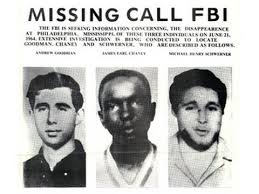
Poster for missing civil rights workers
For decades, Hoover had refused to tackle white hate groups. And, in truth, no President had been willing to give him the order to do so. But now a President had given him such an order.
In August, the FBI uncovered the bodies of the three missing civil rights activists—Michael Schwerner, Andrew Goodman and James Chaney.
On September 2, 1964, the Bureau launched a full-blown counterintelligence program against the Klan—COINTELPRO—WHITE HATE in FBI-speak.
Tim Weiner, author of Enemies: A History of the FBI, chronicles the methods used by the Bureau:
“WHITE-HATE intensified in the fall of 1964. It involved all the techniques in the FBI’s long-running attack on the Left. Once a week….FBI agents interrogated all known members of the White Knights of the KKK, blaming other Klansmen for being snitches and naming names, sowing deep suspicion among Klan members. Few knew who was an informer and who was not.”
2016 PRESIDENTIAL RACE, ABC NEWS, ALL THE KING’S MEN, ALL THE KINIG’S MEN (BOOK), ALTERNET, AMERICABLOG, ANDREW GOODMAN, ANGELO BRUNO, AP, BABY BOOMER RESISTANCE, BBC, BLOOMBERG NEWS, BLUE BLOODS, BUZZFEED, CAPITOL ATTACK, CARLO GAMBINO, CBS, CBS NEWS, CIVIL WAR, CNN, COINTELPRO, COUPS, CROOKS AND LIARS, DAILY KOS, DEMOCRATS, DEPARTMENT OF HOMELAND SECURITY, DONALD TRUMP, ELECTORAL COLLEGE, ERIC SCHNEIDERMAN, FACEBOOK, FBI, FIVETHIRTYEIGHT, FRANK REAGAN, GAMBINO FAMILY, HARPER’S MAGAZINE, HUFFINGTON POST, INDEPENDENT COUNSEL, INSIDE HOOVER'S FBI (BOOK), J. EDGAR HOOVER, JAMES CHANEY, JAMES COMEY, JEFF SESSIONS, JOSEPH BIDEN, jOSH HAWLEY, JUSTICE DEPARTMENT, KU KLUX KLAN, LYNDON B. JOHNSON, MAFIA, MARJORIE TAYLOR GREENE, MEDIA MATTERS, MERRICK GARLAND, MICHAEL SCHWERNER, MILITIA GROUPS, MO BROOKS, MOTHER JONES, MOVEON, MSNBC, NBC NEWS, NEIL J. WELCH, NEW REPUBLIC, NEW YORK POLICE DEPARTMENT, NEWSDAY, NEWSWEEK, NPR, OBSTRUCTING CONGRESSIONAL PROCEEDINGS, PBS NEWSHOUR, POLITICO, POLITICUSUSA, RAW STORY, REPUBLICANS, REUTERS, RIGHT-WING TERRORISM, ROBERT MUELLER, ROBERT PENN WARREN, RUSSIA, SALON, SEATTLE TIMES, SERGEI KISLYAK, SEXUAL ASSAULT, SLANDER, SLATE, SWAT TEAMS, TALKING POINTS MEMO, TERRORISM, TERRORIST FINANCE TRACKING PROJECT, THE ATLANTIC, THE CHICAGO SUN-TIMES, THE CHICAGO TRIBUNE, THE DAILY BEAST, THE DAILY BLOG, THE GUARDIAN, THE HILL, THE HUFFINGTON POST, THE LOS ANGELES TIMES, THE NATION, THE NEW REPUBLIC, THE NEW YORK TIMES, THE NEW YORKER, THE VILLAGE VOICE, THE WASHINGTON POST, THINKPROGRESS, TIM WEINER, TIME, TOM SELLECK, TREASON, TRUMP UNIVERSITY, TRUTHDIG, TRUTHOUT, TWITTER, TWO POLITICAL JUNKIES, U.S. NEWS & WORLD REPORT, UNITED STATES DEPARTMENT OF JUSTICE, UNITED STATES DEPARTMENT OF THE TREASURY, UNITED STATES HOUSE OF REPRESENTATIVES, UNITED STATES PARK POLICE, UNITED STATES SECRET SERVICE, UNITED STATES SENATE, UNITED STATES SUPREME COURT, UPI, USA PATRIOT ACT, USA TODAY, USA TODAY DONALD TRUMP, VLADIMIR PUTIN, WILLIAM C. SULLIVAN, WILLIE STARK, WONKETTE
In Bureaucracy, History, Law, Law Enforcement, Politics, Social commentary on May 13, 2024 at 1:22 am
After taking office as President, Donald Trump openly waged war on his own Justice Department—and especially its chief investigative agency, the FBI.
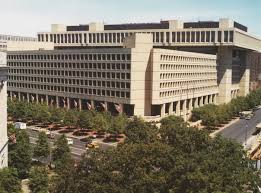
FBI headquarters
Among his attacks on federal law enforcers:
- Fired James Comey, the FBI director pursuing an investigation into Russia’s meddling in the 2016 Presidential race to ensure Trump’s election.
- Threatened to fire Independent Counsel Robert Mueller, who continued that investigation after he fired Comey.
- Repeatedly attacked—verbally and on Twitter—his Attorney General, Jeff Sessions, for recusing himself from overseeing the Russia investigation.
- (Sessions did so after the press revealed that, during the 2016 race, he twice met secretly with Russian Ambassador Sergei Kislyak.)
- Repeatedly attacked the integrity of the FBI, raising the possibility of his firing more of its senior leadership for investigating his ties to Russian president Vladimir Putin.
- Forced House Republicans to release a memo falsely accusing the FBI of pursuing a vendetta against him.
But the FBI could have refused to meekly accept such assaults.
A February 2, 2022 episode of the popular CBS police drama, “Blue Bloods,” offered a vivid lesson on bureaucratic self-defense against tyrants.
A shootout erupts in a crowded pub between a gunman and NYPD officers. Results: One dead gunman and one wounded bystander.
Problem: The bystander is an aide to New York Governor Martin Mendez.
Mendez visits One Police Plaze, NYPD headquarters, for a private chat with Commissioner Frank Reagan (Tom Selleck). From the outset, he’s aggressive, rude and threatening.
MENDEZ: I know you guys like to whitewash officer-involved shootings.
REAGAN: I do not.
MENDEZ: That’s not going to happen here. I want the cop who shot my guy fired and charged.
REAGAN: If the grand jury indicts, my officer could be terminated.
MENDEZ: We all want to protect our people, but mine come first.
Governor Mendez leaves Commissioner Reagan’s office. Later, he returns:
MENDEZ: We’ve got a serious problem.
REAGAN: Why? The grand jury declined to indict my officer.
MENDEZ: Your cop fired into a crowded room.
REAGAN: She returned fire, took out the shooter and likely saved lives.
MENDEZ: What are you going to do?
REAGAN: Our Internal Affairs investigation supports the grand jury’s finding, so the case is closed.
MENDEZ: Either you fire this cop, or I’ll order the Attorney General to investigate every questionable police shooting in the past 10 years and hold public hearings out loud and lights up.
REAGAN: Everybody loves a circus.
MENDEZ: Except the guy who’s got to shovel up afterwards.
At the end of the episode, a third—and final—meeting occurs in a restaurant between Reagan and Mendez.
MENDEZ: Have you dumped the cop who shot my guy?
REAGAN: No.
MENDEZ: Bad news.
REAGAN: Depends on what you compare it to. It turns out that your aide wasn’t drinking alone the night he was shot.
MENDEZ: So what? He’s single.
REAGAN: He was with a married woman.
MENDEZ: That’s on her, not on him.
REAGAN: Except she is married to his boss, your Chief of Staff.
MENDEZ: Sheesh!
REAGAN: Turns out this has been going on for over a year.
MENDEZ: So what are we doing?
REAGAN: If this gets out, the circus comes to Albany [where the governor has his office].
MENDEZ: Who else knows?
REAGAN: Right now it’s safe in the notebook of my lead detective. Whether or not it finds its way into an arrest report that’s subject to a Freedom of Information Act request—that’s a judgment call.
MENDEZ: Your judgment?
REAGAN: Yes.
MENDEZ: And if my investigation goes away?
REAGAN: Neither of us is shoveling up after the circus.
MENDEZ: I have your word on that?
REAGAN: Yes.
MENDEZ: You have a good evening, Commissioner.
J. Edgar Hoover, the legendary FBI director, used Realpolitik to ensure his reign for 48 years.
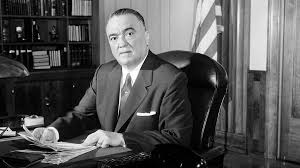
J. Edgar Hoover
As William C. Sullivan, the onetime director of the FBI’s Domestic Intelligence Division, revealed after Hoover’s death in 1972:
“The moment [Hoover] would get something on a senator, he’d send one of the errand boys up and advise the senator that ‘we’re in the course of an investigation, and we by chance happened to come up with this data on your daughter.
“‘But we wanted you to know this. We realize you’d want to know it.’ Well, Jesus, what does that tell the senator? From that time on, the senator’s right in his pocket.”
Donald Trump has long pursued a strategy of intimidation. But when people have refused to be cowed by his threats, he’s backed off.
During the 2016 Presidential campaign, more than a dozen women accused Trump of sexual misconduct, ranging from inappropriate comments to assault.
Trump responded: “The events never happened. Never. All of these liars will be sued after the election is over.”
Yet he didn’t file a single slander suit.
Similarly, when New York’s Attorney General Eric Schneiderman sued Trump for running a fraudulent university, Trump initially said he would fight the charge.
Instead, he settled the case by paying $25 million to compensate the 3,700 students Trump University had defrauded.
“You never have to frame anyone,” says Governor Willie Stark in Robert Penn Warren’s Pulitzer Prize-winning 1946 novel, All the King’s Men. “Because the truth is always sufficient.”
2012 PRESIDENTIAL RACE, ALTERNET, AP, BARACK OBAMA, BAY OF PIGS, BBC, BERLIN WALL, BILL CLINTON, BRUCE GREENWOOD, BUZZFEED, CARLOS MARCELLO, CBS NEWS, CIA, CIVIL RIGHTS, CLIFF ROBERTSON, CNN, CUBAN MISSILE CRISIS, DAILY KOS, DAVID HALBERSTAM, DONALD J. TRUMP, FBI, FIDEL CASTRO, FRANK SINATRA, HERMAN CAIN, ICH BEN EIN BERLINNER SPEECH, INTERNET MOVIE DATABASE, J. EDGAR HOOVER, JAMES MARSDEN, JOHN F. KENNEDY, JOSEPH MCCARTHY, JOSEPH P. KENNEDY, LYNDON B. JOHNSON, MAFIA, MALCOM X, MARTIN LUTHER KING, MARTIN SHEEN, MOTHER JONES, MOVEON, MOVIES, NBC NEWS, NEWSWEEK, NEWT GINGRICH, NIKITA KHRUSHCHEV, NPR, NUCLEAR TEST BAN TREATY, POLITICO, PT-109, RAW STORY, REUTERS, RICK PERRY, ROBERT F. KENNEDY, ROBERT S. MCNAMARA, SALON, SAM GIANCANA, SANTOS TRAFFICANTE, Sarah Palin, SATURDAY NIGHT LIVE, SEATTLE TIMES, SLATE, SOVIET UNION, THE ATLANTIC, THE BEST AND THE BRIGHTEST, THE BUTLER, THE CHICAGO SUN-TIMES, THE CHICAGO TRIBUNE, THE DAILY BEAST, THE GUARDIAN, THE HILL, THE HUFFINGTON POST, THE LOS ANGELES TIMES, THE MISSILES OF OCTOBER, THE NEW YORK TIMES, THE RAT PACK, THE WALL STREET JOURNAL, THE WASHINGTON POST, THIRTEEN DAYS, TIME, TWILIGHT ZONE, TWITTER, U.S. NEWS & WORLD REPORT, UPI, USA TODAY, VIETNAM WAR, WILLIAM DEVANE, WILLIAM PETERSON
In Bureaucracy, Business, History, Law, Law Enforcement, Military, Politics, Social commentary on November 22, 2023 at 12:10 am
Sixty years ago, on November 22, 1963, two bullets slammed into the neck and head of President John Fitzgerald Kennedy.
It has been said that he left his country with three great legacies:
- The Nuclear Test Ban Treaty;
- The Apollo moon landing; and
- The Vietnam war.
Of these, the following can be said with certainty:
- The Test Ban Treaty has prevented atmospheric testing—and poisoning—by almost all the world’s nuclear powers.
- After reaching the moon—in 1969—Americans quickly lost interest in space and have today largely abandoned plans for manned exploration. For America, as for JFK, beating the Russians to the moon was the end-goal.
- Under Presidents Lyndon Johnson and Richard Nixon, 58,000 Americans died in Vietnam; 153,303 were wounded; and billions of dollars were squandered in a hopeless effort to intervene in what was essentially a Vietnamese civil war. From 1965 to 1972, the war angrily divided Americas as had no event since the Civil War.
But there was a fourth legacy—and perhaps the most important of all: The belief that mankind could overcome its greatest challenges through rationality and perseverance.
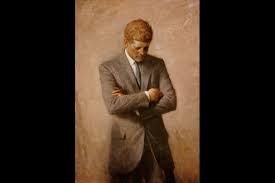
White House painting of JFK
At American University on June 10, 1963, Kennedy called upon his fellow Americans to re-examine the events and attitudes that had led to the Cold War. And he declared that the search for peace was by no means absurd:
“Our problems are man-made; therefore, they can be solved by man. And man can be as big as he wants. No problem of human destiny is beyond human beings.
“Man’s reason and spirit have often solved the seemingly unsolvable, and we believe they can do it again.”
Today, politicians from both parties cannot agree on solutions to even the most vital national problems.
For example: Republicans cannot agree with Democrats that the violent January 6, 2021 attempt by Donald Trump’s supporters to overturn the results of the 2020 Presidential election qualified as treason.
President Kennedy insisted on being well-informed. He speed-read several newspapers every morning and nourished personal relationships with the press—and not for altruistic reasons. These journalistic contacts gave Kennedy additional sources of information and perspectives on national and international issues.
During the 2012 Presidential campaign, Republican Presidential candidates celebrated their ignorance of both.
Former Godfather’s Pizza CEO Herman Cain famously said, “We need a leader, not a reader.” Thus he excused his ignorance for why President Barack Obama had intervened in Libya.
Former Texas Governor Rick Perry and Secretary of Energy showed similar pride in not knowing there are nine judges on the United States Supreme Court:
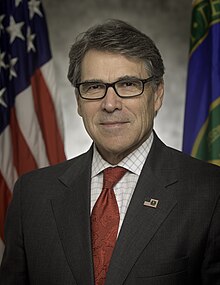
Rick Perry
“Well, obviously, I know there are nine Supreme Court judges. I don’t know how eight came out my mouth. But the, uh, the fact is, I can tell you—I don’t have memorized all of those Supreme Court judges. And, uh, ah—
“Here’s what I do know. That when I put an individual on the Supreme Court, just like I done in Texas, ah, we got nine Supreme Court justices in Texas, ah, they will be strict constructionists….”
In short, it’s the media’s fault if they ask you a question and your answer reveals your own ignorance, stupidity or criminality.
Sarah Palin rewrote history via “The Midnight Ride of Paul Revere”: “He warned the British that they weren’t going to be taking away our arms by ringing those bells and, um, making sure as he’s riding his horse through town to send those warning shots and bells that, uh, we were going to be secure and we were going to be free.”
In fact, Revere wasn’t warning the British about anything. Instead, he was warning his fellow Americans about an impending British attack—as his celebrated catchphrase “The British are coming!” made clear.
During the height of the Cuban Missile Crisis, Kennedy spoke with aides about a book he had just finished: Barbara Tuchman’s The Guns of August, about the events leading to World War 1.
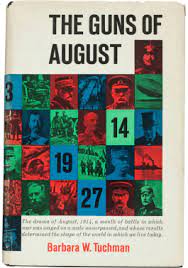
He said that the book’s most important revelation was how European leaders had blindly rushed into war, without thought to the possible consequences. Kennedy told his aides he did not intend to make the same mistake—that, having read his history, he was determined to learn from it.
Republicans attacked President Obama for his Harvard education and articulate use of language. Among their taunts: “Hitler also gave good speeches.”
And they resented his having earned most of his income as a writer of two books: Dreams From My Father and The Audacity of Hope. As if being a writer is somehow subversive.
When knowledge and literacy are attacked as “highfalutin’” arrogance, and ignorance and incoherence are embraced as sincerity, national decline lies just around the corner.
Many Americans believe that decline arrived with the 2016 election of Donald Trump. In fact, they believe it was Trump who announced it after winning the Nevada Republican primary: “We won with poorly educated. I love the poorly educated.”
In retrospect, the funeral for President Kennedy marked the death of more than a rational and optimistic human being.
It marked the death of Americans’ pride in choosing reasoning and educated citizens for their leaders.

 Bureaucracybuster's Blog
1968 PRESIDENTIAL CAMPAIGN, 2020 PRESIDENTIAL CAMPAIGN, ABC NEWS, ALTERNET, AMERICABLOG, AMERICAN INDIANS, AP, BABY BOOMER RESISTANCE, BARBARA GARSON, BBC, BLACK LIVES MATTER, BLOOMBERG, BUZZFEED, CBS NEWS, CIVIL RIGHTS, CNN, COMING APART: AMERICA IN THE 1960S (BOOK), CROOKS AND LIARS, DAILY KOS, DAILY KOZ, DEMOCRATS, DRUDGE REPORT, EUGENE MCCARTHY, FIVETHIRTYEIGHT, GEORGE BERNARD SHAW, GROSS NATIONAL PRODUCT, HARPER’S MAGAZINE, HUFFINGTON POST, JIM SLATTERY, JOHN F. KENNEDY, Kamala Harris, KANSAS STATE UNIVERSITY, LOOK MAGAZINE, LYNDON B. JOHNSON, MCBIRD!, MEDIA MATTERS, MISSISSIPPI, MOTHER JONES, MOVEON, MSNBC, NBC NEWS, NEW REPUBLIC, NEWSDAY, NEWSWEEK, NPR, PBS NEWSHOUR, POLITICO, POLITICUSUSA, RAW STORY, REPUBLICANS, REUTERS, ROBERT F. KENNEDY, SALON, SEATTLE TIMES, SIRHAN SIRHAN, SLATE, SOPHOCLES, STANLEY TRETICK, TALKING POINTS MEMO, TET OFFENSIVE, THE ATLANTIC, THE CHICAGO SUN-TIMES, THE CHICAGO TRIBUNE, THE DAILY BEAST, THE DAILY BLOG, THE GUARDIAN, THE HILL, THE HUFFINGTON POST, THE INTERCEPT, THE LOS ANGELES TIMES, THE NATION, THE NEW REPUBLIC, THE NEW YORK TIMES, THE NEW YORKER, THE VILLAGE VOICE, THE WASHINGTON POST, THINKPROGRESS, TIME, TIME MAGAZINE, TRUTHDIG, TRUTHOUT, TWO POLITICAL JUNKIES, U.S. NEWS & WORLD REPORT, UNIVERSITY OF KANSAS, UPI, USA TODAY, VIETNAM WAR, WILLIAM L. O'NEIL, WONKETTE, X
YOUTH, COURAGE AND IDEALISM–NOW SORELY NEEDED IN A PRESIDENT: PART THREE (END)
In Bureaucracy, History, Law, Law Enforcement, Military, Politics, Social commentary on July 5, 2024 at 12:10 amOn March 18, 1968, Presidential candidate Robert F. Kennedy, speaking at the University of Kansas, called on his fellow citizens to show compassion for those less fortunate and in need of relief through the Federal Government.
“If we believe that we, as Americans, are bound together by a common concern for each other, then an urgent national priority is upon us. We must begin to end the disgrace of this other America.”
Finally, Kennedy did something almost no other politician—in his time or since—has ever done: He dared to attack that holy-of-holies, the Gross Domestic Product (then called the Gross National Product).
“If we believe that we, as Americans, are bound together by a common concern for each other, then an urgent national priority is upon us. We must begin to end the disgrace of this other America.
“Too much and for too long, we seemed to have surrendered personal excellence and community values in the mere accumulation of material things. Our Gross National Product, now, is over $800 billion dollars a year, but that Gross National Product….counts air pollution and cigarette advertising, and ambulances to clear our highways of carnage.
“It counts special locks for our doors and the jails for the people who break them. It counts the destruction of the redwood and the loss of our natural wonder in chaotic sprawl. It counts napalm and counts nuclear warheads and armored cars for the police to fight the riots in our cities. It counts Whitman’s rifle and Speck’s knife, and the television programs which glorify violence in order to sell toys to our children.
“Yet the Gross National Product does not allow for the health of our children, the quality of their education or the joy of their play. It does not include the beauty of our poetry or the strength of our marriages, the intelligence of our public debate or the integrity of our public officials.
“It measures neither our wit nor our courage, neither our wisdom nor our learning, neither our compassion nor our devotion to our country. It measures everything in short, except that which makes life worthwhile. And it can tell us everything about America except why we are proud that we are Americans….
Senator Robert F. Kennedy campaigning for President
“George Bernard Shaw once wrote, ‘Some people see things as they are and say why? I dream things that never were and say, why not?’
“So I come here to Kansas to ask for your help. In the difficult five months ahead, before the convention in Chicago. I ask for your help and for your assistance.
“If you believe that the United States can do better. If you believe that we should change our course of action. If you believe that the United States stands for something here internally as well as elsewhere around the globe, I ask for your help and your assistance and your hand over the period of the next five months.
“And when we win in November….and we begin a new period of time for the United States of America, I want the next generation of Americans to look back upon this period and say as they said of Plato: ‘Joy was in those days, but to live.’ Thank you very much.”
At the end of Kennedy’s wildly popular speech at Kansas State University, photographer Stanley Tretick, of Look magazine, shouted, “This is Kansas, fucking Kansas! He’s going all the fucking way!”
But he didn’t go all the way. On June 5, 1968—82 days after announcing his Presidential candidacy—an assassin’s bullet suddenly halted his short-lived campaign—and his life.
Robert Kennedy’s funeral train
Historian William L. O’Neil delivered a poignant summary of Robert Kennedy’s legacy in his 1971 book, Coming Apart: An Informal History of America in the 1960′s:
“He aimed so high that he must be judged for what he meant to do, and through error and tragic accident, failed at…..He will also be remembered as an extraordinary human being who, though hated by some, was perhaps more deeply loved by his countrymen than any man of his time.
“That, too, must be entered into the final account, and it is no small thing. With his death, something precious vanished from public life.”
As United States Attorney General (1961-1964) Robert F. Kennedy had the courage to wage all-out war on the Mafia. As a United States Senator (1964-1968) he had the compassion to champion aid to impoverished Americans.
Even in his own era—a half-century ago—Robert Kennedy stood out as the only major Presidential candidate who could legitimately make both claims.
Today, most Democrats—battered by decades of Republican charges that they’re “big spenders”—fear supporting big-ticket items to help the poor.
And the Black Lives Matter movement has made any connection to law enforcement a disqualification for higher office—as former California Attorney General Kamala Harris found out as a 2020 Presidential candidate.
America may never again see a Presidential candidate who can combine a strong stand against crime with an equally strong commitment to helping the poor and disadvantaged.
Share this: