Posts Tagged ‘JOSEPH STALIN’
ABC NEWS, ALCOHOLISM, ALTERNATIVE HOUSING PROGRAM, ALTERNET, AMAZON, AMERICABLOG, AP, BABY BOOMER RESISTANCE, BBC, BLOOMBERG NEWS, BROOKE JENKINS, BUMS, BUZZFEED, CBS NEWS, CHESA BOUDIN, CITY JOURNAL, CNN, COVID-19, CRACK COCAINE, CROOKS AND LIARS, CVS, DAILY KOS, DEPARTMENT OF PUBLIC HEALTH (DPH), DRUG ADDICTION, FENTANYL, FIVETHIRTYEIGHT, GAVIN NEWSOM, HARPER’S MAGAZINE, HOMELESS, HOMELESSNESS, HUFFINGTON POST, IPS SECURITY, JOSEPH STALIN, LONDON BREED, LOS ANGELES, MARK HOPKINS HOTEL, MEDIA MATTERS, MENTAL ILLNESS, MICHAEL SHELLENBERGER, MOTEL 6, MOTHER JONES, MOVEON, MSNBC, NAVIGATION CENTERS, NBC NEWS, NEW REPUBLIC, NEWSDAY, NEWSWEEK, NPR, ORACLE, PBS NEWSHOUR, POLITICAL CORRECTNESS, POLITICO, POLITICUSUSA, PORTLAND, RAW STORY, REUTERS, SALON, SAN FRANCISCO, SAN FRANCISCO BOARD OF SUPERVISORS, SAN FRANCISCO DISTRICT ATTORNEY'S OFFICE, SAN FRANCISCO MAYOR'S OFFICE, SAN FRANCISCO POLICE DEPARTMENT, SAN FRANSICKO: WHY PROGRESSIVES RUIN CITIES (BOOK), SEATLE, SEATTLE TIMES, SLATE, TALKING POINTS MEMO, TENDERLOIN, THE ATLANTIC, THE CHICAGO SUN-TIMES, THE CHICAGO TRIBUNE, THE DAILY BEAST, THE DAILY BLOG, THE GUARDIAN, THE HILL, THE HUFFINGTON POST, THE INTERCEPT, THE LOS ANGELES TIMES, THE NATION, THE NEW REPUBLIC, THE NEW YORK TIMES, THE NEW YORKER, THE SPECTATOR WORLD, THE VILLAGE VOICE, THE WASHINGTON POST, THINKPROGRESS, TIME, TRUTHDIG, TRUTHOUT, TWITTER, U.S. NEWS & WORLD REPORT, UNITED STATES SUPREME COURT, UPI, USA TODAY, VMWARE, WALGREENS, WHOLE FOODS MARKET
In Bureaucracy, Business, History, Law, Law Enforcement, Medical, Politics, Social commentary on February 24, 2025 at 12:05 am
On June 28, 2024, the Supreme Court, in City of Grants Pass vs. Johnson, empowered cities to enforce laws prohibiting camping and vagrancy.
Almost four years earlier, on September 28, 2018, a three-judge panel of the Ninth Circuit Court of Appeals had issued Martin v. City of Boise. This held that “the Eighth Amendment prohibits the imposition of criminal penalties for sitting, sleeping, or lying outside on public property for homeless individuals who cannot obtain shelter.”
People could be evicted only if beds or shelter were available to those who were being evicted.
Thanks to the Supreme Court’s ruling, communities nationwide can now fine, ticket or arrest those who make up the greatest part of this population–Druggies, Drunks, Mentals and Bums (DDMBs). But they aren’t forced to take any specific actions or to actively engage in criminal punishment.
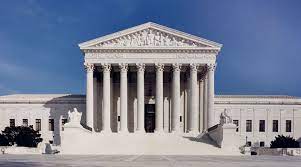
United States Supreme Court
On July 25, California Governor Gavin Newsom issued an executive order directing state agencies on how to remove homeless encampments from public spaces.
For years, California has been plagued by thousands of tents and makeshift shelters that line freeways, clutter shopping center parking lots and fill city parks.
California has the highest number of homeless in the country—more than 181,000 people in January 2023, more than 27% of the country’s homeless population.
The governor’s order leaves it up to local mayors to remove the encampments.
“Local governments now have the tools they need to address the decades-long issue of homelessness,” declared Newsome in a statement.
“Today, we are issuing an executive order that directs state agencies & urges locals to address encampments while connecting those living in them to housing & supportive services.”
San Francisco’s Mayor and Board of Supervisors may finally be ready to do what, for years, they had refused to do: Clear the city’s streets of DDMBs.
A massive casualty of the irresponsibility of “city leaders” came on April 10, 2023: One of the largest supermarkets in downtown San Francisco—the Whole Foods Market at Eighth and Market streets—announced it would shut down at the close of business that day.
The store, operated by Amazon, had been operating slightly more than a year. It had become the repeated victim of wholesale thefts courtesy of the city’s DDMBs.

The Politically Correct name for these people is “unhoused.” The accurate name for them is summed up in a German word: “Untermenschen”—“subhumans.”
Given the Politically Correct climate of San Francisco, the closing of the Whole Foods store was almost guaranteed to happen.
At its opening, on March 10, 2022, the store operated from 8 a.m. to 9 p.m. By October, it opened at 9 a.m. and closed at 7 p.m.
“It’s to better serve our customers, and it’s more or less because of the area and security issues,” said the store’s manager. “There’s just high theft and people being hostile.”
In November, the store enforced new rules for customers after syringes and crack pipes were found in the restroom. The bathroom was now open only to customers who showed security guards a receipt. Customers were then given a QR code for entry.
It was no coincidence that the bathrooms were often used by drug-abusers—the store was close to the Tenderloin Center, a safe drug-use site.

Crack cocaine
Argv0, CC BY-SA 4.0 <https://creativecommons.org/licenses/by-sa/4.0>, via Wikipedia Commons
Another reason for the change in bathroom policy: Thieves would fill up suitcases with merchandise before going into the restroom.
And who is ultimately responsible for such outrages?
San Francisco’s topmost officials—the Mayor, Board of Supervisors, District Attorney and chief of the San Francisco Police Department. Together, they have formed an “Untermenschen”-friendly alliance.
The start of the COVID-19 pandemic inflicted a massive loss in foot traffic in downtown San Francisco as employees fled high rises to work remotely from home. Many small businesses—especially restaurants—shuttered.
Compounding this disaster has been an increasing influx of hardcore alcoholics, hardcore drug addicts, psychotically mentally ill and parasitical bums. Sidewalks are littered with huge tents, used hypodermic syringes and needles, empty beer cans and wine bottles, human feces and pools of urine.
The local and national press have predicted a “Doom Loop” facing San Francisco, as the city’s tourism rate sharply declines and City Hall officials currently project a nearly $800 million deficit in San Francisco’s budget.
Tech giants such as Meta and IBM have abandoned San Francisco for events in cities such as Denver and Orlando, Florida.
In September, 2023, Silicon Valley tech giant Alphabet announced that it would move its high-profile Google Cloud Next conference to Las Vegas in 2024.
But this has not prevented city officials from calling for increased efforts to comfort those very parasites who threaten not only their own lives but those of law-abiding San Franciscans and the city’s tourism industry.
On November 3, 2021, National Public Radio’s website carried the following headline: “San Francisco’s new rapid response teams race to save lives as ODs dramatically rise.”
From the story:
“Faced with a stunning rise in drug overdose deaths the last few years, the vast majority tied to fentanyl, San Francisco has launched mobile teams made up of paramedics and nurses.
“The new Street Overdose Response Teams (SORT), a collaboration between the city’s health and fire departments, aim to deliver a broad range of support and care directly following an overdose.”
ABC NEWS, ALTERNET, AMERICABLOG, AP, BABY BOOMER RESISTANCE, BBC, BLOOMBERG NEWS, BUZZFEED, CBS NEWS, CNN, CROOKS AND LIARS, DAILY KOZ, FACEBOOK, FIVETHIRTYEIGHT, HARPER’S MAGAZINE, HUFFINGTON POST, JOSEPH STALIN, MEDIA MATTERS, MOTHER JONES, MOVEON, MSNBC, NBC NEWS, NEW REPUBLIC, NEWSDAY, NEWSWEEK, NPR, PBS NEWSHOUR, POLITICO, POLITICUSUSA, RAW STORY, REUTERS, SALON, SEATTLE TIMES, SLATE, TALKING POINTS MEMO, THE ATLANTIC, THE CHICAGO SUN-TIMES, THE CHICAGO TRIBUNE, THE DAILY BEAST, THE DAILY BLOG, THE GUARDIAN, THE HILL, THE HUFFINGTON POST, THE INTERCEPT, THE LOS ANGELES TIMES, THE NATION, THE NEW REPUBLIC, THE NEW YORK TIMES, THE NEW YORKER, THE VILLAGE VOICE, THE WASHINGTON POST, THINKPROGRESS, TIME, TRUTHDIG, TRUTHOUT, TWO POLITICAL JUNKIES, U.S. NEWS & WORLD REPORT, UPI, USA TODAY, WONKETTE, X
In Bureaucracy, History, Politics, Social commentary on February 3, 2025 at 1:40 am
I must not omit an important subject….And this is with regard to flatterers, of which courts are full, because men take such pleasure in their own things and deceive themselves about them that they can with difficulty guard against this plague….
Because there is no other way of guarding oneself against flattery than by letting men understand that they will not offend you by speaking the truth.
—Niccolo Machiavelli, The Discourses
On October 10, 2019, President Donald Trump took aim at Joe Biden, his potential Democratic rival for the White House in 2020.
Speaking at a campaign rally in Minneapolis, Minnesota, Trump spoke as if Biden’s son, Hunter, was present: “Your father was never considered smart. He was never considered a good senator. He was only a good vice president because he understood how to kiss Barack Obama’s ass.”
Trump no doubt believed he had scored a two-in-one insult—at both former President Barack Obama and his then-Vice President.
But Obama, as depicted in the memoirs of those who worked closely with him, did not demand sickeningly worshipful praise. He was, in fact, wary of sycophants, insisting on being well and honestly briefed.
It was this quality that led him to authorize—and oversee—the successful takedown of 9/11 mastermind Osama Bin Laden on May 1, 2011 by U.S. Navy SEALs.
It is actually Trump who demands not simply loyalty but constant flattery.
In this—as in his vindictiveness and coarseness—he closely resembles Joseph Stalin, the infamous dictator of the Soviet Union from 1924 to 1953.
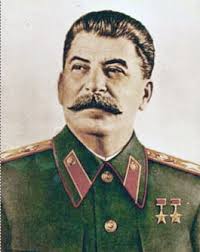
Joseph Stalin
A third similarity unites Trump and the late Soviet premier: Raging egomania.
On December 21, 1949, Stalin turned 70. And millions of Russians feverishly competed to out-do one another in singing his praises.
These celebrations weren’t prompted by love—but fear.
He had lived up to his pseudonym: “Man of Steel.” For almost 30 years, through purges and starvation caused by enforced collections of farmers’ crops, he had slaughtered 20 to 60 million of his fellow citizens.
The British historian, Robert Payne, described these rapturous events in his classic 1965 biography, The Rise and Fall of Stalin:
“From all over the country came gifts of embroidered cloth, tapestries and carpets bearing his name or his features….Poets extolled him in verses, He was the sun, the splendor, the lord of creation.
“The novelist Leonid Lenov…foretold the day when all the peoples of the earth would celebrate his birthday; the new calendar would begin with the birth of Stalin rather than with the birth of Christ.”
Lavrenti P. Beria, Stalin’s sinister and feared secret police chief: “Millions of fighters for peace and democracy in all countries of the world are closing their ranks still firmer around Comrade Stalin.”
Foreign Minister Vyacheslav Molotov: “The gigantic Soviet army created during [World War II] was under the direct leadership of Comrade Stalin and built on the basis of the principles of Stalinist military science.”
Defense Commissar Kliment Voroshilov: “The mighty voice of the Great Stalin, defending the peace of the world, has penetrated into all corners of the globe.”
Central Committee Secretary Georgi Malenkov: “With a feeling of great gratitude, turning their eyes to Stalin, the peoples of the Soviet Union, and hundreds of millions of peoples in all countries of the world, and all progressive mankind see in Comrade Stalin their beloved leader and teacher….”
Now, fast forward to June 12, 2017.
That was when President Donald J. Trump—also 70—convened his first full Cabinet meeting since taking office on January 20.
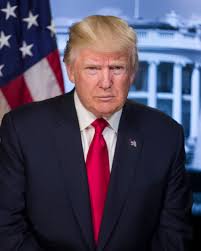
Donald Trump
On June 12, polls showed that only 36% of Americans approved of his conduct. But from his Cabinet members, Trump got praise traditionally lavished on dictators like Stalin and North Korea’s Kim Jong On.
While the Cabinet members sat around a mahogany table in the West Wing of the White House, Trump instructed each one to say a few words about the good work his administration was doing.
Vice President Mike Pence: “It is the greatest privilege of my life to serve as the vice president to a president who is keeping his word to the American people.”
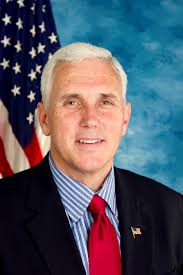
Mike Pence
Secretary of Agriculture Sonny Perdue: “I just got back from Mississippi. They love you there.”
Secretary of Health and Human Services Tom Price: “What an incredible honor it is to lead the Department of Health and Human Services at this pivotal time under your leadership. I can’t thank you enough for the privilege that you’ve given me, and the leadership you’ve shown.”
Chief of Staff Reince Priebus: “On behalf of the entire senior staff around you, Mr. President, we thank you for the opportunity and the blessing you’ve given us to serve your agenda and the American people.”
Secretary of Transportation Elaine Chao: “Thank you for coming over to the Department of Transportation. I want to thank you for getting this country moving again, and also working again.”
Politicians—both domestic and foreign—have quickly learned that the quickest way to get on Trump’s “good side” is to shamelessly and constantly praise him.
Some historians believe that Stalin was poisoned by one of his fawning yes-men—most likely Lavrenti Beria.
The time may come when Trump learns that outrageous flattery can hide murderous hatred.
2016 PRESIDENTIAL ELECTION, 2020 PRESIDENTIAL ELECTION, ABC NEWS, ACAM SCHIFF, ADOLF HITLER, ALTERNET, AMERICABLOG, AP, BABY BOOMER RESISTANCE, BBC, BLOOMBERG NEWS, BRETT CROZIER, BUZZFEED, CBS NEWS, CHARLES PIERCE, CHRIS KREBS, CNN, CONVERSATION WITH AN AMERICAN WRITER (POEM), CORONAVIRUS, CROOKS AND LIARS, CYBERSECURITY AND INFRASTRUCTURE SECURITY AGENCY, DAILY KOS, DEPARTMENT OF HOMELAND SECURITY, DEPARTMENT OF STATE, DIMITRI SHOSTAKOVICH, DONALD TRUMP, DRUDGE REPORT, ESQUIRE MAGAZINE, FBI, FIVETHIRTYEIGHT, FOX NEWS NETWORK, GREAT TERROR, HARPER’S MAGAZINE, HOUSE INTELLIGENCE COMMITTEE, HOUSE OF REPRESENTATIVES, HUFFINGTON POST, JOSEPH BIDEN, JOSEPH STALIN, MARIA YOVANOVICH, MEDIA MATTERS, MICROSOFT, MIKHAIL TUKHACHEVESKY, MOTHER JONES, MOVEON, MSNBC, NAZI GERMANY, NBC NEWS, NEW REPUBLIC, NEWSDAY, NEWSWEEK, NICCOLO MACHIAVELLI, NIKITA KHRUSHCHEV, NIKOLAI ZHILAYEV, NPR, PBS NEWSHOUR, POLITICO, POLITICUSUSA, RAW STORY, REUTERS, RUDY GIULIANI, SALON, SEATTLE TIMES, SLATE, SOVIET UNION, TALKING POINTS MEMO, THE ATLANTIC, THE CHICAGO SUN-TIMES, THE CHICAGO TRIBUNE, THE DAILY BEAST, THE DAILY BLOG, THE DISCOURSES, THE GUARDIAN, THE HILL, THE HUFFINGTON POST, THE LOS ANGELES TIMES, THE NATION, THE NEW REPUBLIC, THE NEW YORK TIMES, THE NEW YORKER, THE VILLAGE VOICE, THE WALL STREET JOURNAL, THE WASHINGTON POST, THINKPROGRESS, THOMAS MODLY, TIME, TRUTHDIG, TRUTHOUT, TWO POLITICAL JUNKIES, U.S. NEWS & WORLD REPORT, UKRAINE, UPI, USA TODAY, WEHRMACHT, WONKETTE, WORLD WAR 11, X, YEVGENEY YEVTUSHENKO
In Bureaucracy, History, Law, Law Enforcement, Military, Politics, Social commentary on January 31, 2025 at 12:26 am
Next hero: Marie Yovanovitch, the former United States ambassador to Ukraine (2016 – 2019). She had joined the Foreign Service in 1986, and served as ambassador to Kyrgyzstan (2005 – 2008) and Armenia (2008 – 2011).
In May 2019, on President Donald Trump’s orders, the State Department recalled Yovanovitch as ambassador to Ukraine. She had earned respect from the national security community for her efforts to encourage Ukraine to tackle corruption.
But she had been criticized by Right-wing media outlets—notably Fox News Network––and by Trump’s personal attorney, Rudy Giuliani.

Marie Yovanovitch
CNN reported that Yovanovitch stopped Giuliani from interviewing witnesses in his search for politically damaging information against former Vice President Joe Biden, whose son, Hunter, had had business dealings in Ukraine.
On October 11, 2019, she appeared before the House Intelligence Committee, chaired by Representative Adam Schiff (D-CA). She did so in defiance of orders by the White House and State Department to not attend.
“She was a hero even before she hit the hearing room,” wrote Charles Pierce for Esquire magazine.
“She told them to stuff their directives, she would answer a congressional subpoena like a citizen is supposed to do. And she didn’t sneak in through the basement. She walked into the Capitol through the front doors, and she didn’t do so to fck around.”
Testifying for nearly 10 hours, Yovanovitch said that Trump had removed her from her post owing to “unfounded and false claims” and “a concerted campaign against me.”
She believed that associates of Trump’s personal lawyer, Giuliani, might have thought “that their personal financial ambitions were stymied by our anti-corruption policy in Ukraine.”
And she warned that the State Department was being “attacked and hollowed out from within. State Department leadership, with Congress, needs to take action now to defend this great institution, and its thousands of loyal and effective employees.”
Another victim on Trump’s hate-list was Chis Krebs.
During the 2016 Presidential race, Russian propaganda had played a major role in convincing millions of Americans to vote for Donald Trump. Social media platforms—especially Facebook and Twitter—were flooded with genuinely fake news to sow discord among Americans and create a pathway for Trump’s election.
And where Internet trolls left off, Russian computer hackers took over.
Trump didn’t win a majority of the popular vote. But he got enough help from Russian President Vladimir Putin to triumph in the Electoral College.
So notorious was the role played by Russian trolls and hackers in winning Trump the 2016 election that the Department of Homeland Security (DHS) was determined to prevent a repetition in 2020.
And point man for this was Chris Krebs.
Born in Atlanta, Georgia, in 1977, Krebs had received a B.A. in environmental sciences from the University of Virginia in 1999, and a J.D. from the George Mason University School of Law in 2007.
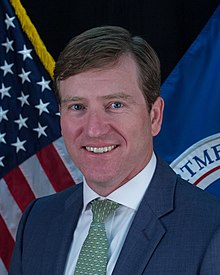
Chris Krebs
Krebs had served as Senior Advisor to the Assistant Secretary of Homeland Security for Infrastructure Protection, and later worked in the private sector as Director for Cybersecurity Policy for Microsoft.
Now he was director of the Cybersecurity and Infrastructure Security Agency at DHS.
In preparation for the 2020 Presidential election, Krebs launched a massive effort to counter lies spread by Russians—and Americans—on social media platforms. Among his duties:
- Sharing Intelligence from agencies such as the CIA and National Security Agency with local officials about foreign efforts at election interference.
- Ensuring that domestic voting equipment was secure.
- Attacking domestic misinformation head-on.
As a result, Krebs was widely praised for revamping the department’s cybersecurity efforts and increasing coordination with state and local governments.
By all accounts—except Trump’s—the November 3, 2020 election went very smoothly.
As a result of the vast increase in election security, Trump not only failed to win the popular vote again but couldn’t get the help he expected from Putin.
On November 17, Trump fired Chris Krebs.
The reason: Krebs had not only countered Russian propaganda lies—he had dared to counter Trump’s as well. For example: He rejected Trump’s claims of widespread voter fraud: There “is no evidence that any voting system deleted or lost votes, changed votes, or was in any way compromised.”
In a November 17 story on the CNN website, CNN reporters Kaitlan Collins and Paul LeBlanc bluntly concluded:
“[Krebs’] dismissal underscores the lengths Trump is willing to go to punish those who don’t adopt his conspiratorial view of the election.
“Since CNN and other outlets called the race for President-elect Joe Biden, Trump has refused to accept the results, instead pushing baseless conspiracies that his second term is being stolen.”
Yet, by depriving Trump of Russian help, Krebs ensured a victory for democracy.
On January 6, the House and Senate counted the Electoral Votes—and pronounced Joseph Biden the winner—bringing an end to Trump’s reign of criminality and treason.
In his 1960 poem, “Conversation With an American Writer,” the Russian poet, Yevgeney Yevtushenko spoke for those Russians who had maintained their integrity in the face of Stalinist terror:
“You have courage,” they tell me.
It’s not true. I was never courageous.
I simply felt it unbecoming
to stoop to the cowardice of my colleagues.
Unfortunately, the same cannot be said of Republicans in the United States Senate and House of Representatives in the face of Trump terror.
2016 PRESIDENTIAL ELECTION, 2020 PRESIDENTIAL ELECTION, ABC NEWS, ACAM SCHIFF, ADOLF HITLER, ALTERNET, AMERICABLOG, AP, BABY BOOMER RESISTANCE, BBC, BLOOMBERG NEWS, BRETT CROZIER, BUZZFEED, CBS NEWS, CHARLES PIERCE, CHRIS KREBS, CNN, CONVERSATION WITH AN AMERICAN WRITER (POEM), CORONAVIRUS, CROOKS AND LIARS, CYBERSECURITY AND INFRASTRUCTURE SECURITY AGENCY, DAILY KOS, DEPARTMENT OF HOMELAND SECURITY, DEPARTMENT OF STATE, DIMITRI SHOSTAKOVICH, DONALD TRUMP, DRUDGE REPORT, ESQUIRE MAGAZINE, FBI, FIVETHIRTYEIGHT, FOX NEWS NETWORK, GREAT TERROR, HARPER’S MAGAZINE, HOUSE INTELLIGENCE COMMITTEE, HOUSE OF REPRESENTATIVES, HUFFINGTON POST, JOSEPH BIDEN, JOSEPH STALIN, MARIA YOVANOVICH, MEDIA MATTERS, MICROSOFT, MIKHAIL TUKHACHEVESKY, MOTHER JONES, MOVEON, MSNBC, NAZI GERMANY, NBC NEWS, NEW REPUBLIC, NEWSDAY, NEWSWEEK, NICCOLO MACHIAVELLI, NIKITA KHRUSHCHEV, NIKOLAI ZHILAYEV, NPR, PBS NEWSHOUR, POLITICO, POLITICUSUSA, RAW STORY, REUTERS, RUDY GIULIANI, SALON, SEATTLE TIMES, SLATE, SOVIET UNION, TALKING POINTS MEMO, THE ATLANTIC, THE CHICAGO SUN-TIMES, THE CHICAGO TRIBUNE, THE DAILY BEAST, THE DAILY BLOG, THE DISCOURSES, THE GUARDIAN, THE HILL, THE HUFFINGTON POST, THE LOS ANGELES TIMES, THE NATION, THE NEW REPUBLIC, THE NEW YORK TIMES, THE NEW YORKER, THE VILLAGE VOICE, THE WALL STREET JOURNAL, THE WASHINGTON POST, THINKPROGRESS, THOMAS MODLY, TIME, TRUTHDIG, TRUTHOUT, TWO POLITICAL JUNKIES, U.S. NEWS & WORLD REPORT, UKRAINE, UPI, USA TODAY, WEHRMACHT, WONKETTE, WORLD WAR 11, X, YEVGENEY YEVTUSHENKO
In Bureaucracy, History, Law, Law Enforcement, Military, Politics, Social commentary on January 30, 2025 at 12:11 am
Next up: Nikolai Sergeyvich Zhilayev (pronounced Zill-lay-ev) was a Russian musicologist and the teacher of several 20th-century Russian composers.
Among these: Dimitri Shostakovich (September 25, 1906 – August 9, 1975)
Among his friends—to his ultimate misfortune—was Mikhail Nikolayevich Tukhachevsky, the former military hero now falsely condemned and executed as a traitor by Soviet dictator Joseph Stalin.
In 1938, Zhilayev (November 18, 1881 – January 20, 1938) also became a casualty of what has become known as The Great Terror.
In his posthumously-published memoirs, Testimony, Shostakovich, his pupil and friend, described how Zhilayev faced his end with a calmness that awed even the NKVD (the predecessor to the KGB) secret police sent to arrest him.
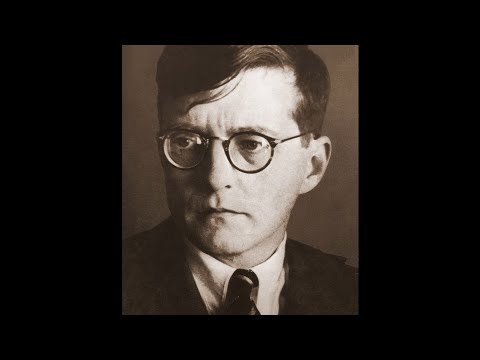
Dimitri Shostakovich
“He had a large picture of Tukhachevsky in his room, and after the announcement that Tukhachevsky had been shot as a traitor to the homeland, Zhilayev did not take the picture down.
“I don’t know if I can explain how heroic a deed that was….As soon as the next poor soul was declared an enemy of the people, everyone destroyed in a panic everything connected with that person….
“And naturally, photographs flew into the fire first, because if someone informed on you, reported that you had a picture of an enemy of the people, it meant certain death.
“Zhilayev wasn’t afraid. When they came for him, Tukhachevsky’s prominently hung portrait amazed even the executioners.”
“What, it’s still up?” one of the secret police asked.
“The time will come,” Zhilayev replied, “when they’ll erect a monument to him.”
As, in fact, has happened.
Meanwhile, Stalin has been universally condemned as one of history’s greatest tyrants.
Third hero: Brett Crozier, the former commanding officer of the aircraft carrier USS Theodore Roosevelt.
Graduating from the United States Naval Academy at Annapolis in 1992, he received his Master’s Degree in National Security and Strategic Studies from the Naval War College in 2007.
From 2017 to 2018 he commanded the USS Blue Ridge. In November, 2019, he was given command of the nuclear aircraft carrier USS Theodore Roosevelt.
On March 24, 2020, reports circulated that three members of the crew had tested positive for COVID-19. The next day the number of stricken sailors increased to eight. A few days later, it was “dozens.” The sailors reportedly became ill at sea, two weeks after a port call at Danang, Vietnam.
The initial cases were airlifted to a military hospital. The Roosevelt was ordered to Guam. After the ship docked on March 27, 2020, all 5,000 aboard were ordered to be tested for the virus. But only about 100 stricken sailors were allowed to leave the ship. The rest remained on board.
On March 30, Crozier emailed a four-page internal letter to multiple Naval officials, pleading to have the majority of the crew evacuated and quarantined on shore. Given the crowded sleeping quarters and narrow passageways of the vessel, Crozier wrote that it was impossible to follow social distancing and quarantine procedures:
“This will require a political solution but it is the right thing to do. We are not at war. Sailors do not need to die. If we do not act now, we are failing to properly take care of our most trusted asset—our Sailors….
“This is a necessary risk. Keeping over 4,000 young men and women on board the TR is an unnecessary risk and breaks faith with those Sailors entrusted to our care.”
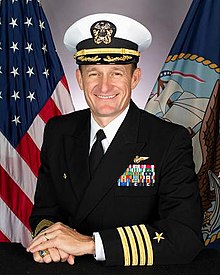
Brett Crozier
Crozier sent his letter via a non-secure, unclassified email to 20-30 recipients, as well as the captain’s immediate chain of command. He reportedly believed that his immediate supervisor would not allow him to send it.
And his superior later confirmed that he would not have allowed Crozier to send it.
On March 31, someone leaked the letter to the San Francisco Chronicle, which published it.
On April 1, the Navy ordered the aircraft carrier evacuated. A skeleton crew of 400 remained aboard to maintain the nuclear reactor, the fire-fighting equipment, and the ship’s galley.
On April 2, Crozier was relieved of command by acting United States Secretary of the Navy Thomas Modly.
By that time, about 114 crew members—out of a total of around 4,000—reportedly tested positive for COVID-19.
As Crozier disembarked, sailors loudly saluted him with a standing ovation: “Cap-tain Cro-zier!”
Crozier was reassigned to a shore position and retired in 2022.
Modly claimed that Crozier’s letter “raised alarm bells unnecessarily. It undermines our efforts and the chain of command’s efforts to address this problem, and creates a panic and this perception that the Navy’s not on the job, that the government’s not on the job, and it’s just not true.”
It was true.
Actually, the Trump administration had frittered away January and February, with President Donald Trump giving multiple—and misleading—press conferences. In these, he played down the dangers of COVID-19, saying that “we’re on top of it”—even as the virus spread across the country.
“It was a betrayal. And I can tell you one other thing: because he did that he put it in the public’s forum and it is now a big controversy in Washington, DC,“ continued Modly. [Italics added]
This was the United States Navy under Donald Trump—who threw “betrayal” and “treason” at anyone who dared reveal the truth about institutional crimes and failures.
2016 PRESIDENTIAL ELECTION, 2020 PRESIDENTIAL ELECTION, ABC NEWS, ACAM SCHIFF, ADOLF HITLER, ALTERNET, AMERICABLOG, AP, BABY BOOMER RESISTANCE, BBC, BLOOMBERG NEWS, BRETT CROZIER, BUZZFEED, CBS NEWS, CHARLES PIERCE, CHRIS KREBS, CNN, CONVERSATION WITH AN AMERICAN WRITER (POEM), CORONAVIRUS, CROOKS AND LIARS, CYBERSECURITY AND INFRASTRUCTURE SECURITY AGENCY, DAILY KOS, DEPARTMENT OF HOMELAND SECURITY, DEPARTMENT OF STATE, DIMITRI SHOSTAKOVICH, DONALD TRUMP, DRUDGE REPORT, ESQUIRE MAGAZINE, FBI, FIVETHIRTYEIGHT, FOX NEWS NETWORK, GREAT TERROR, HARPER’S MAGAZINE, HOUSE INTELLIGENCE COMMITTEE, HOUSE OF REPRESENTATIVES, HUFFINGTON POST, JOSEPH BIDEN, JOSEPH STALIN, MARIA YOVANOVICH, MEDIA MATTERS, MICROSOFT, MIKHAIL TUKHACHEVESKY, MOTHER JONES, MOVEON, MSNBC, NAZI GERMANY, NBC NEWS, NEW REPUBLIC, NEWSDAY, NEWSWEEK, NICCOLO MACHIAVELLI, NIKITA KHRUSHCHEV, NIKOLAI ZHILAYEV, NPR, PBS NEWSHOUR, POLITICO, POLITICUSUSA, RAW STORY, REUTERS, RUDY GIULIANI, SALON, SEATTLE TIMES, SLATE, SOVIET UNION, TALKING POINTS MEMO, THE ATLANTIC, THE CHICAGO SUN-TIMES, THE CHICAGO TRIBUNE, THE DAILY BEAST, THE DAILY BLOG, THE DISCOURSES, THE GUARDIAN, THE HILL, THE HUFFINGTON POST, THE LOS ANGELES TIMES, THE NATION, THE NEW REPUBLIC, THE NEW YORK TIMES, THE NEW YORKER, THE VILLAGE VOICE, THE WALL STREET JOURNAL, THE WASHINGTON POST, THINKPROGRESS, THOMAS MODLY, TIME, TRUTHDIG, TRUTHOUT, TWO POLITICAL JUNKIES, U.S. NEWS & WORLD REPORT, UKRAINE, UPI, USA TODAY, WEHRMACHT, WONKETTE, WORLD WAR 11, X, YEVGENEY YEVTUSHENKO
In Bureaucracy, History, Military, Politics, Social commentary on January 29, 2025 at 12:10 am
…A truly great man is ever the same under all circumstances. And if his fortune varies, exalting him at one moment and oppressing him at another, he himself never varies, but always preserves a firm courage, which is so closely interwoven with his character that everyone can readily see that the fickleness of fortune has no power over him.
The conduct of weak men is very different. Made vain and intoxicated by good fortune, they attribute their success to merits which they do not possess. And this makes them odious and insupportable to all around them. And when they have afterwards to meet a reverse of fortune, they quickly fall into the other extreme, and become abject and vile.
—Niccolo Machiavelli, The Discourses
Four heroes, three villains.
Two of the heroes are Russians; three are Americans.
The villains: One Russian (actually, Georgian); two American.
First up—in order of disappearance: Mikhail Nikolayevich Tukhachevsky (pronounced too-ka-chev-sky).
Tukhachevsky (February 4, 1893 – June 12, 1937) was a major Soviet military leader and theoretician from 1918 to 1937.
He commanded the Soviet Western Front during the Russian-Polish War (1920-21) and served as Chief of Staff of the Red Army (1925-1928).
He fought to modernize Soviet armament, as well as develop airborne, aviation and mechanized forces. Almost singlehandedly, he created the theory of deep operations for Soviet forces.

Mikhail Tukhachevsky
All of these innovations would reap huge dividends when the Soviet Union faced the lethal fury of Adolf Hitler’s Wehrmacht.
In 1936, Tukhachevsky warned Soviet dictator Joseph Stalin that Nazi Germany might attack without warning—and ignite a long and murderous war.
Stalin—the son of a Georgian cobbler—resented Tukhachevsky’s coming from a noble family. A monumental egomaniac, he also hated that Tukhachevesky’s fame rivaled his own.
Warned of the approaching German danger, Stalin shouted: “What are you trying to do—frighten Soviet authority?”
Joseph Stalin
The attack that Tukhachevsky warned against came five years later—on June 22, 1941, leaving at least 26 million Russians dead.
But Tukhachevsky wasn’t alive to command a defense.
The 1930s were a frightening and dangerous time to be alive in the Soviet Union. In 1934, Stalin, seeing imaginary enemies everywhere, ordered a series of purges that lasted right up to the German invasion.
An example of Stalin’s paranoia occurred one day while the dictator walked through the Kremlin corridors with Admiral Ivan Isakov. Officers of the NKVD (the predecessor to the KGB) stood guard at every corner.
“Every time I walk down the corridors,” said Stalin, “I think: Which one of them is it? If it’s this one, he will shoot me in the back. But if I turn the corner, the next one can shoot me in the face.”
In 1937-38, the Red Army fell prey to Stalin’s paranoia.
Its victims included:
- Three of five marshals (five-star generals);
- Thirteen of 15 army commanders (three- and four-star generals);
- Fifty of 57 army corps commanders; and
- One hundred fifty-four out of 186 division commanders.
And heading the list of those marked for death was Marshal Mikhail Tukhachevsky.
Arrested on May 22, 1937, he was interrogated and tortured. As a result, he “confessed” to being a German agent plotting to overthrow Stalin and seize power.
On his confession, which survives in the archives, his bloodstains can clearly be seen.
On June 11, 1937, the Soviet Supreme Court convened a special military tribunal to try Tukhachevsky and eight generals for treason.
It was a sham: The accused were denied defense attorneys, and could not appeal the verdict—-which was foregone: Death.
Within hours of the verdict, Tukhachevsky was summoned from his cell and shot once in the back of the head.
In a Russian version of poetic justice, five of the eight generals who served as Tukhachevsky’s judges were themselves later condemned and executed as traitors.
From 1937 until 1956, Tukhachevsky was officially declared a traitor and fifth-columnist.
Then, on February 25, 1957, Soviet Premier Nikita Khrushchev delivered his bombshell “Secret Speech” to the 20th Congress of the Communist Party of the Soviet Union.
In this, he denounced Stalin (who had died in 1953) as a ruthless tyrant responsible for the slaughter of millions of innocent men, women and children. He condemned Stalin for creating a “personality cult” around himself, and for so weakening the Red Army that Nazi Germany was able to easily overrun half of the Soviet Union from 1941 to 1943.
On January 31, 1957, Tukhachevsky and his co-defendants were declared innocent of all charges and were “rehabilitated.”
Today, he is once again—rightly—considered a Russian hero and military genius. And Stalin is universally—and rightly—seen as a blood-stained tyrant.

Postage stamp honoring Mikhail Tukhachevsky
Next hero: Nikolai Sergeyvich Zhilayev (pronounced Zill-lay-ev)
Zhilayev (November 18, 1881 – January 20, 1938) was a Russian musicologist and the teacher of several 20th-century Russian composers. Among these: Dimitri Shostakovich.
Zhilayev, a member of the Russian Academy of Art-Sciences, taught at the Moscow Conservatory. Among his friends—to his ultimate misfortune—was Mikhail Tukhachevsky.
In 1938, he, too, became a casualty of what has become known as The Great Terror.
In his posthumously-published memoirs, Testimony, Shostakovich, his pupil and friend, described how Zhilayev faced his end with a calmness that awed even the NKVD secret police sent to arrest him.
2016 PRESIDENTIAL CAMPAIGN, 2020 PRESIDENTIAL CAMPAIGN, 2024 PRESIDENTIAL ELECTION, ABC NEWS, ADOLF HITLER, ALTERNET, ANCIENT GREECE, ANCIENT ROME, AP, BERNIE SANDERS, BILL CLINTON, BRIAN THOMPSON, BUZZFEED, CATASTROPHE, CBS NEWS, CHIEF EXECUTIVE OFFICERS (CEOs)), CHINA, CNN, CONSUMER PROTECTION, CORPORATE TAXES, CORRUPTION, CROOKS AND LIARS, DAILY KOZ, DELAY DENY DEFEND (BOOK), DEMOCRATIC PARTY, DONALD TRUMP, ECONOMIC POLICY INSTITUTE, EXECUTIVE PAYWATCH, FORBES, FUNDRAISING, HILLARY CLINTON, INCOME INEQUALITY, IVAN THE TERRIBLE, JAY M. FEINMAN, JOE BIDEN, JOSEPH STALIN, LEON TROTSKY, MEDICAL INSURANCE, MOTHER JONES, MOVEON, MSNBC, NATIONAL PUBLIC RADIO, NAZI GERMANY, NBC NEWS, NEWSWEEK, NICCOLO MACHIAVELLI, NPR, PBS NEWSHOUR, POLITICO, RAW STORY, REUTERS, ROBERT PAYNE, SALON, SEATTLE TIMES, SLATE, SPARTACUS, THE ATLANTIC, THE CHICAGO SUN-TIMES, THE CHICAGO TRIBUNE, THE CORRUPT SOCIETY (BOOK), THE DAILY BEAST, THE DISCOURSES, THE FRENCH REVOLUTION, THE GREAT LEVELER, THE GREAT LEVELER (BOOK), THE GUARDIAN, THE HILL, THE HUFFINGTON POST, THE LOS ANGELES TIMES, THE NATION, THE NEW YORK TIMES, THE RUSSIAN REVOLUTION, THE WASHINGTON POST, TIME, U.S. NEWS & WORLD REPORT, UNITEDHEALTHCARE, UPI, USA TODAY, VIOLENCE, Vladimir Lenin, WALL STREET, WALTER SCHEIDEL, WATERGATE, WEALTH GAP, WILLIAM SHAKESPEARE, WINSTON CHURCHILL, X
In Bureaucracy, Business, History, Medical, Politics, Social commentary on December 12, 2024 at 12:10 am
In his 1975 book, The Corrupt Society: From Ancient Greece to Modern-day America, British historian Robert Payne warned that the predatory rich would not change their behavior:
“Like the tyrant who lives in a world wholly remote from the world of the people, shielded and protected from all possible influences, the rich are usually the last to observe the social pressures rising from below, and when these social pressures reach flashpoint, it is too late to call in the police or the army.”
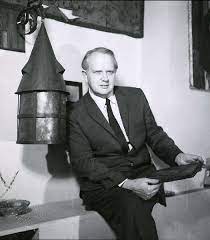
Robert Payne
There are signs that millions of Americans are seeing themselves not on a racially-conscious basis but on a class-conscious one.
During the 2024 Presidential campaign, Democrats expected to retain control of the White House through the loyalty of groups that had traditionally voted Democratic: Blacks, Hispanics, women, those under 30.
Yet Vice President Kamala Harris fared badly with all of these groups.
According to a November 12, 2024 story on National Public Radio, “Why high prices toppled Democrats—and other governments around the world”:
“This year’s election results made one thing clear: People really don’t like paying more for everyday expenses….
“A survey by the Associated Press found high prices were the number one concern for about half of all Trump voters.”
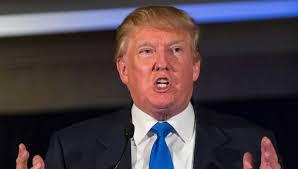
Donald Trump
Hispanics, for example, ignored Donald Trump’s incessant attacks and threats to deport 11 million of them—because they were upset by the high price of eggs.
And according to a December 3 story published in Right on Time, Gen Z voters—those voters between 18–24 years old—turned Right “because of economic factors, like the desire for a whopping salary, according to a new survey.
“Financial services company Empower surveyed more than 2,200 Americans, and respondents born between 1997 and 2012 declared they’d need to make $587,000 a year to be ‘financially successful.’”
In short: Most of those who voted for Trump wanted to move from a lower financial class to a higher one. And they’re dangerously angry at their inability to improve their living conditions.
The latest evidence of this occurred on the morning of December 4: UnitedHealthcare CEO Brian Thompson, 50, was shot in the back while walking to an investor conference in Manhattan.

Brian Thompson
The accused shooter—Luigi Mangione—left behind shell casings with “deny,” “defend” and “depose” written on them.
The phrase has been adopted by critics of the healthcare industry to describe how insurance companies delay paying claims, deny valid claims in whole or part, and defend their actions by forcing claimants to enter litigation.
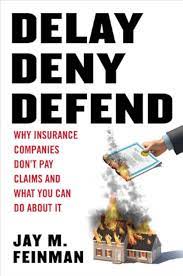
The phrase was popularized in the 2010 book, Delay Deny Defend: Why Insurance Companies Don’t Pay Claims and What You Can Do About It, by Jay M. Feinman.
Feinman, an expert in insurance law and professor emeritus at Rutgers University, wrote the book to be “an expose of insurance injustice and a plan for consumers and lawmakers to fight back.”
Apparently, Mangione, the accused gunman, decided to “fight back” in a more direct and lethal way.
For the executives of America’s $1.6 trillion (in 2022) individual health insurance industry, online reactions to the clearly targeted assassination of Brian Thompson must be chilling.
Many comments ranged from unfeeling to outright hostility toward health insurance companies and the executives who run them.
UnitedHealthcare, as the largest private insurer in the United States, has been the primary target of those attacks:
“When you shoot one man in the street it’s murder. When you kill thousands of people in hospitals by taking away their ability to get treatment, you’re an entrepreneur.”
“An innocent victim was gunned down in cold blood. Have a heart regardless of your health insurance.”
“Can’t find the room to care over my daughter’s $60,000 cancer treatment. Thoughts and prayers.”
“My copay for thoughts and prayers is $100,000; I heard his condition was pre-existing; My ability to care was denied; My sympathy requires a referral; Submitted claim for condolences was denied.”
“My empathy is out of network.”
“Thoughts and deductibles to the family. Unfortunately my condolences are out-of-network.”
“Today…we mourn the deaths of the 68,000 Americans who needlessly die each year so that insurance company execs like Brian Thompson can become multimillionaires.”
“Now the norms of violence are spreading into the commercial sector,” said Robert Pape, director of the University of Chicago’s project on security and threats.
“What I think we’re really experiencing as a country is the erosion against norms. That means, basically, seeing violence as the more normal tool, or acceptable tool, to resolve what should be straightforward civil disputes resolved in nonviolent ways.”
Incoming President Donald Trump has picked at least 11 billionaires and millionaires for his Cabinet. In some cases, they will have the power to cut spending on public services that are used by the most poor and vulnerable.
Trump has also threatened to ignite a tariff war with America’s biggest trading partners—Canada, Mexico and China. This will cause prices for life’s necessities to spiral out of control for millions of Americans.
At that point, Walter Scheidel’s 2017 book, The Great Leveler: Violence and the History of Inequality from the Stone Age to the Twenty-First Century, may become required reading for overpaid corporate executives throughout the country.
2016 PRESIDENTIAL CAMPAIGN, 2020 PRESIDENTIAL CAMPAIGN, 2024 PRESIDENTIAL ELECTION, ABC NEWS, ADOLF HITLER, ALTERNET, ANCIENT GREECE, ANCIENT ROME, AP, BERNIE SANDERS, BILL CLINTON, BRIAN THOMPSON, BUZZFEED, CATASTROPHE, CBS NEWS, CHIEF EXECUTIVE OFFICERS (CEOs)), CHINA, CNN, CONSUMER PROTECTION, CORPORATE TAXES, CORRUPTION, CROOKS AND LIARS, DAILY KOZ, DELAY DENY DEFEND (BOOK), DEMOCRATIC PARTY, DONALD TRUMP, ECONOMIC POLICY INSTITUTE, EXECUTIVE PAYWATCH, FORBES, FUNDRAISING, HILLARY CLINTON, INCOME INEQUALITY, IVAN THE TERRIBLE, JAY M. FEINMAN, JOE BIDEN, JOSEPH STALIN, LEON TROTSKY, MEDICAL INSURANCE, MOTHER JONES, MOVEON, MSNBC, NATIONAL PUBLIC RADIO, NAZI GERMANY, NBC NEWS, NEWSWEEK, NICCOLO MACHIAVELLI, NPR, PBS NEWSHOUR, POLITICO, RAW STORY, REUTERS, ROBERT PAYNE, SALON, SEATTLE TIMES, SLATE, SPARTACUS, THE ATLANTIC, THE CHICAGO SUN-TIMES, THE CHICAGO TRIBUNE, THE CORRUPT SOCIETY (BOOK), THE DAILY BEAST, THE DISCOURSES, THE FRENCH REVOLUTION, THE GREAT LEVELER, THE GREAT LEVELER (BOOK), THE GUARDIAN, THE HILL, THE HUFFINGTON POST, THE LOS ANGELES TIMES, THE NATION, THE NEW YORK TIMES, THE RUSSIAN REVOLUTION, THE WASHINGTON POST, TIME, U.S. NEWS & WORLD REPORT, UNITEDHEALTHCARE, UPI, USA TODAY, VIOLENCE, Vladimir Lenin, WALL STREET, WALTER SCHEIDEL, WATERGATE, WEALTH GAP, WILLIAM SHAKESPEARE, WINSTON CHURCHILL, X
In Bureaucracy, Business, History, Law, Politics, Social commentary on December 11, 2024 at 12:19 am
The gap between rich and poor in the United States has never been greater.
The Economic Policy Institute is a nonprofit, nonpartisan think tank working for the last 30 years to counter rising inequality. Its September 21, 2023 report stated:
- In 2022, CEOs were paid 344 times as much as a typical worker.
- In 1965 they were paid 21 times as much. In 2021, CEOs made nearly eight times as much as the top 0.1% of wage earners in the U.S.
This would not have been news to Niccolo Machiavelli, the father of modern political science. In his masterwork, The Discourses, he observed the human condition as that of constant struggle:

Niccolo Machiavelli
“It was a saying of ancient writers, that men afflict themselves in evil, and become weary of the good, and that both these dispositions produce the same effects.
“For when men are no longer obliged to fight from necessity, they fight from ambition, which passion is so powerful in the hearts of men that it never leaves them, no matter to what height they may rise.
“The reason for this is that nature has created men so that they desire everything, but are unable to attain it. Desire being thus always greater than the faculty of acquiring, discontent with what they have and dissatisfaction with themselves result from it.
“This causes the changes in their fortunes—for as some men desire to have more, while others fear to lose what they have, enmities and war are the consequences. And this brings about the ruin of one province and the elevation of another.”
Author Walter Scheidel, Dickason Professor in the Humanities, Professor of Classics and History at Stanford University, has also given this subject a great deal of thought. And, like Machiavelli, he has reached some highly disturbing conclusions.

Walter Scheidel
World Economic Forum [CC BY-SA 2.0 (https://creativecommons.org/licenses/by-sa/2.0)%5D
He gave voice to these in his 2017 book, The Great Leveler: Violence and the History of Inequality from the Stone Age to the Twenty-First Century. His thesis: Only violence and catastrophes have consistently reduced inequality throughout history.
According to the book’s jacket blurb: “Are mass violence and catastrophes the only forces that can seriously decrease economic inequality? To judge by thousands of years of history, the answer is yes.
“Tracing the global history of inequality from the Stone Age to today, Walter Scheidel shows that inequality never dies peacefully. Inequality declines when carnage and disaster strike and increases when peace and stability return.
“The Great Leveler is the first book to chart the crucial role of violent shocks in reducing inequality over the full sweep of human history around the world.
“Ever since humans began to farm, herd livestock, and pass on their assets to future generations, economic inequality has been a defining feature of civilization. Over thousands of years, only violent events have significantly lessened inequality.
“The ‘Four Horsemen’ of leveling—-mass-mobilization warfare, transformative revolutions, state collapse, and catastrophic plagues—have repeatedly destroyed the fortunes of the rich.
“Scheidel identifies and examines these processes, from the crises of the earliest civilizations to the cataclysmic world wars and communist revolutions of the twentieth century.
“Today, the violence that reduced inequality in the past seems to have diminished, and that is a good thing. But it casts serious doubt on the prospects for a more equal future.”
Revolutionaries have known the truth of Scheidel’s findings from the gladiators’ revolt of Spartacus (73-71 B.C.) to the French Revolution (1789-1799) to the overthrow of the Czarist Romanov dynasty (1917).
But American politicians serenely ignore that truth. They depend on the mega-rich for millions of dollars in “campaign contributions”—which pay for self-glorifying ads on TV.
Thus, in 2016, American voters had a “choice” between two “love-the-rich” Presidential candidates: Donald Trump and Hillary Clinton.
Trump owed his wealth to a $200 million gift from his real estate tycoon father. Clinton owed hers mostly through her husband, Bill, by his writing books, giving speeches, consulting private companies and advising billionaire Ron Burkle.
After leaving the Senate (2001-09) and President Obama’s cabinet (2009-13), she earned $9 million in speaking fees in both 2013 and 2014.
The result was that millions stayed home or voted in protest for third-party candidates who had no chance of winning.
In 2020, American voters got to “choose” between another two “love-the-rich” candidates: Donald Trump and Joseph Biden.
In his 1975 book, The Corrupt Society: From Ancient Greece to Modern-day America, British historian Robert Payne warned that the predatory rich would not change their behavior: “Nor is there any likelihood that the rich will plow back their money into services to ensure the general good.
“They have rarely demonstrated social responsibility, and they are much more likely to hold on to their wealth at all costs than to renounce any part of it.
“Like the tyrant who lives in a world wholly remote from the world of the people, shielded and protected from all possible influences, the rich are usually the last to observe the social pressures rising from below, and when these social pressures reach flashpoint, it is too late to call in the police or the army.”
2016 PRESIDENTIAL CAMPAIGN, 2020 PRESIDENTIAL CAMPAIGN, 2024 PRESIDENTIAL ELECTION, ABC NEWS, ADOLF HITLER, ALTERNET, ANCIENT GREECE, ANCIENT ROME, AP, BERNIE SANDERS, BILL CLINTON, BRIAN THOMPSON, BUZZFEED, CATASTROPHE, CBS NEWS, CHIEF EXECUTIVE OFFICERS (CEOs)), CHINA, CNN, CONSUMER PROTECTION, CORPORATE TAXES, CORRUPTION, CROOKS AND LIARS, DAILY KOZ, DELAY DENY DEFEND (BOOK), DEMOCRATIC PARTY, DONALD TRUMP, ECONOMIC POLICY INSTITUTE, EXECUTIVE PAYWATCH, FORBES, FUNDRAISING, HILLARY CLINTON, INCOME INEQUALITY, IVAN THE TERRIBLE, JAY M. FEINMAN, JOE BIDEN, JOSEPH STALIN, LEON TROTSKY, MEDICAL INSURANCE, MOTHER JONES, MOVEON, MSNBC, NATIONAL PUBLIC RADIO, NAZI GERMANY, NBC NEWS, NEWSWEEK, NICCOLO MACHIAVELLI, NPR, PBS NEWSHOUR, POLITICO, RAW STORY, REUTERS, ROBERT PAYNE, SALON, SEATTLE TIMES, SLATE, SPARTACUS, THE ATLANTIC, THE CHICAGO SUN-TIMES, THE CHICAGO TRIBUNE, THE CORRUPT SOCIETY (BOOK), THE DAILY BEAST, THE DISCOURSES, THE FRENCH REVOLUTION, THE GREAT LEVELER, THE GREAT LEVELER (BOOK), THE GUARDIAN, THE HILL, THE HUFFINGTON POST, THE LOS ANGELES TIMES, THE NATION, THE NEW YORK TIMES, THE RUSSIAN REVOLUTION, THE WASHINGTON POST, TIME, U.S. NEWS & WORLD REPORT, UNITEDHEALTHCARE, UPI, USA TODAY, VIOLENCE, Vladimir Lenin, WALL STREET, WALTER SCHEIDEL, WATERGATE, WEALTH GAP, WILLIAM SHAKESPEARE, WINSTON CHURCHILL, X
In Bureaucracy, Business, History, Law, Politics, Social commentary on December 10, 2024 at 12:21 am
Americans are used to Presidential candidates telling lies (euphemistically known as “campaign promises”) to get elected.
But when a candidate actually (and usually accidentally) tells the truth, the results can be electrifying.
A pointed example:
On June 18, 2019, Democratic Presidential candidate and front-runner Joe Biden addressed a roomful of donors in New York. Money is, after all, the lifeblood of all political campaigns, and Biden wanted to guarantee he got more of it than any of his 23 Democratic rivals.
So the former vice president had a message he felt sure would appeal to his well-heeled audience of billionaires: Don’t worry, if I’m elected, your standard of living won’t change.
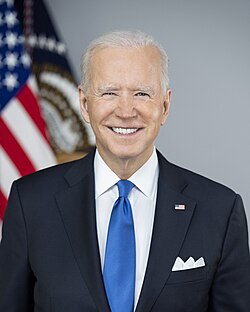
Joe Biden
Addressing the 100 or so guests at a fundraiser at the Carlyle Hotel in New York City, Biden said that he had taken heat from “some of the people on my team, on the Democratic side” because he had said that rich people were “just as patriotic as poor people.
“The truth of the matter is, you all, you all know, you all know in your gut what has to be done. We can disagree in the margins but the truth of the matter is it’s all within our wheelhouse and nobody has to be punished. No one’s standard of living will change, nothing would fundamentally change,” he said.
And he added: “I mean, we may not want to demonize anybody who has made money.
“When we have income inequality as large as we have in the United States today, it brews and ferments political discord and basic revolution. Not a joke. Not a joke. It allows demagogues to step in and say the reason where we are is because of the ‘other’….
“You’re not the other. I need you very badly. I hope if I win this nomination, I won’t let you down. I promise you. I have a bad reputation, I always say what I mean. The problem is I sometimes say all that I mean.”
Biden talked about decreasing income inequality and promoting workers’ rights. But he took a moderate stance when it came to taxation.
Vermont United States Senator Bernie Sanders, on the other hand, has attacked the ultra-rich as responsible for the ever-widening gap between themselves and the poor.

Bernie Sanders
“I love Bernie, but I’m not Bernie Sanders. I don’t think 500 billionaires are the reason why we’re in trouble,” Biden said in March, 2019.
Instead, he proposed expanding tax credits for the poor and middle class, and making the tax code less friendly to rich investors.
Robert Payne, the distinguished British historian, had a different—and darker—view of the rich.
Payne authored more than 110 books. Among his subjects were Adolf Hitler, Ivan the Terrible, Winston Churchill, Joseph Stalin, Vladimir Lenin, William Shakespeare and Leon Trotsky.
In 1975, he published The Corrupt Society: From Ancient Greece to Present-Day America. It proved a summary of many of his previous works.
Among the epochs it covered were the civilizations of ancient Greece, Rome and China; Nazi Germany; the Soviet Union; and Watergate-era America. And the massive corruption each of those epochs had spawned.

In his chapter, “A View of the Uncorrupted Society,” Payne warned: Power and wealth are the main sources of corruption.
“The rich, simply by being rich, are infected with corruption. Their overwhelming desire is to grow richer, but they can do this only at the expense of those who are poorer than themselves.
”Their interests conflict with those of the overall society. They live sheltered from the constant anxieties of the poor, and thus cannot understand them. Nor do they try to.
“They see the poor as alien from themselves, and thus come to fear and despise them. And their wealth and influence enables them to buy politicians—who, in turn, write legislation that protects the rich from the poor.”
But Payne foresaw an even greater danger from the rich and powerful than their mere isolation from the rest of society: “The mere presence of the rich is corrupting. Their habits, their moral codes, their delight in conspicuous consumption are permanent affronts to the rest of humanity. Vast inequalities of wealth are intolerable in any decent society.”
Writing in 1975, Payne noted that a third of the private wealth was possessed by less than five percent of the population—while about a fifth of the populace lived at the poverty level. By 2000, he predicted, about five percent of the population would possess two-thirds of America’s wealth. And more than half the population would be near or below the starvation level.
Payne has proven to be an uncanny prophet.
On October 8, 2024, Fortune magazine noted that “over the past 30 years, the U.S.’s top 1% got richer, and now hold nearly a third of the nation’s wealth.“
Oxfam is a British-founded confederation of 21 independent non-governmental organizations, focusing on the alleviation of global poverty, founded in 1942. On January 16, 2023, it noted:
“The richest 1 percent grabbed nearly two-thirds of all new wealth worth $42 trillion created since 2020, almost twice as much money as the bottom 99 percent of the world’s population.”
But this situation need not remain permanent.
ABC NEWS, ADOLF HITLER, ALTERNET, AMERICABLOG, AP, BABY BOOMER RESISTANCE, BBC, BLOOMBERG NEWS, BUZZFEED, CBS NEWS, CNN, CROOKS AND LIARS, DAILY KOS, FIVETHIRTYEIGHT, HARPER’S MAGAZINE, HUFFINGTON POST, JOSEPH STALIN, MEDIA MATTERS, MOTHER JONES, MOVEON, MSNBC, NAZI-SOVIET "NON-AGGRESSION PACT", NBC NEWS, NEW REPUBLIC, NEWSDAY, NEWSWEEK, NPR, NUCLEAR WEAPONS, PBS NEWSHOUR, POLITICO, POLITICUSUSA, RAW STORY, REUTERS, SALON, SEATTLE TIMES, SLATE, TALKING POINTS MEMO, THE ATLANTIC, THE CHICAGO SUN-TIMES, THE CHICAGO TRIBUNE, THE DAILY BEAST, THE DAILY BLOG, THE GUARDIAN, THE HILL, THE HUFFINGTON POST, THE INTERCEPT, THE LOS ANGELES TIMES, THE NATION, THE NEW REPUBLIC, THE NEW YORK TIMES, THE NEW YORKER, THE SS, THE VILLAGE VOICE, THE WASHINGTON POST, THINKPROGRESS, THIRD REICH, TIME, TRUTHDIG, TRUTHOUT, U.S. NEWS & WORLD REPORT, UKRAINE, UPI, USA TODAY, VLADIMIR PUTIN, VOLODYMYR ZELENSKY, WEHRMACHT, WORLD WAR 11, X
In Bureaucracy, History, Military, Politics, Social commentary on November 21, 2024 at 12:11 am
In the United States, World War II—at least, that part of the war fought in Europe—used to be celebrated in movies and TV shows like “Combat!” and “The Rat Patrol.” Today, it’s largely forgotten, except by veterans groups and the conflict’s rapidly aging veterans.
But in the Soviet Union, “the Great Patriotic War” against Nazi Germany is still celebrated as the triumph of Soviet strength and determination against horrific odds and losses.
Russian President Vladimir Putin’s invasion of Ukraine is unlikely to be remembered so fondly.
On April 28, 2006, Putin publicly stated that the 1991 collapse of the Soviet Union was “the greatest geopolitical catastrophe of the century.
“As for the Russian people, it became a genuine tragedy. Tens of millions of our fellow citizens and countrymen found themselves beyond the fringes of Russian territory.”
Putin was sounding a warning: He saw himself as Russia’s savior who would restore its lost empire.

Vladimir Putin
His invasion of Ukraine—officially called a “special military operation”—was intended as an important step toward that restoration.
Begun on February 24, the invasion targeted the Ukrainian capital, Kyiv, in an attempt to overthrow the democratic government of President Volodymyr Zelensky.
Ukrainian troops were outgunned and outnumbered. As in the case of the Soviet Union in 1941, Western military analystss expected the attack to quickly succeed. The Biden administration offered to evacuate Zelensky to safety.
Zelensky refused: “The fight is here; I need ammunition, not a ride.”
But after weeks of combat, Russian forces retreated, stymied by ferocious Ukrainian resistance.
In July, the last city under Ukrainian control in Luhansk fell to Russia after weeks of artillery bombardment and street fighting. But the Russians made little progress as they tried to conquer the remainder of Donbas.
In late August, after weeks of buildup, Ukraine launched a counteroffensive in the southern region of Kherson. Ukraine deployed newly arrived missile systems supplied by the United States and other Western countries to destroy Russian ammunition dumps and a Russian air base in Crimea.
By September, Ukrainian forces launched a rapid offensive, recapturing much of the northeastern Kharkiv region, including the city of Izium. Previously, the Russians had been using this as a key logistics hub.

Volodymyr Zelensky
On September 21, with Russian forces bogged down or retreating, Vladimir Putin announced the partial mobilization of 300,000 military reservists. All male citizens below 60 are now eligible to be drafted.
There are exceptions: Employees in IT and telecommunications, finance, “systemically-important” mass media outlets and interdependent suppliers, including registered media and broadcasters.
Still, the announcement set off a massive exodus of at least 194,000 Russian men (and their wives or girlfriends) to such neighboring countries as Turkey, Georgia, Kazakhstan and Mongolia.
During World War II, this would have been unthinkable: Whether driven by patriotism or a desire for vengeance on their German tormentors, Russians at all levels threw themselves into the conflict.
On the same day Putin announced the mobilization, he threatened to use nuclear weapons to defend not simply Russia but the Ukrainian territory his forces had captured:
“Our country possesses various means of destruction. When the territorial integrity of our nation is threatened, we, of course, will use all the means at our disposal to protect Russia and our people.”
To underscore his threat, he added: “Those who try to blackmail us with nuclear weapons should know that the weathervane can turn and point towards them.”
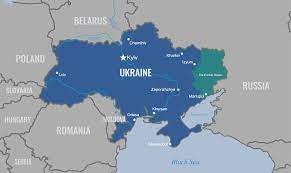
Putin’s threats have heightened world tensions and triggered speculation as to whether he would use nukes—against Ukraine or NATO countries, including the United States.
Volodymyr Zelensky thinks Putin is not bluffing.
President Joe Biden initially assured Americans there was no cause for concern. But since then the United States has stated that it has warned Putin that any use of nuclear weapons would trigger a catastrophic (non-specific) response against Russia.
Seen against the backdrop of Russia’s titanic victory in “the Great Patriotic War,” Putin’s repeated threats to use nuclear weapons actually underscore Russia’s weakness, not its strength.
Consider:
- “The Great Patriotic War” lasted almost four years—from June 22, 1941, to May 7, 1945.
- Russia’s opponent, Nazi Germany, was the most-feared military power in Europe.
- The war cost the Soviet Union at least 26 million lives before ending with the Red flag flying over Berlin.
- Almost the entire western half of the Soviet Union was devastated—first as the Germans overran territory from the Polish border to the gates of Moscow, and then again as the Soviets slowly pushed them back to Germany itself.
- For Russians, this was truly a “people’s war,” won through massive sacrifice and heroism—and without the use of nuclear weapons, which did not then exist.
Seventy-seven years after the end of World War II:
- Against the smaller and initially ill-equipped Ukrainian army, Russia has enjoyed a huge advantage in manpower and material.
- Yet so low is Russian morale that Putin has been forced to offer huge bribes to foreign mercenaries and even convicted criminals to refill his dispirited legions.
- Ukrainians, fueled by patriotism and a desire for vengeance, are fighting—and winning—their own version of “the Great Patriotic War.”
ABC NEWS, ADOLF HITLER, ALTERNET, AMERICABLOG, AP, BABY BOOMER RESISTANCE, BBC, BLOOMBERG NEWS, BUZZFEED, CBS NEWS, CNN, CROOKS AND LIARS, DAILY KOS, FIVETHIRTYEIGHT, HARPER’S MAGAZINE, HUFFINGTON POST, JOSEPH STALIN, MEDIA MATTERS, MOTHER JONES, MOVEON, MSNBC, NAZI-SOVIET "NON-AGGRESSION PACT", NBC NEWS, NEW REPUBLIC, NEWSDAY, NEWSWEEK, NPR, NUCLEAR WEAPONS, PBS NEWSHOUR, POLITICO, POLITICUSUSA, RAW STORY, REUTERS, SALON, SEATTLE TIMES, SLATE, TALKING POINTS MEMO, THE ATLANTIC, THE CHICAGO SUN-TIMES, THE CHICAGO TRIBUNE, THE DAILY BEAST, THE DAILY BLOG, THE GUARDIAN, THE HILL, THE HUFFINGTON POST, THE INTERCEPT, THE LOS ANGELES TIMES, THE NATION, THE NEW REPUBLIC, THE NEW YORK TIMES, THE NEW YORKER, THE SS, THE VILLAGE VOICE, THE WASHINGTON POST, THINKPROGRESS, THIRD REICH, TIME, TRUTHDIG, TRUTHOUT, U.S. NEWS & WORLD REPORT, UKRAINE, UPI, USA TODAY, VLADIMIR PUTIN, VOLODYMYR ZELENSKY, WEHRMACHT, WORLD WAR 11, X
In Bureaucracy, History, Military, Politics, Social commentary on November 20, 2024 at 12:05 am
On June 22, 1941, with 134 Divisions at full fighting strength and 73 more divisions for deployment behind the front, the German Wehrmacht invaded the Soviet Union.
Joseph Stalin, the longtime Soviet dictator, was stunned. The invasion had come less than two years after Germany had signed a non-aggression pact with the Soviet Union.
On August 23, 1939, Stalin had signed the German-Soviet Nonaggression Pact with German Fuhrer Adolf Hitler.
The reason: Each dictator got what he wanted—for the moment. Hitler was planning to invade Poland in a matter of days—and he wanted to avoid a war with the Soviet Union.
And Stalin got what he wanted: The eastern half of Poland.
Joseph Stalin
The agreement stunned the world. Since 1919, Nazis and Communists had fought bitter battles against each other in the streets of Germany during the Weimar Republic.
When this was replaced in 1933 by the Third Reich, German Communists were rounded up and imprisoned, if not murdered, by Hitler’s ruthless secret police, the Schutzstaffel (“Protective Squads”).
For the moment, however, all of that was conveniently forgotten.
And, surprising as it might seem, each dictator harbored a secret respect for the other.
After Hitler launched a blood-purge of his own private Stormtroopers army on June 30, 1934, Stalin exclaimed: “Hitler, what a great man! That is the way to deal with your political opponents!”
And Hitler was equally admiring of Stalin’s notorious ruthlessness: “After the victory over Russia,” he told his intimates, “it would be a good idea to get Stalin to run the country, with German oversight, of course. He knows better than anyone how to handle the Russians.”
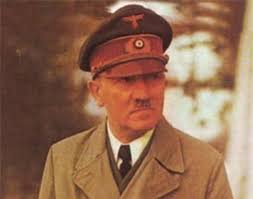
Adolf Hitler
But Hitler hadn’t forgotten his life’s ambition to conquer the Soviet Union and utterly destroy “the scourge of Jewish-Marxism.”
Stalin received numerous warnings from the United States and Great Britain about the coming invasion. But he dismissed them as efforts by the West to trick him into violating the pact and turning Nazi Germany into his mortal enemy.
When informed of the attack, Stalin at first believed it was being made by rogue German forces. He refused to order an immediate counterattack.
Upon being convinced that the Wehrmacht intended to wage all-out war, he went into a funk in his dacha and shut himself off from everyone. To his closest associates he wailed: “Lenin left us a great inheritance and we, his heirs, have fucked it all up!”
Meanwhile, the Red Air Force was destroyed on the ground by the awesome Luftwaffe. And the Wehrmacht was advancing at a rate of 25 miles a day.
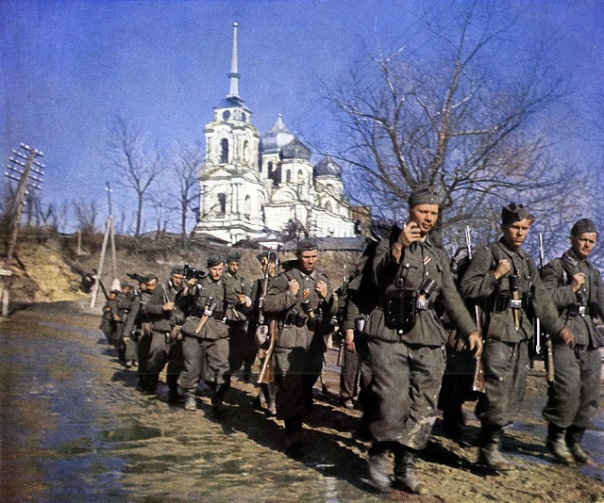
German soldiers marching through Russia
On July 3, after 10 days of brooding (and probably drinking heavily) in his dacha, Stalin finally took to the airways across the Soviet Union.
Never a spellbinding orator, Stalin spoke in slow and faltering tones. Nevertheless, his opening words were startling: “Comrades! Citizens! Brothers and sisters! Men of our army and navy! I am addressing you, my friends!”
Stalin had never addressed an audience this way, and he never would again.
He said the “peace loving” Soviet Union had been attacked by “fiends and cannibals” who wanted to restore the rule of the landlords and Czars. He claimed the non-aggression pact with Germany had given the army much-needed time to rearm and reorganize its forces.
This was accompanied by orders unprecedented in any other army: Those taken prisoner by the Germans were to be considered traitors—and shot or imprisoned. Those suspected of wounding themselves to avoid combat were also subject to summary execution. So were soldiers who had been legitimately wounded in battle but were suspected of inflicting those injuries.
The first two years of the war—1941 to 1943—proved disastrous for the Soviet Union.
During the first six months—June to December, 1941—German armies lured huge Soviet forces into gigantic “cauldron battles,” surrounding and exterminating them. An estimated 5.7 million prisoners of war (POWs) fell into German hands. Of these, at least 3.5 million died in custody.
But then the infamous Russian cold and snows of winter halted the Wehrmacht before Moscow.
In the summer of 1942 German forces once again mounted a ferocious offensive, driving all the way to the Volga—and Stalingrad.
But they became bogged down in bitter house-to-house fighting. With the arrival of winter, Soviet forces surrounded the Wehrmacht’s powerful Sixth Army. The besiegers became the besieged. On February 2, 1943, Field Marshal Friedrich von Paulus surrendered what remained of his army. The battle cost Germany 500,000 men, including 91,000 taken prisoner.
As the Red Army finally began to go over on the offensive, Stalin relaxed the iron controls that had long stifled creativity on the part of his commanders.
The infamous political commissars were removed from control over Russian generals. Gold braid and fancy uniforms were manufactured and rushed to the front as morale boosters.
The war would last another two years—costing the Soviet Union at least 26 million citizens—before it ended with the Red flag flying over Berlin.
Almost the entire western half of the Soviet Union was devastated—first as the Germans overran territory from the Polish border to the gates of Moscow, and then again as the Soviets slowly pushed them back to Berlin—the capital of the Third Reich itself.


ABC NEWS, ALCOHOLISM, ALTERNATIVE HOUSING PROGRAM, ALTERNET, AMAZON, AMERICABLOG, AP, BABY BOOMER RESISTANCE, BBC, BLOOMBERG NEWS, BROOKE JENKINS, BUMS, BUZZFEED, CBS NEWS, CHESA BOUDIN, CITY JOURNAL, CNN, COVID-19, CRACK COCAINE, CROOKS AND LIARS, CVS, DAILY KOS, DEPARTMENT OF PUBLIC HEALTH (DPH), DRUG ADDICTION, FENTANYL, FIVETHIRTYEIGHT, GAVIN NEWSOM, HARPER’S MAGAZINE, HOMELESS, HOMELESSNESS, HUFFINGTON POST, IPS SECURITY, JOSEPH STALIN, LONDON BREED, LOS ANGELES, MARK HOPKINS HOTEL, MEDIA MATTERS, MENTAL ILLNESS, MICHAEL SHELLENBERGER, MOTEL 6, MOTHER JONES, MOVEON, MSNBC, NAVIGATION CENTERS, NBC NEWS, NEW REPUBLIC, NEWSDAY, NEWSWEEK, NPR, ORACLE, PBS NEWSHOUR, POLITICAL CORRECTNESS, POLITICO, POLITICUSUSA, PORTLAND, RAW STORY, REUTERS, SALON, SAN FRANCISCO, SAN FRANCISCO BOARD OF SUPERVISORS, SAN FRANCISCO DISTRICT ATTORNEY'S OFFICE, SAN FRANCISCO MAYOR'S OFFICE, SAN FRANCISCO POLICE DEPARTMENT, SAN FRANSICKO: WHY PROGRESSIVES RUIN CITIES (BOOK), SEATLE, SEATTLE TIMES, SLATE, TALKING POINTS MEMO, TENDERLOIN, THE ATLANTIC, THE CHICAGO SUN-TIMES, THE CHICAGO TRIBUNE, THE DAILY BEAST, THE DAILY BLOG, THE GUARDIAN, THE HILL, THE HUFFINGTON POST, THE INTERCEPT, THE LOS ANGELES TIMES, THE NATION, THE NEW REPUBLIC, THE NEW YORK TIMES, THE NEW YORKER, THE SPECTATOR WORLD, THE VILLAGE VOICE, THE WASHINGTON POST, THINKPROGRESS, TIME, TRUTHDIG, TRUTHOUT, TWITTER, U.S. NEWS & WORLD REPORT, UNITED STATES SUPREME COURT, UPI, USA TODAY, VMWARE, WALGREENS, WHOLE FOODS MARKET
FINALLY! A REMEDY FOR AMERICA’S PLAGUE–DDMBs: PART ONE (OF FOUR)
In Bureaucracy, Business, History, Law, Law Enforcement, Medical, Politics, Social commentary on February 24, 2025 at 12:05 amOn June 28, 2024, the Supreme Court, in City of Grants Pass vs. Johnson, empowered cities to enforce laws prohibiting camping and vagrancy.
Almost four years earlier, on September 28, 2018, a three-judge panel of the Ninth Circuit Court of Appeals had issued Martin v. City of Boise. This held that “the Eighth Amendment prohibits the imposition of criminal penalties for sitting, sleeping, or lying outside on public property for homeless individuals who cannot obtain shelter.”
People could be evicted only if beds or shelter were available to those who were being evicted.
Thanks to the Supreme Court’s ruling, communities nationwide can now fine, ticket or arrest those who make up the greatest part of this population–Druggies, Drunks, Mentals and Bums (DDMBs). But they aren’t forced to take any specific actions or to actively engage in criminal punishment.
United States Supreme Court
On July 25, California Governor Gavin Newsom issued an executive order directing state agencies on how to remove homeless encampments from public spaces.
For years, California has been plagued by thousands of tents and makeshift shelters that line freeways, clutter shopping center parking lots and fill city parks.
California has the highest number of homeless in the country—more than 181,000 people in January 2023, more than 27% of the country’s homeless population.
The governor’s order leaves it up to local mayors to remove the encampments.
“Local governments now have the tools they need to address the decades-long issue of homelessness,” declared Newsome in a statement.
“Today, we are issuing an executive order that directs state agencies & urges locals to address encampments while connecting those living in them to housing & supportive services.”
San Francisco’s Mayor and Board of Supervisors may finally be ready to do what, for years, they had refused to do: Clear the city’s streets of DDMBs.
A massive casualty of the irresponsibility of “city leaders” came on April 10, 2023: One of the largest supermarkets in downtown San Francisco—the Whole Foods Market at Eighth and Market streets—announced it would shut down at the close of business that day.
The store, operated by Amazon, had been operating slightly more than a year. It had become the repeated victim of wholesale thefts courtesy of the city’s DDMBs.
The Politically Correct name for these people is “unhoused.” The accurate name for them is summed up in a German word: “Untermenschen”—“subhumans.”
Given the Politically Correct climate of San Francisco, the closing of the Whole Foods store was almost guaranteed to happen.
At its opening, on March 10, 2022, the store operated from 8 a.m. to 9 p.m. By October, it opened at 9 a.m. and closed at 7 p.m.
“It’s to better serve our customers, and it’s more or less because of the area and security issues,” said the store’s manager. “There’s just high theft and people being hostile.”
In November, the store enforced new rules for customers after syringes and crack pipes were found in the restroom. The bathroom was now open only to customers who showed security guards a receipt. Customers were then given a QR code for entry.
It was no coincidence that the bathrooms were often used by drug-abusers—the store was close to the Tenderloin Center, a safe drug-use site.
Crack cocaine
Argv0, CC BY-SA 4.0 <https://creativecommons.org/licenses/by-sa/4.0>, via Wikipedia Commons
Another reason for the change in bathroom policy: Thieves would fill up suitcases with merchandise before going into the restroom.
And who is ultimately responsible for such outrages?
San Francisco’s topmost officials—the Mayor, Board of Supervisors, District Attorney and chief of the San Francisco Police Department. Together, they have formed an “Untermenschen”-friendly alliance.
The start of the COVID-19 pandemic inflicted a massive loss in foot traffic in downtown San Francisco as employees fled high rises to work remotely from home. Many small businesses—especially restaurants—shuttered.
Compounding this disaster has been an increasing influx of hardcore alcoholics, hardcore drug addicts, psychotically mentally ill and parasitical bums. Sidewalks are littered with huge tents, used hypodermic syringes and needles, empty beer cans and wine bottles, human feces and pools of urine.
The local and national press have predicted a “Doom Loop” facing San Francisco, as the city’s tourism rate sharply declines and City Hall officials currently project a nearly $800 million deficit in San Francisco’s budget.
Tech giants such as Meta and IBM have abandoned San Francisco for events in cities such as Denver and Orlando, Florida.
In September, 2023, Silicon Valley tech giant Alphabet announced that it would move its high-profile Google Cloud Next conference to Las Vegas in 2024.
But this has not prevented city officials from calling for increased efforts to comfort those very parasites who threaten not only their own lives but those of law-abiding San Franciscans and the city’s tourism industry.
On November 3, 2021, National Public Radio’s website carried the following headline: “San Francisco’s new rapid response teams race to save lives as ODs dramatically rise.”
From the story:
“Faced with a stunning rise in drug overdose deaths the last few years, the vast majority tied to fentanyl, San Francisco has launched mobile teams made up of paramedics and nurses.
“The new Street Overdose Response Teams (SORT), a collaboration between the city’s health and fire departments, aim to deliver a broad range of support and care directly following an overdose.”
Share this: