Posts Tagged ‘JOHN F. KENNEDY’
2016 PRESIDENTIAL CAMPAIGN, ABC NEWS, ALTERNET, AMERICAN REVOLUTION, AP, BARACK OBAMA, BUREAU OF LABOR STATISTICS, BUZZFEED, CALVIN COOLIDGE, CBS NEWS, CELINDA LAKE, CHINA, CHRIS MATTHEWS, CHVE-CHING HUANG, CNN, CROOKS AND LIARS, DAILY KOZ, DIVINE RIGHT OF KINGS THEORY, DONALD TRUMP, EMANCIPATION PROCLAMATION, EMPLOYERS RESPONSIBILITY ACT, EMPLOYMENT ACT OF 1946, FACEBOOK, HARDBALL, HILLARY CLINTON, JOB CREATORS, JOHN F. KENNEDY, LOS ANGELES TIMES, LYNDON B. JOHNSON, MOTHER JONES, MOVEON, MSNBC, NBC NEWS, NEW YORK TIMES, NEWSWEEK, NPR, PBS NEWSHOUR, PETER CAPPELLI, POLITICO, RAW STORY, READERS DIGEST, REPUBLICANS, REUTERS, ROBERT REICH, SALON, SEATTLE TIMES, SENATOR BERNIE SANDERS, SLATE, SLAVERY, STEVE POIZNER, TAX CUTS AND JOBS ACT OF 2017, TAX LAW CENTER AT NEW YORK UNIVERSITY SCHOOL OF LAW, THE ATLANTIC, THE CHICAGO SUN-TIMES, THE CHICAGO TRIBUNE, THE DAILY BEAST, THE GUARDIAN, THE HILL, THE HUFFINGTON POST, THE LOS ANGELES TIMES, THE NATION, THE NEW YORK TIMES, THE RACHEL MADDOW SHOW, THE WASHINGTON POST, TIME, TOMMY G. THOMPSON, TWITTER, U.S. NEWS & WORLD REPORT, UNEMPLOYMENT, UPI, USA TODAY, WALLACE C. PETERSON, WASHINGTON POST, WHY GOOD PEOPLE CAN'T FIND JOBS
In Bureaucracy, Business, History, Law, Law Enforcement, Politics, Social commentary on February 24, 2022 at 12:11 am
More than six million willing-to-work Americans can’t find willing-to-hire employers.
And where there are victims, there are always people ready to profit from their desperation.
Consider the following email sent out by Steve Poizner, former Republican State Insurance Commissioner of California (2007-2011).
A successful Silicon Valley high tech entrepreneur, Poizner founded SnapTrack, Inc. and Strategic Mapping, Inc. In June, 2011, he co-founded the Encore Career Institute with the Sherry Lansing Foundation and Creative Artists Agency.
Thus, the email sent out on July 2, 2012, to advertise “Empowered UCLA Extension”:
Dear friends,
I wanted to share with you some news before my new venture – Empowered Careers – launches around the country….I’ve started this company to help address one of the key issues we face today — jobs. Our venture aims to close the skills gap through an innovative career development program — all delivered via the iPad.
It’s all designed specifically for baby boomers seeking to make a career change, get ahead professionally, or get back into the workforce.
Note the line: “Our venture aims to close the skills gap,” which it assumes to be a reality.
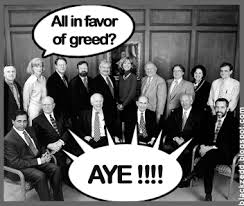
And the ad says nothing about closing the “greed gap” between what employers demand from workers—and what they are willing to pay in return.
The Encore Careers Institute will offer online non-degree certificates for out of work adults and baby boomers looking to switch careers.
When did a non-degree certificate ever convince an employer to hire? Even a hiring-inclined employer?
Using our Empowered app, the iPad will transform any adult’s living room into a modern day classroom or transform a park bench into a study group while the kids are at soccer practice.
But transforming “any adult’s living room into a modern day classroom” will not compel those employers who refuse to hire to begin doing so.
Nor will it change the behavior of employers who:
- Will hire—but only on a part-time, no-benefits, minimum-wage basis;
- Continue to throw hard-working American employees into the street; and
- Move their companies to China, Mexico or Singapore.
And note that this program is aimed at those who can afford an iPad—and $9,800 for the course. So if you’re poor because you’re jobless, this program has nothing to offer you.
But America can end this national disaster—and disgrace—of willing-to-work Americans condemned to poverty by unwilling-to-hire employers.
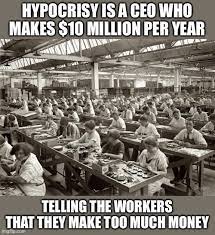
A policy based only on concessions—such as endless tax breaks for hugely profitable corporations—is a policy of appeasement.
And appeasement only whets the appetite of those appeased for even greater concessions.
It is past time to hold wealthy and powerful corporations accountable for their socially and financially irresponsible acts.
This solution can be summed up in three words: Employers Responsibility Act (ERA).
If passed by Congress and vigorously enforced by the U.S. Departments of Justice and Labor, an ERA would ensure full-time, permanent and productive employment for millions of capable, job-seeking Americans.
And it would achieve this without raising taxes or creating controversial government “make work” programs.
Such legislation would legally require employers to demonstrate as much initiative for hiring as job-seekers are now expected to show in searching for work.
An Employers Responsibility Act would simultaneously address the following evils for which employers are directly responsible:
- The loss of jobs within the United States owing to companies’ moving their operations abroad—solely to pay substandard wages to their new employees or avoid American health/safety laws.
- The mass firings of employees which usually accompany corporate mergers or acquisitions.
- The widespread victimization of part-time employees, who are not legally protected against such threats as racial discrimination, sexual harassment and unsafe working conditions.
- The refusal of many employers to create better than menial, low-wage jobs.
- The widespread employer practice of extorting “economic incentives” from cities or states in return for moving to or remaining in those areas. Such “incentives” usually absolve employers from complying with laws protecting the environment and/or workers’ rights.
- The refusal of many employers to provide medical and pension benefits—nearly always in the case of part-time employees, and, increasingly, for full-time, permanent ones as well.
- Rising crime rates, due to rising unemployment.
Among its provisions:
(1) American companies that close plants in the United States and open others abroad would be forbidden to sell products made in those foreign plants within the United States.
This would protect both American and foreign workers from employers seeking to profit at their expense. American workers would be ensured of continued employment. And foreign laborers would be protected against substandard wages and working conditions.
Companies found violating this provision would be subject to Federal criminal prosecution. Guilty verdicts would result in heavy fines and lengthy imprisonment for their owners and top managers.
(2) Large companies (those employing more than 100 persons) would be required to create entry-level training programs for new, future employees.
These would be modeled on programs now existing for public employees, such as firefighters, police officers and members of the armed services.
Such programs would remove the employer excuse, “I’m sorry, but we can’t hire you because you’ve never had any experience in this line of work.” After all, the Air Force has never rejected an applicant because, “I’m sorry, but you’ve never flown a plane before.”
2016 PRESIDENTIAL CAMPAIGN, ABC NEWS, ALTERNET, AMERICAN REVOLUTION, AP, BARACK OBAMA, BUREAU OF LABOR STATISTICS, BUZZFEED, CALVIN COOLIDGE, CBS NEWS, CELINDA LAKE, CHINA, CHRIS MATTHEWS, CHVE-CHING HUANG, CNN, CROOKS AND LIARS, DAILY KOZ, DIVINE RIGHT OF KINGS THEORY, DONALD TRUMP, EMANCIPATION PROCLAMATION, EMPLOYERS RESPONSIBILITY ACT, EMPLOYMENT ACT OF 1946, FACEBOOK, HARDBALL, HILLARY CLINTON, JOB CREATORS, JOHN F. KENNEDY, LOS ANGELES TIMES, LYNDON B. JOHNSON, MOTHER JONES, MOVEON, MSNBC, NBC NEWS, NEW YORK TIMES, NEWSWEEK, NPR, PBS NEWSHOUR, PETER CAPPELLI, POLITICO, RAW STORY, READERS DIGEST, REPUBLICANS, REUTERS, ROBERT REICH, SALON, SEATTLE TIMES, SENATOR BERNIE SANDERS, SLATE, SLAVERY, STEVE POIZNER, TAX CUTS AND JOBS ACT OF 2017, TAX LAW CENTER AT NEW YORK UNIVERSITY SCHOOL OF LAW, THE ATLANTIC, THE CHICAGO SUN-TIMES, THE CHICAGO TRIBUNE, THE DAILY BEAST, THE GUARDIAN, THE HILL, THE HUFFINGTON POST, THE LOS ANGELES TIMES, THE NATION, THE NEW YORK TIMES, THE RACHEL MADDOW SHOW, THE WASHINGTON POST, TIME, TOMMY G. THOMPSON, TWITTER, U.S. NEWS & WORLD REPORT, UNEMPLOYMENT, UPI, USA TODAY, WALLACE C. PETERSON, WASHINGTON POST, WHY GOOD PEOPLE CAN'T FIND JOBS
In Bureaucracy, Business, History, Law, Law Enforcement, Politics, Social commentary on February 23, 2022 at 12:12 am
There are legitimate reasons why millions of willing-to-work Americans remain unemployed. Or remain trapped in part-time, no-benefits jobs far below their levels of education and experience.
Some companies—such as Toys R Us—declare bankruptcy and go out of business. Others—such as Macy’s and J.C. Penney—are struggling to meet the challenges of e-commerce and the decline of shopping malls.
But there are sinister ones, too—such as the deliberate refusal of Congressional Republicans to create job opportunities for their fellow Americans.
United States Senator Bernie Sanders (I, Vermont) made just that argument to guest host Ezra Klein on the June 12, 2012 edition of “The Rachel Maddow Show.”
KLEIN: Now, some Republicans say and some people say didn’t we do infrastructure a couple years ago? You heard a lot in the stimulus we had done infrastructure. So, how come we have all of this outstanding?
SANDERS: Because we ignored the needs for a long, long, time. Yes, we did put infrastructure. We put it into the state of Vermont, put more money into roads and bridges. But we need a lot more and that`s true for the other 49 states as well.
It’s not only roads…bridges…water systems. It’s mass transportation. It is rail. China is building high-speed rail all over the place. We are not. Our rail system is in many ways deteriorating.
We have schools that are aging. We have culverts that need work. We have tunnels that need work.
We have an enormous amount of work that is ready to go right now and it is beyond comprehension that our Republican friends will not support infrastructure legislation.

Bernie Sanders
If Sanders is correct, Republicans were deliberately sacrificing the economic life of the nation because:
On June 4, 2012, veteran political analyst Chris Matthews discussed this possibility with John Heilemann, the national affairs editor for New York magazine.
MATTHEWS: How much of that is bent because of the 1% campaign of the president….going after them for grabbing most of the wealth in this country through tax policy and everything else? Are they resentful enough of that…
HEILEMANN: Yes….If you talk to people in business and finance….about the actual substance of the president’s policies, the substance does not bother them as much as the rhetoric.
More than six million Americans are now unemployed because many employers have designed “hiring” systems that simply don’t work.
So says Peter Cappelli, the George W. Taylor professor of management at the Wharton School at the University of Pennsylvania. He is also the author of Why Good People Can’t Get Jobs: The Skills Gap and What Companies Can Do About It.
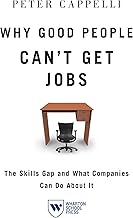
Employers often whine that they can’t find the talent they need. Today’s applicants, they claim, lack skills, education and even a willingness to work.
The truth is altogether different. According to Cappelli, the fault lies with employers, not job-seekers:
- Employers “ask for the moon” by vastly inflating their requirements for openings.
- Many qualified people are automatically removed from consideration by computer technology. The reason: Their resumés don’t match the inflated qualifications demanded by employers.
- Many employers aren’t willing to pay for the education and skills they claim to respect. They’re looking for people who are young, cheap and experienced.
- Online applicants are often asked: “What salary do you expect?” If you name a salary that’s higher than what the company is willing to pay, you’re instantly rejected.
- Many of the candidates employers want to hire refuse to accept the positions at the wage level being offered.
- Employers don’t want to hire entry-level applicants right out of school. They want experienced candidates who can contribute immediately with no training or start-up time.
- Employers demand that a single employee perform the work of several highly skilled employees.
- When employers can’t find the “perfect candidate” they leave positions open for months. But if they were willing to offer some training, they might easily fill those positions.
- Companies no longer hire new college graduates and groom them for management. They no longer offer training and development. As a result, companies must recruit outsiders.
- Employers’ unrealistic expectations are fueled partly by their own arrogance. Employers believe they should be able to find “perfect people.”
According to Cappelli, the hiring system desperately needs serious reform:
- If jour job descriptions are inflated, bring them down-to earth.
- Don’t expect to get something for nothing—or next to it. Offer competitive salaries.
- Make sure that the automated systems aren’t screening out qualified candidates simply because they don’t have all the brass buttons in a row.
- Beef up the Human Resources section.

Cappelli worries that the complaints about a labor shortage caused by an unwilling, unskilled workforce will be repeated enough that they will be accepted as truth:
“It’s a loud story…that could become pernicious if it persists. It does have a blame-the-victim feeling to it. It makes people feel better. You don’t have to feel so bad about people suffering if you think they are choosing it somehow.”
And where there are victims, there are always people ready to profit from their desperation.
2016 PRESIDENTIAL CAMPAIGN, ABC NEWS, ALTERNET, AMERICAN REVOLUTION, AP, BARACK OBAMA, BUREAU OF LABOR STATISTICS, BUZZFEED, CALVIN COOLIDGE, CBS NEWS, CELINDA LAKE, CHINA, CHRIS MATTHEWS, CHVE-CHING HUANG, CNN, CROOKS AND LIARS, DAILY KOZ, DIVINE RIGHT OF KINGS THEORY, DONALD TRUMP, EMANCIPATION PROCLAMATION, EMPLOYERS RESPONSIBILITY ACT, EMPLOYMENT ACT OF 1946, FACEBOOK, HARDBALL, HILLARY CLINTON, JOB CREATORS, JOHN F. KENNEDY, LOS ANGELES TIMES, LYNDON B. JOHNSON, MOTHER JONES, MOVEON, MSNBC, NBC NEWS, NEW YORK TIMES, NEWSWEEK, NPR, PBS NEWSHOUR, PETER CAPPELLI, POLITICO, RAW STORY, READERS DIGEST, REPUBLICANS, REUTERS, ROBERT REICH, SALON, SEATTLE TIMES, SENATOR BERNIE SANDERS, SLATE, SLAVERY, STEVE POIZNER, TAX CUTS AND JOBS ACT OF 2017, TAX LAW CENTER AT NEW YORK UNIVERSITY SCHOOL OF LAW, THE ATLANTIC, THE CHICAGO SUN-TIMES, THE CHICAGO TRIBUNE, THE DAILY BEAST, THE GUARDIAN, THE HILL, THE HUFFINGTON POST, THE LOS ANGELES TIMES, THE NATION, THE NEW YORK TIMES, THE RACHEL MADDOW SHOW, THE WASHINGTON POST, TIME, TOMMY G. THOMPSON, TWITTER, U.S. NEWS & WORLD REPORT, UNEMPLOYMENT, UPI, USA TODAY, WALLACE C. PETERSON, WASHINGTON POST, WHY GOOD PEOPLE CAN'T FIND JOBS
In Bureaucracy, Business, History, Law, Law Enforcement, Politics, Social commentary on February 22, 2022 at 12:10 am
Niccolo Machiavelli, the father of modern politics, warns in his masterwork, The Discourses:
All those who have written upon civil institutions demonstrate…that whoever desires to found a state and give it laws, must start with assuming that all men are bad and ever ready to display their vicious nature, whenever they may find occasion for it.
If their evil disposition remains concealed for a time, it must be attributed to some unknown reason; and we must assume that it lacked occasion to show itself. But time, which has been said to be the father of all truth, does not fail to bring it to light.
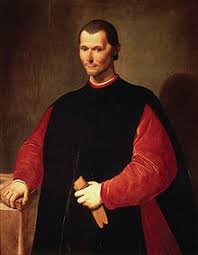
Niccolo Machiavelli
Where the crimes of corporate employers are concerned, we do not have to wait for their evil disposition to reveal itself. It has been fully revealed for decades. We need only find the courage to redress the costly outrages we see every day in the workplace.
In its June 8, 2011 cover-story on “What U.S. Economic Recovery? Five Destructive Myths,” Time magazine warned that profit-seeking corporations can’t be relied on to ”make it all better.”
Click here: What U.S. Economic Recovery? Five Destructive Myths – TIME
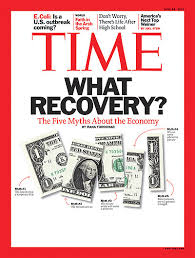
Wrote Rana Foroohar, then Time‘s assistant managing editor in charge of economics and business:
American companies “are doing quite well,” but most American workers “are earning a lower hourly wage now than they did during the recession.”
Corporations, in short, are doing extremely well. But they don’t spend their profits on American workers.
“There may be $2 trillion sitting on the balance sheets of American corporations globally, but firms show no signs of wanting to spend it in order to hire workers at home.”
In short: Giving even greater tax breaks to mega-corporations—the standard Republican mantra—will not persuade them to stop “outsourcing” jobs. Nor will it convince them to start hiring Americans.
While embarrassingly overpaid CEOs squander corporate wealth on themselves, millions of Americans can’t afford medical care or must depend on charity to feed their families.
Yet there is also a disconnect between the truth of this situation and the willingness of Americans to face up to that truth.
According to Foroohar:
- Republicans have convinced most Americans they can revitalize the economy by slashing “taxes on the wealthy and on cash-hoarding corporations while cutting benefits for millions of Americans.”
- To restore prosperity, America will need both tax increases and cuts in entitlement programs.
In November, 2017, President Donald Trump and a Republican-dominated House and Senate rammed the Tax Cuts and Jobs Act of 2017 through Congress. It became law on December 22, 2017.
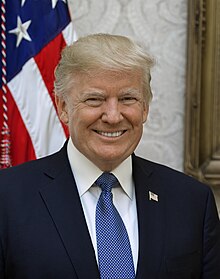
Donald Trump
According to Chye-Ching Huang, director of the Tax Law Center at New York University School of Law, the legislation did nothing to help ordinary Americans.
Testifying before the House Budget Committee on February 27, 2019, Huang stated that the law:
- Ignored the stagnation of working-class wages and exacerbated inequality;
- Weakened revenues when the nation needed to raise more;
- Encouraged rampant tax avoidance and gaming that will undermine the integrity of the tax code;
- Left behind low- and moderate-income Americans—and in many ways hurt them.
For American corporations, however, the law was a godsend:
- Cutting the corporate tax rate from 35% to 21%;
- Shifting toward a territorial tax system, where multinational corporations’ foreign profits go largely untaxed;
- Benefitting overwhelmingly wealthy shareholders and highly paid executives.
Despite all these giveaways, it didn’t encourage those corporations to hire willing-to-work Americans.
For an ever-expanding number of corporations, “outsourcing” is the received religion.
According to a February 9, 2022 article on the website Fortunly:
- About 300,000 jobs get outsourced out of the United States each year.
- Almost 54% of all companies use third-party support teams to connect with customers.
- There are 59 million freelance workers in the United States.
- About 71% of financial service executives outsource some of their services.
- About 51% of technology executives say they outsource application and software maintenance, and 40% outsource their data centers.
Among those companies who have replaced American workers with foreign ones:
- Facebook
- Google
- IBM
- Nike
- Hewlett-Packard
- Unitedhealth Group
- American Express
- Wells Fargo
- LinkedIn
- The Coca-Cola Company
The most commonly “outsourced” jobs are:
- Manufacturing
- Accounting
- Web design and development
- Data entry
- Payroll
- Writer
- Marketing
- Tax preparring
- Human resources
- Medical transcription
- Customer support
- Information Technology
There are several reasons why CEOs love outsourcing.
- They can throw higher-paid American workers into the street and hire lower-skilled foreign workers at “coolie wages.”
- The CEOs can then pocket much of those “savings.”
- They can avoid stricter American laws protecting employees against such abuses as racial discrimination and unhealthy/dangerous conditions.
Thus, millions of Americans remain unemployed—or trapped in part-time, no-benefits jobs far below their levels of education and experience.
The most sinister reason for this: The refusal of Congressional Republicans to create job opportunities for their fellow Americans.
When Republicans hold the White House, they bluntly side with corporations—as they did with the Tax Cuts and Jobs Act of 2017. And when they don’t hold the Presidency, they refuse to do anything that might make a Democratic President look good.
As United States Senator Bernie Sanders said on the June 12, 2012 edition of “The Rachel Maddow Show”: “If it’s good for America, if it creates jobs, if it’s good for Barack Obama, we can’t do it.”
2016 PRESIDENTIAL CAMPAIGN, ABC NEWS, ALTERNET, AMERICAN REVOLUTION, AP, BARACK OBAMA, BUREAU OF LABOR STATISTICS, BUZZFEED, CALVIN COOLIDGE, CBS NEWS, CELINDA LAKE, CHINA, CHRIS MATTHEWS, CHVE-CHING HUANG, CNN, CROOKS AND LIARS, DAILY KOZ, DIVINE RIGHT OF KINGS THEORY, DONALD TRUMP, EMANCIPATION PROCLAMATION, EMPLOYERS RESPONSIBILITY ACT, EMPLOYMENT ACT OF 1946, FACEBOOK, HARDBALL, HILLARY CLINTON, JOB CREATORS, JOHN F. KENNEDY, LOS ANGELES TIMES, LYNDON B. JOHNSON, MOTHER JONES, MOVEON, MSNBC, NBC NEWS, NEW YORK TIMES, NEWSWEEK, NPR, PBS NEWSHOUR, PETER CAPPELLI, POLITICO, RAW STORY, READERS DIGEST, REPUBLICANS, REUTERS, ROBERT REICH, SALON, SEATTLE TIMES, SENATOR BERNIE SANDERS, SLATE, SLAVERY, STEVE POIZNER, TAX CUTS AND JOBS ACT OF 2017, TAX LAW CENTER AT NEW YORK UNIVERSITY SCHOOL OF LAW, THE ATLANTIC, THE CHICAGO SUN-TIMES, THE CHICAGO TRIBUNE, THE DAILY BEAST, THE GUARDIAN, THE HILL, THE HUFFINGTON POST, THE LOS ANGELES TIMES, THE NATION, THE NEW YORK TIMES, THE RACHEL MADDOW SHOW, THE WASHINGTON POST, TIME, TOMMY G. THOMPSON, TWITTER, U.S. NEWS & WORLD REPORT, UNEMPLOYMENT, UPI, USA TODAY, WALLACE C. PETERSON, WASHINGTON POST, WHY GOOD PEOPLE CAN'T FIND JOBS
In Bureaucracy, Business, History, Law, Law Enforcement, Politics, Social commentary on February 21, 2022 at 12:10 am
Have you noticed how every American employer has suddenly become a “job creator”?
At least, that’s the official Republican line.
But if that’s true:
- Why are so many employers not hiring at all?
- Or, if they are hiring, why aren’t they hiring American workers?
- Why are they hiring mostly part-time employees on a no-benefits basis?
- Why are so many employers shutting down American plants but starting new ones in China, Mexico or the Philippines?
A September 20, 2021 article in Recode—“Why Everybody’s Hiring But No One Is Getting hired”—explains “America’s broken hiring system.”
The Bureau of Labor Statistics (BLS) says that 6.6 million potential workers are unemployed—and a record 10.9 million jobs open.
Why?
“For some of the jobs available, people don’t have the right skills, or at least the skills employers say they’re looking for. Other jobs are undesirable — they offer bad pay or an unpredictable schedule, or just don’t feel worth it to unemployed workers, many of whom are rethinking their priorities.
“In some cases, there are a host of perfectly acceptable candidates and jobs out there, but for a multitude of reasons, they’re just not being matched.”
Throughout the United States, “help wanted” signs can be seen virtually everywhere. “But just because a bar or restaurant or gas station wants a worker doesn’t mean a worker wants to work for them. The millions of jobs available aren’t necessarily millions of jobs people want.”
And what makes these jobs undesirable?
Low pay, unpredictable schedules, no benefits, no long-term stability—as well as the employer practice of hiring one person to do the work of 10.
Yet countless employers whine to the media: “Nobody wants to work anymore.”
Countless job-seekers who do want to work are locked out of it by the computerized “résumé readers” employed by many companies. Many of the résumés submitted are automatically rejected—because they lack certain keywords that have been programmed into the software.
A classic example: Software scans for registered nurses with computer programming skills—when they just need data entry.
Finally, a lot of employers simply don’t want to hire.
An article in the March, 2011 issue of Reader’s Digest gives the lie to the excuses so many employers use for refusing to hire.
Entitled “22 Secrets HR Won’t Tell You About Getting a Job,” it lays bare many of the reasons why America needs to legally force employers to demonstrate as much responsibility for hiring as job-seekers are expected to show toward searching for work.
Among the truths it reveals:
TRUTH NO: 1: After you’re unemployed more than six months, employers consider you unemployable.
TRUTH NO. 2: It’s not what but who you know that counts.
TRUTH NO. 3: Try to avoid HR. Find someone in the company you know. If you don’t know anyone, contact the hiring manager.
TRUTH NO. 4: Cover letters are often ignored, going directly into “the round file.”
TRUTH NO. 5: Employers judge you on the basis of your email address. Avoid the type that reads: “Igetdrunkandparty.”
![350+ Devil Images [HQ] | Download Free Pictures On Unsplash](https://encrypted-tbn0.gstatic.com/images?q=tbn:ANd9GcQfdBZW4AJK3RzxdzVZk5WdK0KLxF9CMmyykA&usqp=CAU)
TRUTH NO. 6: You’re not protected against age discrimination. Many employers regularly ignore the law. Are you in your 50s or 60s? Leave your year of graduation off your resume.
TRUTH NO: 7: Just because it’s illegal to discriminate against applicants who have children does not mean you’re safe. Many employers try to screen out parents—such as by checking cars for child safety seats.
TRUTH NO. 8: It’s harder to get a job if you’re fat, since fat people are usually assumed to be lazy.
TRUTH NO. 9: Make sure you give the interviewer a firm handshake. Or he might assume you’re a loser for giving him a weak one.
TRUTH NO. 10: The more you can get the interviewer to talk–especially about himself—the more likely you are to be hired. Ego-driven interviewers love hearing the sound of their own voices and will assume you’re better-qualified than someone who doesn’t want to listen to them prattle.
Millions of Americans blamed President Barack Obama for the nation’s high unemployment rate during his administration. And millions more believe that President Donald Trump created an economic miracle—despite those millions of Americans still desperately searching for work.
The brutal truth is that no President can hope to turn unemployment around until employers are forced to start living up to their responsibilities.
And those responsibilities should encompass more than simply fattening their own pocketbooks and/or egos at the expense of their fellow Americans. Such behavior used to be called treason.
Americans need to recognize that a country can be betrayed for other than political reasons. It can be sold out for economic ones, too.
Trea$on
Employers who enrich themselves by weakening their country—by throwing millions of qualified workers into the street and moving their plants to other countries—are traitors.
Employers who set up offshore accounts to claim their American companies are foreign-owned—and thus exempt from taxes—are traitors.
Employers who systematically violate Federal immigration laws—to hire illegal aliens instead of willing-to-work Americans—are traitors.
And with a new definition of treason should go new penalties—heavy fines and/or prison terms–for those who sell out their country to enrich themselves.
ABC NEWS, ALTERNET, AMERICABLOG, AP, BABY BOOMER RESISTANCE, BARACK OBAMA, BBC, BLOOMBERG NEWS, BUZZFEED, CBS NEWS, CENTRAL AMERICA, CHIANG KAI-SHEK, CHINA, CNN, COLUMBIA, COMMUNISM, CRIMEA, CROOKS AND LIARS, CUBA, CZECHOSLAVAKIA, DAILY KOZ, DEMOCRATS, DONALD TRUMP, FACEBOOK, FIVETHIRTYEIGHT, GUATEMALA, GUNBOAT DIPLOMACY, HARPER’S MAGAZINE, HARRY S. TRUMAN, HUFFINGTON POST, HUNGARY, JOHN F. KENNEDY, JOSEPH MCCARTHY, LATIN AMERICA, LYNDON B. JOHNSON, MAO TSE-TUNG, MEDIA MATTERS, MICK MULVANEY, MITT ROMNEY, MONROE DOCTRINE, MOTHER JONES, MOVEON, MSNBC, NBC NEWS, NEW REPUBLIC, NEWSDAY, NEWSWEEK, NICARAGUA, NPR, PANAMA, PBS NEWSHOUR, POLAND, POLITICO, POLITICUSUSA, RAW STORY, REPUBLICANS, REUTERS, RICHARD M. NIXON, SALON, SEATTLE TIMES, SLATE, SOCHI OLYMPICS, SOVIET UNION, SPHERES OF INFLUENCE, TALKING POINTS MEMO, THE ATLANTIC, THE CHICAGO SUN-TIMES, THE CHICAGO TRIBUNE, THE DAILY BEAST, THE DAILY BLOG, THE GUARDIAN, THE HILL, THE HUFFINGTON POST, THE LOS ANGELES TIMES, THE NATION, THE NEW REPUBLIC, THE NEW YORK TIMES, THE NEW YORKER, THE VILLAGE VOICE, THE WASHINGTON POST, THINKPROGRESS, TIME, TOM COTTON, TRUTHDIG, TRUTHOUT, TWITTER, TWO POLITICAL JUNKIES, U.S. NEWS & WORLD REPORT, UKRAINE, UPI, USA TODAY, VICTOR YANUKOVYCH, VIETNAM, VLADIMIR PUTIN, VOLODYMYR ZELENSKY, WONKETTE
In Bureaucracy, History, Military, Politics, Social commentary, Uncategorized on January 24, 2022 at 12:35 am
Ever since the collapse of the Soviet Union in 1991, the American Right felt dejected.
Accusing Democrats of being “terrorist-lovers” just hasn’t been as profitable as accusing them of being “Communists.”
Then fate intervened.
The torch had barely gone out at the 2014 Sochi Winter Olympics when Russian President Vladimir Putin began menacing the Ukraine.

Ukraine vs. Russia
Even while the Olympics played out on television, Ukrainians had rioted in Kiev and evicted their corrupt, luxury-loving president, Victor Yanukovych.
And that didn’t sit well with his “sponsor”—Putin.
Yanukovych had rejected a pending European Union association agreement. He had chosen instead to pursue a Russian loan bailout and closer ties with Russia.
And that had sat well with Putin.
Since the breakup of the Soviet Union in 1991, Putin had yearned for its reestablishment. He had called that breakup “the greatest geopolitical tragedy of the 20th century.”

Vladimir Putin
Kremlin.ru, CC BY 4.0 <https://creativecommons.org/licenses/by/4.0>, via Wikimedia Commons
Russia has long resisted Ukraine’s move towards European institutions—especially NATO.
So it was almost a certainty that Putin would retaliate.
And since late February, 2014, he began moving Russian troops into Ukraine and its autonomous republic, Crimea. Russia annexed Ukraine’s southern Crimean peninsula and backed separatists who captured large swathes of eastern Ukraine.
On December 3, 2021, the Washington Post reported: “The Kremlin is planning a multi-front offensive as soon as early next year involving up to 175,000 troops” against Ukraine.
And where there is activity by Russians, American Rightists are eager to turn such events to their own political advantage.
Right-wingers such as Senator Tom Cotton (R-AR): ”It is a result of a year of Joe Biden’s impotence and incompetence towards Russia in particular and in foreign policy more generally.”
Cotton had vigorously defended President Donald Trump’s attempted extortion of Ukrainian President Volodymyr Zelensky in the face of Russian aggression.
In July, 2019, Trump told his acting chief of staff, Mick Mulvaney, to withhold almost $400 million in promised military aid for Ukraine.
Then, on July 25, Trump telephoned Zelensky to “request” a “favor”: Investigate presumed 2020 Democratic Presidential Candidate Joe Biden and his son, Hunter, who had had business dealings in Ukraine.
Clearly implied in the call: Produce “dirt” on Biden—or you won’t get the military aid.
All of which overlooks a number of brutal political truths.
First, all great powers have spheres of interest—and jealously guard them.
For the United States, it’s Latin and Central America, as established by the Monroe Doctrine.
And just what is the Monroe Doctrine?
It’s a statement made by President James Monroe in his 1823 annual message to Congress, which warned European powers not to interfere in the affairs of the Western Hemisphere.
It has no legitimacy except the willingness of the United States to use armed force to back it up. When the United States no longer has the will or resources to enforce the Doctrine, it will cease to have meaning.
For the Soviet Union, its spheres of influence include the Ukraine. Long known as “the breadbasket of Russia,” in 2011, it was the world’s third-largest grain exporter.
Russia will no more give up access to that breadbasket than the United States would part with the rich farming states of the Midwest.
Second, spheres of influence often prove disastrous to those smaller countries affected.
Throughout Latin and Central America, the United States remains highly unpopular for its brutal use of “gunboat diplomacy” during the 20th century.
Among those countries invaded or controlled by America: Mexico, Cuba, Guatemala, Nicaragua, Columbia, Panama and the Dominican Republic.
The resulting anger has led many Latin and Central Americans to support Communist Cuba, even though its political oppression and economic failure are universally apparent.
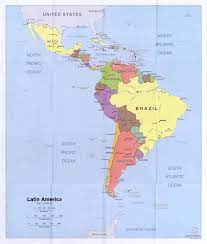
Latin and Central America
Similarly, the Soviet Union forced many nations—such as Poland, Hungary and Czechoslovakia—to submit to the will of Moscow.
The alternative? The threat of Soviet invasion—as occurred in Hungary in 1956 and Czechoslovakia in 1968.
Third, even “great powers” are not all-powerful.
In 1949, after a long civil war, the forces of Mao Tse-tung defeated the Nationalist armies of Chiang Kai-Shek, who withdrew to Taiwan.
China had never been a territory of the United States. Nor could the United States have prevented Mao from defeating the corrupt, ineptly-led Nationalist forces.
Even so, Republican Senators and Representatives such as Richard Nixon and Joseph McCarthy eagerly blamed President Harry S. Truman and the Democrats for “losing China.”
The fear of being accused of “losing” another country led Presidents John F. Kennedy, Lyndon B. Johnson and Richard M. Nixon to tragically commit the United States to “roll back” Communism in Cuba and Vietnam.
Now Republicans—who claim the United States can’t afford to provide healthcare for its poorest citizens—want to turn the national budget over to the Pentagon.
They want the United States to “intervene” in Ukraine—even though this would mean going to war with the only nuclear power capable of turning America into an atomic graveyard.
Before plunging into conflicts that don’t concern us and where there is absolutely nothing to “win,” Americans would do well to remember the above-stated lessons of history. And to learn from them.
ABC NEWS, ALTERNET, AMERICABLOG, AP, BABY BOOMER RESISTANCE, BBC, BLOOMBERG NEWS, BUZZFEED, CBS NEWS, CNN, CROOKS AND LIARS, DAILY KOZ, DEAN MARTIN, DRUDGE REPORT, DRUG WAR, FACEBOOK, FBI, FIVETHIRTYEIGHT, FRANK SINATRA, HARPER’S MAGAZINE, HUFFINGTON POST, JOAQUIN "EL CHAPO" GUZMAN, JOHN F. KENNEDY, JOHN GOTTI, JOSEPH P. KENNEDY, MAFIA, MEDIA MATTERS, MICKEY COHEN, MOTHER JONES, MOVEON, MSNBC, NBC NEWS, NEW REPUBLIC, NEWSDAY, NEWSWEEK, NPR, PBS NEWSHOUR, POLITICO, POLITICUSUSA, RAW STORY, REUTERS, ROBERT F. KENNEDY, ROLLING STONE, SALON, SAM GIANCANA, SAMMY "THE BULL" GRAVANO, SAMMY DAVIS JR., SEAN PENN, SEATTLE TIMES, SLATE, TALKING POINTS MEMO, THE ATLANTIC, THE CHICAGO SUN-TIMES, THE CHICAGO TRIBUNE, THE DAILY BEAST, THE DAILY BLOG, THE GUARDIAN, THE HILL, THE HUFFINGTON POST, THE LOS ANGELES TIMES, THE NATION, THE NEW REPUBLIC, THE NEW YORK TIMES, THE NEW YORKER, THE VILLAGE VOICE, THE WASHINGTON POST, THINKPROGRESS, TIME, TRUTHDIG, TRUTHOUT, TWITTER, TWO POLITICAL JUNKIES, U.S. NEWS & WORLD REPORT, UPI, USA TODAY, WITNESS SECURITY PROGRAM, WONKETTE
In Bureaucracy, History, Law Enforcement, Politics, Social commentary on December 3, 2021 at 12:10 am
Sean Penn is not the first celebrity to “get close to” a gangster.
Singer Frank Sinatra set the standard as far back as the 1940s when he was often seen in the company of notorious Mafiosi such as Charles “Lucky” Luciano and Willie Moretti.
(It was Moretti who is rumored to have freed Sinatra from his financially-limiting contract with bandleader Tommy Dorsey in the early 1940s.
His alleged method of persuasion: Jamming a pistol down Dorsey’s throat and threatening to kill him. Dorsey eventually sold the contract to Sinatra for one dollar.)
But the mobster whom Sinatra was most-often linked with—by gossip and FBI reports—was Sam “Mooney” Giancana.
Giancana started out as a “wheelman” and enforcer for the teenage “42 Gang,” then joined the Chicago mob in the late 1930s. By 1957 he had been appointed its boss.

Sam Giancana
Sinatra often partied with Giancana, both in nightclubs and at his own residence in Palm Springs, California.
In December, 1959, financier Joseph P. Kennedy summoned Sinatra to the family compound in Hyannis Port, Massachusetts. His son, Senator John F. Kennedy, was planning to run for President in 1960. And the elder Kennedy wanted Sinatra’s help.
Sinatra and the Senator were by now well-acquainted. They shared a taste for gossip, nightclubs and beautiful women.
According to Sinatra’s daughter, Tina, the Kennedy patriarch said: “I think that you can help [the campaign] in [the] West Virginia [primary] and Illinois [in the general election] with our friends.
“You understand, Frank, I can’t go. They’re my friends, too, but I can’t approach them. But you can.”

Frank Sinatra
By “our friends,” Kennedy meant the Mafia. Joseph P. Kennedy had done business with the mob as a bootlegger during Prohibition.
Now he wanted the Mafia to pressure local union members into voting for JFK—and making contributions to the Kennedy Presidential campaign.
Sinatra went to his friend, Sam Giancana, and asked for the mob’s support. And Giancana promised to deliver it.
In return, Giancana—and other mobsters—expected to win an ally in the White House. He was later overheard on an FBI wiretap saying he had been promised by Sinatra that “if I even got a traffic ticket, none of those fuckers [the FBI] would know me.”
Since 1959, Giancana and other “Top Hoodlum” mobsters had been under increasingly heavy FBI surveillance. Giancana wanted it stopped.
And Sinatra had assured him that, under a Kennedy Presidency, it would stop.
On Election Night, 1960, John F. Kennedy carried Illinois—and won the White House by a mere 120,000 votes nationwide.
Then, to the horror of the Mafia, JFK installed his brother, Robert Francis Kennedy, as Attorney General. From 1957 to 1959, RFK had pursued gangsters as chief counsel for the Senate Rackets Committee.
Now he declared all-out war on organized crime. Convictions against organized crime figures rose 800% during his four years in office.
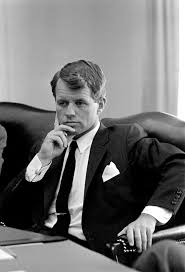
Robert F. Kennedy
Sinatra tried to deliver for Giancana. He sent Peter Lawford—his Rat Pack pal and brother-in-law to the President—to talk with Robert Kennedy about laying off on the Mafia don.
Kennedy bluntly told Lawford to mind his own business.
Giancana came under even greater pressure. FBI agents put a 24-hour “lockstep” surveillance on him, following him even into church and restrooms.
“I was on the road with this broad,” Giancana raged to his murderous associate, Johnny Formosa. “There must have been 20 guys [FBI agents]. They were next door, upstairs, downstairs, surrounded all the way around!
“Get in a car, somebody picks you up I lose that tail—boom!—I get picked up someplace else! Four or five cars, back and forth, back and forth.”
In another exchange with Formosa, Giancana’s anger at Sinatra boiled over:
“The last time I talked to [Sinatra] was at the hotel in Florida. And he said, ‘Don’t worry about it. If I can’t talk to the old man [Joseph P. Kennedy] I’m going to talk to the man [President Kennedy].’
“One minute he says he’s talked to Robert, and the next minute he says he hasn’t talked to him. So he never did talk to him.”
Formosa suggested a remedy: “Let’s show ’em. Let’s show those fuckin’ Hollywood fruitcakes that they can’t get away with it as if nothin’s happened.
“Let’s hit Sinatra. Or I could whack out a couple of those other guys, Lawford and that [Dean] Martin. And I could take the nigger [Sammy Davis, Jr.] and put his other eye out.”
Giancana refused to issue the contract. But he seriously considered doing so, as he confessed to a Chicago associate named Tommy DiBella:
“One night I’m fucking Phyllis [McGuire, a member of the famous McGuire sisters trio], playing Sinatra songs in the background, and the whole time I’m thinking to myself, ‘Christ, how can I silence that voice?’
“It’s the most beautiful voice in the world. Frank’s lucky he’s got it. It saved his life.”
Sinatra’s Rat Pack “pally,” Dean Martin, summed it up: “Only Frank could get away with the shit he’s got away with. Only Frank. Anybody else would’ve been dead.”
Sinatra survived the murderous anger of a mob boss. It remains to be seen if Sean Penn can do the same.
ABC NEWS, ALTERNET, AMERICABLOG, AP, BABY BOOMER RESISTANCE, BBC, BLOOMBERG NEWS, BUZZFEED, CBS NEWS, CNN, CROOKS AND LIARS, DAILY KOZ, DEAN MARTIN, DRUDGE REPORT, DRUG WAR, FACEBOOK, FBI, FIVETHIRTYEIGHT, FRANK SINATRA, HARPER’S MAGAZINE, HUFFINGTON POST, JOAQUIN "EL CHAPO" GUZMAN, JOHN F. KENNEDY, JOHN GOTTI, JOSEPH P. KENNEDY, MAFIA, MEDIA MATTERS, MICKEY COHEN, MOTHER JONES, MOVEON, MSNBC, NBC NEWS, NEW REPUBLIC, NEWSDAY, NEWSWEEK, NPR, PBS NEWSHOUR, POLITICO, POLITICUSUSA, RAW STORY, REUTERS, ROBERT F. KENNEDY, ROLLING STONE, SALON, SAM GIANCANA, SAMMY "THE BULL" GRAVANO, SAMMY DAVIS JR., SEAN PENN, SEATTLE TIMES, SLATE, TALKING POINTS MEMO, THE ATLANTIC, THE CHICAGO SUN-TIMES, THE CHICAGO TRIBUNE, THE DAILY BEAST, THE DAILY BLOG, THE GUARDIAN, THE HILL, THE HUFFINGTON POST, THE LOS ANGELES TIMES, THE NATION, THE NEW REPUBLIC, THE NEW YORK TIMES, THE NEW YORKER, THE VILLAGE VOICE, THE WASHINGTON POST, THINKPROGRESS, TIME, TRUTHDIG, TRUTHOUT, TWITTER, TWO POLITICAL JUNKIES, U.S. NEWS & WORLD REPORT, UPI, USA TODAY, WITNESS SECURITY PROGRAM, WONKETTE
In Bureaucracy, History, Law Enforcement, Politics, Social commentary, Uncategorized on December 2, 2021 at 12:11 am
Actor Sean Penn believes the Mexican Government wants to put him at risk by convincing Joaquin “El Chapo” (“Shorty”) Guzman that Penn played a role—deliberately or negligently—in his capture.
“We know the Mexican government, they clearly were humiliated by the notion that someone found him before they did,” Penn told interviewer Charlie Rose.
“Nobody found him before they did. We are not smarter than the DEA, or Mexican Intelligence. We had a contact upon which we were able to facilitate an invitation.”
By “we” Penn meant himself and Mexican actress Kate del Castillo, who had actually arranged the meeting.

Actress Kate del Castillo
“They wanted to encourage the cartel to put you in their crosshairs?” Rose asked.
“Yes,” Penn answered.
This is entirely possible. Guzman’s escape from a “maximum security” prison in July, 2015, had proved internationally embarrassing for the Mexican Government
Even more embarrassing: He escaped through a mile-long tunnel that literally led to his cell. Almost certainly this happened with the collusion of some prison guards.
Penn—and del Castillo—could face dangers from at least three groups.
Danger #1: El Chapo
Already there is evidence that “El Chapo” regrets having given an interview to Penn and del Castillo in the Mexican jungle on October 2, 2015.

Sean Penn
Published in Rolling Stone on January 9, 2016, the article contained such Guzman boasts as:
“I supply more heroin, methamphetamine, cocaine and marijuana than anyone else in the world. I have a fleet of submarines, airplanes, trucks and boats.”
Juan Pablo Badillo, one of Guzman’s attorneys, has since claimed that the article contains falsehoods:
“It’s a lie, absurd speculation from Mr. Penn. Mr. Penn should be called to testify to respond about the stupidities he has said.
“He [Guzman] could not have made these claims. Mr. Guzman is a very serious man, very intelligent.”
This could spell danger for Penn and del Castillo. Guzman is responsible for the deaths of thousands of rivals, journalists and police.
Among the witnesses to the drug cartels’ savagery is Michael Levine, a 25-year veteran of the Drug Enforcement Administration and the author of Deep Cover: Mexican Government Drug Corruption From the Inside.
“Depending on what the cartels and/or the many corrupt Mexican cops and Mexican government officials believe El Chapo divulged during the interview, Penn, and whomever else was present, may be in more physical danger than he could ever imagine,” said Levine.
An anonymous law enforcement official said that not only could Penn be in danger, but so could his entire family.
“It won’t happen now. They [the cartels] wait. Him or people close to him are in danger. They don’t single out the one person. They go for the person’s family.
“He poked his head into a nest of vipers with an amazing global reach. He was a fool. As public as Penn is, he will be a sitting duck.”
Danger #2: Guzman’s Competitors in the Drug Trade
“The problem with dealing with someone like Guzman on this personal basis, where one is perceived as a ‘friend’ or an aide or a business partner of sorts to Chapo, is that you have to be prepared to inherit all his enemies, and there are many,” warned Michael Levine.
“These are some very kill-crazy people. The notoriety gained by killing someone like Penn or even del Castillo will actually turn these bastards on.
“It’s a step into the dark world of the kill crazies. Believe me it is there, and unwittingly these two may have stepped into a world where there is an actual competition to kill them,” said Levine, who has dealt face-to-face with Latin American drug lords.
Danger #3: Wannabe Cartel Members
Countless men—in Mexico and the United States—would love to “do El Chapo a favor” by gunning down Penn and/or del Castillo.
This could happen even if Guzman harbors no ill will toward either. It would be enough for someone to simply believe that he did.
An additional motive: The fame—or infamy—that the assassin of a “big celebrity” like Penn would receive. John Lennon died at the hands of such a fame-obsessed, psychotic gunman.
This means that literally anyone could be a potential assassin—making it that much harder to defend against.
When clients enter the Justice Department’s Witness Security Program, they are quickly asked: “Who do you think poses the biggest threat to you?”
Deputy U.S. marshals, who operate the program, assume that a witness is the best judge of who poses the greatest danger to him.

Witness Security Program protection detail
This works well when a witness is unknown and testifying against someone who is equally unknown to the public.
But when a witness is notorious—such as Sammy “The Bull” Gravano—and the defendant is equally infamous—such as John Gotti—all bets are off.
Of course, Federally-protected witnesses have two advantages going for them that Penn and del Castillo do not:
First, they are protected by the U.S. Marshals Service, which has an excellent track record in protecting its charges; and
Second, they are expected to assume a low profile, which serves as their best protection.
Sean Penn and Kate del Castillo aren’t Federally-protected witnesses. And they’re unlikely to assume a low profile by going into hiding.
ABC NEWS, ALTERNET, AMERICABLOG, AP, BABY BOOMER RESISTANCE, BBC, BLOOMBERG NEWS, BUZZFEED, CBS NEWS, CNN, CROOKS AND LIARS, DAILY KOZ, DEAN MARTIN, DRUDGE REPORT, DRUG WAR, FACEBOOK, FBI, FIVETHIRTYEIGHT, FRANK SINATRA, HARPER’S MAGAZINE, HUFFINGTON POST, JOAQUIN "EL CHAPO" GUZMAN, JOHN F. KENNEDY, JOHN GOTTI, JOSEPH P. KENNEDY, MAFIA, MEDIA MATTERS, MICKEY COHEN, MOTHER JONES, MOVEON, MSNBC, NBC NEWS, NEW REPUBLIC, NEWSDAY, NEWSWEEK, NPR, PBS NEWSHOUR, POLITICO, POLITICUSUSA, RAW STORY, REUTERS, ROBERT F. KENNEDY, ROLLING STONE, SALON, SAM GIANCANA, SAMMY "THE BULL" GRAVANO, SAMMY DAVIS JR., SEAN PENN, SEATTLE TIMES, SLATE, TALKING POINTS MEMO, THE ATLANTIC, THE CHICAGO SUN-TIMES, THE CHICAGO TRIBUNE, THE DAILY BEAST, THE DAILY BLOG, THE GUARDIAN, THE HILL, THE HUFFINGTON POST, THE LOS ANGELES TIMES, THE NATION, THE NEW REPUBLIC, THE NEW YORK TIMES, THE NEW YORKER, THE VILLAGE VOICE, THE WASHINGTON POST, THINKPROGRESS, TIME, TRUTHDIG, TRUTHOUT, TWITTER, TWO POLITICAL JUNKIES, U.S. NEWS & WORLD REPORT, UPI, USA TODAY, WITNESS SECURITY PROGRAM, WONKETTE
In Bureaucracy, History, Law Enforcement, Politics, Social commentary, Uncategorized on December 1, 2021 at 12:24 am
Actor Sean Penn is used to being a tough guy—onscreen.
In 2006, he played real-life mobster Mickey Cohen (1913 – 1976) in Gangster Squad. And in 2013, he played Willie Stark, a corrupt, Huey Long-type Southern governor in a remake of All the King’s Men.
As Cohen, Penn put out contracts on his enemies and even went mano-o-mano in a long-running (and fictional) fistfight with an LAPD detective.
And as Stark, he clawed his way to power and bullied both his enemies and his supporters.
Perhaps Penn should have paid more attention to the way those movies ended.

Sean Penn
Mickey Cohen goes to prison, where he is brutally waylaid by other inmates.
And Willie Stark, at the height of his power, is shot by a longtime enemy.
Had he thought about it, he might have decided it could be a mistake to meet with Joaquin “El Chapo” (“Shorty”) Guzman, the notorious Mexican drug lord.
On October 2, 2015, Penn met with Guzman in an undisclosed location in the Mexican jungle. He was there to interview him on behalf of Rolling Stone magazine.
Guzman wanted a movie made about him. So he had reached out to Mexican actress Kate del Castillo, asking her to meet with him to discuss such a project. She, in turn, referred him to Penn, whom Guzman said could come along for the meeting.
Penn had his own agenda: To write an article for Rolling Stone whose “purpose [would] contribute to this conversation on the war on drugs.”
Three months later, on January 8, 2016, Mexican Marines and Federal Police launched an early-morning raid on a house in Los Mochis, in northern Sinaloa, where Guzman’s drug cartel operated.
The Marines expected to find Guzman there, and they did—ending his almost six-month flight after escaping from prison in July.
One day after Guzman’s capture, Rolling Stone published Penn’s 10,000-word article.
Penn had not been allowed to bring a tape recorder or even take notes with pen and paper. So he had been forced to memorize as much of Guzman’s tale as he could.
Penn seemed to be enraptured by Guzman:
“There is no doubt this is the real deal. He’s wearing a casual patterned silk shirt, pressed black pants, and he appears remarkably well-groomed and healthy for a man on the run.
“He opens [actress Kate del Castillo’s] [car} door and greets her like a daughter returning from college.
“It seems important to him to express the warm affection in person that, until now, he’d only had occasion to communicate from afar.”
Even so, Penn quoted Guzman as bragging: “I supply more heroin, methamphetamine, cocaine and marijuana than anybody else in the world. I have a fleet of submarines, airplanes, trucks and boats.”

Joaquin “El Chapo” Guzman
After the interview’s publication, Penn came under fire for having allowed Guzman to approve the article. He claimed that, despite this, Guzman had not asked for any changes.
He also drew sharp criticism for having used his status as a movie star to play the part of a reporter.
But worse was to come.
Shortly after the capture of “El Chapo,” Mexico’s Attorney General Arely Gomez “credited” Penn with having played a vital role in the capture of the drug kingpin.
The meeting between Penn, Castillo and Guzman “was an essential element, because we were following [Guzman’s] lawyer, and the lawyer took us to these people and to this meeting.”
Suddenly, American experts on Mexican organized crime cartels began seeing Sean Penn in a new light—that of a movie star with a big target on his chest and back.
Suppose Guzman began suspecting that Penn had deliberately led Mexican authorities to him? Or that he had done so even accidentally, through negligence in how he had traveled?
“These cartels are very violent, they do not forgive any transgression and they will respond in a most violent manner,” said Mike Vigil, a former chief of international operations with the U.S. Drug Enforcement Administration.
“These are people who have dismembered, who have decapitated individuals. So killing Sean Penn and del Castillo means absolutely nothing to them.”
Vigil believed it was careless for the Mexican Government to publicize any ties between the Penn meeting and Guzman’s arrest:
“If Chapo Guzman perceives that they cooperated with authorities in his capture, [the cartel] will go after them.”
He argued that the risk is likely for del Castillo because she was the one in contact with Guzman.
She was the one whom Guzman’s associates supplied with a Blackberry—the phone they believed most secure. And it was her and Guzman’s flirtatious exchanges that led to the meeting in the jungle with Sean Penn.
“Apart from that, [del Castillo] is originally from Mexico, she has all of her family in Mexico. One of the traditional violent methods [the cartels] use is if they can’t get to the target, they’ll go after their family members.
“If I were Kate del Castillo, I would run like the wind.”
2016 PRESIDENTIAL CAMPAIGN, 9/11, ABC NEWS, ADAM KINZINGER, ALEXANDRIA OCASIO-CORTEZ, ALLEN WEST, ALTERNET, AMERICABLOG, ANN COULTER, AP, BABY BOOMER RESISTANCE, BBC, BILL CLINTON, BLOOMBERG NEWS, BUZZFEED, CAPITOL ATTACK, CBS NEWS, CHRISTOPHER S. MURPHY, CNN, COMMUNISM, CROOKS AND LIARS, DAILY KOZ, DEMOCRATS, DONALD TRUMP, DWIGHT D. EISENHOWER, EGYPT, FACEBOOK, FERGUS CULLEN, FIVETHIRTYEIGHT, GAMAL ABDEL NASSER, GEORGE H.W. BUSH, HARPER’S MAGAZINE, HILLARY CLINTON, HOUSE OVERSIGHT AND REFORM COMMITTEE, HUFFINGTON POST, IMPEACHMENT, ISRAEL, JEB LUND, JIMMY CARTER, JOHN F. KENNEDY, JOHN KASICH, JORDAN, JOSEPH MCCARTHY, LIZ CHENEY, LYNDON B. JOHNSON, MARJORIE TAYLOR GREENE, MEDIA MATTERS, MICHAEL HAYDEN, MICHELLE BACHMANN, MIKE PENCE, MITCH MCCONNELL, MOSHE DAYAN, MOTHER JONES, MOVEON, MSNBC, NANCY PELOSI, NATIONAL SECURITY AGENCY, NATURAL RESOURCES COMMITTEE, NBC NEWS, NEW REPUBLIC, NEWSDAY, NEWSWEEK, NPR, OSAMA BIN LADEN, PAUL GOSAR, PAUL RYAN, PBS NEWSHOUR, PHIL GRAMM, PHILIP KLINE, POLITICO, POLITICUSUSA, RAW STORY, REPUBLICAN NATIONAL CONVENTION, REPUBLICANS, REUTERS, RICHARD NIXON, ROGER STONE, ROLLING STONE, RON KLEIN, SALON, Sarah Palin, SEATTLE TIMES, SLATE, SOVIET UNION, TALKING POINTS MEMO, THE ATLANTIC, THE CHICAGO SUN-TIMES, THE CHICAGO TRIBUNE, THE DAILY BEAST, THE DAILY BLOG, THE GUARDIAN, THE HILL, THE HUFFINGTON POST, THE LOS ANGELES TIMES, THE NATION, THE NEW REPUBLIC, THE NEW YORK TIMES, THE NEW YORKER, THE PENTAGON, THE VILLAGE VOICE, THE WASHINGTON POST, THINKPROGRESS, TIME, TIMOTHY MCVEIGH, TRUTHDIG, TRUTHOUT, TWITTER, TWO POLITICAL JUNKIES, U.S. NEWS & WORLD REPORT, UNITED STATES HOUSE OF REPRESENTATIVES, UNITED STATES SECRET SERVICE, UPI, USA TODAY, VIETNAM WAR, WONKETTE, WORLD TRADE CENTER
In Bureaucracy, History, Law, Law Enforcement, Military, Politics, Social commentary on November 26, 2021 at 12:14 am
Having made threats of violence an integral part of his successful 2016 campaign for President, Donald Trump continued to make violence a hallmark of his Presidency.
Throughout his run for President, Trump’s followers chanted, “Lock her up!” at Democratic candidate Hillary Clinton. Yet Clinton has never been tried for a crime, let alone convicted of one.
As President, Trump still encouraged his followers to shout this chant.
On July 2, 2017, Trump tweeted a video showing him punching a man with the CNN logo superimposed on his head during a WWE wrestling match.
And on August 15, 2017, Trump retweeted a cartoon photo of a “Trump Train” running over a CNN reporter.

Summing up Trump’s legacy of hatred, longtime Republican Presidential adviser David Gergen said:
“Trump unleashed the dogs of hatred in this country from the day he declared he was running for president, and they’ve been snarling and barking at each other ever since. It’s just inevitable there are going to be acts of violence that grow out of that.”
Gergen said this on October 24, 2018—the day that pipe bombs were mailed to:
- Former President Barack Obama
- Former President Bill Clinton
- Former First Lady and United States Senator Hillary Clinton
- Former Attorney General Eric Holder
- Congresswoman Maxine Waters
- Former Vice President Joe Biden
- Actor Robert De Niro
- Former CIA Director John Brennan
Trump had brutally and repeatedly attacked all of these intended victims. And the man who sent the bombs—Cesar Sayoc Jr. of Aventura, Florida—had plastered his van with stickers supporting Trump.
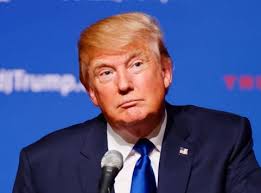
Donald Trump
On October 8, 2020, 13 Right-wingers were arrested and charged in a terrorism plot to kidnap Democratic Michigan Governor Gretchen Whitmer. The terrorists intended to overthrow several state governments that they “believe are violating the US Constitution,” including the government of Michigan, according to a federal criminal complaint.
Trump had repeatedly attacked Whitmer for issuing a March 23 stay-at-home order to stem the COVID-19 pandemic in that state.
After losing the 2020 Presidential election, Trump ordered his campaign to file at least 63 lawsuits contesting Joseph Biden’s victory. Upon losing all of these, Trump turned to violence as his last-ditch remedy to stay in office.
On January 6, he incited thousands of his supporters to storm the United States Capitol Building where members of the Senate were counting the electoral votes cast in the election.
The Stormtrumpers’ goal: Stop the ballot counting—and thus maintain Trump in office.
The Stormtrumpers marched to the United States Capitol—and quickly brushed aside Capitol Police.
- Members of the mob attacked police with chemical agents, metal poles and lead pipes.
- At least 140 police officers suffered injuries, including concussions, broken ribs, smashed spinal discs, a lost eye.
- Many lawmakers’ offices were occupied and vandalized—including that of House Speaker Nancy Pelosi, a favorite Right-wing target.
- Lawmakers huddled under desks and behind locked doors, expecting to die any minute.
- More than three hours passed before police—using riot gear, shields and batons—retook control of the Capitol.

Stormtrumpers scaling Capitol Building walls
And Republicans?
Even after being forced to flee for their lives or barricade themselves in House or Senate rooms, Republicans refused to condemn Trump. On January 11, the House voted 232-197 to impeach Trump for incitement of insurrection against the United States government.
Senate Democrats wanted to try Trump while he was still in office. But then-Senate Majority Leader Mitch McConnell (R-KY) refused. On February 13, after a five-day trial, Republicans acquitted Trump by a vote of 57-43, failing 10 votes short of the two-thirds majority needed to convict.
Since then, Republicans such as Paul Gosar (R-AZ) and Marjorie Taylor Greene (R-GA) have recast the attempted coup as a non-violent—even patriotic—event.
“Outright propaganda and lies are being used to unleash the national security state against law-abiding U.S. citizens, especially Trump voters,” Gosar said, condemning the Justice Department’s Investigation of Capitol attackers.
And Greene claims: “January 6 was just a riot at the Capitol and if you think about what our Declaration of Independence says, it says to overthrow tyrants.”
A party—Republican—that has made such a heavy, long-running—and successful—investment in violence is not going to voluntarily turn pacifist.
And a party—Democratic—that has generally behaved like cowards and appeasers toward its sworn enemies isn’t going to survive, let alone preserve democracy.
In May, 1967, Israel faced a similar deadly threat.
On May 22, Egyptian President Gamal Abdel Nasser announced that the Straits of Tiran would be closed to all Israeli shipping. And Nasser mobilized the Egyptian military along the border with Israel.
On May 30, Jordan and Egypt signed a defence pact. The next day, the Iraqi army began deploying troops and armored units in Jordan. They were reinforced by an Egyptian contingent.
Israel was being surrounded—and its sworn enemies were about to attack.
“We are being bullied,” said longtime Israeli soldier Moshe Dayan. “And the only way to handle a bully is to punch him in the face.”
On June 5, Israel struck first, defeating its enemies and securing huge tracts of territory as a defensive barrier.
Democrats have yet to learn Dayan’s lesson. They—and the country—may not turn out to be as fortunate as Israel.
2016 PRESIDENTIAL CAMPAIGN, 9/11, ABC NEWS, ADAM KINZINGER, ALEXANDRIA OCASIO-CORTEZ, ALLEN WEST, ALTERNET, AMERICABLOG, ANN COULTER, AP, BABY BOOMER RESISTANCE, BBC, BILL CLINTON, BLOOMBERG NEWS, BUZZFEED, CAPITOL ATTACK, CBS NEWS, CHRISTOPHER S. MURPHY, CNN, COMMUNISM, CROOKS AND LIARS, DAILY KOZ, DEMOCRATS, DONALD TRUMP, DWIGHT D. EISENHOWER, EGYPT, FACEBOOK, FERGUS CULLEN, FIVETHIRTYEIGHT, GAMAL ABDEL NASSER, GEORGE H.W. BUSH, HARPER’S MAGAZINE, HILLARY CLINTON, HOUSE OVERSIGHT AND REFORM COMMITTEE, HUFFINGTON POST, IMPEACHMENT, ISRAEL, JEB LUND, JIMMY CARTER, JOHN F. KENNEDY, JOHN KASICH, JORDAN, JOSEPH MCCARTHY, LIZ CHENEY, LYNDON B. JOHNSON, MARJORIE TAYLOR GREENE, MEDIA MATTERS, MICHAEL HAYDEN, MICHELLE BACHMANN, MIKE PENCE, MITCH MCCONNELL, MOSHE DAYAN, MOTHER JONES, MOVEON, MSNBC, NANCY PELOSI, NATIONAL SECURITY AGENCY, NATURAL RESOURCES COMMITTEE, NBC NEWS, NEW REPUBLIC, NEWSDAY, NEWSWEEK, NPR, OSAMA BIN LADEN, PAUL GOSAR, PAUL RYAN, PBS NEWSHOUR, PHIL GRAMM, PHILIP KLINE, POLITICO, POLITICUSUSA, RAW STORY, REPUBLICAN NATIONAL CONVENTION, REPUBLICANS, REUTERS, RICHARD NIXON, ROGER STONE, ROLLING STONE, RON KLEIN, SALON, Sarah Palin, SEATTLE TIMES, SLATE, SOVIET UNION, TALKING POINTS MEMO, THE ATLANTIC, THE CHICAGO SUN-TIMES, THE CHICAGO TRIBUNE, THE DAILY BEAST, THE DAILY BLOG, THE GUARDIAN, THE HILL, THE HUFFINGTON POST, THE LOS ANGELES TIMES, THE NATION, THE NEW REPUBLIC, THE NEW YORK TIMES, THE NEW YORKER, THE PENTAGON, THE VILLAGE VOICE, THE WASHINGTON POST, THINKPROGRESS, TIME, TIMOTHY MCVEIGH, TRUTHDIG, TRUTHOUT, TWITTER, TWO POLITICAL JUNKIES, U.S. NEWS & WORLD REPORT, UNITED STATES HOUSE OF REPRESENTATIVES, UNITED STATES SECRET SERVICE, UPI, USA TODAY, VIETNAM WAR, WONKETTE, WORLD TRADE CENTER
In Bureaucracy, History, Law, Law Enforcement, Military, Politics, Social commentary on November 25, 2021 at 12:05 am
With the rise of Donald Trump to Republican standard-bearer in 2015, threats of violence entered the rhetoric—and tactics—of the Republican party.
On March 16, 2016, he warned Republicans that if he didn’t win the GOP nomination in July, his supporters would literally riot:
“I think you’d have riots. I think you would see problems like you’ve never seen before. I think bad things would happen. I really do. I wouldn’t lead it, but I think bad things would happen.”

Donald Trump
Republicans clearly saw this as a threat is undeniable.
Paul Ryan, their Speaker of the House, said on March 17: “Nobody should say such things in my opinion because to even address or hint to violence is unacceptable.”
And Ohio governor and Republican presidential candidate John Kasich chinned in. “Leaders don’t imply violence,” Kasich told “Face the Nation” on March 20. “When he says that there could be riots, that’s inappropriate. I think you understand that, okay? Secondly, while we have our differences and disagreements, we’re Americans. Americans don’t say, ‘Let’s take to the streets and have violence.'”
But threatening his Republican and Democratic opponents with violence played a major role in Donald Trump’s campaign for President.
No other candidate—Republican or Democrat—had ever made such repeated and brutal use of threats of physical assault in pursuing the Presidency.
- Philip Klein, the managing editor of the Washington Examiner, wrote on the eve of the Republican National Convention in July: “Political commentators now routinely talk about the riots that would break out in Cleveland if Trump were denied the nomination, about how his supporters have guns and all hell could break loose, that they would burn everything to the ground. It works to Trump’s advantage to not try too hard to dispel these notions.”
- On August 9, Trump told a rally in Wilmington, North Carolina: “Hillary [Clinton] wants to abolish, essentially abolish, the Second Amendment. If she gets to pick her [Supreme Court] judges, nothing you can do folks. Although the Second Amendment people, maybe there is, I don’t know.”
- “Don’t treat this as a political misstep,” Senator Christopher S. Murphy of Connecticut, who has called for stiffer gun laws, wrote on Twitter. “It’s an assassination threat, seriously upping the possibility of a national tragedy & crisis.”
- “Well, let me say if someone else said that outside of the hall, he’d be in the back of a police wagon now, with the Secret Service questioning him,” said Michael Hayden, former head of the CIA and National Security Agency (NSA).
Threats of this type continued to be made by Trump supporters right up to the day of the election.
- On July 29, Roger Stone, a notorious Right-wing political consultant acting as a Trump strategist, told Breitbart News: “The first thing Trump needs to do is begin talking about [voter fraud] constantly. If there’s voter fraud, this election will be illegitimate, the election of the winner will be illegitimate, we will have a constitutional crisis, widespread civil disobedience, and the government will no longer be the government.”
- At a town hall meeting where Trump’s Vice Presidential nominee Mike Pence appeared, a woman named Rhonda said: “For me personally, if Hillary Clinton gets in, I myself am ready for a revolution.”
- In Cincinnati, a Trump supporter threatened to forcibly remove Clinton from the White House if she won the race: “If she’s in office, I hope we can start a coup. She should be in prison or shot. That’s how I feel about it,”
- Dan Bowman, a 50-year-old contractor, said of Hillary Clinton, the Democratic nominee: “We’re going to have a revolution and take them out of office if that’s what it takes. There’s going to be a lot of bloodshed. But that’s what it’s going to take….I would do whatever I can for my country.”
Even Fergus Cullen, former chairman of the New Hampshire GOP, expressed fear of what might happen if Trump lost the election:

Fergus Cullen
“That’s really scary,” Cullen said, recounting the violence at Trump rallies around the country leading up to the Republican National Convention. “In this country, we’ve always had recriminations after one side loses. But we haven’t had riots. We haven’t had mobs that act out with violence against supporters of the other side.
“There’s no telling what his supporters would be willing to do at the slightest encouragement from their candidate,” he said.
Trump even began encouraging his mostly white supporters to sign up online to be “election observers” to stop “Crooked Hillary from rigging this election.” He urged them to act as poll watchers in “other” [non-white] communities to ensure that things are “on the up and up.”
Many of his supporters promised to do so.
“Trump said to watch your precincts. I’m going to go, for sure,” said Steve Webb, a 61-year-old carpenter from Fairfield, Ohio.
“I’ll look for…well, it’s called racial profiling. Mexicans. Syrians. People who can’t speak American,” he said. “I’m going to go right up behind them. I’ll do everything legally. I want to see if they are accountable. I’m not going to do anything illegal. I’m going to make them a little bit nervous.”


.jpg)

 Bureaucracybuster's Blog
2016 PRESIDENTIAL CAMPAIGN, ABC NEWS, ALTERNET, AMERICAN REVOLUTION, AP, BARACK OBAMA, BUREAU OF LABOR STATISTICS, BUZZFEED, CALVIN COOLIDGE, CBS NEWS, CELINDA LAKE, CHINA, CHRIS MATTHEWS, CHVE-CHING HUANG, CNN, CROOKS AND LIARS, DAILY KOZ, DIVINE RIGHT OF KINGS THEORY, DONALD TRUMP, EMANCIPATION PROCLAMATION, EMPLOYERS RESPONSIBILITY ACT, EMPLOYMENT ACT OF 1946, FACEBOOK, HARDBALL, HILLARY CLINTON, JOB CREATORS, JOHN F. KENNEDY, LOS ANGELES TIMES, LYNDON B. JOHNSON, MOTHER JONES, MOVEON, MSNBC, NBC NEWS, NEW YORK TIMES, NEWSWEEK, NPR, PBS NEWSHOUR, PETER CAPPELLI, POLITICO, RAW STORY, READERS DIGEST, REPUBLICANS, REUTERS, ROBERT REICH, SALON, SEATTLE TIMES, SENATOR BERNIE SANDERS, SLATE, SLAVERY, STEVE POIZNER, TAX CUTS AND JOBS ACT OF 2017, TAX LAW CENTER AT NEW YORK UNIVERSITY SCHOOL OF LAW, THE ATLANTIC, THE CHICAGO SUN-TIMES, THE CHICAGO TRIBUNE, THE DAILY BEAST, THE GUARDIAN, THE HILL, THE HUFFINGTON POST, THE LOS ANGELES TIMES, THE NATION, THE NEW YORK TIMES, THE RACHEL MADDOW SHOW, THE WASHINGTON POST, TIME, TOMMY G. THOMPSON, TWITTER, U.S. NEWS & WORLD REPORT, UNEMPLOYMENT, UPI, USA TODAY, WALLACE C. PETERSON, WASHINGTON POST, WHY GOOD PEOPLE CAN'T FIND JOBS
THE EMPLOYER IS THE ENEMY: PART FOUR (OF SEVEN)
In Bureaucracy, Business, History, Law, Law Enforcement, Politics, Social commentary on February 24, 2022 at 12:11 amMore than six million willing-to-work Americans can’t find willing-to-hire employers.
And where there are victims, there are always people ready to profit from their desperation.
Consider the following email sent out by Steve Poizner, former Republican State Insurance Commissioner of California (2007-2011).
A successful Silicon Valley high tech entrepreneur, Poizner founded SnapTrack, Inc. and Strategic Mapping, Inc. In June, 2011, he co-founded the Encore Career Institute with the Sherry Lansing Foundation and Creative Artists Agency.
Thus, the email sent out on July 2, 2012, to advertise “Empowered UCLA Extension”:
Dear friends,
I wanted to share with you some news before my new venture – Empowered Careers – launches around the country….I’ve started this company to help address one of the key issues we face today — jobs. Our venture aims to close the skills gap through an innovative career development program — all delivered via the iPad.
It’s all designed specifically for baby boomers seeking to make a career change, get ahead professionally, or get back into the workforce.
Note the line: “Our venture aims to close the skills gap,” which it assumes to be a reality.
And the ad says nothing about closing the “greed gap” between what employers demand from workers—and what they are willing to pay in return.
The Encore Careers Institute will offer online non-degree certificates for out of work adults and baby boomers looking to switch careers.
When did a non-degree certificate ever convince an employer to hire? Even a hiring-inclined employer?
Using our Empowered app, the iPad will transform any adult’s living room into a modern day classroom or transform a park bench into a study group while the kids are at soccer practice.
But transforming “any adult’s living room into a modern day classroom” will not compel those employers who refuse to hire to begin doing so.
Nor will it change the behavior of employers who:
And note that this program is aimed at those who can afford an iPad—and $9,800 for the course. So if you’re poor because you’re jobless, this program has nothing to offer you.
But America can end this national disaster—and disgrace—of willing-to-work Americans condemned to poverty by unwilling-to-hire employers.
A policy based only on concessions—such as endless tax breaks for hugely profitable corporations—is a policy of appeasement.
And appeasement only whets the appetite of those appeased for even greater concessions.
It is past time to hold wealthy and powerful corporations accountable for their socially and financially irresponsible acts.
This solution can be summed up in three words: Employers Responsibility Act (ERA).
If passed by Congress and vigorously enforced by the U.S. Departments of Justice and Labor, an ERA would ensure full-time, permanent and productive employment for millions of capable, job-seeking Americans.
And it would achieve this without raising taxes or creating controversial government “make work” programs.
Such legislation would legally require employers to demonstrate as much initiative for hiring as job-seekers are now expected to show in searching for work.
An Employers Responsibility Act would simultaneously address the following evils for which employers are directly responsible:
Among its provisions:
(1) American companies that close plants in the United States and open others abroad would be forbidden to sell products made in those foreign plants within the United States.
This would protect both American and foreign workers from employers seeking to profit at their expense. American workers would be ensured of continued employment. And foreign laborers would be protected against substandard wages and working conditions.
Companies found violating this provision would be subject to Federal criminal prosecution. Guilty verdicts would result in heavy fines and lengthy imprisonment for their owners and top managers.
(2) Large companies (those employing more than 100 persons) would be required to create entry-level training programs for new, future employees.
These would be modeled on programs now existing for public employees, such as firefighters, police officers and members of the armed services.
Such programs would remove the employer excuse, “I’m sorry, but we can’t hire you because you’ve never had any experience in this line of work.” After all, the Air Force has never rejected an applicant because, “I’m sorry, but you’ve never flown a plane before.”
Share this: